The World of Tim Burton – Design Museum

While I was at the Design Museum, I also went to the exhibition on The World of Tim Burton. Having toured the world, the exhibition has finally made it to the UK, and explores the creative mind of this unique filmmaker, illustrator, painter and author, as well as his collaborations with others.
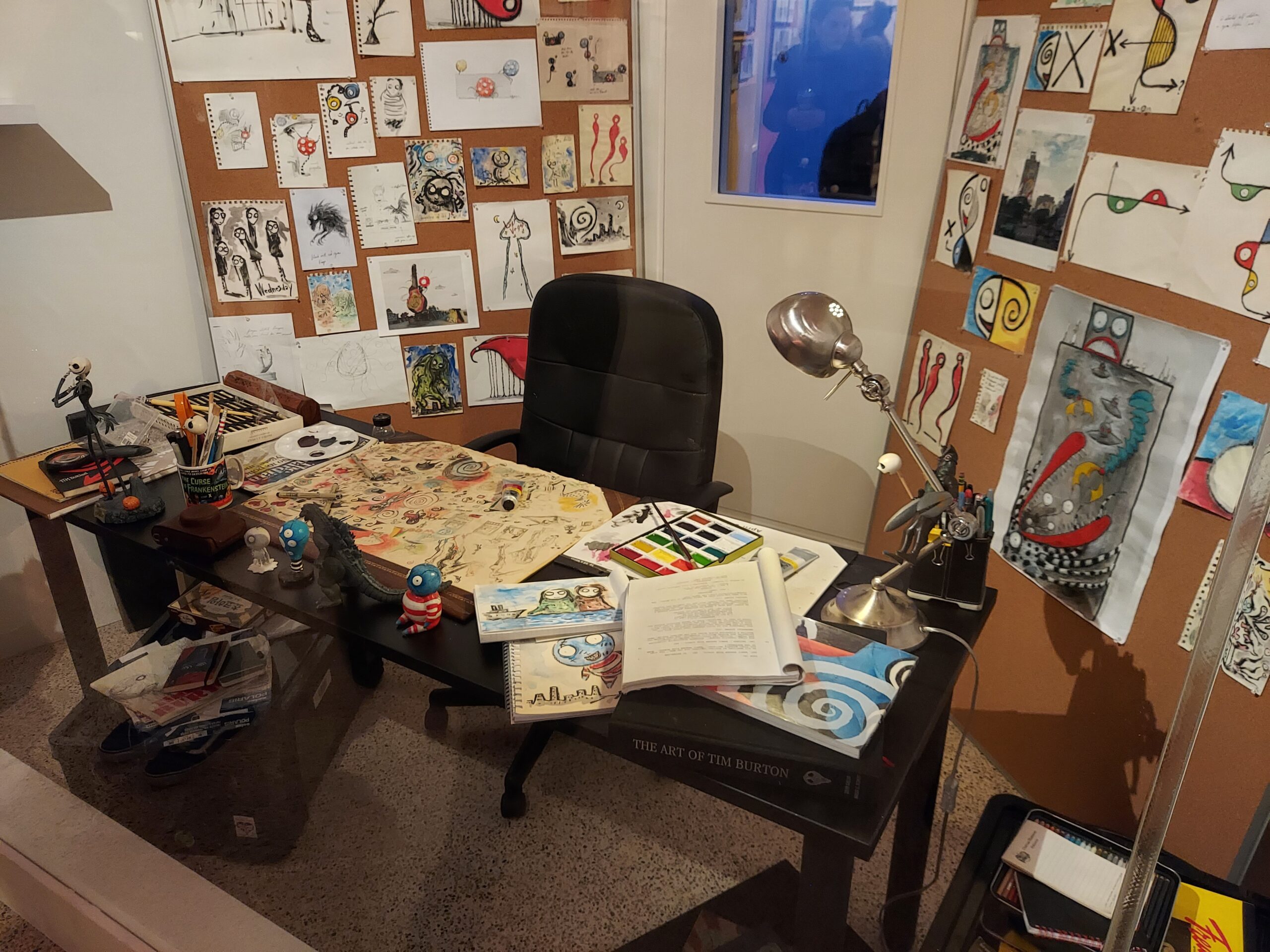
Tim Burton's desk

Burton’s style is hugely distinctive and this has been the case from his early days. Growing up in American suburbia, he channeled his imagination into the strange and the bizarre, turning the cosy and predictable on its head. Drawn from his personal archives, his earliest works in this exhibition are from his schooldays, and already show signs of his future genius.
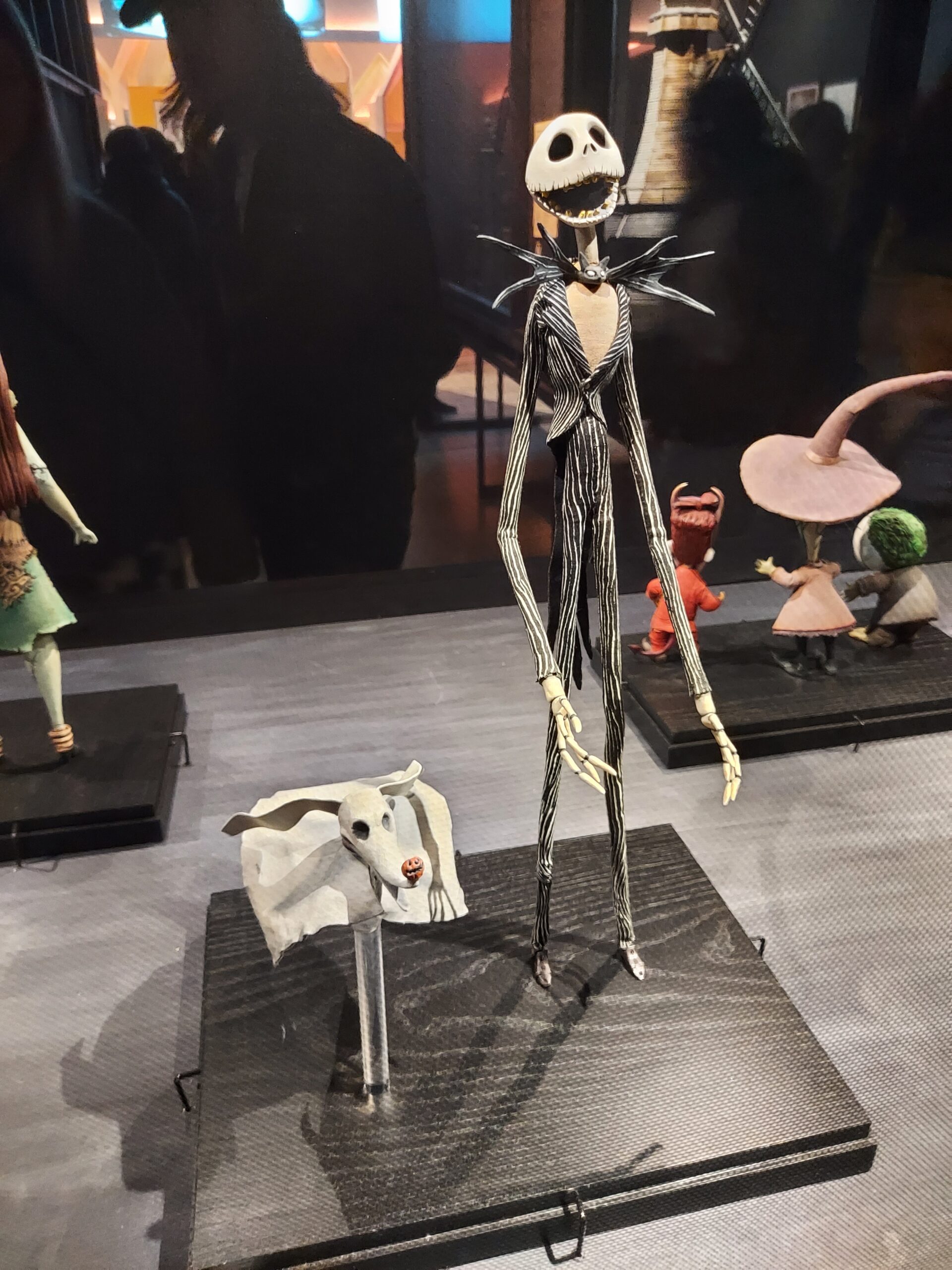
Jack Skellington

The exhibition features artworks, photographs, writings, sketchbooks, imagery, models and set and costume design. Standalone artworks are featured, and there are sections devoted to the movies he designed, such as The Nightmare Before Christmas, Corpse Bride and Big Fish. His studio, crammed with drawing materials and artworks, is recreated.

This is another fascinating exhibition and definitely worth seeing for any fans of Burton’s aesthetic.
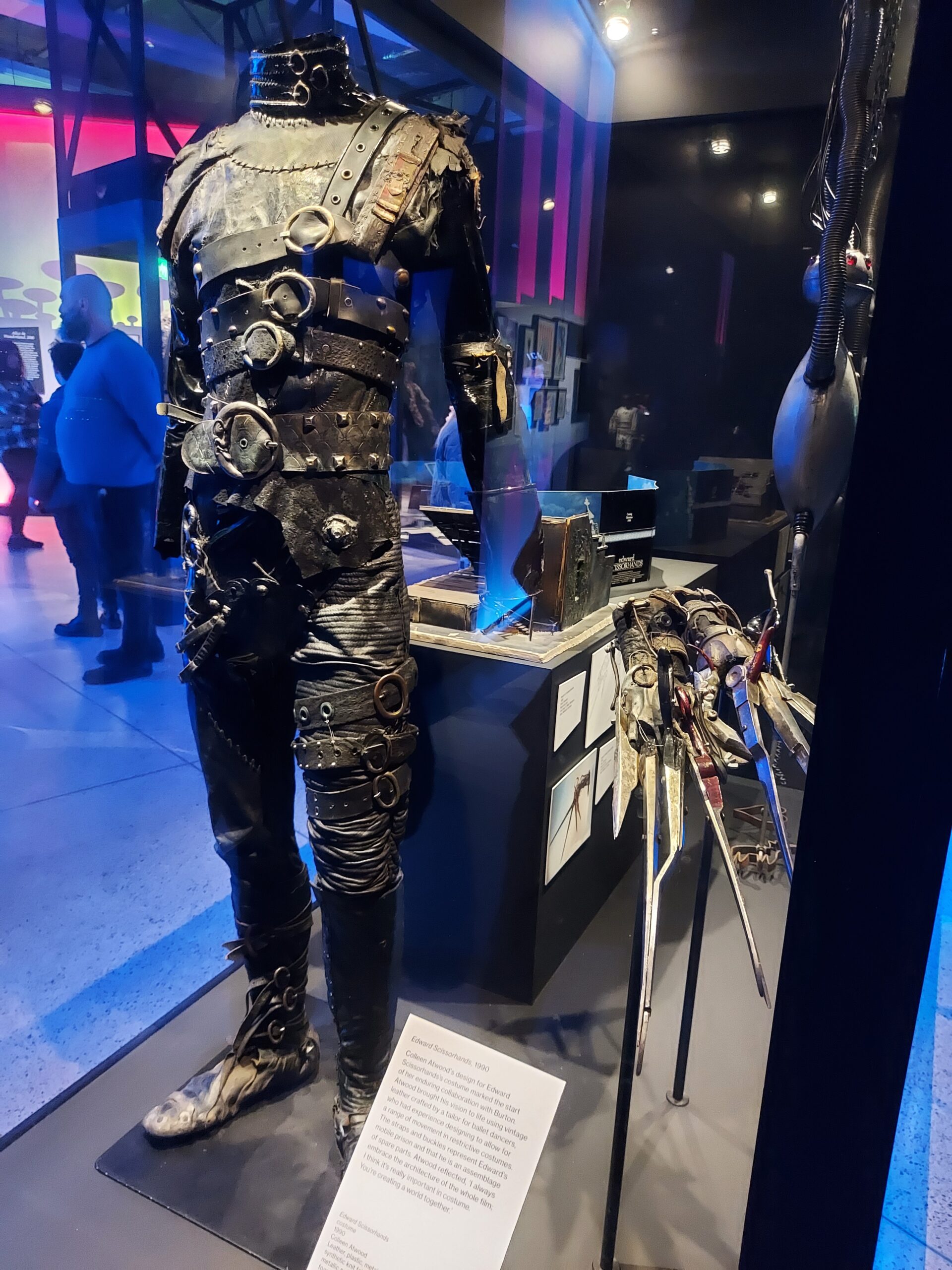
Edward Scissorhands costume

Barbie®: The Exhibition – Design Museum

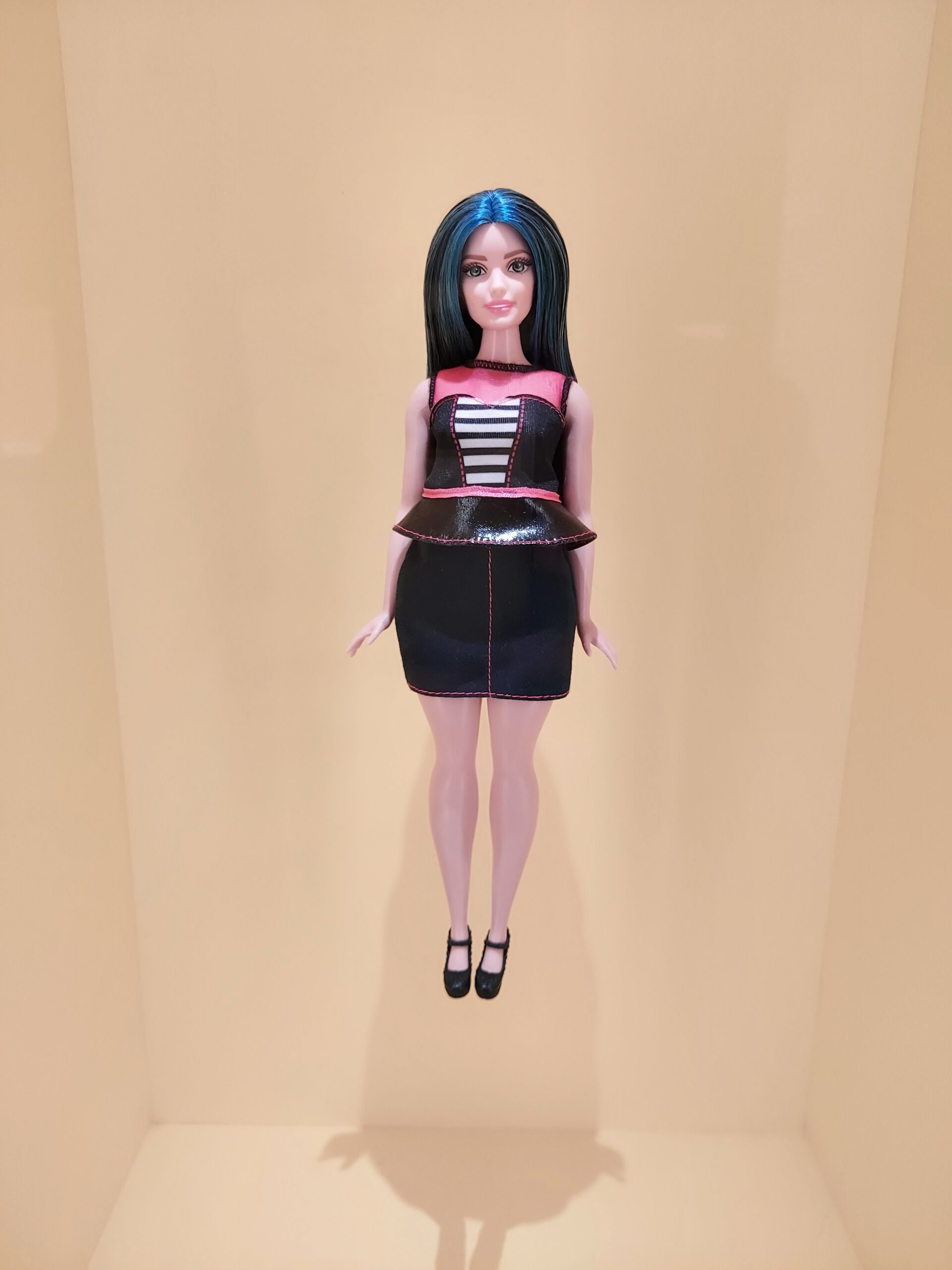
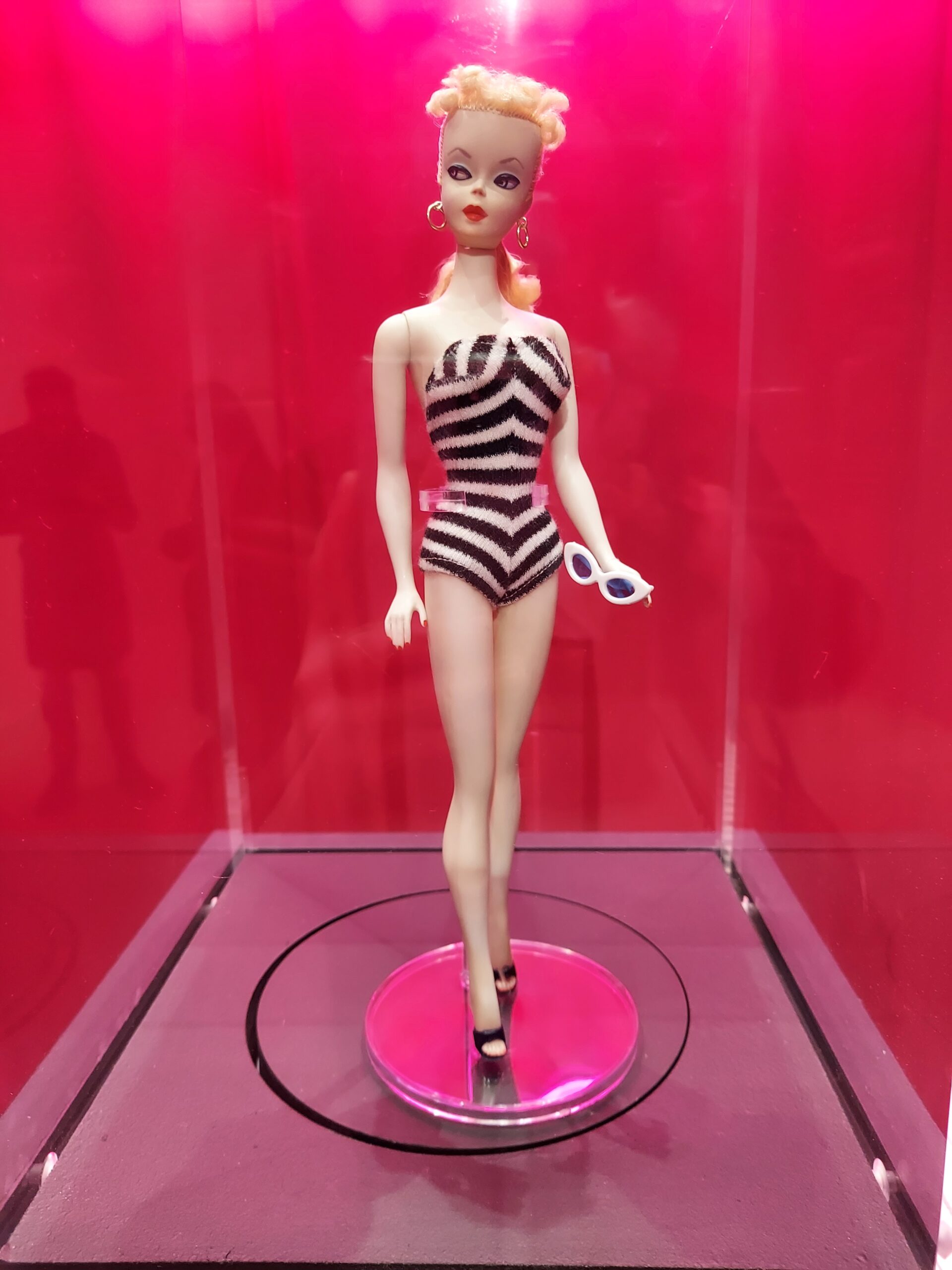
Original Barbie

I had a Friday off work so I went along to the Design Museum to see the Barbie exhibition. Like most little girls, I had Barbies when I was a child and the exhibition, featuring over 250 objects, promised to be an interesting look at the evolution of Barbie from 1959 to the present day.

On display was one of the first ever dolls released by Mattel in 1959, as well as other examples including the best-selling Barbie of all time, the Totally Hair Barbie of 1992. I remember seeing this doll advertised at the time, and kind of wanting it, while at the same time knowing that I would never dare to cut her hair so there would be no point.

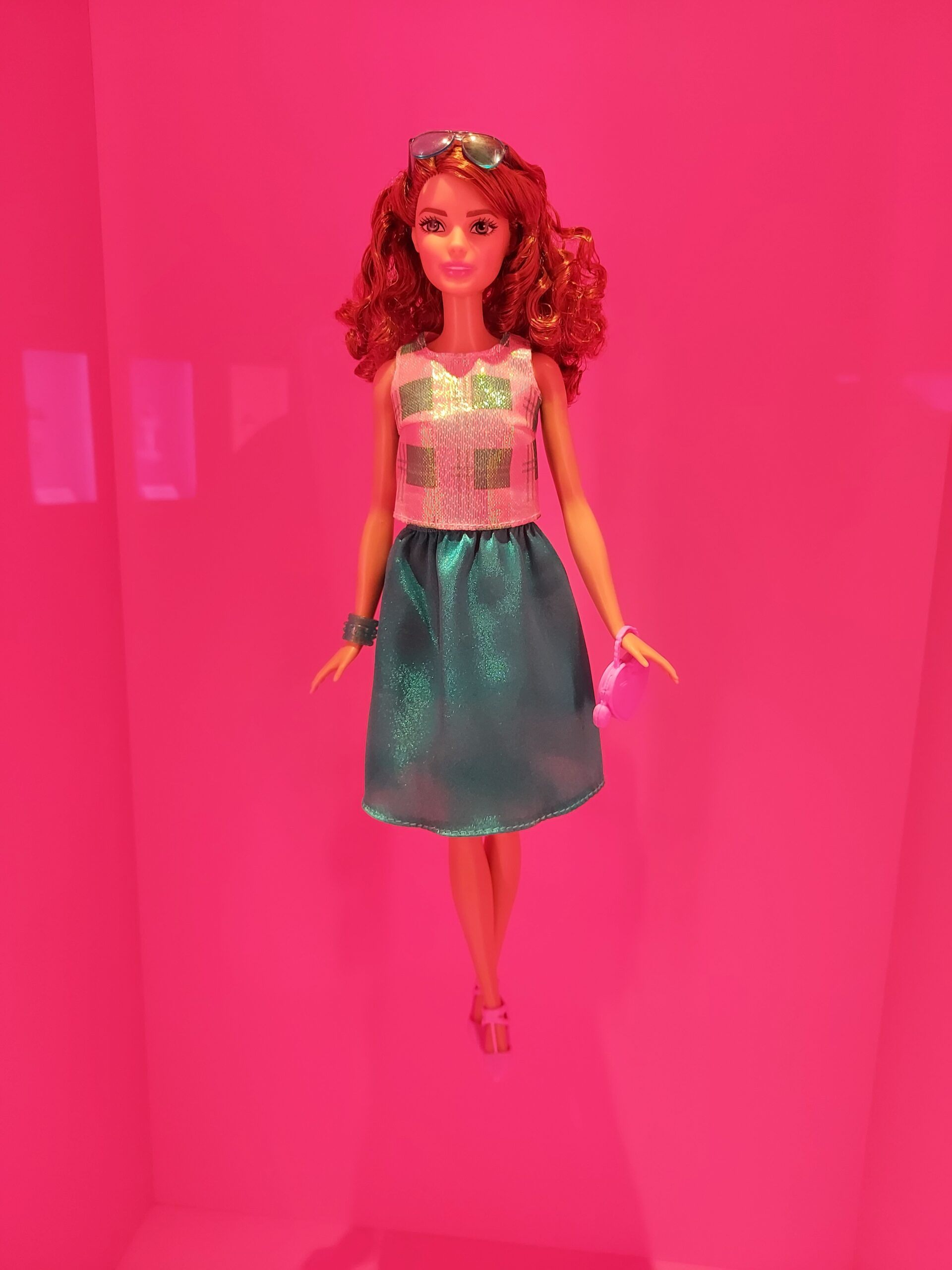
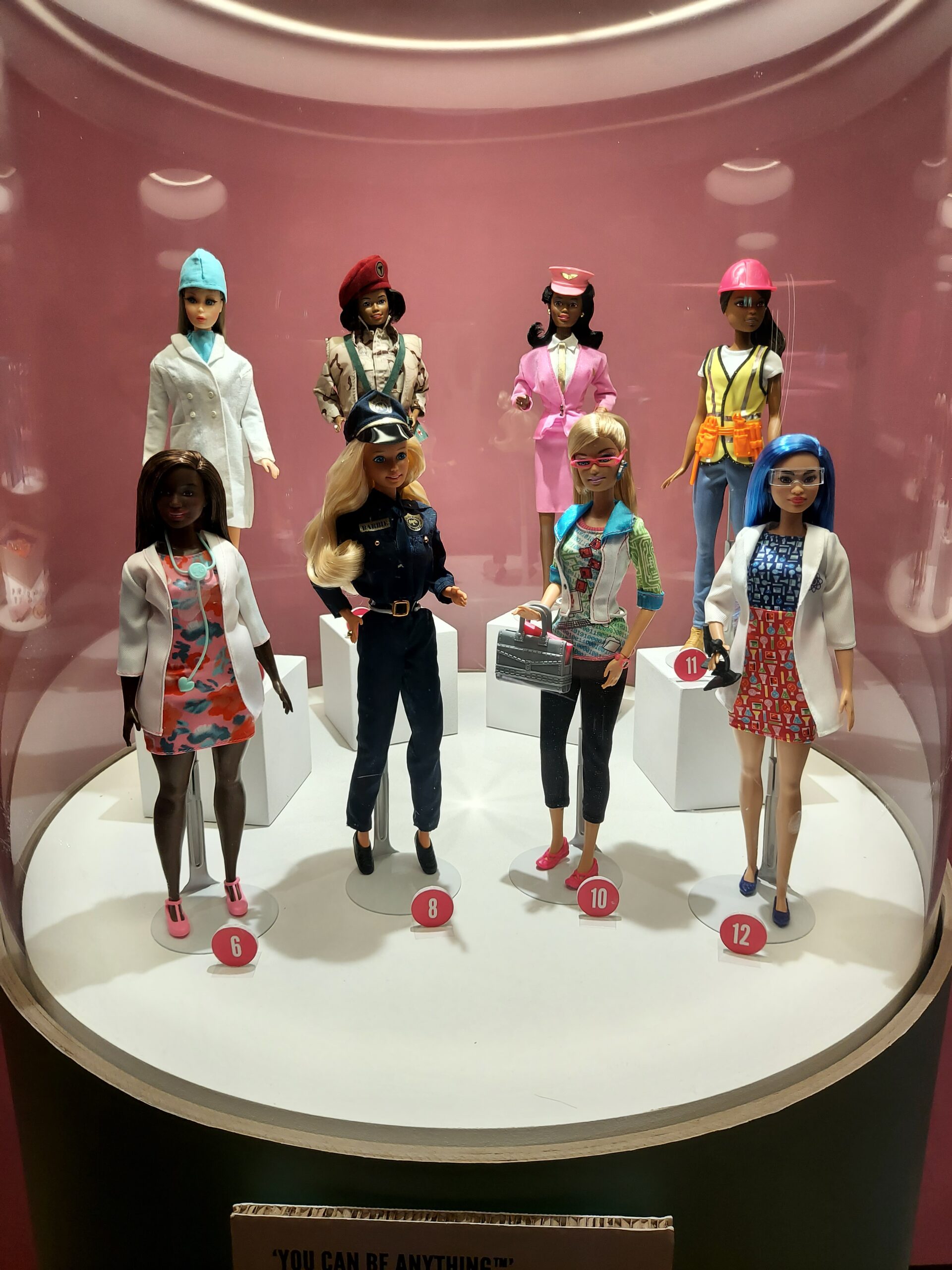
I have never seen so many Barbie dolls in one place. So many different kinds have been released over the years, with countless outfits. I had fun choosing my favourites and recognising the ones I owned. The doll has also reflected changing attitudes and social mores, with Barbie increasingly reflecting and inspiring societal aspirations. Barbies are doctors, teachers and even astronauts.

Barbies with different professions

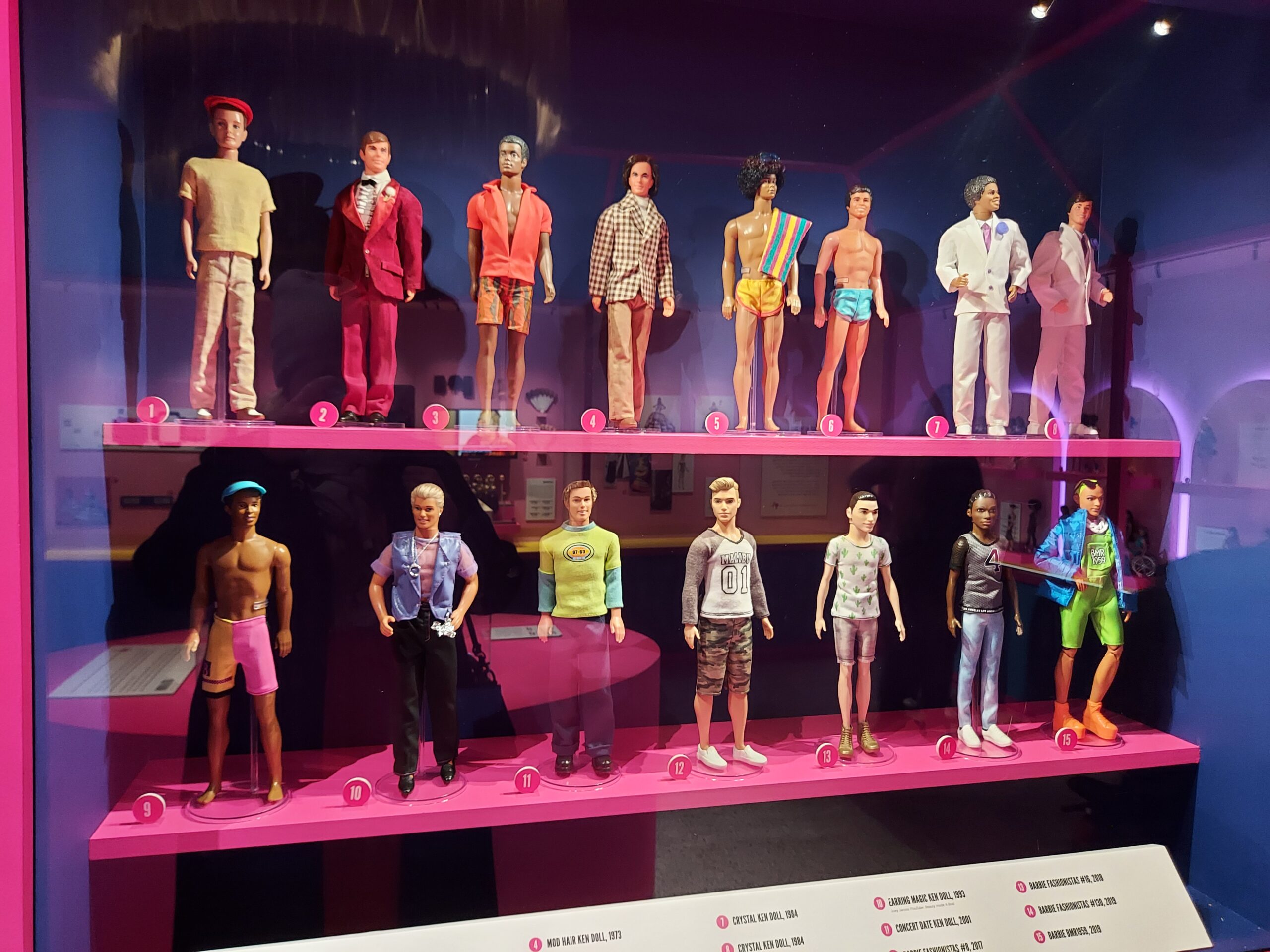
Barbie has had lots of friends over the years, such as Midge, Christie and Teresa, as well as a younger sister, Skipper. And let’s not forget Ken, who has also appeared in various incarnations over the years since his first appearance in 1961.

Ken dolls

As well as dolls, the exhibition looks at Dreamhouses, vehicles and furniture. These also reflect the times in which they were made and served as aspirational models for children. I have fond memories of my own Barbie campervan, though I can’t say it’s given me a taste for the outdoors.

It’s good to see that Barbie has become much more diverse through the decades. Black, Hispanic and Asian dolls have all been released, as well as those with Down syndrome, dolls that use wheelchairs and Barbies with different body shapes.

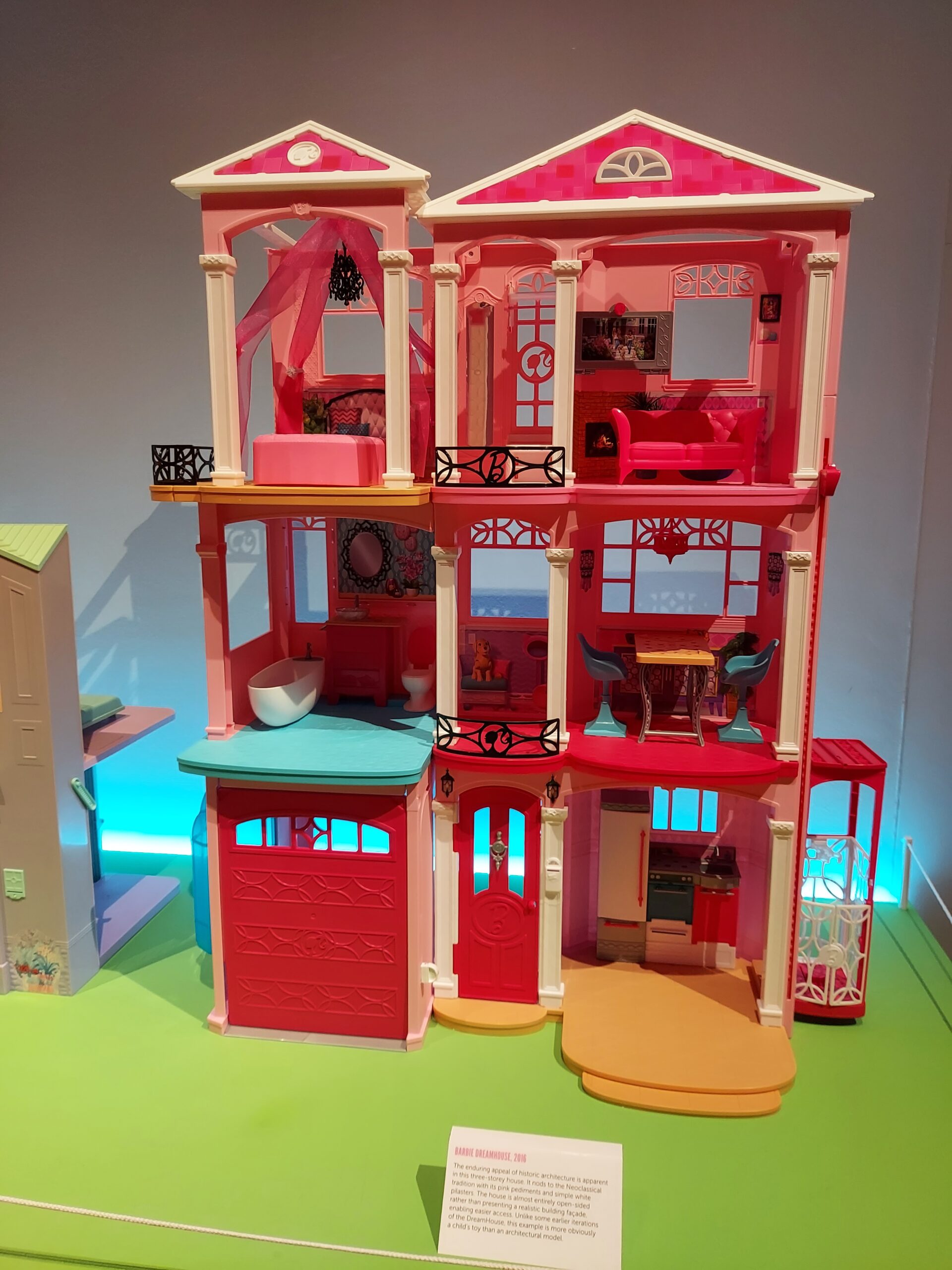
Barbie dream house

This was a fun, nostalgic exhibition that was fascinating to explore and showed how influential Barbie has been for over half a century.

Design Museum

Head of Invention, Eduardo Paolozzi

The Design Museum has undergone a pretty impressive transformation lately – it’s moved venue. Originally based in Shad Thames near London Bridge, it recently took over the old Commonwealth building on High Street Kensington, opening only a few months ago.

Ceiling

The building itself is pretty impressive. Located on a busy high street, it has an appealing modern entrance and is hugely striking inside. Photographs on the mezzanine illustrate the progress of the transformation. Like many museums in London, the Design Museum is made up of a mixture of free permanent exhibitions and temporary paid exhibitions, with something to suit every taste; there’s a café, restaurant and gift shop too.

Wall of designs

The major free exhibition is called Designer Maker User, and it looks at examples of good design throughout modern history, from furniture to games consoles to road signs. The Tube map makes an appearance, not to mention typewriters and computers.

Designer

Maker

User

The second free exhibition I saw was Cartier in Motion, which looked at the history of Cartier. Sponsored by the brand, it is in many ways a commercial exhibition, but it was informative and interesting, even if it didn’t convince me that I need a Cartier watch.

Design Museum

The two temporary exhibitions currently are Imagine Moscow, in the basement, and California: Designing Freedom, on the ground floor. I visited one and not the other; it’s handy to be able to choose what you want to see. There’s a rolling programme of paid temporary exhibitions, reason to go back again and again.

Design Museum

The Design Museum is definitely a worthwhile place to visit, should you be interested in this kind of thing. The free exhibition is wide-ranging enough to attract attention and the range of temporary exhibitions is certainly promising.

FACTS

Address: 224-238 Kensington High Street, London, W8 6AG

Website: designmuseum.org

Opening Hours: 10am-6pm daily

Prices: Free

Imagine Moscow – Design Museum

Design Museum

I’ve always had an interest in Russia, so when I visited the Design Museum recently I made sure to check out their exhibition Imagine Moscow. The exhibition, like so many this year, marks the centenary of the Russian Revolution, and explores Moscow as it was imagined by a new generation of architects and designers in the 1920s and early 1930s. The projects envisaged by them never materialised, but they remain testaments to the ambition and vision of the new regime.

Imagine Moscow exhibition

The projects explored include aviation, communication and industrialisation, using artwork, propaganda and architectural drawings. I was particularly struck by the vision of communal living, with its strict timetables laid out for each worker of the Soviet state. I was torn between admiration for the desire to ensure every person had ample time for recreation and exercise, and horror at the tightly regulated nature of every minute of the day.

One of the most fascinating projects, for me, is the Palace of the Soviets. This, the proposed centre of Soviet administration in Moscow, was imagined as a colossal edifice in the centre of the city, with a gigantic statue of Lenin on top. The nineteenth-century Cathedral of Christ the Saviour on the proposed site was demolished in preparation for work to begin, but the building never got off the ground (literally). Eventually the site became a public swimming pool before a replacement cathedral in the original design was built.

I found the exhibition to be an interesting exploration of what might have been, and a positive introduction to the Design Museum’s new site.