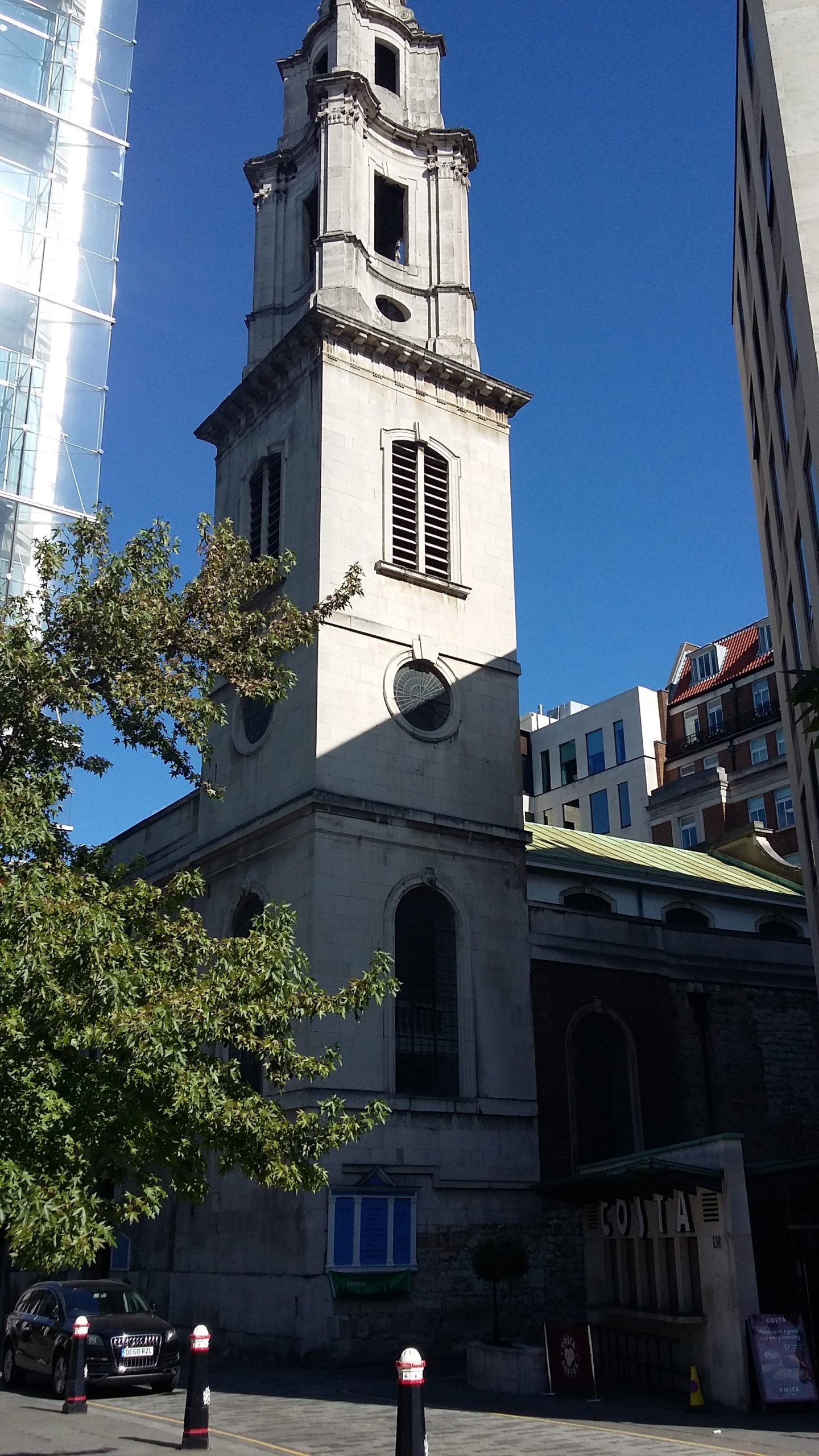
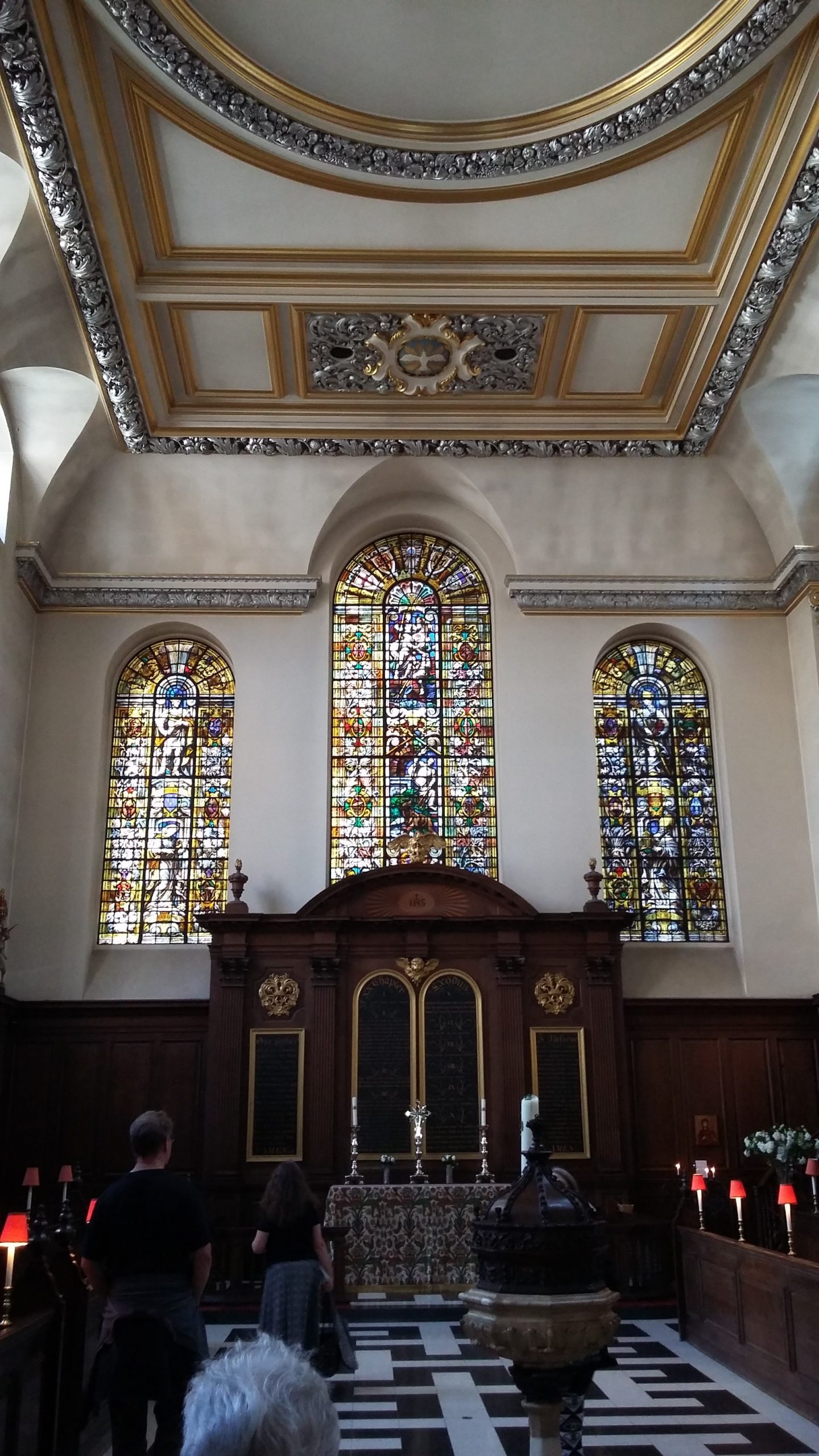
Something else I did during Open House London was visit a number of churches in the City of London. They were all built or rebuilt after the Great Fire of London, and all of them are of historical significance. Open House London was a chance to explore them in more detail.
St Mary-le-Bow
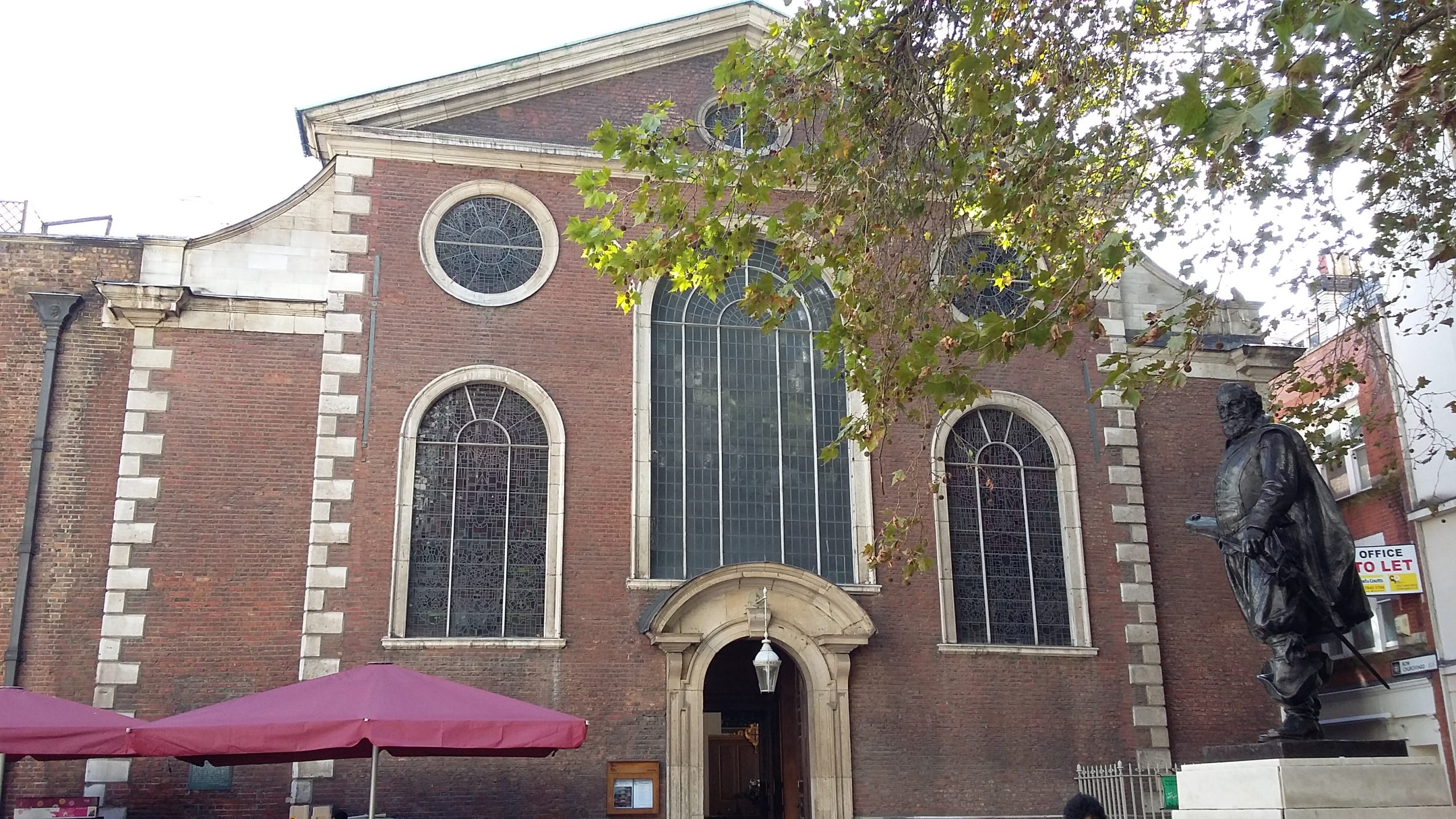
Possibly the most famous church in London, as according to tradition, a true Cockney must be born within earshot of the sound of Bow Bells, St Mary-le-Bow on Cheapside was rebuilt after the Great Fire of London by Sir Christopher Wren, although a church has existed on the site since Saxon times. Destroyed in the London Tornado of 1091, it was rebuilt during the reign of Henry II and was famous for its arches, or “bows”, of stone. Much of the church was destroyed by a German bomb during the Blitz, and was restored under the direction of Laurence King. Today, St Mary-le-Bow is a Grade I listed building. A statue of Captain John Smith of Jamestown, founder of Virginia, stands outside: he was once a parishioner of the church. Inside, there is a memorial to members of the Norwegian resistance who died during World War II.
St Mary Aldermary
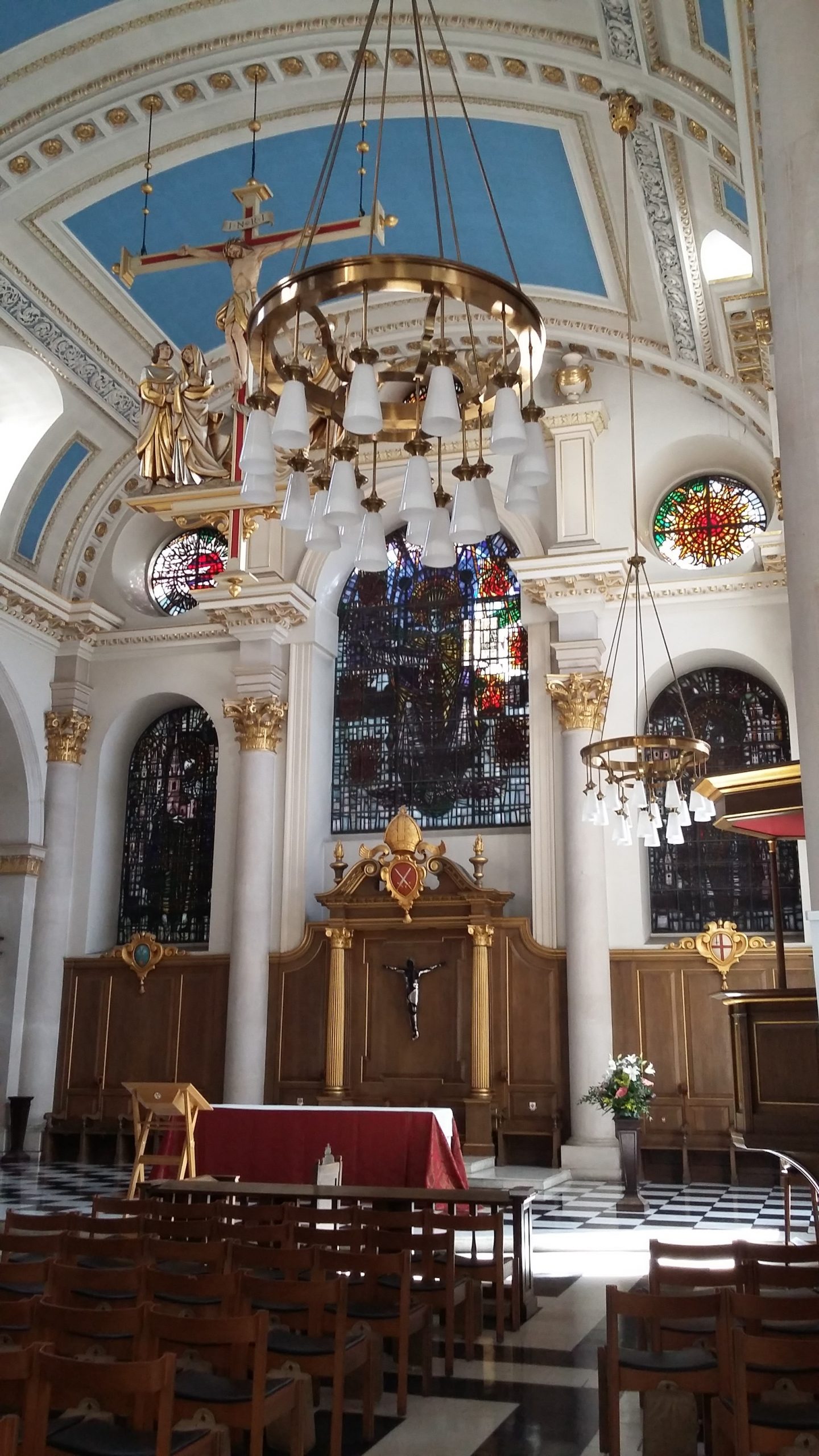
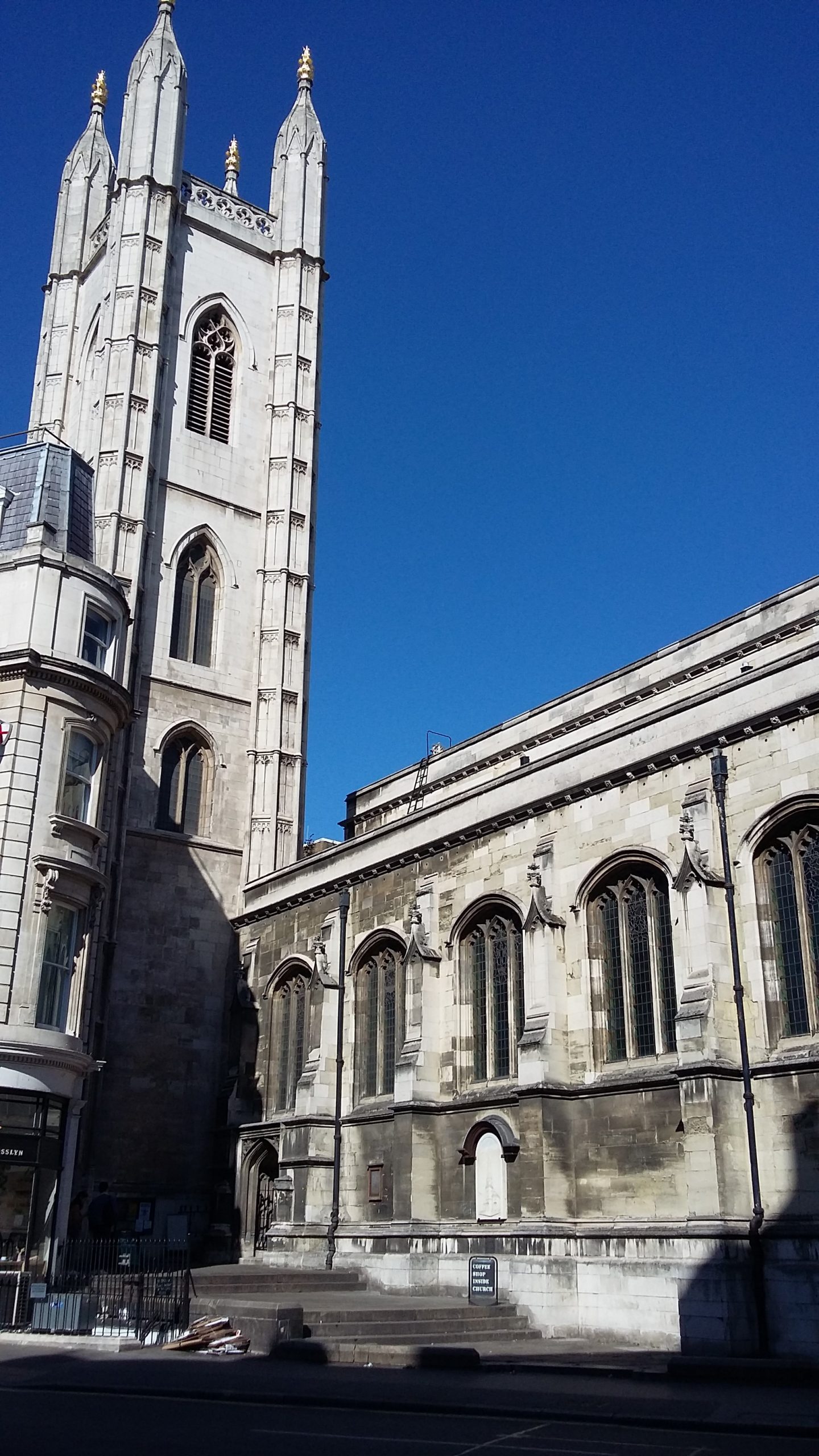
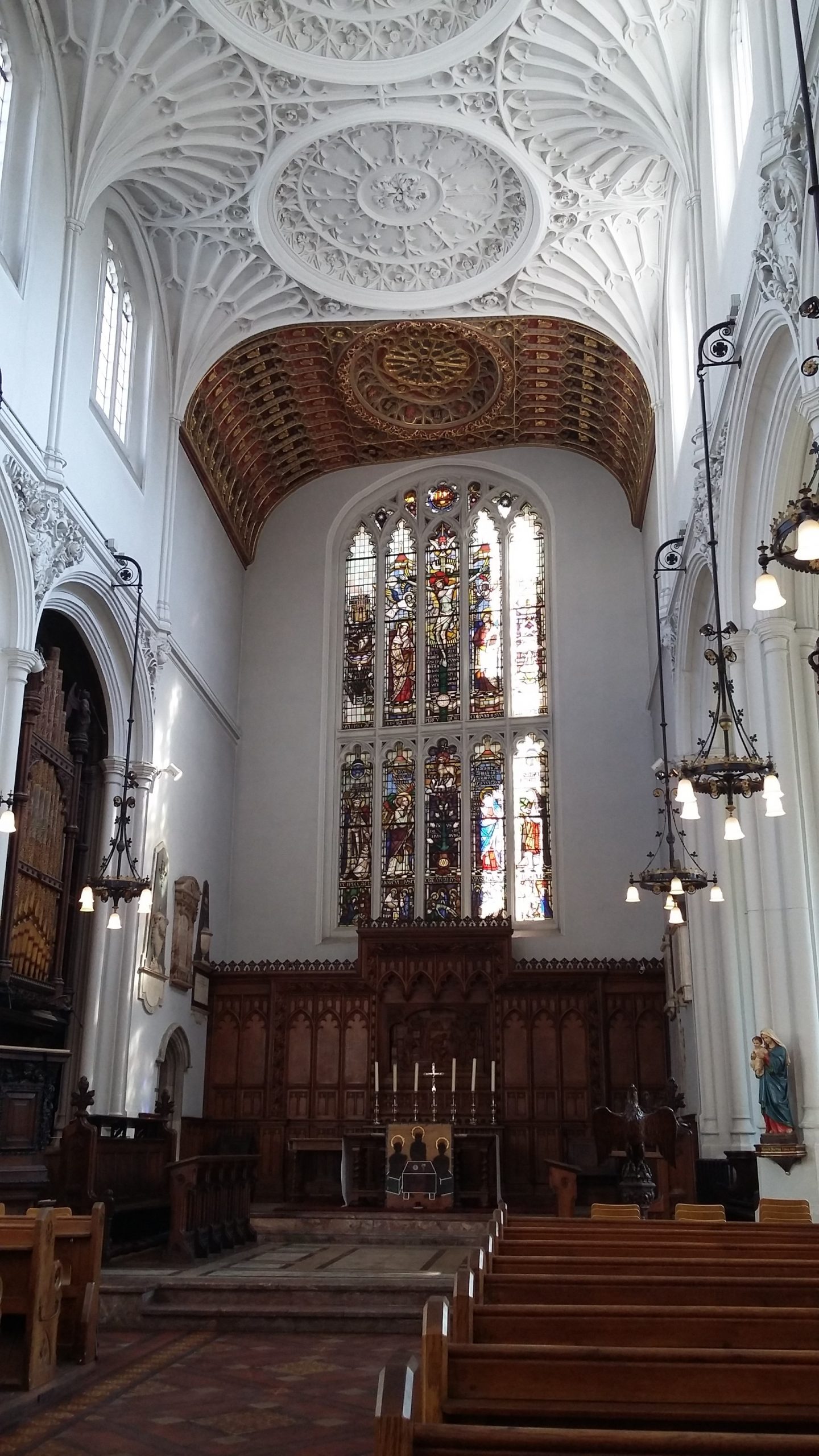
This Guild church sits on Watling Street at the junction with Bow Lane. Originally a medieval church, it was rebuilt from 1510 and again after suffering damage during the Great Fire of London. Unusually for Wren’s churches, it is in the Gothic style. It has been the Regimental Church of the Royal Tank Regiment since 2007. I found this church particularly welcoming: it has a café, open to all, and hosts conferences, meditation sessions and discussion groups.
St Stephen Walbrook
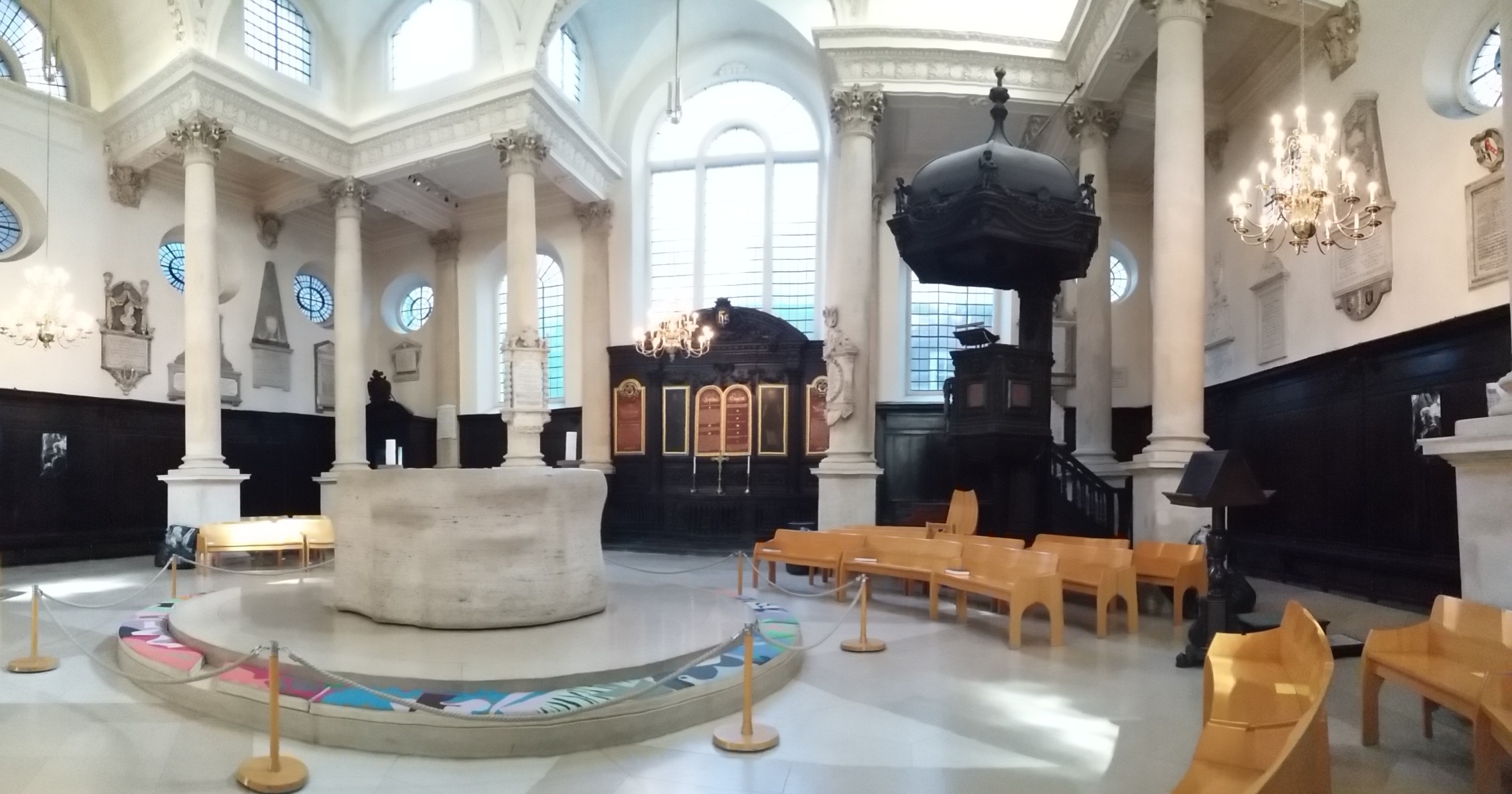
Of all the churches I visited, St Stephen Walbrook has perhaps the most interesting history. The original church stood on the east bank of the Walbrook, supposedly directly over the remains of a Roman Mithraic Temple, but was moved to its present site on the other side of Walbrook Street in the 15th century. Destroyed, like so many others, in the Great Fire, it was rebuilt to Sir Christopher Wren’s design. In 1987, an altar by the sculptor Henry Moore was installed. The dramatist and architect John Vanbrugh is buried here.

St Vedast
St Vedast, also known as Saint Vedast Foster Lane or Saint Vedast-alias-Foster, so-called because of its location in Foster Lane, was founded before 1308 and repaired by 1662; unfortunately, it was badly damaged in the Great Fire four years later. Rebuilt by the office of Sir Christopher Wren, the new church incorporated aspects of the medieval framework. The spire, possibly designed by Nicholas Hawksmoor, was added in 1709-12. Gutted during the Blitz, the church was restored by Stephen Dykes Bower.