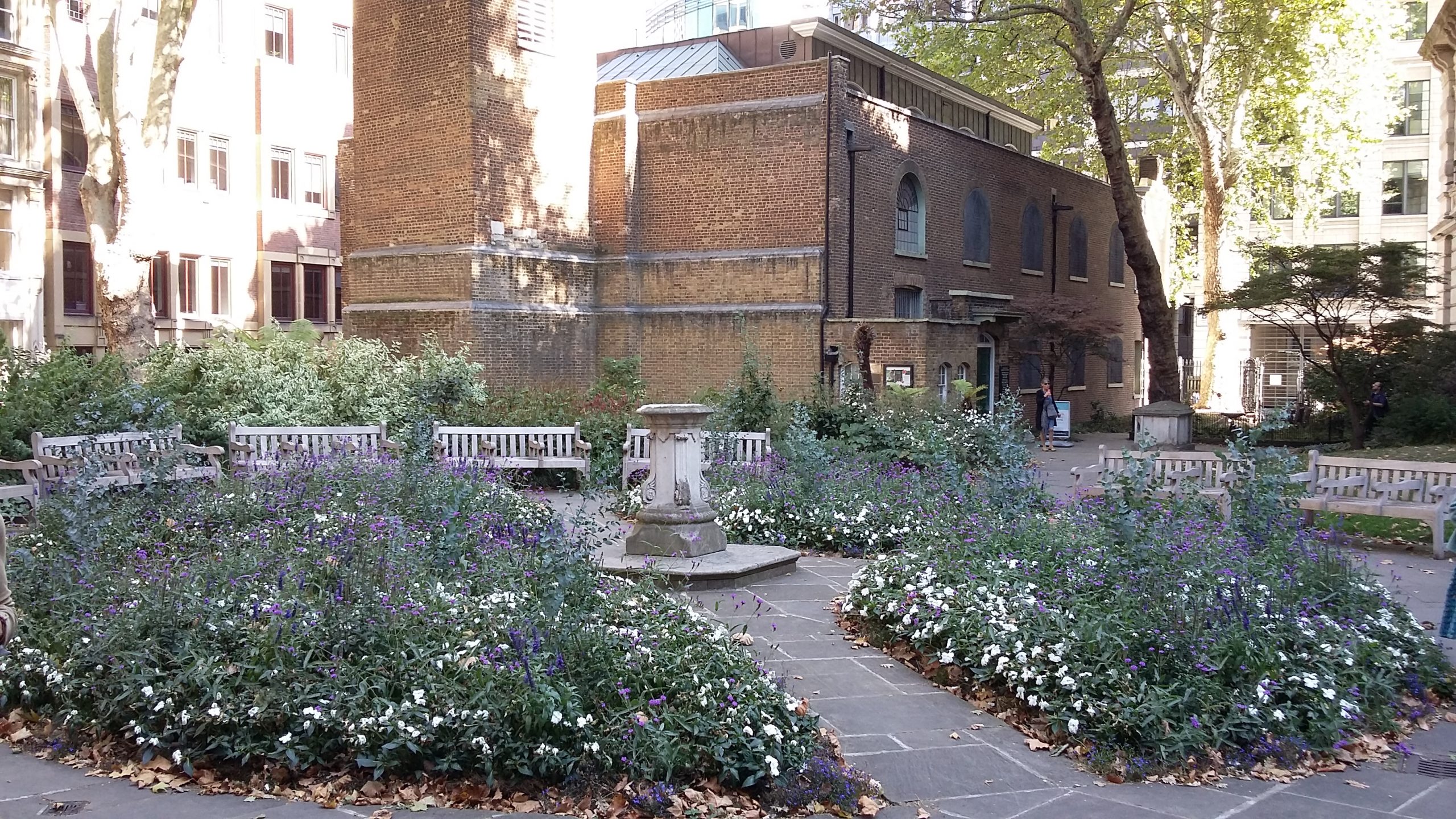
Postman’s Park is located just up from St Paul’s Cathedral, not far from the Museum of London. The Park got its name from the postal workers from the nearby General Post Office who used to frequent it at lunchtime. It is a peaceful place to sit, observe nature, perhaps read a book or drink coffee – but that’s not all.
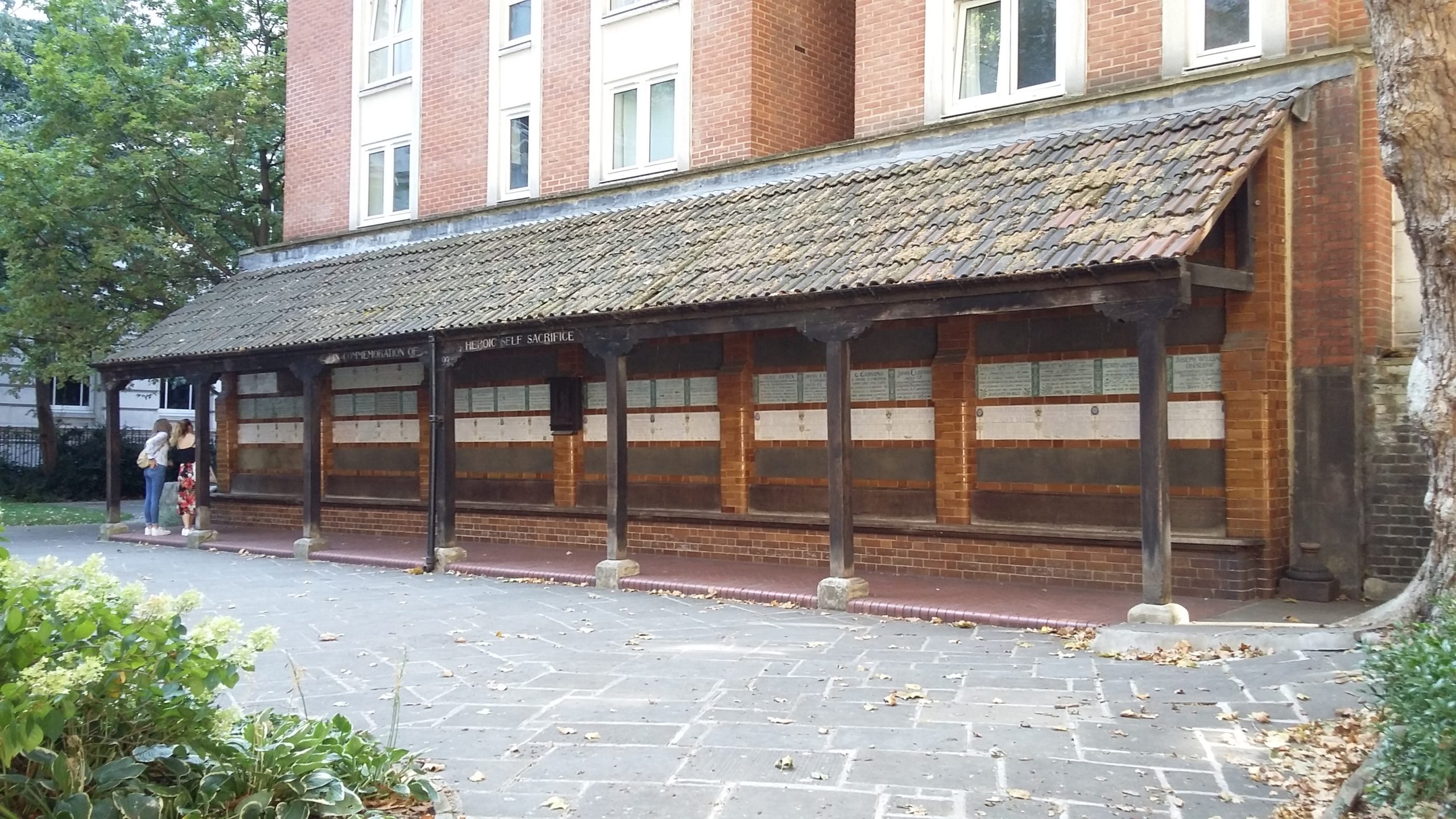
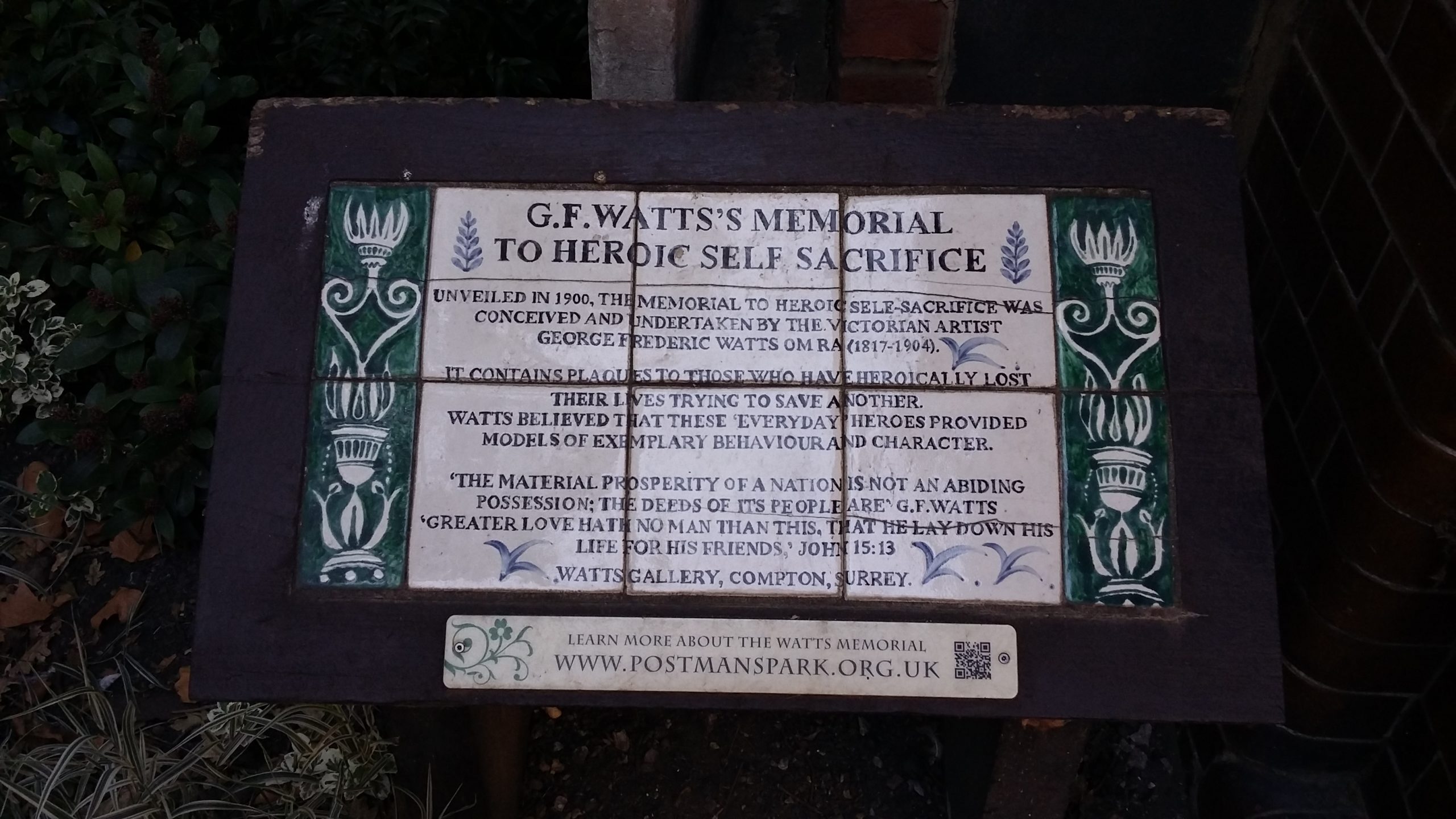
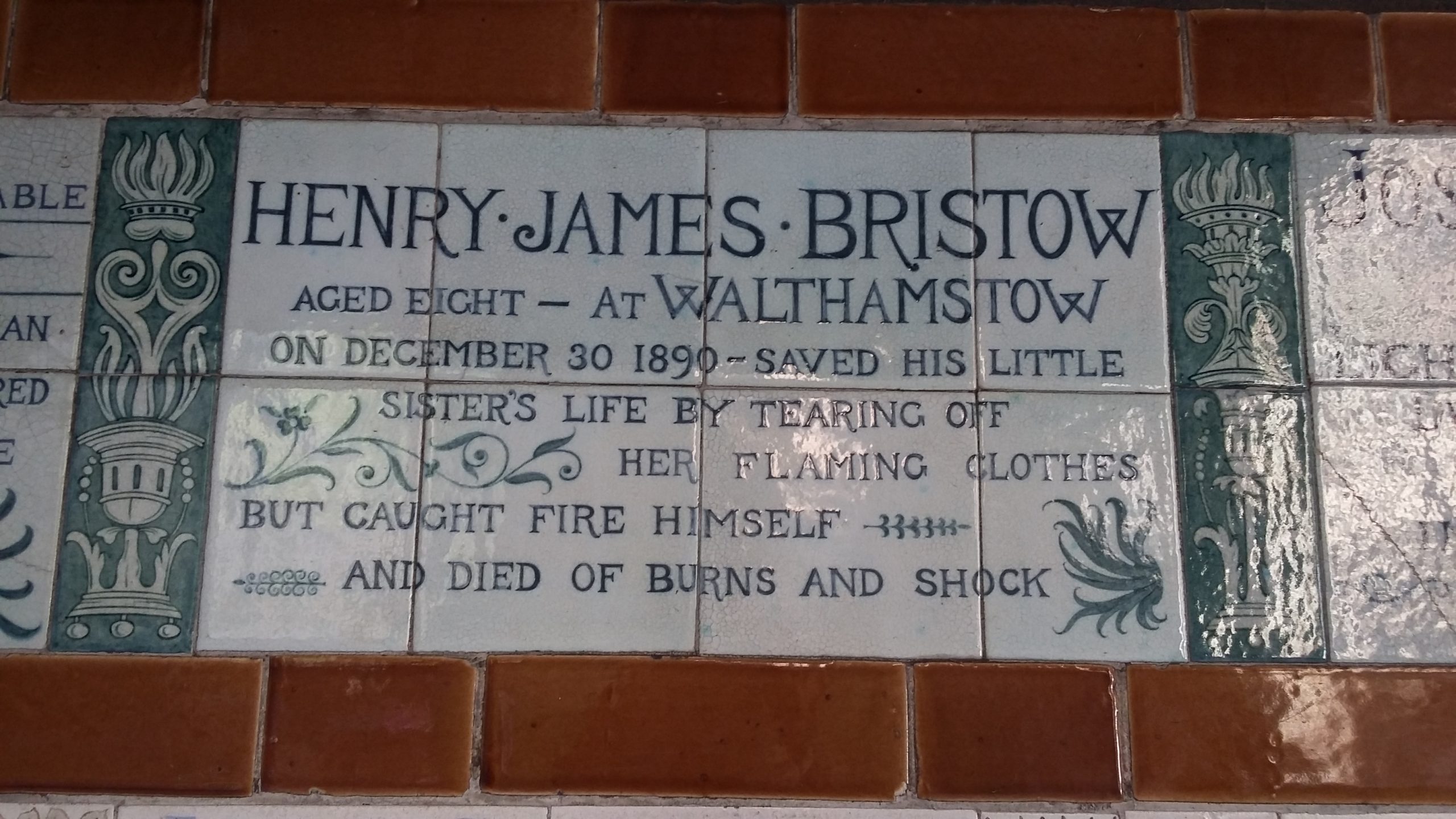
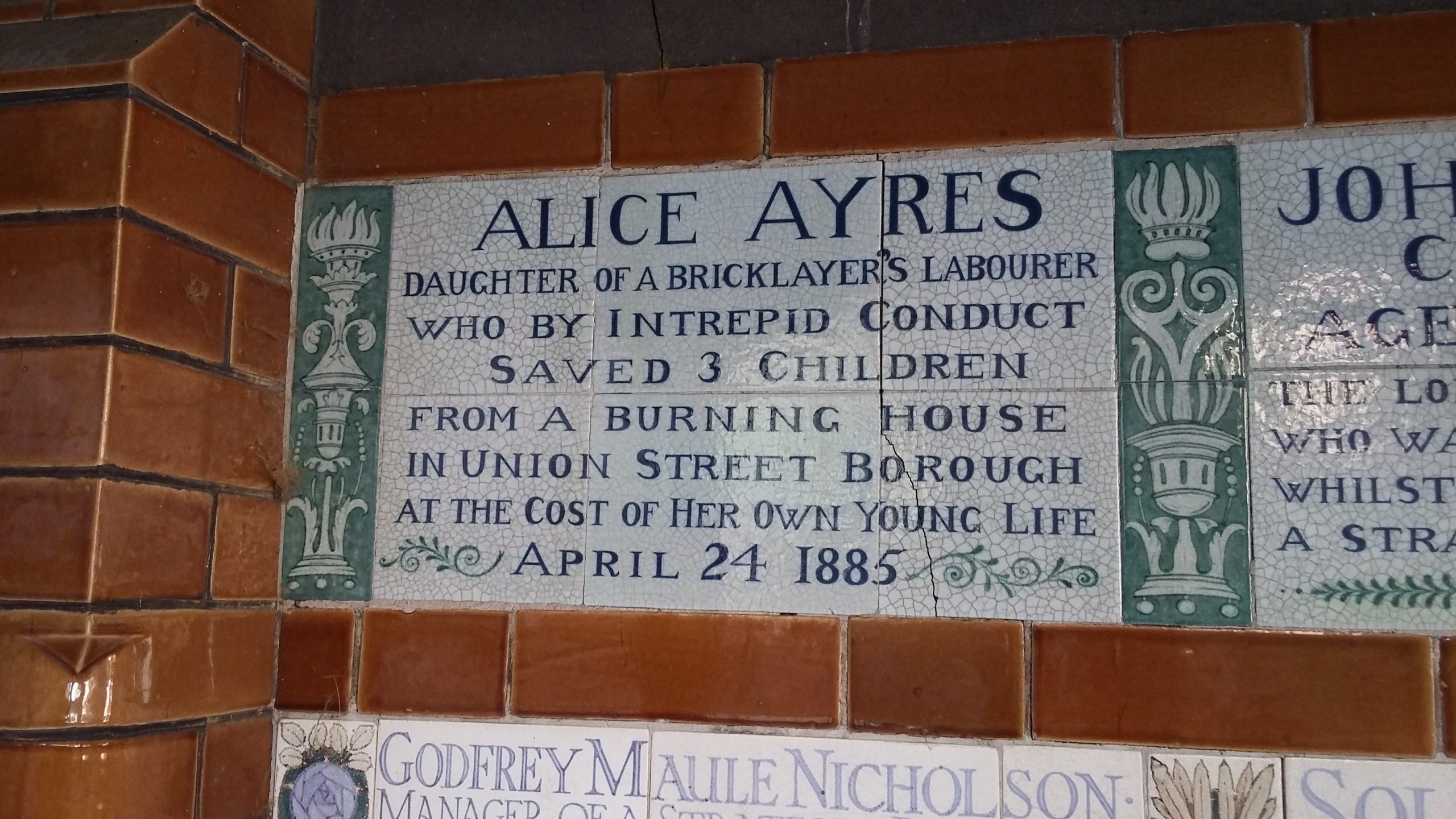
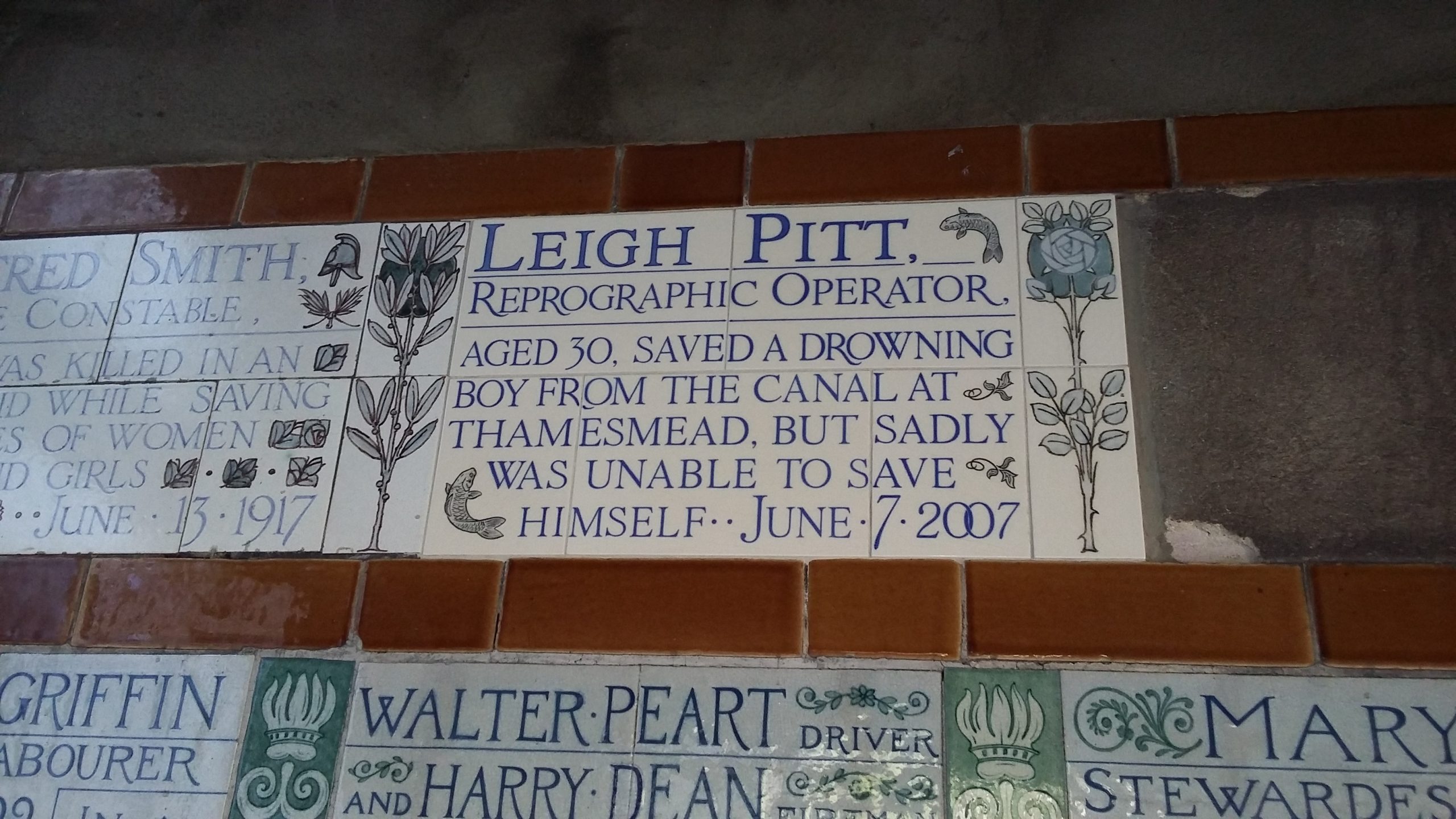
The Watts Memorial, found within the park, contains 54 plaques, each dedicated to a person who gave their life trying to save someone else. It was designed by artist George Frederic Watts, and was first unveiled in 1900. The penultimate tile was added in 1931, with the final tile added 78 years later in 2009, commemorating Leigh Pitt. There is still space for further plaques – perhaps more will be added in the future?
I don’t mind admitting that looking at the plaques made me cry a little bit – particularly the ones involving children.
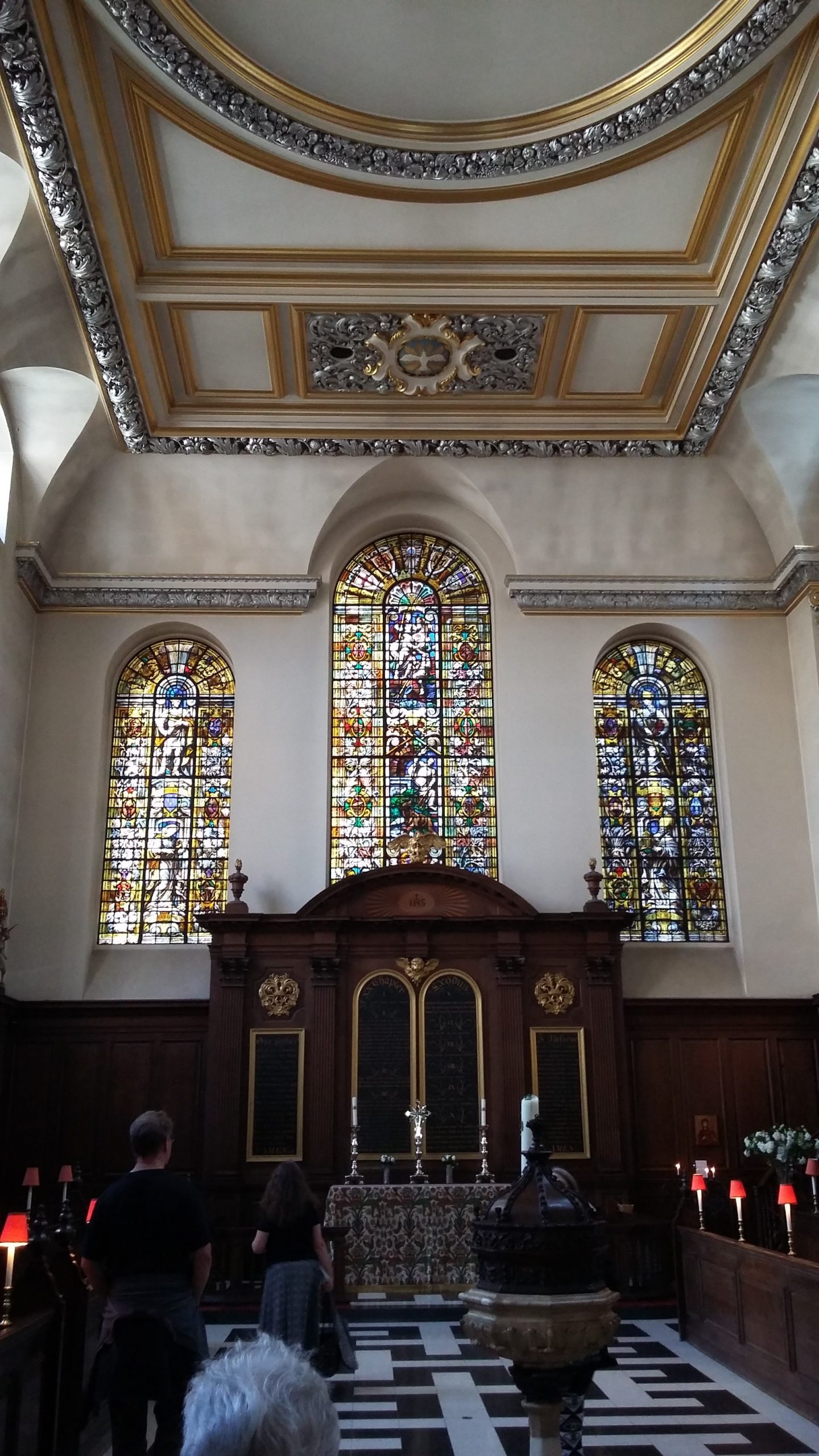
Something else I did during Open House London was visit a number of churches in the City of London. They were all built or rebuilt after the Great Fire of London, and all of them are of historical significance. Open House London was a chance to explore them in more detail.
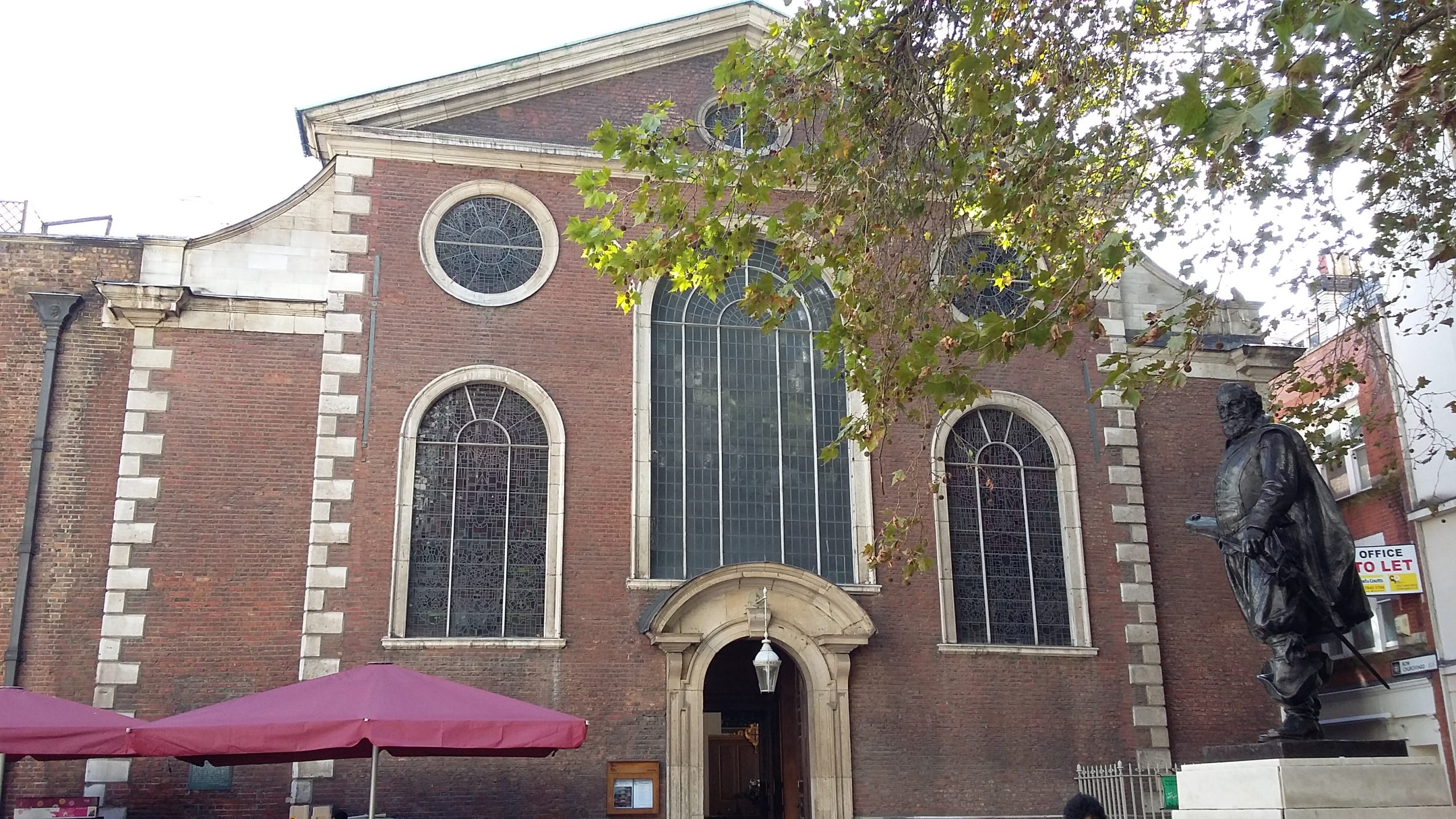
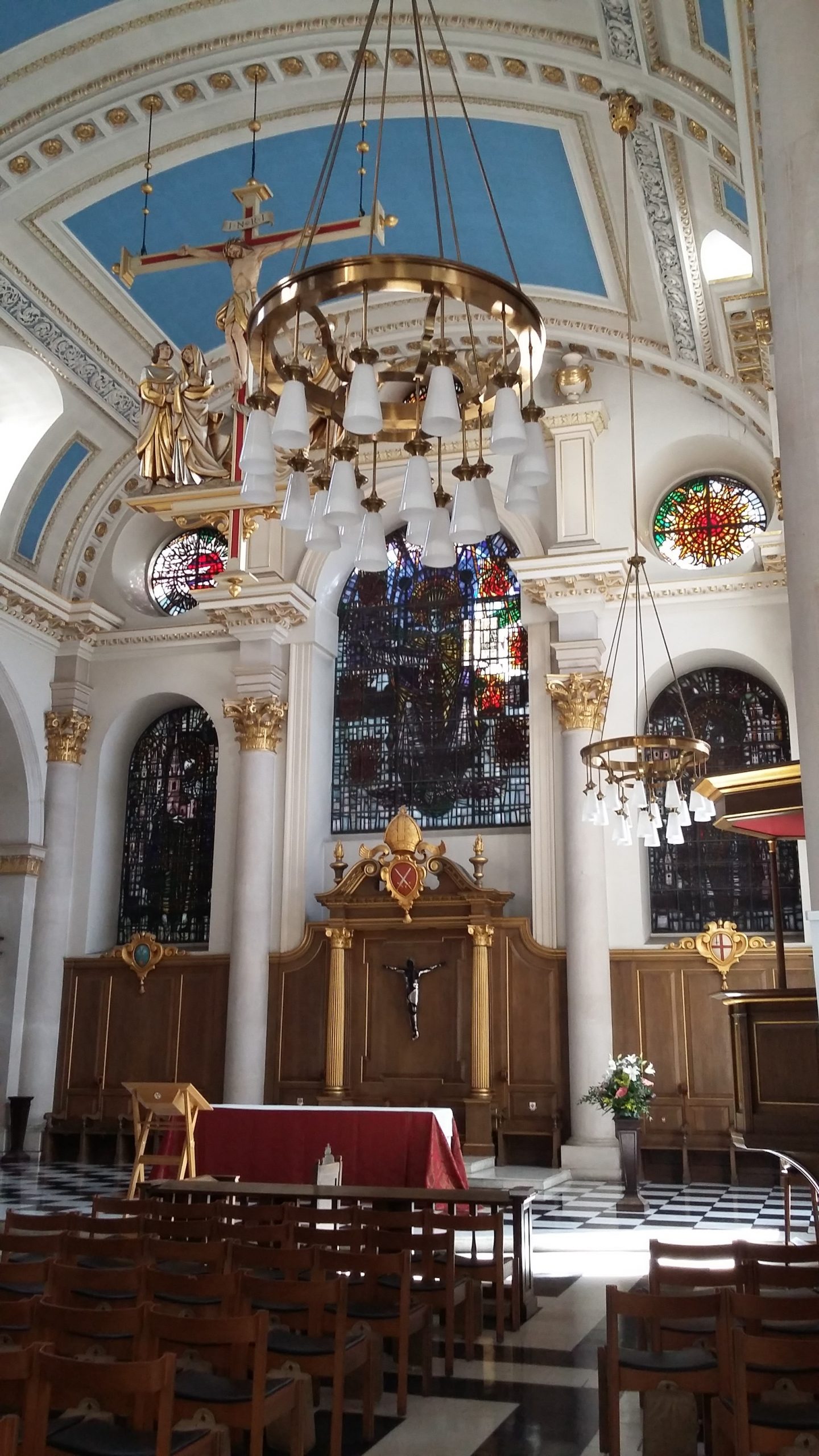
St Mary-le-Bow Possibly the most famous church in London, as according to tradition, a true Cockney must be born within earshot of the sound of Bow Bells, St Mary-le-Bow on Cheapside was rebuilt after the Great Fire of London by Sir Christopher Wren, although a church has existed on the site since Saxon times. Destroyed in the London Tornado of 1091, it was rebuilt during the reign of Henry II and was famous for its arches, or “bows”, of stone. Much of the church was destroyed by a German bomb during the Blitz, and was restored under the direction of Laurence King. Today, St Mary-le-Bow is a Grade I listed building. A statue of Captain John Smith of Jamestown, founder of Virginia, stands outside: he was once a parishioner of the church. Inside, there is a memorial to members of the Norwegian resistance who died during World War II.
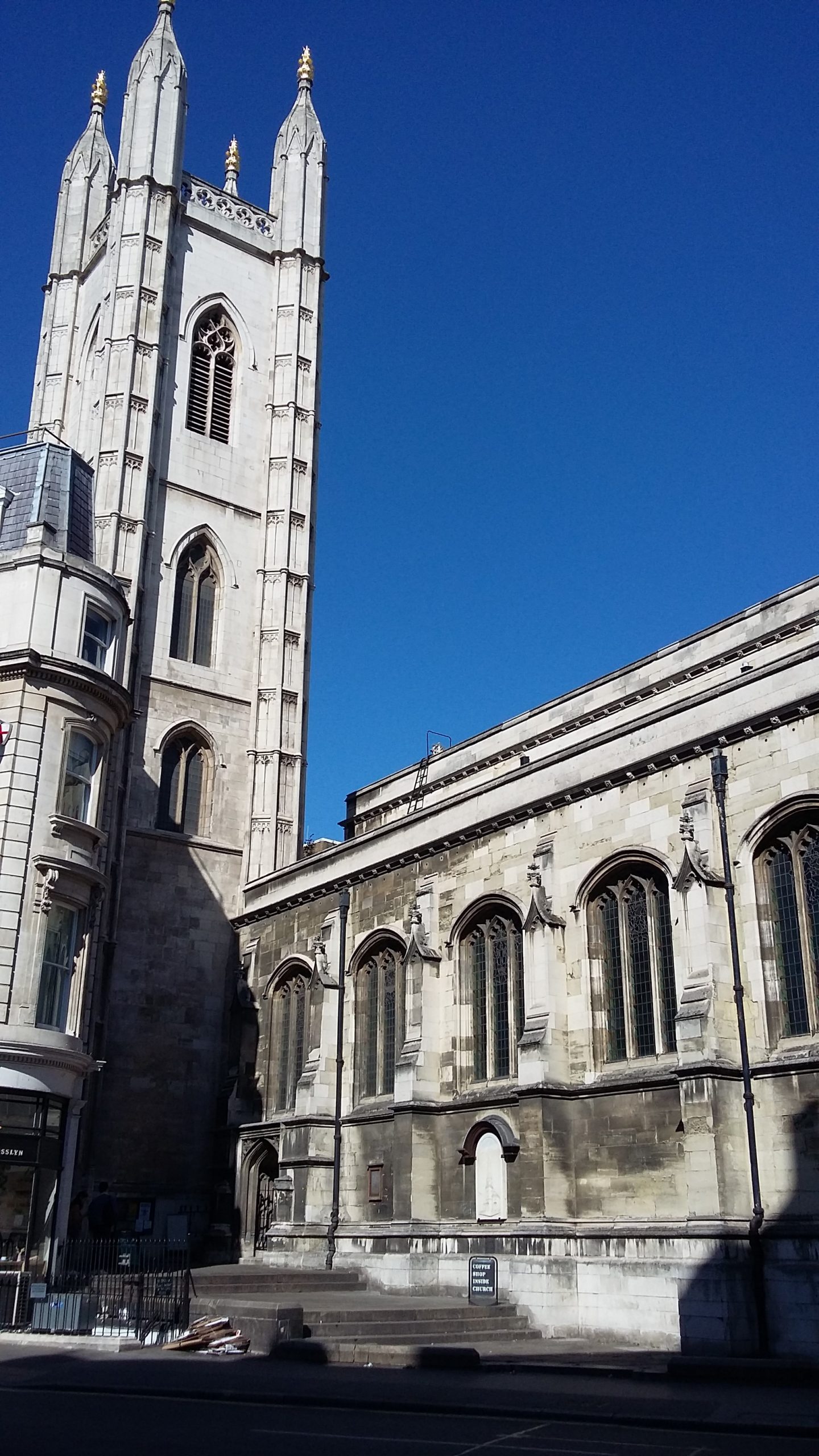
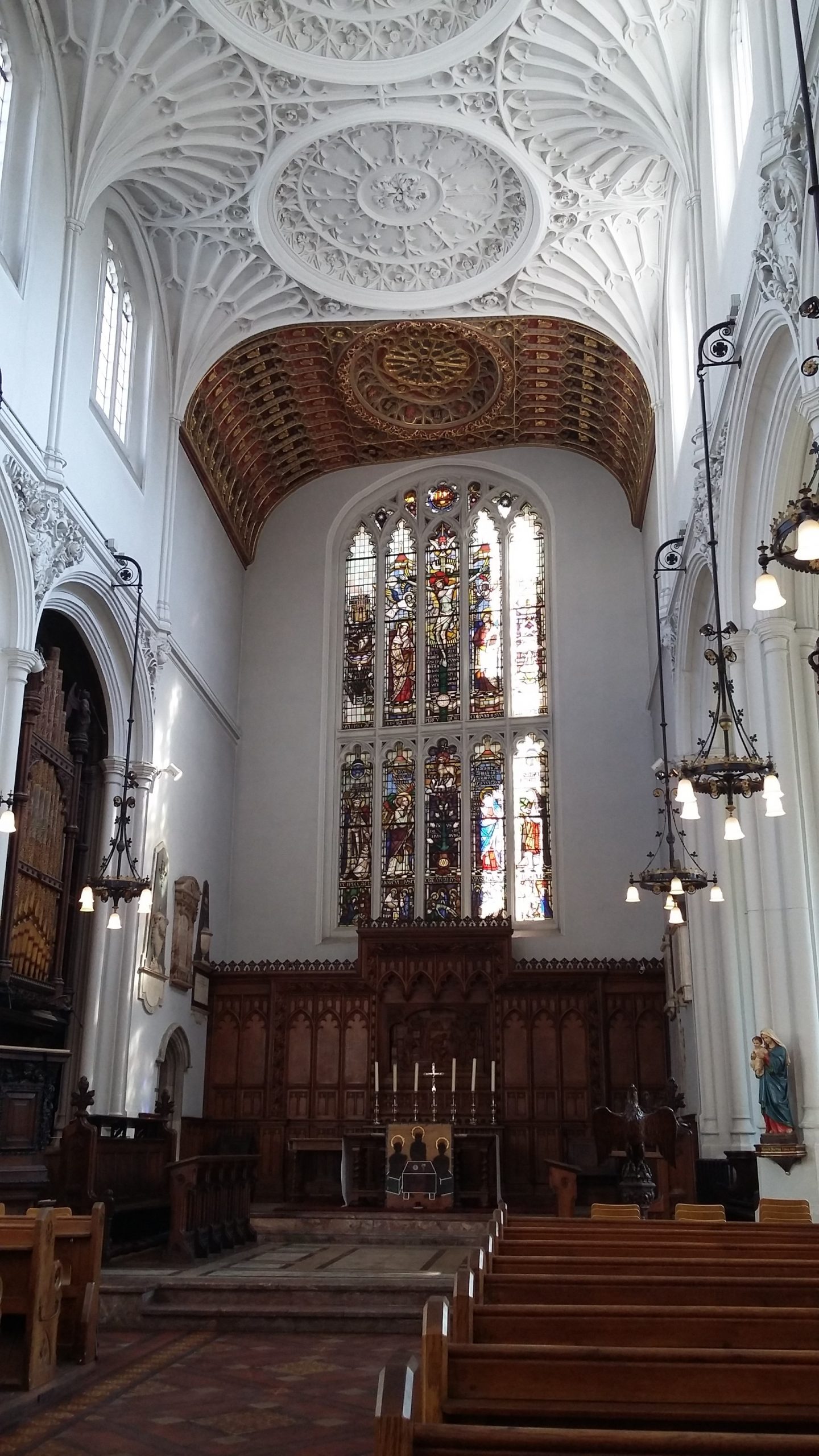
St Mary Aldermary This Guild church sits on Watling Street at the junction with Bow Lane. Originally a medieval church, it was rebuilt from 1510 and again after suffering damage during the Great Fire of London. Unusually for Wren’s churches, it is in the Gothic style. It has been the Regimental Church of the Royal Tank Regiment since 2007. I found this church particularly welcoming: it has a café, open to all, and hosts conferences, meditation sessions and discussion groups.
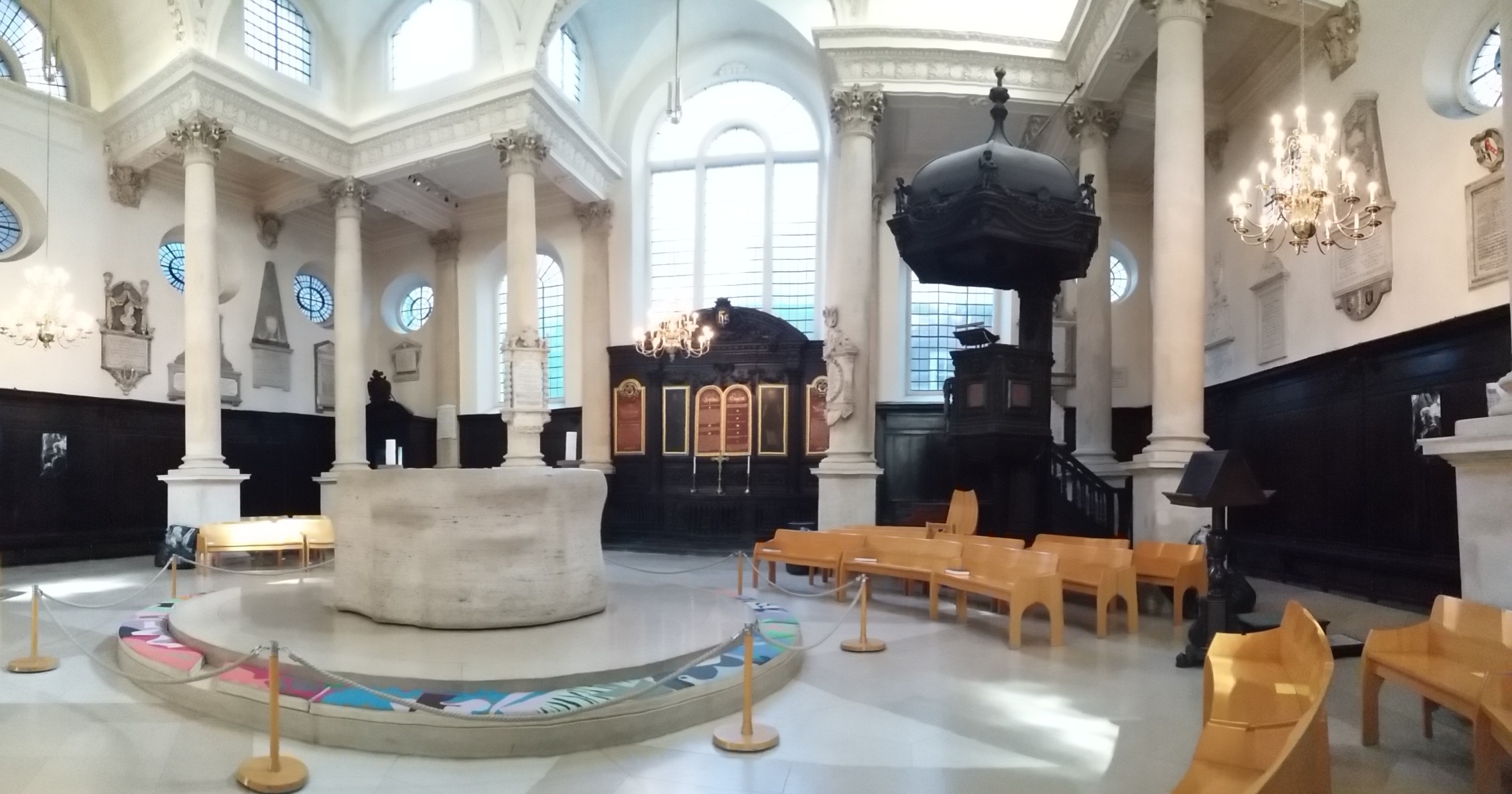
St Stephen Walbrook Of all the churches I visited, St Stephen Walbrook has perhaps the most interesting history. The original church stood on the east bank of the Walbrook, supposedly directly over the remains of a Roman Mithraic Temple, but was moved to its present site on the other side of Walbrook Street in the 15th century. Destroyed, like so many others, in the Great Fire, it was rebuilt to Sir Christopher Wren’s design. In 1987, an altar by the sculptor Henry Moore was installed. The dramatist and architect John Vanbrugh is buried here.
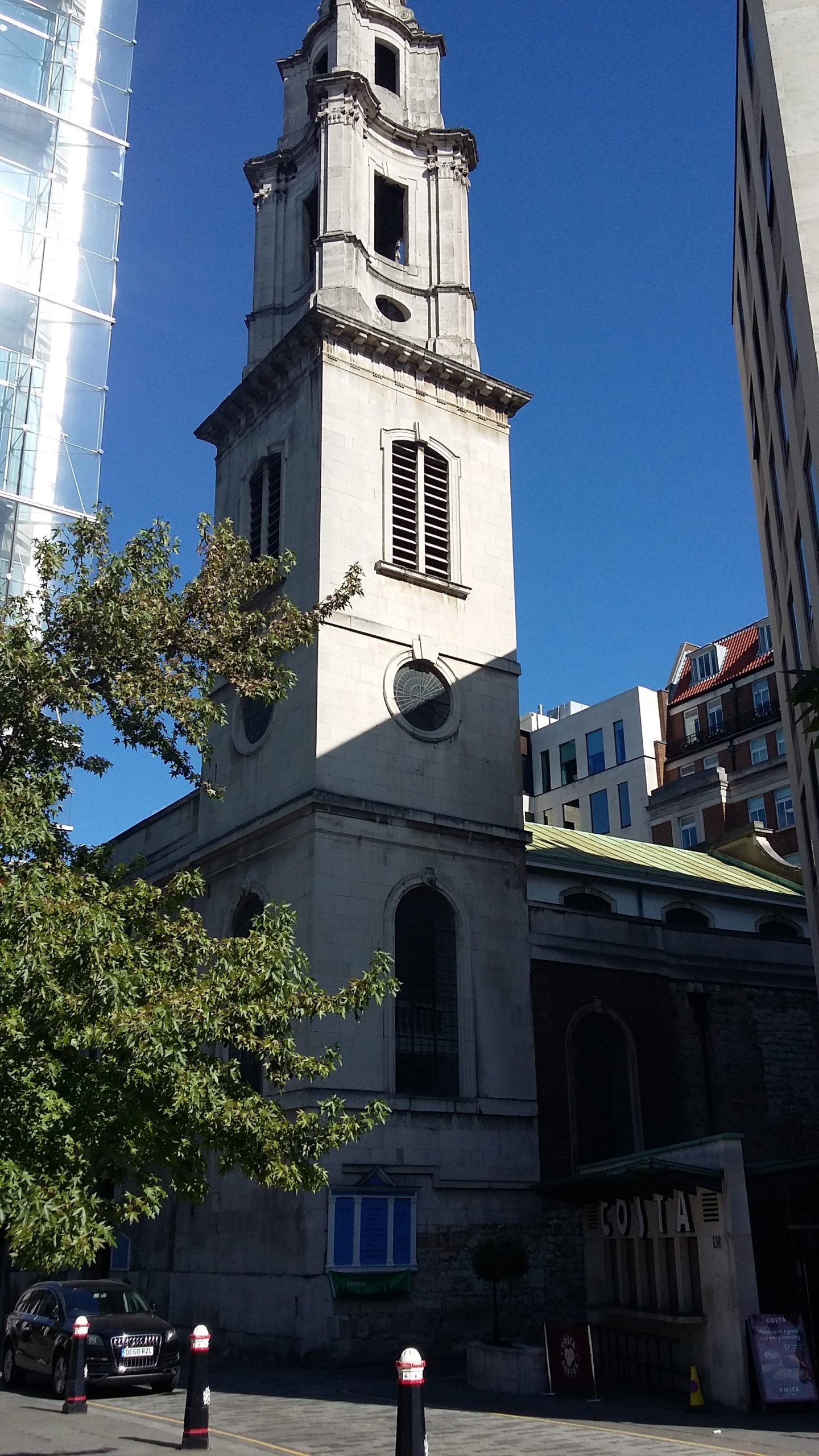
St Vedast St Vedast, also known as Saint Vedast Foster Lane or Saint Vedast-alias-Foster, so-called because of its location in Foster Lane, was founded before 1308 and repaired by 1662; unfortunately, it was badly damaged in the Great Fire four years later. Rebuilt by the office of Sir Christopher Wren, the new church incorporated aspects of the medieval framework. The spire, possibly designed by Nicholas Hawksmoor, was added in 1709-12. Gutted during the Blitz, the church was restored by Stephen Dykes Bower.
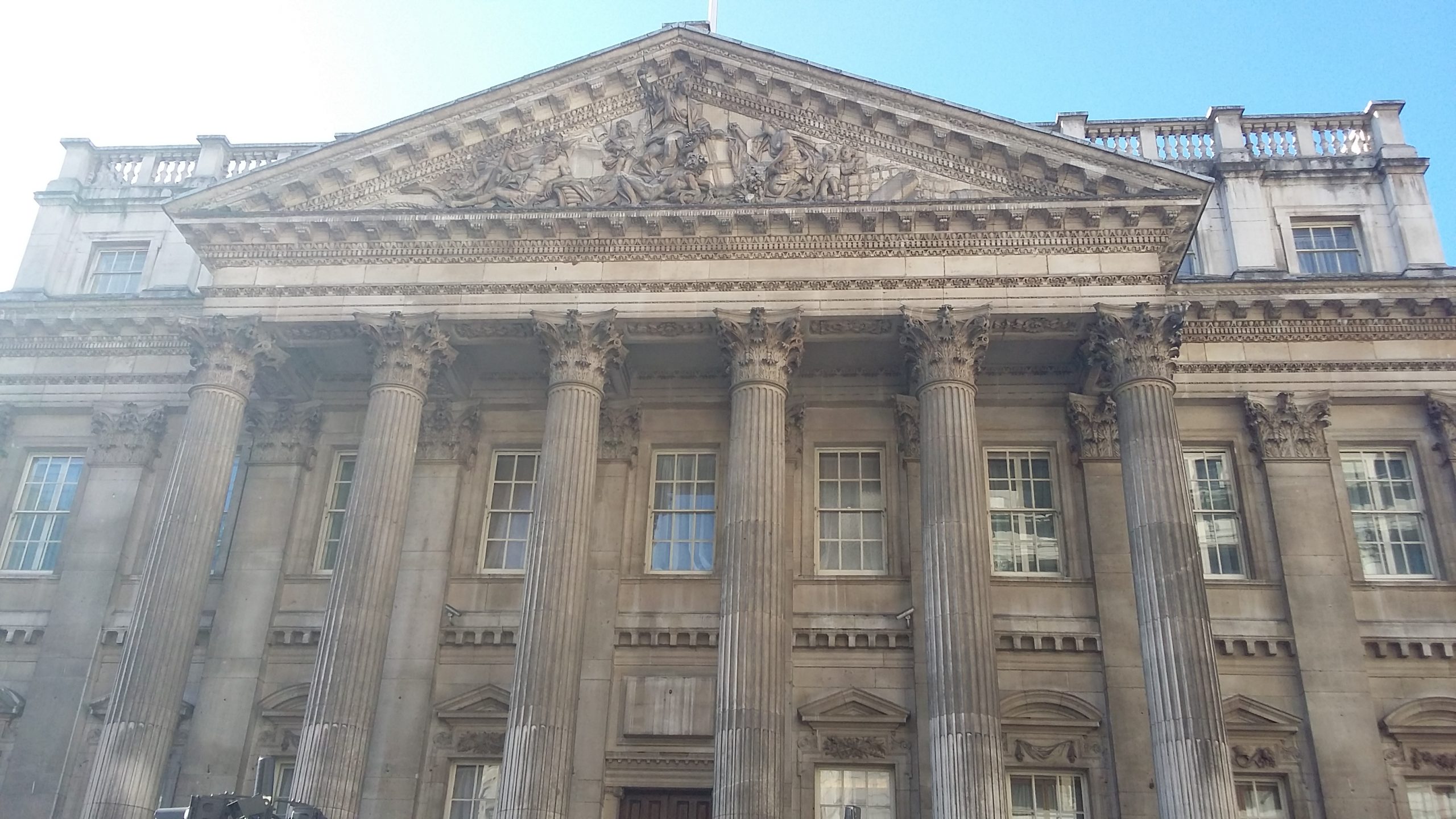
Every year, for as long as I can remember, Open House London has offered tours of Mansion House, the official residence of the Lord Mayor of London. Every year I’ve tried and failed to get a ticket – until now. I arrived on Saturday morning in great anticipation, looking forward to my tour. Sadly, but understandably, photography is not permitted inside, but please enjoy the image of the outside of the building that I managed to capture in the sunshine.
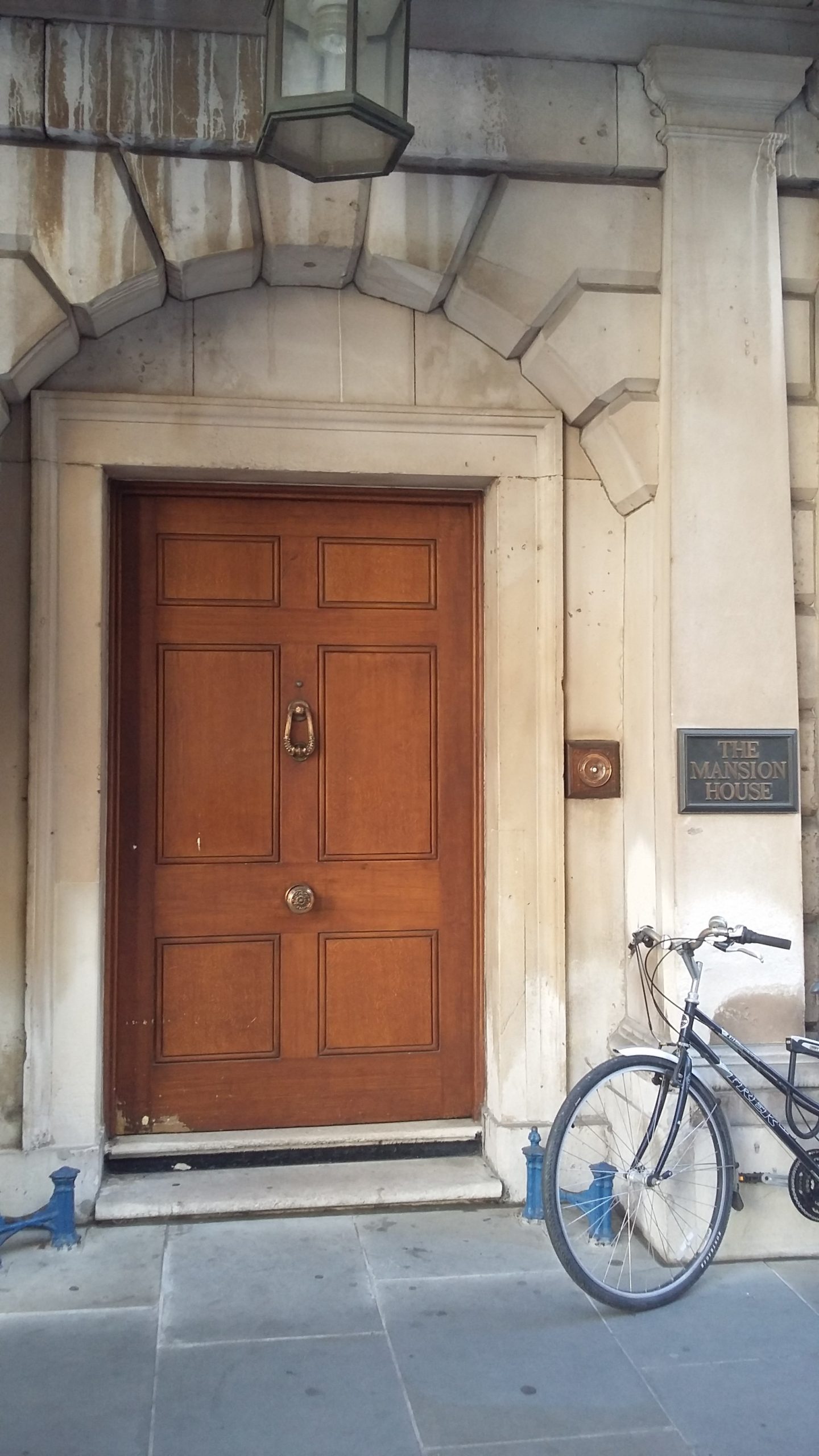
Mansion House was built in the Palladian style by Charles Dance between 1739 and 1752, but it has undergone some changes since then: traffic now runs past the front of the building, most of the original staircase having been removed to facilitate this. The entrance we used was originally designed as stables (but never used for that purpose), and later became servants quarters. One of the most interesting items in Mansion House can be seen here: the imposing 18th-century Hallkeeper’s Chair, which has a drawer in the bottom for coal or a hot pan to keep the Hallkeeper warm as he greeted guests outside the House.
The building is home to the Harold Samuel Collection of Dutch and Flemish Seventeenth Century Paintings, which is impressive, as are the magnificent rooms, which are still used for receptions, particularly the stunning Egyptian Hall – though this latter is somewhat misnamed as the decorations are largely Roman in style. On a smaller scale, the Drawing Rooms host the Nile Suite (furniture designed to commemorate Nelson’s naval victory), and the Long Parlour is decorated in a manner recalling its 18th-century heyday. The main hall used to be a courtyard, but it was soon realised that what worked well in sunny Italy was less practical in rainy England, and the courtyard was closed in. Today this area is known as the Salon and is home to magnificent chandeliers, which are regularly cleaned to maintain their sparkle: an arduous task, I would imagine!
During the tour we learned about how Lord Mayors are chosen. There are over one hundred livery companies, which contribute members to the electorate known as Common Hall. Each year, on Michelmas Day (29 September), a new Lord Mayor is elected; in order to stand for election, a would-be Mayor must have formerly served as a Sheriff (two Sheriffs are elected by Common Hall each year on Midsummer’s Day) and be a current Alderman.
I definitely recommend touring Mansion House if you get a chance. Regular tours do take place but they cost money; if you fancy a free tour, Open House London weekend is your best bet.