My second Ramin Karimloo gig in a year – truly, I have been spoiled. This gig rounded off 2019 nicely, in the intimate surroundings of The Other Palace.
Ramin sang lots of Broadgrass-style songs as well as songs from his latest album, From Now On, and other musical hits. No matter how many times I see him live, I am always left wanting more.
Throughout the show, Ramin kept hinting about an exciting forthcoming announcement. It turns out that he will be starring in a concert production of the musical The Secret Garden at the Palladium next spring. That is definitely going on my list!
George IV: Art & Spectacle is the latest exhibition to take place at the Queen’s Gallery, London. This king, who spent many years as Prince Regent (giving the Regency period its name) before taking the throne in his own right, is portrayed here as a keen art collector whose legacy can still be seen today.
Growing up, George was not allowed to leave the country owing to the orders of his father, George III, so instead he collected works of art from all over Europe and the east, as well as paintings of subjects closer to home – his family, and earlier monarchs. His energies were first directed at Carlton House, his London residence, which he filled with art, sculpture and furniture, but his vision eventually outgrew this comparatively small living space. Famously, he established the Royal Pavilion in Brighton, and on becoming king he instigated work at Windsor Castle and Buckingham House, transforming the latter, under the care of architect Thomas Nash, into Buckingham Palace.
It seems that George did have a keen eye: he collected works by the likes of Rembrandt, as well as commissioning works of his own. He enjoyed literature too, keeping a collection of Jane Austen’s works in each of his residences, and inviting Sir Walter Scott to dine.
One thing I found interesting about the exhibition was that George, spending money lavishly at a time of economic hardship for many of his subjects, was widely disliked, and this image of him has coloured our perception. I’m not really surprised, and it makes me wonder if having this exhibition now was really a good choice, as poverty levels in the UK reach crisis point. Not long ago, there was criticism over a plan to refurbish Buckingham Palace during this time of austerity, and however much George IV embraced the arts, I feel similarly about his own spending, fascinating as this exhibition was.
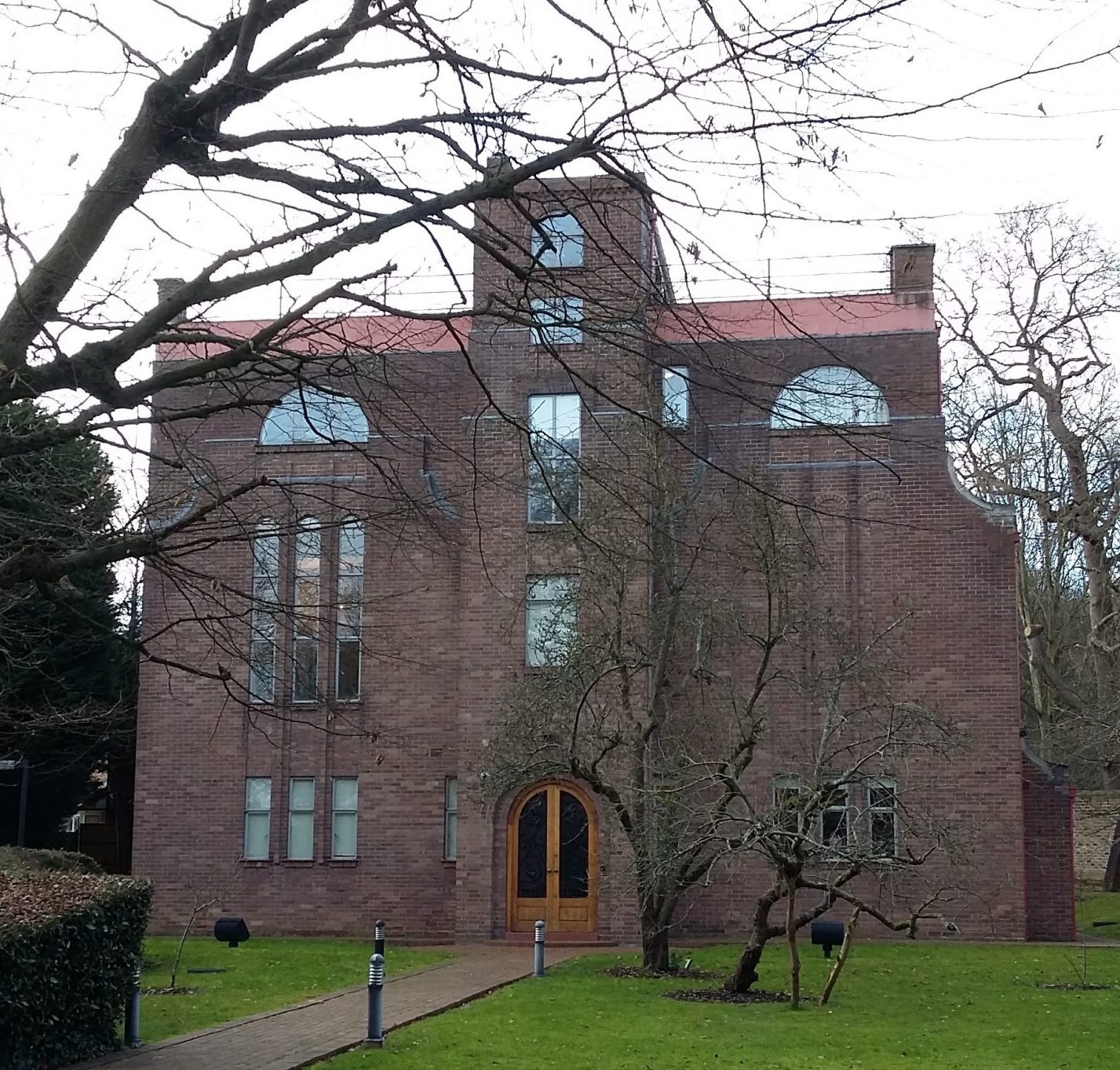
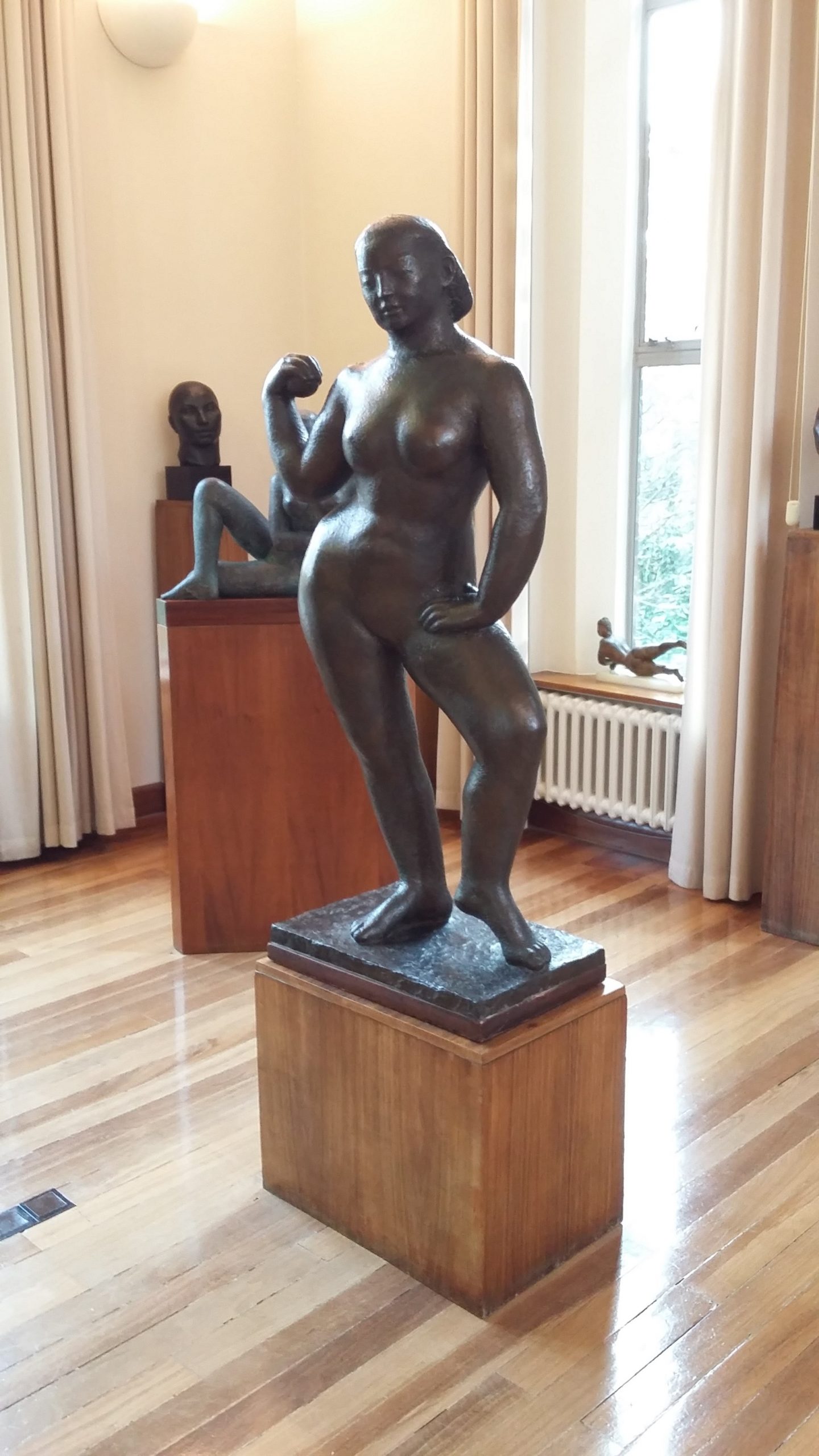
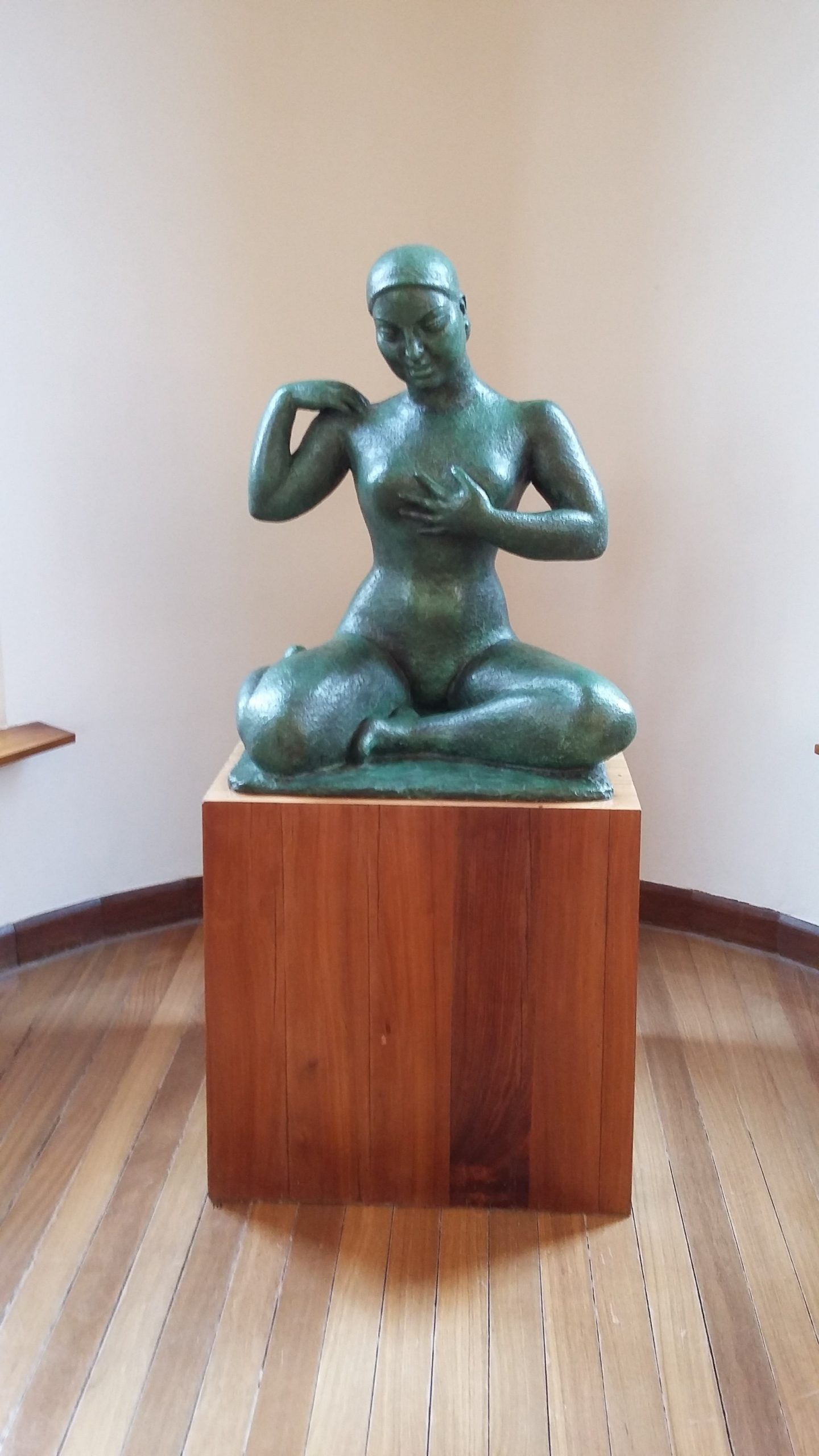
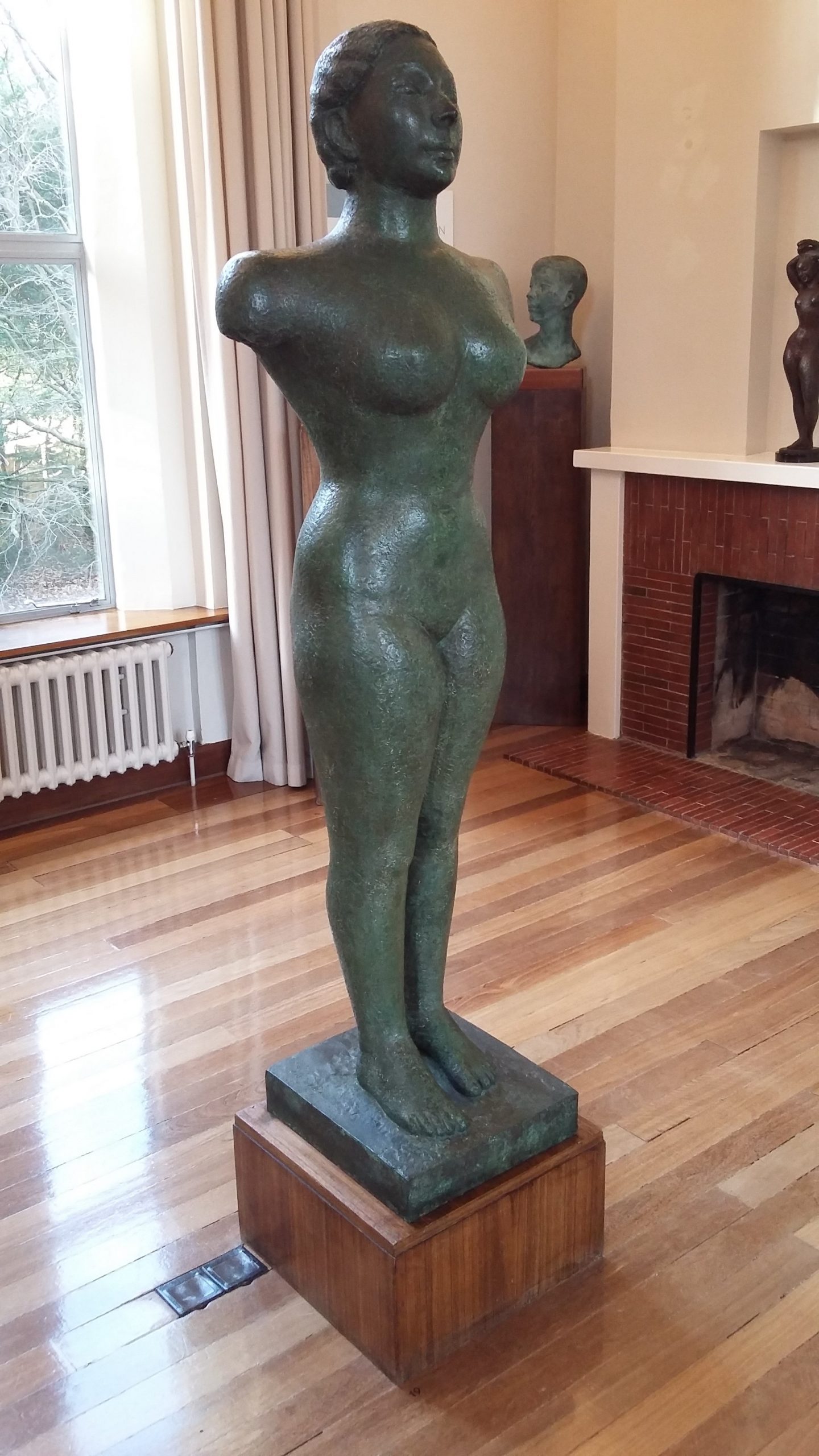
One Saturday in December I decided to visit the Dorich House Museum near Kingston, the former studio home of Dora Gordine (1895-1991) and Richard Hare (1907-1966). Now in the keeping of Kingston University, the house was completed in 1936 to a design by Gordine, who incorporated a modern studio, now used to display her impressive sculpture as well as paintings and drawings. There is also a gallery in which she displayed her work.
Sculptures by Dora Gordine
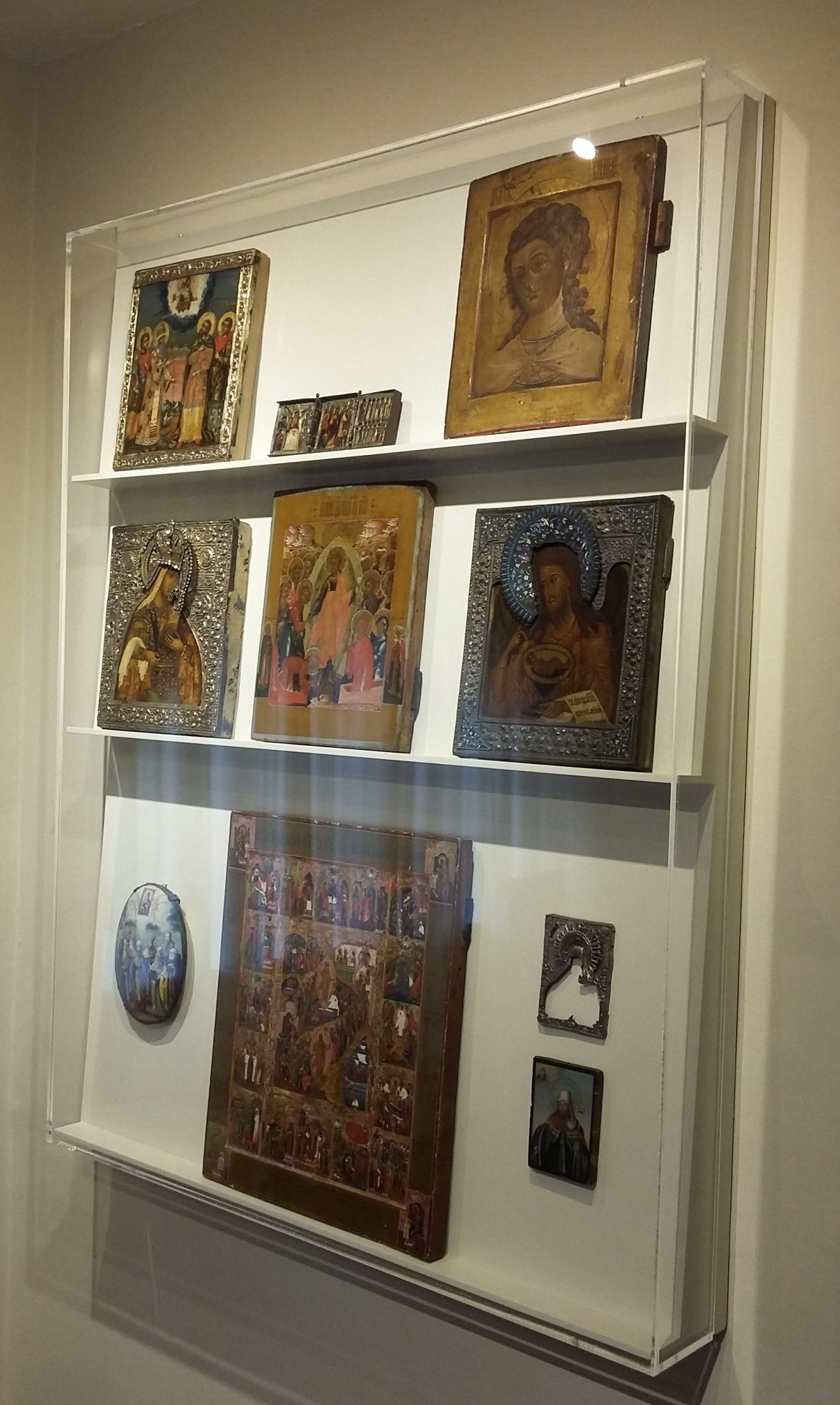
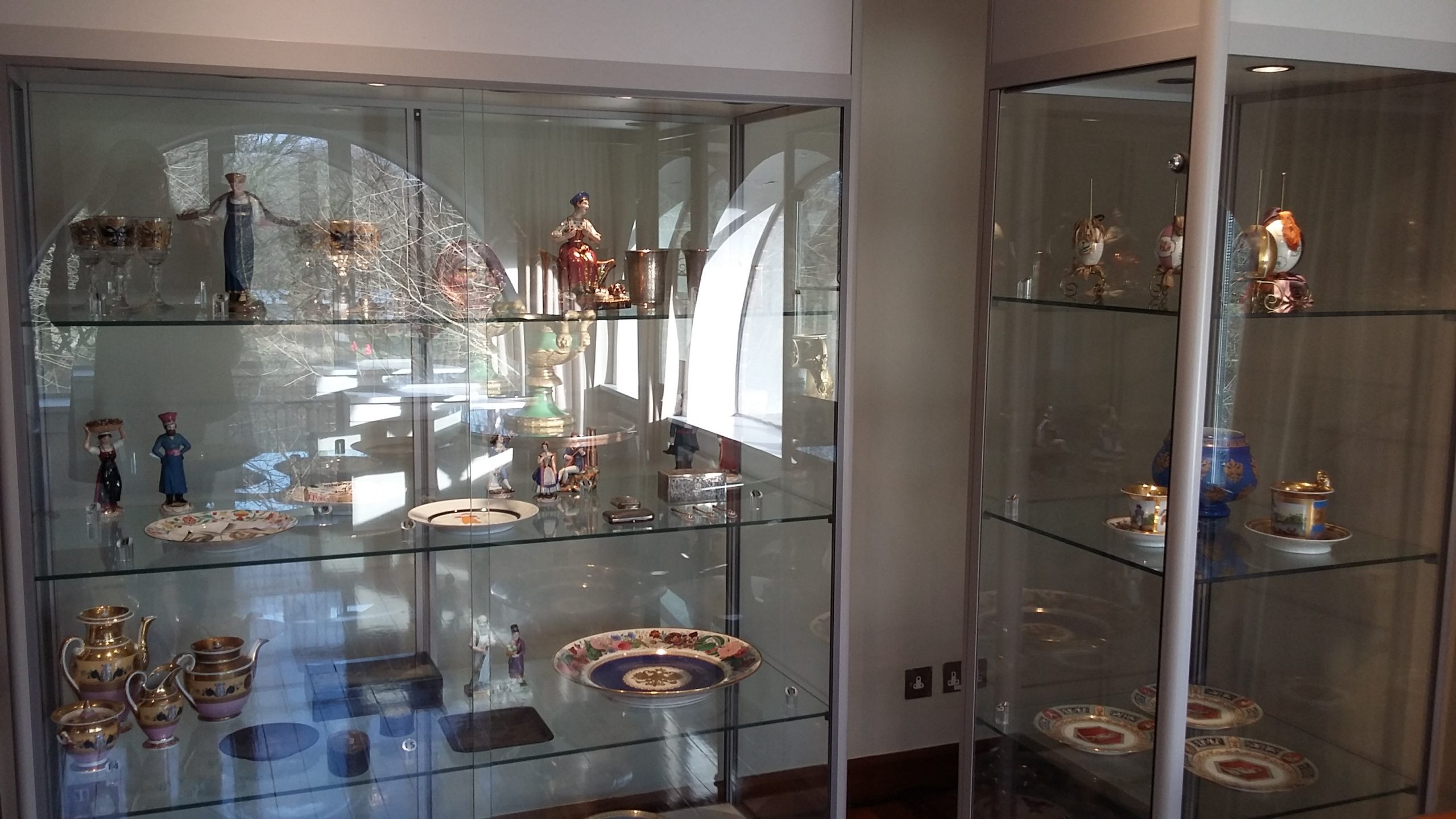
The museum also incorporates the Russian Collection of 18th to early 20th-century paintings, ceramics, glassware, metalwork, folk art and furniture. This was the domain of Russian scholar Richard Hare. Most of the collection can be viewed in the Russian suite on the top floor.
Russian iconsRussian artefacts
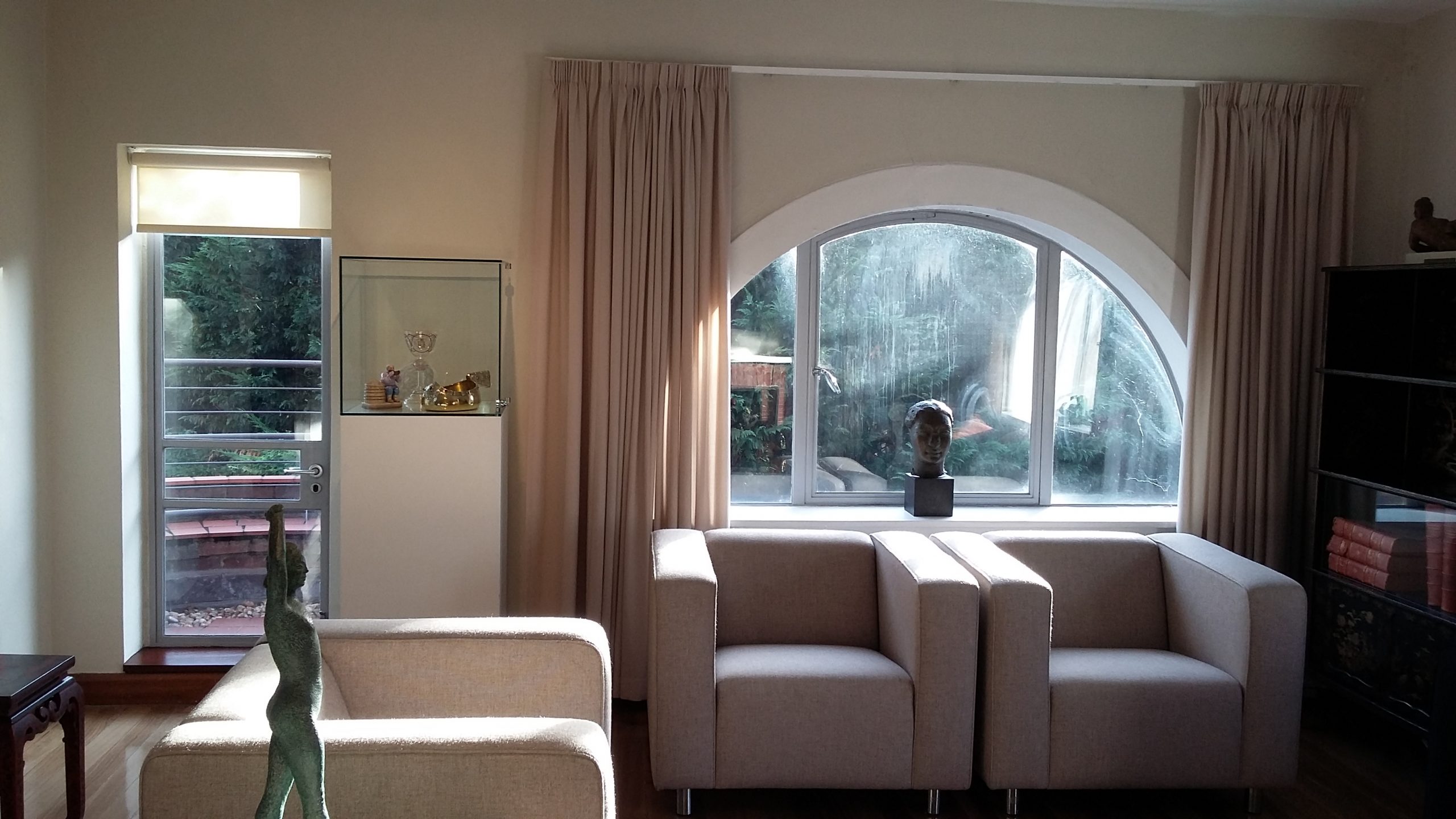
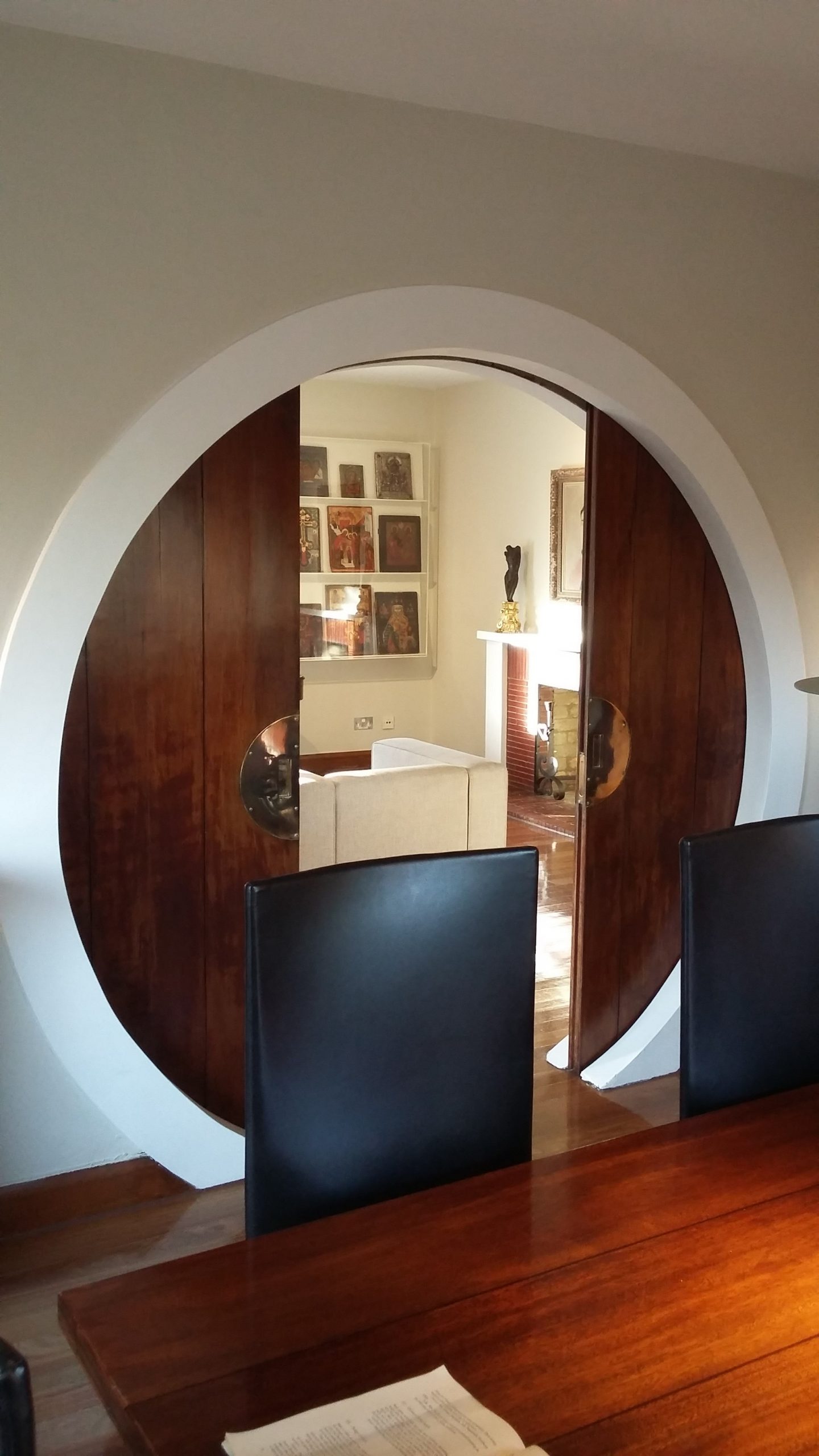
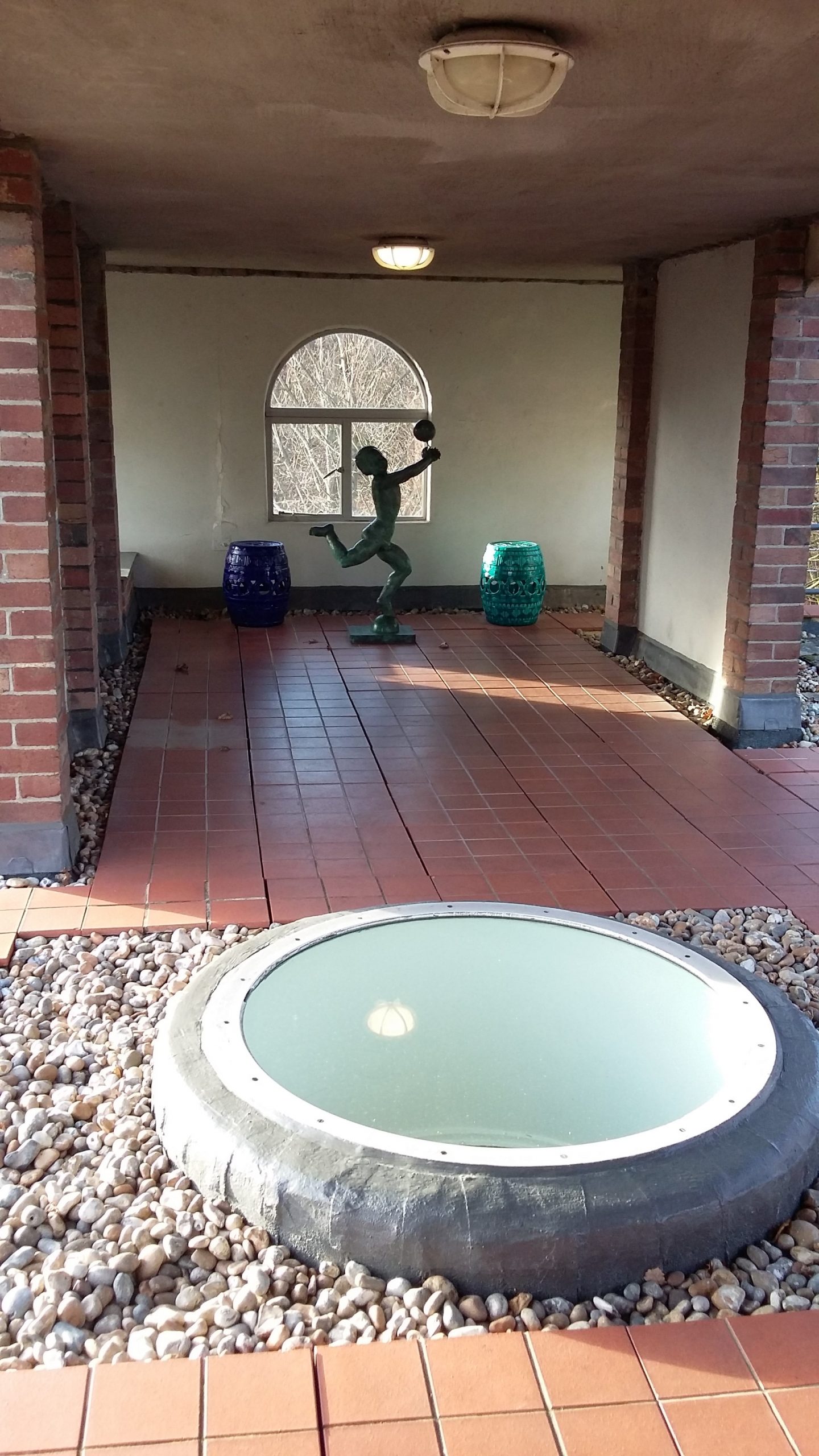
A more homely side to the house can be seen in the top floor apartment, though even here the decor is extremely stylish. There is also a roof terrace.
Inside the apartmentInside the apartmentRoof terrace
Even if, like me, you have no prior knowledge of Gordine and Hare, the museum is well worth a visit. The entry price is very reasonable and it is free with a National Art Pass. There is also a lovely café on the ground floor.
The auction house Spink held an exhibition entitled 200 Years of Polar Exploration recently, featuring artefacts that have never been on display before, including photographs, equipment, medals and other memorabilia, from the expeditions of Scott and Shackleton, to 21st century explorations led by figures such as Sir Ranulph Fiennes and the late Henry Worsley.
The exhibition was staged in aid of The Endeavour Fund, which aims to help wounded, injured and sick service personnel and veterans use outdoor challenges and sport as part of their recovery and rehabilitation. This was the charity promoted by Worsley, who took part in several Antarctic expeditions before tragically dying of peritonitis during his 2016 attempt to make the world’s first unaided Antarctic crossing. One of the items on display was his pair of skis, decorated before their use by his children – a moving and poignant sight.
Other items included medals, and photographs from the Heroic Age and later. As always, I loved the opportunity to explore artefacts re;ated to Antarctic exploration and its history.
I’ve been a fan of Christina Aguilera since I was at school, so I was excited to finally see her live at Wembley Arena. The X Tour featured plenty of songs from Christina’s massive back catalogue. My only issue was that there were so many songs, some of them were shortened: I’d rather she picked fewer songs and sang the full versions, but maybe that’s just me!
Overall I loved the concert, Christina sounded amazing and it was brilliant to hear iconic tracks like ‘Fighter’ and ‘Dirrty’ live.
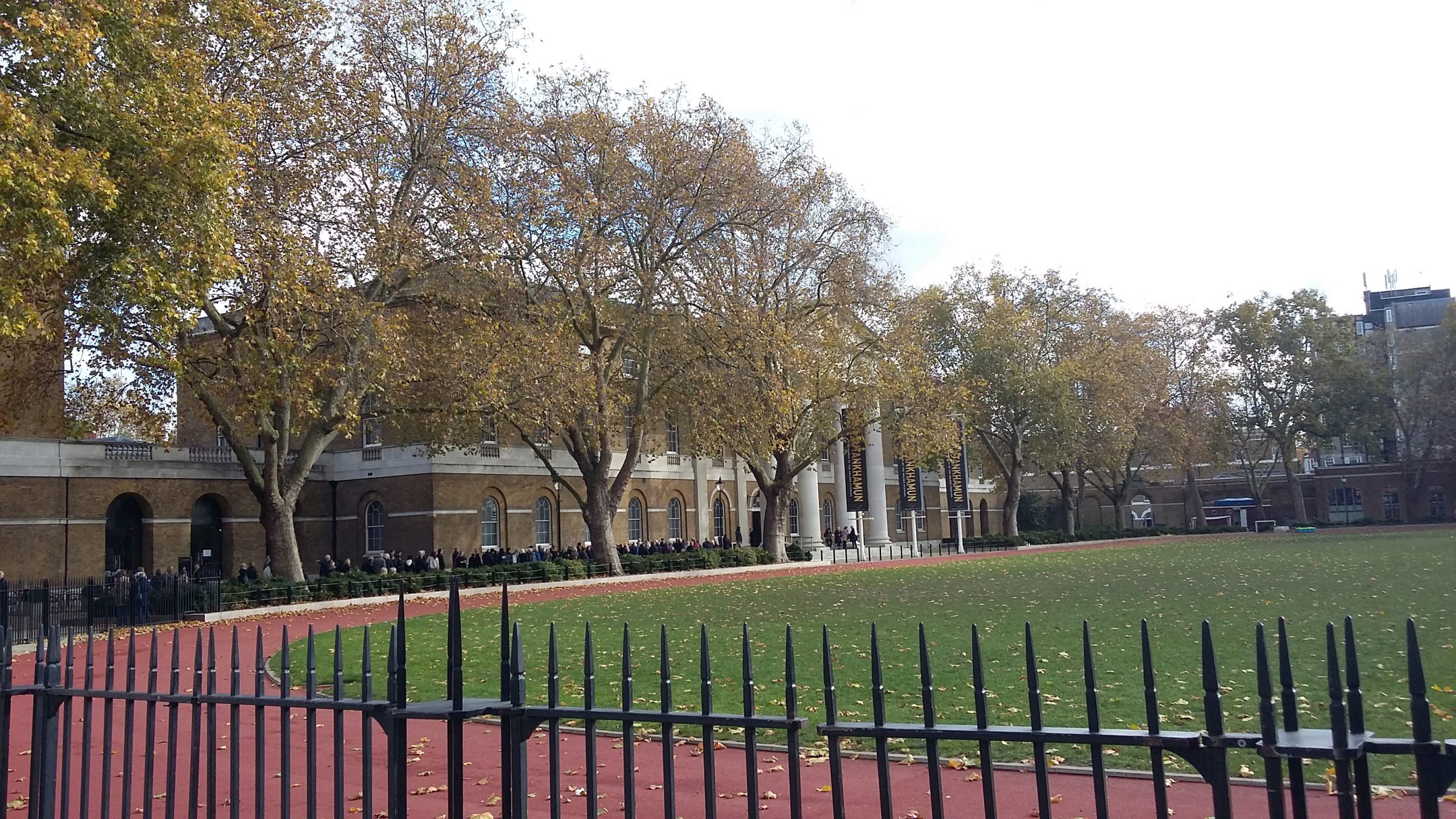
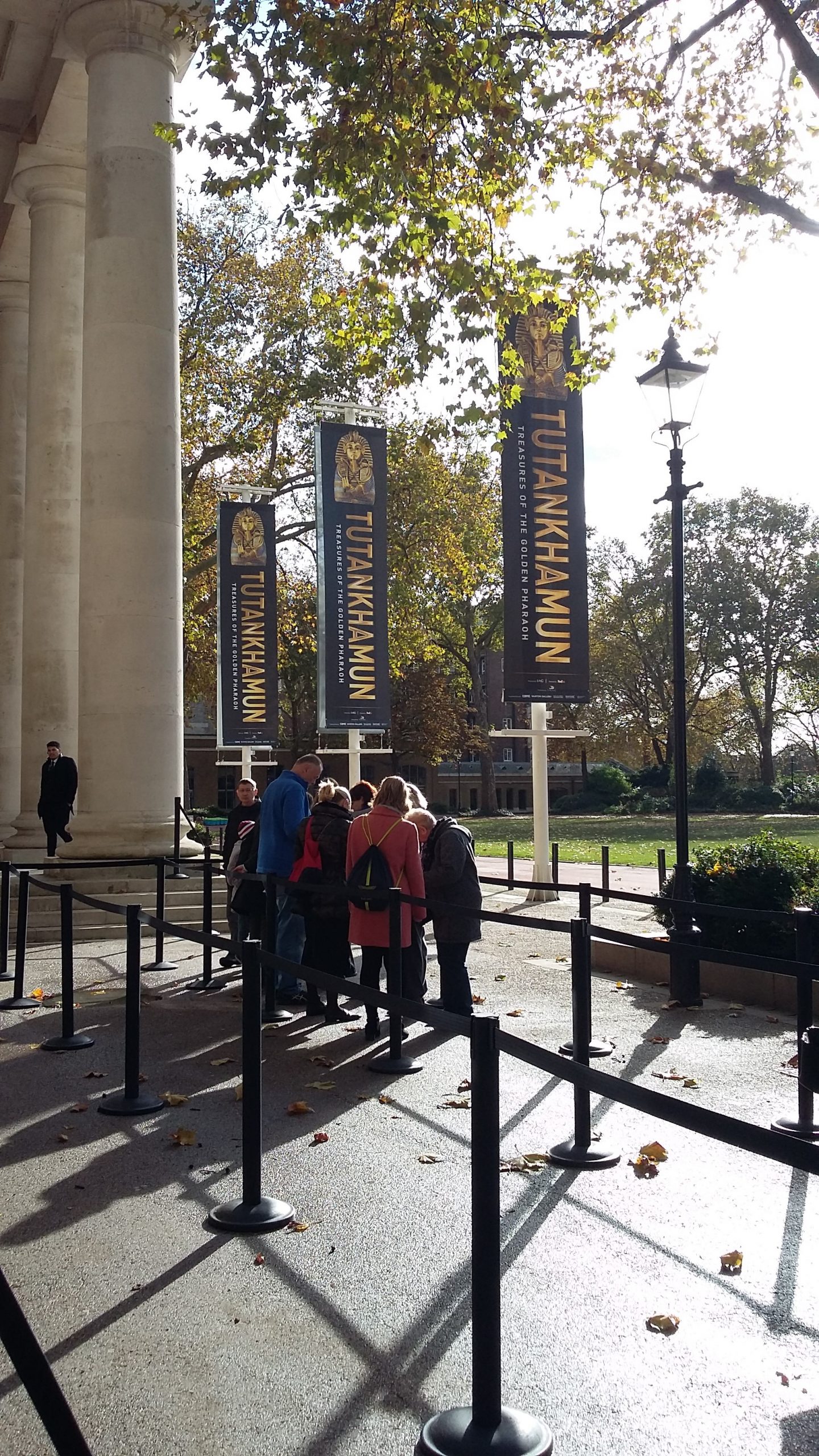
I feel very lucky to have got tickets for Tutankhamun: Treasures of the Golden Pharaoh at the Saatchi Gallery in London. I went to the exhibition on a day off in November, with my mam and a friend, who’d come down to London for the purpose.
Saatchi GalleryWaiting to go in
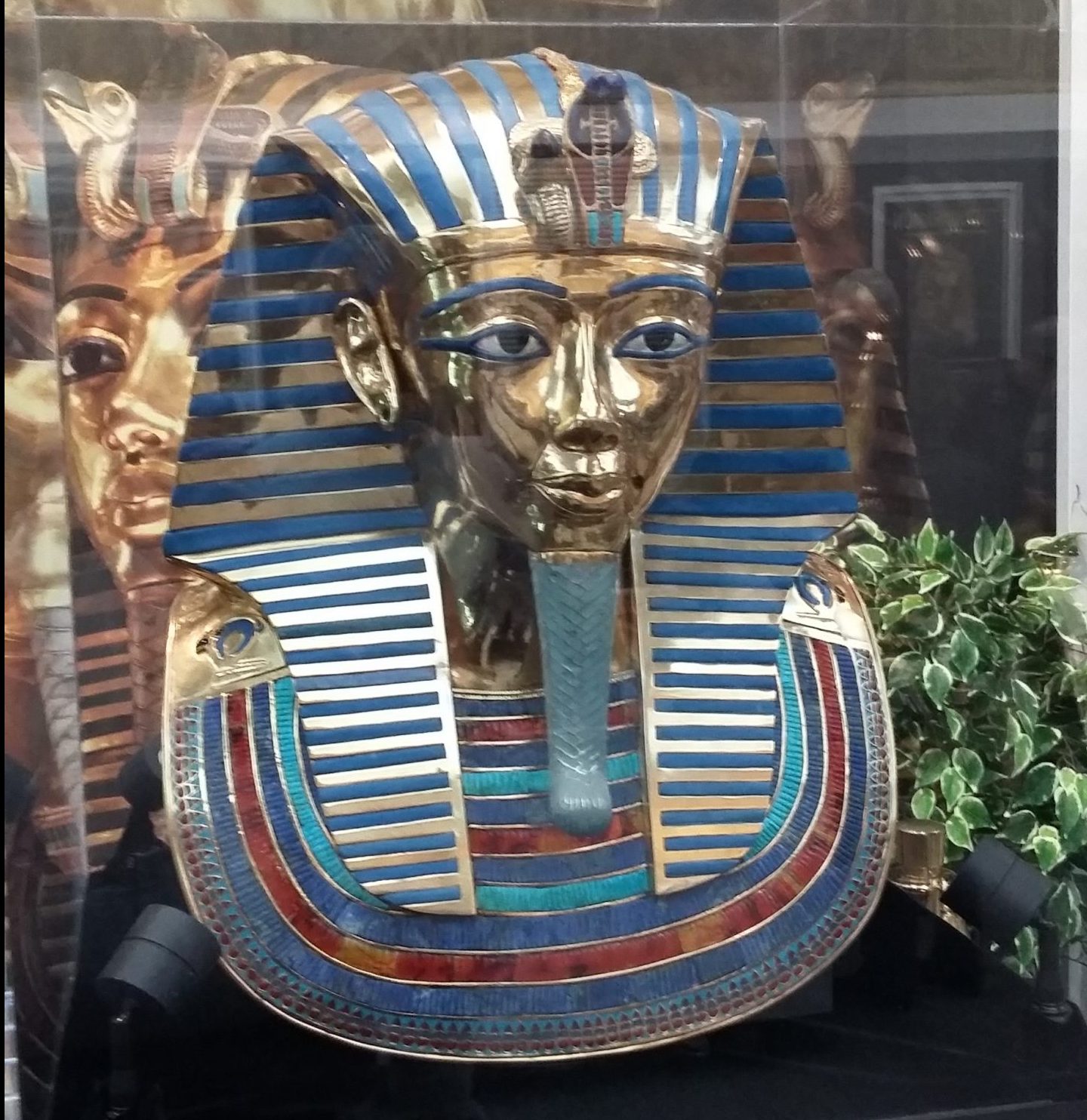
The queue outside the Saatchi Gallery was massive, and it was obvious that the exhibition was going to be popular. It commemorates the 100th anniversary of the discovery of Tutankhamun’s tomb, and marks the last time these artefacts will tour before being permanently housed in a purpose-built museum in Giza. Although the exhibition does not include Tutankhamun’s famous mask (which is available to view in replica at the end of the exhibition), it includes a vast array of treasures, many of which have travelled out of Egypt for the first time. London is the third stop on the exhibition’s world tour.
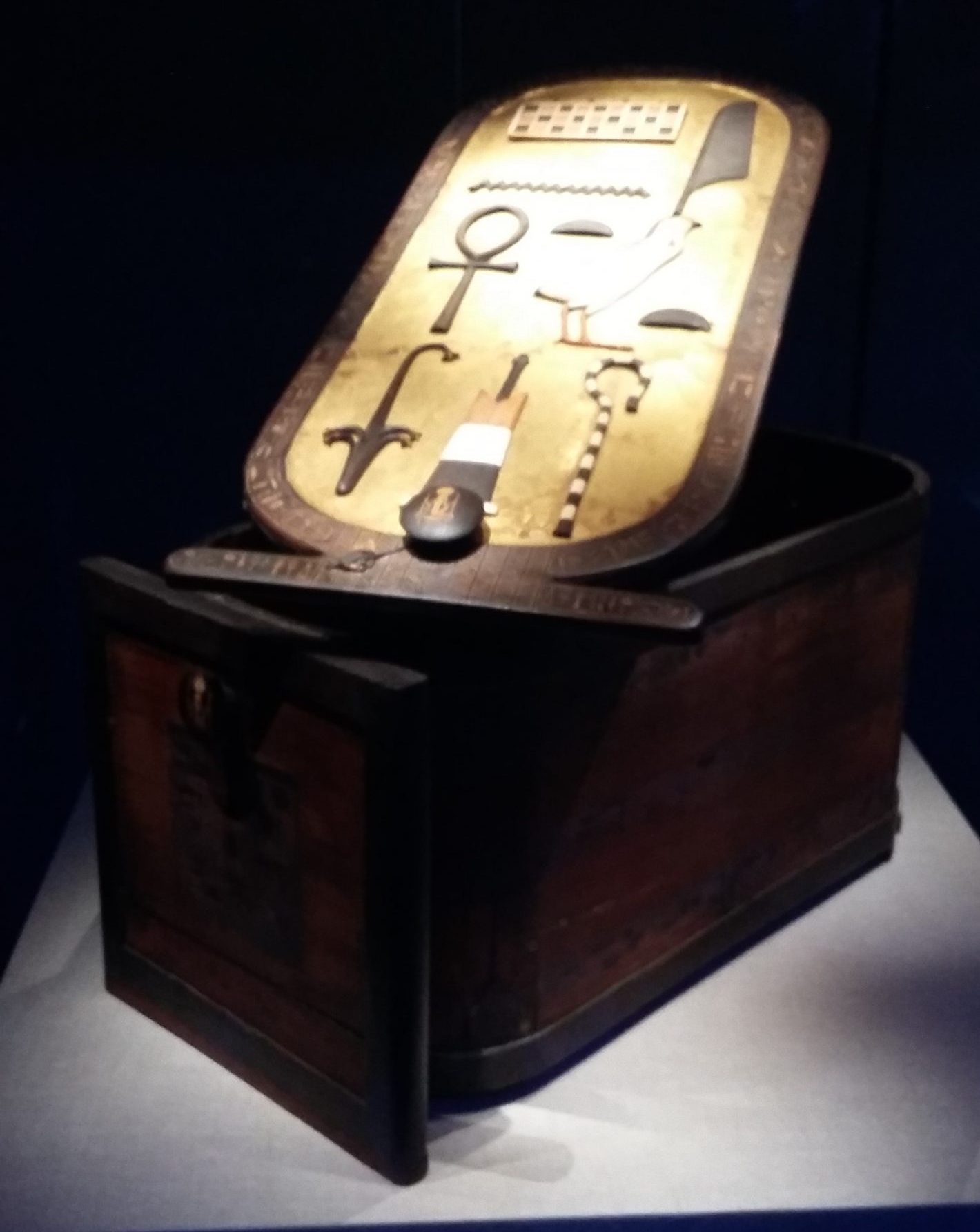
Cartouche box
The treasures take up the whole of the Saatchi Gallery; great thought and care have been taken in arranging a one-way route allowing visitors to navigate the site with ease. The space was crowded, but I can’t see how it could have been made less so to accommodate everyone wanting to see the exhibition. Though I had to wait a little time to view a few of the exhibits, I managed to see everything I wanted without feeling rushed or overwhelmed.
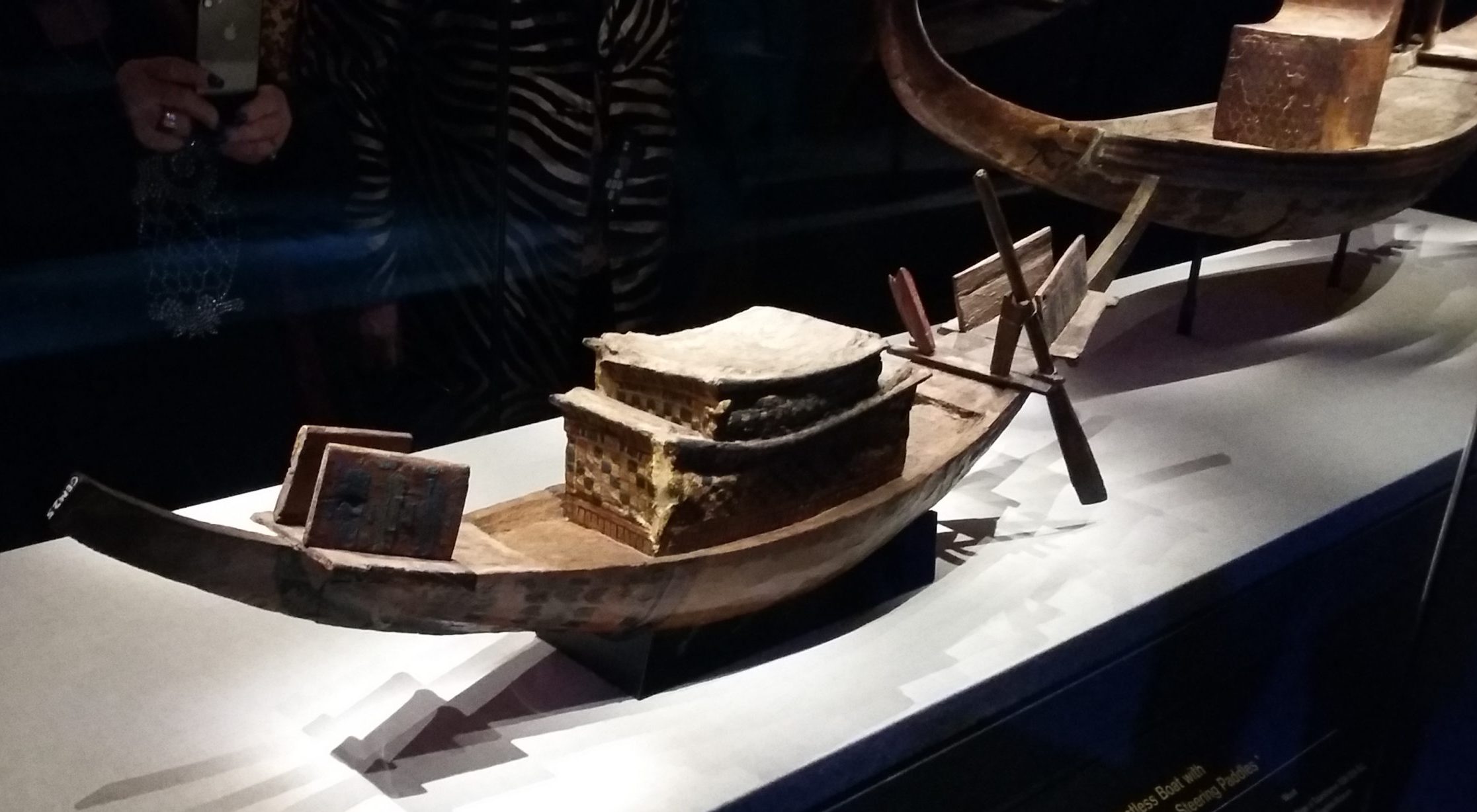
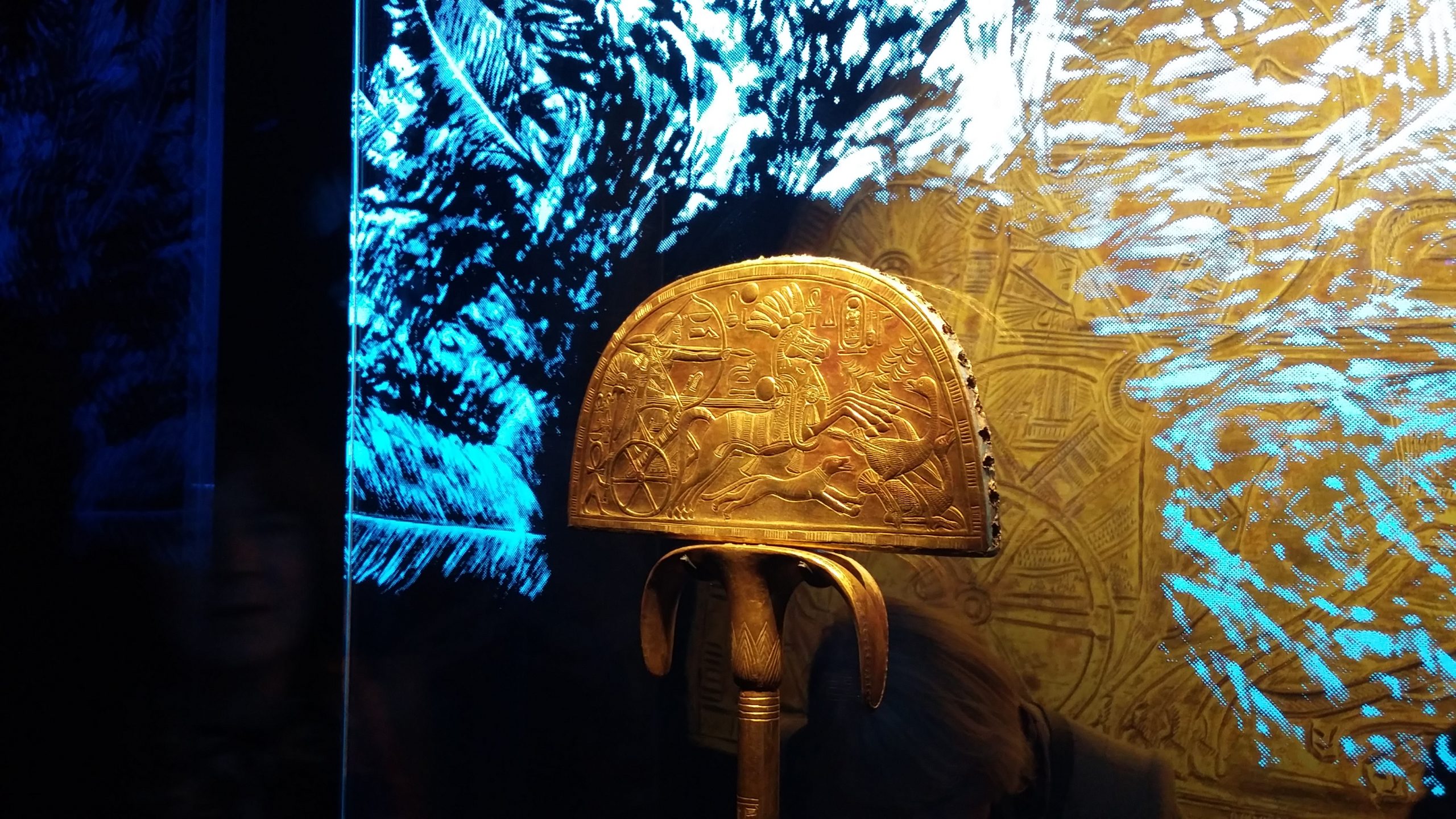
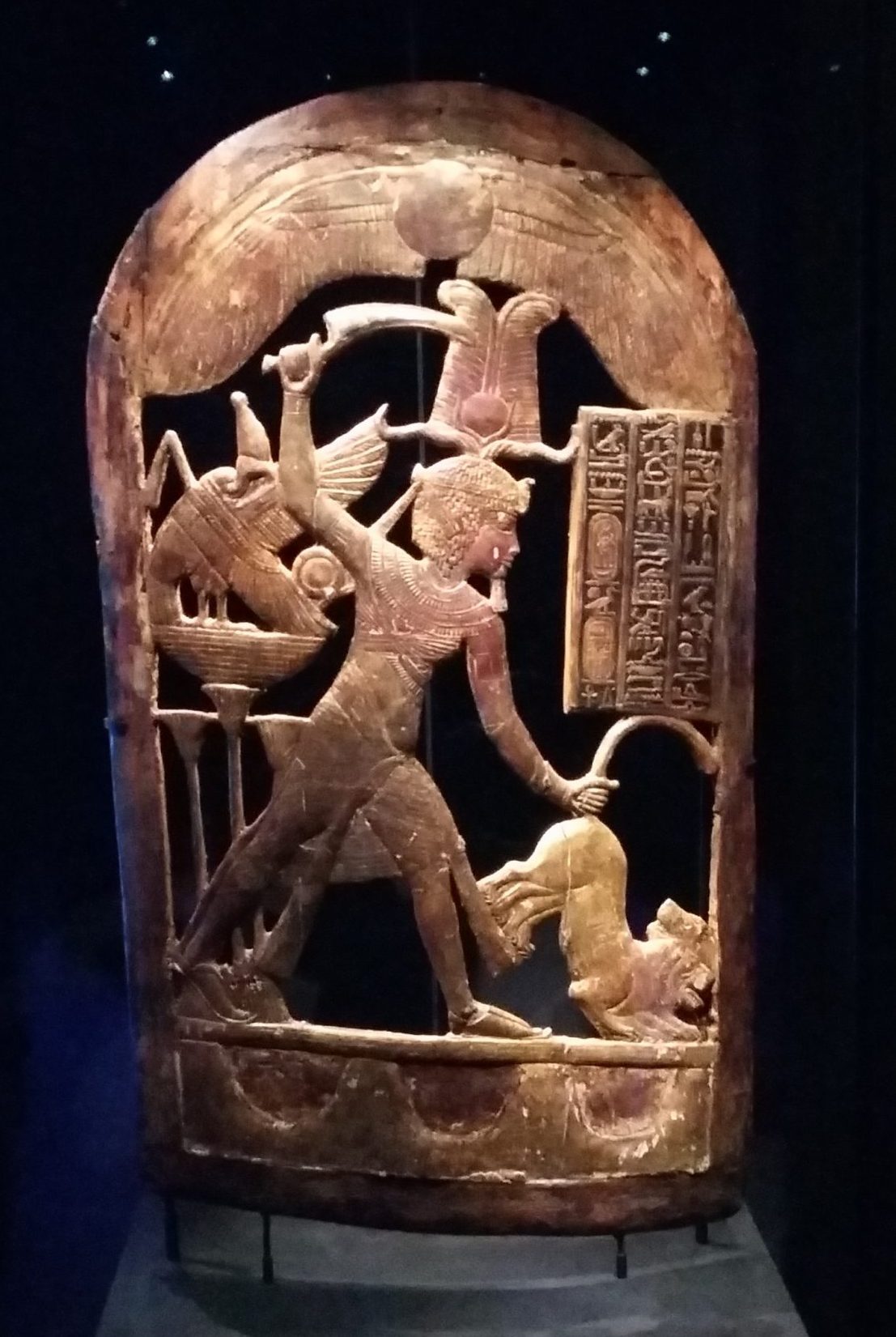
Wooden model of a boatFanShield
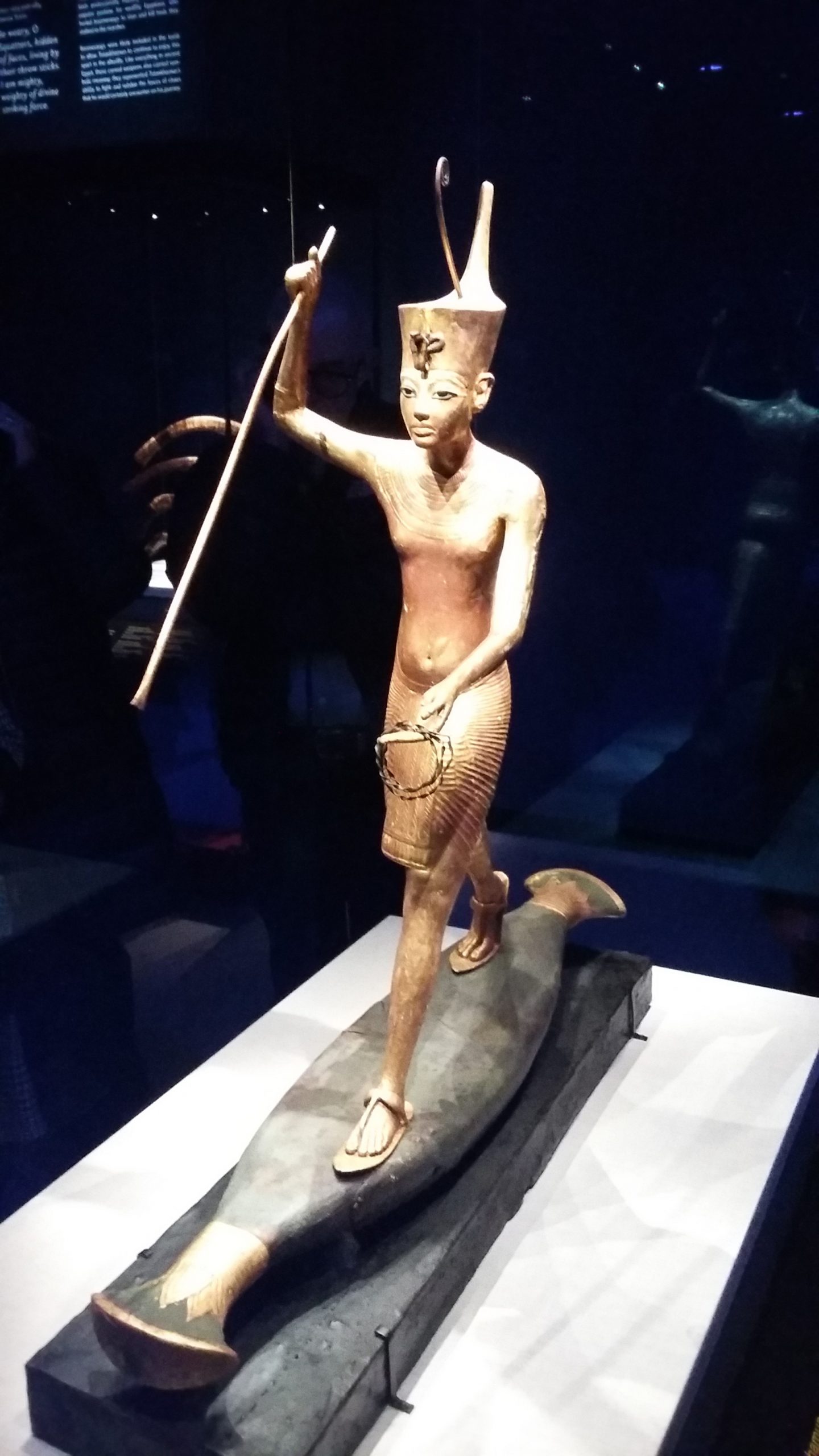
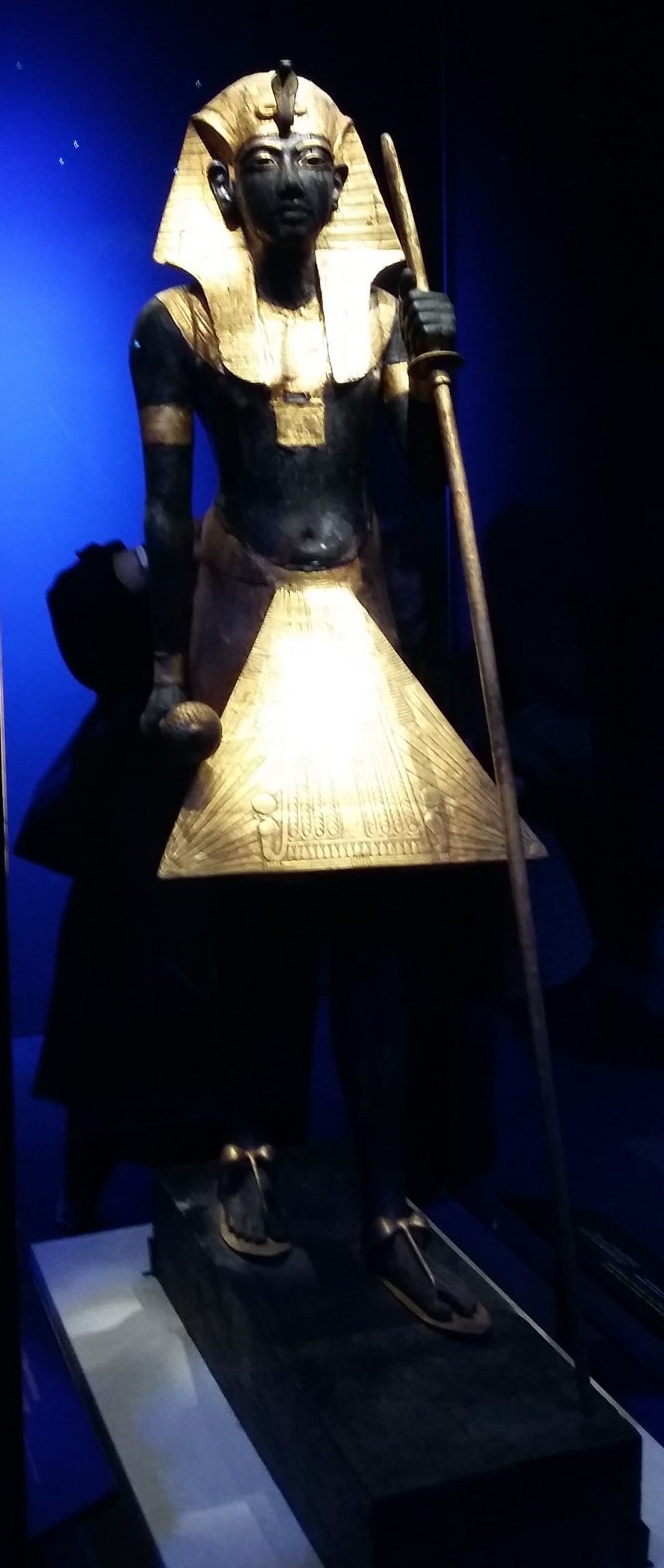
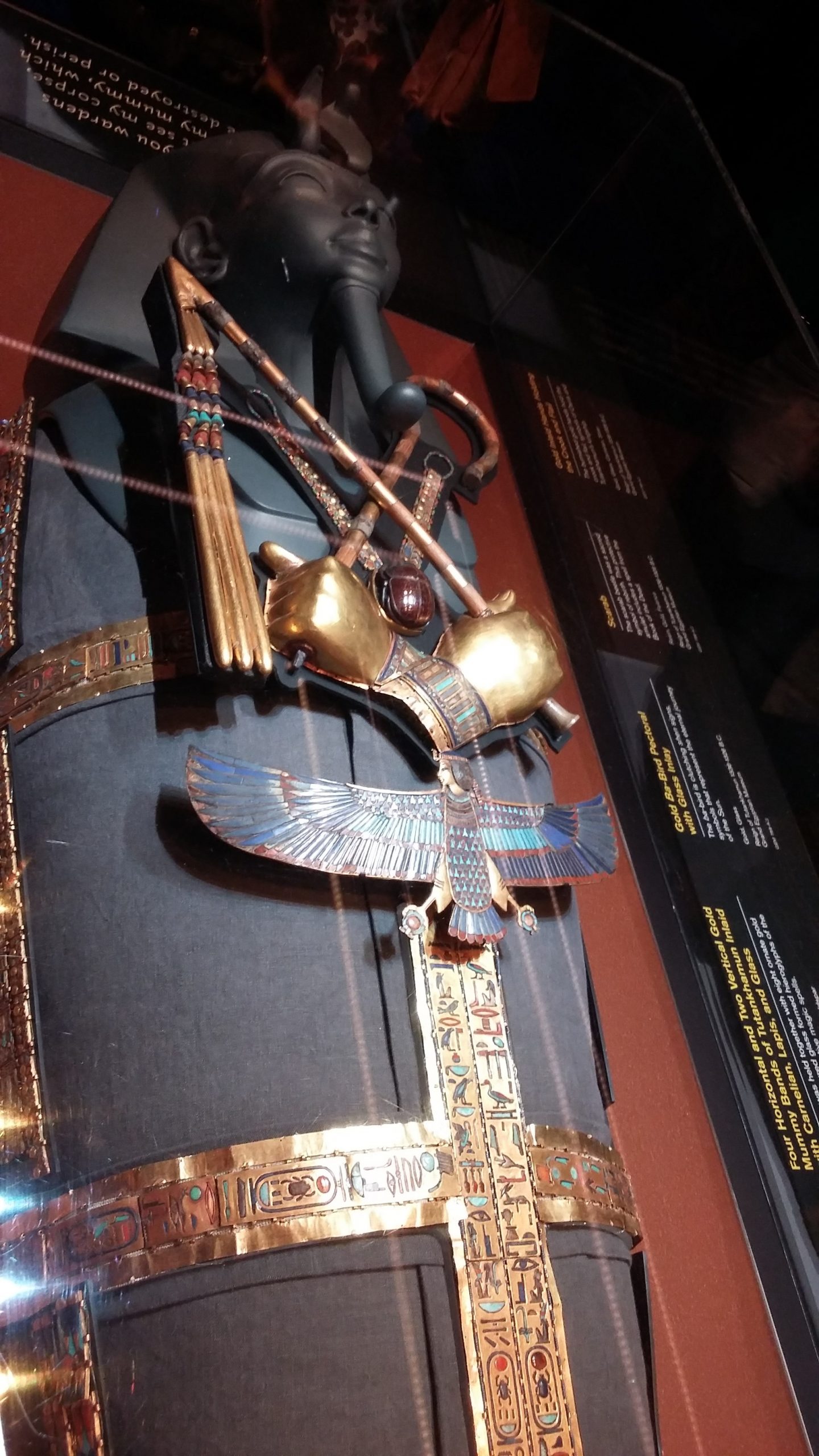
The exhibition is structured in a way that corresponds to how the boy-king’s tomb was laid out. You move through outer chambers before finally arriving at the sarcophagus. The artefacts, many of which were made in a hurry by artisans after Tutankhamun’s early death as a teenager, reflect everything a pharaoh would need in the afterlife, including statues, shields, fans, boxes embossed with hieroglyphs, shining and often encrusted with gems. However, there are also the more mundane items, such as simple chairs, a bed and even foodstuffs. It really struck me what good condition these items are in, considering they are over three thousand years old. I’m sure the centuries spent locked inside a dry, dark tomb would have helped, but still, it’s pretty impressive. Keeping in mind their age, the workmanship and the detail on these artefacts is simply astounding.
Statues
In addition there is an examination that led up to Howard Carter’s discovery of the tomb in 1922, including the acknowledgement that a young boy acting as a water carrier for the archaeological party, Sheikh Hussein Abd el-Rassul, helped to discover the tomb by uncovering the top step. Finally, the exhibition looks at Tutankhamun in popular culture, including songs, films, and the Egyptian influence on 1920s fashions.
Sarcophagus
Tutankhamun: Treasures of the Golden Pharaoh is an expensive exhibition, but I honestly feel it is worth the money. We spent a good half day there, and there was much to admire and to learn about.
After loving Marina’s spring 2019 concert, I bought a ticket to her November gig at the Hammersmith Apollo, part of Part 2 of her Love + Fear tour. It was good to be able to see her at a more traditional gig venue.
Some of the songs she performed were the same as last time, but there were a few new ones added, such as ‘I’m Not Hungry Anymore’, a track I’d never heard before, and my fave ‘Teen Idle’.
I love Halloween and I wanted to do something special to mark the occasion. I found the perfect event to attend: a screening of the F. W. Murnau classic from 1922, Nosferatu, at Gunnersbury Park in west London, organised by the The Cabinet of Living Cinema.
I had seen the later version of Nosferatu – an adaptation of the vampire legend – but not the original silent film, although I was aware of its status as a classic and an Expressionist masterpiece. The Cabinet of Living Cinema write and perform live scores to accompany classic films, and here they did a fantastic job: I loved both the film and the score, the latter genuinely enhancing the former.
Of course I dressed up for the occasion, with my Halloween cardigan, Curiology Cemetery Necklace and La Vidriola Nosferatu brooch.