Rebel Badge Club: Advanced Self Care

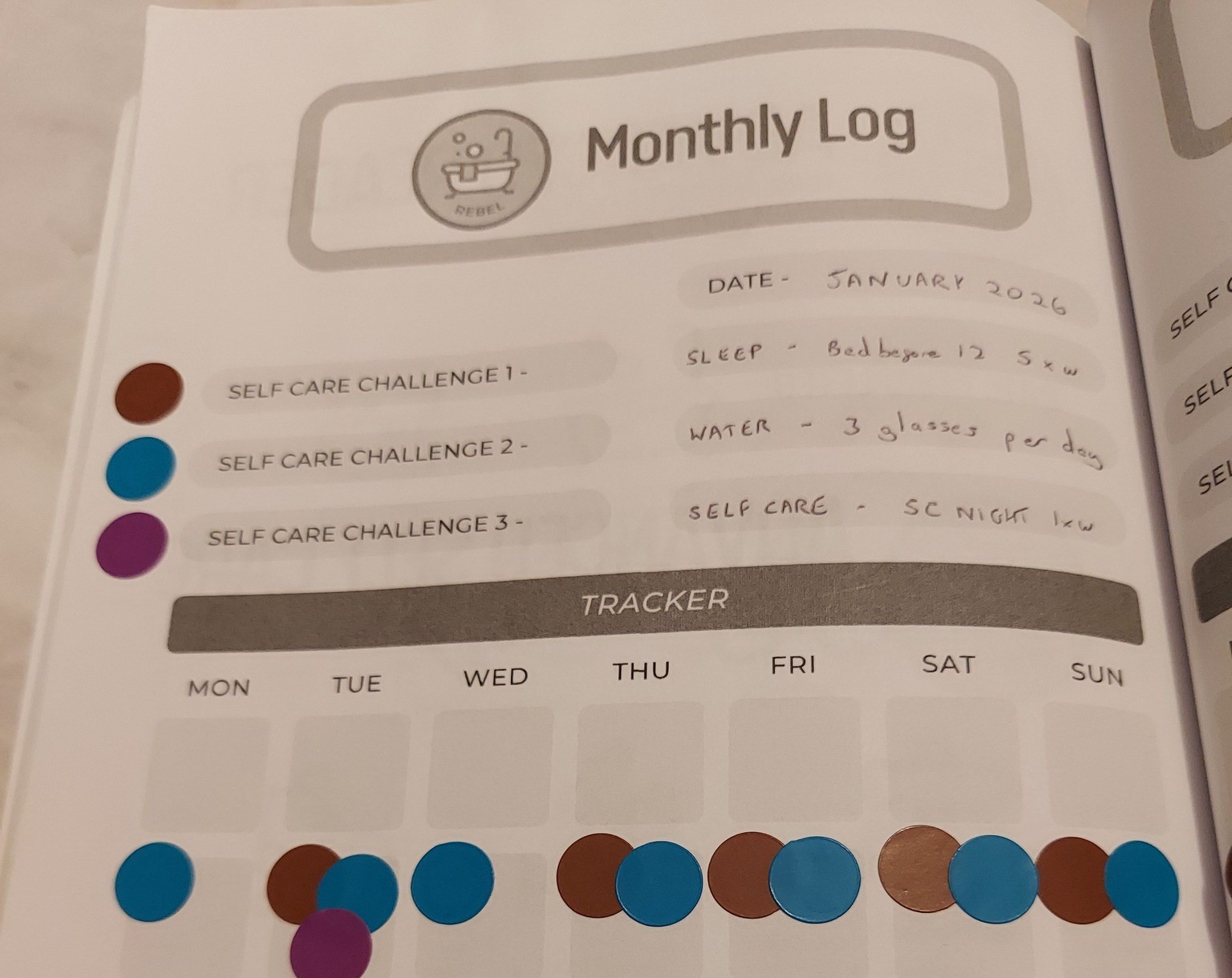
I’ve been working on the Advanced Self Care badge over the last three months. To complete the badge, I had to think about the areas of self care I struggle with the most, and set measurable challenges to achieve.

I chose to focus on an early (for me!) bedtime, increasing my water intake, and a self care evening once a week. I’d like to try and carry on with these three things, especially my water intake, as it really does make me feel better.

Advanced Self Care tracker

Date completed: 29 March 2026

Rebel Badge Club: My Heroes

I worked on this badge as part of the Inspire 2026 quarterly challenge. None of my heroes are perfect, they are all human and flawed, but all have qualities I admire and/or want to emulate.

I’ve realised the qualities that inspire me are things like resilience, moral courage, independence, intelligence and intellect, but I also have a soft spot for physical feats of endurance, which is quite funny as there’s no way I’d ever be able to emulate those! I could have done the whole badge using just polar explorers, but I’ve stuck to three.

As well as the four badges I chose for the Inspire challenge, I’ve thought of other ways to be more like my heroes.

I’ve used Instagram and YouTube to message my living heroes and celebrate them publicly.

Screenshot from Instagram post celebrating Marina

Date completed: 28 March 2026

Rebel Badge Club: The Rosie Challenge

The Rosie Challenge was the monthly badge for March, and I really enjoyed this one.

Learn about a current matriarchal society.

I learned about the Mosuo. Living in Southwestern China, they possess a distinct culture. Women are their heads of households, and they control property and finance, as well as passing on the family name.

Watch a film directed by a woman.

I watched Margrete: Queen of the North, a 2021 film I found on iPlayer. A Danish historical drama co-written and directed by Charlotte Sieling, it wasn’t the most exciting film but it did make me want to find out more about the historical period.

Create or play a pub quiz where each round has a female twist.

I played a female-focused pub quiz during the Nelson team call.

Read a book about the intersection of misogyny and the witch trials.

I read Witchcraft: a history in 13 trials by Marion Gibson.

Read a book on how language perpetuates sexism.

I read Wordslut by Amanda Montell.

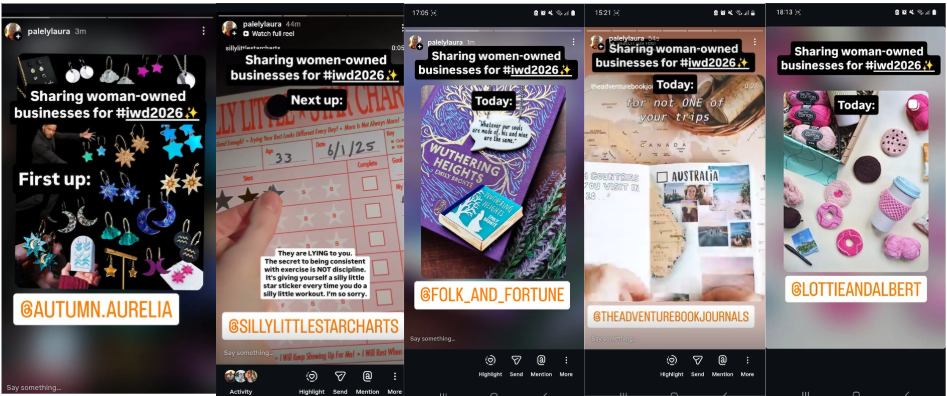
Champion 5 female-owned businesses you love to your network.

Women in Business Screenshots

Big Rebel Whodunnit

I took part in the latest Rebel game at the weekend. The Big Rebel Whodunnit was based on Cluedo and took place in London on Saturday. I was on a team with Ruth, Claire and Katrina – the same team I had for Rebel Monopoly in Cambridge. It was great fun!

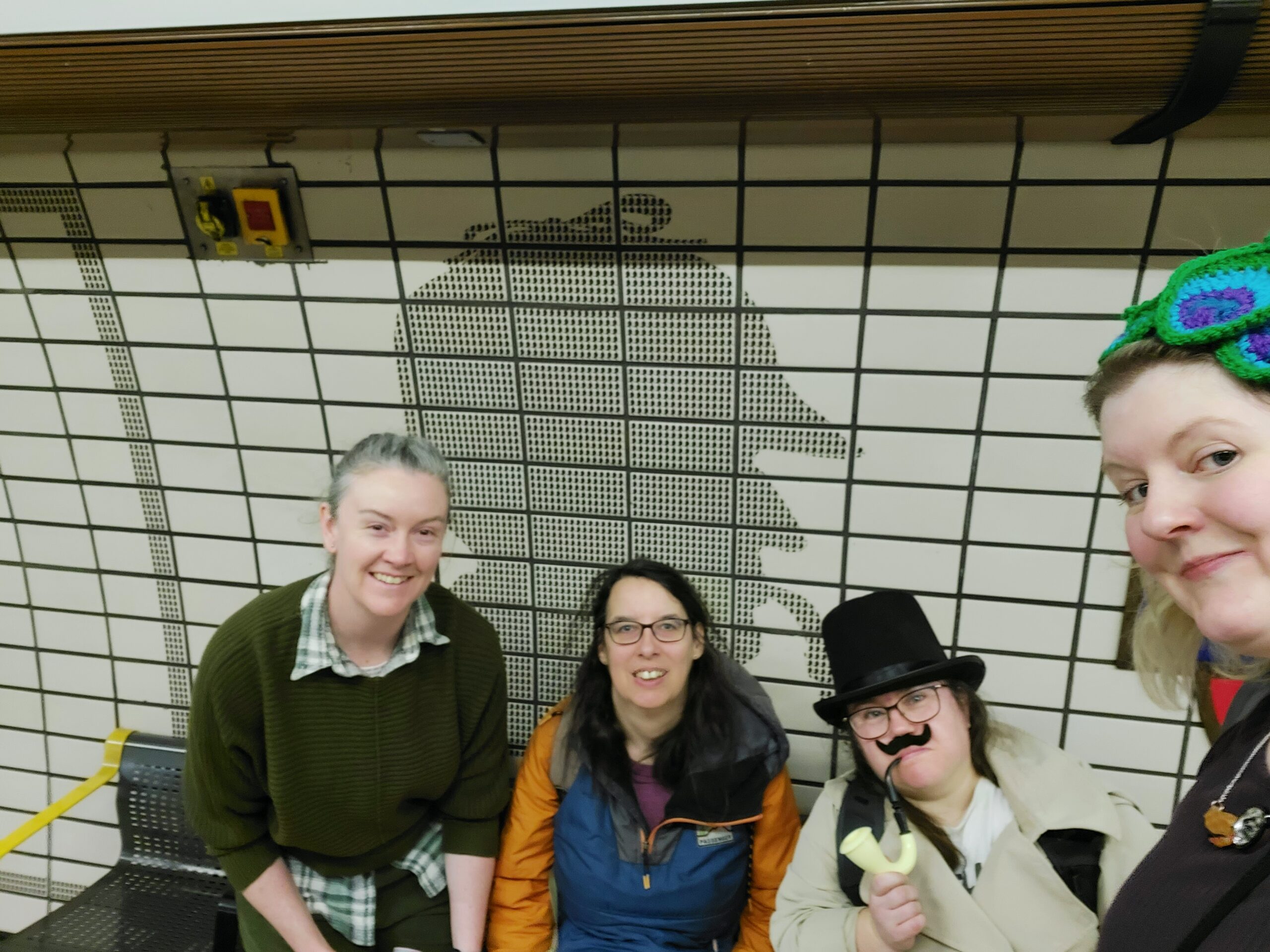
We met at King’s Cross station at the start of the day (after a breakfast at Wetherspoon’s, as is traditional – no pre-event parkrun for me!) and set off around London. We had to complete a number of tasks before travelling to meet each suspect – based on the Cluedo game characters. We found Colonel Mustard at Waterloo and Reverend Green in Green Park, although we struggled to track down Mrs White or Mrs Peacock, and didn’t manage to get to Professor Plum. In the afternoon we also managed to find Miss Scarlett at Liverpool Street, and also caught up with Poirot at Euston and Sherlock Holmes near Baker Street for some much-needed clues.

It was then a mad scramble to get back to Euston to hand in our final guesses. We didn’t win, but successfully named Miss Scarlett as the killer – we enjoyed witnessing her ‘arrest’ by the winning team! There will be another Whodunnit game in Cambridge next year, and I definitely want to take part.

Trina, Ruth, Claire and me at Baker Street station

Rebel Badge Club: Marine Biologist

I really enjoyed this badge. I remember doing a careers questionnaire at school and it said that Marine Biologist was the ideal job for me. I rejected it as I wanted to go down the arts route, not the science route, but sometimes I wish I had followed that path, as maybe I’d be a penguinologist by now. Oh well!

Learn how to identify different types of cetaceans, and which sub-orders they belong to.

The Order of Cetacea (cetaceans) comprises whales, dolphins and porpoises. Taxonomy divides the group into two suborders:

  • Mysticeti (baleen whales or mysticetes – approximately 14 species, including blue whales)
  • Odontceti (toothed whales or odontocetes – approximately 75 species, including dolphins and belugas)

The website https://iwc.int/about-whales/cetacea goes into further detail.

Research the marine and coastal wildlife code. Learn who to call for local aquatic wildlife in distress.

The marine and coastal wildlife code comprises awareness of the ways in which wildlife can be disturbed, knowledge of when marine wildlife is at its most vulnerable, how to act responsibly and how to behave around wildlife. The code can be viewed here.

To report an injured, dead or distressed animal you can call the British Divers Marine Life Rescue hotline on 01825 765546 for whales, dolphins, porpoises, seals, turtles and sharks, or the RSPCA (England and Wales) on 0300 1234 999.

Report large marine animals that you find dead or floating at sea to the Cetacean Strandings Investigation Programme (CSIP) on 0800 652 0333 (England and Wales). This includes whales, dolphins, porpoises, seals, sharks and marine turtles.

How do aquatic species differ between salt water, fresh water and brackish water? How does the salinity affect their biology?

Osmoregulation is the physiological process by which aquatic species in salt, fresh, and brackish water differ. The process is concerned with how salt and water are balanced in the body. Saltwater species excrete salt, freshwater species retain salt, and species living in brackish water have mechanisms to cope with fluctuating salinity levels.

Salt Water Species (Ocean, Seas, Reefs)

In high-salinity environments, species lose water constantly through osmosis. They drink large amounts of seawater, excrete concentrated urine, and use their gills to secrete excess salt.

Examples of salt water species include tuna, sharks, sea urchins, blue mussel, coral.

Freshwater Species (Lakes, Rivers, Wetlands)

Species in low-salinity environments have higher internal salt concentrations, so they constantly absorb water. They do not drink, but they excrete large volumes of diluted urine and absorb salts through their gills.

Examples of fresh water species include goldfish, trout, bass.

Brackish Water Species (Estuaries, Mangroves, Salt Marshes)

Brackish environments contain a fluctuating mix of fresh and saltwater. Organisms here are often euryhaline, meaning they can tolerate variations in salinity. Many have specialised behavioural adaptations to manage saline levels, such as moving between zones or possessing specialised salt-excreting glands.

Examples of brackish water species include red drum, blue crab, salmon, eels, mullet, flounder, mudskippers, crocodiles.

Research a current marine conservation issue. Are there steps which you can take to help tackle it?

African penguins, which are important for marine ecosystems and tourism, are critically endangered and face extinction by 2035 due to food shortages by climate change and overfishing. Their main food sources are sardines and anchovies but they struggle to compete with fisheries.

The Save African Penguins campaign was created to pressure the South African government to end commercial fishing around six of the most significant major penguin breeding colonies.

The campaign succeeded, but penguins still remain at risk from climate change. I can help by trying to be more environmentally friendly and supporting politicians and governmental policies that prioritise the environment.

Learn about invasive aquatic species and how they affect native species. How is your government tackling them?

Invasive aquatic species can have disastrous impacts on native species by threatening biodiversity, altering ecosystems and damaging infrastructure. In the UK, common invasive aquatic species include floating pennywort, signal crayfish and killer shrimp.

In the UK, the government encourages members of the public to report sightings of invasive species. When concerns are raised, governmental organisations can despatch groups to investigate the issue. For instance, when egg cases potentially belonging to the Japanese oyster drill (a marine mollusc native to the North Pacific) were found in East Sussex in 2024, a rapid response group was formed to survey the surrounding beaches. When an Atlantic blue crab (a species native to the east coast of North America) was sighted in Brighton in 2024, another group was formed which launched a programme to raise awareness of the dangers of releasing crabs into the environment.

Learn about the different species at different depths of the ocean. Draw your findings in a cross-section diagram. Include water properties such as temperature and salinity.

I love this visual representation of the depths of the ocean, which I wanted to share because it’s brilliant.

I had planned to complete this clause as written, but I recently discovered that Climbing Goat Designs are running a stitchalong this year focusing on the ocean. I’ve joined that SAL and will work on the project this year.

Learn about a newly discovered deep ocean species. What adaptations have deep sea creatures developed to survive extreme conditions?

I enjoyed learning about the Carnivorous ā€œdeath ballā€ sponge (Chondrocladia sp. nov.), discovered by The Nippon Foundation–Nekton Ocean Census during a deep-sea expedition near Antarctica. The sponge was discovered 2.2 miles deep in a trench north of Montagu Island in the Southern Ocean. It uses small hooks on the end of its orbed appendages to catch and absorb its prey, typically small crustaceans such as the skeleton shrimp, from the sea bed.

Adaptations

Bioluminescence – many deep-sea creatures have the ability to glow in the dark, an evolutionary adaptation which developed owing to the absence of light in the depths of the ocean. For instance, the anglerfish has a glowing lure, while some jellyfish emit a hypnotic glow. Bioluminescence can attract prey, confuse predators, and enable communication.

Pressure resistance – deep-sea creatures need to be able to withstand immense pressure from the volume of water above. As an example, the barrel-eye fish has fluid-filled spaces in its body enabling it to equalise pressure.

Gigantism and miniaturisation – some creatures, like the colossal squid and the giant isopod, grow to enormous sizes, possibly to compensate for the lack of food in the depths of the ocean. Others, such as some jellyfish and amphipods, are tiny, perhaps in order to more efficiently navigate the vastness of the sea.

Slowness – many deep-sea species have extremely slow metabolisms, such as the Greenland shark, which can live for centuries.

Camouflage and transparency – these features enable creatures to blend into their surroundings, invisible to both predators and prey. For instance, the cuttlefish and the glass squid can change colours, vary patterns, and even become transparent.

Create a food web for your closest marine environment.

I created a food web for the North Sea.

Food web for the North Sea

Learn about sustainable fishing practices.

Sustainable fishing means leaving enough fish in the ocean so that populations can recover and the impact on local habitats and ecosystems is minimised.

Scientists can collect data on how many fish can be safely caught to ensure sustainability. Other measures can also be implemented, such as prohibiting fishing during spawning season, and imposing limits on the size of fish caught to ensure that juveniles are left in the water.

Harvest control rules are precautionary measures that require catches to be reduced if the stock population declines.

Visit an aquarium.

I paid a visit to Tynemouth Aquarium and saw lots of different fish, as well as turtles, axolotls and seals.
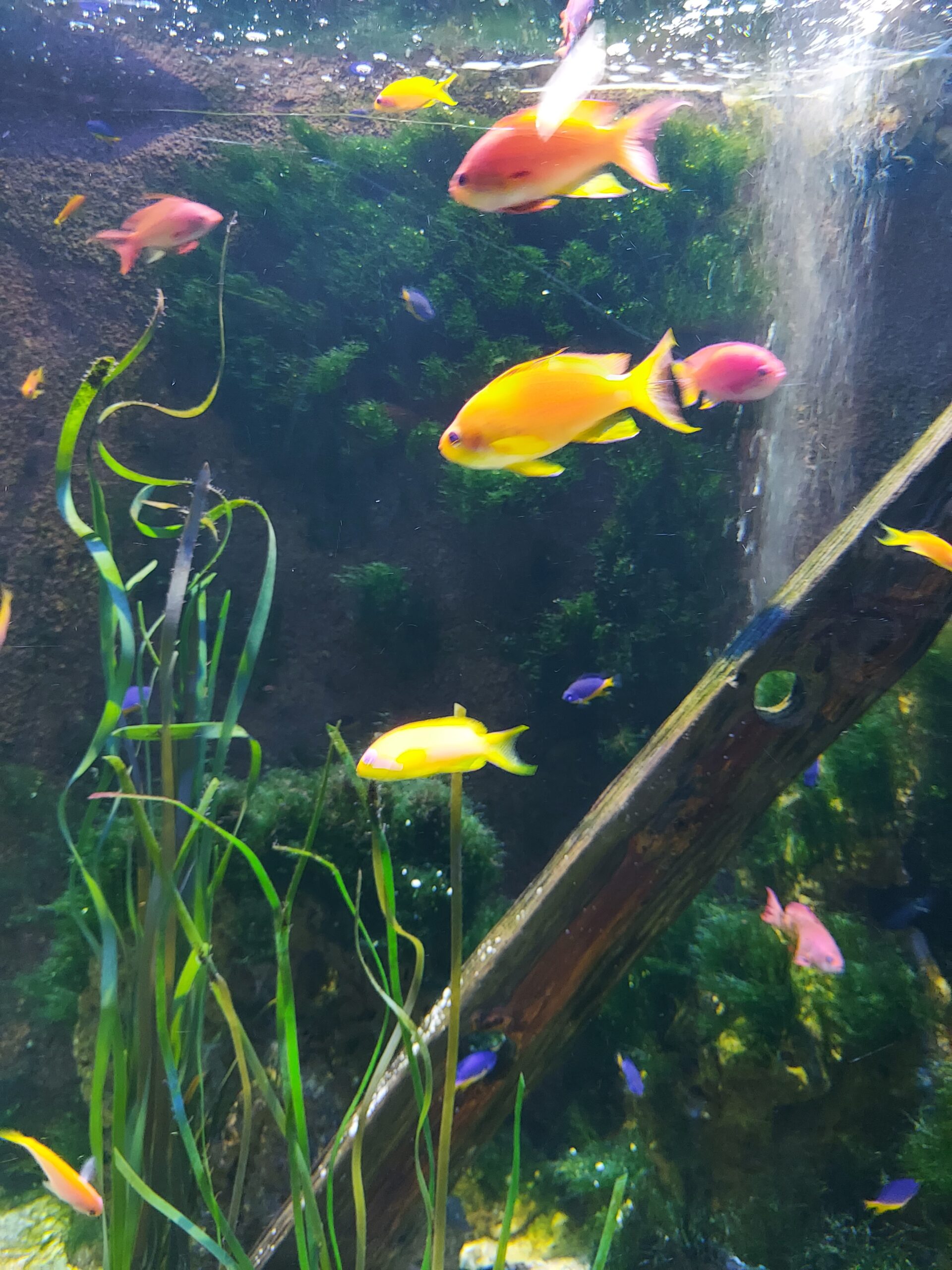
Fish in an aquarium tank

Learn how marine biologists tag creatures for future identification.

Marine telemetry helps us understand more about species migration, habitat usage, behaviour and population health. Tags can also transmit information about the individual animal’s health and the qualities of its environment.

Common tagging techniques include satellite tags (tracking long-distance movement on larger animals like sharks, whales and turtles), acoustic tags (tracking animals such as fish or rays in more specific areas), Passive Integrated Transponder (PIT) tags (inserted under the skin for long-term tracking and identification) and newer techniques, such as soft bioadhesive interfaces, for delicate creatures such as jellyfish.

Make a model of your favourite ocean creature.

Of course, I had to make a penguin. I chose the medium of crochet.
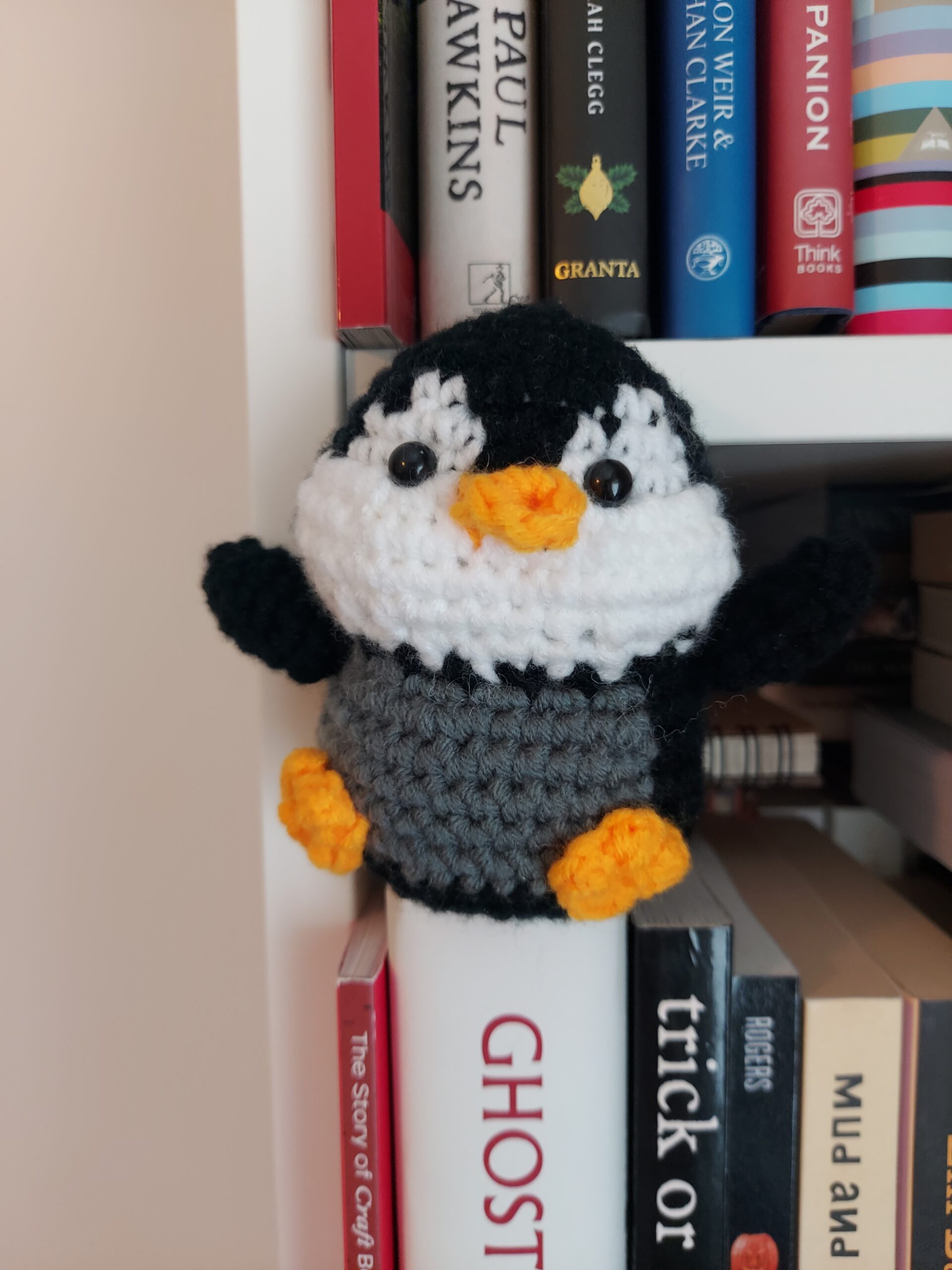
Crochet Penguin

Date completed: 28 February 2026
Rebel Badge Club: The Fairytale Challenge

The Fairytale Challenge was the RBC monthly badge for February, a fun badge inspired by assorted fairy tales. I would have liked to do more clauses but I ran out of time.

Taste test three different types of porridge and choose your favourite.

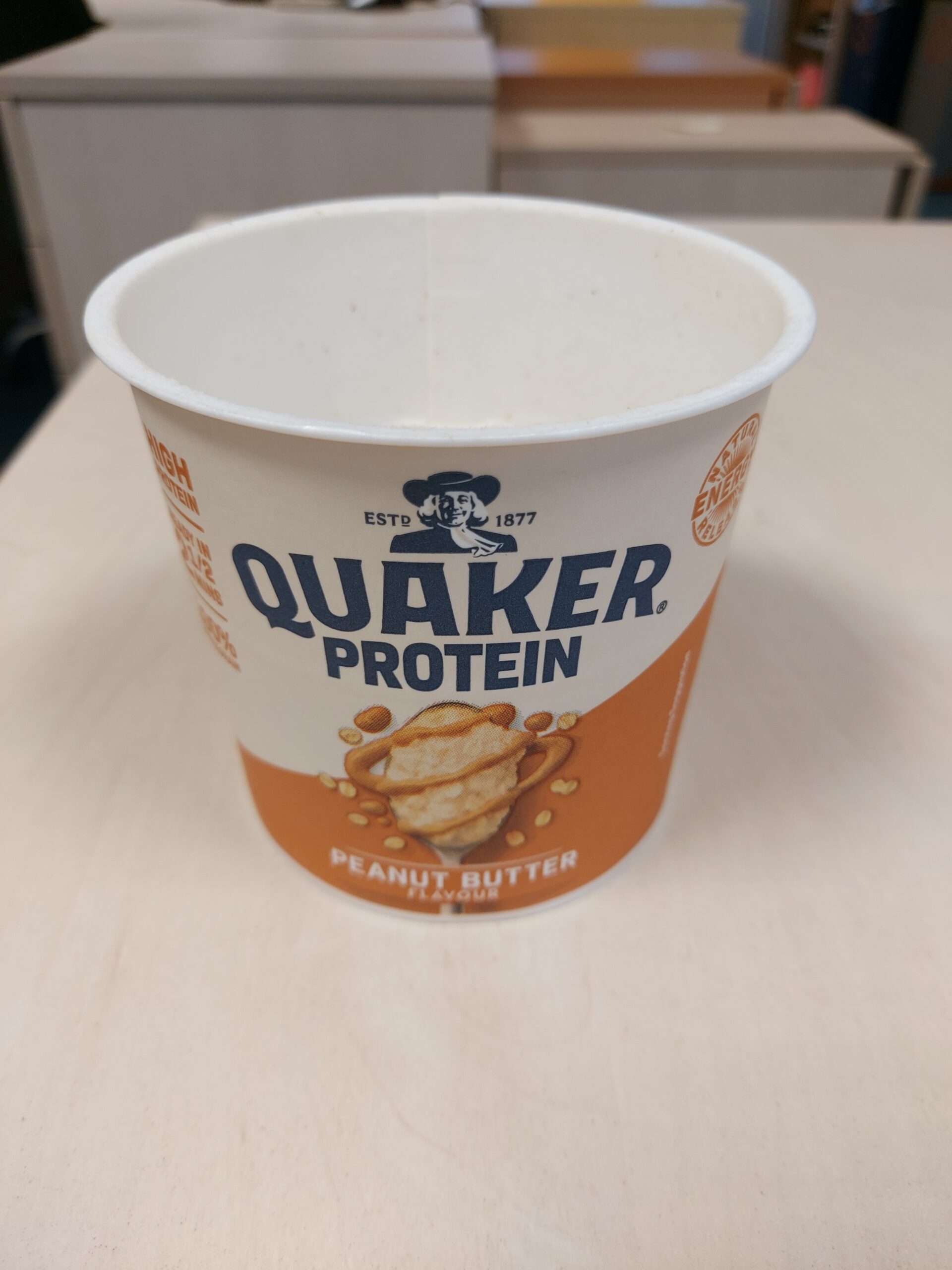
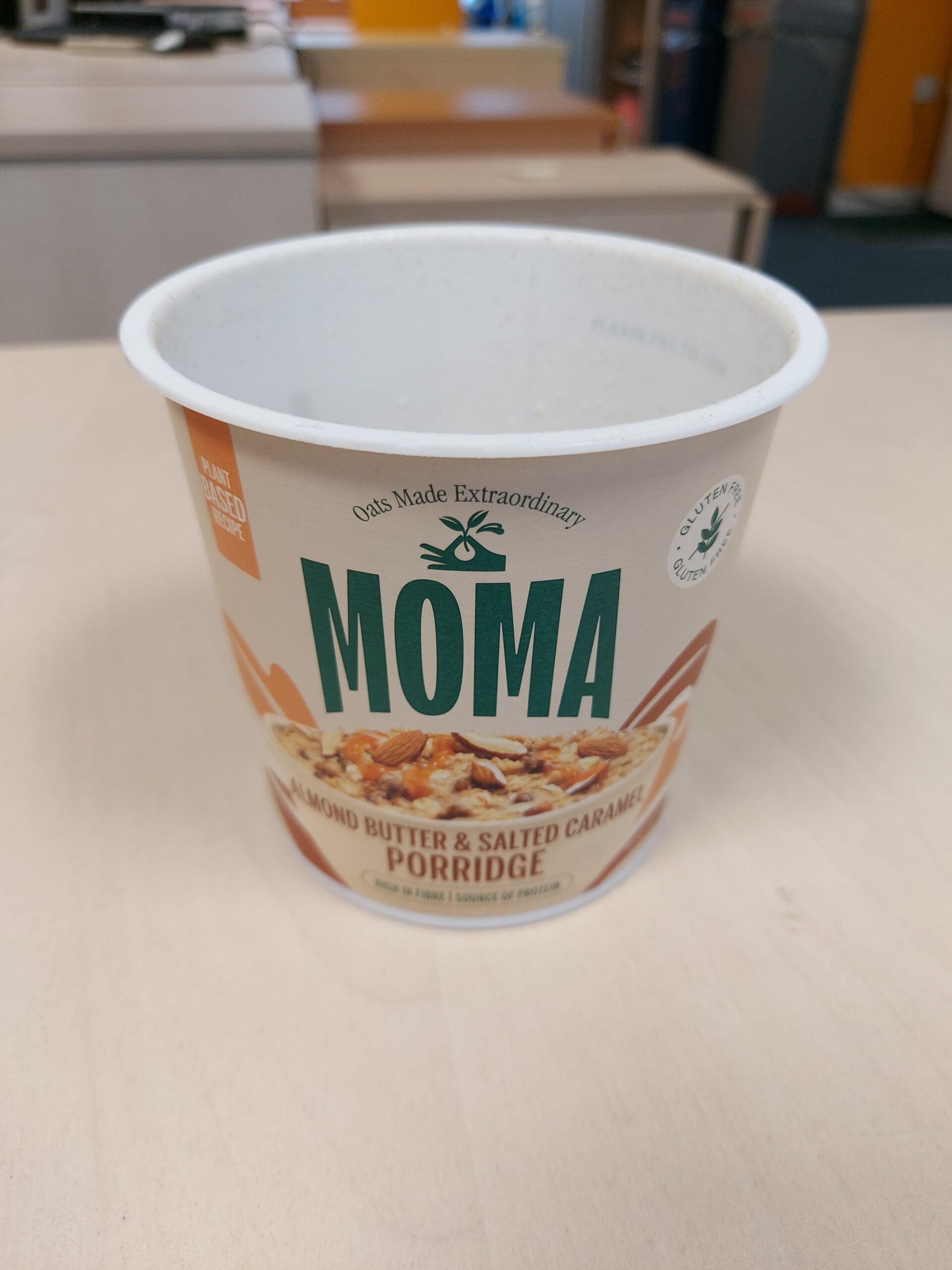
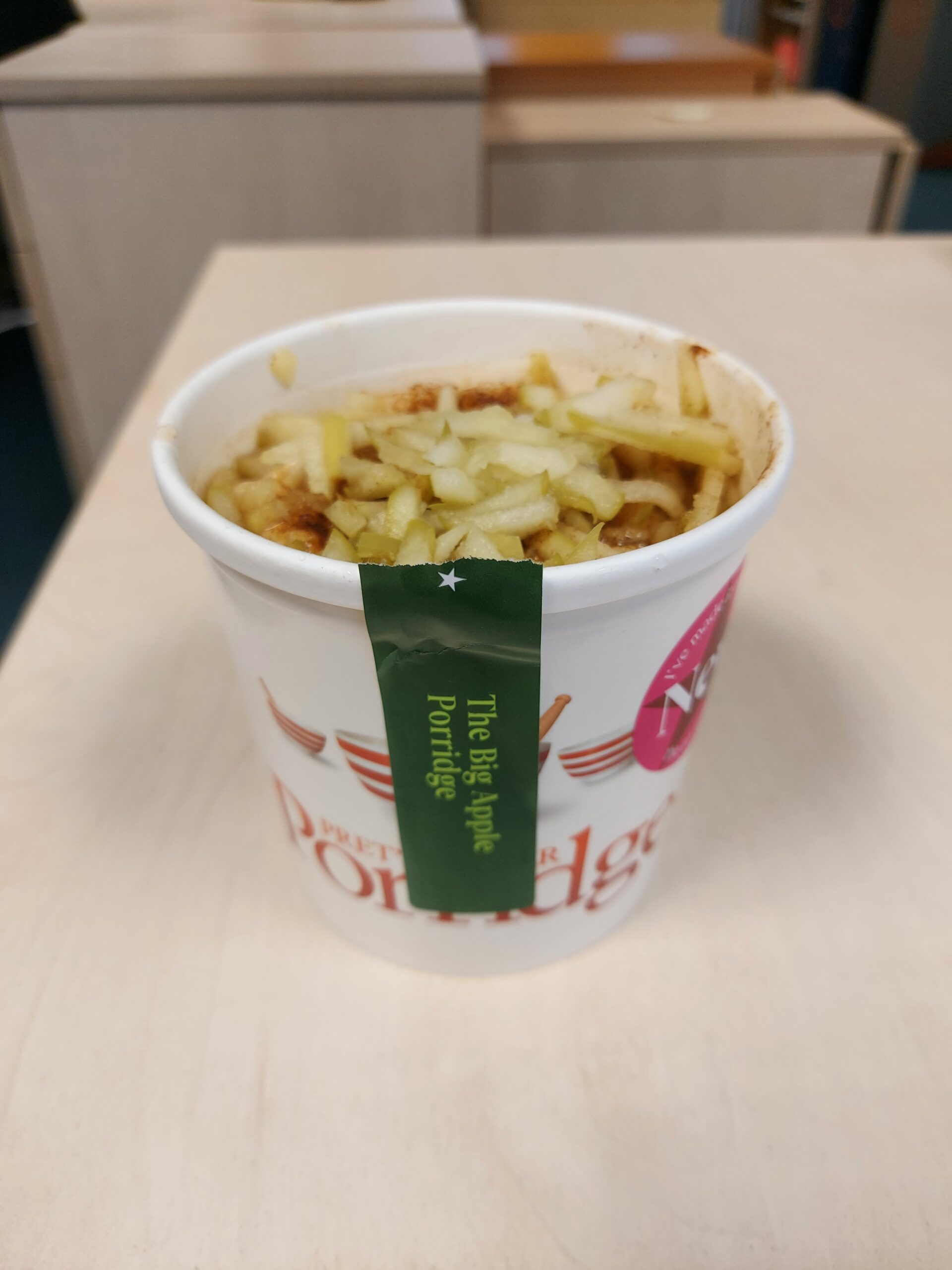
I taste-tested three kinds of porridge: Pret’s The Big Apple, Quaker Protein Peanut Butter, and Moma’s Almond Butter and Salted Caramel. They were all yummy but the Moma was my favourite – surprising as I’m not vegan!

Solve a word puzzle.

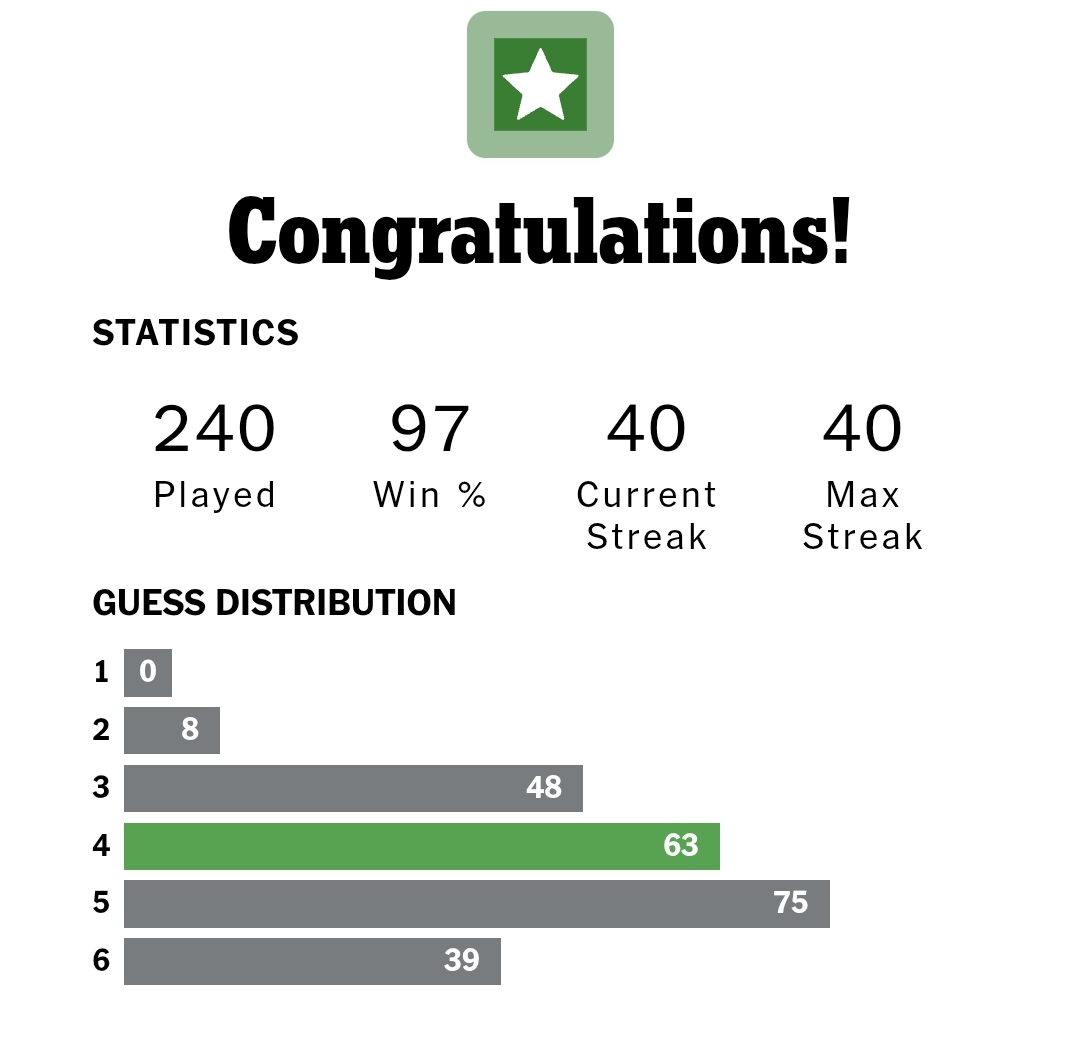
I completed Wordle every day this month.

Wordle Screenshot showing 240 played, 97% win, current streak of 40

Bake some bread.

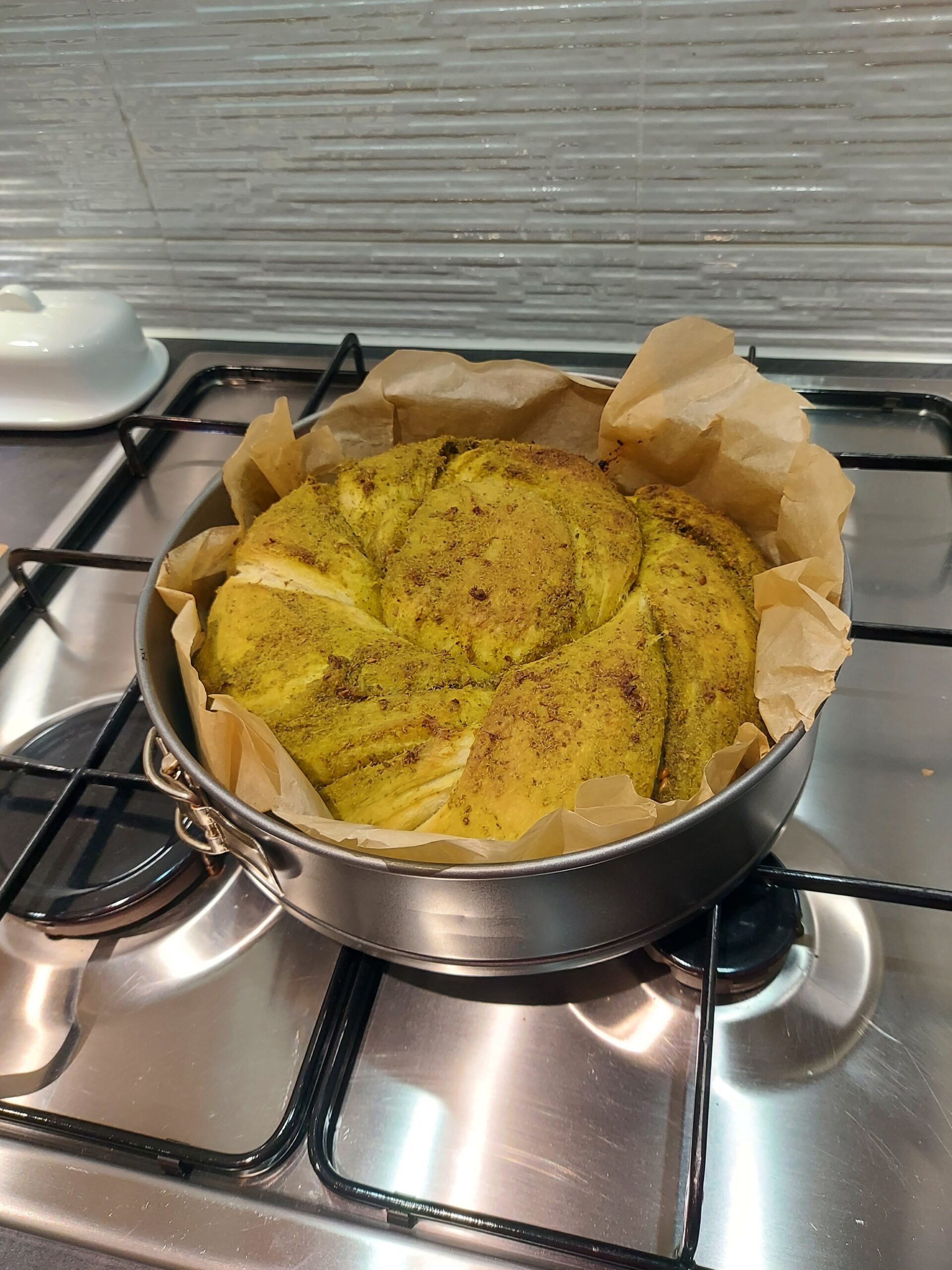
I baked some plaited pesto bread.

Plaited Pesto Bread

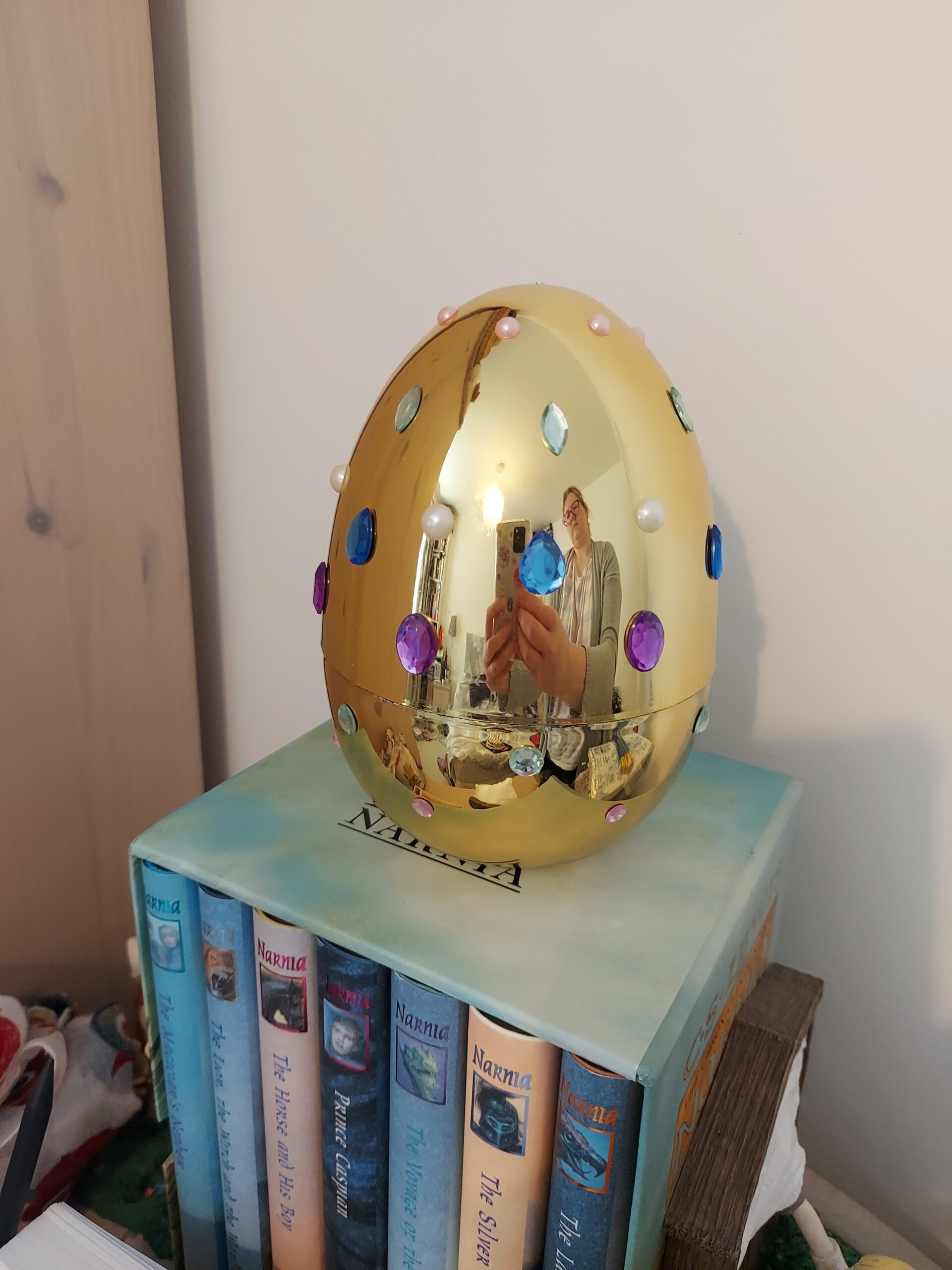
Decorate a golden egg.

Golden Egg

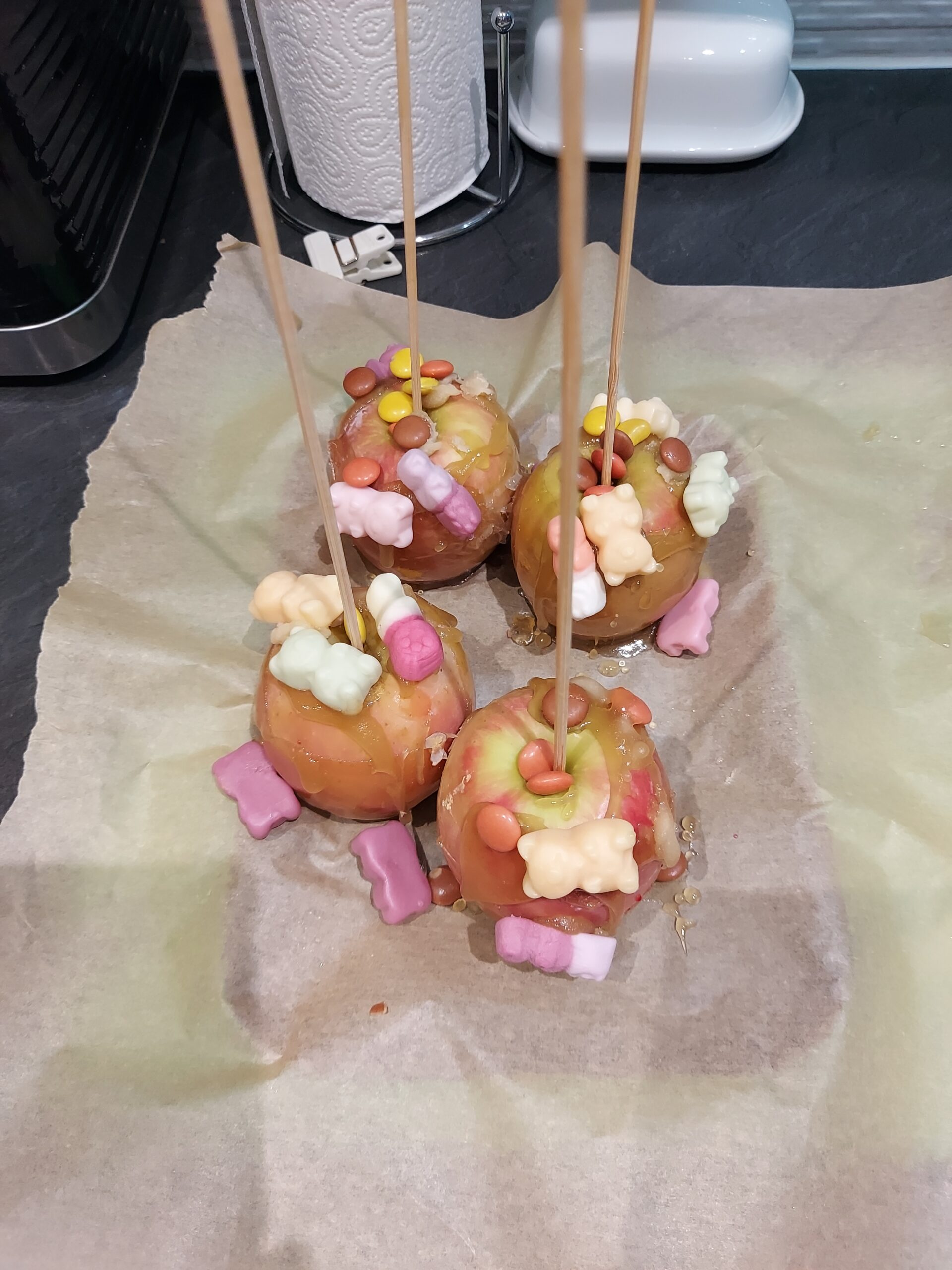
Make toffee apples.

Toffee apples

Set yourself three wishes for the year.

I made three wishes for the year – I won’t share them, but one of them has come true already! šŸ„³

Rebel Badge Club: The Great Big Trade Up

The first monthly badge of 2026 is The Great Big Trade Up.

The idea is to start with a paperclip and trade it for something else, then keep trading until the end of the month.

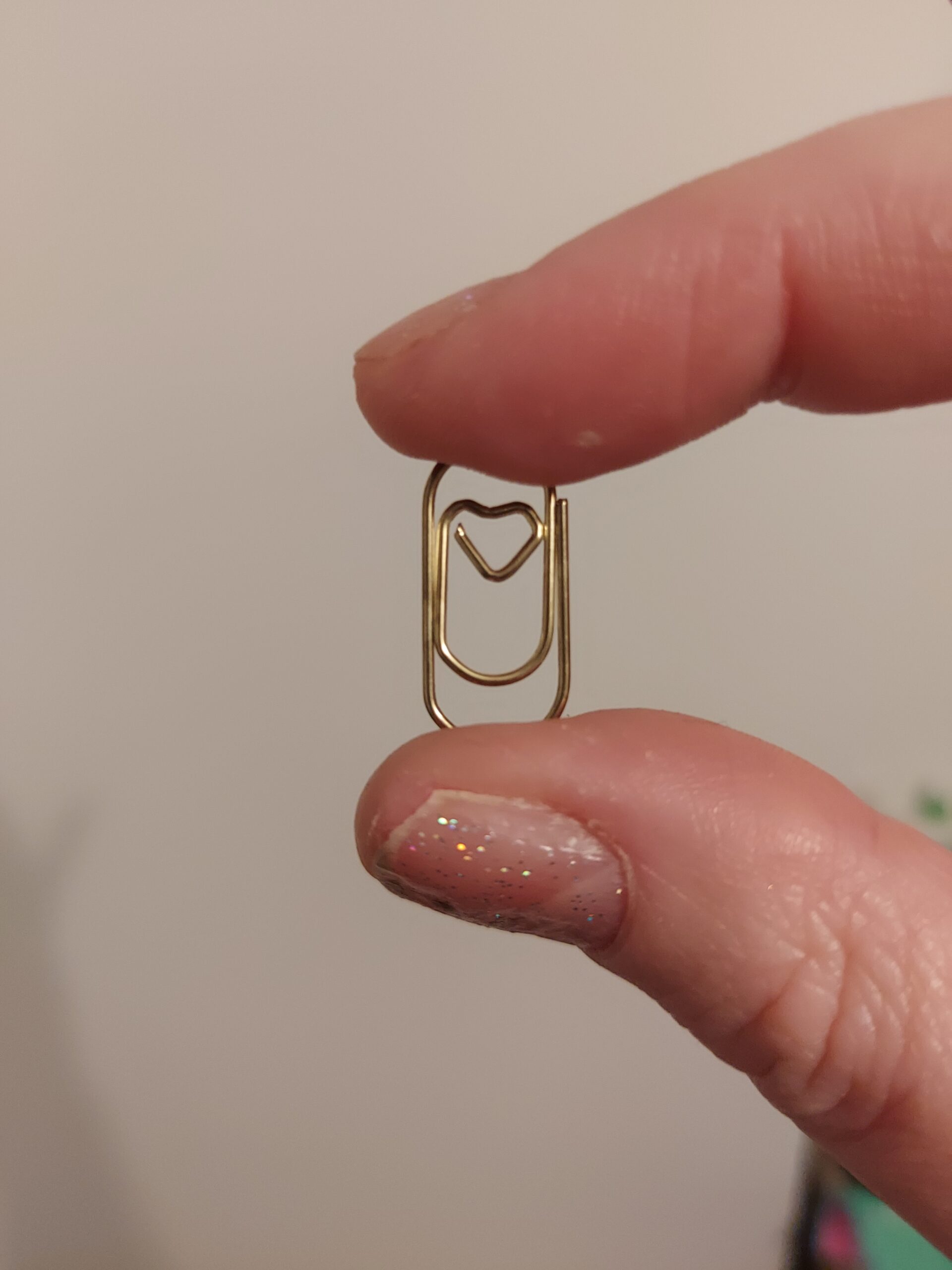
I started with this cute paperclip:

Paperclip

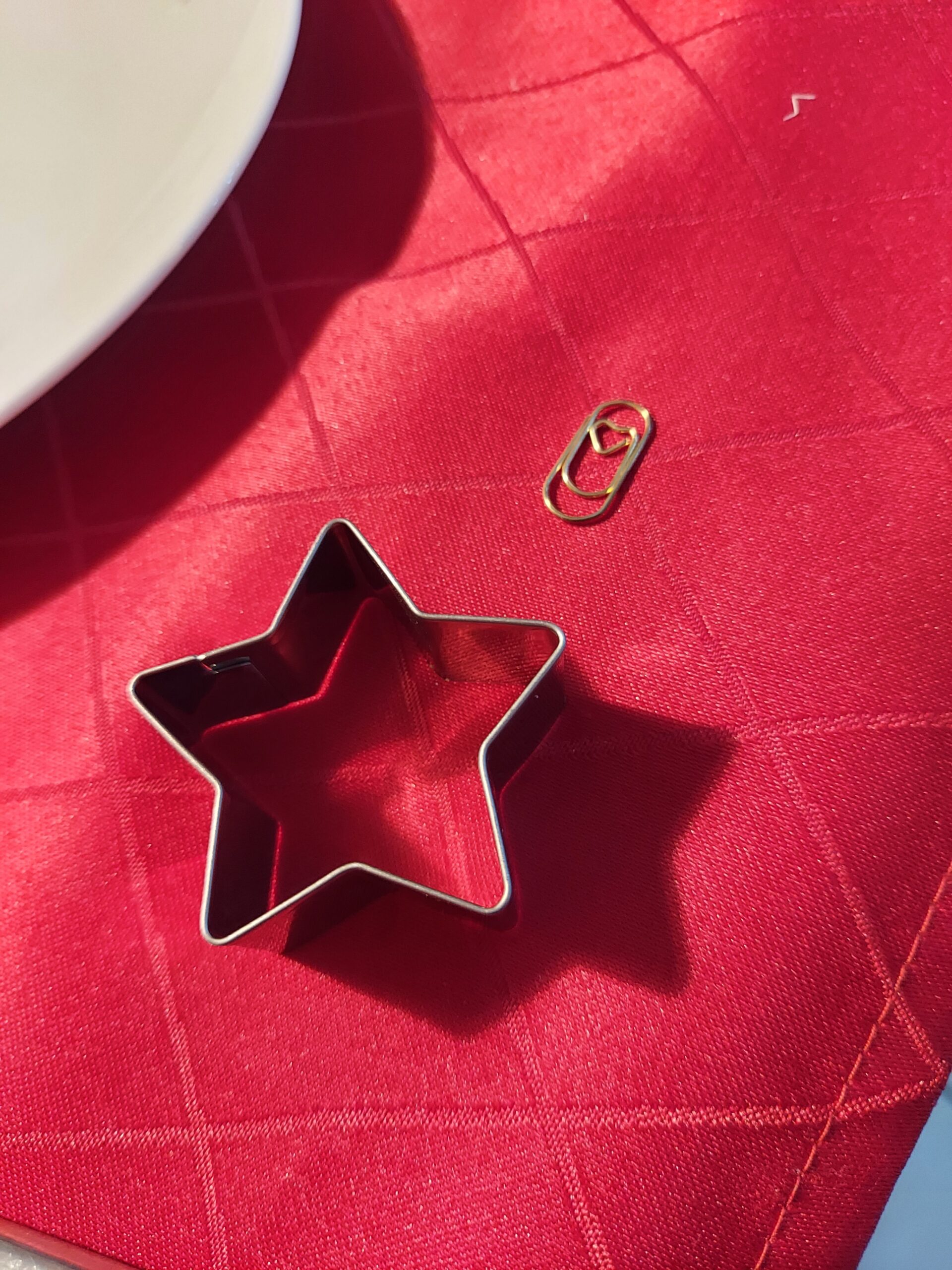
I then swapped it for a star-shaped cookie cutter from a Christmas cracker:

Paperclip and star cutter

That was the only trade I managed to make this month – January is very quiet for me – but if I manage to make any further trades this year, I’ll update this post.

Guest post: The long awaited final instalment of reviewing 2025: Rebel Badge Club

Please enjoy this guest blog post from fellow Rebel Siân. Check out her blog at learningtobloomwhereiamplanted.wordpress.com

In March 2025 I finally gave in to the prompts I had been receiving and joined Rebel Badge Club. I liked the idea of merit badges for adults. And the community that was building around this club.

It turns out that it is much more than just merit badges. There is merchandise! And monthly, quarterly and annual badges. And events, both in person and online. There are local groups, Rebellions, across the country and in fact the globe.

So, a very quick round up of my first Rebel year. I completed 22/52 badges in book one. And 6/52 badges from book two. None from book three but I have both the main book and the workbook, and the wall chart for displaying the stickers when I achieve them. And completing at least one badge from book 3 is in my aims for 2026.

I attended two online festivals, one big meet up, and a few smaller meetings over those ten months too.

I managed 1,001 hours outside between 1st March and 31st December 2025. I completed the Rebel Health Check 25 badge and the Rebel With a Cause badge. And I took part in the Big Rebel Adventure challenge swimming 24 hours in relays.

There were two quarterly badges I completed; Ready Player One in Q3, and 4th Birthday in Q4.

And several monthly badges too: Charity Shop Challenge, World Book Day, Myths & Legends, The Pirate Challenge, Big Kid Summer and Big Kid Winter.

I’m also in some specialist groups. Spoonie, Reader, Pen Pals, Gloucestershire Rebellion and Bristol Rebellion, as well as subscribing to the Rebel Council and to the quarterly badges.

To say Rebel Badge Club RBC has had an impact on my life and wellbeing would be an understatement of epic proportions. I seem to have turned into a little RBC evangelist. I’ve tried so many things because of RBC. And it has only deepened the connections I already have in my local and wider community.

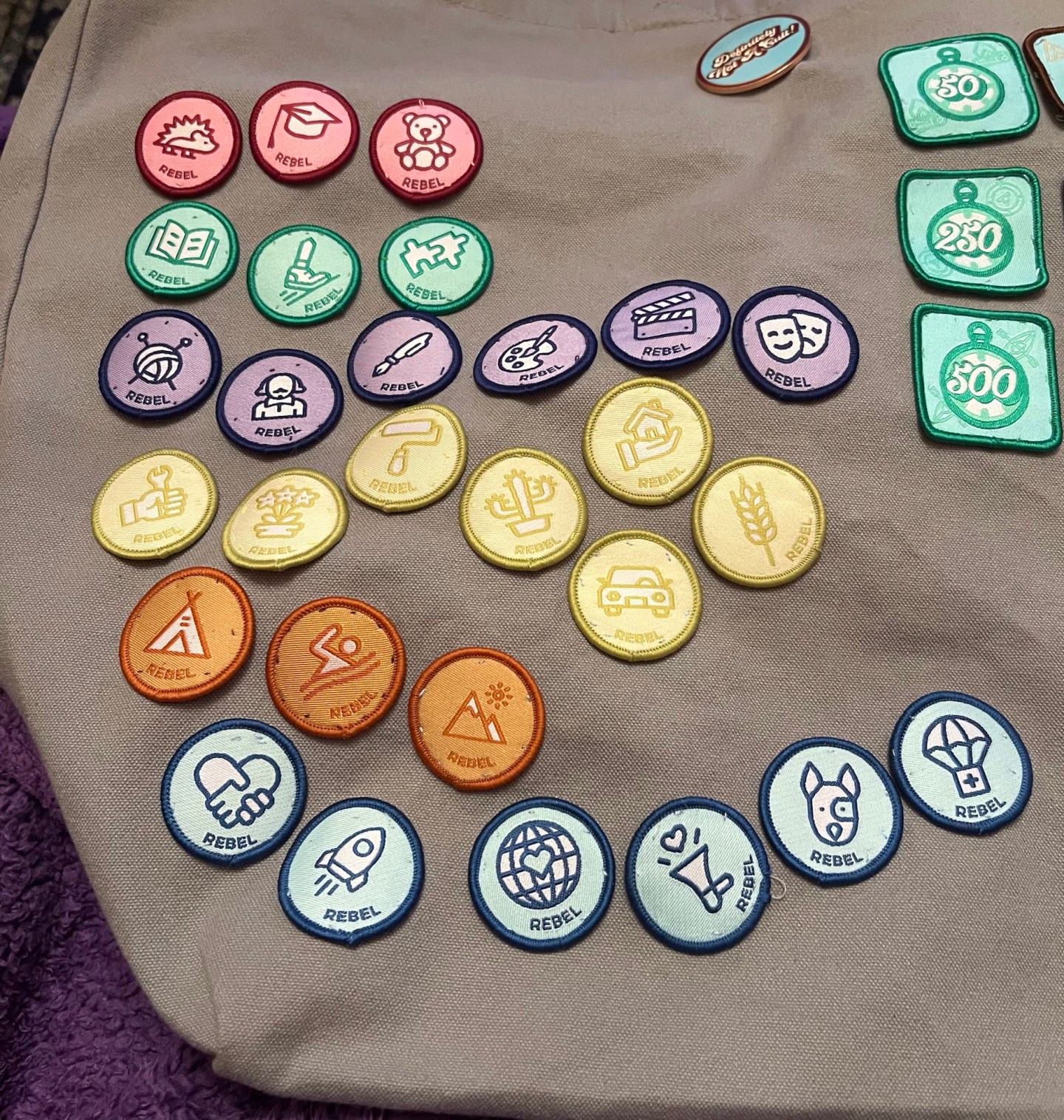
Just some of the badges

Here’s hoping that my fellow rebel Laura is happy to return the favour and cross post so that I too can claim advanced writer.

Because, in 2026 I have joined the Rebel Cup. This is where all participating rebels are divided into patrols and earn points for their team to win a cup šŸ†. As with anything in RBC you only do what you want. It is supposed to be fun after all. And I had to seriously remind myself of this a week or two ago when my bonus point activity kept getting rejected. So I am sticking with the activities, meet ups, and badges that I want to do and can fit in to my schedule and still have fun. Anything at all stressful gets cut.

Rebel Badge Club: Advanced Diarist

Diarist was one of the first badges I completed back in 2022. I decided to work on Advanced Diarist throughout 2025.

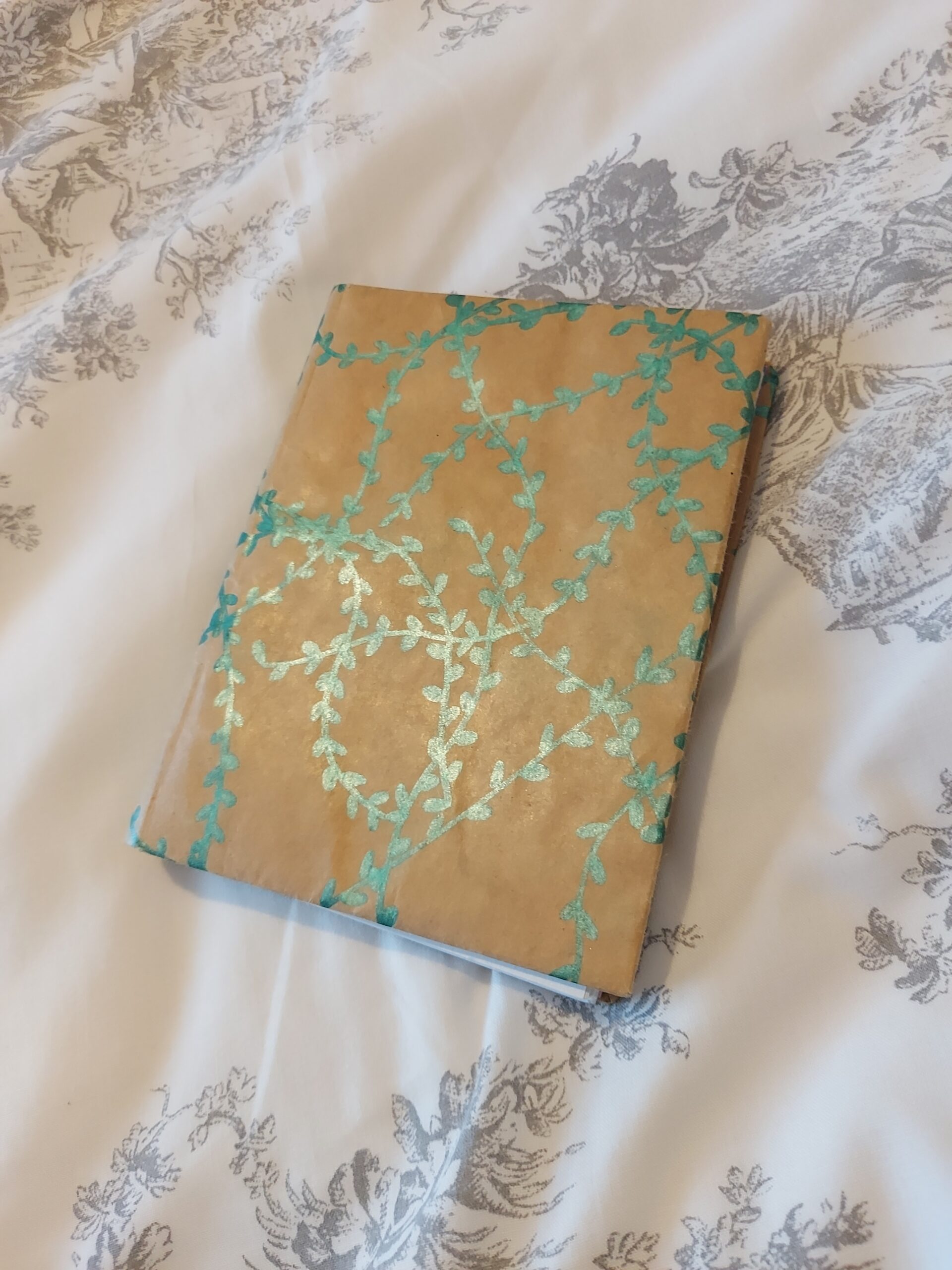
Bullet journal

I worked on six types of journal throughout the year. Four were all in the same notebook I made at the start of the year:

  • Bullet journal
  • Gratitude journal
  • Dream journal
  • Mood tracker

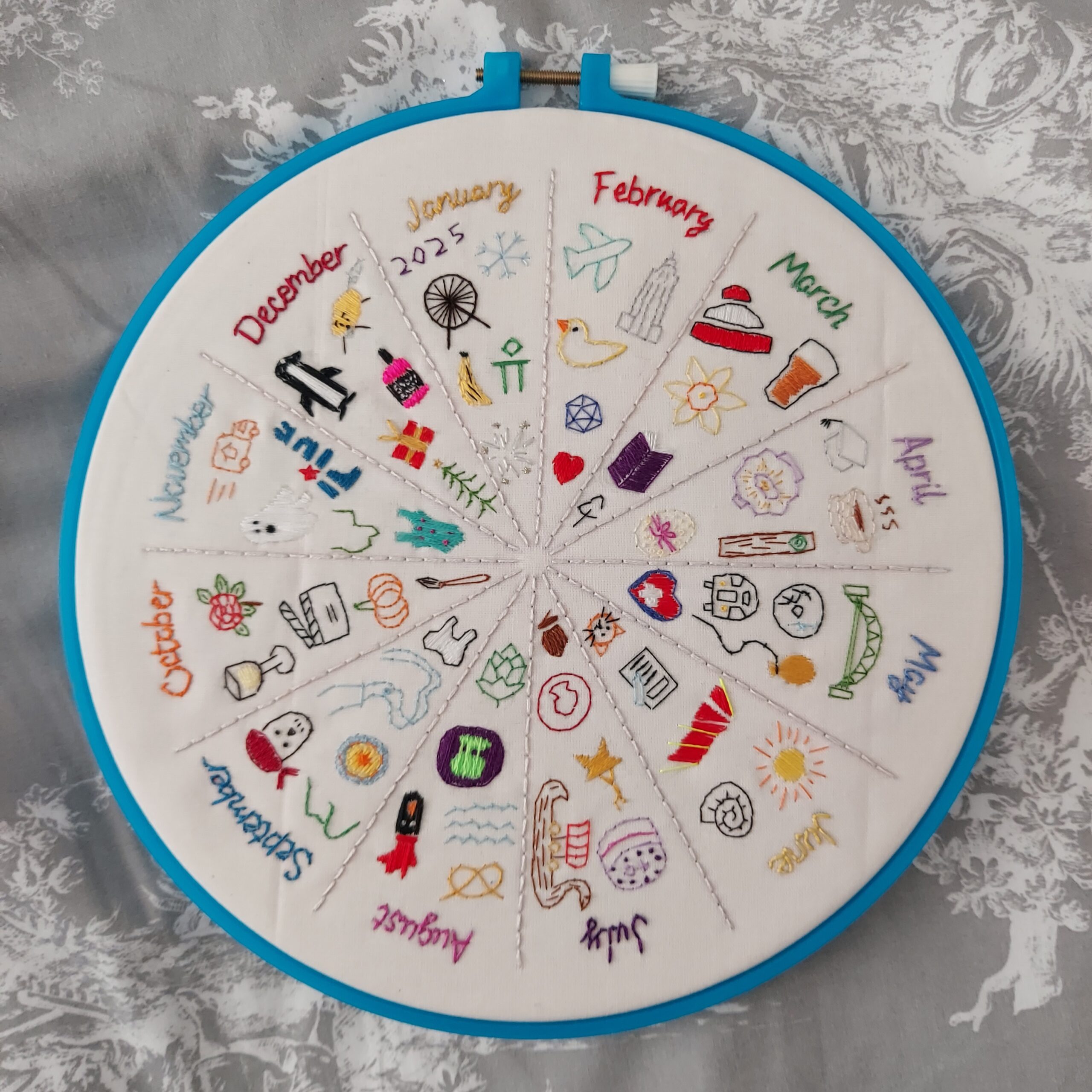
I also completed an embroidery journal.

Finally, I worked on a second of video a day. This was annoying to remember at the time, but I’ve got a really nice record of the year to look back on.

Date completed: 31 December 2025

Rebel Badge Club: Advanced Detective

After completing the Detective badge earlier in the year, I started work on the Advanced Detective badge. This involved solving twelve cases throughout the year, in a mix of formats. I completed the following:

The Missing Mbira Mystery by Julie Davenham – an amusing cosy mystery

Murder Trial Tonight III – The Doorstep Case – a theatrical ‘trial’ where the audience could vote based on the evidence presented – long, but thorough and interesting

Murder Trial Tonight stage

Solve Along A Murder She Wrote – comedic interactive screening of an episode of Murder She Wrote (this episode was ‘Joshua Peabody Died Here…Possibly’) in which presenter Tim Benzie and the audience try to identify the murderer

CSI: Crime Scene Improvisation – improvised crime on stage based on audience suggestion

Royal Parks – Famous Gardens Treasure Trail – a detective mystery solved by visiting different locations in Hyde Park and Kensington Gardens

‘Grease Frightening’ murder mystery at Camp – a fun murder mystery where we took on the roles of the suspects

Solve This Murder podcast: The Mystery of the Murdered Medium – an audio murder mystery

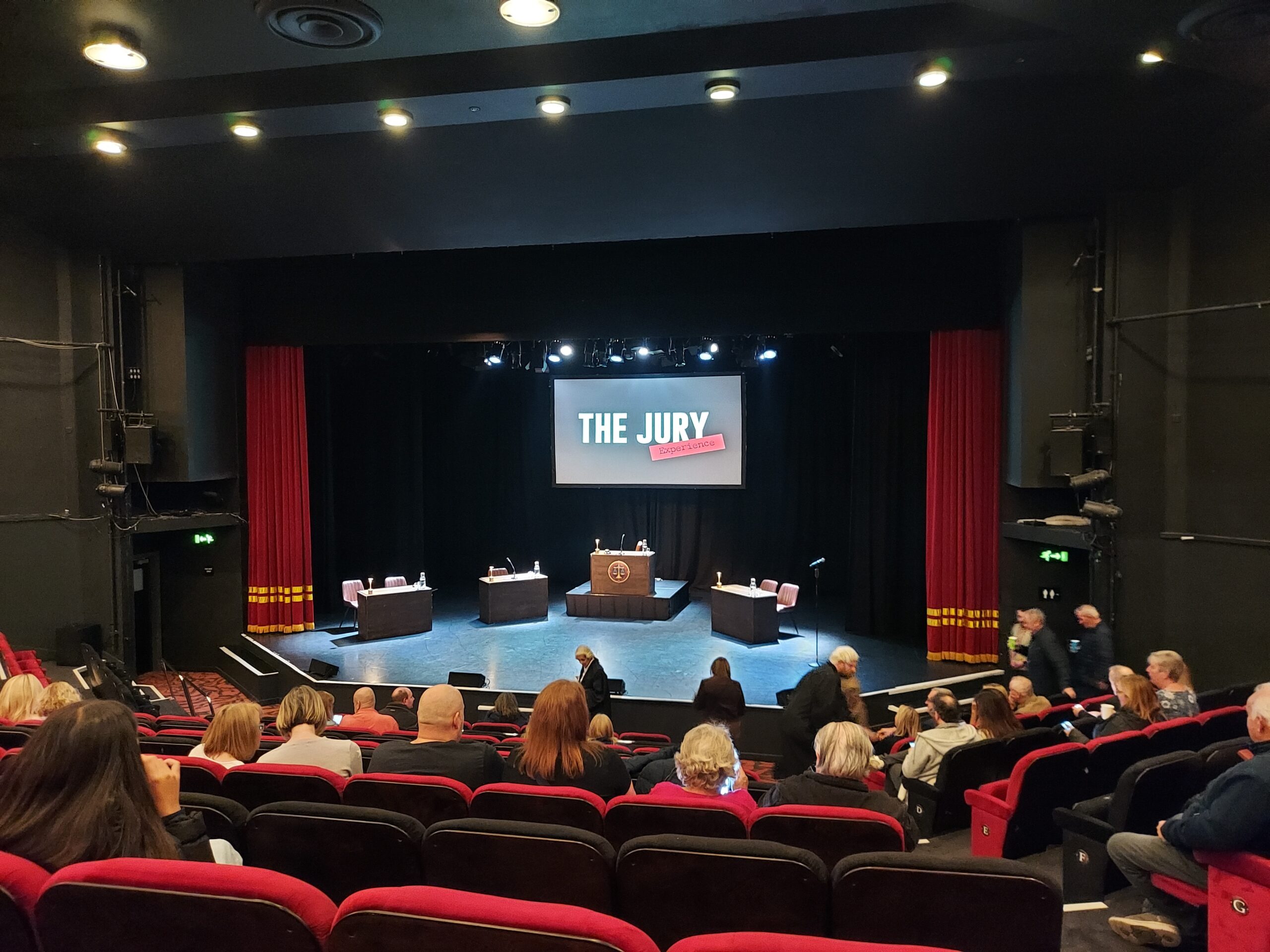
The Jury Experience: An Immersive Courtroom Case: Diamonds, Lies, and a Dead Man – a theatrical trial involving theft of a diamond necklace

Jury Experience stage

The CSI Murder School – a talk delivered on Zoom

CSI Murder School pack

Murder, She Didn’t Write – an Agatha Christie-style improvised murder mystery on stage

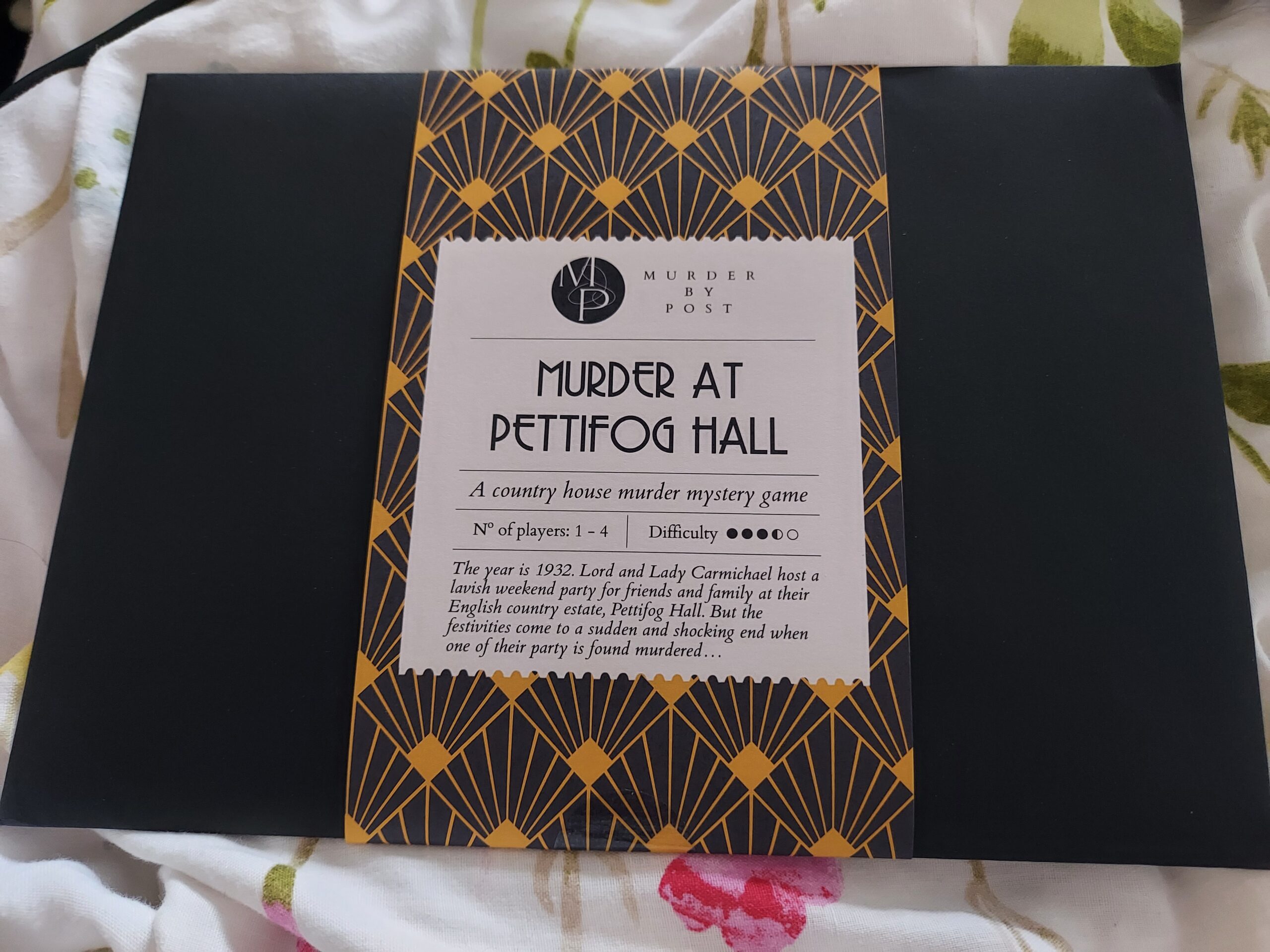
Murder by Post: Murder at Pettifog Hall – a collection of pieces of evidence which you use to try and solve the crime

Murder at Pettifog Hall envelope

Can You Solve the Murder? by Antony Johnston – a choose-your-own-adventure mystery where you take on the role of a detective

Date completed: 30 December 2025