Secrets of the Thames: Mudlarking London’s lost treasures – London Museum Docklands

Secrets of the Thames entrance

At the weekend I also went to see the Secrets of the Thames exhibition at London Museum Docklands. I find the concept of mudlarking fascinating (while knowing that I’m far too impatient to enjoy it for real), and this exhibition is all about the amazing treasures that have been found in the river, featuring over 350 mudlarked objects.

Humans have lived alongside the Thames for over 10,000 years. Their lives have left traces in and beside the river as London developed. The earliest mudlarkers were active in the early 1800s, searching the Thames foreshore for coal, metal and rope in order to make their living. Today, mudlarkers need to be licensed by the Port of London Authority, and they primarily search for historical treasures. Around 700 finds are recorded each year.

There are some absolutely fascinating items on display, including the Iron Age Battersea Shield, a medieval ring, a Viking dagger and eighteenth-century false teeth, as well as a sixteenth-century ivory sundial (the two halves of which were discovered by different mudlarks years apart), a typeface, and numerous clay pipes.

This exhibition is a fascinating testament to London’s history and the secrets that are hidden within the Thames.
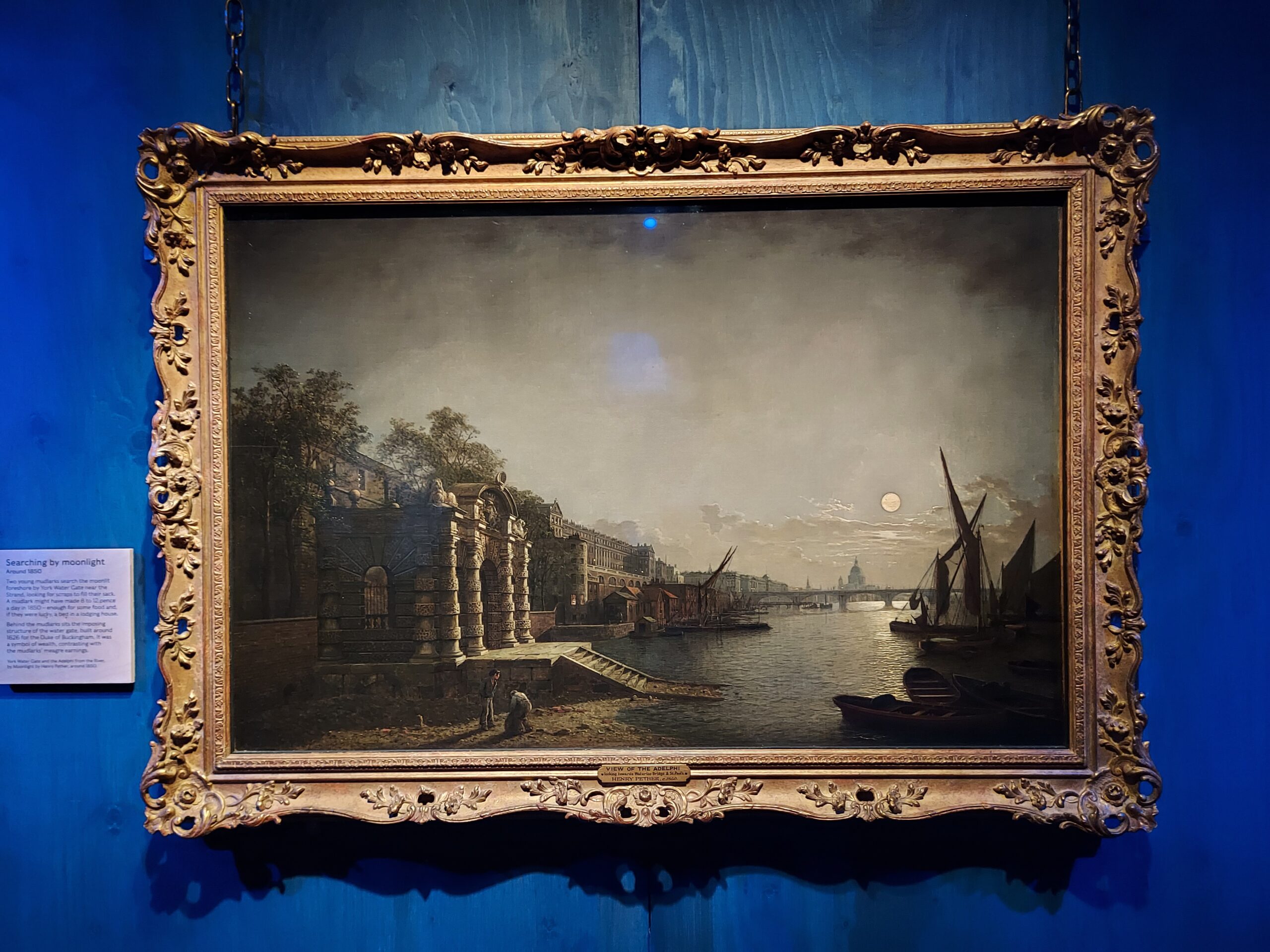
Painting of the Thames at moonlight

Thames Tidefest: History Walk

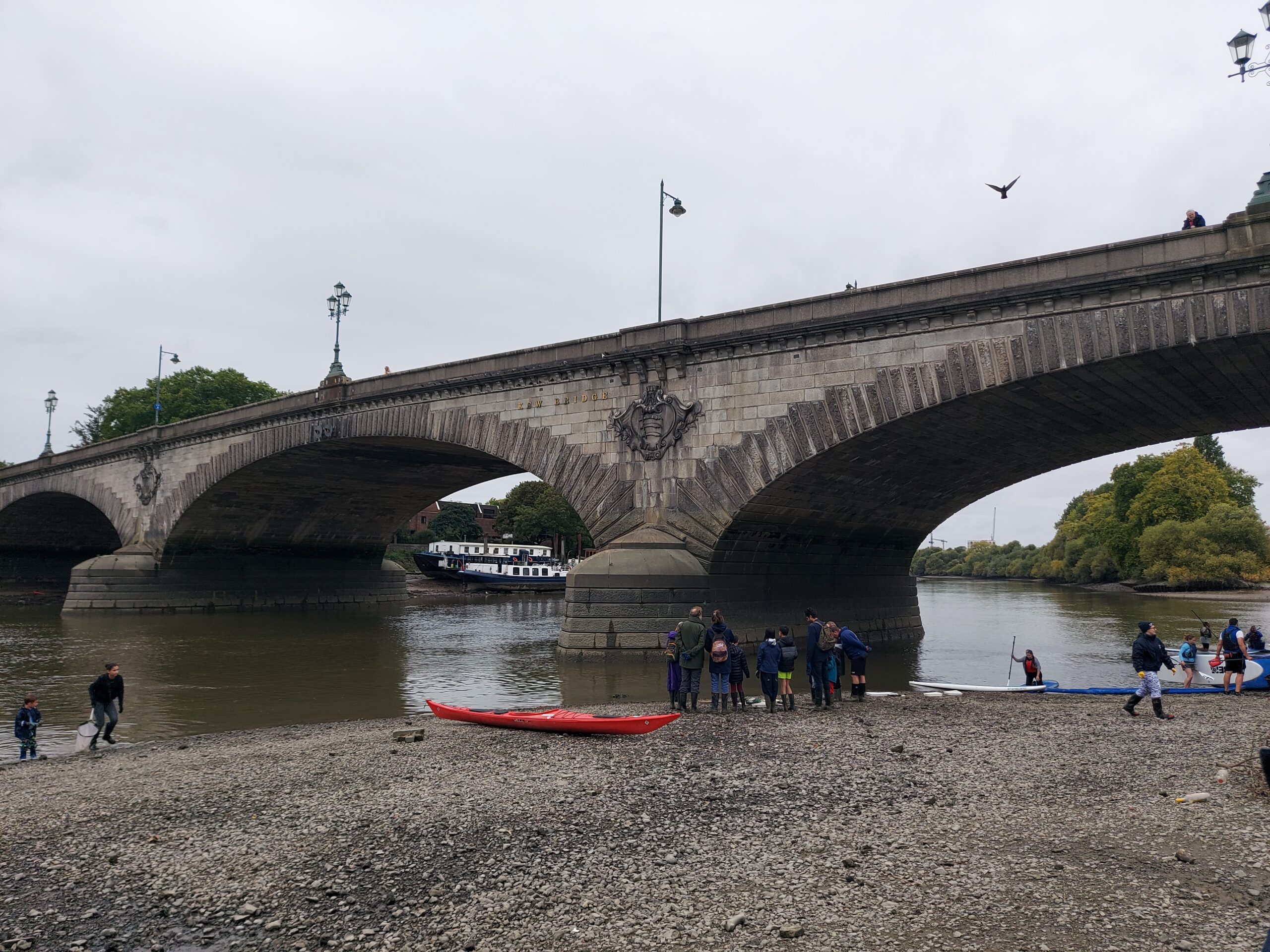
I attended a history walk and foreshore exploration on the banks of the Thames by Kew Bridge, as part of the Thames Tidefest. The walk was run by expert and archaeologist Dr Fiona Haughey, who has worked on the Thames foreshore since 1993.

The Thames and a bridge

The Thames is a popular place for mudlarks to explore and discover fascinating artefacts. With a history dating back to Roman times, finds can span two millennia, including Roman jewellery, WW2 munitions, fragments of pottery and brick, tobacco pipes, ancient weaponry and more.

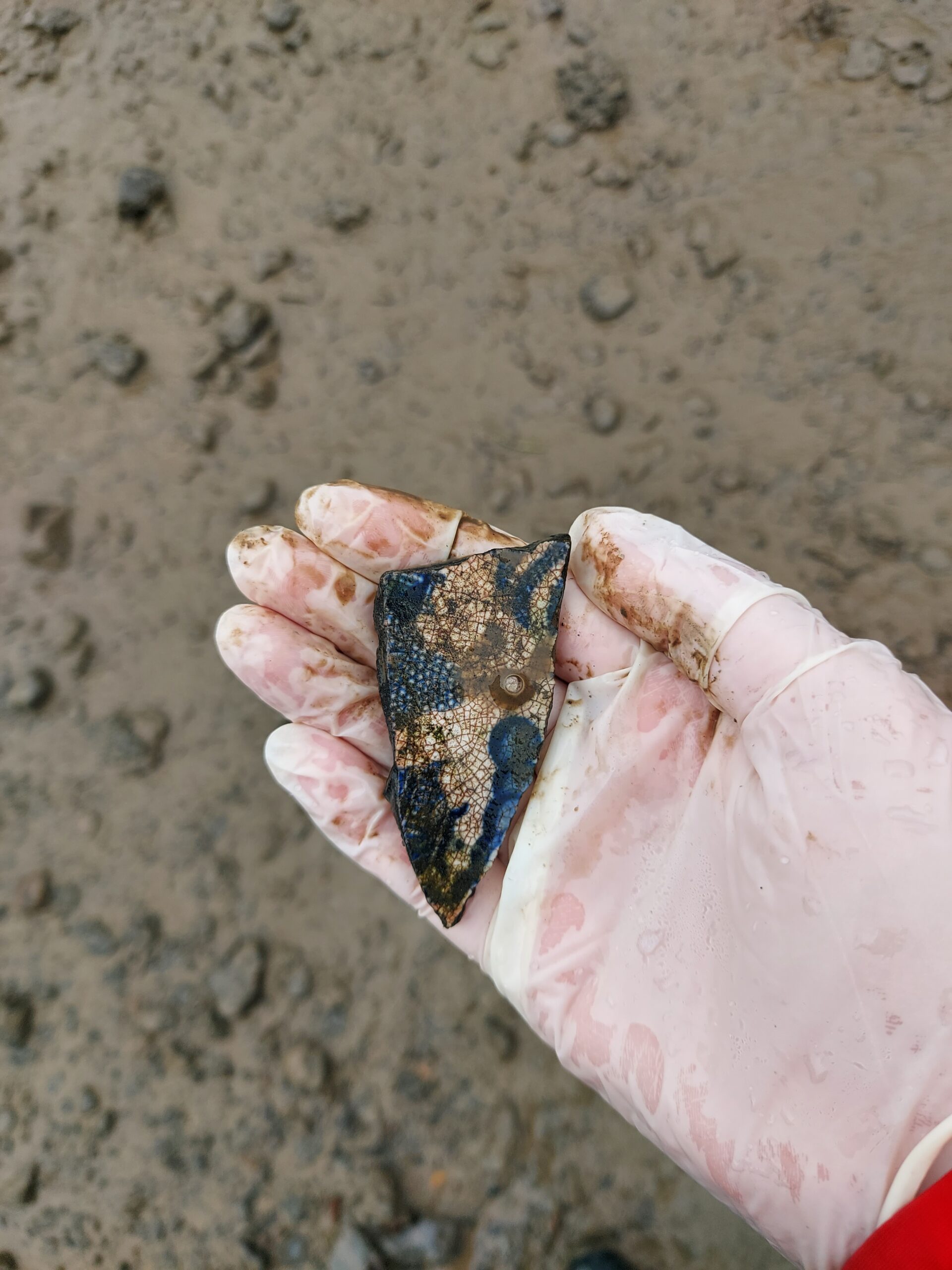
A mudlarking find

I didn’t manage to find anything particularly exciting myself (and without a mudlarking permit, wouldn’t have been able t0 keep it anyway), but still enjoyed the experience.

SALON NO.93: London Mud – London Clay

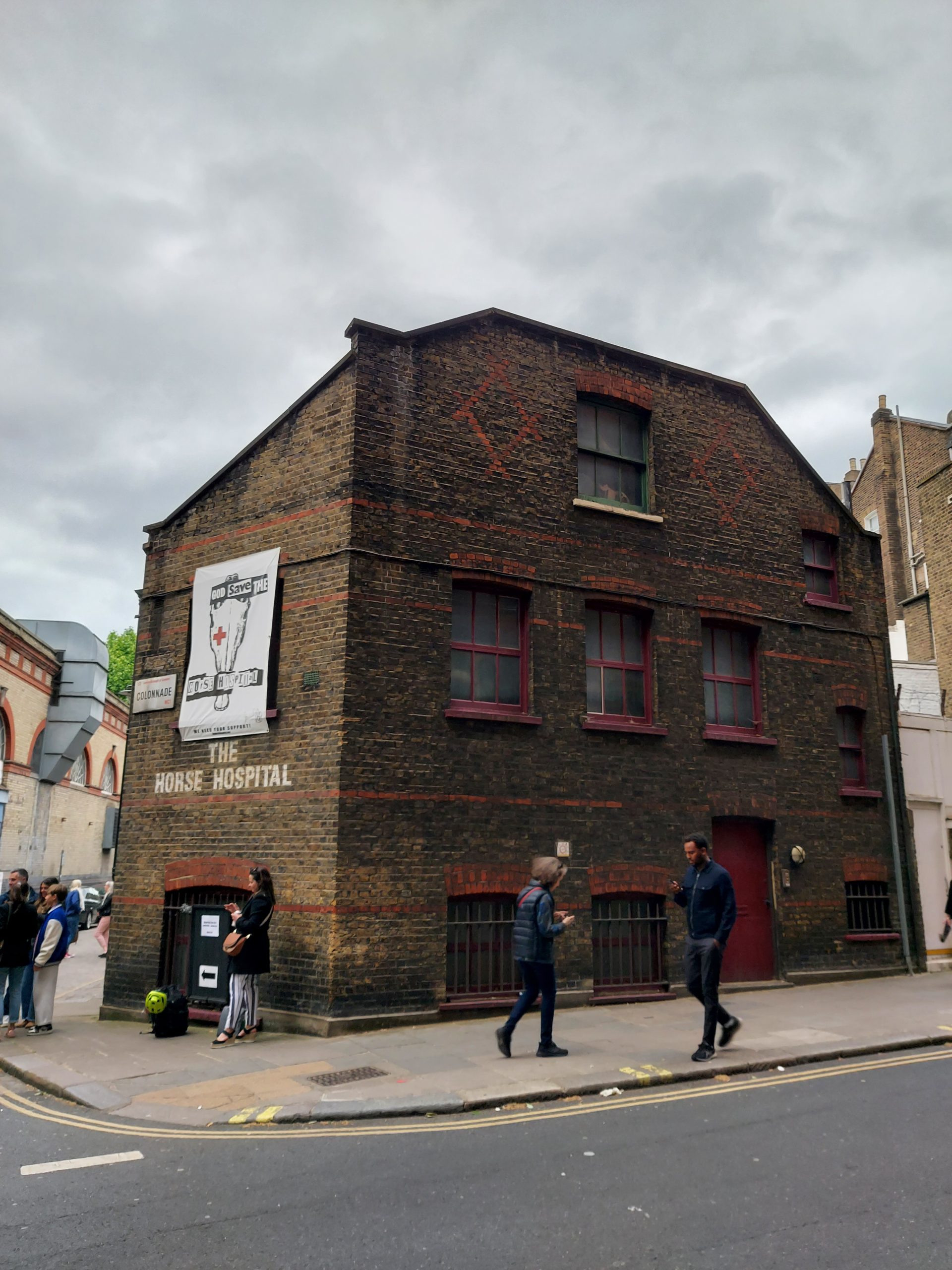
The Horse Hospital

Antique Beat are an organisation that arrange interesting talks on London-related matters in unusual locations throughout the city. Their 93rd event was named London Mud – London Clay and took place at the historic Horse Hospital near Russell Square tube station.

The first part of the evening featured author Tom Chivers as he explored the geology of London, how different kinds of soil and clay and now-hidden rivers have affected the development of the city.

In the second part, Lara Maiklem told us about her interest in mudlarking, how historically mudlarkers were poor people who searched at the banks of the Thames for anything they could sell, while nowadays they are people with a fascination for treasure hunting who hope to find interesting items relating to London’s history. These can be as varied as pipes, pins, bricks, crockery, even human bones.

I really enjoyed this fascinating talk and would like to find out more about both topics – I will look up the presenters’ books.