ShaLT Walks 4 & 5

After a rest of a few days, I headed back into central London to complete the final two ShaLT walks. Walk 4 began in Whitechapel, at the site of the Red Lion, founded in 1567.
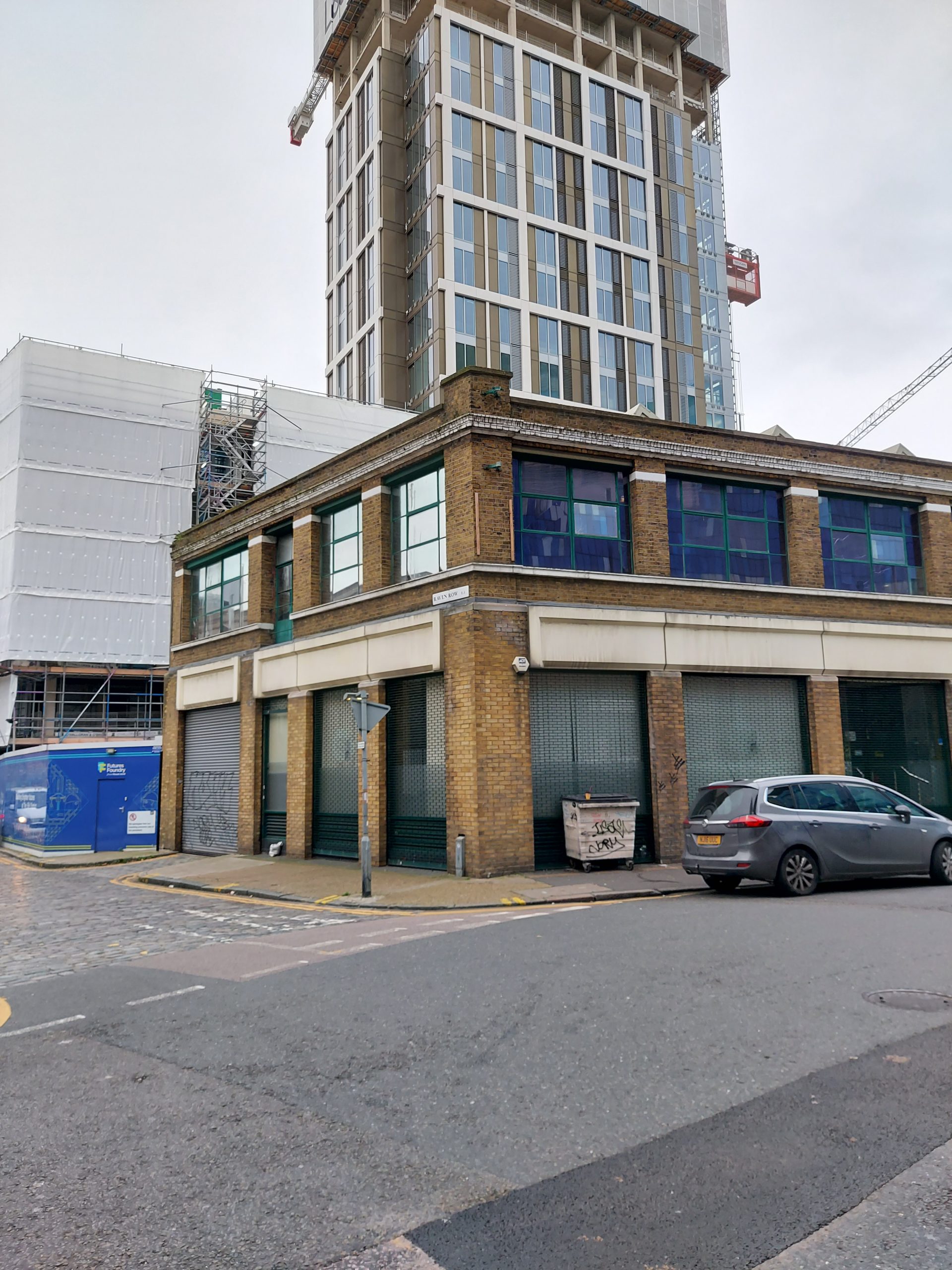
Modern building
Site of the Red Lion

Walking west along Whitechapel Road, I came to the Boar’s Head site, soon to be built on. Hoardings around the site acknowledge it as the location of this playhouse, a converted inn, built in 1598. It was used by Queen Anne’s Men and possibly Prince Charles’s Men, but ceased to be a playhouse in 1616.
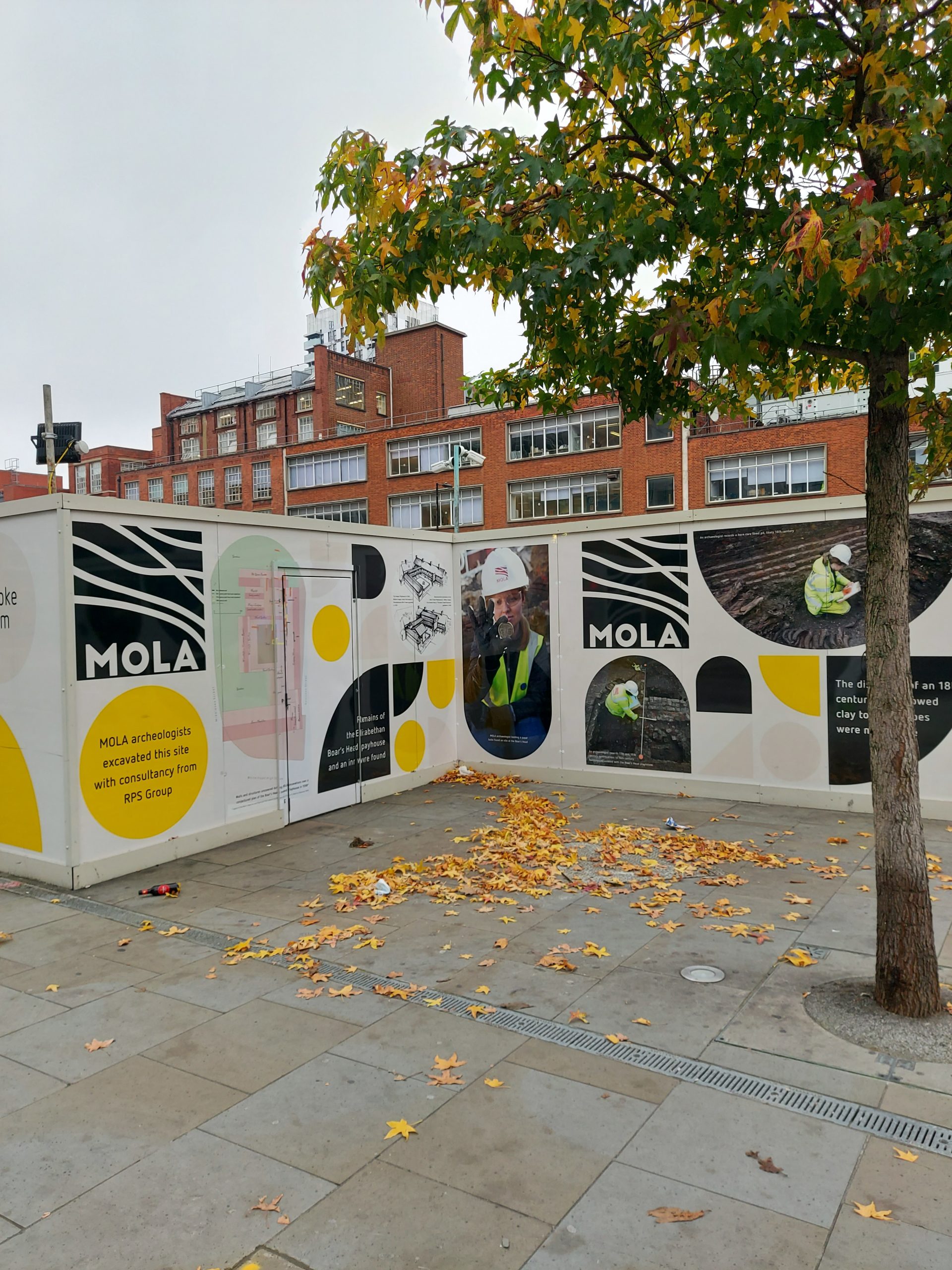
Building site hoardings
Site of the Boar’s Head

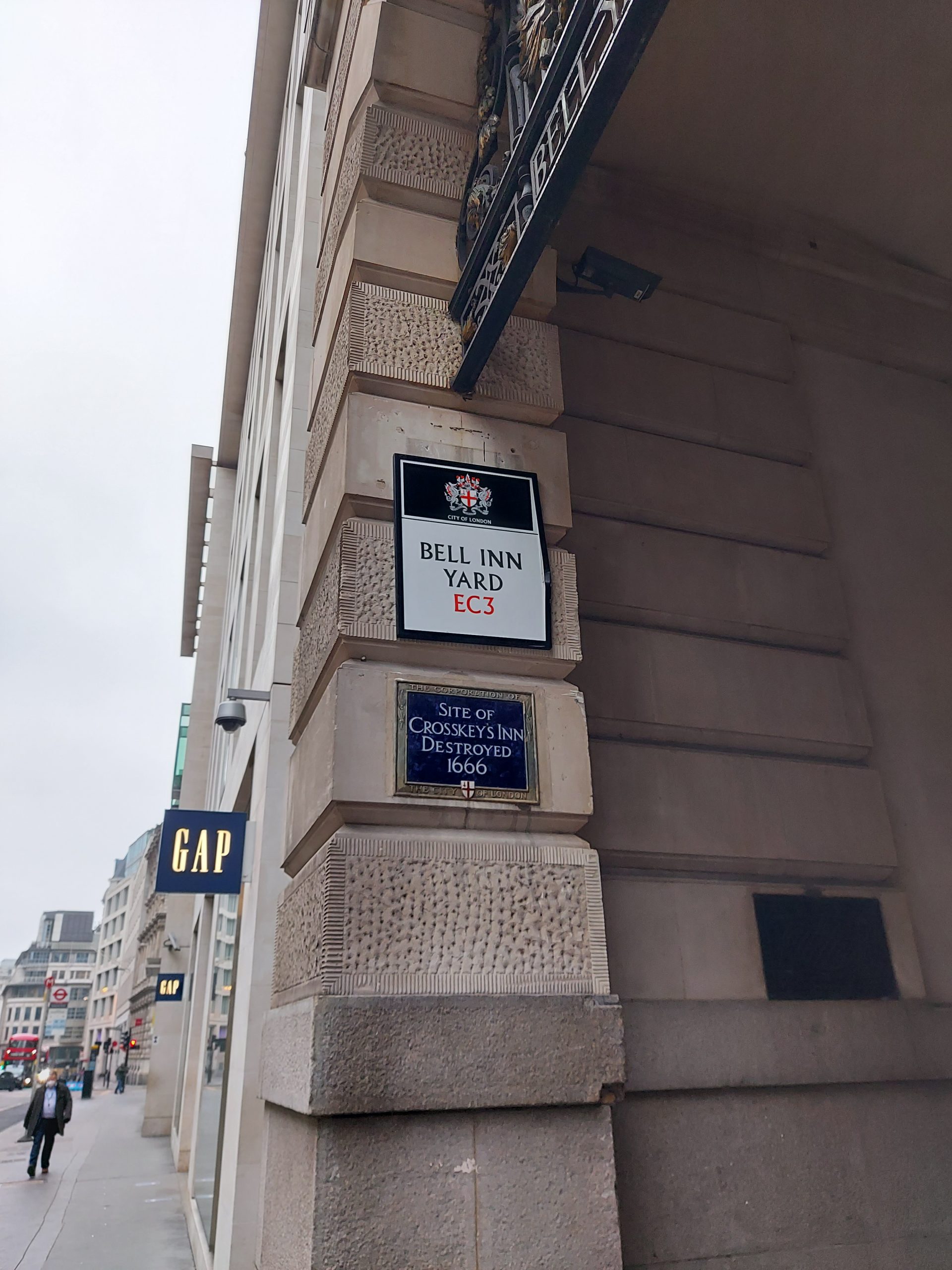
Walking south down Bishopsgate and then Gracechurch (Gracious) Street, I passed the sites of the Bull Inn, the Bell and the Cross Keys, the other inns that along with the Bel Savage were granted licenses by the City to perform plays.
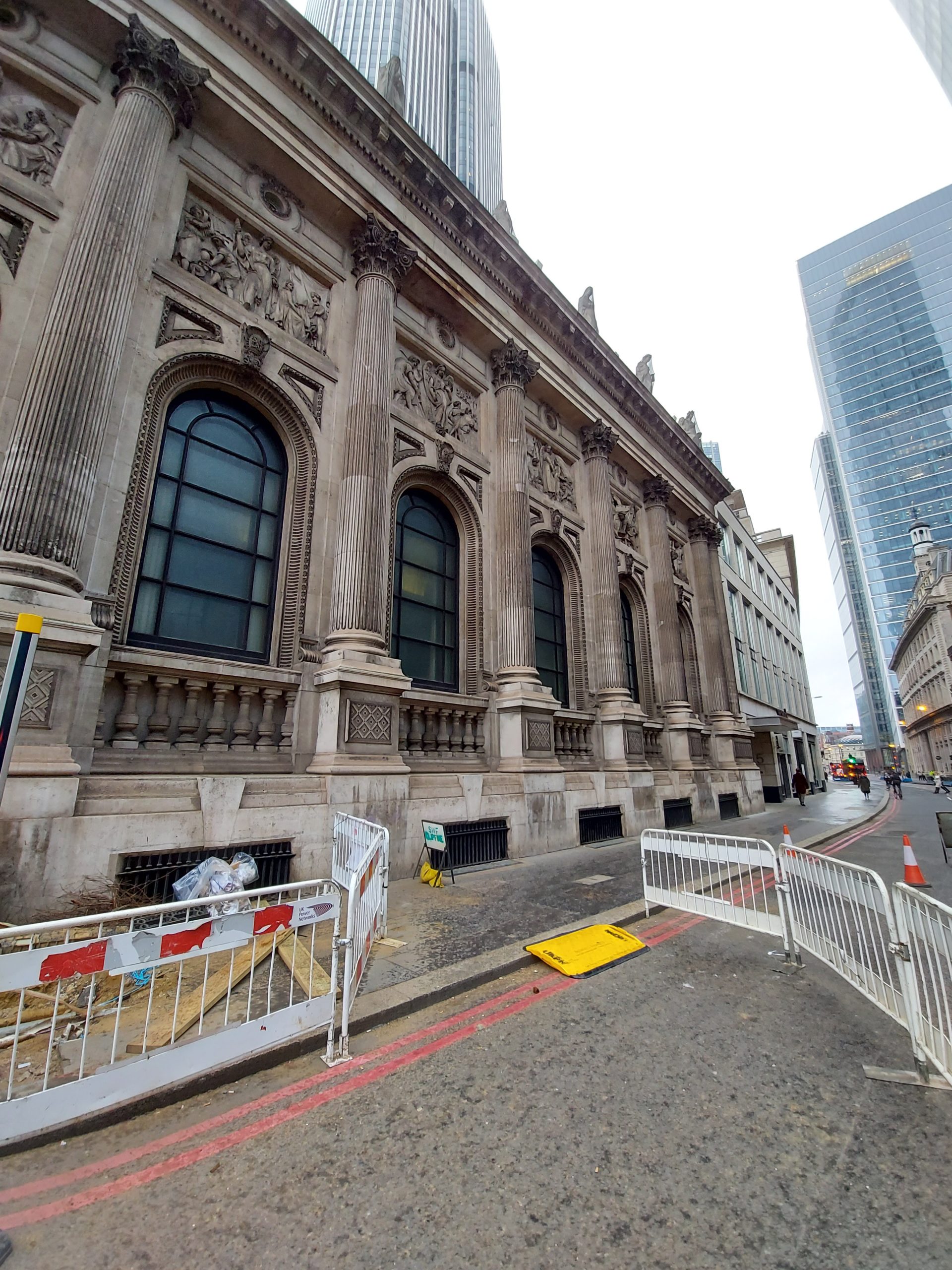
By now I’d almost reached the river, so I crossed at London Bridge and made my way to the start of Walk 5. This final walk began at Southwark Cathedral, which has memorial slabs to Edmond Shakespeare, John Fletcher and Philip Massinger.
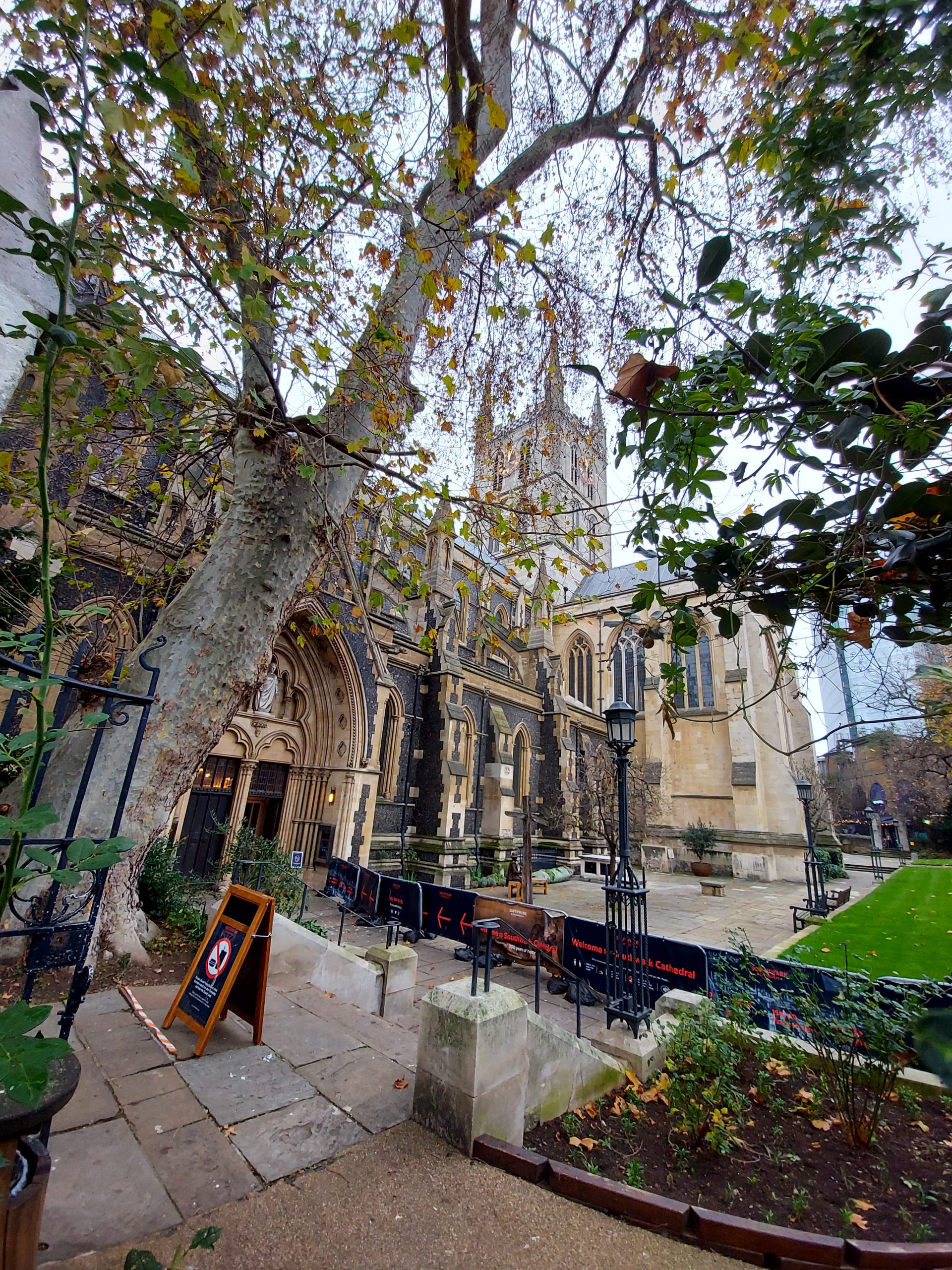
Southwark Cathedral
Southwark Cathedral

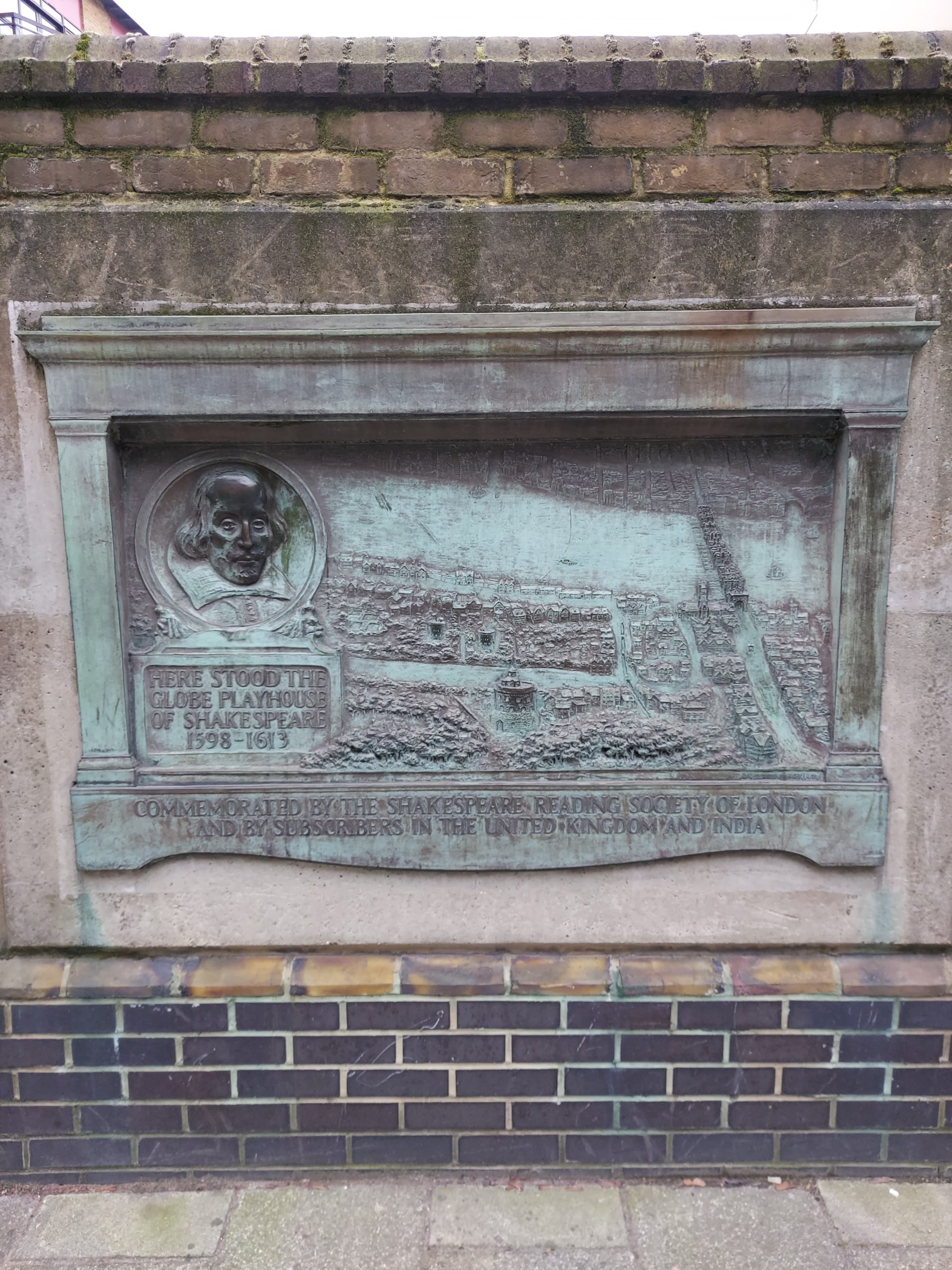
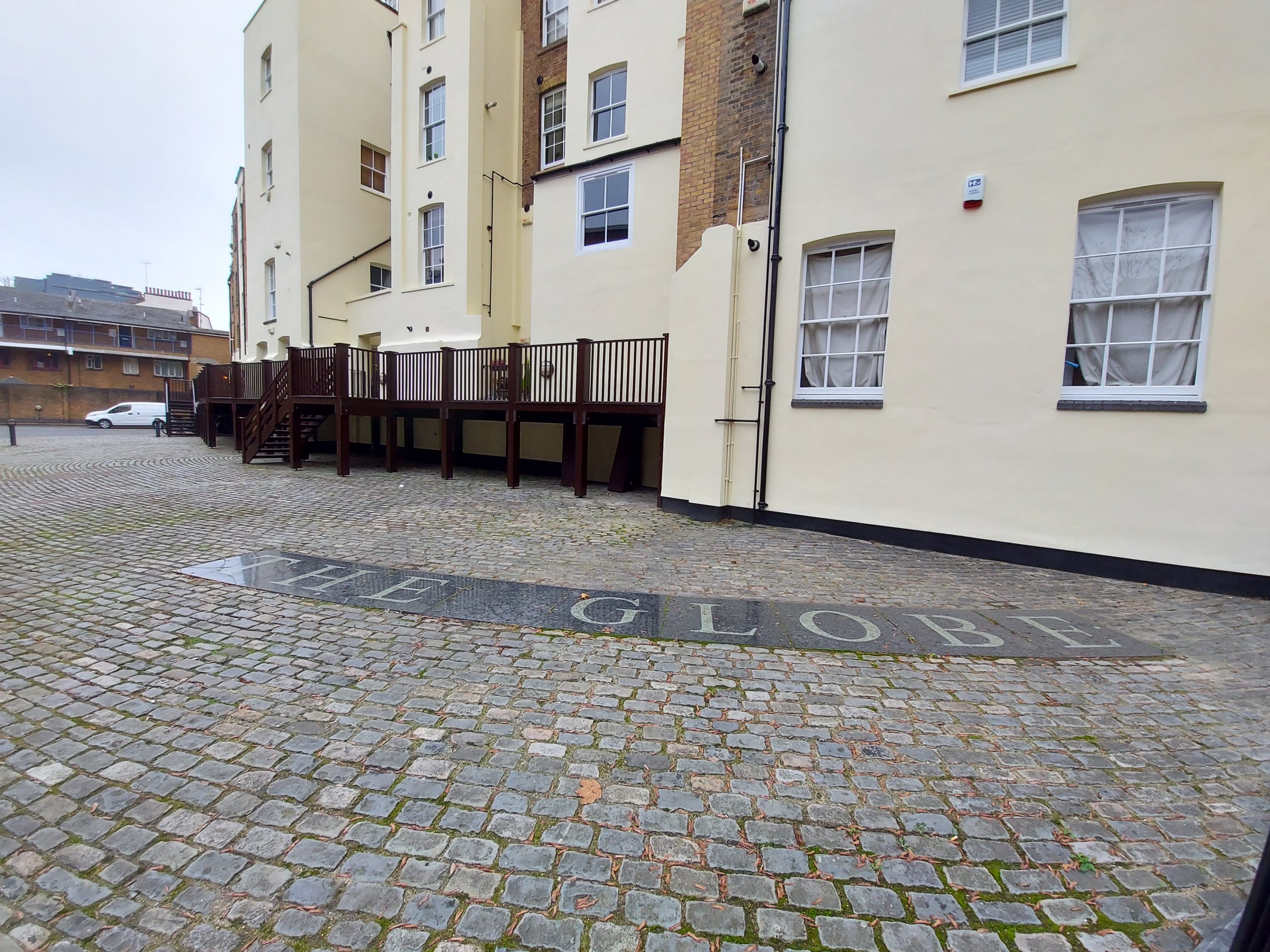
I then headed west to the site of the original Globe theatre, which opened on Bankside in 1599 and remained open (apart from the interval between the first Globe burning down in 1613, during a performance of Henry VIII, and the second Globe being built) until 1642. This theatre hosted the Chamberlain’s, later the King’s, Men and premiered many of Shakespeare’s plays including Hamlet, King Lear and Othello.
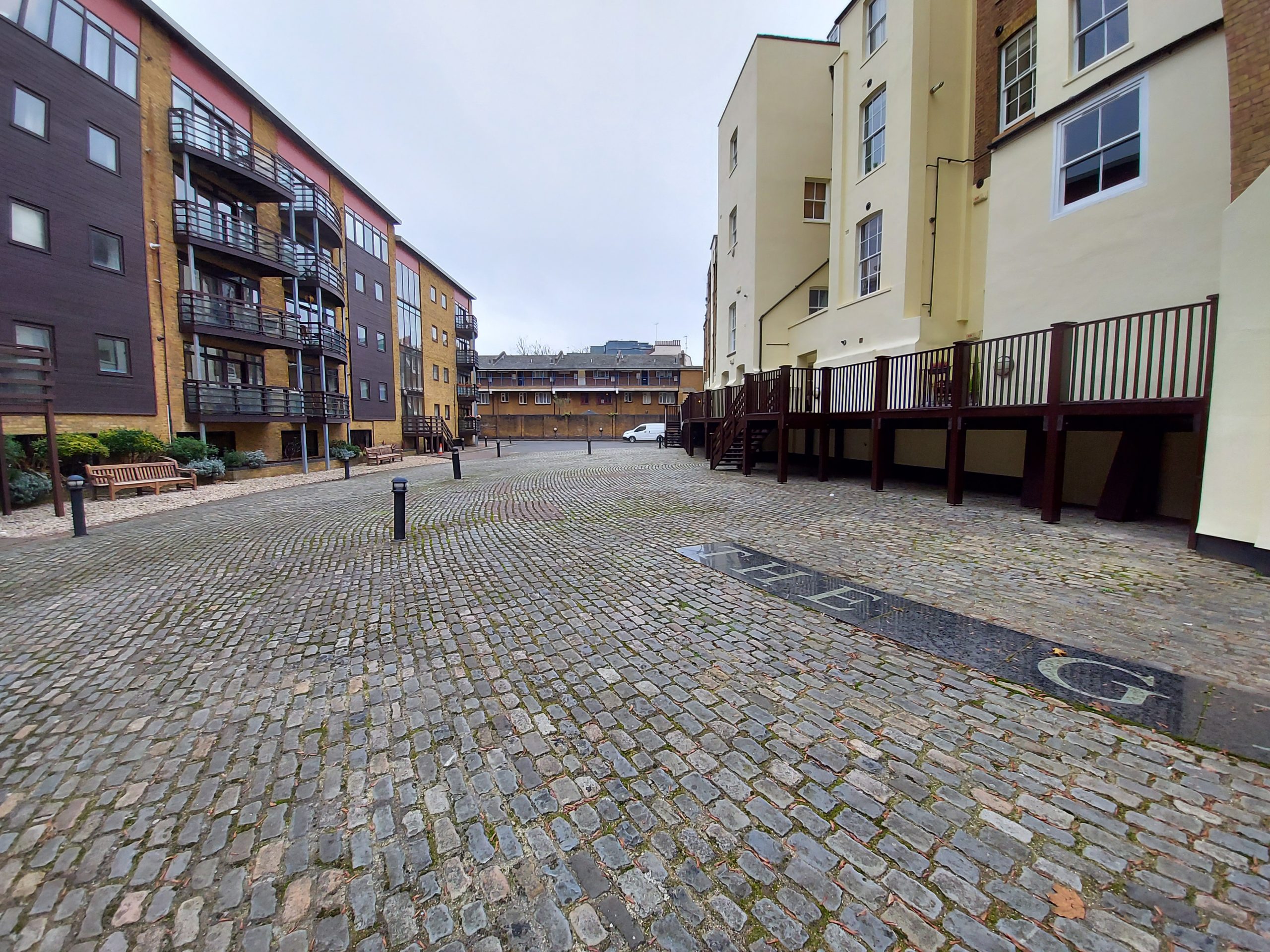
A little further along the same road is the site of the Rose, the first theatre to open on Bankside, built by Philip Henslowe in 1587. It staged plays until 1604, and was home to the Admiral’s Men between 1594 to 1600. The theatre showed many plays by Christopher Marlowe, including Tamberlaine, The Jew of Malta and The Massacre at Paris. The site was discovered and excavated in 1989; after a campaign by many key figures in the arts, it was preserved and is now enclosed beneath offices.
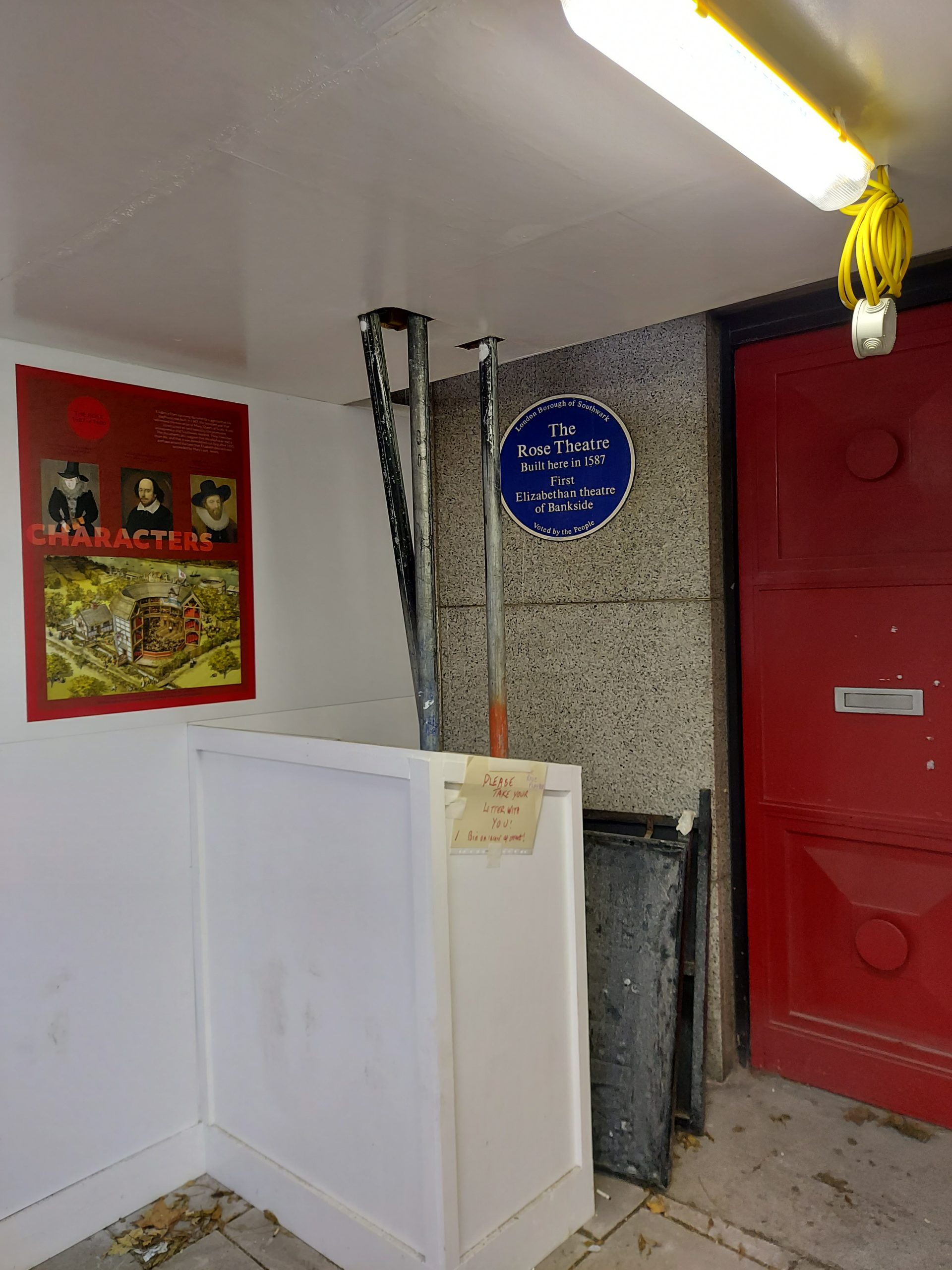
A red door in the wall of a modern building, with a blue plaque
Location of the Rose

Nearby is the site of the Hope Theatre in Bear Gardens. Opened in 1614 by Philip Henslowe, it had a dismountable stage so that it could show bear-baiting and swordfighting as well as theatrical performances. Ben Jonson’s Bartholomew Fair premiered here in 1614, and in the printed text Jonson complains about the smell.
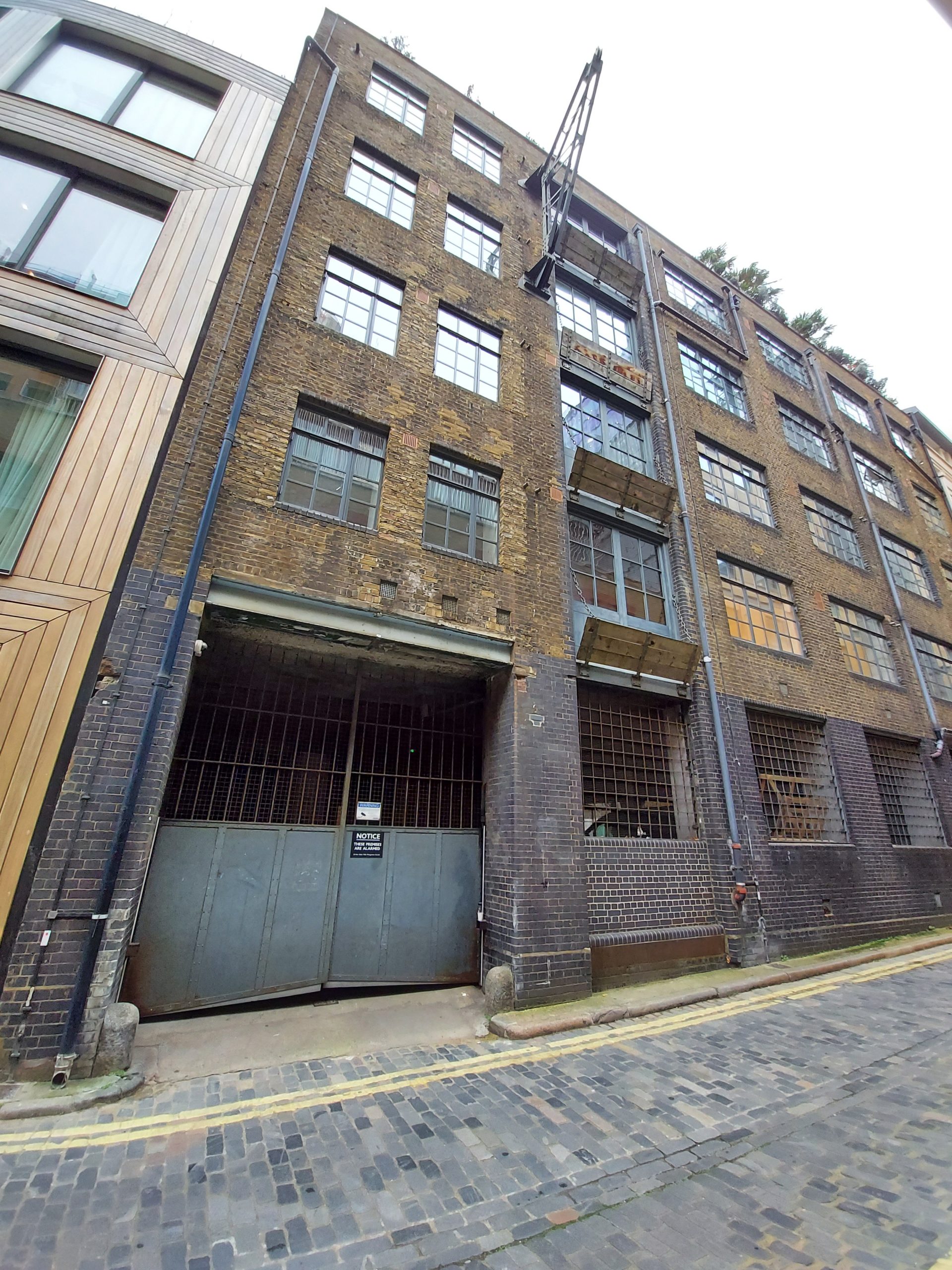
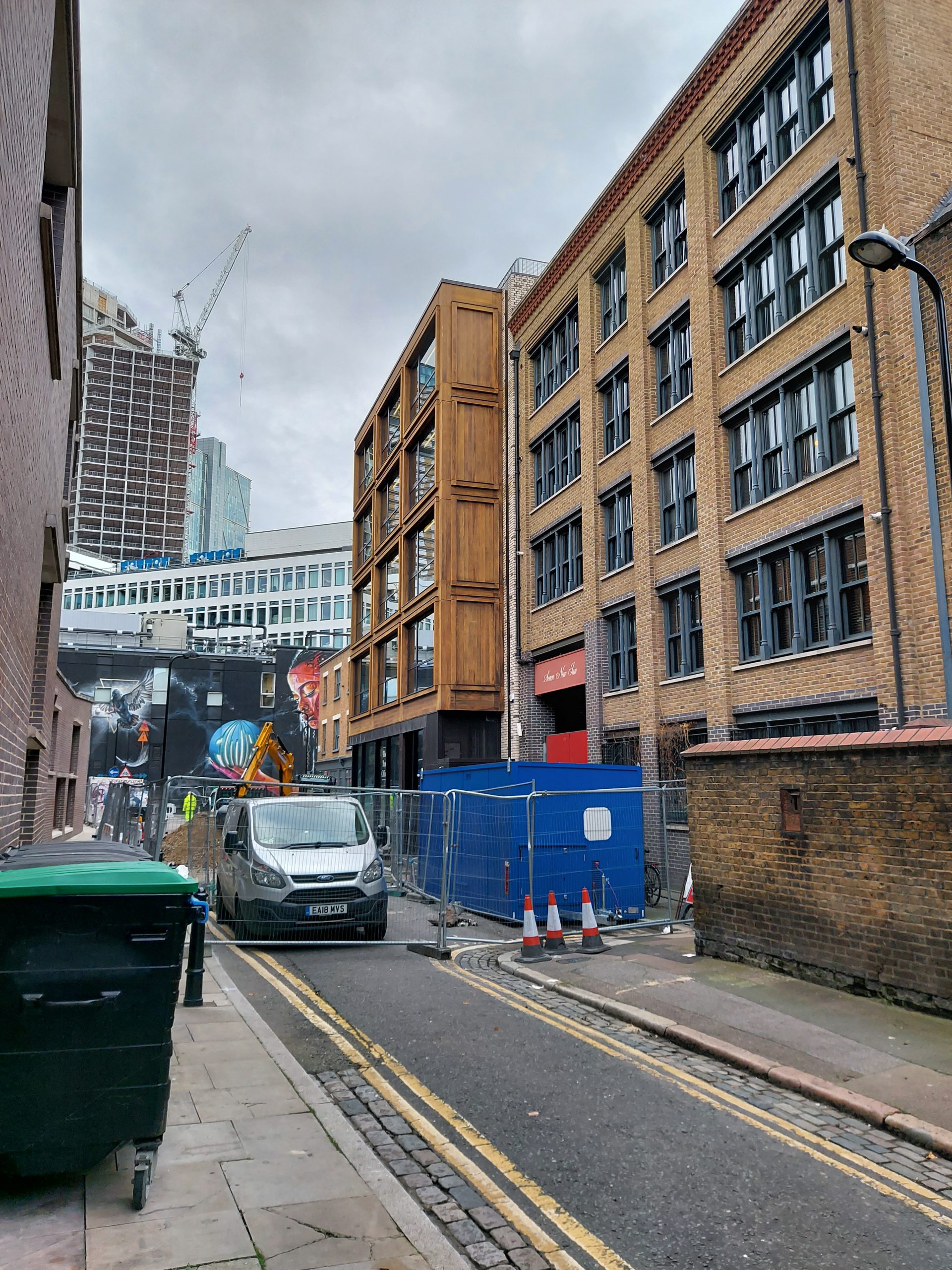
Building
Location of the Hope

Finally, the walk ended at the site of the Swan, opened in 1595 by Francis Langley to compete with the Rose. It was handily positioned near Paris Garden stairs where patrons arriving by river would land, but did not enjoy the success of the Globe and the Rose. It closed in around 1628.
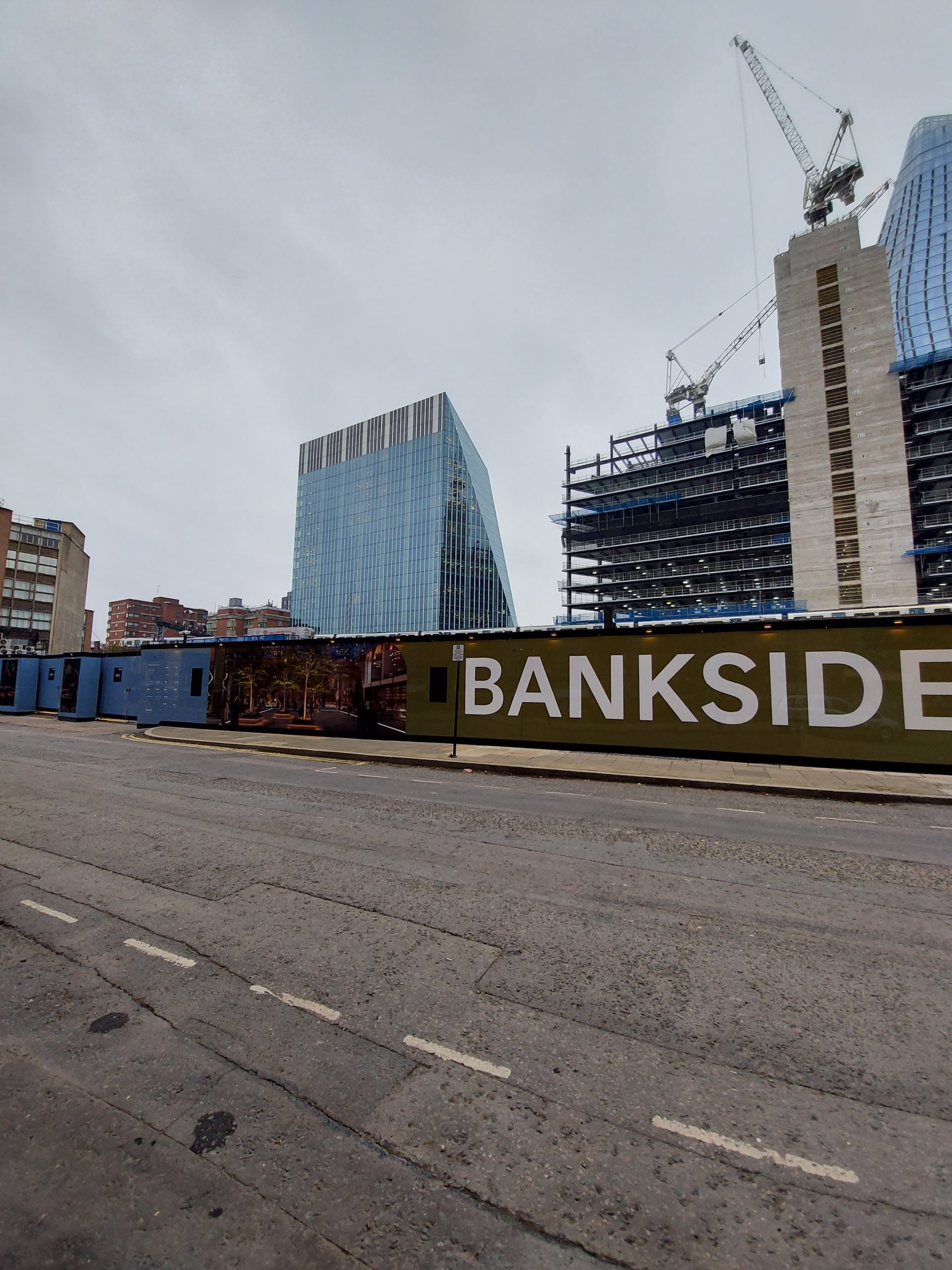
Building site
Location of the Swan

Having reached the end of the walk, I decided to travel south to Elephant & Castle to check out a couple of other sites on the map. The Newington Butts theatre (1575-95) was on the site of what is now (albeit not for long) the Coronet music venue.
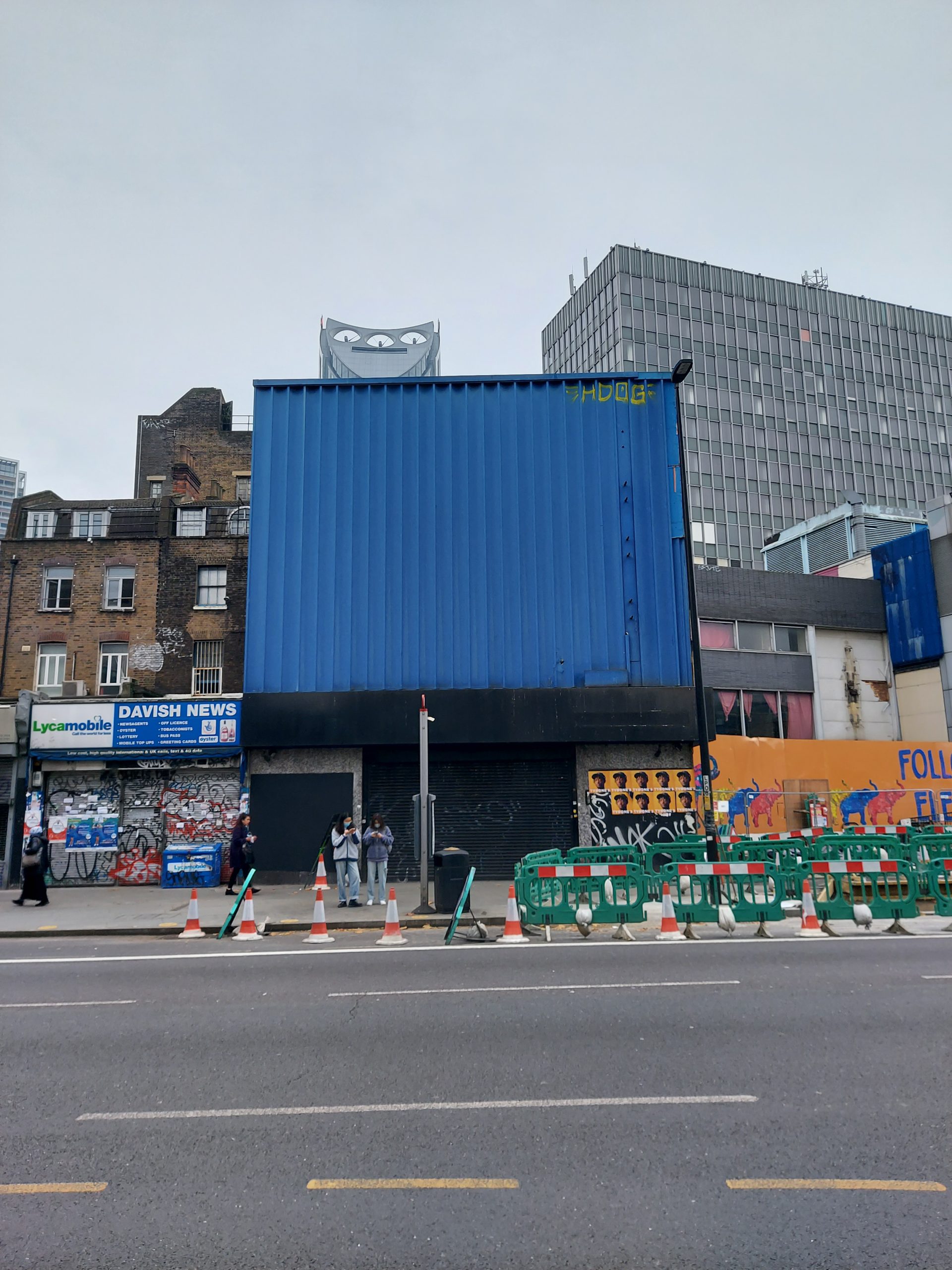
Blue building
Location of Newington Butts

Finally, I ended up in St Mary’s churchyard. No longer recognisable as a churchyard, except for the name, it is the burial place of playwright Thomas Middleton, who lived in the area and died in 1627.
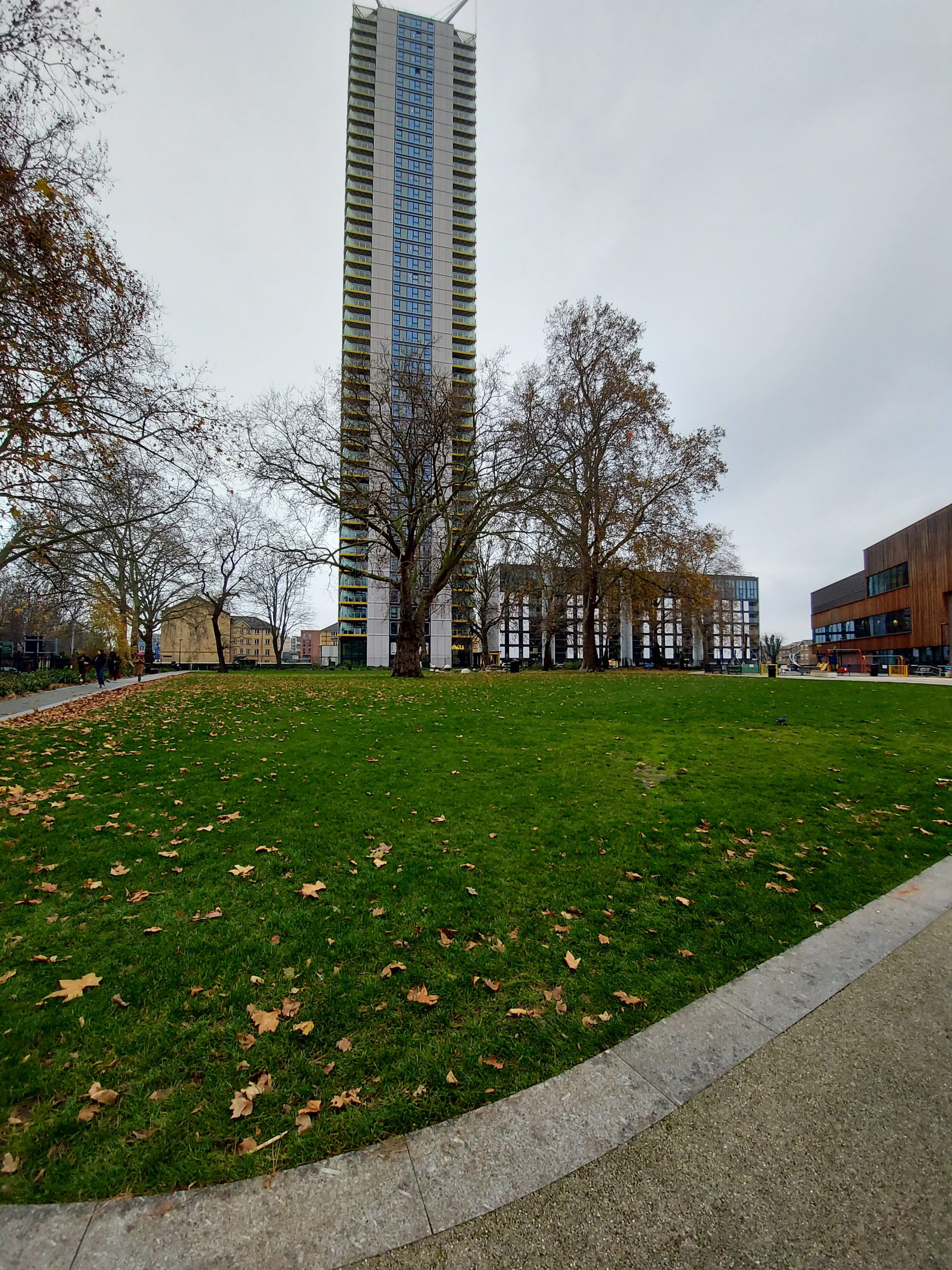
Green space
St Mary’s churchyard

So with that I come to the end of the ShaLT walks. I have more of a sense now of the geography of Elizabethan and Jacobean theatreland, and how everything fits together. I hope in the future even more can be discovered about performance and theatregoing during this period.
ShaLT Walk 3

After completing the first two ShaLT walks, I went back to central London the very next day to tackle Walk 3. I only did one walk today as it was by far the densest in terms of locations.

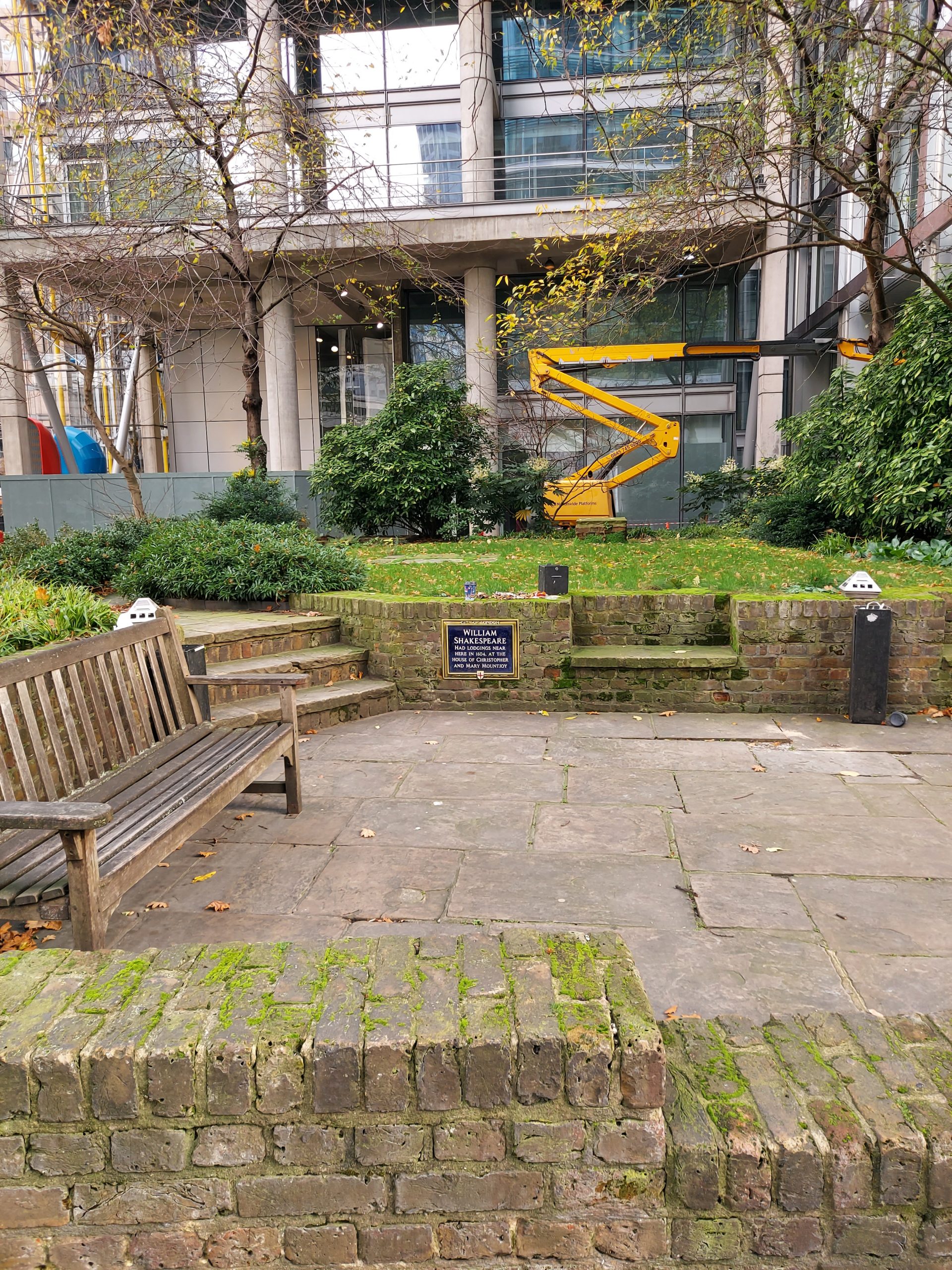
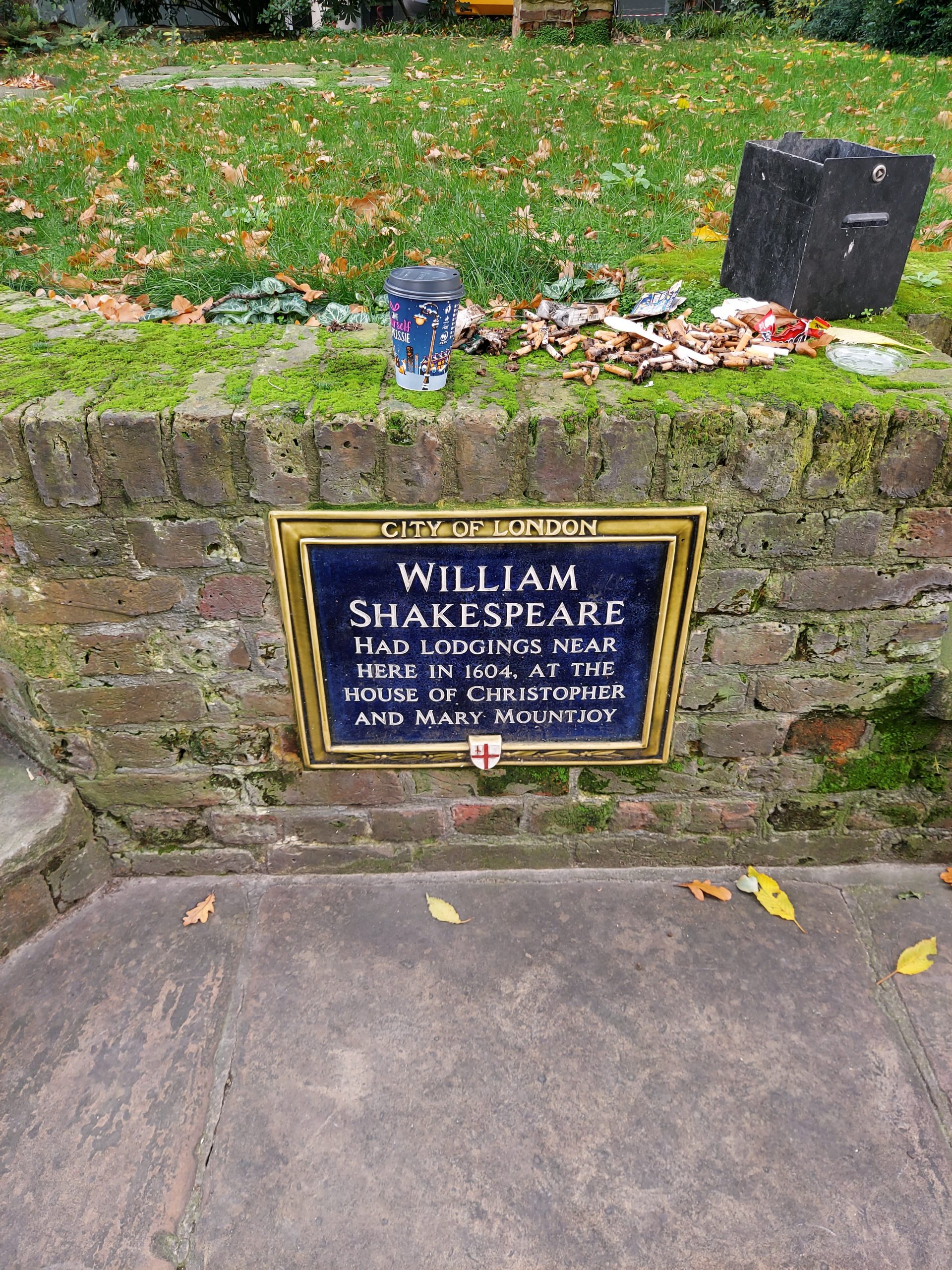
The walk began at St Paul’s, and the first thing I did, although it wasn’t officially part of the walk, was to head north to find the site of Shakespeare’s former lodgings on Silver Street, near St Giles’s Church. I also found the third location of the Revels Office (1612-30), on Peter’s Hill near the College of Arms.

I then followed the map to the location of the Bel Savage at Limeburner Lane. In 1583 four inns were licensed by the City for dramatic performances; the Bel Savage was one of these taverns. Playing in the City was banned in 1594.

Grey pavement and modern buildings
Location of the Bel Savage

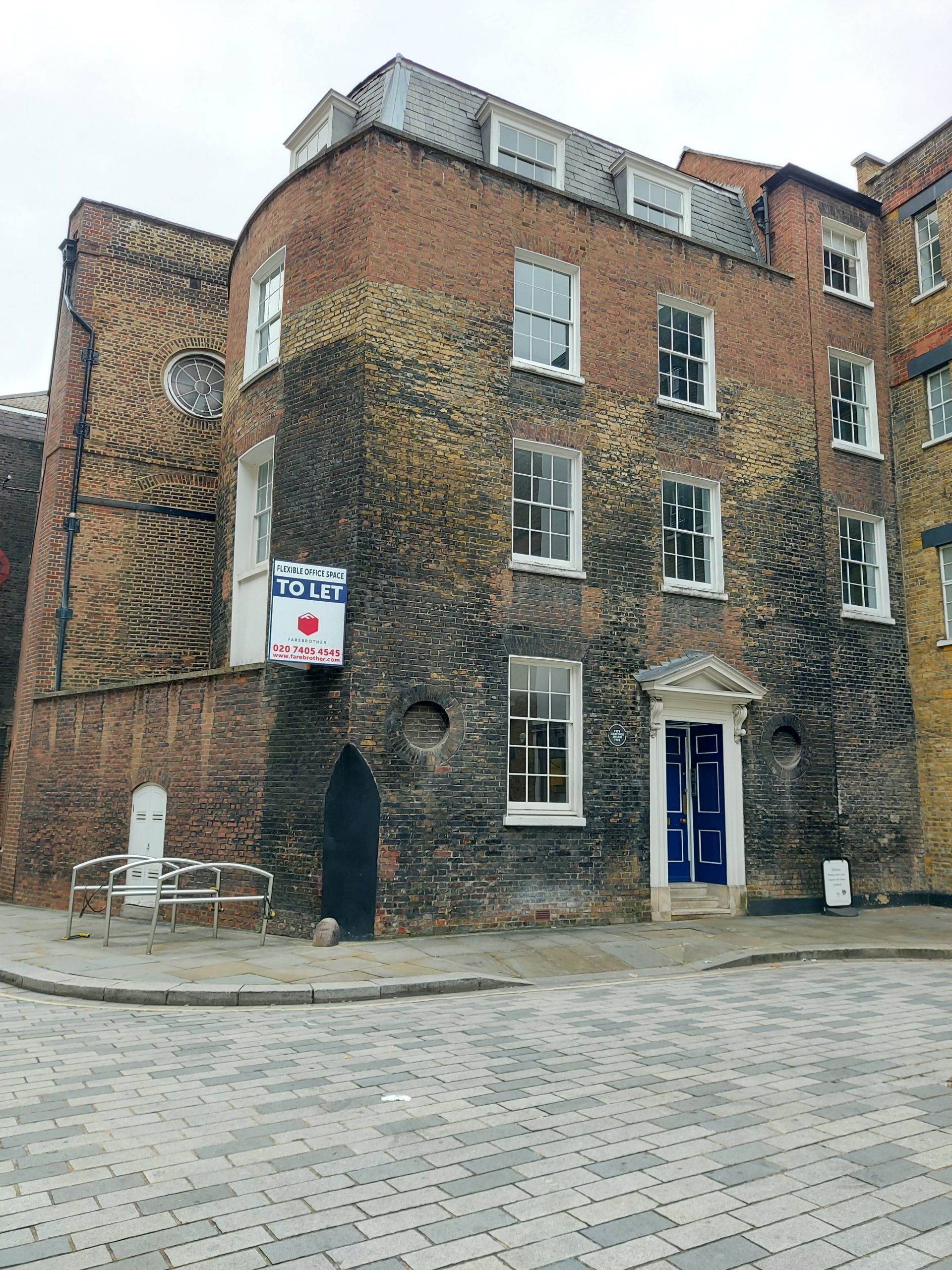
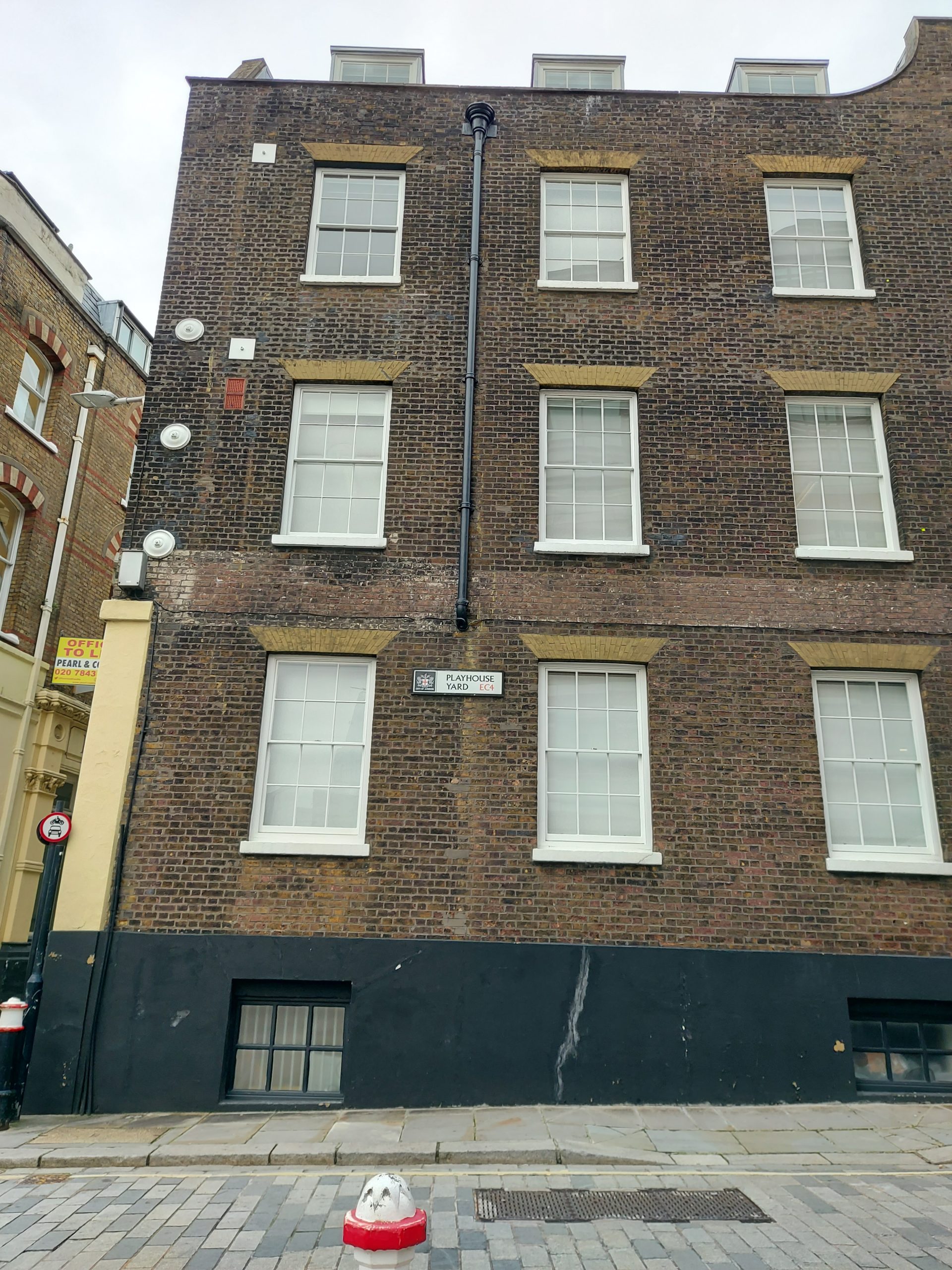
I tried to find Shakespeare’s other known London residence at the Blackfriars East Gatehouse, but I struggled with this and gave up in the end. I had a bit more luck with the site of the two Blackfriars theatres: originally a smaller stage in an upper room from 1576-90, then a purpose-built stage in upper rooms, accessed from Playhouse Yard, which staged plays between 1596 and 1642. This second theatre became the model for all future theatres, and was used by Shakespeare’s company, who staged plays at the Globe in summer and the Blackfriars in winter – a programme emulated by the modern-day Shakespeare’s Globe.

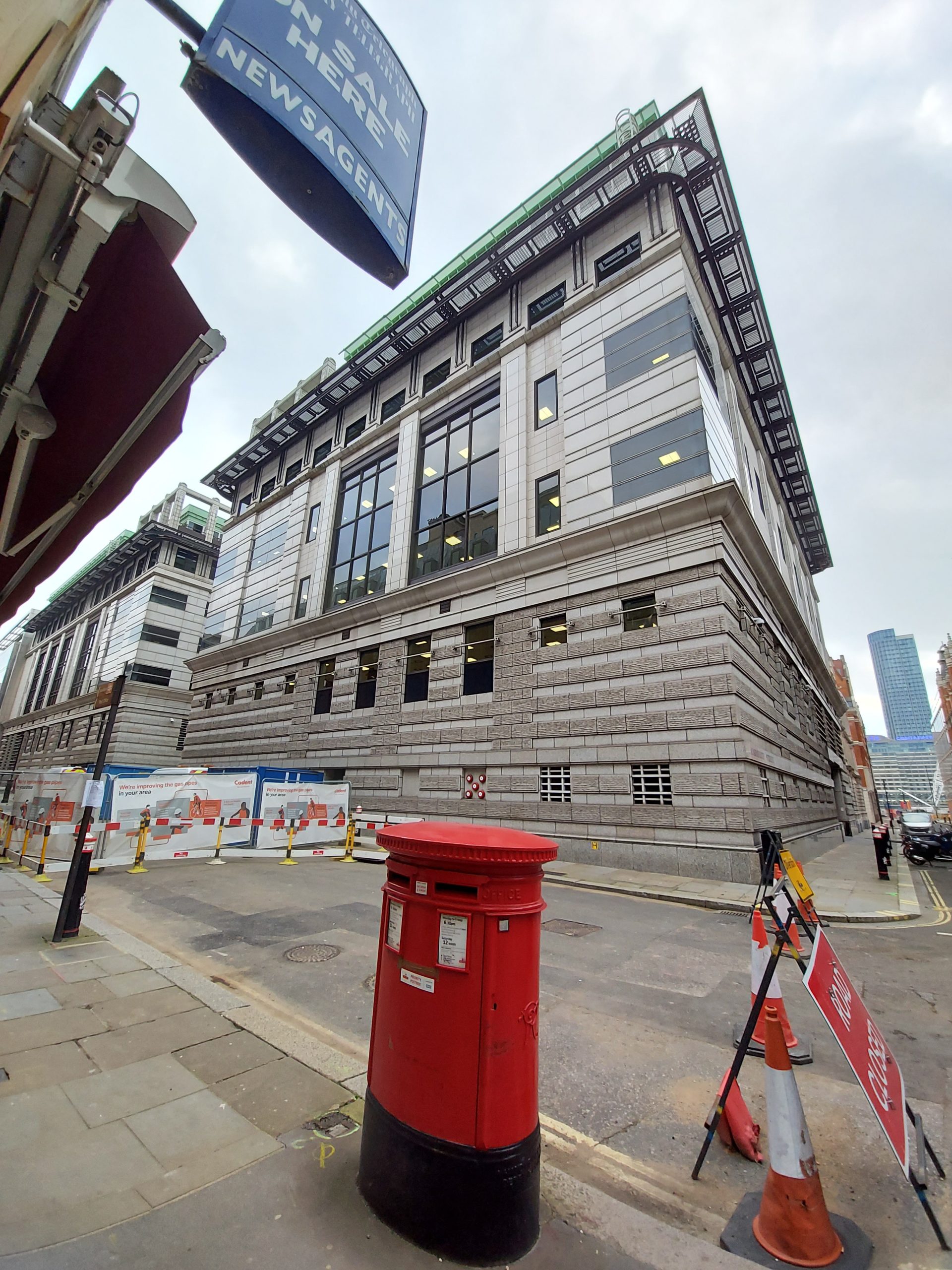
Disentangling myself from the maze of streets surrounding Blackfriars, I headed west towards the location of Salisbury Court. This indoor theatre was opened in 1629, the last of the period’s theatres to open. William Blagrave (Deputy Master of the Revels) and actor Richard Gunnell hoped that it would compete with the other nearby indoor theatres including the Blackfriars. Later on the Richard Brome became the resident writer, and many of his more famous works were staged here, including The Asparagus Garden.

A grey building with a postbox in front
Location of Salisbury Court

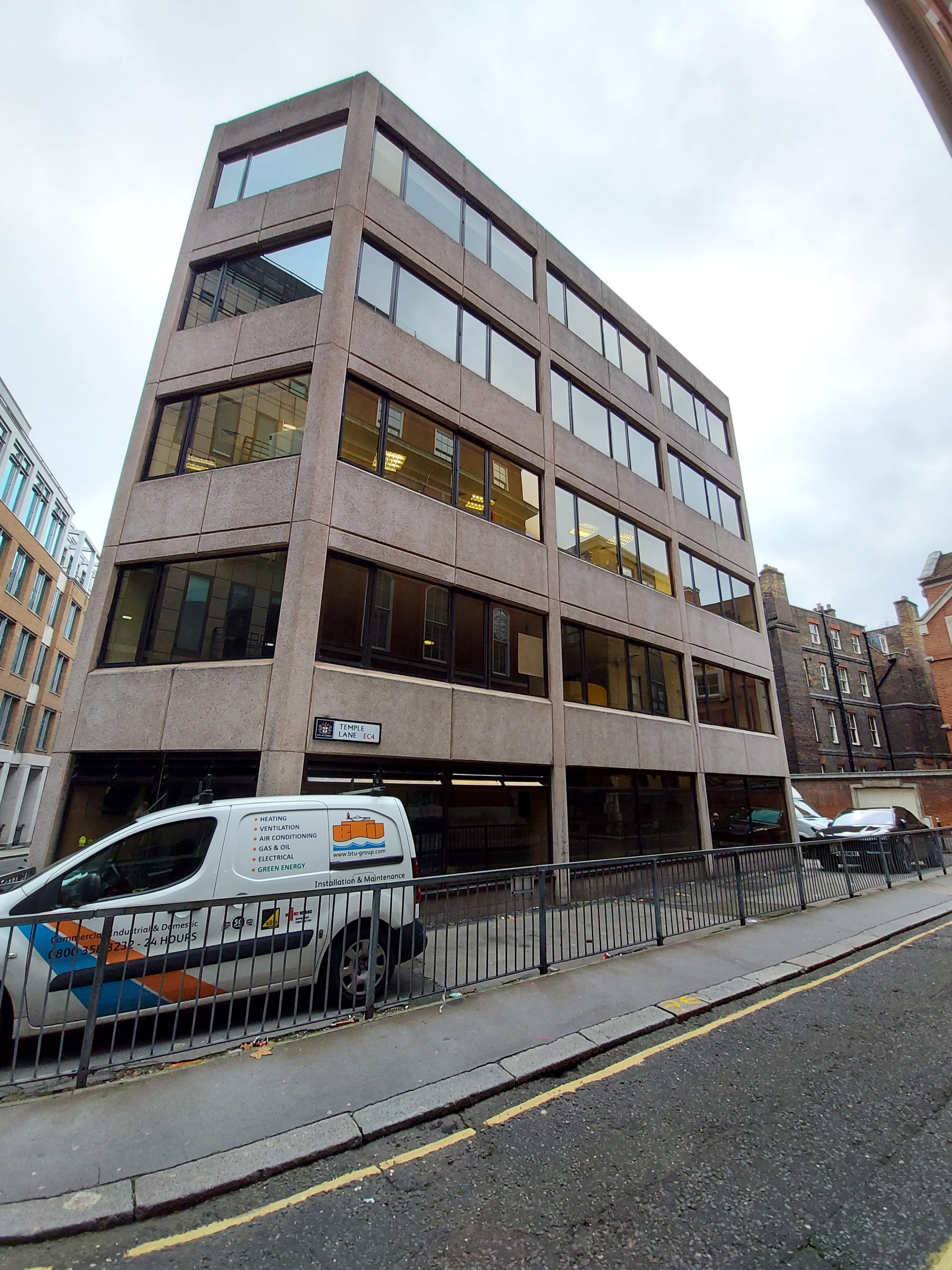
A little further along was the location of the Whitefriars (as well as the second Revels Office, 1608-1611). Paul Rosseter opened this theatre in 1609, and at first it was home to the boy actors from the Blackfriars, until 1613 when the company combined with the Lady Elizabeth’s Men until the lease ended in 1614.

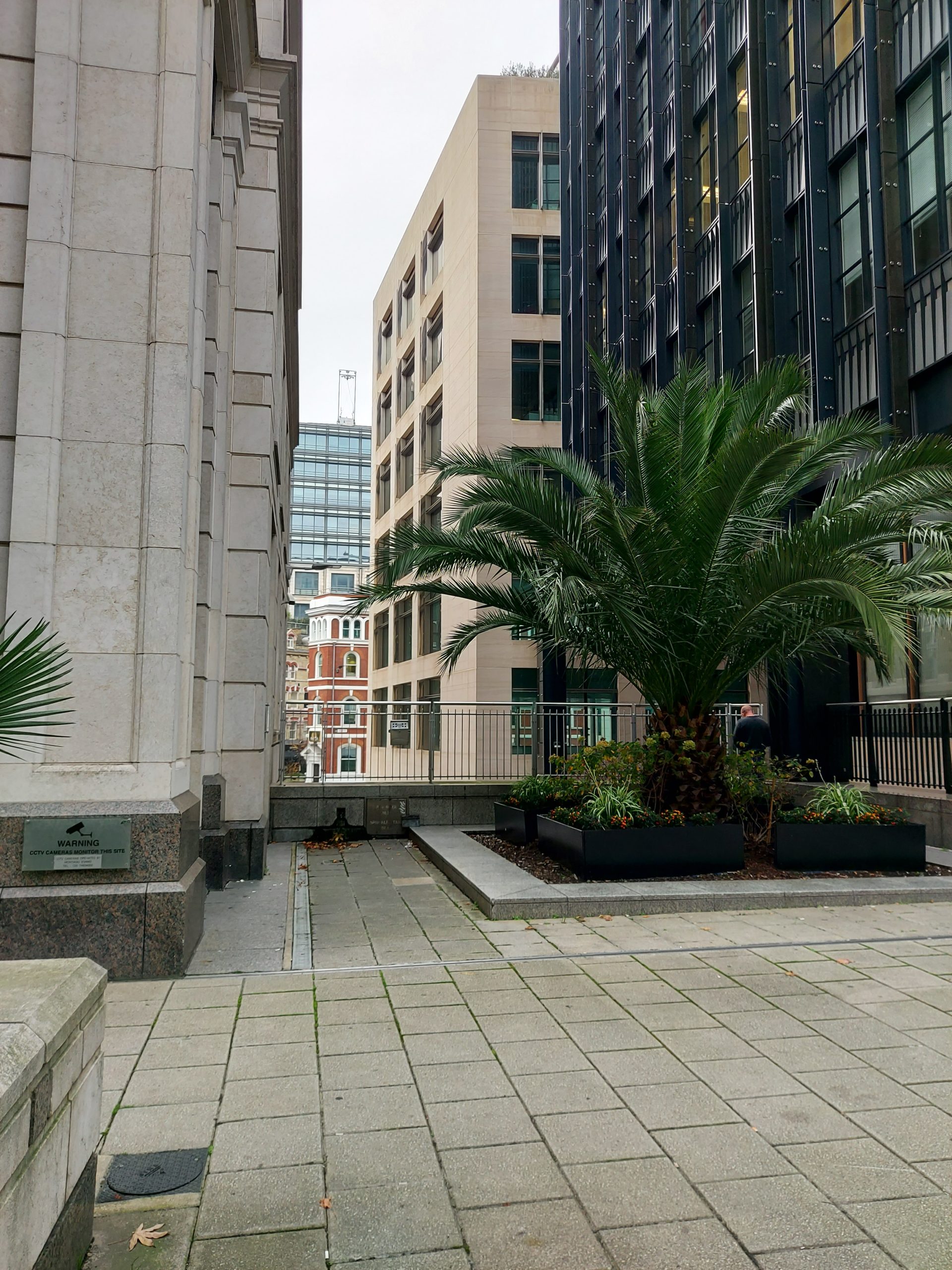
Grey modernist building
Location of the Whitefriars

This walk included the Inns of Court: Inner Temple Hall, Middle Temple Hall, Lincoln’s Inn Hall, and Grays’s Inn Hall. However, these sites were all shut when I tried to visit. I have attended performances of Elizabethan plays at both Inner Temple and Middle Temple Halls, so I wasn’t too upset about this. Several of Shakespeare’s plays were performed at the Inns in front of the Queen, such as The Comedy of Errors and Twelfth Night.

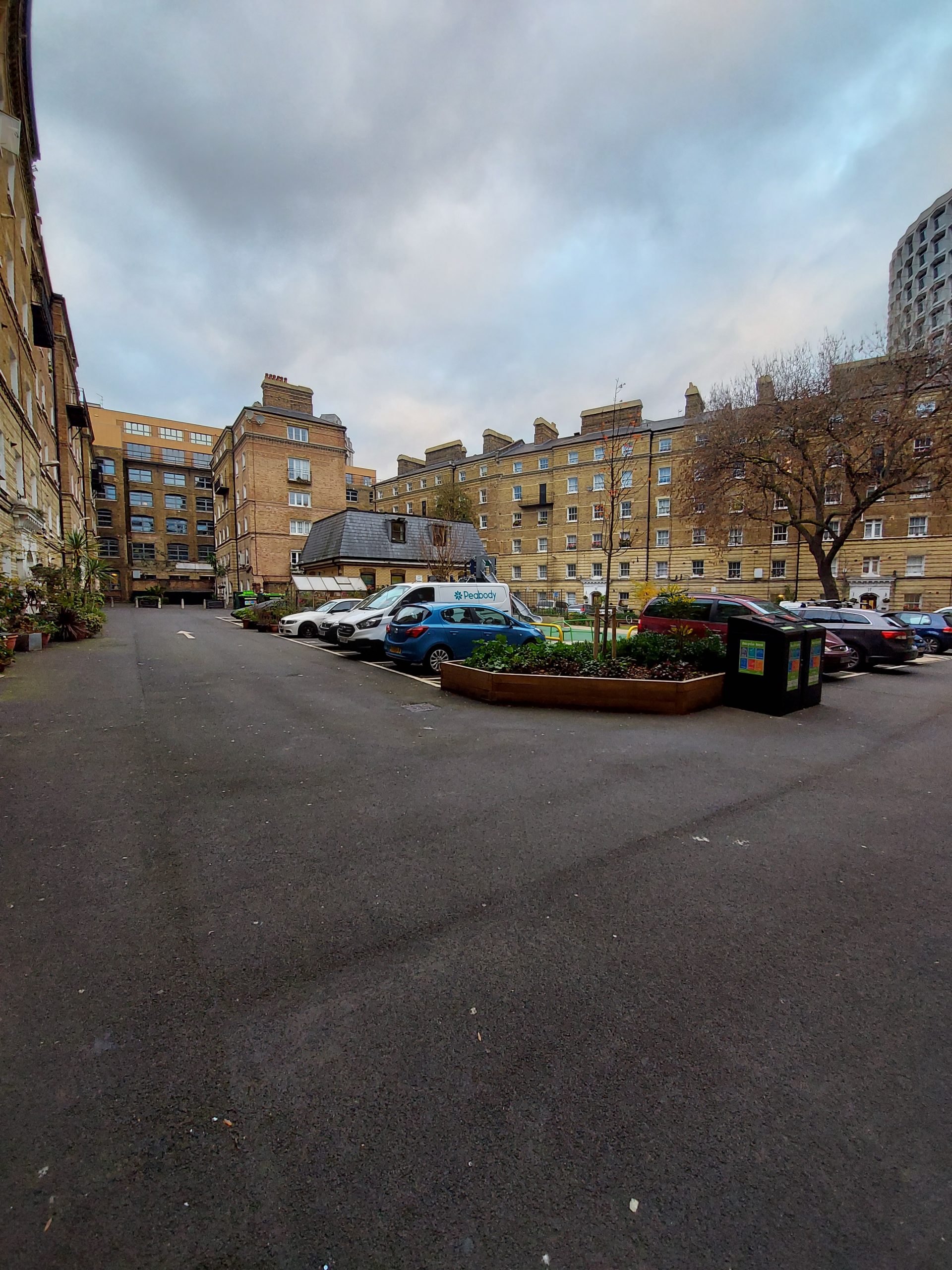
Inner courtyard of a West End housing estate
Location of the Cockpit/Phoenix

The walk ended in the modern West End – the location of the Cockpit/Phoenix, now the inner courtyard of a modern housing estate. This theatre was founded in 1616-17 by actor Christopher Beeston, and named after a real cockpit in Cockpit Court. Angry playgoers burnt down the theatre soon after it opened – annoyed that the Queen’s Men from the Red Bull were performing here and charging higher prices – but was almost immediately rebuilt.

ShaLT Walks 1 & 2

ShaLT, the Shakespearean London Theatres project, has created a map of London containing five walks designed to show theatre fans the sights and sounds of the city’s early theatres (1567-1642). I had some annual leave to use up, and not much planned owing to the latest lockdown, so I decided to use my time wisely – to follow each of these walks.

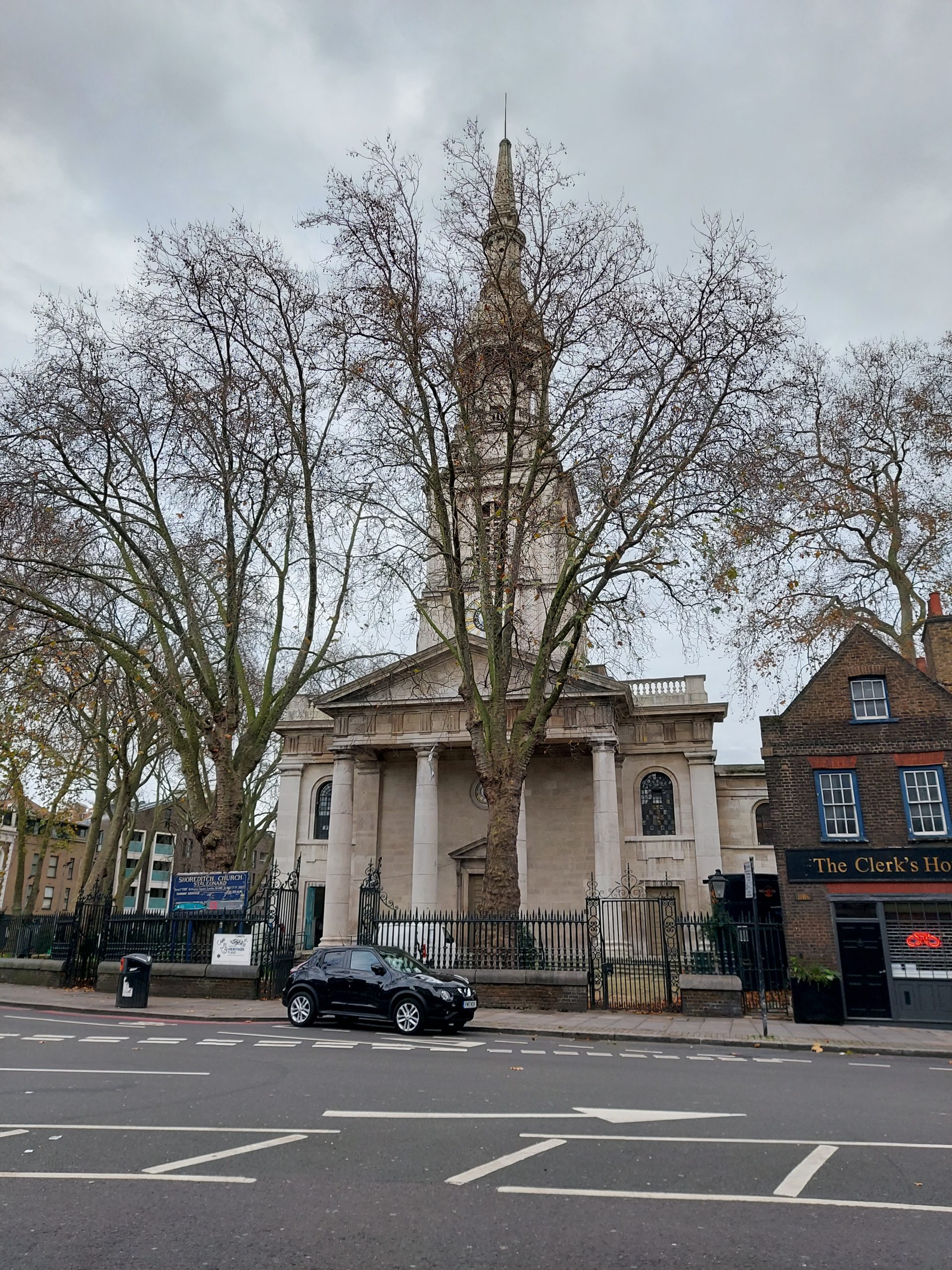
Being nothing if not logical, I began with Walk 1. It began in Shoreditch, the home of many of the earliest Elizabethan theatres. Being just outside of the City of London, it wasn’t subject to the same rules and regulations, which came in handy when putting on plays. The first stop was St Leonard’s Church, the burial place of many notable actors of the period, including Richard Burbage, the leading man in many of Shakespeare’s plays, as well as the comedian Richard Tarlton and the actor Gabriel Spenser (who was killed by Ben Jonson in a duel). Also buried here is Richard’s father James, the founder of the Theatre.

A church with a tall spire
St Leonard’s Church, Shoreditch

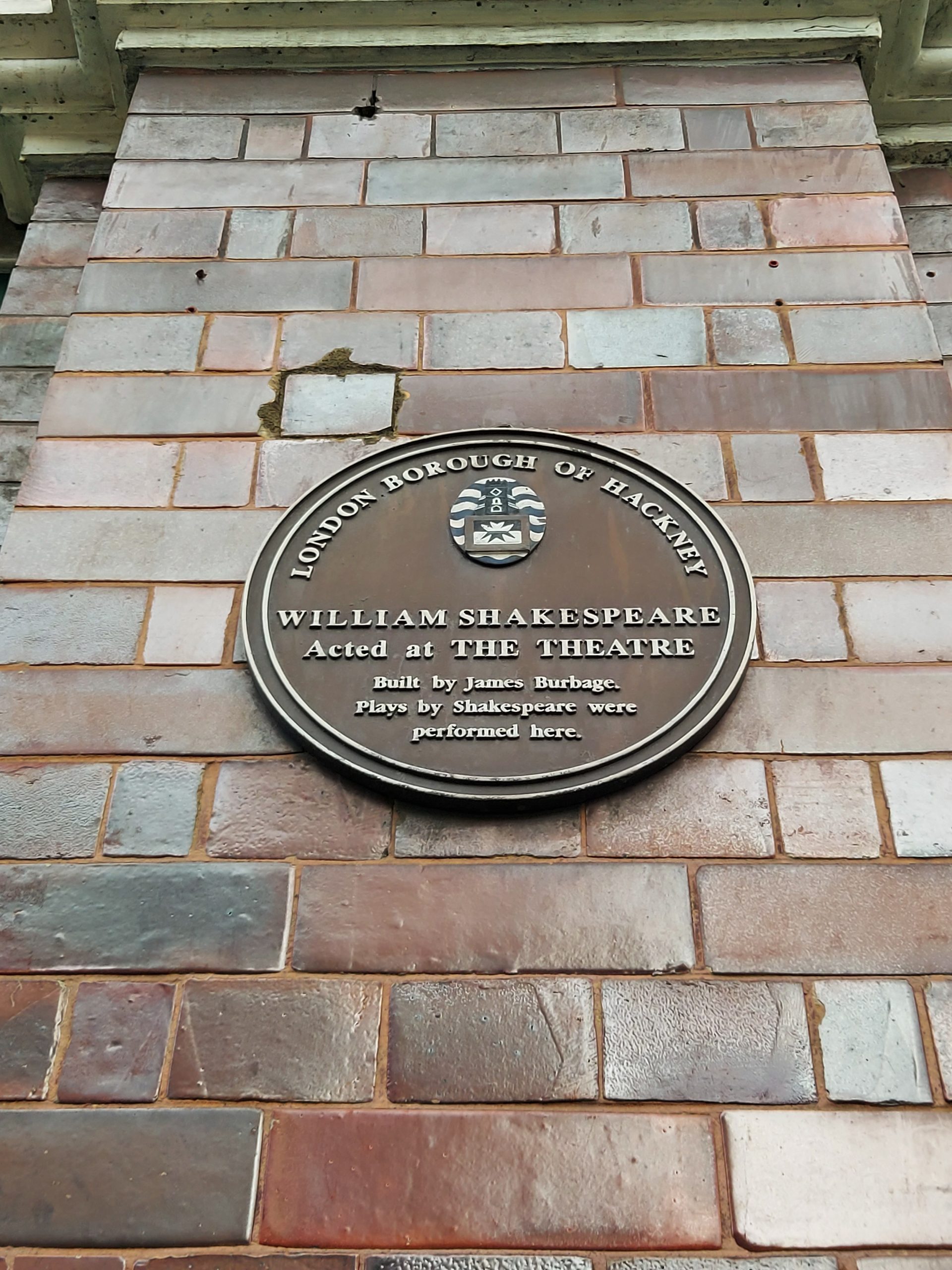
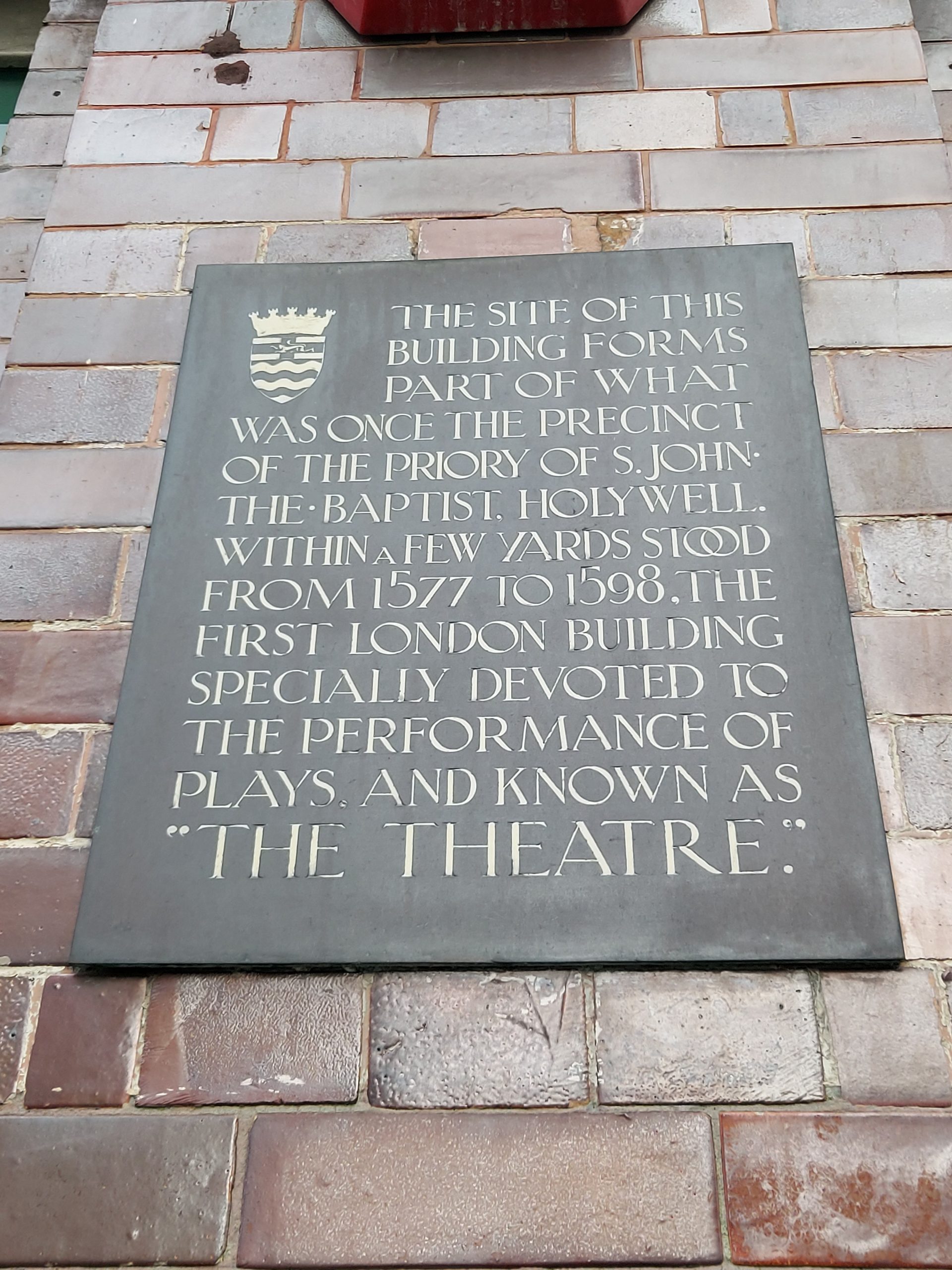
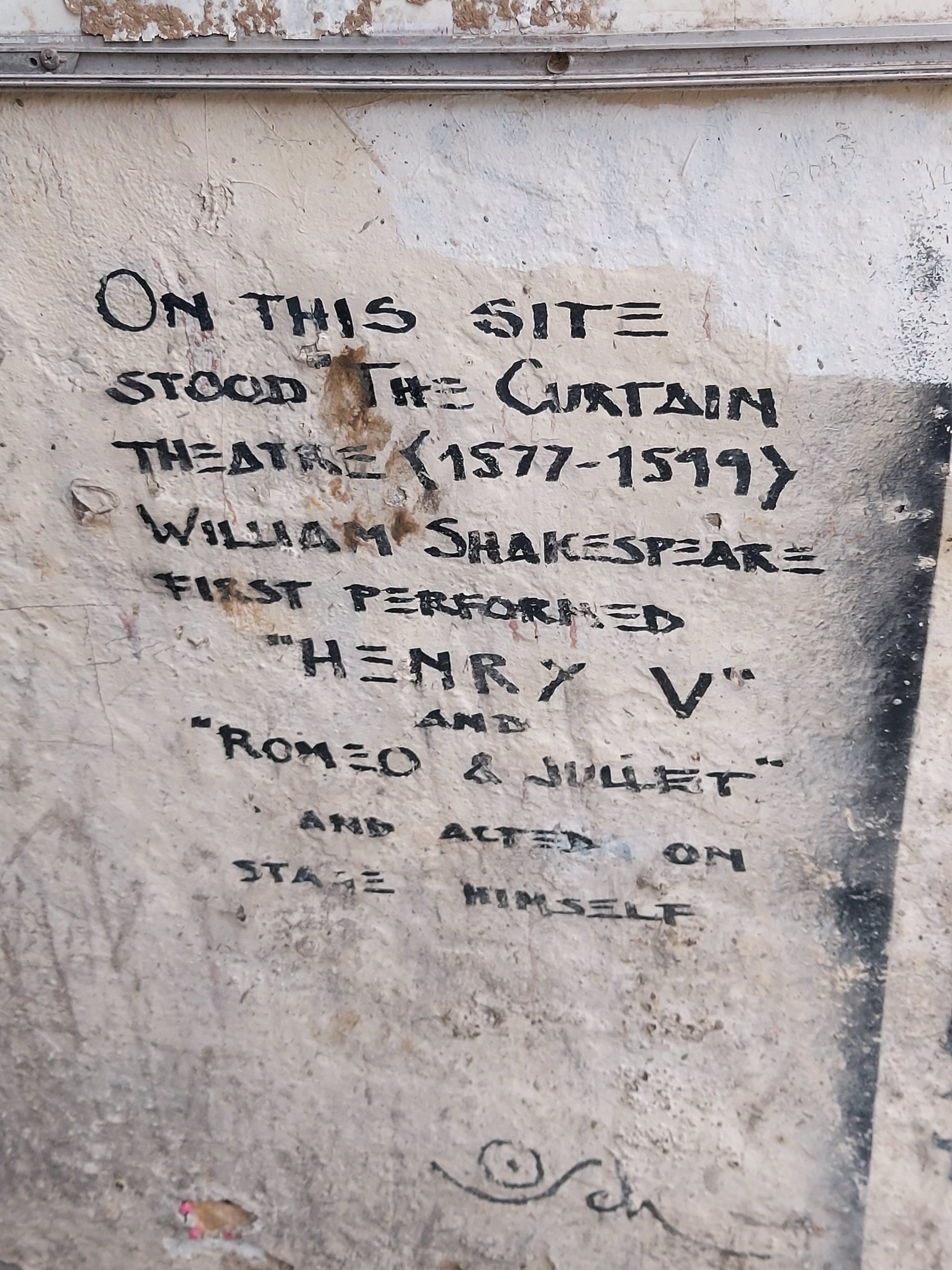
From here, the route follows a southeast course, taking in the sites of the early theatres, the Theatre, the Curtain and the Fortune. Nothing is left above ground of these historic theatres, though plaques mark the location of the Theatre and the Curtain.

The Theatre was the first purpose-built playhouse in Elizabethan England, opening in 1576. Its name evoked the Roman amphitheatre, or theatrum, design. It premiered Shakespeare’s plays, including Romeo and Juliet, in the 1590s and also staged plays by the likes of Thomas Kyd and Christopher Marlowe. A popular legend states that after a dispute with the landowners, the Theatre was dismantled overnight and transported over the river to be rebuilt as the Globe.

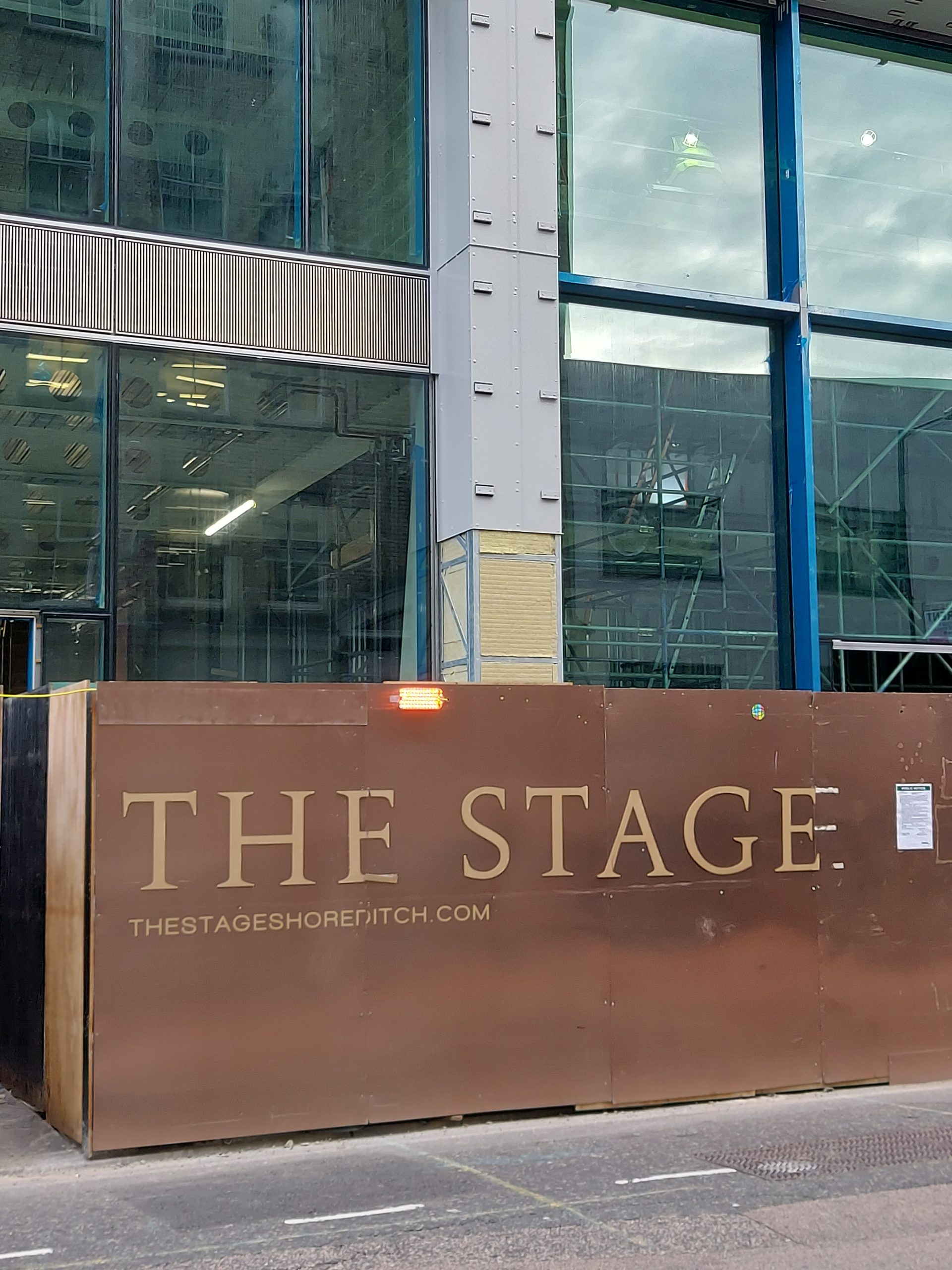
The Curtain was opened by Henry Lanman in 1577. Only 100 yards away from the Theatre, it showed many of the same plays. It is possible that the Horse and Groom pub near the site marks the location of a former victualling house. Recent archaeological work on the site of the Curtain uncovered the remains of the playhouse and once the site – known as The Stage Shoreditch – is redeveloped into housing, there are plans for a heritage centre.

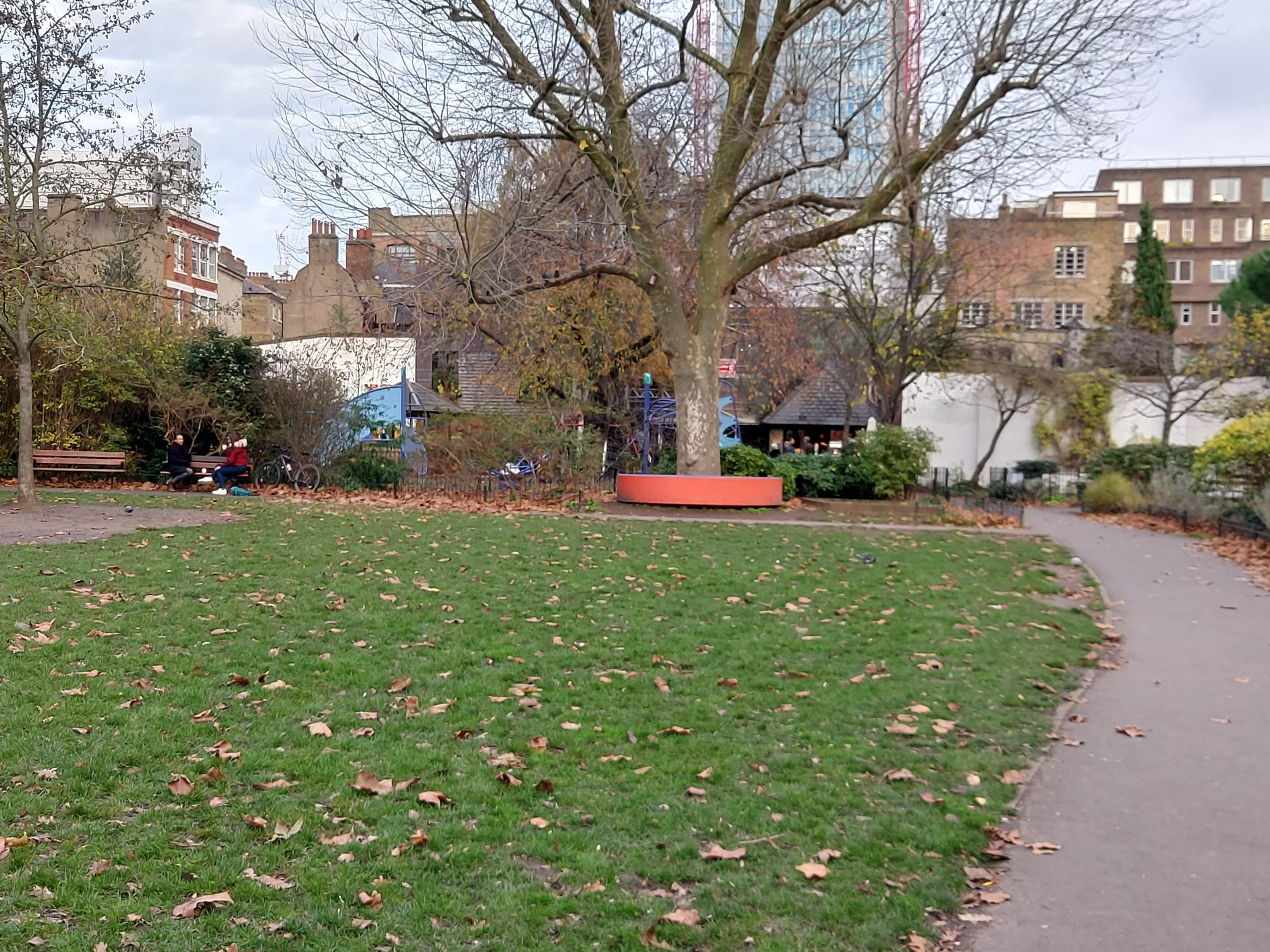
The Fortune playhouse was built in 1600, replacing the Rose as the main theatre of Philip Henslowe and Edward Alleyn. Destroyed by fire in 1621, it was rebuilt and remained open until 1642. The theatre hosted classics as well as new productions such as The Roaring Girl by Thomas Middleton and Thomas Dekker. The Fortune theatre site is now occupied by a community park – I wonder if there is anything interesting to be found beneath the grass?

A grassy community park with a children's play area and footpaths
Fortune Street Park, site of the Fortune Theatre

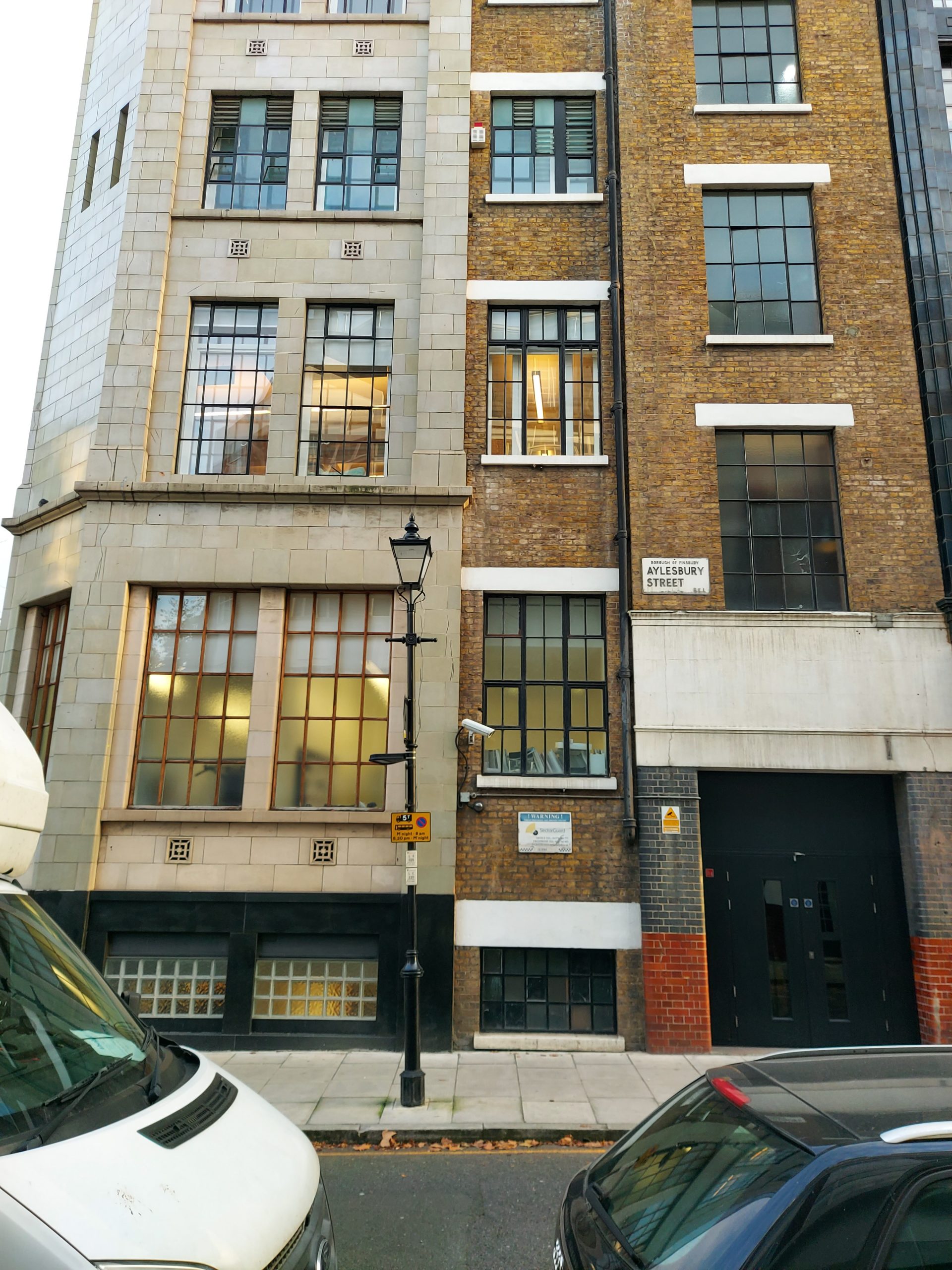
Walk 1 ends at the Barbican, and leads nicely into Walk 2, which begins at St Giles’s Church on the Barbican site – the burial place of John Milton, poet and keen theatregoer. This walk heads northwest into Clerkenwell and takes in the earliest location of the Revels Office. From 1578 to 1607 Sir Edmund Tilney oversaw and censored plays from here, including Shakespeare’s.

Tall brick building on a street lined with cars
The Revels Office, St John’s Priory buildings, Clerkenwell

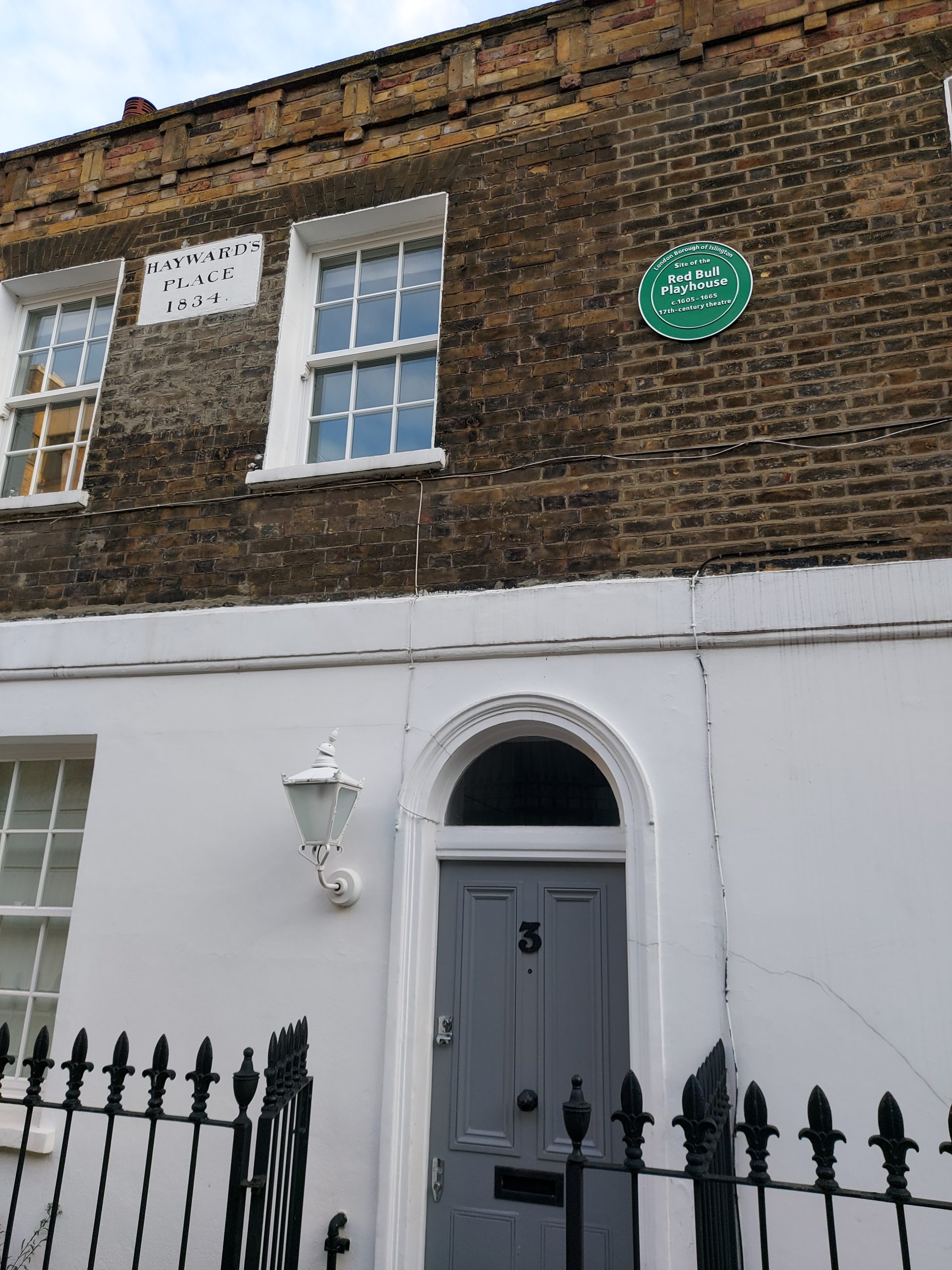
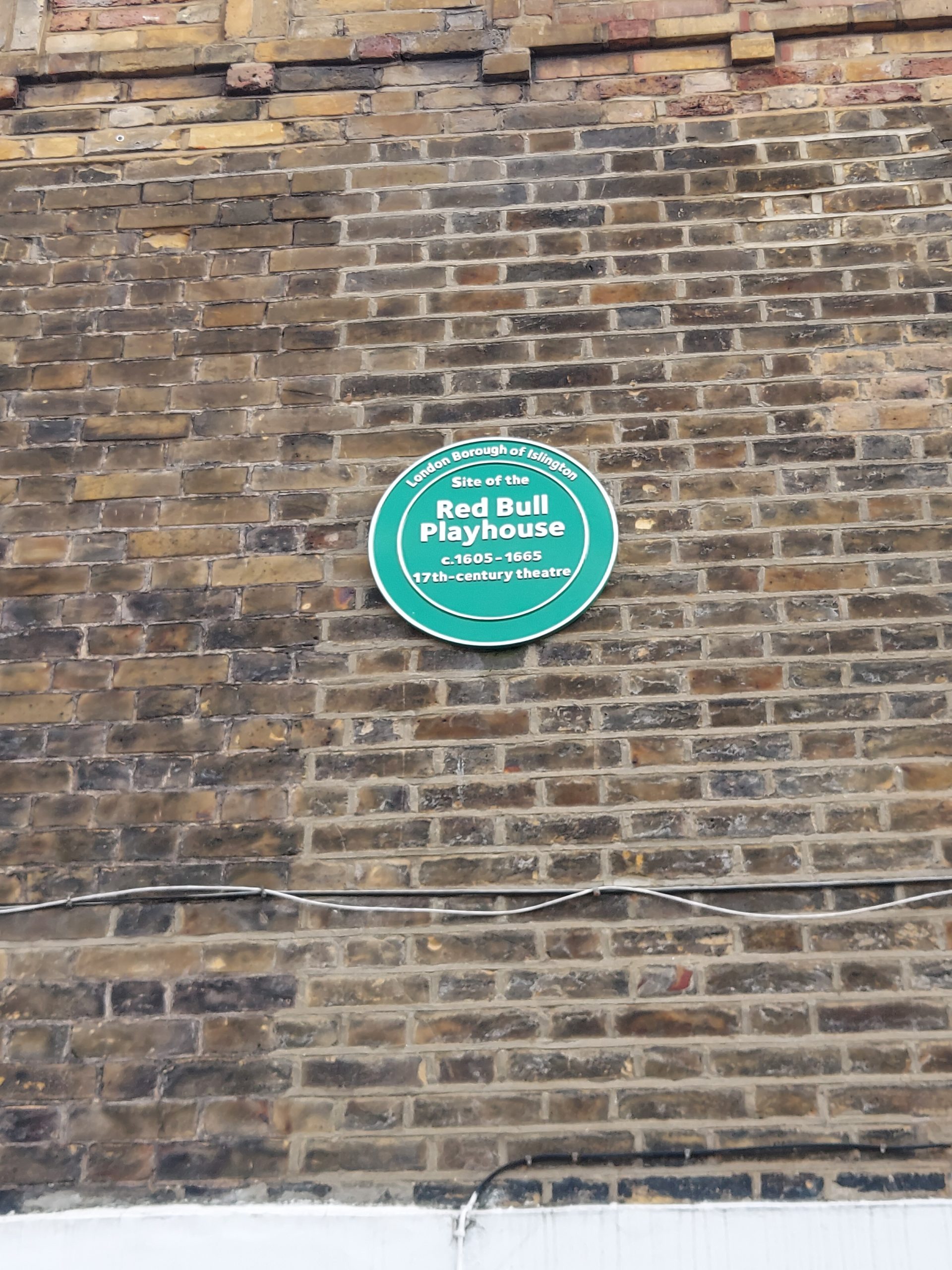
Walk 2 ends at the site of the Red Bull playhouse. This theatre was converted from an inn in 1604 and remained open until 1642. For many years it was the home of the Queen’s Men. Notable plays staged here include Thomas Heywood’s The Four Prentices of London and John Webster’s The White Devil.