
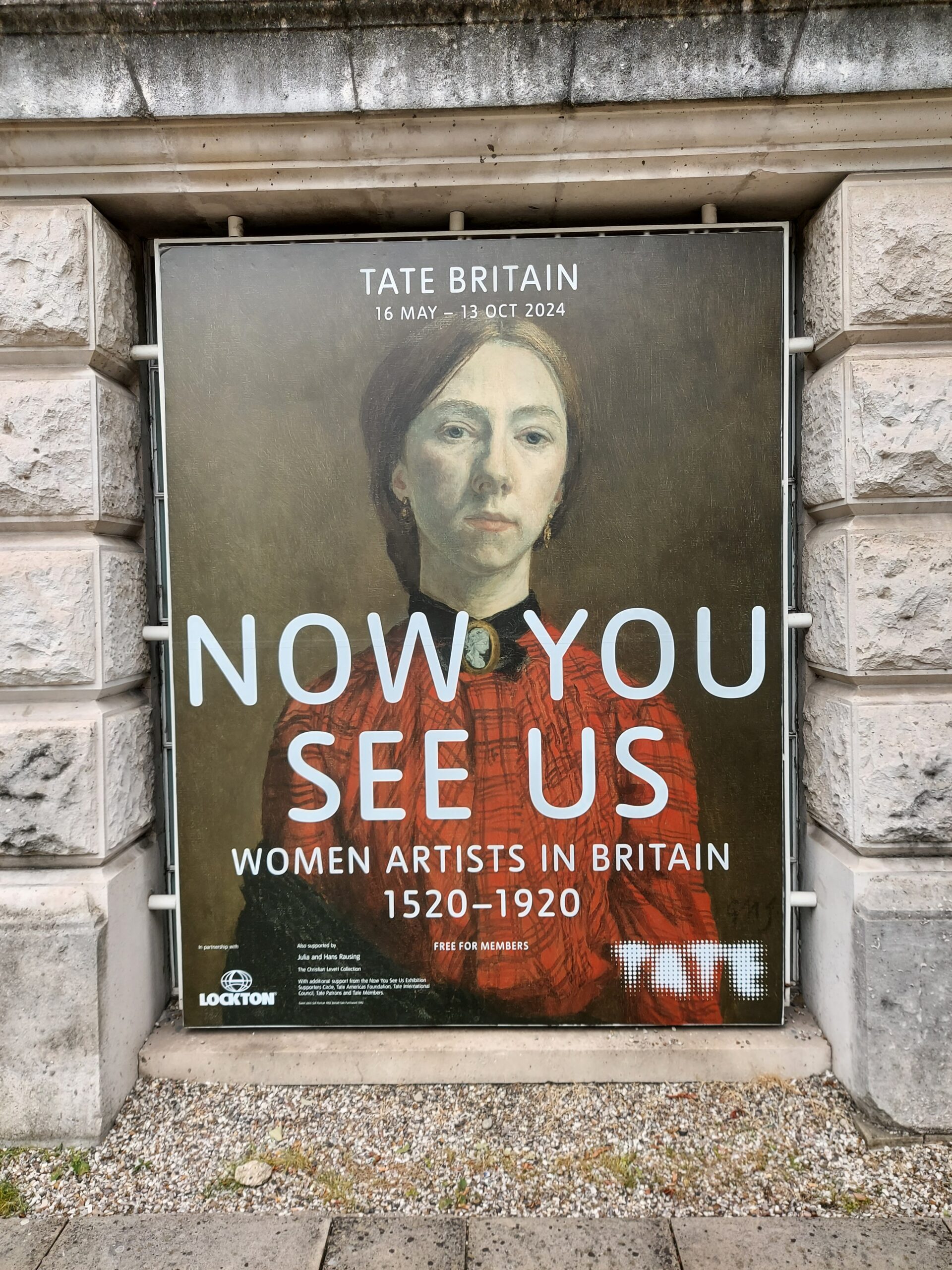
The second exhibition I went to see at Tate Britain was Now You See Us: Women Artists in Britain 1520-1920. This exhibition, spanning 400 years, features art by women through the centuries struggling to be taken seriously and be recognised as professional artists.
The art in the exhibition is displayed in a roughly chronological manner. It begins with artists like Mary Beale, one of Britain’s first professional women artists, and Angelica Kauffman, who was Swiss but who had a successful career in London and was one of the founder members of the Royal Academy.
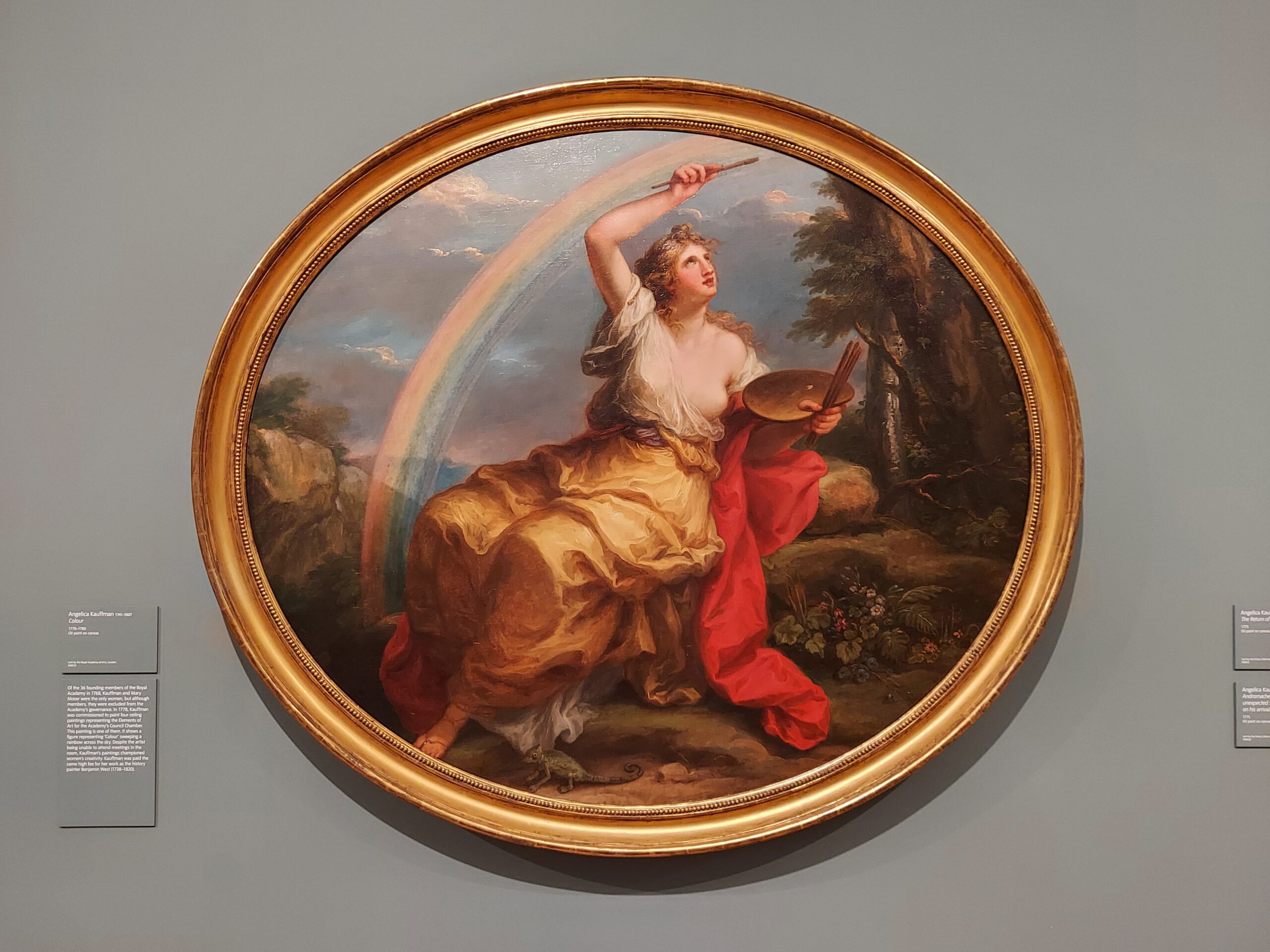
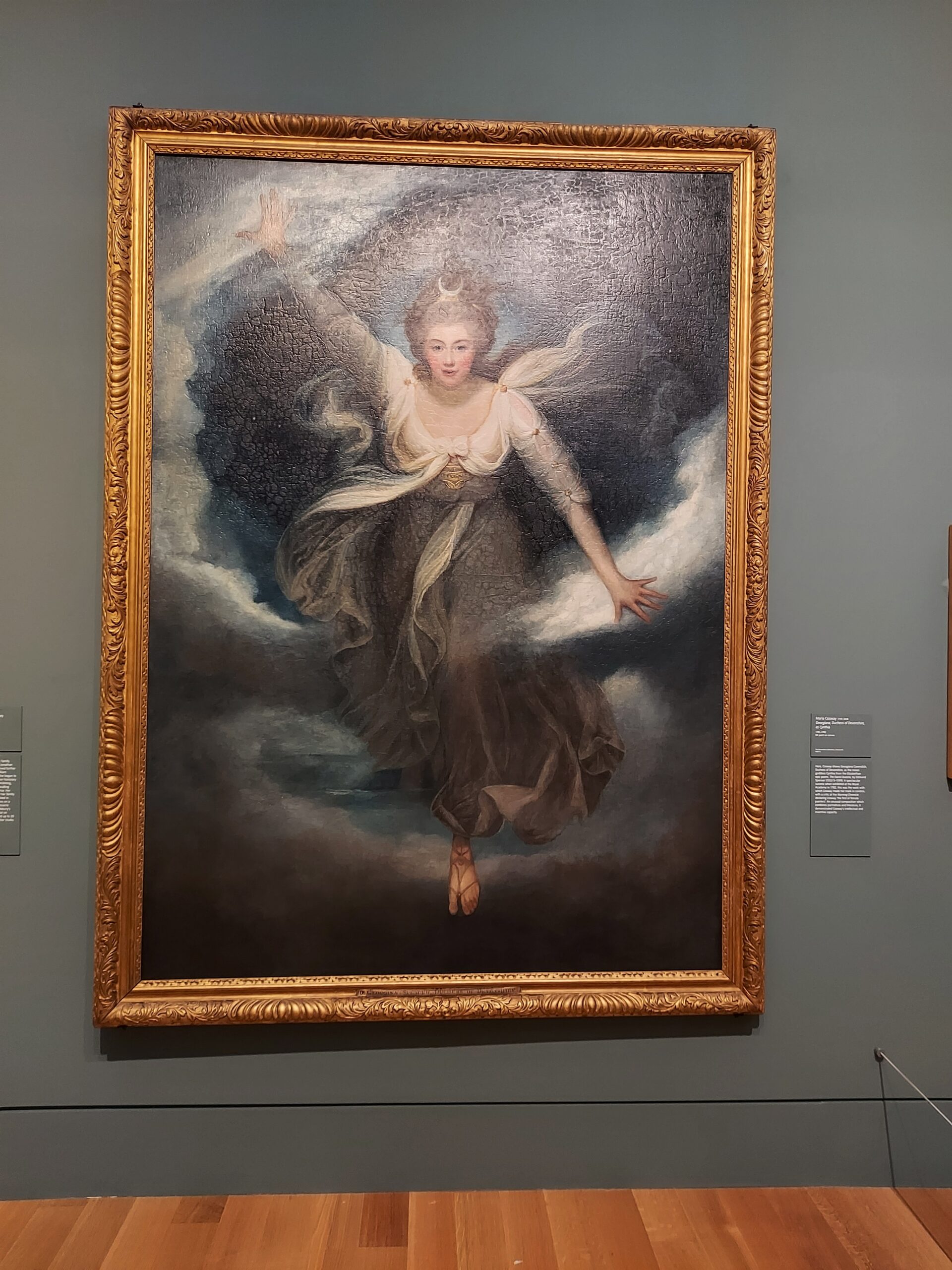
Female artists of the period often painted portraits, usually, though not exclusively, of women.
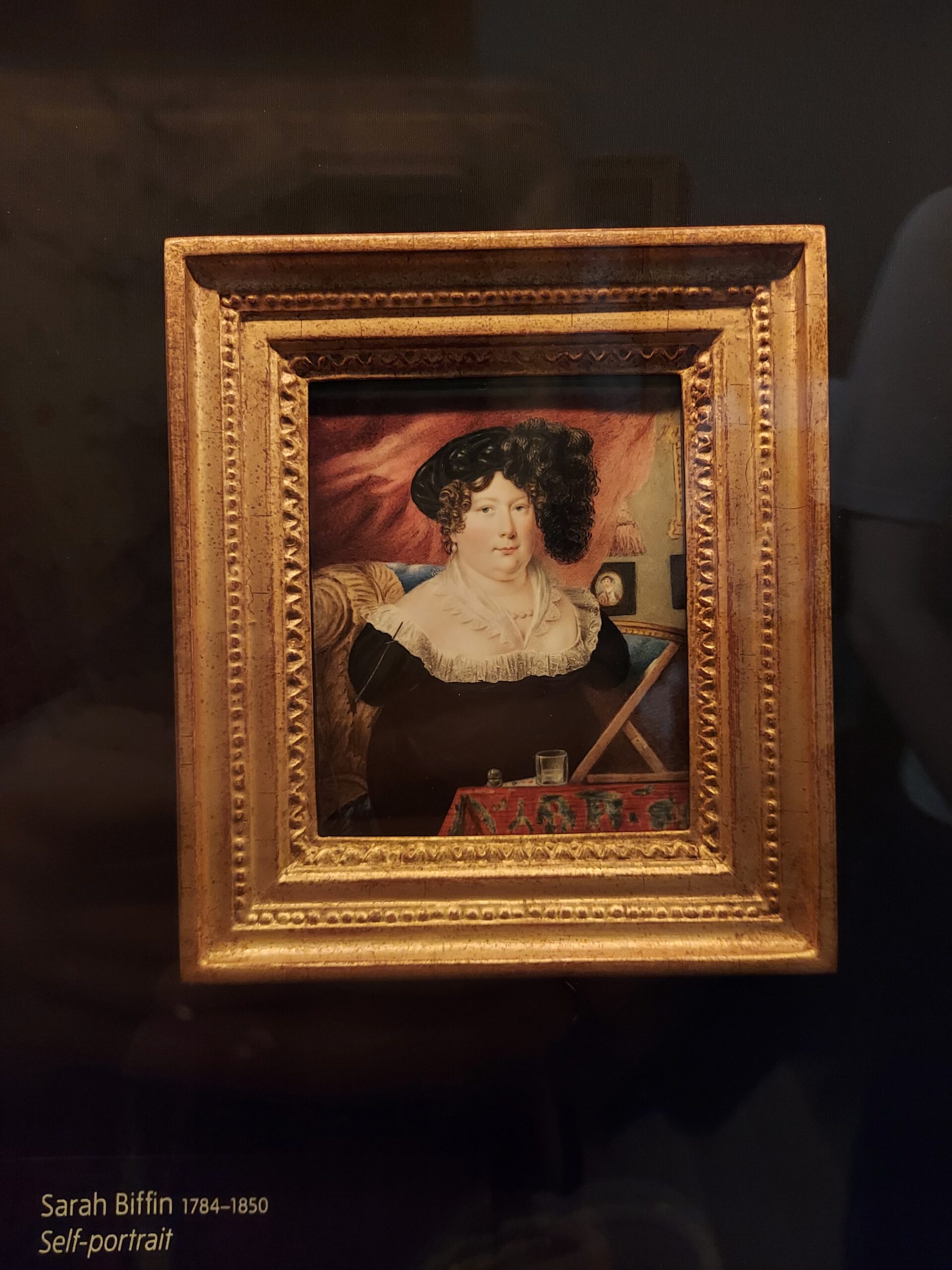
I was particularly impressed by the work of Sarah Biffin, who was born without legs or arms and learned to paint using her mouth.
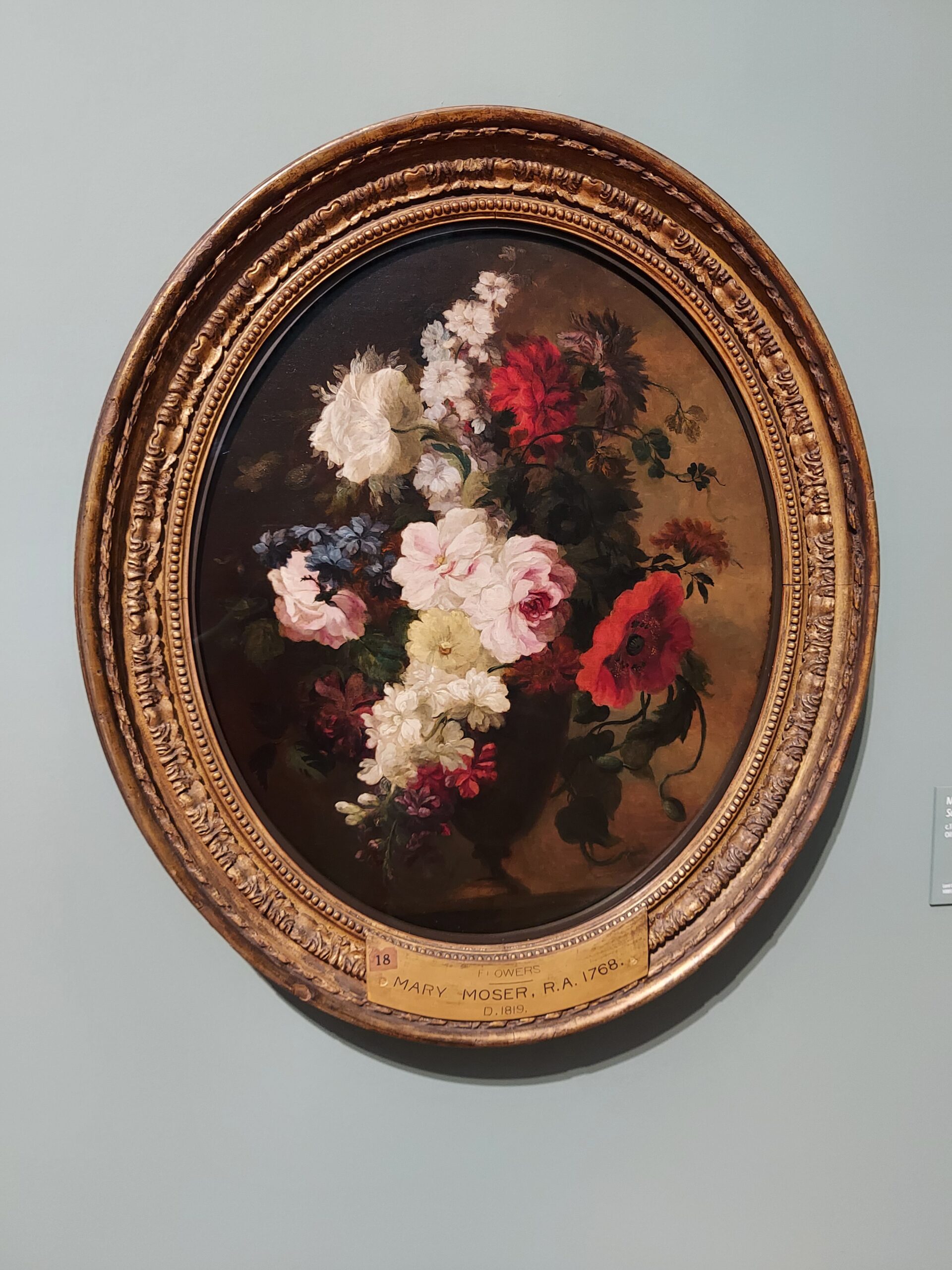
Still life paintings, especially flowers, were seen as an appropriate subject for women; while not groundbreaking, the floral works in the exhibition are technically as skilfully produced as any man’s. The only other female founder member of the Royal Academy, Mary Moser, was famous for her floral works.
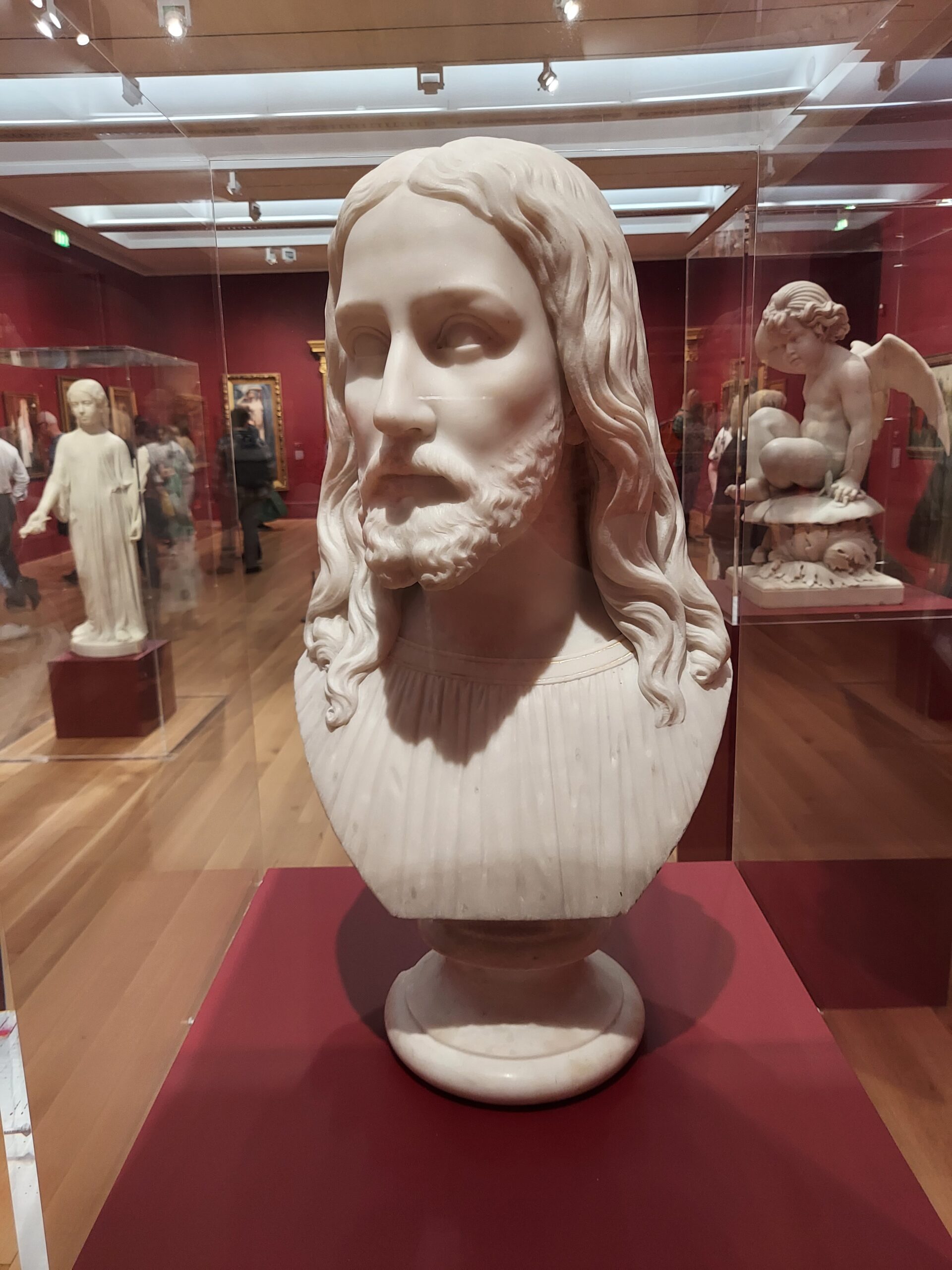
Not everything in the exhibition is a painting. Some sculptures are on display, including a bust of Christ by Edmonia Lewis, the first female black American to work as a professional sculptor.
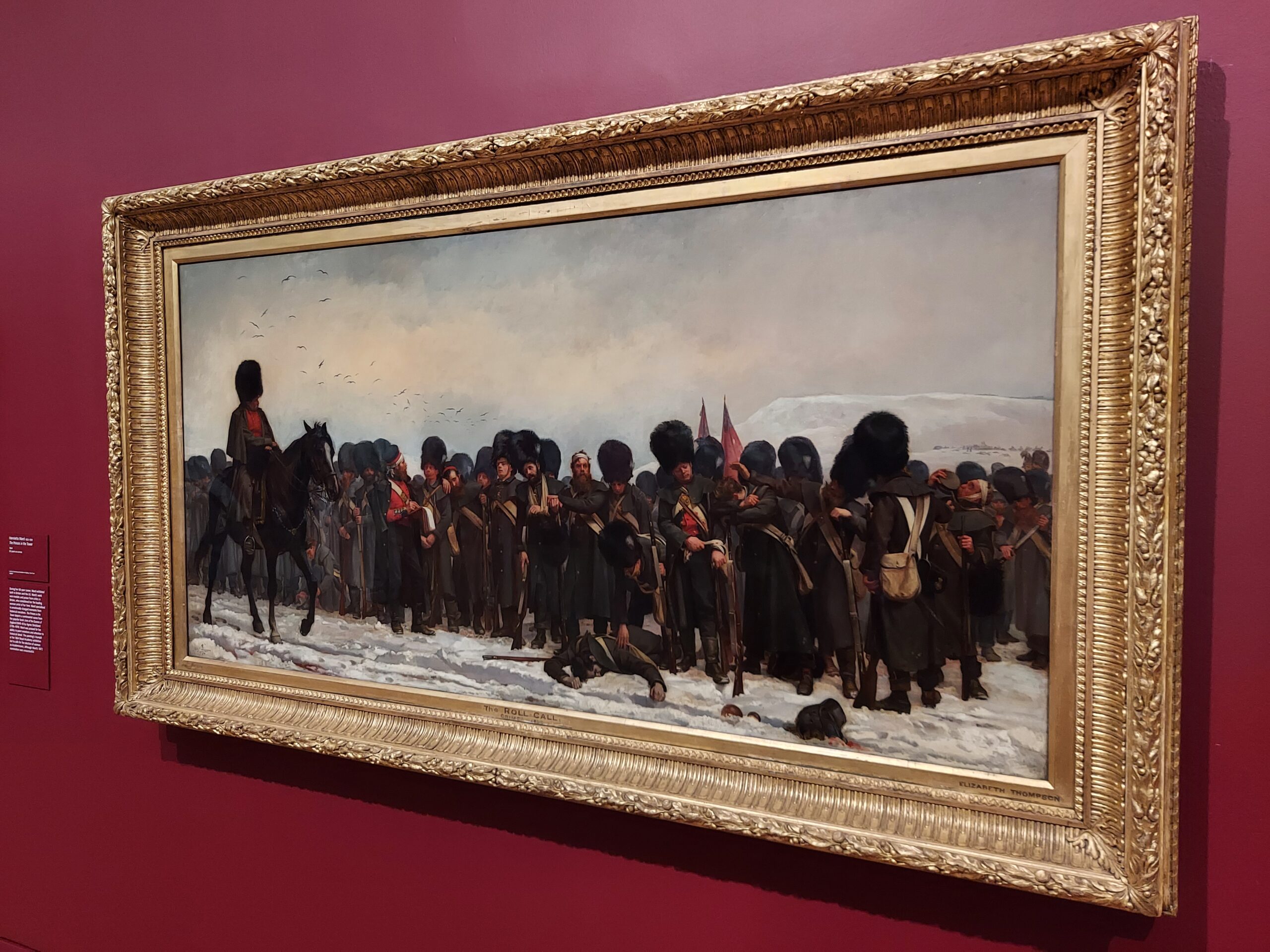
As time wore on, more and more women were able and willing to challenge the expectations laid down for them. For example, Elizabeth Butler (Lady Butler) painted works with the theme of war, usually thought of as a ‘male’ subject.
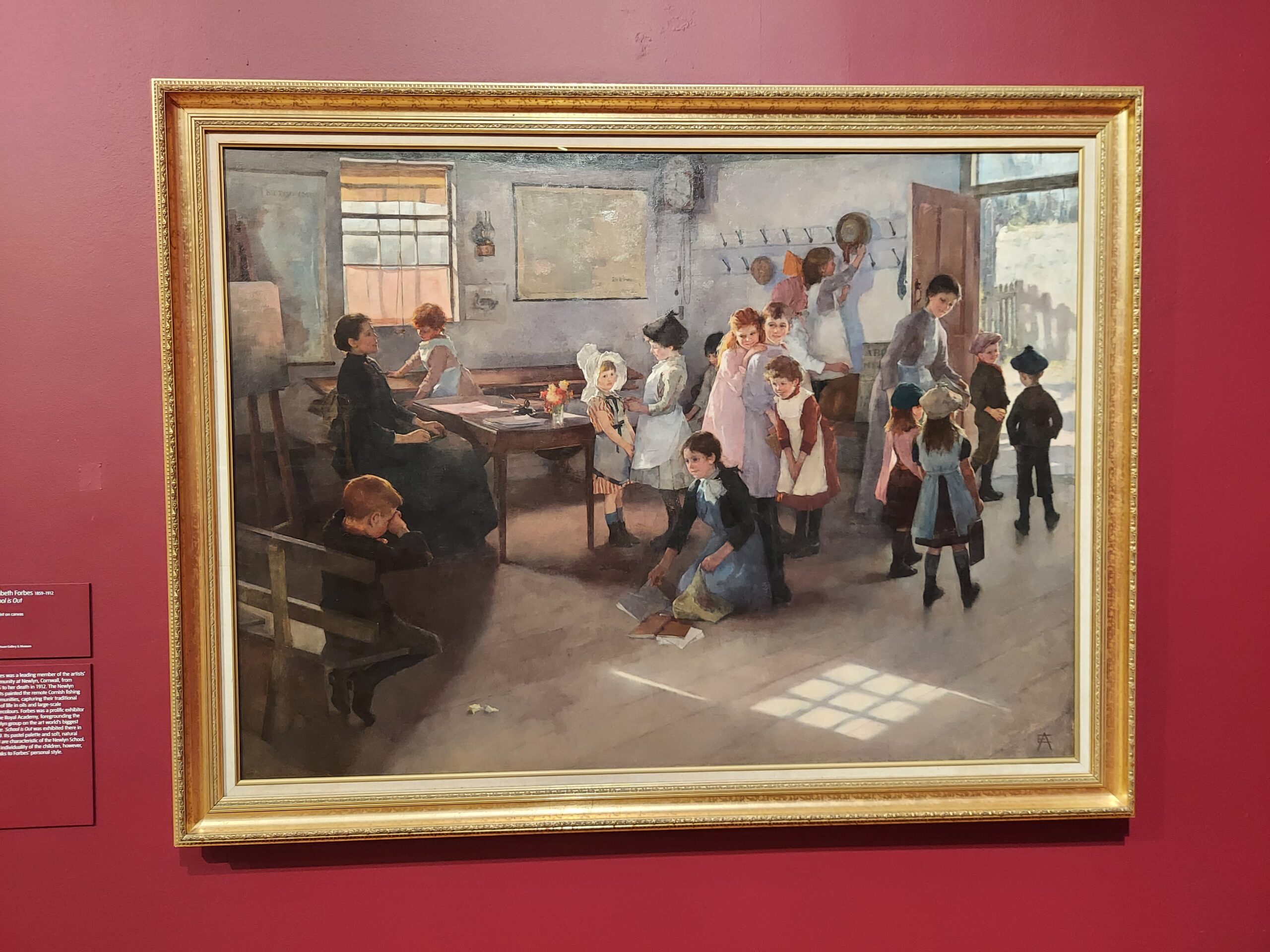
Other women ventured outside the confines of the studio and painted outdoor and social scenes.
I was impressed with the exhibition, which introduced me to some superb artists I was unfamiliar with and who paved the way for gender equality in the art world. I understood more about their struggles and was grateful for their efforts as well as their wonderful creations.