Kew Palace

Kew Palace
Kew Palace

Recently I paid a visit to Kew Palace as part of a special event. The Palace comes under the care of Historic Royal Palaces, and is the smallest palace in the organisation’s collection. It’s very rare that it is possible to visit on a standalone trip – it is located in the grounds of the Royal Botanic Gardens in Kew, and you can usually only see it as part of a visit there.

Out of the window
Out of the window

History

Kew Palace is the smallest of all the royal palaces. It was originally built as a fashionable mansion for wealthy London silk merchant, Samuel Fortrey, in 1631. The building is often known as the Dutch House, as it was built in a supposedly Dutch style of architecture. Kew and nearby Richmond, as well as the now-defunct White House (of which the kitchens still remain near Kew Palace), were loved by the Georgians, particularly George II and Queen Caroline, followed by George III and his family. Kew Palace, much more intimate and personal than most royal palaces, proved a useful retreat for the king when he suffered from illness.

Kew Palace in its heyday

My Visit

Pumpkins in the kitchen garden

My friend and I met with the other participants at the Elizabeth Gate of Kew Gardens, which is next to the common, and were taken to the Palace. Our first port of call was actually the nearby kitchens, originally a part of the White House.

Inside the kitchens
Inside the kitchens

We drank wine and wandered through the vegetable garden. There were a few interesting things to see in the kitchens, particularly George III’s bath, which was rediscovered a few years ago. George would come over to the kitchens to have his bath in order to save the servants from lugging hot water over to the palace, and I started to picture King George in Hamilton singing one of his songs in the bath.

King George's bath
King George’s bath

Our tour of the palace itself began on the ground floor and encompassed the whole house. We learned about King George, his wife Queen Charlotte and their fifteen (!) children, all but two of whom grew to adulthood. George and Charlotte tried to set a moral example to their subjects, but their children rebelled, the sons gambling, drinking and taking mistresses and the daughters – trapped at home – embarking upon affairs with members of the Royal household.

Inside the Palace
Inside the Palace

The bedrooms of two of the daughters can be found on the top floor, dismantled now but still containing the ancient fireplace that was brought there from (it is believed) Richmond Palace. Charlotte was reluctant to allow her daughters to marry; her attitude  is harsh but somewhat understandable given her husband suffered frequent bouts of illness and madness (probably porphyria) and she was often frightened of him. Charlotte eventually died in the Palace: en route to attend the double wedding of her sons William and Edward, she fell ill and the wedding took place within the Palace, where she died later in 1818.

The attic
The attic

As part of this ‘hidden’ tour we got to explore the attic, formerly the home of the servants and full of nooks and crannies, as well as graffiti left over from the palace’s use as changing rooms in the mid-twentieth century. We also saw the undercroft, originally built in Tudor times with excellent examples of stonework.

The undercroft
The undercroft

The Palace fell into disuse after the death of Queen Charlotte, and Queen Victoria gave it and the nearby Queen Charlotte’s Cottage to Kew Gardens in 1898, to mark her Diamond Jubilee. The Palace has been open to the public ever since, apart from a break in 1996-2006 for refurbishment and restoration.

Nowadays, the Palace is open to Kew Garden visitors during the warmer half of the year. It is also possible to visit on a special Curious Kew evening tour, as I did. The next is due to take place on 20 September 2018. I definitely recommend it as a small but perfectly-formed place to visit.

Kew Palace
Kew Palace

FACTS

Address: Royal Botanic Gardens Kew, Richmond, TW9 3AE

Website: hrp.org.uk/kew-palace

Opening Hours: 10.30-7.30 during the summer months

Prices: £16 adults, £14 concessions, £4 children, under-4’s free (prices are for admission to Kew Gardens)

A wedding, a boat trip and a movie

After leaving the north and going back to London, I only had a few days back at work before heading back up north again – this time to Cumbria for my cousin’s wedding. My mam and I met up with some family members in Windermere the day before. I was rather sorry we weren’t staying longer in that hotel because it had a massive bookshelf and I wouldn’t have minded reading some of them.

The wedding itself was held at the Wild Boar, just outside of Windermere, so called because the last wild boar in Westmorland (which along with Cumberland was a county that now makes up Cumbria) was killed in the vicinity.
Me at the Wild Boar
Made a new friend…

The venue had low ceilings and wooden beams and was generally very atmospheric. I wore a dress from Collectif and massive earrings from Tatty Devine. The bride and groom brewed their own beer for the wedding and I drank rather a lot of it, so I had to go for a lie down after the meal. I came back refreshed, but sadly my mam had a headache so we couldn’t join in with much dancing.

Table decorations
Table decorations

It was really nice to see family again, and weddings are always exciting, anyway. This one had flower dogs, who were massively cute. The wedding was a humanist one, which I’ve never experienced before, but which was very personal to the bride and groom.

Flower Dog Tilly
Flower Dog Tilly

The next day, my mam and I had an extra day in Bowness-on-Windermere, so we went on a boat trip out on the lake, and then went to see Mamma Mia 2 (which was awesome) in a lovely old-fashioned cinema.

Cinema in Bowness-on-Windermere

We had Thai for tea but we didn’t stay out late because we were both absolutely shattered! We got the train back the next day – we separated at Oxenholme and I caught the train back to London.

Windermere
On the lake

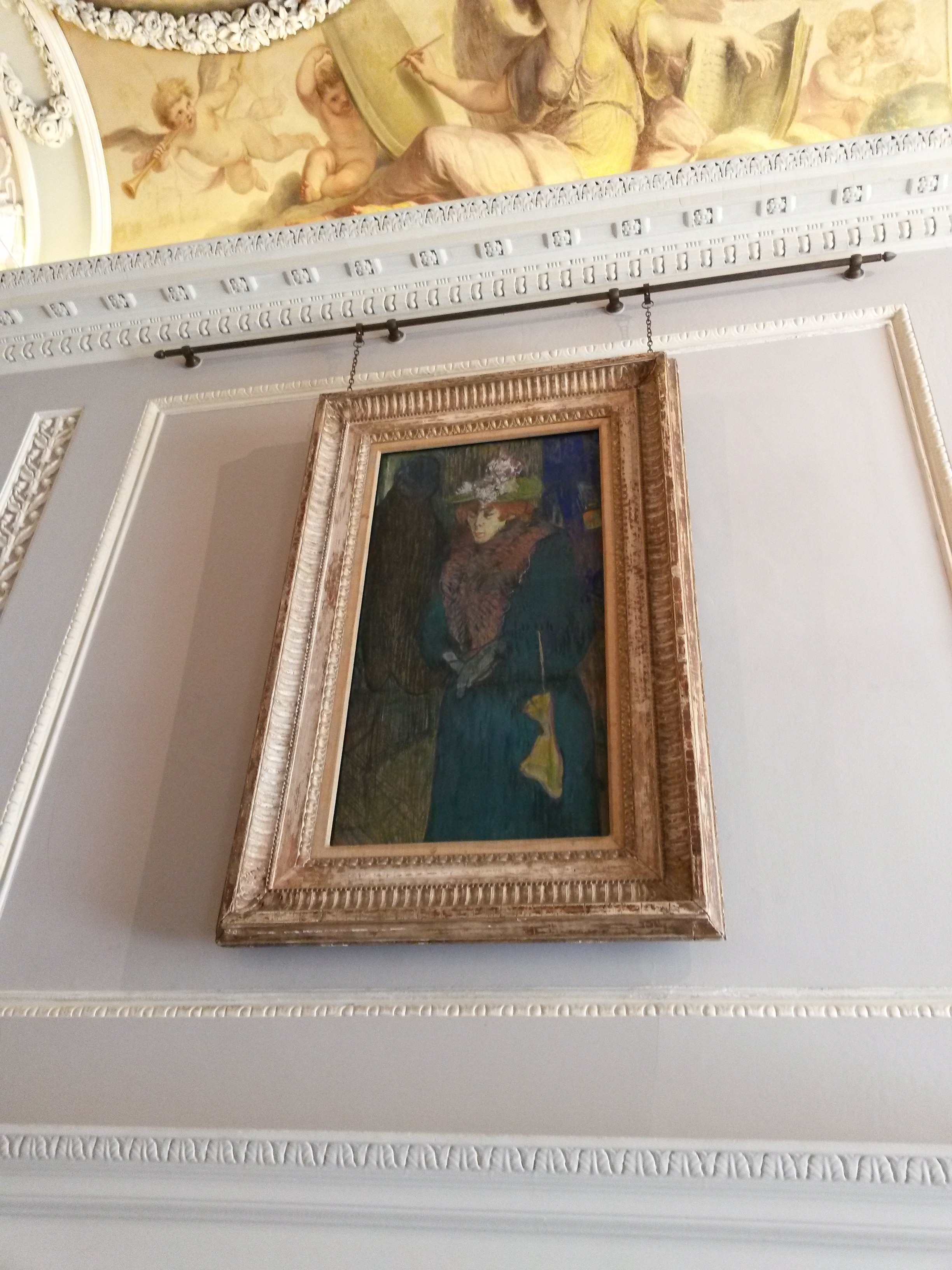
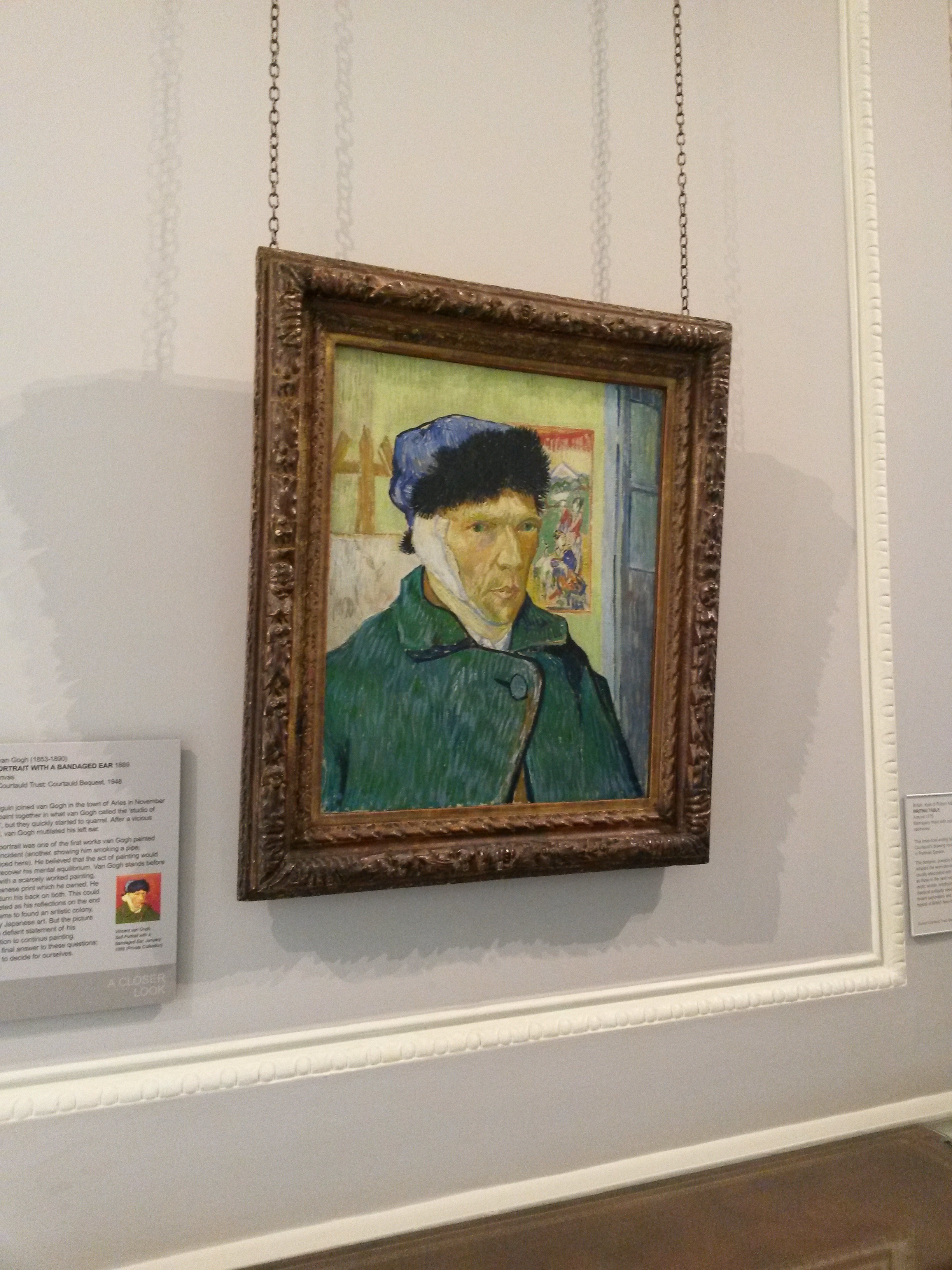
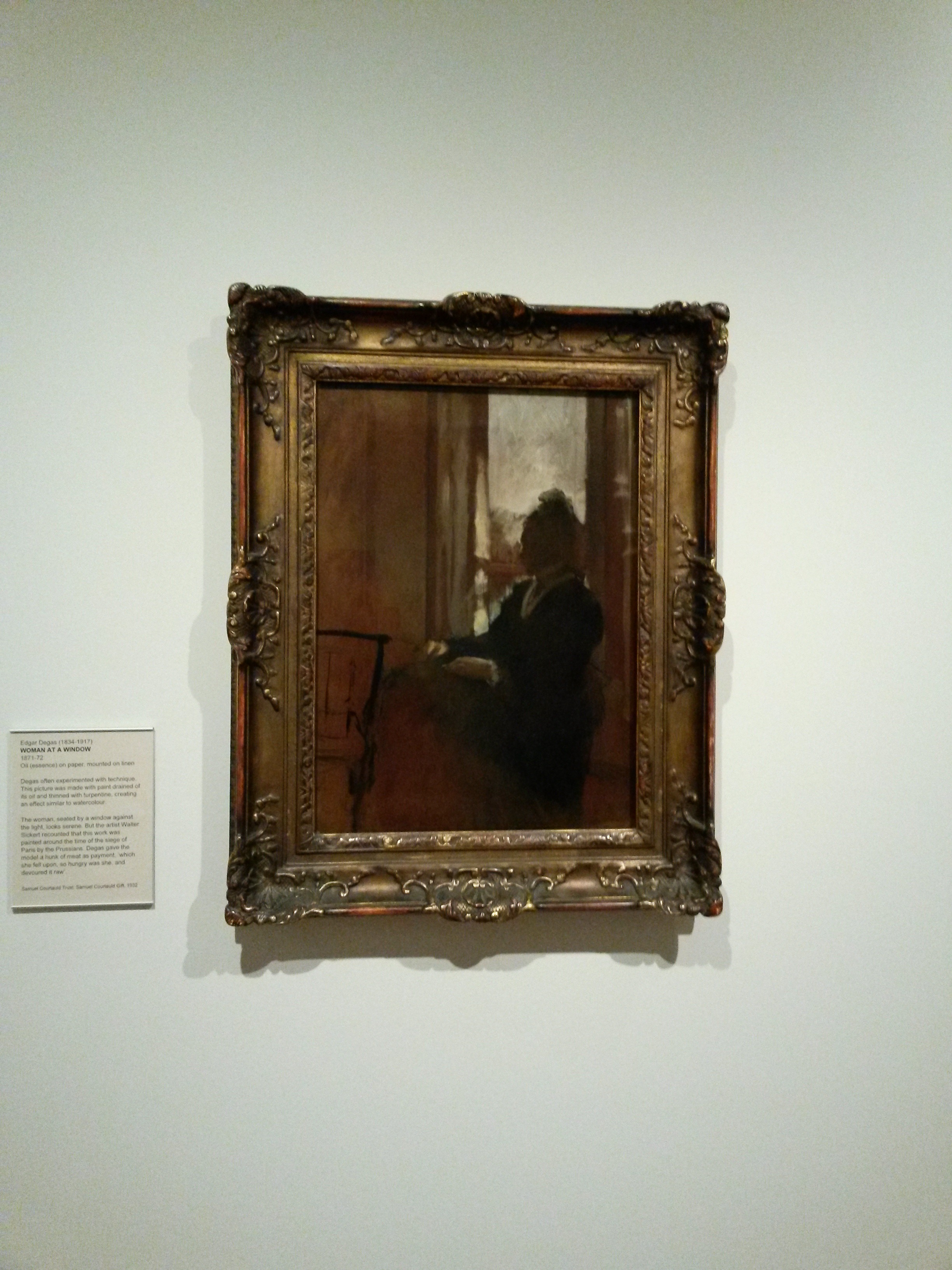
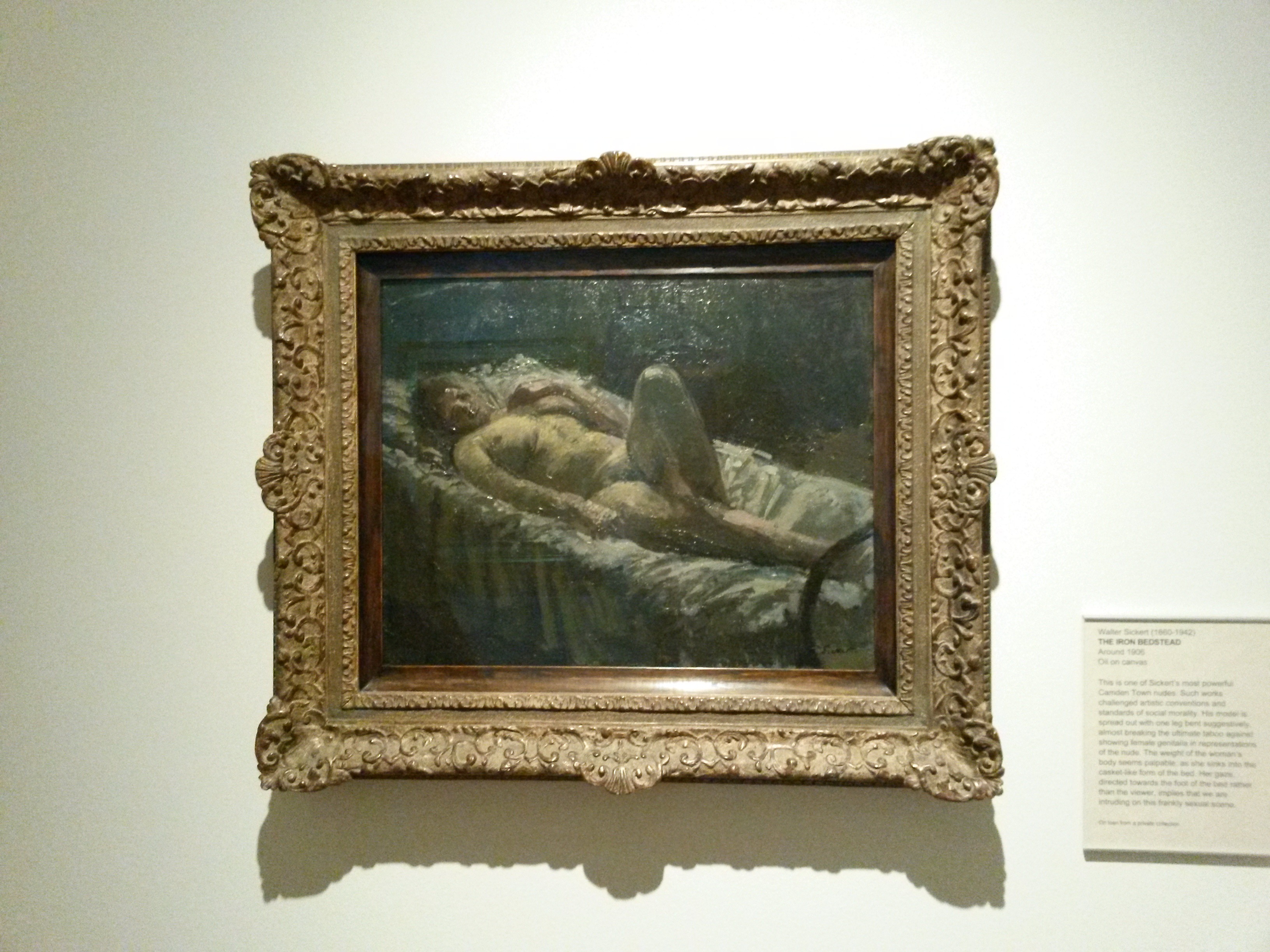
Courtauld Gallery

Courtauld Gallery Entrance

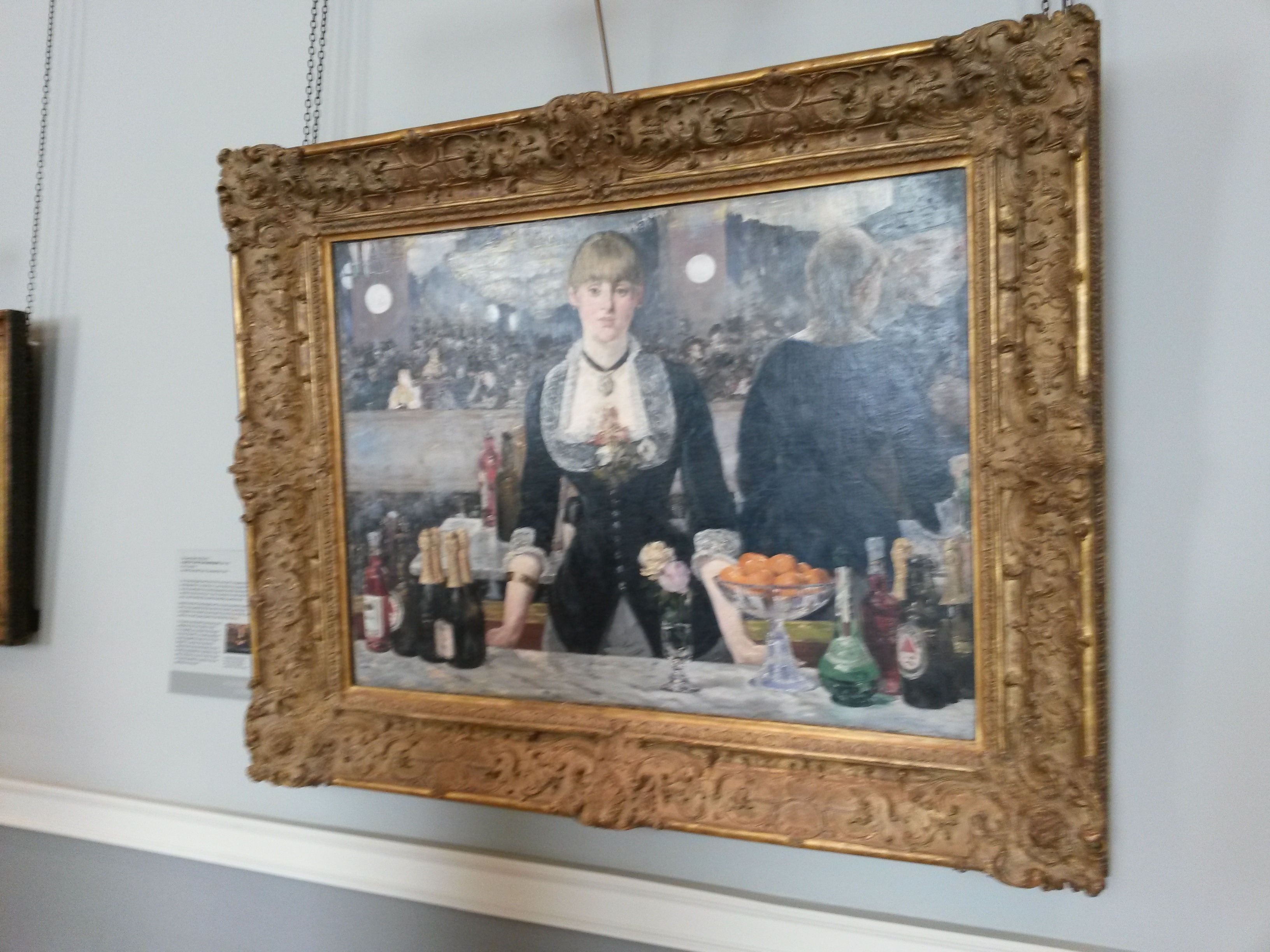
I’ve been to the Courtauld Gallery a number of times while I’ve been living in London, sometimes to attend special exhibitions, sometimes just to view the permanent collection. It is small compared to the likes of Tate Britain and the National Gallery, but that just makes it more manageable.

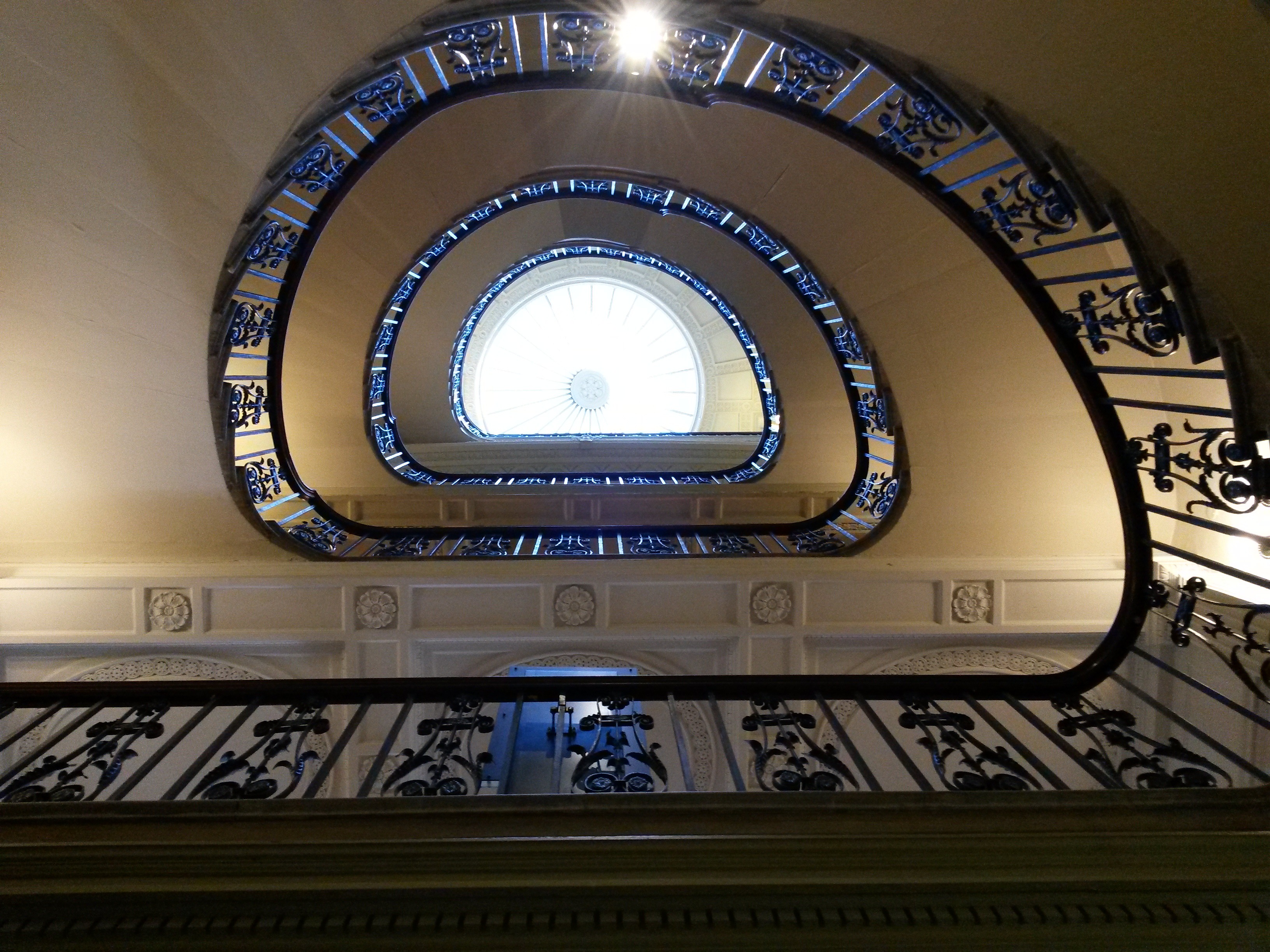
Courtauld staircase from below

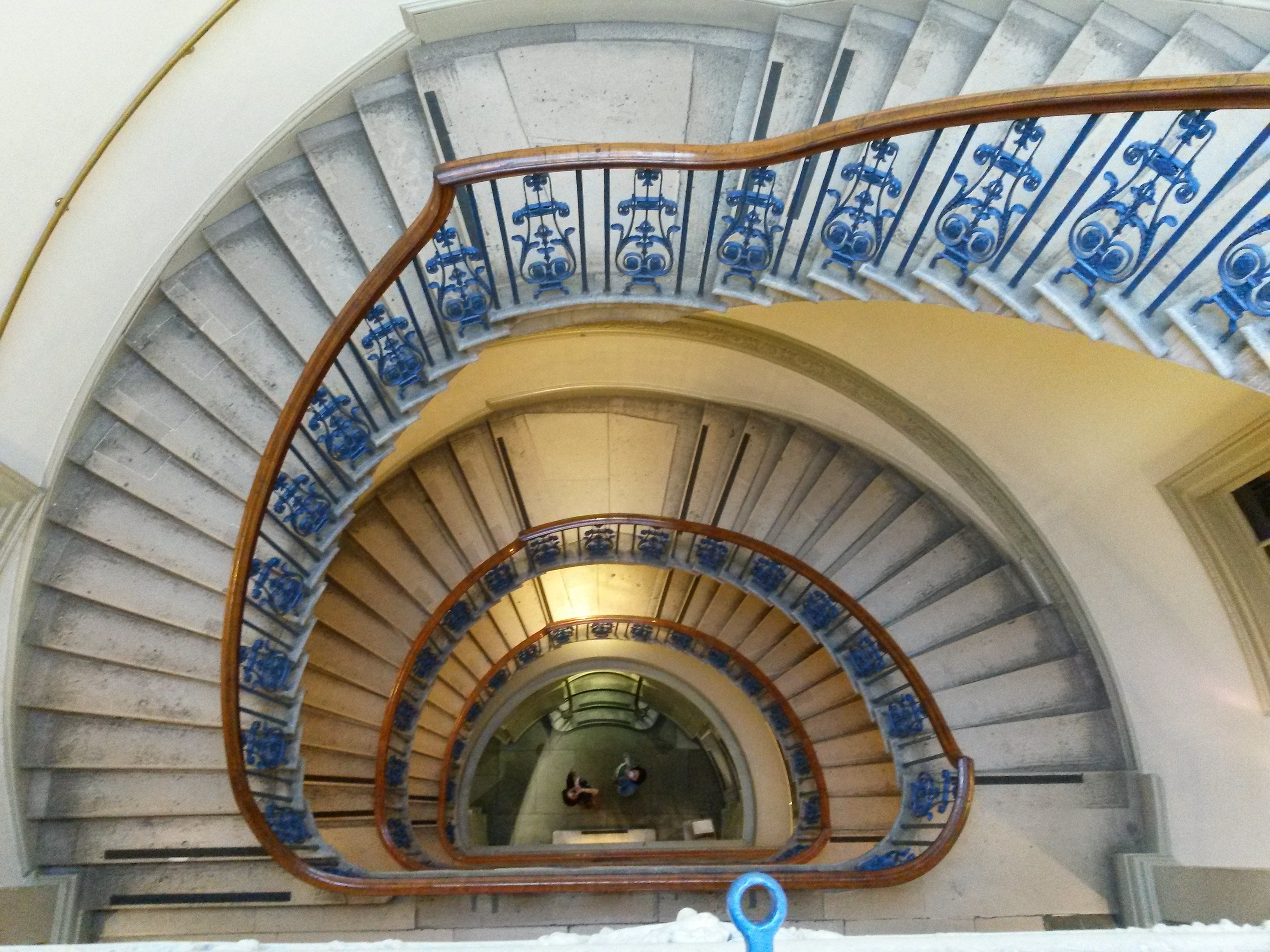
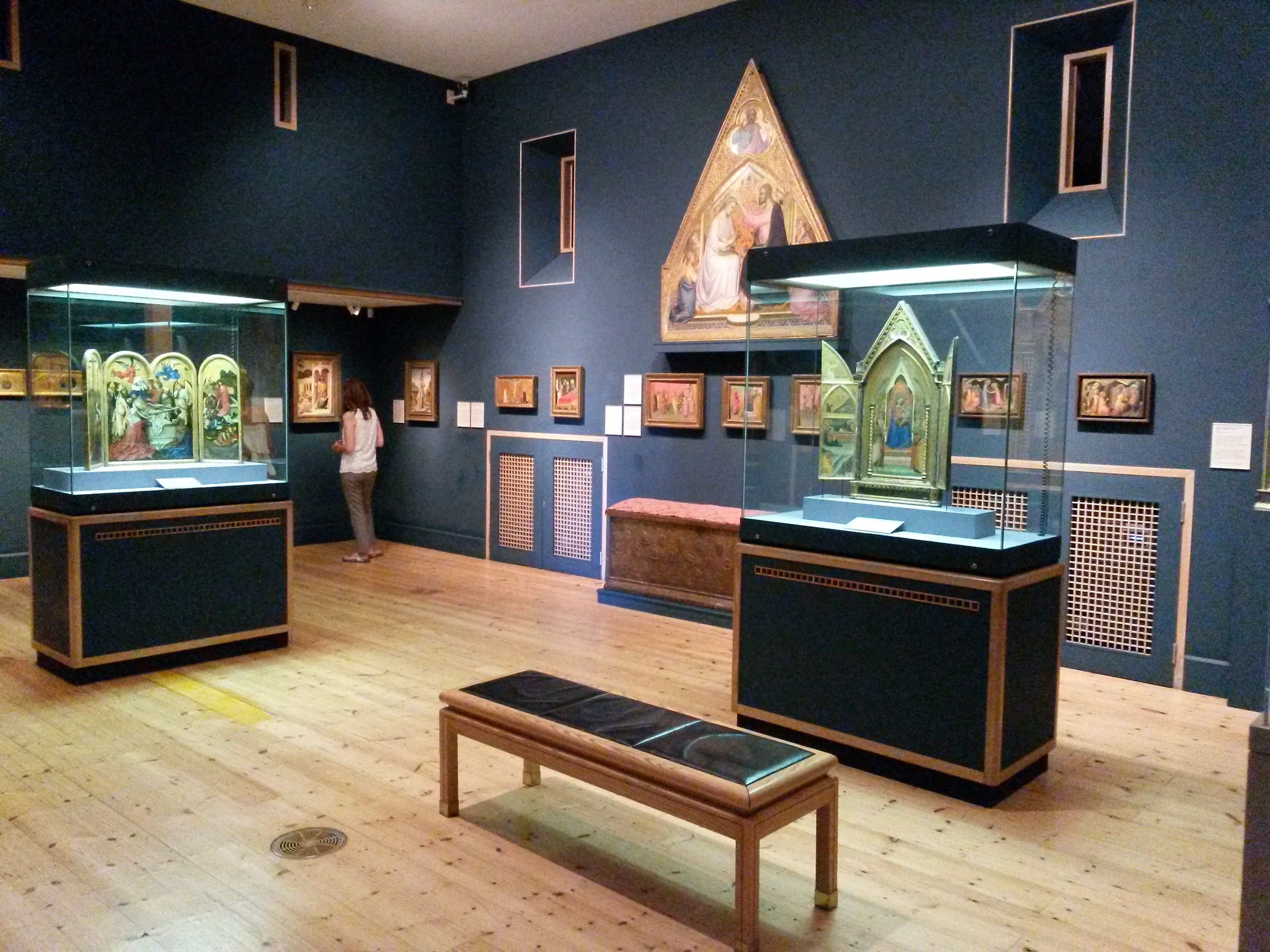
The Gallery, located in the North Wing of Somerset House, was founded by Samuel Courtauld, and initially included mainly Impressionist and Post-Impressionist works. It now has a wide range of art including religious Renaissance paintings, Old Masters and twentieth-century art. There are around 7,000 drawings as well as prints, decorative arts and a sculpture collection.

Courtauld staircase from above

Although the gallery is best known for its 19th- and early 20th-century works, the Courtauld’s galleries extend back to the early Renaissance, featuring some 7,000 drawings as well as prints, decorative arts and a fine collection of sculpture.

FACTS

Address: Somerset House, Strand, London, WC2R 0RN

Website: courtauld.ac.uk/gallery

Opening Hours: 10am-6pm

Prices: £9.50; free admission with National Art Pass, and half price to temporary exhibitions

Sunderland and other exciting North East experiences

Ah, Sunderland. I’m not the biggest fan of the place, yet I ended up visiting more than once while I was at home for a few days.

Mowbray Park
Mowbray Park

Once was to go for lunch with a friend. Afterwards we went for a walk around Mowbray Park and came across the statue erected to commemorate the Victoria Hall disaster. It’s a tragic tale but all it reminds me of is the poem William McGonagall wrote about the catastrophe.

’Twas in the town of Sunderland, and in the year of 1883,
That about 200 children were launch’d into eternity

Mowbray Park
Mowbray Park

Her Majesty’s grief for the bereaved parents has been profound,
And I’m glad to see that she has sent them £50

Commemorative statue

Later that week I popped to Sunderland with my parents, who go every weekend. We visited a few shops and had a coffee in Marks & Spencer. It’s such a shame there are so many closed shops and dingy streets, as there are some really nice areas, and the city does have so much potential as well as a rich history – as marked by the ‘Propellers of the City’ monument to Sunderland’s shipbuilding past.

'Propellers of the City' monument
‘Propellers of the City’ monument

Jewellery brand of the month: Iris De La Torre

My brand of the month for July is:

IRIS DE LA TORRE

Iris was born in Guadalajara, Mexico and moved to the UK to study. Her jewellery is inspired by traditional Mexican crafts as well as colourful 1960s design.

I’ve chosen to showcase her work this month chiefly because of the Frida Kahlo exhibition at the V&A: Iris has been commissioned to produce a number of designs specifically for the exhibition, which are available in the museum shop in person and online.

Antonio the Golden Sun (Antonio el Sol Dorado) is a favourite brooch of mine, gleaming brightly and cheerfully.

Antonio the Golden Sun brooch

He can be paired with the Moon (La Luna), who shines with a silvery shimmer.

La Luna brooch

The Cat (Gato) brooch is adorable.

Cat Brooch

So is this deer brooch, representing Frida Kahlo’s pet deer.

Deer brooch

Speaking of Frida: this beautiful Frida Flower Crown brooch is unique to the V&A.

Flower Crown brooch

There is a whole range of exclusive jewellery available, but this parrot brooch is top of my list for when I visit the exhibition.

Parrot brooch

Check out Iris De La Torre’s work via the following links:

Website: irisdelatorre.com

Instagram: instagram.com/byirisdelatorre

Facebook: facebook.com/IrisDeLaTorreJewelleryandAccessories

Twitter: twitter.com/byirisdelatorre

Gunnersbury Park Bat Walk

Gunnersbury Park Museum has recently reopened after refurbishment, and while I was browsing the website I came across a bat walk. I signed up to go on the July walk in the hope of coming across a few bats.

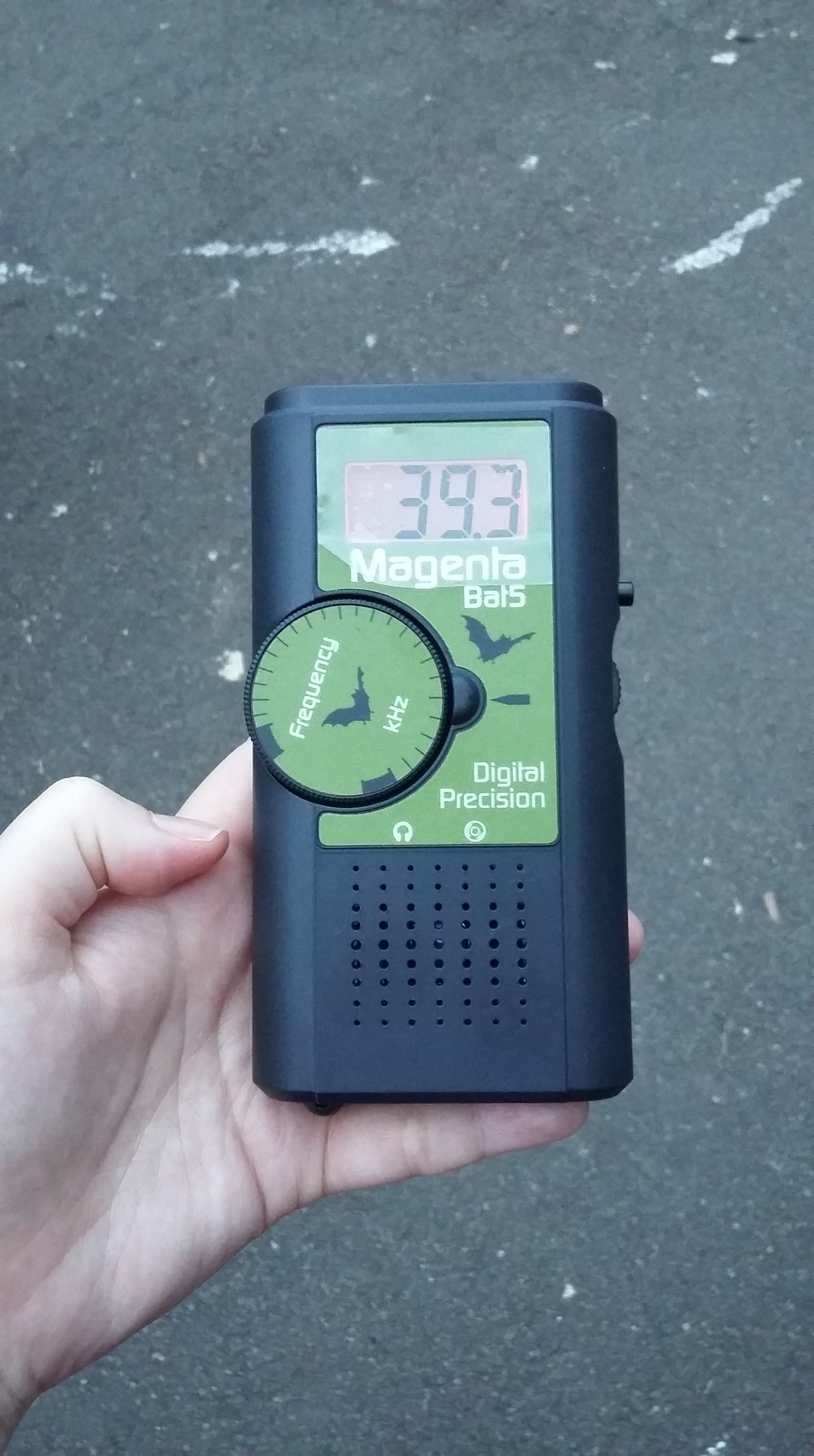
Bat detector
Bat detector

On meeting at the park, we were handed bat detectors, which were quite exciting, designed to pick up bat squeaks at high frequencies. Different species have different frequencies so you have to move the dial around to make sure you pick up anything that might be out there.

We headed down to the lake and at first there was no sign of any bat activity, even though we walked right round the lake and were there for ages. Eventually, however, as it grew dusk, some bats began to come out of hiding and we saw them swooping around, aided by the bat detectors which picked up their noise almost before we saw them.

Lake
Waiting for bats

I never thought that standing by the side of a lake in the dark on a Friday night would be such fun, but it really was. There is another walk taking place in September if you fancy giving it a go.

Warwick Castle

Warwick Castle
Warwick Castle

I’ve wanted to visit Warwick Castle for years – it’s one of the major historical sites in the UK and every time I go to Stratford on the train I go through Warwick and see the signs to the Castle. As a birthday treat to myself I decided to finally visit.

History

The beginnings of the Castle go back to 914 when Ethelfleda, daughter of Alfred the Great, ordered the building of a ‘burh’ or an earthen rampart to protect the small hill top settlement of Warwick from Danish invaders. In 1068, William the Conqueror founded a motte and bailey fort, consisting of a large earth mound with a timber stockade around both the top and base. This mound is still visible as part of the Castle today.

The earliest part of the Castle

Henry de Beaumont was appointed the 1st Earl of Warwick in 1088. Successive Earls followed until the title passed to Richard Neville, who married the prior Earl’s sister, in 1449. This is the part of Warwick Castle’s history I’m most familiar with, because of Neville’s role in the Wars of the Roses and his unofficial title of ‘Kingmaker’. Later, the Castle lapsed into disrepair until James I presented it to Sir Fulke Greville in 1604. In 1871, a fire damaged the Private Apartments and the Great Hall and over 100 years later the Castle was bought by the Tussaud’s Group, marking its beginnings as a tourist attraction.

My Visit

I booked online because it was a bit cheaper – also you get to skip the queue once you get there. The Castle is not far from the centre of town so it isn’t much of a walk.

Inside, there is lots to see and do. I decided to do all the rampart-climbing in the morning, before it got too hot and before I ran out of energy. There are great views over the Warwickshire countryside, and there are informative panels that explain the history of different parts of the Castle.

View from the ramparts

Underneath the main building there is a walk-through display which shows the Earl of Warwick preparing for battle. Some of the wax figures are a little creepy, but this area is also pretty informative about what is probably the most famous period of the Castle’s history. Across the grounds, there is a ‘time machine’ exhibition which uses video technology to take you through the many centuries of the Castle’s history, with Horrible Histories-style humour.

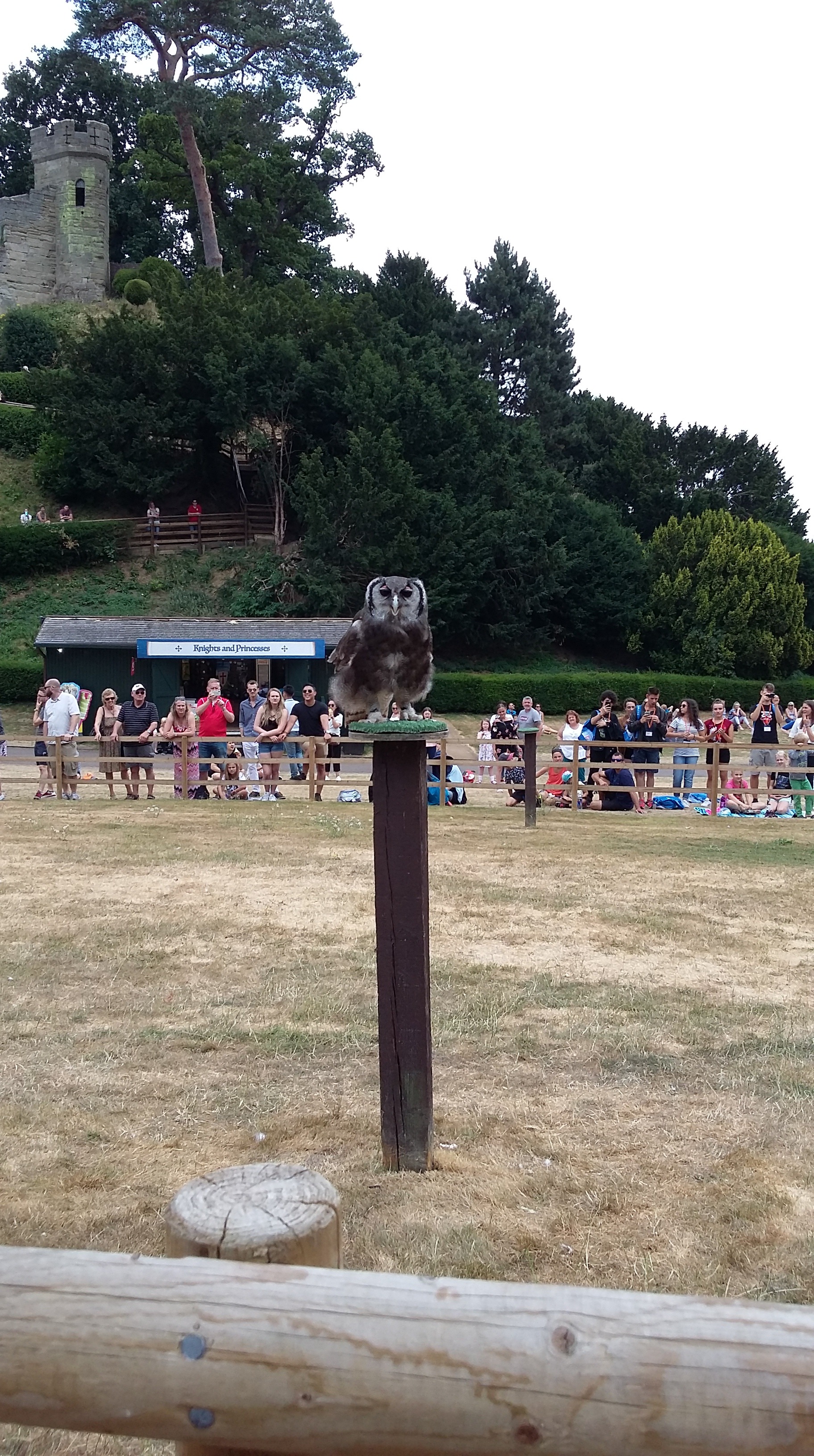
I climbed to the top of the hill, formerly the old motte and bailey castle, and then decided I wanted a rest. This proved opportune as I was just in time for a birds of prey flying display, which was amazing. I actually ended up seeing two of these, and they were fascinating, featuring kestrels, eagles, an Andean condor, and my favourite – Ernie the owl.

Ernie the Owl
Ernie the owl

I left the big part of the Castle until last. This part was rebuilt after a fire in the nineteenth century. It explored the history of the Castle as a retreat for the great and the good in later centuries, with waxworks of Victorian worthies demonstrating the weekend parties and lavish entertainments that went on here.

Newer part of the Castle

I didn’t visit the Dungeons, being somewhat squeamish – this part costs more to visit anyway. I didn’t visit the Princess Tour either, that being aimed at very young children.

Nevertheless, I found that there was plenty to do – I think all ages and temperaments would find something to entertain them here. I’d definitely recommend Warwick Castle for a day out.

FACTS

Address: Warwick, CV34 4QU

Website: warwick-castle.com

Opening Hours: 10am-4/5pm depending on season/event

Prices: £36 for an open-dated ticket for one adult that allows you to visit the Castle and Dungeon at any time within 12 months; discounts are available for booking a selected day in advance (as opposed to just turning up), omitting the Dungeon, and for children or concessions. Check the website for special offers. Short breaks are also available.

Birdworld

Birdworld

I was browsing the Tesco Clubcard website looking for somewhere to use up my remaining vouchers, when I came across Birdworld. It wasn’t far from me, and what’s more, it had penguins! So I decided to visit.

Walk from Bentley station
The start of the walk from Bentley station

The nearest station is Farnham in Surrey, reachable from London Waterloo. You can then get a bus which stops directly outside Birdworld. However, I followed the directions on the website which explain how to walk through countryside from Bentley station. This might have been a good idea if it hadn’t been 30°C; as it was, I arrived at the park already tired. There is also a stream right next to the car park that you need to leap over – I was convinced I was going to fall in! Next time I think I’ll stick to the bus.

Some sort of toucan
Some sort of toucan

There is a gift shop and cafe at the entrance, so once I’d bought my ticket I had an early lunch before doing anything else. I picked up a map of the park and checked out the event times before heading off to explore.

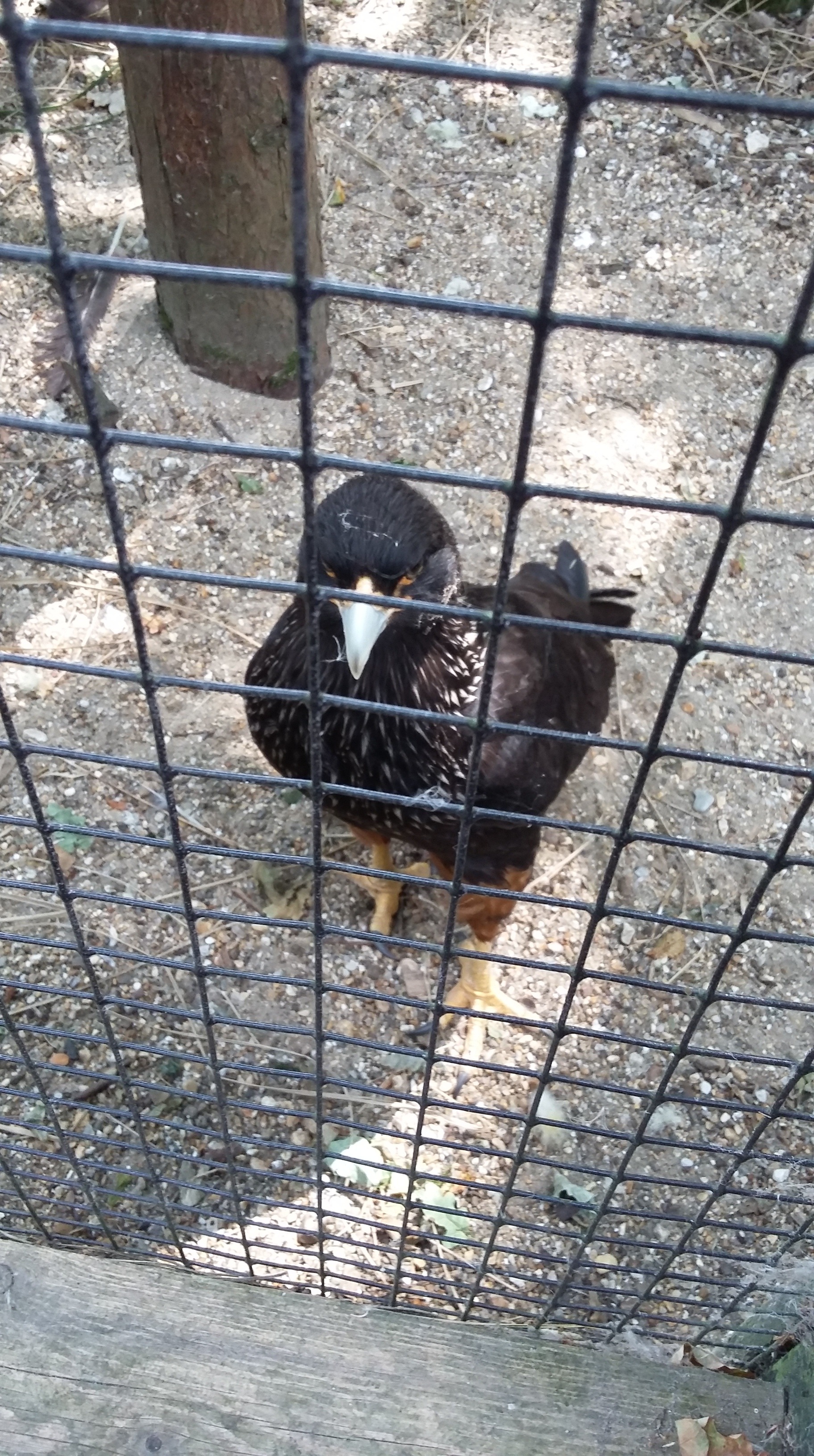
Bird
I forget what this bird was called, but it had a cool name

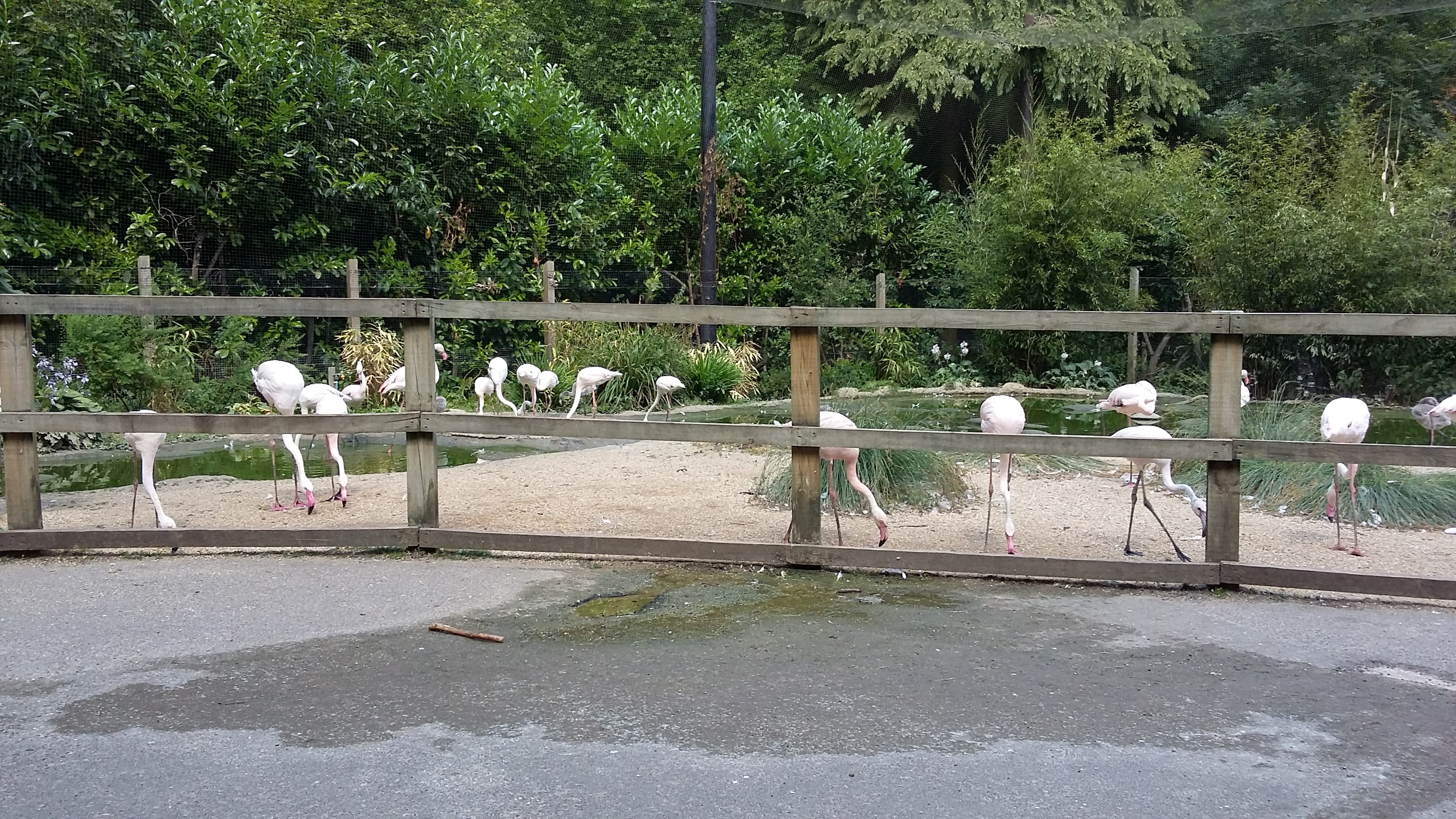
As the name might suggest, Birdworld is home to a weird and wonderful variety of birds, from penguins to parrots, flamingos to owls. It has over 150 species and is the largest bird park in the UK.

Flamingos
Flamingos

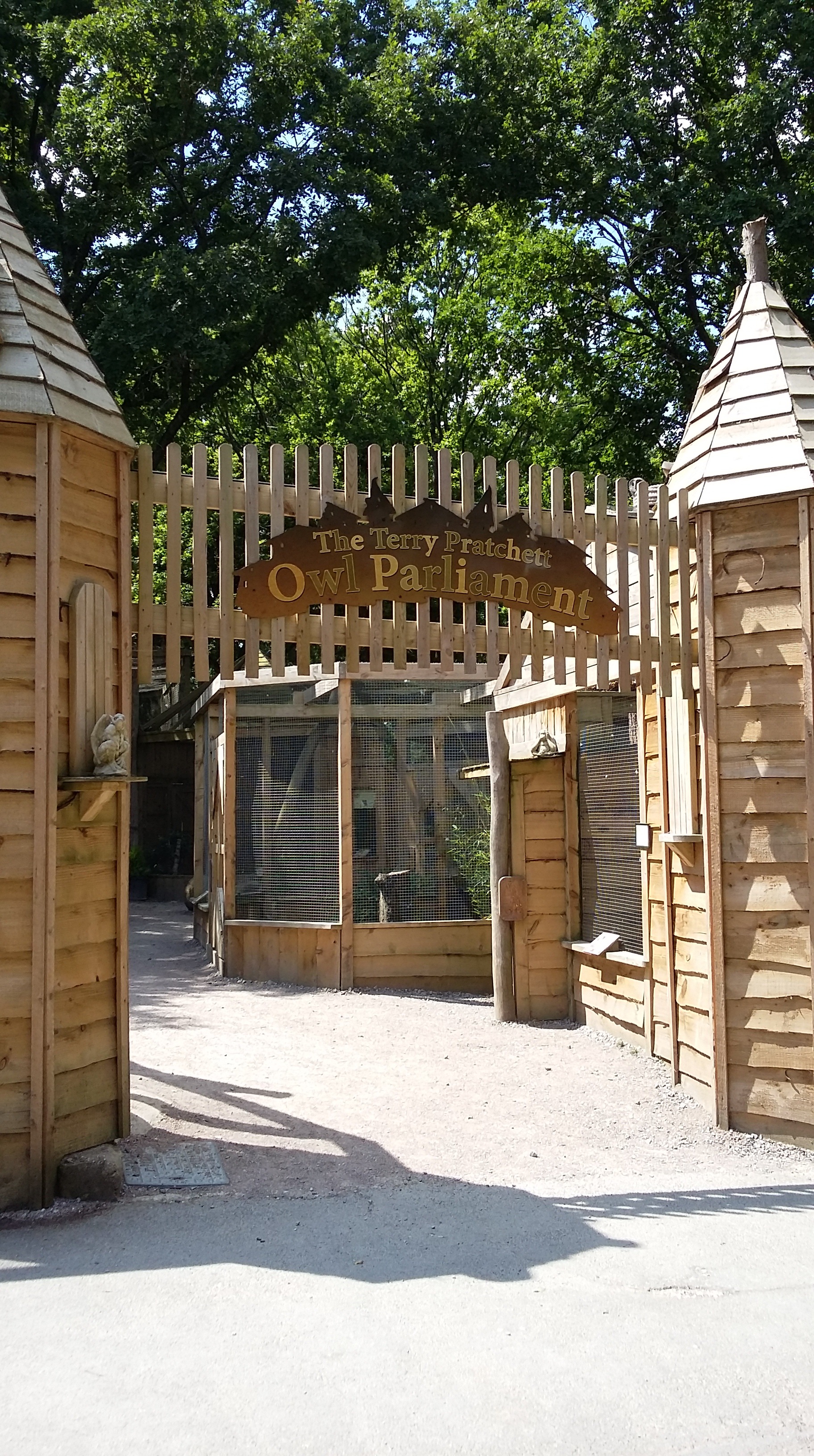
You can follow the recommended route, or just wander around like I did. I started with the birds near the entrance, including the owls (this area is named after Sir Terry Pratchett) and the parakeets, before moving on to the flamingos and other sea birds.

The Owl Parliament
The Owl Parliament

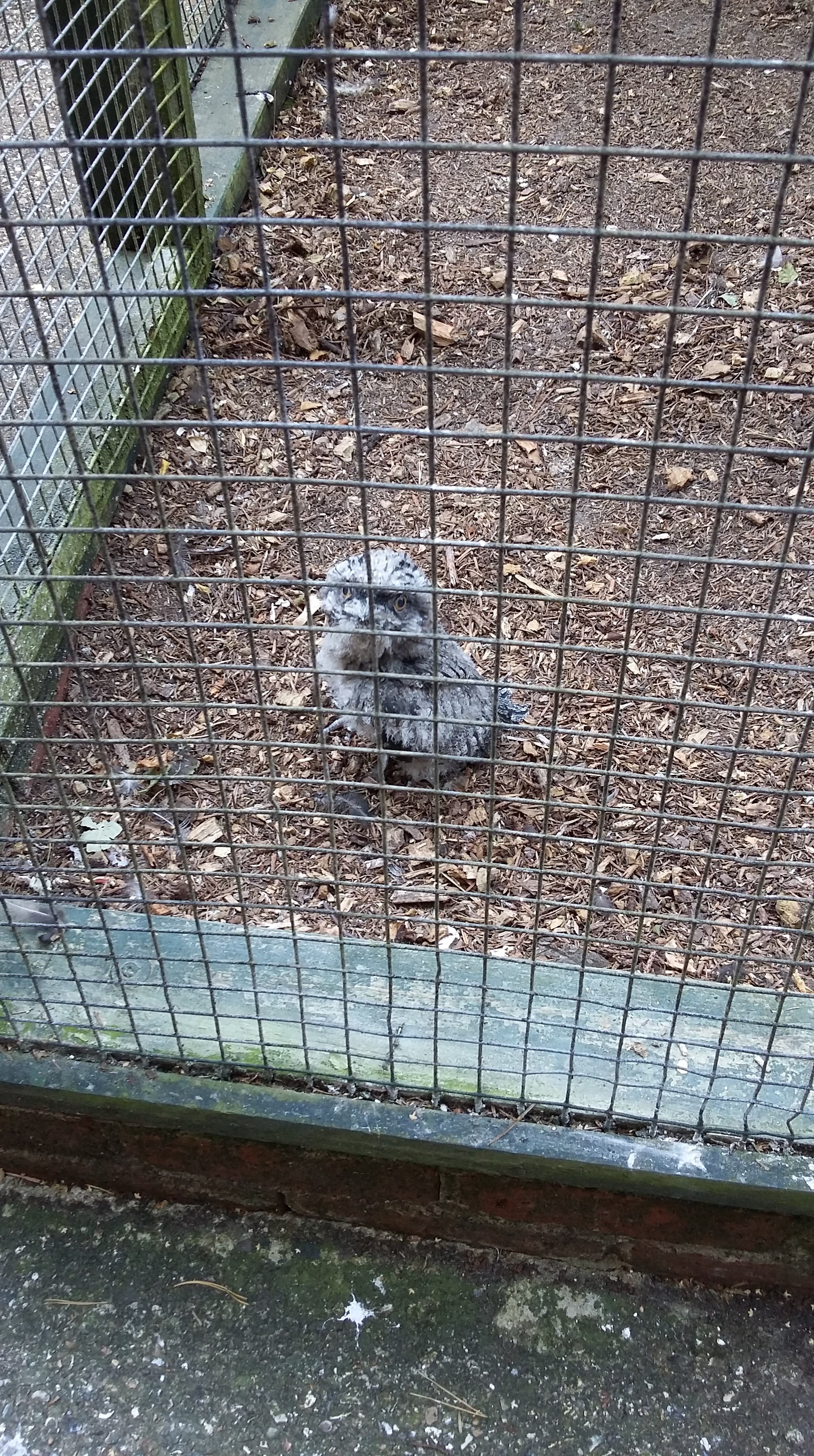
Along the way I passed kookaburras, peacocks and the gloriously named Tawny Frogmouths.

Baby Tawny Frogmouth

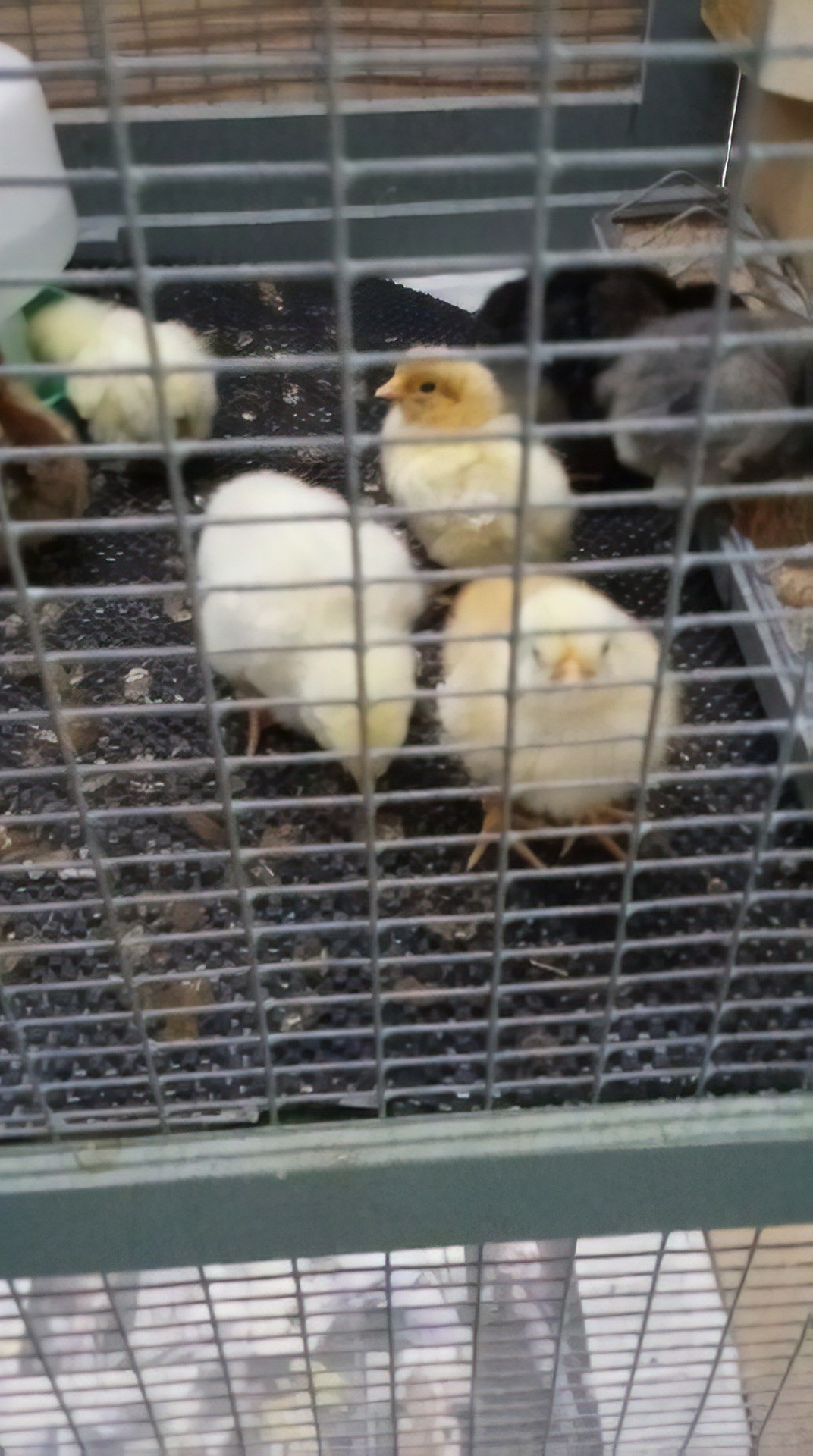
There is a farm right at the back, with rabbits, goats and chickens – there were even a few baby chicks. I missed out on seeing the live show in the theatre as I was a few minutes too late, but was able to watch from outside. I did get to the flight display area in time to see some of the birds of prey in action, which was very entertaining.

Baby chicks
Baby chicks

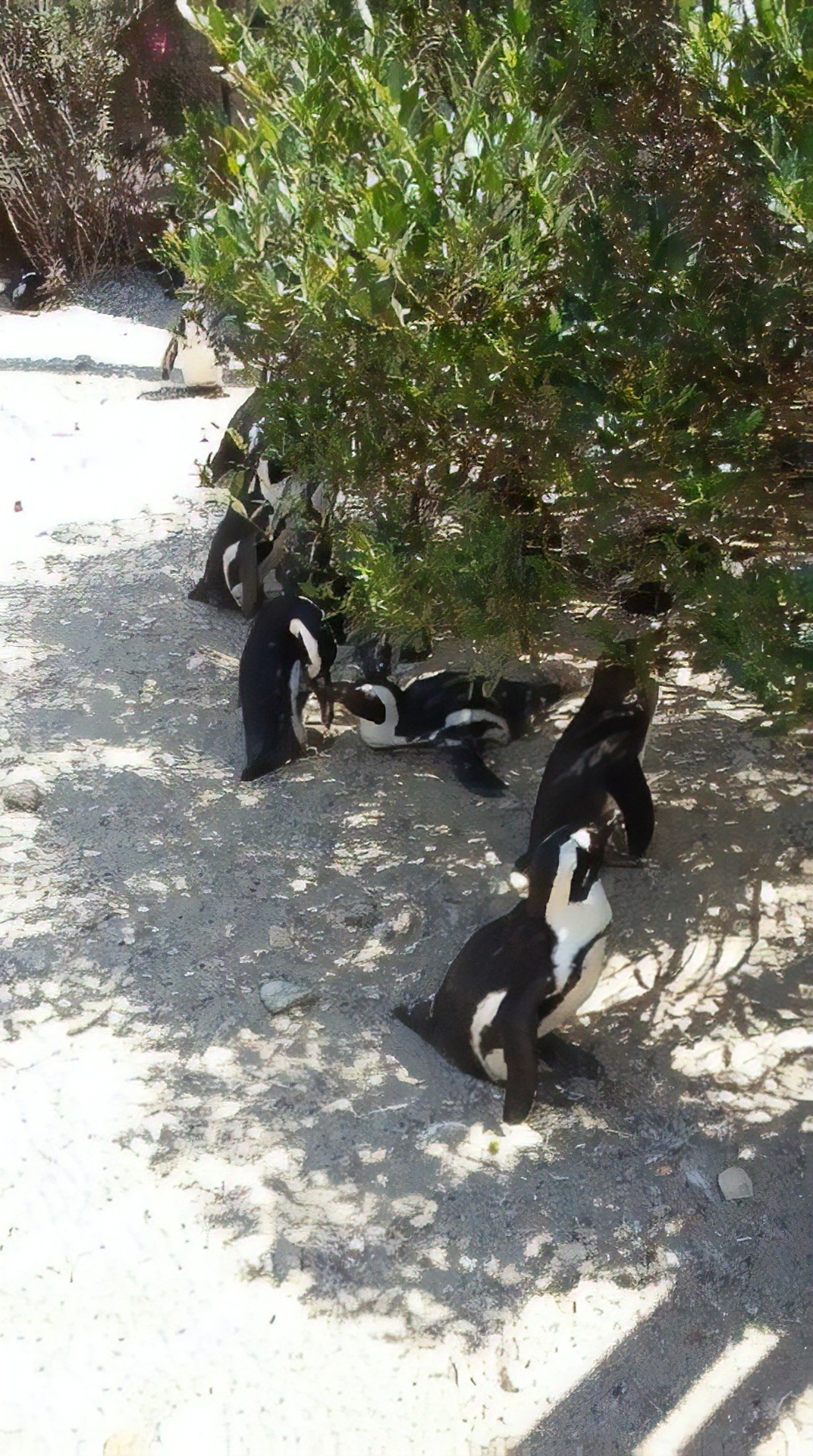
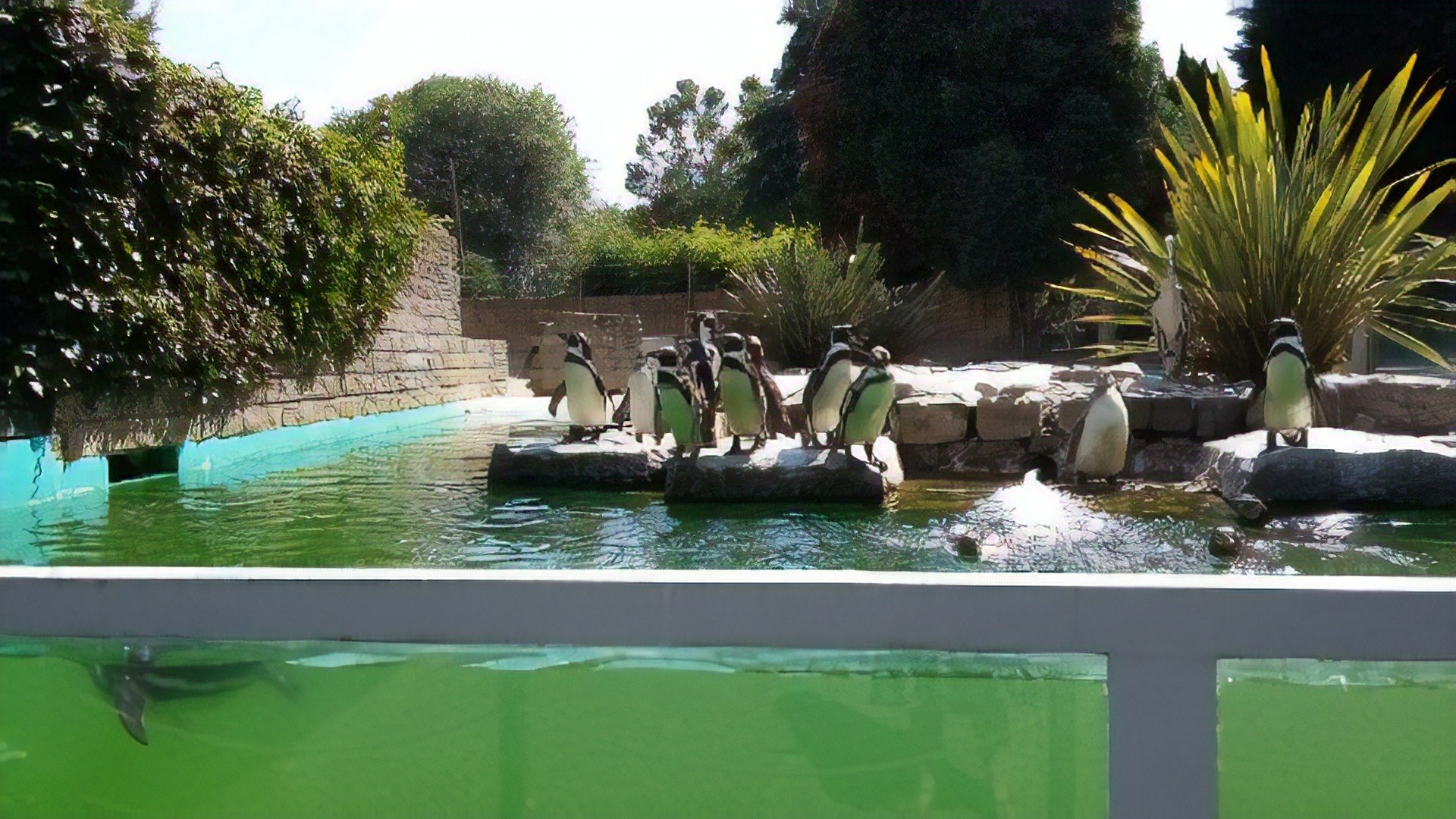
I left the penguins till last, as they are my favourites! There are two species of penguins living at Birdworld – African penguins, which live at Penguin Beach, and Humboldt penguins, which can be found at Penguin Island. I was in time to see the Humboldts being fed – they REALLY love their fish.

African penguins at Penguin Beach
Humboldt penguins at Penguin Island

Before I left, I visited Underwater World, the entrance to which is just across from Birdworld. Entrance is included in the price of your ticket. This place has several interesting varieties of fish, and even miniature crocodiles.

Kookaburras
Kookaburras

I really enjoyed my visit to Birdworld, and if I lived closer I’d seriously consider buying an Annual Pass so that I could visit the penguins regularly. In any case, I certainly plan to visit again at some point.

Friendly cockatoo
Friendly cockatoo

FACTS

Address: Holt Pound, Farnham, Surrey, GU10 4LD

Website: birdworld.co.uk

Opening Hours: 10am-6pm

Prices: Adult £15.95, concession £13.95. Cheaper prices apply for children and under 3s are free. Prices are also cheaper off-season when the park is not fully open – check the website for details.

Jensen’s Gin Experience

Bemondsey Distillery

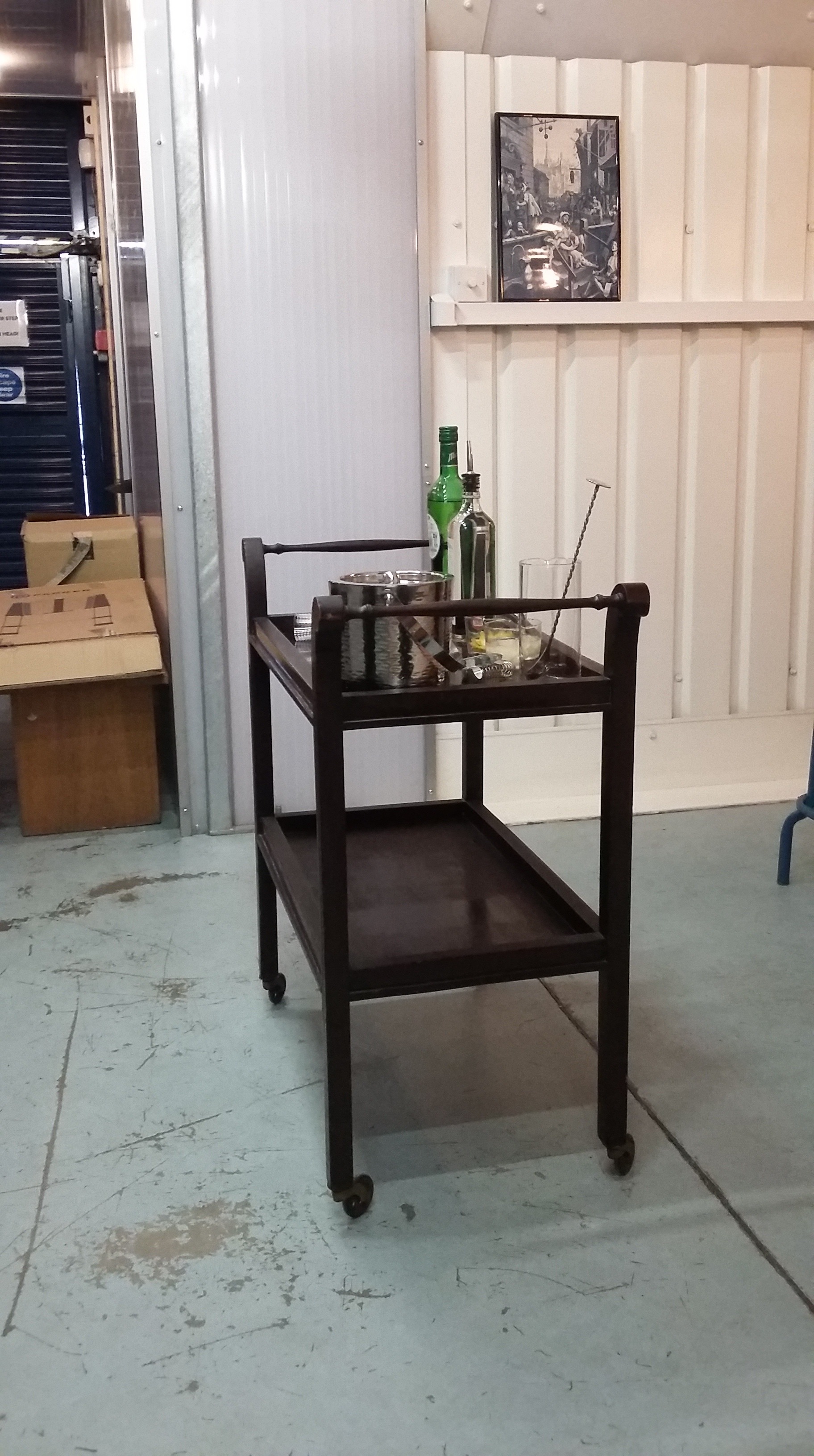
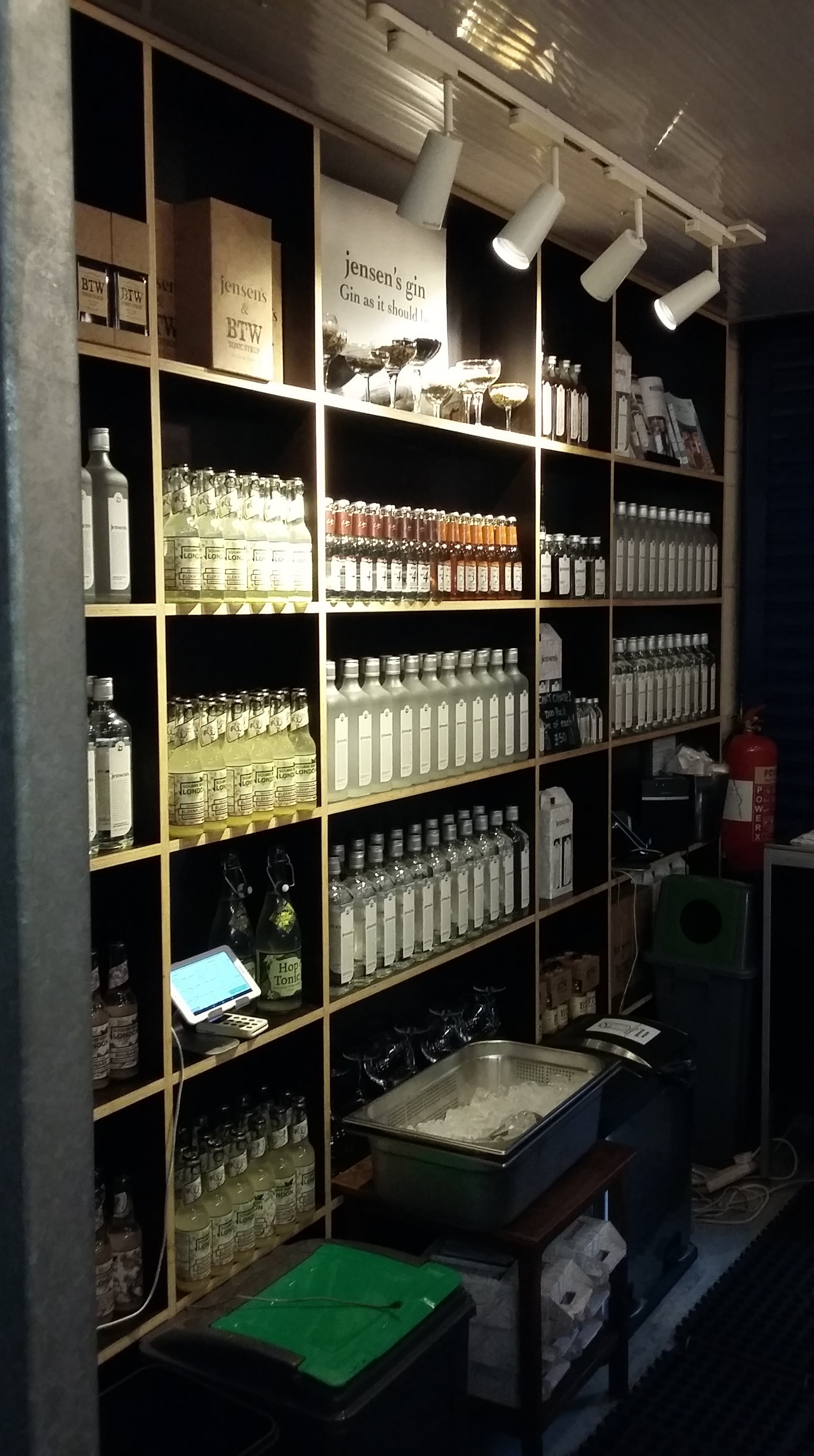
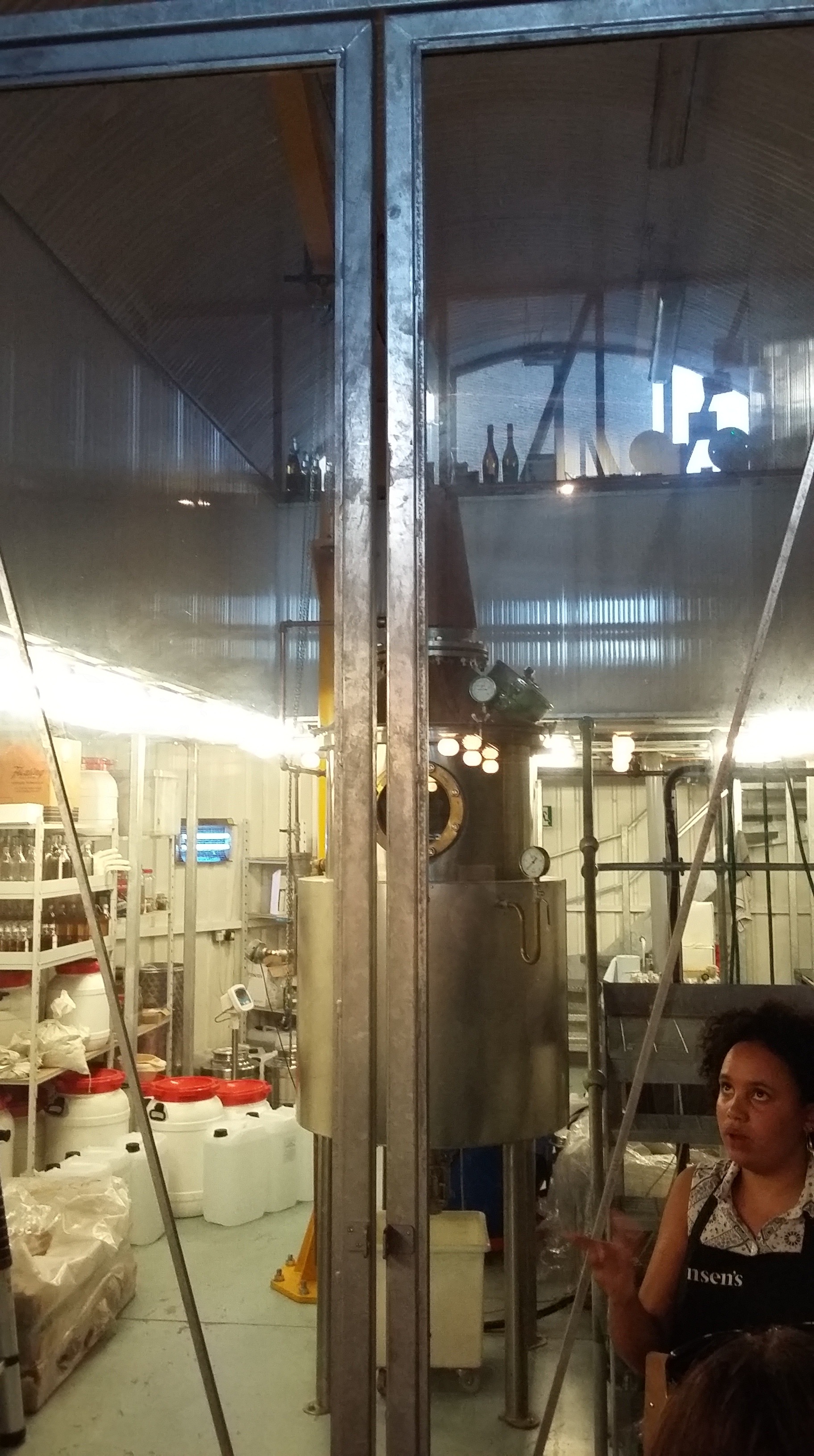
I love gin, so was very excited about picking up a Time Out voucher for a gin tasting session at the Bermondsey Gin Distillery, home of Jensen’s Gin. I went with a friend, and we headed down early, which is just as well because it took us a while to find it. The space is built into one of the railway arches not far from Bermondsey station, and there is a door built in to a corrugated shutter.

Bemondsey Distillery

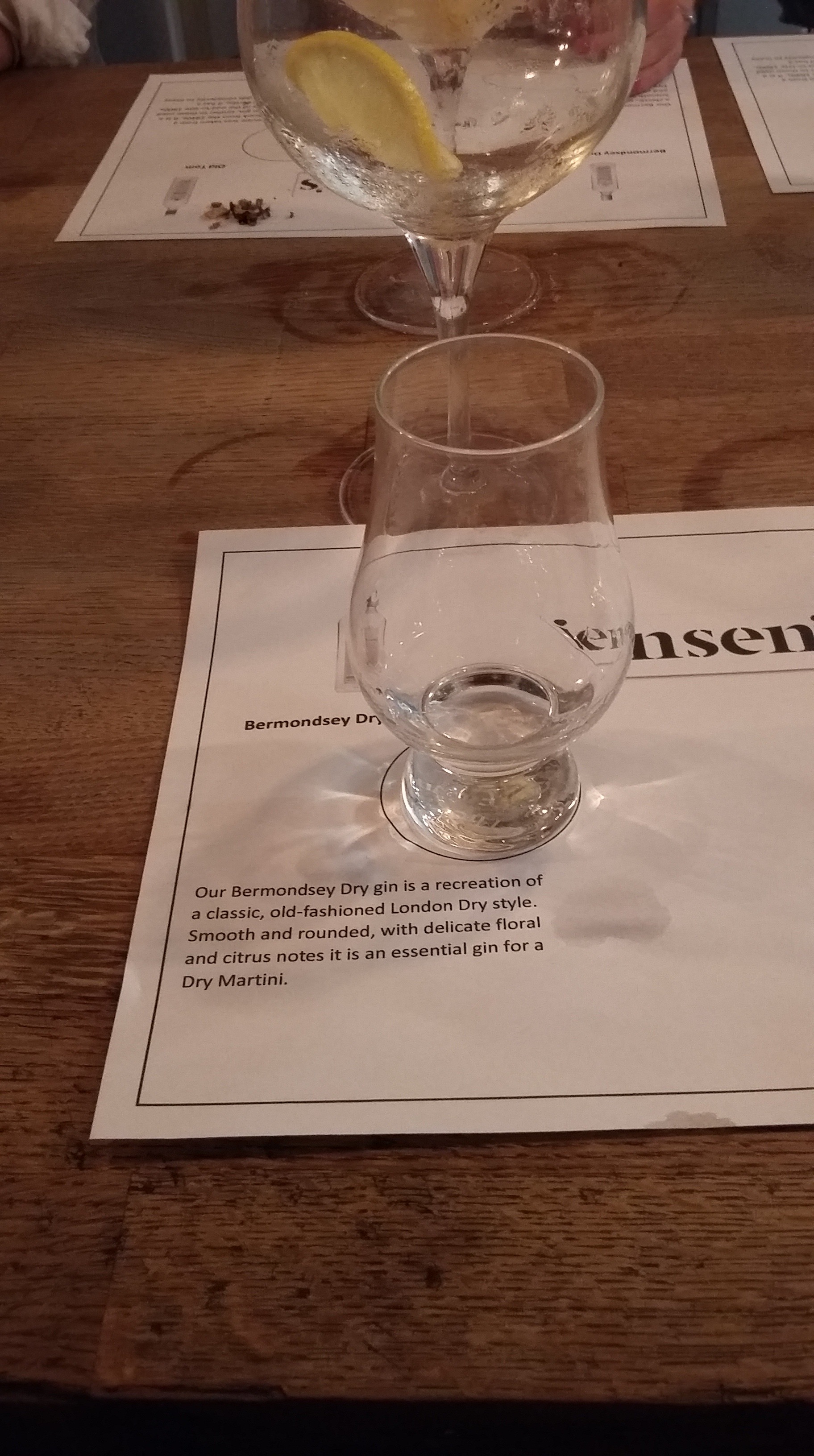
One free drink was included, and we sipped this as we were introduced to the history of gin and to Jensen’s Gin in particular. I’m fairly familiar with the history of the drink (and felt quite smug that I was able to identify Hogarth’s picture Gin Lane) but not of this particular brand. It was founded by Christian Jensen, City worker and gin enthusiast who, in a bid to recreate the gins he loved in his youth, at first commissioned another distillery to make it and then set up his own in order to make and sell it commercially. The small company now makes two gins, the original Bermondsey Dry Gin and an ‘Old Tom’ variety that is deeper and more flavoursome. We got to sample both of these as well as the individual ingredients that make up gin, including juniper berries which give gin its distinctive taste.

Bemondsey Distillery

I had a really good time at the gin tasting: I learned things about gin I didn’t know, and got to sample some delicious gins. I would definitely recommend Jensen’s Gin, and am planning to head down to the distillery shop to buy a bottle of my own. On Sundays you can also pop down to Maltby Street Market and sample a G&T for just £5, which is pretty good for London.

Bemondsey Distillery

Jewellery brand of the month: Curious Carousel

This month’s jewellery brand is the lovely

CURIOUS CAROUSEL

This brand is the creation of Lisa Bell Reid, who is originally from Edinburgh and was inspired to create her beautiful carousel brooches by the Christmas carousels on Princes Street. Now based in Australia, she designs beautiful brooches and earrings suitable for both the collector and the wearer. I’m yet to buy any of her designs, but I’m sure it’s only a matter of time.

Cassie is the original carousel horse brooch, available in a few different colours. I’ve chosen this one to show here because I love the hearts in her mane and tail.

Cassie the Carousel Horse

Arabella is a beautiful unicorn, also available in several different colourways. I love the fairydust acrylic used for her mane.

Arabella the carousel unicorn

Arabella is also available as a bust-style brooch as an alternative to the carousel style.

Arabella bust brooch

This gorgeous robin brooch, named Noelle, was released at Christmas 2017.

Noelle robin brooch

There are also seasonal carousel-style designs: Amelia is a bunny rabbit, released specially for Easter.

Amelia the rabbit carousel brooch

I’m also fond of the fabulously flamboyant Florence, a flamingo brooch.

Florence the flamingo carousel brooch

In addition to these amazing brooches, Lisa has created some amazing earrings: my favourites are these gorgeous Alice in Wonderland dangles.

Alice in Wonderland dangles

Check out Curious Carousel via the following links:

Website: curiouscarousel.bigcartel.com

Etsy: etsy.com/uk/shop/curiouscarouseldes

Instagram: instagram.com/curiouscarousel

Curious Carousel products are also available from various online stockists including Lottie & Lu (UK) and Broochaholic (AUS).