I normally do my Open House London visits at the weekend, but if a venue is open late during the week I might try and visit it after work, and that’s what I did with Fitzrovia Chapel.
The chapel is located in the pedestrianised Pearson Square, which is off Mortimer Street on the site of the old Middlesex Hospital. I walked there from my office in Bloomsbury; the nearest Tube stations are Goodge Street, Warren Street and Oxford Circus.
The chapel was originally built for staff and patients of the Middlesex Hospital (demolished in 2006). It was designed by John Loughborough Pearson (1817-1897), a leading Victorian architect, and was funded by donations and fundraising. Work began in 1891, but the chapel was not fully completed for almost forty years, as it was ensured that no money should be spent on the chapel that had been raised for patient care. After the death of the elder Pearson, his son, Frank Loughborough Pearson, completed the work.
The first ever service was held in the completed structure on Christmas Day in 1891, and it was formally opened in 1892 by the Bishop of London. The chapel was never fully consecrated, as it has hosted services by chaplains and other faith leaders. It is now Grade II* listed and holds regular open days for the public, as well as concerts, exhibitions and other cultural events.
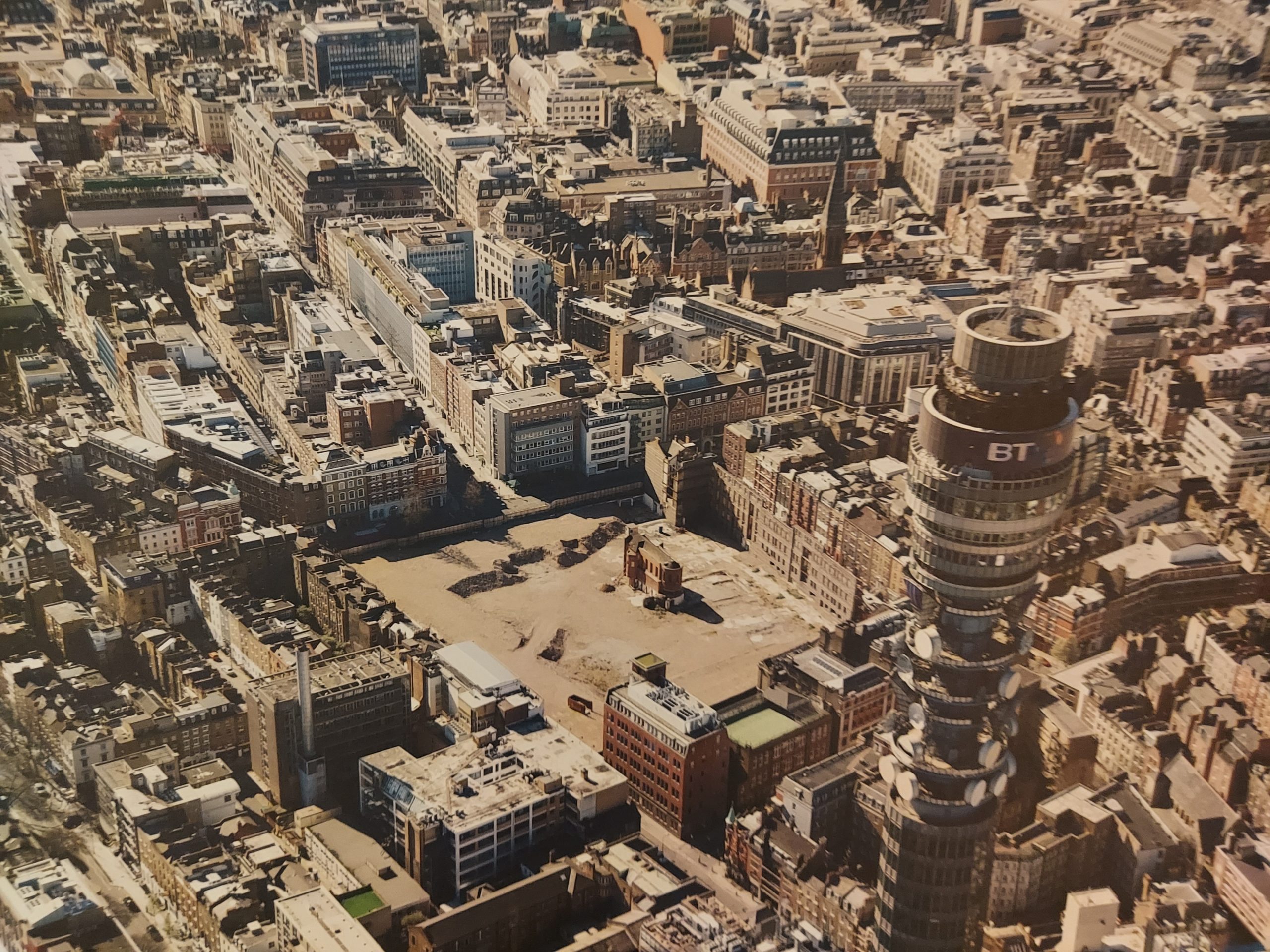
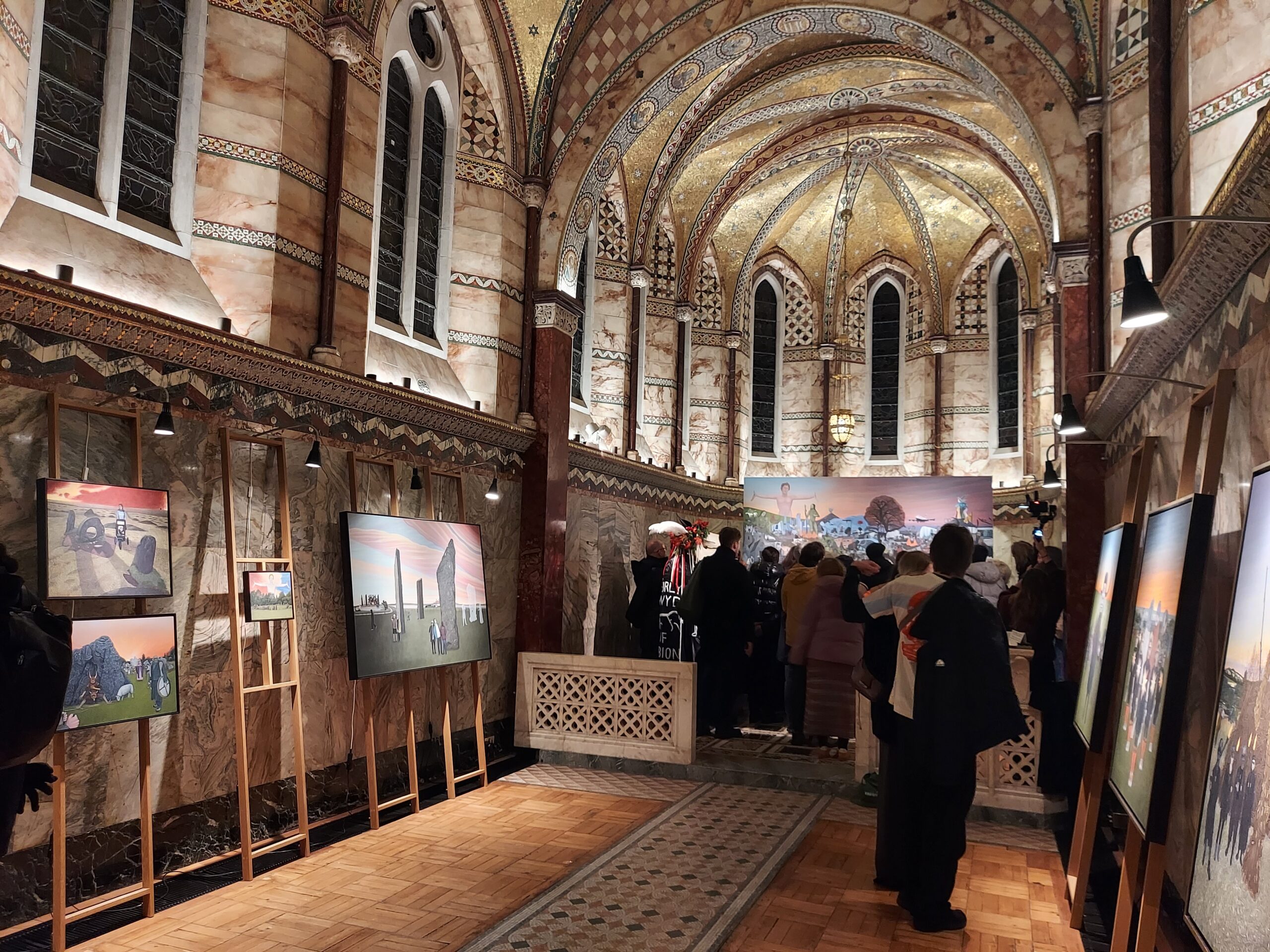
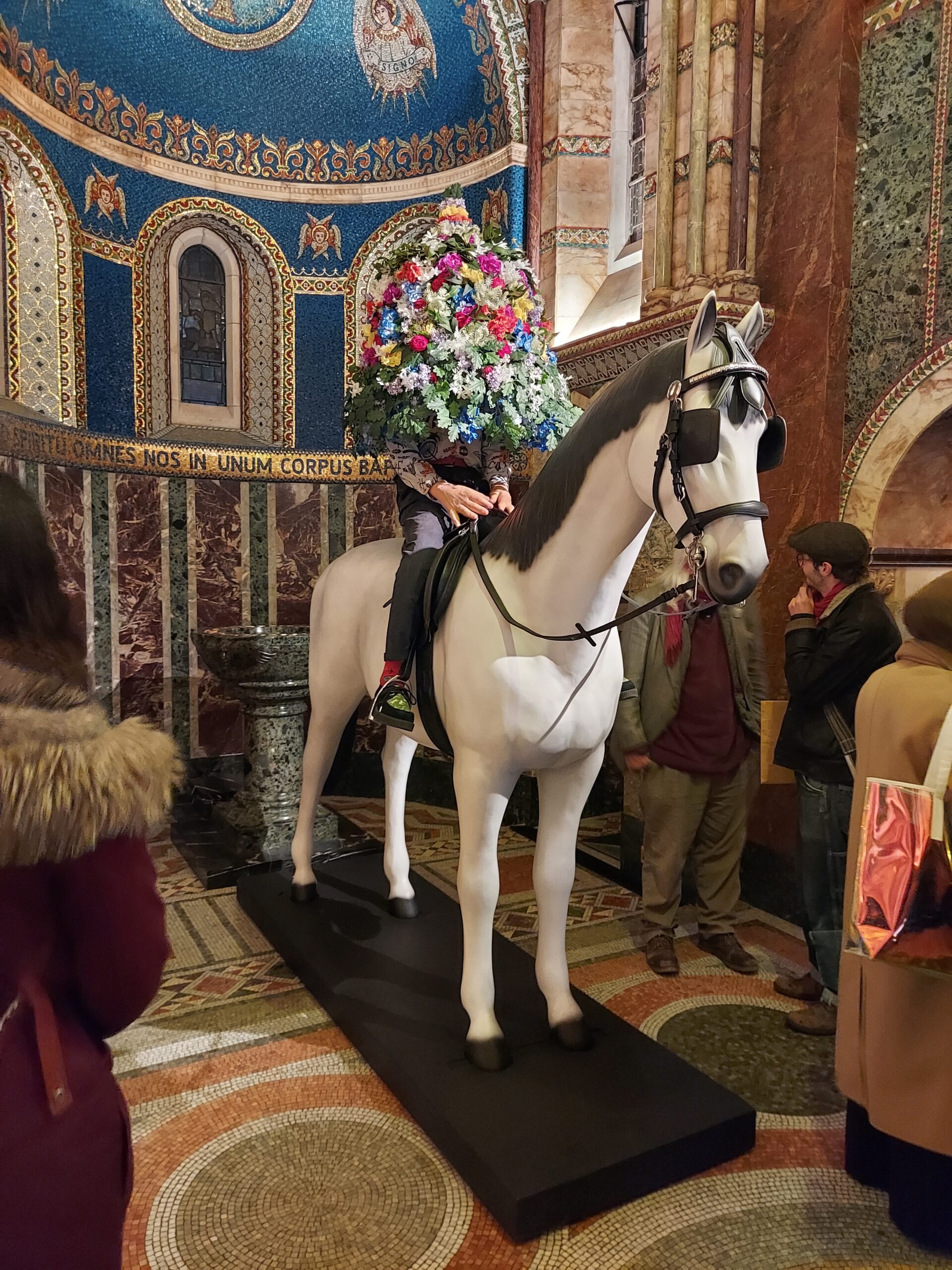
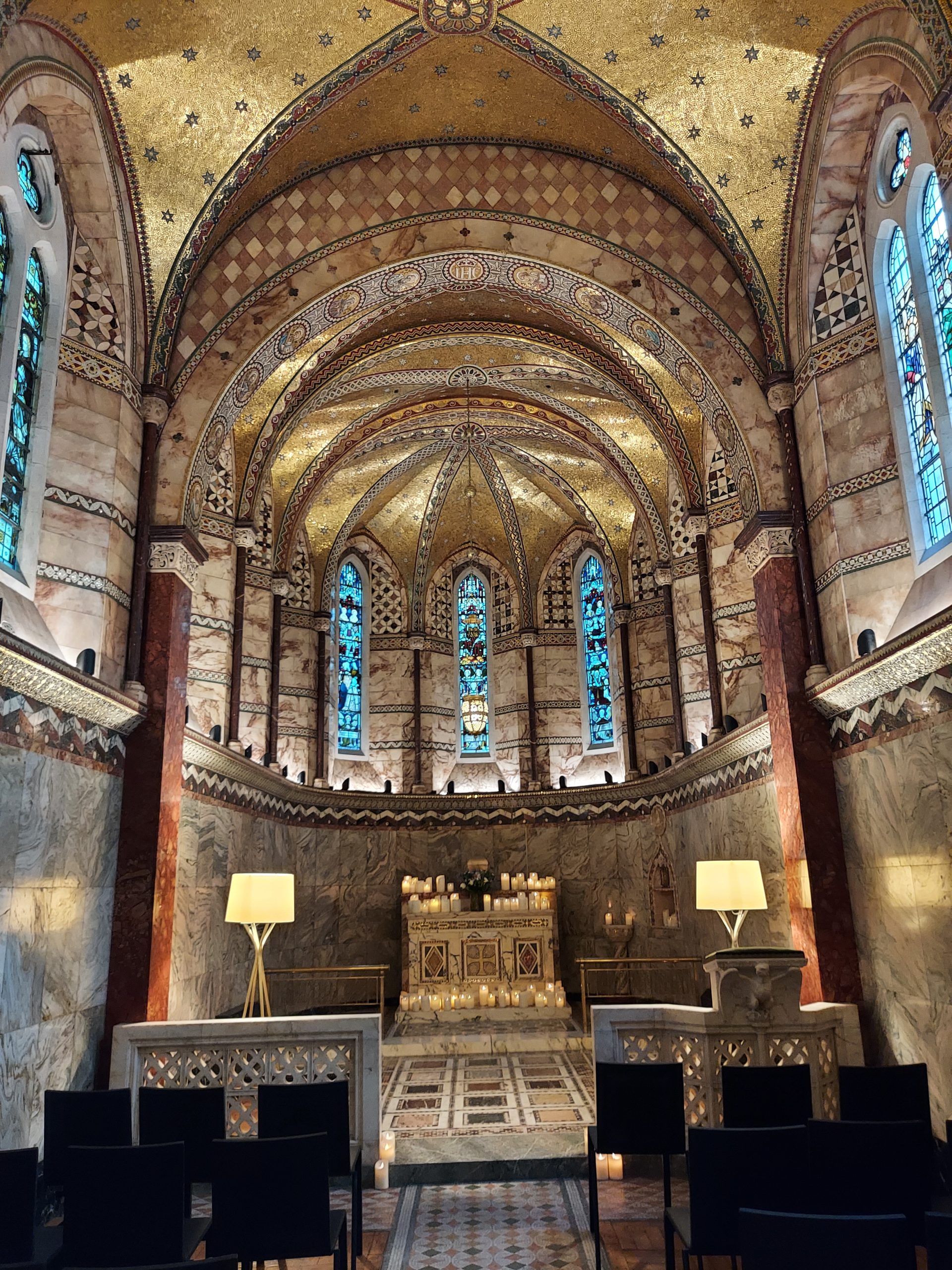
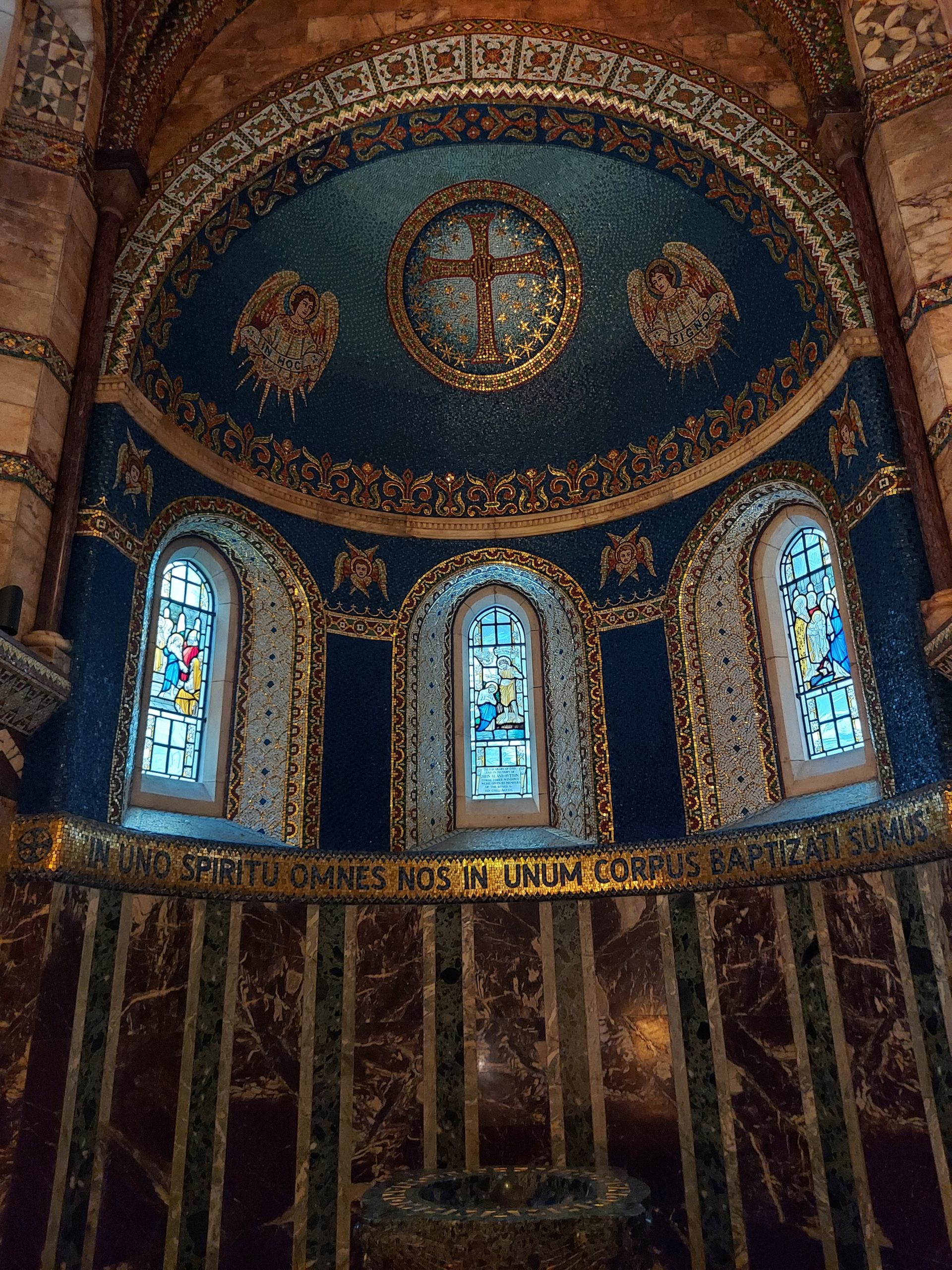
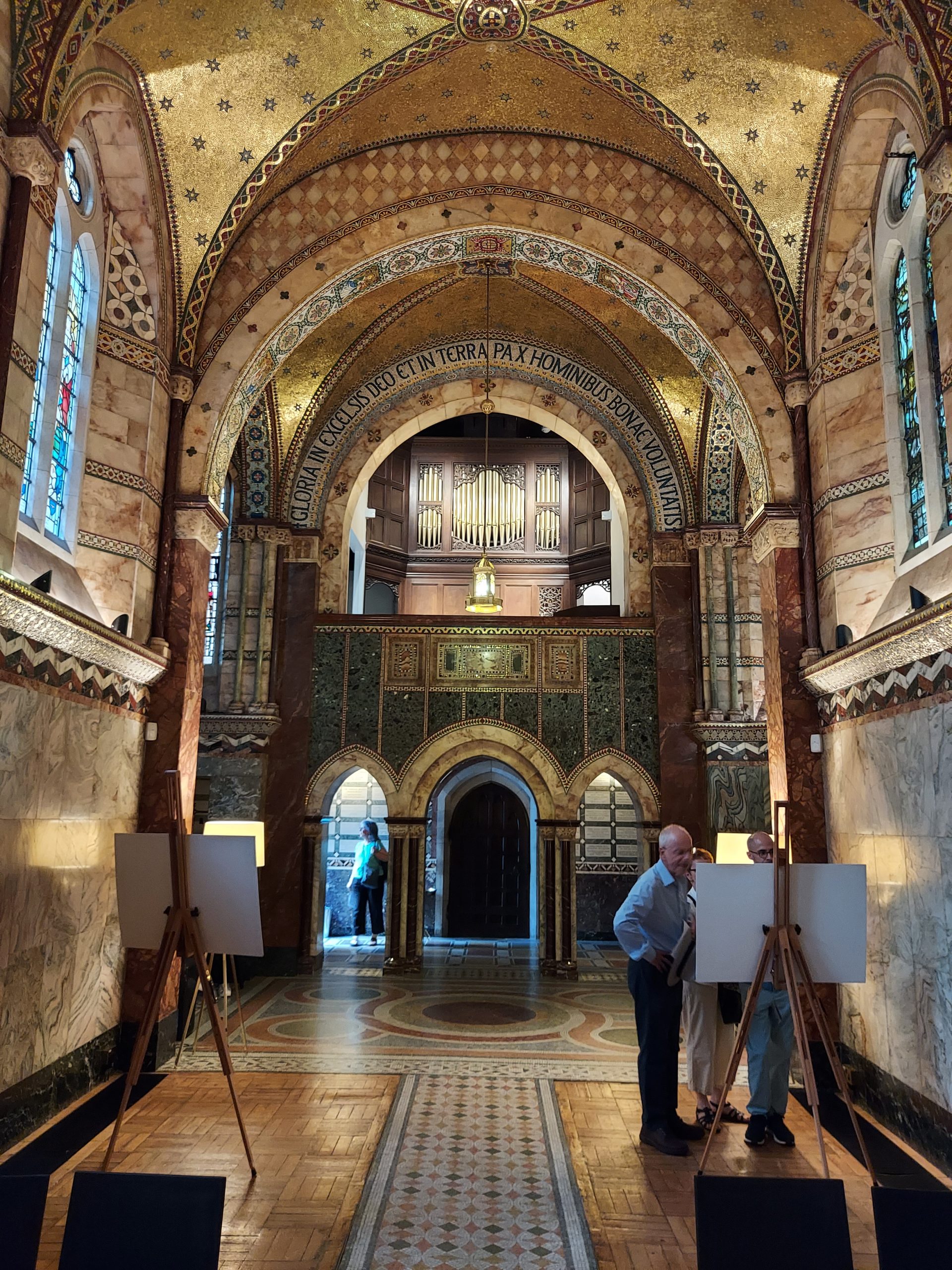
I found the chapel beautiful – I am so glad it was not demolished along with the rest of the hospital. Some photographs are on display showing the chapel in the middle of an empty building site, before work on the surrounding area was completed. It is a peaceful oasis in the middle of London, and beautifully decorated. The chancel over the altar is covered in golden mosaics and stars, while golden mosaics cover the entire ceiling. The ante-chapel contains tablets of white marble featuring inscriptions to hospital figures from all professions. The ceiling vaults contain roundels depicting the apostles.