Orleans House Gallery

Orleans House Gallery

I’ve been meaning to visit Orleans House Gallery for some time, and the annual Heritage Open Days event provided the perfect opportunity. The Gallery is situated beside the river at Twickenham, south-west London, in beautiful grounds.

Orleans House Gallery

The Gallery is home to temporary exhibitions in both the main building and the stables. The current exhibition in the main gallery is Collection Curiosities, featuring intriguing pieces from the Richmond Borough Art Collection, and it contains many fascinating works including a picture of the ‘Hammersmith Ghost’ and a necklace of human bones. In the Stables Gallery, the current exhibition explores the work of local artist Roger Hutchins, whose varied output is well worth a look and features many local landmarks.

Stables Gallery
Stables Gallery

Upstairs, a study room hosts small permanent exhibitions on the French connection to Orleans House, the explorer Richard Burton (who grew up in the vicinity), and the local area. There are also several paintings on the wall with a local connection or theme, and visitors are invited to comment on them by writing on a luggage tag and sticking it alongside the picture. I really liked this interactive aspect and some of the comments were really amusing.

Study room
Study room

Because of the Heritage Open Day I was able to take part in a tour of the Gallery, learning about its history along the way. James Johnston, joint Secretary of State for Scotland, commissioned architect John James to build a house in 1710. Ten years later, the Baroque Octagon Room was constructed, designed by the Scottish architect James Gibbs. Both George I and George II visited, and Queen Caroline (wife of George II) and her children dined here in 1729. A dinner menu from this time is still in existence. Louis Philippe, Duc d’Orleans, lived here in exile from 1815-1817, and gave the house the name by which it is now known. He became King of France in 1830, revisiting in 1844 accompanied by Queen Victoria. Louis’s son, Henri, Duc d’Aumale, lived here for nearly two decades from 1852, building a gallery and library next to the house.

Octagon Room
Octagon Room
Octagon Room
Octagon Room

The Octagon Room has recently been restored, and along with part of the adjoining building is the only remaining part of the original structure, which was demolished in the early twentieth century. The rest of the site was saved by wealthy local Nellie Ionides, who sounds quite a character – she liked poodles and champagne, and combined her two interests by naming her pet poodles after brands of champagne. In the garden, it is possible to see markers showing where rooms of the house would originally have been located, and there is a model of the site inside.

Nellie Ionides and her poodle, Cliquot
Post marking the site of the library

Nowadays, Orleans House is a successful small gallery running numerous exhibitions and events, and is well worth a visit.

FACTS

Address: Riverside, Twickenham, TW1 3DJ

Website: orleanshousegallery.org

Opening Hours: Tues-Sun 10am-5pm

Prices: Free

Places of Worship (Heritage Open Days)

Somehow I ended up visiting several places of worship during Heritage Open Days. It made me realise what a variety of history and culture is contained in them.

German Lutheran Church

I started with a visit to St George’s German Lutheran Church in east London on the first Saturday. This church was built in 1762 for the influx of German immigrants during that time. It’s a beautiful, austere church, and there were information boards explaining the history.

St Margaret's of Lothbury
St Margaret’s of Lothbury
St Margaret Lothbury

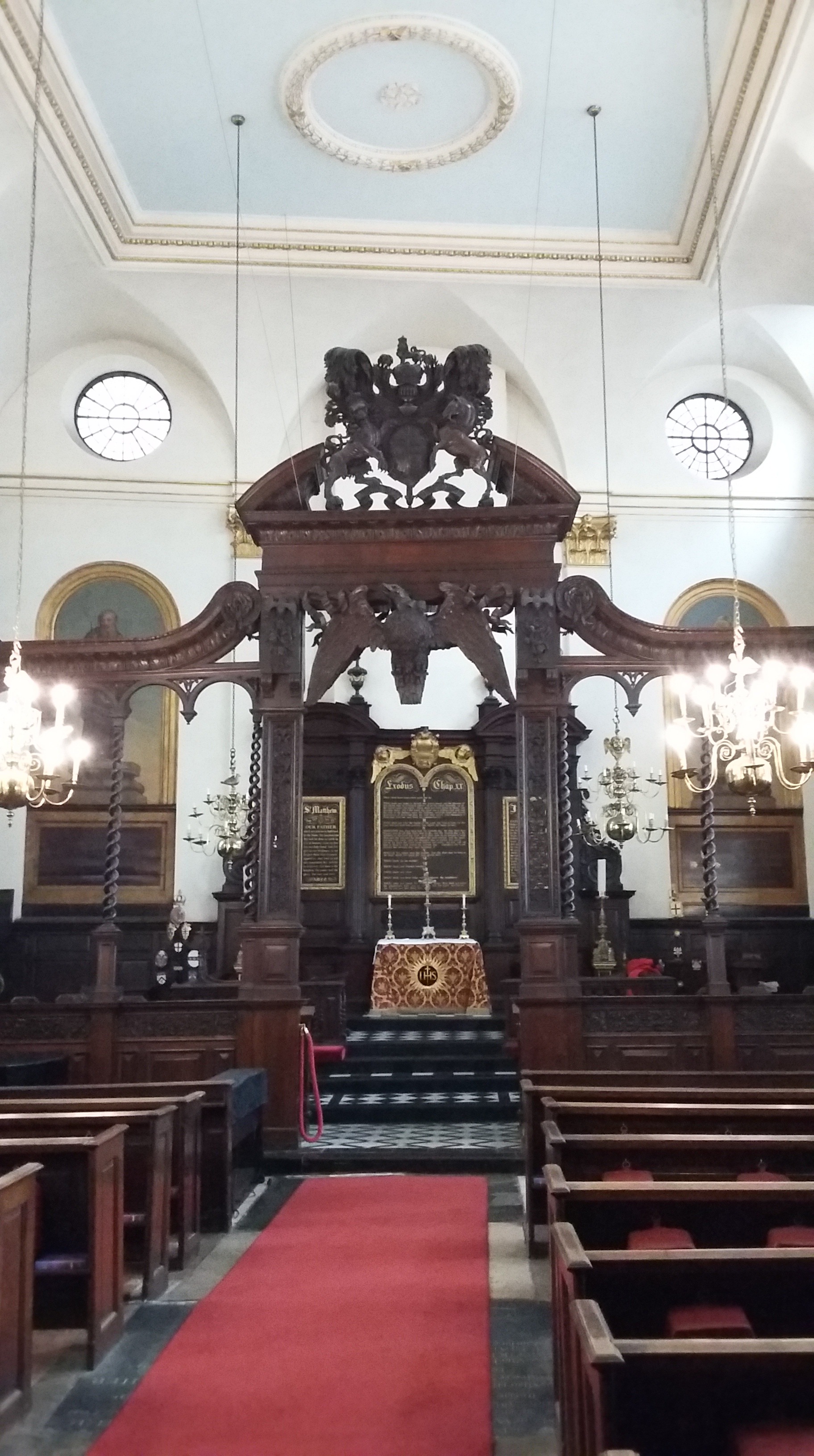
The following week I visited St Margaret Lothbury, which is found in the City. This church was built by Christopher Wren and boasts one of only two screens in the City of London made by English woodworkers.

St Alfege's Church, Greenwich
St Alfege, Greenwich

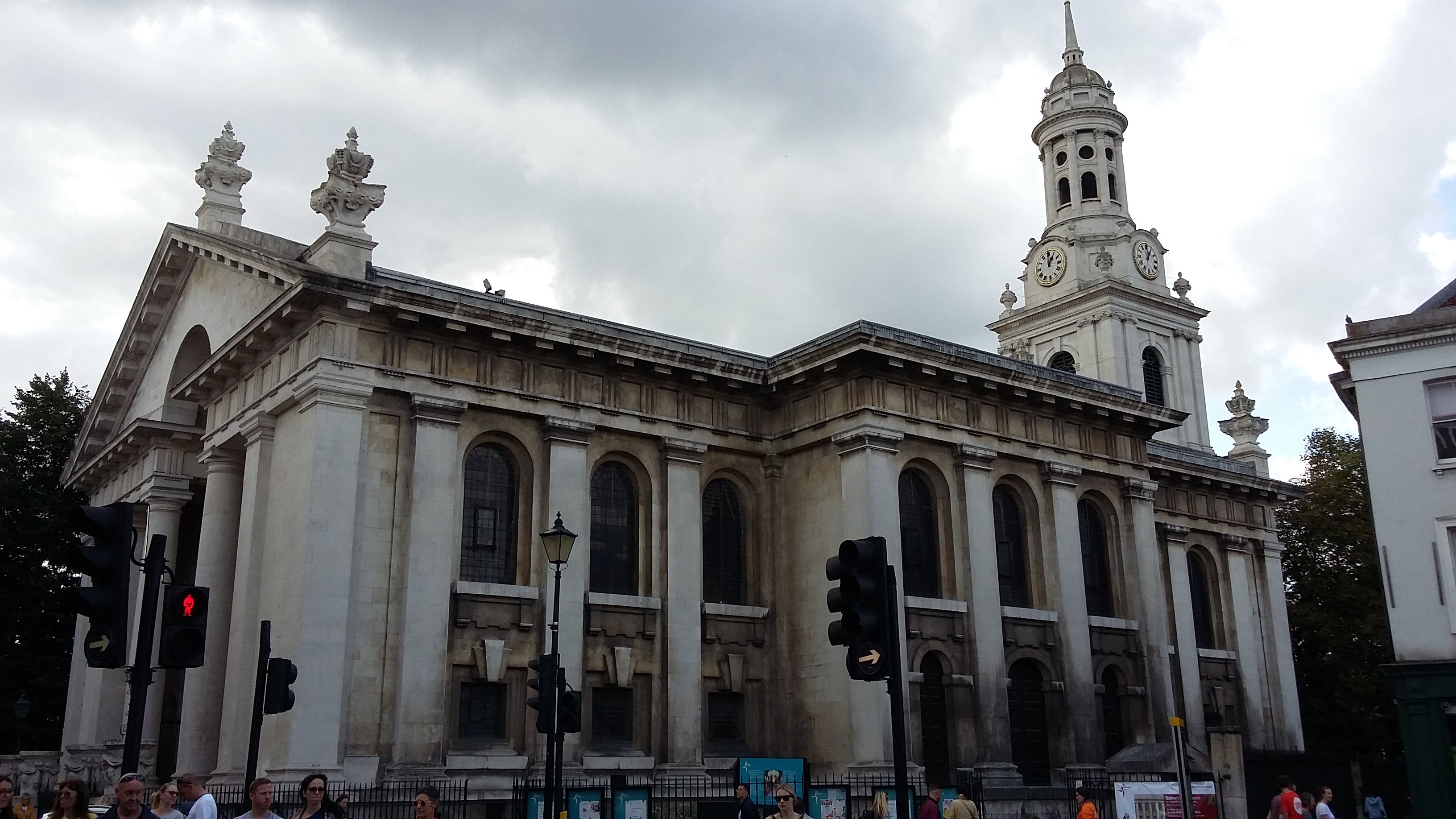
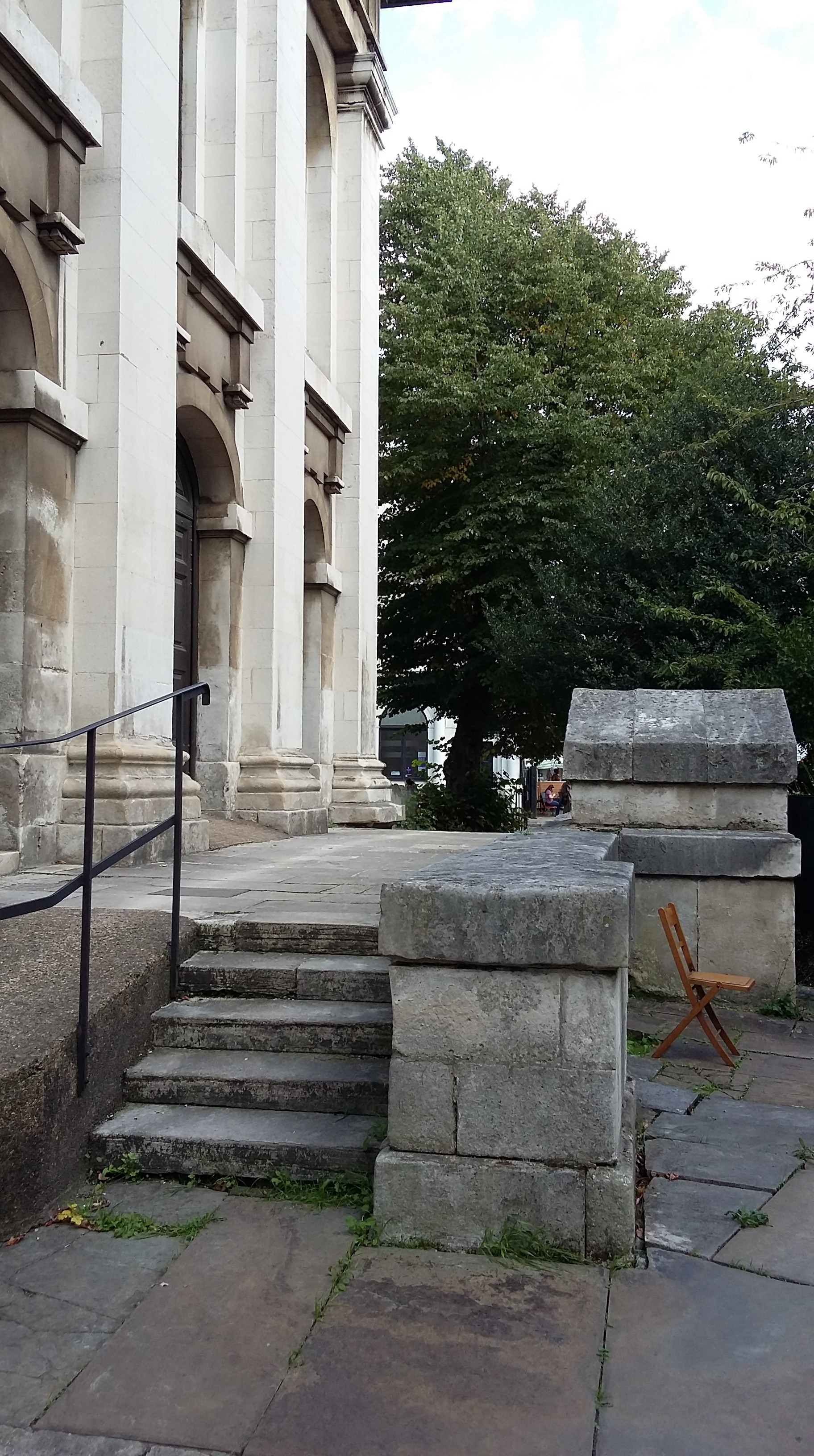
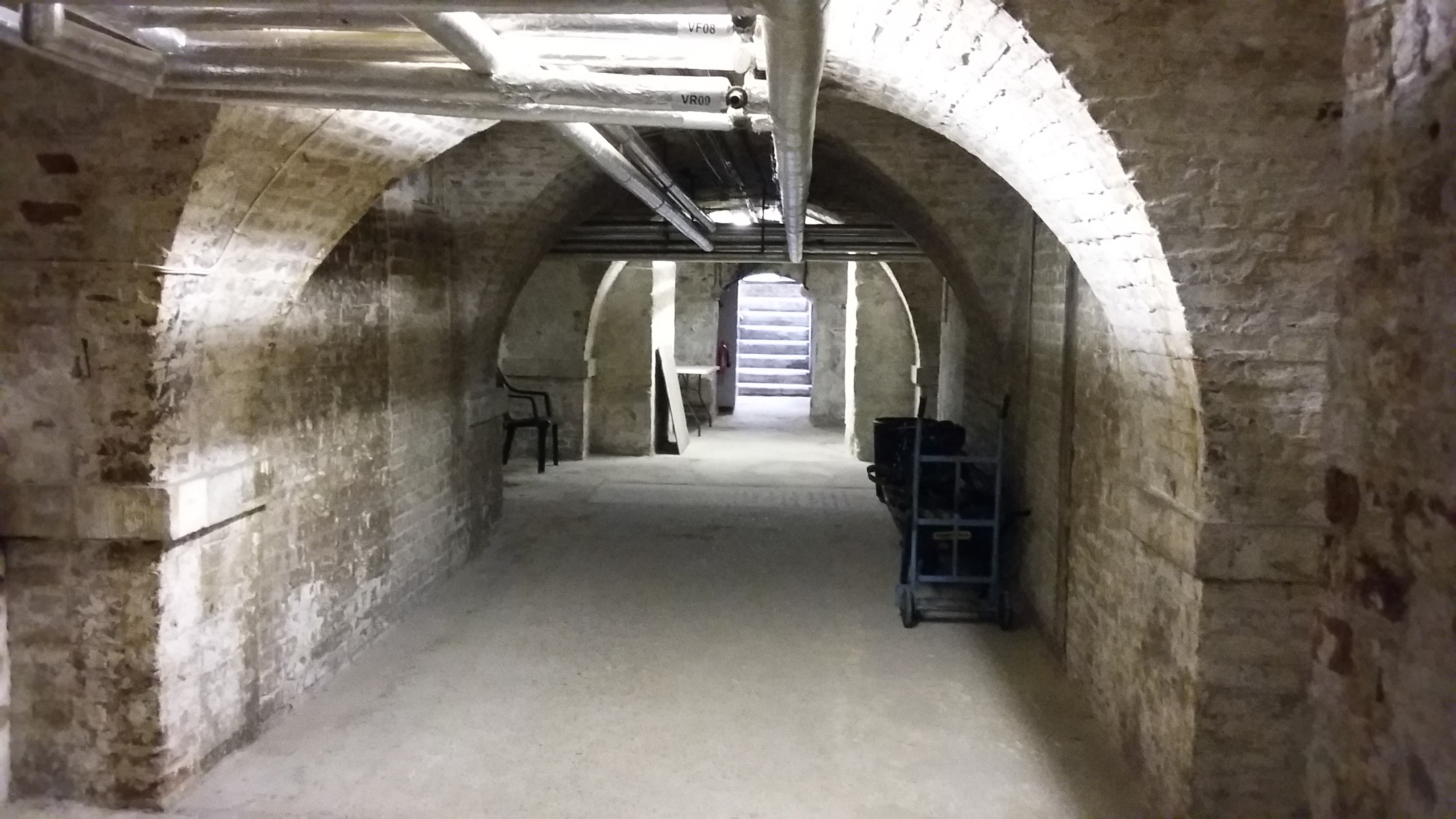
Next I headed down to Greenwich, to St Alfege’s Church. I’ve been here before to attend concerts, and in fact I got there just in time to enjoy an opera recital before my tour of the crypt – my reason for visiting.

There has been a church on this site for over a thousand years, and the current building by Nicholas Hawksmoor dates from 1718. The crypt was built beneath to store bodies. The floor is higher than it used to be because there are bodies beneath the floor, and other coffins are stored in the bricked-in parts of the crypt.

Entrance to the crypt

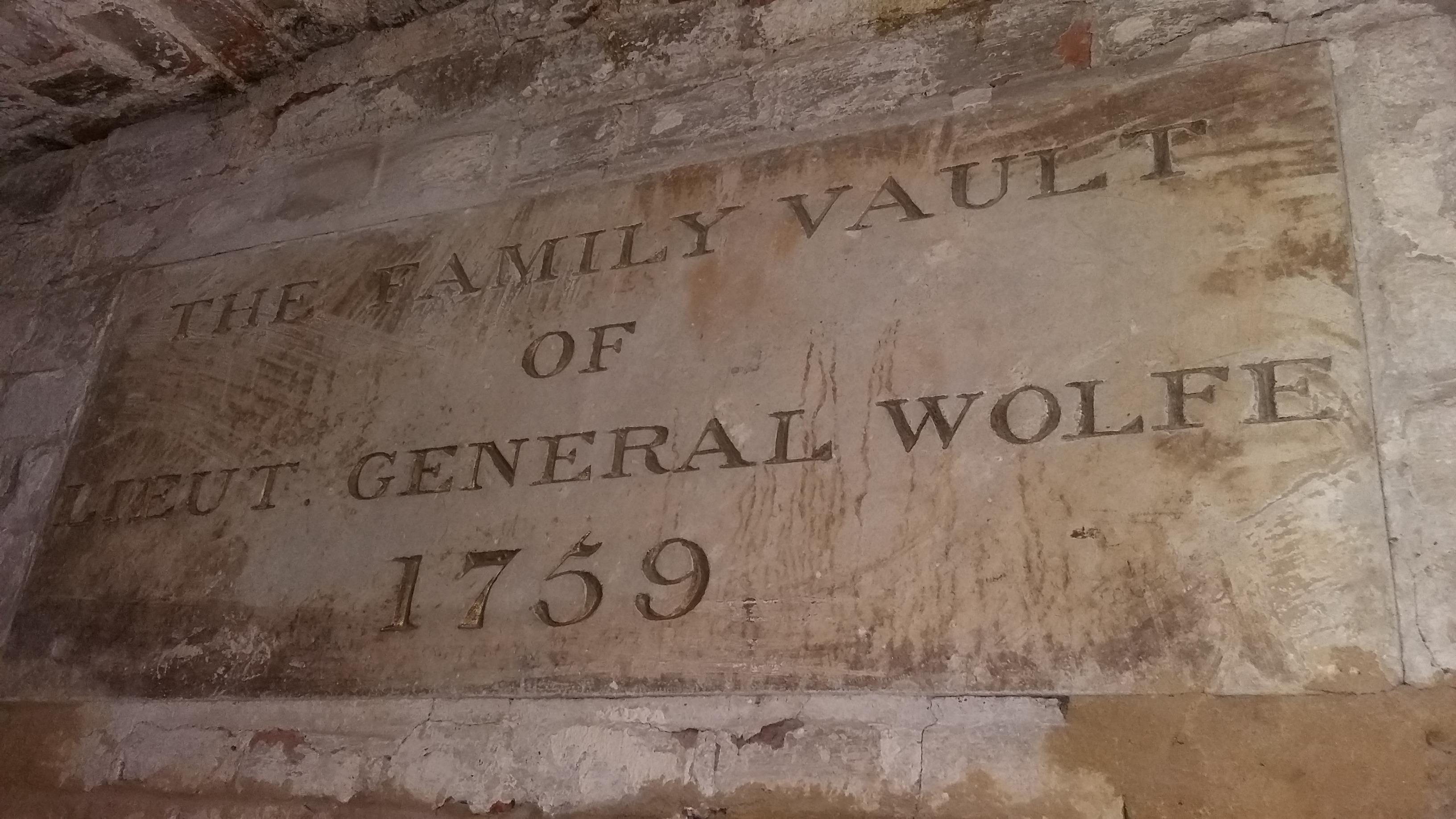
The most famous of these is probably General Wolfe, mentioned in Hamilton by Aaron Burr as the general who “took a bullet in the neck in Quebec”. During World War II, the crypt was used as an air raid shelter for Greenwich locals.

The crypt
The crypt
Vault of General Wolfe

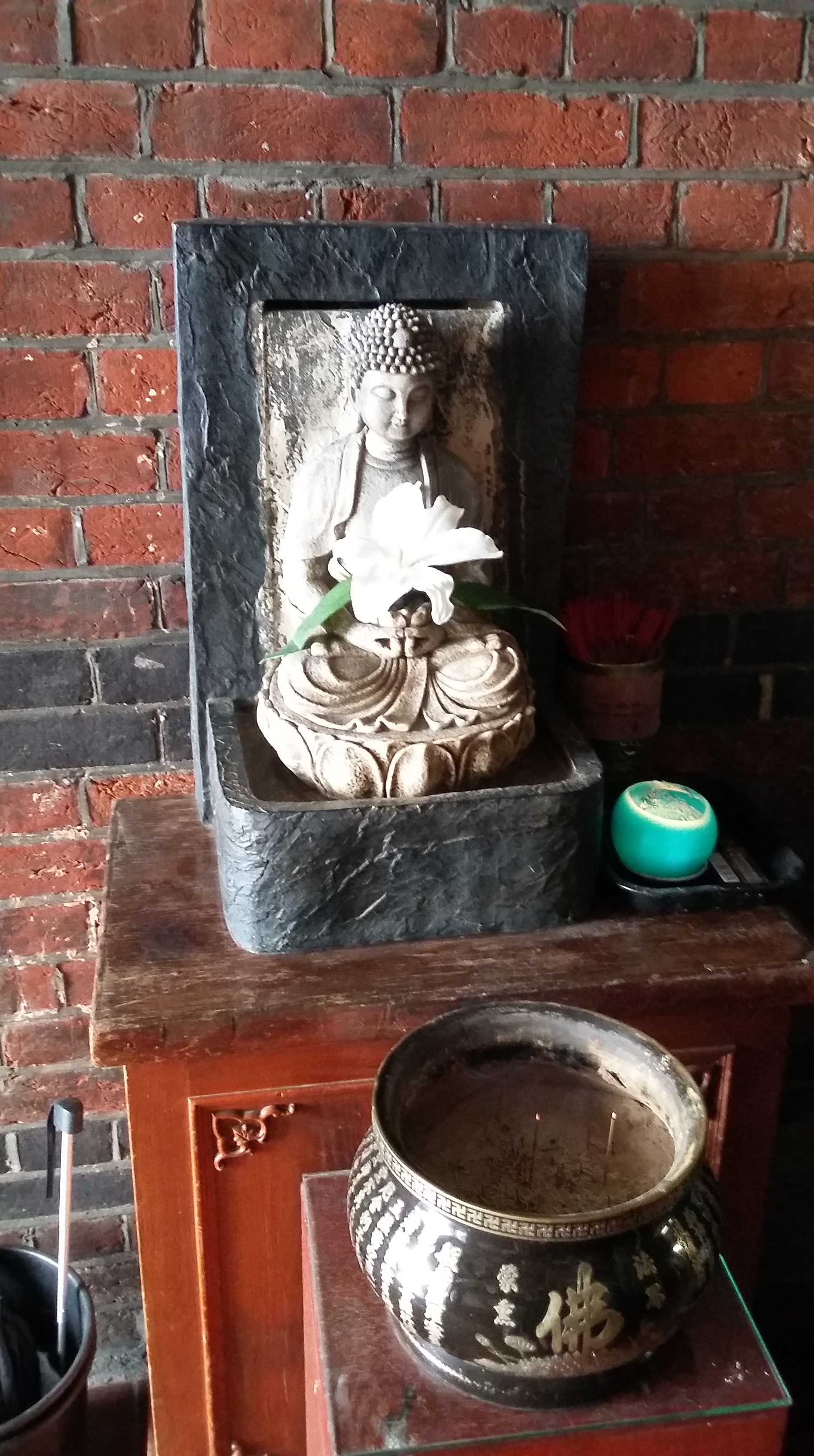
The London Fo Guang Shan Temple is not far from Oxford Street. It was established in 1992 and is also known as the International Buddhist Progress Society. It is one of two British branches of the Fo Guang Shan Monastery, Taiwan.

Fo Guang Shan Temple

The temple is located in a former parish school and Church House of 1868–70 designed by William Butterfield, which is grade II* listed. I got to watch (and sample) a vegetarian cooking demonstration, and then got a tour of the building, including the spaces for meditation and prayer.

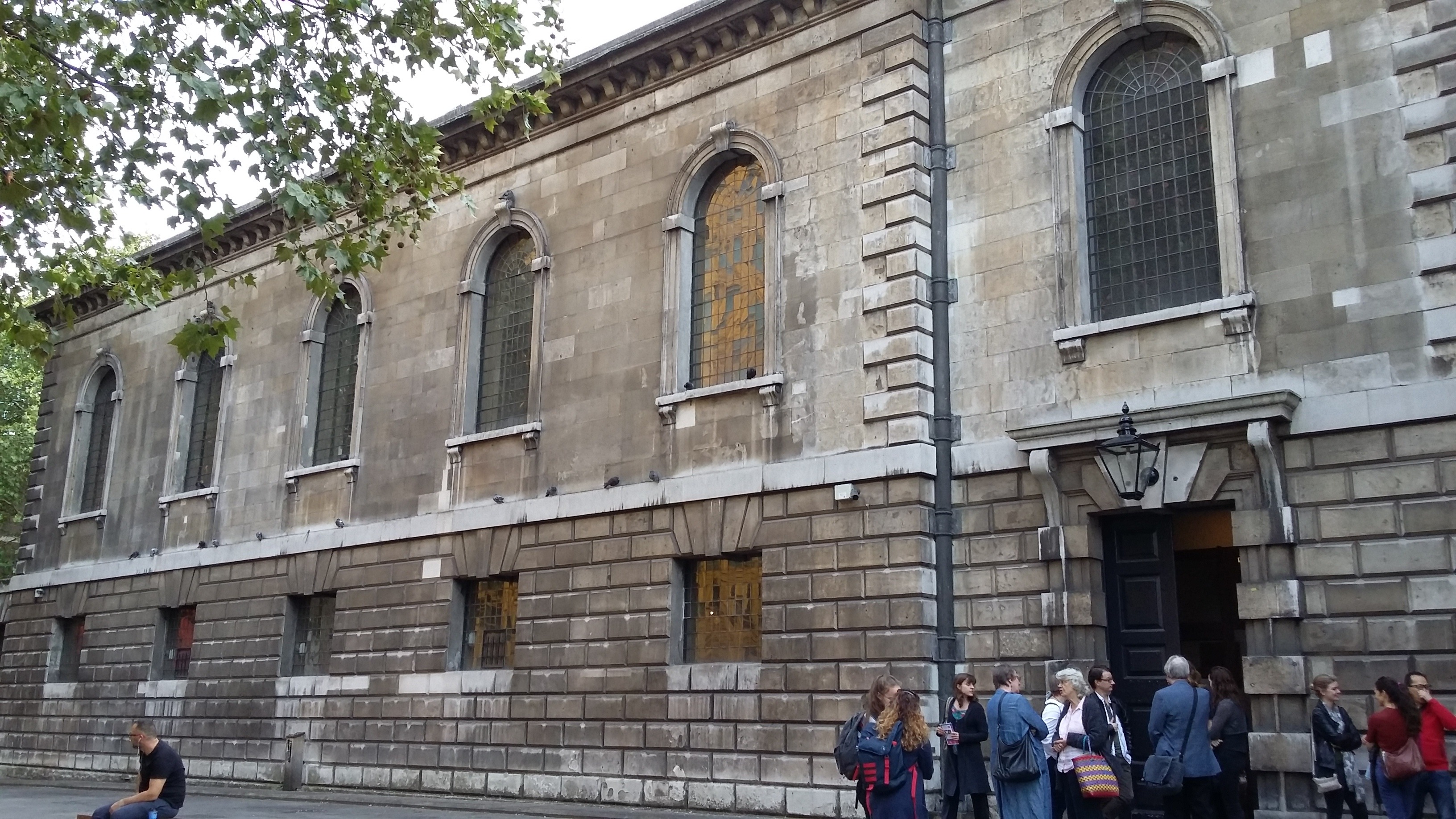
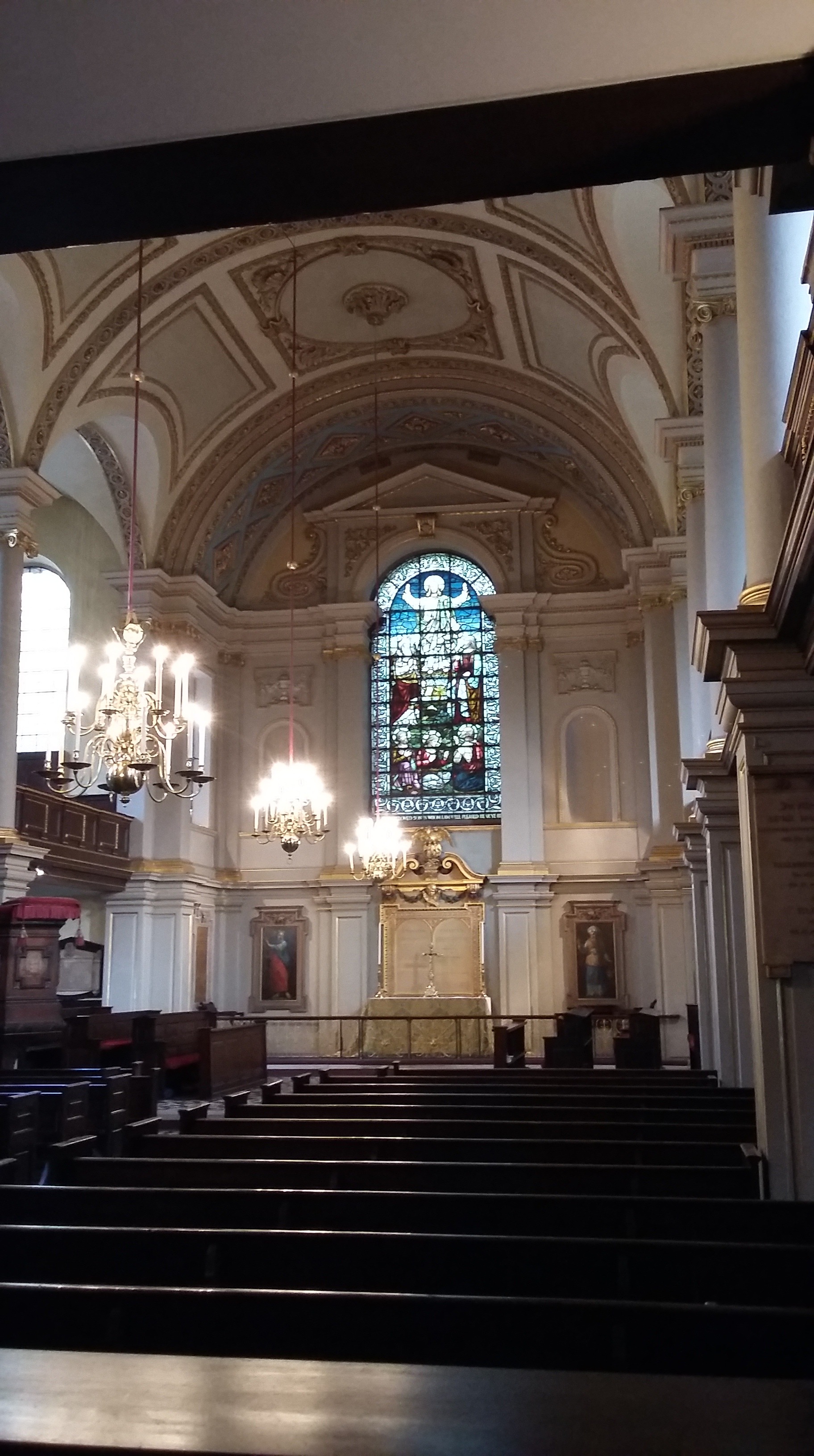
St Giles in the Fields
St Giles-in-the-Fields
St Giles in the Fields
St Giles-in-the-Fields

My final visit was to St Giles-in-the-Fields, also known as the Poets Church. Here there was a short theatrical performance, based on the life of Alicia, Duchess of Dudley. Distraught when her husband left her for a younger woman, she resolved to dedicate her life to good works and the education of her five daughters, one of whom is buried in the church. In real life, the Duchess was largely responsible for the rebuilding of the church.

St Giles in the Fields
St Giles-in-the-Fields
Tomb of Alice's daughter
Tomb of Alicia’s daughter

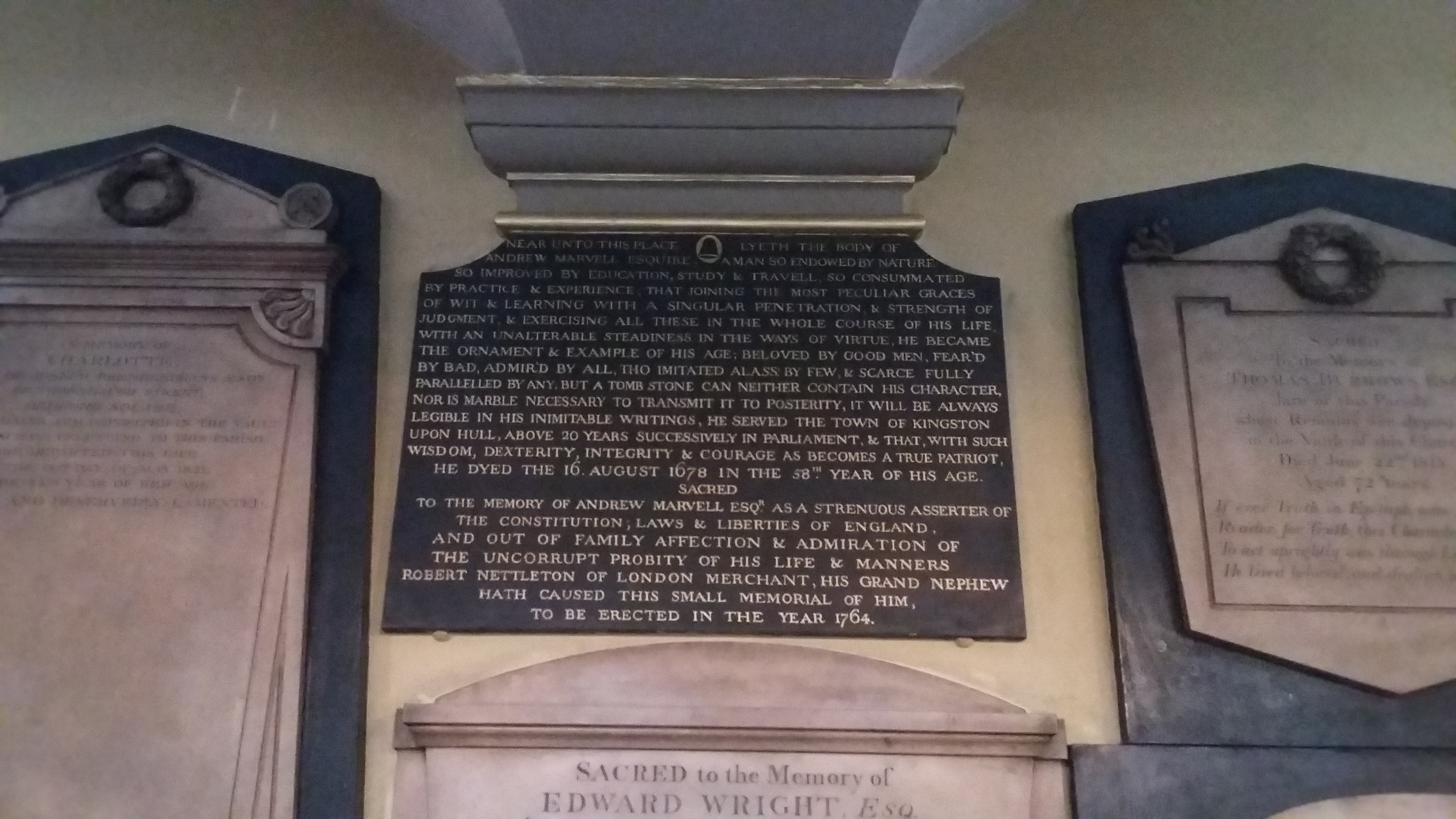
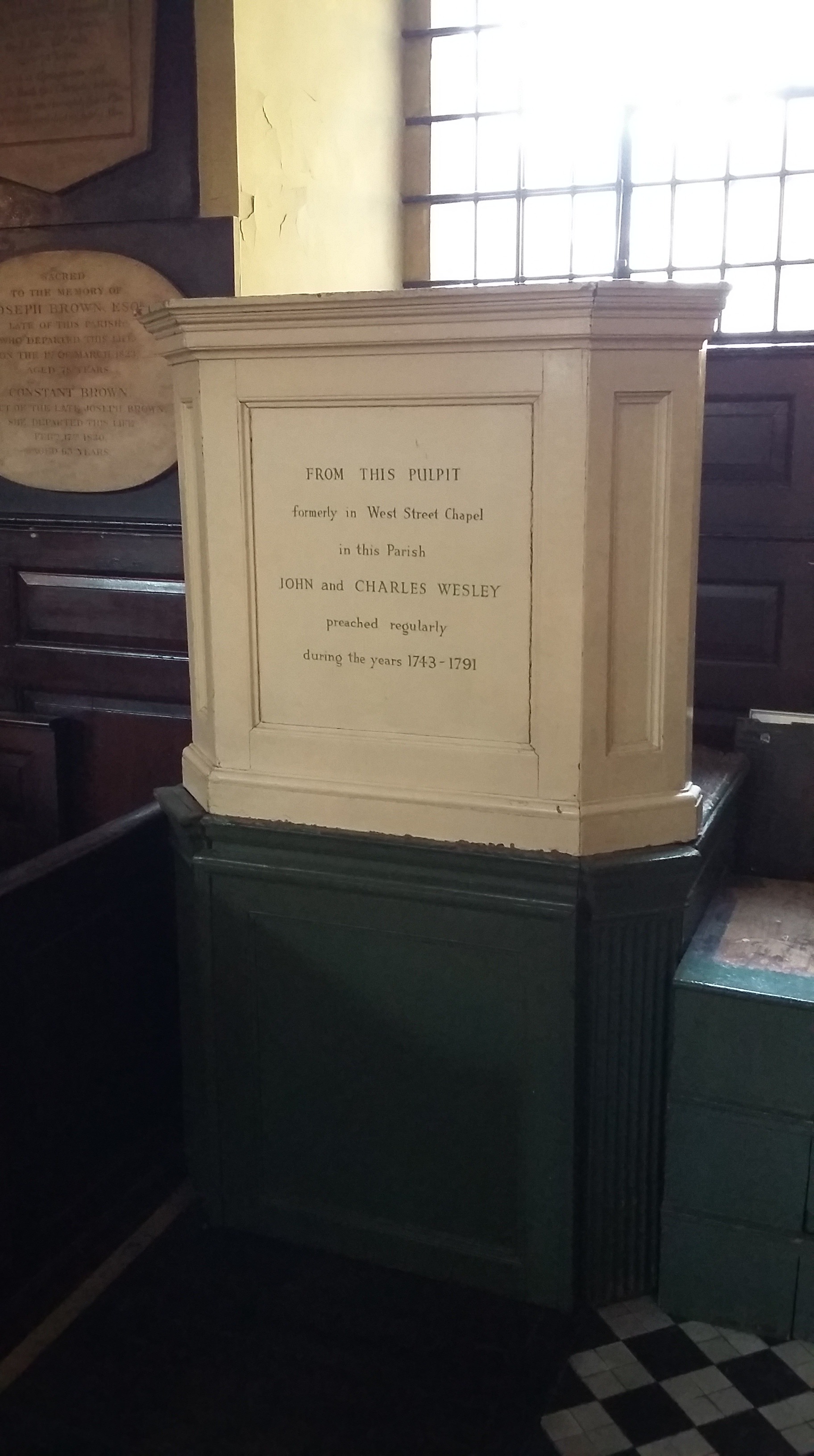
Buried here are poet Andrew Marvell (of To His Coy Mistress fame) and George Chapman, the first translator of Homer’s Iliad into English, referenced in Keats’ On First Looking Into Chapman’s Homer. There is also a pulpit formerly used by Charles Wesley.

Plaque to Andrew Marvell
Wesley's pulpit
Wesley’s pulpit

Overall, then, a fantastically varied selection of places.

Headstone Manor Museum (Heritage Open Days)

For the second day of my Heritage Open Day adventures, I headed to Headstone Manor, which is just north of where I live, for a tour and a day out.

Headstone Manor site

History

Headstone Manor & Museum is the local history museum for the London Borough of Harrow in northwest London. It was built in around 1310, and was once home to the Archbishop of Canterbury. The house is surrounded by a filled moat, the oldest in Middlesex.

Headstone Manor

After Henry VIII became the head of the Church of England, he took control of the Manor and surrounding lands, eventually selling it to a court favourite. It remained in private ownership, undergoing dramatic changes, extensions and restorations, until it fell into disrepair and was bought by Hendon Rural District Council in 1925. The site was opened as Harrow Museum in 1986, and a restoration programme began in 2004.
The Manor is Grade I listed, and is full of information on the history of Harrow: it has records dating to the year 825.

My Tour

Visitor Centre
Visitor Centre

The tour started by the visitor centre, which was built in 2017. We headed into the “Small Barn”, which has a display of rural life in the life of Headstone Manor. We were shown the “Great Barn” (often used for special events) and the 18th-century Granary (moved from a site in Pinner in 1991), before heading into the Manor itself.

Small Barn
Small Barn

Being taken around the house by a guide meant that we had various interesting things pointed out to us, including the joins where extra bits of the house had been added on, graffiti on the outside walls, and uncovered bits of wallpaper. The Great Hall originally extended out into the garden, but most of it was destroyed in a fire. The house also has various displays of historical information and objects, focusing on such varied subjects as the construction of the Metropolitan Railway into Harrow, and cookery book writer Isabella Beeton.

Headstone Manor

After the tour, I was able to take some time to wander around the house at my own pace. It is a fascinating place to visit and free to enter, so well worth the trouble.

Back of the house

FACTS

Address: Headstone Recreation Ground, Pinner View, Harrow, HA2 6PX

Website: headstonemanor.org

Opening Hours: Tues-Sun 10am-4pm

Prices: Free

The House Mill (Heritage Open Days)

House Mill

As part of the annual Heritage Open Days, I headed to the House Mill, somewhere I’ve been meaning to visit for a while. The Mill has a rich history and I was able to enjoy a fascinating guided tour.

House Mill

History

The House Mill is an important but little-known Grade I listed building on the River Lea in Bromley-by-Bow, part of the Three Mills complex. The original tidal mills here date back to the Domesday book of 1086, and the present structure of the House Mill was built in 1776 by Daniel Bisson (after a fire in 1802 it was quickly rebuilt). It is the world’s largest tidal mill, with four water wheels, and was used to mill grain for gin distilleries.

Miller's House

In 1989 work began to restore the House Mill site, which included the rebuilding of the Miller’s House, which had been demolished in the late 1950s after wartime damage. The façade of the house was rebuilt to the 1763 design, and used original eighteenth-century bricks.

My Visit

I turned up in plenty of time for my tour, and we were taken into the mill by our guide. The building which is now the entrance area and cafe originally used to be the house, which is why there are fireplaces on this side, but not in the mill itself. It was very important not to risk fire with so much grain and wood around, and in fact there was actually a fire in 1802.

Inside the mill

We started at the top of the building, where bags of grain were winched up to begin their journey. The natural pressure of the grain pushed it down chutes to the next floor down, where it was ground down. Eighteenth-century machinery sits alongside nineteenth-century examples so it’s possible to see the difference in process.

Milling equipment

At the bottom of the building, we saw the original wheels used in the tidal mill, sadly falling into ruin now. The mill, as well as all other mills on this site, worked when the tide went out, so that they would all share in its power. Here it’s also possible to see the doors through which carts would drop off their sacks of grain, and the ropes that would take them up to the top of the building.

Wheel

The people who work at the House Mill are trying to raise money to restore the mill, starting with the wheels. If you happen to have a spare £500,000, do send it their way!

View from the back of the mill

FACTS

Address: The Miller’s House, Three Mill Lane, London, E3 3DU

Website: housemill.org.uk

Opening Hours: Guided tours of the mill take place every Sunday from May to October (11am-4pm) and on the first Sundays in March, April and December (11am-3.15pm)

Prices: £4

A weekend with Mam

As the title suggests, my mam came down to London for the weekend and we did a few exciting things. Well, they were all exciting for me. A couple of them weren’t too exciting for my mam. Sorry, Mam.

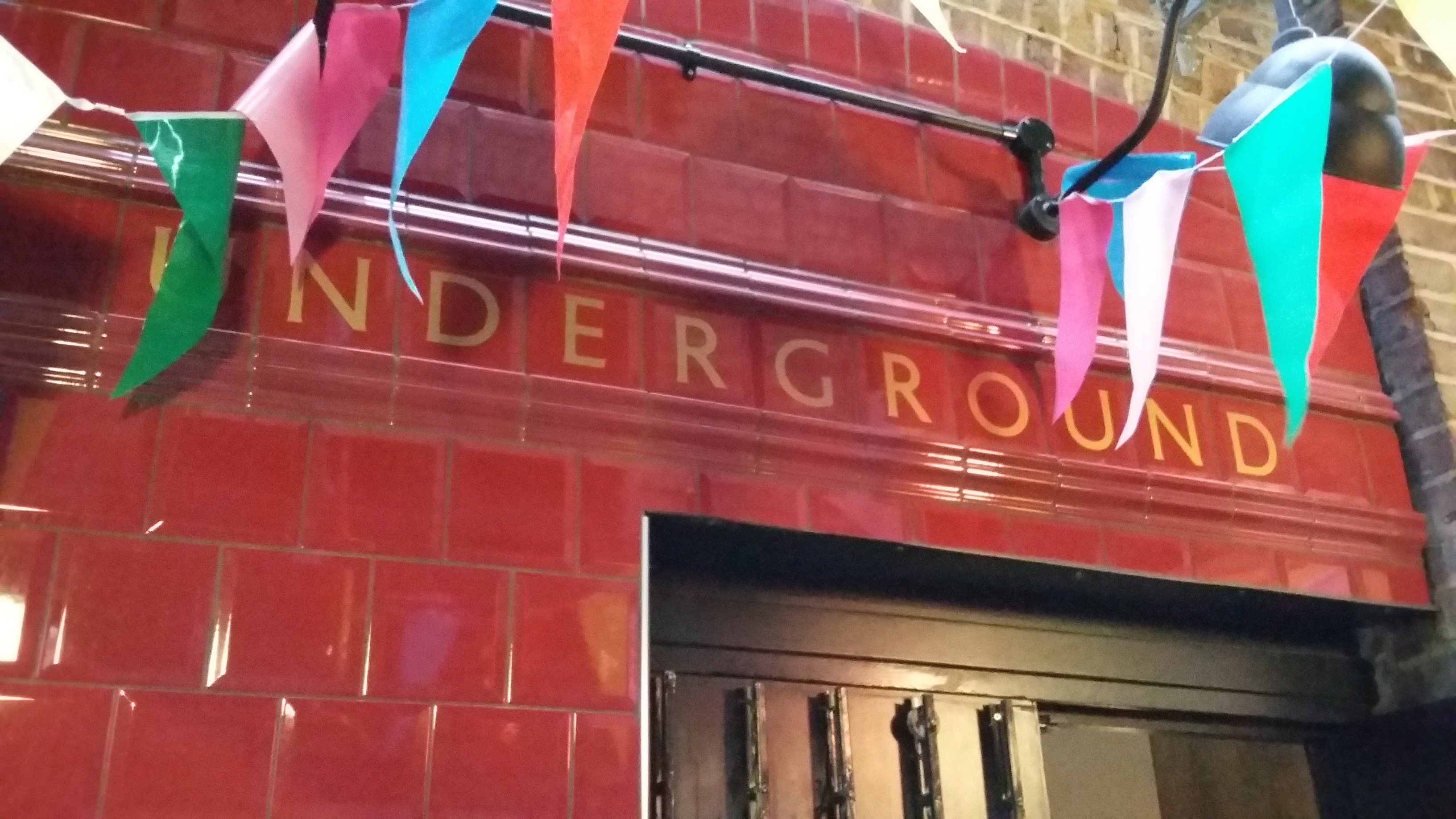
Entrance to Cahoots

Entrance to Cahoots

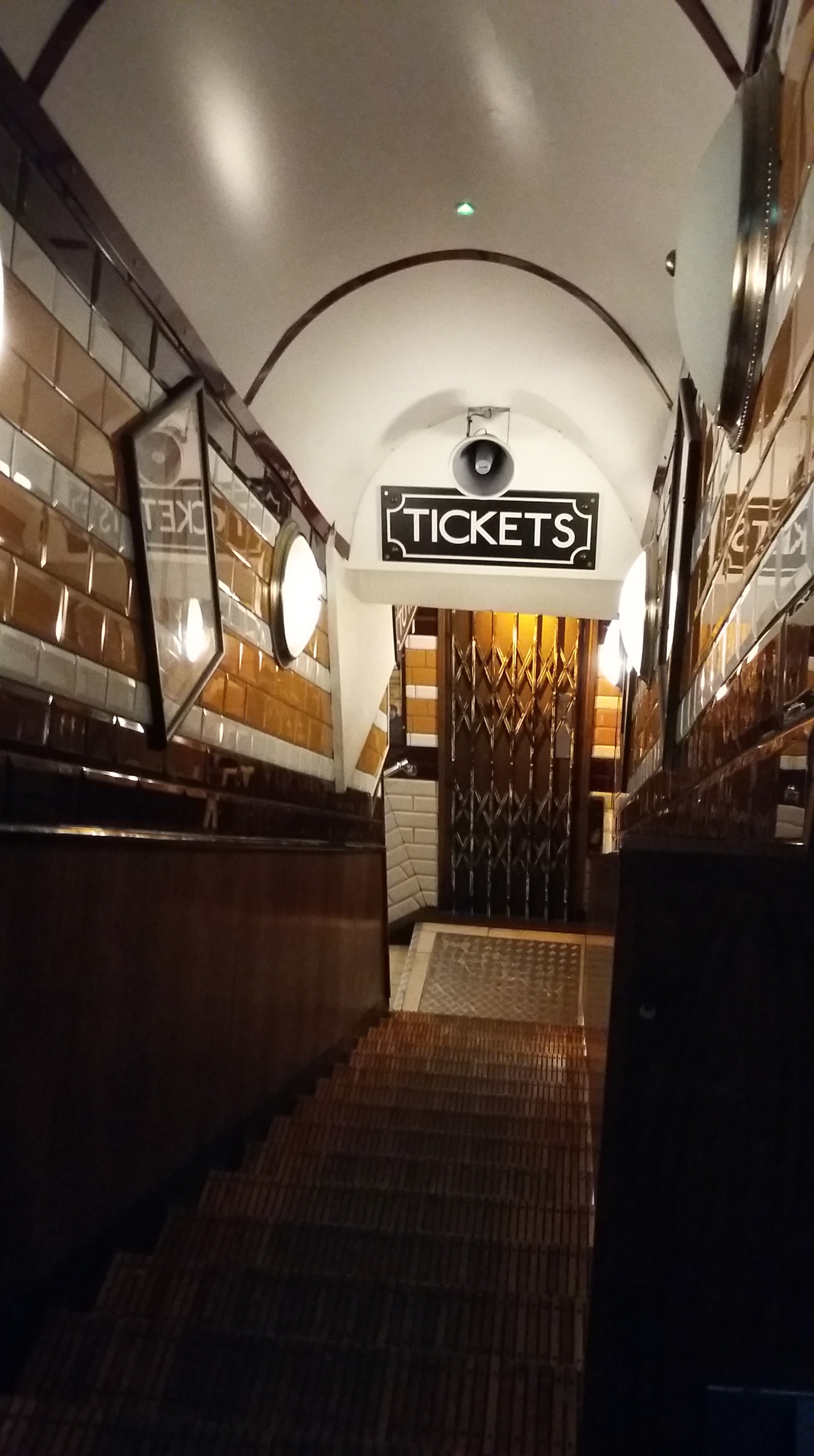
So the first place we went was Cahoots, the 1940s London Underground-themed bar near Carnaby Street. This was fun and we got some cool cocktails.

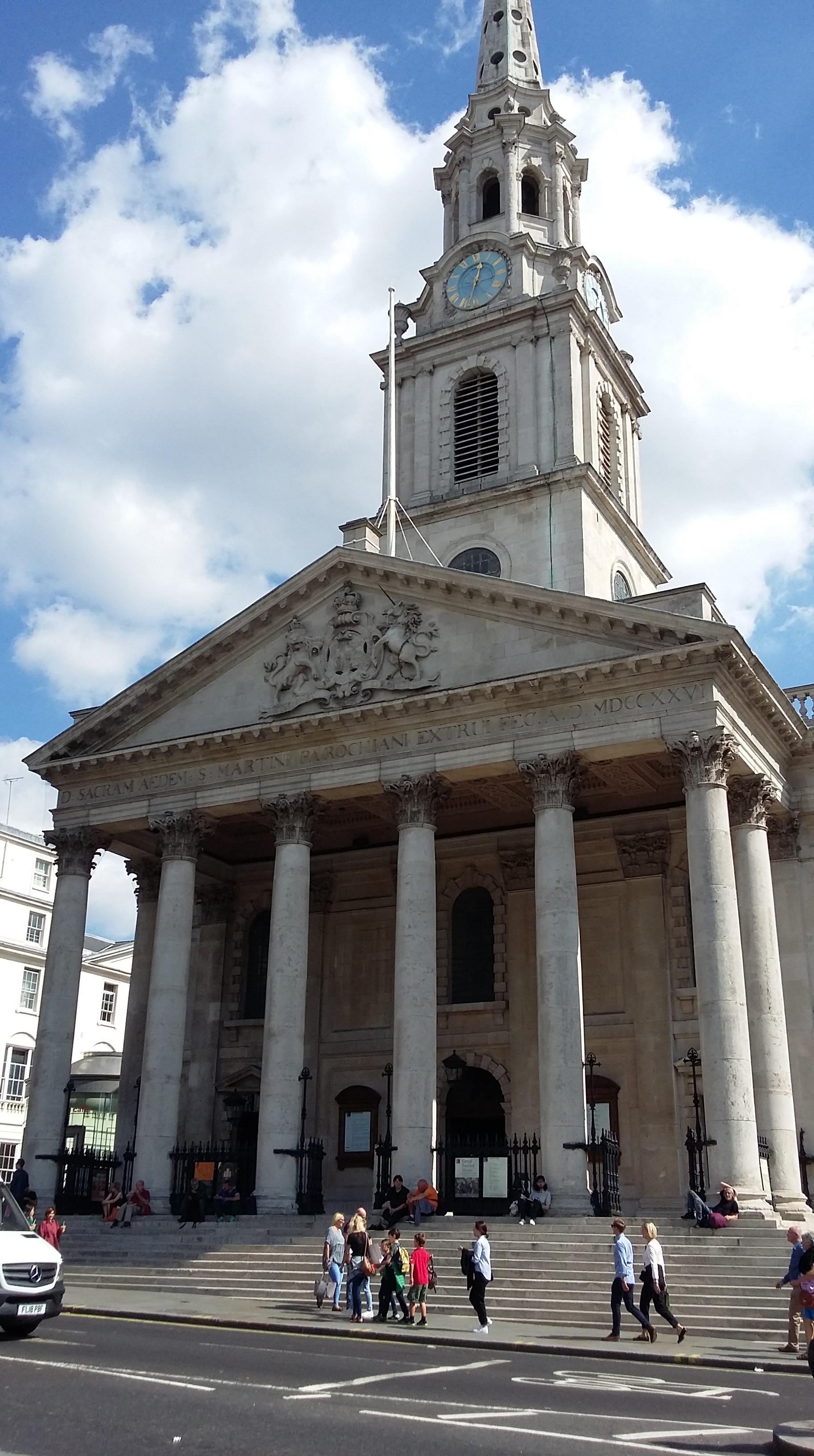
St Martin-in-the-Fields

The next day we popped into the National Gallery first – we haven’t been there for ages. I was surprised at how badly it was all signposted compared to, say, the V&A, but there was some interesting stuff. We also had a wander around St Martin-in-the-Fields.

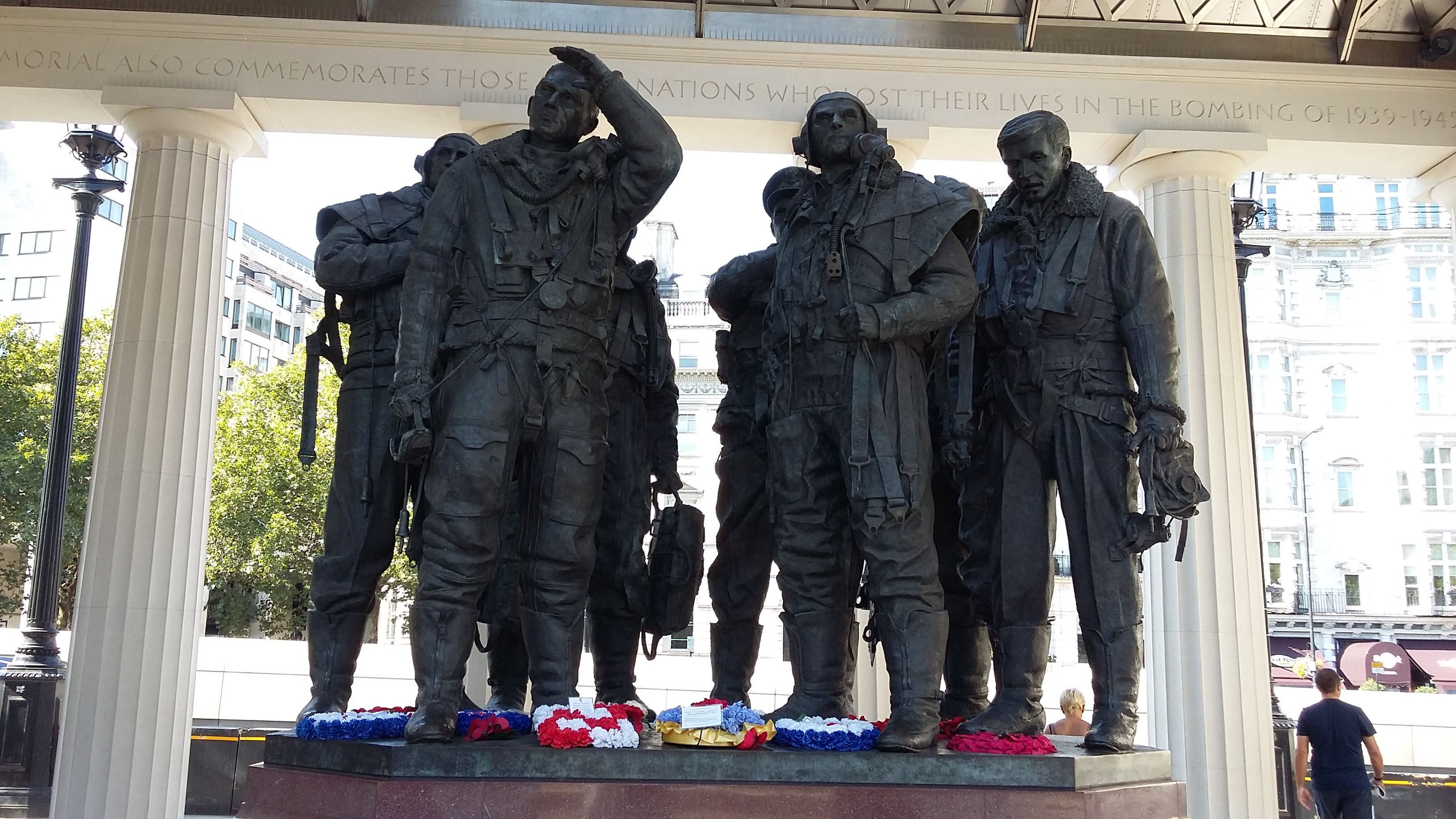
Bomber Command memorial

We also went down to the Bomber Command Memorial, near Green Park, before going for tea at Enzo’s Kitchen – where we went because we are both Inspector Montalbano fans and I was able to get MONTALBANO’S ACTUAL FAVE PASTA. Yum. Sardine pasta, and the nicest bread I have ever had.

Enzo's Kitchen

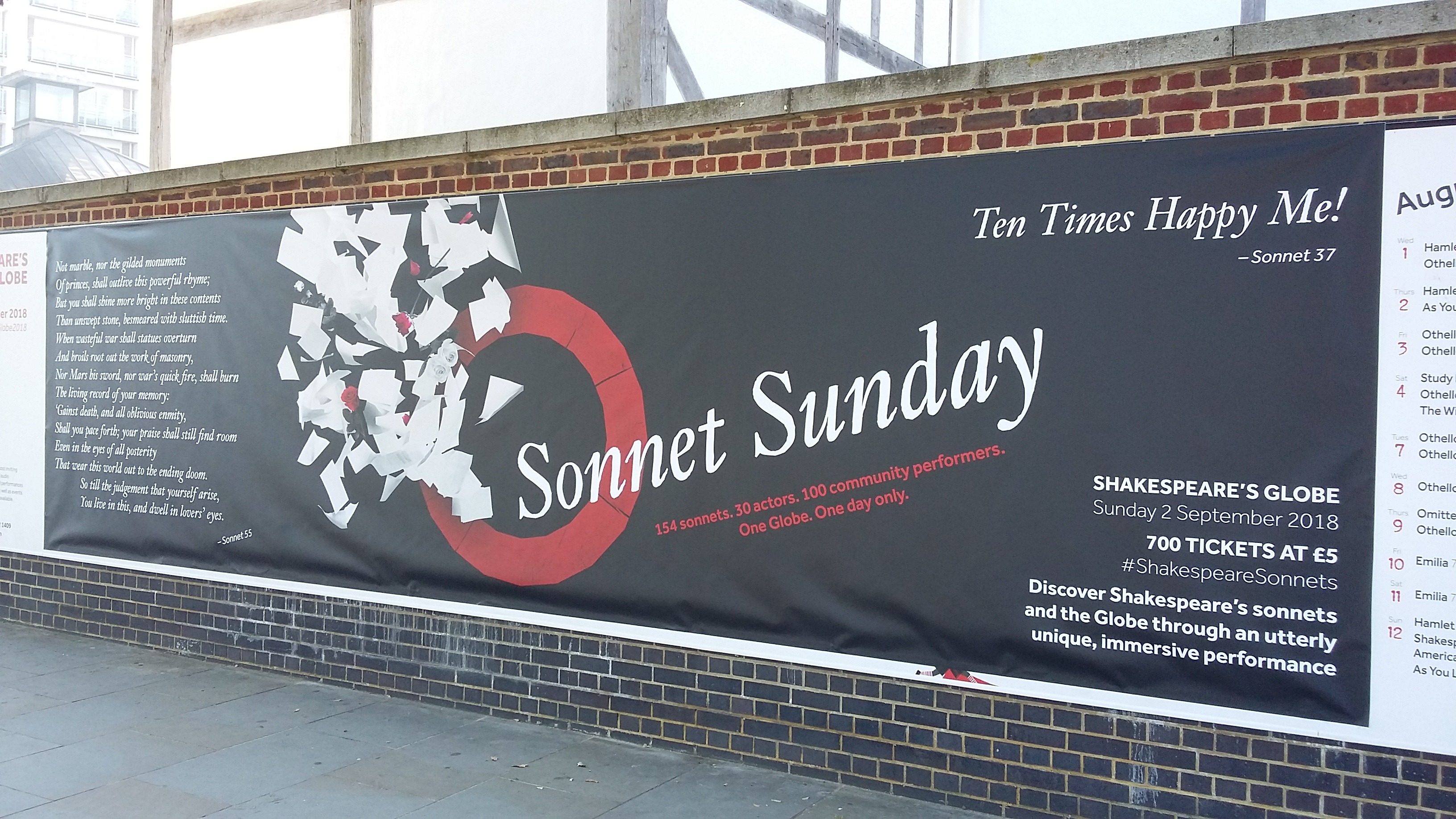
The next day I dragged Mam to a sonnet event at the Globe – I loved it but I’m not sure she was too keen! Next time she comes down I promise not to take her to things she feels dubious about…

Sonnet Sunday

James Cook: The Voyages – British Library

On the very last day of the James Cook: The Voyages exhibition at the British Library, I popped down to pay it a visit. Luckily, like all exhibitions at the BL it opens late on Tuesdays, so I was able to pop down after work.

August 2018 marks 250 years since Captain James Cook’s first voyage sailed from Plymouth. This exhibition examines each of the three voyages in chronological order, using original artefacts created on board ship and collected from the places Cook and his crew explored. It examines the impact the voyages – which increased awareness of many of the coasts and islands of the Pacific, unknown to Europeans despite being inhabited for thousands of years – had on the modern world, both for the British and for the people who inhabited those places, both positive and negative.

I liked the way the exhibition was set out, with Cook’s travels clearly delineated – there were plenty of maps and globes on display to show where he went. Cook’s voyages took him to South Africa and South America, Australia and New Zealand, and many islands in the Pacific, as well as, of course, Antarctica. Cook’s ship was the first to ever venture into the Antarctic Circle, and I was excited to see the entry in the ship’s log marking this momentous occasion. For most people, though, Cook’s encounters with the original inhabitants of the places he visited are probably of greater interest. While not every interaction Cook and his crew had with these people was negative by any means, there was mistrust, misunderstanding and conflict, and his voyages helped pave the way for the colonialism of later centuries, and all the atrocities that went with it.

Artefacts such as logbooks, diaries and published works are displayed, as well as paintings and drawings by crew members and those employed as artists. There are also a good number of objects and works of art made by Aboriginal, Maori, Polynesian and other peoples to attempt a more balanced perspective.

I thought the exhibition did a good job of examining Cook’s voyages, their impact, significance and consequences. I’m very glad I made the effort to go before it closed.

Chislehurst Caves

Chislehurst Caves Entrance

Chislehurst Caves have been on my list of places to visit in and around London for ages. I finally got round to going on Bank Holiday Monday, along with a friend. I thought they would be an ideal place to visit whatever the weather turned out to be like – they’re underground, after all! The Caves are really easy to get to – Chislehurst station is about fifteen or twenty minutes from Charing Cross, Cannon Street or London Bridge, and the Caves are only five or ten minutes walk from the station.

Artefacts on display

The only way to visit the Caves are via guided tour, which can be booked on arrival. While we were waiting for our tour, we had a look around the visitor centre – displaying various documents and artefacts associated with the caves – and eating in the good-value cafe. The website states that tours take place once an hour, but they seem to vary this according to demand: it was fairly busy when I went and there seemed to be tours every fifteen minutes. Our tour lasted about an hour, and we got a good look at the Caves and heard plenty of stories about them – some true, others more dubious.

Map of the caves
Map of the caves

While the name would suggest a natural phenomenon, Chislehurst Caves are in fact entirely man-made, mined for flint and lime-burning chalk from the thirteenth to the nineteenth century. William Nichols, the Vice President of the British Archaeological Association, theorised in 1903 that the mines were made by the Druids, Romans and Saxons. This is the theory put forward on the tour and it was only when I got back home and did some searching that I discovered it has now been more or less discredited.

Modern sculpture in the caves

This doesn’t prevent the tours from focusing on the Druids quite heavily, including a mock demonstration of a Druid sacrifice (which, to be fair, was emphasised to be only speculation). At one point we stood very still and had our lamps taken away so that we could experience what the caves were like in absolute darkness. This was quite exciting albeit somewhat spoilt by some idiot using their phone as a light. I do wish the website instructions about not using flash photography or the light function on mobile phones had been adhered to, as it would have made the tour a more pleasant experience for everyone.

I enjoyed hearing about the resident ghost, supposedly a woman whose skeleton was found when a natural pond was emptied and filled with rocks during the war. During the second half of the twentieth century, a reward was offered to anyone who successfully stayed in the Caves overnight; only one person ever successfully completed the challenge, and it is no longer running.

The underground chapel

During the First World War, the Caves were used as ammunition storage by the Royal Arsenal. In the inter-war years, mushrooms were grown in the damp tunnels, but this came to a stop with the outbreak of World War 2. One of the most fascinating aspects of the history of the Caves is their use as an air raid shelter in this war: local families spent their nights here in specially-allocated bunks, and there was a hospital area on-site. One baby was actually born here, and christened in the chapel we saw at the beginning of the tour. The Caves later opened as a tourist attraction, and many rock stars played concerts here during the 1960s, including Jimi Hendrix and David Bowie.

Reconstruction of an air raid shelter

The Caves are definitely an interesting place to visit and a tour is a good value way to spend an hour or so. I do wish it was made clearer which stories about the caves are true and which myth: I felt the tour was rather sensationalist in parts, and really the caves are interesting enough without this. Still, I did enjoy my visit and I do recommend Chislehurst Caves.

Entrance during the air raid shelter days

FACTS

Address: Caveside Close, Old Hill, Chislehurst, Kent, BR7 5NL

Website: chislehurst-caves.co.uk

Opening Hours: Tours on the hour 10am-4pm, Wednesdays to Sundays and Bank Holidays (except Christmas and New Year), every day during local school holidays.

Prices: £6 adults, £4 seniors and children

Frida Kahlo: Making Her Self Up – V&A

Frida exhibition

I only really became aware of Frida Kahlo when I bought a brooch from the brand Baccurelli a few years ago. Since then I’ve read a few articles, largely prompted by the new exhibition at the V&A, which I was lucky (and quick) enough to get tickets to.

Frida Kahlo: Making Her Self Up was made possible by the collection of the artist’s work that was found in her home in 2004, locked since her death fifty years previously. The exhibition focuses on her life and her self-expression, featuring her clothes, makeup, jewellery, accessories and self-portraits. While I would like to explore more of her art, I feel that her life is so fascinating and was so central to her work that I don’t think the exhibition’s focus is misplaced.

Frida was born in 1907 to a Spanish-Indian mother and a German immigrant father. Her mother, Matilde Calderón y González, and her father, Guillermo Kahlo (he changed his name from Wilhelm when he immigrated) was a photographer. Frida often accompanied her father on his assignments and developed a fascination with photography and the way it could be used to explore the self. Many of the photographs in the exhibition, both those taken by Frida and those made by others, show how she played with and shaped her identity, in one picture donning a male suit, in another photographing her and her mirrored reflection (reminiscent of her painting The Two Fridas), with others showing off her love for traditional Mexican dress.

Aged twenty-three, she went to Mexico’s most famous painter, Diego Rivera, to ask him his opinion on her art. The two fell in love and married, beginning a lifelong relationship, despite several affairs on both sides. Though they divorced once, they remarried again the next year. They set up home in La Casa Azul, Frida’s former family home, filling it with Mexican folk art and inviting many distinguished visitors to stay. Among these visitors was Trotsky (with whom Frida had a brief affair). As Communists, much of the couple’s work was related to workers’ rights, but while Diego tended to create large dramatic murals, Frida’s work was usually smaller and more intimate in tone. The pair made many trips to the USA, which Frida loved despite disagreeing profoundly with the US on many issues.

Frida experienced health problems throughout her life. Aged six, she suffered from polio, leaving her with a damaged right leg which many years later had to be amputated. At eighteen, an accident left her with further life-changing injuries, putting a stop to her studies and dreams of being a doctor. Disability and illness shaped her life, and Frida was often in great pain, but she worked to overcome it and not to be defined by it. Bedridden for many months after her accident, she painted lying down, using a special contraption created by her mother. Frida spent large portions of her life in bed, recovering from illness or operations, and transformed these experiences into art: in one picture, she has painted herself lying curled up on a hospital bed, while next to her another version of herself stands triumphant, bearing a Mexican flag.

One room particularly demonstrates the various ways in which Frida moulded her image in both compliance with and defiance of her circumstances. She frequently wore stiff fabric or plaster corsets to help support her spine, and often decorated these with symbols and drawings. She also wore flowers in her hair, weaving ribbons into her plaits in a traditional Mexican style, and used cosmetics, particularly pink and red lipstick and nail varnish from the US brand Revlon. The brightly-coloured shawls, tunics and long skirts she wore served the double purpose of allowing her to embrace her Mexican heritage and hide her corsets and damaged limbs. Many of these are displayed in the final room, some dotted with paint splashes reflecting how they were an integral part of Frida’s identity, not worn as a costume. Even when she was bed-bound, and not expecting any visitors, Frida still wore her bright clothes and put on her makeup. Her jewellery, too, was important to her: she wore large, striking necklaces, earrings and rings made of precious metals in traditional Mexican designs, as well as jade beads taken from Mayan tombs.

The video clips in this exhibition show Frida’s beauty and charisma. She is smiling and laughing, showing no signs of pain or suffering, although as she makes clear in her art and her personal journal, what is on the surface is not necessarily a reflection of what is inside. Her art is important, but after seeing this exhibition I feel like her life was also a kind of art, which she shaped with integrity and courage.

Frida Kahlo brooch by Baccurelli

The Great Spectacle: 250 Years of the Summer Exhibition – Royal Academy of Arts

The Great Spectacle

After visiting the Summer Exhibition at the Royal Academy earlier this year, I fancied seeing The Great Spectacle: 250 Years of the Summer Exhibition, the celebratory co-exhibition. Tickets were only £5 with a ticket for the Summer Exhibition, so I popped along after work on Friday.

The exhibition looks at the history and significance of the Summer Exhibition, displaying a mix of artwork which made an impact at the time, and pictures showing visitors actually at the exhibition. Satirical cartoons suggest the crush created by this popular venue, while William Powell Frith’s work shows the great and the good attending the Summer Exhibition during its Victorian heyday.

William Powell Frith,
A Private View at the Academy, 1881 (1883)

The show displays significant works by Reynolds and Gainsborough, as well as Turner. There is a small room dedicated to architecture, while sculpture is interwoven with painting and other more traditional forms of art. I was pleasantly surprised at the number of artworks by women on display, although the number of women elected to the Academy was in the past embarrassingly small. The exhibition does not shy away from controversy, covering the former perceptions of the RA as stuffy and old-fashioned, while Sargent’s painting of Henry James, attacked by suffragette Mary Wood, is displayed.

After the overwhelming busyness of the Summer Exhibition, The Great Spectacle is much calmer, displaying fewer works of art that, nevertheless, are of great significance. I found it to be well worth a visit.

Kew Palace

Kew Palace
Kew Palace

Recently I paid a visit to Kew Palace as part of a special event. The Palace comes under the care of Historic Royal Palaces, and is the smallest palace in the organisation’s collection. It’s very rare that it is possible to visit on a standalone trip – it is located in the grounds of the Royal Botanic Gardens in Kew, and you can usually only see it as part of a visit there.

Out of the window
Out of the window

History

Kew Palace is the smallest of all the royal palaces. It was originally built as a fashionable mansion for wealthy London silk merchant, Samuel Fortrey, in 1631. The building is often known as the Dutch House, as it was built in a supposedly Dutch style of architecture. Kew and nearby Richmond, as well as the now-defunct White House (of which the kitchens still remain near Kew Palace), were loved by the Georgians, particularly George II and Queen Caroline, followed by George III and his family. Kew Palace, much more intimate and personal than most royal palaces, proved a useful retreat for the king when he suffered from illness.

Kew Palace in its heyday

My Visit

Pumpkins in the kitchen garden

My friend and I met with the other participants at the Elizabeth Gate of Kew Gardens, which is next to the common, and were taken to the Palace. Our first port of call was actually the nearby kitchens, originally a part of the White House.

Inside the kitchens
Inside the kitchens

We drank wine and wandered through the vegetable garden. There were a few interesting things to see in the kitchens, particularly George III’s bath, which was rediscovered a few years ago. George would come over to the kitchens to have his bath in order to save the servants from lugging hot water over to the palace, and I started to picture King George in Hamilton singing one of his songs in the bath.

King George's bath
King George’s bath

Our tour of the palace itself began on the ground floor and encompassed the whole house. We learned about King George, his wife Queen Charlotte and their fifteen (!) children, all but two of whom grew to adulthood. George and Charlotte tried to set a moral example to their subjects, but their children rebelled, the sons gambling, drinking and taking mistresses and the daughters – trapped at home – embarking upon affairs with members of the Royal household.

Inside the Palace
Inside the Palace

The bedrooms of two of the daughters can be found on the top floor, dismantled now but still containing the ancient fireplace that was brought there from (it is believed) Richmond Palace. Charlotte was reluctant to allow her daughters to marry; her attitude  is harsh but somewhat understandable given her husband suffered frequent bouts of illness and madness (probably porphyria) and she was often frightened of him. Charlotte eventually died in the Palace: en route to attend the double wedding of her sons William and Edward, she fell ill and the wedding took place within the Palace, where she died later in 1818.

The attic
The attic

As part of this ‘hidden’ tour we got to explore the attic, formerly the home of the servants and full of nooks and crannies, as well as graffiti left over from the palace’s use as changing rooms in the mid-twentieth century. We also saw the undercroft, originally built in Tudor times with excellent examples of stonework.

The undercroft
The undercroft

The Palace fell into disuse after the death of Queen Charlotte, and Queen Victoria gave it and the nearby Queen Charlotte’s Cottage to Kew Gardens in 1898, to mark her Diamond Jubilee. The Palace has been open to the public ever since, apart from a break in 1996-2006 for refurbishment and restoration.

Nowadays, the Palace is open to Kew Garden visitors during the warmer half of the year. It is also possible to visit on a special Curious Kew evening tour, as I did. The next is due to take place on 20 September 2018. I definitely recommend it as a small but perfectly-formed place to visit.

Kew Palace
Kew Palace

FACTS

Address: Royal Botanic Gardens Kew, Richmond, TW9 3AE

Website: hrp.org.uk/kew-palace

Opening Hours: 10.30-7.30 during the summer months

Prices: £16 adults, £14 concessions, £4 children, under-4’s free (prices are for admission to Kew Gardens)