On a day off from work I visited the recently opened Francis Crick Institute, located next to St Pancras station, to see the first public exhibition, How do we look? Exploring the scientific gaze at the Crick. The Institute is the largest biomedical library in Europe, and the exhibition looked at some of the images created by research scientists at the Crick in order to help solve scientific problems.
The images had aesthetic value in themselves, being, on a shallow level, fascinating and beautiful. The actual science I must confess is a bit beyond me, but I thought the exhibition did a good job of making the theory behind the images as accessible as possible. If nothing else, it certainly served to increase my respect for the cutting-edge scientific research being undertaken here.
It might sound weird but I am a really big James Bond fan. When I was younger I watched all the films and I still go to the cinema every time a new one gets released. I’m certainly not immune to the franchise’s flaws, but it doesn’t stop me enjoying a bit of escapism.
The London Film Museum – not a place I’d ever been aware of, although it’s been in its present location in Covent Garden since 2012 – is currently dedicated to a Bond in Motion exhibition, showcasing many of the vehicles from the James Bond films. It’s been on for a while, but I’m glad I waited until now to go, as it now has a selection of vehicles from the latest film, Spectre. To be honest, the exhibition shows no sign of leaving, and it wouldn’t surprise me if it eventually contained vehicles from whichever Bond film comes next.
Little Nellie
As you enter the exhibition you can see Little Nellie, the helicopter from You Only Live Twice, hanging from the ceiling. A small exhibition space on the mezzanine contains diagrams and other memorabilia, but its when you take the lift down to the basement that the exhibition proper really begins.
There are many, many vehicles on display: mostly, but not exclusively, cars. They span the whole half-century of Bond films. Some have damage that was caused by stunts used in filming.
Crocodile sub from Octopussy
Information panels explain the statistics relating to each vehicle: I confess I didn’t pay much attention to these. Of more interest were the short film clips demonstrating each car in action.
At the end of the exhibition there is a cafe and a small gift shop. You exit into Covent Garden, right beside the London Transport Museum. The cafe is open to all: it might be a good refreshment option if you’re passing through the area and all the cafes are really crowded.
Obviously, Bond in Motion is going to appeal more to those who love cars. I’m not one of those people, but it was nice to experience a bit of escapism and relive some of the fun moments from the Bond films. The exhibition is pretty pricey, but look out for offers: I got mine through Living Social.
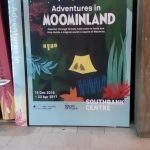
The Adventures in Moominland exhibition at the Southbank Centre, introduced as part of the Nordic Matters festival, has been so popular that it has been extended by several months (it’s now on until 20 August), but when my friends and I booked our tickets we didn’t know that, and all the adults-only slots had sold out. As it turned out, though, our group consisted of only adults in any case.
The Moomins certainly transcend age. I wasn’t a particular fan as a child, but I’ve been reading the books recently, and the combination of gentle humour and wry observation have made me into a fan.
The exhibition, which begins at the Southbank’s Spirit Level, is really more of an immersive tour into the world that Tove Jansson created in her Moomin stories, featuring various environments from her works and the inspirations for them, arranged in a roughly chronological order. You get to see original Moomin pictures from Jansson’s archive, and hear narration by Sandi Toksvig. Our guide was incredibly enthusiastic, taking us deep into the world of Moominvalley, a place one of us quite wanted to leave.
Whether you’re a young or an old Moomin fan, check out this exhibition. It’s an unforgettable experience.
Last time my mam came down for a visit, she asked if we could go to Dennis Severs’ House, recommended by a family member. I said yes: it’s somewhere I’d been meaning to go for a while.
We found the house easily, not far up from Liverpool Street Station. There was a short queue outside, but it wasn’t long before we were let in. We paid our entrance fee and were given a short introduction.
The house was created by the artist Dennis Severs, who lived in the house in the manner of the original eighteenth century occupants. He later opened the house to visitors. The idea is that you step back in time and interrupt a family of Huguenot silk weavers called Jervis. As you enter each room you get the impression that they have just left; the sights, sounds and smells stimulate your senses and bring the experience to life.
It’s certainly a unique experience. You walk around in silence, absorbing the atmosphere. No photos are allowed, understandably. I won’t describe the house in detail for fear of spoiling the surprise, but it has all the usual rooms that you might expect: kitchen, sitting room, bedroom, even a ramshackle attic.
My criticism is that the repeated instructions, dotted around the house, are rather patronising. Visitors are constantly told what they should be doing, thinking and feeling and I don’t particularly like being told what to do. It got my back up and didn’t exactly put me in the right frame of mind. Also, I kept spotting things in the rooms that shouldn’t have been there – an Elizabeth II-related artefact in the Victorian room and some distinctly modern alcohol bottles in the front room. I don’t know if these were left over from some event or other, but they didn’t exactly fit with the atmosphere.
Having said that, Dennis Severs’ House is certainly an unusual experience, and it’s well worth taking some time out to pay it a visit.
When my mam came to visit me in London, I decided to take her to visit the Tunnel: The Archaeology of Crossrail exhibition at the Museum of London Docklands. The Crossrail tunnel, due to open in 2018, is the largest engineering project in Europe and its construction has provided archaeologists with a unique opportunity to excavate a huge stretch of London, encompassing thousands of years of the capital’s history. Curator Jackie Kelly has described it as the “biggest piece of London archaeology ever” in terms of the project’s sheer scale. The initial results of the excavation are being presented in Tunnel.
The objects on display in the exhibition range from reindeer bones gnawed by wolves 68,000 years ago to flakes chipped from a flint axe 8,000 years ago, from victims of the Black Death to Victorian chamber pots and Crosse & Blackwell marmalade and pickle jars. One skeleton is particularly poignant as it is of a Roman woman whose skull was buried between her legs. A large pot, full of cremated human bones, dropped out of the roof of one of the tunnels, but was luckily caught by a member of the tunnelling team.
Another fascinating item is a leather shoe dating from the fifteenth or sixteenth century.
My favourite items from the exhibition came right at the beginning and right at the end. As you enter the exhibition, you see a statue of St Barbara, patron saint of artillery, explosives and mining. She was originally installed at the entrance to the tunnel and workers liked to touch her as they ventured underground at the start of a shift. I like her because my mam’s name is Barbara. I like to think that my dad married her because on some subconscious level he knew about St Barbara and felt that my mam would be good luck (he comes from a mining family). I’m sure this is a load of rubbish really, but its a nice story!
The second thing I loved was the book of photographs at the end of the exhibition, showing the corner of Charing Cross Road, Oxford Street and Tottenham Court Road before the Crossrail work began. I work near this area and so I’m really interested in it, but I don’t remember what it was like before the work began. These pictures display the old streets in all their glory, along with the famous music venue the Astoria which I don’t remember at all but which I can’t help regretting the loss of.
The exhibition, which is thoughtfully put together, is free to enter and runs until 3 September 2017 at the Museum of London Docklands.
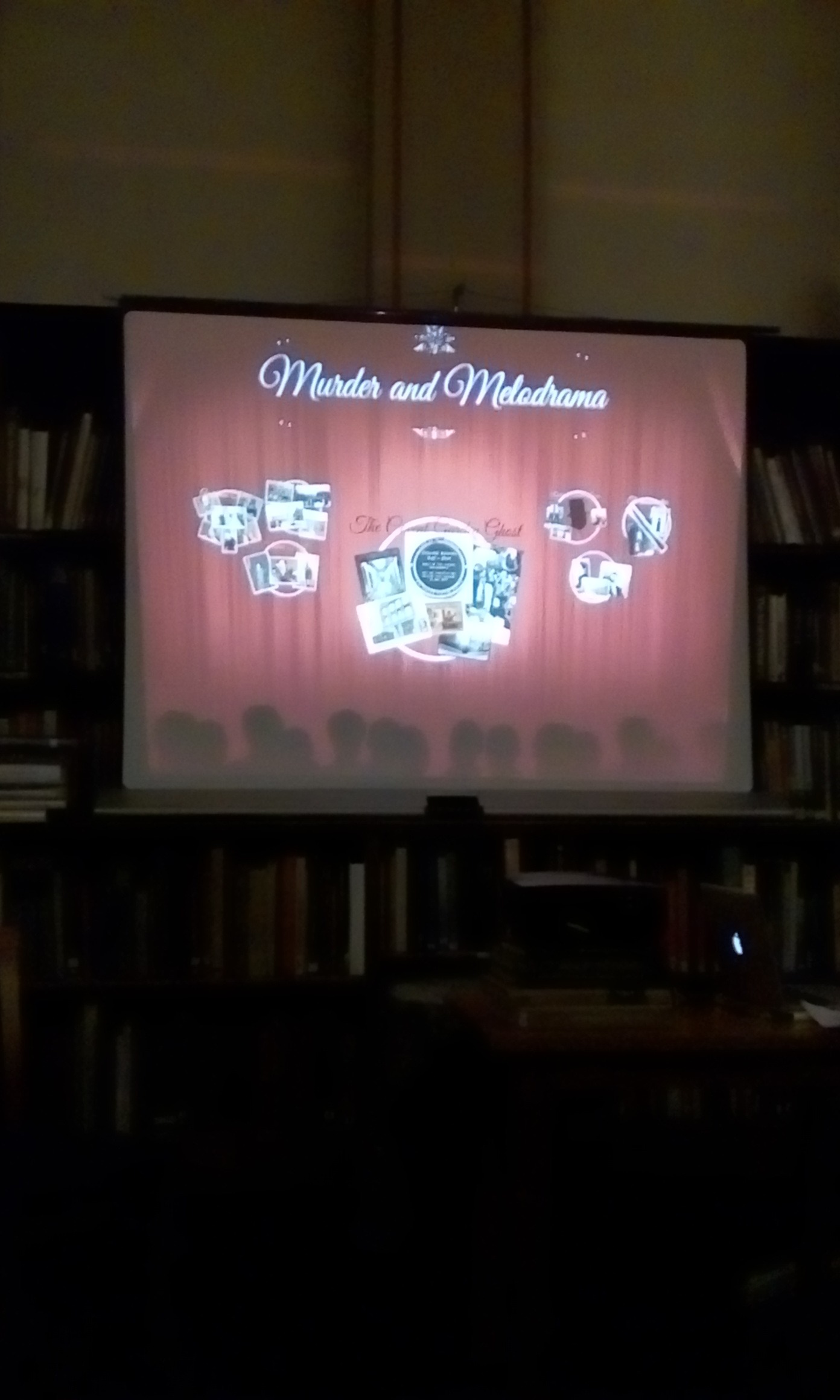
This particular talk was delivered by actor and writer Julie Balloo, and was concerned with the murder of actor William Terriss outside the stage door of the Adelphi Theatre on 16 December, 1897. It began, appropriately enough, with a scene from a Victorian melodrama, and then went on to discuss the histories of the key players in the tragedy.
Terriss was born William Charles James Lewin on 20 February 1847. His family did not want him to become an actor, so he originally pursued a variety of different careers: he joined the Navy, became a tea planter in Bengal, and tried sheep farming in the Falklands. He also tried breeding horses in Kentucky, and married Isabel Lewis (stage name Amy Fellowes) in 1870, but he still had ambitions to go upon the stage.
During the 1870s he established his acting career and performed in many popular plays of the period. His first big role was alongside Ellen Terry and he also got on well with Henry Irving, famous actor-manager of the Lyceum. In 1885 he met actress Jessie Millward and embarked on an affair with her that lasted until his death. Terriss was liked and admired by both fellow actors and the general public: he was known to be extremely generous to the former, and was hailed as a hero by the latter when he saved some people from drowning. The New York Dramatic Mirror described Terriss as one of the most popular actors in England, second only to Henry Irving. Supposedly, Terriss was told by a palm reader that he would die a violent death; his mistress Jessie Millward also had threatening dreams.
His murderer, Richard Archer Prince, was born in the slums of Dundee and grew up in abject poverty. He loved the theatre, and had ambitions to become the ‘Terriss of Scotland’. Prince moved to London and got an agent, but never managed to gain the same level of success as his hero. Terriss had assisted the struggling young actor in finding work, but over the years Prince took to alcohol abuse and grew increasingly unstable. Terriss sent several sums of money to Prince via the Actors’ Benevolent Fund, and continued trying to find him acting work, but on one occasion when Prince was refused money from the Fund, he blamed Terriss.
Prince bought a knife from a shop on Brompton Road and headed to the Adelphi Theatre. He waited in a doorway for Prince to arrive. Jessie Millward, who was in the same play, arrived first and Prince gave her a scare. When William Terriss arrived, Prince stabbed him, twice in the back and once in the front. Terriss died shortly afterwards.
Prince loved the attention he got during his trial at the Old Bailey in 1898. He was pronounced guilty, but insane. He was sent to Broadmoor and became quite involved in the dramatic scene there, putting on plays for the inmates and acting as the conductor of the prison orchestra until his death, which occurred in 1936. An interesting footnote to the story is that the ‘Covent Garden Ghost’ is supposed to be William Terriss. The ghost haunts Covent Garden station, which sounds strange until you learn that there used to be a bakery on that site, much frequented by the actors.
Thus concluded the first half of the Salon for the City event. The second involved the performance of certain scenes from Balloo’s play Gods of the Adelphi, which were entertaining and made me want to see the full play. Another dram of gin was served, and the evening drew to a satisfying conclusion.
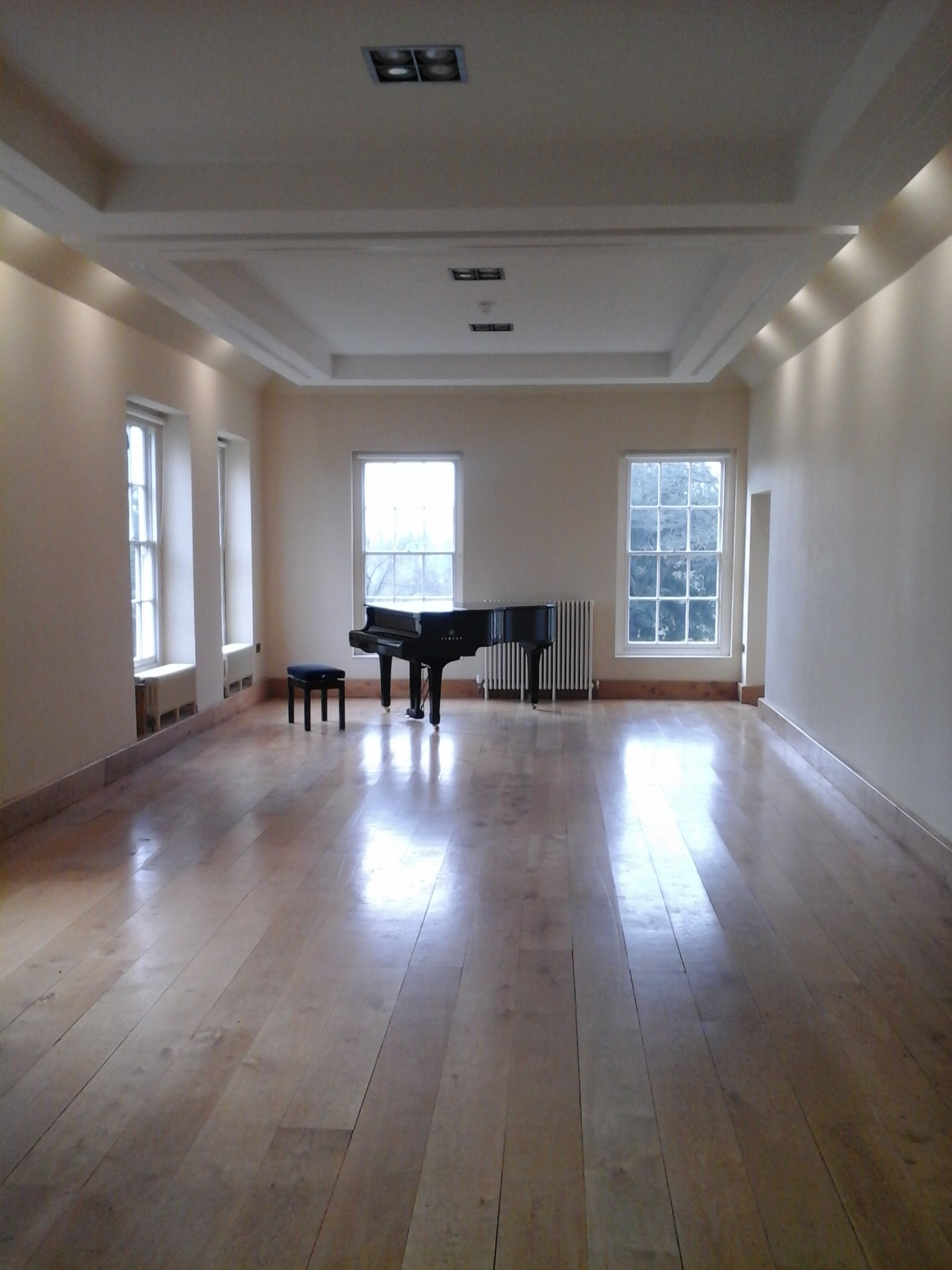
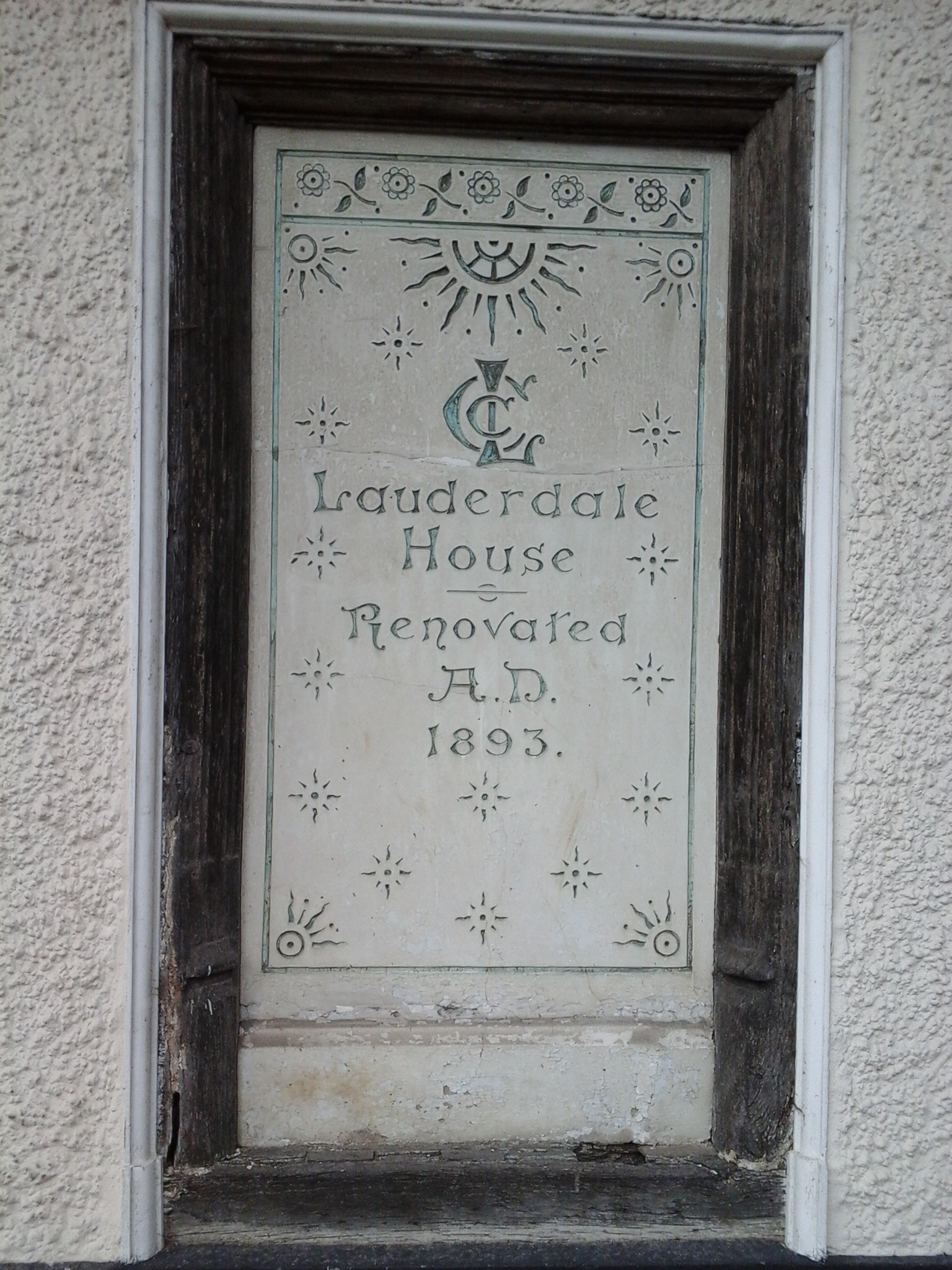
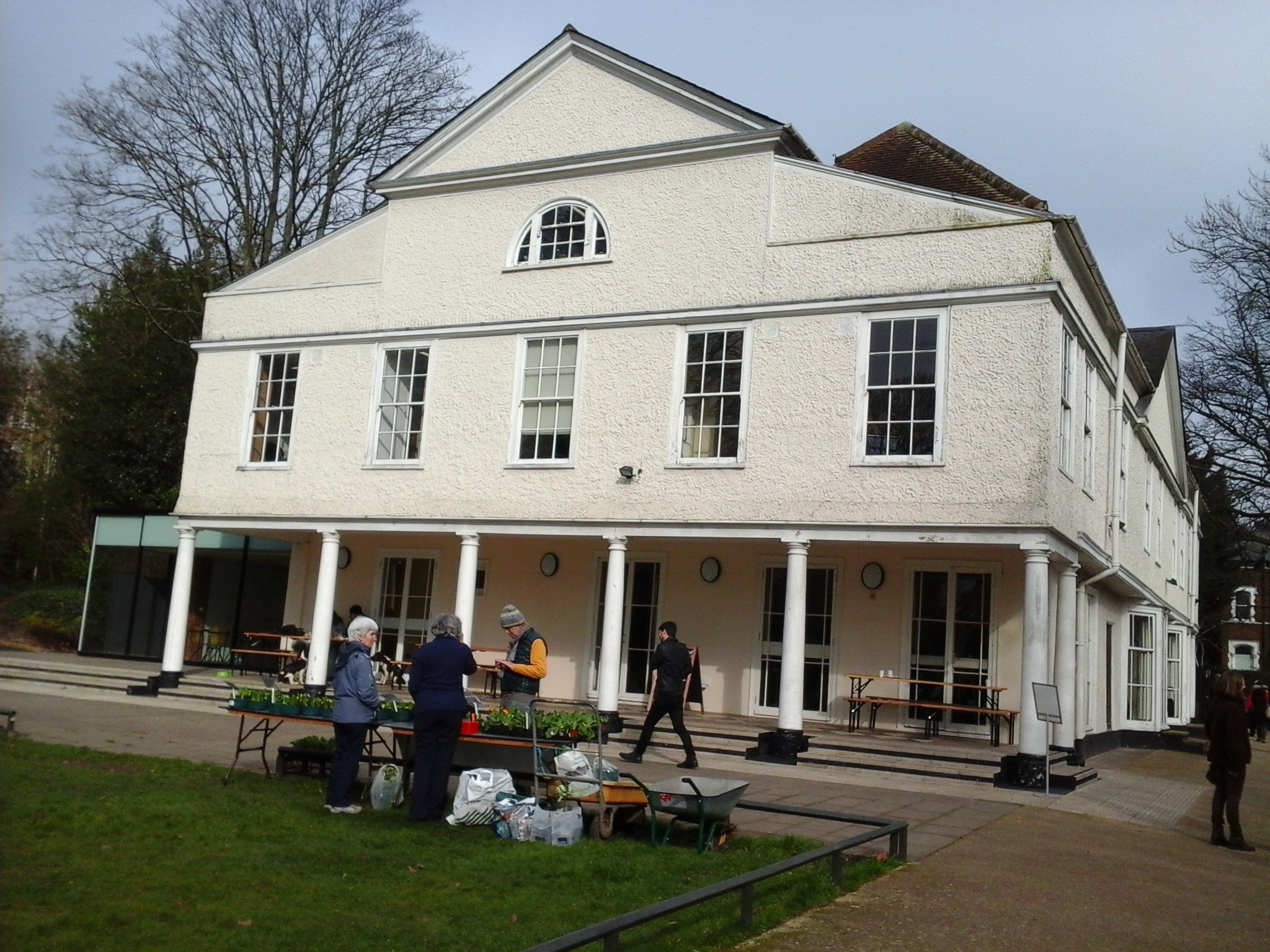
Lauderdale House in Waterlow Park, north London, is a place with a great deal of history. Over the last few months it has been undergoing refurbishment, and reopened this week with a ‘Lauderdale Transformed’ festival including music, play readings and family activities. I went to one of the play readings and went back to the House at the weekend to take part in one of the tours.
History
The house was originally built in 1582 as a private home for three-times Lord Mayor of London, Sir Richard Martin. Eventually it became the home of John Maitland, Earl of Lauderdale, who gave the house its name. Lord Lauderdale, as a key advisor to King Charles II, opened his house to him, and it became a meeting place for the King and his mistress, Nell Gwynn, and their infant son the Duke of St Albans. Samuel Pepys also visited the house on one occasion, and wrote about the visit in his diary.
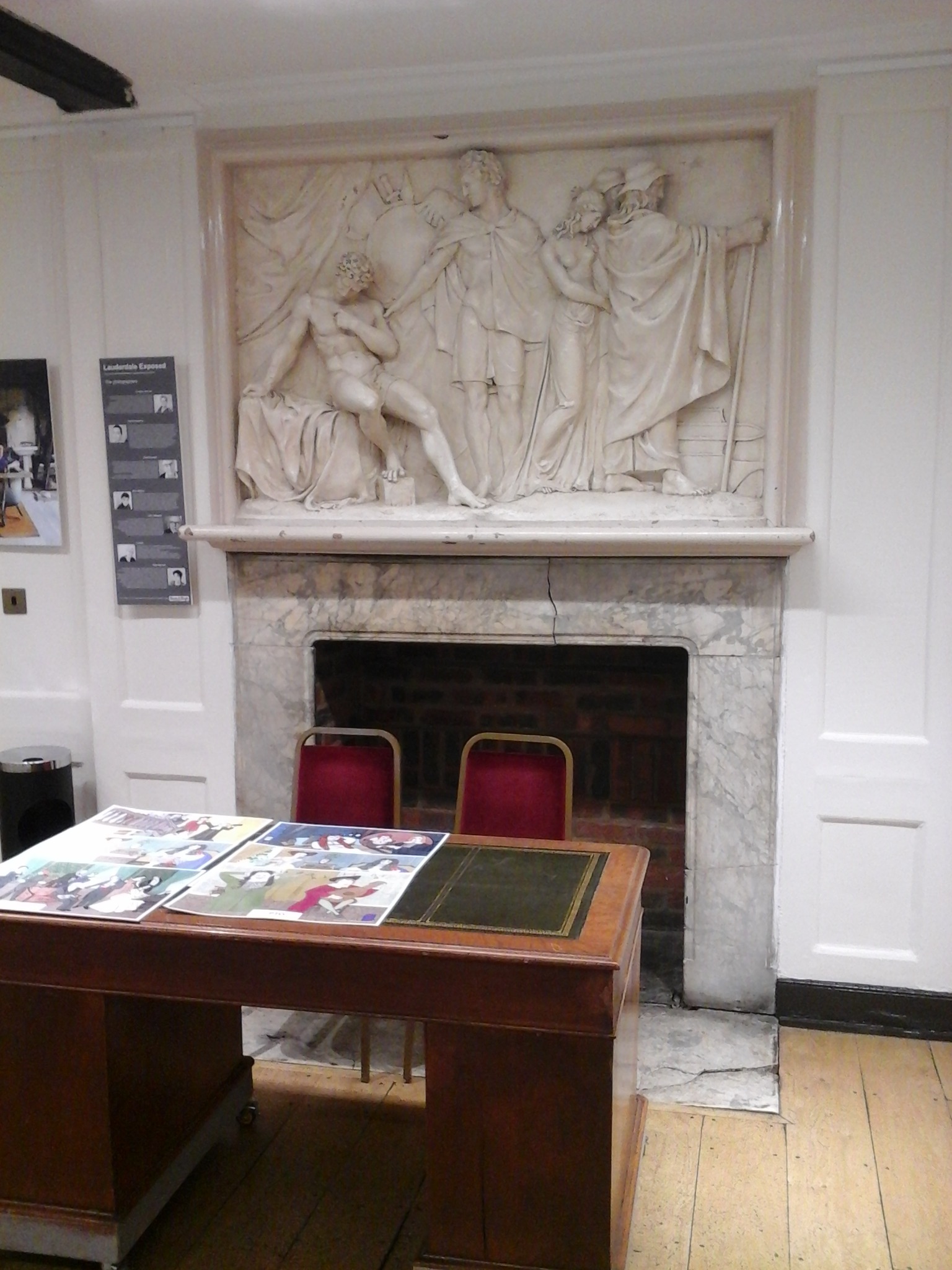
‘Nell Gwynn’s Bath’
Over the next few decades the house changed hands numerous times, being owned at one point by a member of the Quaker movement (John Wesley preached here in 1782) and later being used as a private boarding school. The last private owner was Sir Sidney Waterlow, another Lord Mayor of London, who gave his name to Waterlow Park. In 1889 he gave the house and grounds to the London County Council “for the enjoyment of Londoners”. The park became a public park and the House became a tearoom and park-keepers’ flats until a fire in 1963 that destroyed much of the House.
The House lay derelict for 15 years, until members of the local community established the Lauderdale House Society, the charity which now runs the House. Lauderdale House was opened in 1978 as an arts and education centre, and remains as such to this day. I took part in a tour to explore the recent renovation.
Tour
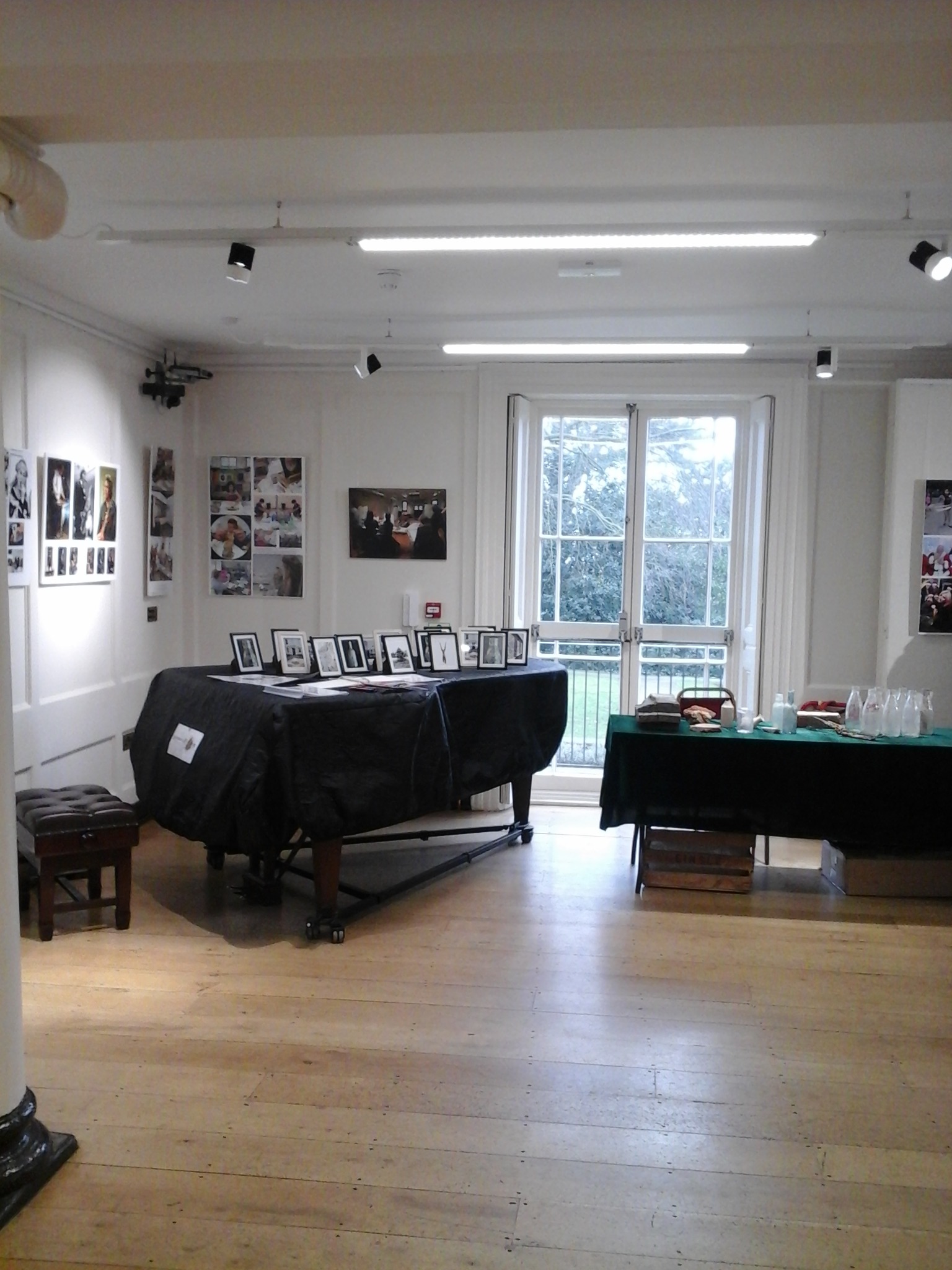
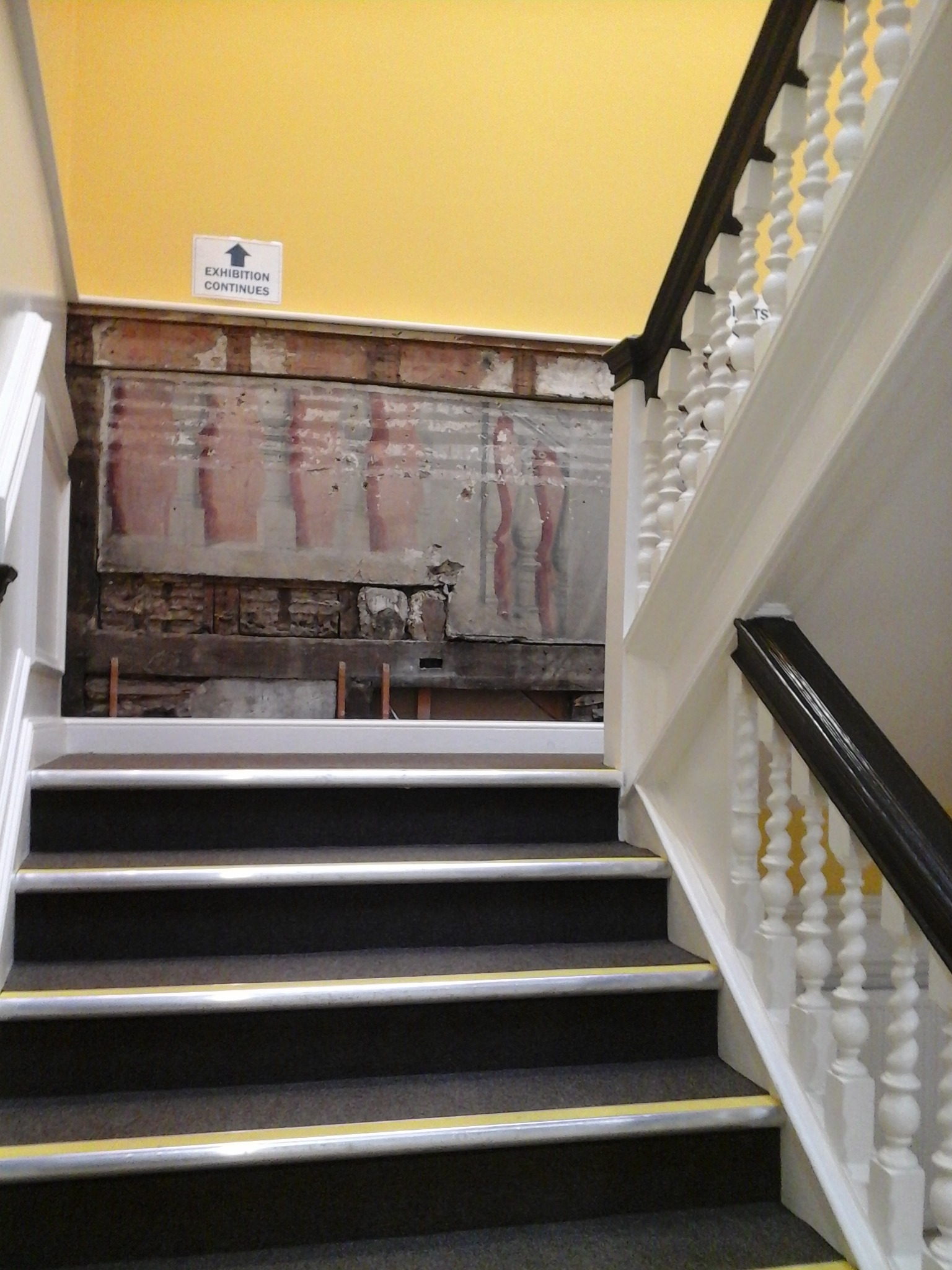
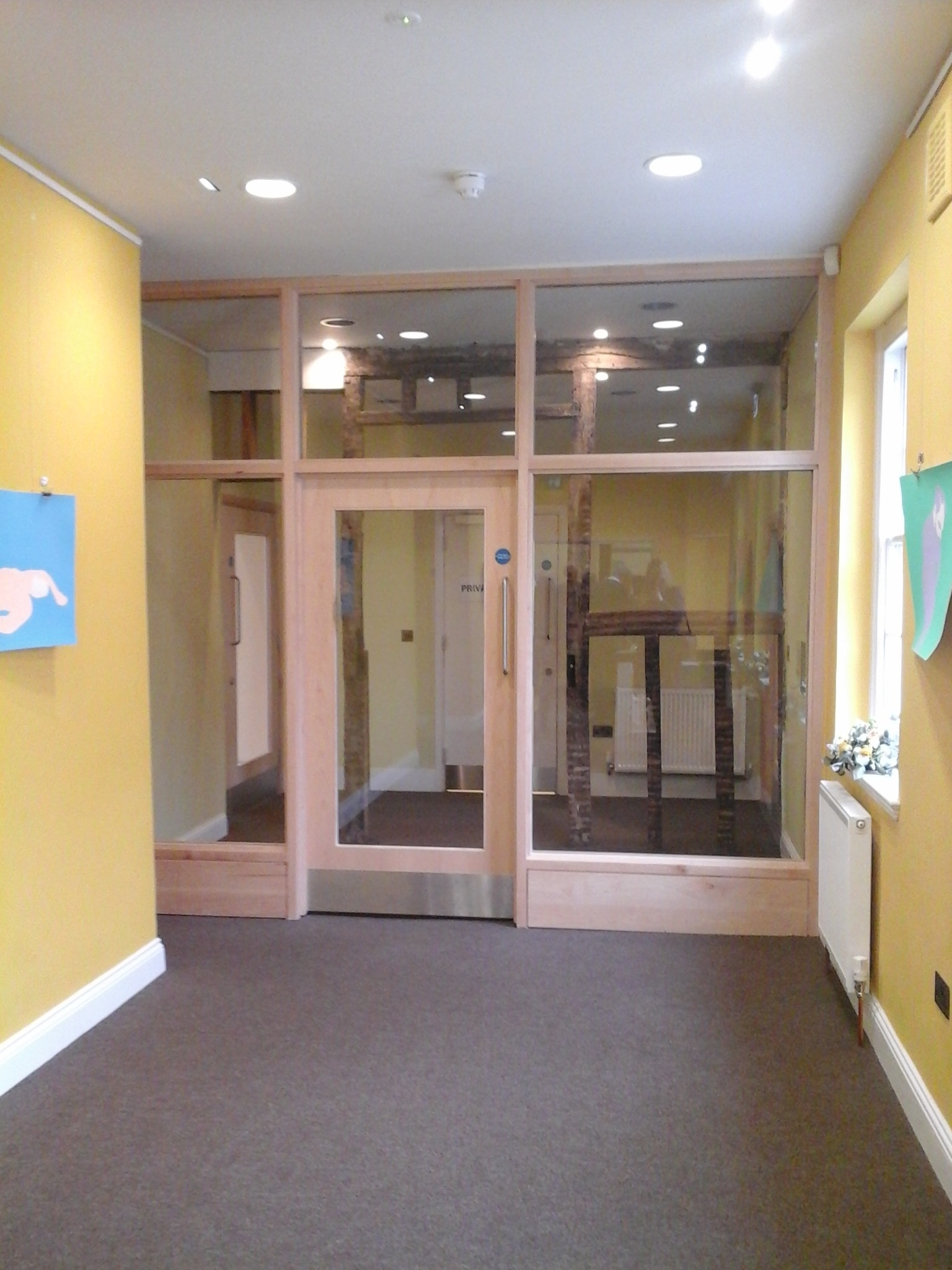
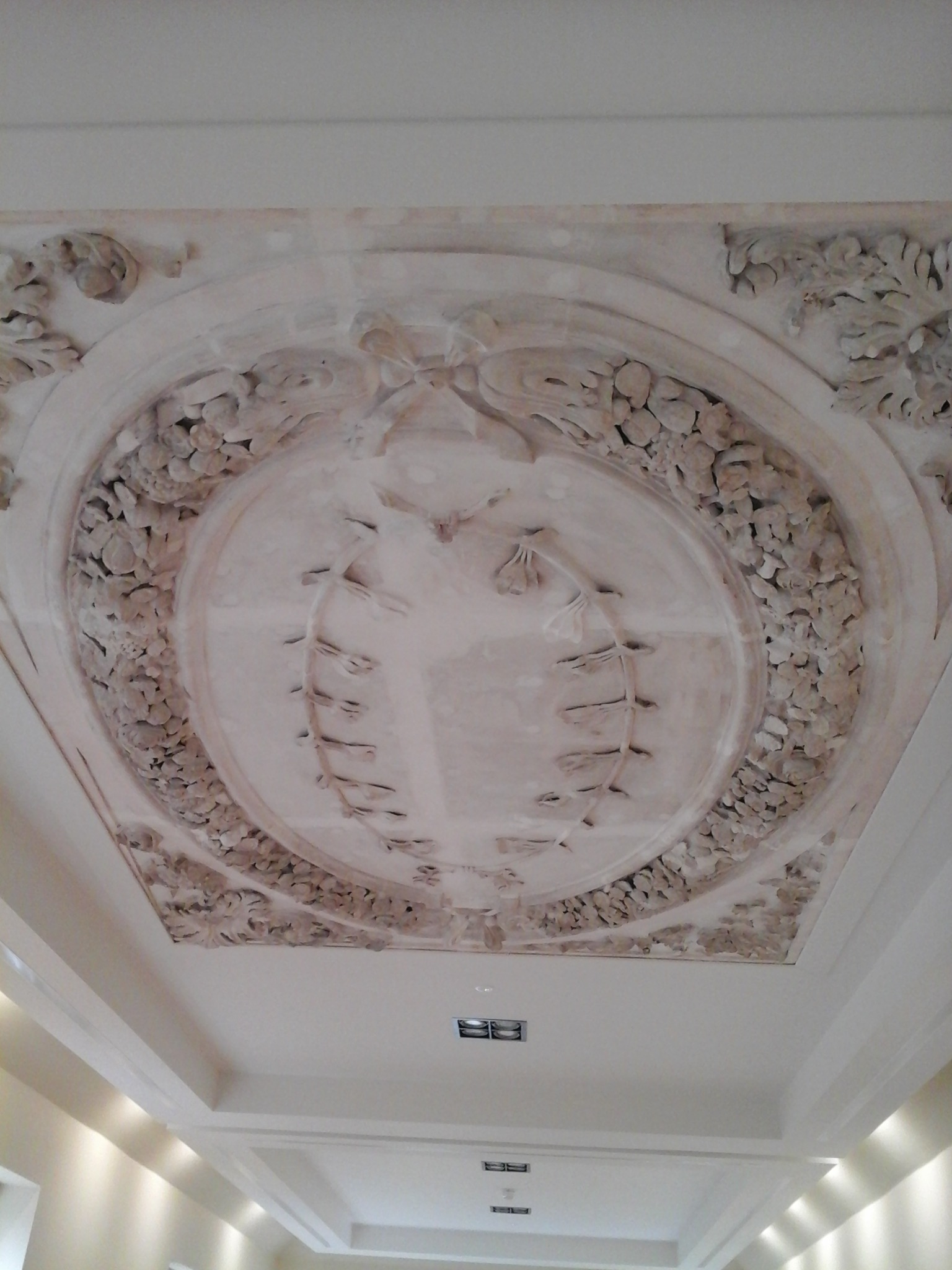
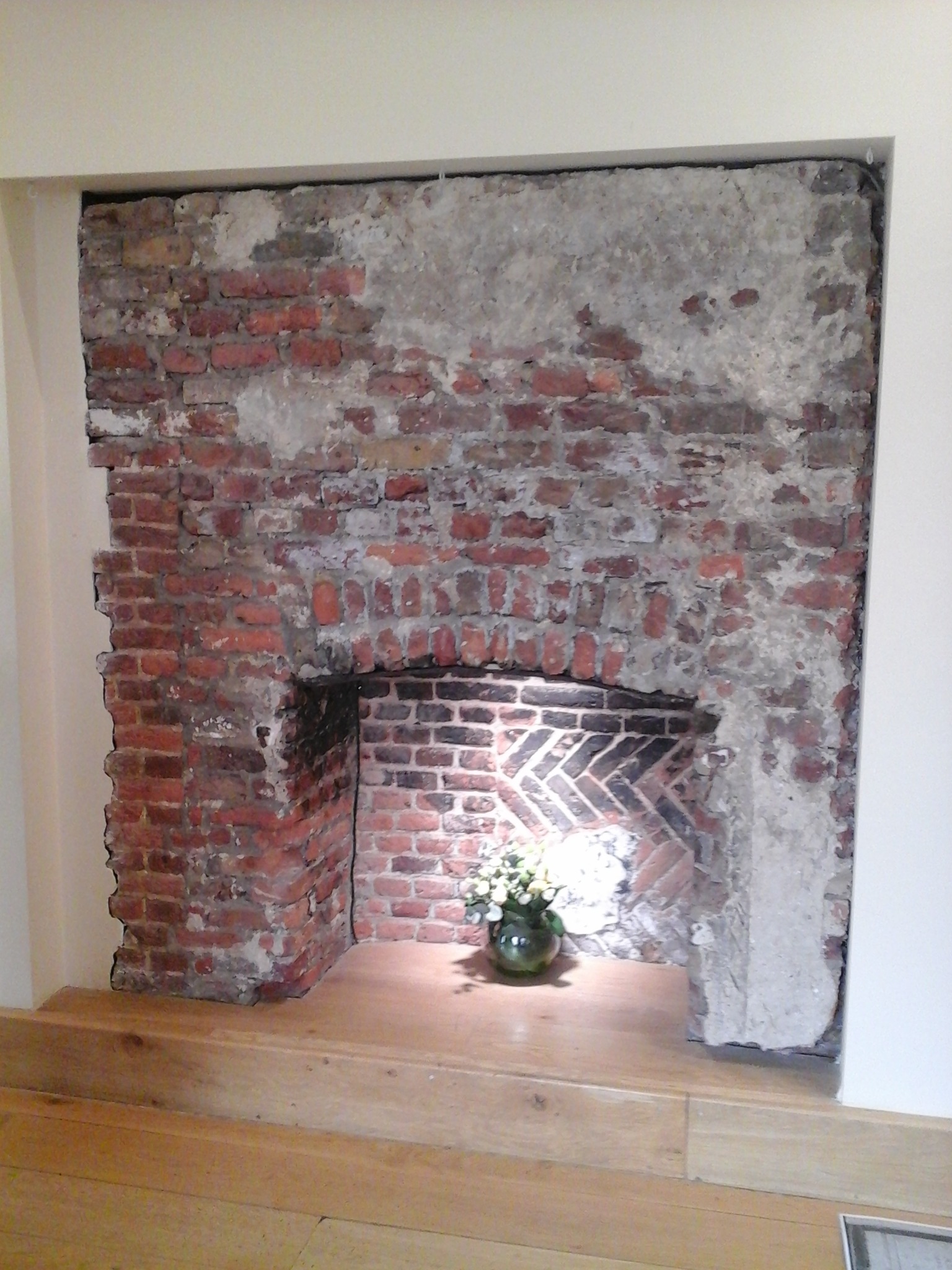
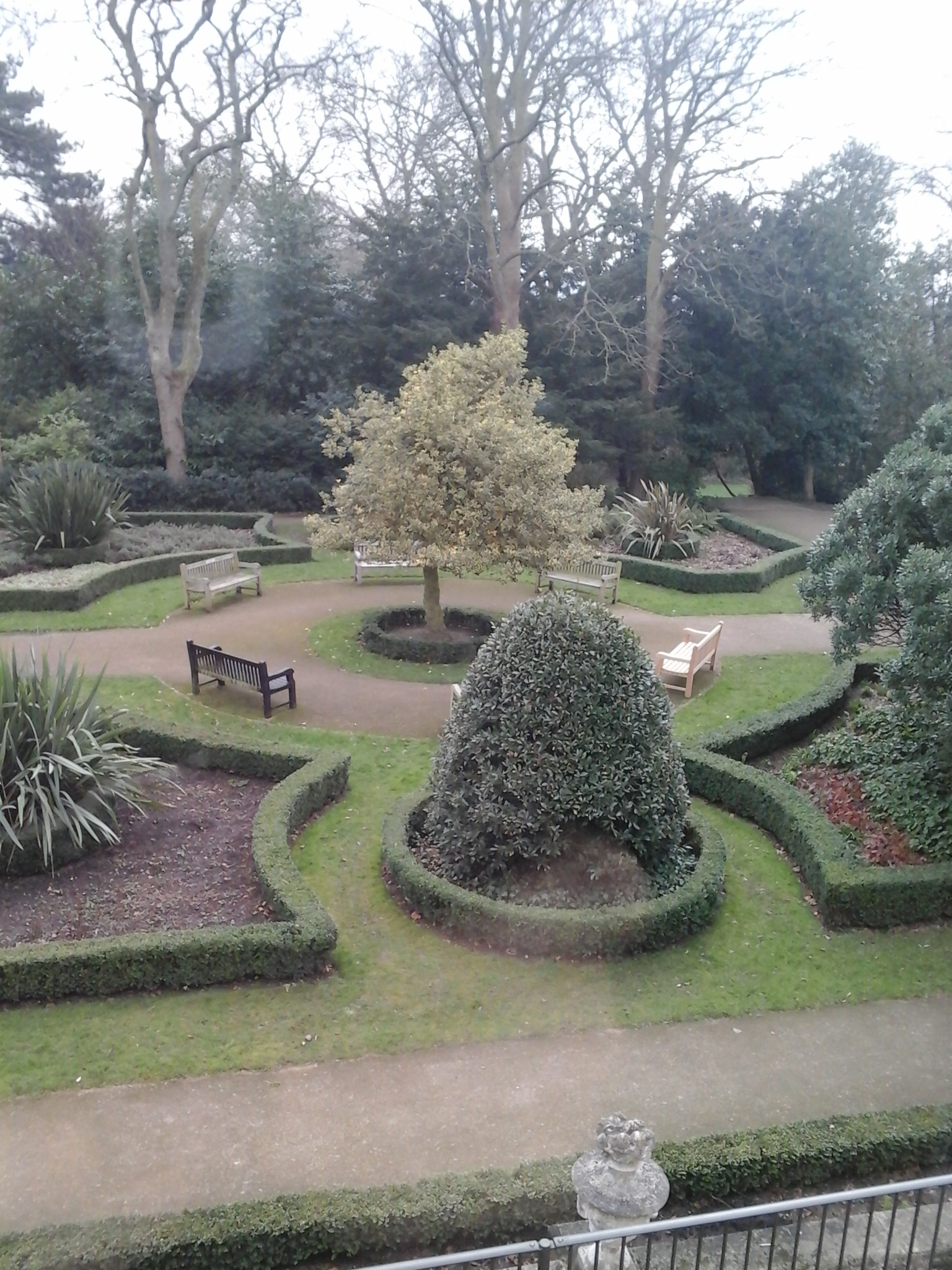
I really enjoyed my tour, which was engaging and informative. The House has been lovingly restored, with ‘Nell Gwynn’s Bath’ taking pride of place in the foyer, which is light and airy. The original stairwell pattern has been exposed, and the original wooden beams from the first house on the site – which show how the original building was smaller – are present and visible. Downstairs, there is a light-filled room that can be used for activities, while upstairs, there is a large airy room that can be used for recitals and meetings. Overlooking the park, it is rumoured to be here that Nell Gwynn dangled her young baby out of the window in order to “persuade” his father, King Charles II, to give him a dukedom. The story is apocryphal, but it’s still pretty entertaining.
Outside, it’s possible to see the original entrance to the house, and wander around the grounds and beyond, into Waterlow Park. Lauderdale House is a beautiful place in North London in which to attend a concert, enjoy an exhibition, spend time with the family or just relax with a cup of tea from the cafe.
FACTS
Address: Waterlow Park, Highgate Hill, London, N6 5HG
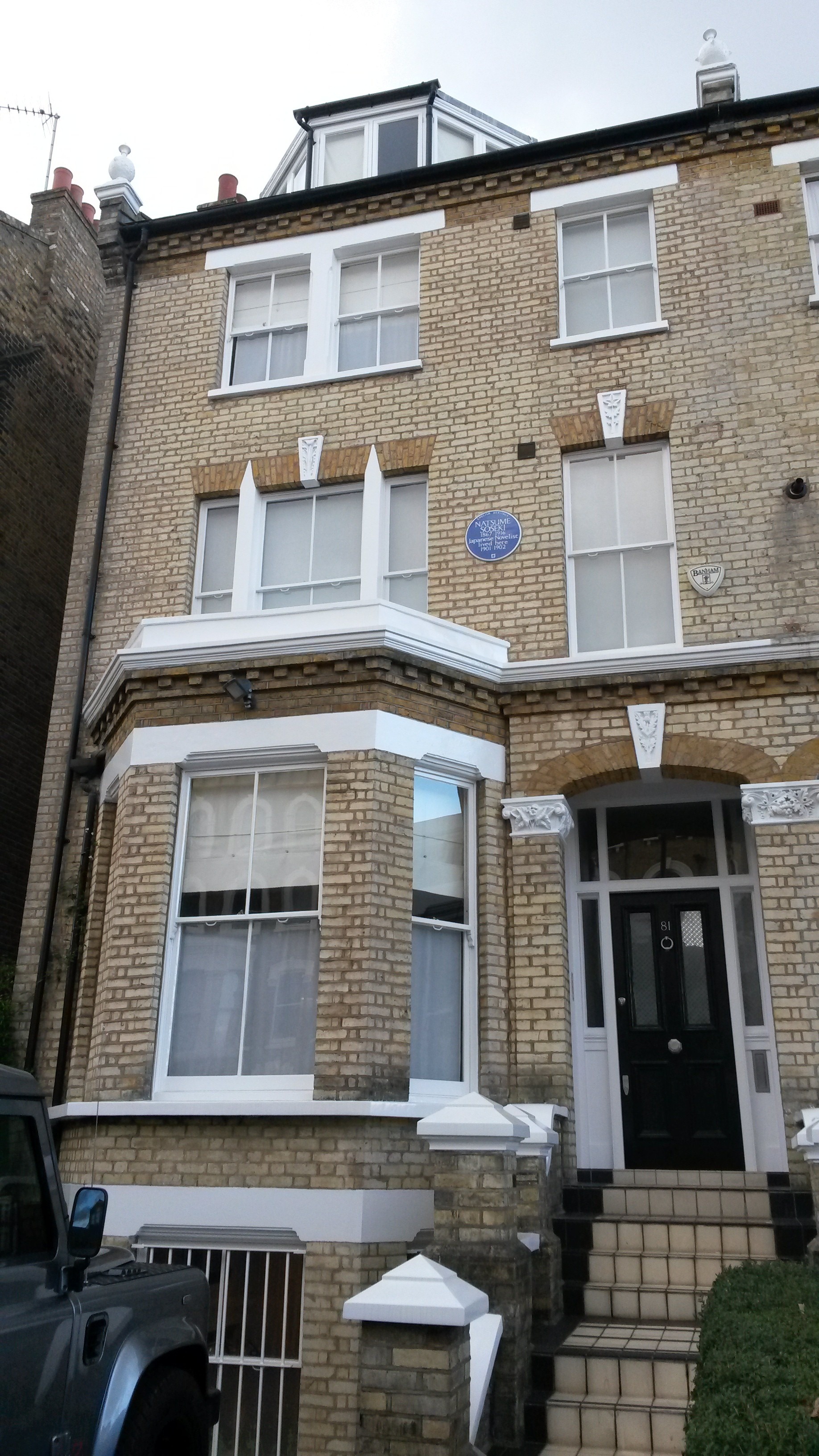
I had a couple of reasons for wanting to visit the Sōseki Museum in Clapham. One was that I am trying to visit every museum in London, including the little ones. The other was that I was genuinely interested in the subject: Natsume Sōseki was a Japanese author who spent two years living in London from 1902 to 1903, sent there to study by the Japanese government (apparently the worst two years of his life). I’ve read and enjoyed one of his novels, I Am A Cat.
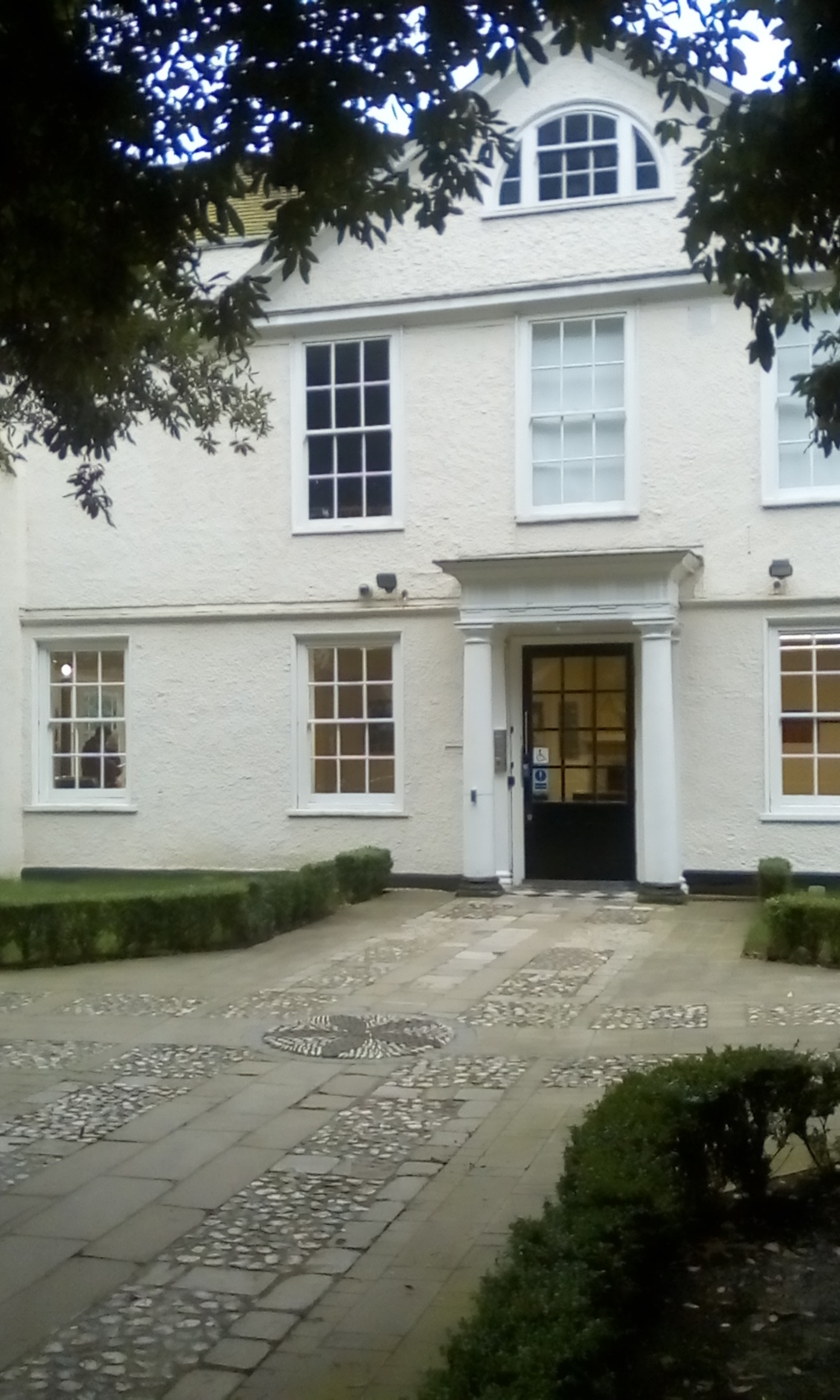
The museum, run by Ikuo Tsunematsu, was filled with books, prints and artefacts relating to the writer’s life. Last year it was announced that due to increasing costs and dwindling visitor numbers, the museum would be closing in the spring of this year. I made my way to Clapham today and had some trouble trying to identify the house: according to the Internet, the location was 80 The Chase, but the blue plaque was on the house opposite. Googling to discover more, I found out that owing to the financial uncertainties resulting from the Brexit vote, the museum actually closed at the end of September last year, meaning that I had a wasted journey and I now have yet another reason to curse Brexit – as if I didn’t have enough already. Anyway, here’s the picture of the house, with only the plaque remaining to show that Sōseki lived here.
What attracted me to Intrigue: James Ensor by Luc Tymans was the promotional picture of one of James Ensor’s paintings: a pair of skeletons fighting over a fish, pulling it apart in a kind of grotesque tug of war. Ensor, who lived his whole life in Ostend, Belgium, specialised in this kind of bizarre picture. This exhibition at the Royal Academy of Arts has been curated by artist Luc Tymans.
Perhaps surprisingly, the pictures were largely painted in the late nineteenth and very early twentieth centuries, because their macabre imagery seems from a later time. There is a proliferation of skeletons: fighting over fish, huddling by a heater to keep warm, inspecting chinoserie. Ensor painted himself as a skeleton on more than one occasion. If I hadn’t known better I would have thought that the artist was from Mexico, there were so many skeletons.
So many pictures seem to show a fallen barrier between this world and the next, with subjects including angels and masked revellers, and many have a black sense of humour. I especially liked the bad doctors and the dangerous chefs, with horrific but blackly comic imagery.
A self-portrait of the artist shows him wearing a traditionally feminine bonnet and a perfectly calm expression. Ensor was obviously someone who didn’t care what people thought of him and was happy to go his own way, in life as well as art.
James Ensor, ‘Skeletons Fighting Over a Pickled Herring’, Musees Royaux des Beaux Arts de Belgique
Who knew Ealing had a dolls house museum? Not me, even though I’ve lived in the area for approaching six years. I found out about it via a blog post and decided to pop over this Saturday.
Located on Haven Green, just across from Ealing Broadway station, the museum is well signposted – you can’t miss the building with the bright yellow sign outside. Entry is £1 and while the museum is contained within just one room, a great deal is packed into it.
Immediately on the right as you enter are four dolls houses decorated for the seasons. If only it was possible to decorate real houses like that! This side also had examples of older and modern dolls, and I even spied a doll version of Jim from the Royle Family.
The most interesting bits for me were the dolls from different countries. I can’t pretend to be able to identify them all and I do wish there had been more detailed labels. I particularly liked the Japanese dolls that came with their own story from traditional folklore.
At the back I found more assorted dolls (maybe the Doll Museum would be be a more appropriate name than the Dolls House Museum). There were some china dolls very similar to ones I had as a child. I had one in particular called Georgina that I loved. She had long ringlets and a pink satin dress. I don’t know what happened to her. I suspect my parents threw her out, along with my other china doll with plaits and a floral dress – my mam always did find them a bit creepy (I don’t know why I didn’t, to be honest).
At the other side of the room were selections of doll house miniatures, which I loved. I just love really tiny things.The picture frames especially were adorable. To finish off there were some ornaments and other doll house miniatures, while in the centre of the room there was another doll house to admire.
This museum is pretty interesting if you like that sort of thing. It’s small, and I don’t know if it would be worth making a special visit to Ealing for, but if you’re in the area it’s certainly worth half an hour of your time.