Royal Academy of Music Museum

Museum entrance
Museum entrance

Getting back into museum visiting mode, I paid a visit this weekend to a place I’ve been meaning to go for a long time: the Royal Academy of Music Museum. I’ve attended a few concerts at the Royal Academy of Music and often walked past the free museum, but I’ve never had the chance to go as it’s only open during the day. I headed down on Saturday afternoon, turning left out of Baker Street station and passing the queue of expectant tourists waiting to go into Madam Tussaud’s.

The museum is located in the RAM’s premises on Marylebone Road. It has an entrance area with a gift shop (not to mention a well-stocked selection of music books) and displays on three floors.

Stradivari violin
Stradivari violin

The ground floor covers the history of the RAM, which was founded in 1822 by a group of aristocrats. The Academy’s first premises were on Tenterden Street; the first pupils were youngsters aged 10-15 and the President was former child prodigy William Crotch. Eventually the Academy attracted royal patronage, with George IV signing the Royal Charter in 1830.

Early piano
Early piano

The rest of the ground floor is given over to special exhibitions; the current exhibition focuses on the Spencer Collection, which came to the Academy from the estate of Robert ‘Bob’ Spencer, professor of Early English Song at the Academy for many years. Spencer was a former librarian, and loved tracking down and collecting the rare manuscripts and instruments that form the backbone of his fascinating collection, which was instrumental (pun intended) in igniting the study of early music in England.

Steinway piano
Steinway piano

The first floor is the home of the Strings Gallery, which has some fine examples of harps, violins, violas, a cello and a double bass. One violin is a Stradivari. The Piano Gallery is located on the second floor, with a number of fine examples of instruments from several centuries, including Georgian square pianos, early nineteenth century Broadwood instruments (one of these was gifted to Beethoven) and a Steinway grand.

The gallery is a very pleasant place to visit for anyone with an interest in music and instruments; it’s full of fascinating historical information.

FACTS

Address: 1–5 York Gate, Marylebone Road, London, NW1 5HT

Website: ram.ac.uk/museum

Opening Hours: 11.30am–5.30pm Monday to Friday, 12pm–4pm Saturday

Price: Free

London Sewing Machine Museum

Entrance to the store/museum on Balham High Road

It’s the start of a fresh new year and I really want to get on to visiting some of the many, many museums in and around London. With that in mind, on the first Saturday of 2018 I headed down to the London Sewing Machine Museum, located near Tooting Bec Station in south London.

Industrial machines
Industrial machines
Industrial machine close-up

The Museum is on the top floor of the premises of the Sewing and Craft Superstore, just round the corner of the station. You go through the front entrance and up the stairs to be confronted with – unsurprising given the name of the museum – sewing machines. There is a room full of them, in fact, all of which are examples of those used in industry (the museum owner supplied all of the machines used in the film Made in Dagenham). In a room just beyond are the machines designed for domestic use, including several miniatures, a number designed to be folded away after use, and one that can be disguised as a lion when not in use. The shop front in the museum is from the original branch of the Wimbledon Sewing Machine Co. Ltd, founded by the grandfather of the present company director, Ray Rushton. He inherited his grandfather’s passion for sewing machines and is responsible for many of the collection’s gems.

Original shop front
Original shop front
Barthélemy Thimonnier's 1829 sewing machine
Barthélemy Thimonnier’s 1829 sewing machine
Victorian sewing machine

I’ve never used a sewing machine myself – I’ve always found them to be a bit scary – but I was fascinated by the museum, in no small part thanks to the enthusiastic volunteer who gave us a short guided tour of the space. If it hadn’t been for her I would certainly have missed Barthélemy Thimonnier’s unobtrusive wooden machine, the first widely-used and practical machine, invented in 1829. More obvious was the ornate Victorian machine gifted to Queen Victoria’s eldest daughter and used by her nurse for many years.

Charlie Chaplin's mother's sewing machine
Charlie Chaplin’s mother’s sewing machine
Boy George alongside the model that helped create his costumes

I certainly hadn’t expected to come across Charlie Chaplin and Boy George in the museum. Machines associated with both entertainers can be found here: the original sewing machine belonging to Chaplin’s mother, and an identical model to that used by Boy George’s mother to sew many of his early costumes.

The museum is surprisingly interesting even for those who aren’t massively into sewing machines, and it’s free too. Well worth visiting if you have a free Saturday afternoon.

FACTS

Address: 308 Balham High Road, London, SW17 7AA

Website: craftysewer.com/acatalog/London_Sewing_Machine_Museum

Opening Hours: 2am-5pm on the first Saturday of the month

Price: Free (donations welcomed)

The National Portrait Gallery

National Portrait Gallery

On the same day I visited the Supreme Court, I decided to pop into the National Portrait Gallery. I’ve been there a few times in the past, but it’s been a while since I’ve gone through it thoroughly.

The NPG was founded in 1856 and was the first portrait gallery in the world. It moved to its current site in 1896. As the name suggests, it contains portraits of the great and the good from the late medieval period onwards – the pictures have been chosen for the significance of the sitter, not the artist. It’s interesting to see how this changes over time: in the sixteenth century it’s mainly monarchs, with the odd courtier; later on the litany includes scientists, artists and poets, and the modern day portraits include celebrities: singers, actors and sports people.

The Gallery is arranged chronologically from the top to the bottom, so I headed to the top floor via the escalator. The first things you see are casts from the tombs of medieval kings, this from a time before portraits were common. From then it’s straight into the Tudor era, starting with a few Tudor-era portraits of medieval kings. I still remember the first time I saw this part of the Gallery: I was fresh from studying the Tudors at A Level, and it was amazing to see the paintings I’d only ever seen in textbooks in the flesh. Queen Elizabeth has a strong presence but there are also famous pictures of Henry VIII and Mary, Queen of Scots.

Paintings dating from the Jacobean period onwards cover monarchs as well as famous scientists, writers and artists, including the famous Chandos portrait of Shakespeare and one of my favourites – a dramatic painting of poet John Donne. I naturally gravitate towards the writers – I love the picture of Lord Byron towards the end of these galleries.

Statue of Victoria and Albert

Works from the Victorian era can be found on the floor below; these are very, well, Victorian. There is a room for politicians and a corridor for famous public faces, plus many representations of Queen Victoria herself. My favourite room here is the writers’ room, which contains Branwell Brontë’s painting of his three famous sisters, as well as a picture of another of my favourite authors, Thomas Hardy. Another of my favourites is the dashing portrait of a young Lord Tennyson.

The early twentieth-century gallery has recently been refurbished, and it was good to see it looking refreshed. In general this isn’t my favourite artistic period, but there are some interesting portraits here of the likes of Virginia Woolf, Sir Ernest Shackleton and Sir Winston Churchill.

The Gallery hosts regular special exhibitions (for which a charge is made) and offers late-night opening on Thursdays and Fridays. It’s smaller and a bit less daunting than the nearby National Gallery, but it’s well worth a visit.

FACTS

Address: St Martin’s Place, London, WC2H 0HE

Website: npg.org.uk

Opening Hours: Daily 10am-6pm, open until 9pm Thurs & Fri

Price: Free (charge for special exhibitions)

Croydon Airport Visitor Centre

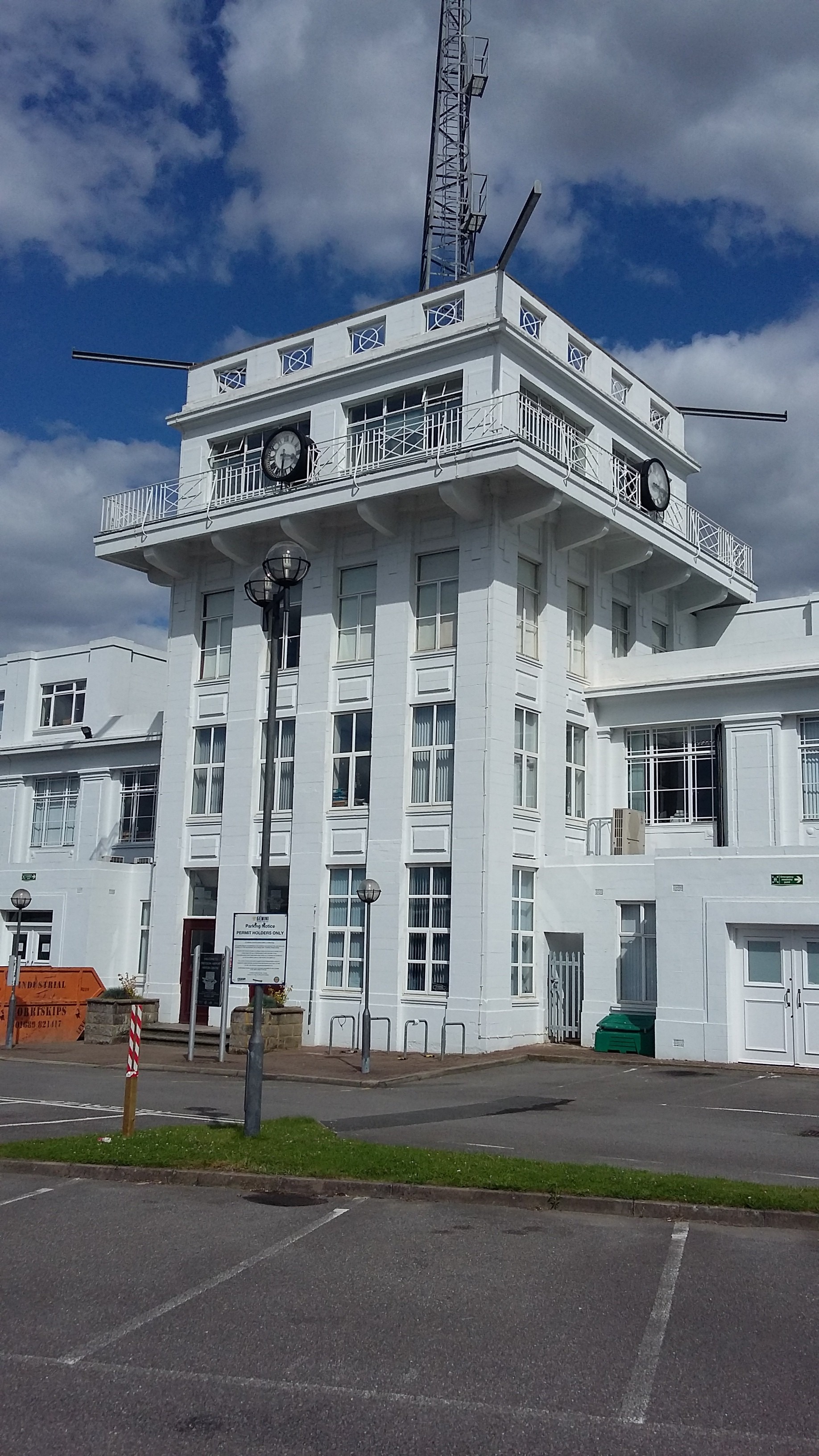
Croydon Airport
Croydon Airport

When you think of airports in London, you probably think of Heathrow or Gatwick, but before these airports, there was… Croydon. Based in South London, it was the main airport for London before it was replaced by Northolt Aerodrome, London Heathrow Airport and Gatwick Airport. Croydon Airport was Britain’s first major international airport, coming into being during World War I and closing in 1959.

Croydon Airport
Croydon Airport

The Historic Croydon Airport Trust, also known as the Croydon Airport Society, was founded in 1978 and became a registered charity in 1983. It aims to conserve the history and heritage of London Croydon Airport for the community. The Croydon Airport Visitor Centre is a ‘micro museum’ run by the charity, and is open to the public once a month. I headed down one Sunday to find out more.

Model of the airport
Model of the airport (plane is not to scale…)

History

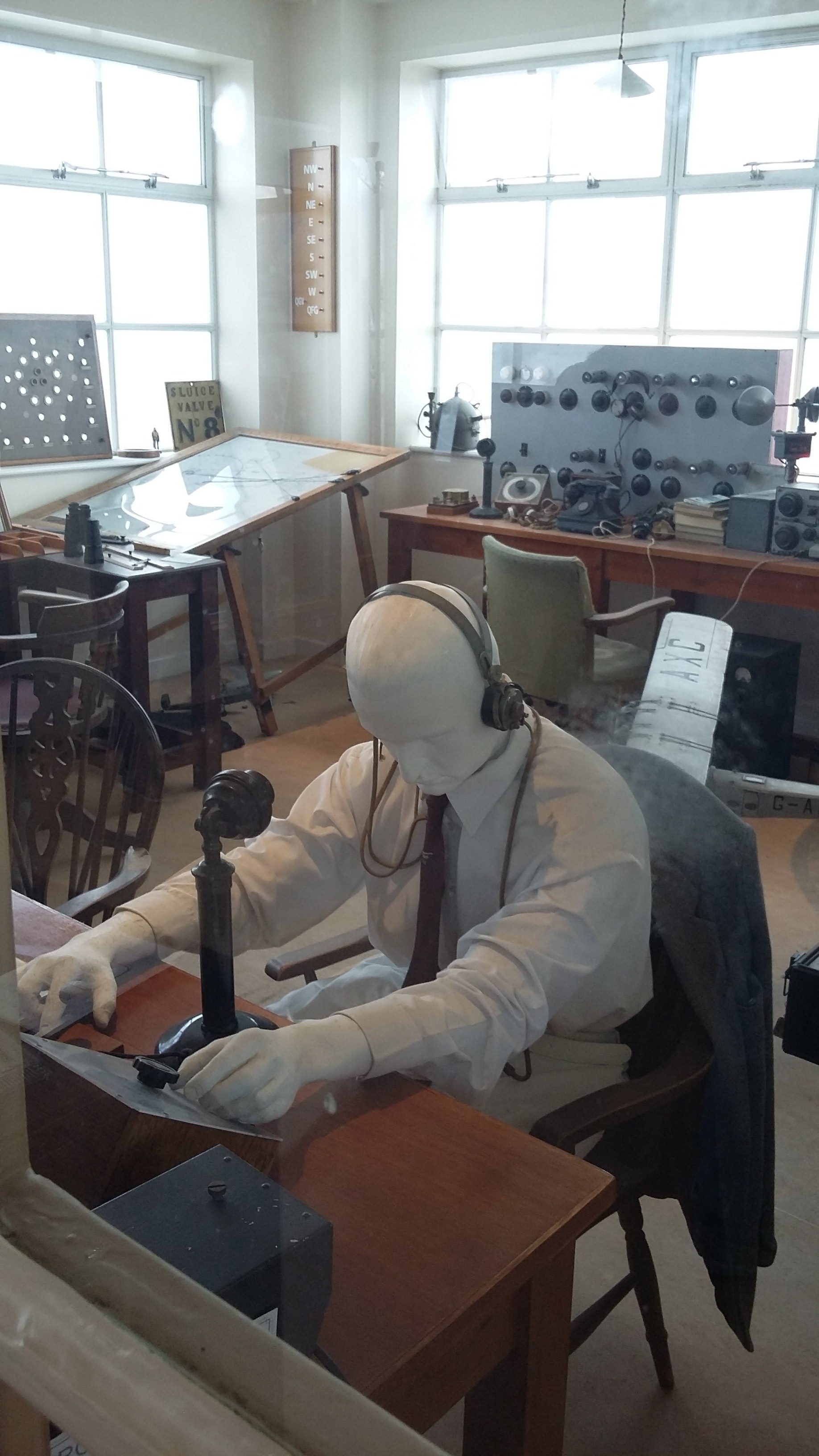
London Croydon Airport was once Britain’s major and only international gateway airport. It played a significant part in early twentieth century British history and helping to shape global air travel. The airport was the birthplace of Air Traffic Control – the control tower here was the world’s first. It also played an important part as the site of many world record-breaking flights, including those undertaken by Amy Johnson. The international distress call ‘Mayday’ was coined here.

Inside the airport
Inside the airport

Airport House, as the terminal building and control tower are now known, are Grade 2* listed.

Control tower
Control tower

My Visit

I joined a tour pretty much as soon as I arrived. My guide was very informative and took us around the building, showing us where visitors used to arrive and depart, taking us to the control tower at the back before heading up the stairs to view the displays. He regaled us with interesting historical info that complemented the exhibition.

In the control tower

There are some flight simulator games at the top of the control tower to keep kids happy, but the whole site should be interesting for adults. There are some original aeroplane seats which seemed much more comfortable and luxurious than the ones we get nowadays, and displays about the history of the site. It made me think of Agatha Christie for some reason, and made me feel nostalgic for the good old days when you could turn up at the airport with a bag and hop on a plane without all the queuing and security checks we have to go through now.

A visit to Croydon Airport is definitely worth it. Keep an eye on the website for details of open days.

FACTS

Address: Airport House, Purley Way, Croydon, CR0 0XZ

Website: croydonairport.org.uk

Opening Hours: First Sunday of the month, 11am-4pm.

Price: Free

Anaesthesia Heritage Centre

Anaesthesia Heritage Centre

As part of my bid to visit every museum in London, I popped into the Anaesthesia Heritage Centre one day when I had a bit of free time. This tiny museum can be found in the basement of the Portland Place headquarters of the Association of Anaesthetists of Great Britain and Ireland. It explores the (comparatively) short history of anaesthesia and pain relief.

The lack of pain relief in surgery obviously meant that the kinds of operations that could be performed were limited: usually things like amputations or the removal of bladder stones (as in the case of diarist Samuel Pepys, who underwent this excruciating operation in 1658). Early practitioners sometimes used herbs to anaesthetise (and, in the Far East, acupuncture), but more often an unfortunate patient was simply given some alcohol and then held down. More rigorous scientific practice led to the development of such anaesthetics as chloroform. On display are several examples of the apparatus used to deliver pain relief, including masks and needles. In the early days it was often hard to judge how much anaesthetic to give: too little and the patient might wake up mid-surgery, too much and they might die of an overdose.

Anaesthesia Heritage Centre

The display looks at the development of anaesthesia as a valid and recognised branch of medicine. From 1912 it became part of the medical curriculum, and the Diploma in Anaesthetics was introduced in 1935.

There is a brief display on the role of anaesthetics during World War I, which is particularly interesting. I definitely recommend this tiny free museum if you’re in the area.

FACTS

Address: 21 Portland Place, Marylebone, London, W1B 1PY

Website: aagbi.org/education/heritage-centre

Opening Hours: 10am-4pm Mon-Fri

Prices: Free
The Building Centre

Building Centre

I work near to the Building Centre in Bloomsbury, so it’s strange that it took me so long to go in, and even stranger that when I finally did go, it was on a Saturday. The Centre exists to promote innovation in the built environment, according to its website, and was first established in 1931. Today, it functions as an architecture centre and galleries with exhibitions related to contemporary building and design – it also has a coffee shop, which is available to the public and also puts on various coffee-related events.

New London Architecture

The centrepiece of the permanent exhibition is the New London Model, a 3D map of central London, accompanying a series of displays on Transforming The Boroughs, which contain information about past, current and future projects in all areas of London. Check out your own area or explore more widely.

The Centre also has a programme of rotating free exhibitions. The current exhibition is Night Time Is The Right Time, which runs until 15 August. It explores how architects and designers have imagined cities to run better and more efficiently during the night time, and I found it fascinating. There is also a small exhibition on the 50th anniversary of the Lee Valley Regional Park.

If you’re in the area, it’s definitely worth popping in to check out how the built environment of London could transform within the next few years.

FACTS

Address: 26 Store Street, Bloomsbury, London, WC1E 7BT

Website: buildingcentre.co.uk

Opening Hours: 9am-6pm Mon-Fri, 10am-5pm Sat

Prices: Free
Design Museum

Head of Invention, Eduardo Paolozzi

The Design Museum has undergone a pretty impressive transformation lately – it’s moved venue. Originally based in Shad Thames near London Bridge, it recently took over the old Commonwealth building on High Street Kensington, opening only a few months ago.

Ceiling

The building itself is pretty impressive. Located on a busy high street, it has an appealing modern entrance and is hugely striking inside. Photographs on the mezzanine illustrate the progress of the transformation. Like many museums in London, the Design Museum is made up of a mixture of free permanent exhibitions and temporary paid exhibitions, with something to suit every taste; there’s a café, restaurant and gift shop too.

Wall of designs

The major free exhibition is called Designer Maker User, and it looks at examples of good design throughout modern history, from furniture to games consoles to road signs. The Tube map makes an appearance, not to mention typewriters and computers.

Designer

Maker

User

The second free exhibition I saw was Cartier in Motion, which looked at the history of Cartier. Sponsored by the brand, it is in many ways a commercial exhibition, but it was informative and interesting, even if it didn’t convince me that I need a Cartier watch.

Design Museum

The two temporary exhibitions currently are Imagine Moscow, in the basement, and California: Designing Freedom, on the ground floor. I visited one and not the other; it’s handy to be able to choose what you want to see. There’s a rolling programme of paid temporary exhibitions, reason to go back again and again.

Design Museum

The Design Museum is definitely a worthwhile place to visit, should you be interested in this kind of thing. The free exhibition is wide-ranging enough to attract attention and the range of temporary exhibitions is certainly promising.

FACTS

Address: 224-238 Kensington High Street, London, W8 6AG

Website: designmuseum.org

Opening Hours: 10am-6pm daily

Prices: Free
Hunterian Museum

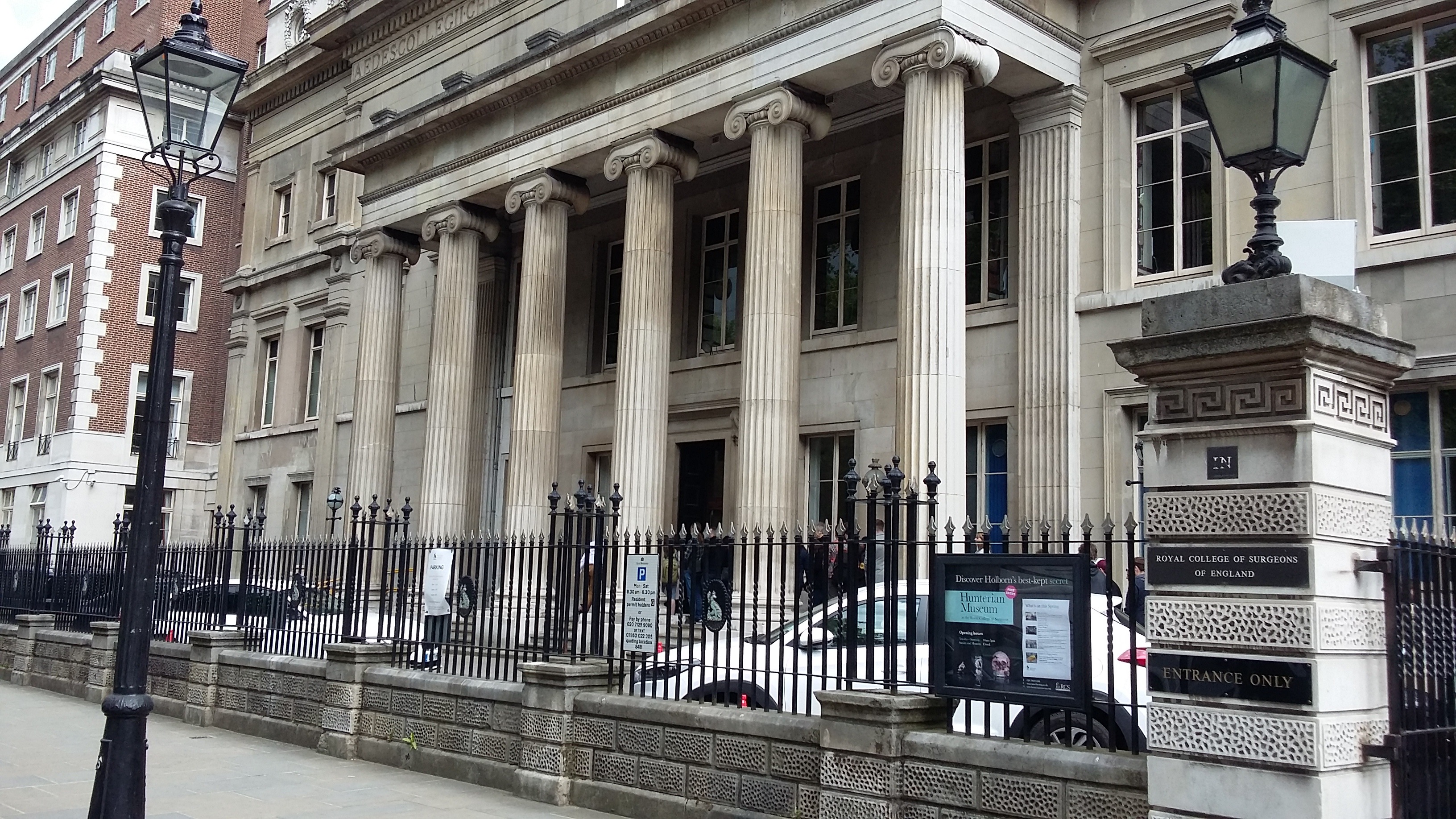
Royal College of Surgeons

The Hunterian Museum is about to close for a three-year refit, so I decided to pop in one Saturday beforehand. I had visited the museum a few years ago, but don’t actually remember all that much about my visit, so it was about time for another.

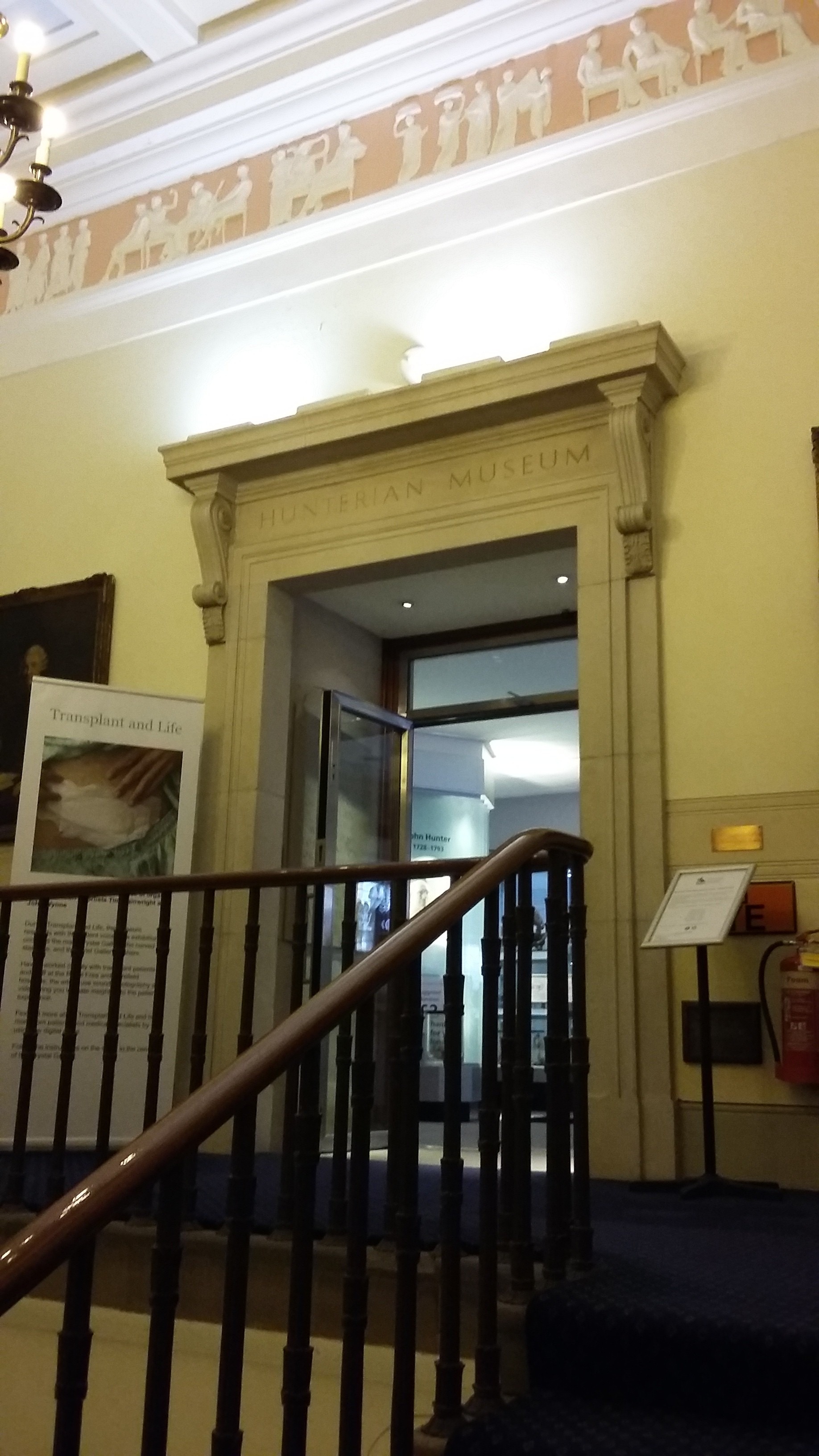
Hunterian Museum
Hunterian Museum

The museum is located in the Royal College of Surgeons, in Lincoln’s Inn Fields just across from John Soane’s house. On this occasion I had to queue for half an hour to get in: the imminent closure of the museum means that people are rushing to visit, but it isn’t usual to have to queue for this place.

The collection of John Hunter, a pioneer and hugely important figure in the field of surgery, was purchased by the government in 1799 and given to the Company (later The Royal College) of Surgeons. This collection formed the basis for the museum which opened as part of the new Royal College of Surgeons of London’s building, which still stands today. The museum was redesigned and expanded several times during the nineteenth century, but during the Second World War the building was bombed and much of the collection destroyed. It reopened in 1963, but was remodelled again in the latter half of the century, before reopening in its current form in 2005.

The museum, the bulk of which is made up of John Hunter’s collections, contains many medical specimens. I admit I didn’t look too closely at these as I am rather squeamish. However, it is a valuable resource for students of medicine. Notable displays include preserved tumours, skeletons affected by syphilis, and the full skeleton of Charles Byrne, ‘the Irish giant’. There are also some interesting paintings, and displays covering the history of surgery and the exploration of anatomy in London.

It’s a shame this excellent small museum will be closed for three years, but hopefully it will reopen to the public in 2020 even bigger and better than before.
FACTS

Address: The Royal College of Surgeons of England, 35-43 Lincoln’s Inn Fields, London, C2A 3PE

Website: rcseng.ac.uk/museums-and-archives/hunterian-museum

Opening Hours: Currently closed; due to reopen in 2020

Prices: Free
London Motor Museum

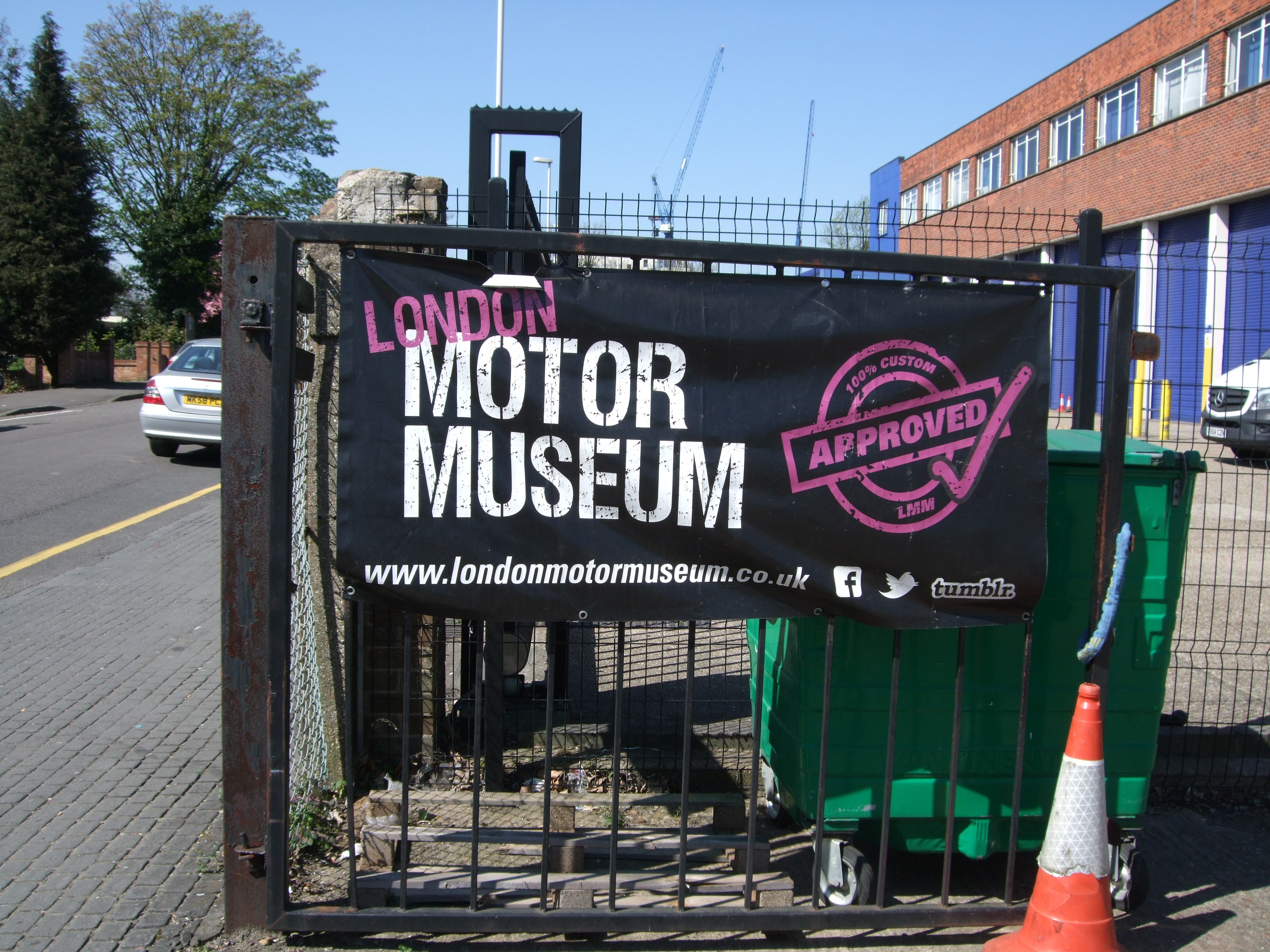
London Motor Museum London Motor Museum

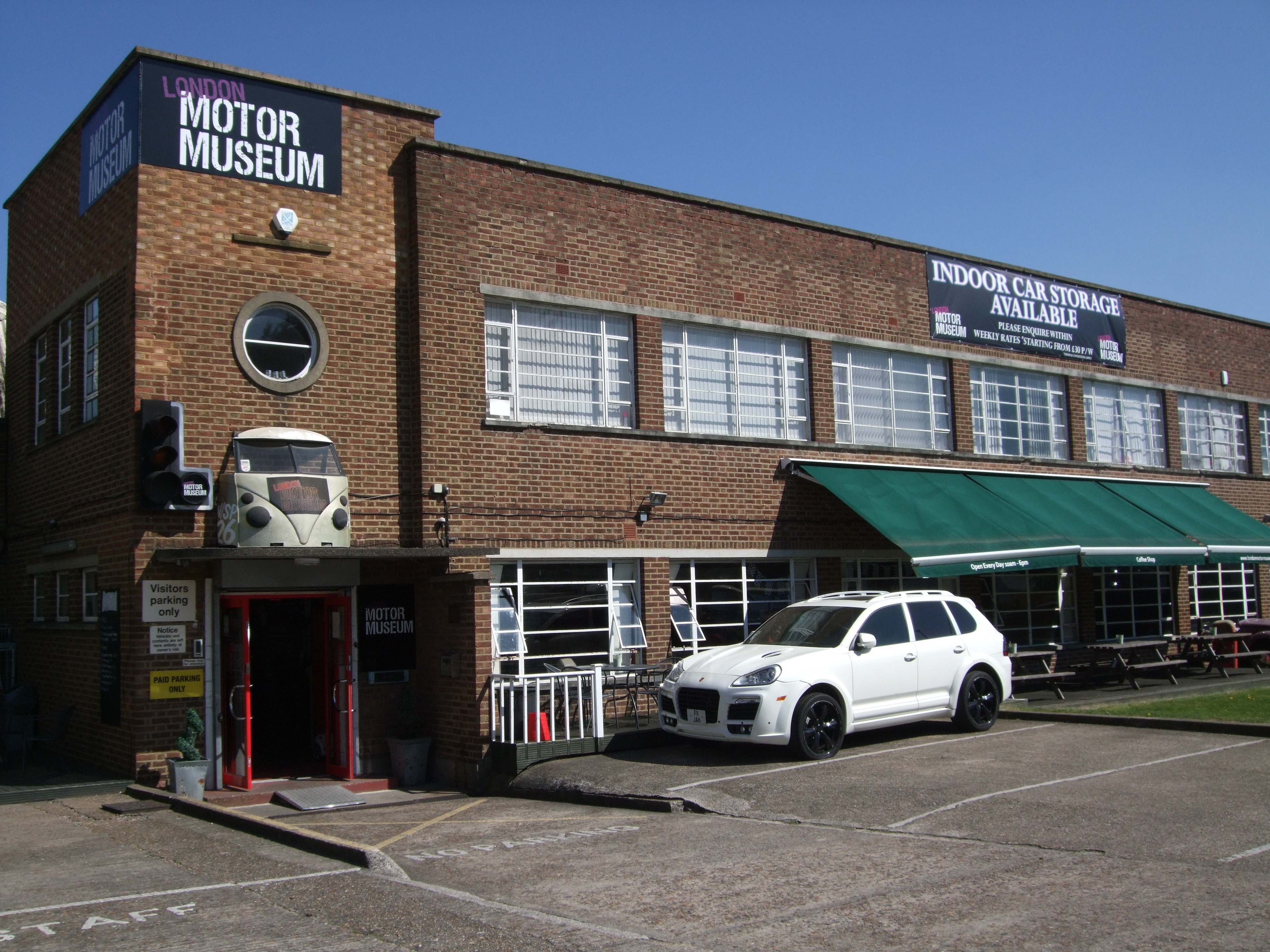
In my bid to visit every London museum, the London Motor Museum was an obvious choice for my next trip as it is located fairly near to where I live. The museum, which is the only custom car museum in Europe, is a short walk from Hayes & Harlington train station, so I headed down one sunny Sunday.
London Motor Museum

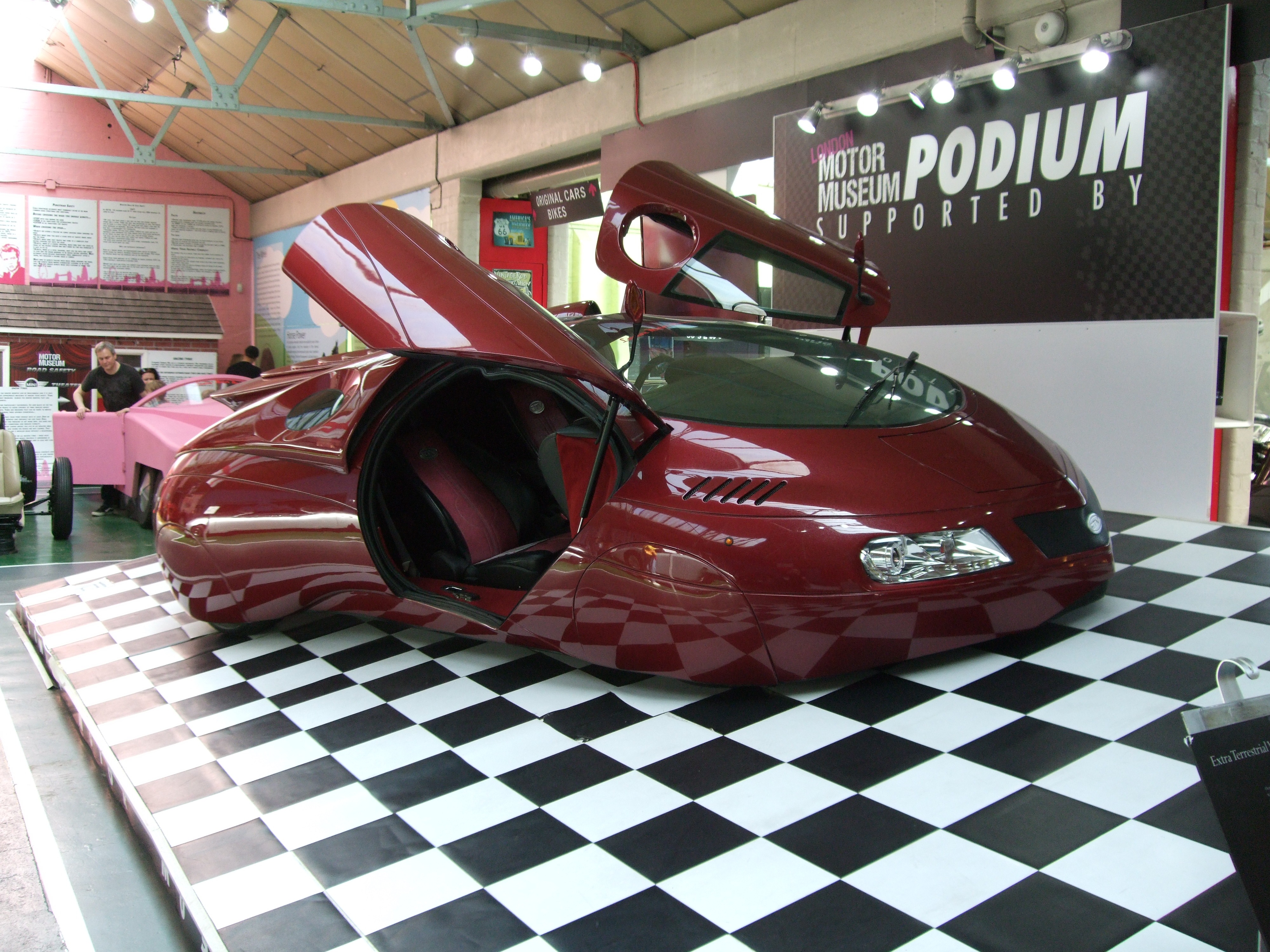
The museum was founded by Elo, a former model and fashion designer, who turned a passion for collecting special cars into this unique museum. It began in 2001 with just seven cars, and moved to its current location in 2007, with a collection of over 200 cars.

Motorbikes

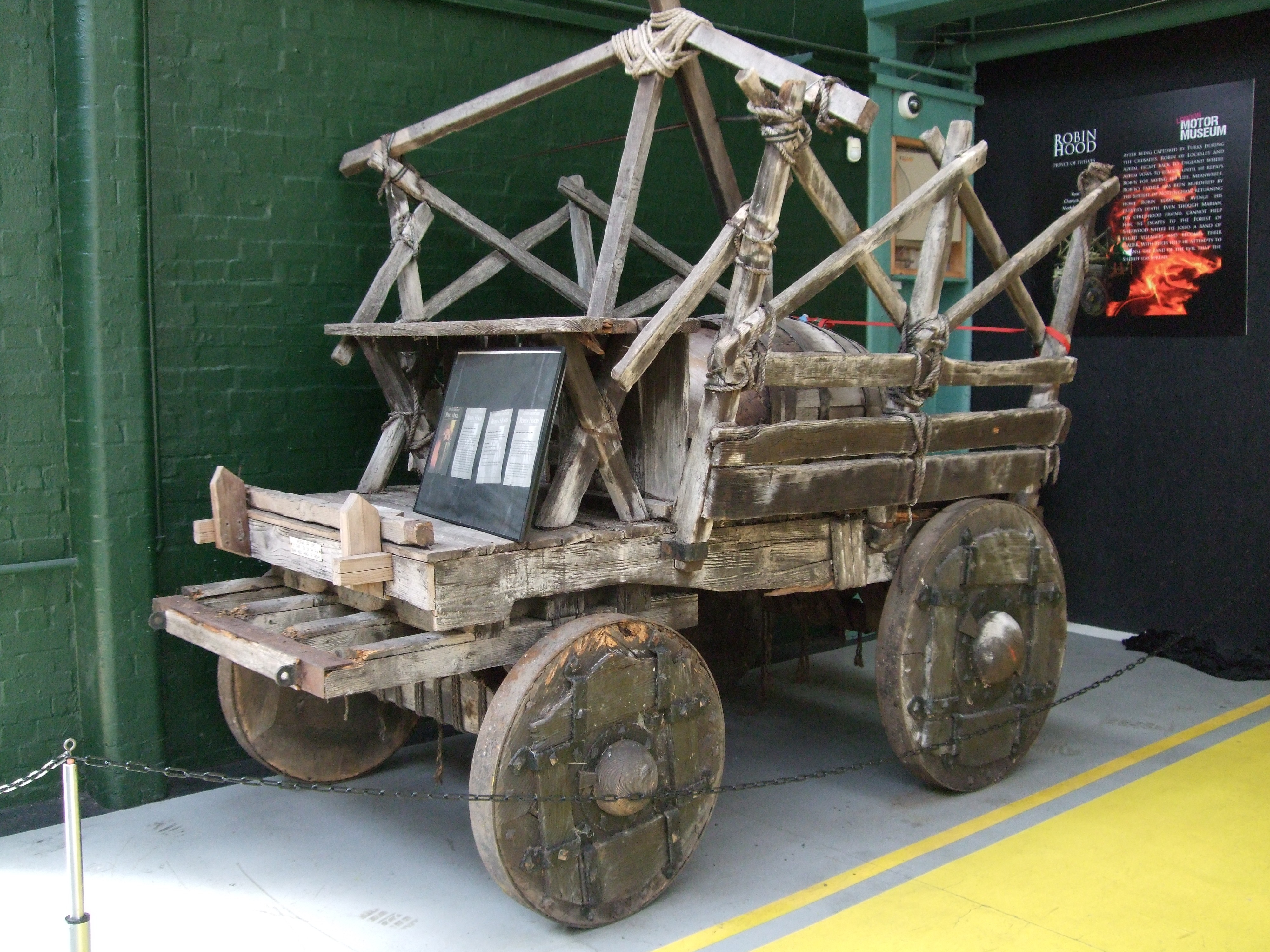
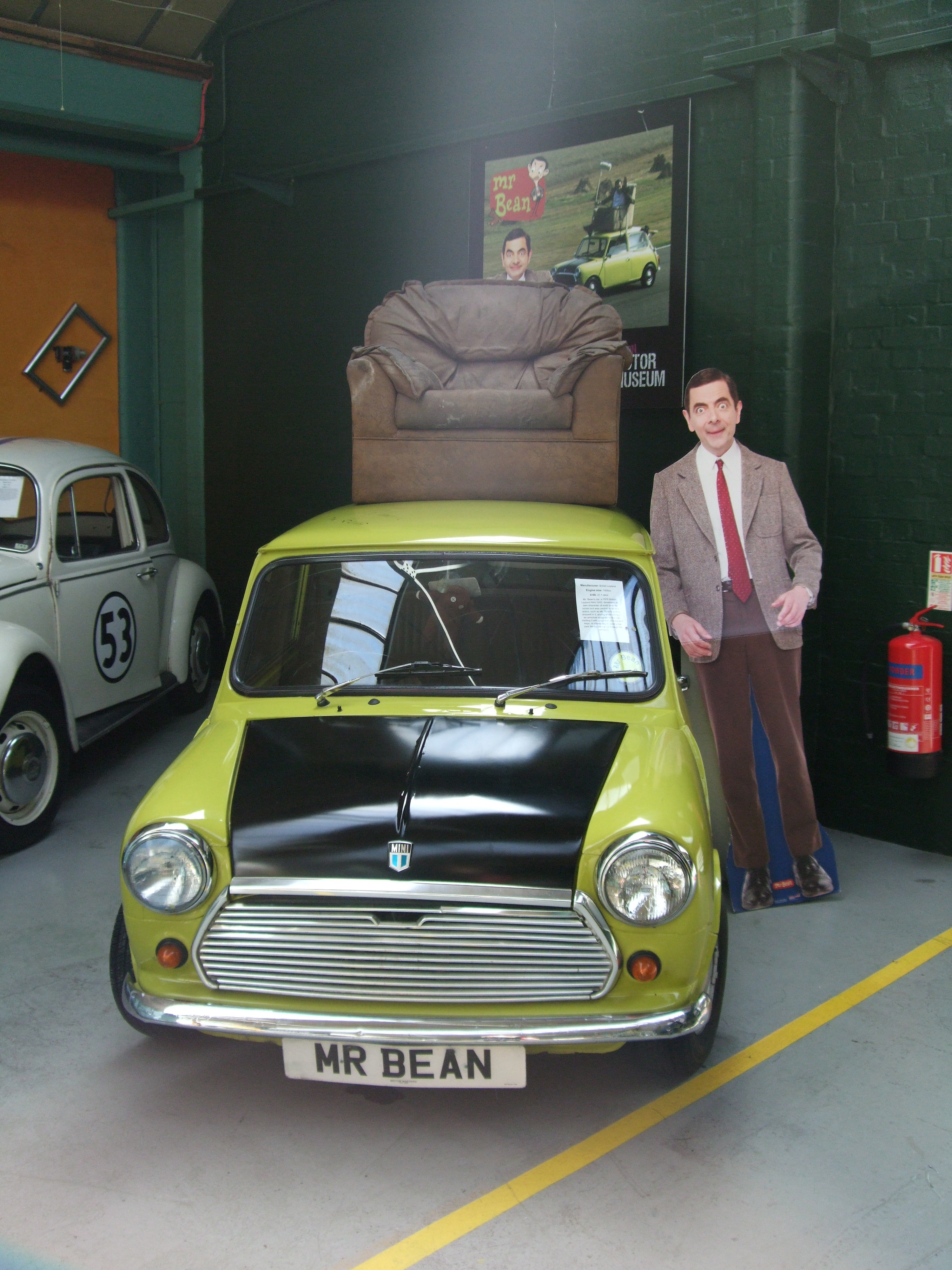
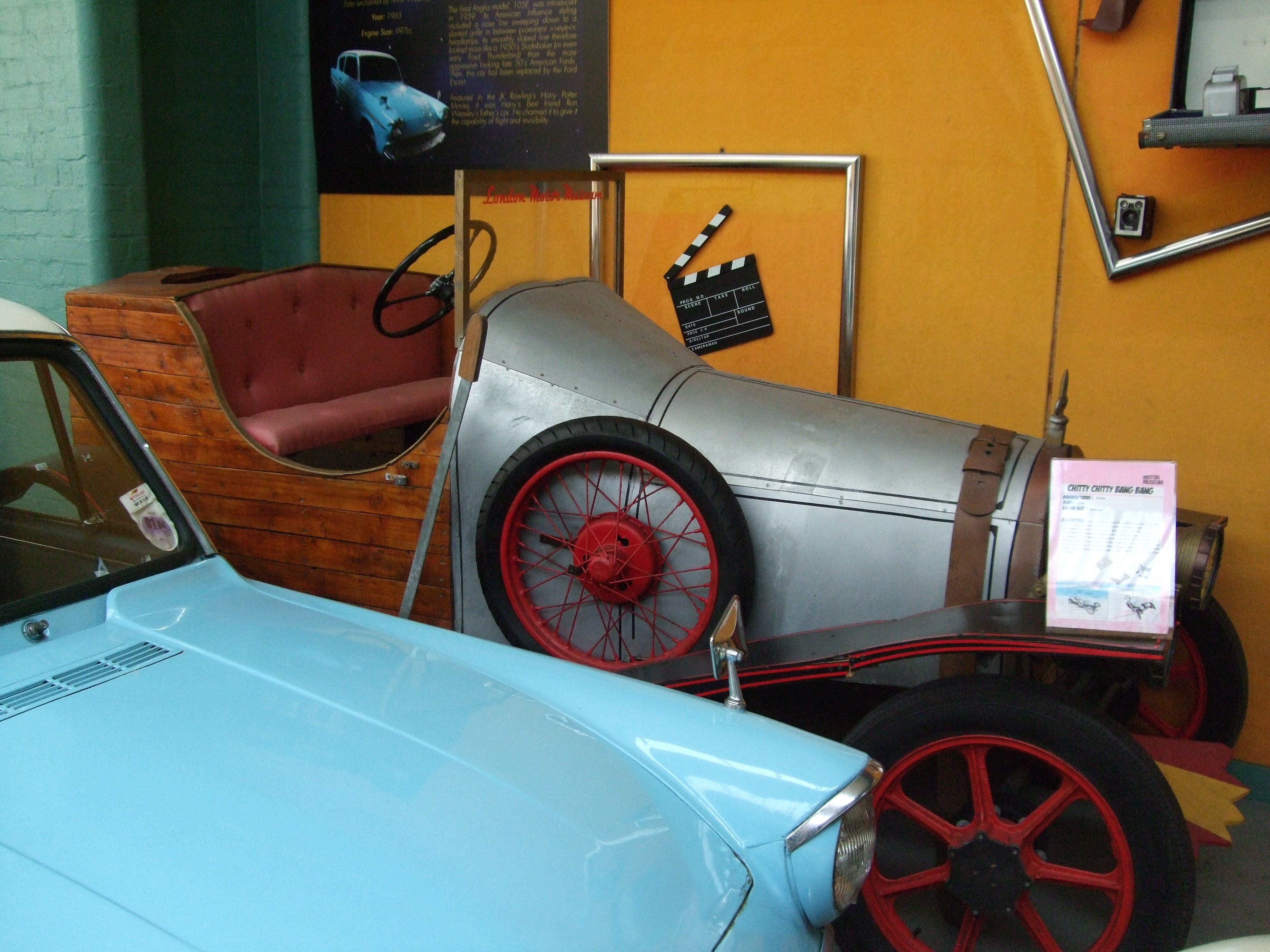
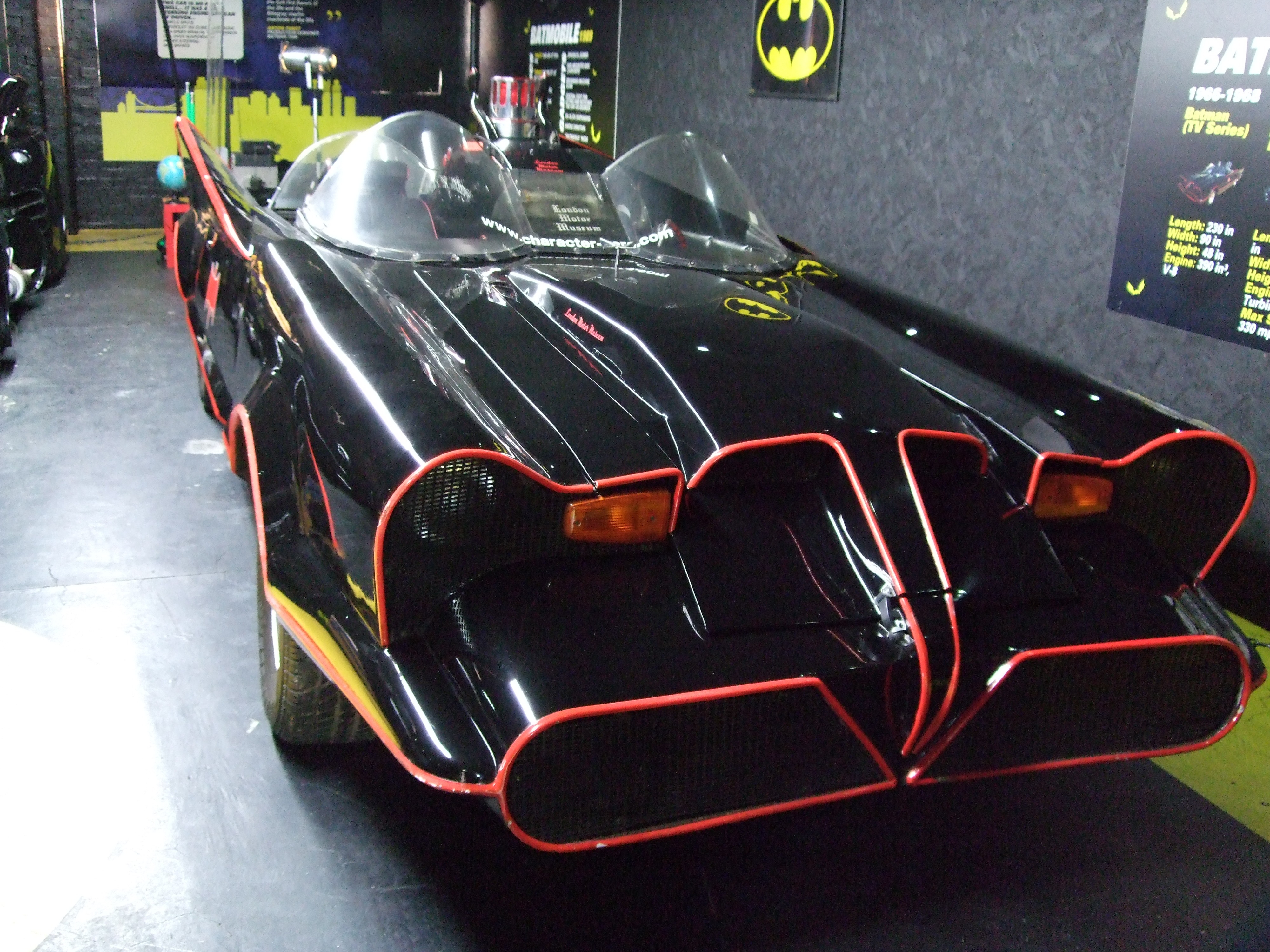
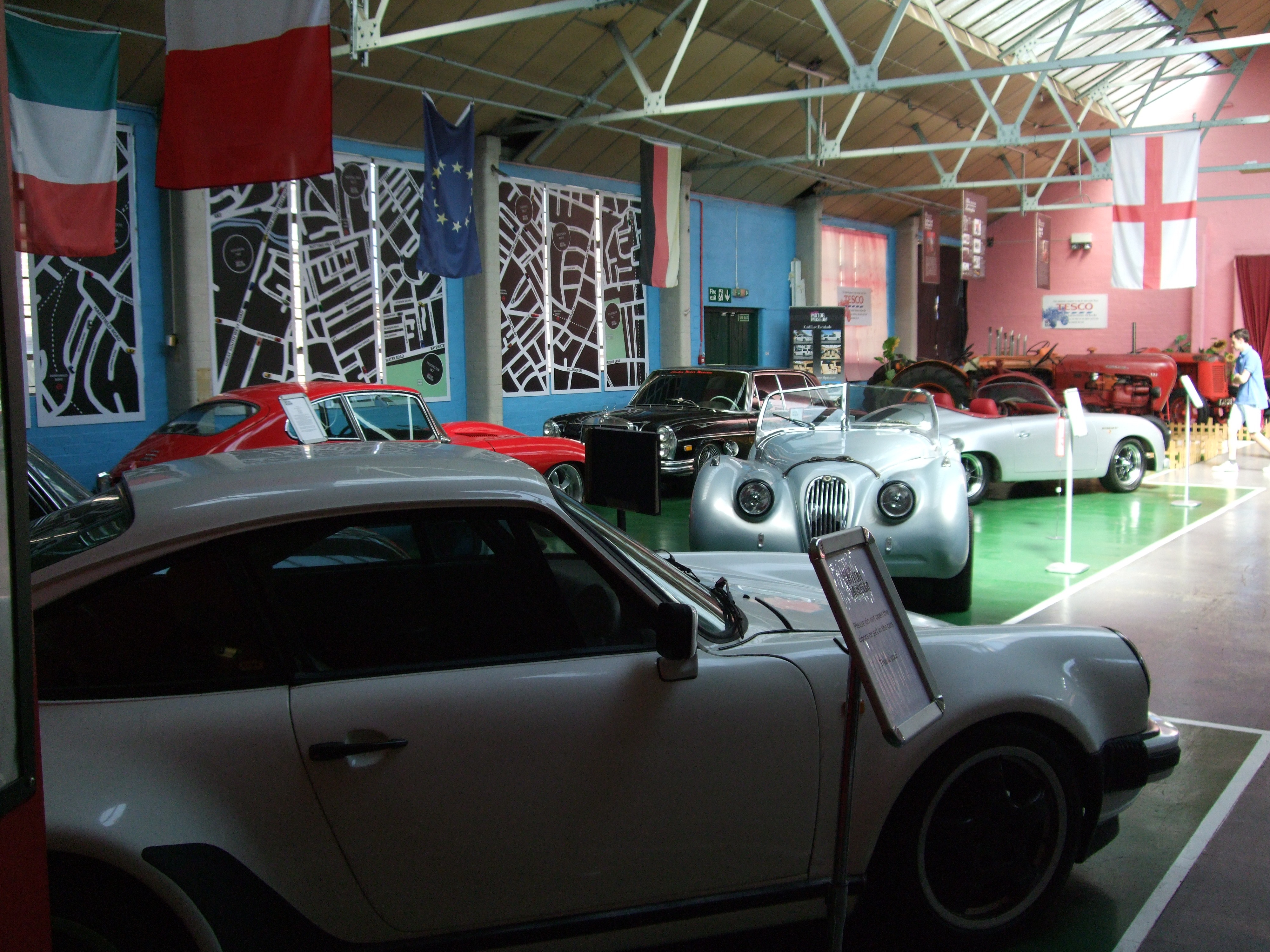
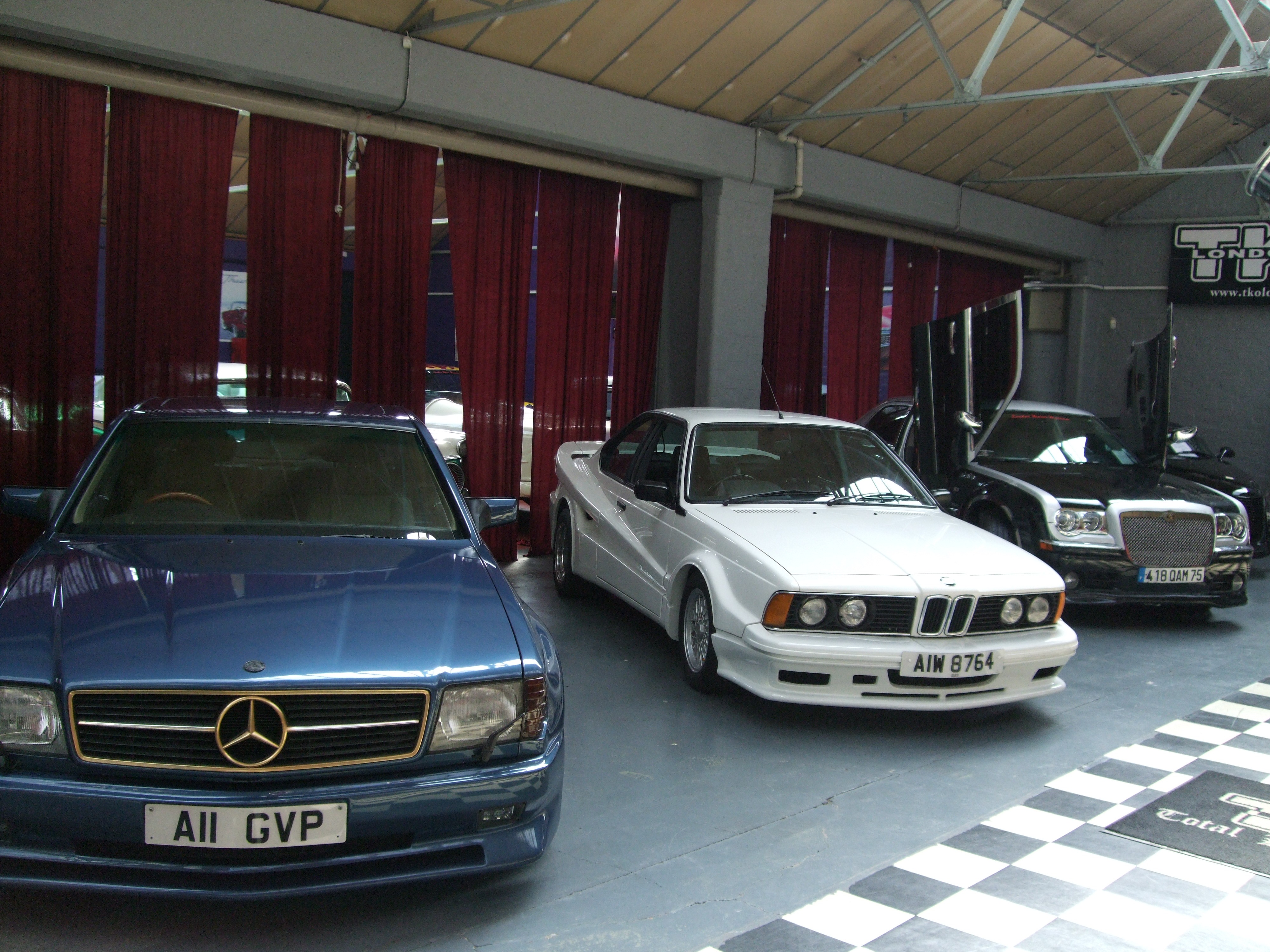
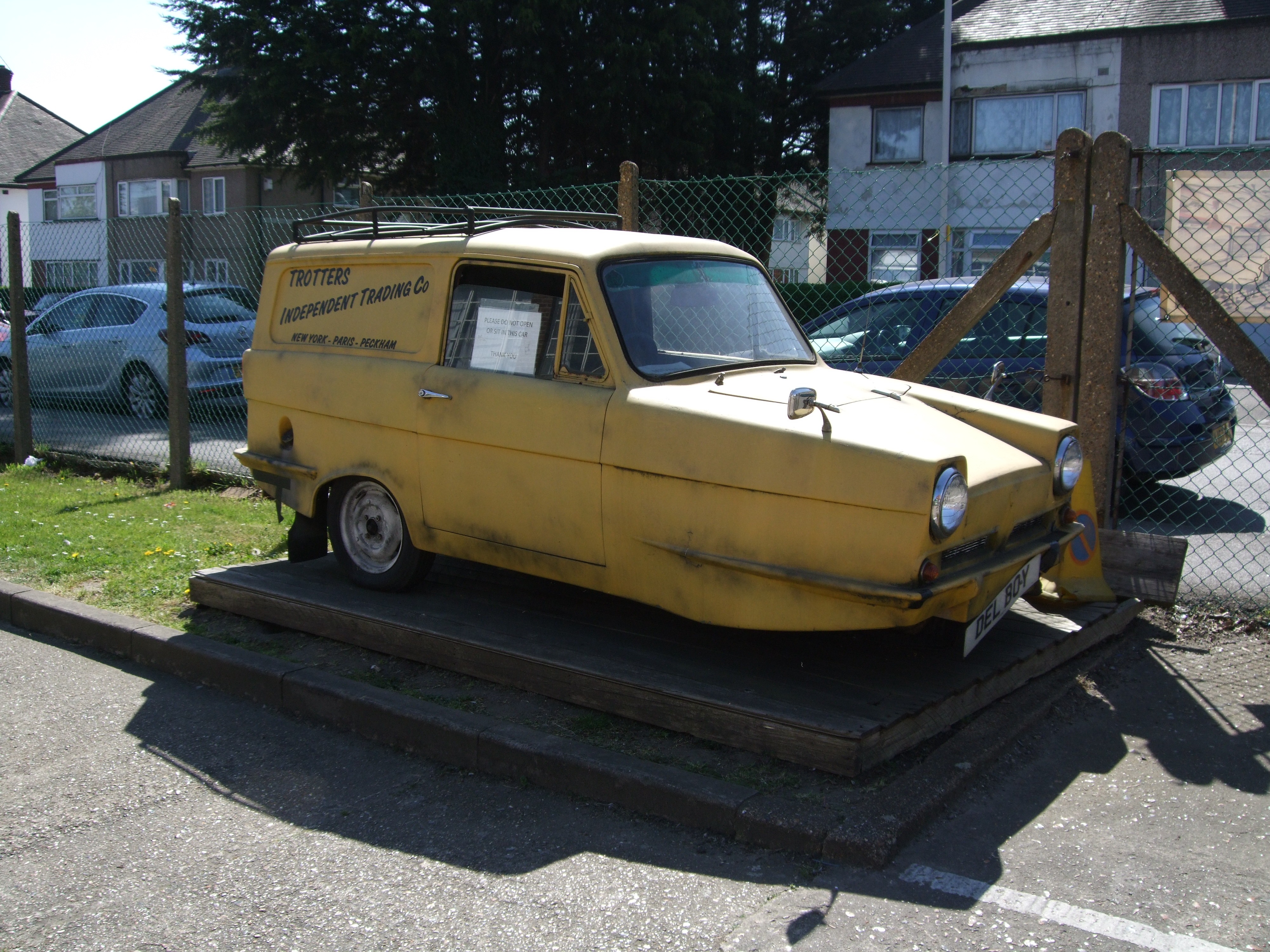
The museum is large and airy, with information boards hanging on the walls. The cars are displayed by theme, with sections for cars of different eras, as well as one for cars from films and TV shows. As well as Mr Bean’s famous yellow Mini, there is a wooden wagon from Robin Hood and there is even a ‘Bat Cave’ with both the 1966 and 1989 Batmobiles.

Only Fools and Horses Robin Reliant
Robin Hood medieval wagon
Mr Bean's Mini
Mr Bean’s Mini
Chitty Chitty Bang Bang
Batmobile
Batmobile

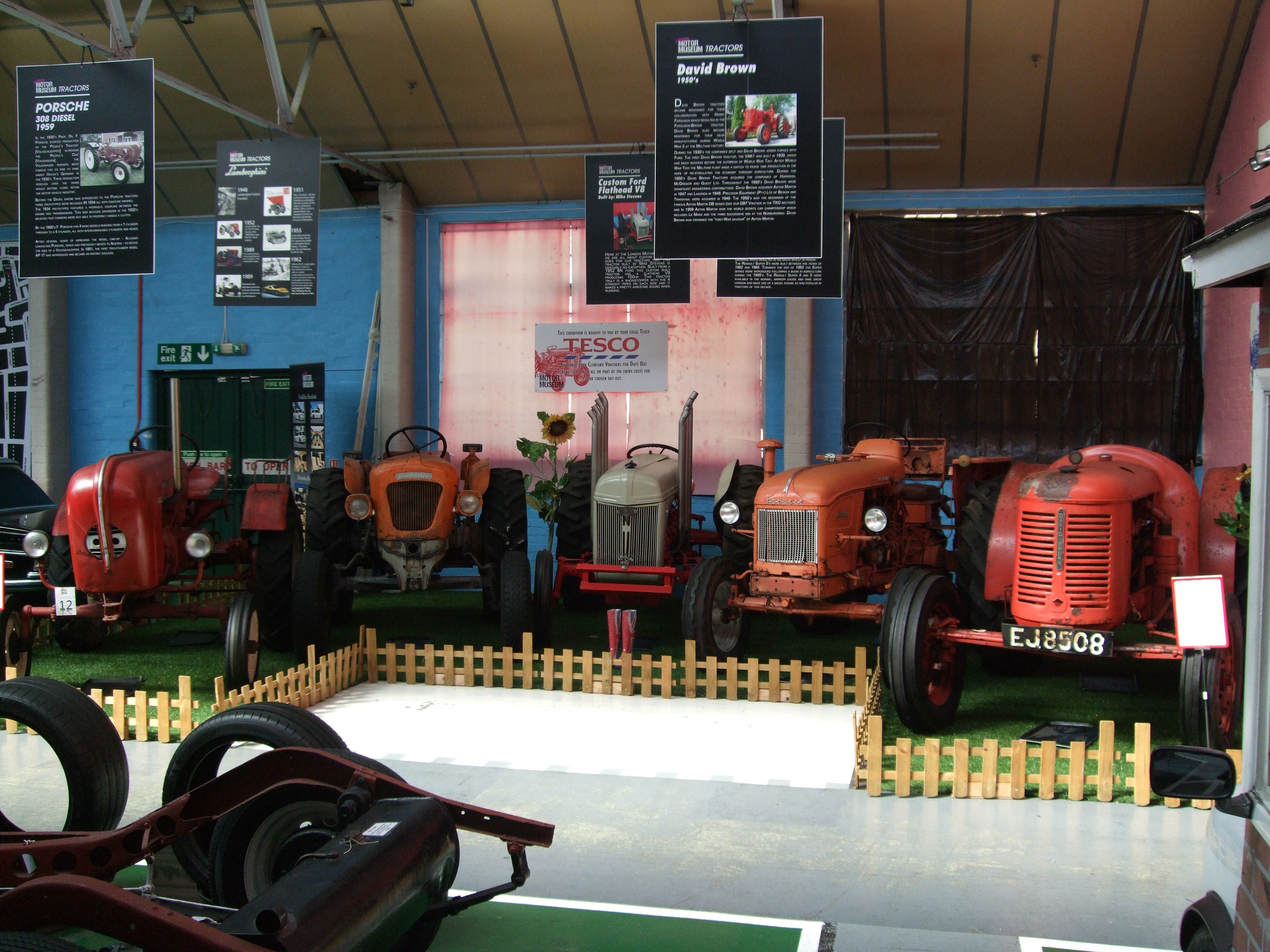
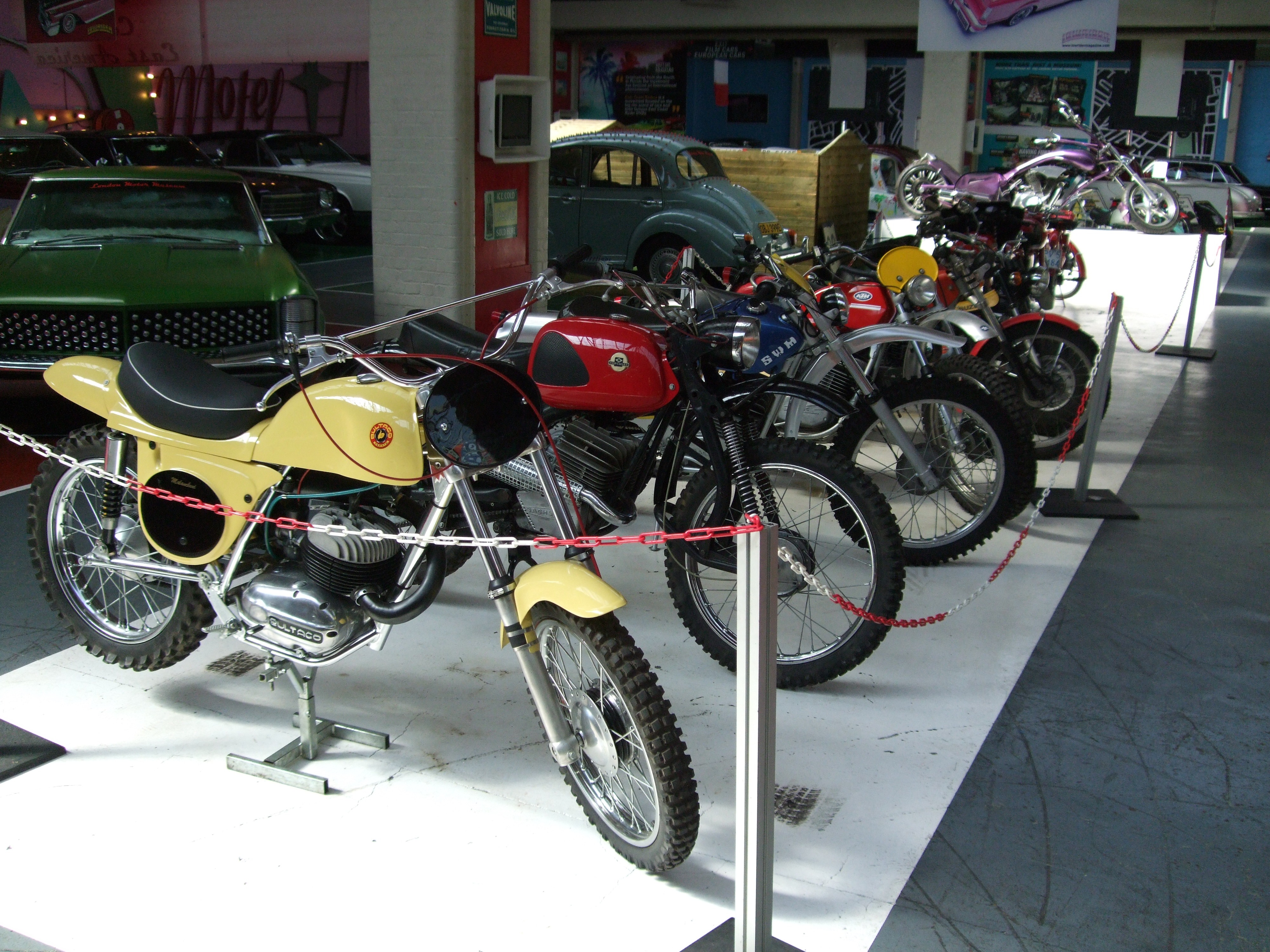
The museum doesn’t just have cars: there is a section with motorbikes and another rather bizarre one with tractors.

A car enthusiast would love this museum. The biggest problem is the cost. The adult entrance fee is a whopping £30 which I frankly wouldn’t have considered paying. I was able to get a much better deal from the Living Social website. If you can get a good deal, however, it’s worth paying this museum a visit.

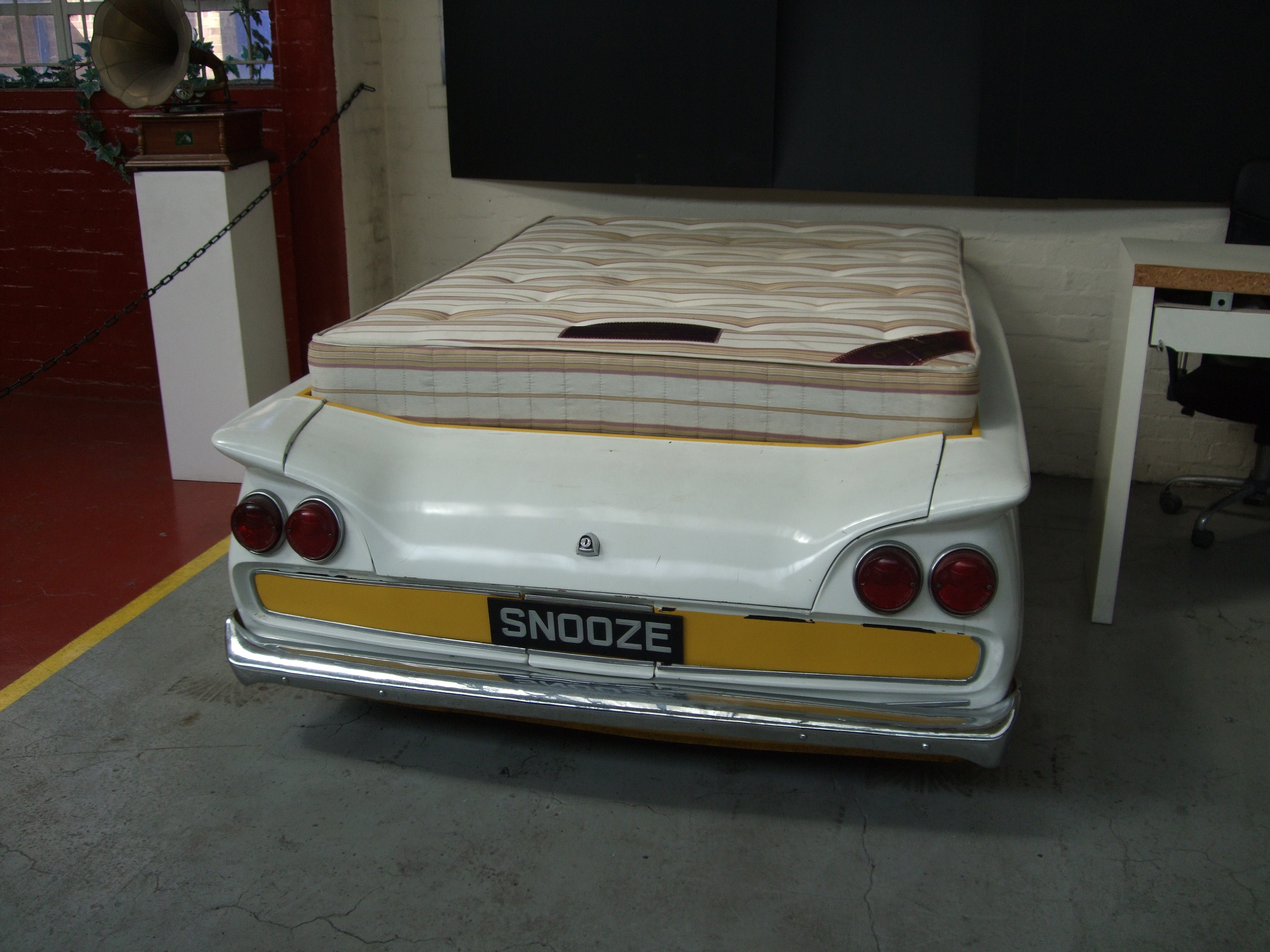
My kind of vehicle

FACTS

Address: 3 Nestles Avenue, Hayes, UB3 4SB

Website: londonmotormuseum.co.uk

Opening Hours: Daily 10am-6pm

Prices: Adults £30 (£22.50 online), concessions £20 (£15 online). Annual membership is available.

Dennis Severs’ House

Dennis Severs' House
Dennis Severs’ House

Last time my mam came down for a visit, she asked if we could go to Dennis Severs’ House, recommended by a family member. I said yes: it’s somewhere I’d been meaning to go for a while.

We found the house easily, not far up from Liverpool Street Station. There was a short queue outside, but it wasn’t long before we were let in. We paid our entrance fee and were given a short introduction.

The house was created by the artist Dennis Severs, who lived in the house in the manner of the original eighteenth century occupants. He later opened the house to visitors. The idea is that you step back in time and interrupt a family of Huguenot silk weavers called Jervis. As you enter each room you get the impression that they have just left; the sights, sounds and smells stimulate your senses and bring the experience to life.

It’s certainly a unique experience. You walk around in silence, absorbing the atmosphere. No photos are allowed, understandably. I won’t describe the house in detail for fear of spoiling the surprise, but it has all the usual rooms that you might expect: kitchen, sitting room, bedroom, even a ramshackle attic.

My criticism is that the repeated instructions, dotted around the house, are rather patronising. Visitors are constantly told what they should be doing, thinking and feeling and I don’t particularly like being told what to do. It got my back up and didn’t exactly put me in the right frame of mind. Also, I kept spotting things in the rooms that shouldn’t have been there – an Elizabeth II-related artefact in the Victorian room and some distinctly modern alcohol bottles in the front room. I don’t know if these were left over from some event or other, but they didn’t exactly fit with the atmosphere.

Having said that, Dennis Severs’ House is certainly an unusual experience, and it’s well worth taking some time out to pay it a visit.

door

FACTS

Address: 18 Folgate Street, London, E1 6BX

Website: dennissevershouse.co.uk

Opening Hours: No booking required on Sundays and Monday lunchtimes; evening slots are bookable in advance

Prices: Adults £10 and concessions £5 during the day; £15 evening