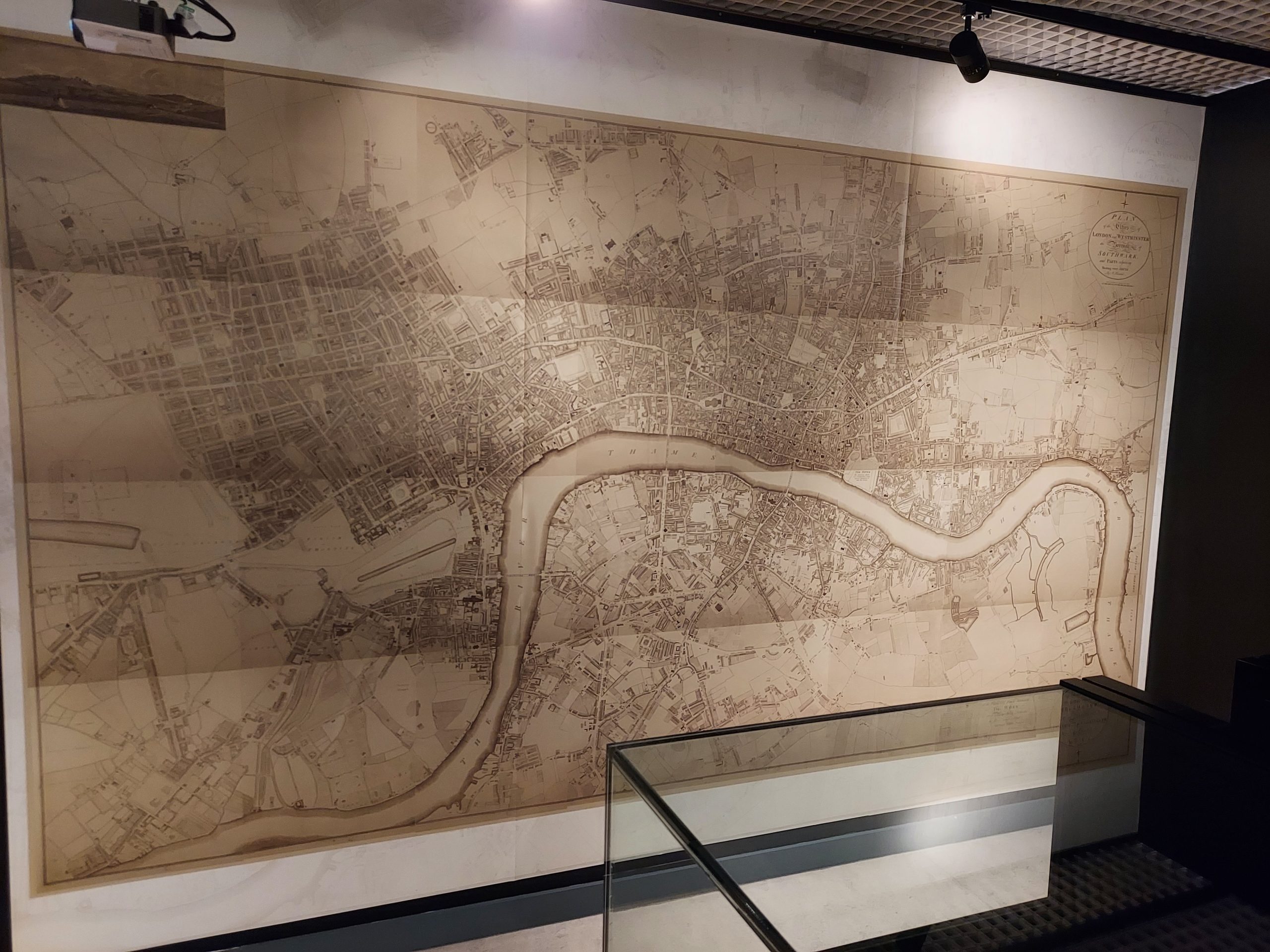
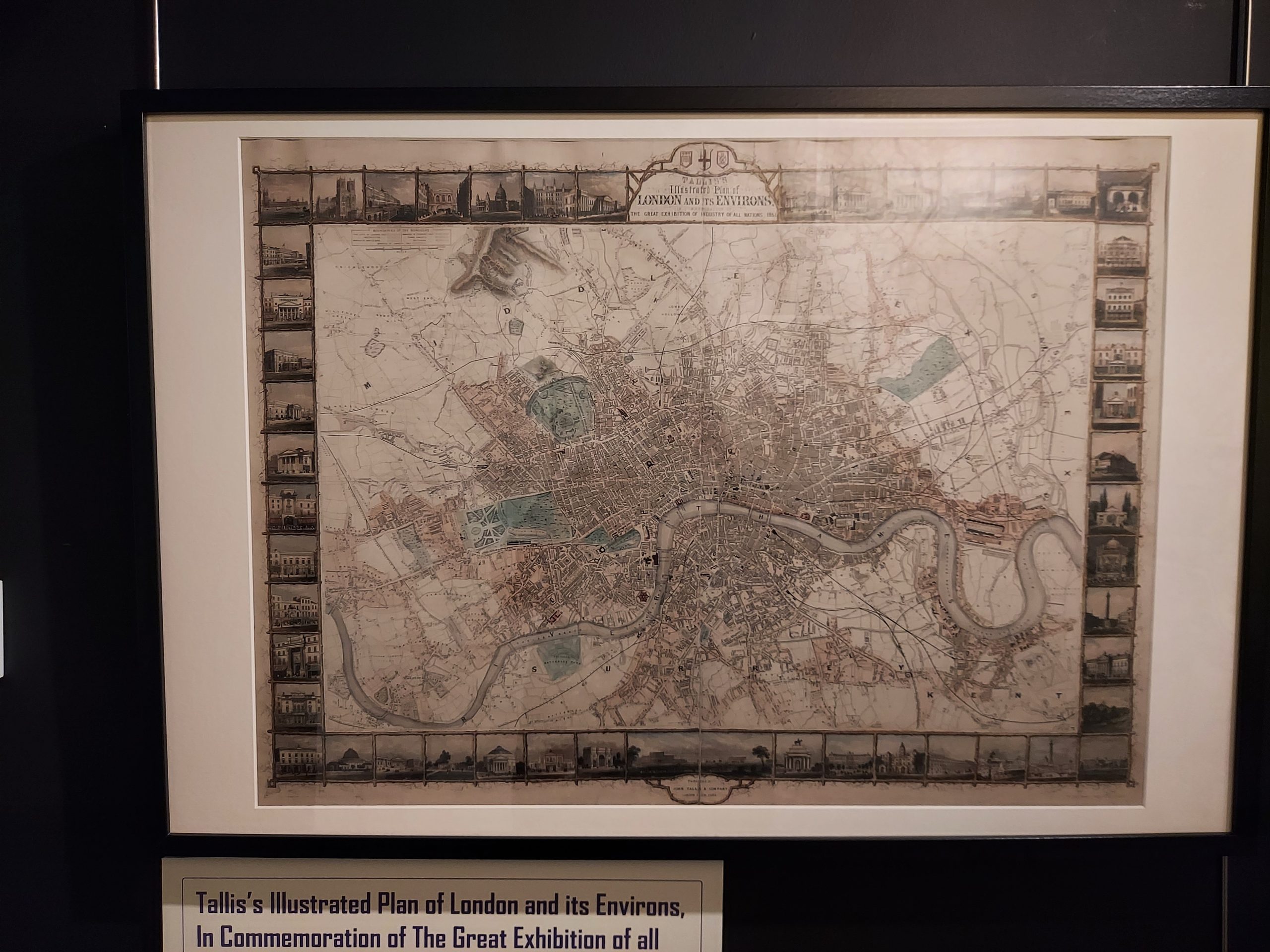
The second exhibition I visited on my day off was Magnificent Maps of London, held at the London Metropolitan Archives. As the title suggests, the exhibition was made up of weird and wonderful maps of London spanning the last 500 years, from the sixteenth century to the present day. The maps document the history of the city in detail, showing the development of London from a small city surrounded by rural fields to the sprawling metropolis we know today.
The maps displayed served different purposes. Some were designed simply to map the city, showing what was there in greater or lesser detail. Others had another purpose: maps were created to chart poverty, to show the presence of a Jewish community, track the abundance of plague, trace bomb damage, and show the prevalence of racist attacks. Maps are not neutral: they are created for a purpose, whether explicitly political or with everyday usefulness in mind.
Some maps are huge, spanning the entirety of London and taking up an entire wall. Others are small, pocket maps or guidebooks designed to help tourists and visitors to London.
I was fascinated by all the different maps and spent ages looking at them. My favourite was the sixteenth-century map of the city showing all the theatres on Bankside. I also loved the large map which covered as far as Ealing, so I could see how my local area has changed over the years.
This exhibition is fascinating and well worth a visit – especially as it’s free. It’s open until 29 March.
I was excited but also quite apprehensive for the Baker badge. In the past I’ve done a bit of baking, and I can make a decent Victoria sponge, a chocolate cake and a few different biscuits – mainly recipes from the Be-Ro book and from my grandparents. I hadn’t done any baking for years, however, and certainly hadn’t tried anything too complicated.
I started working on this badge last October, so it’s taken me a while, but I’m proud I’ve managed to complete it.
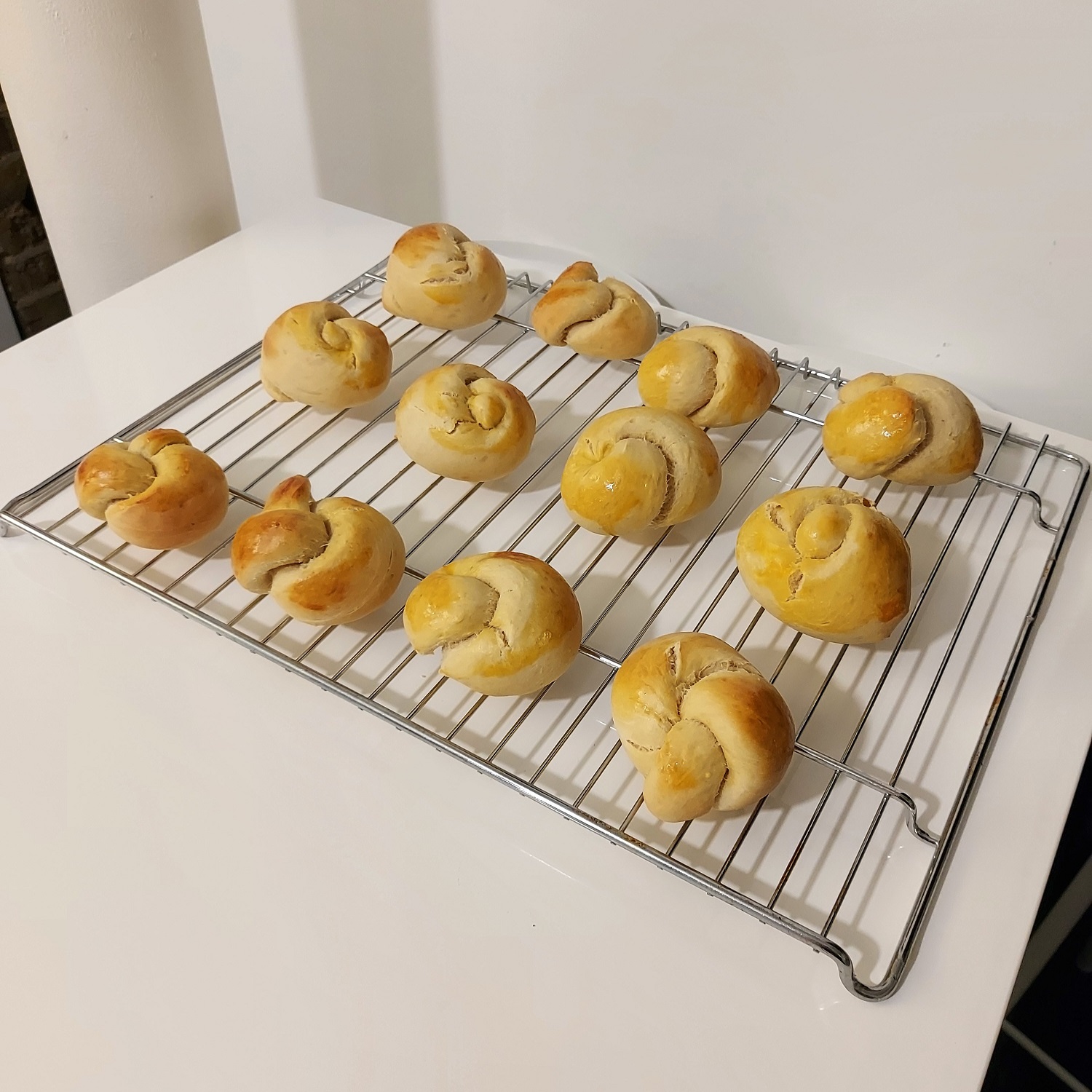
At least 3 types of bread
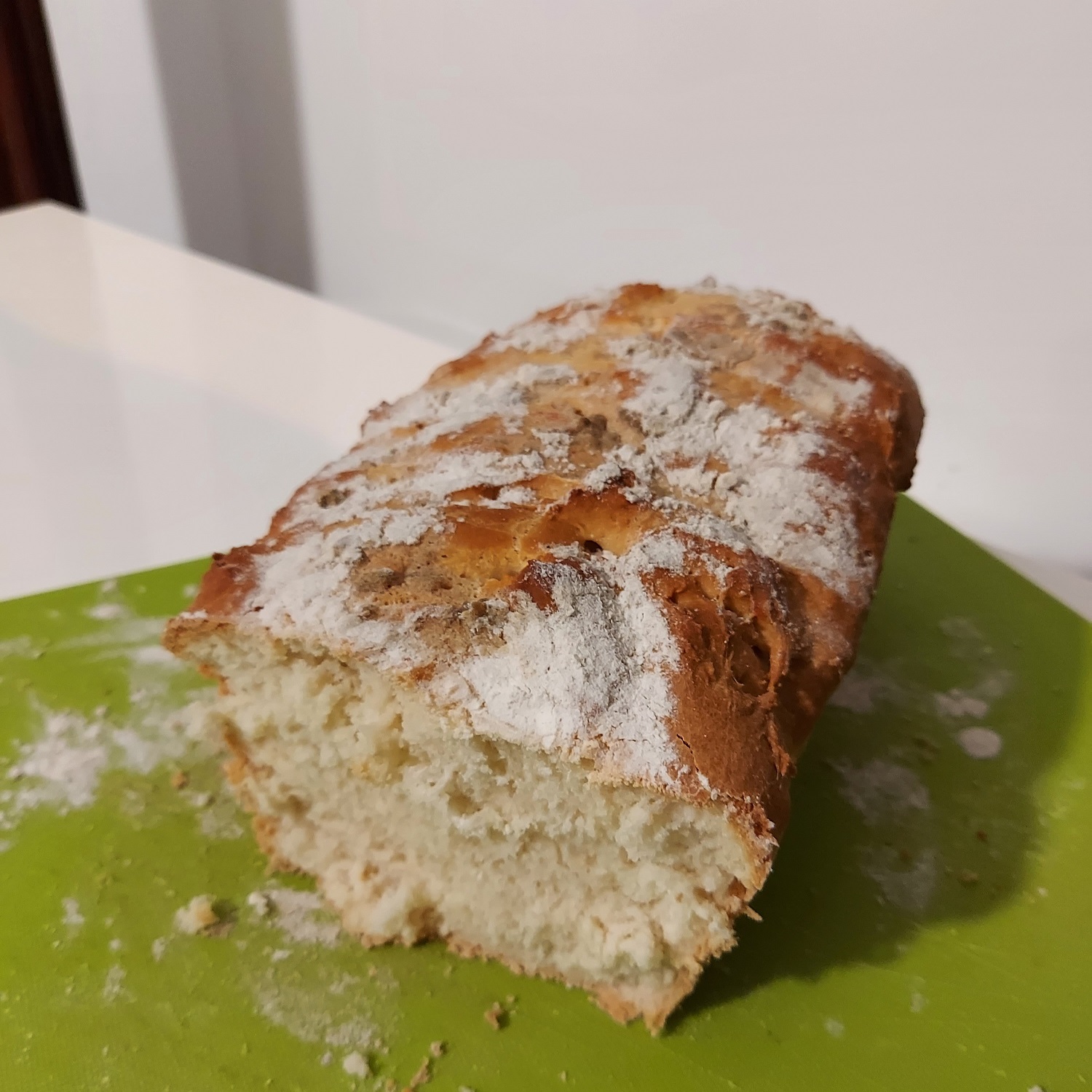
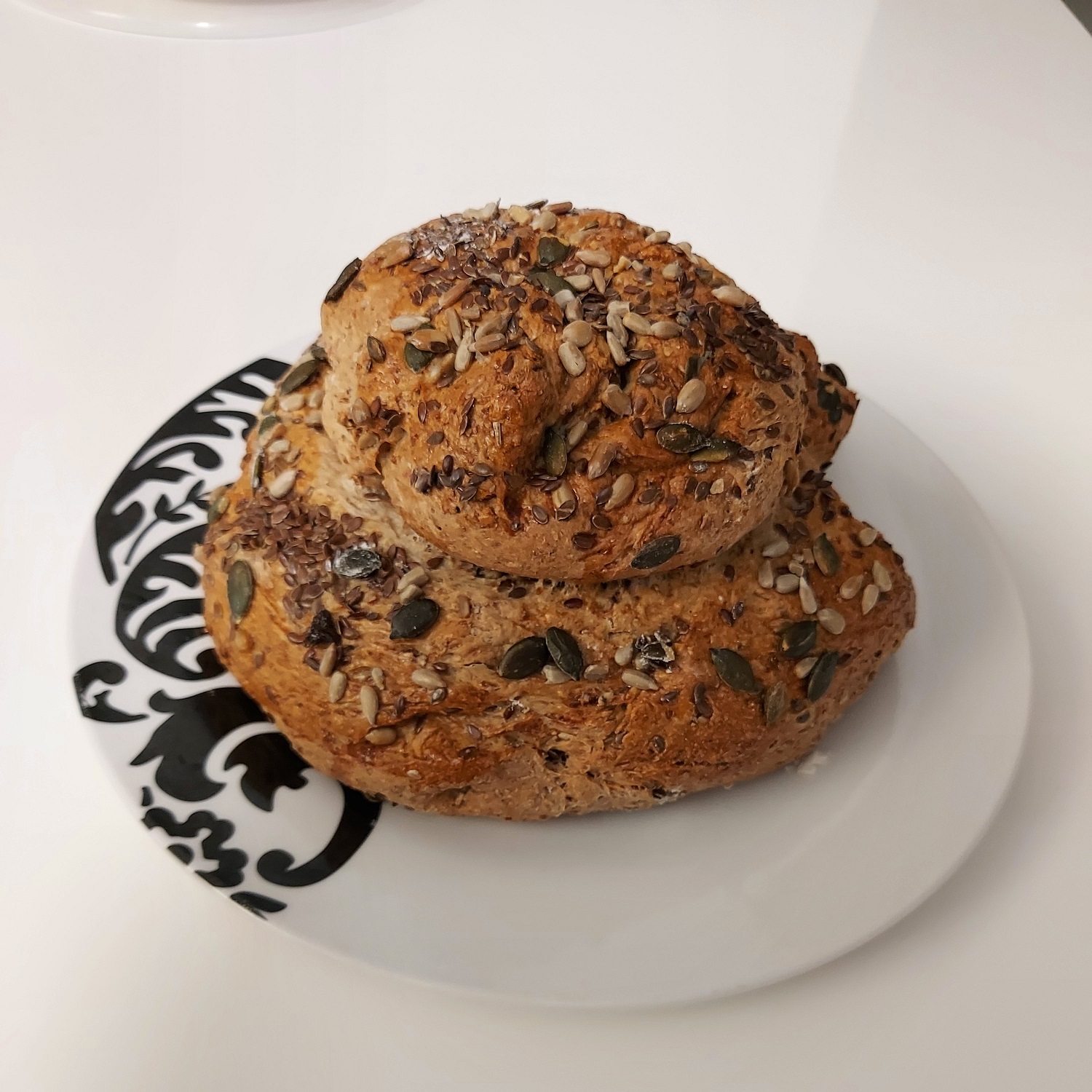
I started off with basic white bread before making a wholemeal seeded cottage loaf and brioche buns from Baked In kits. I was pleased with how they turned out, but honestly don’t think I have the patience for bread making on a regular basis.
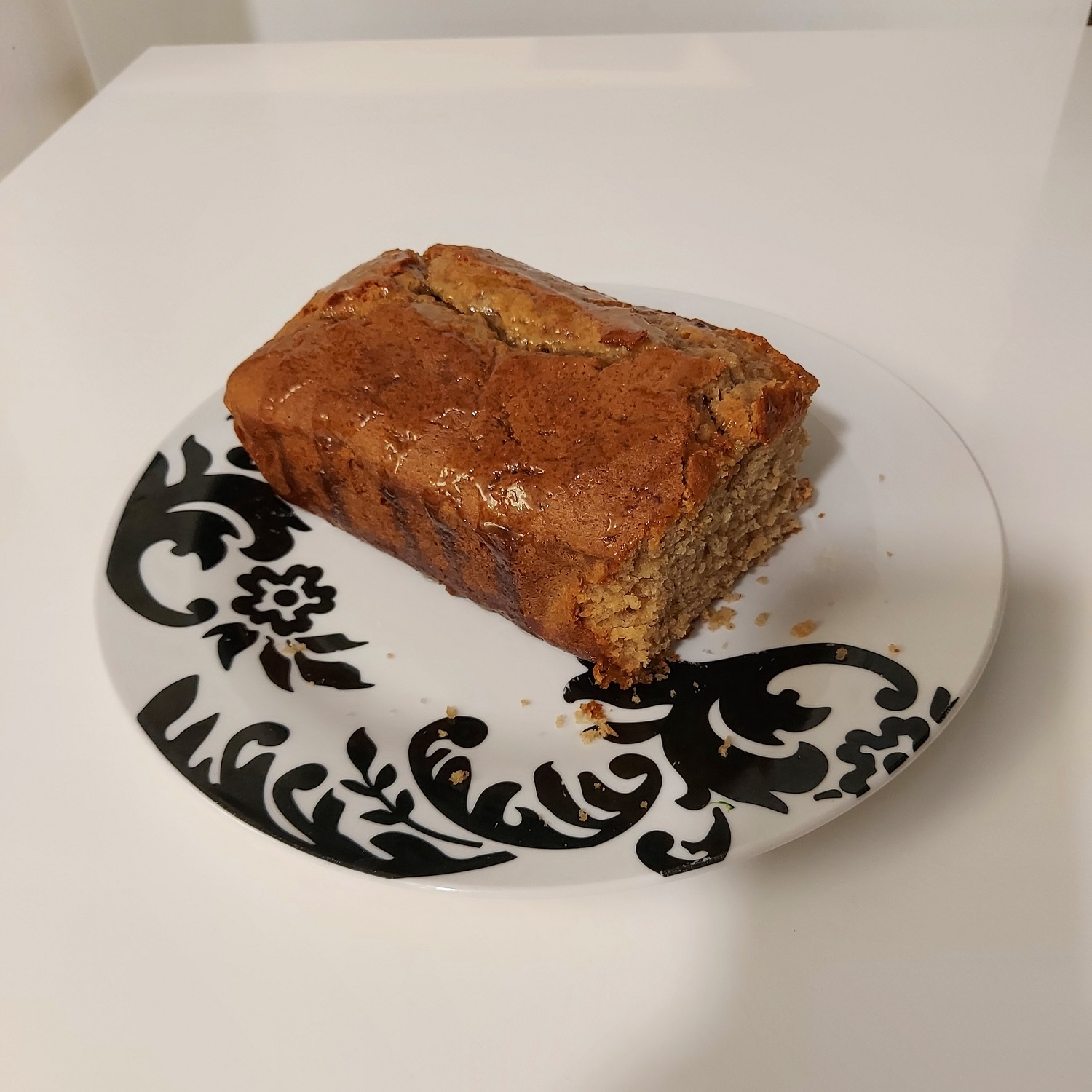
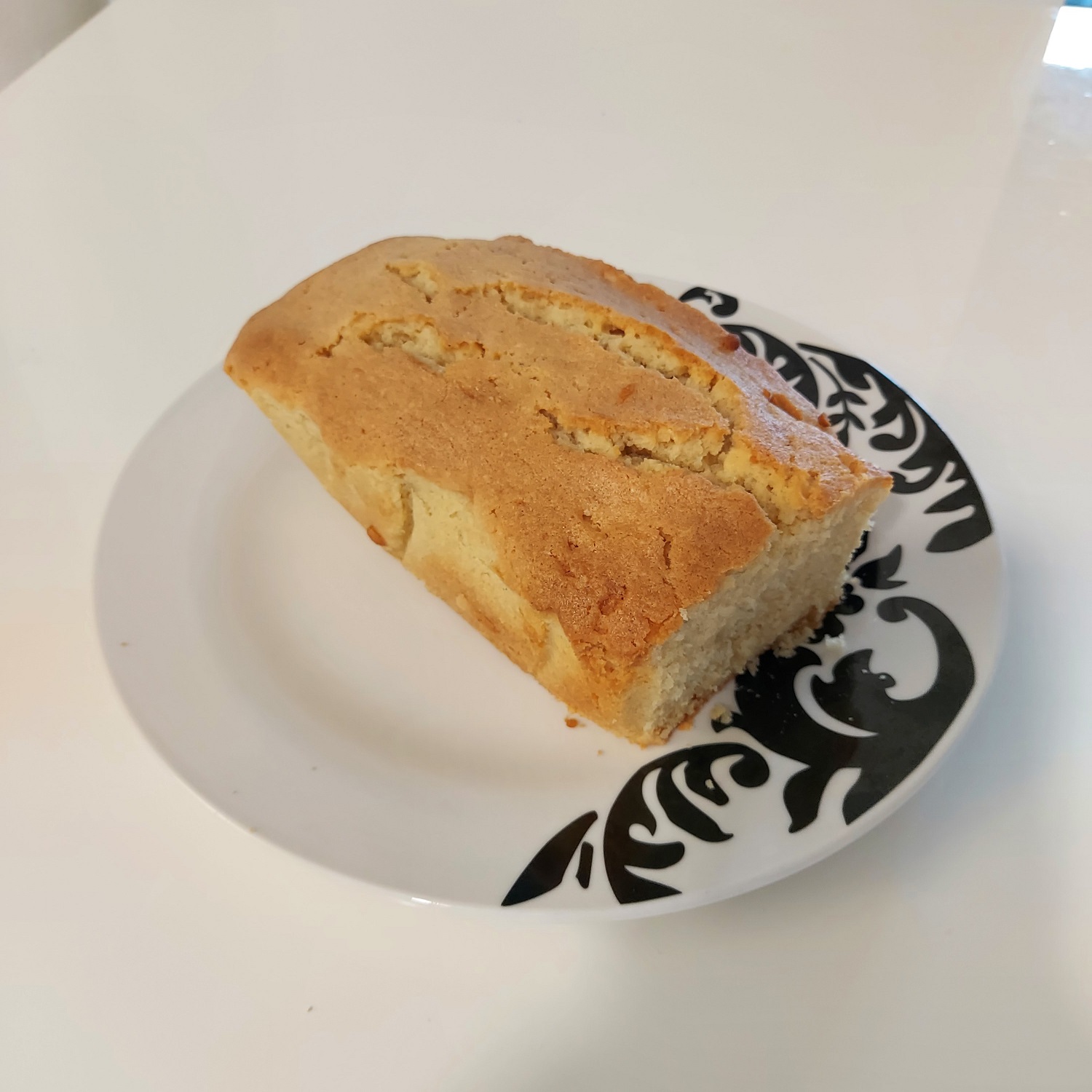
At least 3 types of cake
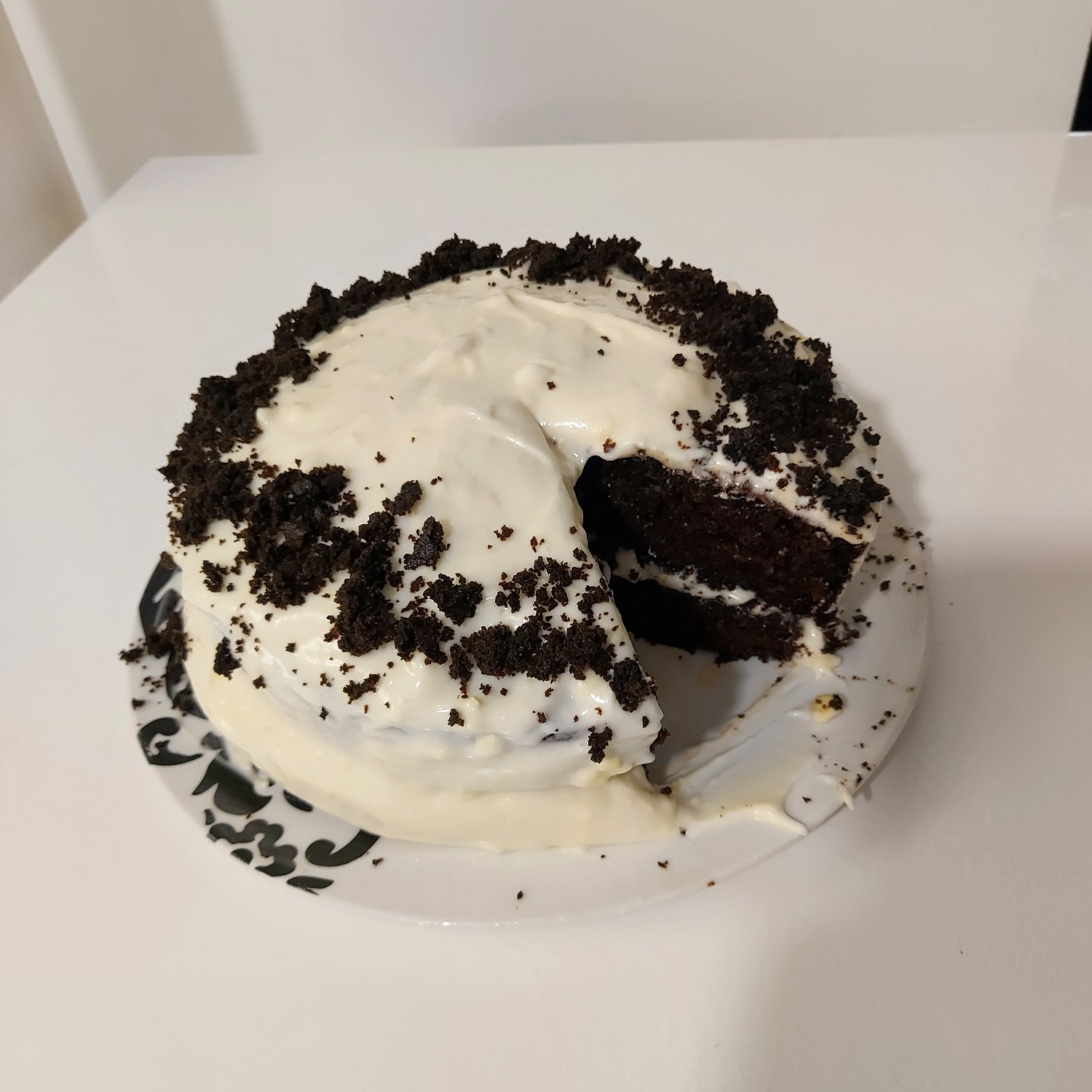
I made spiced honey drizzle cake, red velvet cake and Madeira cake. I’m pleased to have discovered the delights of loaf cake – nice and straightforward, no faffing around with icing. I particularly enjoyed the honey cake and felt rather smug when my decision to take the advice of a random commenter on the online recipe, who recommended adding more flour, turned out to be the correct one.
The red velvet cake ended up dark brown as apparently the colour I used is only suitable for icing and not the actual baking. They should really put that on the packaging. Anyway, it didn’t affect the taste.
At least 3 types of biscuit
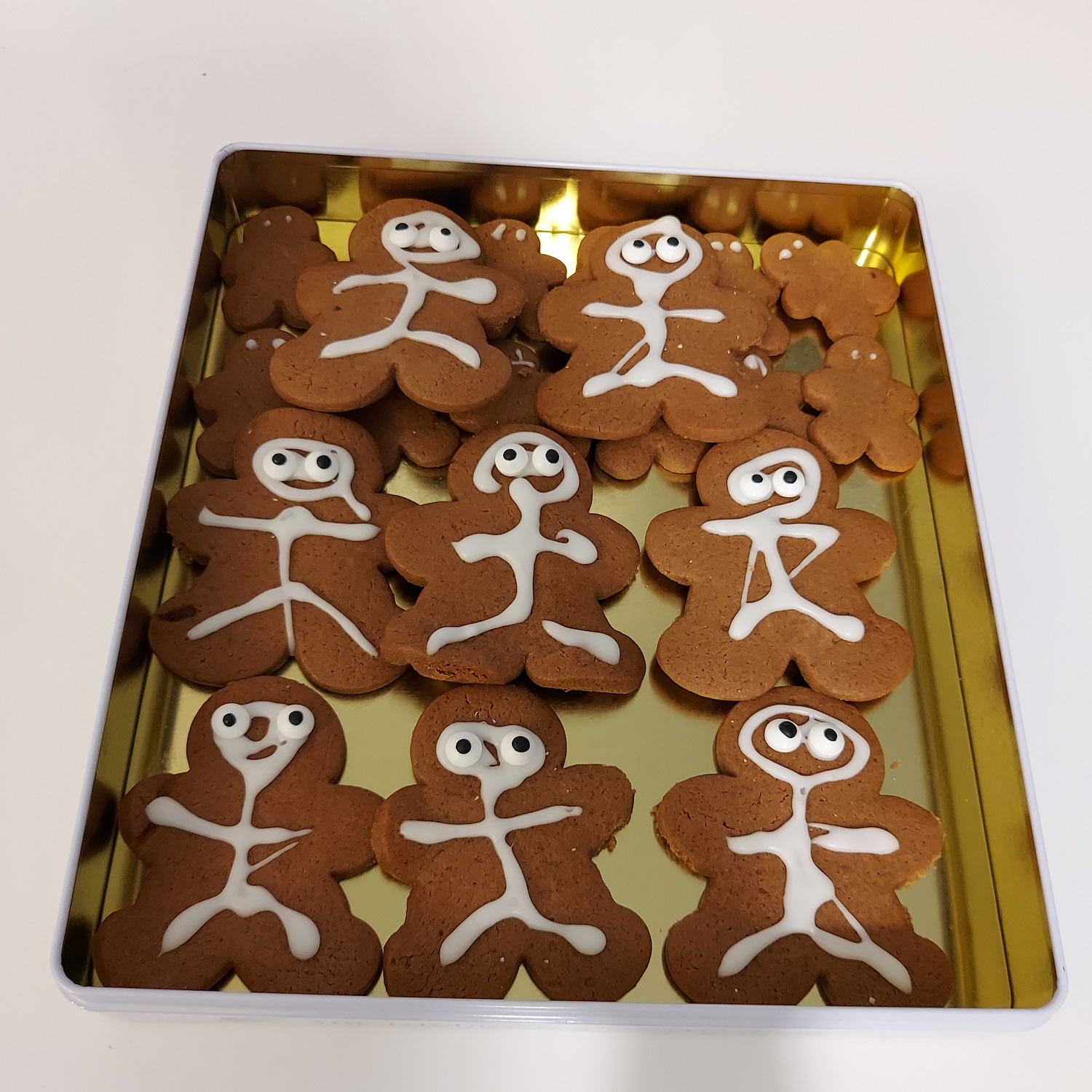
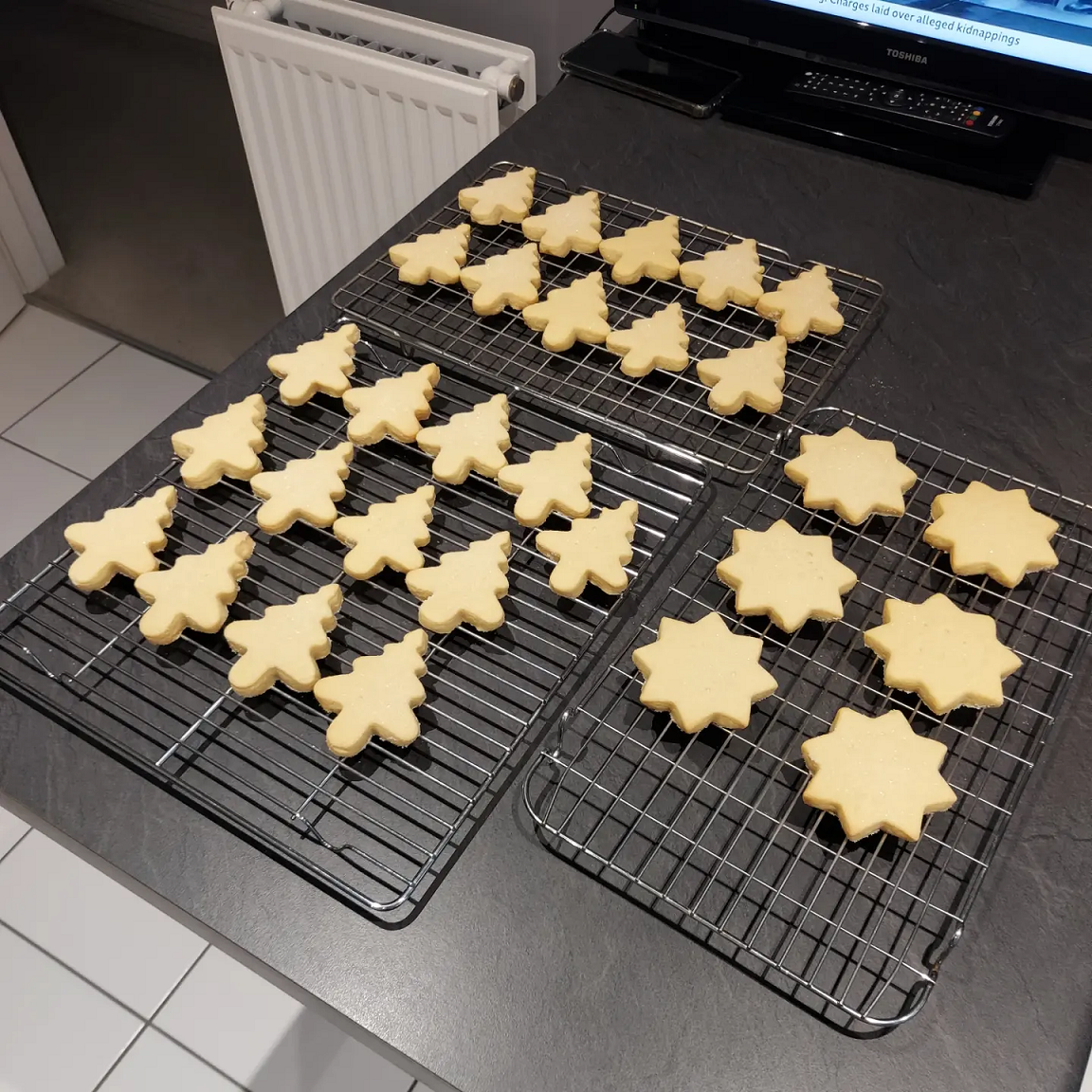
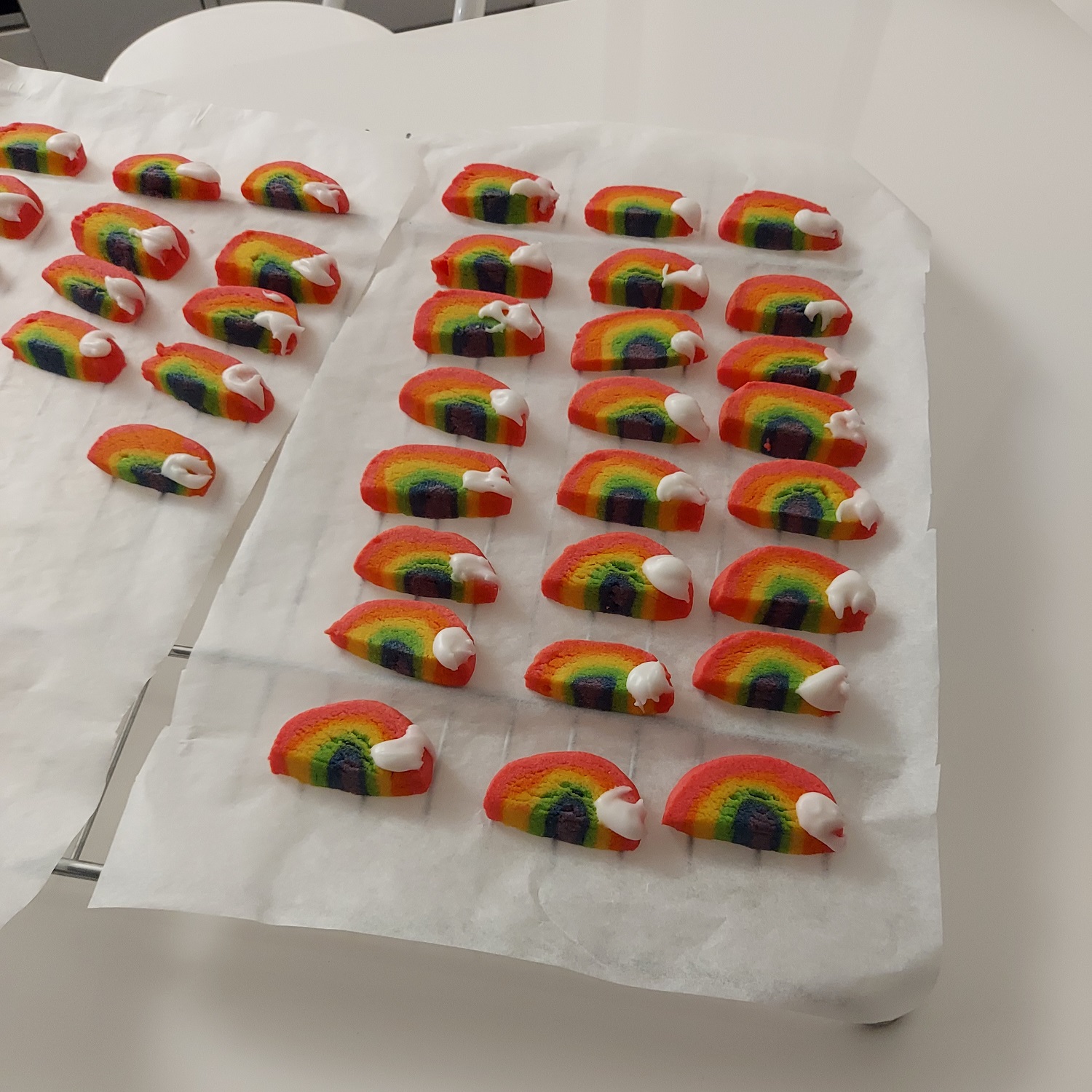
I made gingerbread men, shortbread and rainbow biscuits. The gingerbread men turned out really well – it was a fairly straightforward recipe from BBC Good Food and I was impressed. The rainbow biscuits were from a kit by Honeywell Bakes and they took hours to make, but turned out really cute.
A classic pudding
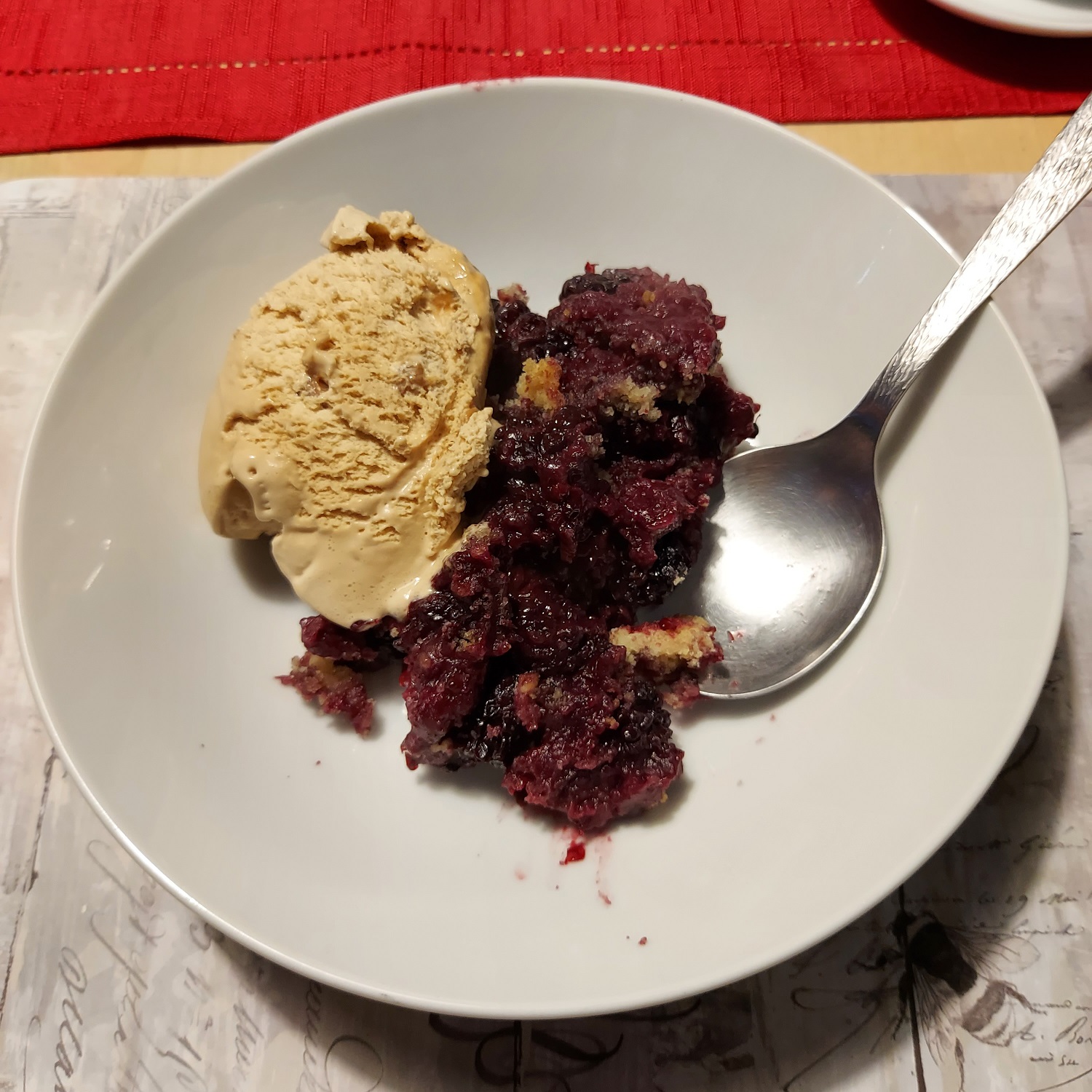
I chose blackberry crumble for this one. I was surprised at how easy it was to make, but it turned out super yummy.
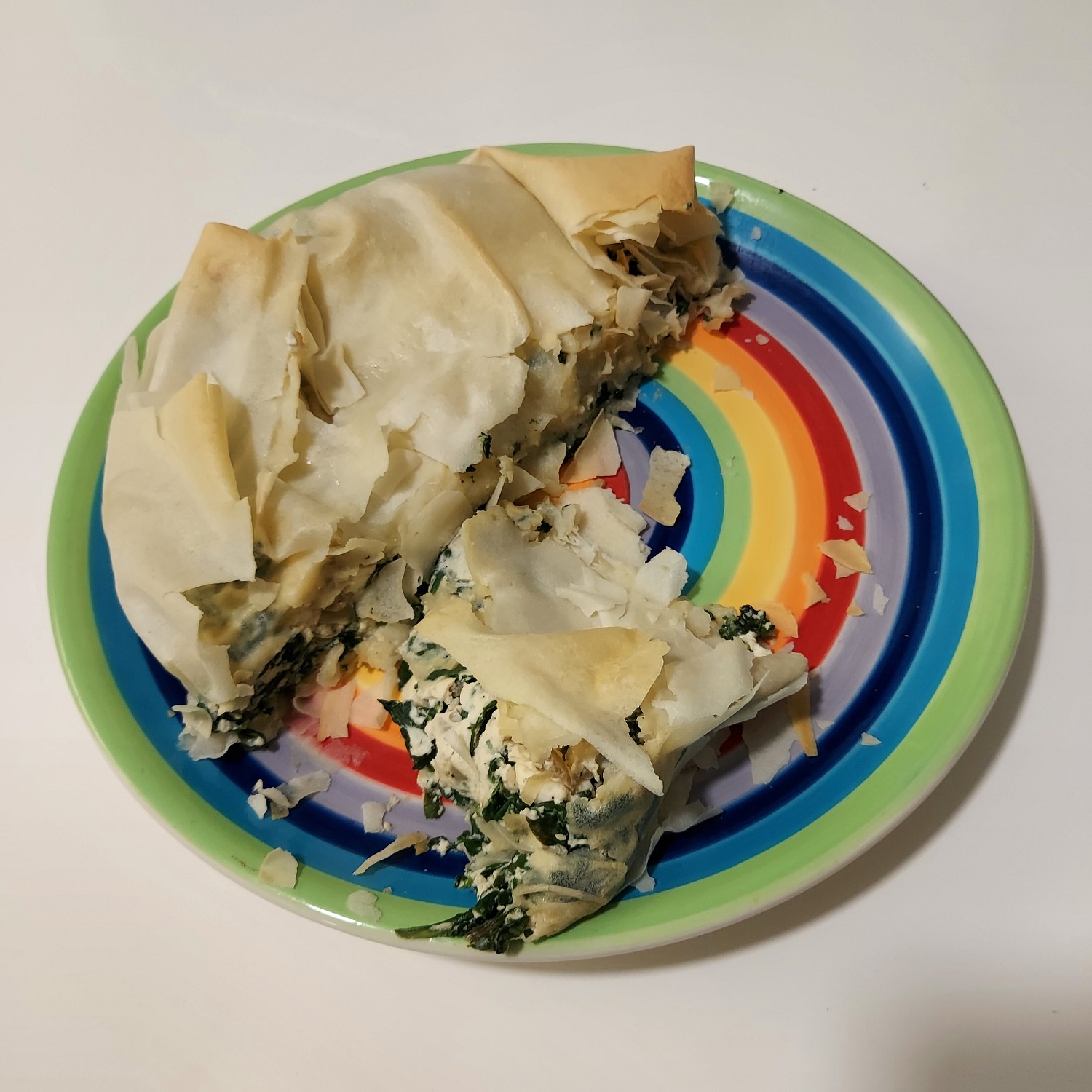
A savoury pie
I decided to make a spinach & ricotta filo pie. I couldn’t find any filo pastry so I used spring roll pastry instead and it worked out pretty well! The pie was really tasty and not too difficult to make, so I’d definitely cook this again.
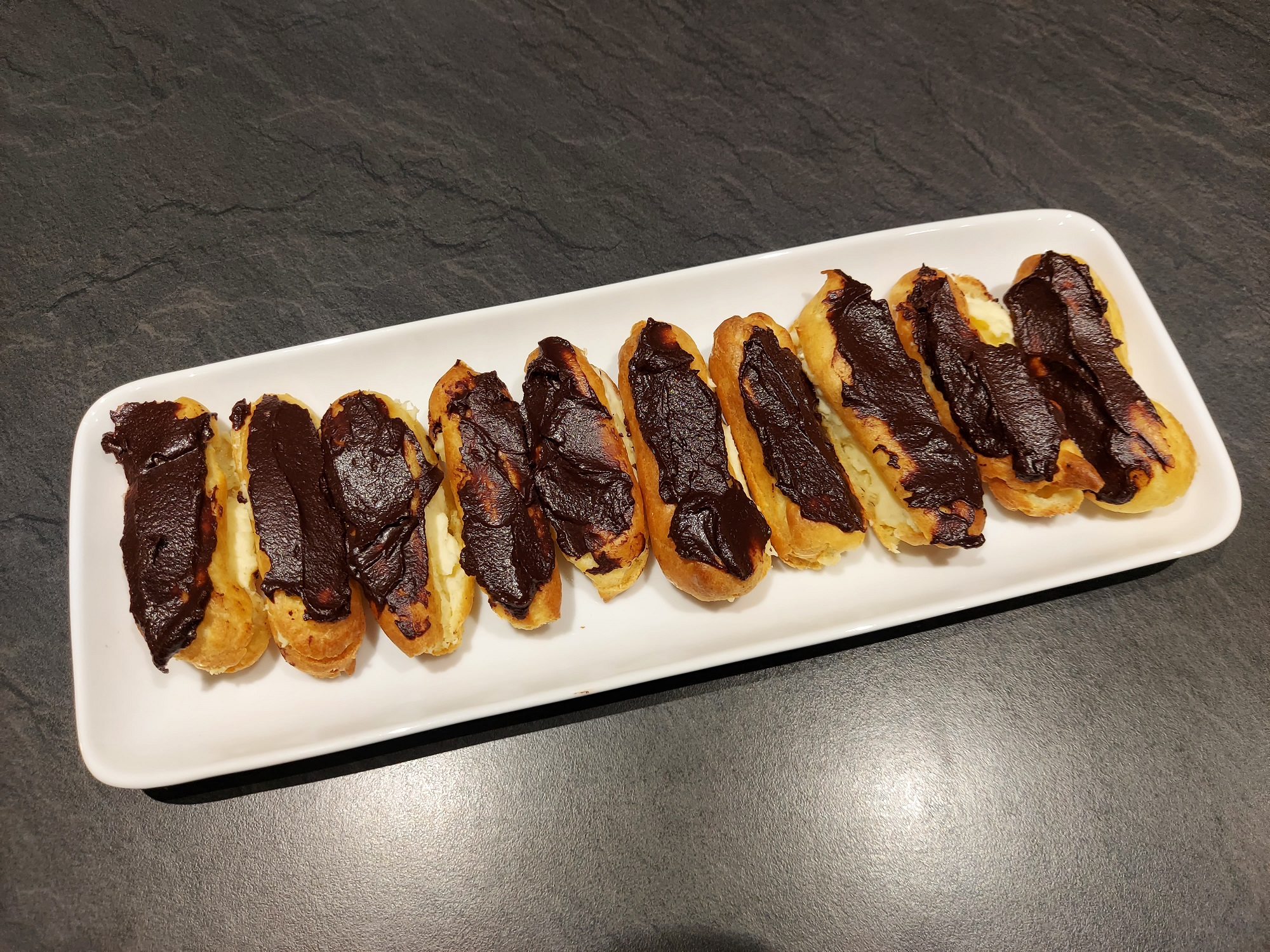
Eclairs
I’m not a fan of eclairs, so I decided to make them when I was up north so that my mam and brother, who do like them, could eat them. They were, frankly, a right faff – even my mam, who is a great baker, said this. I was actually quite proud with how the choux pastry worked out, however. I thought these eclairs were nicer than shop-bought ones as the creme patisserie inside is nicer than the squirty cream you always get, but I can still say for definite that I would never make these again.
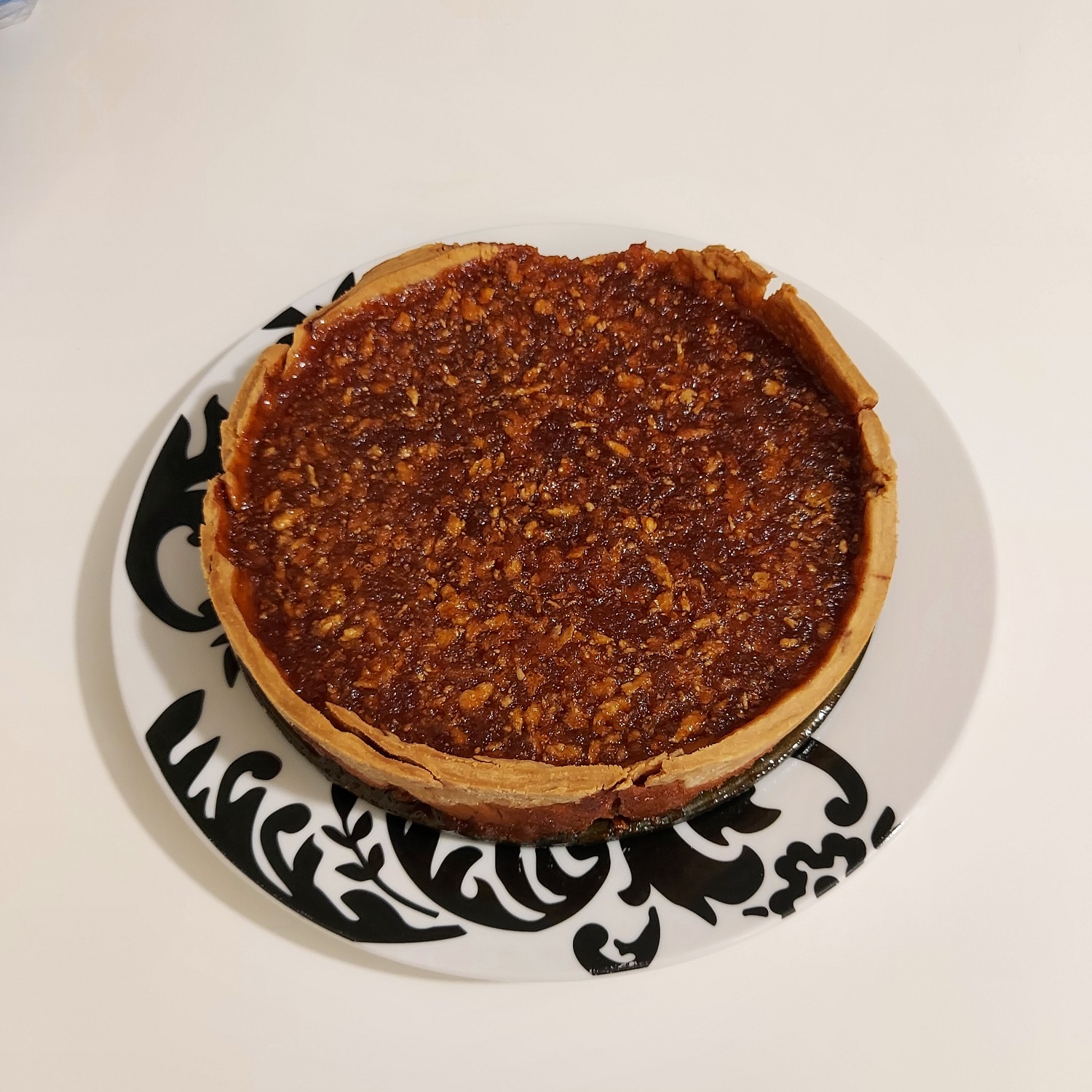
A sweet tart
I’ve always fancied making a treacle tart, so I gave this a go. I made the shortcrust pastry from scratch, I’m proud to say, and it worked out well, even though the tart itself wasn’t as nice as I’d hoped.
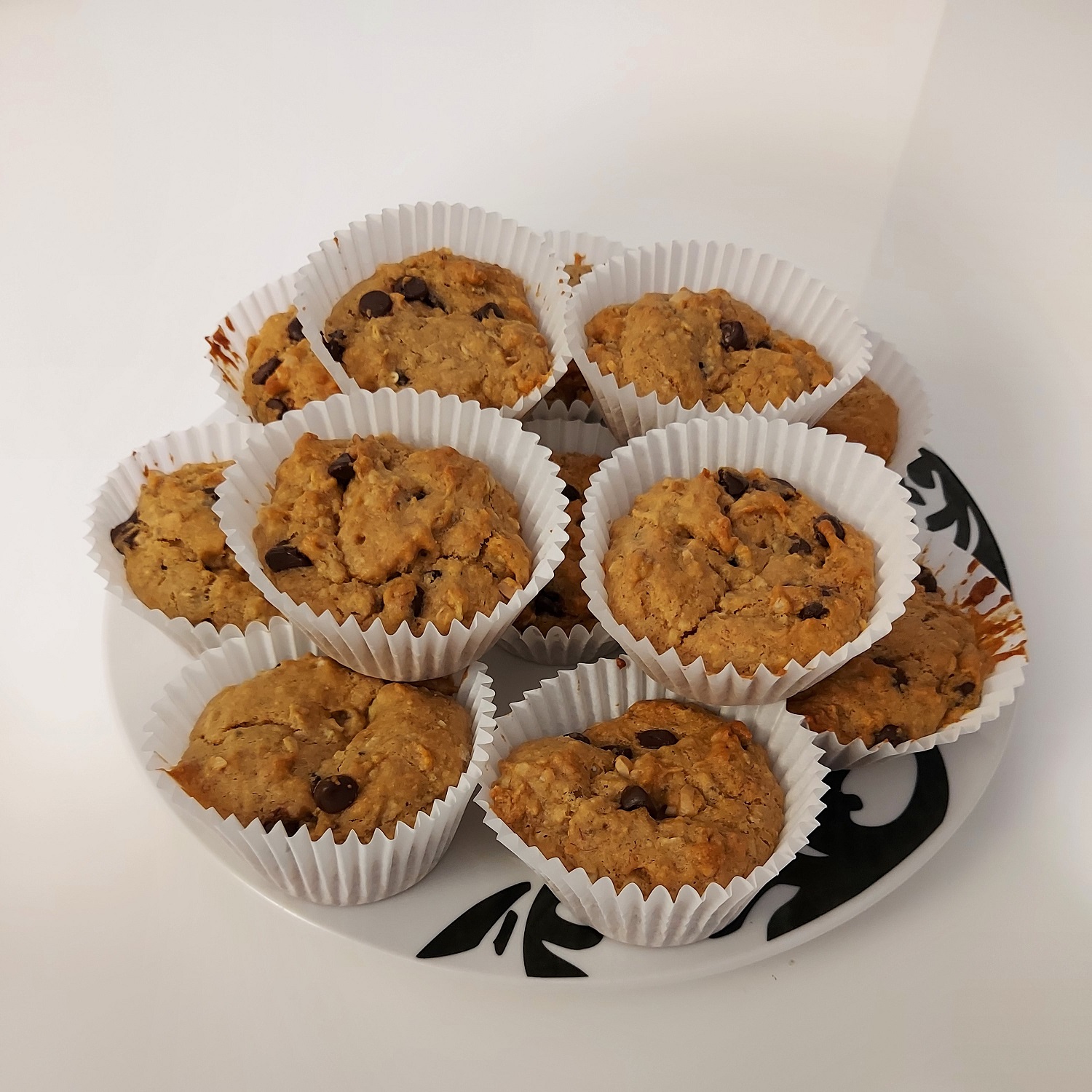
A batch bake of 12 identical items
One of my housemates has recently gone vegan, and I’ve always wanted to have some vegan bakes in my repertoire (the only vegan bake I’ve ever done in the past is a chocolate cake that was yummy but fell apart). Therefore, I’m happy to report that the vegan peanut butter chocolate chip muffins I made (using banana as a binding agent) stuck together and were delicious to boot.
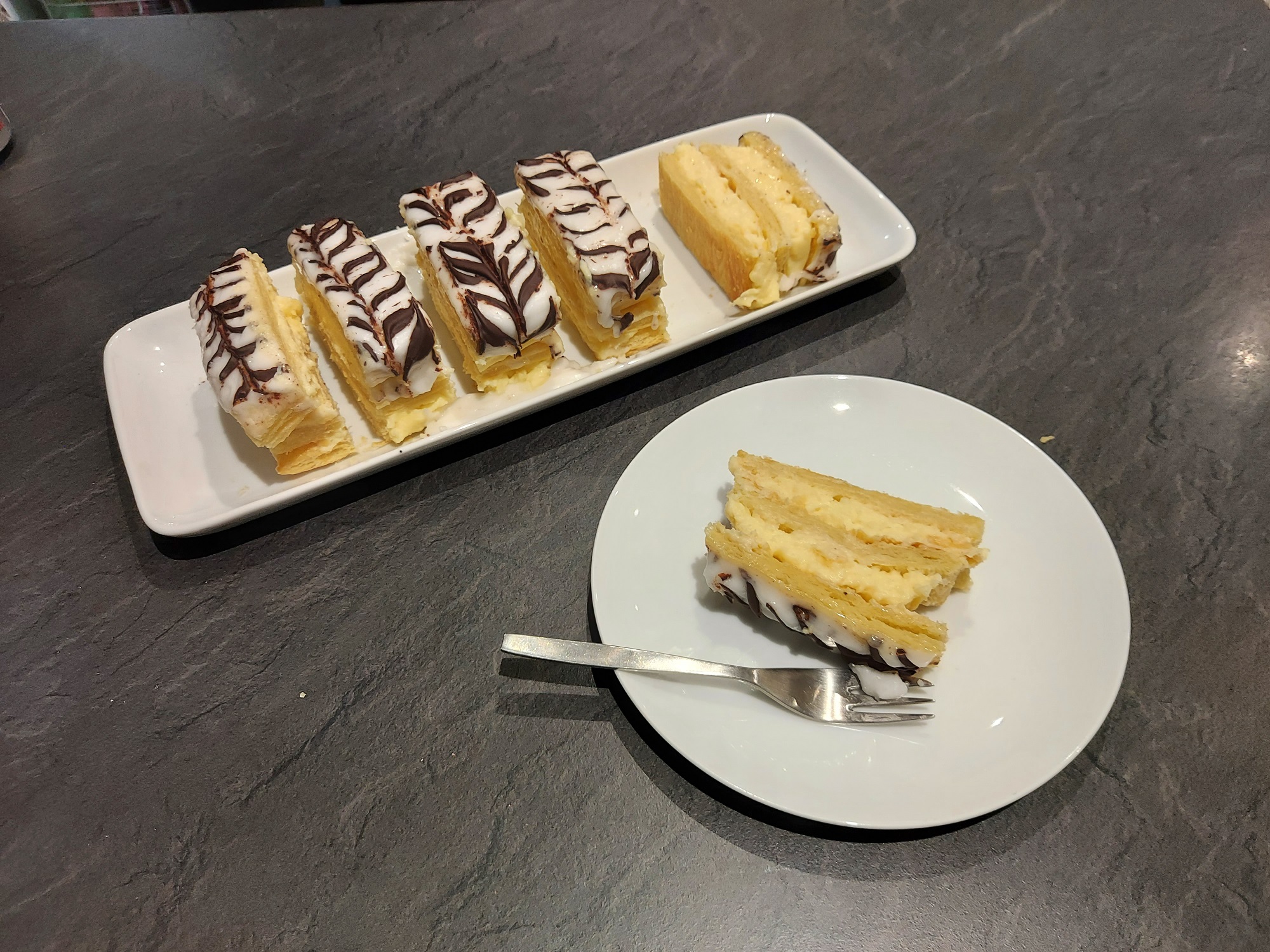
Millefeuille
I still can’t pronounce millefeuille, but since I’ll never be making it again, that isn’t such a big deal. I used pre-made puff pastry: apparently Mary Berry doesn’t even make her own, so who am I to question the Baking Queen? Therefore, this was slightly less hassle than the eclairs. Only slightly.
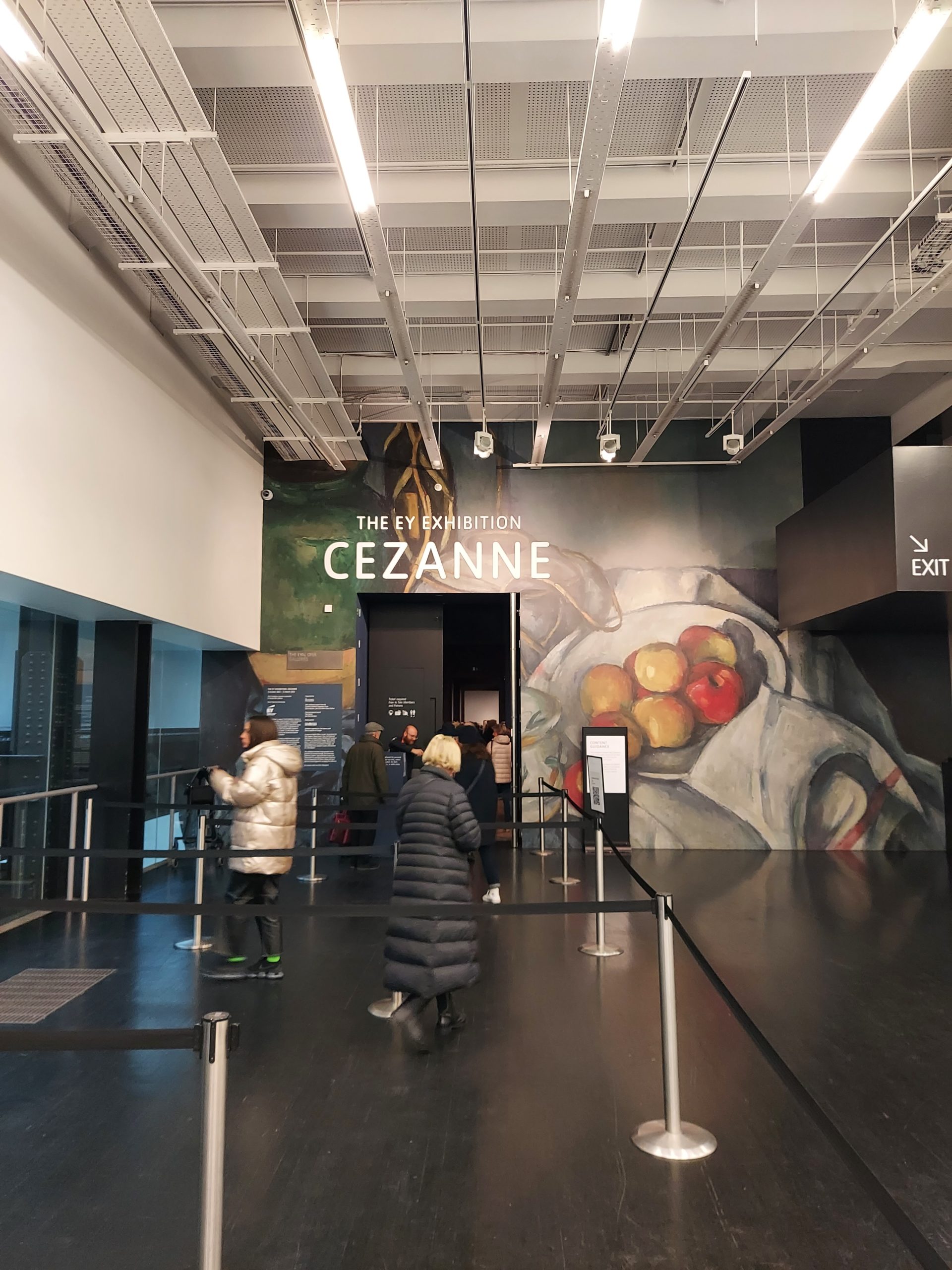
I had a midweek day off work last week and decided to visit several exhibitions. The first one I chose was Cezanne at the Tate Modern, which is coming to the end of its run.
Paul Cezanne (1839-1906) is one of the most respected artists of the late nineteenth century. He revolutionised painting, seeing it as a process of investigation. The exhibition contains several works which have rarely been seen outside of France. The first half looks at Cezanne in the context of his time, while the second half focuses on particular themes.
As a young adult, Cezanne’s father wanted him to pursue a career in law, but his school friend, the novelist Émile Zola, encouraged him to move to Paris and pursue art. He was befriended and mentored by fellow artist Camille Pissarro, whose influence is present in his early work. Cezanne lived through times of social and political upheaval: this can be seen in paintings such as The Conversation, which hint at his political views, and Scipio, which was possibly influenced by abolitionism.
Cezanne preferred to paint models he knew well, such as his partner Marie-Hortense Fiquet and their son Paul. However, he also painted many works of bathers, which influenced painters such as Matisse and Picasso. He worked on several landscapes, particularly during his stay on the south coast of France, and is also famous for his still lives, mostly featuring apples.
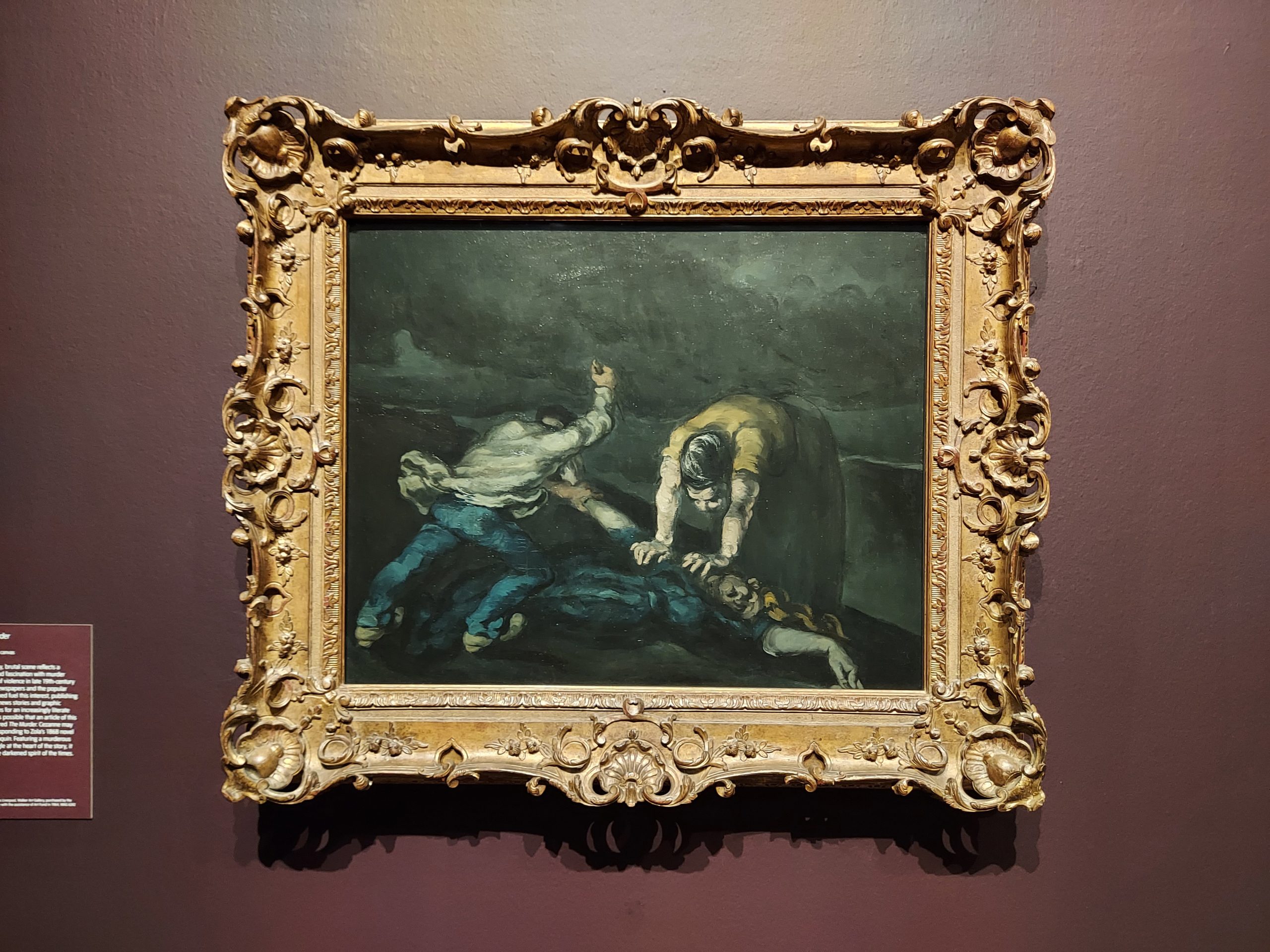
I must admit I struggled to engage with many of the paintings. I don’t find still lives particularly interesting and I wasn’t enamoured with the pictures of bathers. I could see the appeal in the landscapes, but my favourite works included the skulls that Cezanne painted towards the end of his life. There was also one particular work that seemed to show a murder, which had a strong compelling energy.
I feel a bit guilty saying all of this as Cezanne is an acclaimed artist and I really don’t have the knowledge to be able to criticise his works properly. All I can do is comment from my own uneducated perspective, and I guess these works just aren’t really my thing.
The Apothecary badge wasn’t one that immediately jumped out at me. I’m aware that some people make body lotions, lip balms etc for their own use or to sell online, but it wasn’t something I’d ever thought of doing myself. However, during this cold winter, and hoping to save some money (I’m doing the Conscious Consumer badge at the moment!), I decided to work on this badge. To achieve the badge, you have to make at least 5 items out of a possible 8.
A Face Mask
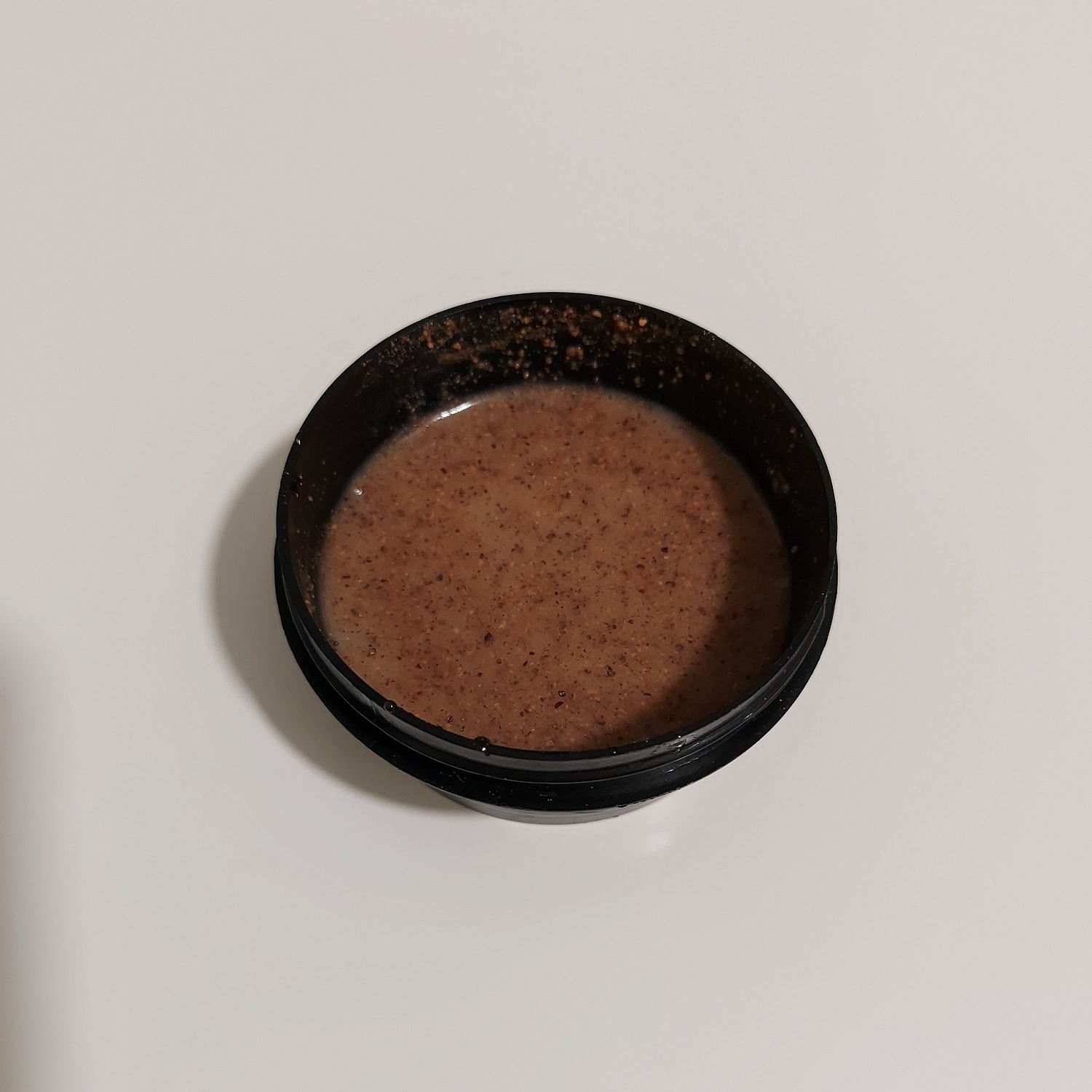
I decided to try a face mask first as this seemed an achievable option that I could work on using ingredients already in my kitchen. I found a great resource online with a number of different recipes. I tried out the Blemish-Fighting Milk Mask: combine 2 tbsp. raw honey, 2 tbsp. nutmeg, and 2 tsp. milk to form a thin paste. Apply to face, leave on for 15 minutes, then rinse off with warm water. This mask felt lovely and I liked the way it felt on my skin.
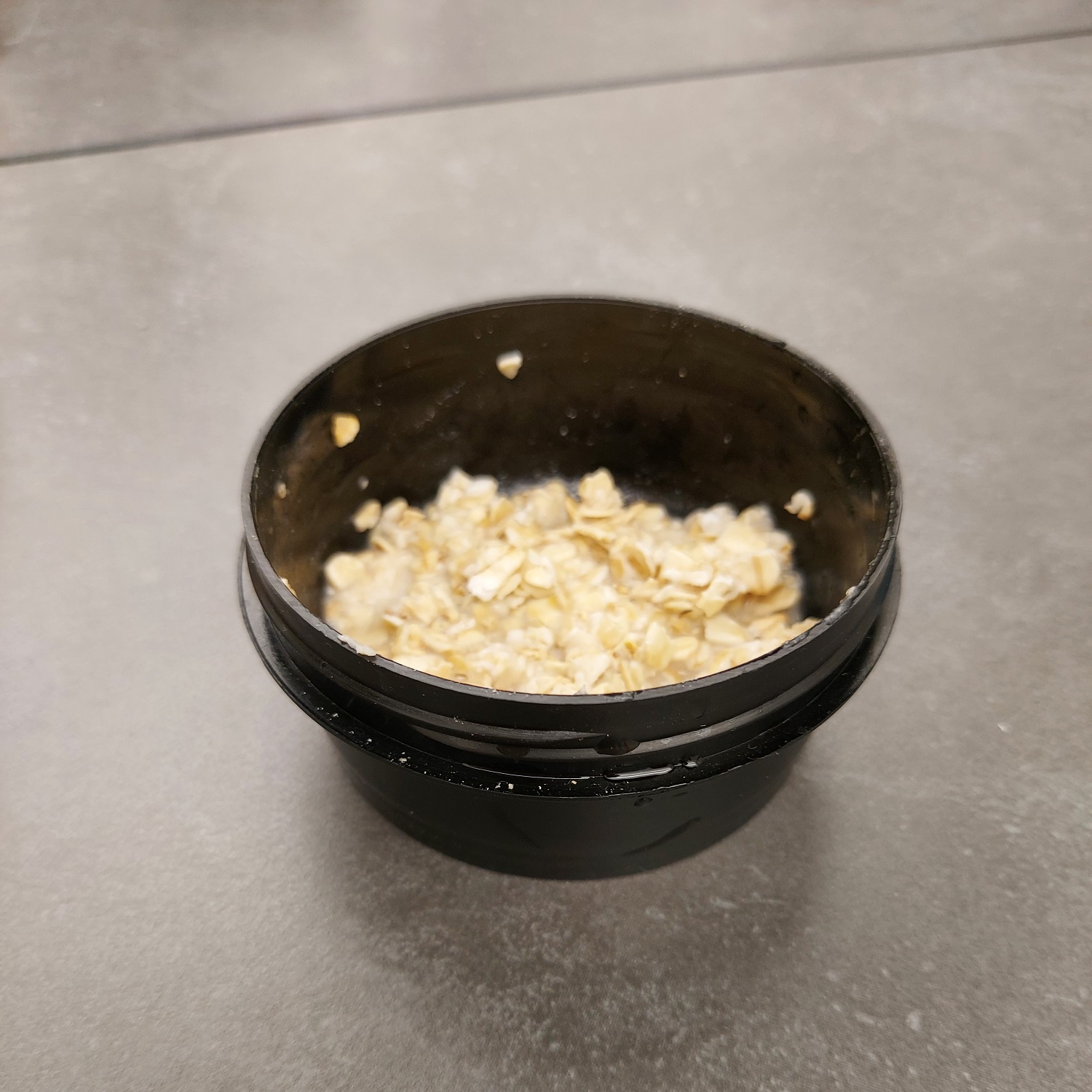
The following week I tried out the Calming Oatmeal Mask: mix 2 tbsp. oatmeal with 1 tsp. baking soda, then add just enough water to make a paste. Apply to face, leave on for 15 minutes, then rinse off with warm water. This one felt a bit uncomfortable on my skin, but after I’d washed it off my skin looked amazing, so I’d try it again!
Moisturiser
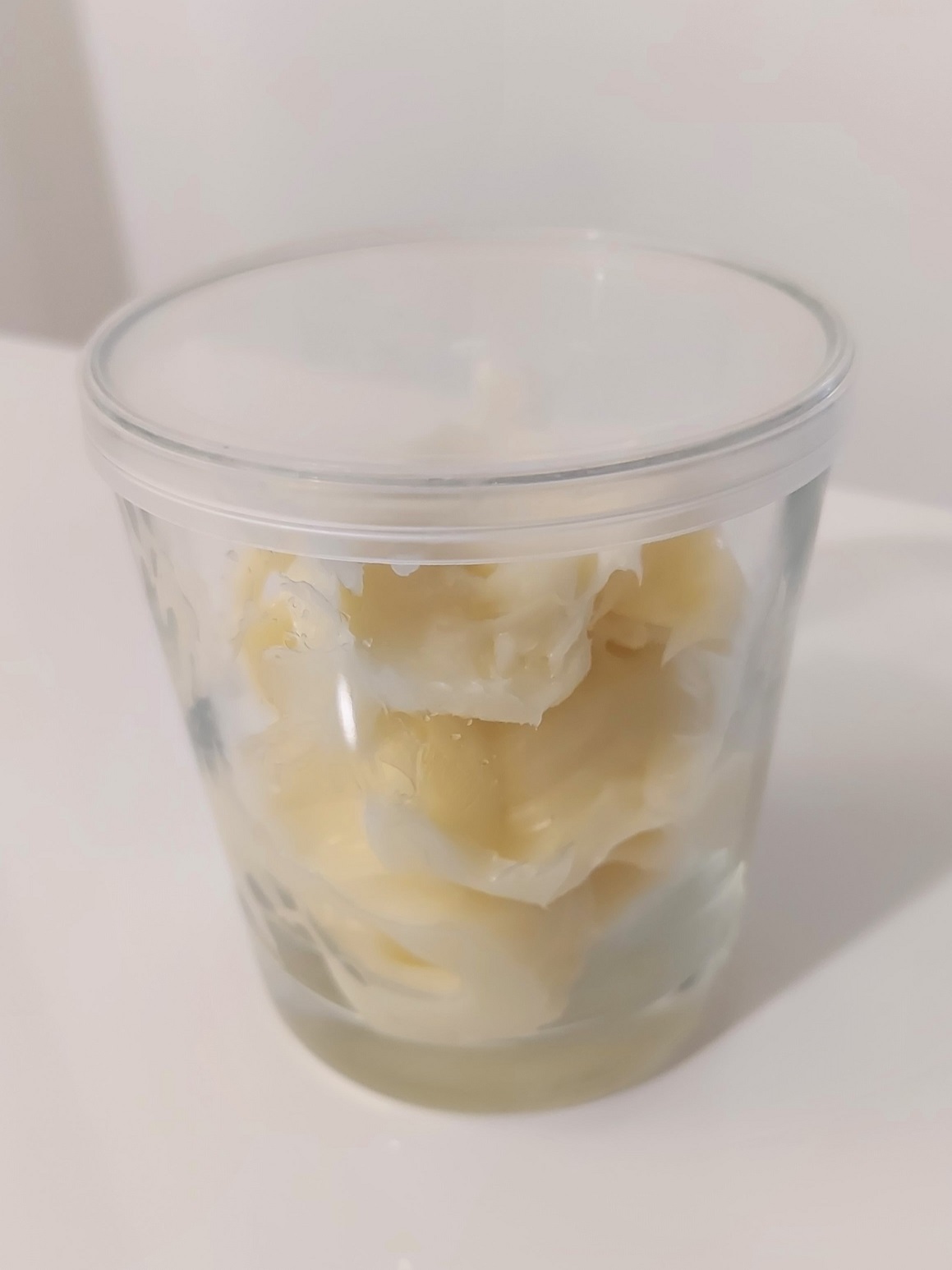
I found a recipe online to make a Shea Butter Lotion. I bought some raw shea butter cheaply on Ebay, as well as some jojoba oil to act as a carrier oil. I got some arrowroot starch from the supermarket, and an essential oil blend online. The blend I chose was called ‘Creativity’ and was made up of grapefruit, basil, bergamot and lavender.
The recipe was easy to follow and I loved the end result. It felt luxurious and not too greasy on my dry skin, and smelled lovely too. I still have loads of shea butter left so I’d definitely make this again – and it’s much cheaper than shop-bought butter!
Lip Balm
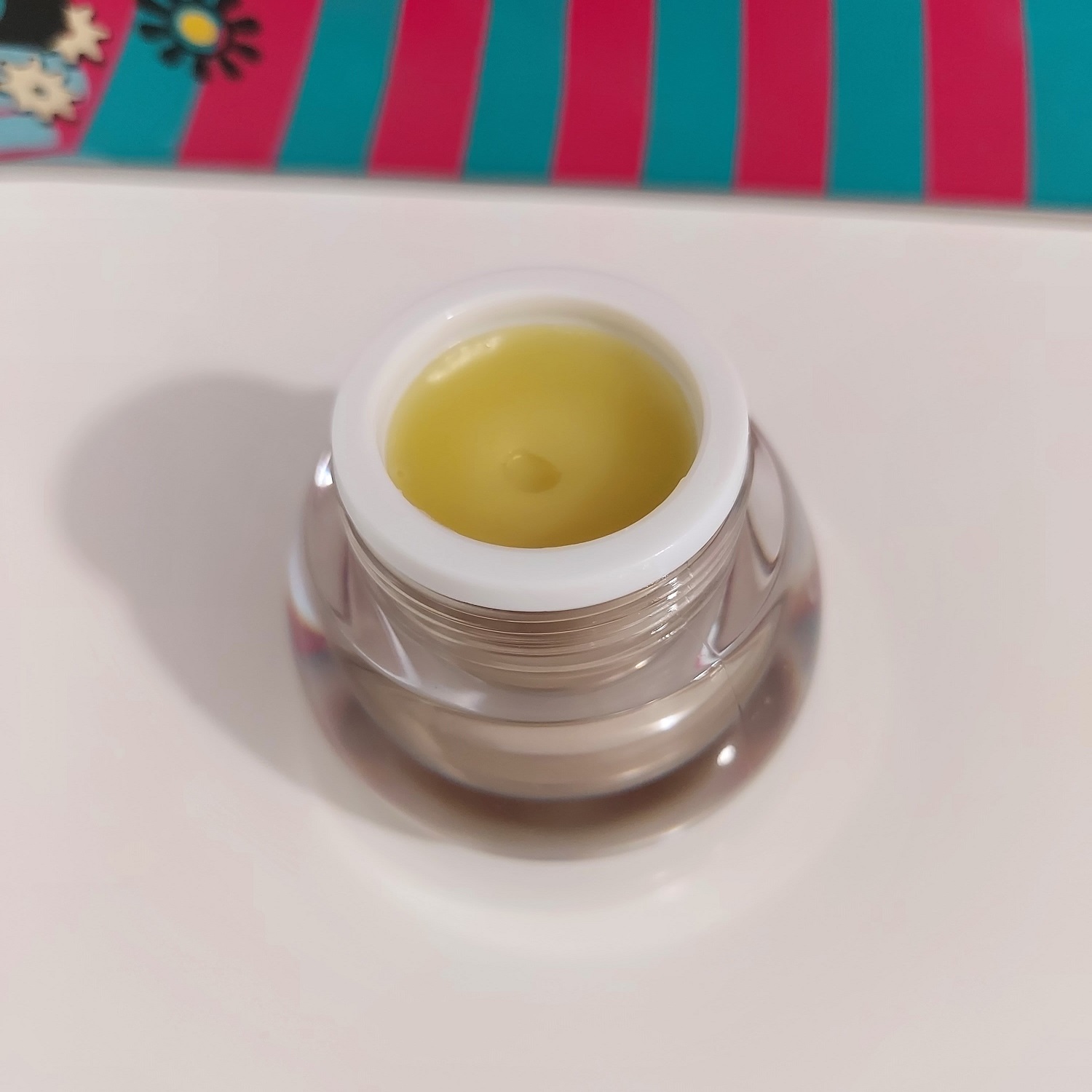
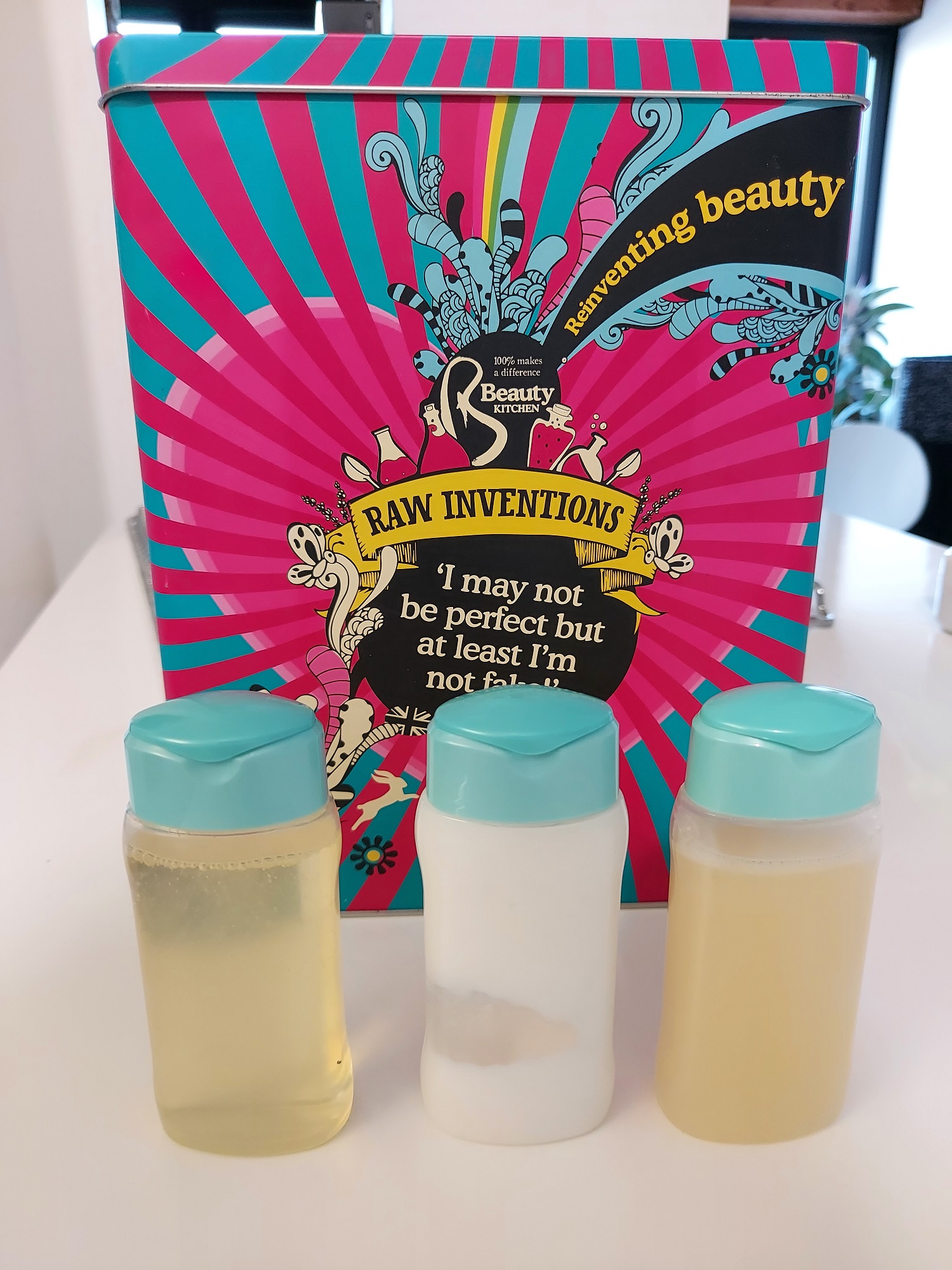
I found a Beauty Kitchen Raw Inventions kit on Ebay for under a tenner which I used to make lip balm. The recipe involved melting 2g beeswax and 4g cocoa butter, then adding a teaspoon of olive oil and three drops of essential oil. I was really impressed with how soft this made my lips – I will never buy a lip balm again!
Toner
I followed a simple toner recipe I found online which combined green tea and tea tree oil. This was a definite win as I already had both these ingredients in my cupboard. The toner was very refreshing.
Exfoliator
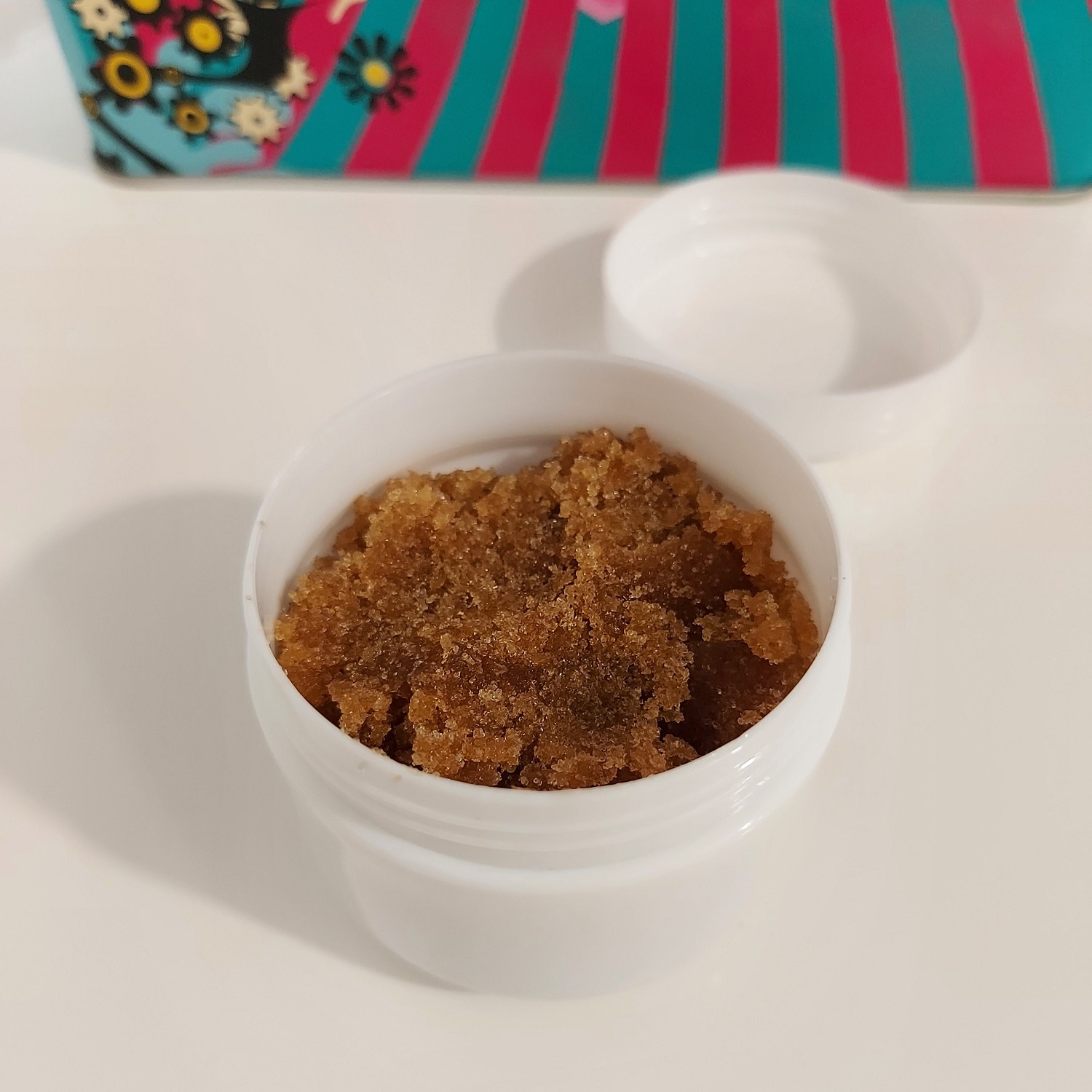
I followed the recipe in my Raw Inventions kit to make a Sugar Body Scrub. This was a simple recipe involving 30g of sugar and 2 teaspoons of olive oil, plus 4 drops of essential oil. This scrub was very effective and I was impressed with how easy it was.
As well as the above I also used the recipes and contents from the Raw Inventions kit to make shower gel, body lotion and face wash, but I don’t know if these count for the badge since they all used premade basic shower gel and lotion. Having said that, I definitely made 5 items from scratch so I have earned my badge. This was lots of fun and I definitely want to carry on making my own beauty products.
I got to attend my second Big Rebel Meet Up at the end of February. This one took place in Bromsgrove, near Birmingham, and I thought the venue was closer to the station than it actually was – so I had to get up at about 4am to catch the train to Birmingham and another from Birmingham to Bromsgrove. Luckily I was able to get a lift from a lovely Rebel from the station.
The very early start was worth it though, as it was a brilliant day. We started with circus skills, run by CircusMASH – juggling, hula hoops and plate spinning. I was pretty terrible if I’m honest, but it was great fun.
After a break for lunch, we divided into our patrols and got started on the other activities. I was in Greta patrol today and we started with a craft session, working on appliqué. This was a craft listed in the first badge book as part of the Crafter badge, but it wasn’t one I had chosen, so it was nice to give it a go. I got to have a good chat with other Rebels at the same time.
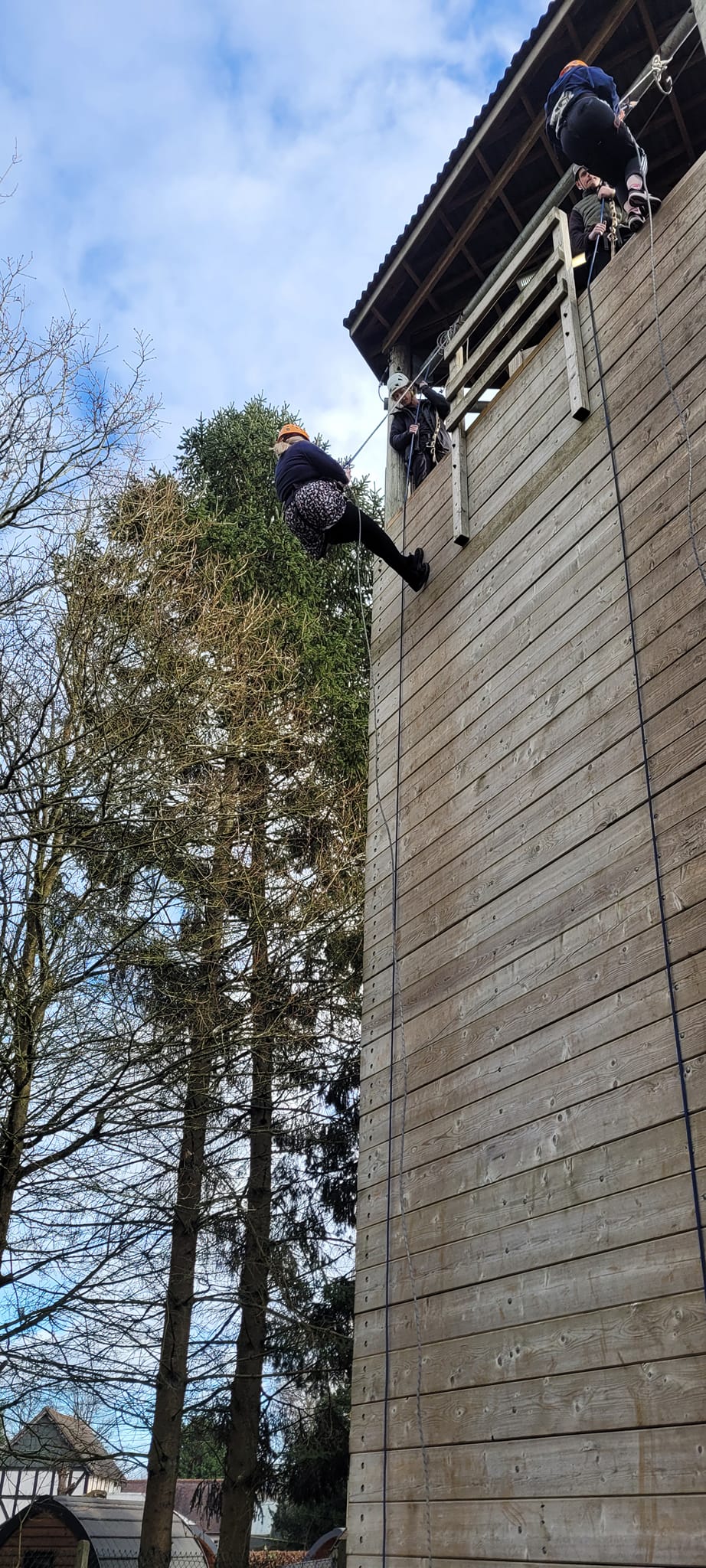
Then it was time for our abseiling session! I was both excited and nervous about this, and it was awesome. The worst part was just hanging over the edge, but once I started going down it was fine. I ended up having about three goes. Everyone was really encouraging and we all took photos of each other for posterity.
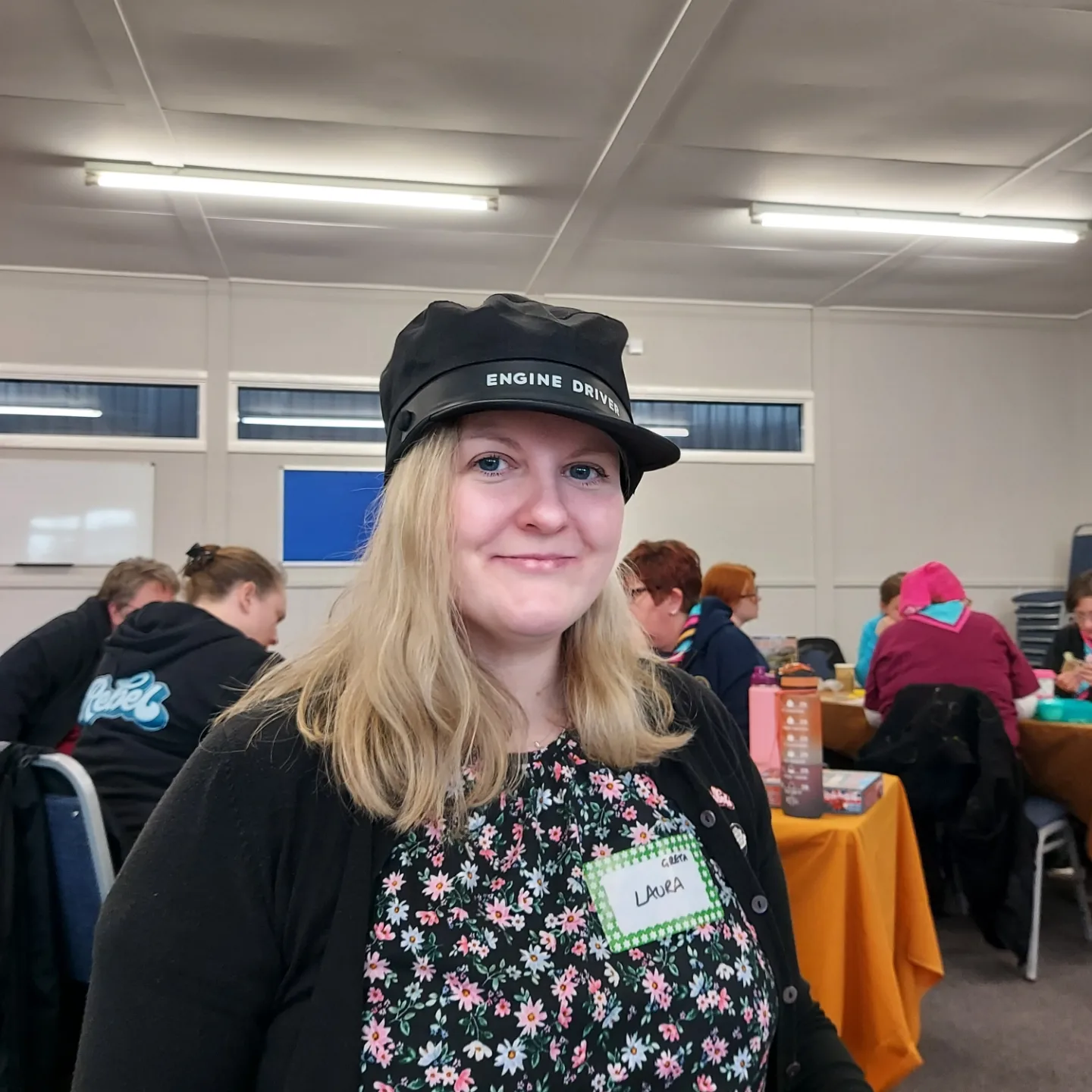
In a bit of a contrast, our next session was board games with Andy Hopwood from Hopwood Games. We got to play a number of board games including Ticket to Ride and Rhino Hero. I won a round of Ticket to Ride so got to wear the train driver’s hat!
Finally, we ended the day with a relaxing yoga session.
Once again, I had a brilliant time, even though I was shattered by the end of the day. I’m sad that I won’t be able to make it to the next Reading meet up, as I will be on holiday, but I definitely want to make some autumn meet ups.
The Activist badge is something I’ve wanted to work on for a while. Activism is something that both appeals to me and scares me – I’m naturally the sort of person who hates confrontation and likes a quiet life, but I also hate injustice, so wanting to be better at activism is something that means a lot to me.
Identify the change you want to make
The Enough is Enough campaign is something I wanted to get behind. The gap between rich and poor is growing in this country, and the poor are often demonised in our society, as if their poverty is their own fault. This campaign aims to fight back against austerity, and has five demands, all of which I believe in:
A Real Pay Rise.
Slash Energy Bills.
End Food Poverty.
Decent Homes for All.
Tax the Rich.
Educate yourself
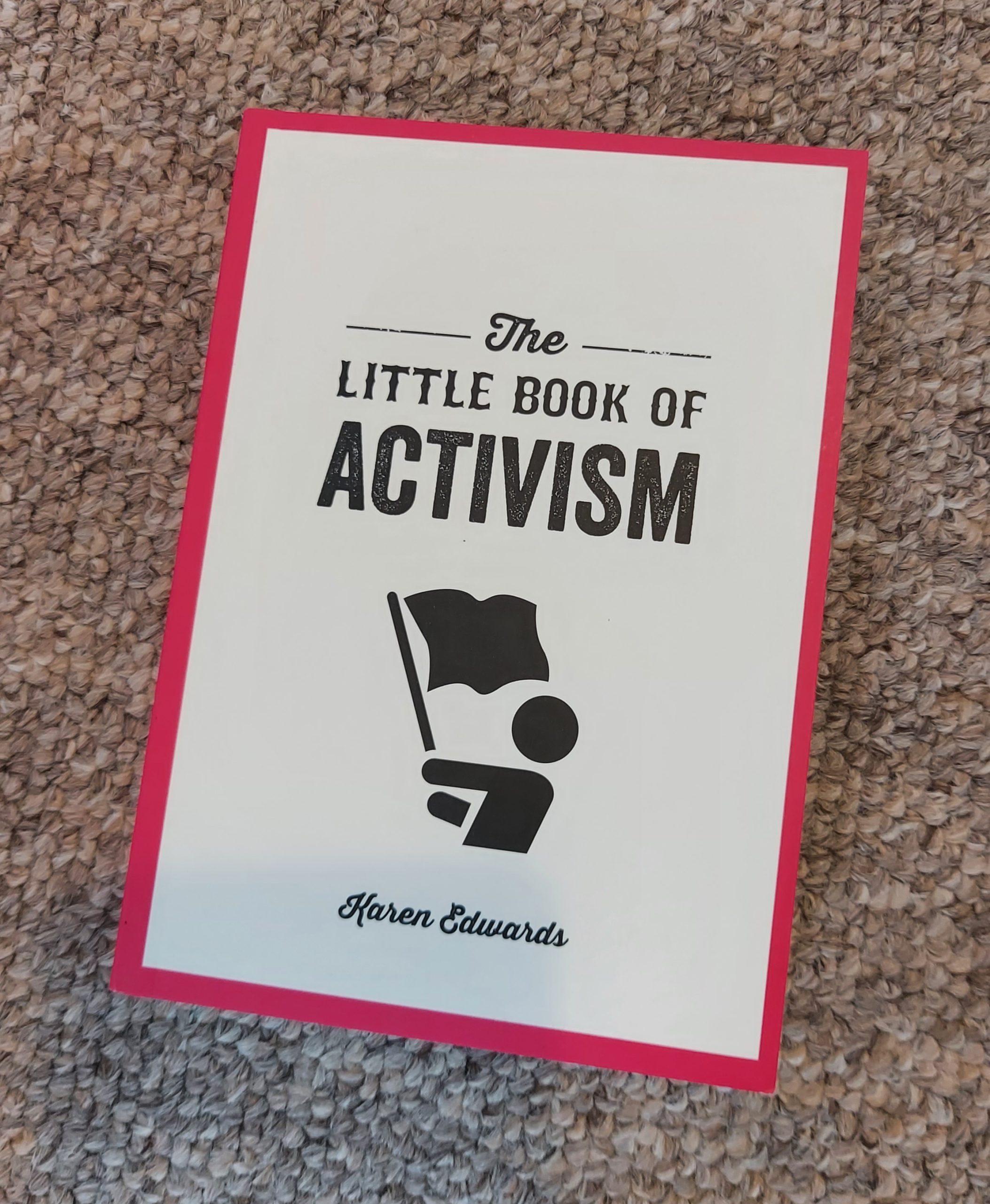
I read three books about activism: The Little Book of Activism by Karen Edwards, The War on Disabled People: Capitalism, Welfare and the Making of a Human Catastrophe by Ellen Clifford, and How to Be an Antiracist by Ibram X. Kendi. I also listened to the Poverty Unpacked podcast.
Immerse yourself
I signed up to the Enough Is Enough mailing list and have stayed up to date with the campaign through social media.
Show up
On 1 October 2022 I attended the Day of Action protest at King’s Cross, one of many protests taking place all across the country.
Be counted
I signed and shared the petition defending the Right to Strike.
Raise funds
I did the London Winter Walk as part of my Explorer badge and raised £175 for the Trussell Trust in the process.
Activism & the arts
I did something a bit different for this clause. Alphonse Mucha is my favourite artist but in the past I’ve only really focused on his Art Nouveau works. For this clause I looked at his work on The Slav Epic, which he felt was his most important work. Here is my online scrapbook.