The next brand I want to talk about is the Australia-based:
PAINFULLY PRETTY
Painfully Pretty creates beautiful acrylic jewellery themed around mental health and chronic illness. They also offer accessible jewellery options, such as magnetic clasps for necklaces.
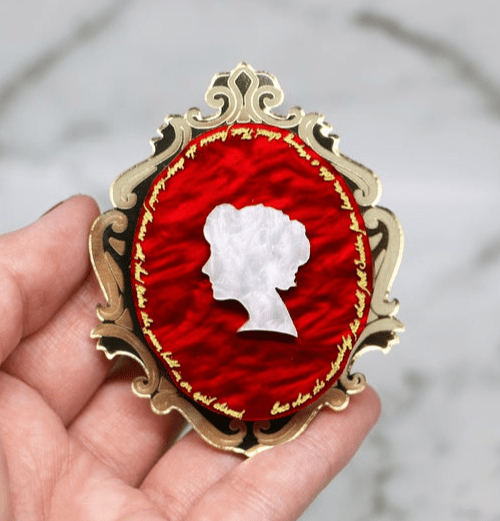
The red cameo brooch is from the Melancholia collection. I have it in purple, but I also have my eye on this red version. John Keats’ poem Ode to Melancholy is engraved round the edges.
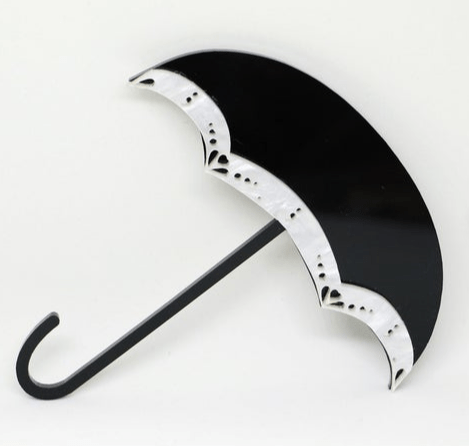
The Semicolon Parasol brooch is from the same collection. It is decorated with a semicolon, which has become a mental health-related symbol.
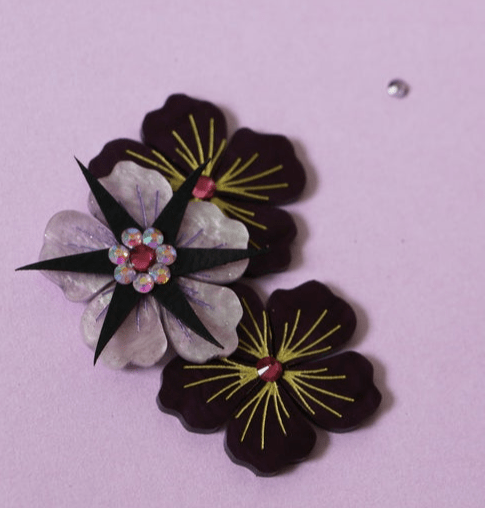
The Blossoming brooch is inspired by the poetry of Emily Dickinson and is made up of three purple anemone flowers. It has a clasp on the back to thread a chain, so you can also wear it as a necklace!
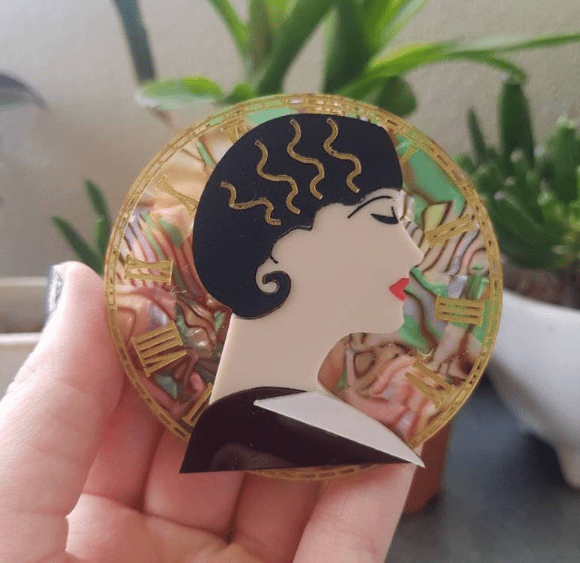
The Flora Watch Dial brooch represents the ‘Radium Girls’, who worked in factories in the early 20th century and became victims of poisoning.
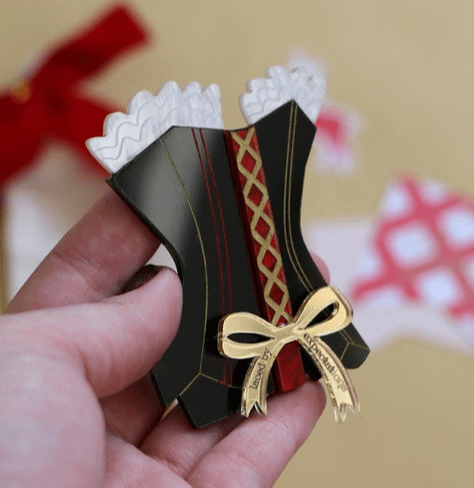
The Corset brooch is another piece from the Melancholia collection. Inspired by Victorian corsets, it is engraved with the phrase “Laced by expectations”.
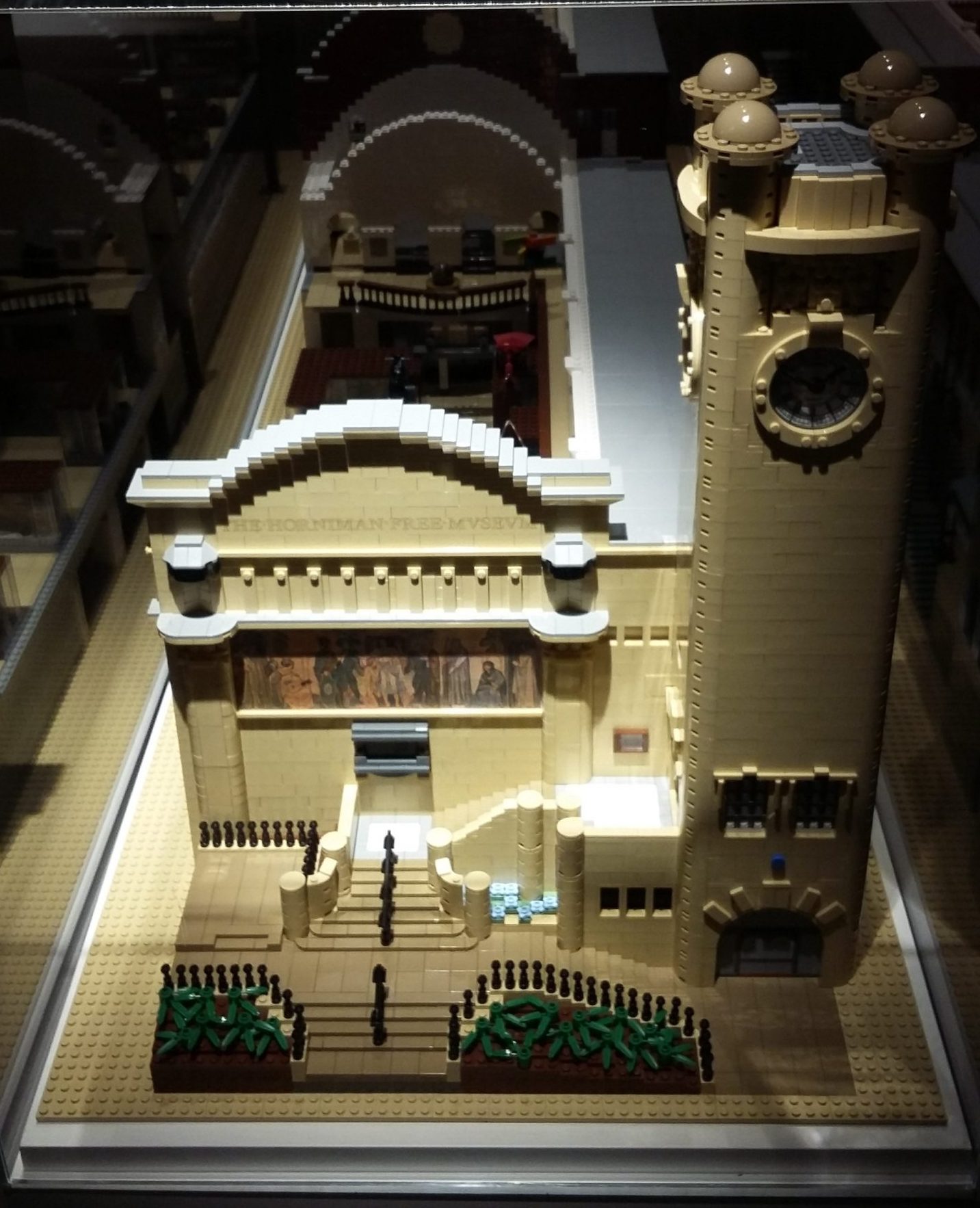
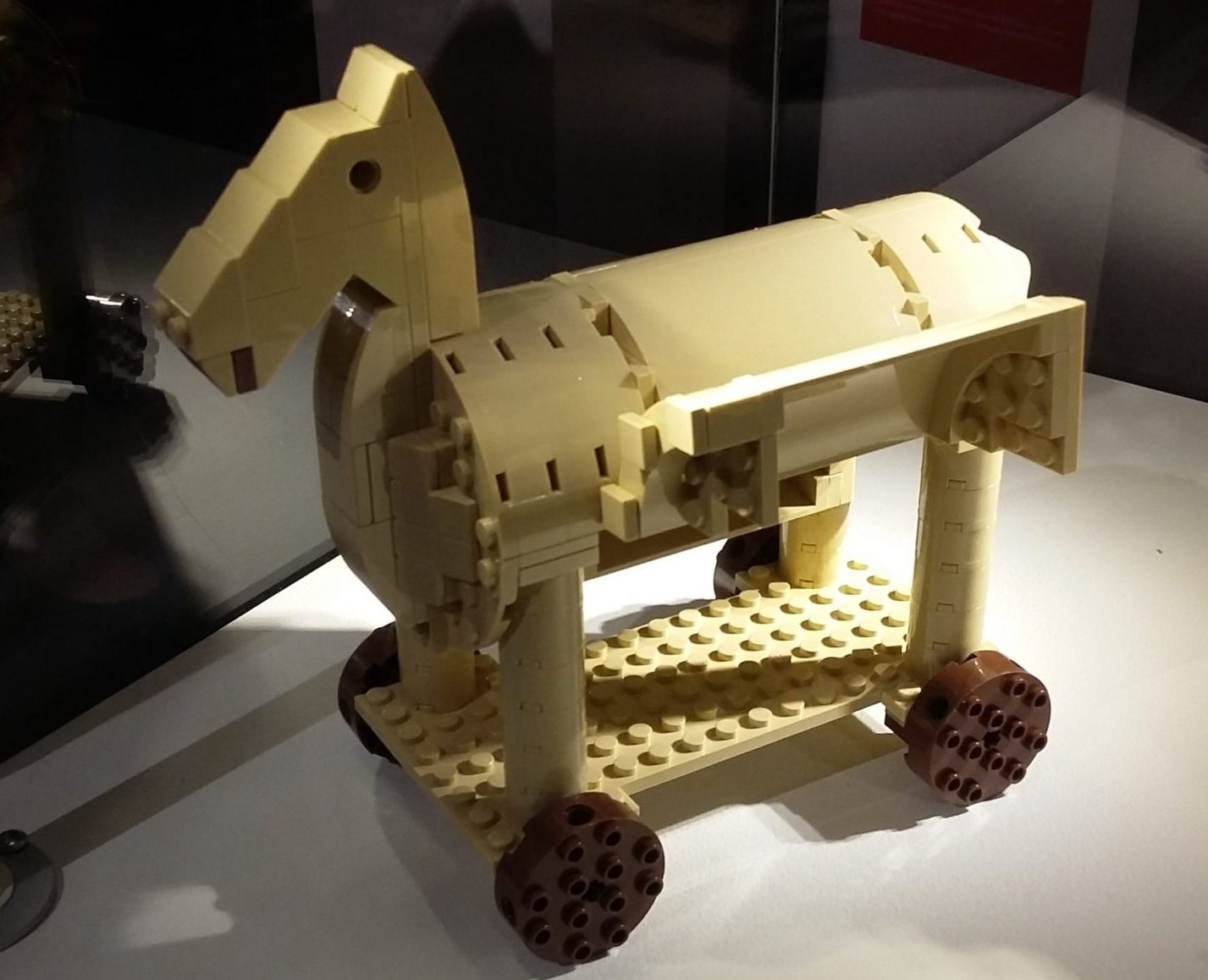
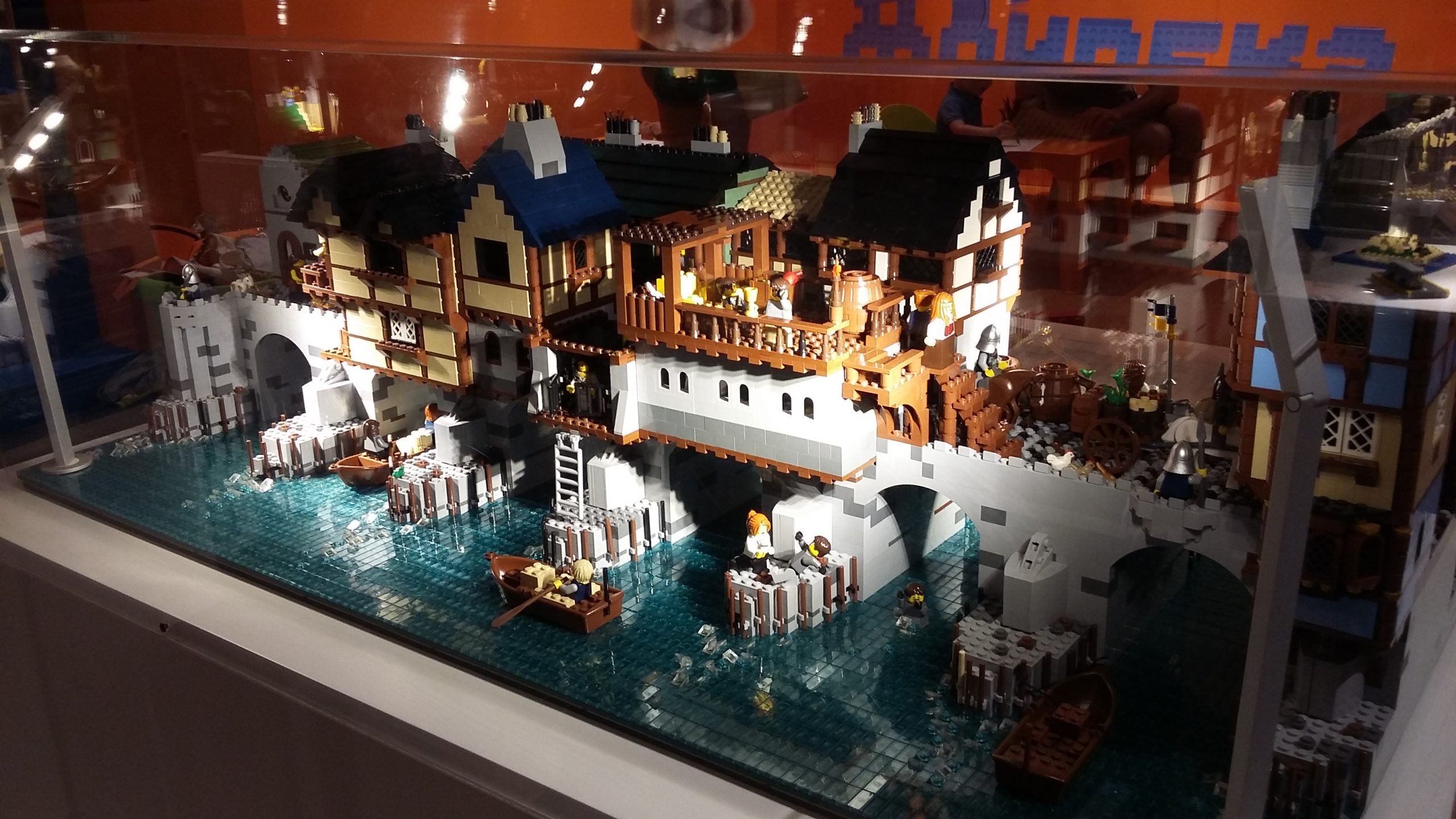
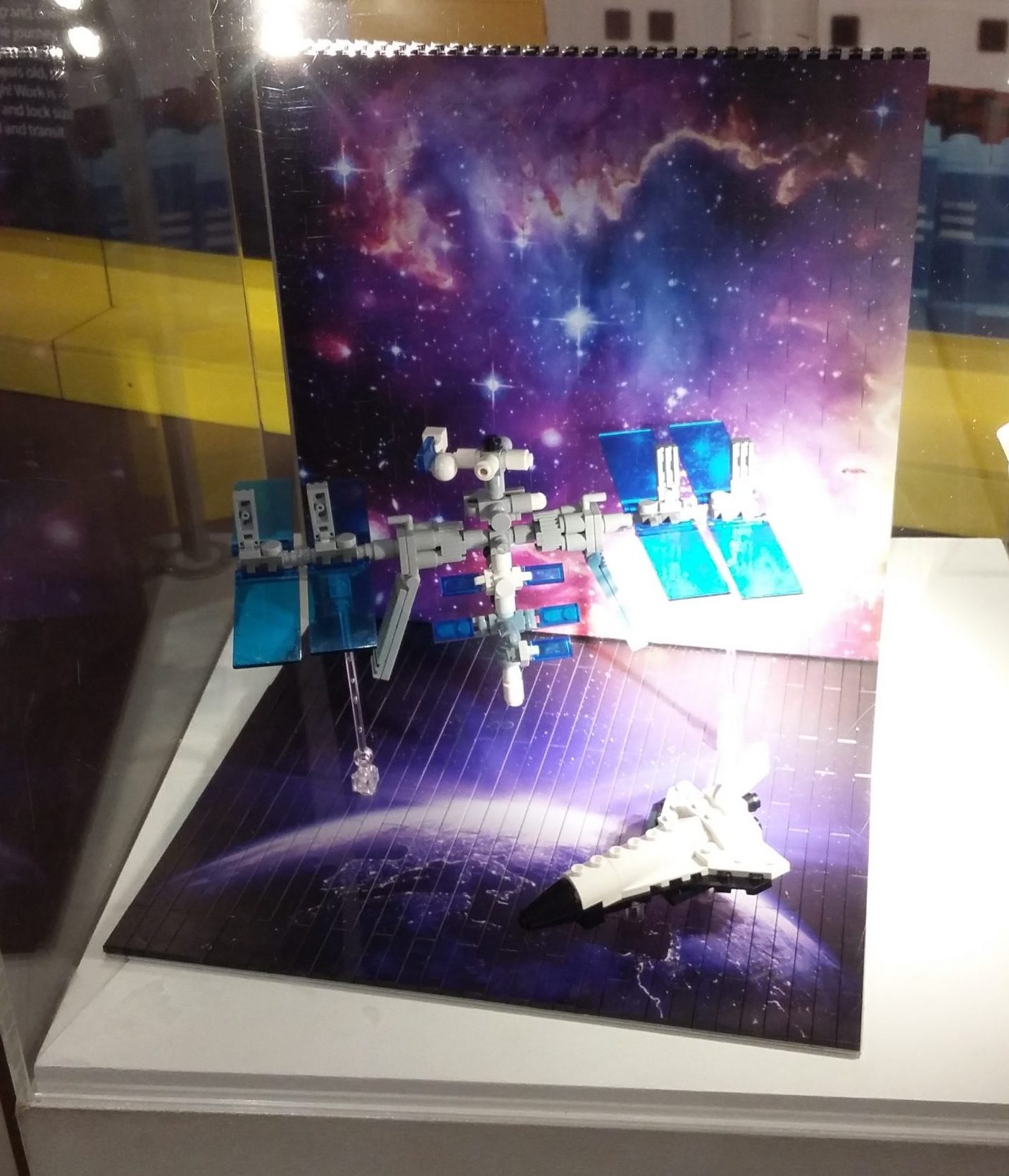
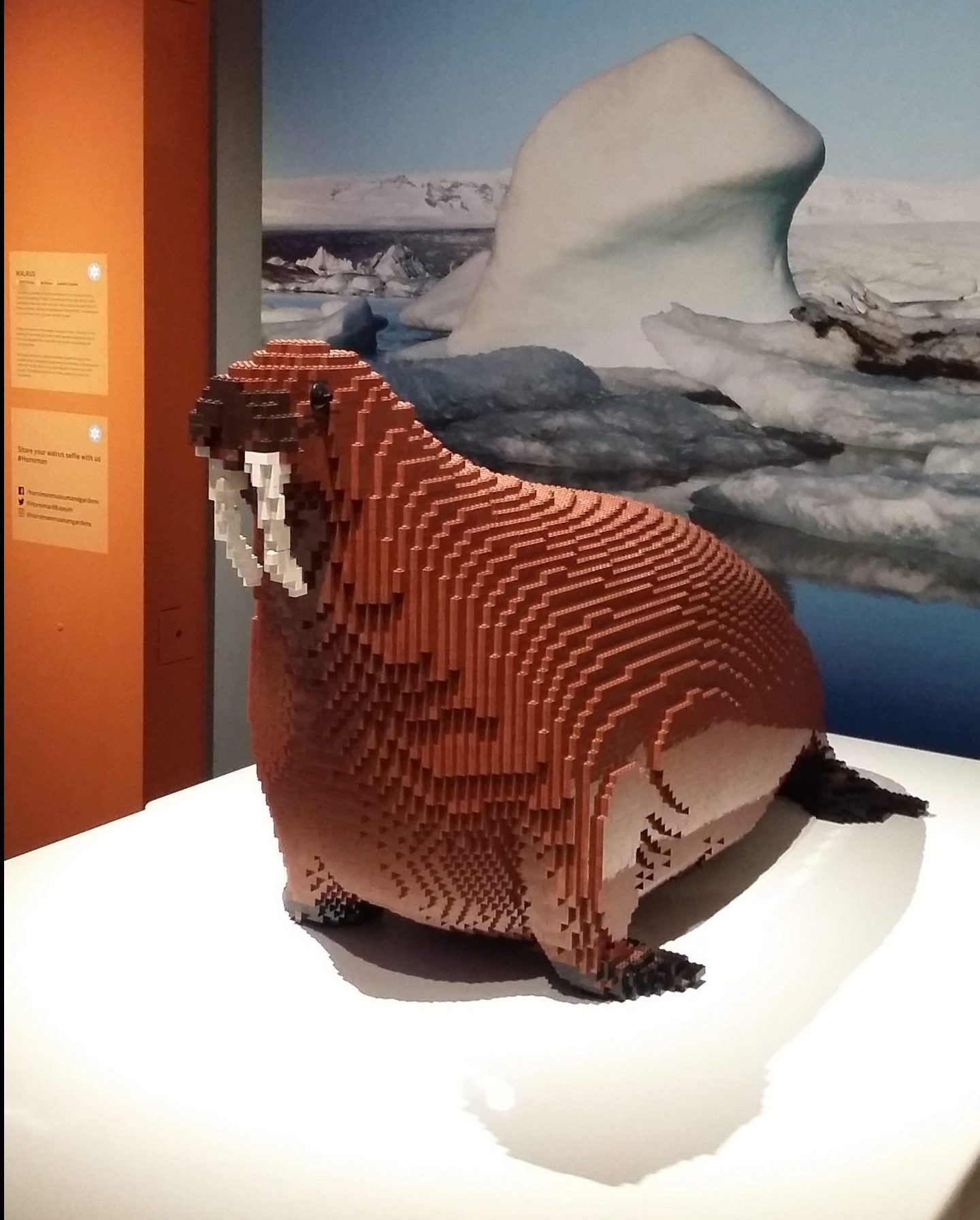
When I visited the Horniman Museum, I also visited the exhibition Brick Wonders. Like all special exhibitions at the Horniman, Brick Wonders has an admission price, but I found it to be well worth it.
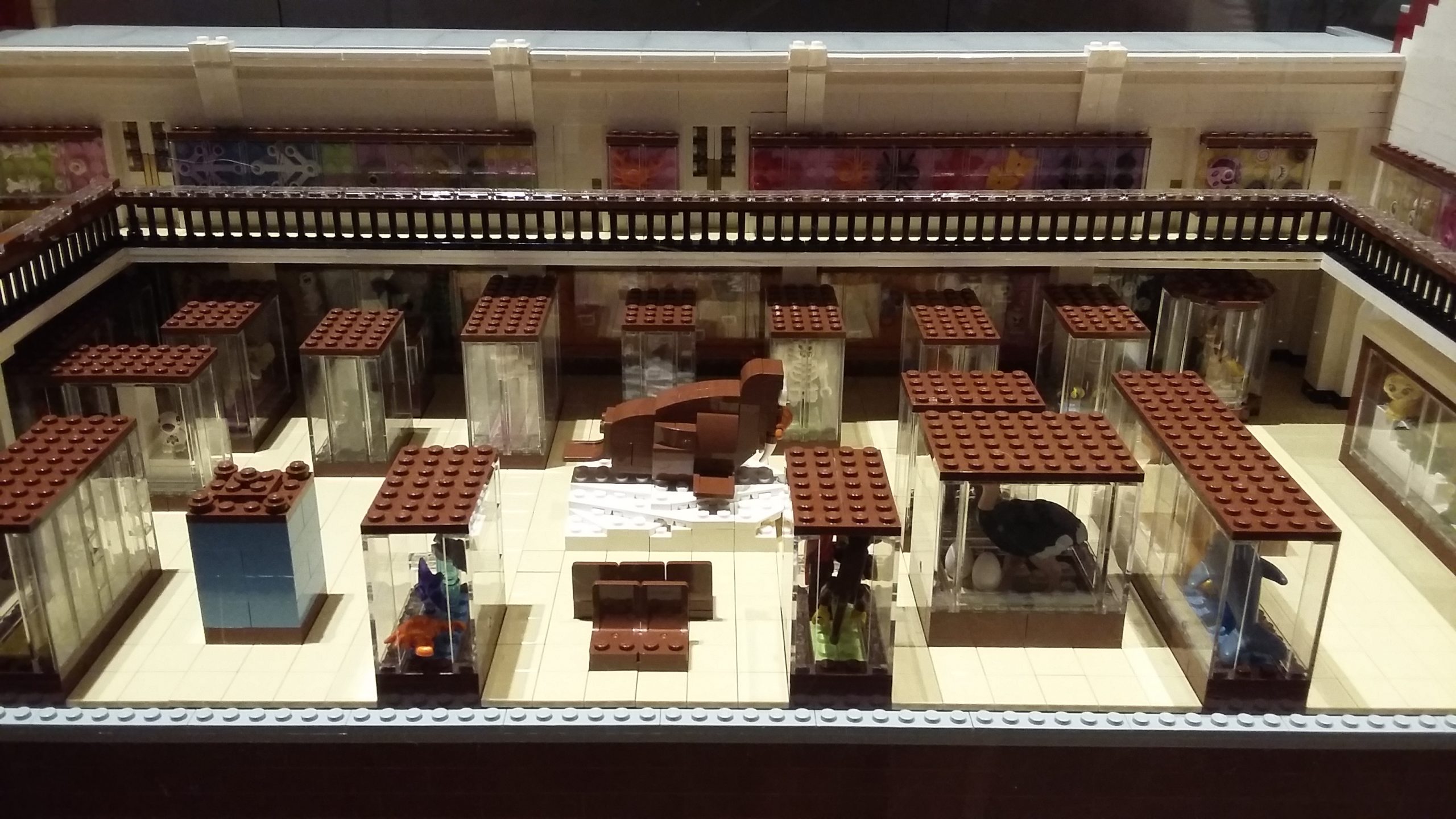
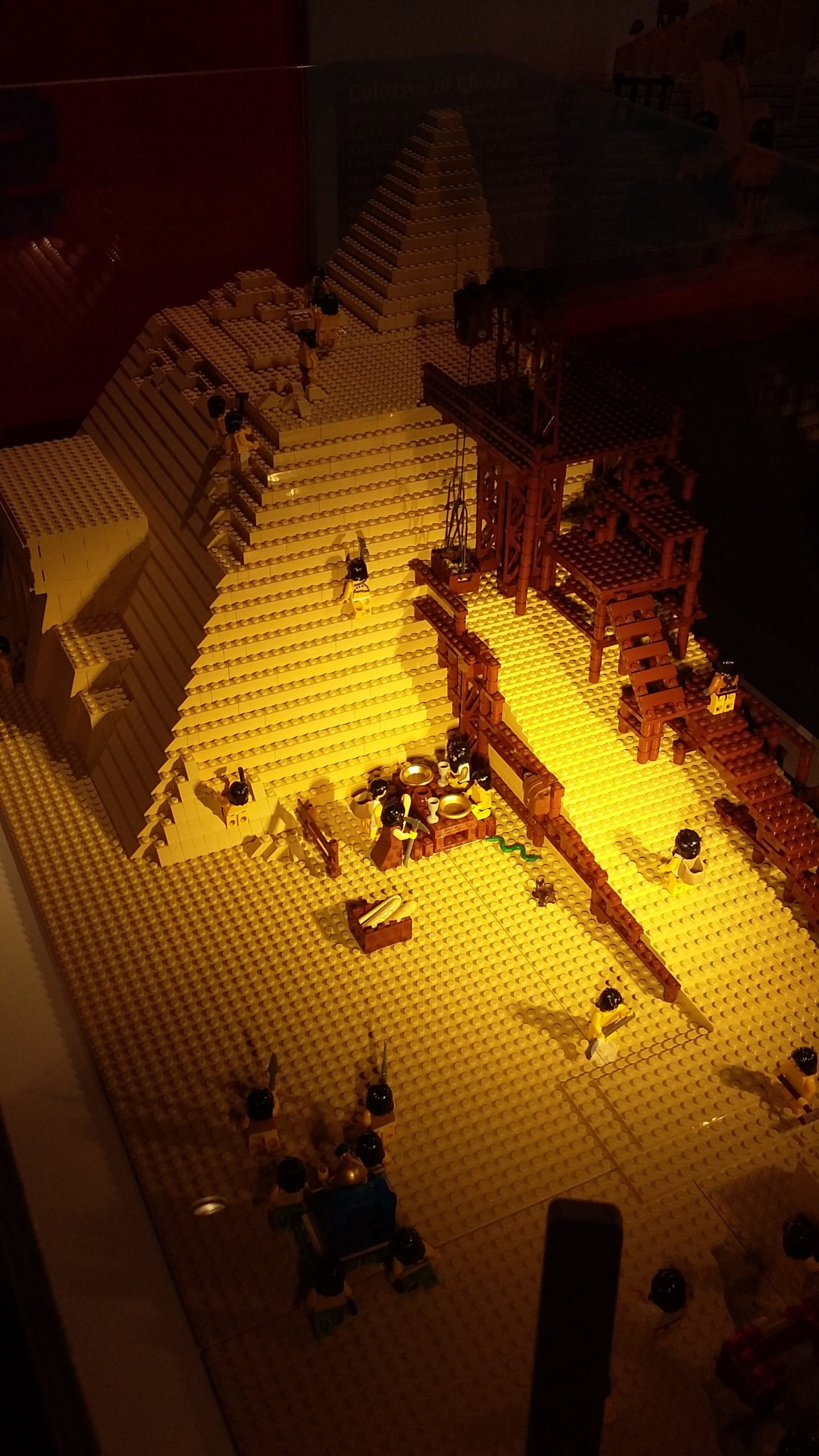
The exhibition showcases Lego models of attractions around the world, including an Egyptian pyramid and old London Bridge, as well as miniatures inspired by the Horniman itself. It was great fun to admire the attention to detail that went in to building each model.
Horniman MuseumNatural History GalleryConstruction of a pyramidTrojan HorseLondon BridgeSpace shuttleHorniman Walrus
Brick Wonders costs £9 for adults and £5 for children. It runs until Sunday 27 October.
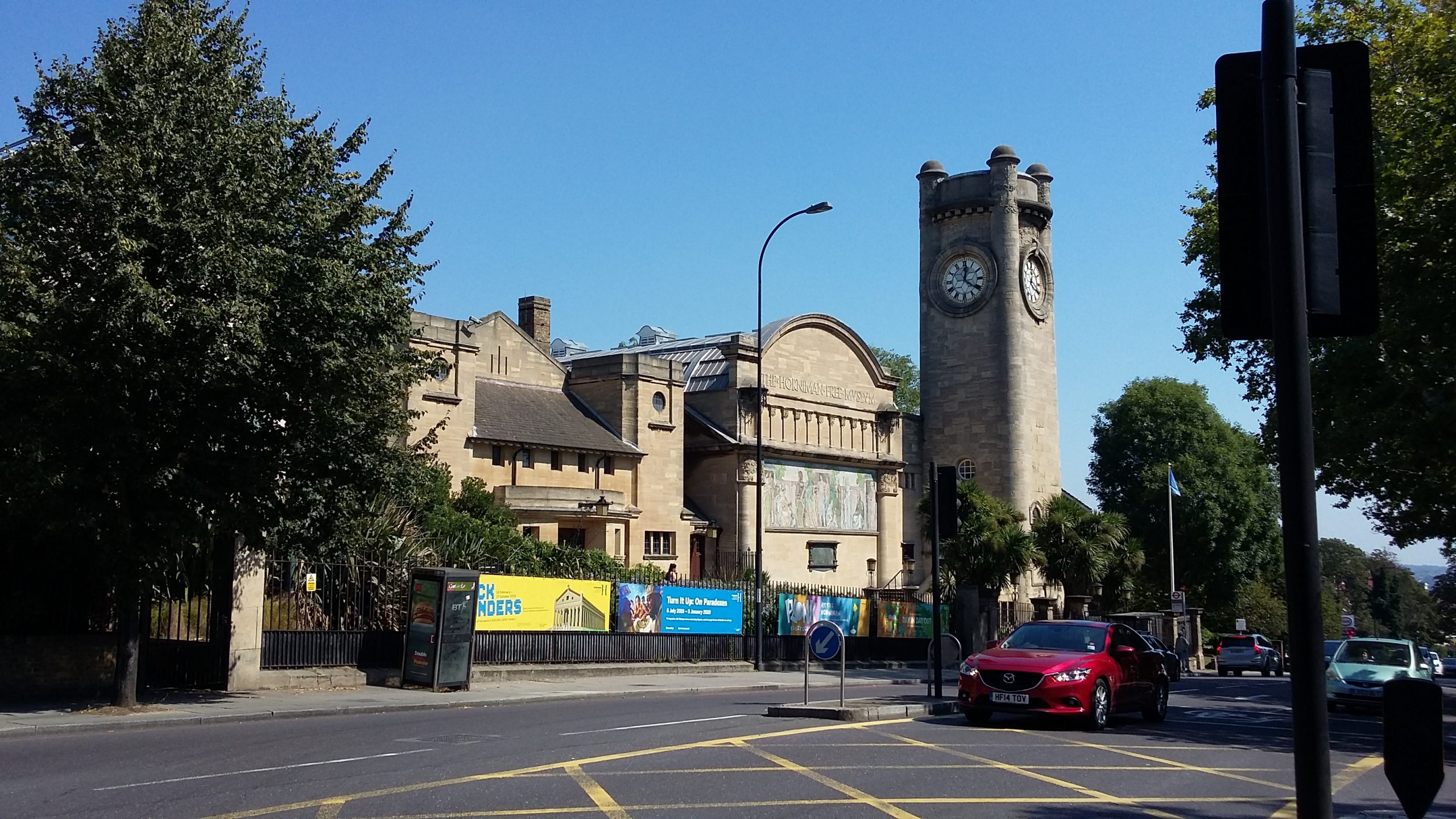
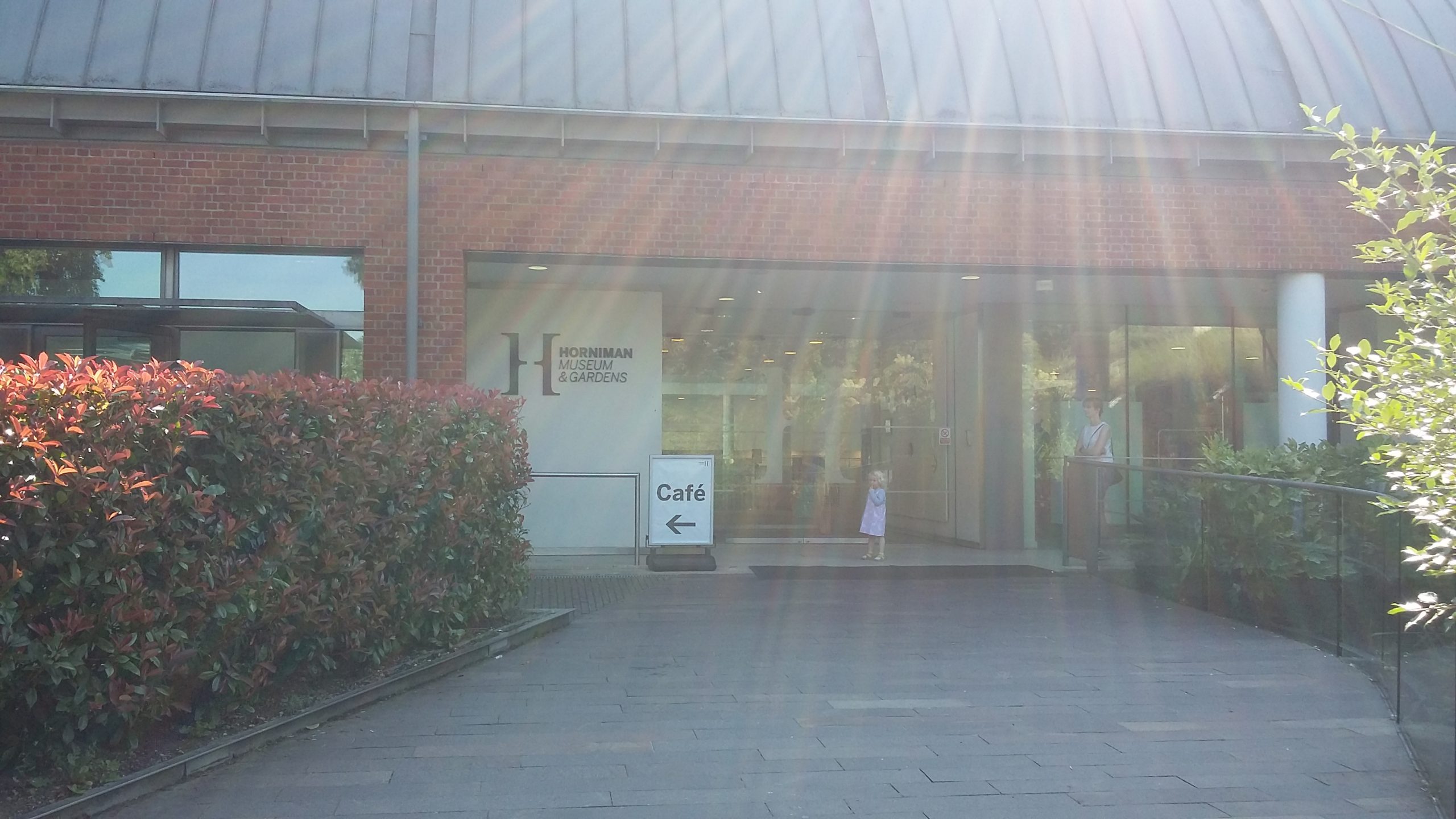
I visited the Horniman Museum in Forest Hill, south London, on a sunny day with a friend. I’d been before, but it was a while ago, so I thought it would be good to take another look.
History The museum was named after its founder, Frederick John Horniman, who had inherited his father’s Horniman’s Tea business, the world’s biggest tea trading business at the time. Horniman junior loved collecting, and was able to indulge his passion thanks to the cash from the business. His extensive travels enabled him to collect some 30,000 items, mostly relating to natural history, world cultures and musical instruments. Horniman founded the museum in 1901 to display and showcase his collections.
The main museum is free to enter, and is a popular attraction for families with children – but there’s plenty to interest adults as well.
Horniman’s Vision This gallery looks at the history of the Horniman and displays some of the earliest exhibits, including pottery, European armour and natural history. Much of what is displayed here was originally on show in Surrey House, Horniman’s family home, which originally stood on this site. Horniman started collecting in 1851, the year of the Great Exhibition, and his collections grew and grew.
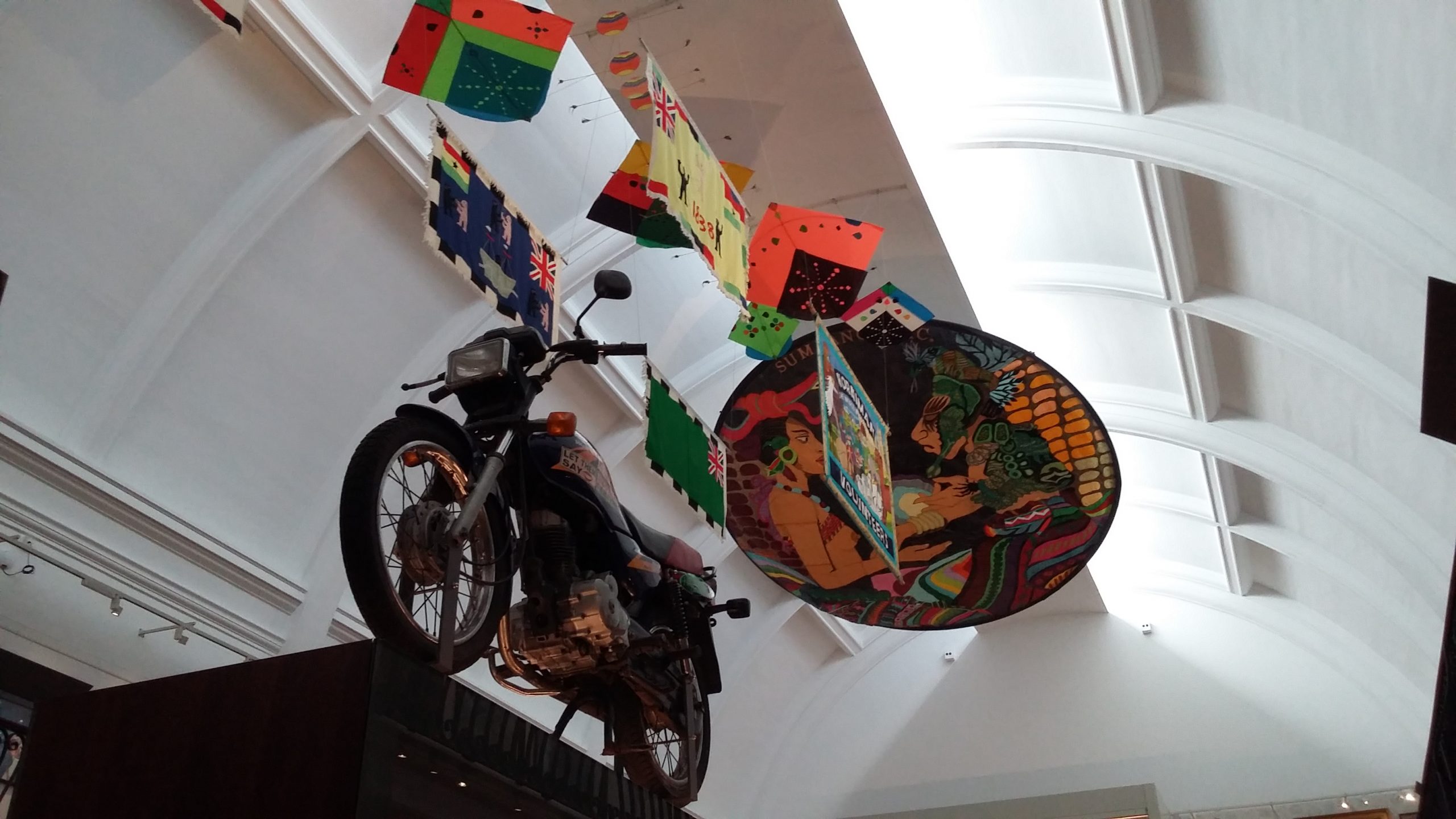
Ceiling of the World Gallery
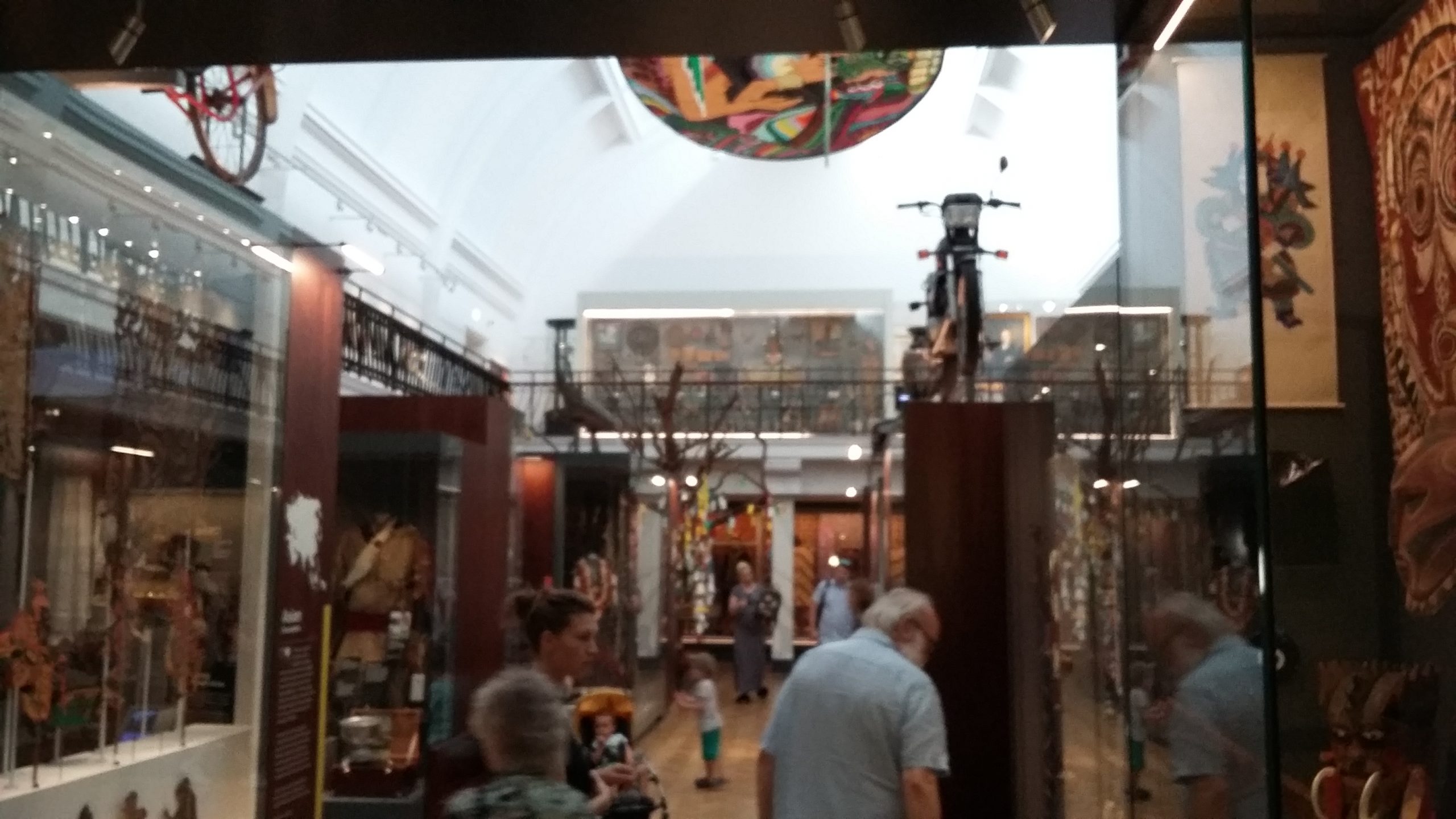
World Gallery The World Gallery encompasses cultural artefacts from all around the globe, and the collection is of international importance. Despite its roots in 19th-century colonialism, the gallery displays are thought-provoking, informative and sensitive.
World Gallery
Music Gallery This gallery contains musical instruments of all shapes and sizes, an impressive collection made up of instruments from all around the world. It isn’t just about the instruments themselves, but how they are used around the world to mark special events, such as weddings and funerals.
Natural History Gallery
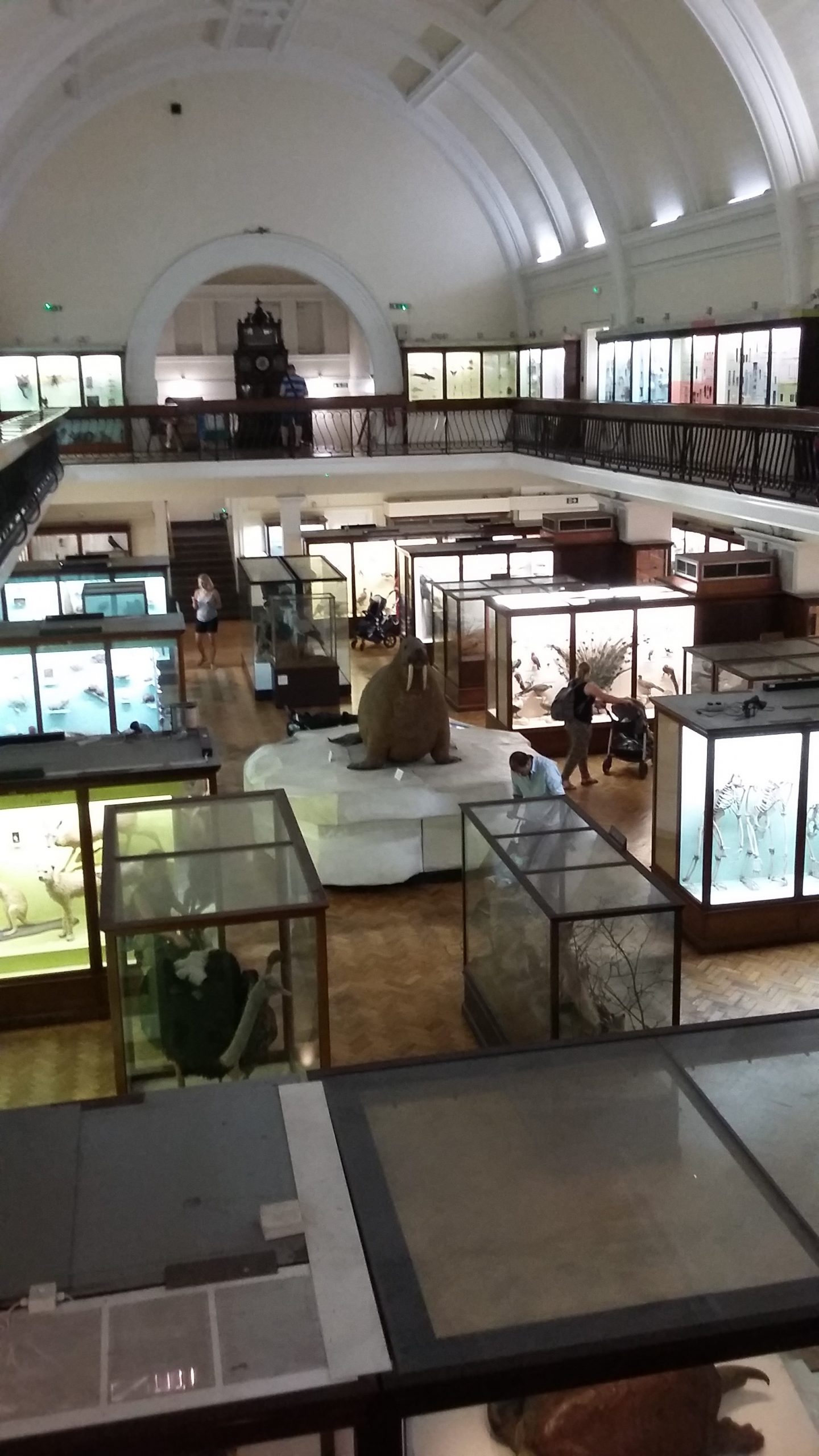
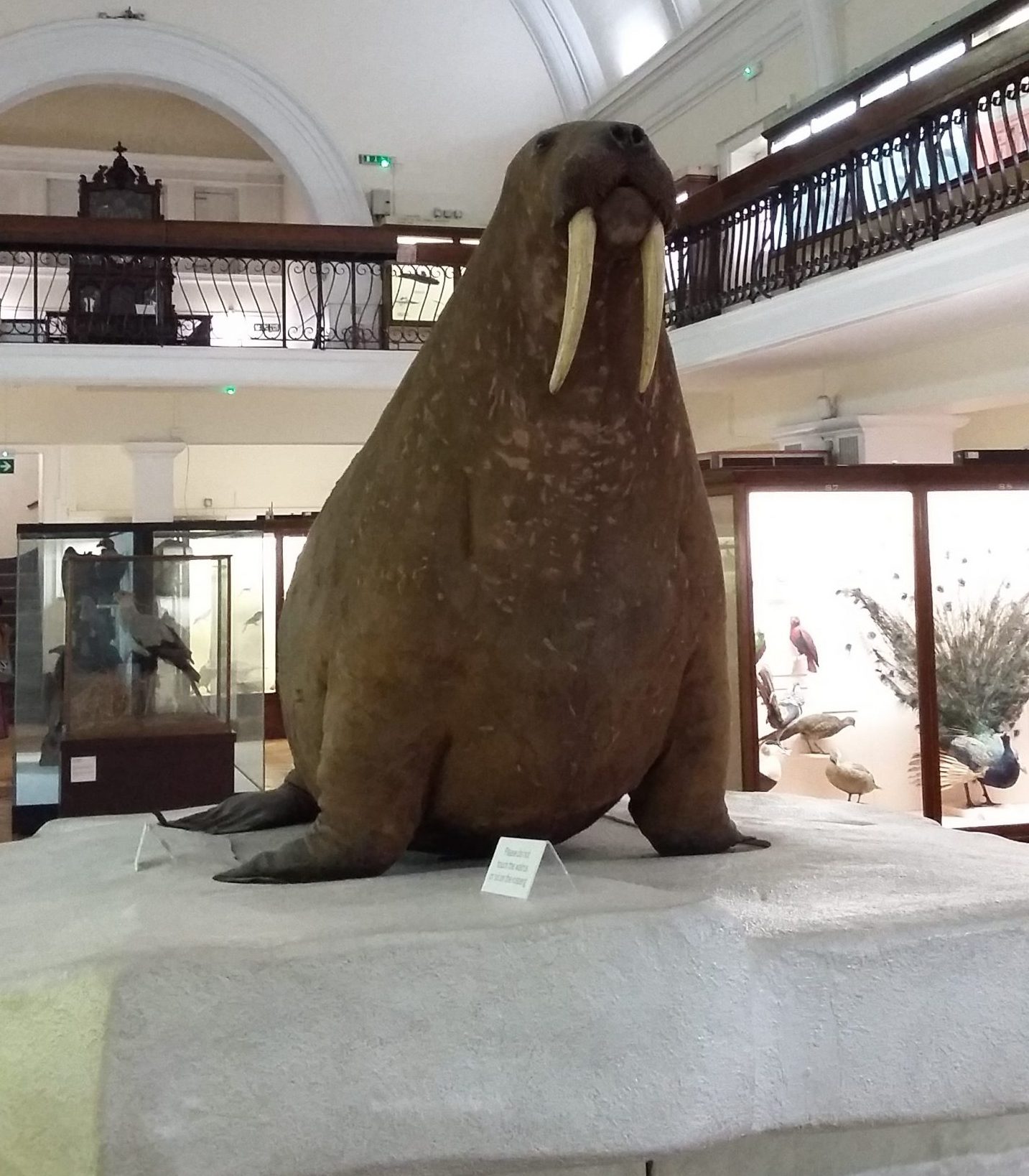
Natural History Gallery The Natural History Gallery is home to taxidermied animals including the famous Horniman Walrus – notoriously overstuffed as those responsible did not realise walruses have lots of wrinkles! The gallery is something of a time capsule as it features rare and unusual species, some rather threadbare as, naturally, it isn’t possible to just go out and replace the exhibits. It’s a fascinating learning tool and an interesting experience, similar to the Natural History Museum.
The famous Horniman Walrus
Aquarium There is a charge to visit the Aquarium, but it’s worth it if you’re interested in marine life. Fish, jellyfish and frogs are among the creatures on display.
Gardens The gardens are free to visit, encompassing 16 acres of grasslands, sunken gardens and meadows, with amazing views over London.
There is also a Butterfly House, but there is a charge to enter and we decided against it on this occasion. A gift shop offers a range of gifts (including cuddly walruses!) and there is a cafe for refreshments.
A trip to the Horniman is definitely worthwhile, even if you don’t live in the area. Being mostly free, it is a cheap day out and very interesting.
FACTS
Address: 100 London Road, Forest Hill, London, SE23 3PQ
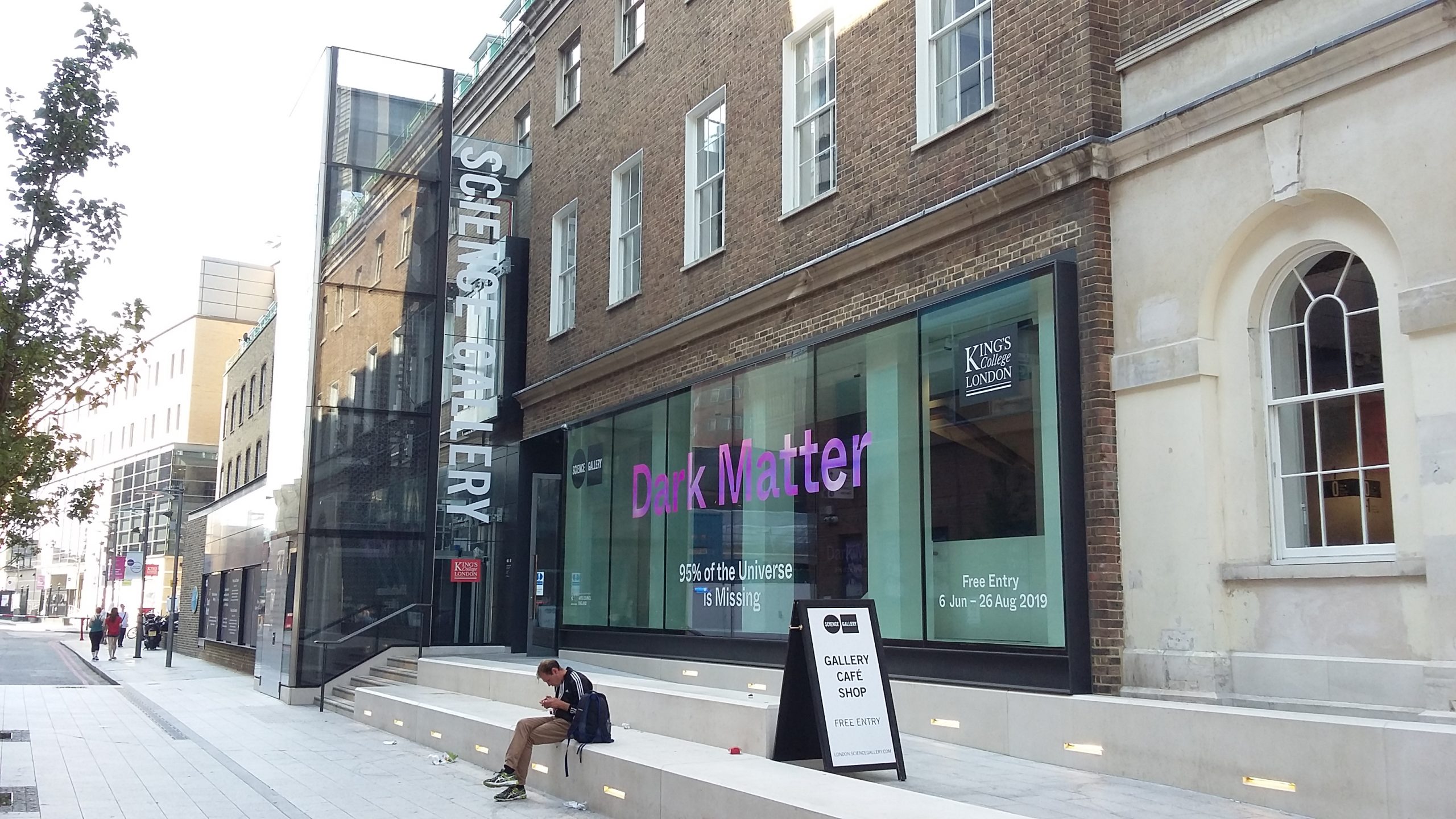
The Science Gallery London, part of King’s College London, is an exhibition space that hosts a variety of different exhibitions relating to different aspects of science. I attended the Dark Matter exhibition.
Dark matter is something I have an interest in, largely through reading the His Dark Materials trilogy, although since my scientific education ended with compulsory schooling, I can’t say that I know a great deal about it. This exhibition uses art, philosophy and literature to look at our understanding of dark matter, making use of the latest research from the Physics department at King’s.
What is dark matter? Well, that is the point: no one really knows. According to the world’s leading scientists, 95% of the material that makes up our universe cannot be observed. The exhibition looked at what dark matter might be and how our understanding has changed over the years. I enjoyed the exhibition, and would definitely like to attend more exhibitions at the Science Gallery.
When my friend E came down to London for a visit, we decided we wanted to go for afternoon tea, and chose the Science Afternoon Tea at the Ampersand Hotel, because it sounded like fun.
The experience was inspired by the nearby Science Museum in Kensington, and won ‘Best Themed Afternoon Tea’ at the Afternoon Tea Awards 2018. We booked online, and were pleased to be able to book a vegetarian option directly (vegan and gluten-free options are also available). A children’s version is also available, and arrives served on a rocket: personally I think this would be a great place to introduce kids to the delights of afternoon tea!
We chose the version of the tea with a glass of champagne, which was a lovely treat. The display stand came out with swirling mist, as if a science experiment was being conducted! We were allowed to choose the tea of our choice (or coffee, luckily for E, who doesn’t drink tea).
The sandwiches, featuring delicious ingredients such as truffle egg mayo, hummus and roasted vegetables, were yummy, and we were brought extra as the staff could see that we were demolishing them. The scones were possibly my favourite part: one plain, one white chocolate and cranberry, with clotted cream, strawberry preserve and lemon curd.
In terms of presentation and uniqueness, the cakes were definitely the highlight, designed to look like planets, the night sky and other science-related items. There was a petri dish containing jelly, a macaron which resembled a nebula, a half-moon cake and a planet mousse with a chocolate spaceman. Finally, we were brought a wooden box in which we had to brush away chocolate ‘soil’ in order to reveal a chocolate dinosaur ‘fossil’.
The Science Afternoon Tea got the thumbs up from both of us: it was a very speical experience but the food was also delicious in itself – no need to choose between taste and presentation. I would happily go back and experience it again.
The Science Afternoon Tea is available on the following days/times:
Mon – Fri: 1:00pm – 5:30pm
Sat & Sun: 12noon – 6:30pm
It costs £44.50 per person (£54.50 with a glass of Charles Heidsieck Champagne)
The exhibition was designed to coincide with the 100th anniversary of GCHQ, the UK’s Intelligence, Security and Cyber agency. There was even a Lego model of the GCHQ headquarters in Cheltenham.
Lego model of GCHQ headquarters
The exhibition started with the First World War and explored how communications and intelligence developed over a century. It featured artefacts, documents and declassified files.
The best-known aspect of the exhibition was probably the work of Alan Turing and the team at Bletchley Park to crack the Enigma Code, but there was also information relating to the Cold War, including a model of a house displaying a story about a quiet suburban couple who turned out to be Soviet spies.
There was also a hands-on area where you could have a go at cracking codes yourself, which was probably designed for children but which my friend and I thoroughly enjoyed.
The exhibition runs until 23 February 2020 and is then due to visit the Science and Industry Museum in Manchester. It’s well worth a visit.
Designosaur is based in Brighton, and makes jewellery and other fun items inspired by dinosaurs and other fun concepts. The company is run by designers Jacques Keogh and Karli Dendy, and has been in existence since 2012.
George the Chameleon was a joint venture by Designosaur and fellow Brighton brand Hello Dodo. I love him because he goes with everything!
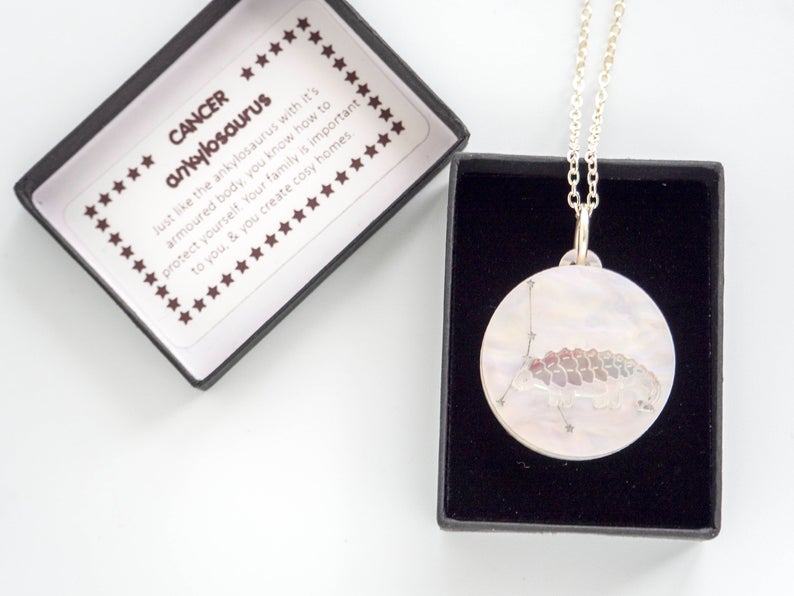
I have one of these dino charm necklaces, and I love it. They are available in several colours.
Recently the brand released a range of dino-themed zodiac jewellery. The dino for Cancer is the ankylosaurus.
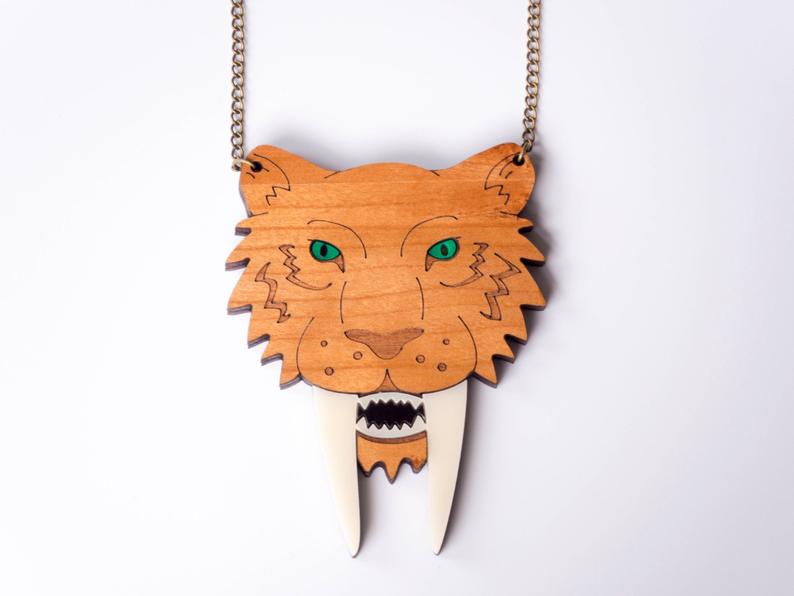
It’s not just dinos: this sabre tooth tiger necklace is on my list, mainly because it was the chosen symbol of my favourite Power Ranger.
I visited the BFI Southbank to attend a panel discussion about 90s Kids’ TV shows. This is exactly my era so I was incredibly excited.
First of all we were treated to a montage of TV shows including Chucklevision, The Queen’s Nose, Art Attack, Power Rangers, Clarissa Explains It All, and many many more, including shows I know and those I wasn’t familiar with. Afterwards, there was a panel discussion featuring actor and writer Sir Tony Robinson, performer Francis Wright, and producer Catherine Robins.
Naturally enough, the discussion focused on the shows that the panel members were involved in. This began with Maid Marian and Her Merry Men (my personal favourite), and it was interesting to hear Sir Tony’s stories and anecdotes about the production of the series. I was particularly excited when Marian and Robin from the series, Kate Lonergan and Adam Morris, made an appearance and came up to the front to talk about their experiences. Another show we heard about was Five Children and It, as Francis Wright was responsible for operating the puppet Psammead.
It was interesting that all three panellists seemed to think the 90s were something of a golden age in childrens’ television: I’ve always thought so but I lived through it, I wondered if it was just nostalgia, but apparently not. It seems officials were more willing to take risks back then, and to educate as well as entertain.
I left the event with my only regret being that I chickened out of asking Kate and Adam for a picture.
I visited the Edvard Munch: Love and Angst exhibition at the British Museum with a friend on its very last day. I actually knew nothing about Munch except for his painting The Scream, which I do love, so was interested to find out more.
Madonna
Munch came from a loving family in Norway but over the years his family became a source of deep worry and tragedy to him. His mother died when he was five and his oldest sister, Sophie, died of tuberculosis when he was thirteen. Another sister, Laura, spent time in a psychiatric hospital with schizophrenia and Munch himself had a breakdown later in life. This is reflected in much of his art, including his ‘vampire’ works, his images of illness and death, and the famous ‘Scream’. It’s the black and white lithograph that’s on display here, not the famous painting, but it still makes an impact.
The Sick Child
As a theatre fan. I was intrigued by Munch’s stage sets for the works of Norwegian dramatist Henrik Ibsen, and some of his designs are displayed alongside his painting of the great playwright himself. Overwhelmingly, though, this is an exhibition of work that focuses on the dark side of the mind.
The UK jewellery brand Tatty Devine turns 20 this year, and to celebrate has launched a touring exhibition, Misshapes: The Making of Tatty Devine, which kicks off in London before visiting various cities around the UK. As a longtime fan of the brand, I paid a visit on its first day.
The free exhibition, hosted at the Lethaby Gallery, King’s Cross, tells the story of how Tatty Devine founders Rosie Wolfenden and Harriet Vine met at Chelsea College of Art and began to work together, making jewellery out of guitar plectrums, leather samples and other bits of so-called “junk”, running a market stall selling their wares, and eventually, after a trip to New York, settling on acrylic as their main material. With the aid of a laser cutter, they began making jewellery from this versatile substance, and over the years have refined their techniques, pushing the boundaries of what acrylic can do.
I was interested to see examples of the pair’s early work, as this was long before I became a fan of the brand. Some of the early pieces were pretty cool – I wouldn’t mind a keyboard belt. I also didn’t know that the Tatty Devine logo was supposed to resemble the logos in old-style 50s records.
Examples of pieces from every stage of the brand’s heritage were on display. I did find myself with a big wave of Tatty regret as I viewed pieces that have long since vanished from stores (especially the fortune teller statement). However, I also saw a couple of pieces that I do own – one being the William Morris brooch.
I really loved the exhibition as a big fan of the brand. After its stint in London, it will visit various venues around the country – so keep an eye out!