Mary Quant – V&A

Entrance to the exhibition

Mary Quant was the second major fashion exhibition I attended at the V&A within a fairly short space of time. Born in London, Quant revolutionised the British high street in the 1960s, making high fashion available to everyone and popularising the famous miniskirt. I have to admit that on a personal level, the clothes aren’t really my style – I prefer longer skirts and dresses in general, and the Dior-influenced vintage look is much more my scene. In fact, my favourite piece in the exhibition was a maxi dress from the Seventies. However, there’s no doubt that Quant’s clothes had a huge influence on style, and her practical, fun pieces helped to democratise fashion.

Quant sailor dress
Quant sailor dress
Mini dresses
Mini dresses

The exhibition takes us through Quant’s career and showcases the pieces that made her famous, including monochrome daisies, coloured opaques, practical underwear, and even modern makeup (I could tell from the style of the marketing that Lush was influenced by Quant’s makeup range). I really liked that the museum got the public involved, requesting people to send in their own Quant clothes. I went to the exhibition with my auntie and I enjoyed hearing about her own experience of the brand – wearing a minidress to meet her future in-laws and worrying that the skirt was too short!

Makeup range
Makeup range, decorated with the trademark daisy
Red maxi dress
My favourite piece from the exhibition

I thought it was cute, too, to showcase the mini, Barbie-style Quant dolls, dressed in miniature versions of popular fashions. A way to get younger girls interested in the clothes so that they could covet them for themselves when they were older.

Daisy doll
Daisy doll

Overall, the exhibition is definitely worth a visit – for the social history as much as the fashion.

Red Bull Soapbox Race 2019

Start of the race

The Red Bull Soapbox Race is held at Alexandra Palace in London every summer. After years of watching it on TV (races from around the world, not just London), I decided to go and see it for myself.

It’s a long walk from the station to Alexandra Palace, and it’s up a pretty big hill, too. (Naturally – they need a hill for the race). Not going to lie, I was shattered by the time I got to the top. It was a warm day, too, which didn’t help.

The judges

Refusing to descend the hill again until the end of the day, I made sure to hang about near the top of the course. Here, I could see the soapboxes begin their races, as well as take in the pre-race “show”. Soapboxes queued up here waiting their turn, so I was able to get a good look at them before they set off. My favourite was the Mr Bean-inspired soapbox, with one member of the crew dressed as his teddy.

Mr Bean's teddy

The one downside of attending the event in person is that you only get to see the soapboxes at one stage of their race, potentially missing out on spectacular crashes further down the line. There are a few video screens here and there, but you have to be in the right position to be able to view them. Still, you do get to experience the great atmosphere.

Eel Pie Island Open Day & Museum

Bridge to Eel Pie Island
Crossing the bridge to Eel Pie Island

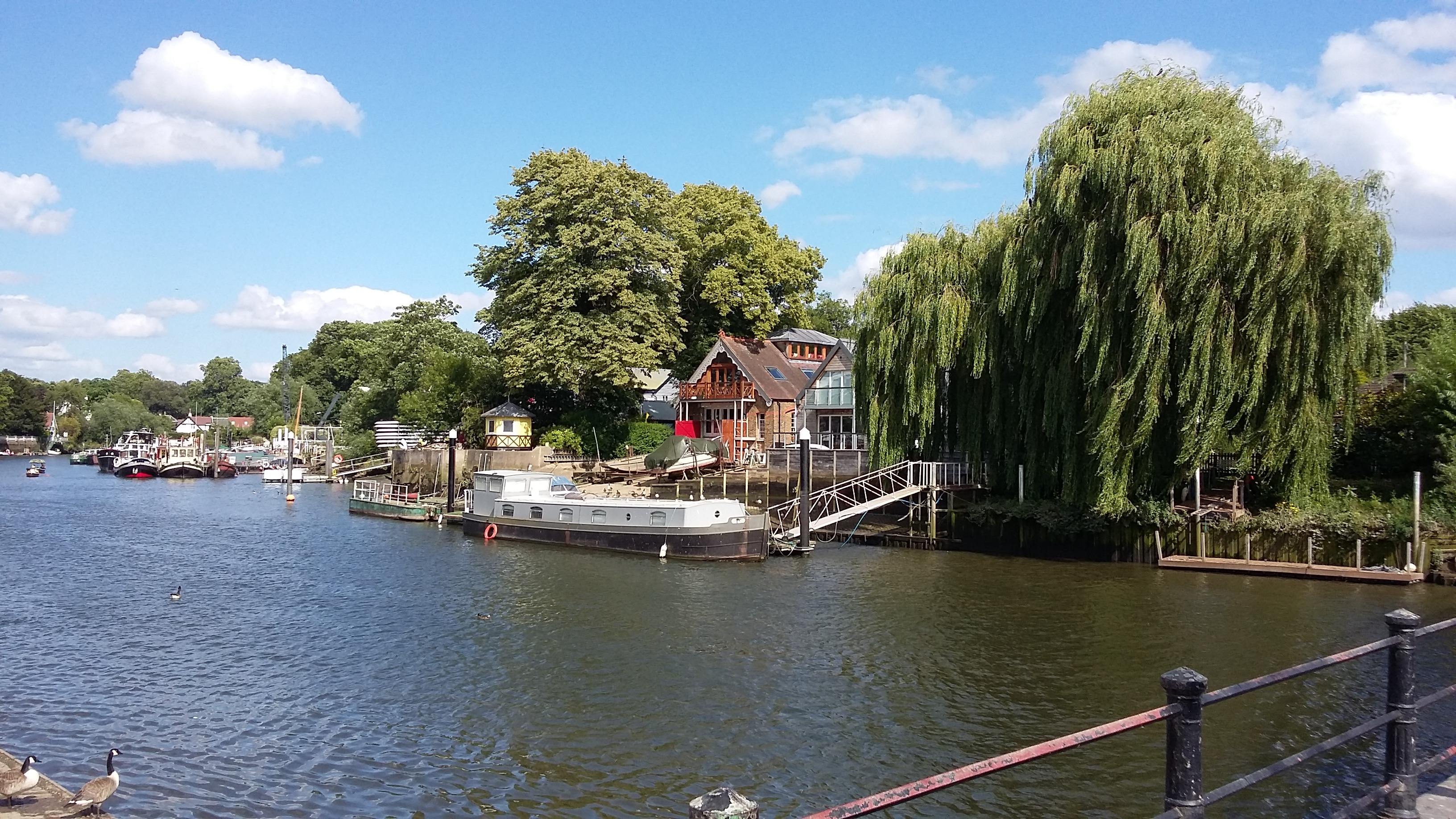
Eel Pie Island is a small island in the middle of the Thames, just across from Twickenham. It is currently home to several artists’ studios, and twice a year hosts ‘open days’ where the general public can visit this normally-private island and purchase art if they so wish.

View of the island
Looking across to the island

One of these open weekends was held on 29-30 June and I went along towards the end. The island is reached via a bridge on the bank in Twickenham, and once you reach the other side there’s a winding path that takes you past plenty of weird and wonderful sights. My favourite was the house with an upside-down ice cream on its roof, but there was plenty to see all the way through.

House with ice cream on the roof

I don’t have the budget or the space to indulge in art purchases, but if you do, there’s plenty on offer, both traditional paintings and more modern crafts.

Porthole

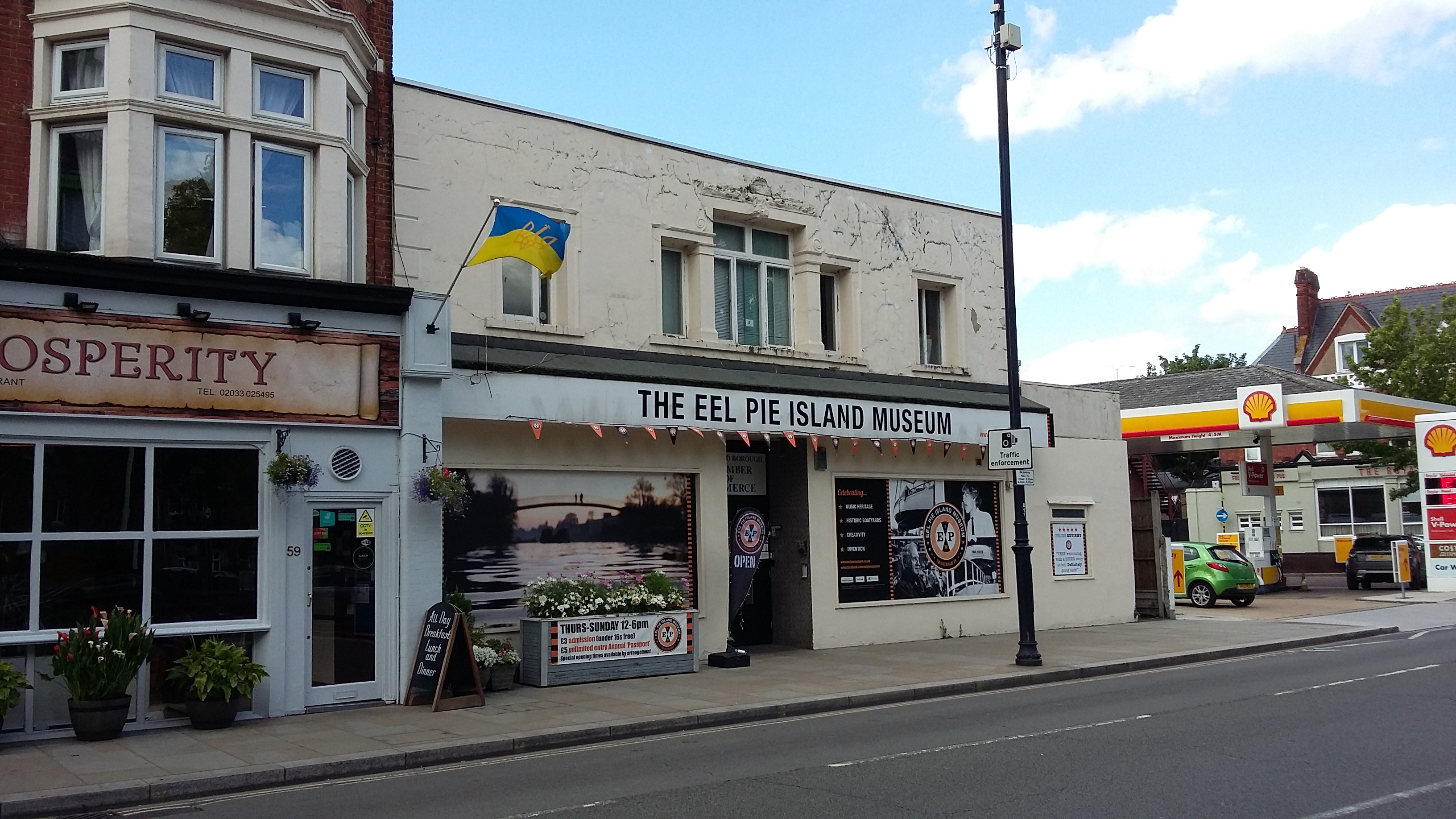
After my visit to the island, I headed back over the bridge to visit Eel Pie Island Museum. This small but impressive museum has been open since 2015 and tells the story of the island from its early days as a tourist attraction during Georgian times to its present as a home to artists.

Eel Pie Island Museum

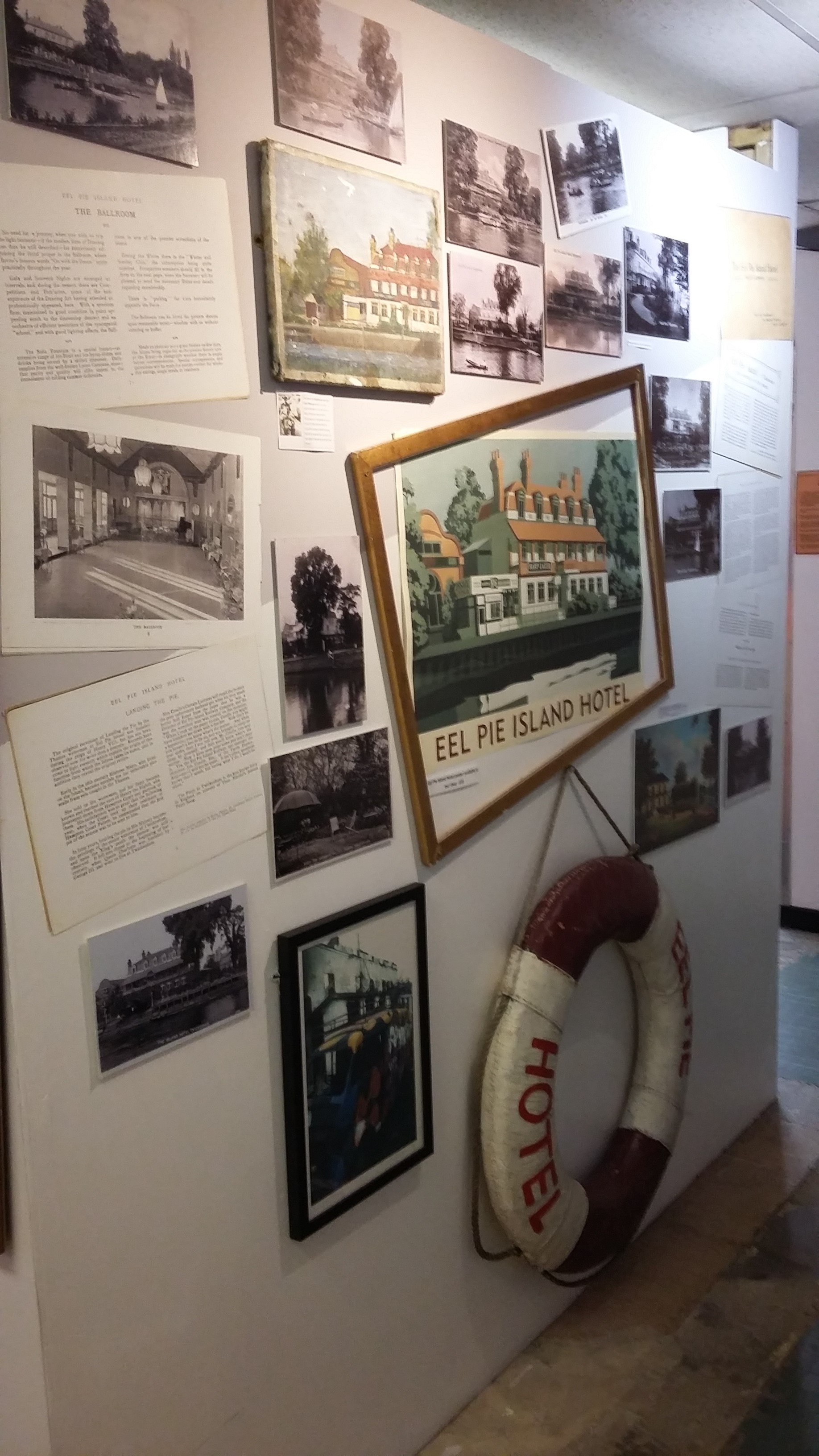
During the era of Alexander Pope, Eel Pie Island was popular as a picnic and refreshment spot. Less congenially, it was also used as a place wealthy men could keep their mistresses out of the way of their wives’ prying eyes.

Music memorabilia

In the 1950s, owing to the efforts of a number of individuals, Eel Pie Island became home to a burgeoning jazz scene and eventually rock n’ roll. Major artists who played here included David Bowie in his early days, the Rolling Stones, Rod Stewart and more. The museum is full of artefacts from this era as well as reminiscences and remembrances from people who remember those days.

The history of the island

Sadly, the music scene eventually left the island, which became a commune for a short while before the hotel housing members eventually burned down. Nowadays, as I saw on my visit to the island, artists live and work here, meaning it still remains a home for creativity of one kind or another.

FACTS

Address: 1-3 Richmond Road, Twickenham, TW1 3AB

Website: eelpiemuseum.co.uk

Opening Hours: Wednesdays to Sundays 12-6pm

Price: £3 single visit (under 16s free, when accompanied by an adult); £5 Annual Passport (unlimited visits for one calendar year, from date of Membership)

Jewellery brand of the month: CherryLoco

The next brand I’d like to focus on is the UK-based:

CHERRYLOCO

CherryLoco is run by Lauren who designs her acrylic jewellery in Glasgow, Scotland.

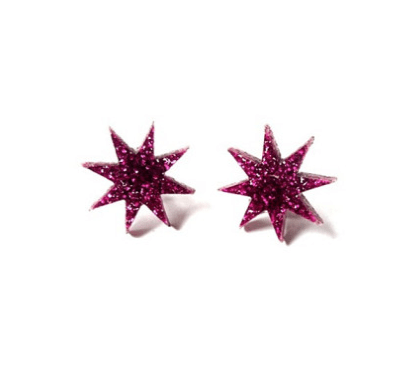
My first purchase from the brand was this awesome pair of Jem-inspired earrings.

Jem Glitter Star Earrings

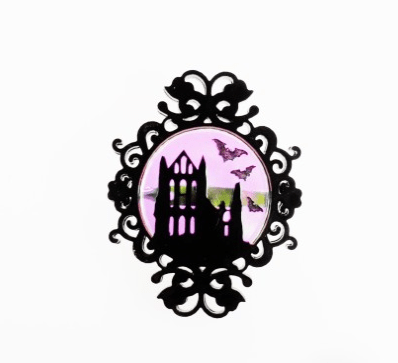
The brand specialises in spooky and Gothic-themed jewellery: this Whitby Abbey cameo brooch is a fine example.

Whitby Abbey cameo brooch

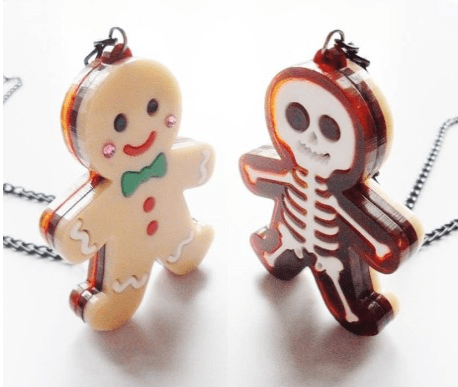
This reversible necklace is especially awesome: the Gingerbread Man and the Gingerdead Man, which are also available as separate brooches.

Reversible necklace

This crystal heart brooch is beautiful.

crystal heart brooch

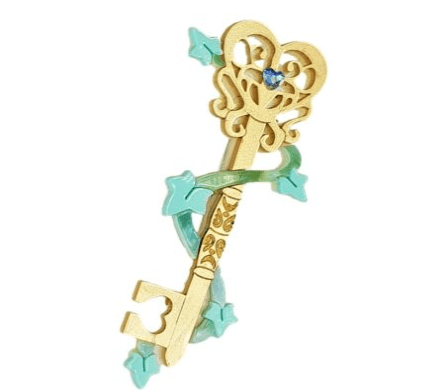
Recently CherryLoco have started making more elaborate designs: I particularly love this Enchanted Garden key brooch.

enchanted garden key brooch

Find CherryLoco at the following locations:

Website: cherryloco.com

Etsy: etsy.com/uk/shop/CherrylocoJewellery

Instagram: instagram.com/cherryloco_jewellery

Facebook: facebook.com/cherryloco.jewellery

National Holidays trip to Scotland

View of Ailsa Craig
View of Ailsa Craig

I was going to be at home for over a week – coming up for the Spice Girls concert, staying for a family meal – and I suggested to my mam that we go somewhere on holiday together. We opted for a cheap National Holidays deal, a trip to Scotland featuring Loch Lomond and the Ayrshire coast.

Moffat
Moffat town centre

We joined the coach at Sunderland; I was the youngest person there, but only by about 20 years, not 30. Our first proper stop (not counting the Houghton Hall garden centre near Carlisle) was Moffat, a former spa town near the Scottish border with a quaint high street, a tiny museum and a statue of a sheep overlooking the town centre.

Ayr
The town of Ayr

The next day featured trips to Girvan and Ayr. The best thing about Girvan, to be honest, was the rainbow ice cream cone which I joyfully Instagrammed. The weather wasn’t great and the local museum was shut. Ayr was bigger and had a Wetherspoons that used to be a pub (big plus) but we were too far away to visit the nearby Burns Cottage, which was a real missed opportunity.

Unicorn ice cream
Uni-cone

The third day featured a boat ride on Loch Lomond, but as I’d done this before and the weather was windy, I spent most of my time downstairs. My mam, who is much hardier than I am, stuck it out on the top deck almost till the end and appeared none the worse for it.

Loch Lomond
Loch Lomond

A trip to Glasgow followed, with a tour round the city followed by a guided tour of the Council Chambers in George Square and a visit to the Gallery of Modern Art to pass the time until the bus called for us again. Even though we’d visited Glasgow before I thought this was one of the best parts of the trip, as we still managed to find new things to do.

Glasgow council chambers
The council chambers in Glasgow

We stayed in the Adamton Country Hall Hotel near Prestwick Airport. The hotel looks pretty posh until I point out that we were staying in the budget bit at the back. It was fine, the meals (breakfast and dinner provided) were perfectly decent. It’s a shame that we were in the middle of nowhere and were pretty much trapped in the evening. The company does put on entertainment in the evening, but bingo and cabaret isn’t really my thing, although we gave the bingo a shot. Mostly we drank wine and chatted to the other guests, and I took the opportunity to have a few baths, having brought along a couple of Lush bath bombs for the occasion.

Adamton Country House Hotel
The posh side of the hotel

Would I sign up for another National Holidays trip? Perhaps. They’re definitely aimed at older people, and the itinerary and entertainment takes this into account. However, they’re good value for money – well, cheap – and if you don’t drive they can be a good way of getting to places you’d otherwise struggle to go. My mam and I would have liked to have more control over where we went (I wish we could have avoided Girvan and paid a visit to Burns Cottage) but if there was a day or an overnight trip to a particular location (I’ve seen one to Castle Howard, where I’ve always fancied visiting), I’d certainly consider it.

Selfie in front of the hotel
Pretending this is my natural habitat

Spice Girls (Spiceworld Tour) at the Stadium of Light

Spice Girls concert

The Spice Girls aren’t the first group I’ve seen at Sunderland’s Stadium of Light, but they’re possibly my most anticipated. I’ve been a fan for years, their single ‘Wannabe’ was the first single I ever bought, and their album ‘Spice’ the first album. I never got a chance to see them live when I was younger, so I wasn’t going to miss this one.

They played all the hits and my friend and I had a fantastic time. I was sad that Victoria (Posh) wasn’t there, but frankly she was always my least favourite and the others definitely made up for her absence. I loved the costumes too, especially Geri’s – I really want an Anne-Boleyn-inspired initial necklace like hers!

Setlist

  • Spice Up Your Life (Morales Carnival Remix)
  • If U Can’t Dance
  • Who Do You Think You Are (Morales Radio Remix)
  • Do It
  • Something Kinda Funny
  • Holler (contains elements of ‘MAW Remix)
  • Viva Forever
  • Let Love Lead the Way
  • Goodbye
  • Never Give Up on the Good Times
  • We Are Family (Sister Sledge cover)
  • Love Thing
  • The Lady Is a Vamp
  • Too Much
  • Say You’ll Be There
  • 2 Become 1
  • Stop
  • Mama
  • Wannabe

Harald Sohlberg: Painting Norway – Dulwich Picture Gallery

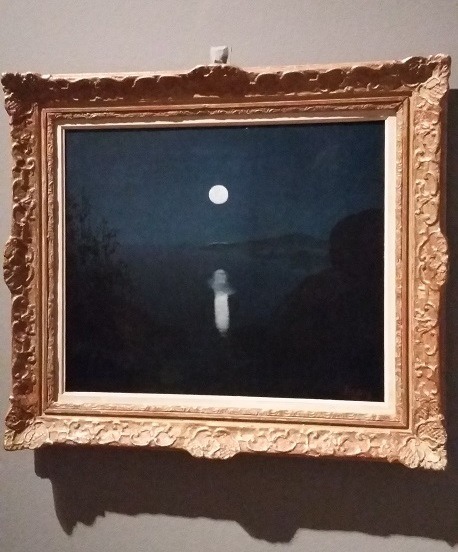
Sohlberg painting
Moonlight By the Sea 1907

Dulwich Picture Gallery‘s latest exhibition, Harald Sohlberg: Painting Norway, showcases the work of one of Norway’s greatest painters. He isn’t an artist I’ve come across before, but I was pleased at the opportunity to see his work, which, in its melancholic beauty, deeply appealed to me.

The exhibition marks 150 years since the artist’s birth, and showcases gorgeous paintings of Norway in all seasons, portraying the country’s gorgeous landscape and evoking Norwegian mythology. As someone interested in Scandi-noir and Norwegian literature, I really enjoyed the exhibition and the chance to learn more about one of Norway’s key artists.

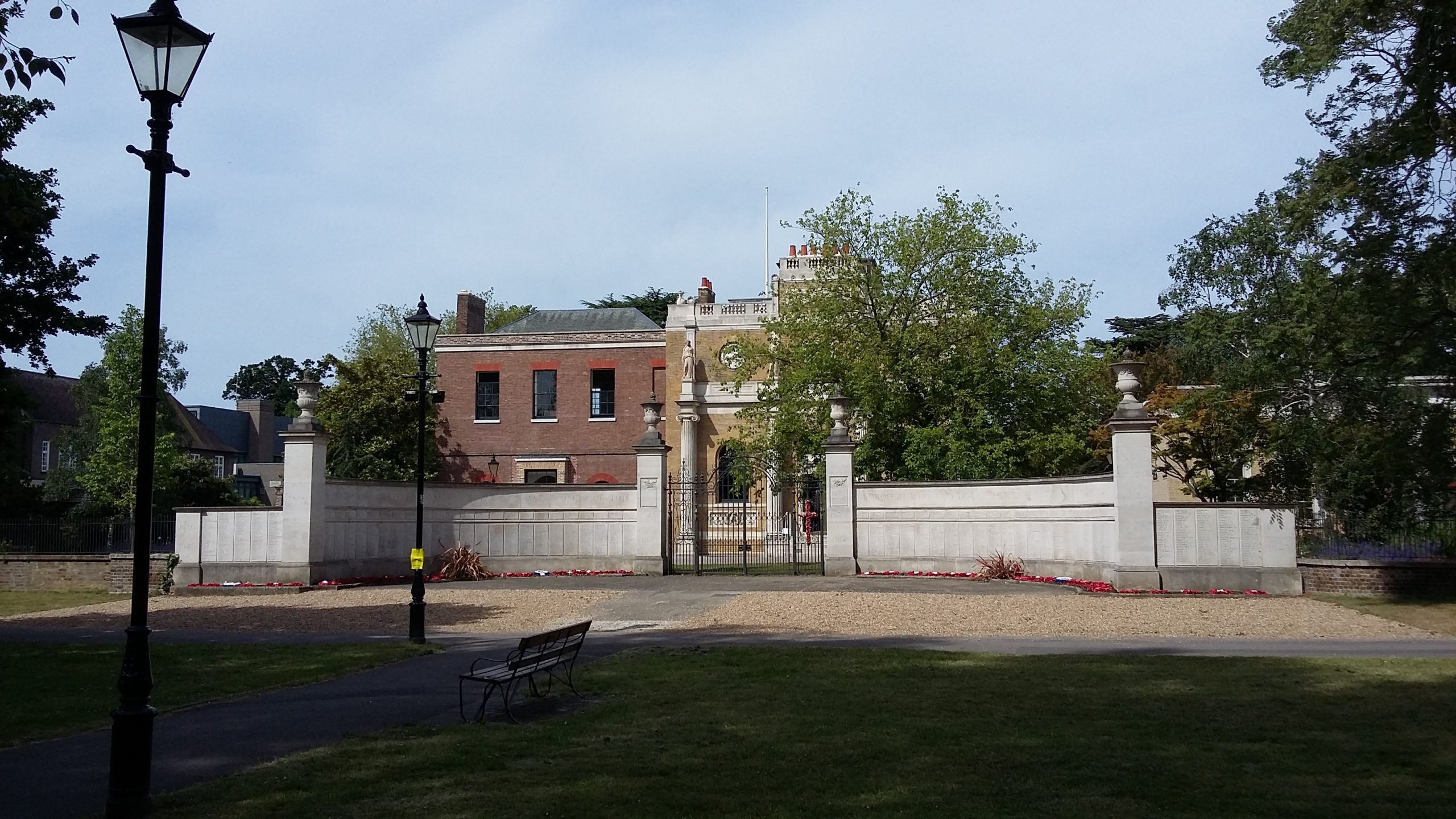
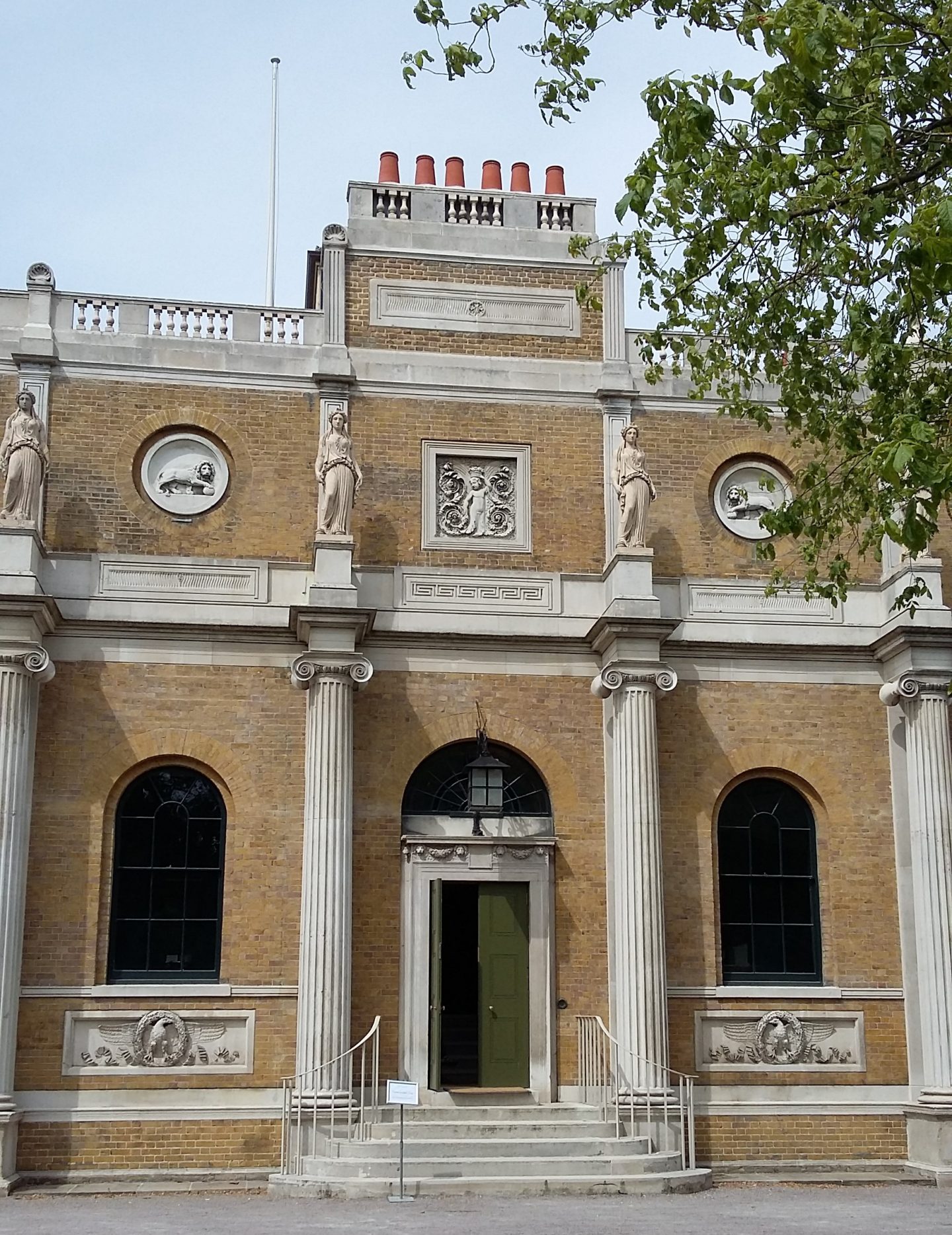
Pitzhanger Manor

Pitzhanger Manor

I’ve lived in Ealing for several years now, and did visit Pitzhanger Manor a while ago, but it has been closed for three years for refurbishment, only reopening in March of this year. I was happy to finally get the chance to visit this local landmark again.

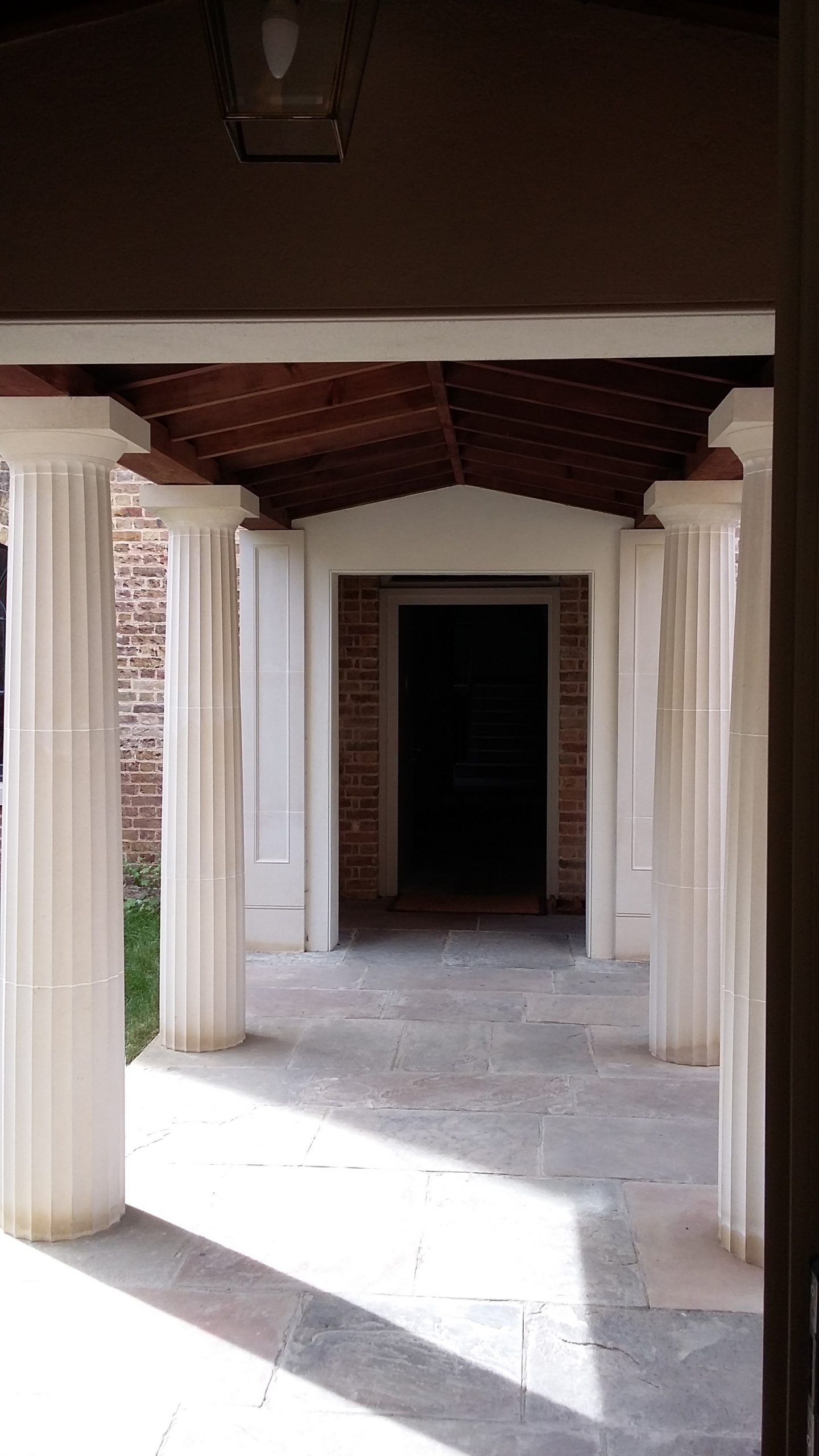
Colonnade
Colonnade

Pitzhanger Manor was designed by Sir John Soane, the architect who designed the Bank of England and whose central London home is now a museum showcasing the many antiquities he collected during his lifetime. In 1800-1804, when Pitzhanger was being designed and built, Ealing was outside of London and considered the countryside: this was well before the Tube and the expansion of the city. Despite this, Soane would often walk for several hours to reach Pitzhanger on foot.

Conservatory
Conservatory

Pitzhanger Manor was a family home that Soane hoped would nurture architectural ambitions in his sons; he harboured dreams of a Soane architectural dynasty. It functioned as a place of entertainment, playing host to clients and friends, as well as a place to display artworks, including Hogarth’s series A Rake’s Progress. Sadly, Soane’s sons proved disappointments to him, and he eventually sold Pitzhanger, moving back to his Lincoln’s Inn home.

Dining Room
Dining Room
Dining Room
Dining Room

The restoration programme has restored important elements of Soane’s original design, such as the conservatory, which has been rebuilt after originally being demolished in 1901, and a colonnade connecting the Gallery and Manor. Historic paint analysis and attention to the original details of the decor has led to the restoration, wherever possible, of Soane’s original vision.

Red room
Red room
Gallery
Gallery

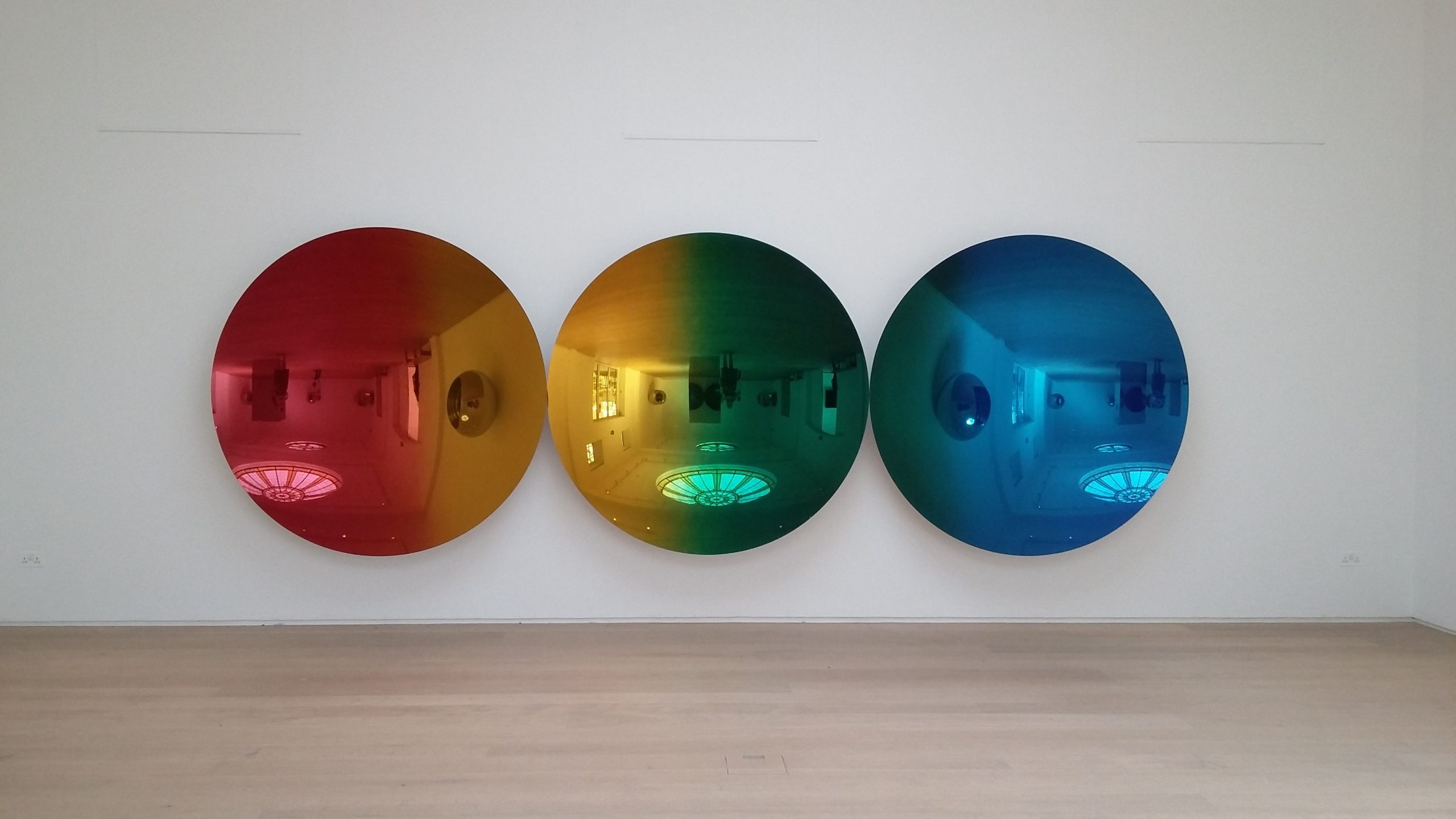
I also attended the inaugural exhibition in the reopened Gallery, featuring works by Anish Kapoor.

Anish Kapoor mirror sculpture
Anish Kapoor

Pitzhanger Manor is well worth a visit, not just for Ealing locals. The Gallery exhibition changes frequently and there are often events going on that are certainly worth a visit.

Pitzhanger Manor

FACTS

Address: Mattock Lane, Ealing, London, W5 5EQ

Website: https://www.pitzhanger.org.uk/

Opening Hours: Thursday – Sunday 11-3

Price: £7.70 standard; £4.95 concessions; £3.50 National Art Pass. Free entry for Ealing residents on Thursdays all day and Sundays 11-2:30.

Jewellery brand of the month: Bonnie Bling

Since I’m heading off to Scotland in just over a week, I thought I’d write about a Scottish jewellery brand, namely:

BONNIE BLING

Bonnie Bling is run by Mhairi from Scotland, and most of the jewellery in the collection is inspired by Scottish culture and slang. There are some great pieces as part of the range.

Currently, the one piece I own is this Wee Cow Necklace, also available as a brooch and in a variety of colours including pastels.

wee bling cow necklace

I’m also lusting after this Tunnock’s Tea Cake brooch.

tunnocks teacake brooch

Not to mention these Tunnock’s Caramel Wafer earrings.

tunnocks caramel wafer earrings

The Waverley Necklace shows the world’s last existing seagoing paddle steamer in necklace form.

waverley necklace

This Billy Connolly brooch has proved popular among fans of the comedian.

billy connolly brooch

Find Bonnie Bling at the following locations:

Website: bonniebling.co.uk

Instagram: instagram.com/bonniebling

Facebook: facebook.com/bonniebling

Twitter: twitter.com/Bonnie_Bling

Writing: Making Your Mark – British Library

British Library Writing exhibition

I paid a fascinating visit to the new British Library exhibition, Writing: Making Your Mark, which looks at the history of writing from ancient times to the present day.

The origins of writing can be found 5,000 years ago; it began in different places around the world at different times and for different reasons. One of the main advantages of writing was the possibility of communication across time and space: we can, if we understand the alphabet and language used, read what somebody wrote several thousand years ago. Various writing systems and styles have developed, many of which have common ancestors. I found it fascinating to look at different systems and see how they developed from older ones.

Materials and technology have changed over the years, beginning with carved letters produced by a stylus in wax. The ancient Egyptians used papyrus before paper was developed. Handwriting, too, has undergone changes, created first with quill pens then fountain and ball point. Medieval manuscripts gave way to the printed word, which at first emulated the handwritten style. Calligraphy remains a valued, albeit niche, skill even since the development of typewriters and then computers.

Learning to write has always taken time and effort, even from the very beginning. Learning how to form letters is an important part of education for young children. The future of writing surely involves technology, with the increasing use of emojis, but people are still interested in notebooks and pens.

Clay tablet
4,000-year-old clay tablet