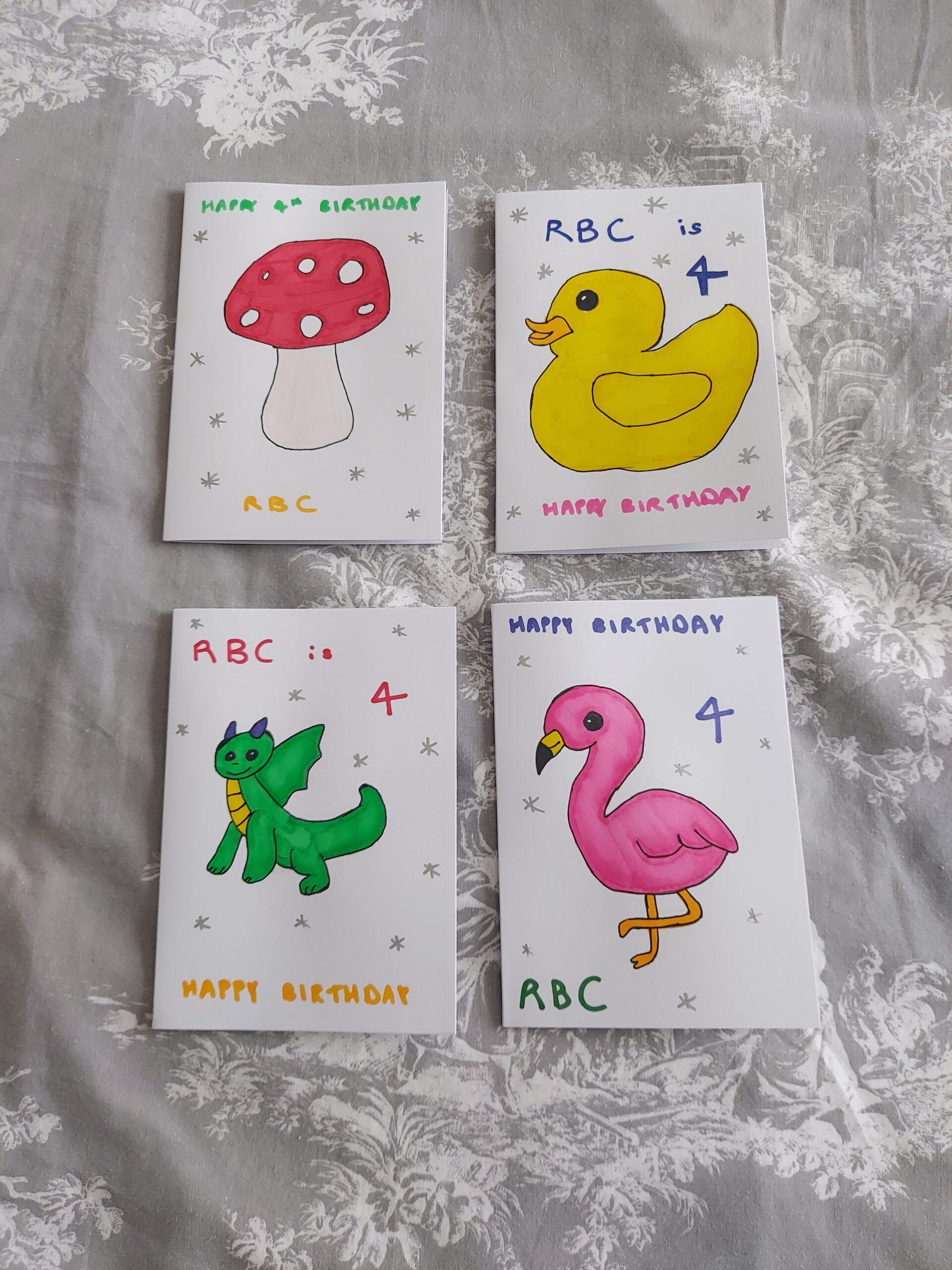
I only made it to one Big Rebel Meet Up this year, but it’s the one I always like to attend – the birthday celebration in October. I was Greta Patrol Leader at this meetup.
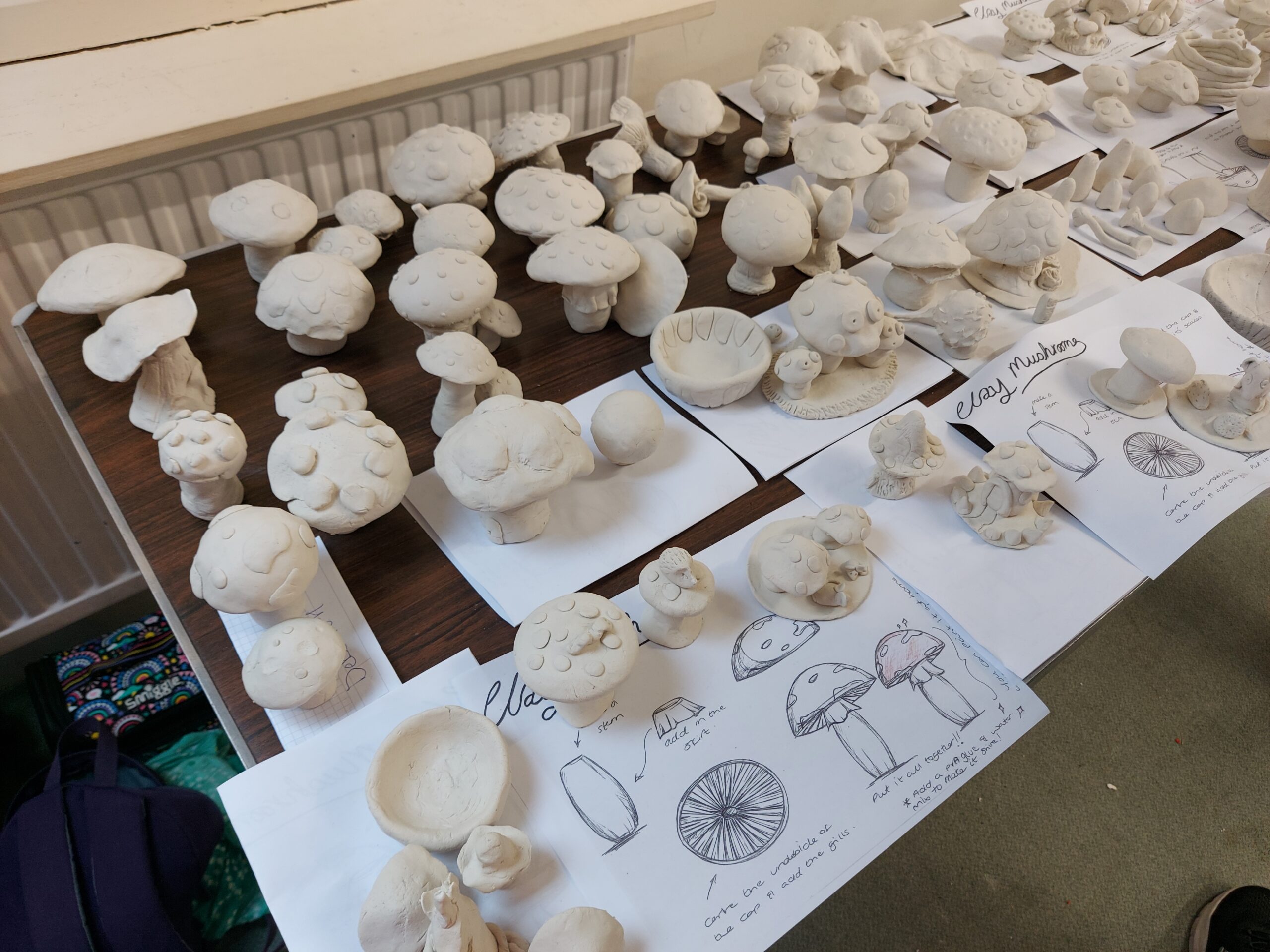
We started with clay toadstools in a session run by Crystal. I had fun making a smaller and a larger one. Later in the day I popped back to see what other people had done and many hadn’t stuck to mushrooms, but had branched out, making full woodland scenes, ducks and other fun objects.
Next we had Drum and Bounce with Emma. This was a fun class and really got our hearts racing! I was as uncoordinated as usual but I still enjoyed it.
After lunch we headed to the kitchen for some party prep. We made cake and mushroom vol-au-vents. The vol-au-vents were worryingly easy to make – I want to give them a go myself in the future!
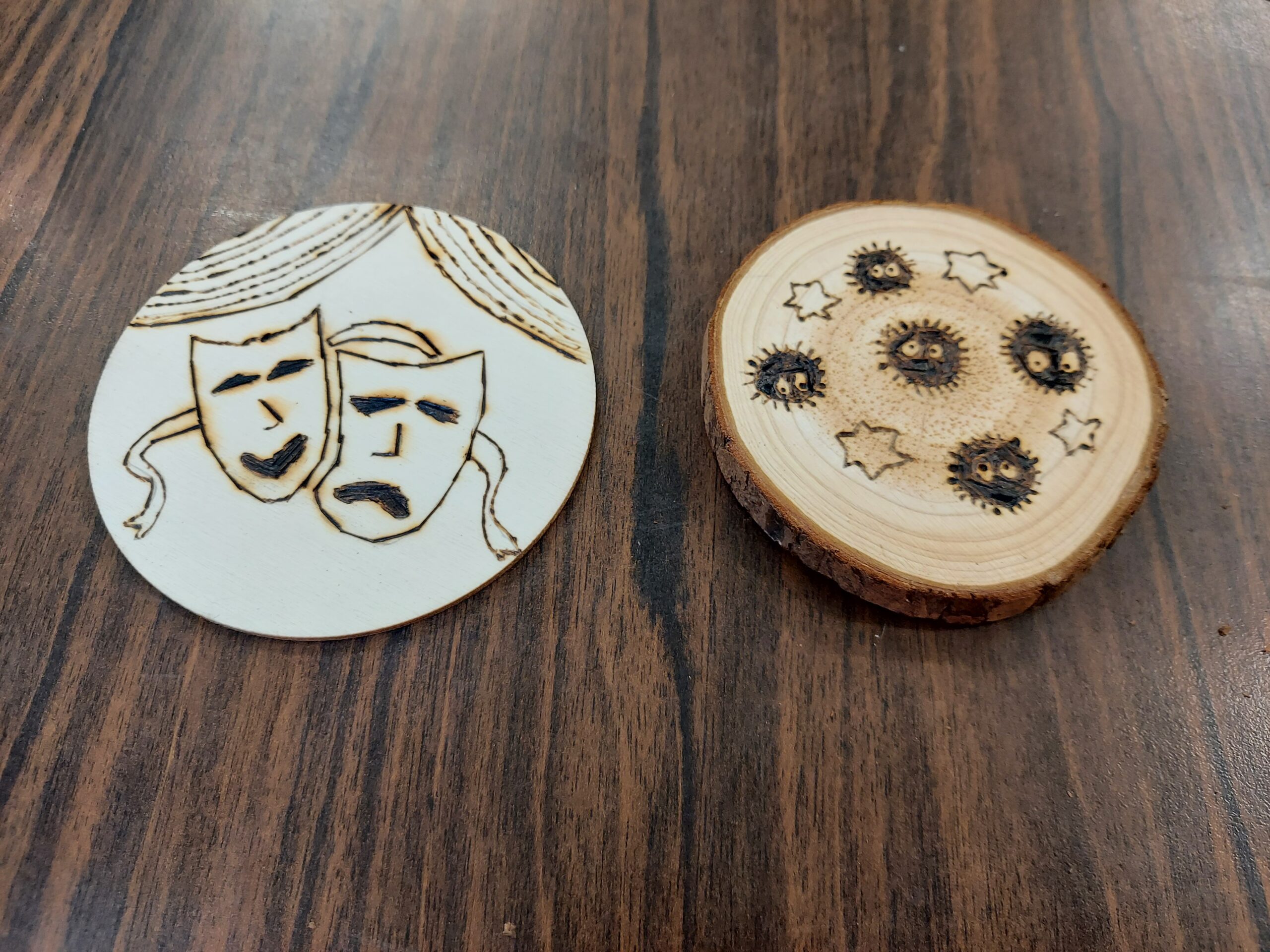
Upstairs, we had a pyrography session with Tom. I created a theatre symbol on my ‘practice’ piece of wood and added soot sprites to my ‘proper’ piece. This was a fun activity and not something I’d tried before.
Finally, we did some pin hole photography with Justin. I’d done this before but it was still good to try it again.
At the end of the day, we had a party to celebrate Rebel Badge Club’s 4th birthday. We ate party food and played a massive game of Pass the Parcel!
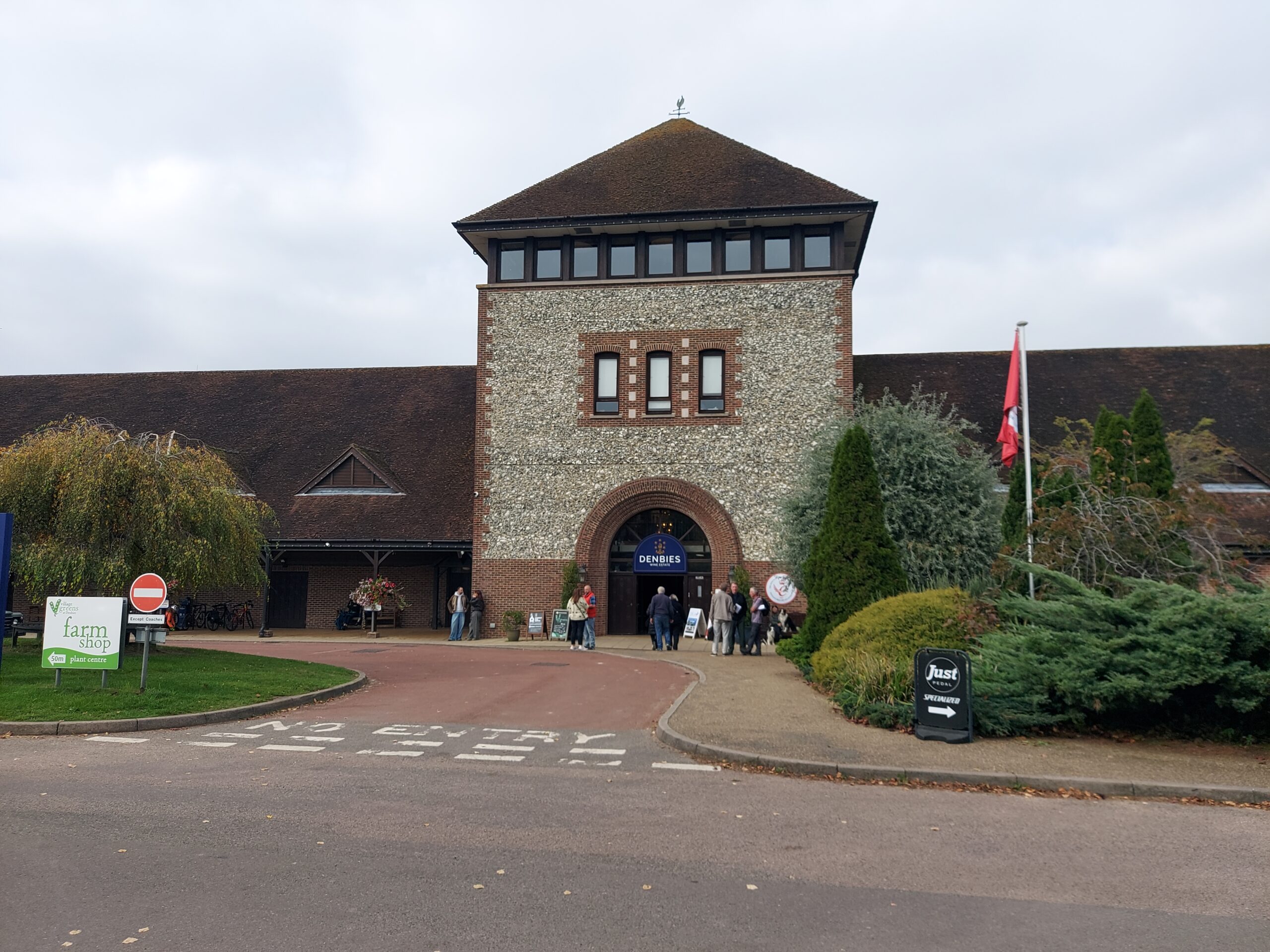
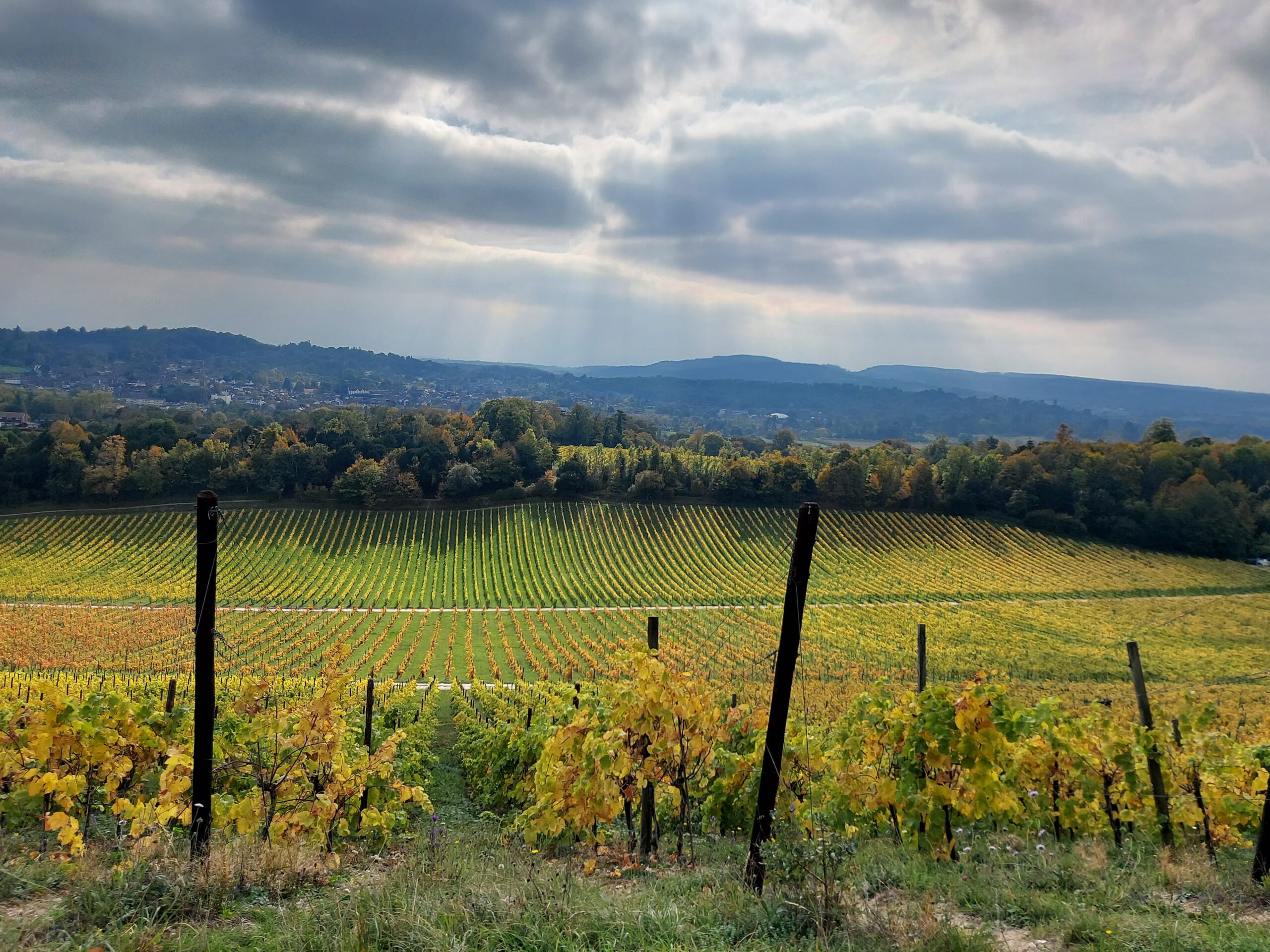
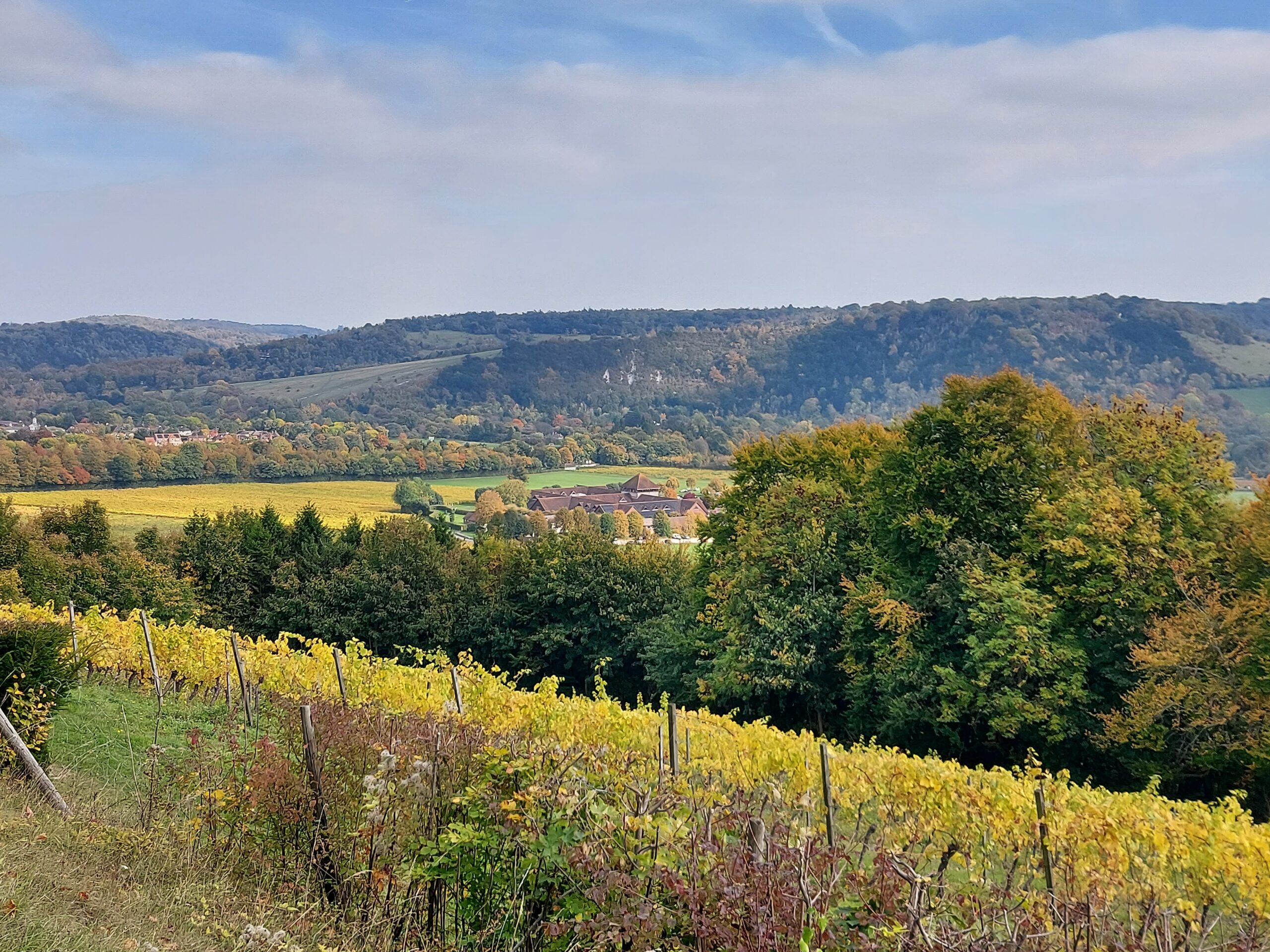
As part of the Sommelier badge, I had to go to a wine tasting and visit a vineyard, so I paid a visit to Denbies Wine Estate near Dorking. Wine has been made here since 1986, and the estate covers 380 acres. The unusually warm microclimate, south-facing slopes and soils rich in chalk help to make the area an ideal place to grow grapes for wine.
It was a beautiful autumn day and I started with an Outdoor Vineyard Train Tour. This was a lovely trip around the vineyard with a commentary on the history of Denbies. We learned about the different grapes grown here and how they are harvested, and enjoyed beautiful views.
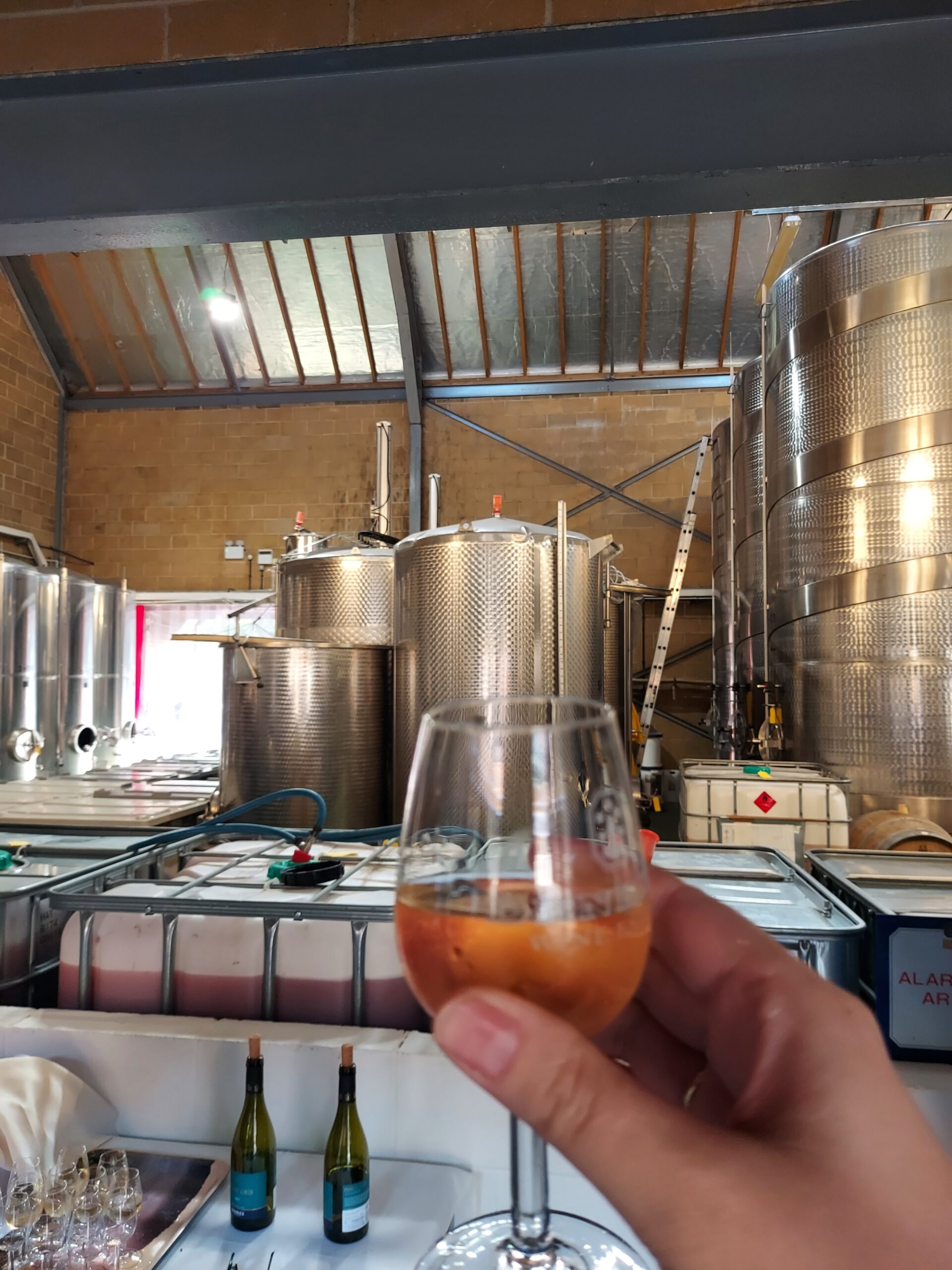
Afterwards I took part in the Indoor Wine Tasting Experience. This featured a film, ‘The Vineyard Through the Seasons’, which covered the geology and history of the estate followed by an explanation of the wine-making process. We were taken through the building and finally, in the cellar, enjoyed a tasting of three different wines from the Denbies range.
Finally I had a look around the shop and bought a bottle of Bacchus wine to take home with me. I definitely recommend a visit to Denbies: it was a lovely day out and very relaxing.
I’ve had my eye on the Sommelier badge ever since I got Book 2, and I finally got round to completing it in October. I love my wine, so it was nice to explore it in more depth.
Visit a winery and learn about the process of making wine.
I visited Denbies Wine Estate in Surrey and did the indoor and outdoor tours.
Take part in a wine tasting.
At Denbies I also took part in a wine tasting. We sampled Whitedowns Rosé NV, Pinot Gris 2023, Surrey Gold and Pinot Noir 2022.
Learn about the different types of glass, bottles and wine glasses.
Bottles
Wine bottles come in many different sizes. The ‘standard’ size is 750ml, which is around five glasses of wine. A ‘half bottle’, or ‘demi’, contains 375ml and a ‘quarter bottle’, ‘split’, ‘piccolo’ or ‘mini’ holds 187.5ml. Bottles tend to be round because this shape was traditionally easier for glassblowers to produce, and modern winemakers tend to stick with tradition.
Standard sizes come in a variety of shapes which traditionally correspond to types of grape/flavours of wine. The most common is the Bordeaux which is tall with high shoulders. Associated grapes include Merlot, Malbec, Sauvignon Blanc and Chenin Blanc. The Burgundy has a wider base, sloping shoulders and a shorter neck. It is usually used for Chardonnay and Pinot Noir.
Slightly less common are the Rhone, similar to the Burgundy but with a longer neck, used for grapes such as Grenache and Mourvedre; the Champagne, a Burgundy-style bottle made with thicker glass to withstand the pressure of the bubbles and typically used for sparkling wine; and the Alsace or Rhine, tall and slender and used most commonly for grapes like Riesling and Pinot Gris.
Larger sizes are also available: the Magnum (1.5l), Double Magnum/Jeroboam (3l), Rehoboam/Methuselah (4.5l), Imperial (6l), Salmanazar (9l), Balthazar (12l), Nebuchadnezzar (15l) and the Midas/Melchizedek (30l).
The ‘punt’, the indent at the bottom of the bottle of wine, does not usually mean anything, although a deeper punt is desirable for sparkling wines as it can help make the bottle stronger.
Glasses
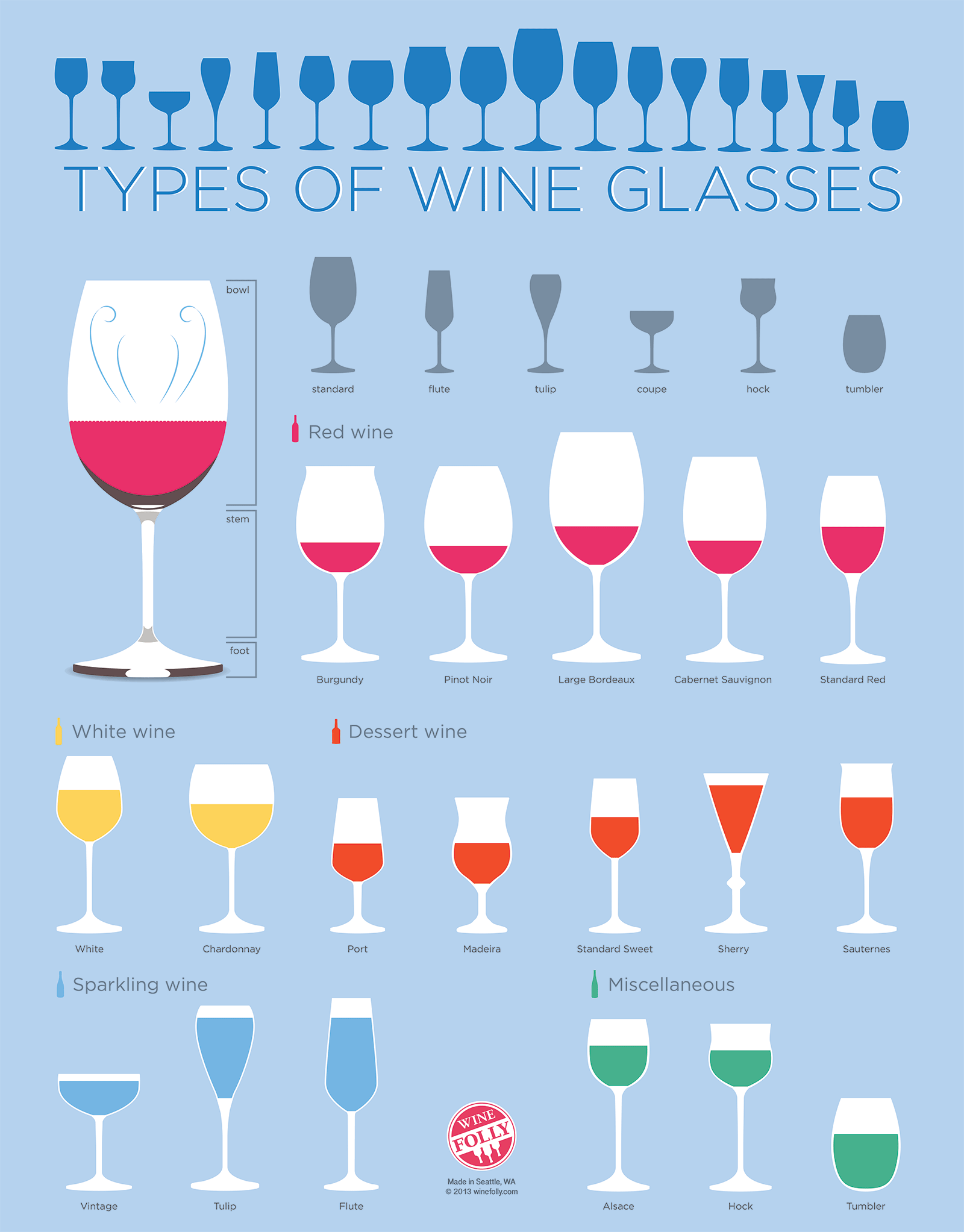
Wine glasses are designed for different types of wine in order to maximise the qualities of that wine. I found this article very helpful.
Red wine glasses are generally larger and taller than white wine glasses, to allow the wine to come into contact with more oxygen. The widest, albeit shortest, of the red wine glasses are those for Burgundy and Pinot Noir, owing to the bolder aromas of these wines. Glasses for Bordeux, Cabernet and Merlot are the tallest, while glasses for Syrah, Shiraz, Sangiovese and Malbec are shorter and slightly smaller. For white wine, the smaller bowl makes it easier to detect the subtler aromas, although Chardonnay glasses are much wider and resemble red wine glasses, providing a bigger surface area for this full-bodied wine.
Learn the differences between ‘old’ and ‘new world’ wine.
Old World
New World
France, Germany, Italy
Australia, Chile, USA
Restricted by tradition
Able to be experimental
Often labelled with regional name
Grape varieties usually mentioned
Typically lighter in body
Can be fuller-bodied
Terroir-driven
Grape-driven
Lower alcohol content
Higher alcohol content
Learn how rosé and sparkling wines are made.
Rosé wine is made by using the same fermentation process as red wine, but at the temperature of white.
Sparkling wine is made by starting with a base wine (made in the white wine way) and fermenting it for a second time, trapping the carbon dioxide in the liquid which dissolves into the wine, creating tiny bubbles. Premium sparkling wines are then aged in the bottle, the yeast subsequently removed by turning the bottles regularly over time. A sugar dosage is then added to make the wine sweeter before it is resealed.
Learn about the different tools available to make wine taste its best.
Corkscrew or other wine-opening tool
Wine glasses
Decanter
Wine preserver
Champagne stopper
Glass polishing cloth
Book about wine
Learn about the different types of wine flavours.
White wine exists on a spectrum from sweet to dry.
Red wine exists on a spectrum from fruity to full-bodied.
Wine flavours can include red or black fruits, such as raspberry and plum; citrus, like lemon or lime; other fruits such as peach; floral like rose and jasmine; and herbal such as basil or rosemary. Spicy flavours can include cinnamon, black pepper and vanilla; earthy notes can include mushroom, leather and soil.
Write a glossary of wine terms useful to a newcomer.
Acidity – the tartness that adds liveliness to wine
Appellation – a legally-defined geographic area where wine is produced, e.g. Champagne or Bordeaux
Body – how a wine feels in your mouth. Can also be checked by swirling it around in your glass
Dry – in the context of wine, dry is the opposite of sweet
Finish – wine flavours that linger after swallowing
Legs – when you swirl wine around in your glass, the legs are the streaks you can see running down the side
Nose – a wine’s aroma. Swirl the wine in your glass to release the scent
Tannins – bitter-tasting compounds present in the skin and seeds of grapes that produce a dry feeling in the mouth
Terroir – a French word referring to the terrain where a grape is grown: the soil, climate and land
Typicity – how true a wine’s flavour is to its region and grape variety
Varietal – a wine made from one specific grape variety
Variety – the specific grape type used to make wine
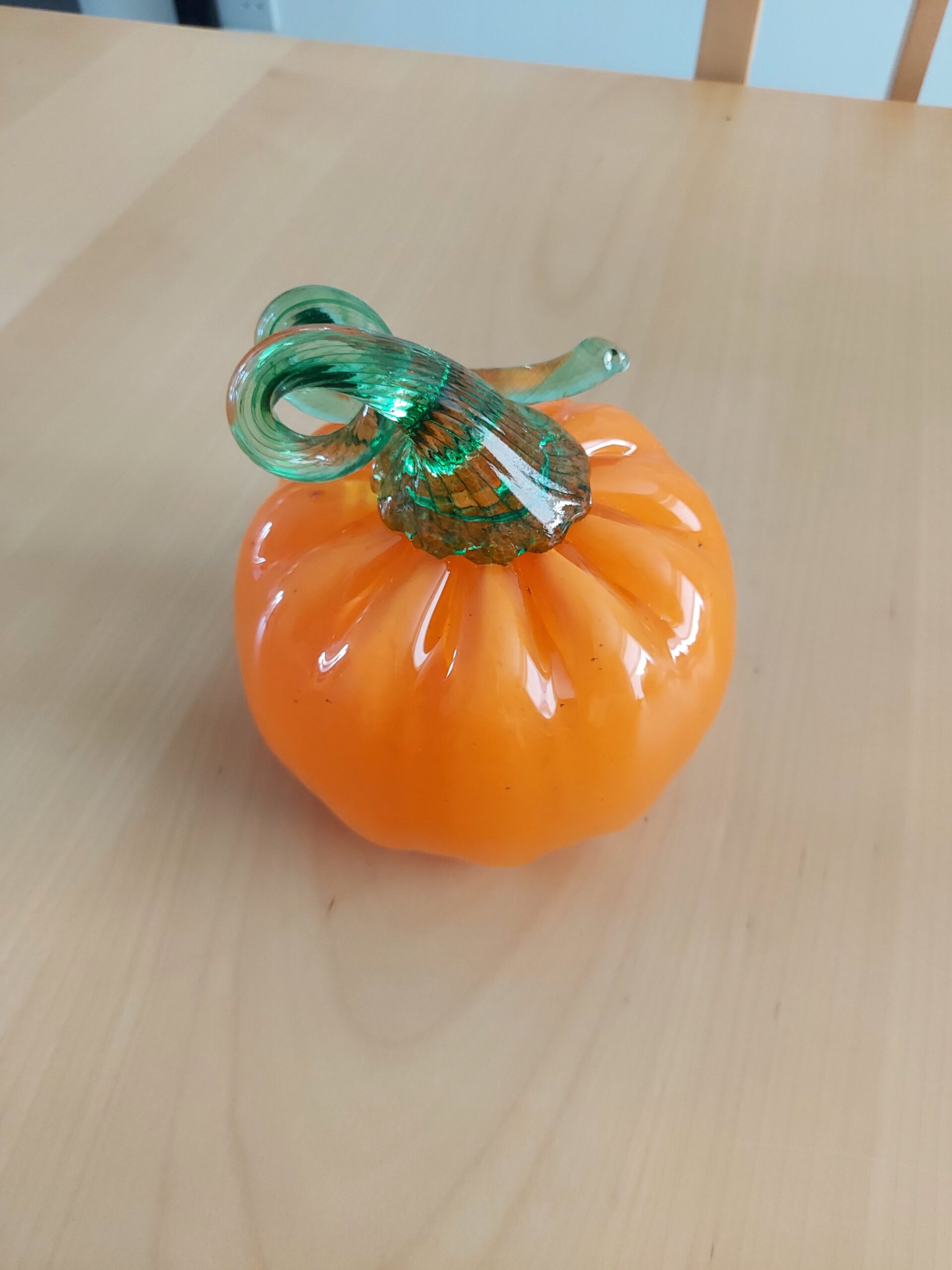
It’s no secret that, unfortunately, the National Glass Centre is due to close next year. Before this happens, I managed to book onto a glass pumpkin-making class along with my friend Elisa. We thought we might as well make the most of it while we could.
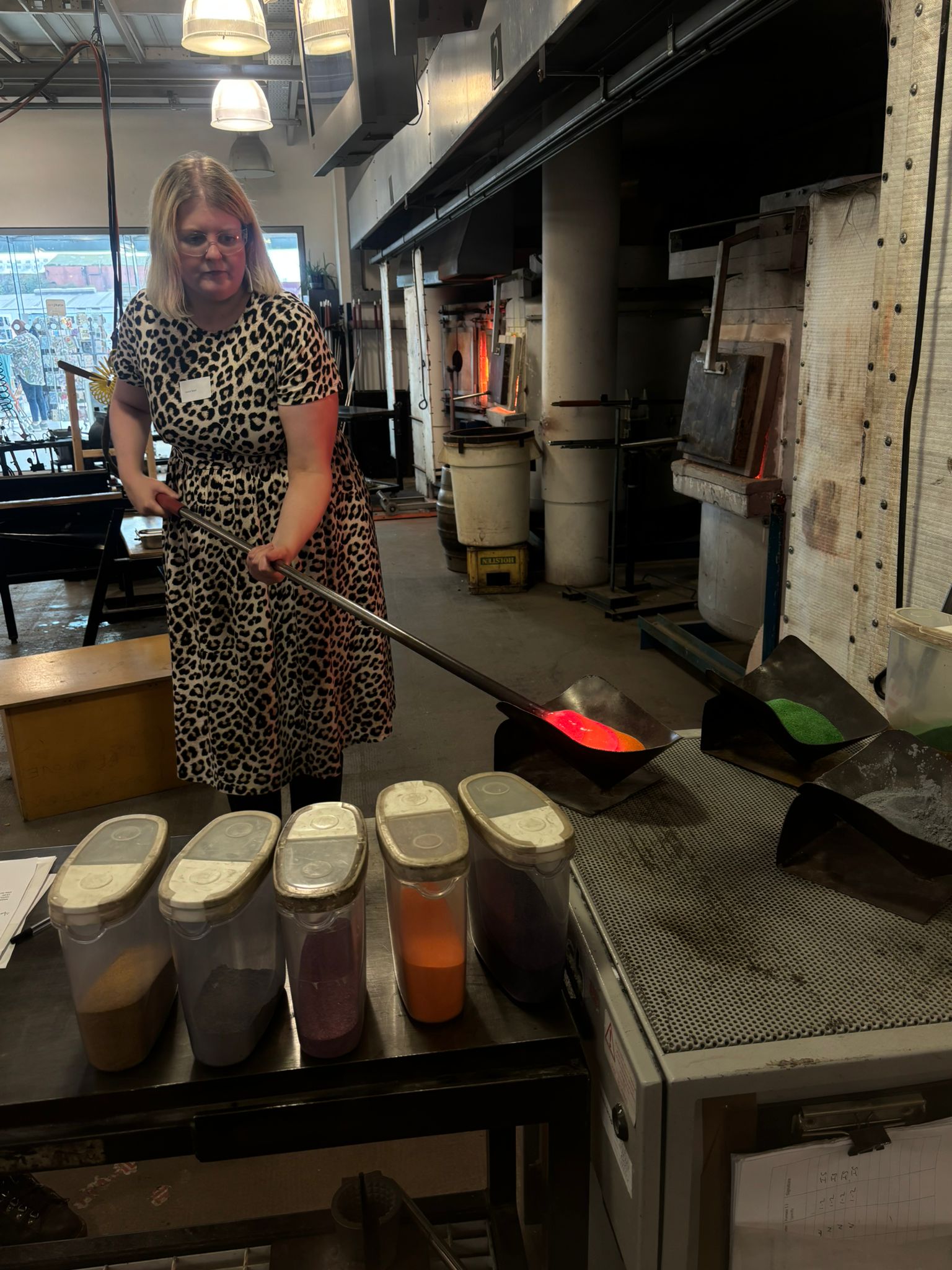
We were booked on to a timeslot with one other lady. The three of us were taken into the Hot Glass Studio to make our pumpkins. We did them one by one, and the others could watch while the maker worked.
First we got to choose our colours – I went for a traditional orange, with a green stem, although I was tempted by the purple. With the help of professional glassmakers, I added the colour to the glass, rolling it to prevent it from dropping on the floor, before blowing it into a hollow round shape. I then shaped it into a pumpkin before adding the stem by twisting it into a spiral.
I am super chuffed by how my pumpkin turned out. It looks so professional!
Current Affairs was the final badge I chose for the Ready Player One quarterly. I know it’s important to keep up with the news (and I do), but it’s certainly depressing. If anything, I feel like we are moving even closer to a dystopian society!
Over a period of at least three months, make an active effort to stay on top of the news.
I recorded the headlines from the Independent each day and checked a number of other news sources, including the Guardian and the BBC, too.
Create a visual political spectrum from far-right to far-left.
Choose a current domestic news story, and compare the different ways the story is presented in different forms of media.
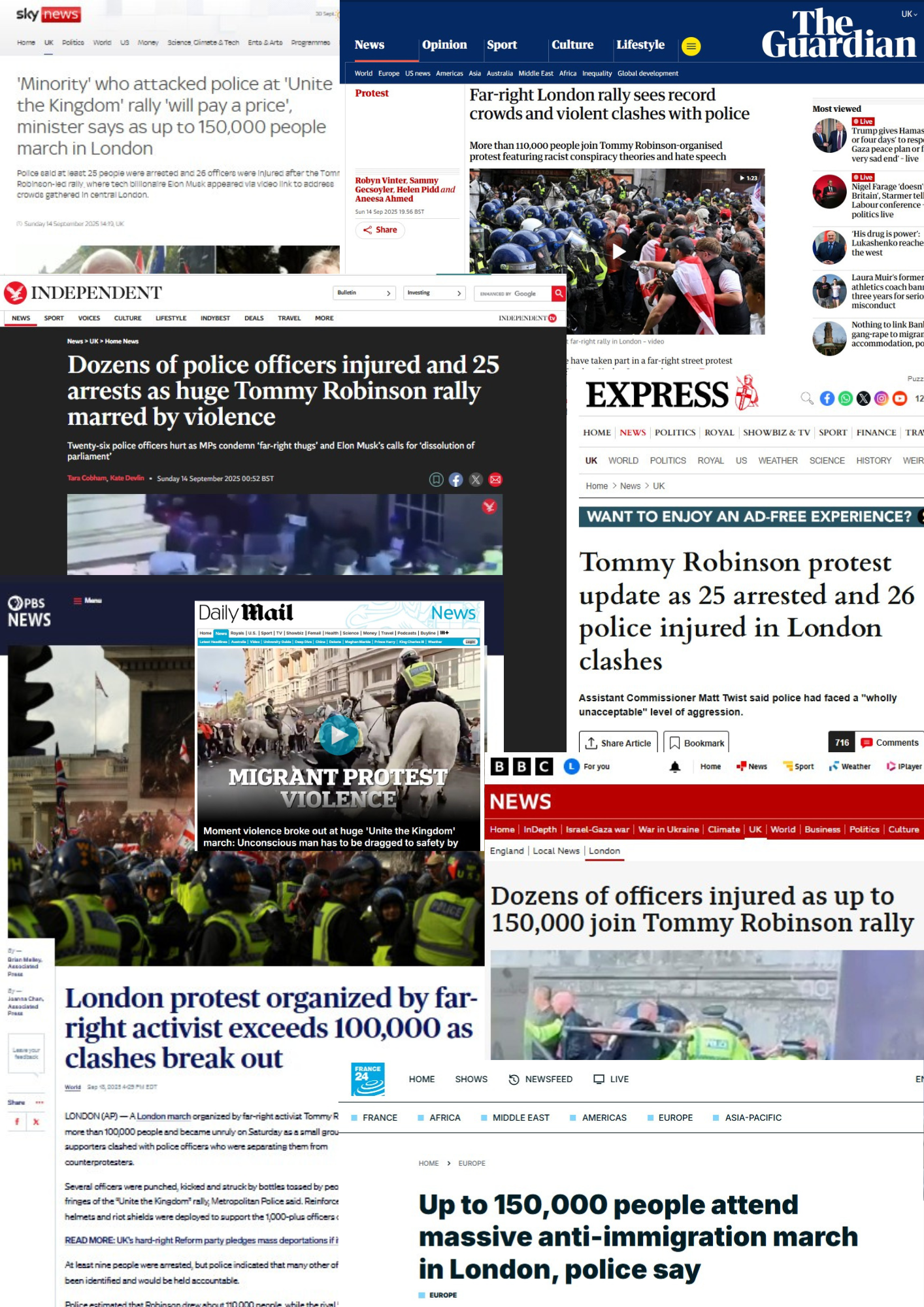
I chose the ‘Unite the Kingdom’ march of 13 September. I was actually surprised at how similar the presentations were across left- and right-wing media. It appears injuring police officers is frowned upon across the political spectrum. Having said that, it was interesting that some sources called it a march, others an anti-immigrant protest, and some named it as a right-wing event.
The sources I used were the Guardian, the Independent, the Daily Express, the Daily Mail, the BBC and Sky News. I also looked at France24 and PBS News from an international perspective.
Watch a daily news bulletin regularly for at least two weeks.
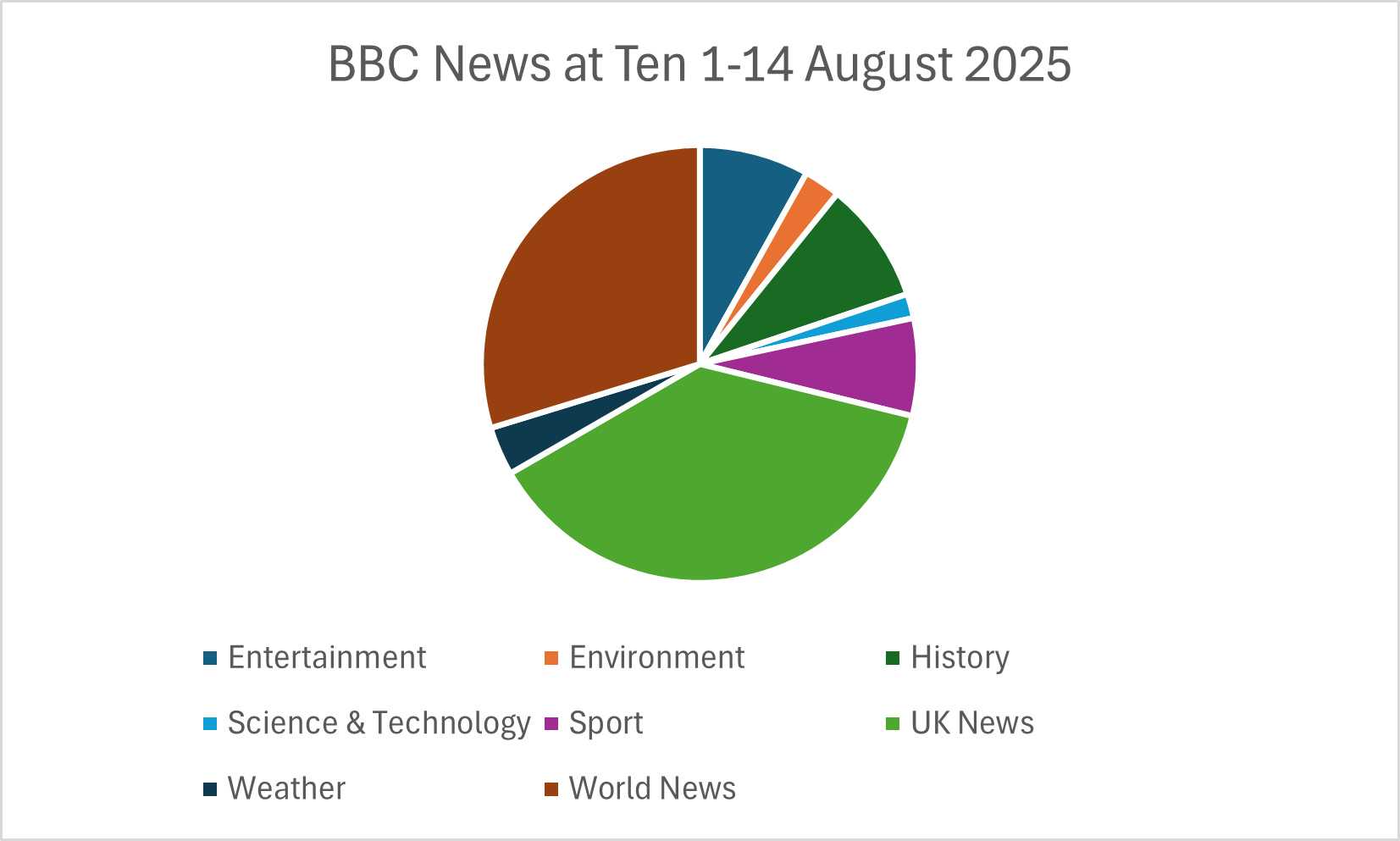
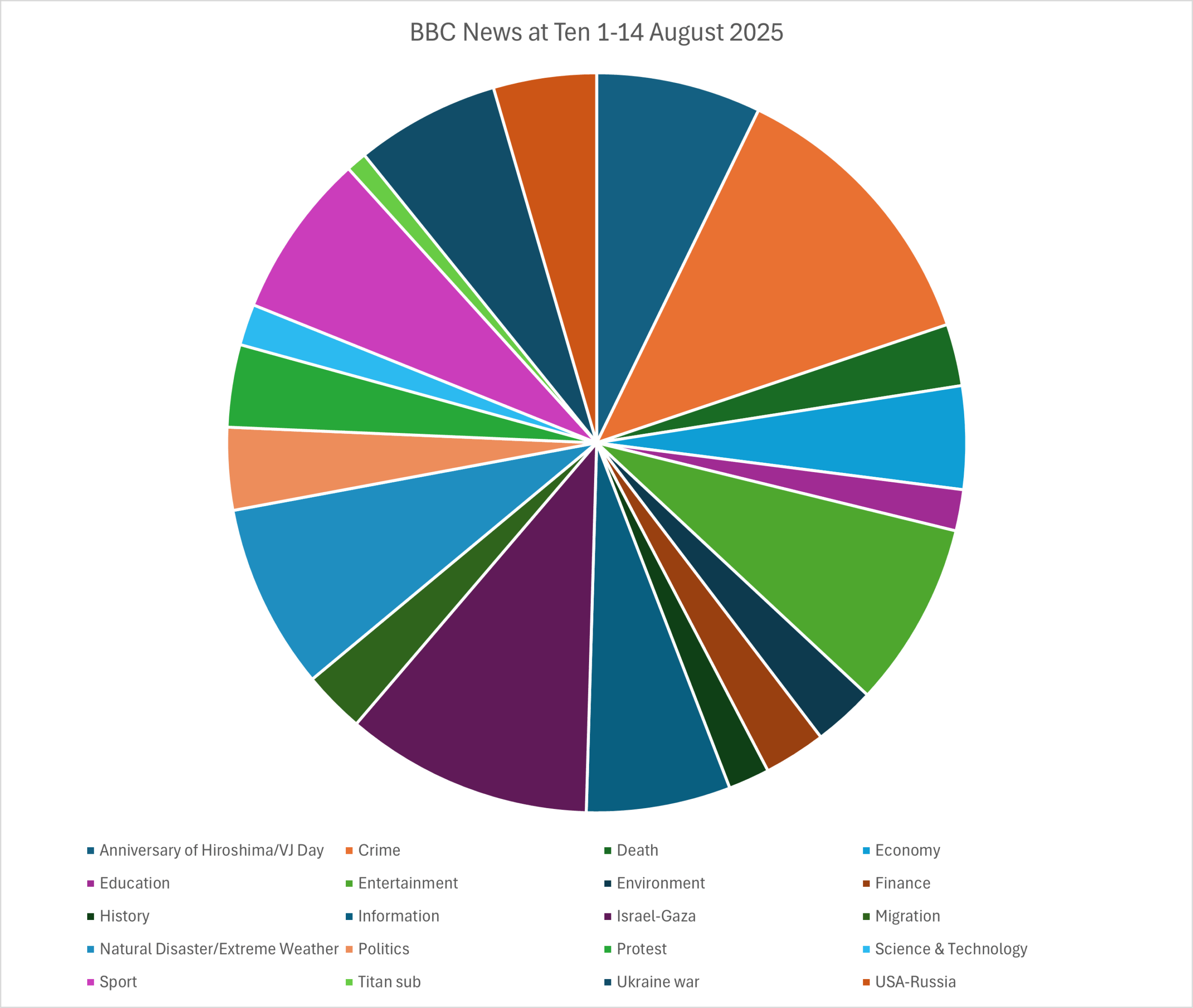
I watched BBCNews at Ten daily during the first half of August. I created two charts, one grouping the stories covered in terms of broad categories and another which was more specific, showing how certain topics really dominated coverage during this period. This is understandable to an extent, but I would have liked to see more coverage of worldwide topics such as the Sudanese genocide.
Find some examples of ‘fake news stories’ that you are surrounded by on social media.
I found plenty of examples of ‘fake news stories’ online. I had never heard of a CRAAP test but now I know what one is I will be applying it regularly!
Some sources suggest that the impact of fake news on elections is overblown. People are more likely to believe fake news when it is in line with their own political beliefs, which suggests that their voting plans are not actually swayed too much by disinformation. However, the increasing problem of bots and AI can make things worse as these can spread misinformation much more quickly and much more realistically, making it harder to detect, prevent or stop them.
Create a timeline of events which have caused distrust in the media over the last century.
Learn about the media laws and regulations in your country.
I found this document, from the Global Campaign for Free Expression, very helpful.
Print media is self-regulating in the UK and established the Press Complaints Commission. Two broadcasting acts regulate broadcast media. Private television and radio are regulated, respectively, by the Independent Television Commission (ITC) and the Radio Authority (RA), both provided for in the Broadcasting Act 1990. There are seven codes of conduct governing content standards within the media in the UK, one for the press and six for the broadcast media. They generally provide guidelines rather than setting clear standards or prohibitions.
I chose to work on Advanced Brain Games as part of the Ready Player One quarterly badge. I actually ended up enjoying it more than Brain Games!
To achieve the badge, I had to complete clauses 1 and 2, and then at least 5 of the remaining clauses – I ended up completing 6.
Complete an entire book of your favourite type of puzzle.
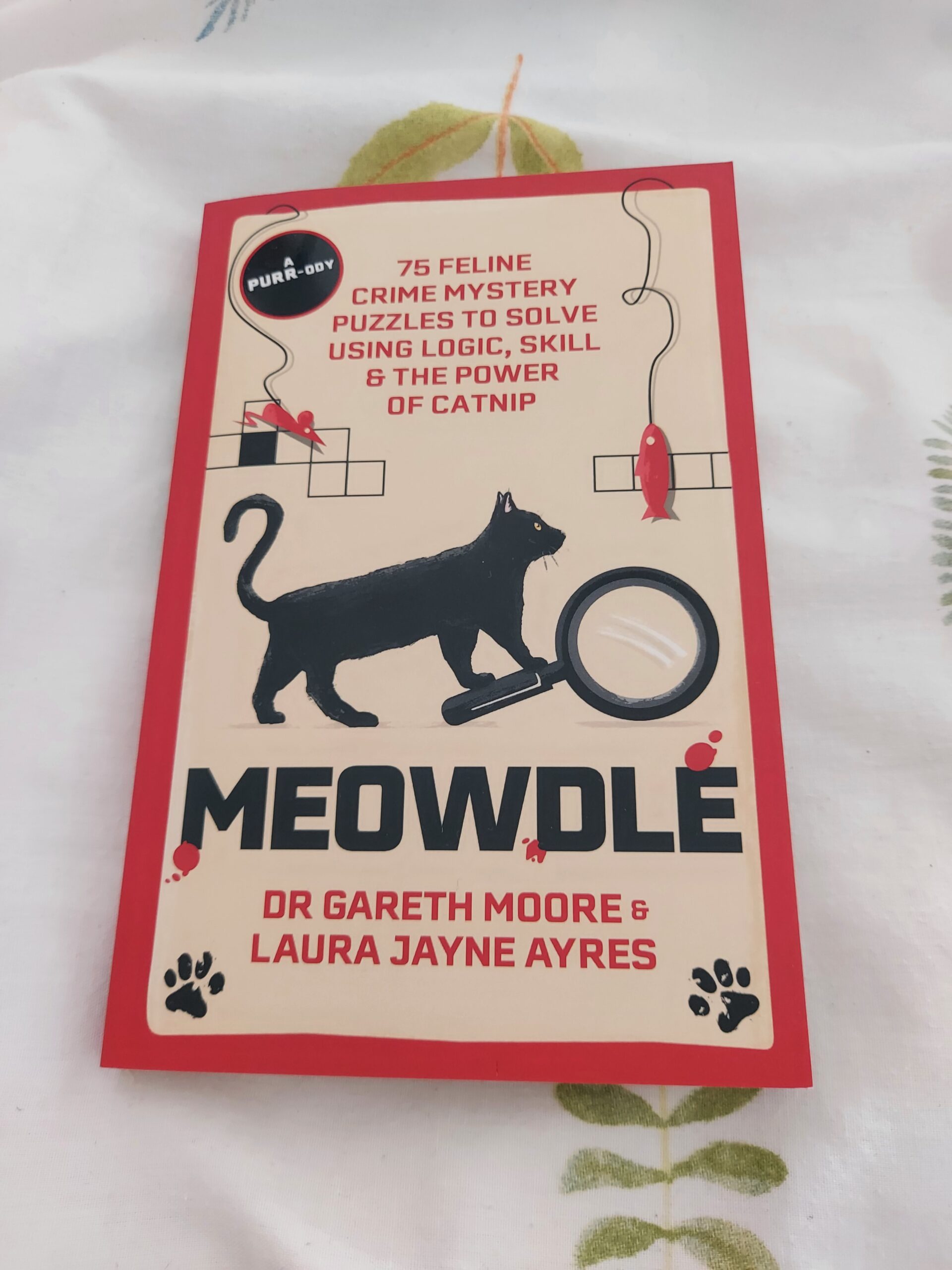
I really enjoyed Murdle when I worked my way through it last year, so I picked up Meowdle, a cat-themed puzzle book along similar lines.
Choose a specific type of brain game. Do it at least 3 times per week, for 3 months. Track your progress.
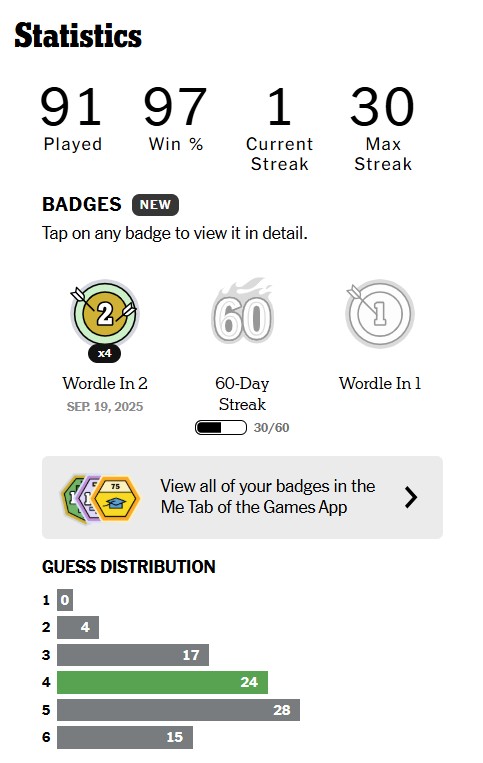
I did Wordle every day for three months and have become somewhat addicted. I didn’t always manage to guess the word, but I want to stick with this in the future.
Complete and solve a mystery puzzle.
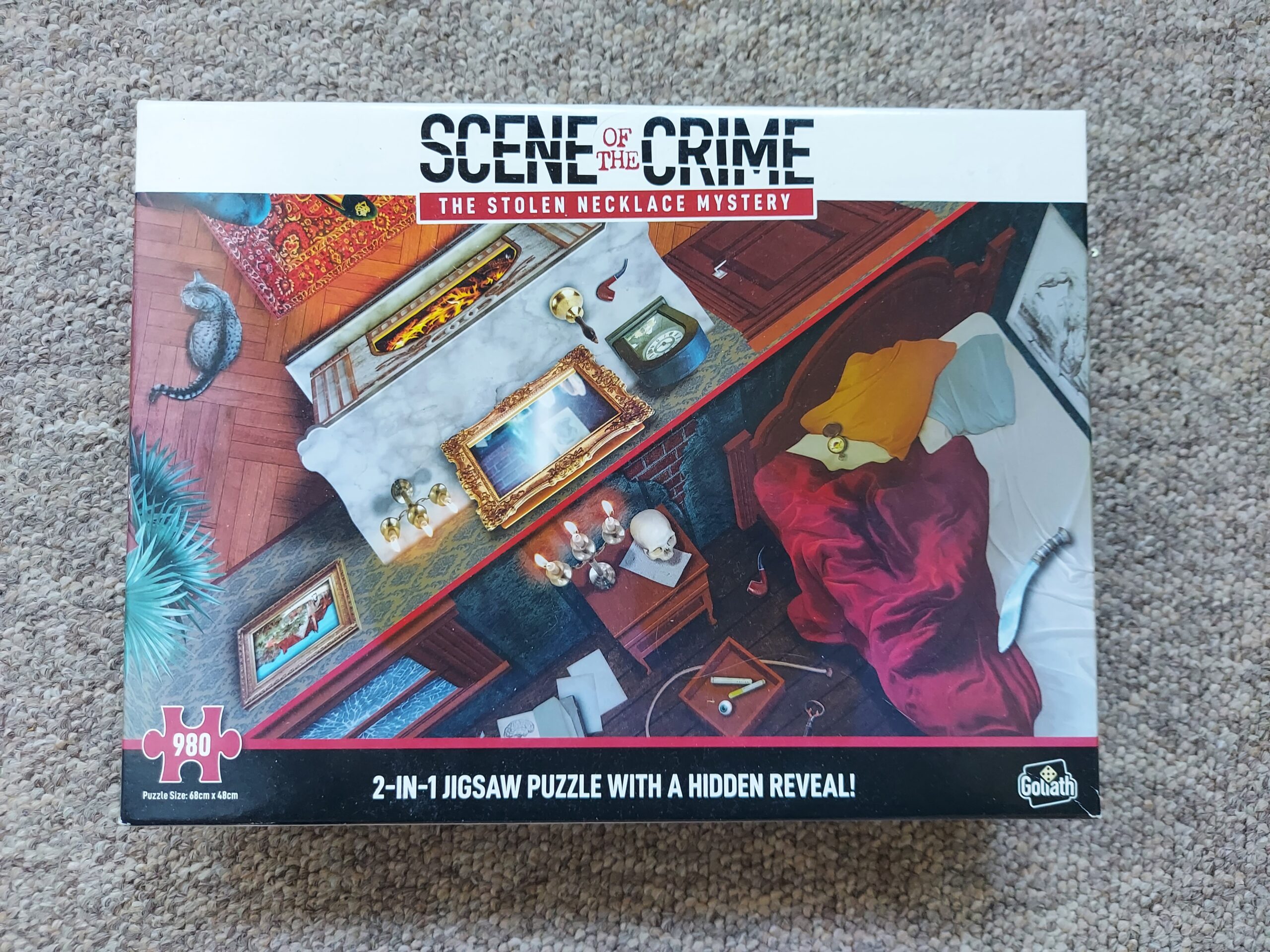
I completed Scene of the Crime: The Stolen Necklace Mystery. The solution was a bit anticlimactic, but I enjoyed working it out.
Try some ‘spot the difference’ puzzles created for adults.
I worked my way through a list of puzzles from Reader’s Digest which I found infuriating, compelling and addictive.
Try some hidden object illustration puzzles.
I worked through another Reader’s Digestlist which I enjoyed.
Solve a physical brain teaser made out of either wood or metal.
I solved a lock puzzle from the Einstein Collection, which was incredibly tricky and in fact I think my solution wasn’t the right one!
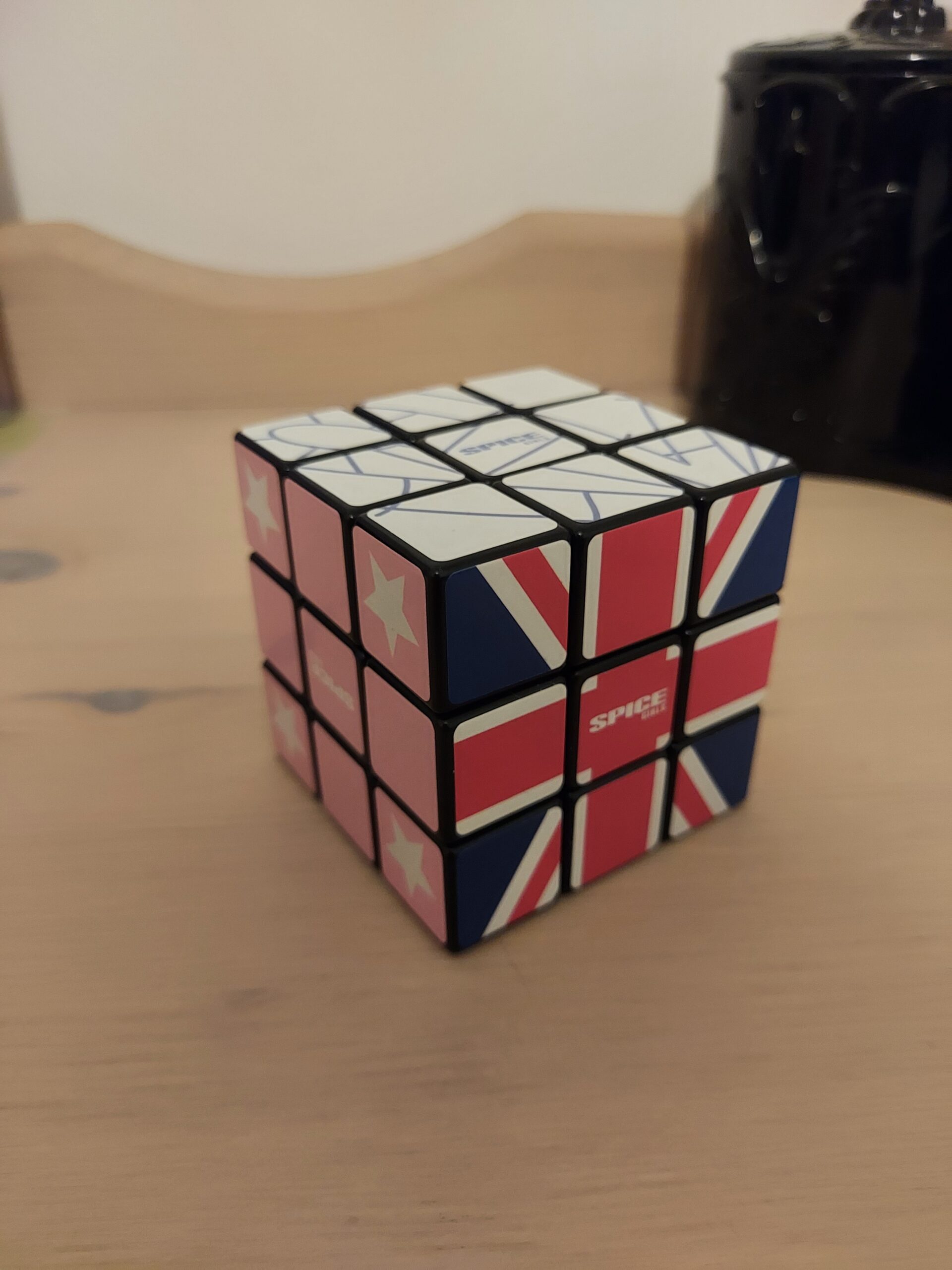
Learn how to solve a Rubix cube.
This is probably the clause I’m proudest of! With the help of several YouTube videos and lots of patience, I managed to complete this.
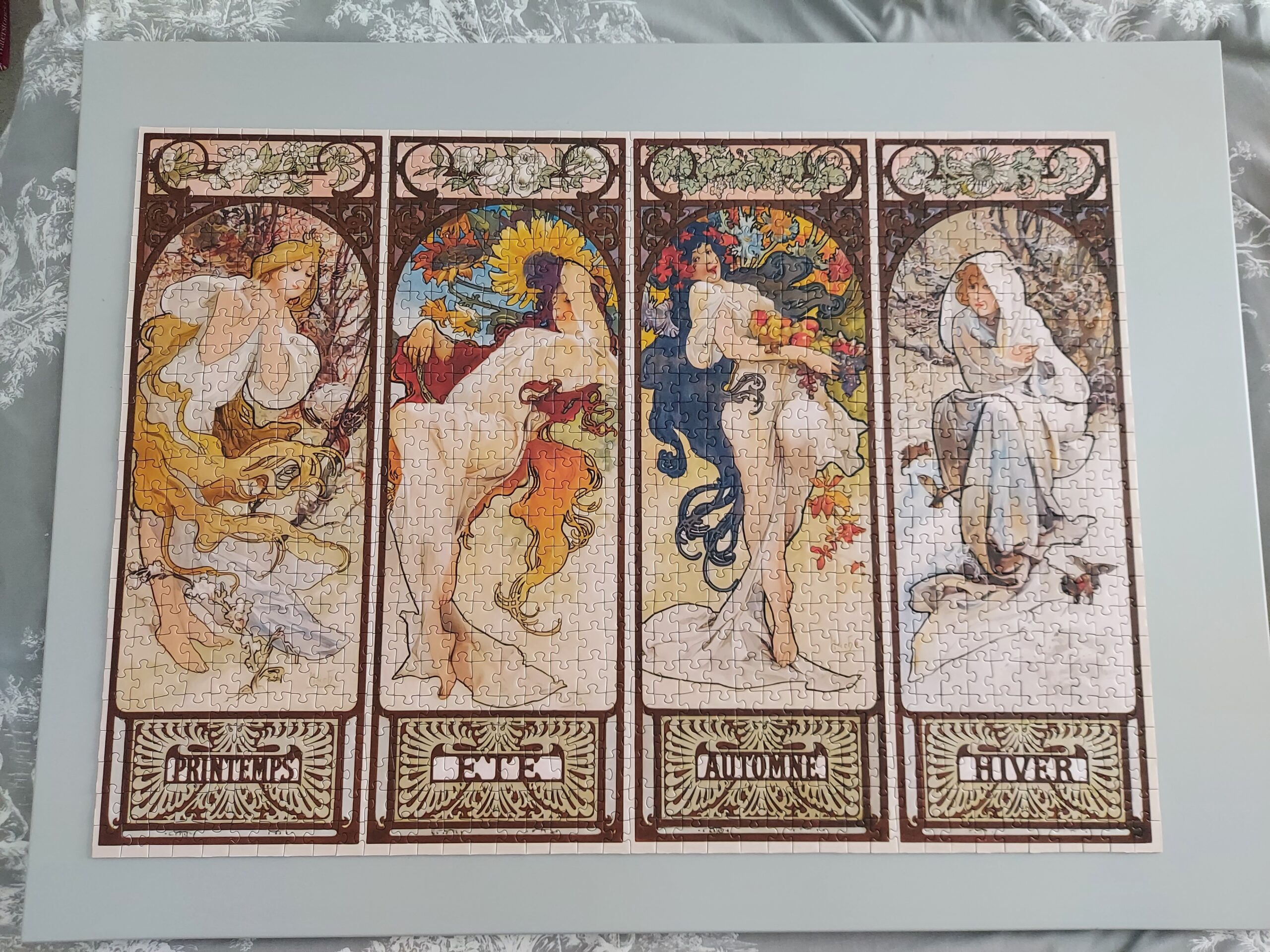
Find a jigsaw with more pieces than any you’ve ever completed before, and complete it.
I completed a 1000-piece jigsaw of Alphonse Mucha’s Four Seasons.
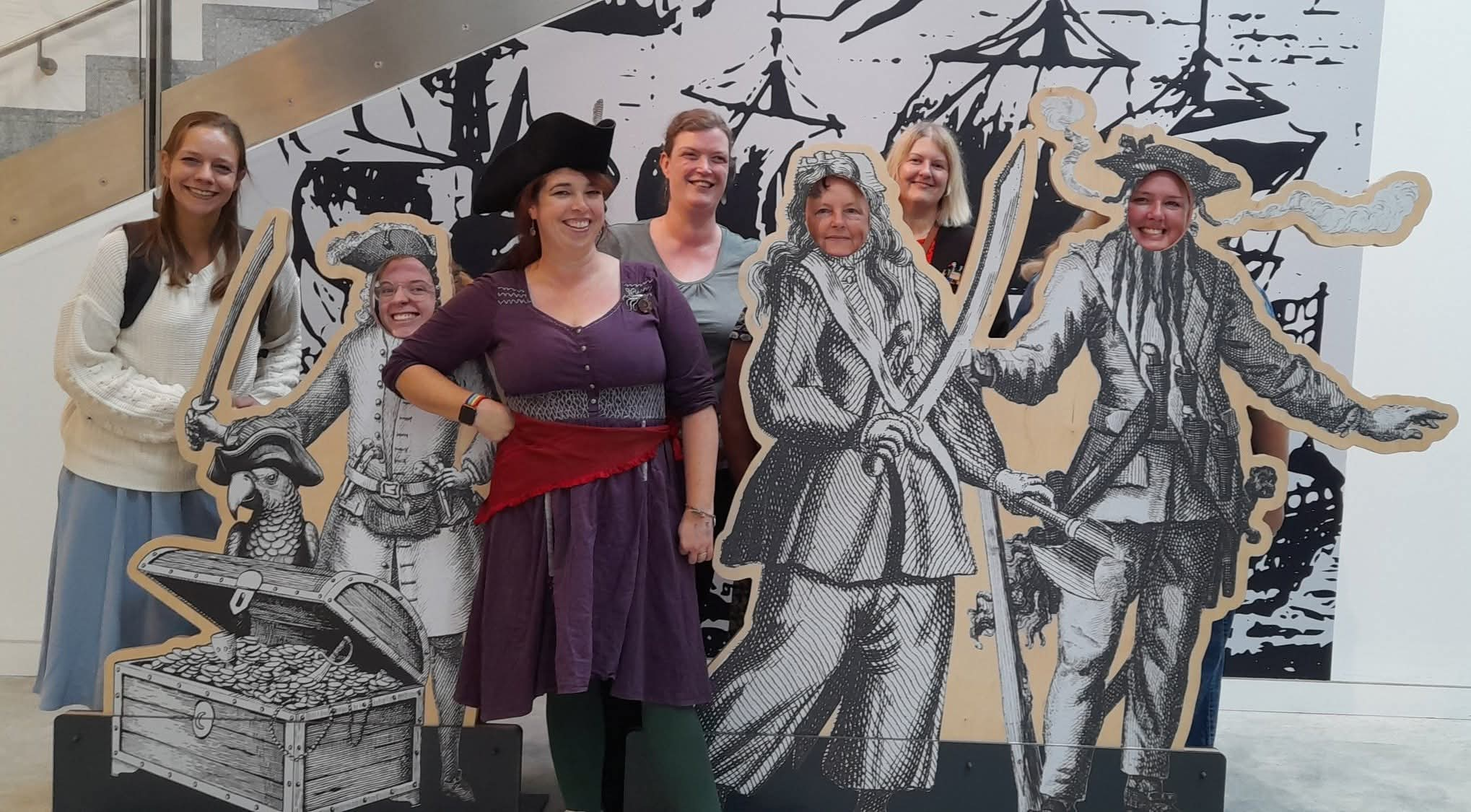
September’s monthly badge is The Pirate Challenge, and it’s been one of my favourite ever monthly badges! I spent a lot of time on this clause, even organising a trip to the Pirates exhibition at the National Maritime Museum.
Watch a film or read a book about pirates and review it.
I watched Captain Blood (1935).
"Break out those sails and watch them fill with the wind that's carrying us all to freedom!"

Based on the 1922 novel by Rafael Sabatini, Captain Blood from First National Pictures and Warner Bros. Pictures set the tone for swashbuckling pirate films to come. It also made a star out of its leading man Errol Flynn and turbocharged the career of Olivia de Havilland; the pair would go on to star together in another seven movies.

The movie begins in England in 1685, when Irish doctor Peter Blood is sentenced for treason for treating a wounded soldier who took part in the Monmouth Rebellion. He and the surviving rebels are sent to the West Indies to be sold into slavery, but Blood's skills as a physician endear him to the colony's governor, and he is able to escape, leading the rebels into a life of piracy.

I find old black and white films mixed in terms of their enjoyability but I thoroughly enjoyed this one. It took a while to get going and there were fewer scenes of piracy than I would have liked, but overall it is a highly pleasing swashbuckler. Flynn is likeable and charismatic and de Havilland shines; the pair have excellent chemistry. There is an entertaining turn by Basil Rathbone, best known for his role as Sherlock Holmes, as French pirate Levasseur and another by Lionel Atwill as wicked Colonel Bishop.

Captain Blood is definitely worth watching, if for no other reason then to see the movie that inspired pirate films through the ages.
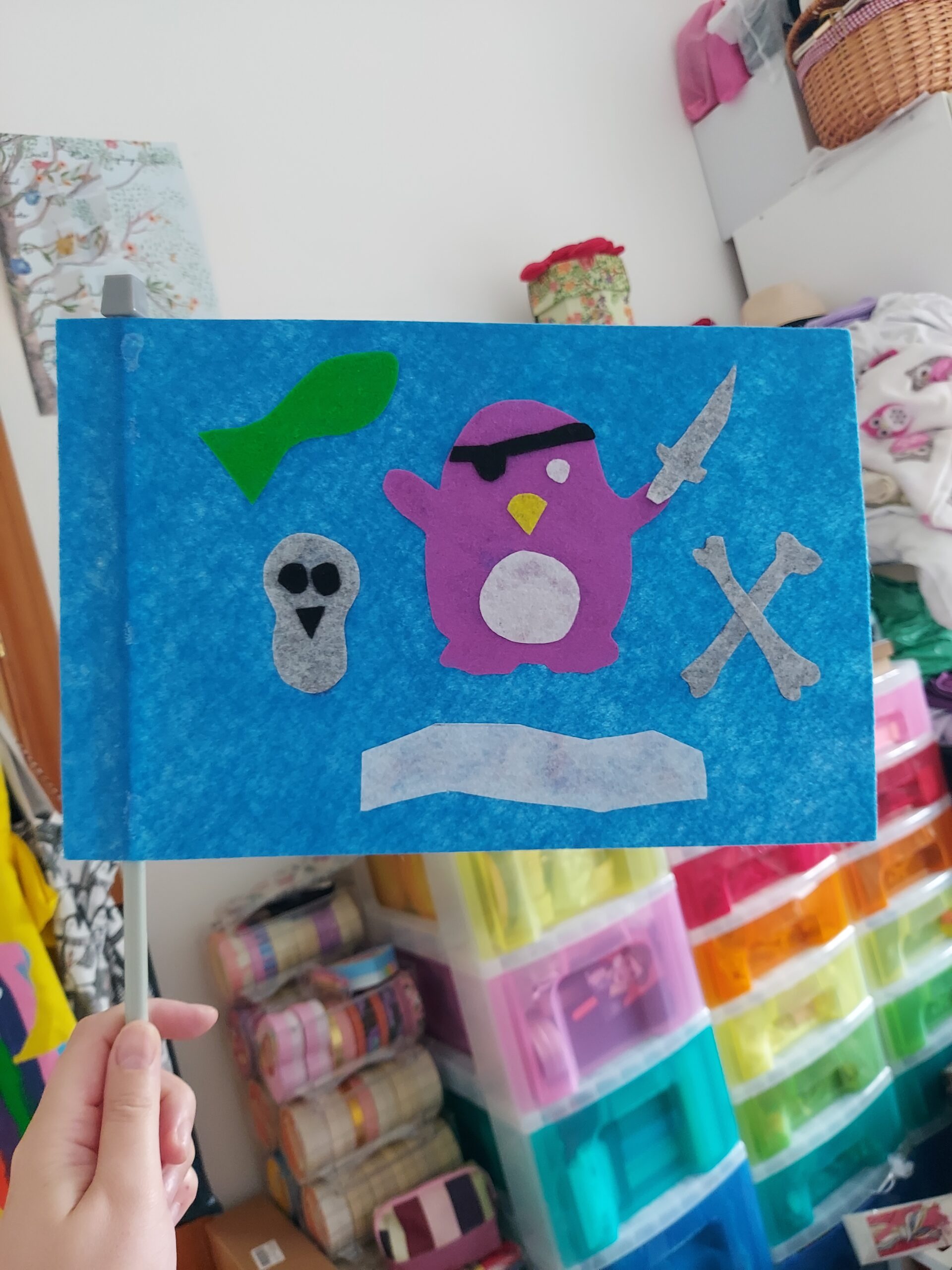
Make your own pirate flag.
I had fun with this clause, making a pirate flag with a penguin on it.
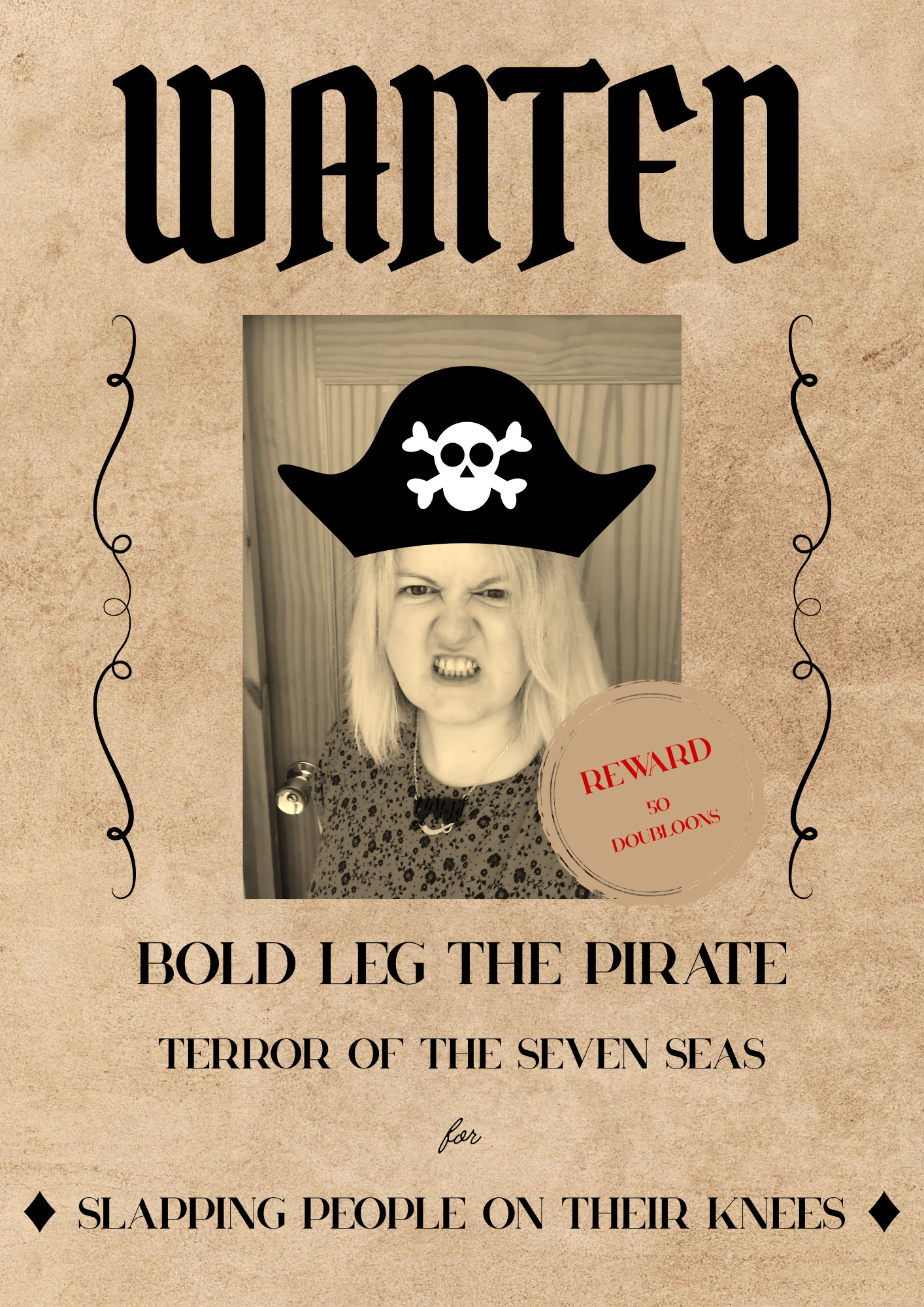
Make a wanted poster for your pirate alter-ego.
When I was a kid I liked to write daft songs. I came up with one called ‘Bold Leg The Pirate’, which went like this:
Bold Leg, the pirate
Bold Leg, the pirate
Bold Leg, the pirate
He sailed the seven seas
He sailed the seven seas
Slapping people on their knees
He sailed the seven seas
Hurrah, hurrah, hurrah!
Naturally I had to make a wanted poster for Bold Leg the Pirate.
(If I drink enough rum I might be persuaded to sing the song. What a treat!)
Learn about three historical pirates.
I read Pirates: A History by Tim Travers which helped me learn about several pirates, including Blackbeard, ‘Calico’ Jack Rackam, and Bartholomew Roberts.
Blackbeard
‘Calico’ Jack Rackam
Bartholomew Roberts
Active 1714/5-18
Hanged 1720
Active 1718-22
Real name Edward Teach, came from Bristol
Early origins a mystery
Born in Wales
Supposedly had 14 wives, one of whom was 16
Habit of wearing white calico shirts
2nd or 3rd mate of the Princess when captured by Howel Davis and turned to piracy. Elected leader when Davis was killed
Appointed captain of the Revenge, belonging to Stede Bonnet
Quartermaster of Charles Vane’s ship; when Vane was deposed, Rackam was elected captain
Austere and sober, with a sense of discipline
Captured a French ship which he named Queen Anne’s Revenge
Anne Bonny (his lover) and Mary Read were both part of his crew
Killed by the Royal Navy in 1722
Killed in battle with Lieutenant Maynard, a junior naval officer, in 1718
Arrested when ship was boarded by privateers
Was beheaded, his body thrown in the sea and his head hung from the bow sprit. According to legend, his headless corpse swum around the ship several times
Compare pirate myths and stereotypes with reality.
At the Pirates exhibition I learned a lot about pirates, including myths and stereotypes and how they compare with reality. Sadly, pirates didn’t really make captives walk the plank, and few buried any treasure.
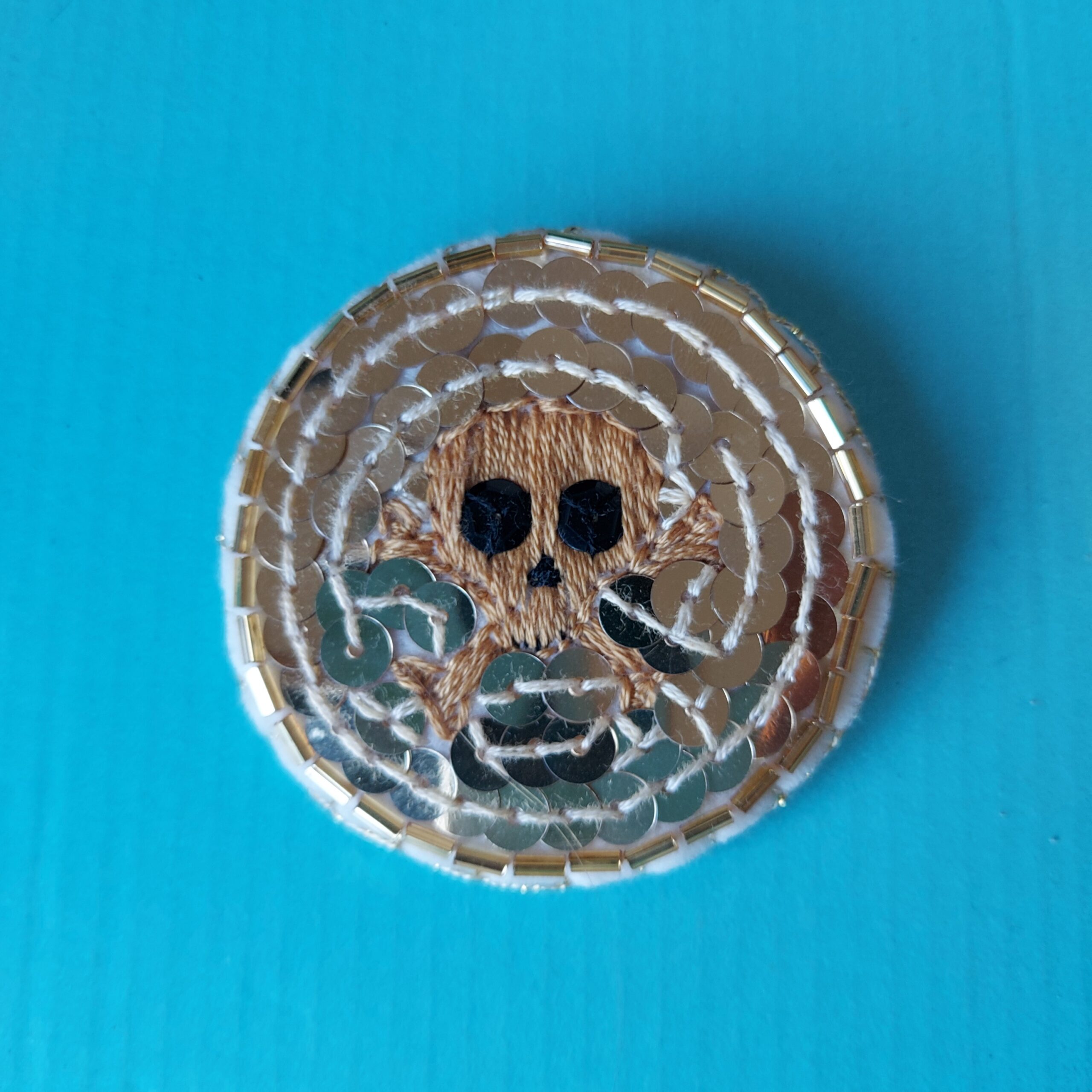
Make some pirate-inspired jewellery.
I used beaded embroidery techniques to make a piece of eight-style brooch.
I’m proud to be able to claim my Advanced Camper badge.
When I originally got the first book I looked at the Camper badge and thought, “lol, no way”. Then Rebel Summer Camp 2023 happened and I managed to earn the badge.
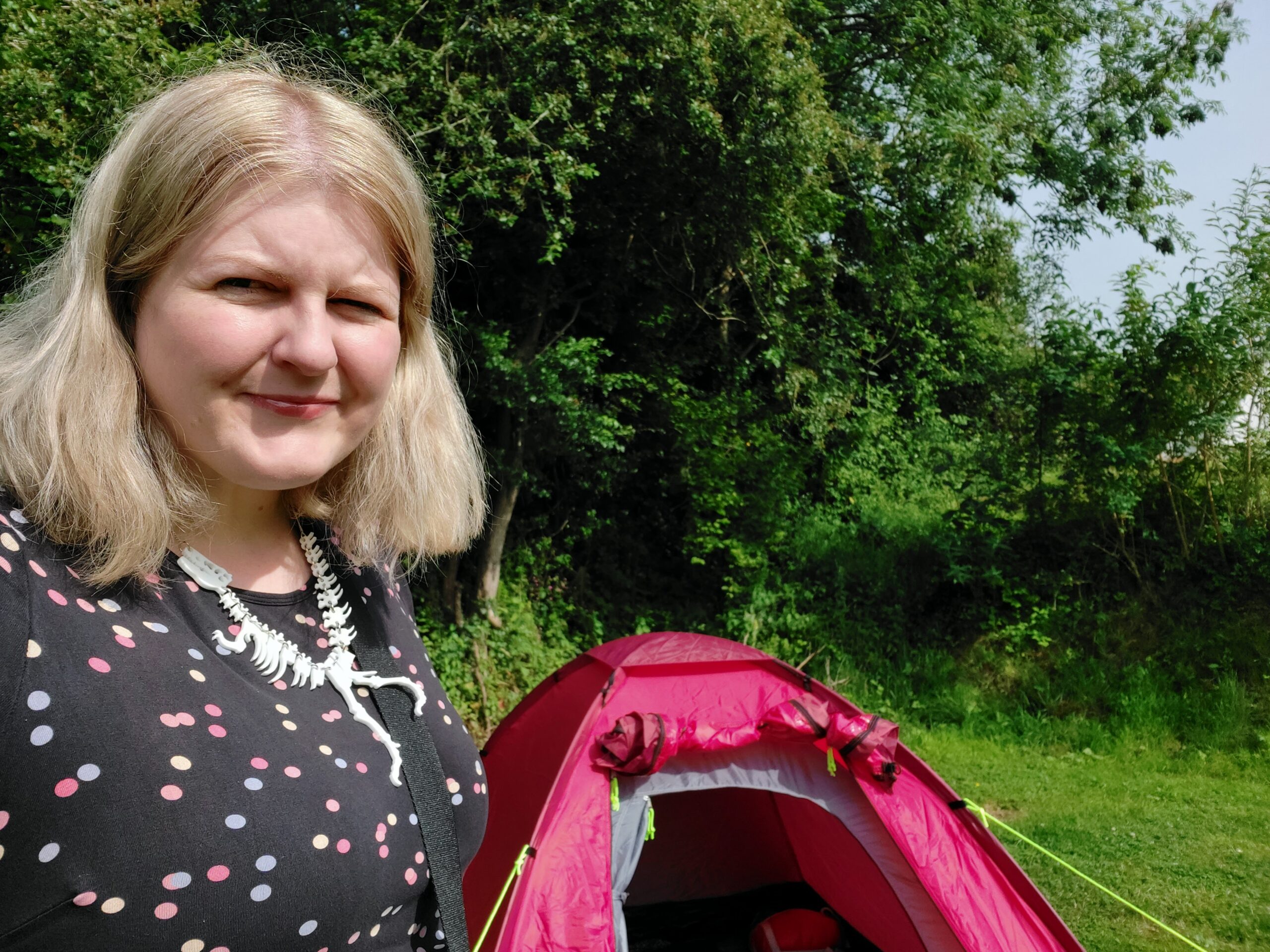
After that I knew that the Advanced badge was within my reach. I’ve completed the 10 nights of camping as follows:
I didn’t take my own tent to Lake 32 but I did help with putting up and taking down other people’s tents and gazebos, which are much bigger than mine and therefore much more of a challenge!
I cooked my own food on some of my trips so got to practice cooking simple easy meals on a camping stove. I took a first aid kit with me each time but I haven’t had to use it yet (fingers crossed!). I’m now very used to putting up and taking down my tent, checking for damage, making sure it’s dry before storing, and so on. Without a car I have to pack light, and I’ve become quite adept at only bringing the essentials.
After vowing I’d never camp again after completing D of E many years ago, I’ve started to really enjoy it!