24 hour Swim Relay at Lake32

After a summer of preparation, it was time for the 24 hour swim relay at Lake32 near Cirencester. Eek!
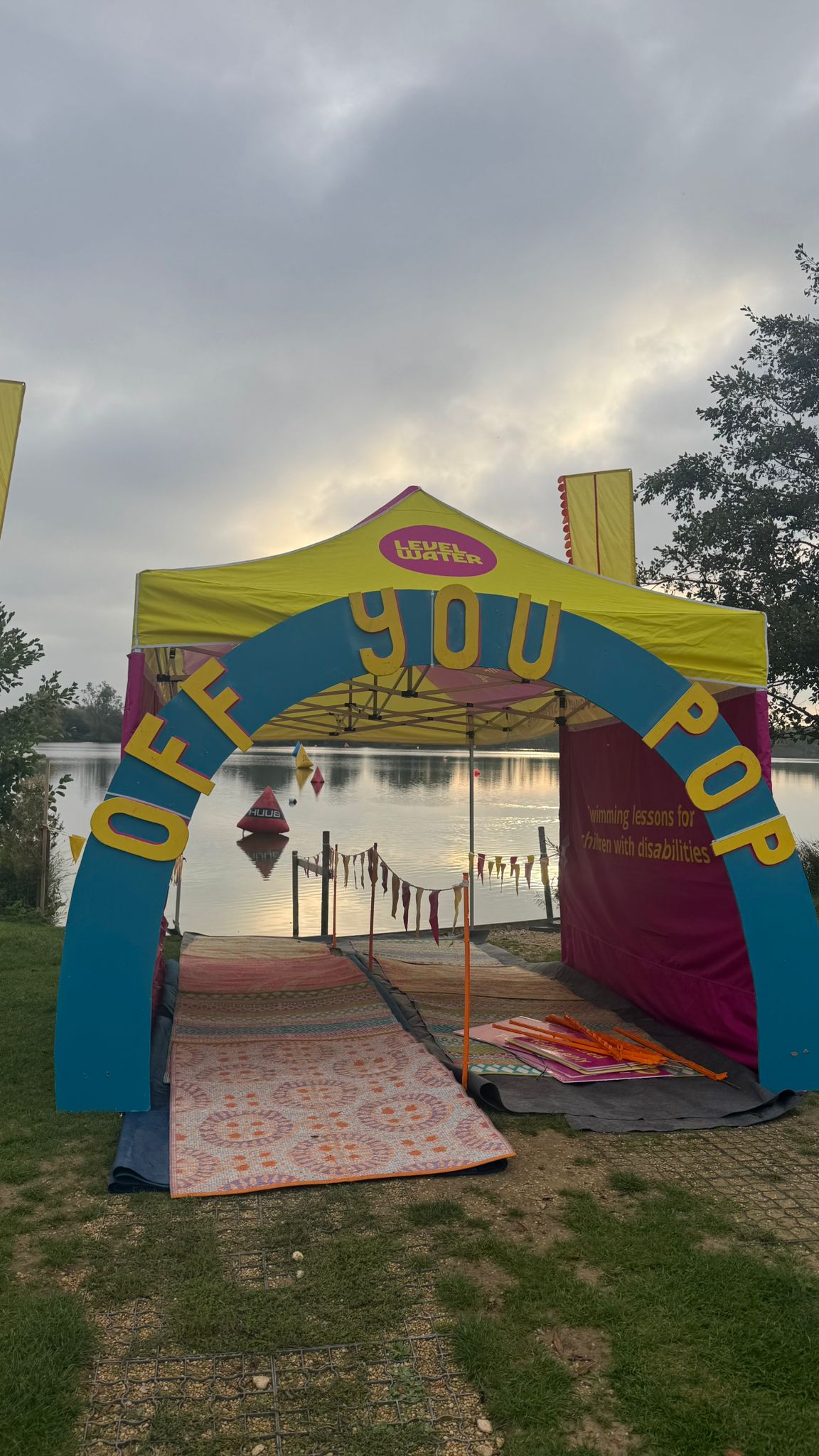
Entrance to the lake

I’d never done anything like this before. I got involved thanks to Rebel Badge Club and the Big Rebel Adventure 2025. I was part of Team Unicorn, one of the four teams from RBC taking part (the others were Team Mermaid, Team Pirate, and Team Flamingo). I was only down to swim four hours, but some of the others were planning to do six, eight, ten, or even twelve!

We arrived in plenty of time and helped set up the tents. We had an arrangement of four large tents, one a ‘changing tent’ and the others for sleeping, as well as a gazebo and a cooking area. Us swimmers had a team of supporters on hand to cook for us and prepare drinks throughout the relay, which was greatly appreciated by all of us, especially when being handed hot chocolate on emerging from the water.

The first swimmers heading off

My first swim wasn’t until 4pm so I had plenty of time to attend the swim briefing, see the first swimmers off at midday, do a bit of cross stitch and generally relax. I was nervous getting in the water but soon got used to it. The temperature had dropped since my last swim a week before, but it was manageable. I loved the unicorn tow float which was our team’s mascot!

I had a while to wait until my next swim, at midnight. In the intervening time I chatted with the others and enjoyed tomato pasta for tea. The midnight swim was fun as one of the safety kayaks was decorated with a disco ball and blaring out dance tunes! There was no cloud cover, so it was freezing, but we could see the stars and it was beautiful.

I tried to grab a few hours’ sleep before my next swim at 5am. Waking up at 4 was incredibly tough but the swim was actually easier than my midnight one – perhaps because I’d had some rest. The sun was starting to rise, too, which made a big difference.
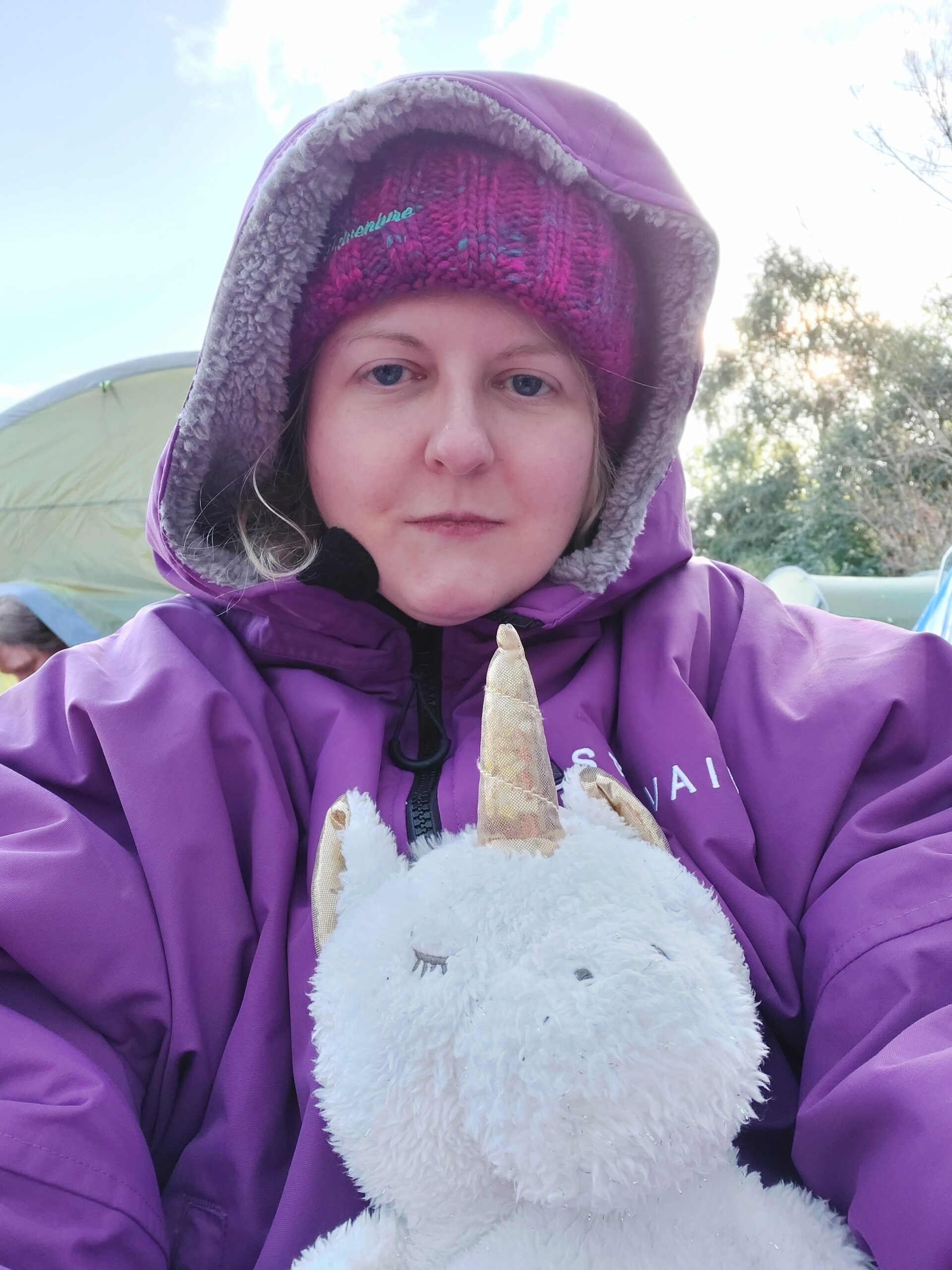
Me in a dry robe with a unicorn hot water bottle

I didn’t want to go back to sleep after that so wandered around, chatting to people, watching the swimmers, and grabbing a nearby geocache. I was back in the water for my final swim at 10am. At the end I stuck around to get some pictures with some other Rebel swimmers, but then I was out of the water quickly to warm up and dress!

There were celebrations when the swim relay finished at midday, and then it was time to pack up, take the tents down and leave the site. The swim was tough but I loved it and had a brilliant time.
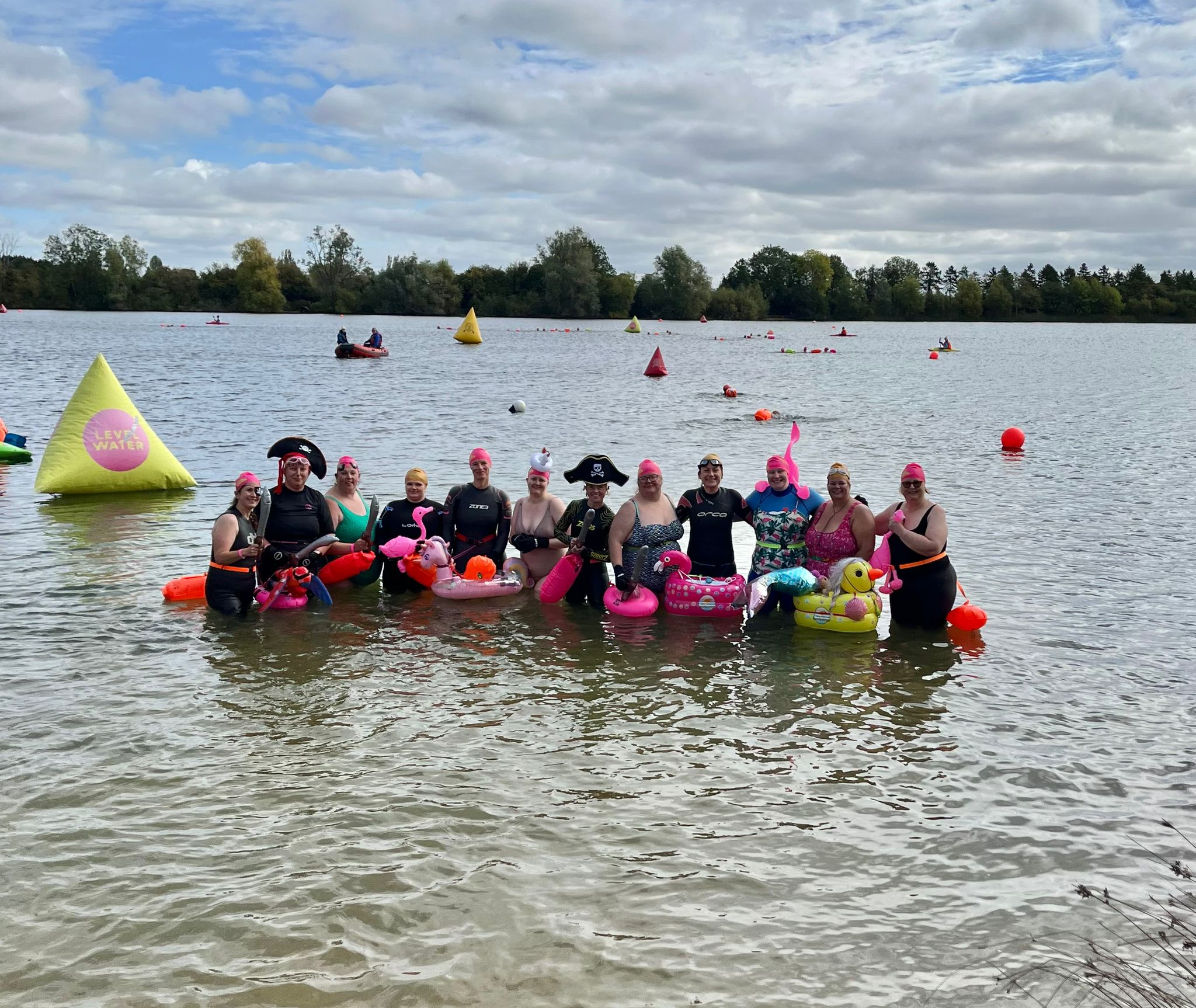
Swimmers in the lake

Rebel Badge Club: Farmer

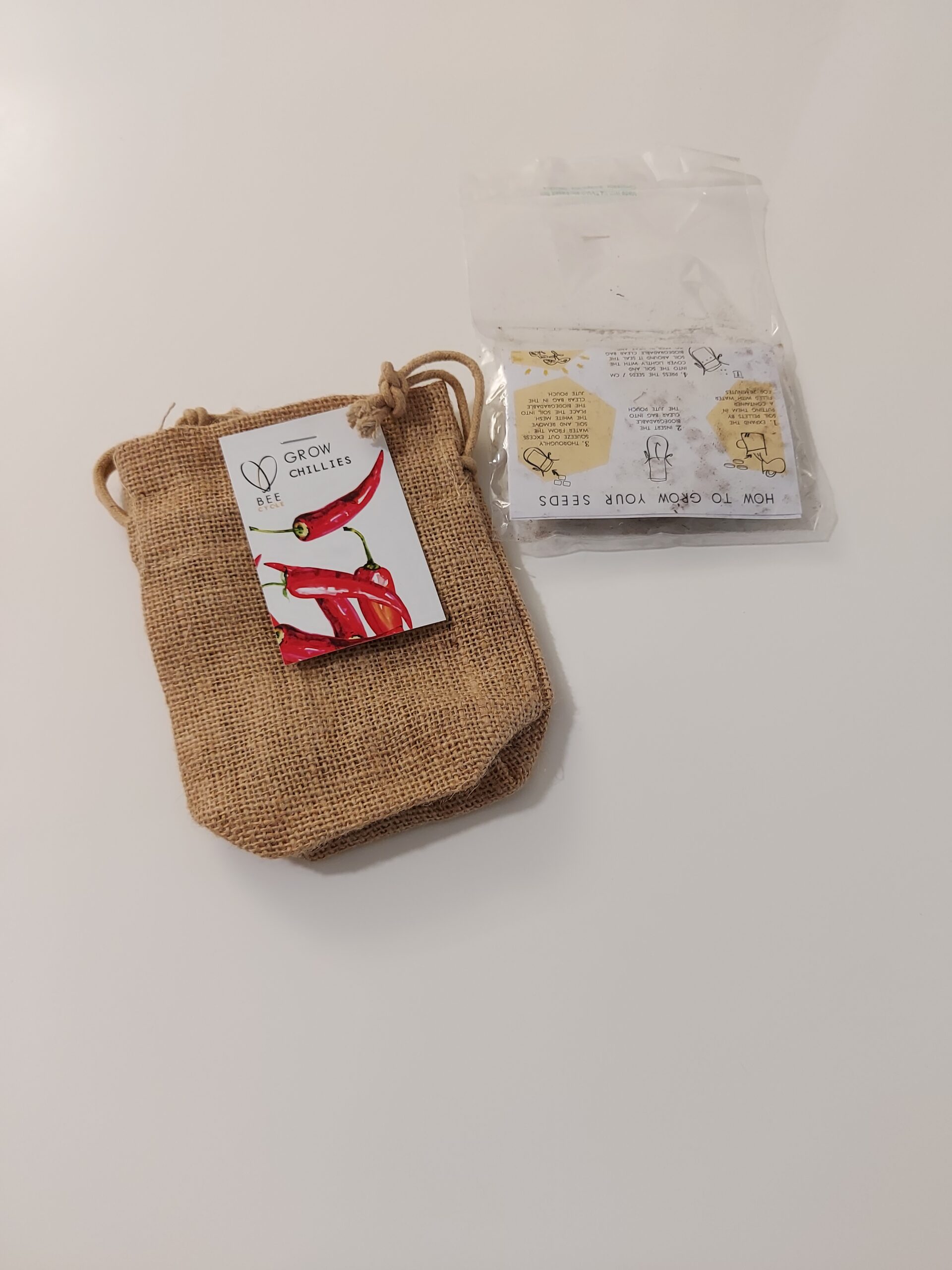
I’ve been working on the Farmer badge for several months, and finally finished it off in time to count it for the Ready Player One quarterly. I had fun with this one! I never thought I would be able to make butter, grow chillis or make chutney, but I managed all of those tasks and more.

Brew beer

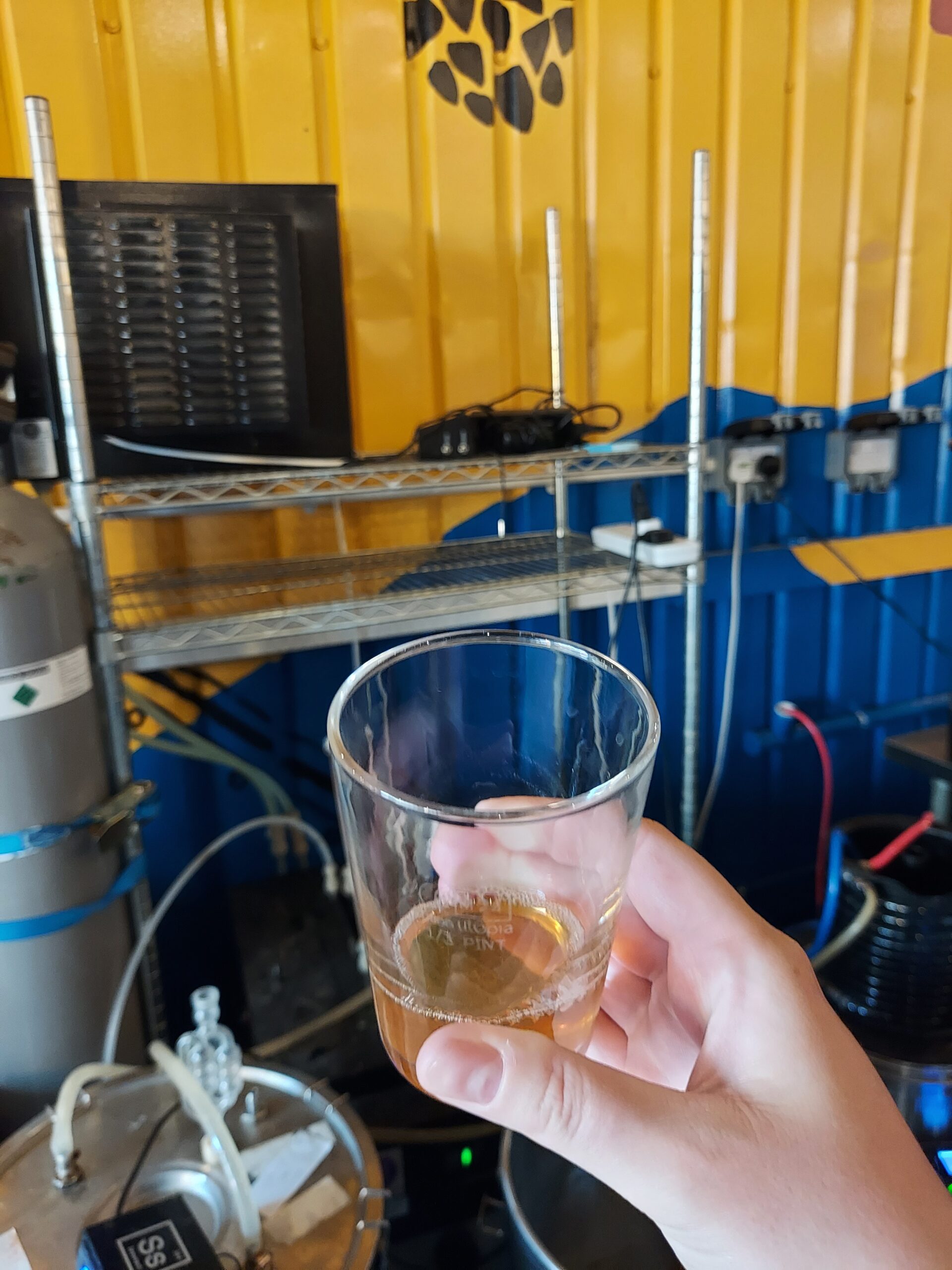
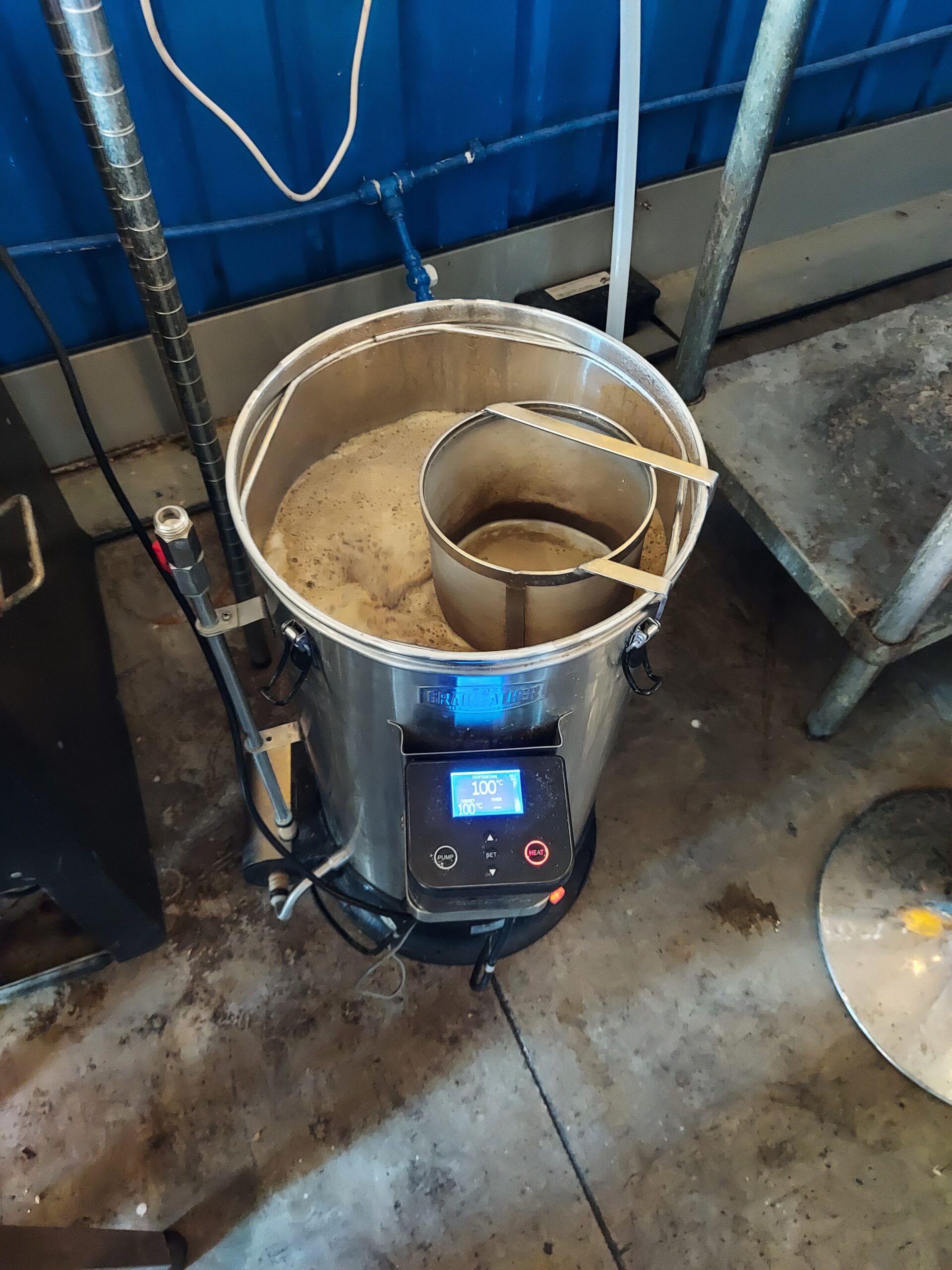
Along with some London Rebels, I attended a beer brewing session at Mash Paddle Brewery in Bermondsey, and collected the results a few weeks later. We named our IPA ‘Charly’s Ale-Jewels’.

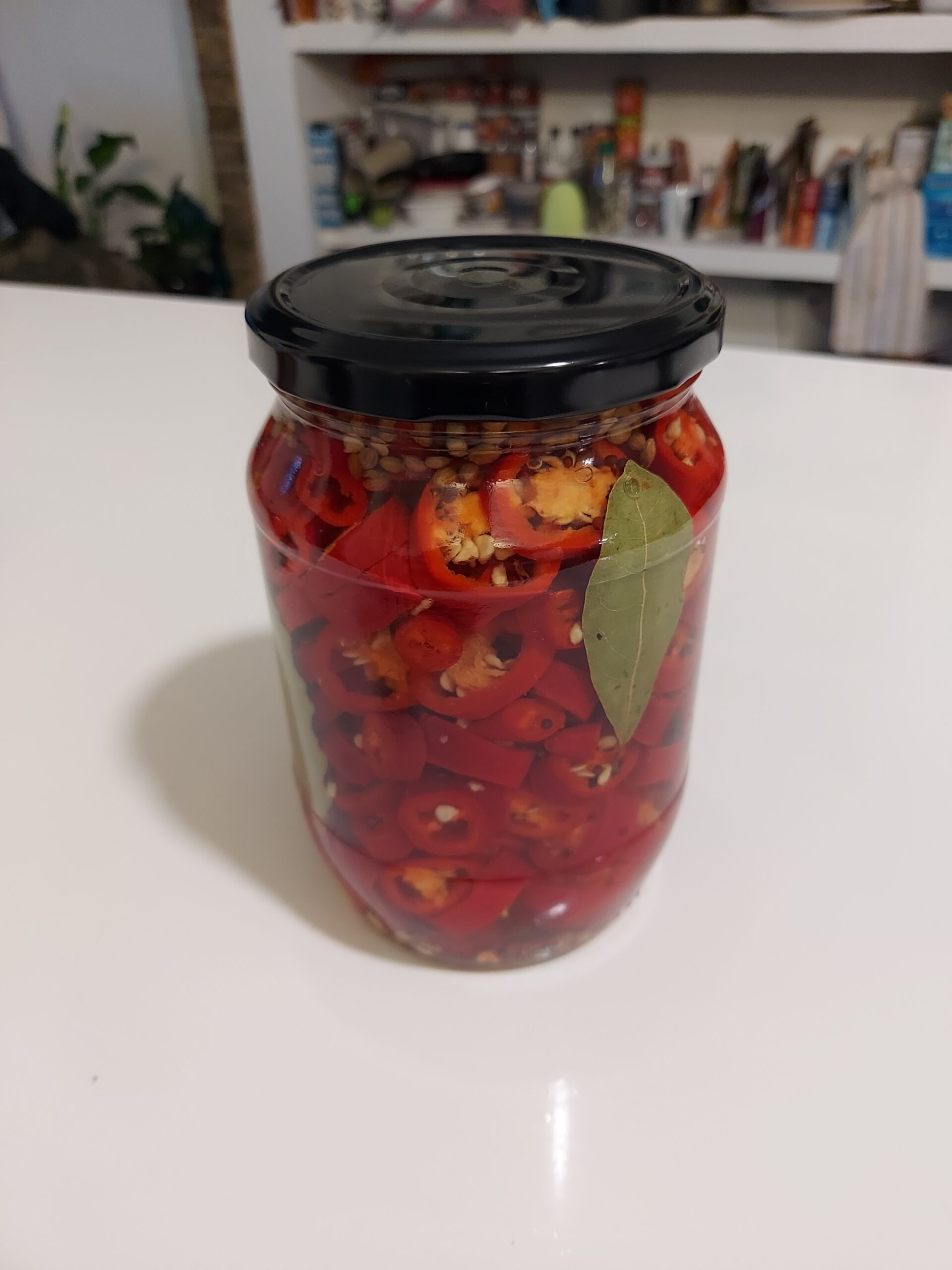
Pickle vegetables

I pickled some chillis (not the same ones I grew – these were shop-bought).

Jar of pickled chillis

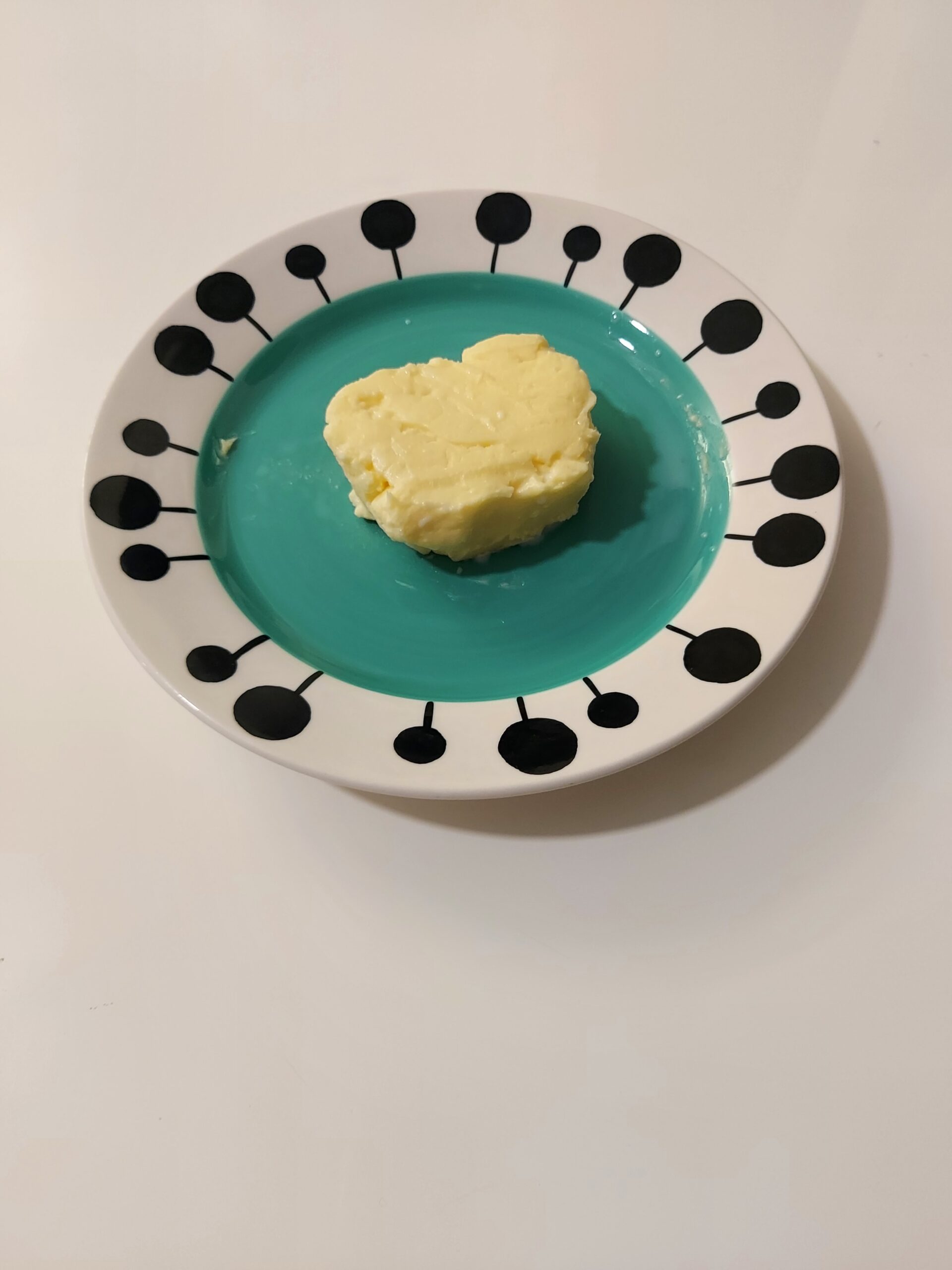
Make butter

I couldn’t believe how easy this was.

Butter

Grow onions, garlic or chilli peppers from seed

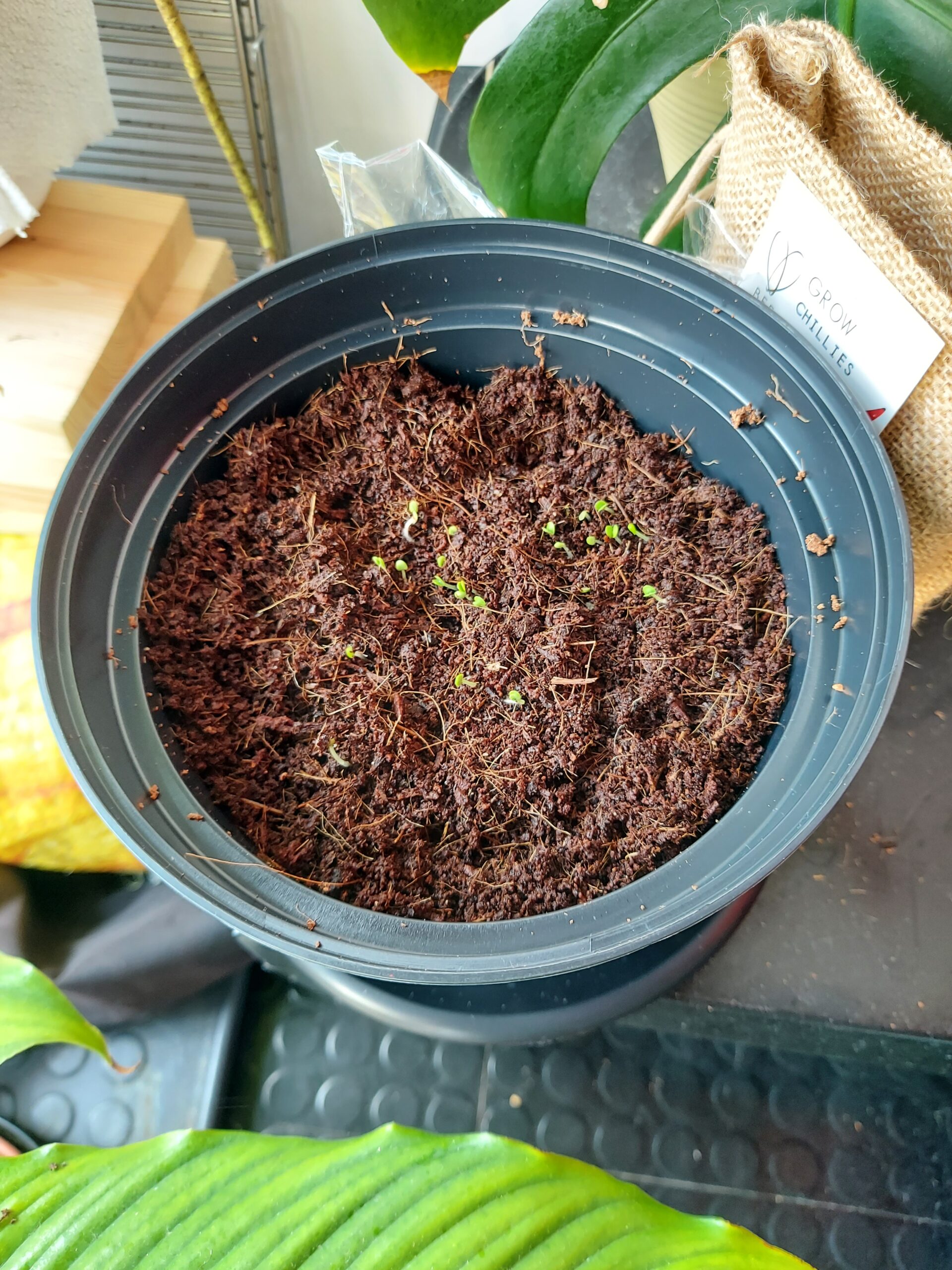
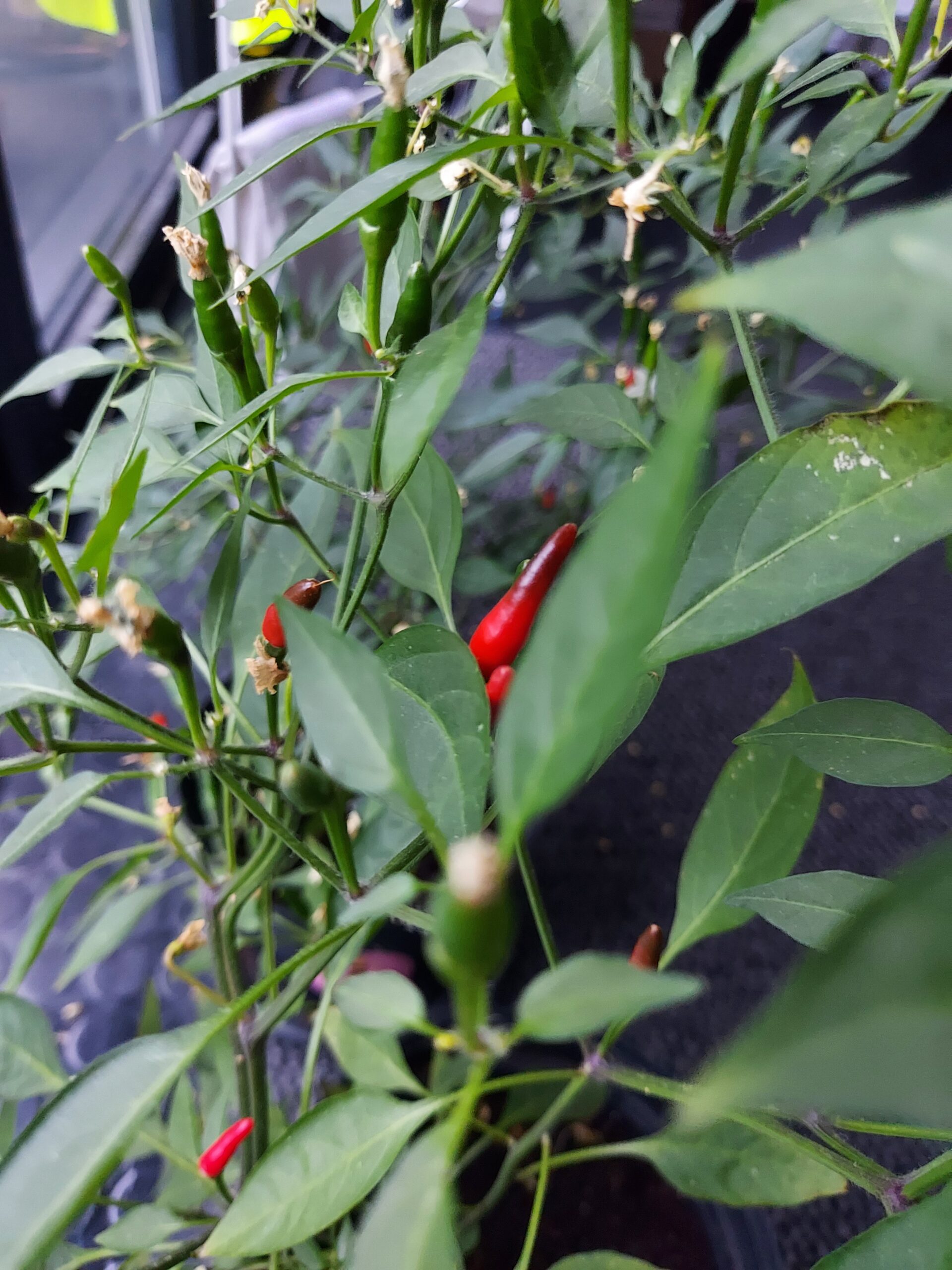
I grew chillis, which I was quite proud of as it took several months.

Make jam, curd, marmalade or chutney

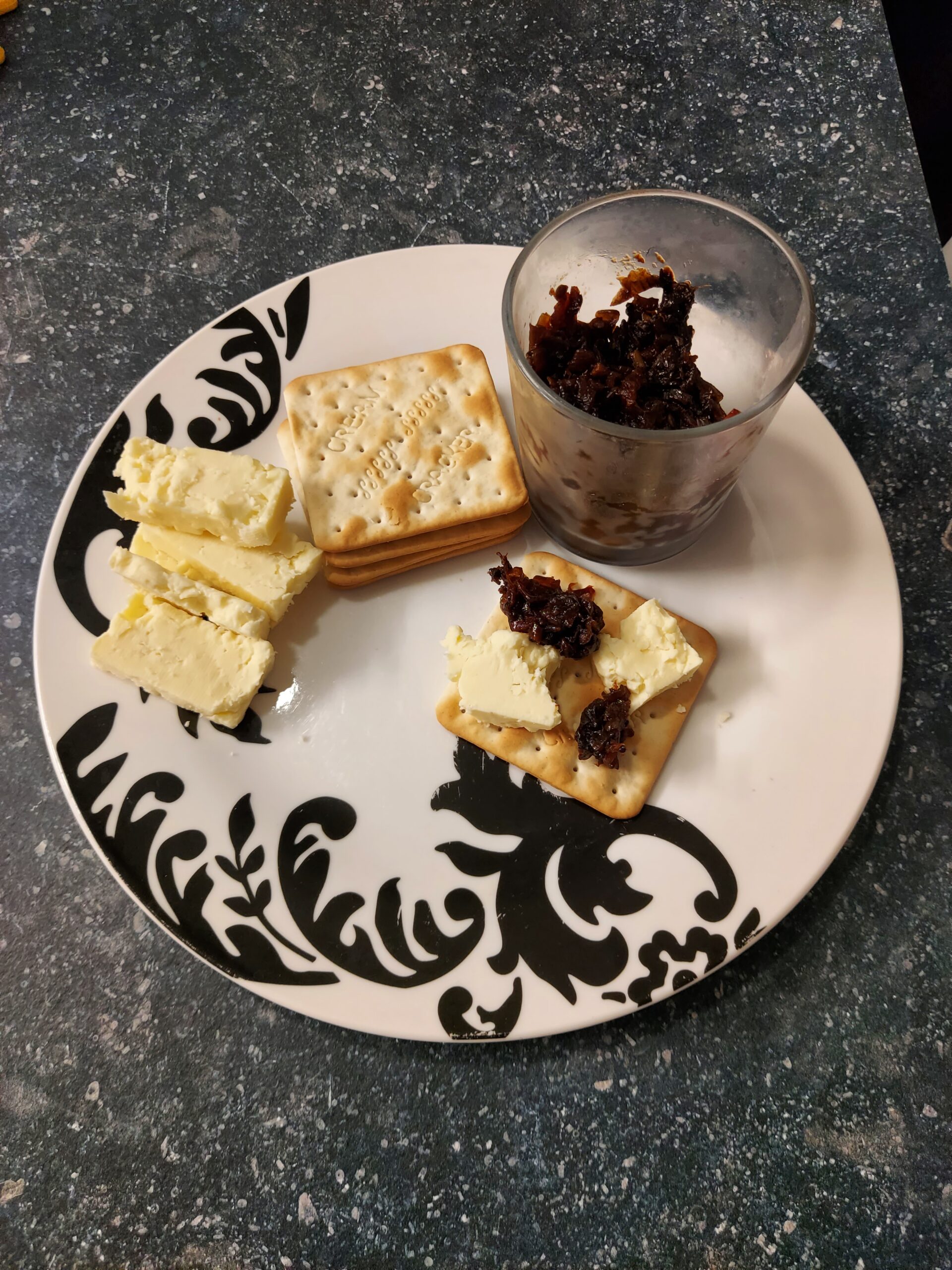
I made tomato chutney using this recipe.

Crackers, cheese and chutney

Date completed: 19 September 2025

Thames Tidefest: History Walk

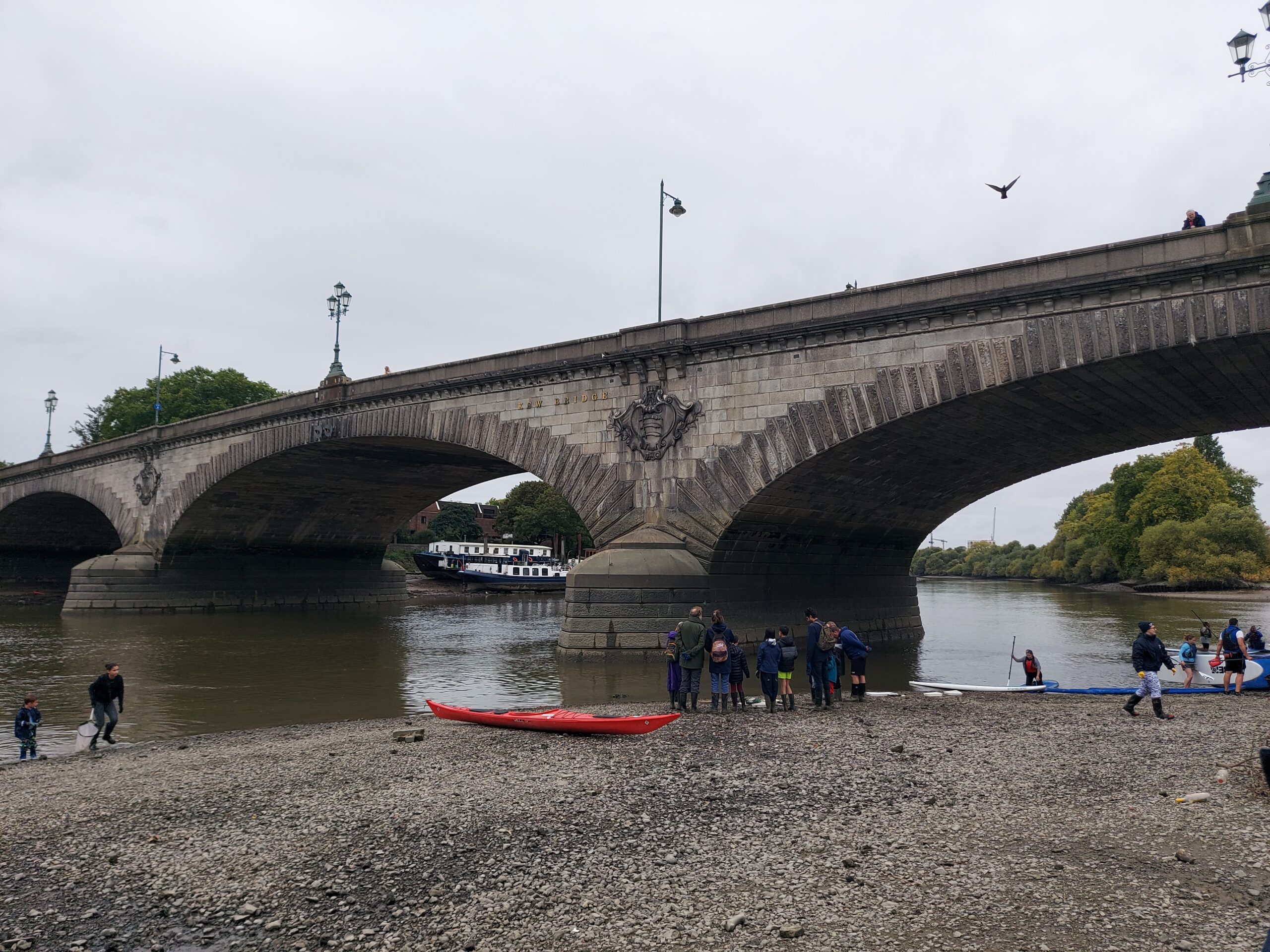
I attended a history walk and foreshore exploration on the banks of the Thames by Kew Bridge, as part of the Thames Tidefest. The walk was run by expert and archaeologist Dr Fiona Haughey, who has worked on the Thames foreshore since 1993.

The Thames and a bridge

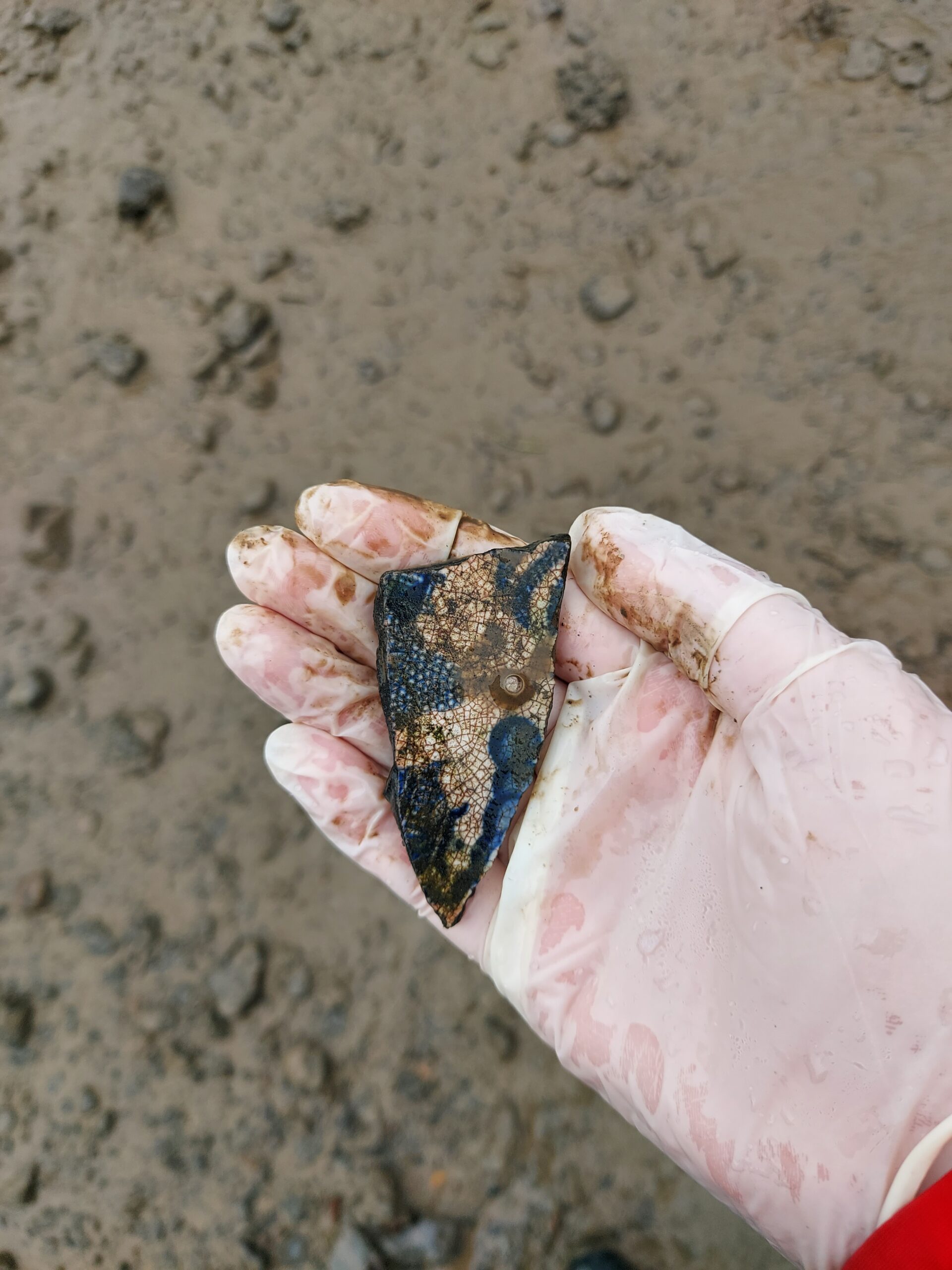
The Thames is a popular place for mudlarks to explore and discover fascinating artefacts. With a history dating back to Roman times, finds can span two millennia, including Roman jewellery, WW2 munitions, fragments of pottery and brick, tobacco pipes, ancient weaponry and more.

A mudlarking find

I didn’t manage to find anything particularly exciting myself (and without a mudlarking permit, wouldn’t have been able t0 keep it anyway), but still enjoyed the experience.

Pirates – National Maritime Museum

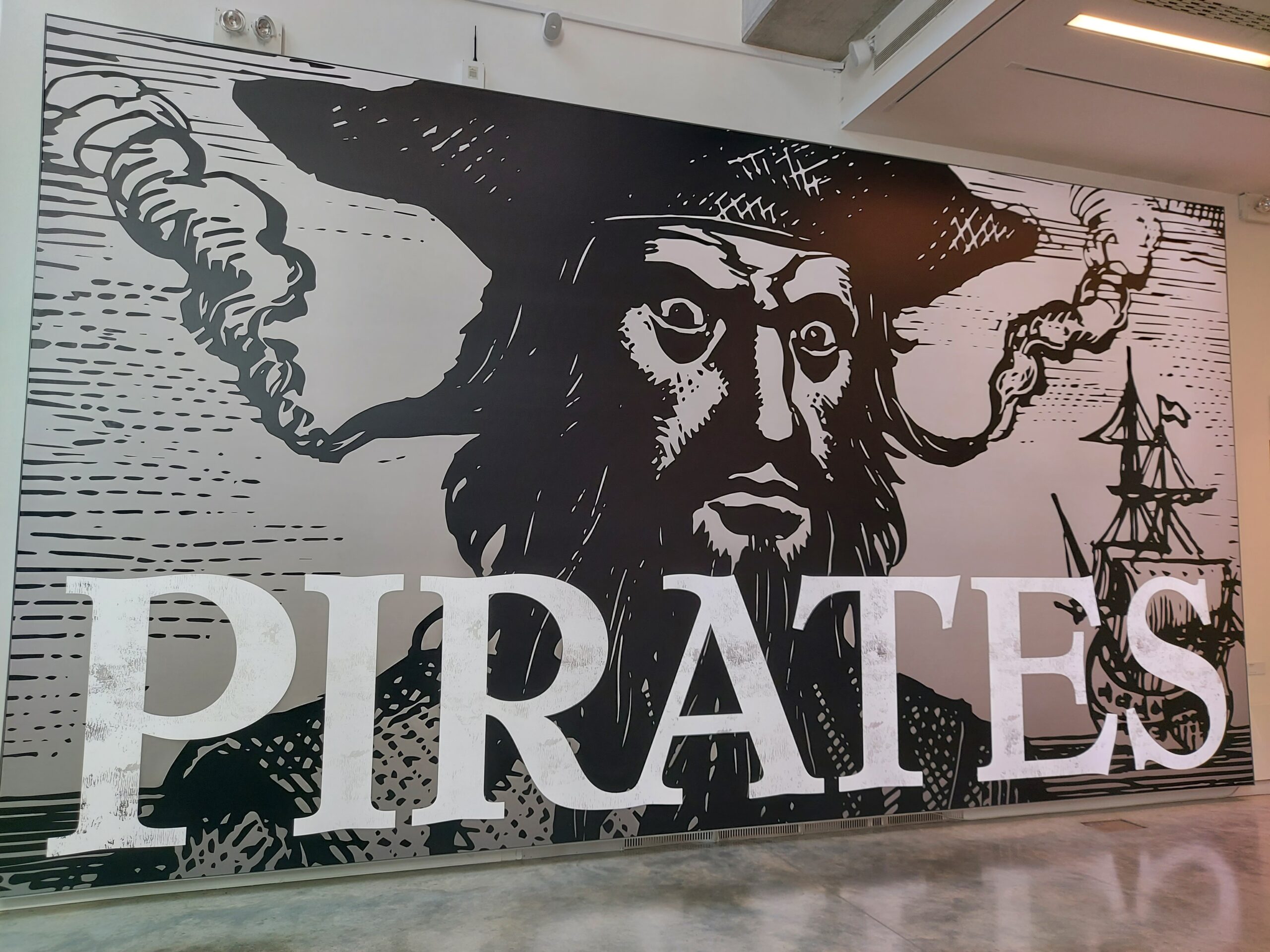
Pirates exhibition

Along with some fellow Rebels – as September featured the Pirate Challenge monthly badge – I went along to the National Maritime Museum to see the Pirates exhibition. I really enjoyed the exhibition and learned a lot.

The exhibition explored the history of pirates in both history and fiction. It looked at famous fictional pirates including Long John Silver and Captain Jack Sparrow, as well as Captain Hook and Captain Pugwash. It also examined the real pirates who sailed the seas, including Edward ‘Blackbeard’ Teach, Anne Bonny and William Kidd. One of the more intriguing things I learned was that Stede Bonnet, protagonist of Our Flag Means Death, was a real pirate!

Pirates have sailed the seas all over the world, from the Caribbean to North Africa and the South China Sea. Even today, piracy still exists and the exhibition looked at the role of pirates in the modern world. Modern-day pirates are understandably condemned, however historical and fictional pirates are often romanticised. The reality, even at the time, was extremely brutal with a replica gibbet cage showing what could happen to pirates if caught.

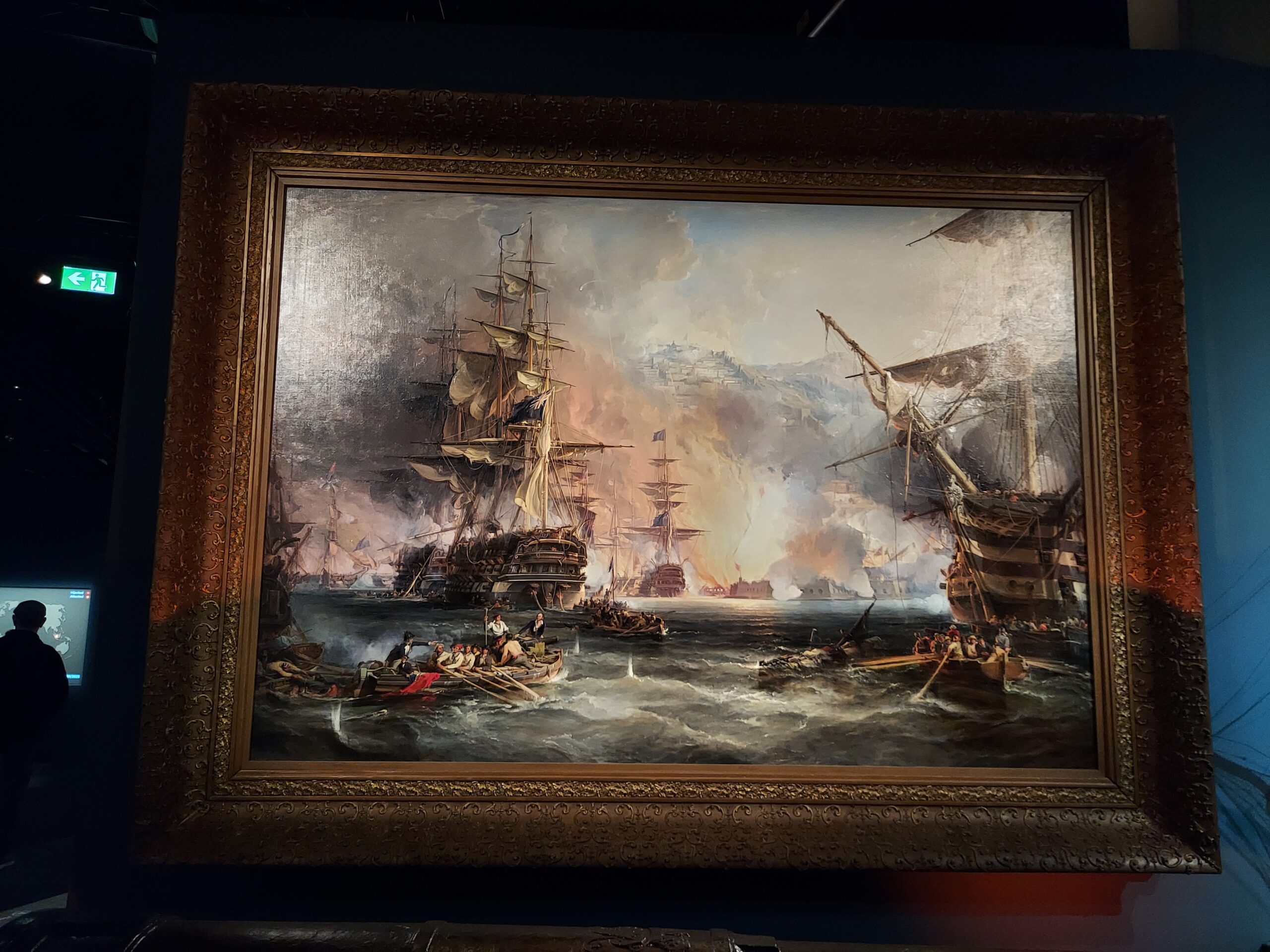
Painting of ships

Rebel Badge Club: Librarian

I completed the Librarian badge as part of the Ready Player One quarterly challenge, as the badge related to books or films. I’m actually a qualified librarian, so I’ve done several of the clauses already, such as learning about different classification systems, and learning how to handle rare books. Therefore I chose different clauses for this badge, which I really enjoyed.

Reorganise and catalogue your own book collection as a personal library.

I updated my book collection on LibraryThing, including tags.

Get to know your local library.

I use my local library a lot, but I learned more about the events and groups that my local library runs, including craft clubs, rhyme time, a chess club and an English club for non-native speakers.

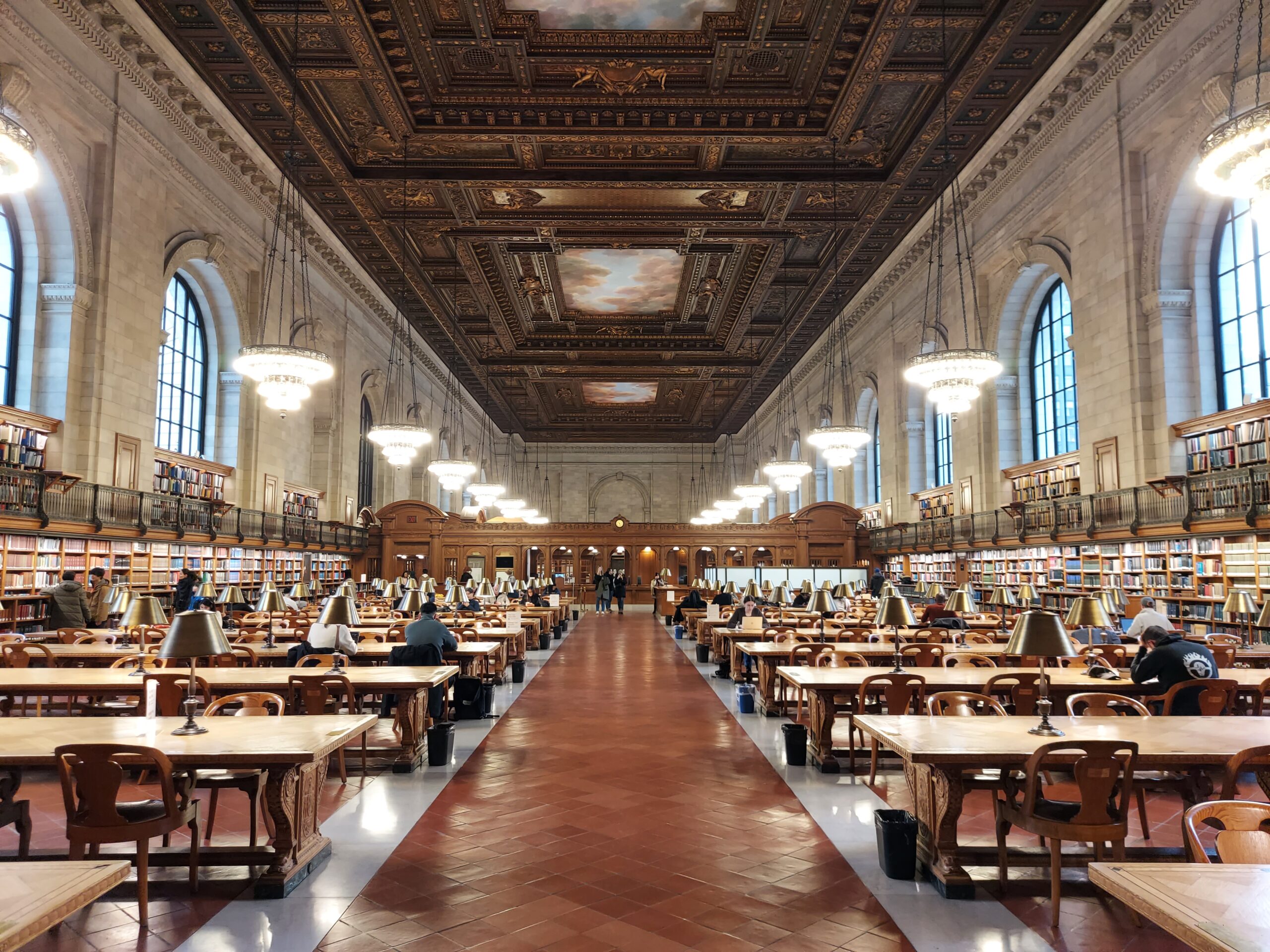
Visit a famous library. Create a presentation exploring the architecture of some of the world’s most beautiful libraries.

I was lucky enough to visit the New York Public Library in February.

New York Public Library reading room

I also created a presentation exploring libraries around the world.

Learn about 10 banned books – why were they banned, and where?

Nineteen Eighty-Four by George Orwell was banned in the USSR until 1988; these days Russians protesting against the Ukraine war have been arrested for giving out free copies. In addition, it is forbidden to name the novel on Chinese social media.

The Kite Runner by Khaled Hosseini is banned in many US school districts for portraying homosexuality, violence and ethnic tensions. The film adaptation was banned in Afghanistan.

Persepolis by Marjane Satrapi was banned in Iran and Lebanon, but also banned by schools in US areas such as Chicago, Alaska and Iowa, supposedly for the book’s “graphic language and images”.

Slaughterhouse-Five by Kurt Vonnegut was banned in schools in Michigan and North Dakota because it was considered “immoral”, “anti-Christian” and “obscene”. More recently it has been banned by school boards in Texas and Florida.

The Handmaid’s Tale by Margaret Atwood was removed from school libraries in at least 10 US states, most recently in 2023, owing to its references to sex and exploration of right-wing ideology.

The Witches by Roald Dahl was criticised for misogyny, as witches in the book are always women, but American parents in Oregon and Ohio had it banned for promoting occultism and because it was “derogatory to children”.

Lysistrata by Aristophanes was banned in Greece during the Nazi occupation and later under military rule from 1967. In the US it was banned under the Comstock laws prohibiting lewd or obscene material from being sent through the post.

Lady Chatterley’s Lover by D. H. Lawrence was famously the subject of an obscenity trial in the UK, banned in many countries after being privately published in 1928.

Nineteen Minutes by Jodi Picoult has 98 bans among school districts in America, not usually because of its portrayal of a school shooting, but its use of the word “erection”.

Lolita by Vladimir Nabokov was banned in France shortly after publication, and in Britain it was illegal to import “such utter filth”. Publication in the UK, Argentina and South Africa was banned for several years.

Visit a newspaper archive.

I explored the British Newspaper Archive and found regional and national papers from the day I was born.

Attend a book signing, literature festival, author Q&A or similar book-related event.

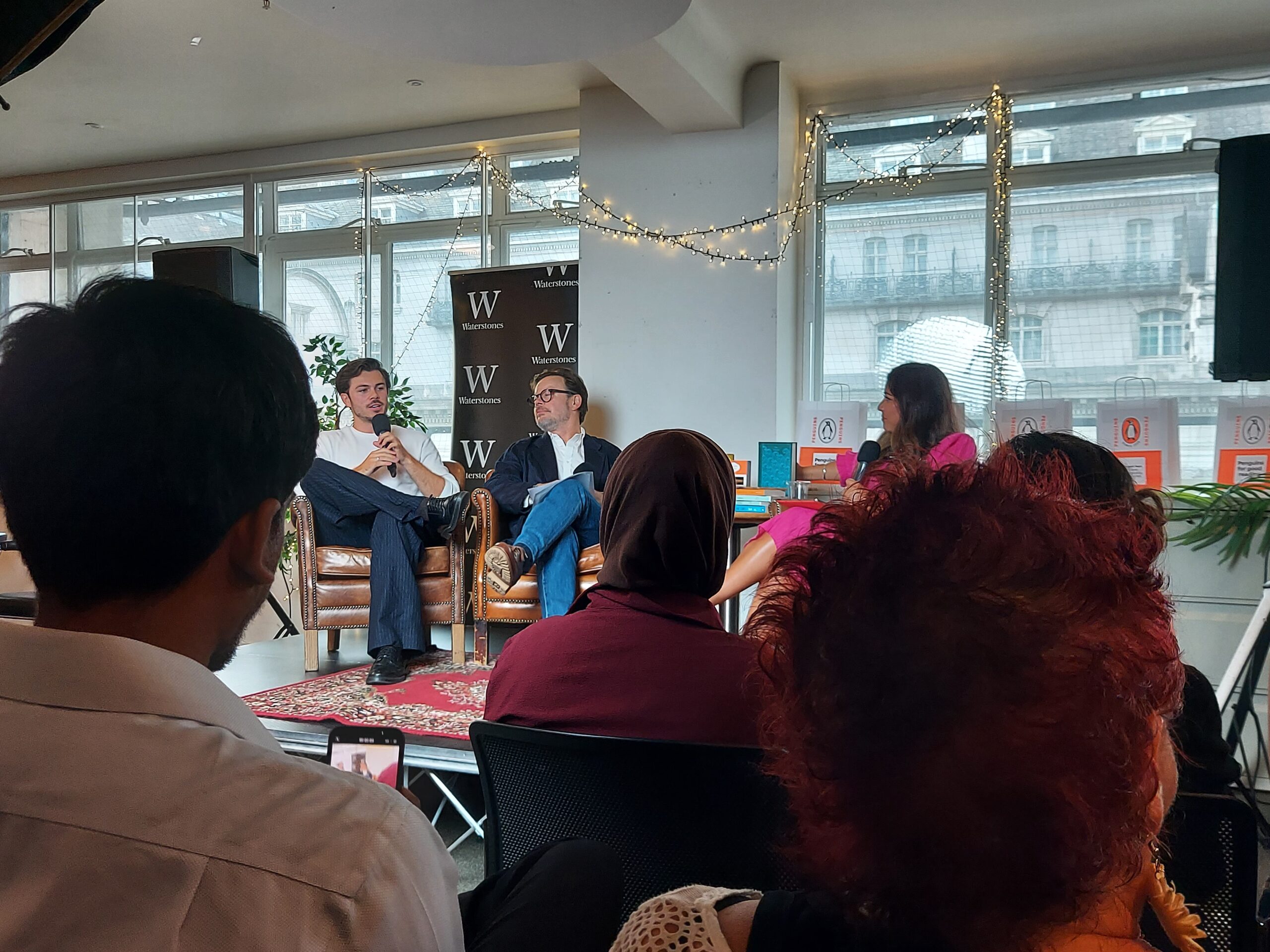
I attended a live recording of the Penguin Podcast at Waterstones in Piccadilly, hosted by Rhianna Dhillon and featuring publisher Simon Prosser and Bookstagrammer Jack Edwards. The panel discussed some of the most interesting, noteworthy and controversial books published by Penguin over the last ninety years and I left with several recommendations.

Penguin Podcast at Waterstones

Make a book nook, book ends, a fancy bookmark or a fake book storage box.

I made a cross-stitched bookmark as part of the World Book Day monthly badge.

Learn how to hand-bind a book.

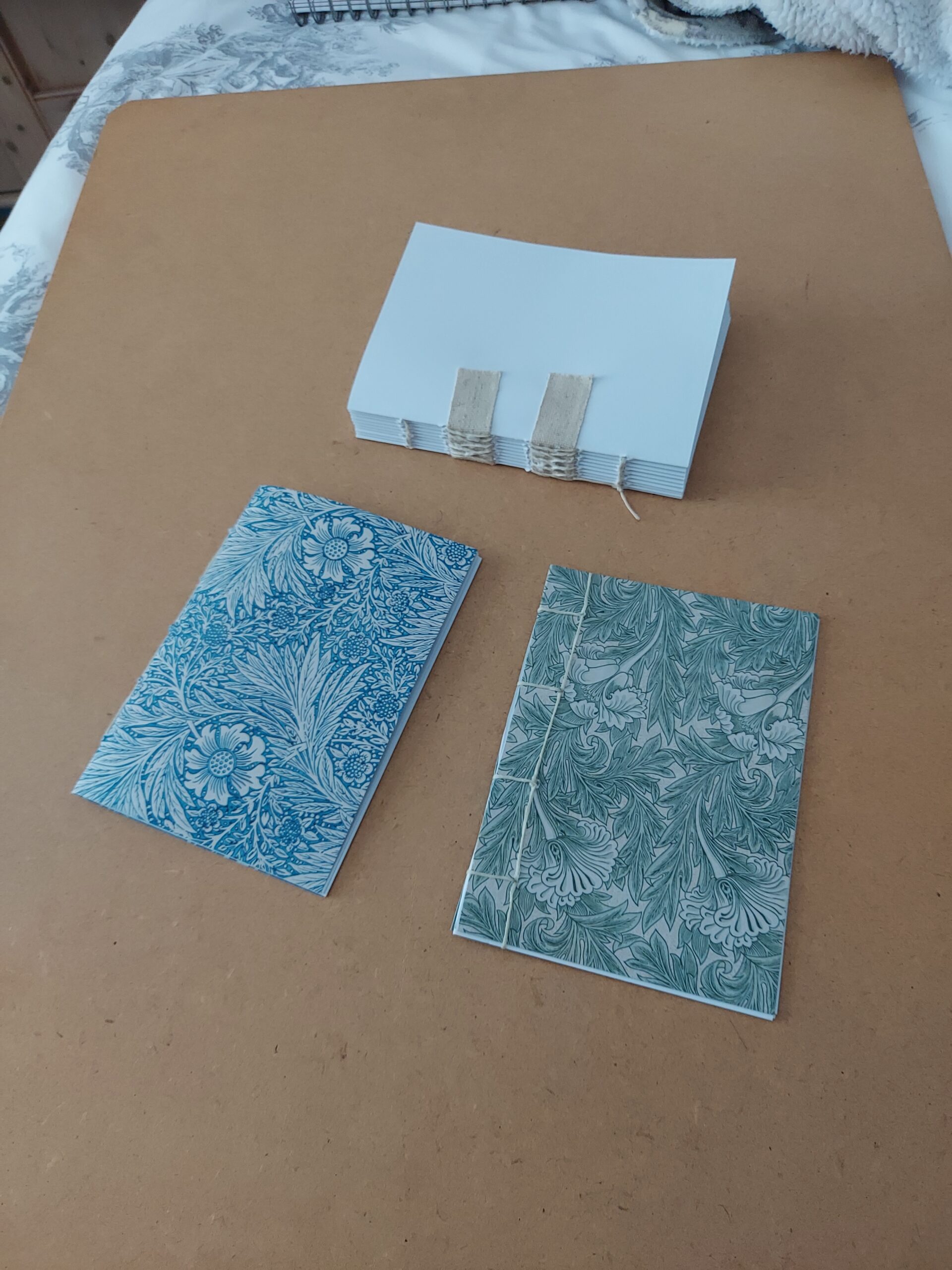
I bought a book-binding kit at Christmas and made not only my Rebel Cup passport, but a Japanese stab-binding notebook and a diary to use throughout 2025.

Handmade books

Date completed: 31 August 2025

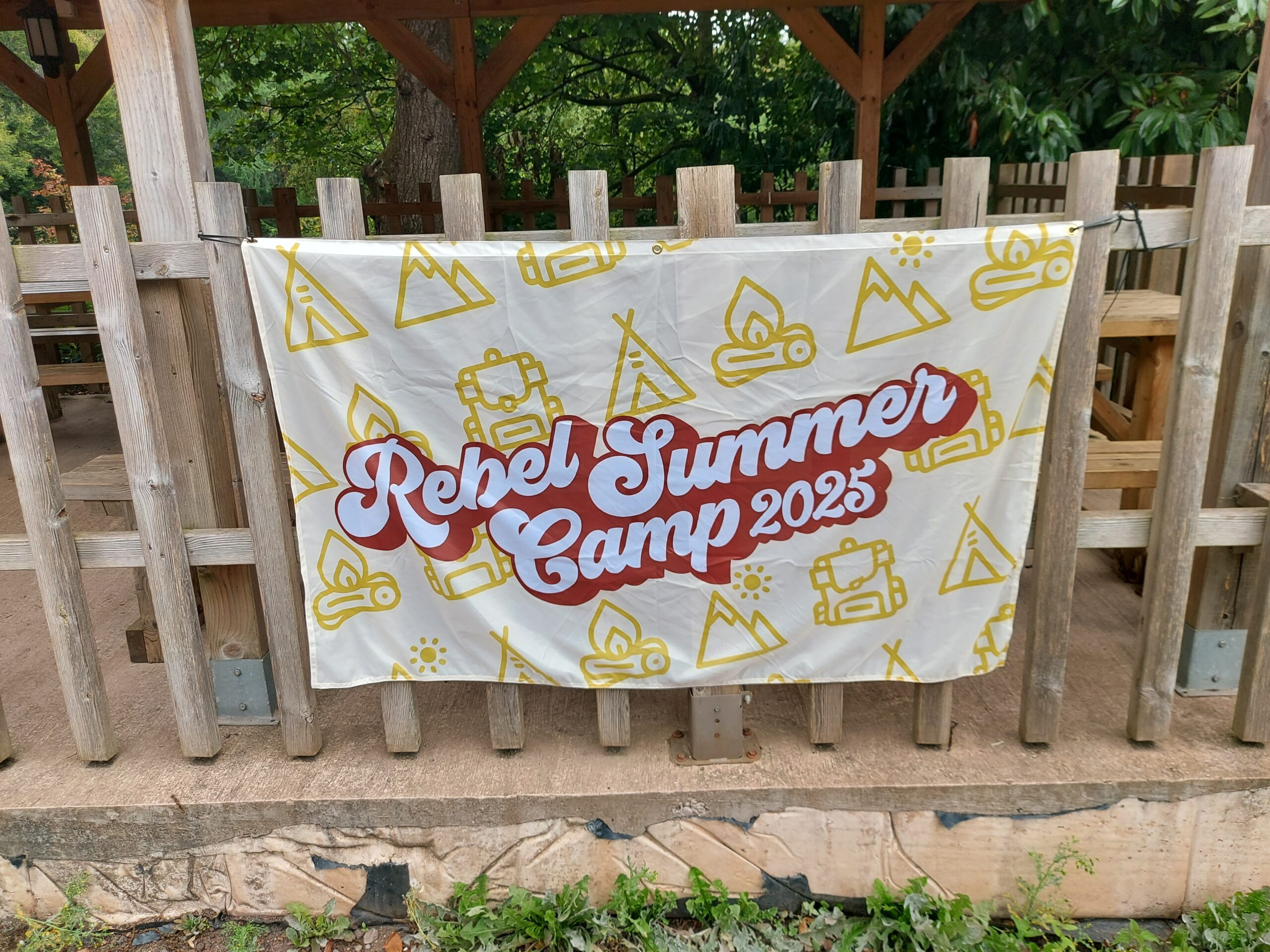
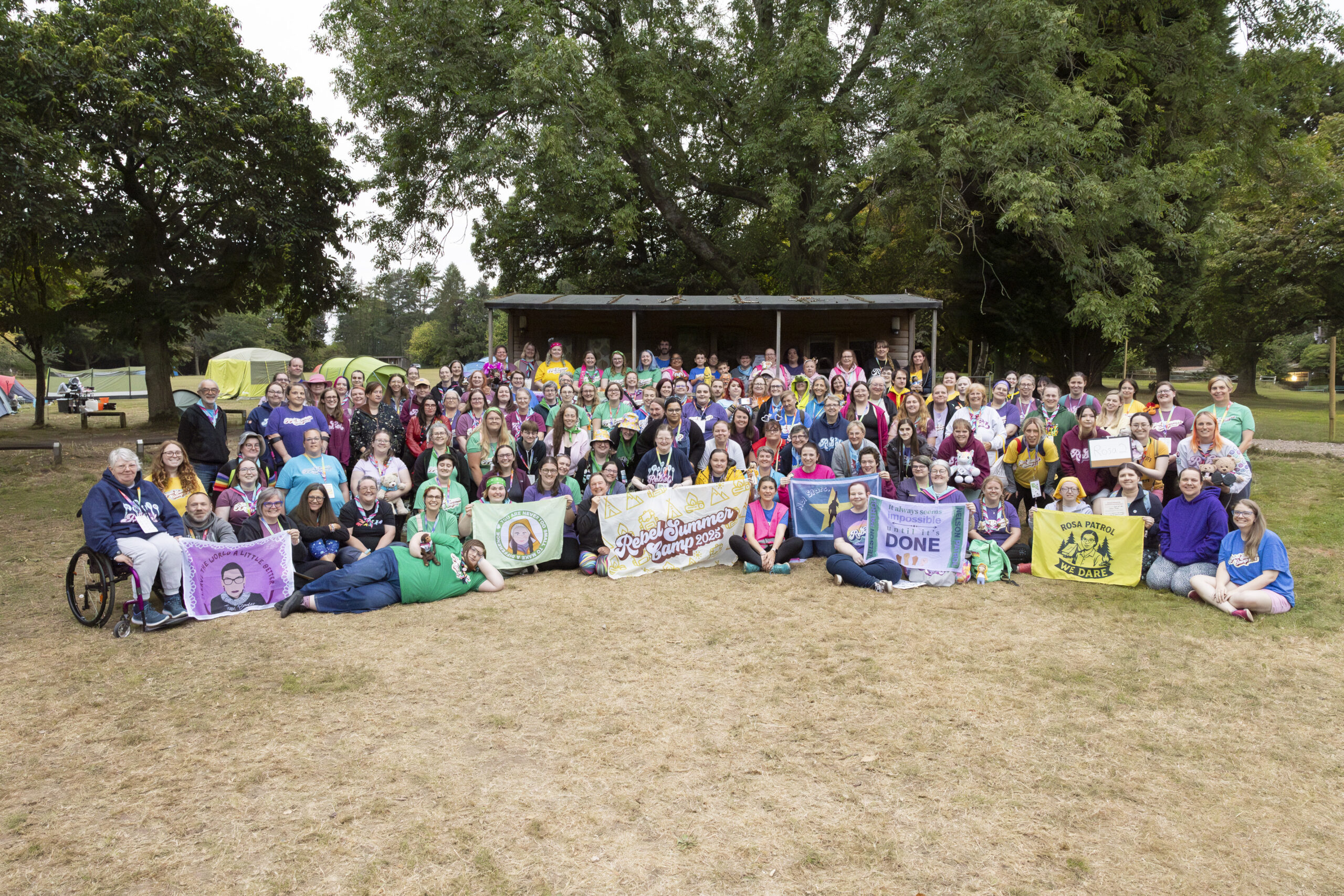
Rebel Summer Camp 2025

Summer Camp banner

I always have a great time at Rebel Summer Camp so I was really excited for the 2025 edition. This time it took place at Kibblestone near Stone, Staffordshire. I got the train to Stafford and shared a taxi with Ellie from my Patrol (which this year was Bader 3 – I was Patrol Leader).

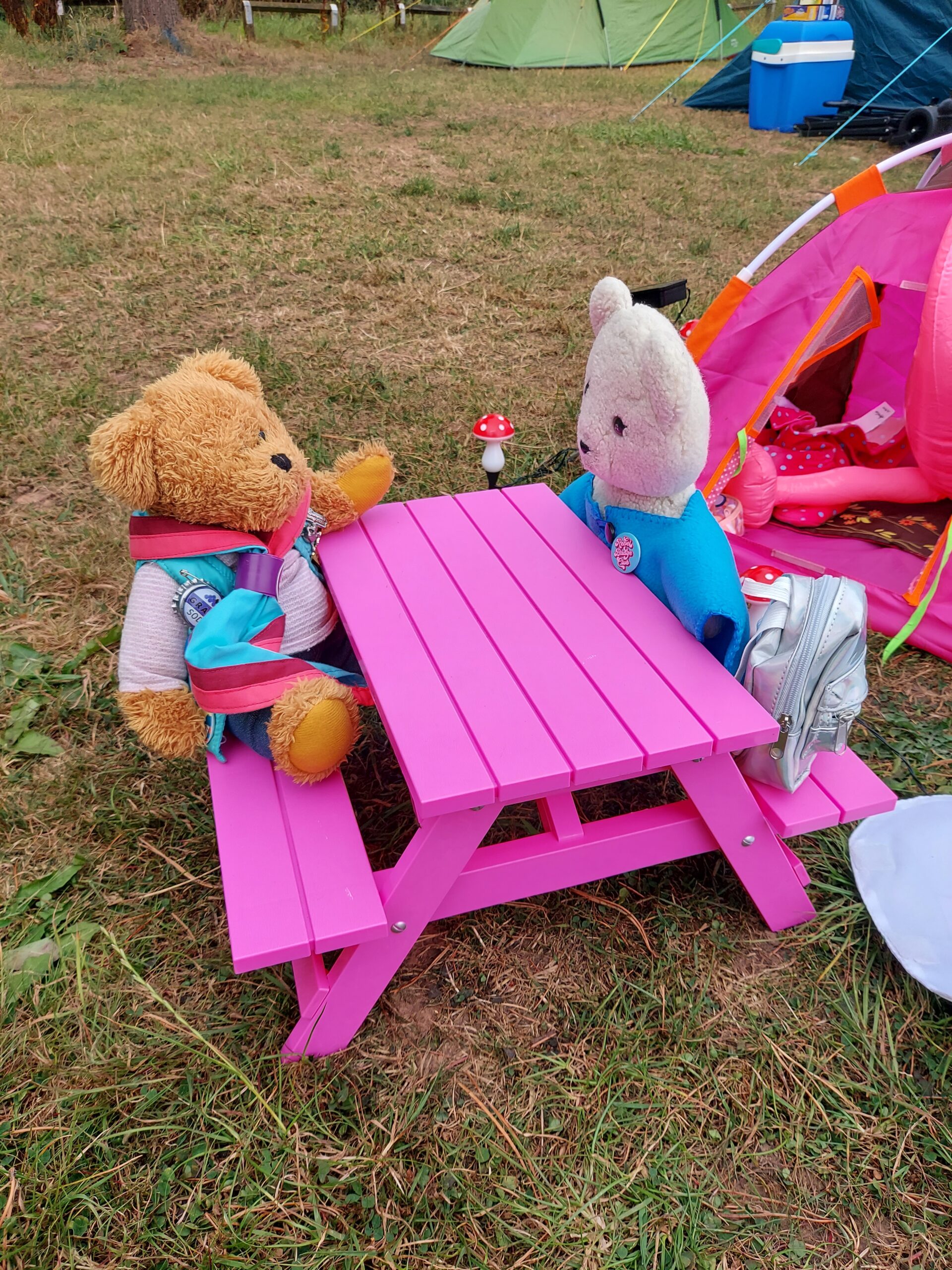
Pops & teddies

We couldn’t find the quiet field this time around so put our tents up in the normal field instead – which turned out to be fairly quiet in any case as the tents were quite spread out. After the Camp welcome it was teatime and I had purchased the meal pass, so headed up to the dining hall. Then it was time for the campfire, but I hung back until it was time to toast the marshmallows. I made a last minute decision to attend the pub quiz and I’m glad I did, because my team ended up winning! Our prizes were Rebel Summer Camp water bottles.

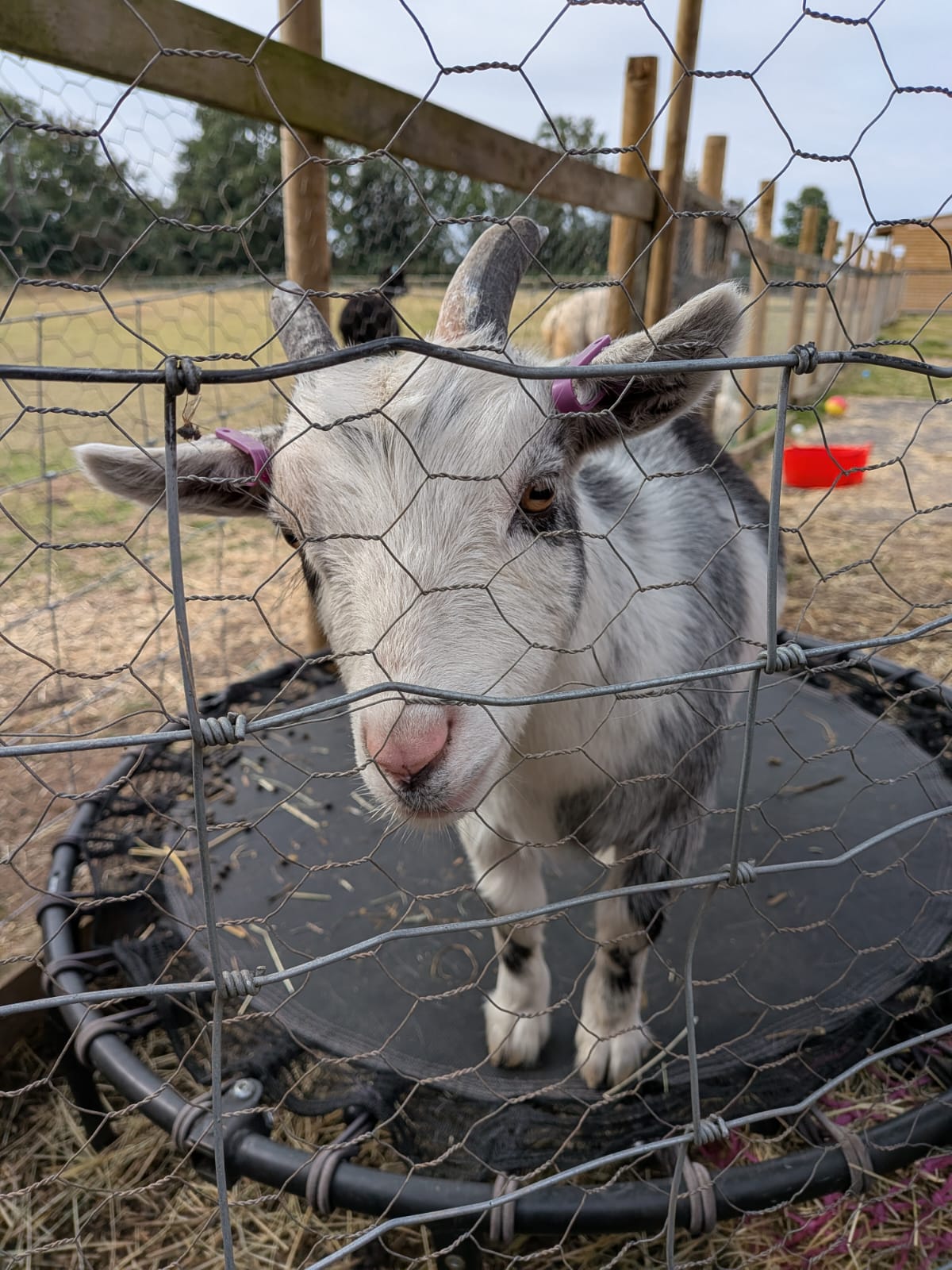
Pygmy goat

The next day our first activity was the farm experience, which was amazing. We got to meet all the animals, pet pygmy goats and alpacas, and cuddle guinea pigs. We then had a go at sorting through some wool, removing all the bits of dirt.

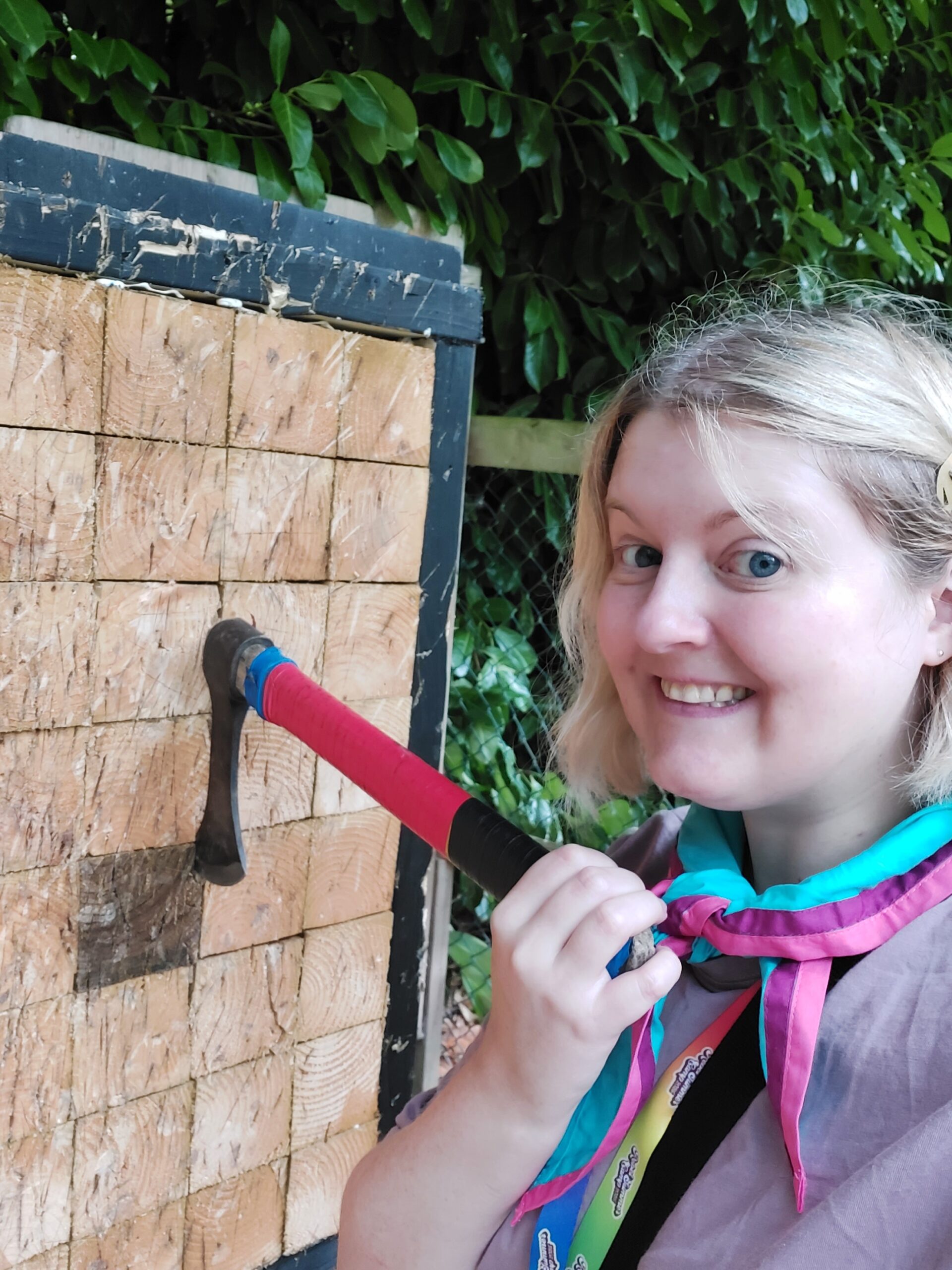
Me with the axe I threw

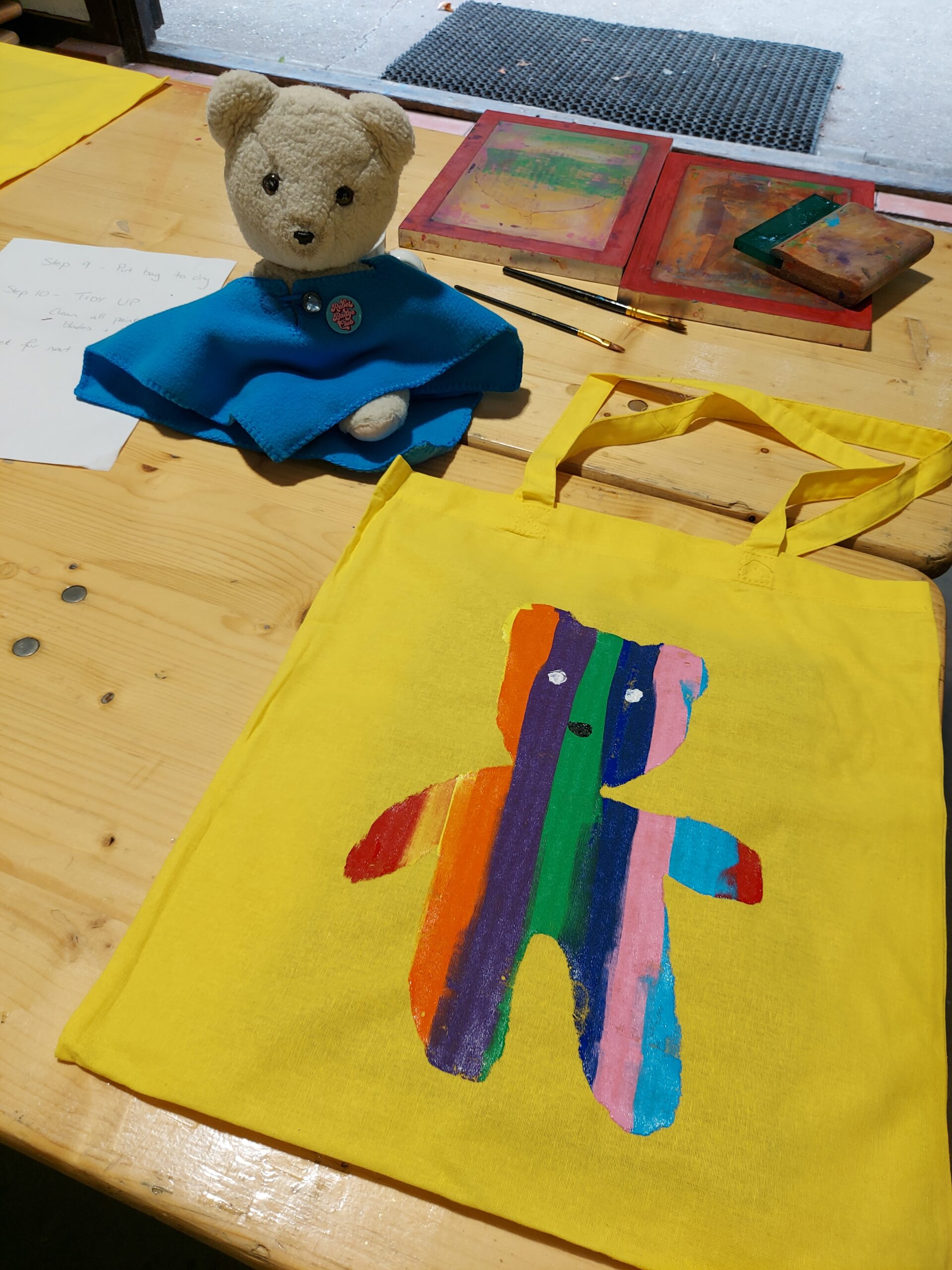
The following activity was axe throwing. I’ve done this before but still enjoyed it. I’m not exactly a natural but did manage to get the axe to stick. We then went on to screen printing on yellow tote bags – I loved looking at everyone else’s designs. After lunch we had a board games session, followed by a go on the pedal boats, which was surprisingly tiring!

Pops and the printed bag he inspired

After tea I had a couple of beers and spent a bit of time reading. I’m not a huge fan of Grease so didn’t want to watch the outdoor screening, but people seemed to be having a good time!

Team building

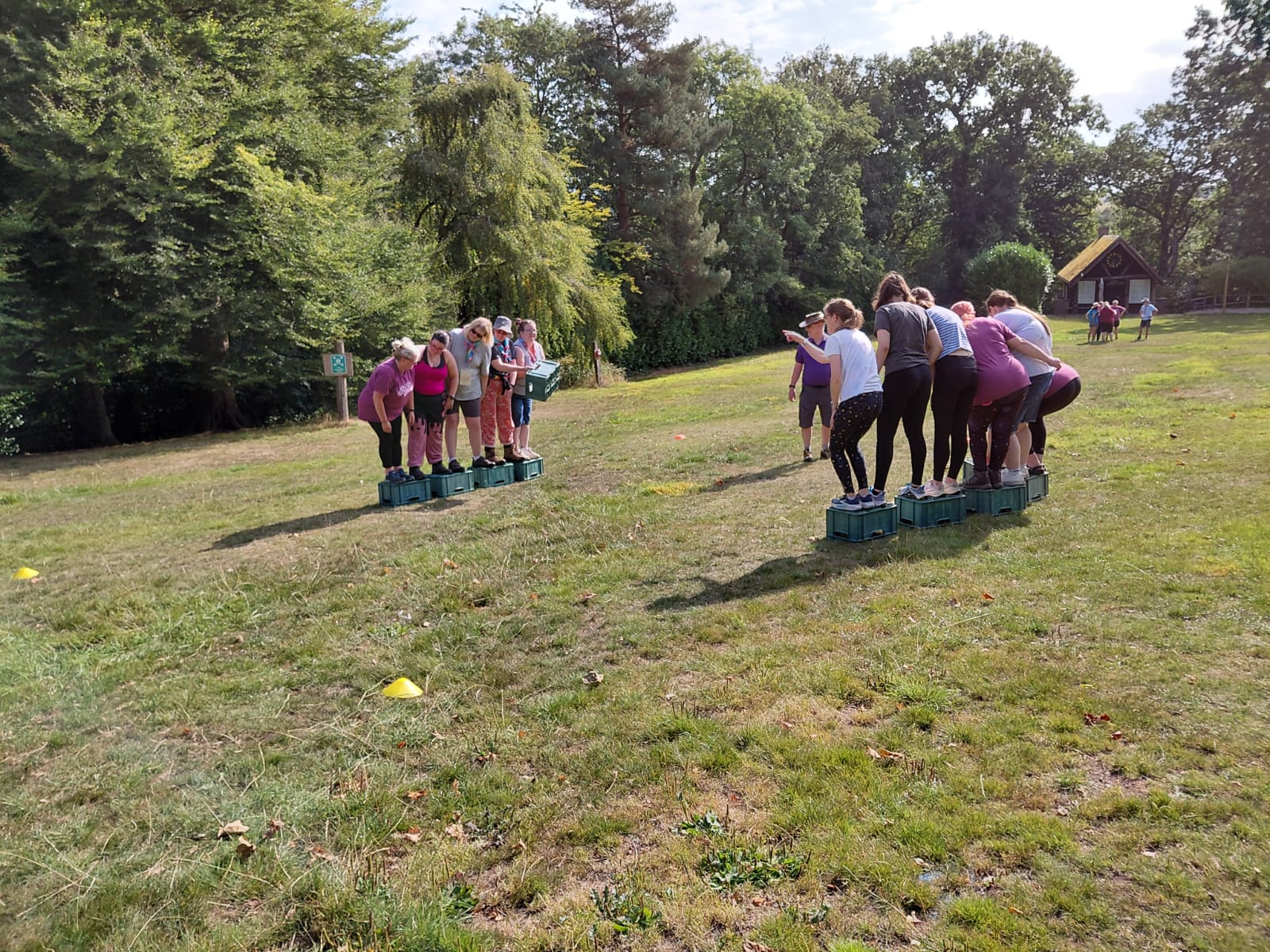
Next day we started with a team building session, which was lots of fun. We played some lawn games after that – a bit of Twister and giant Jenga. We skipped Dodgeball and decided to play more board games instead.

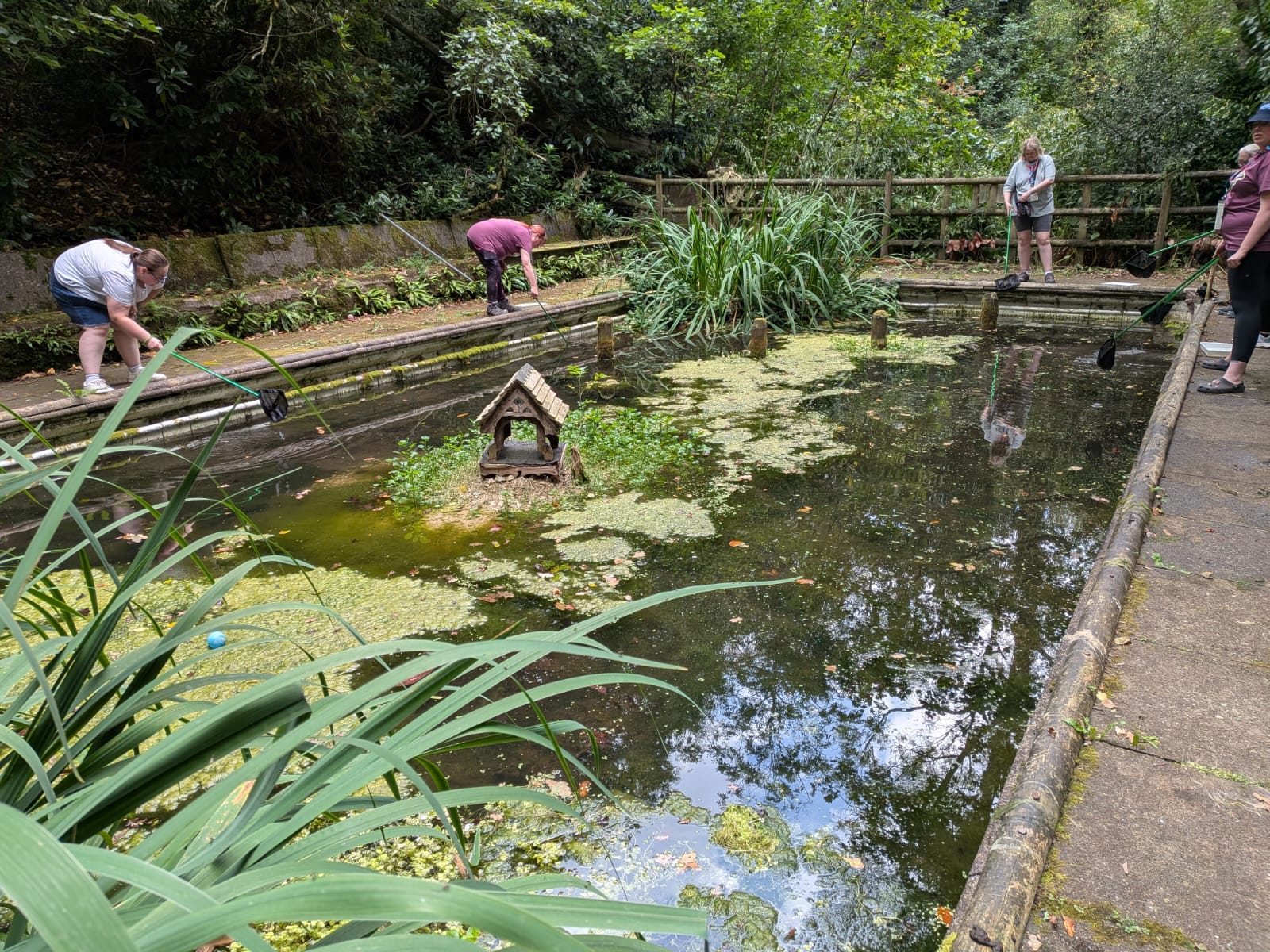
Pond dipping

After lunch we had pond dipping, which took place in a former swimming pool that definitely had creepy vibes. We finished this session early so I took the opportunity to take my Feathers McGraw figure to the Eliminator where another Rebel kindly threw him off so I could capture a video of him descending with his parachute. Our final session was crossbows and we took the opportunity to have a go at the bean bag golf too. That evening’s activity was a murder mystery, which was great fun! Especially as several members of my team revealed latent acting ability.

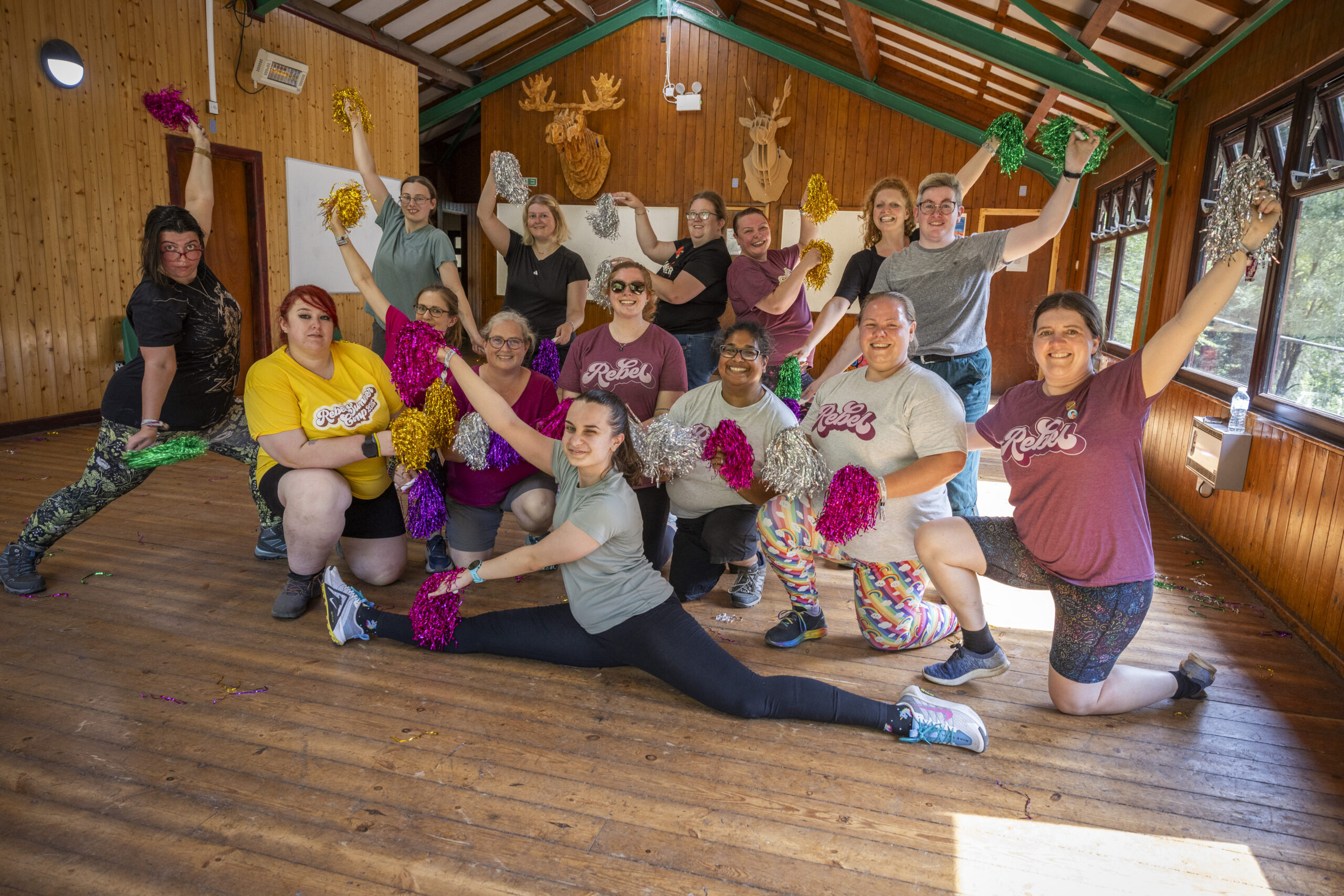
Cheerleading

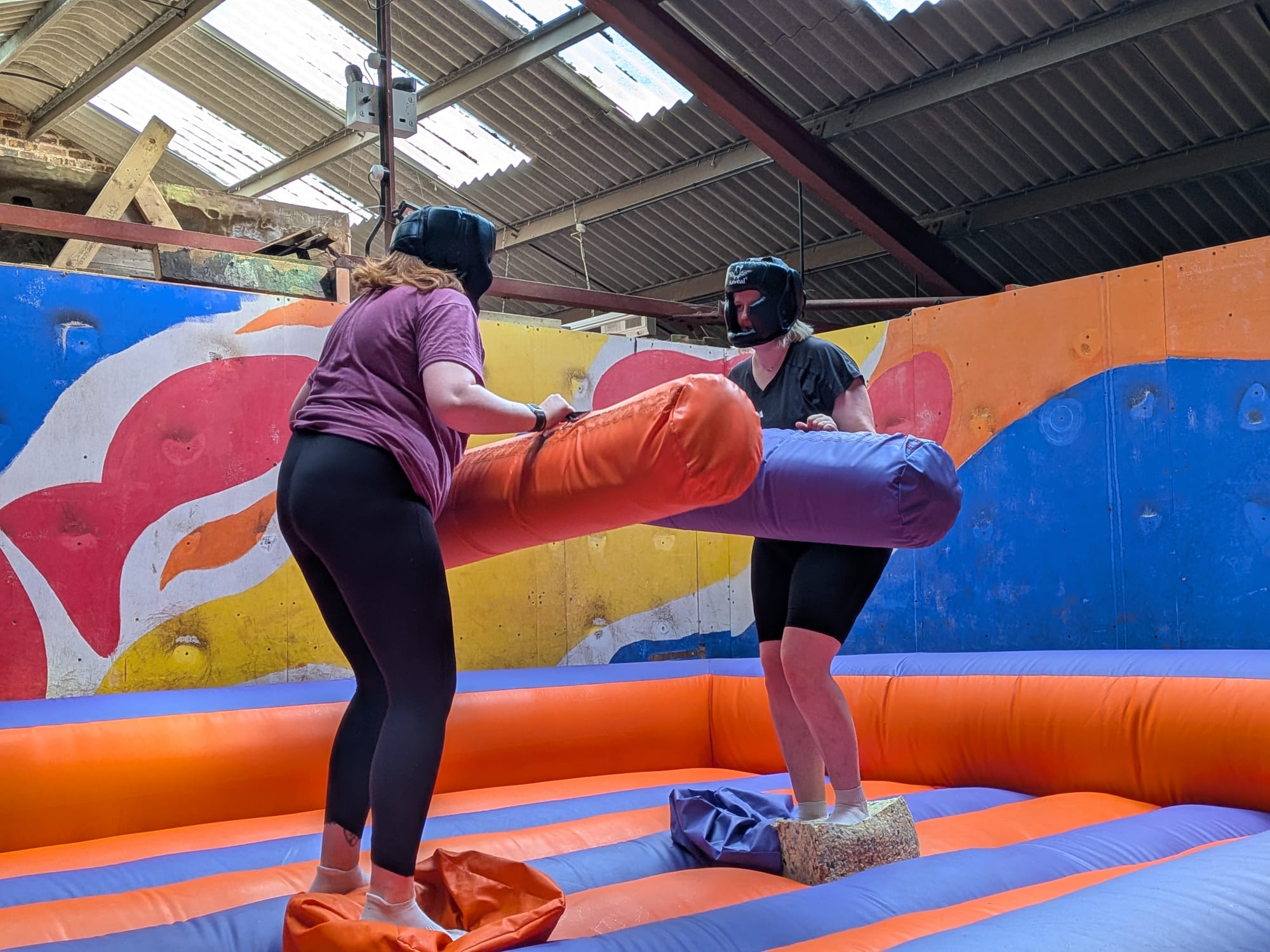
The last day began with catapults, which was surprisingly tricky. I spent the next period taking down my tent and packing, before we headed over for cheerleading. This was hard work but lots of fun! After lunch we did rifle shooting and finished off with Gladiator Duel, which was also hugely enjoyable especially as we all got to have a bounce at the end.

Gladiator duel

After camp farewells, it was time to head off. I got a lift to the nearest station and made my way to Stafford, from where I caught my London train. I got back home later that evening, tired, but happy.

There is no Camp next year, sadly, but there is the Rebel Retreat, which I am really looking forward to.

Rebel Summer Camp posse

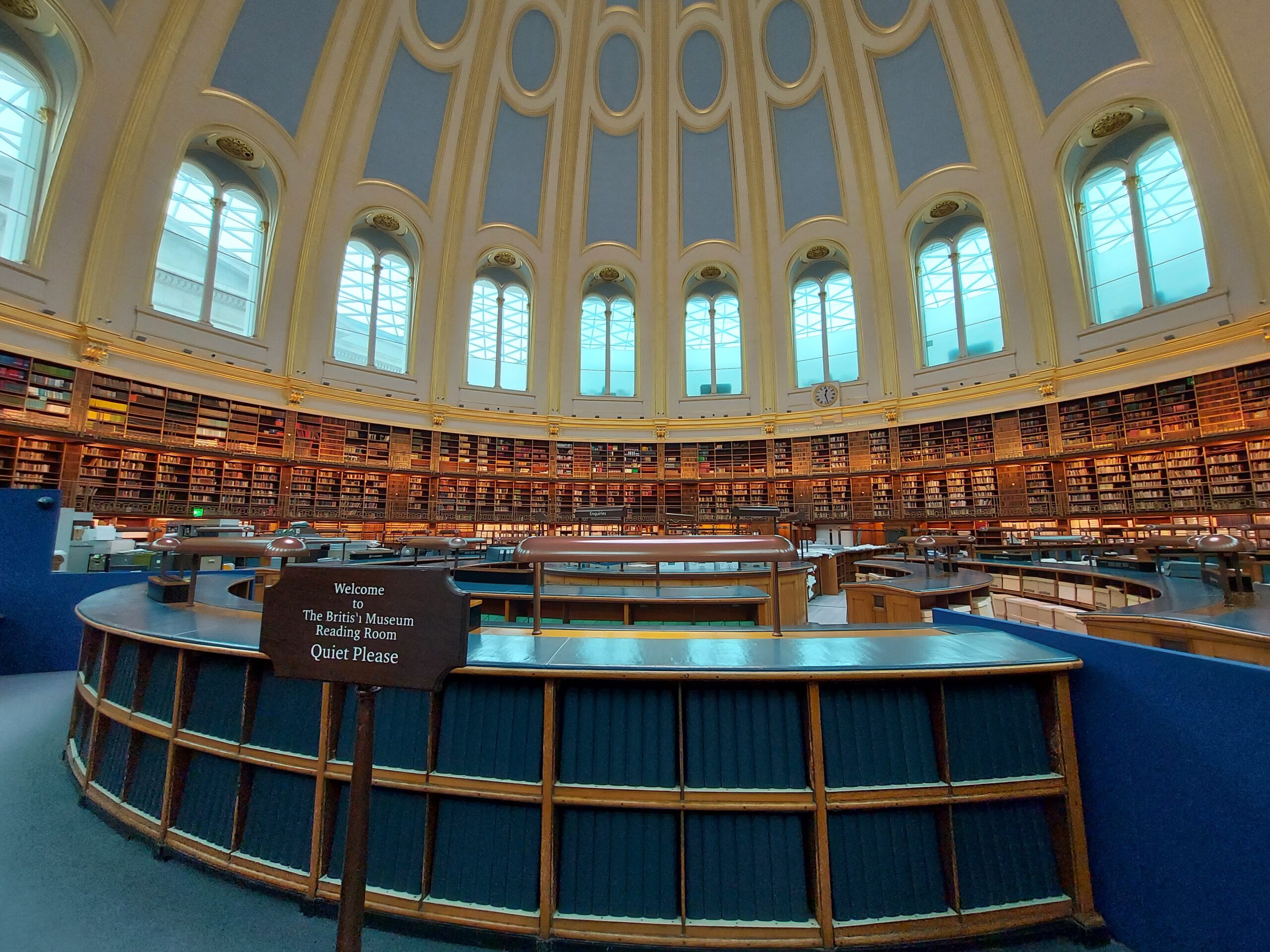
British Museum Reading Room

British Museum Reading Room

After Rebel Summer Camp I took an extra day off and went along to the British Museum. Recently, tours of the famous Reading Room have been made available at 11 and 12 on Tuesdays. Accessed via the Great Court, theĀ Reading Room has a rich history.

The tour explored the history of the Room, how it evolved over decades, and some of the famous people who studied there. The British Museum itself opened in the 1820s but by the 1850s it could be seen that the Library needed a larger reading room and more storage for books. The Principal Librarian Antonio Panizzi suggested building a round room, surrounded by shelving, in the then-empty courtyard. The architect, Sydney Smirke, created a pioneering design with a concrete floor, modern heating and ventilation systems, and a domed ceiling supported by cast iron. After opening in 1857, over 62,000 people came to visit the new Reading Room in the first ten days.

In the beginning, the space supported a maximum of 302 readers, with 2 of the 38 long tables reserved for women. The room had underground heating, leather chairs and over 40km of shelving. To consult a book, a patron would examine the General Catalogue of Printed Books in the centre of the room, fill out a request form, and wait for around an hour. In 1979, the Reading Room became one of the first public places in London to have electric lighting, having previously relied on natural light and gas lanterns, which meant that it was impossible to work in the darkness of winter or when London was enveloped by fog, which was frequently. Some of the notables who made use of the Reading Room include Karl Marx, Lenin, Sylvia Pankhurst, Oscar Wilde, Gandhi and Beatrix Potter.

In 1997 the British Library, which had formally detached from the British Museum in 1973, moved to a purpose-built building near St Pancras. The Reading Room was open to visitors between 2000 and 2007, and for the following decade hosted a number of special exhibitions. It was then closed to the public once again, until 2023 when these tours resumed. I’m glad I got a chance to see this historic Reading Room and I hope visitors can continue to access it in the future.

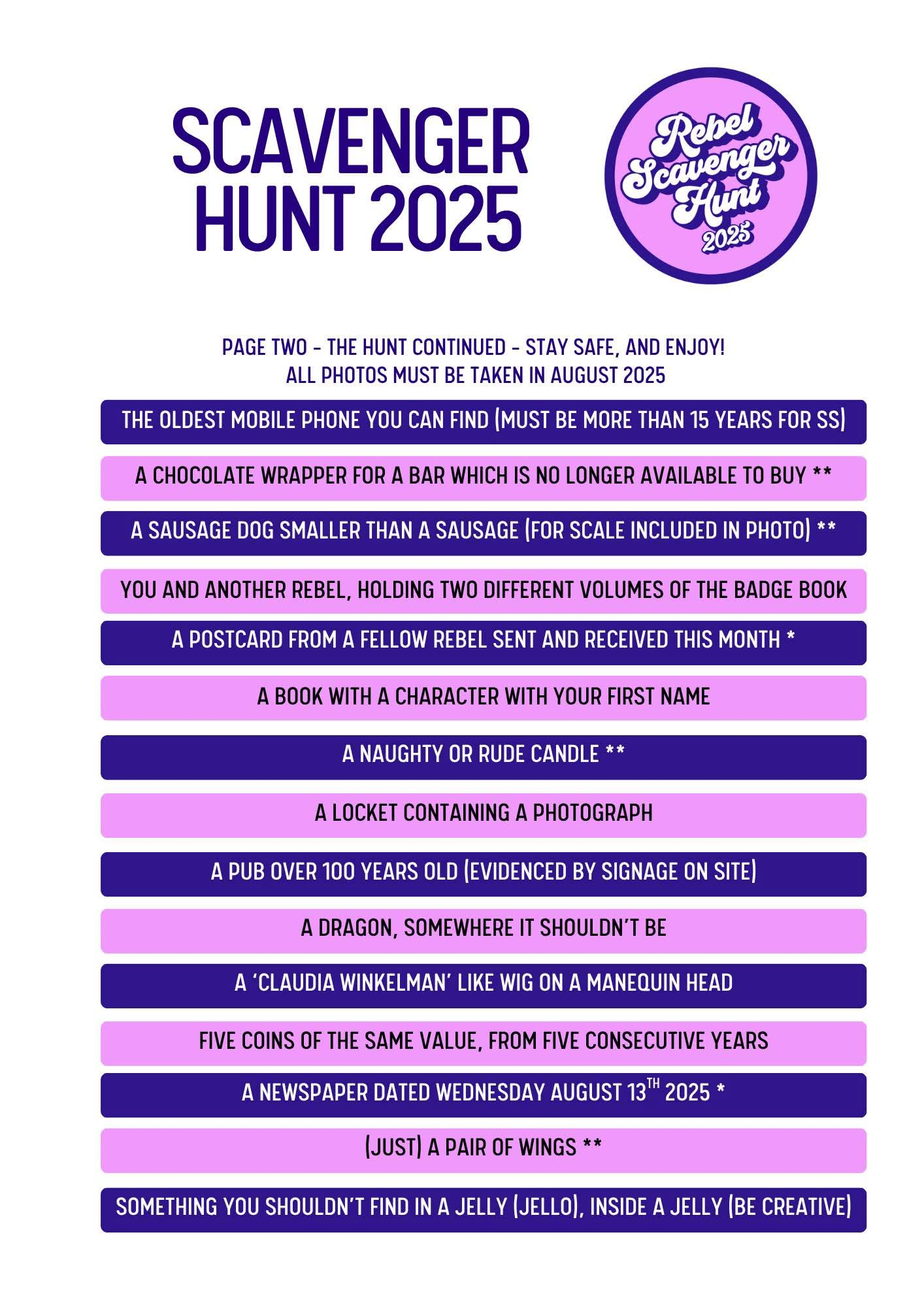
Rebel Badge Club: Rebel Scavenger Hunt 2025

It’s August, which means time for another Scavenger Hunt! I was determined to get Super Scavenger again, and luckily I managed it. I had a great time hunting, visiting places like the British Library and the Design Museum to photograph the different items.

Medieval Wine Tour

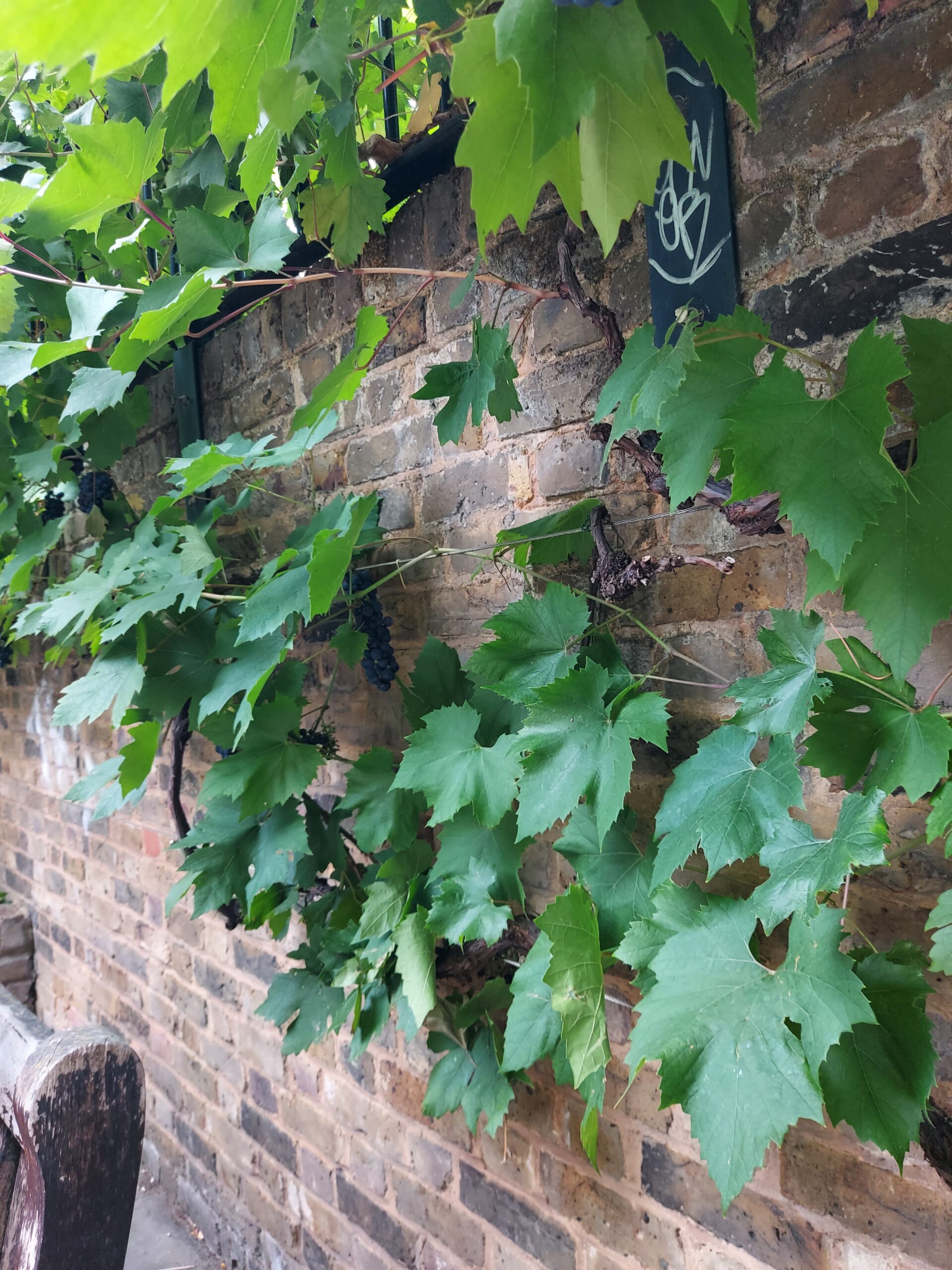
After doing Unreal City Audio‘s Coffeehouse tour, I decided to book onto the Medieval Wine Tour one hot August day. This tour is also run by Dr Matthew Green and we met at the Guildhall before heading off to explore medieval London through the medium of wine. Throughout the tour we got to sample plenty of medieval-style wine, and I ended the tour feeling rather tipsy.

Throughout the tour we explored Roman London, Cheapside and Queenhithe, hearing stories of scheming vintners, bloodthirsty murderers, obsessive anchorites and attempts to grow grapes in the London climate. The tour was very entertaining and thoroughly enjoyable.

vines on a wall

Rebel Badge Club: My Studies

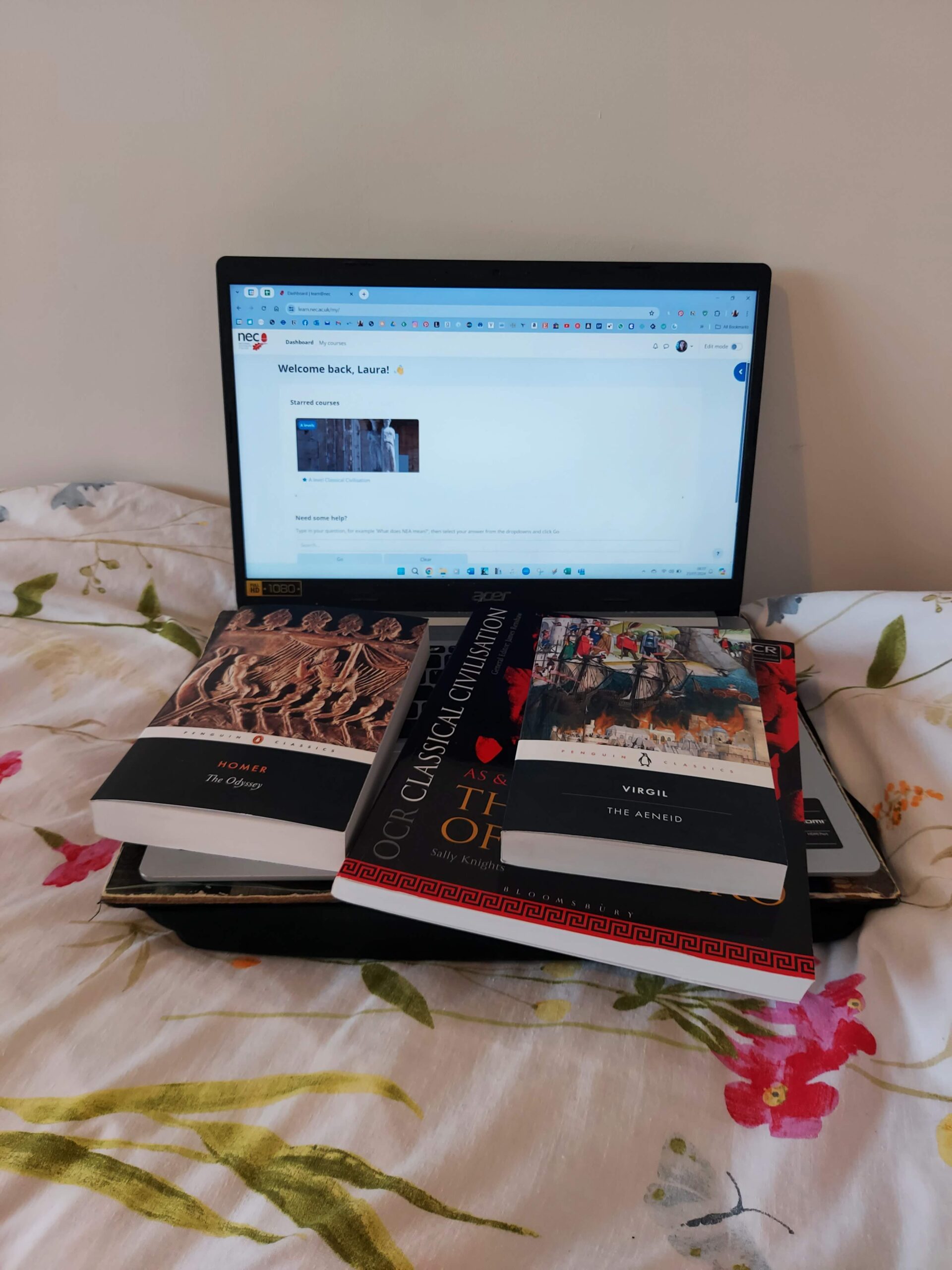
A laptop and several books related to Classical Civilisation

I studied for an A level in Classical Civilisation (always regretted not doing it when I was doing my other A levels) and got my results today! I’m happy to have achieved an A as it suggests my brain hasn’t declined since the days I did my original A levels.

There were three modules: ‘The World of the Hero’ (Homer’s Odyssey and Virgil’s Aeneid), ‘Greek theatre’ (Oedipus Rex by Sophocles, Bacchae by Euripides, and Frogs by Aristophanes), and ‘Greek religion’.

I read three extra books:

I put my learning into practice by completing all 9 written assignments for my course, a mock exam, and the three final exams. I also saw two productions of Oedipus Rex, an immersive production of Bacchae, and two productions of Frogs (one more traditional, one the musical version by Sondheim). I also visited the British Museum to see the Parthenon Marbles in person.

Date completed: 14 August 2025