Rebel Badge Club: Big Kid Summer 2024

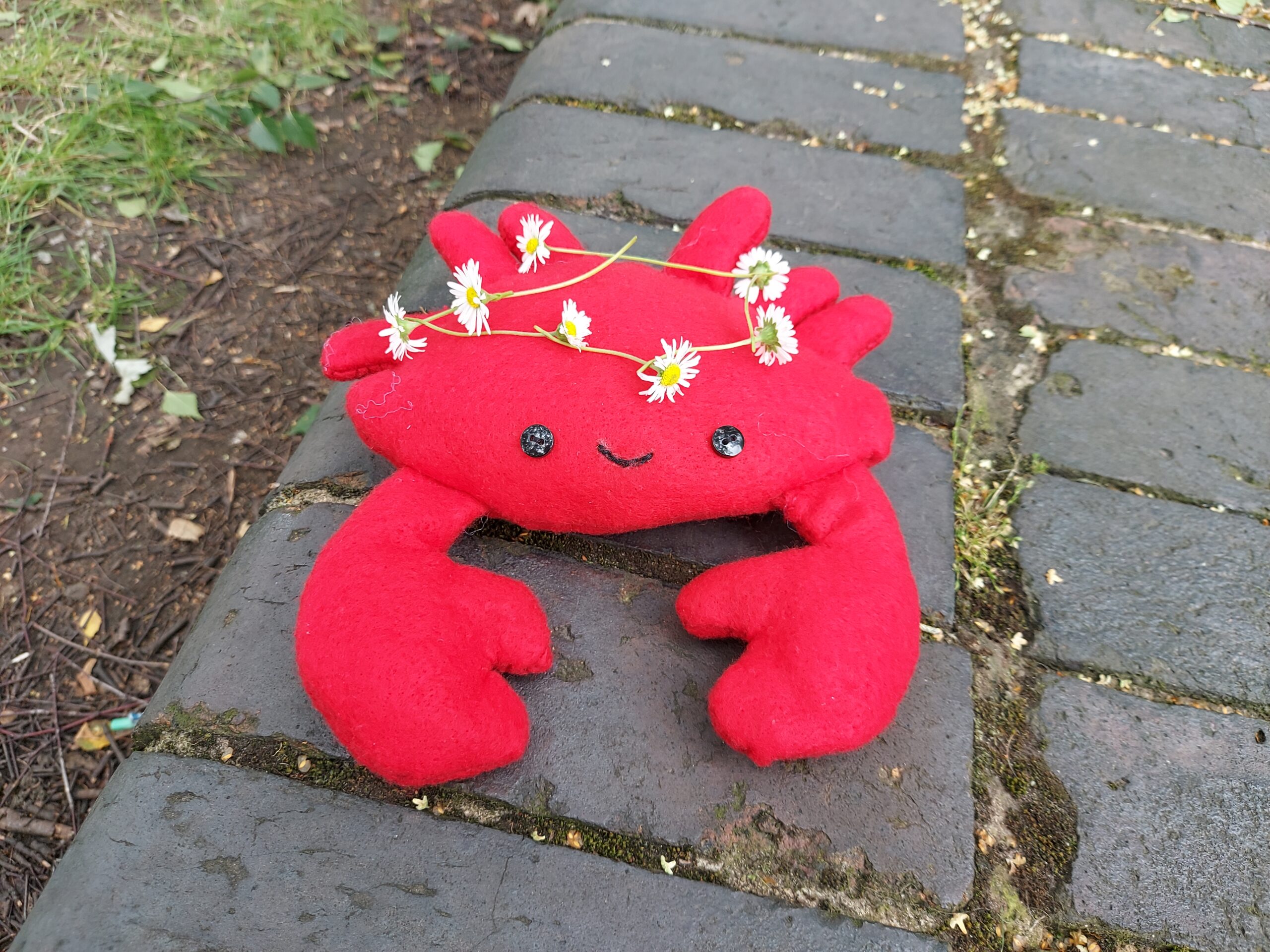
a soft toy crab with a daisy chain crown

Big Kid Summer was a hugely popular badge last year, so I was very happy when it came back this year. I had a day out with some fellow London Rebels where we ticked off several clauses: we visited Hackney City Farm, had a tea party, made daisy chains, climbed trees, rolled down a hill, had a go on an assault course and played hide and seek. I had a brilliant day, and got chips from the chip shop on the way home!

chips wrapped in paper

Rebel Badge Club: Rebel With A Cause 2024

Rebel With A Cause 2024 Badge

Rebel With A Cause, a staple of RBC for the past few years, is now an annual badge so you can do it at any time throughout the year. In 2024, I decided to do five things related to the environment. I did the following:

  • A gardening/conservation session at Boston Manor Park
  • A wildflower planting session at the Green Park
  • The Restore Nature Now March in London
  • The Big Butterfly Count
  • A litter pick

The above helped me with More Time Outdoors too!

Rebel Badge Club: Advanced Community Service

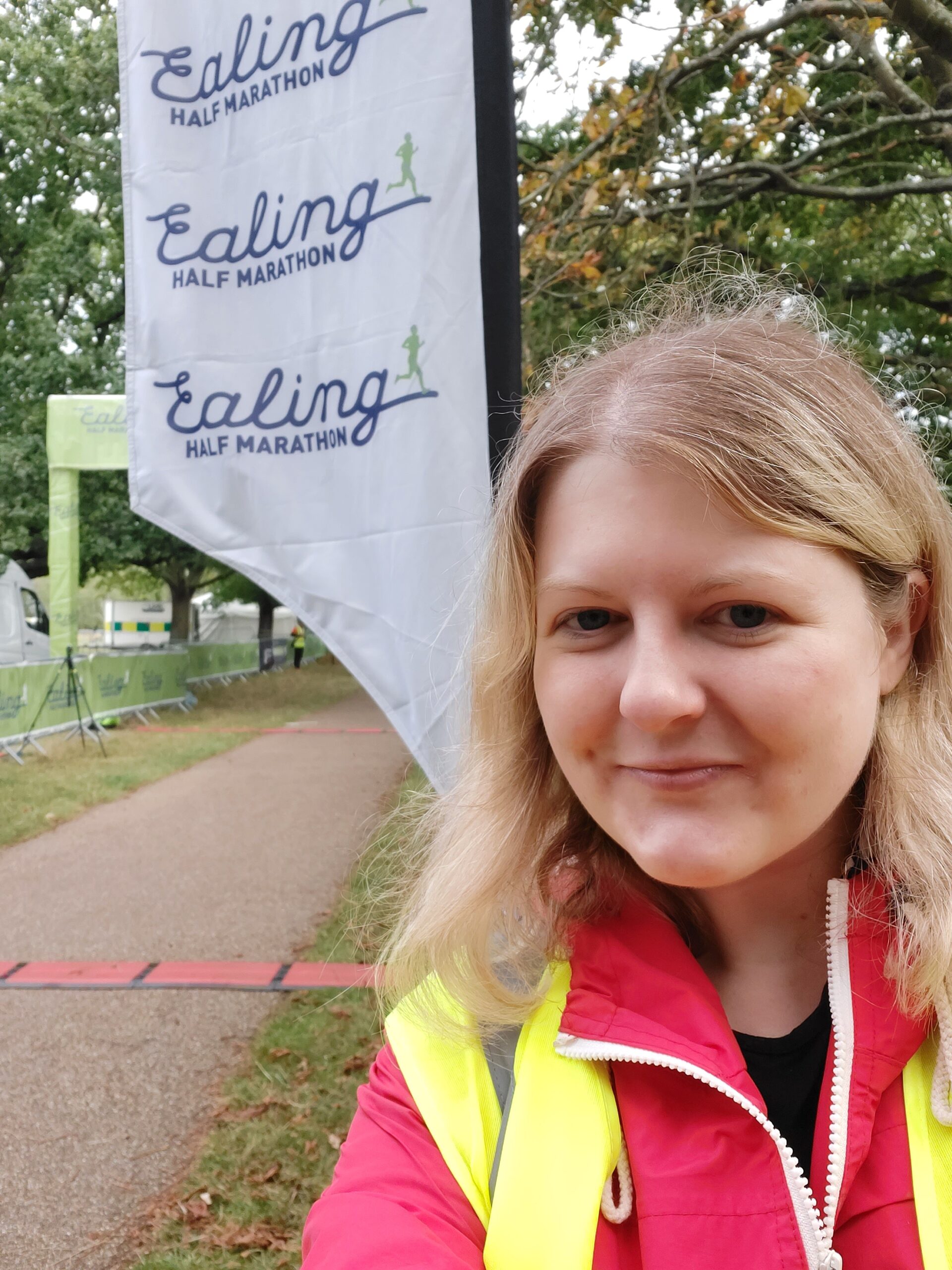
Me in a high-vis at Ealing Half Marathon

I’m really pleased to have achieved my Advanced Community Service badge. Loads of Rebels were already active volunteers when they joined up, but I wasn’t – I hadn’t volunteered for years. However, as part of my Community Service badge and my Bronze Maverick, I signed up to steward at my local theatre and completed six months’ service there. I then continued for another 18 months in order to achieve Advanced Community Service, tallying up approximately 100 hours.

I also volunteered at three one-off events to gain my badge. These were:

  • A harvest mouse release event organised by my local wildlife group – this was my favourite as the mice were so cute!
  • An Open House London session, assisting members of the public at St Augustine’s Tower in Hackney
  • Ealing Half Marathon, acting as a marshal near the finish line.

I definitely plan to continue volunteering at my local theatre, and will keep an eye out for any one-off events I could potentially help out at.

Date completed: 19 July 2024

Rebel Badge Club: Politician

I’d had my eye on the Politician badge for a while, and the announcement of the 2024 UK General Election seemed like the perfect time to work on it. I completed it on the day of the election.

Have a working knowledge of the political system in your country.

I read the book British Politics: A Very Short Introduction by Tony Wright. I also found the booklet How it works. Parliament, government and you which is produced by the UK Parliament and is a good general guide.

Research the four largest political parties in your country.

I looked at the election manifestos for the four largest parties in England (there are parties with more seats in the House of Commons than the Green party – at least there were before the dissolution of Parliament – but they are Scottish, Welsh or Northern Irish parties so I can’t vote for them).

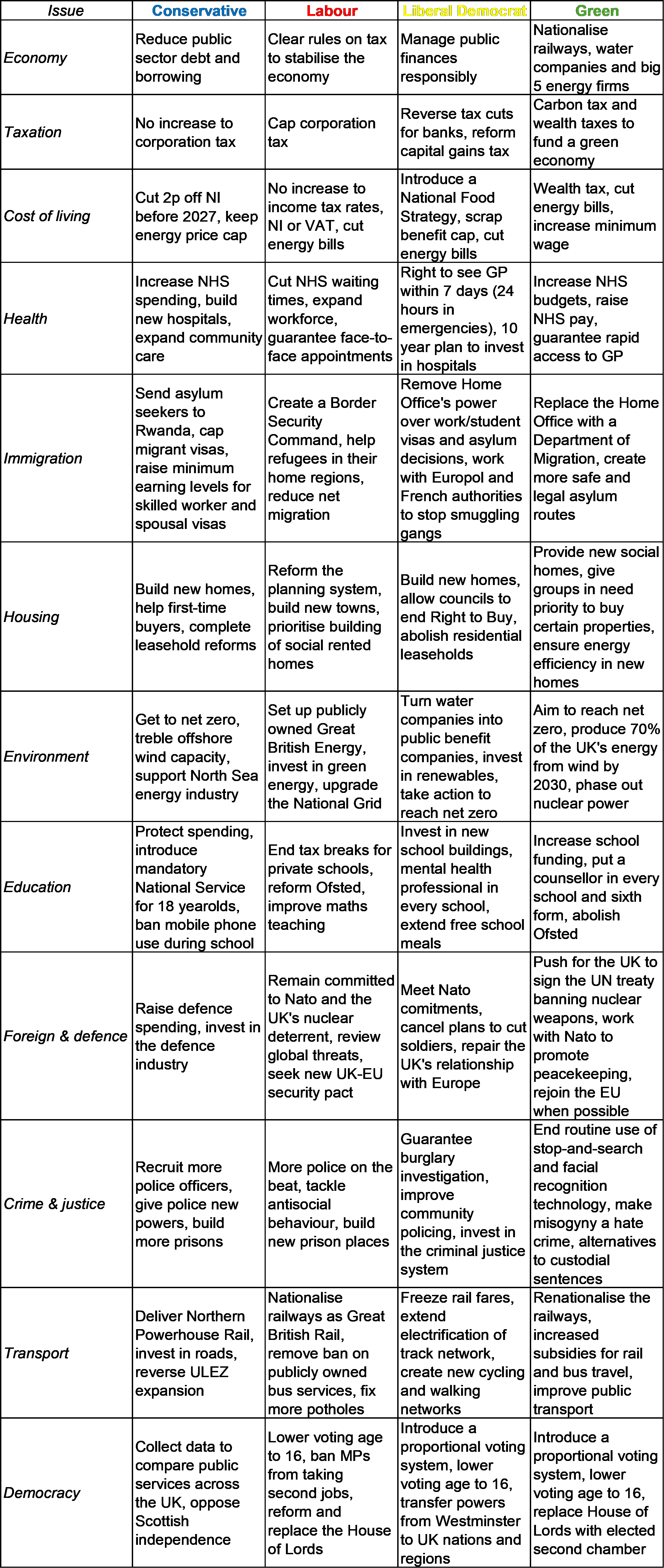
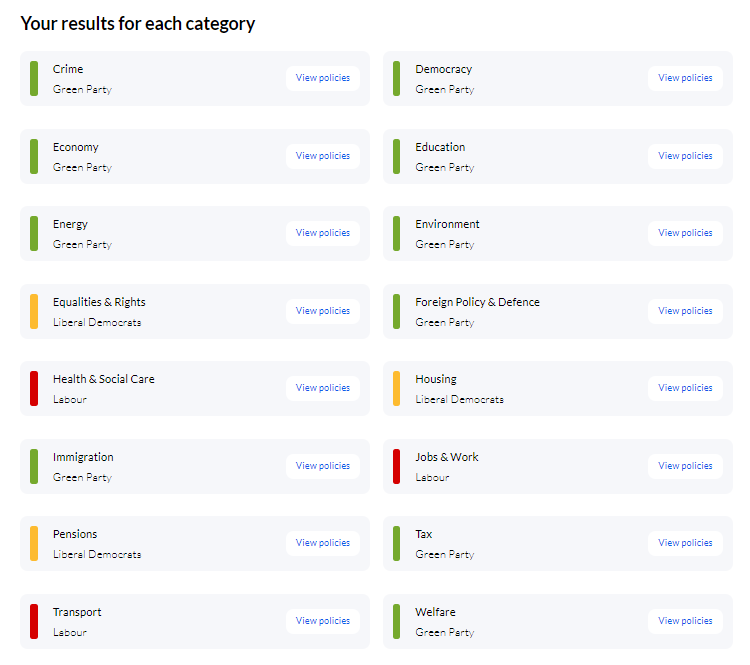
Choose at least eight political issues. Map out your beliefs relating to those political issues. Which party has the closest manifesto in relation to each issue?

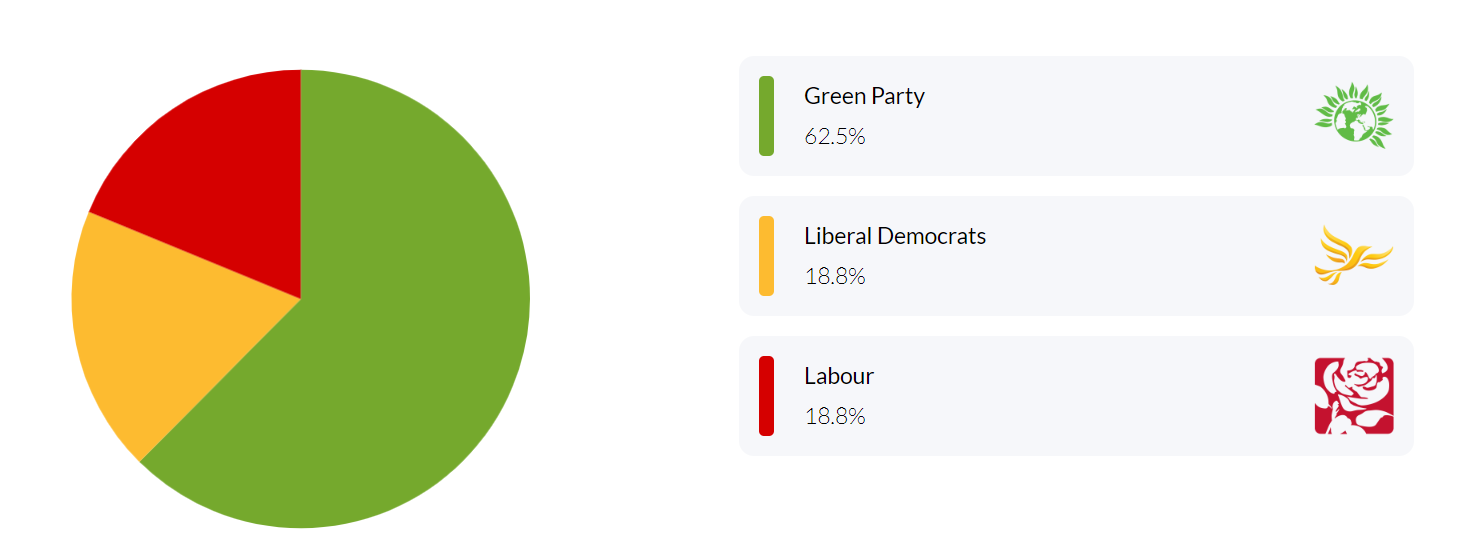
I used the website voteforpolicies.org.uk/ to select the manifesto policies most aligned with my views. In the end, my beliefs were most closely aligned to the Green party, with smaller percentages for Labour and Liberal Democrat.

Image of a pie chart showing whose policies I agree with

Image showing my results for each category

What percentage of people in your country currently votes? Are there any groups of people who are under-represented?

67.3% of eligible individuals voted at the last General Election in 2019. Groups who are less likely to vote than others include younger people, people with fewer qualifications, people with lower socio-economic backgrounds, people who were born overseas and people from ethnic minority groups.

People might not vote because they do not have the correct ID (see below), are unable to register to vote, find it difficult to get to a polling station or don’t feel as if they know enough about what they are voting for. Others might feel disenfranchised, and that their vote will not make a difference.

You now need ID to vote in the UK which is a barrier to voting particularly among the groups above. Reversing this would help increase voter turnout, as would compulsory voting, automatic voter registration, engagement with the public and voting age reform. Personally I’m not sure I agree with compulsory voting. I always want to encourage people to vote, but forcing them to do so doesn’t seem right.

Write a speech about a political issue which is close to your heart.

This last clause was a choice of several. I chose to write a speech about libraries, because this is something I feel quite strongly about.

Date completed: 4 July 2024

Rebel Badge Club: Advanced Adulting

Advanced Adulting badge

Advanced Adulting was a badge I was slightly dreading, but I decided to give it a go at the start of this year. To complete the badge, you have to stick it out for six months, which is tough! However, there is quite a bit of freedom here compared to the Adulting badge. You get to choose six chores to work on, and complete them at least four times per month over the six months.

I chose the following chores:

  • Put clothes away after washing
  • Hoover/change bedding
  • Exercise before work
  • Dust
  • Cook a meal from scratch
  • Save money

These are all things I struggle with. I hate putting laundry away, changing bedding is my least favourite chore, and I am not a morning person. Dusting is tedious and I always feel like I don’t have the time to cook. Saving money also does not come easily to me! However I managed to achieve these at least four times a month from January through to June. Whether I can keep this up in the future remains to be seen…

Date completed: 30 June 2024

Rebel Badge Club: Be Brave (Quarterly badge 3, 2024)

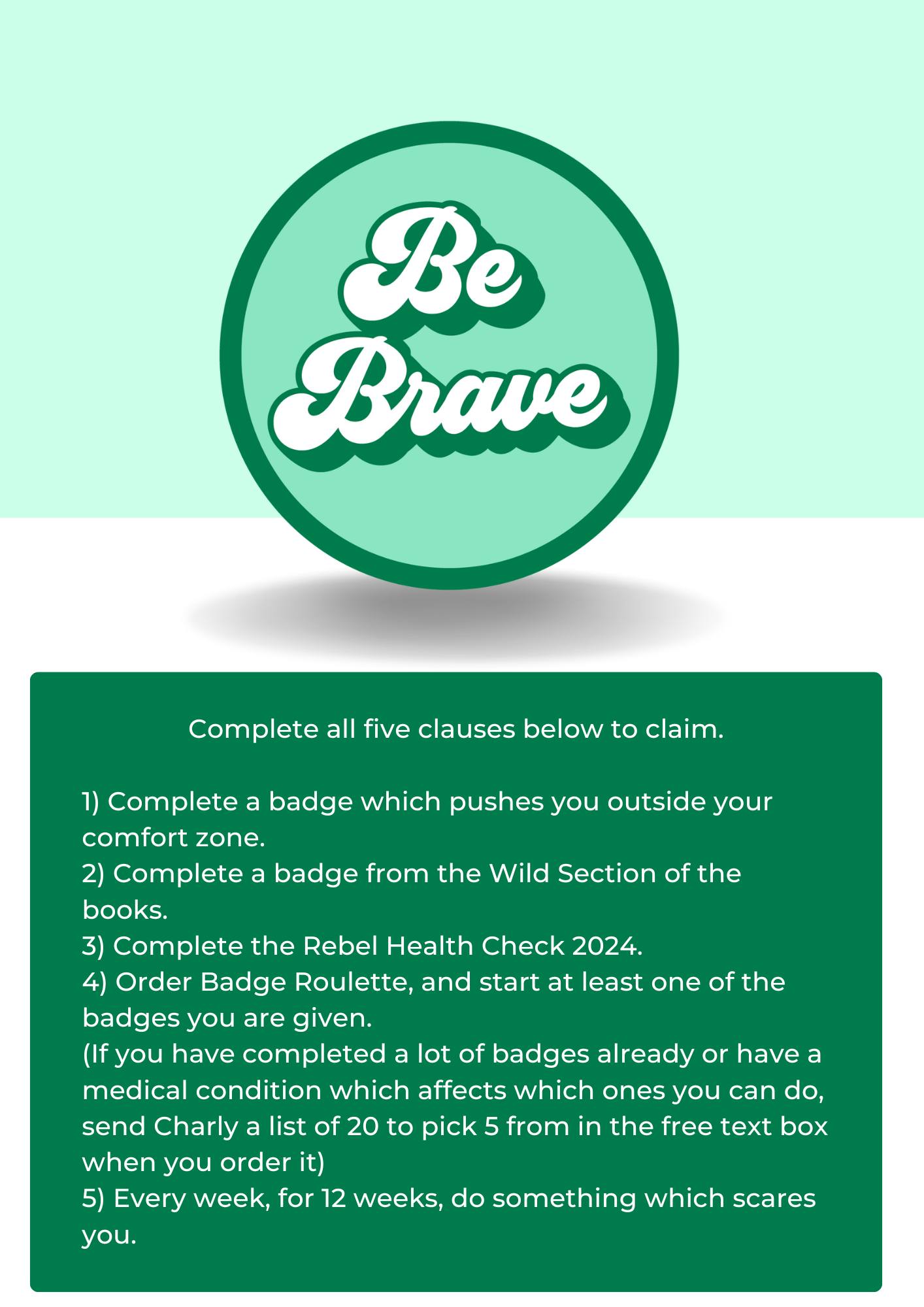
Be Brave is the third quarterly badge for 2024. To complete this badge, I need to do the following:

  • Complete a badge which pushes you outside your comfort zone: I’ve chosen Entertainer.
  • Complete a badge from the Wild section of the books: I’ve chosen Geocacher.
  • Complete the Rebel Health Check 2024.
  • Order Badge Roulette, and start at least one of the badges you are given. I ordered Badge Roulette last year, and I have started all the badges except Scrapbooker, which I’m saving until the winter, so I am using this clause to finish off one of the badges instead: Scientist.

I will link to my posts on the above badges once I’ve completed them.

I also need to do something which scares me every week for 12 weeks.

End of quarter update – I did the following to achieve this badge:

Spoke to the doctor on the phone (I really hate phone calls)
Rolled down a hill (as part of Big Kid Summer)
Climbed a tree (ditto)
Spoke to housemate about certain issues (I really hate confrontation of any kind)
Asked shop assistants if I could take a picture with their pocket watch (part of the Scavenger Hunt!)
Spoke to another housemate about other issues
Visited the dentist
Went to the top of the crate stack at Camp
Signed up for a Foundations of Puppetry course
Carried on playing netball after falling over (I felt fine, was just a bit nervous about it!)
Had a spa treatment (I’m nervous about these things as I’m not very good at small talk)
Asked work about creating a diversity book club (part of my Gold Maverick)

Rebel Badge Club: Designer

The Designer badge was the badge I chose to complete for Deeds Not Words which would allow me to learn a practical or manual skill. I actually started the badge during the Big Rebel Sewing Bee monthly badge, when I learned how to use a sewing machine and completed the first clause.

I don’t have room for a sewing machine where I live now, but I plan to practise sewing when I’m up north, and hopefully make a few more things in the future.

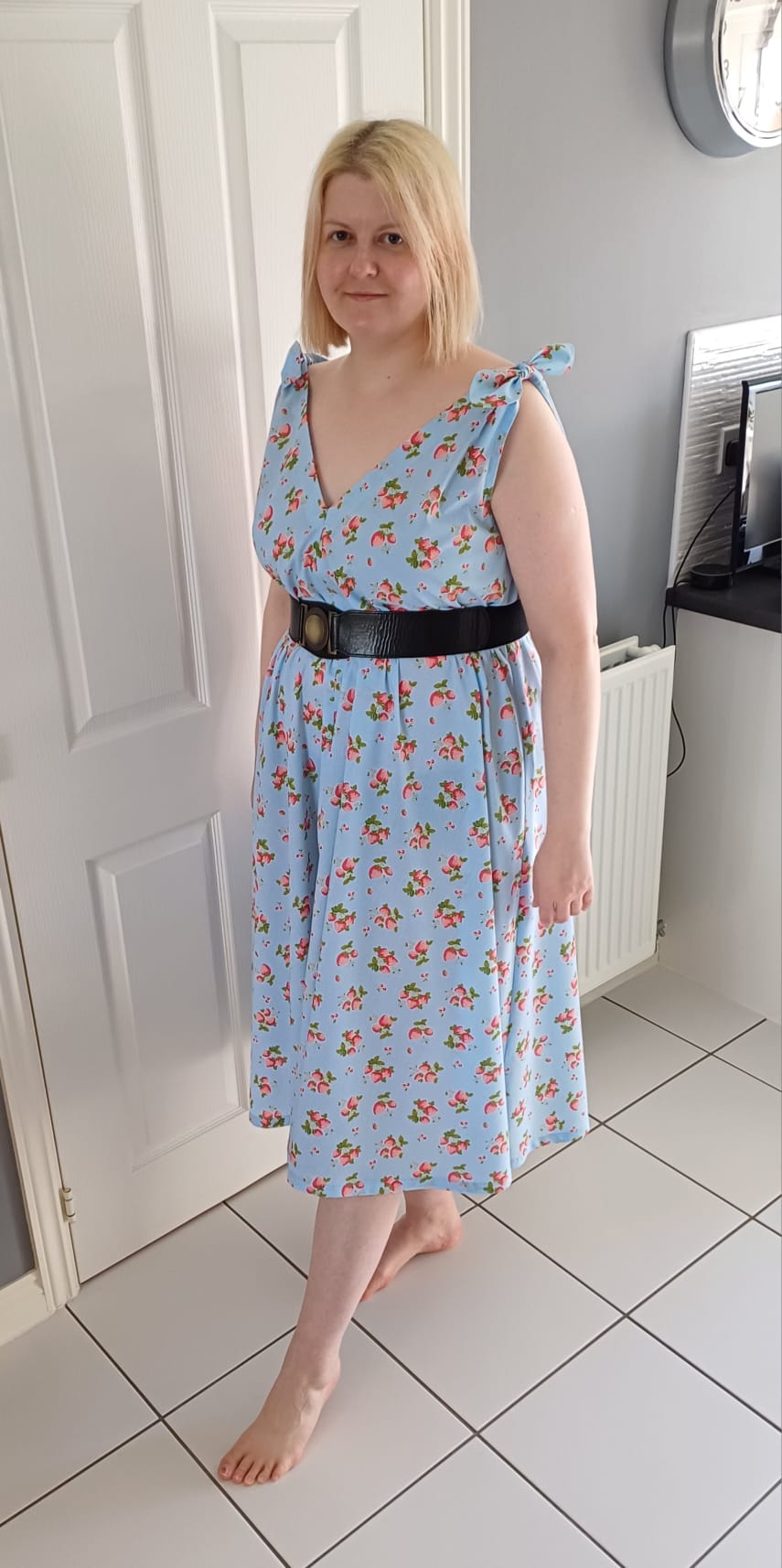
Create a garment for yourself using a shop-bought pattern.

I made the popover dress from Gertie Sews Jiffy Dresses, a vintage-style sewing book. I’m happy with how it turned out, although it wasn’t easy!

Me wearing a midi dress, light blue with a red strawberry pattern

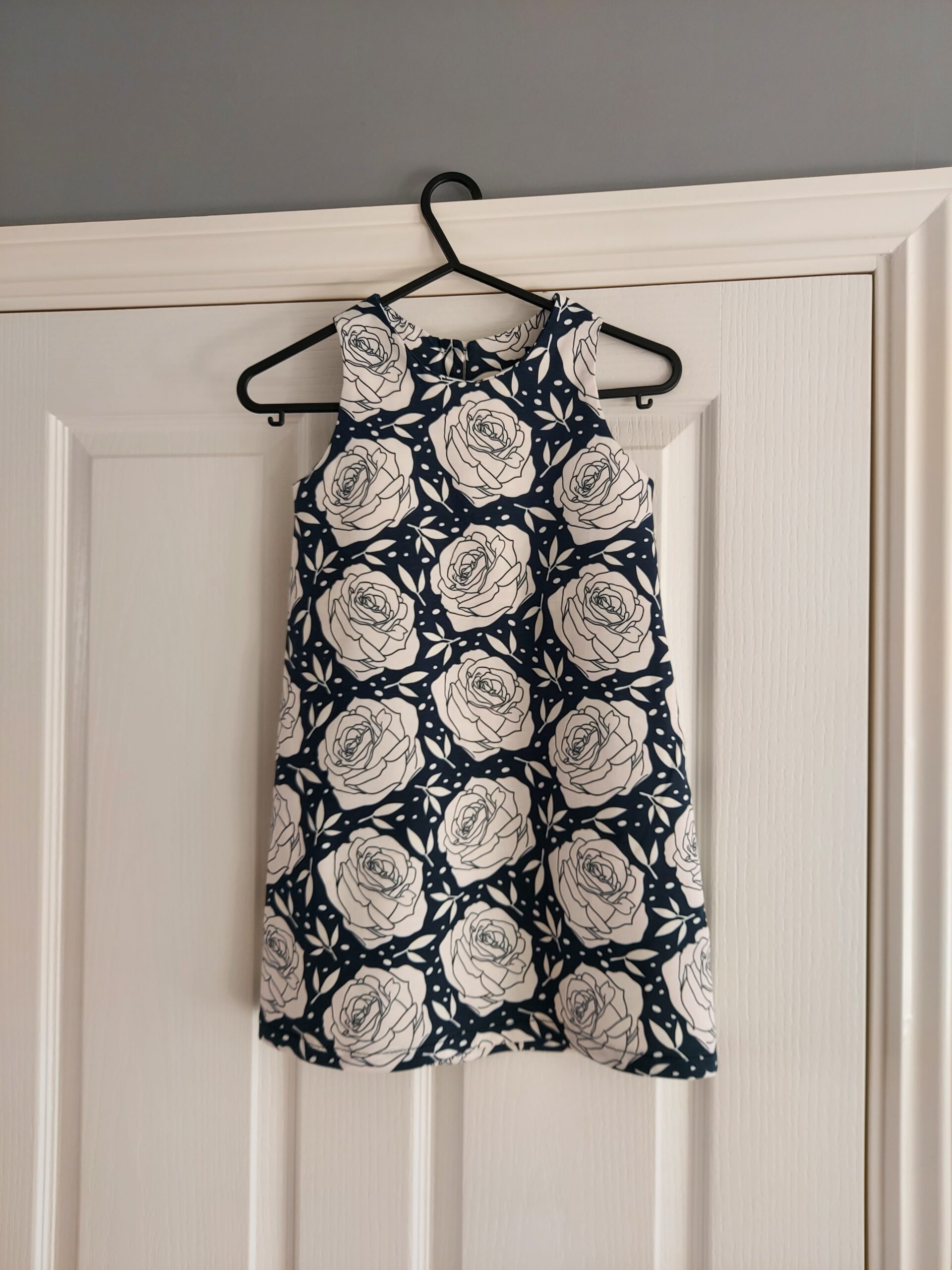
Create a garment for a child or baby following a shop-bought pattern.

I made a dress for my friend’s little girl, the A Line Dress from The Lily Bird Studio on Etsy. It doesn’t look very exciting, but the fabric changes colour in the sunlight!

A small child's dress on a coat hanger, dark blue with a pattern of white roses

Create a new garment from at least two second-hand garments.

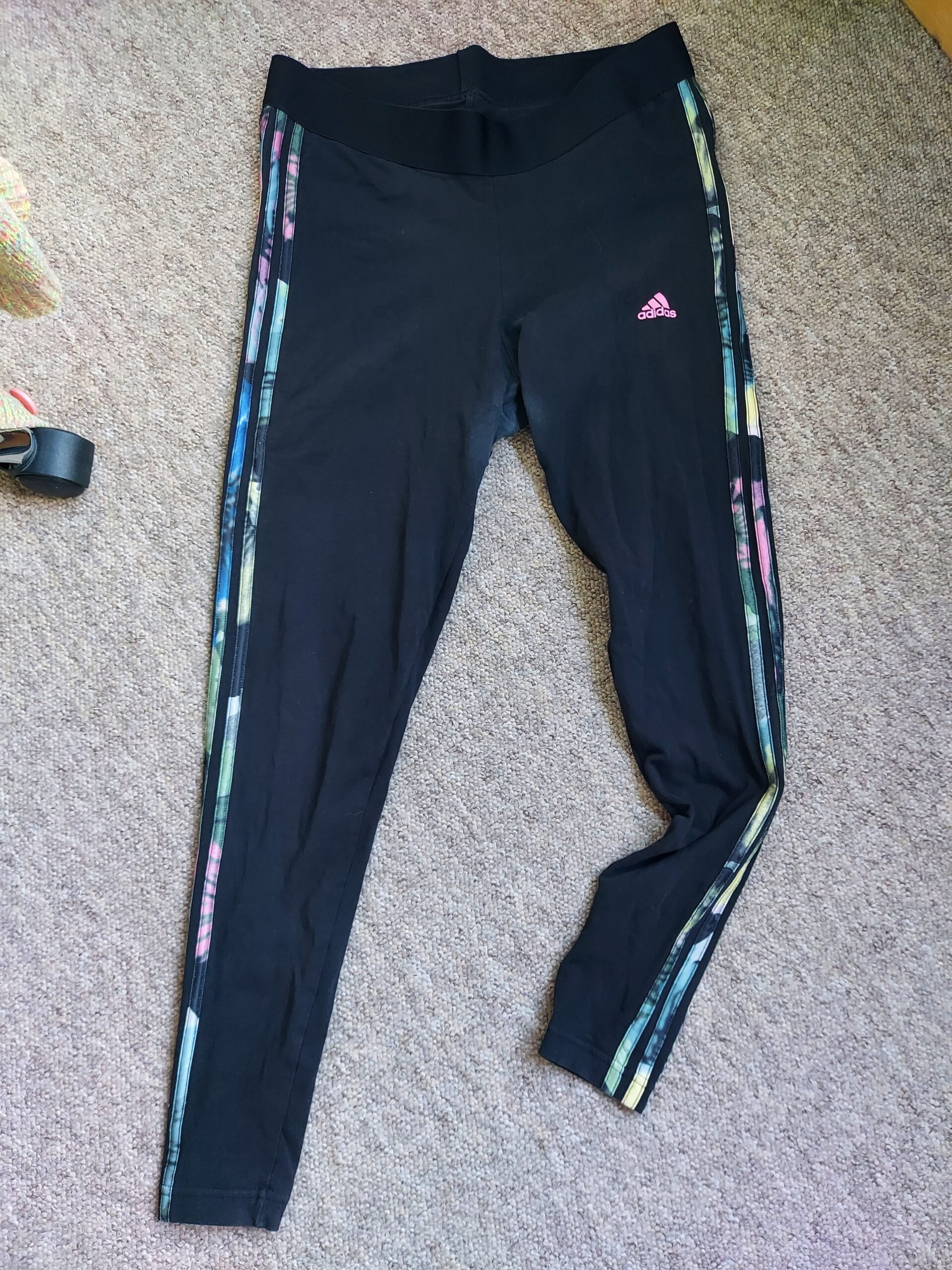
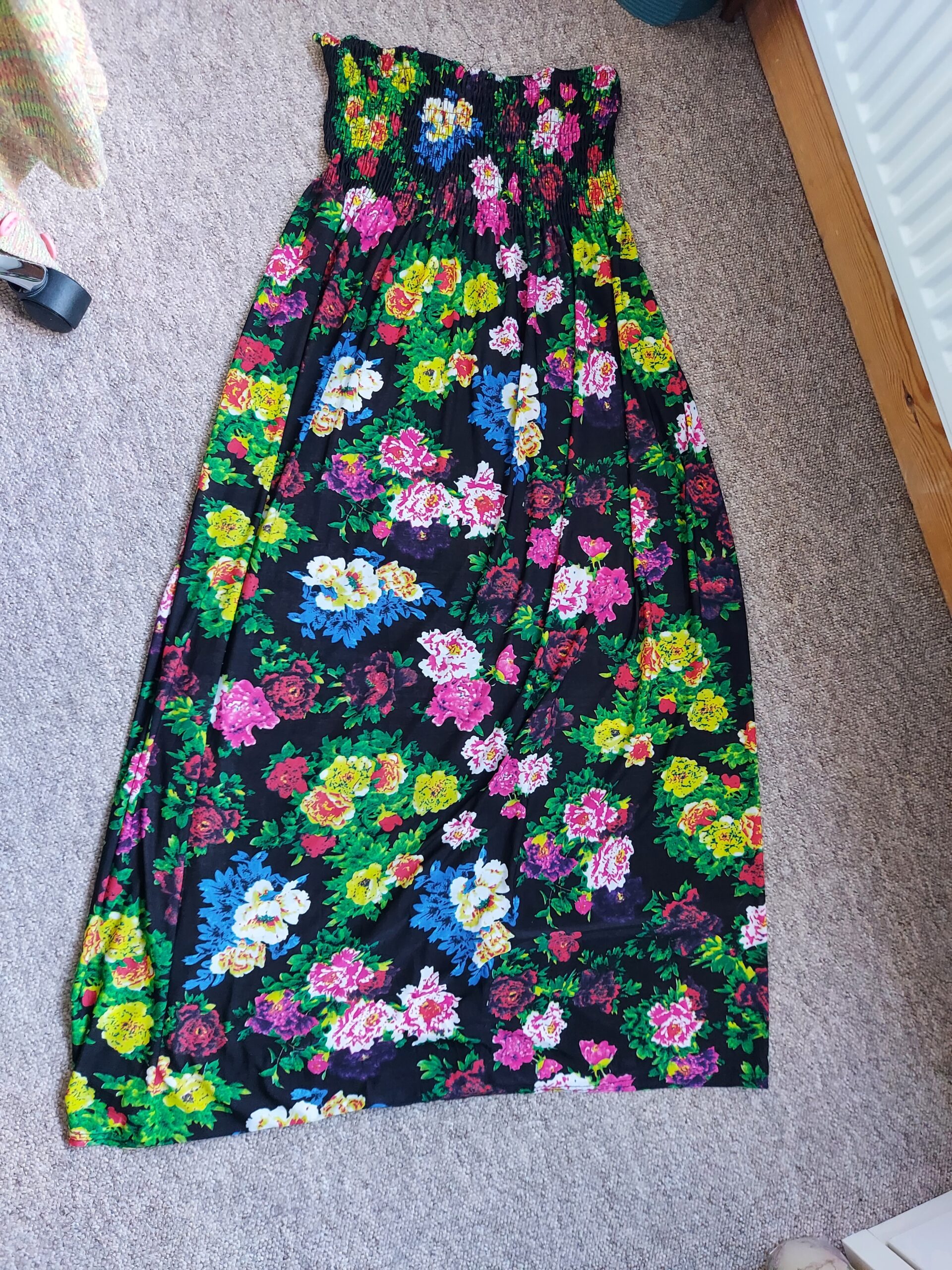
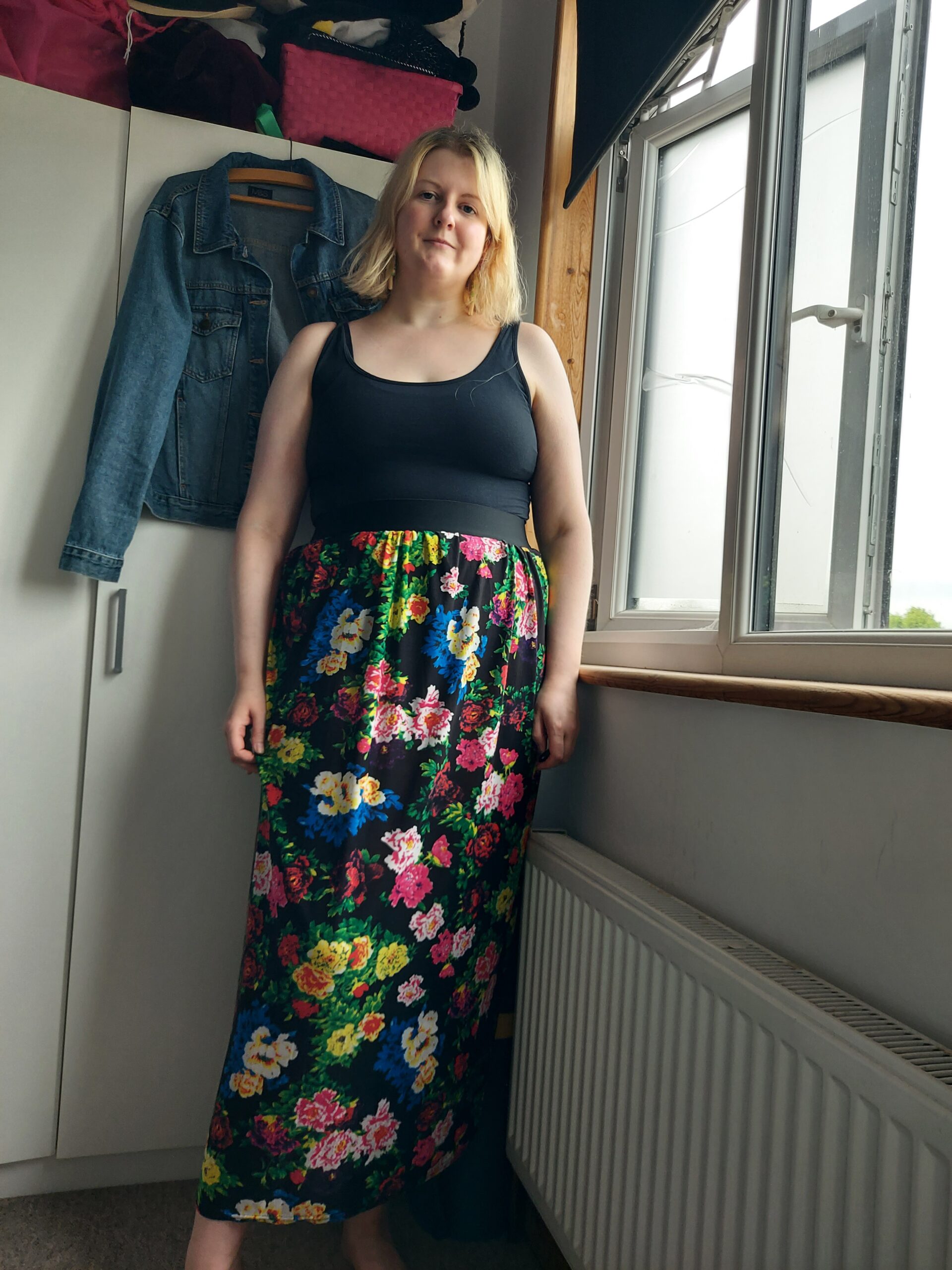
I had an old pair of leggings with a wide elasticated waistband, which I cut off and kept. I bought a cheap second-hand maxi dress on Vinted and removed the shirred bodice. I then combined the two to make a bright summer skirt.

Selfie wearing a black top and a black floral maxi skirt

Design a full outfit for yourself, and make at least one of the garments.

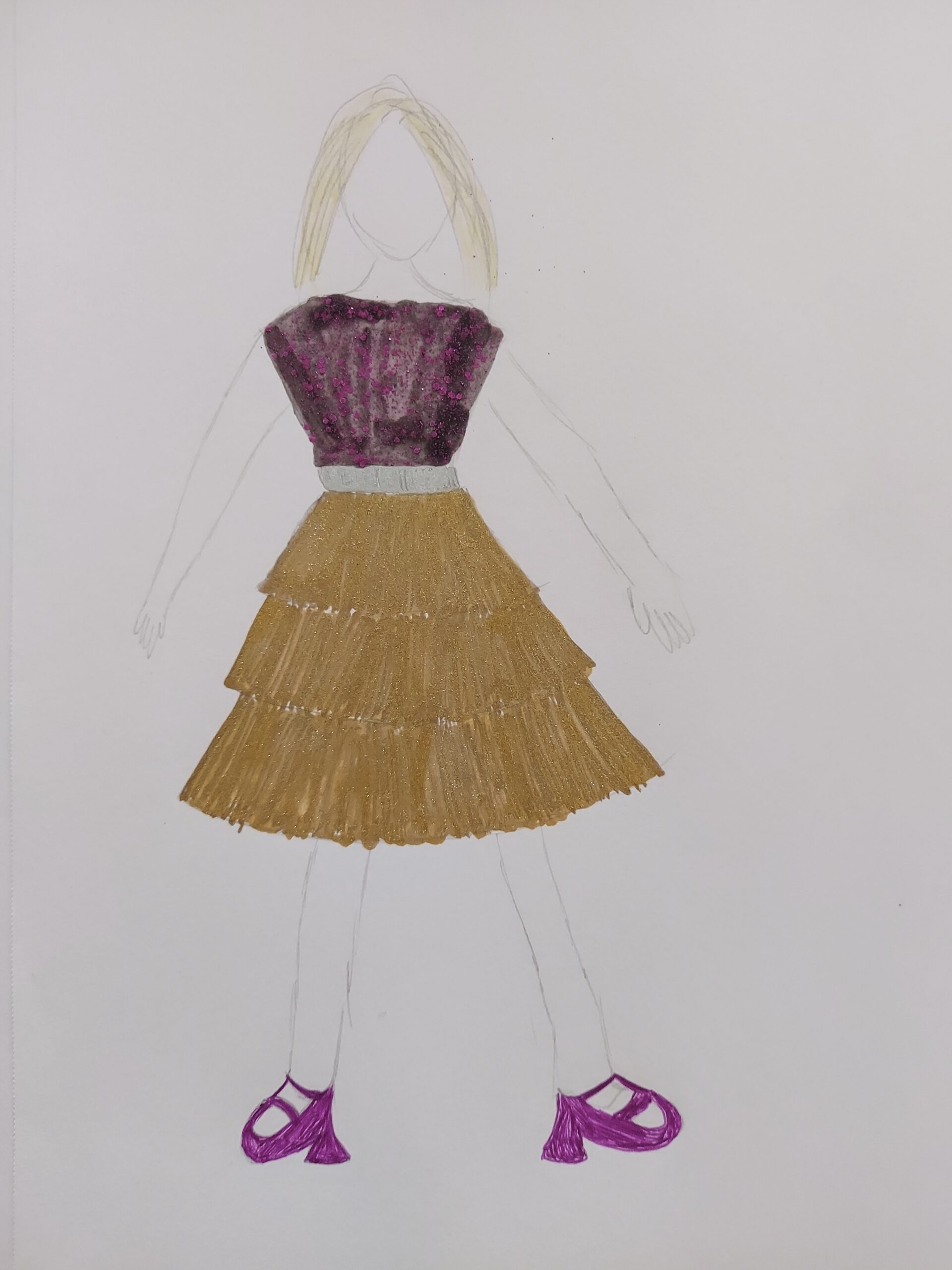
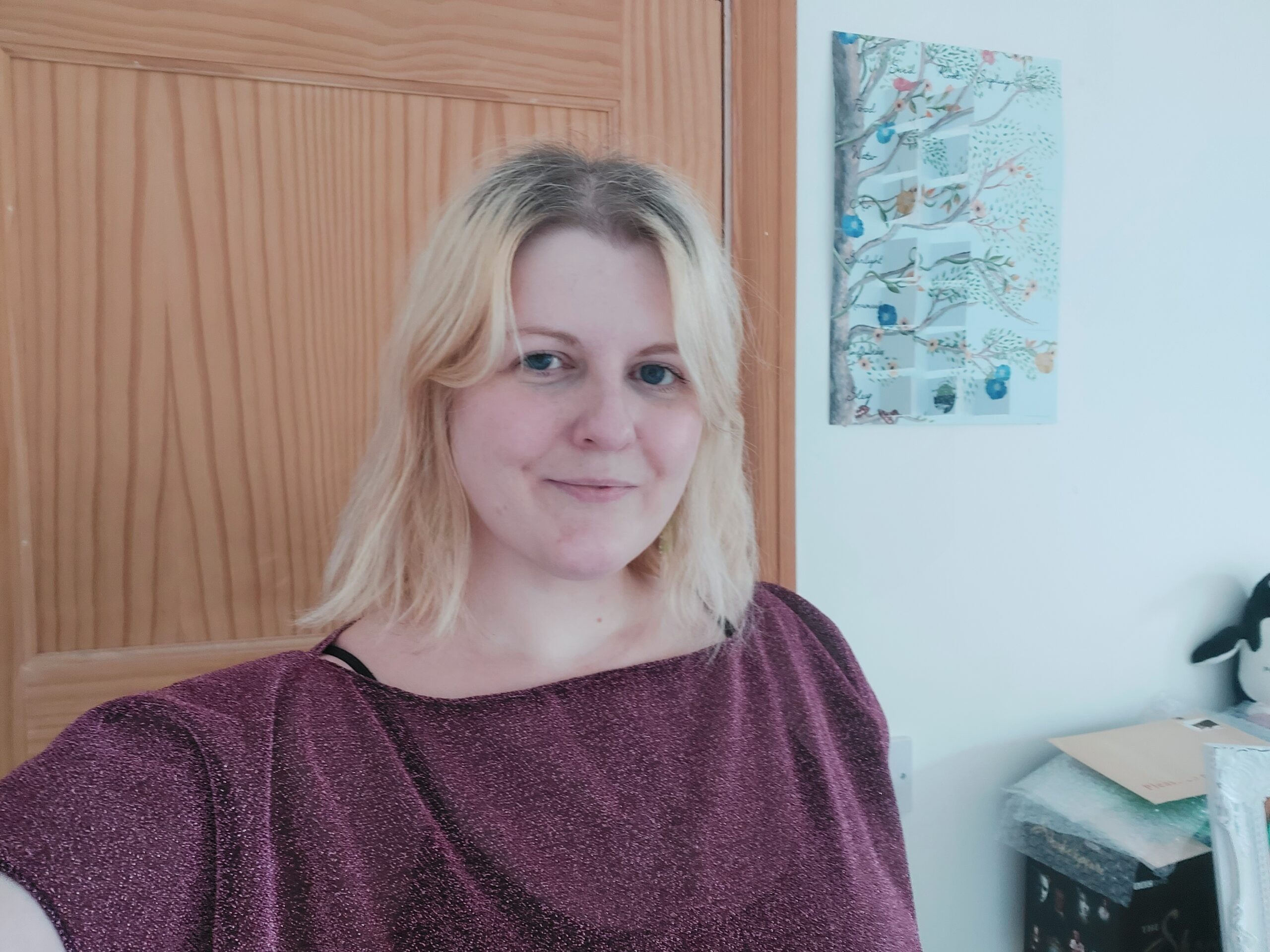
I designed myself a Jem and the Holograms-inspired outfit. Much as I would love to make the tiered gold skirt, I kept it simple and made the purple batwing-style top out of a second-hand scarf.

Make a scrapbook about the designer of your choice.

I chose to make a scrapbook about the French fashion designer Paul Poiret.

Design a capsule collection.

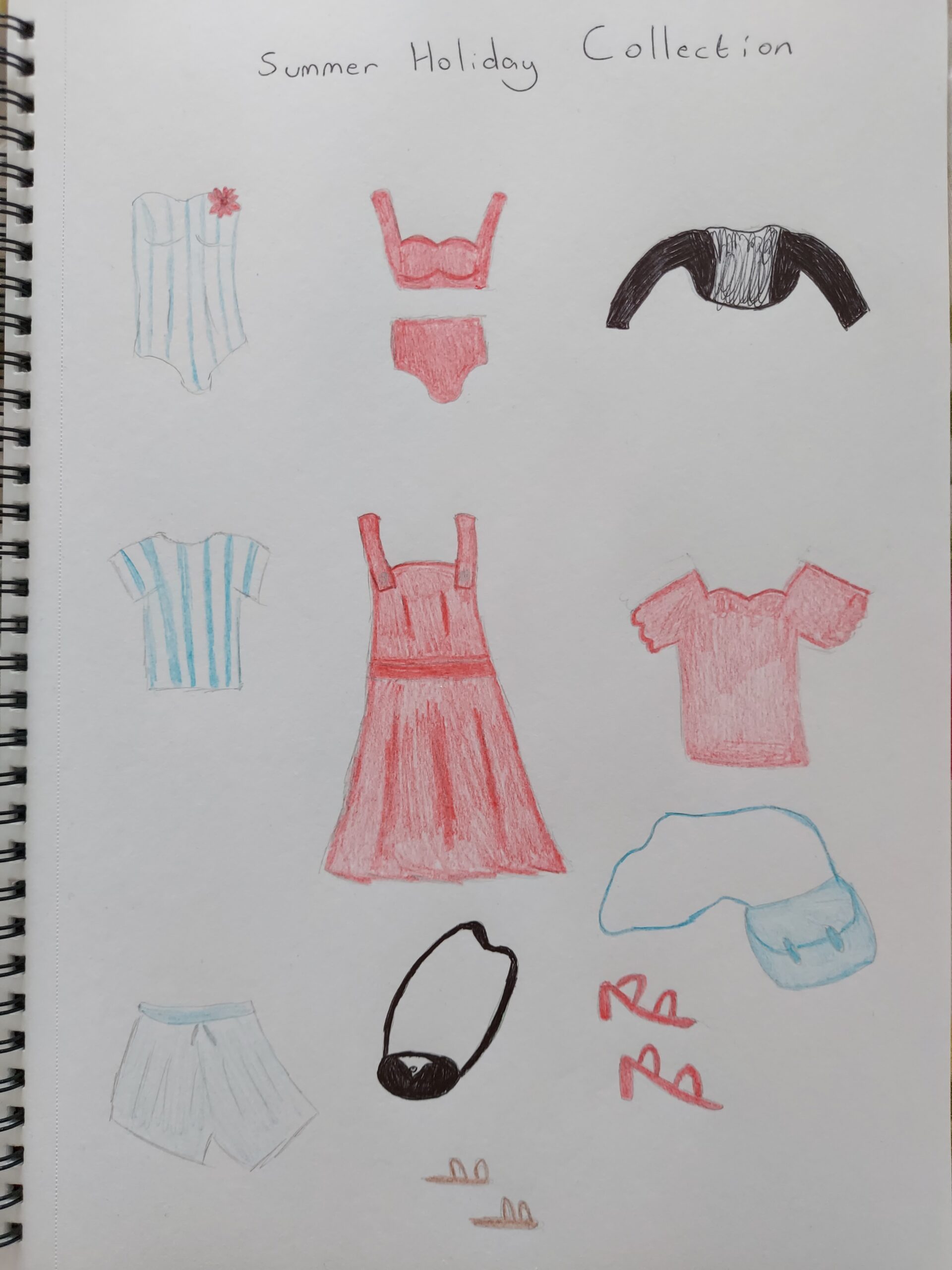
I designed a summer collection, the kind I would want to take on holiday and wear myself. I’m not the greatest artist but I did the best I could (The ‘dress’ in the middle is supposed to have a removable bodice so you can mix and match).

Make a non-clothing item.

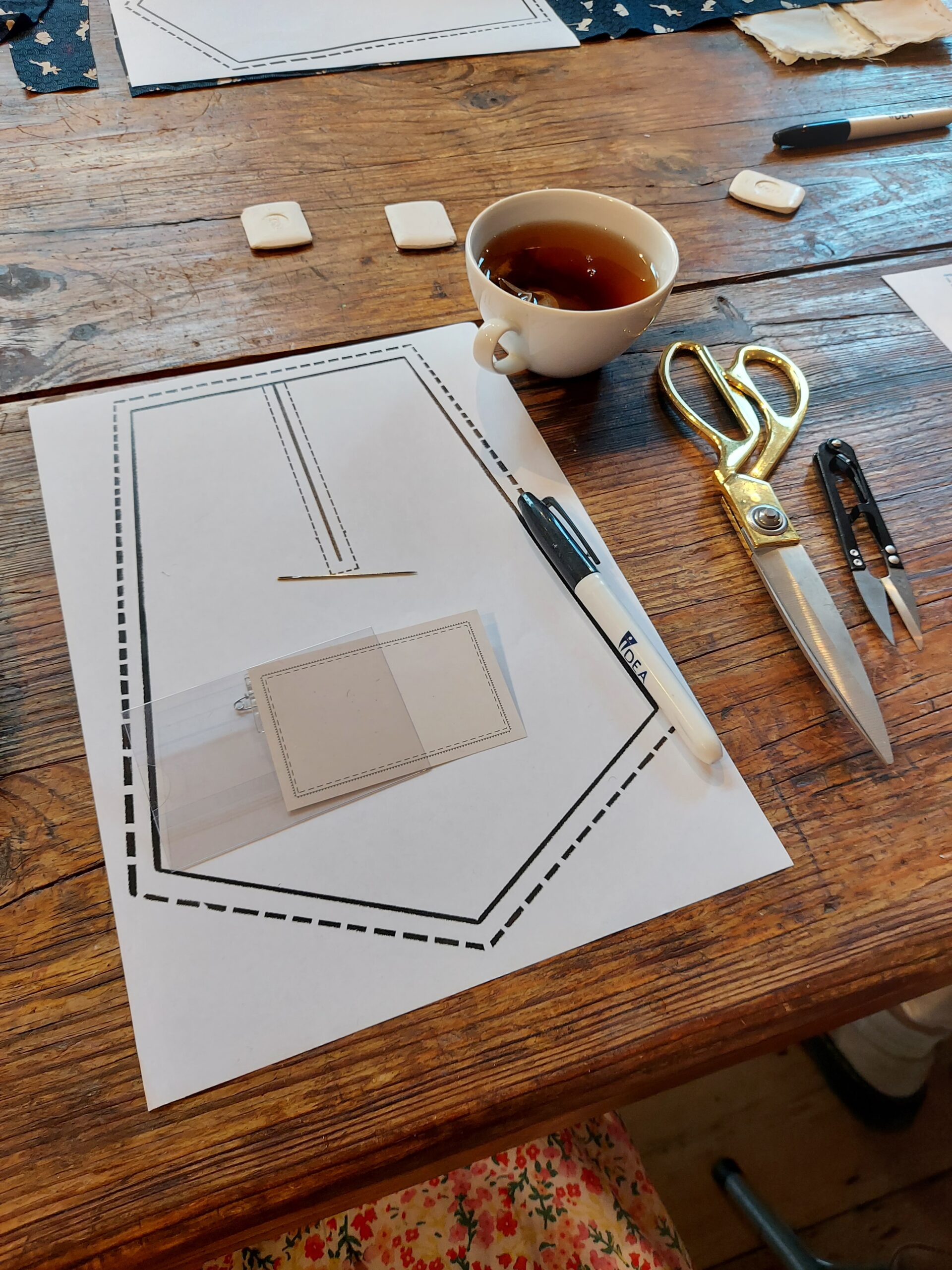
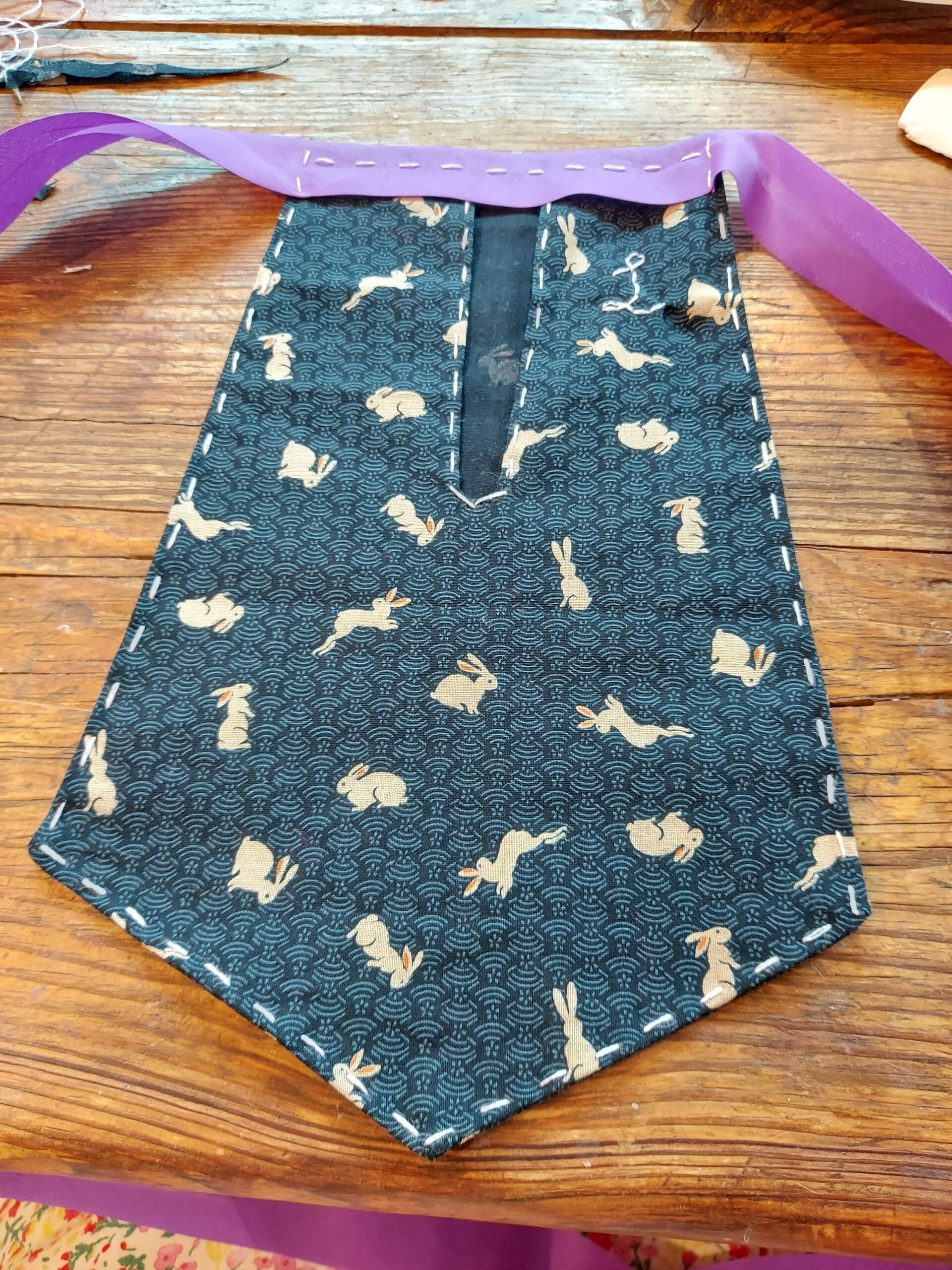
I attended a class run by Synonym Lab and Silkworm Collective to make a Victorian pouch pocket.

Date completed: 29 June 2024

Rebel Badge Club: Historian

I actually have a degree in History, so I was really looking forward to the Historian badge. Doing the badge has reminded me how much I love studying history and how much I miss reading around topics, weighing the evidence and coming to my own conclusions.

Understand the difference between a primary and secondary source.

A primary source is an authentic source with direct access to the time period or experience: e.g. letters, documents, wills, photographs, paintings, diaries.

A secondary source is one that is removed from firsthand experience in some way: e.g. a textbook or a book written by an historian.

Primary sources tend to be raw data, while secondary sources are usually interpretations of that data.

Compare and contrast two or more perspectives of the same historical event.

I have chosen to look at the events in India in 1857, commonly called the Indian Mutiny but also known as the Great Rebellion, the Revolt of 1857, the Indian Insurrection, and the First War of Independence. These events played out as an uprising against the rule of the British East India Company.

The traditional explanation for the mutiny is that new rifle cartridges were introduced in early 1857, believed by infantrymen (sepoys) to have been greased by cow and pig fat, which was insulting to Hindus and Muslims respectively. As a result, the soldiers rebelled against their officers.

I read three books on the topic:

Saul David, The Indian Mutiny, Penguin, 2002

Julian Spilsbury, The Indian Mutiny, Phoenix, 2007

William Dalrymple, The Last Mughal, Bloomsbury, 2009

Saul David’s work explores the causes of, and progress of, the mutiny as it developed throughout India. He suggests that the causes of the mutiny were primarily economic, professional and political. The British East India Company had recently taken over more or less every territory, culminating in the annexation of Oudh, from which a large proportion of the Bengal Army came. David suggests that many soldiers would have preferred to go back to the old days of war and plunder, where they had the chance of becoming rich by collecting spoils of war. The British also lacked understanding of local rules and traditions of land ownership.

David argues that mutineers wanted to replace their colonial overlords with traditional Indian rulers, mainly because they thought service to these new overlords would be more rewarding. There was also widespread dissatisfaction with uniform, housing and pay. He remarks that older soldiers were most likely to remain loyal, because they had more to lose – such as their pension.

However, he also suggests that a change in the relationship between the British and Indians helped to contribute to the rebellion, arguing that soldiers were more likely to mutiny if they didn’t have a longstanding, respected officer as leader. When the British first came to India, they often integrated into society, taking Indian wives and mistresses and embracing local culture. In more recent years, a division had become more apparent: for instance, many British officials now married before arriving in India, and with their white wives and families remained aloof from local customs, even looking down on them.

Julian Spilbury’s thoughts are along similar lines to David’s. He points out the British soldiers’ increasing distance from Indian troops. The conquest of Oudh meant that sepoys lost the right of petition in the courts to the British Resident at Lucknow, a privilege which they greatly valued. Once the Sikhs of the Punjab had been defeated, the last independent nation state in the area had gone, and sepoys feared that they would be sent overseas – something that high-caste Hindus in particular feared. Victory also meant a pay cut for the soldiers, as they were no longer entitled to extra allowances once Scinde and the Punjab became British provinces.

Spilsbury does touch on possible religious reasons for the uprising. The growing evangelical lobby in Parliament meant that missionaries were sent to India in increasing numbers, and there was a fear among Indians that they were going to be forcibly converted to Christianity.

William Dalrymple’s work is different from the others because he doesn’t draw on only English sources. In his research he used Persian and Urdu documents relating to Delhi in 1857, known as the Mutiny Papers, from the National Archives of India. He also uses plenty of other sources which expose the brutality of the British response to the uprising (English-language sources tend to focus on the atrocities committed against the British).

Dalrymple, in common with Spilsbury, argues that the growing disconnect between the British and Indians helped to fuel the uprising. He suggests that the British became increasingly arrogant as they had defeated their Indian rivals as well as the French.

He also emphasises the religious reasons for the revolt: the growth of evangelical Christianity and the plans to impose Christianity on Muslims and Hindus. He argues that the mutiny was primarily a war of religion, as well as a more generalised desire for freedom from foreign domination. He notes that participants cited religious reasons for their involvement rather than social or economic ones. In addition, he points out that British people who had converted to Islam were not hurt in the rebellion, whereas Indians who had converted to Christianity did suffer. While focusing primarily on events in Delhi, Dalrymple suggests that rather than a coherent mutiny or war, there were several different uprisings and acts of resistance across Hindustan (modern-day north India) which had different causes and rationales depending on location and circumstances.

Choose a historical figure, read a book about them, and create a timeline of the major events in their life.

I read Robert K. Massie’s Catherine the Great: Portrait of a Woman (Random House, 2012), a biography of the Russian empress. My timeline is below.

Identify a critical moment in history and explain its significance.

There are so many choices I could have made for this clause, but I’ve gone for the death of Arthur, Prince of Wales on 2 April 1502. He was the eldest son of Henry VII – the first Tudor king – and Elizabeth of York, and was married to Catherine of Aragon in 1501. Six months later, he died, possibly from the sweating sickness, at Ludlow Castle in Shropshire.

Arthur’s death meant that his younger brother Prince Henry became heir to the throne. He ruled as Henry VIII from 1509 to 1547. Henry married his brother’s widow, Catherine, and divorced her years later after she failed to bear him a son. One reason given for the divorce was that their marriage was invalid because Catherine had been married to Henry’s brother.

Without Henry VIII, England would not have broken with Rome, the dissolution of the monasteries would not have taken place, and the Church of England would not exist. Culturally, Henry VIII and his six wives are well known; if Arthur had reigned as king, Henry’s multiple marriages would not have happened. Six: The Musical would not exist!

The history of the sixteenth century would have looked very different. We would not have had Elizabeth I (or Mary I or Edward V). Since James VI of Scotland became James I of England after the death of Elizabeth I, who died without children, it is possible that England and Scotland might never have been united if Arthur and his heirs had ruled England.

Visit a museum or historical exhibit. Consider how they approach the subject and the choice of artefacts and exhibits. If you were tasked with creating an exhibition on the same era, event or topic, what would you change?

I visited the exhibition Legion: life in the Roman army at the British Museum. I loved the exhibition and liked how they chose a particular soldier to follow throughout his army career. I loved how they made the exhibition appeal to children through the use of a cute rat character. The items on display were incredible, including an original longshield and several grave markers, as well as tablets granting retired soldiers citizenship.

It would have been interesting to follow two soldiers, one a citizen and one not, to see how their experiences contrasted. It would also have been good to find out more about actual battles: how they played out, soldiers’ experiences and so on.

Choose a historical period, event, or topic, and study it. Read or listen to at least two books, and watch at least one film or documentary about it. Present your findings in the format of your choice – e.g. a scrapbook, video, exhibition.

Mindful of recent events, I chose to study the Israel-Palestine conflict. It’s an incredibly complex and emotive topic, and though I’ve learned a great deal I want to continue to study it. My booklet showing what I learned is below.

Date completed: 28 June 2024

Rebel Badge Club: Big Rebel Adventure 2024

I’m claiming the Big Rebel Adventure 2024 badge.

The big challenge for this badge was the Three Peaks Challenge, but I knew I wouldn’t be able to manage that – however, there were other ways to claim the badge, one of which was to attend one of the training walks. I attended the Surrey Three Peaks training walk and managed to complete two out of the three peaks, which for me is an achievement, as I’m not very good with hills.

Major respect to everyone who did manage the Three Peaks Challenge!

Rebel Badge Club: Glamper

The Glamper badge was a badge I got in my Badge Roulette. I had never been glamping before, but I really enjoyed doing this badge – it was certainly more relaxing than standard camping!

Spend at least two consecutive nights in a vehicle

I stayed in a gypsy caravan near Ringwood, Hampshire.

Spend a further two nights in a structure in the wild

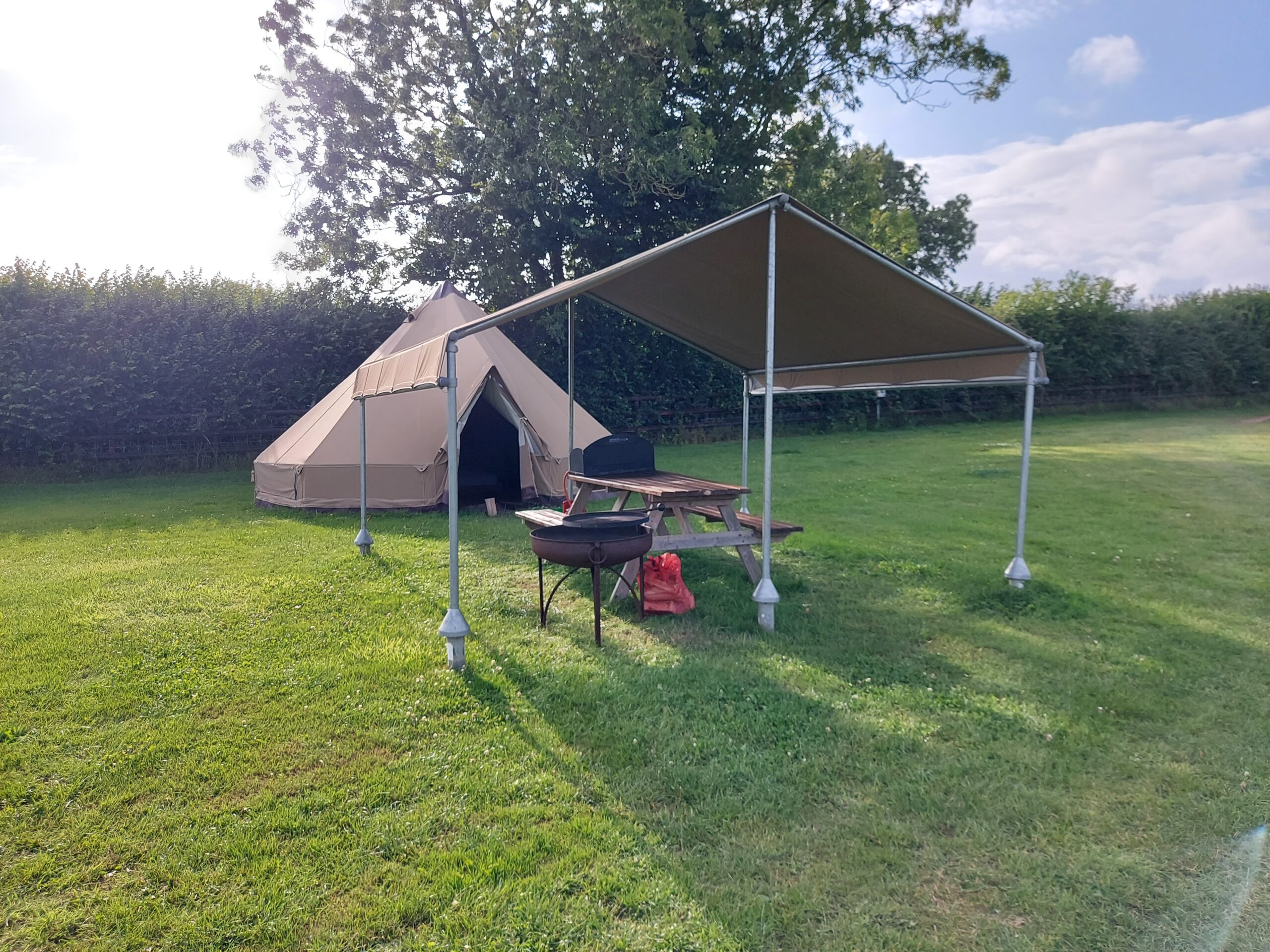
I stayed in a bell tent near Dorchester, Dorset.

Design the menu for both your trips

I had access to a fridge for both my trips so was able to keep food cold. I planned a varied vegetarian menu for both my trips.

Cook at least two meals outdoors

At the caravan, I cooked halloumi wraps and sweet potato fries. In the bell tent, I made a bean stew and some veggie burgers with chips and tenderstem broccoli.

Kit out your camp kitchen

I took tinfoil, barbecue tongs, cutlery and a plate to cook my meals.

Sanitary arrangements for the vehicle

While staying in the caravan I had access to a compost toilet and made sure to dispose of all waste safely.

Leave minimal trace

I recycled all my waste where possible and tidied up after myself.

Know how to treat camp injuries

Last year I did a three-day First Aid at Work course so I would know how to treat any injuries.

Prepare a first aid kit for your trip

I took plasters, painkillers and antiseptic cream with me on my trips.

Take part in three outdoor activities in camp

At the caravan, I went wild swimming, explored a nature reserve and visited an owl, raptor and reptile sanctuary. Staying in the tent, I explored an Iron Age hill fort, went sailing, and made a campfire.

Date completed: 16 June 2024