On a sunny Sunday in May, I headed down to Covent Garden to attend the May Fayre and Puppet Festival in the gardens of St Paul’s, the Actors’ Church, Covent Garden.
I wandered round exploring the different stalls, offering puppetry workshops for young children, items for sale, and various puppet shows.
I sat on the grass to catch a Punch & Judy show and it was great fun!
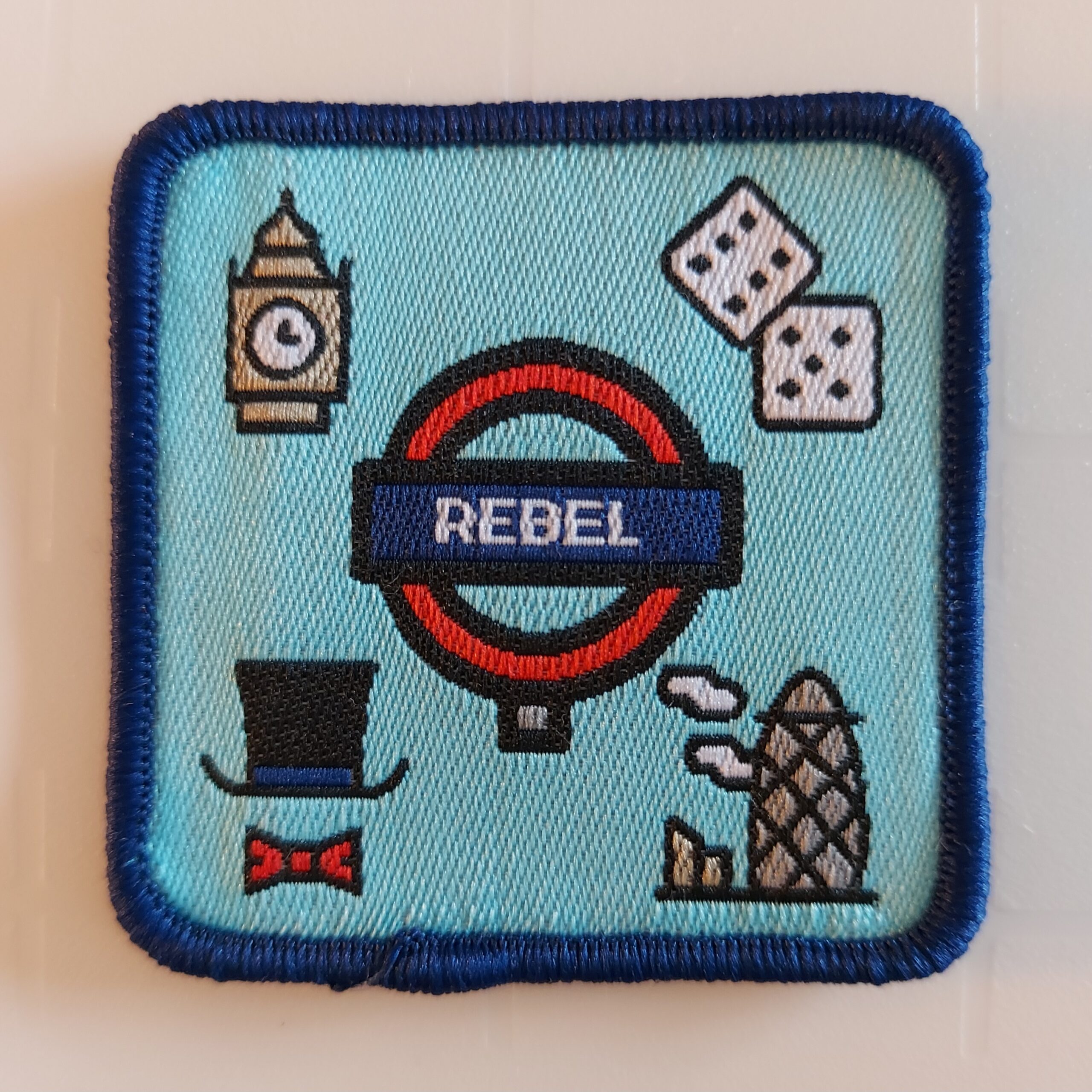
On Saturday I took part in Rebel Monopoly, a game all around London where teams of Rebels tried to visit every stop on the Monopoly board and got distracted by random challenges while doing it.
I was on a team with Laura B, Dawn and Roisin. We were Team 9, which I thought was cool because of Inside No. 9, and envisaged all sorts of weird and wonderful scenarios, none of which (luckily!) panned out. We met in the Caffè Nero at Trafalgar Square to discuss game plans before being sent off in our teams. I must admit I’d been so focused on Eurovision that I hadn’t devoted much time to thinking about tactics, so I was glad other members of the group had done so – although I was able to contribute my slightly obsessive knowledge of the Tube.
While rushing around London, we paid a visit to King’s Cross to meet one of the game tokens, playing a tricky game of Twister in the process. We also headed to Marylebone and hopped on a bus in order to earn points with a photo. After lunch we headed to the Tube again and I was gutted to lose my Rebel bucket hat, which blew off my head and onto the tracks!
An afternoon of Monopoly stop-hunting ensued, and we ended the game at Paddington before heading to Clapham and the pub which would host our Eurovision party.
A brilliant day was had, and I’ve since booked myself onto the Edinburgh version of the game, which takes place in September.
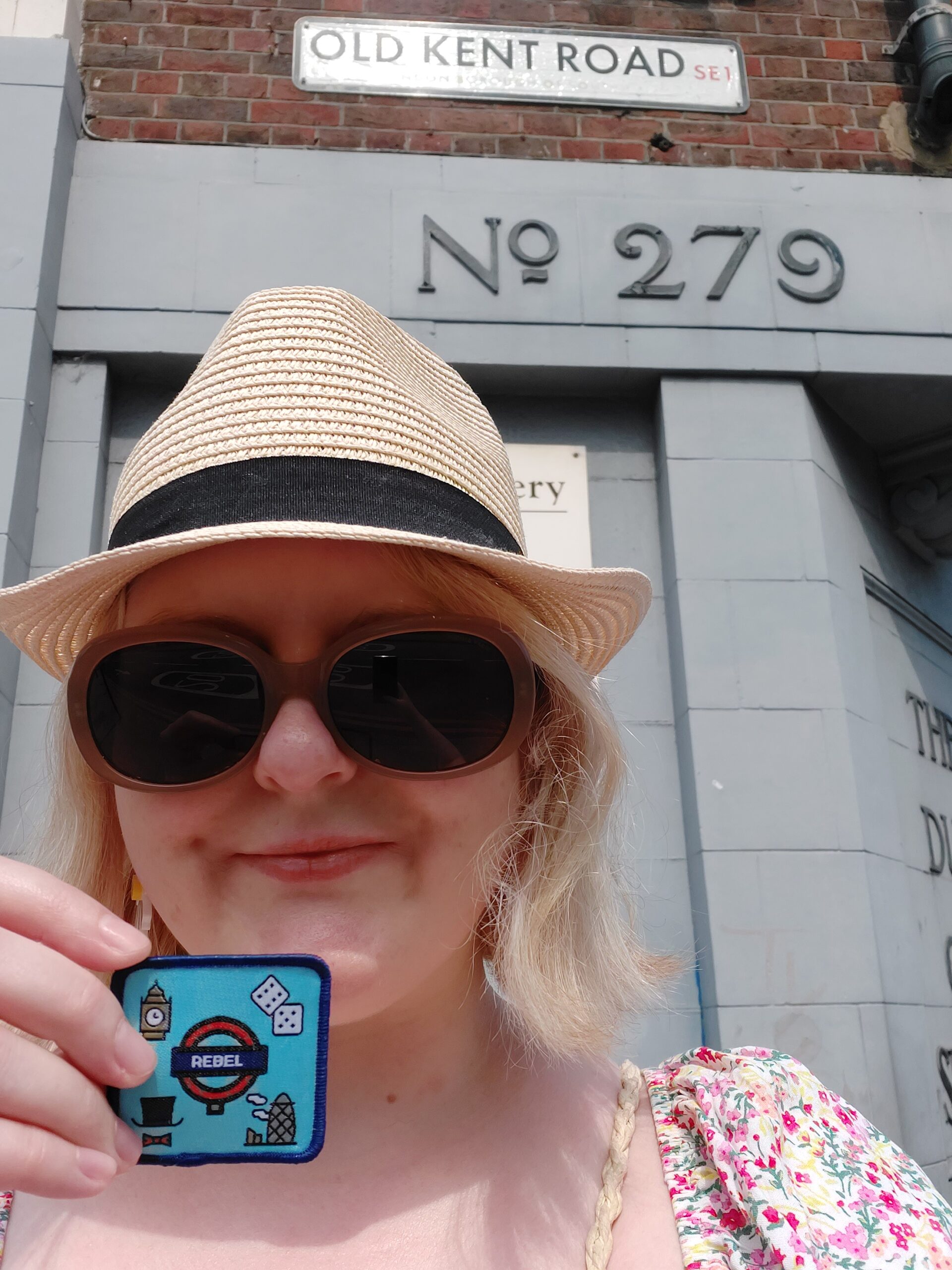
We managed to visit every stop but one during the day – on the Sunday I headed down to Old Kent Road to take a selfie and complete the set!
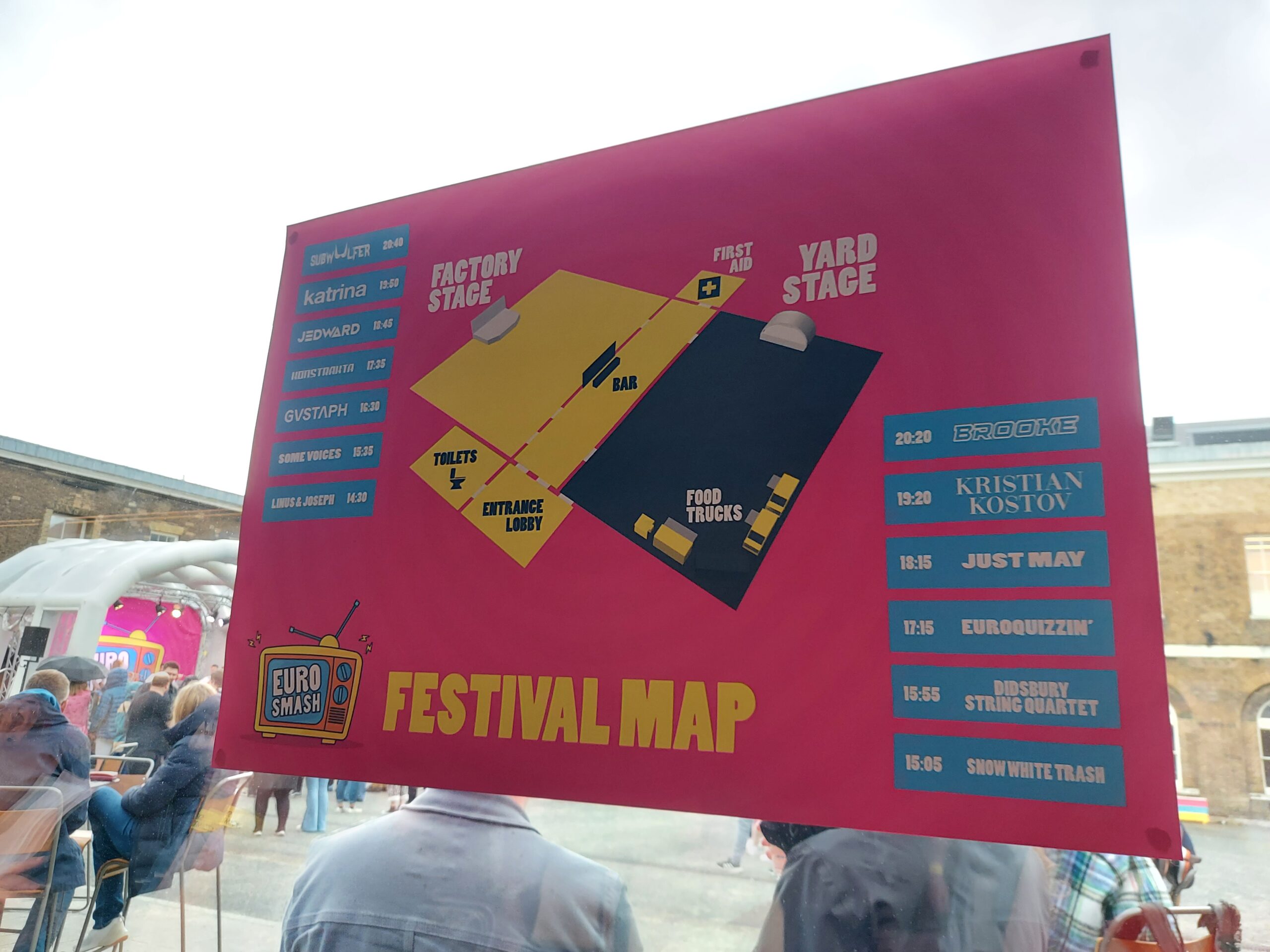
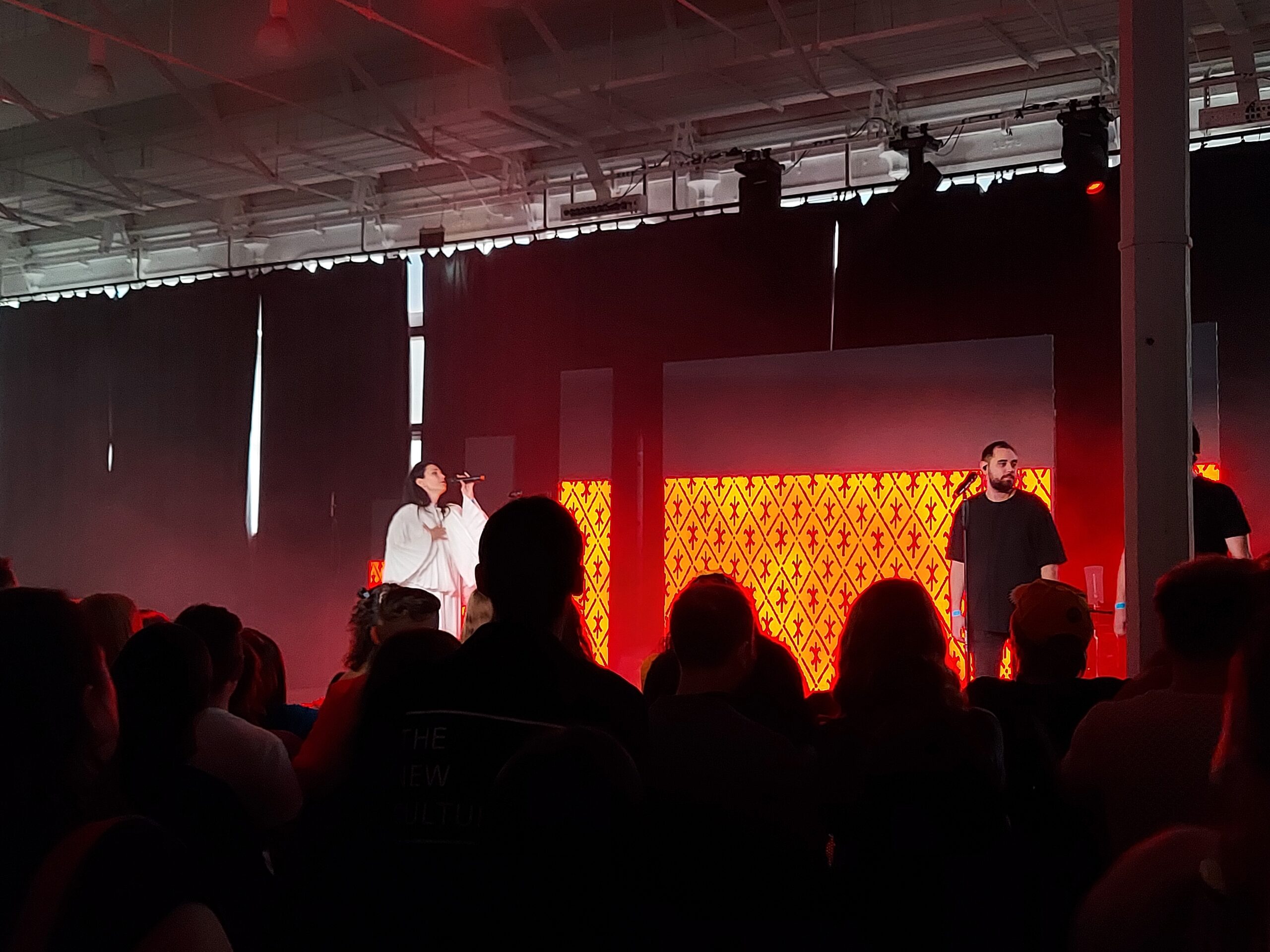
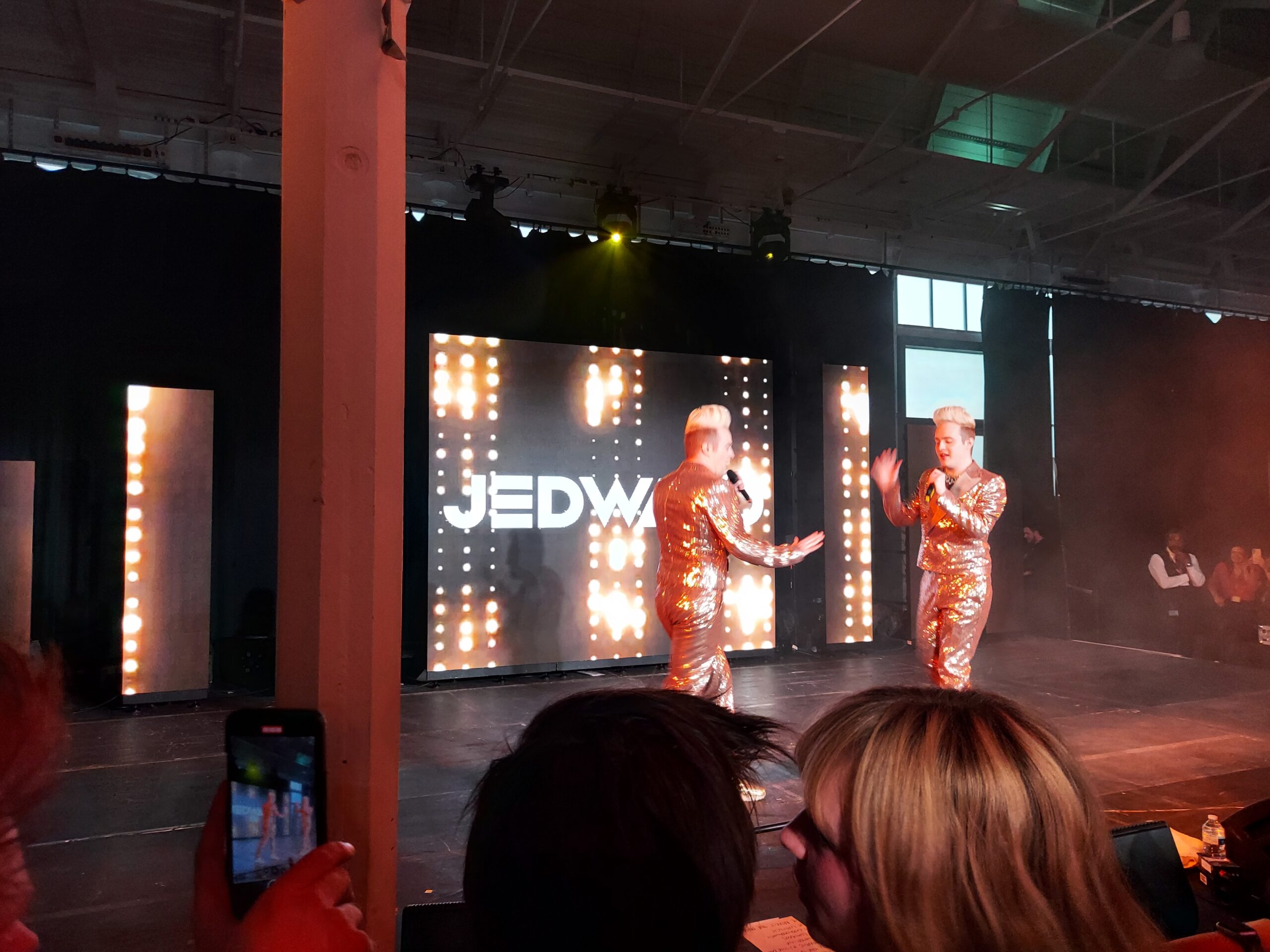
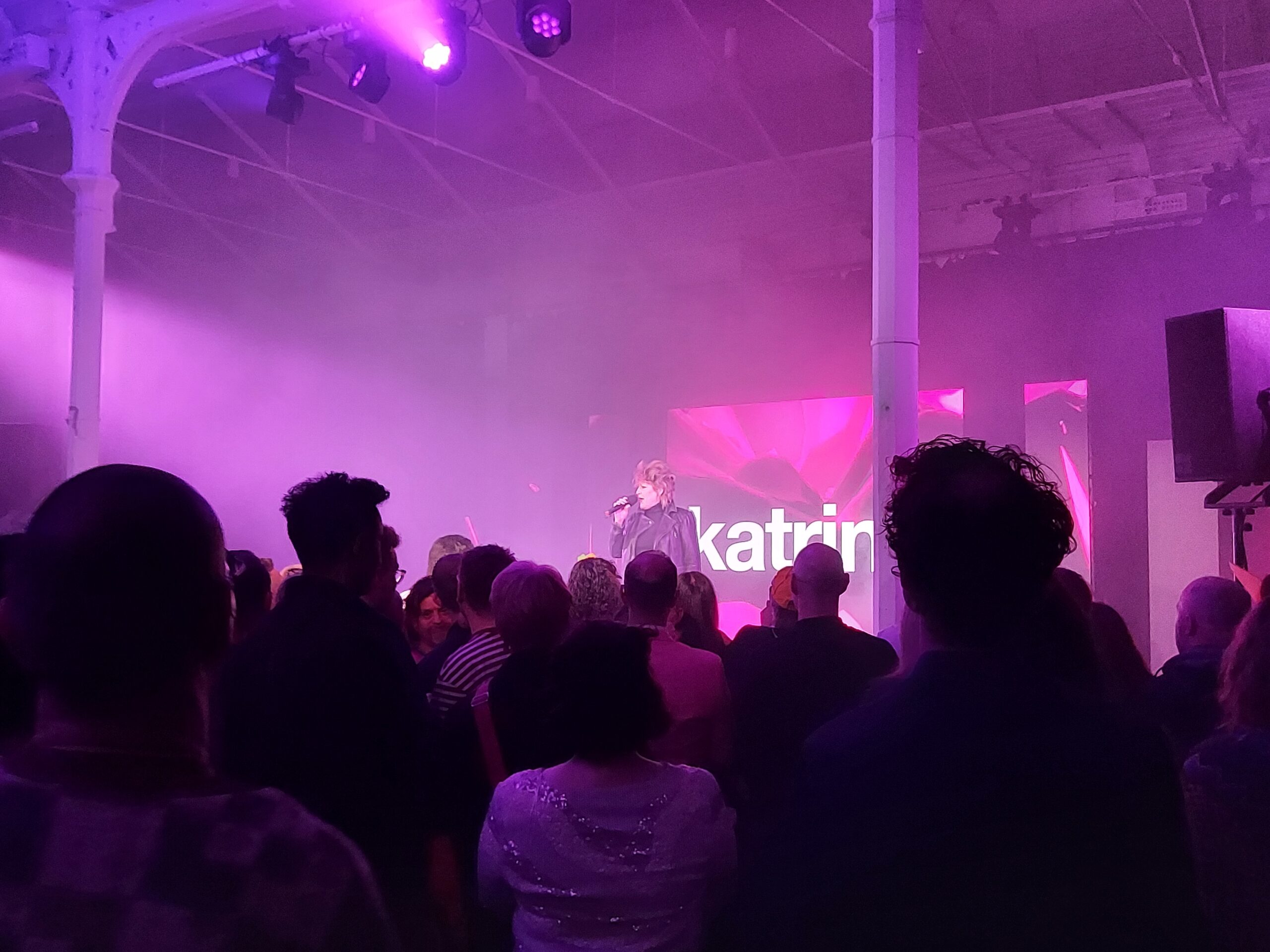
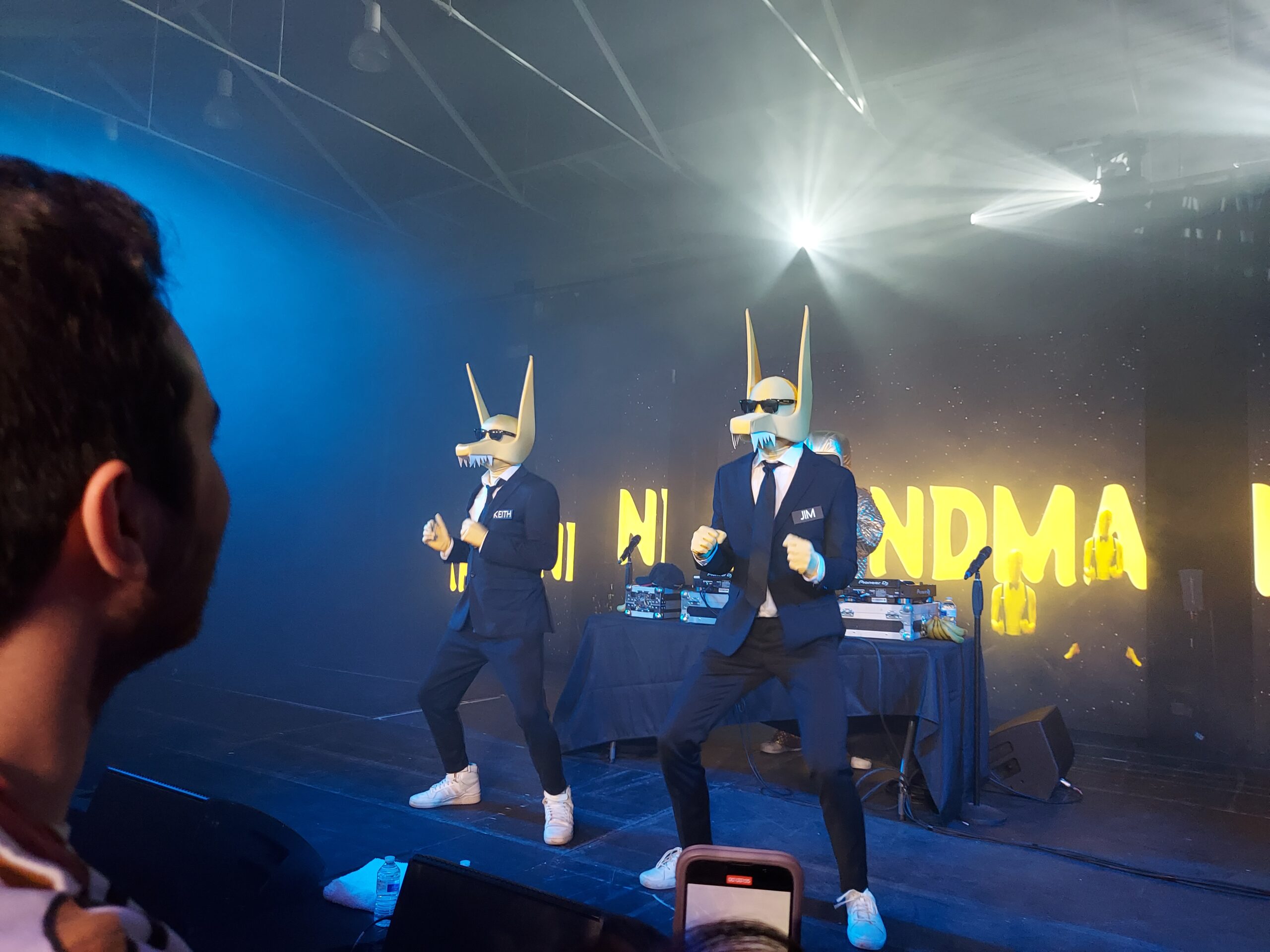
I absolutely love Eurovision, so when I saw the Eurosmash Festival advertised on my Instagram, I had to get myself a ticket. Hosted at Woolwich Works, conveniently close to the Elizabeth Line, it saw several Eurovision stars from contests past perform on stage.
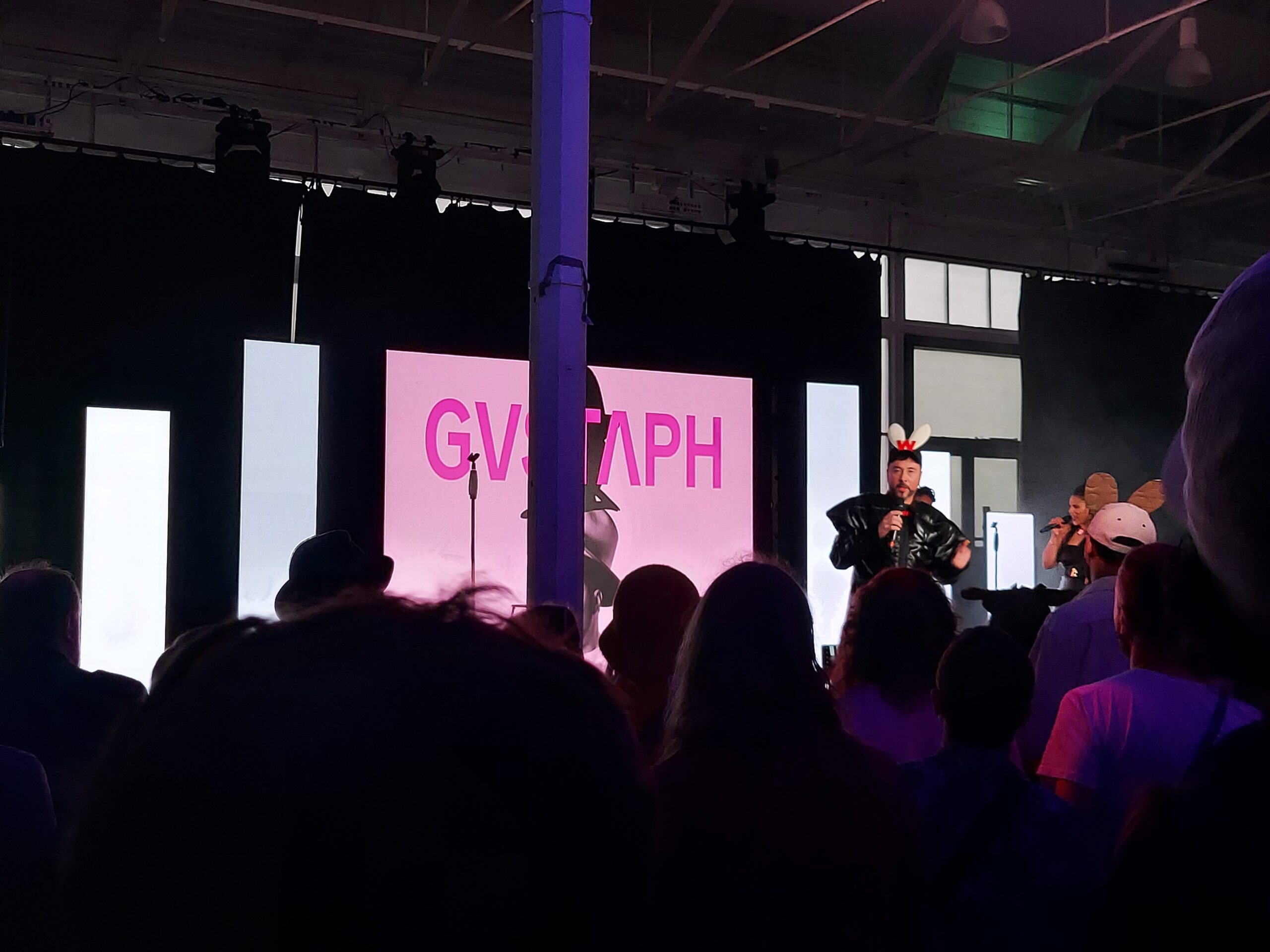
I got there in time to see Gustaph, who represented Belgium in 2023 with the super-catchy upbeat anthem ‘Because Of You’. His set was lots of fun and a great way for me to kick off the festival.
I was also excited to see Konstrakta, who represented Serbia in 2022 with ‘In Corpore Sano’. For some reason I had expected her to be deadly serious but she was actually a lot of fun and had the best outfits of the day!
Jedward were up next, and they were forces of nature – possibly my favourite act of the day. Having represented Ireland twice at Eurovision, in 2011 with ‘Lipstick’ and again in 2012 with ‘Waterline’, they are perfect Eurovision representatives and their set was hugely entertaining. I didn’t have Jedward performing a cover of Blink 182’s ‘All The Small Things’ on my bingo card for 2024, but there you go.
After their performance, it was time for Katrina, of Katrina and the Waves fame (who won Eurovision for the UK back in 1997). This was a feelgood nostalgic performance, with the most memorable moment not being a Eurovision song at all, but the band’s other big hit ‘Walking On Sunshine’.
Finally, I got to see the headliners Subwoolfer, who represented Norway in 2022 with ‘Give That Wolf A Banana’. The yellow-masked duo are actually former member of A1 Ben Adams and Norwegian singer Gaute Ormåsen. Their signature song is great fun and so were the other tracks they performed!
I attended an event on 1 May marking the ancient Celtic festival of Beltane. This festival signifies the halfway point between the spring equinox and the summer solstice, and is associated with fertility, fire and renewal. Traditionally, Celts would also forage for early spring mushrooms at this time, hence this event, hosted by A Curious Invitation and Antique Beat.
The event featured a panel of experts, each specialising in a different aspect of fungi. Mike Green, founder of The London Fungus Network, spoke about fungal biology and ecology. Jana Nicole, artist and co-founder of the All Things Fungi Festival, displayed her latest artwork. Max Mudie, festival co-founder and photographer, shared his experiences of macro photography as it pertains to fungi. There was also music from Brian d’Souza, also known as Auntie Flo. He uses biosonification to turn electrical signals from mushrooms into MIDI notes, which are then processed through a synthesizer.
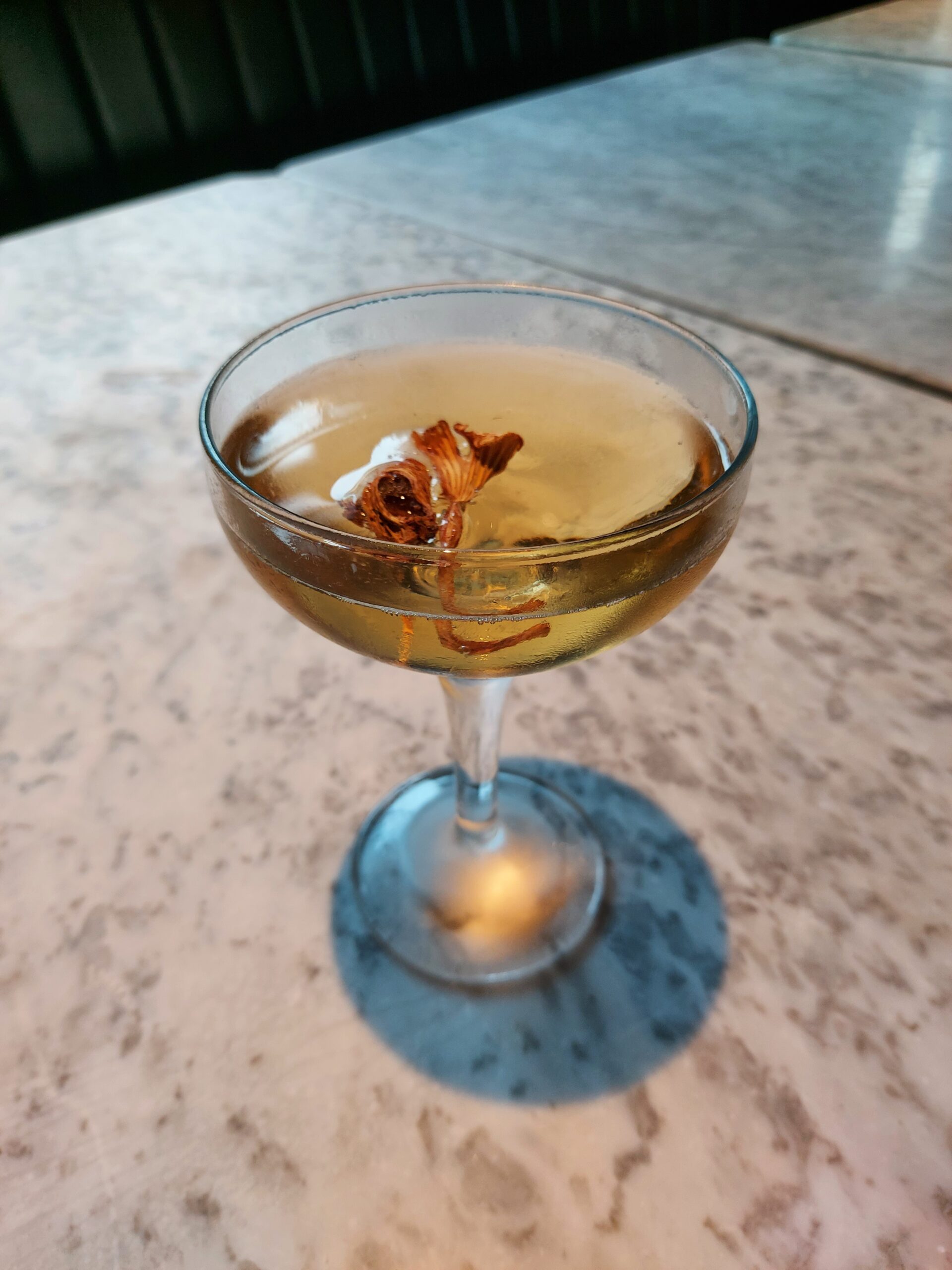
I enjoyed the talks, and only wish they could have gone into even more detail – I would have liked even more information, maybe even presentations! I also enjoyed my mushroom martini.
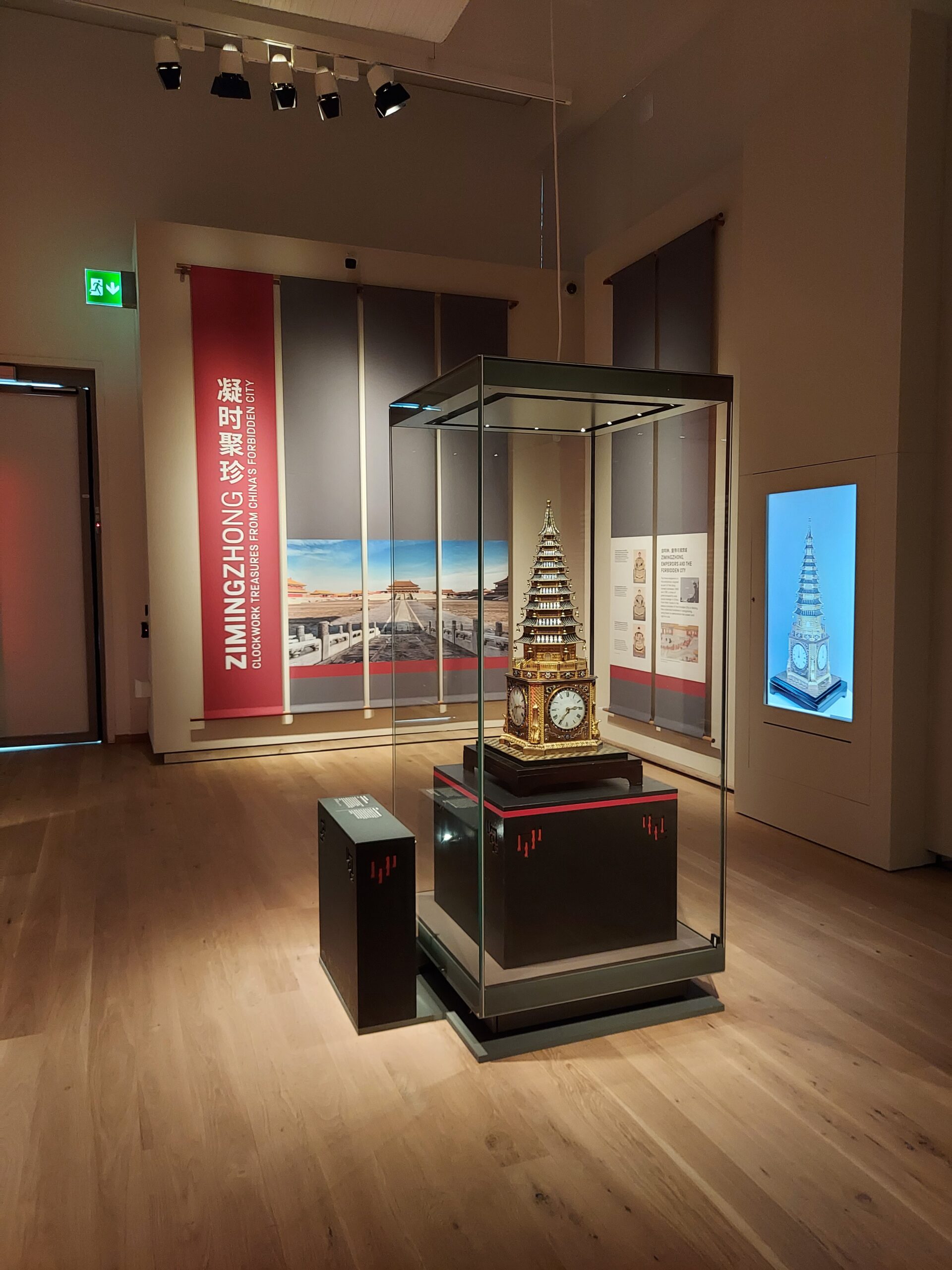
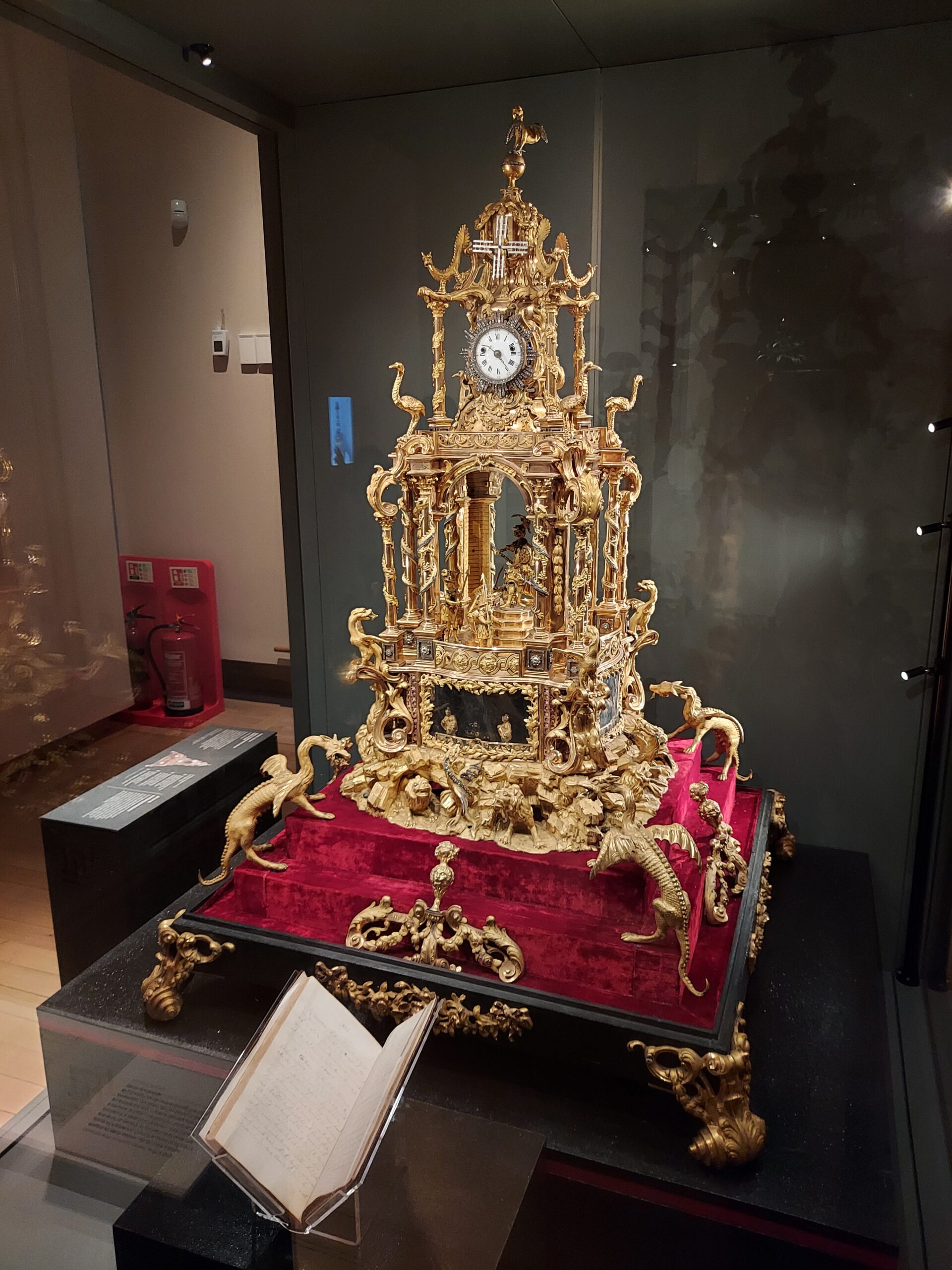
While I was at the Science Museum I also decided to explore the Zimingzhong exhibition. This consists of several beautiful ornate clockwork automata and other artefacts on loan from the Palace Museum in Beijing. I was interested to learn that these, known as zimingzhong, were a symbol of cultural exchange between (largely) the British and the Chinese, as Western clockmaking talents were appreciated by the Chinese emperors even though many other British imports were unwanted and unappreciated. These artefacts, however, were actively sought out as tribute, and were often made to appeal to a Chinese market. Several were also made in China, particularly in the port city of Guangzhou, the location of much British trading.
The exhibition has several of these beautiful, ornate and exquisite items on display. Many are accompanied by commentary from members of the Chinese diaspora in the UK, which I found particularly interesting. Many items contain gold leaf, jewels, and decoration such as enamel.
I am glad I took the opportunity to visit the exhibition, as it opened my eyes to an aspect of Chinese culture I hadn’t been aware of, and helped me understand more about the blending of Chinese and British cultures.
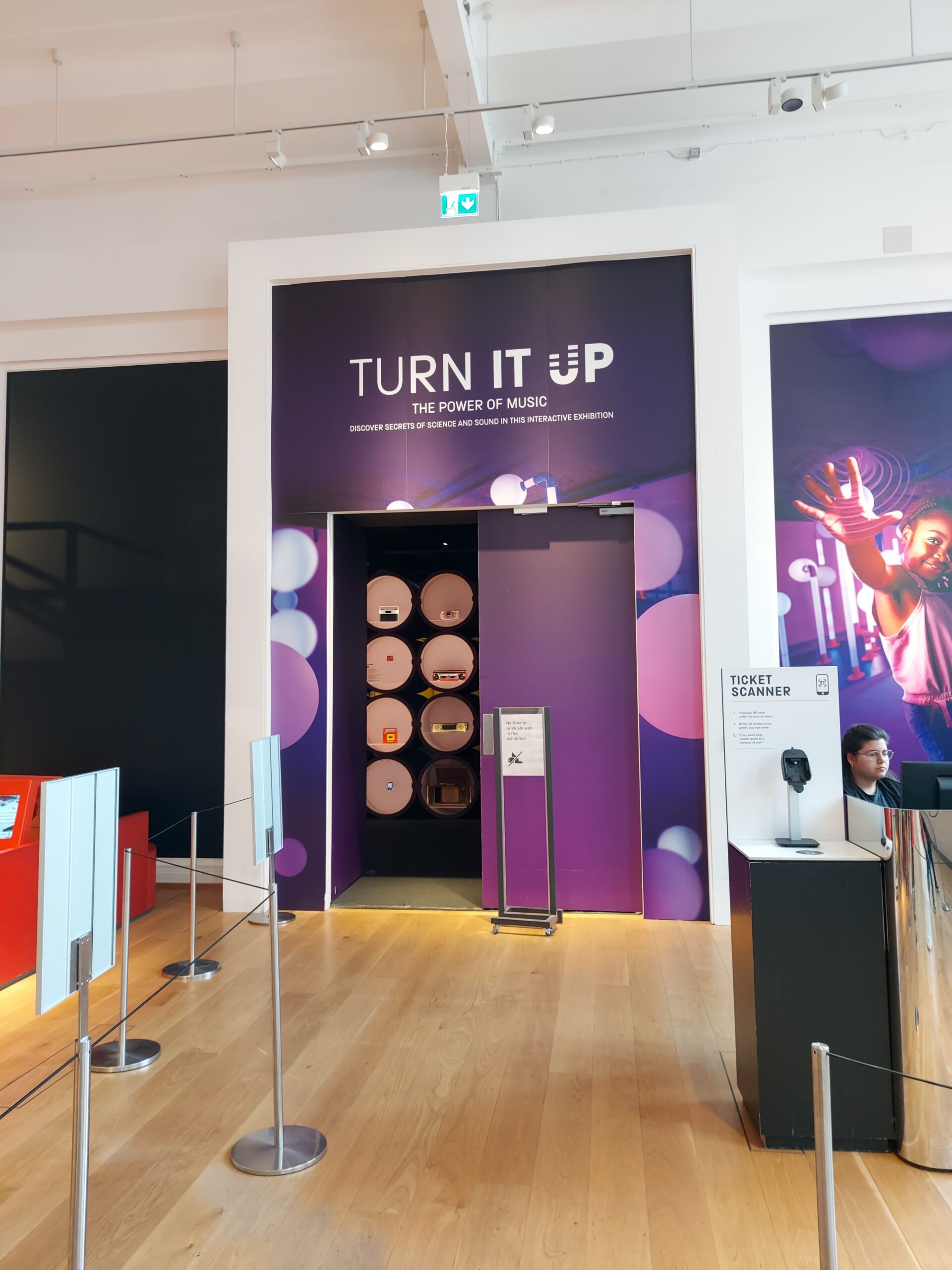
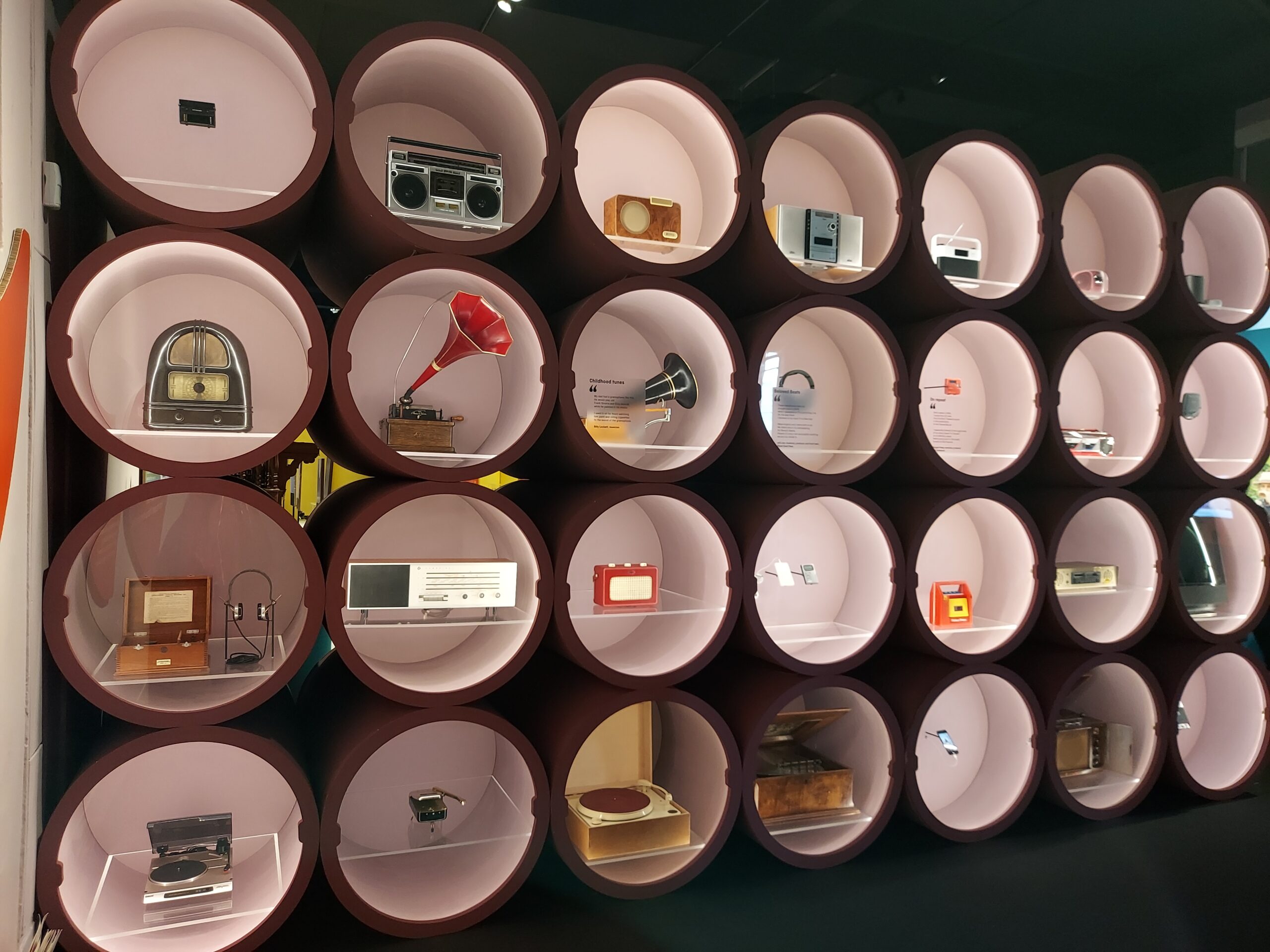
On Saturday I went to visit the Turn It Up: The Power of Music exhibition at the Science Museum. I thought it sounded intriguing, and hoped it would help me with my Music Lover badge for Rebel Badge Club. The exhibition explores how and why music affects us. Throughout, there are numerous options for visitors to add comments about the songs that hold meaning for them.
Entering the exhibition, you are greeted with a selection of music-related technologies, such as record players, cassette players, iPods and others. You are bound to recognise something you used yourself. Comments from musicians here (and throughout the exhibition) discuss the memories these objects inspire or the significance various artefacts have had in their lives.
One section explores unusual and unique instruments, such as the fire-breathing organ and the violin made of ice. Another looks at how technology has been used to make music production more accessible, such as a computer programme to enable a paralysed trumpeter to continue to create the music he loves, and special gloves to allow the wearer to produce sound.
My favourite part was the ‘house’ that explored how music affects every part of our lives. For instance, the bedroom looks at how and why music can help us sleep, and a locker room discusses songs that can motivate and improve athletic performance. Overall, this was a fascinating exhibition which added scientific depth to a topic many of us probably take for granted.
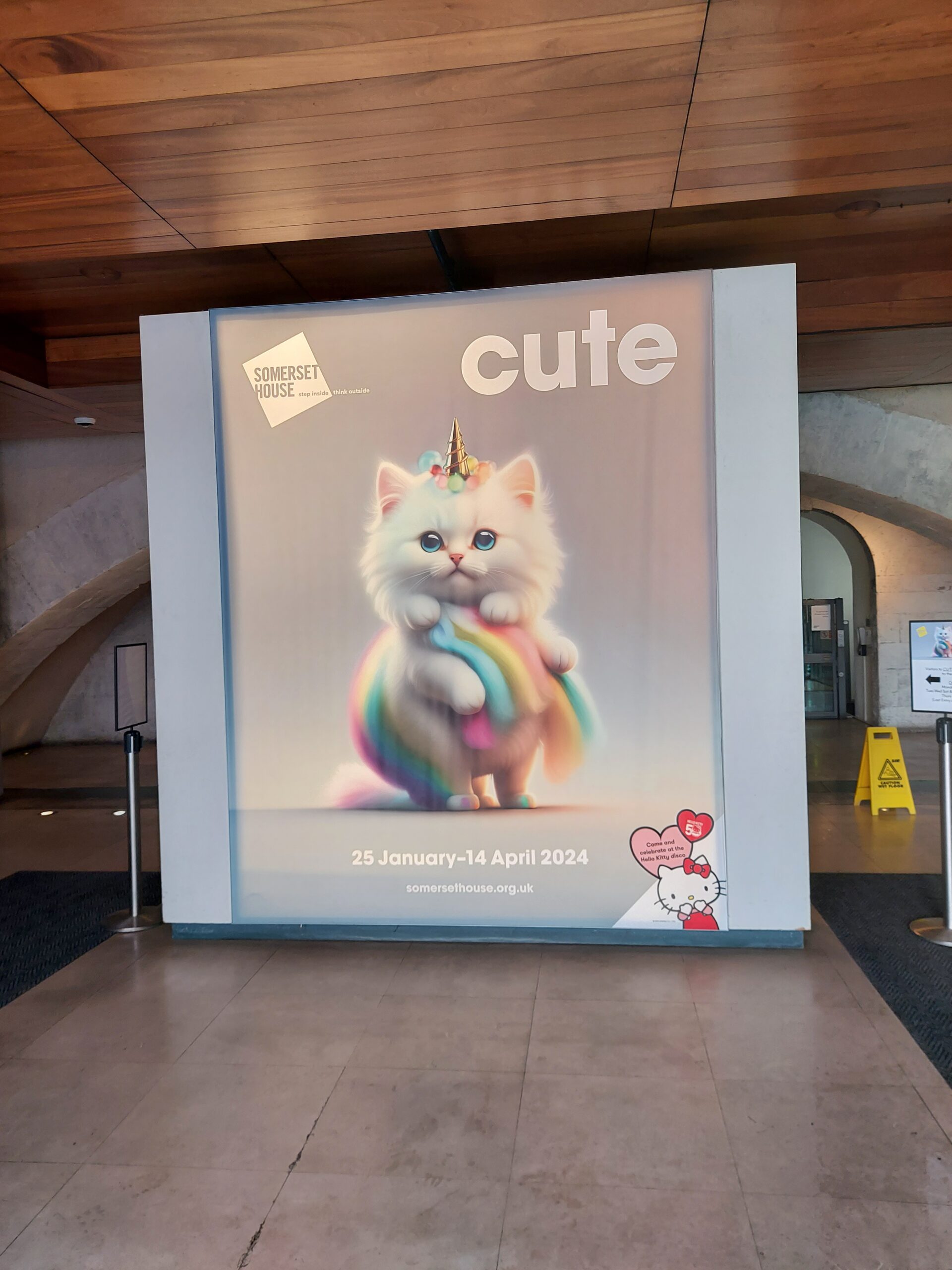
CUTE at Somerset House is the first exhibition to fully explore the concept of ‘cute’ and its role through time, focusing on the modern era but with nods to the past too. The word ‘cute’ comes from Ancient Greek, based on the word ‘acutus’ which roughly translates as ‘sharp’. Therefore, the first uses of the word, which first appeared as ‘acute’ in English in 1731, were connected with sharpness of the mind and the senses. However, in ancient Japan, The Pillow Book of Sei Shōnagon (first published in 1002) listed things described as “utsukushi”, similar to modern “kawaii”, roughly meaning small, fragile and vulnerable. In the modern day, the word “cute” has drawn meanings from both East and West.
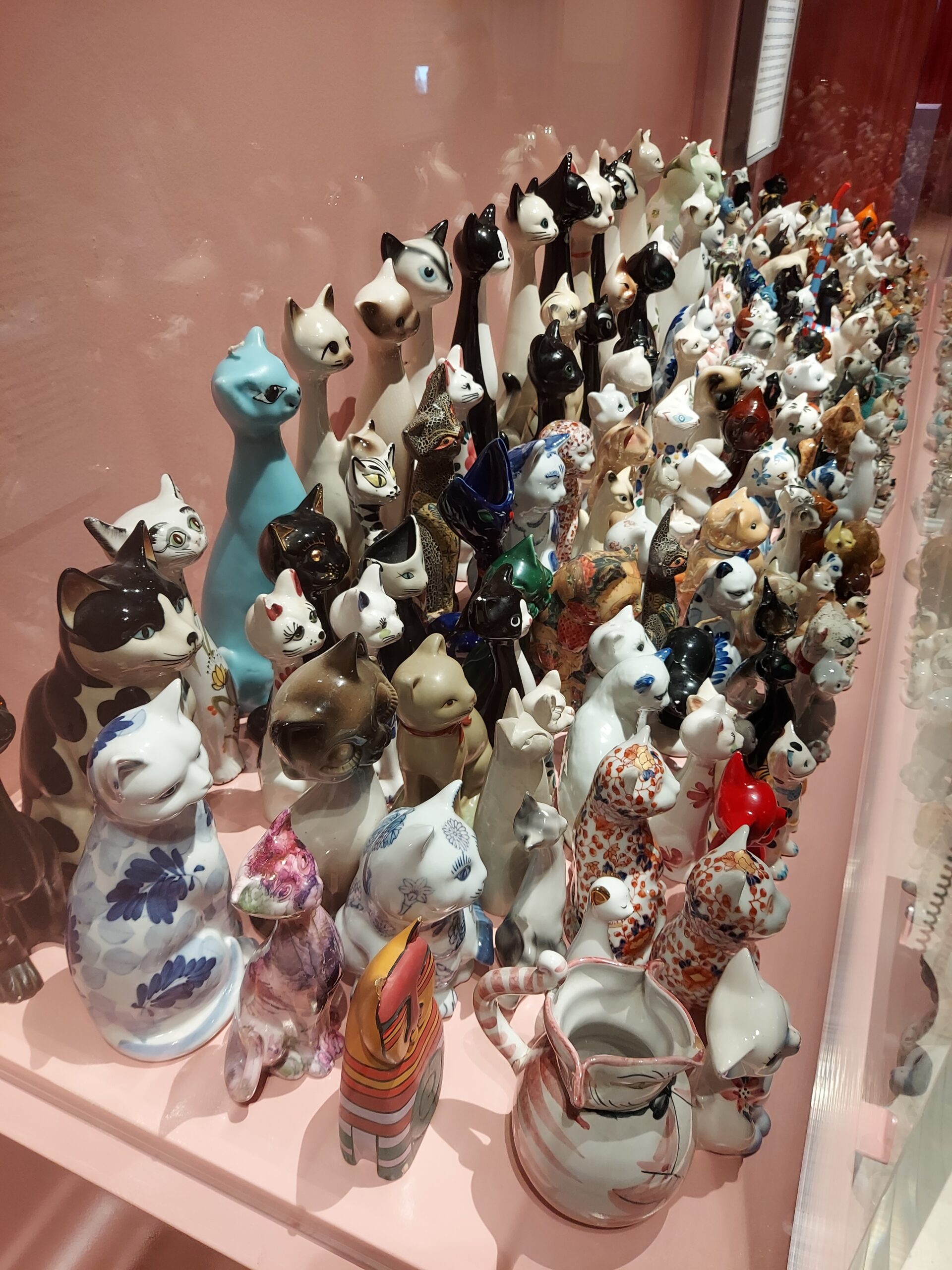
The exhibition begins, appropriately, with a room full of cats: Harry Pointer’s cat photos, paintings by Louis Wain, and ceramic cats by Andy Holden.
Andy Holden’s ceramic cats
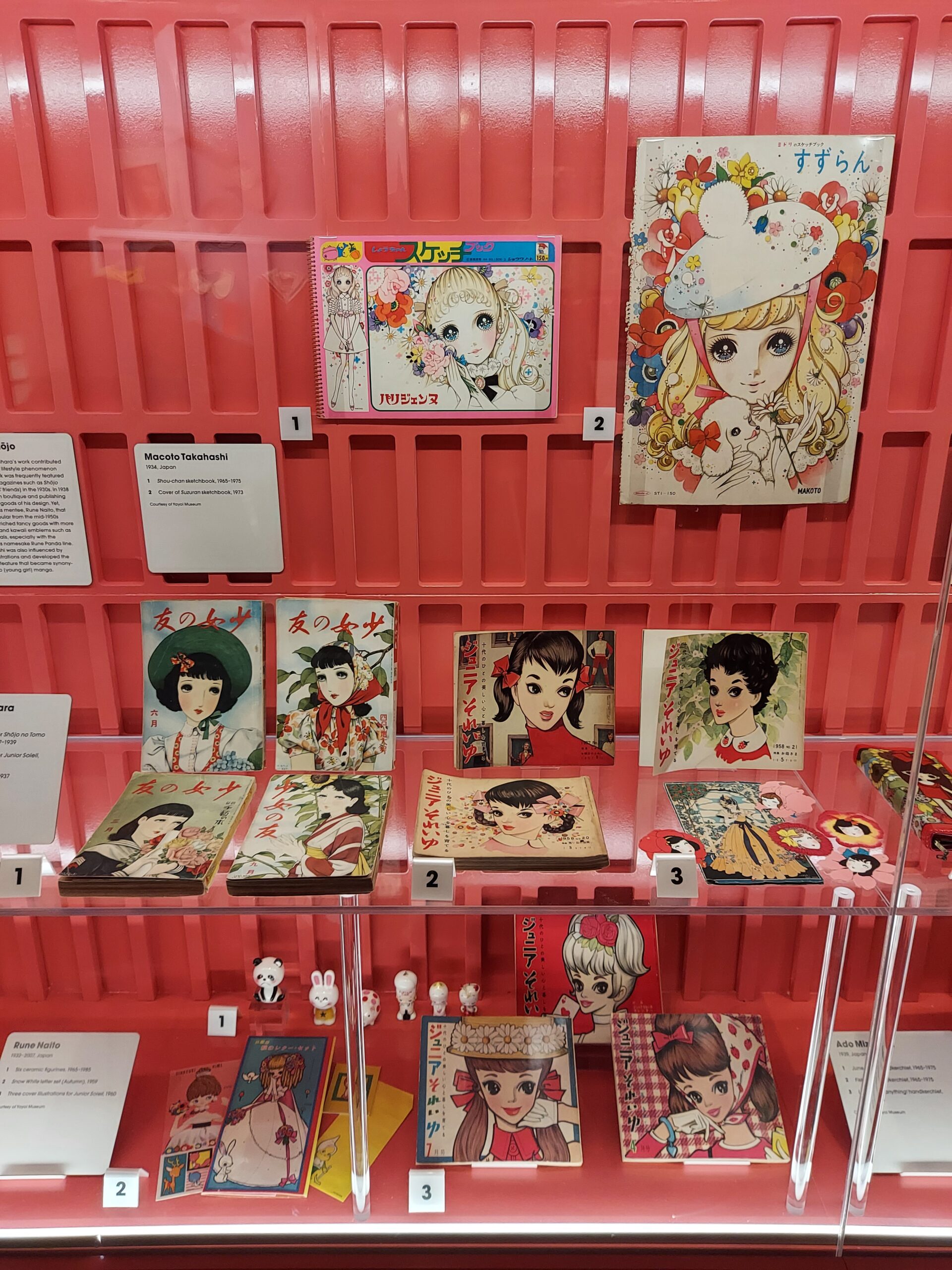
It moves on to look at Kewpie dolls, cherubic imagery, and Japanese cuteness – often known as “kawaii” – frequently evoked in manga and other drawings. A whole room of the exhibition is devoted to Hello Kitty, and that famous cat’s 50th anniversary.
Japanese manga
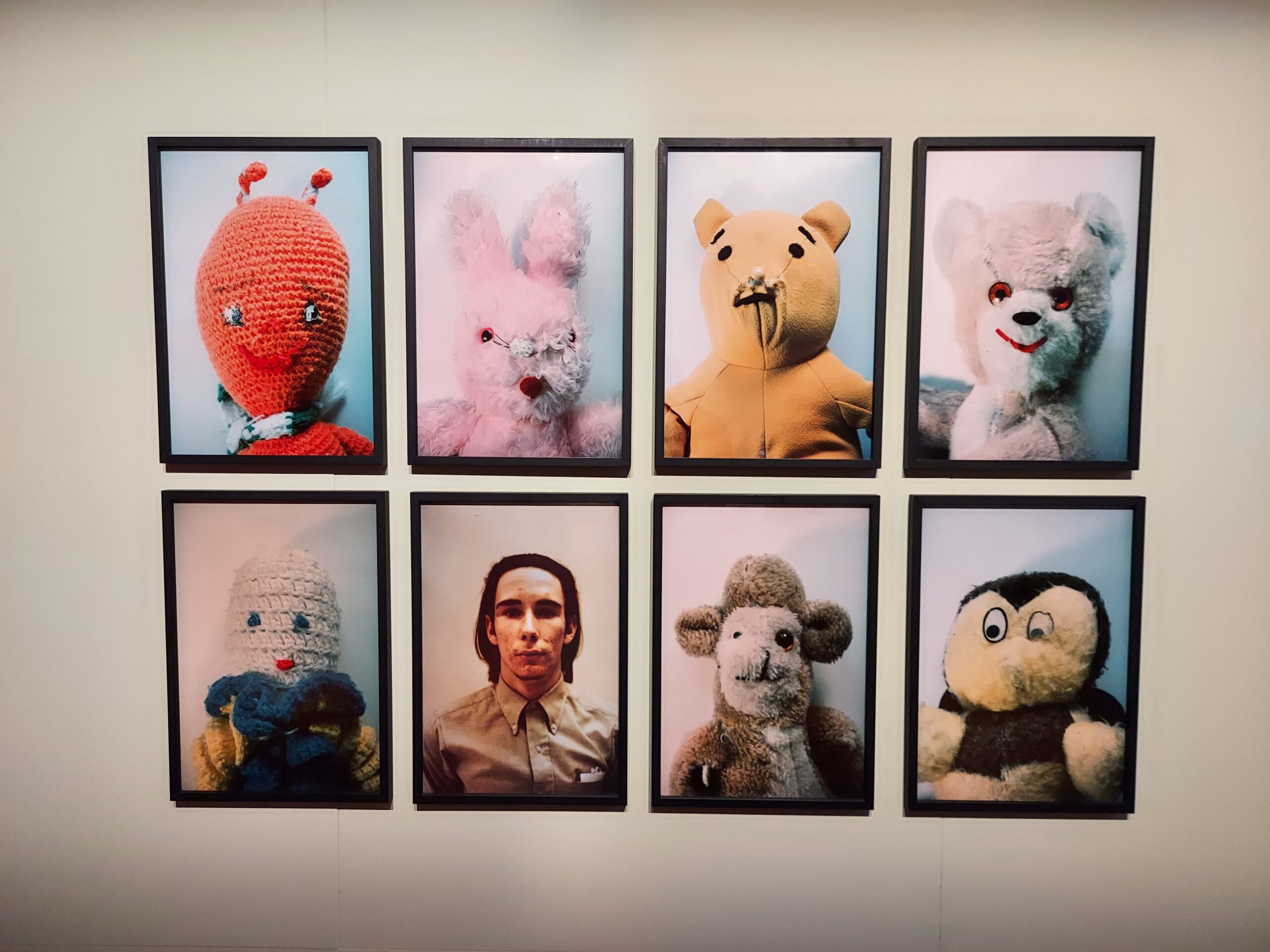
Later exhibits focus on cuteness in art, including 1990s photographs by Mike Kelley, and Aya Takano’s manga-influenced paintings from 2015. This section reinforced that, for me, there is often a very fine line between cute and creepy.
Photographs by Mike Kelley
There were several families at the exhibition and there was lots aimed at them, such as an entire room dedicated to video games based around the theme of cuteness. I’m not sure how many people actually explored the themes raised in the exhbition, instead simply focusing on how adorable most of the exhibits were – though if they enjoyed it, that’s the important thing!
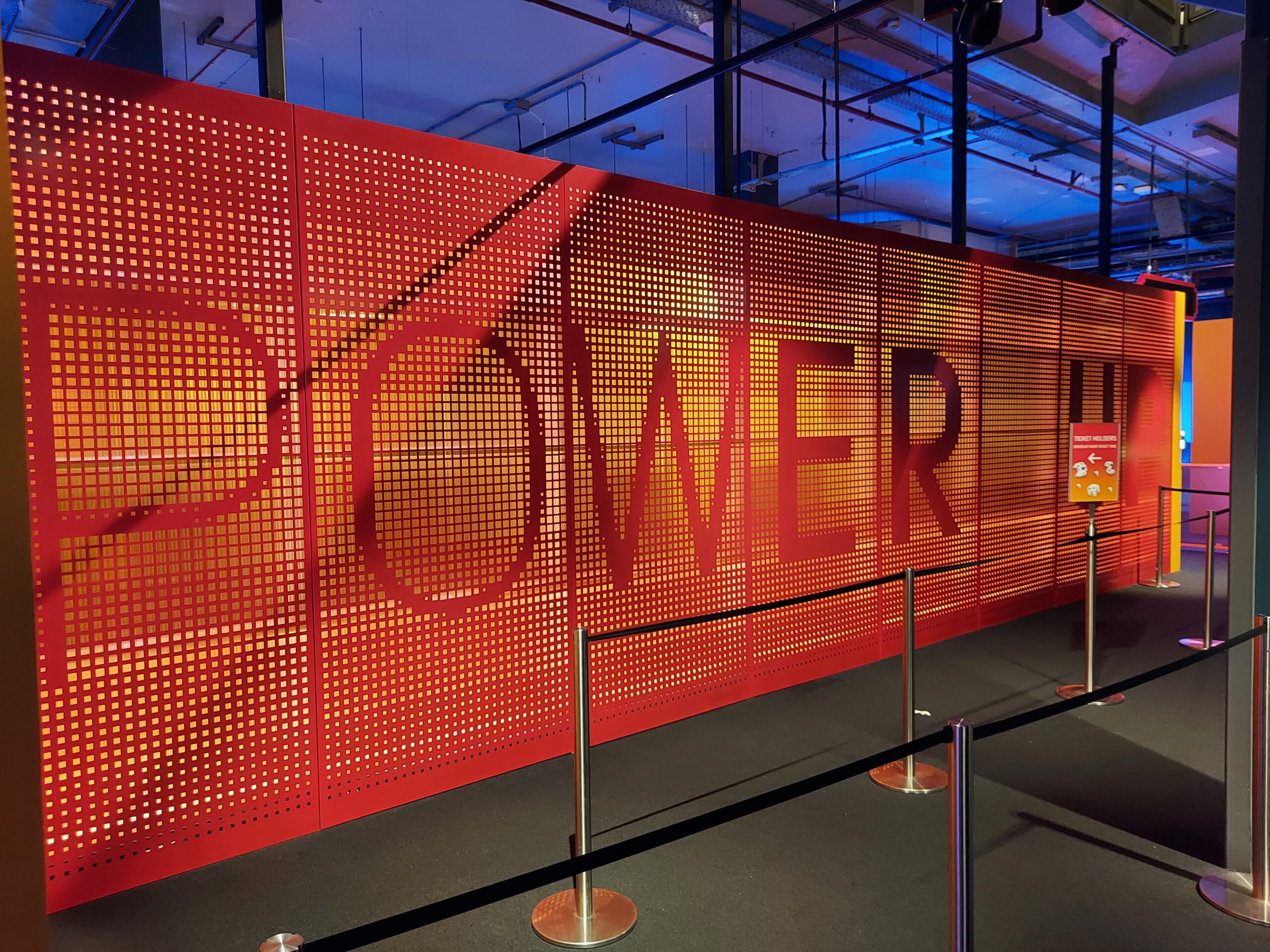
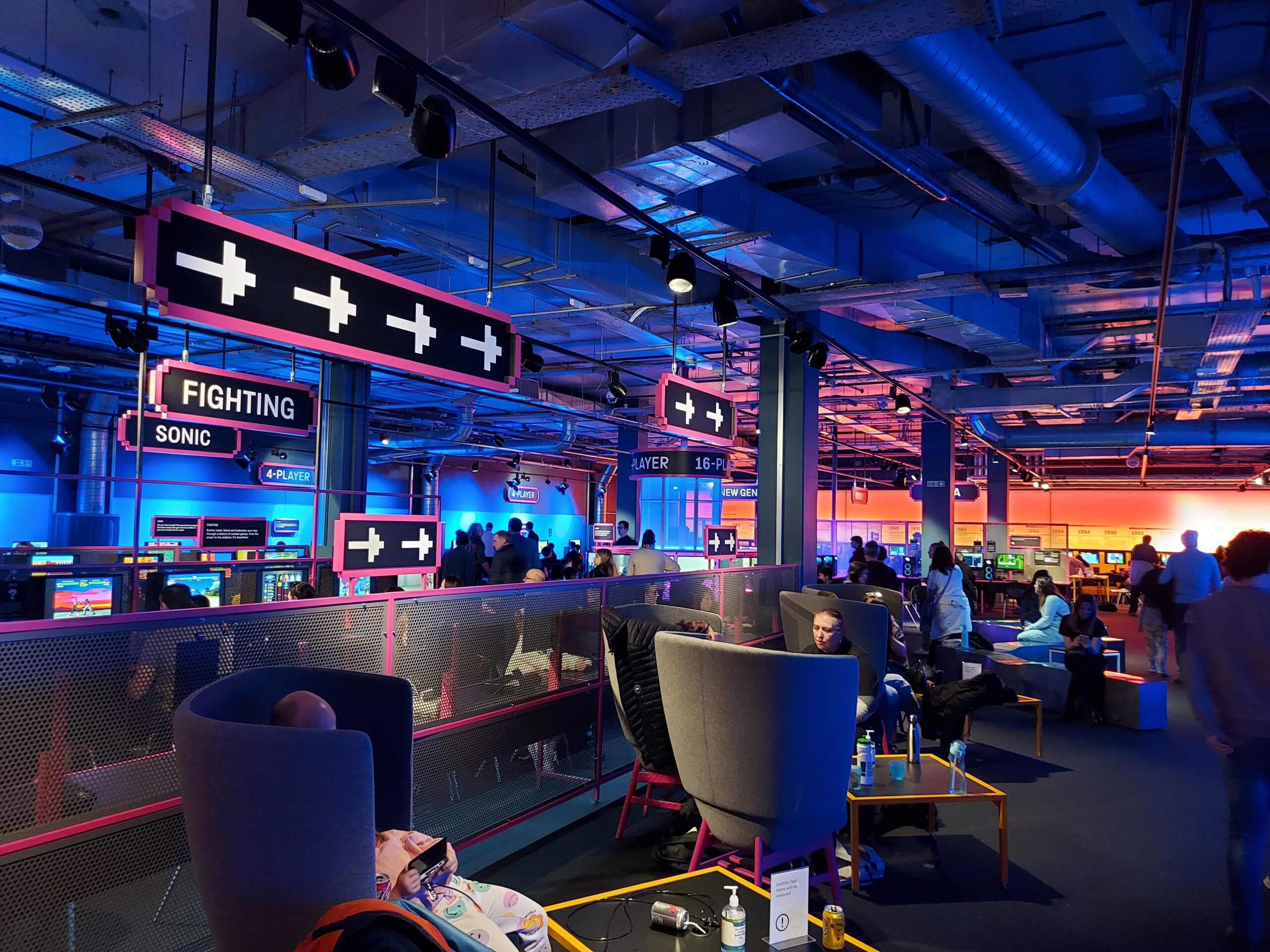
When my brother came down to visit, I planned to take him to the Power Up exhibition at the Science Museum. Now permanently installed in the museum’s basement, the exhibition covers the history of video games, featuring consoles and games from the past 50 years.
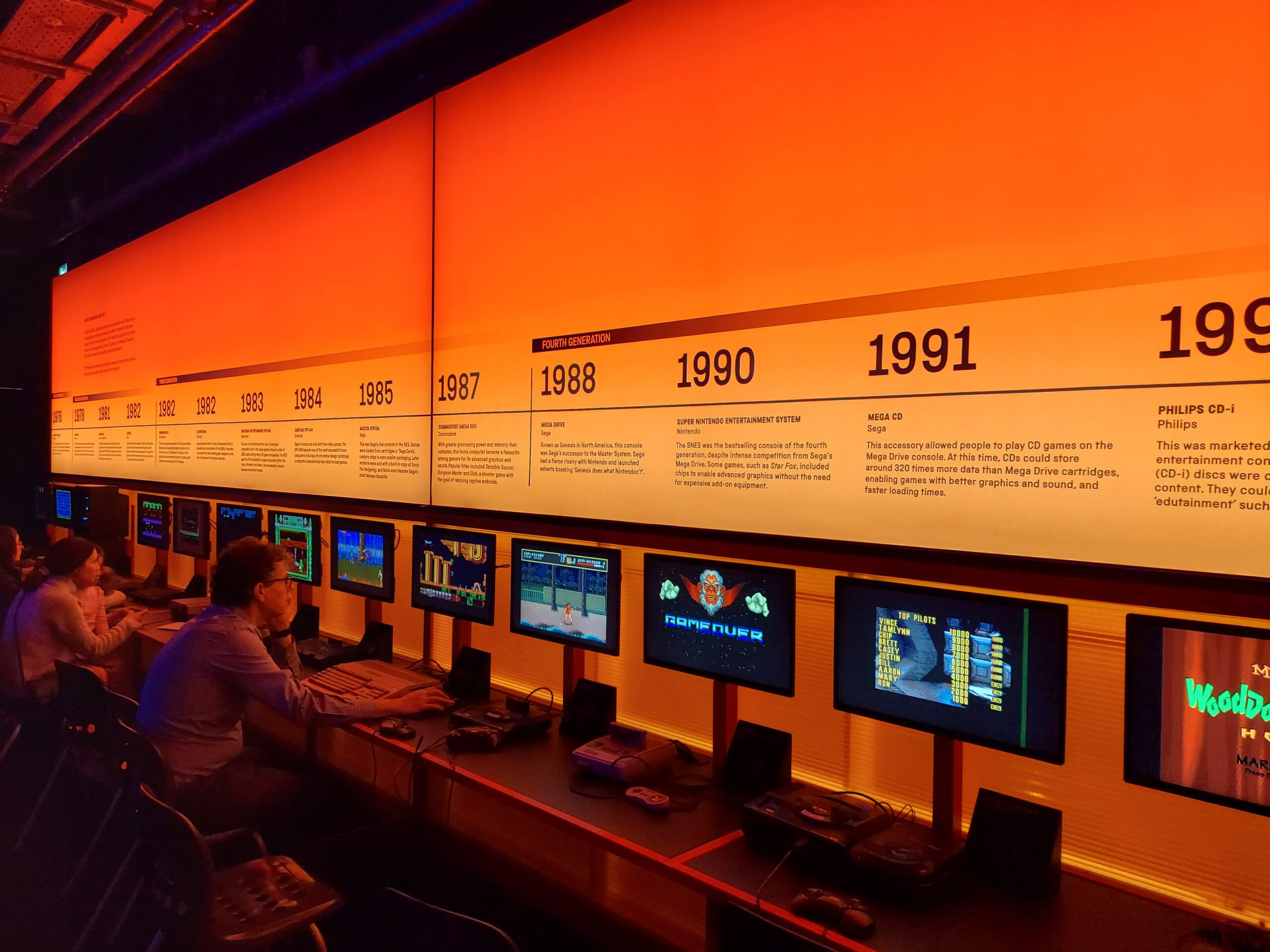
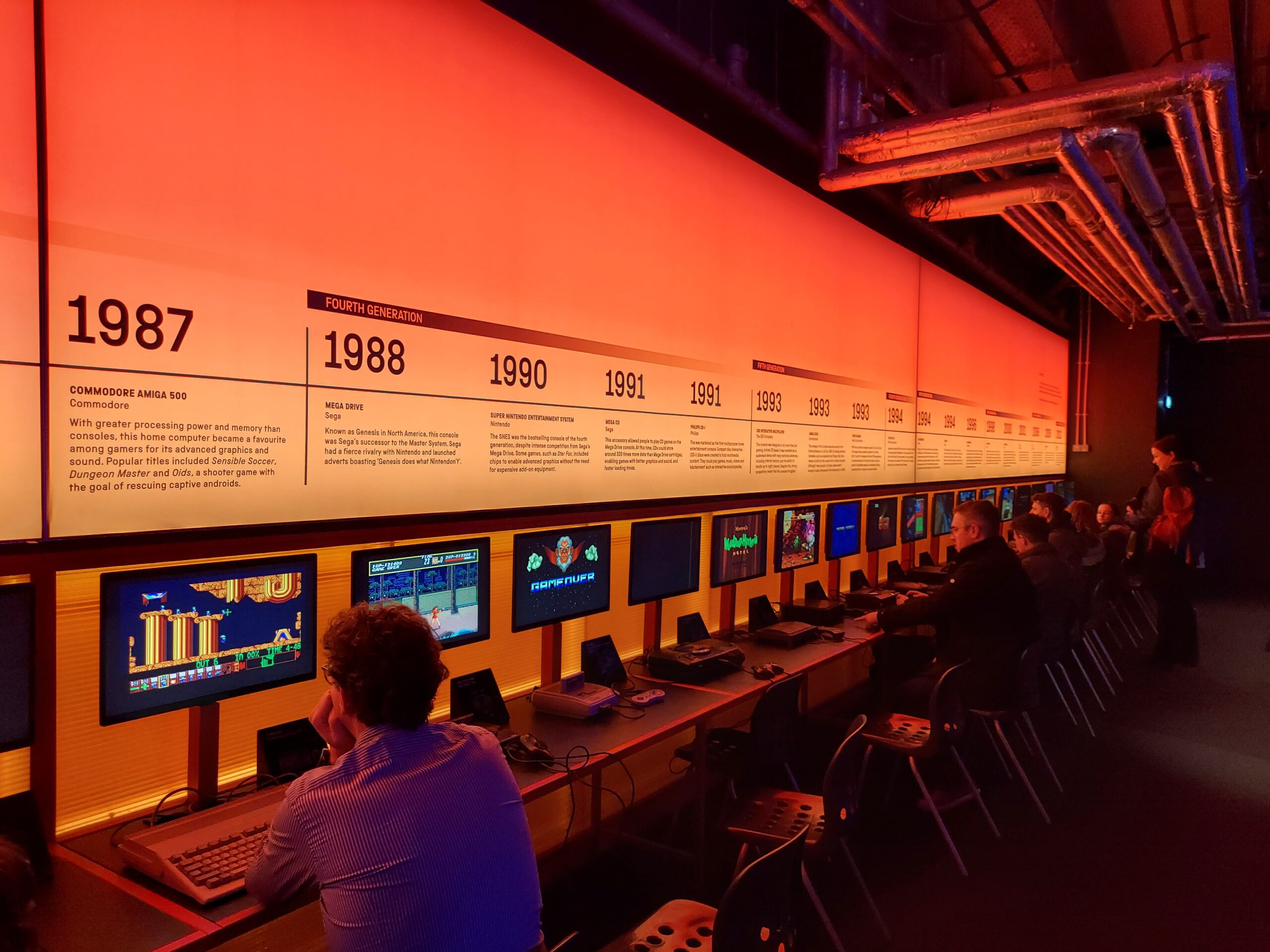
A timeline of gaming, with examples, covers the far wall, and a huge 16-player Halo ring is located in the middle. Surrounding this are sections for physical games, virtual reality, 4-player and 2-player games, plus special sections for Sonic and Mario among others.
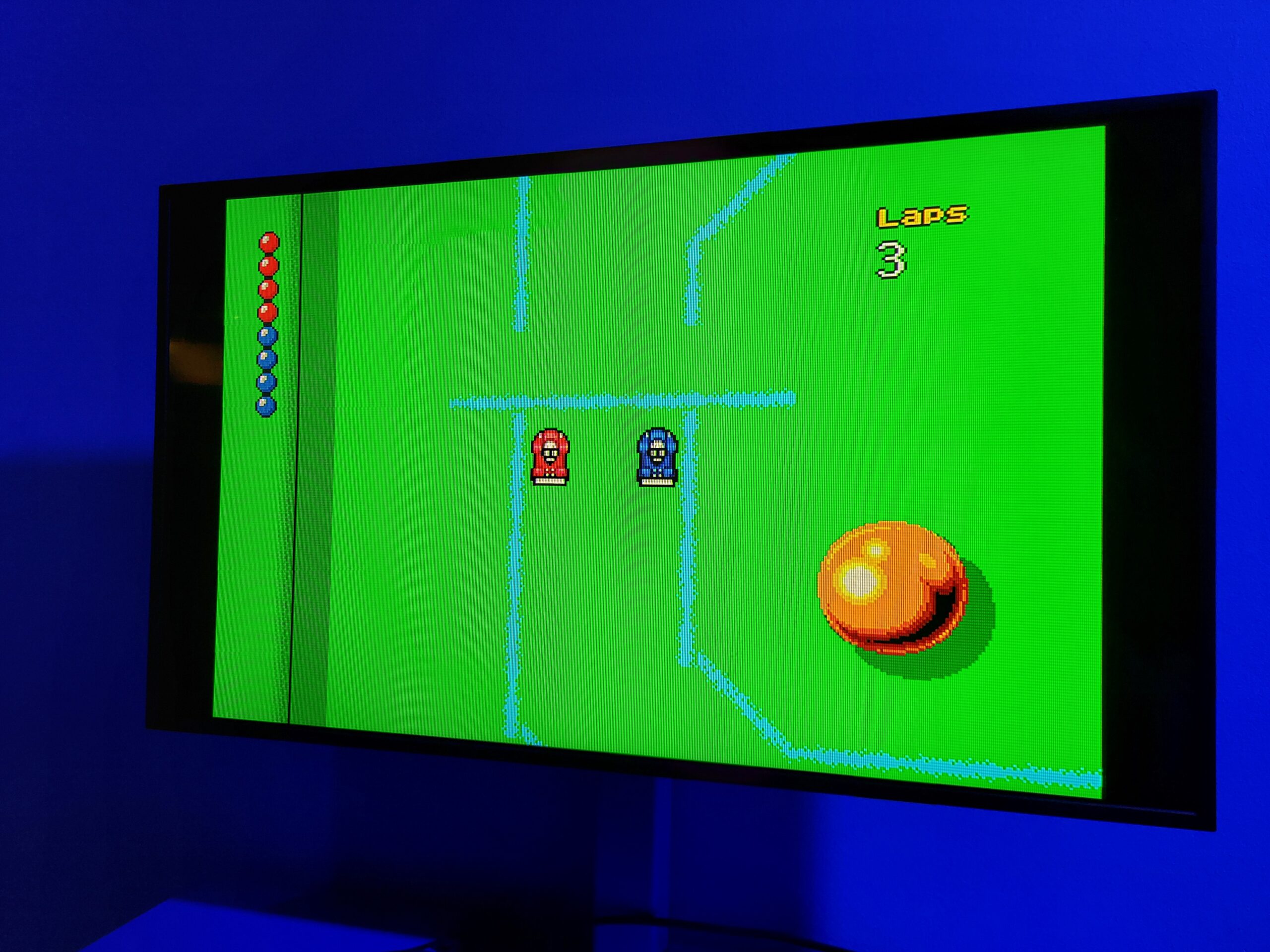
I had a go at Zelda and rekindled my memories of Sonic. My brother and I played a game of Streets of Rage and renewed our memories of Micro Machines. These days he is an avid gamer and much better than I am, but I was pleased to note that we were fairly evenly matched on this game, so I haven’t completely lost my touch!
Playing a game of Micro Machines
Power Up can be visited on a day pass, or you can get an annual pass if you want to keep coming back. It’s definitely worth a visit if you have any interest in games, even if it’s only a nostalgic one.
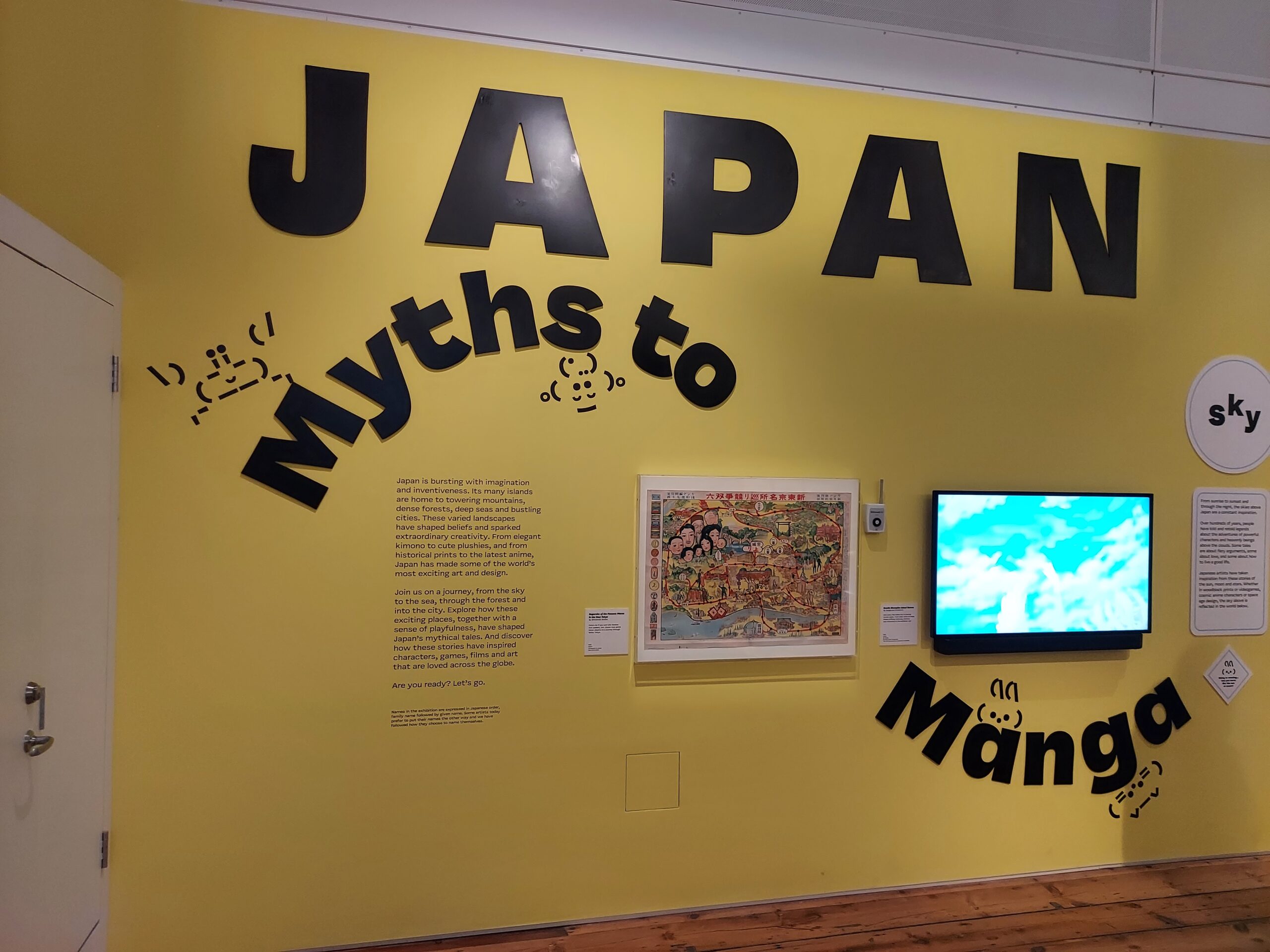
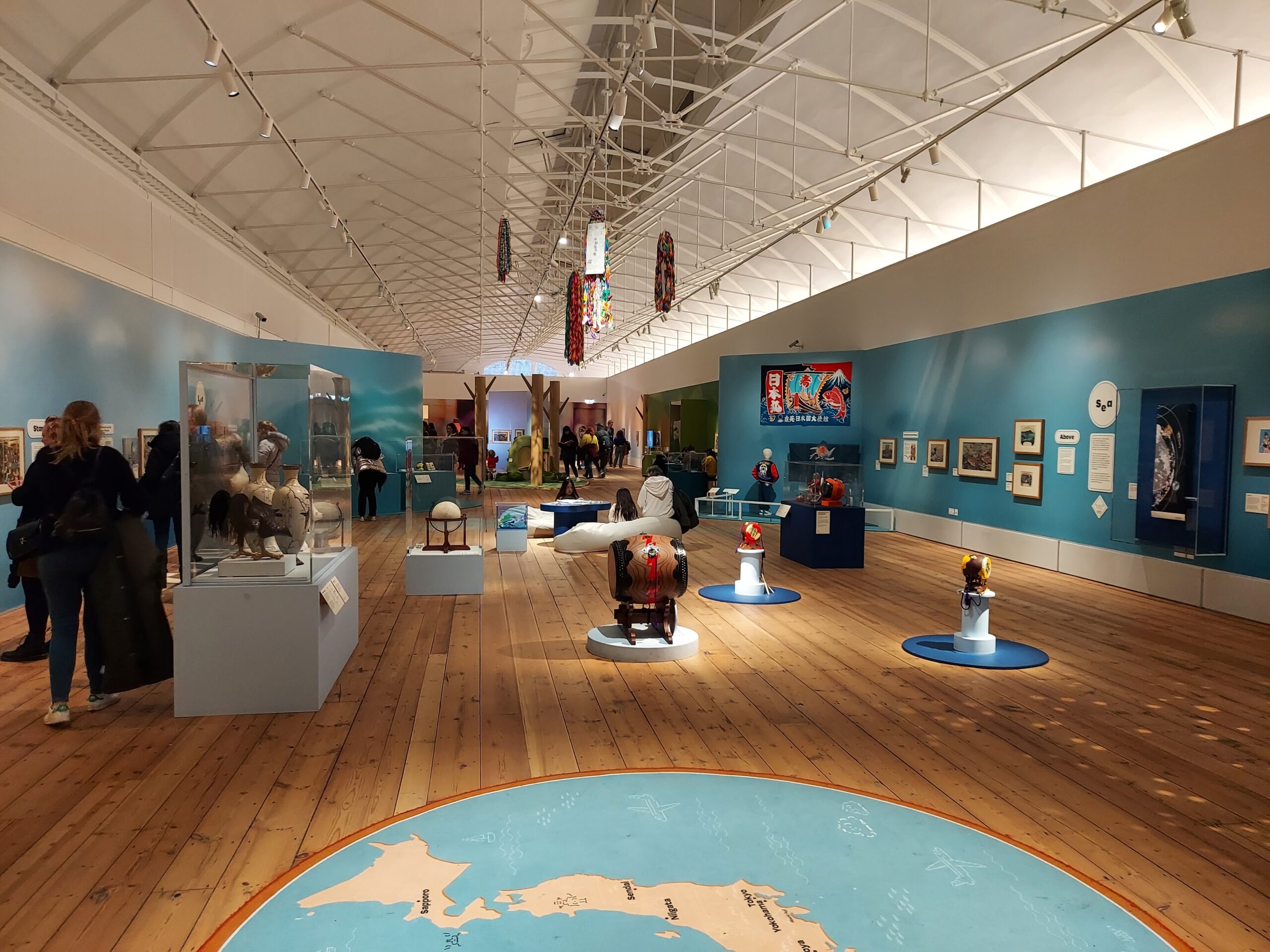
When my brother came to visit me in London, I took him to see the Japan: Myths to Manga exhibition at the Young V&A. The exhibition is the first at the refurbished and reopened Young V&A, formerly the Museum of Childhood. It looks at the role of Japanese folklore and its influence on modern Japanese art, technology and design.
The exhibition is divided into four sections – sky, sea, forest and city – allowing us to draw connections between Studio Ghibli stories and ancient forest spirits, or netsuke sculptures and Sylvanian Family toys.
This eclectic exhibition is well worth seeing, especially if you have any interest in Japanese culture.
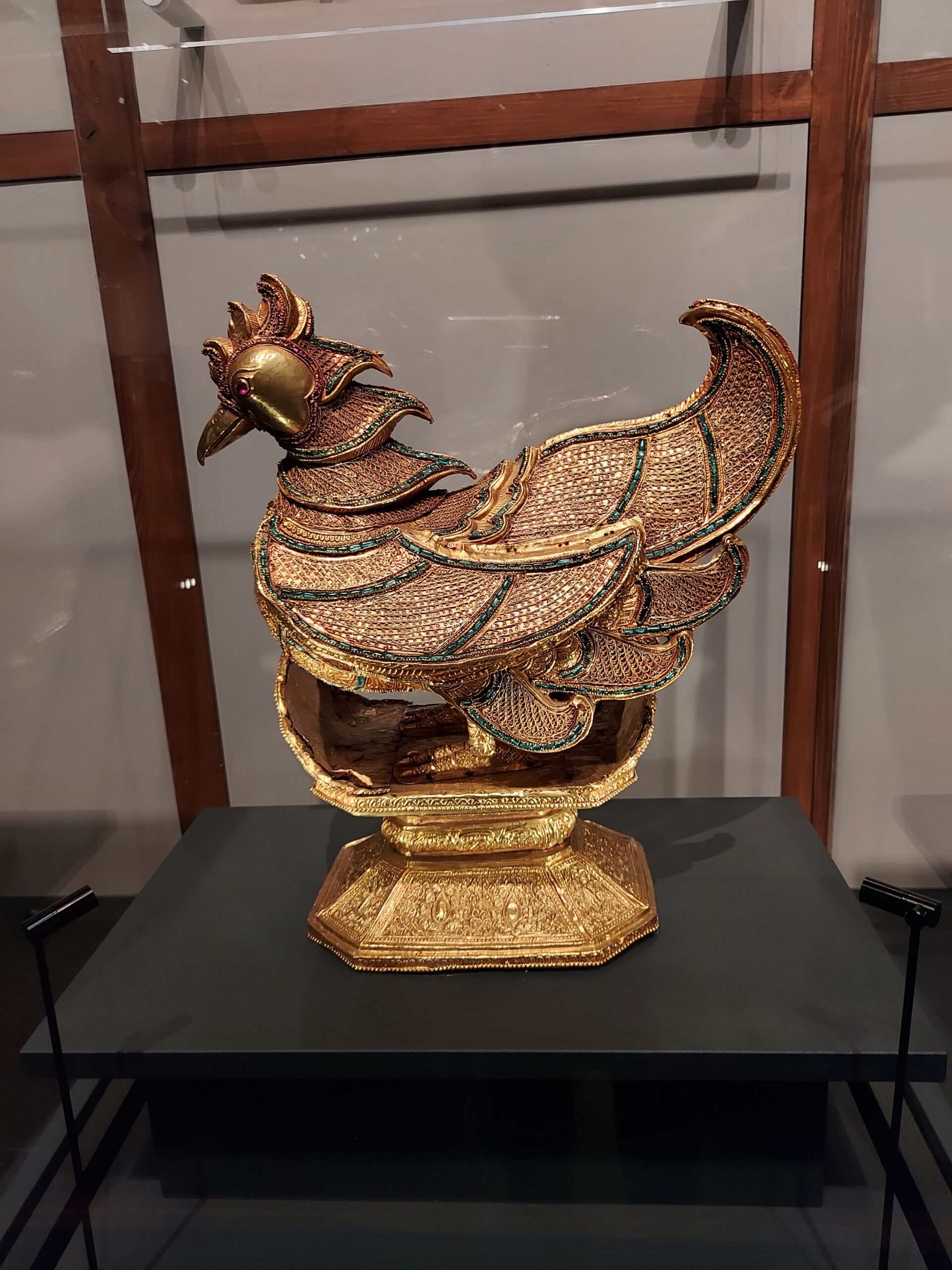
In January I visited the British Museum to see the exhibition Burma to Myanmar. My granda was posted to Burma during the Second World War so I thought I would be interested to see the exhibition.
Myanmar has experienced decades of civil war, and is once again ruled by a military dictatorship. However, the country has a rich history and the exhibition explores the last 1,500 years of that history, looking at how Myanmar’s peoples interacted with each other and with the world. Diverse cultures flourished as links with Thailand, China, Sri Lanka, and even the Middle East and Europe were established and developed.
A gold and ruby-studded letter sent by King Alaungpaya to George II
The exhibition is particularly strong when it looks at events from the last 500 or so years. Between the 16th and 19th centuries it was the largest empire in mainland Southeast Asia. A gold and ruby-studded letter sent by King Alaungpaya to George II in 1756 shows how wealthy and powerful this empire was, but sadly (and unsurprisingly) it wasn’t respected by the British, who subsequently colonised Myanmar and contributed to its later unrest.
Despite a turbulent history, Myanmar has strong cultural traditions, and artists and other figures continue to challenge oppressive rulers. I really enjoyed this exhibition.
Golden betel container in the shape of a mythical bird known as a karaweik. It formed part of the Burmese regalia used by the last king, Thibaw Min.