Rebel Monopoly – London

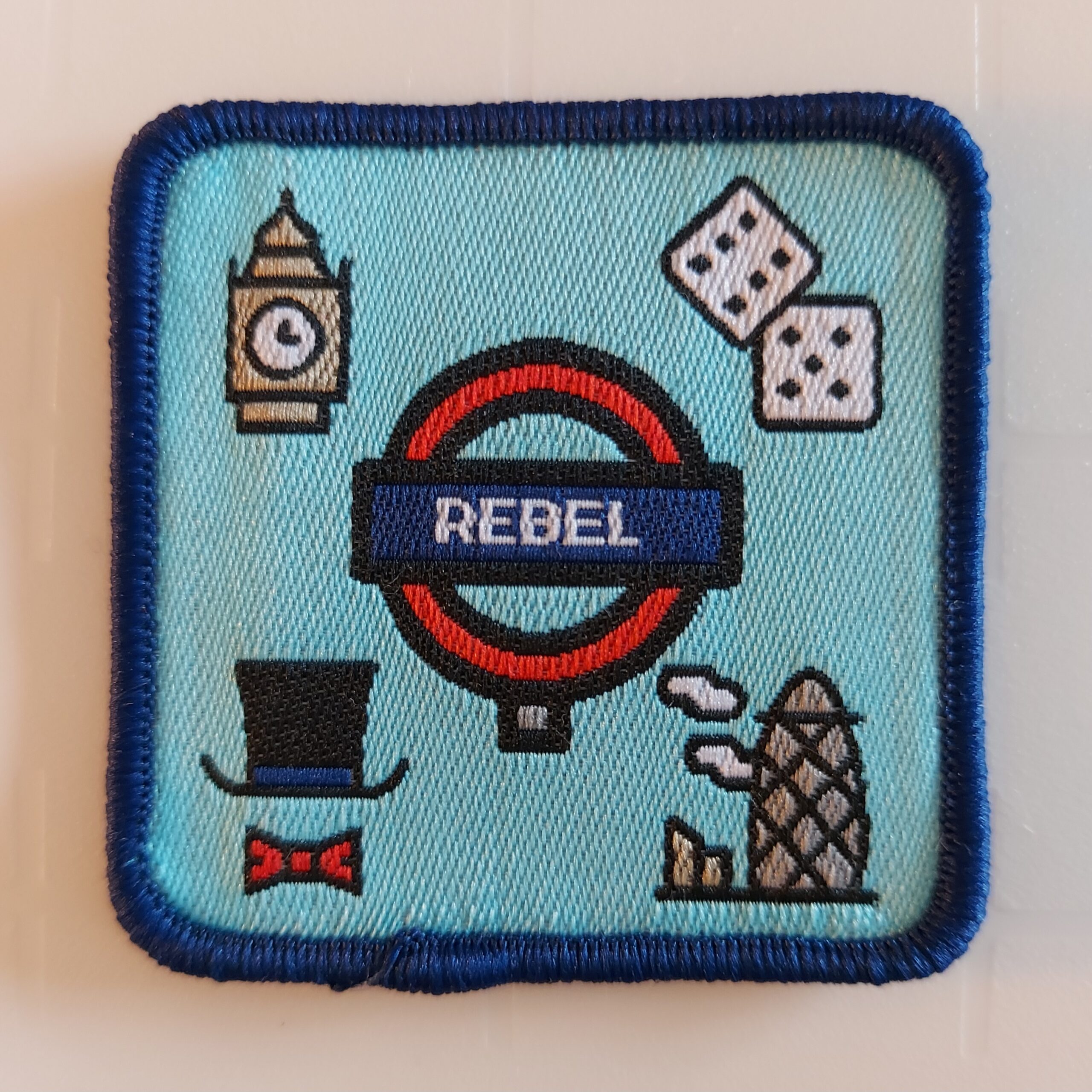
On Saturday I took part in Rebel Monopoly, a game all around London where teams of Rebels tried to visit every stop on the Monopoly board and got distracted by random challenges while doing it.

I was on a team with Laura B, Dawn and Roisin. We were Team 9, which I thought was cool because of Inside No. 9, and envisaged all sorts of weird and wonderful scenarios, none of which (luckily!) panned out. We met in the Caffè Nero at Trafalgar Square to discuss game plans before being sent off in our teams. I must admit I’d been so focused on Eurovision that I hadn’t devoted much time to thinking about tactics, so I was glad other members of the group had done so – although I was able to contribute my slightly obsessive knowledge of the Tube.

While rushing around London, we paid a visit to King’s Cross to meet one of the game tokens, playing a tricky game of Twister in the process. We also headed to Marylebone and hopped on a bus in order to earn points with a photo. After lunch we headed to the Tube again and I was gutted to lose my Rebel bucket hat, which blew off my head and onto the tracks!

An afternoon of Monopoly stop-hunting ensued, and we ended the game at Paddington before heading to Clapham and the pub which would host our Eurovision party.

A brilliant day was had, and I’ve since booked myself onto the Edinburgh version of the game, which takes place in September.

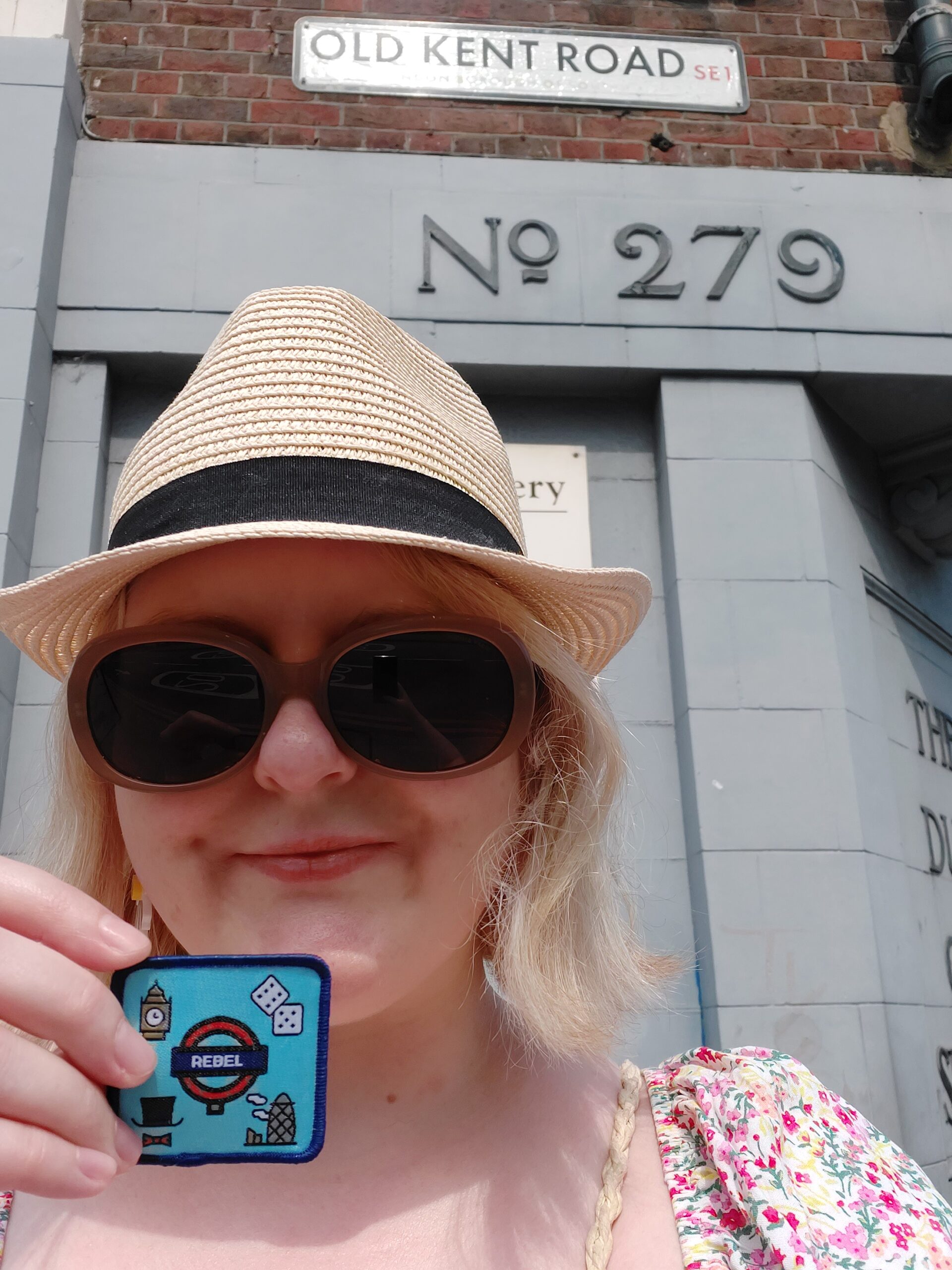
We managed to visit every stop but one during the day – on the Sunday I headed down to Old Kent Road to take a selfie and complete the set!

Rebel Badge Club: My Passion

I have a lot of passions in life, but many of them are covered by other badges, like reading and cross stitch. I therefore chose another obsession for the My Passion badge: Eurovision! (This was before the RebelVision badge came out!).

I worked on the badge during the six month Eurovision ‘season’, leading up to the final on Saturday night. I also put together a presentation for the perusal of anyone curious about Eurovision.

Front cover of my presentation

Date completed: 12 May 2024

Rebel Badge Club: RebelVision

I was thrilled when the RebelVision badge was announced, as I am a huge Eurovision fan. The badge allowed me to research more deeply around Eurovision, as well as celebrate this year’s contest.

Learn what Eurovision is, and make a timeline of significant events.

In the mid-20th century, television services began to be introduced all across Europe. The European Broadcasting Union (EBU) created the Eurovision Network in order to facilitate the exchange and production of common television programmes, helping to increase programming material for national broadcasting organisations in a cost-effective way. The Eurovision Song Contest began as a groundbreaking – for the 1950s – technical experiment: a simultaneous, live broadcast across Europe. The Italian national broadcasting organisation, RAI, put forward the idea of a song contest after the success of the Sanremo Italian Song Festival. Seven countries took part in the first contest, hosted in Switzerland owing to its central European location; today, it is common for almost forty countries to compete each year.

1956 The first Eurovision Song Contest takes place, featuring Belgium, France, Germany, Italy, Luxembourg, Netherlands and Switzerland. The host country, Switzerland, wins with Refrain by Lys Assia. In this first contest only, countries are allowed to enter two songs each.

1957 Austria, Denmark and the United Kingdom enter for the first time. Scoreboards and public announcement of the voting are introduced.

1958 The tradition of the winning country hosting the following year’s contest begins: the Netherlands, who won in 1957, host this year.

1960 The contest is held in the United Kingdom for the first time: as runners-up, they were asked to host when winners the Netherlands declined.

1969 Four countries – France, Spain, the Netherlands and the United Kingdom – tie for first place. A tiebreak rule is applied in future contests to prevent this happening again.

1970 A brief video introduction to the host country, and ‘postcards’ introducing each artist, are introduced to the contest for the first time.

1971 Groups are allowed to compete for the first time: a maximum of six performers are permitted on stage, a rule which is still in place today.

1974 ABBA win the contest for Sweden with Waterloo.

1975 The points system, in which 12 points are awarded to a country’s top-placed song, 10 to their second-placed, and 8-1 to their third- to tenth-placed songs, is introduced.

1980 Johnny Logan achieves the first of his three victories for Ireland (two as a singer, one as a songwriter) with What’s Another Year.

1981 Bucks Fizz win Eurovision for the UK with Making Your Mind Up.

1988 Switzerland wins the contest with a little-known singer from Canada, Céline Dion.

1990 In response to the pre-teen contestants of France and Israel in 1989, a rule is introduced requiring any Eurovision contestant to be at least 16.

1993 In response to the breakup of the Soviet Union and Yugoslavia, several new countries take part in the contest including Slovenia, Bosnia and Herzegovina, and Croatia.

1994 Irish dancing phenomenon Riverdance makes its debut at the contest in Dublin, Ireland.

1997 The United Kingdom win the contest with Love Shine A Light by Katrina and the Waves.

1998 Dana International wins Eurovision for Israel with Diva, Eurovision’s first openly trans and LGBTQIA performer.

2004 Owing to the growing number of competing countries, semi finals are introduced to the contest.

2015 Australia competes for the first time to mark the sixtieth edition of the contest.

2020 Eurovision is cancelled for the first time in its history, owing to the Covid pandemic.

Listen to this year’s entries and choose your top 5.

I actually chose a top 10, not just a top 5, and it was still really hard! Here are my choices:
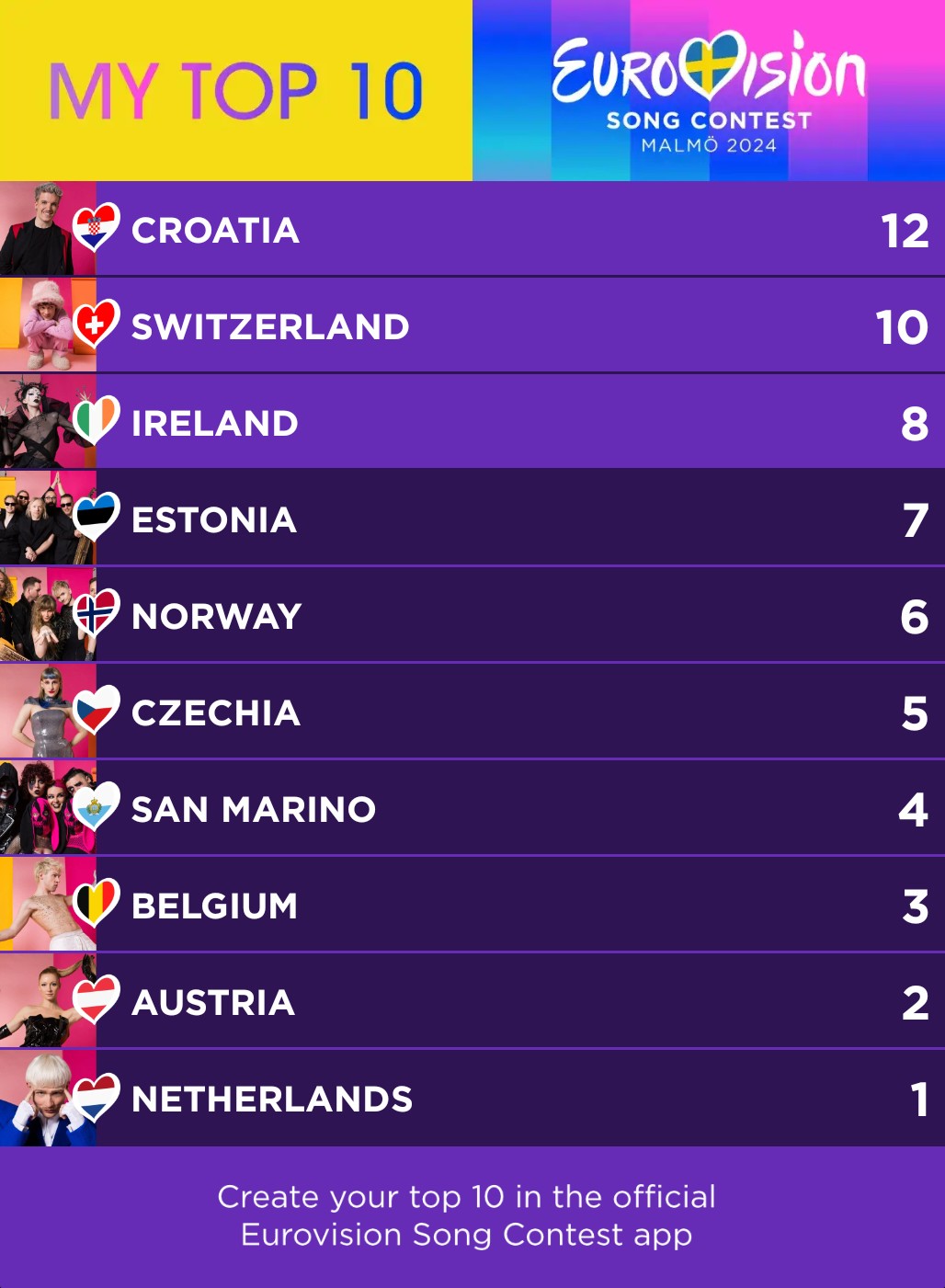
My top 10 Eurovision songs 2024

Watch a documentary or film about Eurovision.

I watched Eurovision at 60 on BBC iPlayer.

Research historic boycotts of Eurovision.

I found this clause very interesting and learned about several historical boycotts and controversies in the contest. Most famously, Russia was banned from the contest after its invasion of Ukraine in 2022. Armenia and Azerbaijan have experienced conflict, mainly over a disputed region, while Yugoslavia was banned from the contest shortly after the 1992 competition because of the siege of Sarajevo. Back in 1975, Greece boycotted the contest after Turkey invaded Cyprus; the following year, Greece’s obviously anti-war song referencing Turkey’s presence in Cyprus led Turkey to boycott in turn.

Take part in a Eurovision watch party, and score each act.

I attended the post-Rebel Monopoly party in the Four Thieves pub in Clapham – it was great fun.
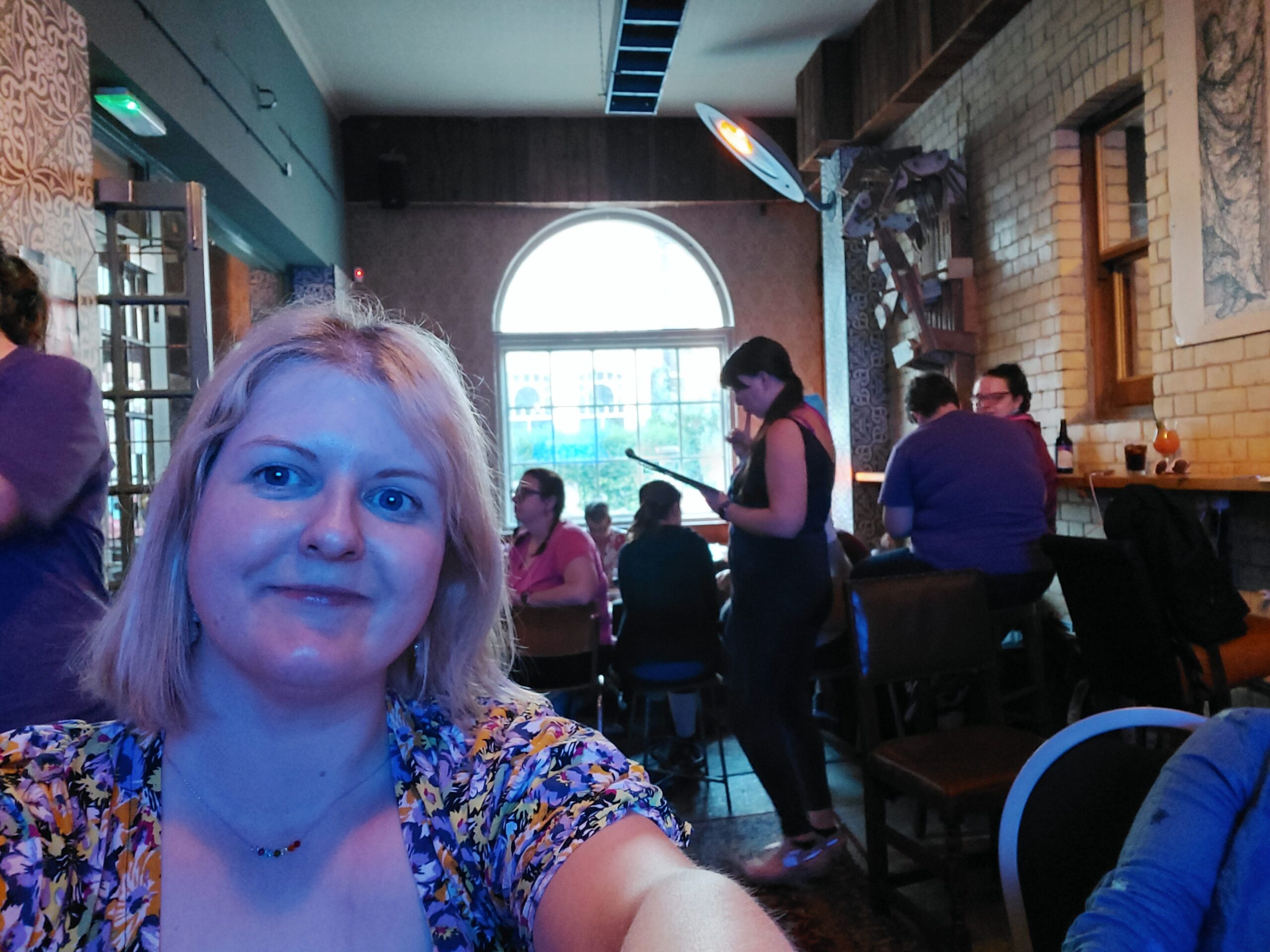
A selfie with other Rebels in the background

Listen to some of the most famous winning songs and choose your top 3.

I found this tough: my favourite songs tend not to be the winners, but even so it was hard to choose a top three. In the end, I would go for Euphoria by Loreen (Sweden, 2012), Arcade by Duncan Laurence (Netherlands, 2019) and The Code by Nemo (Switzerland, 2024). I originally had Lordi in there, but Hard Rock Hallelujah has been superseded by this year’s winner!

Big Rebel Meet Up – Bromsgrove, April 2024

I decided to attend the April meet up in Bromsgrove, travelling back from Durham to London and stopping off along the way. I was exhausted as I had travelled by coach overnight, but I still had a great day.

I was Second for Rosa Patrol, and the first thing we all did was the Sound Bath with Eleanor. This was an enjoyable experience although I didn’t have a blanket with me (as I was on my way back home). This meant that I was absolutely freezing! It didn’t help that the weather in general was so cold – the Bromsgrove meet up had been moved from February to April this year in the hope that the weather would be better, but it was actually warmer during last February’s Bromsgrove meet up.

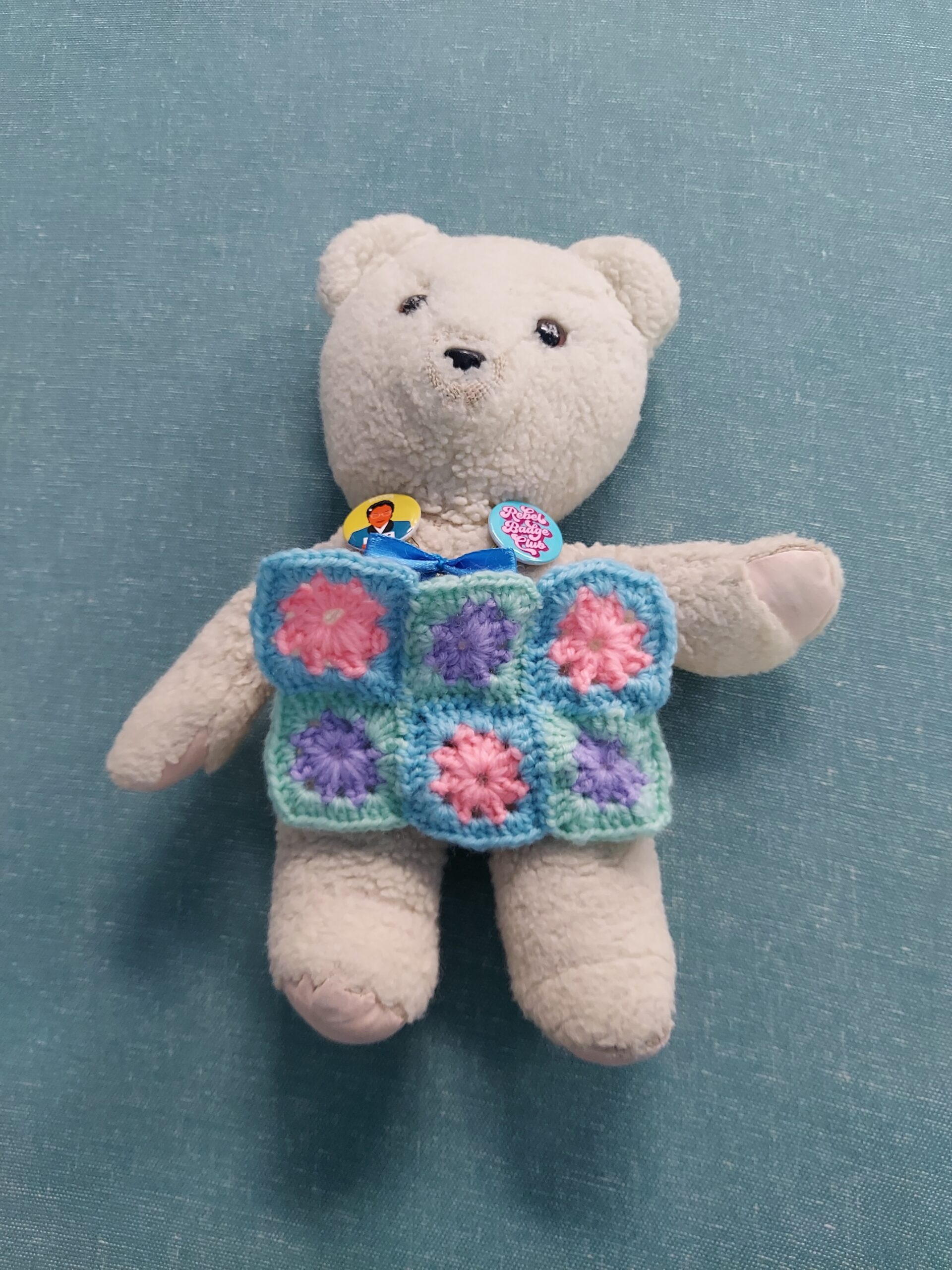
white teddy bear with a small crochet rug covering him
Pops also enjoyed the sound bath

After lunch we had an apothecary session. We got to make toner, which I loved, and a face mask. All the face mask recipes contained tumeric which made me reluctant to try it out on the day, but I gave it a go later and can confirm it didn’t stain my skin!

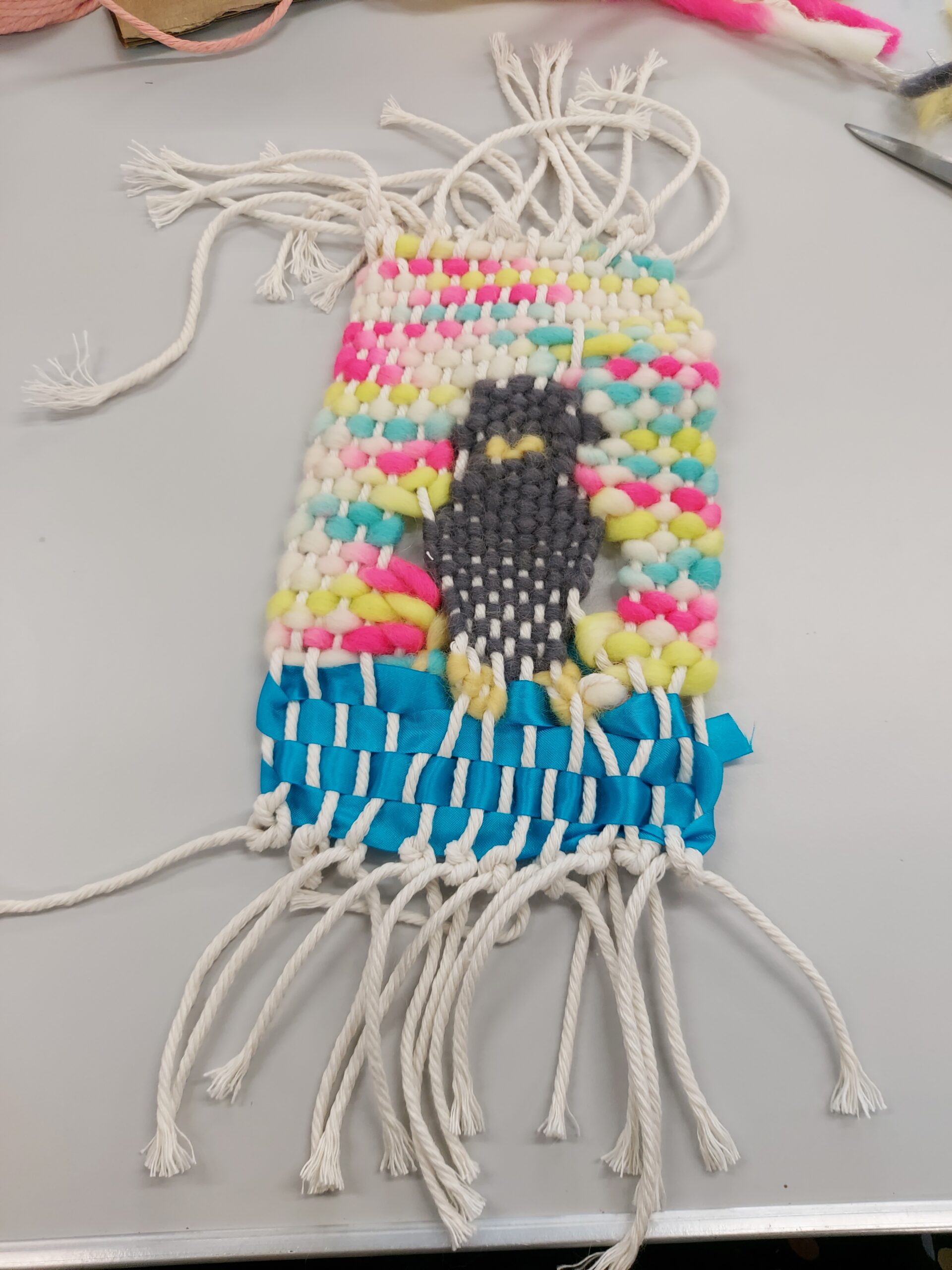
Next was Laser Quest, and we had a fun game outside, even though it was cold. Luckily we were in a different space to the one we were at during Camp, so there wasn’t as much of a slope. Afterwards the rest of my group went on the zip line but I wasn’t feeling it, so I went inside and started my weaving early. I had a go at a penguin, and I think it was at least partially successful!

woven design showing a penguin
My attempt at weaving a penguin

I was presented with my Silver Maverick Award at the end of the day, which was exciting. I’m really glad I went to this meet up, even though I was exhausted!

Rebel Badge Club: DIY

When I first got the badge book, I assumed I wouldn’t be able to do the DIY badge, as I rent and live in a shared house. However, with a few tweaks I have been able to manage it, and I actually found the badge very rewarding – I have realised I know more than I thought I did.

Know how to turn the water, electricity, and gas supplies off to your home.

I actually did this clause for the Emergency Helper badge. I didn’t think my landlord would be too keen if I asked for this info, so I asked my parents about their house instead. The water can be turned off under the sink in the kitchen*, the electricity is on a switch in a box above the mirror in the hallway, and the gas flow to the cooker has a switch off point on the top shelf under the left cupboard beside the cooker. The boiler can be switched off via the cupboard in the kitchen.

*If the water stop tap fails you have to go out onto the path and turn off the main tap into the house. (This actually happened to us at our last house, so important to know!)

Change a lightbulb.

This is one of the things I’ve actually done quite often – starting when I was at my university house – so I feel confident in ticking off this clause.

Change a tap washer (and understand when they need changing).

I asked my dad about this and he said their new house has ceramic washers, which need changing very rarely, so instead of actually changing one I watched several YouTube videos and read this helpful article.

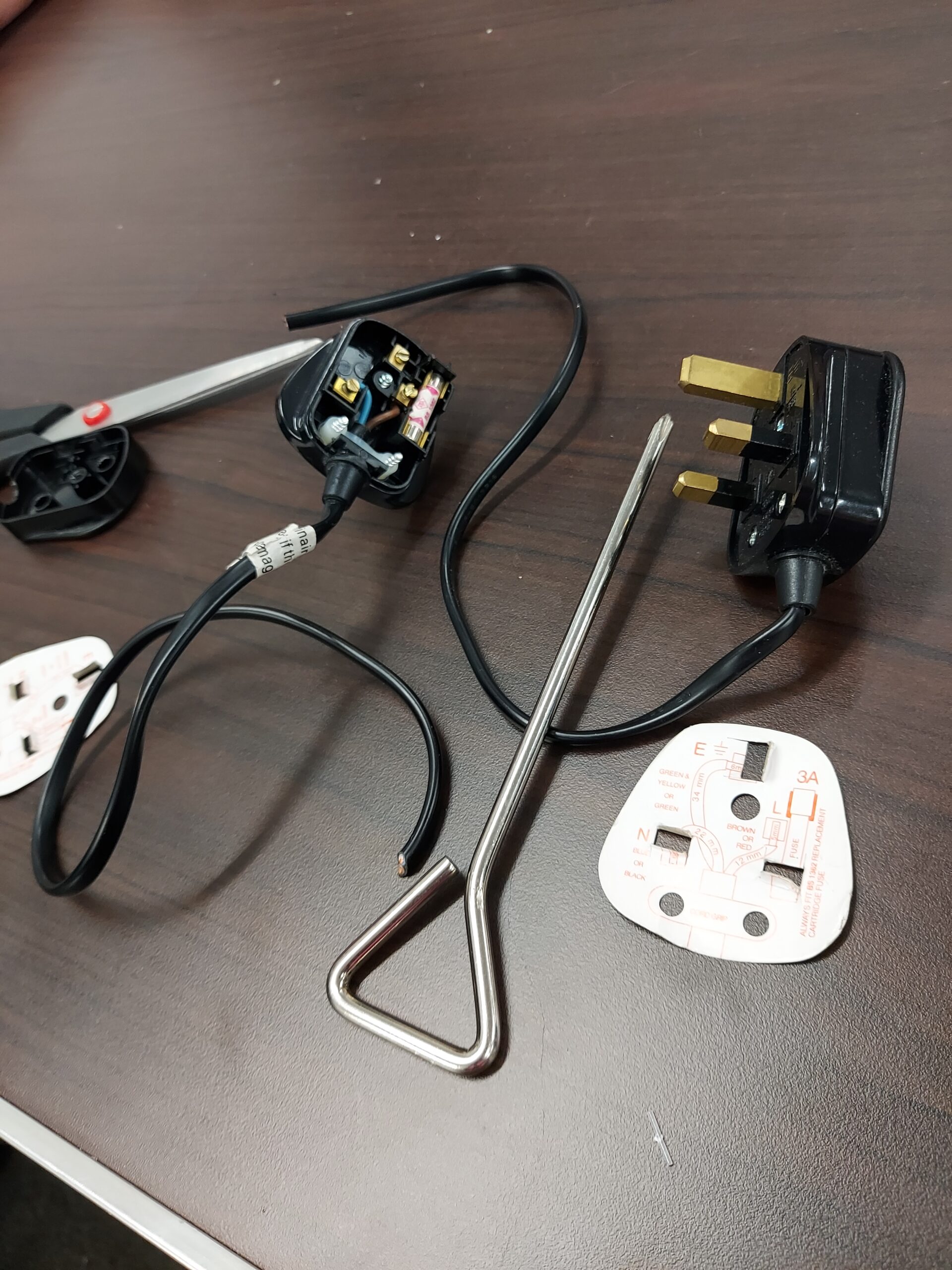
Fit a fused electrical plug to a cable.

I completed this clause at the 2023 Rebel Camp when Liz kindly brought in a few plugs for demonstration.

A disassembled plug

Reset a mains circuit breaker or replace a fuse.

I have actually done this in one of my previous homes when every so often the oven would trip and we would have to reset the mains circuit breaker to turn it back on. I’ve also changed a fuse in another place I rented.

Assemble a tool kit, and describe what each item is for.

I decided not to get my own toolkit as I don’t need one at the moment and it would just take up space. I have used a few different tools over the years so I am not completely unfamiliar with them. I watched several YouTube videos and found this helpful article about toolbox essentials.

Complete at least 2 projects:

I chose the following two projects from the selection provided:

Decorate a wall. Prepare and then paint, paper or tile a wall.

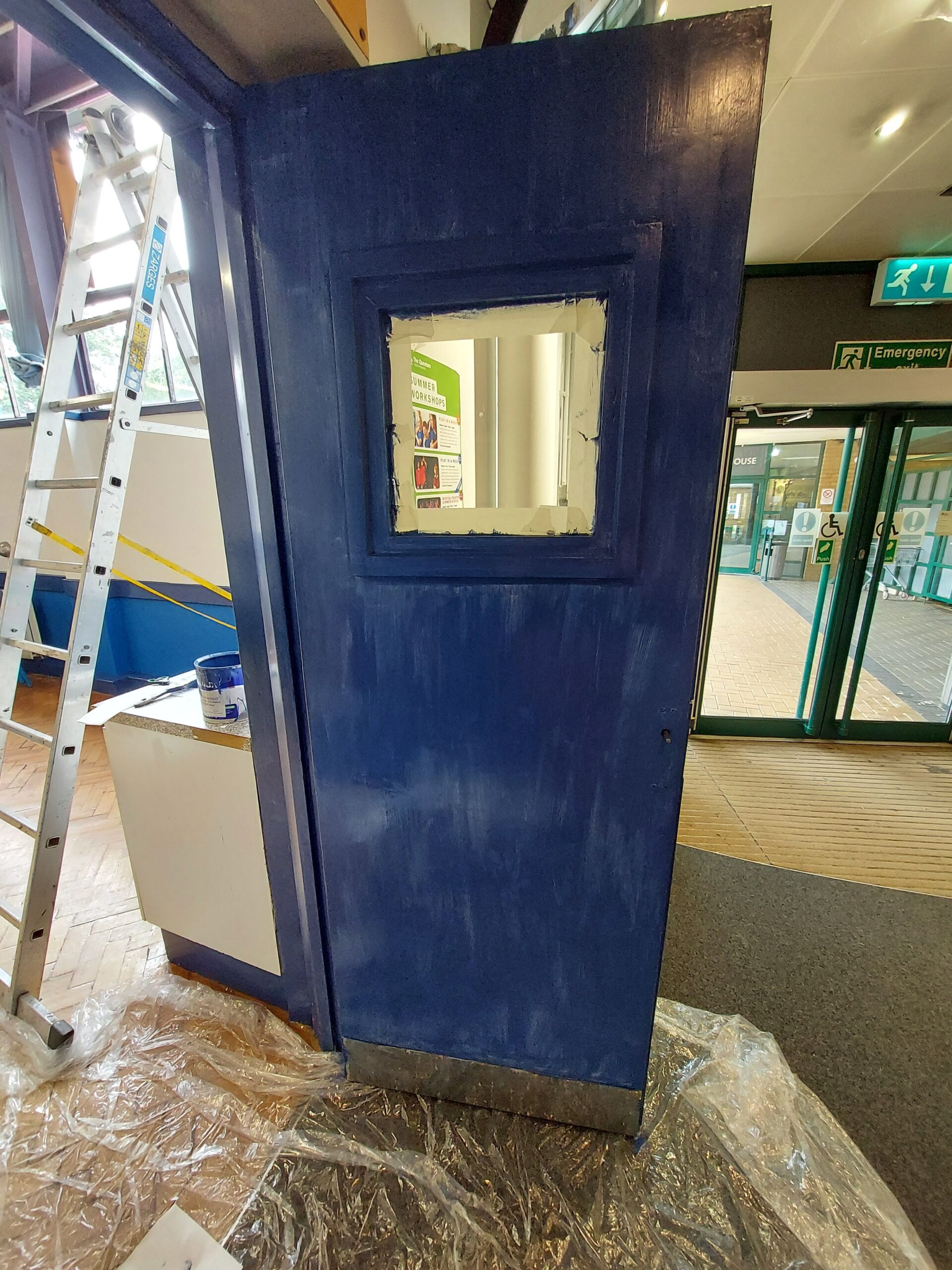
Back in 2023 the theatre I volunteer at asked for helpers to redecorate the front of house areas. I helped to repaint the studio foyer, and I don’t think I did too badly despite never having painted before.

A door in the process of being painted blue

I hadn’t done anything to prep the wall, so this Easter when I was visiting my parents I helped my dad prep the walls in the spare room.

Flat pack. Build an item of flat pack furniture.

I feel happy claiming this clause retrospectively, as I built a bookcase for myself a few years ago and felt very proud of it at the time.

Date completed: 29 April 2024

Rebel Badge Club: Music Lover

I started working on the Music Lover badge at the beginning of the year. I have to admit music isn’t the most important thing in my life – I was always more into books, and I’ve never really made the effort to explore different genres beyond what is popular. So this badge was a challenge for me, but I really enjoyed it.

Over a period of three months explore at least three different genres of music.

I chose the following genres:

Modern Pop: I love pop music but my knowledge largely ends in around 2010. I listened to some of the most popular artists of the last decade or so including Raye, Ed Sheeran, Dua Lipa, Doja Cat, Self Esteem, Harry Styles, Miley Cyrus, Sam Smith, Olivia Rodrigo, Ariana Grande and Billie Eilish. My favourites were Olivia Rodrigo (a Gen Z Avril Lavigne), Dua Lipa (catchy dance tracks) and Harry Styles (I feel like I understand now why he is so acclaimed). I really wanted to like Self Esteem but I just couldn’t get into her.

Heavy Metal: I explored the history of this genre by listening to some of its pioneers such as Led Zeppelin, Black Sabbath, Deep Purple, Alice Cooper, Van Halen, Kiss, Judas Priest, Motörhead, Iron Maiden and Metallica. I also asked my brother (who is really into this kind of music) for recommendations and he sent me his most listened-to songs from last year, including artists such as Bleed From Within and Asking Alexandria. From his playlist, I particularly liked Alter Bridge and Disturbed, but overwhelmingly I preferred older bands from this genre. I love the rock sound and the heavy beats, but am not keen on scream-singing, which modern groups in particular seem to do a lot of.

Country: By contrast, I preferred the more modern singers and acts from this genre. I don’t know a lot about country, except that Dolly Parton is one of the greatest humans alive today, and The Dixie Chicks were blacklisted by American radio stations after speaking out against the Iraq war back in the Noughties – both of which are positives for the genre as far as I am concerned. I listened to The Carter Family, Jimmie Rodgers, Roy Acuff, Bob Willis, Hank Williams, The Stanley Brothers, Dolly Parton, Garth Brooks, Lady Antebellum/Lady A, The Chicks (formerly The Dixie Chicks), Carrie Underwood and Beyoncé’s new album. I like the genre’s focus on storytelling, and it has a rich history, but a lot of the songs have a Christian sensibility I’m personally not keen on. It’s a very ‘American’ genre and being British I don’t think I quite ‘get’ it. However, I would definitely listen to some of the acts again – Carrie Underwood in particular is like a country version of Kelly Clarkson (not surprising as she also rose to fame on American Idol) and Beyoncé’s Cowboy Carter is simply outstanding.

Choose one of the three genres and create a scrapbook showcasing your learning about the genre.

I made a scrapbook about the heavy metal genre.

Where possible attend at least three separate concerts. Write reviews of the performances.

I go to quite a few concerts (more than I did when I was younger, anyway!) and for this badge chose a bit of a theme for my concert reviews – older female singers. One of them is in her late thirties and the other two celebrated their 50th birthdays with their concerts – of course thirties is not ‘old’ but in the music industry I feel it can be, so I find the singers concerned inspiring and I love how they have continued to make excellent music and perform it to their loyal fans.

I reviewed:

Delta Goodrem at the O2 Institute, Birmingham

Beverley Knight at the London Palladium

Melanie C at KOKO, Camden

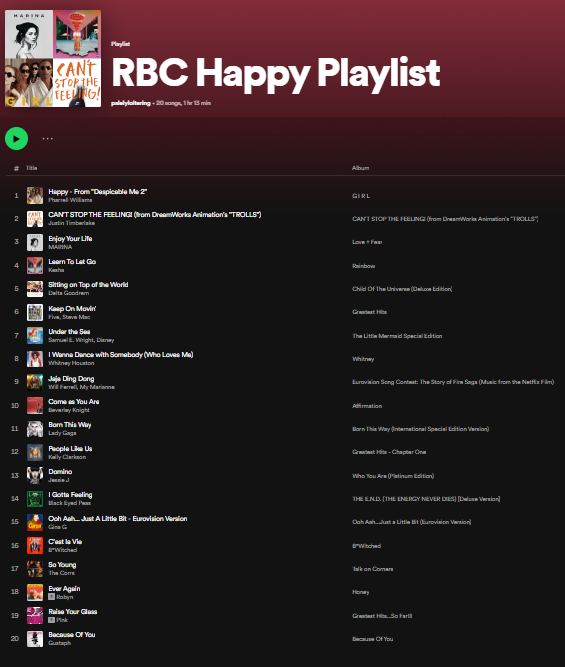
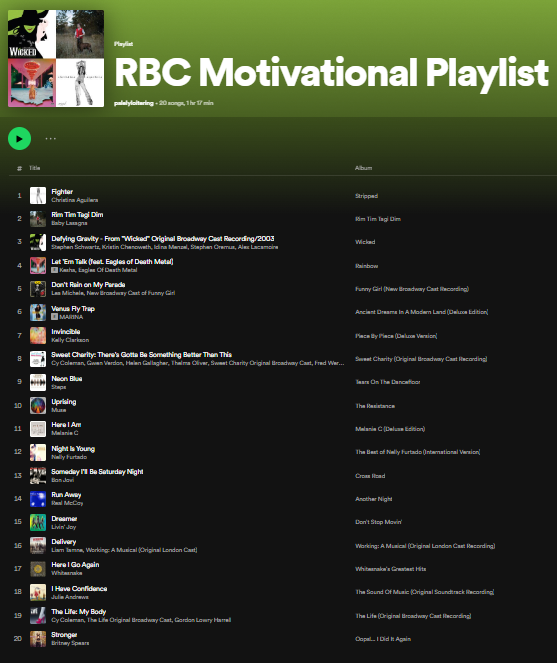
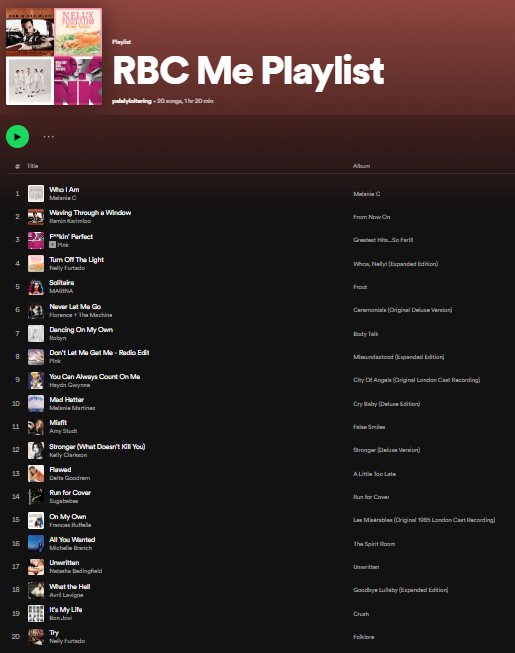
Create three playlists: one which makes you feel happy, one which motivates you, and one which represents you as a person.

This was tough! After a while I was able to make three playlists, with 20 songs on each. They are pictured and linked below.

Research the different technologies which have evolved to help music fans get the most out of music. Write about at least five different innovations designed for the audience rather than the musicians.

I visited the Science Museum exhibition Turn It Up: The Power of Music as I thought it would relate to this badge and help me to answer this question. I enjoyed the exhibition but it didn’t really address this clause – never mind! I did some research myself.

The phonograph: Invented in 1877, this early method of music playback allowed listeners to enjoy recorded music. No longer did they have to play music ‘live’ or attend concerts to listen to music.

Headphones: Created in 1910, these meant that people could listen to music in private. Coupled with later innovations in portability, they were the first step in enabling people to take their music with them anywhere.

The LP: Invented in 1933, the LP was the foremost way of packaging and selling music for decades, and has recently enjoyed a resurgence thanks to its high audio quality when compared to digital music.

The Walkman: this was created in 1979 by Japanese brand Sony as the company’s co-founder Masaru Ibuka wanted to be able to listen to music on long flights. It was small – not much bigger than the cassette tape itself – and light to carry. It also prompted the company to create light headphones designed for walking – previous models were designed to be used while stationary, and were usually very heavy. The Walkman led to a culture shift in society, as wearing headphones became the norm, instead of being seen as antisocial.

File-sharing: Illegal music-sharing sites like Napster were popular in the early 2000s. They enabled listeners to obtain their favourite music and discover different genres, all for free. Understandably, they weren’t popular with musicians, who were not earning any money by this method. However, file-sharing certainly changed the music landscape and paved the way for the popularity of digital music.

Date completed: 28 April 2024

Rebel Badge Club: The Big Rebel Sewing Bee

I was quite excited about this month’s badge, The Big Rebel Sewing Bee. Inspired by the TV programme, it had several potential clauses, rated Bronze, Silver or Gold, from which you had to pick one.

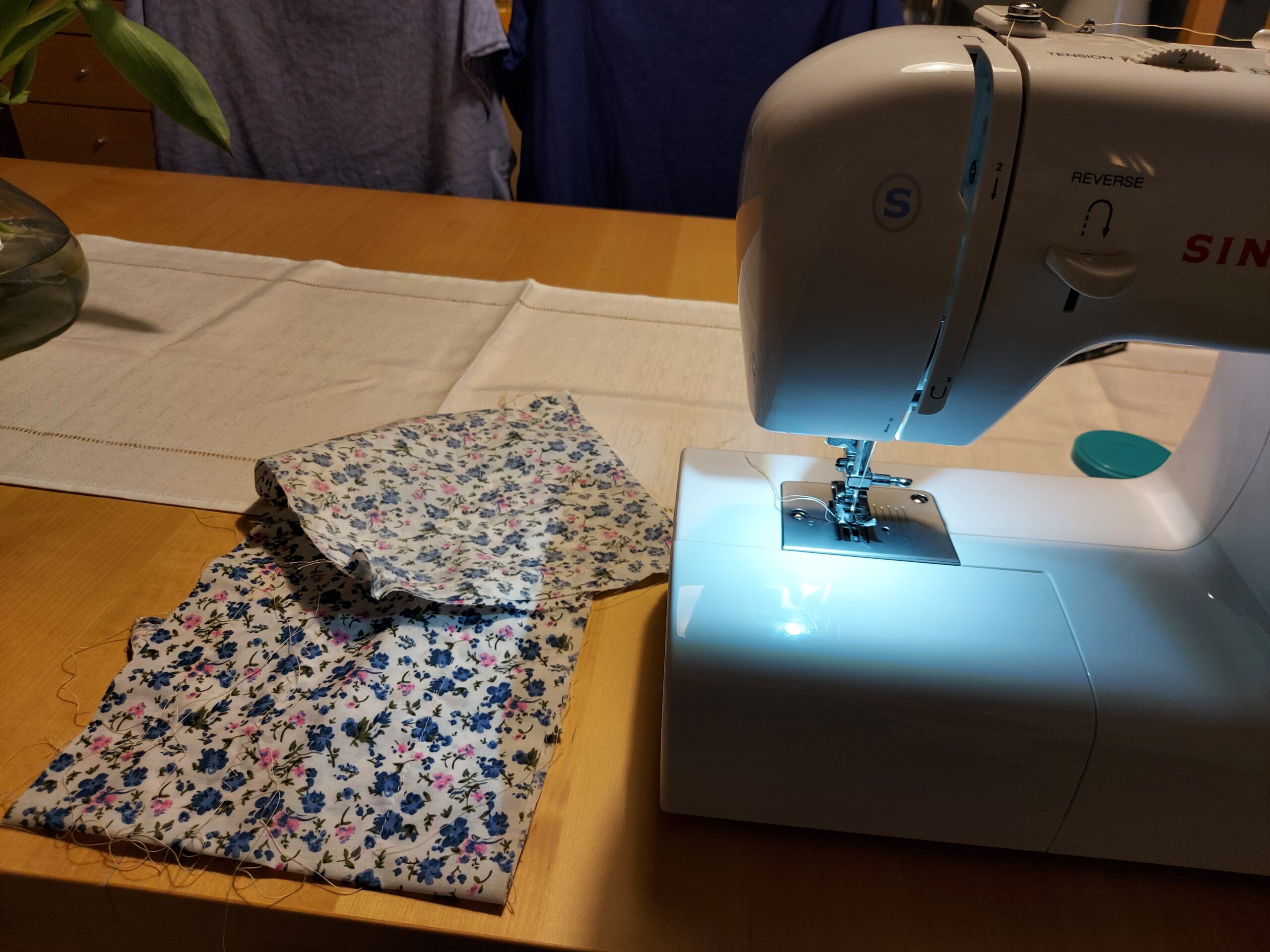
I actually ended up doing two clauses. I was at home for the month, and Mam taught me how to use the sewing machine.

Some material next to a sewing machine

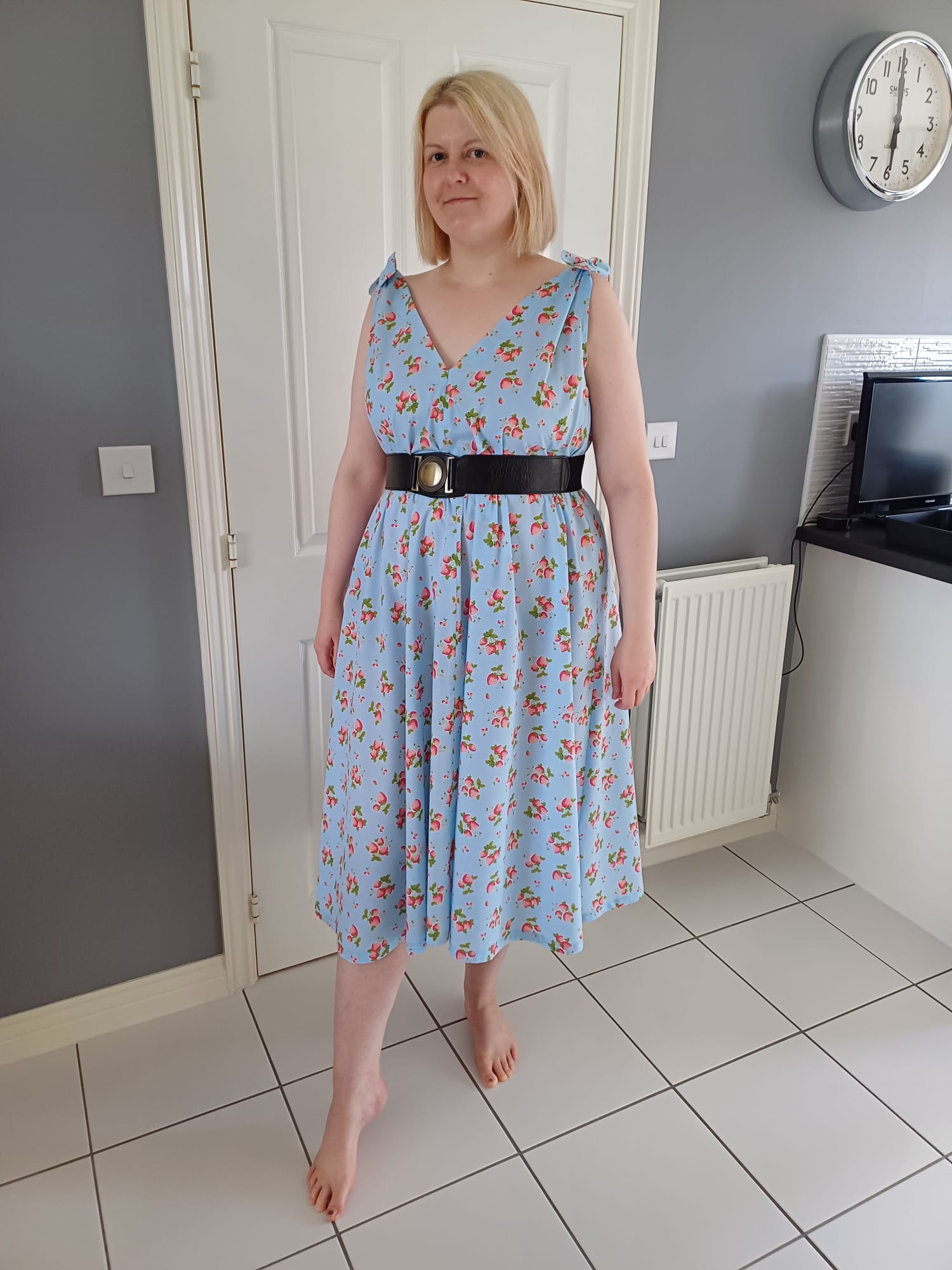
I also kickstarted my Designer badge by making a dress, the pattern of which came in a book I got as a Christmas present after seeing someone I follow on Instagram give it a go. With Mam’s help, I made this lovely Popover Dress in a summery strawberry print fabric.

A blue dress with a strawberry print, cinched in with a black belt

Rebel Badge Club: 52 Books In A Year

52 Books In A Year Badge

Another annual badge introduced this year is ’52 Books in a Year’. Some readers have chosen to follow the specific challenge created by The 52 Book Club, but I’m still working on my Advanced Reader badge, so I have decided to read any 52 books for the challenge. This wasn’t too hard for me – I don’t think there’s a year in my adult life when I’ve read fewer than 100 books, and I usually manage many more. I managed to complete this challenge after three months.

Rebel Badge Club: Observer

This was a fun badge to work on over the winter period. It helped me to get outside when the weather was dubious and appreciate nature during a cold and dark time – even if some aspects of the badge were made harder by doing them at this time of year!

Over a period of at least three months, monitor the changes to an area of at least ten square metres. Visit the area and make a record of any changes at least once a week.

I chose to monitor the changes outside my bedroom window. I saw the area slowly start to come back to life as the seasons changed from winter to spring, with buds spouting and birds singing.

Choose an outdoor area. Observe it for at least an hour. Identify different species of plants and wildlife in the area. Identify the impact which human activities have on this area.

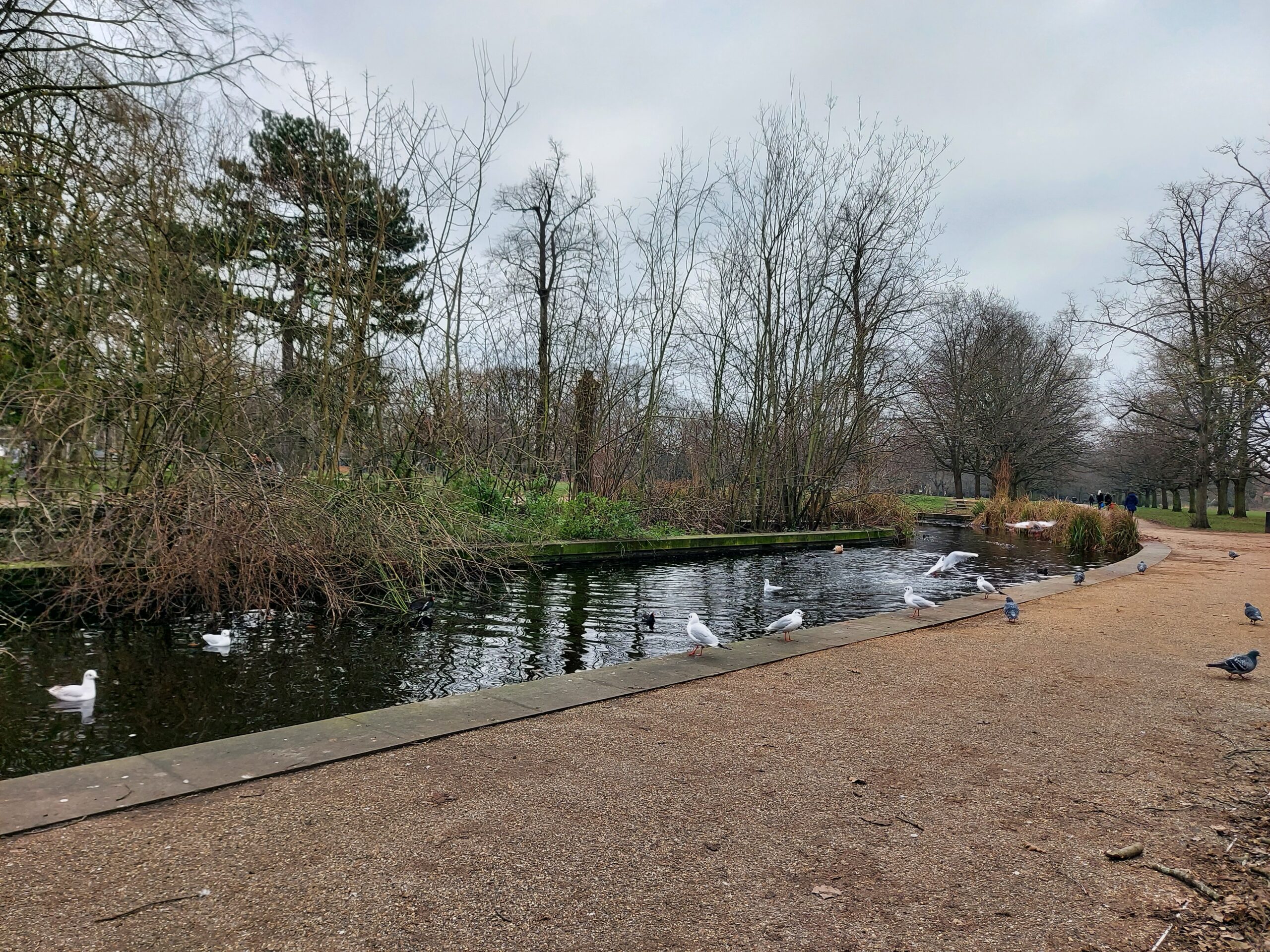
I chose a spot in my local park, next to a pond, to do this clause. I saw several species of wildlife, including black-headed gulls, moorhens, Egyptian geese, stock doves, mallards, bluetits and a robin, as well as a few grey squirrels. The plants I saw included brambles, beech trees, rushes and dog roses.

While I was there I noticed: a male stock dove trying to seduce a female; doves and gulls engaging in what resembled gang warfare; and two moorhens chasing after a gull for some bread.

In terms of positive impact, humans built the pond and also maintain it. Visitors also feed the birds in the park. However, the food tends to be bread, which is not always the most nutritious. Humans also unfortunately drop litter in the park.

A pond in a park

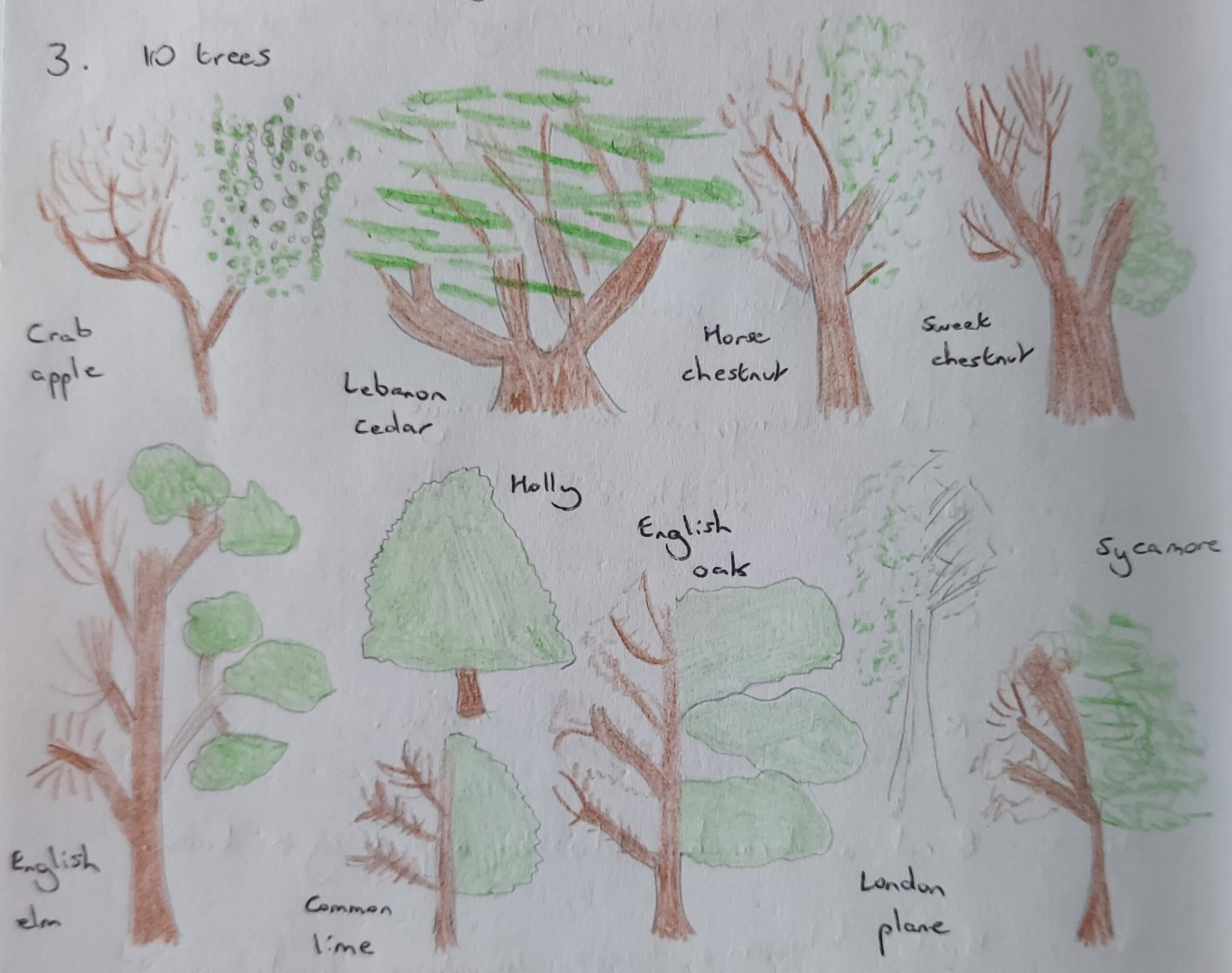
Learn how to use a tree identification key. Be able to identify at least ten different trees from your local area. Draw diagrams of what they look like in summer and winter.

I used the British Trees Tree ID app from the Woodland Trust to learn to identify trees – I wish I’d done this clause in the summer as it would have been much easier to identify trees from their leaves! However, I did manage to select ten trees, learn about them, and draw diagrams.

Drawings of 10 trees

Be able to recognise at least ten different birds which live in your local area. Make a book to help a child recognise your ten chosen birds.

To prepare myself for this clause I went on a bird walk and survey in my local park. We saw a surprising number of species: robins, moorhens, black-headed gulls, Egyptian geese, mallards, pigeons, bluetits, green woodpeckers, jays, a dunnock, a nuthatch, a coal tit, a great tit, a wren and a goldcrest. Here is the link to my book about birds.

Be able to identify at least ten different types of flowering plants. Draw coloured diagrams of all ten plants.

I selected my plants and managed some diagrams, although drawing is not my strong point.

<Drawings of 10 flowering plants

For at least a month keep a daily record of the weather.

I kept a record of the weather during January.

Choose one of your completed weather records. Find a creative way to record your findings visually.

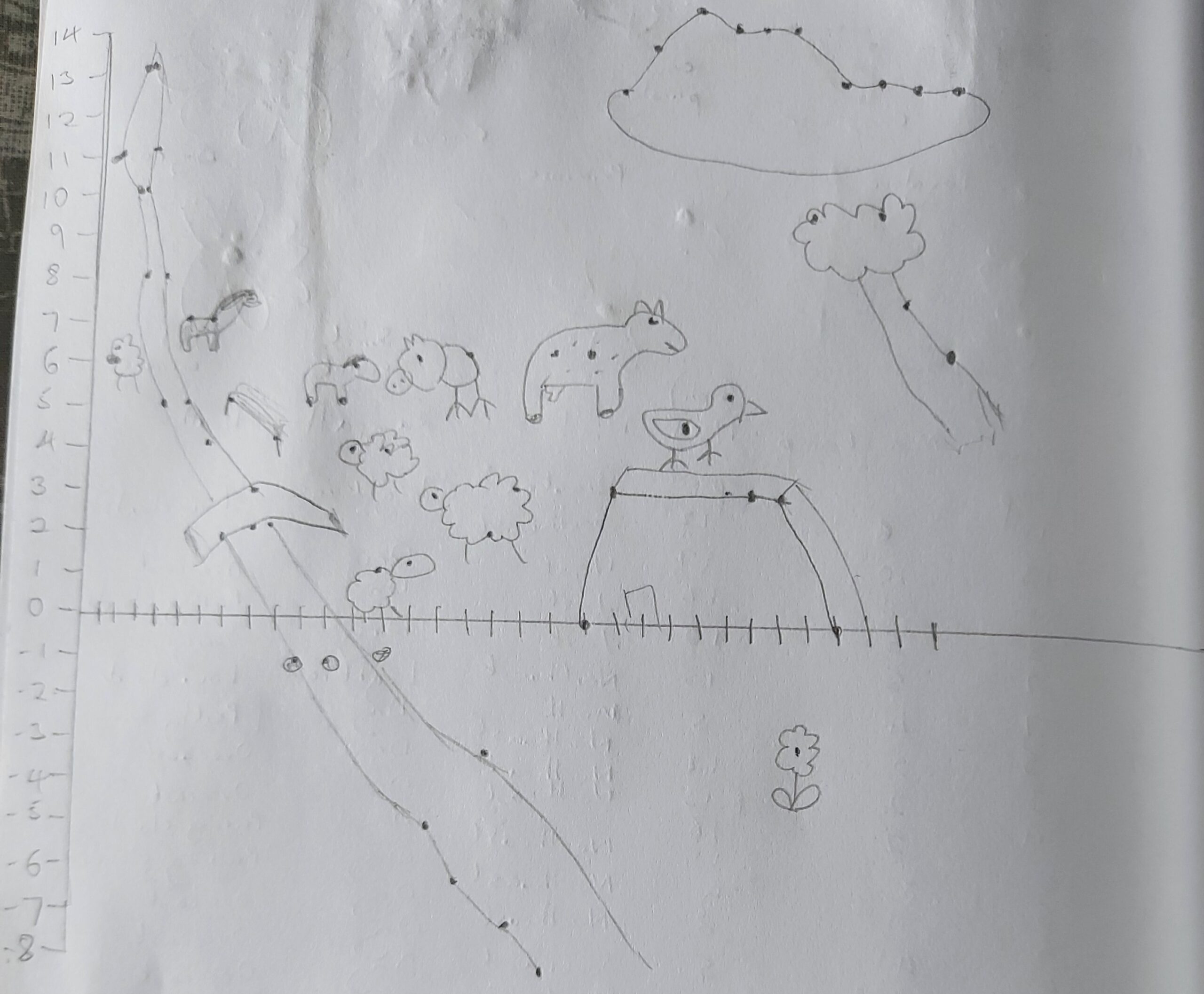
I chose the min/max temperature, made a graph from the figures, and drew a picture incorporating all of the points.

Drawing incorporating min/max temperatures

Take an hour to sit on a bench, or at a coffee shop table in a relatively busy area. Observe the world around you.

I decided to complete this clause while waiting for a train at King’s Cross station. I sat outside Gregg’s and observed my surroundings. I saw a pigeon preening itself on top of the departure board and was amused when it dived down directly in front of someone and gave them a shock! I also spotted some interesting outfits and wondered why everyone was carrying paper bags from Wasabi.

Date completed: 31 March 2024

Rebel Badge Club: Coder

The Complete Python Course screenshot

I chose Coder as the Grown Up badge to work towards as part of the Kickstart 2024 quarterly challenge. I did start to learn code several years ago, but quit pretty quickly as it didn’t make a lot of sense to me.

This time, I worked through 100 Days of Code: The Complete Python Course. While it was difficult – especially later on – it made a lot more sense to me this time around. I won’t be changing careers any time soon, but my skills have definitely improved.

For my project, I chose to make a to-do list, but called it a ‘Badgemin List’ for keeping track of badgemin tasks.

Date completed: 30 March 2024