I’m finally able to claim Event Planner. This is one of my longest-running badges as I waited for relevant events to come up! I arranged:
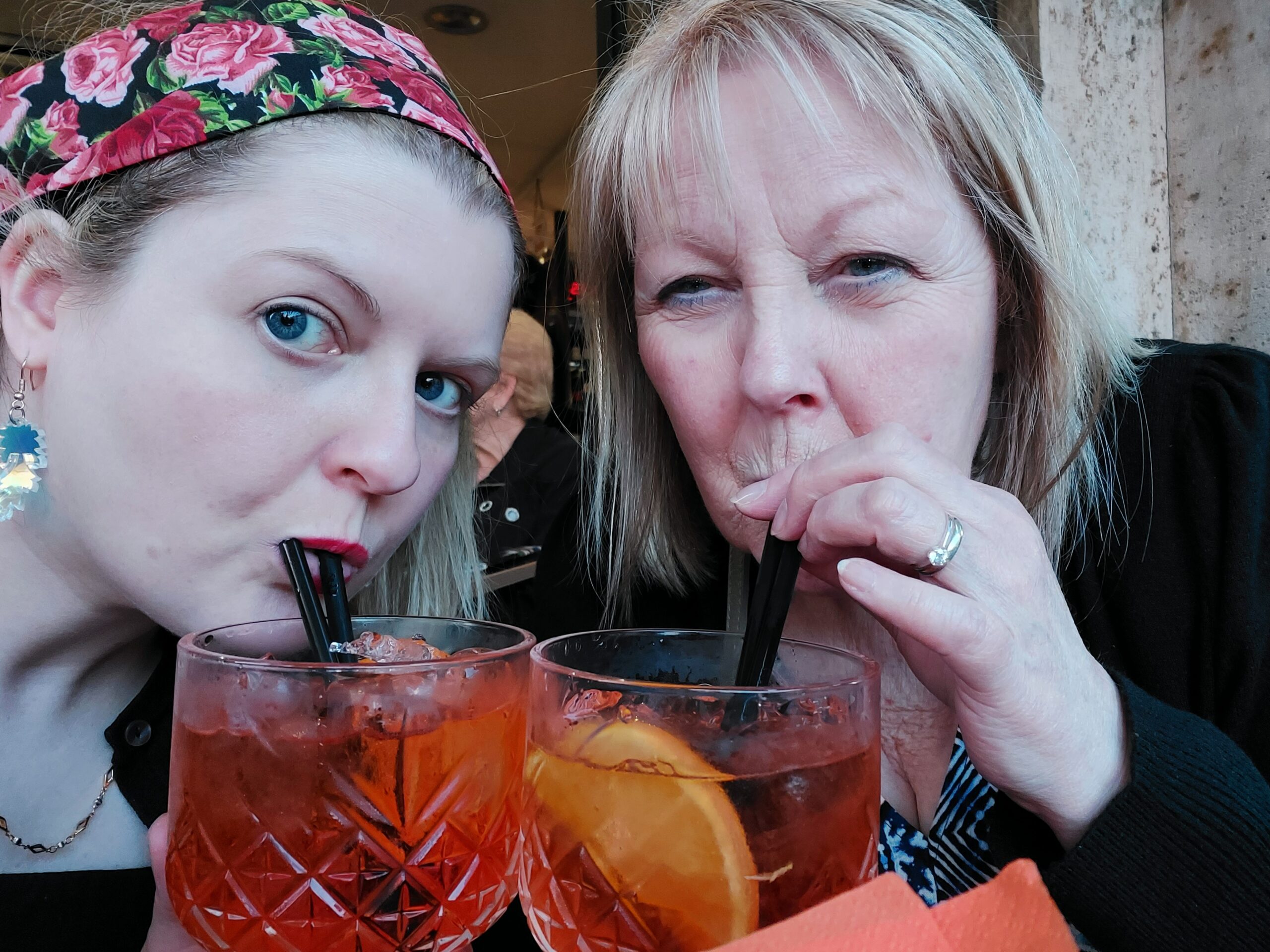
A holiday with my mam – we went to Rome and had a great time – I have no issues planning holidays for myself but it’s a lot more stressful planning for other people.
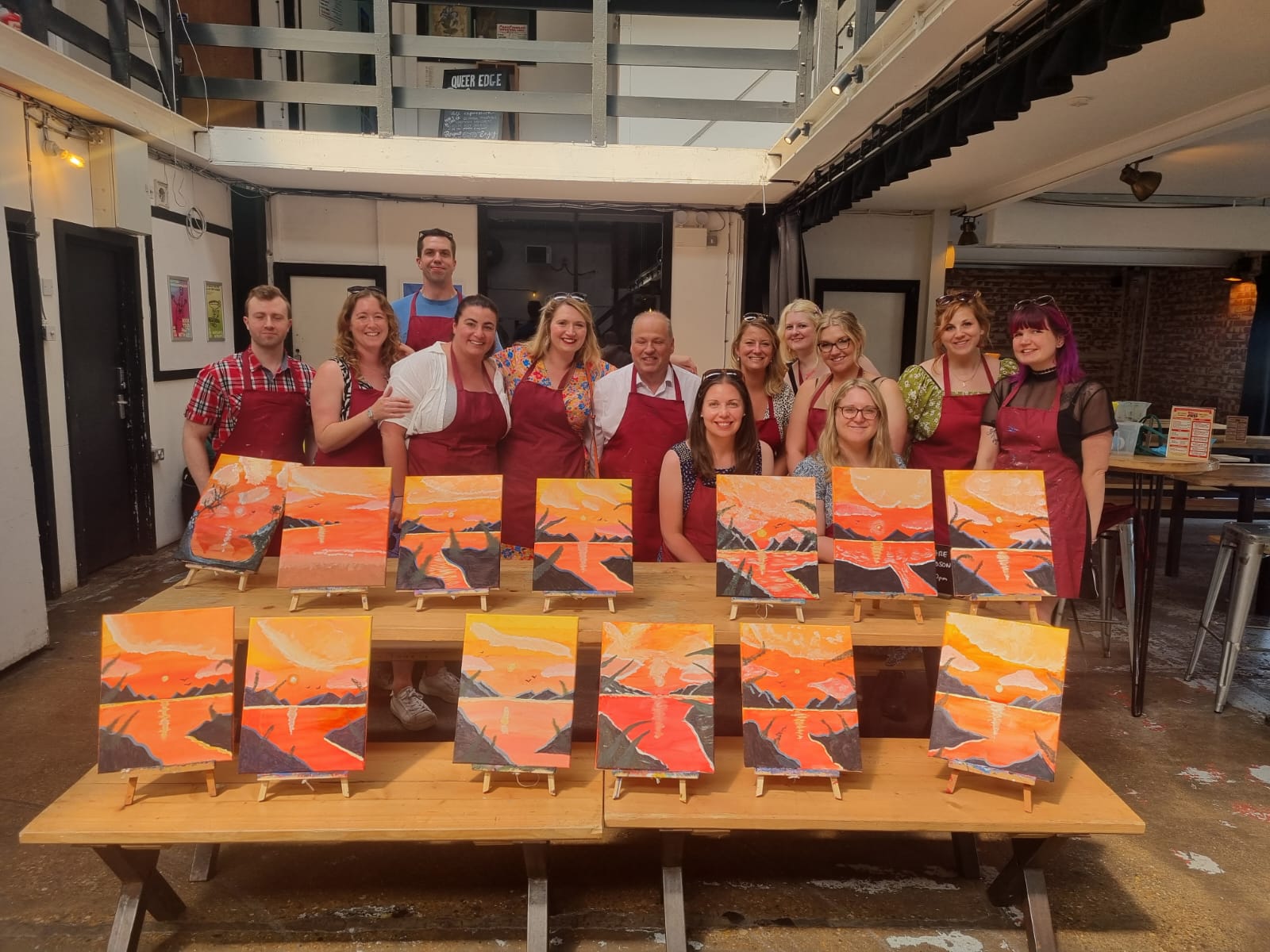
A hen do for my friend Hayley – we did a paint and sip class which was really fun.
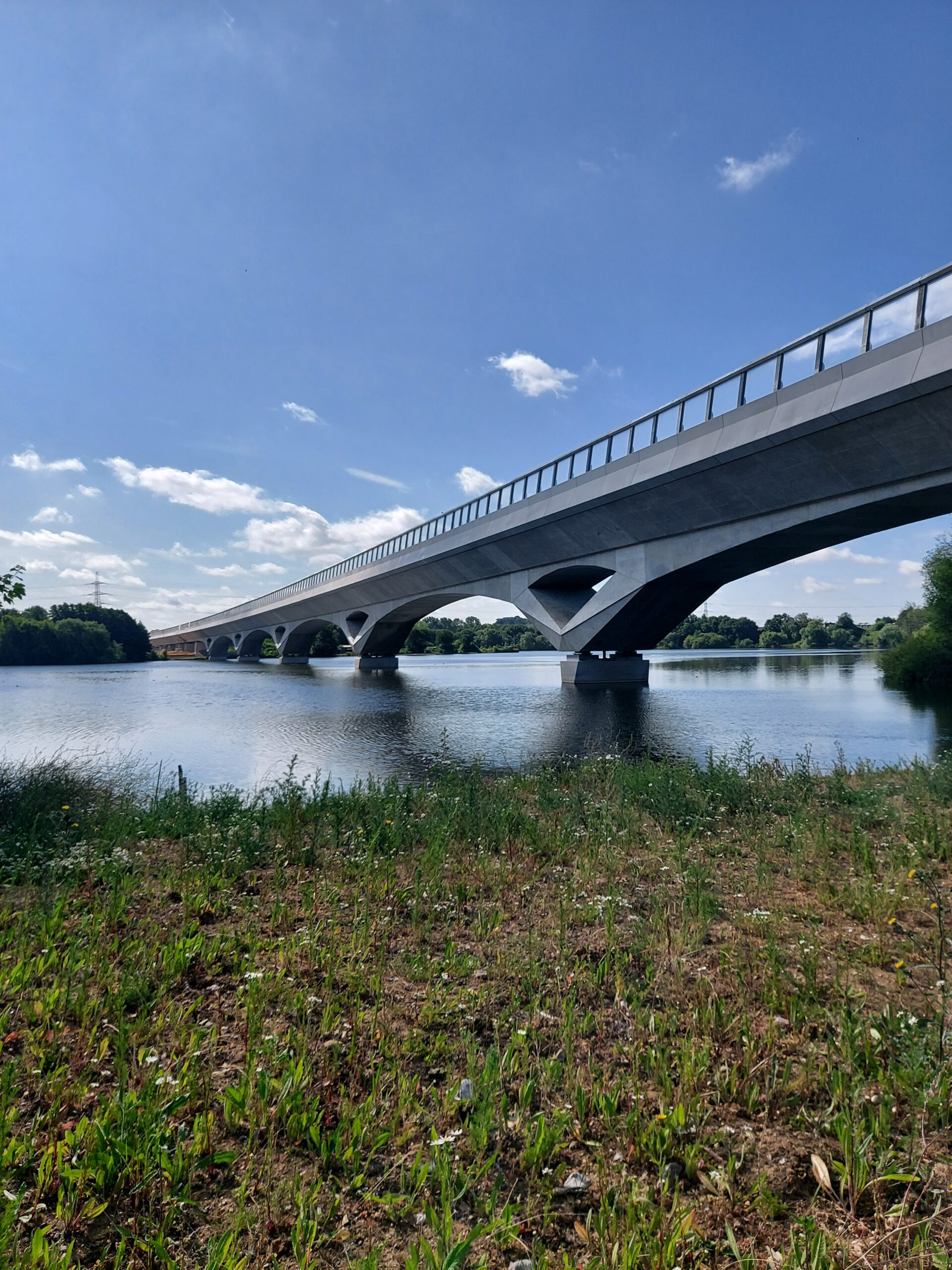
I worked on the Advanced Walker badge for six months, keeping a record of the distance I walked every week. I aimed to do at least 62 m (100 km) per month from February to July. I ended up doing much more than that, nearly 100 m per month.
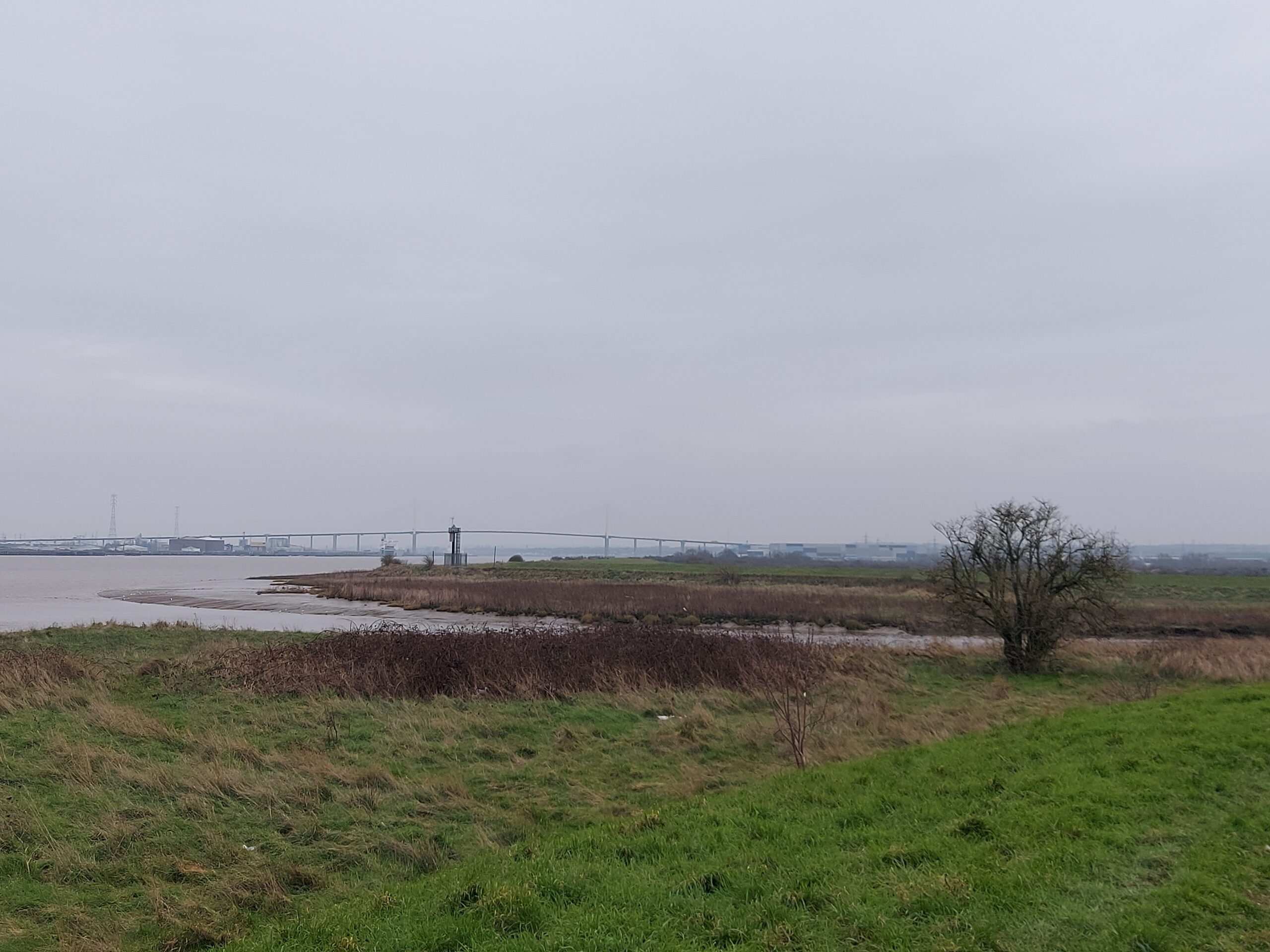
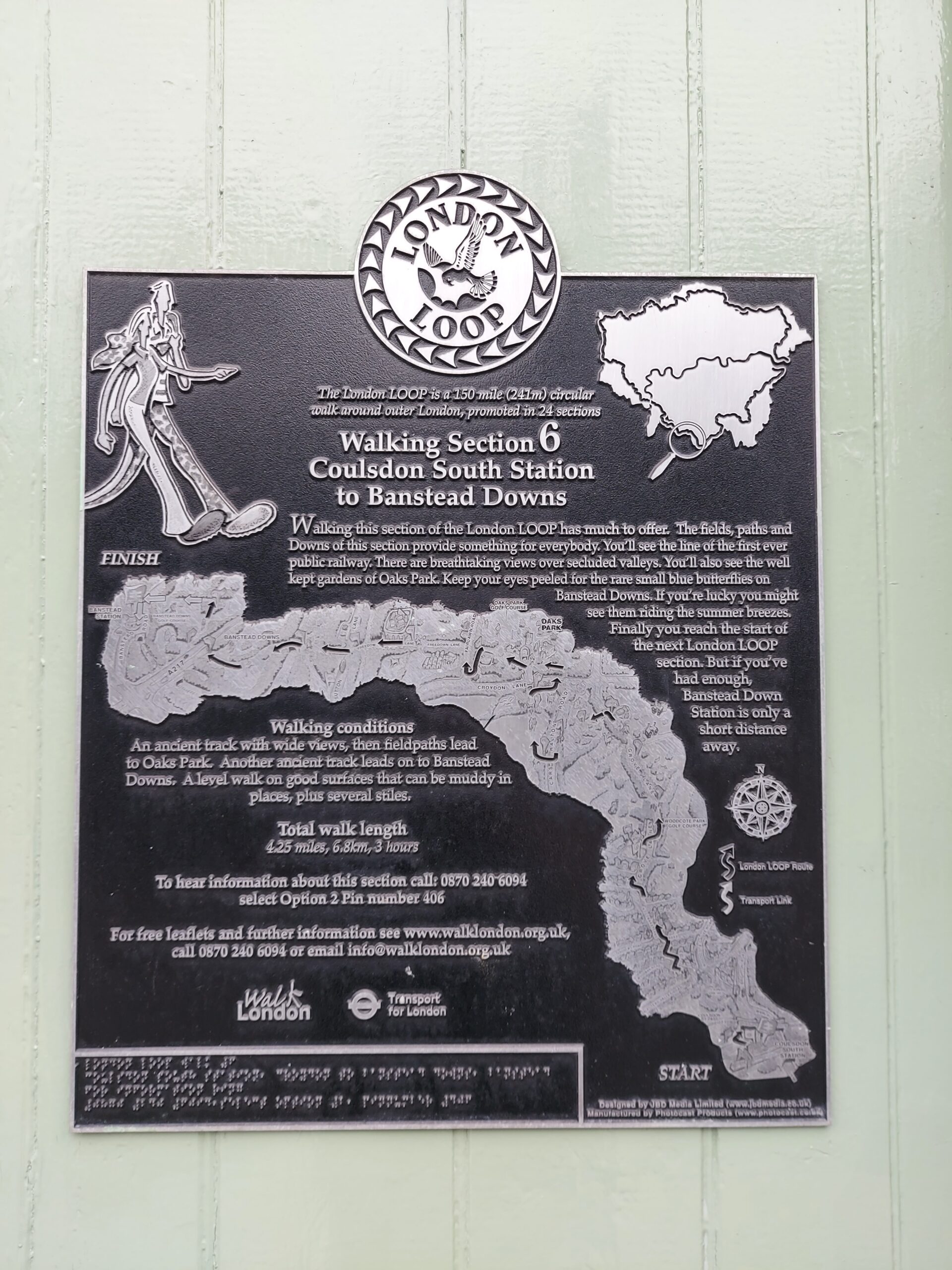
During this period I’ve gone on plenty of new walks, completing 14 out of the 24 sections of the 150-mile London LOOP, and the entirety of Hadrian’s Wall (84 miles), which I completed as part of my Gold Maverick. I have lots of photos as a record of my routes.
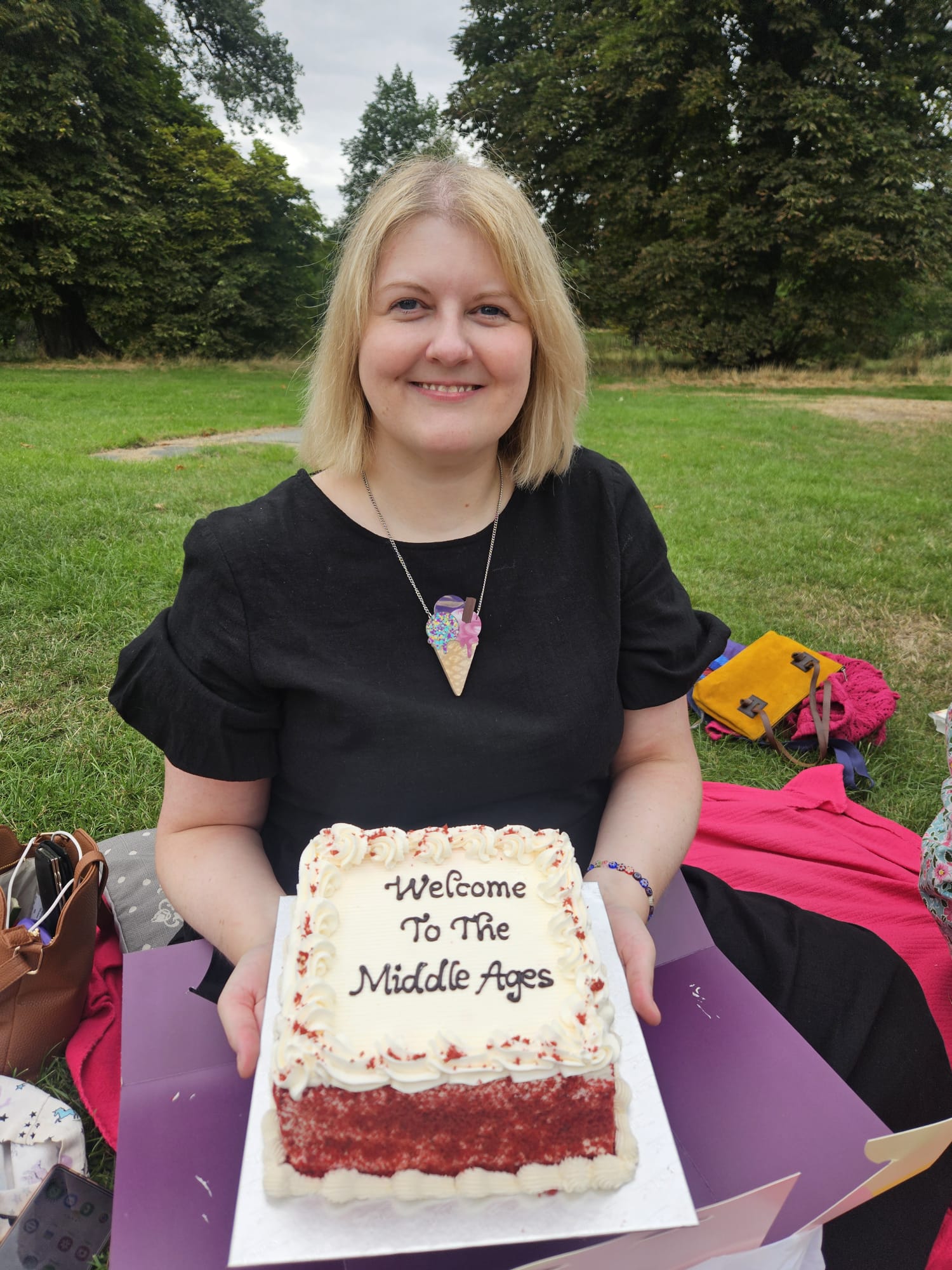
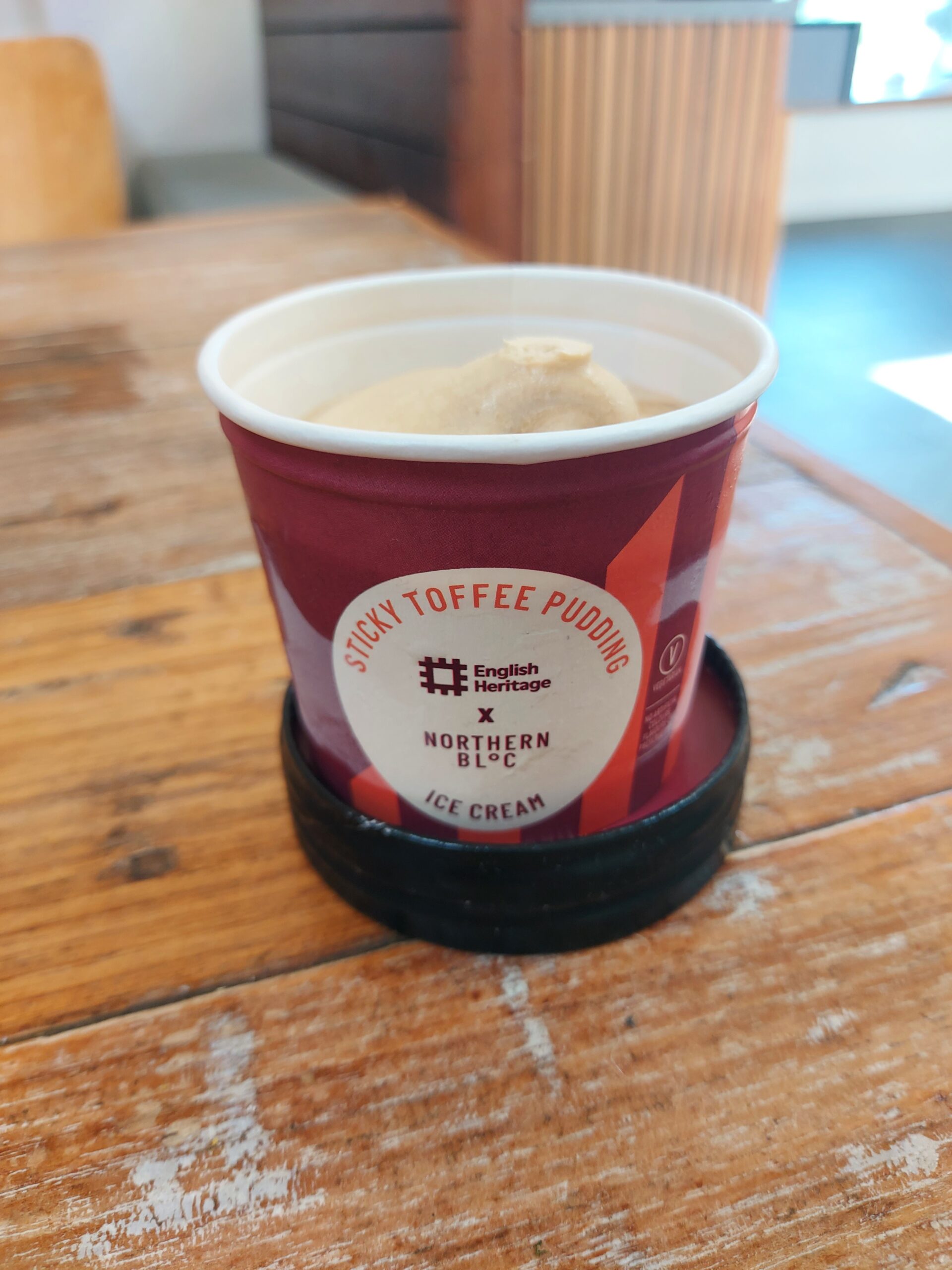
Big Kid Summer has been very popular for the last couple of years, so I was pleased to see it back for 2025. This month I did some cloud gazing, read a book under a tree, went fruit picking, had a midday nap, tried a new flavour of ice cream (Sticky Toffee Pudding flavour, yum) and spent a day in my PJs. Not bad for a month that also included my Hadrian’s Wall expedition and my 40th birthday!
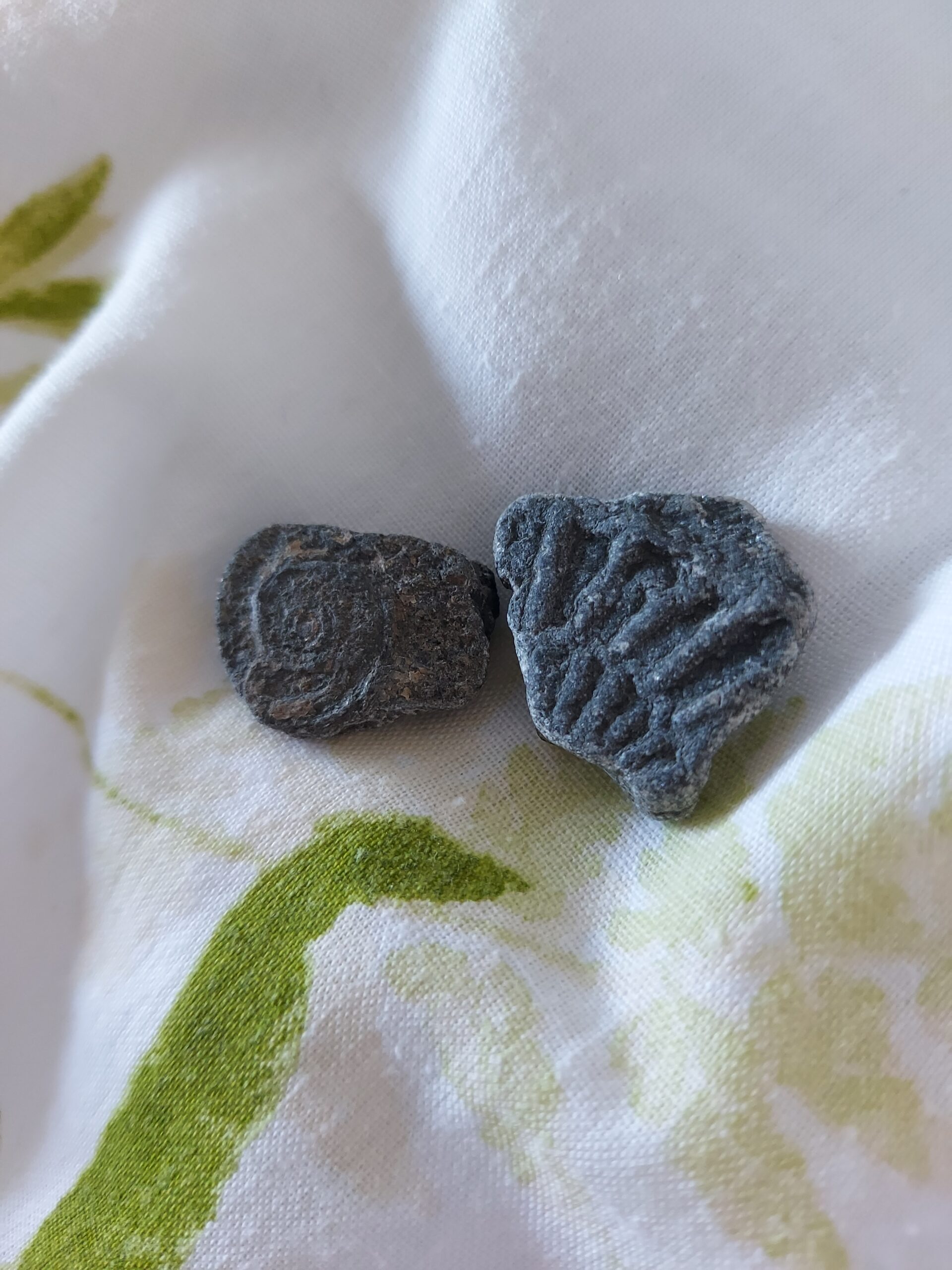
This badge caught my eye as soon as I bought Book 2, but out of a desire to “save the best ’til last”, I waited until I’d completed most of the other badges first. I really enjoyed this badge, even making a special trip to Lyme Regis during their Fossil Festival to go fossil hunting and visit dinosaur museums.
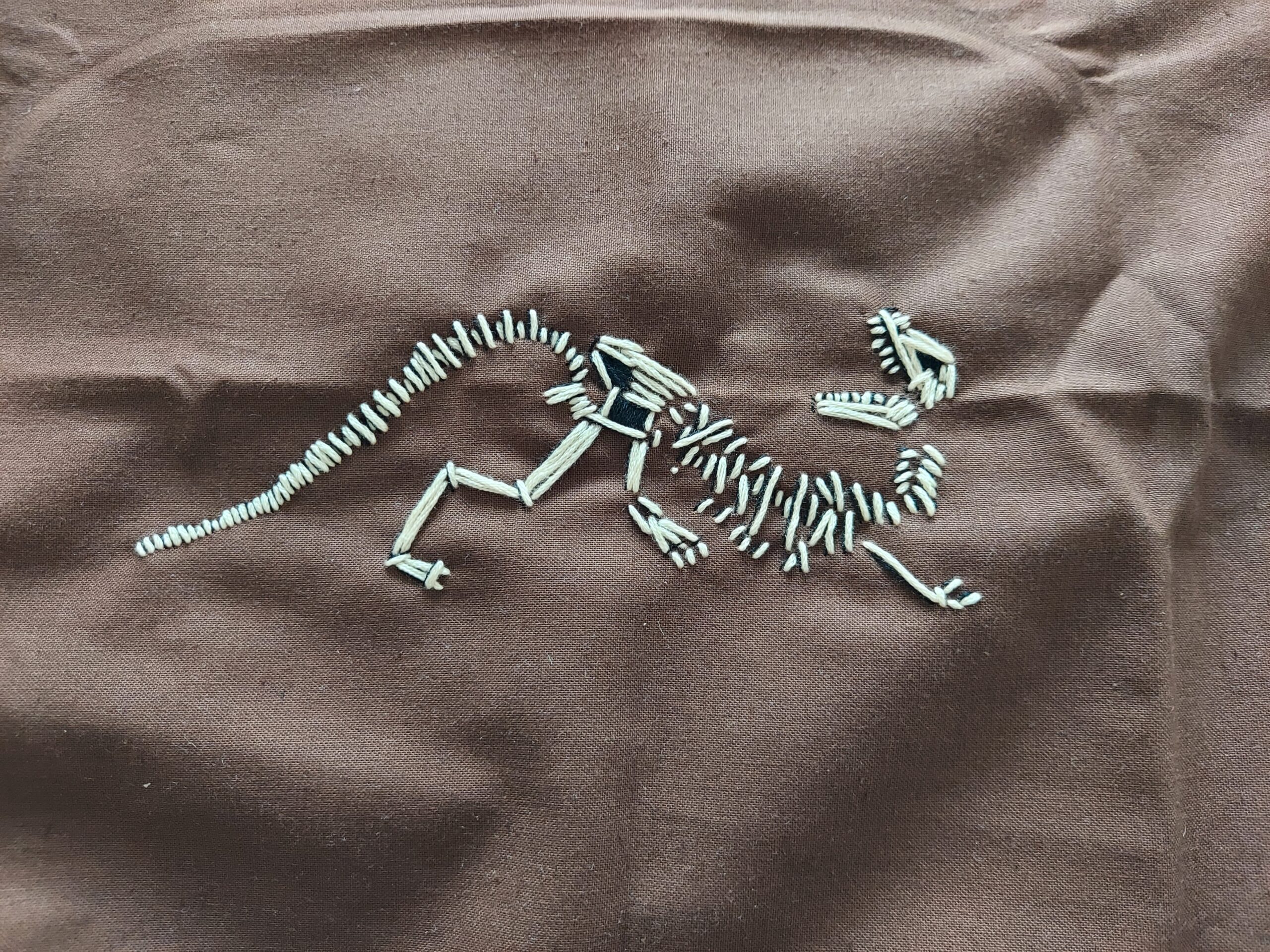
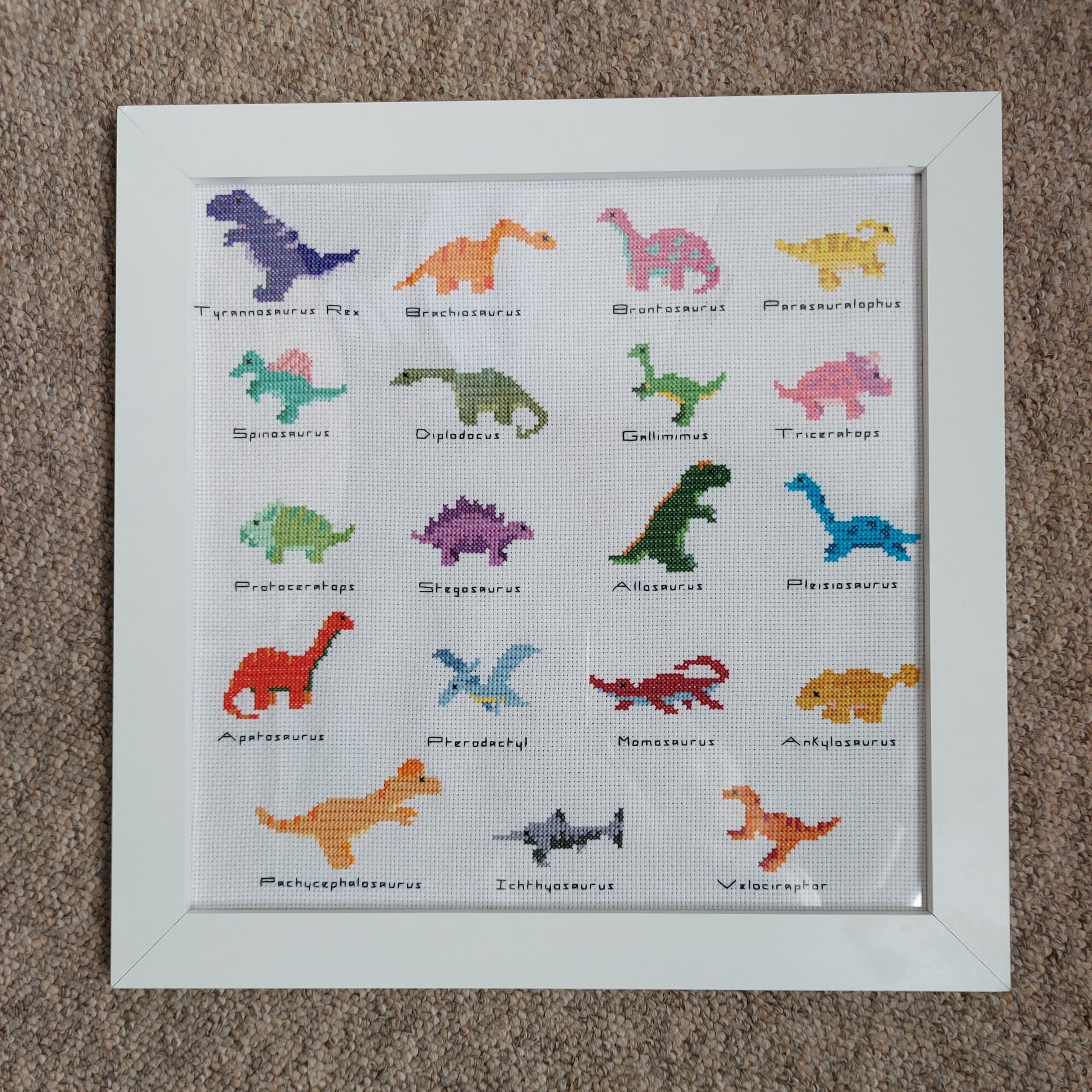
Make your own fossil from a medium of your choice.
I made an embroidered fossil using a pattern from EvansSent.
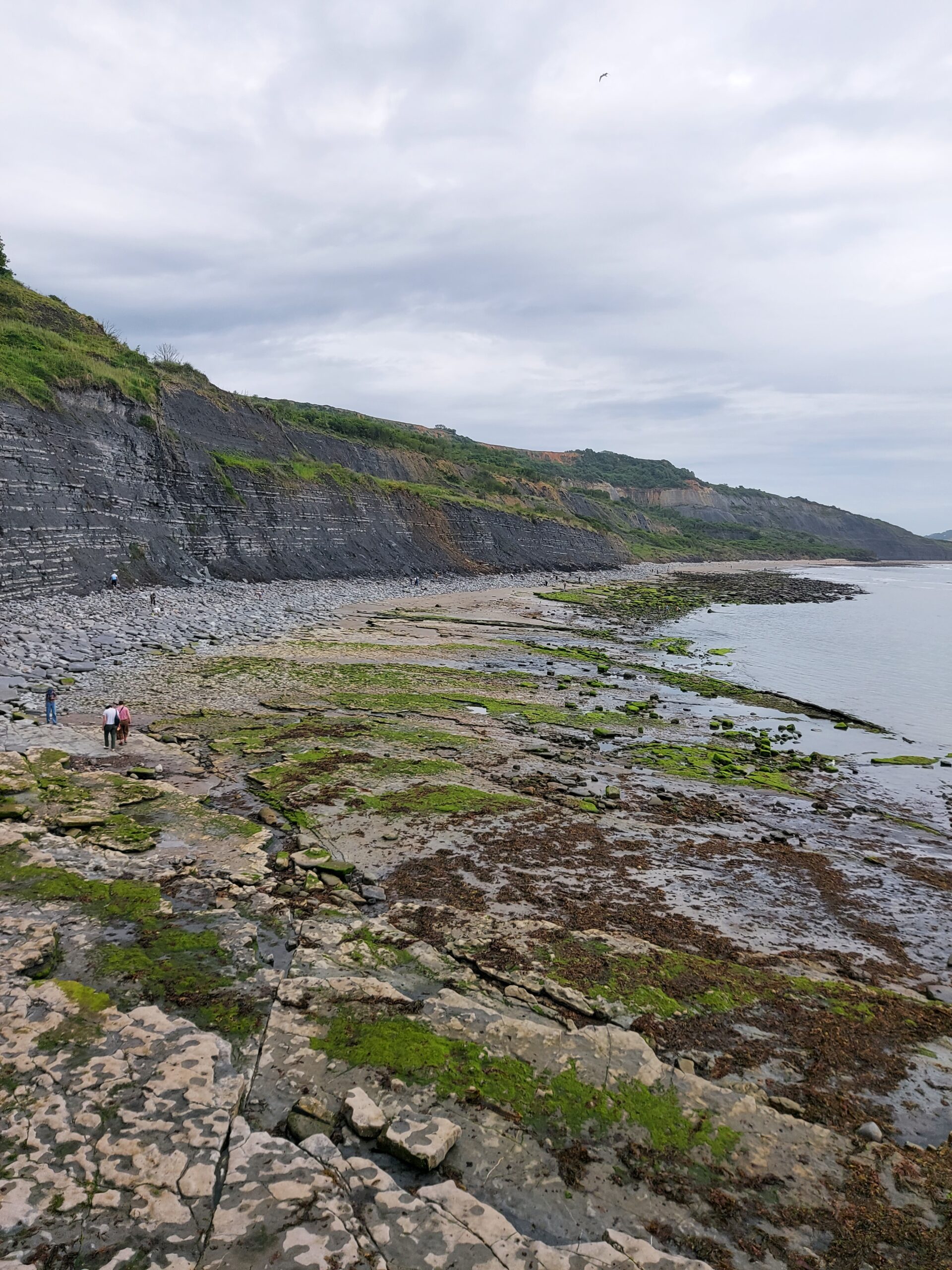
Go fossil hunting.
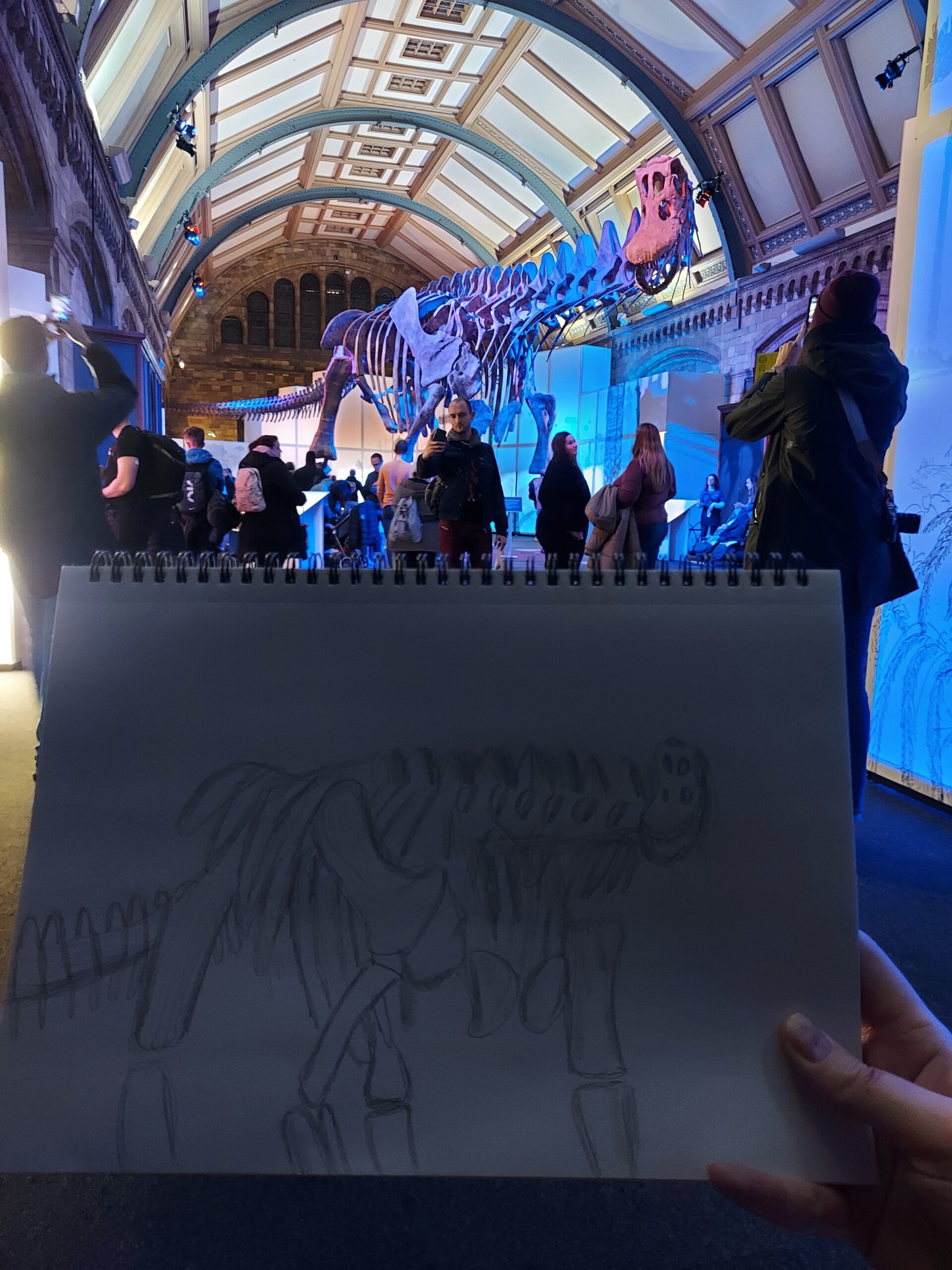
I went on a camping holiday to Lyme Regis and attended a fossil walk run by the museum. I learned a lot about how to find fossils and managed to find a couple myself!
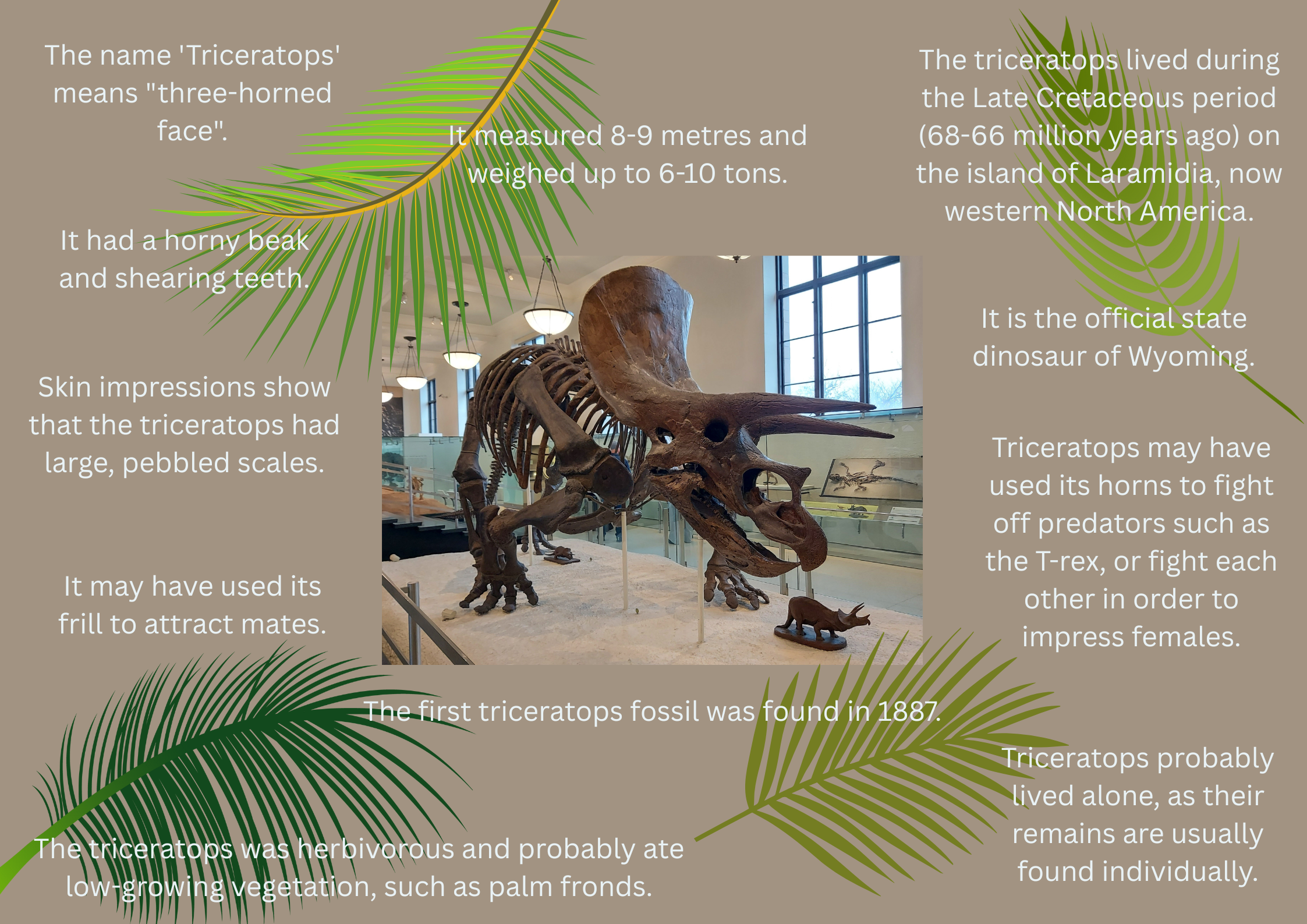
Make a presentation about a notable palaeontologist.
I made a presentation about the palaeontologist Edwin H. Colbert, mainly because he was involved in fieldwork in Antarctica!
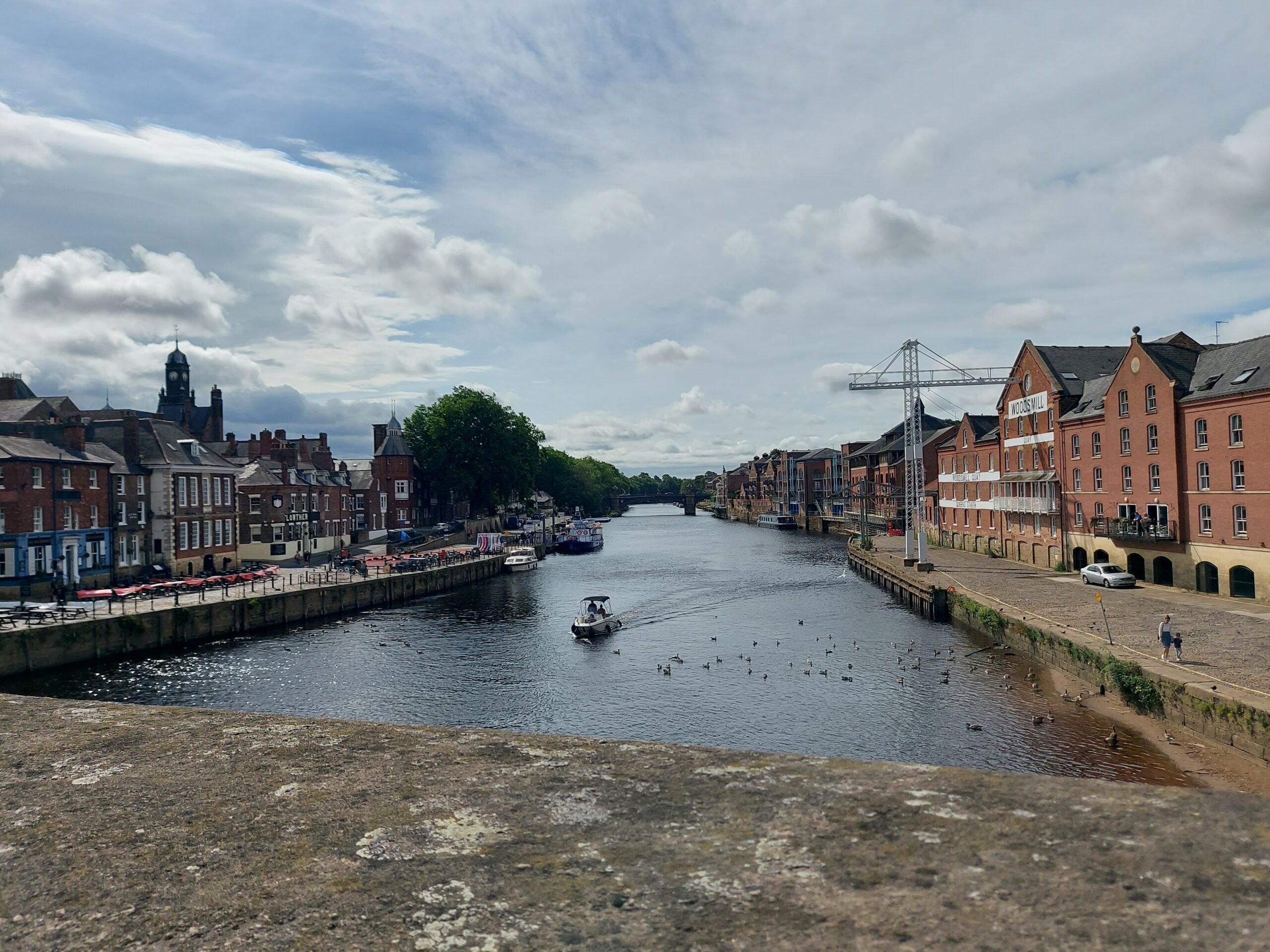
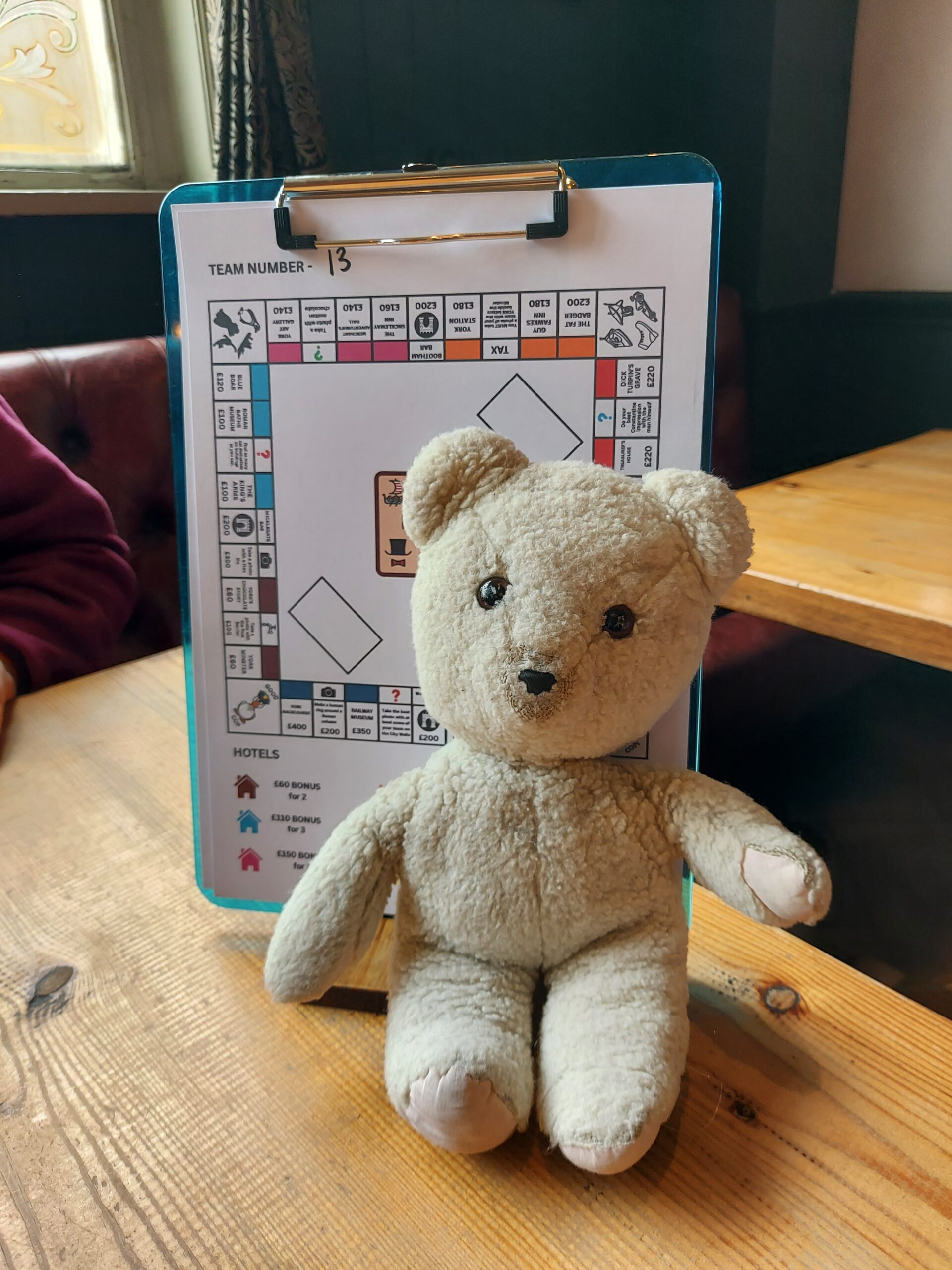
The third and final Monopoly game of the year was held in York, a city I know well as I studied there for three years. I spent a good part of the day recognising pubs I used to frequent back in the Noughties, impressed at how many were still there.
I was on a team with Jaide, Isla and Ceilidh and we had a lovely time exploring York. Highlights included spotting cat statues, admiring the Minster and pretending to be heads on spikes on top of the city wall. We also visited Dick Turpin’s grave, which I’d had no idea was there!
I’m sad there will be no more Monopolies, but happy that there are more upcoming Rebel games next year!
Craftivist was the monthly badge for June. I didn’t have as much time as I wanted to complete the badge, but I enjoyed the clauses I did manage.
Understand the legal and environmental restrictions in your area surrounding different types of craftivism.
I was surprised to find that yarn bombing is technically illegal in many parts of the UK. However, it is unlikely that someone would be prosecuted for it as it is non-permanent, non-destructive and easily removable. It is often seen as a positive change to brighten up something that would otherwise look dull. At the same time, some kinds of synthetic yarn can damage trees if left on too long; yarn items left out for weeks or months can become damaged, faded and waterlogged and could be considered litter.
Stickering, or fly-posting, is also illegal on public property such as lamp posts. However, if the sticker can be easily removed it would be considered on a par with littering.
It is illegal to take stones from the beach in order to paint them, so you would need to obtain them some other way.
Research the history of craftivism.
The term ‘craftivism’ is fairly new, but the concept has been around since the nineteenth century. I found an article on The Morning Crafter that explored this history. Three strong examples of craftivism are:
The Arts and Crafts movement, led by William Morris
The quilts of the Civil Rights Movement
The Pussyhat Project
Paint or stitch a famous quote which champions a cause.
I used a Pixels & Purls template to create an embroidery featuring one of my favourite feminist quotes.
What is the Craftivist’s Manifesto? And what does it mean to you?
The Craftivism Manifesto is a powerful statement about what craftivism means. In summary, a craftivist is anyone who uses their craft to help the greater good. For me, it transforms the concept of crafting from a solitary activity to something that can help and support others and have a wider impact in the world.
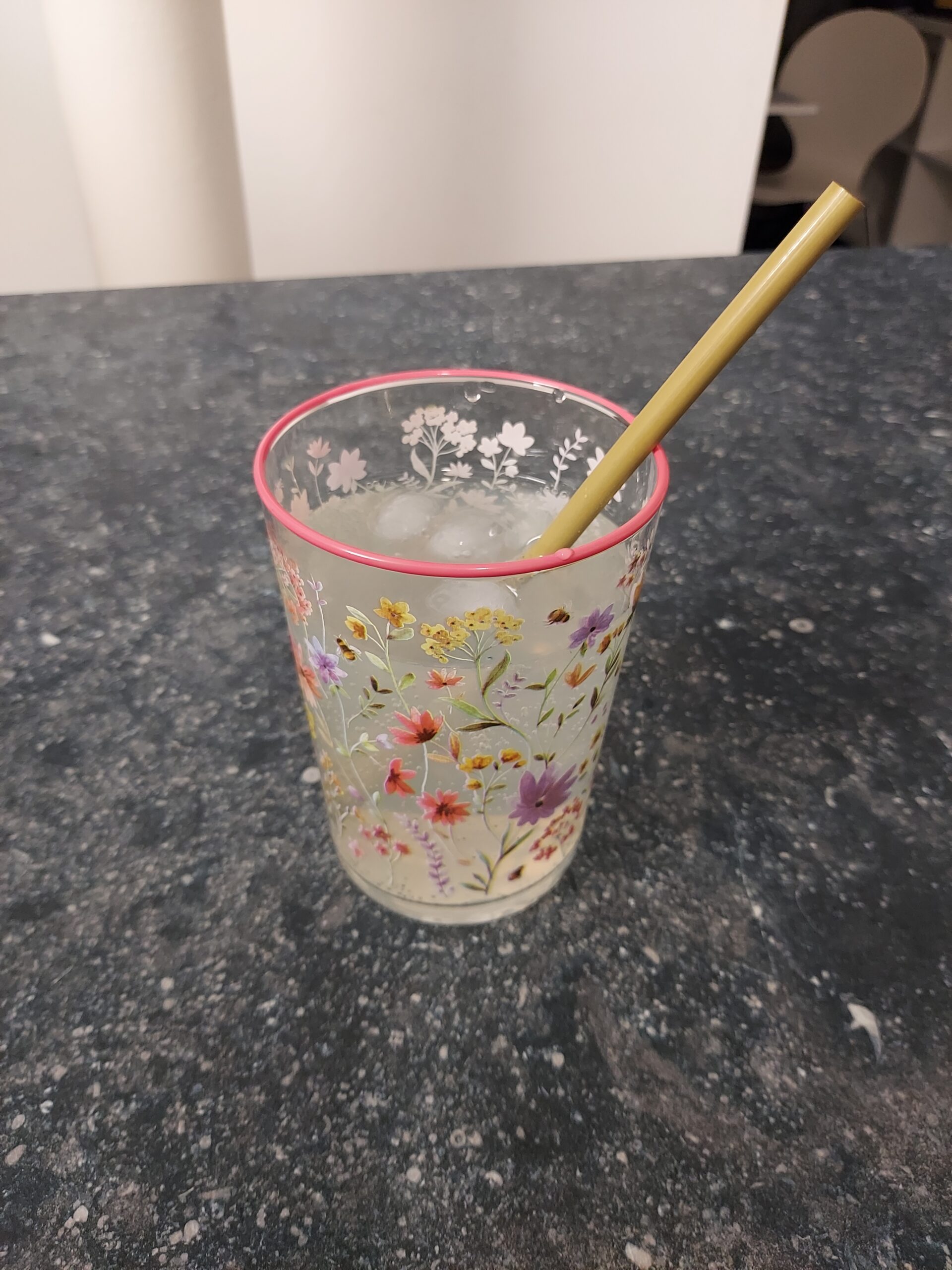
I decided to do the Advanced Mixologist badge as part of the ‘Curiouser and Curiouser’ quarterly challenge. For this badge, I had to make another six cocktails and learn about their histories. I really enjoyed this one – always good to add some more cocktails to my repertoire!
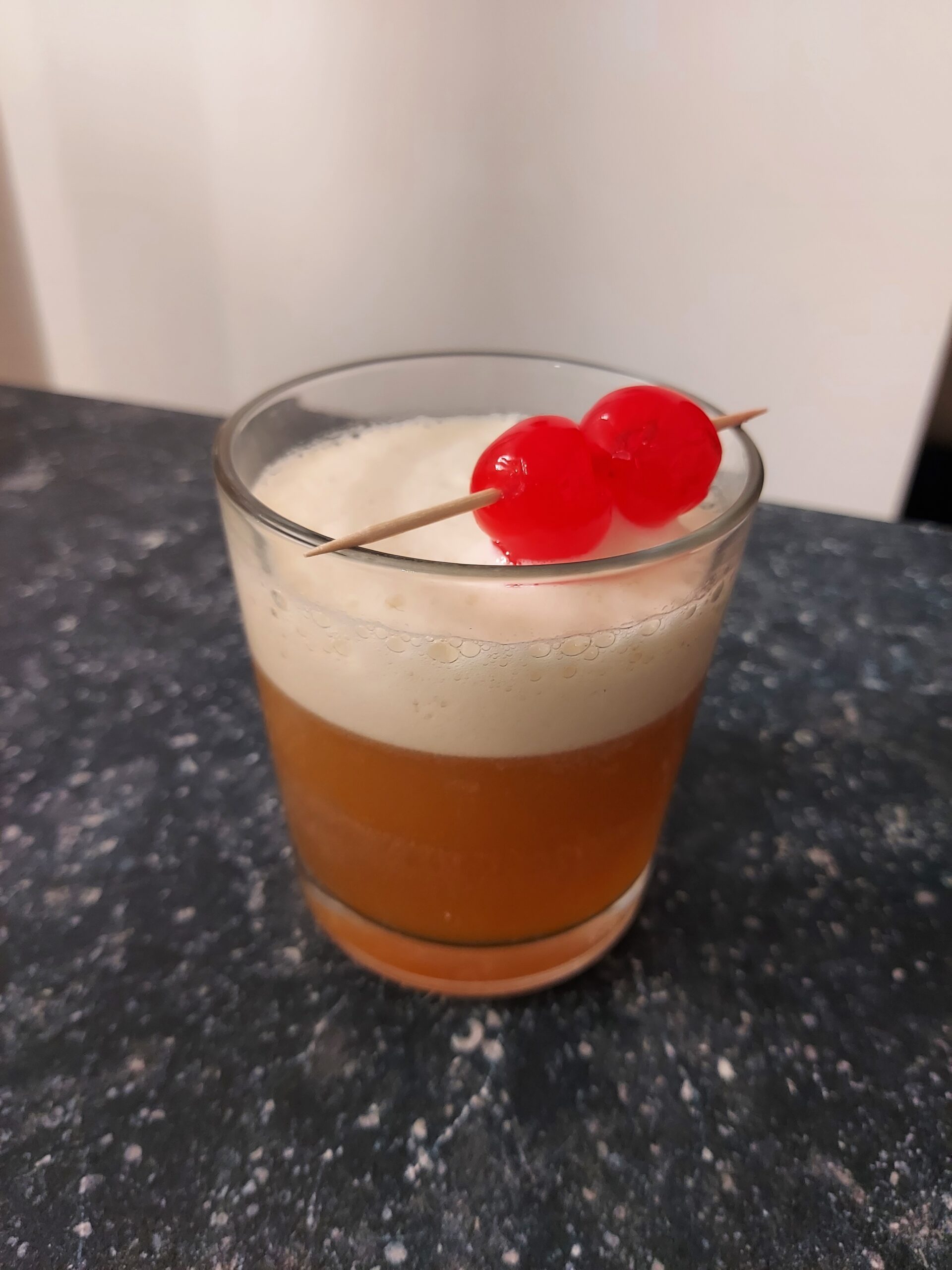
Amaretto Sour
An Amaretto Sour is a type of sour, a mixed drink made with a base spirit, citrus juice, and a sweetener. This particular sour was devised in 1974 by the importer of Amaretto di Saronno, originally a mix of two parts amaretto liqueur to one part lemon juice. It was especially popular in the 1980s, and these days often includes whipped egg white and bourbon. I made mine with aquafaba instead of egg white, and it worked really well.
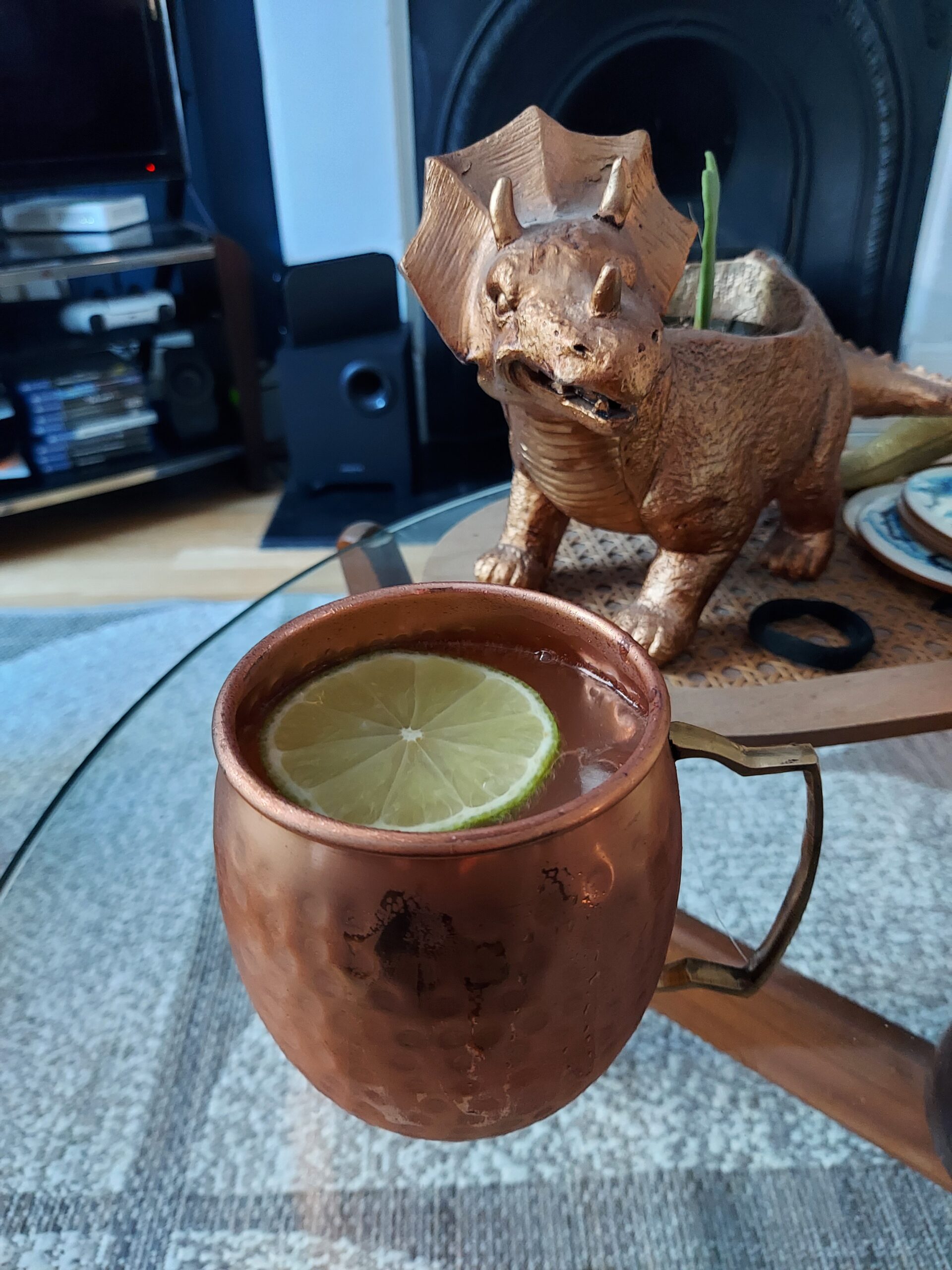
Moscow Mule
A Moscow Mule consists of vodka, ginger beer and lime juice, garnished with lime and a sprig of mint. It is traditionally served in a copper mug, which takes on the temperature of the drink (the mug should have a protective coating on the inside to prevent copper toxicity).
The beginnings of the Moscow Mule seem to lie in Hollywood’s Cock ‘n’ Bull pub. The details are slightly different depending on what source you look at, but one theory argues that the cocktail was created as a way to sell vodka, ginger beer, and copper mugs – all of which the creators wanted to get rid of.
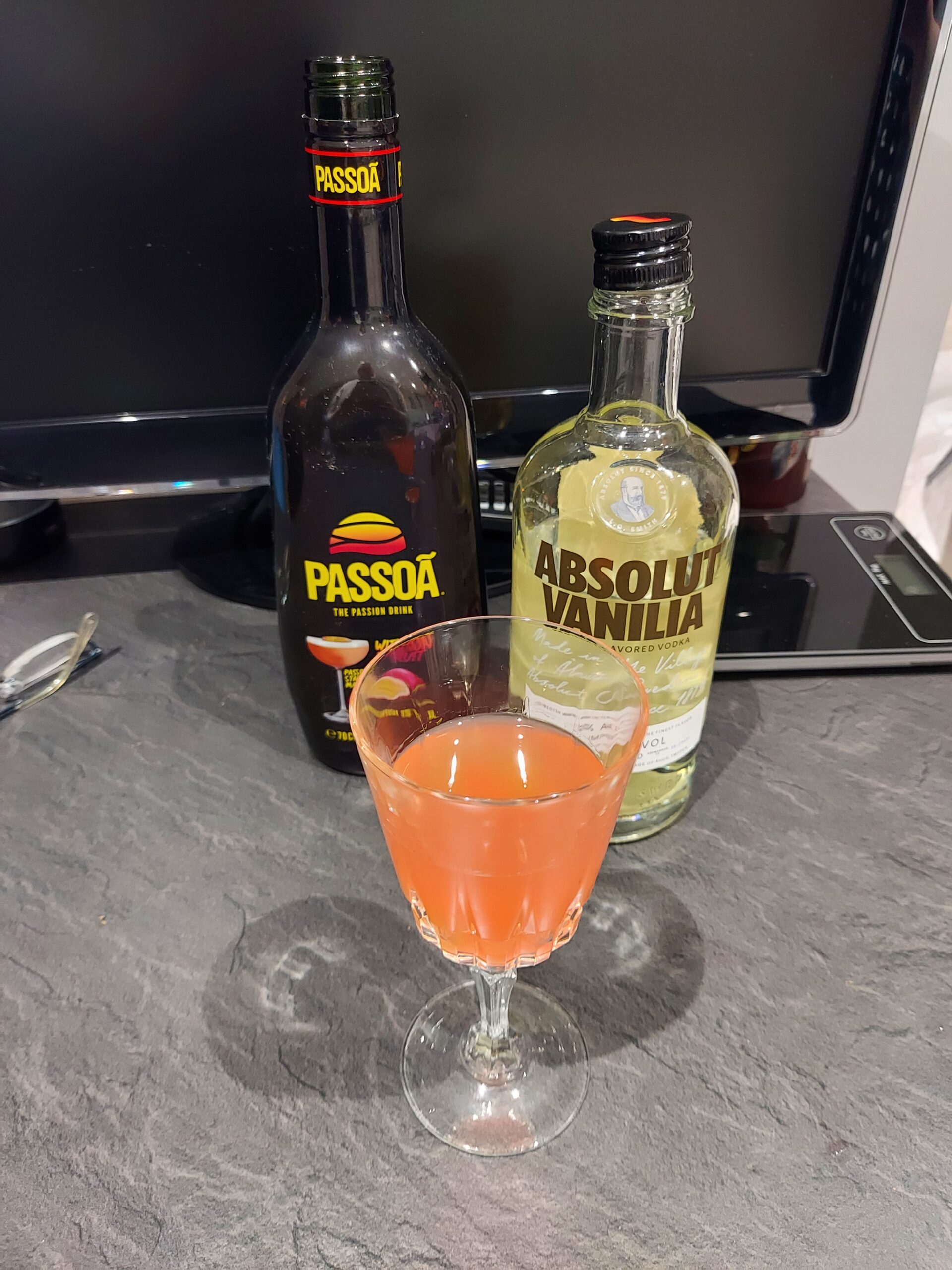
Passionfruit Martini
The Passionfruit Martini was invented in 2002 at the Townhouse Soho bar in London. Originally named the Maverick Martini, creator Douglas Ankrah renamed it to the P0rn Star Martini, believing it was a drink that a p0rn star would enjoy. Made with vodka, Passoa (passionfruit liqueur), passionfruit juice and lime juice, it is often served with a shot glass of champagne.
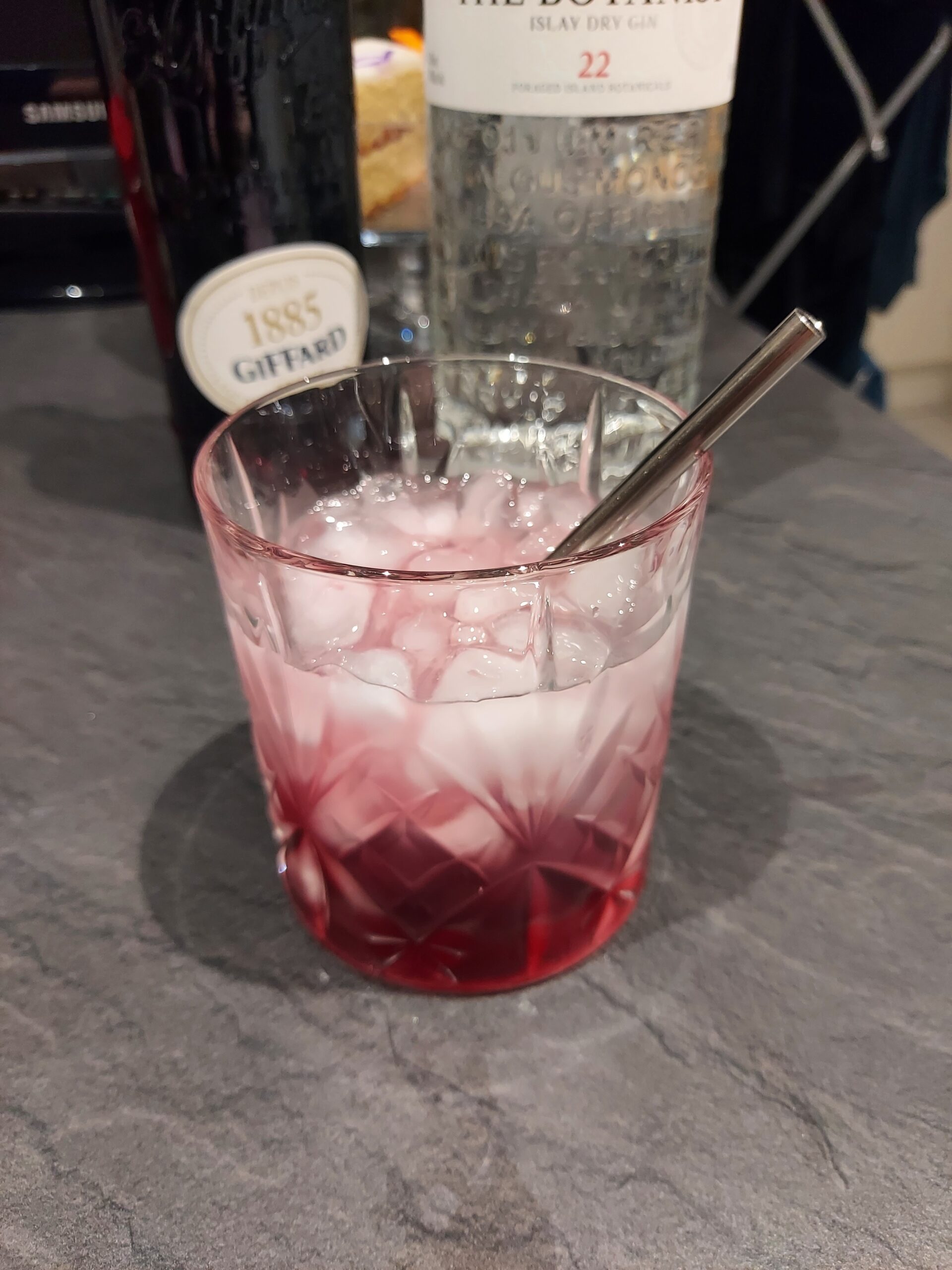
Bramble
The Bramble was my cocktail of choice during my postgrad student days in Sheffield. It is made with gin, lemon juice and sugar syrup over crushed ice, topped off with crème de mûre. The drink was invented in London in 1984 by Dick Bradsell, inspired by his memories of going blackberrying on the Isle of Wight.
Butterbeer
The Butterbeer cocktail was inspired by J. K. Rowling’s Harry Potter series. Presumably low- or no-alcohol in the books and films (given that it is drunk by schoolchildren), several alcoholic versions have sprung up over the years. Most recipes include butterscotch schnapps, but there is a lot of variety out there.
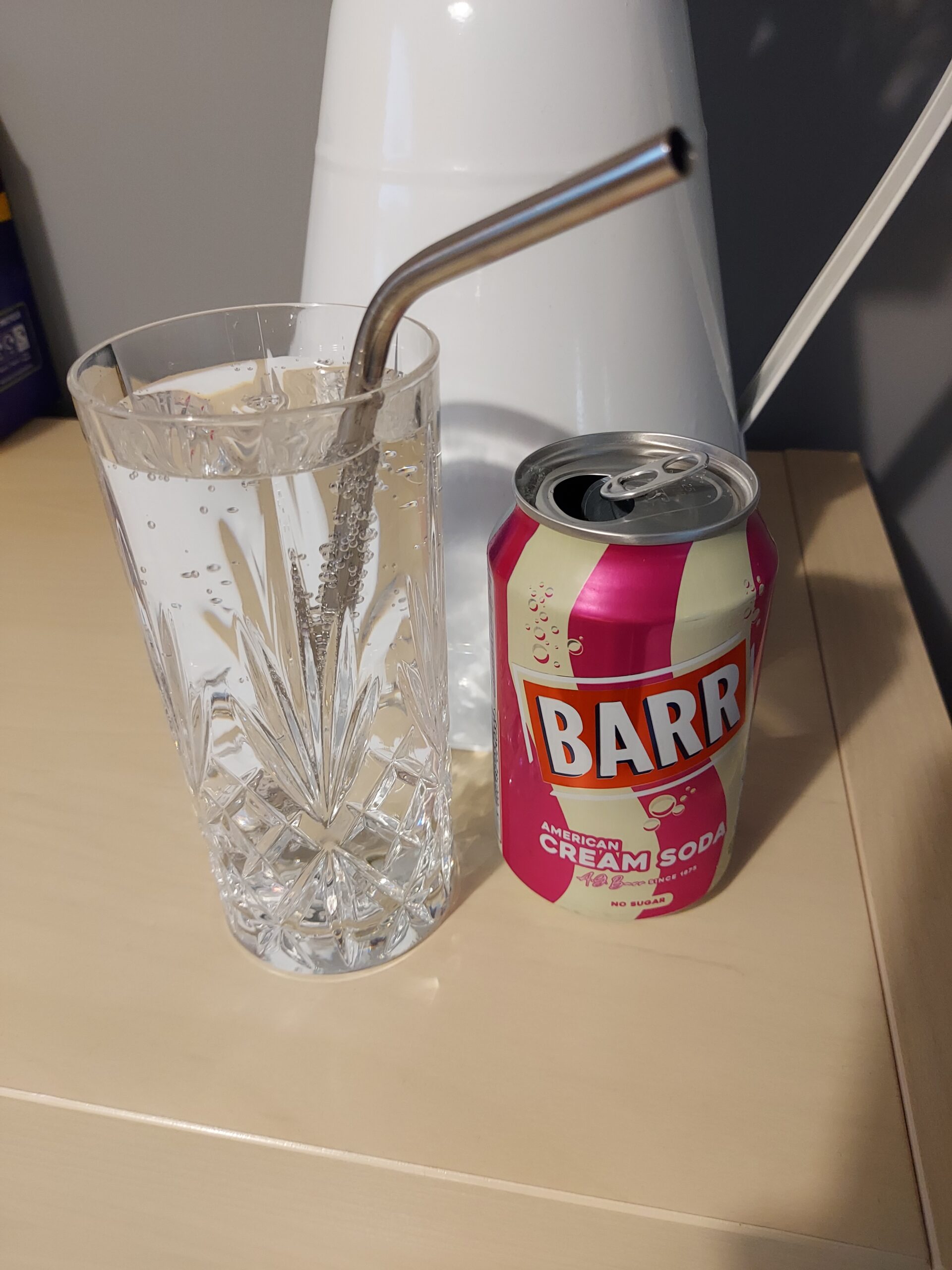
Tom Collins
A Tom Collins contains gin, lemon juice, sugar and soda water. Typically it is served in a Collins glass with a cherry garnish. The earliest printed mention of the drink is in Harry Johnson’s 1882 Bartender’s Manual, but it is said to closely resemble the gin punches served at London clubs such as the Garrick at the beginning of the nineteenth century.
The ‘Tom’ in the name may refer to the ‘Old Tom’ gin that was used in traditional recipes, though these days any gin can be used. Originally a John Collins was the name for the cocktail made with London dry gin.
Unlike a lot of Rebels, I found it hard to choose which drink to base my Barista badge on as I enjoy coffee, tea and hot chocolate. In the end I opted for coffee, since the term ‘Barista’ suggests ‘coffee’ to me, and coffee beans are the symbol for the badge.
I come from a highly caffeinated family: we usually have at least two cups of coffee and one or two cups of tea a day. I’m not quite as hardcore as my dad, who drinks another cup of coffee before bed and falls straight to sleep, but I do need my tea and coffee to get me through the day. I tend to go through phases where I drink more tea or more coffee – I’m definitely going through a coffee phase right now. Hot chocolate is more of an occasional treat.
Research the history of your chosen beverage, including how it found its way to your country. Present your findings in an interesting way.
Draw a diagram to show the journey from growing a coffee bean all the way to your mug.
I found some interesting sources on this, including liquidline.co.uk, and made a diagram.
Choose at least 5 different types of your chosen drink – learn about their origins, and differences in appearance, scent and flavour profile.
Espresso: a concentrated drink made with roasted beans and an espresso machine. High water pressure and finely ground beans result in a concentrated shot with a top layer of foam or ‘crema’. The espresso forms the basis of many coffee-based drinks including the cappucino and the latte. I was really surprised by how modern espresso is. The espresso machine was invented in 1884 by Angelo Moriondo. The first commercial machine was created in 1901 by Luigi Bezzera.
Americano: espresso with added hot water. This water creates a longer drink and helps to tone down any bitterness. It is believed to have originated in Italy during World War II, when American soldiers found the local espresso too strong so watered it down. The long black, which developed in Australia and New Zealand, is similar but tends to contain more crema; it is made by pouring espresso into hot water, instead of the other way around.
Cappucino: equal parts espresso, steamed milk, and milk foam. It has a creamy, smooth consistency, with more caffeine and a richer flavour than standard coffee. This drink appeared in northern Italy in the 1930s.
Latte: one part coffee and three parts milk, topped with foam. Lattes are rich and creamy; they have a smooth texture and a subtle taste. The term caffè e latte was first used in English in 1867 by William Dean Howells in his essay “Italian Journeys”, but as this predated the espresso machine, it was likely very different than today’s lattes.
Flat White: a double shot of espresso topped with milk and microfoam. The drink came about in the 1980s, invented in either Australia or New Zealand – both countries claim ownership.
Macchiato: another variation of a cappucino, but without steamed milk. Espresso is added to the cup after a small amount of milk froth, and the rest of the milk is spooned over the espresso after it is brewed. It likely originated in the 80s as a lighter alternative to espresso. The cortado is a Spanish version of this drink made without froth.
Mocha: this drink originated in Mocha, Yemen. It is made in a similar way to a cappucino, but with added drinking chocolate.
Iced coffee: espresso cooled with ice cubes; milk and any flavourings are then added.
Cold brew: unlike iced coffee (which is made by pouring hot coffee over ice), cold brew is created by steeping coarsely ground coffee beans in water for an extended period of time. This method has been popular in Japan for centuries.
Cafe au lait: usually made with French Press coffee, it is served with scalded milk. The first French Press was patented in 1852 in France by Jacques-Victor Delforge and Henri-Otto Mayer.
Explore the different ways to make your chosen drink. Get confident making a wide variety of your chosen beverage.
I’ve taken the opportunity to research all the different ways to make coffee, which I’ve always found confusing. In particular I found this article really helpful for exploring all the different brewing methods. I would love to try them all, but I don’t want to buy loads of expensive equipment, so I’ve stuck to filters and trying out my parents’ French Press.
I prefer filter coffee with a little bit of milk. I normally find syrups a bit sickly – the exception being when it comes to iced coffee – so I’ve avoided these.
Make a list of at least six different shops or cafés which serve your chosen beverage. Visit each one and rate your drink.
This was a great excuse to visit some local coffee shops I hadn’t had a chance to try.
Taste
Temperature
Presentation
Value for Money
Ambience
Overall Experience
Kimbo
8
8
8
8
8
8
J&Y Coffee House
9
9
8
7
6
7
Café Zee
8
8
7
8
8
8
Red Box
9
8
8
8
8
8
Paperback
7
8
8
7
8
8
The Moon
6
8
7
7
8
7
Learn about ethical production of your chosen drink, and the various ethical marks used on packaging in your country. Understand the concerns related to Fair Trade supply.
I found ethicalconsumer.org a really useful source in learning about the ethics of coffee. The roots of coffee’s popularity lie in colonialism, and labour abuses still exist today. Around 80% of the world’s coffee comes from smallholder farms, mostly in the Global South, but the majority of the profits are accumulated in the consuming country.
Coffee beans are commonly roasted closer to the point of sale (usually the Global North). It is often argued that this process is best for product quality and freshness, but this is not necessarily true, and roasting it closer to the point of origin could make it easier and cheaper to transport and help increase value for its producers.
Human rights issues in coffee production can be eliminated or mitigated by the use of cooperatives. In Brazil, where most coffee is produced, cooperatives have been shown to be an effective way for farmers to organise.
Women make up a considerable proportion of the workforce in coffee production, but are less likely to be landowners or involved in cooperatives or training. In Guatemala, the Red de Mujeres (network of women) self-organised and formed an association to help address this balance, while coffee buyers Equal Exchange have developed a ‘Grown by Women’ range.
Sun-grown coffee dominates the industry, as it delivers maximum product for a cheaper price, but its prevalence has led to deforestation and biodiversity loss. Shade-grown coffee is better for the environment, preserving carbon, reducing soil erosion, and providing habitat.
Ethical marks used on coffee include Fairtrade, Rainforest Alliance and Fair for Life. Exclusive to coffee is the Bird Friendly certification, while Starbucks has its own (much criticised) C.A.F.E.Practices scheme. Fairtrade seems to be considered the best certification scheme, though it is not perfect.
The Fairtrade label means that the coffee has a minimum price that must be paid when the market price falls below it, as a safety net. However, being certified Fairtrade does not mean that producers are selling their produce as Fairtrade. The coffee price also fluctuates more widely than the tea price.
Host some form of event related to your chosen drink.
I hosted a coffee afternoon while I was staying with my parents.
I did Geography A level so this badge was a really nice refresher of several topics I used to know something about. I tried to pick a range of clauses across the different geographical areas and covered a variety of parts of the world.
Understand the difference between physical, human and environmental geography.
Human geography is the study of societies, cultures and economies.
Physical geography is the study of landscapes and environments.
Environmental geography is the study of how humans impact the Earth.
Understand the water cycle.
The water cycle is the process by which water is transferred between the surface of the earth and the atmosphere.
Evaporation/transpiration/sublimation
Water at the surface of the earth (e.g. in oceans) is heated by the sun, turns to liquid or gas and becomes water vapour, rising into the atmosphere. At the same time, plants and trees release water vapour from their leaves into the atmosphere via transpiration. Ice can change straight into water vapour by a process called sublimation.
Condensation
As air rises and cools in the atmosphere, often forming clouds, the water vapour is forced to condense from a gas into liquid water droplets.
Precipitation
Within clouds, liquid water droplets often merge together over time. At some point, they may get large enough to fall from the sky, resulting in hail, rain, sleet or snow.
Once the water reaches the surface, it may flow into bodies of water (e.g. rivers), soak slowly into the soil (eventually reaching a river), collect on ice caps or glaciers or soak into plant or tree roots. The cycle then begins again.
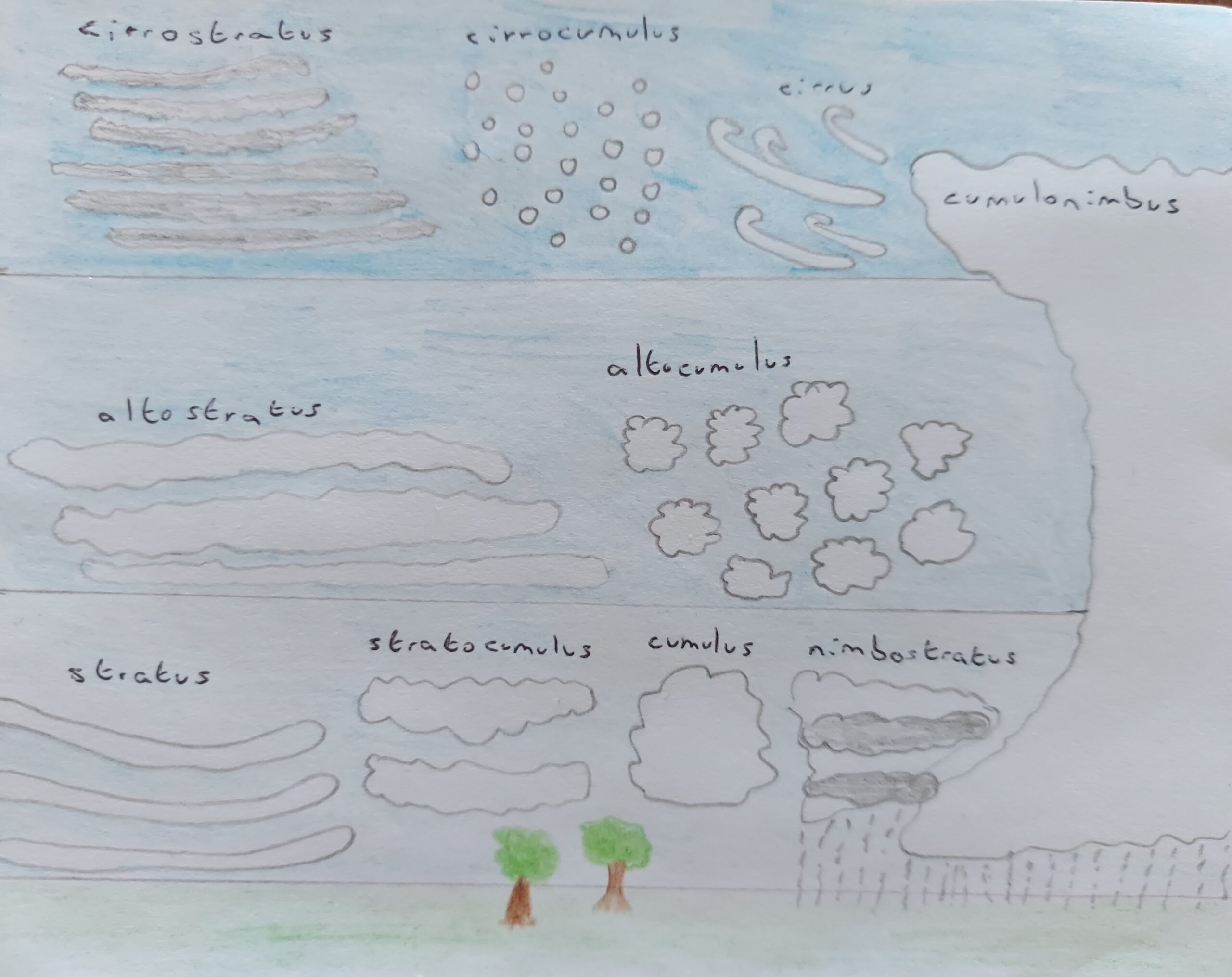
With the help of the UCAR website I drew a diagram of the different cloud types.
Cloud cover is measured in oktas, or eighths. This involves visually assessing how much of the sky is covered by clouds, ranging from 0 oktas (no clouds) to 8 oktas (full cloud cover).
The Met Office often uses terminology to describe how cloudy it is: for instance, scattered cloud usually means 3 or 4 oktas, broken cloud is 5 to 7 oktas, and overcast is 8 oktas.
Learn about the three different types of rock.
Sedimentary rock forms when particles accumulate in layers. These particles are often former living organisms. The pressure of the layers eventually squeezes them together to form solid rock.
Metamorphic rock forms when existing rocks are changed by heat, pressure or reactive fluids (but not melted). These rocks can be igneous, sedimentary or even metamorphic.
Igneous rock forms when magma or lava cools and solidifies.
I made models of the different kinds of rock using chocolate shavings, but there are no photos as I ate the evidence!
Pick a continent and find out how the boundaries, languages spoken, and names of countries have changed over time.
I decided to learn about Asia, and found a brilliant YouTube video exploring the history of this continent over time.
Choose a continent you are not totally familiar with. Learn the names and capitals of all the countries or states, and be able to identify them from location and shape.
Tropical rainforests have distinct characteristics which support biodiversity. They have a consistent climate with a hot and humid atmosphere, and an average temperature of 28°C. They are very wet, with over 2,000 mm of rainfall per year.
Soils are not very fertile, although there is a thin fertile layer on the surface where the dead leaves decompose, red in colour and rich in iron. The high rainfall means that nutrients are quickly washed out of the soil.
There is a wide range of plant species supporting many different animals, birds and insects.
Rainforests can be found in the tropical climate region, near the equator. Regions include central America, central Africa and south-east Asia.
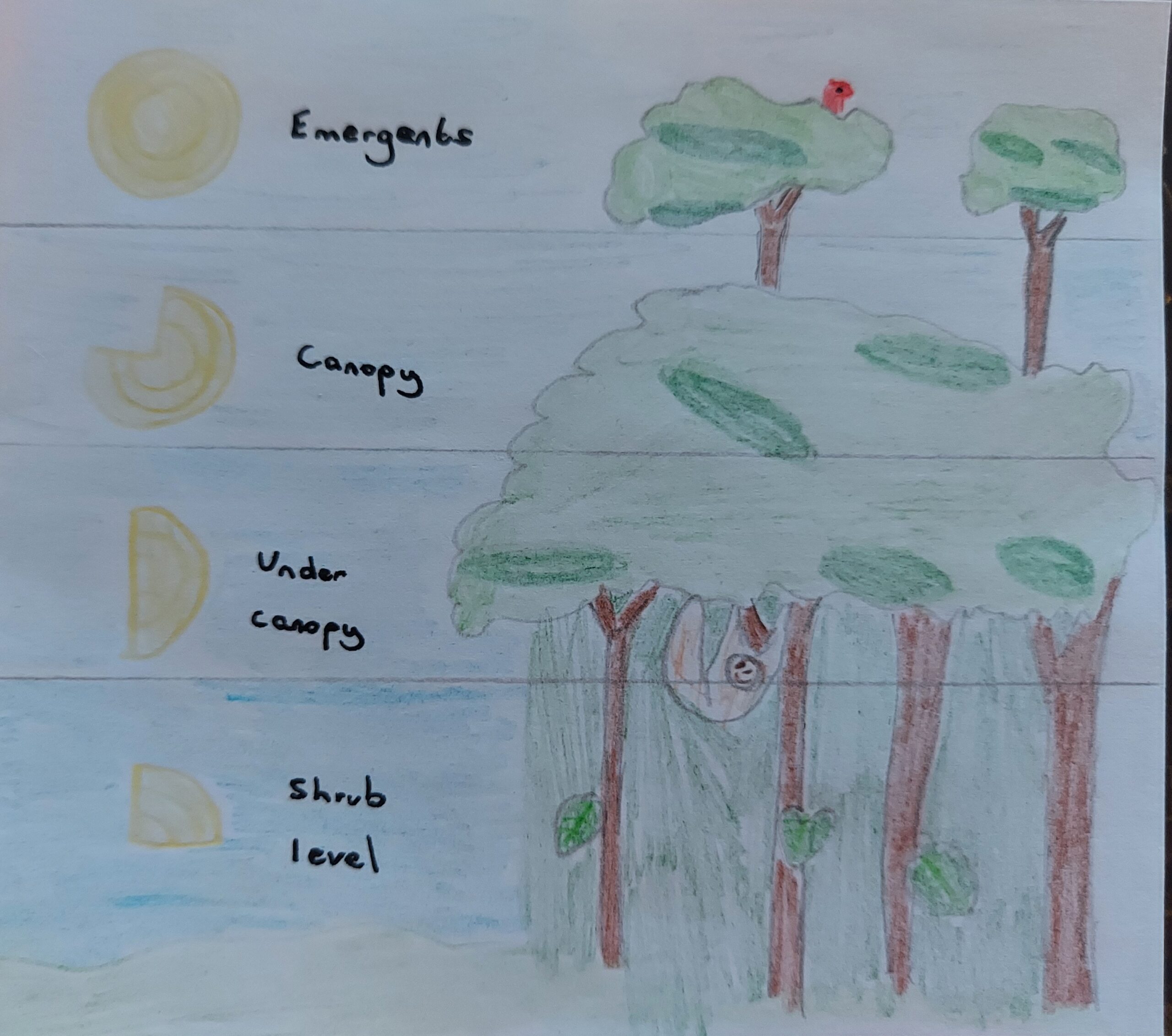
I drew a diagram of the different rainforest layers. The emergent layer has the tallest trees in the forest. They are supported by buttress roots so that they don’t blow over. The canopy is a bit more sheltered, has fruit all year round, and is home to most wildlife including insects, tree snakes, birds and mammals such as howler monkeys, jaguars and sloths. The under canopy is shady and cooler, and seedlings lie dormant here until plants and trees die, leaving a space for them to grow. Lianas (vines) take root in the ground and climb up trees to reach sunlight. The shrub layer is dark, and is covered with dead and decaying roots and leaves (humus); it is prone to flooding during torrential rainfall.
Deforestation is the removal of trees and forests. It is done for purposes of farming, logging, mining and road creation, as well as clearing land for population growth and the creation of hydroelectric power stations. Deforestation results in soil erosion, loss of biodiversity and climate change but often also results in economic development.
Understand the evidence for and against climate change. What are the natural and human causes of climate change?
It is pretty clear that climate change is happening. The Royal Society has a very useful page on how it works.
Natural causes include:
Orbital changes – the Earth has natural warming and cooling periods caused by variations in the tilt and orbit of the Earth around the Sun.
Volcanic activity – during a volcanic eruption carbon dioxide is released into the atmosphere.
Solar output – there can be fluctuations in the amount of radiation from the Sun. A high amount results in an increase in Earth’s temperatures.
Human causes include:
Burning fossil fuels, eg coal, gas and oil – these release carbon dioxide into the atmosphere.
Deforestation – trees absorb carbon dioxide during photosynthesis. If they are cut down, there will be higher amounts of carbon dioxide in the atmosphere.
Dumping waste in landfill – when the waste decomposes it produces methane.
Agriculture – agricultural practices lead to the release of nitrogen oxides into the atmosphere.
What is the UN, and how is it working to protect the planet?
The United Nations is an intergovernmental organisation that aims to maintain international peace and security, develop friendly relations among states, promote international cooperation, and serve as a centre for coordinating global action.
The UN holds a Climate Change Conference each year in order for world leaders to meet and assess progress on climate change goals. The Paris Agreement was set out in 2015 at COP21. It is a legally-binding international treaty and 195 parties (194 states plus the EU) have joined. The Agreement set goals for all nations to reduce greenhouse gas emissions, periodically assess collective progress and finance developing countries to help them mitigate and adapt.
Choose a country you do not live in. Evaluate the positive and negative impacts of tourism on that country.
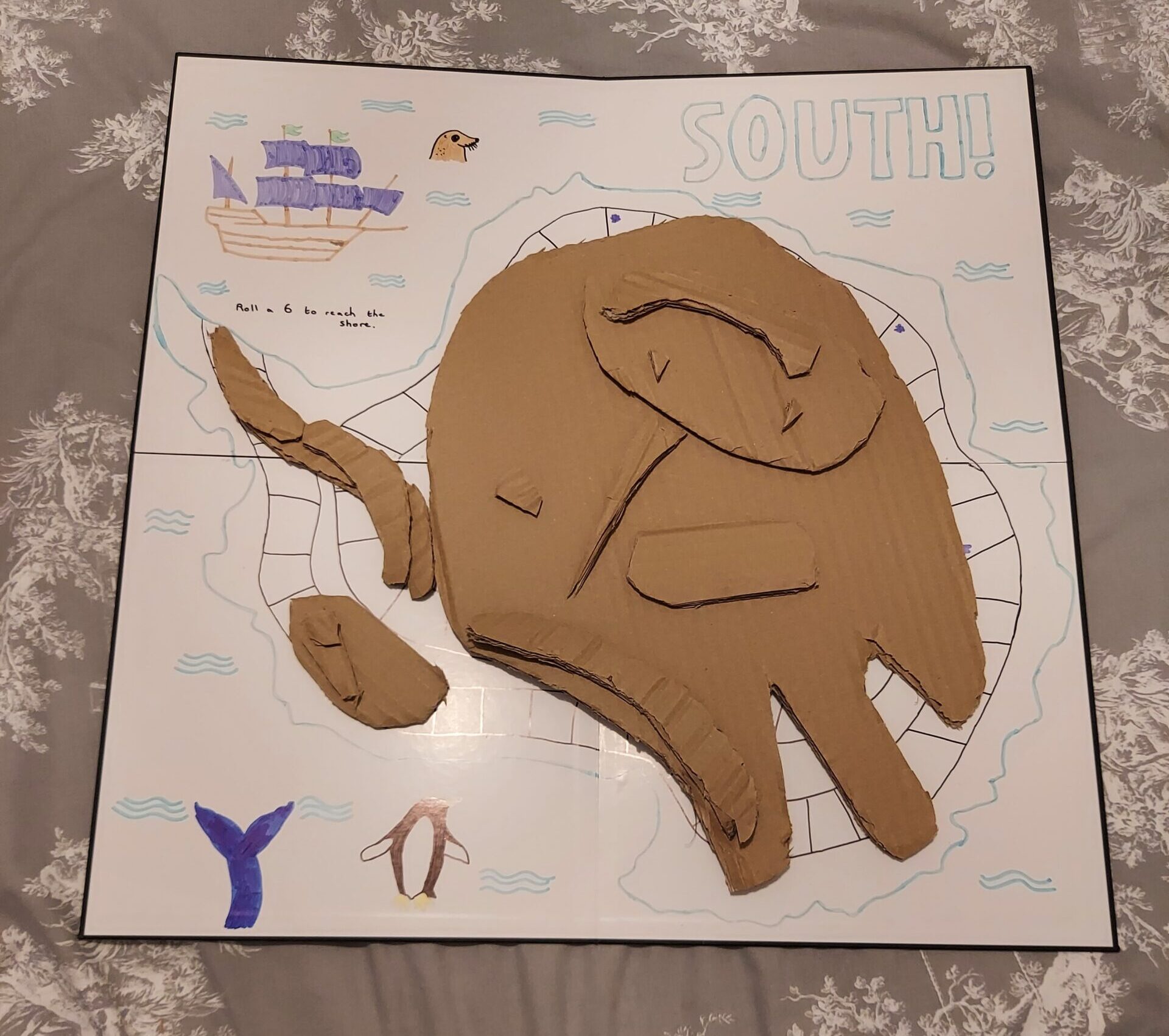
While not strictly a country, Antarctica has experienced growing tourism in recent years and it’s a topic I’m very interested in, particularly as I would love to visit myself. It does seem as though the negative impacts can outweigh the positive, although many can be mitigated by following all the rules in place to protect the continent. The positive impacts should not be overlooked, however.
Positive Impacts
Tourists become ambassadors for Antarctica – able to speak up in favour of protecting the continent. Why should anyone care about a place no one knows about or visits?
As Antarctic tourists are more likely to be wealthier, better-educated and influential, they are more likely to be receptive to the message of conservation.
Negative Impacts
Oil spills from ships and boats are a continual risk.
Erosion or disturbance of fragile environments from many tourists exploring the same small areas.
Spreading diseases from pathogens carried on footwear.
Impact on breeding birds if the presence of numerous people causes them anxiety.
Invasive species brought in as cargo, or on food or clothes.
Learn about natural disasters.
I completed a course on FutureLearn called Extreme Geological Events, which covered earthquakes, volcanoes, floods and tsunamis, the countries affected by them, and mitigating measures.