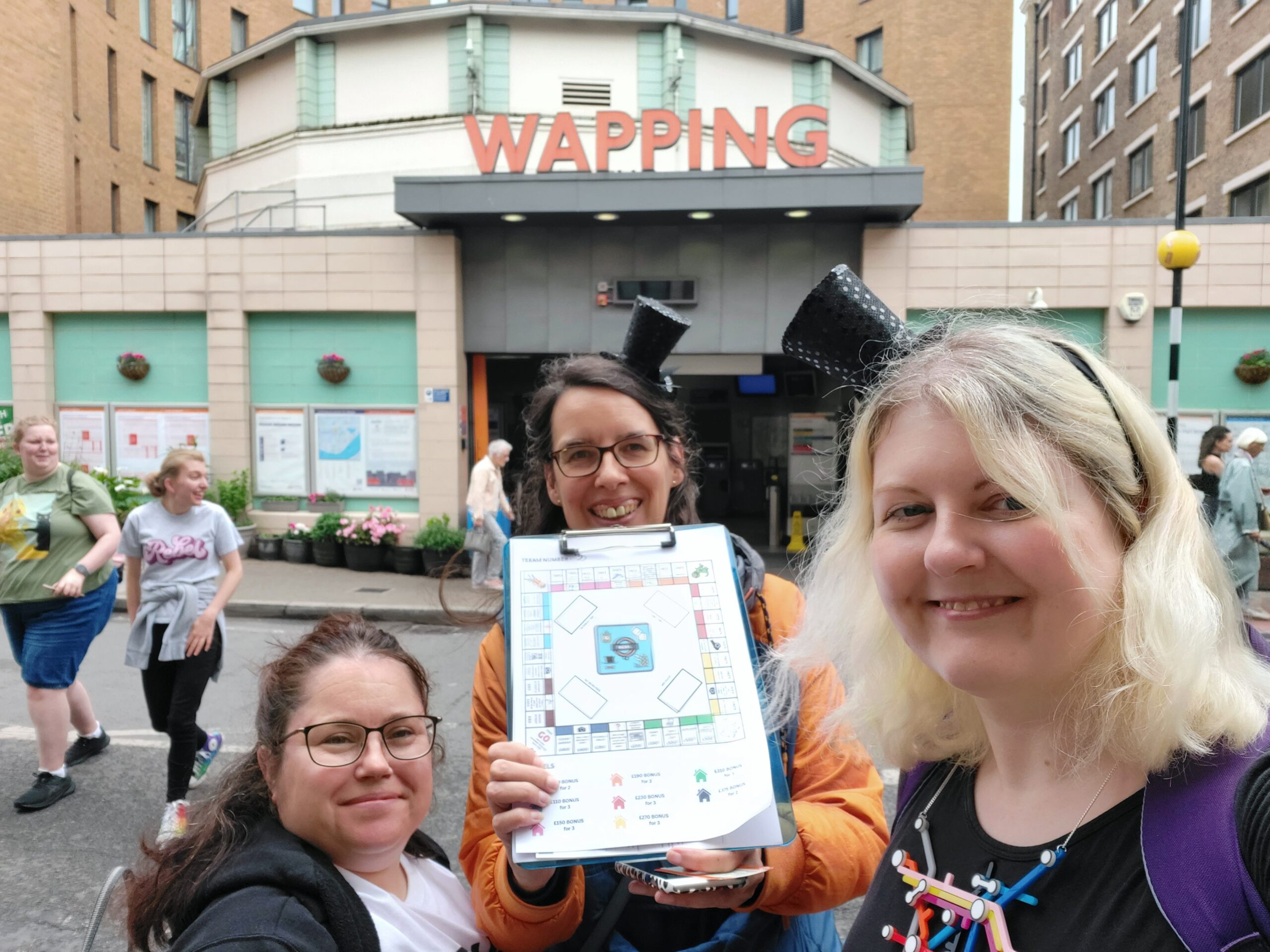
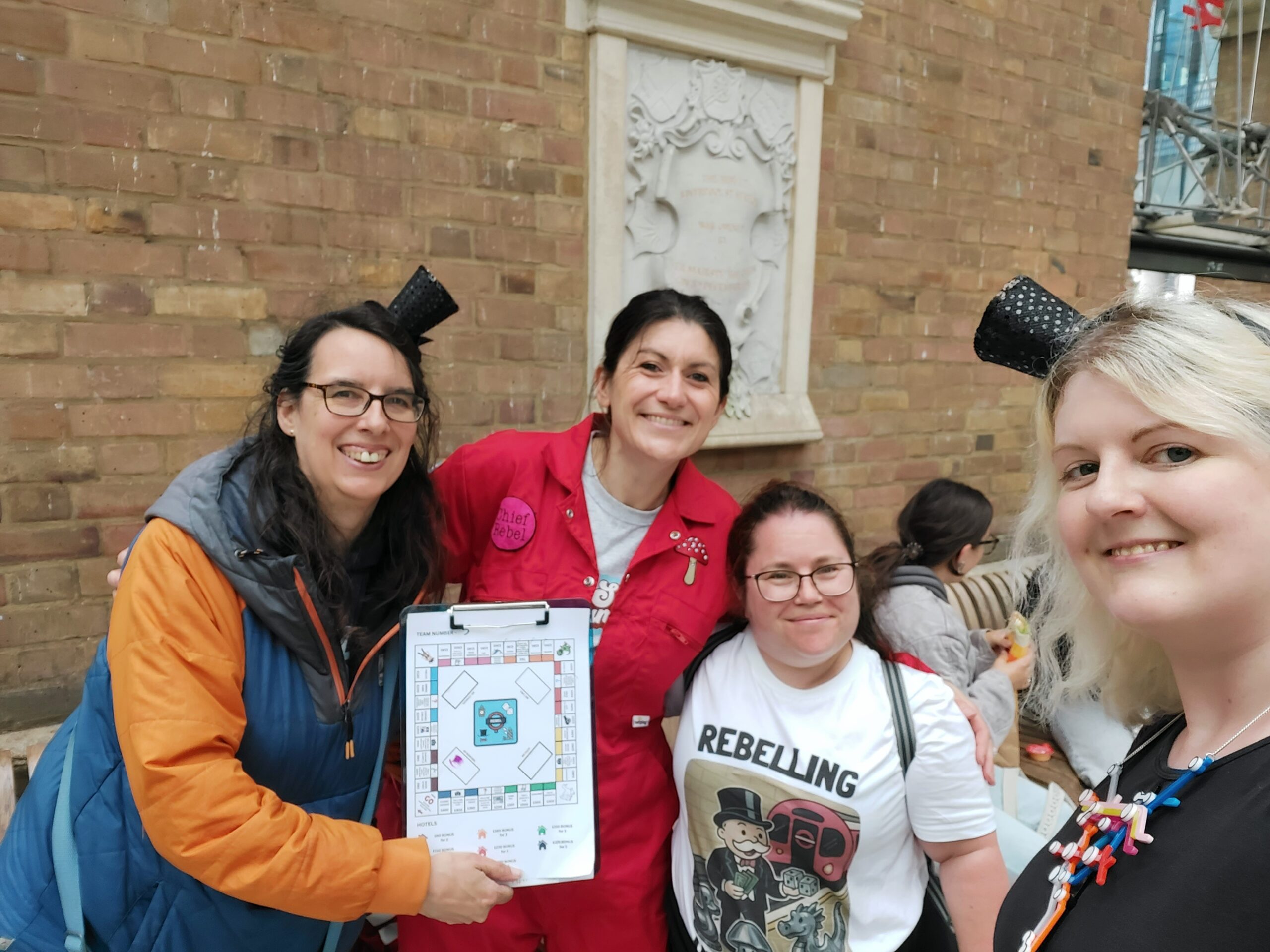
For the second Monopoly game this year, we were back in London. This time I was excited because I helped plan the day as part of my Gold Maverick! As there is a London Underground Monopoly board, my thoughts immediately went to the Tube (as someone who is a tad obsessed with it) and I came up with quite a few ideas – not all of which were used I hasten to add!
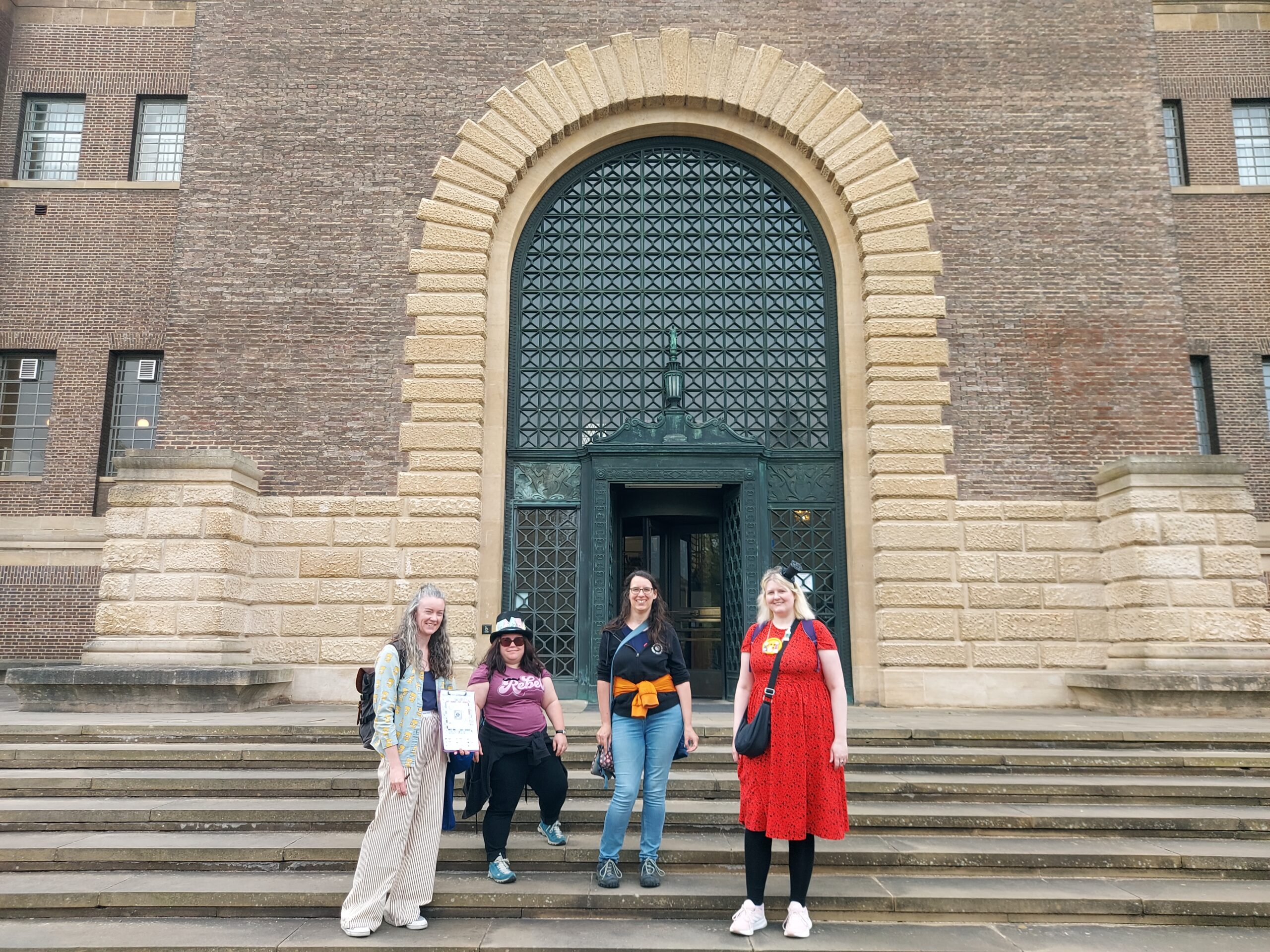
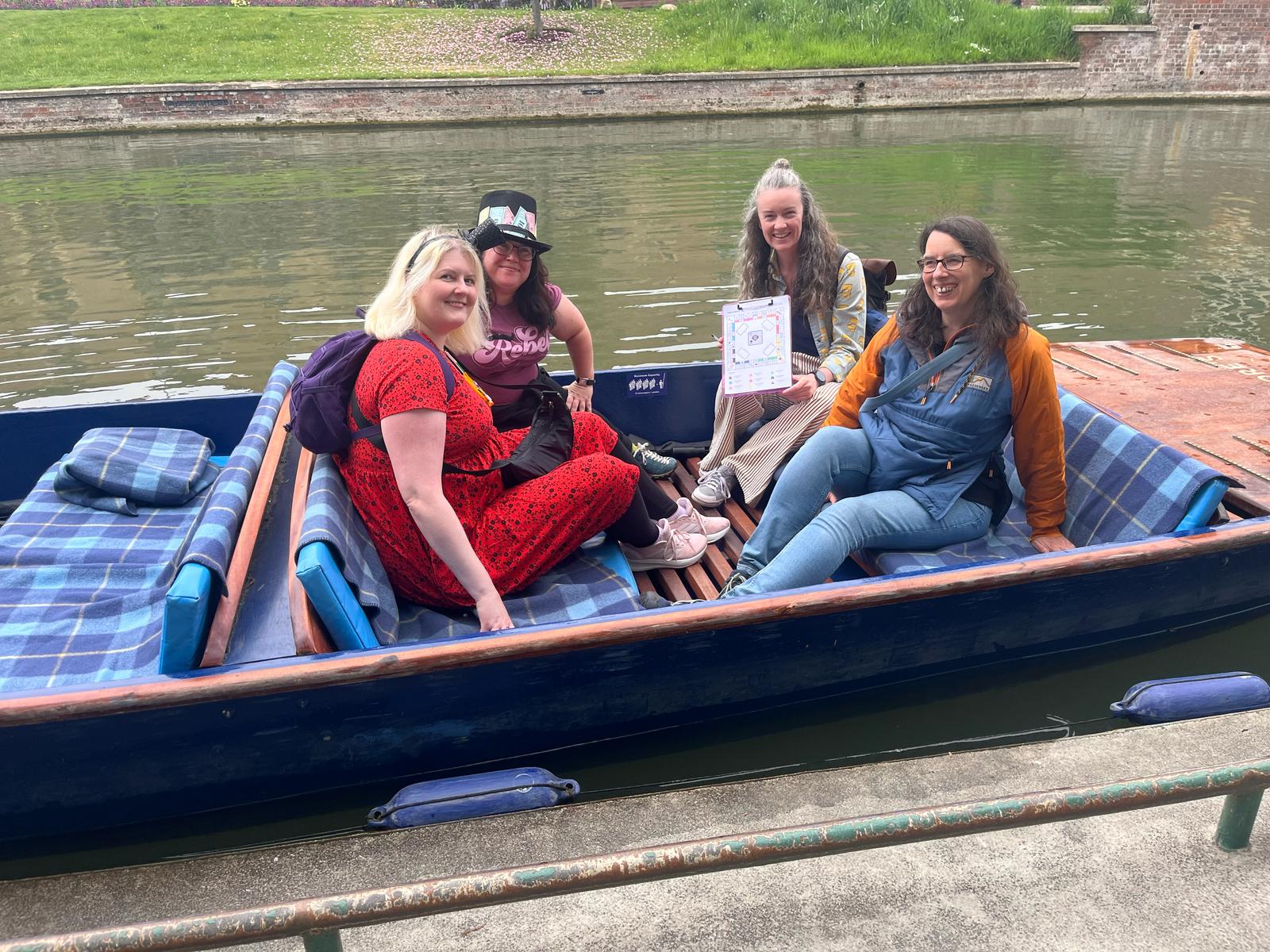
We met in Canary Wharf and it was so much fun to see people dressed up – this time around, dressing up as a Tube station was an option, and people really went for it. There was a Paddington, a Baker Street, several Elephant & Castles, and an Oxford Circus – sadly, no Cockfosters! When we set off – I was in a team with Claire and Ruth again, Katrina sadly not being able to make it and our fourth team member unfortunately ill – we headed straight for the Overground stations on the map before trekking to Baker Street and the Lost Property Office (the old one!). We also visited Charly at ‘Go’ in Paddington, and travelled south to the Natural History Museum to return the ‘Lost Property’ (a little duck) to Mr Duck.
In a bid to get more bonus money, we headed to Wimbledon to find a tram. From this point we kept bumping into the same Rebels over and over – clearly on a similar trajectory to us! While picking up stations, we tried to earn more bonus money by dancing to a busker.
We had to contend with delayed and crowded trains throughout the day – especially as Sunderland were playing at Wembley that day. As a Sunderland supporter I kept an eye on the match and was glad that they won, but it would have been easier if they had played on a different day!
We didn’t do so well this time around, but it was something of a relief to realise that even the winning teams didn’t manage to complete the board. In any case, it was still a really fun day, and it was really nice to go for drinks afterwards and chat. I’m looking forward to the final Rebel Monopoly event now!
The Big Rebel Bake Off was the monthly challenge for May. Despite exam commitments this month, I really wanted to complete the badge, and decided to choose three clauses, one from each section on the syllabus.
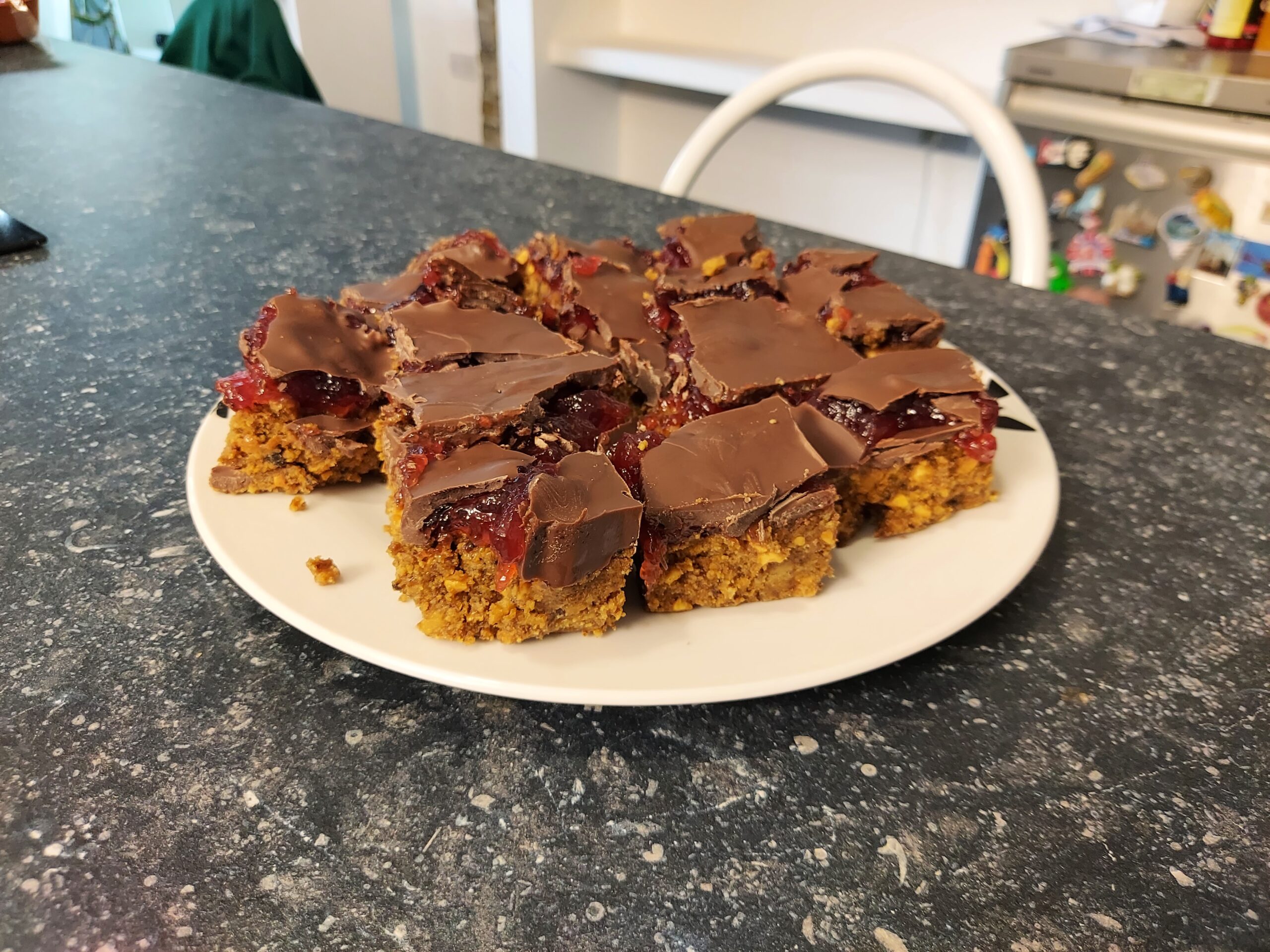
Beginner: Make a tray bake which requires no baking
I made these Peanut butter squares, with the addition of a layer of jam. They were yummy!
Intermediate: Make a cookbook with other Rebels
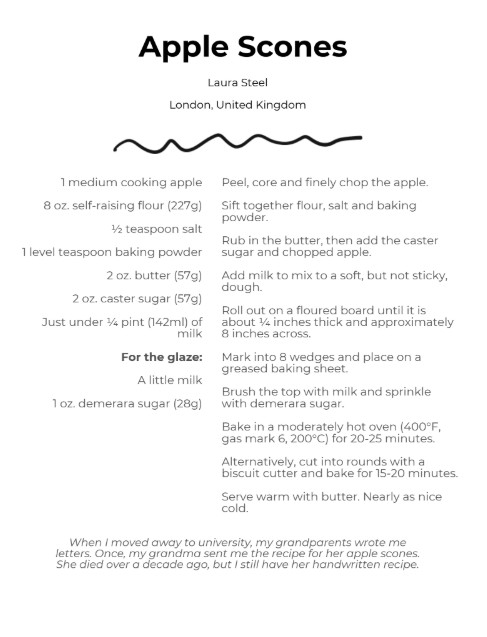
I contributed to the Rosa Patrol cookbook, with the recipe for apple scones my grandma sent me at university.
Advanced: Make your own puff pastry
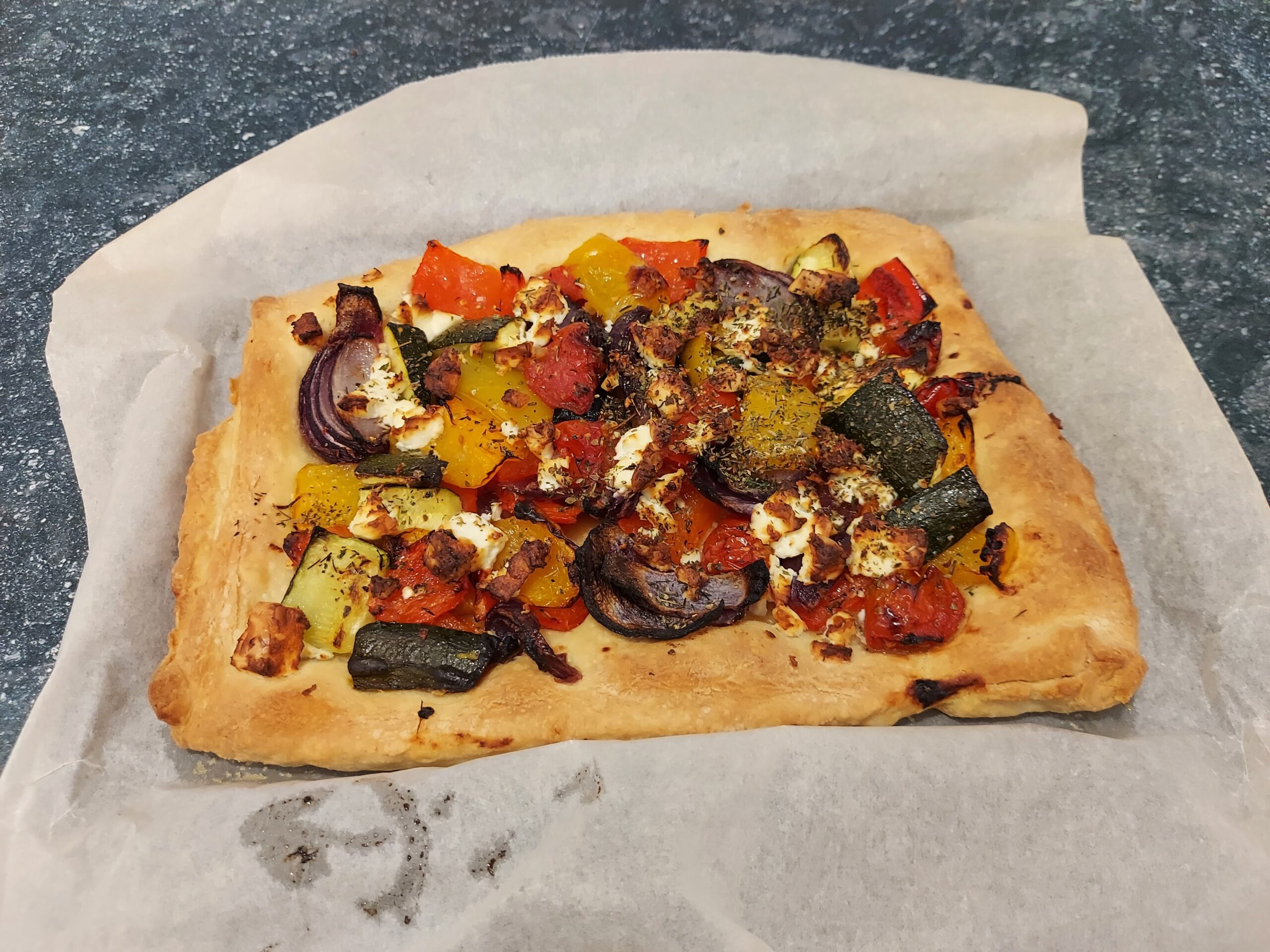
I used a recipe I found online. I found it easier than I expected and it turned out pretty well! I used the pastry to make a roast vegetable and feta tart. I was really proud of this as I was too scared to make my own puff pastry for the Baker badge, so this felt like an achievement!
Once again, I’ve finished the 52 Books in a Year badge early on in the year. I read a mixture of fiction and non-fiction, some of which contribute to my Advanced Reader challenge, but others were for pure personal interest.
I loved last year’s Rebel Monopoly so much that I signed up for the three Monopoly games due to take place this year. The first of these took place in Cambridge, a city I know reasonably well due to having lived there for a year. I was in a team with Claire, Katrina and Ruth and after we all met up on Parker’s Piece – some of us wearing top hats – we made a plan to visit the furthest ‘stop’ before tackling the others.
It turns out Cambridge is a lot bigger than I had remembered! We visited colleges I hadn’t ever walked past back in the day. Luckily, the Banker (Sam) was located just outside St John’s College, a familiar area to me. As well as college stops, we had to try and pick up bonus money by visiting other places, like the railway station, and completing other tasks. Highlights of the day included our enthusiastic Uber driver, who took us to the station and back, and Katrina asking a couple of students to borrow their Blues blazer (which saved us trying to find one in a shop!).
At various points during the day, Charly positioned herself at a particular location in the city, announced that she was ‘Go’ and the first teams to find her would get bonus money. When she posted a picture of Shackleton’s sextant I knew exactly where she was (the Polar Museum) and we raced to get there. At the beginning of the day, we had decided we weren’t very competitive; as we were racing towards the Polar Museum, trying to beat the North East Rebels, I realised we needed to rethink that stance!
In the end, all our hard work paid off and we came second overall. I’m very pleased with that result, but ultimately what made it a great day was my lovely team, the hardworking crew and the fun challenges.
I’ve been living in Ealing for fourteen years now, and I’ve learned a bit about the history of the area in that time. There’s always room to learn more, however, and the Local History badge (chosen as part of the ‘Curiouser and Curiouser’ quarterly challenge) has helped me to do so.
Visit a local museum to learn more about the history of your local area.
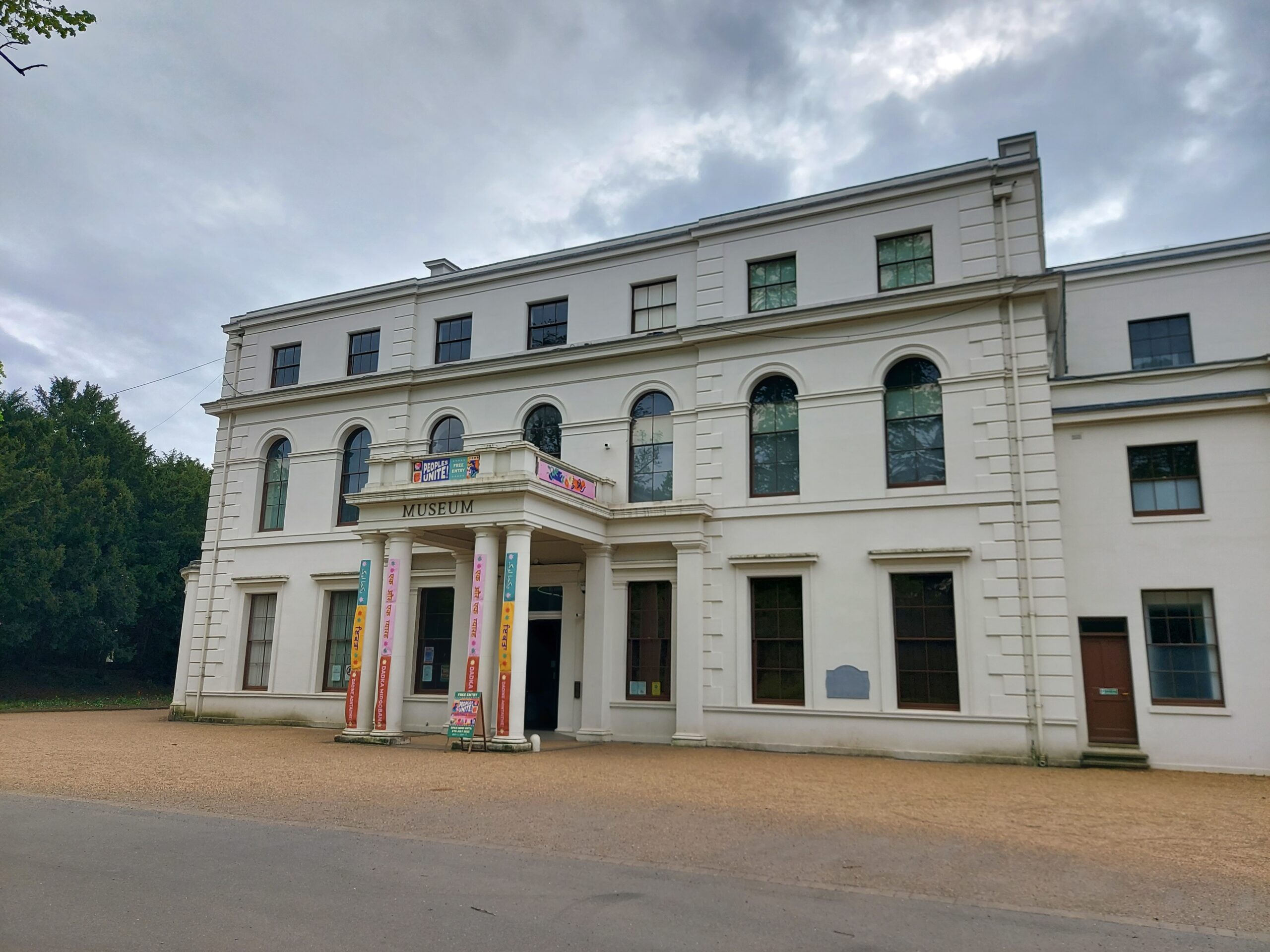
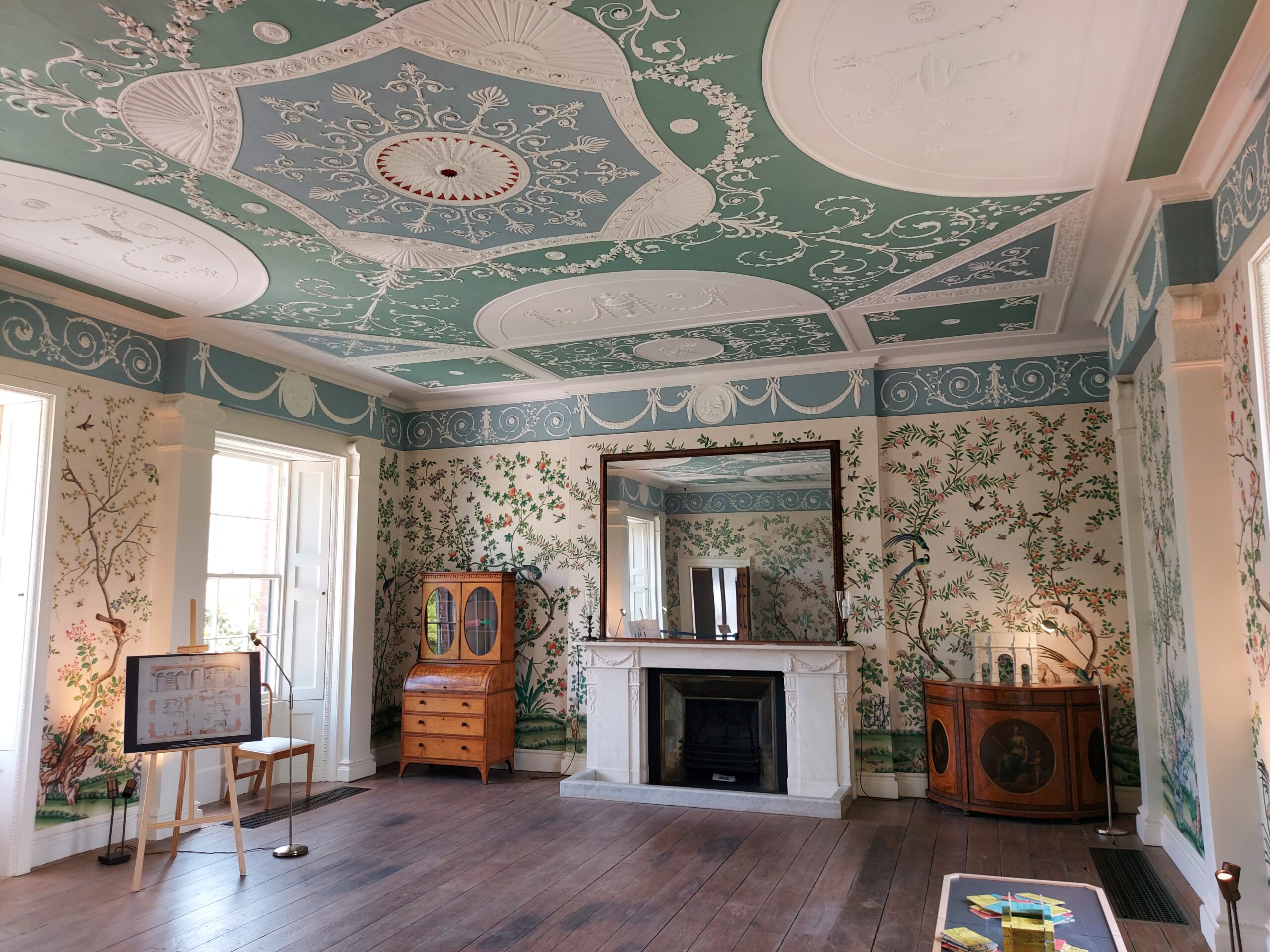
I visited Gunnersbury Park Museum to learn more about the history of Ealing. The main galleries had exhibitions about notable people, industries and fashions of the area, while there was also a special exhibition on the history of Southall specifically which was really interesting.
Visit a local historic attraction.
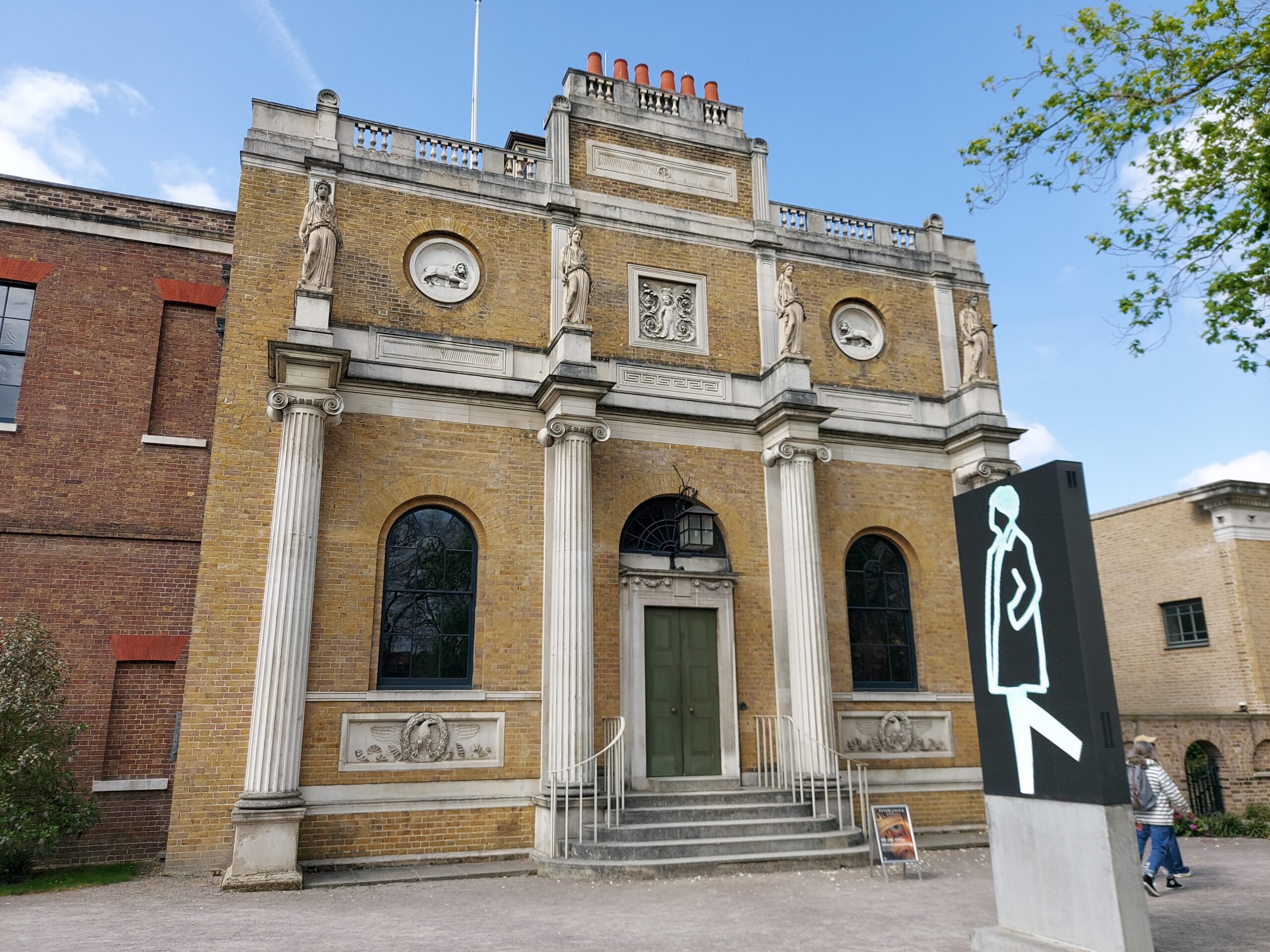
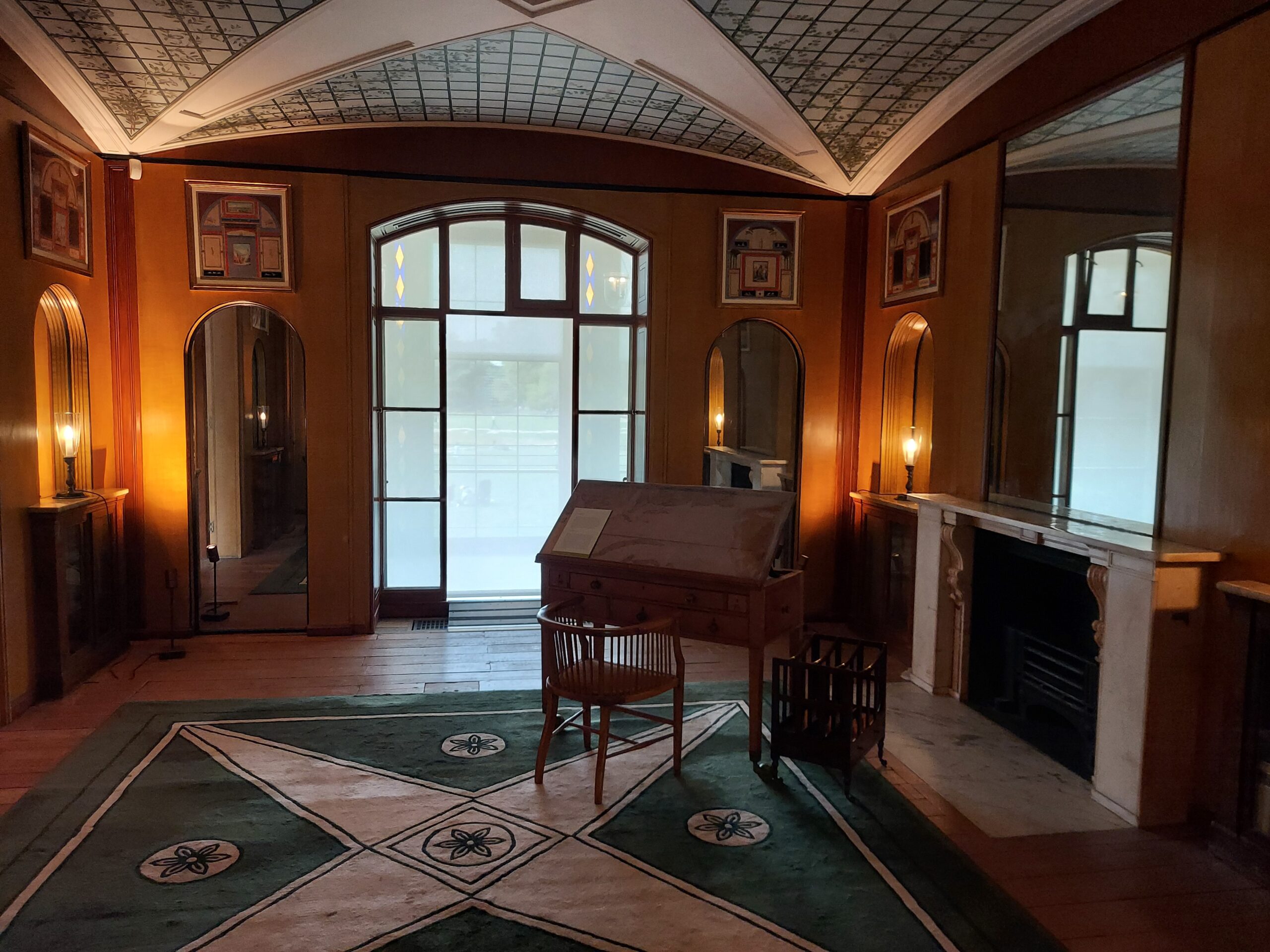
I visited Pitzhanger Manor, the country home of architect Sir John Soane. I have visited before, but had never done a guided tour. I learnt a lot.
Access the census records for your home.
I accessed the 1939 Register for my home. At this time, there were three single women living here.
I used other resources such as censuses to find out more about them.
Charlotte was born in Leeds but at some point moved to Kensington. Until 1911 she was living there with her parents and siblings.
Hilda was born and also lived in Kensington. The 1921 census shows her living with her mother in Battersea.
Mabel was born in Wandsworth. The 1921 census records her as a servant in Ealing.
I don’t know how these women met or ended up living together in what is now my home. I like to think that they were proto-Rebels, living their best lives and enjoying freedom and companionship.
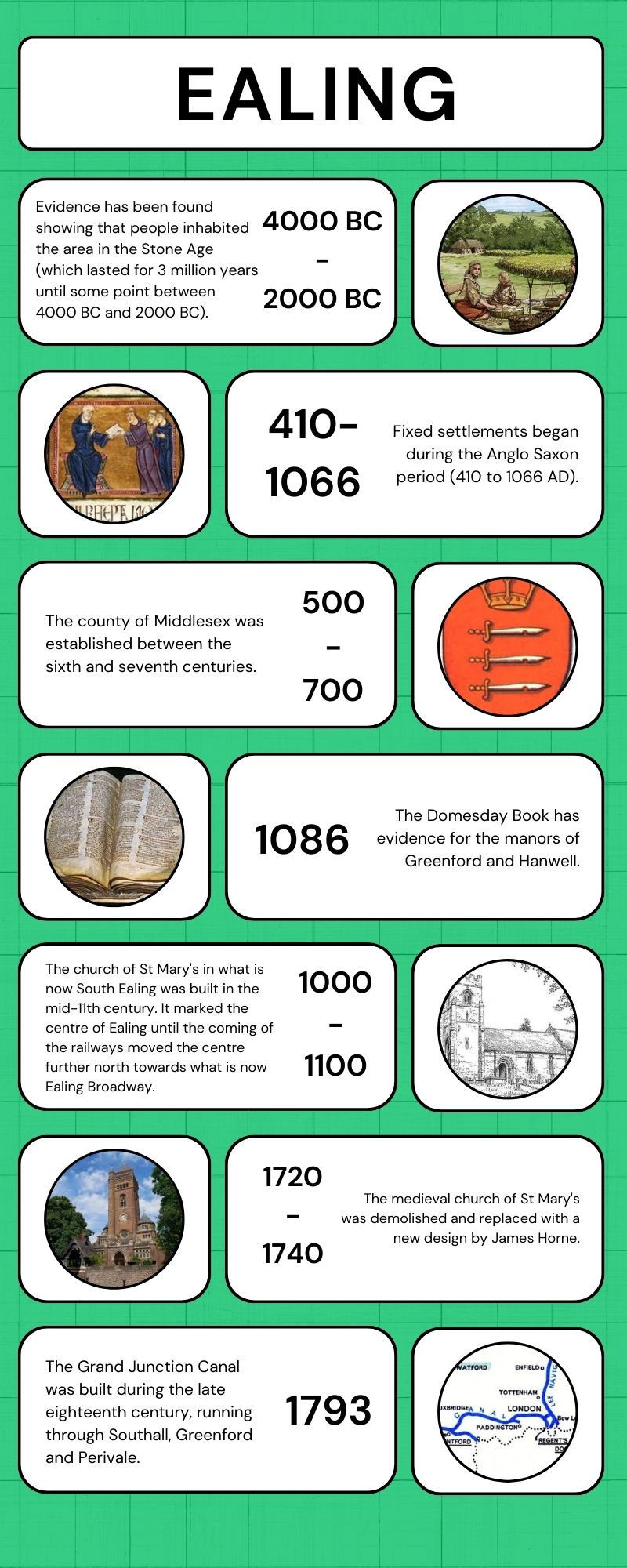
Write a timeline of important dates for your local area.
Learn about key historical figures in your local area. Make a presentation in the medium of your choice about what your area is famous for.
There are quite a few historical figures with links to Ealing.
Lady Byron, born Anne Isabella Milbanke (Lord Byron’s widow) of Fordhook House, Ealing, founded Ealing Grove School in 1834. This was the first industrial school of its type. In 1860 C. N. Atlee, a former headmaster of the Lady Byron school, set up the Byron House School in St. Mary’s Road (South Ealing Road). The site is now the University of West London, and a blue plaque at the entrance is dedicated to Lady Byron.
Thomas Henry Huxley (1825–1895), biologist known as “Darwin’s Bulldog” for his adherence to his theory of evolution, was born in Ealing. His father was a mathematics teacher at Great Ealing School until its closure.
Ho Chi Minh (né Nguyễn Sinh Cung, 1890–1969), revolutionary and politician, worked in the kitchens of the Drayton Court in 1914. He was the founder and the first president of the Democratic Republic of Vietnam.
Spencer Perceval (1762–1812), British Prime Minister from 1809 until his assassination, lived in a large house at Elm Grove, on the south side of Ealing Common.
Dusty Springfield (1939–1999), soul singer, lived in Kent Gardens, West Ealing during the 1950s, attending St Anne’s Convent School in Northfields and later working at Bentalls department store in Ealing Broadway.
Crime novelist Agatha Christie’s parents are buried in South Ealing Cemetery. She herself is listed in the 1911 census at 99 Uxbridge Road as Agatha Miller (her maiden name). She was visiting her great aunt Margaret Miller (supposedly the inspiration for Miss Marple) who had lived in Ealing for more than three decades.
I created a presentation about what the seven towns in the modern London Borough of Ealing are famous for.
I attended a talk on Secret Ealing at my local library. I also bought and read the associated book, which was full of interesting information.
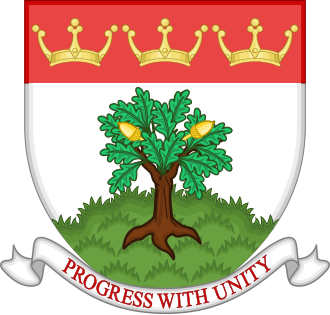
Does your local area have a coat of arms? Research the meaning of each of the different sections.
The coat of arms of the London Borough of Ealing was granted on 1 September 1965. At the top are three golden Saxon crowns, representing the three former Middlesex boroughs of Ealing, Acton and Southall.
At the centre is an oak tree, which was also present in the coats of arms of both Ealing and Acton (Acton is considered to mean “oaktown”), referring to the ancient forest west of London which formed much of what is now Ealing. The oak is also appropriate to the origins of Southall and Norwood (“the southern holt and the northern wood”). Originally there were twenty acorns because they stand for the original twenty wards in the present borough. The grassy base comes from the former Acton coat of arms and the silver field was part of the Ealing coat of arms. The motto is ‘Progress With Unity’.
If your country has listed buildings, find out about a local grade listed building.
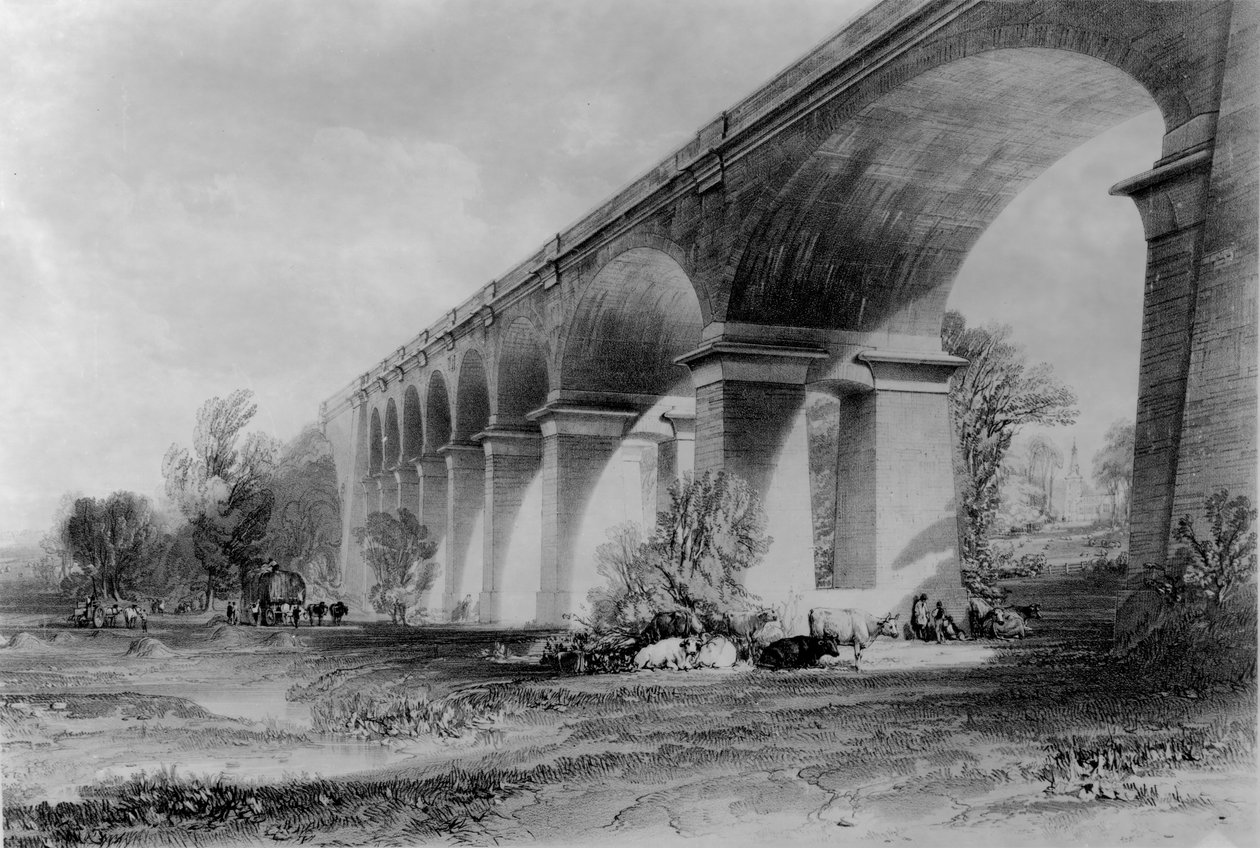
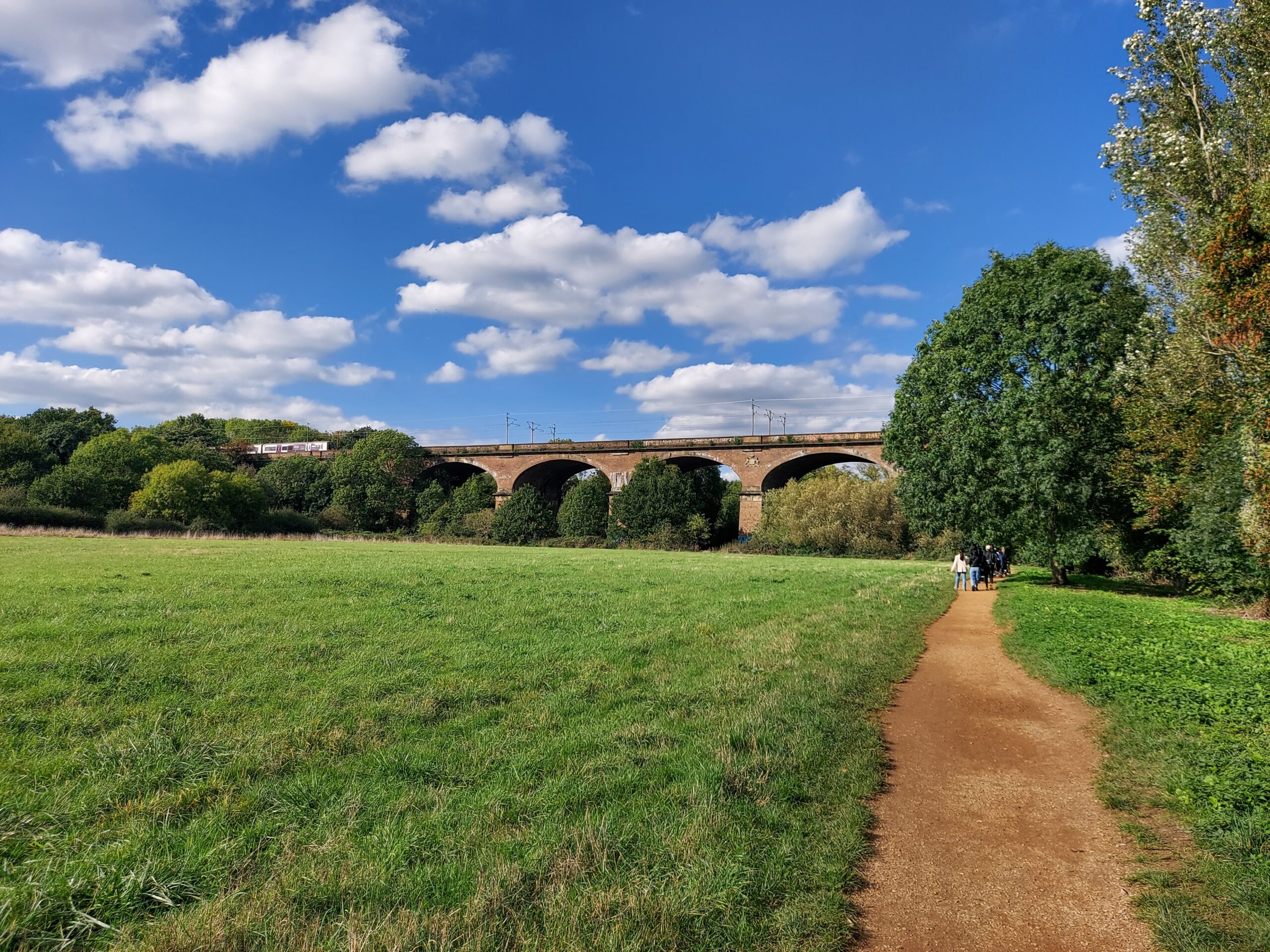
There are six Grade I listed and 18 Grade II* listed buildings in Ealing. The Wharncliffe Viaduct was listed on 8 November 1949.
The brick-built viaduct was constructed in 1836-7 for the Great Western Railway at an elevation of 20 metres (66 ft) in order to carry the railway across the Brent Valley. It was the first major structural design by Isambard Kingdom Brunel, the first building contract related to the GWR project, and the first major engineering work to be completed. The 270-metre-long (890 ft) viaduct has eight semi-elliptical arches, each spanning 70 feet (21 m) and rising 5.3 metres (17 ft). It is 17 metres (56 ft) wide.
The viaduct takes its name from James Stuart Wortley Mackenzie, Lord Wharncliffe, who was chairman of the parliamentary committee that steered the passage of the GWR Bill through Parliament. A carving of his coat of arms is visible on the central pier on the south side. In 1839, the viaduct carried the world’s first commercial electrical telegraph.
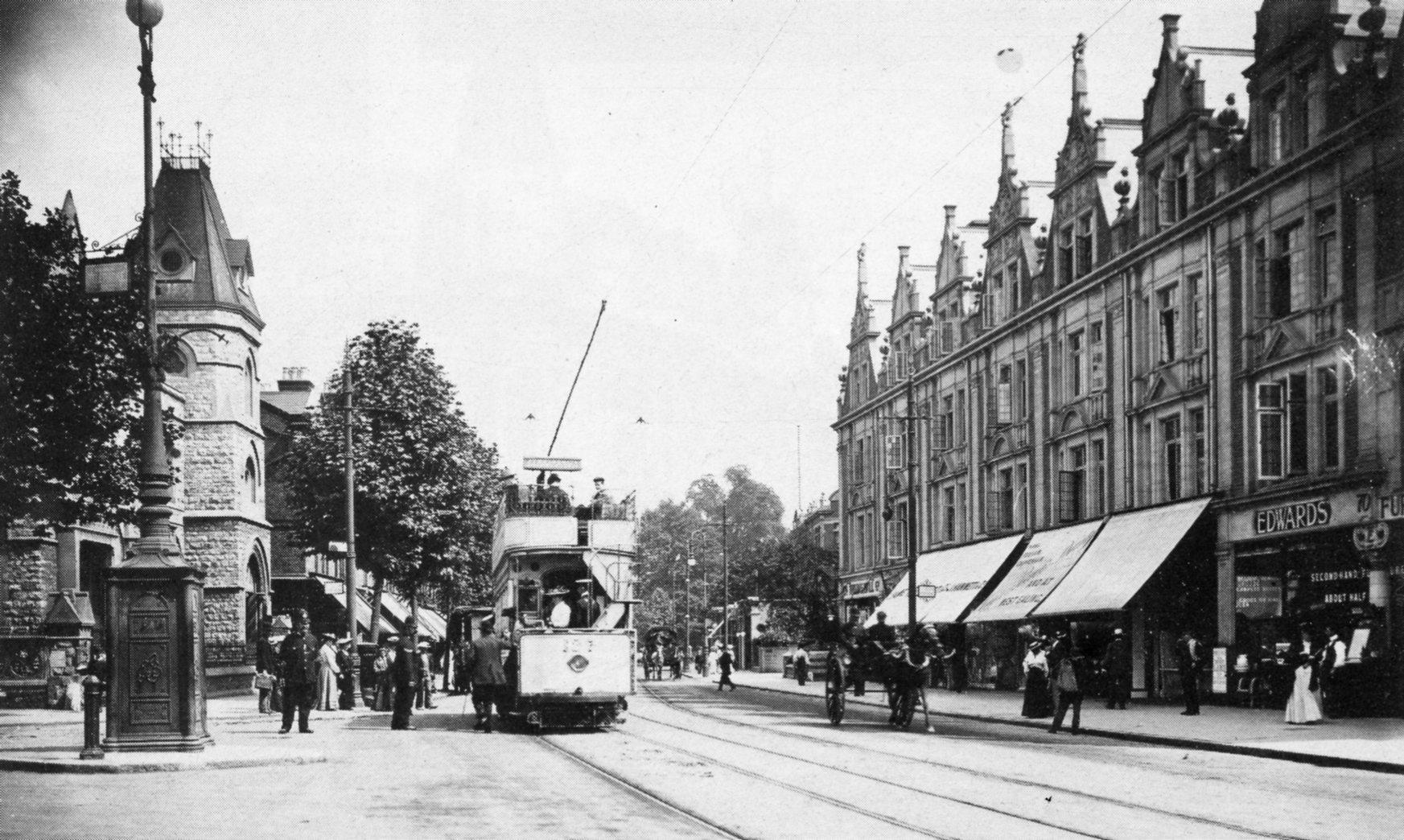
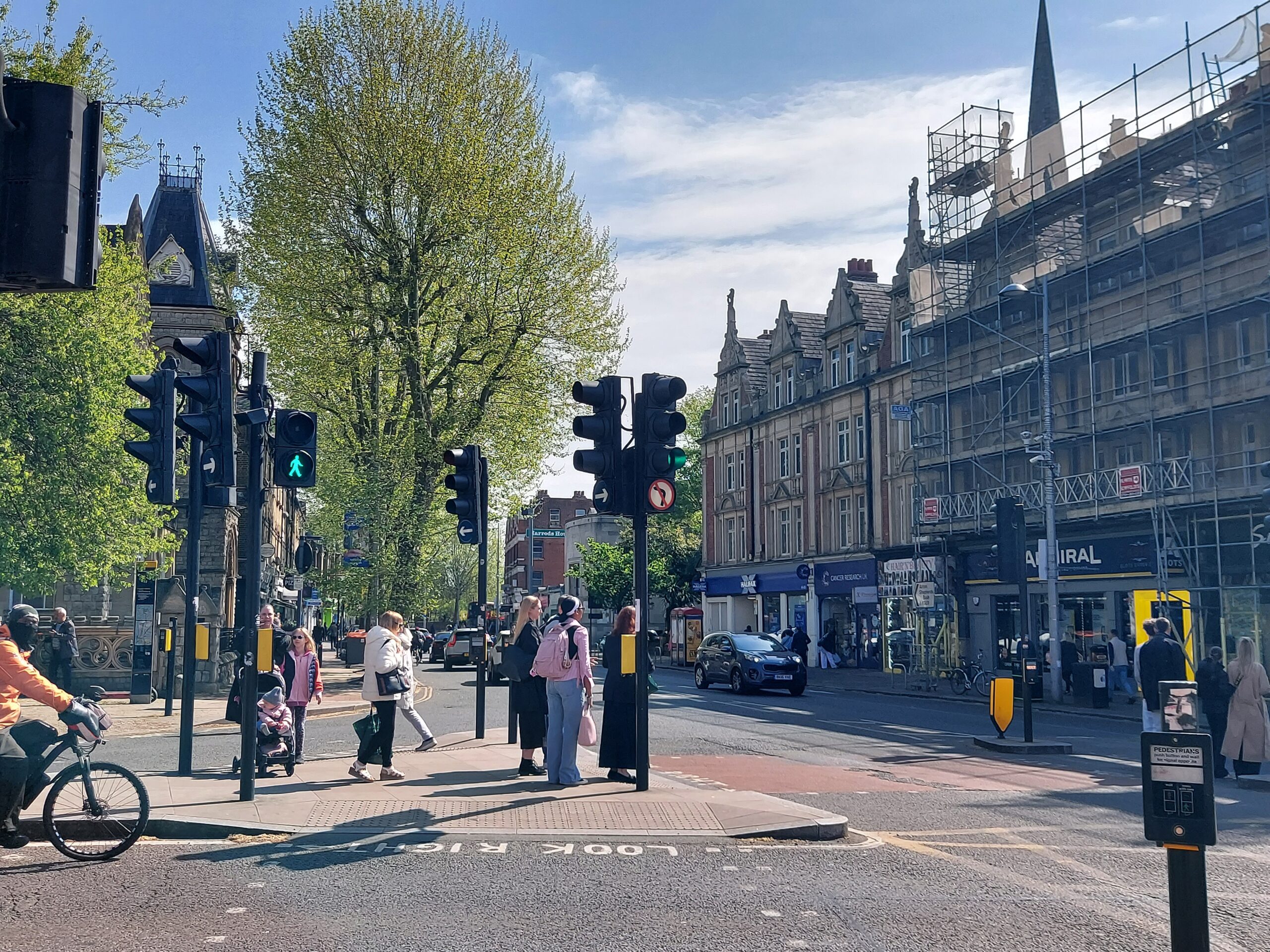
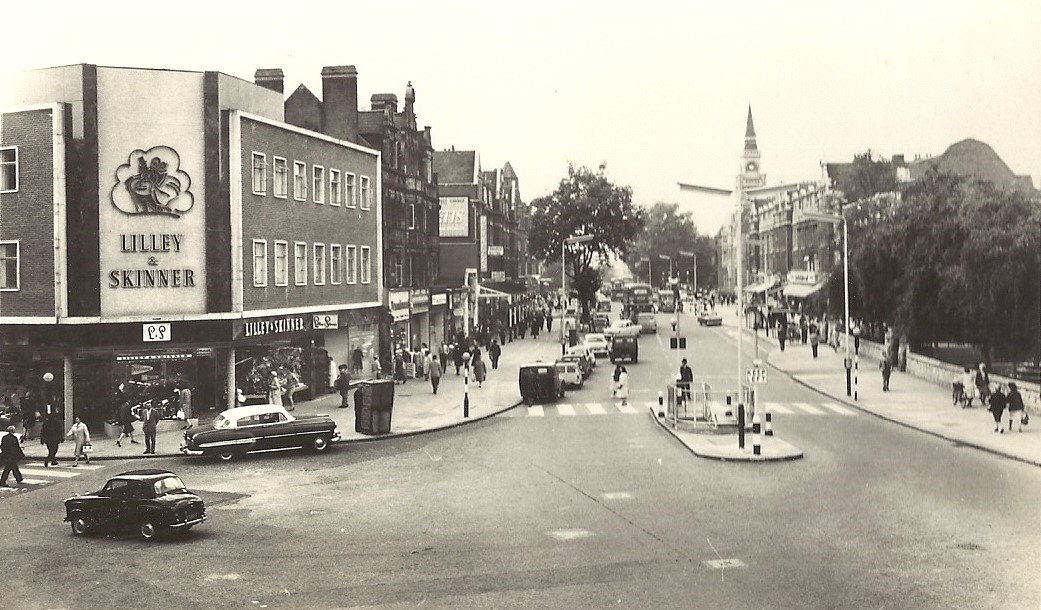
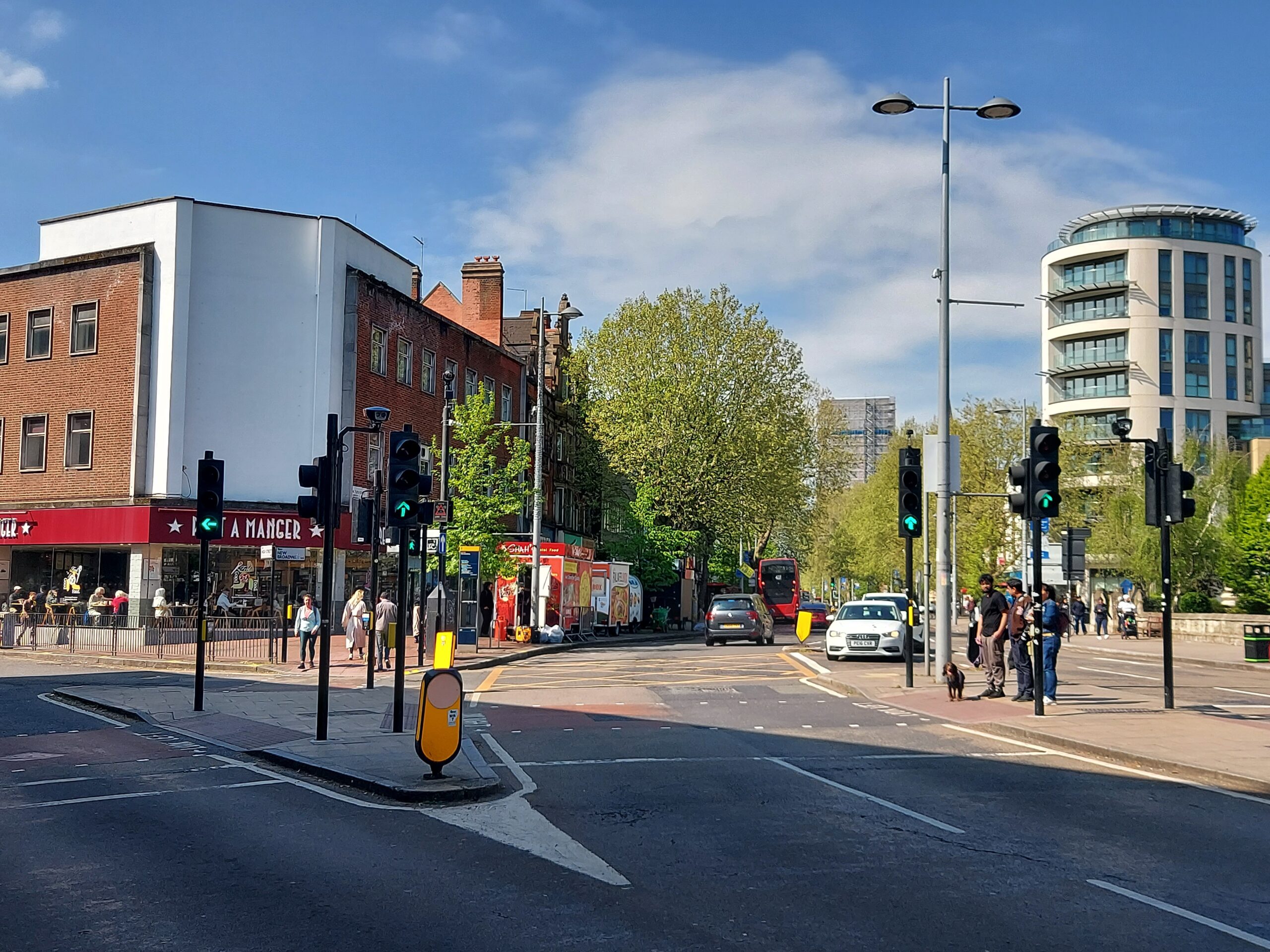
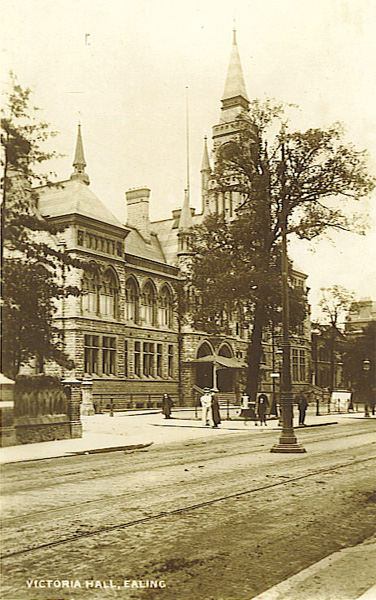
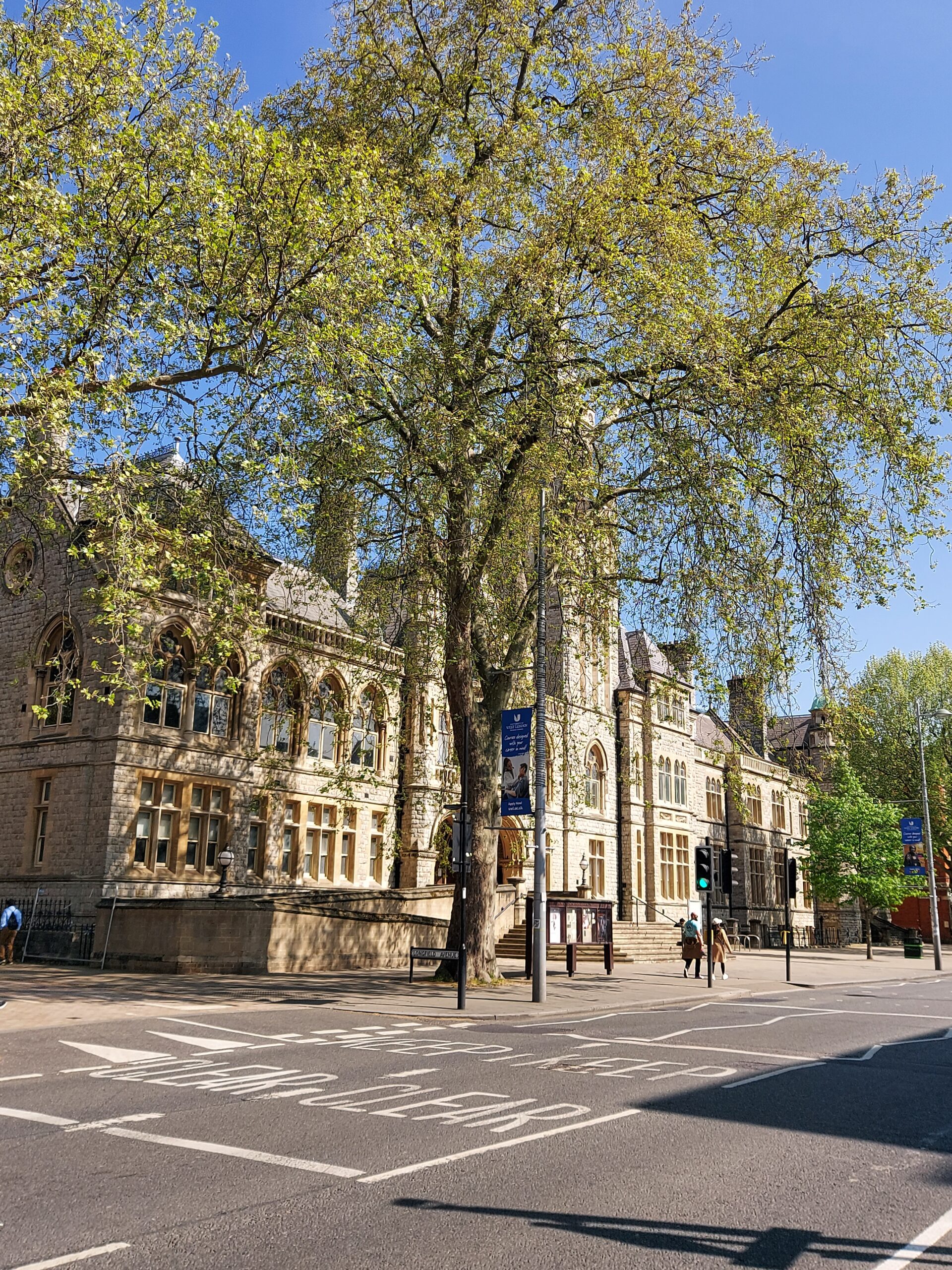
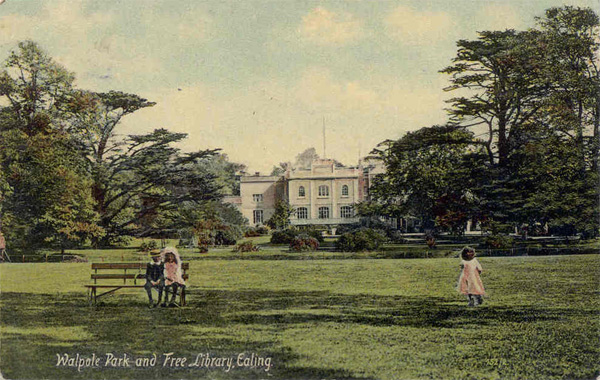
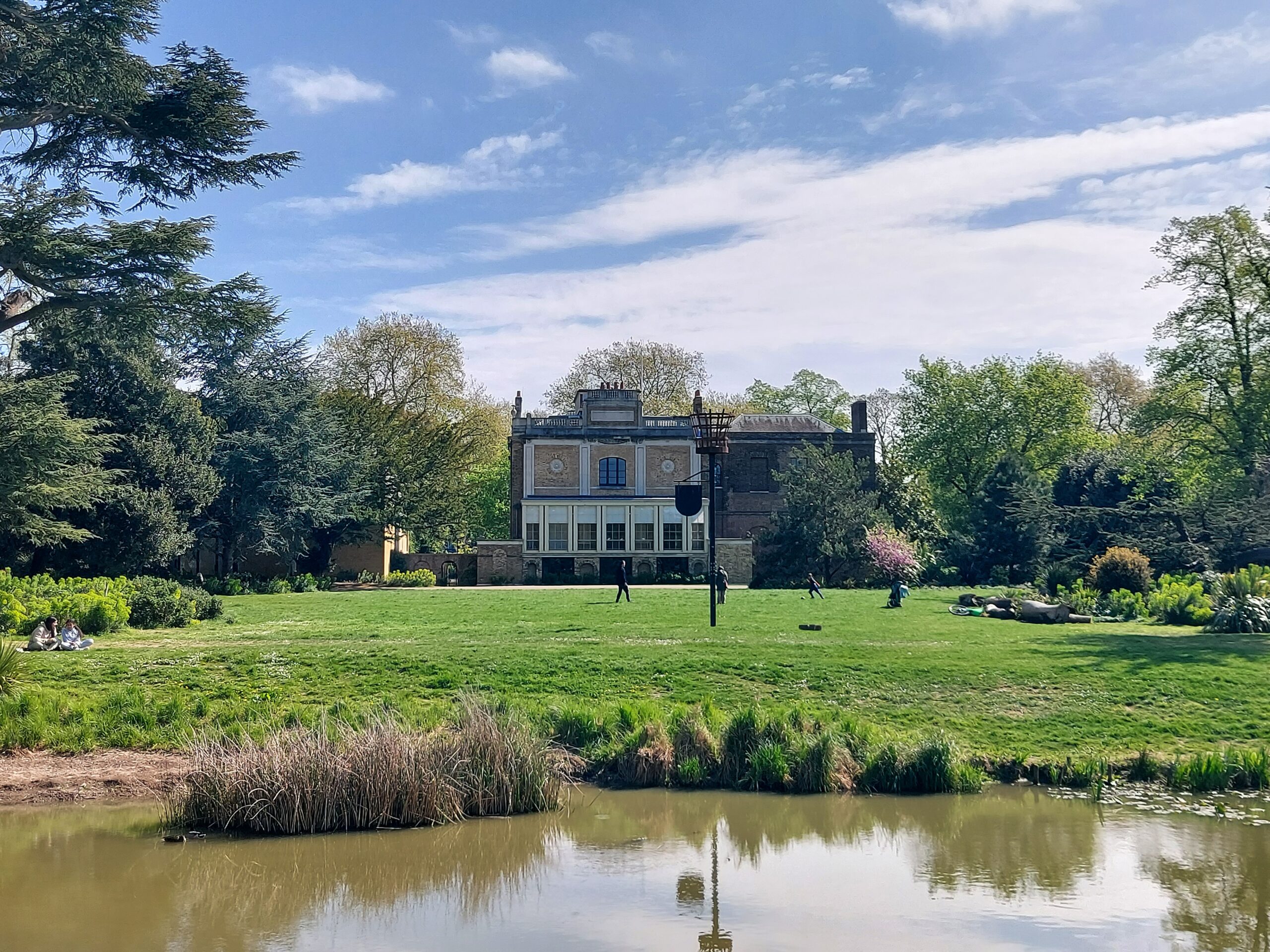
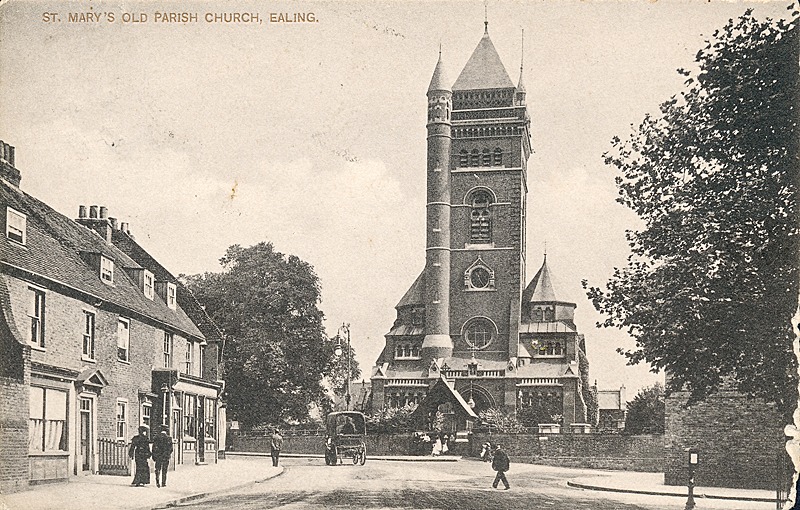
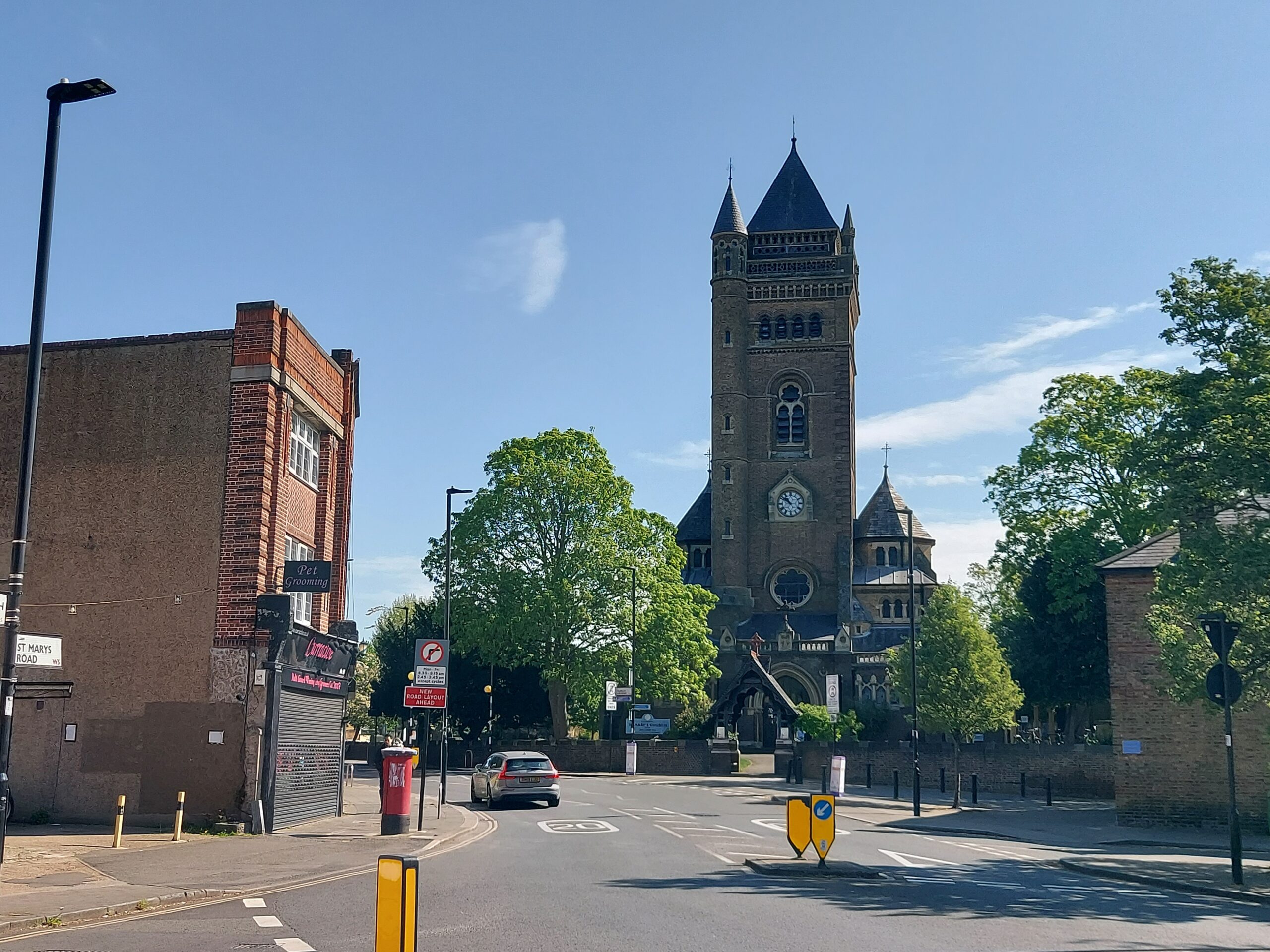
Find historical photos taken in your area. Take new ones in the same places, and compare and contrast them.
Ealing Broadway, 1905Ealing Broadway, 2025New Broadway, c. 1970New Broadway, 2025Ealing Town Hall, 1910Ealing Town Hall, 2025Walpole Park, 1906Walpole Park, 2025St Mary’s Church, 1906St Mary’s Church, 2025Wharncliffe Viaduct in the 19th centuryWharncliffe Viaduct, 2024
This month’s badge was Back to the Future, inspired by the classic movies but incorporating a variety of nostalgic and futuristic clauses. I had a lot of fun with this one.
Watch an episode of a show you watched as a child. Compare it to a modern equivalent.
I decided to watch an old episode of Gladiators, a show I absolutely adored as a child. It was so strange watching it again: it was simultaneously exactly as I remembered it, and clearly of a different time. The hairstyles in particular were glorious. As an adult I have more of an appreciation of just how challenging these games would have been. There is absolutely no way I would have been able to last more than a couple of seconds on Hang Tough, for instance, and as for running up that Travelator – forget it!
I watched one of the new episodes on BBC iPlayer. While it can’t compare to the original in terms of sheer nostalgia, it has definitely kept the spirit of the 90s show, and I’d like to watch more.
Revisit an old childhood collection.
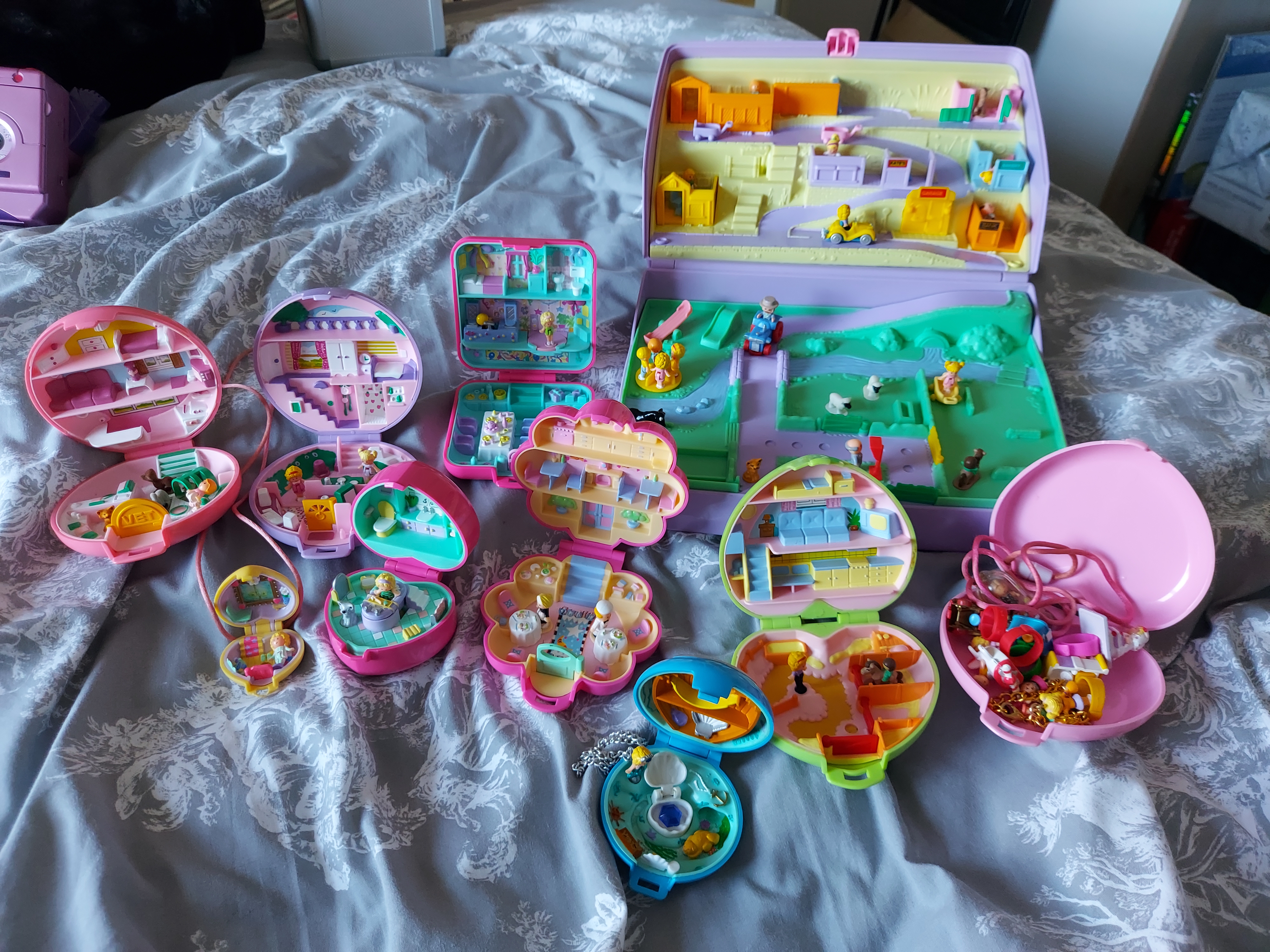
I got out my Polly Pocket collection and had a nice time arranging everything. Playsets are going for £20-200 online which is impressive, but I’ve no intention of selling anything. I’m a bit gutted because I definitely used to have the Funtime Clock but I don’t know what happened to it.
Watch all the Back to the Future films.
Embarrassingly, I’ve never actually seen the films before (although I have seen the stage musical). I really enjoyed watching them – they were brilliant – and it was fun to see what a 1980s idea of 2015 looked like. I’m rather sad we don’t have hoverboards or flying cars. I was particularly disturbed at how much Biff in the alternate 1980s timeline reminded me of Trump.
Make a profile of yourself as a child.
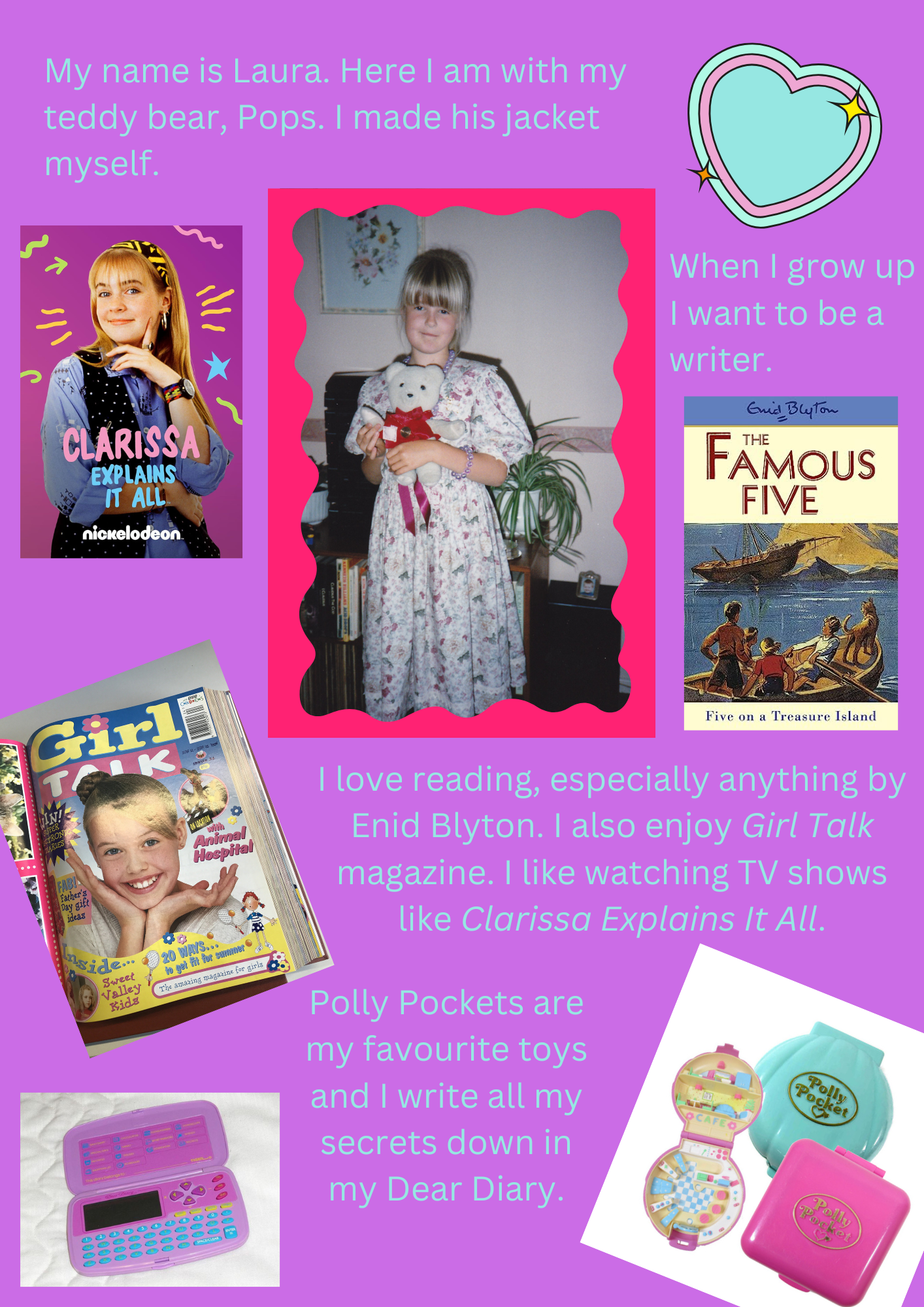
It’s 1995 in the photo and I’m not sure why I’m dressed like a haunted Victorian child, but never mind. I still have Pops and he came to Camp last year! I’m pretty sure I was younger than 10 when I played with Polly Pockets, but a lot of my childhood memories have blended together (sure I’m not alone in this).
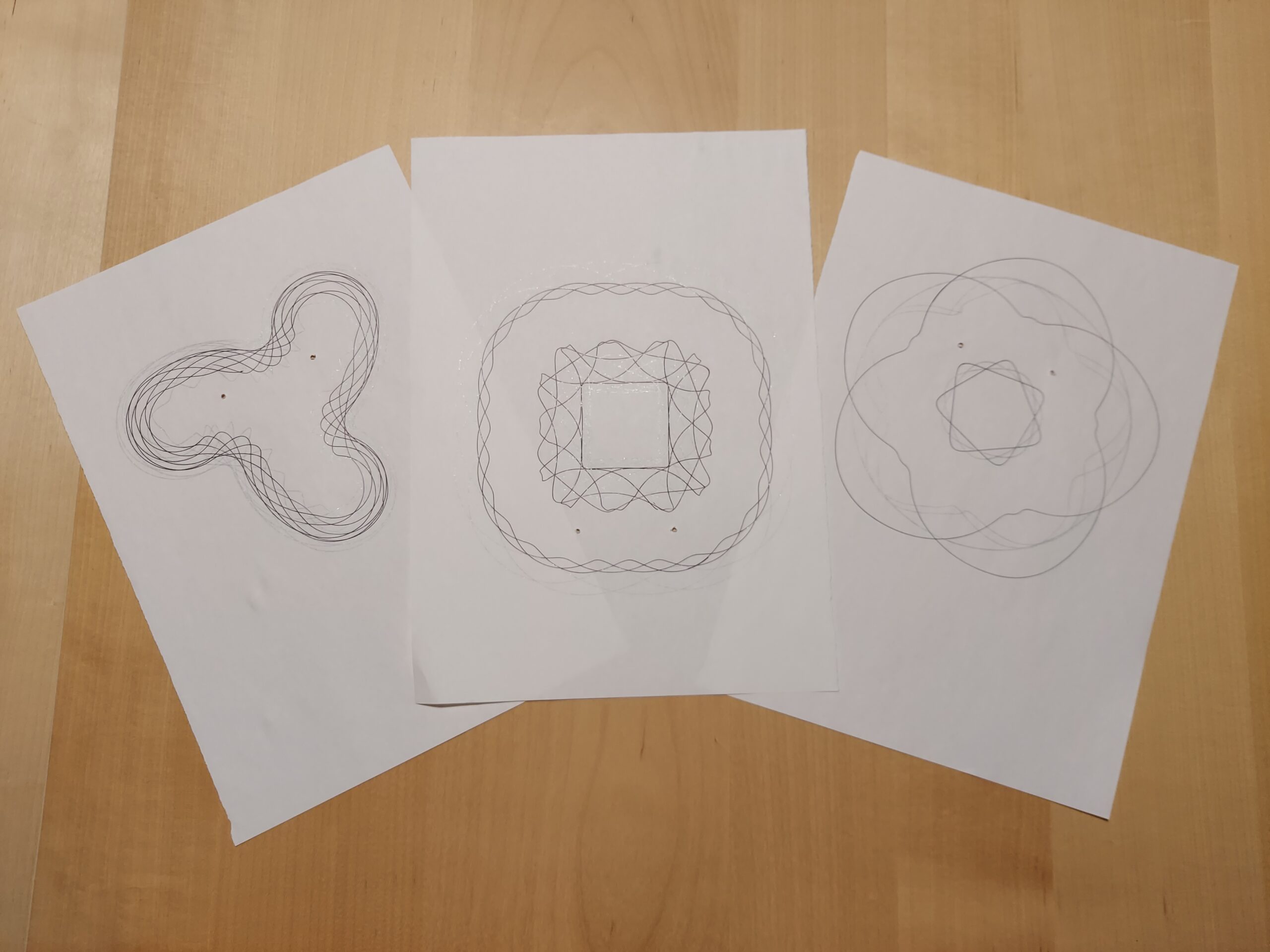
Create some spirograph art.
By some miracle I still have my Spirograph set. The pens have dried out (unsurprising after 30+ years) so I had to use different ones, but otherwise the set still worked just as well as it ever did. I was pleased to see that my own hand-eye coordination has improved.
Learn about a current space exploration mission.
I decided I wanted to do at least one futuristic clause. I chose this one and decided to read about the Psyche mission, which sounds super interesting.
Curiouser and Curiouser is the second Quarterly badge for 2025, and it sounds like it’s going to be a lot of fun.
To complete this badge, I need to do the following:
Complete Event Planner, Confectioner or Barista. I’ve completed Confectioner already and plan to finish Event Planner in July, so I’ve decided to work on Barista for this badge.
Complete Apothecary, Mixologist, or one of the Advanced versions. I’ve decided on Advanced Mixologist.
Complete one Global badge based on learning: I’ve chosen Local History.
Complete one Wild badge based on learning: I’ve chosen Geographer.
I will link to my posts on the above badges once I’ve completed them.
I also need to learn a curious fact each week for 12 weeks, and present the facts in an interesting way.
End of quarter update – Here are my curious facts, which I also presented as a little quiz:
1. The fear of long words is called Hippopotomonstrosesquippedaliophobia.
2. Genghis Khan killed so many people that the carbon dioxide levels in the atmosphere were significantly decreased as a result.
3. The sun is extremely loud, but we can’t hear it because sound can’t travel through the vacuum of space.
4. Lobsters have teeth in their stomachs.
5. 31 October 2000 was the last time all of humanity was on Earth. Since then there has always been at least one person in space.
6. Koala fingerprints are so similar to human fingerprints that they could be mistaken for each other, potentially confusing crime scene investigators.
7. In 2014, there was a Tinder match in Antarctica, between two research scientists, one of whom was working at the US McMurdo Station while the other was camping a 45-minute helicopter ride away.
8. The Chupa Chups logo was designed by Salvador Dalí.
9. The term cereal is derived from the name of the Roman goddess of grain crops and fertility, Ceres.
10. All clown fish are born male and can become female later in life.
11. Sharks evolved before dinosaurs did.
12. In Ancient Egypt, the word for ‘cat’ was actually pronounced ‘mew’, or ‘meow’.
Make something related to another faith, belief or nationality.
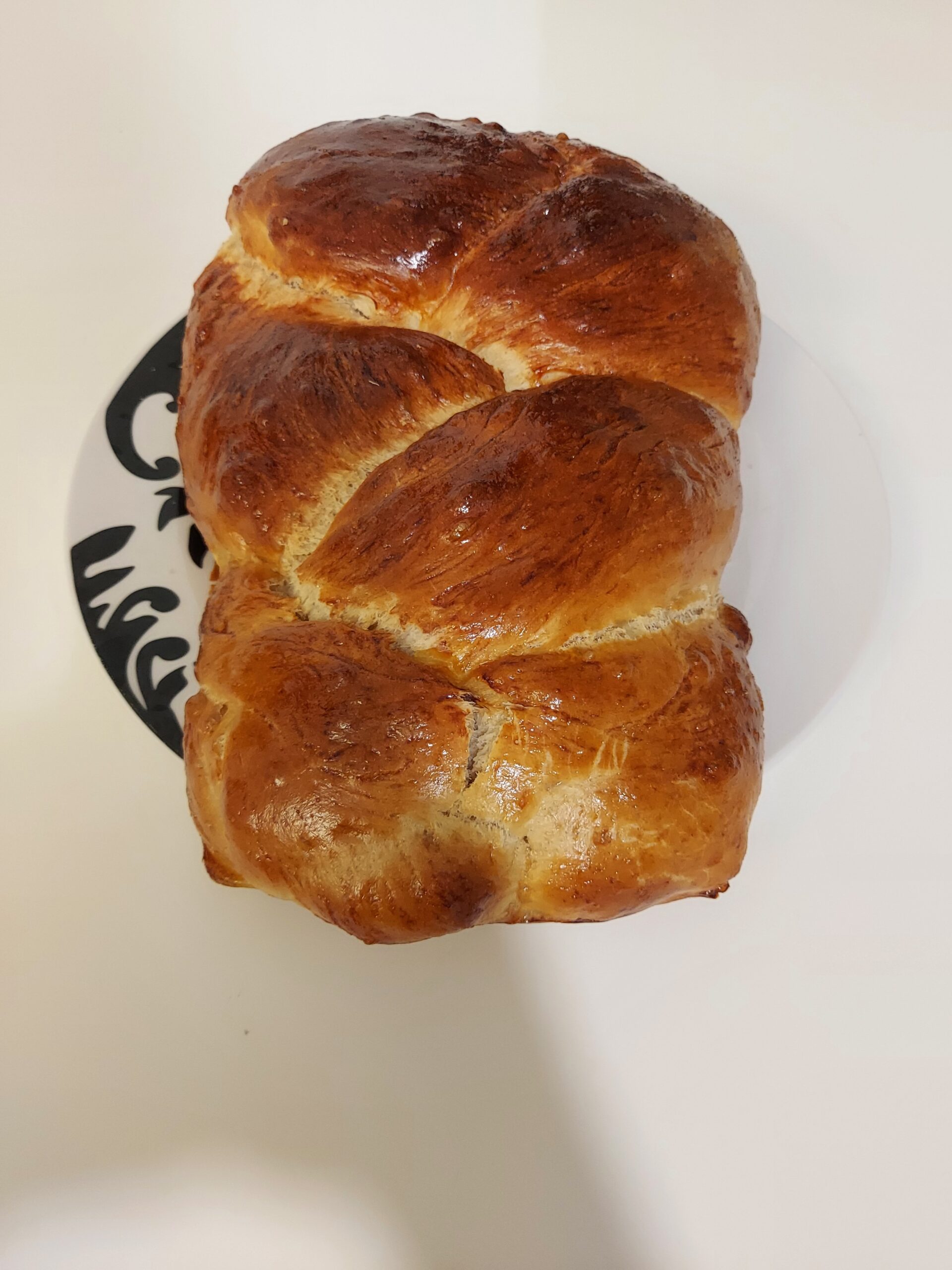
I finally made Challah bread – months and months after we learned how to make it at RebelFest!
Research a disability or neurodiversity which you do not have yourself.
I decided to research blindness and vision impairment. I started on the RNIB website where I discovered some key information on sight loss in the UK.
I then moved on to Fight For Sight to read more about issues facing blind and visually impaired people, including loneliness, domestic abuse, employment and economic cost.
I have signed up to Guide Dogs to learn more about their campaigns and help where I can.
I made efforts to add image description to all my picture uploads on my blog and social media. I also made efforts to use camel case in hashtags as they are helpful to screen readers.
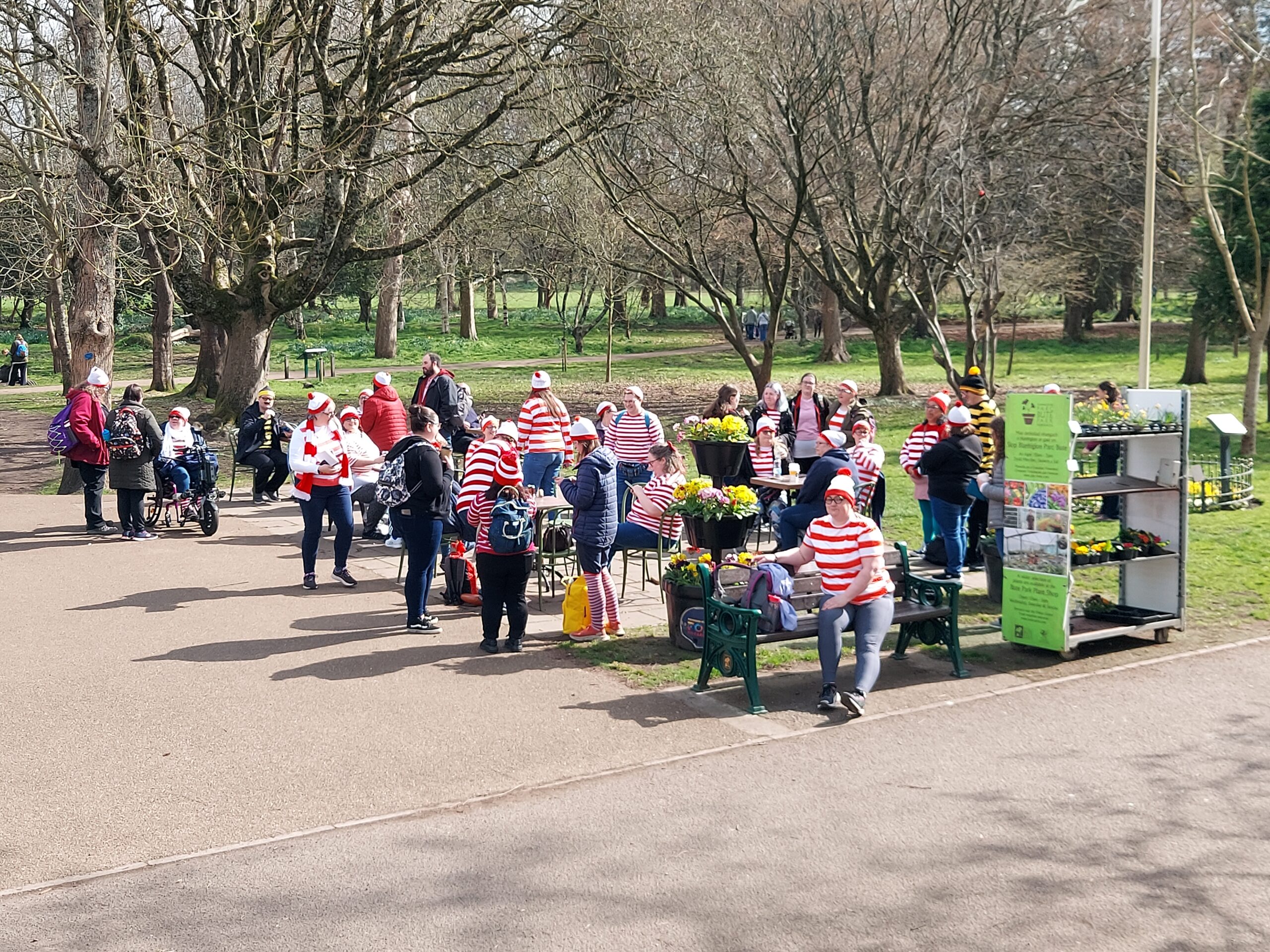
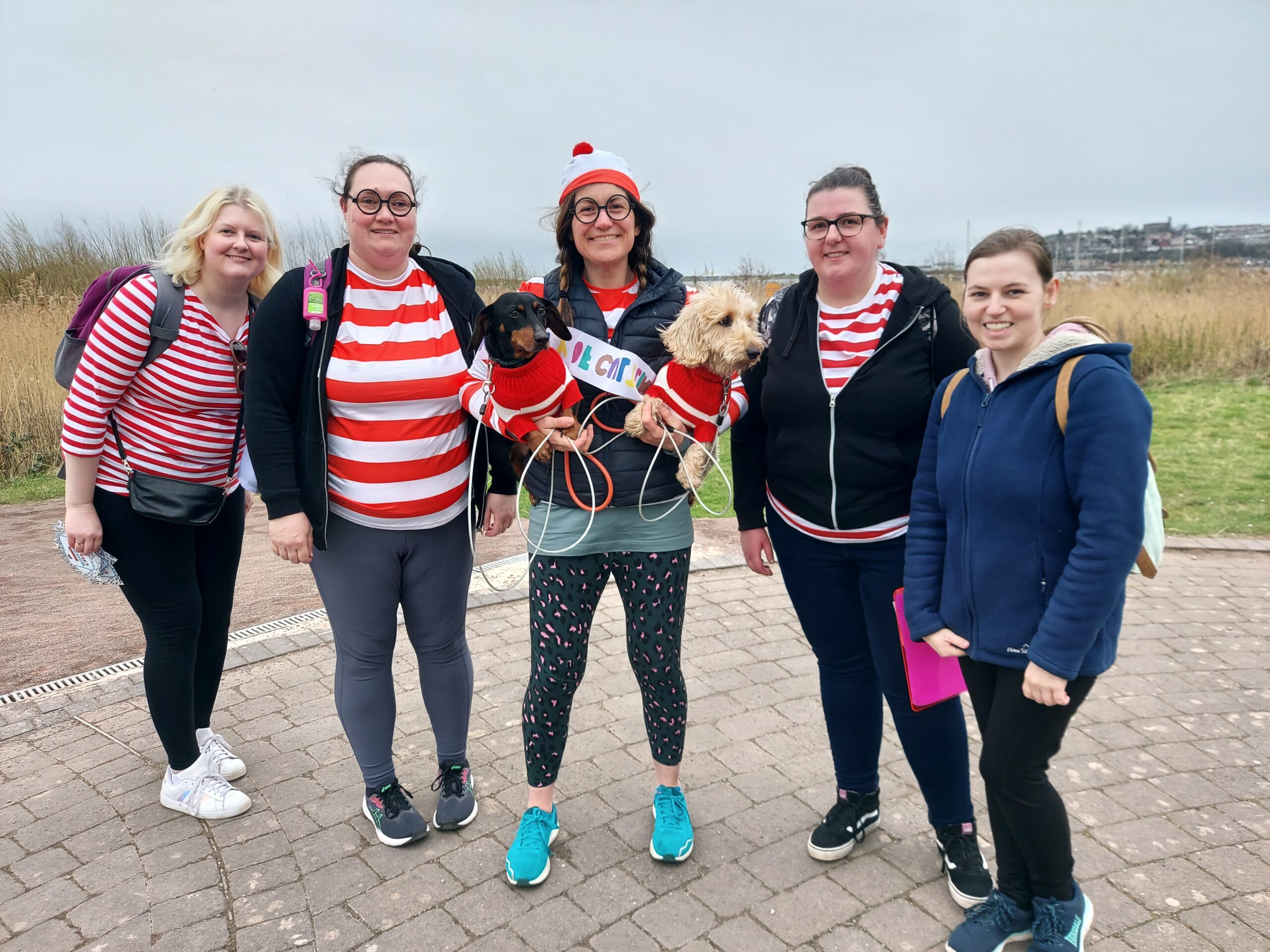
On Saturday, around 60 Rebels descended on Cardiff to play a treasure hunt-style game based on Where’s Wally? (or, as they say in America, Where’s Waldo?). Most dressed as Wally; a few came as his nemesis, Odlaw, and some dedicated Rebels brought accessories, such as binoculars or shovels. We got many strange looks, several comments along the lines of “Found him!” (funny the first time; less so by the end of the day), and a few genuinely interested enquiries. Charly, Mr Duck and Davina deserve extra credit for their costumes as a wizard, mermaid, dragon and giraffe!
The game involved running around Cardiff (a lovely city) searching for items: sights of Cardiff, dragons, and Wally’s accessories/items associated with Rebels. I was part of Team 15 with Roisin, Sarah and Madii. I want to make a special shoutout to the lady in the joke shop on Castle Street who, once she had a few groups in asking for stuff and realised what was going on, had everything out ready once we headed into the shop. She could have got annoyed with us for not buying anything but she totally leaned into it.
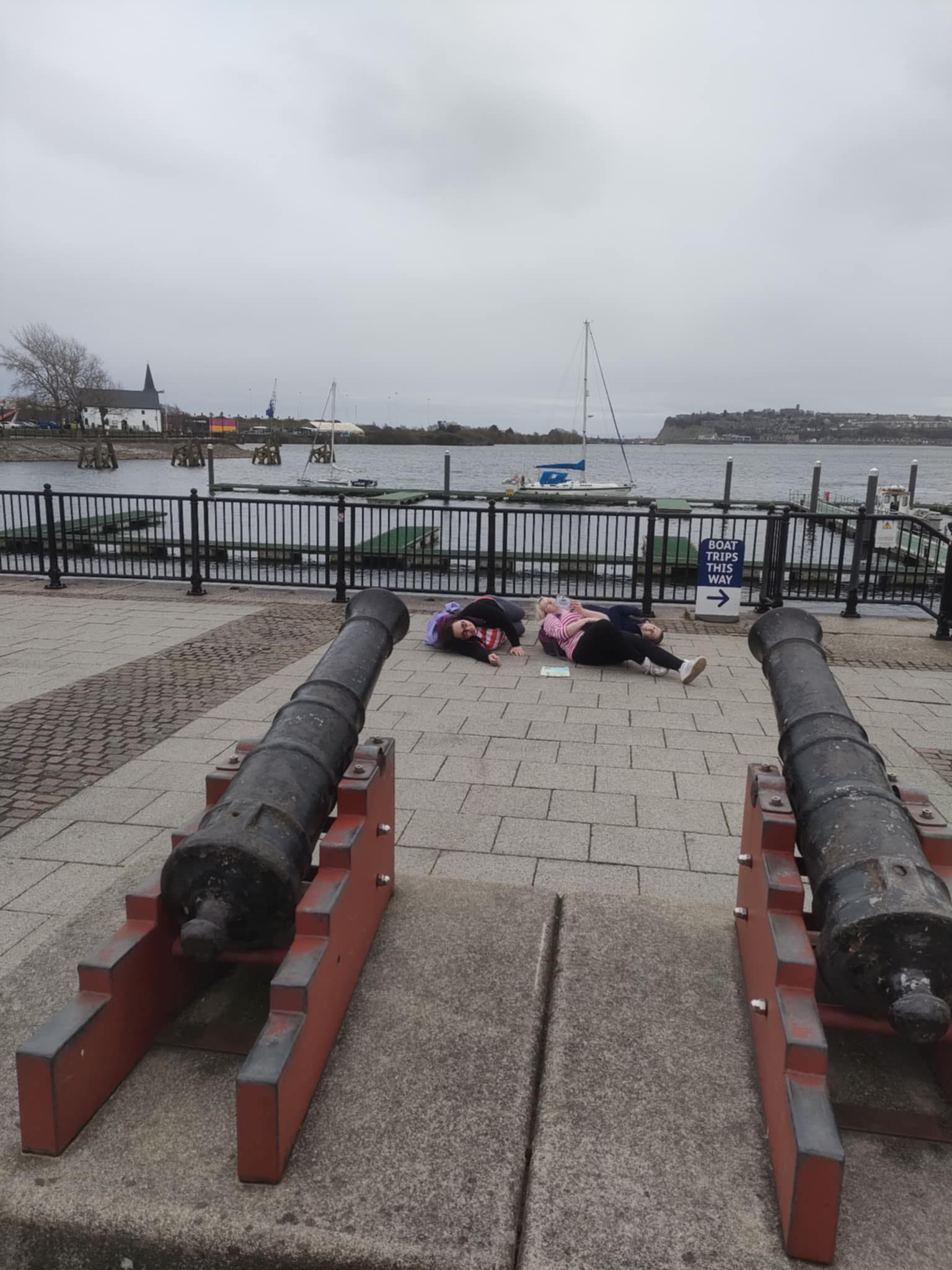
The second half involved a trip to Cardiff Bay. We decided to walk it, but ended up getting lost, which was not fun! Luckily we didn’t miss out on anything we needed to do at the other end, which is a good thing as I would NOT have wanted to miss the mermaid. We were so exhausted we collapsed in a heap by the cannons.
We completed the game by finding Charly (and Hugo and Dudley!) in the wetlands. By this point we couldn’t even think of walking back to Cardiff so got a taxi from an extremely obliging nearby hotel.
I ended up walking over 14 miles that day, so no wonder my feet were killing me. I was extremely relieved to get on my coach at the end of the day.
Our team came joint 8th with 36 points – 8/16 for the Dragon and Odlaw, and third place for the Wizard (14/16). We got 6 bonus points for the later challenges. Not a bad result!
I’m claiming the World Book Day badge. I’ve loved this one!
Read a book you haven’t read since childhood
I chose Mrs Frisby and the Rats of NIMH by Robert C. O’Brien, which I loved when I was younger. Even as an adult I found it to be incredibly well written, and despite some old-fashioned gender politics (which I can forgive as it was written in 1971) it hasn’t dated. I would enthusiastically recommend this to modern kids.
Read a book with a mushroom on the cover
The Ghost Woods by C. J. Cooke was my choice for this clause, as I enjoyed the previous book I read by this author. Fungi actually play a pretty big part in the story, so this was a good choice! I really enjoyed this one – Gothic and creepy.
Read a book which features a dragon
I went for Beowulf (the Seamus Heaney translation). I’ve been meaning to read this one for years so I’m glad to have finally got round to it. I didn’t like it as much as the ancient Greek and Roman epics I’m studying at the moment, but an interesting read.
Read a book with the word ‘duck’ in the title
My pick was Duck, Death and the Tulip by Wolf Erlbruch. It’s a children’s picture book but really moving.
Read a banned book and unpick why it was banned
I read The Bluest Eye by Toni Morrison. I thought this was an excellent book about the impact internalised racism can have. When looking into why it was banned, it actually doesn’t seem to have been banned because of its examination of racism, but rather for its sexual content and some of the events that occur in the book. While I don’t agree with the ban, I have more sympathy than I thought I would with parents concerned about their children reading this.
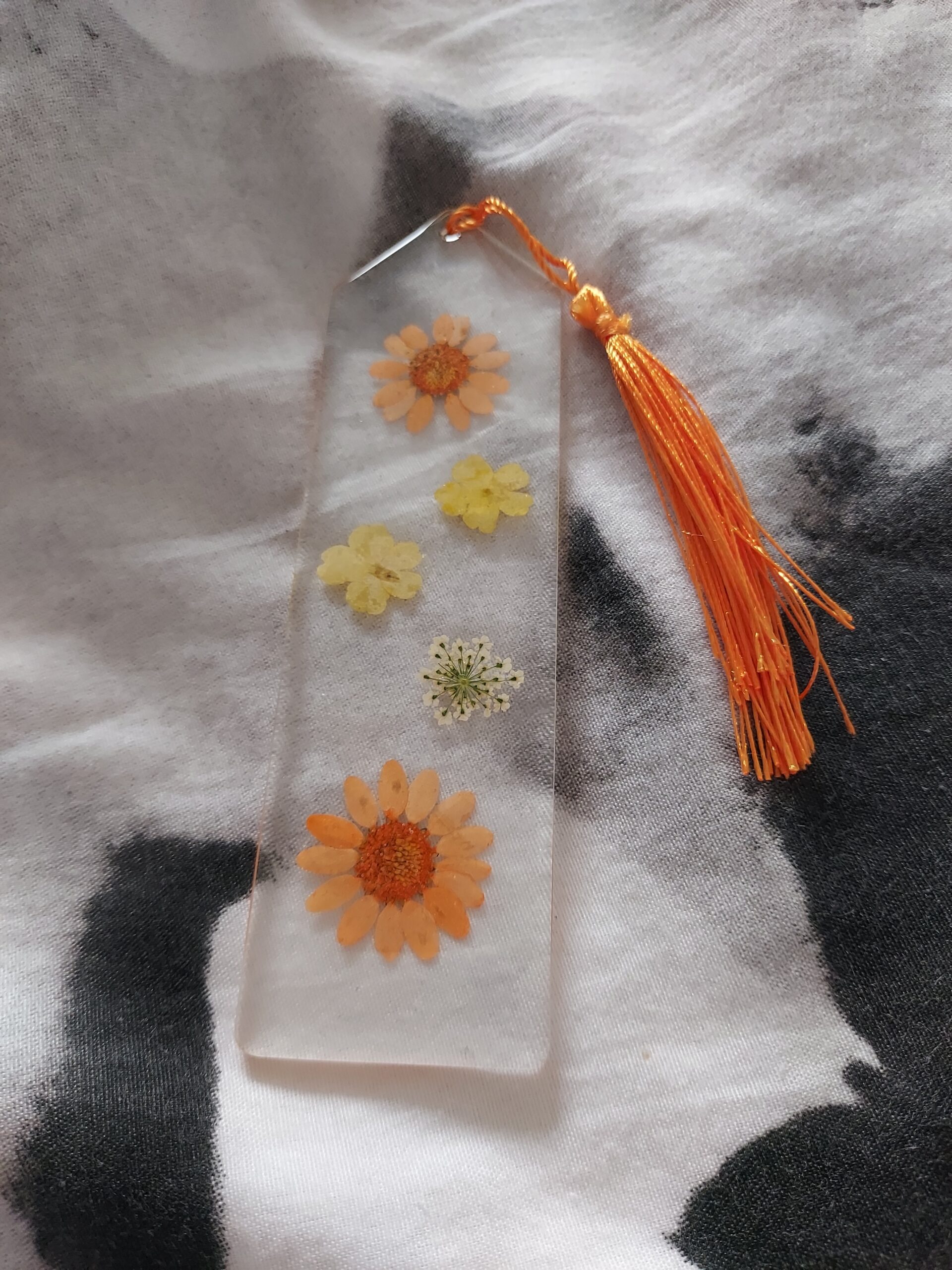
Big Bookmark Exchange
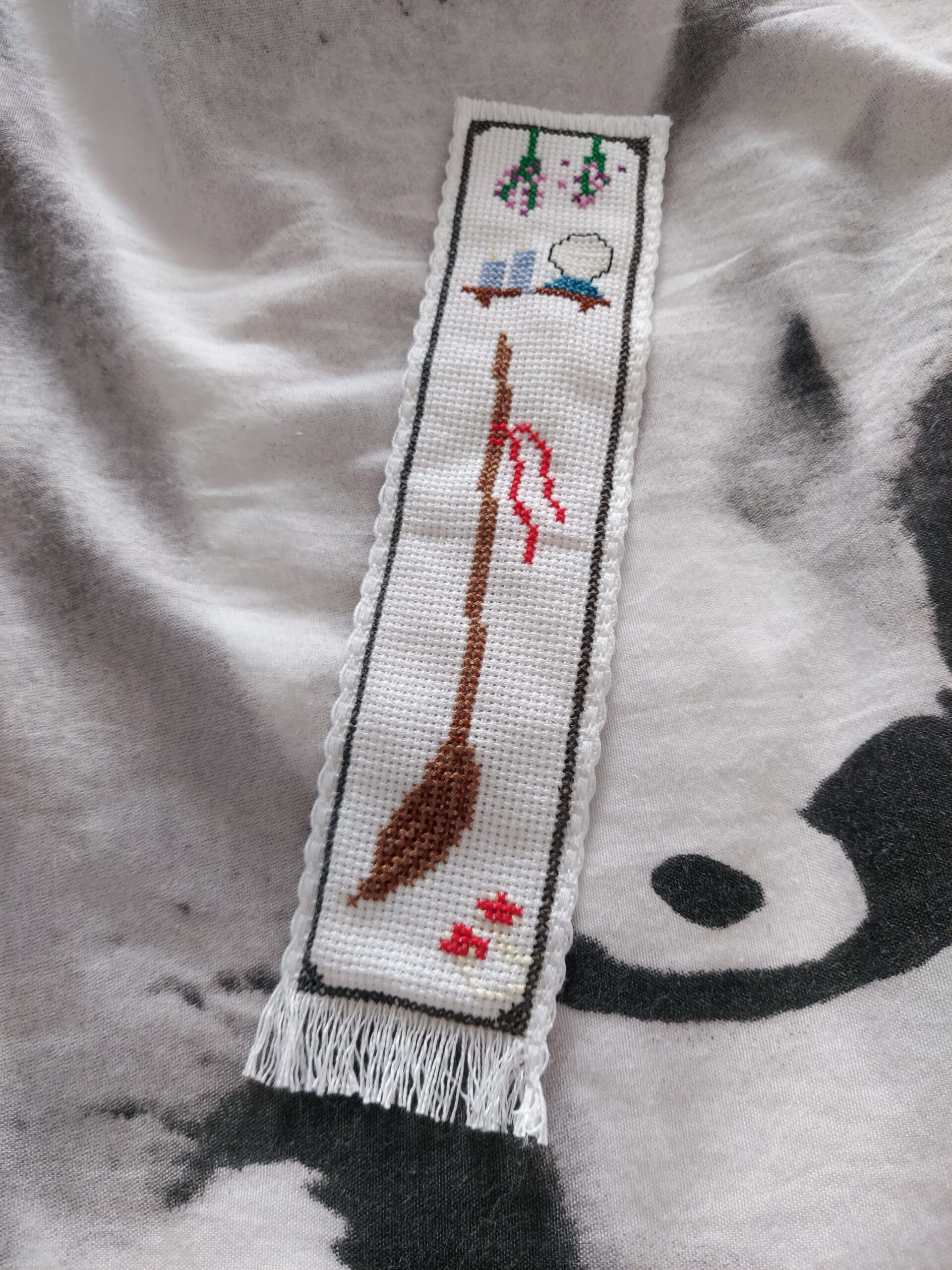
I received this beautiful resin bookmark from Holly Louise Brigden. I sent her a cross stitched one in return.