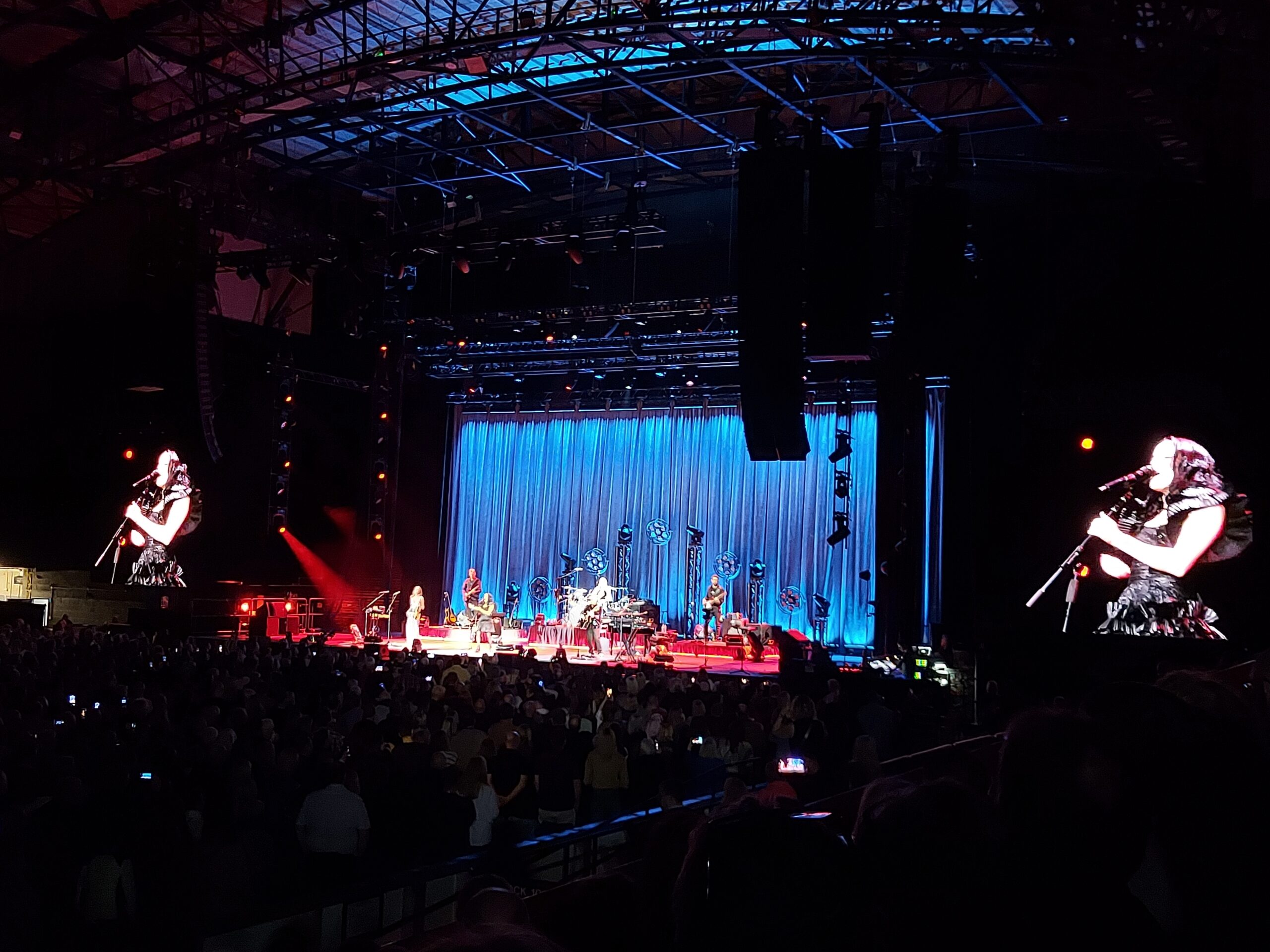
The Corrs (Talk on Corners 2024 Tour) at Newcastle Arena

The Corrs on stage

The Corrs were one of the first bands I ever saw live, back in 2001. They were my favourite band for years, and it was an amazing experience to see them live again, at the same location (then known as the Telewest Arena). Sadly the tickets were a bit more expensive this time round!

The band have barely aged in the past quarter century and have just as much energy and stage presence as they ever did. This tour is the 25th anniversary Talk On Corners (their bestselling 1990s album) tour, and the night opened with one of my favourite songs from that album, ‘Only When I Sleep’. Other hits from that album formed the backbone of the show: ‘What Can I Do’, ‘Little Wing’, ‘Don’t Say You Love Me’, ‘Queen of Hollywood’, and ending with a quartet of hits, ‘Dreams’, ‘So Young’, ‘I Never Loved You Anyway’ and of course ‘Runaway’. I do wish they had played every song from this album – I would have liked to hear ‘Hopelessly Addicted’, for example – but you can’t have everything, I suppose.

We were also treated to hits from their other albums: I was pleased to hear one of my favourites, ‘Forgiven, Not Forgotten’, as well as ‘Summer Sunshine’ and ‘Radio’. I am less familiar with their more recent work, but it was represented by ‘White Light’ and ‘Ellis Island’. The gig ended with a couple of traditional instrumentals as well as their biggest hit, the super-catchy ‘Breathless’.

The Corrs are one of the best live bands I’ve seen and have maintained this for several decades. I hope I will get to see them live again one day!

Setlist

  • Only When I Sleep
  • Give Me a Reason
  • Lough Erin Shore
  • Forgiven, Not Forgotten
  • Summer Sunshine
  • What Can I Do
  • White Light
  • Closer
  • Don’t Say You Love Me
  • Little Wing
  • Joy of Life
  • Ellis Island
  • Spancill Hill
  • Old Town
  • Radio
  • Queen of Hollywood
  • Dreams
  • So Young
  • I Never Loved You Anyway
  • Runaway

Encore

  • My Lagan Love
  • Breathless
  • Toss the Feathers

How Ireland Made Antarctic History – Irish Cultural Centre

The Irish Cultural Centre

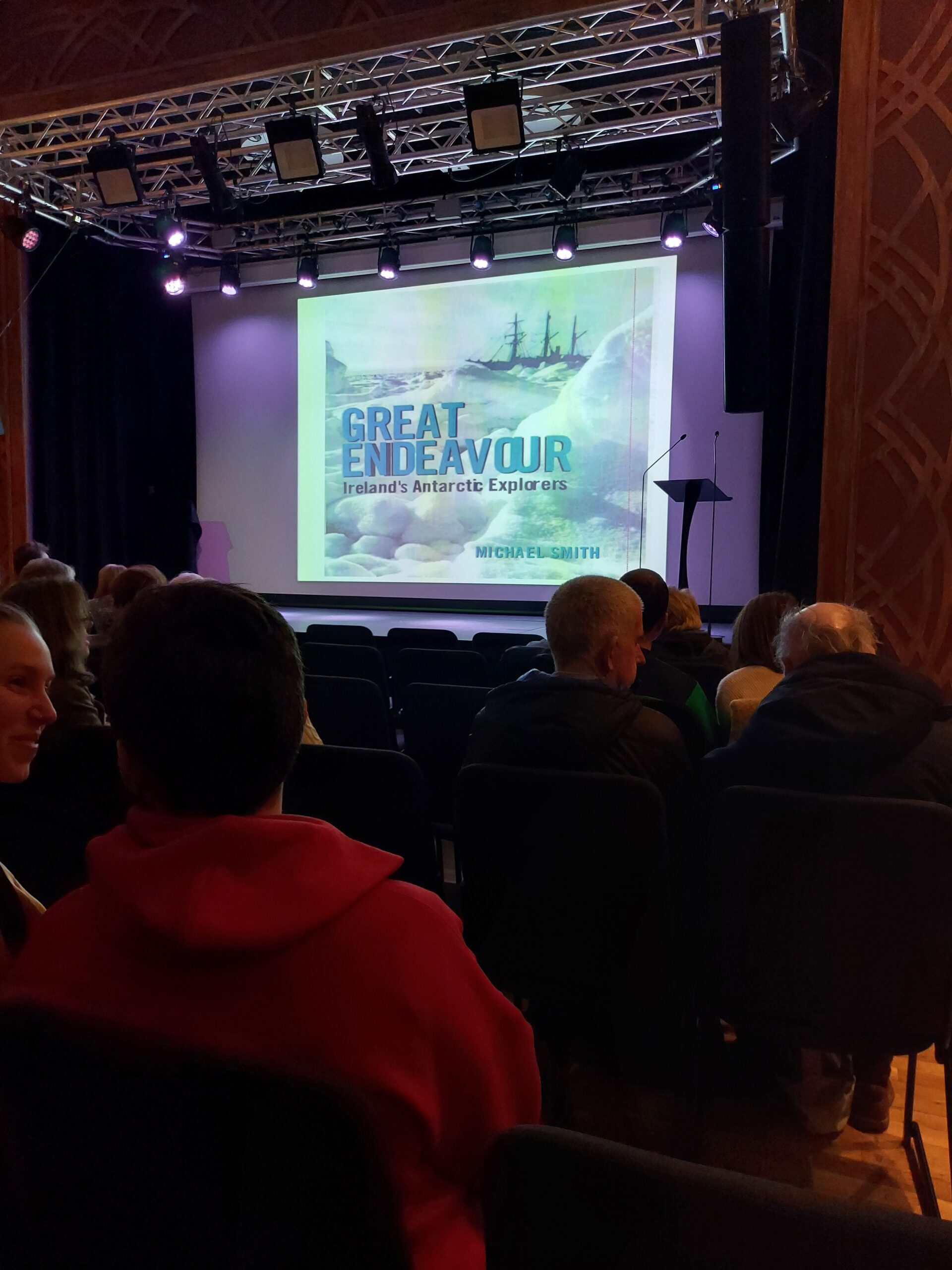
I went along to the Irish Cultural Centre in Hammersmith to attend a talk by author Michael Smith on Irish polar explorers. I have read a couple of his books, on Ernest Shackleton and Tom Crean, and hoped the talk would extend my knowledge.

I thoroughly enjoyed the talk and Smith proved a superbly entertaining speaker. As well as the characters above I learned more about Francis Crozier, Patrick Keohane, Robert Forde and the McCarthy brothers. One of the saddest things about the Irish explorers of the ‘Heroic Age’ is that they were almost forced to be quiet about their accomplishments owing to the Irish fight for independence and a distrust of alliance with British causes.

I never tire of learning more about polar exploration, and this talk was an excellent experience.

Chocolate House Greenwich – Old Royal Naval College

While I was in Greenwich exploring the Old Royal Naval College, I visited the Visitor Centre’s most recent exhibition, Chocolate House Greenwich. The exhibition explores how chocolate helped revive Greenwich as a place to visit in the Georgian era.

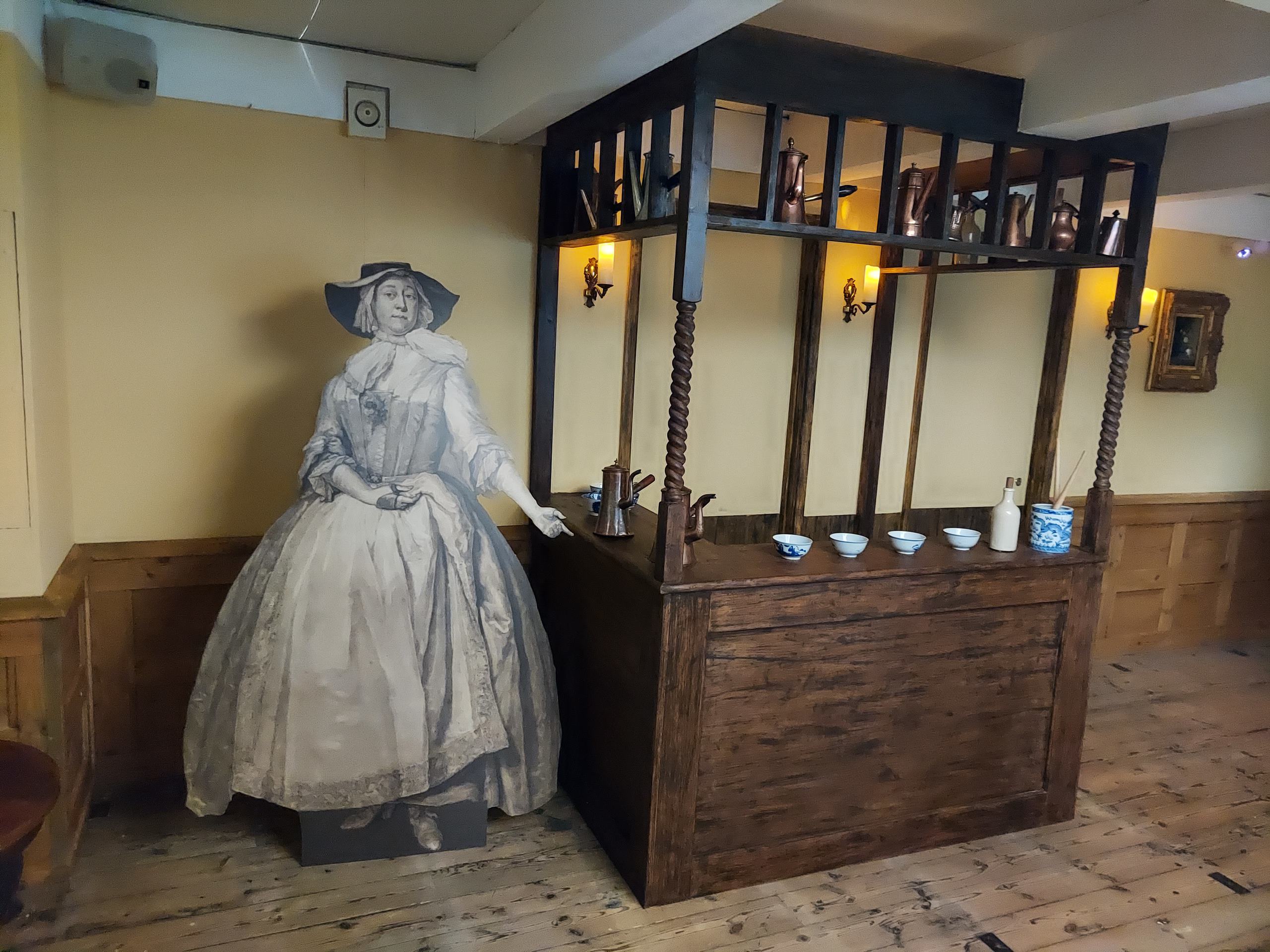
The exhibition looks at the origins of chocolate in Central America and how it became a symbol of sophistication among members of the Enlightenment. Greenwich became a popular destination and hub for astronomy, science and culture, helped by the presence of the Royal Observatory. Grace and Thomas Tosier’s famous “royal” Chocolate House was a hub of activity and discussion, once located on the edge of Blackheath in ‘Chocolate Row’ and recreated here.

recreation of the Tosier Chocolate House

Tours at the Old Royal Naval College

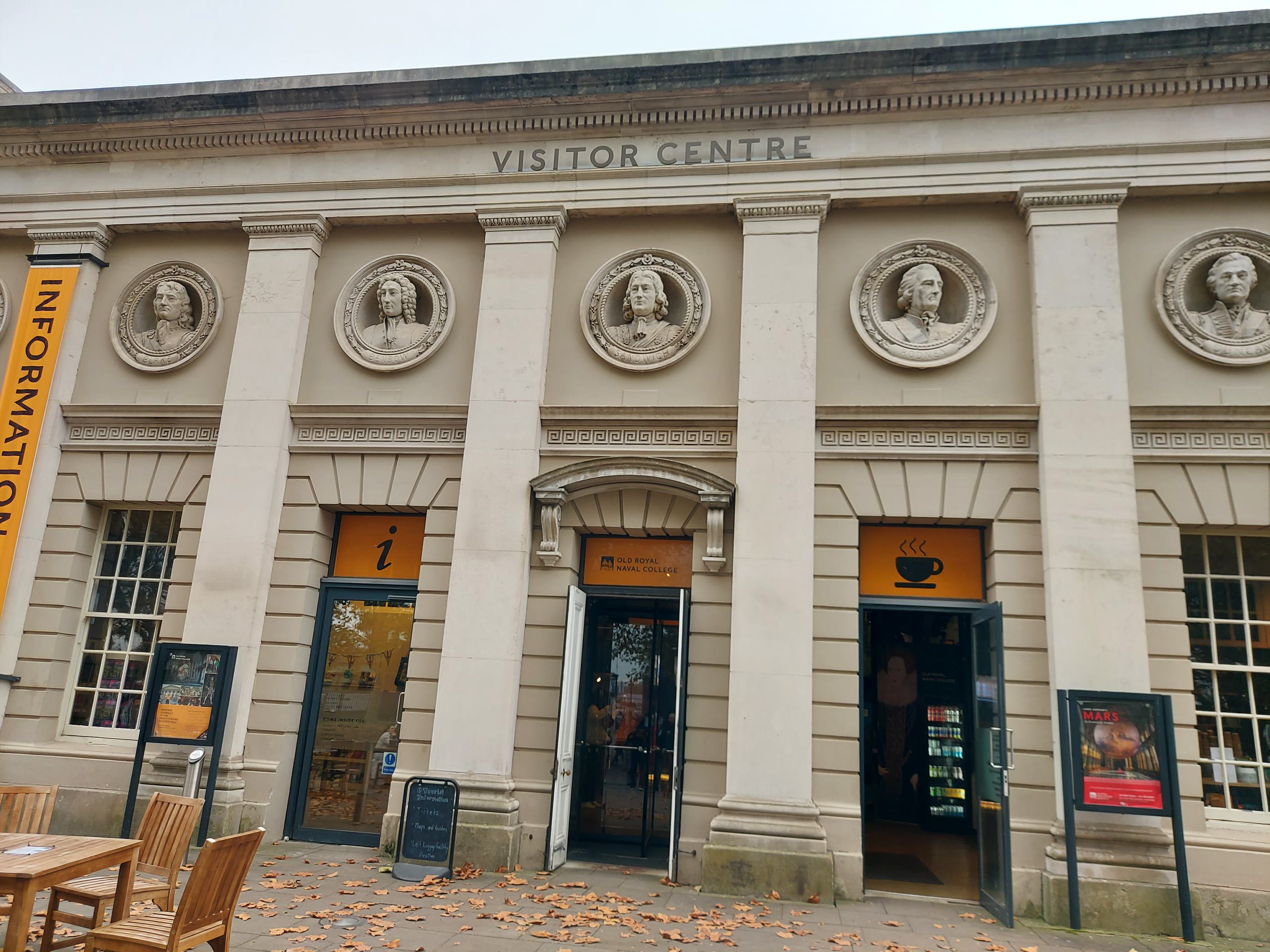
Greenwich Visitor Centre

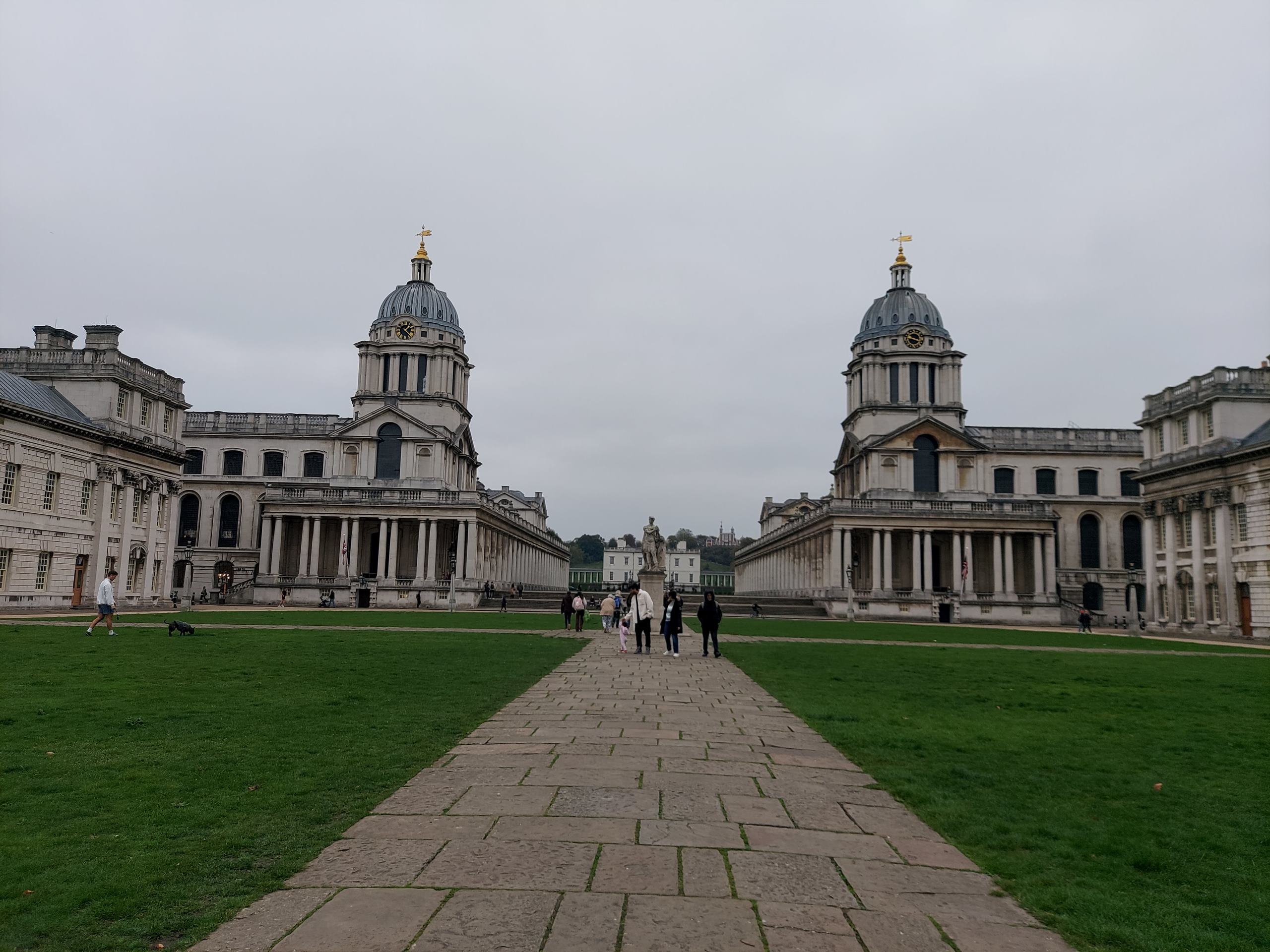
Recently I spent the day at the Old Royal Naval College in Greenwich. This area is full of history and I took the opportunity to take part in a couple of tours, as well as looking around the Visitor Centre.

The 600 Years of History Tour explored the site from its roots as the location of a Tudor palace, birthplace of Henry VIII and Elizabeth I, to its time as the Royal Hospital for Seamen and its subsequent identity as the home of the University of Greenwich and Trinity Laban.

The Blockbuster Film Tour explored the area’s location as a site of many films and TV shows, including the Pirates of the Caribbean franchise, Napoleon and Darkest Hour. The Painted Hall and Chapel feature heavily on-screen, while outdoors doubled as nineteenth-century France, and the area outside the chapel doubled as the entrance to a Tube station in Darkest Hour. It was fun to hear anecdotes from our tour guide, including damage inadvertently caused by some filmmakers, and the lengths stars can understandably go to in order to avoid the public.

Old Royal Naval College

Rebel Badge Club: I’d Survive A Zombie Apocalypse

This month’s challenge was possibly one of my favourites ever – a whole badge dedicated to zombies! Now zombies aren’t actually my favourite spooky creatures, but I thoroughly enjoyed myself during this badge. The clauses were divided into different sections and we had to do at least one clause from each section. In reality, I suspect I wouldn’t last two minutes during a zombie apocalypse, but at least I can pretend otherwise now!

BE PREPARED

Start ‘Couch to 5k’ or walk or run some missions on the app ‘Zombies, Run!’.

I’ve been meaning to try this app for a while so I was glad of the incentive to give it a go. I’ve run four missions so far – I’m out of practice with running so did spend some time walking, but want to use the app to improve.

Screenshot from the Zombies, Run! app

KNOW YOUR ENEMY

Find out about real life zombies in the natural world.

I found an article on LiveScience which was both fascinating and creepy.

Research the origins of zombie folklore.

I really enjoyed researching this. An article on History.com was particularly interesting.

Watch a zombie movie. Identify at least three stupid things non-protagonists do that get themselves killed.

I went to a showing of Shaun of the Dead with some fellow Rebels. I’d never seen it before and really enjoyed it. Some of the stupid things people did included: stopping to say hi to the neighbours, running into a horde of zombies, and running after the person who ran into a horde of zombies.

Read a book which features zombies.

I went for World War Z by Max Brooks, which was a really good read.

SURVIVE

Camouflage yourself as a zombie.

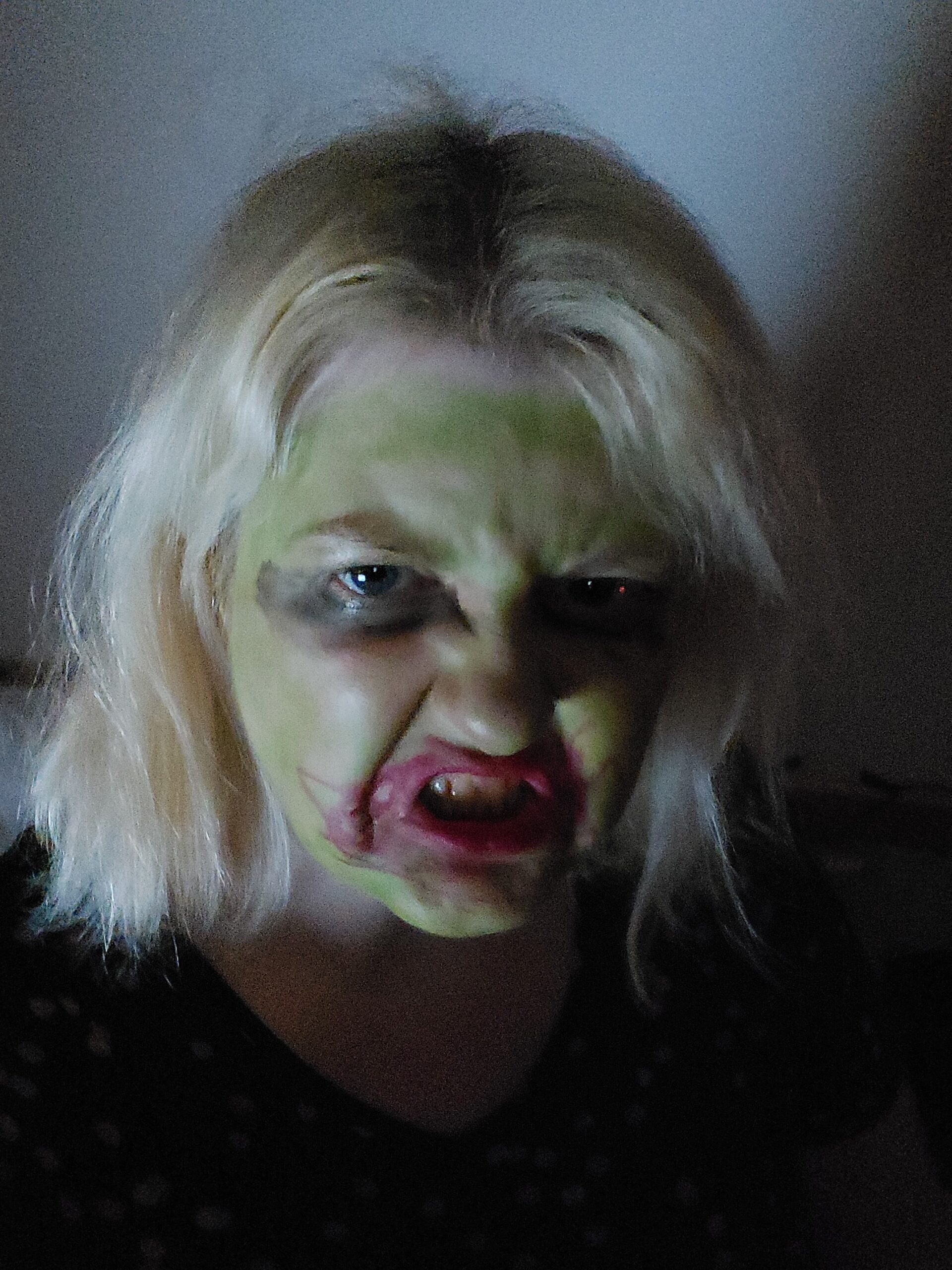
I had fun with my face paints for this clause!

Selfie with zombie face paint

EMBRACE IT!

Make a zombie puppet.

I completed this clause at the Reading meetup where we made paper puppets and acted out various zombie scenarios.

Have a cold pint at your local pub, or a Cornetto, and just wait for it to all blow over.

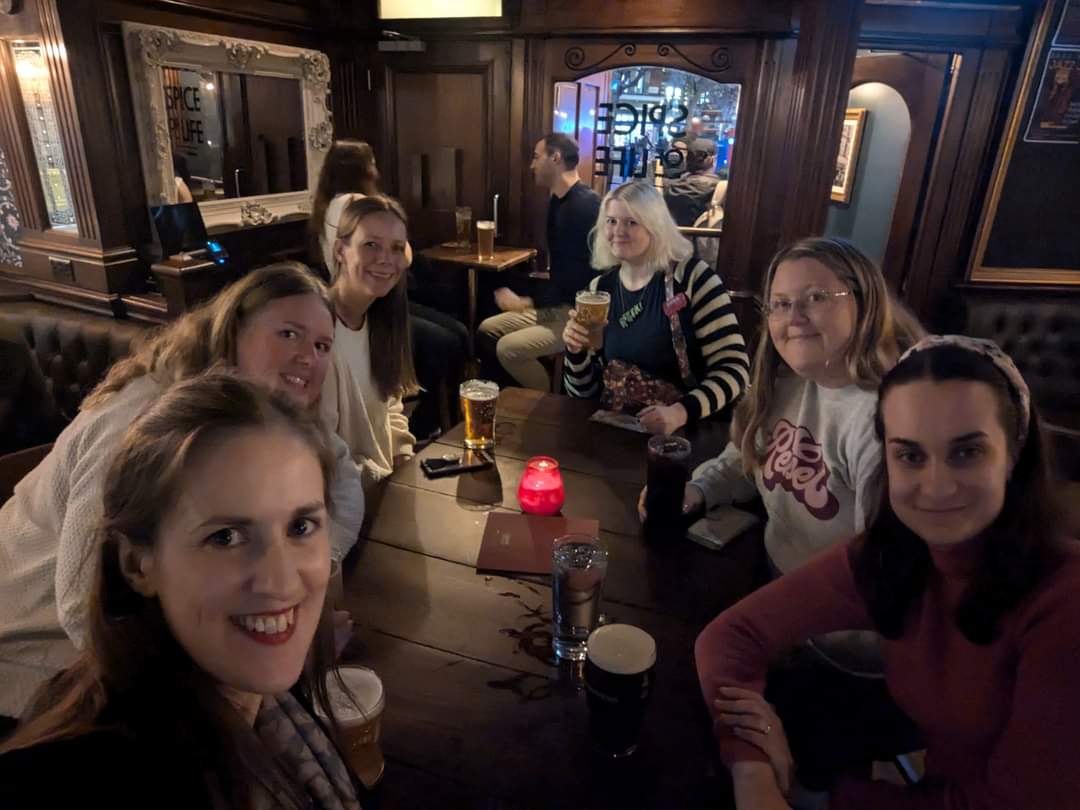
A few of us popped into the pub after our film screening!

An Evening with Marina Diamandis – Emmanuel Centre

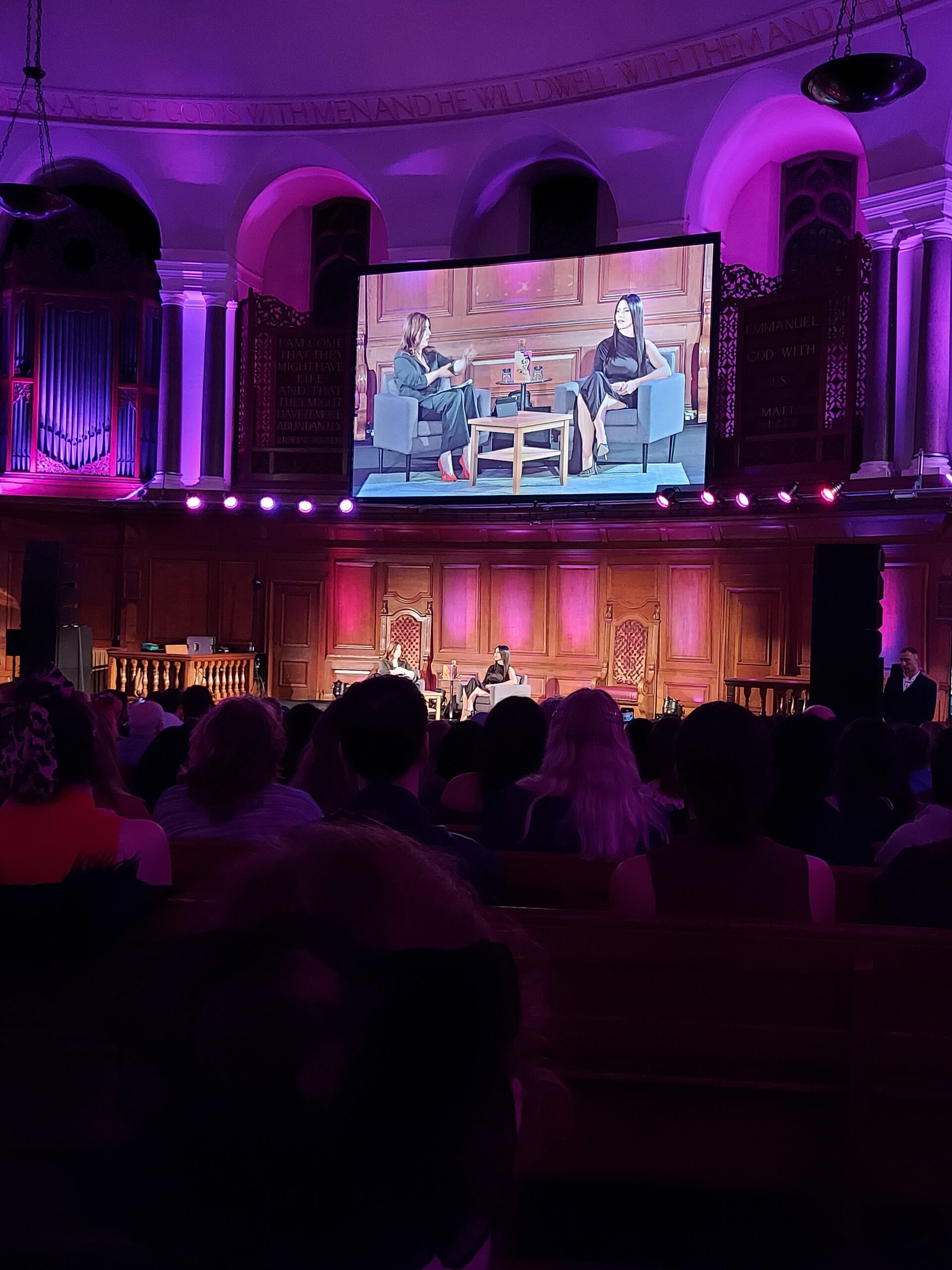
Emmanuel Centre stage

I’m a huge fan of singer Marina (formerly known as Marina and the Diamonds), and she has recently branched out into a new field: poetry. Her first book, Eat the World, has just been released, and I went to see her in conversation with Shon Faye at the Emmanuel Centre in London.

I’ve always loved Marina’s lyrics and her poetry deals with the same kinds of subject: loneliness, fame, relationships and pressure. I’m the same age as her and feel I can relate to a lot of what she says. She had interesting things to say about how she’s changed over the years and the inspiration for her poetry. During the Q&A the audience had some good points to make too!

Hidden London – Holborn: The Secret Platforms

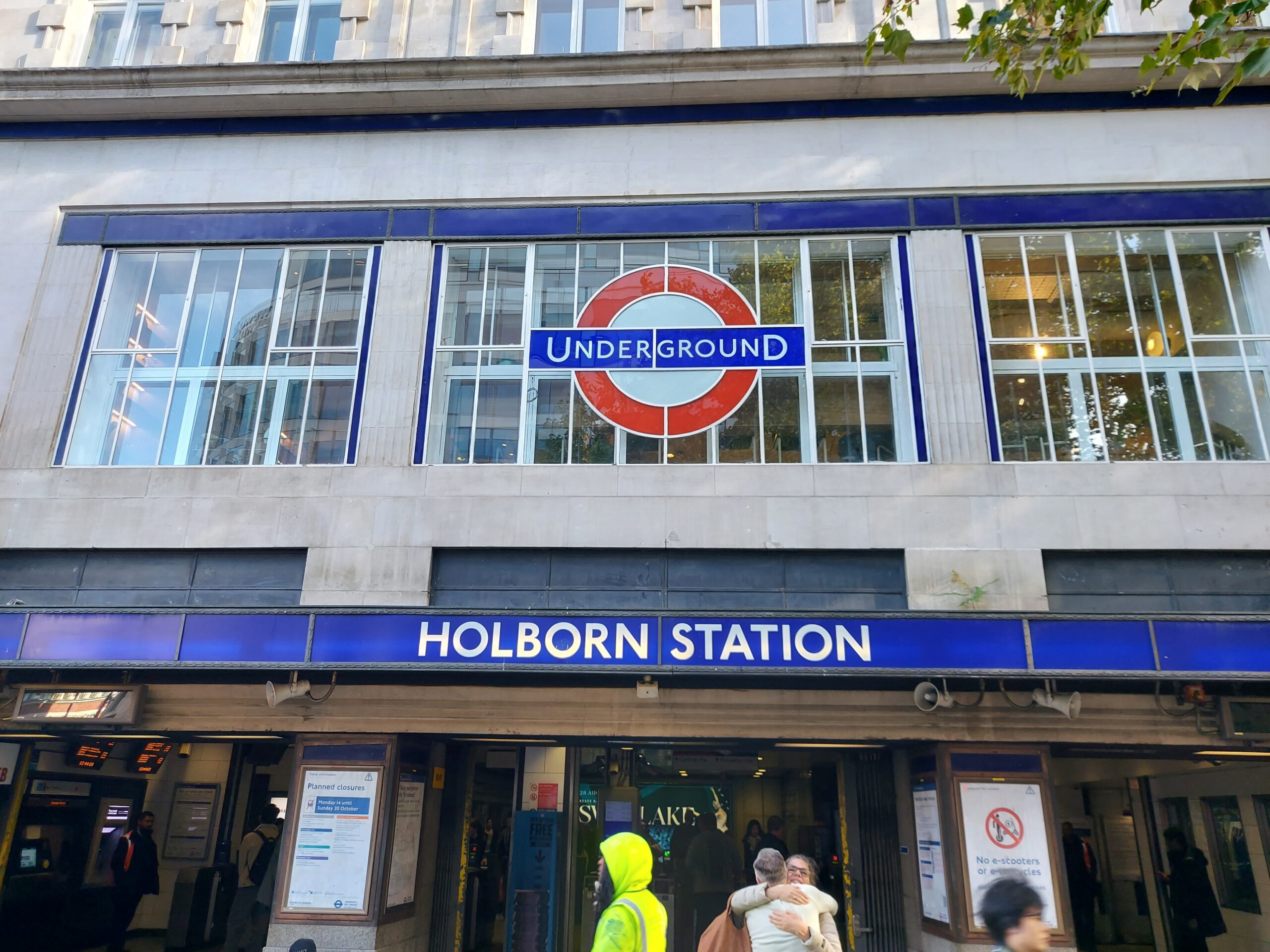
Outside Holborn station
Holborn station today

I got to take part in another Hidden London tour recently – this time Holborn: The Secret Platforms. This is a new tour offering insights into one of central London’s most popular stations. Despite being a busy working station, a third of the station is not open to the public, and this tour opens up those hidden areas.

The station originally opened in 1906 and featured four platforms, all serving the Piccadilly line. At the time, the surrounding area was notorious for its poverty and crime, but the station helped it to develop into an important business district. In 1933, the station was reorganised and expanded to include escalators and encompass the Central line, leading to the closure of the nearby British Museum station.

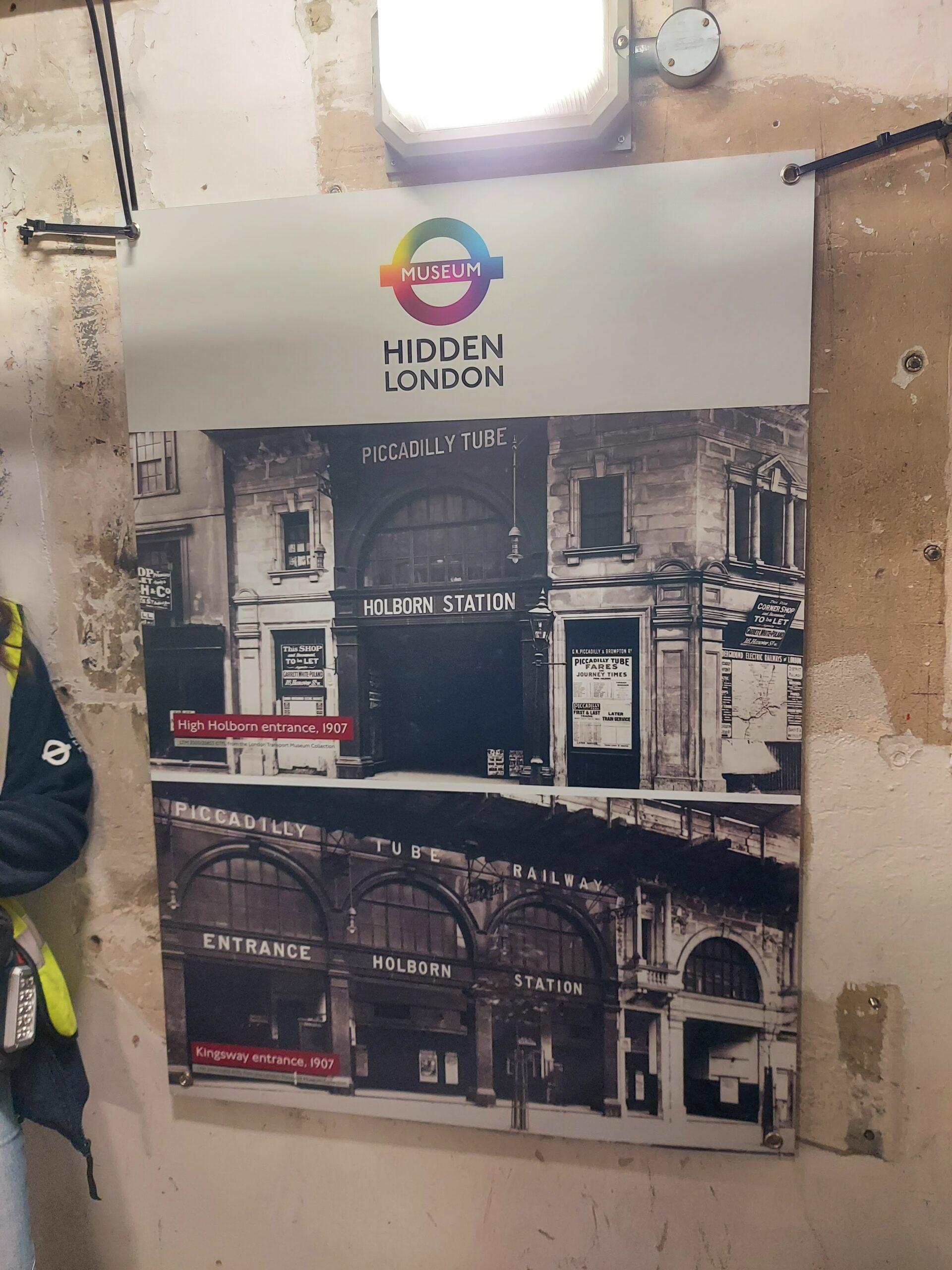
Original entrances to Holborn Station

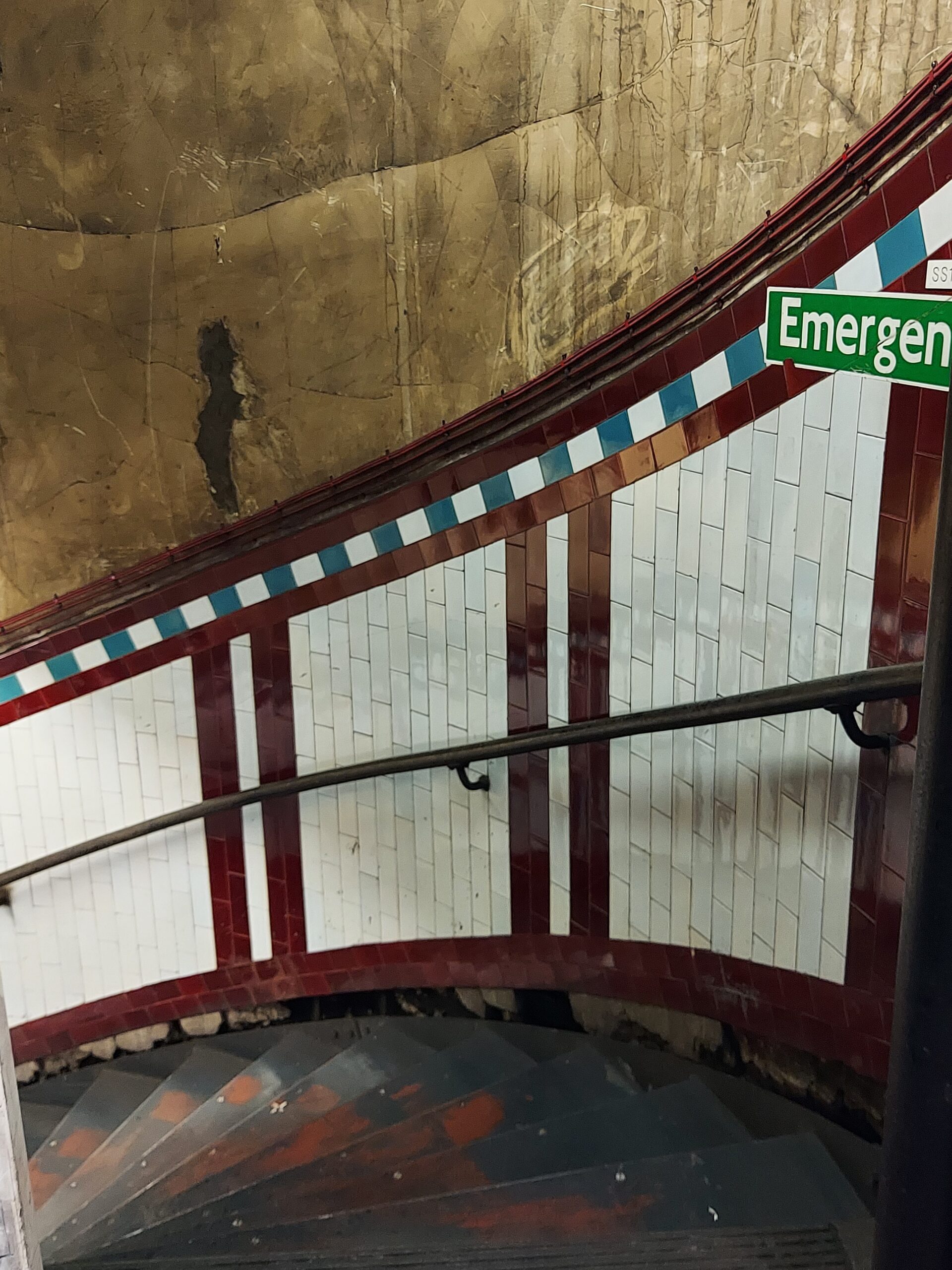
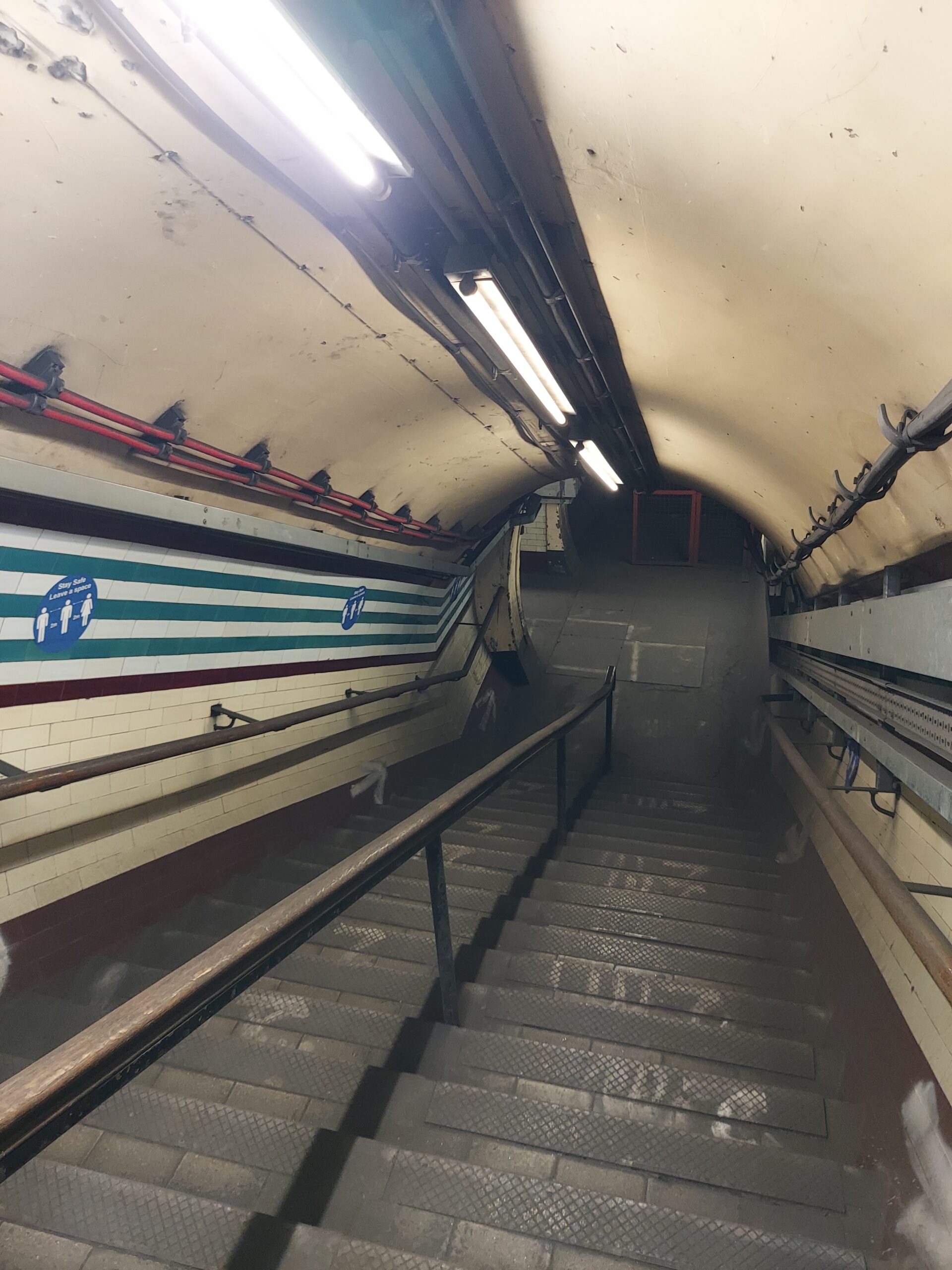
The original station was designed by Leslie Green, although the facade was of polished granite stained red, not the usual brickwork, in order to fit in with local architecture. We got to walk down the emergency spiral staircase, fitted to complement the lifts that were originally in place.

Emergency spiral staircase at Holborn

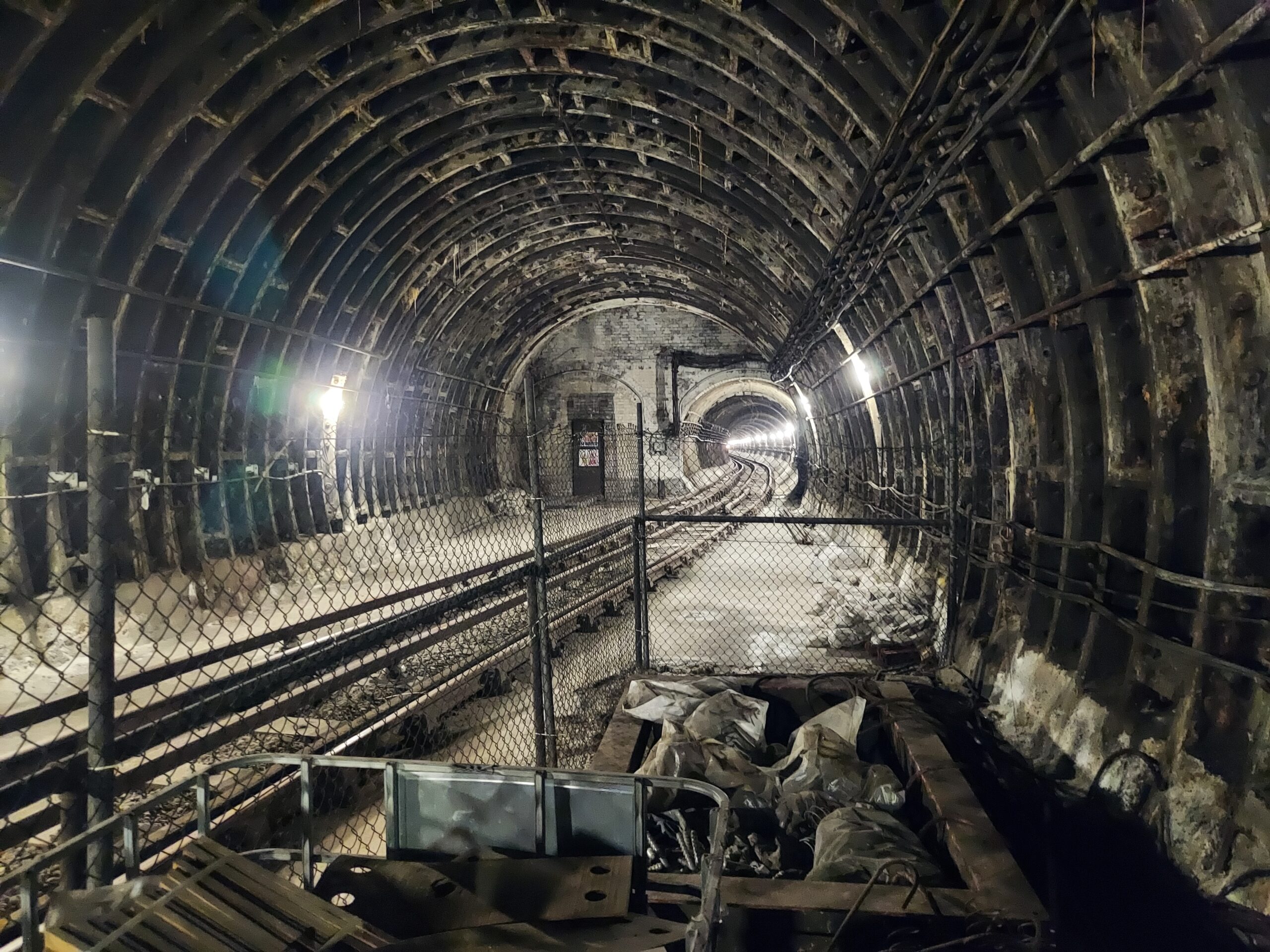
The main reason that so much of this station is now disused is the closure, in 1994, of the little-used Aldwych extension. I visited Aldwych on my very first Hidden London tour (before it was even called Hidden London) around a decade ago, so it was exciting to be able to see the disused tracks from the other end. In the past they have been used as wartime accommodation, a science lab, a model railway club, a substation, and signalling.

Disused tunnel heading to Aldwych

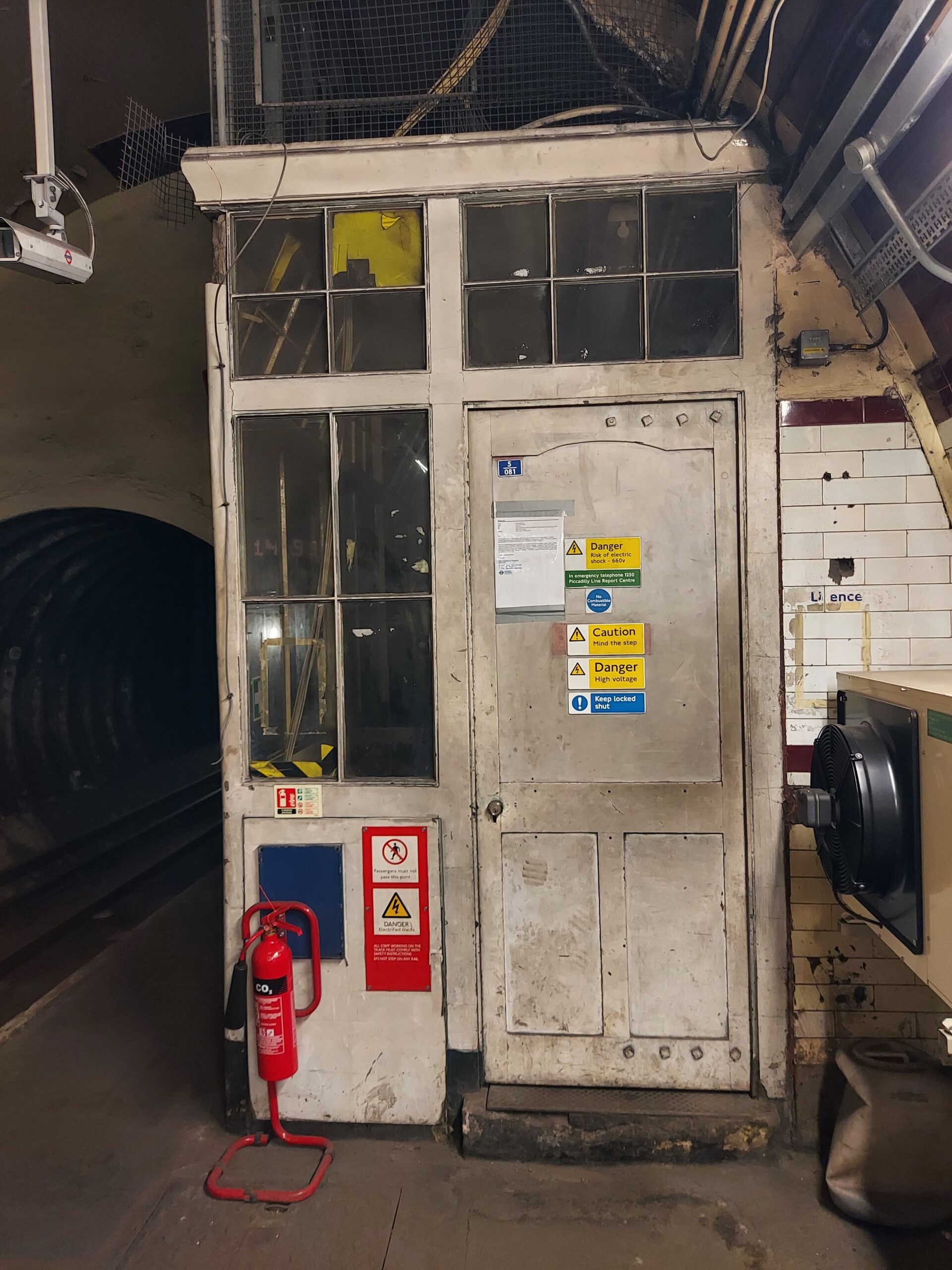
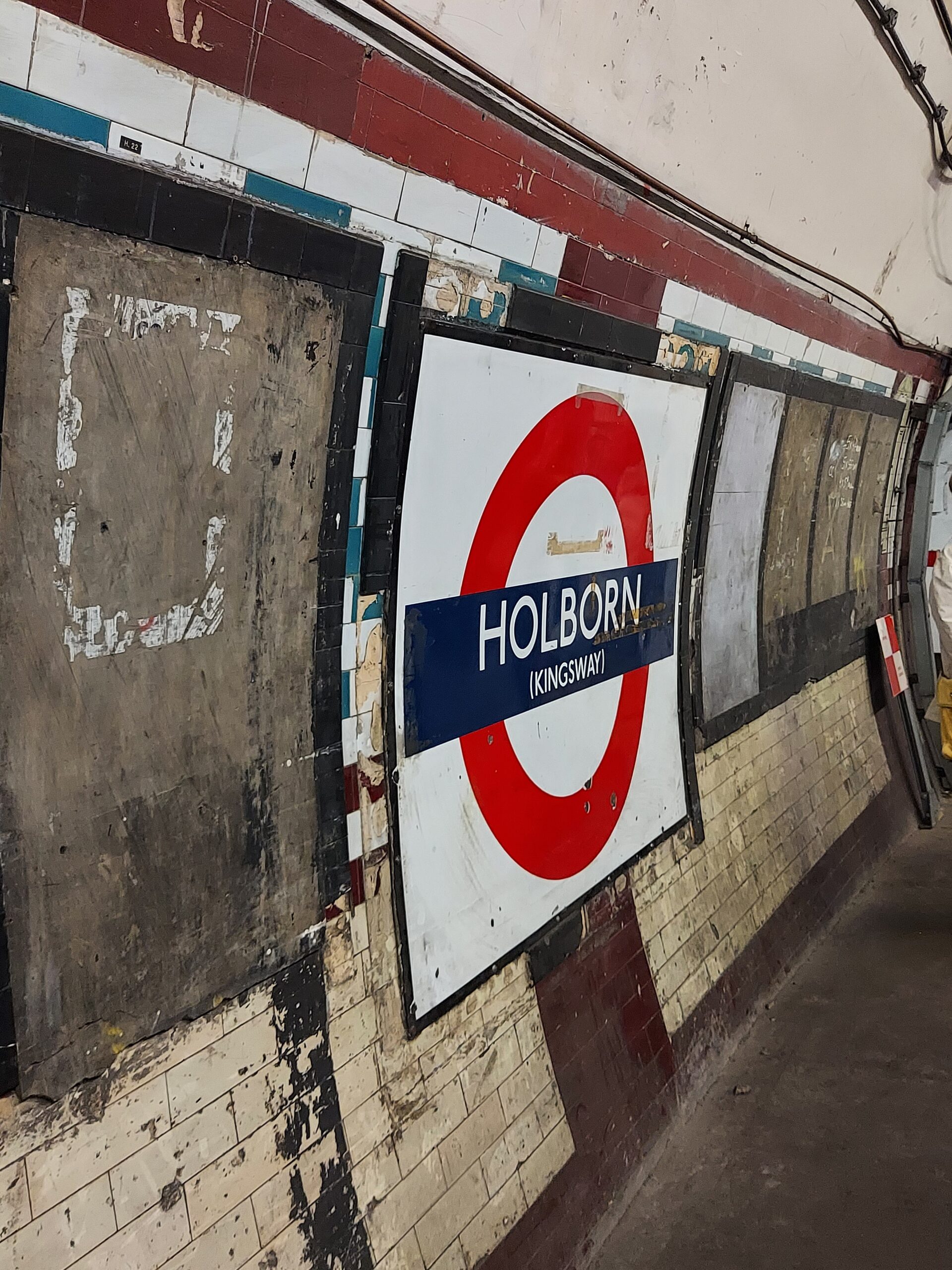
We also got to see some of the disused tunnels and platforms. I was surprised to learn that filming has taken place here – including one of the Superman movies starring Christopher Reeve, and Aqua’s video for ‘Turn Back Time’. One of the old platforms is home to an early 20th-century signalling cabin.

Disused Holborn staircase
Disused staircase
Early 20th-century signalling cabin
Holborn (Kingsway) sign on one of the disused platforms

I know I say this every time, but the Holborn tour was one of my favourites so far! I would definitely recommend it for any Tube fans.

Big Rebel Meet Up – Reading, October 2024

I don’t get to go to every Big Rebel Meet Up, but I try to make it to the Reading ones, as I live so close anyway. This was the third October meet up I’ve attended, marking Rebel Badge Club’s third birthday, so there was lots of cake to enjoy. Before that, though, we got to enjoy some fun activities.

Once again I was Patrol Leader for Bader Patrol. We began the day with a puzzle box. My patrol worked on The Balthazar Stone, and we managed to complete it, no thanks to me – I’m terrible at these things, but several of my team members were pros.

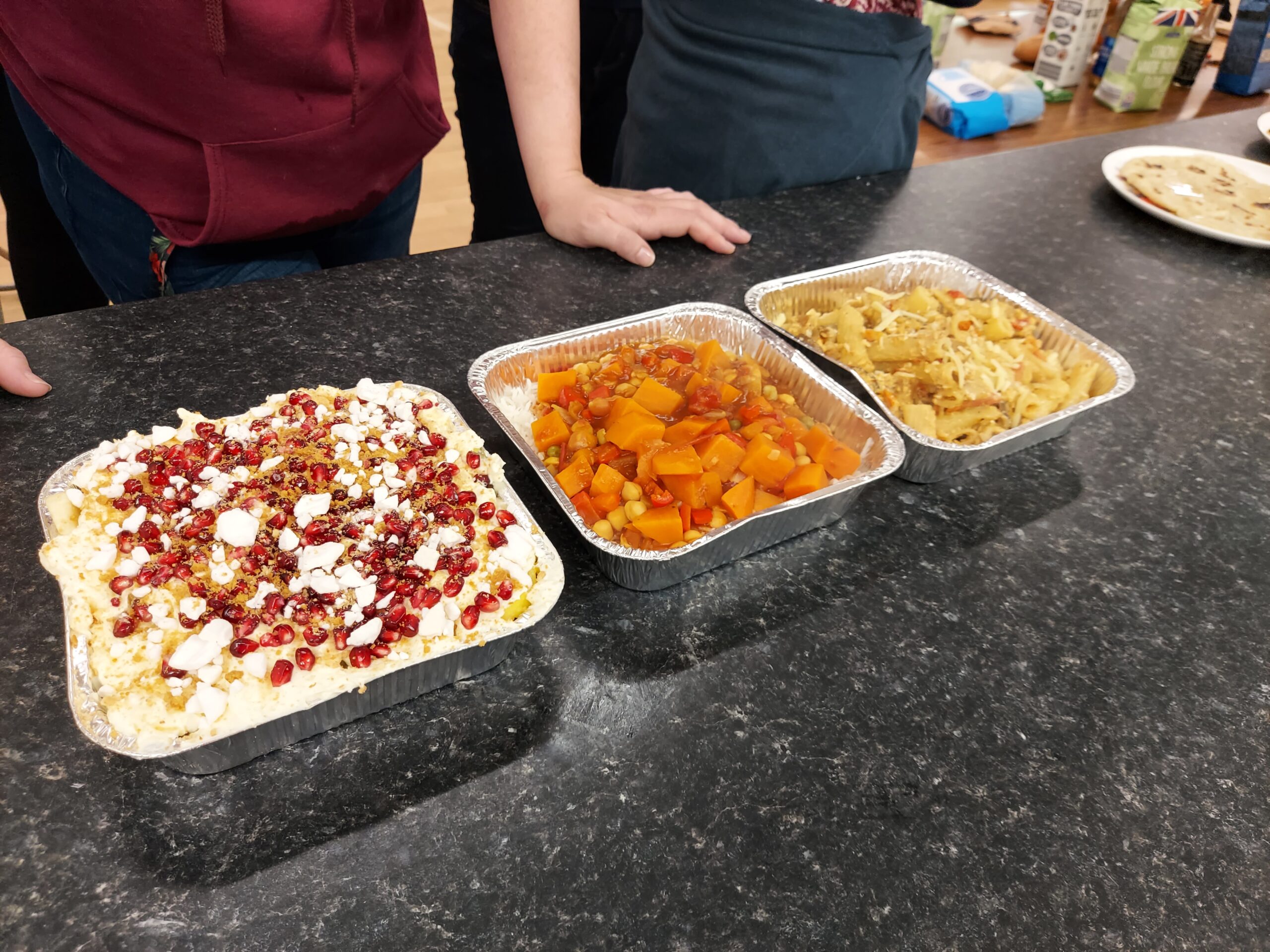
Next we had a cooking challenge, which also served to prepare us for the upcoming November monthly badge! Our Patrol contained everyone with dietary requirements – most of us were veggie or vegan and some had allergies or intolerances. We whipped up some delicious items.

Some of our delicious recipes

Next up we had dance with Aggy, where we got to test out our hip-hop moves. As usual I was terrible at it, but had lots of fun nevertheless.

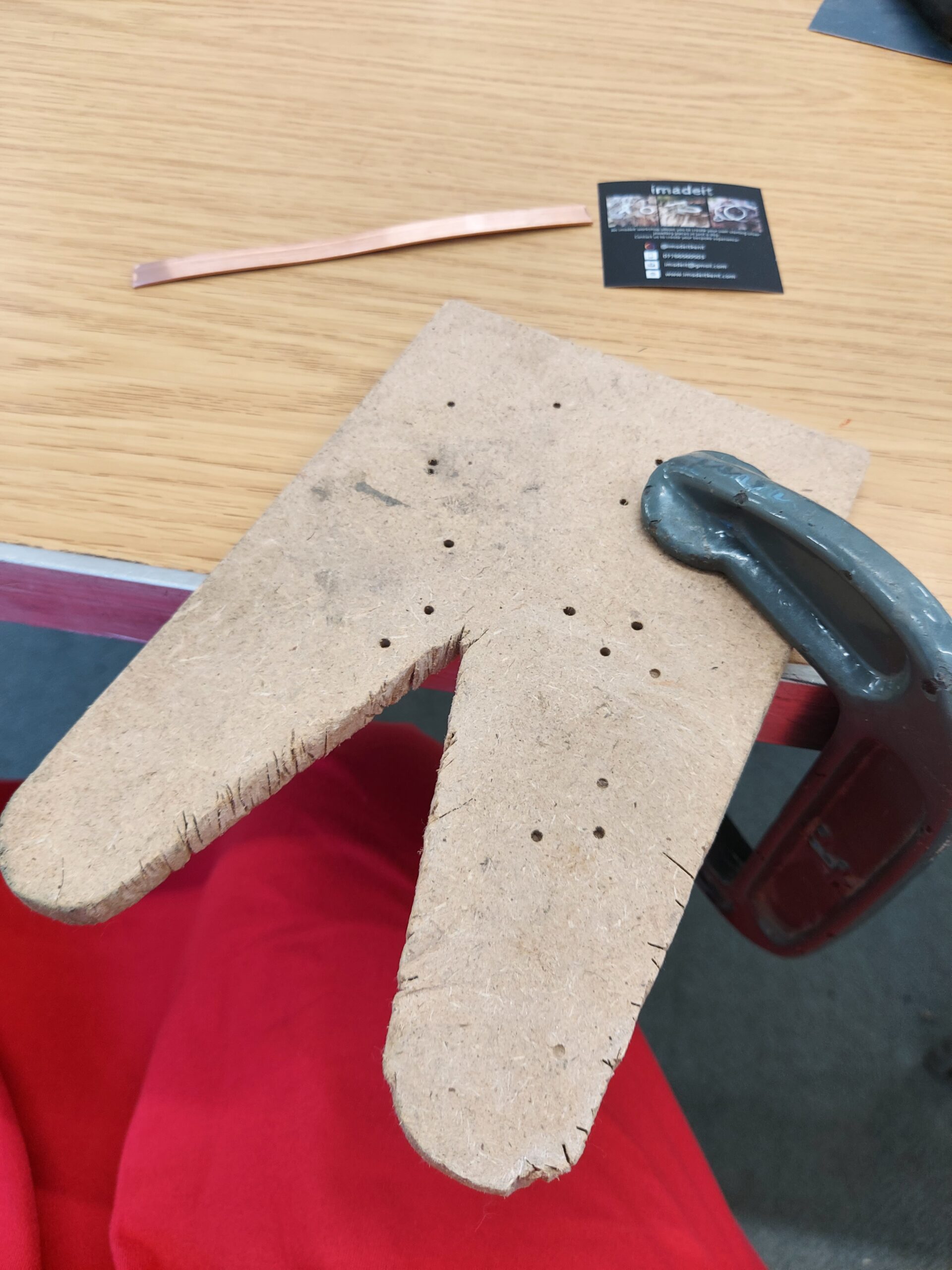
Jewellery making with Angie followed, and this time we were making copper bracelets. This was a noisy but rewarding process. Frankly I’m astonished that I managed to stamp my name on my bracelet without injuring myself.

Setup for copper bracelet making

Finally, it was time for puppets with Elise. This was great fun as we got to make puppets out of paper and then act out various scenarios – many of which, thanks to our current monthly badge, were zombie themed!

Silk Roads – British Museum

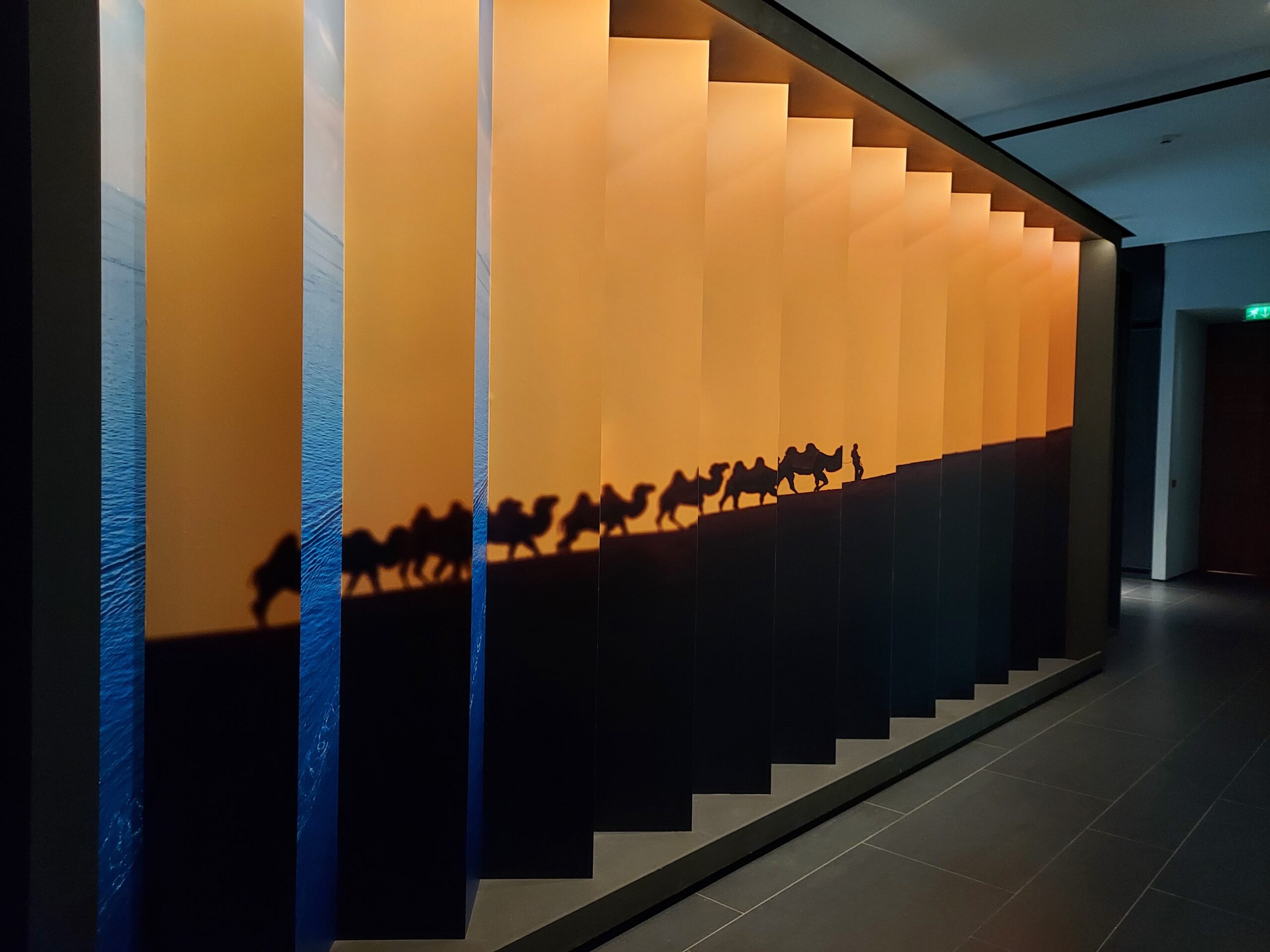
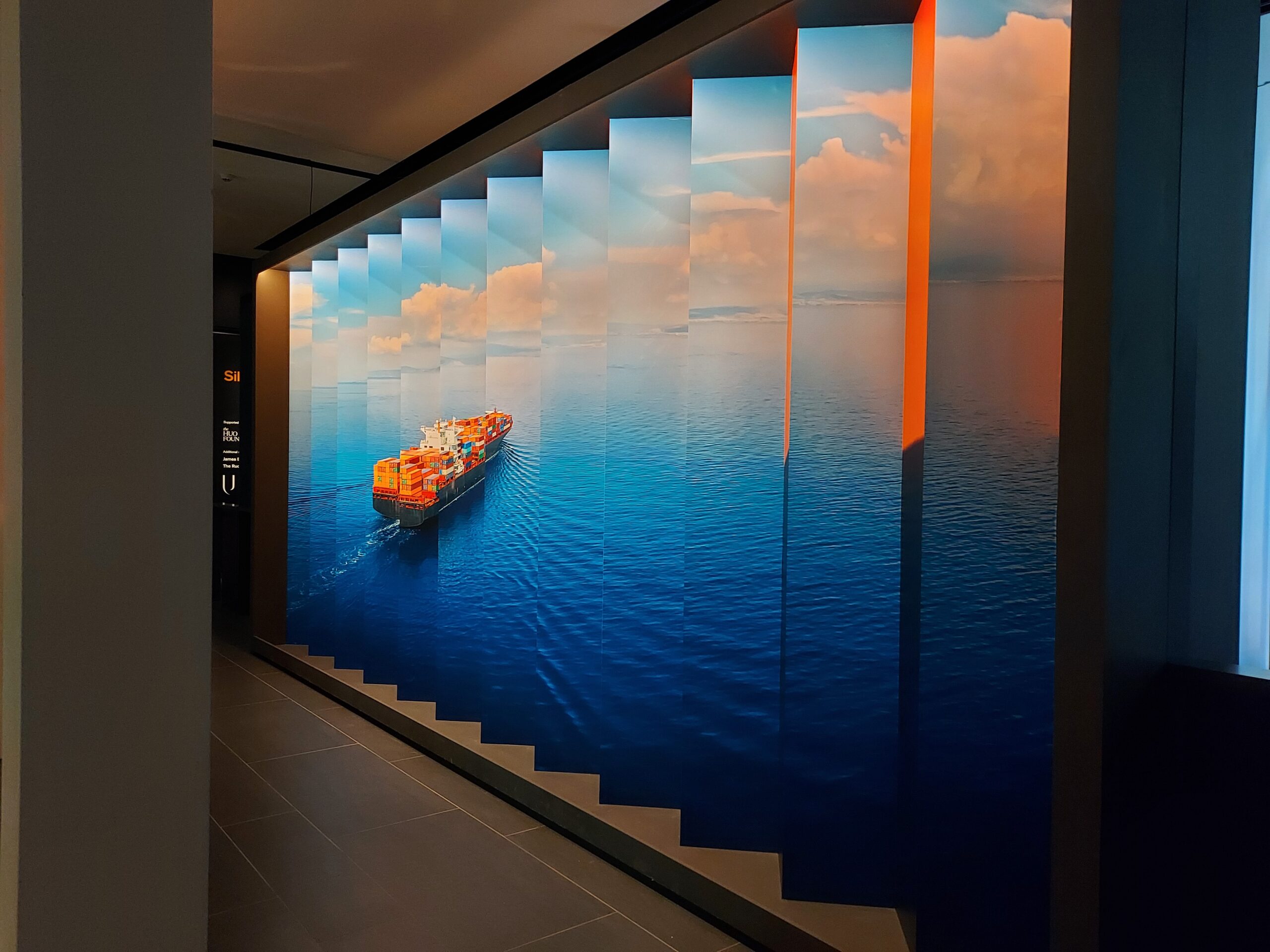
Following on from the British Library’s exhibition about Dunhuang, I went along to the Silk Roads exhibition at the British Museum. This was another fascinating exhibition, this time covering the length of the network that encompassed Europe and Asia.

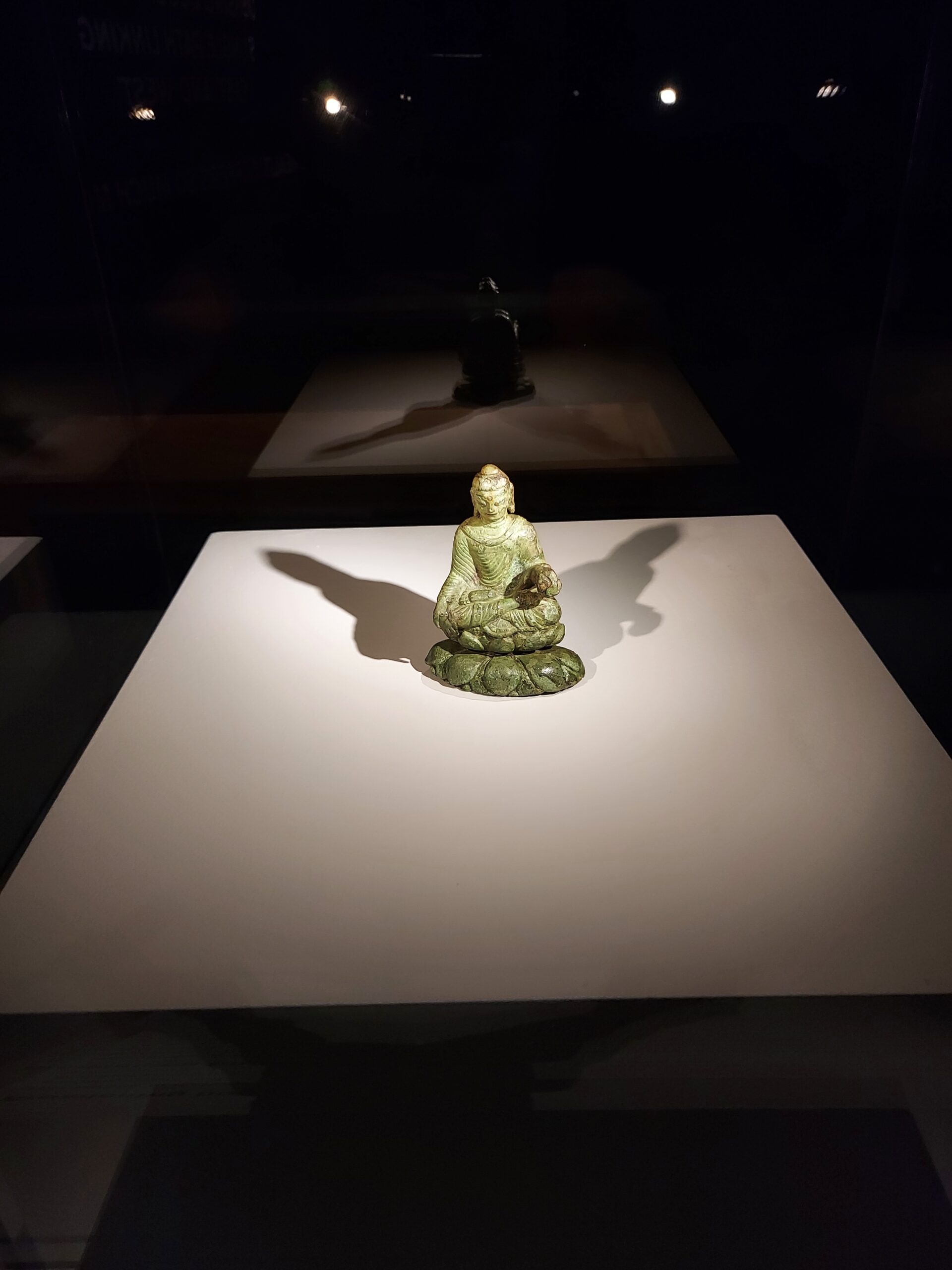
Silk was just one of the items traded. A key item displayed was a Buddha statue made between the 500s and the mid-600s, probably in the Swat Valley, Pakistan, but found on the Swedish island of Helgö – demonstrating just how far this network spread.

Buddha statue

The exhibition explores the route from east to west, beginning in Nara Japan in the seventh century AD when rulers began to send envoys to Sui-Tang China. Trade took place in both directions throughout Asia: for instance, Buddhism arrived in Japan from western Asia, and burials revealed a taste for expensive imported goods. In Tang China, the capital Chang’an had a population of one million, at the time the largest city in the world. Envoys from as far away as the Mediterranean arrived here. A shipwreck near Belitung Island, Indonesia, in the early AD 800s found over 60,000 items, mostly Chinese ceramics.

Dunhuang and other oasis cities along the desert routes, including two branches around the Tarim Basin, are explored. The exhibition features Samarkand and Uzbekistan, exploring the spread of Islam alongside the tolerance of other religions. There was a notable transmission of knowledge at this time, especially to and from Baghdad, the capital of the Abbasid caliphate, between AD 749 and 1258. Many imported goods were found in the former capital, Samarra.

Later in the exhibition, the Byzantine empire, Aachen, Spain and Sutton Hoo are all referenced. UK burials often contained items from Syria, further examples of the international trade taking place at this time.

The exhibition was fascinating and wide-ranging, and definitely worth seeing, even – and perhaps especially – if you’ve already seen the British Library’s version.

Endurance

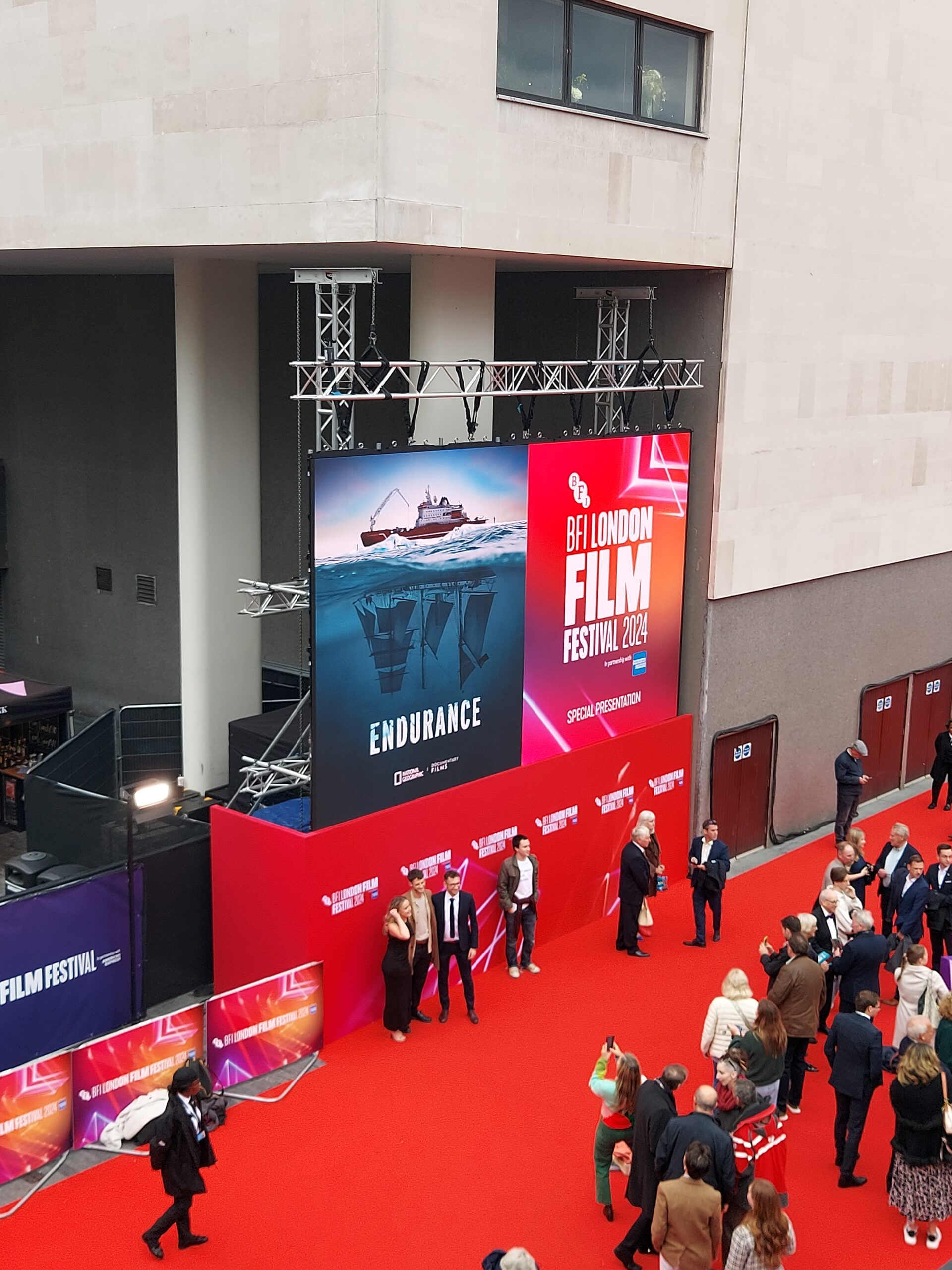
Poster for Endurance documentary outside the Southbank Centre

I attended the premiere screening of the new Endurance documentary on Saturday, as part of the BFI London Film Festival. Directed by Elizabeth Chai Vasarhelyi, Jimmy Chin and Natalie Hewit for National Geographic, the film tells the story of the hunt for Shackleton’s lost ship Endurance in the icy Weddell Sea. Interspersed with footage of the 2022 search is filmed footage, photographs and re-enactments of the original Imperial Transantarctic Expedition, that failed to achieve its objectives but ended up as one of the most glorious tales of survival in history. Once the ship became trapped in ice and crushed, Shackleton got his crew to dry land and along with five other men embarked on an incredibly dangerous voyage – in one of the lifeboats – to South Georgia in order to alert the whalers to their plight. Not a man was lost.

The film footage has been colourised, which really brings it to life on the big screen. The words of the members of the expedition, as recorded in their diaries, are read out loud, their voices recreated by AI. The effect is incredibly powerful.

It’s fascinating to see the sailors and scientists searching for the wreck of the Endurance, in a race against time before the colder season hits. Even knowing the outcome of their hunt, it’s still nerve-wracking to watch them wait, and heartwarming to see their excitement once all their hard work pays off. The film ends with stupendous underwater images and scans of the surprisingly complete wreck, which are worth the ticket price alone.