CUTE – Somerset House

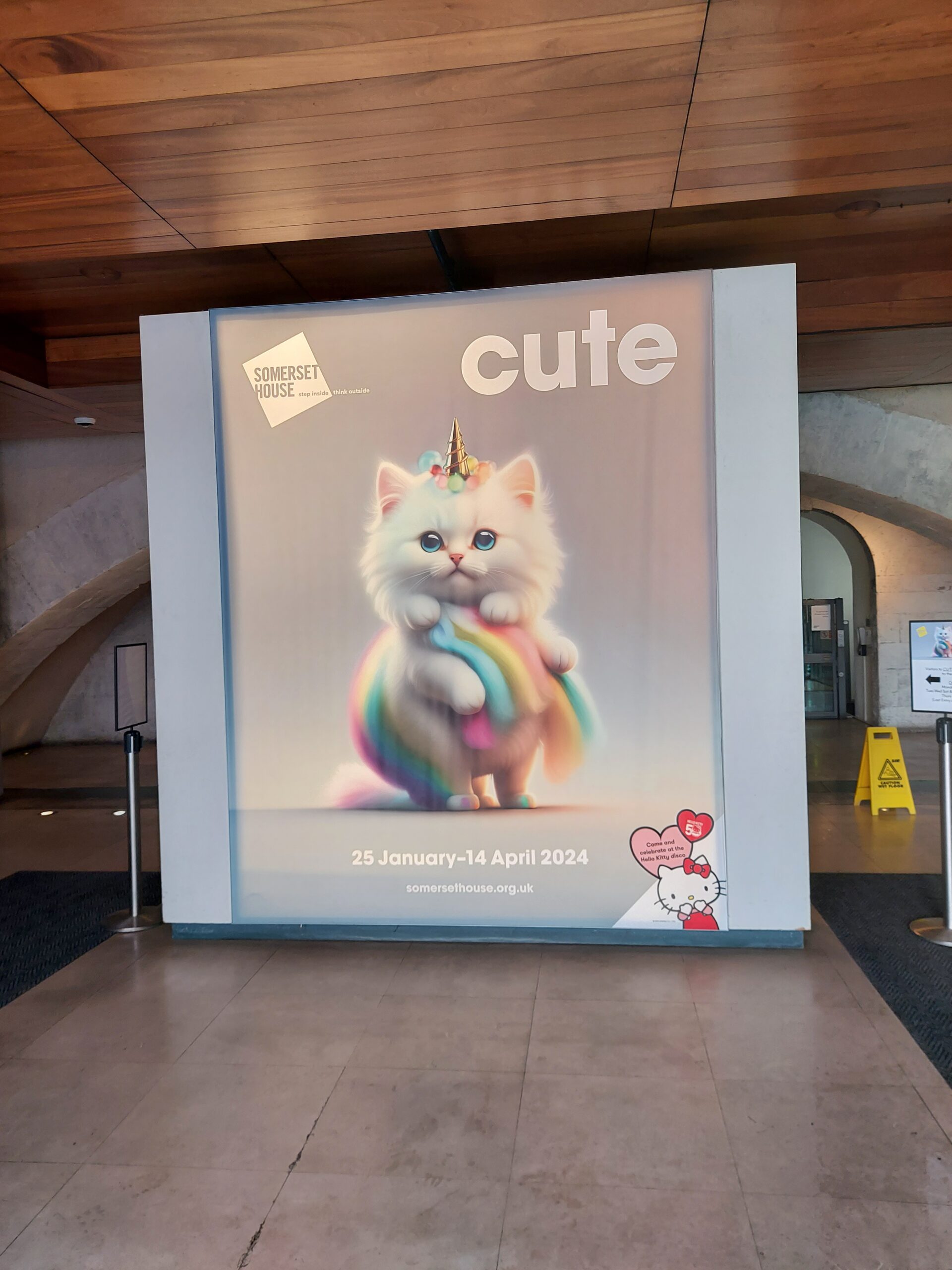
Entrance to the exhibition

CUTE at Somerset House is the first exhibition to fully explore the concept of ‘cute’ and its role through time, focusing on the modern era but with nods to the past too. The word ‘cute’ comes from Ancient Greek, based on the word ‘acutus’ which roughly translates as ‘sharp’. Therefore, the first uses of the word, which first appeared as ‘acute’ in English in 1731, were connected with sharpness of the mind and the senses. However, in ancient Japan, The Pillow Book of Sei Shōnagon (first published in 1002) listed things described as “utsukushi”, similar to modern “kawaii”, roughly meaning small, fragile and vulnerable. In the modern day, the word “cute” has drawn meanings from both East and West.

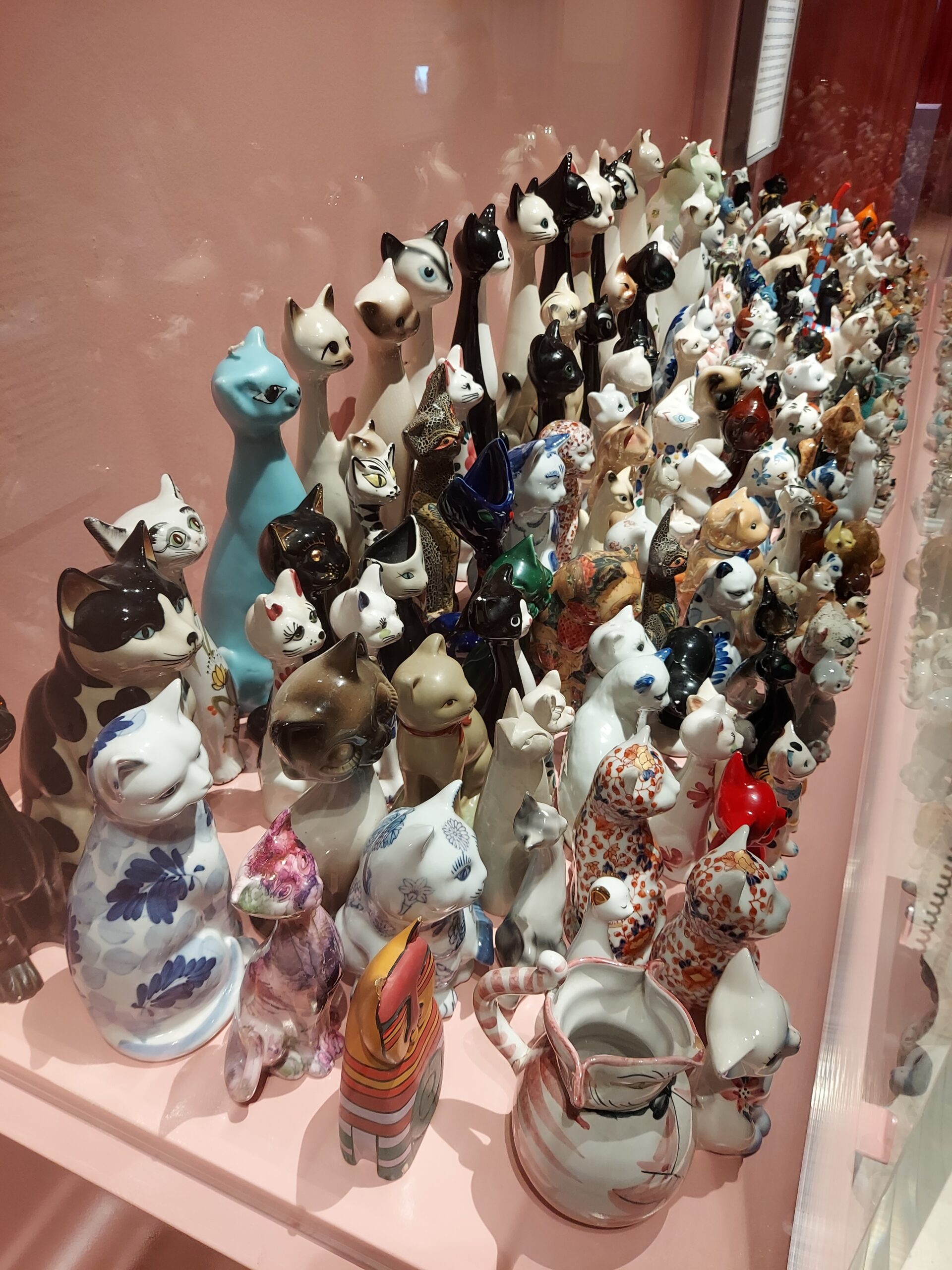
The exhibition begins, appropriately, with a room full of cats: Harry Pointer’s cat photos, paintings by Louis Wain, and ceramic cats by Andy Holden.

Cat statues
Andy Holden’s ceramic cats

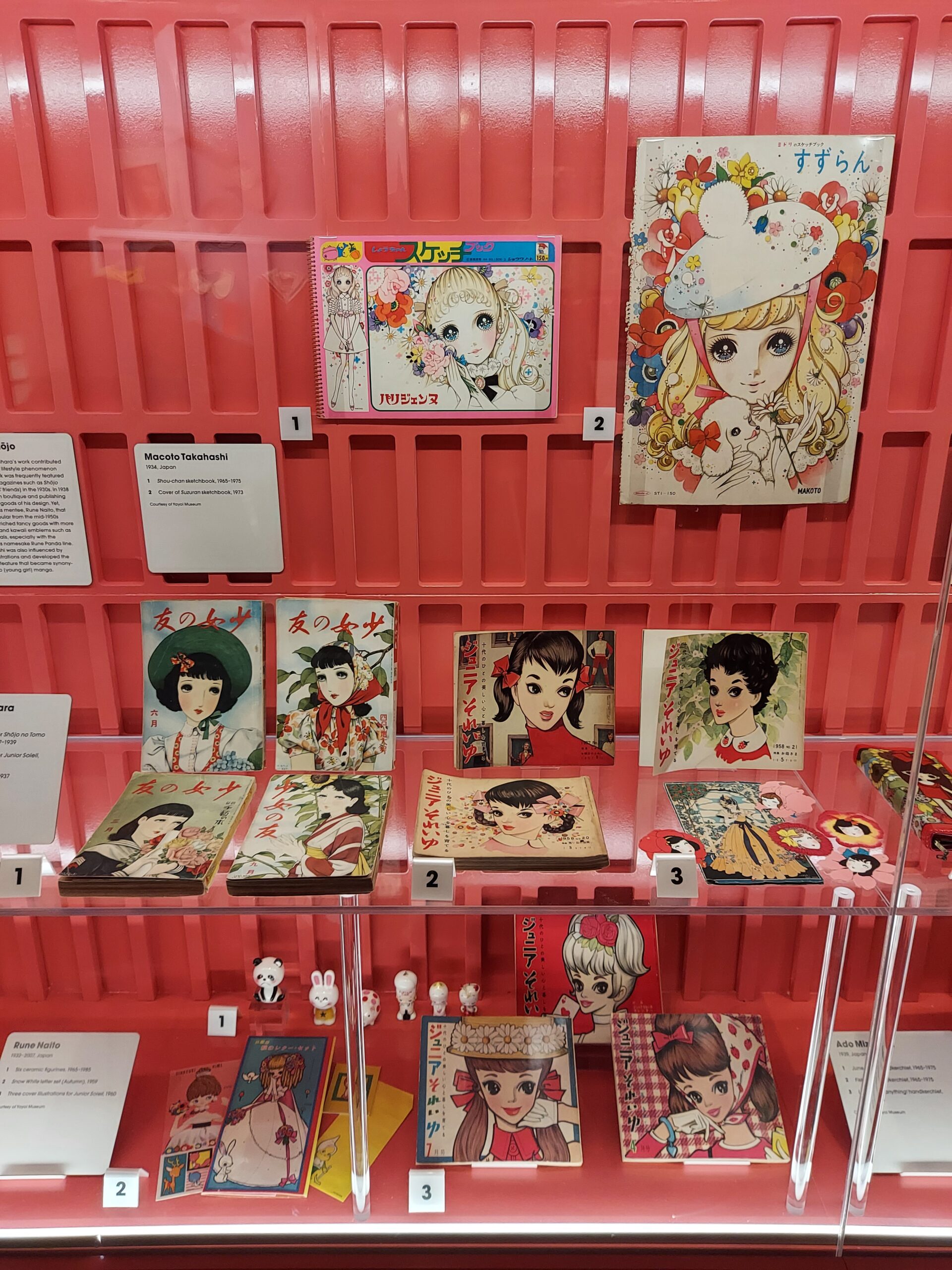
It moves on to look at Kewpie dolls, cherubic imagery, and Japanese cuteness – often known as “kawaii” – frequently evoked in manga and other drawings. A whole room of the exhibition is devoted to Hello Kitty, and that famous cat’s 50th anniversary.

Japanese manga
Japanese manga

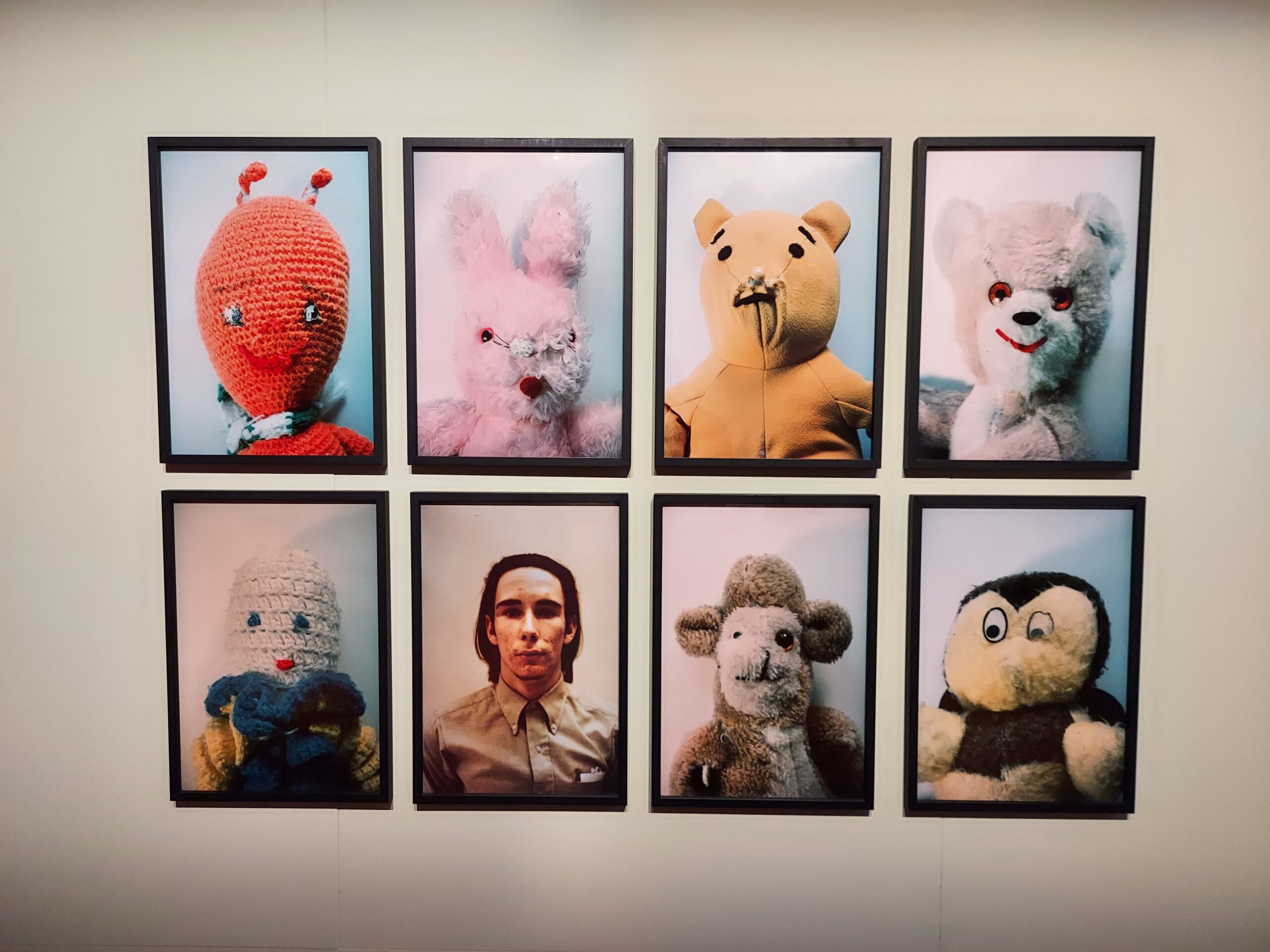
Later exhibits focus on cuteness in art, including 1990s photographs by Mike Kelley, and Aya Takano’s manga-influenced paintings from 2015. This section reinforced that, for me, there is often a very fine line between cute and creepy.

Close up pictures of soft toys
Photographs by Mike Kelley

There were several families at the exhibition and there was lots aimed at them, such as an entire room dedicated to video games based around the theme of cuteness. I’m not sure how many people actually explored the themes raised in the exhbition, instead simply focusing on how adorable most of the exhibits were – though if they enjoyed it, that’s the important thing!

Rebel Badge Club: Brain Games

Brain Games was the Wellness badge I chose to complete for my Kickstart 2024 quarterly challenge. It was definitely out of my comfort zone, as I didn’t already play any games like this: in my free time I generally prefer to read or craft. Still, I enjoyed doing something different for a few weeks..

A copy of Murdle by G. T. Karber

To gain the badge I had to spend at least two hours a week playing brain games, for a period of at least eight weeks. I also had to try at least five different types of games. I completed the Murdle puzzle book, several Sudokus, a jigsaw and The Transport for London Puzzle Book, which contained many different kinds of puzzle including crosswords, word searches, logic puzzles and trivia.

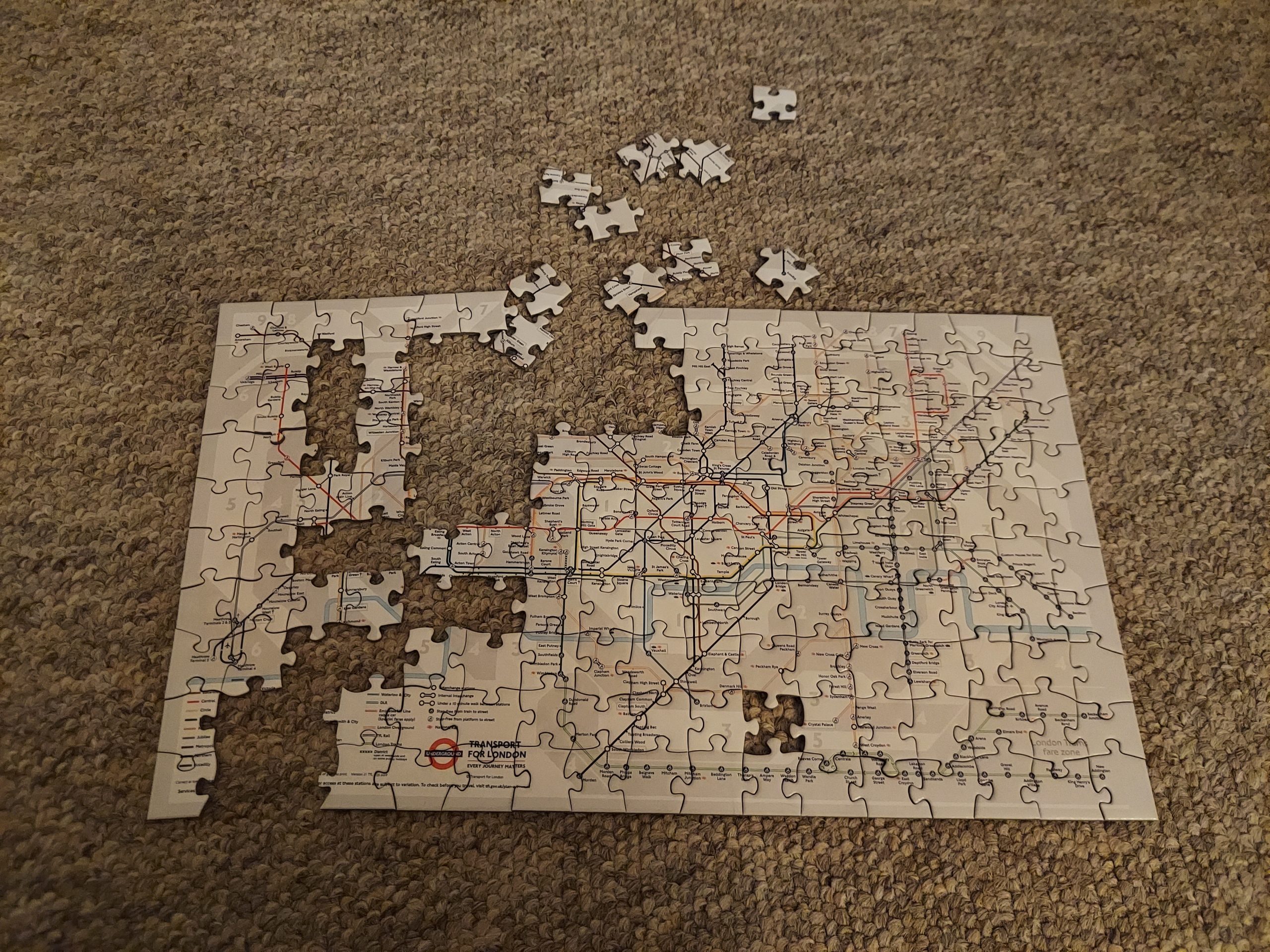
A part-completed jigsaw showing the London Underground Map

I also had to play at least one game with someone else. I visited jigsawpuzzles.io and played some puzzles with others, which made me feel quite competitive!

I do find puzzles like this quite difficult and can get frustrated when I can’t work out the answers. However I have realised that I do find jigsaws quite relaxing, and might try and do more of them! I will definitely be getting the Murdle sequel too, as I found the first book to be a lot of fun.

Date completed: 29 February 2024

Rebel Badge Club: You’ve Got Rebel Mail

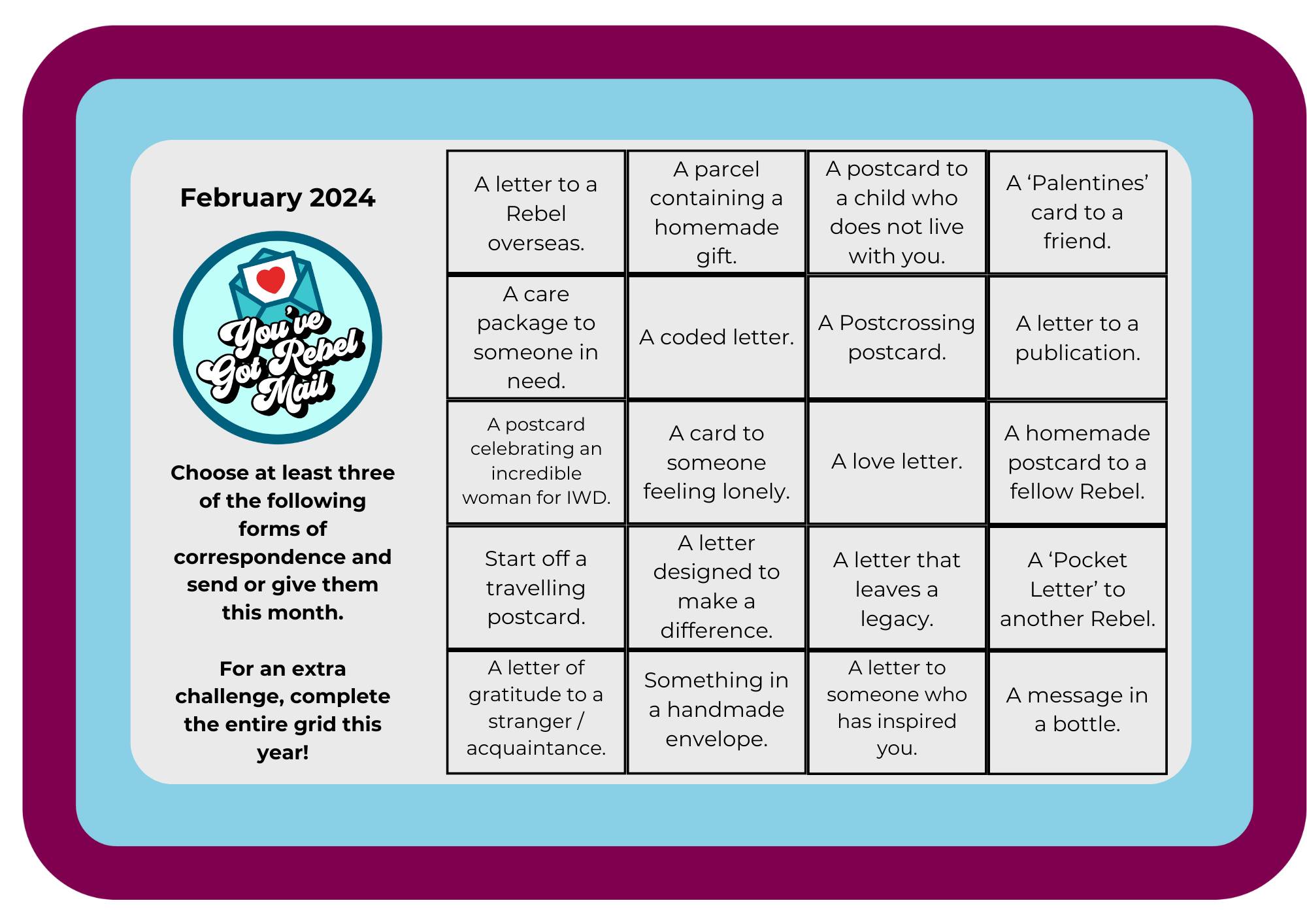
February Challenge 2024

The February challenge has ended up being one of my favourite ever monthly badges. To claim the badge, you only have to complete three items on the grid, but I definitely want to complete the whole thing this year.

The ones I chose for the badge were:

A letter designed to make a difference. I signed up to the charity From Me To You which distributes handwritten letters to cancer patients.

A postcard celebrating an incredible woman for IWD. Some of us in Rosa Patrol got together to send around a postcard of Rosa Parks.

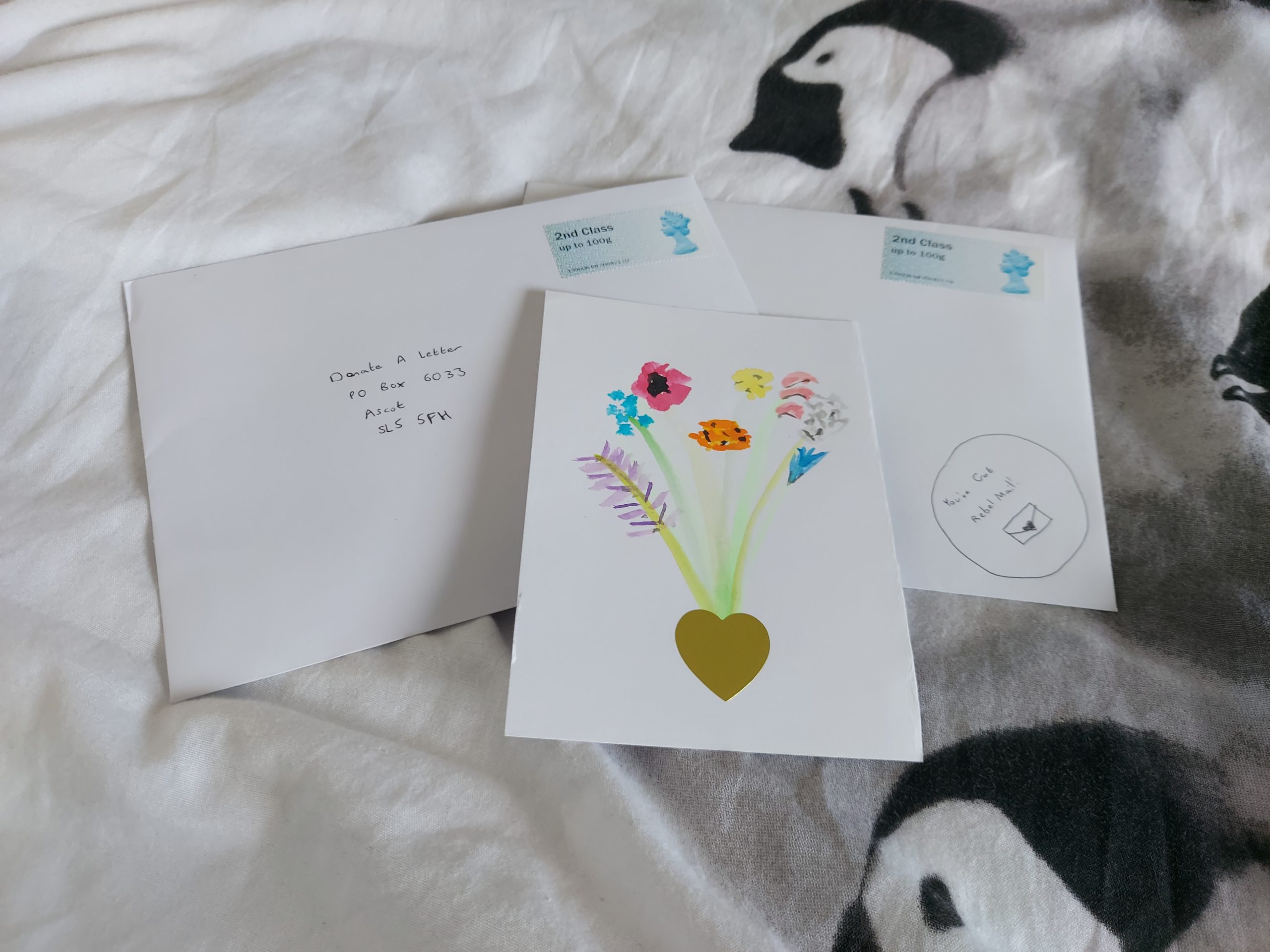
A homemade postcard to a fellow Rebel. I painted a watercolour flower design on a postcard to send out.

A selection of post

Since the badge I have also completed the following clauses:

Something in a handmade envelope. I drew Rebel badges on some paper and made an envelope to give out some stickers at the Big Rebel Meet Up in Reading.

A postcard to a child who does not live with you. I responded to a request by a US rebel for postcards for her Scout troop.

A ‘Palentines’ card to a friend. I sent a Palentine’s card to my oldest childhood friend.

A parcel containing a homemade gift. I sent a friend a crochet hairband I had made for her young daughter.

Start off a travelling postcard. I started off a travelling postcard to be sent within my patrol group from last year’s Rebel Camp.

A postcrossing postcard. I joined Postcrossing for the first time and sent off a postcard to Germany.

A letter to a Rebel overseas. I posted a letter to a Rebel in Detroit, USA.

A coded letter. I sent off a coded letter containing facts about penguins.

A ‘Pocket Letter’ to another Rebel. I sent a penguin-themed pocket letter off to a Rebel.

A letter of gratitude to a stranger/acquaintance. I posted a message on the Thanks to u website, seeing as I have no way of contacting the person directly.

A letter to someone who has inspired you. I wrote to polar explorer Felicity Aston.

A card to someone feeling lonely. I sent a card via the Love For Our Elders website.

A letter that leaves a legacy. I wrote a letter to myself to be opened on my 50th birthday, via the Future Me website.

A letter to a publication. I wrote a letter to The Guardian. (Update: it actually got published! https://www.theguardian.com/uk-news/article/2024/aug/08/postwar-new-towns-like-milton-keynes-offer-labour-a-masterclass-in-planning)

A love letter. I wrote a letter via the The World Needs More Love Letters website.

A care package to someone in need. Sadly a friend of mine experienced a house fire recently. I sent her a care package from TreatBox.

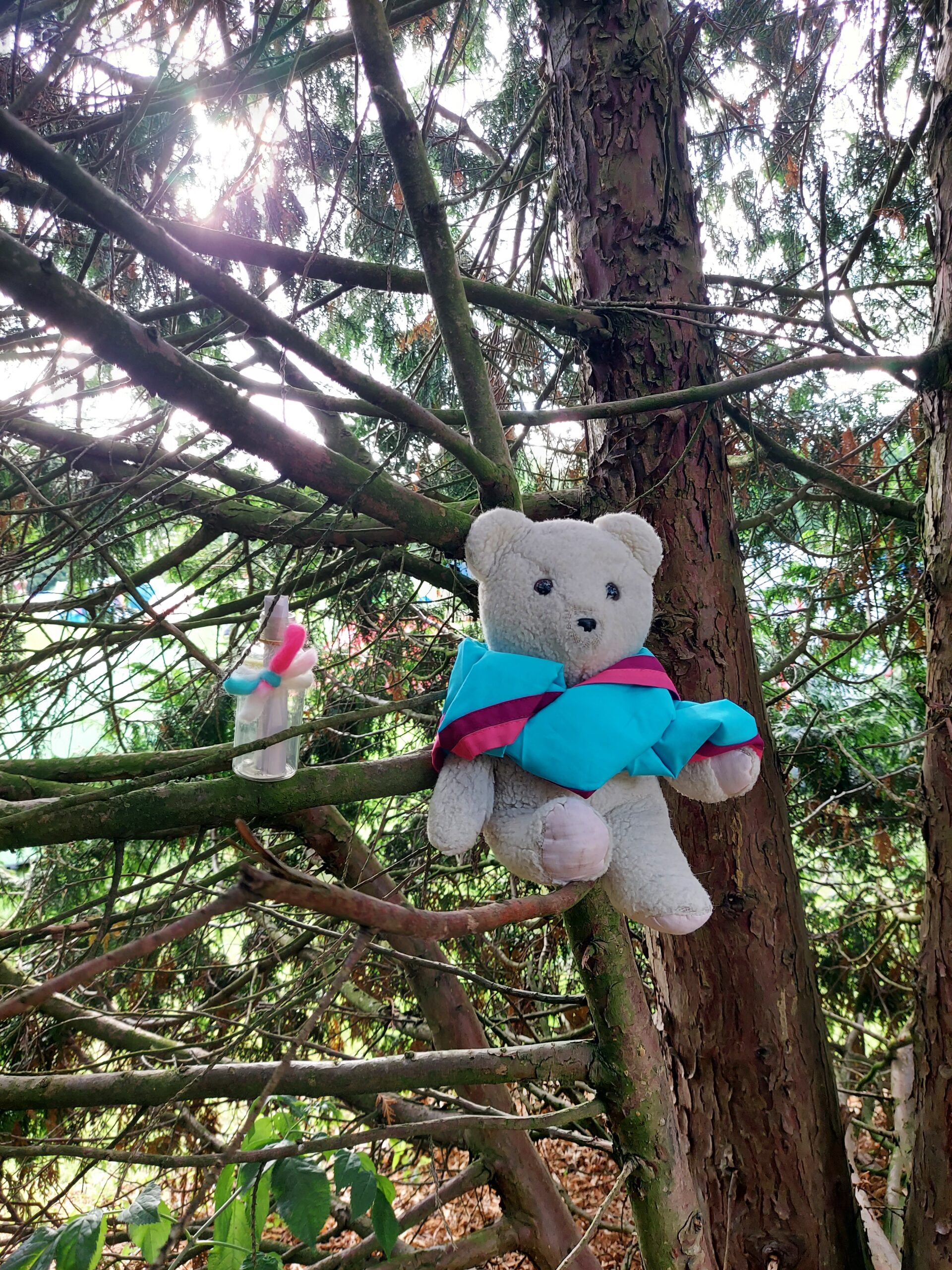
A message in a bottle. I hid a message in a bottle at Rebel Summer Camp and offered a prize to the Rebel who found it. I’m pleased to say that it was found!

A white teddy bear wearing a blue, pink and purple necker, sitting on a tree branch next to a small bottle containing a message

I finally completed the grid over the August Bank Holiday weekend!

Rebel Badge Club: Gamer

I got Gamer as one of the badges in my Badge Roulette. My brother was particularly pleased at this as he is a keen gamer, and immediately offered to help me with it. I was happy to accept!

I used to enjoy gaming when I was a child. My brother and I had an original Nintendo Entertainment System (NES), which we got second hand from an older cousin, as well as a Sega Mega Drive II which we played on quite a lot. I have fond memories of playing Micro Machines with my brother and our neighbours. However, as I got older, other hobbies and interests took over, and I spent very little time playing games (with a couple of honourable exceptions like the Worms and Spyro the Dragon franchises).

Doing this badge did help me to recapture some of the fun I had with games in my youth, although it also – particularly the book I chose to read – reminded me of a key reason I don’t play games much these days. An often-cited strength of video games is that it allows you choice and agency to make decisions that affect the progress of the game, but I don’t want that! If a character dies in a book, or something upsetting happens, at least I know it’s not my fault. I couldn’t handle the guilt if something I did caused a character to suffer or die – even though they aren’t real!

Play a game from the 1980s or 1990s.

I played Resident Evil (1996) for the PlayStation. It was quite frightening especially when the zombies started coming at me!

Visit a gaming museum or exhibition.

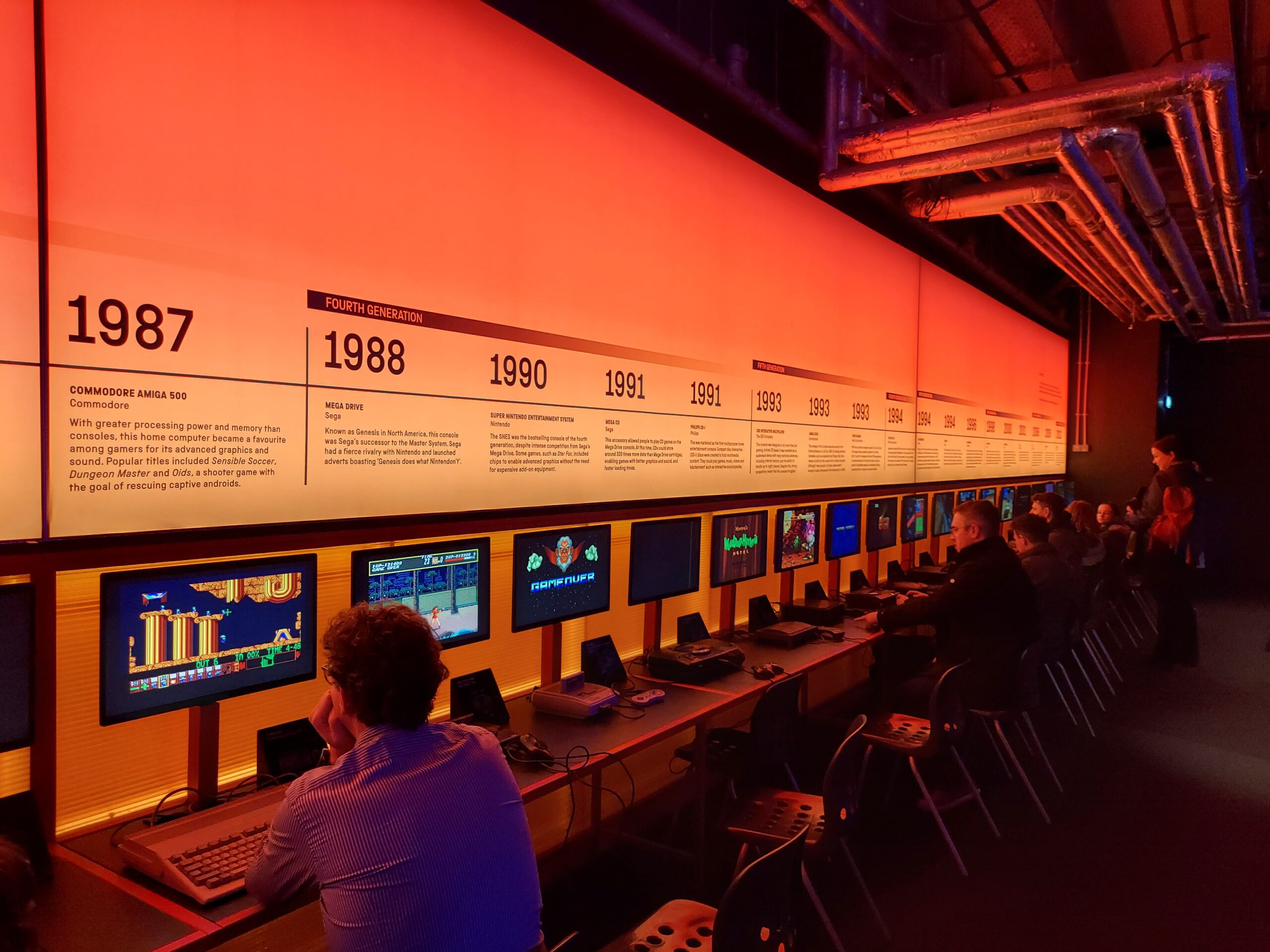
I visited Power Up, a permanent gaming exhibition at the Science Museum in London. There was a timeline of gaming consoles with examples from different eras, as well as sections for single-player, multi-player, virtual reality and arcade games. My brother and I played on Micro Machines 2 (a game we both enjoyed as children), and I had a go on Sonic the Hedgehog, one of the Zelda games, Super Smash Bros. and Street Fighter.

Watch a film based on a computer game.

I watched Sonic the Hedgehog (2020), which was fairly enjoyable, if not amazing. I’m not entirely convinced by Jim Carrey’s interpretation of Dr Robotnik!

Read or listen to a book about computer games.

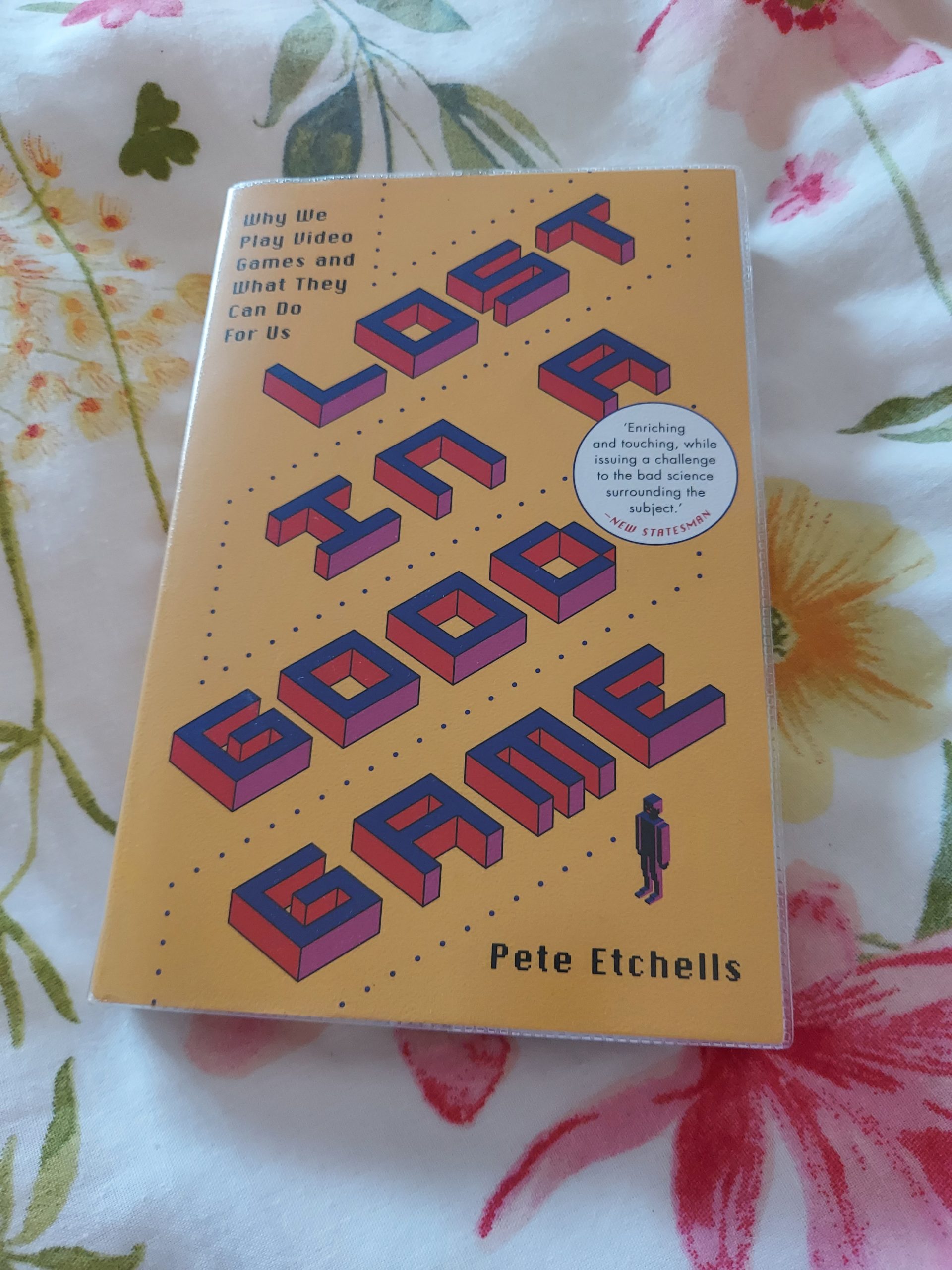
I read Lost in a Good Game by Pete Etchells, which I found really interesting.

paperback copy of Lost In A Good Game by Pete Etchells

Research inclusivity and accessibility developments in the gaming space.

I found these articles particularly interesting:

Game accessibility: how gaming is improving inclusivity

Diversity in esports: The initiatives making esports more inclusive

Beyond Words: Accessibility and Inclusive Gaming

Make a timeline of gaming consoles.

I tried to include most of the key consoles in my timeline.

Research charities which support people through gaming.

AbleGamers work with individuals, developers and engineers to give disabled people the same opportunities when it comes to gaming as everyone else. The charity “creates opportunities that enable play in order to combat social isolation, foster inclusive communities, and improve the quality of life for people with disabilities.” SpecialEffect is a similar charity, with a focus on developing features including eye-gaze technology to improve accessibility. TheRockinR is a small charity that provides interactive gaming carts for use by children and young people in hospital.

Choose a game, and complete it, including any side quests or explorations.

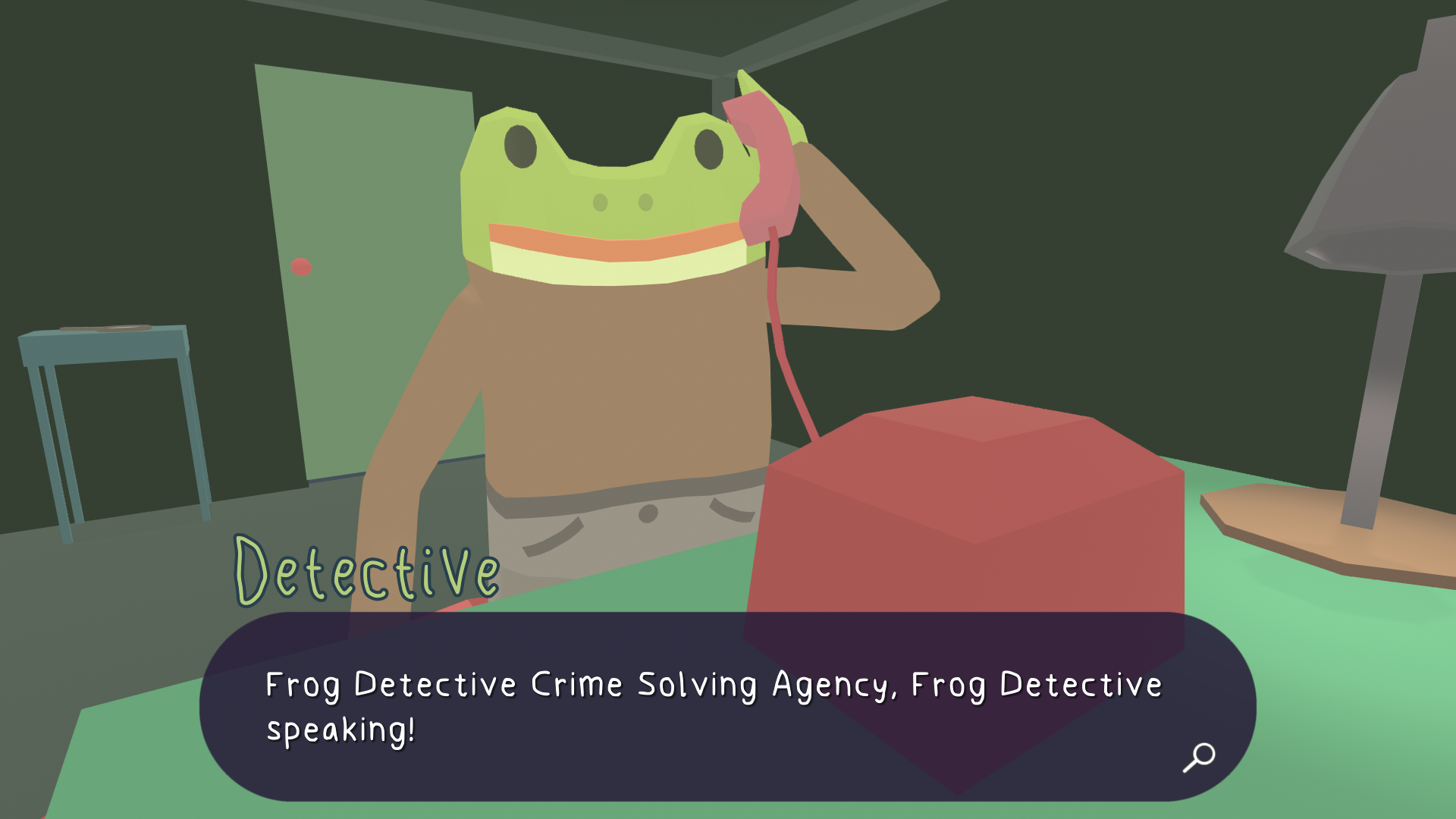
After reading about it online, I chose to complete Frog Detective: The Entire Mystery (2023), consisting of Frog Detective: The Haunted Island (2018), Frog Detective 2: The Case of the Invisible Wizard (2019) and Frog Detective 3: Corruption at Cowboy County (2022). The games are super adorable with sweet graphics, and are perfect for beginners.

Screenshot from Frog Detective showing Frog Detective on the phone

Play at least three new games from three different genres. At least one of the games should be multiplayer.

I played the following three games: The Witcher III: Wild Hunt (2015), PowerWash Simulator (2021) and Streets of Rage 4 (2020), all on the PlayStation 4. The Witcher had beautiful graphics but I found it quite difficult. PowerWash Simulator was quite relaxing! Streets of Rage had a real retro feel and my brother and I actually managed to complete it.

Date completed: 26 February 2024

Big Rebel Meet Up – Reading, February 2024

I had a great time at the Reading Big Rebel Meet Up in February. I always like going to the Reading meet ups as they are so easy for me to reach. This one was no exception, and once again I thoroughly enjoyed myself.

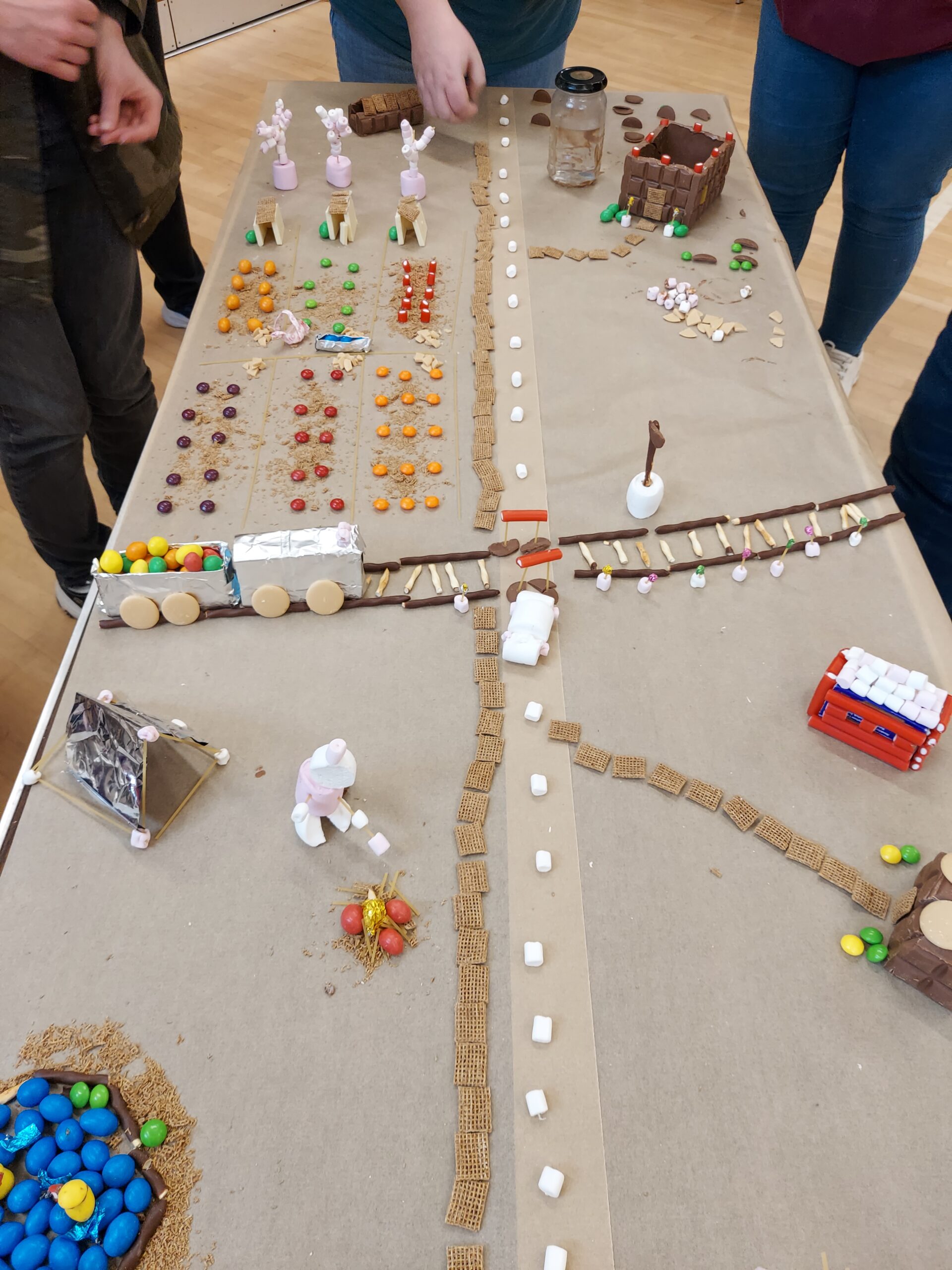
This time around I was in Bader Patrol, and I was also Patrol Leader. We began the day with what had been described as a ‘cooking challenge’. It turned out to be a chocolate-related challenge to build a village or town with chocolate welding and assorted sweets. The hardest part was not eating all the chocolate while we were working! Our scene included a railway, a farm and a pond with cute little ducks.

Our model village

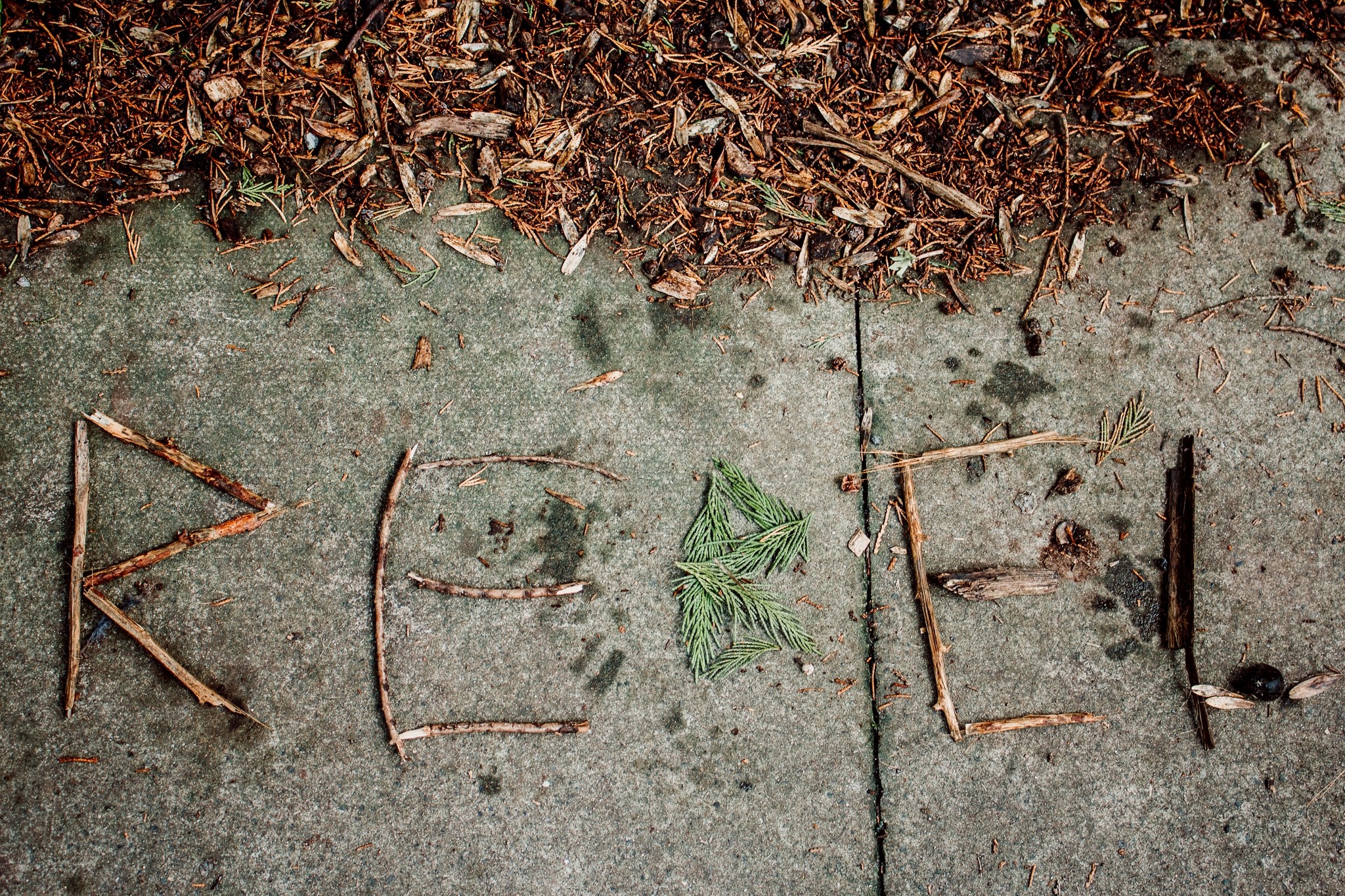
Our next session was photography with Tom, and we learned about the functions of SLR cameras and got to try out DSLRs outside and around the Scout hut. This challenge was great fun and required us to be creative!

Twigs and leaves spelling out the word 'Rebel'

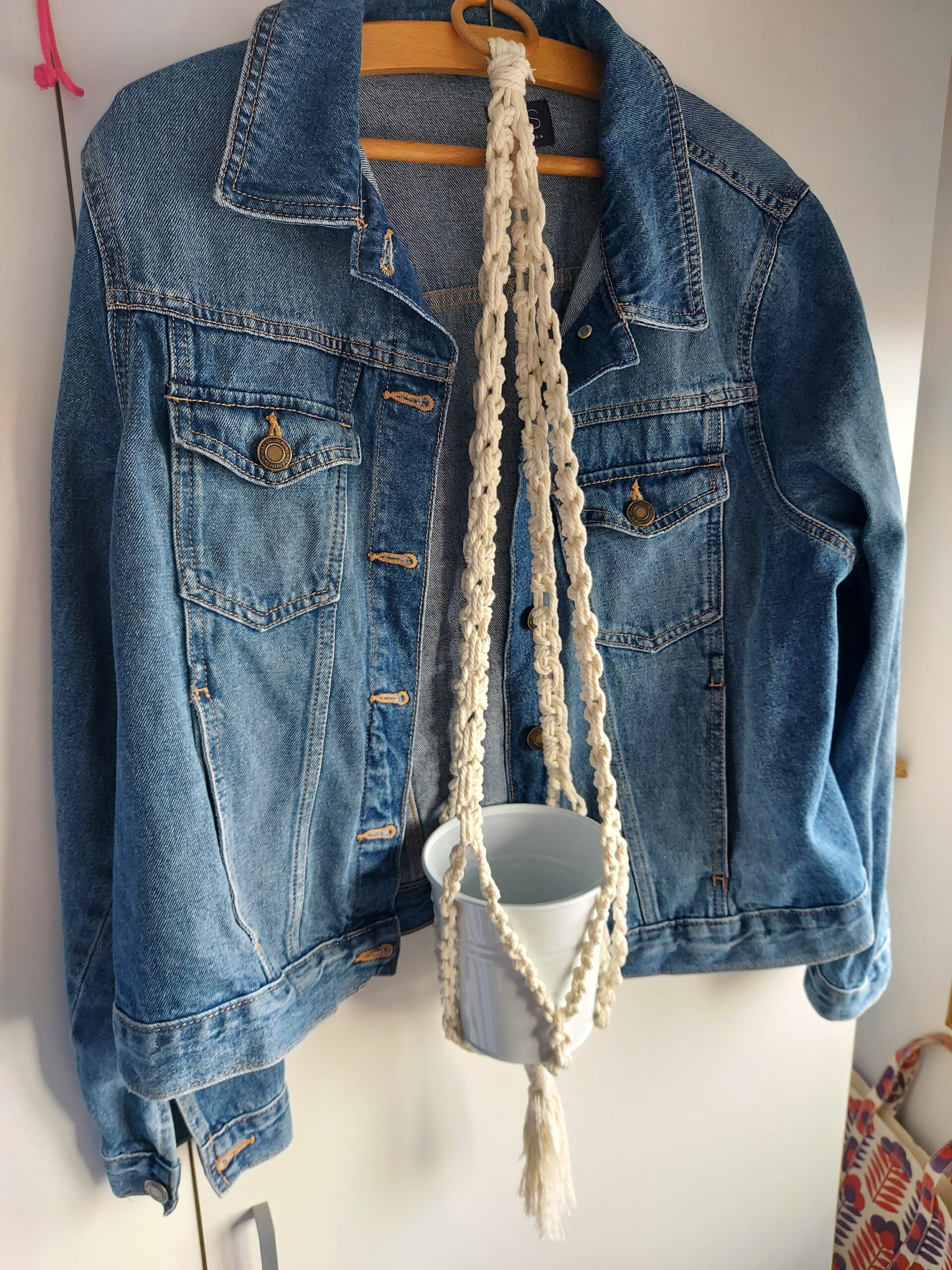
Next we had a macramé session run by Charly, in which we were shown how to make a plant pot holder. I really enjoyed this session – my first encounter with macramé – and though I didn’t finish my plant pot holder, I managed to complete it the next day.

A macramé plant pot holder

A session on African drumming with Paul followed. This was something a bit different and despite not having much rhythm, I found it great fun.

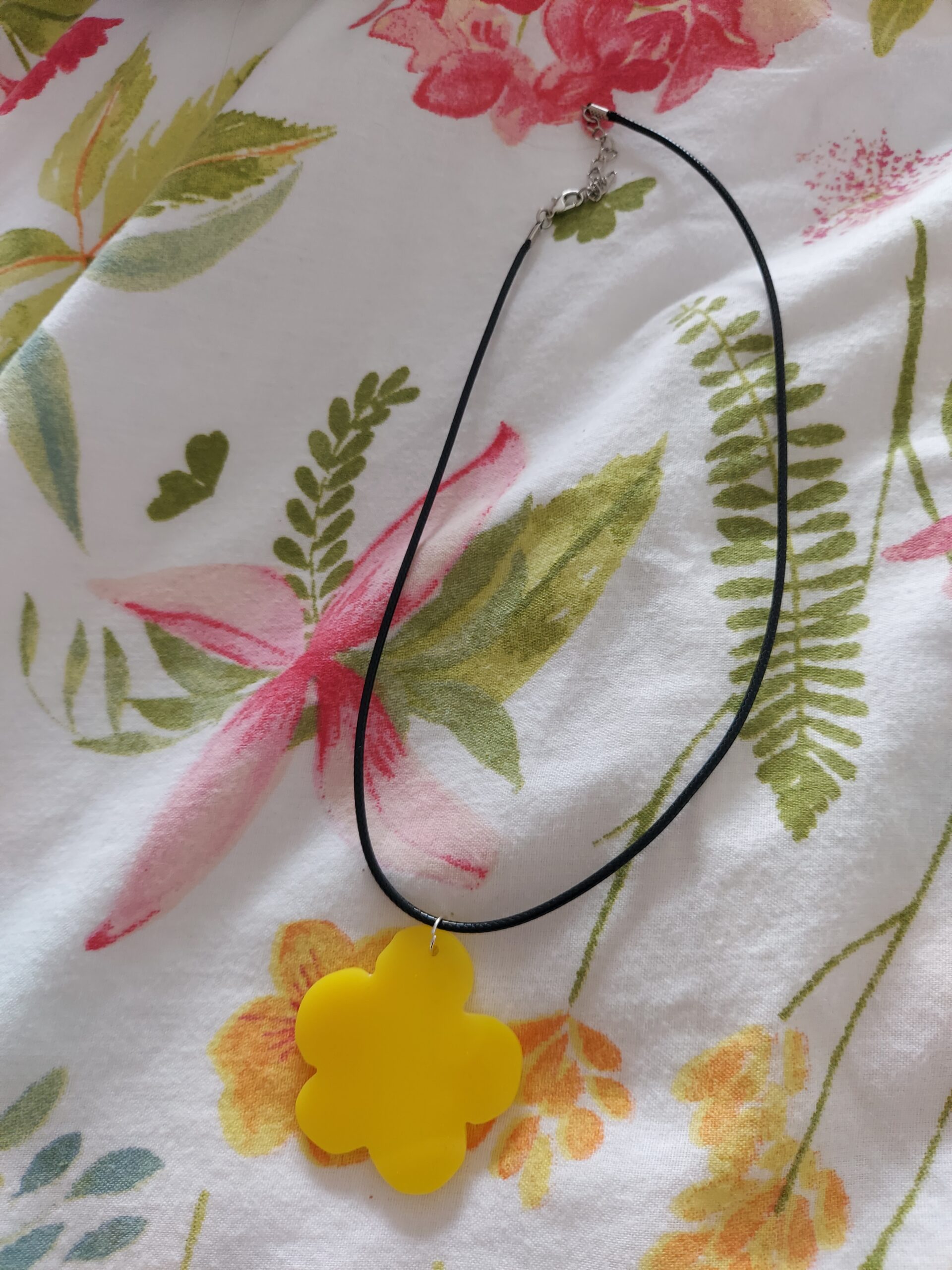
Finally, we had an acrylic jewellery making session with Angee. We got to choose a piece of acrylic, cut out a shape with a fretsaw, polish up the edges and turn it into jewellery of our choice. I chose to make a yellow flower (to symbolise Rosa patrol), and plan to wear my necklace at meet ups in the future!

A yellow acrylic flower with a black cord

After the day had finished, I went along to La De Kitchen in Pangbourne with some other Rebels to enjoy a meal. It was a long day, but a really enjoyable one, and I can’t wait for the next meet up.

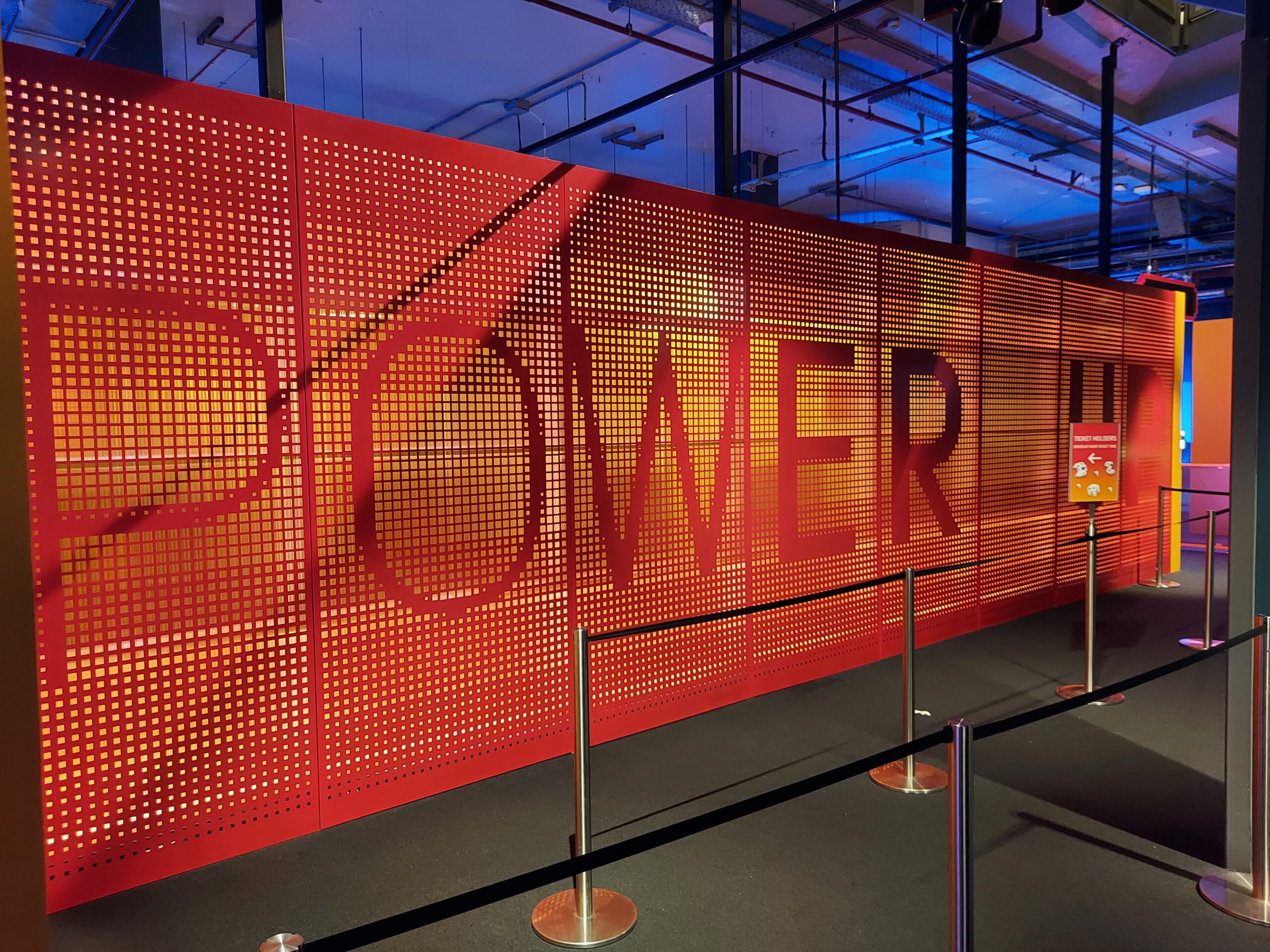
Power Up – Science Museum

Power Up exhibition entrance

When my brother came down to visit, I planned to take him to the Power Up exhibition at the Science Museum. Now permanently installed in the museum’s basement, the exhibition covers the history of video games, featuring consoles and games from the past 50 years.

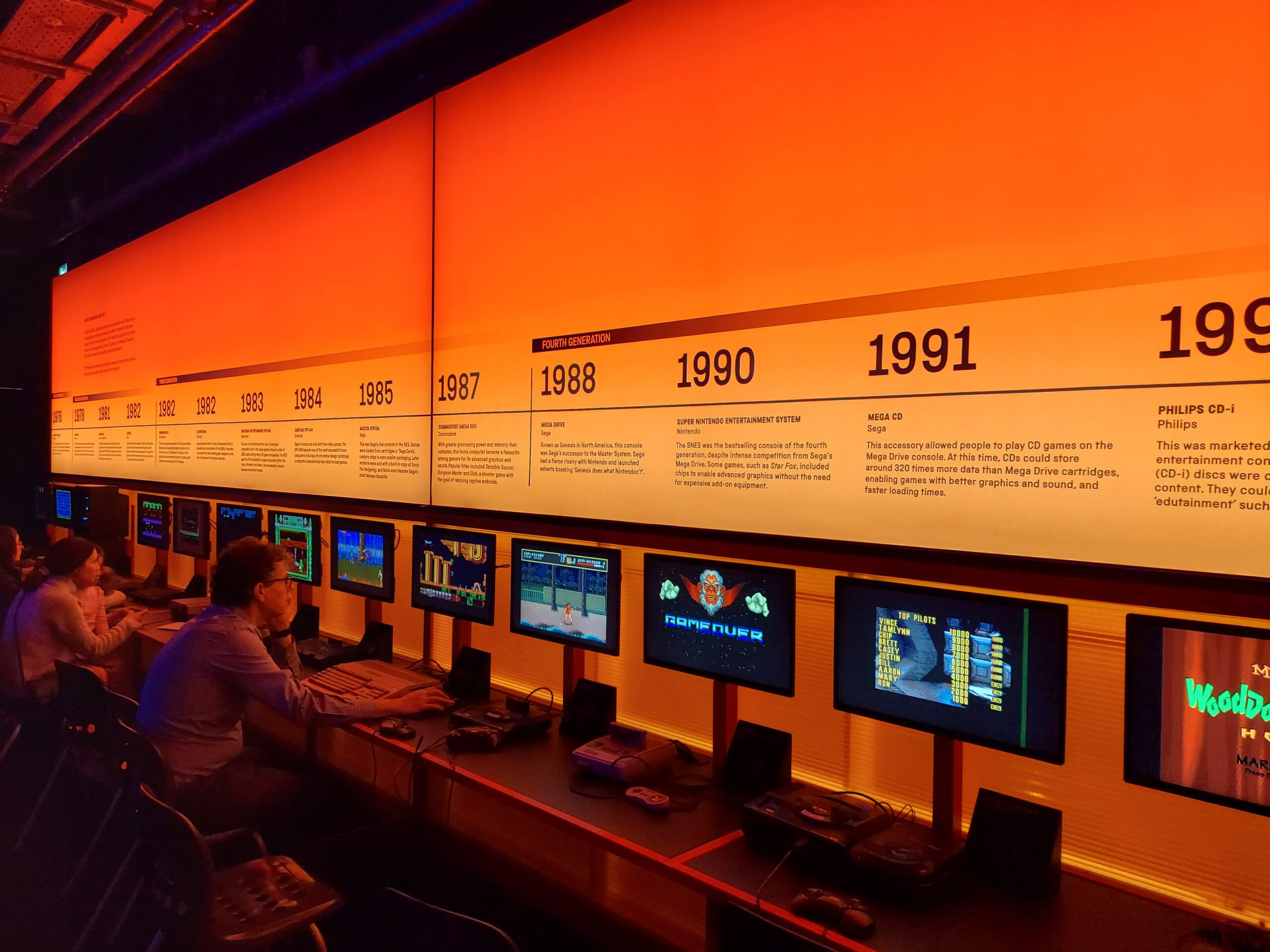
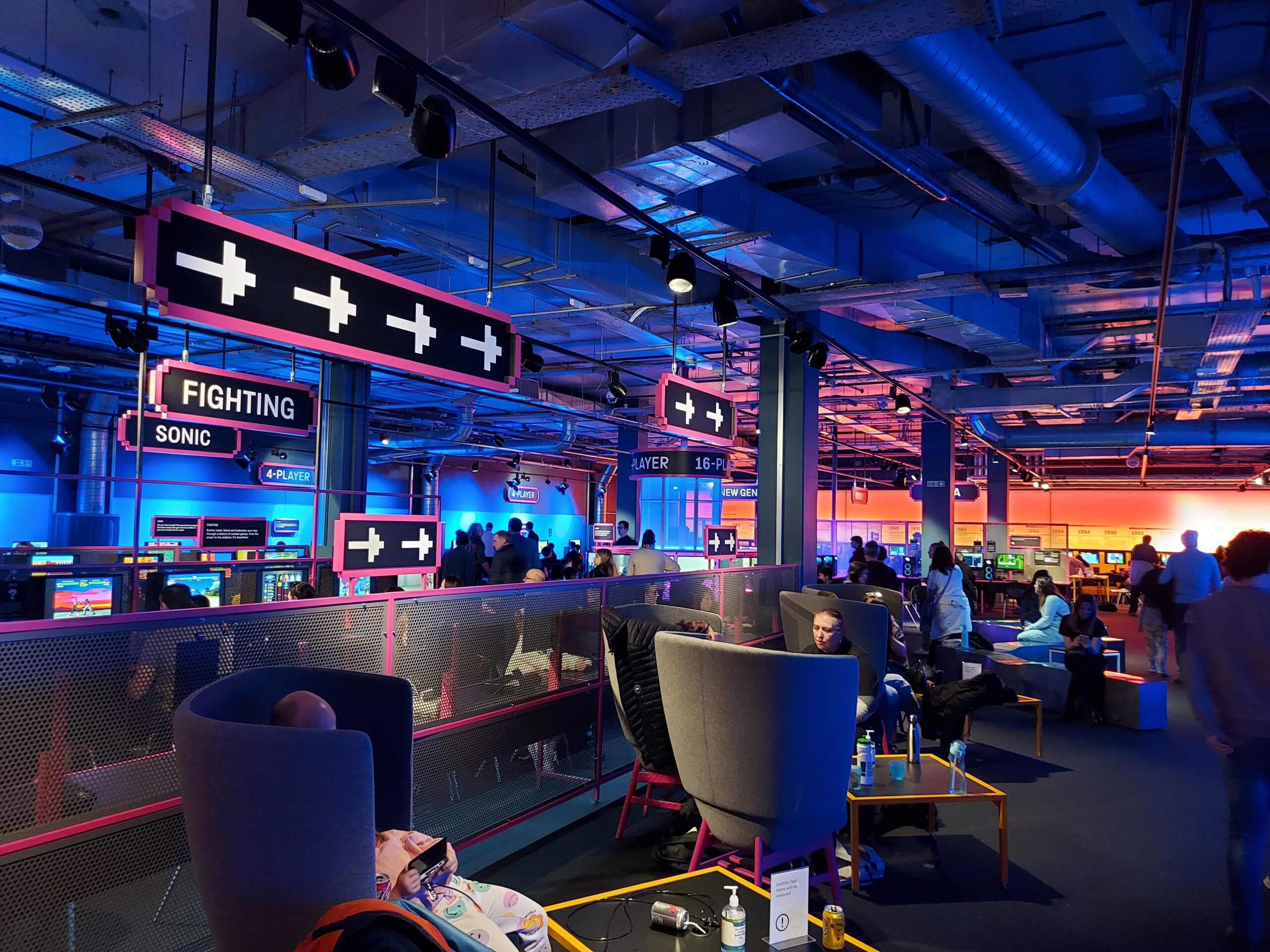
A timeline of gaming, with examples, covers the far wall, and a huge 16-player Halo ring is located in the middle. Surrounding this are sections for physical games, virtual reality, 4-player and 2-player games, plus special sections for Sonic and Mario among others.

Inside the Power Up exhibition

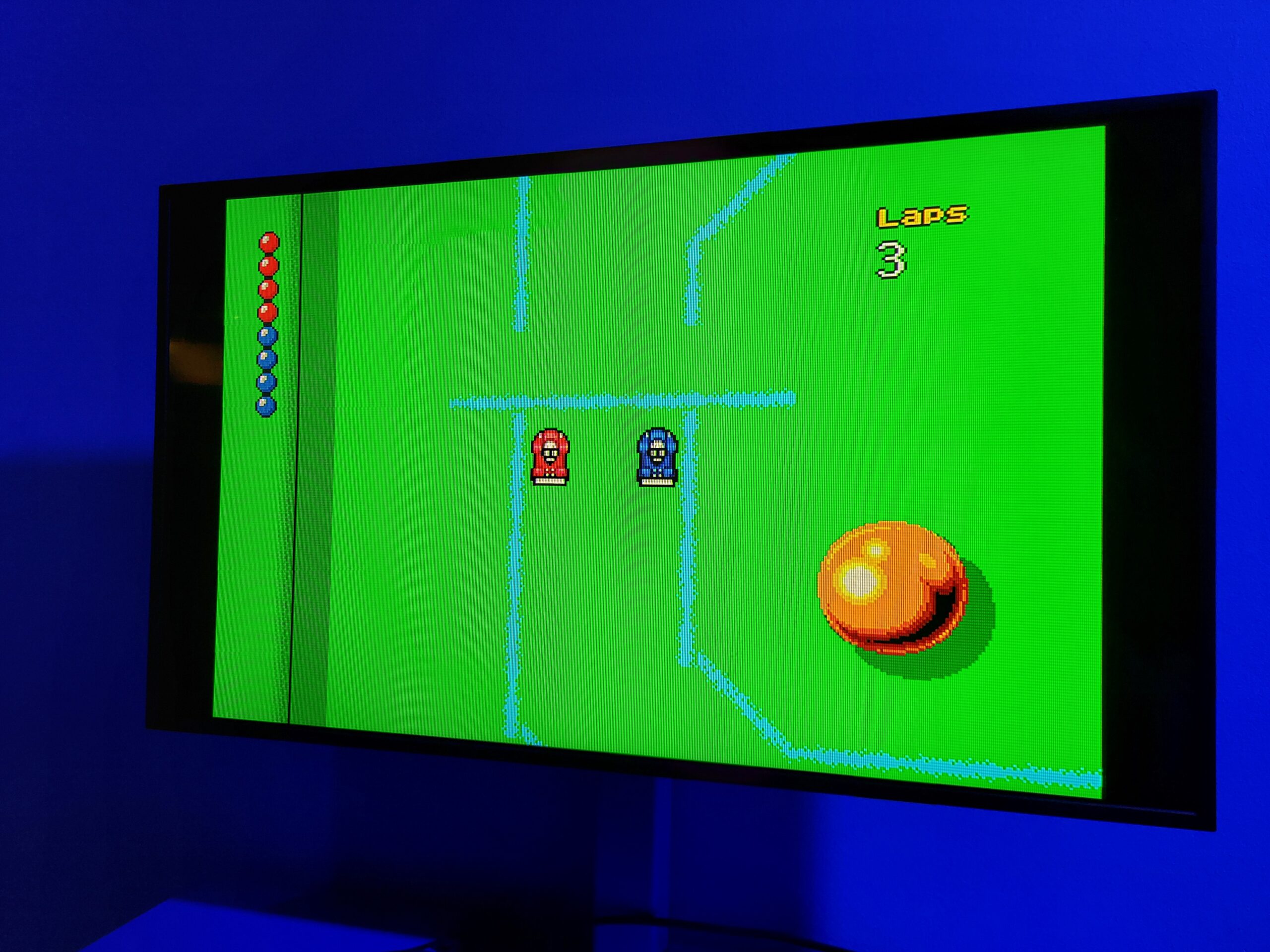
I had a go at Zelda and rekindled my memories of Sonic. My brother and I played a game of Streets of Rage and renewed our memories of Micro Machines. These days he is an avid gamer and much better than I am, but I was pleased to note that we were fairly evenly matched on this game, so I haven’t completely lost my touch!

Video game screen showing Micro Machines
Playing a game of Micro Machines

Power Up can be visited on a day pass, or you can get an annual pass if you want to keep coming back. It’s definitely worth a visit if you have any interest in games, even if it’s only a nostalgic one.

Japan: Myths to Manga – Young V&A

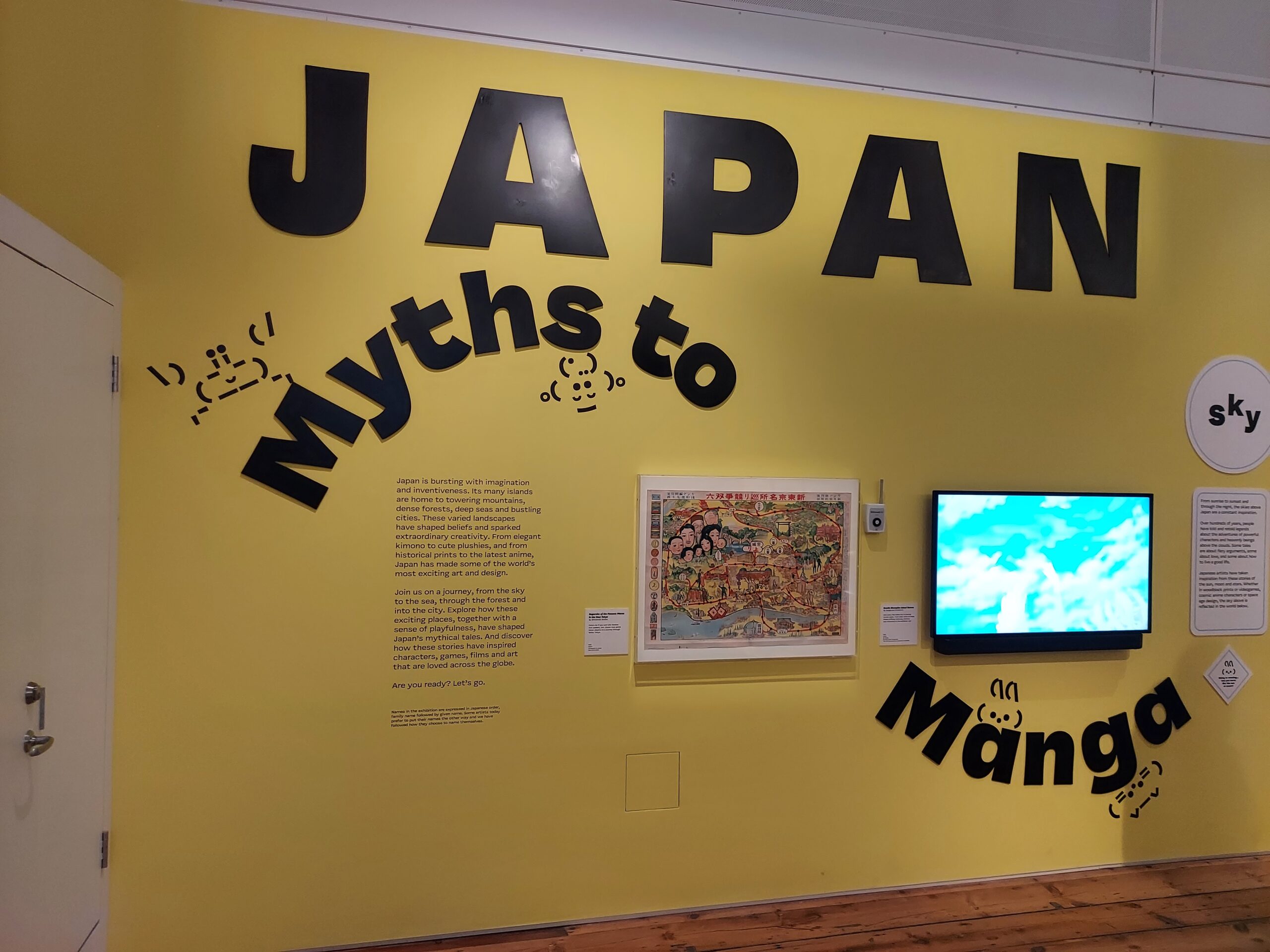
Japan: Myths to Manga exhibition sign

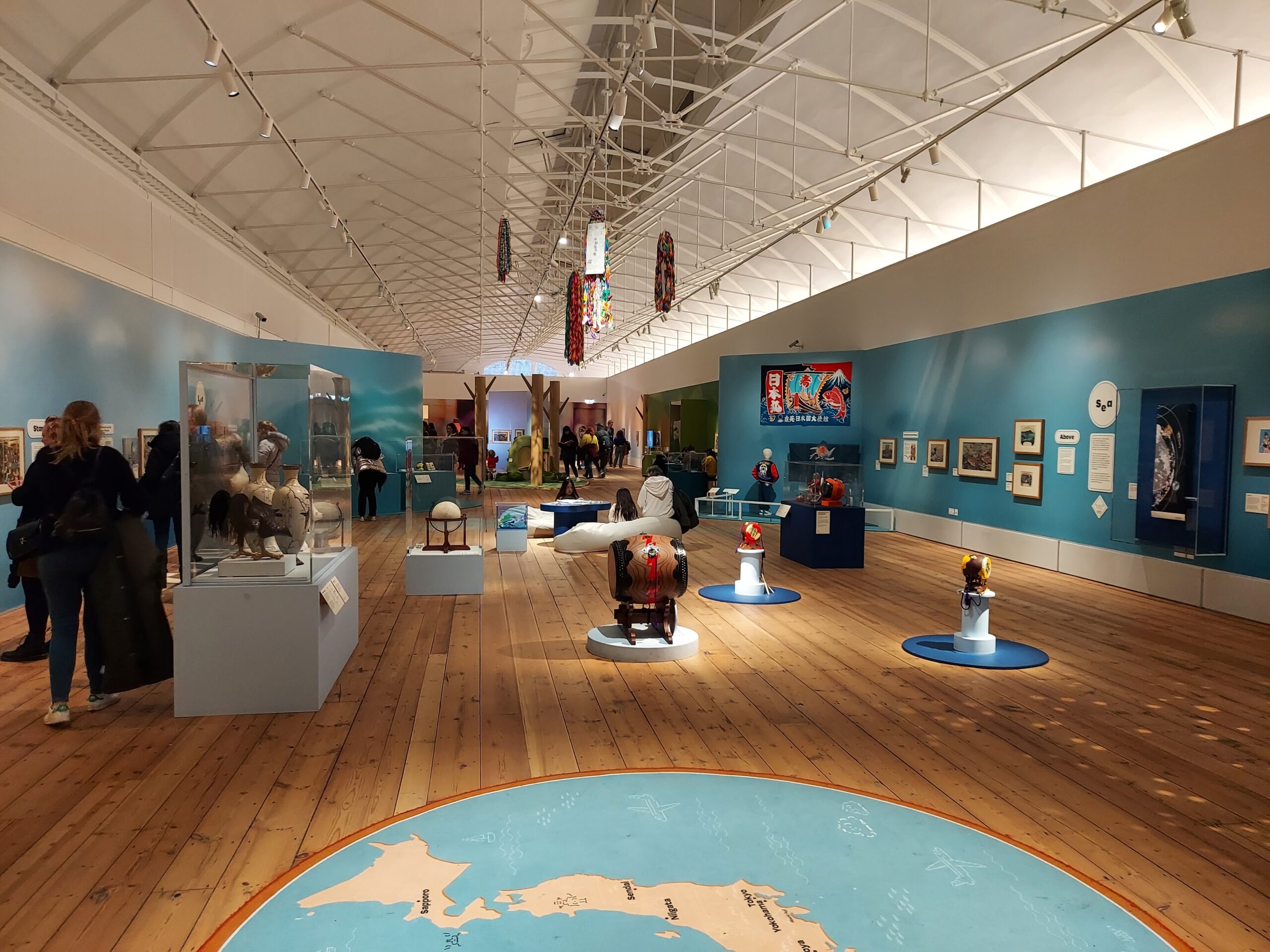
When my brother came to visit me in London, I took him to see the Japan: Myths to Manga exhibition at the Young V&A. The exhibition is the first at the refurbished and reopened Young V&A, formerly the Museum of Childhood. It looks at the role of Japanese folklore and its influence on modern Japanese art, technology and design.

The exhibition is divided into four sections – sky, sea, forest and city – allowing us to draw connections between Studio Ghibli stories and ancient forest spirits, or netsuke sculptures and Sylvanian Family toys.

This eclectic exhibition is well worth seeing, especially if you have any interest in Japanese culture.

Inside the Japan exhibition

Burma to Myanmar – British Museum

Exhibition banner

In January I visited the British Museum to see the exhibition Burma to Myanmar. My granda was posted to Burma during the Second World War so I thought I would be interested to see the exhibition.

Myanmar has experienced decades of civil war, and is once again ruled by a military dictatorship. However, the country has a rich history and the exhibition explores the last 1,500 years of that history, looking at how Myanmar’s peoples interacted with each other and with the world. Diverse cultures flourished as links with Thailand, China, Sri Lanka, and even the Middle East and Europe were established and developed.

A gold and ruby-studded letter
A gold and ruby-studded letter sent by King Alaungpaya to George II

The exhibition is particularly strong when it looks at events from the last 500 or so years. Between the 16th and 19th centuries it was the largest empire in mainland Southeast Asia. A gold and ruby-studded letter sent by King Alaungpaya to George II in 1756 shows how wealthy and powerful this empire was, but sadly (and unsurprisingly) it wasn’t respected by the British, who subsequently colonised Myanmar and contributed to its later unrest.

Despite a turbulent history, Myanmar has strong cultural traditions, and artists and other figures continue to challenge oppressive rulers. I really enjoyed this exhibition.

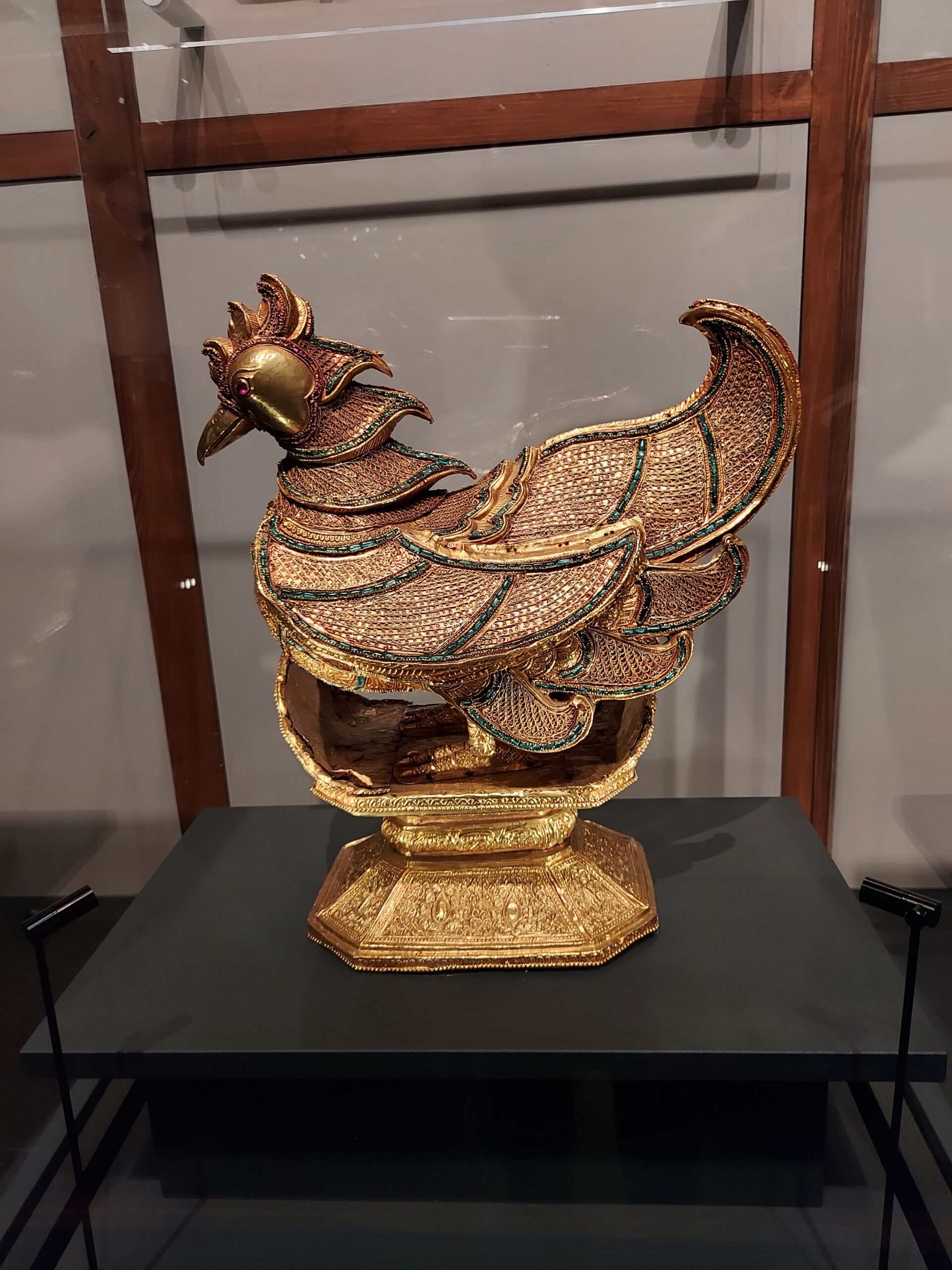
Golden bird
Golden betel container in the shape of a mythical bird known as a karaweik. It formed part of the Burmese regalia used by the last king, Thibaw Min.

Rebel Badge Club: Living My Best Life

Living My Best Life is the monthly badge for January 2024 and I think it’s one of my favourites so far. It’s all about looking forward and planning for what’s ahead. I had great fun making all these lists.

Make a list of 24 new things to do or try in 2024. Make a start on the list this month.

  1. Try a new variety of wine
  2. Try a new variety of gin
  3. Try a new cocktail
  4. Visit a new restaurant
  5. Visit a new destination abroad
  6. Read a book by a new author
  7. Visit a new place in the UK
  8. Stitch a new cross stitch pattern
  9. Complete a new crochet project
  10. Visit a new museum or art gallery
  11. See a new play
  12. Visit a new exhibition
  13. Try a new craft
  14. Learn to play a new instrument
  15. Try a new sport or activity
  16. Take part in a new Hidden London tour
  17. Watch a new TV show
  18. Make a new dress
  19. Plant a new flower
  20. Find a new geocache
  21. Play a new video game
  22. See a new band or singer live
  23. Design a new cross stitch pattern
  24. Make a new dessert

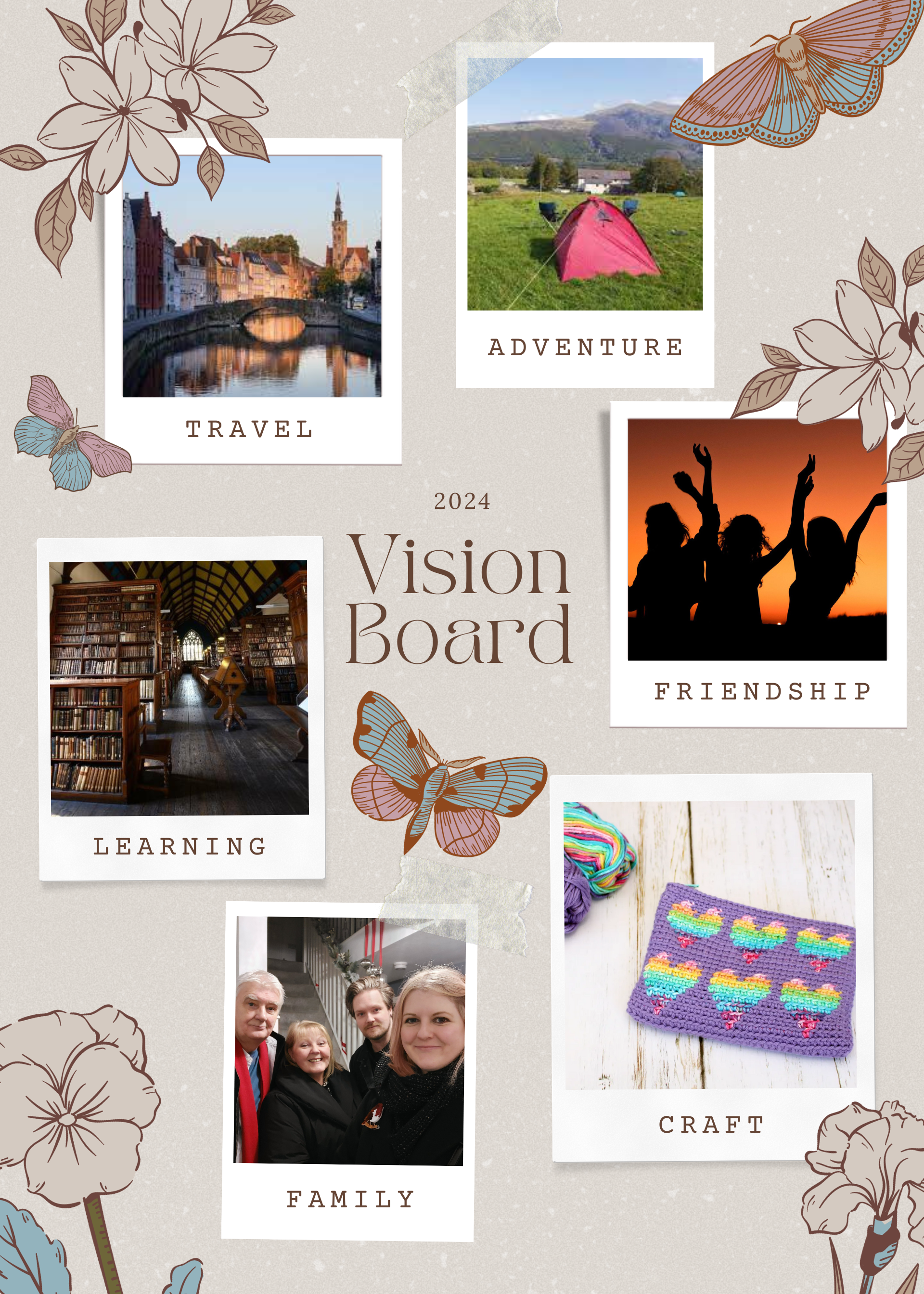
Make a vision board or collage of your ideal ‘best life’.

vision board

Make a gratitude list of the parts of your life which bring you happiness.

  • My family and friends
  • The city I live in
  • Being able to travel
  • The job I’m comfortable in
  • Rebel Badge Club
  • Going to exhibitions, museums and the theatre
  • Reading
  • Crafting

Have a screen free day. Use the time to do something you’ve struggled to find time for.

I tried having a screen-free day but it didn’t go quite as planned. I mostly managed to avoid mindless scrolling, and got several screen-free things done including writing a letter to my friend, walking, finishing a book and doing some embroidery. However I still needed to use a screen for my daily YouTube yoga session, and I certainly wasn’t going to lose my Duolingo streak.

I think I mostly kept to the spirit of the clause – something like yoga can hardly be classed as ‘screen time’ even though I was following an online class. However I found myself getting more stressed as I had to keep reminding myself that I was supposed to be having a screen-free day and not to look at my phone!

Make at least three New Year’s resolutions which you can’t break if you have an off day.

Work on maintaining my mental health.

Move more: running, walking, swimming, skating, miscellaneous.

Keep in touch with friends and family.

Take some time to reflect on the following areas of your life. Where could you make positive changes this year? Plan some changes to your year based on the results.

Diet: Cook and eat good quality, nutritious food
Fitness: Improve my upper body fitness
Work: Improve my wider knowledge of learning tech
Free time: Stop mindless scrolling
Home: Declutter regularly
Family: Spend more time with family
Friends: Keep in regular contact with friends
Learning: Start studying the Classical Civilisation A Level

Choose at least one of the Rebel Annual Badges to work on this year.

I’ve actually decided to work on all of the badges this year – I’m a bit of a completionist! 52 Books In A Year won’t be a problem as I don’t think I’ve read fewer than 100 books a year since I became an adult. The Big Rebel Adventure will definitely be a challenge – I know I wouldn’t be able to manage the 3 Peaks Challenge in June but I would like to join the group for the Surrey Three Peaks in March – I think that will be doable for me.

More Time Outside is something I would like to aim for – hopefully I can manage the full 1000 hours. I’ve been doing lots of walks outdoors, plus a bit of geocaching, and I’m sure the Rebel Summer Camp in August will help! I haven’t firmed up my plans for Rebel With A Cause yet but I’ve been thinking about volunteering my time for environmental causes (which should also help with More Time Outside).

Rebel Badge Club: Board Games

I’ve been working on my Board Games badge for almost a year now: I began it at the Bromsgrove meet up last February, and worked on it throughout the year at various meet ups. I’m not usually a fan of board games, unless they’re the party-game type with simple rules. I can’t really be bothered with complicated rules and complex games. However, I did enjoy the badge.

Learn about at least ten different categories of board game, and play at least one game from each category.

David Parlett’s Oxford History of Board Games (1999) defines four primary categories: race games (where the goal is to be the first to move all one’s pieces to the final destination), space games (in which the object is to arrange the pieces into some special configuration), chase games (asymmetrical games, where players start the game with different sets of pieces and objectives) and displace games (where the main objective is the capture of the opponents’ pieces).

Further research led me to a wider list of categories, from which I selected the below. I played at least one game from each category over the course of the year.

Abstract strategy games: These games have a minimal narrative theme, outcomes determined by player choice, and all players have perfect information about them. New York Zoo

Card games: These games use cards as their sole or central component. Kittens in a Blender

Cooperative games: Games in which players work together to achieve a common goal, rather than competing against each other. Players win the game by reaching a pre-determined objective, or lose the game by not reaching this objective before the game is ended. Forbidden Desert

Dexterity games: These games rely on players’ coordination and physical reflexes as an important factor in overall success. Rhino Hero

Fantasy games: These are games with a fantastical setting, such as Middle Earth or Discworld. Escape from Atlantis

Party games: These games are perfect for parties, with quick setup and simple rules. They are played quickly, can accommodate large groups of people, and encourage social interaction. Geistes Blitz

Race games: In race games the object is to be the first to move all your pieces to the end of a track. The earliest board games are race games: implements and representations date back to at least the 3rd millennium BC in Egypt, Iraq, and Iran. Race games often use dice to decide game options and how far to move pieces. Shark Chase

Single-player puzzle games: These are games designed for one player to work alone to achieve the game objective. Solitaire

Train games: These games represent the construction and operation of railways. Ticket to Ride

Word games: These games are designed to test ability with language or to explore its properties. Word Round

Hold a games night with friends, family or your local Rebellion.

I attended a board games afternoon at the Southbank Centre with the London Rebellion, and we played Kittens in a Blender, Forbidden Desert and Bug Bash.

Create and build your own board game.

I created a game called South!, inspired by Antarctica. The aim of the game is to be the first to reach the South Pole. I did have fun creating this game – particularly the game cards with different scenarios.
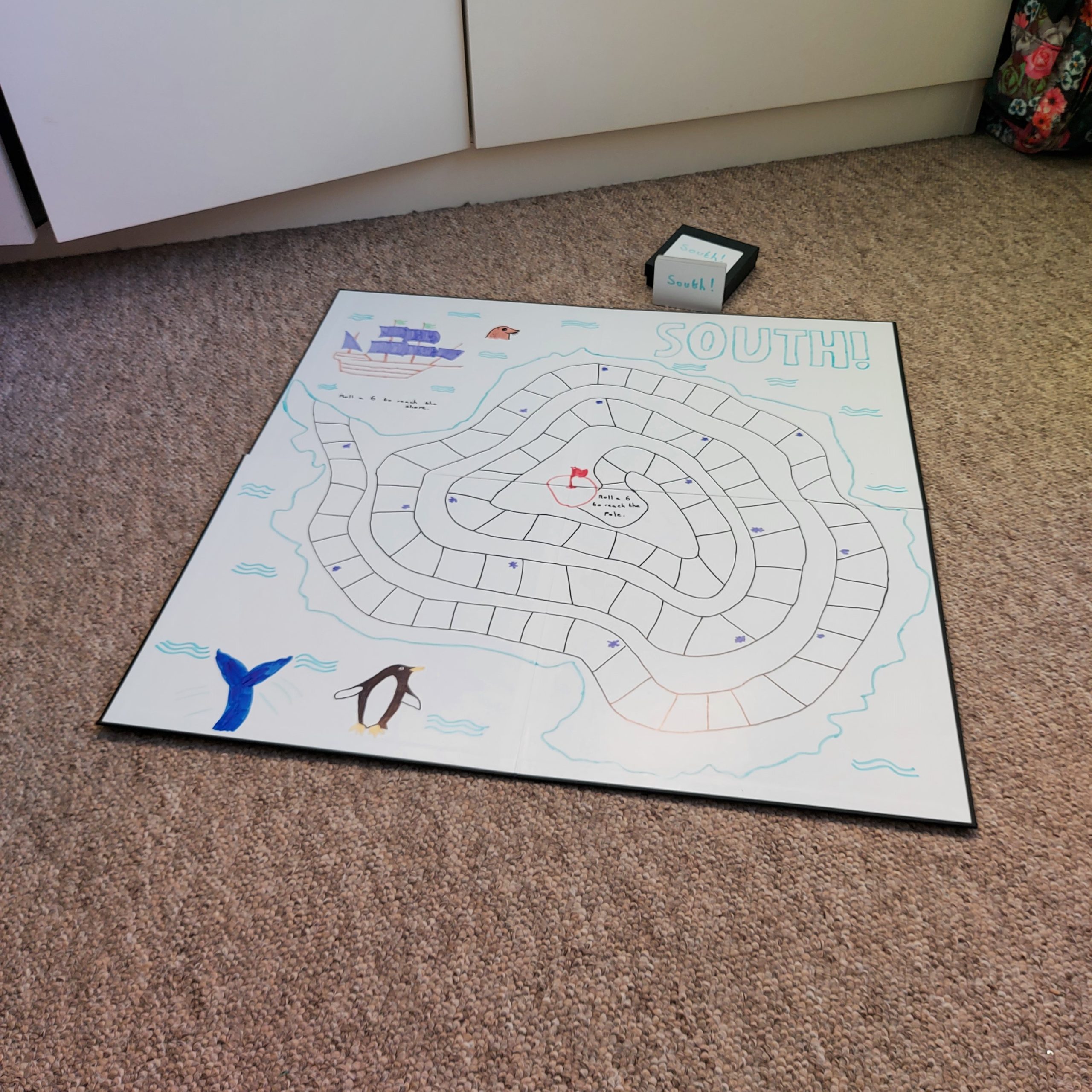
A board game board with a drawing of Antarctica

Play a board game created this year.

I asked for a fun game for Christmas called ‘Obey the Clay’, inspired by Aardman animations. I pretty much forced my family to play it on Christmas Day and it was silly, but highly amusing!
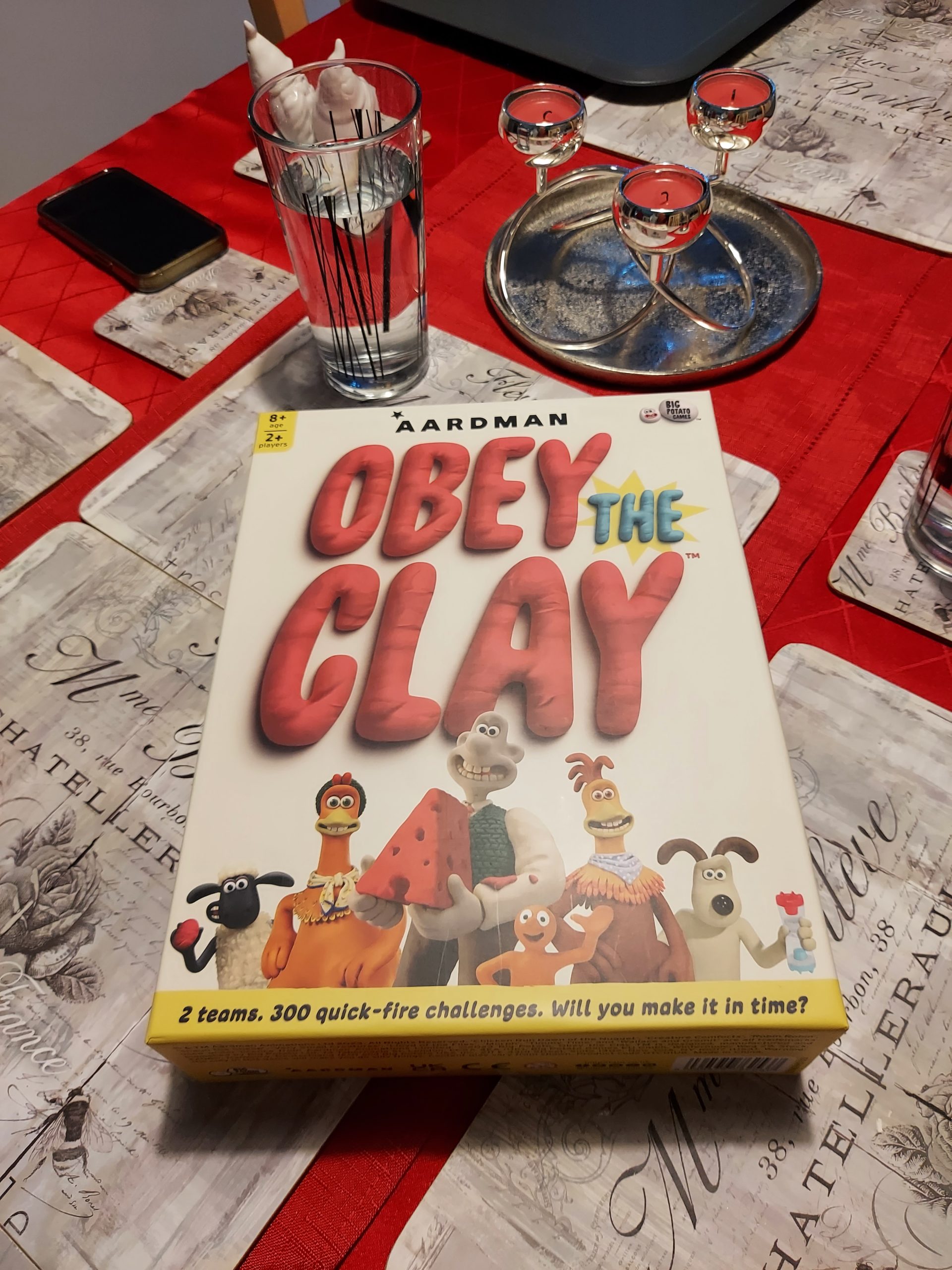
Obey the Clay game

Play a board game popular in the decade in which you were born.

At a board games café in Croydon, with the London Rebellion, I played Survive: Escape from Atlantis, originally released in 1982.

Play a giant version of a board game.

I visited Monopoly Lifesized with a friend when she was down in London, and had a great time.

The Monopoly Lifesized board

Visit a board games café and play at least three games you’ve never played before.

At Ludoquist in Croydon, as well as Survive I also played P for Pizza, Geistes Blitz, and New York Zoo.

Play a digital version of a board game.

I played the digital version of Paperback Vol. 2.

Date completed: 17 January 2024