Hunterian Museum

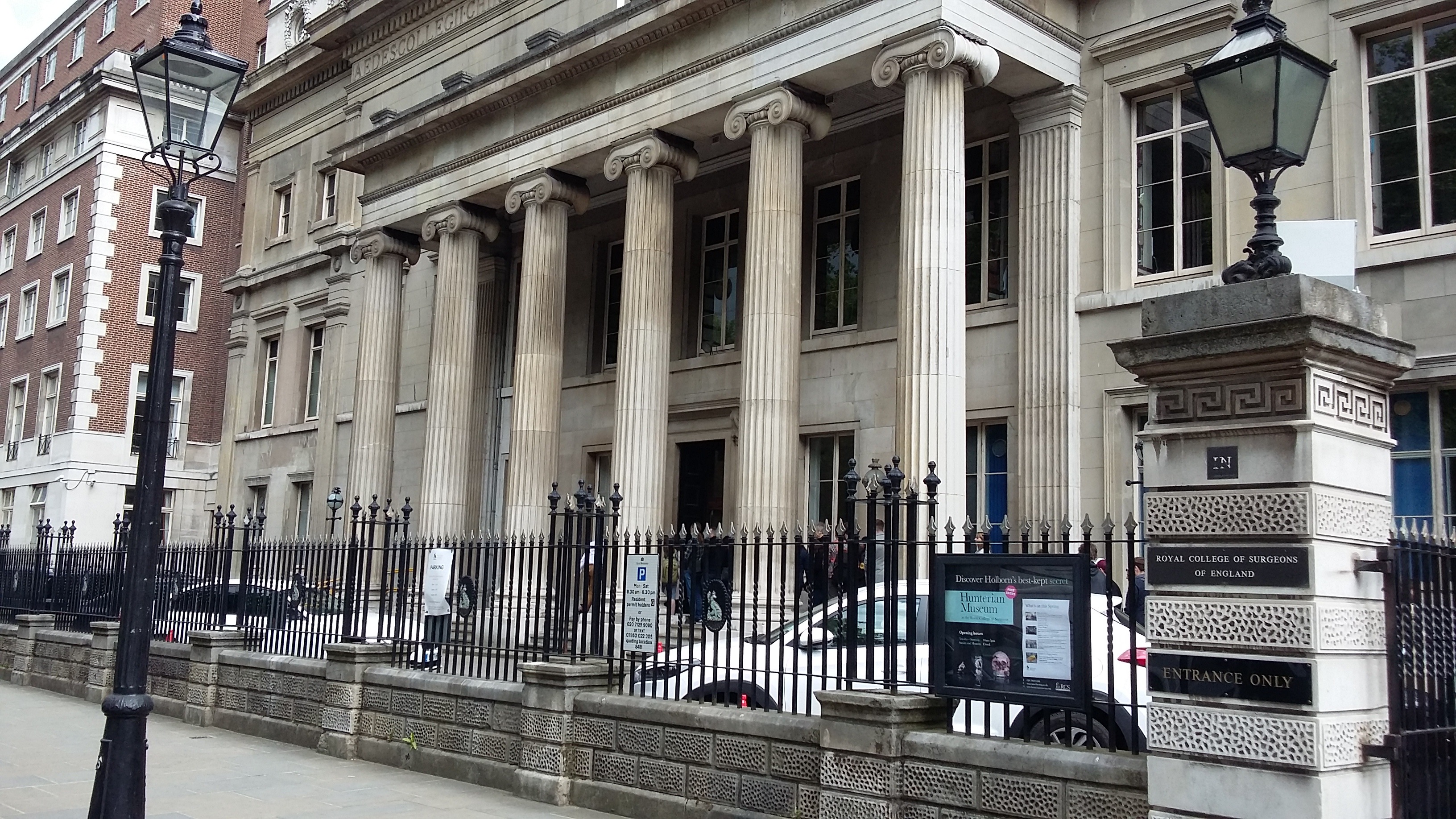
Royal College of Surgeons

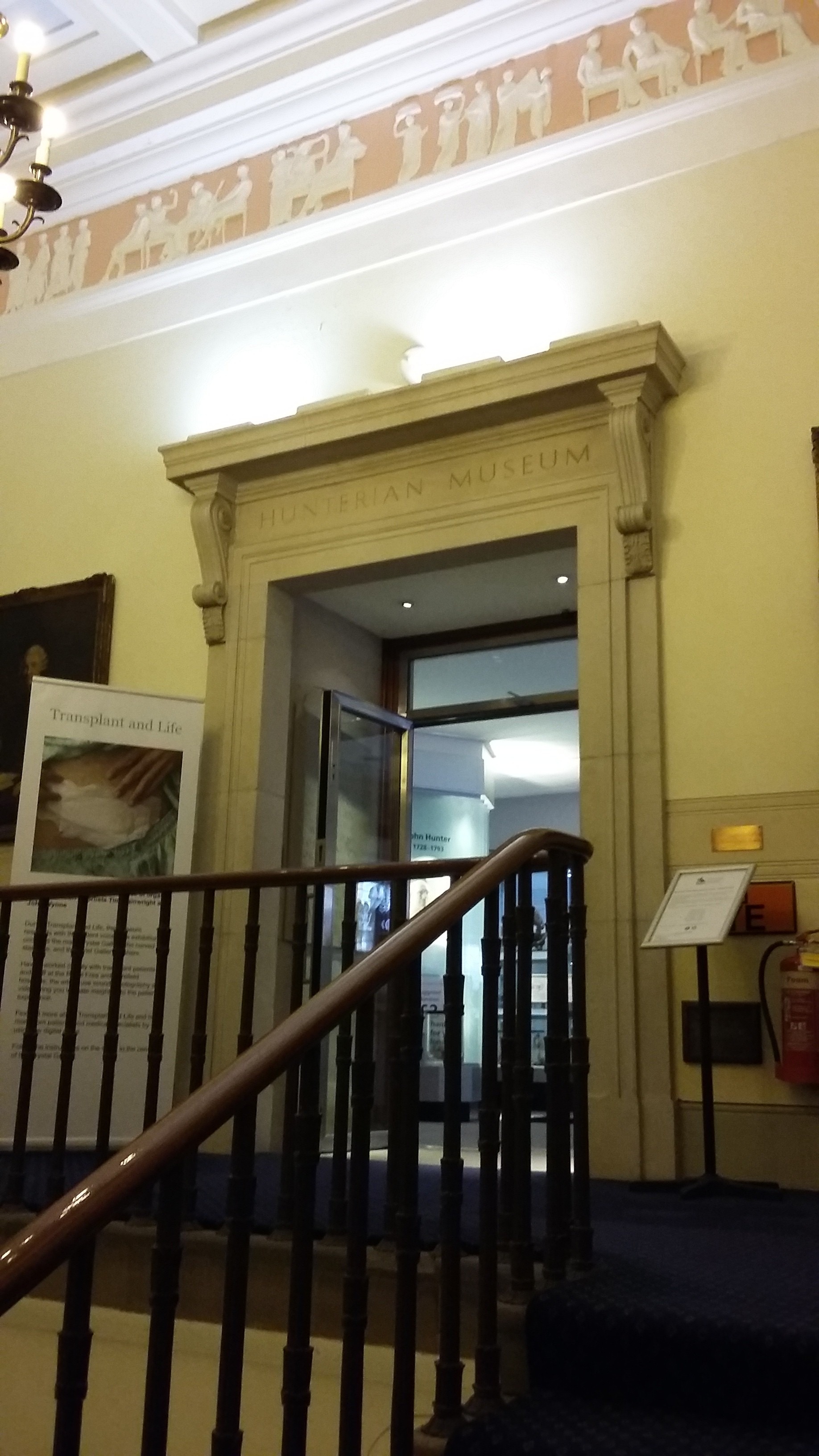
The Hunterian Museum is about to close for a three-year refit, so I decided to pop in one Saturday beforehand. I had visited the museum a few years ago, but don’t actually remember all that much about my visit, so it was about time for another.
Hunterian Museum
Hunterian Museum

The museum is located in the Royal College of Surgeons, in Lincoln’s Inn Fields just across from John Soane’s house. On this occasion I had to queue for half an hour to get in: the imminent closure of the museum means that people are rushing to visit, but it isn’t usual to have to queue for this place.

The collection of John Hunter, a pioneer and hugely important figure in the field of surgery, was purchased by the government in 1799 and given to the Company (later The Royal College) of Surgeons. This collection formed the basis for the museum which opened as part of the new Royal College of Surgeons of London’s building, which still stands today. The museum was redesigned and expanded several times during the nineteenth century, but during the Second World War the building was bombed and much of the collection destroyed. It reopened in 1963, but was remodelled again in the latter half of the century, before reopening in its current form in 2005.

The museum, the bulk of which is made up of John Hunter’s collections, contains many medical specimens. I admit I didn’t look too closely at these as I am rather squeamish. However, it is a valuable resource for students of medicine. Notable displays include preserved tumours, skeletons affected by syphilis, and the full skeleton of Charles Byrne, ‘the Irish giant’. There are also some interesting paintings, and displays covering the history of surgery and the exploration of anatomy in London.

It’s a shame this excellent small museum will be closed for three years, but hopefully it will reopen to the public in 2020 even bigger and better than before.

FACTS

Address: The Royal College of Surgeons of England, 35-43 Lincoln’s Inn Fields, London, C2A 3PE

Website: rcseng.ac.uk/museums-and-archives/hunterian-museum

Opening Hours: Currently closed; due to reopen in 2020

Prices: Free
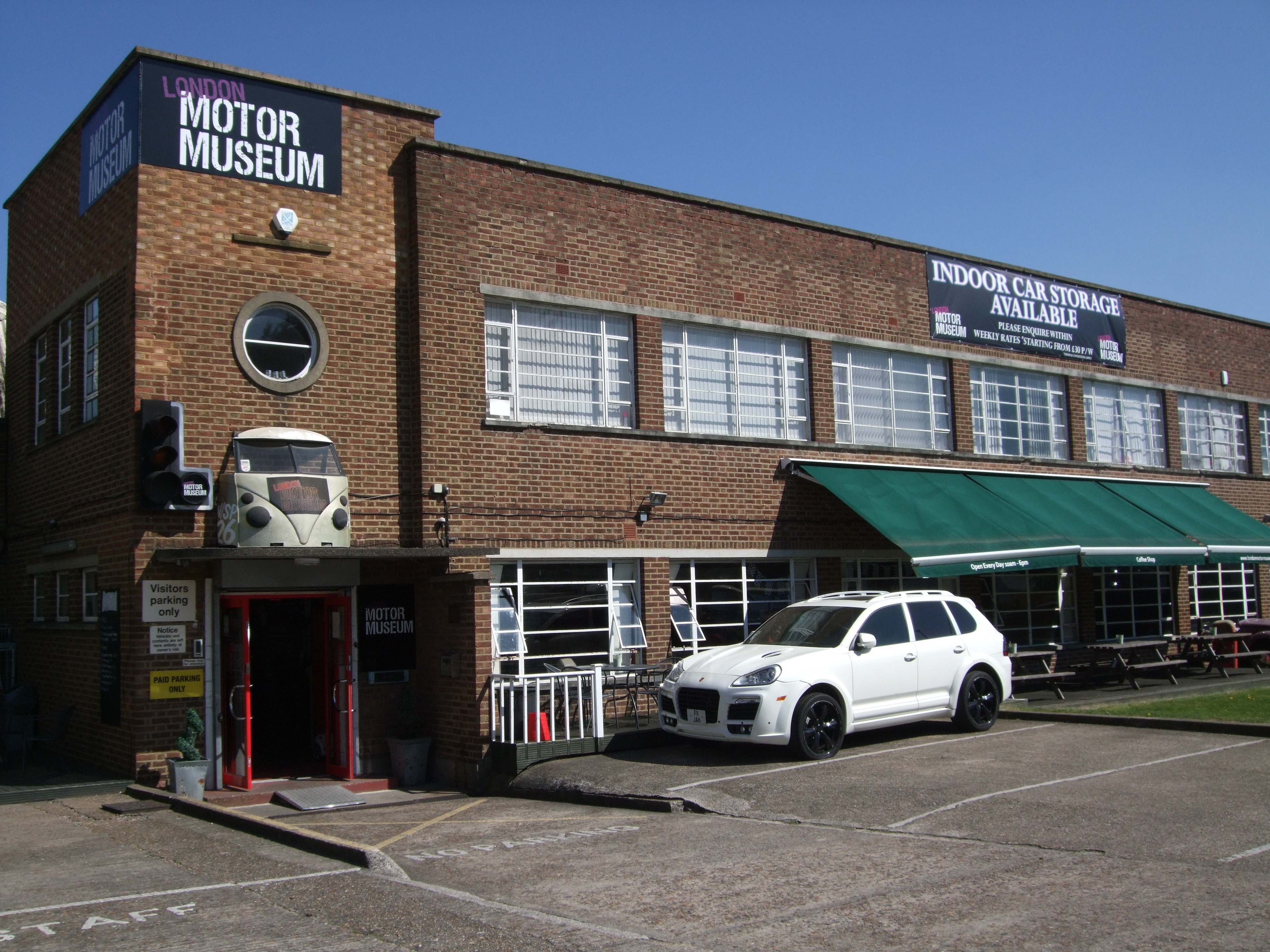
London Motor Museum

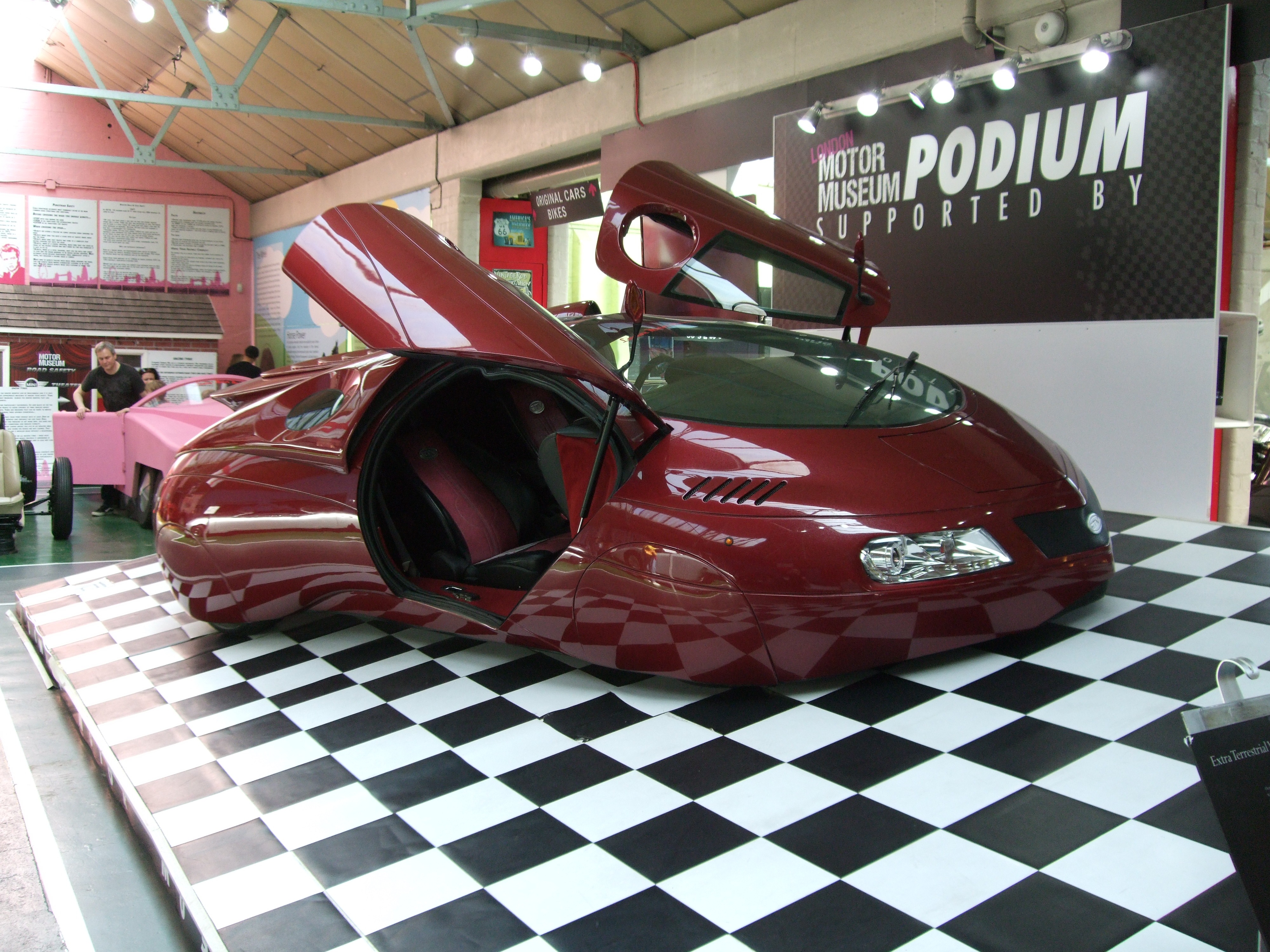
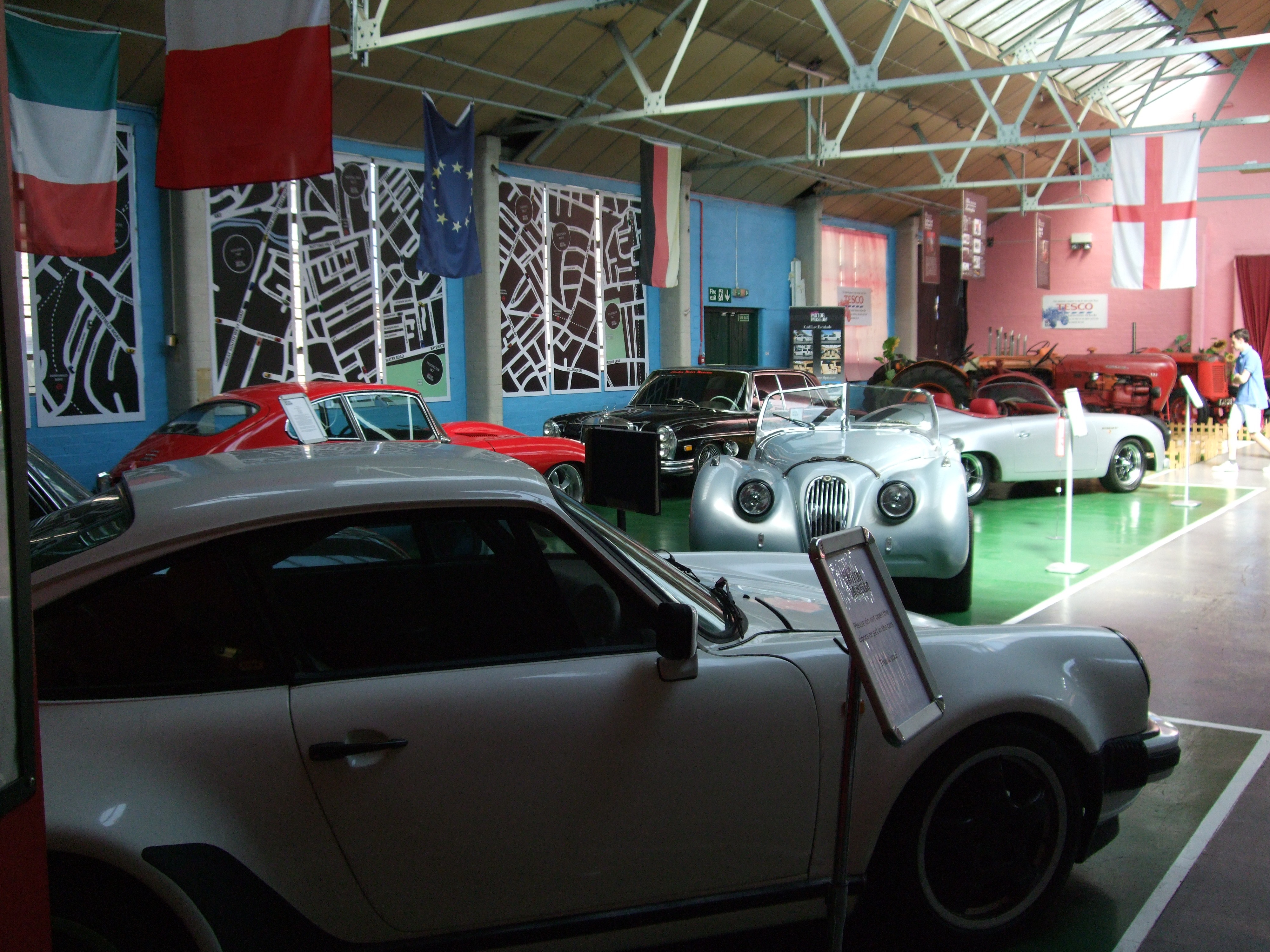
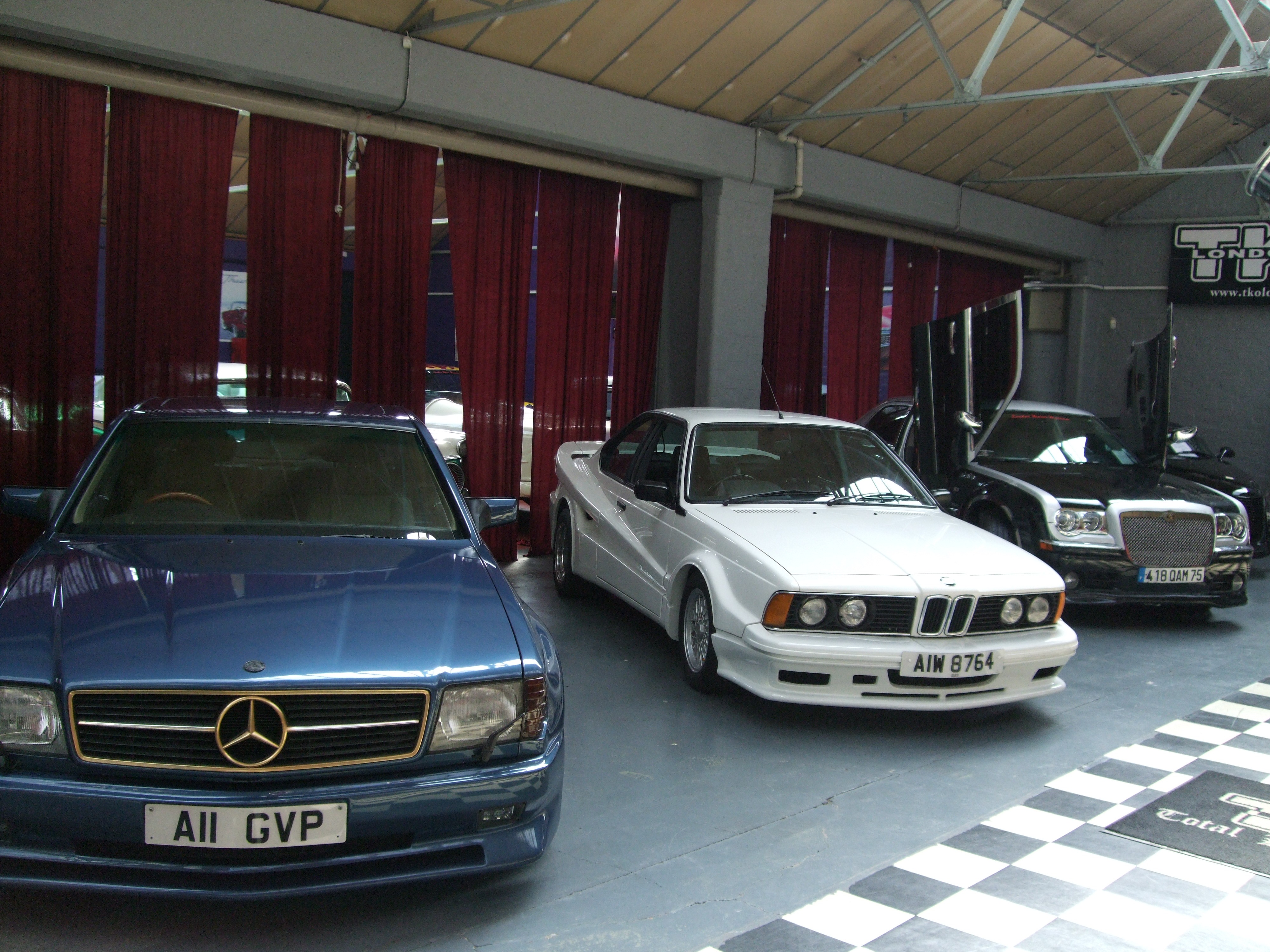
London Motor Museum London Motor Museum

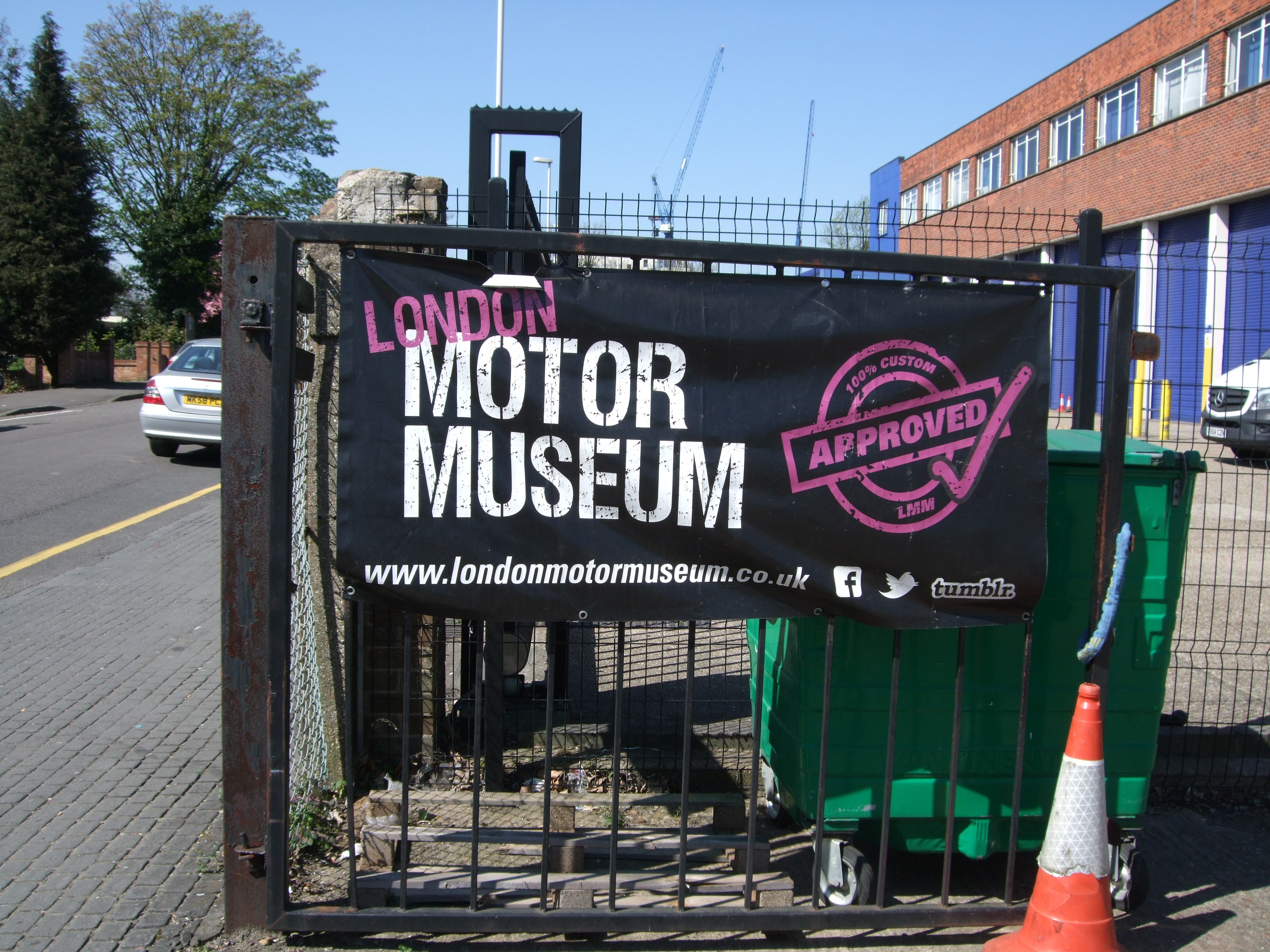
In my bid to visit every London museum, the London Motor Museum was an obvious choice for my next trip as it is located fairly near to where I live. The museum, which is the only custom car museum in Europe, is a short walk from Hayes & Harlington train station, so I headed down one sunny Sunday.

London Motor Museum

The museum was founded by Elo, a former model and fashion designer, who turned a passion for collecting special cars into this unique museum. It began in 2001 with just seven cars, and moved to its current location in 2007, with a collection of over 200 cars.

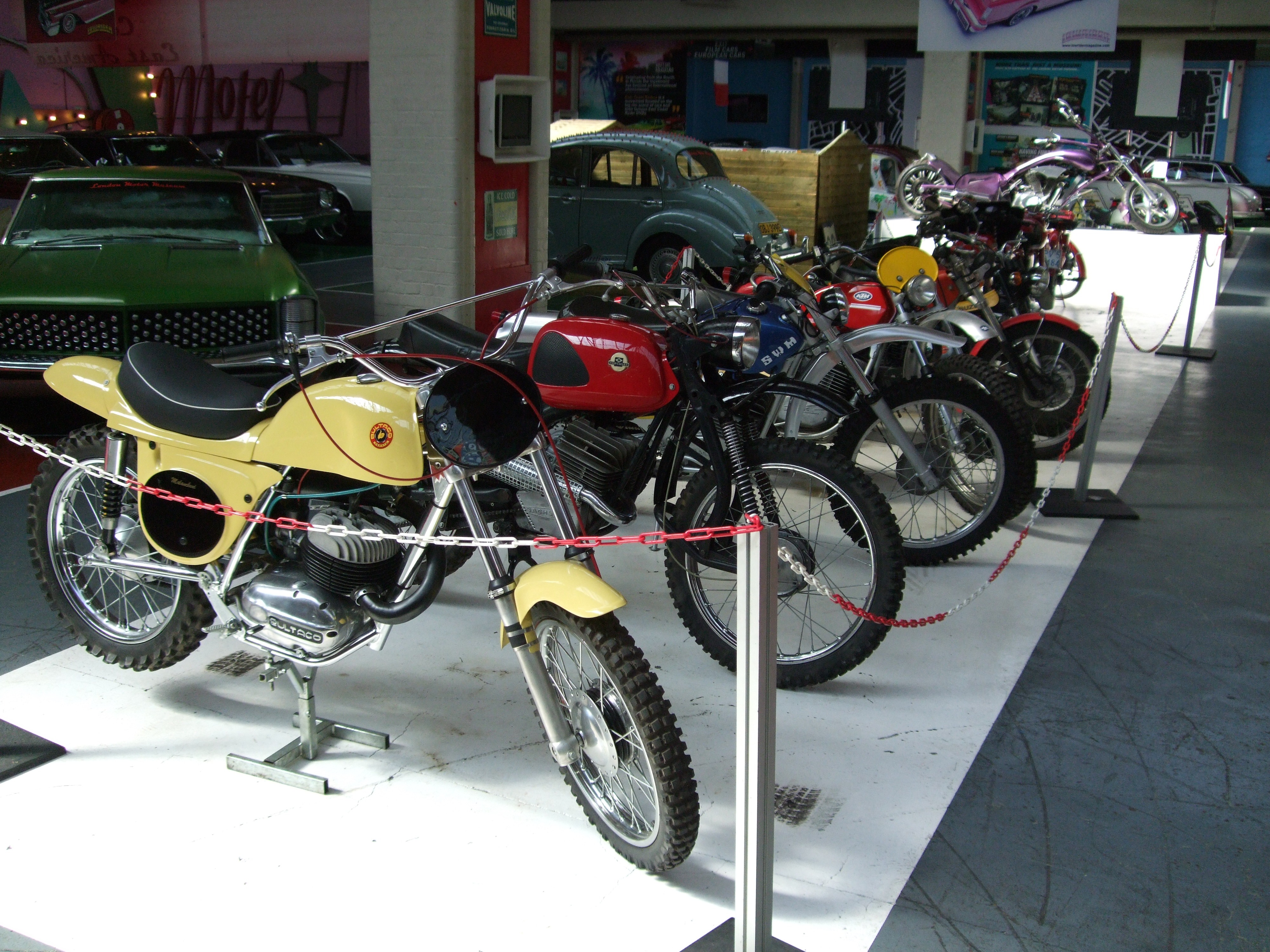
Motorbikes

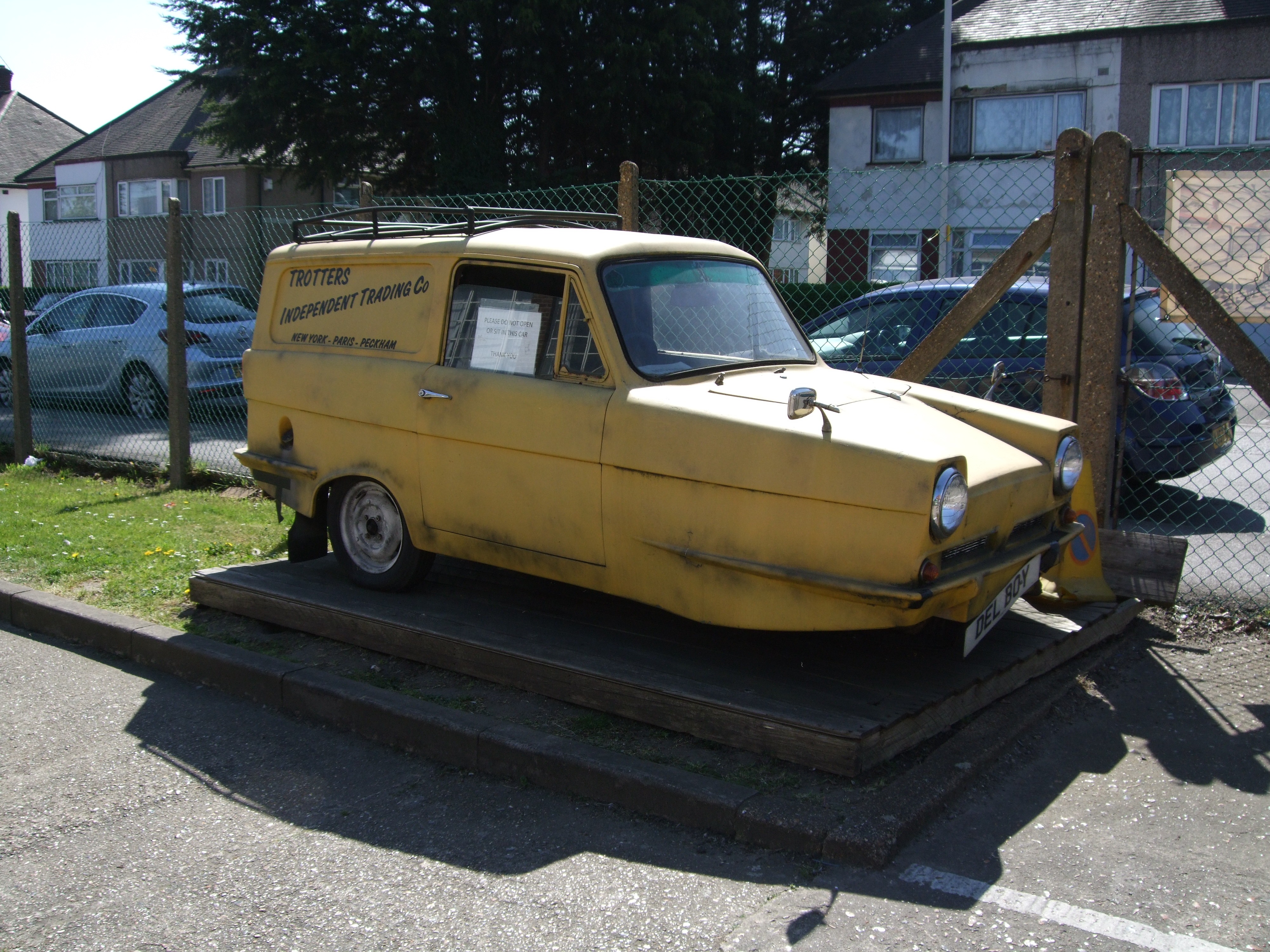
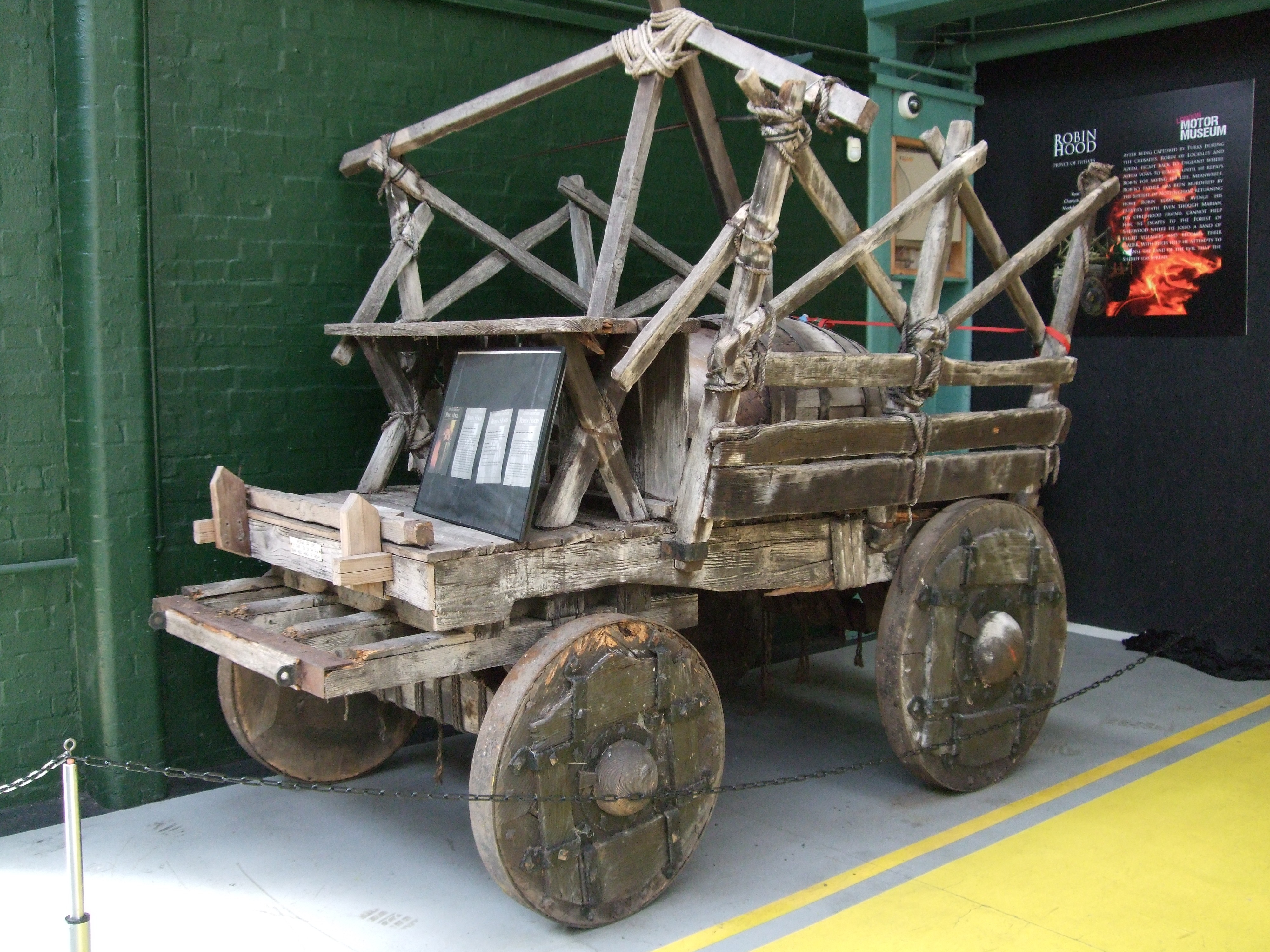
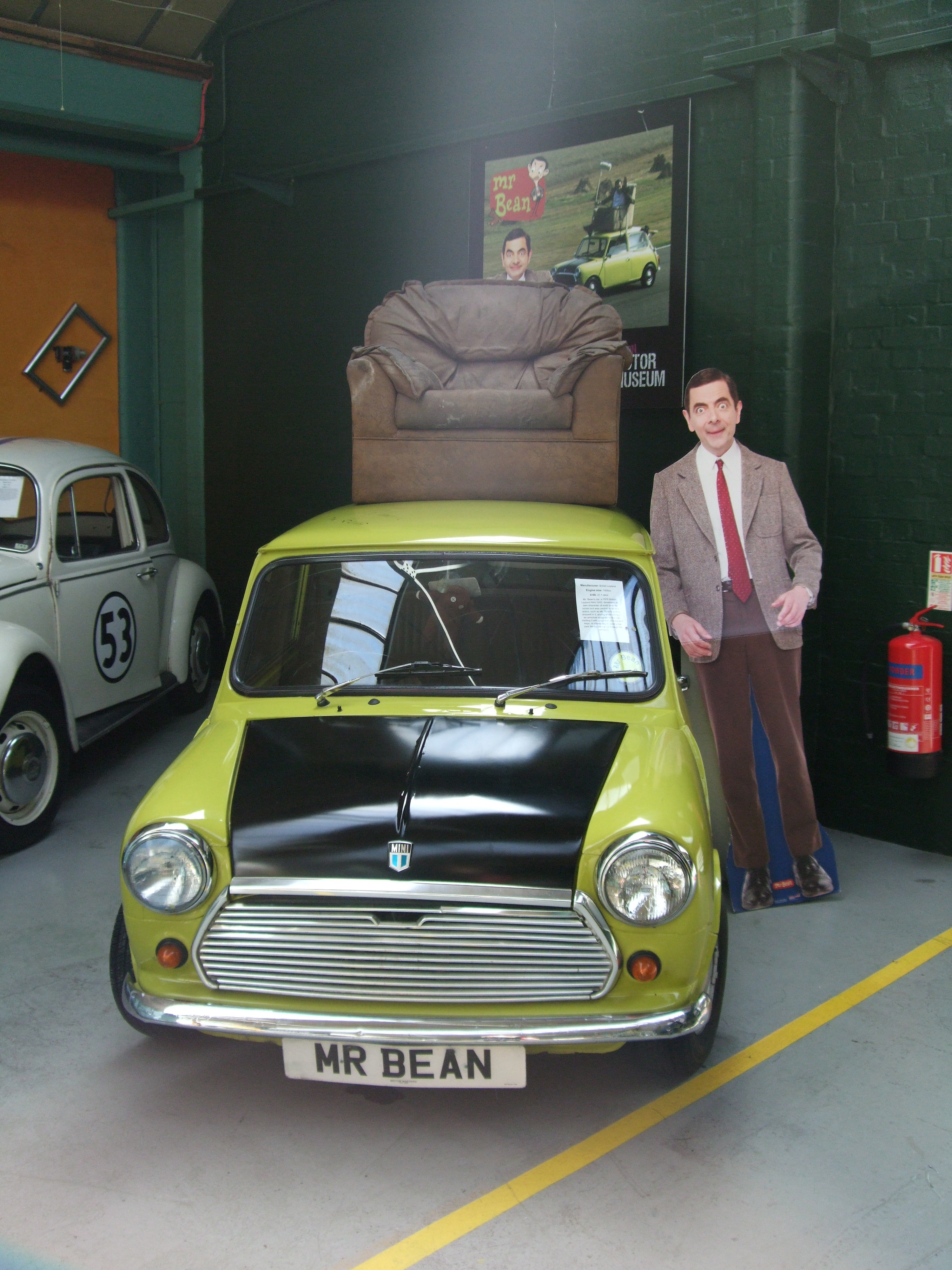
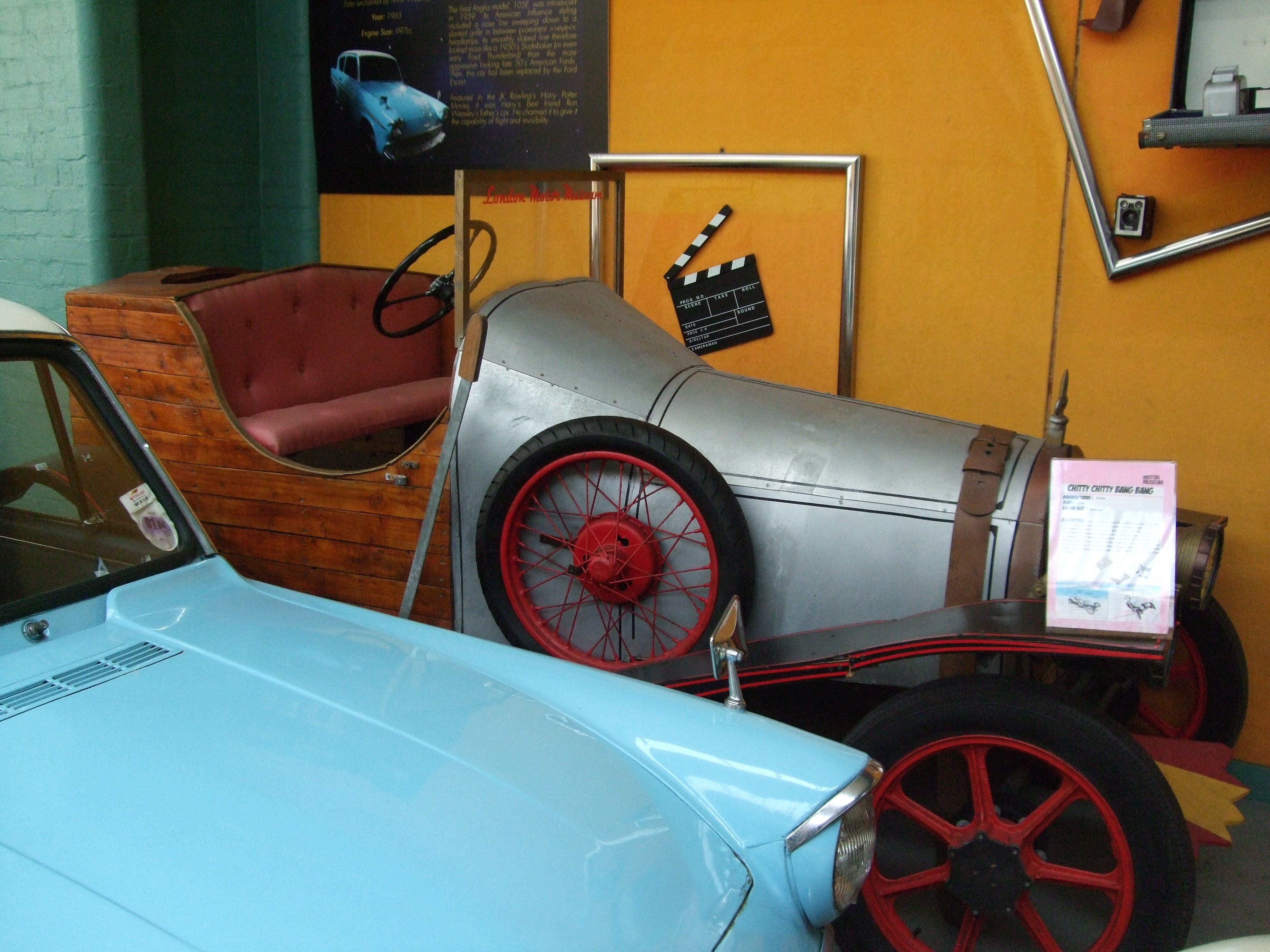
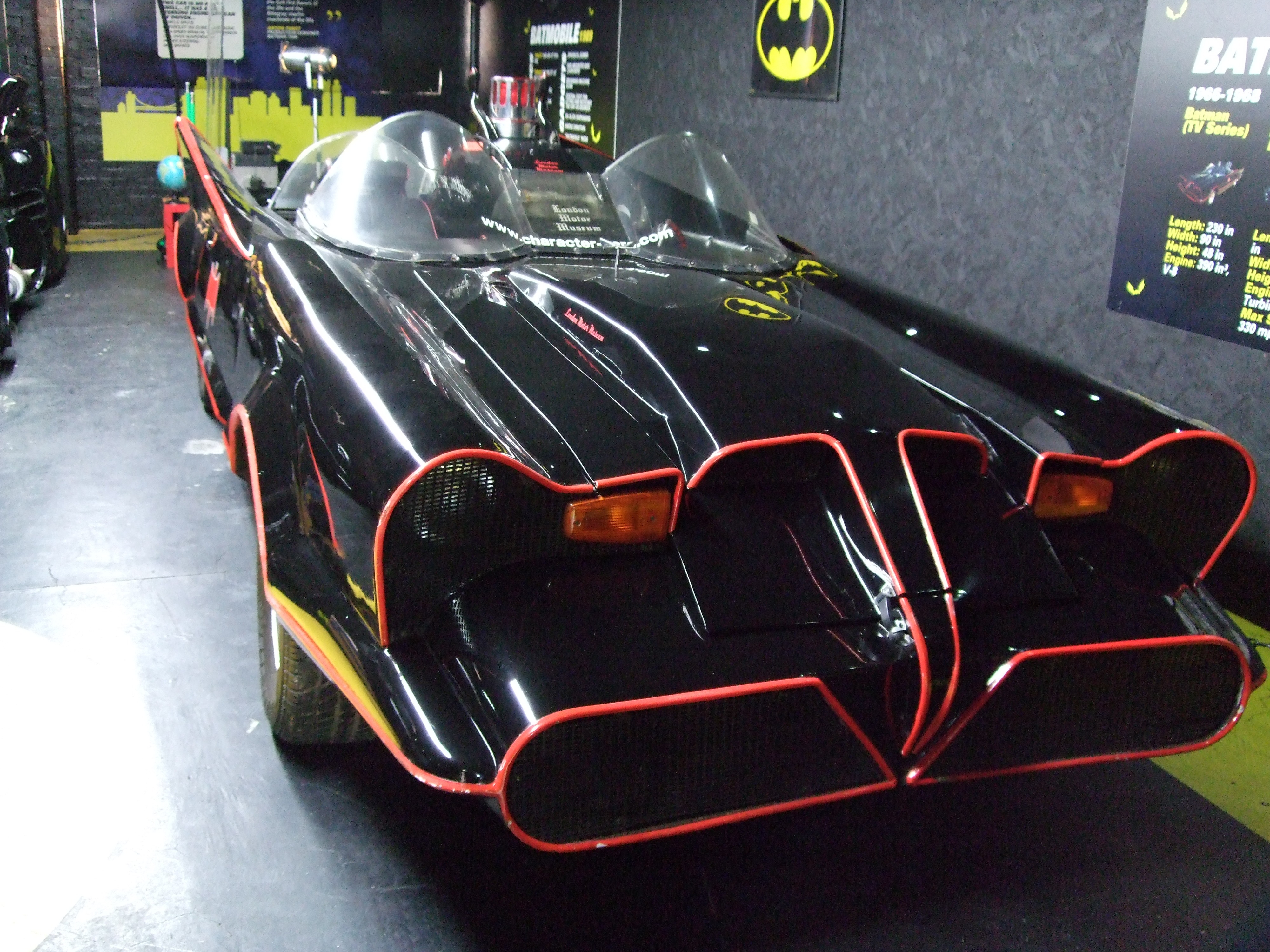
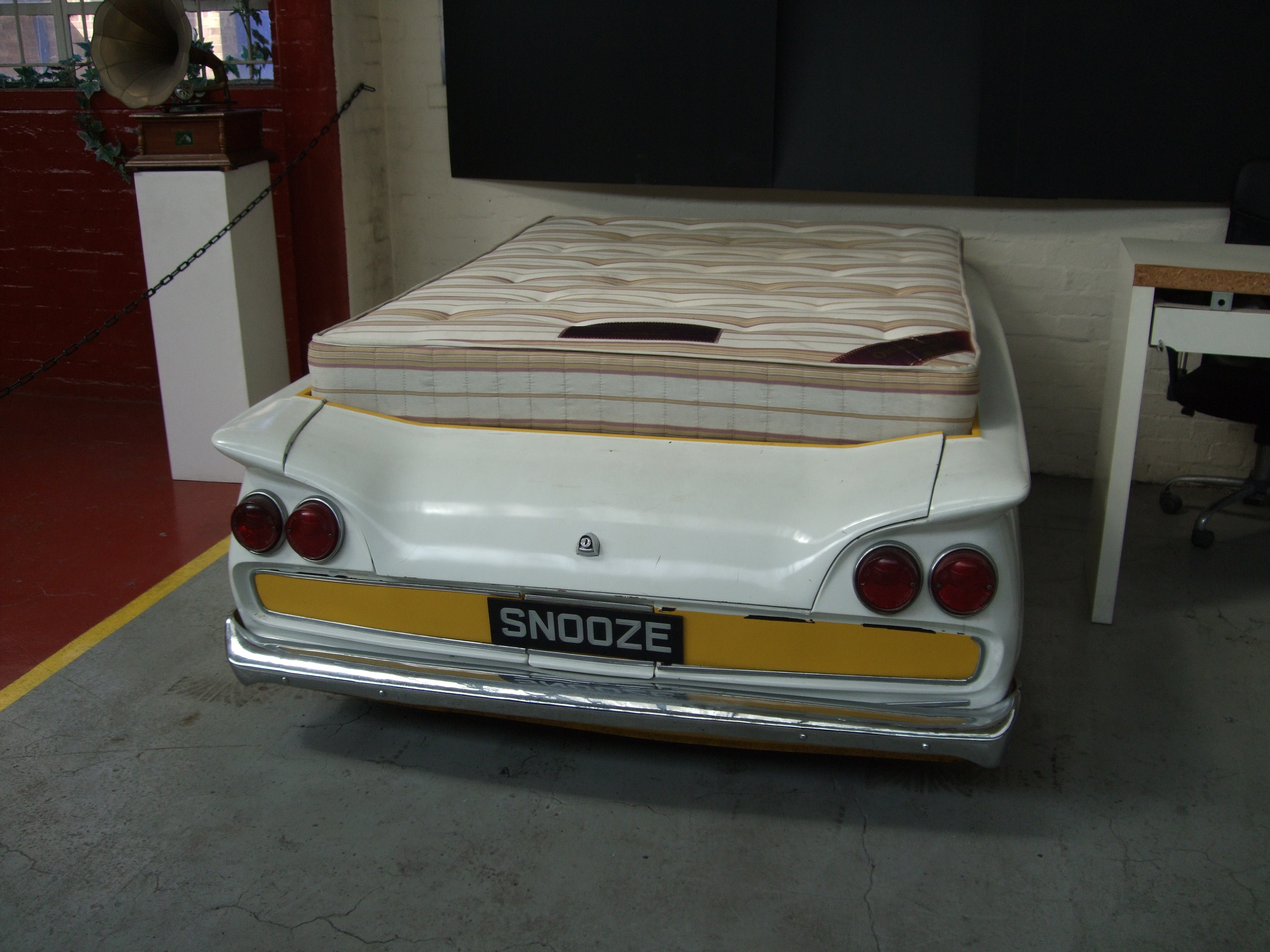
The museum is large and airy, with information boards hanging on the walls. The cars are displayed by theme, with sections for cars of different eras, as well as one for cars from films and TV shows. As well as Mr Bean’s famous yellow Mini, there is a wooden wagon from Robin Hood and there is even a ‘Bat Cave’ with both the 1966 and 1989 Batmobiles.

Only Fools and Horses Robin Reliant
Robin Hood medieval wagon
Mr Bean's Mini
Mr Bean’s Mini
Chitty Chitty Bang Bang
Batmobile
Batmobile

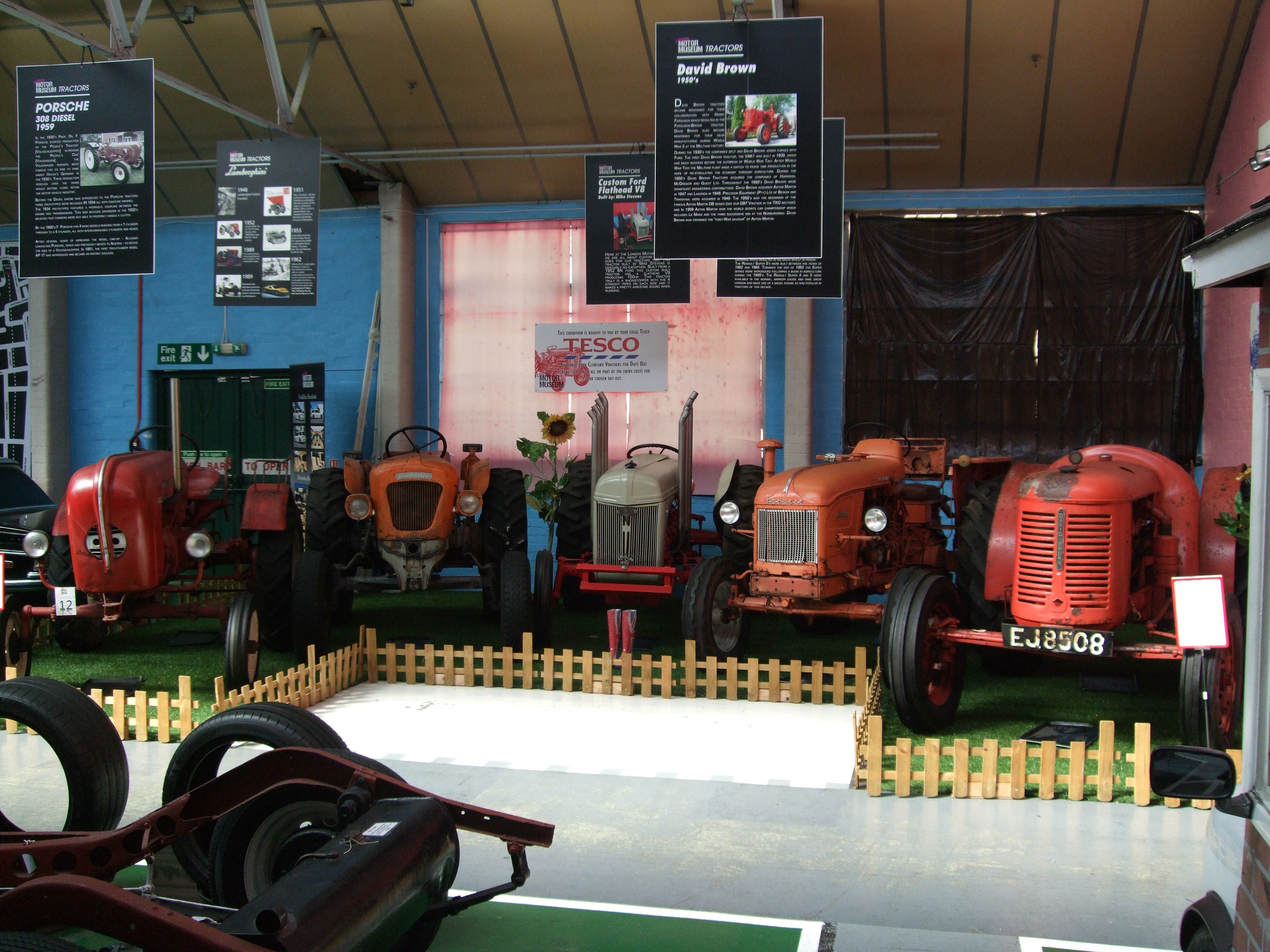
The museum doesn’t just have cars: there is a section with motorbikes and another rather bizarre one with tractors.

A car enthusiast would love this museum. The biggest problem is the cost. The adult entrance fee is a whopping £30 which I frankly wouldn’t have considered paying. I was able to get a much better deal from the Living Social website. If you can get a good deal, however, it’s worth paying this museum a visit.

My kind of vehicle

FACTS

Address: 3 Nestles Avenue, Hayes, UB3 4SB

Website: londonmotormuseum.co.uk

Opening Hours: Daily 10am-6pm

Prices: Adults £30 (£22.50 online), concessions £20 (£15 online). Annual membership is available.

Revolution: Russian Art 1917-1932 – Royal Academy of Arts

2017_0329Revolution01

My longstanding interest in Russia meant that the Revolution: Russian Art 1917-1932 exhibition at the Royal Academy of Arts was right up my street. The exhibition covered the period between 1917 and 1932, when Russia was settling into life post-revolution and artists were first excited by the opportunities the new world presented, then dismayed at the restrictions imposed by Stalin.

During this first fifteen years, artists enjoyed considerable freedom, and revelled in the new possibilities that the new regime offered. However, in 1932 Stalin decreed that Socialist Realism was the only acceptable style for the Soviet Union, ending this burst of creativity.

The exhibition features work by many acclaimed artists, including Kandinsky, Malevich, Chagall and Rodchenko. Interestingly it also features film clips of life in Russia, from both films and documentaries about the Soviet regime.

One of the most powerful things about the exhibition had nothing at all to do with art. In the last room, there was a video booth showing photographs of people who had been arrested and sent to gulags by Stalin and his cronies. The faces staring out of the screen are still haunting me.

How do we look? Exploring the scientific gaze at the Crick – Francis Crick Institute

2017_0329Crick02

On a day off from work I visited the recently opened Francis Crick Institute, located next to St Pancras station, to see the first public exhibition, How do we look? Exploring the scientific gaze at the Crick. The Institute is the largest biomedical library in Europe, and the exhibition looked at some of the images created by research scientists at the Crick in order to help solve scientific problems.

The images had aesthetic value in themselves, being, on a shallow level, fascinating and beautiful. The actual science I must confess is a bit beyond me, but I thought the exhibition did a good job of making the theory behind the images as accessible as possible. If nothing else, it certainly served to increase my respect for the cutting-edge scientific research being undertaken here.

Bond in Motion – London Film Museum

2017_0329BondInMotion01

It might sound weird but I am a really big James Bond fan. When I was younger I watched all the films and I still go to the cinema every time a new one gets released. I’m certainly not immune to the franchise’s flaws, but it doesn’t stop me enjoying a bit of escapism.

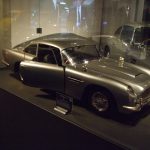
The London Film Museum – not a place I’d ever been aware of, although it’s been in its present location in Covent Garden since 2012 – is currently dedicated to a Bond in Motion exhibition, showcasing many of the vehicles from the James Bond films. It’s been on for a while, but I’m glad I waited until now to go, as it now has a selection of vehicles from the latest film, Spectre. To be honest, the exhibition shows no sign of leaving, and it wouldn’t surprise me if it eventually contained vehicles from whichever Bond film comes next.

2017_0329BondInMotion03
Little Nellie

As you enter the exhibition you can see Little Nellie, the helicopter from You Only Live Twice, hanging from the ceiling. A small exhibition space on the mezzanine contains diagrams and other memorabilia, but its when you take the lift down to the basement that the exhibition proper really begins.

There are many, many vehicles on display: mostly, but not exclusively, cars. They span the whole half-century of Bond films. Some have damage that was caused by stunts used in filming.

2017_0329BondInMotion12
Crocodile sub from Octopussy

Information panels explain the statistics relating to each vehicle: I confess I didn’t pay much attention to these. Of more interest were the short film clips demonstrating each car in action.

At the end of the exhibition there is a cafe and a small gift shop. You exit into Covent Garden, right beside the London Transport Museum. The cafe is open to all: it might be a good refreshment option if you’re passing through the area and all the cafes are really crowded.

Obviously, Bond in Motion is going to appeal more to those who love cars. I’m not one of those people, but it was nice to experience a bit of escapism and relive some of the fun moments from the Bond films. The exhibition is pretty pricey, but look out for offers: I got mine through Living Social.

FACTS

Address: 45 Wellington Street, Covent Garden, London, WC2E 7BN

Website: londonfilmmuseum.com

Opening Hours: Daily 10am-6pm (except certain closure days advertised on website), open until 7pm on Saturdays

Prices: Adults £14.50, concessions £9.50; under 5s free

Adventures in Moominland – Southbank Centre

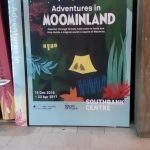
The Adventures in Moominland exhibition at the Southbank Centre, introduced as part of the Nordic Matters festival, has been so popular that it has been extended by several months (it’s now on until 20 August), but when my friends and I booked our tickets we didn’t know that, and all the adults-only slots had sold out. As it turned out, though, our group consisted of only adults in any case.

The Moomins certainly transcend age. I wasn’t a particular fan as a child, but I’ve been reading the books recently, and the combination of gentle humour and wry observation have made me into a fan.

The exhibition, which begins at the Southbank’s Spirit Level, is really more of an immersive tour into the world that Tove Jansson created in her Moomin stories, featuring various environments from her works and the inspirations for them, arranged in a roughly chronological order. You get to see original Moomin pictures from Jansson’s archive, and hear narration by Sandi Toksvig. Our guide was incredibly enthusiastic, taking us deep into the world of Moominvalley, a place one of us quite wanted to leave.

Whether you’re a young or an old Moomin fan, check out this exhibition. It’s an unforgettable experience.

Dennis Severs’ House

Dennis Severs' House
Dennis Severs’ House

Last time my mam came down for a visit, she asked if we could go to Dennis Severs’ House, recommended by a family member. I said yes: it’s somewhere I’d been meaning to go for a while.

We found the house easily, not far up from Liverpool Street Station. There was a short queue outside, but it wasn’t long before we were let in. We paid our entrance fee and were given a short introduction.

The house was created by the artist Dennis Severs, who lived in the house in the manner of the original eighteenth century occupants. He later opened the house to visitors. The idea is that you step back in time and interrupt a family of Huguenot silk weavers called Jervis. As you enter each room you get the impression that they have just left; the sights, sounds and smells stimulate your senses and bring the experience to life.

It’s certainly a unique experience. You walk around in silence, absorbing the atmosphere. No photos are allowed, understandably. I won’t describe the house in detail for fear of spoiling the surprise, but it has all the usual rooms that you might expect: kitchen, sitting room, bedroom, even a ramshackle attic.

My criticism is that the repeated instructions, dotted around the house, are rather patronising. Visitors are constantly told what they should be doing, thinking and feeling and I don’t particularly like being told what to do. It got my back up and didn’t exactly put me in the right frame of mind. Also, I kept spotting things in the rooms that shouldn’t have been there – an Elizabeth II-related artefact in the Victorian room and some distinctly modern alcohol bottles in the front room. I don’t know if these were left over from some event or other, but they didn’t exactly fit with the atmosphere.

Having said that, Dennis Severs’ House is certainly an unusual experience, and it’s well worth taking some time out to pay it a visit.

door

FACTS

Address: 18 Folgate Street, London, E1 6BX

Website: dennissevershouse.co.uk

Opening Hours: No booking required on Sundays and Monday lunchtimes; evening slots are bookable in advance

Prices: Adults £10 and concessions £5 during the day; £15 evening

Tunnel: The Archaeology of Crossrail – Museum of London Docklands

When my mam came to visit me in London, I decided to take her to visit the Tunnel: The Archaeology of Crossrail exhibition at the Museum of London Docklands. The Crossrail tunnel, due to open in 2018, is the largest engineering project in Europe and its construction has provided archaeologists with a unique opportunity to excavate a huge stretch of London, encompassing thousands of years of the capital’s history. Curator Jackie Kelly has described it as the “biggest piece of London archaeology ever” in terms of the project’s sheer scale. The initial results of the excavation are being presented in Tunnel.

The objects on display in the exhibition range from reindeer bones gnawed by wolves 68,000 years ago to flakes chipped from a flint axe 8,000 years ago, from victims of the Black Death to Victorian chamber pots and Crosse & Blackwell marmalade and pickle jars. One skeleton is particularly poignant as it is of a Roman woman whose skull was buried between her legs. A large pot, full of cremated human bones, dropped out of the roof of one of the tunnels, but was luckily caught by a member of the tunnelling team.
Another fascinating item is a leather shoe dating from the fifteenth or sixteenth century.

My favourite items from the exhibition came right at the beginning and right at the end. As you enter the exhibition, you see a statue of St Barbara, patron saint of artillery, explosives and mining. She was originally installed at the entrance to the tunnel and workers liked to touch her as they ventured underground at the start of a shift. I like her because my mam’s name is Barbara. I like to think that my dad married her because on some subconscious level he knew about St Barbara and felt that my mam would be good luck (he comes from a mining family). I’m sure this is a load of rubbish really, but its a nice story!

The second thing I loved was the book of photographs at the end of the exhibition, showing the corner of Charing Cross Road, Oxford Street and Tottenham Court Road before the Crossrail work began. I work near this area and so I’m really interested in it, but I don’t remember what it was like before the work began. These pictures display the old streets in all their glory, along with the famous music venue the Astoria which I don’t remember at all but which I can’t help regretting the loss of.

The exhibition, which is thoughtfully put together, is free to enter and runs until 3 September 2017 at the Museum of London Docklands.

Lauderdale House

Lauderdale House

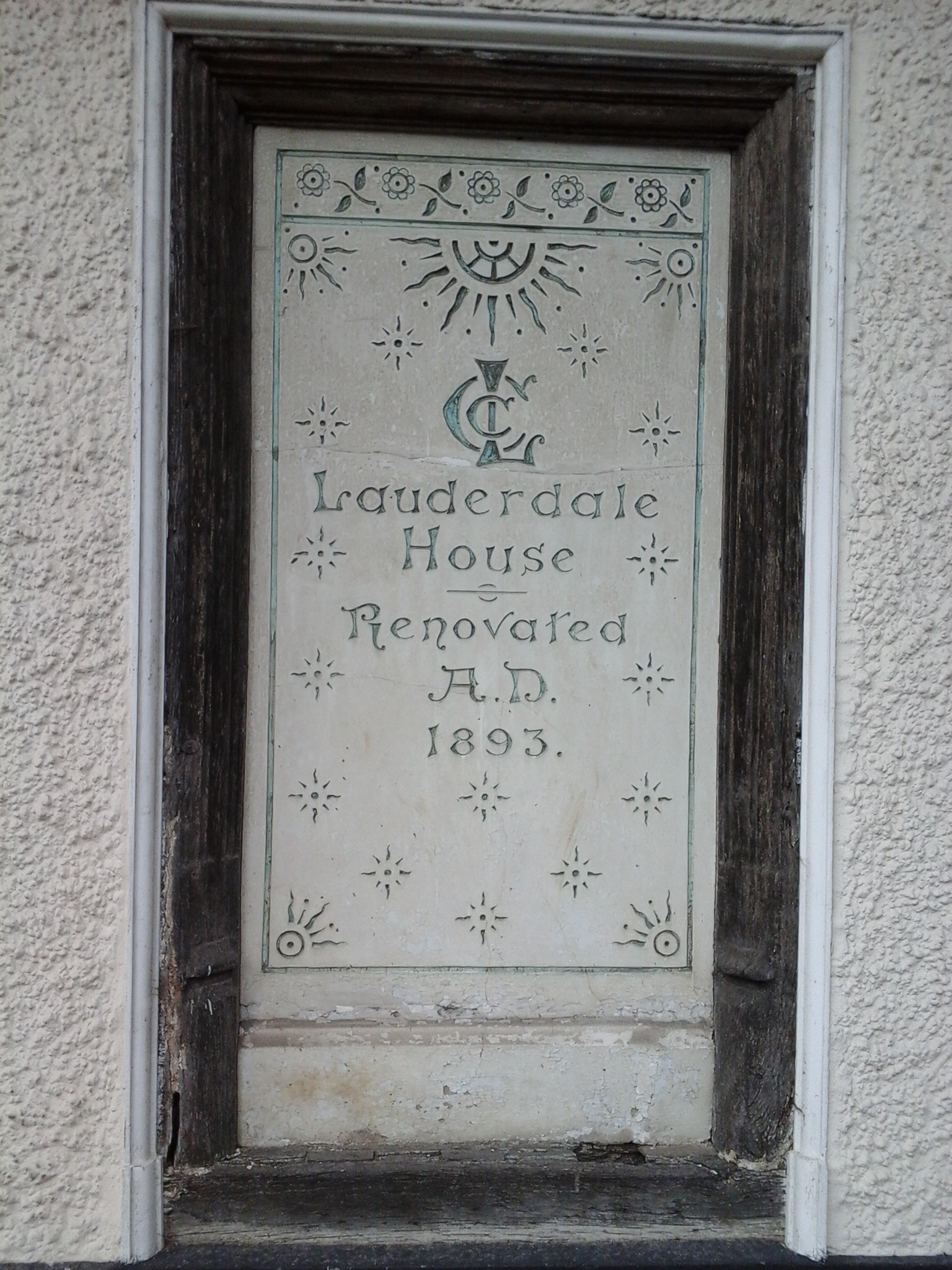
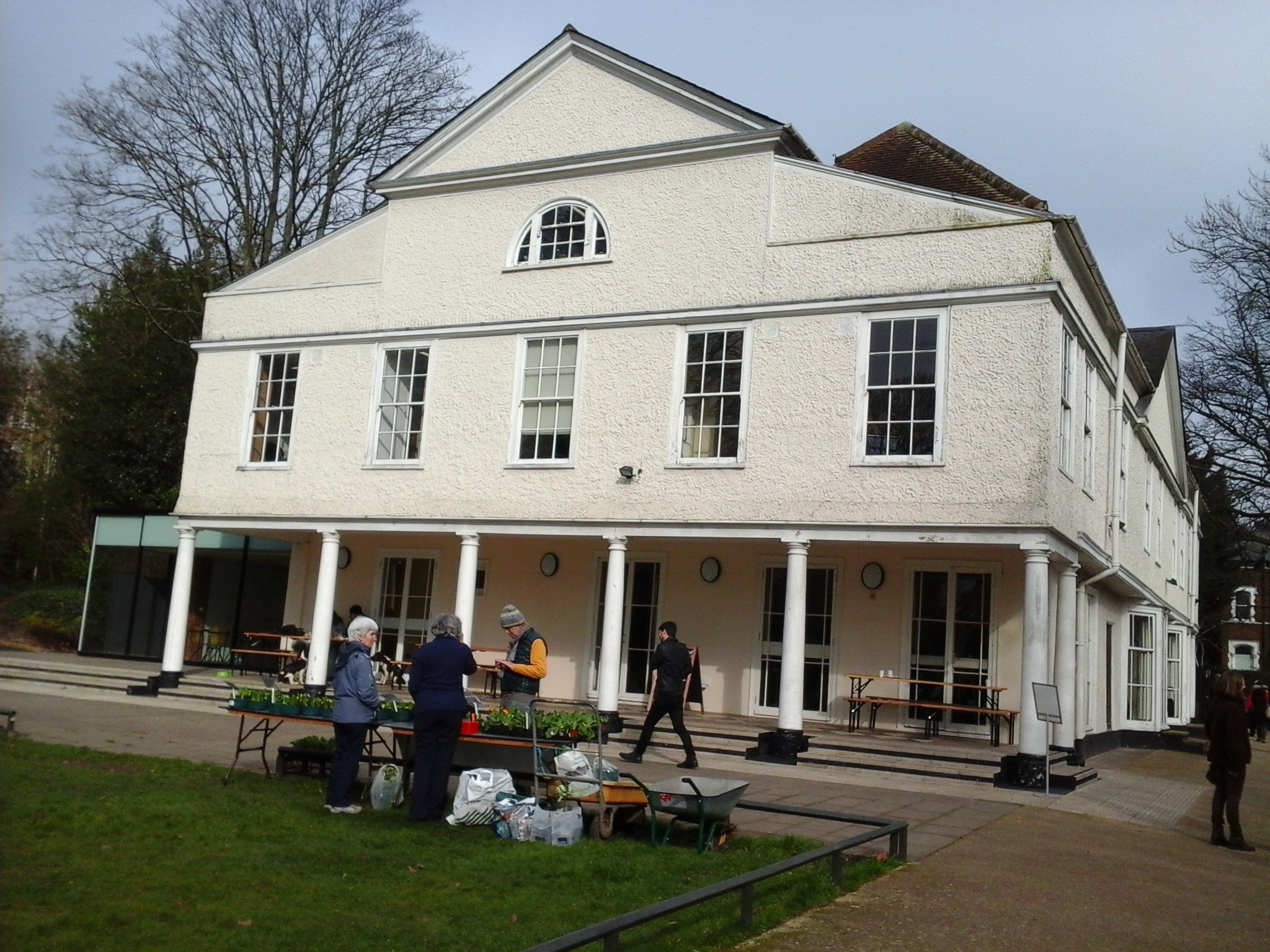
Lauderdale House in Waterlow Park, north London, is a place with a great deal of history. Over the last few months it has been undergoing refurbishment, and reopened this week with a ‘Lauderdale Transformed’ festival including music, play readings and family activities. I went to one of the play readings and went back to the House at the weekend to take part in one of the tours.

History

The house was originally built in 1582 as a private home for three-times Lord Mayor of London, Sir Richard Martin. Eventually it became the home of John Maitland, Earl of Lauderdale, who gave the house its name. Lord Lauderdale, as a key advisor to King Charles II, opened his house to him, and it became a meeting place for the King and his mistress, Nell Gwynn, and their infant son the Duke of St Albans. Samuel Pepys also visited the house on one occasion, and wrote about the visit in his diary.

'Nell Gwynn's Bath'
‘Nell Gwynn’s Bath’

Over the next few decades the house changed hands numerous times, being owned at one point by a member of the Quaker movement (John Wesley preached here in 1782) and later being used as a private boarding school. The last private owner was Sir Sidney Waterlow, another Lord Mayor of London, who gave his name to Waterlow Park. In 1889 he gave the house and grounds to the London County Council “for the enjoyment of Londoners”. The park became a public park and the House became a tearoom and park-keepers’ flats until a fire in 1963 that destroyed much of the House.

The House lay derelict for 15 years, until members of the local community established the Lauderdale House Society, the charity which now runs the House. Lauderdale House was opened in 1978 as an arts and education centre, and remains as such to this day. I took part in a tour to explore the recent renovation.

Tour

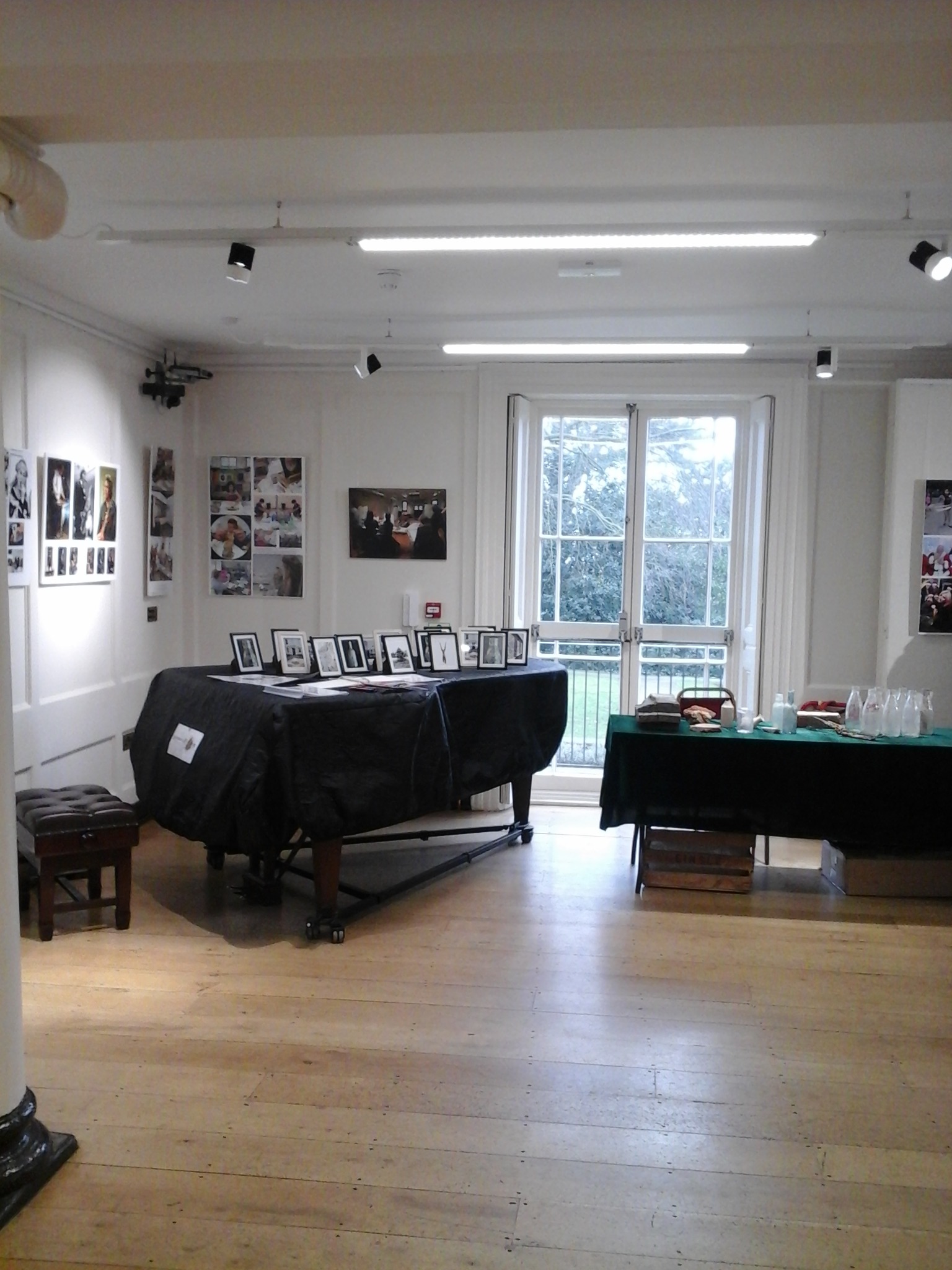
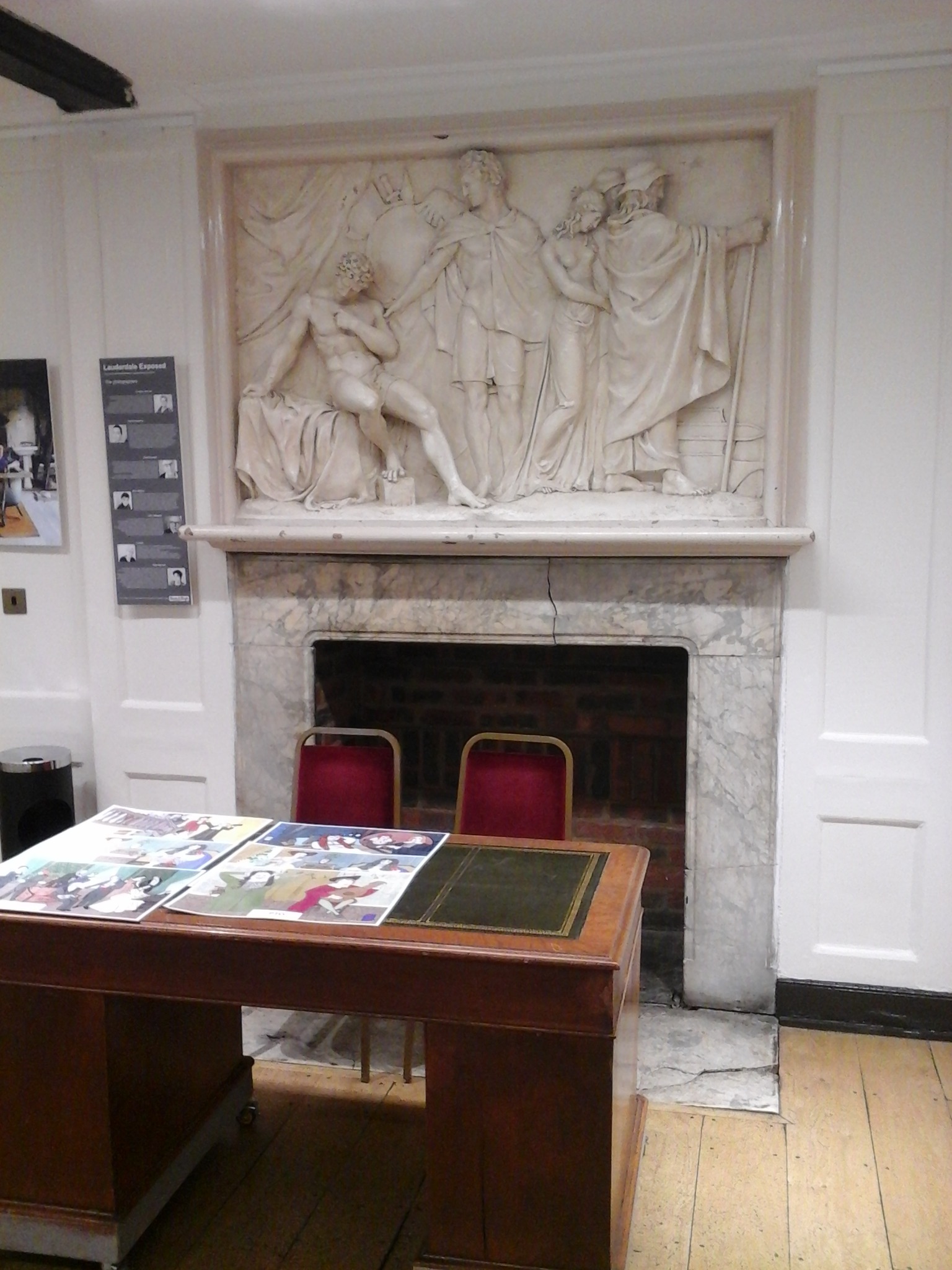
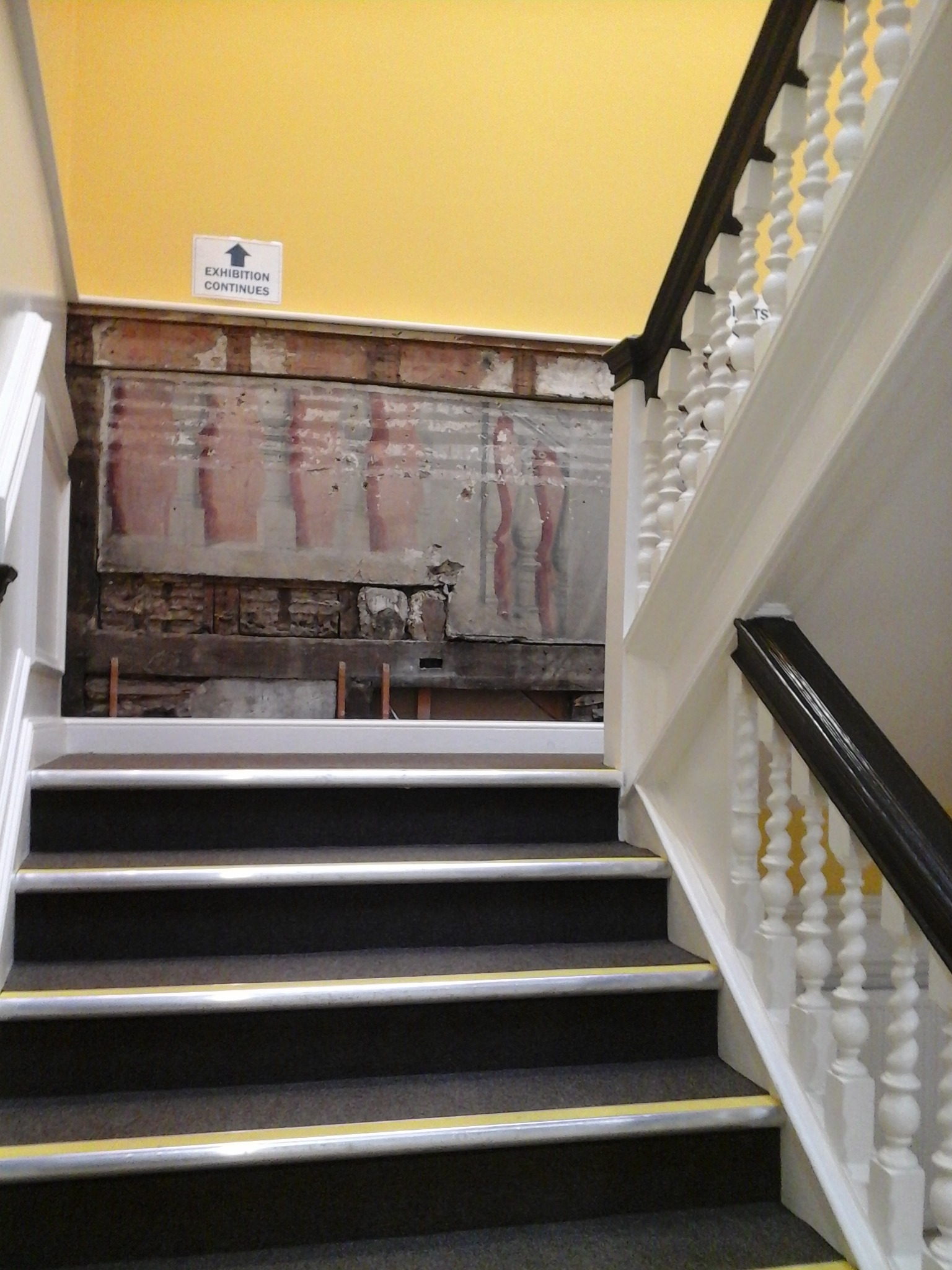
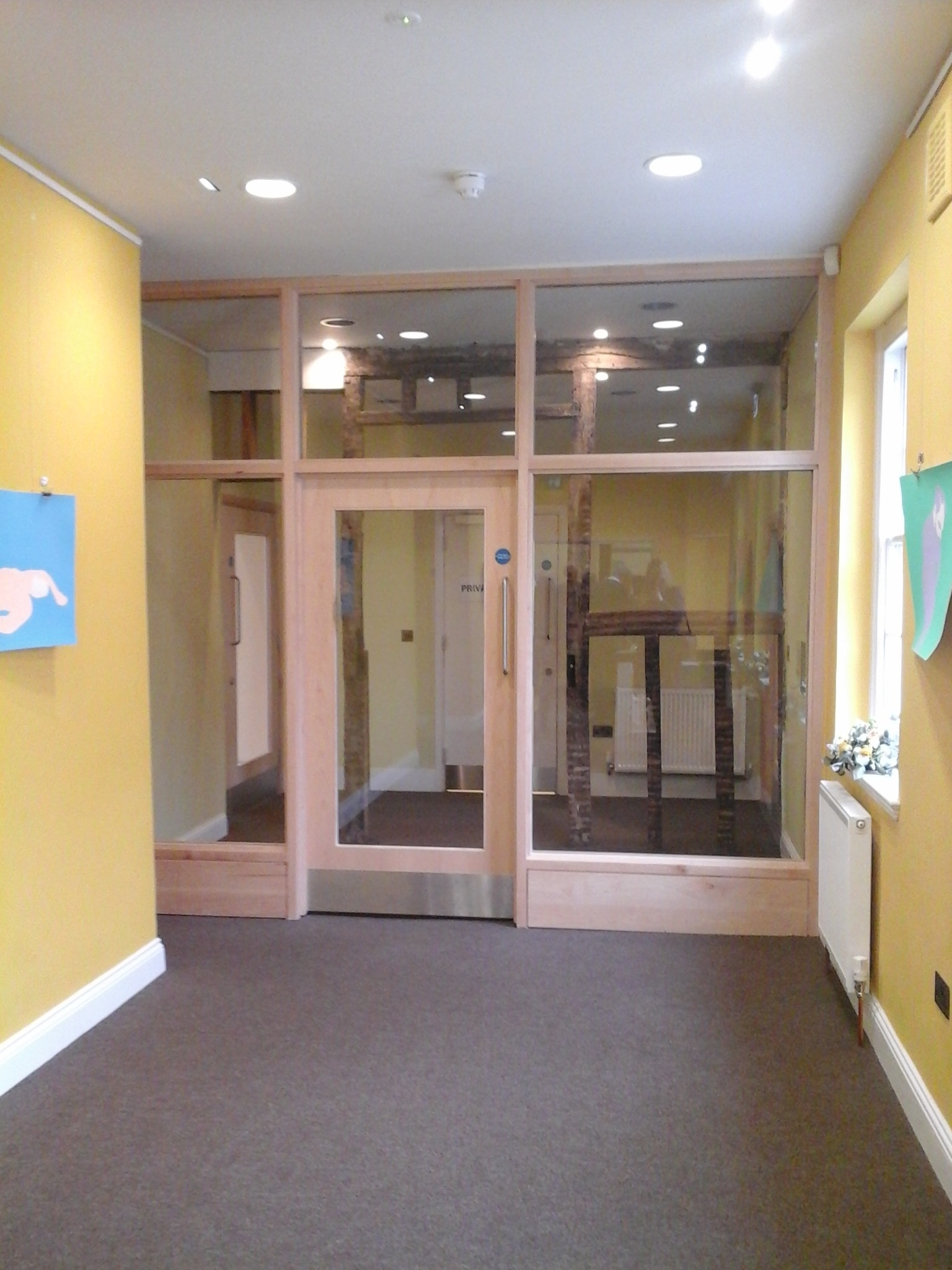
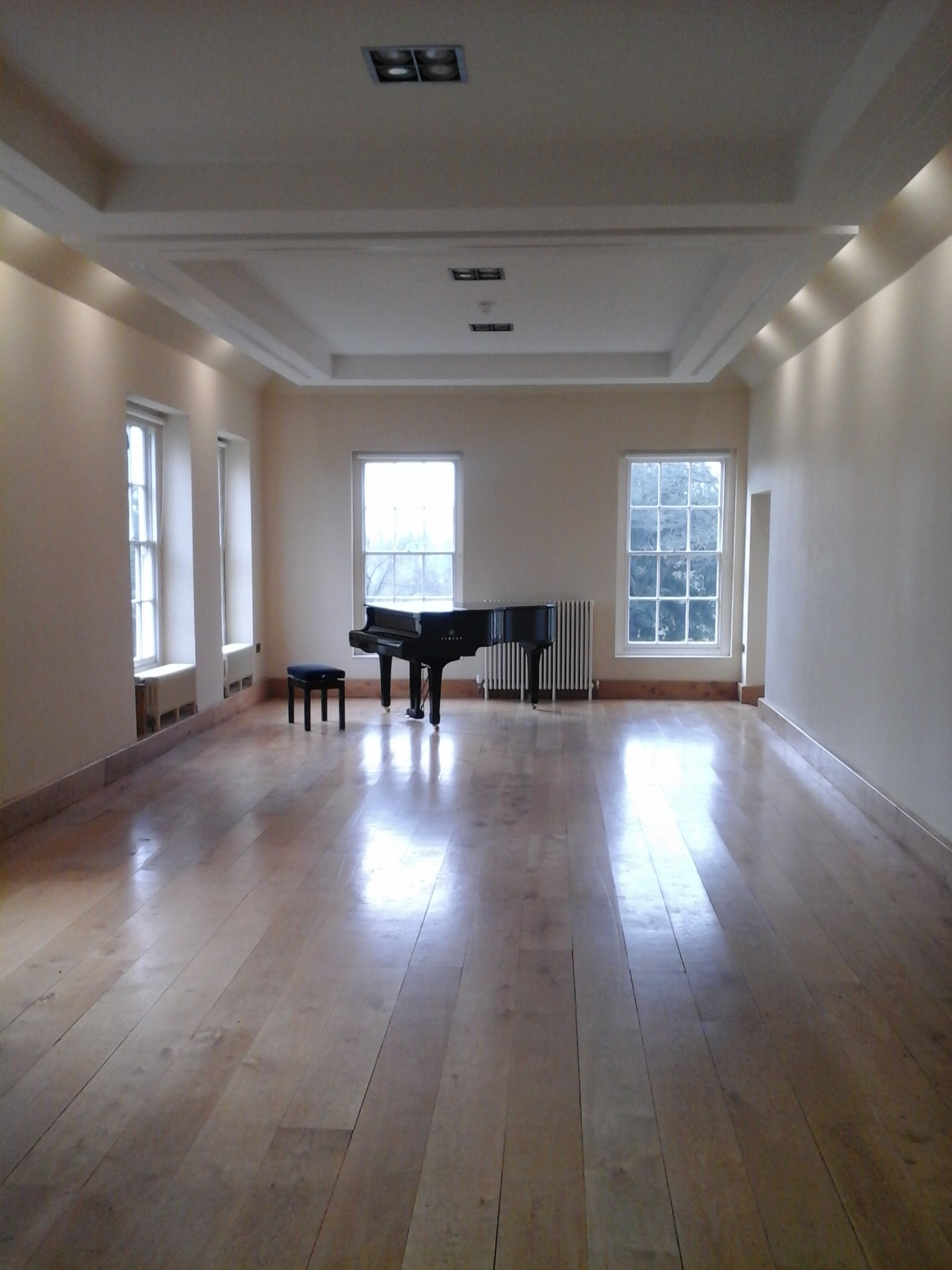
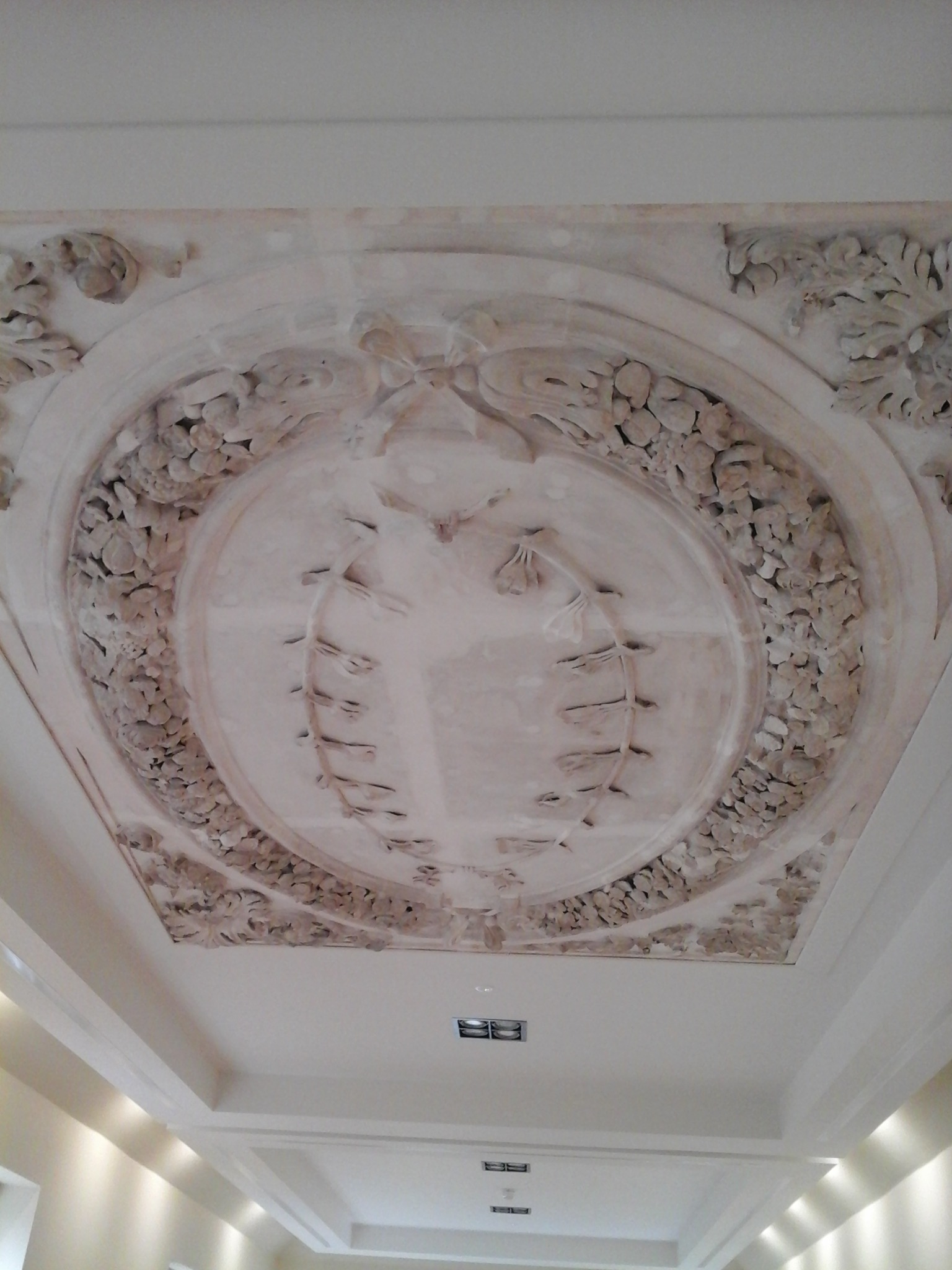
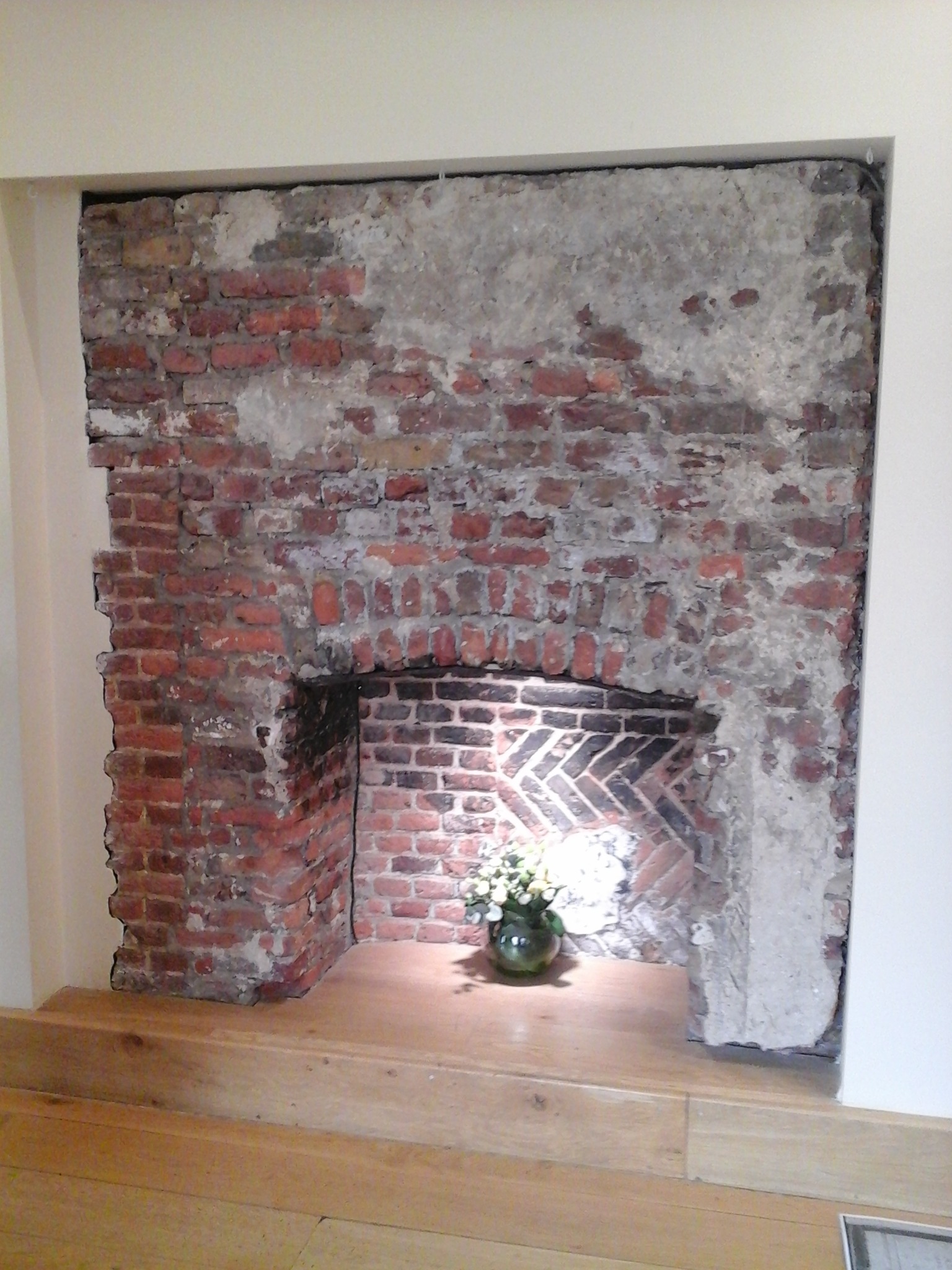
I really enjoyed my tour, which was engaging and informative. The House has been lovingly restored, with ‘Nell Gwynn’s Bath’ taking pride of place in the foyer, which is light and airy. The original stairwell pattern has been exposed, and the original wooden beams from the first house on the site – which show how the original building was smaller – are present and visible. Downstairs, there is a light-filled room that can be used for activities, while upstairs, there is a large airy room that can be used for recitals and meetings. Overlooking the park, it is rumoured to be here that Nell Gwynn dangled her young baby out of the window in order to “persuade” his father, King Charles II, to give him a dukedom. The story is apocryphal, but it’s still pretty entertaining.

Outside, it’s possible to see the original entrance to the house, and wander around the grounds and beyond, into Waterlow Park. Lauderdale House is a beautiful place in North London in which to attend a concert, enjoy an exhibition, spend time with the family or just relax with a cup of tea from the cafe.

Original door Lauderdale House from the back

FACTS

Address: Waterlow Park, Highgate Hill, London, N6 5HG

Website: lauderdalehouse.co.uk

Opening Hours: Dependent on events

Prices: Free to visit; cost for events varies

Not the Soseki Museum, or damn you, Brexit
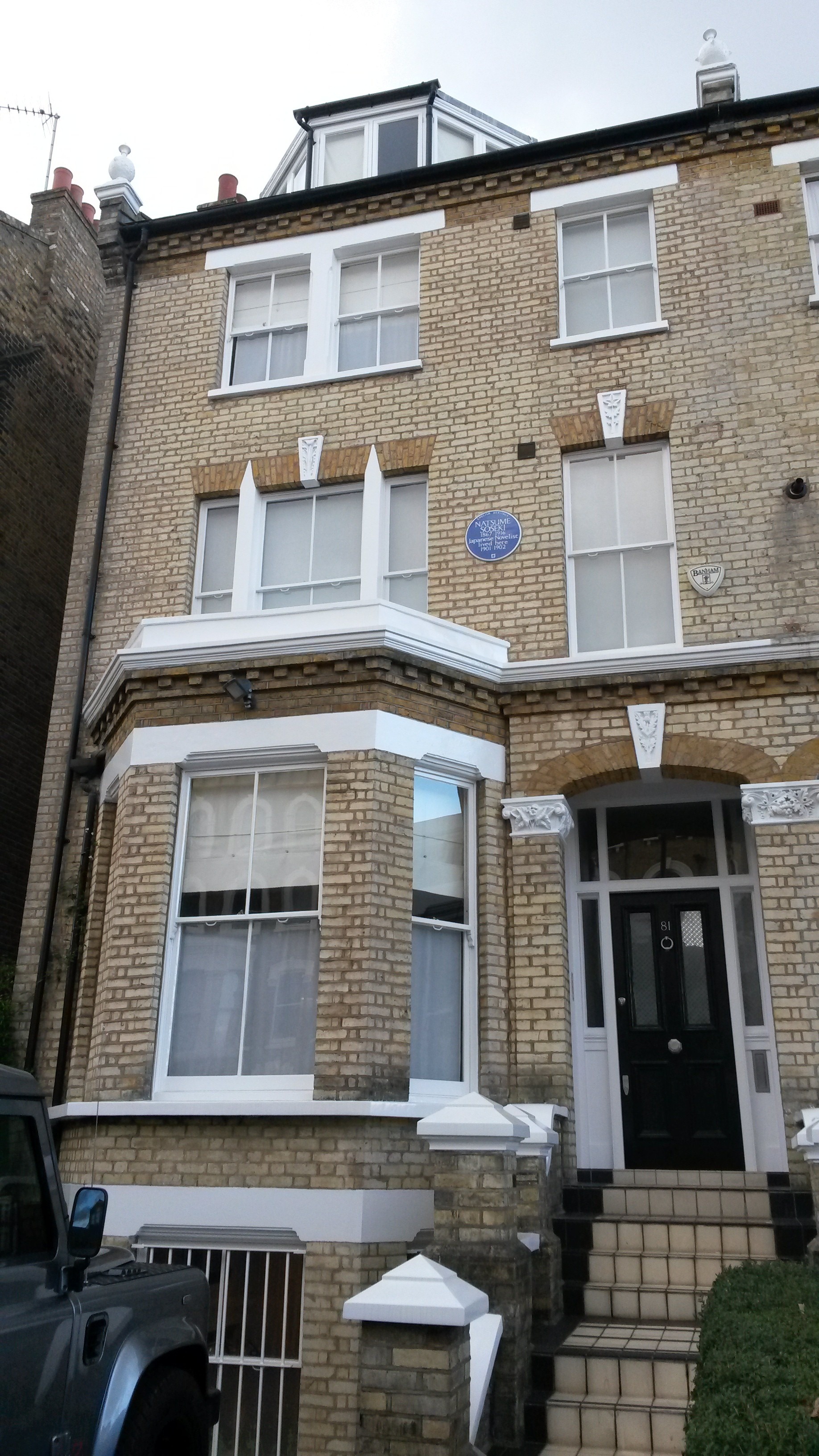
I had a couple of reasons for wanting to visit the Sōseki Museum in Clapham. One was that I am trying to visit every museum in London, including the little ones. The other was that I was genuinely interested in the subject: Natsume Sōseki was a Japanese author who spent two years living in London from 1902 to 1903, sent there to study by the Japanese government (apparently the worst two years of his life). I’ve read and enjoyed one of his novels, I Am A Cat.

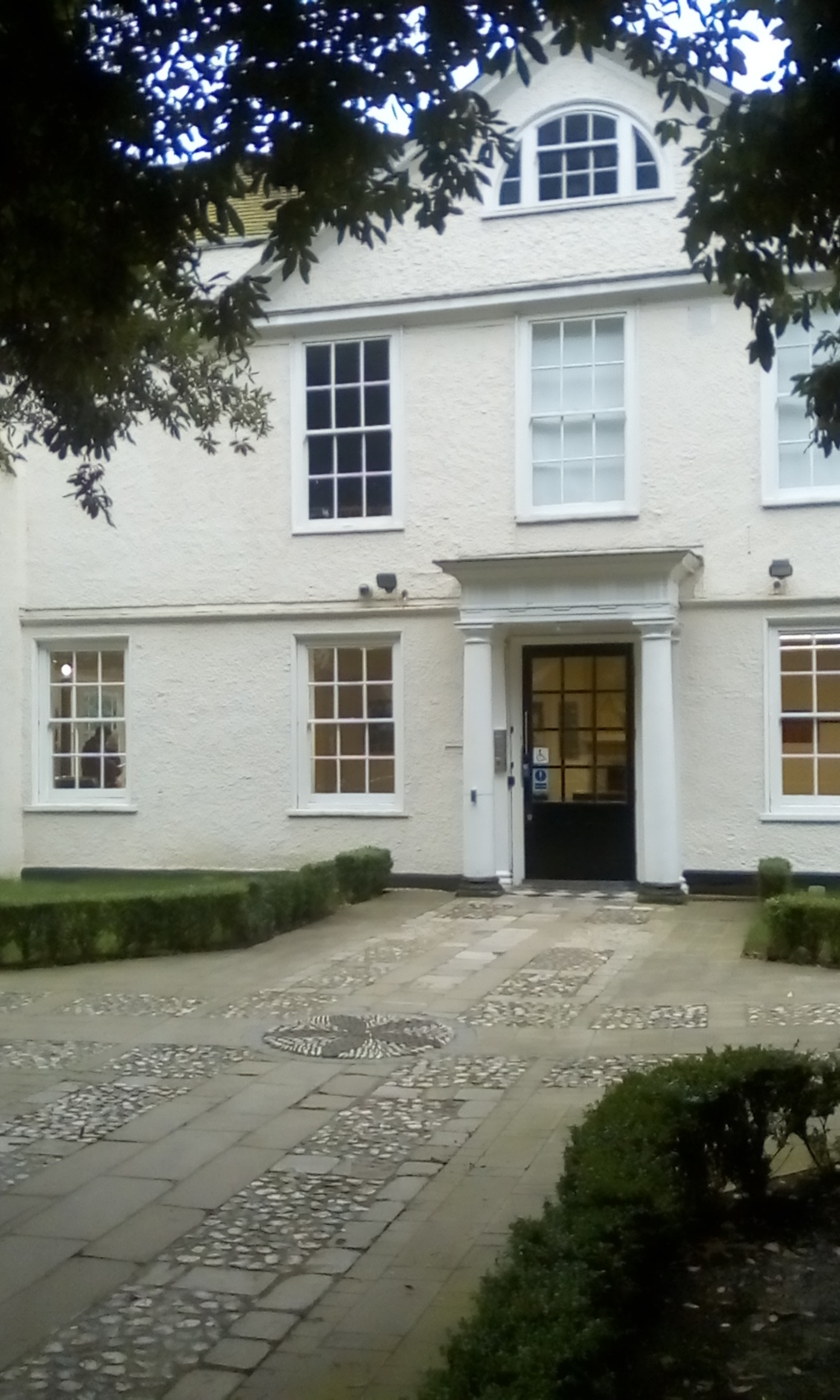
The museum, run by Ikuo Tsunematsu, was filled with books, prints and artefacts relating to the writer’s life. Last year it was announced that due to increasing costs and dwindling visitor numbers, the museum would be closing in the spring of this year. I made my way to Clapham today and had some trouble trying to identify the house: according to the Internet, the location was 80 The Chase, but the blue plaque was on the house opposite. Googling to discover more, I found out that owing to the financial uncertainties resulting from the Brexit vote, the museum actually closed at the end of September last year, meaning that I had a wasted journey and I now have yet another reason to curse Brexit – as if I didn’t have enough already. Anyway, here’s the picture of the house, with only the plaque remaining to show that Sōseki lived here.

2017_0128soseki

FACTS

Address: 80 The Chase, London, SW4 0NG

Opening Hours: Closed because Brexit

Prices: N/A