Rebel Badge Club: The Chocolate Challenge

I was really looking forward to this one! April’s monthly challenge was the Chocolate Challenge, and in between going on holiday and spending Easter with my parents, I ate more chocolate than I have done for ages! Of course, I managed to complete some other clauses too.

Research the history of chocolate, and how it has changed over the years.

I read The True History of Chocolate by Sophie D. Coe and Michael D. Coe. It was fascinating and I learned a lot.

Try five new flavours of chocolate that you’ve never tried before.

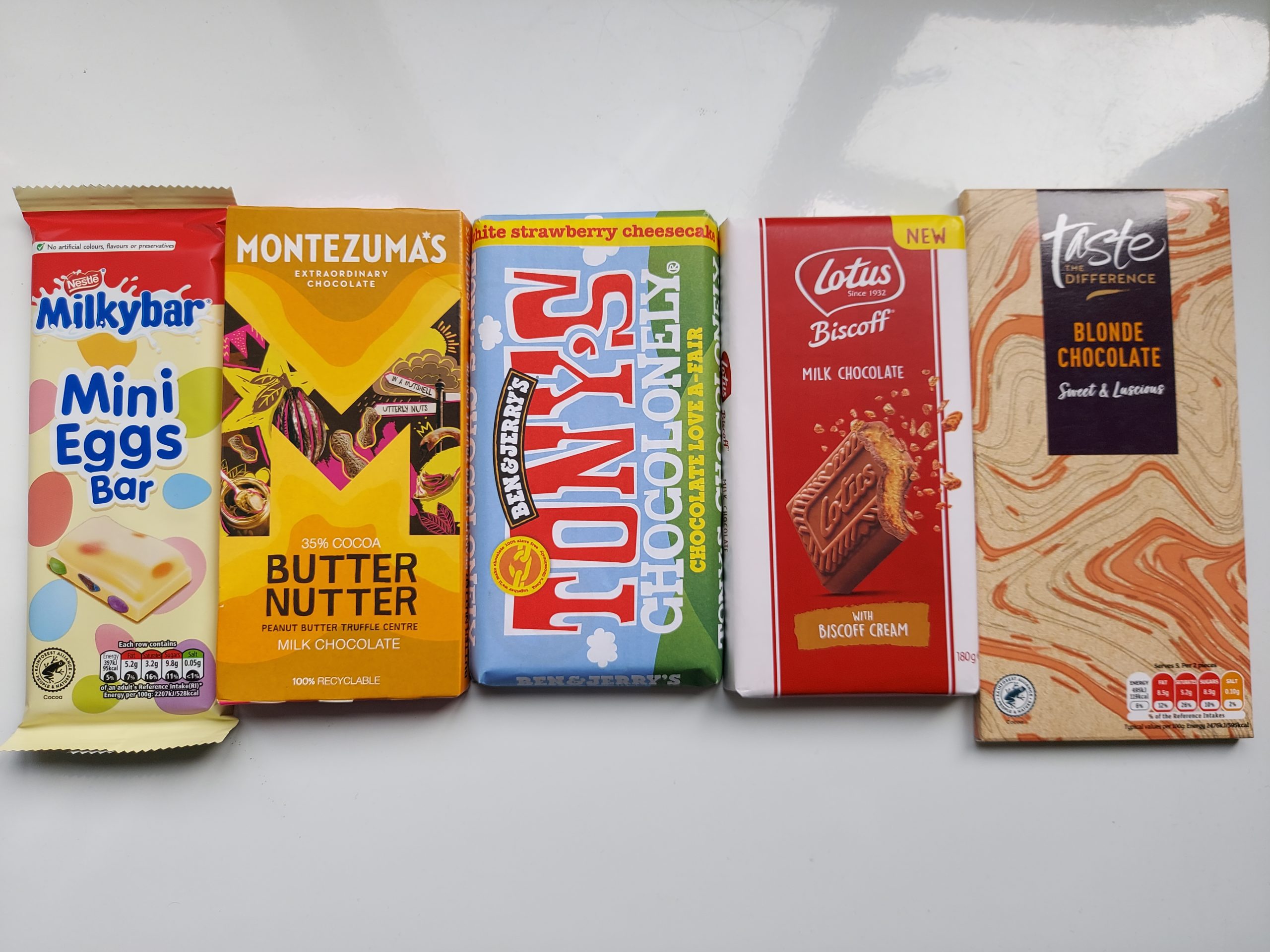
This clause was probably my favourite! I tried the following:

  • Milkybar Mini Eggs Bar (Creamy white choc, mini eggs add texture and more intense milk choc flavour)
  • Montezuma’s Butter Nutter (Yummy peanut butter inside sweet chocolate, like Reese’s but the chocolate is actually good)
  • Tony’s Chocolonely Strawberry Cheesecake (Creamy and sweet with biscuit pieces, but the strawberry was a bit too chewy)
  • Lotus Biscoff Milk Chocolate (Crunchier than expected with that delicious Biscoff taste)
  • Sainsbury’s Taste the Difference Blonde Chocolate (More intense than white chocolate with a rich caramel hit)

Honestly, they were all amazing and I’d give them all 5 stars except for the strawberry cheesecake, as the strawberry bits were a bit chewy and didn’t go too well with the rest of the bar.

5 bars of chocolate

Find out about the Fairtrade mark and ethical chocolate production.

The Fairtrade mark is a label awarded to a product that meets international Fairtrade standards. These standards include social, economic and environmental requirements that need to be met, as well as progress requirements showing that standards are continuously improving. This webpage explains more about these standards.

I found this article which looked at some of the biggest ethical issues surrounding chocolate production, including poverty, child labour and deforestation, and the ways in which this is being tackled.

Give someone a chocolate bar as a random act of kindness.

I gave chocolate bars to my housemates before I left to go home for Easter.

Learn about chocolate classification.

I found this really interesting. I learned the following:

  • Dark chocolate contains 65% to 99% cocoa mass and 1% to 40% sugar.
  • Dark milk chocolate contains 50% to 70% cocoa mass, 20% to 30% milk powder, and 20% to 30% sugar.
  • Milk chocolate contains 35% to 55% cocoa mass, 20% to 25% milk powder, and 20% to 25% sugar.
  • White chocolate contains 30% to 45% cocoa butter, 25% to 40% milk powder, and 25% to 55% sugar.
  • Ruby chocolate contains 40% to 55% cocoa mass, 15% to 30% milk powder, 15% to 30% sugar, and 1% to 5% citric acid.
  • Gianduja chocolate contains 20% to 40% cocoa mass, 25% to 35% hazelnuts, and 30% to 40% sugar.

I made a chart to demonstrate this:

Chart showing proportions of ingredients in different kinds of chocolate

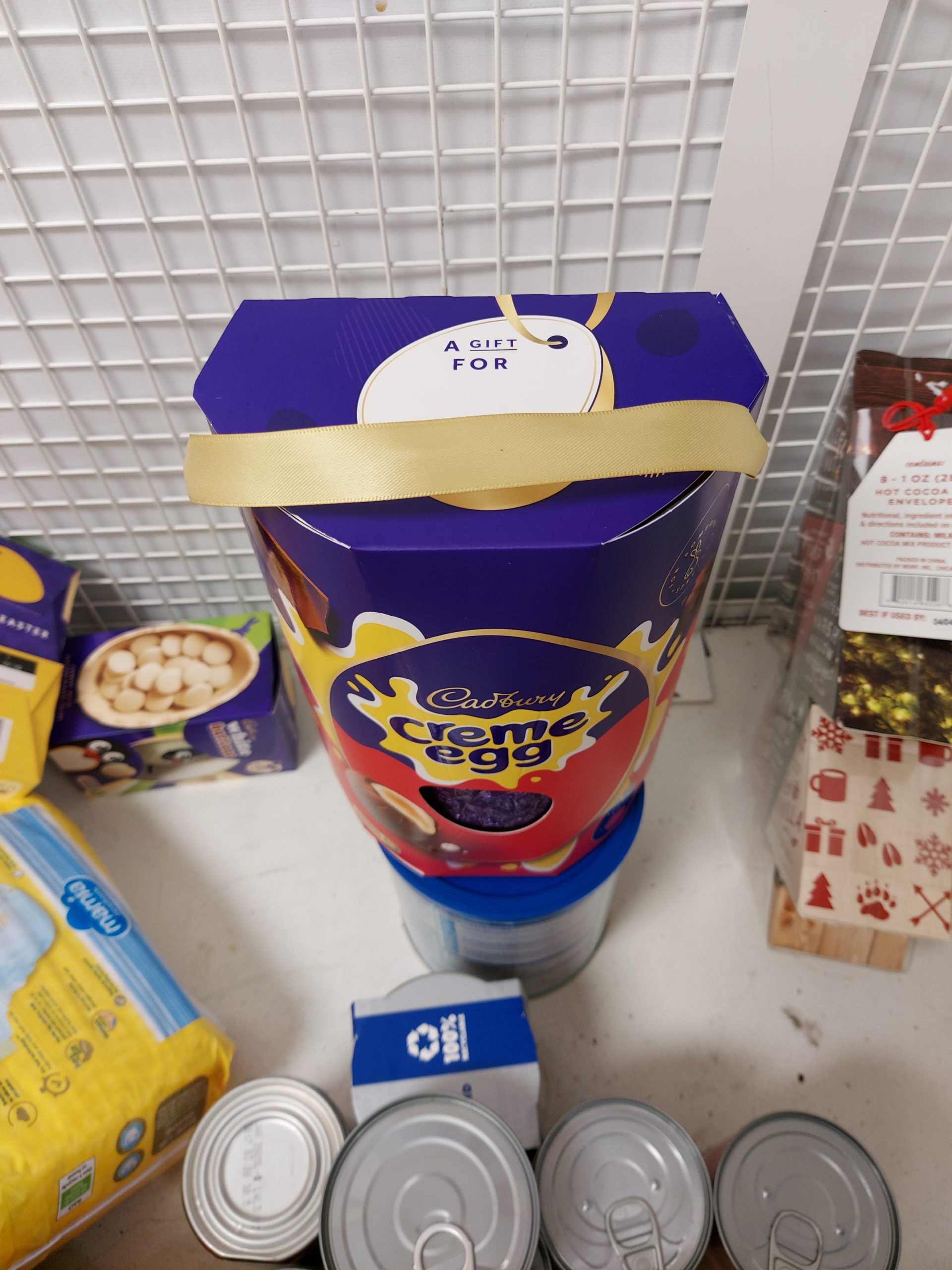
Donate an Easter egg to a foodbank.

I did this on April 1, the first day of the challenge, to make sure it was done in time for Easter.

A Creme Egg Easter egg inside a box

Try a chocolate which meets a dietary requirement you don’t have.

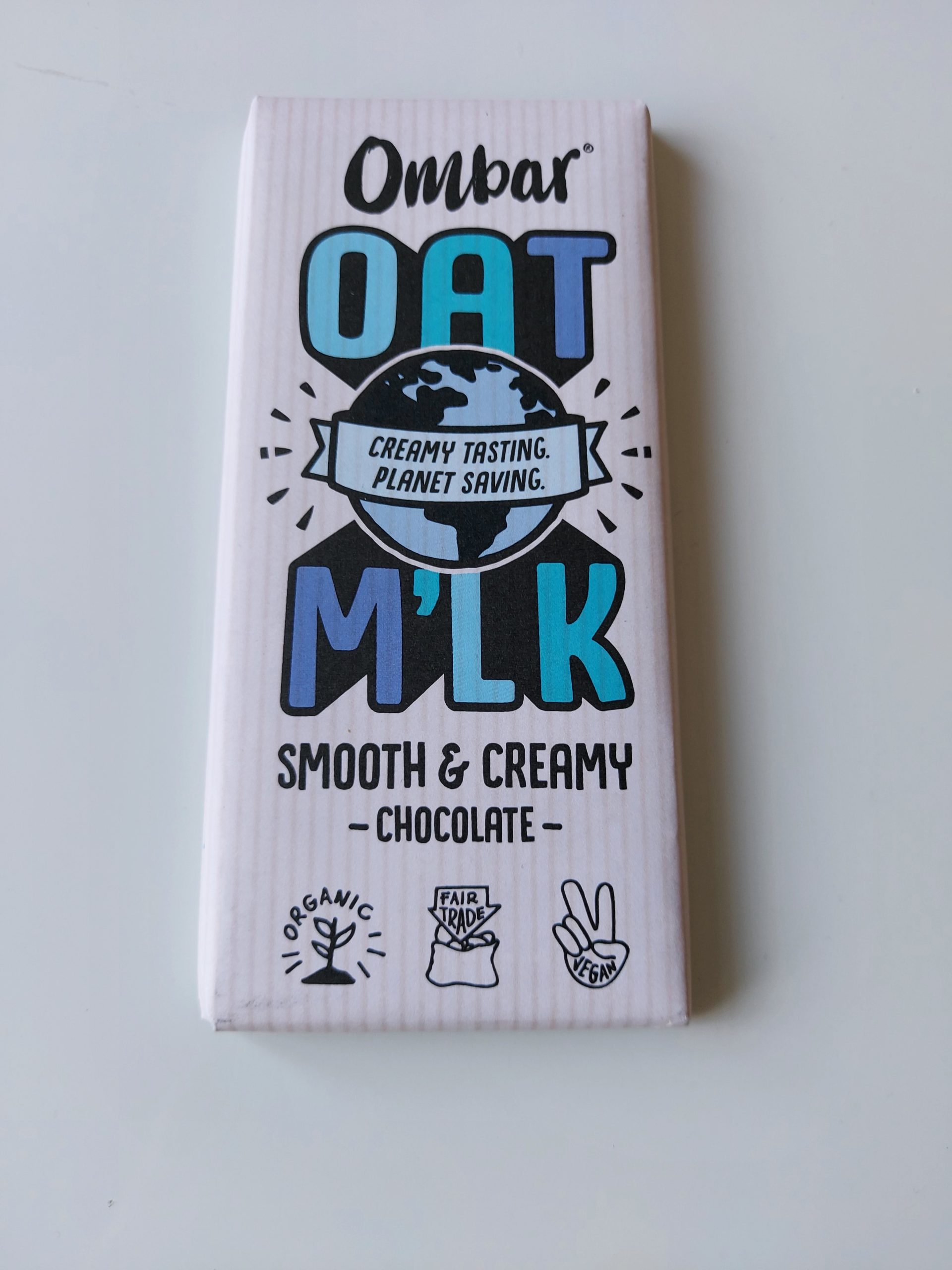
I tried the Ombar Oat Milk chocolate. It wasn’t horrible but just didn’t taste as nice as standard milk chocolate, so I don’t think I’ll be eating it again! Also, why is alternative milk chocolate so much more expensive than normal milk chocolate?

A bar of oat milk chocolate

Blind test five different brands of the same type of chocolate.

I tried five different types of dark chocolate, and would put them in the following order:

  • Venchi 60% Dark
  • E. Wedel 64% Dark Classic
  • Lindt Excellence 70% Cocoa Intense Dark
  • Montezuma’s Fitzroy 74% Cocoa Dark Chocolate
  • Green & Black’s Organic 85% Cocoa Intense Dark

The bad news was that the most expensive bar (Venchi) was my favourite. The good news was that the cheapest bar (E. Wedel) was my second favourite. In fact I think I just prefer dark chocolate that is 60% or so rather than the more intense 80% plus.

5 bars of dark chocolate

Rebel Badge Club: Rebel Buddy

I’ve completed the Rebel Buddy badge!

To achieve this badge I had to meet up with local Rebels 3 times and work on a badge together.

On 7 August last year I met up with fellow Rebel Laura and we walked part of the Thames Path for our Explorer badge.

On 26 February this year I met some London Rebels at the Southbank Centre for board games (the Board Games badge).

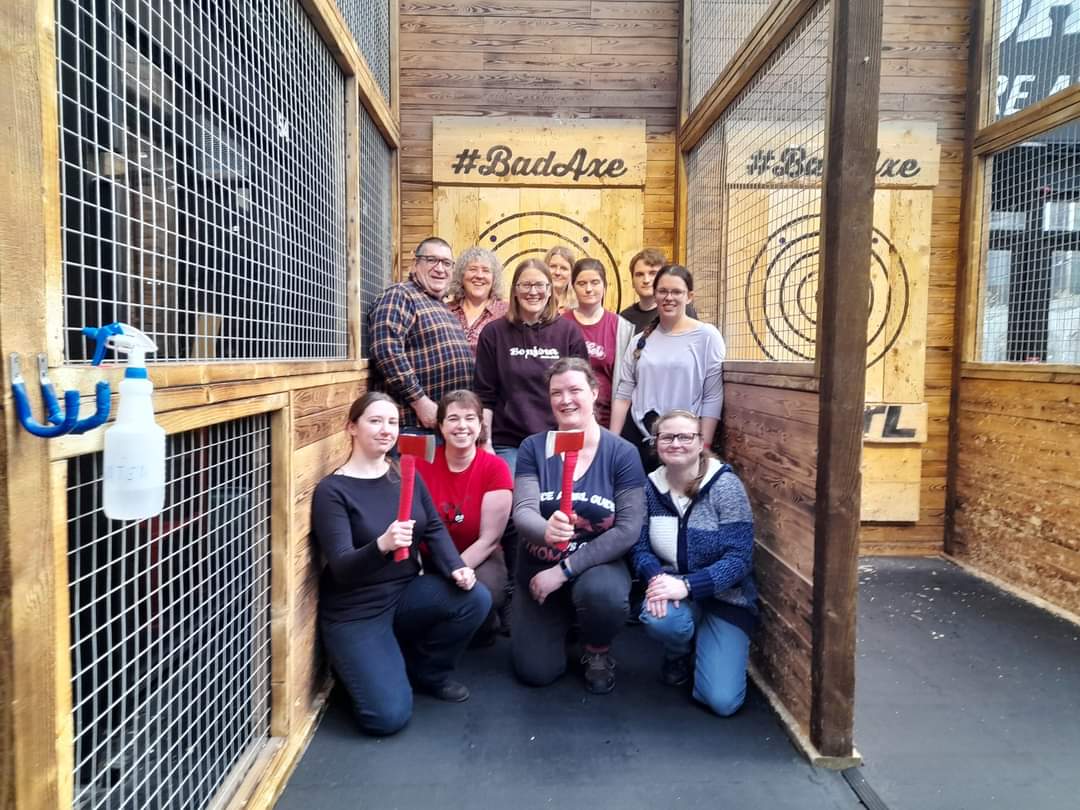
Finally, on 2 April I met some other London Rebels for axe throwing in Croydon, working towards our Adventurer badge.

London Rebels at the axe throwing space
London Rebels at Bad Axe London

I had a brilliant time at all 3 events and hope I can attend many more in future!

Date completed: 2 April 2023

Rebel Badge Club: Environmentalist

I decided to start work on the Environmentalist badge at the beginning of February. It wasn’t a badge that immediately jumped out at me, but as I’ve been working on it, I’ve become aware of how important it is.

For a month, track how much rubbish you generate personally.

I actually don’t think I produce that much rubbish. In February, I tracked my rubbish (I only counted non-recyclable stuff) and this included empty cosmetic bottles, crisp packets and biscuit/chocolate wrappers, as well as empty tablet blister packs.

For a second month, actively reduce your waste.

During March I aimed to reduce my waste. I started using solid shampoo and conditioner in order to reduce waste in this area. I also looked into ways to recycle blister packs.

I decided to try buying larger bags of crisps/chocolate instead of packs of individually-wrapped items in the hope that I could reduce my packaging that way. However, having a large bag open in my kitchen just feels like an invitation to eat the whole thing. I might have to go back to buying packs of individual items and trying to reduce my waste in other ways.

Switch to vegan options one day per week for a month.

I eat a mostly vegetarian diet anyway so it was no hardship to make more of an effort to eat vegan. Some of the meals I made included Thai green curry, nasi goreng, Moroccan tagine, and Japanese seared mushroom steak on rice.

Be more mindful about the amount of water you use.

I don’t think I use too much water, particularly as I don’t have a bath (sob) so have to shower instead. However, I did try to turn the tap off while cleaning my teeth, and in general to be careful about how much I was using.

Take part in at least one litter pick.

I took part in a litter pick at a local park on Saturday 18 March. I had imagined that we would have a nice walk around the park picking up bits of litter. Instead we were down near the river, picking bits of rubbish out of the mud. It was really rewarding, however, especially as we were clearing the area to become a hedgehog habitat. There is a local group of litter pickers that I have joined and I would definitely go along to another event.

Learn about 3 endangered animals. Visit a zoo or animal reserve which is working proactively towards animal protection.

I visited Hanwell Zoo, which is a small local zoo working towards conservation, education and community engagement.

Red-crowned crane
A red-crowned crane

All 3 endangered animals I learned about are kept at Hanwell Zoo.

Bali Starling

  • Bali starlings are classed as Critically Endangered: they have an extremely small range and a tiny population which is still suffering from illegal poaching.
  • They are one of the rarest birds in the world. In the wild they are found only in one forest on the Indonesian island of Bali.
  • They usually live in large flocks, although during the breeding season pairs tend to act aggressively towards one another. When courting, behaviour displayed includes shrieking and head bobbing movements.
  • Bali starlings prefer forested areas so that they can nest in trees, often in old woodpecker holes. They have a mixed diet of fruit, seeds and insects.

Red-Crowned Crane

  • Red-crowned cranes are classed as Endangered. Other names for the bird include the Manchurian crane or Japanese crane.
  • The name comes from the red “cap” on top of the head, which is exposed red skin.
  • On average, this is the heaviest species of crane, weighing up to 25 pounds. Red-crowned cranes live in flocks and their family group is the largest social organisation of cranes.
  • This species of crane can be found in southeastern Russia, northeast China, Mongolia and eastern Japan.
  • Red-crowned cranes are omnivorous, existing on a diet of invertebrates, fish, amphibians, rodents, grasses and berries. In the winter they often move to paddy fields and feed on rice.

Hazel Dormouse

  • Hazel Dormice are rare and vulnerable to extinction in the UK. They are native to the UK, Europe and Asia Minor.
  • They are nocturnal, spending most of the day asleep and coming out at night to hunt for food.
  • They eat foods such as hazelnuts, berries and insects, and hibernate during the winter.
  • Hazel dormice build their own nests out of grass and leaves, and raise up to seven young at a time.

Repair something you would normally have thrown away.

I fixed a tear in my dress when it accidentally got ripped after getting it caught in a chair. You can’t see the fix unless you’re looking – win!

Minimise your spending for a month.

I’ve been doing this as part of the Conscious Consumer badge anyway, so this wasn’t too much of a problem. I chose March as my month to minimise my spending – I’m going on holiday in April anyway, so this is a good time to do it!

Date completed: 31 March 2023

Rebel Badge Club: Conscious Consumer

Conscious Consumer is all about buying less, using what you have and buying more mindfully. I began this badge in October last year and completed it this March.

Over a period of at least three months, actively aim to buy as little as possible.

I need to save money anyway so this clause came at the right time! I really tried to restrain my spending and buy only what I absolutely needed.

Things I “absolutely needed” included items for Rebel Badge Club itself – craft kits, ingredients to make cosmetics, baking equipment. I also bought acrylic jewellery (though much less than usual) where waiting would have meant that they sold out. I also bought a few theatre tickets (again, less than usual) but very little else.

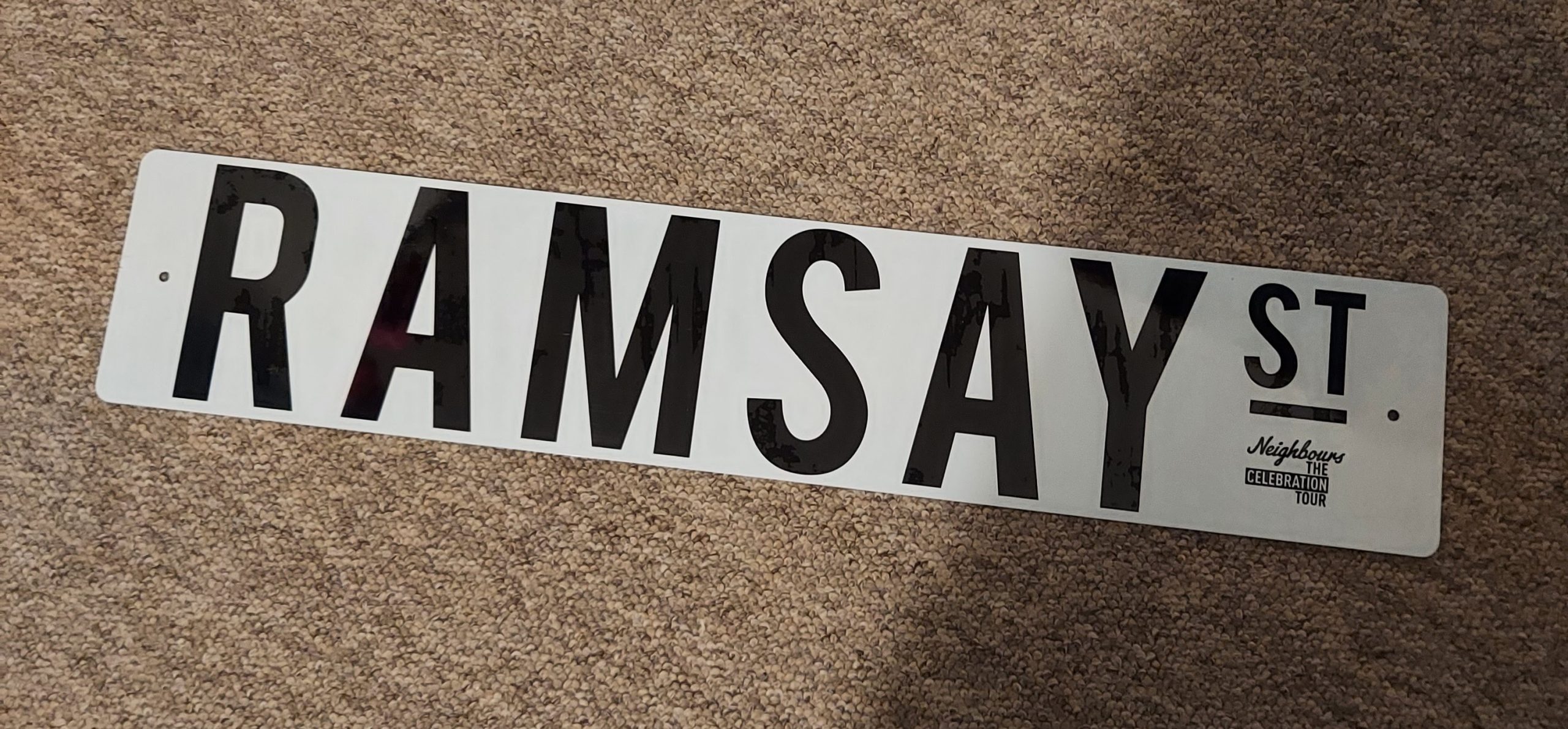
Ramsay Street street sign
Something else I bought and counted as “essential”…

For a period of at least six months, only buy second-hand clothing.

This wasn’t as hard as I had expected, mainly because I have plenty of clothes anyway! The only new clothes I bought during this period were my leggings, sports bra and top for running: I did check Ebay and other second-hand sites but there was nothing suitable on there.

Explore long-term options which reduce your overall spending and wastage.

  • Buy fewer, but better quality, clothes
  • Buy in bulk & portion out instead of separately packaged food items
  • Bake more
  • Use solid cosmetic products e.g. shampoo
  • Be more intentional about jewellery purchases
  • Think about potential purchases before making them
  • Have no-spend days
  • Use a shopping list
  • Avoid single-use containers
  • Buy loose veg where possible

Research ways you can shop more ethically.

  • Buy fewer things
  • Buy eco-friendly products
  • Buy from ethical brands
  • Boycott unethical organisations
  • Look for certifications e.g. Fairtrade
  • Avoid animal products
  • Shop local
  • Buy from companies that give back
  • Buy and sell second-hand
  • Reuse, repurpose, recycle
  • Support Black-owned businesses

Learn how to fix at least three different items which you would normally throw away.

I mended a pair of tights that had developed a hole. I also mended a tear in a dress, which was handy as I love the dress and really didn’t want to throw it away. I also fixed a pair of sunglasses.

Make at least five handmade gifts for friends and family instead of buying things.

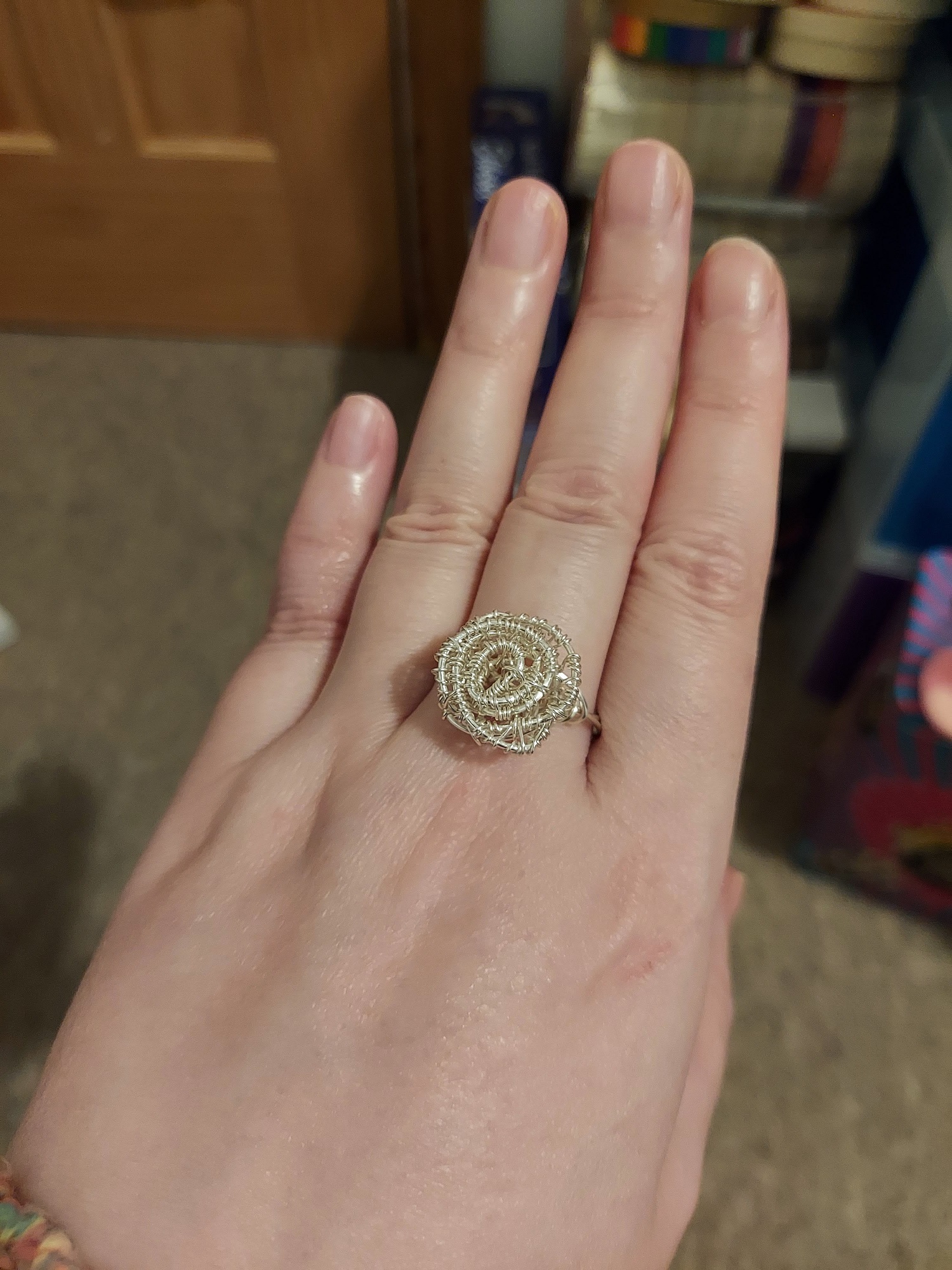
I made cross stitch gifts for my friend, family members, and my friend’s little girl. I also made a rose ring from wire for my mam for Mother’s Day.

A hand with a wire-wrapped rose ring

Date completed: 31 March 2023

Rebel Badge Club: Chef

Chef was one of the more daunting badges for me, mainly because it takes at least six months to complete. I decided to begin it at the start of October, reasoning that I’d be more likely to cook during the colder and darker months.

Over a period of 6 months actively work to improve your cooking skills.

I aimed to improve my cooking skills by trying out new and different recipes. Over the course of the six months I tried recipe boxes from Hello Fresh, Gousto and Simply Cook (making the most of special offers, of course!). I also made meals for my family when I was at home over the Christmas break.

Prepare at least 3 meals each week from scratch.

In practice, this clause usually meant that I was eating home-cooked food six nights out of seven, as I will usually cook one meal and eat it for two nights. The seventh night, I ate something simple, or grabbed a sandwich on the way to the theatre.

Each month experiment with a new cuisine and at least one new ingredient.

This clause was tricky as I’ve made quite a variety of recipes in the past. However I still managed to find new things to cook.

I cooked Korean, German, Brazilian, Iranian and Moroccan cuisine, as well as fish (not strictly a “cuisine” in the same sense but deserves a category of its own!).

I tried new ingredients including paneer, tofu, spelt, filo pastry, pears and banana blossom.

Master basic knife skills.

I signed up for a free online course on Craftsy about knife skills. In all honesty I didn’t expect much from a free course but it was great, and I learned lots of new tips and tricks.

Cook a three-course meal from recipes you’ve never tried before.

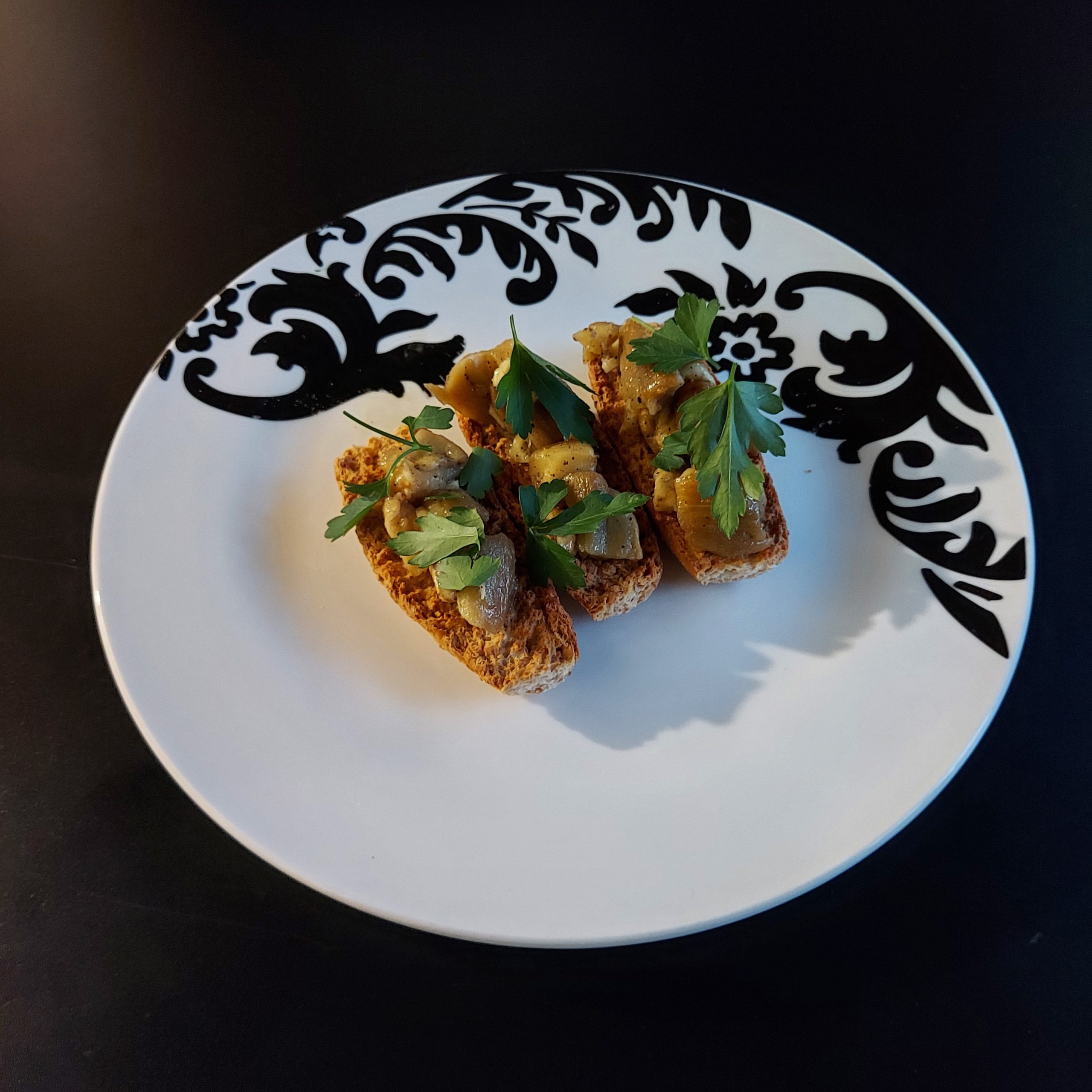
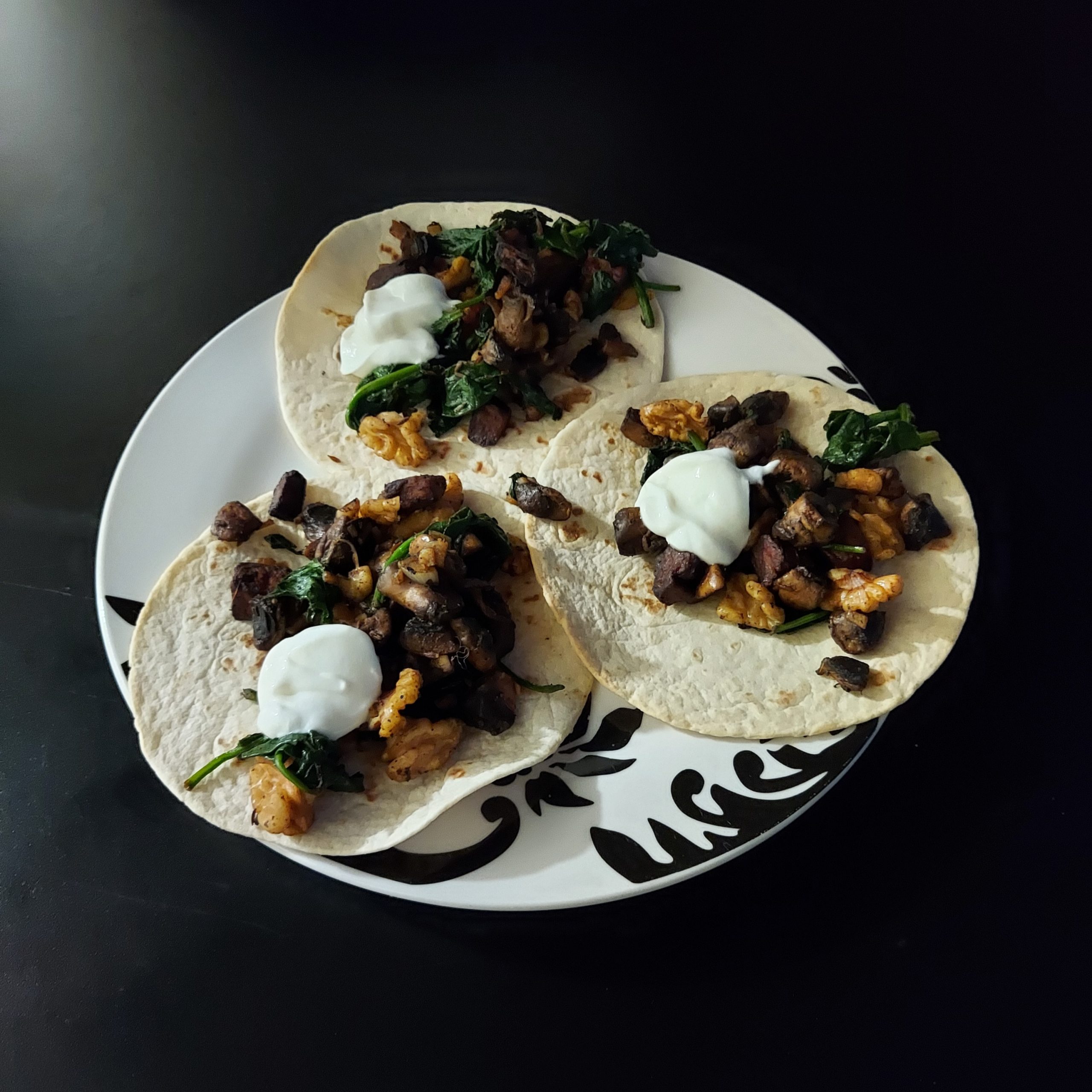
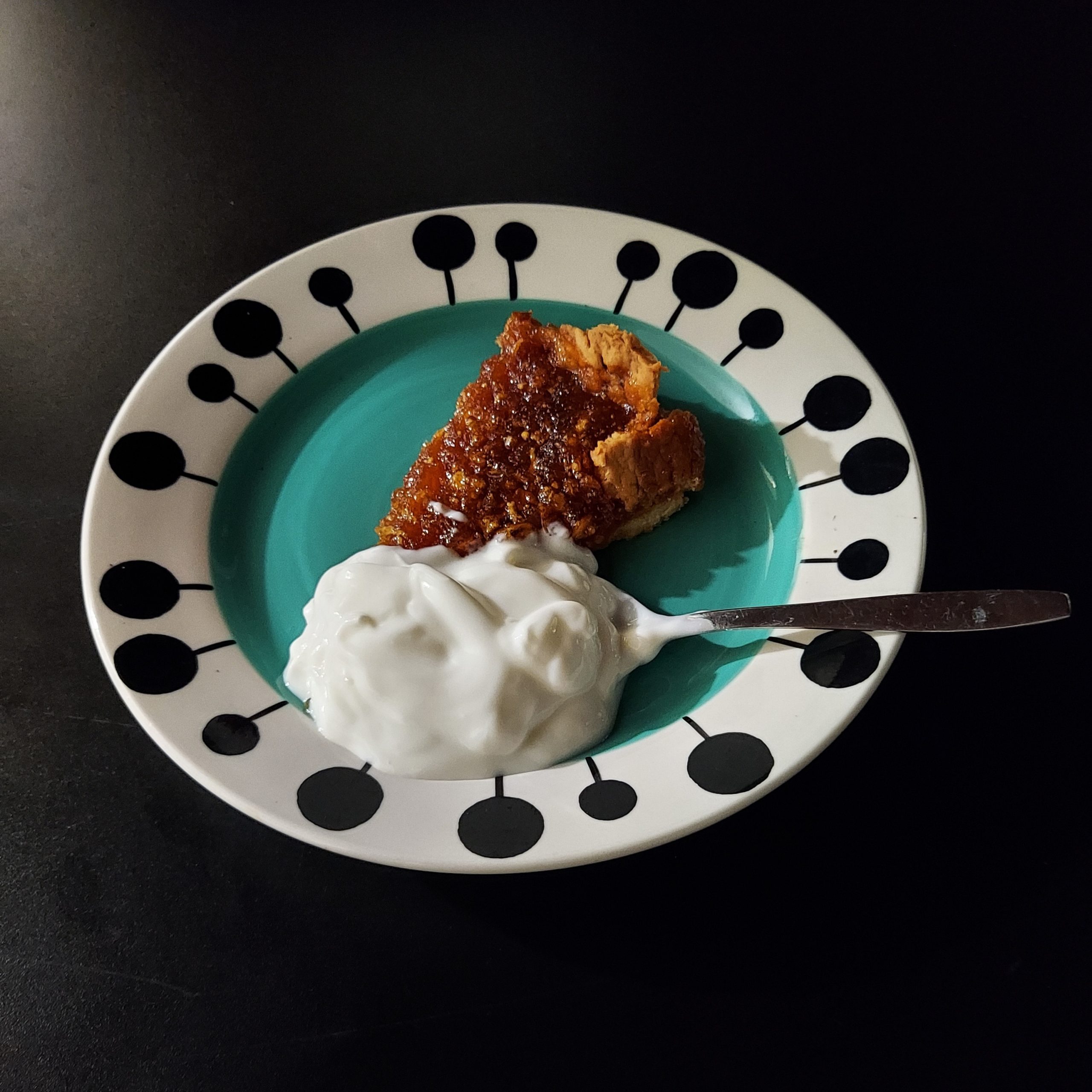
I chose a lazy weekend to make myself a three-course meal, consisting of aubergine pate, butternut squash, spinach & mushroom tacos, and treacle tart.

Modify a recipe to your tastes – add or substitute at least three ingredients.

I didn’t do this specifically for the badge, because I do it a lot anyway – usually because I don’t have the specified ingredient in the house! I’m always using different vegetables, or beans, or seasonings in meals – I have no issues with mixing things up a bit. I also like to avoid food waste so if I have something left over I’ll add it to the recipe so it will still get used.

Cook a dinner party for at least 4 people.

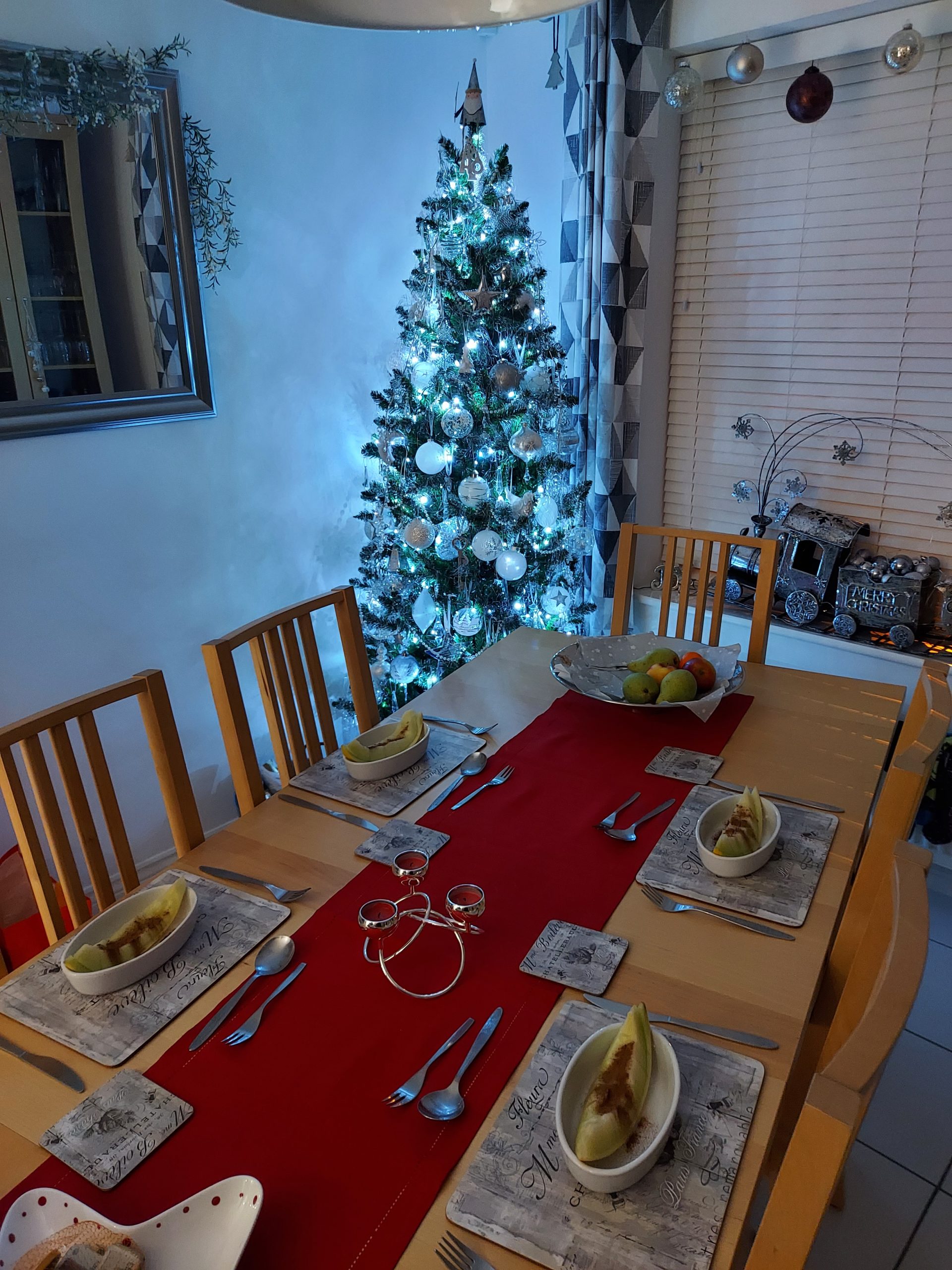
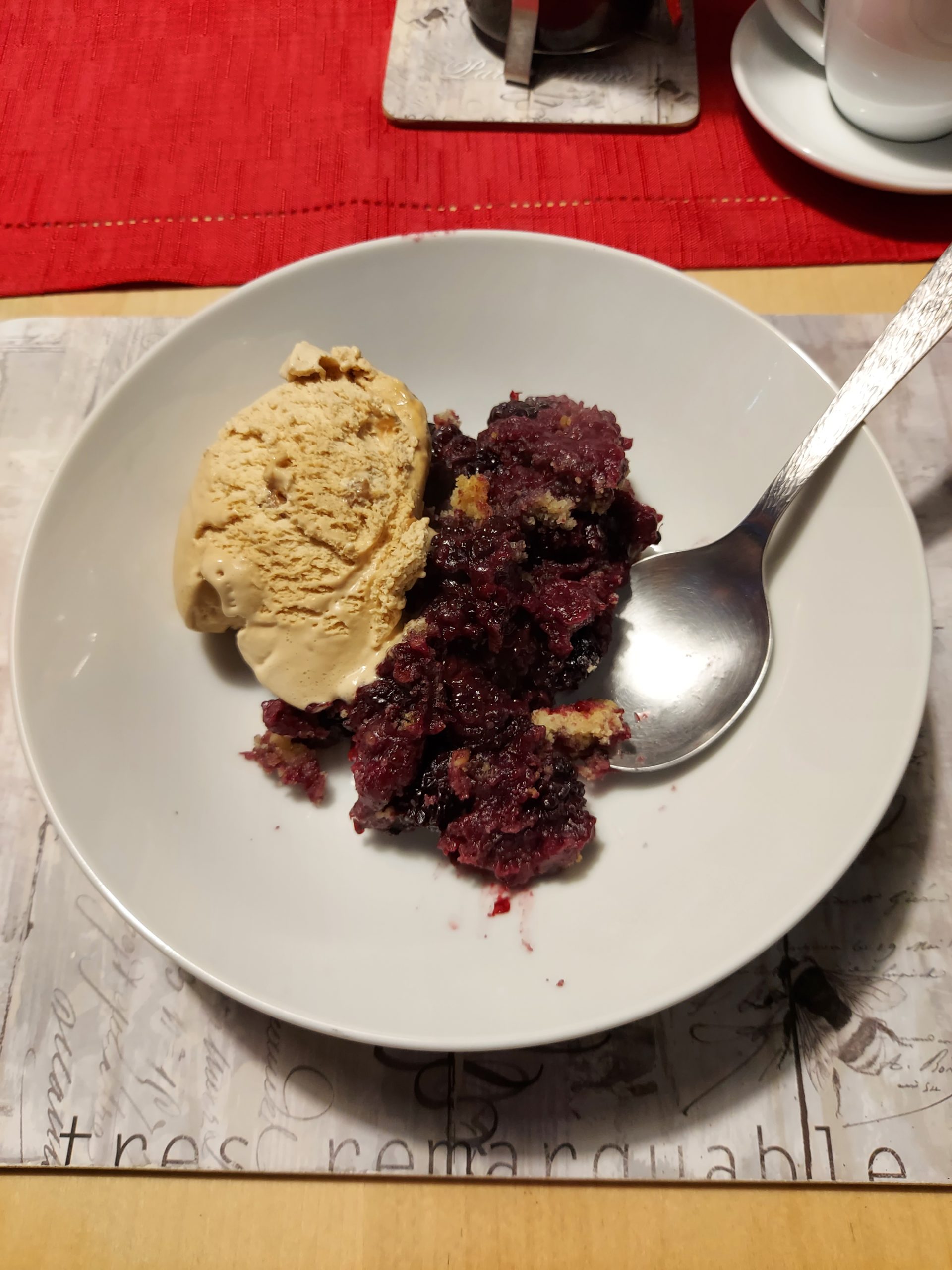
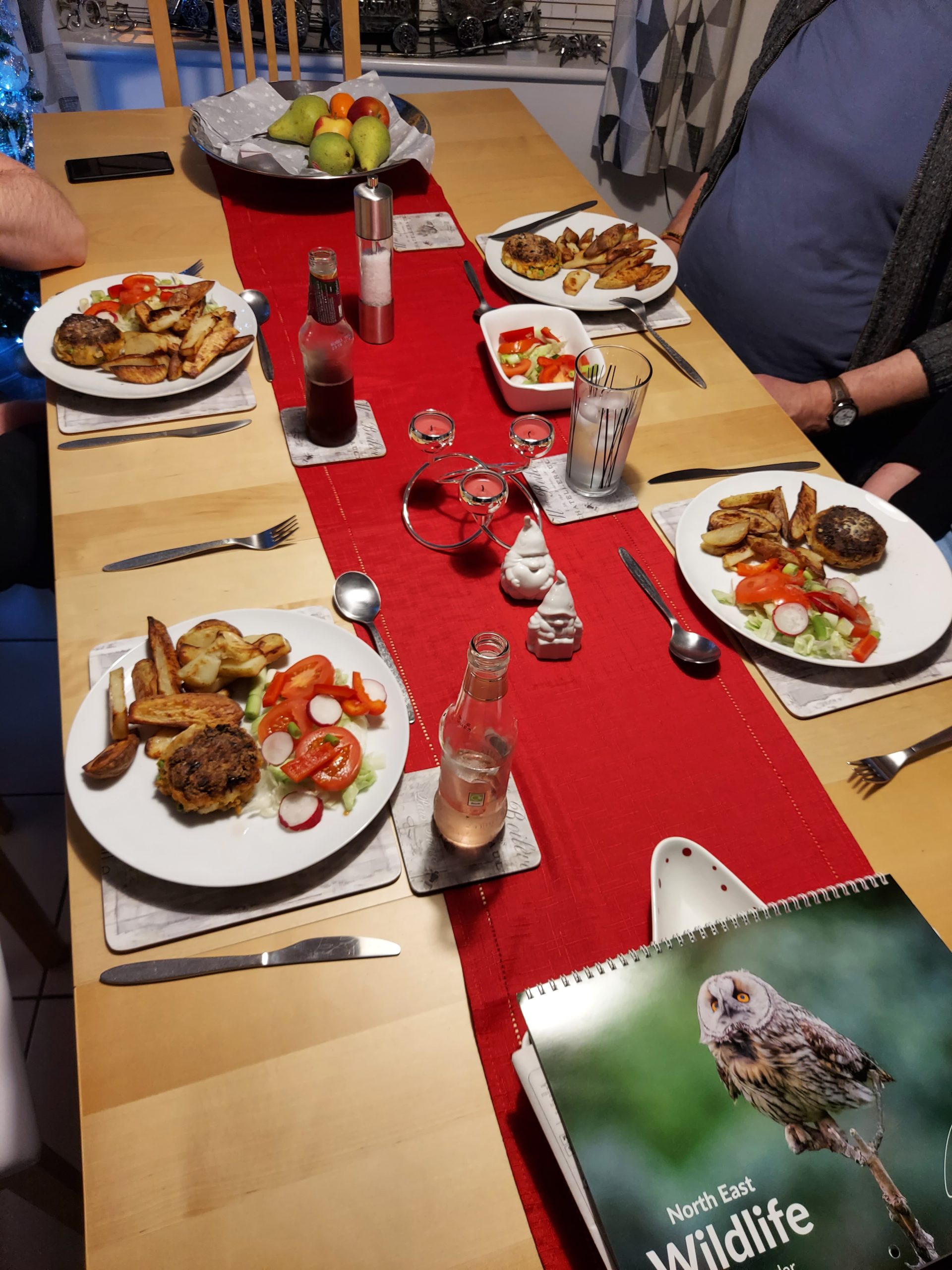
While I was up north for Christmas I made my family (parents and brother) a three-course evening meal. The meal, which included melon, salmon fish cakes and blackberry crumble, went down well with everyone!

Experiment with gluten-free or vegan cooking.

I enjoy vegan cooking – I’m happy to make the effort to make more vegan recipes, and made lots of them over the course of this badge. I didn’t specifically make any gluten-free recipes, as I’ve heard that things like gluten-free pasta aren’t that great – sorry!

Make a recipe book of your 20 favourite recipes.

I had fun making this recipe book on Canva. All the recipes are vegetarian or vegan and are ones that I would be happy to make again and again.

Date completed: 31 March 2023

Rebel Badge Club: Good Habits

Good Habits badge pages

The Good Habits badge was one I’ve had my eye on for a while, and the beginning of 2023 seemed like as good a time as any to begin it. I also chose it as one of my Wellness badges for the Happy 2023 challenge. It is actually the last Wellness badge I had to do (from the first book), which definitely gives me a sense of achievement.

To achieve the badge, I had to choose a positive change to make in four areas of my life: life admin, health and fitness, household chores and self care, and work on these habits regularly for 90 days. I chose the following:

  • Life Admin habit: keep my to-do list updated
  • Health and Fitness habit: drink a glass of water each morning
  • Household habit: have a speed-cleaning or tidying session each day lasting as long as 1 song
  • Self Care habit: read for half an hour each day

I tracked these habits in my journal by using stickers.

I also read a book about habit-making. I went with the suggestion in the badge book, which was The Power of Habit by Charles Duhigg: a really interesting and thought-provoking read.

Date completed: 31 March 2023

Rebel Badge Club: Life Less Ordinary (Quarterly badge 2, 2023)

The second quarterly challenge for 2023 is Life Less Ordinary. When I saw the syllabus for this badge I thought it sounded like a super fun and fulfilling challenge.

To complete this badge, I need to do the following:

  • Complete My Story.
  • Complete 1 Global badge: I’ve chosen Rebel History.
  • Complete a badge from the section of the badge book I’ve completed the least from – for me this is Wild: I’ve chosen Forager.
  • Complete a badge chosen by someone else: I’ve chosen (well, my dad has chosen) Mixologist.

I will link to my posts on the above badges once I’ve completed them.

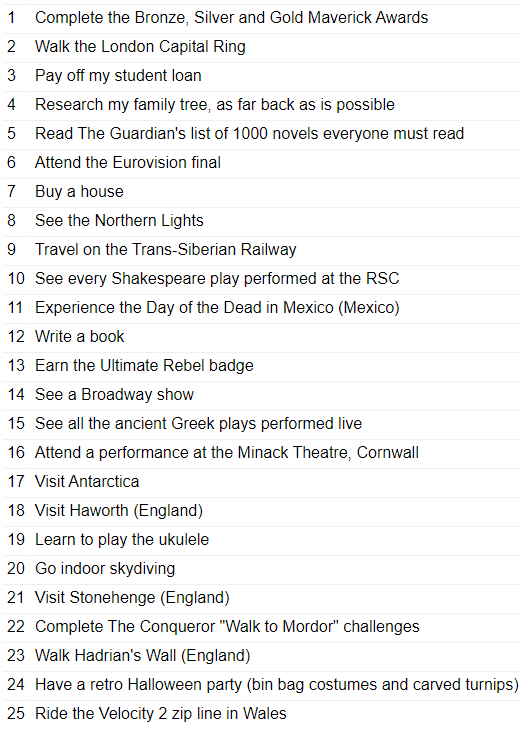
I also have to write a list of 25 things I want to do in my life, and complete one over the next three months. My list is here:

25 things I want to do

Finally, I have to do something I’ve never done before each week over the 12 weeks I’m doing this badge. I did the following:

  • Went axe throwing
  • Climbed the tower of St Mary’s Church in Islington
  • Visited Rome
  • Had a colposcopy
  • Attended a Jack in the Green procession
  • Attended an Avril Lavigne concert
  • Went foraging
  • Made resin jewellery
  • Visited a new coffee shop
  • Did Bollywood dancing
  • Attended an ikebana class
  • Visited Stonehenge (also one of my 25 things!)
Me at Stonehenge

Rebel Badge Club: Be A Hero

The Be A Hero challenge is March’s monthly challenge, designed to coincide with International Women’s Day (8 March). I had fun doing this challenge, as much of it involved reading and research.

Complete the ‘My Powers’ badge from Volume Two.

I had already chosen to complete this badge for the Happy 2023 quarterly badge, so this was an ideal choice for me. My blog post on My Powers is here.

Write a profile about either a historical or a contemporary female hero.

I’ve chosen to focus on Preet Chandi, as she has connections with Antarctica – something I am incredibly interested in. Known as ‘Polar Preet’ thanks to her accomplishments, she is a British physiotherapist and British Army Medical Officer and has completed two groundbreaking Antarctic expeditions in recent years. In 2021-22 she completed a solo expedition to the South Pole, while the following year she recorded the longest ever solo and unsupported polar expedition.

Chandi took part in various endurance events before her polar adventures. In 2017 she participated in the Lanyard Competition, a 40-mile (64 km) event, as part of a team of six with the Royal Signals. In 2019, she completed the Marathon des Sables, a 156-mile (251 km) ultramarathon across the Sahara.

Chandi completed her first expedition to the South Pole in 40 days, 7 hours and 3 minutes, making her the third fastest solo woman to reach the South Pole unassisted. She was also the first woman of colour to reach the South Pole solo and unsupported.

In November 2022, Chandi began her second solo expedition from Hercules Inlet, aiming to become the first woman to cross Antarctica solo and unsupported. Sadly she missed out on the crossing record, however on 20 January 2023 it was announced that Chandi had broken the world record for the longest solo and unsupported polar expedition, having travelled 868 miles (1,397 km) up to that point.

In November 2022, Chandi won Woman of the Year and also the Inspirational Award at the Women in Defence Awards 2022. She aims to inspire people to pursue their dreams, push their boundaries and believe in themselves.

Explain the difference between equity and equality in your own chosen way.

Equality: everyone gets a book.

Equity: everyone gets a book at the right level for their reading ability and on a topic or genre that interests them.

Learn about the history of the suffrage movement and the Suffragettes.

I completed a course on FutureLearn: Beyond the Ballot: Women’s Rights and Suffrage from 1866 to Today.

Do something proactive to tackle period poverty.

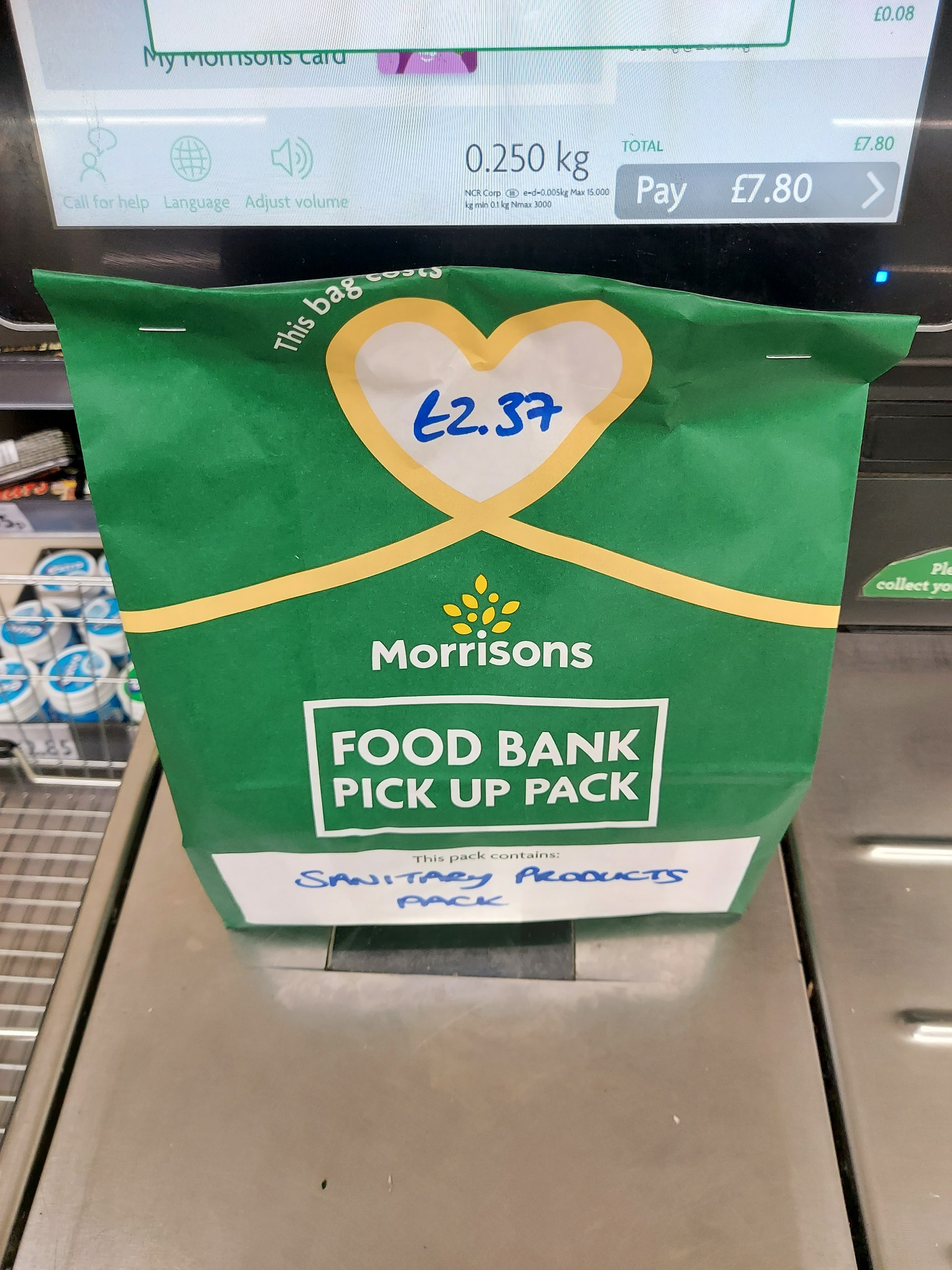
I donated period products to the food bank as part of my weekly shop.

Sanitary products

Learn about the history of IWD and how it is celebrated around the world.

I found this article about the history of International Women’s Day. My first encounter with the day was in the context of studying Russian as an evening class at university. This was back in the Noughties and I’d never heard of the day before or seen it marked. It seems to have been historically celebrated in many Communist or former Communist countries, whereas nowadays it is marked all around the world. Social media has definitely played a role in raising awareness of IWD and women’s issues.

Read and review a feminist book.

I read Invisible Women by Caroline Criado Perez. This is an incredibly important book which examines the ways women have been sidelined and ignored over the years, in areas such as healthcare, safety and town planning. Basically, seeing men as the “default” gender ignores the many ways in which women have different needs.

However, the book does have some flaws. It talks about women having different heart attack symptoms to men, which is not true. When it talks about relationships, it is referring to exclusively heterosexual relationships (although it does at least acknowledge that they are specifically heterosexual relationships). It ignores the existence of trans and non-binary individuals completely: it would have made the book richer to examine how the issues described in the book relate to them. In addition, some of the ways in which women are shown to be different to men are social rather than biological. For instance, women are more likely to take smaller shorter journeys throughout the day (e.g. to drop children off at school, take older relatives to hospital), whereas men are more likely to go straight to work. While I agree that it is important to take these journeys into account when planning public transport – and unfortunately it is the more straightforward suburb-to-city-centre journey that tends to be catered for – this shouldn’t inherently be women’s work and I feel we should be working towards a world where men and women share the care burden equally.

Having said all that, if you pick up the book aware of its limitations, it is still a very important and eye-opening work and well worth a read.

Invisible Women book cover

Rebel Badge Club: Runner

I was a bit nervous about this badge, I don’t mind saying. The idea of running a 10k (the minimum length of race you need to complete for the badge) freaked me out. But I like a challenge, so at the start of the year I decided to give it a go.

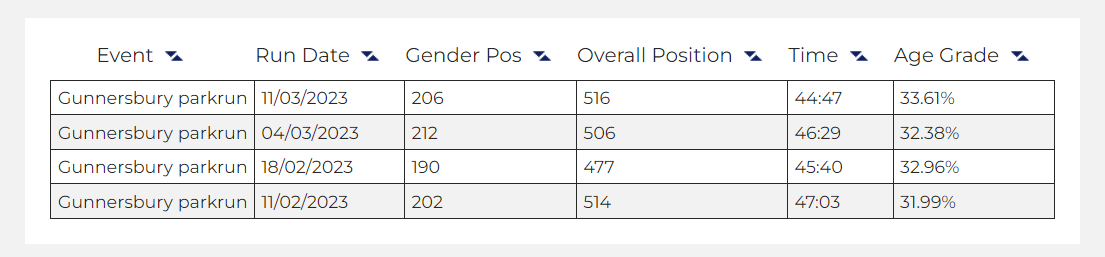
Over a period of 2 months, attend Parkrun at least 4 times.

I enjoyed my Parkruns a lot more than I had expected. I am not a morning person, but these runs did help set me up for the weekend. The atmosphere was great and the scenery was pleasant.

I did manage to improve my time over the course of the four runs I did, and went from having to walk half of it to being able to run the whole thing.

Sign up to a race and follow a training plan to train for the race over at least 3 months. Complete the race.

I found a couch to 10k training plan online and followed it for 12 weeks (though I did move some of the sessions around). I was surprised at how I was able to follow it – the first few sessions, involving 30 seconds of running and 30 seconds of walking for 20 minutes in total, were super tough but it did get easier.

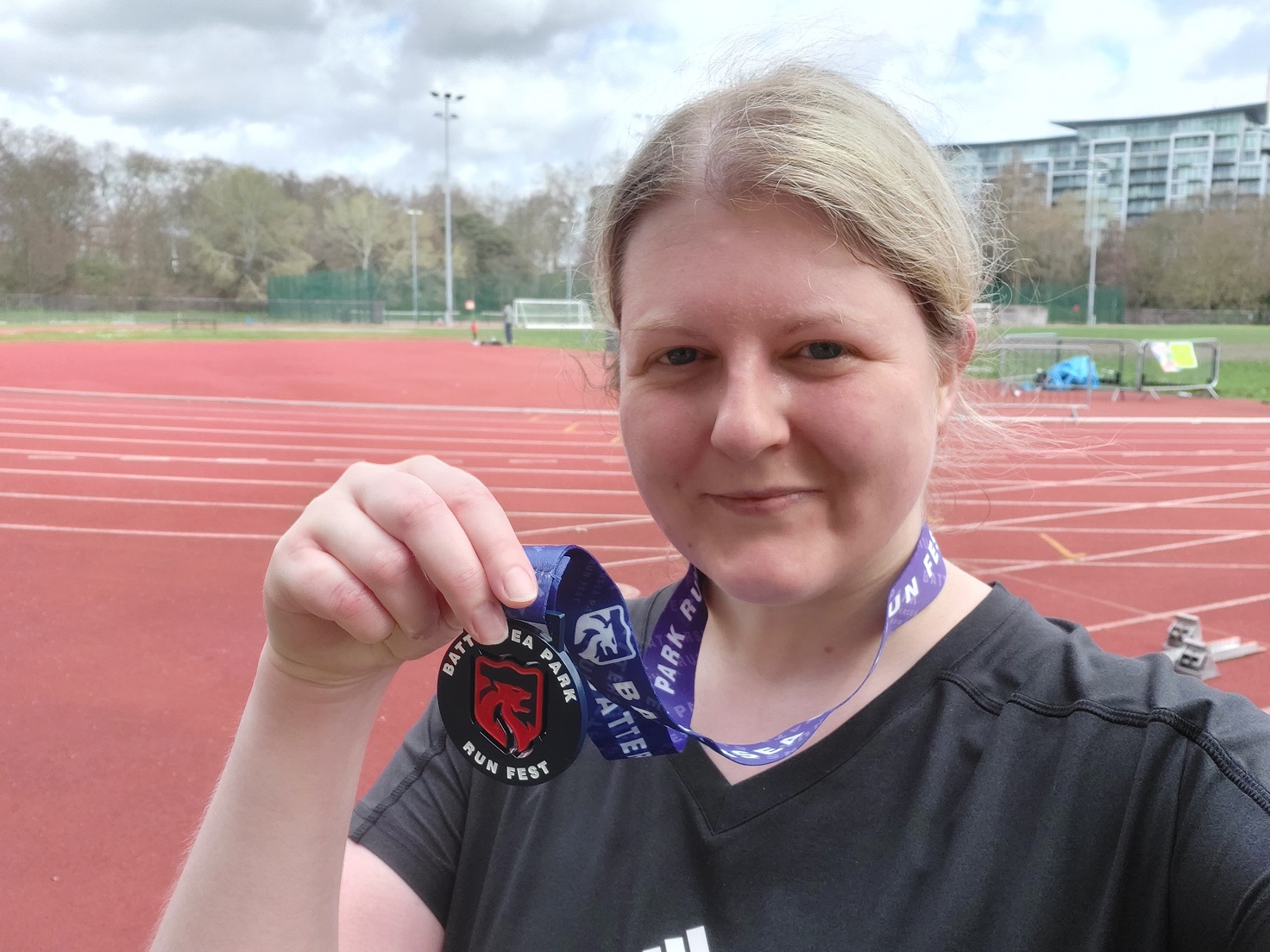
Before I even started the badge I signed up for the Battersea Run Festival 10k on Saturday 25 March. When the day finally came I managed to complete the race by running the whole way. I was very slow – my time was 1 hour 23 minutes 54 seconds, and I came third last – but I could never have imagined three months ago that I would be able to run 10k at once.

Me holding up my medal at Battersea Park

Research different nutrition options for your race.

Contrary to what I had believed, carbohydrates are as or even more important than proteins. My best runs came when I had both. Staying hydrated is also important, which is definitely a challenge for me.

I got my best results when I had eggs and toast or toast and peanut butter an hour or so before my run. Energy drinks also made a difference, although I don’t think I should make a habit of consuming these! I got my worst results when I ate nothing, or – in one unfortunate case – when I ate a bag of Percy Pigs before going for a run at lunchtime. I had a massive sugar crash halfway through and struggled to keep going.

I found conflicting advice on what to eat before a race but decided to eat a small meal of scrambled eggs on toast before leaving the house to travel to Battersea Park. This seemed to do the job so I guess I did the right thing!

Research future challenges.

Surprisingly, I find that I quite enjoy running and want to continue. I am a bit concerned about the forthcoming hot weather – my ideal running temperature is about 5 degrees. However I will try to make time to get up in the morning a couple of times a week to go for a run.

I wouldn’t mind entering another 10k at some point to see if I can improve my time. There are lots of options in London with races taking place almost every weekend. Looking further ahead, there are half marathon options but I’m not prepared to commit to one of those just yet!

Are there any changes you need to make to your kit?

While I was doing the badge I bought sports leggings, a top and a sports bra as I didn’t really have anything suitable beforehand. I also bought a cheap bum bag so I could carry my keys and my phone with me. If I’m going to be running in the summer I need to figure out how to carry water with me, so I will have to get some sort of water bottle.

Date completed: 25 March 2023

Rebel Badge Club: TV Critic

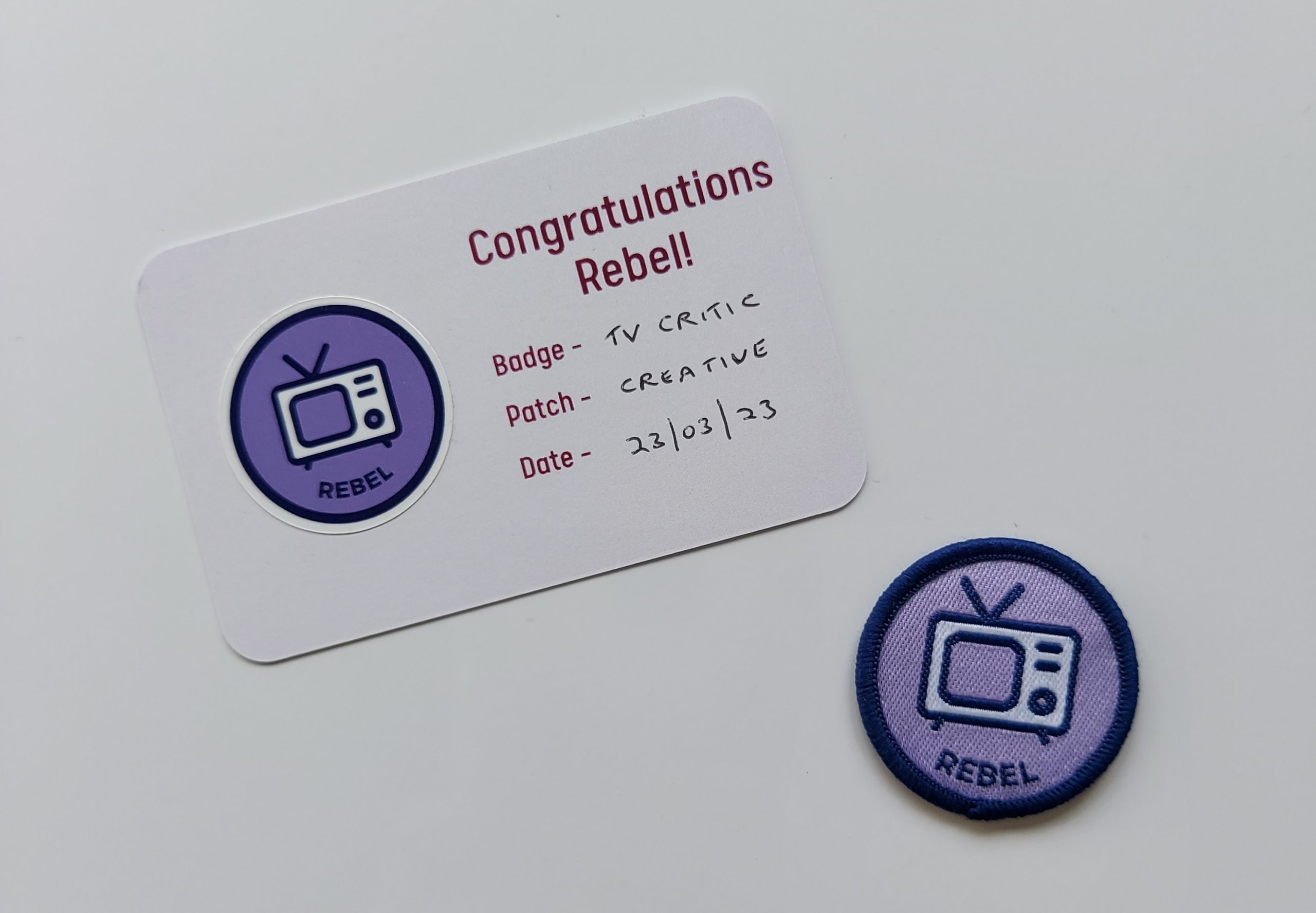
TV Critic certificate and badge

As part of the Happy 2023 challenge, I had to complete a badge of my choice that made me happy. There were a few that I could have chosen, but in the dark cold months of the year I love curling up with a good TV show and a cross stitch project. So I chose TV Critic.

Choose five different TV shows to watch over a four week period. Write reviews of each show.

Red Rose

Red Rose is a BBC/Netflix series created by The Clarkson Twins (Michael and Paul Clarkson) and released in 2022. The show is about and aimed at teens, but even as someone well outside of this demographic I really enjoyed it. The themes of friendship and the importance of loyalty are universal, and the mystery gripped me from the start.

The show is a mystery with a horror slant making use of modern technology – the ubiquitous mobile phone. Red Rose is a smartphone app that offers to help the user achieve all their heart desires, but it soon takes a sinister turn, demanding that users follow its orders – or else. It is well paced, with the story unfolding over the course of eight episodes, and the final mystery wasn’t predictable.

We meet this group of teenagers as they celebrate the end of their GCSEs and the long summer break before they start college. Watching them begin to think about the rest of their lives made me feel quite nostalgic, as did the soundtrack – brilliant pop remixes that I remember from my youth. I don’t know if modern teens actually listen to this music – if so, they’ve got better taste than I give them credit for, or else the music I like is so old that it is now considered “retro” and cool. The show was filmed in Bolton, so northern accents abound, which I liked, and there was a good mix of scenery, from the housing estates inhabited by the characters to the beautiful countryside where the teens party.

The characters are a strength in this show, led by Roch (Isis Hainsworth) – the first of the group to download the app – and her best friend Wren (Amelia Clarkson), who is worried for her pal. I loved the banter between Princess Diana-obsessed Ashley (Natalie Blair) and Taz (Ali Khan). Some parts were very funny – such as when a scared Antony asks if he can walk with a group of cheery older ladies on a night out – but other parts I found quite frightening, especially the shadowy figures only visible on the mobile phone screen. The ending answers many questions but leaves open the possibility of a second season.

Wreck

Many years ago, some friends and I took the ferry to Amsterdam. At one point on the wine-fuelled trip we were chased down the corridor by a giant blue parrot. At the time we assumed the parrot costume was inhabited by a broke student trying to break up the monotony of their summer job, but maybe we should have been more suspicious?!

Wreck attracted me because of the premise of a serial killer dressed like a duck. This comedy murder mystery seemed fresh and unusual, and it has a dreamlike, surreal feel from the start. Shy teen Jamie (Oscar Kennedy) has registered to work on the Sacramentum, a luxury cruise liner, under a false name in order to investigate the disappearance of his sister PIppa. Official word is that she died by suicide, but Jamie doesn’t believe it. He is helped by Vivien, a friend he makes aboard ship, and potential love interest Olly, but he ends up uncovering much more than he bargained for.

The show’s strengths are its likeable protagonist and strong characters, with plenty of LGBTQ+ representation. The twists and turns of the story kept me engaged and new revelations kept me on my toes. I did think the big reveal seemed a bit cliched based on other shows I’ve seen, but I feel like there’s a reason so many shows these days are making this kind of point.

Wreck is often very funny, which helps to break up the tension. It is sometimes brutal, but the scenes with the most potential for gore are cut sensitively – which I appreciated, as I’m pretty squeamish. It might sound odd, but the coming together of different people to investigate dastardly doings has a bit of a Famous Five-like feel. Overall, Wreck is about class, modern society, capitalism and the power of collective action – and the ending leaves things open for a second series, which I will definitely be watching.

1899

I first became aware of 1899 when one of my favourite actresses from the theatre world (Rosalie Craig) got a part in it, and posted on social media about filming in Berlin. Everything I heard about the show intrigued me, but with one thing and another I didn’t get around to watching it until now, by which time I’d already heard that it had not been renewed for a second season. This is a shame, but even though some questions are left unanswered, after watching the whole thing I feel that it does follow a satisfying arc in itself.

Created by Baran bo Odar and Jantje Friese, 1899 is set on a ship in the year – you’ve guessed it – 1899. The Cerberus is on its way across the Atlantic, making for New York. An atmosphere of discomfort is already in the air as the steamer’s sister ship, the Prometheus, went missing without a trace four months earlier. In the middle of the crossing, a signal is received from the missing ship, and the mystery only deepens from there.

1899 starts off as a period drama and a mystery, but soon reveals its sci-fi slant. It has a truly international cast: the series is headed by Maura Franklin (Emily Beecham), a doctor, and Eyk Larsen (Andreas Pietschmann), the ship’s captain. The two work together to try and unravel the mystery. Along the way, they are helped and hindered by other passengers and crew, including a Portuguese priest, a young French couple, a devout Danish family, a young woman from Hong Kong and a Polish stoker.

Some things I wasn’t too keen on: the amount of times characters spoke in their own language, and seemed to be understood by those around them, seemed far too good to be true. Too many individuals used the phrase “This doesn’t make sense” far too often. However, I remained intrigued. Despite the large cast of characters, they were all individuals and many had interesting backstories. Each episode contains one or more flashbacks: despite their different backgrounds, everyone on the ship has something to hide.

I did find the show confusing, but also compelling. I’m disappointed it won’t be extended, but I’m still glad I made the effort to watch this series.

Our Flag Means Death

I first heard of this show when several Instagram friends posted about it. I thought it sounded appealing: a comedy about pirates with strong LGBTQ+ representation. When it came to BBC iPlayer in the New Year, I decided to give it a go.

The show stars Rhys Darby as Stede Bonnet, an eighteenth-century aristocrat who decides to follow his dream and become a pirate. Instead of raping and pillaging his way through the high seas, he pays his crew a salary and encourages them to talk about their feelings. His ship the Revenge has room for a library and a secret wardrobe – I wouldn’t mind living there myself. While the historical context , in terms of slavery, race and colonialism, is important, the show has a very modern sensibility, most notably when it comes to the crew’s non-binary member (who, refreshingly, is accepted for who they are) and in the treatment of Bonnet’s wife.

I must admit to being disappointed with the show at first. It didn’t seem very funny and I wondered what the hype was about. However, I stuck with it and it seemed to improve – or perhaps I just got used to it. The presence of Taika Waititi’s gloomy, crisis-hit Blackbeard definitely makes things more interesting, and his developing relationship with Bonnet is the highlight of the show. One of the best episodes sees the pair invited to a posh dinner party, which really shows how different they are and allows the show to send up rich white colonising Europeans.

By the time I came to the end of the series I was a definite convert to Our Flag Means Death. It’s a gentler kind of humour than I originally expected, but it’s sweet and funny, and I can definitely see why people rave about it.

Babylon Berlin

My parents have been nagging me to watch Babylon Berlin for months, so I decided to choose it as my final show for this badge. I watched the first two seasons (originally screened in 2017), which cover the events of the first book by Volker Kutscher on which the show is based. The show is German, and subtitled, but don’t let that put you off.

Set in inter-war Berlin, the series is reminiscent of Cabaret and the works of Christopher Isherwood in the sense that it conveys the intriguing, boundary-pushing atmosphere of Berlin’s inter-war nightlife as well as being a fascinating mystery.

The main character is Gereon Rath (Volker Ruth), a detective who has been sent to Berlin from Cologne after an incident in the police force there. He soon begins to investigate an extortion ring which appears to have links with a Russian Communist plot and secret German air bases. Along the way he is assisted by Lottie (Liv Lisa Fries), a resourceful young woman and part-time prostitute who has ambitions to join the police. The shadow of the First World War is always present – Rath suffers from PTSD and consequently has a morphine habit, while the aftereffects of the war and the Treaty of Versailles are always hanging over this Berlin like a cloud. At the same time, the rise of the Nazis is looming – faintly at first, but becoming more of a factor as the series moves on, particularly in a shocking twist at the end of season 2.

The best thing about Babylon Berlin is the atmosphere, how it immerses you into Weimar Berlin and lets you imagine yourself there. Some of the best scenes take place in a crowded nightclub where hedonistic young things, seemingly aware that their time is running out, attempt to dance their troubles away. I will definitely be watching the next two seasons of this show, and recommend it to anyone interested in historical or crime drama.

Read a written review of one of the shows. Look at Twitter. Do you agree with these other opinions?

I found this review of Red Rose but I don’t agree with its negative assessment of the show. I thought it was quite harsh. Maybe if I’d seen more of this type of show I would agree, but as it is, I had a much more positive experience with the show.

I looked at Twitter and found varying opinions about the show, but they seemed to be mostly positive. I agreed with one user’s assessment as a “tense, supernatural-yet-authentic teen drama”. There were many positive comments on the soundtrack and several clamours for a second season.

Agree to watch a show with a friend, family member or fellow Rebel, either in person or at the same time.

I watched The Last Of Us at the same time as my family. We watched the first episode together and then carried on watching it separately after I came back to London. It was interesting comparing our thoughts: my brother and I really enjoyed it, while our parents were unsure. It was particularly interesting to hear my brother’s perspective as someone who is familiar with the game, whereas I hadn’t even heard of it before the TV show came out.

I liked how each episode was different: they almost felt like different shows at times. I also liked the occasional references to period products which would be one of my own priorities during an apocalypse! I don’t think my parents were too keen on how the episodes were all different styles. My brother liked how it stuck closely to the game, with some scenes more or less taken straight from the game.

Choose a drama series with at least 3 parts.

For this final clause I chose The Terror: Infamy, a ten-part drama series that premiered in 2018. I watched the first series of The Terror, a period horror set in the Arctic, and loved it, and this series was designed to continue the concept as an anthology show: it has no connection, either in characters or situation, to the first series, but shares the horror theme.

The Terror: Infamy is set in 1940s USA, focusing on a Japanese internment camp in World War II. It uses Japanese horror tropes to explore a story featuring a yūrei (Japanese ghost/spirit) haunting members of the camp, with a particular focus on one character, Chester Nakayama, whose connection to the spirit is explored during the show. Throughout the ten episodes he matures and takes responsibility for his family, including his partner Luz (a Catholic of Mexican heritage) and learns to show an appreciation and understanding of his Japanese heritage. I was also interested in the story of another character, Amy Yoshida, who is a loyal secretary to the white commander of the camp but whose loyalty is strongly tested. Another majorly impactful character is Yuko, the young woman whose tragic fate leads to her haunting the Nakayama family.

A main theme of the show seems to be that you cannot escape the past, and injustice and cruelty will continue to have an impact years down the line. The need to respect family and honour ancestors is also crucial.

Another strong theme is the injustice of the Japanese internment camps. I was aware of these camps but the show really brings home the inhumanity of them. American citizens of Japanese descent were sent to live in these camps in appalling conditions but were still expected to show loyalty to the USA. After the war, many who left the camps found their homes and jobs had vanished, and they were faced with the task of rebuilding their lives.

The show poignantly combines the two themes in the end credits of the final episode, when photographs of cast and crew members are shown alongside pictures of their ancestors who were interred in these camps: including George Takei who was himself interred in a camp as a boy.

I found The Terror: Infamy slow to start and disappointing at first, but the pace picked up towards the end and it had a real impact on me. It was good to see Asian Americans take centre stage in a major drama and I also liked the combination of Japanese and Latin American magic and folklore.

Date completed: 23 March 2023