Edward Burne-Jones: Pre-Raphaelite Visionary – Tate Britain

Burne-Jones poster

The exhibition Edward Burne-Jones: Pre-Raphaelite Visionary at Tate Britain looks at the career of Burne-Jones (1833-1898), taking a partly chronological and partly thematic approach to his life and work. There are sections on Burne-Jones as an apprentice and as a draughtsman, revealing another, humorous side to the artist. One room looks at the pictures Burne-Jones chose for exhibition, including some of his most famous works, such as King Cophetua and the Beggar Maid. Another explores the portraits he painted of family and friends, while one striking room displays his Briar Rose series of panels. Burne-Jones isn’t my favourite Pre-Raphaelite, but I enjoyed the exhibition.

Burne-Jones artwork

Anglo-Saxon Kingdoms: Art, Word, War – British Library

Entrance to the exhibition

Anglo-Saxon Kingdoms: Art, Word, War is an exhibition at the British Library that I knew I definitely wanted to see. Though the Anglo-Saxon era is not my favourite, I did study history for my degree and to some extent all periods of history are interesting to me.

Anglo-Saxon settlers from northern Europe came to Britain in the 5th century, eventually forming several kingdoms that would one day become England. The exhibition brings together manuscripts and artefacts that help to illuminate this exciting period of history.

The exhibition has some amazing treasures on display, including Bede’s Ecclesiastical History of the English People, the Domesday Book, and artefacts from the Sutton Hoo burial ground. It takes a broadly chronological approach, looking at how the Anglo-Saxon kingdoms developed from the first arrival of the Angles, Saxons and Jutes to the Norman Conquest.

The Anglo-Saxon era was not static; different kingdoms gained and lost power over the centuries. Early in the era, the kingdom of Northumbria was in the ascendant, while later on, Mercia became the most powerful. By the tenth century, King Aethelstan was exercising power over most of what is now England and south-east Scotland.

The exhibition emphasises the multicultural links of the Anglo-Saxon world, with connections to Ireland and mainland Europe, and its literary, artistic and scientific developments. It is a fascinating exhibition, showing that even a world over 1,000 years old can still be relevant to ours.

I am Ashurbanipal: king of the world, king of Assyria – British Museum

Entrance to the exhibition

One of my first exhibitions of the year was the dramatically-titled I am Ashurbanipal: king of the world, king of Assyria at the British Museum. Before visiting, I knew nothing about this Assyrian king, and my knowledge of Assyria was limited to that Byron poem. This exhibition was an eye-opener.
Assyria was the dominant power of the Middle East from approximately 900 to 612 BC. The exhibition covers this period of time, focusing on the empire’s peak when Ashurbanipal ruled.

The most fascinating part of the exhibition was the art: the friezes carved on walls depicting Assyrian conquests and disturbing tortures. The exhibition cleverly uses technology to describe and explain these carvings, which are fascinating and shine a light on this particularly violent society.
Another interesting aspect of the exhibition was its focus on the bureaucracy of Assyria: rules, regulations and plans helped its rulers to conquer.

Ashurbanipal himself was both a warrior and a master administrator. He and his family fought lions to prove their strength; the images of lions in the exhibition are particularly well-drawn. Assyrian society relied heavily on writing to organise and manage, using cuneiform, the world’s oldest form of writing.

Eventually, after Ashurbanipal’s death, his empire collapsed, culminating in the burning of Nineveh in 612 BC. His great library was destroyed, but, consisting of clay tablets which harden in the heat, its contents survived. These include the text of the Epic of Gilgamesh, the best-preserved copy of that masterpiece, and still a basis for modern translations.

Assyrian society, surprisingly modern in both its brutality and its bureaucracy, is a fascinating subject for an exhibition. Sadly, the remains of Nineveh, former capital of the empire, located on the outskirts of Mosul in Iraq, were attacked by Islamic State a few years ago. I was pleased to see Iraqi experts and staff of the British Museum working together to repair and restore the ruins.

Jewellery brand of the month: Rosa Pietsch

After a brief December hiatus, my ‘Jewellery brand of the month’ posts are back. When I was trying to decide on a brand to showcase in January, I couldn’t believe I hadn’t already looked at:

ROSA PIETSCH

With a background in womenswear, textiles and accessories, Rosa Pietsch started making and selling her own jewellery in 2012. Her designs, inspired by vintage prints and contemporary shapes, are unique, unlike anything else in the world of acrylic jewellery. Amazingly, I only own one of her pieces, but there are several more on my wishlist, some of which I have mentioned below.

This Large Floral Pendant Necklace is beautiful.

floral pendant
Large Floral Pendant Necklace

The Engraved Arc Necklace offers understated glamour, and is available in several different colours.

engraved arc
Engraved Arc Necklace

This Crescent Moon / Full Moon Necklace is gorgeously dramatic.

moon necklace
Crescent Moon/Full Moon Necklace

I love the Art Nouveau-inspired Nouveau Flower Pendant.

nouveau pendant
Nouveau Flower Pendant

Finally, this Star Flower Statement Necklace is simply stunning.

star flower statement necklace
Star Flower Statement Necklace

Find Rosa Pietsch via the following links:

Website: rosapietsch.com

Etsy: etsy.com/uk/shop/RosaPietsch

Instagram: instagram.com/rosapietsch

Twitter: twitter.com/rosapietsch

Facebook: facebook.com/RosaPietschDesigns

Happiness Planner: a review

Happiness Planner

I wish I was one of those people who used paper planners. I can spend hours on Pinterest lusting over beautiful handwritten journals, knowing that I just don’t have the patience to do something similar myself. However, in an effort to try and become one of these people, I purchased a Happiness Planner.

There is a whole website dedicated to the Happiness Planner, which is described as “a planner like no other. Instead of focusing on productivity, it focuses on your happiness. It is designed to help you welcome more positivity, joy, and happiness into your life by applying the practices of positive thinking, mindfulness, gratitude, and self-development. The focus is on making each day a positive experience, building introspection into your routine and increasing self-awareness.” That’s a big ask for a planner. One of the reasons I chose this was that it offered something different to a traditional planner: I put meetings, appointments, tasks and to-dos in my Google or Outlook calendars; maybe I’d actually use this planner if I was using it for something different.

The planner is undated so you can start using it on any day. The idea is that 100 days is a perfect length of time to make a change, whether that is a change of habit, behaviour or mindset. The Happiness Planner features the following:

  • Yearly pages
  • Weekly Overview/Plan
  • Weekly Reflection
  • 100-Day Daily Pages
  • 100-Day Reflection
  • Daily Inspirational Quotes
  • Daily Focus & Goal Setting
  • Daily Notes & To-Dos
  • Daily Exercise and Meal Plans
  • Daily Reflection, Gratitude Log, and Positive Affirmations

I will say that personally, I detest generic inspirational quotes. I say “generic” because I do find value and inspiration in quotes that mean something to me from people I like and respect. Generic quotes, though, I find to be so vague as to be practically meaningless and they just make me roll my eyes. This planner is full of them and they did nothing for me. Each to their own, though. Some people love them, which is fine!

What I did find useful: the daily focus and goal setting, along with the exercise and meal plans. I can’t say I did everything I planned to do (who can?), but this aspect of the planner helped me to structure my days and weeks, helping me to get more exercise and more of the right food, and enabling me to do more of what I wanted to do.

I also liked the reflective aspects of the planner, even if the weekly reflection got a bit tedious after a while. I do struggle with reflection, even though it’s something I need to do on a professional basis. Doing it on a personal basis is new to me but I can see the value in it.

Did I feel happier after the 100 days? I don’t know, I feel these things are hard to tell. I guess so? I feel like I was doing more of what makes me happy, especially socialising: it’s something I can easily neglect but I tried to make more time for it over the hundred days.

I’m kind of glad I didn’t go for the full year happiness planner, as I think that would have been a bit too much for me. I quite liked the 100-Day planner, though, as a way to get started.

The Lost World + Live Score at BFI Southbank

The Lost World (1925)

I’ve had dinosaurs on the brain since going to see a 25th anniversary screening of Jurassic Park at the Prince Charles Cinema a few weeks ago, so was very happy to have the opportunity to check out an even earlier example of dinosaurs in cinema. The Lost World, based on the Arthur Conan Doyle novel and directed by Harry O. Hoyt, was made in 1925; once thought lost, it has now largely been recovered, and was shown at the BFI Southbank with an accompanying live piano score from Lucky Dog Picturehouse.

I absolutely loved this movie; the animation was incredibly impressive for the time and I particularly loved the section which saw the diplodocus rampaging through the streets of London. I believe it’s available on YouTube, and it’s well worth a watch.

2018’s greatest Christmas jumpers

I remember when Christmas jumpers were uncool. When Mark Darcy wore one in Bridget Jones’s Diary and it wasn’t a good look. Thankfully (in my opinion) things have changed, and a festive jumper is a strong choice for the season. I’ve collected a few of my favourites below.

This Literary Christmas Jumper from the British Library is perfect for anyone who loves books.

Literary Christmas Jumper

This Attenbrrr Christmas Jumper from notjust is great for fans of our greatest national treasure.

Atttenbrrr Christmas Jumper

The Labyrinth Christmas Jumper from Truffle Shuffle is perfect for fans of the classic Eighties movie.

Labyrinth Christmas Jumper

I used to love playing Spyro the Dragon on PlayStation, and this Spyro Christmas Jumper is fab.

Spyro the Dragon Christmas Jumper

Cheaper options include the Dobby Christmas Jumper from Primark.

Dobby Christmas Jumper

For a more traditional look, this Embroidered Robins Christmas Jumper adds a festive touch without being tacky.Embroidered Robins Christmas JumperWhat’s your favourite?

Jewellery brand of the month: Smile and Make

My jewellery brand for November is a relatively new UK-based brand:

SMILE AND MAKE

Based in Newcastle-under-Lyme, the brand’s designer, Lucy, has created some absolutely stunning designs recently. They proved so popular that I wasn’t in time to get hold of any, but hopefully I will be able to get hold of some in the future!

Just to note that there aren’t any direct links to the pieces below, because they’ve all either sold out or are not yet available. I recommend following Smile and Make on Instagram to be alerted when pieces will become available on Etsy.

Christmas Flowers Necklace

Make A Wish Brooch
Make A Wish Brooch

Jovie Brooch
Jovie Brooch

London Bus Brooch

London Fireworks Necklace

Find Smile and Make via the following links:

Etsy: etsy.com/uk/shop/SmileandMake

Instagram: instagram.com/smileandmake

Canada Gallery

Canada Gallery

As well as Canada House itself, I’ve always wanted to visit the Canada Gallery, the art gallery attached to the main building that showcases art with a Canadian theme or connection. Unlike the House itself, which is only open on occasion for guided tours, the Gallery is open much more regularly, and you don’t have to book. The Gallery is probably overshadowed by its bigger and more famous neighbour, the National Gallery, but it’s well worth a visit in its own right; it’s small, the perfect size for whiling away a few spare minutes.

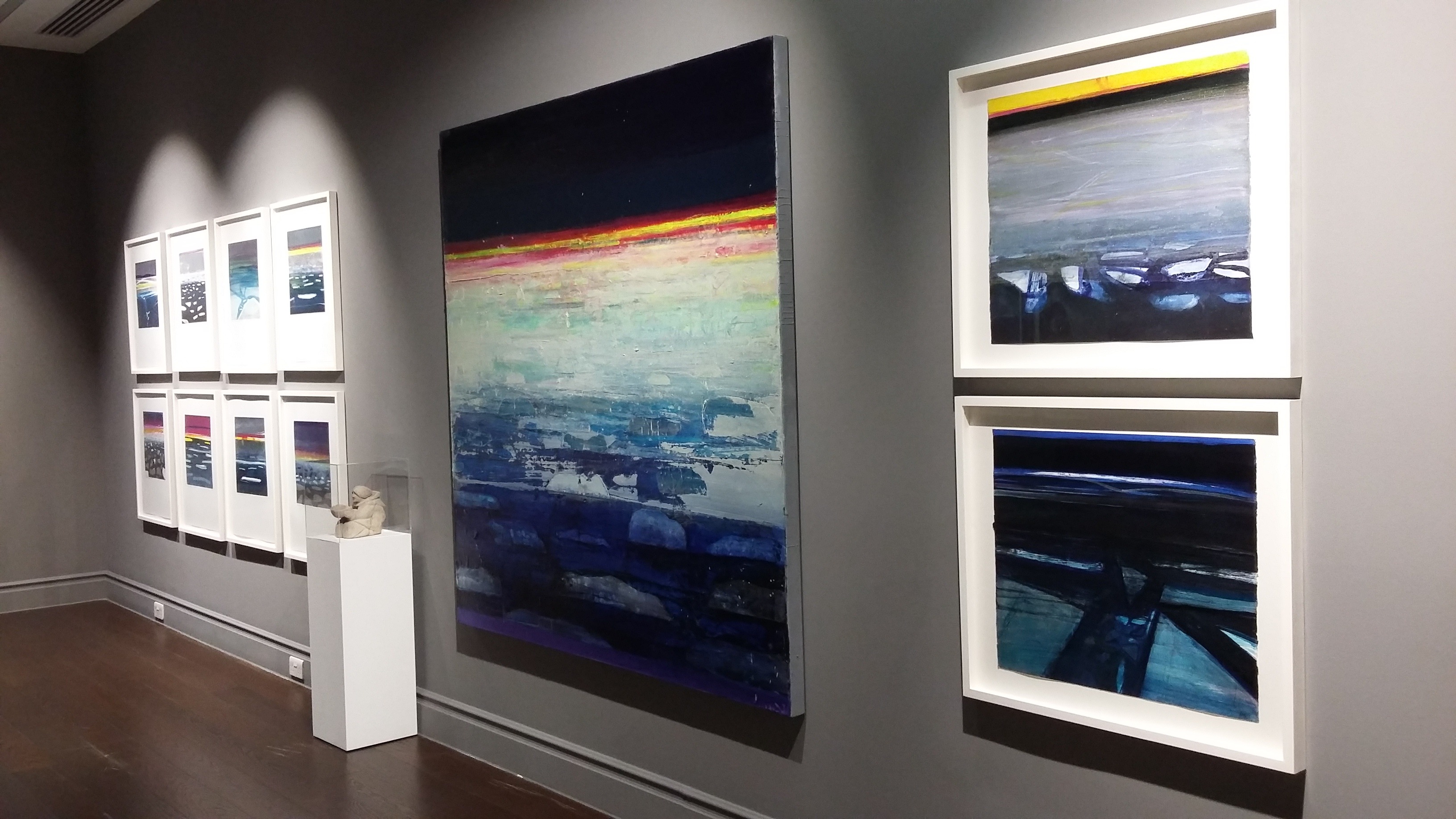
Barbara Rae artwork

Barbara Rae artwork

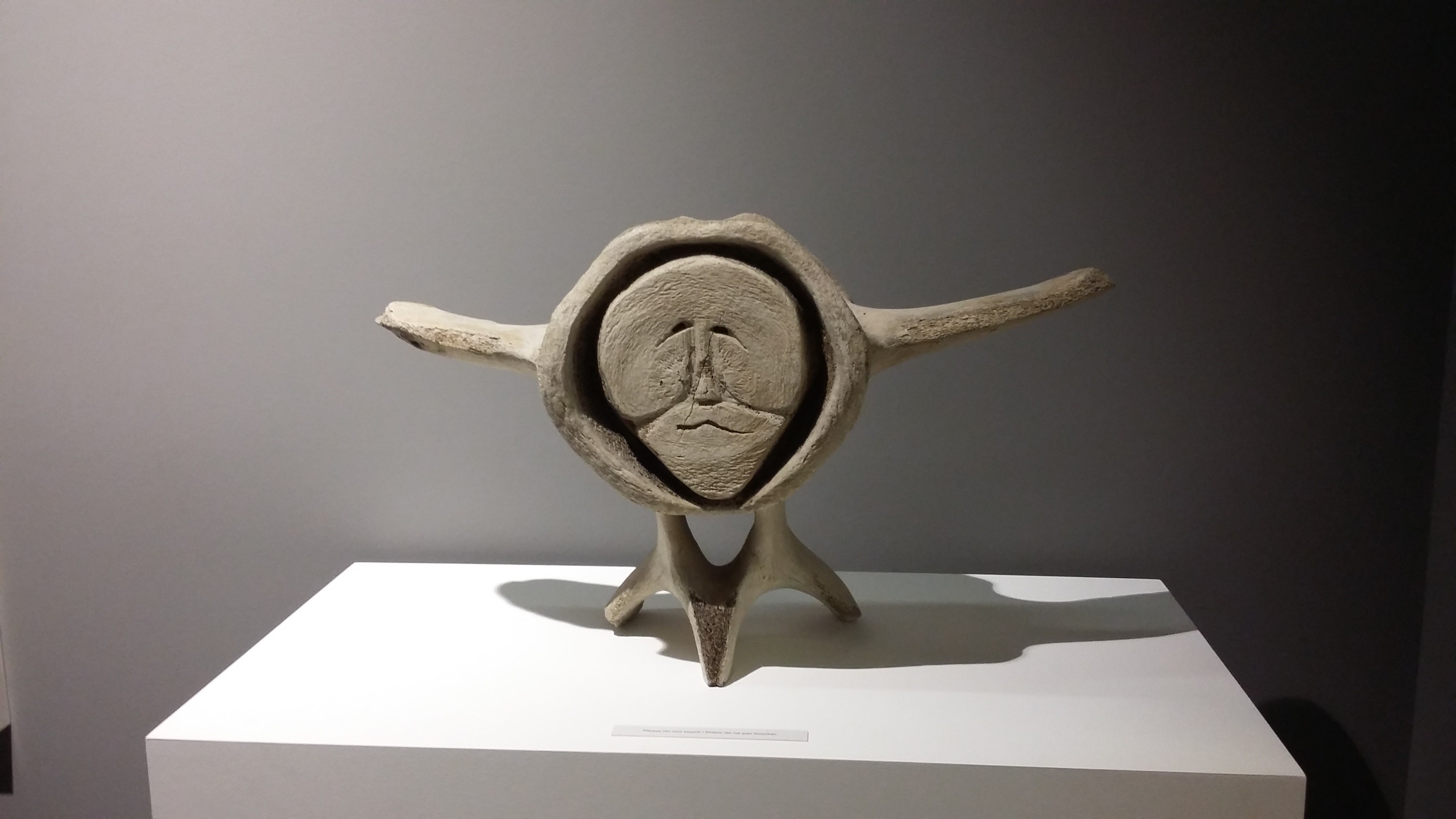
Exhibitions change regularly, so repeat visits are worthwhile. On this, my first visit, the exhibition consisted of work by Scottish artist Barbara Rae. Inspired by her namesake and fellow Scot, Dr John Rae, who explored Canada’s Arctic in the 1830s, Barbara set out to traverse the Northwest Passage herself, encountering dramatic icebergs, polar bears, native Inuit and the northern lights. I loved the resulting artwork, which seems infused with the magic of the changing colours of ice. Alongside these works, a selection of Inuit sculpture both complements the main exhibition and carries its own unique authority. This exhibition runs until 16 February, and no doubt more good quality exhibitions will follow in future.

Inuit sculpture

FACTS

Address: Canada House, Trafalgar Square, SW1Y 5BJ

Website: canadainternational.gc.ca/united_kingdom-royaume_uni/events-evenements/gallery

Opening Hours: Mon-Sat, 11-5.45

Prices: Free

Canada House

Canada House

I’ve wanted to visit Canada House for a while, but the tours were always booked up, until I got lucky and ended up on the website just as the new dates were announced. When the day arrived I made my way to Trafalgar Square and queued up with the others to go inside. You have to show photo ID and put your bag through an airport-style scanner; security is important here, though once you get in the atmosphere is much more relaxed.

Picture showing Canada House when it was two separate buildings

The building dates back to 1824, when construction first began. It’s the oldest building on Trafalgar Square, with the exception of the church of St Martin-in-the-Fields. Originally two buildings, used by the Union Club and the Royal College of Physicians, it became Canada House in 1923, officially opened in 1925 by King George V.

King George V's throne
King George V’s throne

On display on the ground floor is the throne King George used, as well as a number of ceremonial keys. The various rooms of the house are named after either Canadian provinces or notable Canadian figures, and are often rented out to various groups for events. The rooms are full of Canadian art and it’s for this reason that the tours are really run; there are many impressive pieces to look at.

Canada House

We started on the ground floor and made our way up floor by floor; I absolutely loved the dramatic chandelier that dominates the staircase.

Chandelier

Along the way we saw some incredible artworks, carpets and sculptures, all with a Canadian connection. Finally, we ended up right at the top of the building.

At the top of Canada House

Beehives are kept on the roof and honey is collected from the bees who live here. We were able to go out onto the roof and experience a fantastic view of Trafalgar Square and the National Gallery.

View of Trafalgar Square from the roof of Canada House

Canada House is an amazing place to visit and I’d recommend a tour to anyone, whether or not you have a specific interest in Canada.

A piece of art on display in Canada House

FACTS

Address: Trafalgar Square, SW1Y 5BJ

Website: canadainternational.gc.ca/…visiting_house-canada-maison_visiter

Opening Hours: Selected Friday afternoons at 3.30 pm (tours must be booked in advance)

Prices: Free

A piece of Canadian art