SALON NO.93: London Mud – London Clay

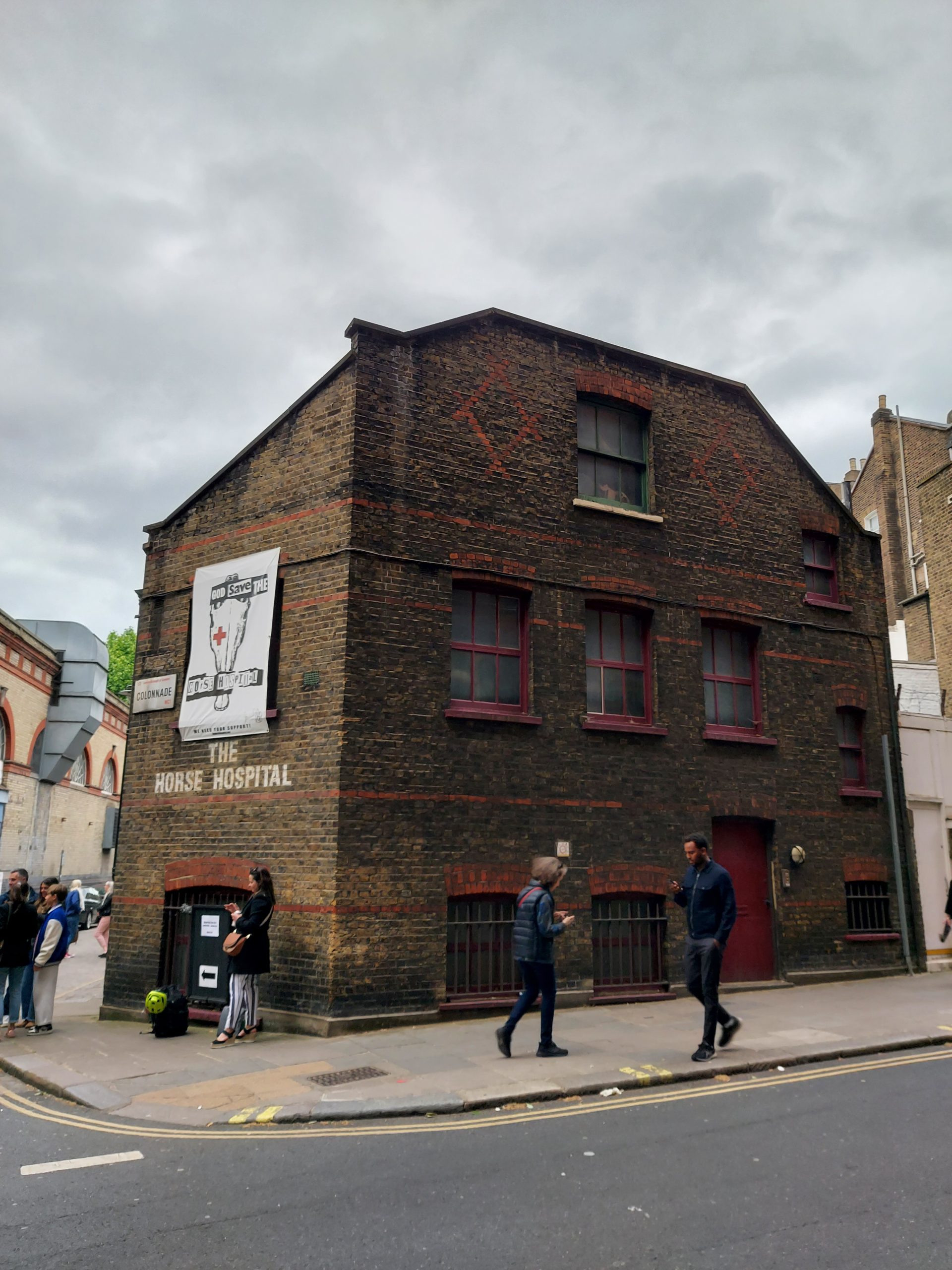
The Horse Hospital

Antique Beat are an organisation that arrange interesting talks on London-related matters in unusual locations throughout the city. Their 93rd event was named London Mud – London Clay and took place at the historic Horse Hospital near Russell Square tube station.

The first part of the evening featured author Tom Chivers as he explored the geology of London, how different kinds of soil and clay and now-hidden rivers have affected the development of the city.

In the second part, Lara Maiklem told us about her interest in mudlarking, how historically mudlarkers were poor people who searched at the banks of the Thames for anything they could sell, while nowadays they are people with a fascination for treasure hunting who hope to find interesting items relating to London’s history. These can be as varied as pipes, pins, bricks, crockery, even human bones.

I really enjoyed this fascinating talk and would like to find out more about both topics – I will look up the presenters’ books.

Gothic London: A Time Traveller’s Tale – Guy’s Hospital Chapel

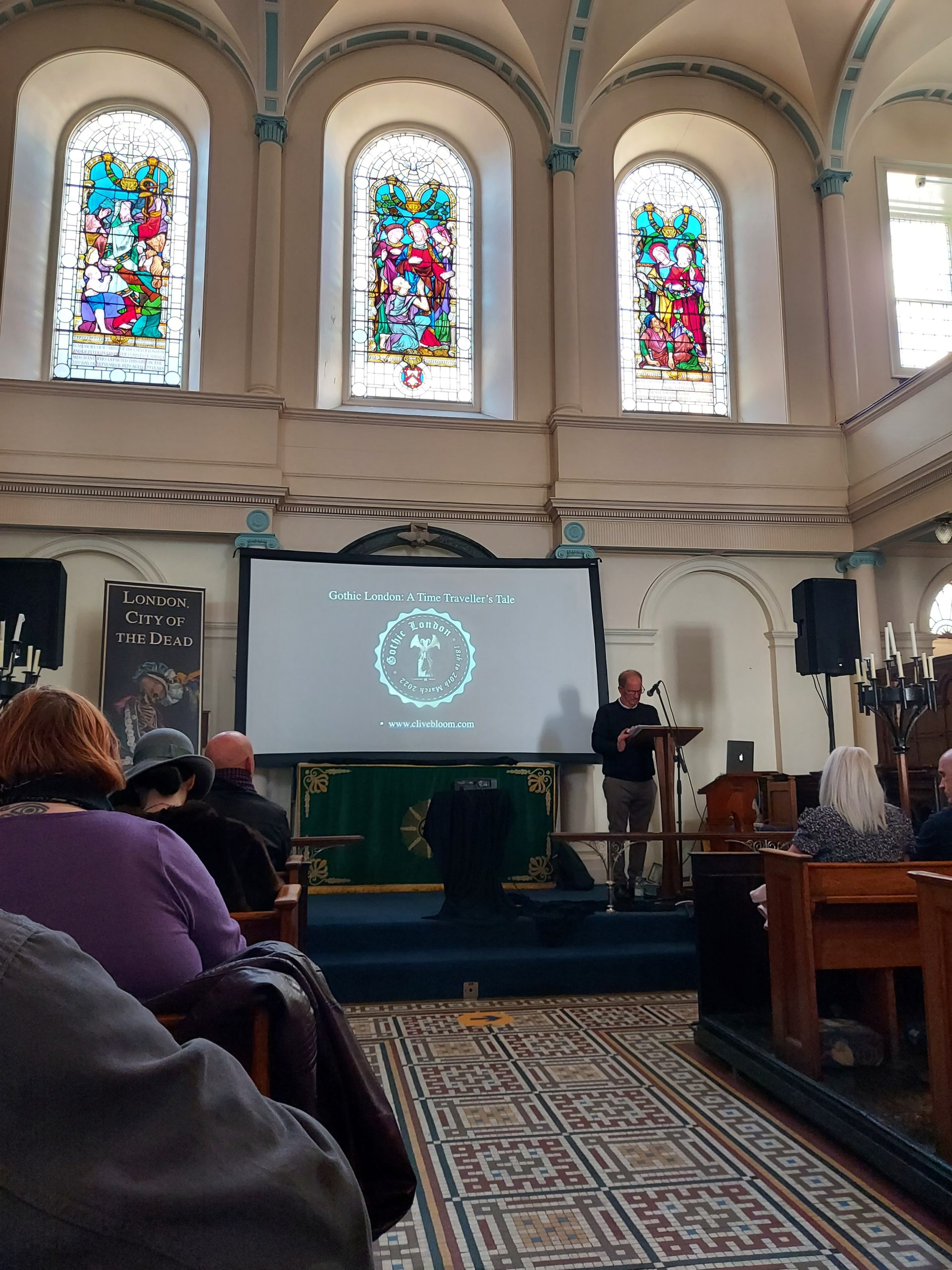
Guy's Hospital Chapel

I headed to the chapel of Guy’s Hospital to attend a talk called Gothic London: A Time Traveller’s Tale. Organised by the London Month of the Dead team, it was one of a number of events taking place in March, as the team branches out from its usual concentration of events in October.

The talk was delivered by Professor Clive Bloom, and was a fascinating exploration of Gothic London, from occult practitioners to ghost stories, killers and sacrifices. I was familiar with a lot of what Professor Bloom mentioned but by no means everything – there’s lots I want to learn more about.

Guy’s Chapel opened in 1780 and is one of the oldest parts of the original hospital. After the talk we had the chance to visit the crypt, where the tombs of Thomas Guy and surgeon Sir Astley Cooper can be found.

Reece Shearsmith and Steve Pemberton: The Insider’s Guide to Inside No. 9

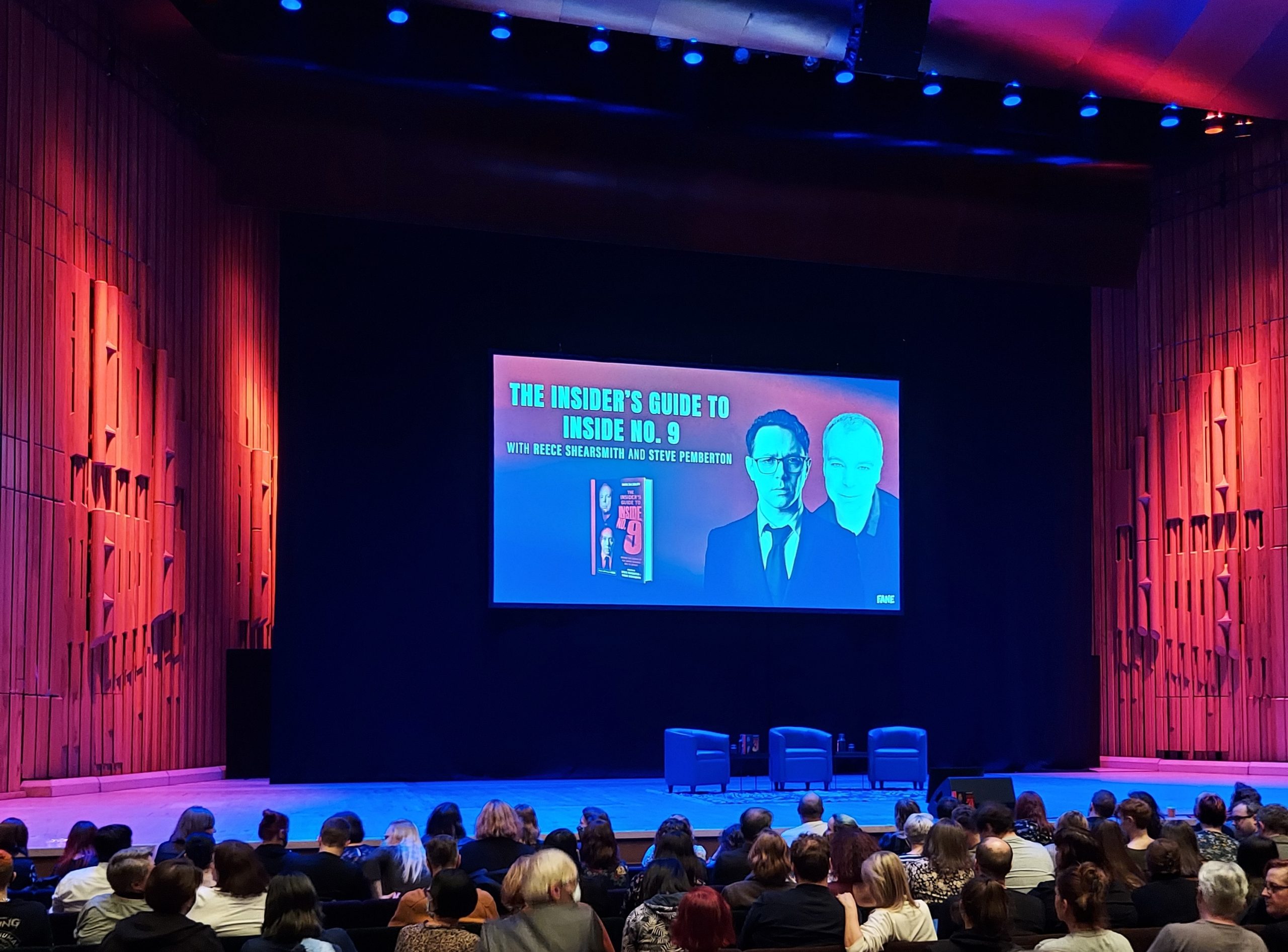
Barbican Hall

Inside No. 9 is one of my favourite TV shows, and I was excited to attend an event at the Barbican featuring its creators and stars, Reece Shearsmith and Steve Pemberton. They were there to discuss the show and promote their new book The Insider’s Guide to Inside No. 9, a copy of which was included in the ticket price. Interviewing them was author of the book, Mark Salisbury. There was also a surprise appearance by David Bedella, musical theatre actor and star of the Series 1 Last Gasp episode, who sang a couple of songs for us.

The first half of the evening involved the pair discussing the Inside No. 9 series, its creation and their writing process, their inspiration and other interesting insights. The second half featured questions from the audience. I was interested to hear that they have a policy of not using any actor twice (Derek Jacobi was a slight exception, only because one of his appearances was voice-only). I was particularly intrigued to hear that they haven’t ruled out a film or theatrical adaptation in the future, and they hope to at least reach series 9 (number 7 is out imminently). It was fun to hear some of the behind the scenes stories and made me want to re-watch the series with new eyes.

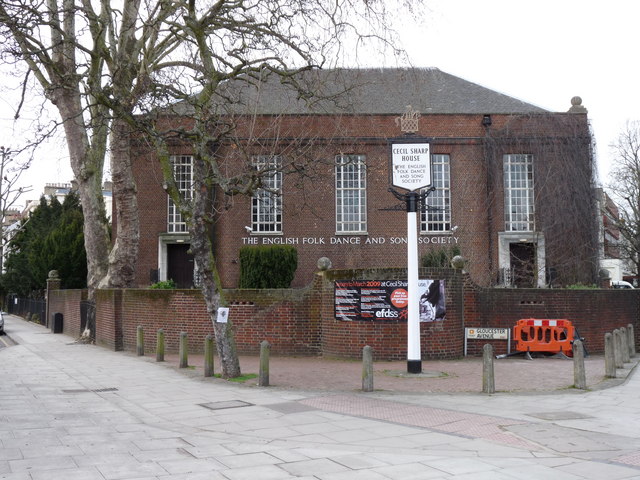
Historical Pageants Day & Evening – Cecil Sharp House

It might not sound like the most exciting way to spend a Saturday, but I decided to attend the Historical Pageants Day and Evening at Cecil Sharp House, and I really enjoyed myself. I booked to attend because I’m interested in history, but I didn’t really know anything about historical pageants. By the end of the day, I not only knew a lot more, but I had a strong urge to attend a pageant myself.

The introduction to the day was provided by the enthusiastic and informative Paul Readman from King’s College London. He explained how historical pageants were popular from the early to mid-20th century, with the first pageant of this type generally held to be the Sherborne Pageant of 1905. Further pageants were held around the country in subsequent years, some of them written by and starring local dignitaries, others featuring the likes of E. M. Forster and Ralph Vaughan Williams, but all of them featuring local people as part of the wider cast. Pageants told stories of the local area, typically from the ancient Roman and medieval periods; many of them were painstakingly researched, often by actual historians, but they also included myths and legends from the locality, and rewriting of history was common. My favourite example of this was a photograph from Birmingham’s 1938 pageant featuring Egbert the dinosaur surrounded by cavepeople – even at the time people knew that humans and dinosaurs did not roam the earth together, but why let that get in the way of an amusing scene? Queen Elizabeth I often made an appearance in pageants, even when her presence was historically anachronistic – perhaps because her name was linked with an idea of ‘Merrie England’.

Pageants were particularly popular in the cities of the midlands and the north such as Carlisle and Birmingham. They were hugely popular to watch, attended by millions of people. Many pageants made use of modern technology, such as film: in fact, one pageant, the Glastonbury Pageant of 1922, was created as a film rather than a live experience. Later in the century, pageants used amplification and recording tech, as well as advertising to get the word out.

Some aspects of pageantry could be seen as fairly conservative, with the past viewed through rather rose-coloured glasses, but pageants were popular all along the political spectrum – even the Communist Party had one. Often the aim was to bring people together by acting out a shared history, but even at the time there were discussions about inclusion, and these attempts were not always successful.

Pageant-making was less popular in the latter half of the century, although some pageants did take place. They rarely happen now, but Axbridge in Somerset has established a tradition of a pageant every ten years (the next one is set for next year, rescheduled from 2020 for pandemic-related reasons). I would very much like to attend!

After this introduction, Parker Gordon from the University of St Andrews gave a talk on pageant music, which served a variety of functions including creating drama, cueing speakers and simply passing the time – one instruction found in a sheet of pageant music advised the musicians to continue playing the motif over and over while a bunch of horses and their riders made their way down the hill. Military bands were often deployed during pageants, as their music carried, but some pageants featured piano music and some with less of a budget even used gramophones. Following this talk, Angela Bartie from the University of Edinburgh discussed oral histories of pageants at Bury St Edmunds and Carlisle. The most memorable anecdote featured a former participant describing how, dressed as a redcoat soldier, he found himself in the dungeons of Carlisle Castle (where Jacobite soldiers were formerly held) and felt rather spooked.

Next we saw some video footage: firstly of Bury St Edmunds pageants in 1907, 1959 and 1970, and then of the St Albans millenary pageant of 1948. It was interesting to see how styles and focus changed over a period of half a century, and the aspects of life each pageant chose to illustrate. After lunch there were more short talks, with subjects including David Clarke, ‘the last pageant master’, the 1910 Saffron Walden pageant, and experiences of researching historical pageantry.

Throughout the day, information boards and exhibition items concerning pageants (such as photographs, postcards and souvenirs) were on display around the hall. After a break, it was time for the evening part of the programme which featured scenes from the forthcoming Axbridge Pageant (which were great fun) as well as pageant music by composers such as Ralph Vaughan Williams and Martin Shaw. After an interval there were performances of folk songs by the Boyd-Shaw trio which were accompanied by archive film from the Carlisle and St Albans pageants. I left knowing a lot more about historical pageants, and I definitely hope to attend one some day.

The Origins and Rituals of Absinthe

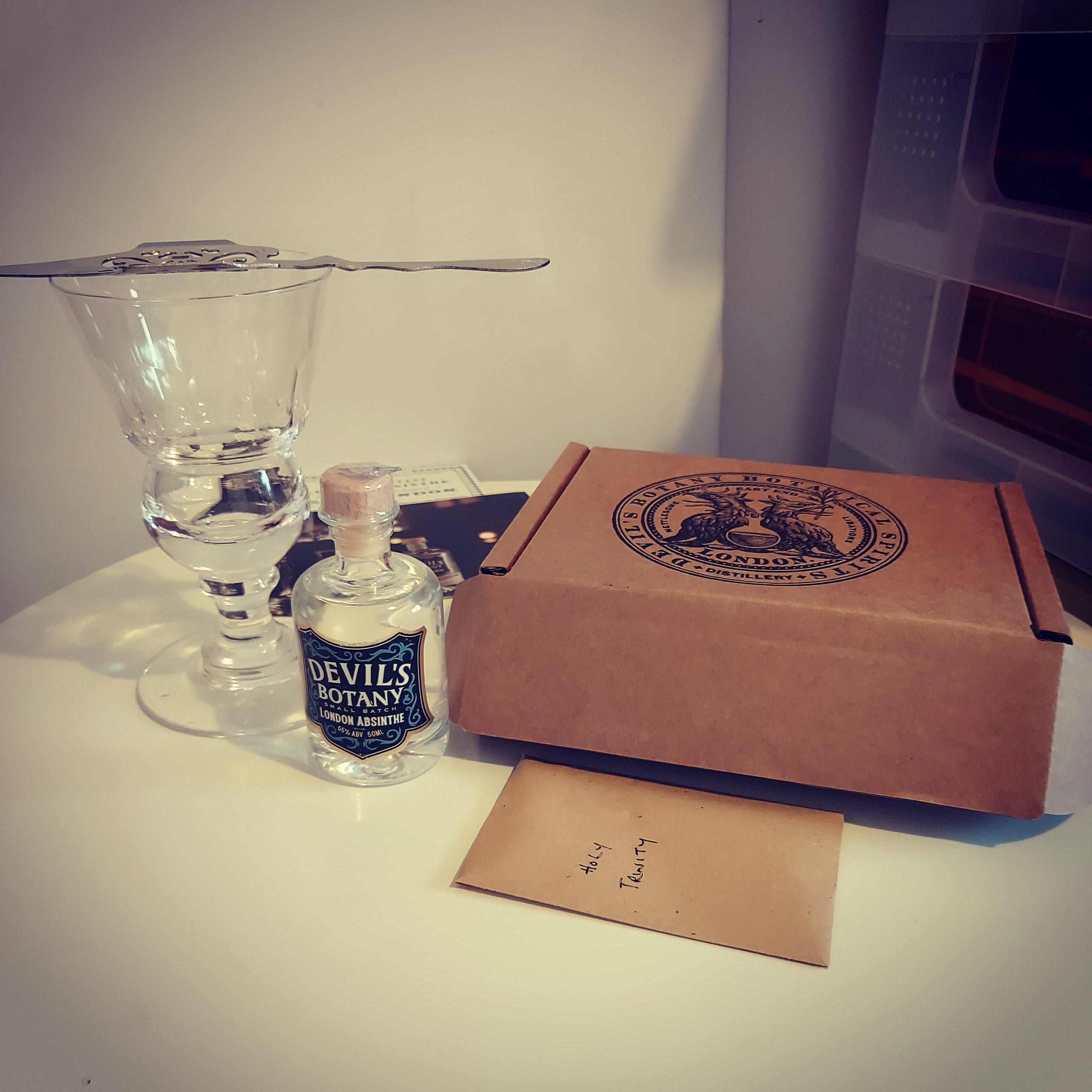
Absinthe glass and spoon, miniature absinthe, and ingredients

On Good Friday I signed up for an online absinthe tasting and lecture courtesy of the Viktor Wynd Museum and the Last Tuesday Society. I’d been meaning to go to the in-person tasting for a while, but of course lockdown put paid to real-life events for some time. The Origins & Rituals of Absinthe didn’t tell me much I didn’t already know about absinthe and its history (as I had a bit of an obsession with the stuff when I was at uni), but it was interesting to be reminded nevertheless. The ticket price included a discount on the tasting kit, which contained some of the ingredients which go to make up absinthe, such as wormwood, anise and fennel, as well as a small bottle of the finished product.

This particular brand of absinthe is Devil’s Botany, a new absinthe made in London. Unlike the absinthes I am familiar with, it is clear, not green, but I was impressed nevertheless. It had a crisp refreshing taste and was sweet enough not to need sugar. I would happily drink this again and I wonder if I will develop an absinthe habit to get me through the last few months of lockdown…

Bank of England Museum – a spook-tacular soirée!

I visited the Bank of England Museum on the Friday before Halloween to attend a spooky event, featuring the chance to explore the museum after dark, not to mention a ghost story.

It was fun to explore the museum without the crowds; even though I’d been there before, the experience was different this time round. I enjoyed talking to the museum staff about various Bank histories and legends.

Image of a storyteller in front of a 19th century photo of the Bank
Ghost stories at the Bank of England

The ghost story, telling the tale of Sarah Whitehead (the Bank Nun), was chilling and enjoyable. Cashier Paul Whitehead was arrested for forgery, convicted, and duly hanged in 1812. Friends tried to keep the tragedy a secret from his sister, Sarah, but one day when she visited the Bank to ask about her brother, another cashier blurted out the truth. The shock affected her mind, and from then on she would turn up at the Bank every day to ask about her brother, wearing a long black dress and a black crepe veil that gave her her nickname. Her ghost is said to still visit the bank, dressed in black, and still asking about her brother.

90s Kids’ Shows – BFI Southbank

Screenshot of Maid Marian and Her Merry Men

I visited the BFI Southbank to attend a panel discussion about 90s Kids’ TV shows. This is exactly my era so I was incredibly excited.

First of all we were treated to a montage of TV shows including Chucklevision, The Queen’s Nose, Art Attack, Power Rangers, Clarissa Explains It All, and many many more, including shows I know and those I wasn’t familiar with. Afterwards, there was a panel discussion featuring actor and writer Sir Tony Robinson, performer Francis Wright, and producer Catherine Robins.

Naturally enough, the discussion focused on the shows that the panel members were involved in. This began with Maid Marian and Her Merry Men (my personal favourite), and it was interesting to hear Sir Tony’s stories and anecdotes about the production of the series. I was particularly excited when Marian and Robin from the series, Kate Lonergan and Adam Morris, made an appearance and came up to the front to talk about their experiences. Another show we heard about was Five Children and It, as Francis Wright was responsible for operating the puppet Psammead.

It was interesting that all three panellists seemed to think the 90s were something of a golden age in childrens’ television: I’ve always thought so but I lived through it, I wondered if it was just nostalgia, but apparently not. It seems officials were more willing to take risks back then, and to educate as well as entertain.

I left the event with my only regret being that I chickened out of asking Kate and Adam for a picture.

Jensen’s Gin Experience

Bemondsey Distillery

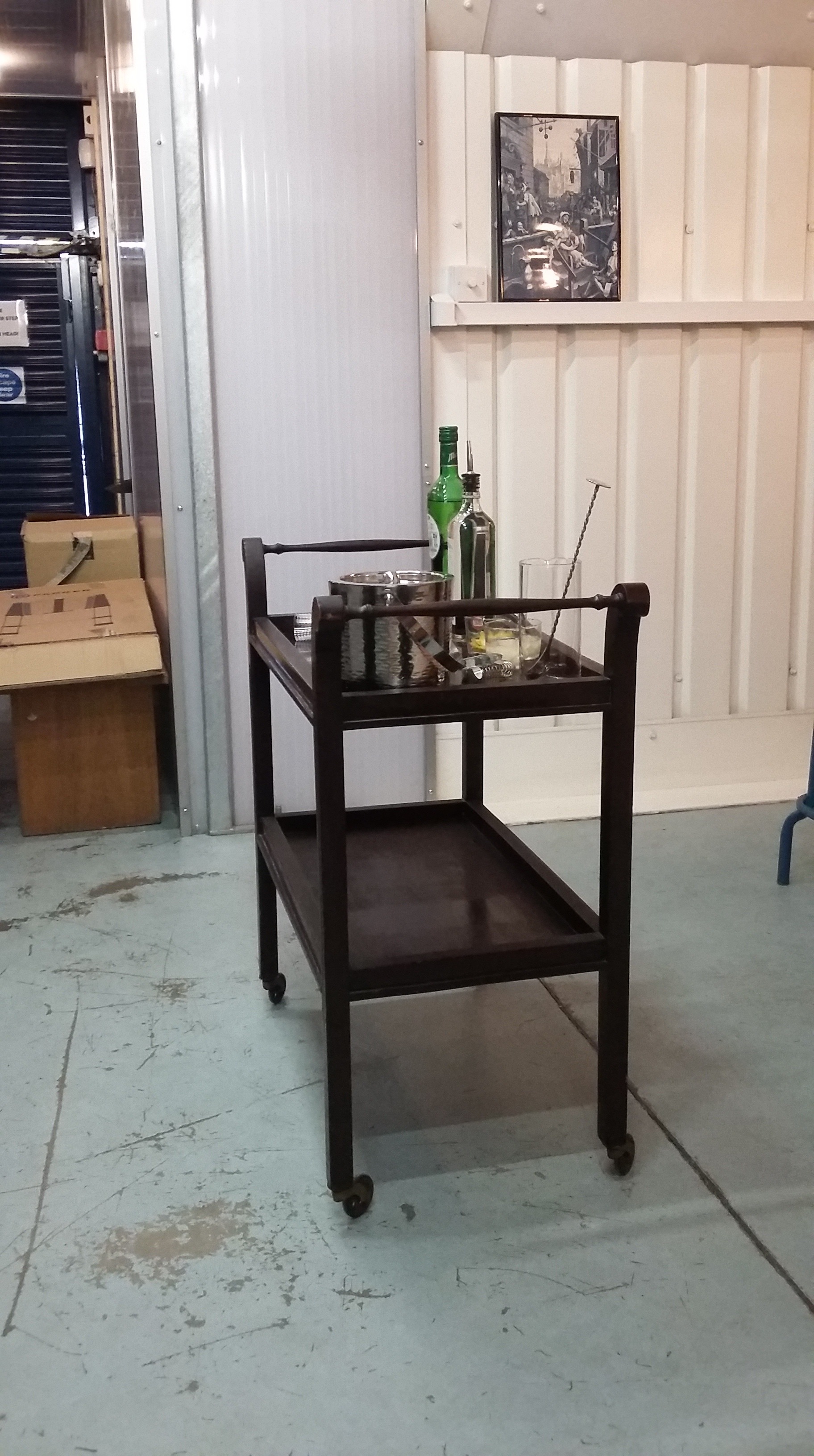
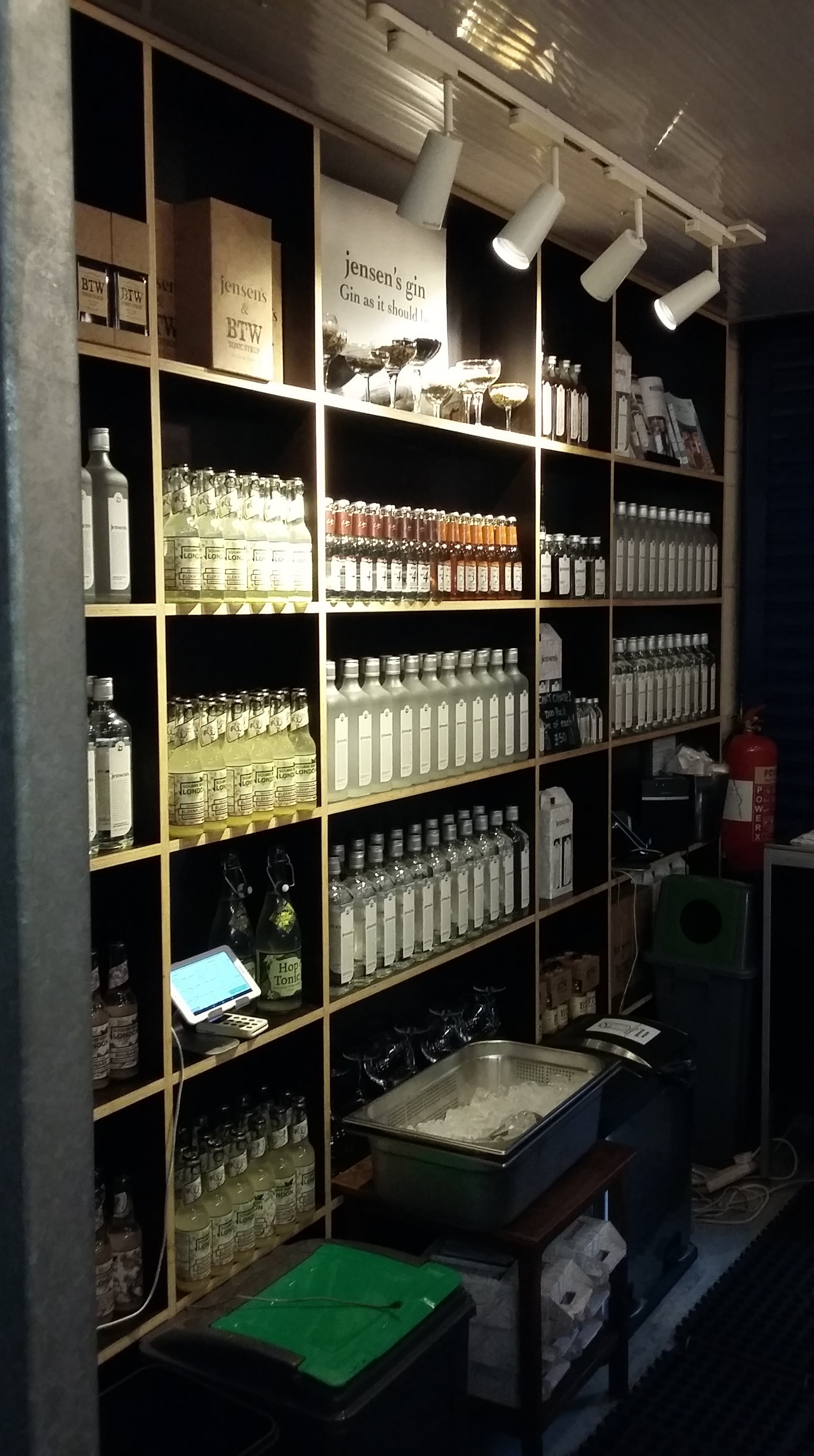
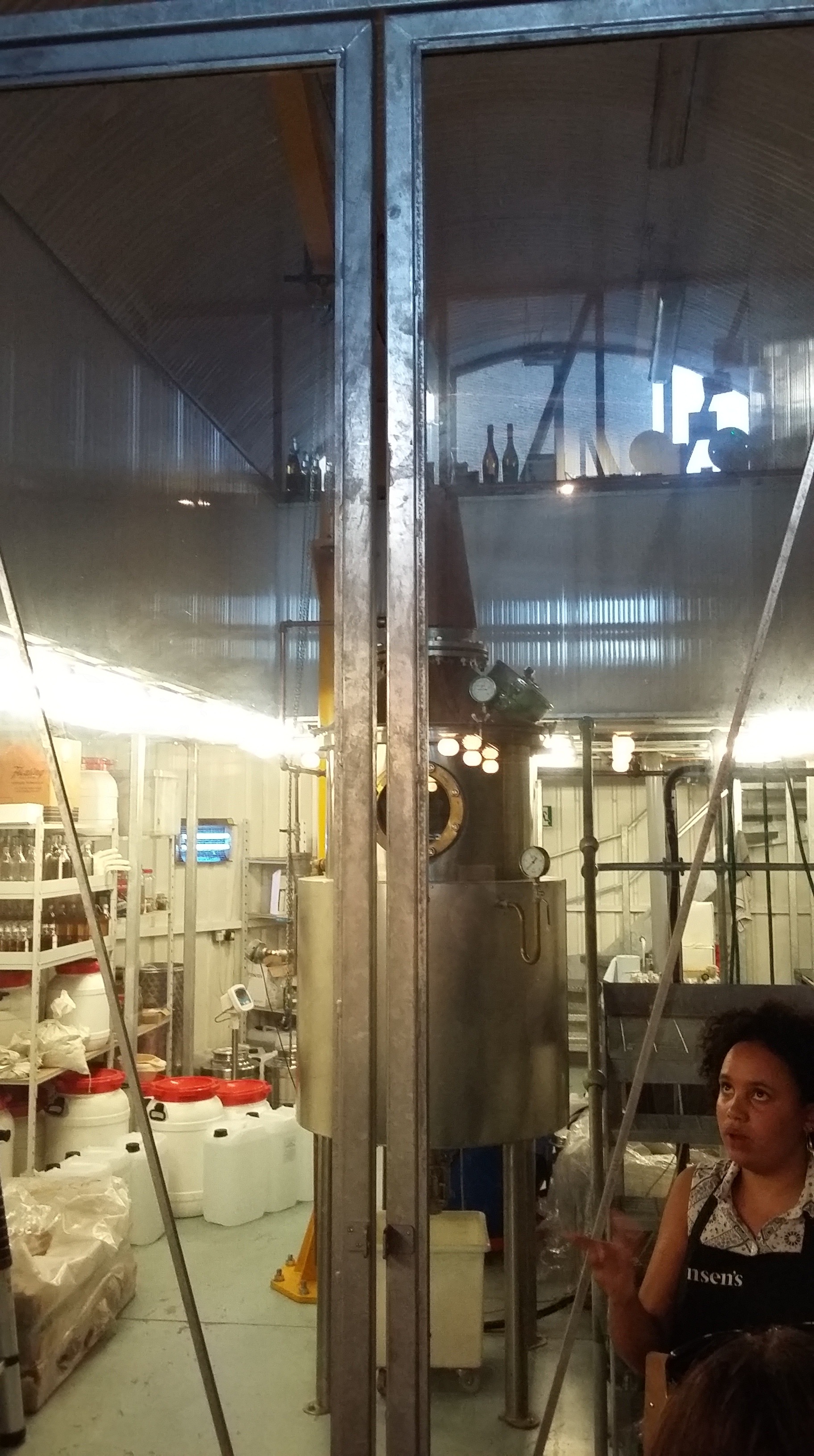
I love gin, so was very excited about picking up a Time Out voucher for a gin tasting session at the Bermondsey Gin Distillery, home of Jensen’s Gin. I went with a friend, and we headed down early, which is just as well because it took us a while to find it. The space is built into one of the railway arches not far from Bermondsey station, and there is a door built in to a corrugated shutter.

Bemondsey Distillery

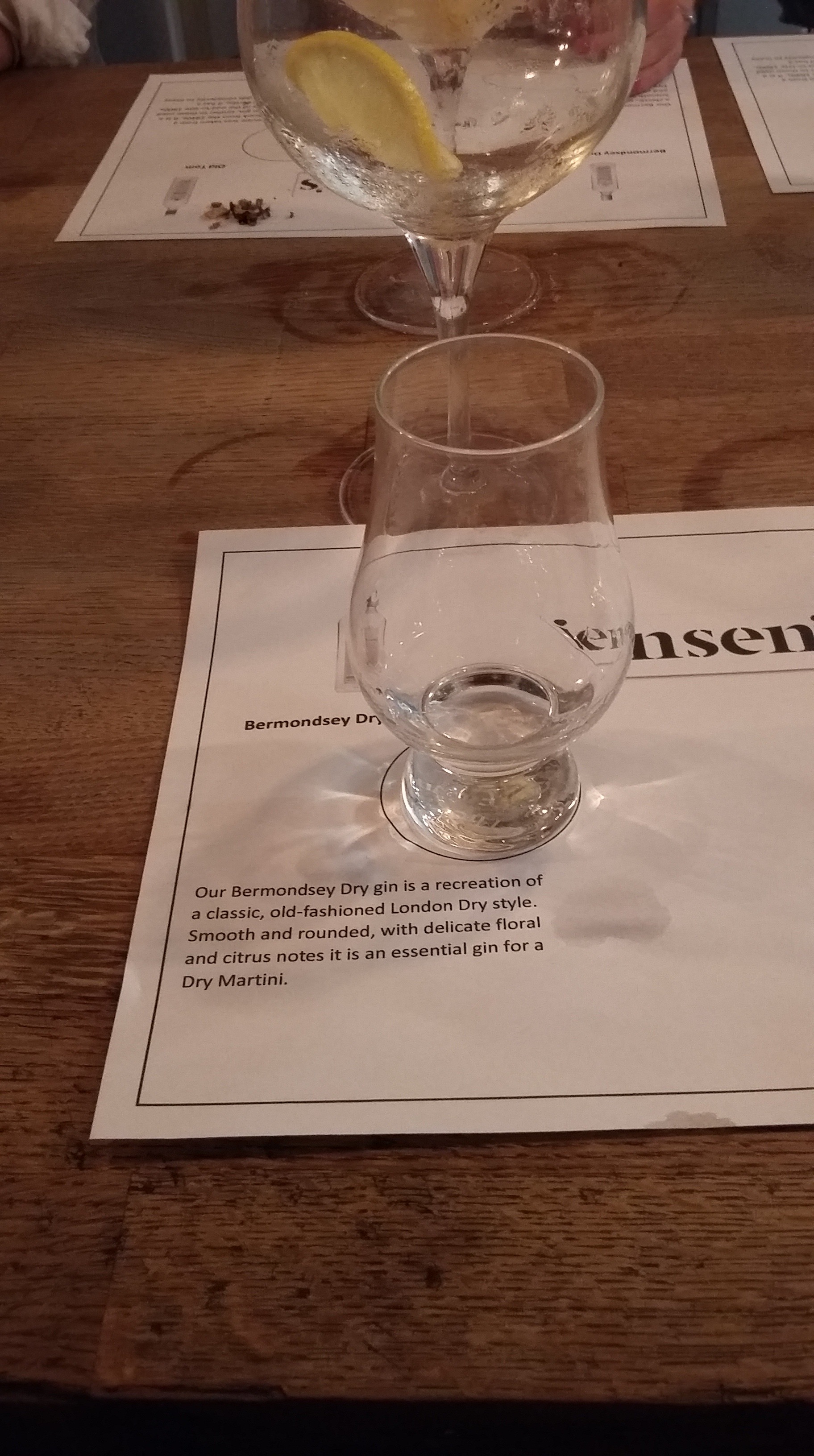
One free drink was included, and we sipped this as we were introduced to the history of gin and to Jensen’s Gin in particular. I’m fairly familiar with the history of the drink (and felt quite smug that I was able to identify Hogarth’s picture Gin Lane) but not of this particular brand. It was founded by Christian Jensen, City worker and gin enthusiast who, in a bid to recreate the gins he loved in his youth, at first commissioned another distillery to make it and then set up his own in order to make and sell it commercially. The small company now makes two gins, the original Bermondsey Dry Gin and an ‘Old Tom’ variety that is deeper and more flavoursome. We got to sample both of these as well as the individual ingredients that make up gin, including juniper berries which give gin its distinctive taste.

Bemondsey Distillery

I had a really good time at the gin tasting: I learned things about gin I didn’t know, and got to sample some delicious gins. I would definitely recommend Jensen’s Gin, and am planning to head down to the distillery shop to buy a bottle of my own. On Sundays you can also pop down to Maltby Street Market and sample a G&T for just £5, which is pretty good for London.

Bemondsey Distillery

What Does the Antarctic Mean? – British Library

Exhibition banner

I went to a fascinating talk at the British Library, entitled What Does the Antarctic Mean?, part of the Cook’s voyages exhibition season. The talk was chaired by journalist Julia Wheeler, who has written books on both the Antarctic and the Arctic, and featured Jane Francis (Director of the British Antarctic Survey), Damon Stanwell-Smith (Executive Director of the International Association of Antarctica Tour Operators), Jane Rumble (Head of the Polar Regions at the Foreign and Commonwealth Office) and Klaus Dodds (Royal Holloway University of London).

The talk began with a discussion on the significance of Antarctica. Jane Francis emphasised the importance of Antarctica to science, and explained how the continent influences the world: the climate, sea level rises and tides. Klaus Dodds said that 200 years ago, people tended to see as ice as sublime, awesome, terrifying, and now that relationship has been flipped on its head as we have become aware of the human power over ice. He also talked about the imaginative aspect of Antarctica, and mentioned the Antarctic Treaty, which inspired other treaties including those involving space.

Jane Rumble pointed out that 200 years ago no one knew Antarctica existed: its importance has increased in a very short space of time. It is the only place in the world with no wars, no territorial claims. Damon Stanwell-Smith confessed to amazement that a continent larger than North America hasn’t been colonised, and talked about how Antarctica is something you feel – there is nothing like being there.

The group then discussed the Antarctic Treaty. Dodds explained that this treaty was negotiated over 6 weeks in 1959, and involved the 12 parties who had participated in the International Geophysical Year 1957-58. This was during the middle of the Cold War – there was a worry that such collaboration would not continue.

There were many issues. The UK, Argentina and Chile claimed the same territory – could they come to blows? The Australian president was convinced that Russian communists wanted to establish bases in Antarctica, while the USA had seriously considered nuclear testing. The treaty nearly didn’t happen – especially thanks to Australia, France and Argentina. The treaty would only happen if all 12 countries passed it; there was a deliberate decision to avoid mention of mineral resources or there would have been no agreement.

Rumble then discussed the UK’s territorial claims in more detail, starting with the 1908 claim to the Antarctic peninsula region. There was some discussion on whether the UK should claim the whole thing; in the end they didn’t, but they did cajole the Commonwealth nations Australia and new Zealand to claim. France joined in, then Germany tried in the 1930s, following which the British supported Norway’s rival claim. As a Norwegian, Roald Amundsen, was first to the South Pole, that country’s claim should really have been considered earlier, but at the time Norway was a small newly-independent nation and nobody really took them seriously.

Chile and Argentina placed their own claims during World War II. In 1943 the UK set up the first permanent presence in Antarctica – Operation Tabarin. The US put their base at the South Pole, while Russia put theirs in the Australian bit and refused to move. Despite all this, there is still one unclaimed sector, the most remote.

Rumble discussed the huge amounts of scientific collaboration taking place in Antarctica among scientists, who tend to ignore politics. Shared science programmes abound, including a new joint UK/US project investigating a glacier. If it melts, there will be a sea level rise of over 5 metres. Francis pointed out that when the climate changes, it changes at the Poles first, so Antarctica is the perfect place for this research.

Stanwell-Smith talked about the sometimes-controversial business of modern commercial tourism. This began in the late 1960s and has gone from strength to strength ever since. Most visitors are from North America and other anglophone countries, but there has been an increase in Chinese visitors. In the last year there have been more than 50,000 visitors (of whom 9,000 were on cruises – and did not get off the ship), a rise of 17% from the previous year.

Stanwell-Smith argued that allowing visitors is important, albeit in an appropriate way. Most people who visit have a fascination with Antarctica; perhaps they are older and have a long-held ambition to go. Visiting Antarctica also allows the importance of the continent to be emphasised. Francis pointed out that far more than these visitors, the main problem is people who treat the continent like an adventure playground: such as Guirec Soudee, a French man who is travelling around the world with his pet chicken, Monique. It sounds like a fun story, but there was a very real risk that the chicken could have passed on avian flu to the native penguin population.

Dodds spoke about the challenging relationship between tourists and scientists: some scientists see tourists as a distraction, but public outreach is now recognised as an important part of a scientist’s role. Dodds also pointed out that Antarctica still has a very small number of visitors for such a large place.

Finally, Rumble was asked about the most important aspect of Antarctica to the UK government, and responded, ‘Peace and stability.’ A strong treaty system is very important and science is a clear priority.

I really enjoyed this fascinating talk.

A Moomin Winter’s Eve / Tove Jansson (1914-2001) – Dulwich Picture Gallery

exhibition poster

This year I read the Moomin books for the first time, and I also visited the Adventures in Moominland exhibition at the Southbank Centre. Continuing the theme, Dulwich Picture Gallery announced a Tove Jansson exhibition for 2017-2018, covering her artwork and illustrations from self-portraits to the Moomins and beyond.

Some friends and I booked to attend the special December event, A Moomin Winter’s Eve. This was an after-hours event that offered activities as well as a chance to look around the exhibition. When we arrived – after spending a while waiting for a bus at Brixton – we headed straight into the exhibition before it got too busy.

Tove Jansson (1914-2001) begins with the artist’s early work, striking self-portraits sitting alongside magazine illustration and magical landscapes. Her later work incorporates more traditional painting, before she turned to illustration in a bigger way. I had no idea Jansson was responsible for illustrating Swedish versions of The Lord of The Rings and Alice’s Adventures in Wonderland – her work is distinctively her own but also clearly captures the atmosphere of the stories.

Then comes her Moomin work, which forms around half of the exhibition. I love her wonderfully expressive drawings of these fantastical creatures, and it was fascinating to see them close up. As the daughter of two painters, Jansson saw herself primarily as a painter even while the world revered her for her work as a writer and illustrator, but while this exhibition helps to paint a wider picture of the artist, she is likely to remain best known for the Moomins. And why not? Her illustrations are certainly classifiable as art, and her books are children’s classics.

pom pom table

After the exhibition, we decided to check out some of the activities. First we went to make flower garlands in a Pom Pom Blossom workshop, run by Pom Pom Factory. We ended up wearing them for the rest of the evening.

My Moomin masterpiece

We then went to join the table drawing Moomin self-portraits. I am certainly no artist, but having a framework of a Moomin silhouette to work on, I managed to produce something passable.

Moomin collage

Finally we went down to the Moominvalley Photobooth, the idea here being to create a collage inspired by Moominvalley and have your photo taken, then superimposed onto your background. Sadly the camera battery ran out while we were making our collage, but it was still great fun.

The exhibition and the evening were lovely and a nice relaxing way to spend a Friday night.