Rebel Badge Club – Mixologist

For the ‘Life Less Ordinary’ quarterly challenge, I had to complete a badge chosen by someone else. I asked my family in our WhatsApp group chat, and after a worrying moment when I thought my brother might select Advanced Adulting, my dad suggested Mixologist. So that’s what I did!

For this badge, I had to make at least six cocktails and learn about their histories. My family did benefit from this badge as I made them piña coladas and mojitos when I was at home!

Piña Colada

The piña colada originated in Puerto Rico. It is made with white rum, coconut cream or milk, and pineapple juice. The name literally means “strained pineapple”.

The earliest known story suggests that a Puerto Rican pirate, Roberto Cofresi, invented the drink for his crew in the nineteenth century. Other sources suggest that either bartender Ramón “Monchito” Marrero or bartender Don Ramon Portas Mingot created the drink in the mid-20th century.

Mojito

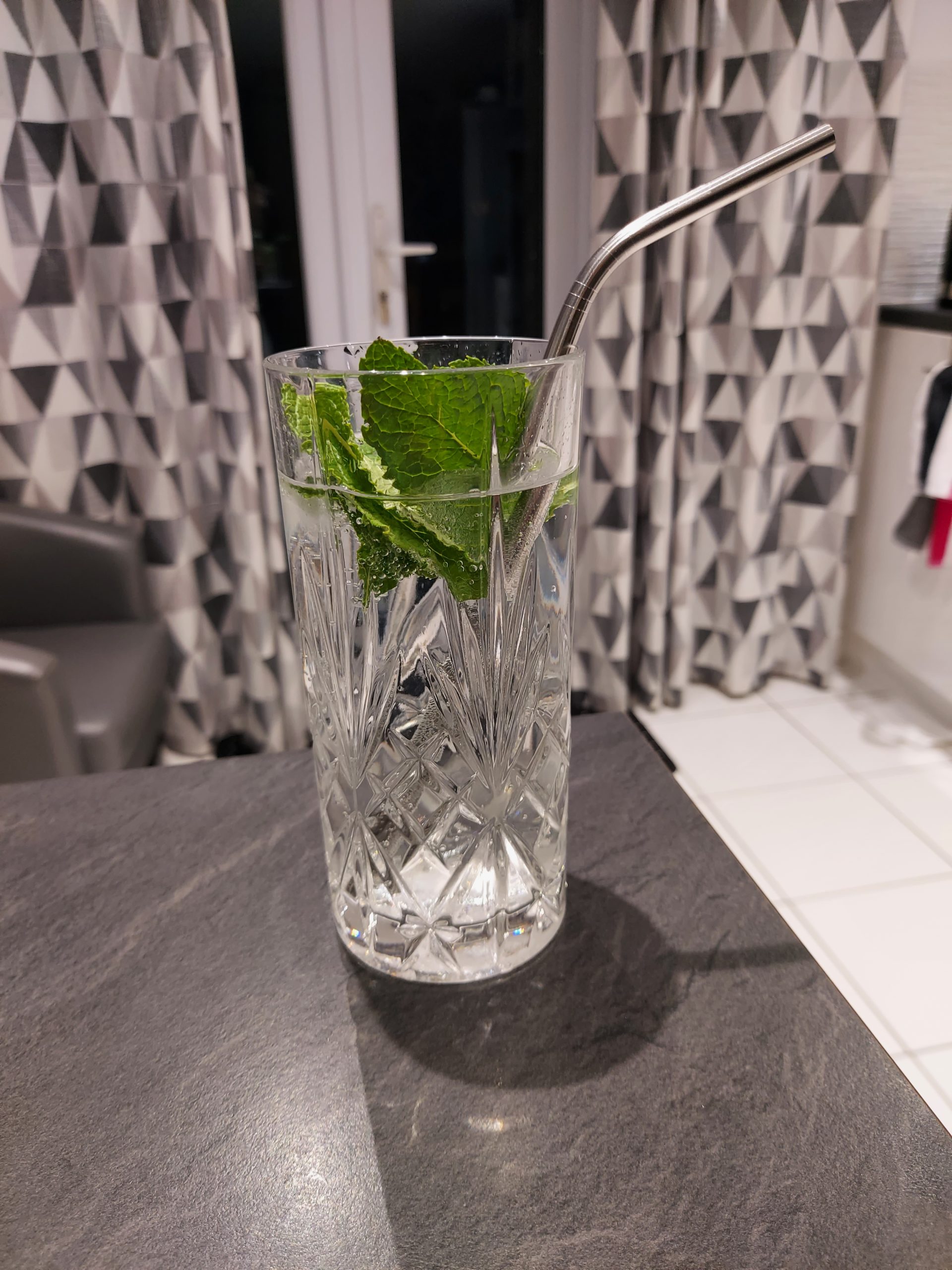
The Mojito comes from Havana, Cuba and consists of white rum, sugar, lime juice, soda water and mint.

One theory suggests that it began as a medicine (lime juice alone was effective against scurvy and dysentery), while another is that it was invented by Sir Francis Drake, albeit with brandy rather than rum.

Espresso Martini

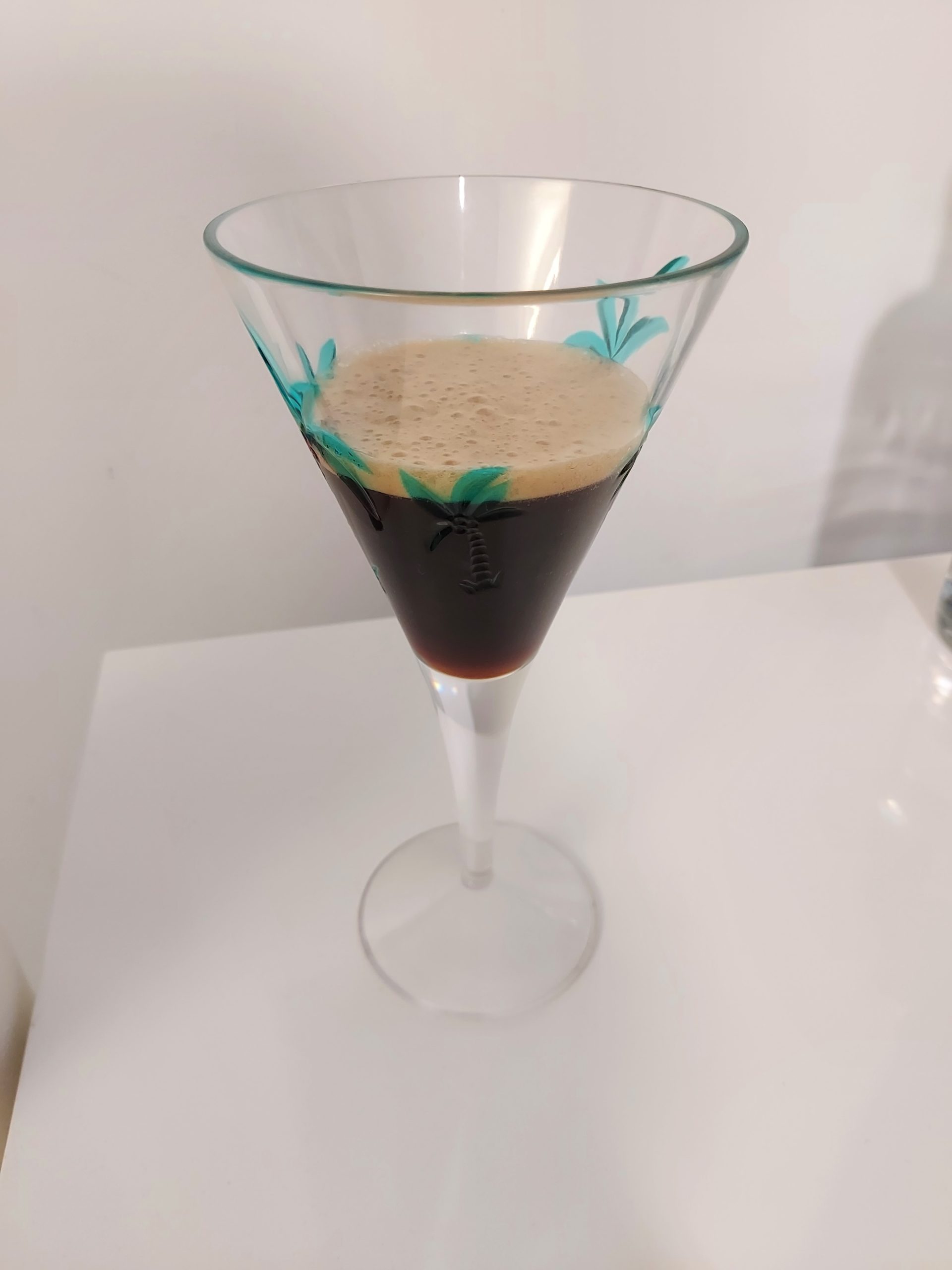
The Espresso Martini is not a true martini, as it contains neither gin nor vermouth, but it is usually served in a martini glass. The drink consists of espresso, coffee liqueur (such as Kahlúa), and vodka.

One origin theory is that it was created by Dick Bradsell at Fred’s Club in the 1980s. He worked next to the coffee machine, and vodka was very popular at the time, hence the drink was born.

Bloody Mary

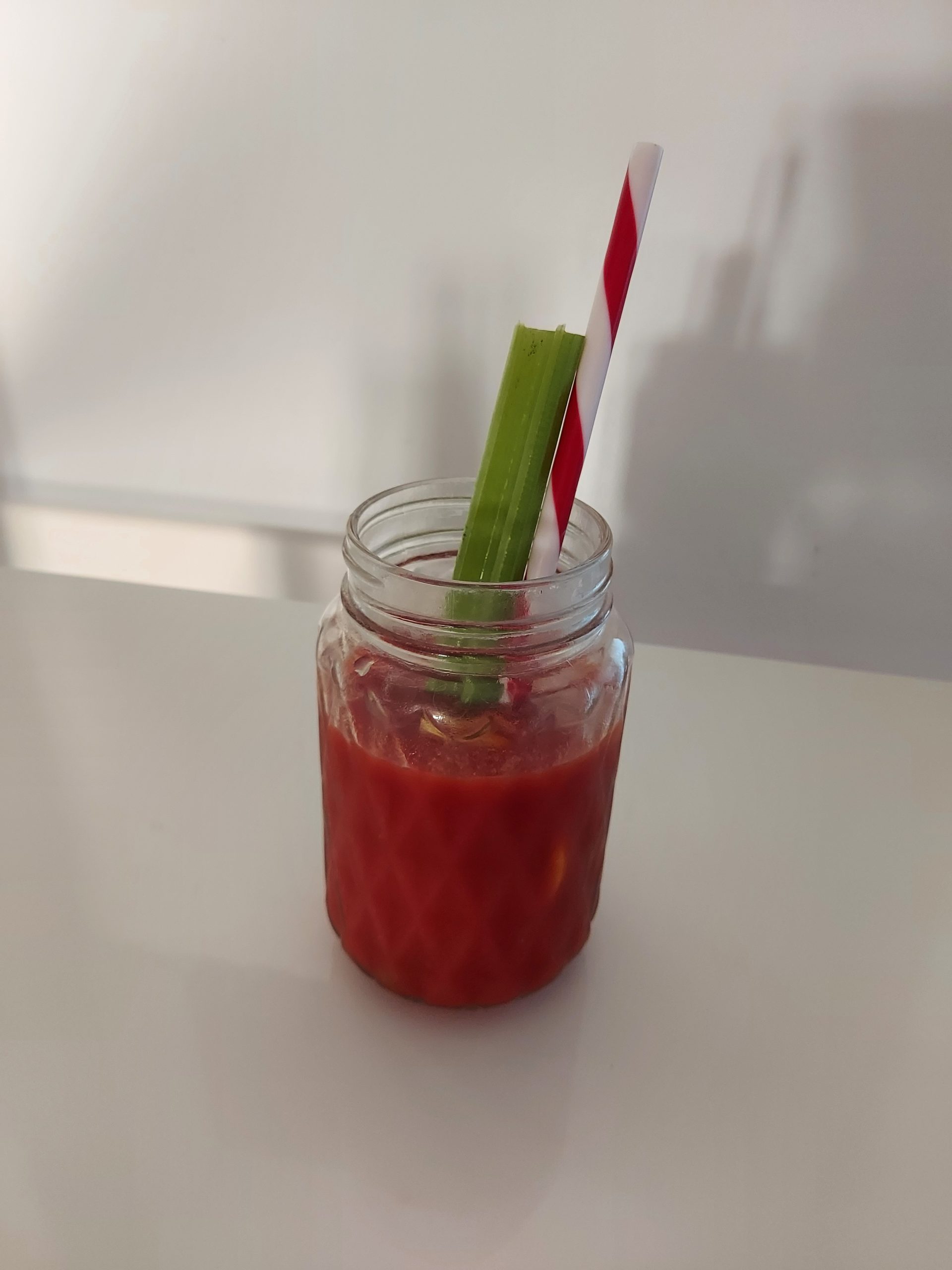
A Bloody Mary is a cocktail consisting of vodka, tomato juice, and various spices and flavourings such as Worcestershire sauce and tabasco. It is commonly drunk as a breakfast cocktail and is often served at brunches.

One origin story has the cocktail created by French bartender Fernand Petiot in the famous New York Bar in Paris (later known as Harry’s New York Bar), as far back as 1921. Other claims give credit to the 21 Club in New York. The name is often associated with Mary I of England, but some believe it came from Hollywood star Mary Pickford, or a waitress named Mary who worked at a Chicago bar called the Bucket of Blood.

White Russian

A White Russian consists of vodka, coffee liqueur (such as Kahlúa), and cream. The name comes from the fact that it is made with vodka, and that cream has been added (as opposed to a Black Russian which omits the cream).

The Black Russian cocktail first appeared in 1949, supposedly created by Gustave Tops, a Belgian barman, at the Hotel Metropole in Brussels. The White Russian variant emerged at around the same time. The 1998 film The Big Lebowski popularised the White Russian, a drink which had been long out of fashion, once again.

Gin Fizz

The Gin Fizz is a cocktail made with gin, sugar syrup, lemon juice, ice, and sparkling water. Some recipes also include an egg white.

The cocktail originated in New Orleans, Louisiana, and was originally known as a ‘New Orleans Fizz’. It was invented by Henry C. Ramos at his bar, the Imperial Cabinet Saloon, in 1888.

Date completed: 25 June 2023

Rebel Fest!

I just had one of the best weekends ever, and I didn’t even leave the house. The reason? Rebel Fest – planned back in the winter, taking place over Saturday 10th and Sunday 11th June 2023. The weekend featured classes, workshops and talks from 9am to 9pm, as well as a Friday night meeting for Council members, which was a lovely way to kick off proceedings.

The first event on Saturday morning was a Bollywood dance class run by Shaneen of Nayi Taal Dance, which was great fun even though I clearly have two left feet! It was followed by a foraging talk from Colin, delivered – appropriately – from the middle of a park. After that, we had a fun sign language lesson from Penny and Karen of Vision Signing Choir, learning to sign Lady Gaga’s ‘Born This Way’.

After a break for lunch we were straight into the afternoon’s activities. The self portrait art class with Rod was challenging but he had a lot of good tips that helped me. Next, Joel from Headlock Escape Rooms ran a session called The Keeper and the Fungus Among Us which featured puppets and SONGS. It was brilliant! Following, there was a CSI Skills class with Jon from Sci High which was fascinating – his enthusiasm was infectious and I learned loads.

Another break followed, then we were straight into ‘Weird and Wacky Plants’, a talk by Mr Plant Geek. I had no idea plants were so interesting, though I was slightly disturbed by the number of plants that smell of rotting meat! We then had a talk from adventurer Anna McNuff, who was incredibly inspiring – I think hers was my favourite talk of the weekend. Finally, we enjoyed a cocktail making session with Tom and his wife Crystal. I made Espresso Martinis, though with hindsight I probably shouldn’t have had three, as I was buzzing for hours.

9am Sunday and it was time for Day 2. A restorative, peaceful yoga session was run by Emma (who also ran a session at Bromsgrove) and it was the perfect way to start the day. Next, we had a Challah baking session hosted by Allegra Kurer aka ChallahMummy. I didn’t bake along with the group as it was far too hot to bake, but I watched with interest and I will definitely be giving the recipe a go soon. The last session of the morning was a patrol breakout session, so I got to chat to fellow Rosas and have fun with a scavenger hunt.

After a break, Charly gave us a talk on how to host a successful blog, and even though I’ve been blogging for years, I picked up loads of tips. We then had a Q&A session with bestselling author Nell Pattison, who is herself a Rebel. I haven’t read any of her books yet but I definitely will be now! Next up, we had another Q&A session, this time with Andy from Hopwood Games, which was great fun.

Following the final break of the weekend, we headed into our breakout sessions. I joined the Rebel Readers session for LGBTQIA+ allies, where we discussed the book A Lady for a Duke by Alexis Hall. It’s not the sort of thing I normally read but I really enjoyed it. The penultimate session was Expedition First Aid with Allan – I was gobsmacked at all the things that can go wrong with expeditions abroad, but grateful for the useful tips on what to take in terms of equipment.

The weekend finished with a Pub Quiz session run by Charly. I didn’t do very well, except on the capital cities round – but never mind!

I then went and bought my ticket for December’s Rebel Fest, because I had such a brilliant time.

A smiling blonde-haired woman wearing black, next to a laptop with a Zoom screen

Rebel Badge Club: Sign Language

The Sign Language badge wasn’t really on my radar, until I had the opportunity to sign up to a beginner course with work. I’ve really enjoyed the badge and learning about all the intricacies of BSL. I’d like to continue with it and perhaps gain a proper Level 1 qualification.

Choose a type of sign language and spend three months learning it.

As mentioned above, I chose BSL and learned it during March, April and May, with my course at work beginning Friday 3 March. I also enrolled onto the Introducing British Sign Language course from british-sign.

Dedicate at least 2 hours a week to practicing your chosen language.

I completed this clause, learning and practicing using the resources available to me, and ended by successfully passing the course assessment.

Download an app to help with your learning.

I downloaded an app called Bright BSL which has lots of free lessons. I found the app really helpful, especially when I was away from my computer.

Be able to have a conversation in your chosen type of sign language.

While studying the course through my work I had the opportunity to connect with other learners online, and practice my new skills with them.

Learn a song in your chosen sign language

Thanks to Rebel Fest I was able to learn Lady Gaga’s ‘Born This Way’ in a session from Karen and Penny from Vision Signing Choir. It was so much fun!

Understand the importance of non-verbal communication

My work course and the british-sign course I completed both covered the importance of facial expressions and gestures, which I found fascinating. I also learned how to approach a D/deaf person and how to communicate more effectively (e.g. make sure you are not standing too close, speak clearly and at normal volume to help with lip reading). I don’t know any D/deaf people in real life so this was really helpful.

Learn more about an area of Deaf culture or identity

I learned about deaf culture in the context of theatre, as theatre is something I’m passionate about anyway. I explored the site of Deafinitely Theatre, a deaf-led theatre company, and researched accommodations made for Deaf patrons at the theatre (e.g. surtitles/captions, including new phone apps that are designed to show these). I also looked at how some theatremakers are going beyond this by integrating sign language into their productions, creating productions from the ground up designed for accessibility, or casting a D/deaf actor who uses sign language in an otherwise speaking production.

Date completed: 10 June 2023

Rebel Badge Club: Rebel With A Cause 2023

The Rebel With A Cause badge was first introduced last year, and has come back for 2023 as it was so popular and it’s such a worthwhile badge. This year, I was really busy with all sorts of things so decided on something I could do in my free time sitting in front of the computer.

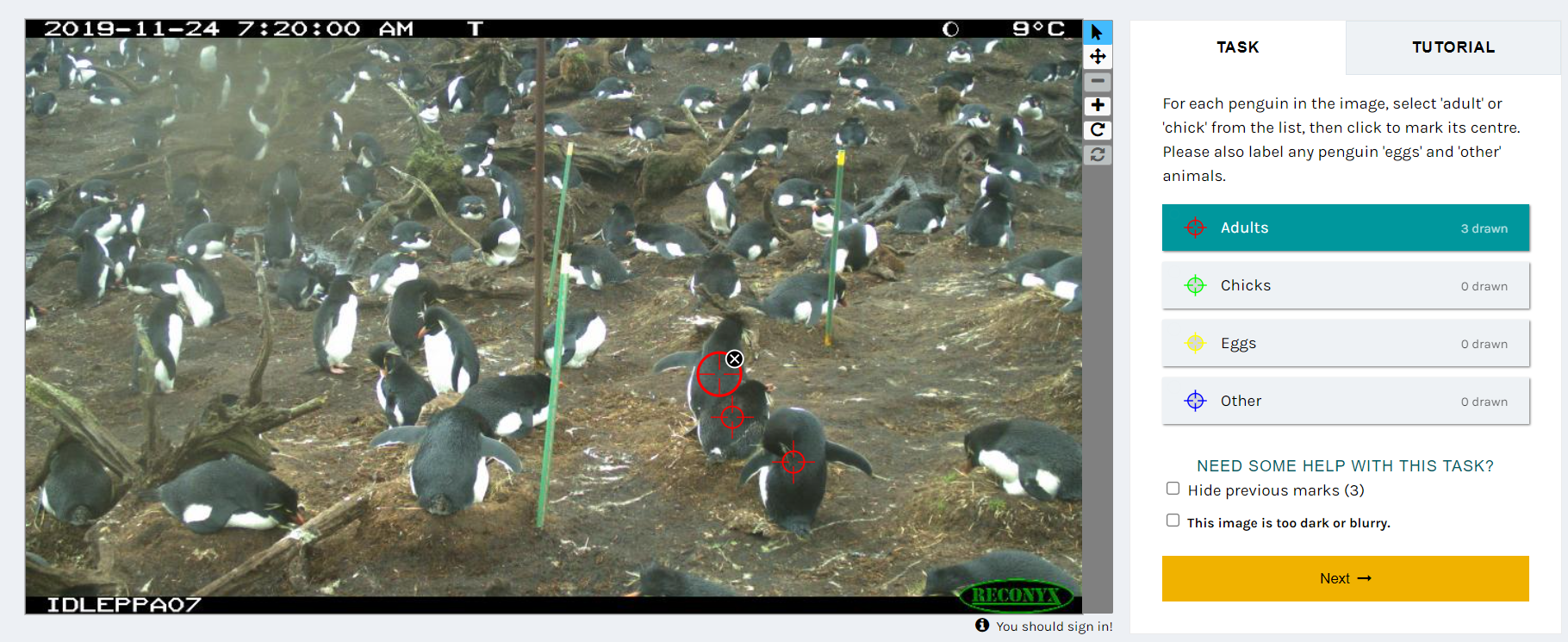
I registered for Zooniverse and helped out with a citizen science project to count penguins. I tried to do a little each day, which added up over the course of the month. I adore penguins so this was perfect for me!

Screenshot of Zooniverse website showing a photograph containing numerous penguins

Rebel Badge Club: Craft Part Two

I loved the first Craft badge so much that I was dying to get started on the second one (from Book Two). This involved choosing five crafts from a different list. If anything, I enjoyed this badge even more than the first!

Doll making

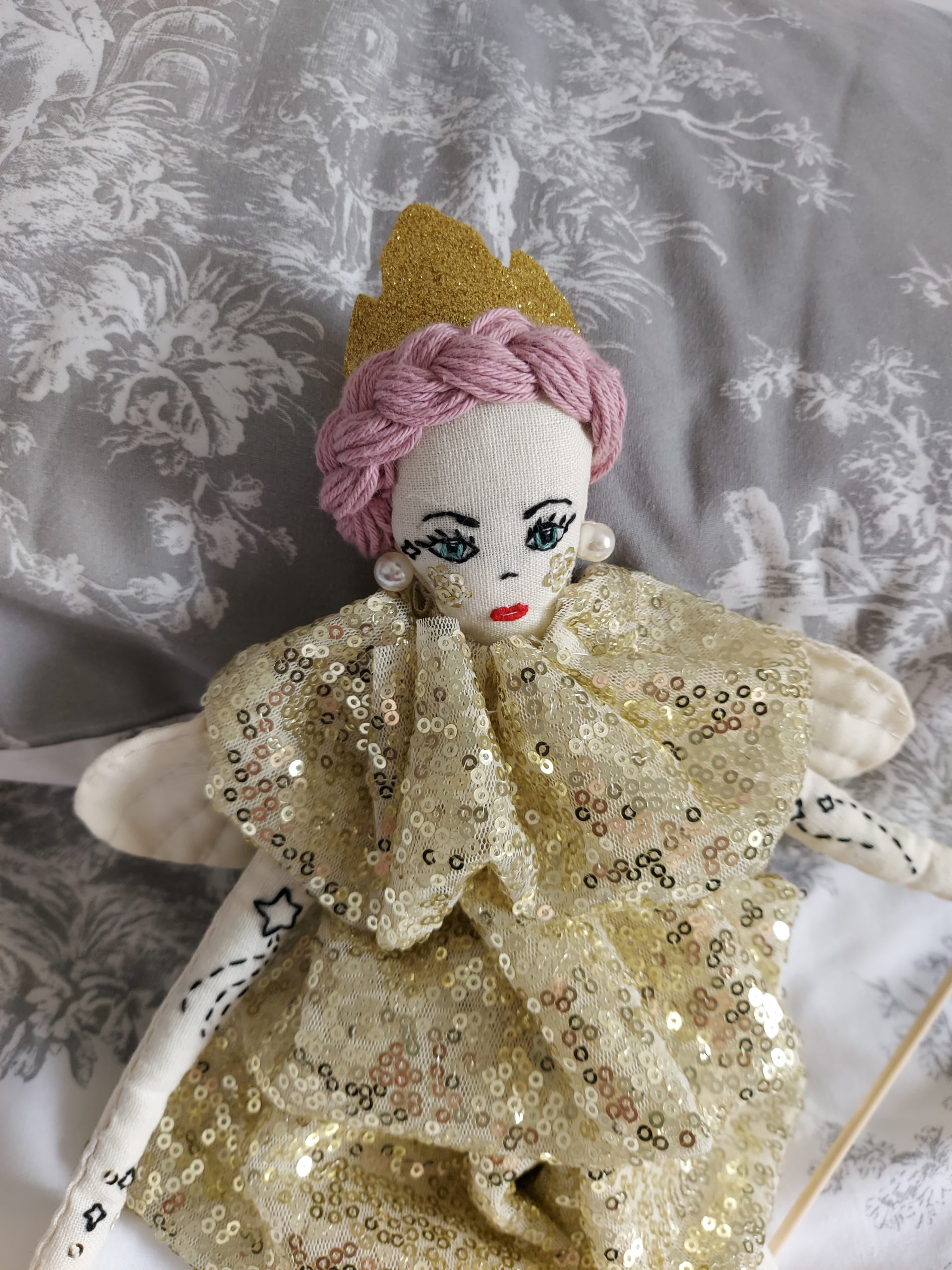
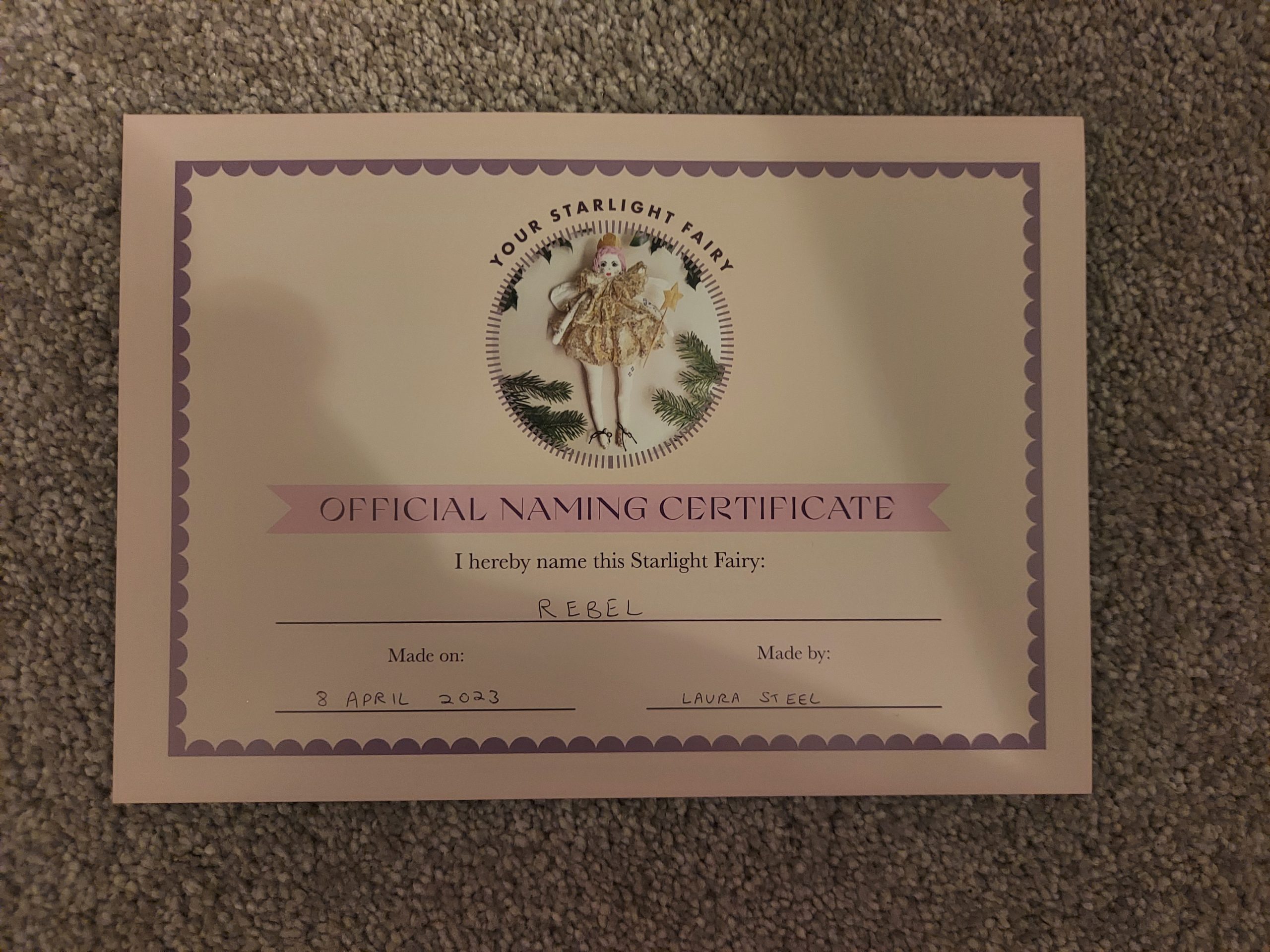
My brain had skipped over doll making but then I saw a kit in the sale at Makebox.co to make a festive Starlight Fairy. I worked on the kit over the Easter break and I’m really proud of how she turned out. The kit came with a naming certificate, so of course I named her Rebel!

Sculpture

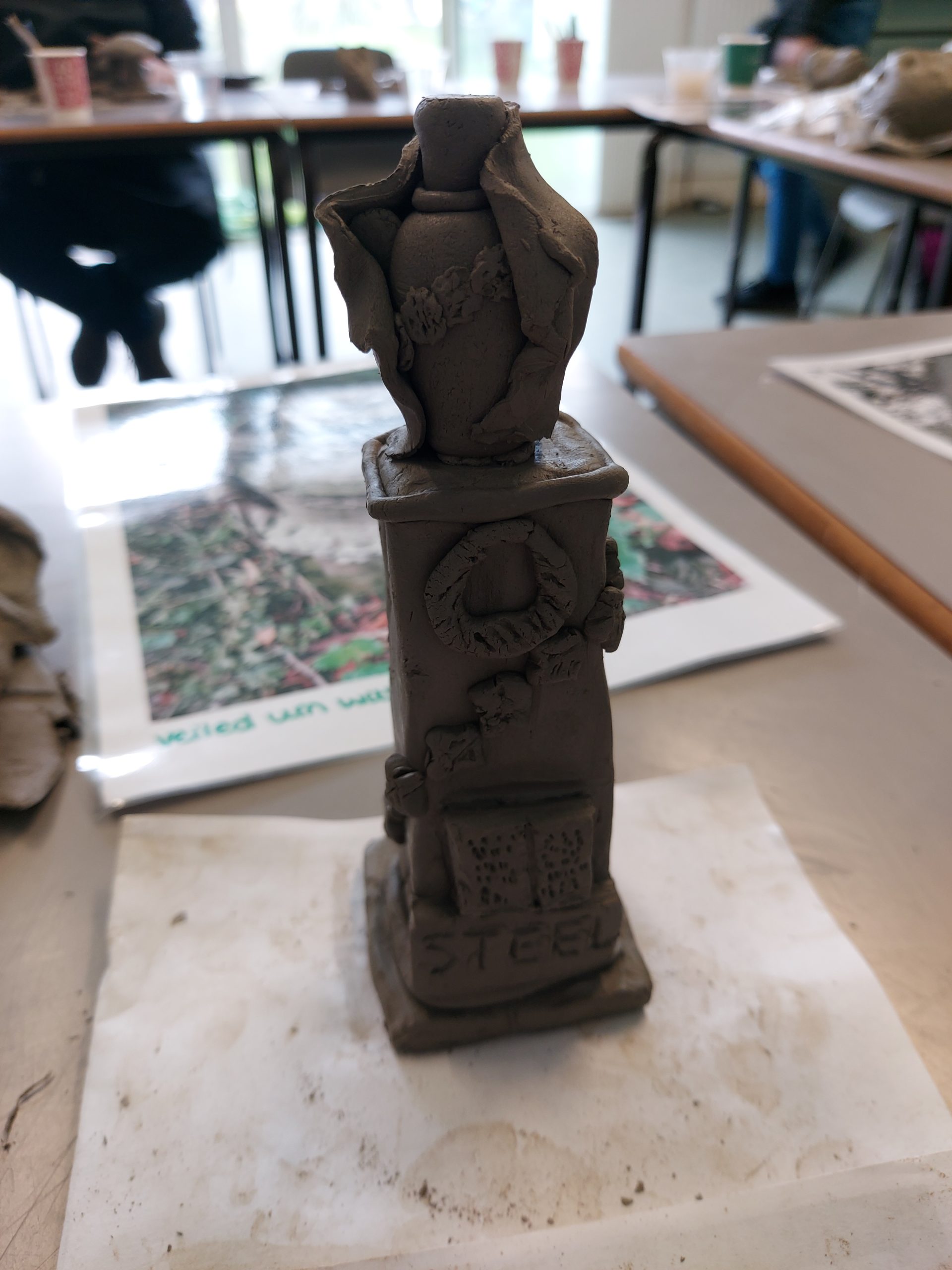
I signed up to a session at Tower Hamlets Cemetery Park to make a clay gravestone. I absolutely loved the session and I’m really proud of my gravestone, which was inspired by the cemetery’s Victorian monuments and now has pride of place on my shelf.

Embroidery

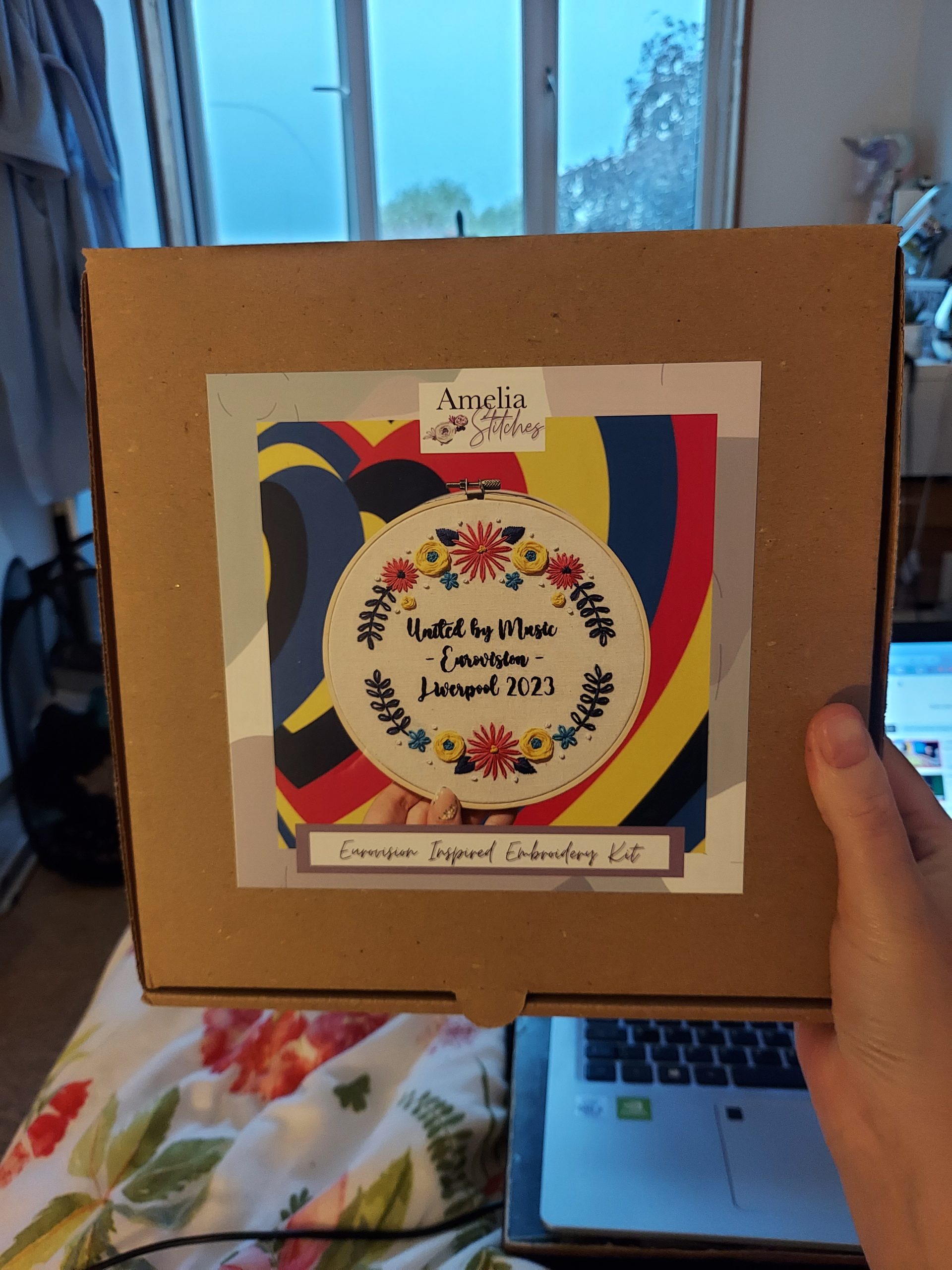
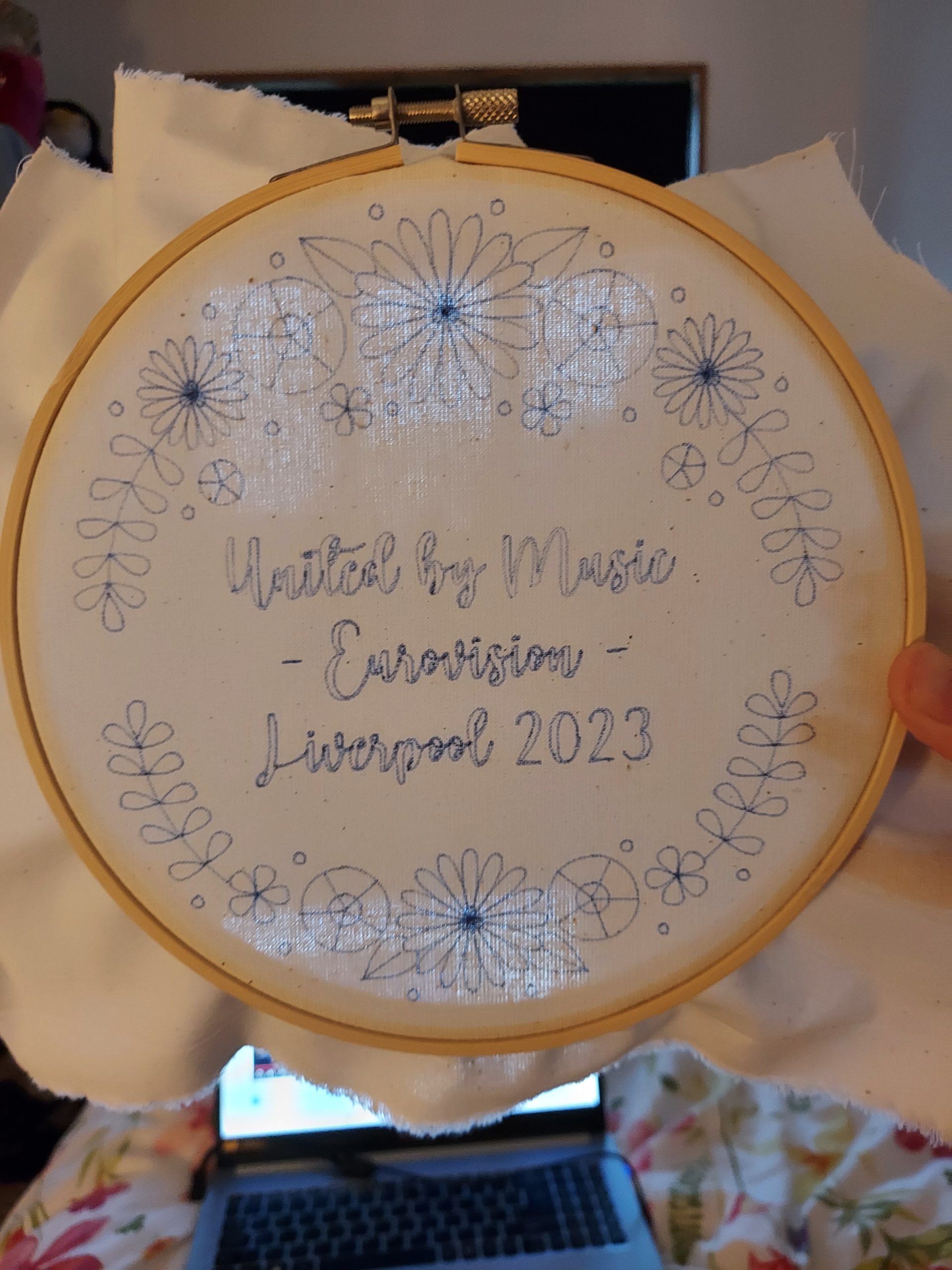
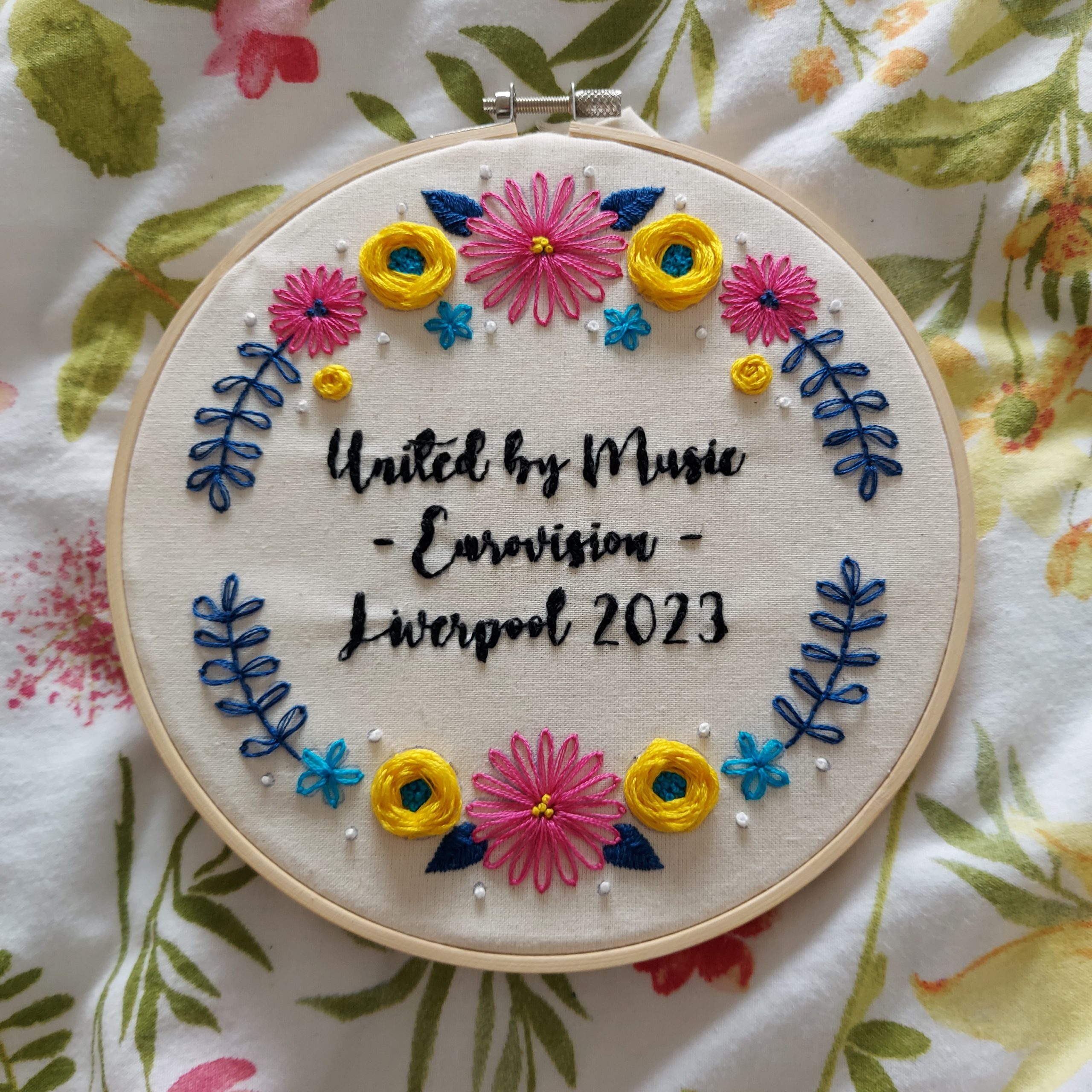
The criteria for this badge does state that the crafts you try do not need to be new to you. However, I was reluctant to choose crafts I’d already tried, until I picked up this Eurovision-themed embroidery kit from Amelia Stitches. It featured several stitches I hadn’t tried before, so I felt justified in including it.

Resin work

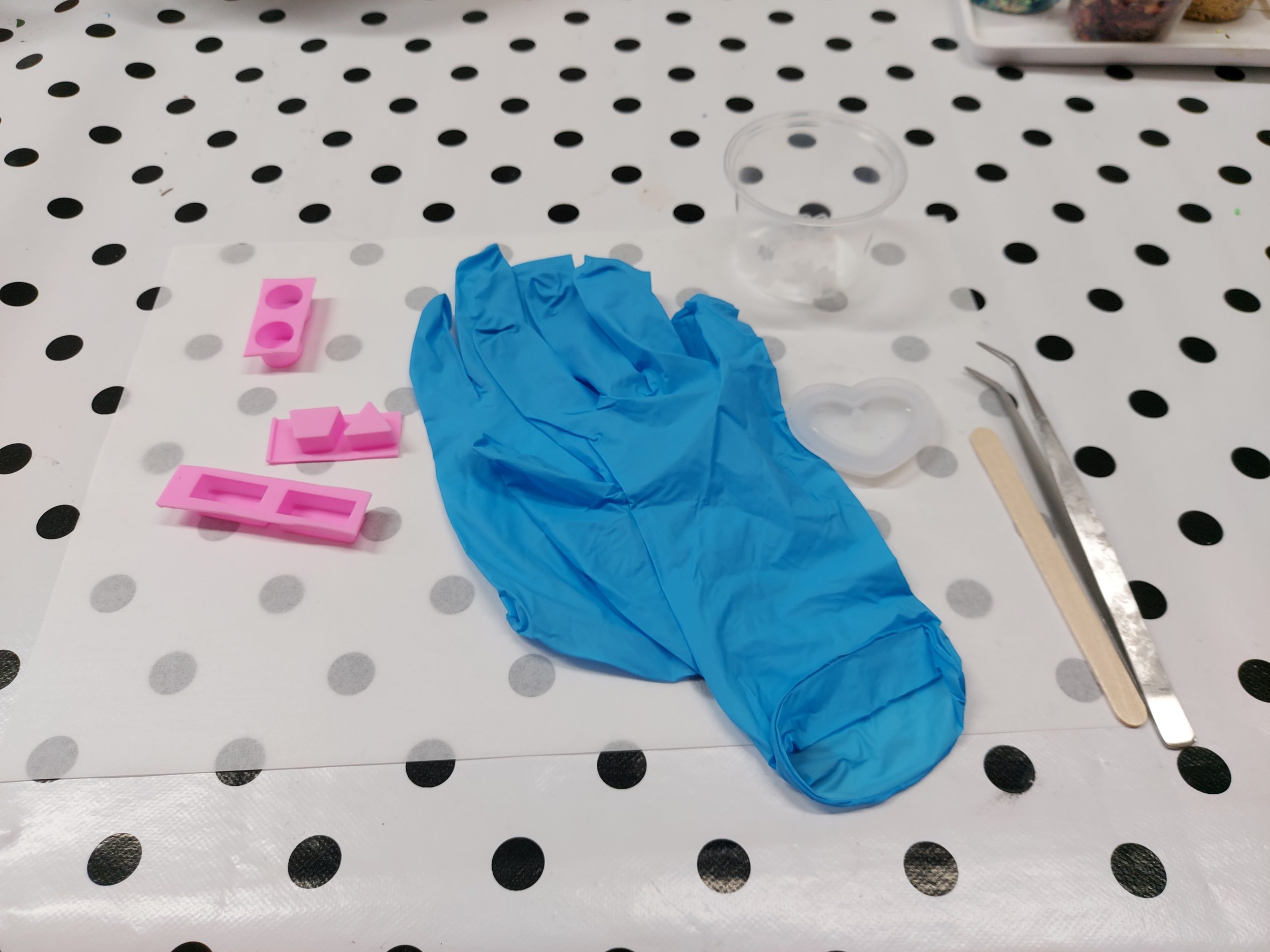
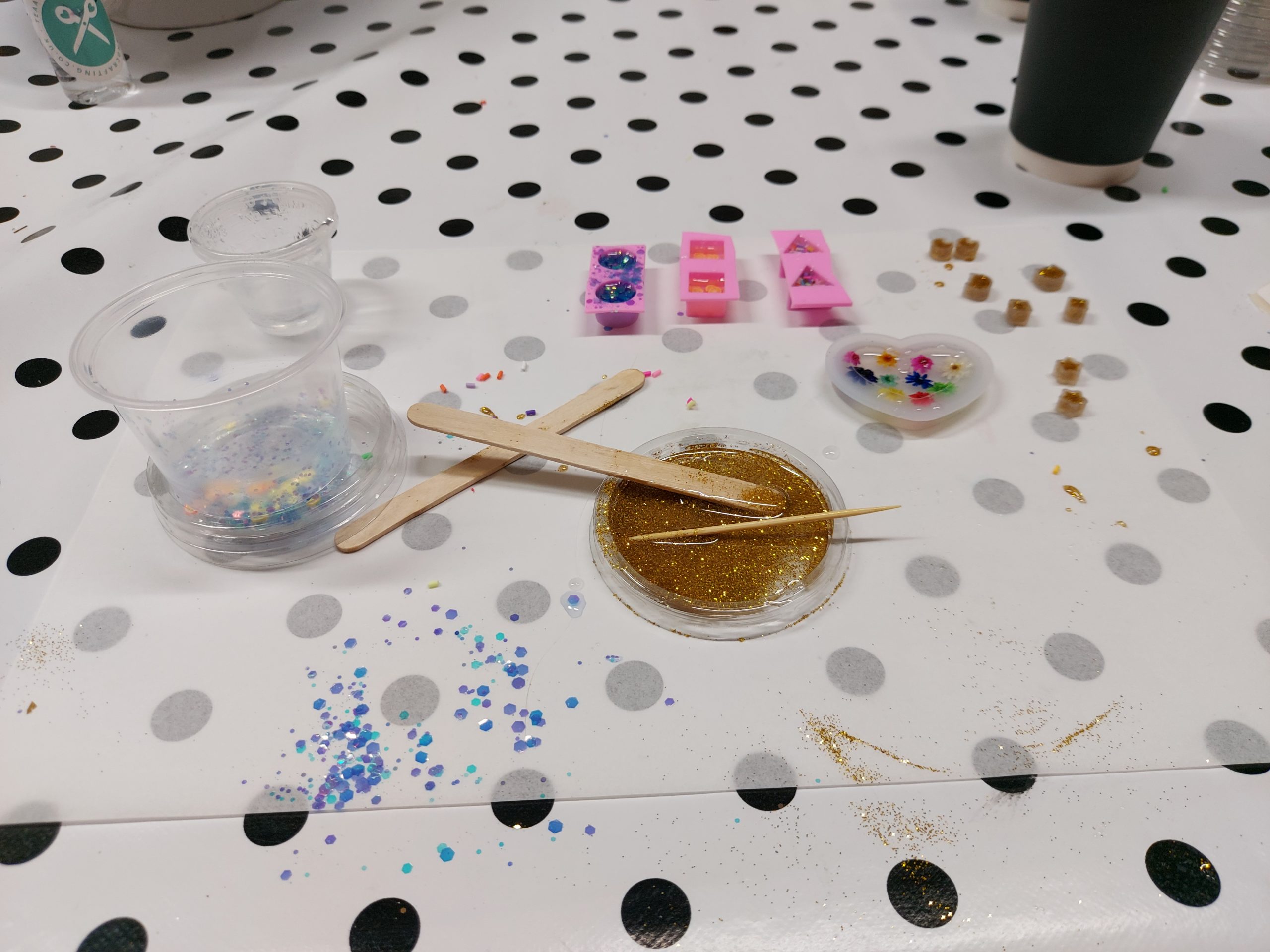
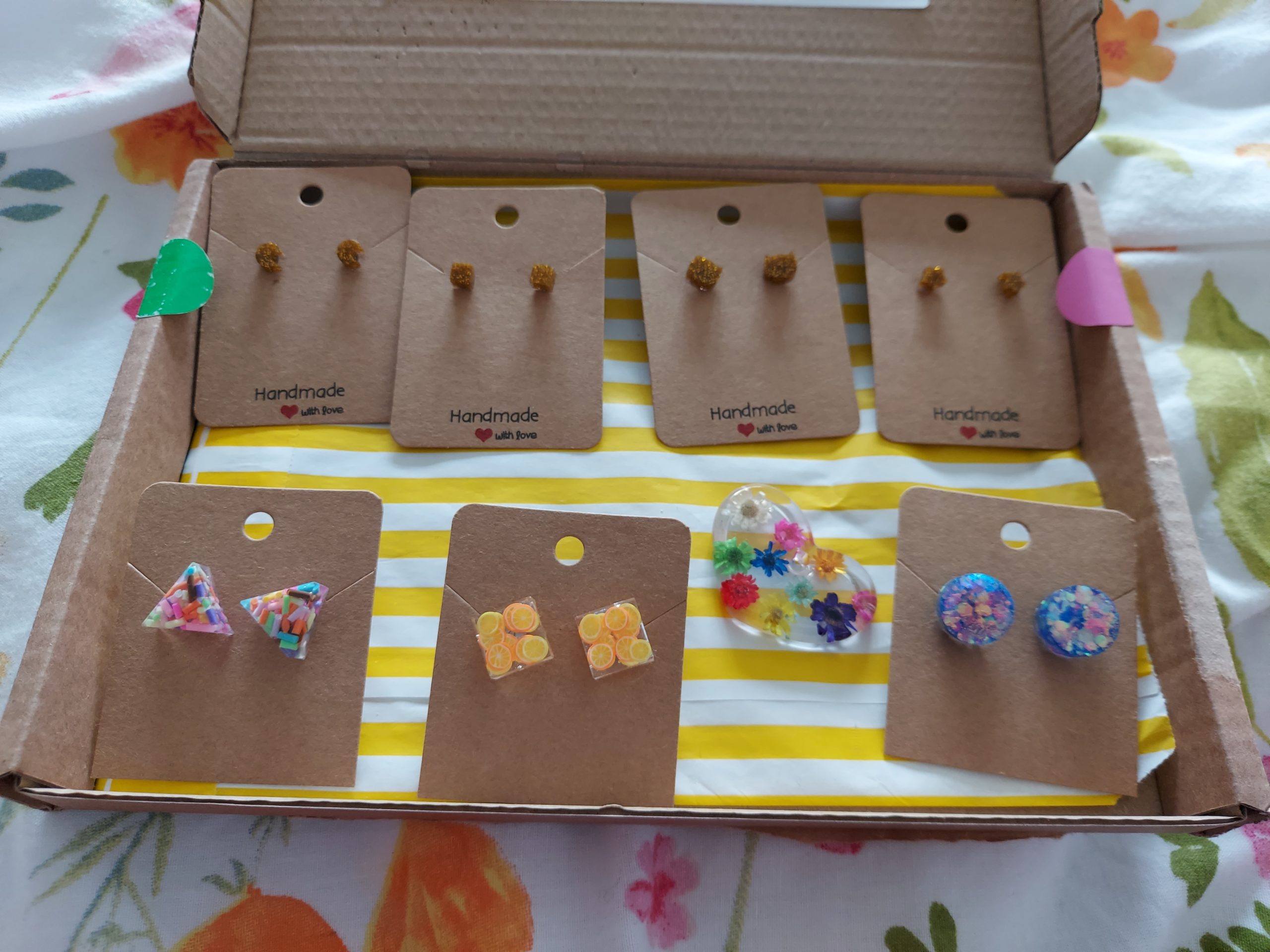
I attended a resin jewellery session at Tea & Crafting and made several pairs of earrings and a pendant. I had lots of fun and I’m really happy with the end results, most of which will be gifts to friends.

Leatherwork

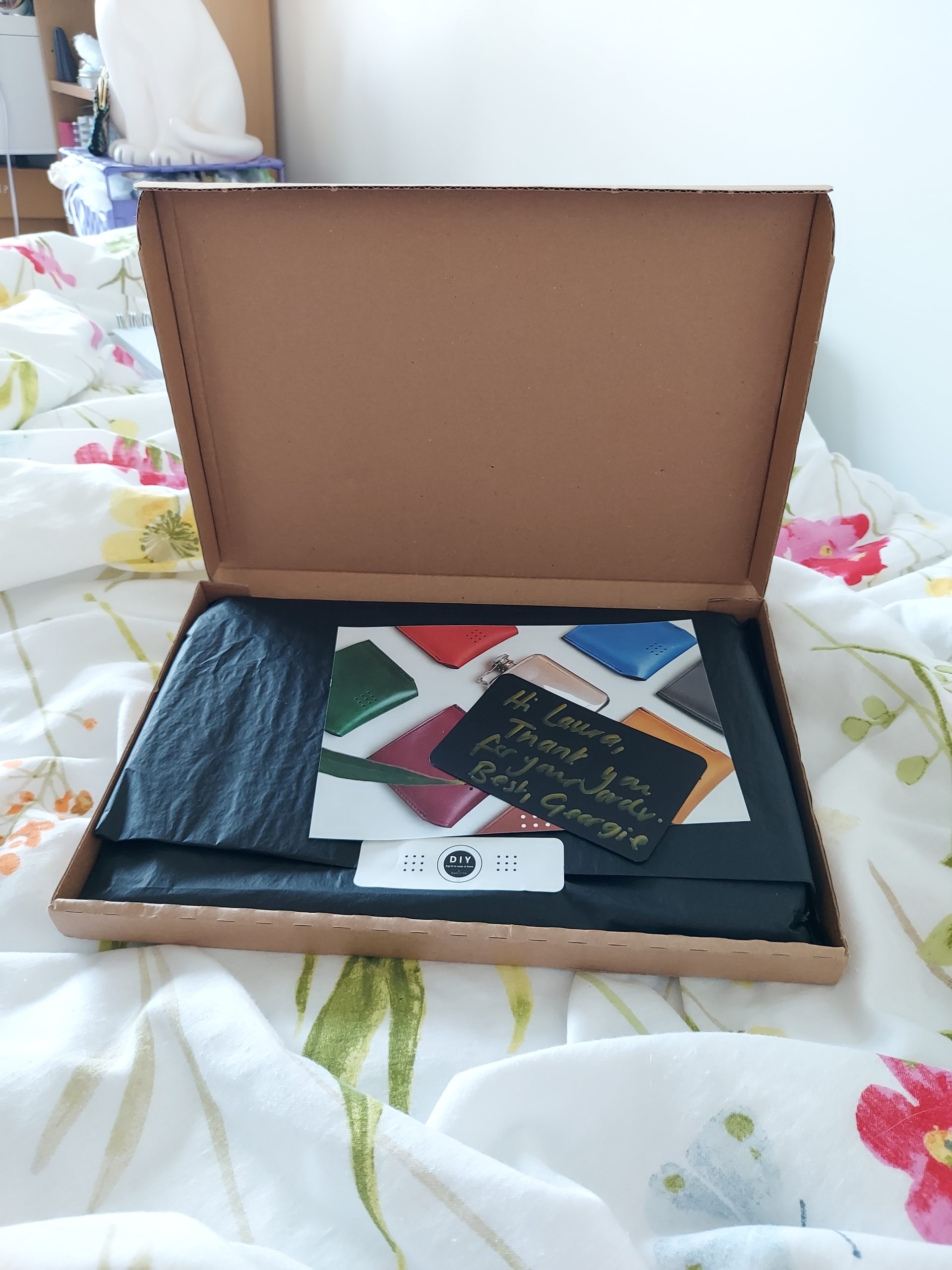
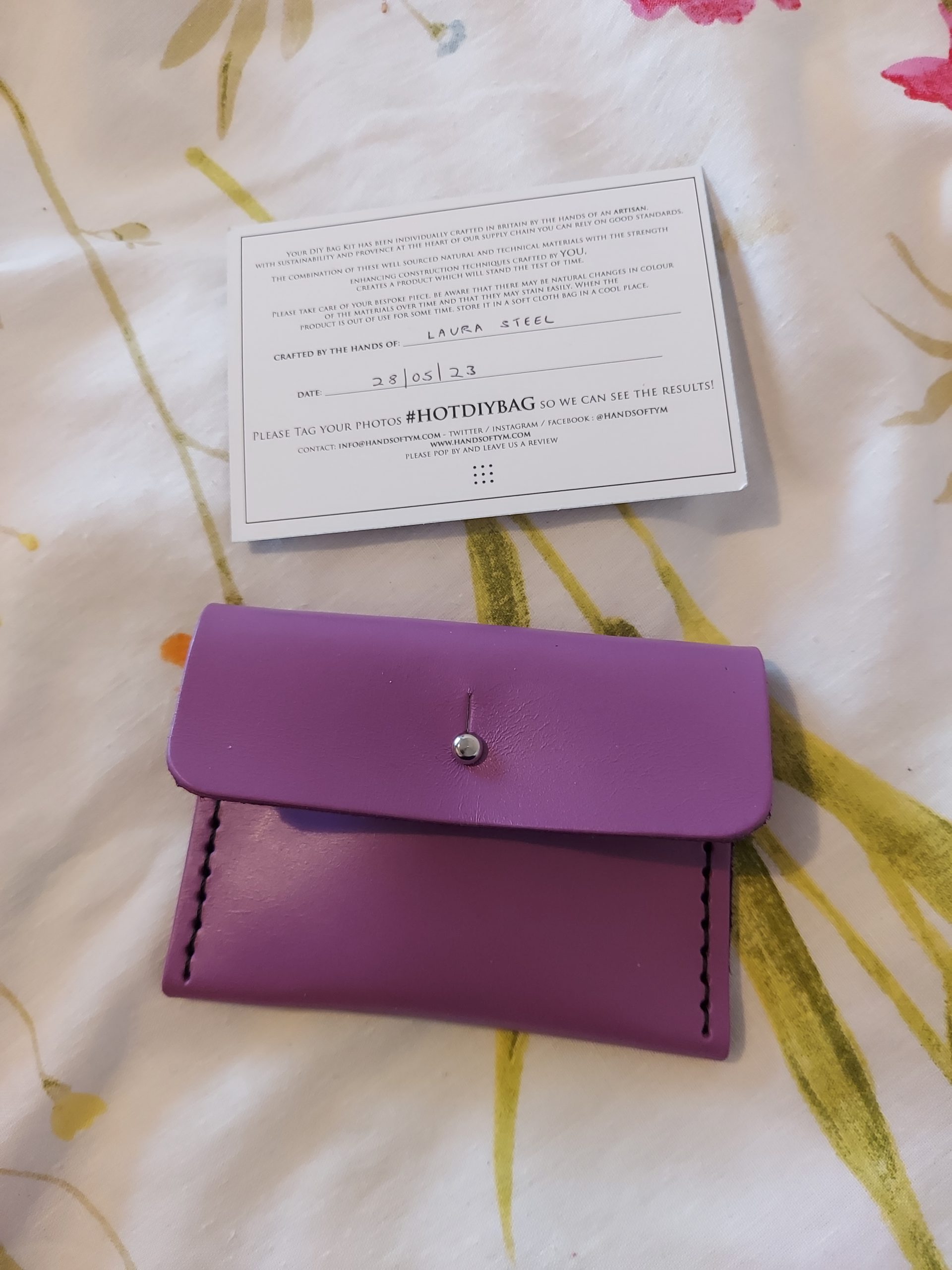
Finally, I purchased a leather purse kit from Hands of Tym store on Etsy and constructed it one evening. I love my little purse and plan to use it for many years to come.

Date completed: 28 May 2023

Rebel Badge Club: Forager

In order to complete the Life Less Ordinary quarterly challenge, I had to complete a badge from the section of the badge book I’d completed the fewest badges from. Forager was a badge that appealed to me, so I went for that one. I know that foraging has really increased in popularity over the course of the last few years, but I wouldn’t have a clue where to start on my own.

Learn to identify common poisonous mushrooms and poisonous berries in your local area.

I looked up common poisonous mushrooms and berries to learn more about them. To be honest I plan to stay well away from mushrooms until I know much more about them, and I will also be very careful with berries!

Make a foraging calendar listing what can be foraged in your area, and when. Make a map of local places you can forage.

January
Acorns
Beech nuts
Blackberries
Chestnuts
Crab apples
Hawthorn berry
Hazelnuts
Pine nuts
Rosehips
Sloes
Whitebeam berries
February
Alexanders
Chickweed
Dandelion
Nettle
Sweet violet
Velvet shank mushroom
Wild garlic
March
Chickweed
Dandelion
Goosegrass/cleavers
Gorse
Hawthorn
Nettle
Wild garlic
April
Alexanders
Bramble leaves
Cow parsley
Garlic mustard
Hairy bittercress
Mallow
Wild garlic
May
Chickweed
Hawthorn
Small-leaved lime
Mallow
Oxeye daisy
Red clover
Sorrel
June
Ash
Elder
Ground elder
Honeysuckle
Lime
Rose
Pineapple weed
July
Bilberries
Chickweed
Chanterelle
Fat hen
Mallow
Meadowsweet
Wild strawberries
Yarrow
August
Blackberries
Crab apples
Elderberries
Greater plantain
Hazelnuts
Rowan berries
September
Beech nuts
Hawthorn berries
Rosehip
Sloes
Wild raspberries
Wild strawberries
October
Bullace
Beech nuts
Hazelnuts
Rosehip
Sloes
Sweet chestnuts
Walnuts
November
Bullace
Hairy bittercress
Hops
Pine
Sweet chestnut
December
Bullace
Hairy bittercress
Hops
Pine
Sweet chestnut

I made a map on Google Maps, which can be accessed here.

Research ways to filter or find clean water in the wild so it can be drunk.

  • Collect rainwater
  • Follow your ears to listen for the sound of water
  • Look for signs of green vegetation or wildlife
  • Melt snow and ice
  • Search for signs of water underground
  • Trap condensation from plants

I found these articles explaining how to filter and purify water.

Attend a foraging course or guided experience and make something with ingredients foraged during the course.

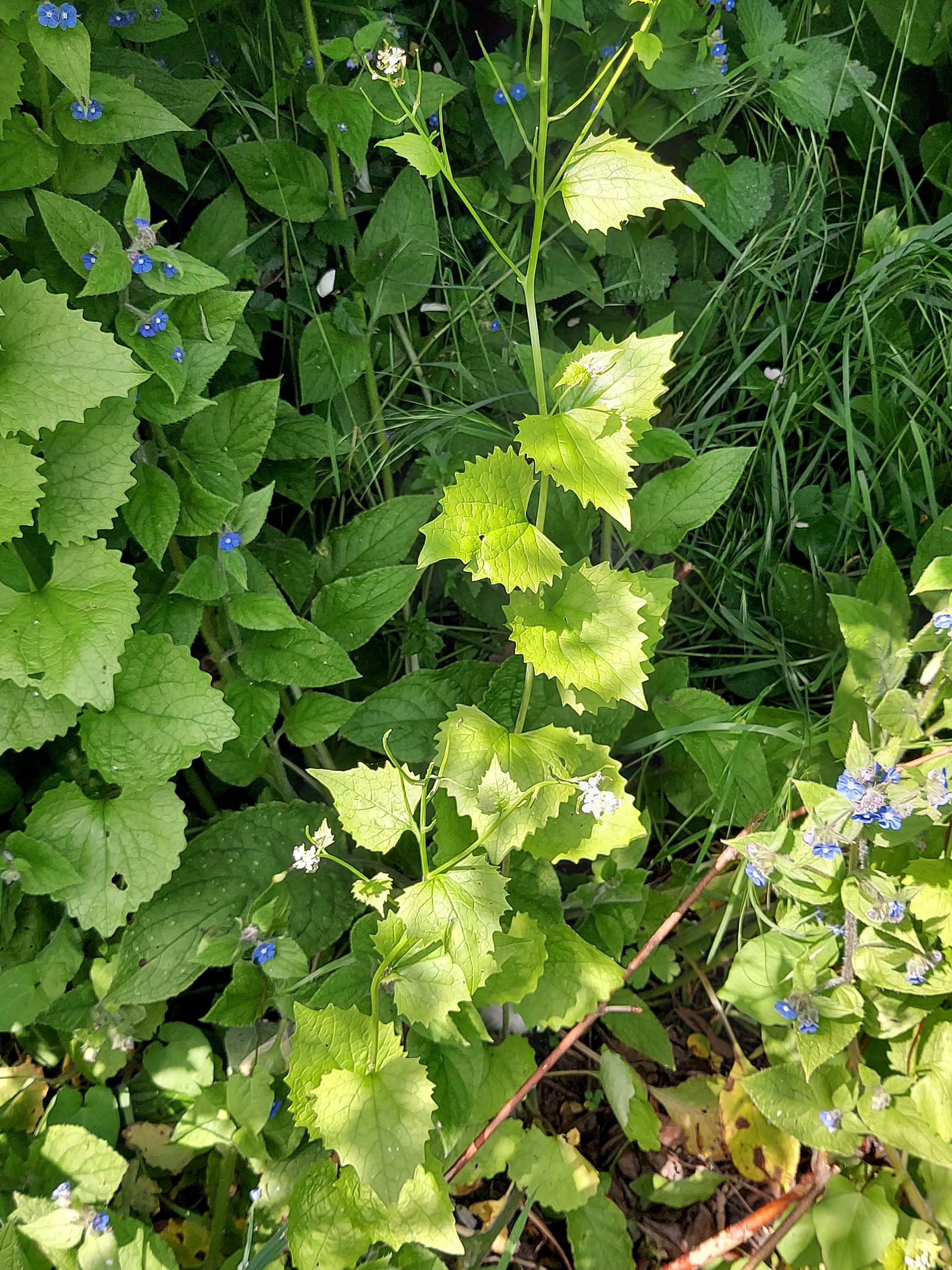
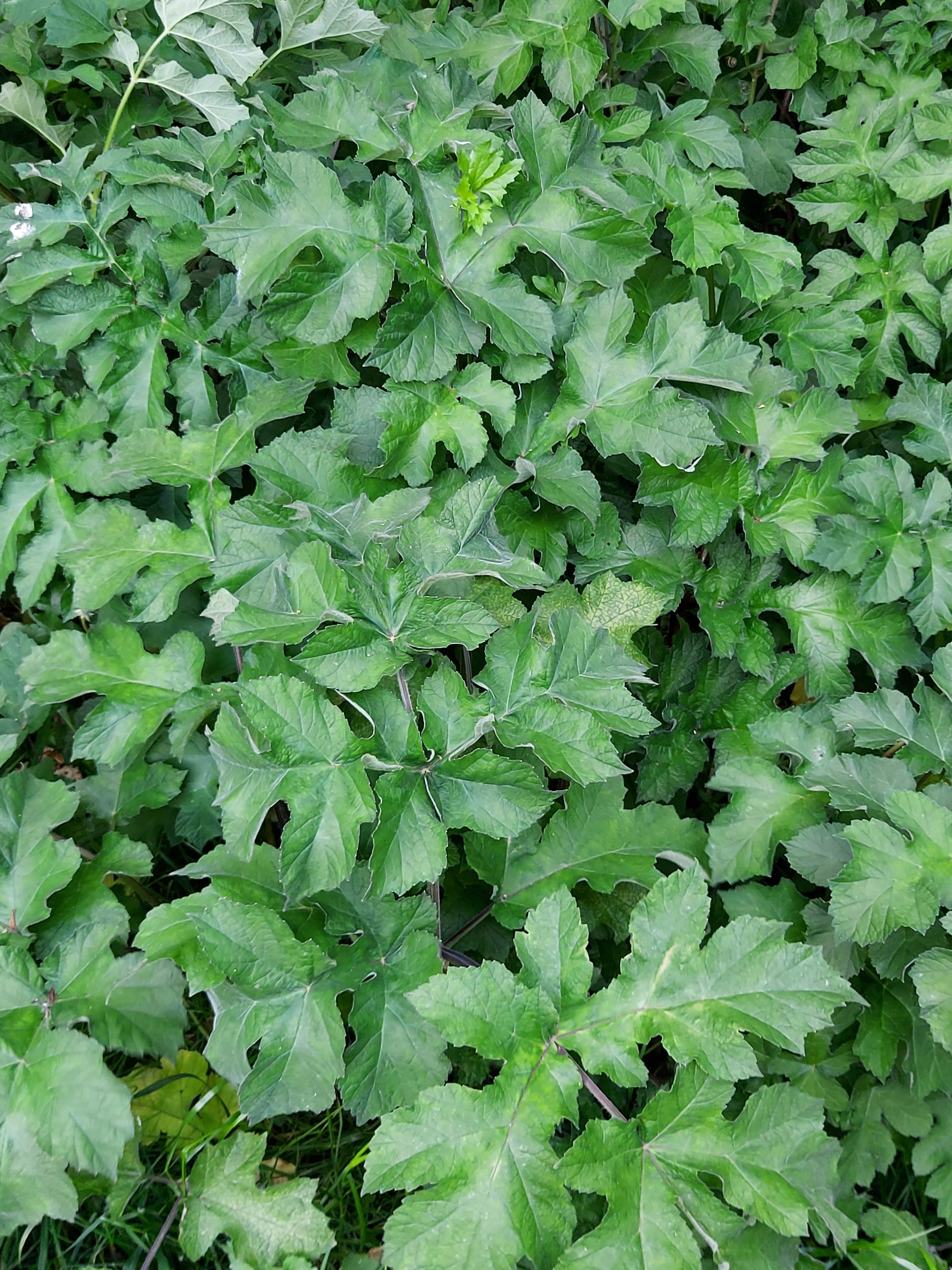
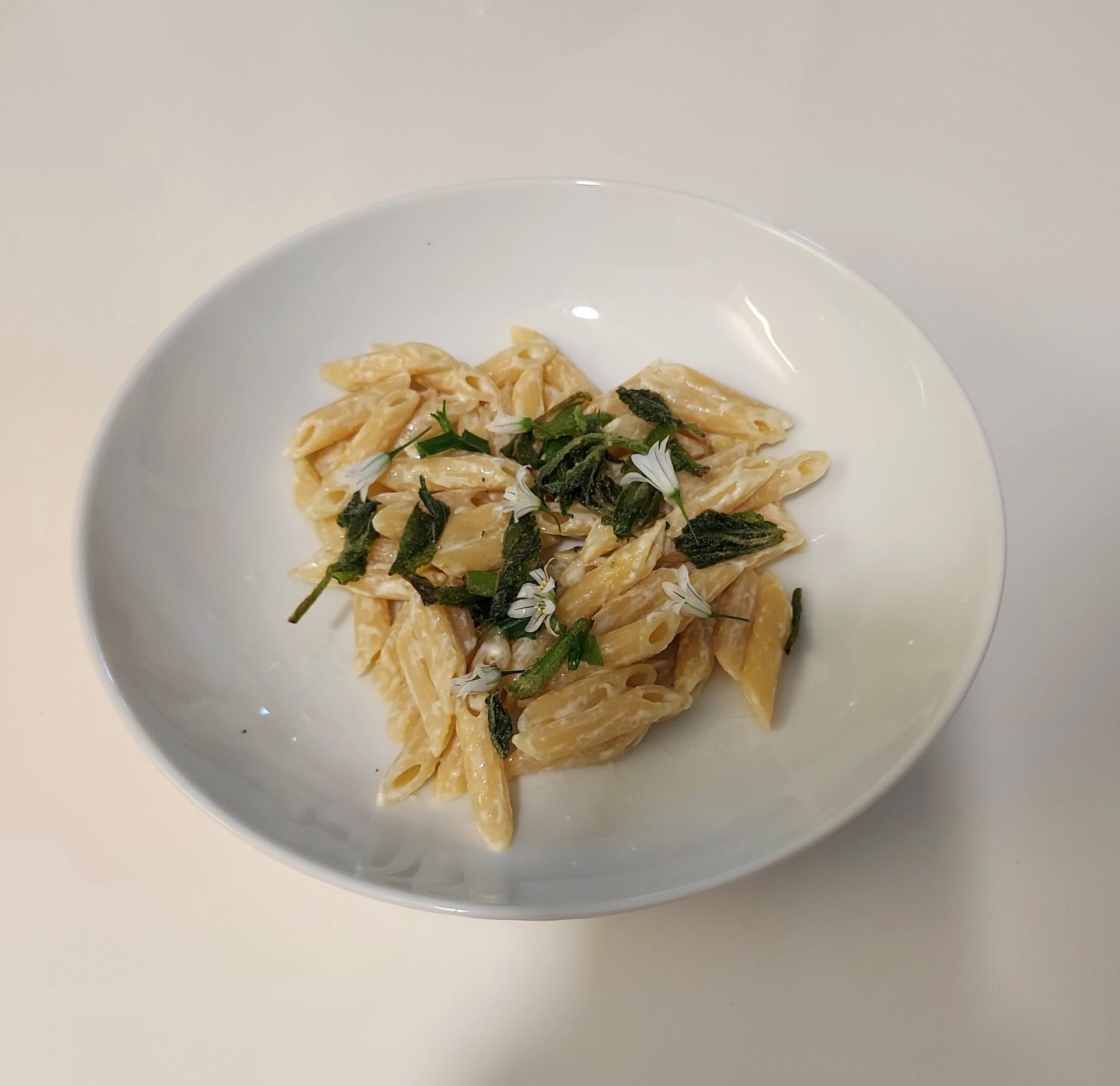
I attended a foraging walk at Tower Hamlets Cemetery Park, run by Made In Hackney and the Friends of the park. The walk was amazing, really informative, and we learned so much about foraging. I got to take home some ingredients and for my tea I made myself some creamy pasta with wild garlic, common hogweed and tri-cornered leek.

A white dish containing penne pasta with cream cheese, topped with greens

Learn to identify at least 10 plants in your area which can be eaten, and anything they are easily confused with.

I learned about multiple plants during my foraging walk, and learned how to recognise them, as well as differentiate them from similar-looking, poisonous plants.

Learn about responsible foraging and any rules or restrictions which apply to foraging in your local area.

  • Forage only for yourself and your family
  • Focus on common and abundant ingredients
  • Know what you are picking
  • Take only what you need
  • Leave more than you take (e.g. take only 1 in every 20 plants)
  • Avoid rare species
  • Take care not to trample or damage the environment
  • Avoid foraging on protected sites, such as Sites of Special Scientific Interest (SSSIs)
  • Get permission from landowners

There are no restrictions in Ealing as far as I know, but foraging is not permitted in nearby places such as Richmond Park and Wimbledon Common.

Learn about the damage which can be caused by irresponsible foraging in sensitive environments.

Irresponsible foraging is usually associated with commercial foragers, however, solo foragers can also have a negative impact. Being careless and disturbing the environment when you forage can damage vegetation and affect wildlife. Taking too much when you forage can upset the balance of local ecosystems by taking food from animals, plants and fungi and leaving gaps for invasive species.

Date completed: 20 May 2023

Rebel Badge Club: Rebel History

For the Life Less Ordinary challenge I chose to tackle the Rebel History badge. This was a badge involving a lot of research, but one that was very rewarding, and I really loved doing it.

Read a book or watch a documentary about one of the five ‘Patrol Rebels’.

Since I’m in Rosa patrol for the purposes of this year’s Rebel Cup, I chose to read The Rebellious Life of Mrs. Rosa Parks by Jeanne Theoharis. This was a super interesting book that put Parks’ bus stand in context by citing her quiet radicalism and many years of activism prior to, and following, the act for which she was most famous.

cover of The Rebellious Life of Mrs Rosa Parks by Jeanne Theoharis

Choose a rebel from history who you admire and put together a presentation about them.

I chose to focus on Prudence Crandall, whom I read about in Angela Y. Davis’ Women, Race & Class. You can see my presentation here.

Research different methods of historical rebellion.

Rebellion can be individual or collective, peaceful (civil disobedience, civil resistance, and nonviolent resistance) or violent (terrorism, sabotage and guerrilla warfare). I feel that there are quite a lot of blurred lines within these categories: individual rebellion can grow into collective rebellion, or peaceful rebellion can turn into violent rebellion.

Individual rebellion

  • Prudence Crandall: establishing and maintaining a school for Black girls in the 1830s
  • Joan of Arc: peasant girl who led a French army to victory in 1428

Collective rebellion

  • Stonewall Riots of 1969
  • Taiping Rebellion 1850-64

Peaceful rebellion

  • Montgomery Bus Boycott 1955-56
  • Suffragist lobbying and debates 1870-1884

Violent rebellion

  • Irish Rebellion of 1798
  • Certain acts by suffragettes e.g. attacks on buildings and artefacts in the 1910s

Research modern ways that individuals can rebel in this day and age. Explore acts of modern rebellion which you agree with, and which you disagree with.

  • Craftivism
  • Strike action
  • Protests
  • Social media campaigns
  • Petitions
  • Contacting MPs
  • Performance
  • Clothing
  • Questioning accepted views and beliefs
  • Joining groups or organisations of like-minded people
  • Accepting themselves as they are
  • Choosing their own path in life

Acts of modern rebellion I agree with

Greta Thunberg’s school strike for climate change – it raised awareness and made important points about her generation and their experience of climate change.

The Stansted 15 – they prevented a deportation flight from taking off from Stansted (using non-violent methods).

Acts of modern rebellion I disagree with

Extinction Rebellion – I support their aims and many of their actions but didn’t see the point of them blocking public transport networks. I also think there are issues with their mass arrest policy.

United States Capitol attack of 6 January 2021 – even though I disagree with the participants’ political views, I support their right to vote as they wish, however their actions in attempting to overturn a democratic election are troubling (and I would say so even if I did agree with their views).

Choose a problematic historical figure whose acts are seen as rebellious.

For this clause I chose Gertrude Bell (1868-1926), largely because she was born in my hometown and I’ve always wanted to find out more about her. She was a writer, traveller, political officer, archaeologist, explorer and cartographer in Syria-Palestine, Mesopotamia, Asia Minor, and Arabia.

PositiveNegative
Advocated for Arab nationalismAlso supported British imperialism
From 1917 served as a political officer and as the Oriental Secretary to three High Commissioners in the British administration in Ottoman Mesopotamia (the only woman in such high-ranking civil roles in the British Empire)Did not take enough advantage of her ability to get to know and understand Arab women, instead focusing on meeting the influential men
Supported the cause of the Sunni population in their attempts to modernise Iraq; befriended Iraqis and was a confidante and ally of Iraq’s King FaisalSupported suppression of Kurdish revolts and did not advocate for Kurds
Supported education for Iraqi womenOpposed women’s suffrage: founding member of the Women’s National Anti-Suffrage League
Served as president of the Baghdad library (the future Iraq National Library), and founded the Iraq Museum. As Honorary Director of Antiquities of Iraq,  helped modernize procedures and catalogue findings, helping to prevent unauthorised looting of artefacts

Choose a modern day rebel.

For this clause I have chosen Alok Vaid-Menon: a writer, artist and public speaker who repeatedly challenges the gender binary in their work.

They receive acclaim from an audience supporting their work, largely made up of the LGBTQIA community and allies. However, they face threats and experience attacks from those who do not understand or object to their views on gender.

Date completed: 30 April 2023

Rebel Badge Club: The Chocolate Challenge

I was really looking forward to this one! April’s monthly challenge was the Chocolate Challenge, and in between going on holiday and spending Easter with my parents, I ate more chocolate than I have done for ages! Of course, I managed to complete some other clauses too.

Research the history of chocolate, and how it has changed over the years.

I read The True History of Chocolate by Sophie D. Coe and Michael D. Coe. It was fascinating and I learned a lot.

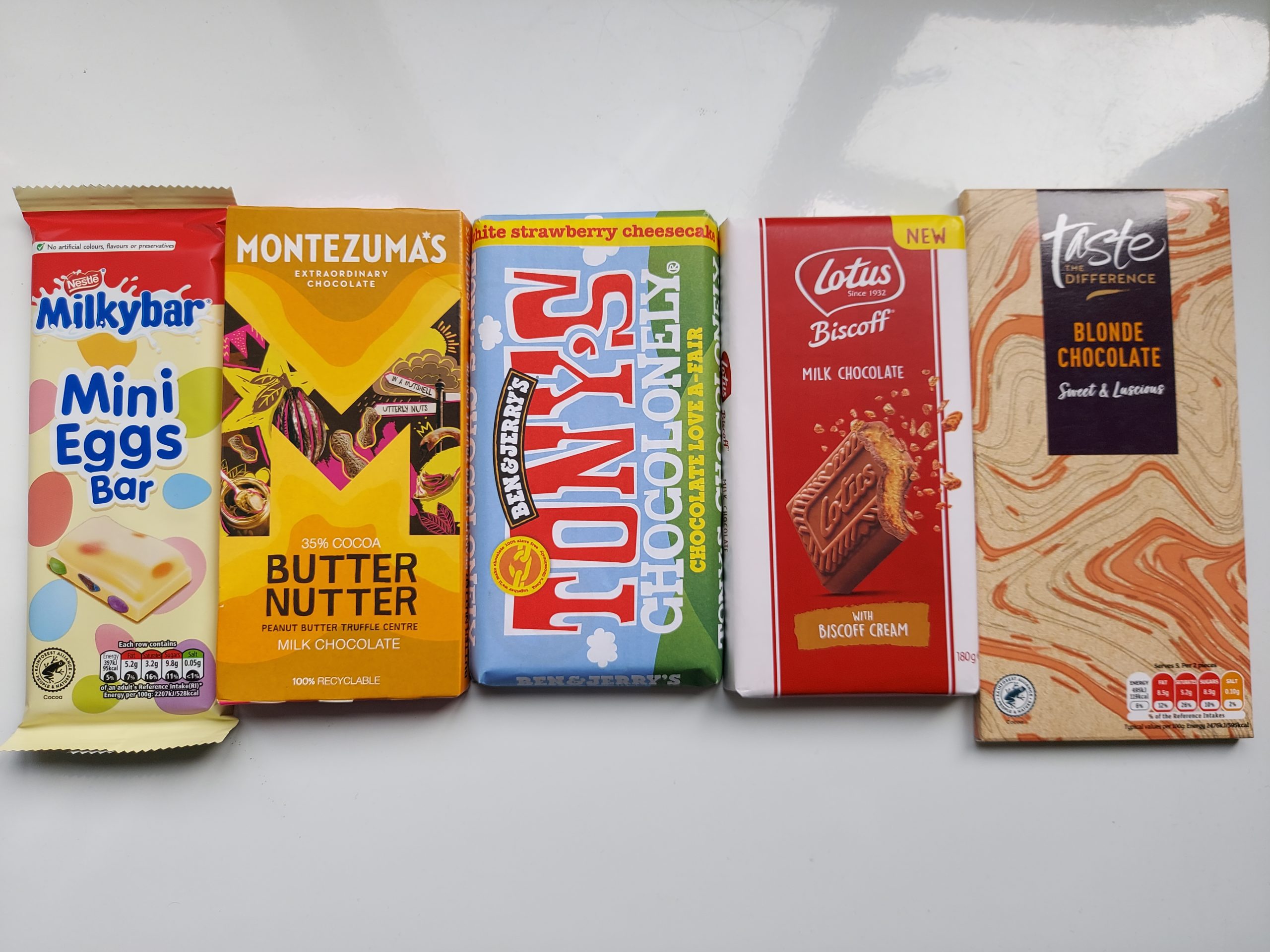
Try five new flavours of chocolate that you’ve never tried before.

This clause was probably my favourite! I tried the following:

  • Milkybar Mini Eggs Bar (Creamy white choc, mini eggs add texture and more intense milk choc flavour)
  • Montezuma’s Butter Nutter (Yummy peanut butter inside sweet chocolate, like Reese’s but the chocolate is actually good)
  • Tony’s Chocolonely Strawberry Cheesecake (Creamy and sweet with biscuit pieces, but the strawberry was a bit too chewy)
  • Lotus Biscoff Milk Chocolate (Crunchier than expected with that delicious Biscoff taste)
  • Sainsbury’s Taste the Difference Blonde Chocolate (More intense than white chocolate with a rich caramel hit)

Honestly, they were all amazing and I’d give them all 5 stars except for the strawberry cheesecake, as the strawberry bits were a bit chewy and didn’t go too well with the rest of the bar.

5 bars of chocolate

Find out about the Fairtrade mark and ethical chocolate production.

The Fairtrade mark is a label awarded to a product that meets international Fairtrade standards. These standards include social, economic and environmental requirements that need to be met, as well as progress requirements showing that standards are continuously improving. This webpage explains more about these standards.

I found this article which looked at some of the biggest ethical issues surrounding chocolate production, including poverty, child labour and deforestation, and the ways in which this is being tackled.

Give someone a chocolate bar as a random act of kindness.

I gave chocolate bars to my housemates before I left to go home for Easter.

Learn about chocolate classification.

I found this really interesting. I learned the following:

  • Dark chocolate contains 65% to 99% cocoa mass and 1% to 40% sugar.
  • Dark milk chocolate contains 50% to 70% cocoa mass, 20% to 30% milk powder, and 20% to 30% sugar.
  • Milk chocolate contains 35% to 55% cocoa mass, 20% to 25% milk powder, and 20% to 25% sugar.
  • White chocolate contains 30% to 45% cocoa butter, 25% to 40% milk powder, and 25% to 55% sugar.
  • Ruby chocolate contains 40% to 55% cocoa mass, 15% to 30% milk powder, 15% to 30% sugar, and 1% to 5% citric acid.
  • Gianduja chocolate contains 20% to 40% cocoa mass, 25% to 35% hazelnuts, and 30% to 40% sugar.

I made a chart to demonstrate this:

Chart showing proportions of ingredients in different kinds of chocolate

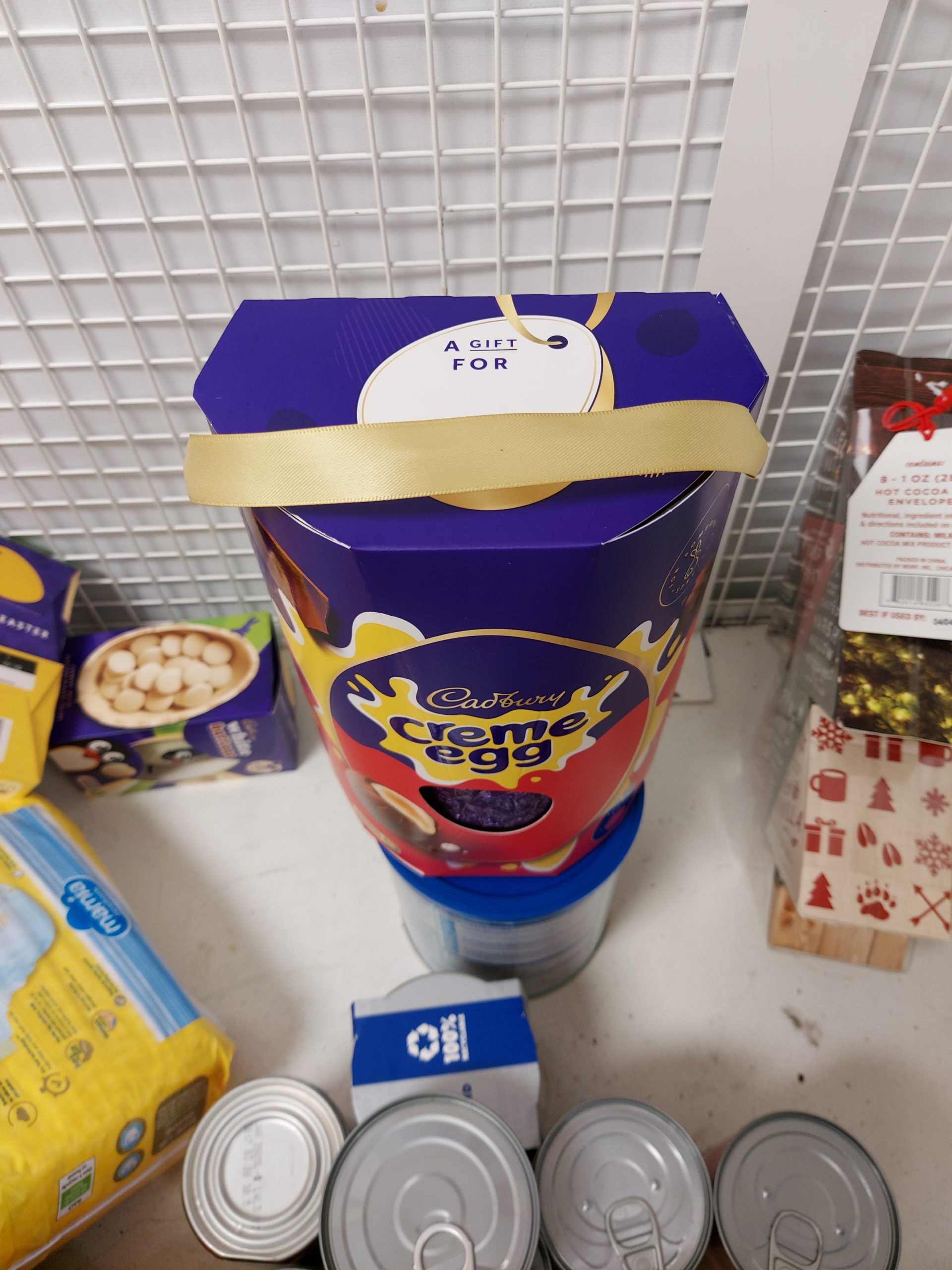
Donate an Easter egg to a foodbank.

I did this on April 1, the first day of the challenge, to make sure it was done in time for Easter.

A Creme Egg Easter egg inside a box

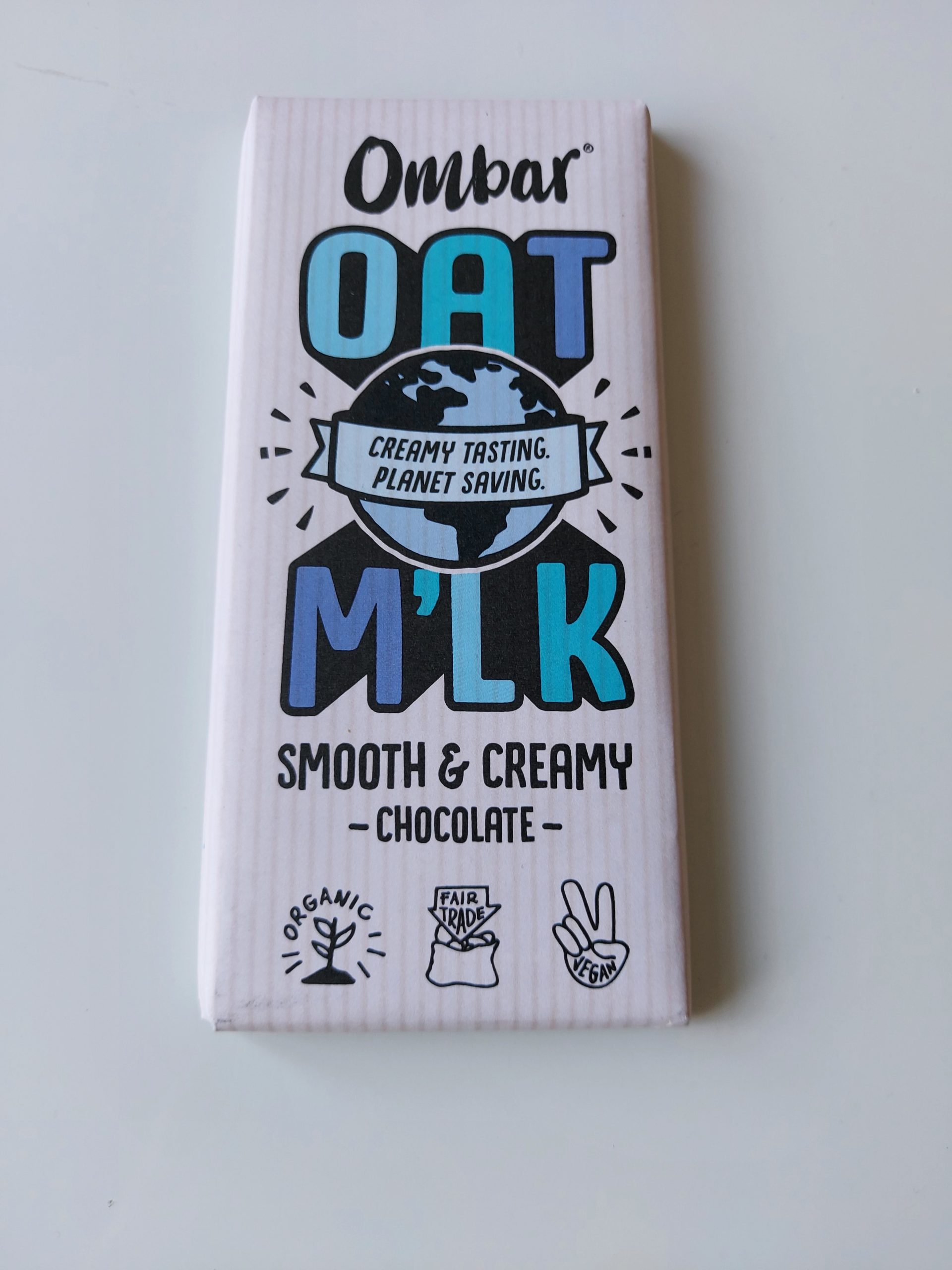
Try a chocolate which meets a dietary requirement you don’t have.

I tried the Ombar Oat Milk chocolate. It wasn’t horrible but just didn’t taste as nice as standard milk chocolate, so I don’t think I’ll be eating it again! Also, why is alternative milk chocolate so much more expensive than normal milk chocolate?

A bar of oat milk chocolate

Blind test five different brands of the same type of chocolate.

I tried five different types of dark chocolate, and would put them in the following order:

  • Venchi 60% Dark
  • E. Wedel 64% Dark Classic
  • Lindt Excellence 70% Cocoa Intense Dark
  • Montezuma’s Fitzroy 74% Cocoa Dark Chocolate
  • Green & Black’s Organic 85% Cocoa Intense Dark

The bad news was that the most expensive bar (Venchi) was my favourite. The good news was that the cheapest bar (E. Wedel) was my second favourite. In fact I think I just prefer dark chocolate that is 60% or so rather than the more intense 80% plus.

5 bars of dark chocolate

Rebel Badge Club: Rebel Buddy

I’ve completed the Rebel Buddy badge!

To achieve this badge I had to meet up with local Rebels 3 times and work on a badge together.

On 7 August last year I met up with fellow Rebel Laura and we walked part of the Thames Path for our Explorer badge.

On 26 February this year I met some London Rebels at the Southbank Centre for board games (the Board Games badge).

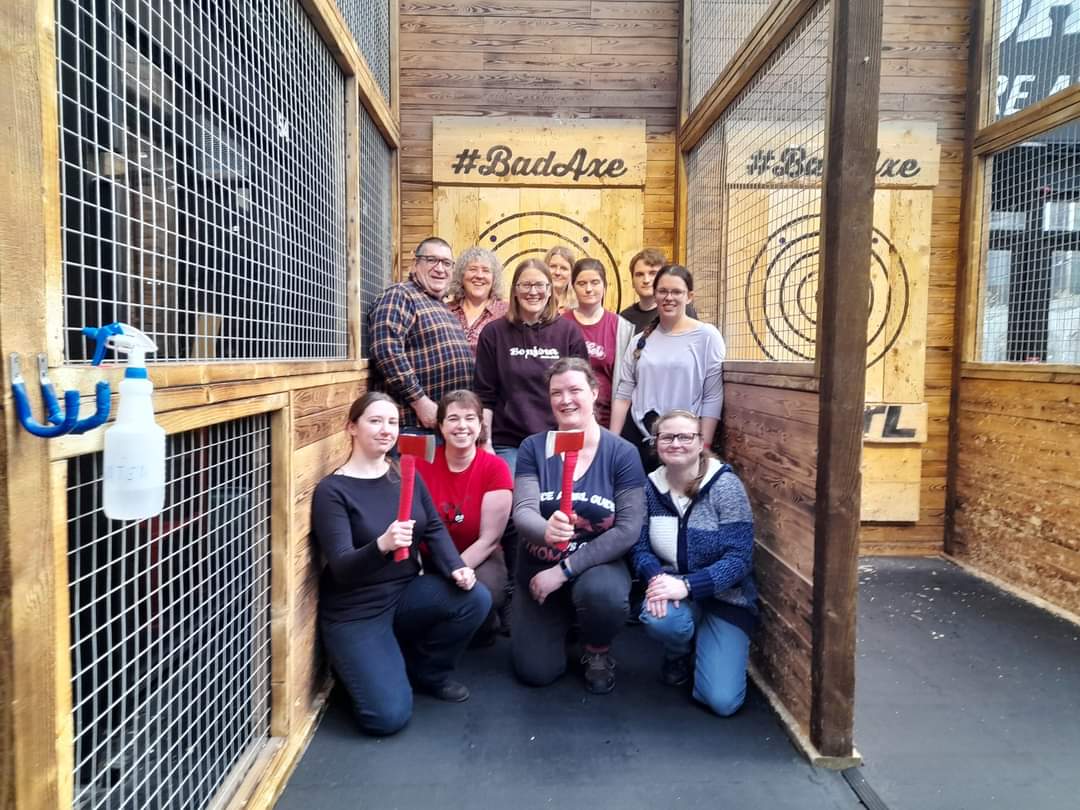
Finally, on 2 April I met some other London Rebels for axe throwing in Croydon, working towards our Adventurer badge.

London Rebels at the axe throwing space
London Rebels at Bad Axe London

I had a brilliant time at all 3 events and hope I can attend many more in future!

Date completed: 2 April 2023

Rebel Badge Club: Environmentalist

I decided to start work on the Environmentalist badge at the beginning of February. It wasn’t a badge that immediately jumped out at me, but as I’ve been working on it, I’ve become aware of how important it is.

For a month, track how much rubbish you generate personally.

I actually don’t think I produce that much rubbish. In February, I tracked my rubbish (I only counted non-recyclable stuff) and this included empty cosmetic bottles, crisp packets and biscuit/chocolate wrappers, as well as empty tablet blister packs.

For a second month, actively reduce your waste.

During March I aimed to reduce my waste. I started using solid shampoo and conditioner in order to reduce waste in this area. I also looked into ways to recycle blister packs.

I decided to try buying larger bags of crisps/chocolate instead of packs of individually-wrapped items in the hope that I could reduce my packaging that way. However, having a large bag open in my kitchen just feels like an invitation to eat the whole thing. I might have to go back to buying packs of individual items and trying to reduce my waste in other ways.

Switch to vegan options one day per week for a month.

I eat a mostly vegetarian diet anyway so it was no hardship to make more of an effort to eat vegan. Some of the meals I made included Thai green curry, nasi goreng, Moroccan tagine, and Japanese seared mushroom steak on rice.

Be more mindful about the amount of water you use.

I don’t think I use too much water, particularly as I don’t have a bath (sob) so have to shower instead. However, I did try to turn the tap off while cleaning my teeth, and in general to be careful about how much I was using.

Take part in at least one litter pick.

I took part in a litter pick at a local park on Saturday 18 March. I had imagined that we would have a nice walk around the park picking up bits of litter. Instead we were down near the river, picking bits of rubbish out of the mud. It was really rewarding, however, especially as we were clearing the area to become a hedgehog habitat. There is a local group of litter pickers that I have joined and I would definitely go along to another event.

Learn about 3 endangered animals. Visit a zoo or animal reserve which is working proactively towards animal protection.

I visited Hanwell Zoo, which is a small local zoo working towards conservation, education and community engagement.

Red-crowned crane
A red-crowned crane

All 3 endangered animals I learned about are kept at Hanwell Zoo.

Bali Starling

  • Bali starlings are classed as Critically Endangered: they have an extremely small range and a tiny population which is still suffering from illegal poaching.
  • They are one of the rarest birds in the world. In the wild they are found only in one forest on the Indonesian island of Bali.
  • They usually live in large flocks, although during the breeding season pairs tend to act aggressively towards one another. When courting, behaviour displayed includes shrieking and head bobbing movements.
  • Bali starlings prefer forested areas so that they can nest in trees, often in old woodpecker holes. They have a mixed diet of fruit, seeds and insects.

Red-Crowned Crane

  • Red-crowned cranes are classed as Endangered. Other names for the bird include the Manchurian crane or Japanese crane.
  • The name comes from the red “cap” on top of the head, which is exposed red skin.
  • On average, this is the heaviest species of crane, weighing up to 25 pounds. Red-crowned cranes live in flocks and their family group is the largest social organisation of cranes.
  • This species of crane can be found in southeastern Russia, northeast China, Mongolia and eastern Japan.
  • Red-crowned cranes are omnivorous, existing on a diet of invertebrates, fish, amphibians, rodents, grasses and berries. In the winter they often move to paddy fields and feed on rice.

Hazel Dormouse

  • Hazel Dormice are rare and vulnerable to extinction in the UK. They are native to the UK, Europe and Asia Minor.
  • They are nocturnal, spending most of the day asleep and coming out at night to hunt for food.
  • They eat foods such as hazelnuts, berries and insects, and hibernate during the winter.
  • Hazel dormice build their own nests out of grass and leaves, and raise up to seven young at a time.

Repair something you would normally have thrown away.

I fixed a tear in my dress when it accidentally got ripped after getting it caught in a chair. You can’t see the fix unless you’re looking – win!

Minimise your spending for a month.

I’ve been doing this as part of the Conscious Consumer badge anyway, so this wasn’t too much of a problem. I chose March as my month to minimise my spending – I’m going on holiday in April anyway, so this is a good time to do it!

Date completed: 31 March 2023