M.K. Čiurlionis: Between Worlds – Dulwich Picture Gallery

Entrance to the exhibition

The third and final exhibition I visited was M.K. Čiurlionis: Between Worlds at Dulwich Picture Gallery. Čiurlionis, revered in his native Lithuania, is not an artist I’d ever heard of, but after seeing this exhibition, I’m so grateful to the Gallery for introducing me to his work.

Painting showing a ghostly figure travelling by water beneath the light of a moon

Mikalojus Konstantinas Čiurlionis (1875-1911) was an artist, composer and writer. All of the works in this exhibition, loaned by the M. K. Čiurlionis National Museum of Art in Lithuania, were made over the course of just 6 years, and for most of them it is their first time on display in the UK.

Čiurlionis’ works are magical and mythical. They are symbolist and sometimes abstract but they have an unearthly beauty all of their own. Many of his works are fantastical, inspired by fairy tales, and many have a pagan flavour, shot through with Lithuanian folklore. This makes sense when you discover that Lithuania was the last European country to adopt Christianity, meaning that its pagan heritage is longer and deeper than most.

Painting showing two royal figures bending over a small world

Lithuania was connected to Poland at the beginning of Čiurlionis’ life, but later came under control of Russia, despite protests. It wasn’t until after the First World War that Lithuania’s independence was confirmed. Čiurlionis was a founder member of the Society of Lithuanian Art in 1907, and dreamed of helping to create a ‘House of the Nation’ – a museum, concert hall and library of Lithuanian arts and culture. In his nationalism he rather reminds me of Alphonse Mucha, whose own later work aimed to uplift and unite the Slav peoples.

Čiurlionis was also interested in Eastern philosophy and religion. His works often feature a figure called Rex, representing a godlike monarch, creator or protector, symbolising the unity of the Earth. The mythical nature of his work reminded me of William Blake, who was also inspired by the tales and legends surrounding his homeland.

Painting showing a tower and walkways with tiny figures

Hanwell Zoo

sign at the entrance of Hanwell Zoo

At the weekend I decided to take a trip to Hanwell Zoo. Amazingly, despite having lived in Ealing for a decade, I had never been. I walked there, which took about an hour, but there are also buses available, which shorten the journey time considerably.

Hanwell Zoo is a small zoo that aims to promote education and conservation while ensuring community inclusion. It works with schools, youth and community groups to promote animal welfare as well as other skills such as English, maths and ICT.

The zoo holds a number of animals whose numbers in the wild are declining. The Bali starling, the red-crowned crane, the hazel dormouse, Azara’s agouti and the phantasmal poison arrow frog are all held at the zoo.

I booked my ticket online but I could also have bought one on the day. The entrance to the zoo is located within Brent Lodge Park. It was a cold but bright day when I visited, perfect for walking around.
Red-crowned crane

I had a lovely time seeing the different animals at the zoo. I particularly liked the flamingos and the meerkats. There were also donkeys, rabbits, a goat and several species of bird, as well as lemurs, not to mention a couple of very cute alpacas. There are two capybaras but I didn’t manage to see them until I was on my way out!

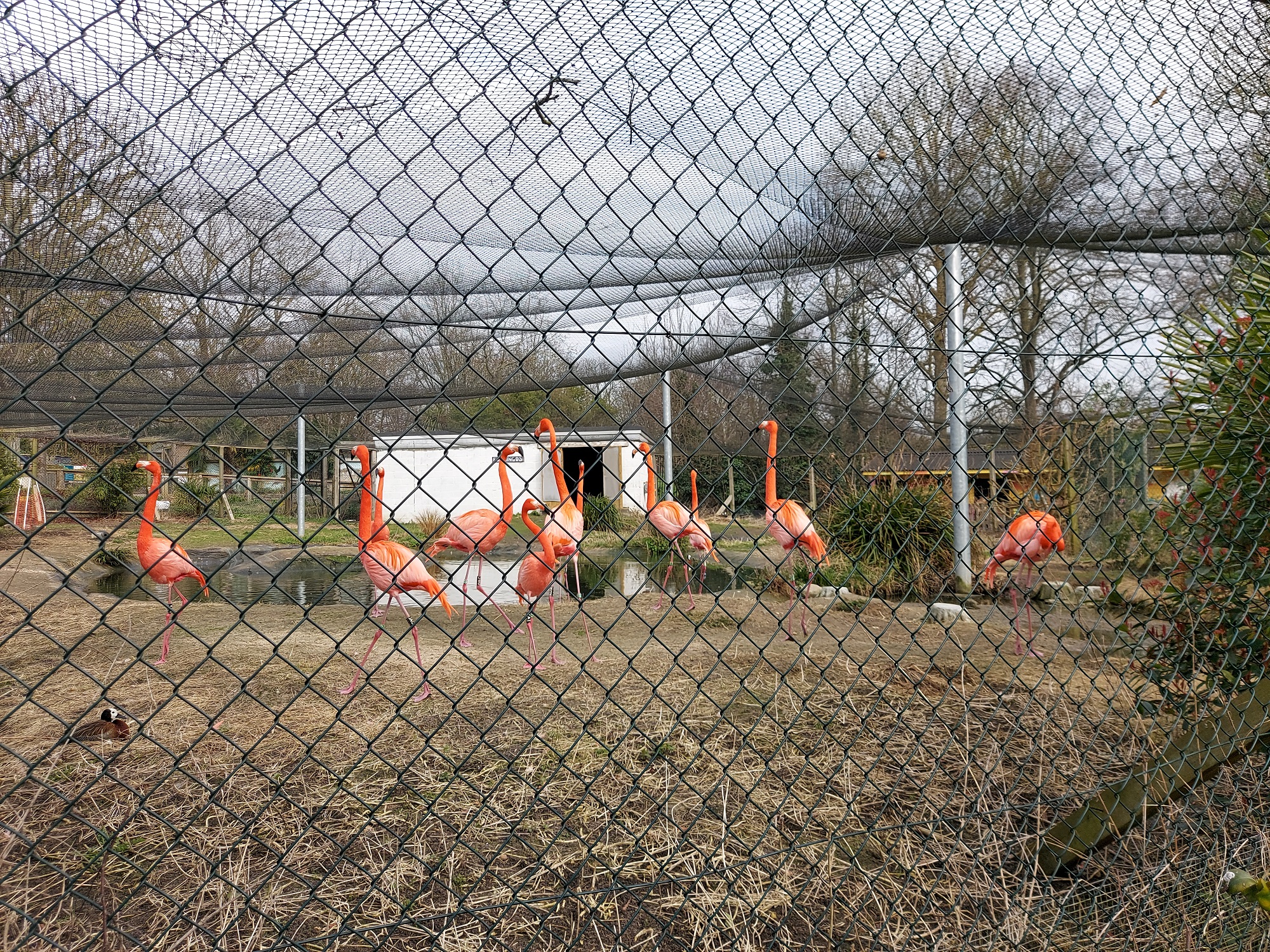
Flamingos

Hanwell Zoo is a really nice day out for anyone living or spending time nearby. The zoo does a lot of community, education and conservation work which are worth supporting. It’s not very big but great value for money, and there is a cafe nearby if you want to stop for refreshments.

FACTS

Address: Church Road, Hanwell, London, W7 3BP

Website: hanwellzoo.co.uk

Opening Hours: 10-4 every day except Christmas Day.

Prices: Adult £4.50, child £2.50

Magnificent Maps of London – London Metropolitan Archives

The second exhibition I visited on my day off was Magnificent Maps of London, held at the London Metropolitan Archives. As the title suggests, the exhibition was made up of weird and wonderful maps of London spanning the last 500 years, from the sixteenth century to the present day. The maps document the history of the city in detail, showing the development of London from a small city surrounded by rural fields to the sprawling metropolis we know today.

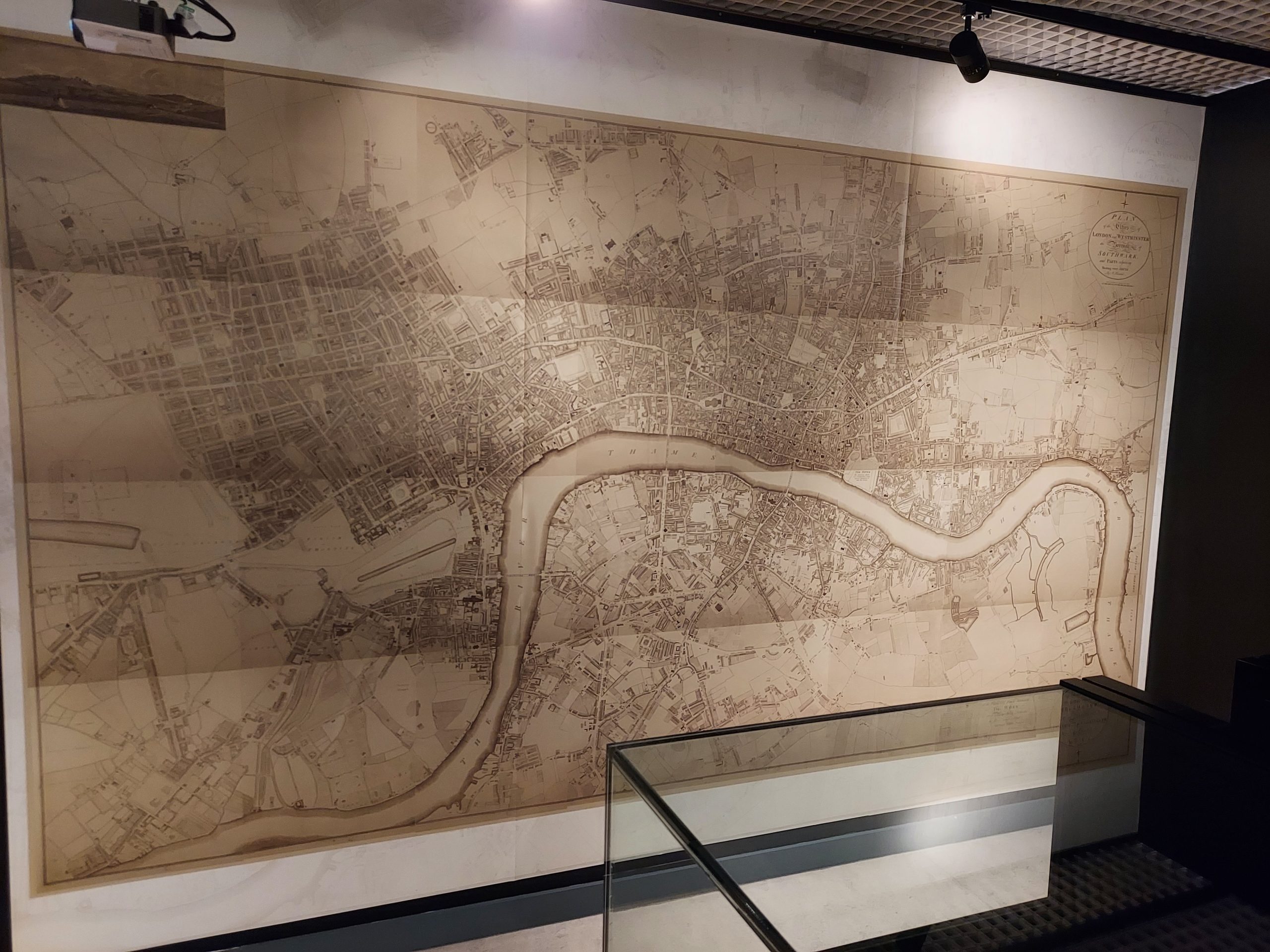
Map of London

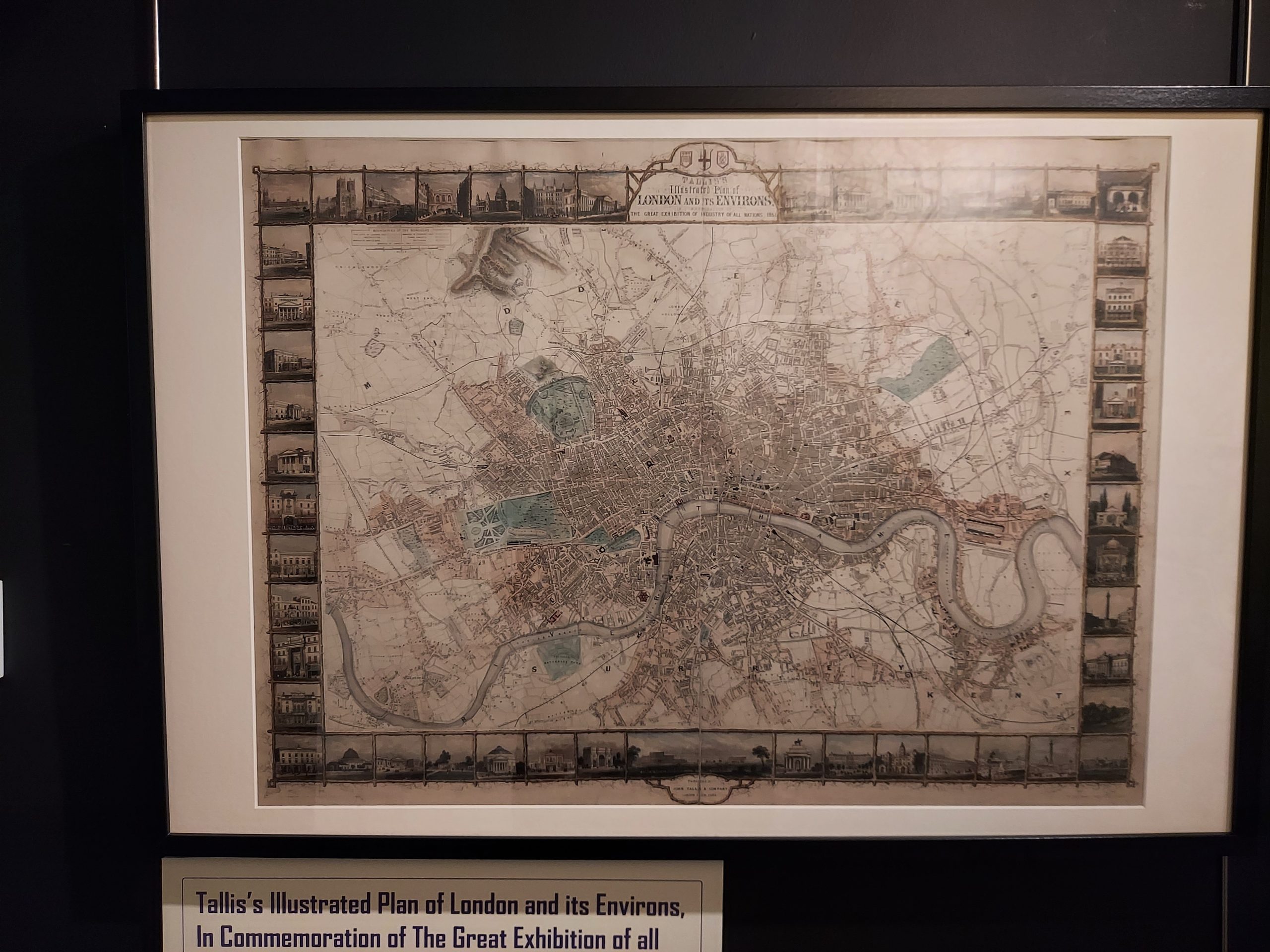
The maps displayed served different purposes. Some were designed simply to map the city, showing what was there in greater or lesser detail. Others had another purpose: maps were created to chart poverty, to show the presence of a Jewish community, track the abundance of plague, trace bomb damage, and show the prevalence of racist attacks. Maps are not neutral: they are created for a purpose, whether explicitly political or with everyday usefulness in mind.
Some maps are huge, spanning the entirety of London and taking up an entire wall. Others are small, pocket maps or guidebooks designed to help tourists and visitors to London.
Map of London

I was fascinated by all the different maps and spent ages looking at them. My favourite was the sixteenth-century map of the city showing all the theatres on Bankside. I also loved the large map which covered as far as Ealing, so I could see how my local area has changed over the years.

This exhibition is fascinating and well worth a visit – especially as it’s free. It’s open until 29 March.

Map of London

Rebel Badge Club: Baker

I was excited but also quite apprehensive for the Baker badge. In the past I’ve done a bit of baking, and I can make a decent Victoria sponge, a chocolate cake and a few different biscuits – mainly recipes from the Be-Ro book and from my grandparents. I hadn’t done any baking for years, however, and certainly hadn’t tried anything too complicated.

I started working on this badge last October, so it’s taken me a while, but I’m proud I’ve managed to complete it.

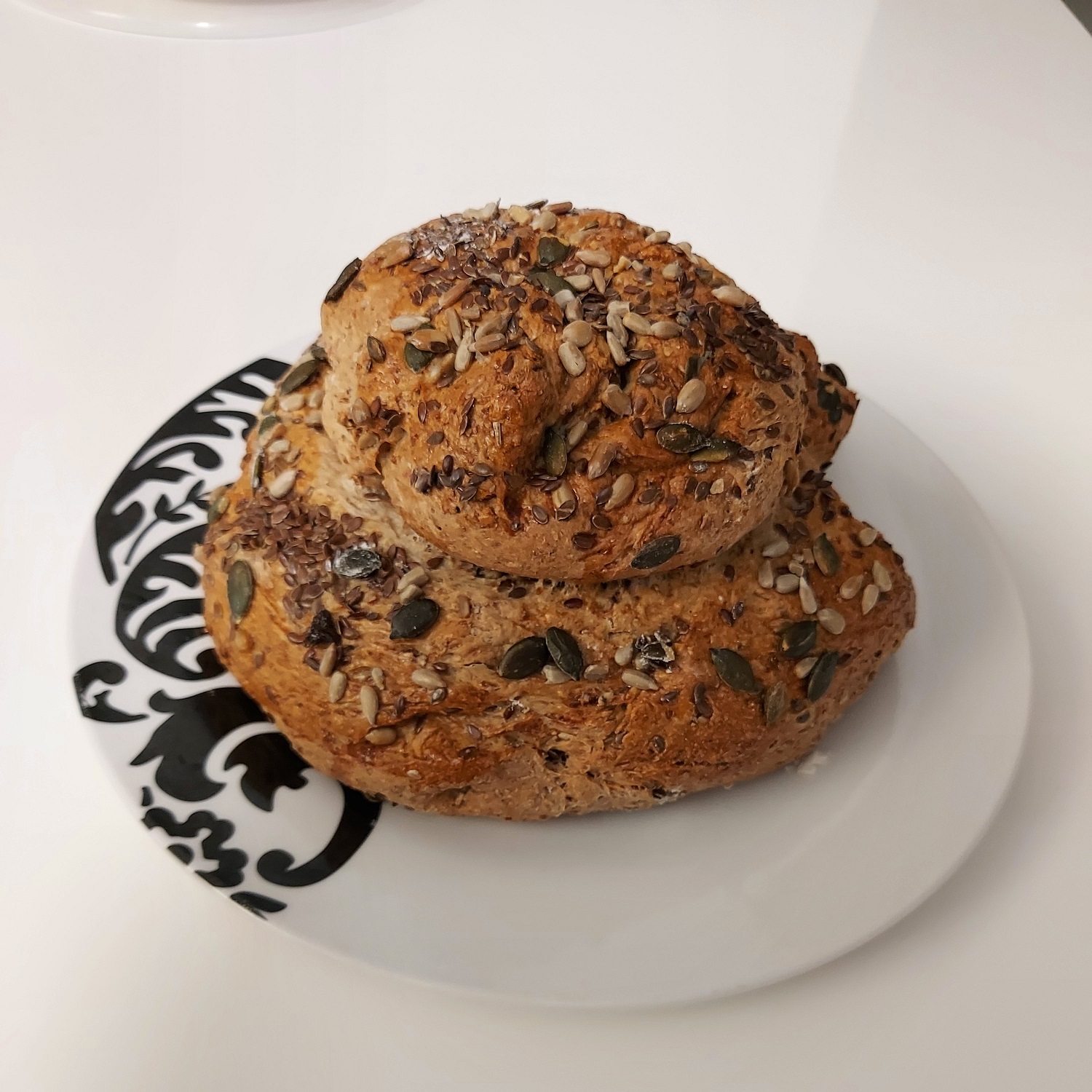
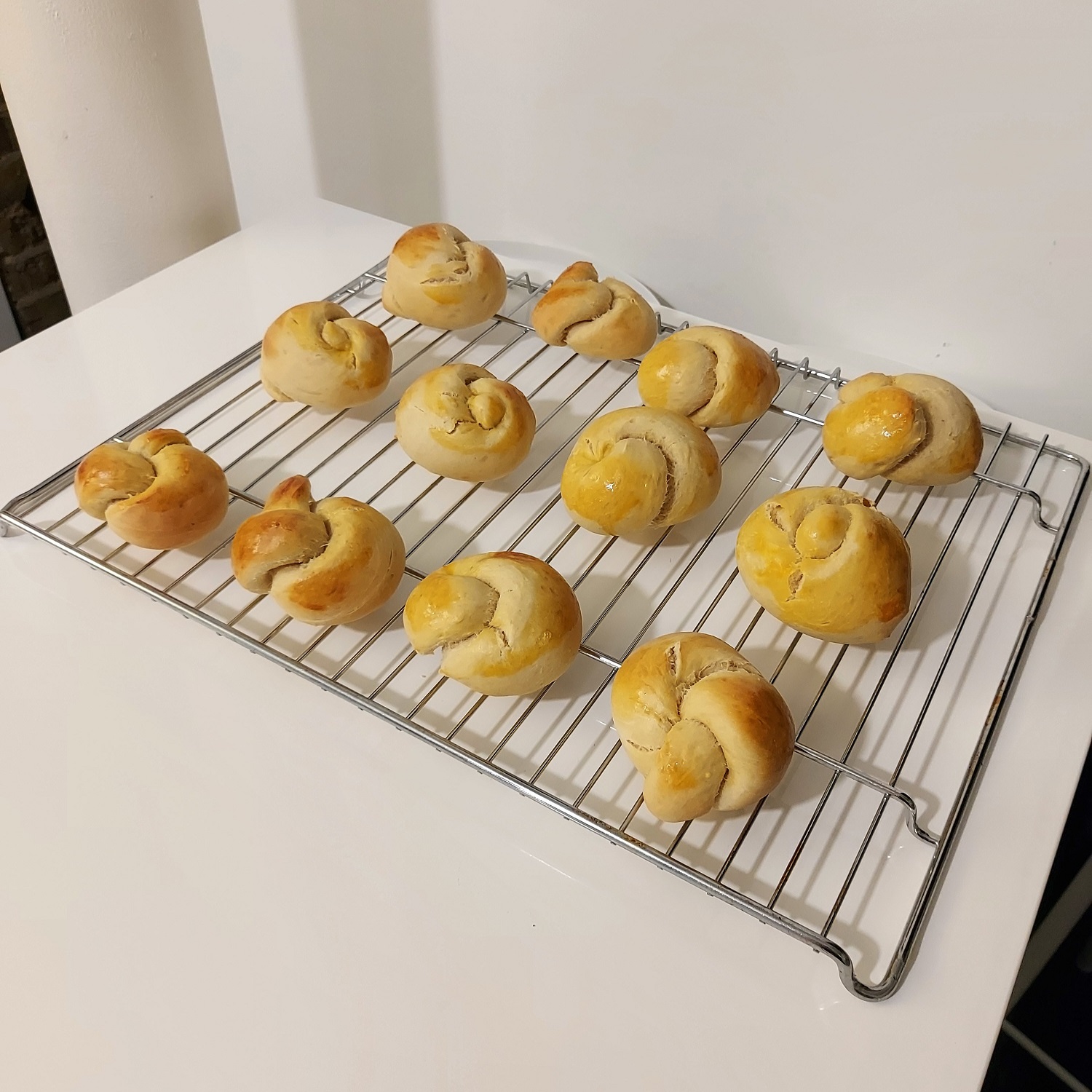
At least 3 types of bread

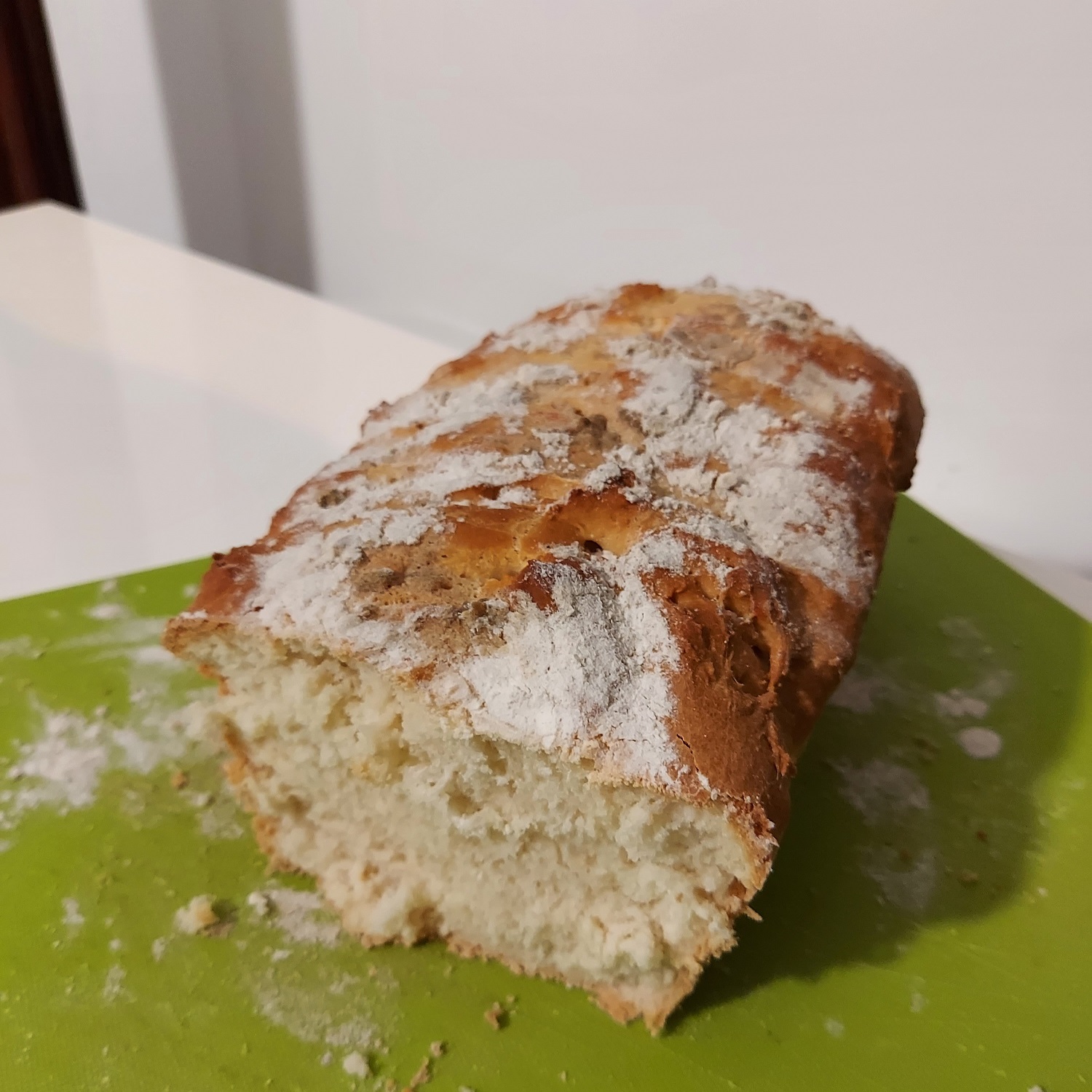
I started off with basic white bread before making a wholemeal seeded cottage loaf and brioche buns from Baked In kits. I was pleased with how they turned out, but honestly don’t think I have the patience for bread making on a regular basis.

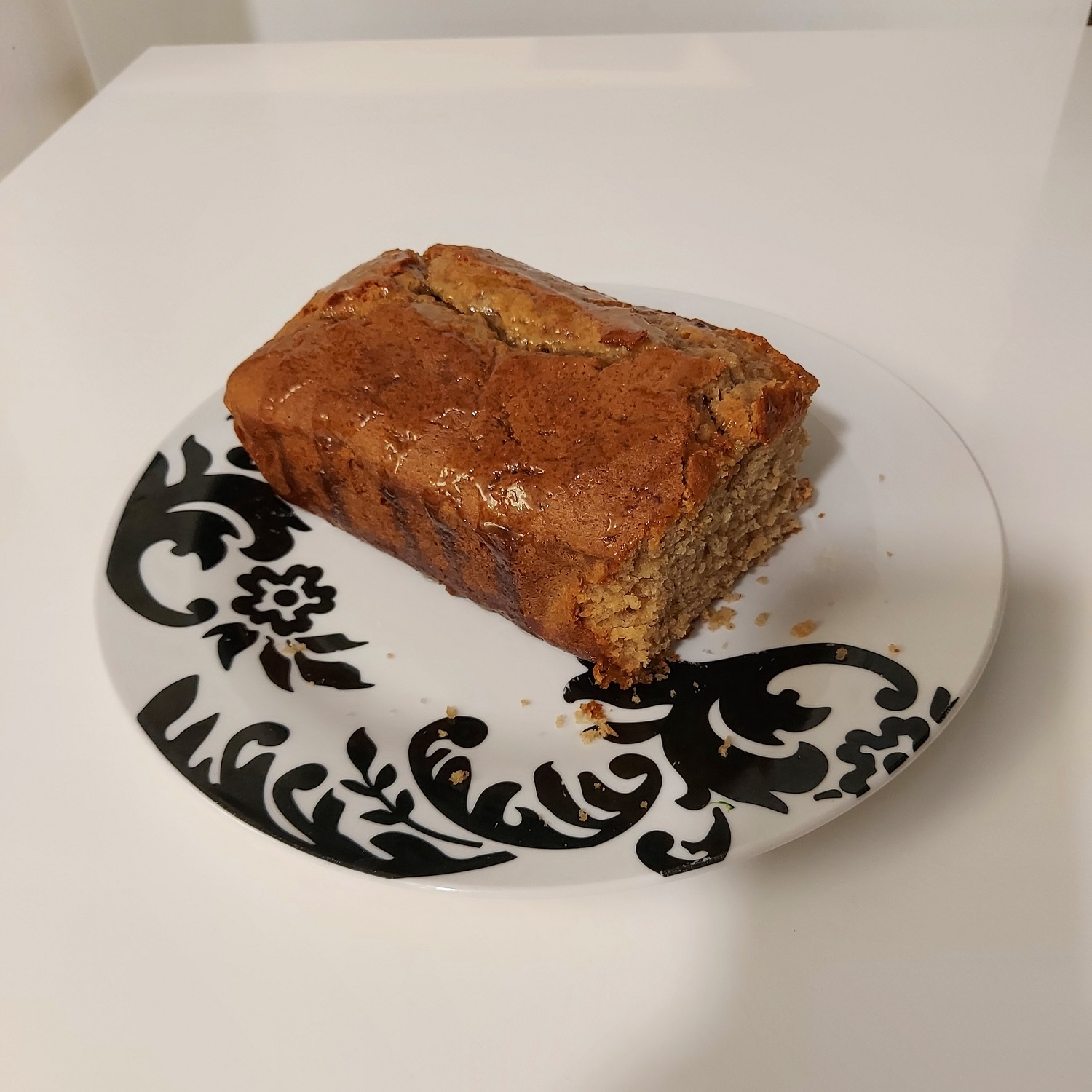
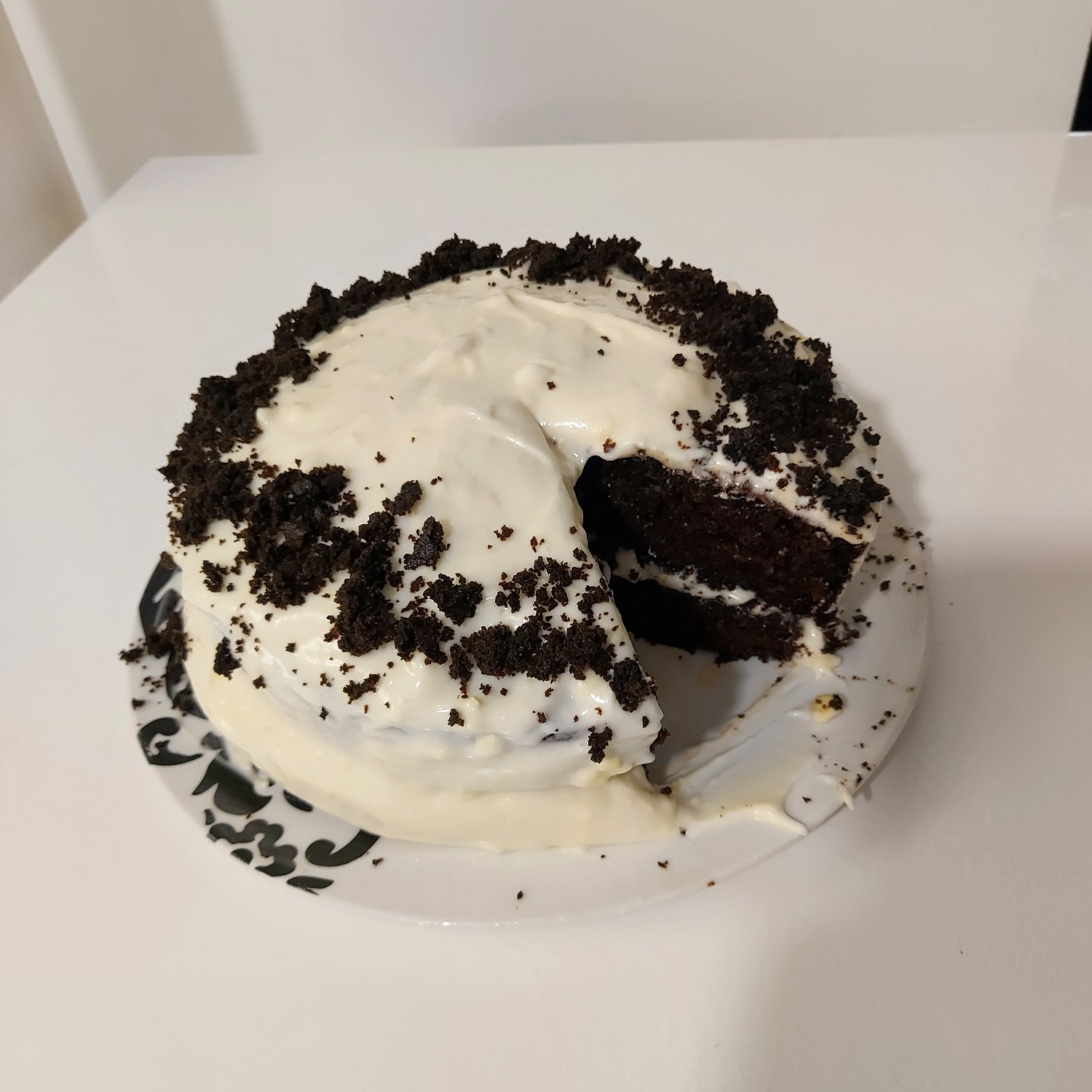
At least 3 types of cake

I made spiced honey drizzle cake, red velvet cake and Madeira cake. I’m pleased to have discovered the delights of loaf cake – nice and straightforward, no faffing around with icing. I particularly enjoyed the honey cake and felt rather smug when my decision to take the advice of a random commenter on the online recipe, who recommended adding more flour, turned out to be the correct one.

The red velvet cake ended up dark brown as apparently the colour I used is only suitable for icing and not the actual baking. They should really put that on the packaging. Anyway, it didn’t affect the taste.

At least 3 types of biscuit

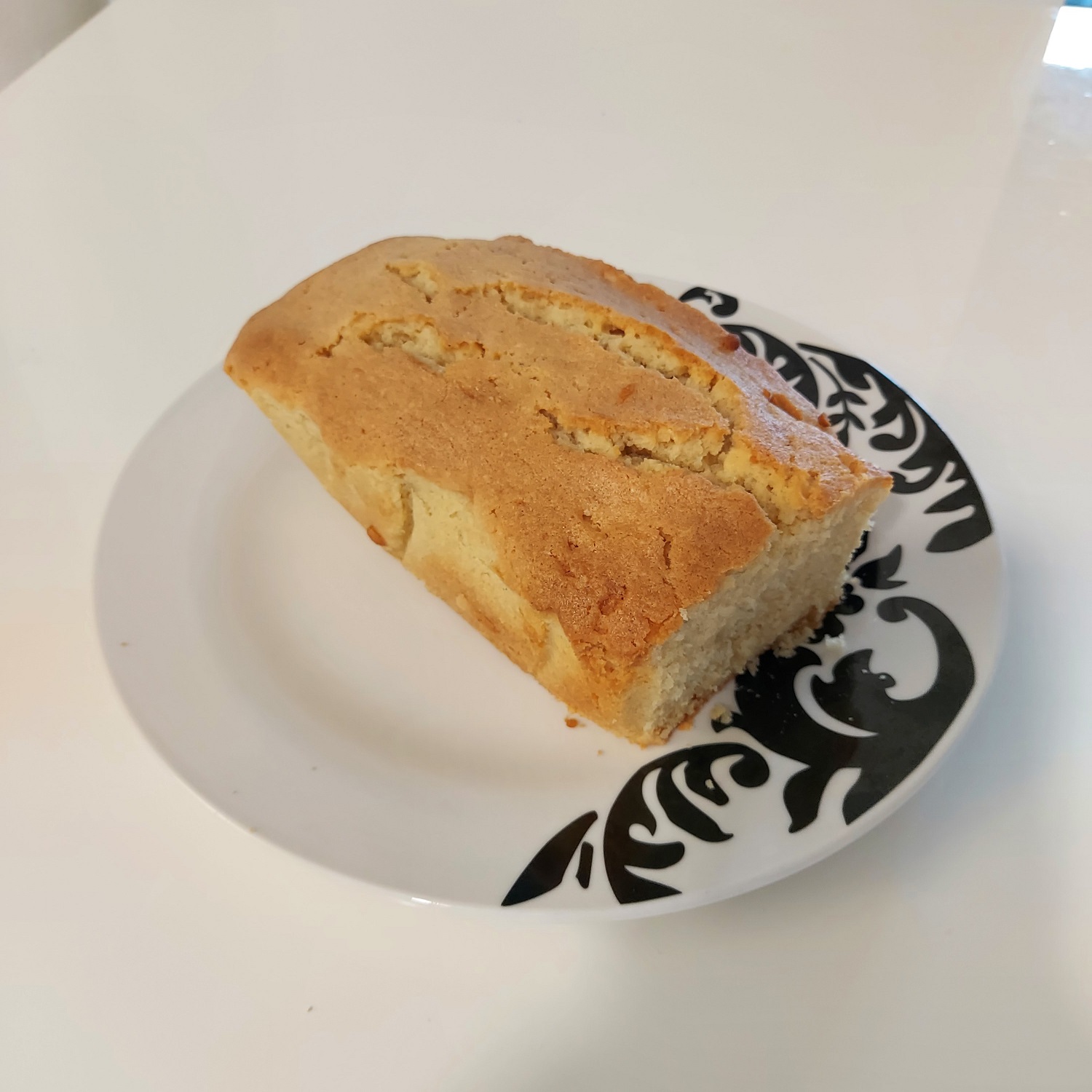
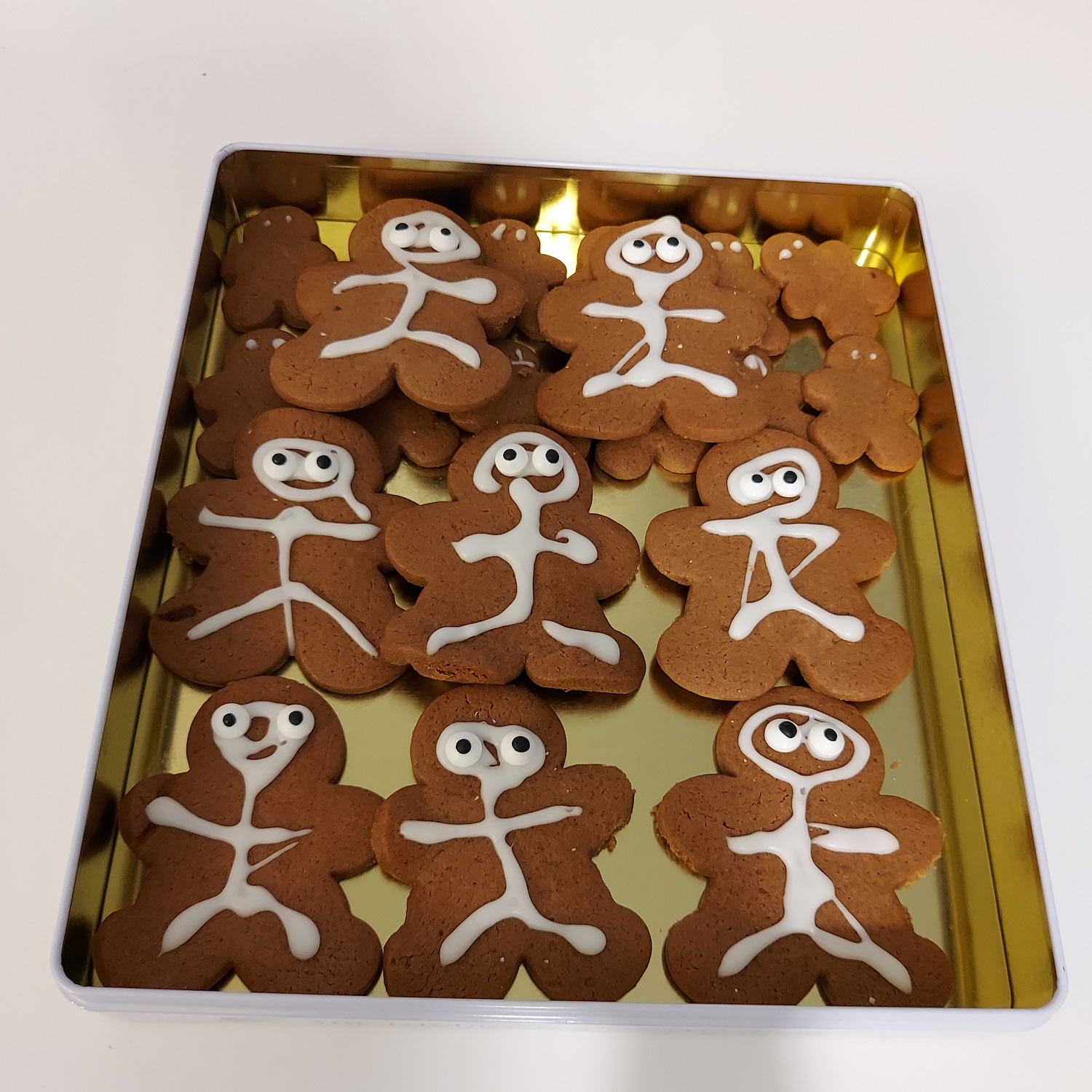
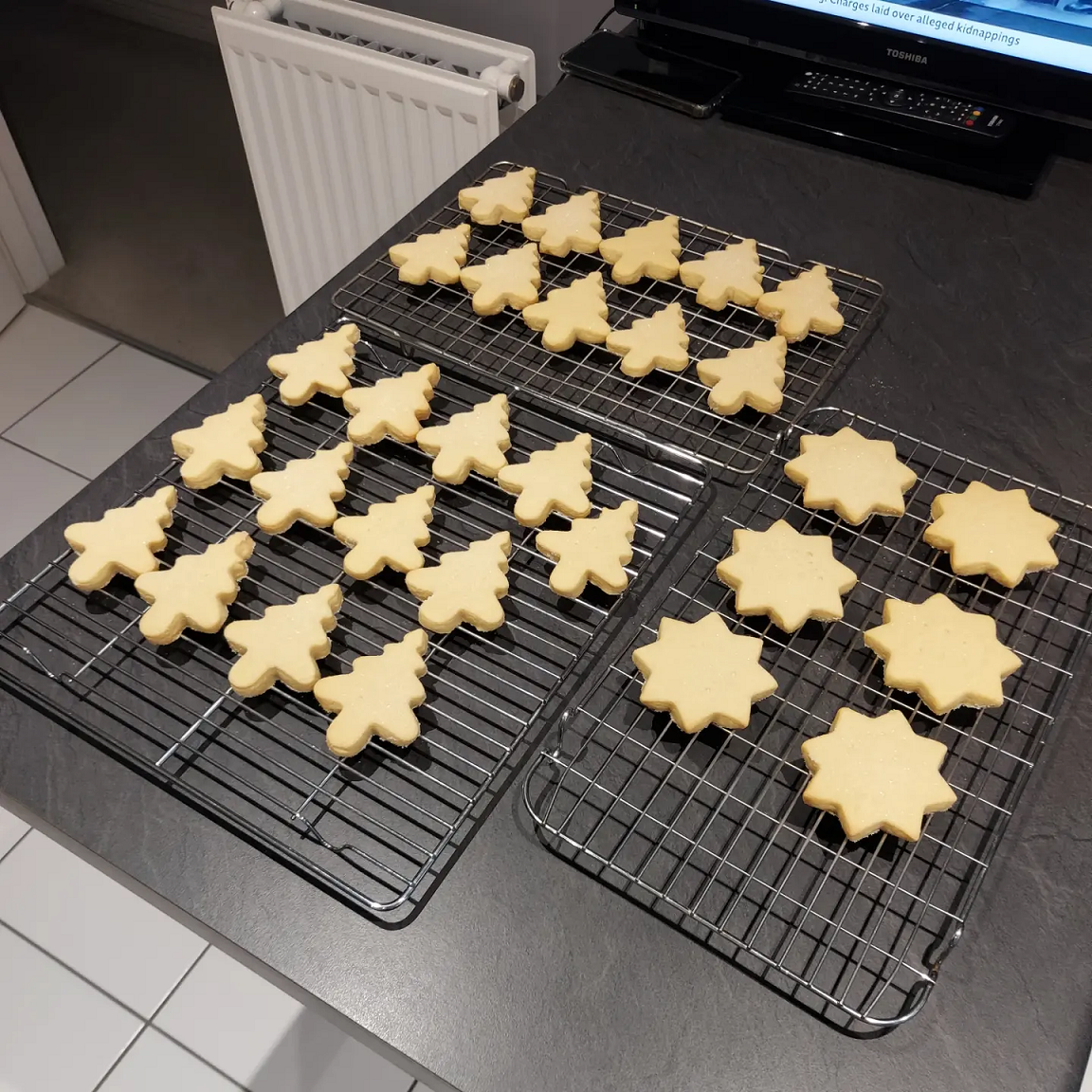
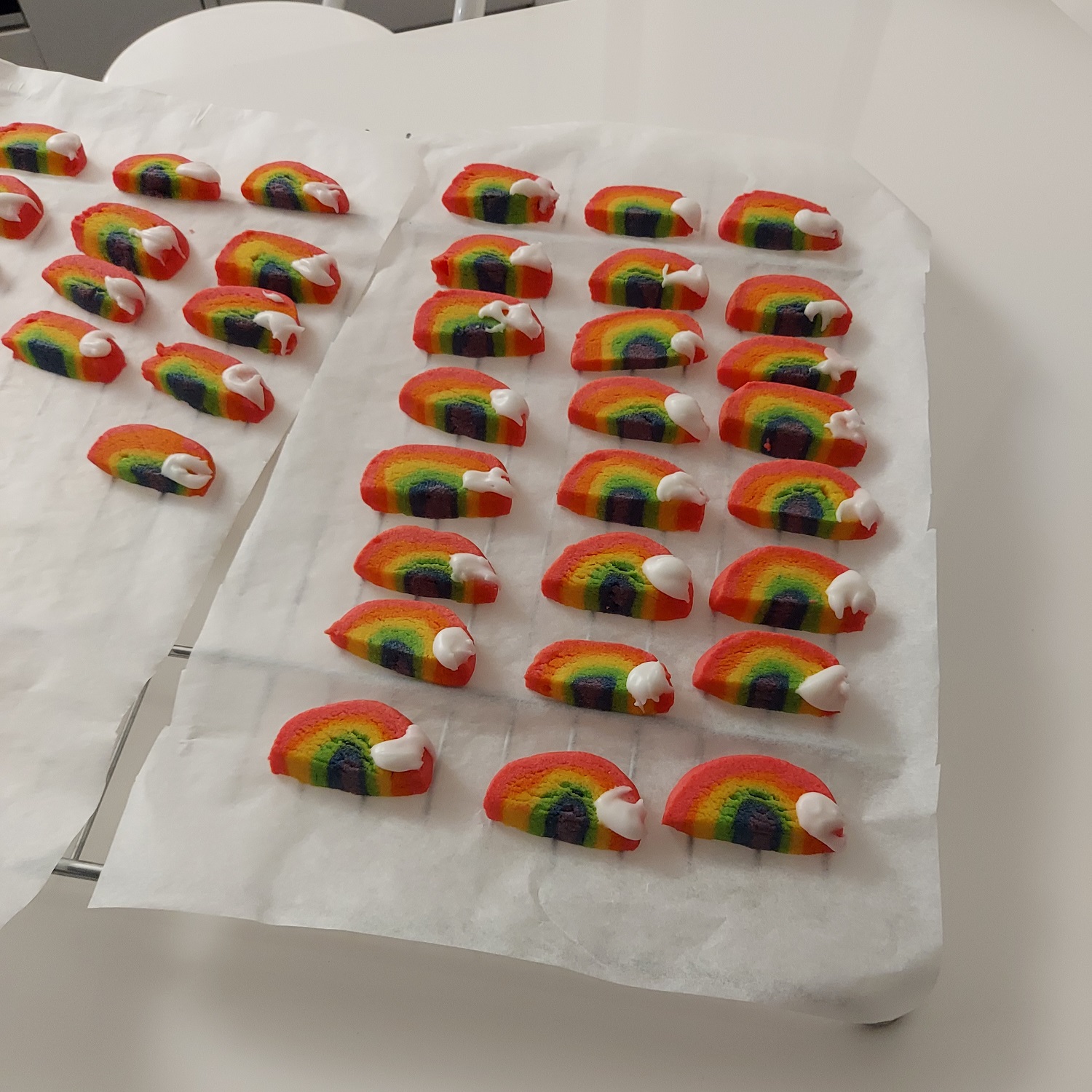
I made gingerbread men, shortbread and rainbow biscuits. The gingerbread men turned out really well – it was a fairly straightforward recipe from BBC Good Food and I was impressed. The rainbow biscuits were from a kit by Honeywell Bakes and they took hours to make, but turned out really cute.

A classic pudding

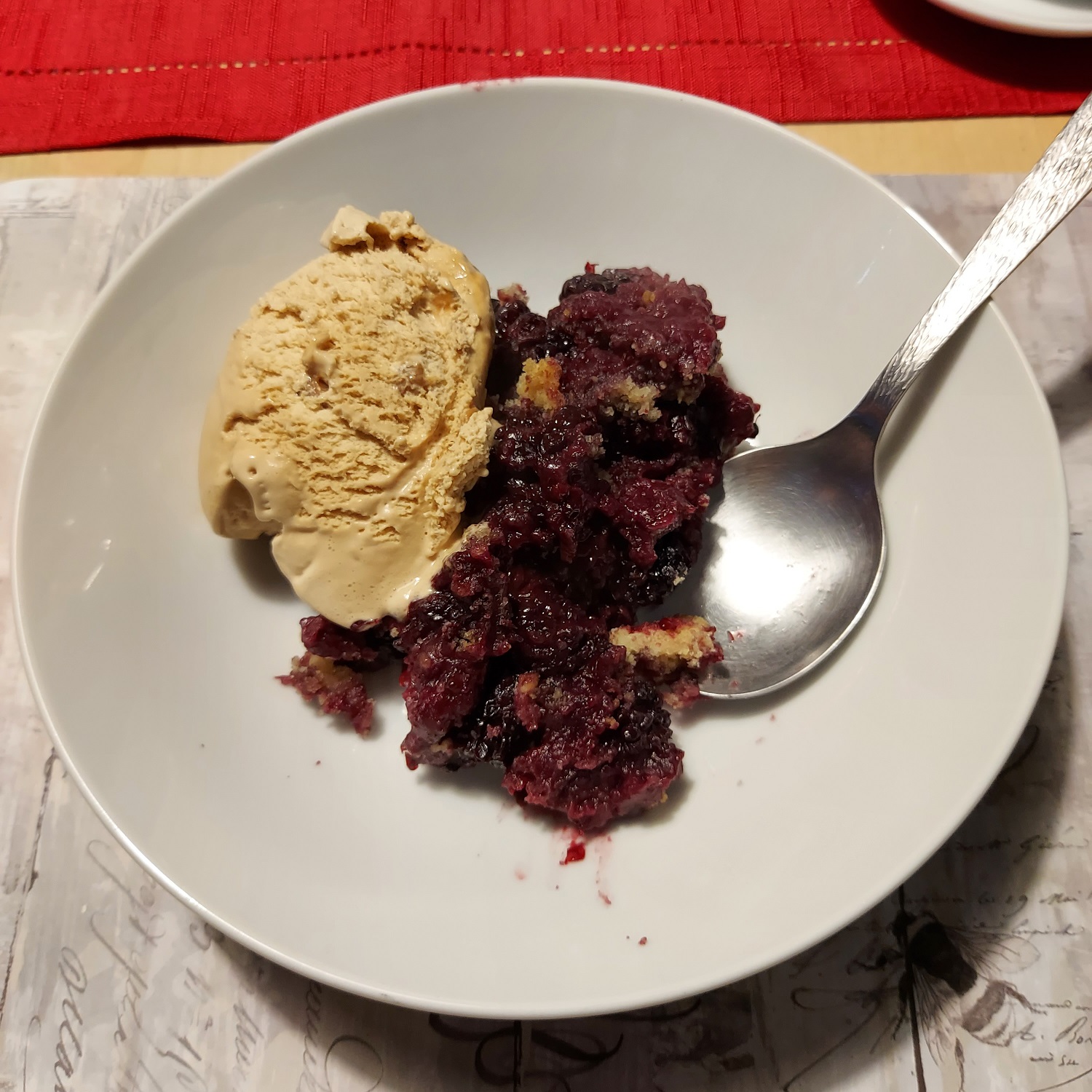
I chose blackberry crumble for this one. I was surprised at how easy it was to make, but it turned out super yummy.

Blackberry crumble

A savoury pie

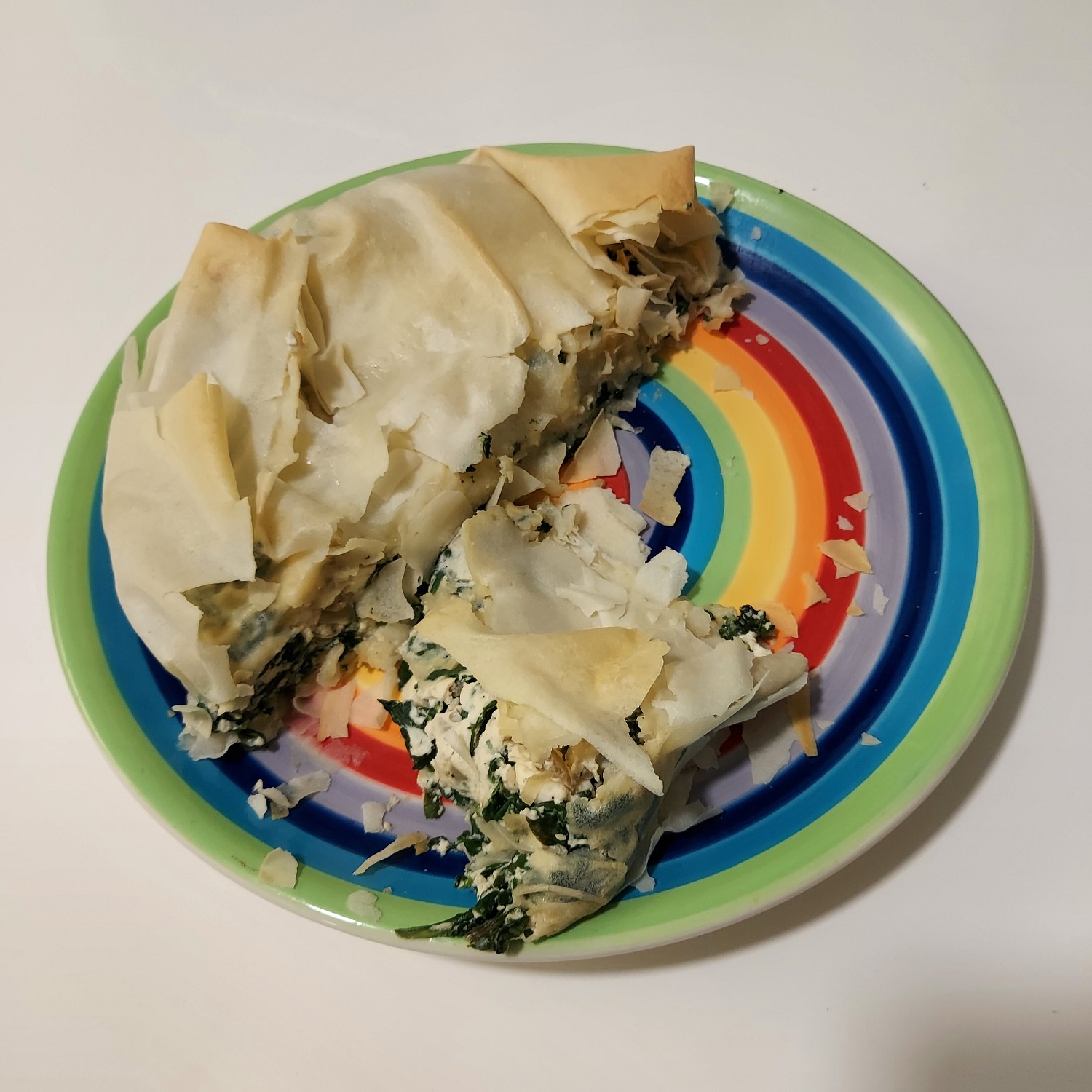
I decided to make a spinach & ricotta filo pie. I couldn’t find any filo pastry so I used spring roll pastry instead and it worked out pretty well! The pie was really tasty and not too difficult to make, so I’d definitely cook this again.

Spinach and ricotta filo pie

Eclairs

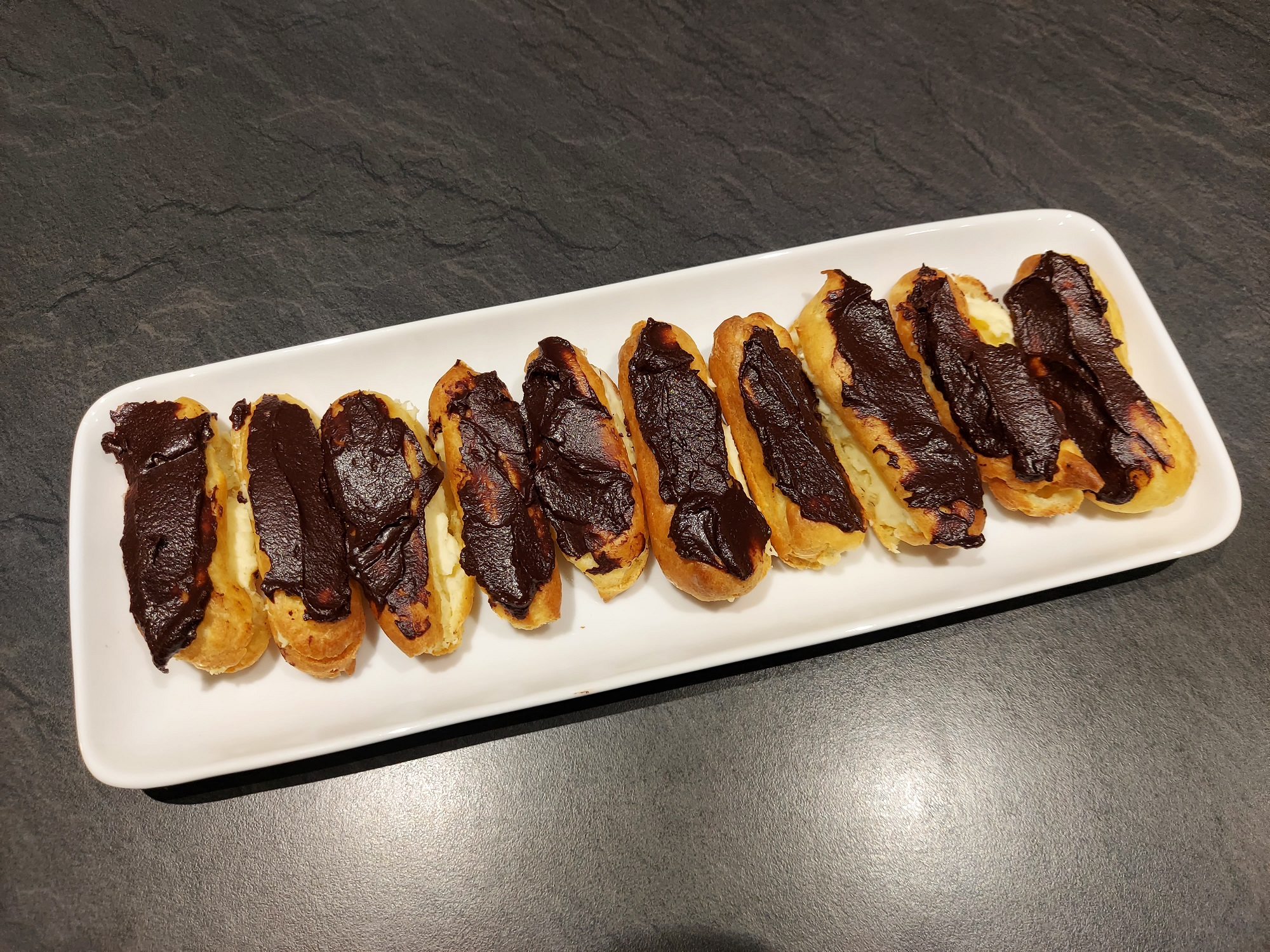
I’m not a fan of eclairs, so I decided to make them when I was up north so that my mam and brother, who do like them, could eat them. They were, frankly, a right faff – even my mam, who is a great baker, said this. I was actually quite proud with how the choux pastry worked out, however. I thought these eclairs were nicer than shop-bought ones as the creme patisserie inside is nicer than the squirty cream you always get, but I can still say for definite that I would never make these again.

Eclairs

A sweet tart

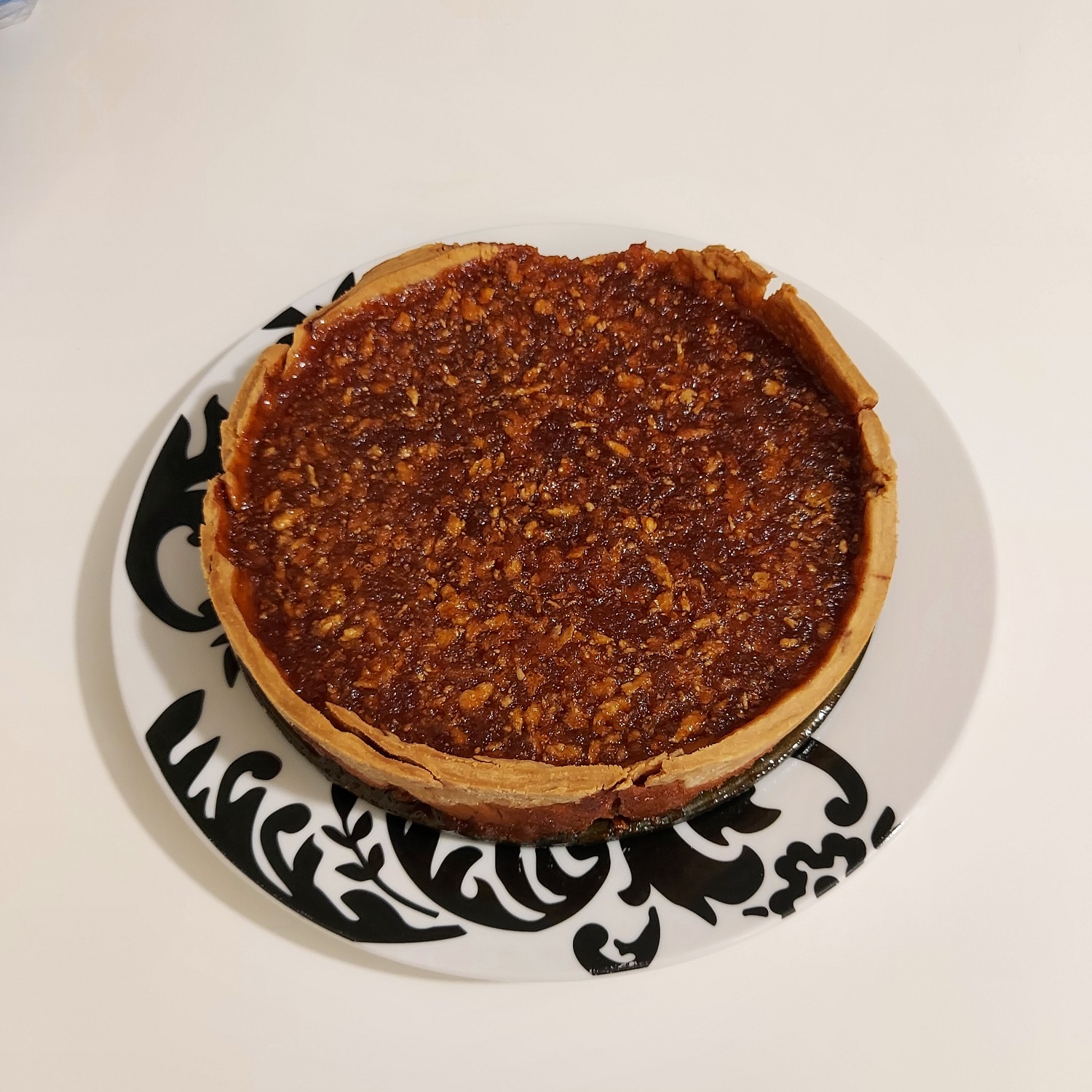
I’ve always fancied making a treacle tart, so I gave this a go. I made the shortcrust pastry from scratch, I’m proud to say, and it worked out well, even though the tart itself wasn’t as nice as I’d hoped.

Treacle tart

A batch bake of 12 identical items

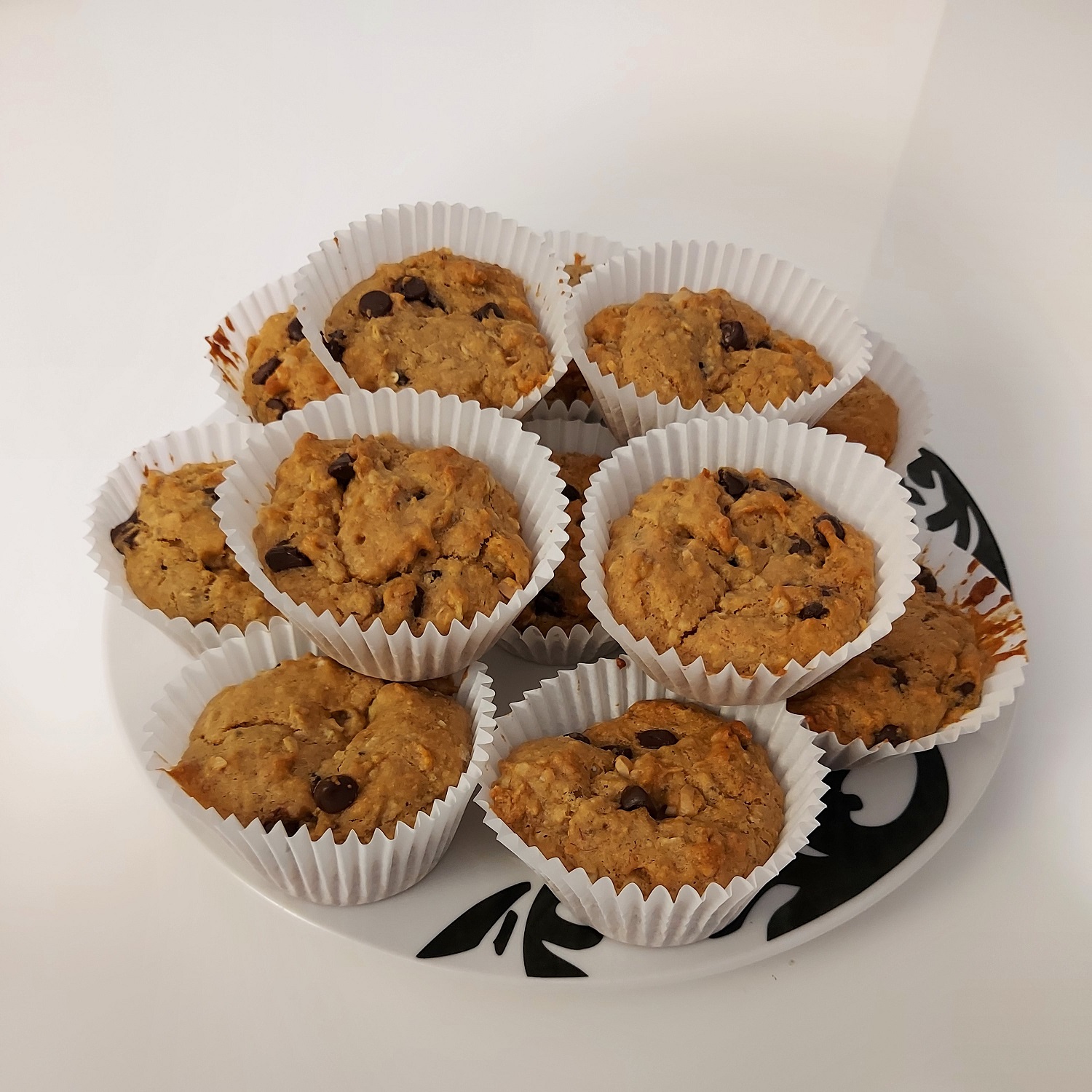
One of my housemates has recently gone vegan, and I’ve always wanted to have some vegan bakes in my repertoire (the only vegan bake I’ve ever done in the past is a chocolate cake that was yummy but fell apart). Therefore, I’m happy to report that the vegan peanut butter chocolate chip muffins I made (using banana as a binding agent) stuck together and were delicious to boot.

Peanut butter and chocolate chip muffins

Millefeuille

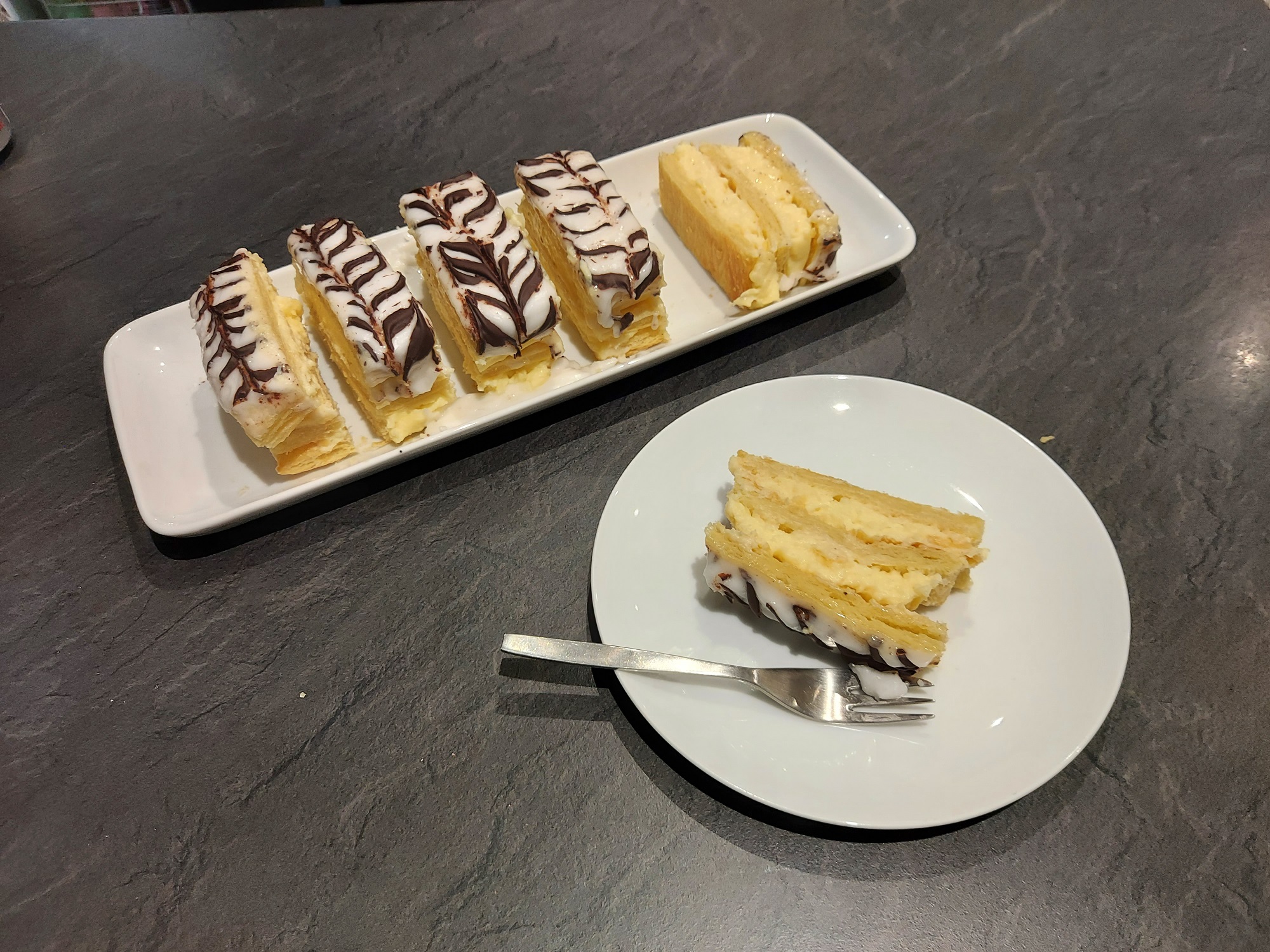
I still can’t pronounce millefeuille, but since I’ll never be making it again, that isn’t such a big deal. I used pre-made puff pastry: apparently Mary Berry doesn’t even make her own, so who am I to question the Baking Queen? Therefore, this was slightly less hassle than the eclairs. Only slightly.

Millefeuille

Date completed: 10 March 2023

Cezanne – Tate Modern

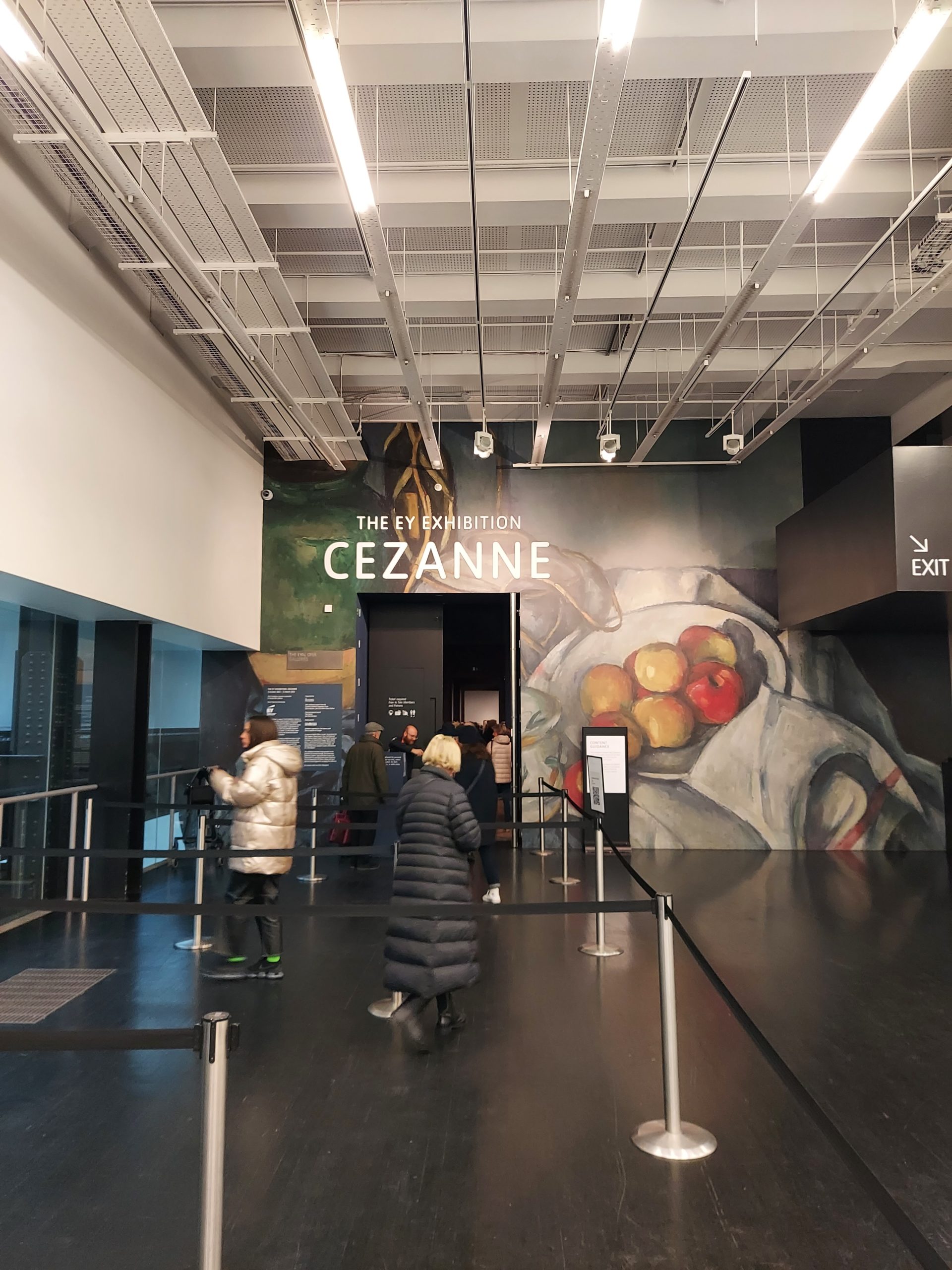
Entrance to the exhibition

I had a midweek day off work last week and decided to visit several exhibitions. The first one I chose was Cezanne at the Tate Modern, which is coming to the end of its run.

Paul Cezanne (1839-1906) is one of the most respected artists of the late nineteenth century. He revolutionised painting, seeing it as a process of investigation. The exhibition contains several works which have rarely been seen outside of France. The first half looks at Cezanne in the context of his time, while the second half focuses on particular themes.

As a young adult, Cezanne’s father wanted him to pursue a career in law, but his school friend, the novelist Émile Zola, encouraged him to move to Paris and pursue art. He was befriended and mentored by fellow artist Camille Pissarro, whose influence is present in his early work. Cezanne lived through times of social and political upheaval: this can be seen in paintings such as The Conversation, which hint at his political views, and Scipio, which was possibly influenced by abolitionism.

Painting showing skulls and flowers

Cezanne preferred to paint models he knew well, such as his partner  Marie-Hortense Fiquet and their son Paul. However, he also painted many works of bathers, which influenced painters such as Matisse and Picasso. He worked on several landscapes, particularly during his stay on the south coast of France, and is also famous for his still lives, mostly featuring apples.

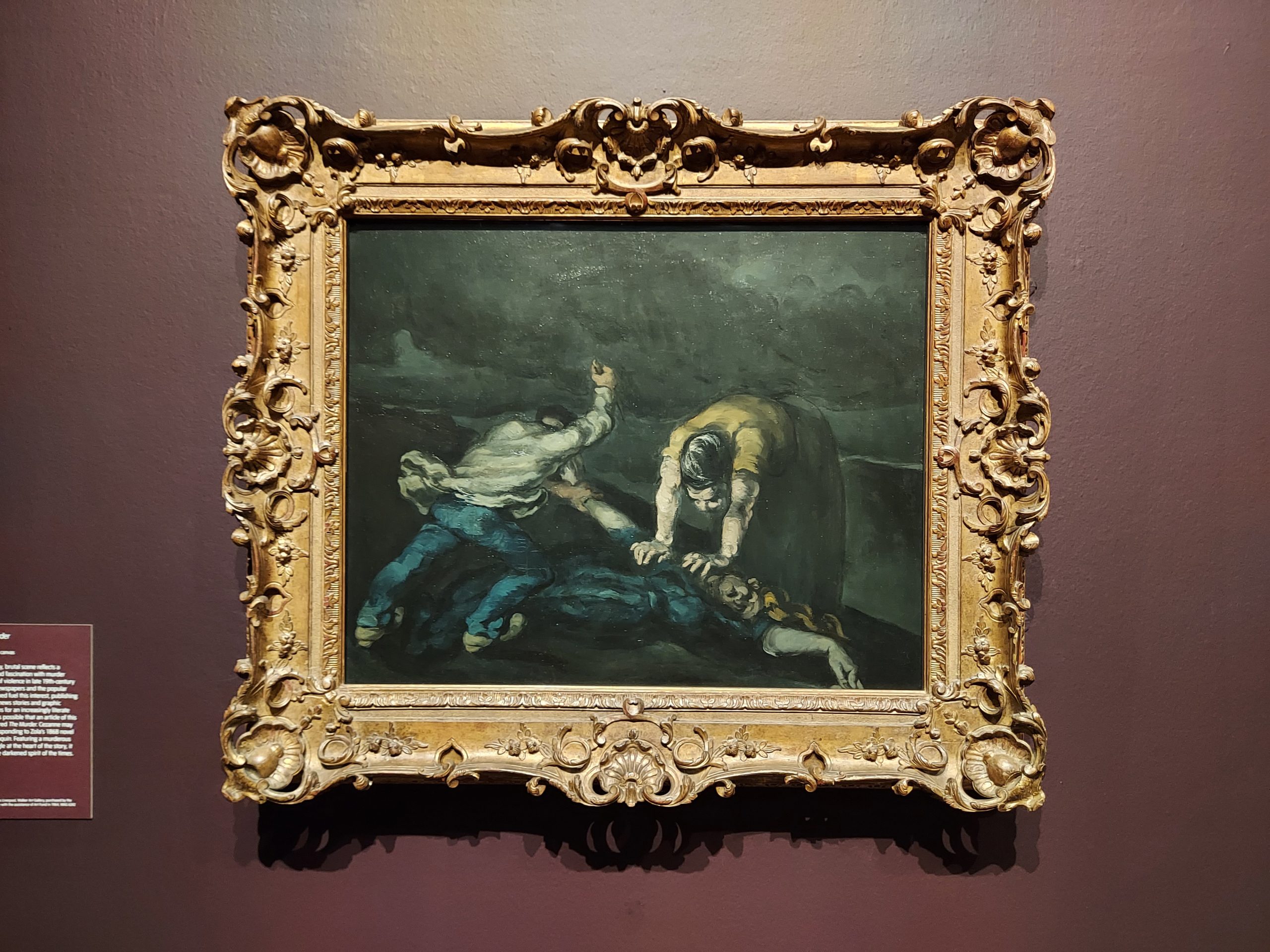
I must admit I struggled to engage with many of the paintings. I don’t find still lives particularly interesting and I wasn’t enamoured with the pictures of bathers. I could see the appeal in the landscapes, but my favourite works included the skulls that Cezanne painted towards the end of his life. There was also one particular work that seemed to show a murder, which had a strong compelling energy.

Cezanne painting showing two figures attacking another

I feel a bit guilty saying all of this as Cezanne is an acclaimed artist and I really don’t have the knowledge to be able to criticise his works properly. All I can do is comment from my own uneducated perspective, and I guess these works just aren’t really my thing.

Rebel Badge Club: Apothecary

The Apothecary badge wasn’t one that immediately jumped out at me. I’m aware that some people make body lotions, lip balms etc for their own use or to sell online, but it wasn’t something I’d ever thought of doing myself. However, during this cold winter, and hoping to save some money (I’m doing the Conscious Consumer badge at the moment!), I decided to work on this badge. To achieve the badge, you have to make at least 5 items out of a possible 8.

A Face Mask

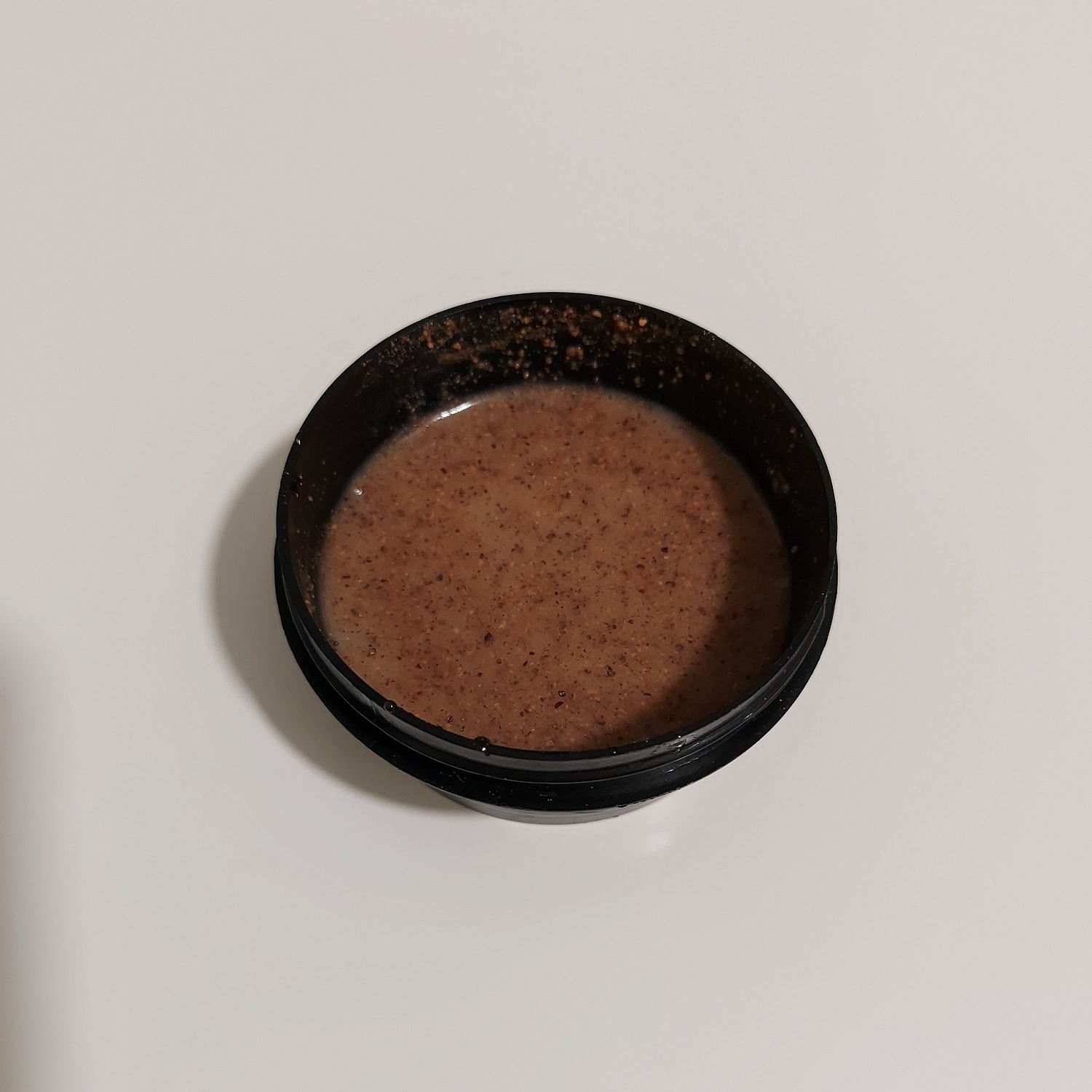
I decided to try a face mask first as this seemed an achievable option that I could work on using ingredients already in my kitchen. I found a great resource online with a number of different recipes. I tried out the Blemish-Fighting Milk Mask: combine 2 tbsp. raw honey, 2 tbsp. nutmeg, and 2 tsp. milk to form a thin paste. Apply to face, leave on for 15 minutes, then rinse off with warm water. This mask felt lovely and I liked the way it felt on my skin.

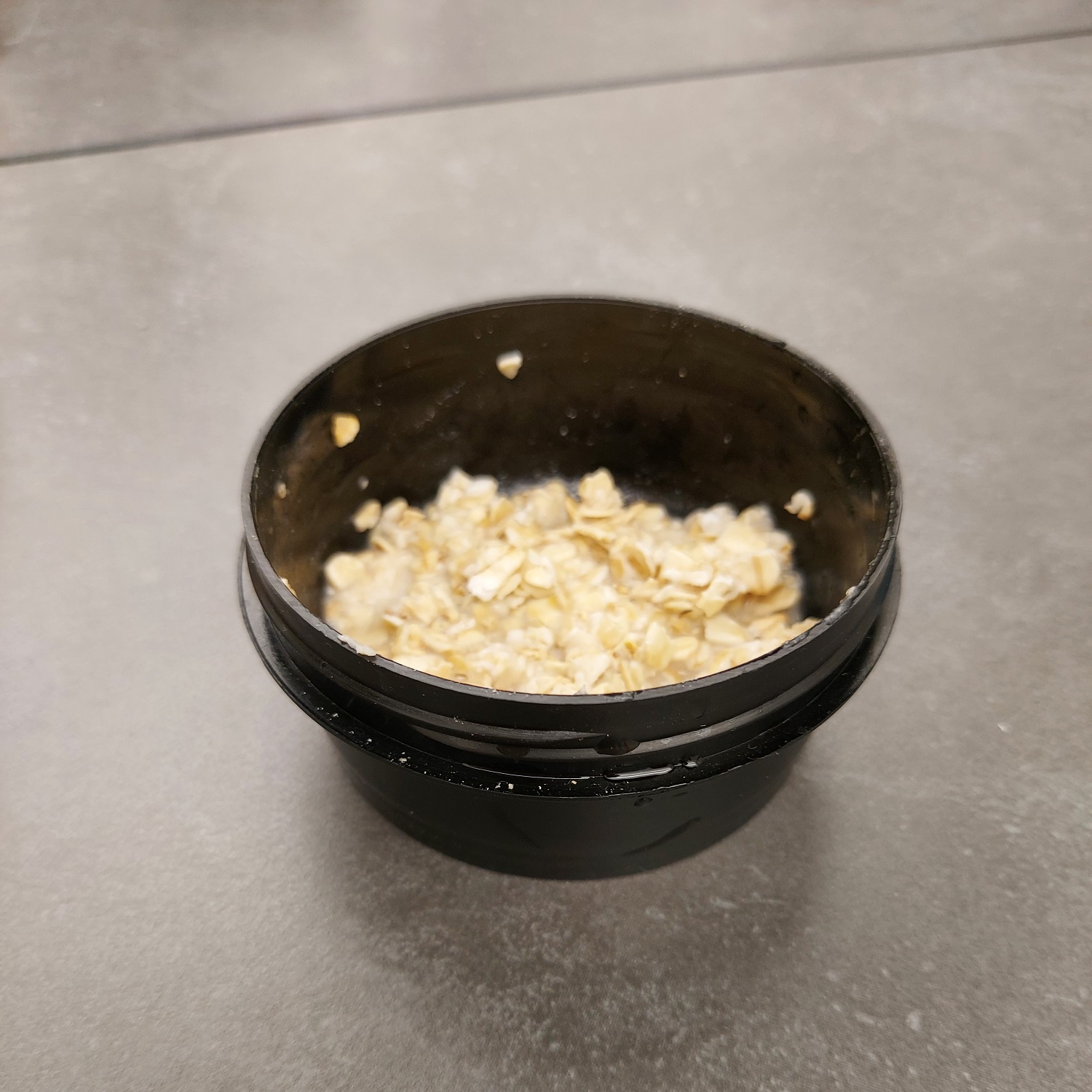
The following week I tried out the Calming Oatmeal Mask: mix 2 tbsp. oatmeal with 1 tsp. baking soda, then add just enough water to make a paste. Apply to face, leave on for 15 minutes, then rinse off with warm water. This one felt a bit uncomfortable on my skin, but after I’d washed it off my skin looked amazing, so I’d try it again!

Moisturiser

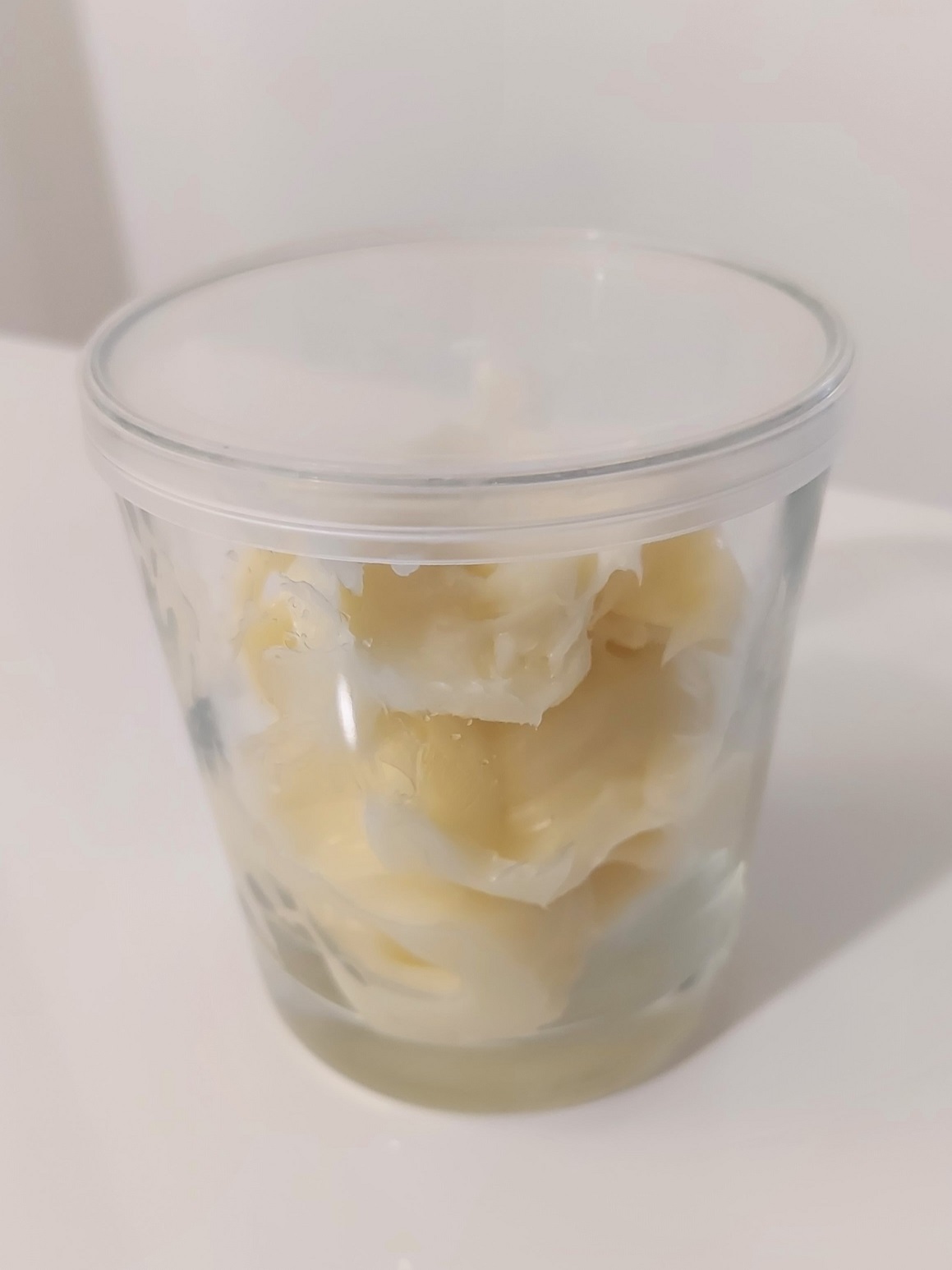
I found a recipe online to make a Shea Butter Lotion. I bought some raw shea butter cheaply on Ebay, as well as some jojoba oil to act as a carrier oil. I got some arrowroot starch from the supermarket, and an essential oil blend online. The blend I chose was called ‘Creativity’ and was made up of grapefruit, basil, bergamot and lavender.

The recipe was easy to follow and I loved the end result. It felt luxurious and not too greasy on my dry skin, and smelled lovely too. I still have loads of shea butter left so I’d definitely make this again – and it’s much cheaper than shop-bought butter!

Shea Butter Lotion

Lip Balm

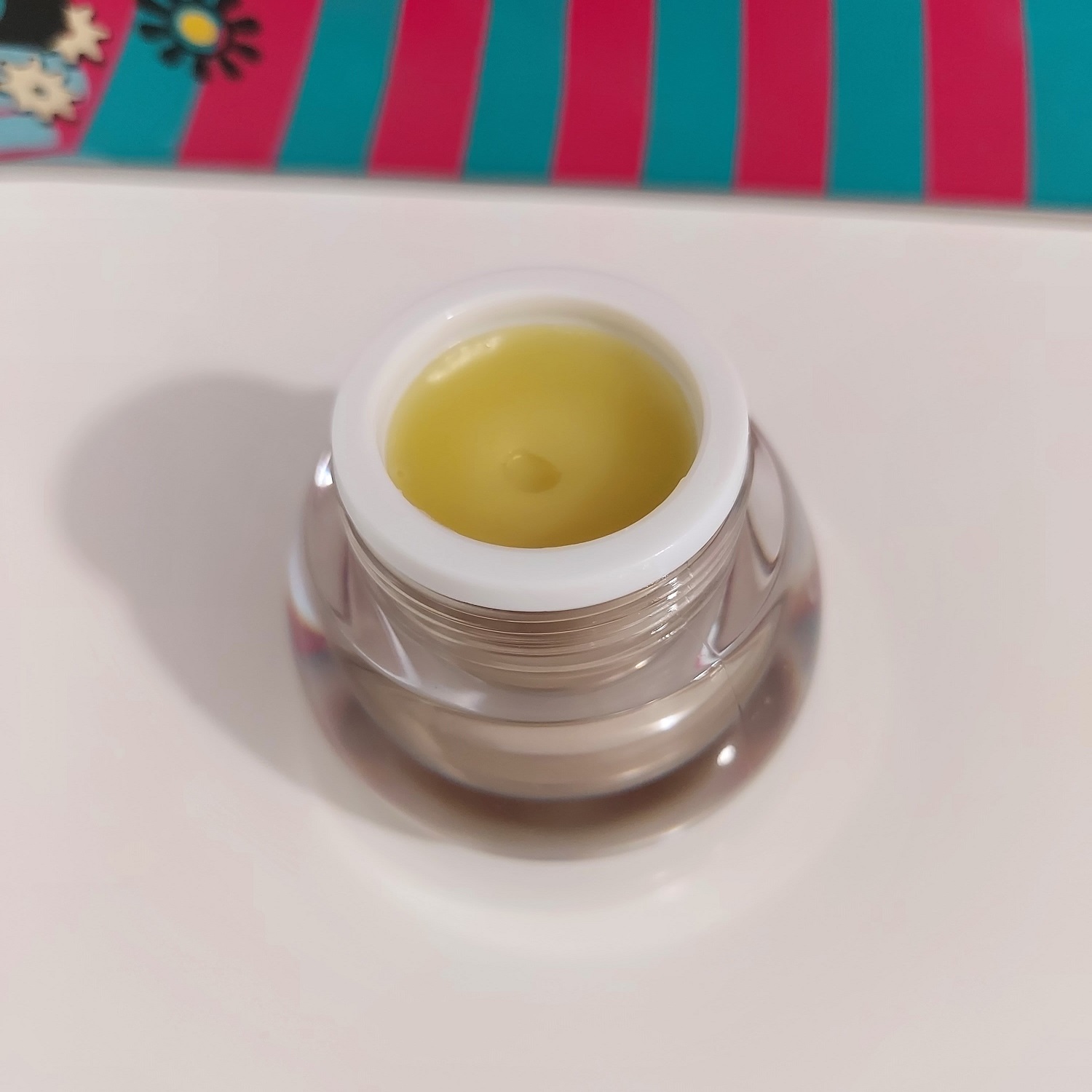
I found a Beauty Kitchen Raw Inventions kit on Ebay for under a tenner which I used to make lip balm. The recipe involved melting 2g beeswax and 4g cocoa butter, then adding a teaspoon of olive oil and three drops of essential oil. I was really impressed with how soft this made my lips – I will never buy a lip balm again!

Lip Balm

Toner

I followed a simple toner recipe I found online which combined green tea and tea tree oil. This was a definite win as I already had both these ingredients in my cupboard. The toner was very refreshing.

Toner

Exfoliator

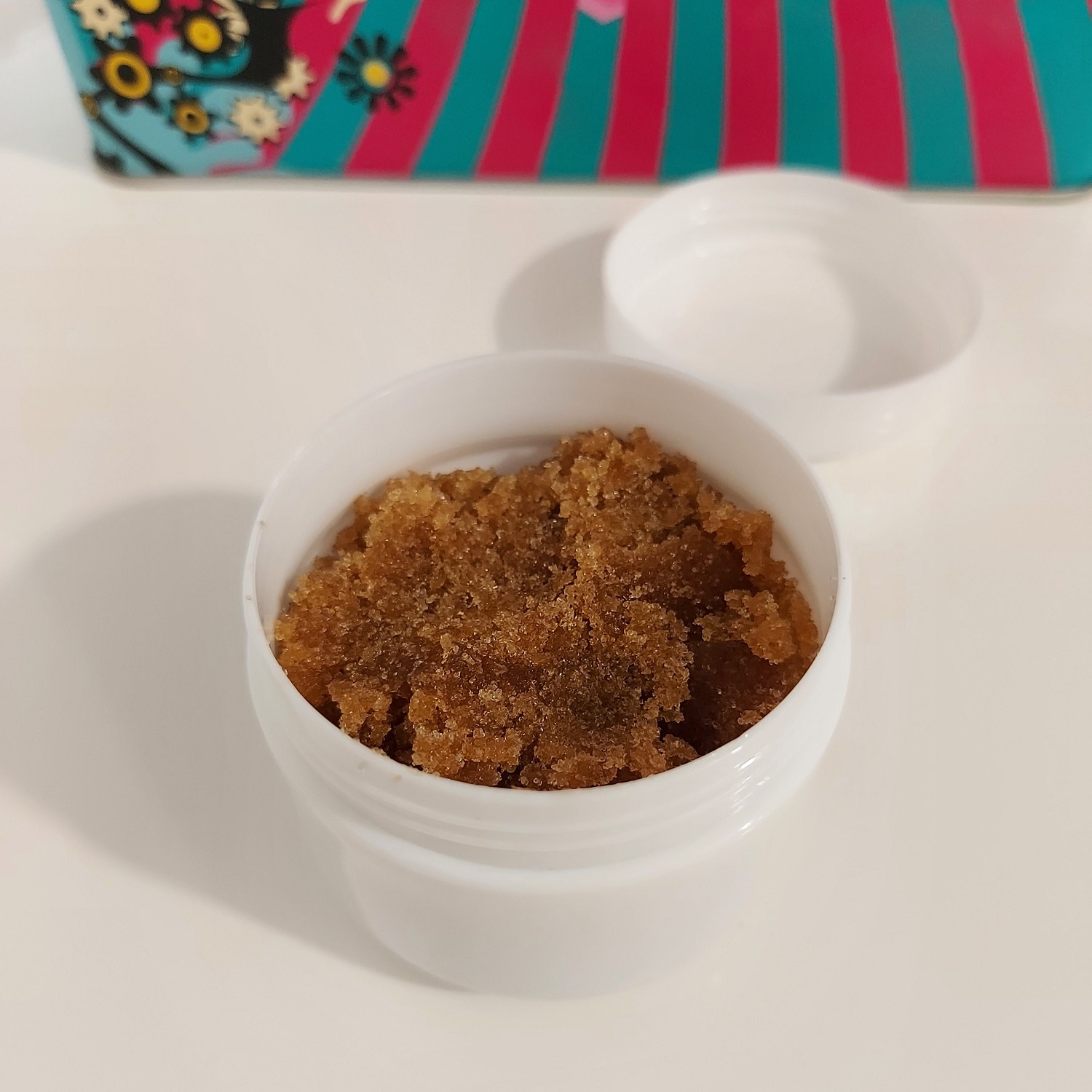
I followed the recipe in my Raw Inventions kit to make a Sugar Body Scrub. This was a simple recipe involving 30g of sugar and 2 teaspoons of olive oil, plus 4 drops of essential oil. This scrub was very effective and I was impressed with how easy it was.

Sugar Scrub

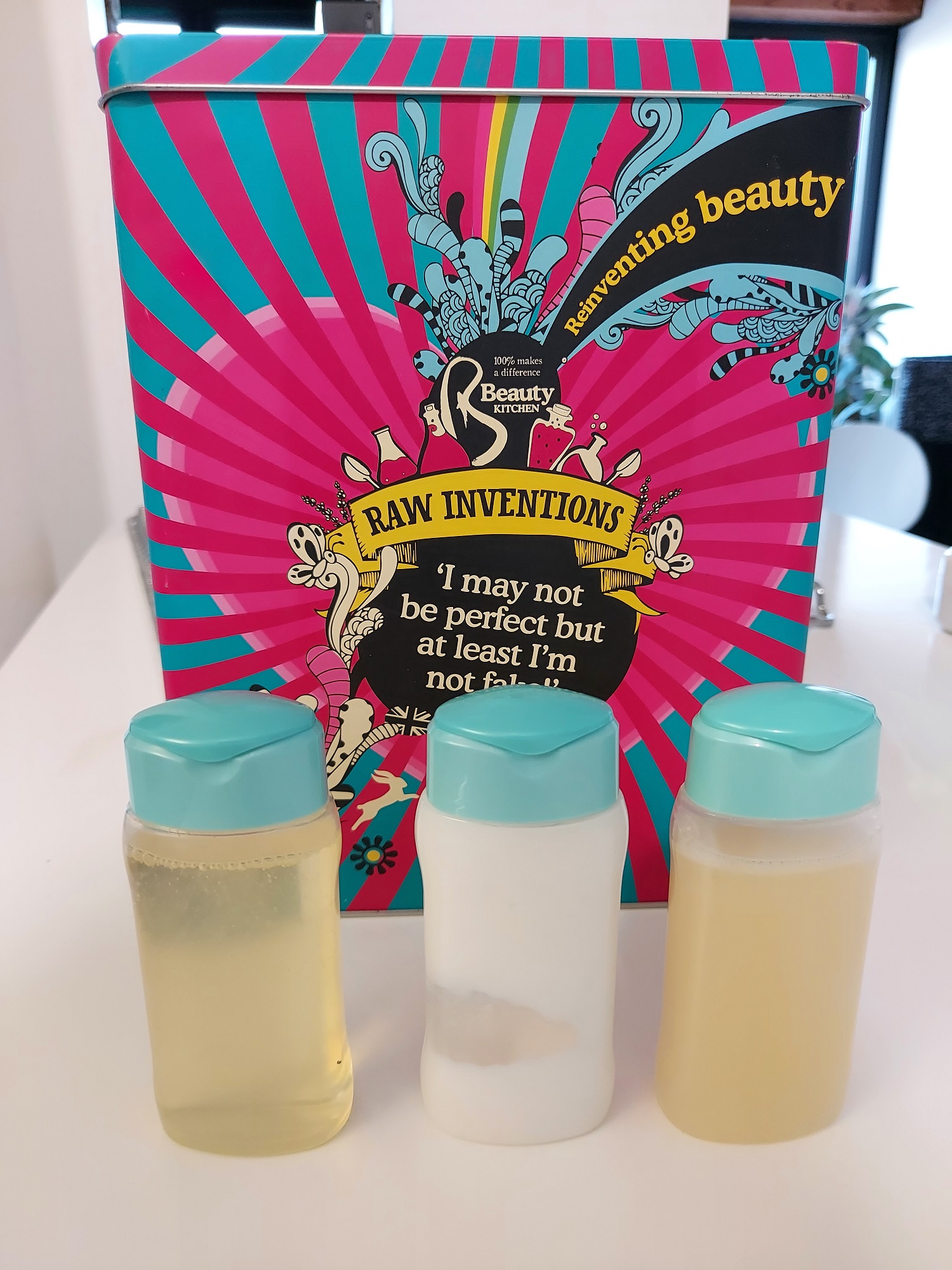
As well as the above I also used the recipes and contents from the Raw Inventions kit to make shower gel, body lotion and face wash, but I don’t know if these count for the badge since they all used premade basic shower gel and lotion. Having said that, I definitely made 5 items from scratch so I have earned my badge. This was lots of fun and I definitely want to carry on making my own beauty products.

Shower gel, body lotion and facial wash

Date completed: 5 March 2023

Big Rebel Meet Up – Bromsgrove, February 2023

I got to attend my second Big Rebel Meet Up at the end of February. This one took place in Bromsgrove, near Birmingham, and I thought the venue was closer to the station than it actually was – so I had to get up at about 4am to catch the train to Birmingham and another from Birmingham to Bromsgrove. Luckily I was able to get a lift from a lovely Rebel from the station.

The very early start was worth it though, as it was a brilliant day. We started with circus skills, run by CircusMASH – juggling, hula hoops and plate spinning. I was pretty terrible if I’m honest, but it was great fun.

After a break for lunch, we divided into our patrols and got started on the other activities. I was in Greta patrol today and we started with a craft session, working on appliqué. This was a craft listed in the first badge book as part of the Crafter badge, but it wasn’t one I had chosen, so it was nice to give it a go. I got to have a good chat with other Rebels at the same time.

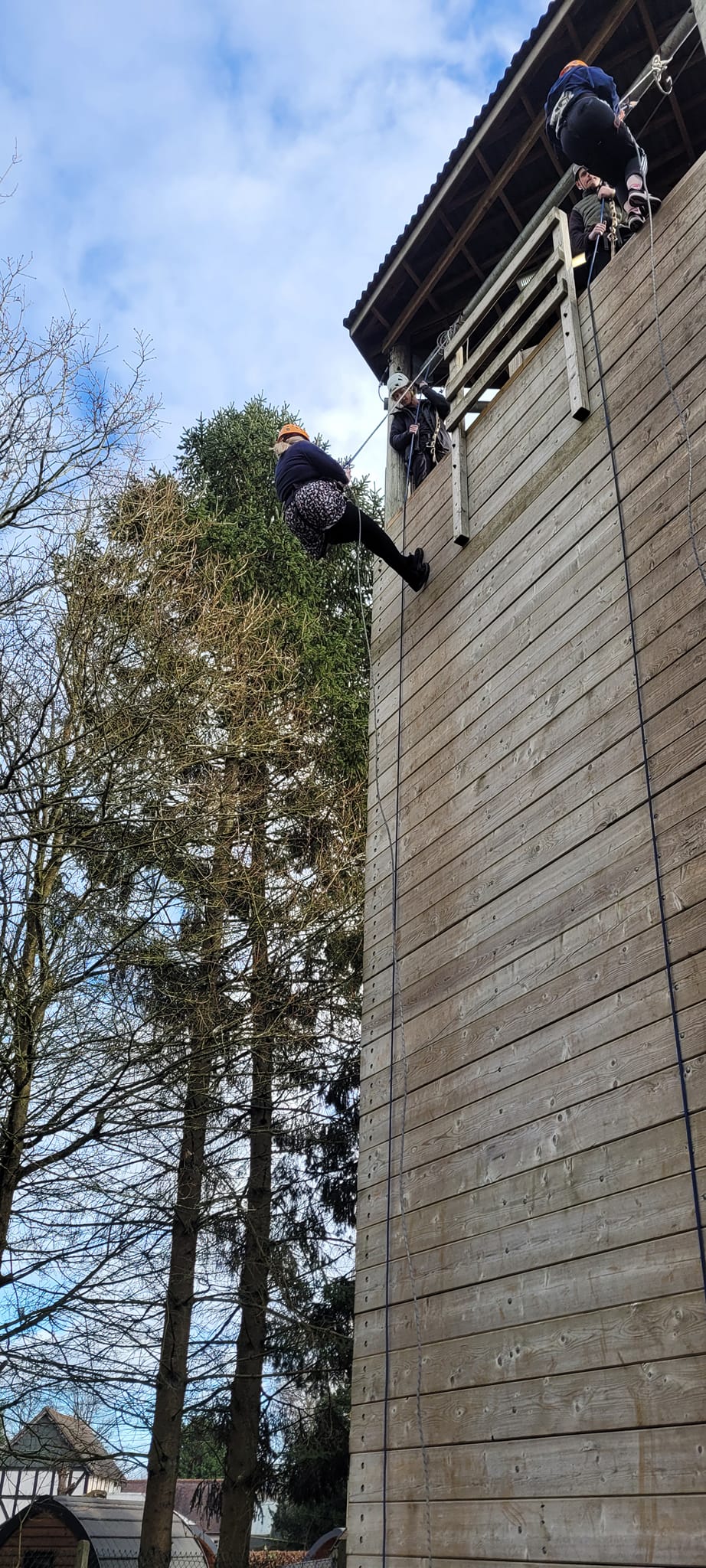
Then it was time for our abseiling session! I was both excited and nervous about this, and it was awesome. The worst part was just hanging over the edge, but once I started going down it was fine. I ended up having about three goes. Everyone was really encouraging and we all took photos of each other for posterity.

A woman wearing black and an orange helmet abseiling down a wooden wall

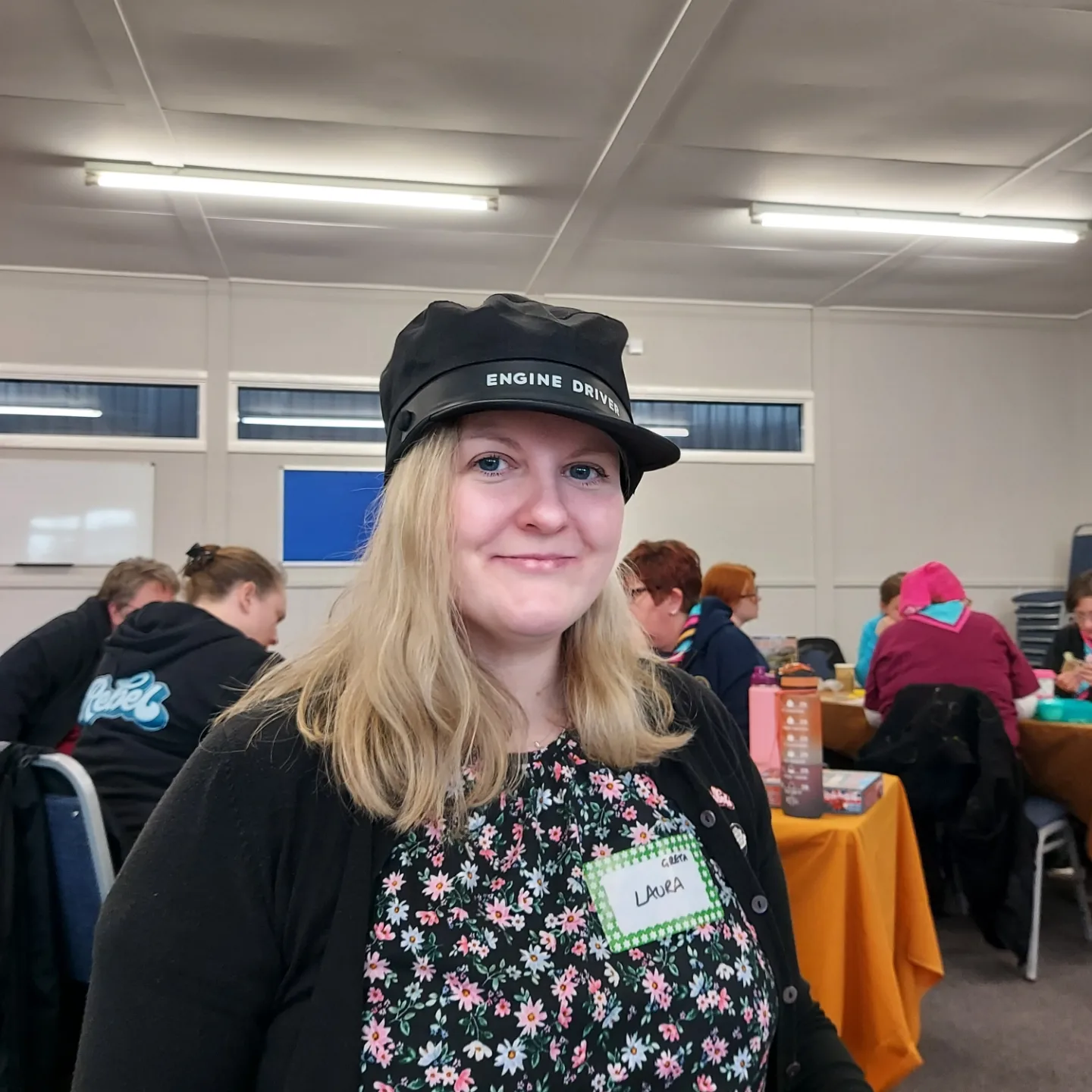
In a bit of a contrast, our next session was board games with Andy Hopwood from Hopwood Games. We got to play a number of board games including Ticket to Ride and Rhino Hero. I won a round of Ticket to Ride so got to wear the train driver’s hat!

A smiling blonde-haired woman wearing a cap bearing the words "Engine Driver"

Finally, we ended the day with a relaxing yoga session.

Once again, I had a brilliant time, even though I was shattered by the end of the day. I’m sad that I won’t be able to make it to the next Reading meet up, as I will be on holiday, but I definitely want to make some autumn meet ups.

Rebel Badge Club: Activist

The Activist badge is something I’ve wanted to work on for a while. Activism is something that both appeals to me and scares me – I’m naturally the sort of person who hates confrontation and likes a quiet life, but I also hate injustice, so wanting to be better at activism is something that means a lot to me.

Identify the change you want to make

The Enough is Enough campaign is something I wanted to get behind. The gap between rich and poor is growing in this country, and the poor are often demonised in our society, as if their poverty is their own fault. This campaign aims to fight back against austerity, and has five demands, all of which I believe in:

  1. A Real Pay Rise.
  2. Slash Energy Bills.
  3. End Food Poverty.
  4. Decent Homes for All.
  5. Tax the Rich.

Educate yourself

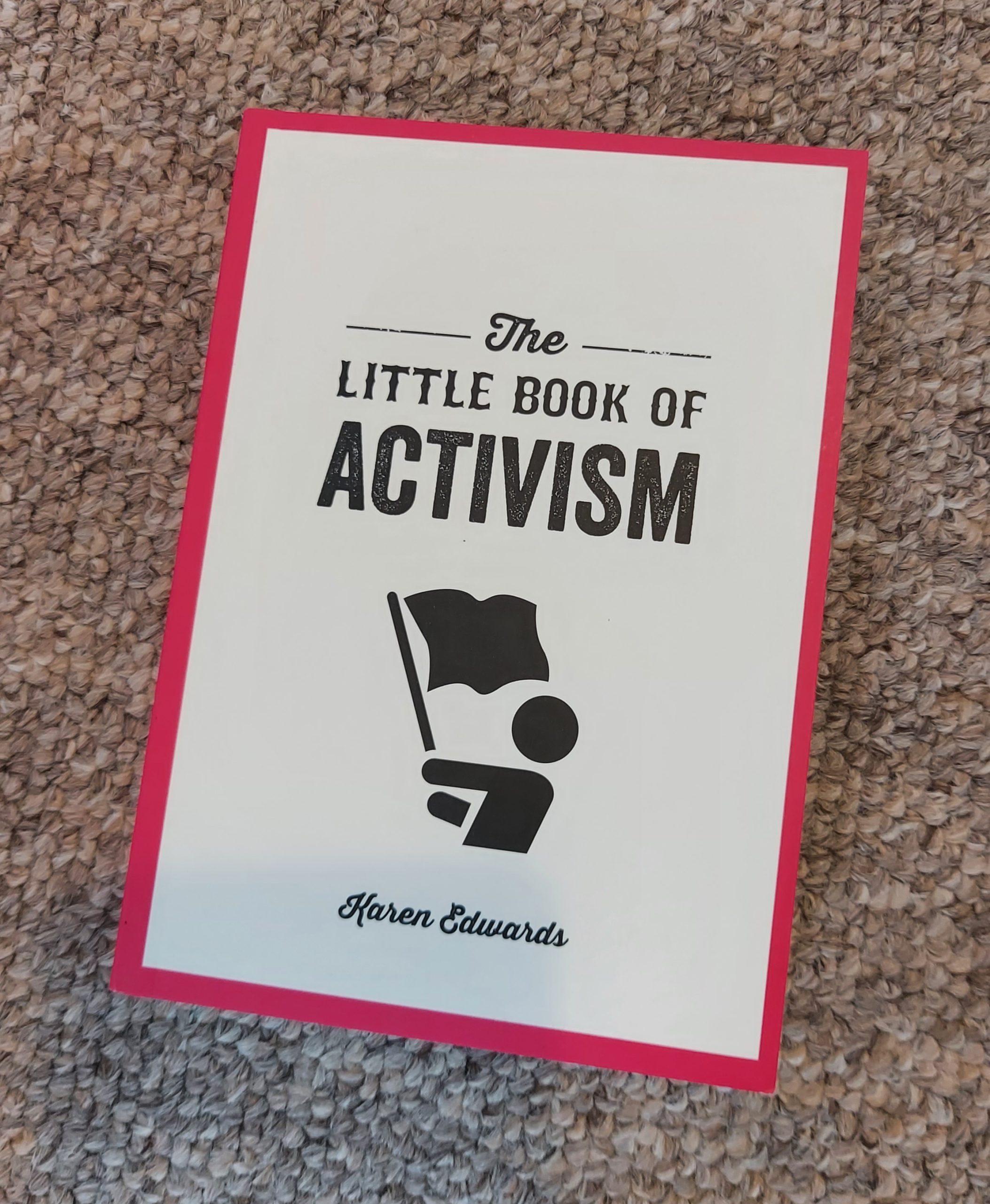
I read three books about activism: The Little Book of Activism by Karen Edwards, The War on Disabled People: Capitalism, Welfare and the Making of a Human Catastrophe by Ellen Clifford, and How to Be an Antiracist by Ibram X. Kendi. I also listened to the Poverty Unpacked podcast.

The Little Book of Activism

Immerse yourself

I signed up to the Enough Is Enough mailing list and have stayed up to date with the campaign through social media.

Show up

On 1 October 2022 I attended the Day of Action protest at King’s Cross, one of many protests taking place all across the country.

Be counted

I signed and shared the petition defending the Right to Strike.

Raise funds

I did the London Winter Walk as part of my Explorer badge and raised £175 for the Trussell Trust in the process.

Activism & the arts

I did something a bit different for this clause. Alphonse Mucha is my favourite artist but in the past I’ve only really focused on his Art Nouveau works. For this clause I looked at his work on The Slav Epic, which he felt was his most important work. Here is my online scrapbook.

Date completed: 28 February 2023

Rebel Badge Club: The LOVE Challenge

February’s challenge was the LOVE Challenge, appropriately enough since this is the month of Valentine’s Day. I used to hate this day but I am a bit more tolerant of it now! I actually had a lot of fun completing the clauses this month.

Once a week, all month, make a conscious effort to treat yourself

To treat myself this month I chose a trip to the theatre, a PALentine’s Bouquet Workshop with LUSH, a meal out with a friend, and a trip to the Big Rebel Meet Up in Bromsgrove.

I also completed the following six clauses of my choice:

Make a rose from a medium of your choice.

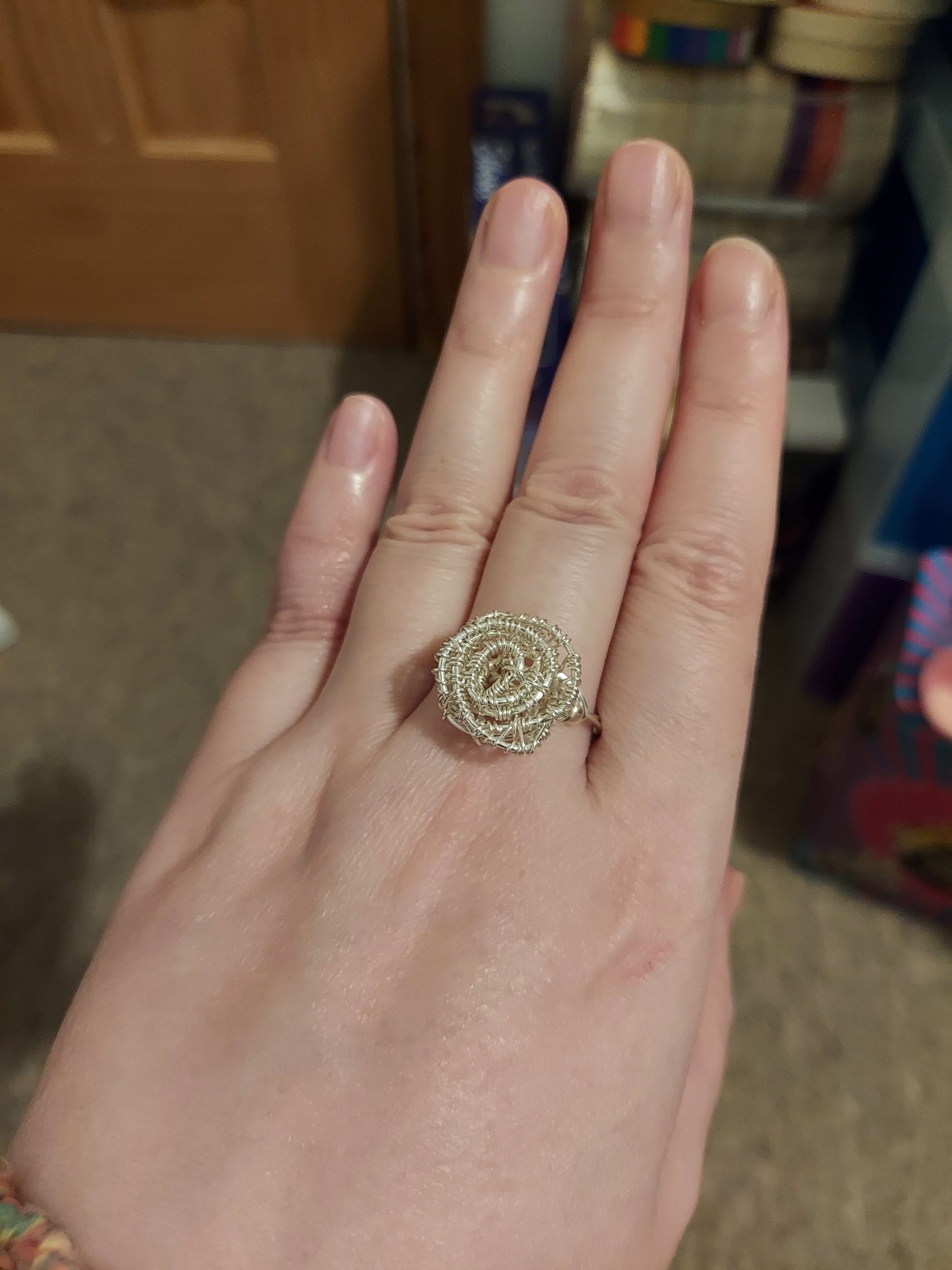
I bought a kit online and made a wire-wrapped rose ring. It was tricky but I’m quite pleased with the final result. I’m going to give it to my mam for Mother’s Day.

My hand, wearing my silver wire-wrapped ring

Learn about the five love languages and recognise which apply/ies to you.

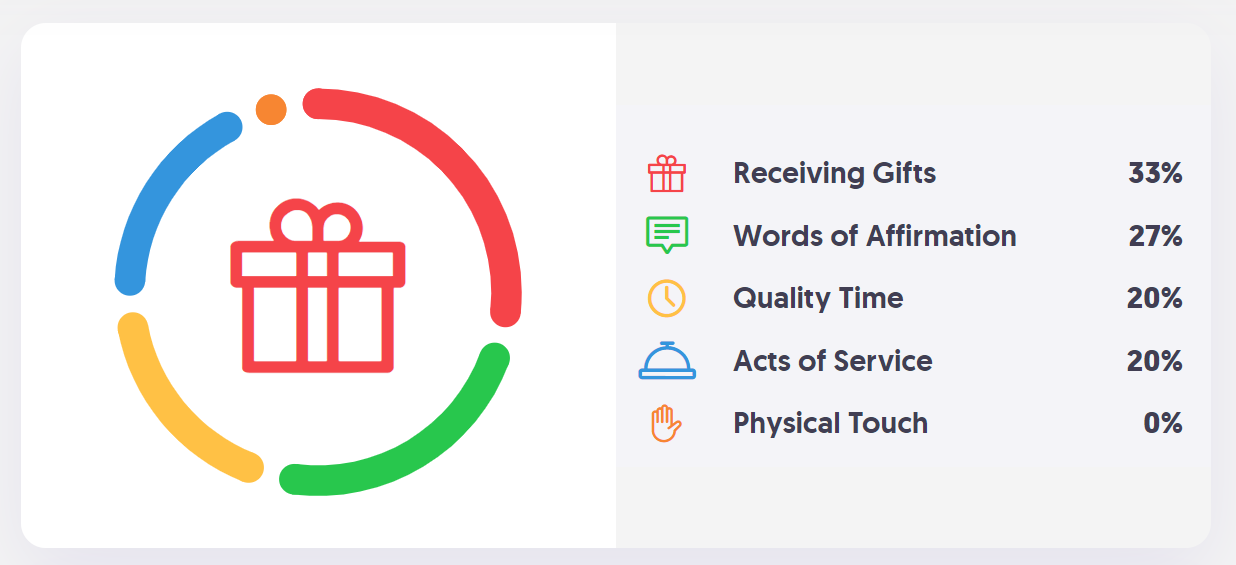
Another Rebel kindly provided a link to a love languages quiz. My results did not surprise me:

My love languages pie chart
Receiving Gifts: 33%
Words of Affirmation: 27%
Quality Time: 20%
Acts of Service: 20%
Physical Touch: 0%

Learn about the history of Valentine’s Day.

I found this article on the topic which was very interesting.

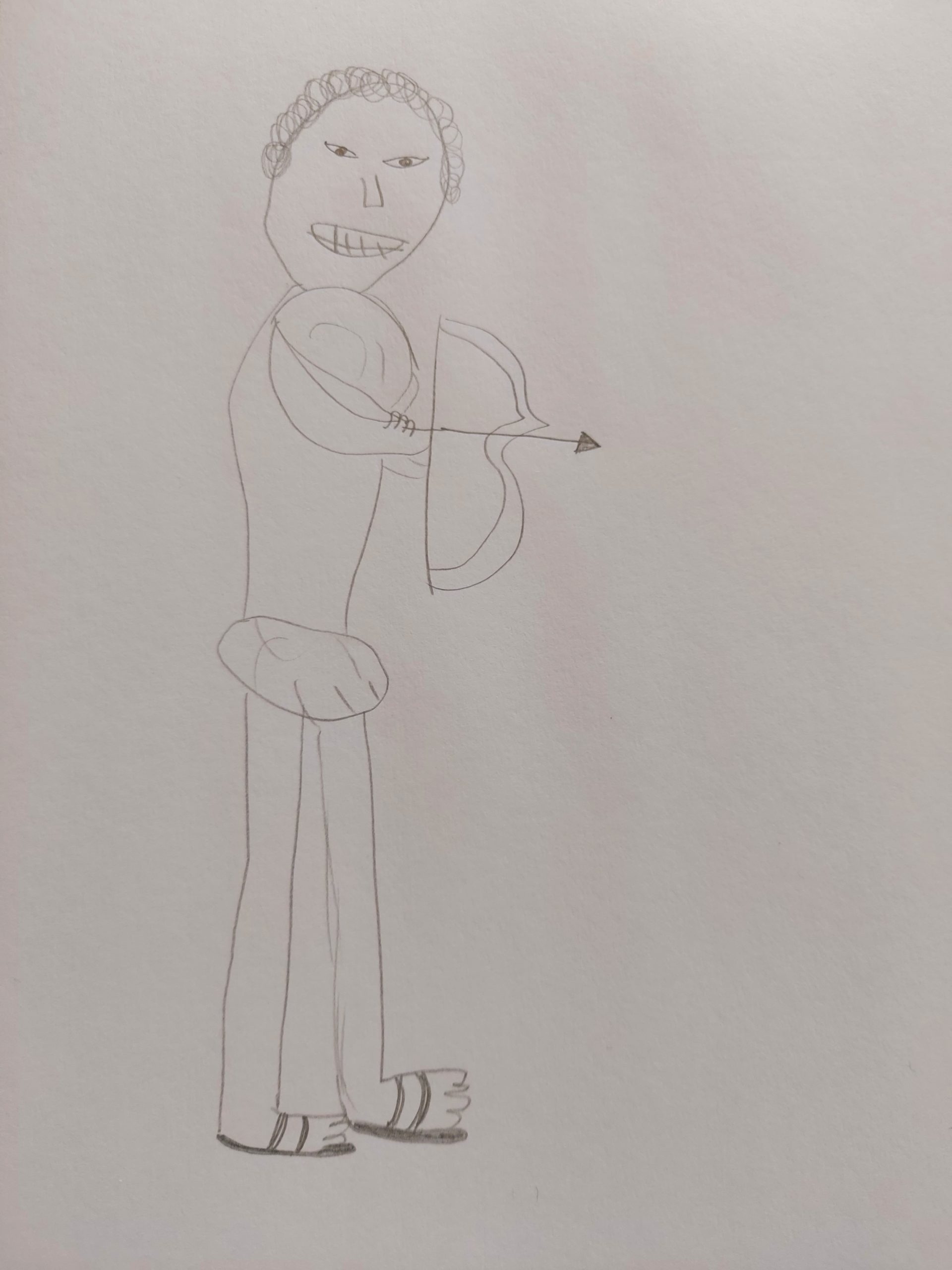
Draw or paint a picture of Cupid.

Yes, I know it looks like a five-year-old child drew it, but it’s my work, I promise!

a very bad drawing of Cupid, looking slightly evil

Research the origins of the heart symbol and how hearts came to represent love.

I found this article which was so interesting – I had no idea the shape had such a history!

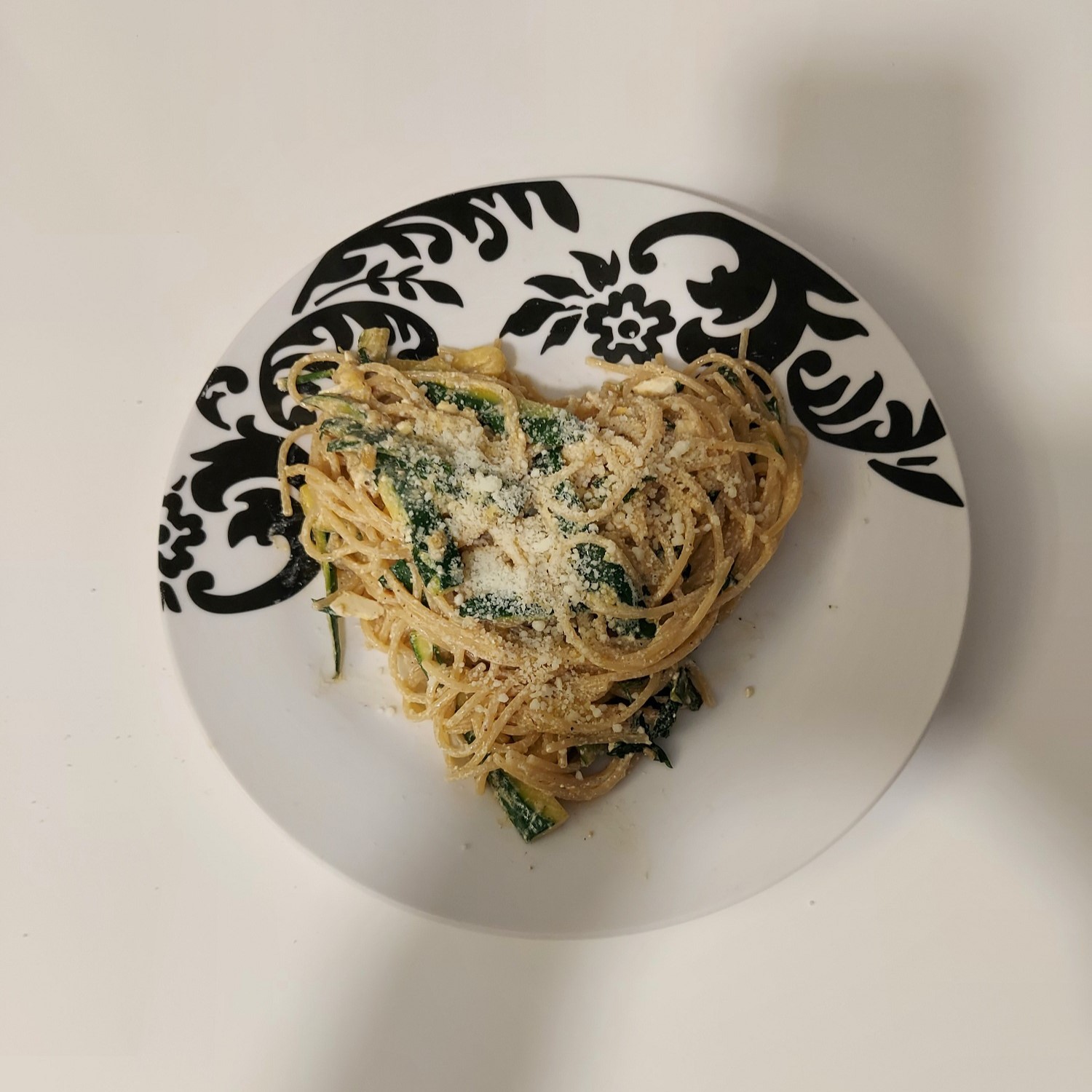
Create a heart-shaped food.

Here is my beautifully presented spaghetti dish!

spaghetti arranged on a plate into a heart shape

Hieroglyphs: unlocking ancient Egypt – British Museum

The second exhibition I visited was Hieroglyphs: unlocking ancient Egypt at the British Museum. I love ancient Egypt – who doesn’t? – so I definitely wanted to see this.

Unlike many exhibitions on the topic, there are few mummies and tales of the Pharaohs to be found here – the focus of this show is the struggle to crack the code of Hieroglyphics. The Rosetta Stone, which inspired this breakthrough, is on display here: as it bears the same text, written in three different languages – hieroglyphs, demotic and Greek – it was the key to deciphering the mysterious pictorial language of the ancient Egyptians.

Before this discovery, hieroglyphic writing was thought by many to have magical or occult powers, and artefacts with such writing were often displayed by collectors in cabinets of curiosity. Items on display in the exhibition include a black granite bathtub, inscribed with spells to give bathers relief from lovesickness, and a model of a man’s torso covered with writing and pictures of gods.

The exhibition traces the complex history of how wars, invasions and conflicts both buried the meaning of hieroglyphs and assisted in its rediscovery: the Rosetta Stone was discovered by scholars accompanying Napoleon’s soldiers at a fort they were occupying. It follows the race between British polymath Thomas Young and Frenchman Jean-Francois Champollion to be the first to crack the code; Champollion won, outlining his findings in a letter that was read in public on 27 September 1822.

I really enjoyed the exhibition, but despite all the interesting information outlined above, the best thing I learned from it is that ‘cat’ in ancient Egyptian is ‘mioew’.

Ancient Egyptian statue of a cat