Hanwell Zoo

sign at the entrance of Hanwell Zoo

At the weekend I decided to take a trip to Hanwell Zoo. Amazingly, despite having lived in Ealing for a decade, I had never been. I walked there, which took about an hour, but there are also buses available, which shorten the journey time considerably.

Hanwell Zoo is a small zoo that aims to promote education and conservation while ensuring community inclusion. It works with schools, youth and community groups to promote animal welfare as well as other skills such as English, maths and ICT.

The zoo holds a number of animals whose numbers in the wild are declining. The Bali starling, the red-crowned crane, the hazel dormouse, Azara’s agouti and the phantasmal poison arrow frog are all held at the zoo.

I booked my ticket online but I could also have bought one on the day. The entrance to the zoo is located within Brent Lodge Park. It was a cold but bright day when I visited, perfect for walking around.

Red-crowned crane

I had a lovely time seeing the different animals at the zoo. I particularly liked the flamingos and the meerkats. There were also donkeys, rabbits, a goat and several species of bird, as well as lemurs, not to mention a couple of very cute alpacas. There are two capybaras but I didn’t manage to see them until I was on my way out!
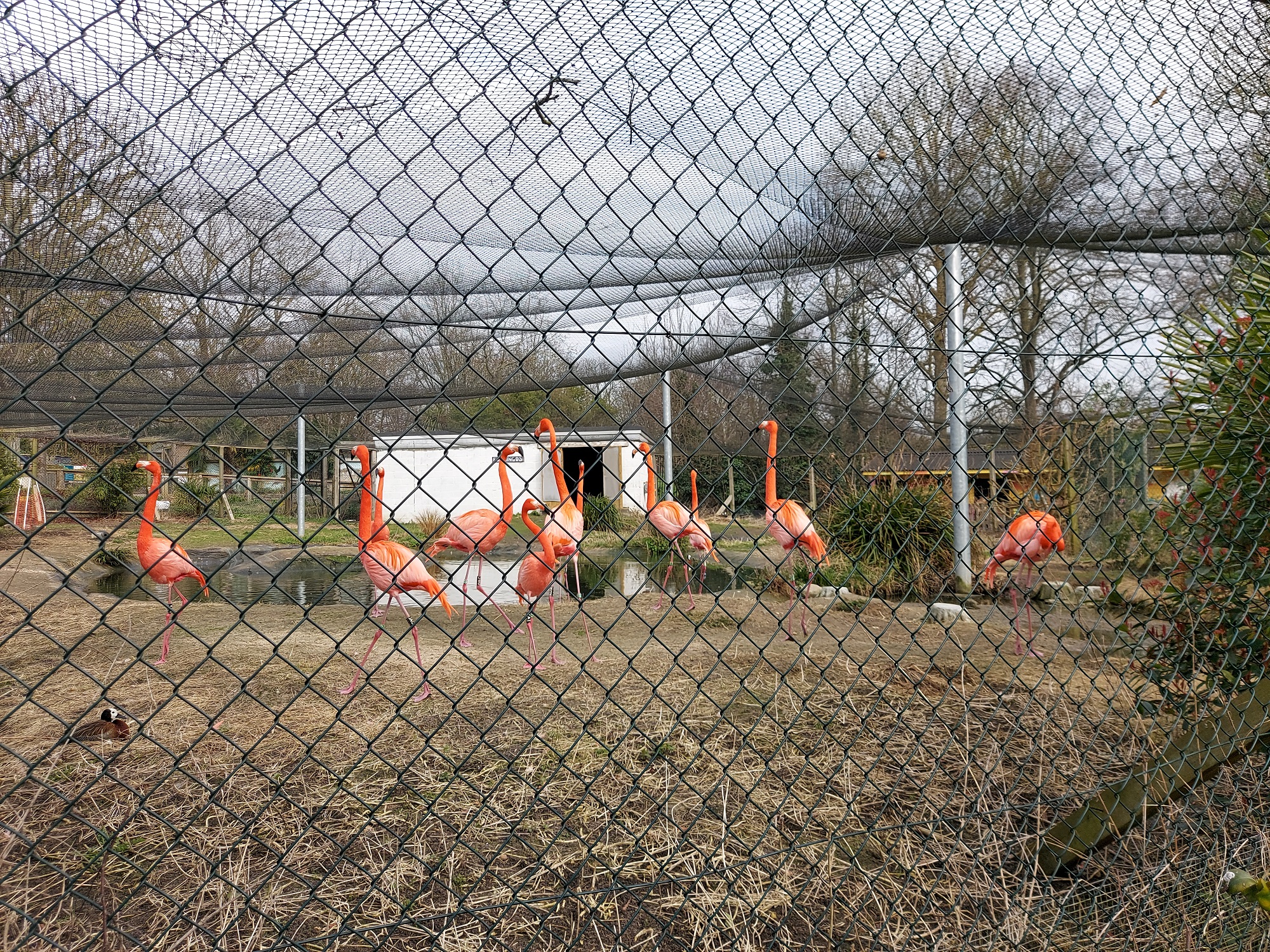
Flamingos

Hanwell Zoo is a really nice day out for anyone living or spending time nearby. The zoo does a lot of community, education and conservation work which are worth supporting. It’s not very big but great value for money, and there is a cafe nearby if you want to stop for refreshments.

FACTS

Address: Church Road, Hanwell, London, W7 3BP

Website: hanwellzoo.co.uk

Opening Hours: 10-4 every day except Christmas Day.

Prices: Adult £4.50, child £2.50

Whipsnade Zoo

Whipsnade Zoo sign

I’ve been to London Zoo before, but the other zoo owned by the Zoological Society of London – Whipsnade Zoo – has been on my list for a while. I thought it would be tricky to get to, and I wasn’t wrong – you have to get a train to Luton followed by two different buses. It’s much easier if you have a car.

Chameleon

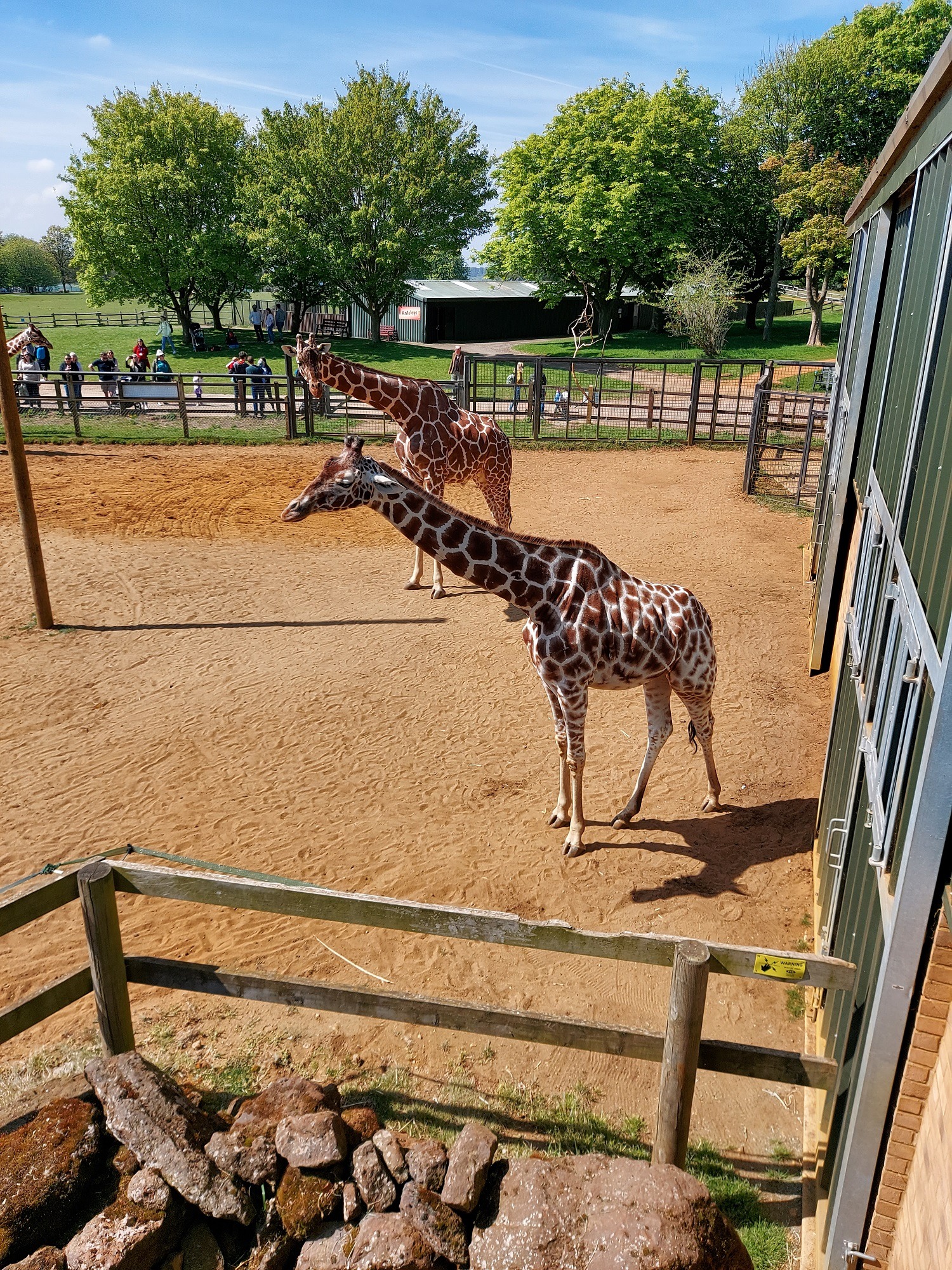
Whipsnade’s rural setting means there is much more space for larger animals such as elephants and giraffes. The park is huge but I did manage to walk around it in a day with no issues. It helped that the weather was really lovely. If you do have a car, you can drive around the park.

Giraffes

There is a map at the entrance which helpfully shows you where everything is. I took an approximately clockwise route around the park which meant that I began with the Aquarium and Butterfly House before going to look at the farm animals. I got a bit lost and ended up in the Africa section looking at the giraffes, before getting my bearings and heading over to the tigers, via the otters.

Elephants

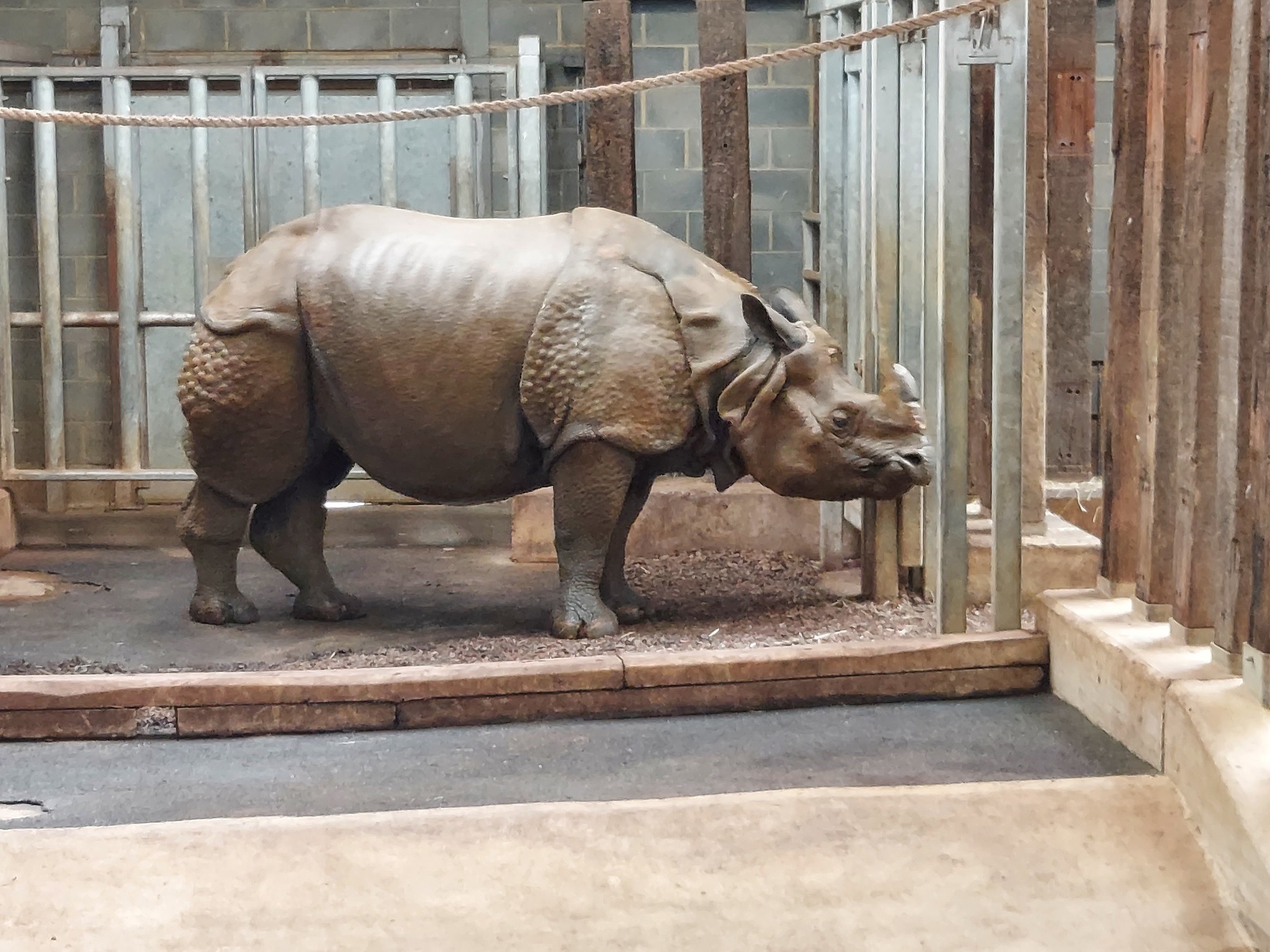
I took a trip on the railway – this was a small extra charge but was a great way to see some of the larger animals like elephants and rhinos. I also encountered them again walking around the park – the elephants were enjoying their lunch at that point. Along the way I spied sloth bears, antelope and yaks.

Rhino

After some lunch I went to see the lions, which are currently visiting from another park. I also spied zebras and hippos – the pygmy hippos were particularly cute. At this point I headed up to the lemur enclosure before the walkthrough closed for the day – these little guys were adorable.

Lemur

I had planned to visit the penguin enclosure at the end of the day, thereby leaving the best until last. In the end I found myself there in the early afternoon and had some fun watching them have their dinner. Finally I saw the boars, who recently had babies and were SO cute.

Penguins

Despite the journey there being a bit of a trek, I really did enjoy my day. Whipsnade is well worth a visit, though if you have a car, I do recommend taking it.

FACTS

Address: Whipsnade, Dunstable, LU6 2LF

Website: zsl.org/zsl-whipsnade-zoo

Opening Hours: The zoo is open every day (except Christmas Day) from 10am until 4, 5 or 6pm depending on the time of year.

Prices: Adult prices range from £24.50 to £33 depending on time of year and time of booking. Cheaper prices are available for children, students and seniors.
Northfields Allotments Halloween Trail 2021

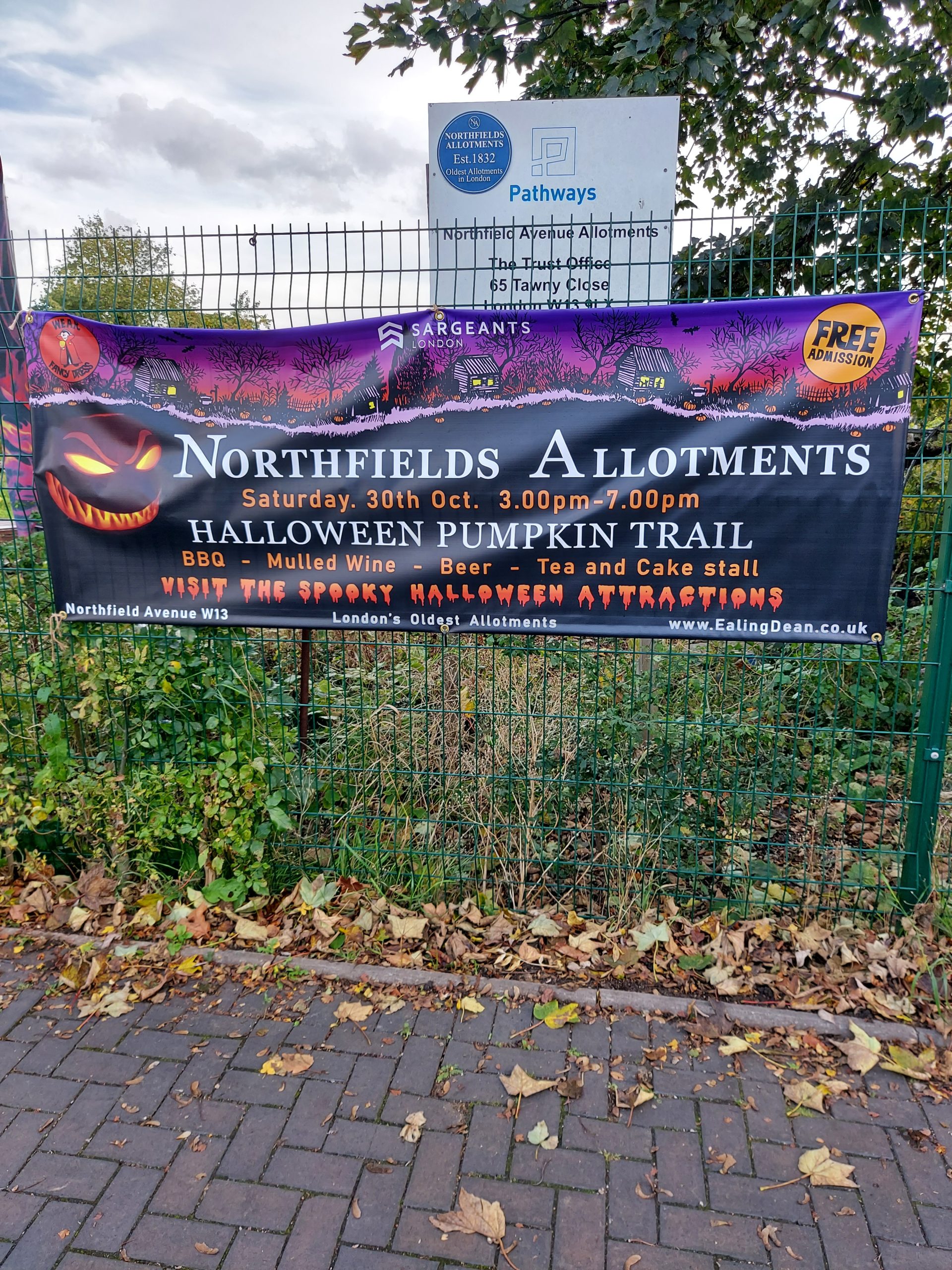
Northfields Allotments sign

As I was browsing Facebook earlier this year, up popped an event that intrigued me – the annual Halloween Trail at Northfields Allotments. These allotments are local to me and I love Halloween, so I decided to pay the trail a visit – it was free, after all.

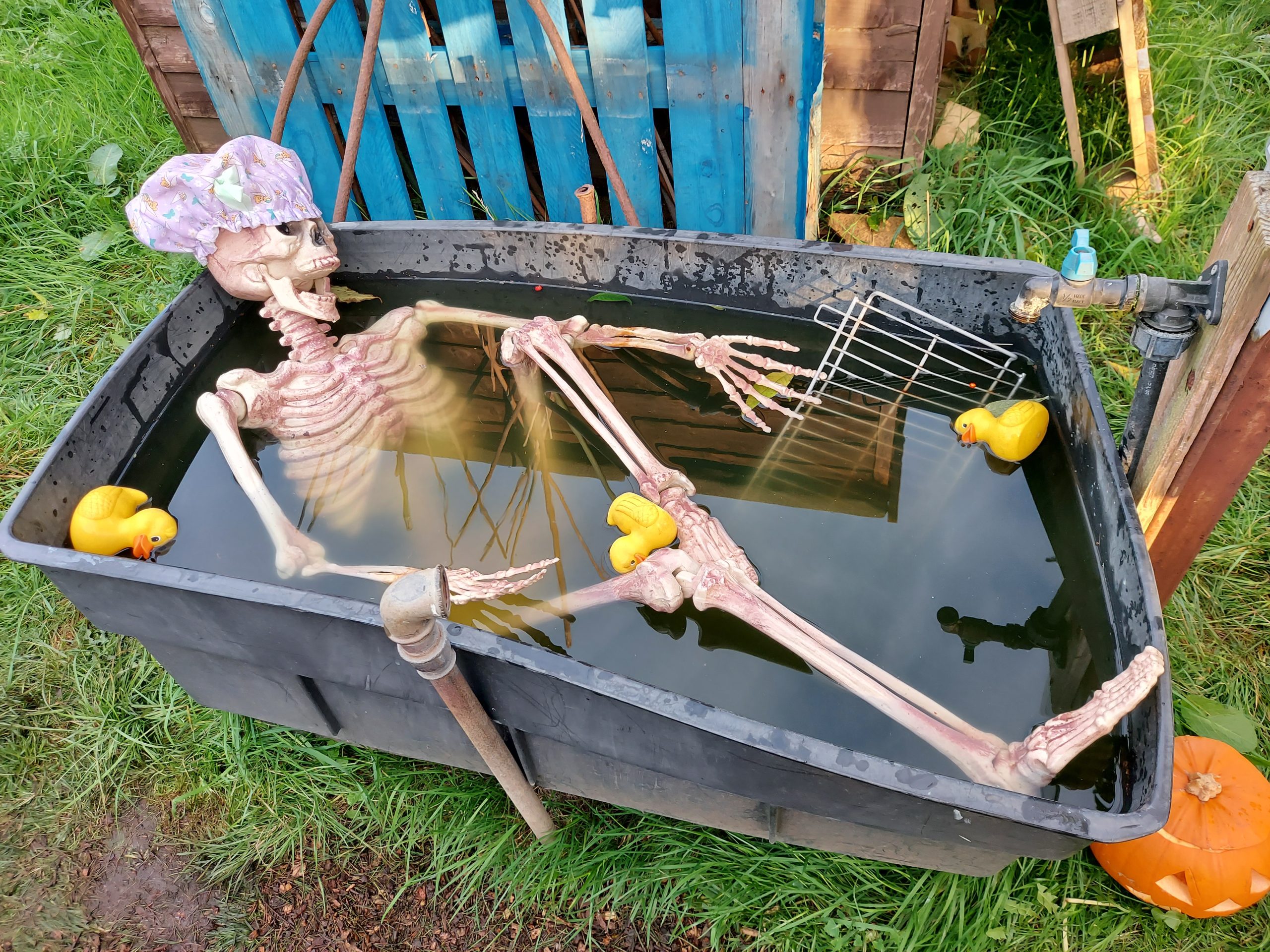
Skeleton in a bath

Northfields Allotments are the oldest allotments in London and apparently this event has been running for a few years (it was cancelled last year due to Covid). It seems to be hugely popular – when I arrived the queue was round the block! Luckily, I managed to find another entrance that was less crowded. Once inside, there was a one-way route round the trail.

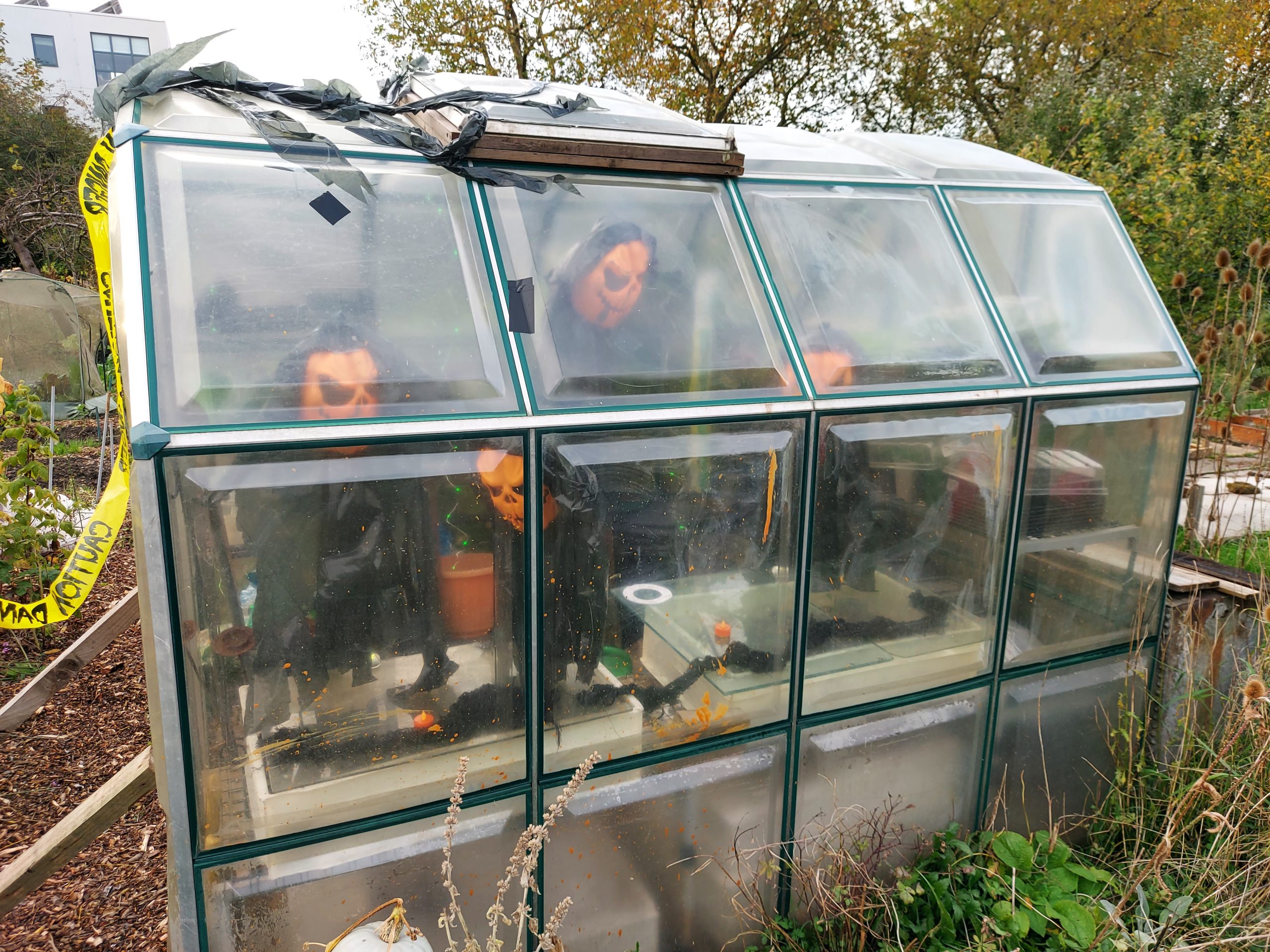
Pumpkins in a greenhouse

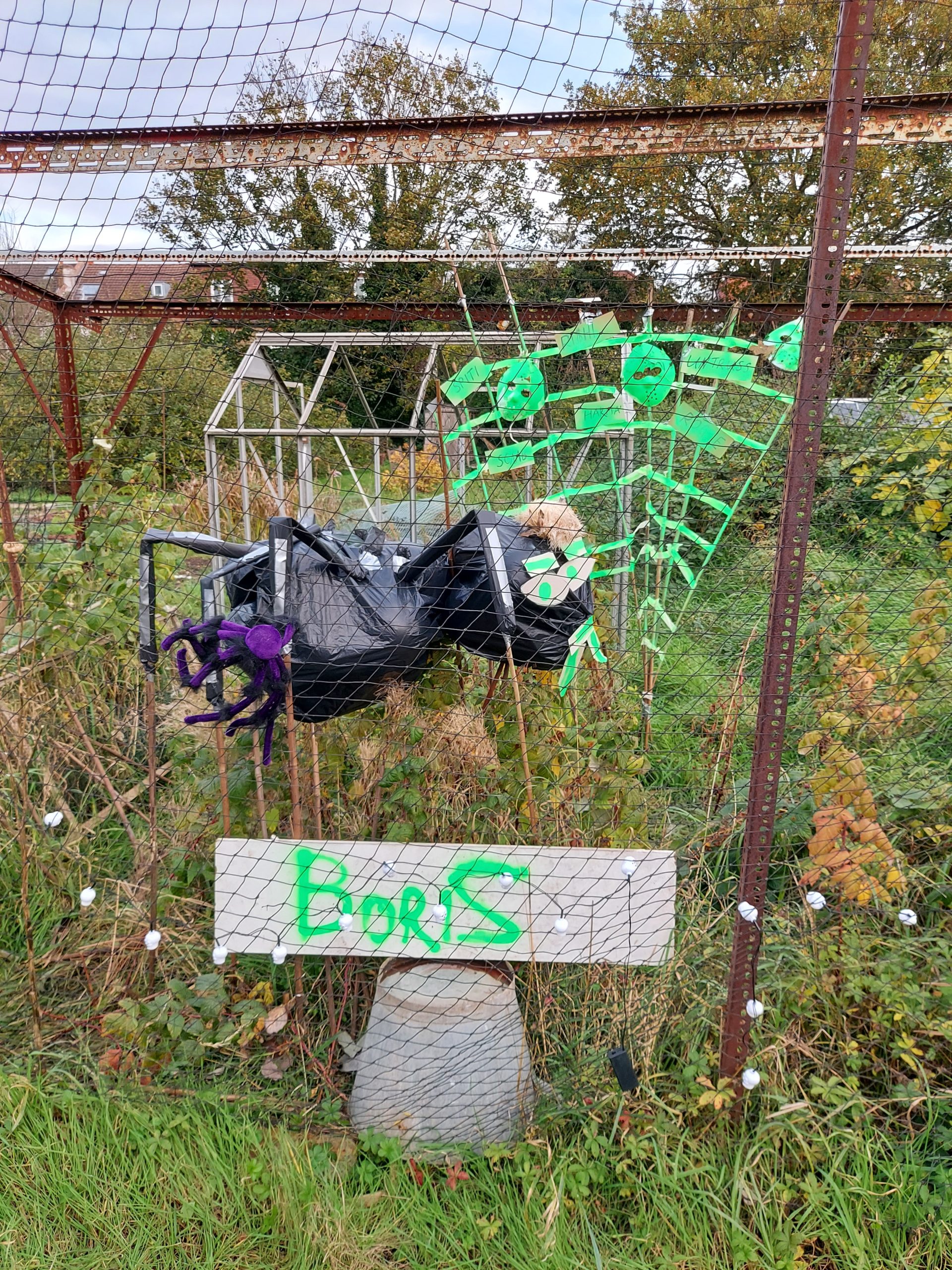
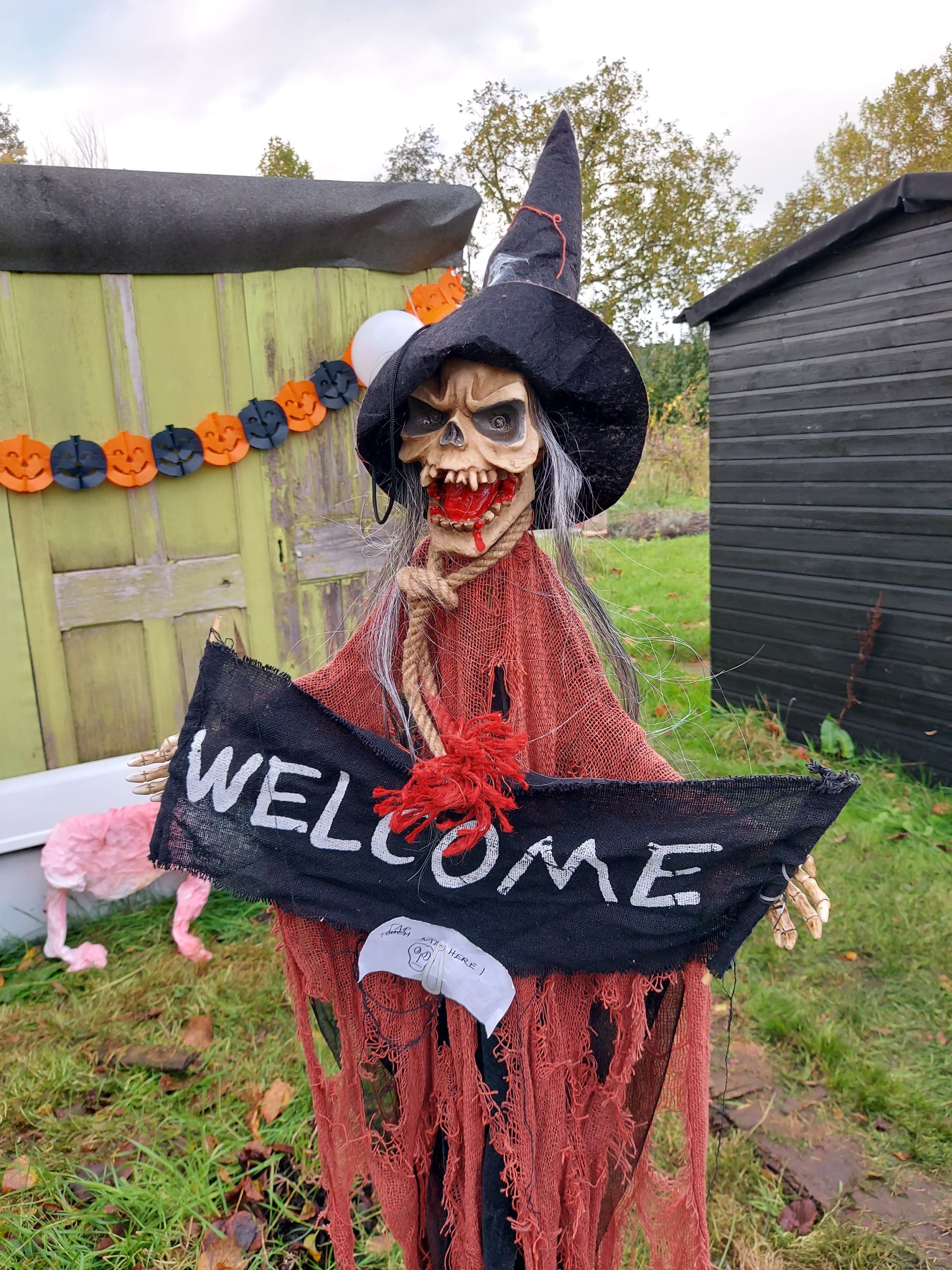
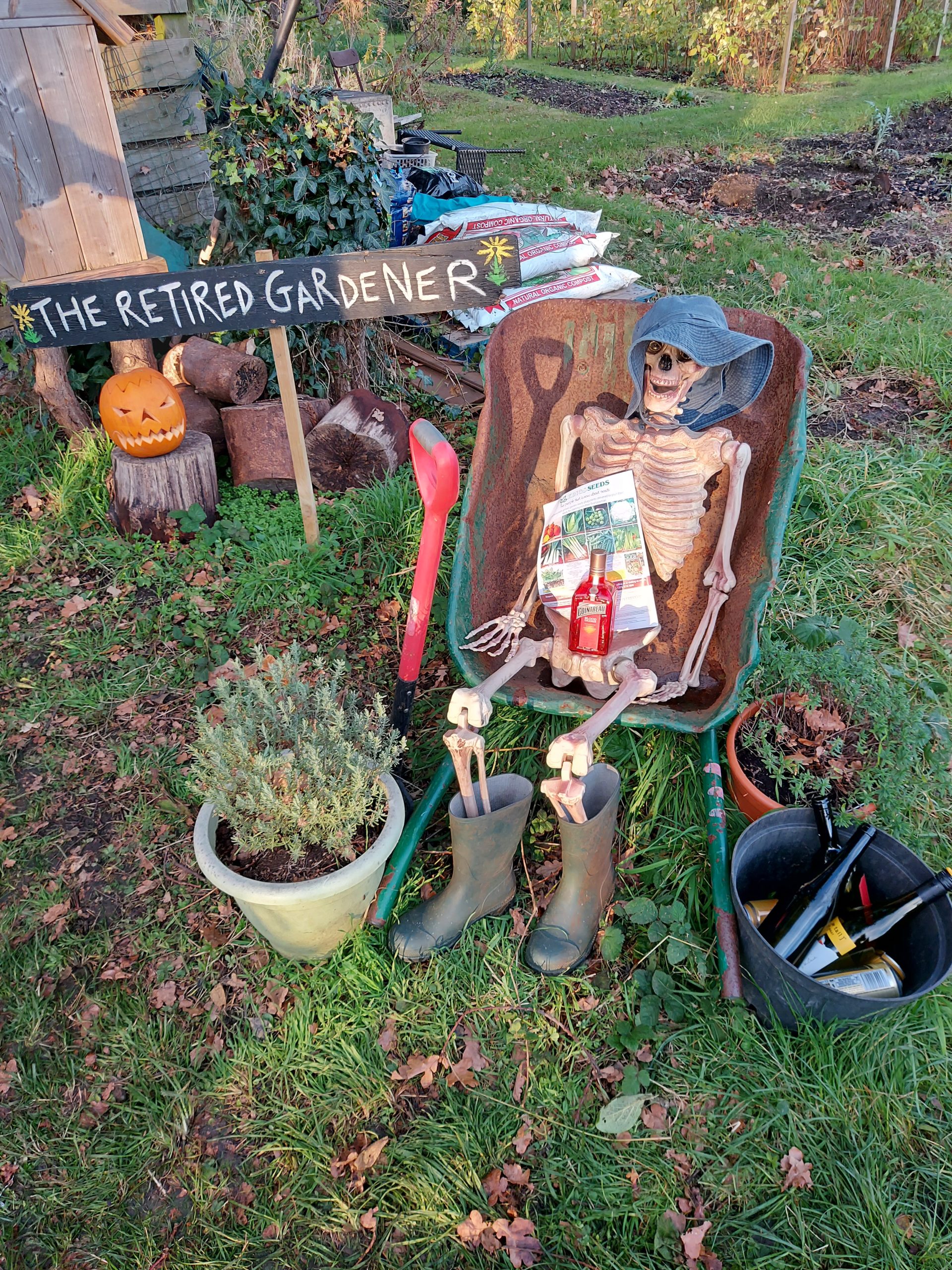
The plotholders of the allotment clearly went all-out to create a brilliant spectacle. There were some fantastic displays. The event is clearly aimed at children, but that didn’t stop me enjoying myself. I didn’t stop at the refreshments area as it was rather busy, but there were plenty of drinks and food available.

Well done to the team at Northfields for a brilliant event.

Bushy House and Gardens – Open House London

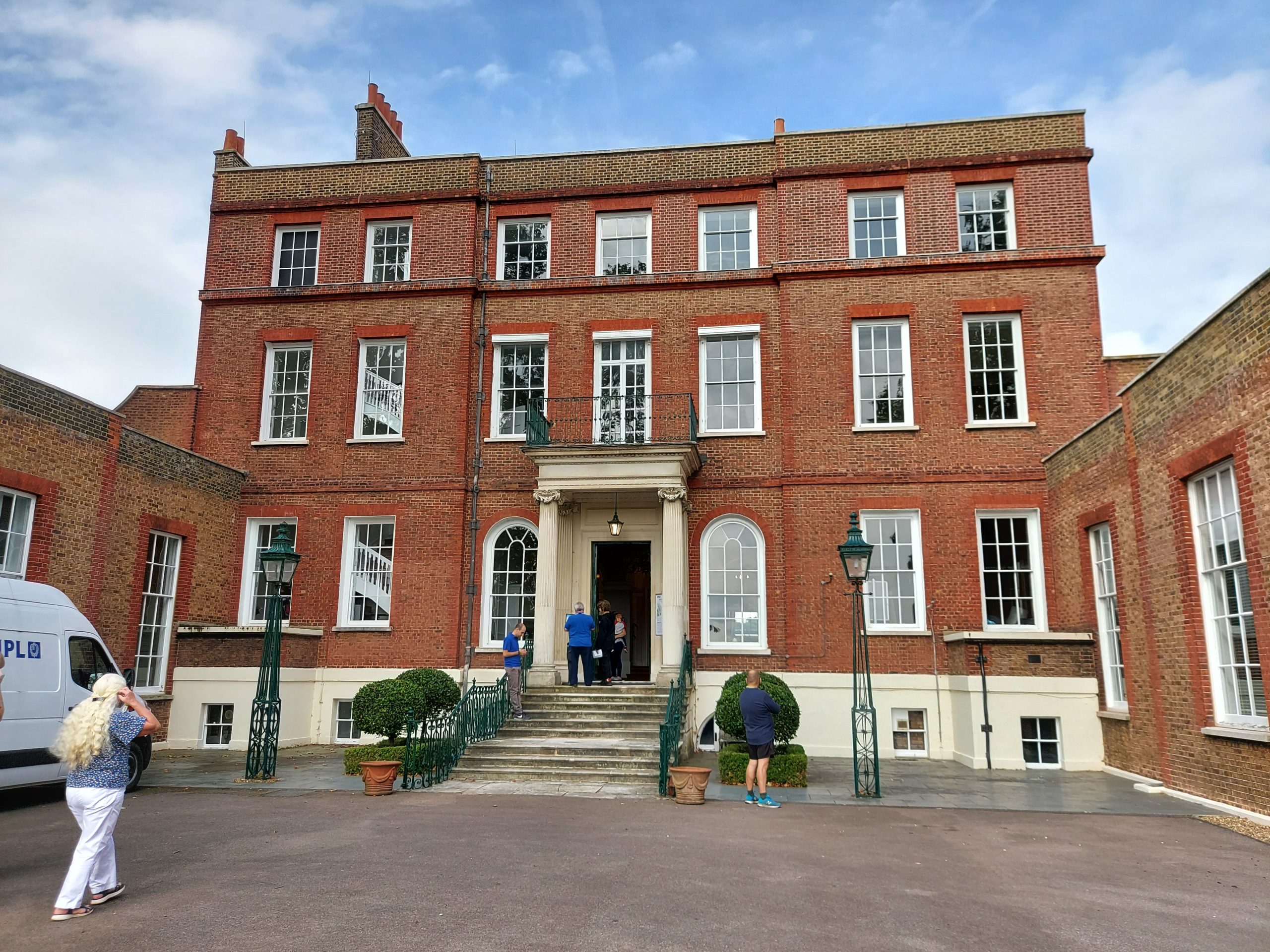
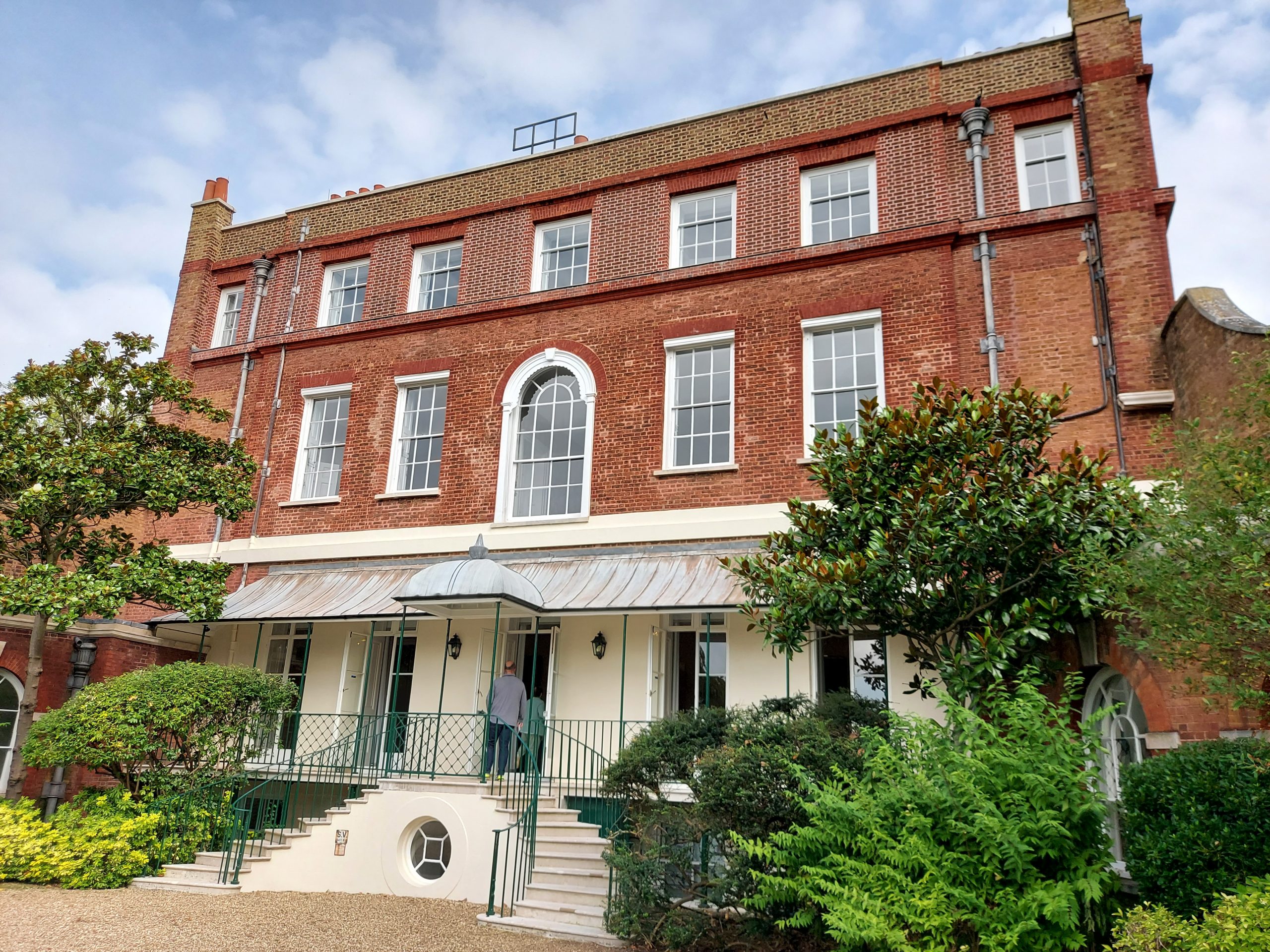
Bushy House

As part of Open House London this weekend I paid a visit to Bushy House and Gardens in Teddington. The house has a long and distinguished history, is a former residence of King William IV and Queen Adelaide, and is now part of the National Physical Laboratory. It is rarely open to the public, so this was an exciting event.

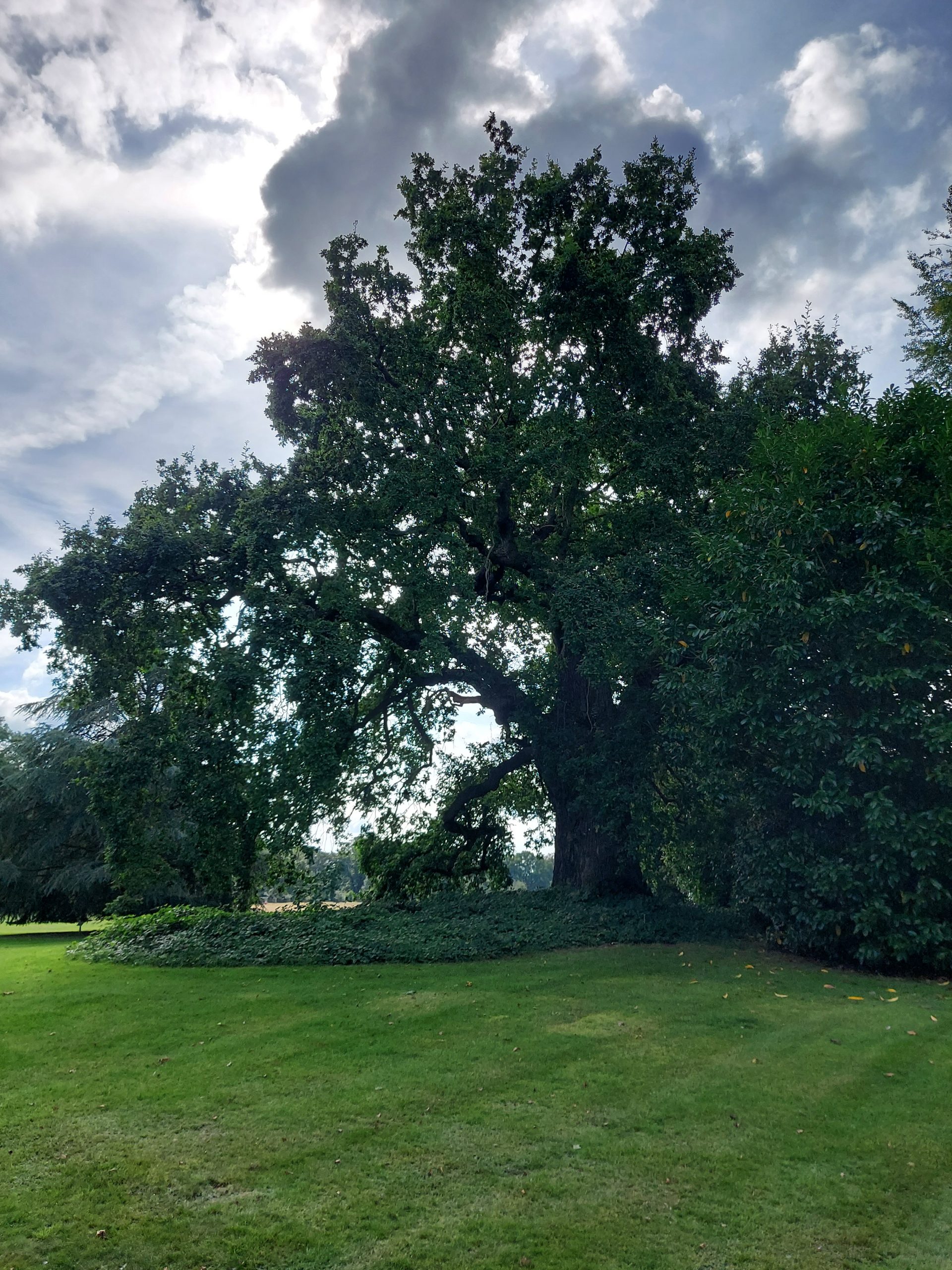
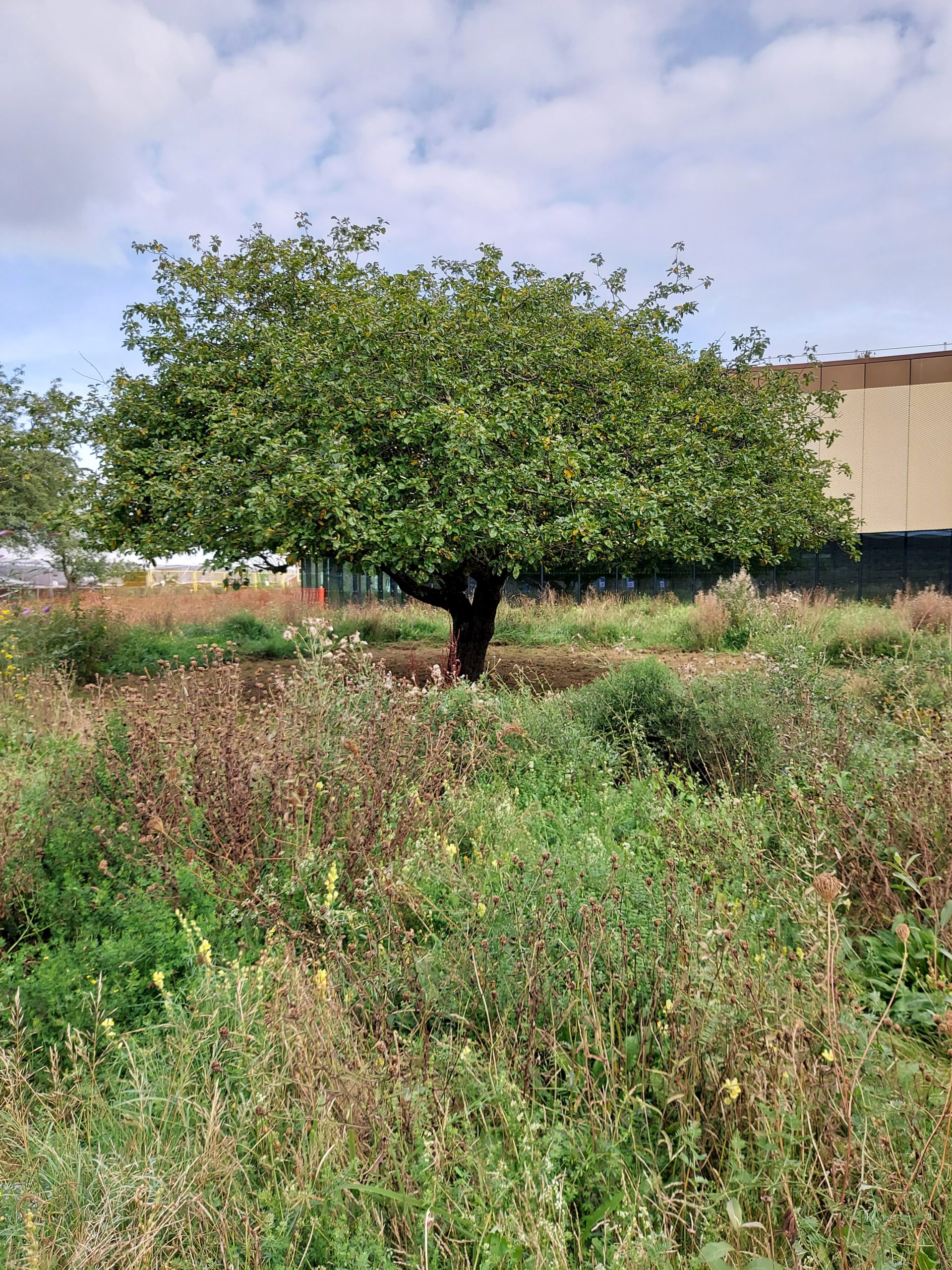
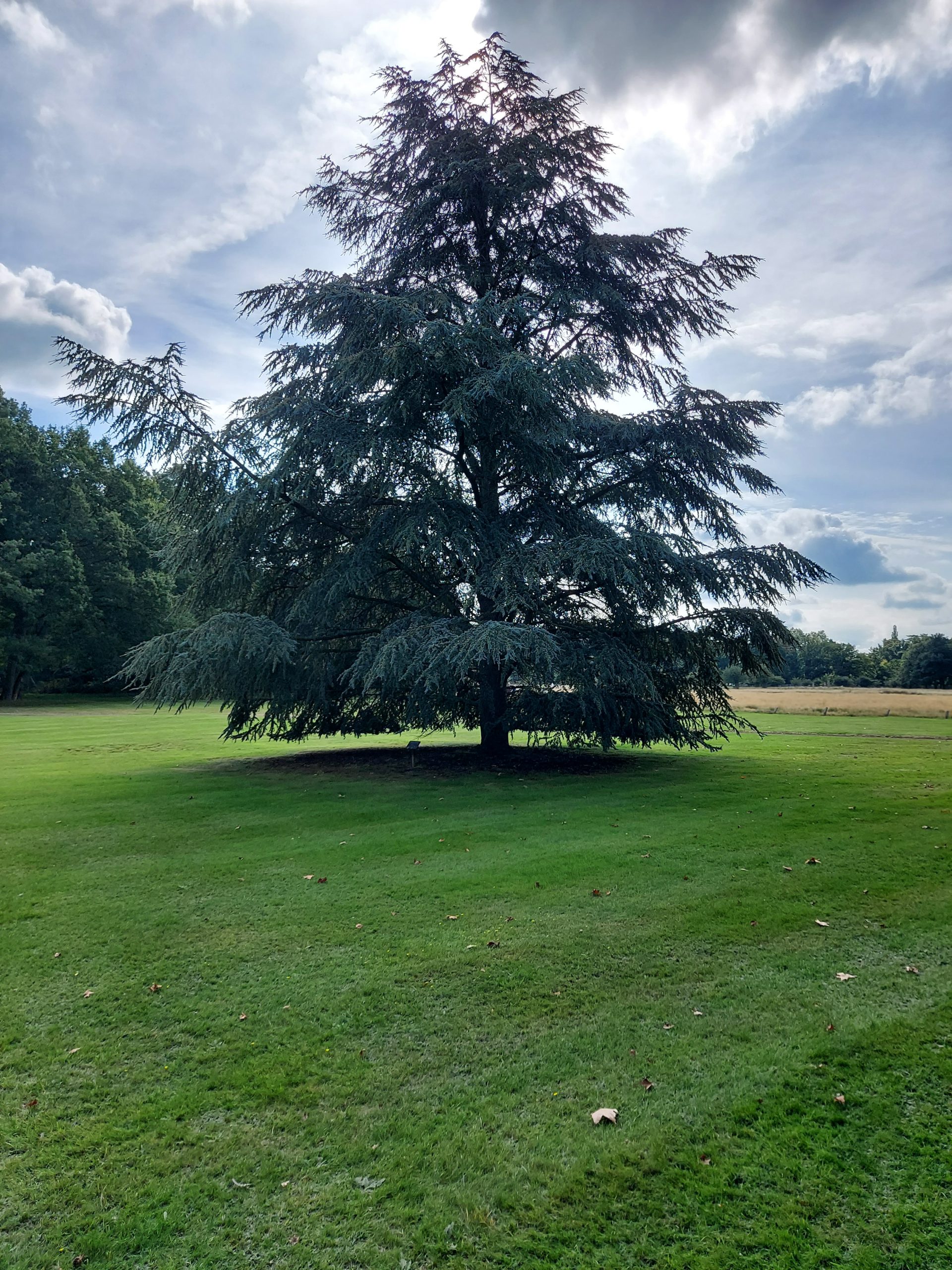
It was a beautiful sunshiny day, and we enjoyed some science demonstrations with liquid nitrogen that were taking place on the lawn. We also explored the grounds, visiting a temple and some impressive trees, including one planted for the Queen’s Silver Jubilee, an ancient oak, and an apple tree descended from Newton’s original.

We also found time to visit the house itself. These days the house is most often used for meetings and conferences, although it also contains some laboratories and a museum. The museum mainly contains scientific equipment and also tells the story of the house through the ages.

Bushy House

The house was originally built in 1663 by William Samwell for Edward Proger, but was rebuilt by the Earl of Halifax from 1714 to 1715. In 1797, King George III made his son, the Duke of Clarence, ranger of Bushy Park, and Clarence lived there with his mistress Dorothea Jordan and their ten children. Their relationship ended in 1811 and Clarence’s wife Princess Adelaide moved in after their marriage in 1818. Clarence was at Bushy House in 1830 when a messenger arrived from London to inform him that King George IV was dead and he was now King William IV. After William’s death in 1837, Adelaide continued to reside at the house as ranger until her own death in 1849.
Later in Queen Victoria’s reign, the house was used by members of the exiled French royal family, but became empty after the death of the last of the line. The National Physical Laboratory chose Bushy House for its headquarters, and the Prince of Wales (later King George V) officially opened it in 1902.

It was great to get the chance to visit and everyone had a lovely day.

Bunhill Fields

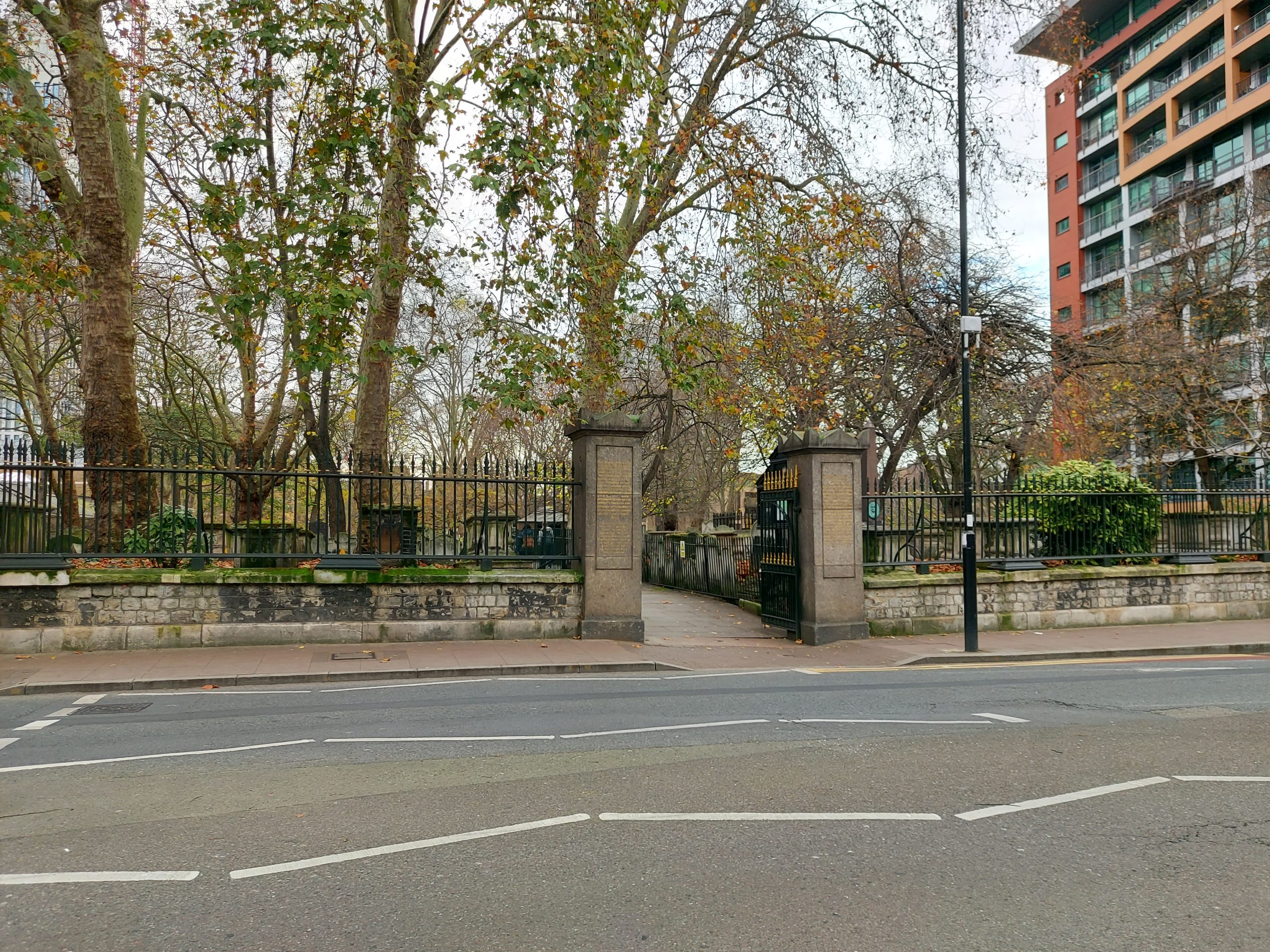
Entrance to Bunhill Fields

I can’t believe I’ve been living in London for nearly a decade and still haven’t visited Bunhill Fields burial ground. This piece of land in the borough of Islington was a burial place for mainly Nonconformists from 1665 until 1854, and is now a pleasant garden for Londoners to walk through and even sit and eat their lunch on a sunny day.

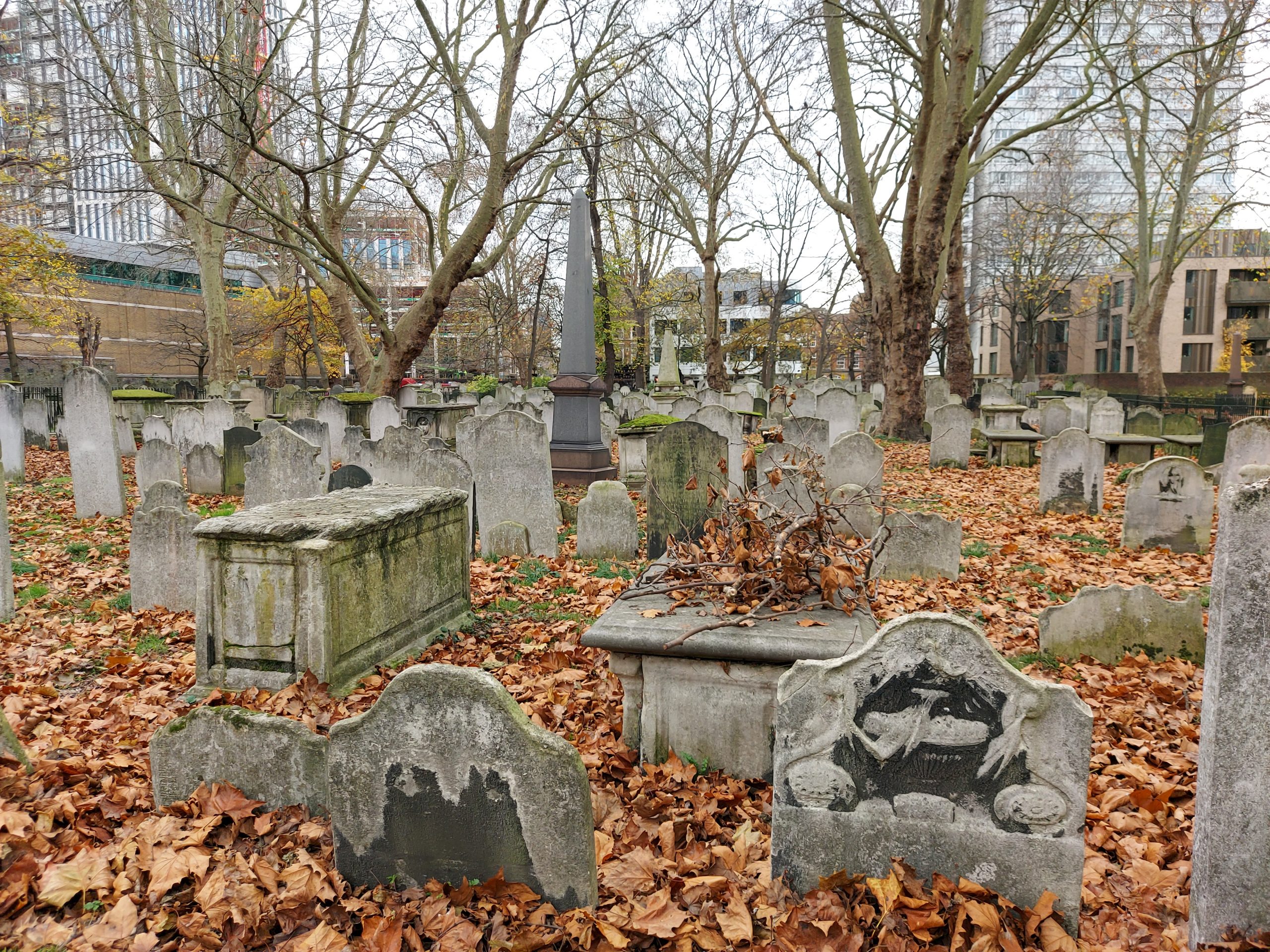
Bunhill Fields

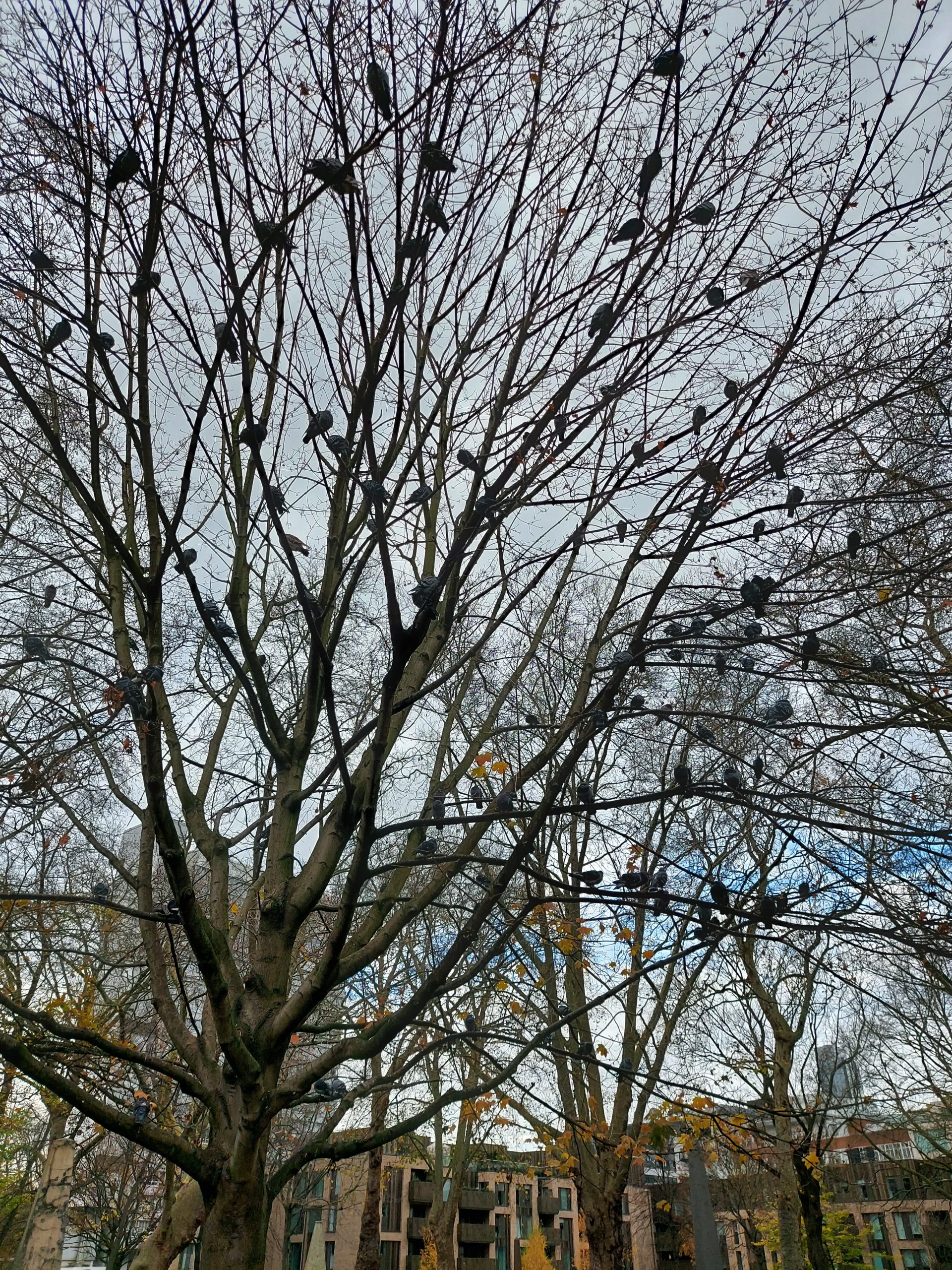
I visited on one of my days off as I was in central London. It was a cold November day, but it was dry, and the orange leaves made the burial ground look delightfully autumnal. A tree on which numerous birds settled made me feel slightly uneasy, but it added to the atmosphere.

Tree of birds

The name ‘Bunhill’ derives from “Bone hill”: the area experienced occasional burials from at least Saxon times, but was used as a mass deposit for human bones (over 1,000 cartloads) brought from St Paul’s charnel house in 1549. These bones, covered with a thin layer of soil, built up a hill across the otherwise flat area.

In 1665, it seemed a natural decision for the City of London Corporation to use some of this land as a common burial ground for those who had died of plague and could not be buried in the churchyards. The ground was never consecrated or used by the Church of England, so when a Mr Tindal took over the lease, and allowed burials, it was popular with nonconformists: Protestant Christians such as Presbyterians, Methodists and Baptists. It was known as ‘Tindal’s Burying Ground’. After closure in the mid-nineteenth century, there was doubt over its future, but it was eventually opened as a public park, and survives as such today, despite extensive damage during World War II.

Bunhill Fields

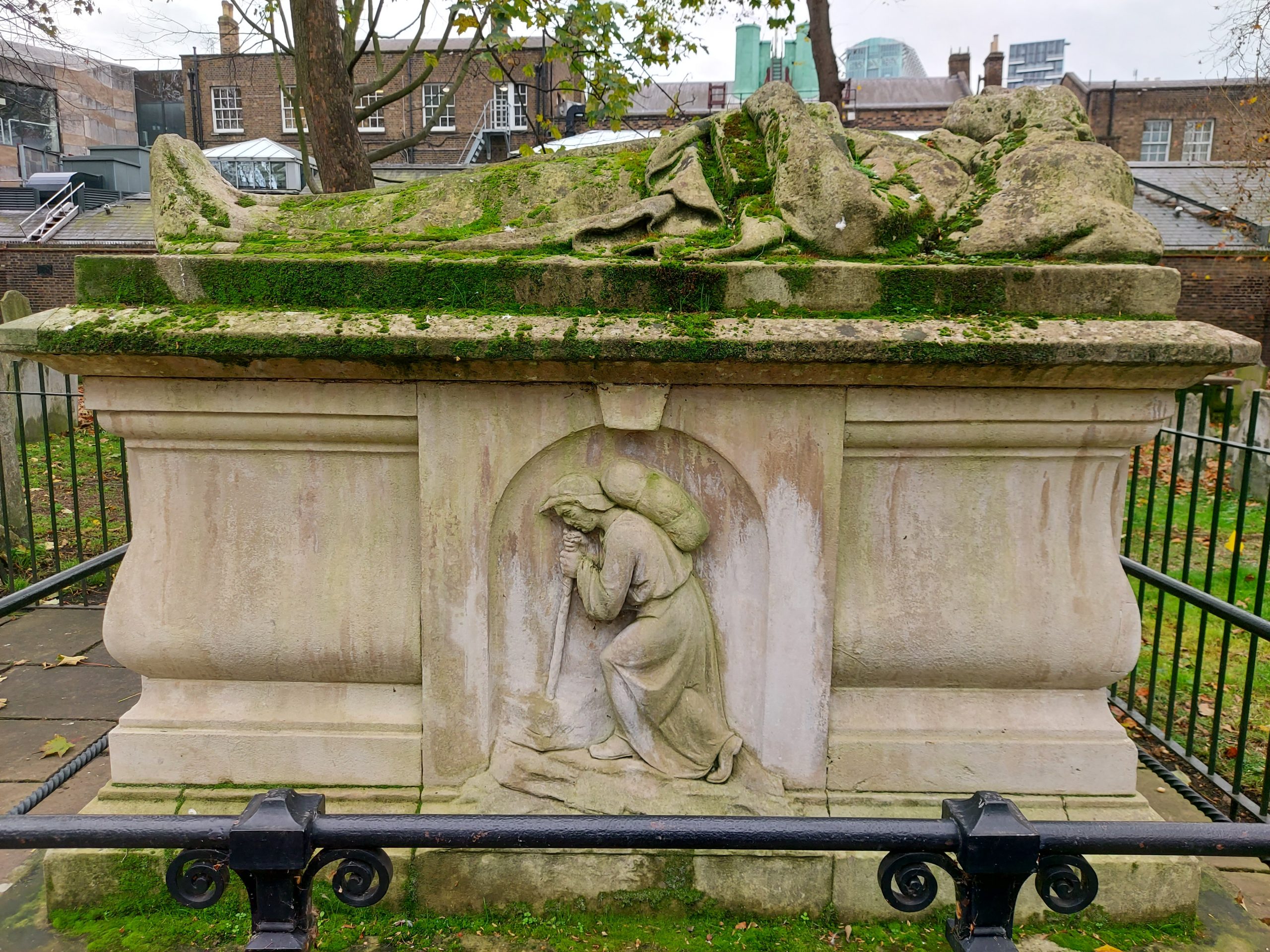
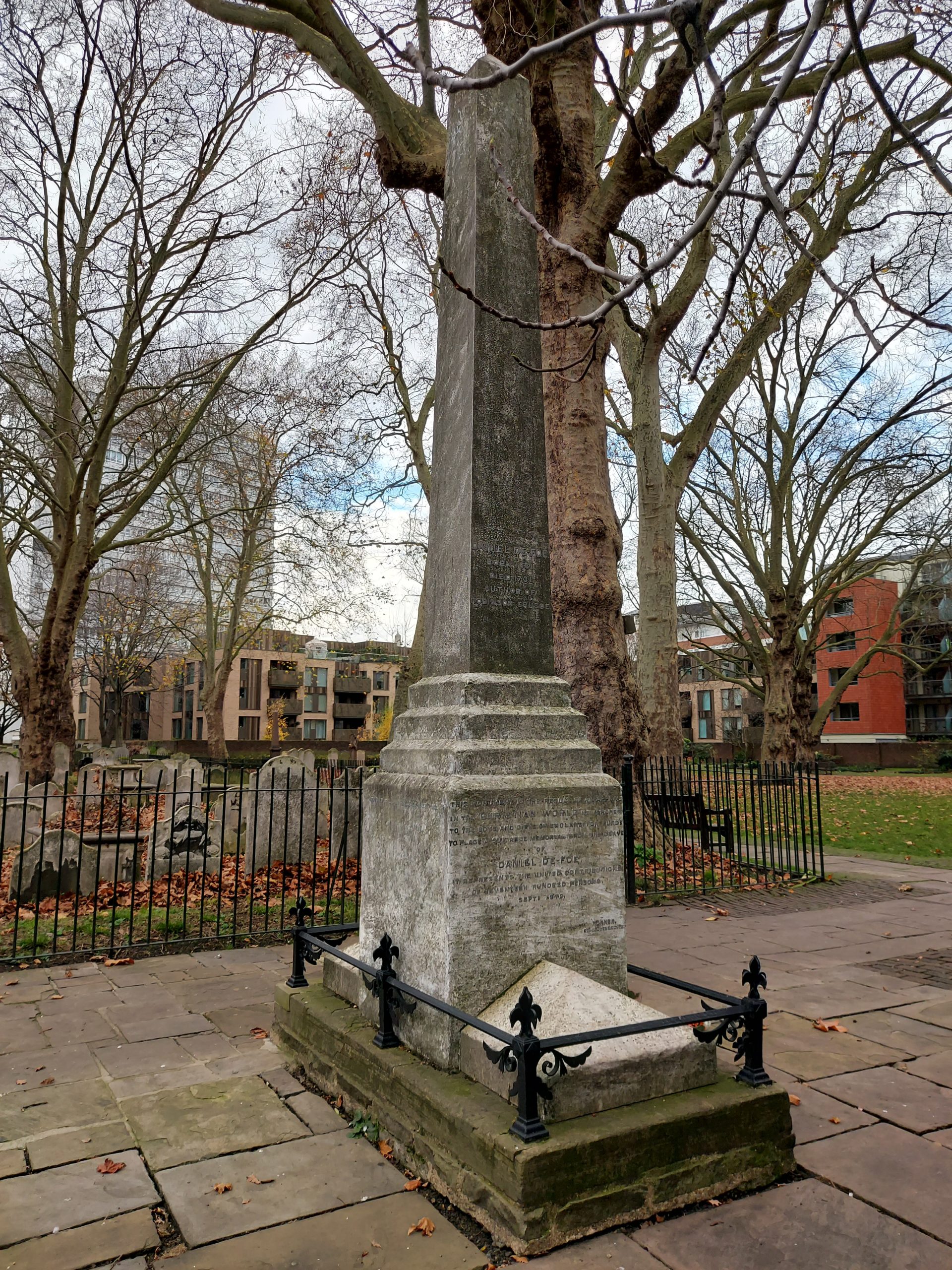
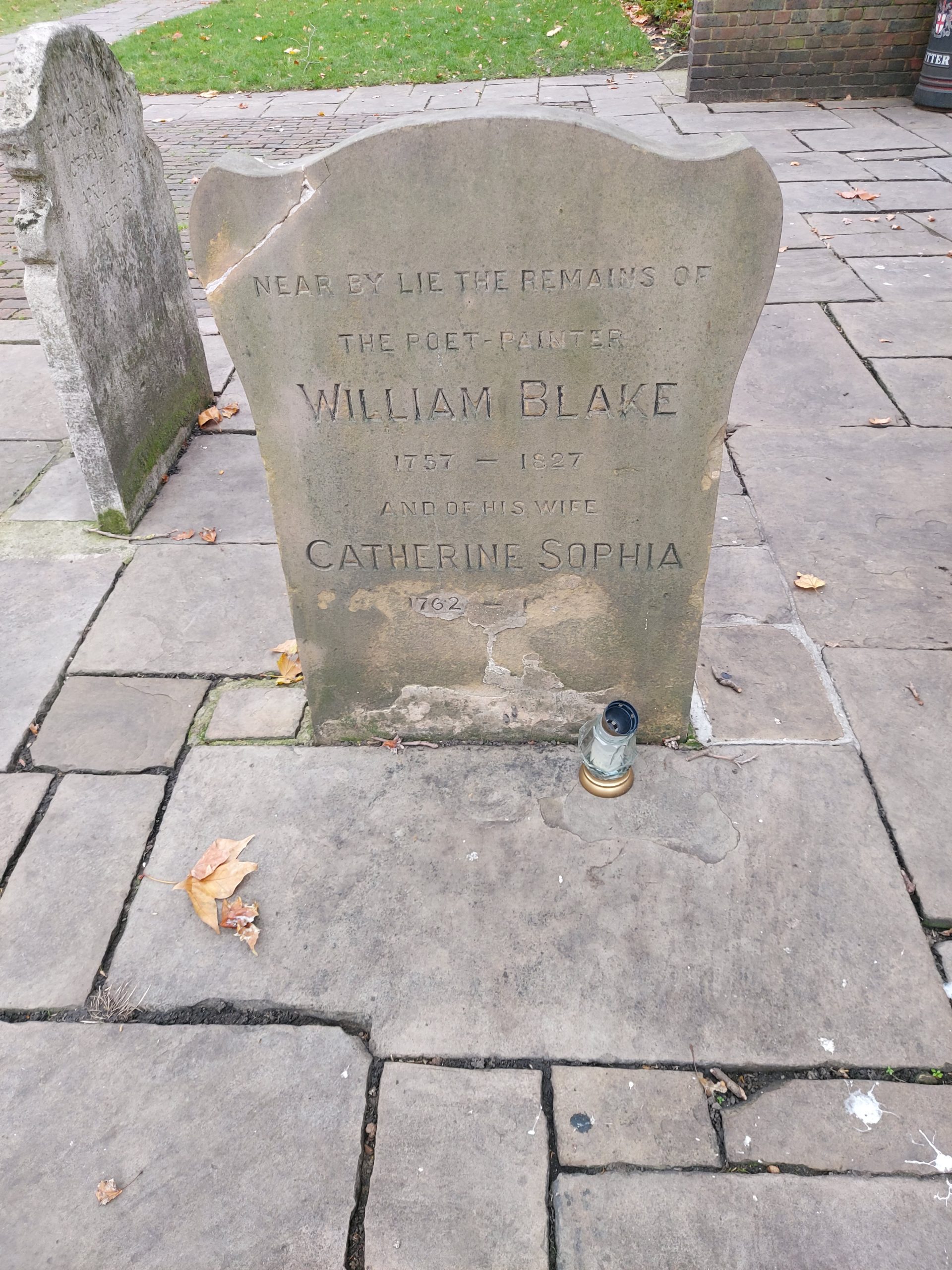
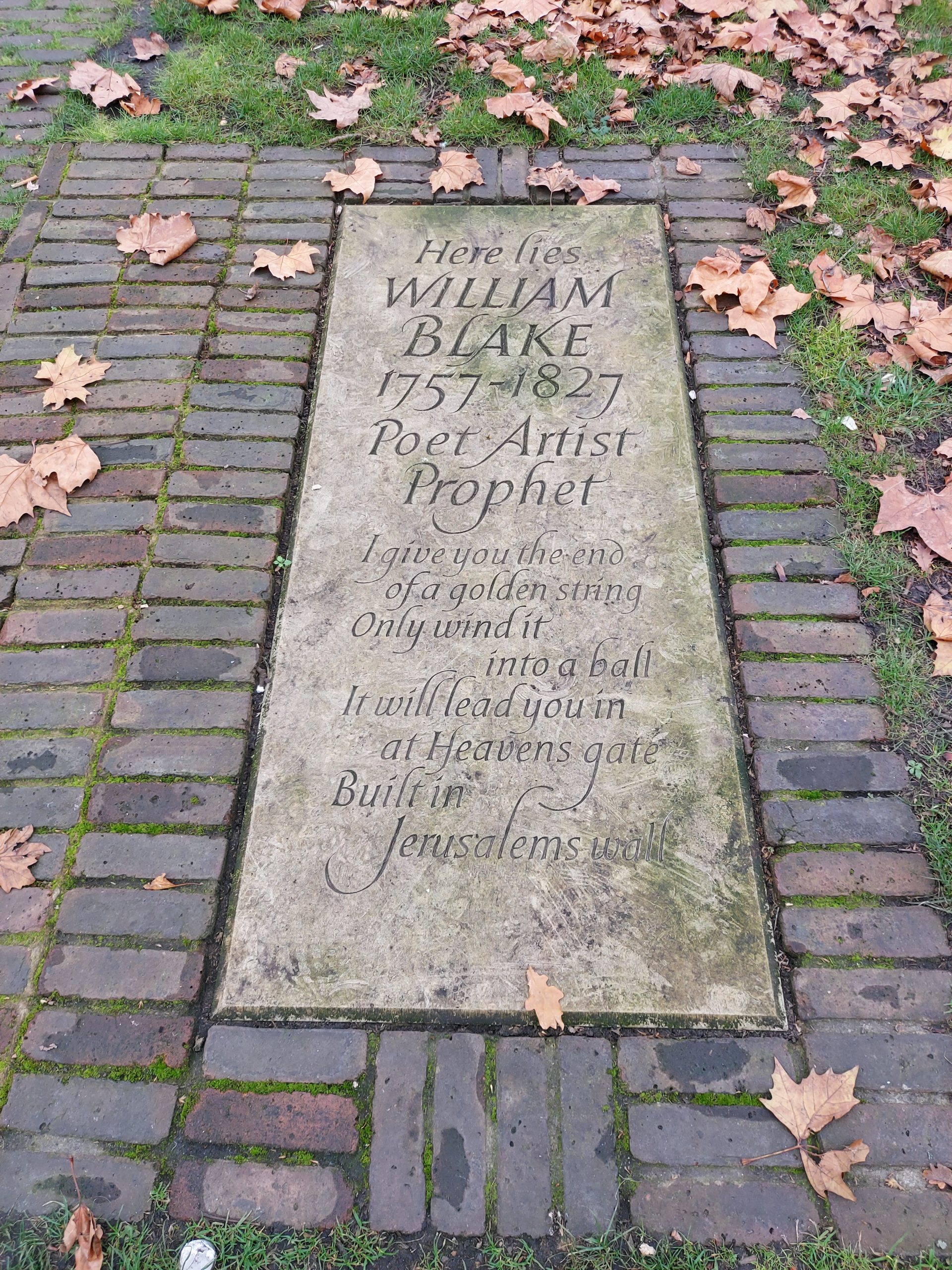
Bunhill is probably best known as the burial place of three of Britain’s most significant literary figures: John Bunyan, Daniel Defoe and William Blake. All three have monuments which were erected after the closure of the cemetery; as Blake’s isn’t actually on his grave, another was erected on the actual site of his burial in 2018. The monuments are very different: Bunyan has a tomb decorated with pictures of his famous Pilgrim, Defoe has an obelisk, and Blake has a simple headstone. Other notable burials include Susanna Wesley (mother of John and Charles) and Isaac Watts (hymn writer).

Obelisk to Daniel Defoe

Bunhill Fields can be found at 38 City Road, London, EC1Y 2BG, and is open daily until 7pm. It is very close to Old Street underground station, and a short walk from Liverpool Street mainline station.

Kew Gardens

I paid a visit to Kew Gardens on my day off recently. I fancied visiting during the autumn, to experience the changing colours, and it was a weekday too, so much less busy. I spent plenty of time wandering round the grounds.

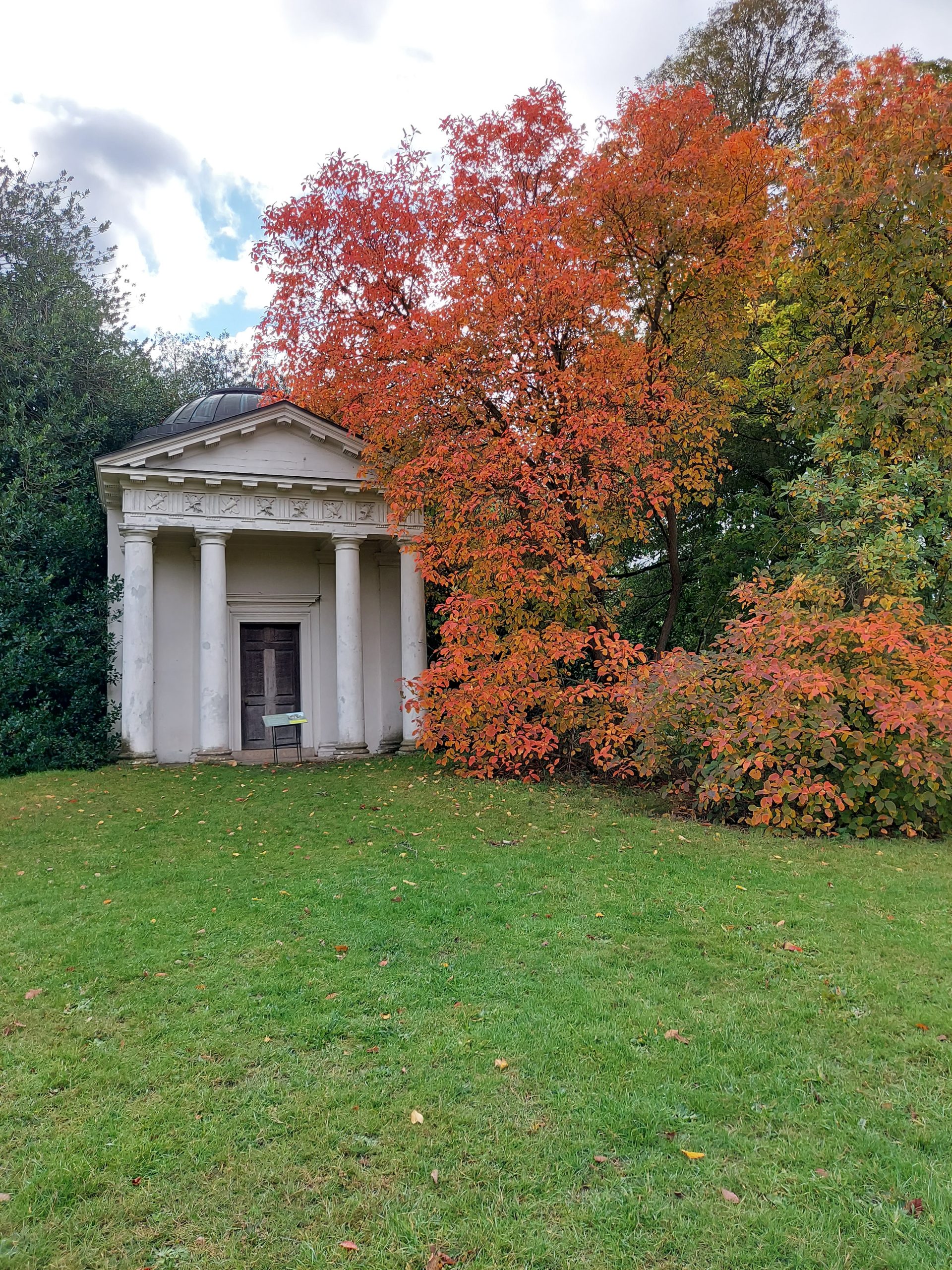
Autumnal tree

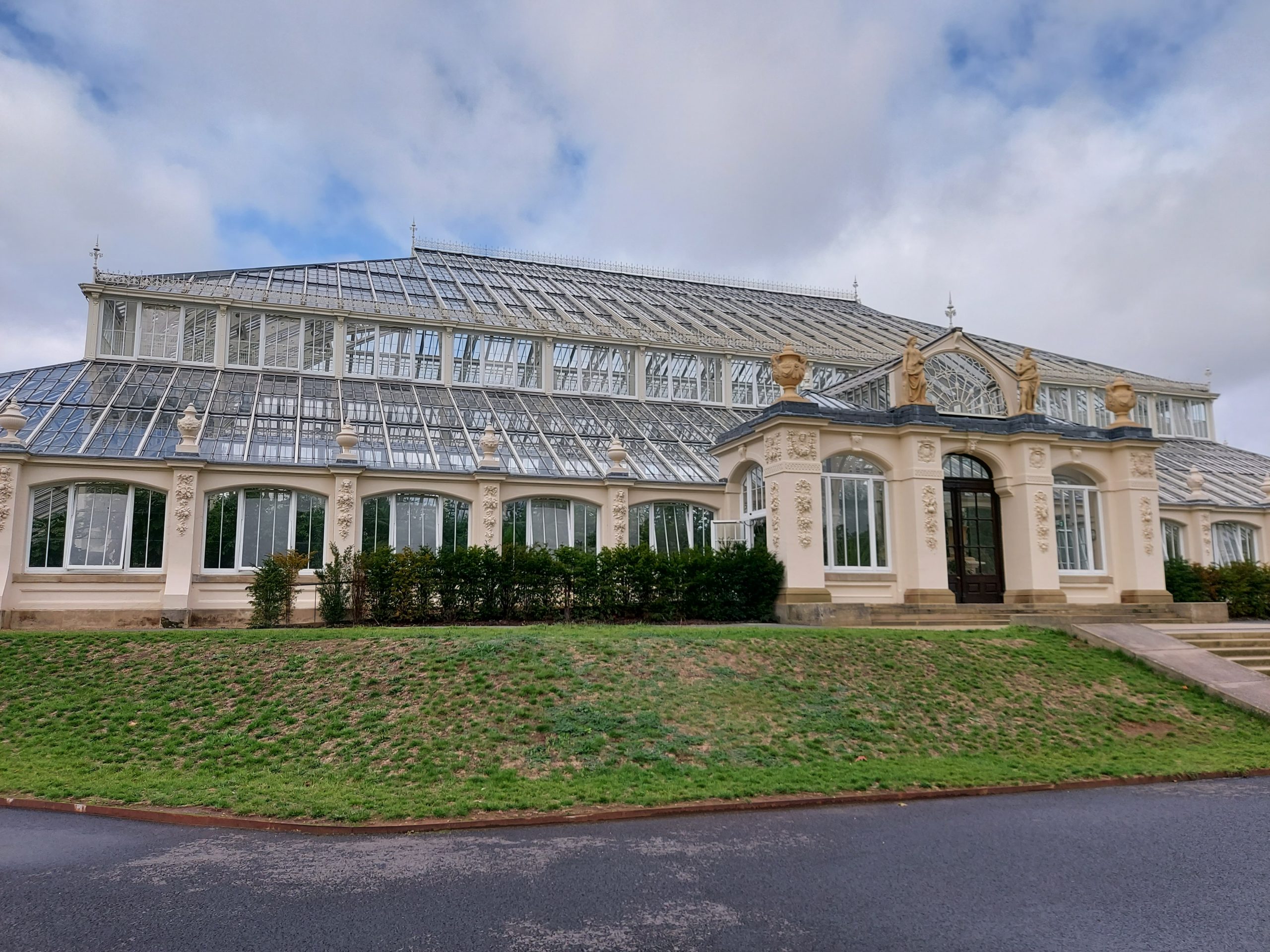
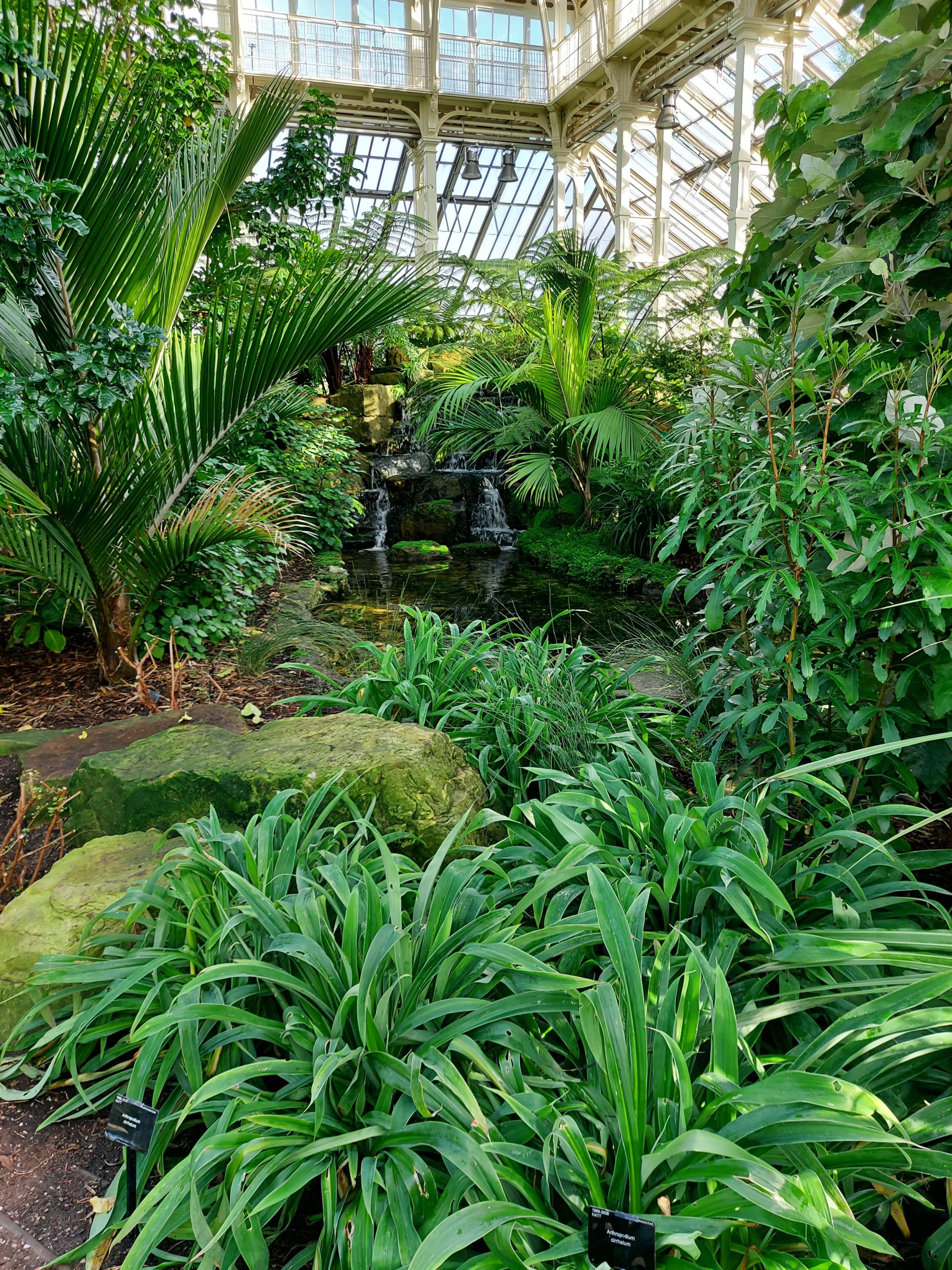
I also got to finally visit the Temperate House: this was closed for refurbishment on my last visit, and didn’t reopen until 2018. There were several interesting plants in this huge space. I also popped into the neighbouring Evolution House.

Temperate House
Inside the Temperate House

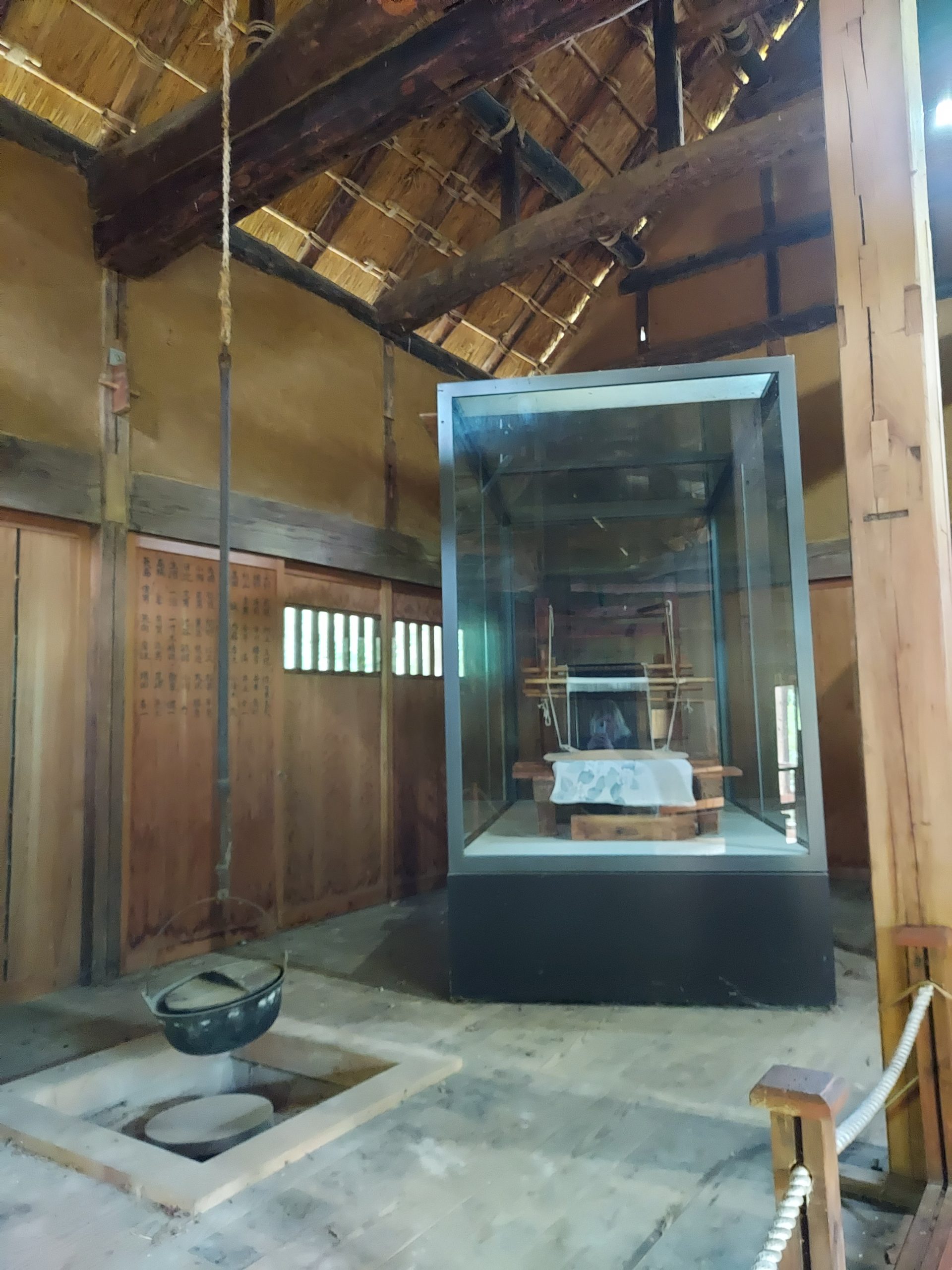
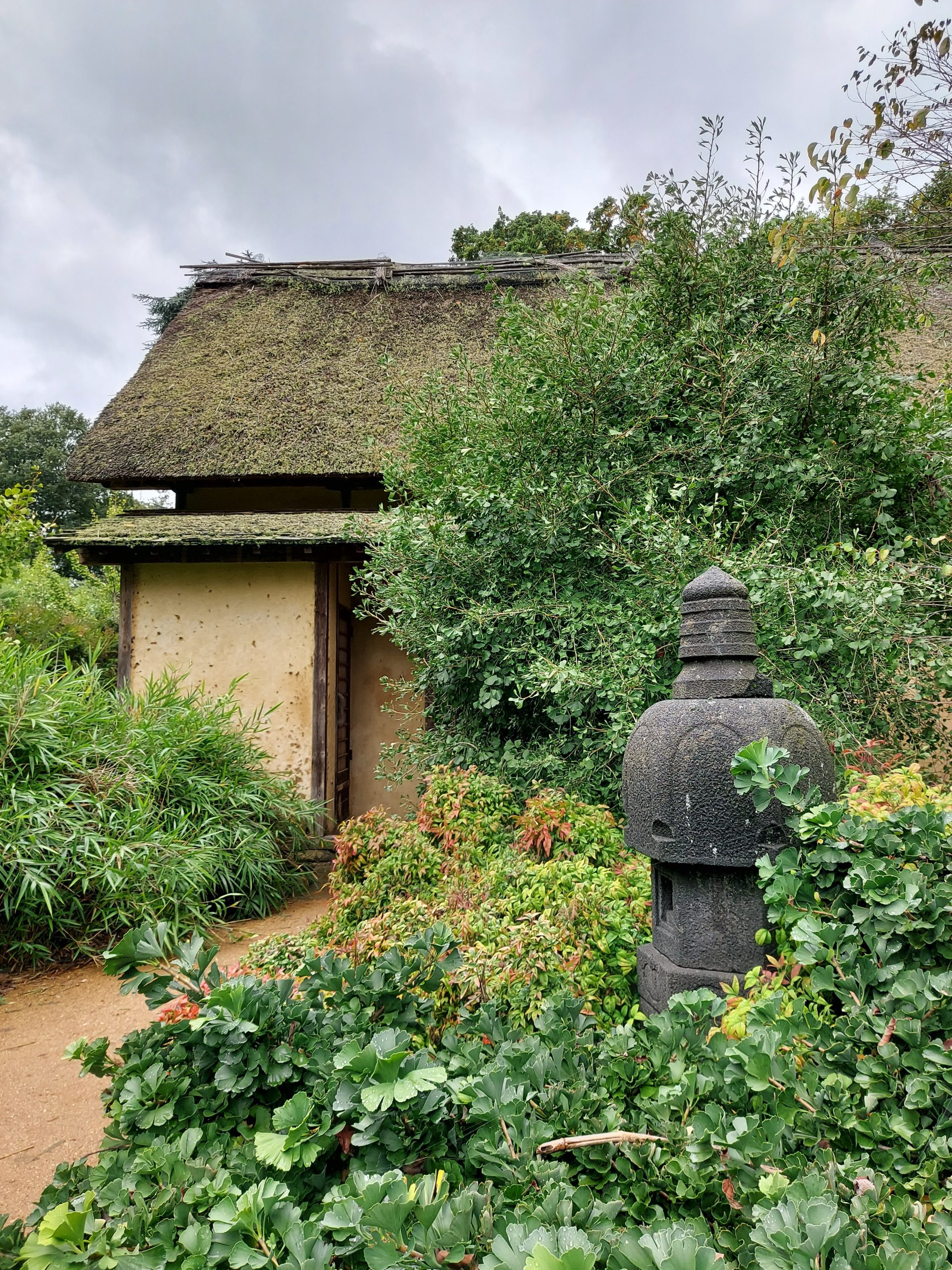
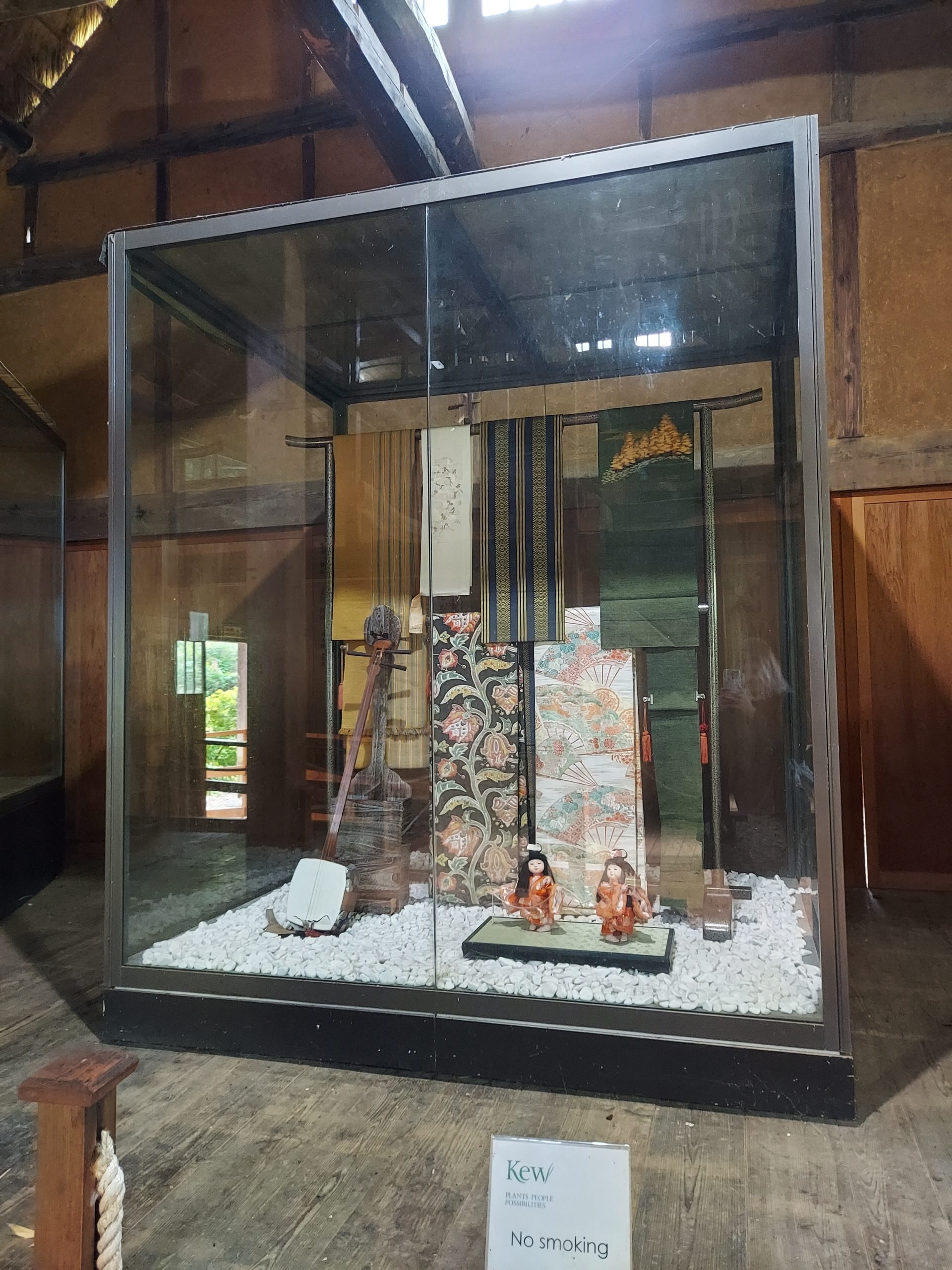
I then headed towards the Bamboo Garden and Minka House. The house originally belonged to the Yonezu family and was donated to Kew after their deaths. ‘Minka’ means ‘houses of the people’ and these houses were lived in by rural Japanese people until the mid-20th century.

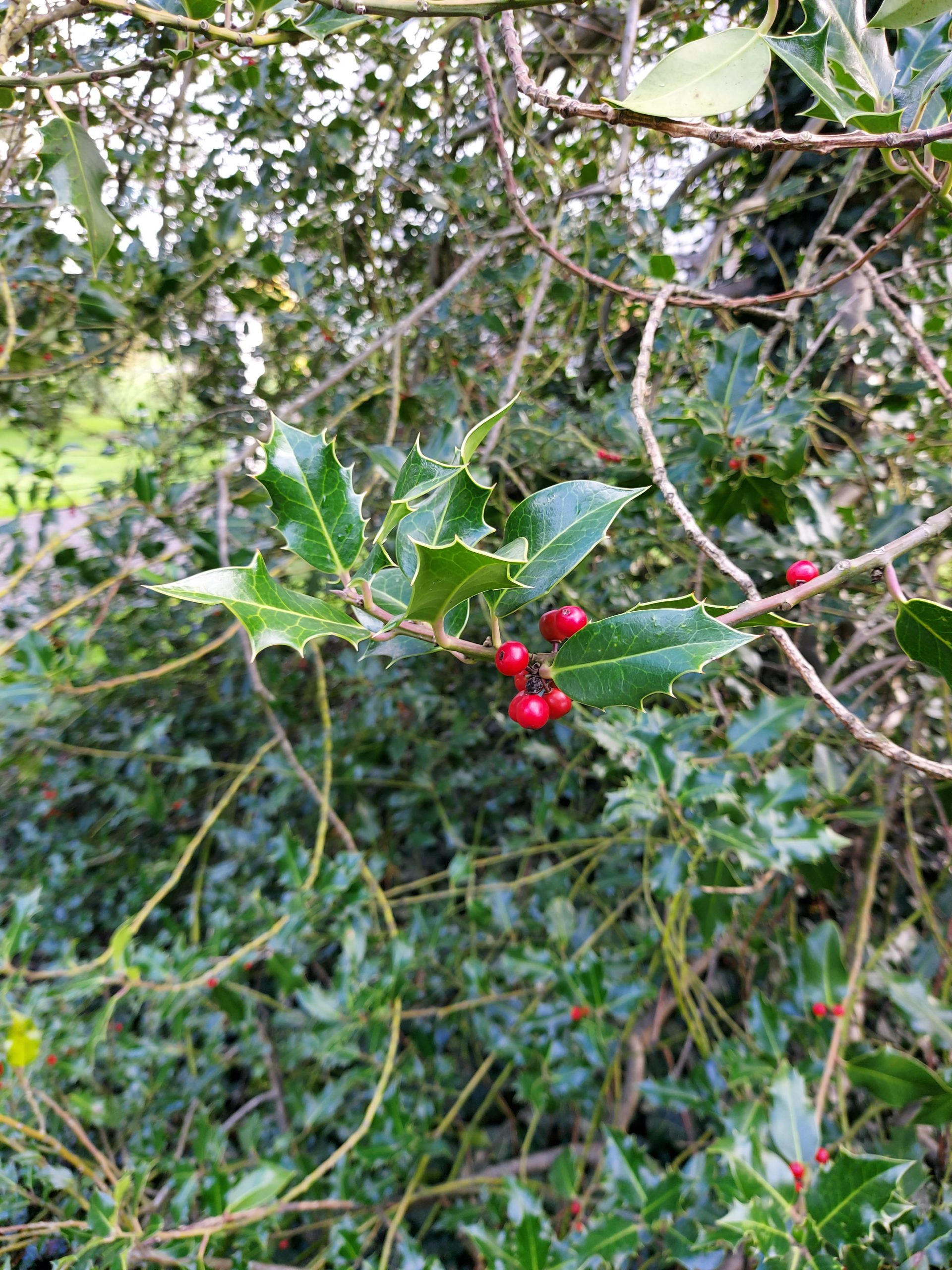
I spent a good bit of time in the natural woodland towards the far end of the gardens, trying to identify different trees. I’m not sure how successful I was at this, but at least I tried.

holly

Postman’s Park

Postmans Park

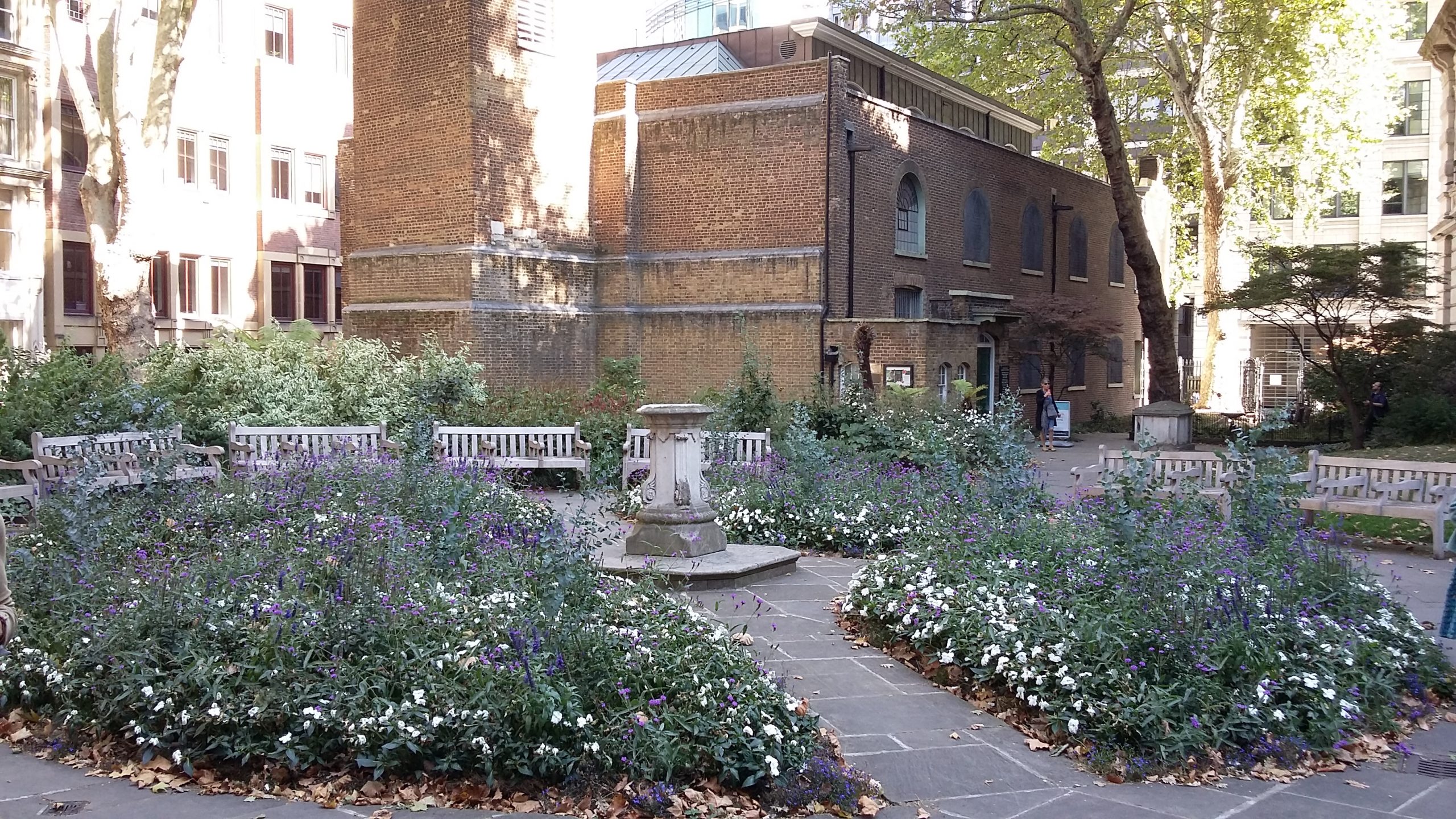
Postman’s Park is located just up from St Paul’s Cathedral, not far from the Museum of London. The Park got its name from the postal workers from the nearby General Post Office who used to frequent it at lunchtime. It is a peaceful place to sit, observe nature, perhaps read a book or drink coffee – but that’s not all.

Postmans Park

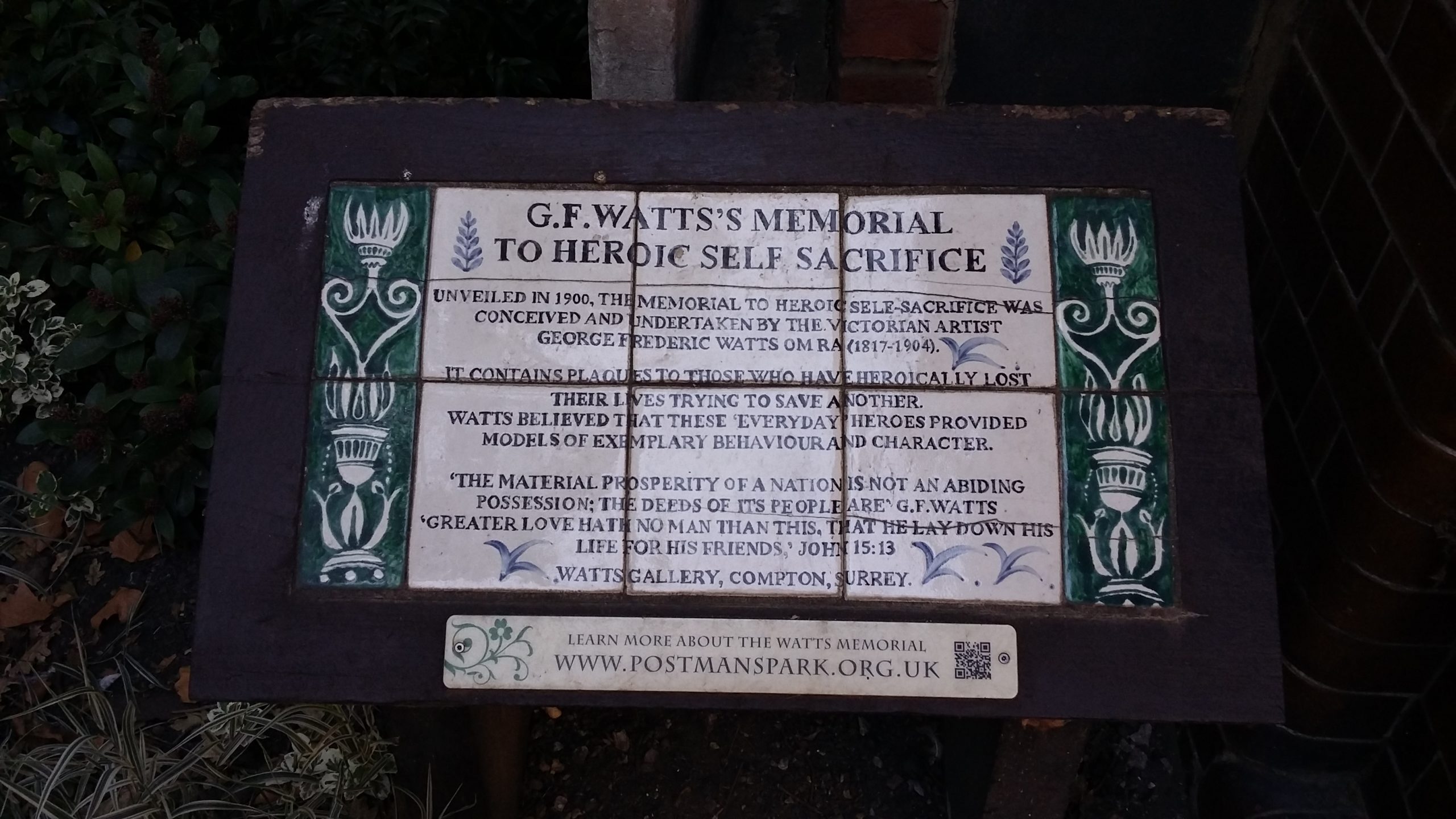
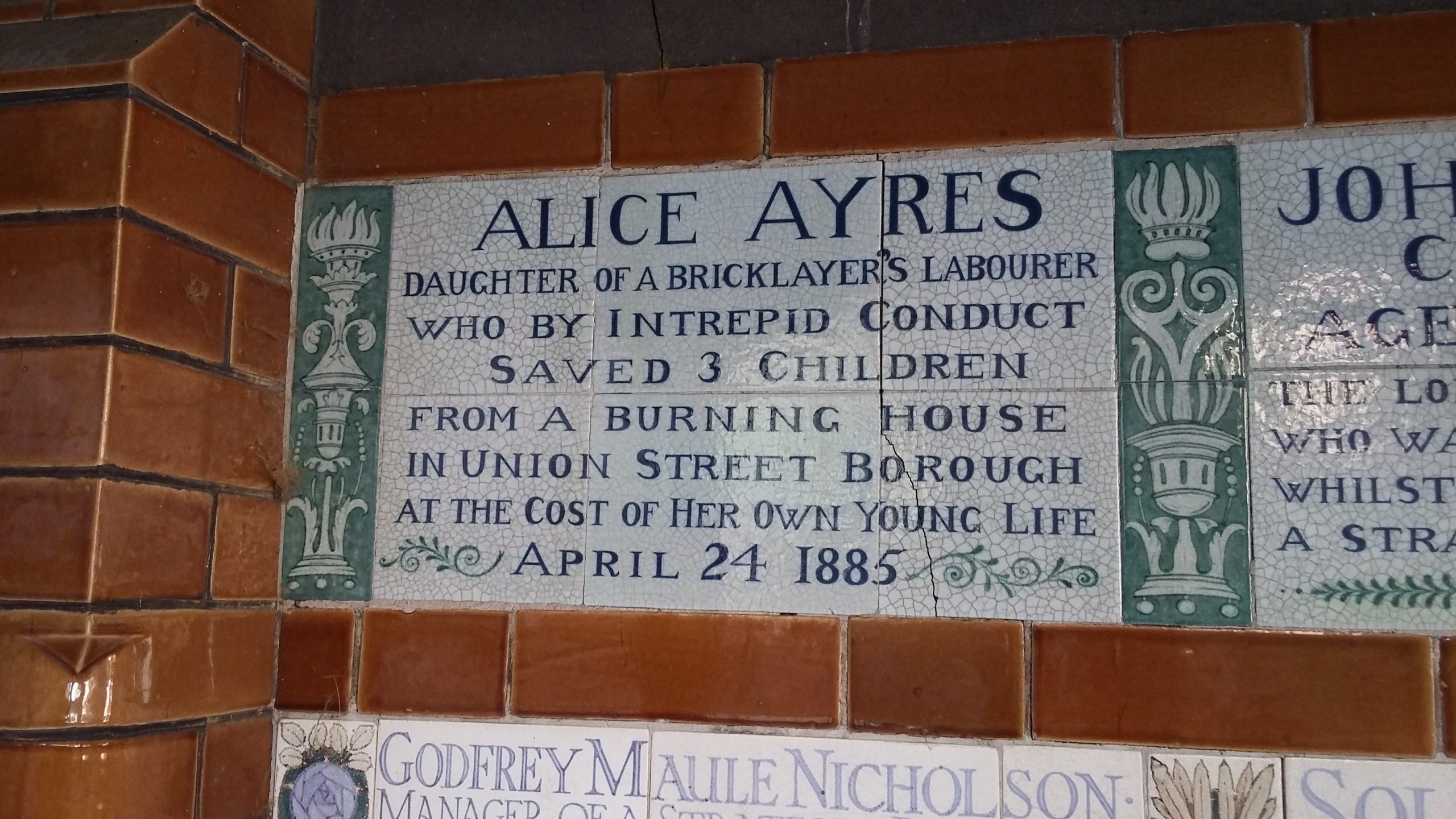
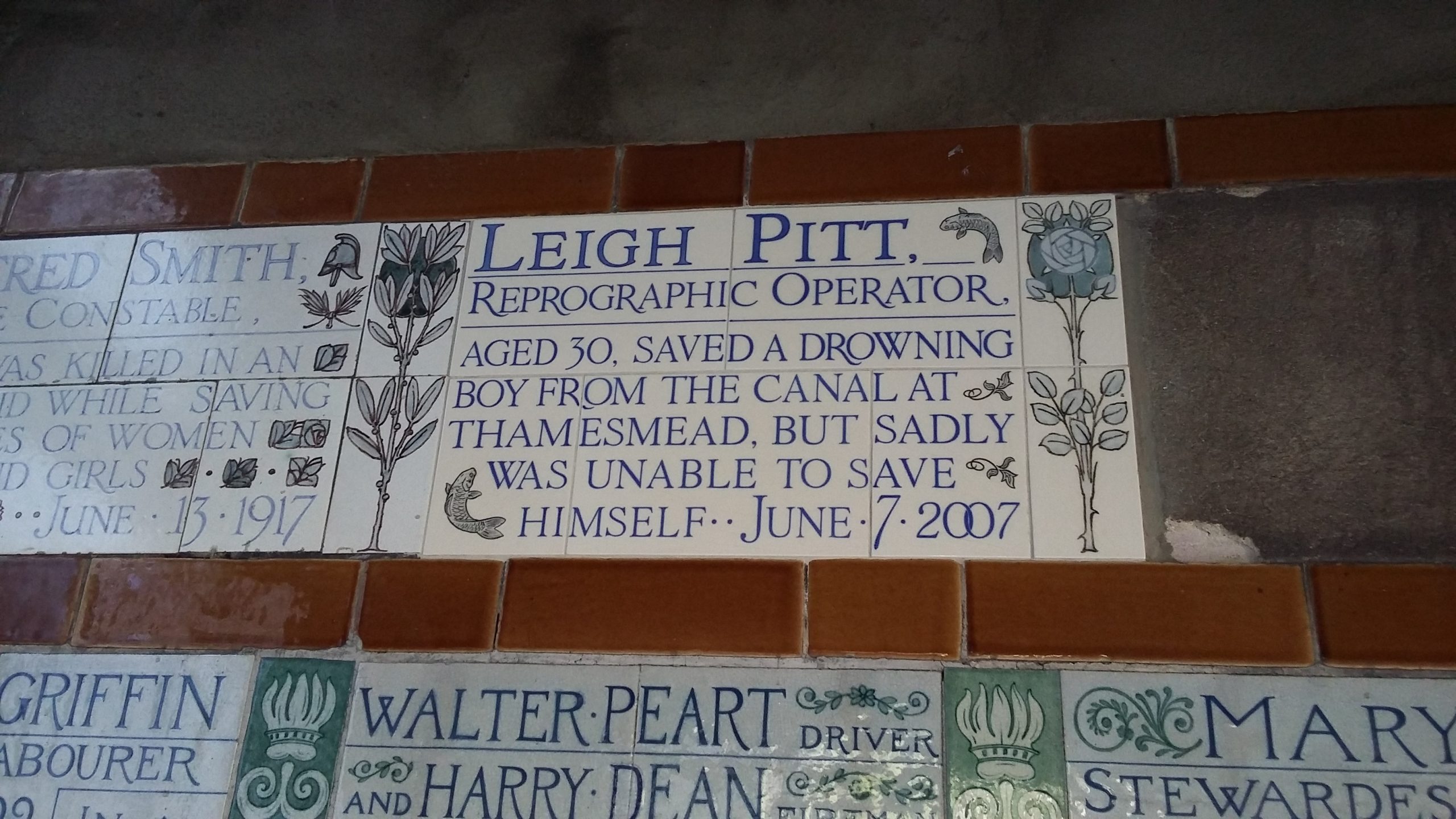
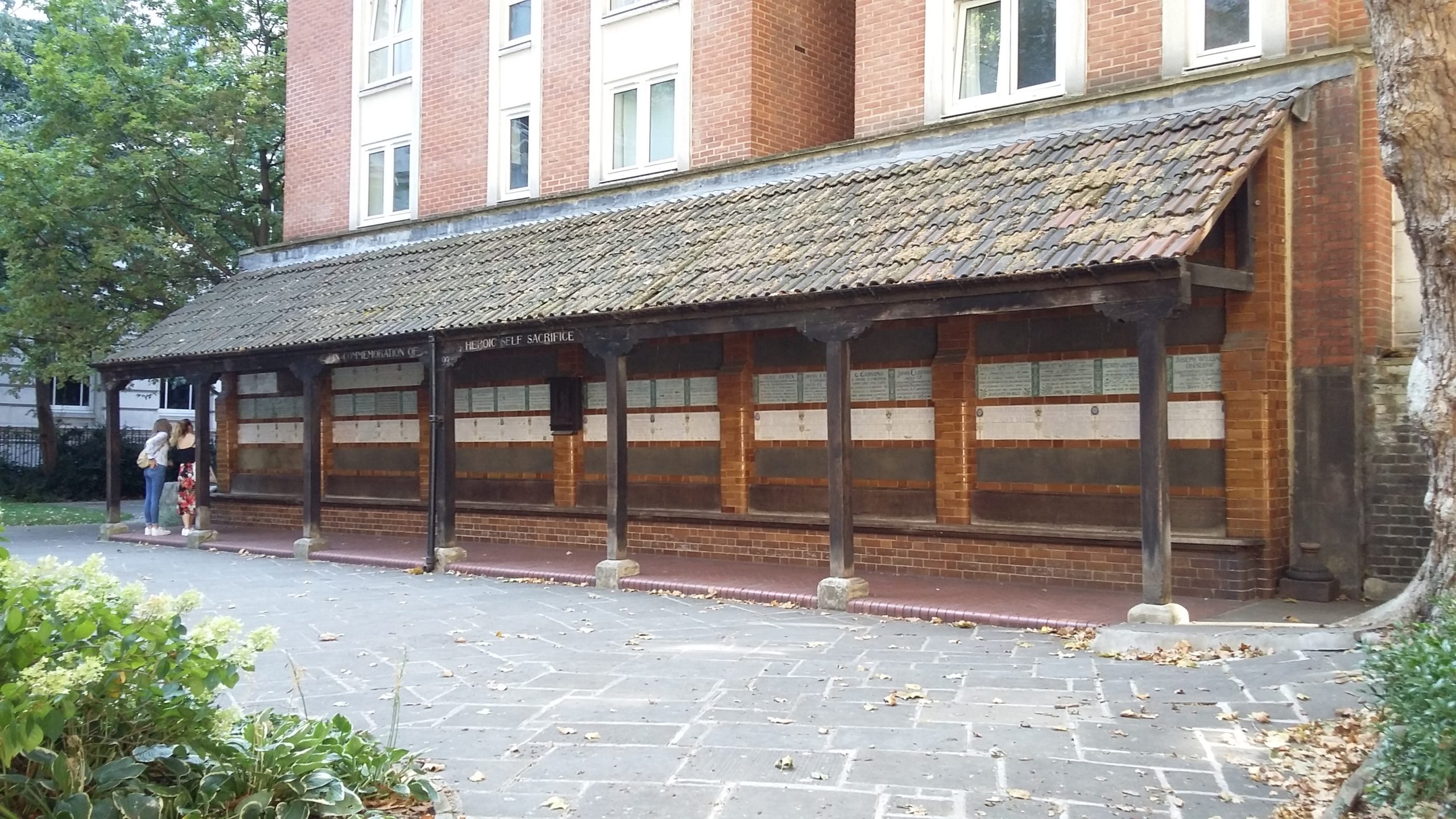
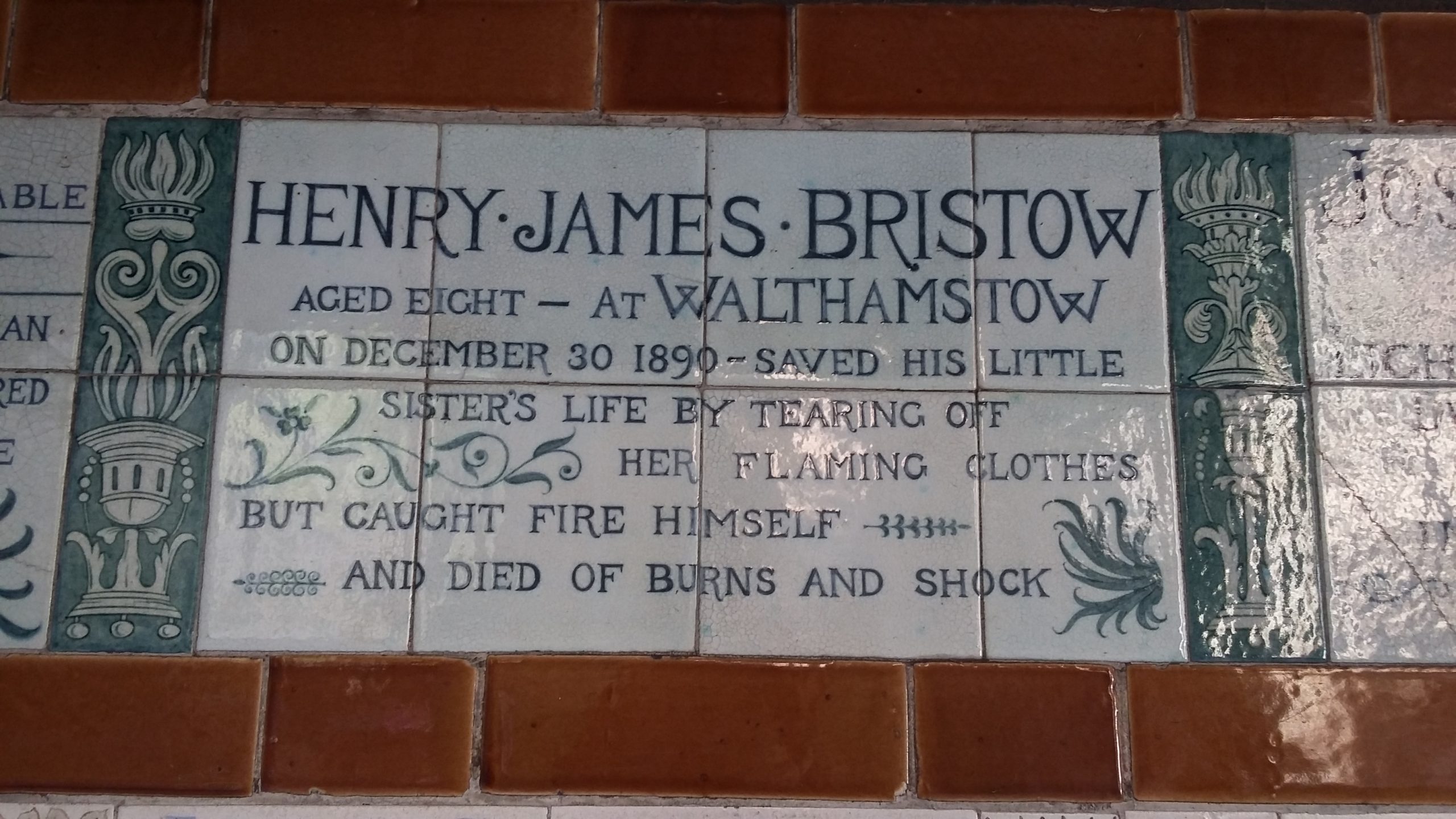
The Watts Memorial, found within the park, contains 54 plaques, each dedicated to a person who gave their life trying to save someone else. It was designed by artist George Frederic Watts, and was first unveiled in 1900. The penultimate tile was added in 1931, with the final tile added 78 years later in 2009, commemorating Leigh Pitt. There is still space for further plaques – perhaps more will be added in the future?

Watts Memorial

I don’t mind admitting that looking at the plaques made me cry a little bit – particularly the ones involving children.

G. F. Watt's Memorial To Heroic Self-Sacrifice
Henry James Bristow
Alice Ayres
Leigh Pitt

The Crystal Palace Dinosaurs (Heritage Open Days)

Crystal Palace Dinosaurs

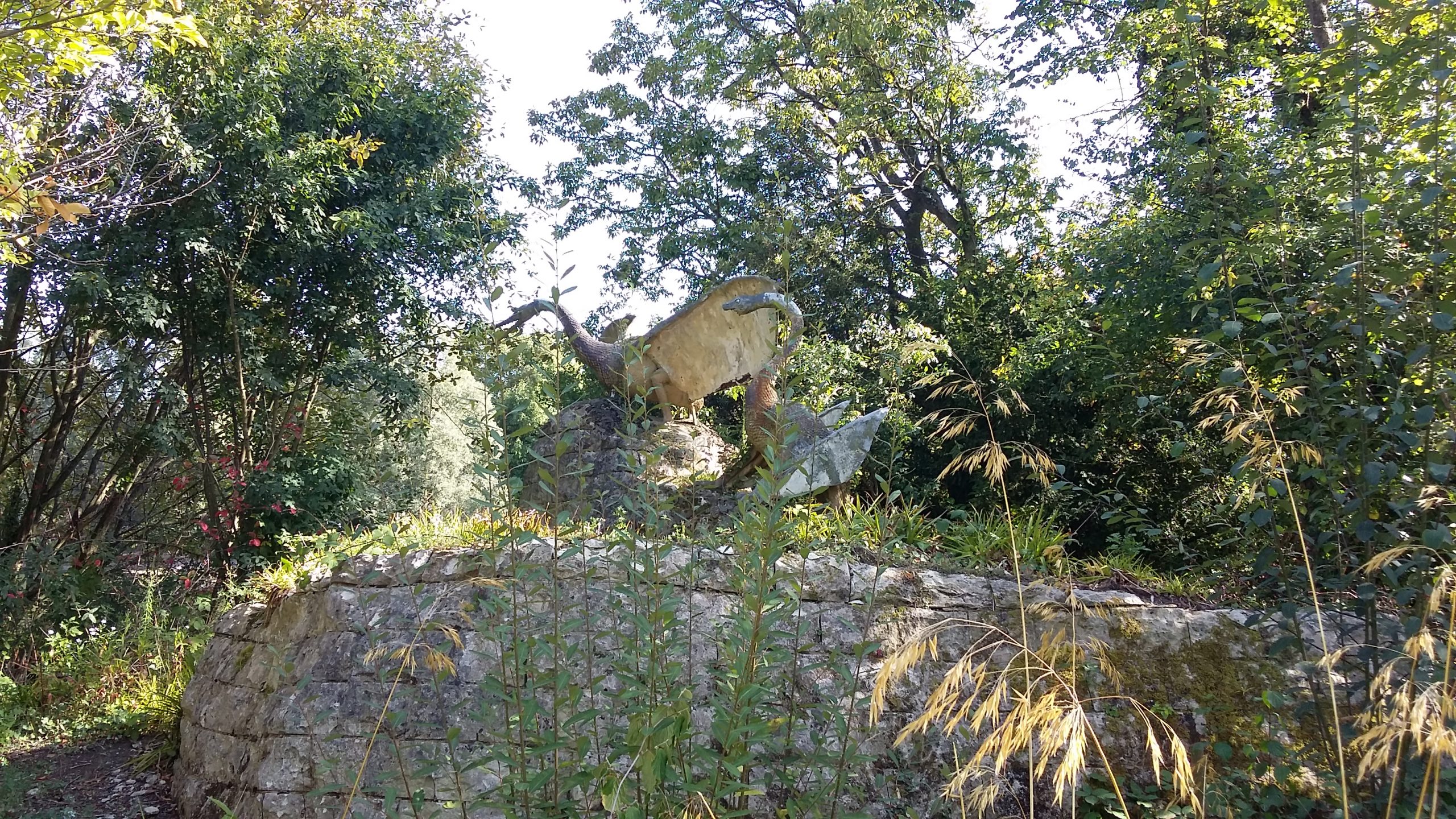
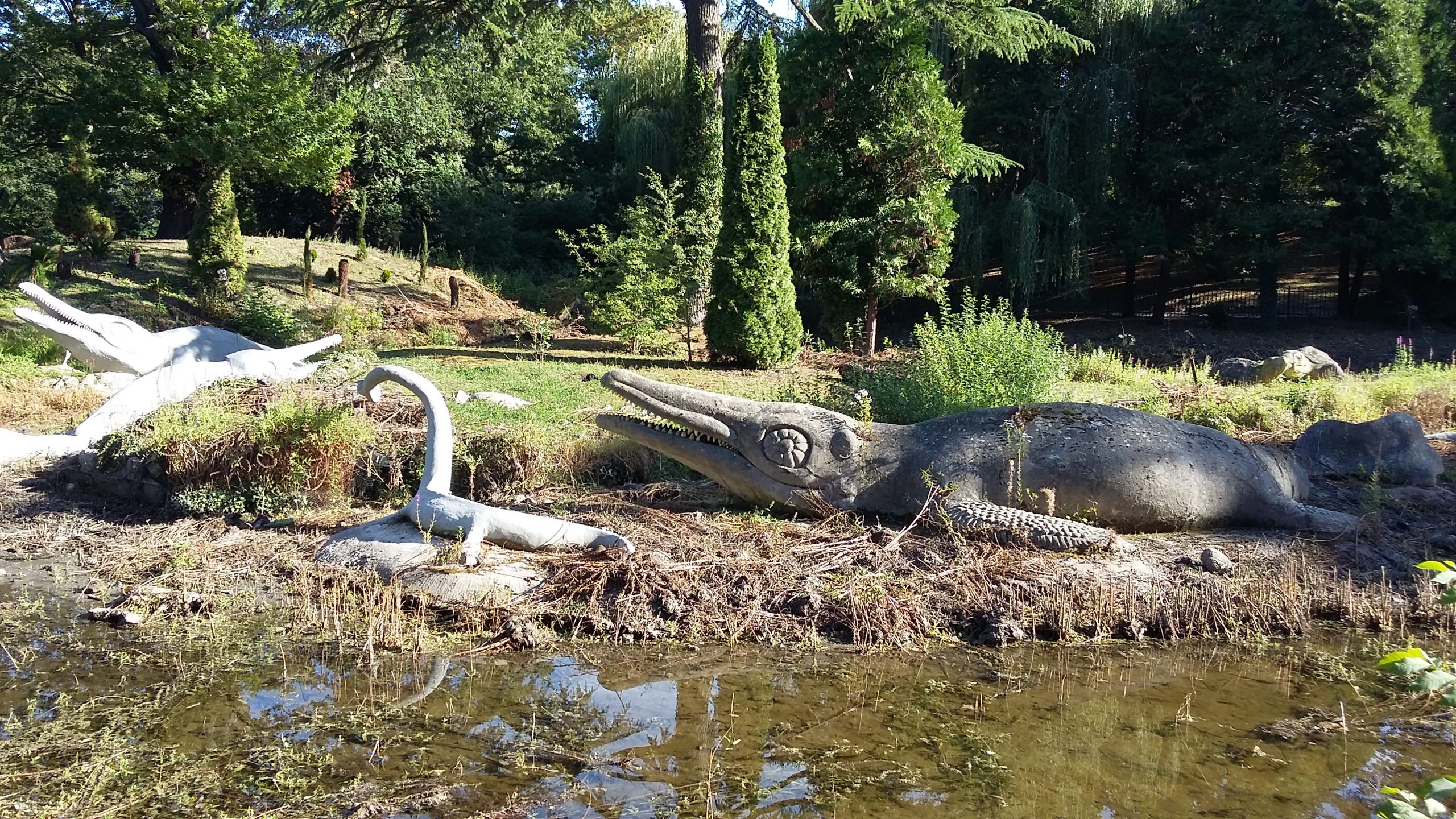
The dinosaur models in Crystal Palace Park, south London, are fairly well-known. Usually inaccessible, they can be admired from afar, located on an island fenced off from the rest of the park. However, on rare occasions it is possible to get the chance to visit them close-up. I got this chance during this year’s annual Heritage Open Days celebration.

Iguanodons
Iguanodons

How to find them
I personally found it quite hard to find the dinos – I spent ages walking around Crystal Palace Park, and it was an incredibly hot day which didn’t help – but then again I do have a particularly dreadful sense of direction. They are located by the lakes in the south section of the park near the Penge entrance and the Information Centre.

Mosasaurus
Mosasaurus

History
The dinosaurs were the first ever dino models to be created, and for that reason alone are of huge significance. Now Grade 1 listed, they were created by Benjamin Waterhouse Hawkins, set in a landscape designed by Joseph Paxton which included geological illustrations by Professor David Ansted. The whole display was created between 1853 and 1855, designed to sit alongside the Crystal Palace, which was relocated from Hyde Park to Sydenham Hill following the Great Exhibition of 1851. Waterhouse Hawkins used the latest scientific knowledge and consulted with experts, including paleontologist Richard Owen, to create the sculptures, although several choices he made were naturally educated guesses: our ideas about how dinosaurs looked and acted are still in flux today, and the Victorians had even less to go on than we do.

Pterosaurs
Pterosaurs

With this in mind, it is still possible to appreciate how impressive the sculptures are despite what we know about their many inaccuracies. For instance, the nose horns on the Iguanodon models are now known to be thumb spikes, and the Megalosaurus is now believed to have walked on two legs, rather than four.

Iguanodon
Iguanodon

Famously, Waterhouse Hawkins hosted a ‘Dinner in the Iguanodon’, demonstrating just how large the model of this creature actually is. The dinner took place on New Years’ Eve 1853, and guests dined on Victorian delicacies such as mock turtle soup, whiting and pigeon pie.

Megalosaurus
Megalosaurus

Experience
When I finally arrived at the meeting spot, by the gate via which we would cross the bridge to the island, there were lots of people milling around and I felt very lucky to have a ticket: many newcomers had not been aware of the HOD tours and were waiting in hope that a space would be freed up. When it was time to go over, we were taken over the bridge and our guide spoke to us about the various models. The previously-mentioned Iguanodon and Megalosaurus are some of the most impressive, but I also liked the winged Pterosaurs and the spiky-backed Hylaeosaurus. Further towards the lake, ancient marine reptiles such as the Plesiosaur and Ichthyosaur can be found; because it had been a warm summer, the water level in the lake had gone down so it was possible to see more of the models.

Ichthyosaur
Ichthyosaur

We heard about the models, their history and conservation: the models are deteriorating in a number of ways including cracks, paint shedding and vegetation taking up root. Money is being raised to ensure the preservation of these fascinating models.

To find out more, visit cpdinosaurs.org/.

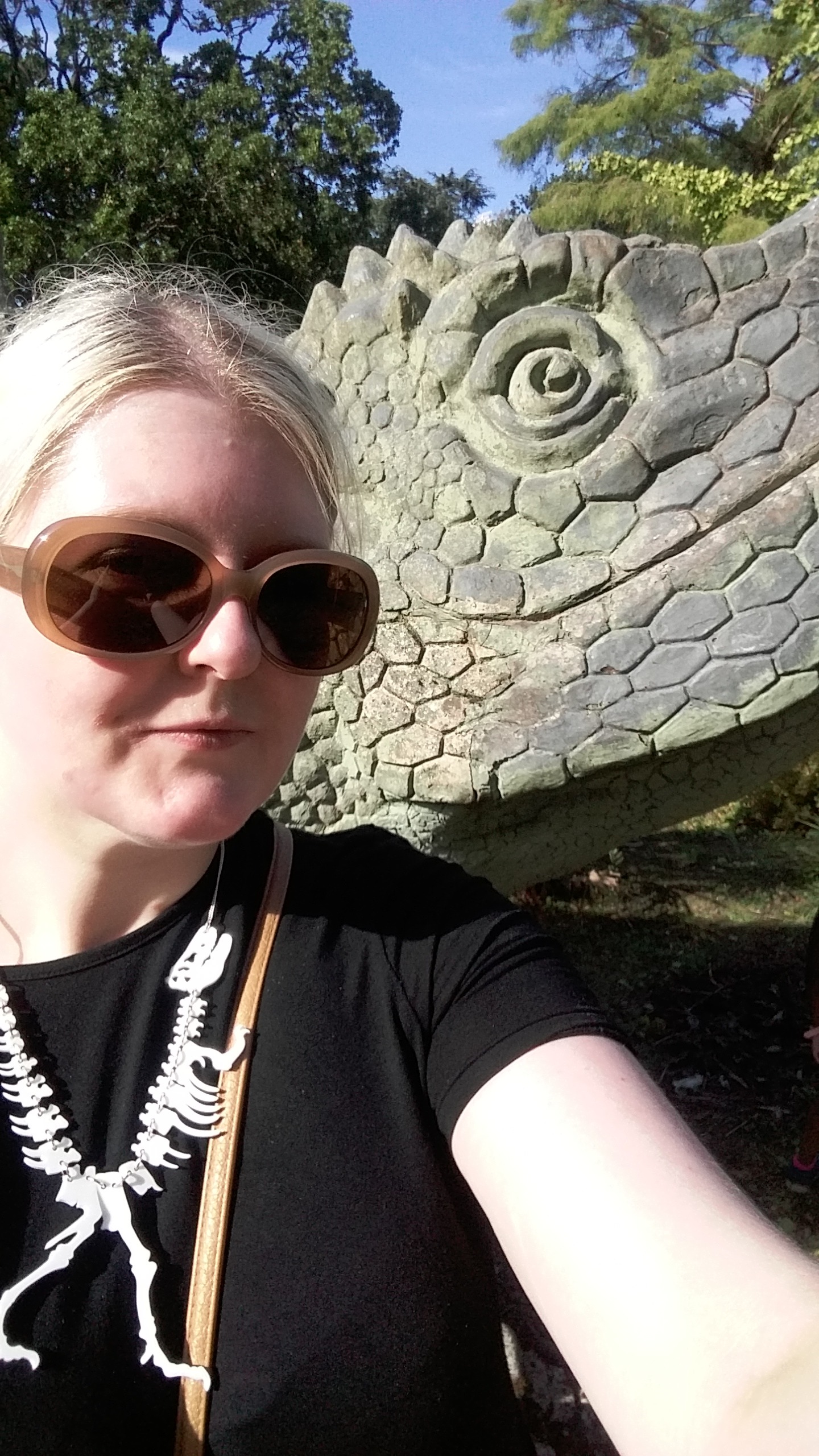
Dino selfie with Tatty Devine dinosaur necklace
I wore my Tatty Devine dinosaur necklace, which seemed appropriate.

Red Bull Soapbox Race 2019

Start of the race

The Red Bull Soapbox Race is held at Alexandra Palace in London every summer. After years of watching it on TV (races from around the world, not just London), I decided to go and see it for myself.

It’s a long walk from the station to Alexandra Palace, and it’s up a pretty big hill, too. (Naturally – they need a hill for the race). Not going to lie, I was shattered by the time I got to the top. It was a warm day, too, which didn’t help.

The judges

Refusing to descend the hill again until the end of the day, I made sure to hang about near the top of the course. Here, I could see the soapboxes begin their races, as well as take in the pre-race “show”. Soapboxes queued up here waiting their turn, so I was able to get a good look at them before they set off. My favourite was the Mr Bean-inspired soapbox, with one member of the crew dressed as his teddy.

Mr Bean's teddy

The one downside of attending the event in person is that you only get to see the soapboxes at one stage of their race, potentially missing out on spectacular crashes further down the line. There are a few video screens here and there, but you have to be in the right position to be able to view them. Still, you do get to experience the great atmosphere.

Wandering the Wandle

Yeah, sorry about that title. Anyway, after my enjoyable if exhausting walk following the route of the Fleet, I decided to walk the course of another London river and fellow Thames tributary – the Wandle. This river flows from Croydon to Wandsworth, and I began my walk, as this Londonist article suggests, in Morden.

The Wandle in Morden Hall Park

The Wandle has in its time powered many working mills, despite its current appealing rural-lite setting. It has avoided the fate of becoming a covered sewer and instead is a haven for wildlife (although, with an exception of a few ducks and one perplexed-looking moorhen, I didn’t actually see any on my walk).

The Wetlands Boardwalk

I got off at Morden Tube station and headed towards Morden Hall Park, across the Wetlands Boardwalk which is now, apparently, home to newts, frogs and herons. Beyond the park, across the tram line, I walked past Deen City Farm, a working urban farm which introduces young city kids to farm animals – an excited pair I passed on my walk were being taken there by their dad.

The Wandle just beyond Deen City Farm

After a short walk taking in a housing estate I reconnected with the river as it flowed past Merton Abbey Mills.

Merton Abbey Mills
Merton Abbey Mills

Past Merton High Street, I ventured into Wandle Park, through which the river was diverted many years ago. Crossing the river I reached Wandle Meadow Nature Park, a former brickworks and sewage farm. This section of the walk was rather quiet and eerie, but I soon made it to the small River Graveney, passing numerous families out for a walk before reaching the Wandle once again.

The Wandle in Merton

I crossed Plough Lane, a busy road near the former Wimbledon Greyhound Stadium, and embarked upon a fairly long section of path on the left hand side of the river. I was surprised to see anglers fishing on its bank, while the electricity sub-station loomed in the background. After a while I reached Earlsfield, passing the familiar Tara Theatre before venturing towards King George’s Park.

The Wandle in Earlsfield

Once I’d reached the other side of the park, I found myself in Wandsworth.

The Wandle in Wandsworth

I walked through the busy town centre and past the old Ram Brewery buildings before reaching a sluice gate containing a bell, on which is inscribed ‘I AM RUNG BY THE TIDES’. Just a little further and I had reached the island in the middle of the river as it flows into the Thames.

Tidal bell
Tidal bell

I enjoyed my walk and it was a lovely day for it – clear and cool and crisp. I found the signposts and directions to be somewhat lacking, and had to open my trusty Google Maps at several points, but this may just be because I have a terrible sense of direction. In any case, I was pleased to feel as though I’d accomplished something.

The mouth of the Wandle and the Fulham shore beyond