ShaLT Walks 4 & 5

After a rest of a few days, I headed back into central London to complete the final two ShaLT walks. Walk 4 began in Whitechapel, at the site of the Red Lion, founded in 1567.
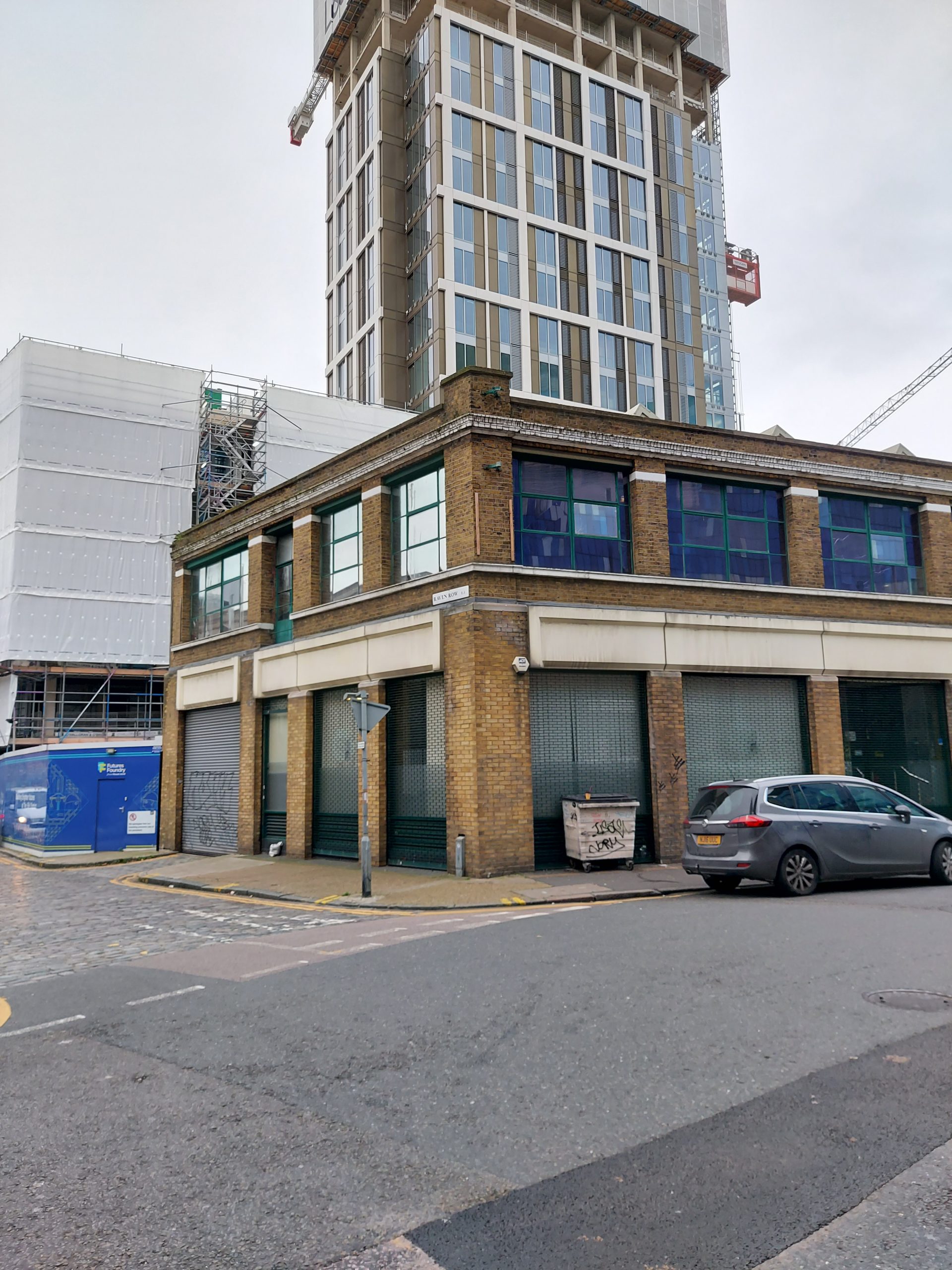
Modern building
Site of the Red Lion

Walking west along Whitechapel Road, I came to the Boar’s Head site, soon to be built on. Hoardings around the site acknowledge it as the location of this playhouse, a converted inn, built in 1598. It was used by Queen Anne’s Men and possibly Prince Charles’s Men, but ceased to be a playhouse in 1616.
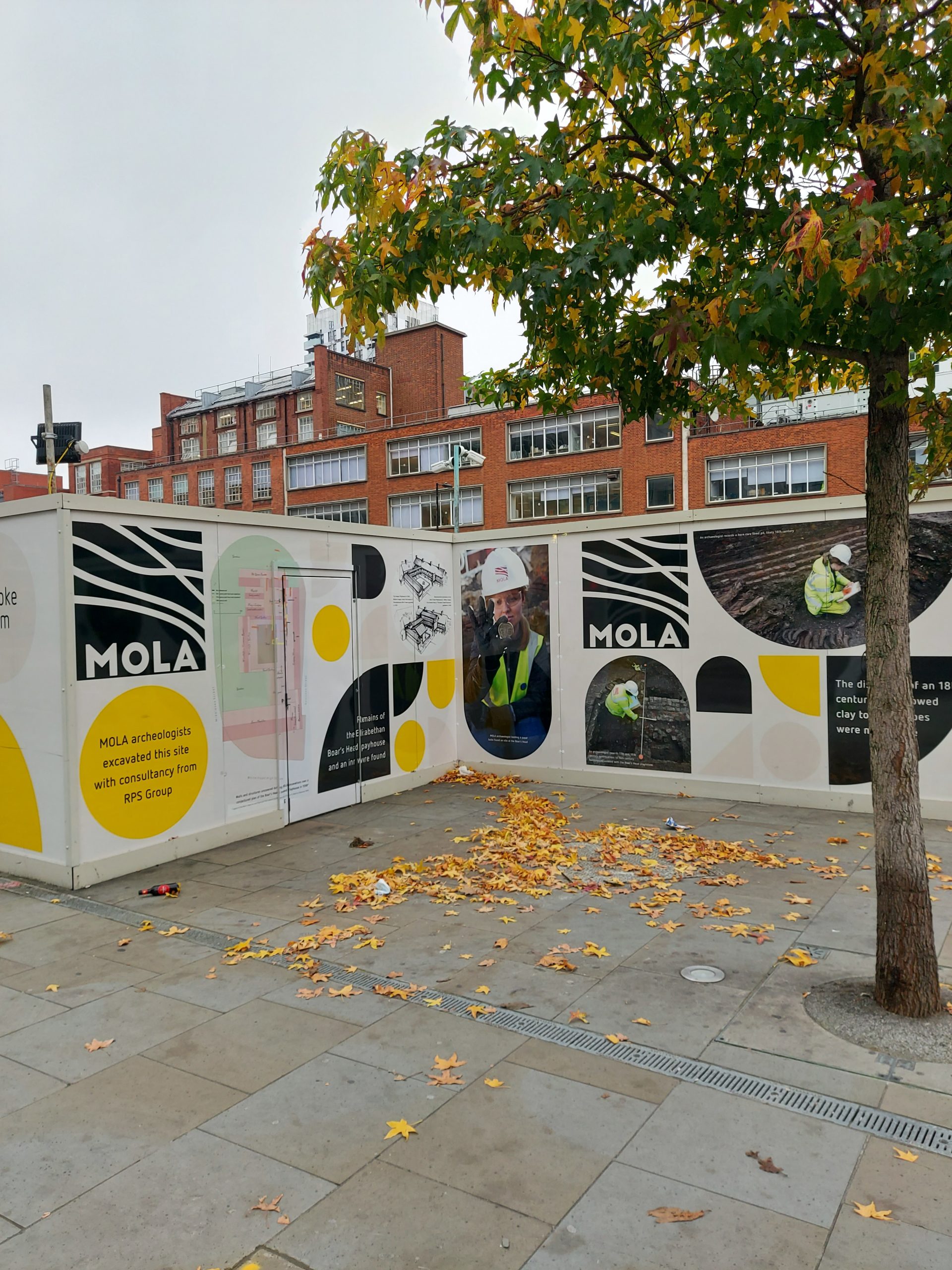
Building site hoardings
Site of the Boar’s Head

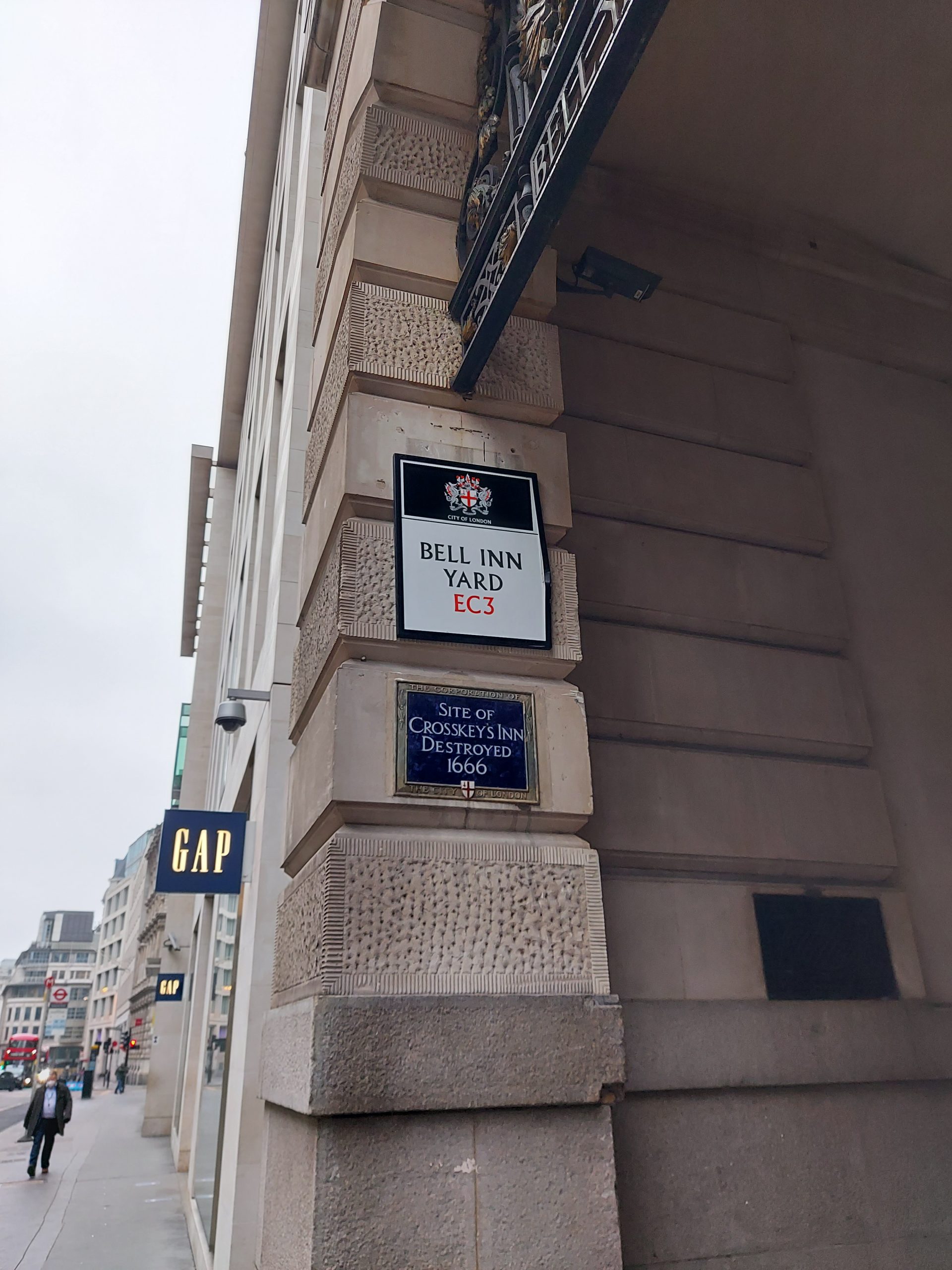
Walking south down Bishopsgate and then Gracechurch (Gracious) Street, I passed the sites of the Bull Inn, the Bell and the Cross Keys, the other inns that along with the Bel Savage were granted licenses by the City to perform plays.
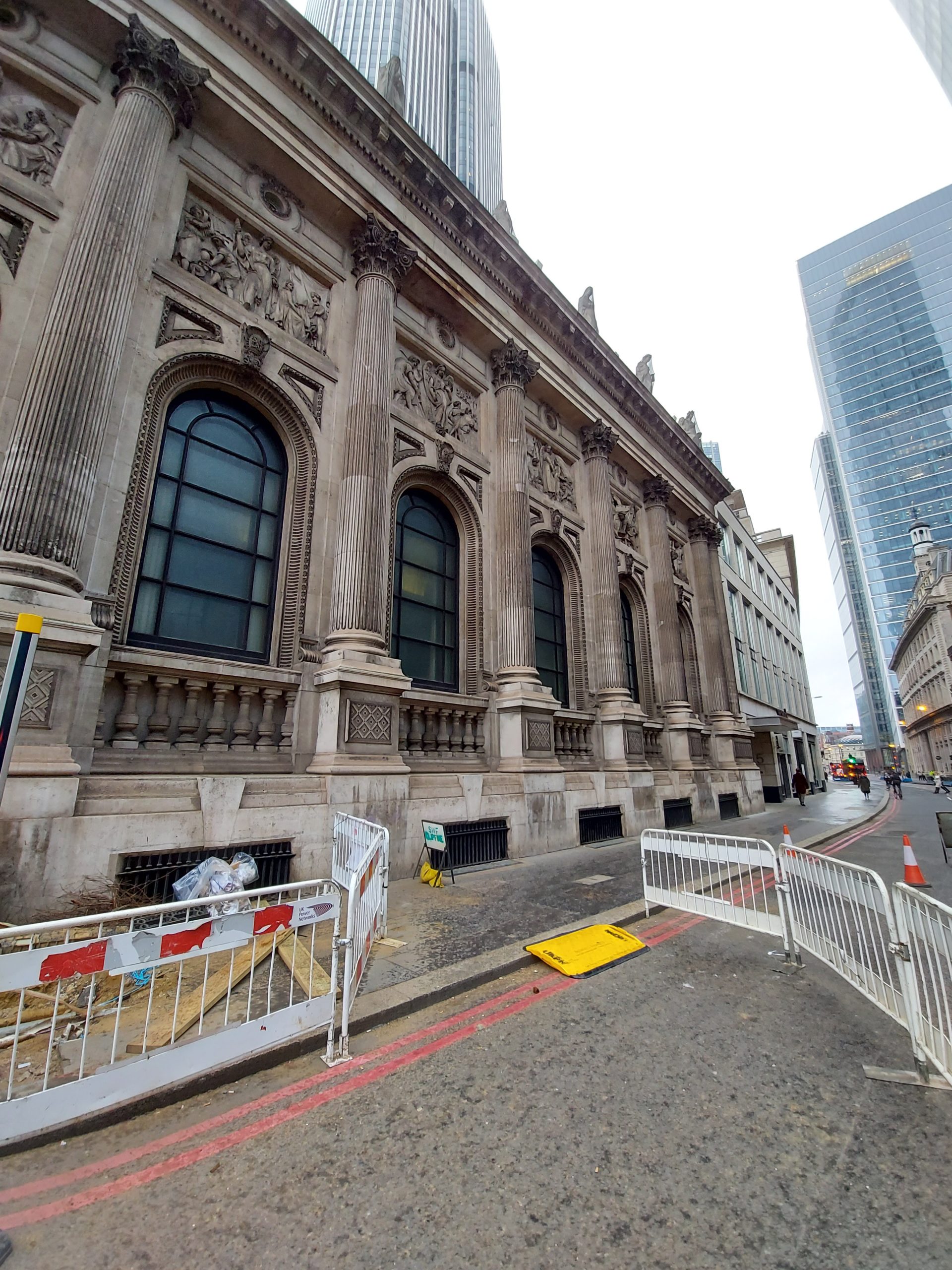
By now I’d almost reached the river, so I crossed at London Bridge and made my way to the start of Walk 5. This final walk began at Southwark Cathedral, which has memorial slabs to Edmond Shakespeare, John Fletcher and Philip Massinger.
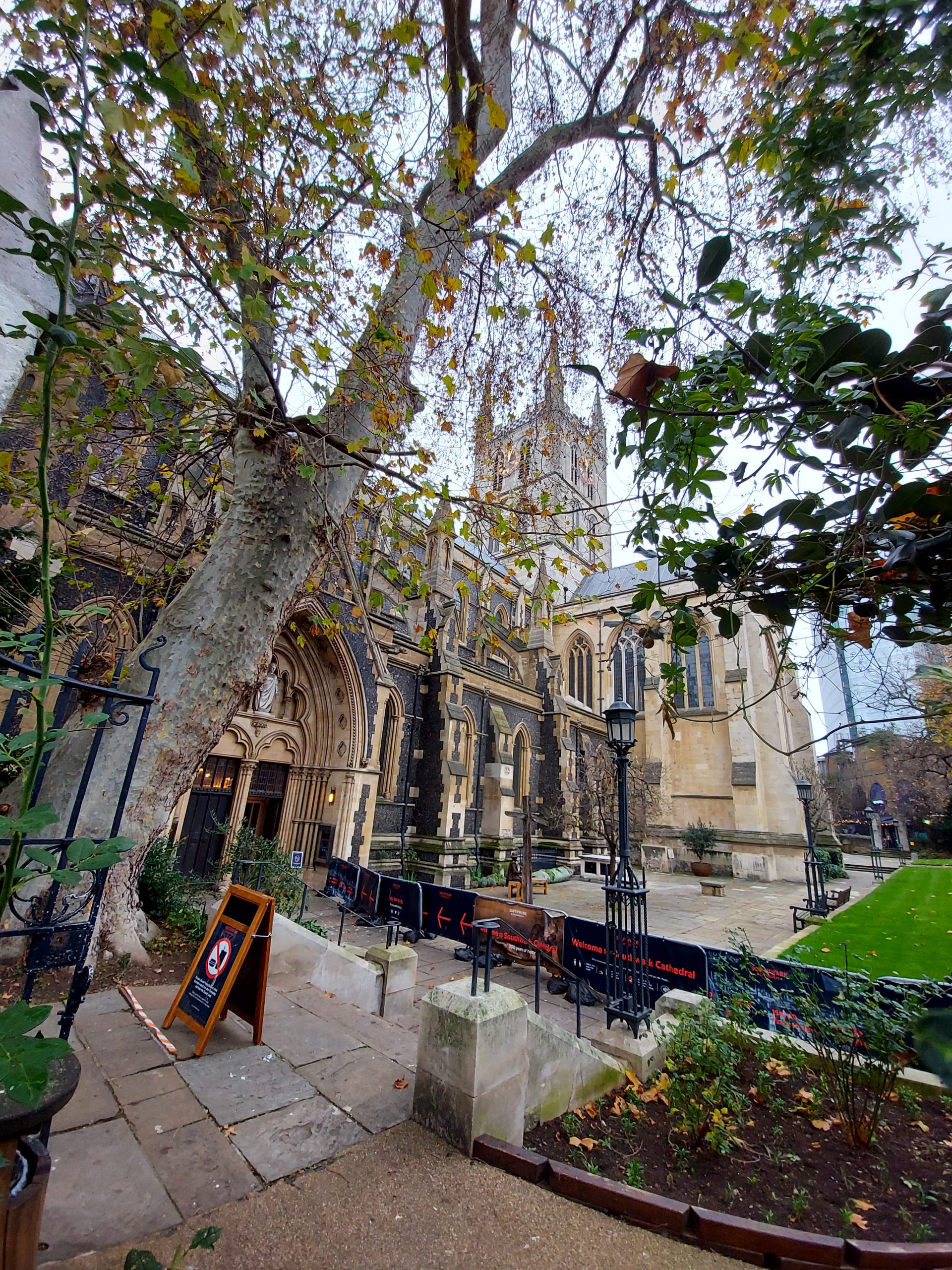
Southwark Cathedral
Southwark Cathedral

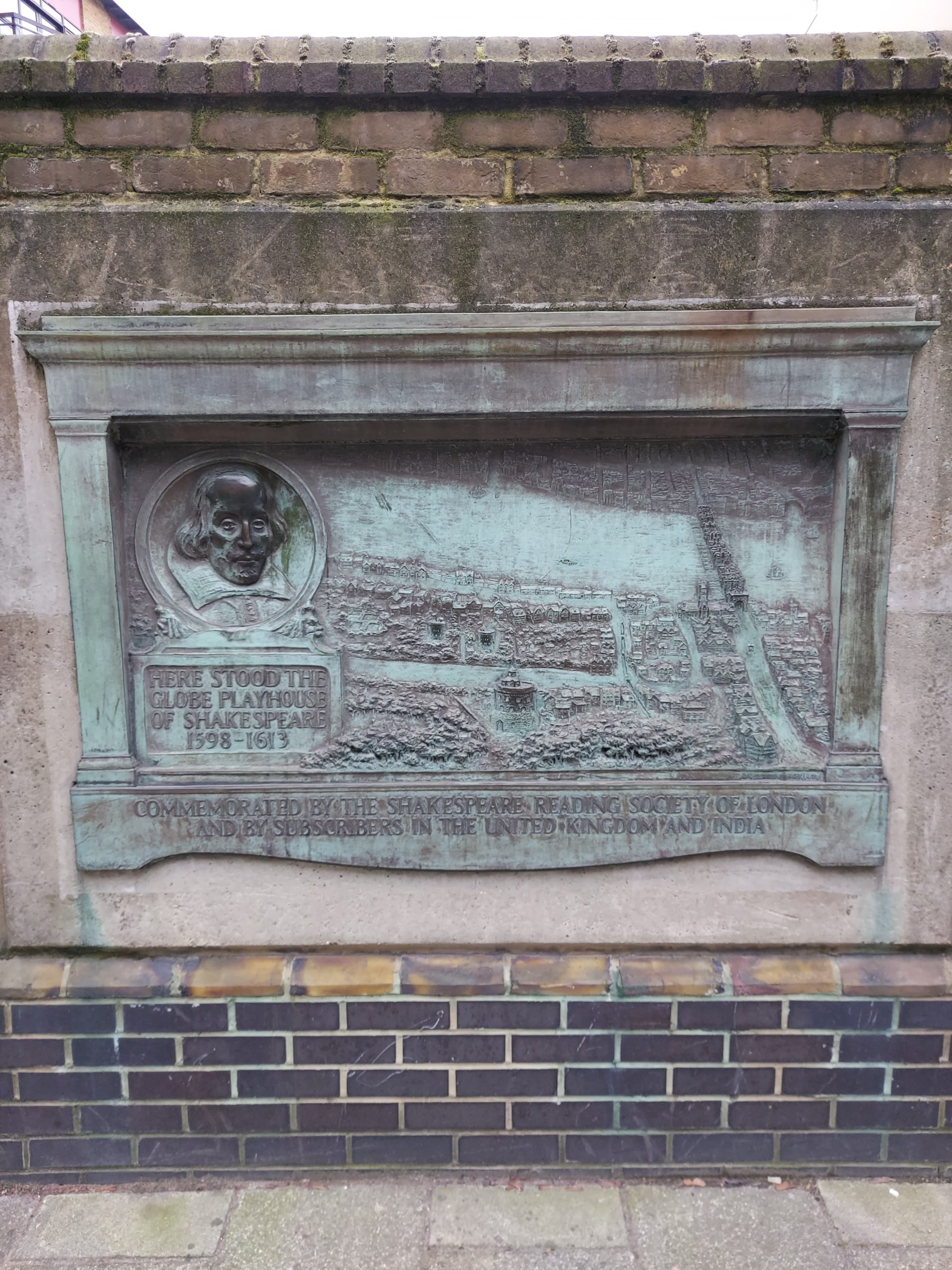
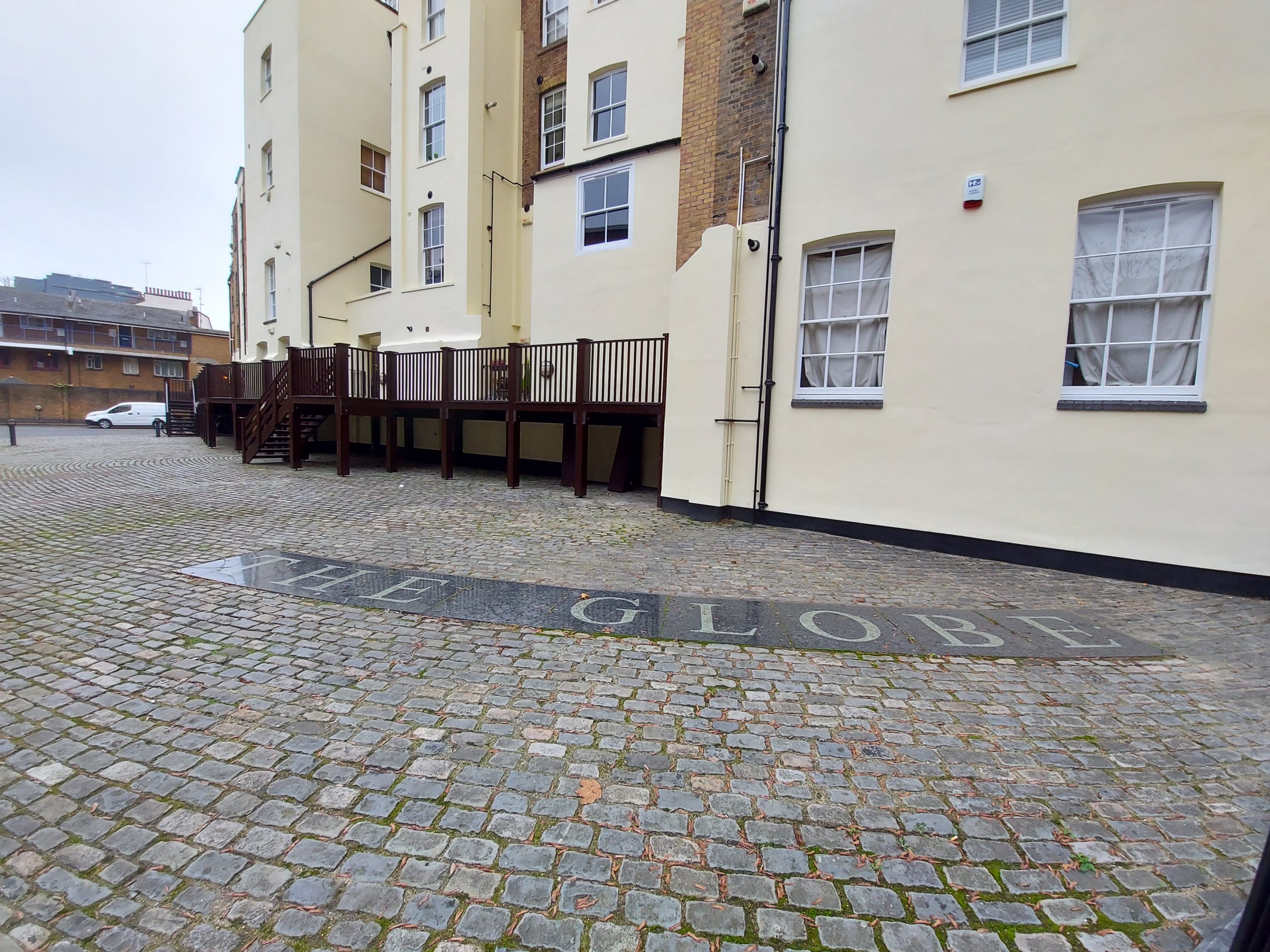
I then headed west to the site of the original Globe theatre, which opened on Bankside in 1599 and remained open (apart from the interval between the first Globe burning down in 1613, during a performance of Henry VIII, and the second Globe being built) until 1642. This theatre hosted the Chamberlain’s, later the King’s, Men and premiered many of Shakespeare’s plays including Hamlet, King Lear and Othello.
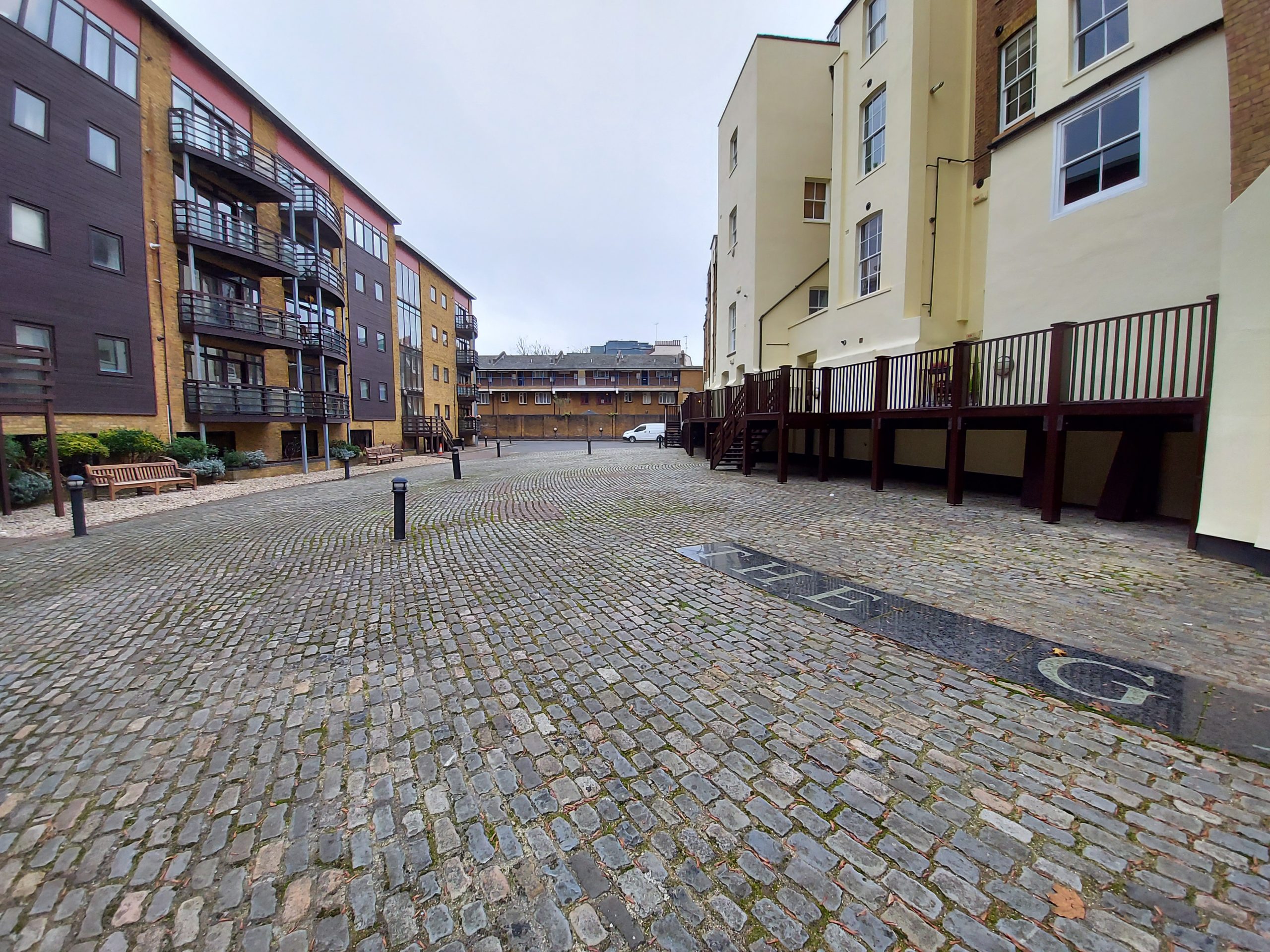
A little further along the same road is the site of the Rose, the first theatre to open on Bankside, built by Philip Henslowe in 1587. It staged plays until 1604, and was home to the Admiral’s Men between 1594 to 1600. The theatre showed many plays by Christopher Marlowe, including Tamberlaine, The Jew of Malta and The Massacre at Paris. The site was discovered and excavated in 1989; after a campaign by many key figures in the arts, it was preserved and is now enclosed beneath offices.
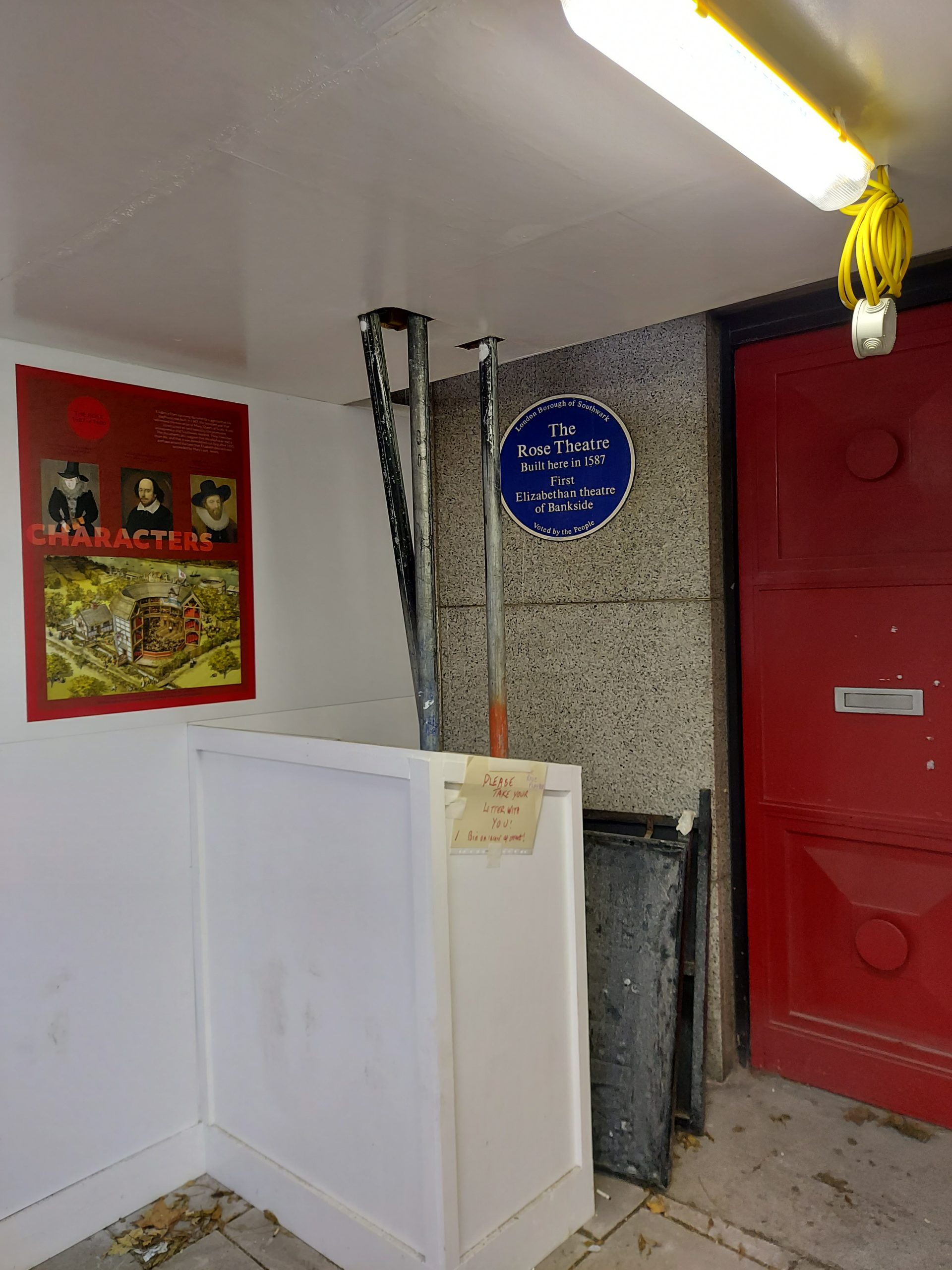
A red door in the wall of a modern building, with a blue plaque
Location of the Rose

Nearby is the site of the Hope Theatre in Bear Gardens. Opened in 1614 by Philip Henslowe, it had a dismountable stage so that it could show bear-baiting and swordfighting as well as theatrical performances. Ben Jonson’s Bartholomew Fair premiered here in 1614, and in the printed text Jonson complains about the smell.
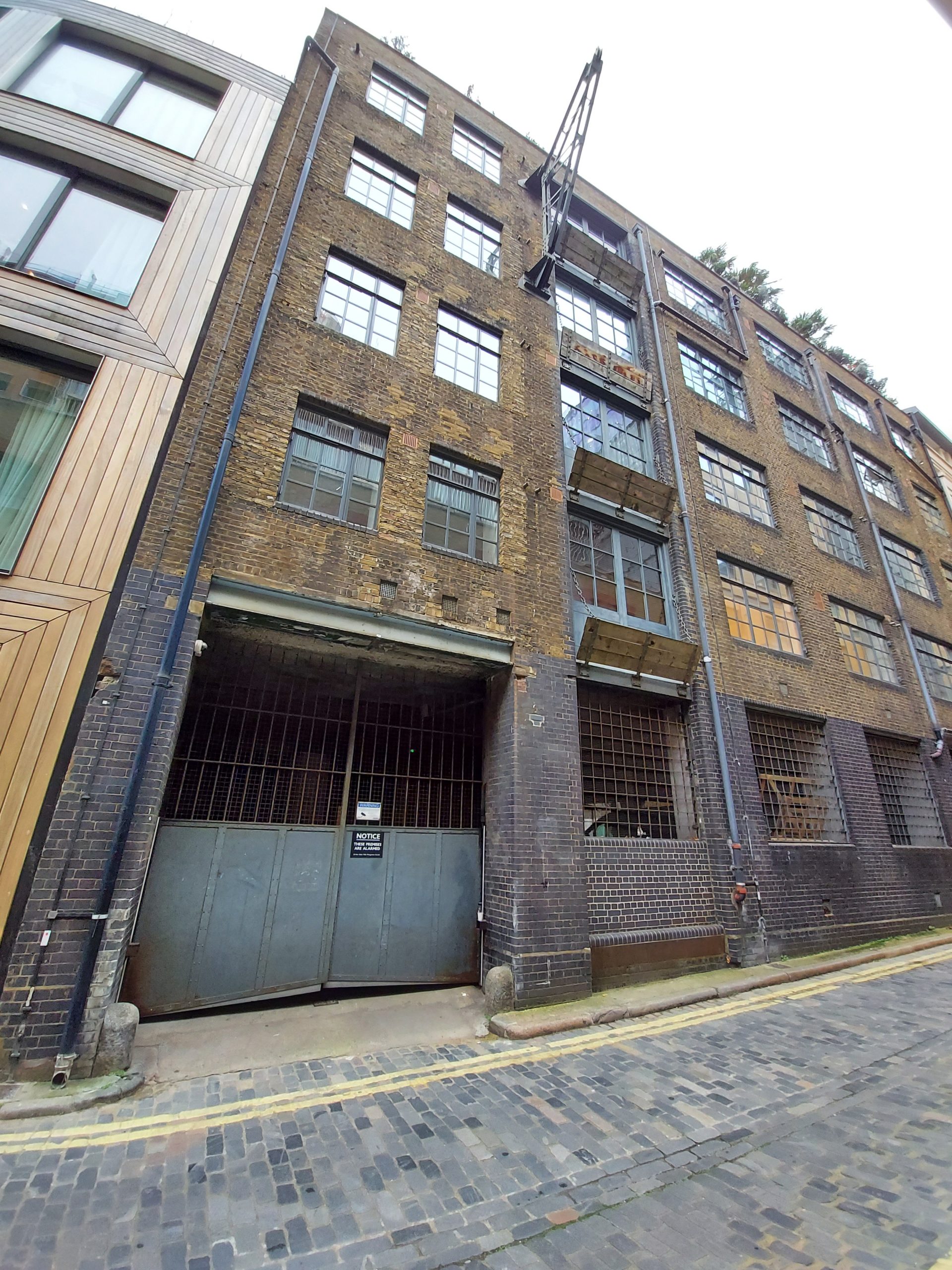
Building
Location of the Hope

Finally, the walk ended at the site of the Swan, opened in 1595 by Francis Langley to compete with the Rose. It was handily positioned near Paris Garden stairs where patrons arriving by river would land, but did not enjoy the success of the Globe and the Rose. It closed in around 1628.
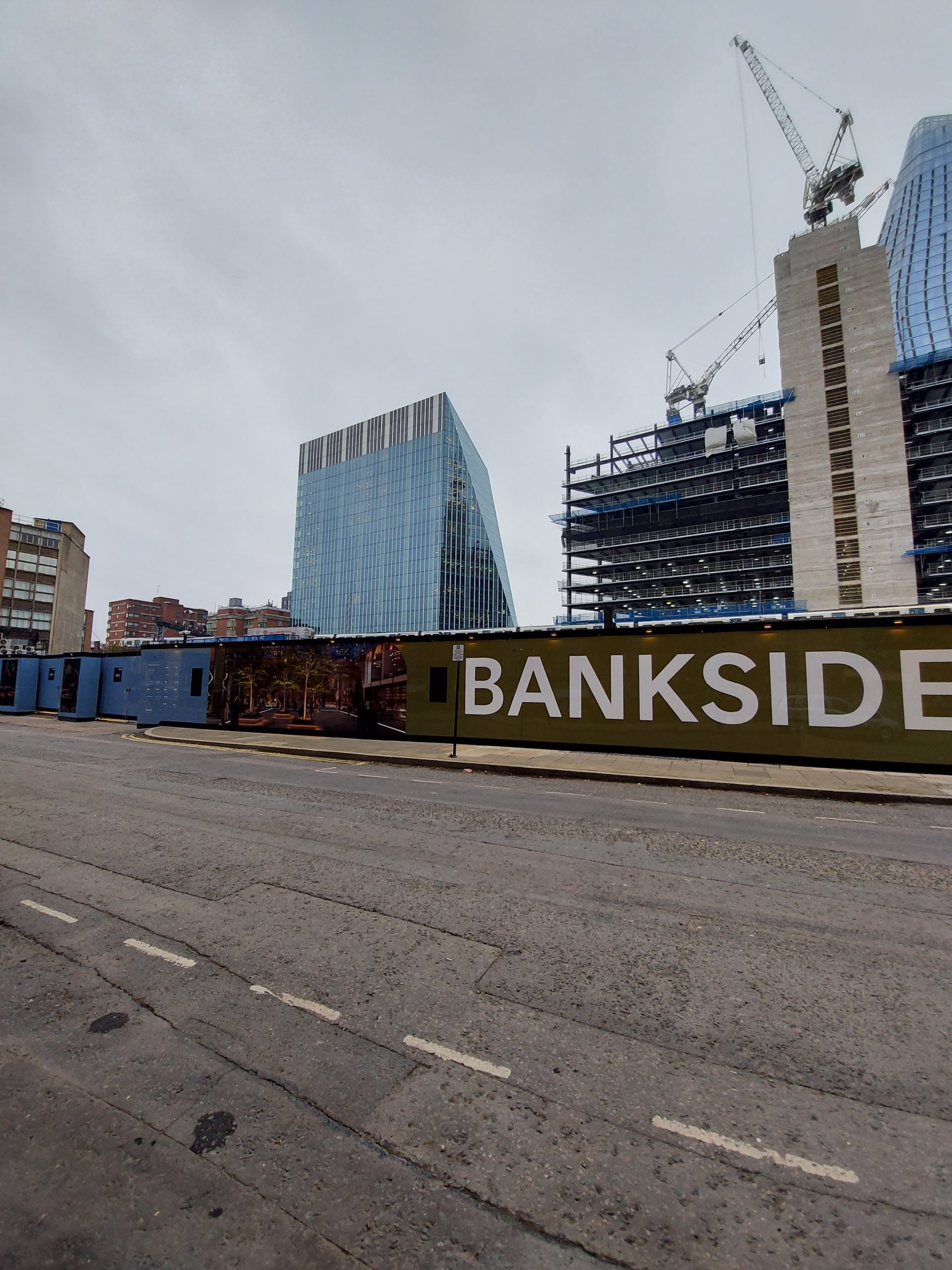
Building site
Location of the Swan

Having reached the end of the walk, I decided to travel south to Elephant & Castle to check out a couple of other sites on the map. The Newington Butts theatre (1575-95) was on the site of what is now (albeit not for long) the Coronet music venue.
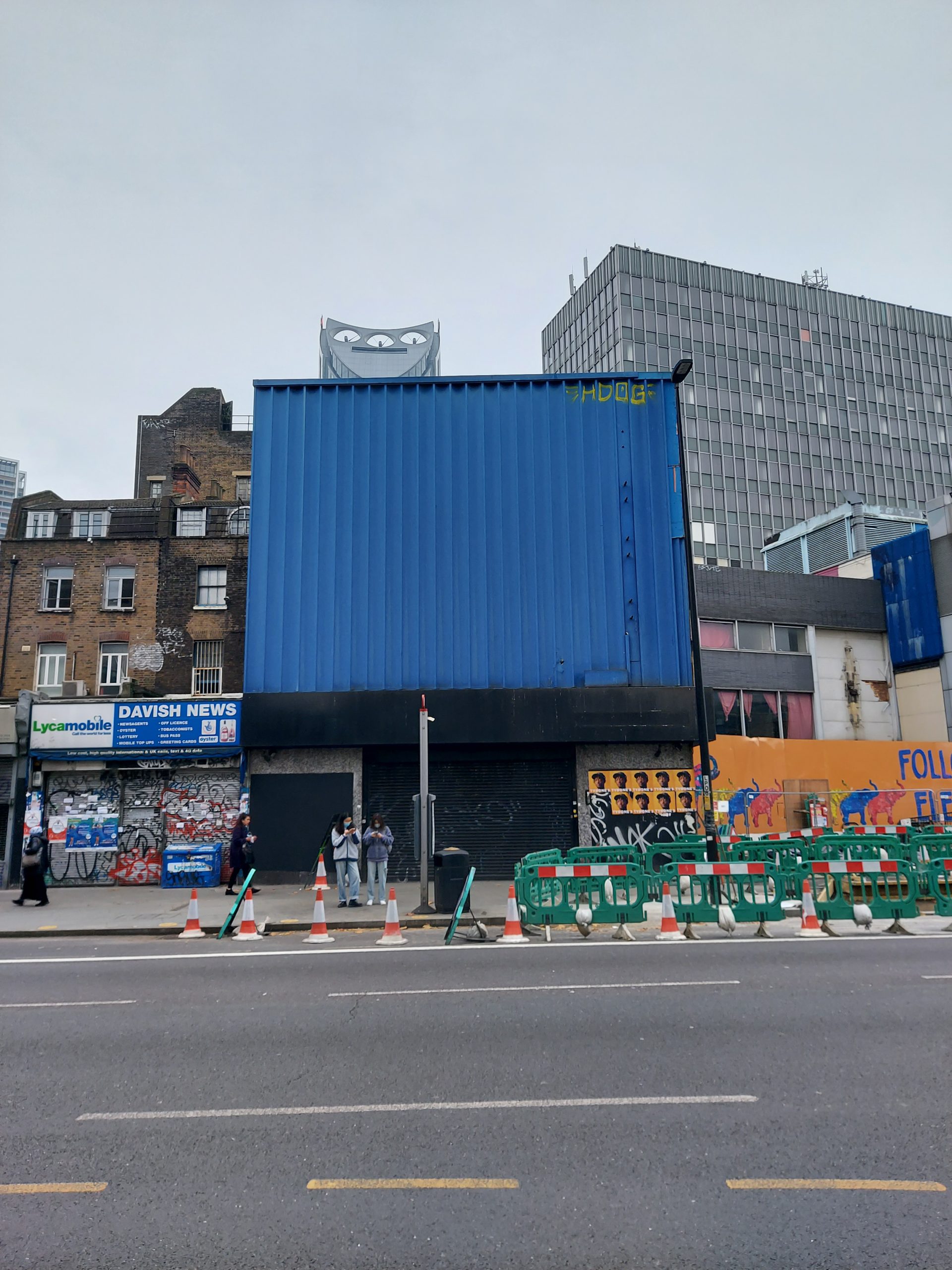
Blue building
Location of Newington Butts

Finally, I ended up in St Mary’s churchyard. No longer recognisable as a churchyard, except for the name, it is the burial place of playwright Thomas Middleton, who lived in the area and died in 1627.
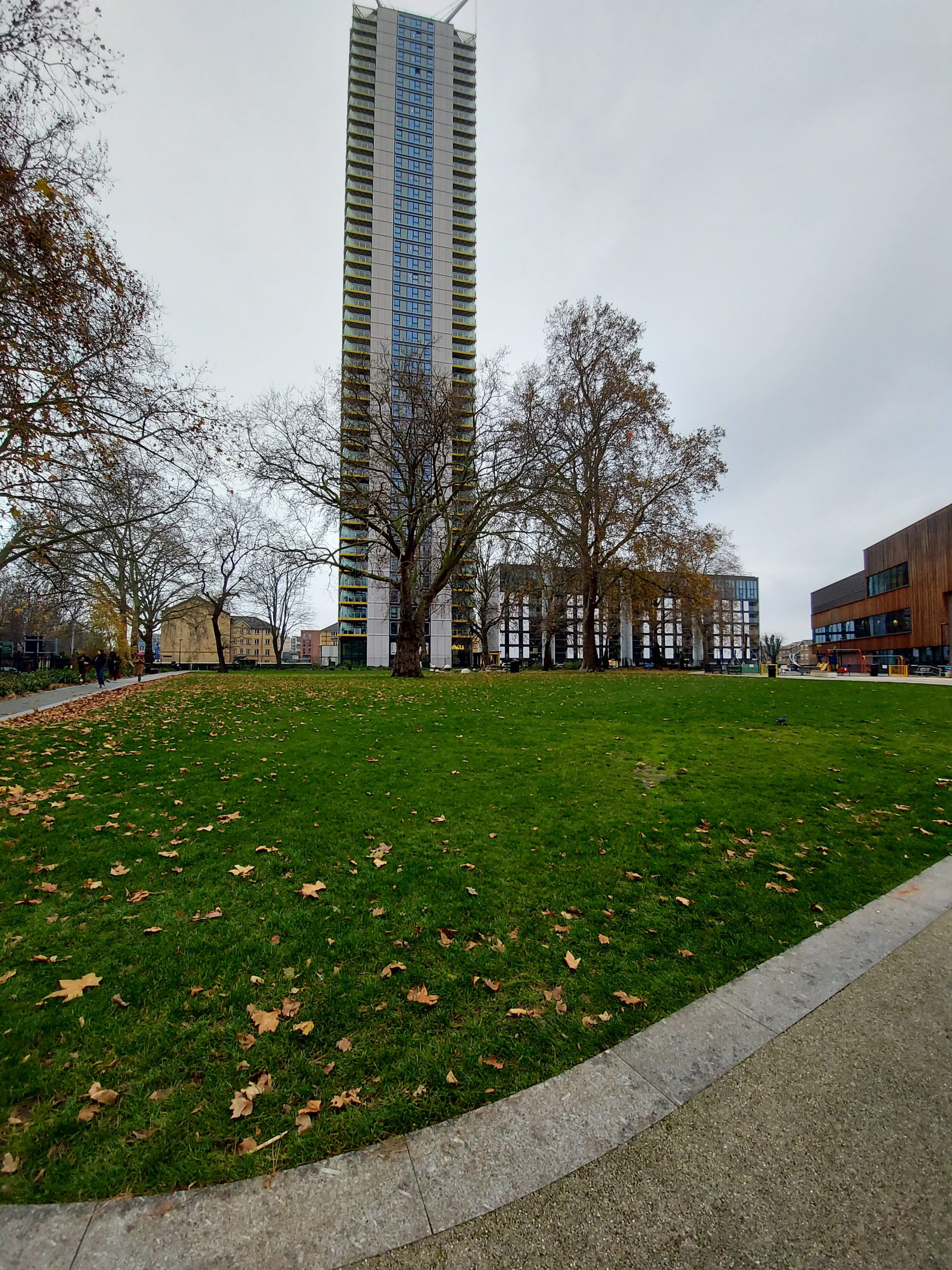
Green space
St Mary’s churchyard

So with that I come to the end of the ShaLT walks. I have more of a sense now of the geography of Elizabethan and Jacobean theatreland, and how everything fits together. I hope in the future even more can be discovered about performance and theatregoing during this period.
ShaLT Walk 3

After completing the first two ShaLT walks, I went back to central London the very next day to tackle Walk 3. I only did one walk today as it was by far the densest in terms of locations.

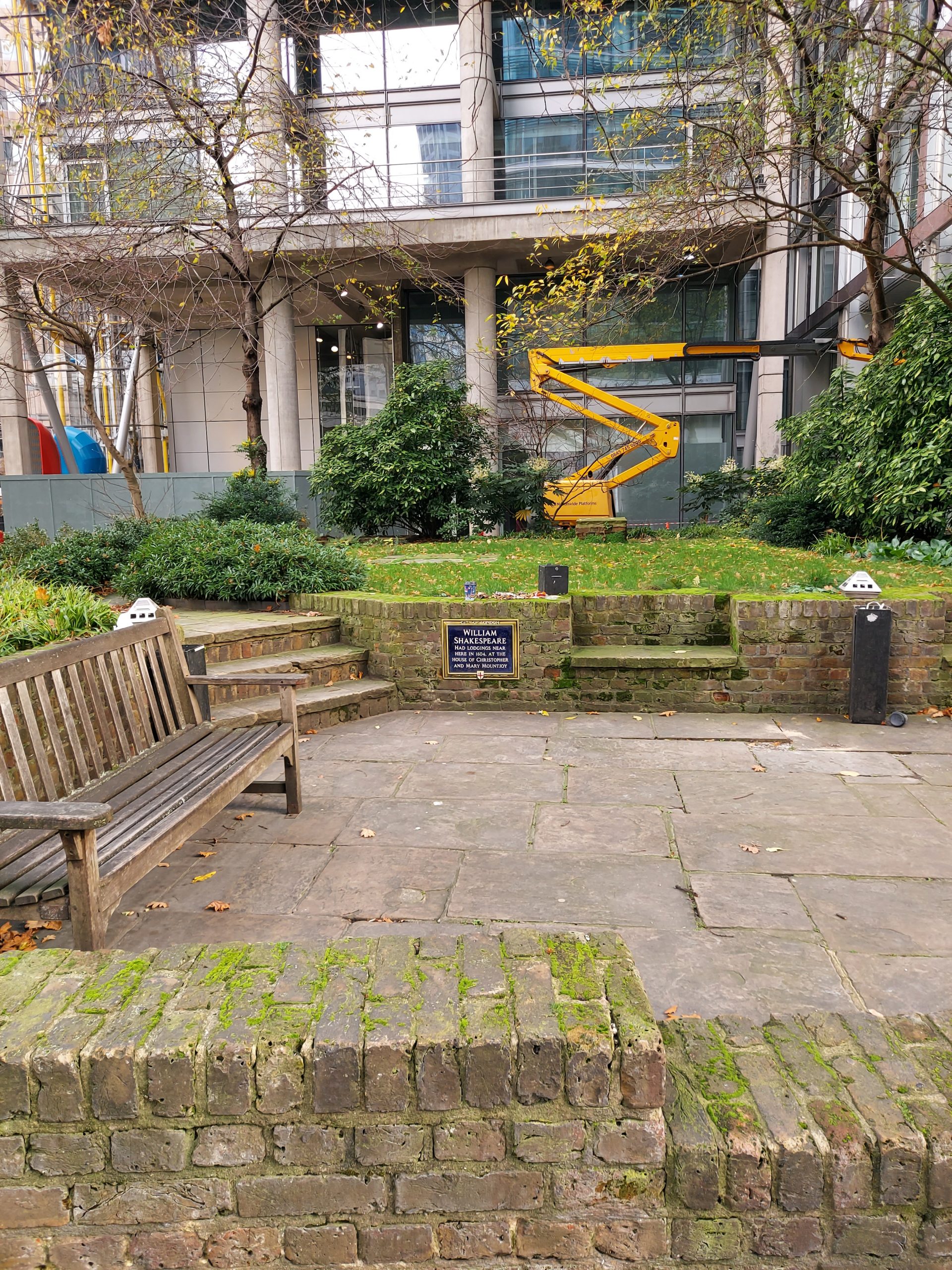
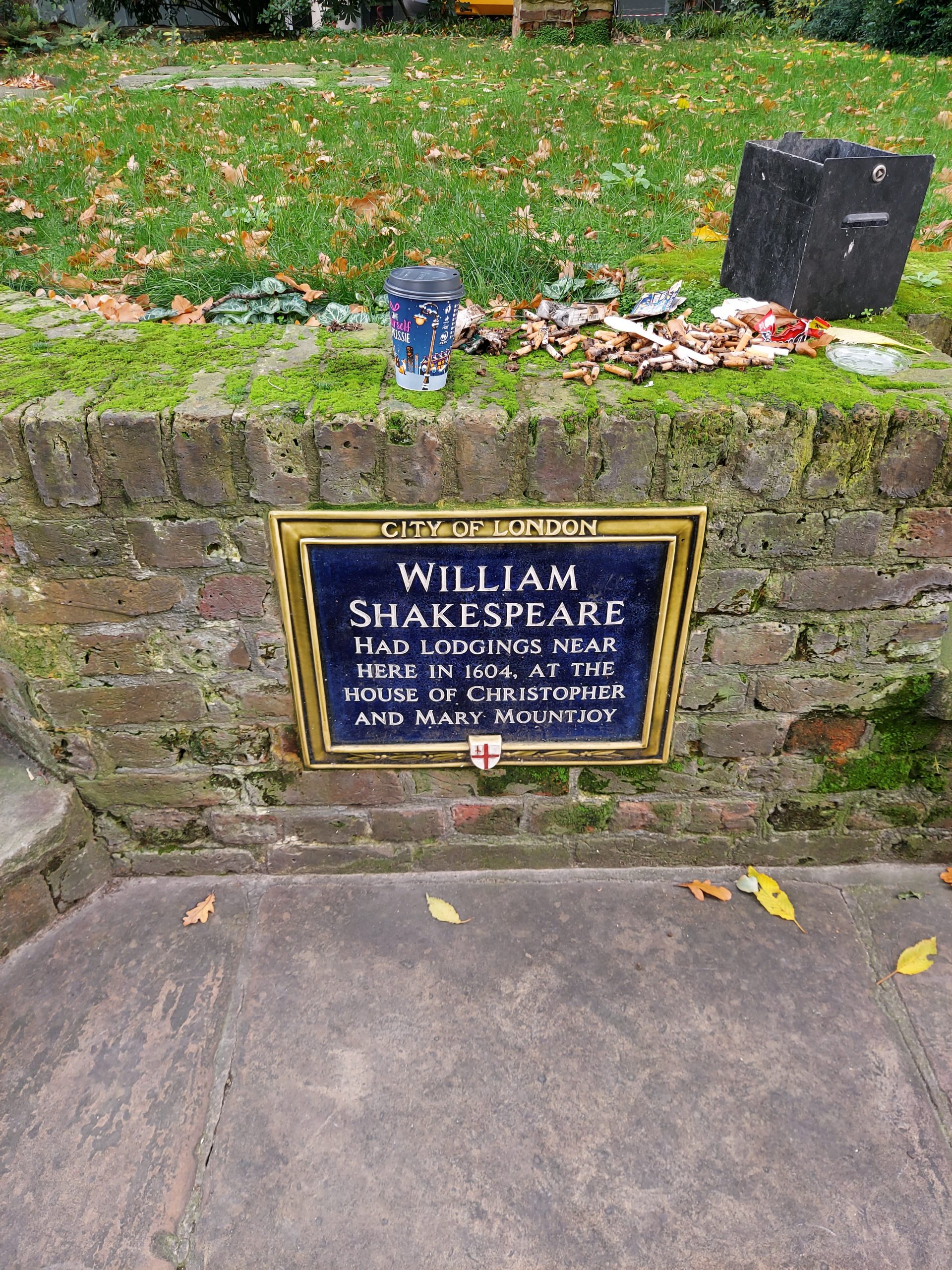
The walk began at St Paul’s, and the first thing I did, although it wasn’t officially part of the walk, was to head north to find the site of Shakespeare’s former lodgings on Silver Street, near St Giles’s Church. I also found the third location of the Revels Office (1612-30), on Peter’s Hill near the College of Arms.

I then followed the map to the location of the Bel Savage at Limeburner Lane. In 1583 four inns were licensed by the City for dramatic performances; the Bel Savage was one of these taverns. Playing in the City was banned in 1594.

Grey pavement and modern buildings
Location of the Bel Savage

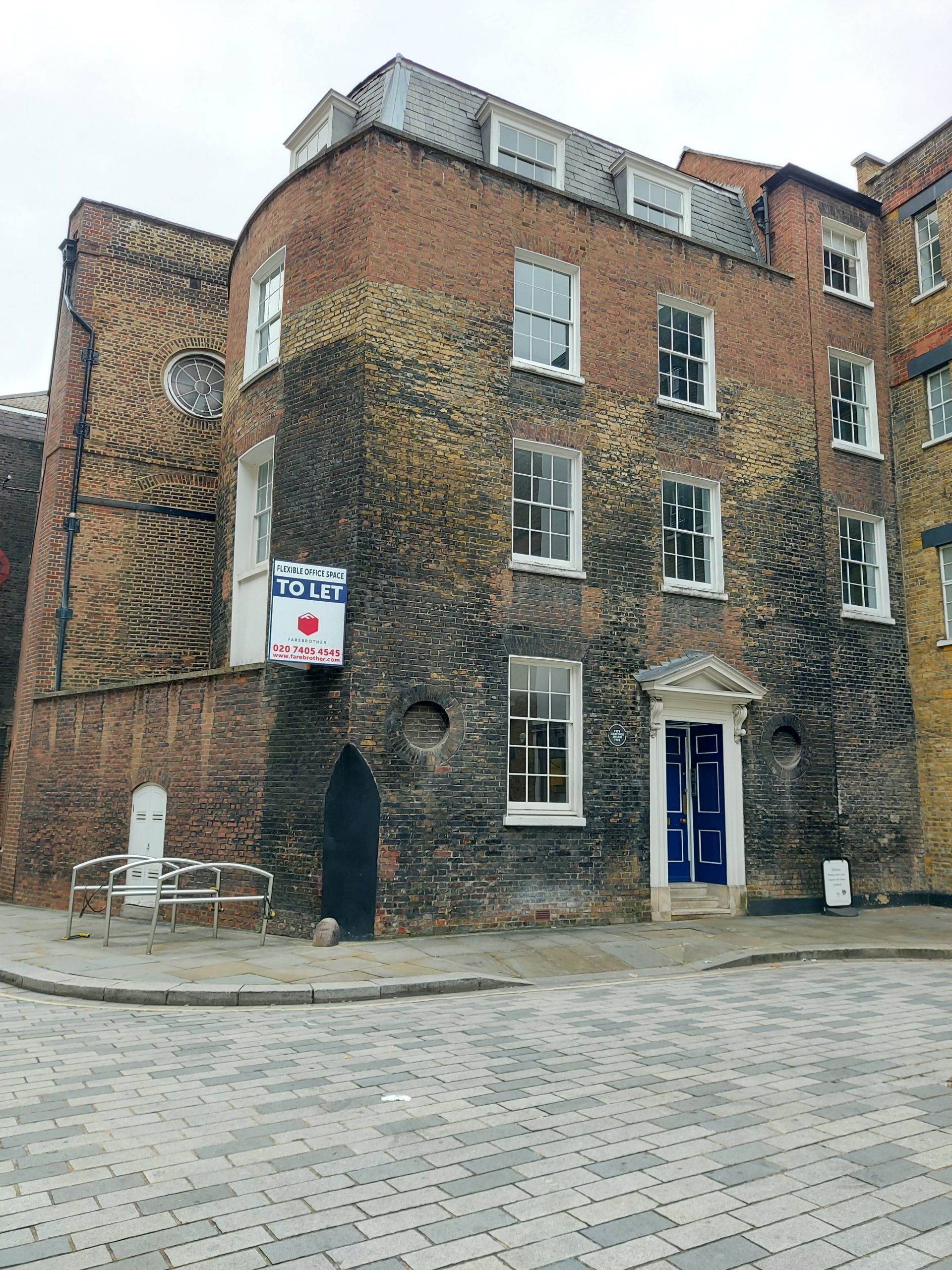
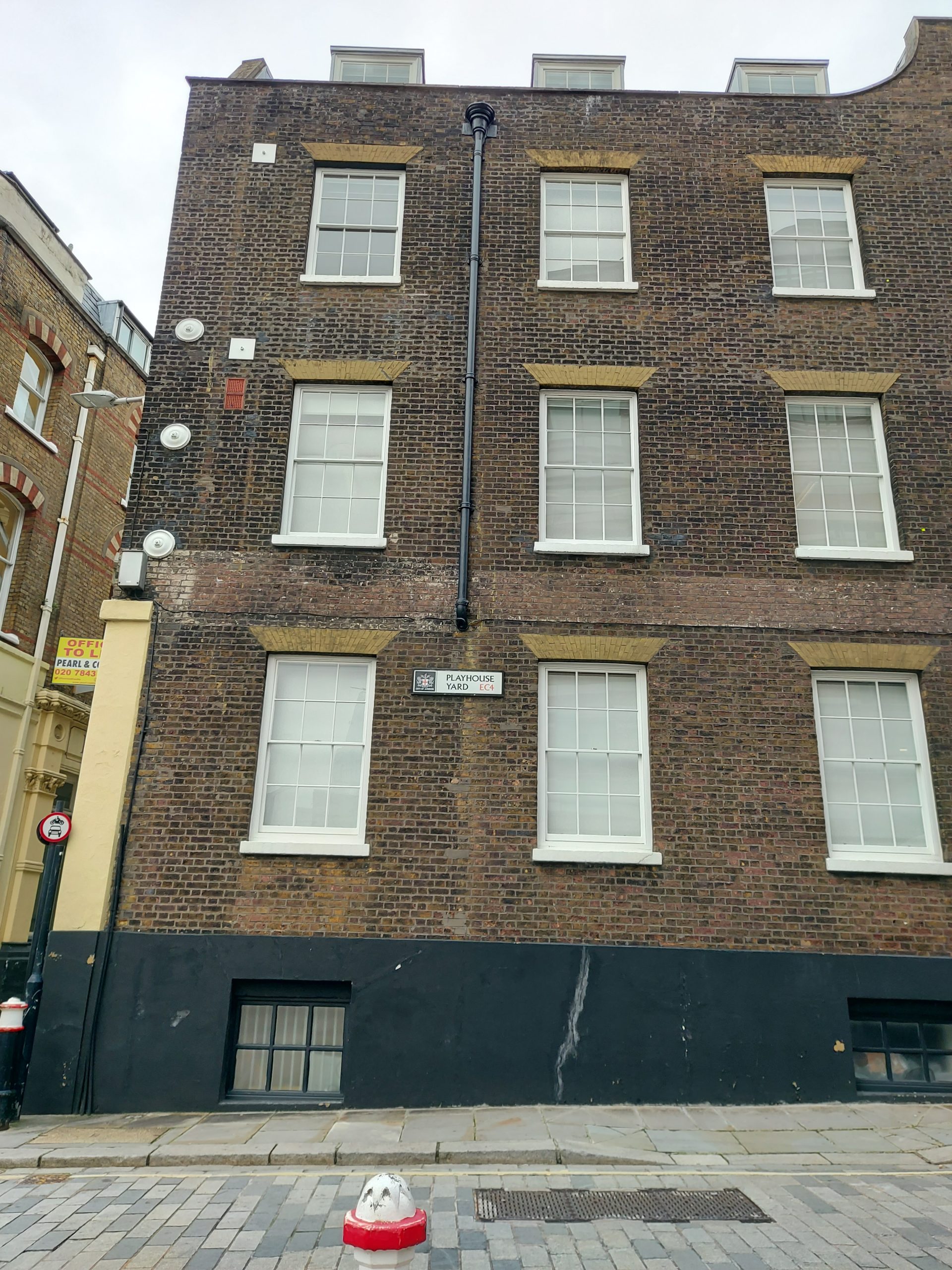
I tried to find Shakespeare’s other known London residence at the Blackfriars East Gatehouse, but I struggled with this and gave up in the end. I had a bit more luck with the site of the two Blackfriars theatres: originally a smaller stage in an upper room from 1576-90, then a purpose-built stage in upper rooms, accessed from Playhouse Yard, which staged plays between 1596 and 1642. This second theatre became the model for all future theatres, and was used by Shakespeare’s company, who staged plays at the Globe in summer and the Blackfriars in winter – a programme emulated by the modern-day Shakespeare’s Globe.
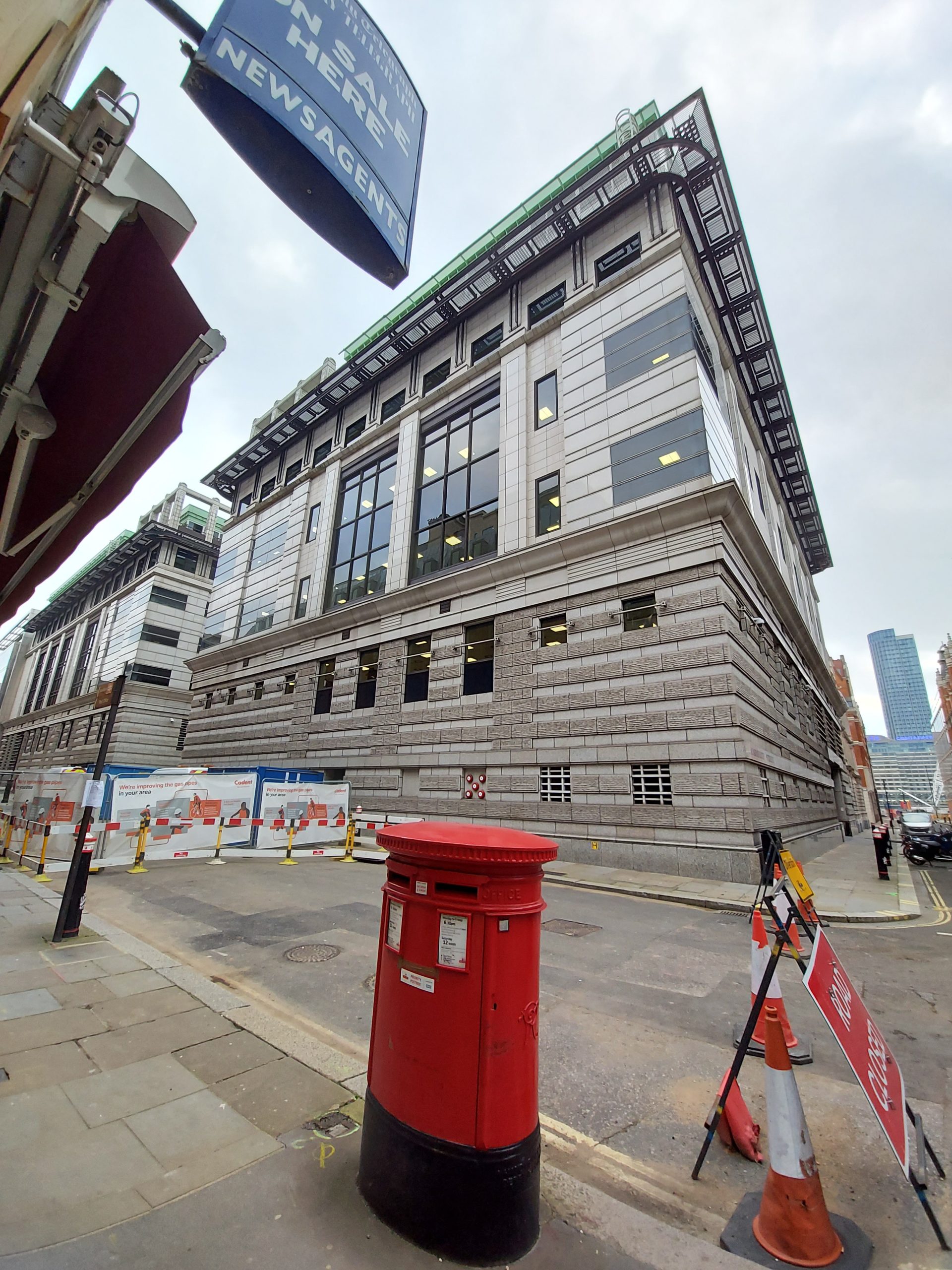
Disentangling myself from the maze of streets surrounding Blackfriars, I headed west towards the location of Salisbury Court. This indoor theatre was opened in 1629, the last of the period’s theatres to open. William Blagrave (Deputy Master of the Revels) and actor Richard Gunnell hoped that it would compete with the other nearby indoor theatres including the Blackfriars. Later on the Richard Brome became the resident writer, and many of his more famous works were staged here, including The Asparagus Garden.

A grey building with a postbox in front
Location of Salisbury Court

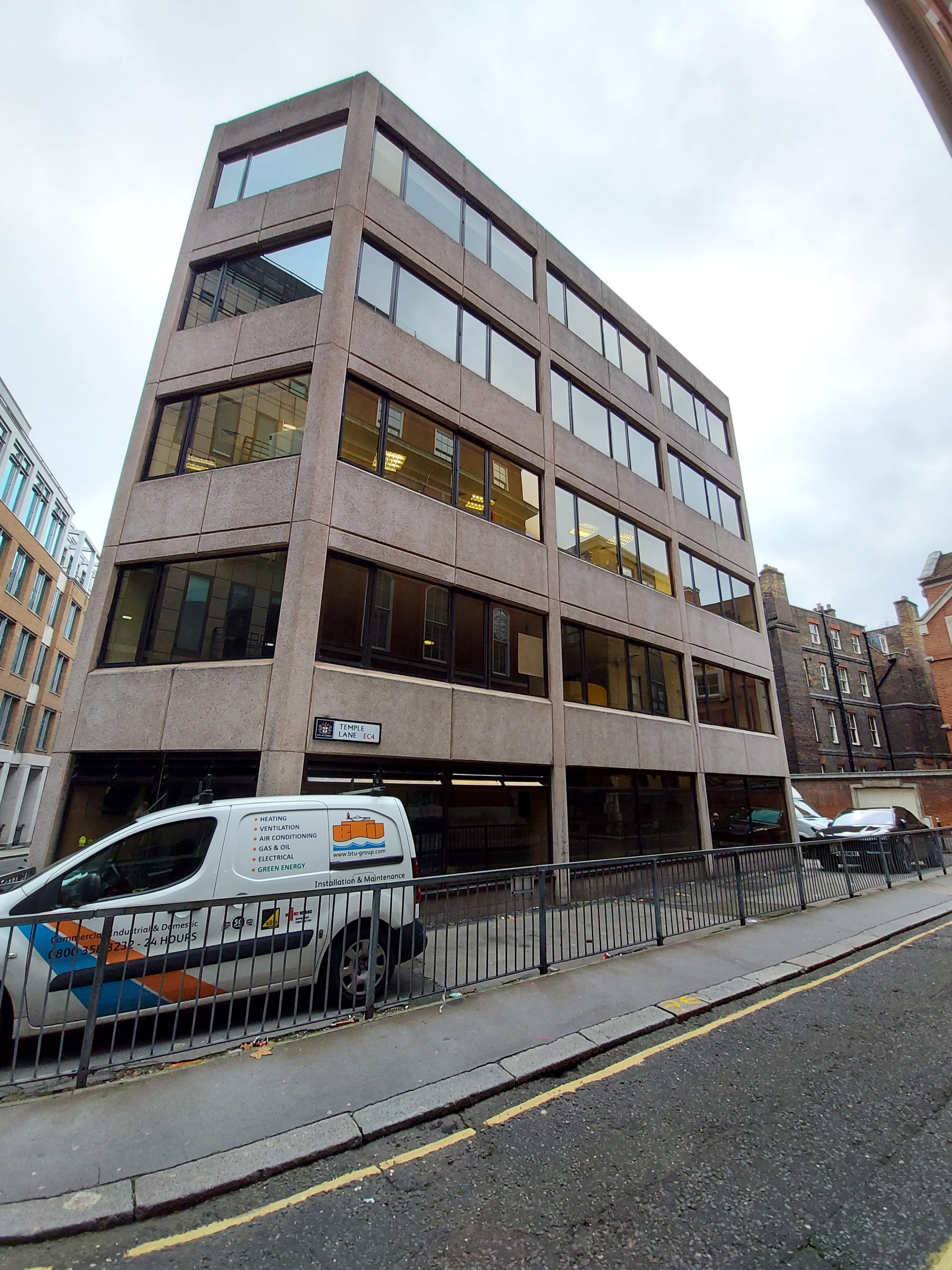
A little further along was the location of the Whitefriars (as well as the second Revels Office, 1608-1611). Paul Rosseter opened this theatre in 1609, and at first it was home to the boy actors from the Blackfriars, until 1613 when the company combined with the Lady Elizabeth’s Men until the lease ended in 1614.

Grey modernist building
Location of the Whitefriars

This walk included the Inns of Court: Inner Temple Hall, Middle Temple Hall, Lincoln’s Inn Hall, and Grays’s Inn Hall. However, these sites were all shut when I tried to visit. I have attended performances of Elizabethan plays at both Inner Temple and Middle Temple Halls, so I wasn’t too upset about this. Several of Shakespeare’s plays were performed at the Inns in front of the Queen, such as The Comedy of Errors and Twelfth Night.

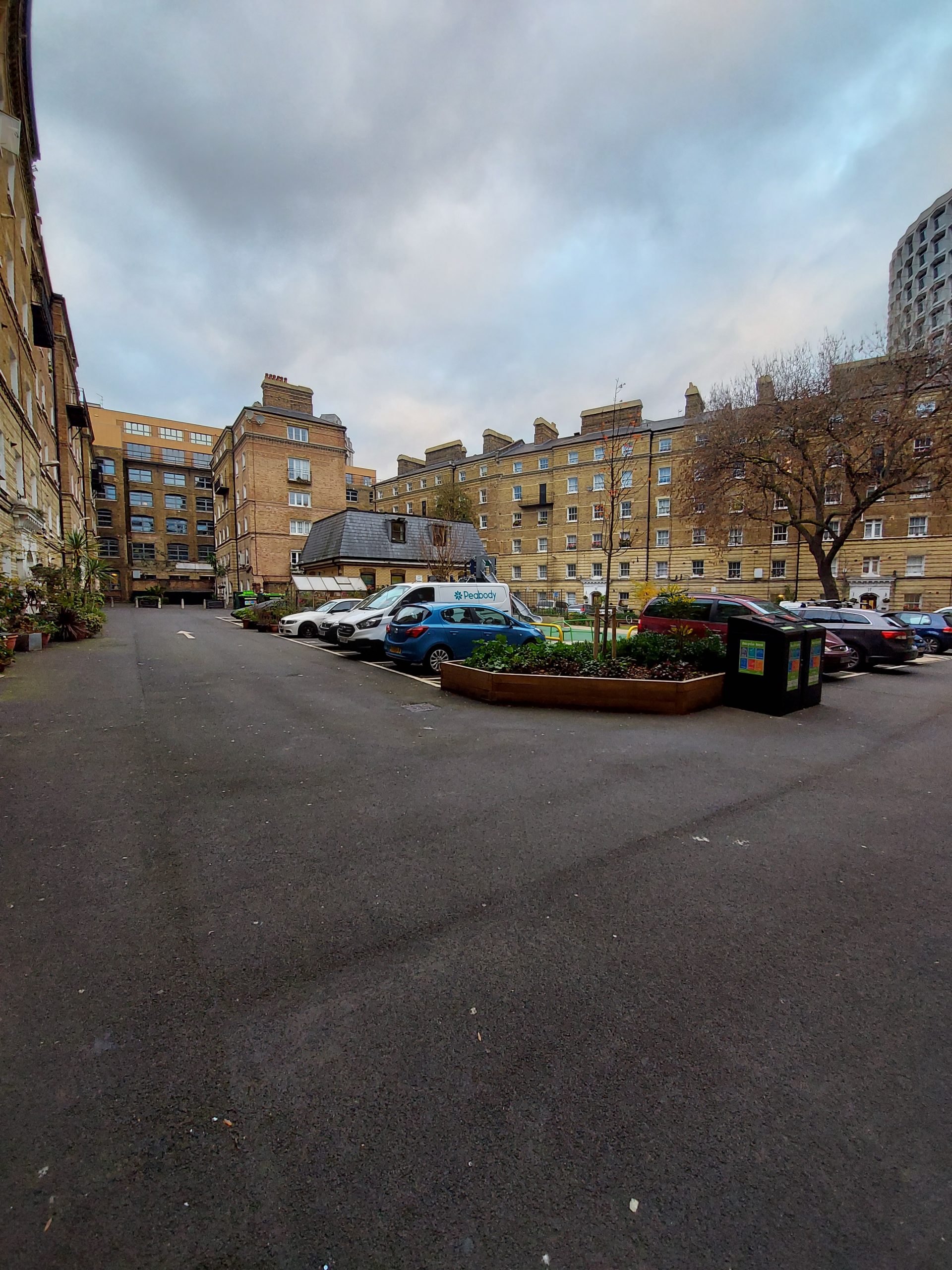
Inner courtyard of a West End housing estate
Location of the Cockpit/Phoenix

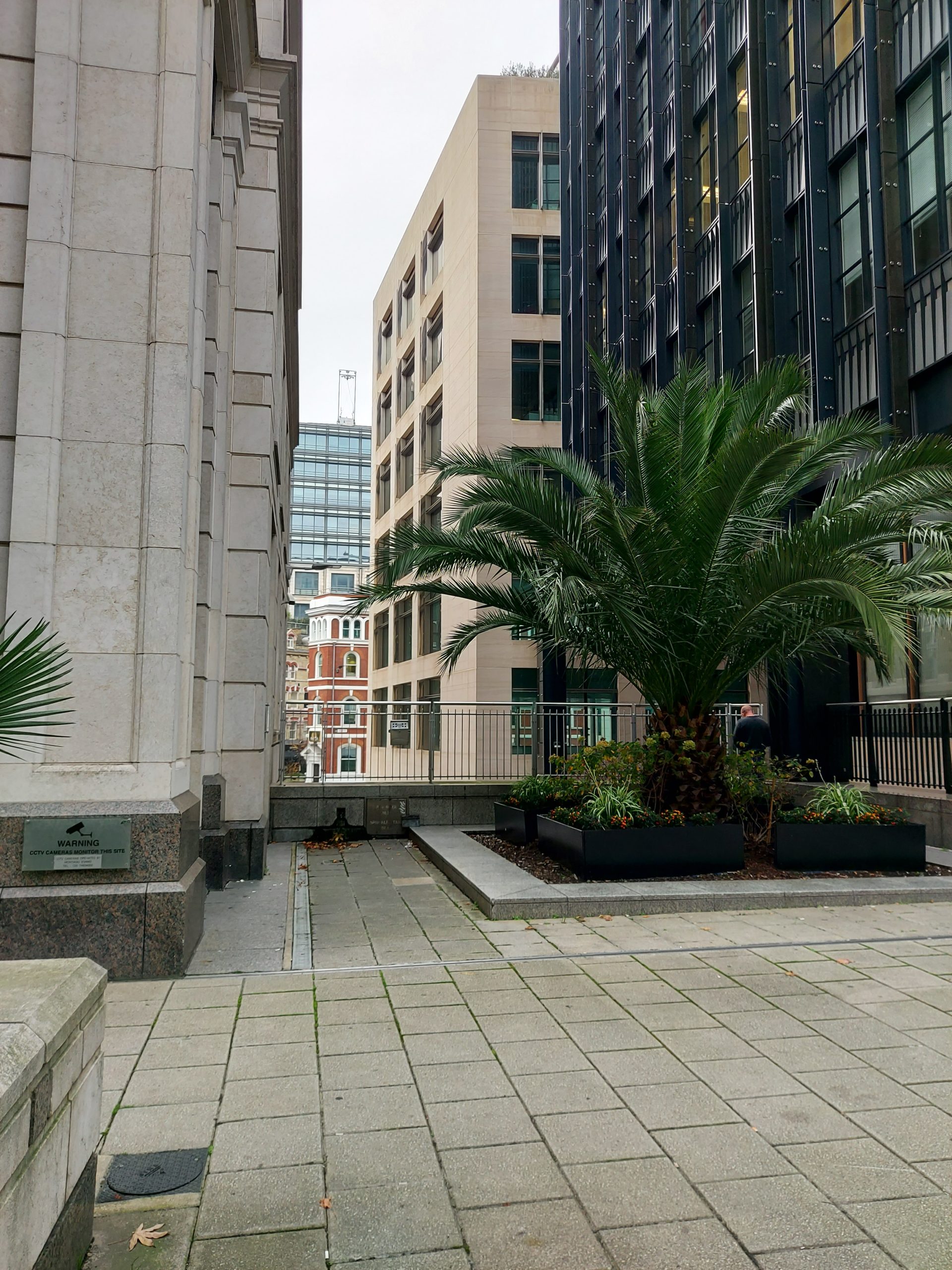
The walk ended in the modern West End – the location of the Cockpit/Phoenix, now the inner courtyard of a modern housing estate. This theatre was founded in 1616-17 by actor Christopher Beeston, and named after a real cockpit in Cockpit Court. Angry playgoers burnt down the theatre soon after it opened – annoyed that the Queen’s Men from the Red Bull were performing here and charging higher prices – but was almost immediately rebuilt.

ShaLT Walks 1 & 2

ShaLT, the Shakespearean London Theatres project, has created a map of London containing five walks designed to show theatre fans the sights and sounds of the city’s early theatres (1567-1642). I had some annual leave to use up, and not much planned owing to the latest lockdown, so I decided to use my time wisely – to follow each of these walks.

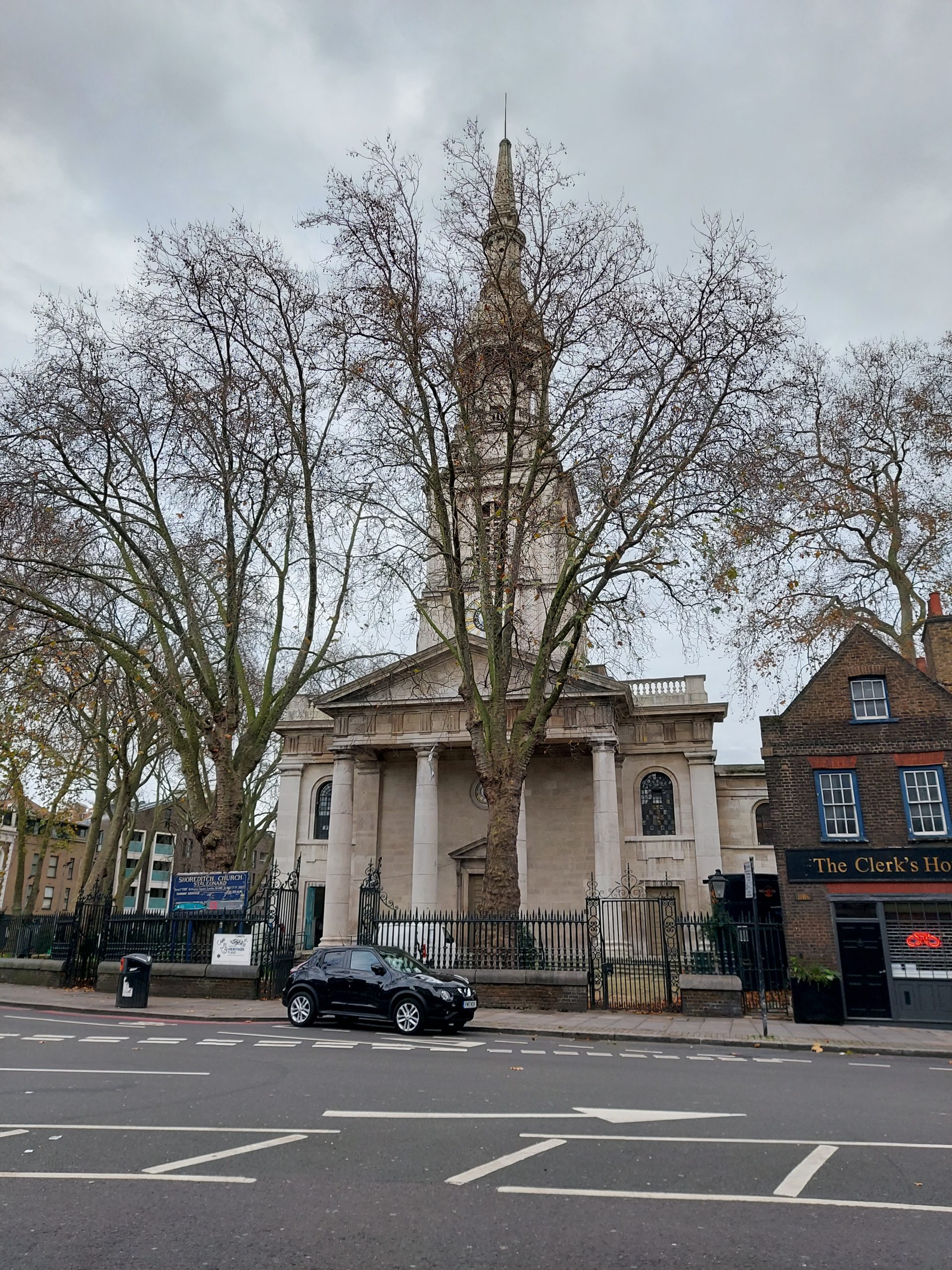
Being nothing if not logical, I began with Walk 1. It began in Shoreditch, the home of many of the earliest Elizabethan theatres. Being just outside of the City of London, it wasn’t subject to the same rules and regulations, which came in handy when putting on plays. The first stop was St Leonard’s Church, the burial place of many notable actors of the period, including Richard Burbage, the leading man in many of Shakespeare’s plays, as well as the comedian Richard Tarlton and the actor Gabriel Spenser (who was killed by Ben Jonson in a duel). Also buried here is Richard’s father James, the founder of the Theatre.

A church with a tall spire
St Leonard’s Church, Shoreditch

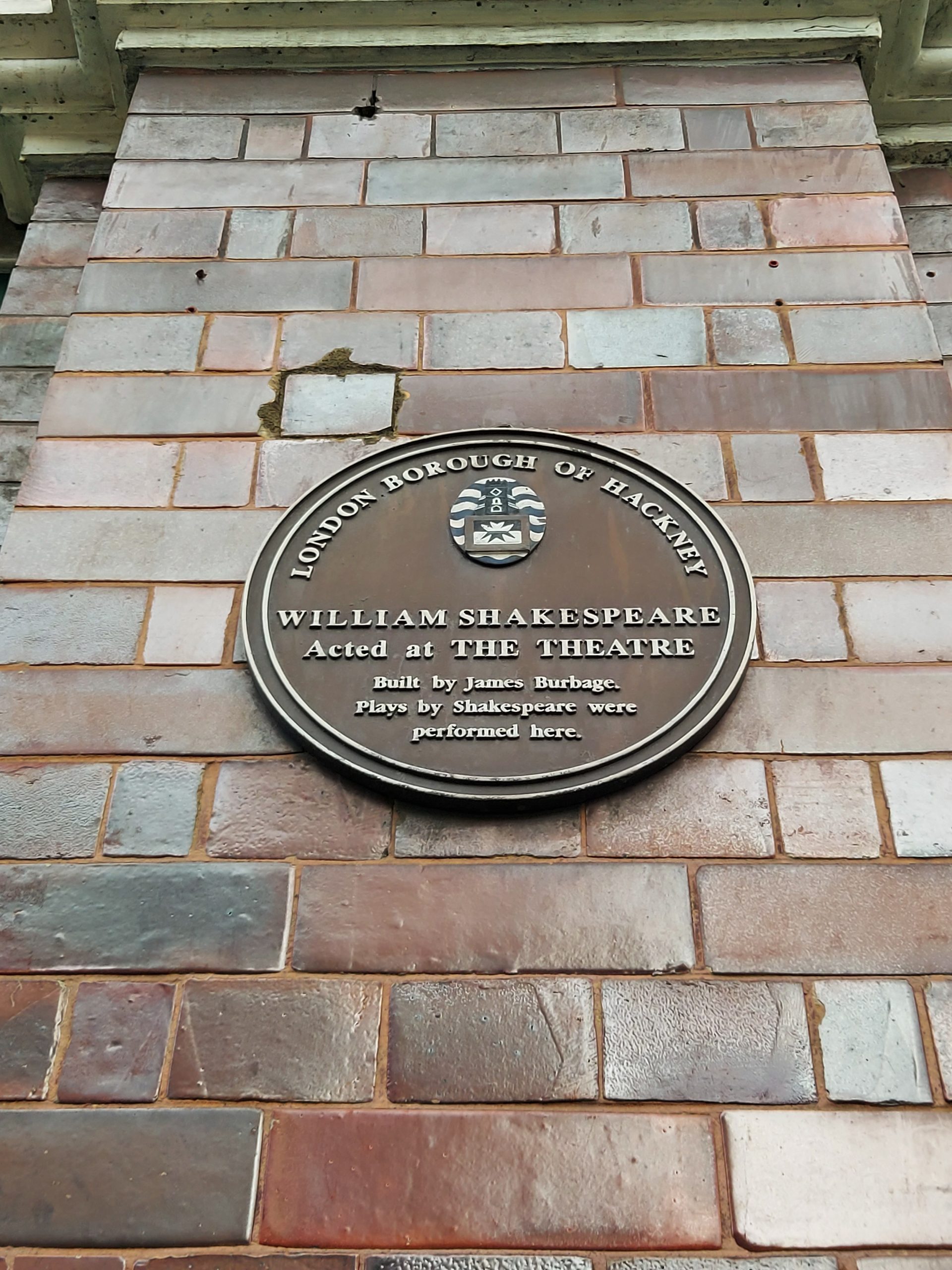
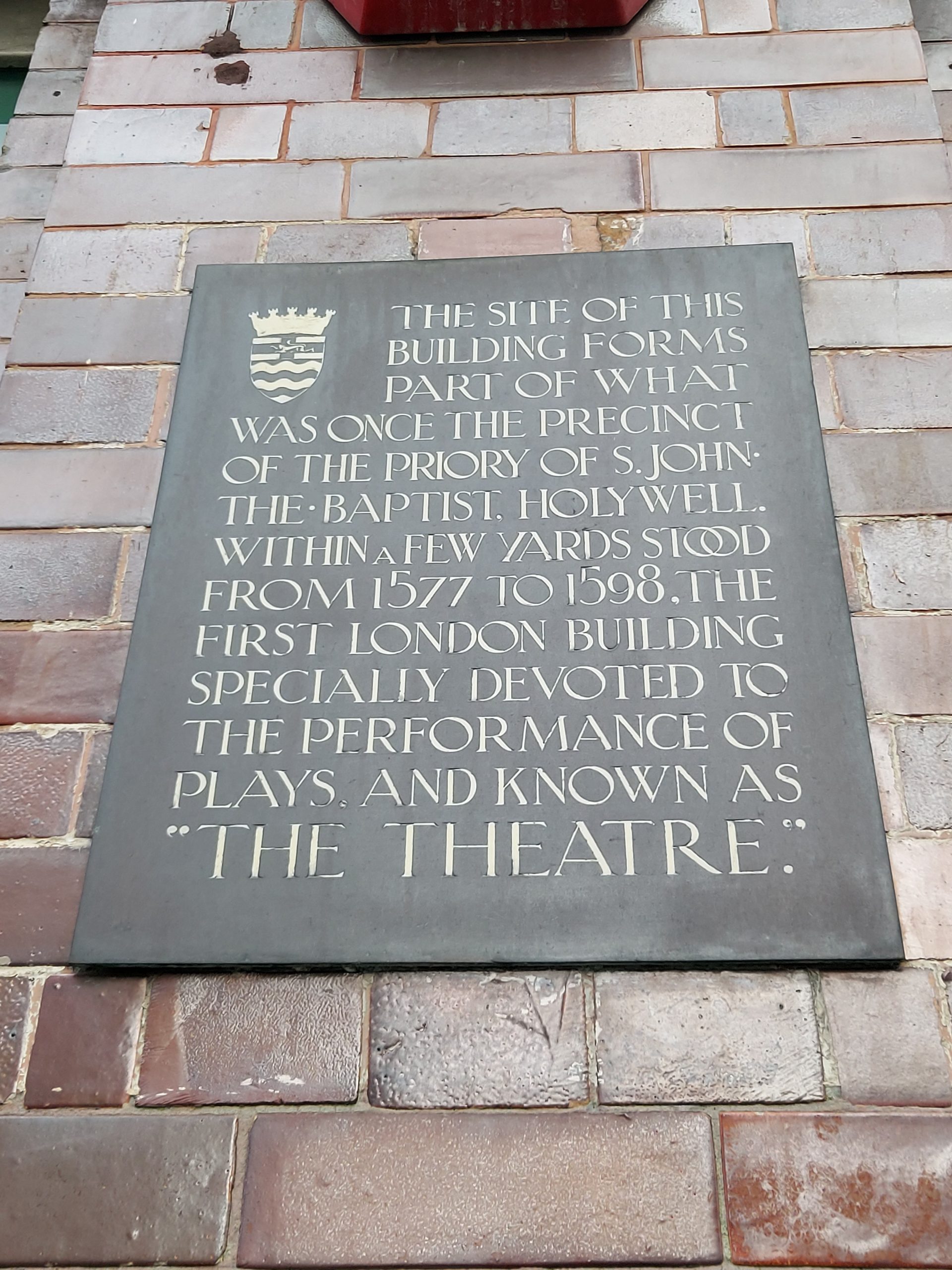
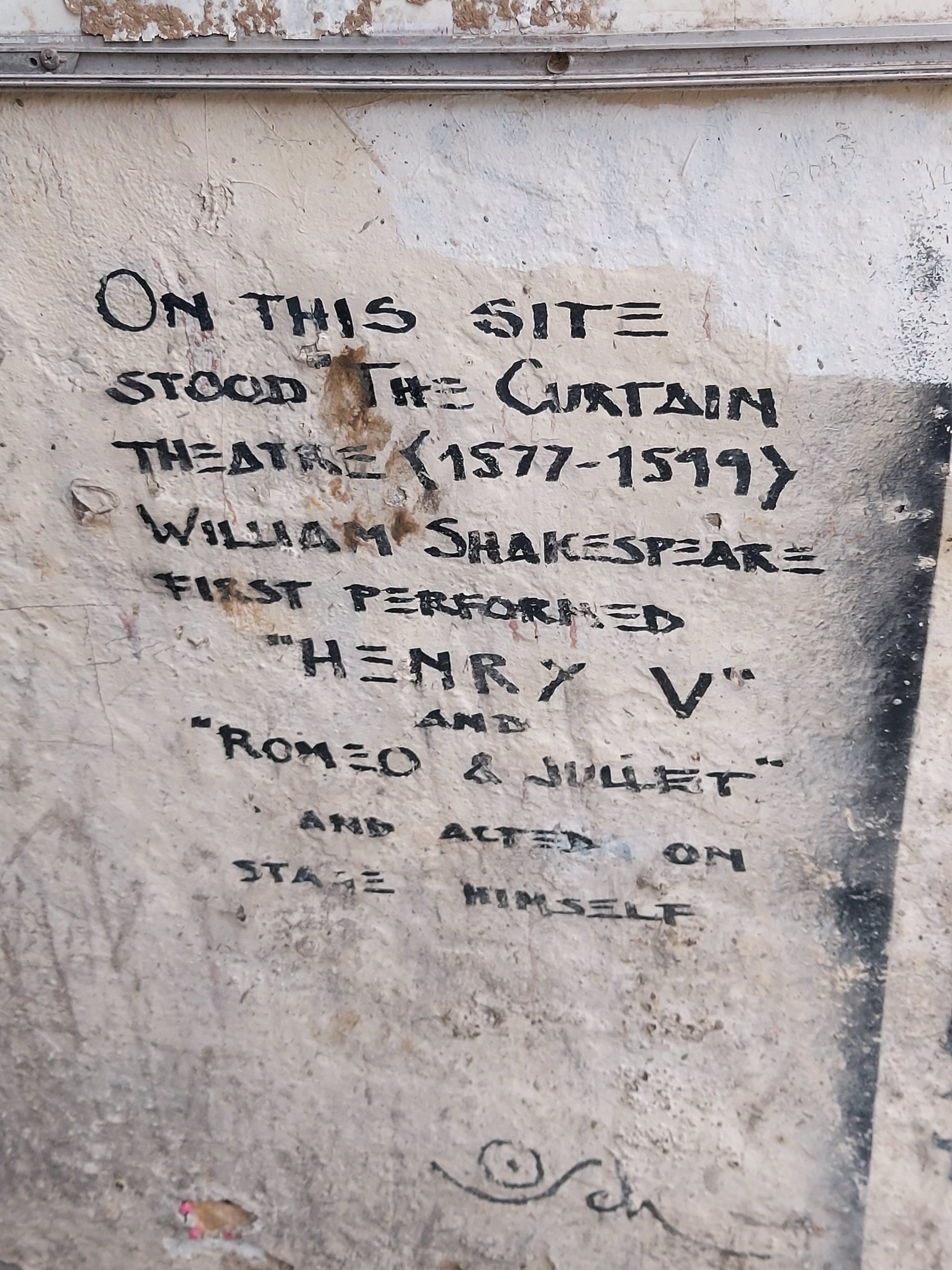
From here, the route follows a southeast course, taking in the sites of the early theatres, the Theatre, the Curtain and the Fortune. Nothing is left above ground of these historic theatres, though plaques mark the location of the Theatre and the Curtain.

The Theatre was the first purpose-built playhouse in Elizabethan England, opening in 1576. Its name evoked the Roman amphitheatre, or theatrum, design. It premiered Shakespeare’s plays, including Romeo and Juliet, in the 1590s and also staged plays by the likes of Thomas Kyd and Christopher Marlowe. A popular legend states that after a dispute with the landowners, the Theatre was dismantled overnight and transported over the river to be rebuilt as the Globe.

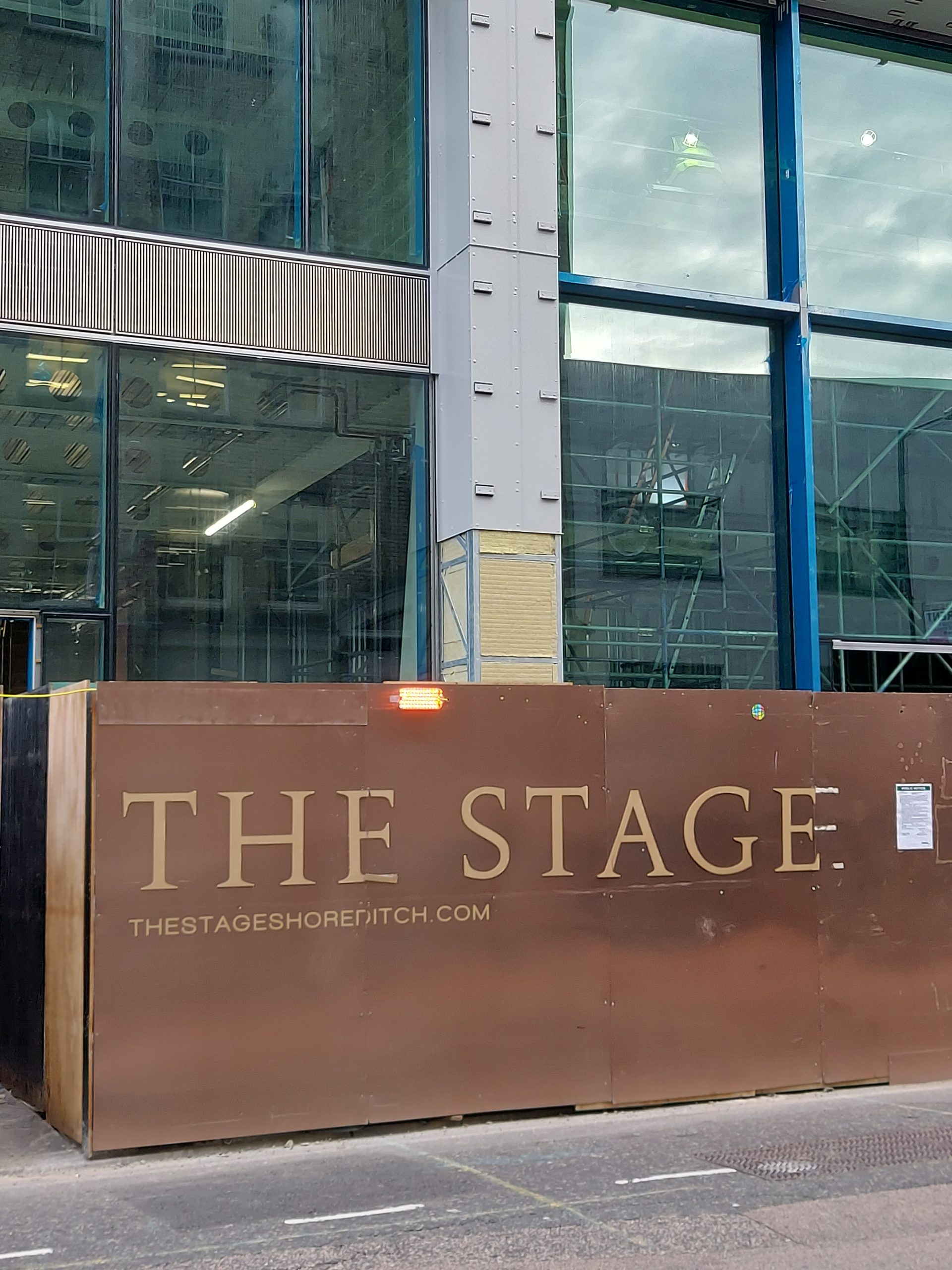
The Curtain was opened by Henry Lanman in 1577. Only 100 yards away from the Theatre, it showed many of the same plays. It is possible that the Horse and Groom pub near the site marks the location of a former victualling house. Recent archaeological work on the site of the Curtain uncovered the remains of the playhouse and once the site – known as The Stage Shoreditch – is redeveloped into housing, there are plans for a heritage centre.

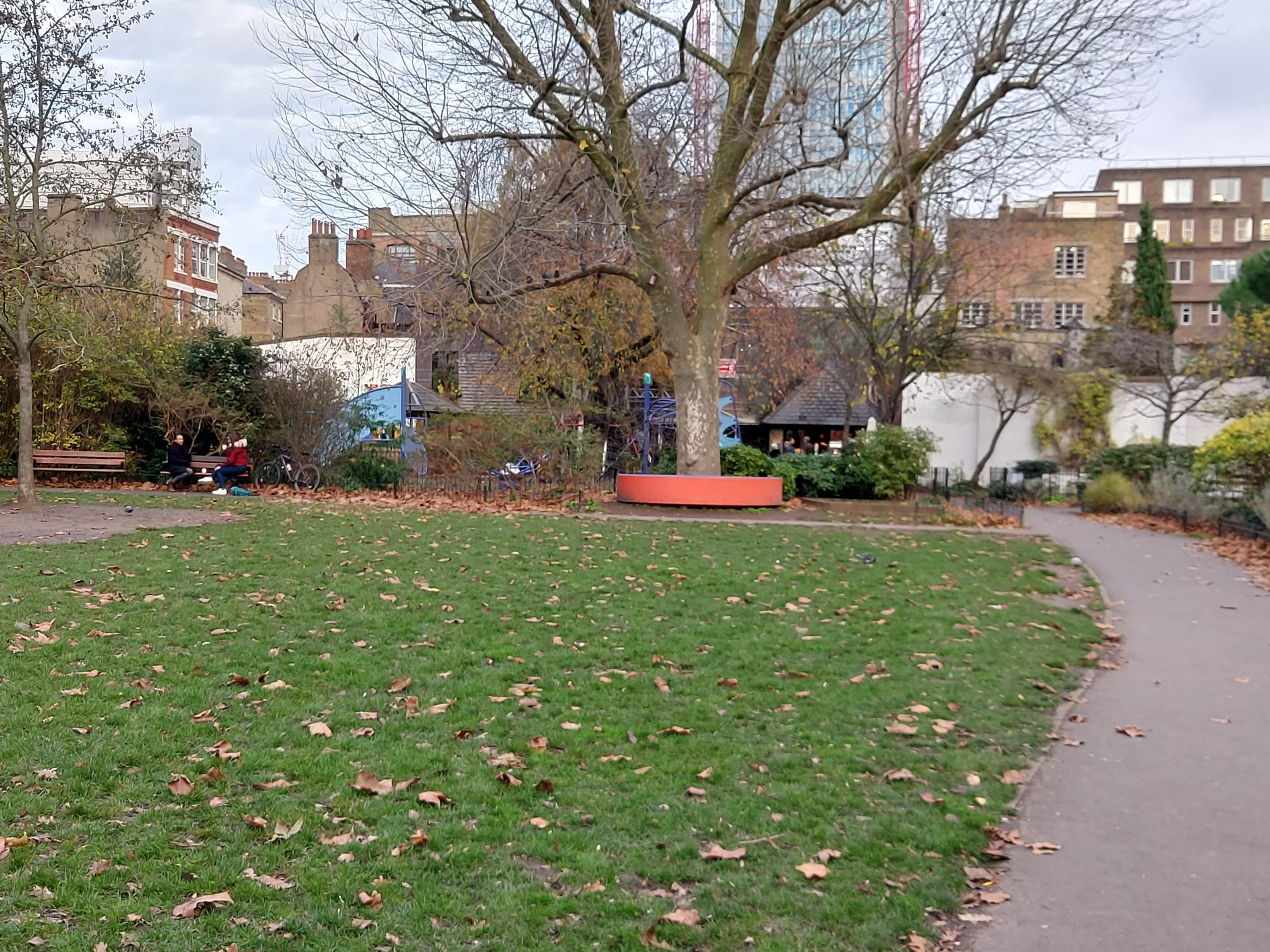
The Fortune playhouse was built in 1600, replacing the Rose as the main theatre of Philip Henslowe and Edward Alleyn. Destroyed by fire in 1621, it was rebuilt and remained open until 1642. The theatre hosted classics as well as new productions such as The Roaring Girl by Thomas Middleton and Thomas Dekker. The Fortune theatre site is now occupied by a community park – I wonder if there is anything interesting to be found beneath the grass?

A grassy community park with a children's play area and footpaths
Fortune Street Park, site of the Fortune Theatre

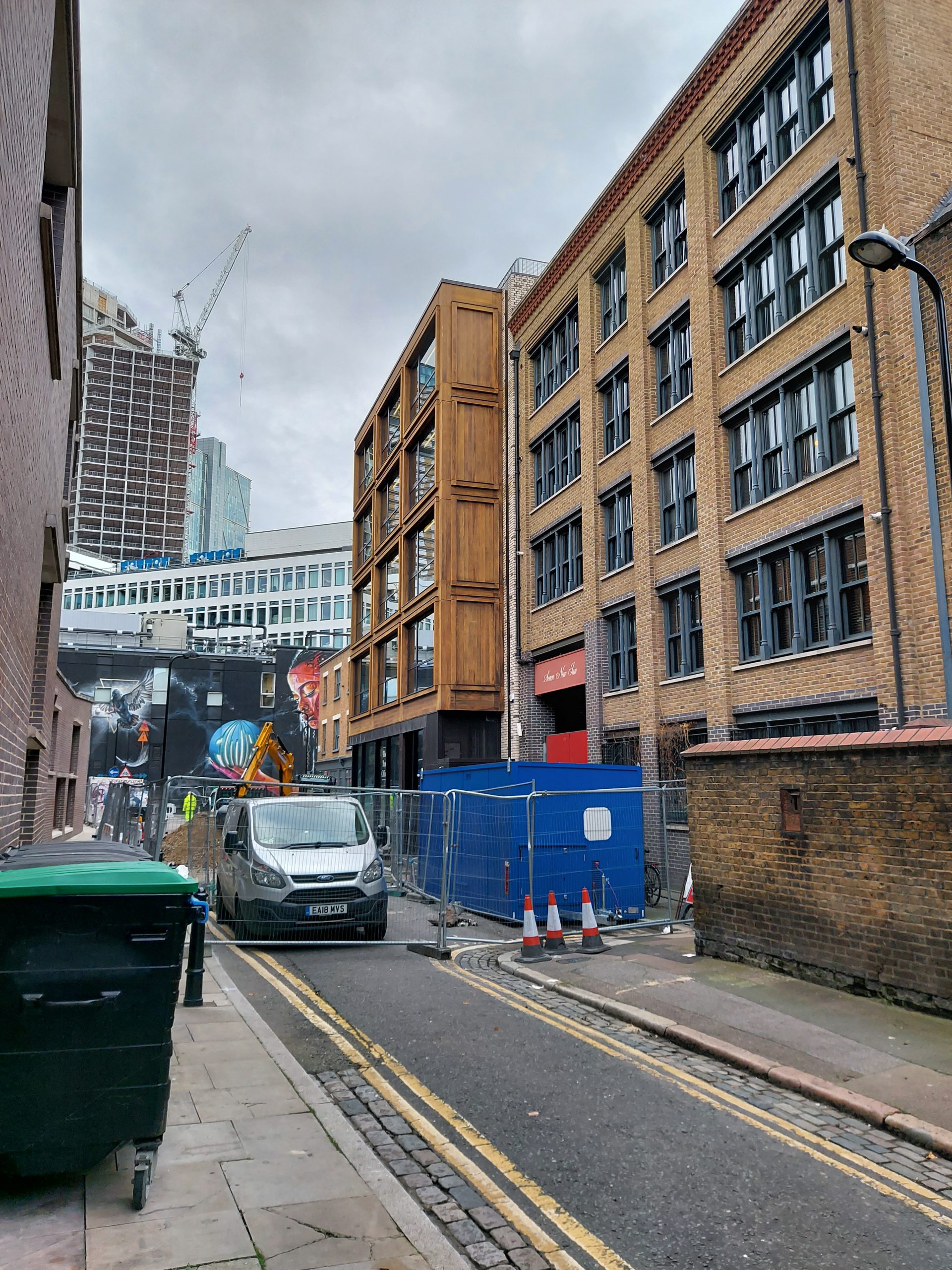
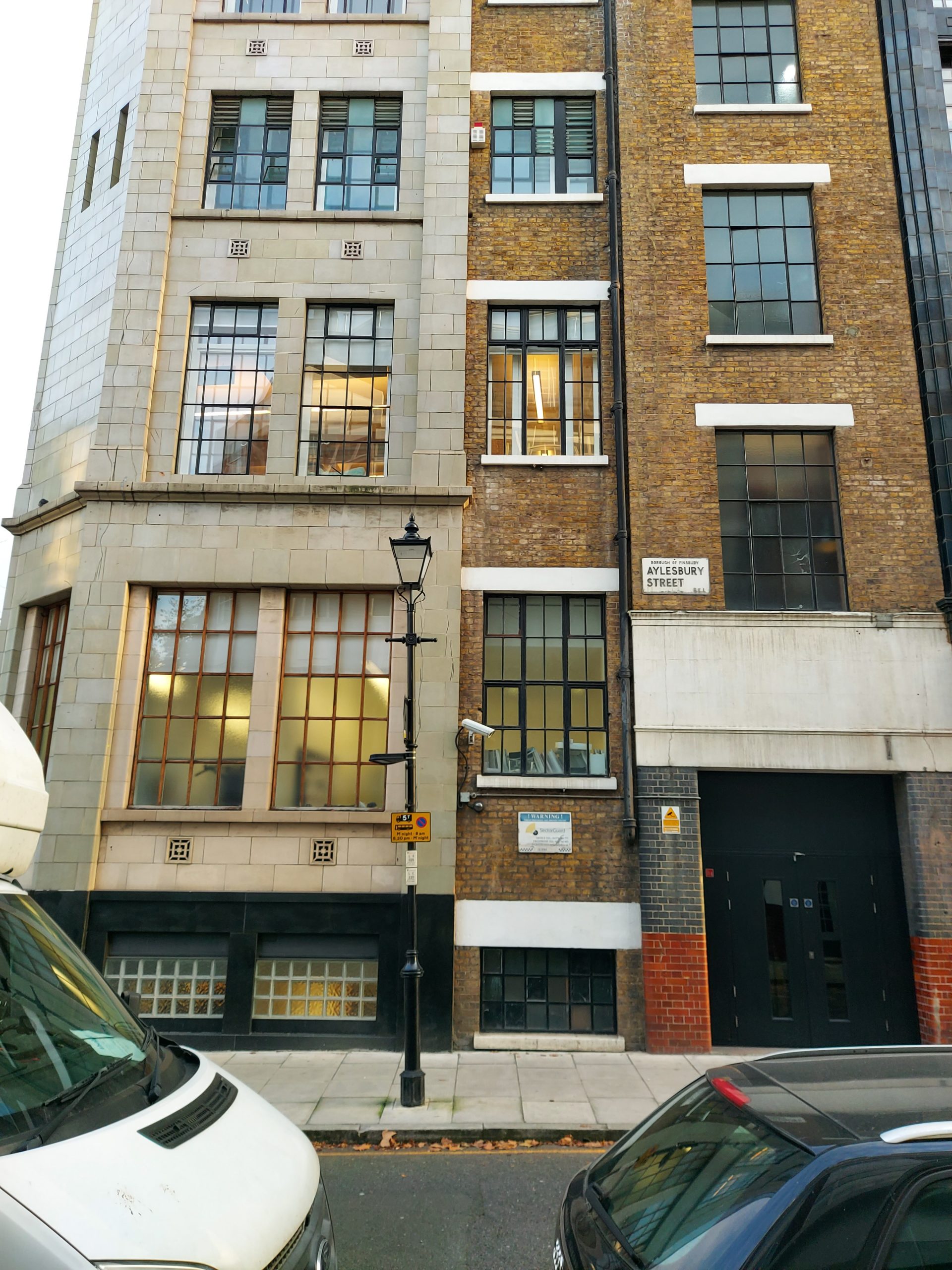
Walk 1 ends at the Barbican, and leads nicely into Walk 2, which begins at St Giles’s Church on the Barbican site – the burial place of John Milton, poet and keen theatregoer. This walk heads northwest into Clerkenwell and takes in the earliest location of the Revels Office. From 1578 to 1607 Sir Edmund Tilney oversaw and censored plays from here, including Shakespeare’s.

Tall brick building on a street lined with cars
The Revels Office, St John’s Priory buildings, Clerkenwell

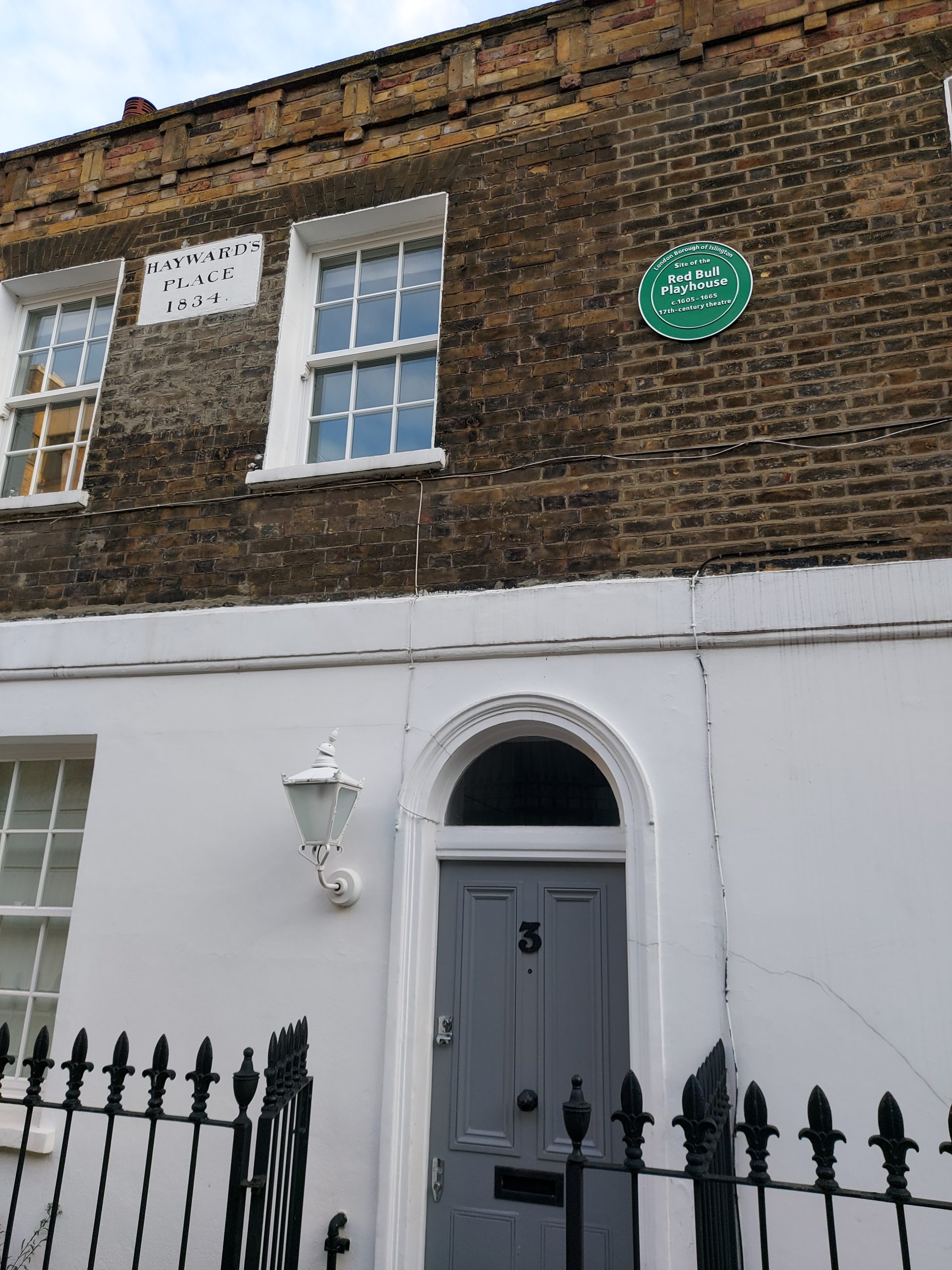
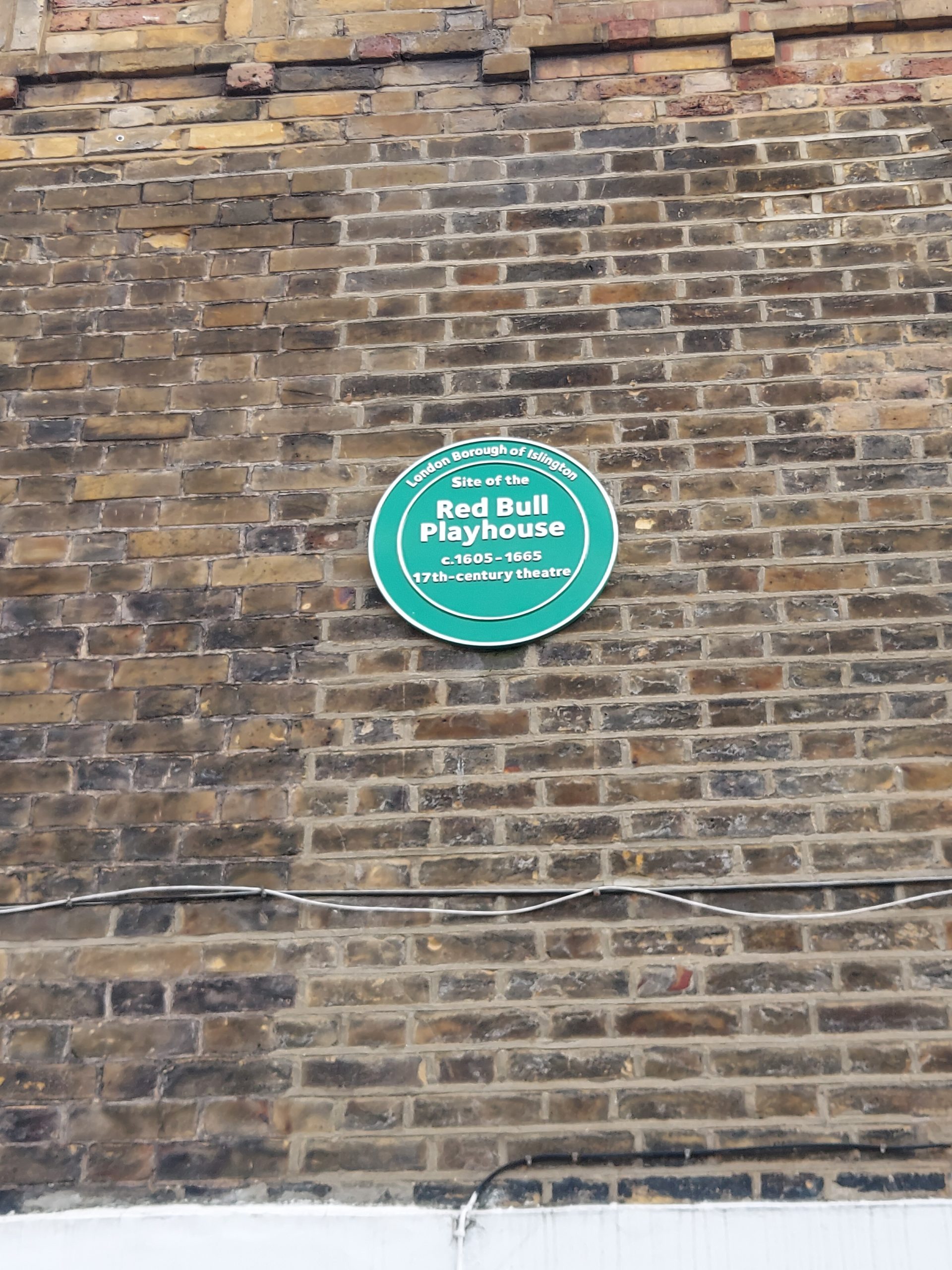
Walk 2 ends at the site of the Red Bull playhouse. This theatre was converted from an inn in 1604 and remained open until 1642. For many years it was the home of the Queen’s Men. Notable plays staged here include Thomas Heywood’s The Four Prentices of London and John Webster’s The White Devil.

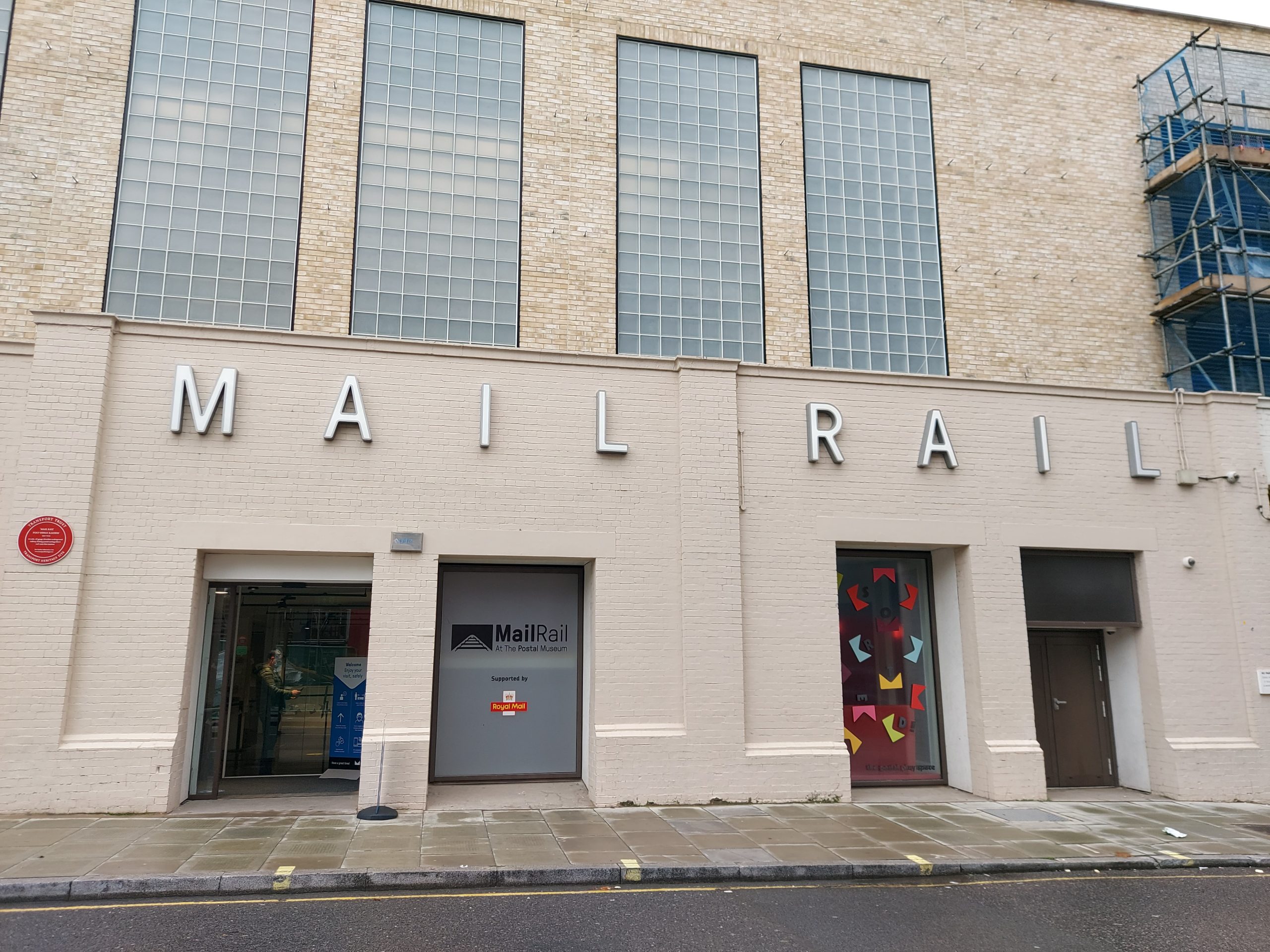
Mail Rail

Entrance to Mail Rail

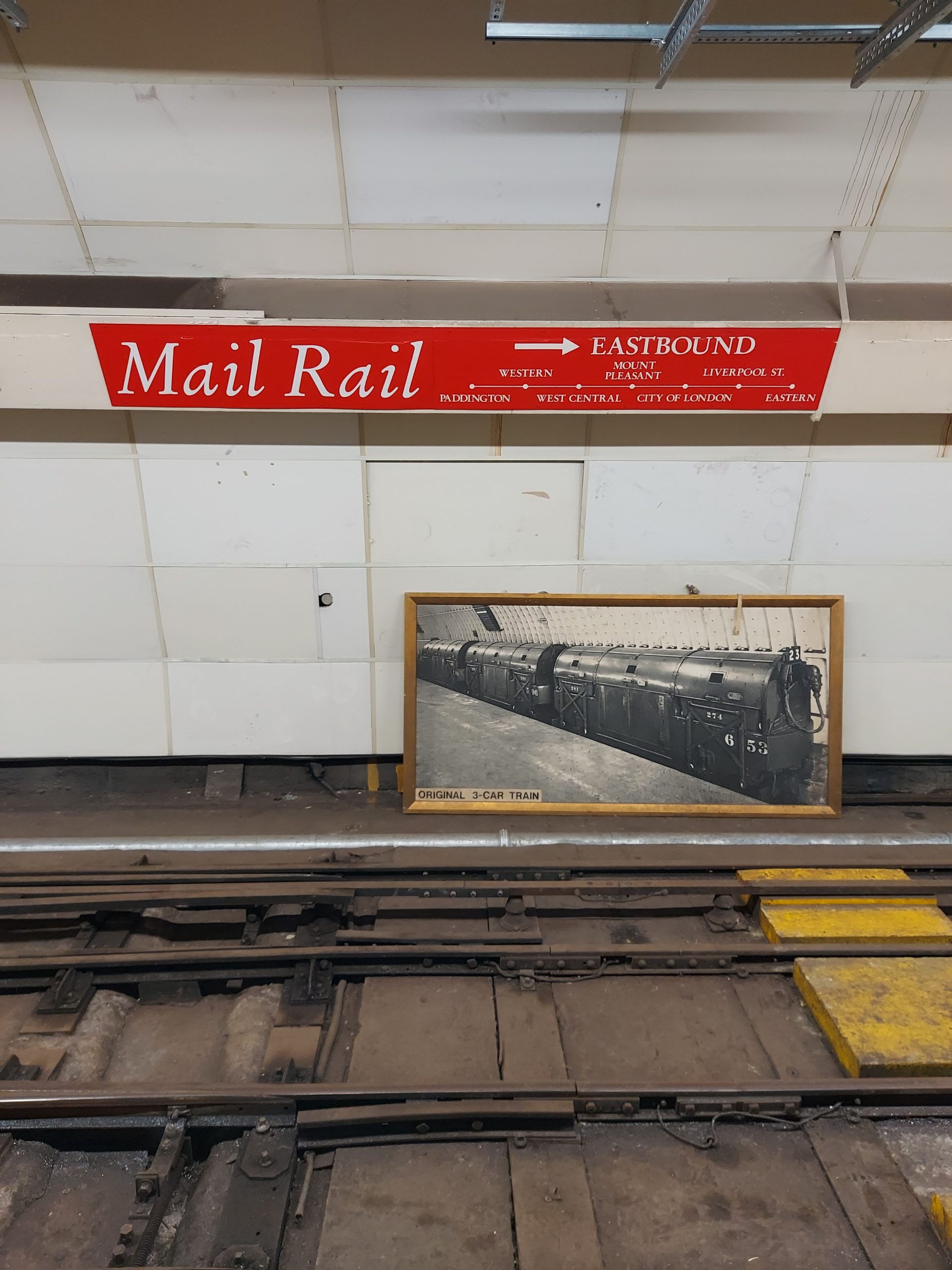
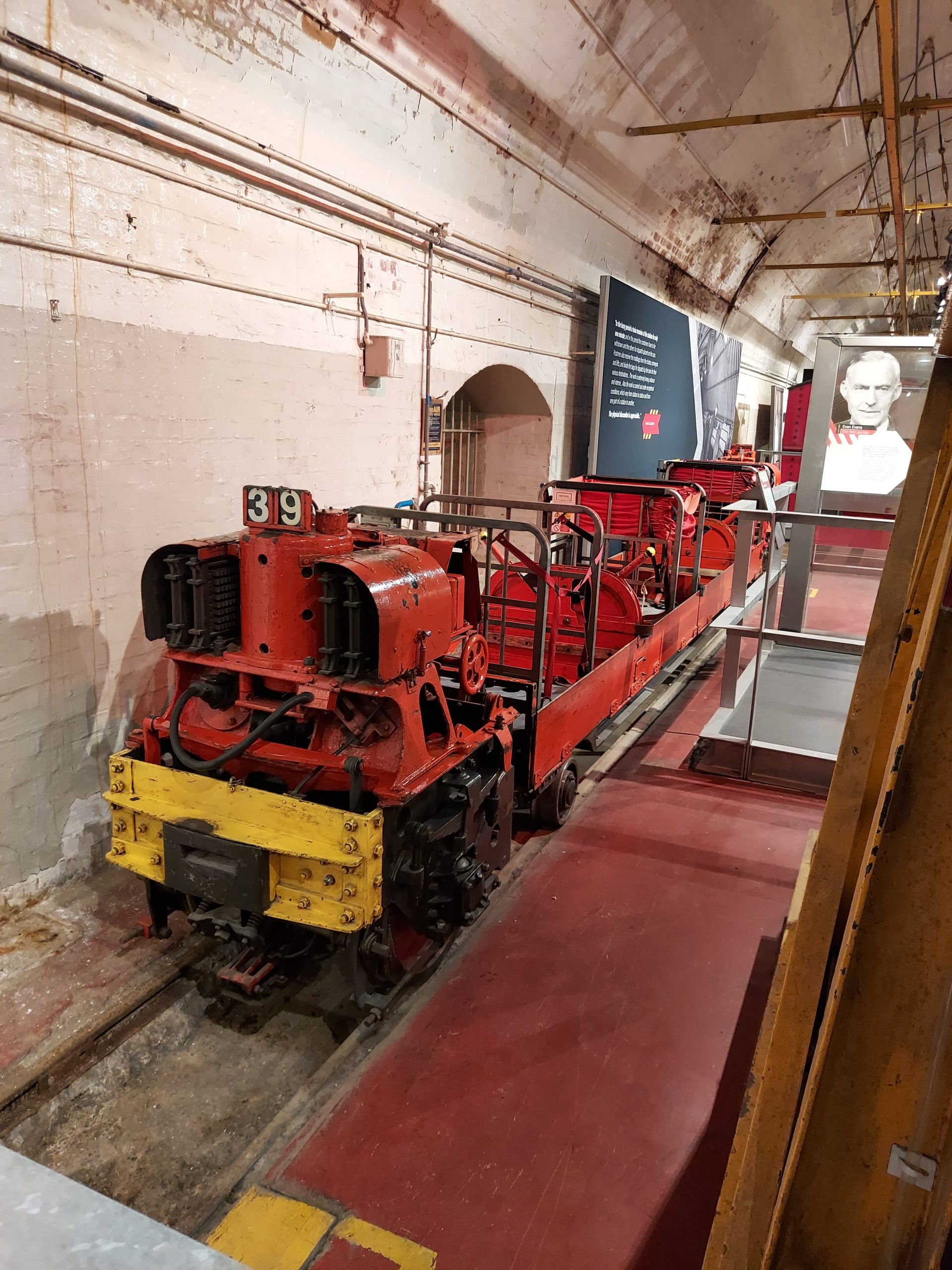
Throughout most of the twentieth century, it wasn’t just passengers that travelled on trains beneath London – it was the mail. The London Post Office Railway opened in 1927 (known as Mail Rail since 1987) and transported letters and parcels between Paddington Head District Sorting Office in the west to the Eastern Head District Sorting Office (based at Whitechapel) in the east. In the centre was the Mount Pleasant Sorting Office, once one of the largest sorting offices in the world. At its peak it had eight stations, but by its closure in 2003 this number had reduced to three.

In 2017, the Mail Rail opened as a visitor attraction alongside the new incarnation of the Postal Museum. In these Covid times, the attraction is currently closed, but it’s possible to book onto a tunnel walk to experience the Mail Rail on foot.

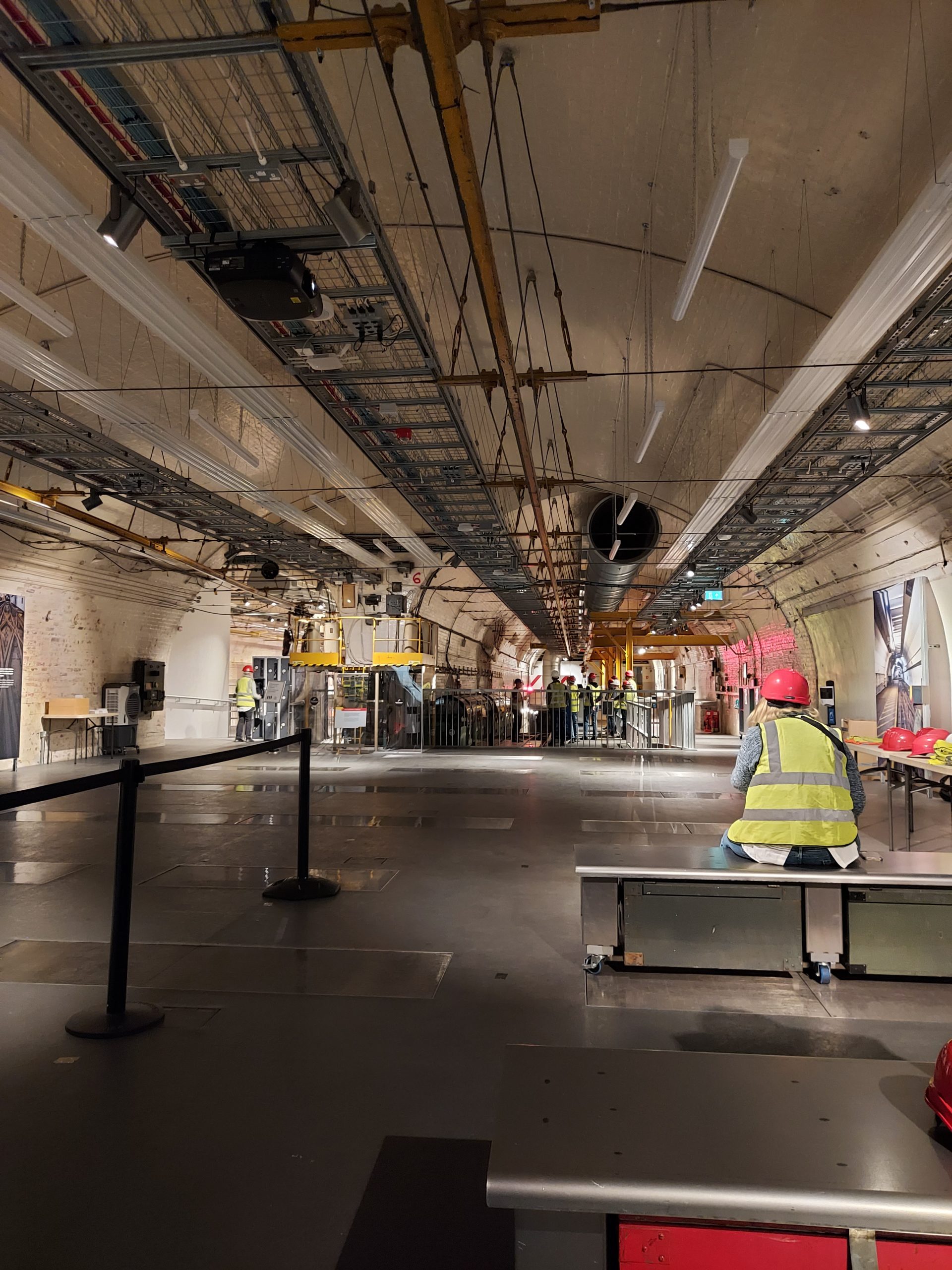
Waiting for the walk

History of Mail Rail

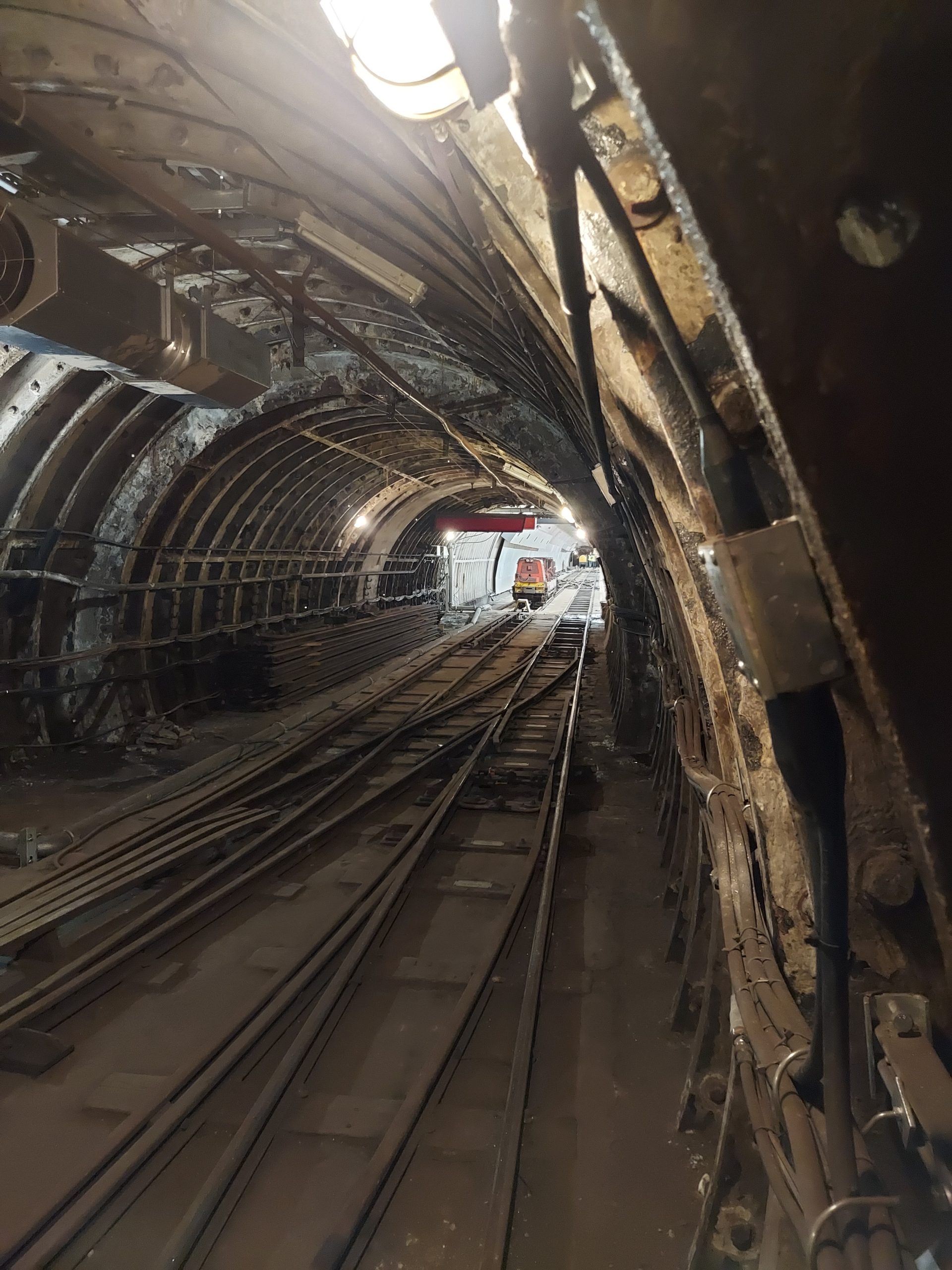
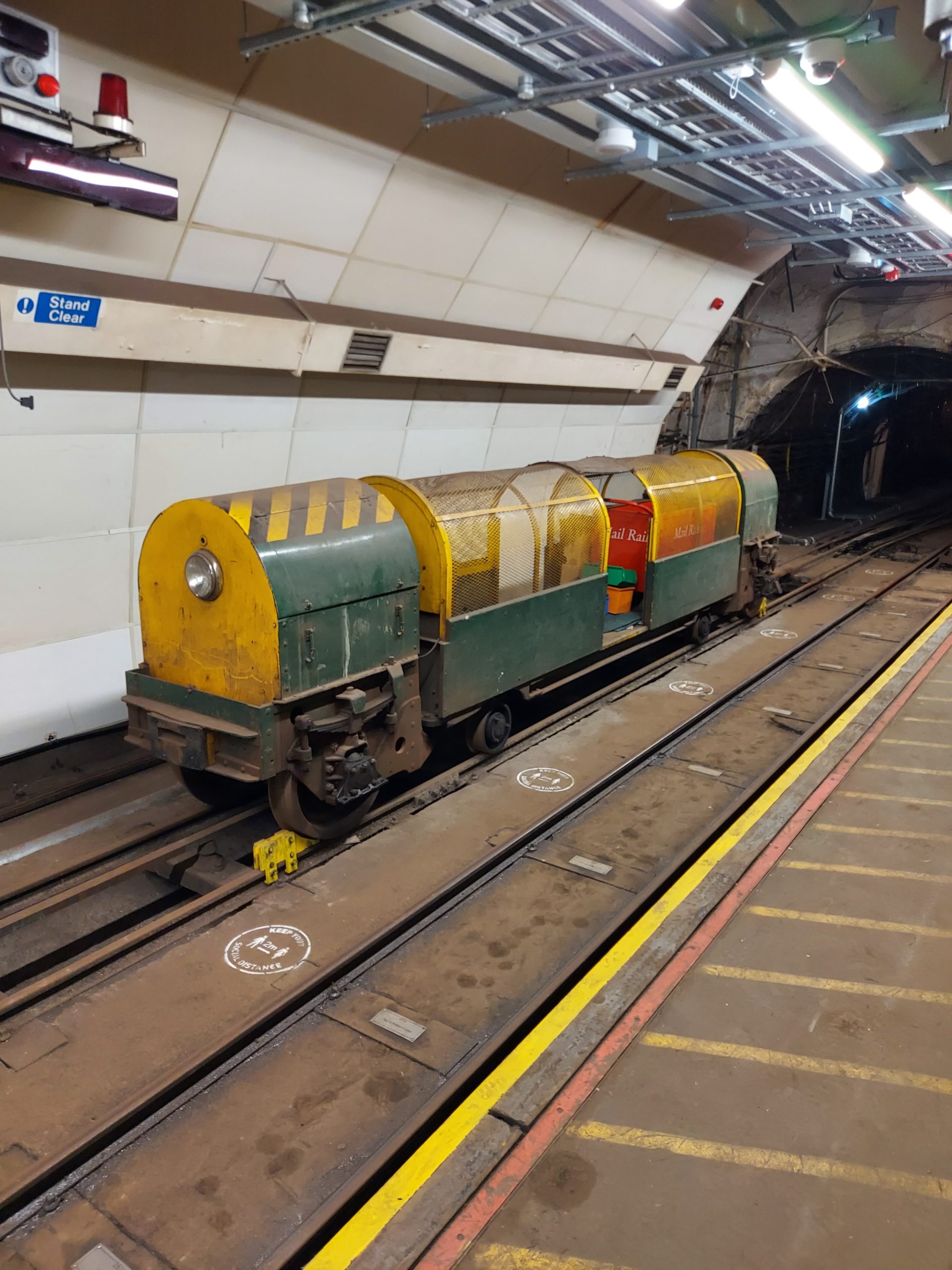
The railway, inspired by a similar construction in Chicago, is a 2ft narrow gauge, driverless underground railway built by the Post Office with assistance from the Underground Electric Railways Company of London. The railway was first planned in 1911 but the outbreak of World War I halted construction, and services did not begin to operate until 1927. The original 1927 stock, which was deemed unreliable, was replaced in 1930 and 1936; this stock lasted until 1980 when it was replaced.

Map of the Mail Rail route

The railway was the second time such a scheme was introduced in London: in the 19th century a pneumatic underground railway was established to take mail to Euston Station, but it did not last long as it proved expensive and unreliable. However, theoretically such a railway was an appealing idea, as it would avoid the traffic congestion of central London. In the event, the London Post Office Railway would last for the rest of the twentieth century.

Tunnel Walk

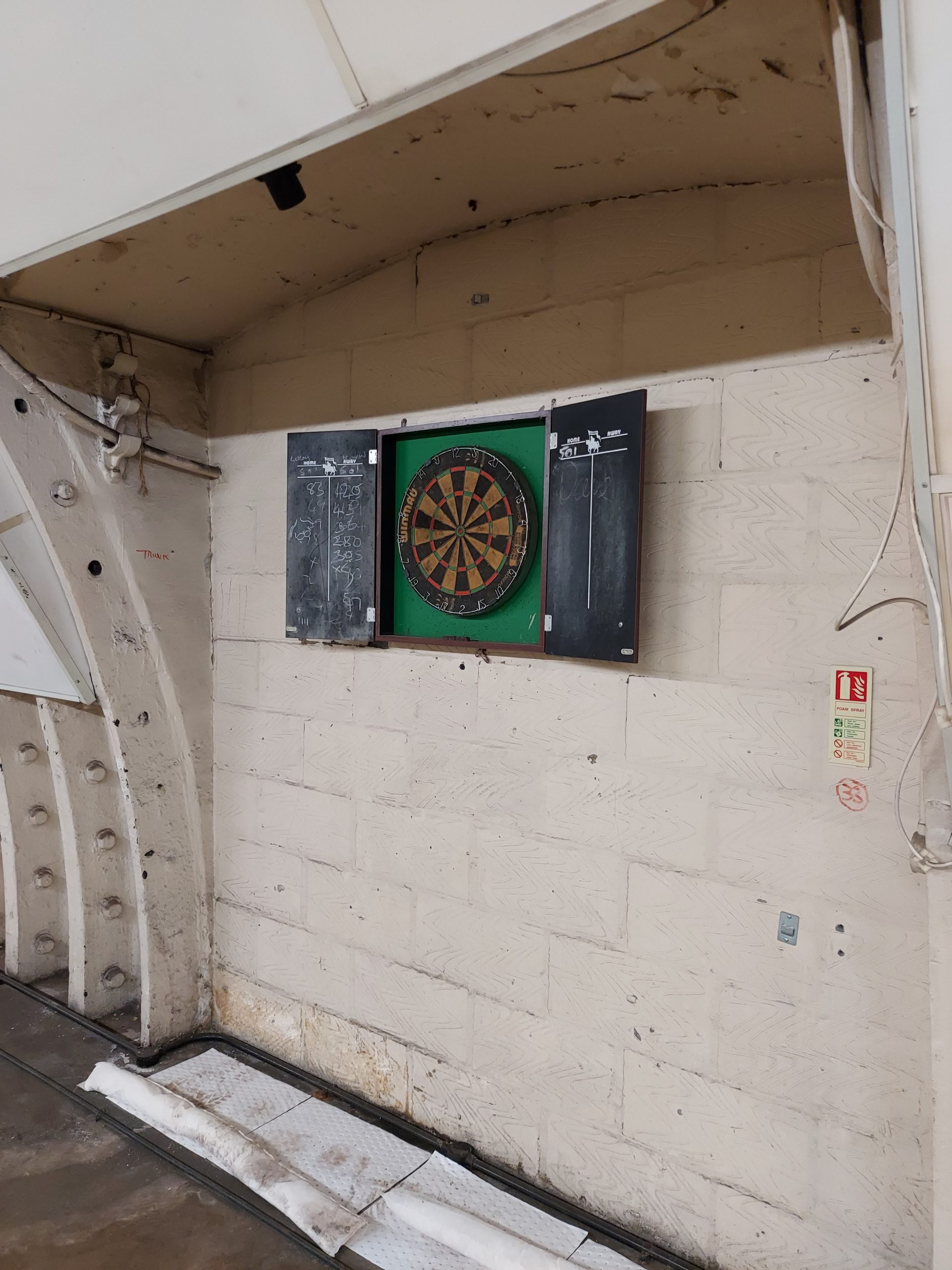
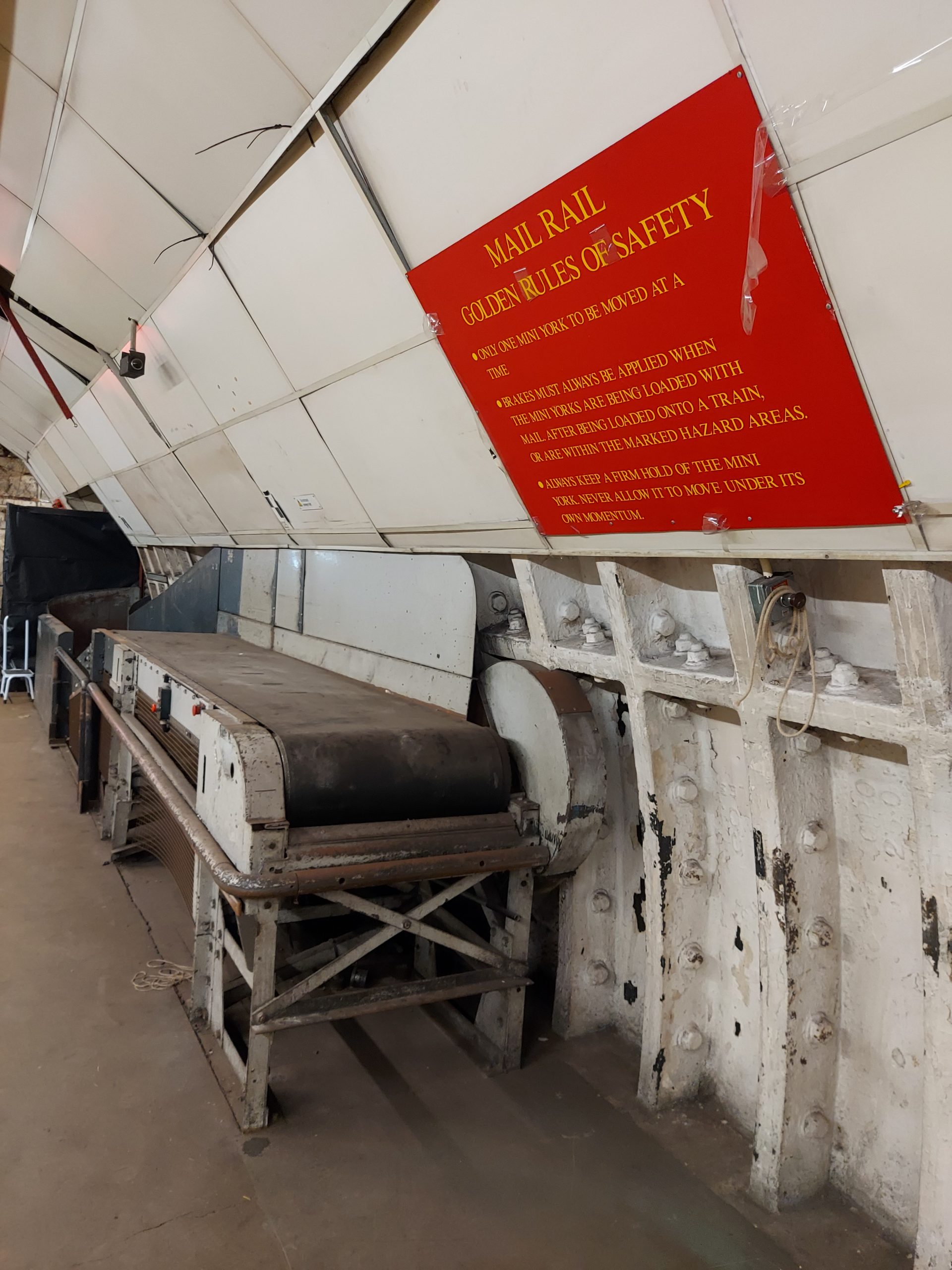
We had been instructed to wear sensible shoes, and on arriving at Mail Rail were provided with a hi-vis jacket and a hard hat. We were then taken into the tunnels and headed west, shortly reaching the Mount Pleasant westbound platform. Along the way we were told something of the history of the Mail Rail, and on reaching the platform we saw how the mail would arrive from the sorting office above via conveyor belt before being taken off and put onto a train. In between trains, railway staff were able to pass the time with activities such as darts.

We walked a little further along the tunnel, passing the eerie ‘train graveyard’ where trains needing repair would be stored. We were also shown the floodgates, thankfully never needed – the railway’s proximity to the Fleet made this a desirable feature.

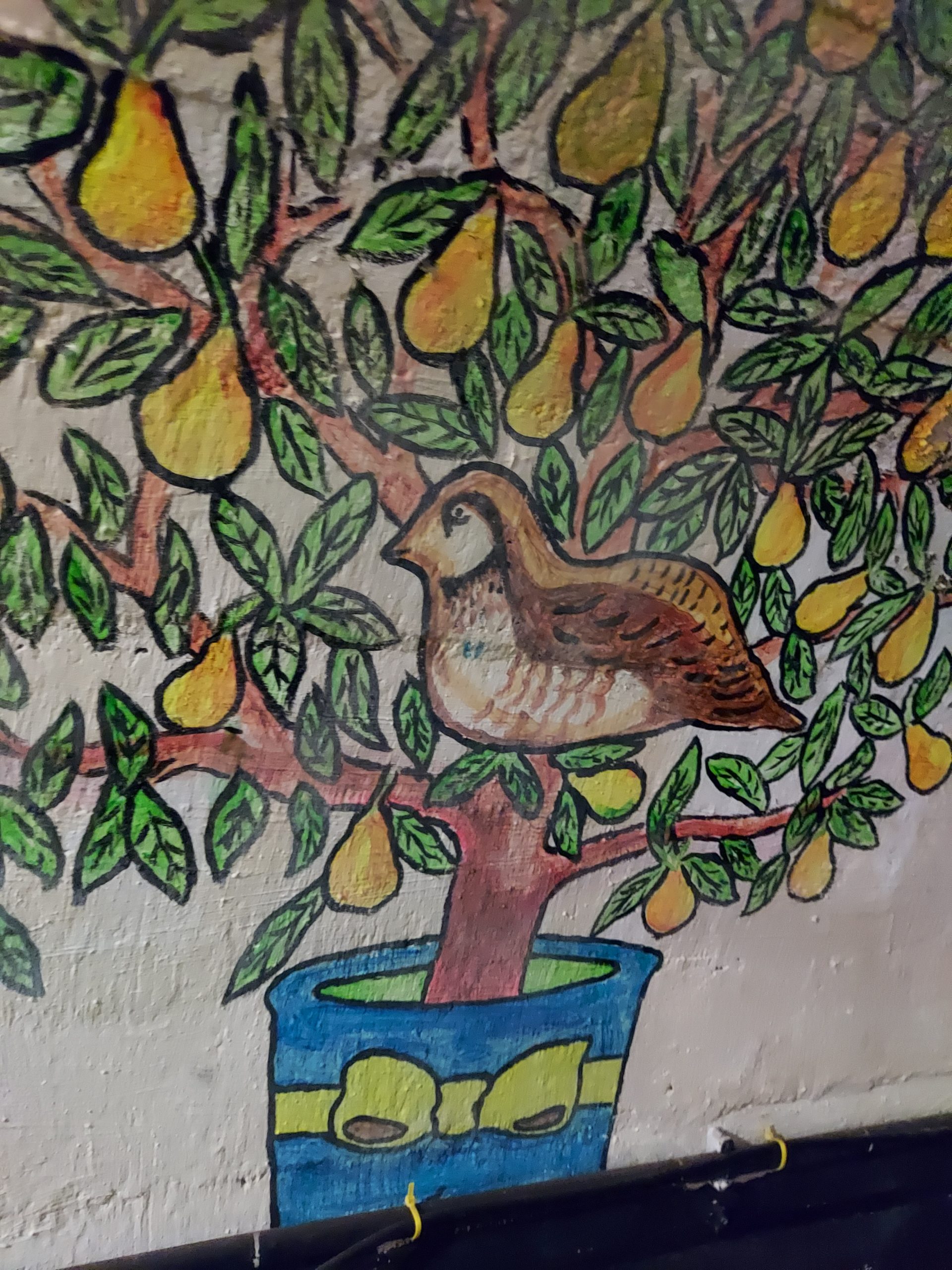
Over time, Mail Rail began to be used for things other than transporting mail. Children were given a festive treat, taken to meet Santa via the underground railway; wall murals including a partridge in a pear tree evidence this unusual event. The railway was also used for filming, appearing in the movie Hudson Hawk, starring Bruce Willis, as a railway beneath the Vatican.

We turned back, passing the eastbound platform before exiting the railway.

Mail Rail Exhibition

After experiencing Mail Rail we exited through an exhibition which looks at the history of the transportation of mail by train. There are examples of mini sorting offices used on trains taking mail up and down the country, as well as some of the nets used at stations so that train staff could throw bags of mail out without needing to slow or stop the train. There were quotes from former Mail Rail staff, as well as examples of some of the equipment they used working on the railway, and displays of stock formerly used on the line. It proved an excellent way to round off the visit.

Postscript: Mail Rail Ride

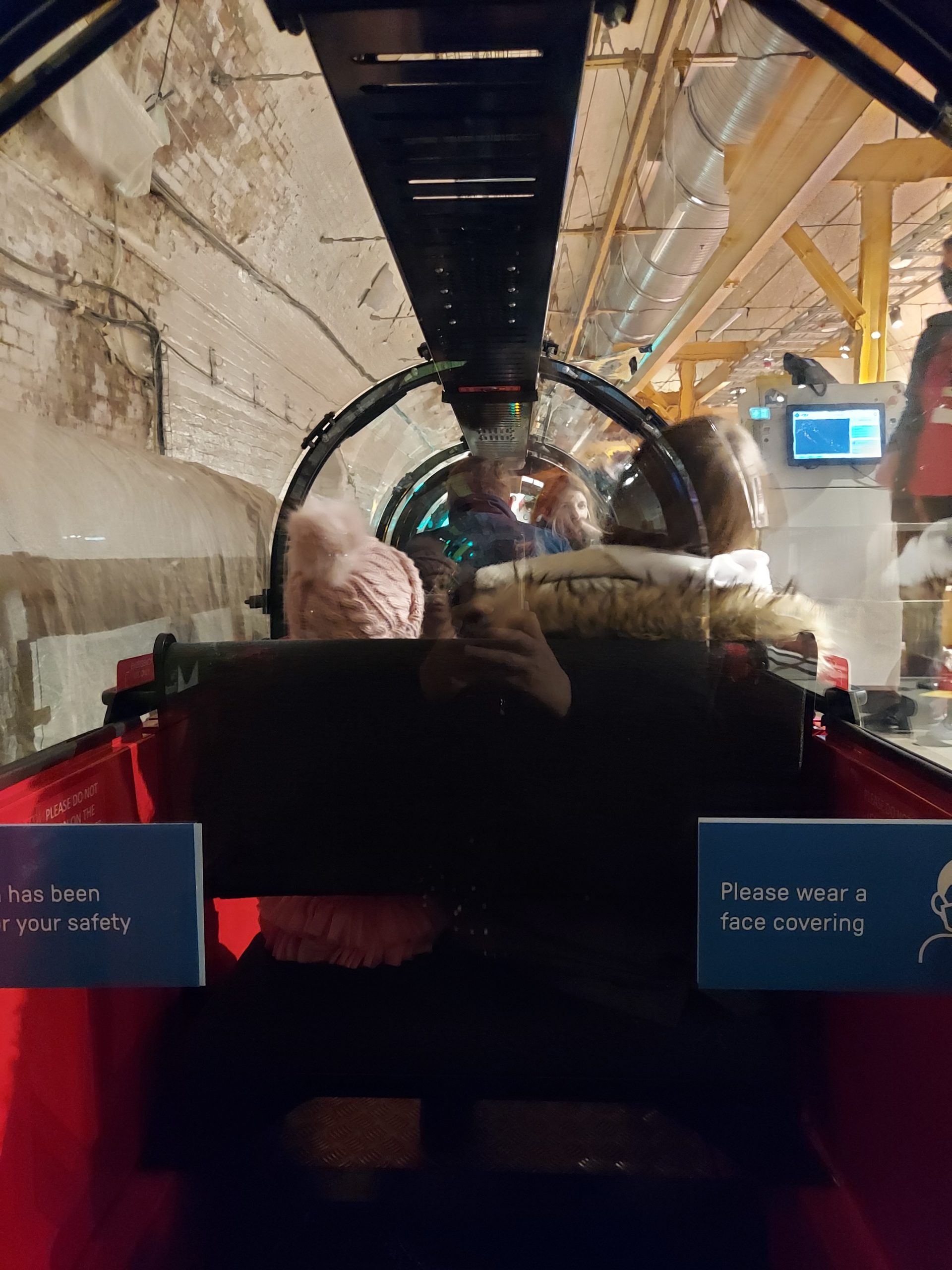
A couple of weeks later, I finally got to ride the Mail Rail! It was great fun. Tickets are available jointly with Postal Museum admission tickets. The Postal Museum and Mail Rail are located in separate buildings across the road from one another, so it makes sense to experience your timed Mail Rail ride first.

City of London Distillery Tour & Tasting

Entrance to the City of London Distillery

Struggling to think of something to do when my friend came down for the weekend, I perused my list of ideas gathered from various corners of the Internet, and found something I’d forgotten about – the City of London Distillery. This relatively new distillery offers a tour & tasting experience, and we quickly signed up.

The distillery can be found not too far from St Paul’s, very close to the Bridewell Centre (home to a theatre, library and meeting rooms), down a small alley. Heading down some steps, you enter a welcoming modern bar; we enjoyed a drink while hearing a talk about the history of gin, the ‘gin craze’ and the subsquent fall in popularity. The City of London Distillery is the first gin distillery in the City of London for nearly 200 years.

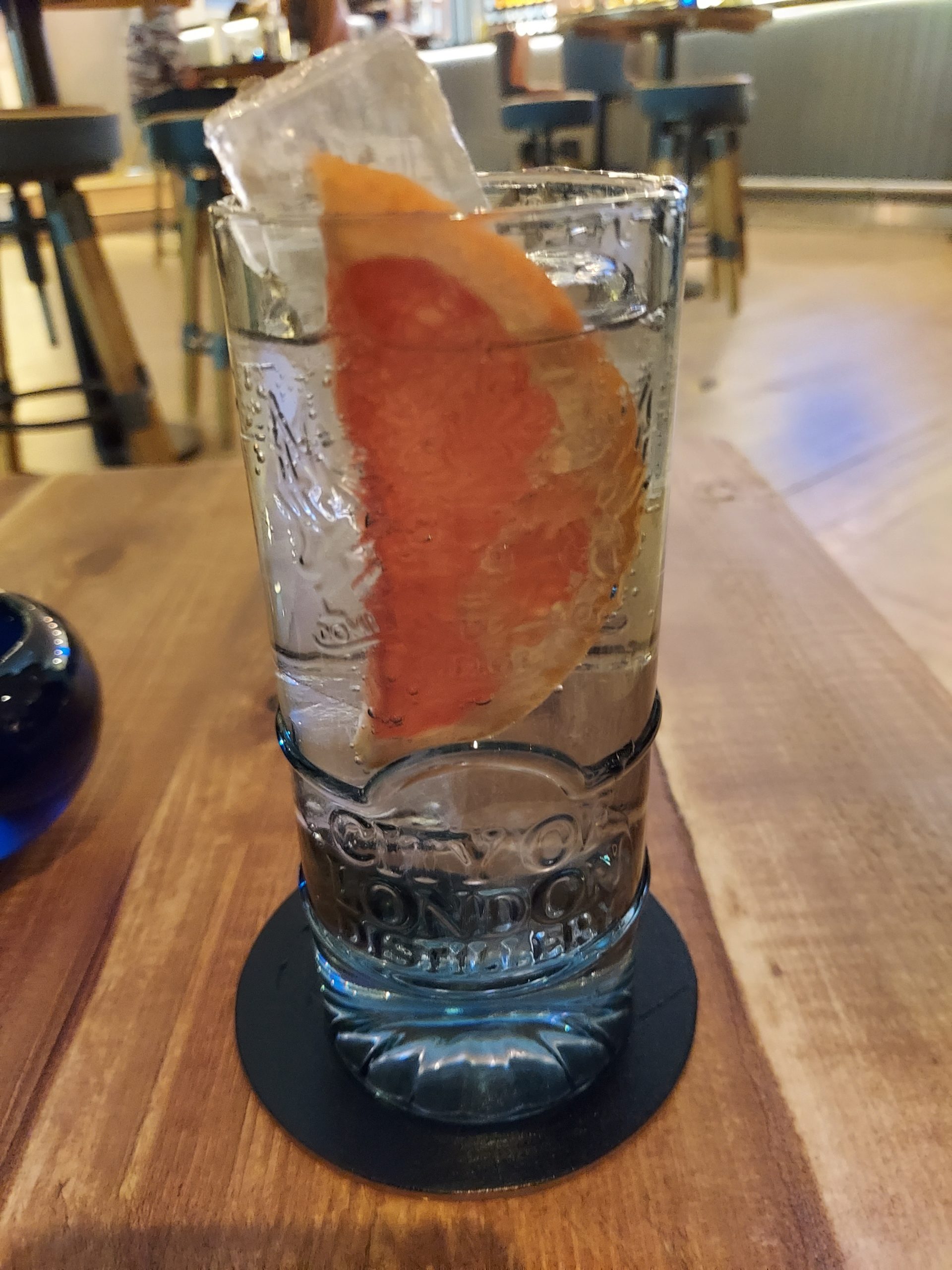
My welcome G&T

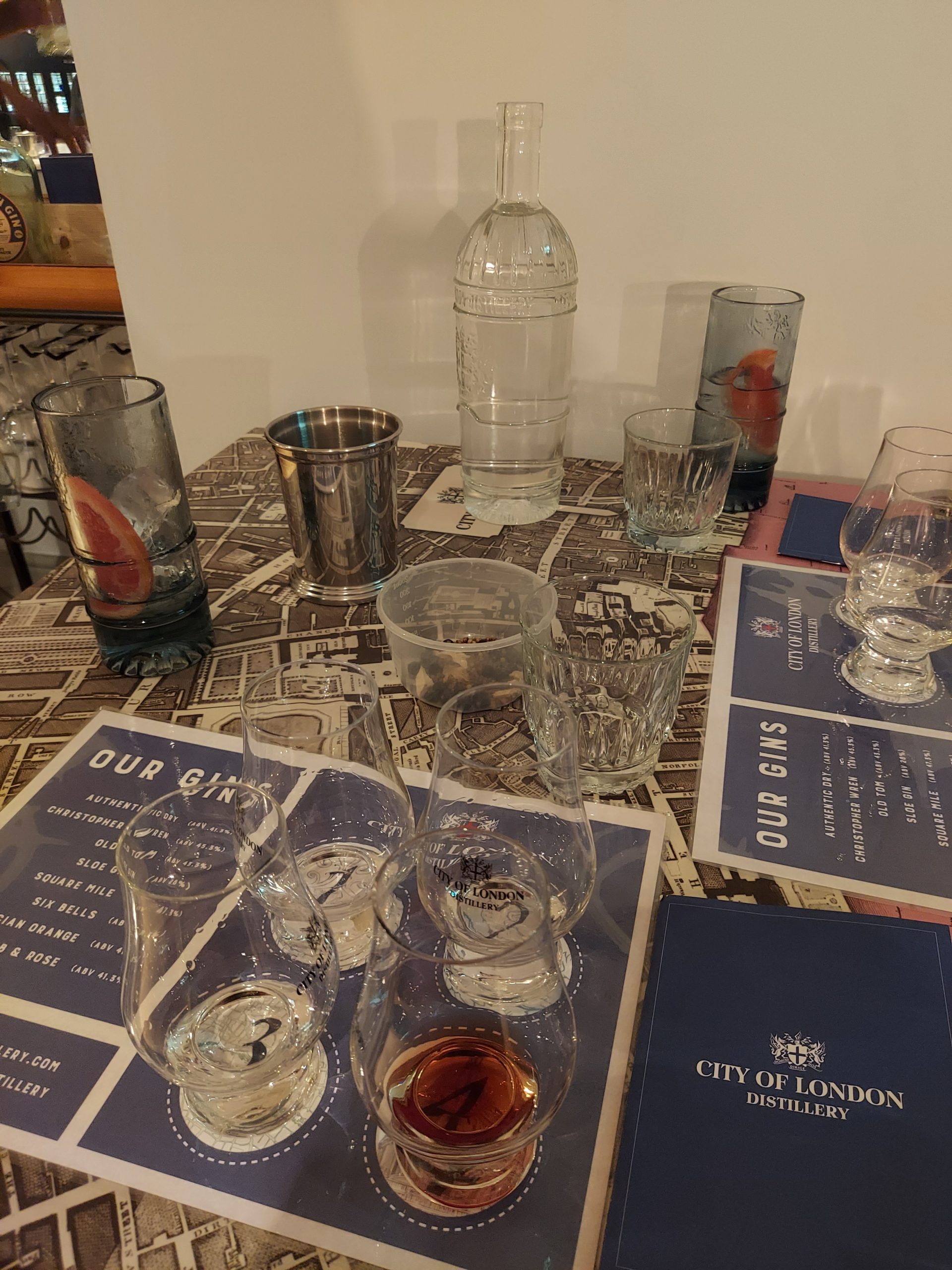
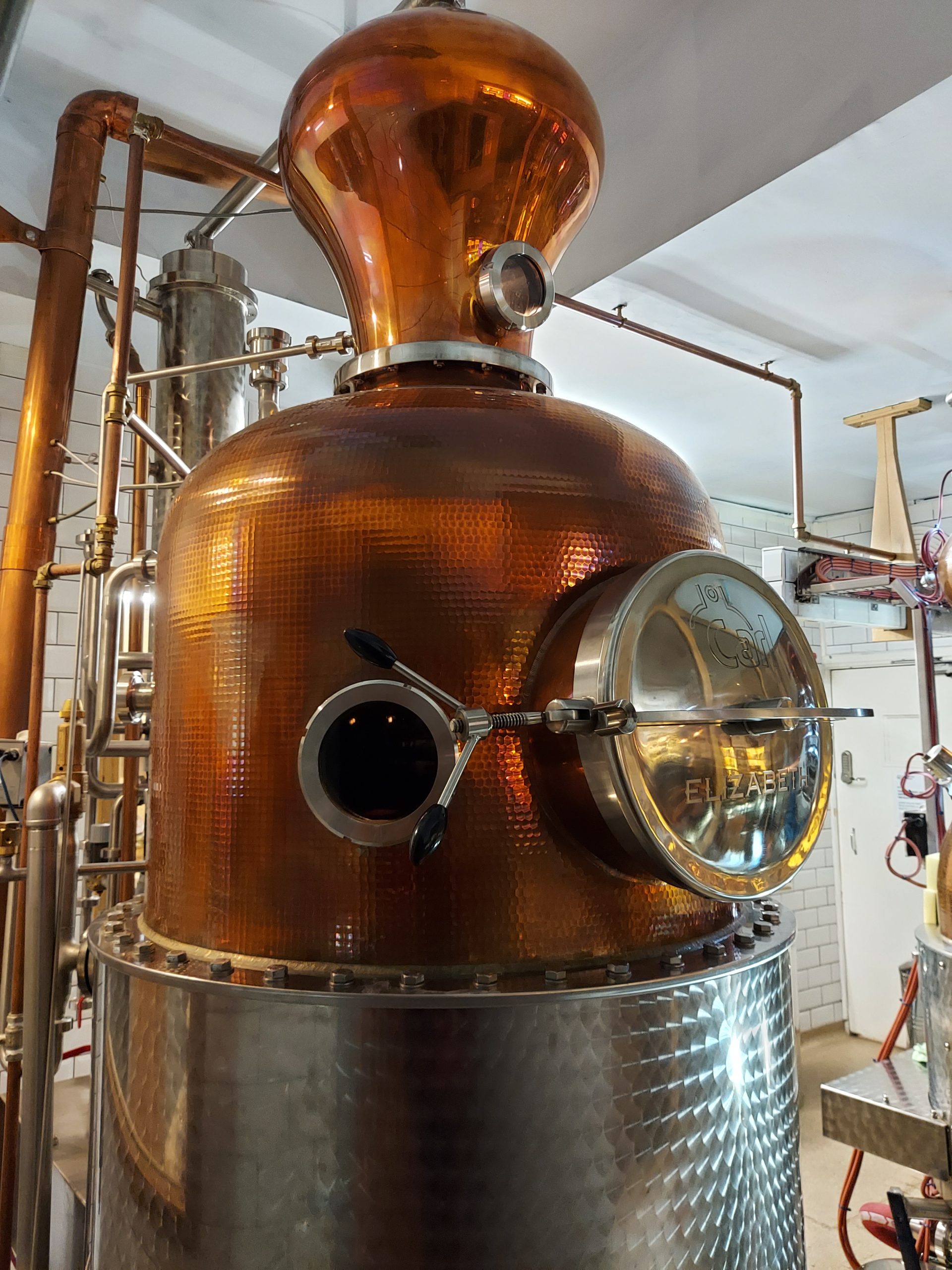
Following the talk, we then tasted four different gins, learning about the ingredients of gin and what goes into each type. The distillery creates some interesting flavours of gin, including a Square Mile Gin, a Christopher Wren gin, and a Six Bells lemon gin, which was my favourite. Finally we got to see the stills and other equipment that helps to create this gin.

Gin tasting

My friend and I had a great time and would definitely recommend a trip to the distillery. If you can’t make a gin tasting, visit the bar and sample one of their delicious G&Ts.

Distillery

FACTS

Address: 22-24 Bride Lane, London, EC4Y 8DT

Website: cityoflondondistillery.com

Opening Hours: See website for tour & tasting times; the bar is open daily

Prices: £25 for the gin tour & tasting

Hidden London – Brompton Road (Digital Tour)

Brompton Road tube station facade
Image: Wikimedia Commons

My second Hidden London virtual tour after King William Street was Brompton Road. It’s another station that could never be visited on an in-person tour (as it can only be accessed via the driver’s cab of a Piccadilly line train), so I was happy to have the chance to attend this one.

Brompton Road was opened on 15 December 1906 on what is now the Piccadilly line, and was then the Great Northern, Piccadilly and Brompton Railway. The façade was the typical Leslie Green design, familiar to many Tube users, with its striking oxblood tiles, although little evidence of this frontage remains today (the main entrance was demolished in 1972). Located, as the name suggests, on Brompton Road, it closed in 1934 owing to low passenger numbers; most people used Knightsbridge or South Kensington which were located on either side, and there weren’t that many potential passengers to begin with considering the area was fairly affluent and most people here preferred their own forms of transport. Even before the 1930s trains often skipped this stop, and the station inspired the name of a 1928 play, Passing Brompton Road.

In 1938, the station enjoyed a new lease of life when it was bought by the War Department and converted into the headquarters and command centre of the 1st Anti-Aircraft division of the Territorial Army (responsible for protecting London from aerial attack during the Second World War). Still visible is a map of London, varnished onto one wall, to show where anti-aircraft guns should be deployed. The Ministry of Defence later used it as a training facility for new cadets, and in 2013 the surface buildings were sold off. While little remains above ground, however, there is plenty to see below ground, including some spectacular tiling on the original platforms, and remnants of its past as a wartime headquarters.

The London Transport Museum has details of the virtual tours you can take – they are well worth it.

Hidden London – King William Street (Digital Tour)

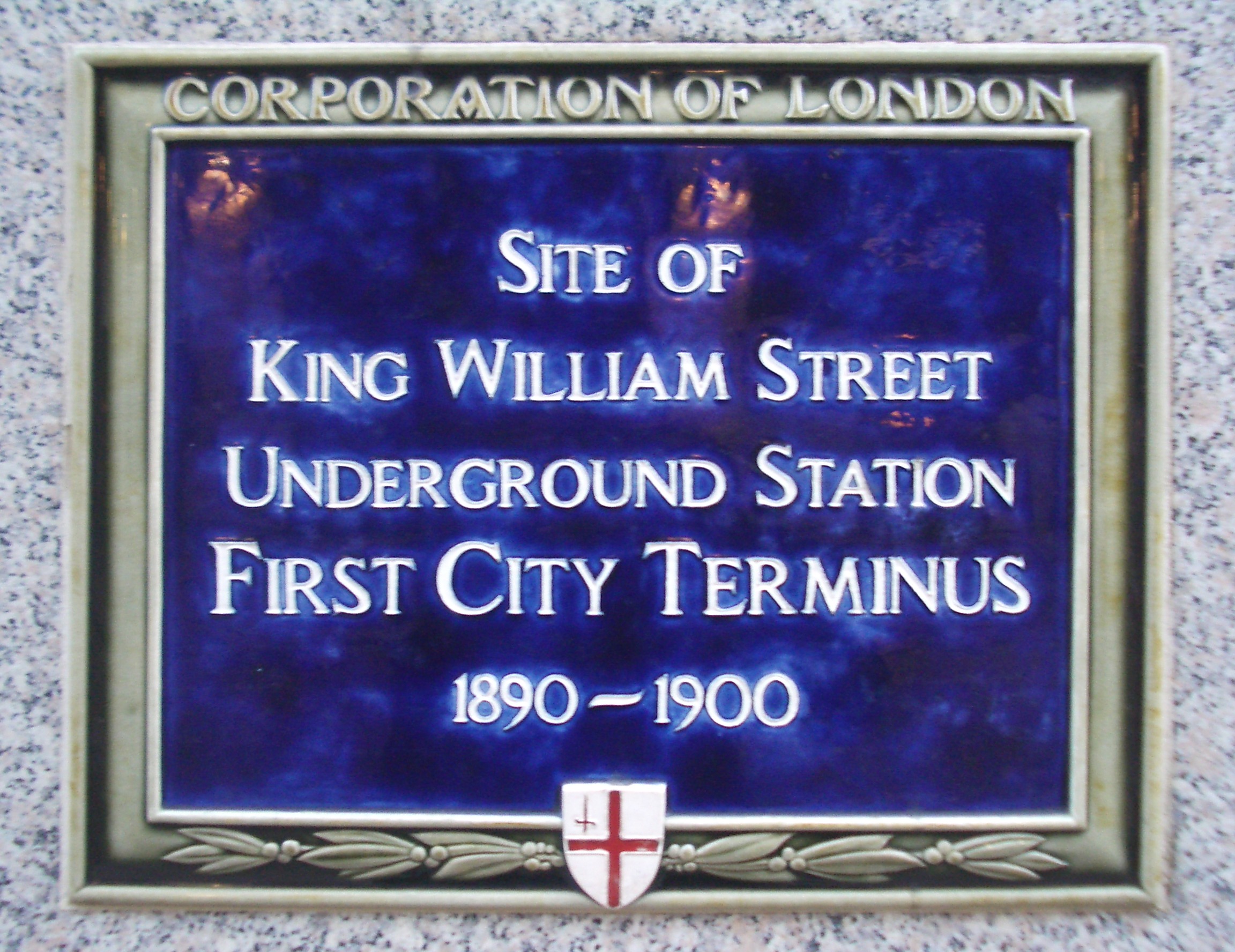
Plaque marking the site of King William Street Station
Image: Wikimedia Commons

I’ve been on several Hidden London real-life tours, but naturally these have had to be cancelled because of Covid. Not to worry, because the enterprising team at the London Transport Museum have put on some virtual events instead, many covering brand new sites, and visiting areas the general public would never be allowed in.

The very first virtual, or digital, tour I joined was King William Street, which was the world’s first deep Tube station and also has the dubious honour of being the first station to be disused. Opened on 18 December 1890, it formed part of the City and South London Railway which began at Stockwell and carried passengers into the City, but difficulties with the curve and the gradient surrounding the area meant that the line was eventually rerouted and the station closed at around the turn of the century.

Interestingly, the line was originally planned to use cable cars, but this idea was scrapped as unworkable and electric locomotives were used instead.

The station was used as an air raid shelter during World War II and later for archival storage before once again falling into disuse. Excitingly, the station is enjoying something of a new lease of life, as it is the access route for the Bank extension and upgrade project.

This station could never be included on in-person tours so I was glad to have had the chance to attend this virtual one. It was fascinating to see pictures from the station’s heyday and the tunnels and staircases that still exist underground – some with original tiling, others with 1940s posters and remnants of the yellow paint often used during the war. A plaque marking the station is still visible near the site, and I intend to check it out once London opens up again.

Docks After Dark – Museum of London Docklands

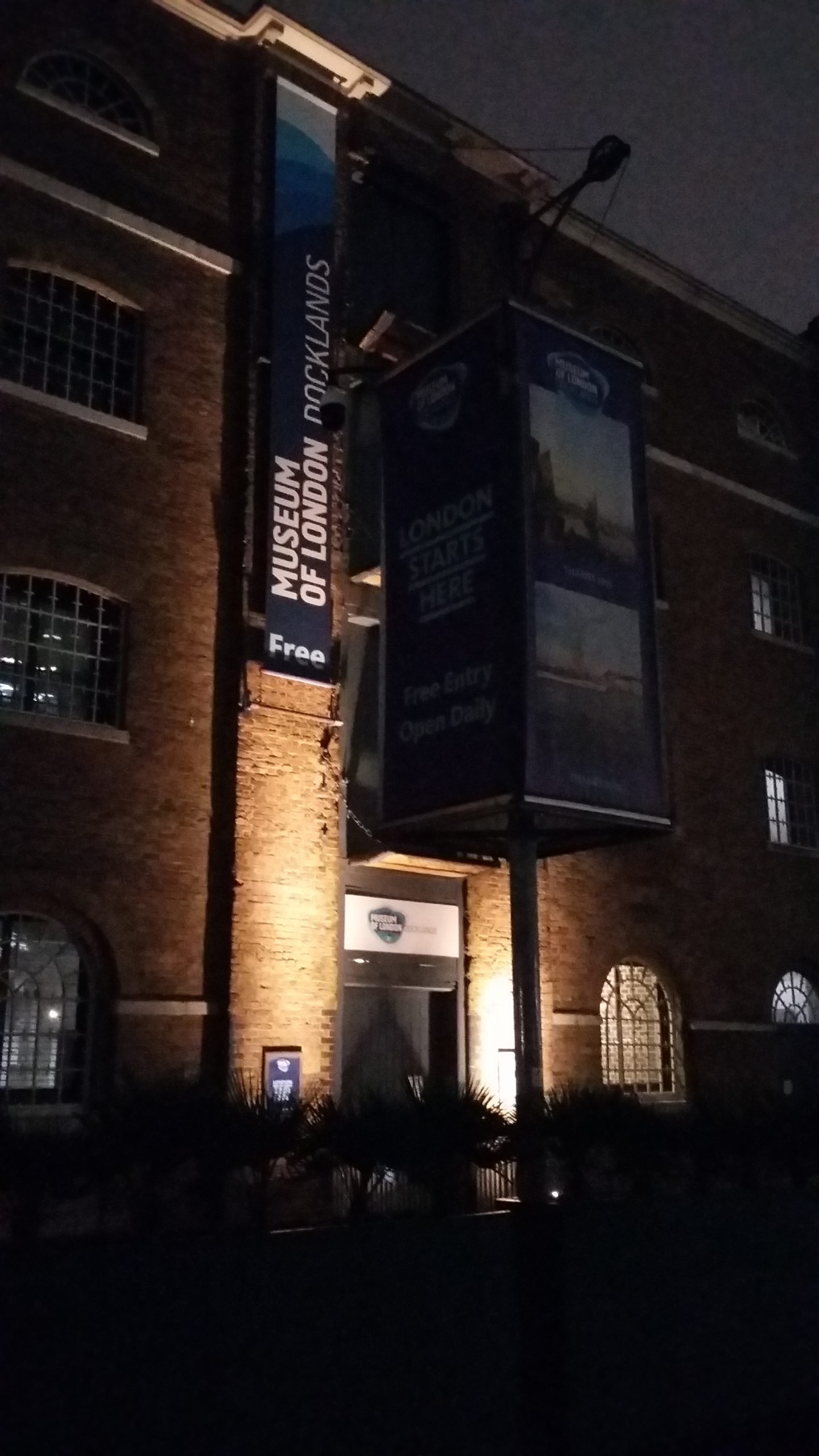
Museum of London Docklands entrance

The Museum of London Docklands hosts, during the winter months, after-hours ghost tours, known as Docks After Dark. I signed up for one of these taking place in February, and despite the pouring rain, was excited to arrive.

The museum is contained within a former shipping warehouse and therefore has a rich history. After dark, with so few people around, it is especially atmospheric. After a short wait in the foyer with a glass of wine and nibbles, we were taken round the museum to be regaled with stories of the ghosts that are supposed to inhabit this place, starting with the staircase, on which security guards and other museum workers are supposed to have heard ghostly footsteps, and ending on the top floor where unexplained faces have been seen. The most memorable part of the visit was when we were taken into the cramped recreation of the infamous Ratcliffe Highway, and told stories of things that happened on this notorious street, such as the murders of 1811.

I don’t want to give away too many of the stories told this evening, but I would definitely recommend signing up for one of the tours when they return.

Ghost Tour – Hampton Court Palace

Hampton Court Palace at night

Not long after my Tower of London evening tour, I headed down to Hampton Court Palace for their Ghost Tour. Basically, what happened was that I saw all these tours advertised around Halloween but they were mostly sold out until the winter, so I’ve had them booked for ages. The depths of winter is still a good time for ghosts, anyway.

This Friday night tour was actually designated as a BSL (British Sign Language) tour. I wouldn’t have chosen this one if I’d known (I wouldn’t have wanted to take up a space from someone who might actually need it) but most people on it were hearing (like me, they hadn’t got the memo – it wasn’t particularly well signposted on the website). I was curious as to how they’d make BSL visible in the dark, but the lady doing the signing was wearing bright gloves illuminated by a spotlight: pretty ingenious.

The tour itself took around two hours and encompassed both outdoor and indoor areas of the Palace, lit very sparsely which only added to the atmosphere. Unlike the Tower tour, which was more of a general tour that happened to take place at night, this was most definitely a ghost tour and I was certainly spooked. I wouldn’t want to give away too many of the stories I heard on the tour (I wouldn’t tell them half as well, anyway) but they range from sightings of an old nursemaid of Edward VI to apparitions of two of the workmen killed during the construction of the baroque wing of the Palace in William and Mary’s time, not to mention Henry VIII’s unfortunate wife Catherine, who can reportedly be heard screaming in the appropriately-named Haunted Gallery. We had to traverse this Gallery in small groups of two or three; as I’d attended the tour on my own, I begged to tag along with another pair, not wanting to venture down the path alone!

One particularly exciting tale involved a cloaked spectre caught on camera trying to close a pair of fire doors. This footage can be viewed online; the figure was apparently nicknamed Skeletor! Another less spooky, but still (to me) frightening anecdote concerned Cardinal Wolsey, whose home Hampton Court originally was. He was terrified of a particular species of large house spider (I completely sympathise) which ended up being named the Cardinal Spider after him – an impressive act of trolling.

The ghost stories surrounding Hampton Court come from a great variety of sources: staff and visitors as well as security personnel and at least one policeman. Several occupants of the grace-and-favour apartments here over the years have borne witness to supernatural phenomena, and in at least one case have become the subject of it. Whether there is any truth to these ghost stories or not, it was amazing to hear them in situ and experience the Palace when it is closed to visitors. Tours are now sold out for the season but I would expect them to come back this autumn – keep an eye on the website.

Tower Twilight Tour

On the second Sunday of January, I went on an after-dark tour of the Tower of London. These tours only take place in the winter, and sell out fairly quickly, so I made sure to book a while ago.

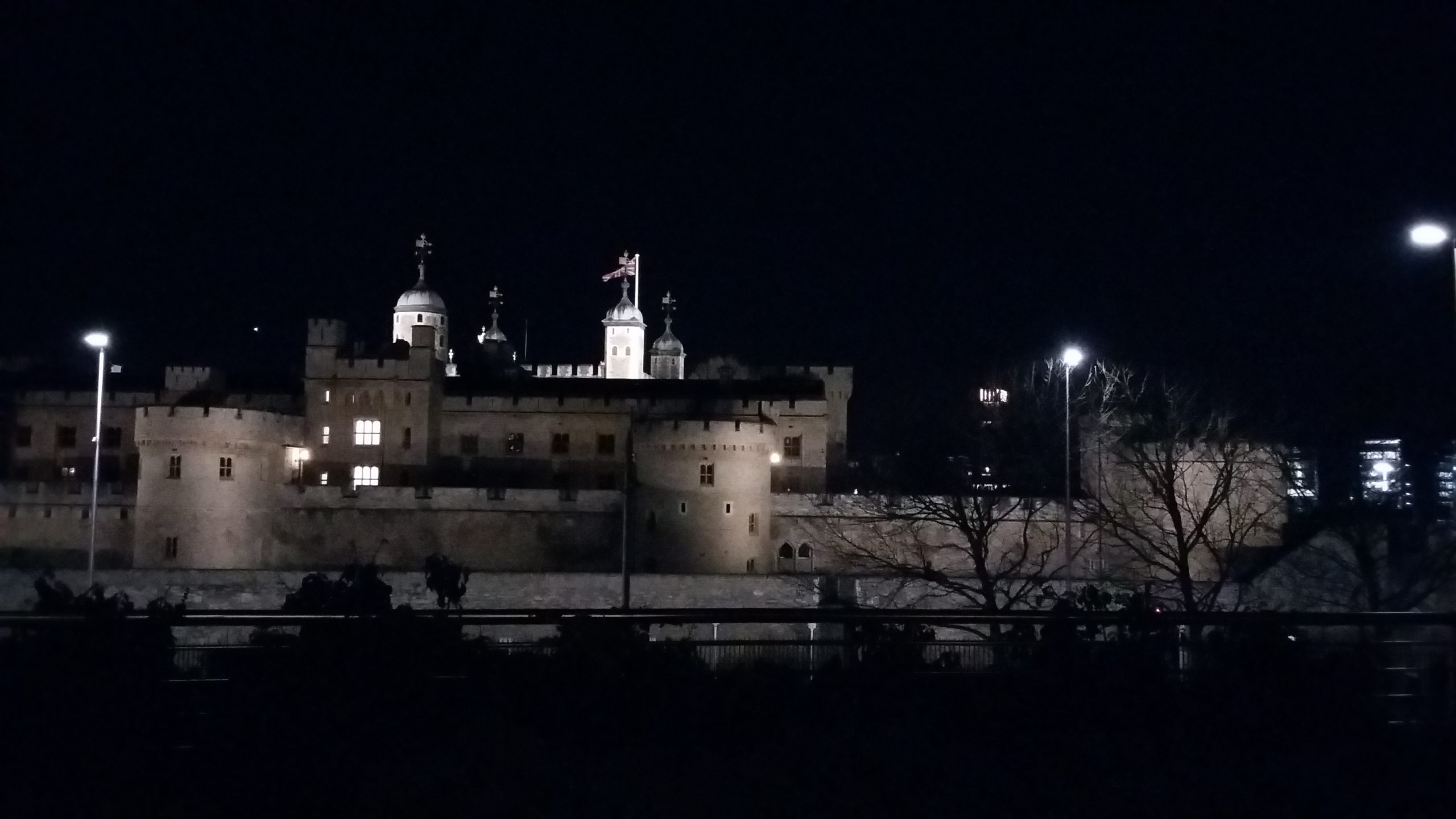
The Tower of London at night

It was eerie heading to the Tower in the dark, without the usual flood of tourists at the entrance gate. The crowd waiting to take part in the tour was fairly large, but still, there was no one but us in the vicinity; well, no one but us, our Yeoman Warder guide, and another Warder who patrolled the grounds accompanied by a sleek black cat. I’d assumed the tour was a kind of spooky ghost tour – the bloody history of the Tower would lend itself to this kind of experience – but in fact it was more like a general tour that happened to be held at night. This did not make it any less enjoyable, and it was still quite an experience to explore the Tower at night.

We visited all sorts of outdoor and indoor locations, including the place where Henry VI was murdered in 1471, and heard stories of those who were kept prisoner here and even executed, including two of Henry VIII’s wives, Anne Boleyn and Catherine Howard. The Tower’s construction began in 1078, and the near-thousand years of history it has witnessed is hugely impressive.

Me by the White Tower

We ended our tour in the chapel, where many of those executed in the Tower are buried (Though it’s not a ghost tour, there is plenty of death). Despite not being quite what I expected, I was pretty impressed, and would recommend the tour as a unique experience.