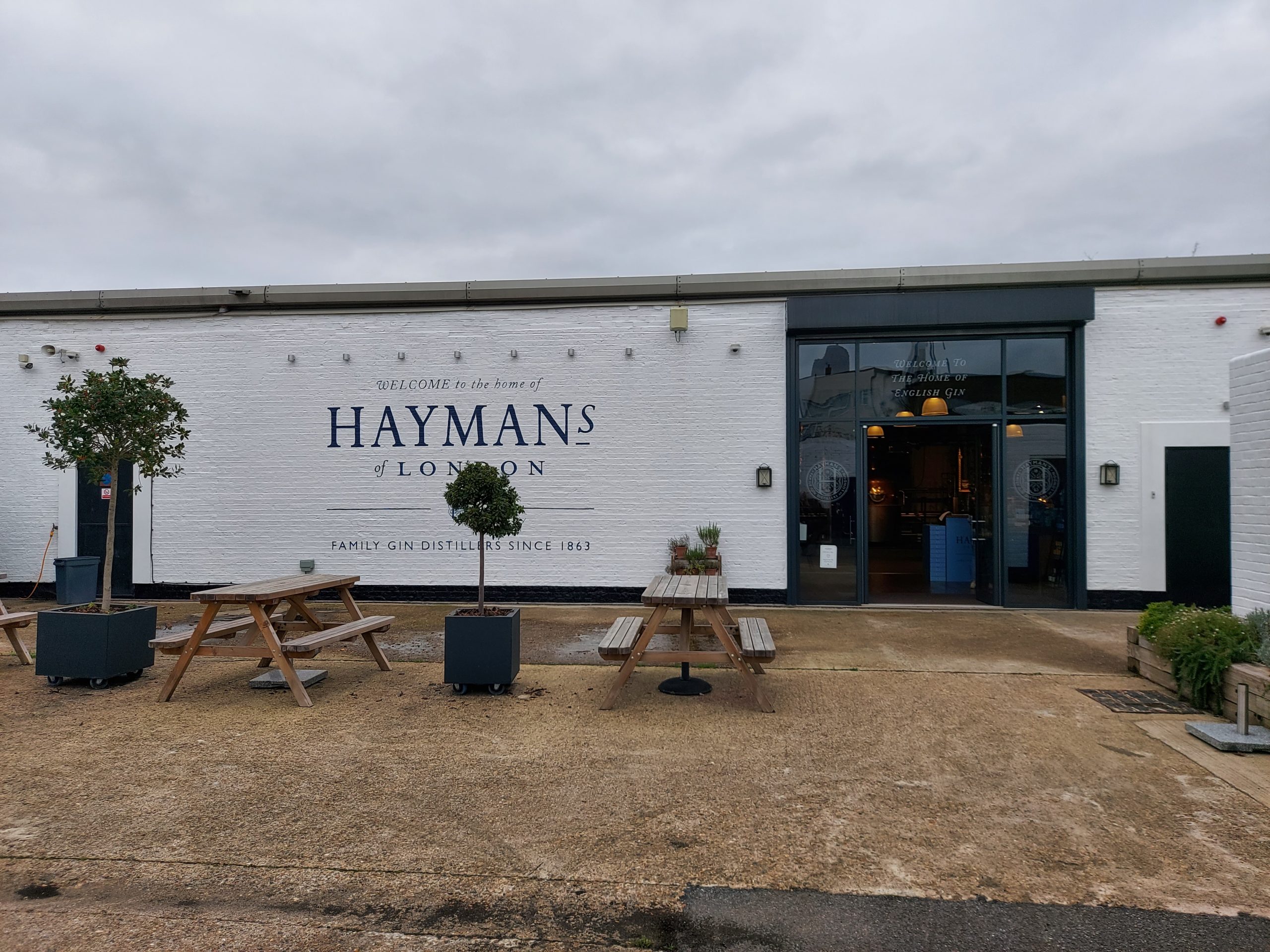
It’s become something of a tradition that when my friend comes to visit me in London we visit a gin distillery for a tour and tasting. This time, we booked to visit Hayman’s Gin Distillery in south London (nearest station Balham).
We arrived in good time and enjoyed a complimentary G&T while we waited for the session to begin. I hadn’t had Hayman’s gin before but I have to say it was really lovely – I would definitely drink it again.
Hayman’s is a long-standing distillery in London, founded in 1863 by James Burrough, who pioneered the London Dry style of gin. His descendants Christopher, James and Miranda still run the business today. The current distillery in Balham is relatively new, and the space allows the family to host events celebrating the history and manufacture of gin.
Our tour began with a short talk about the history of Hayman’s gin, before we headed downstairs to learn more about the botanicals present in the traditional recipe. We got to have a go at mixing our own blends using a pestle and mortar – it was impressive how different all our efforts smelled, showing the importance of creating the perfect blend to finalise the desired taste.
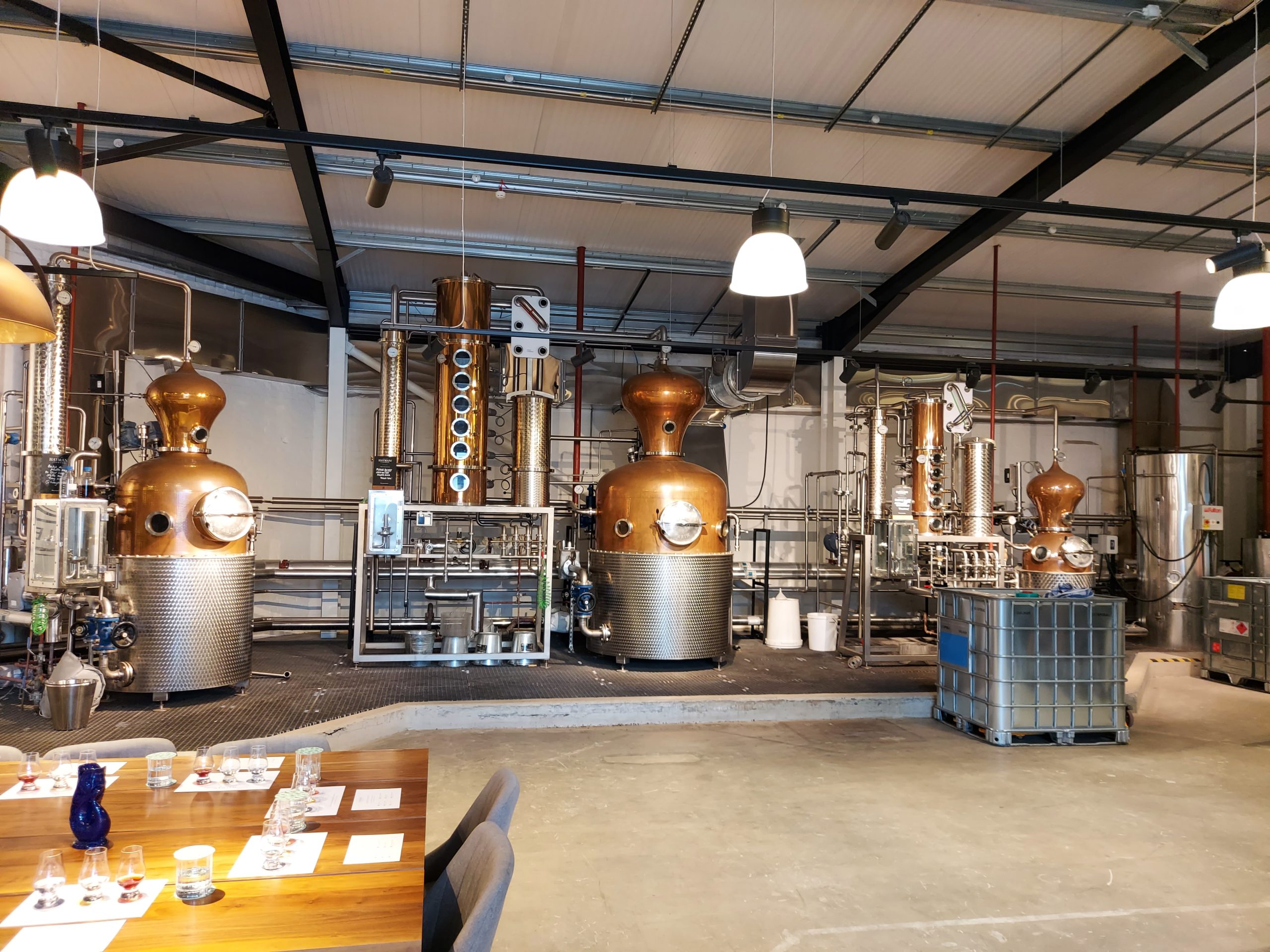
After that we had a look at the copper stills – Marjorie, Karin and Miranda, named after the women in the Hayman family – and learned more about the gin-making process. After that it was time for the gin tasting. We sampled three varieties of gin, traditional, exotic citrus and sloe, and enjoyed experiencing the differences between each one.
Finally, we made our way out of the distillery in order to find lunch, having had a great experience.
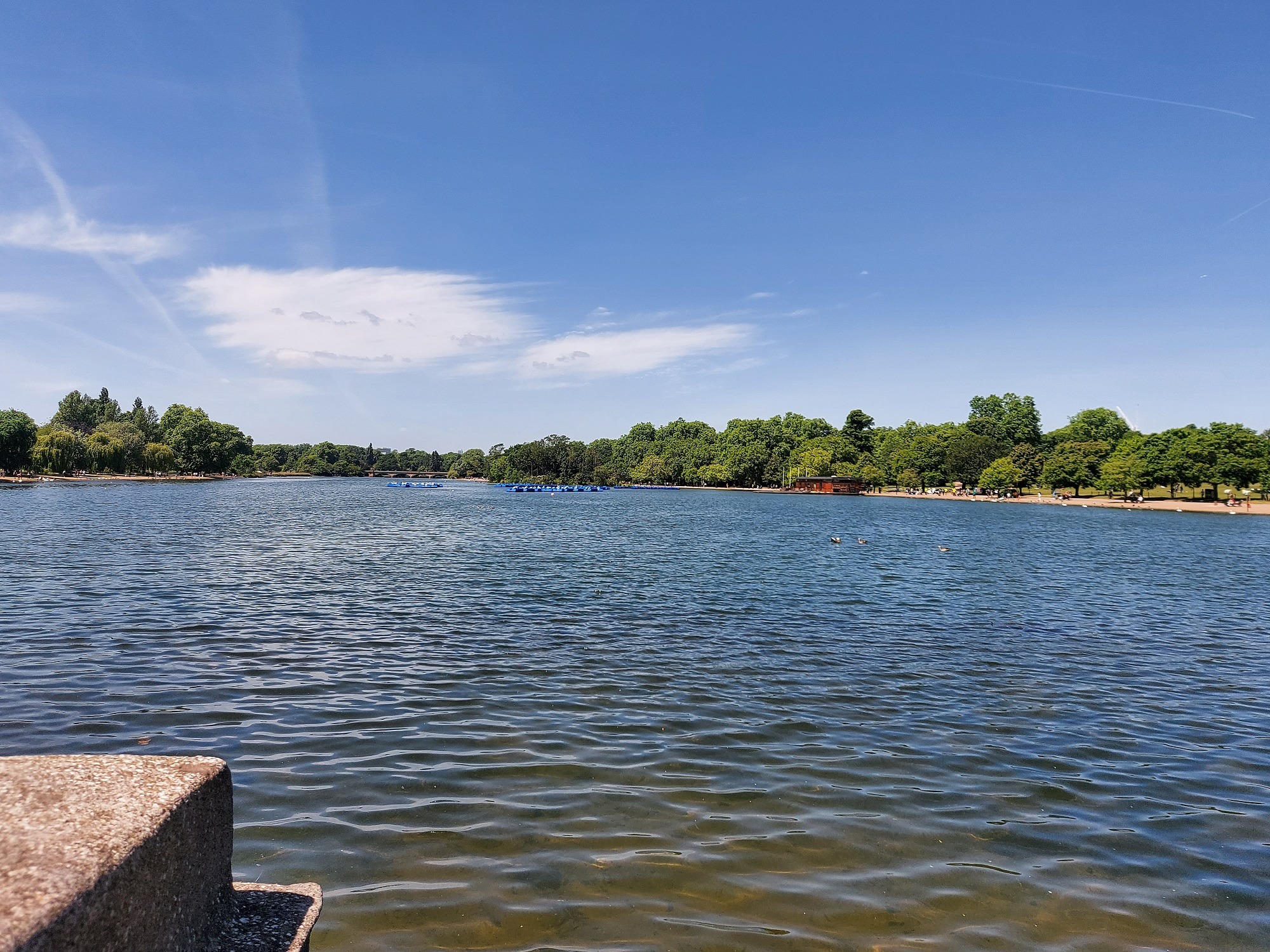
I took the day off work on Friday to go on a Hidden Stories of Hyde Park walk, organised by the Royal Parks. The walk began at Speakers’ Corner with a discussion of the history of this famous part of London, and its proximity to the gallows at Tyburn. We learned about the River Westbourne that runs under Hyde Park, and used to fill the Serpentine (which meant the water was a bit disgusting, as the river was full of waste).
The Serpentine
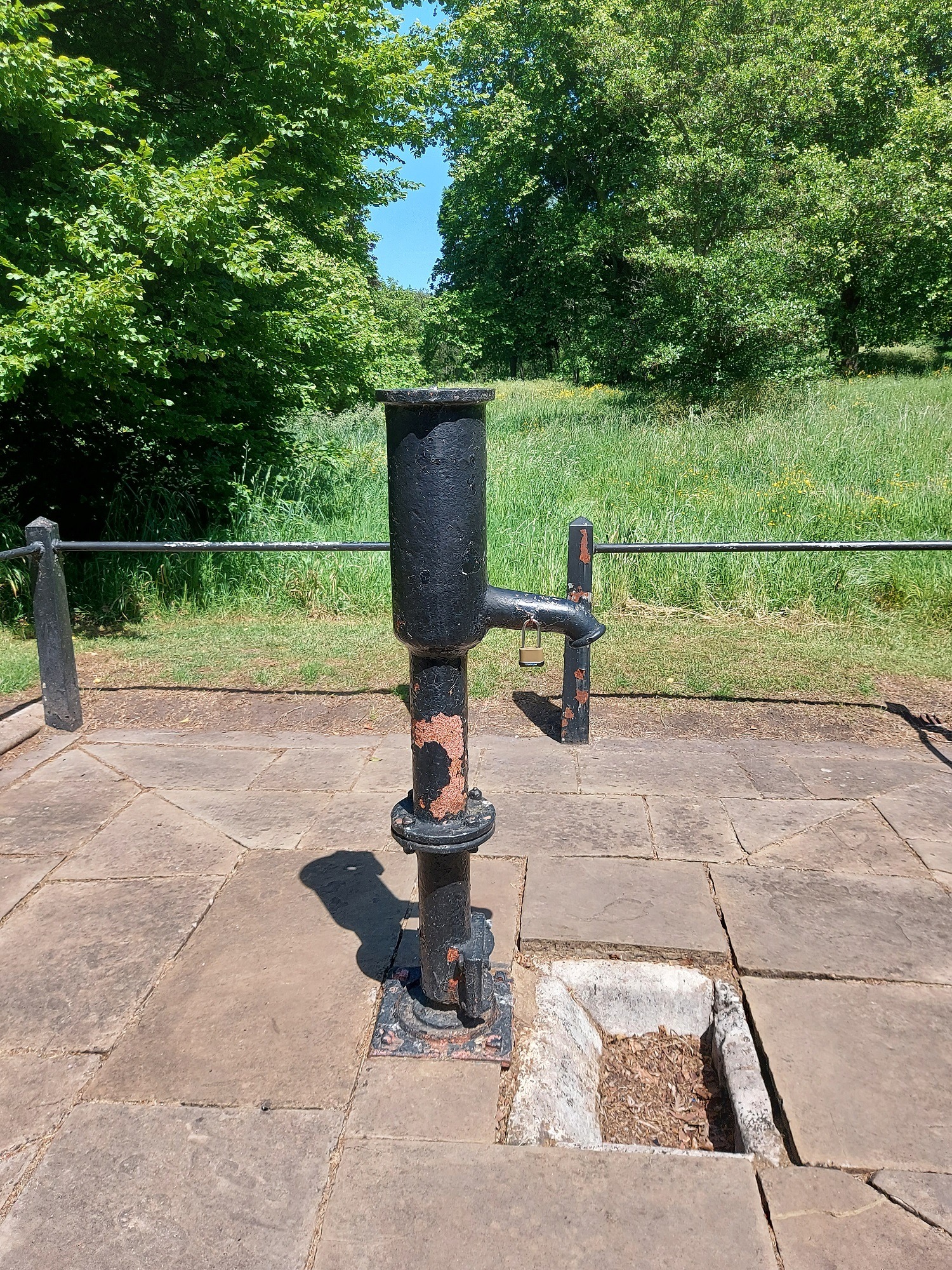
We learned how Hyde Park used to be a place to see and be seen, full of the great and the good taking carriage rides or strolls. It was also a key route for farmers taking their livestock to be slaughtered at Smithfield Market, and we stopped at a water trough along the way.
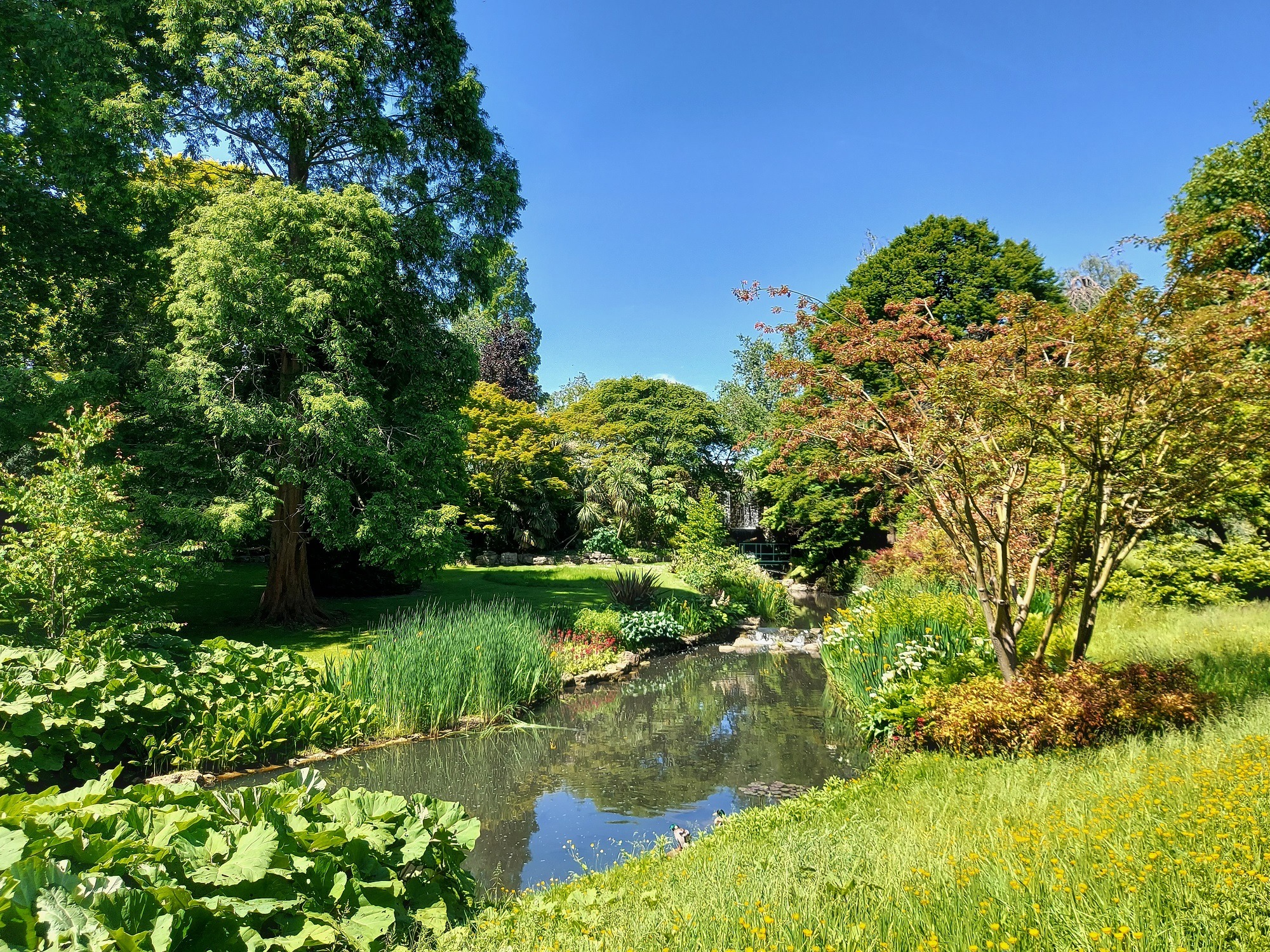
The walk ended with a visit to the Victorian Pet Cemetery, usually closed to the public. It was opened in 1881 when a beloved Maltese terrier named Cherry was buried in the back garden of Victoria Lodge at the request of his owners who lived nearby. When the Duke of Cambridge’s Yorkshire terrier Prince met an untimely end under the wheels of a carriage, he was also interred here, and helped to make the cemetery a fashionable place for wealthy Londoners to lay their pets to rest.
Inside the pet cemetery
The cemetery is really moving – the pets buried here (mostly dogs, although there are a handful of cats, birds and even monkeys) were clearly much loved. Headstones reveal how precious these creatures were to their owners. Sadly one dog fell victim to murder – his headstone reads, “Poisoned by a cruel Swiss”. The cemetery officially closed in 1903, but occasional burials still took place up until the 1960s.
Check out the Royal Parks Events page for more information about this walk and other events run in the parks.
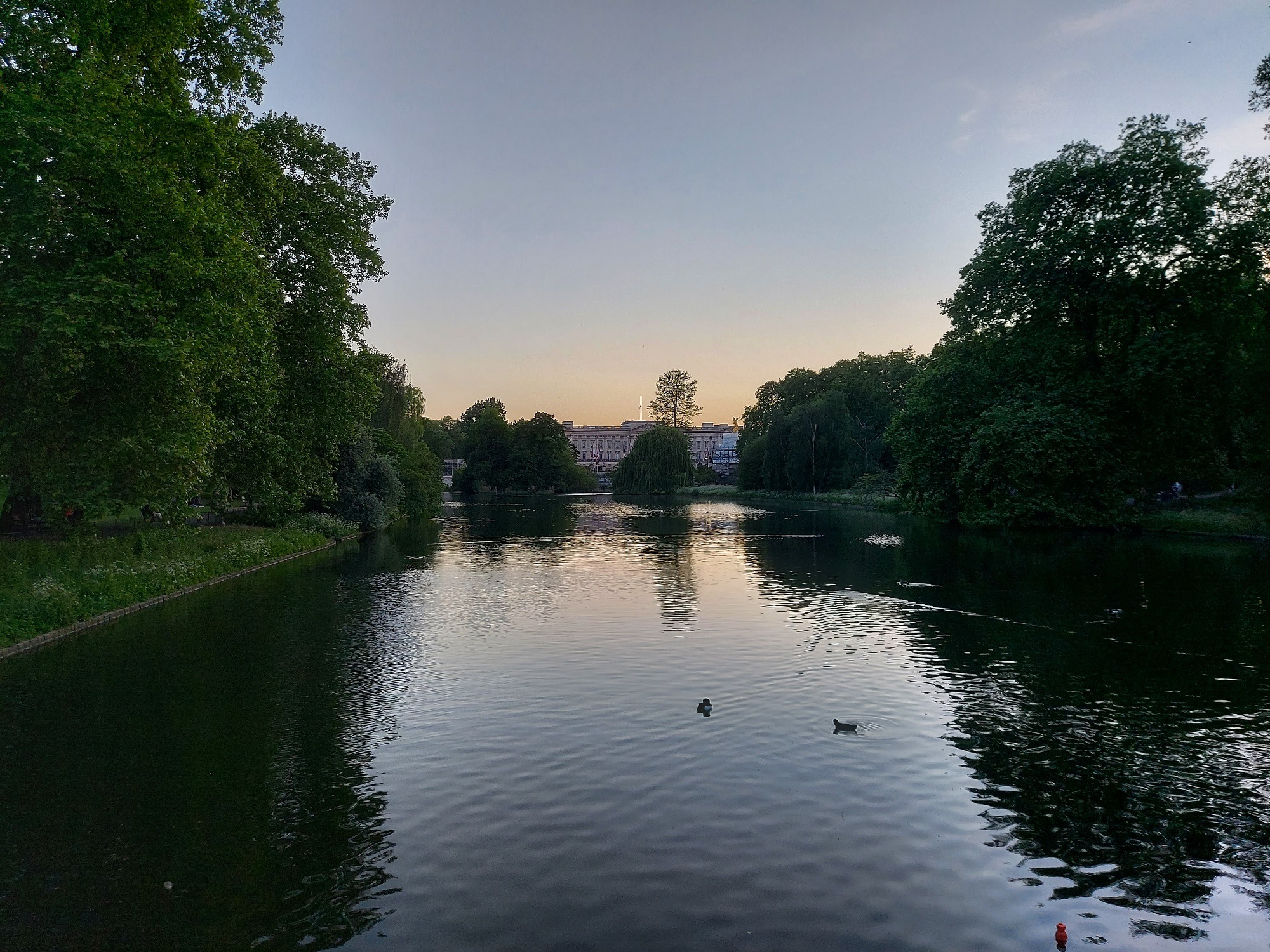
I love a ghost walk, so was excited to sign up to Dead After Dark: The Queen’s Gardens Ghost Walk, organised by the Royal Parks. The walk took place on a Friday evening and began at St James’s Park, ending in Green Park.
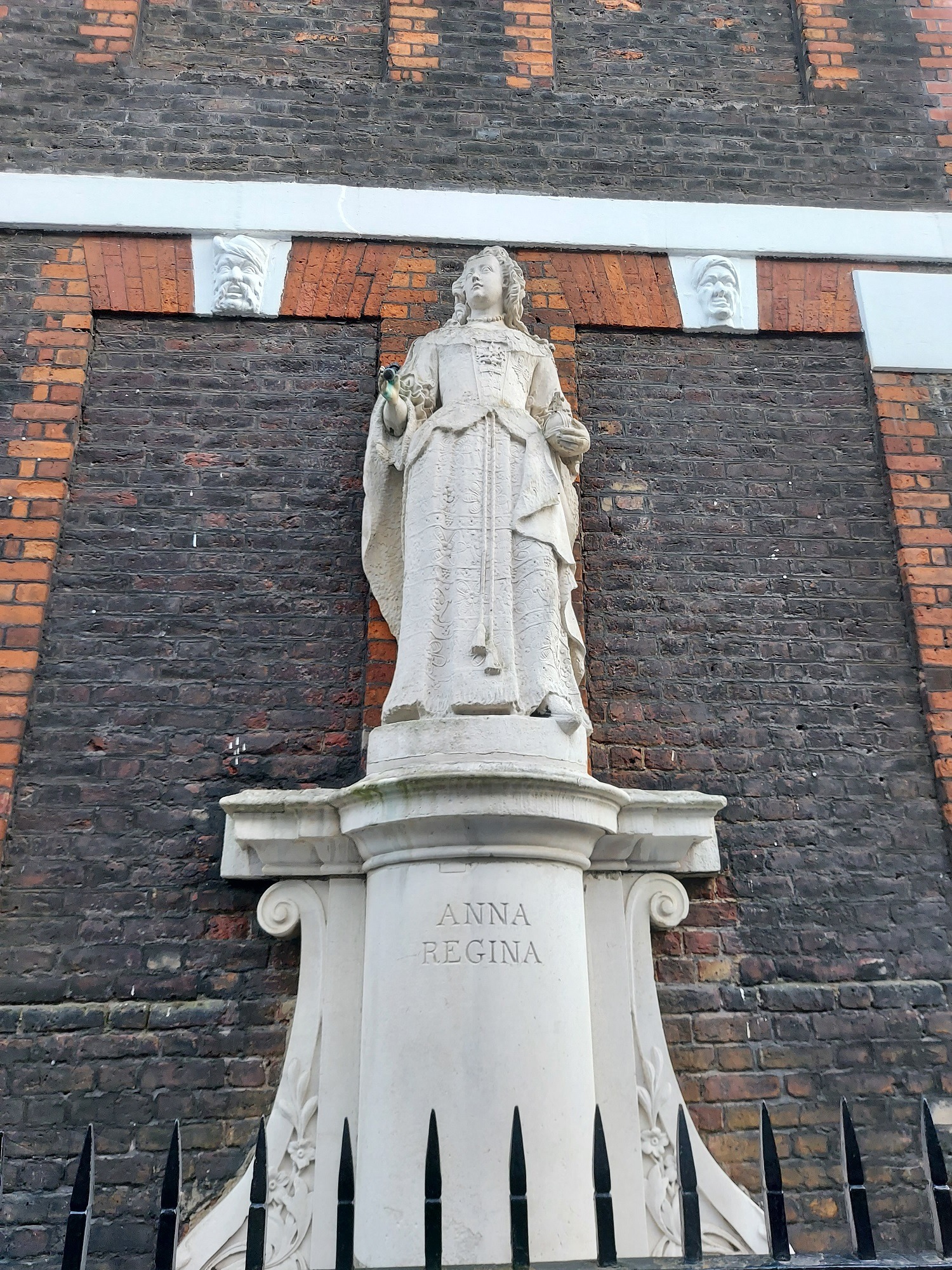
Statue of Queen Anne
The walk was hugely entertaining and I learned a lot about the history of both parks, as well as some of the stories and urban legends surrounding them. From the statue of Queen Anne, rumoured to get up and walk, from murders and ghostly sightings to fairy tales and hidden rivers.
Check out the Royal Parks Events page for more information about this walk and other events run in the parks.
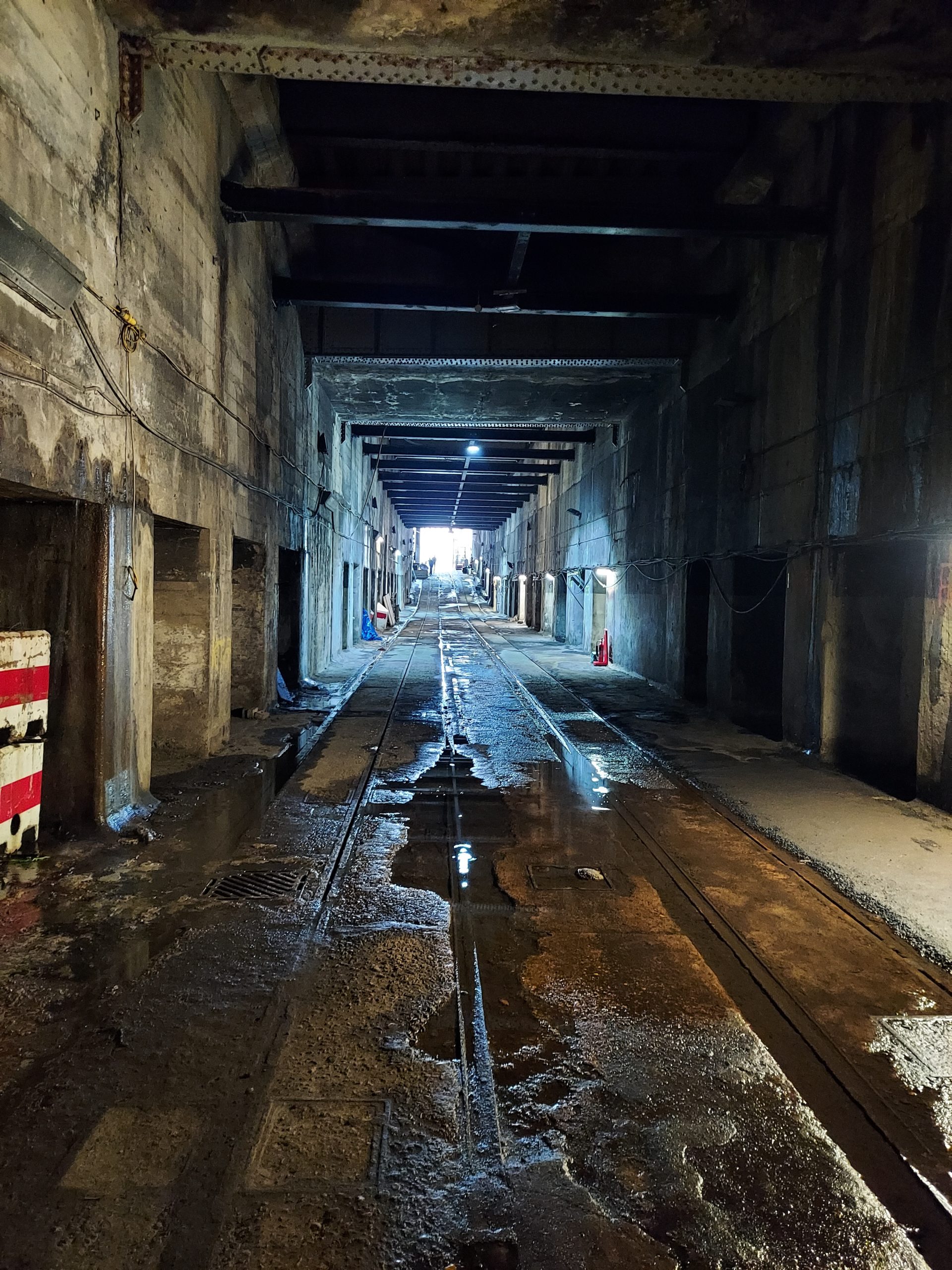
I attended a virtual tour of the Kingsway Tram Tunnel during lockdown, so I was excited to get the chance to attend a real, in-person tour when lockdown eased. I booked the day off work specially, and headed to the entrance ready for the start time.
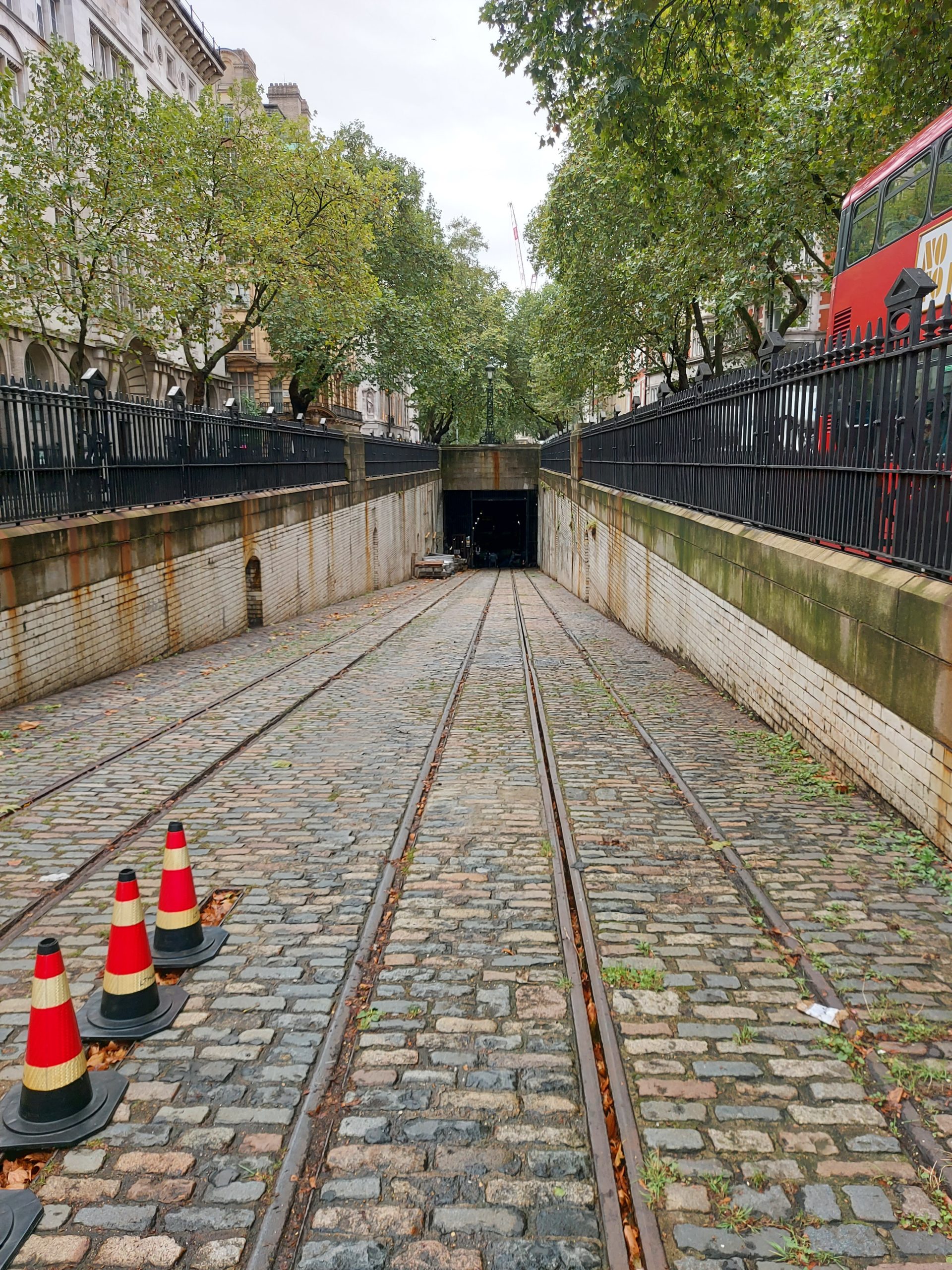
I’ve seen the entrance plenty of times before – a line of tram tracks, heading down into a tunnel, with black railings on either side and lamps marking the beginning of the tunnel. This time, I actually got to go through the gate and see what was hidden in the depths of that tunnel.
We were shown a map of tram routes in London at the beginning of the 20th century, and it became apparent just how necessary the Kingsway tram tunnel was in order to connect north and south. Originally built between 1906 and 1908, the tramway finally closed in 1952.
The tunnel is dirty and dusty, and there is plenty of equipment lying about left over from when construction workers used the tunnel as a way in to the Crossrail construction site. The original tram tracks and iron ceiling, however, still remain. In the 1920s the tunnel was made bigger to accommodate double-decker trams, and this was mostly done by lowering the floor – which can be seen at various points along the route (at this northern end the roof was raised, and this can still be seen). The hill down to the tunnel is quite steep, and trams used to speed up at this part, slowing down when they got to the bottom. Alcoves are situated at several points along the tracks, allowing workers to safely hide as the trams were going by.
The central point of the tour was the platform itself, with staircases (now closed off above ground) marking the entrance and exit points for travellers. I’ve seen black and white photos of passengers waiting for trams, and it was eerie to be in that very same place, decades later.
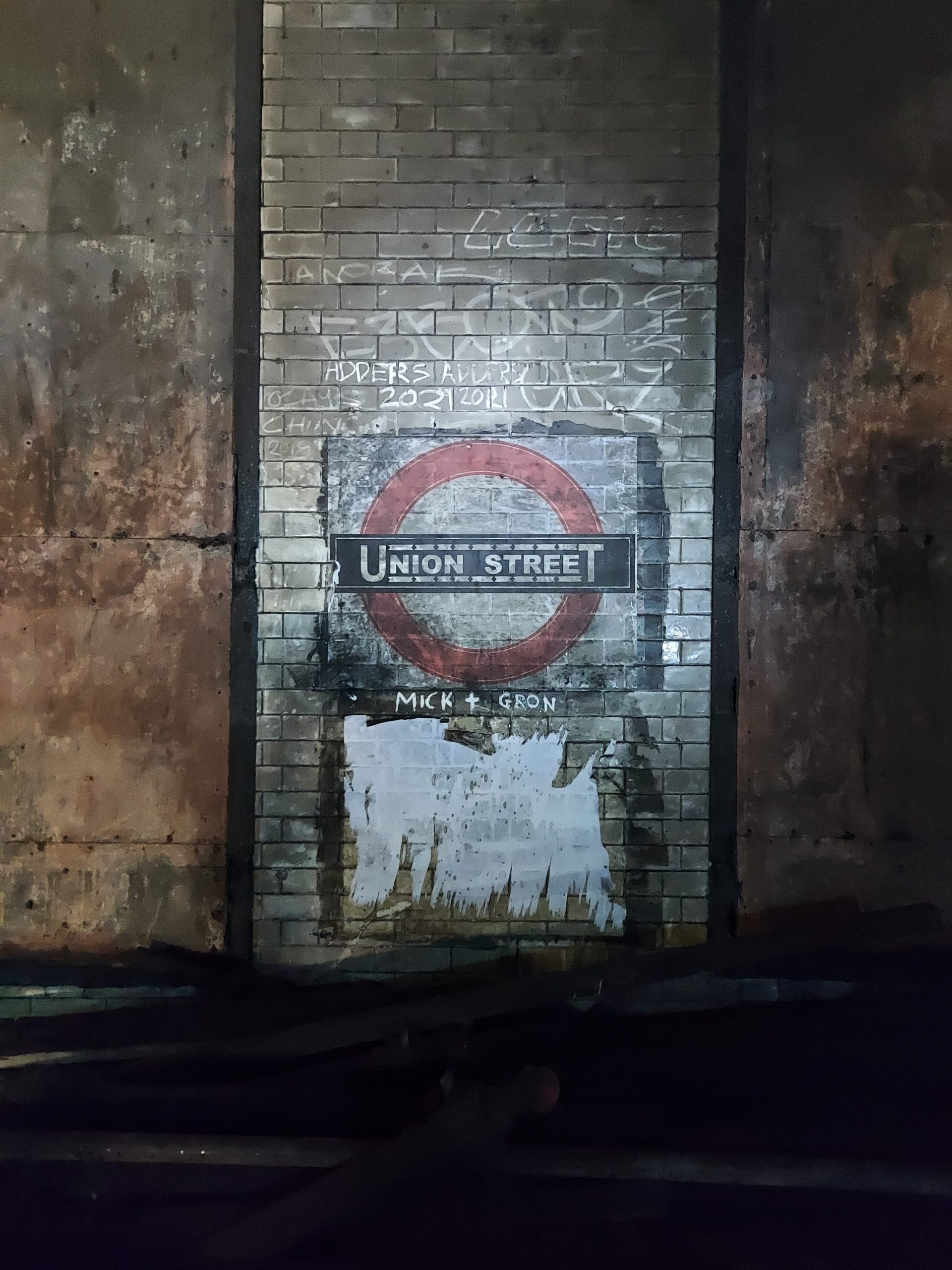
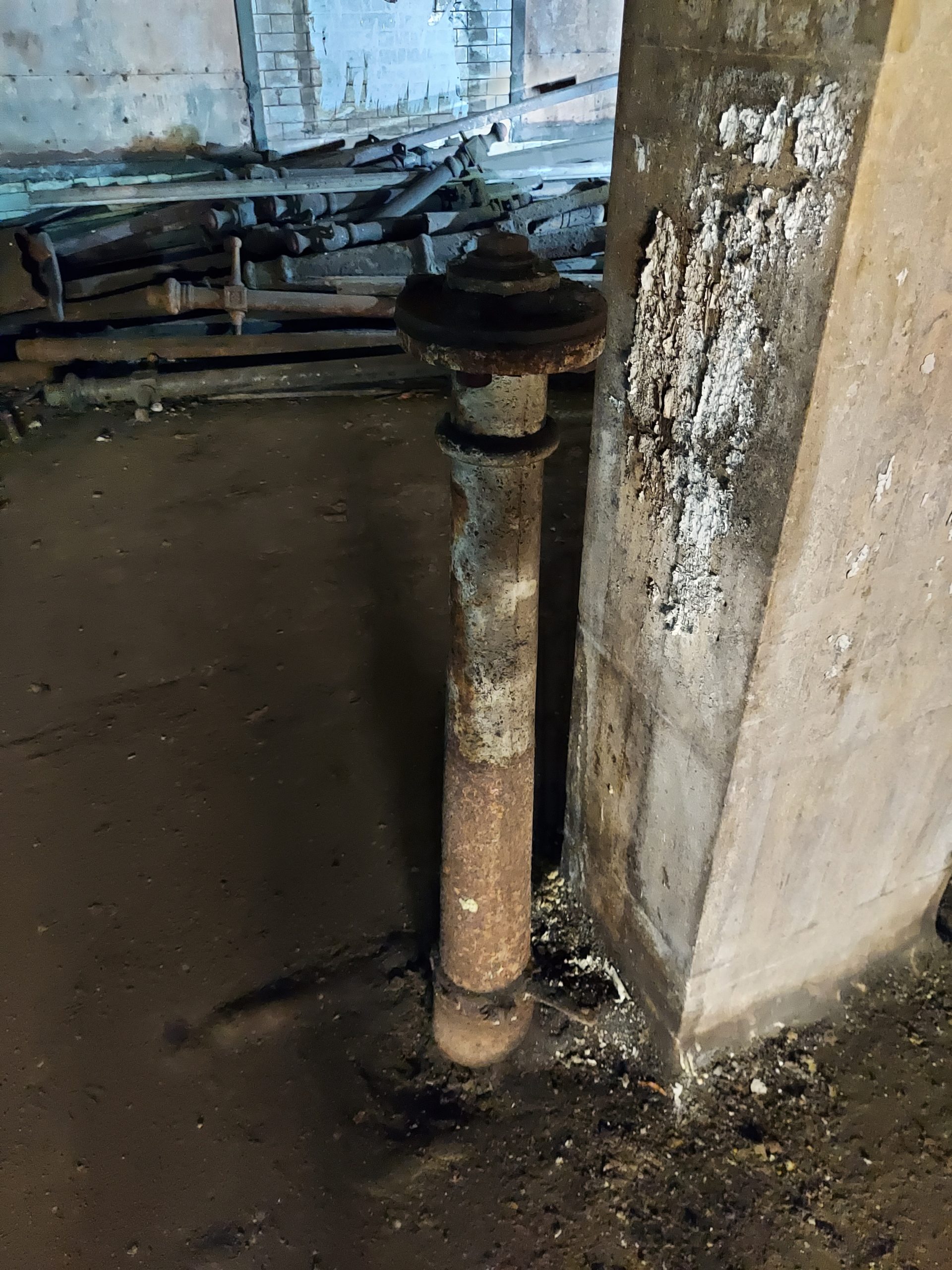
A TfL roundel can be seen on the wall, labelled ‘Union Street’, but this is not original – it is left over from when the tunnel was used as a filming location and stood in for an Underground station. Much of the equipment and other assorted items down here are from Camden Council, who use it for storage – but the poster display rack is probably original.
Our guides regaled us with stories about the trams and the people who used them, including tales from those who remember travelling on the original trams, and those who travelled alongside them – such as cyclists who got their bikes stuck in the tram tracks and were told off by angry drivers! It was fascinating to hear these stories and imagine what it would have been like to travel on these trams all those years ago.
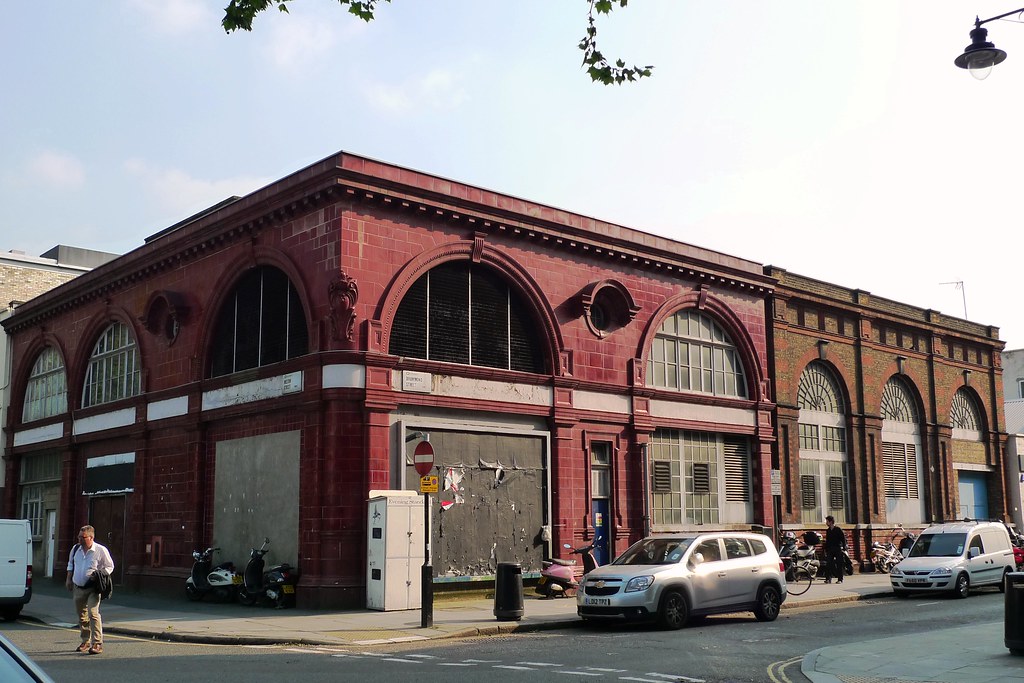
I’ve passed York Road station before – it’s a red brick Leslie Green building not far from King’s Cross – so was glad to have the opportunity to see inside on a Hidden London online tour.
Located between King’s Cross and Caledonian Road on the Piccadilly Line (formerly the Great Northern, Piccadilly and Brompton Railway), the station, on the corner of York Road (now York Way) and Bingfield Street, opened in 1906. However, it was never heavily used, and closed in 1932 when the northern extension to the Piccadilly Line – Finsbury Park to Arnos Grove – opened.
The station featured lifts, which – uniquely to this station and a couple of others – took passengers directly to the platforms. Because of this, the tracks curved outwards around the platform. The station contains a small signalling cabin, which remained in use until 1964, many years after the station had closed. I don’t envy the poor workers who had to sit there all alone!
The station platforms no longer exist, but the site is used as an emergency exit, so lights do still exist on one of the pathways out. It’s possible to view the station from the train – why not have a look next time you’re travelling north from King’s Cross?
The Benjamin Franklin House has been a visitor attraction in London for years, but I’d never got around to visiting, until now. Looking for something to do during my week off, I found the museum’s website which advised that architectural tours run every Friday. It’s not often I get a Friday off when I’m in London, so I booked straight away.
Benjamin Franklin was one of the Founding Fathers of the United States of America. He was a polymath and one of the leading intellectuals of his time. The Grade 1 listed house is at 36 Craven Street, a Georgian side street not far from Charing Cross station and Trafalgar Square – it really is very central. It dates from around 1730, and Franklin lodged there for 16 years between 1757 and 1775 in his role as chief colonial diplomat. The street would have looked very different at the time – this was before the Embankment was built, so the Thames would have been much closer to the house.
Front door
As it turned out, it was a quiet day and there were only two of us on the tour, but the house had been decorated in red, white and blue in preparation for Independence Day celebrations at the weekend. We were shown around the house starting with the basement: a brown plaque is on display here that was originally on the side of the wrong house on this street. A room here is devoted to the history of the house, which served as a lodging house for much of its life before being converted into a hotel in the 20th century. In the late 1990s, the Friends of Benjamin Franklin House were granted the freehold to 36 Craven Street from the British government, and set about restoring the property.
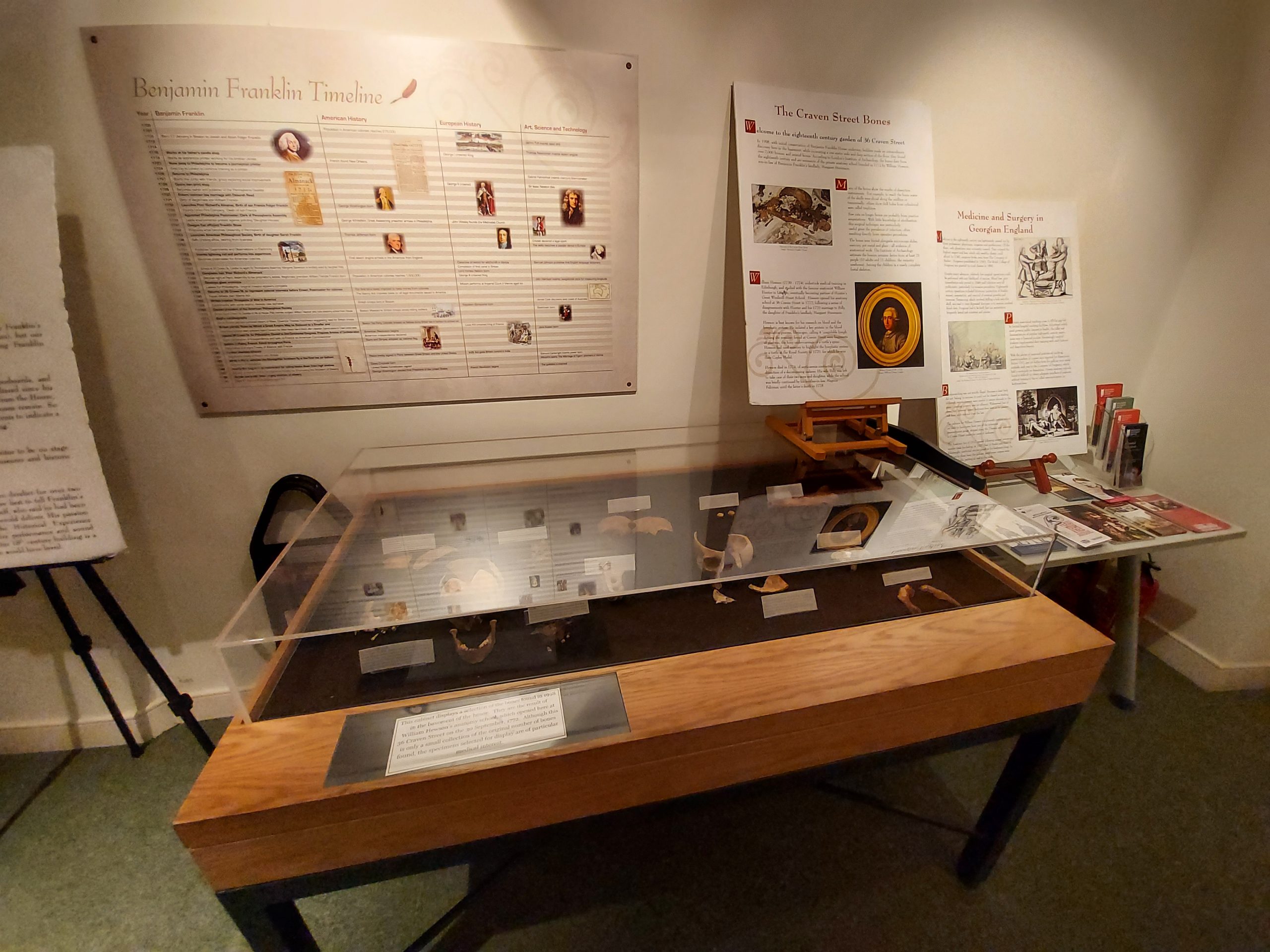
Human bones found during excavation
During the excavation, a number of human bones were found. It is believed that William Hewson, Franklin’s landlady’s son-in-law, was responsible for these remains: an early anatomist, he had been living in the house for two years and working in secret, as well as running an anatomy school. The basement is also where the kitchen is located, where food would be cooked for the landlady, her family and lodgers. The kitchen includes a recess built into the wall – historians aren’t certain what it is, but some believe it may have been a kind of early fridge.
Sitting room
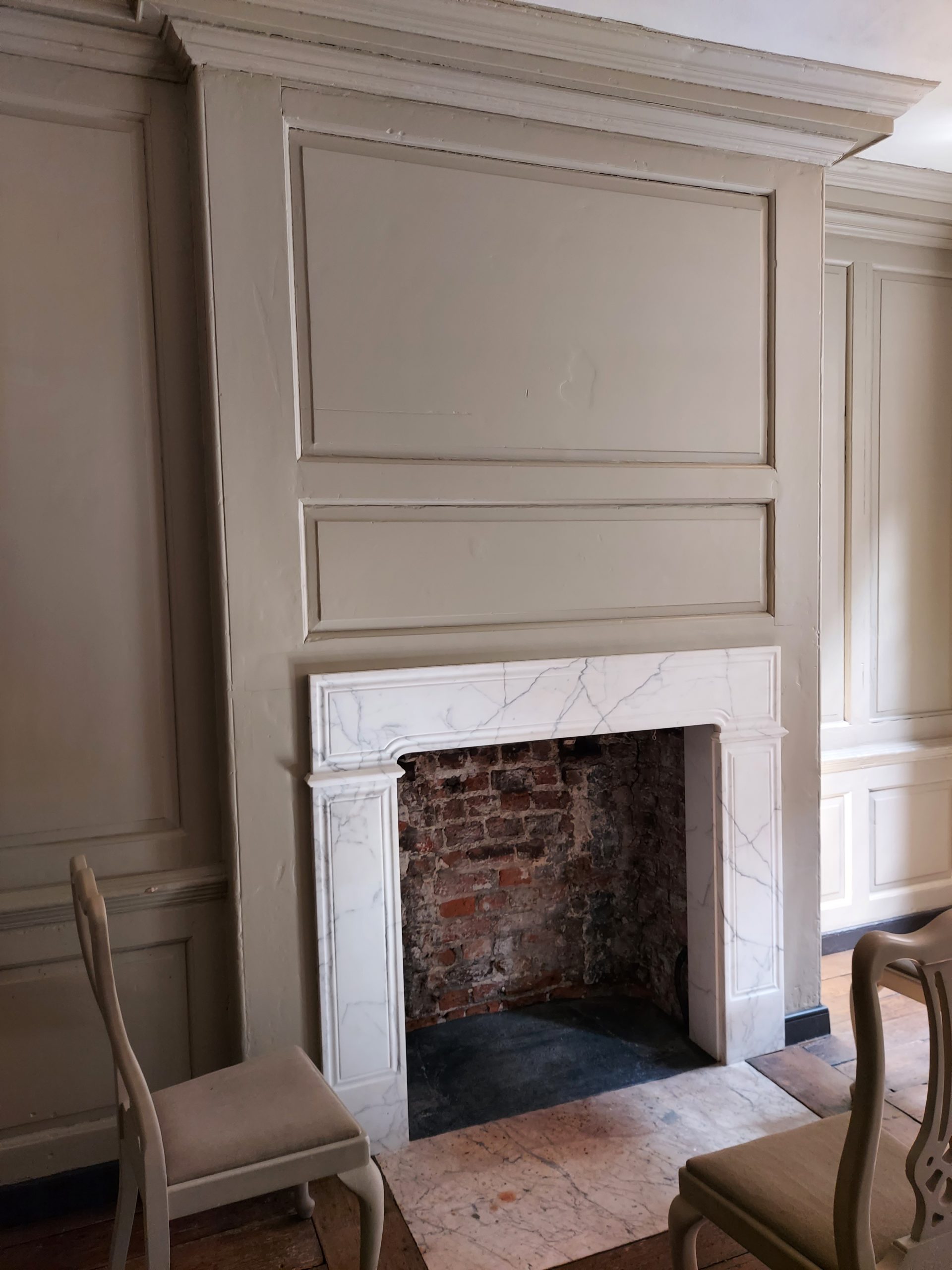
The ground floor was the main sitting room used by the family – as a valued and longstanding guest Franklin was also able to spend time here. The address gained a reputation as the ‘first American embassy’ as he used to invite statesmen and cultural figures to discuss events of the day. Many of the features in this room are original, such as the two-part window shutters, although parts of the fireplace are not. The floor slopes in places, being built on slightly uneven ground. On this floor, our guide also showed us the mechanism by which the door would have been kept shut by means of a chain.
Window featuring original shutters
Upstairs is the set of rooms inhabited by Franklin, although at the time it would have been one big room. He apparently used to ‘sunbathe’ naked with the windows wide open – luckily this was early in the morning so no one else would have had to see this sight. Franklin also used to go swimming in the Thames to keep fit – presumably the pollution levels were lower then than they would later become. The back of the house holds a key and kite display in honour of one of Franklin’s most famous experiments, and the fireplace contains a bust of Franklin, currently topped with a jaunty party hat.
Franklin’s room
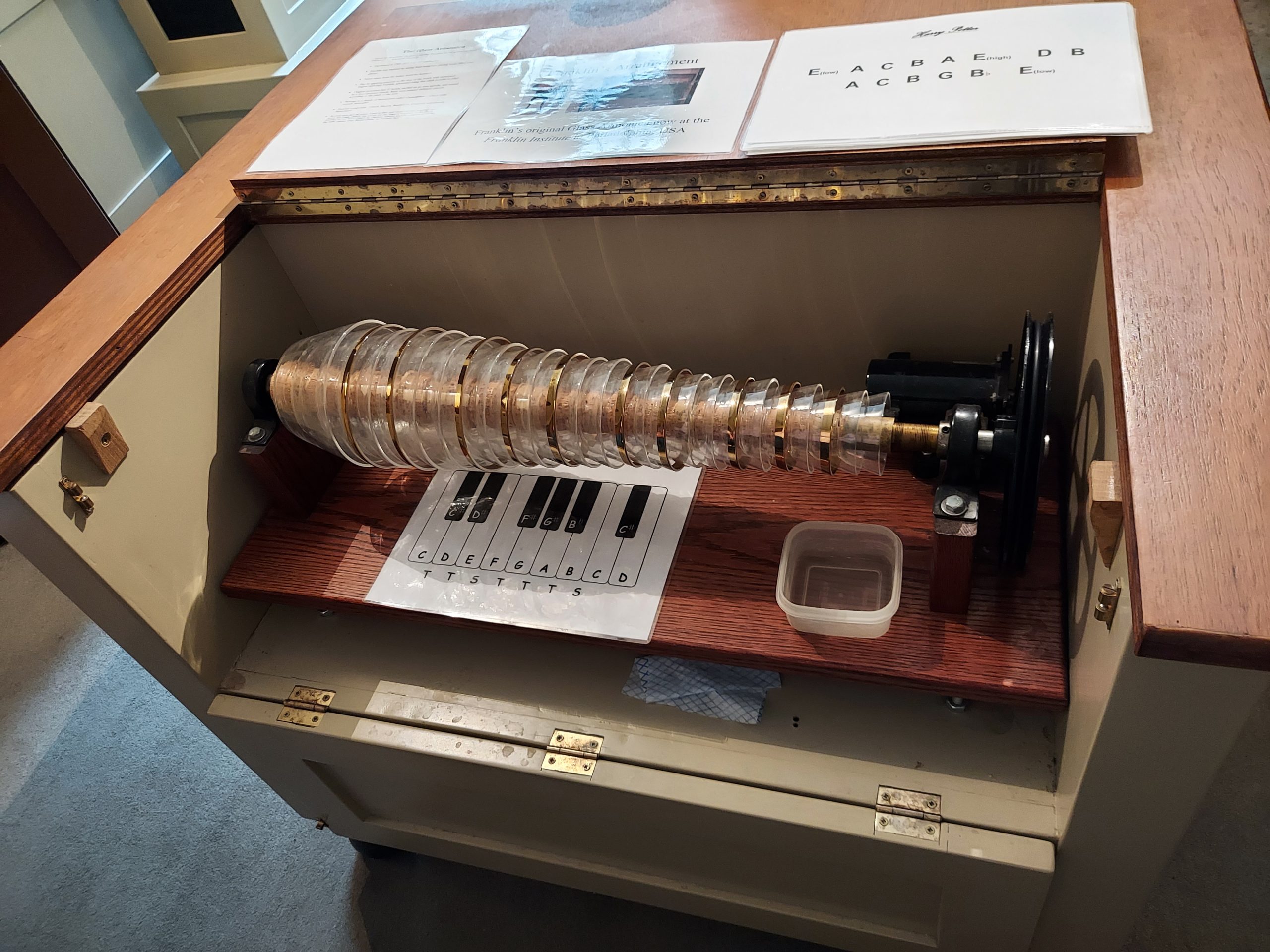
Above this were rooms used by the landlady, similar in style to Franklin’s below, while above this were rooms used by other lodgers. Today these rooms host educational resources, including Franklin’s own invented instrument, a glass harmonica.The tour was fascinating and I definitely plan to return for the Historical Experience.
The now-disused, Leslie Green-designed entrance to Euston Underground (CCE&HR branch)
When thinking of Euston station, I suspect most people would think of the ugly 60s building that, amid much controversy, replaced the famous arch which marked the entrance to the railway station. However, in a virtual tour entitled ‘Euston: The Lost Tunnels’ I learned that there is much more going on beneath this station. There are no less than two disused stations in amongst the tracks and tunnels of Euston as it is now; some of these tunnels have not been used by passengers for over a century.
The mainline station opened in 1837, linking passengers in the Midlands to London. Companies operating the city’s tube lines wanted to take advantage of the passenger traffic from the station, and in the early 1900s the Charing Cross, Euston & Hampstead Railway (CCE&HR) and the City & South London Railway (C&SLR) had both been permitted to build stations near, albeit not directly on, the mainline terminus. They were allowed to construct a shared underground ticket hall below ground, which linked up their two stations on either side of the main station – the only such ticket hall which still survives.
The C&SLR, London’s first deep level tube line, opened in 1890 and extended to Euston in 1907. The station building was designed by Sidney Smith and the façade was green and white, Doulton’s glazed Carraraware. Today, the building no longer stands but the C&SLR is now the Bank branch of the Northern line. Like many stations on this line, the C&SLR at Euston had an island platform, but this has now been modified (this is why some platforms at Euston seem massive).
Later the same year, the CCE&HR opened its station, a typical Leslie Green design with oxblood-red tiles, with a green and cream design inside. However, passengers largely preferred the joint ticket office below ground and both station buildings had relatively low usage. By 1914, both companies were part of the Underground Electric Railways of London (UERL), aka the Underground Group, and the individual station buildings were closed.
The 1960s rebuild of the mainline station prompted a redesign and expansion of the Underground ticket hall, and the construction of the Victoria line that same decade also led to changes. The station was remodelled and rationalised, the ventilation system was upgraded, and many tunnels were closed off to passengers, remaining in use as ventilation shafts and storage areas, and acting as time capsules, with old advertising displays and movie posters fixing the tunnels in time.
With the construction of HS2, the CCE&HR station building pictured above is due to be demolished, but the disused tunnels will remain – something I’m extremely glad about.
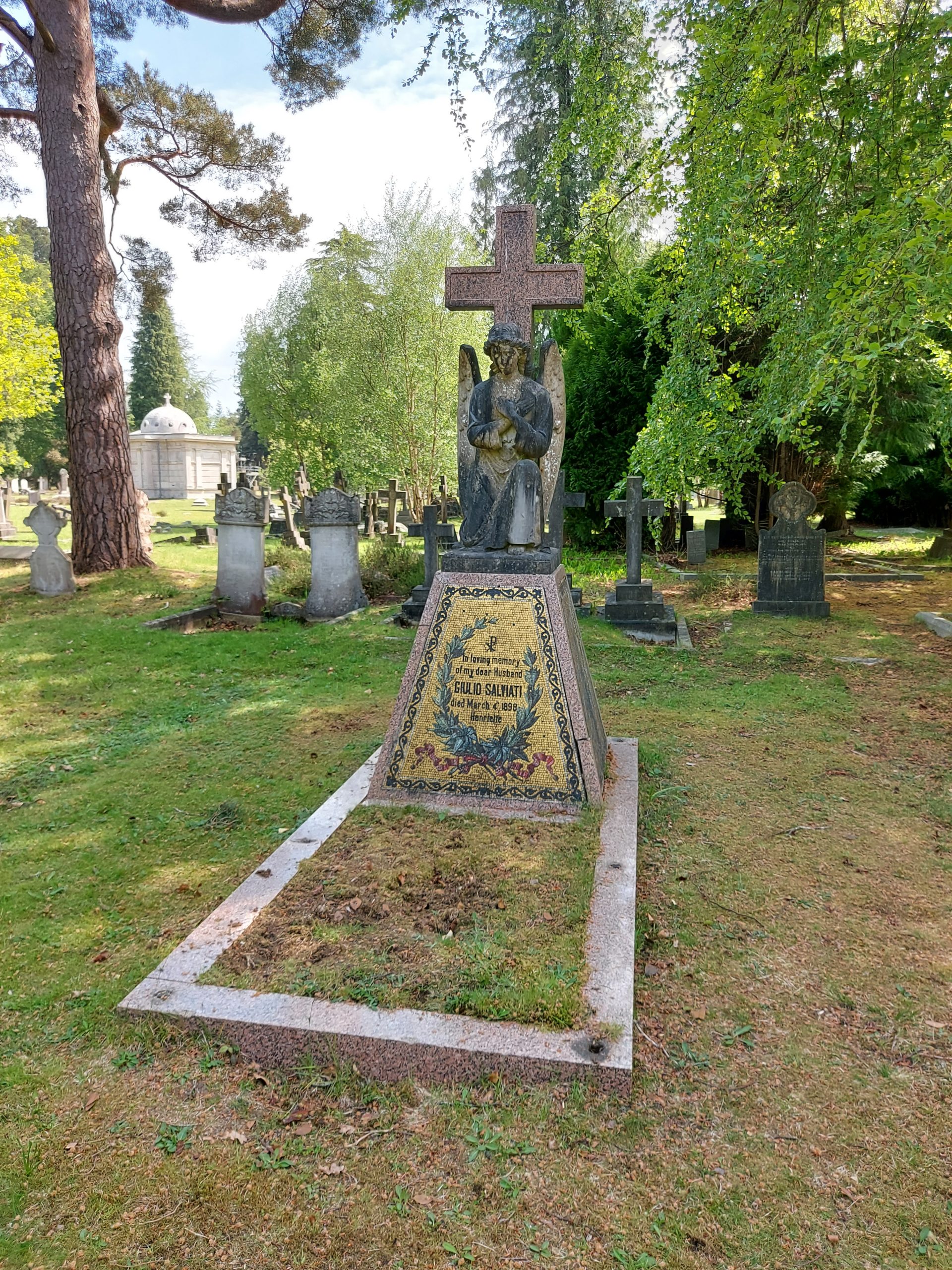
I’d been meaning to visit Brookwood Cemetery for a few years, and finally got round to it on the May bank holiday weekend. It was a warm day when I set off, beginning my journey at Waterloo Station. I followed the Brookwood Cemetery Trail at discoveringbritain.org.
If you’ve visited any of the Magnificent Seven in what were, in the nineteenth century, the outskirts of London, you will probably be familiar with with the context behind the development of new cemeteries. London was growing increasingly crowded and there was increasingly little room for burials in the parish churches. Entrepreneurs founded cemeteries further from the centre of London where there was more space. One example, the London Necropolis Company, went even further: Brookwood Cemetery in Surrey opened in 1854, more than 25 miles from central London, along with the Necropolis Railway that took the dead and their grieving families out of the capital and into leafy Surrey.
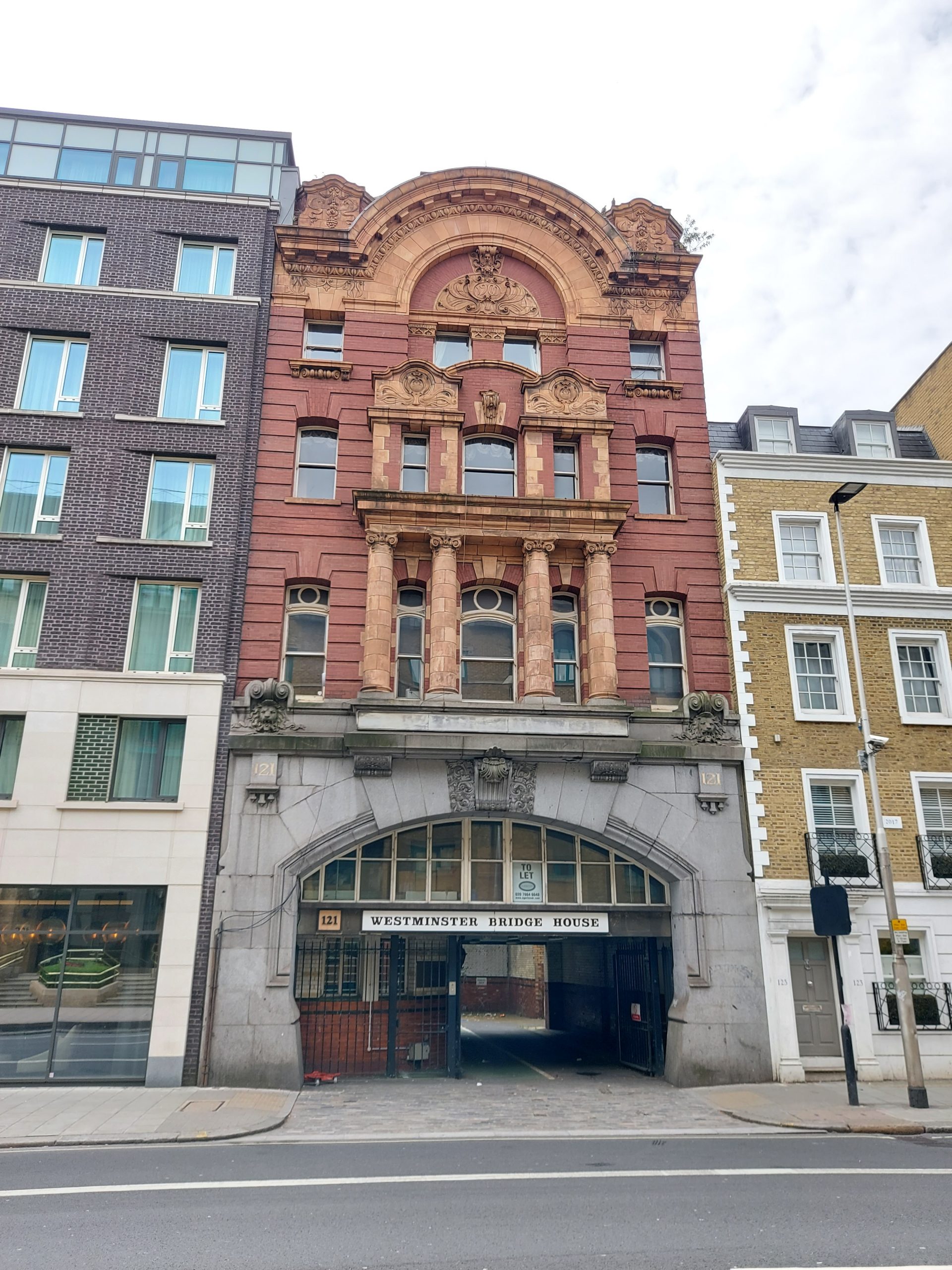
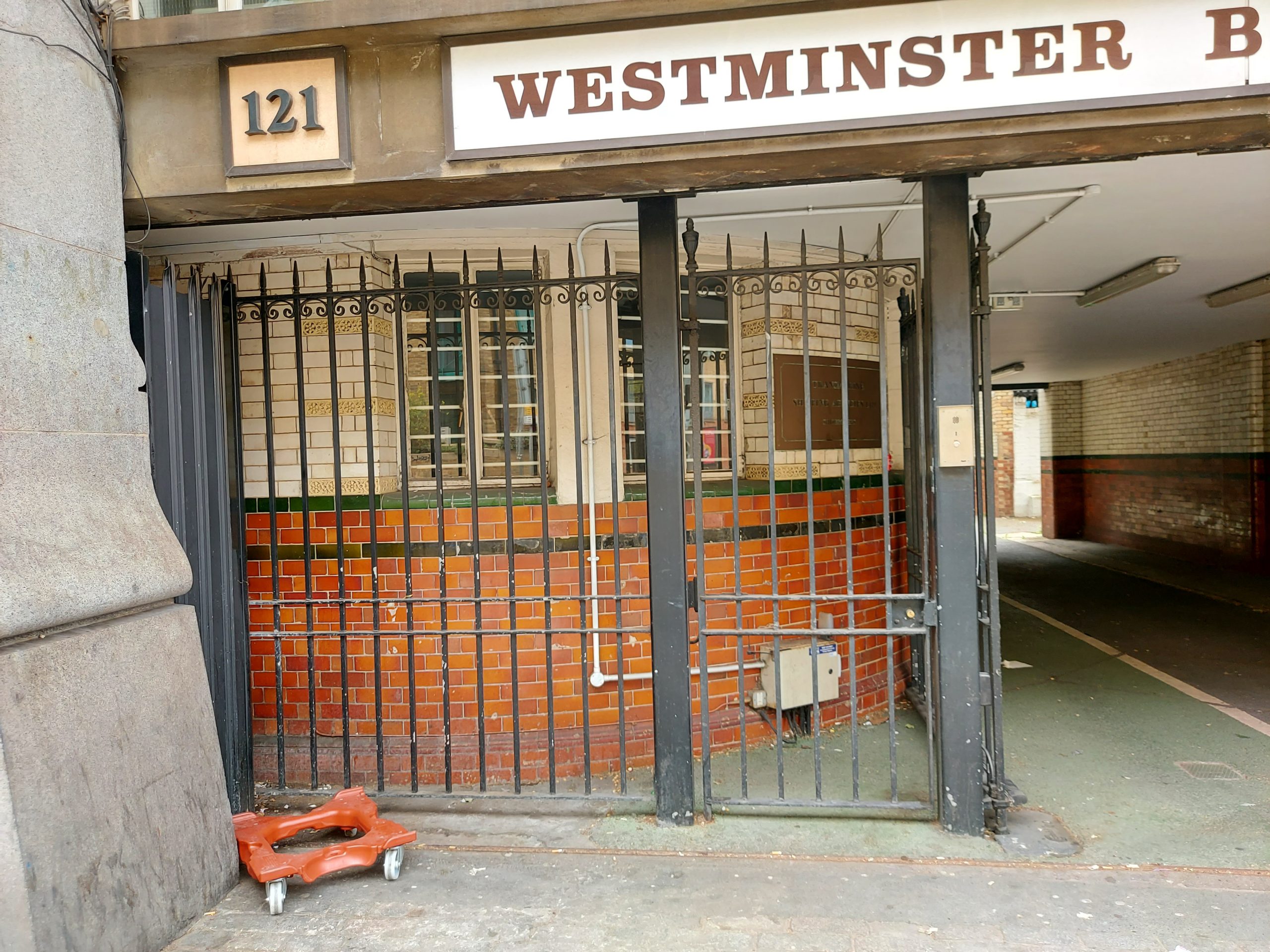
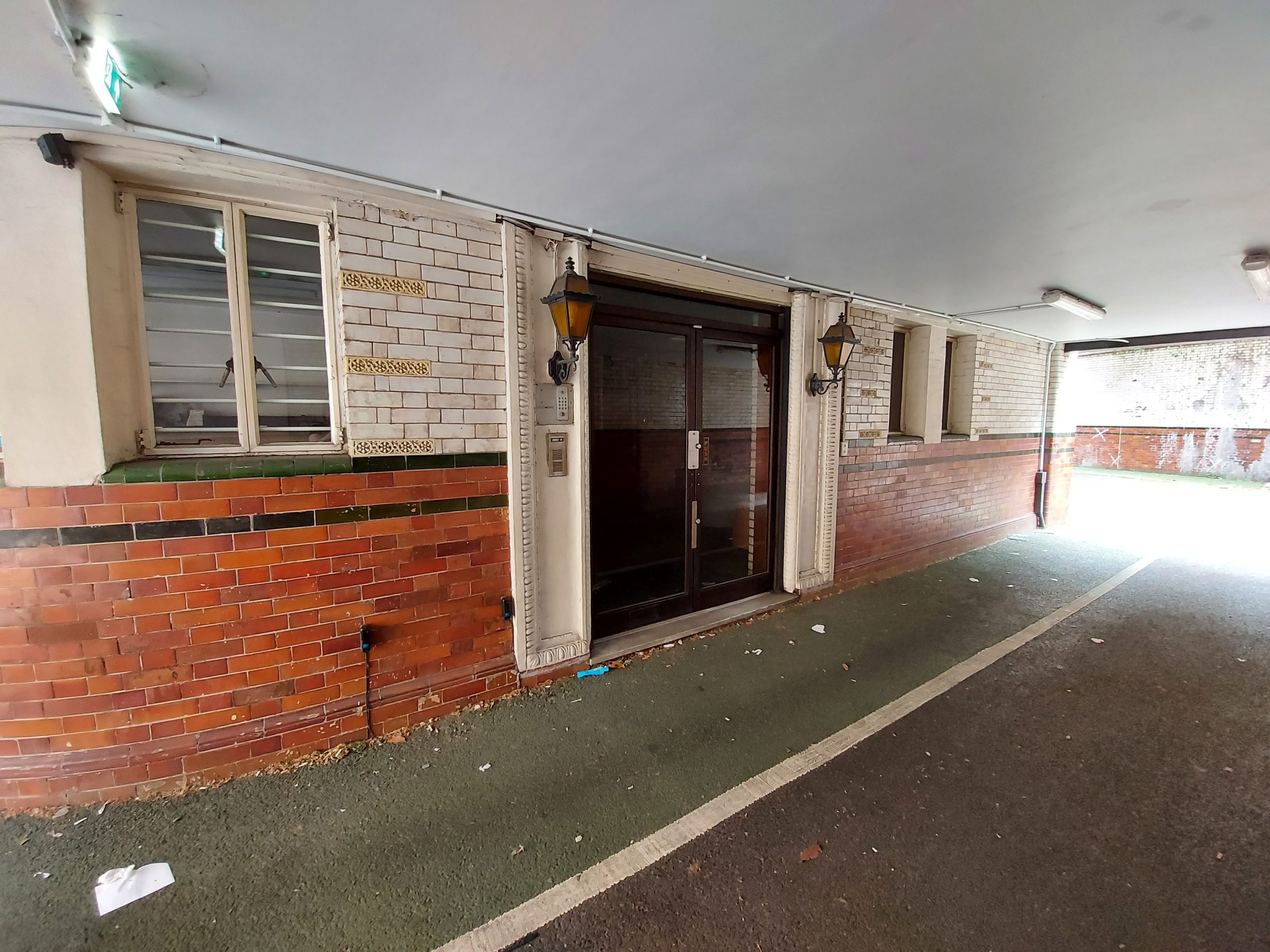
My walk began near Waterloo Station, on Westminster Bridge Road, where the original entrance to the Necropolis Railway still stands.
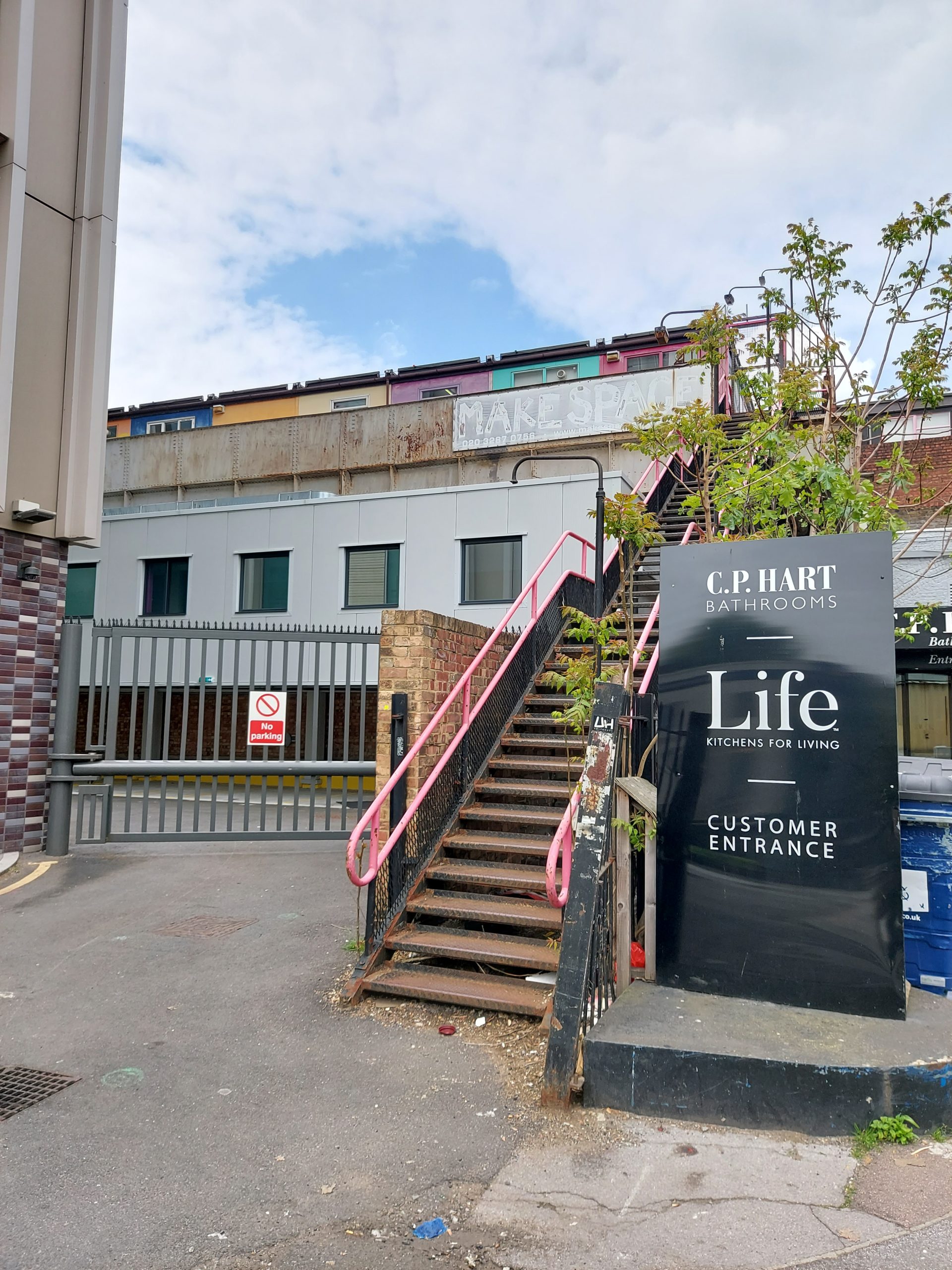
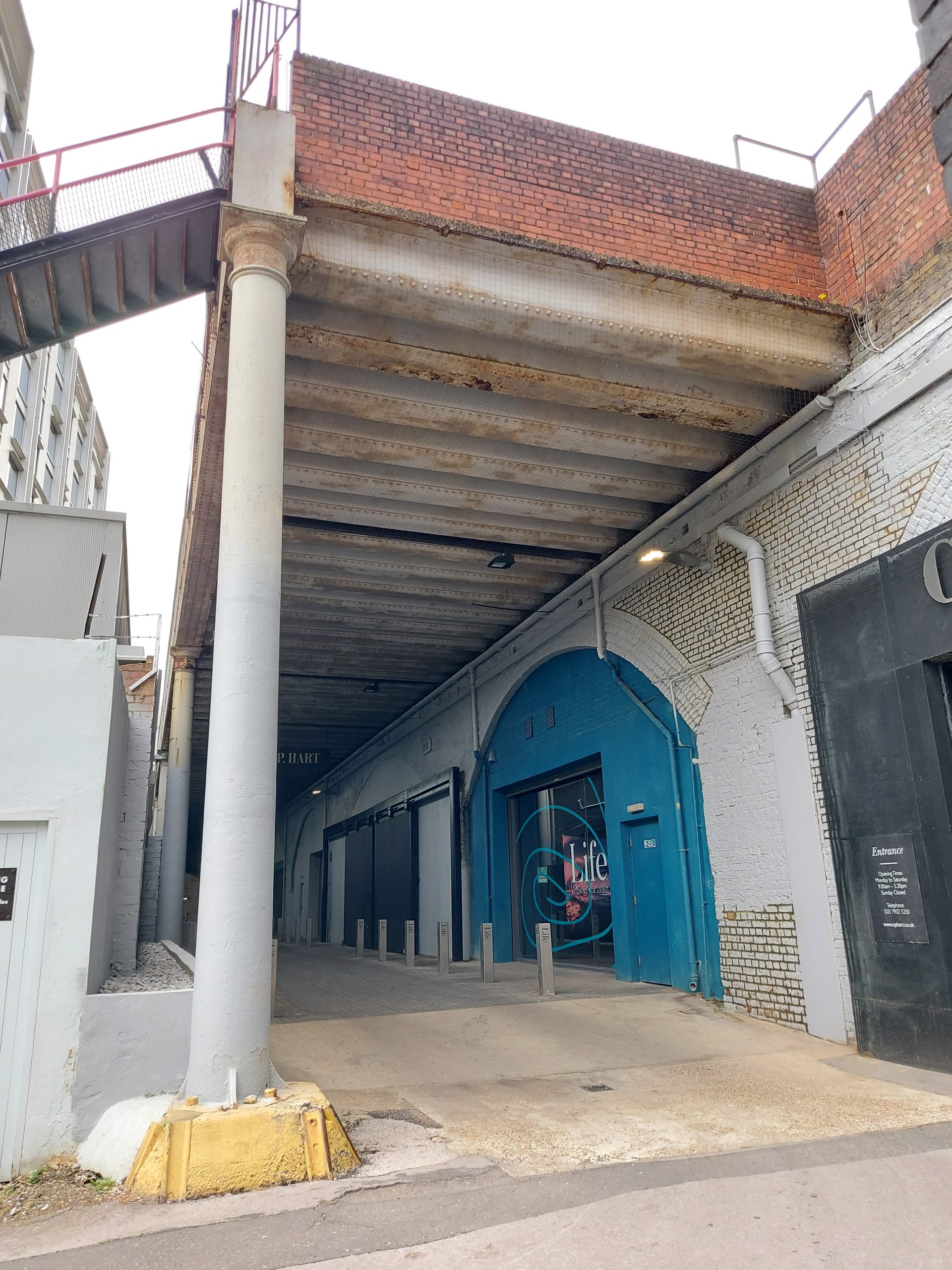
Nearby, on Newnham Terrace, a dead-end street reveals white pillars that once held up the platform from which the train containing coffins and mourners began its journey to Brookwood. The first train ran on 13 November 1854, and ran until 17 April 1941 – when the station was bombed.
From a nearby junction, trains would join the main London to Woking line to complete their journey. I headed back to Waterloo and boarded a train which stopped at Brookwood. I got off here, ignoring the exit leading towards the village of Brookwood and heading in the opposite direction, where the exit leads directly into the cemetery.
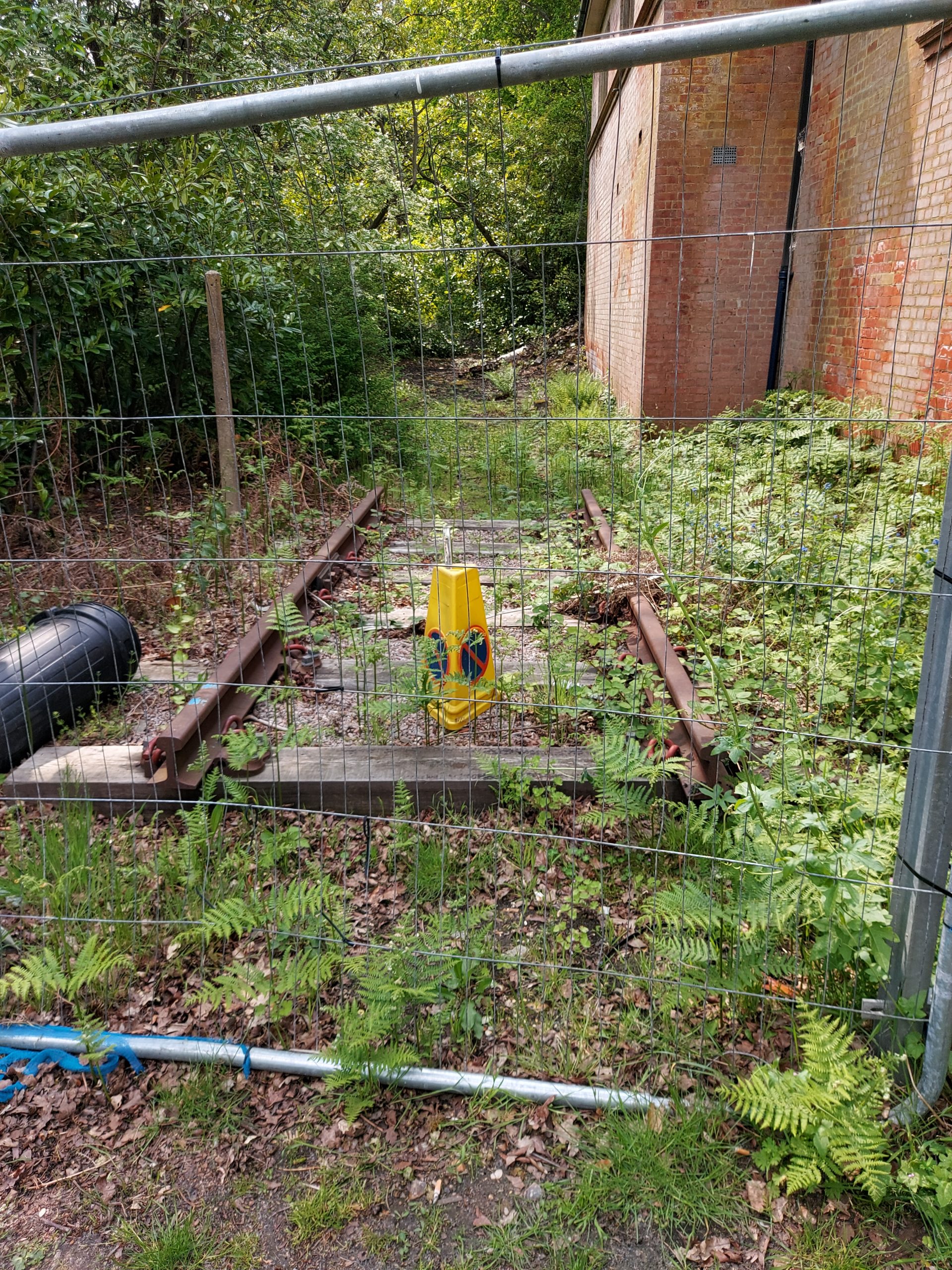
The short stretch of track immediately visible on the right as you exit the station commemorates the old Brookwood Cemetery branch line. This line ran from the mainline station to two smaller stations within the cemetery: the North Station for Non-Conformists, the South Station for Anglicans.
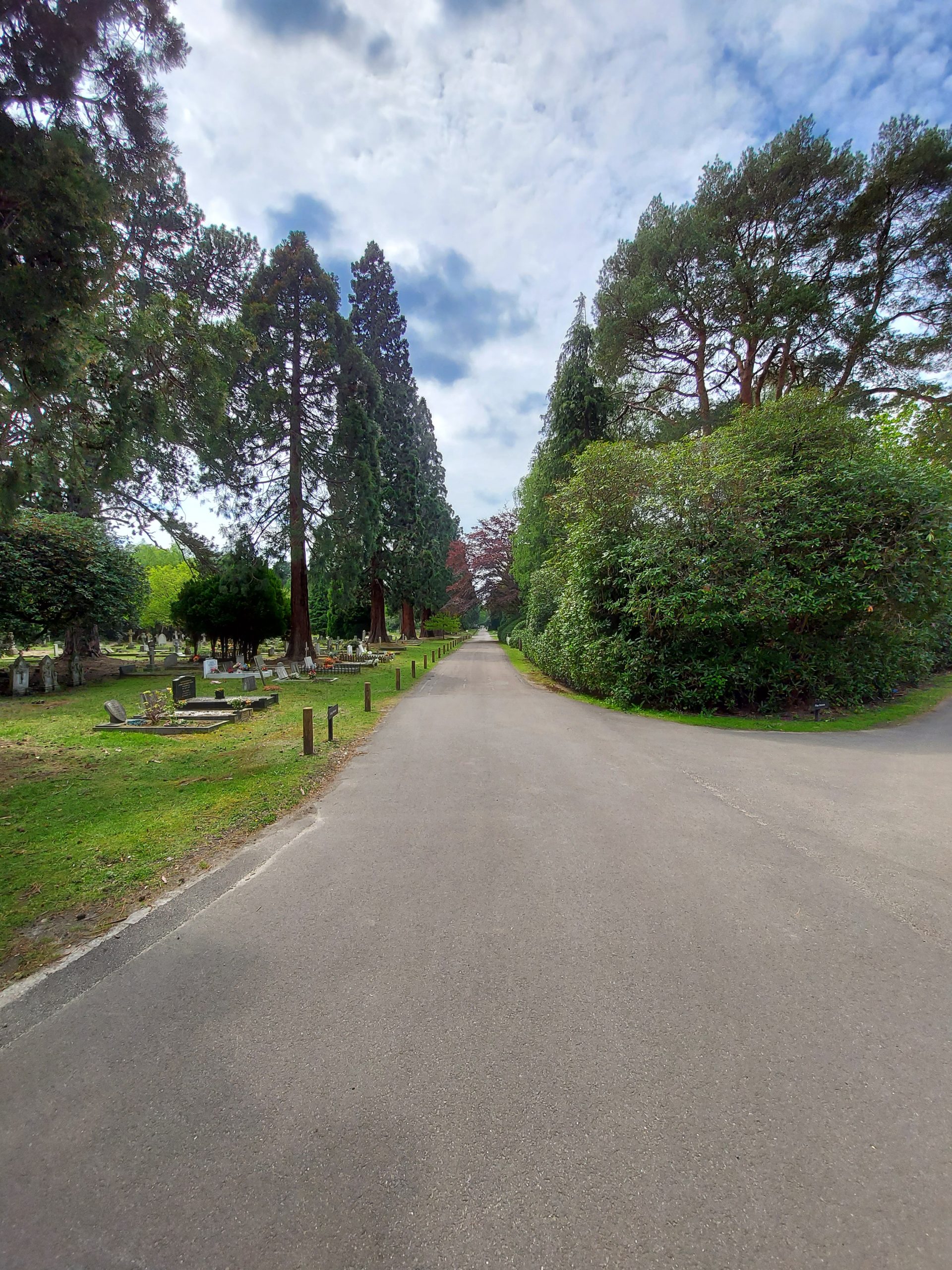
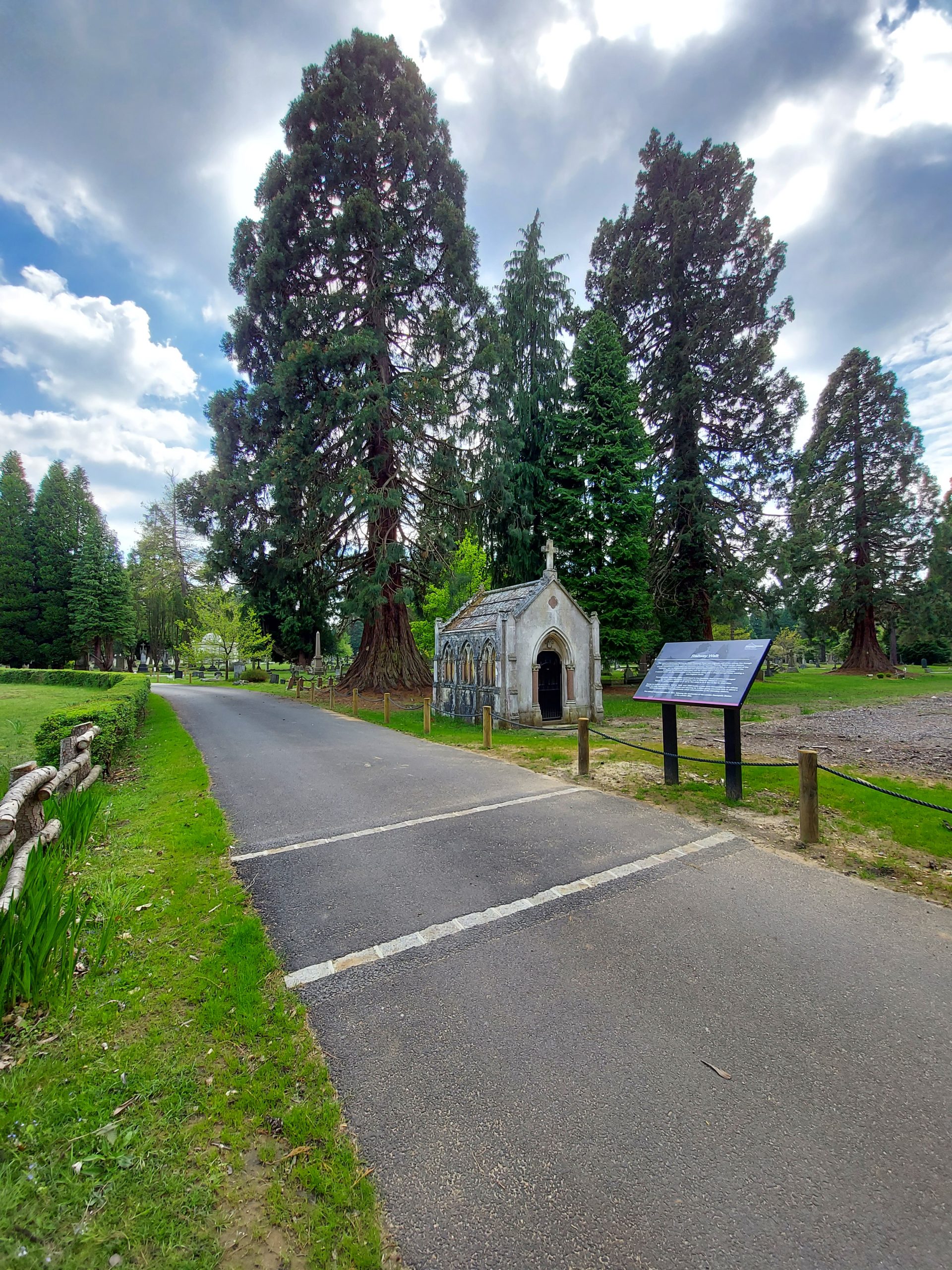
Long Avenue
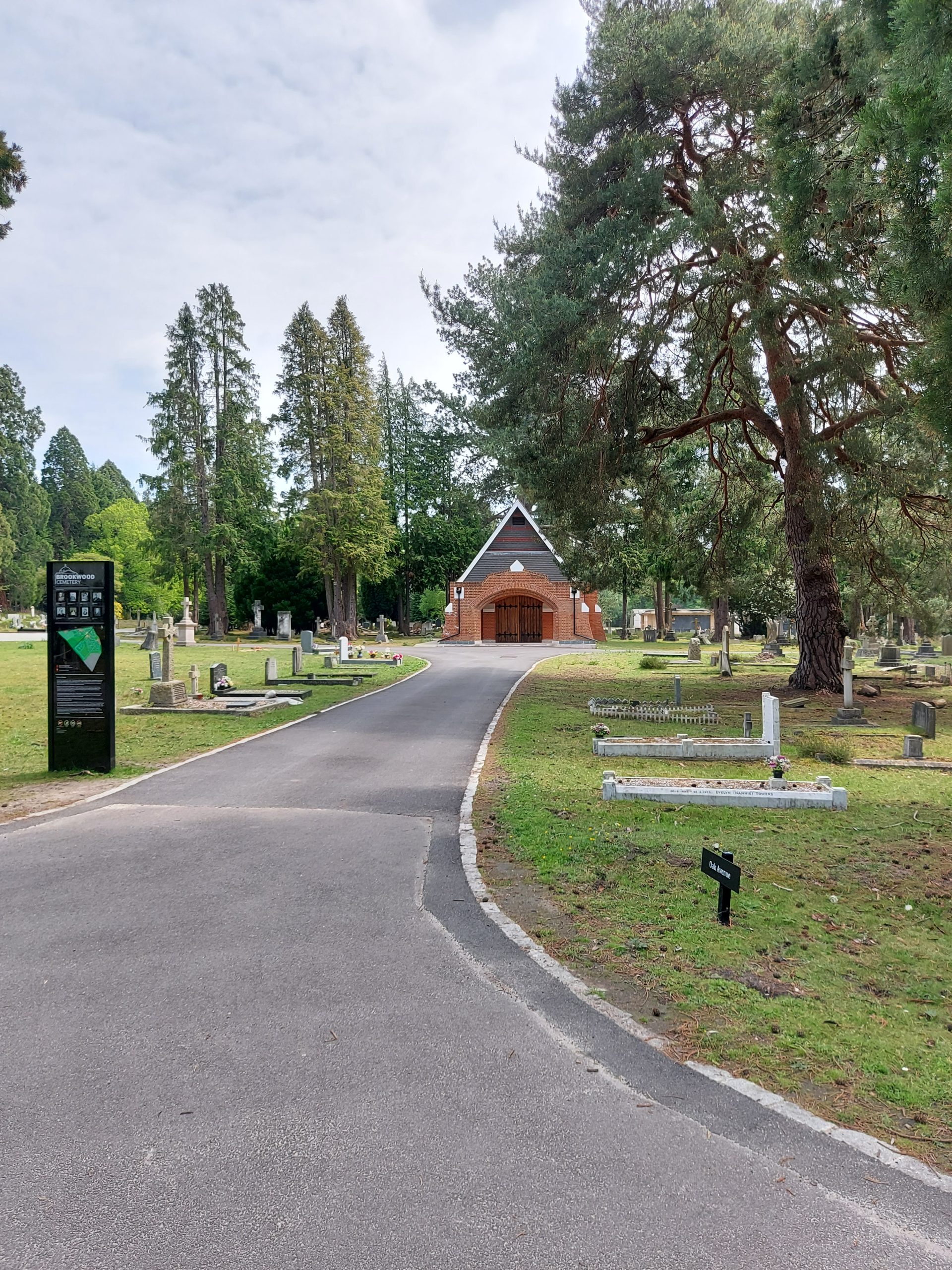
Chapel
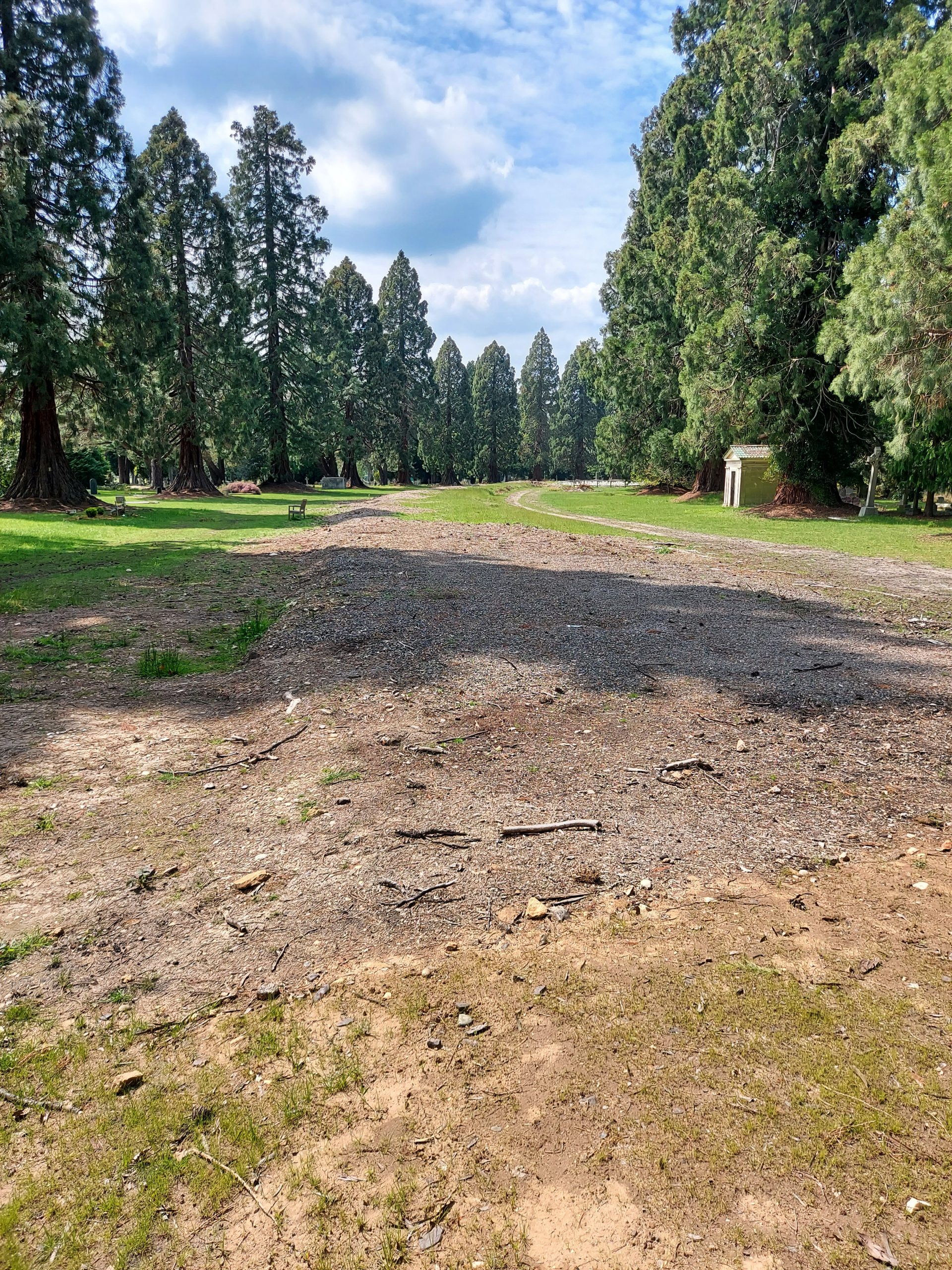
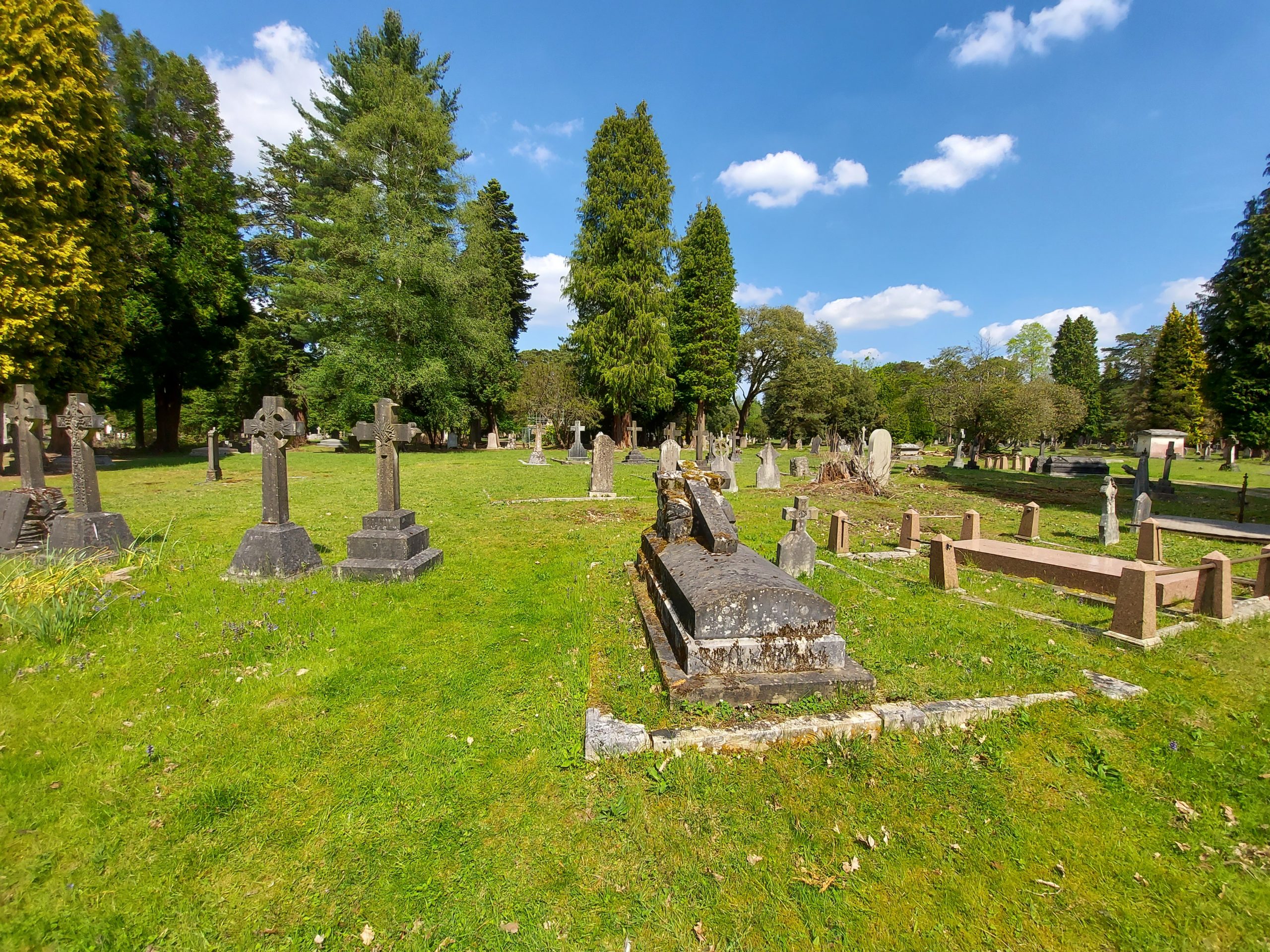
Brookwood is the largest cemetery in the United Kingdom and one of the largest in Europe. As I walked around it I noticed that it was spacious and open, not cramped like some of the Magnificent Seven are. Demand wasn’t as high as forecast back in the nineteenth century, so much of Brookwood’s capacity went unused. However, around two thirds of Brookwood’s burials are in unmarked graves, pauper burials paid for by the parishes of London.
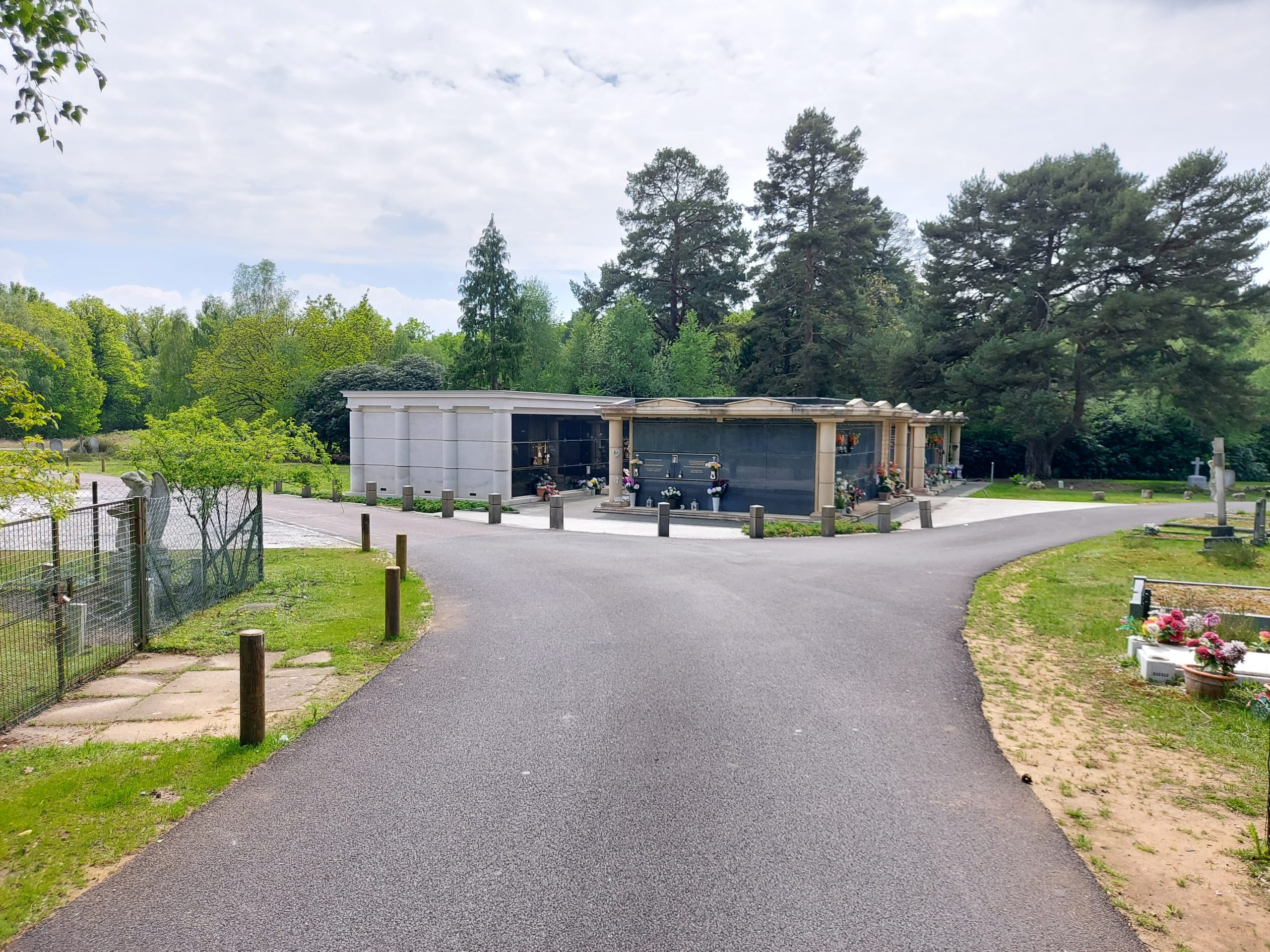
Columbarium
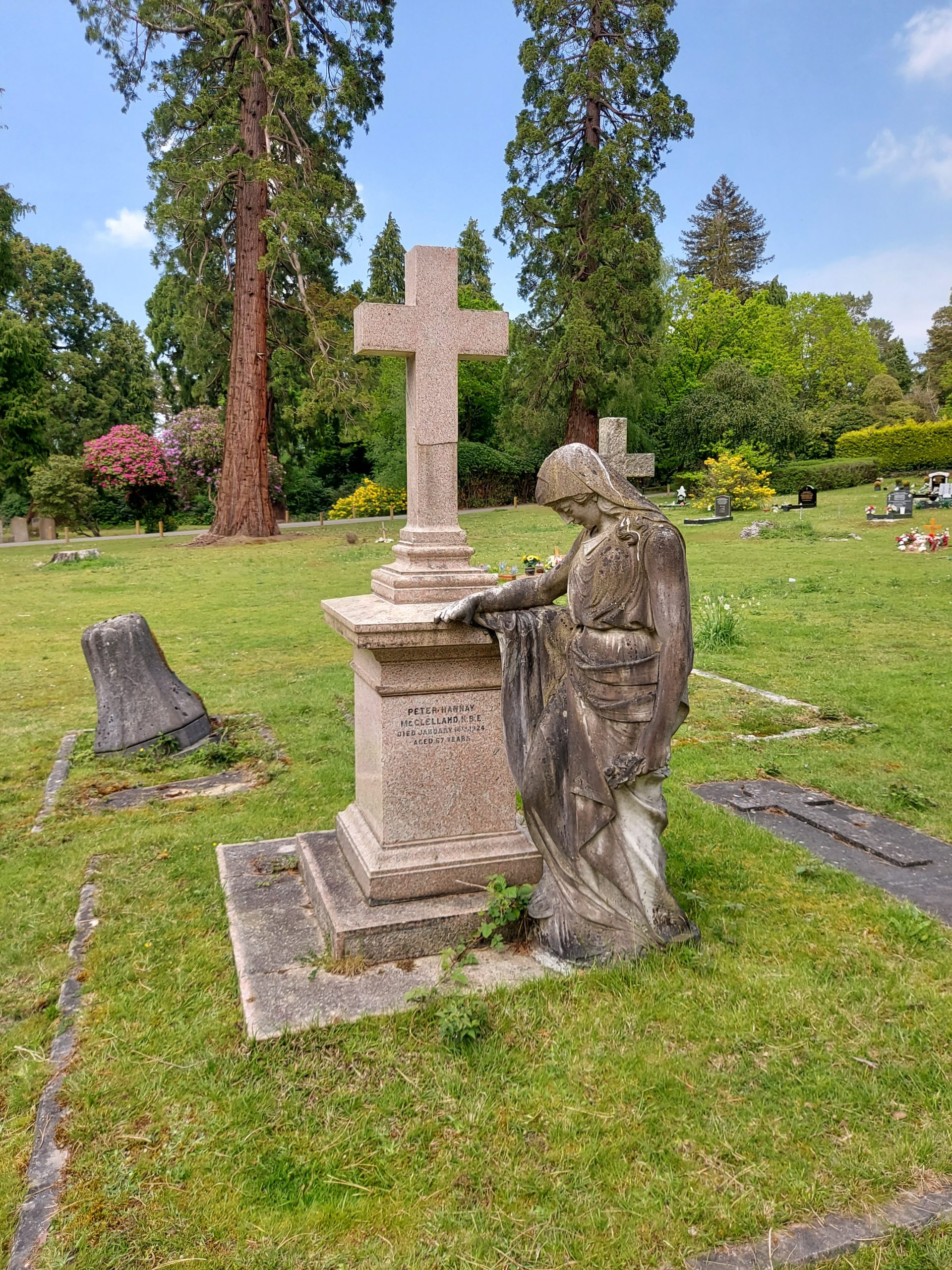
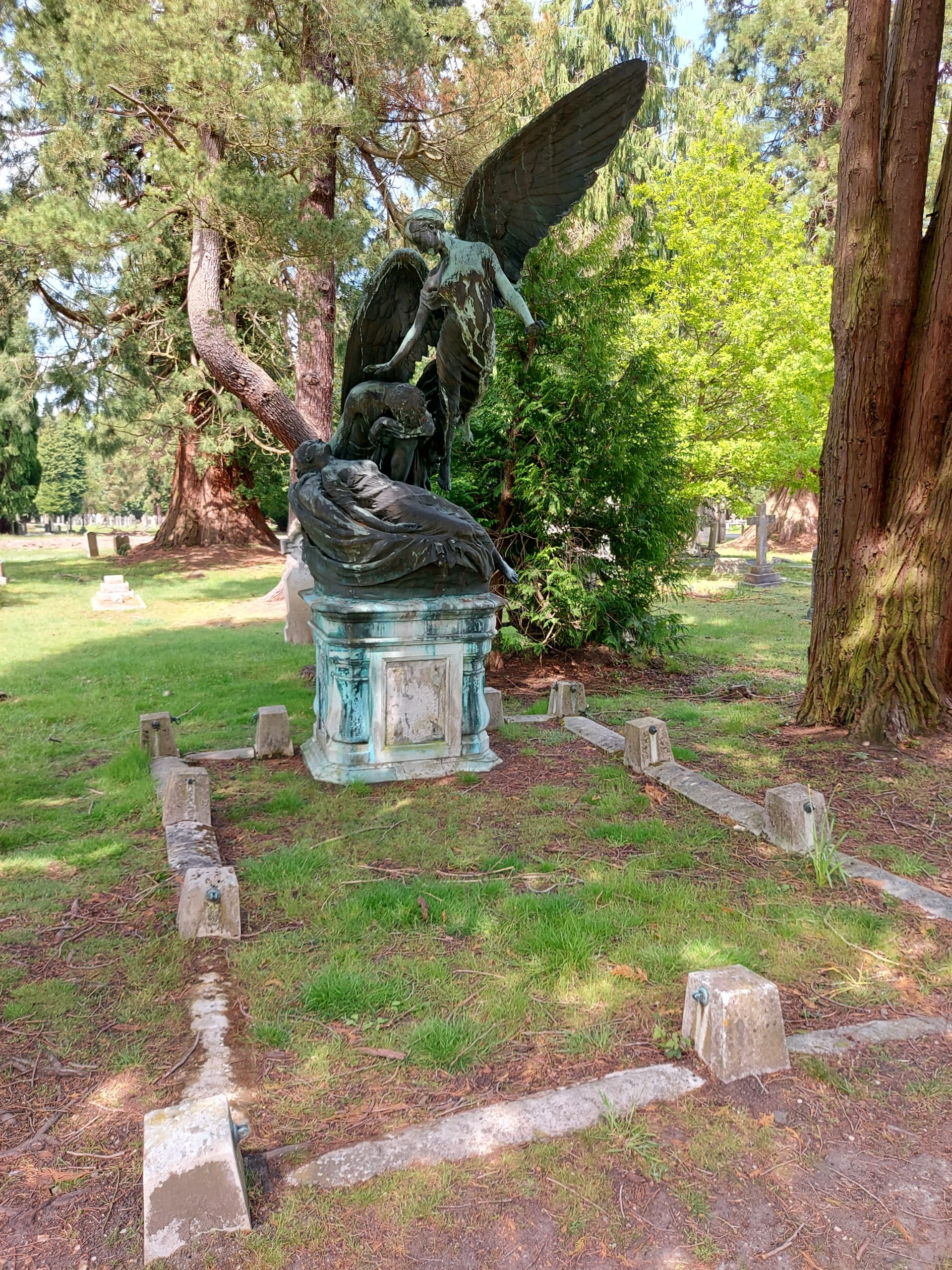
Elaborate tomb
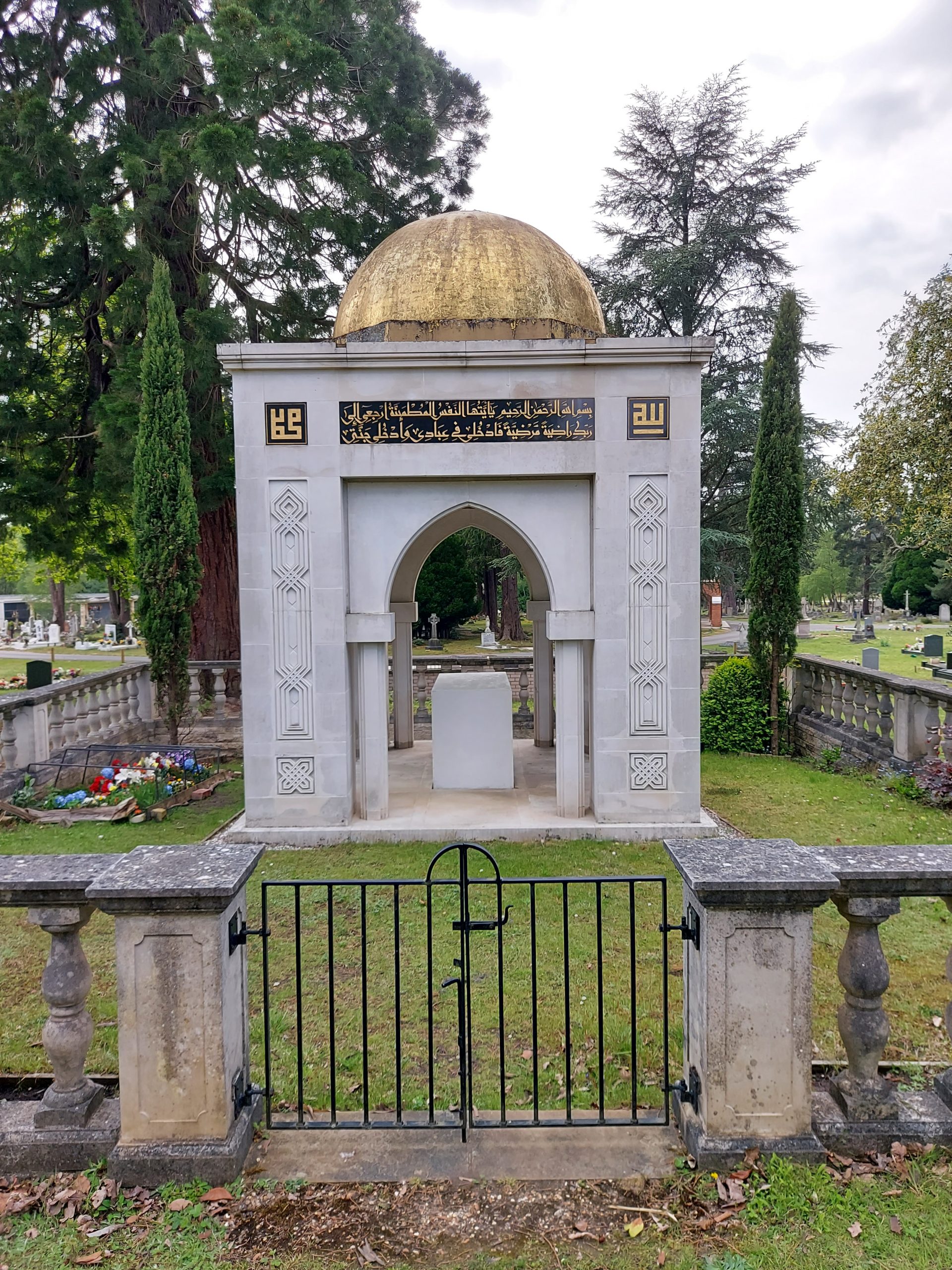
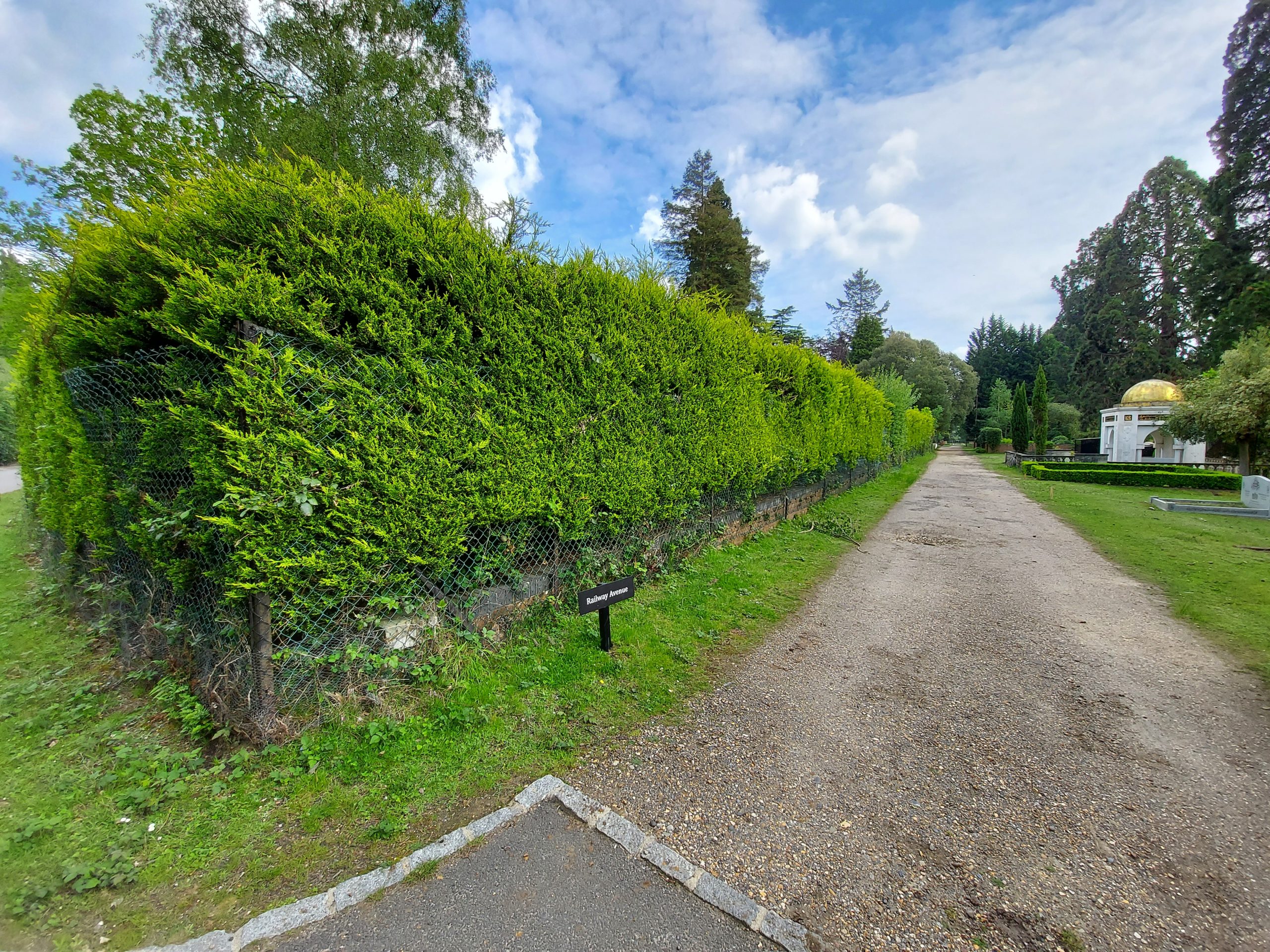
I began my walk in the north part of the cemetery. I was impressed that people of different religions and backgrounds are buried here: as well as all denominations of Christians, the cemetery is a burial place for many Jews and Muslims. There is even a columbarium. I headed down Long Avenue then turned into Railway Avenue, so named because it follows the route of the original branch line train. A low brick wall marks the location of the North Station (the building was demolished in the 1960s).
Location of North Station
Route of the former branch line on the way to the South Station
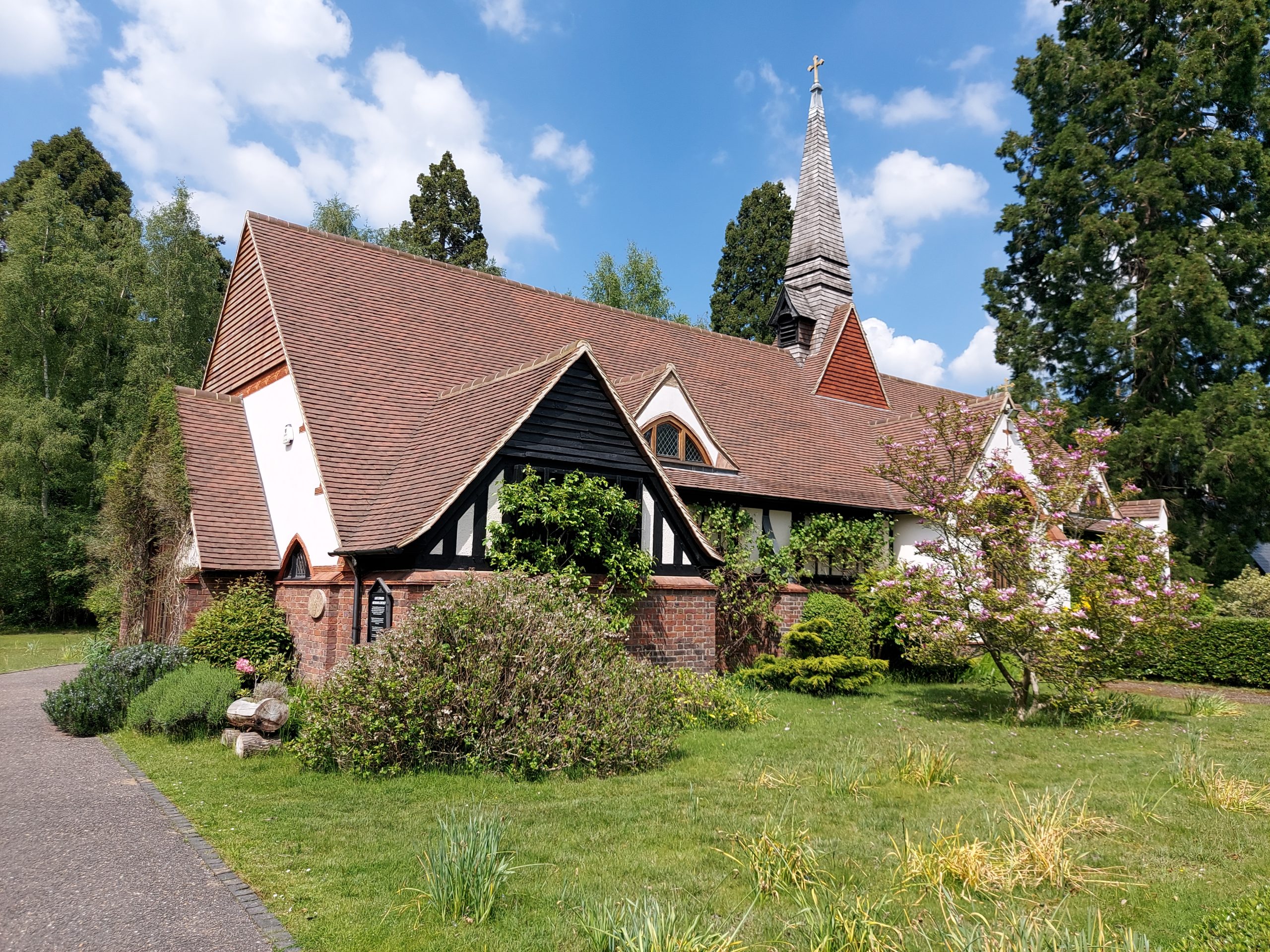
The cemetery is divided into two by the public road Cemetery Pales. I crossed the road to reach the south section, following the track of the branch line. In this section can be found the church of St Edward the Martyr, an Anglo-Saxon king of England who was murdered three years into his reign. His remains were buried at Shaftesbury Abbey in Dorset, but were rediscovered in the 1930s and enshrined here as holy relics. The remains of the South Station can be found behind this church.
Church of St Edward the Martyr
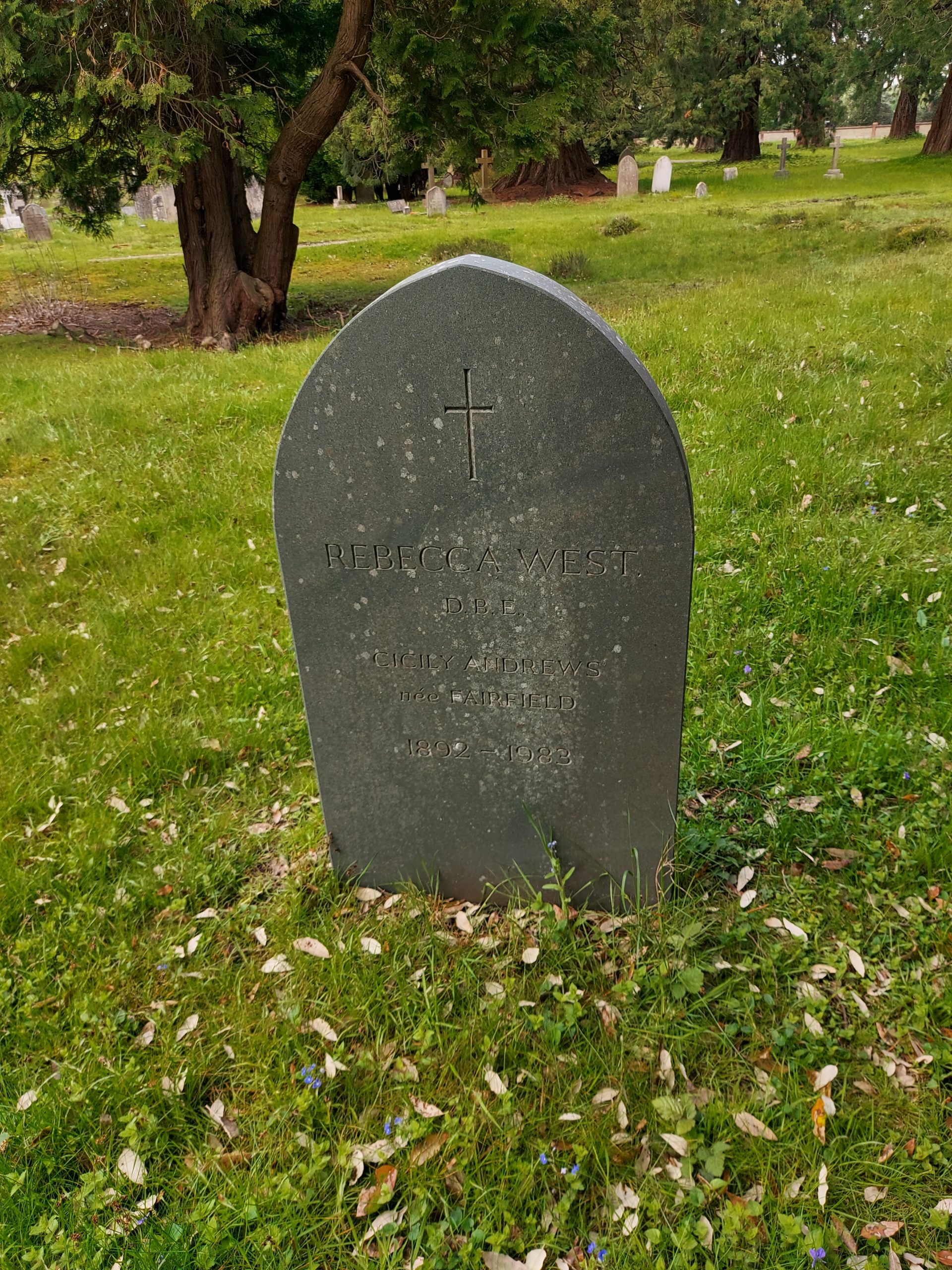
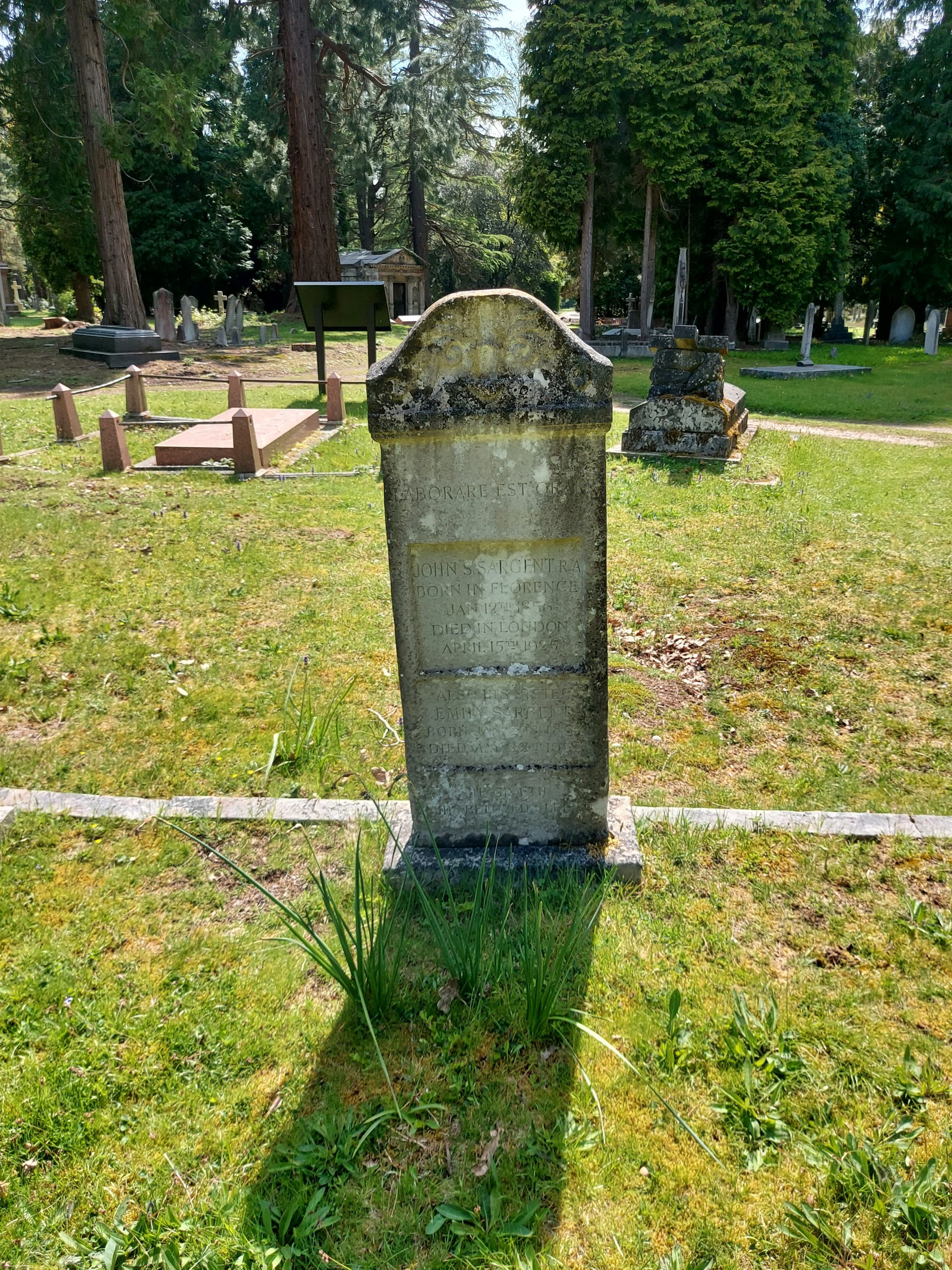
This section of the cemetery was my favourite as it had more of the Victorian monuments and grave markers I love. Some notable individuals are also buried here, such as artist John Singer Sargent and novelist Rebecca West.
Rebecca West’s grave
John Singer Sargent’s grave
Brookwood is an amazing place to explore and I’m so glad I finally made the trip. If old graveyards are your thing, don’t miss it. Do be respectful though- especially as it is still a working cemetery. It’s a haven of peace and tranquillity which is sorely needed these days.
I’ve already done the real-life Hidden London tour of Aldwych – in fact, it was the first tour I ever went on, several years ago. However, these digital tours often show you things you could never see on an in-person tour, so I signed up anyway.
Aldwych was always a bit of an odd station: as I mentioned in my previous post on the Holborn Kingsway digital tour, it was a station on its own at the end of a branch line, only reachable by shuttle from Holborn. Even the name caused confusion: it was originally known as Strand, but changed its name to Aldwych when Charing Cross Strand station was to be renamed just Strand. It was never heavily used – plans to extend this branch of the line to Waterloo never came to fruition – and ended up closing in 1994, not before being used as storage space for valuable artworks and an air raid shelter during both World Wars.
Since closure Aldwych has frequently been used for filming, its old-fashioned appearance perfectly serving films and TV shows set in the past (the old Jubilee Line platforms at Charing Cross, being a bit more modern, are typically used for present-day settings). Films that have used the station include Atonement (2007), The Edge of Love (2008), and Darkest Hour (2017). Aldwych was also the location for The Prodigy’s music video for Firestarter. It is a lovely station to visit, both in-person and online, as it has so many original features including lifts, tiles and ticket booths.
See my post on my in-person visit to Aldwych here.
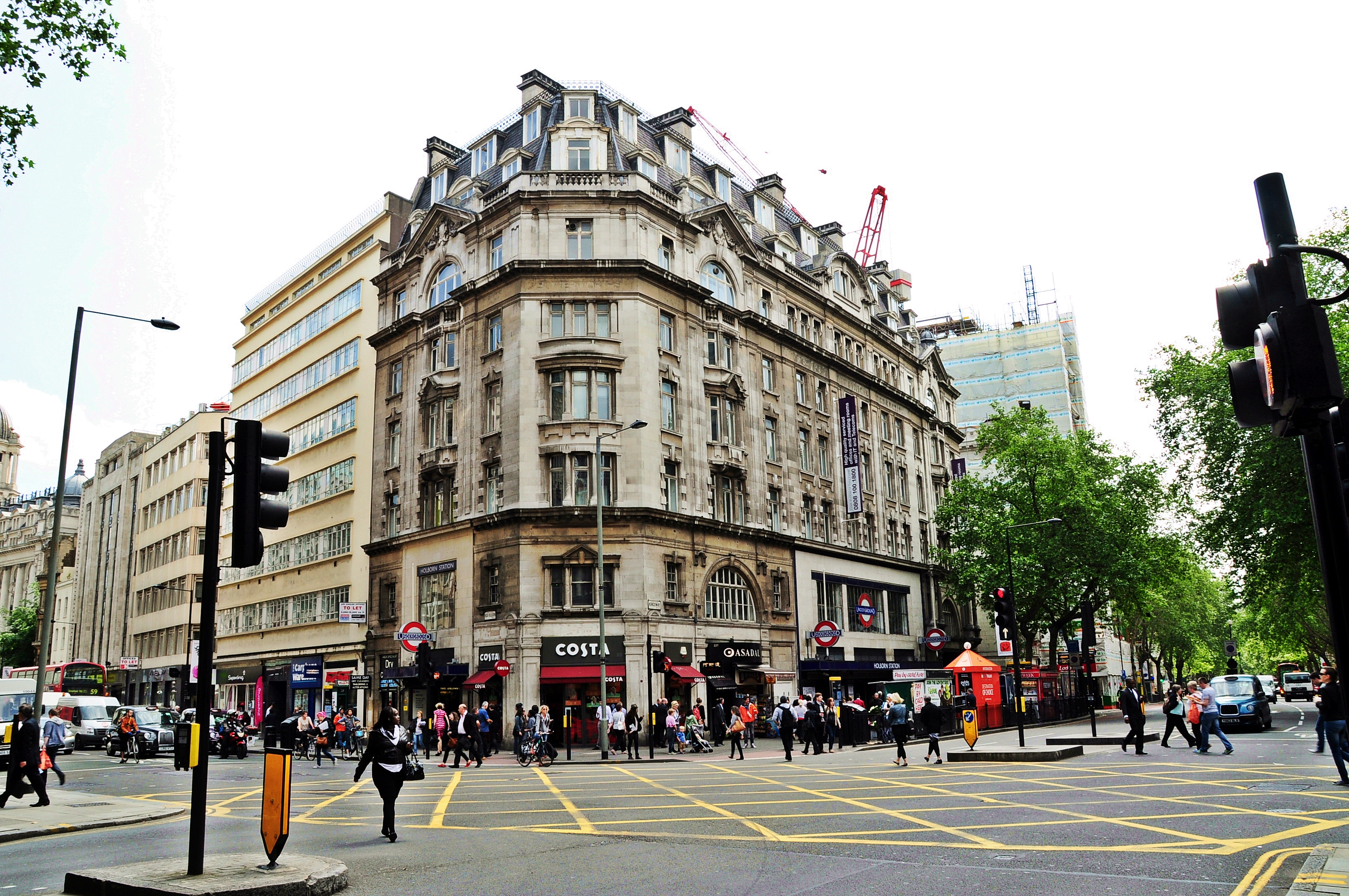
I signed up to the Hidden London digital tour of Holborn Kingsway because I thought it looked pretty interesting, and I wasn’t wrong. Even though I’ve been to Holborn station plenty of times, this talk covered the Kingsway area in general, and was fascinating.
Kingsway runs from Holborn to the Strand, and was transformed at the turn of the twentieth century by the London County Council (LCC), from Victorian slums to a modern thoroughfare with modern transport infrastructure built in. The Underground station was well-used from the start and remains so today, starting off as a Piccadilly line station and expanding in 1930 to fit the Central line too; the branch line to Aldwych (a now-disused station which you can visit on virtual and, in non-Covid times, in-person tours) was not, and eventually closed. However, the talk mainly focused on the tramway.
The Kingsway Tram Subway ran beneath Kingsway allowing trams to travel between the Victoria Embankment to Southampton Row easily, linking the tramways of north and south London. It was built using a cut-and-cover method, like the early Underground lines. Originally designed for single-decker trams, it was later upgraded to fit double-decker trams, and reopened in 1931. Owing to dwindling usage, trams were eventually discontinued in central London, with the final trams running through the Kingsway Tram Subway in 1952. The subway still exists, however, and the photos of waiting passengers side-by-side with modern pictures of the empty and derelict space were really evocative.