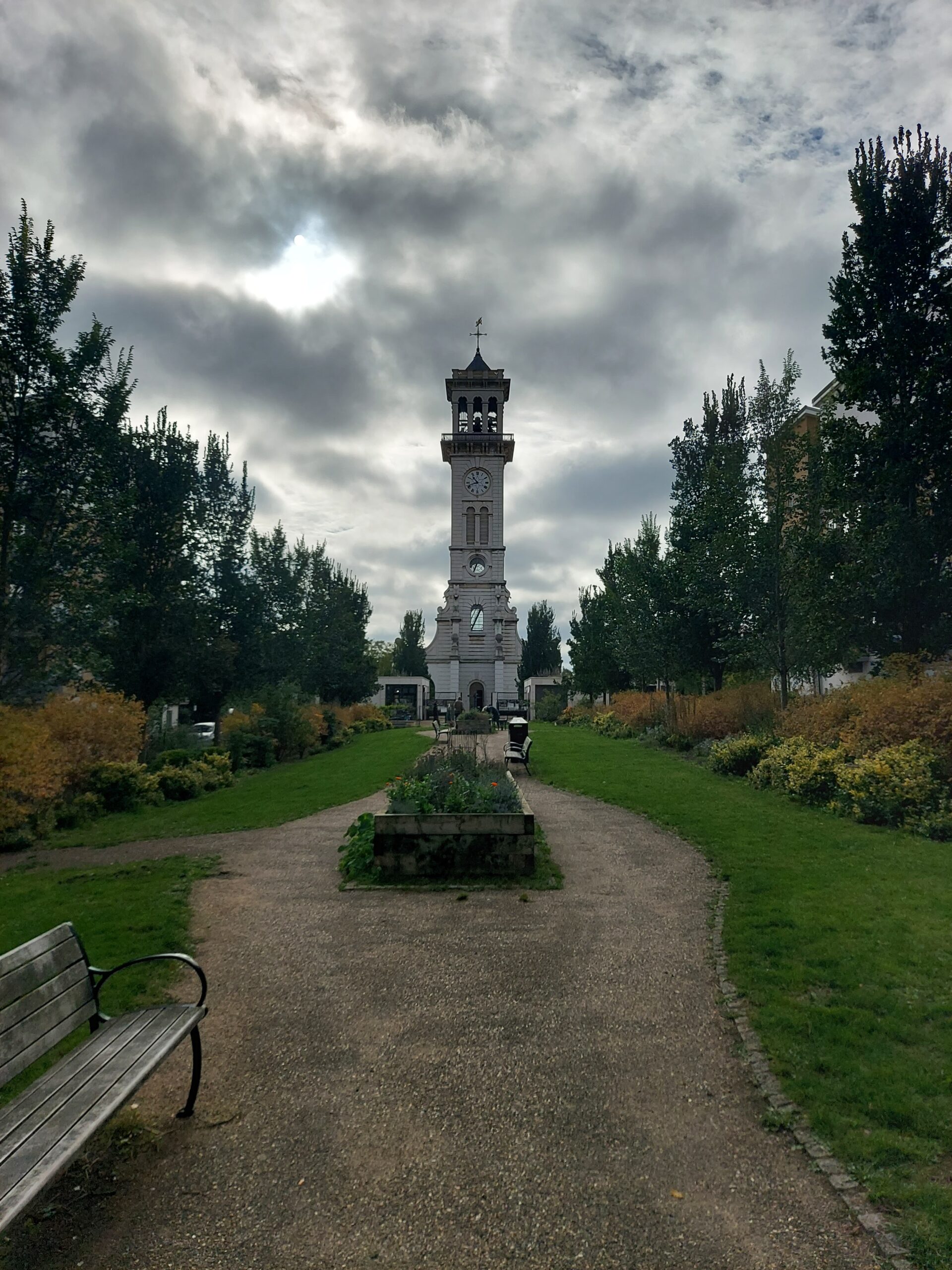
Caledonian Market Clock Tower

Caledonian Park Clock Tower

When I completed my kickboxing course recently, I kept walking past Caledonian Market Clock Tower, and wanting to know more about its history. I got my wish when I saw that guided tours were taking place allowing people to climb to the top of the tower and learn more about it at the same time.

The tower used to be the centrepiece of the Metropolitan Cattle Market (later Caledonian Market), just off the Caledonian Road in the parish of Islington (now the London Borough of Islington). It was built by James Bunstone Bunning, architect of the City of London Corporation, and was opened in June 1855 by Prince Albert. The market was opened in response to the difficulties of taking live cattle to crowded Smithfield in the City. It covered 30 acres, and was built on the site of the former Copenhagen House, the Ambassador of Denmark’s residence in the seventeenth century.

The market played host to cattle from all around the country, including Scotland, Yorkshire, East Anglia, Wales and the Cotswolds. Sheep, cows, pigs and horses were all sold here. The conditions were much improved from Smithfield: there was more space, animals were better treated, and there was access to water. At each corner of the market, large pubs (some of which still remain) provided accommodation, entertainment and relaxation for traders and visitors.

The clock face seen from the inside

The advent of refrigeration in the early twentieth century removed the need for livestock to be brought to London for slaughter. The market became a well-known bric-a-brac market, and was famous for the variety of goods sold. After World War II, the market transferred to Bermondsey, but it is still known by its old name of the Caledonian Market.

The market here in Islington finally closed in 1963. The area was converted to housing and to Caledonian Park. The clock tower still stands as the magnificent centrepiece of the Park, and is Grade II* listed. It was restored between 2016 and 2019.

Our tour took us up one floor at a time of this fascinating structure. Overall, we climbed quite a lot of steps, but it wasn’t so bad as we only did a small number at a time. Some of the narrower staircases were particularly tricky, but handholds and ropes have been added to help. Most of my party managed to get up OK.

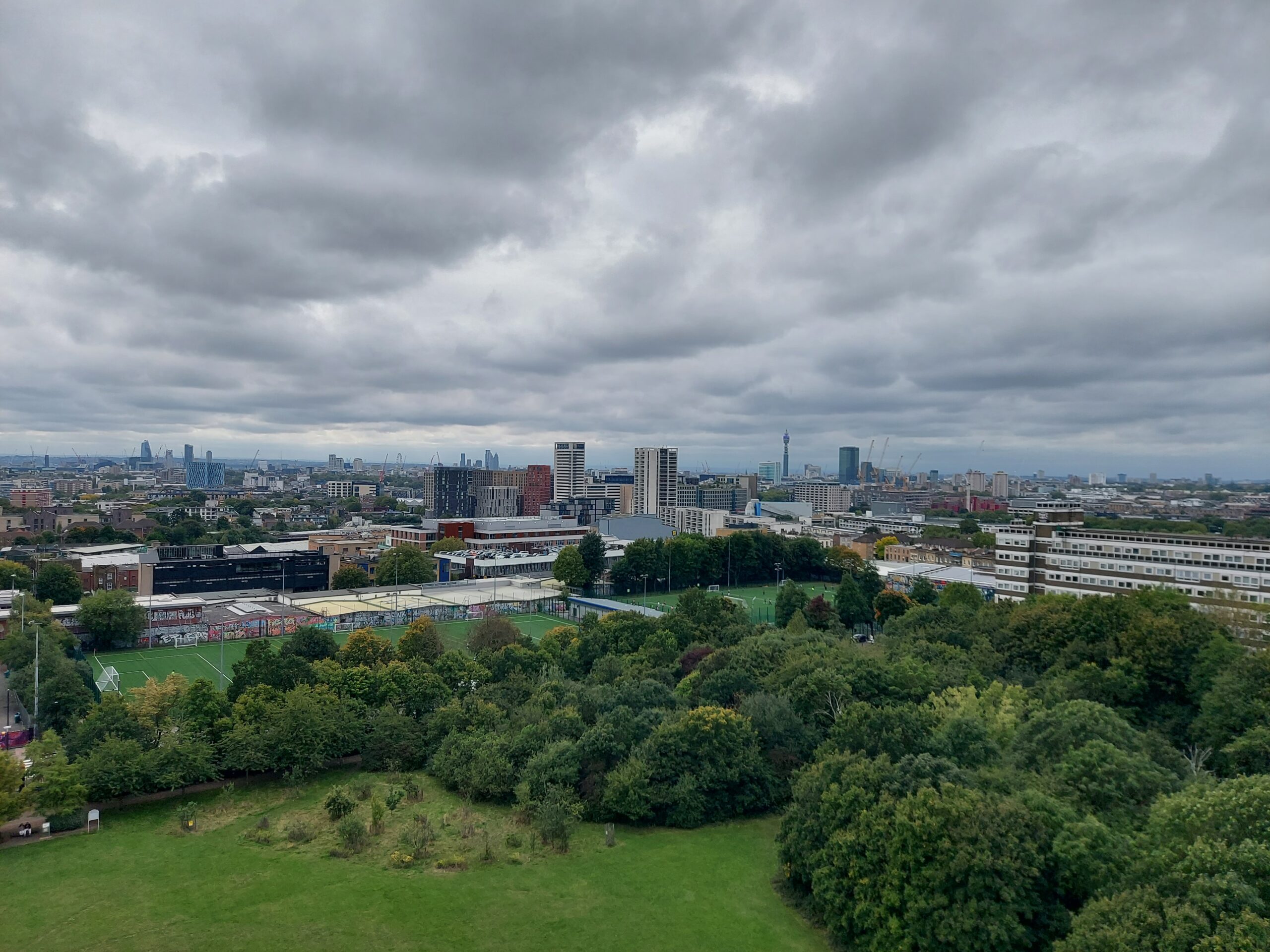
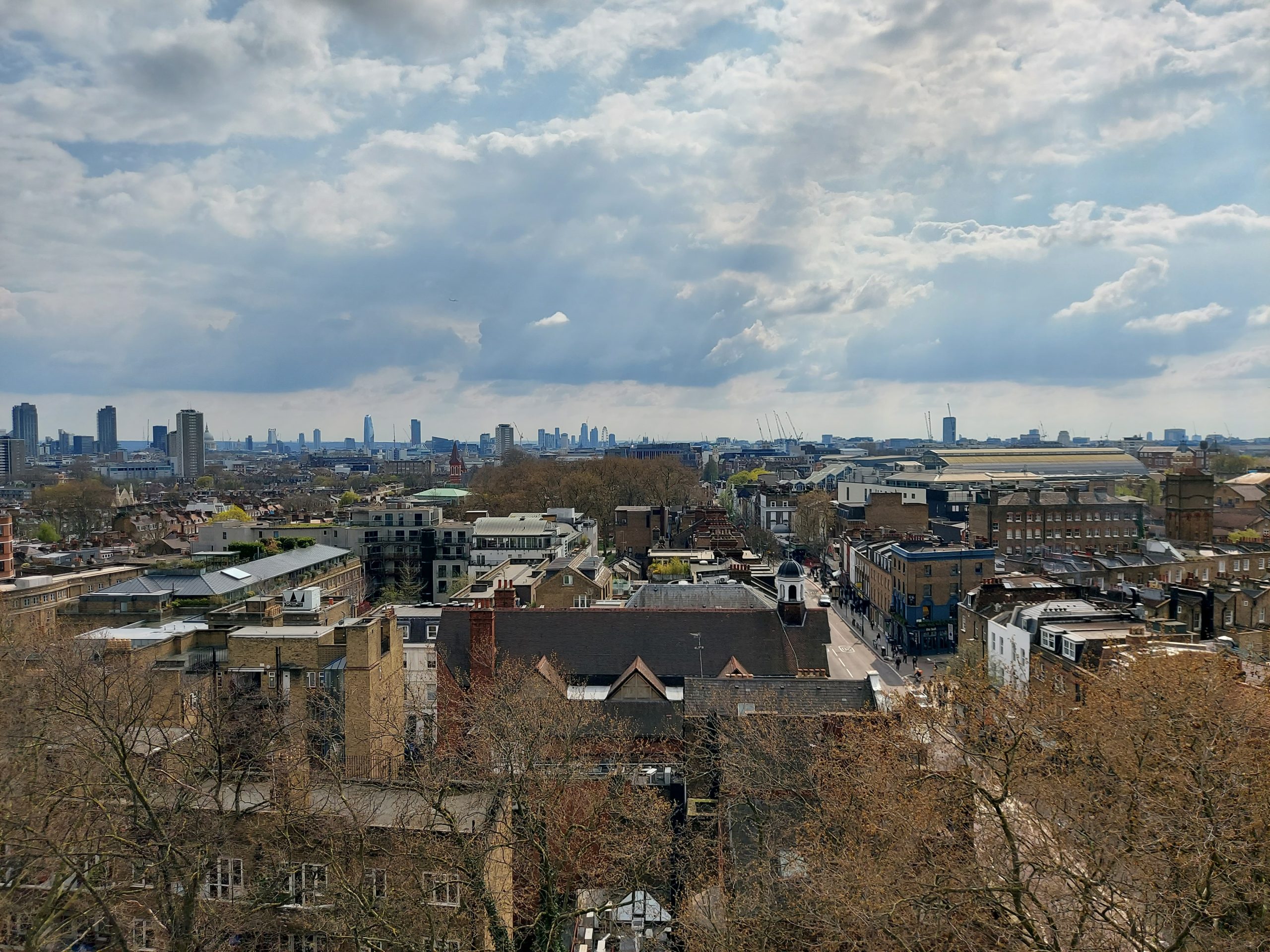
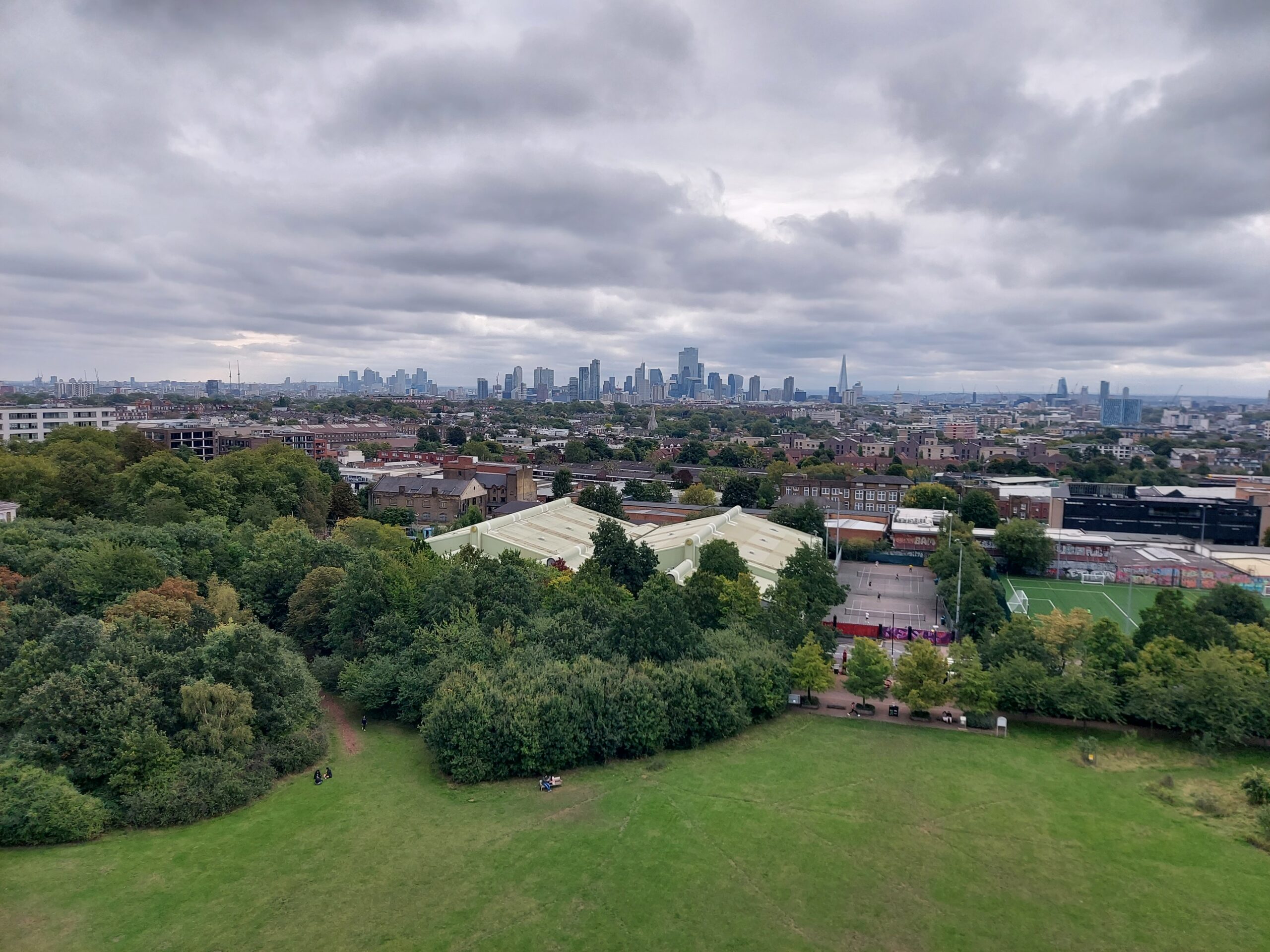
We got to see the workings of the magnificent pendulum clock, and, most excitingly, wonderful views over London. In the north, we could see Alexandra Palace; to the east, the Olympic Park; and to the south, the high-rise buildings of the City and Canary Wharf.

If you have a reasonable level of fitness and are able to manage steep steps, I would definitely recommend booking yourself on a tour. They are run by Islington Guided Walks and can be booked via Eventbrite.
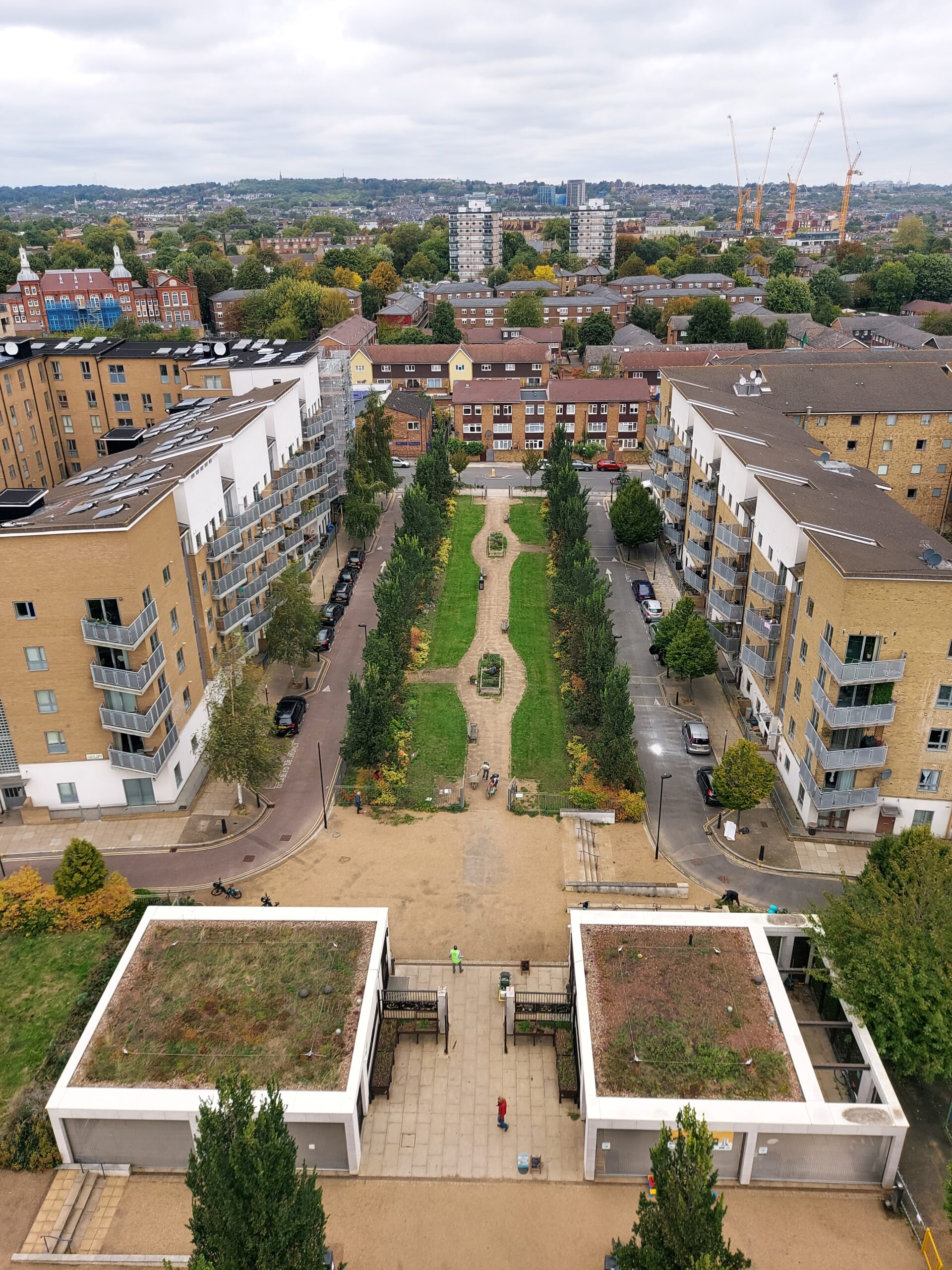
Looking north
Looking north
Looking south towards the City
Looking south east towards the City
South west towards central London

Hidden London – Baker Street: The World’s First Underground

In recent years, Hidden London tours have expanded to encompass not only disused stations, but working stations with lots of history. Baker Street is one such station, and I attended a tour on a sunny Sunday.

Baker Street is one of the earliest Underground stations, and is Grade II* listed. Today, it has 10 platforms served by 5 different lines – more than any other on the network. It first opened in 1863 as part of the Metropolitan Railway: these original platforms are still in use by the Circle and Hammersmith & City lines and look a lot like they did back then.

The oldest platforms at Baker Street
Original Baker Street platforms

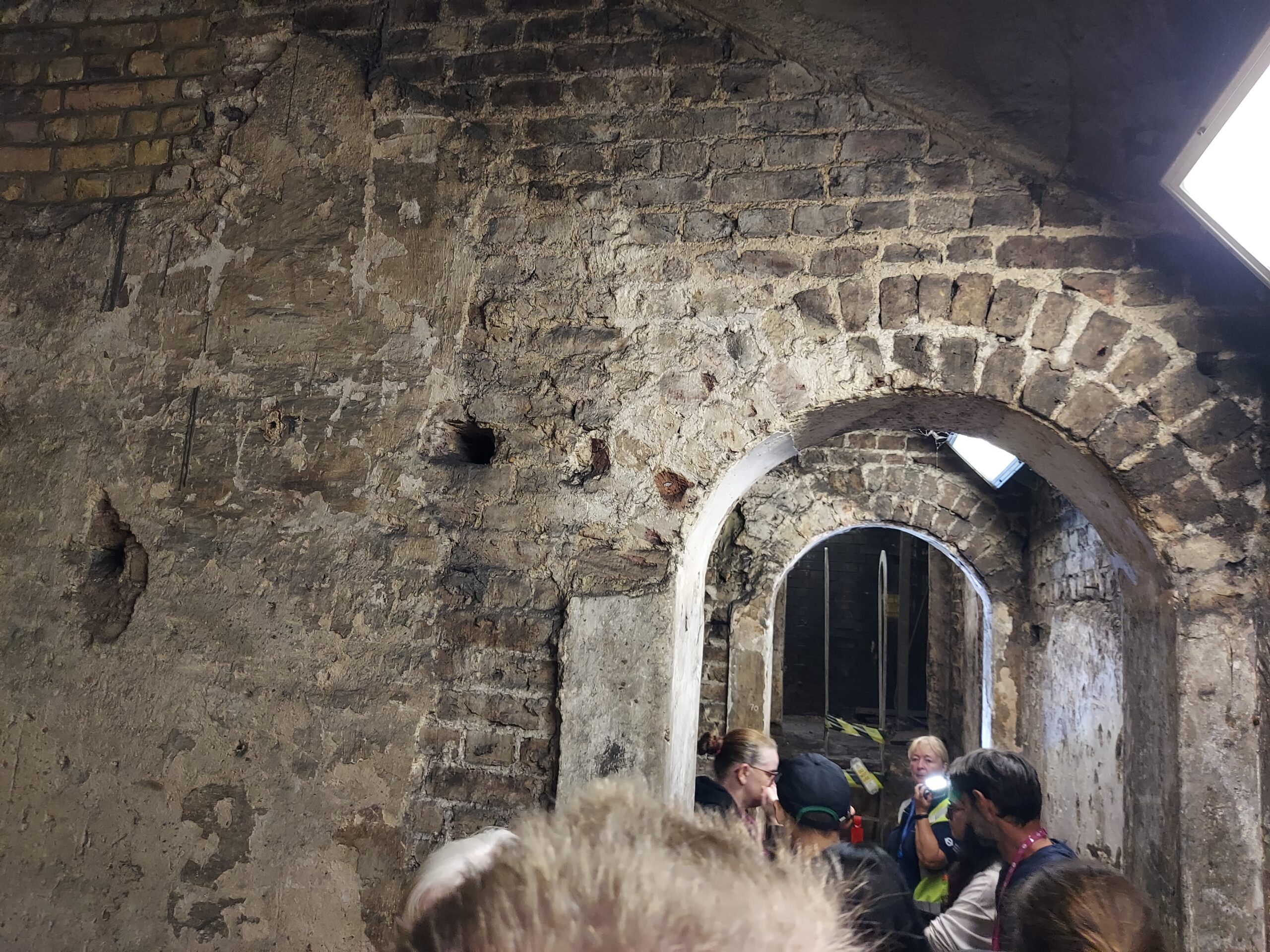
We got to go into some hidden corners of the station; in particular a space once used as a waiting room.

Former waiting room
Former waiting room

Later platforms were built in 1868 as part of the Metropolitan & St John’s Wood Railway. The platforms were rebuilt in 1892, but still struggled to cope with increased demand, so a decision was taken to rebuild the station and create a new headquarters for the Metropolitan Railway at the same time.

Jubilee line platforms
Metropolitan line platforms

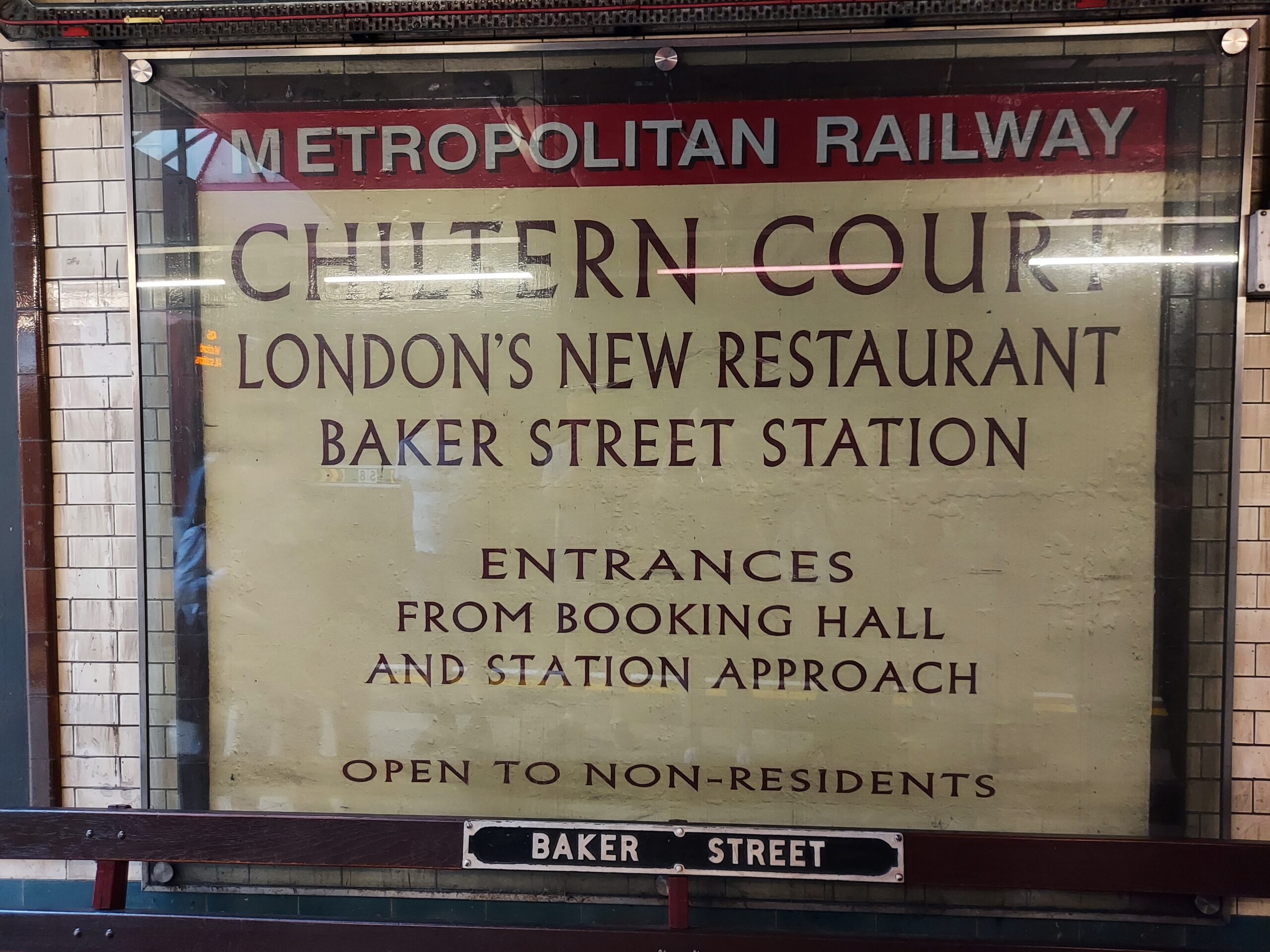
The architect Charles Walter Clark replaced the original buildings and created a single sub-surface ticket hall, as well as a subway linking the Circle and Bakerloo lines (the latter had originally opened on a separate site with a Leslie Green station). Plans to build a hotel on top of the station were halted by the First World War, but similar plans were revived in the 1920s with the construction of Chiltern Court. This block of flats was highly prestigious and included such distinguished residents as H. G. Wells and Arnold Bennett.

Poster advertising the Chiltern Court restaurant

One of the most exciting parts we got to see was the original underground Bakerloo station, including tiling and lift shafts. We also got to look down through gratings to see the trains pulling in to the platform (now the Jubilee line).

Original Bakerloo line tunnel
Original Bakerloo line tunnel, with tiling visible

As the home of the Metropolitan line, the station has been a headquarters for transport staff for many years. Its facilities have included the Central Control Rooms for the Bakerloo, Central, Jubilee and Metropolitan lines; one of the first operational sites of the British Transport Police; a canteen staff training school; and the Lost Property Office. The London Transport Rifle Club was also located here until the 1990s.

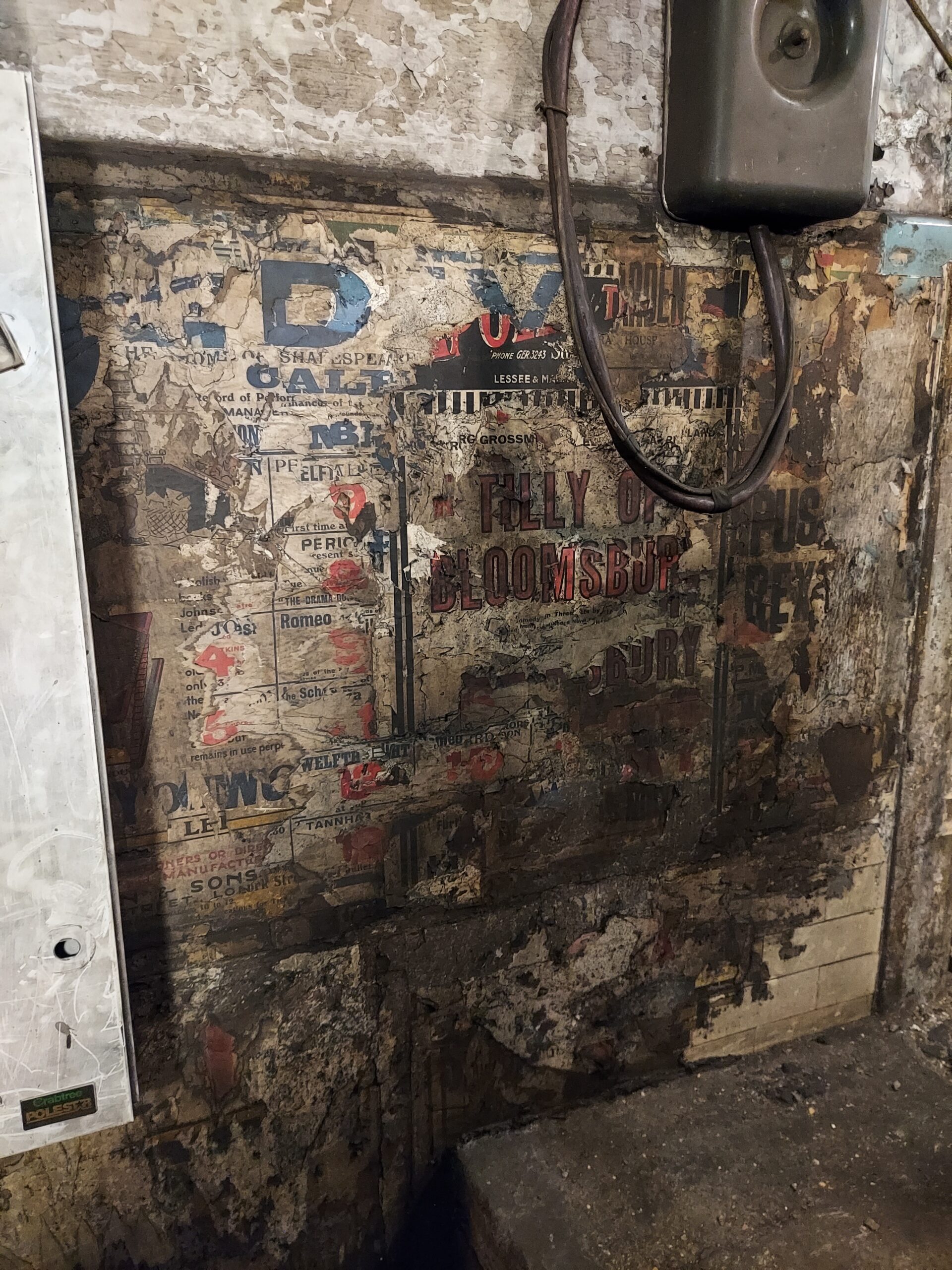
Original posters
Original posters

My tour of Baker Street proves that even current stations have a lot of history and hidden areas to explore. Definitely recommended, and I can’t wait to book another Hidden London tour.

Distillery Tour and Absinthe Tasting Experience at Devil’s Botany

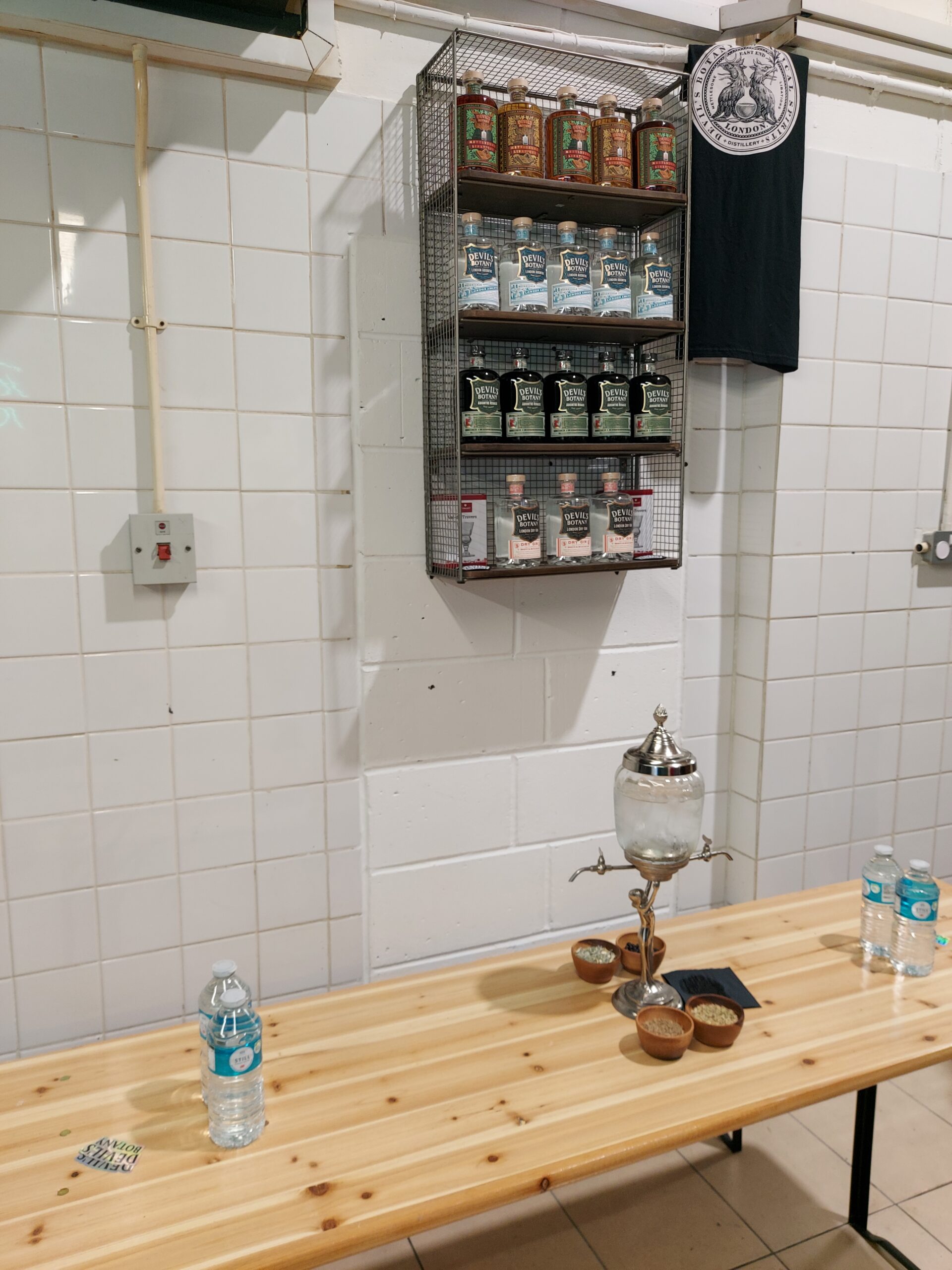
A table, a selection of absinthe, and an absinthe fountain

In my youth I enjoyed the occasional drink of absinthe, and I still have my treasured absinthe glass and spoon. I was very happy when I got the chance to attend an absinthe tasting and distillery tour at Devil’s Botany, the UK’s first absinthe distillery.

The distillery has only been open for a few years, and its founders aim to modernise absinthe and revive its popularity for the modern day. A couple of years ago I signed up for an online tasting of their signature London Absinthe and was impressed: it is clear, not green; does not louche (turn cloudy); and can be drunk with water without sugar, or enjoyed with tonic or as part of a cocktail.

We got to try London Absinthe tonight, as well as their London Dry Gin. A more traditional absinthe, the green Absinthe Regalis, is meant to be enjoyed the traditional way, with sugar and water, and this drink does louche.

We also sampled the Bourbon Barrel-Aged Absinthe, which reminded me of whisky, and finished with the Chocolate Absinthe Liqueur, which was delicious.

While enjoying our drinks we learned about the history of absinthe and got to check out the copper still that turns the ingredients (including wormwood, anise and fennel seed) into delicious absinthe.

I thoroughly enjoyed the experience and it has made me want to start drinking absinthe more regularly again. Be reassured (or disappointed) that the rumours about absinthe being hallucinogenic are false!

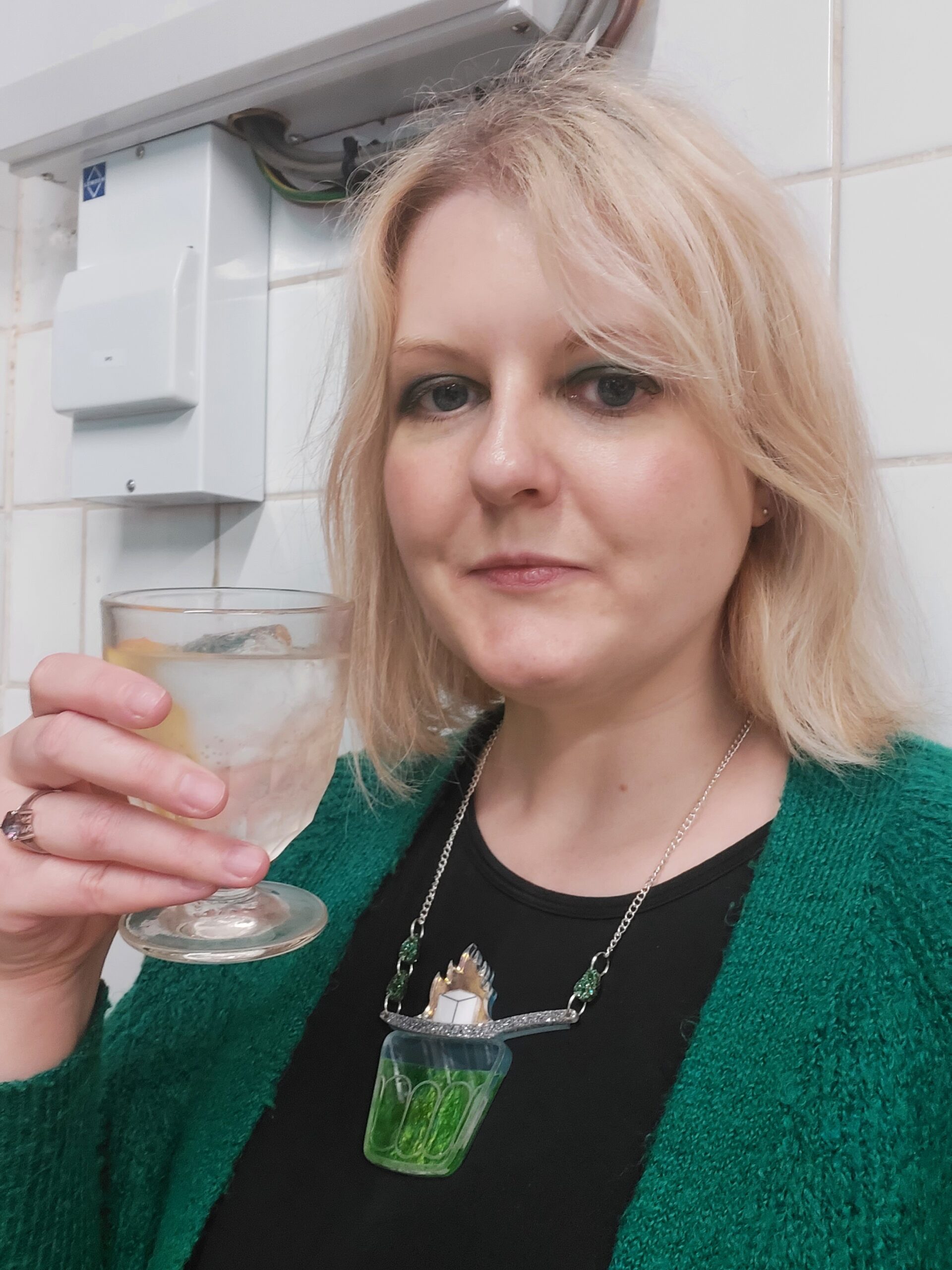
Selfie wearing an absinthe necklace and holding up a glass of absinthe

‘Fighting Spirit’ Distillery Tour & Tasting

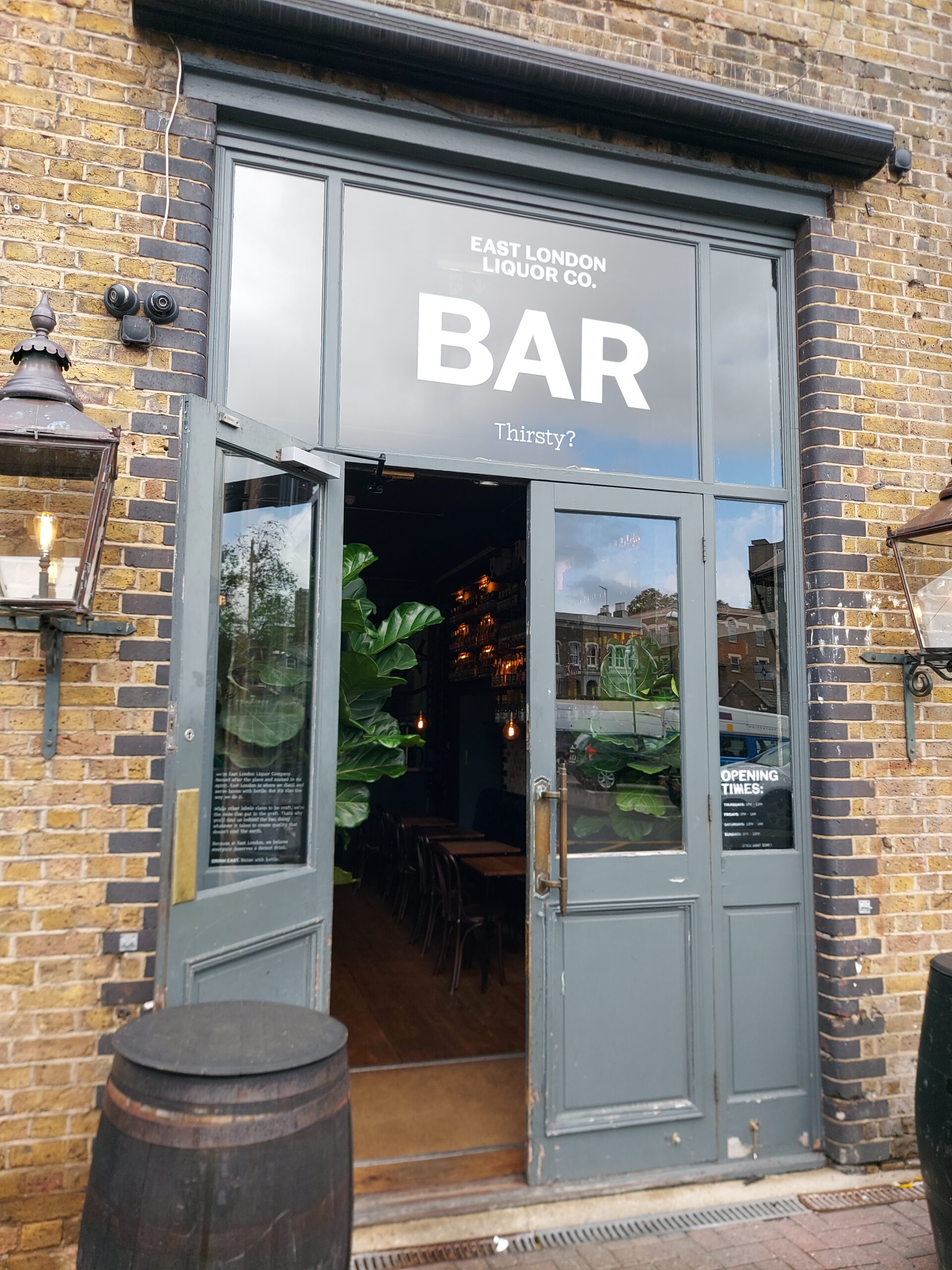
Entrance to the East London Liquor Company

Every time my friend Elisa comes down to London, we go to a gin tasting, and this time was no exception. On this occasion we chose the East London Liquor Company and their ‘Fighting Spirit’ Distillery Tour & Tasting.

The Company makes gin, vodka and whisky, distilling it in Bow, east London. It also imports rum from Jamaica and Guyana. Our tour focused on gin, and we learned about how it is made in the stills. This process is familiar to us from other gin tours we have been on, but it was still interesting.

After this it was time for the tasting. We got a chance to sample the basic ingredients of gin and taste some of their varieties, including their standard gin, Louder Gin, Lighter Gin and Kew Gin. They all had their own merits and it was interesting to compare and contrast. Learning about the label design of the bottles was also really interesting.

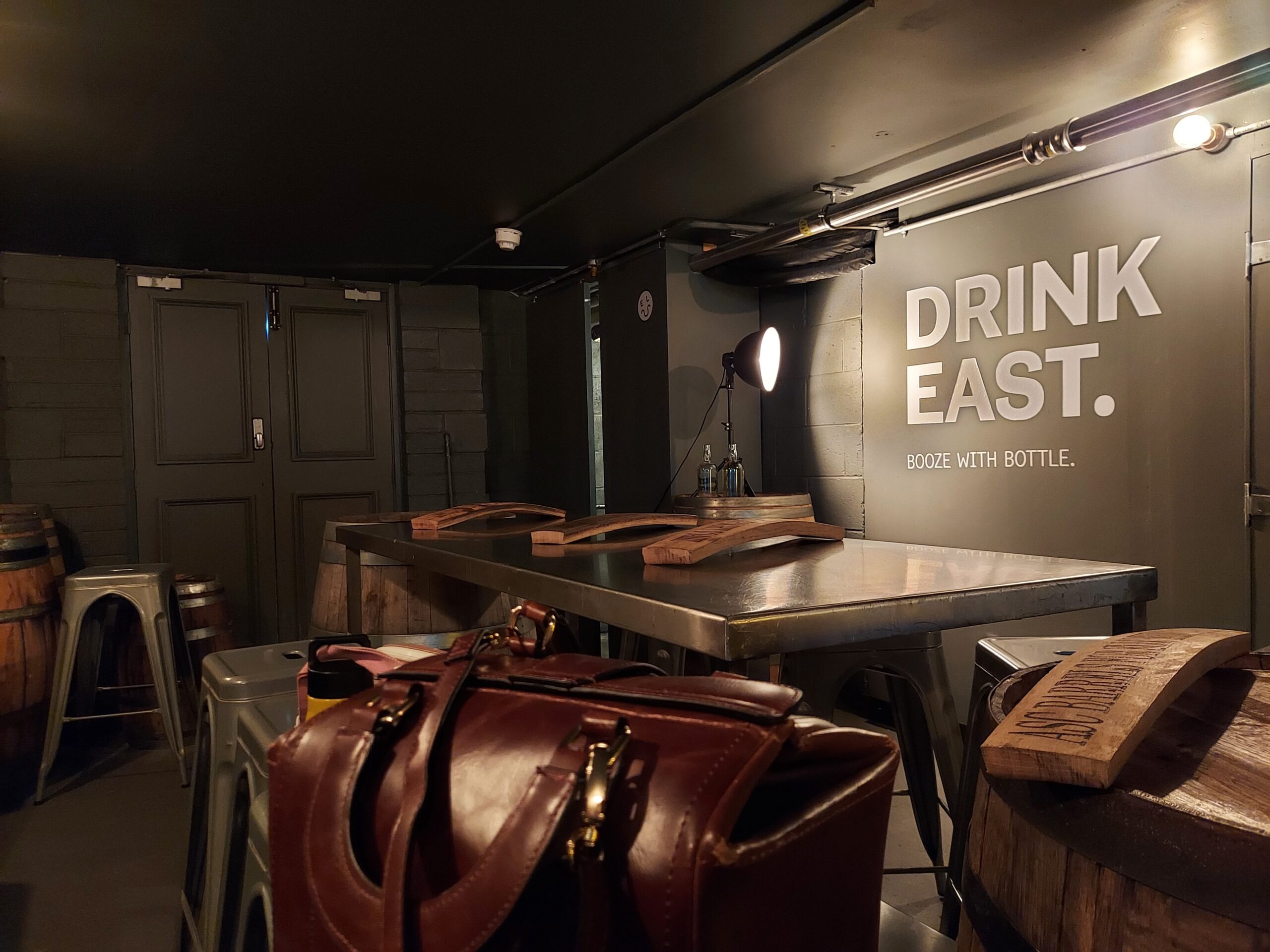
Inside the gin tasting room

Nunhead Cemetery: Crypt & Chapel Tour

I visited Nunhead Cemetery several years ago, as part of my ‘Magnificent Seven’ tour, and recently went back while I was completing the Green Chain walk. This reminded me that I never did visit the crypt, and after checking the Friends of Nunhead Cemetery website I found out that Crypt & Chapel tours ran on certain dates. I therefore resolved to pop down and attend one.

Nunhead Chapel from the outside

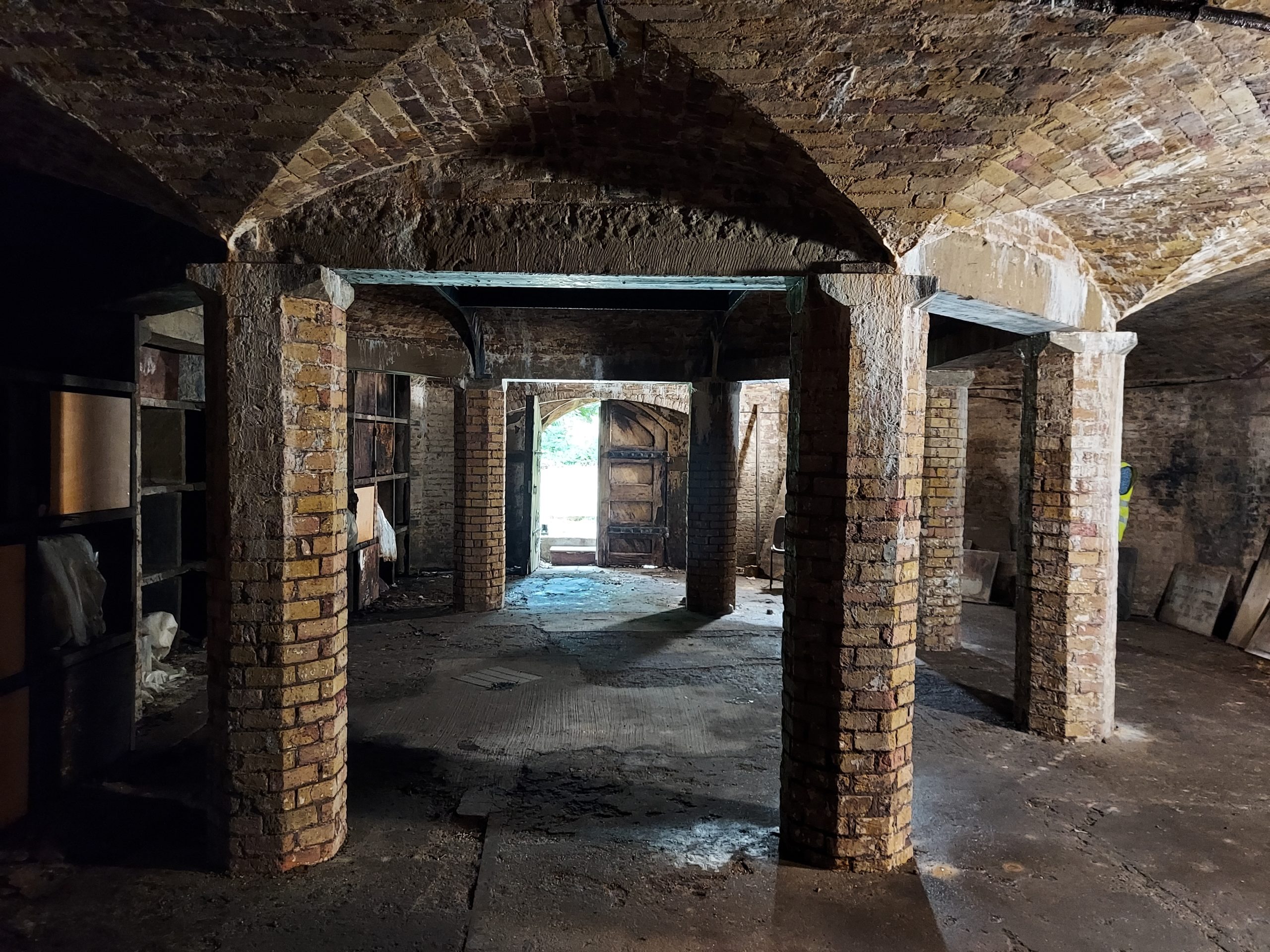
The crypt is located beneath the chapel. At one time it was considered the most prestigious place to be buried, and the most expensive. Those buried here had their own space with a metal plaque to identify them. Mourners could come down to the crypt (there is evidence of heating pipes and a space for a gas lamp) to view their loved one’s final resting place; there are two spaces either side of the main area which could have been used as waiting areas. The architecture is simple but impressive, and I imagine this could once have been quite a grand space.

Nunhead Crypt

Sadly, when the cemetery went out of business, the chapel burnt down due to arson and the crypt was vulnerable to the elements. It was also broken into, and thieves opened and ransacked the coffins in search of valuables, dispersing the bodies around the crypt in the process. Some years ago, there was an attempt to put the pieces back together, and the remains are now in some sort of order, but it’s no longer possible to identify which body belongs to which named individual, which seems sad. The spaces for the coffins are covered with basic wood plaques, and the atmosphere as a whole is rather damp and dingy. Personally I feel that those who chose burial in the cemetery itself, with an elaborate headstone, made the better choice – even the weathered and damaged monuments have a kind of grandeur about them.

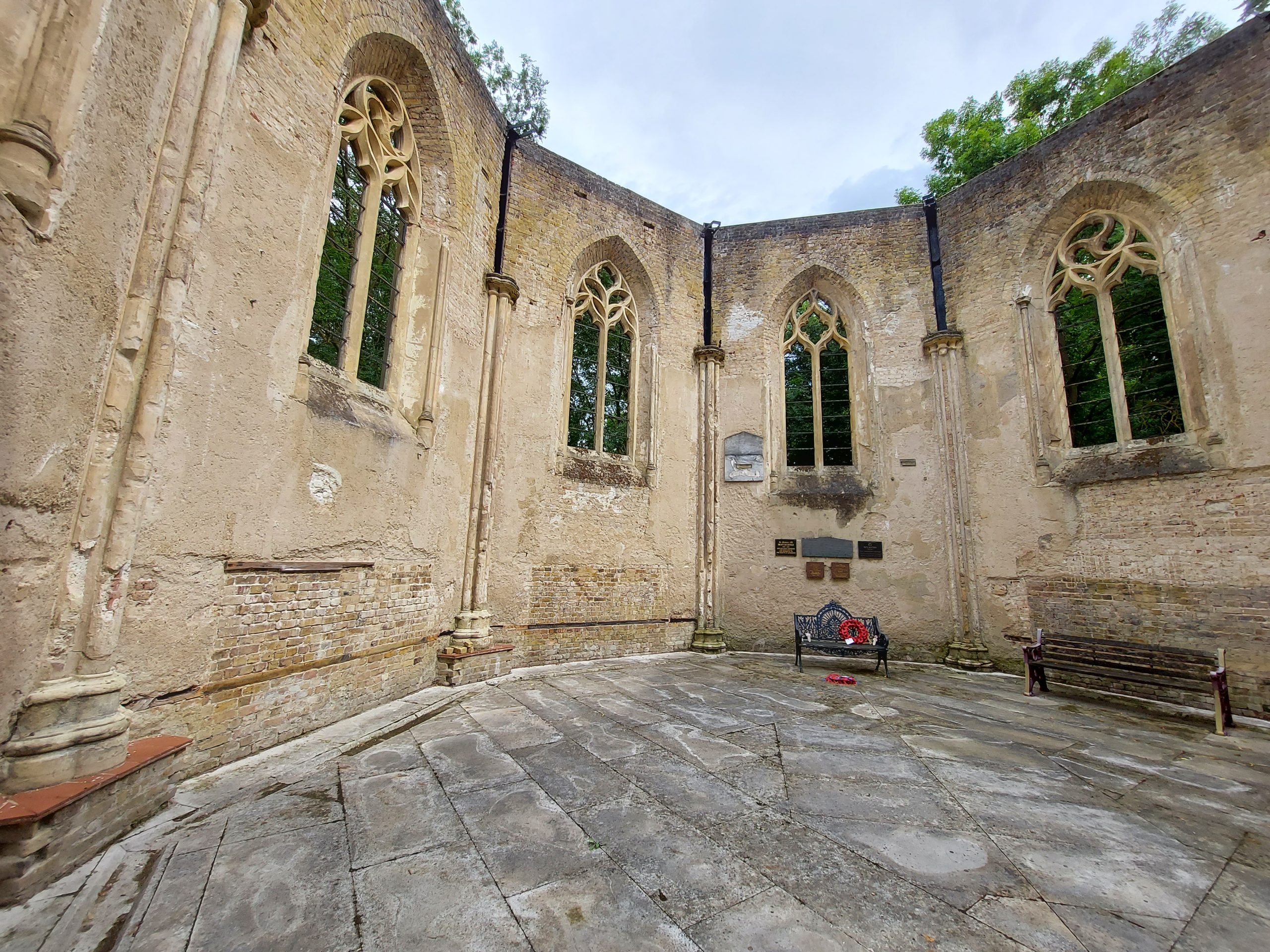
The ruined Anglican chapel, on the other hand, has a rather pleasant feel about it. The arson attack which made it into a shell is undoubtedly a shame, but the chapel is now open to the air, and is rather nice. You can still see the marks on the wall where the pews used to stand. Some of the wall decorations are rather fragile, but overall the chapel seems to be standing up pretty well.

The interior of Nunhead Chapel

St Pancras Waterpoint Tour

I signed up for a St Pancras Waterpoint tour at the weekend, organised by St Pancras Cruising Club. I love visiting anything unusual or historical, so this was perfect for me.

St Pancras Waterpoint

The Waterpoint was built in 1872 in order to supply water to the expanding steam railway network at St Pancras. Like the Midland Grand Hotel, the building was designed by the office of Sir George Gilbert Scott. It is three stories high, measuring around 9m x 6m. The top floor contains a cast iron water tank, with a capacity of 2,400 cubic feet.

Our tour took us up to the Waterpoint and inside. It looks impressive from the outside, with ornate brickwork and detailing typical of the Victorian period. Inside, there are several information panels about the history of the tower.

In 2001, the Waterpoint was threatened with demolition owing to the development of the new Channel Tunnel Rail Link Terminus. English Heritage intervened and an agreement was reached to move the monument. The building was sliced into sections, lifted onto a transporter, and moved by road. One of the largest available mobile cranes in the UK was used for the job. A news report from the time is shown on a loop inside the tower, and is incredible to watch. The journey of 700 metres was completed without incident and the sections of the building reunited at their current location, on top of a heavily reinforced concrete slab.

St Pancras lock

We were able to climb to the top of the Waterpoint, inside the former water tank, and enjoy the views over London, particularly St Pancras Station, the Victorian gas works, the lock, and Camley Street National Park.

Finally, we got to enjoy a canal boat journey, which was a lovely way to round off the visit. You can sign up for a tour on Eventbrite.
Hidden Stories of St James’s Park

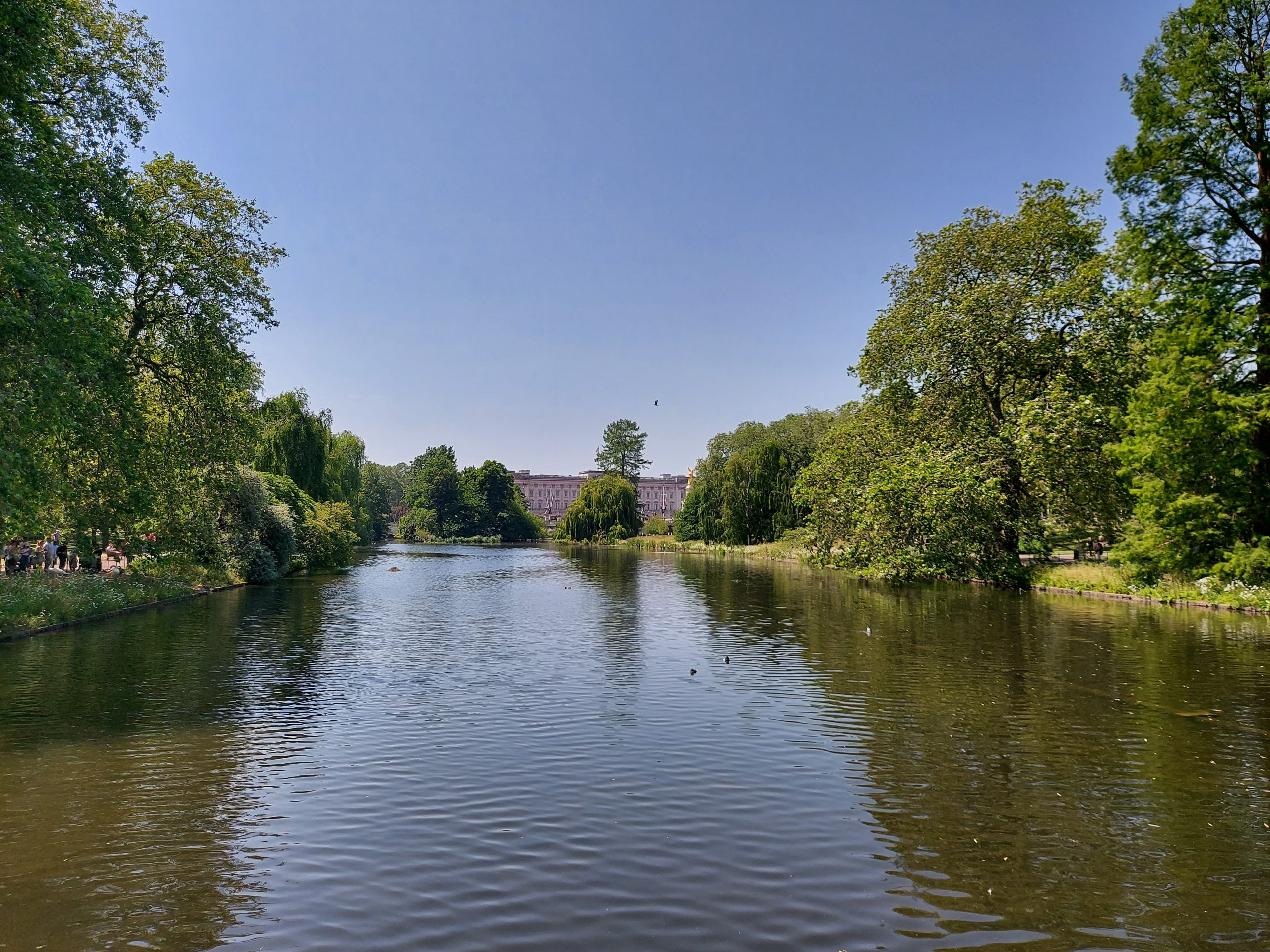
St James's Park looking towards Buckingham Palace

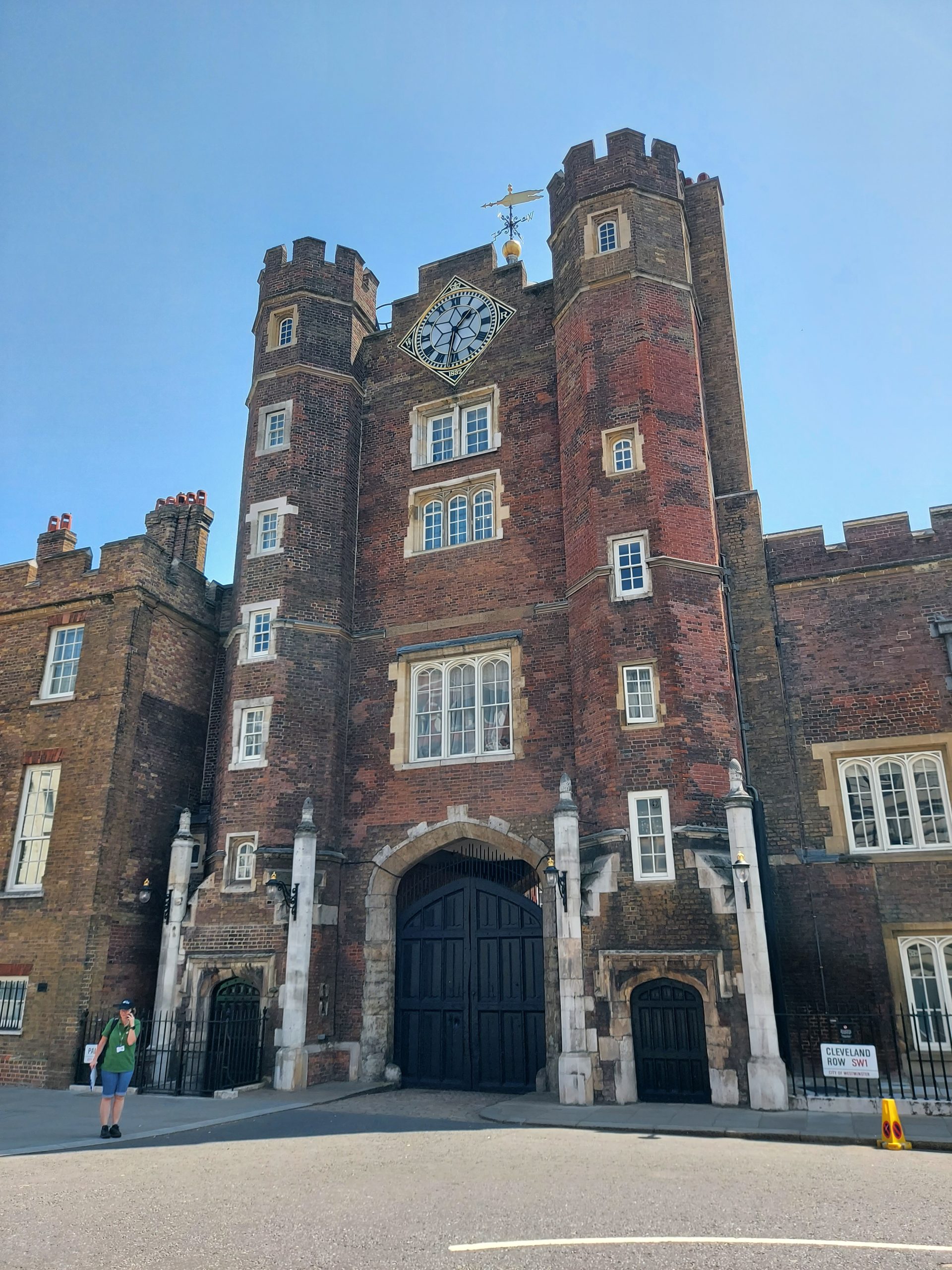
I signed up for a Hidden Stories of St James’s Park walk and attended on a sunny day in early summer. The walk began inside the park but then we headed out towards St James’s Palace, which was was built by Henry VIII on the site of the Hospital of St. James, Westminster between 1531 and 1536. To be honest this is a palace I didn’t know much about and hadn’t really paid any attention to, so I was glad to get a closer look at it. You can tell it is from the same era as Hampton Court Palace as it has a similar look about it.

St James's Palace

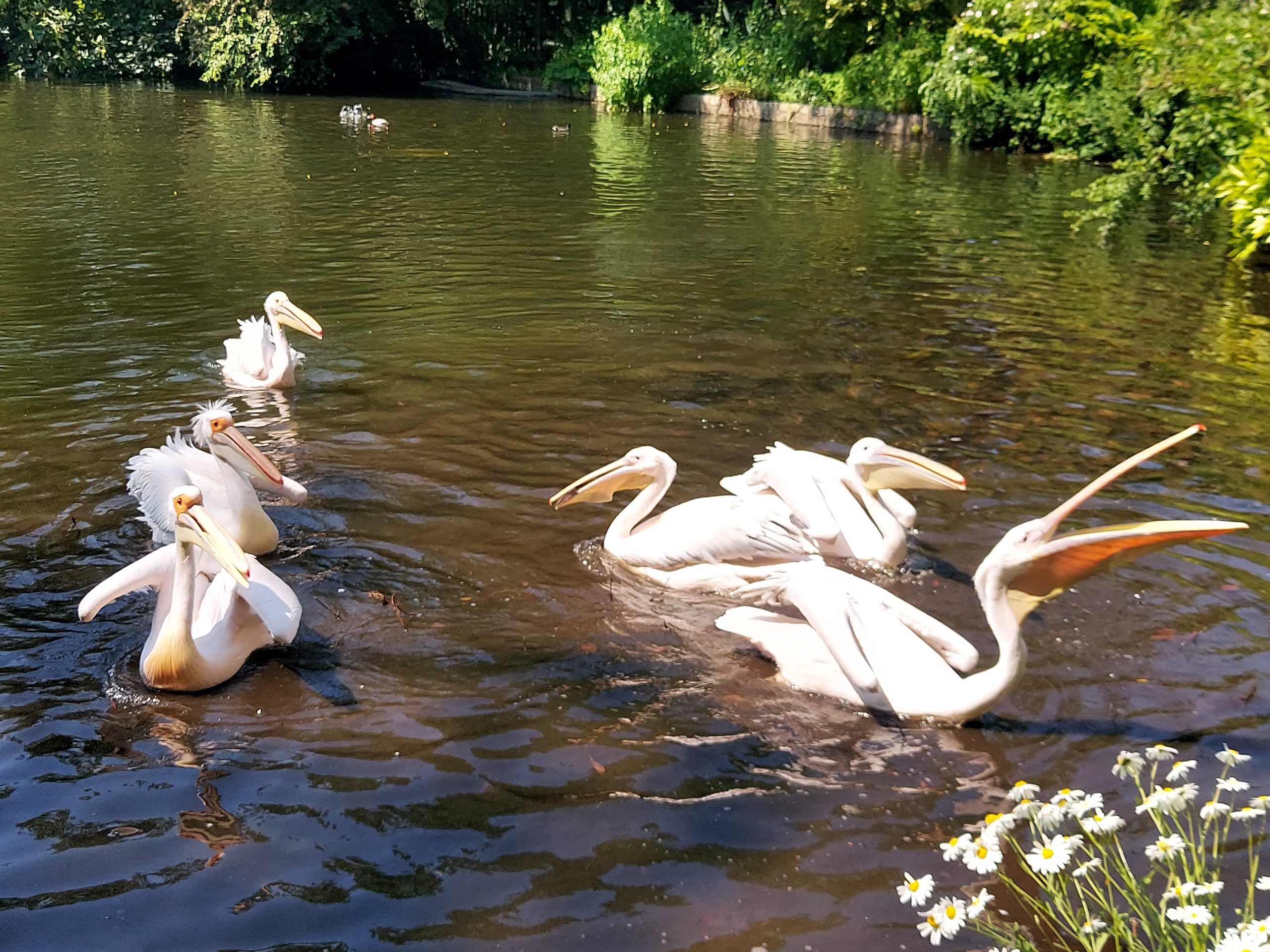
We learned about the history of the park and had a good look round. The best part was when we got to go and see the pelicans at feeding time. These quirky creatures are a familiar fixture in the park.
Pelicans at St James's Park

Check out the Royal Parks Events page for more information about this walk and other events run in the parks.

St Mary’s Church, Islington: A Guided Tour

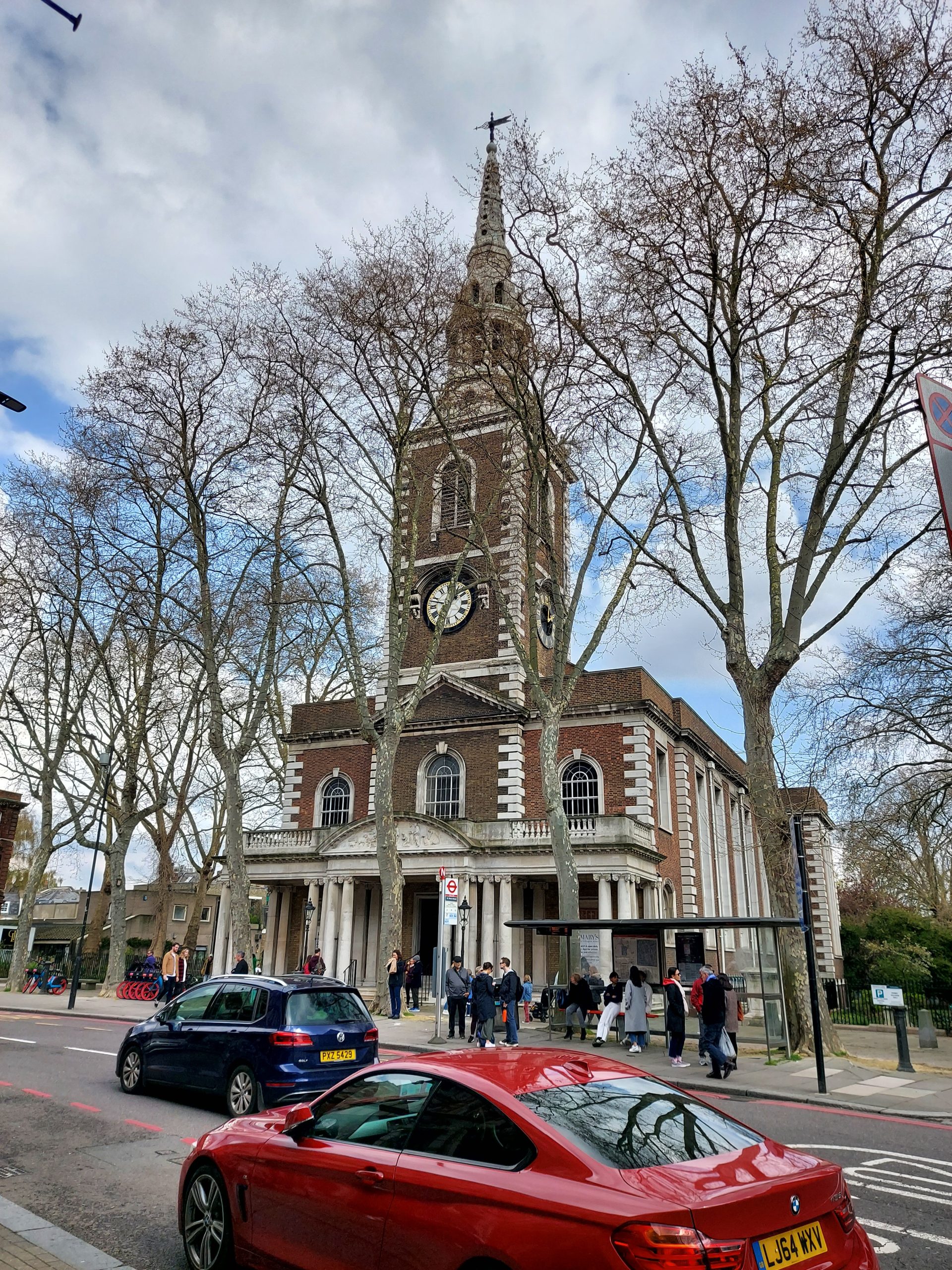
St Mary's Church, Islington

I’ve spent quite a bit of time in Islington – the Almedia and Little Angel theatres are there, plus a couple of pub theatres – and I’ve often walked past St Mary’s Church. I was pleased to get the chance to sign up to a guided tour of the church, organised by Islington Guided Walks.

St Mary's Church, Islington

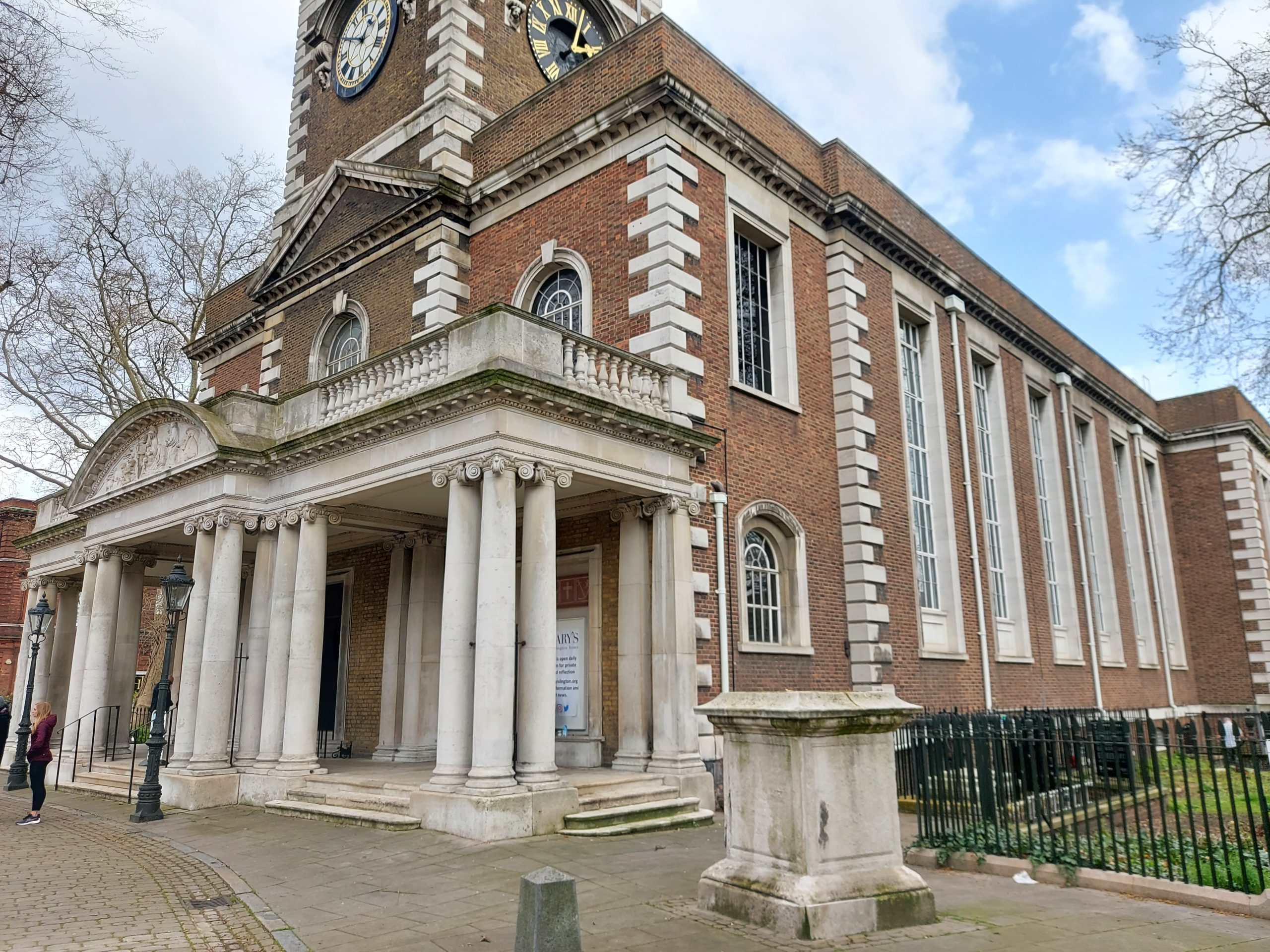
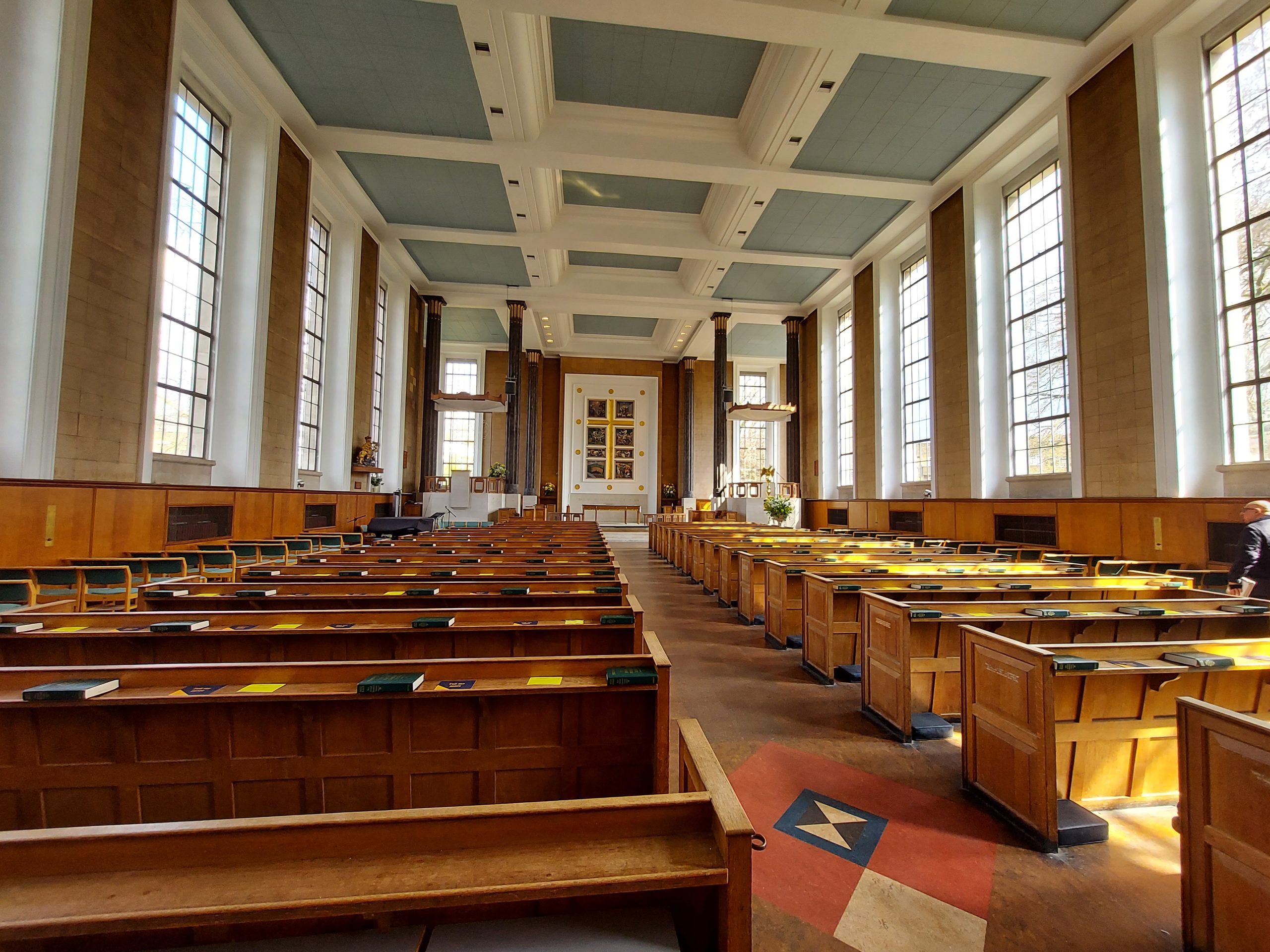
There has been a church on this site since the twelfth century, replaced by a new building in the fifteenth century and again in the 1750s. Maps show the church was at the centre of the parish, even while it was small and surrounded by fields. On the 9th of September 1940, the church was hit by a bomb, destroying everything except the tower and portico. I was surprised when I saw inside: from the outside the church certainly looks like a Georgian creation, and while the rebuilt church in the 1950s resembles a Georgian church in many ways, it is also distinctly modern.

Interior of St Mary's Church, Islington

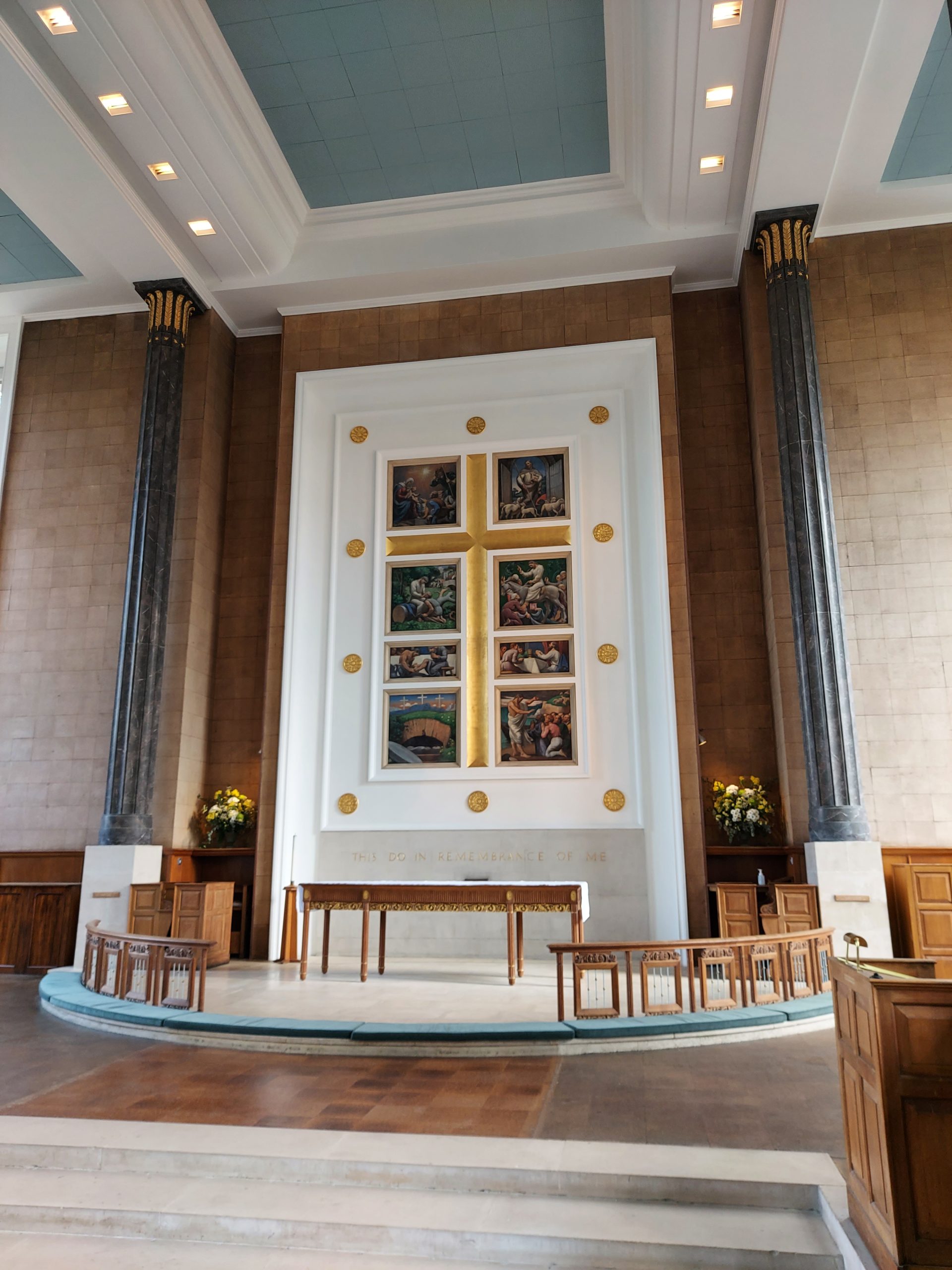
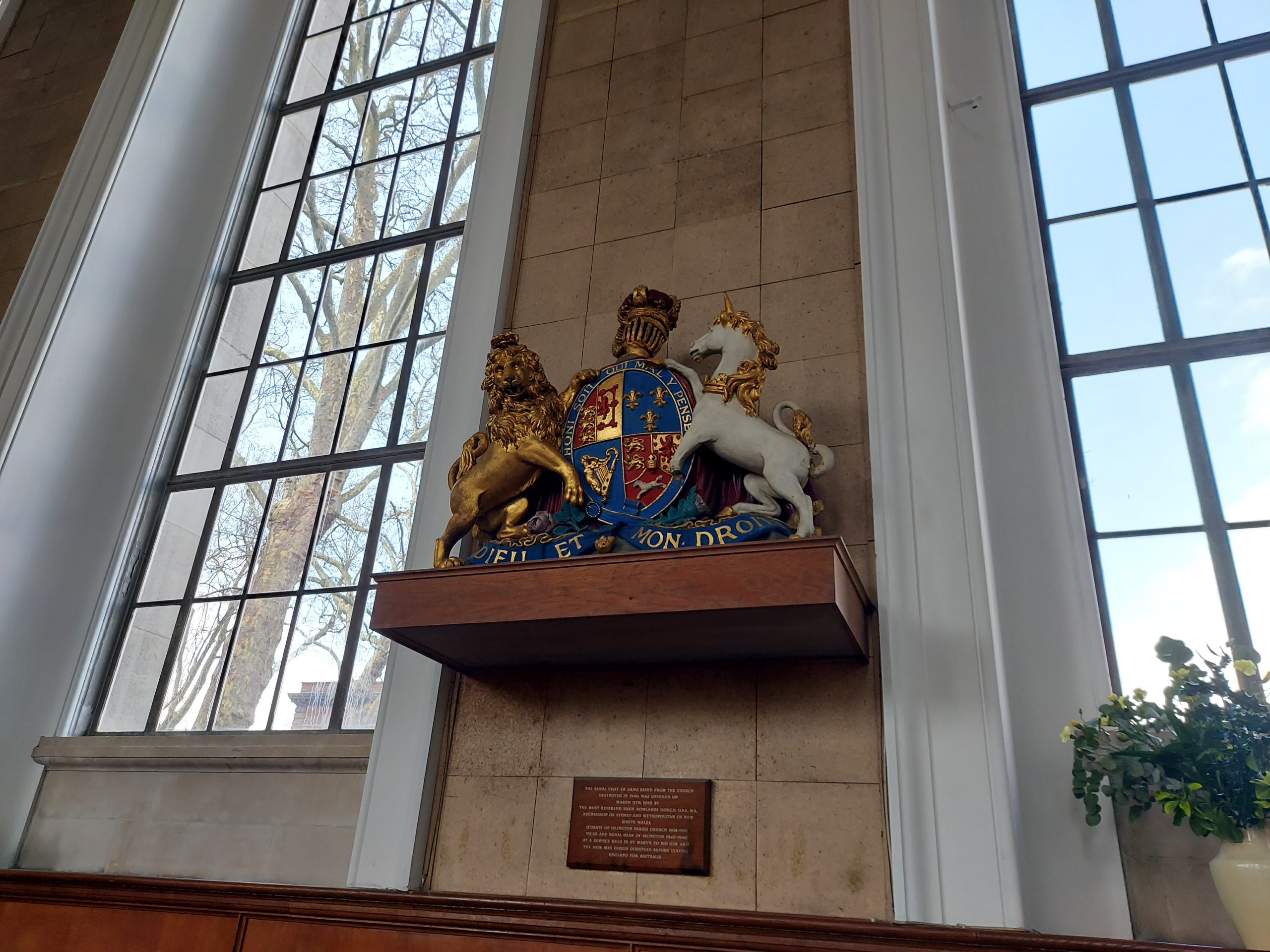
The murals at the east end of the church were painted by Brian Thomas and depict events in Jesus’ life. Pews were donated by various local individuals and groups, including the Arsenal football team. The marble font is the original one from 1754, but the organ pipes decorating the west end came from a church at Berkeley Square. The Royal Arms which hang on the wall of the church are the arms of George II: he was king when the 1754 church was opened. At that time, it was a statutory requirement that all churches displayed the Royal Arms. Miraculously, they survived the World War II bombing.

Front of St Mary's Church, Islington

A small chapel to the right as you enter the church, the Prayer Chapel, contains brasses dating from 1540, originally present in the medieval church. They represent Robert and Alice Fowler and Henry and Margaret Saville (née Fowler), the Fowlers being an influential local family.

Royal Arms inside St Mary's Church, Islington

The crypt, today a rather bland space used for community events, actually dates back to the very first church on the site: one skirting stone has been identified as dating from the twelfth century.

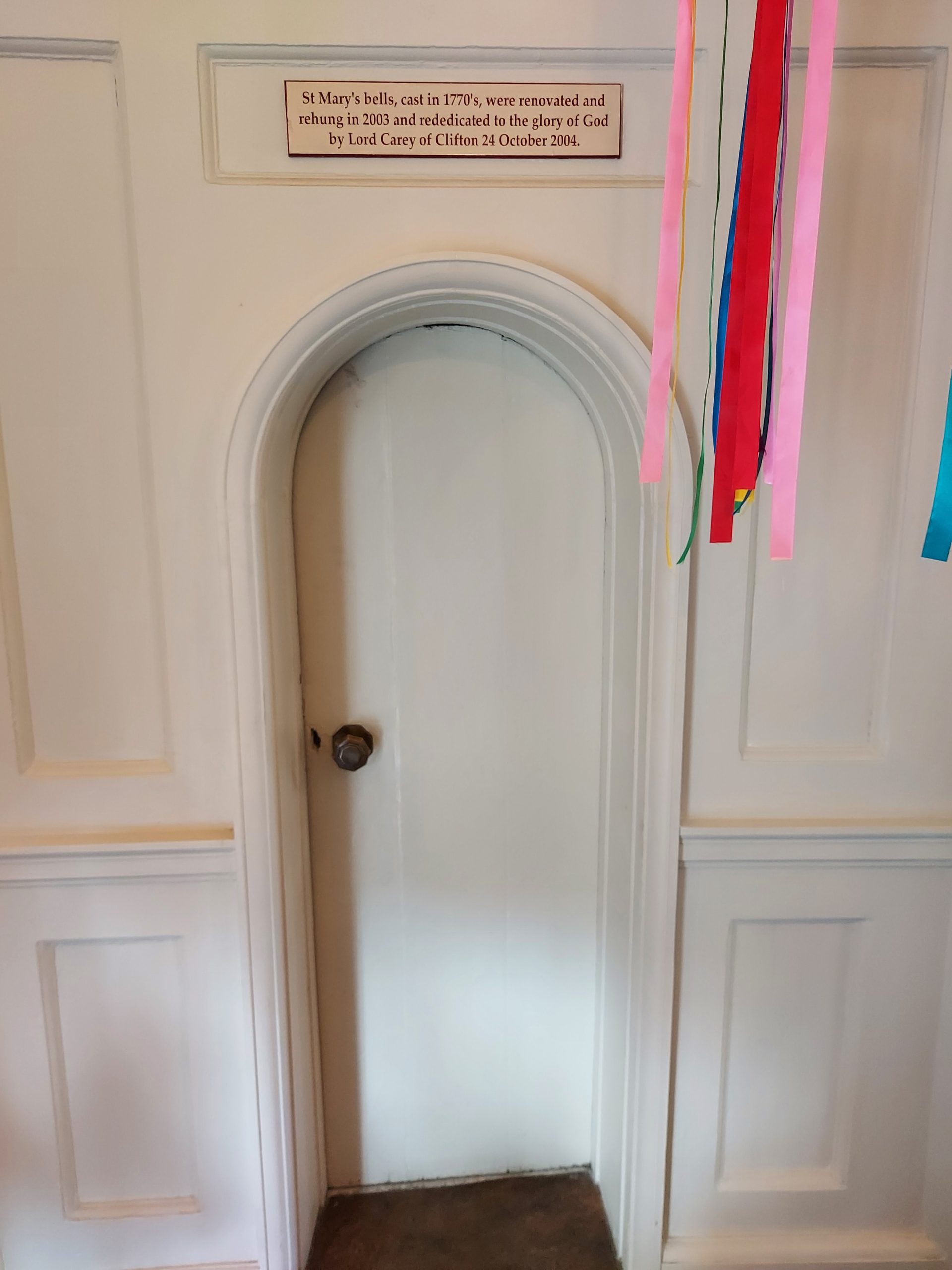
The tower is all that remains of Launcelot Dowbiggin’s eighteenth century church. Inside the winding staircase is an original ship’s mast. The staircase takes you first to the bell chamber, containing bells from the Georgian church.

Entrance to the tower in St Mary's Church, Islington

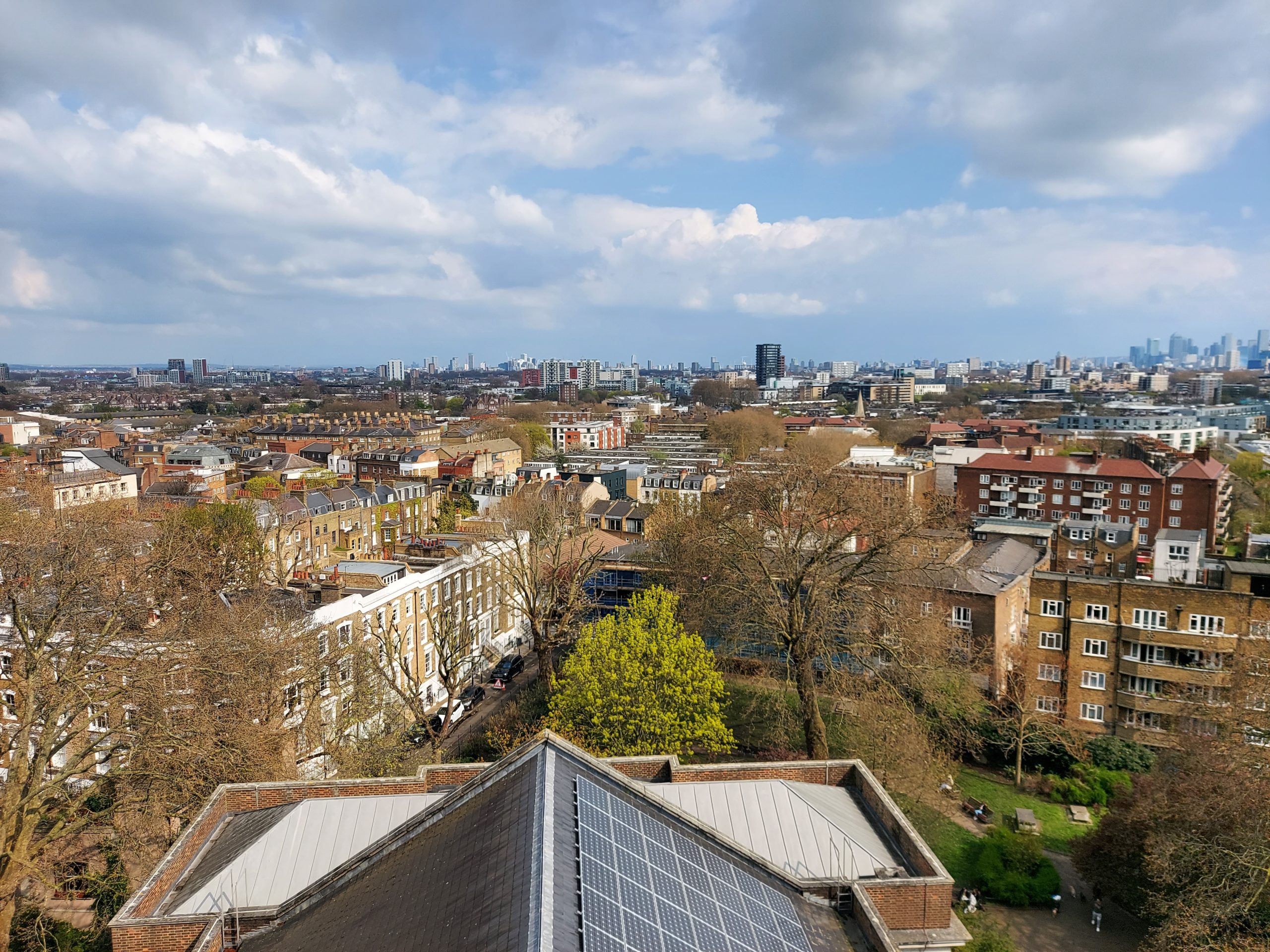
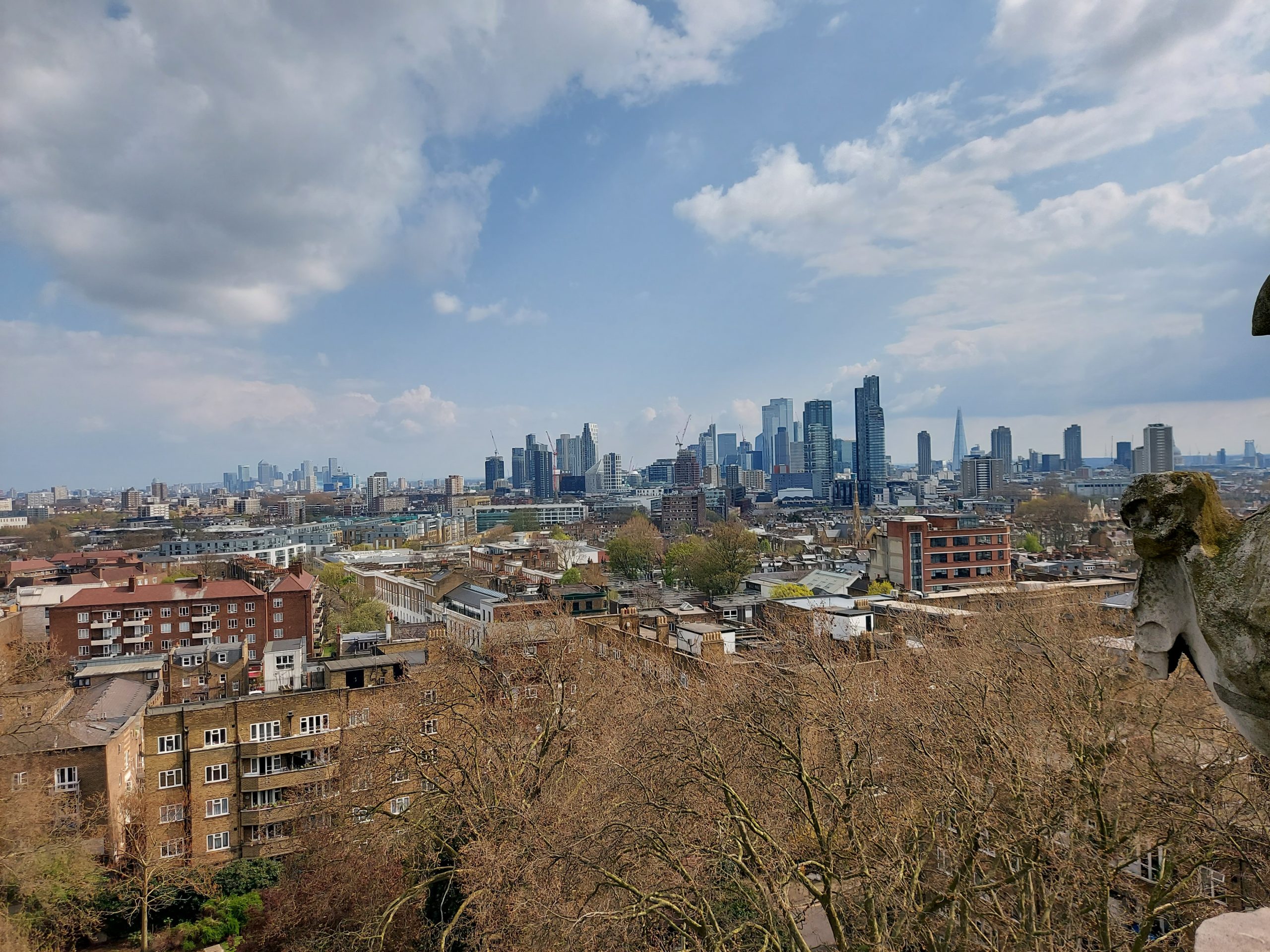
Finally, we arrived at the top of the tower, and enjoyed stunning views over Islington and London as a whole. We could see right down Upper Street.

View from the top of the tower
View down Upper Street

Hidden London – Euston: The Lost Tunnels

A couple of years ago I signed up for a virtual tour of Euston tube station’s lost tunnels. The tour was fascinating and I resolved to sign up for an in-person tour if and when they reopened. At the weekend I was lucky enough to get my chance.

Leslie Green-designed entrance to Euston station (CCE&HR branch) with its iconic oxblood bricks

We met at Euston Square station and watched a short video about the history of Euston mainline and Underground stations. I won’t repeat the information here as I put much of it in my blog post about the virtual tour, but it was a useful refresher. We then walked over to the old CCE&HR building, now surrounded by railings and facing imminent demolition. Finally we headed towards Euston station, through the barriers and down the escalators to the southbound Northern line platform (Bank branch), from where we headed through a door at the end of the platform to reach the disused tunnels.

Inside the disused tunnels at Euston

After checking out the tunnels we walked into another area where yellow paint was recently discovered – this shade of yellow in an Underground station means the Second World War. These tunnels were marked for use as a shelter during possible air raids for railway staff who weren’t able to get home.

Finally we went into a very secret space above the tracks and got to see the trains pulling into the station – it felt very surreal.

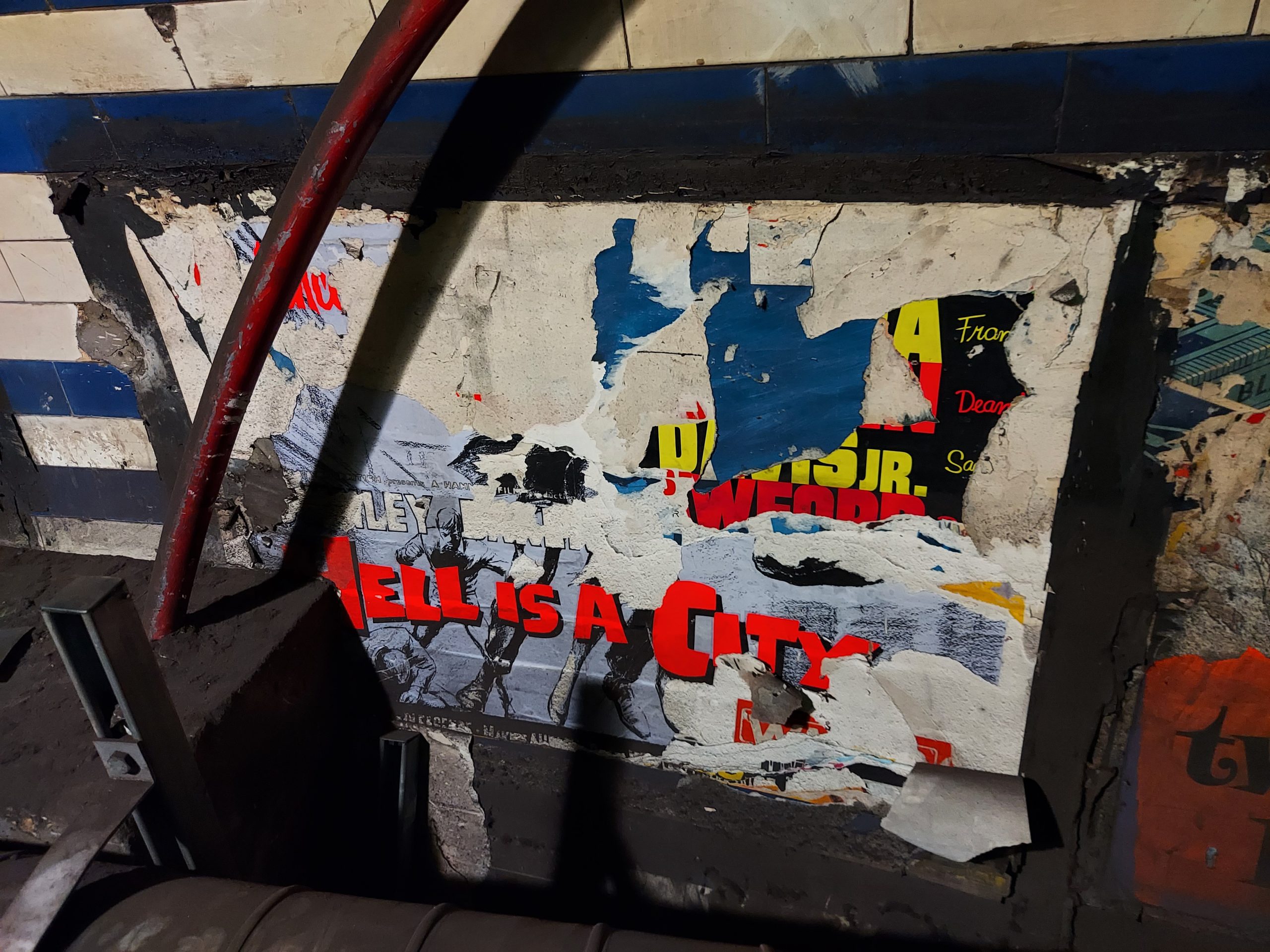
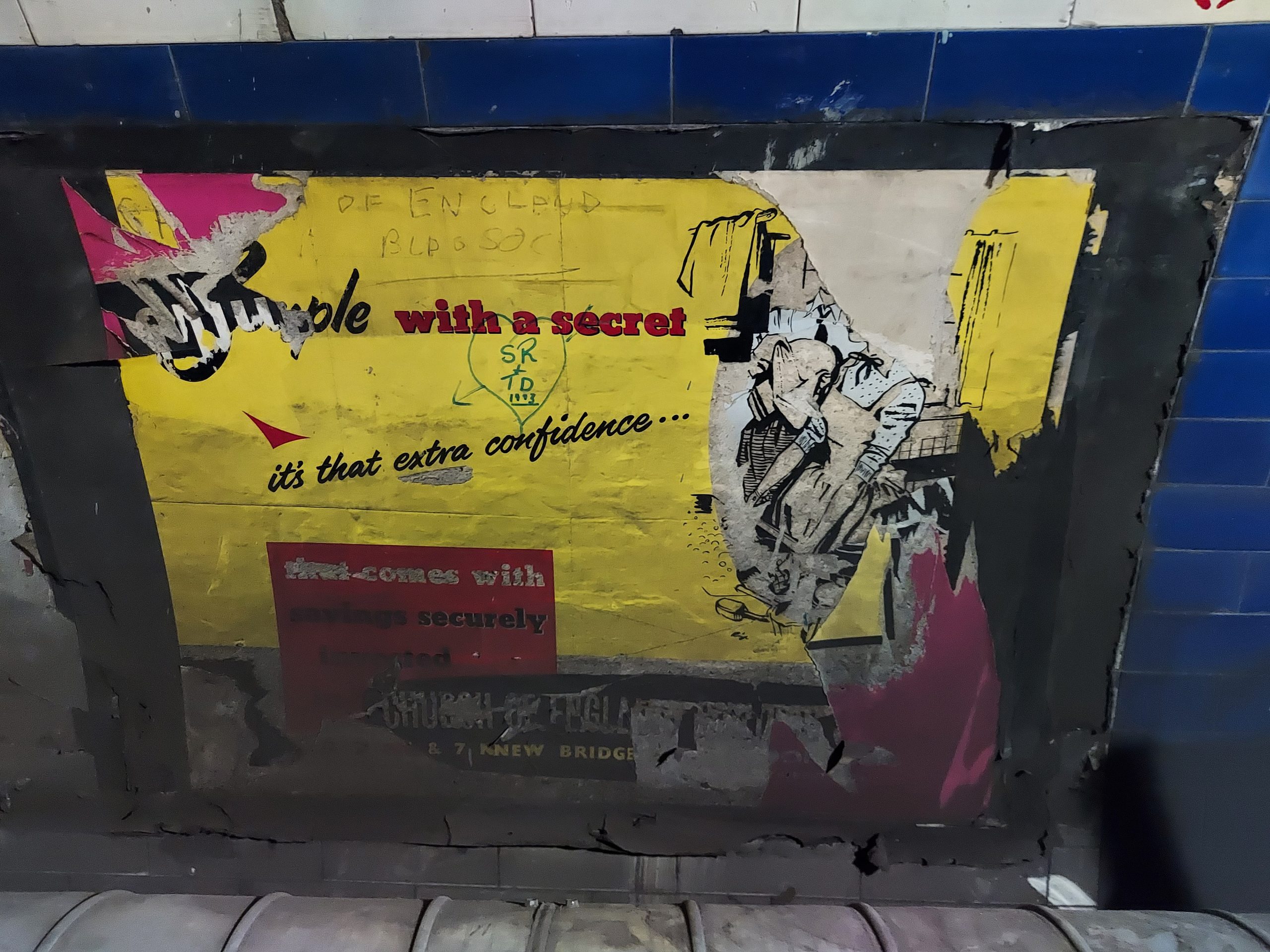
There’s no point in repeating what I said about the virtual tour, so instead, here are some pictures I took of the inside of the station.

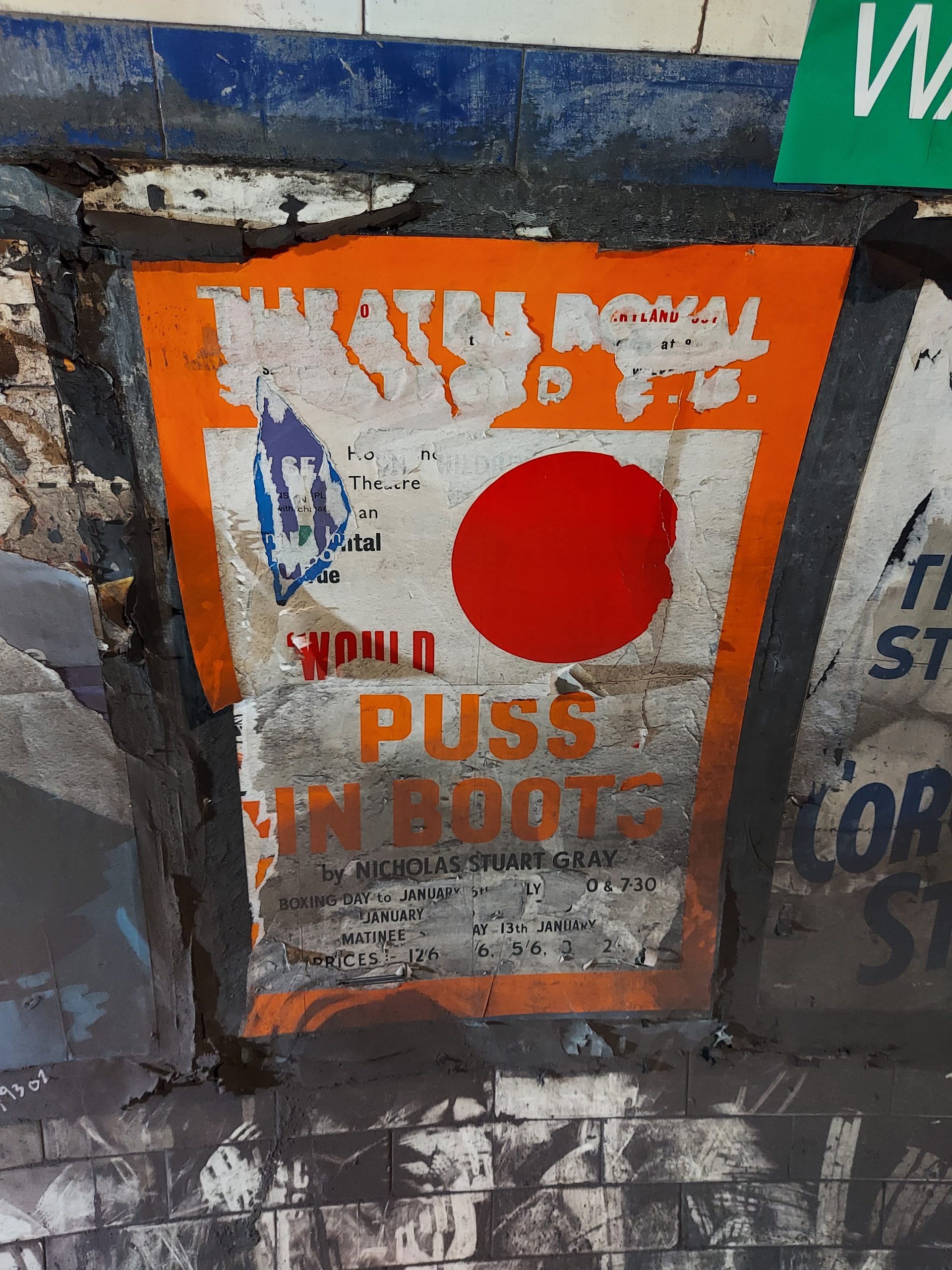
Poster for 'Puss In Boots' in the Euston tunnels
Poster for the musical 'West Side Story' in the Euston tunnels

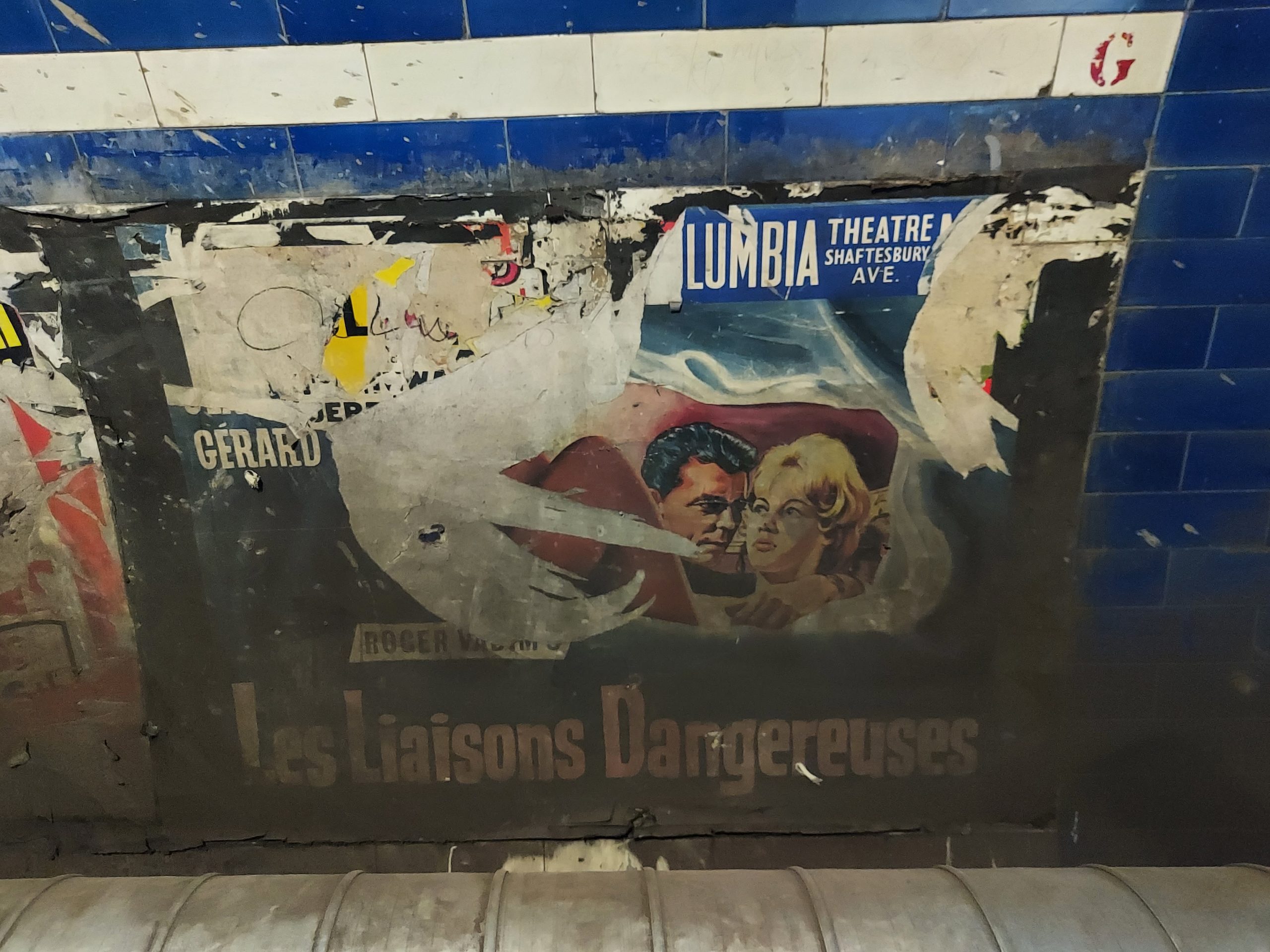
Poster for the film 'Les Liaisons Dangereuses' in the Euston tunnels
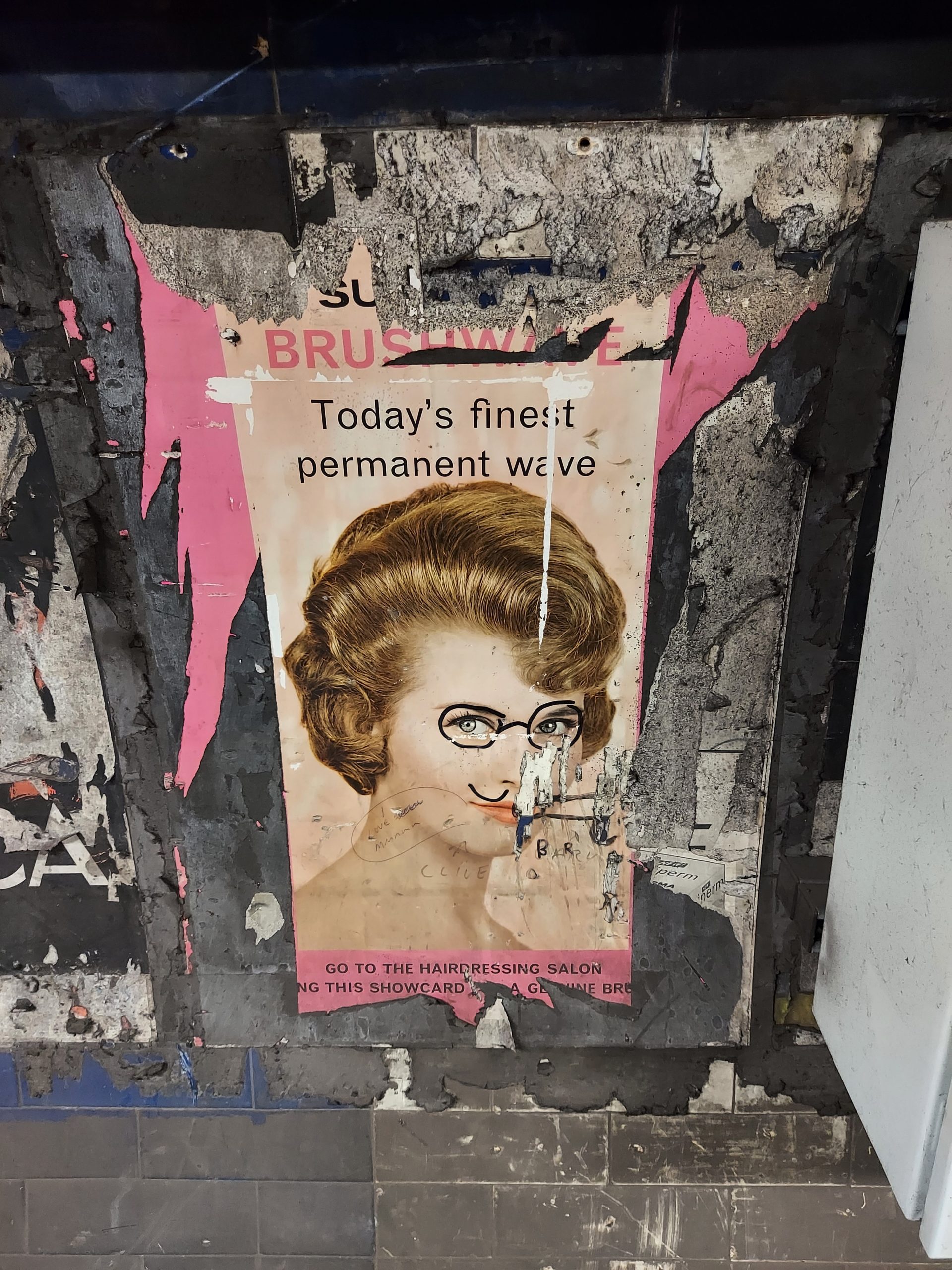
Poster in the Euston tunnels
Poster for the film 'Spartacus' in the Euston tunnels
Advert poster in the Euston tunnels
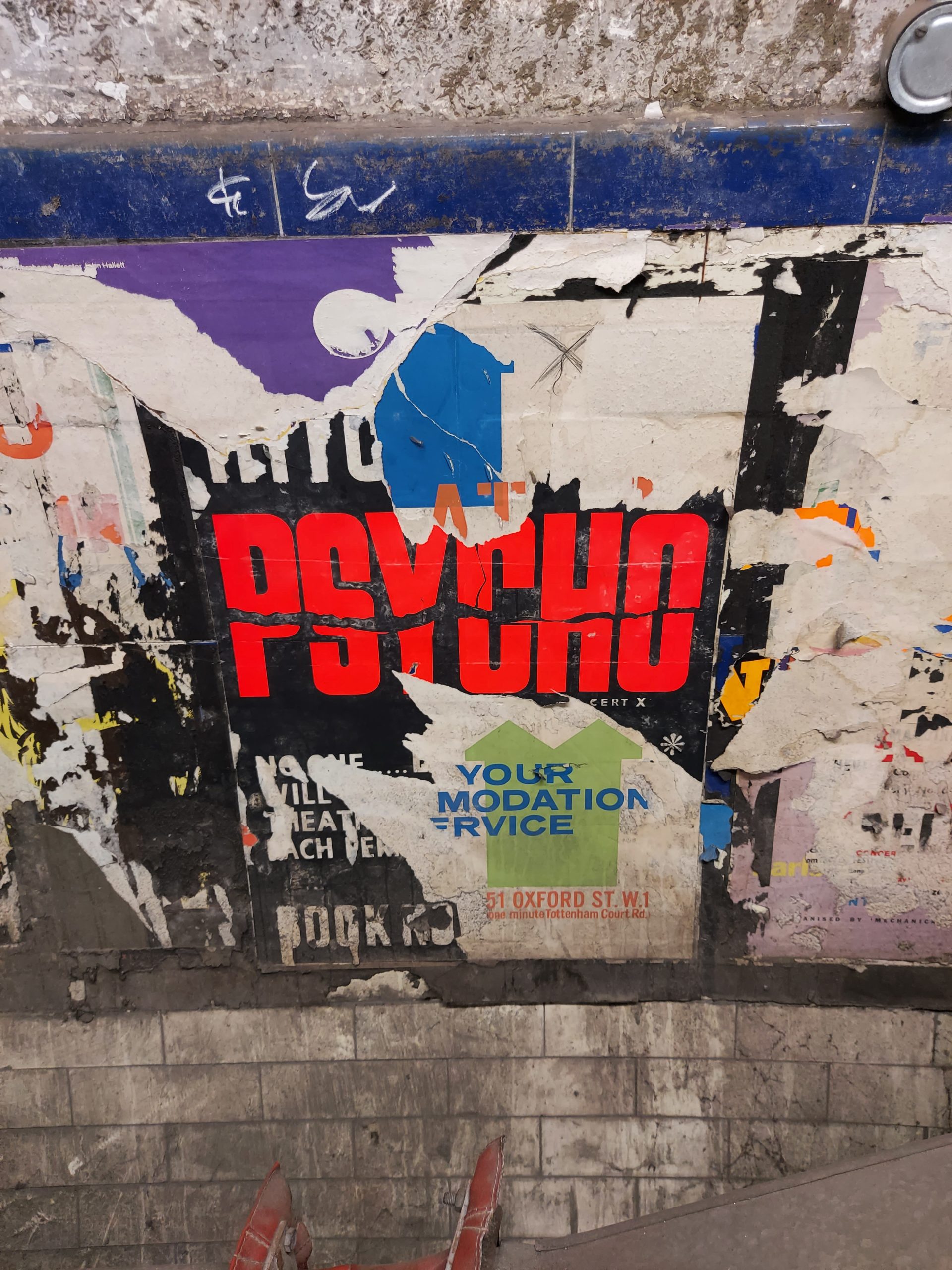
Poster for the movie 'Psycho' in the Euston tunnels
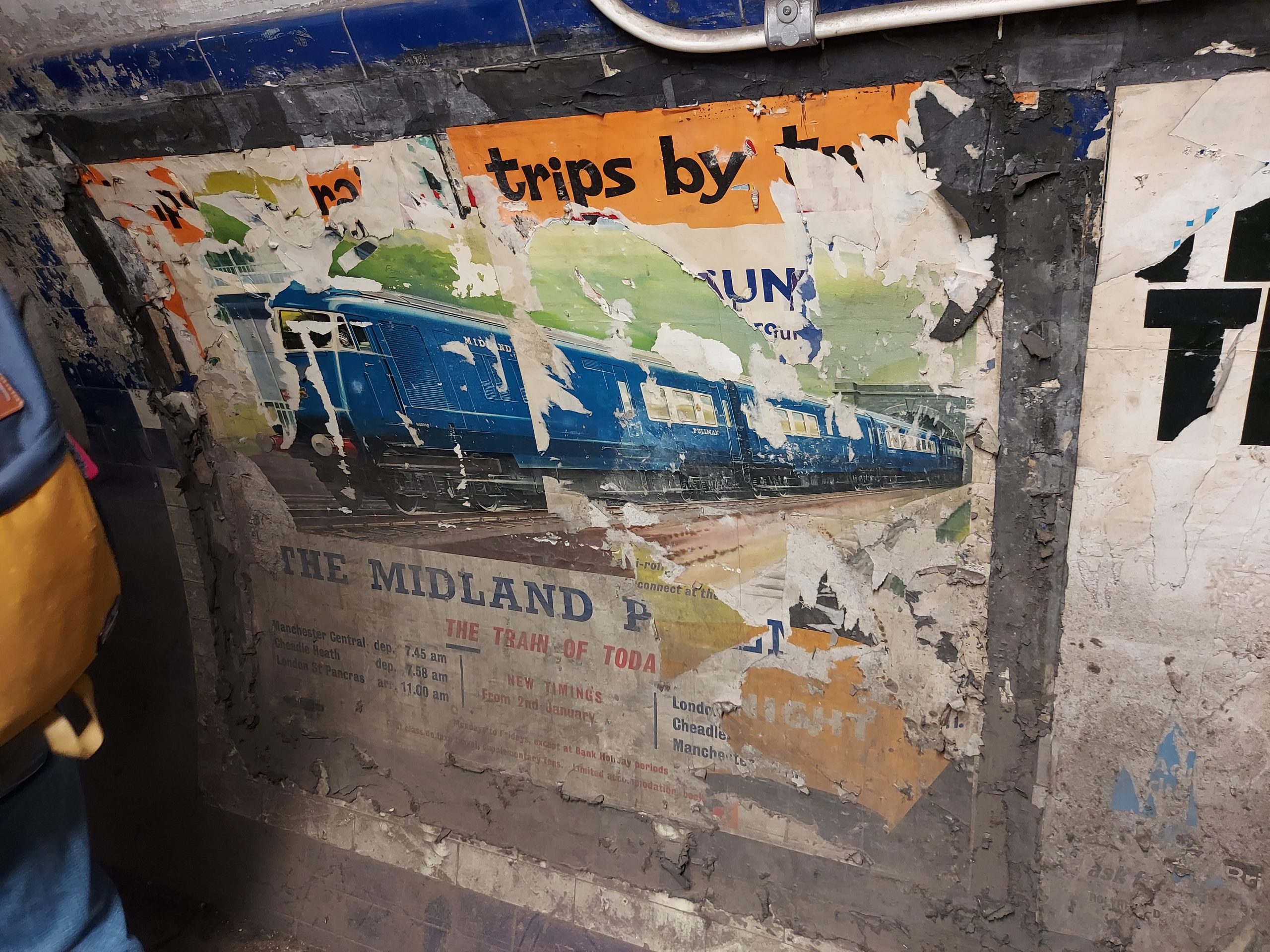
Railway poster in the Euston tunnels

Goldsmiths’ Hall Open Day

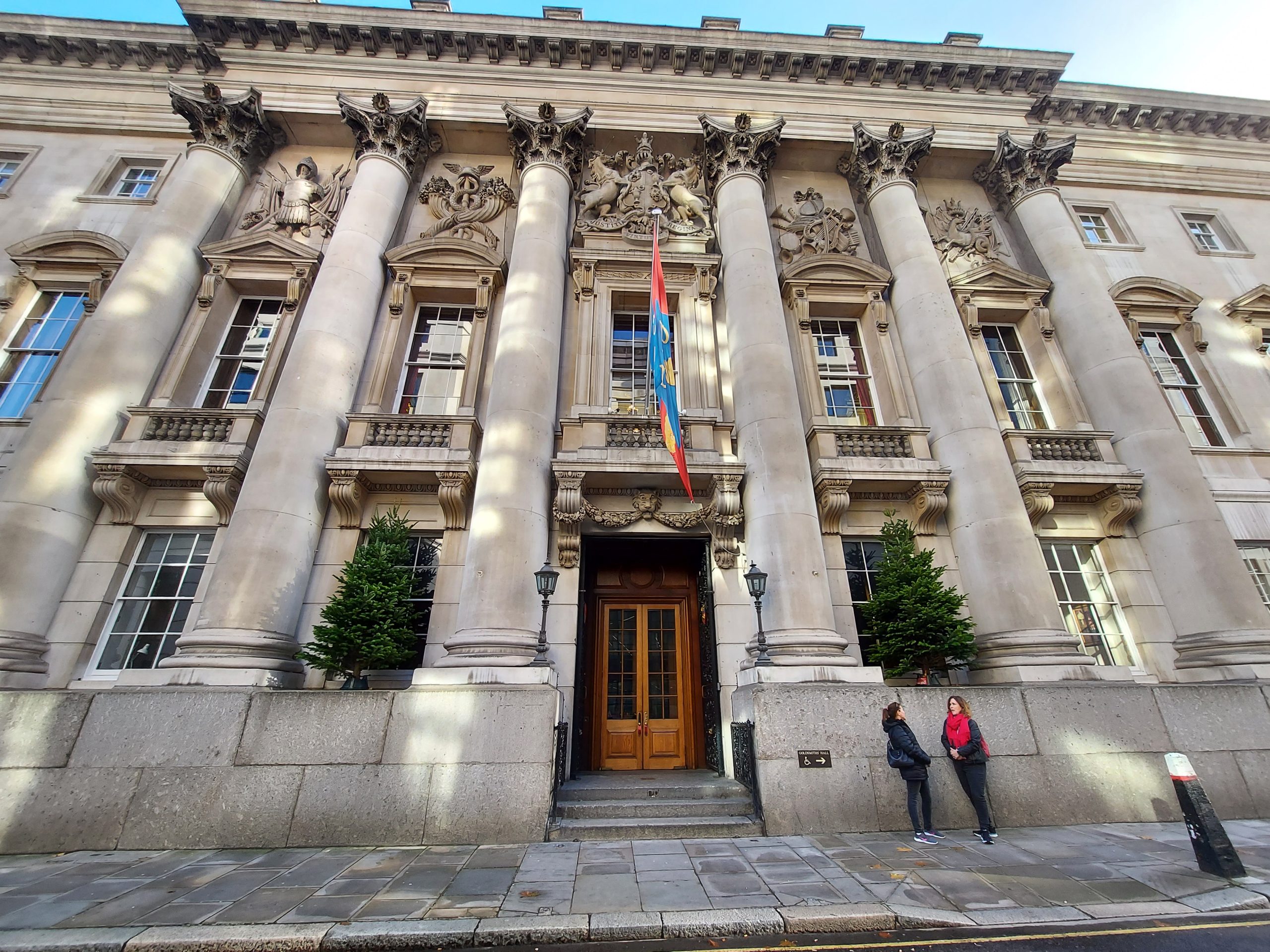
The front of Goldsmiths' Hall

Well before the pandemic, I signed up for a tour of Goldsmiths’ Hall, due to take place in 2020. Well, we all know how that turned out. Many date rearranges later, the tour finally took place in late November 2022.

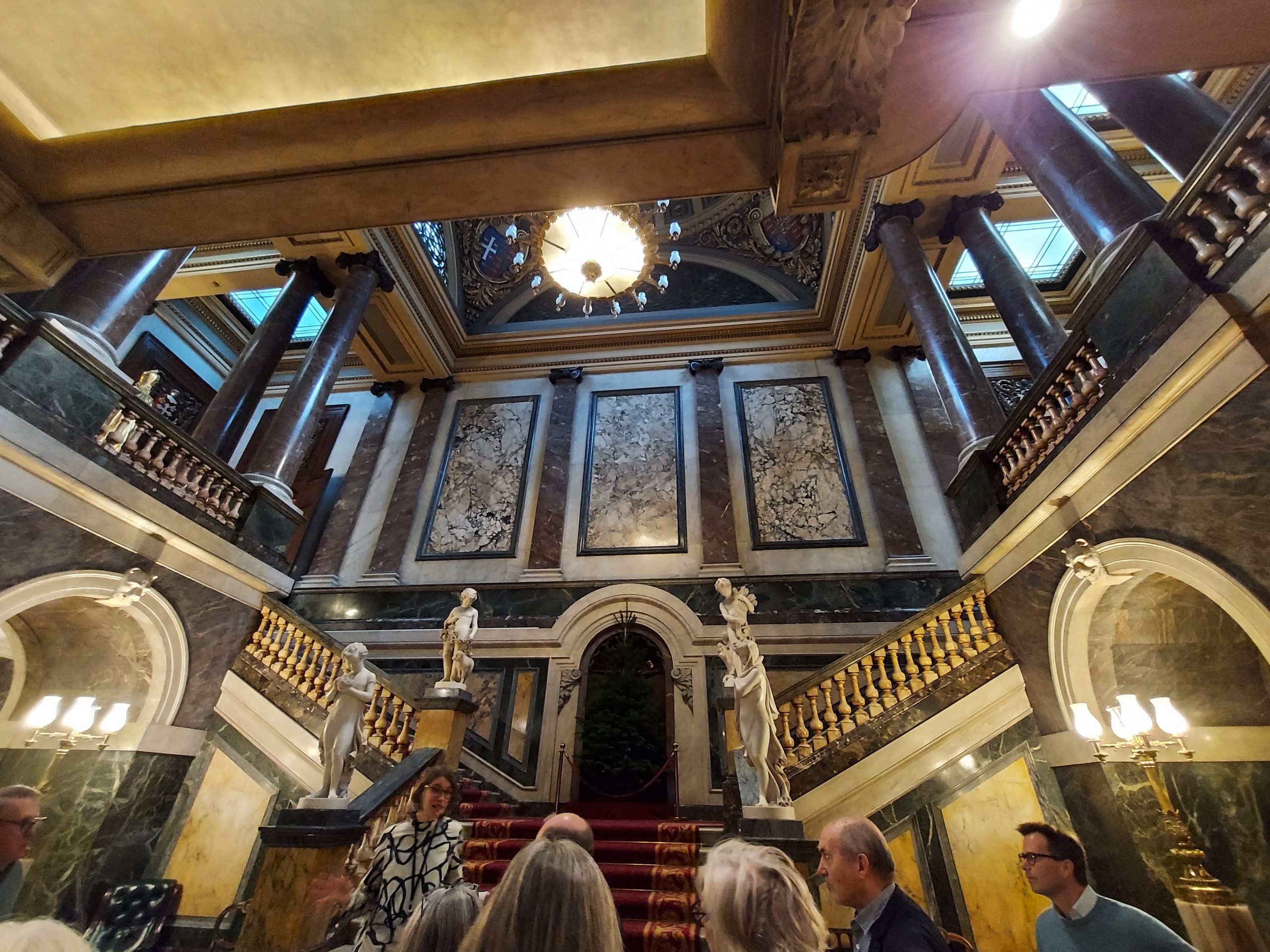
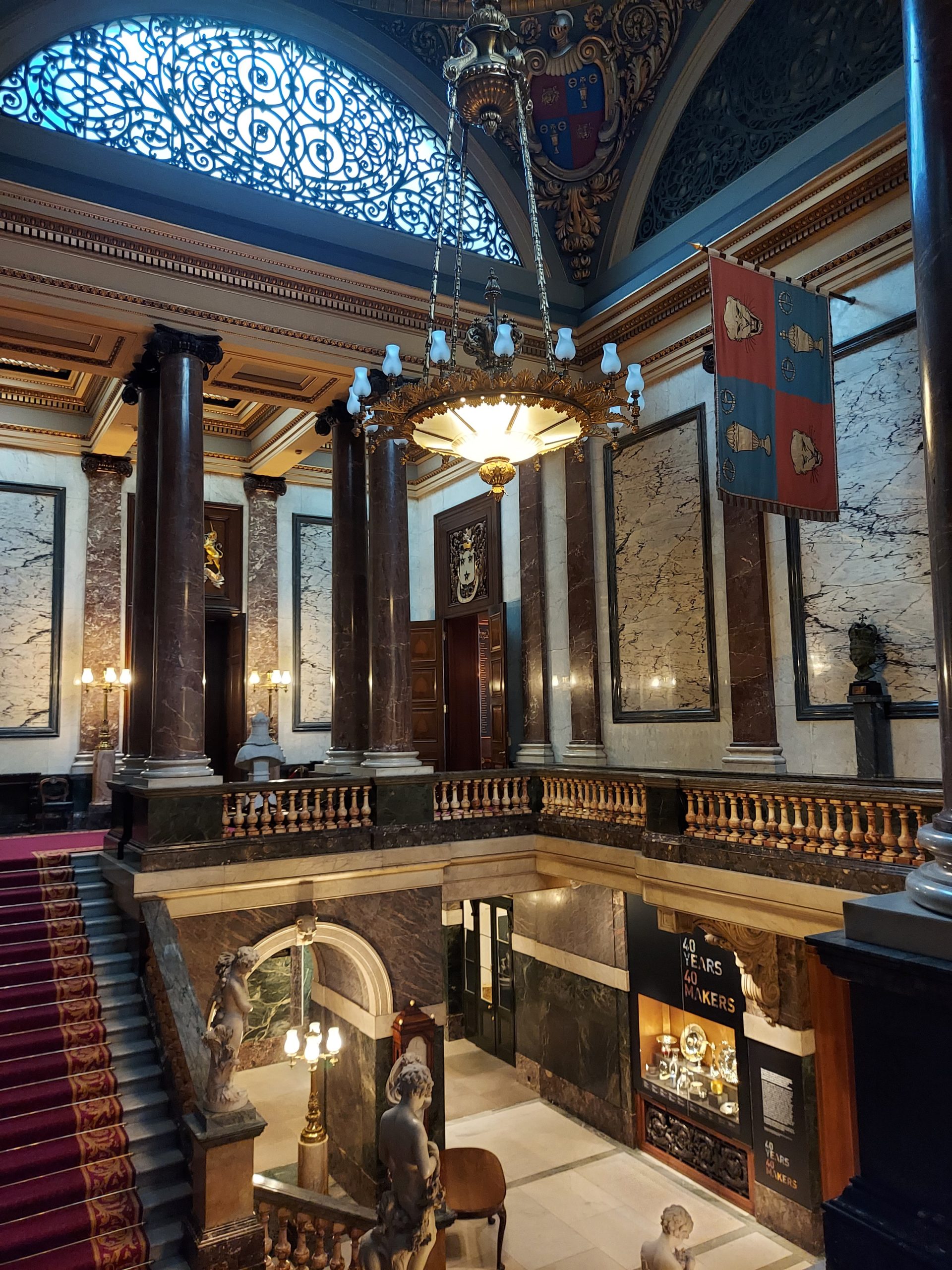
The main staircase of Goldsmiths' Hall

The Worshipful Company of Goldsmiths, also known as the Goldsmiths’ Company, is one of the Twelve Great Livery Companies of the City of London. It received its first royal charter in 1327. Despite the name, a ‘goldsmith’ traditionally works in both gold and silver, and today, platinum and palladium too.

The main staircase of Goldsmiths' Hall

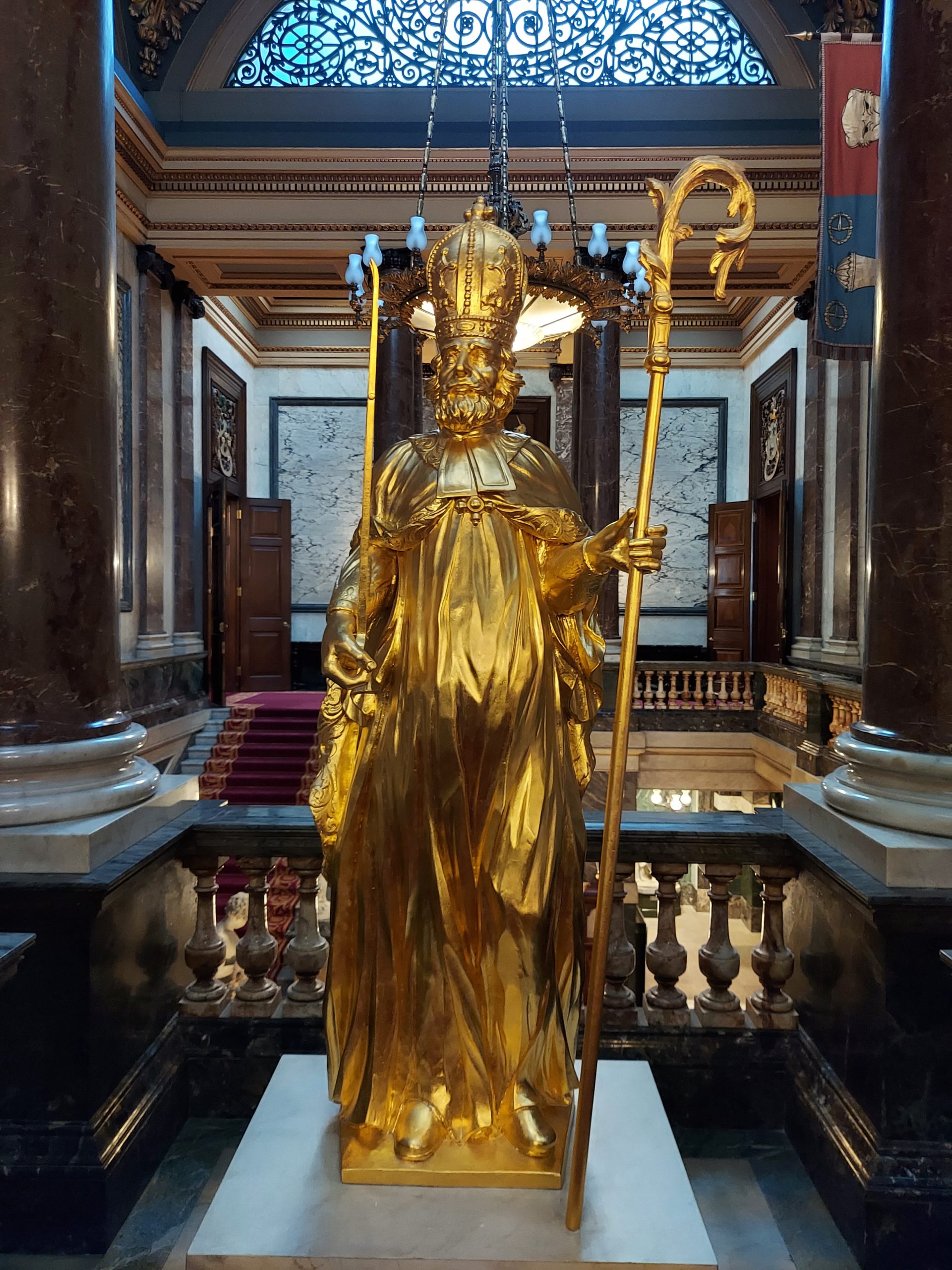
Legal recognition of the company began in 1300 when King Edward I passed a statute requiring gold and silver to be of a defined standard. This was the beginning of hallmarking: the metal was tested and marked with the leopard’s head, supposedly taken from the royal arms. With the bestowing of the royal charter in 1327, the company was formally acknowledged as a craft guild, with the patron saint of St. Dunstan.

Gold-plated statue of St. Dunstan, patron saint of the Company

In 1339, 19 goldsmiths bought the current site (albeit smaller than it is now) for use as a headquarters. During the medieval period, the Company would meet at least three times a year to discuss business. In the late fifteenth century, the first assay office was established at Goldsmiths’ Hall, ensuring that quality goods were marked as such. The hall was rebuilt in the 1630s, but gutted by the Great Fire of London in 1666, and restored in 1669. In 1829 that building was demolished, replaced by one designed by Philip Hardwick, the Company’s surveyor, which still stands today.

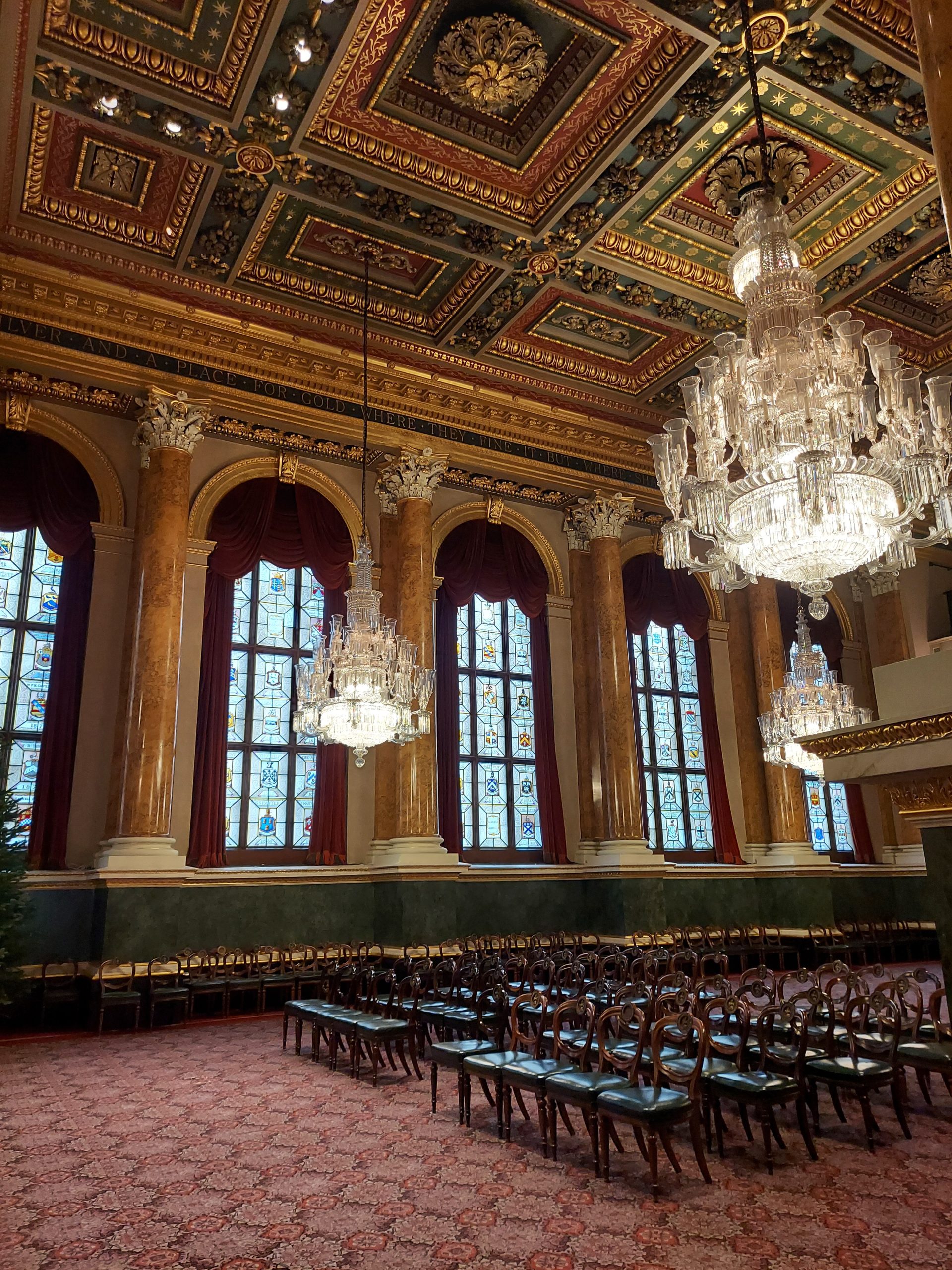
Inside Goldsmiths Hall

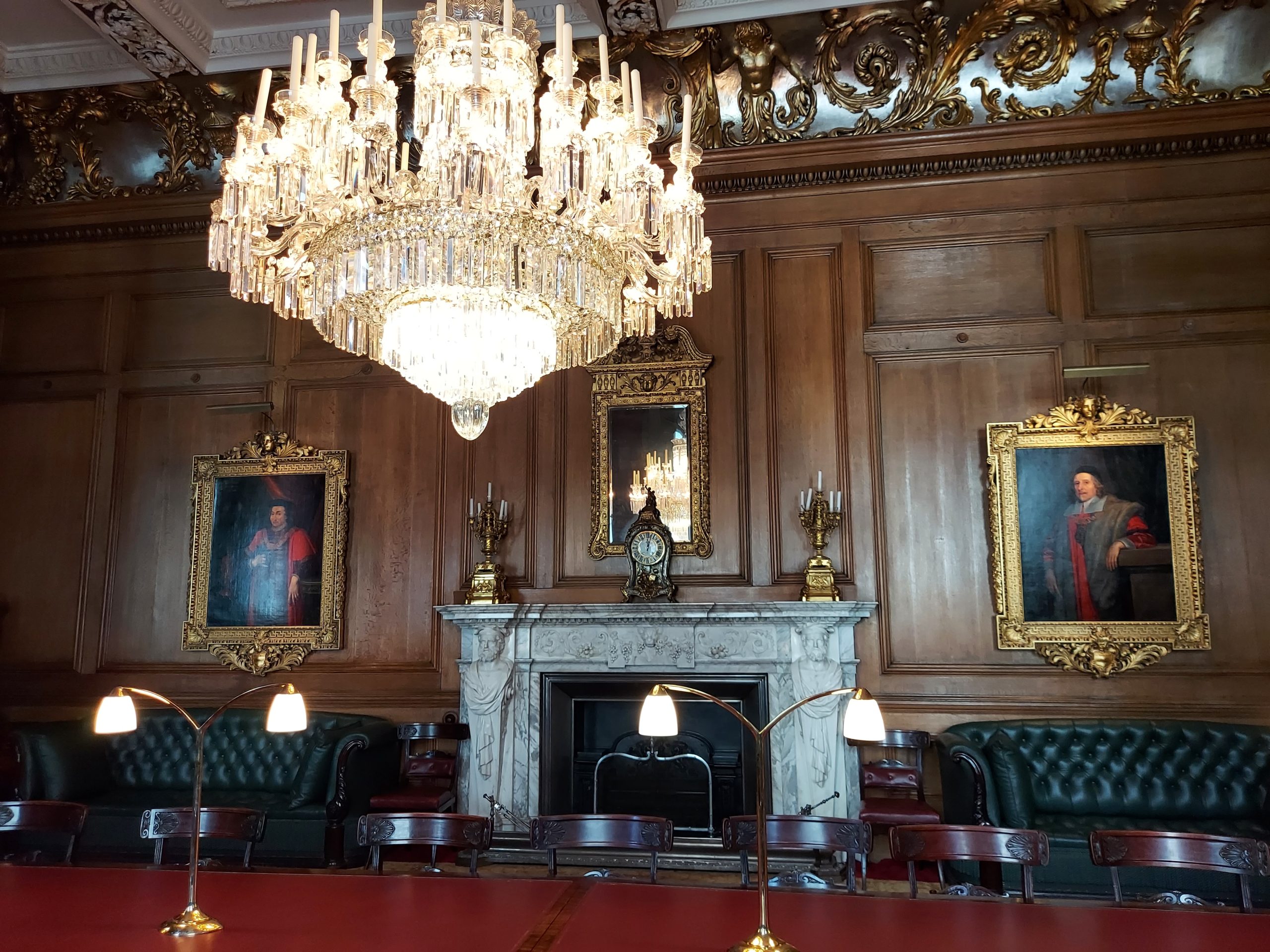
Our tour took us from the main staircase into some of the chief rooms used by the Company. We sat in the main hall while our guide told us about the history of the Company and of assaying and hallmarking. It was interesting to learn about the history of the building – including how the ceiling became stained from the pipe smoke of the Victorian-era members!

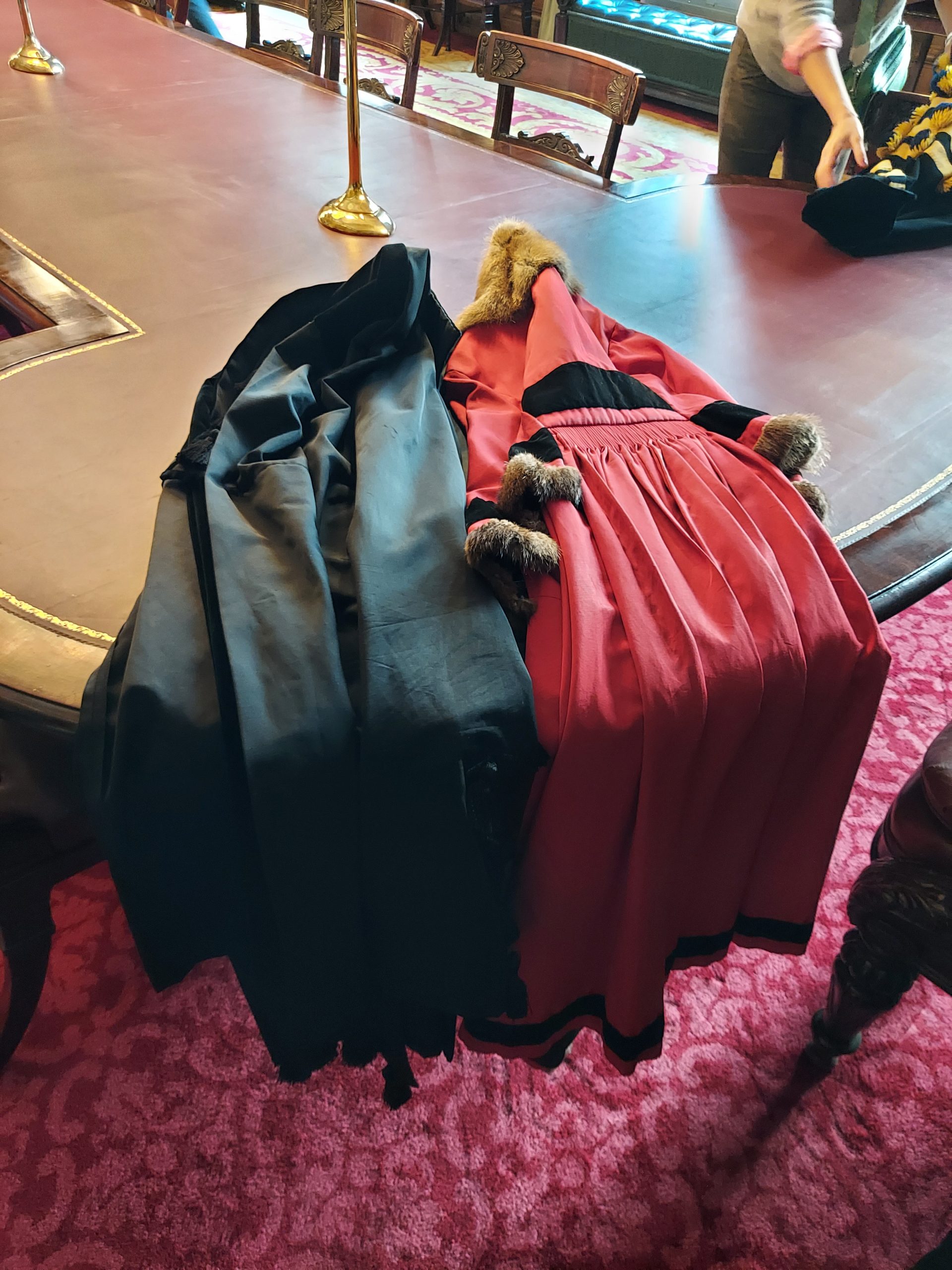
Official robes

The tour was worth the wait and I would definitely recommend signing up for one if you can. Tours run throughout the year, although they do book up in advance.

A wood-panelled meeting room

The Goldsmiths’ Company
Foster Lane
London
EC2V 6BN