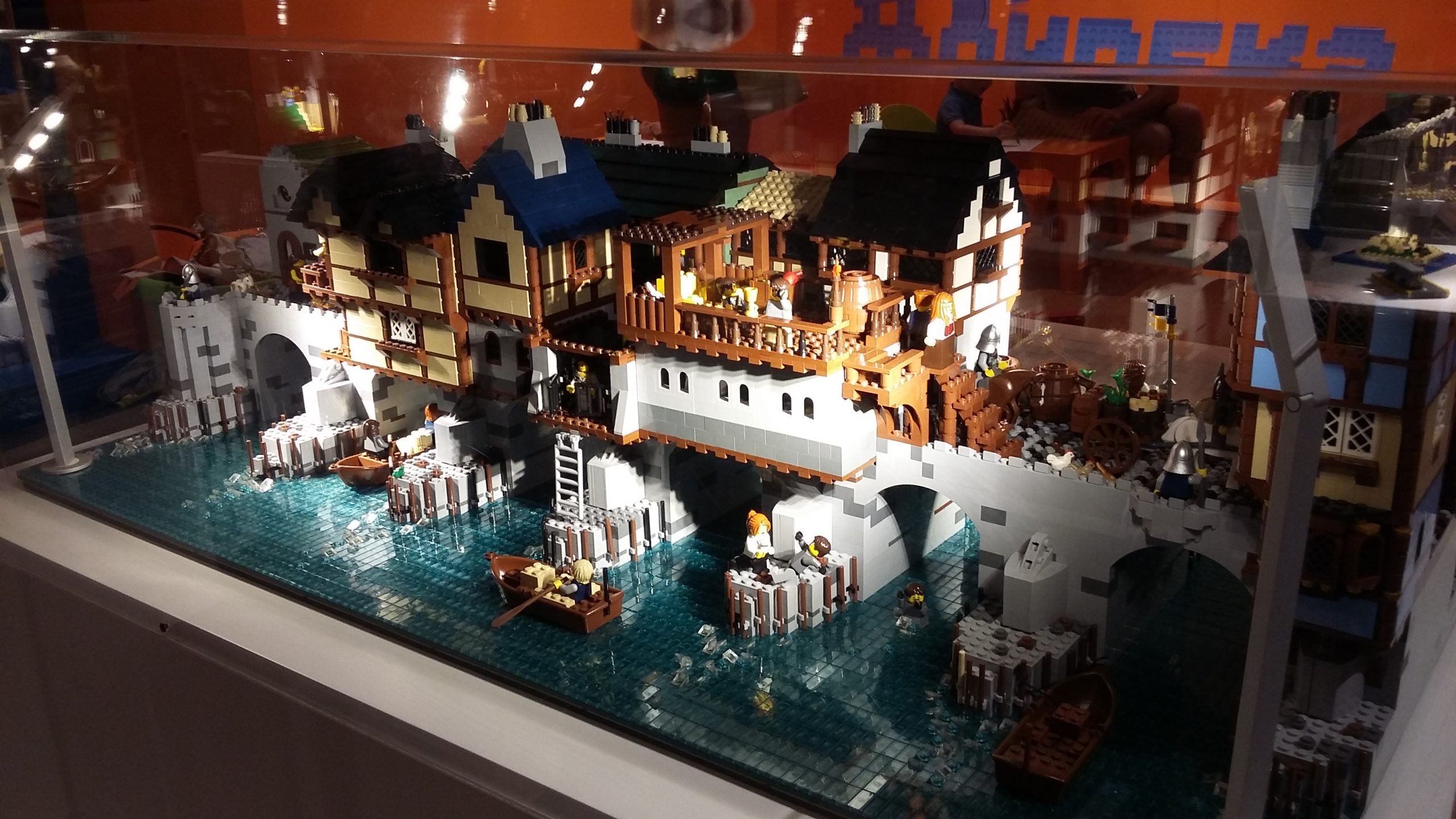
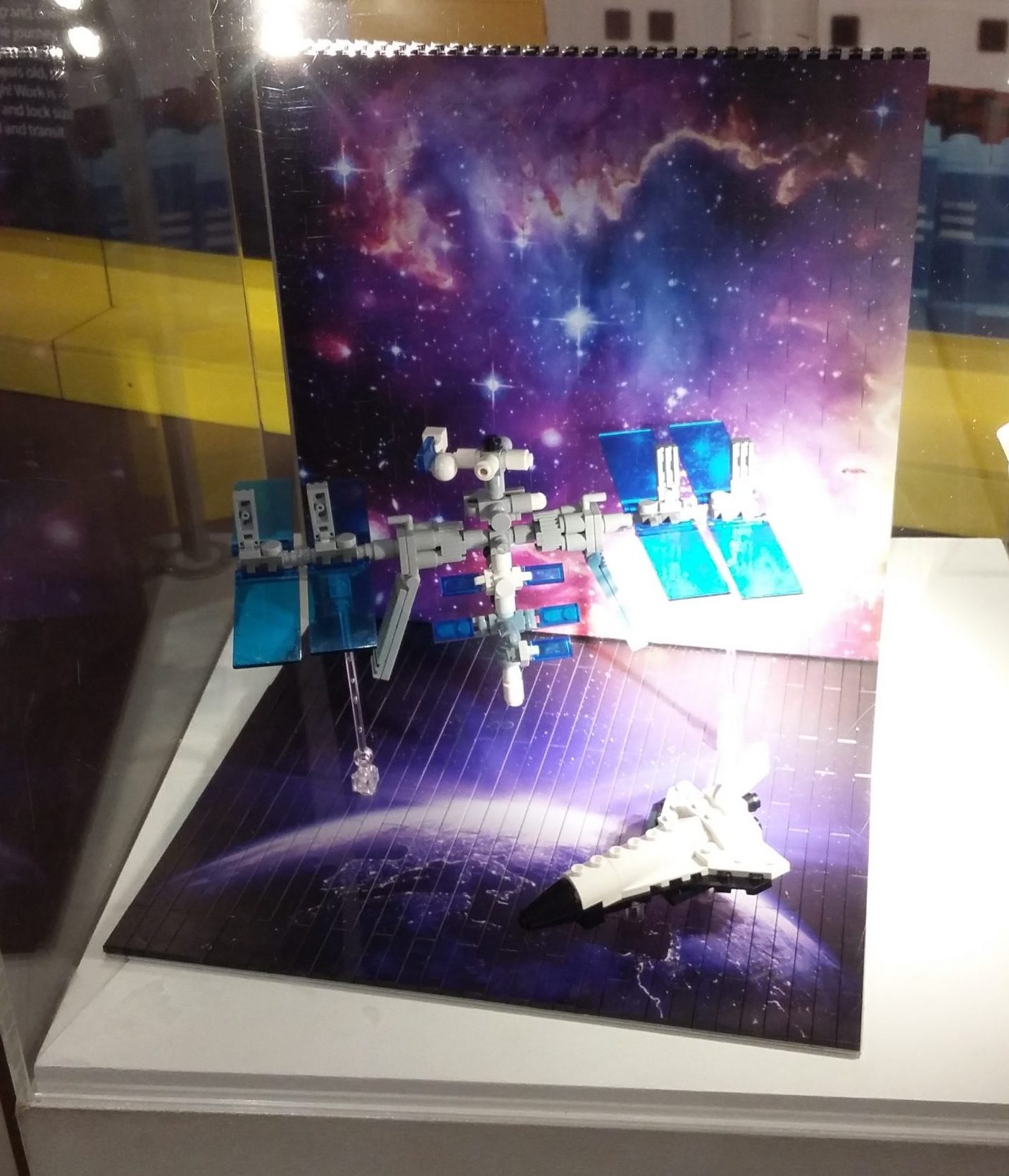
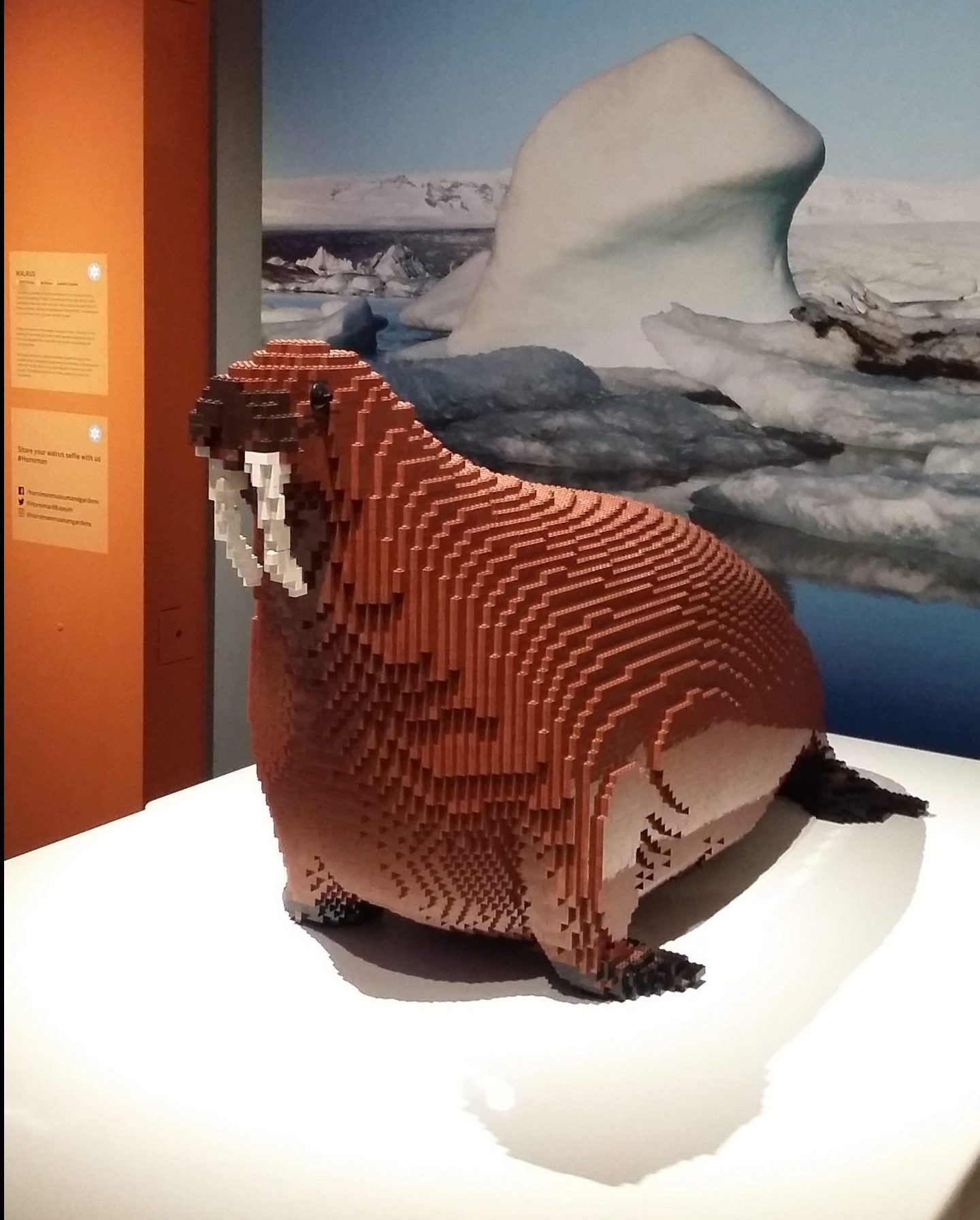
When I visited the Horniman Museum, I also visited the exhibition Brick Wonders. Like all special exhibitions at the Horniman, Brick Wonders has an admission price, but I found it to be well worth it.
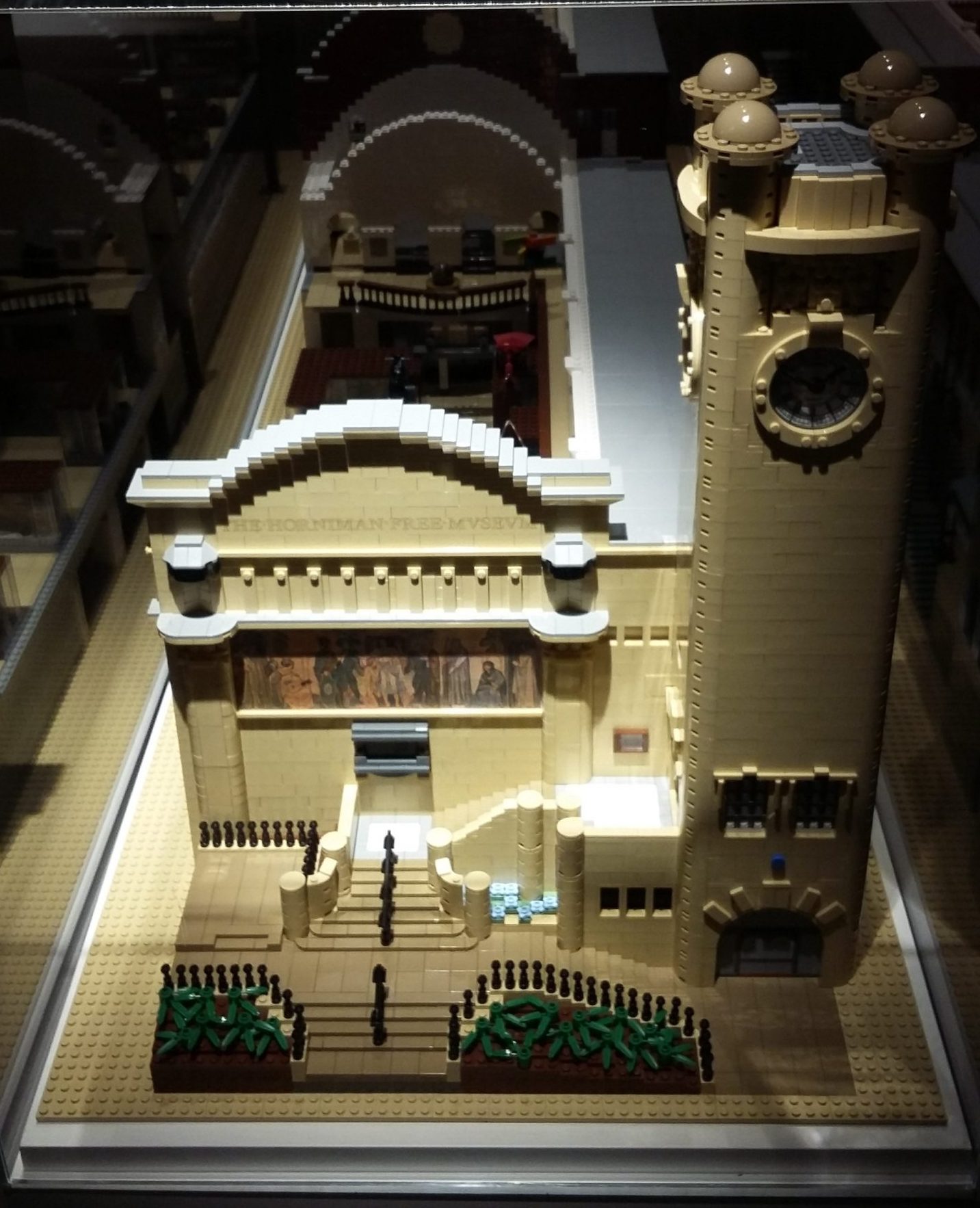
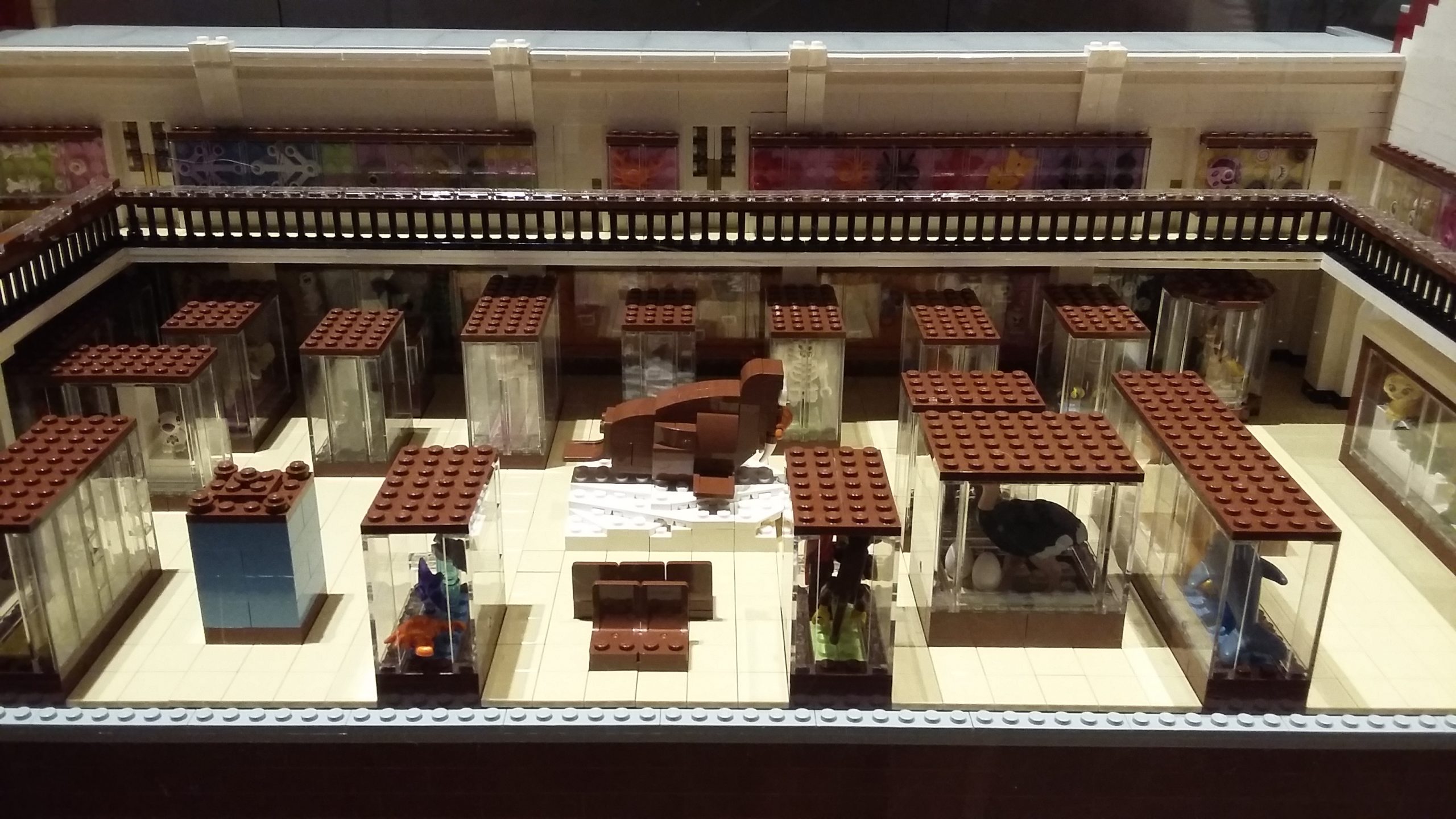
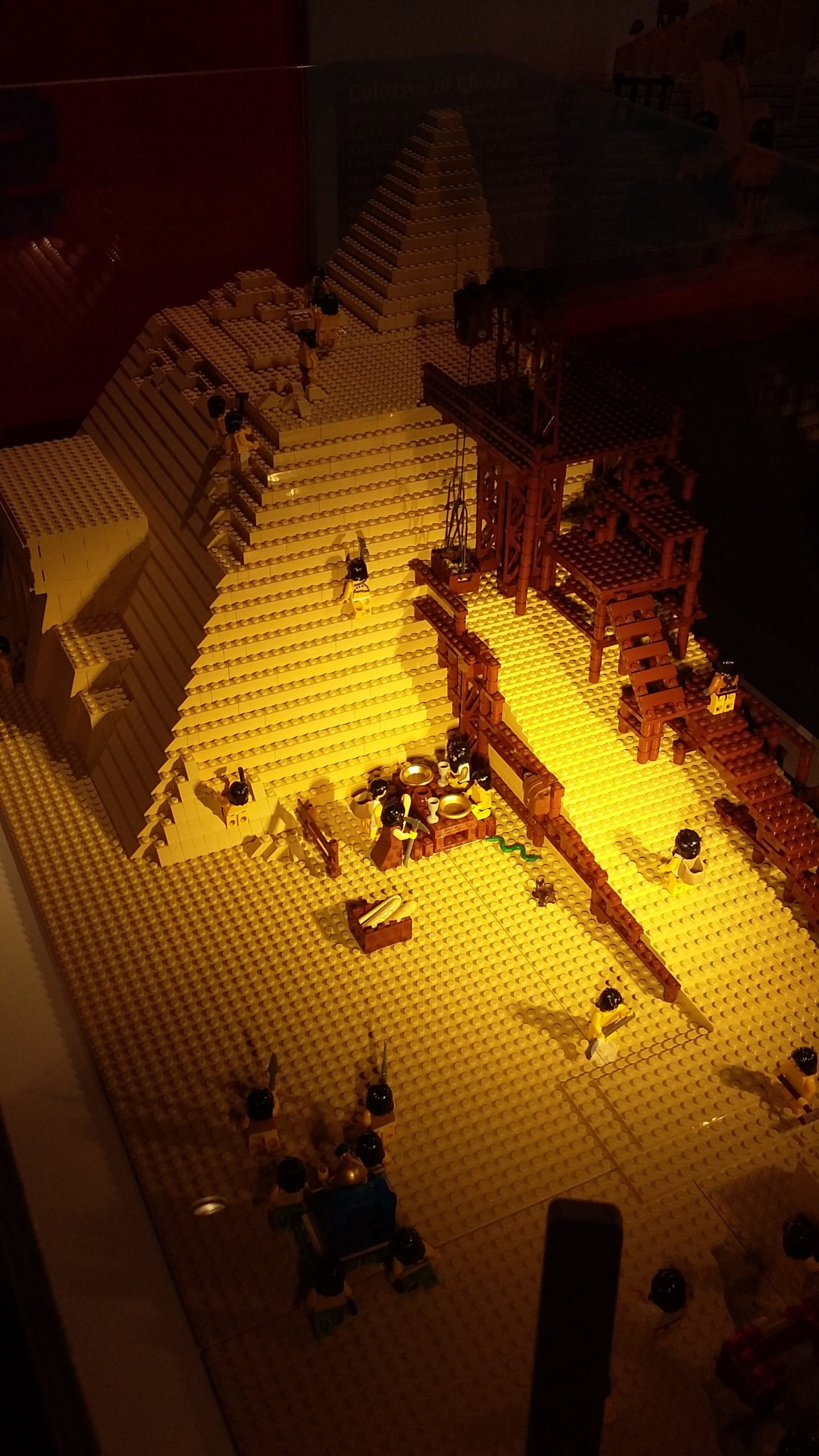
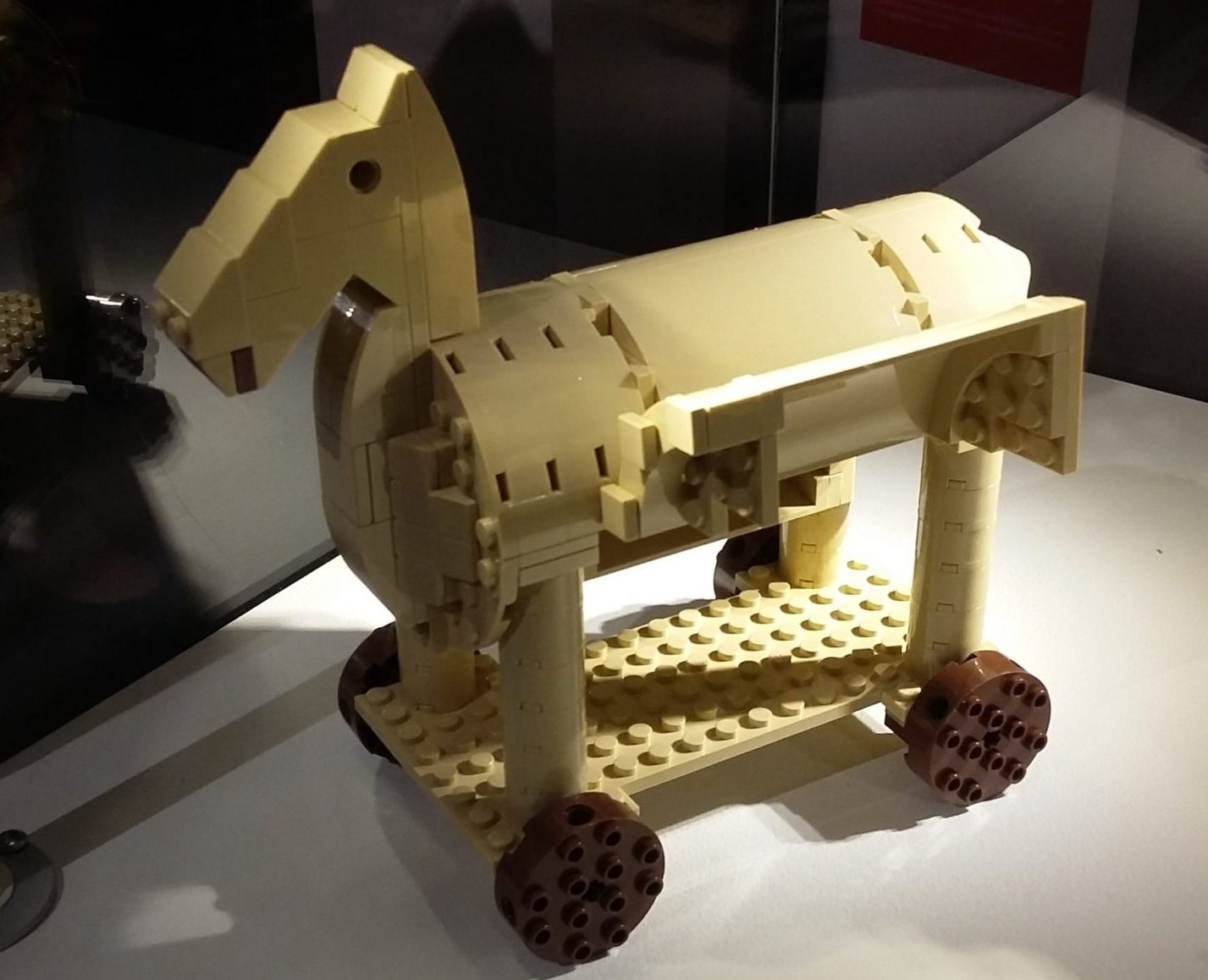
The exhibition showcases Lego models of attractions around the world, including an Egyptian pyramid and old London Bridge, as well as miniatures inspired by the Horniman itself. It was great fun to admire the attention to detail that went in to building each model.
Horniman MuseumNatural History GalleryConstruction of a pyramidTrojan HorseLondon BridgeSpace shuttleHorniman Walrus
Brick Wonders costs £9 for adults and £5 for children. It runs until Sunday 27 October.
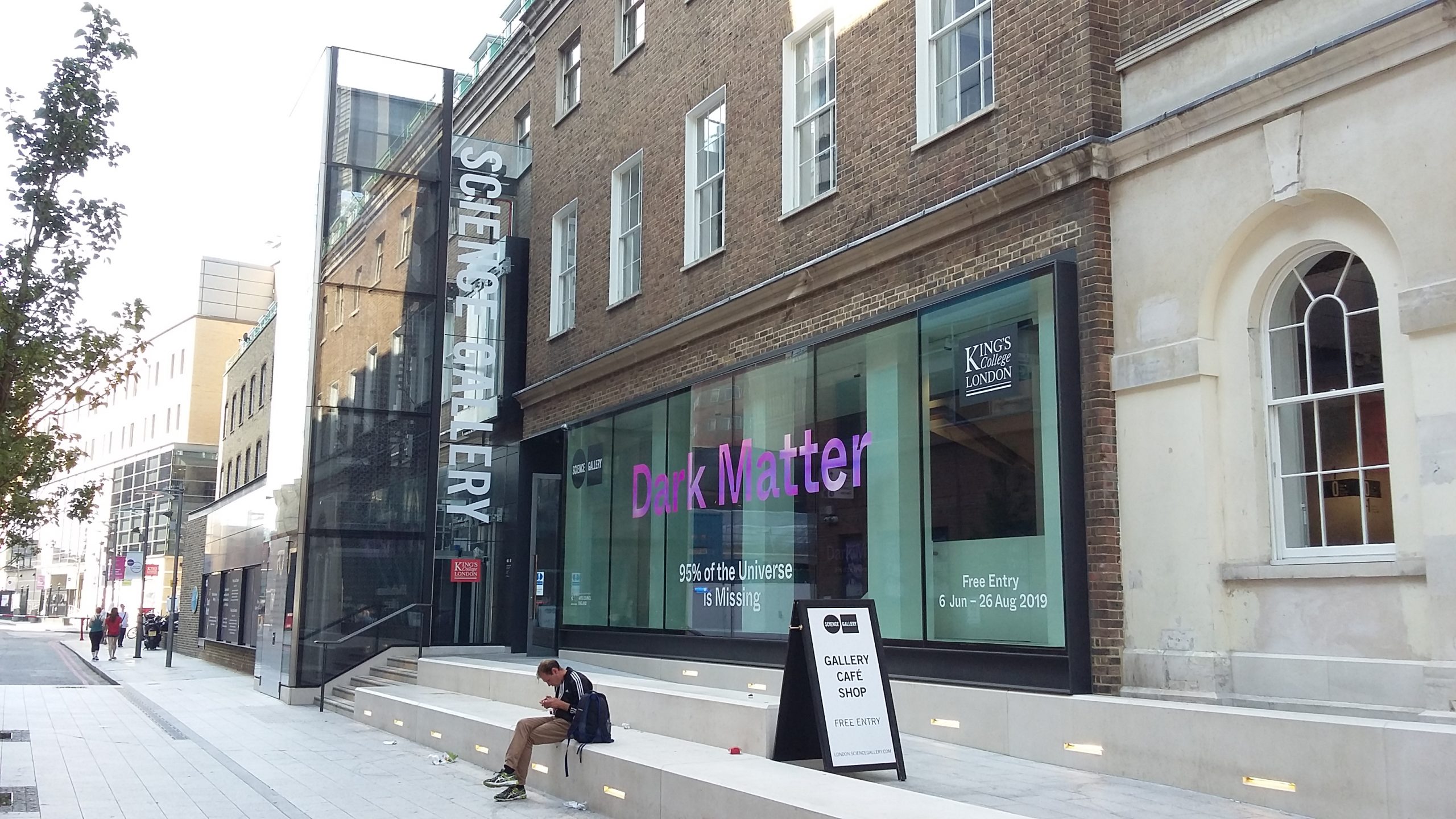
The Science Gallery London, part of King’s College London, is an exhibition space that hosts a variety of different exhibitions relating to different aspects of science. I attended the Dark Matter exhibition.
Dark matter is something I have an interest in, largely through reading the His Dark Materials trilogy, although since my scientific education ended with compulsory schooling, I can’t say that I know a great deal about it. This exhibition uses art, philosophy and literature to look at our understanding of dark matter, making use of the latest research from the Physics department at King’s.
What is dark matter? Well, that is the point: no one really knows. According to the world’s leading scientists, 95% of the material that makes up our universe cannot be observed. The exhibition looked at what dark matter might be and how our understanding has changed over the years. I enjoyed the exhibition, and would definitely like to attend more exhibitions at the Science Gallery.
The exhibition was designed to coincide with the 100th anniversary of GCHQ, the UK’s Intelligence, Security and Cyber agency. There was even a Lego model of the GCHQ headquarters in Cheltenham.
Lego model of GCHQ headquarters
The exhibition started with the First World War and explored how communications and intelligence developed over a century. It featured artefacts, documents and declassified files.
The best-known aspect of the exhibition was probably the work of Alan Turing and the team at Bletchley Park to crack the Enigma Code, but there was also information relating to the Cold War, including a model of a house displaying a story about a quiet suburban couple who turned out to be Soviet spies.
There was also a hands-on area where you could have a go at cracking codes yourself, which was probably designed for children but which my friend and I thoroughly enjoyed.
The exhibition runs until 23 February 2020 and is then due to visit the Science and Industry Museum in Manchester. It’s well worth a visit.
I visited the Edvard Munch: Love and Angst exhibition at the British Museum with a friend on its very last day. I actually knew nothing about Munch except for his painting The Scream, which I do love, so was interested to find out more.
Madonna
Munch came from a loving family in Norway but over the years his family became a source of deep worry and tragedy to him. His mother died when he was five and his oldest sister, Sophie, died of tuberculosis when he was thirteen. Another sister, Laura, spent time in a psychiatric hospital with schizophrenia and Munch himself had a breakdown later in life. This is reflected in much of his art, including his ‘vampire’ works, his images of illness and death, and the famous ‘Scream’. It’s the black and white lithograph that’s on display here, not the famous painting, but it still makes an impact.
The Sick Child
As a theatre fan. I was intrigued by Munch’s stage sets for the works of Norwegian dramatist Henrik Ibsen, and some of his designs are displayed alongside his painting of the great playwright himself. Overwhelmingly, though, this is an exhibition of work that focuses on the dark side of the mind.
The UK jewellery brand Tatty Devine turns 20 this year, and to celebrate has launched a touring exhibition, Misshapes: The Making of Tatty Devine, which kicks off in London before visiting various cities around the UK. As a longtime fan of the brand, I paid a visit on its first day.
The free exhibition, hosted at the Lethaby Gallery, King’s Cross, tells the story of how Tatty Devine founders Rosie Wolfenden and Harriet Vine met at Chelsea College of Art and began to work together, making jewellery out of guitar plectrums, leather samples and other bits of so-called “junk”, running a market stall selling their wares, and eventually, after a trip to New York, settling on acrylic as their main material. With the aid of a laser cutter, they began making jewellery from this versatile substance, and over the years have refined their techniques, pushing the boundaries of what acrylic can do.
I was interested to see examples of the pair’s early work, as this was long before I became a fan of the brand. Some of the early pieces were pretty cool – I wouldn’t mind a keyboard belt. I also didn’t know that the Tatty Devine logo was supposed to resemble the logos in old-style 50s records.
Examples of pieces from every stage of the brand’s heritage were on display. I did find myself with a big wave of Tatty regret as I viewed pieces that have long since vanished from stores (especially the fortune teller statement). However, I also saw a couple of pieces that I do own – one being the William Morris brooch.
I really loved the exhibition as a big fan of the brand. After its stint in London, it will visit various venues around the country – so keep an eye out!
Mary Quant was the second major fashion exhibition I attended at the V&A within a fairly short space of time. Born in London, Quant revolutionised the British high street in the 1960s, making high fashion available to everyone and popularising the famous miniskirt. I have to admit that on a personal level, the clothes aren’t really my style – I prefer longer skirts and dresses in general, and the Dior-influenced vintage look is much more my scene. In fact, my favourite piece in the exhibition was a maxi dress from the Seventies. However, there’s no doubt that Quant’s clothes had a huge influence on style, and her practical, fun pieces helped to democratise fashion.
Quant sailor dress
Mini dresses
The exhibition takes us through Quant’s career and showcases the pieces that made her famous, including monochrome daisies, coloured opaques, practical underwear, and even modern makeup (I could tell from the style of the marketing that Lush was influenced by Quant’s makeup range). I really liked that the museum got the public involved, requesting people to send in their own Quant clothes. I went to the exhibition with my auntie and I enjoyed hearing about her own experience of the brand – wearing a minidress to meet her future in-laws and worrying that the skirt was too short!
Makeup range, decorated with the trademark daisy
My favourite piece from the exhibition
I thought it was cute, too, to showcase the mini, Barbie-style Quant dolls, dressed in miniature versions of popular fashions. A way to get younger girls interested in the clothes so that they could covet them for themselves when they were older.
Daisy doll
Overall, the exhibition is definitely worth a visit – for the social history as much as the fashion.
I managed to make it to the Science Museum‘s exhibition The Sun: Living With Our Star before it closed. The exhibition looks at the history of humanity’s knowledge and beliefs surrounding the Sun and the part it plays in our actual and our imaginative lives.
Early humanity’s belief in sun gods searched for explanations as to why the Sun appeared to rise and set every day; we see statues of sun gods from various cultures, including one of the Sun being pulled across the sky by a chariot. In the early sixteenth century, Copernicus challenged the idea that the Sun went round the Earth, supported by Newton 200 years later. From the earliest times, sundials were used to tell the time: there are examples from the Anglo-Saxon era on display. Later, the development of clocks made the Sun less important for telling the time, and nowadays standard time is taken from a network of atomic clocks.
From the earliest times the Sun has been associated with good health. Apollo was the Greek God of the Sun, light, truth and healing, while apothecary shops often had the Sun as their symbol. In the 1880s, scientists learned that ultraviolet light can kill TB bacteria: sunbathing was encouraged, and sanatoriums were opened, often in places like the Swiss Alps, emphasising fresh air, sunlight and good food. Later, suntans became fashionable, as holidays in the UK and abroad were seen as a sign of wealth.
On the other hand, sun exposure has risks, many of which have always been known about. In recent times there have been campaigns to reduce sun exposure and lower levels of skin cancer. Inuit people have been using snow goggles to protect their eyes from the glare of the Sun for thousands of years; the first sunglasses as we know them were used by Venetian gondoliers in the 1700s. Sunglasses became fashionable in the 1950s but rarely offered ultraviolet protection; modern ones are usually UV-resistant.
The exhibition explored how we have taken power from the Sun, using it for heat and electricity. The Olympic torch from the 2012 Olympics was on display: each time the ceremony is held the torch is initially ignited by sunlight, with a curved mirror used to focus the flame. The Sun was responsible for one of our biggest energy sources, coal, which is made of plants and vegetation buried and transformed over millions of years. Interestingly, even in the nineteenth century some people were aware that resources such as coal were finite: a book from 1867 warns that coal will not last forever. More recently, solar power has been used as an energy source, and there have been attempts to recreate the Sun on earth with nuclear fusion: a project called ZETA aimed to do just that in the 1950s, though the claim of success in 1958 was later proved false.
The final section of the exhibition looked at how we have observed the Sun over the years and discovered more about it. The Sun is made of hydrogen and helium, discovered by splitting light into a rainbow structure through the use of a prism; this conclusion was first put forward by astronomy student Cecilia Payne in 1925. More recently, the European Space Agency Solar Orbiter is one of the most ambitious solar missions ever attempted, aiming to fly closer to the Sun than the planet Mercury. It is hoped that the mission will help us understand the origins of the solar wind.
Jewellery of the exhibition
To this exhibition I wore my Eclectic Eccentricity Helios Vintage Sun Necklace, along with a pair of brass star earrings from the same store and a sterling silver sunstone ring from now-defunct jewellery store Cheap Frills.
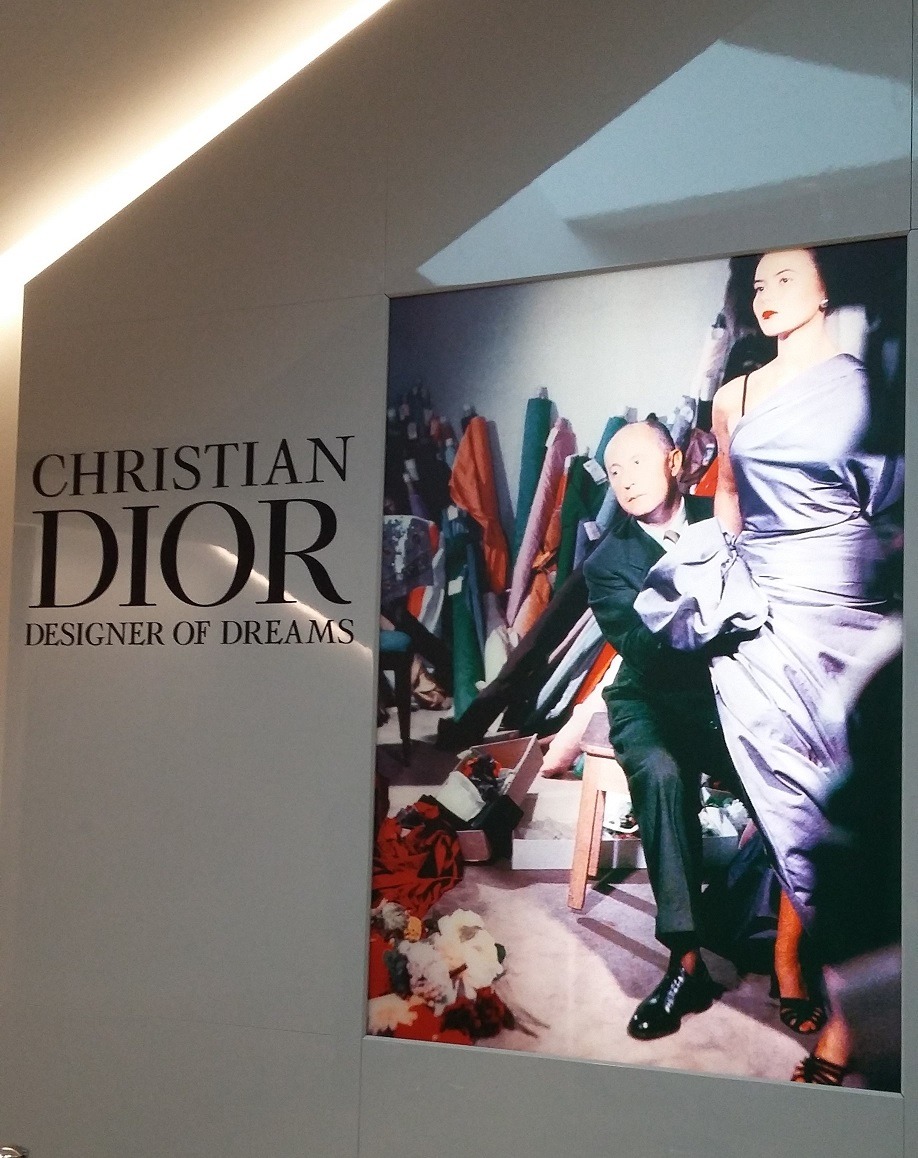
I was very excited when the Dior: Designer of Dreams exhibition was announced at the V&A. The styles are exactly my kind of thing: I’m a vintage lover, and for me Dior epitomises the ‘vintage look’ of nipped-in waist and full skirt. This is one of the most popular exhibitions in the V&A’s history, and most tickets sold out way in advance.
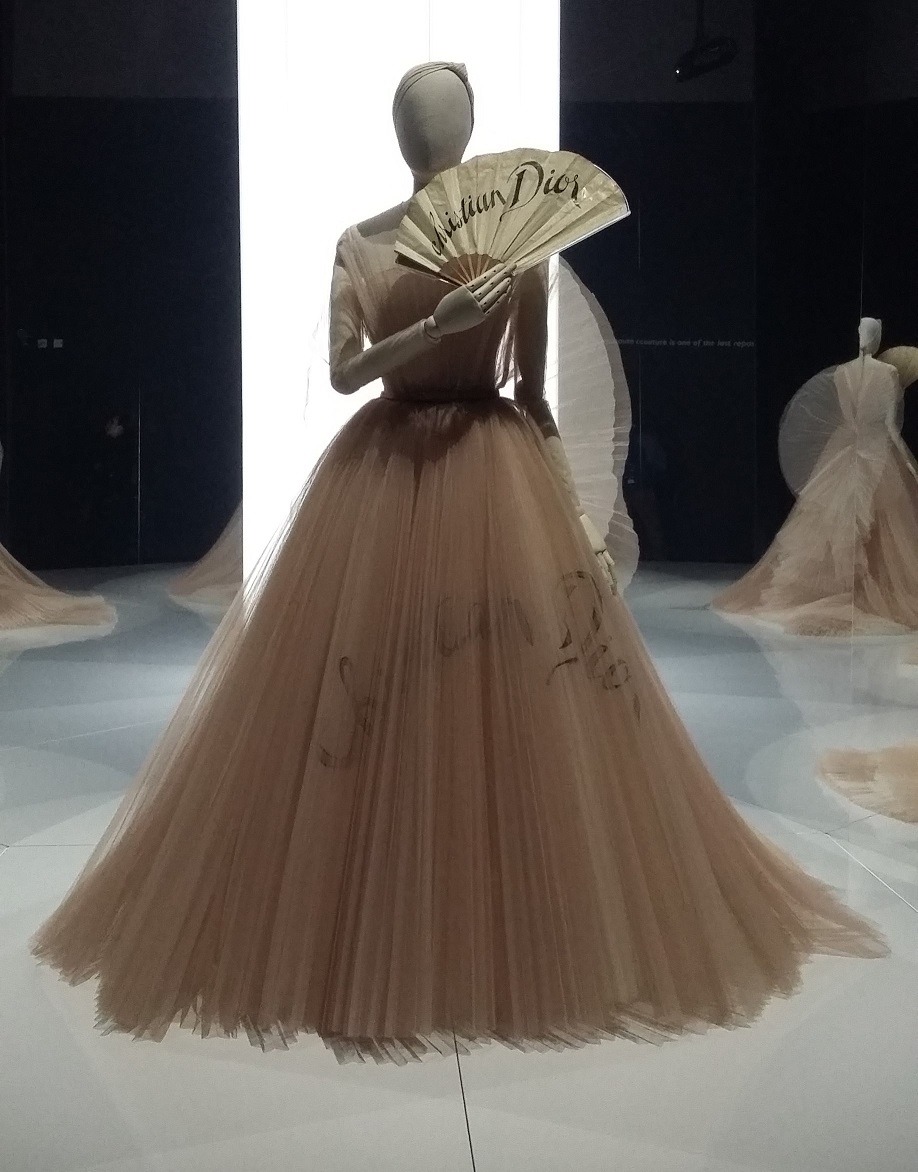
Beautiful ballgown
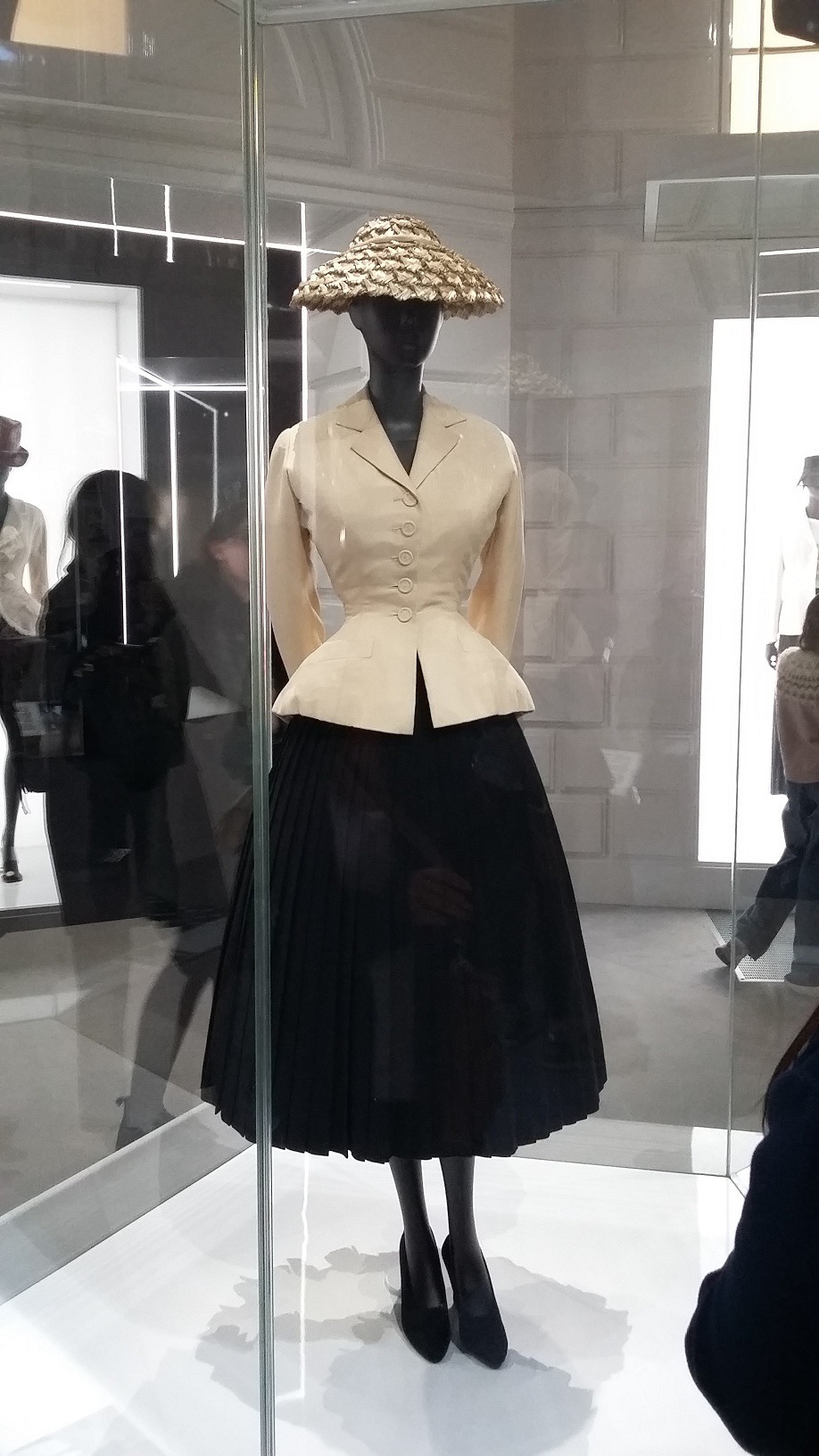
Dior became famous with the ‘New Look’ of 1947, when the privations and rationing of the war years made the full skirts and luxurious fabrics of this style seem particularly exciting. The exhibition begins with a single suit on display, epitomising this look with its nipped-in waist and generous skirt.
Early example of the ‘New Look’
The House of Dior began in 1946, set up by Christian Dior, born in Normandy in 1905, up until then a fashion illustrator. It has continued up until the present day, with a number of designers helming the company since Dior’s death (one of whom was Yves Saint Laurent). One room of the exhibition was devoted to these designers, including Marc Bohan and John Galliano, although for me nothing compares to the classic Dior designs.
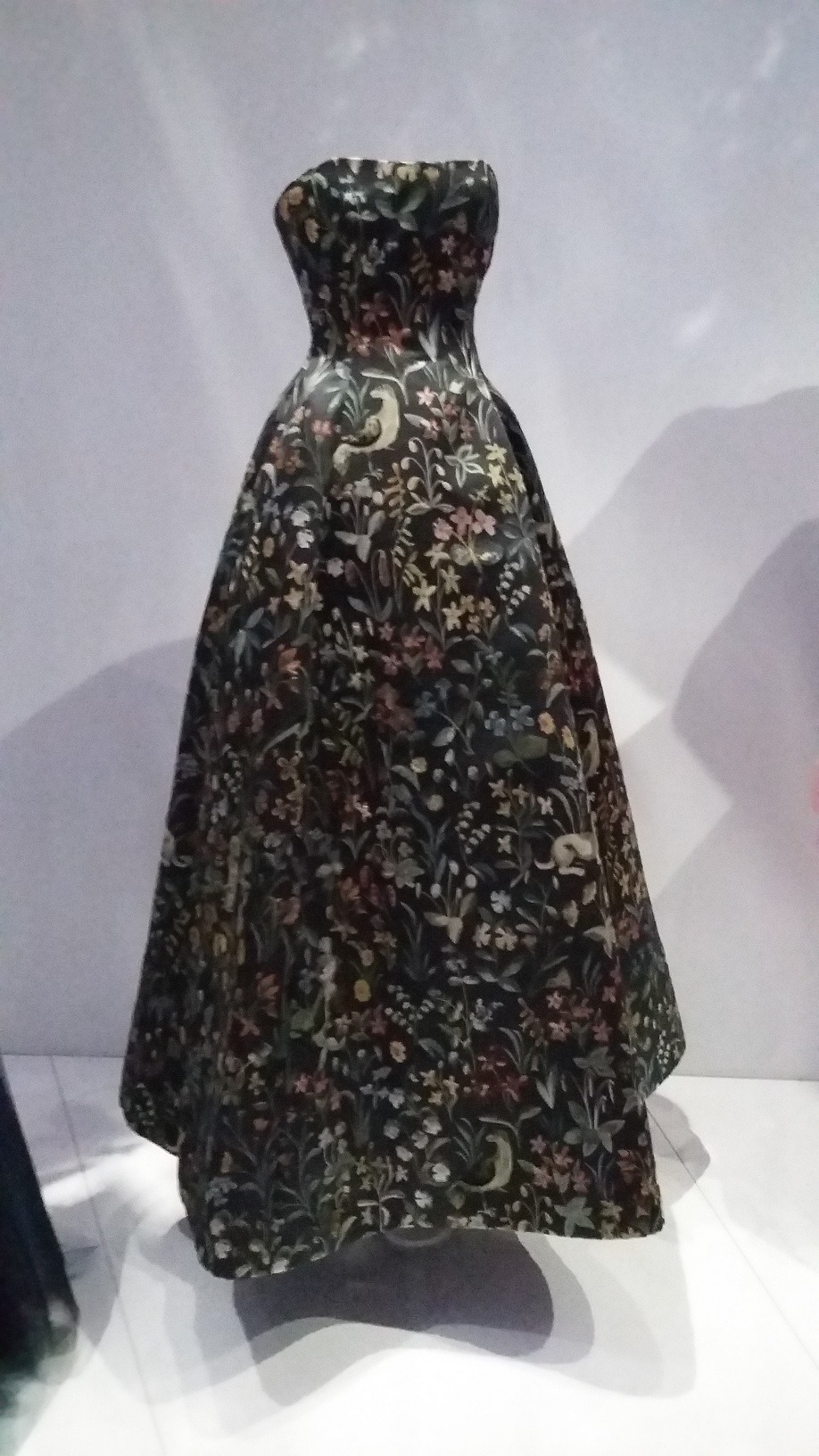
The exhibition is beautifully laid out, with different rooms devoted to different themes: I particularly liked the floral room.
My favourite dress of the whole exhibition
The exhibition runs until 2 September and has a high recommendation from me.
The Last Tsar: Blood and Revolution is a free exhibition at the Science Museum, looking at the life and death of the Russian royal family during the Russian Revolution. It explores their family life in the years running up to Tsar Nicholas II’s abdication, the family’s murder in Ekaterinburg in 1917, and the eventual identification of their remains using DNA technology.
The science used to identify the remains of the Romanov family is the main point of the exhibition, but there is plenty of filler leading up to that, much of which I already knew having read up on Russian history and visited the St Peter and Paul Fortress in St Petersburg where the family are now buried. However, there was a very interesting display showing how Queen Victoria passed on hemophilia to many of her children and grandchildren. The DNA section was also fascinating, showing how DNA from living royals including Prince Philip was used as a comparison to enable scientists to identify the remains.
In any case, it’s a free exhibition and well worth a visit.
The exhibition Edward Burne-Jones: Pre-Raphaelite Visionary at Tate Britain looks at the career of Burne-Jones (1833-1898), taking a partly chronological and partly thematic approach to his life and work. There are sections on Burne-Jones as an apprentice and as a draughtsman, revealing another, humorous side to the artist. One room looks at the pictures Burne-Jones chose for exhibition, including some of his most famous works, such as King Cophetua and the Beggar Maid. Another explores the portraits he painted of family and friends, while one striking room displays his Briar Rose series of panels. Burne-Jones isn’t my favourite Pre-Raphaelite, but I enjoyed the exhibition.