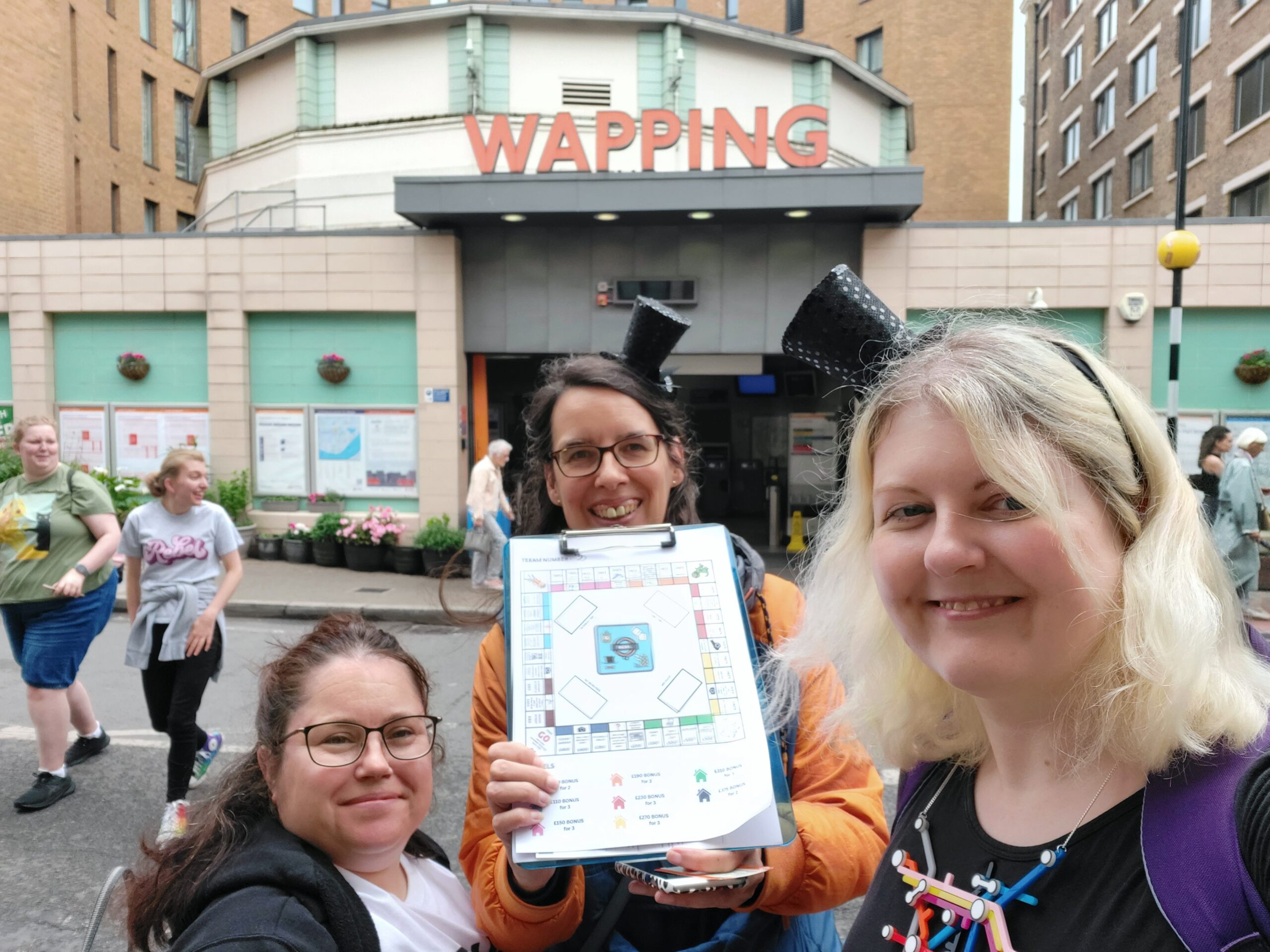
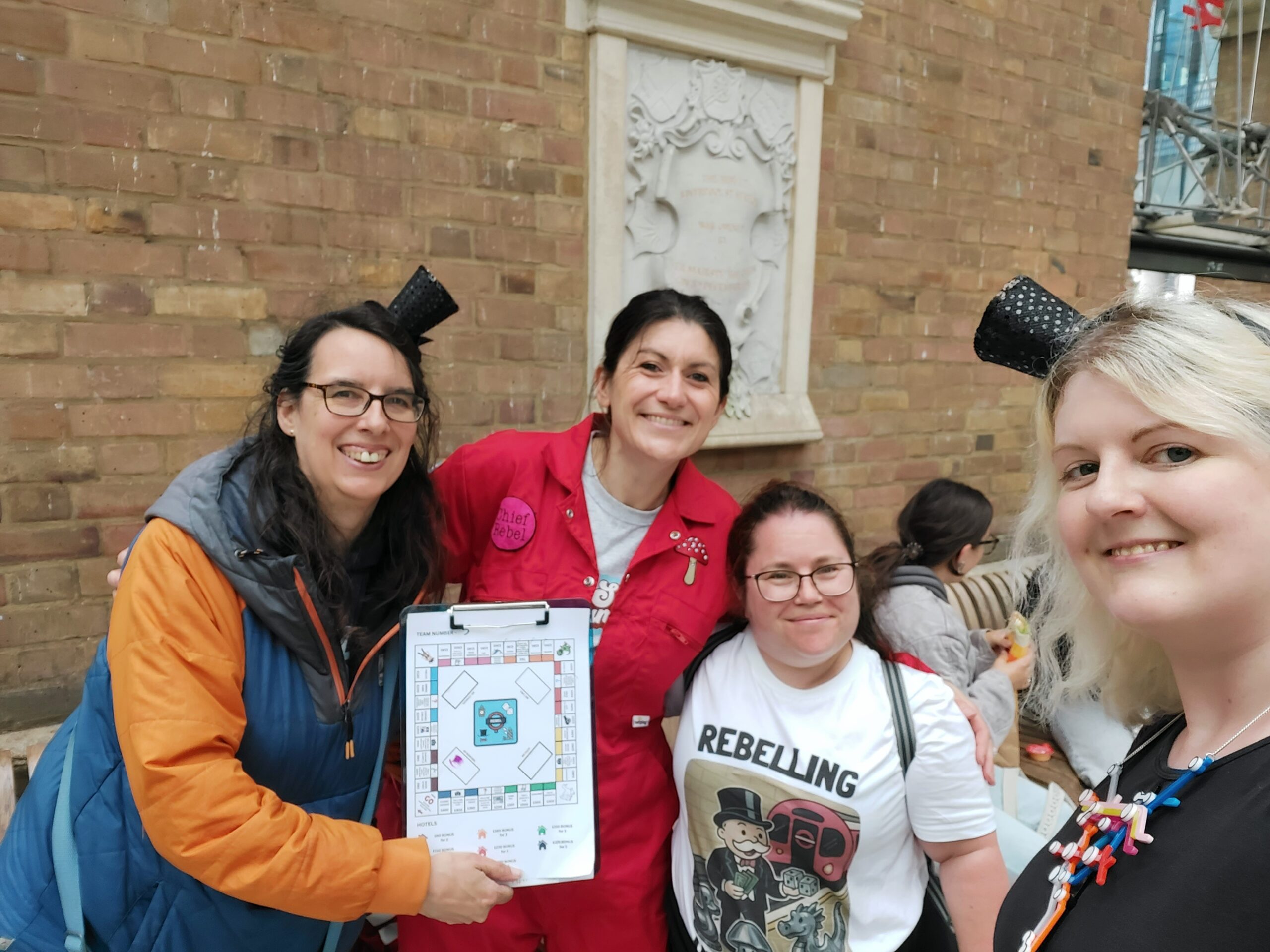
For the second Monopoly game this year, we were back in London. This time I was excited because I helped plan the day as part of my Gold Maverick! As there is a London Underground Monopoly board, my thoughts immediately went to the Tube (as someone who is a tad obsessed with it) and I came up with quite a few ideas – not all of which were used I hasten to add!
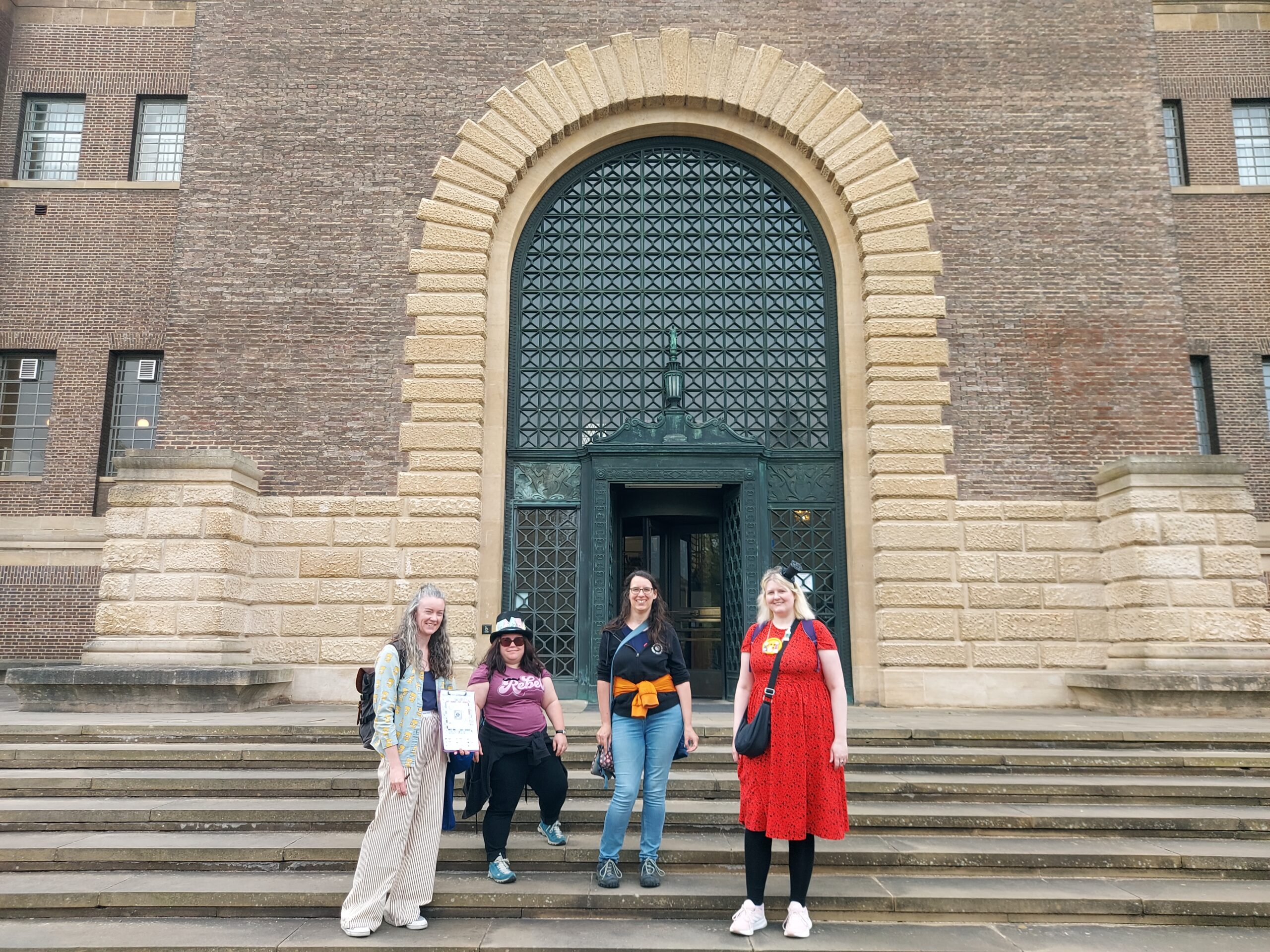
We met in Canary Wharf and it was so much fun to see people dressed up – this time around, dressing up as a Tube station was an option, and people really went for it. There was a Paddington, a Baker Street, several Elephant & Castles, and an Oxford Circus – sadly, no Cockfosters! When we set off – I was in a team with Claire and Ruth again, Katrina sadly not being able to make it and our fourth team member unfortunately ill – we headed straight for the Overground stations on the map before trekking to Baker Street and the Lost Property Office (the old one!). We also visited Charly at ‘Go’ in Paddington, and travelled south to the Natural History Museum to return the ‘Lost Property’ (a little duck) to Mr Duck.
In a bid to get more bonus money, we headed to Wimbledon to find a tram. From this point we kept bumping into the same Rebels over and over – clearly on a similar trajectory to us! While picking up stations, we tried to earn more bonus money by dancing to a busker.
We had to contend with delayed and crowded trains throughout the day – especially as Sunderland were playing at Wembley that day. As a Sunderland supporter I kept an eye on the match and was glad that they won, but it would have been easier if they had played on a different day!
We didn’t do so well this time around, but it was something of a relief to realise that even the winning teams didn’t manage to complete the board. In any case, it was still a really fun day, and it was really nice to go for drinks afterwards and chat. I’m looking forward to the final Rebel Monopoly event now!
As a fan of jewellery, accessories and other shiny things, I knew I had to visit the Cartier exhibition at the Victoria and Albert Museum. The exhibition features more than 350 objects, including gemstones, watches and clocks, charting the development of Cartier’s art, design and craftsmanship since the beginning of the twentieth century.
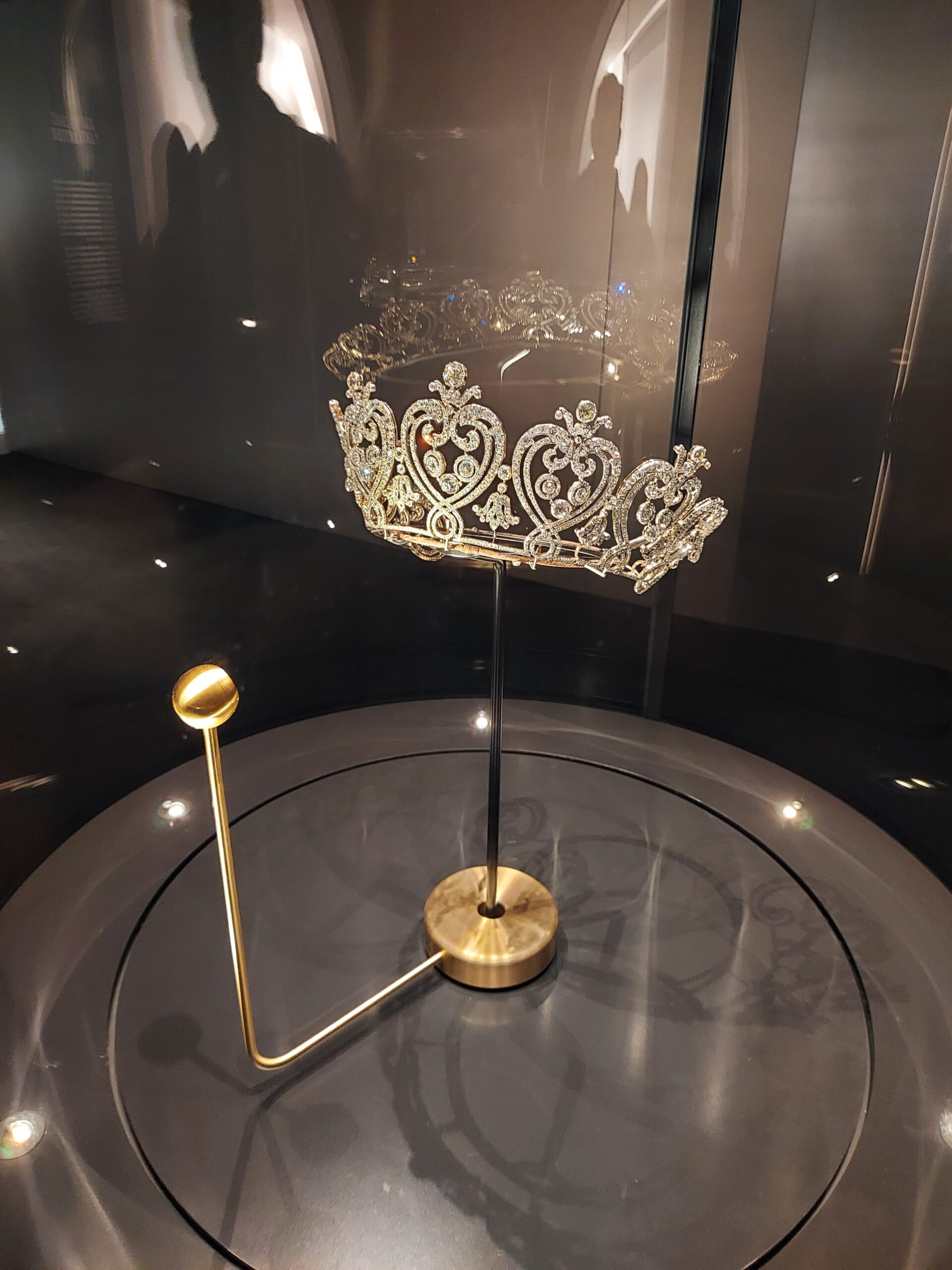
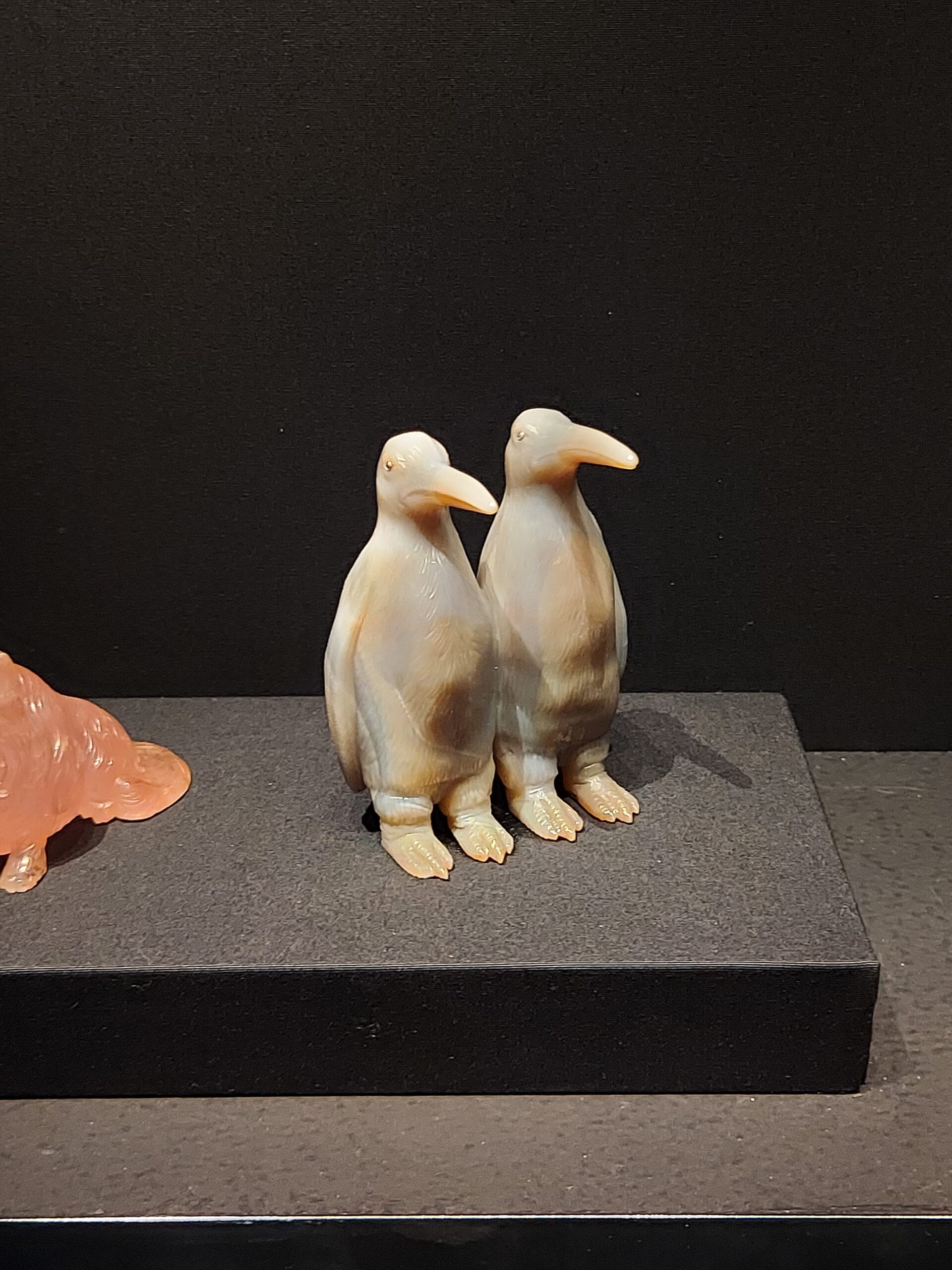
The exhibition begins with the Manchester tiara, dating from 1903 and made on the order of Consuelo, Dowager Duchess of Manchester. The tiara is set with more than 1400 diamonds and features a design of hearts and graduated scrolls. We then see rooms of beautiful jewellery, ornaments and decorations, with sparkle enough to take your breath away. As a penguin lover, I was drawn to the penguin ornament, but many items feature Cartier’s signature panther.
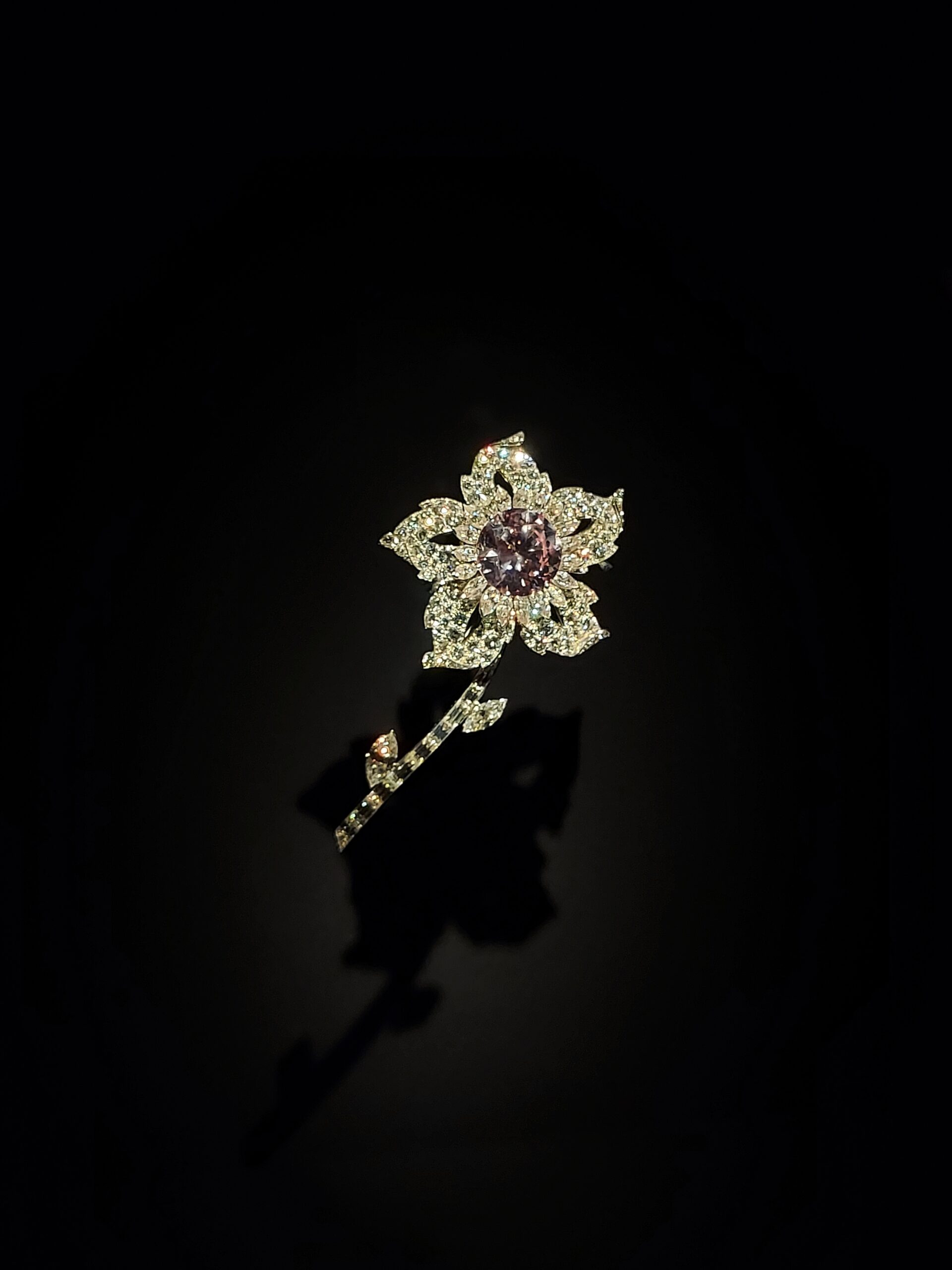
I also enjoyed looking at the novel ‘mystery’ clocks and Dali-inspired watches. However, my favourite item of all was the Williamson Pink Diamond Brooch, frequently worn by Queen Elizabeth II. I actually have an acrylic replica of this brooch – much more affordable than the real thing!
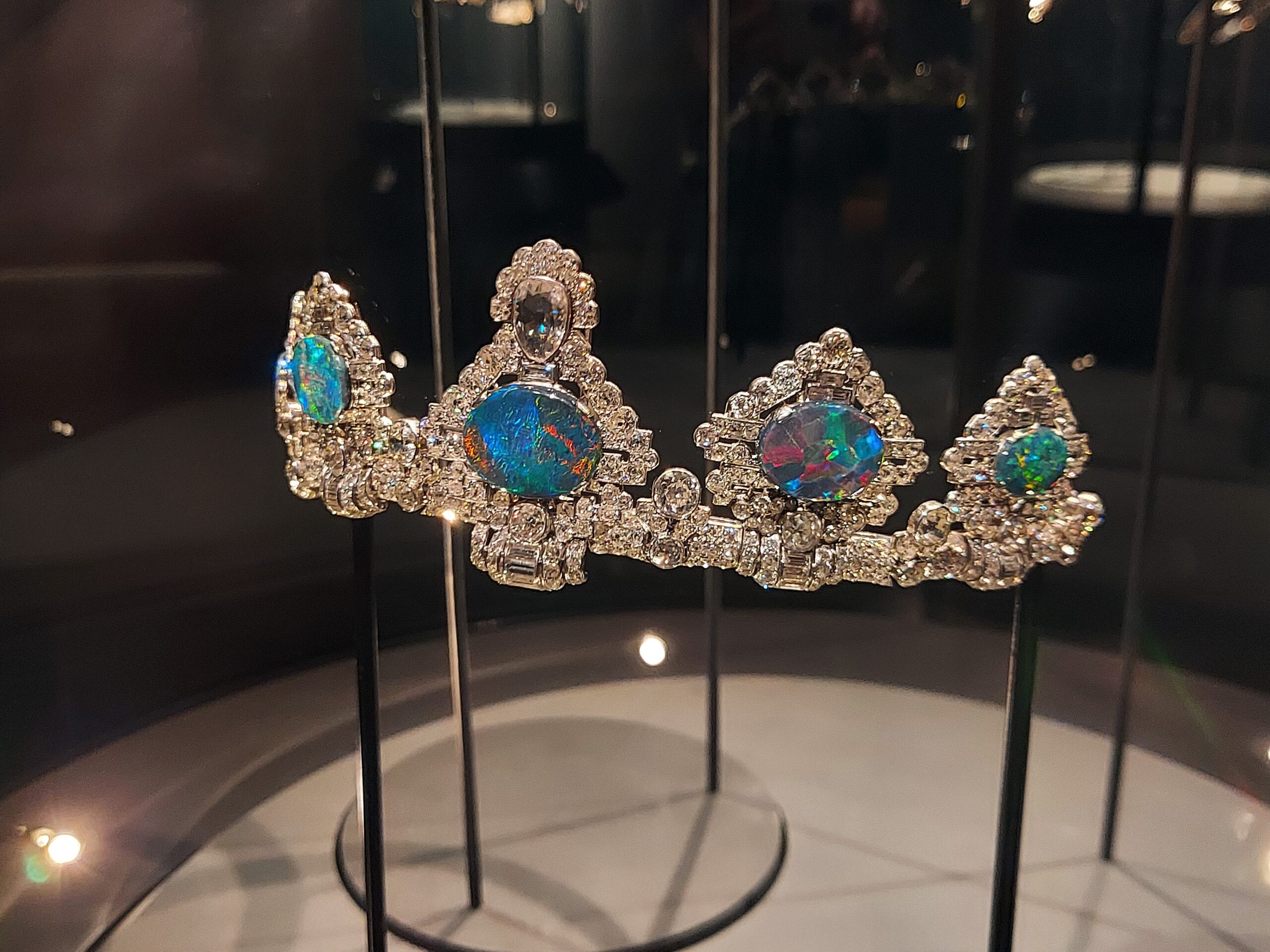
I came across another room of tiaras, and spent several minutes choosing my favourite – rather as I used to choose my favourite toys from the Argos catalogue when I was younger. In the end I picked a beautiful diamond and opal affair.
While the exhibition does mention the provenance and history of the items on display, the main focus is on their design and how beautiful they are – which is fine by me. I was overwhelmed by the sparkle and had a lovely time at this exhibition.
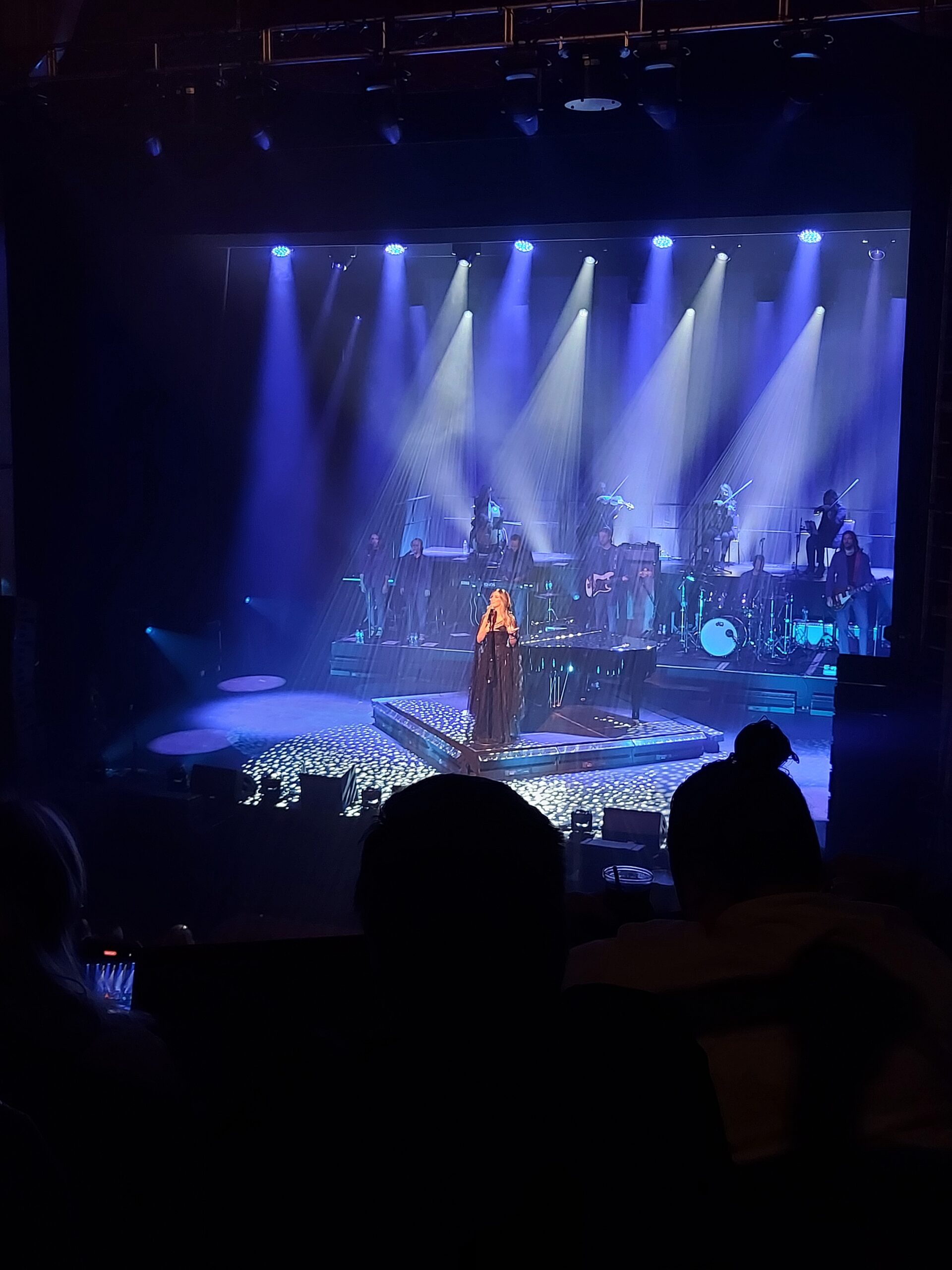
After not seeing Delta Goodrem live for years, I’ve now seen her in concert three times in three years. This latest occasion was to celebrate the 20th anniversary of her second album Mistaken Identity. This album deals with everything Delta went through after she was diagnosed with Hodgkin’s lymphoma at a very young age. She did not originally tour this album in the UK, but it is probably my favourite Delta album, so I was thrilled at the prospect of hearing it performed in its entirety.
Delta was brilliant as usual: her voice is incredible and did full justice to the songs. I loved hearing favourite tracks such as ‘Electric Storm’ and ‘Last Night On Earth’ performed live. Many of the songs hold powerful memories for me; it was a real nostalgia fest, and I’m pleased to say I still knew most of the words!
In between songs, Delta shared stories and anecdotes from that tough time in her life, which made the gig seem especially intimate. I always think she comes across as a lovely person and surprisingly funny.
The gig ended with a medley of Delta’s other big hits, plus a rendition of the uplifting ‘Sitting On Top of the World’. It was a fitting end to what was ultimately a very positive show.
Setlist
Out of the Blue
The Analyst
Mistaken Identity
Extraordinary Day
A Little Too Late
Be Strong
Electric Storm
Almost Here (with Caleb Jago-Ward)
Miscommunication
Sanctuary
Last Night On Earth
Fragile
Disorientated
You Are My Rock
Nobody Listened
Encore
The Power / Hearts on the Run / Wings / Lost Without You / In This Life / Back to Your Heart / Born to Try / Believe Again
Sitting on Top of the World
Mistaken Identity (Instrumental reprise; Delta bow and farewell)
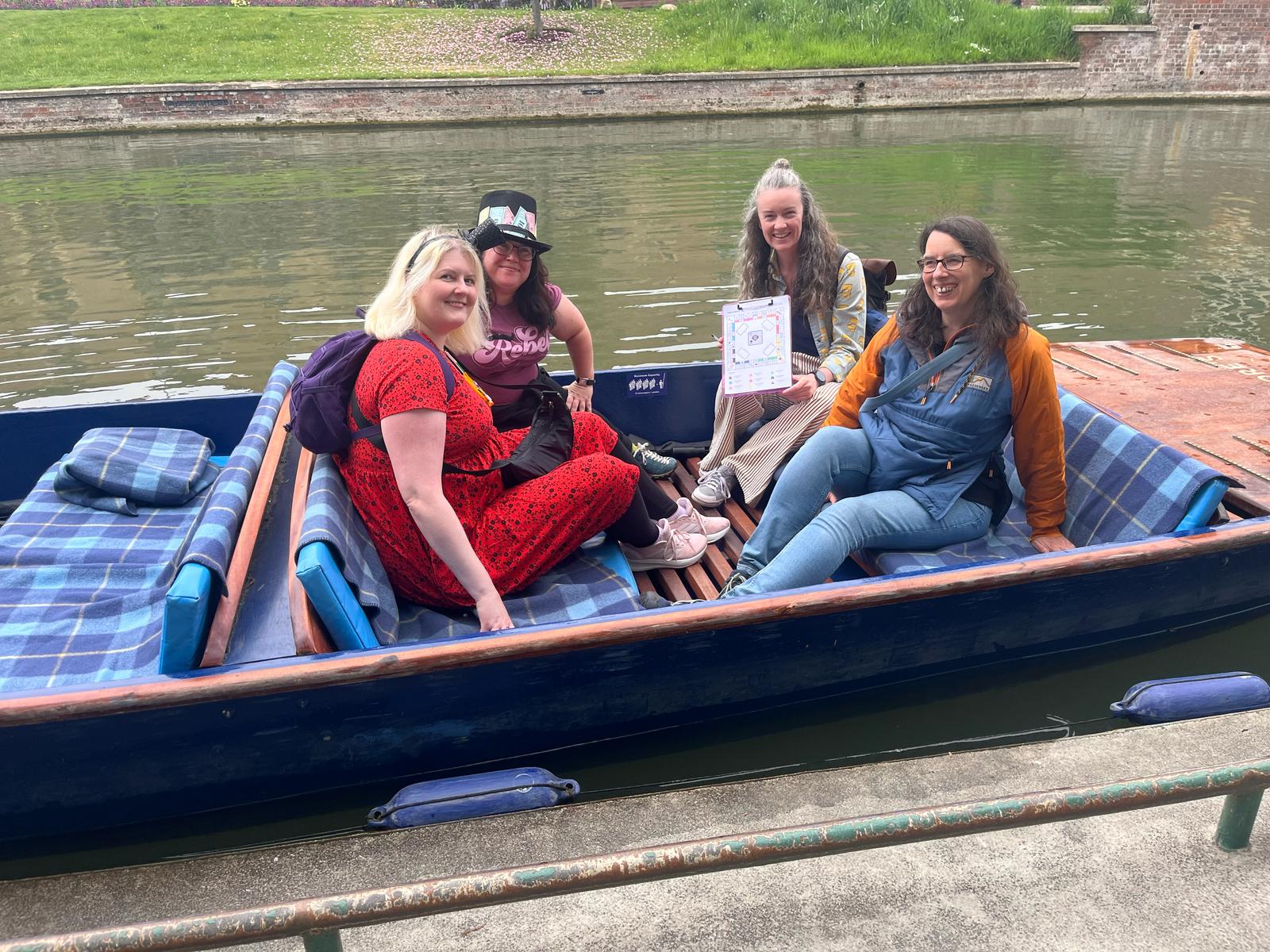
I loved last year’s Rebel Monopoly so much that I signed up for the three Monopoly games due to take place this year. The first of these took place in Cambridge, a city I know reasonably well due to having lived there for a year. I was in a team with Claire, Katrina and Ruth and after we all met up on Parker’s Piece – some of us wearing top hats – we made a plan to visit the furthest ‘stop’ before tackling the others.
It turns out Cambridge is a lot bigger than I had remembered! We visited colleges I hadn’t ever walked past back in the day. Luckily, the Banker (Sam) was located just outside St John’s College, a familiar area to me. As well as college stops, we had to try and pick up bonus money by visiting other places, like the railway station, and completing other tasks. Highlights of the day included our enthusiastic Uber driver, who took us to the station and back, and Katrina asking a couple of students to borrow their Blues blazer (which saved us trying to find one in a shop!).
At various points during the day, Charly positioned herself at a particular location in the city, announced that she was ‘Go’ and the first teams to find her would get bonus money. When she posted a picture of Shackleton’s sextant I knew exactly where she was (the Polar Museum) and we raced to get there. At the beginning of the day, we had decided we weren’t very competitive; as we were racing towards the Polar Museum, trying to beat the North East Rebels, I realised we needed to rethink that stance!
In the end, all our hard work paid off and we came second overall. I’m very pleased with that result, but ultimately what made it a great day was my lovely team, the hardworking crew and the fun challenges.
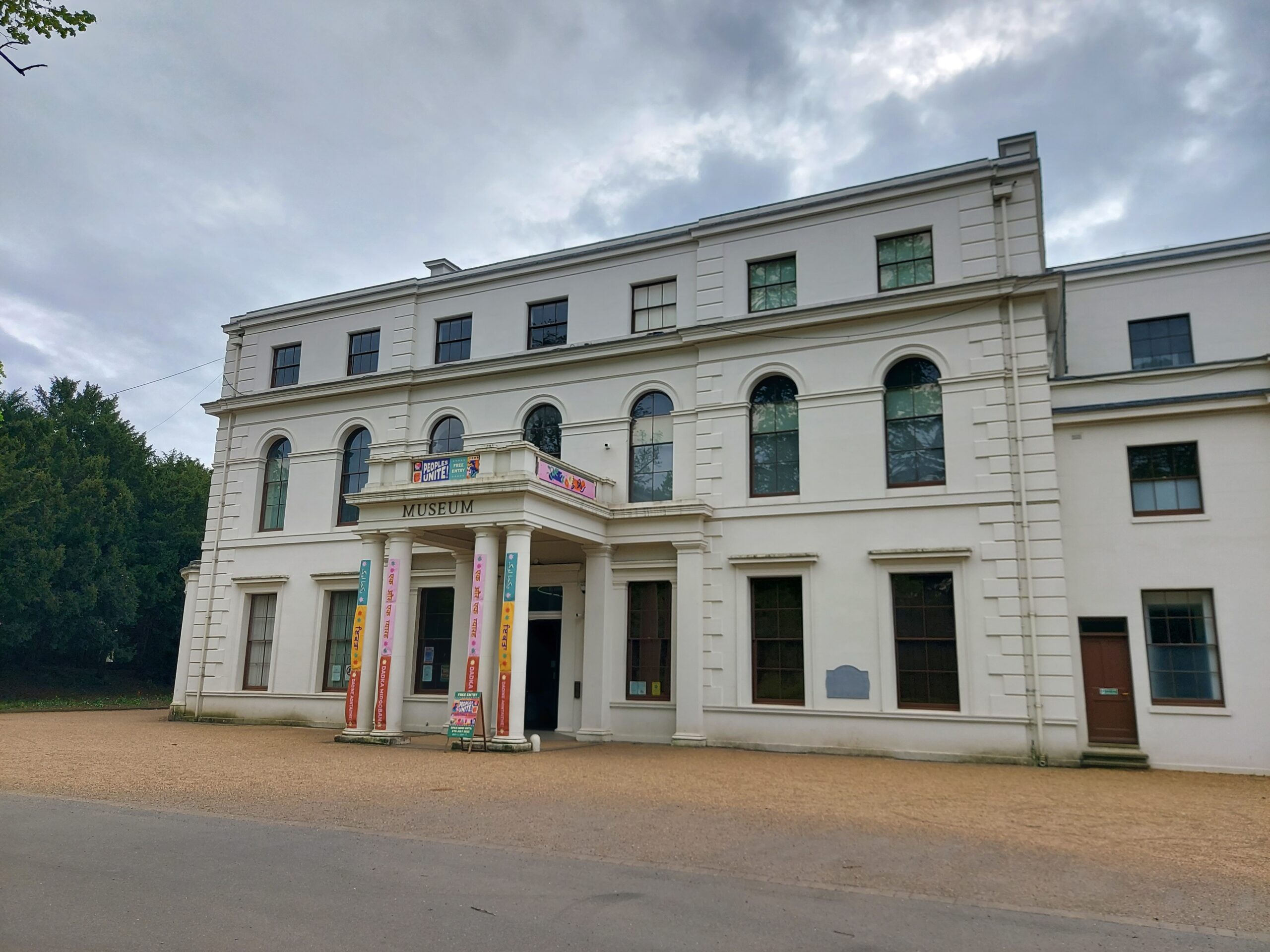
I visited Gunnersbury Park Museum for the first time in several years. The museum is located in Gunnersbury Park, which isn’t far from me, so it’s a shame I hadn’t managed to visit earlier, except for after-hours events.
The museum opened in 1929 and has a varied collection of around 50,000 items, focusing on the heritage of Ealing and Hounslow. For a small museum, it has a wide-ranging series of exhibitions. One focus is on the history of the house and the estate, formerly home to the Rothschilds; another is on the history of the boroughs, from Palaeolithic times to the modern day. There is a childhood collection of toys and games, information about local religion and schools in the area, and artefacts from local businesses and public places. In addition there is a fashion collection, including items as varied as a 1760s court dress and a modern South Asian wedding dress, as well as a restored butler’s pantry.
When I visited I also explored the temporary exhibition, Peoples Unite! How Southall changed the country. Southall is known as the home of a large community made up of people from Britain’s former colonies, especially South Asians. The exhibition explores the richness, diversity and variety of experiences within this neighbourhood, the racism faced by its inhabitants, and how residents have fought back.
Gunnersbury Park is a lovely park in itself, and a visit to the museum is highly recommended. It definitely punches above its weight.
FACTS
Address: Gunnersbury Park, Popes Lane, London, W5 4NH
I’ve been living in Ealing for fourteen years now, and I’ve learned a bit about the history of the area in that time. There’s always room to learn more, however, and the Local History badge (chosen as part of the ‘Curiouser and Curiouser’ quarterly challenge) has helped me to do so.
Visit a local museum to learn more about the history of your local area.
I visited Gunnersbury Park Museum to learn more about the history of Ealing. The main galleries had exhibitions about notable people, industries and fashions of the area, while there was also a special exhibition on the history of Southall specifically which was really interesting.
Visit a local historic attraction.
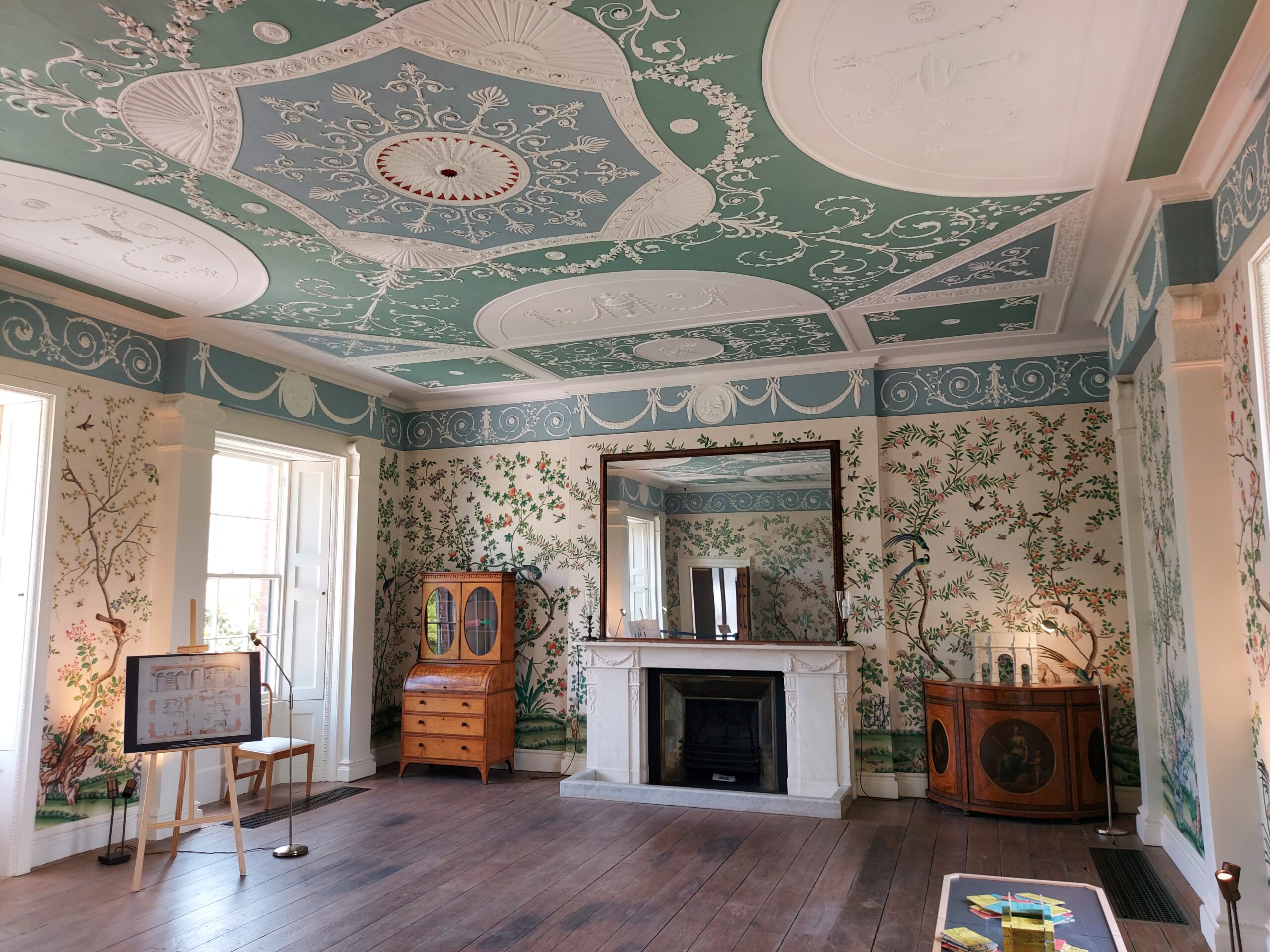
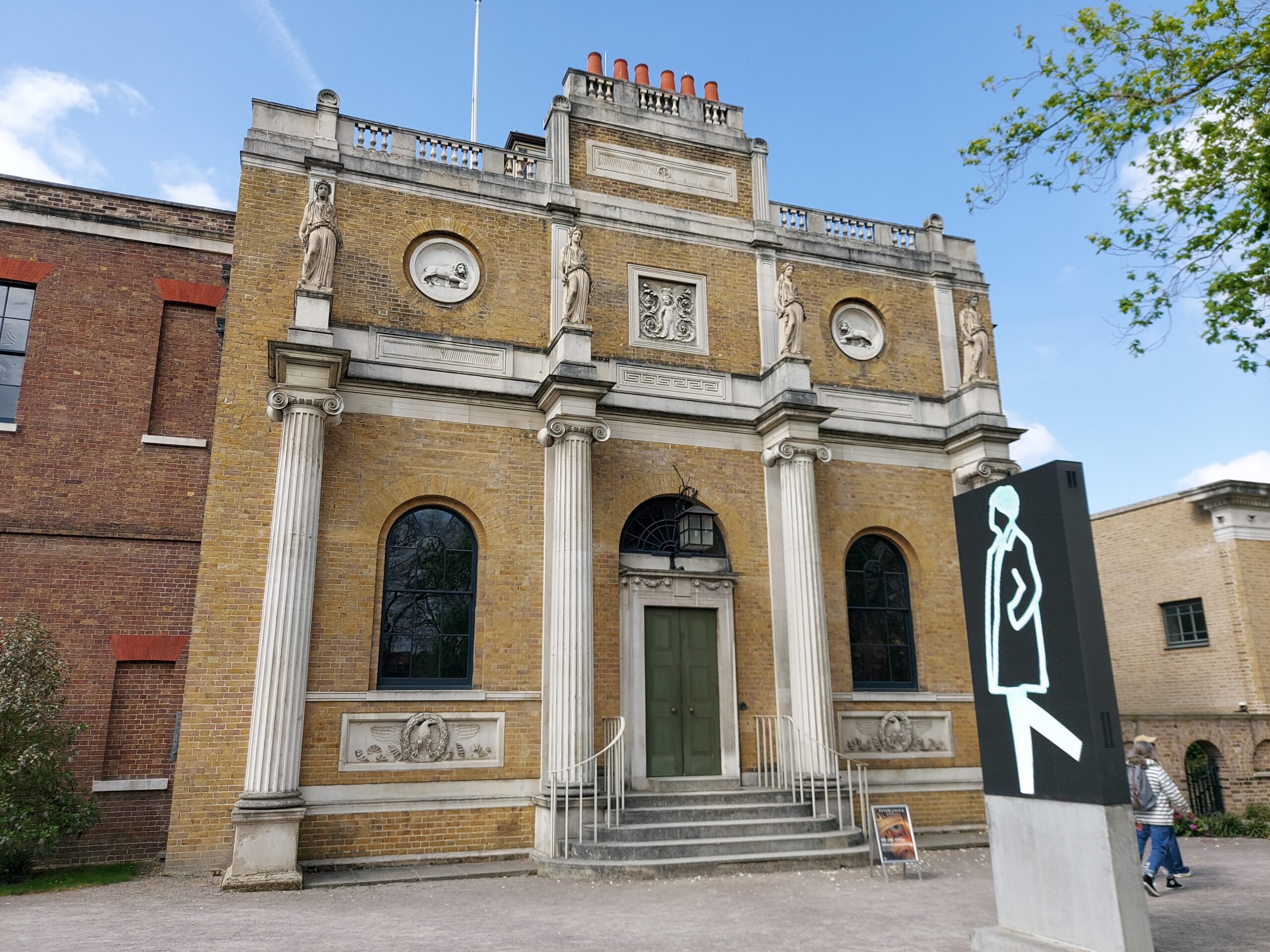
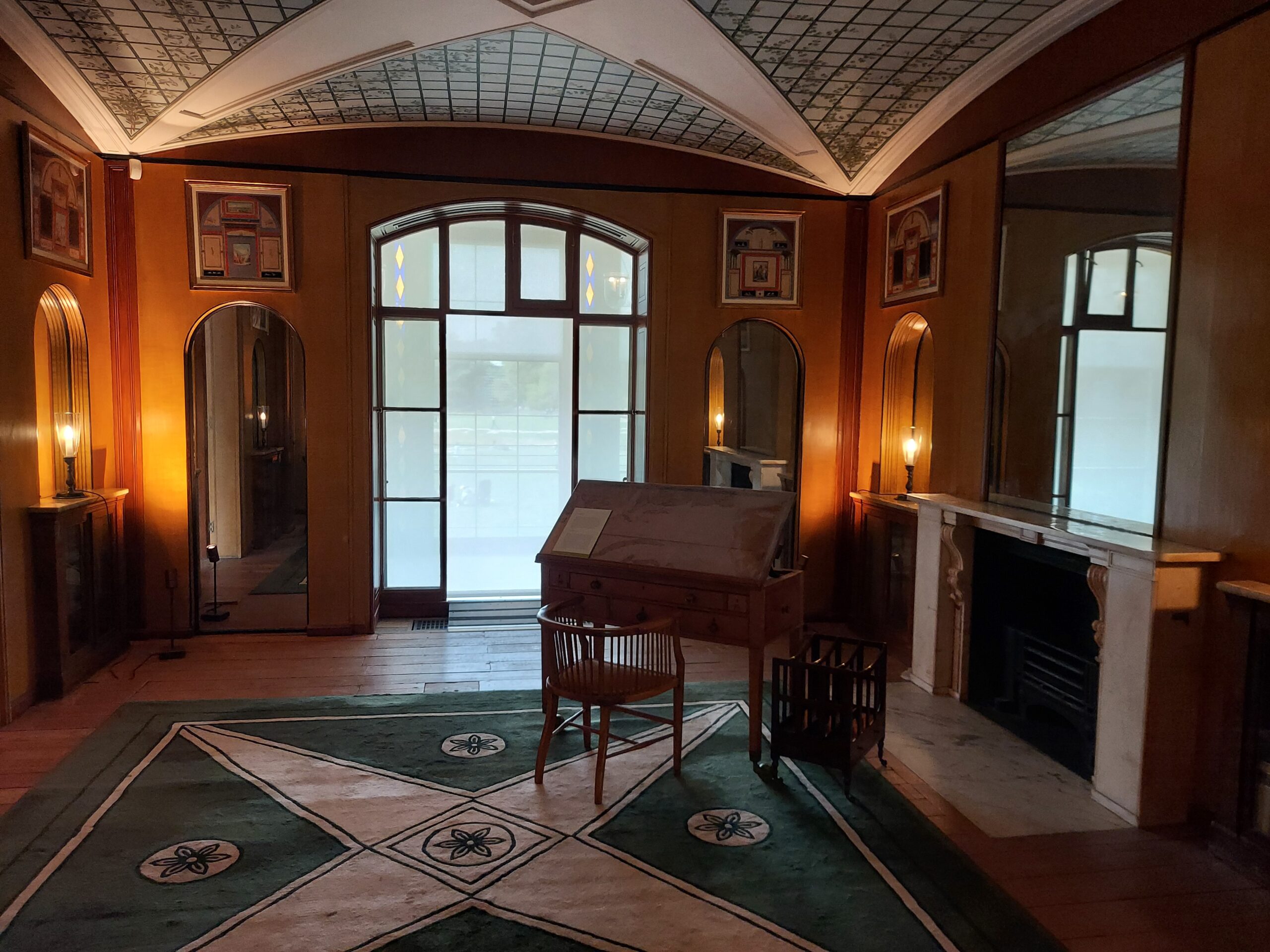
I visited Pitzhanger Manor, the country home of architect Sir John Soane. I have visited before, but had never done a guided tour. I learnt a lot.
Access the census records for your home.
I accessed the 1939 Register for my home. At this time, there were three single women living here.
I used other resources such as censuses to find out more about them.
Charlotte was born in Leeds but at some point moved to Kensington. Until 1911 she was living there with her parents and siblings.
Hilda was born and also lived in Kensington. The 1921 census shows her living with her mother in Battersea.
Mabel was born in Wandsworth. The 1921 census records her as a servant in Ealing.
I don’t know how these women met or ended up living together in what is now my home. I like to think that they were proto-Rebels, living their best lives and enjoying freedom and companionship.
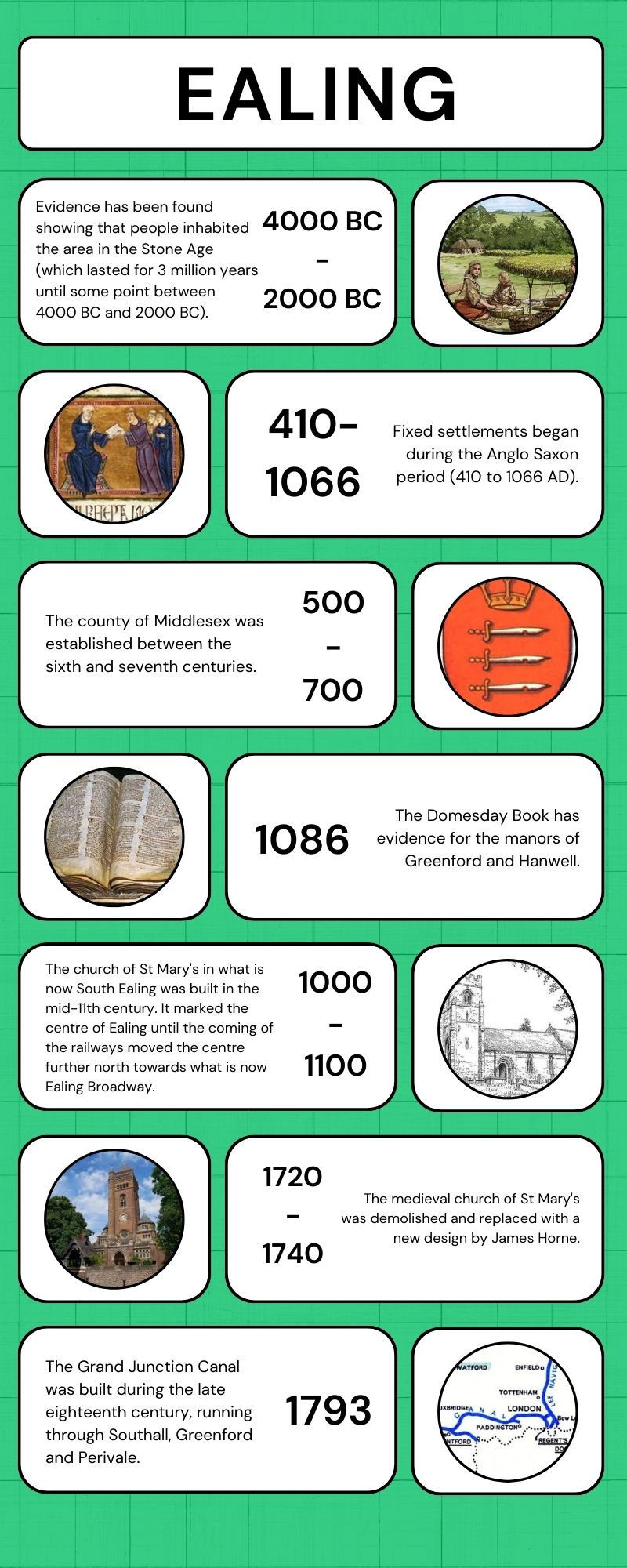
Write a timeline of important dates for your local area.
Learn about key historical figures in your local area. Make a presentation in the medium of your choice about what your area is famous for.
There are quite a few historical figures with links to Ealing.
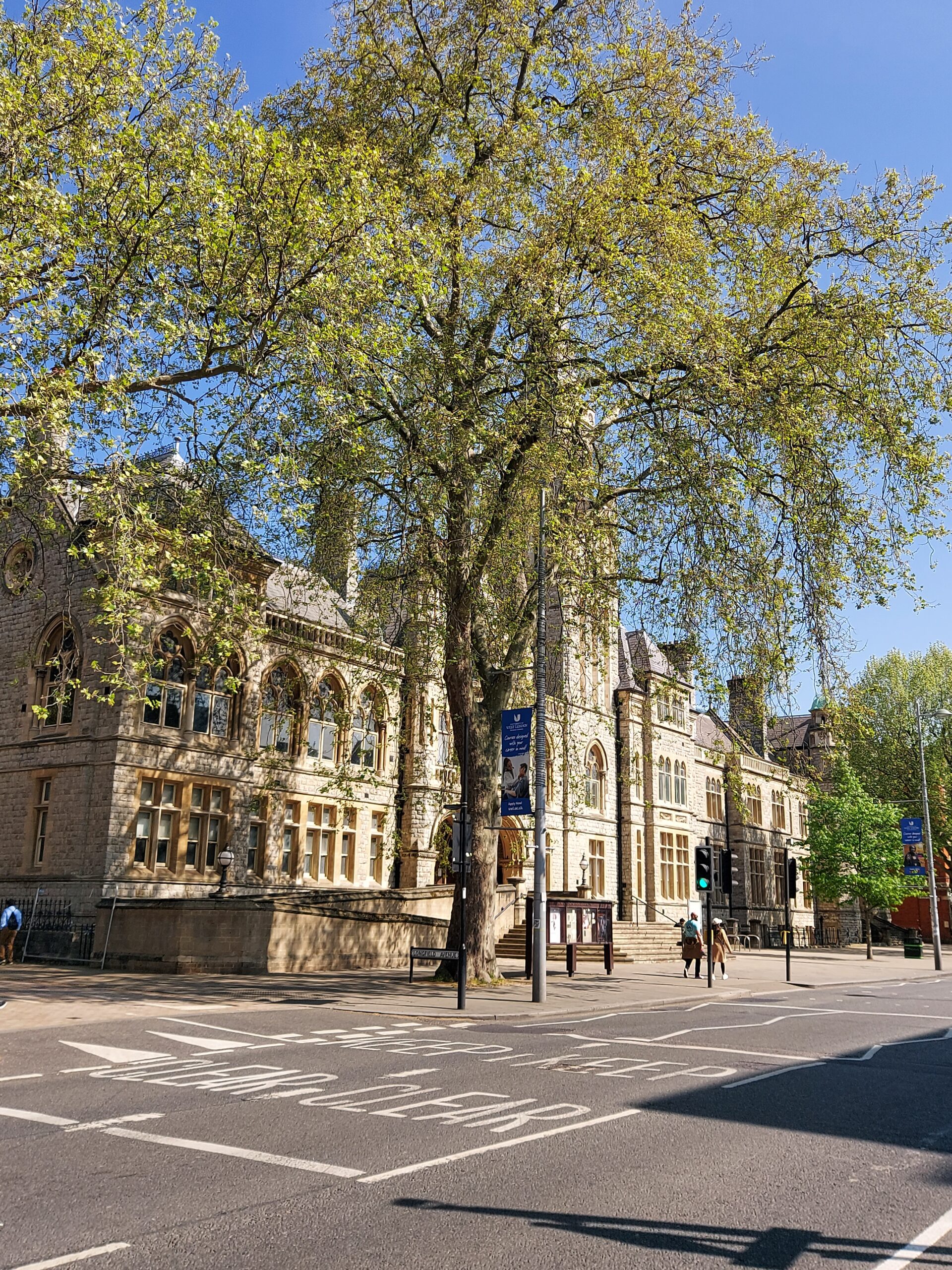
Lady Byron, born Anne Isabella Milbanke (Lord Byron’s widow) of Fordhook House, Ealing, founded Ealing Grove School in 1834. This was the first industrial school of its type. In 1860 C. N. Atlee, a former headmaster of the Lady Byron school, set up the Byron House School in St. Mary’s Road (South Ealing Road). The site is now the University of West London, and a blue plaque at the entrance is dedicated to Lady Byron.
Thomas Henry Huxley (1825–1895), biologist known as “Darwin’s Bulldog” for his adherence to his theory of evolution, was born in Ealing. His father was a mathematics teacher at Great Ealing School until its closure.
Ho Chi Minh (né Nguyễn Sinh Cung, 1890–1969), revolutionary and politician, worked in the kitchens of the Drayton Court in 1914. He was the founder and the first president of the Democratic Republic of Vietnam.
Spencer Perceval (1762–1812), British Prime Minister from 1809 until his assassination, lived in a large house at Elm Grove, on the south side of Ealing Common.
Dusty Springfield (1939–1999), soul singer, lived in Kent Gardens, West Ealing during the 1950s, attending St Anne’s Convent School in Northfields and later working at Bentalls department store in Ealing Broadway.
Crime novelist Agatha Christie’s parents are buried in South Ealing Cemetery. She herself is listed in the 1911 census at 99 Uxbridge Road as Agatha Miller (her maiden name). She was visiting her great aunt Margaret Miller (supposedly the inspiration for Miss Marple) who had lived in Ealing for more than three decades.
I created a presentation about what the seven towns in the modern London Borough of Ealing are famous for.
I attended a talk on Secret Ealing at my local library. I also bought and read the associated book, which was full of interesting information.
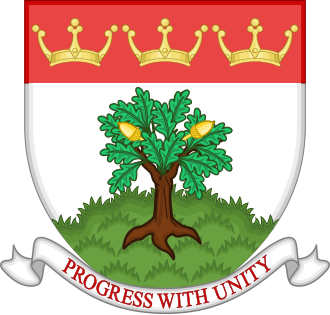
Does your local area have a coat of arms? Research the meaning of each of the different sections.
The coat of arms of the London Borough of Ealing was granted on 1 September 1965. At the top are three golden Saxon crowns, representing the three former Middlesex boroughs of Ealing, Acton and Southall.
At the centre is an oak tree, which was also present in the coats of arms of both Ealing and Acton (Acton is considered to mean “oaktown”), referring to the ancient forest west of London which formed much of what is now Ealing. The oak is also appropriate to the origins of Southall and Norwood (“the southern holt and the northern wood”). Originally there were twenty acorns because they stand for the original twenty wards in the present borough. The grassy base comes from the former Acton coat of arms and the silver field was part of the Ealing coat of arms. The motto is ‘Progress With Unity’.
If your country has listed buildings, find out about a local grade listed building.
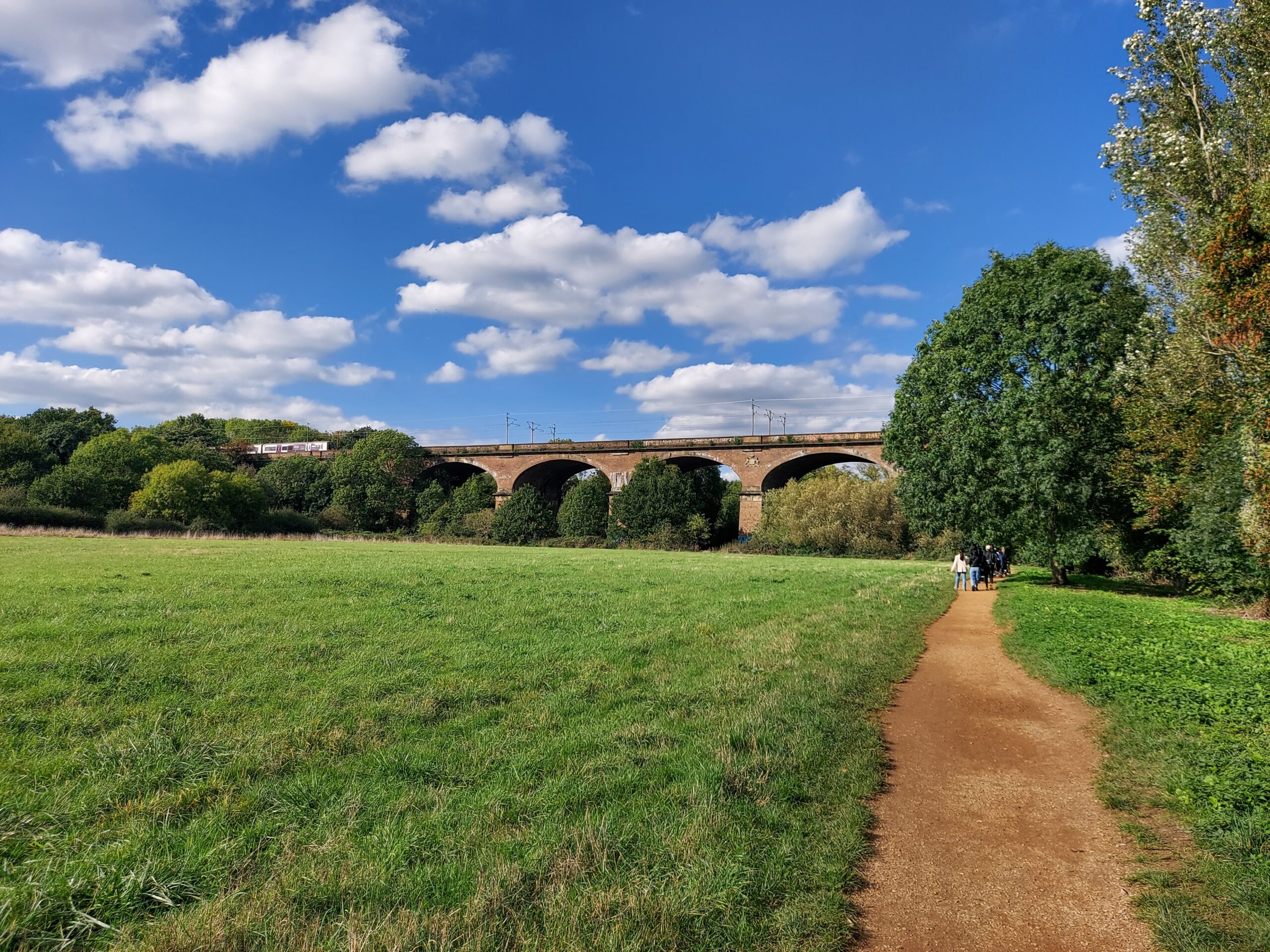
There are six Grade I listed and 18 Grade II* listed buildings in Ealing. The Wharncliffe Viaduct was listed on 8 November 1949.
The brick-built viaduct was constructed in 1836-7 for the Great Western Railway at an elevation of 20 metres (66 ft) in order to carry the railway across the Brent Valley. It was the first major structural design by Isambard Kingdom Brunel, the first building contract related to the GWR project, and the first major engineering work to be completed. The 270-metre-long (890 ft) viaduct has eight semi-elliptical arches, each spanning 70 feet (21 m) and rising 5.3 metres (17 ft). It is 17 metres (56 ft) wide.
The viaduct takes its name from James Stuart Wortley Mackenzie, Lord Wharncliffe, who was chairman of the parliamentary committee that steered the passage of the GWR Bill through Parliament. A carving of his coat of arms is visible on the central pier on the south side. In 1839, the viaduct carried the world’s first commercial electrical telegraph.
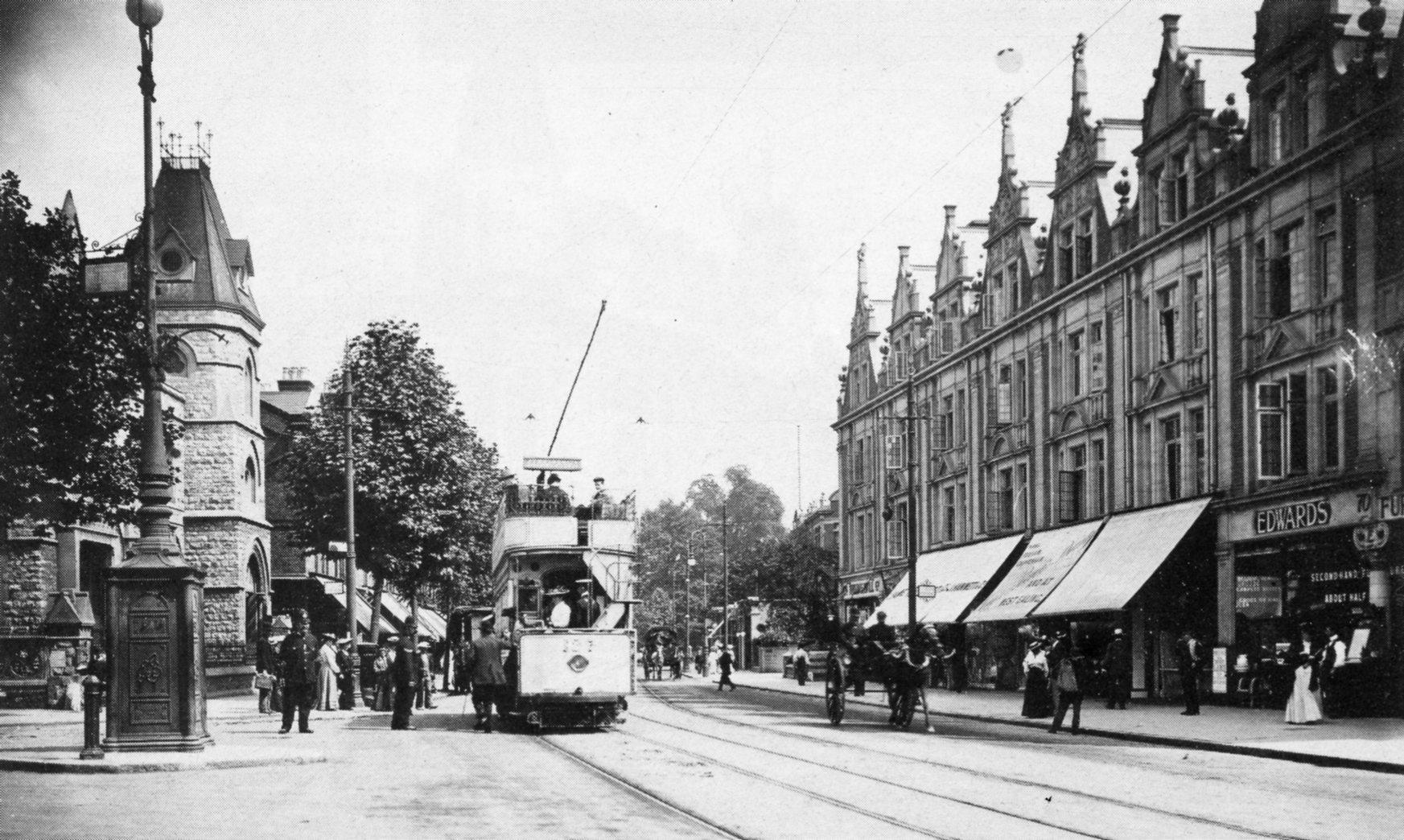
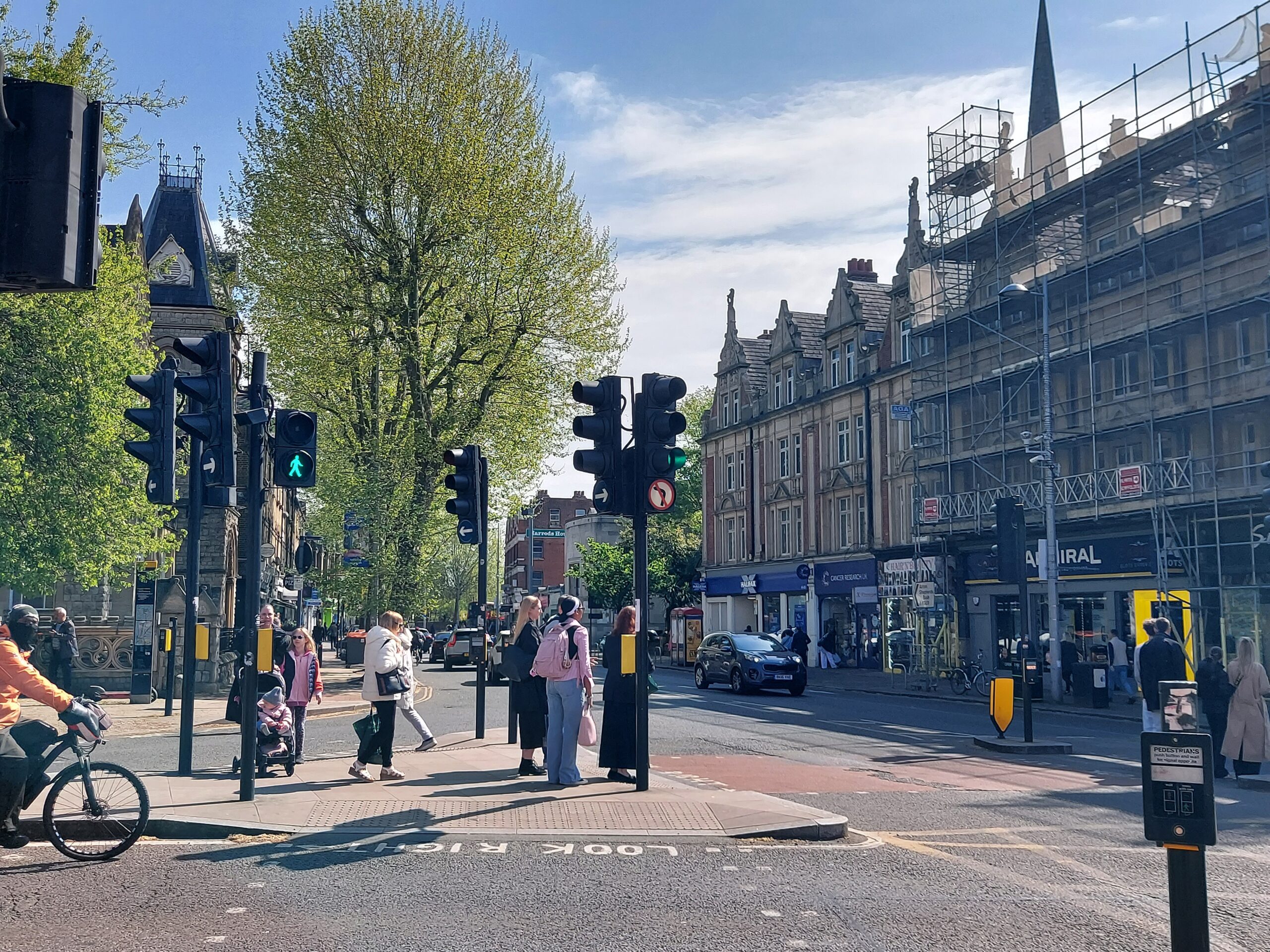
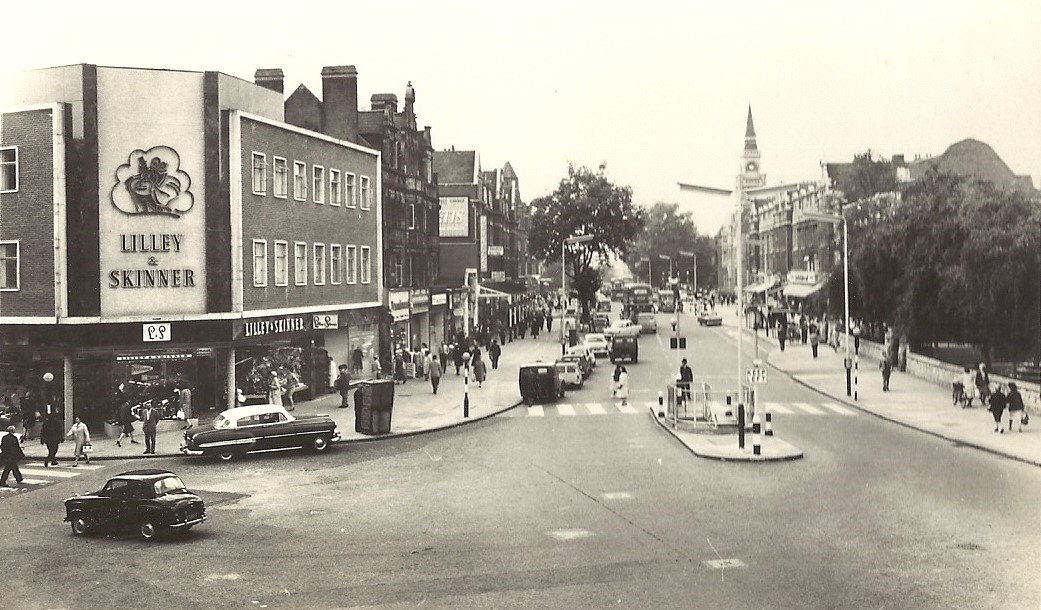
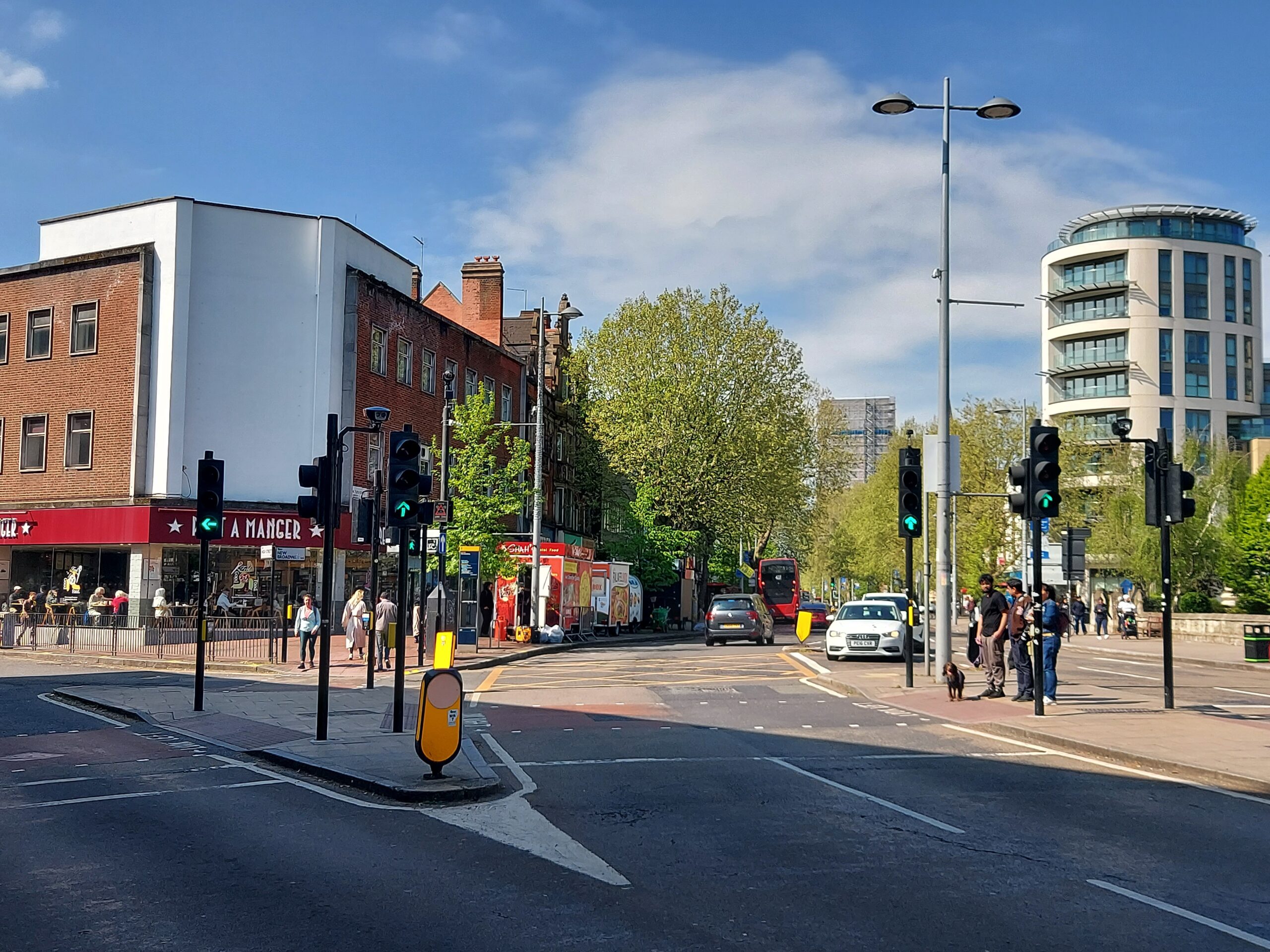
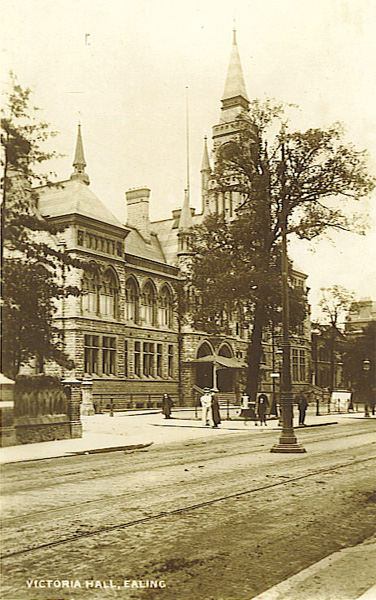
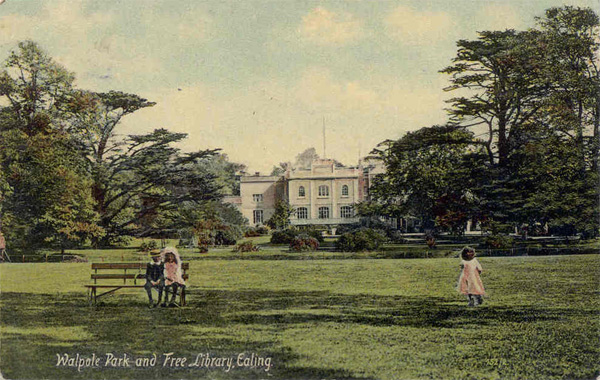
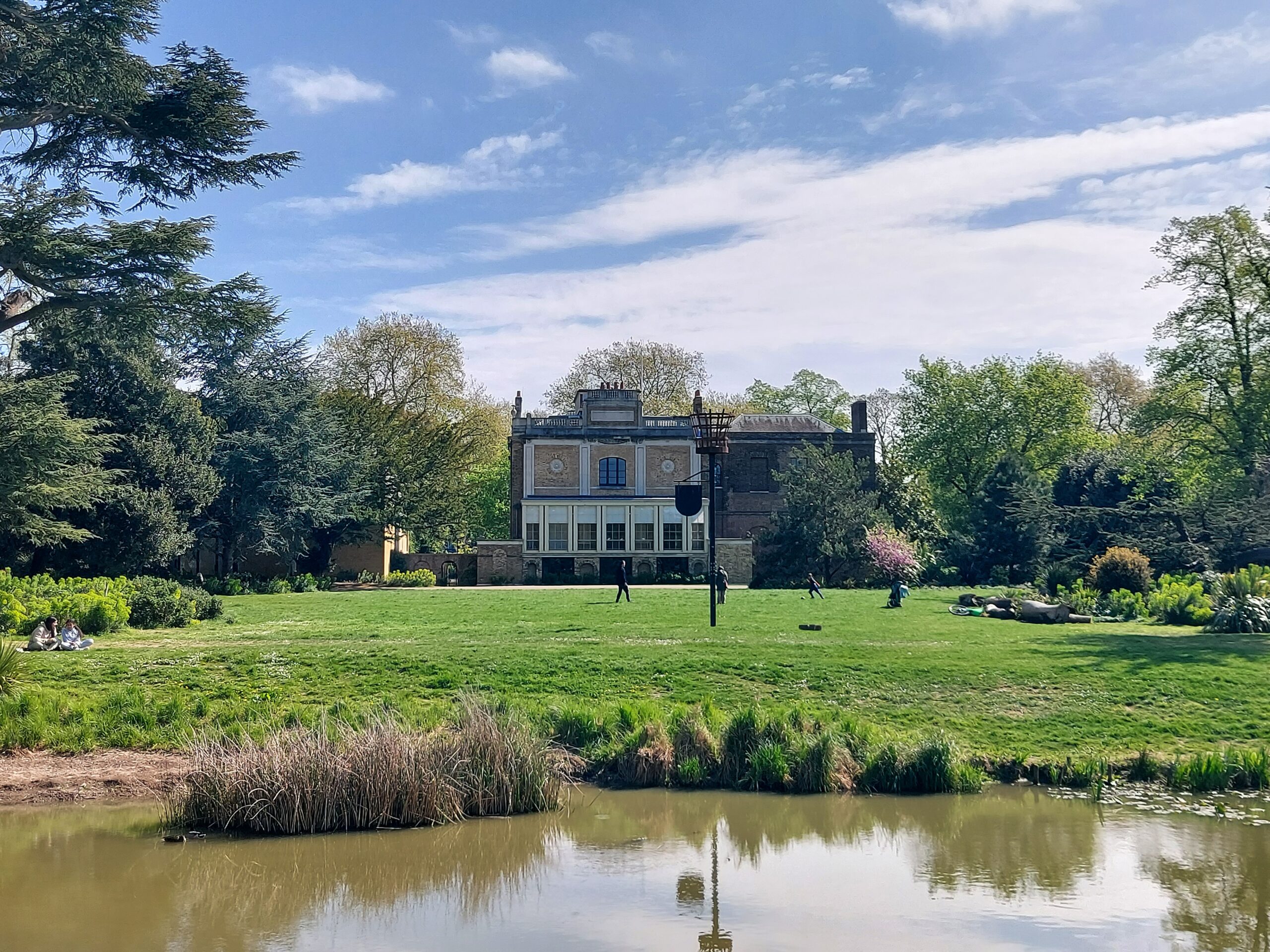
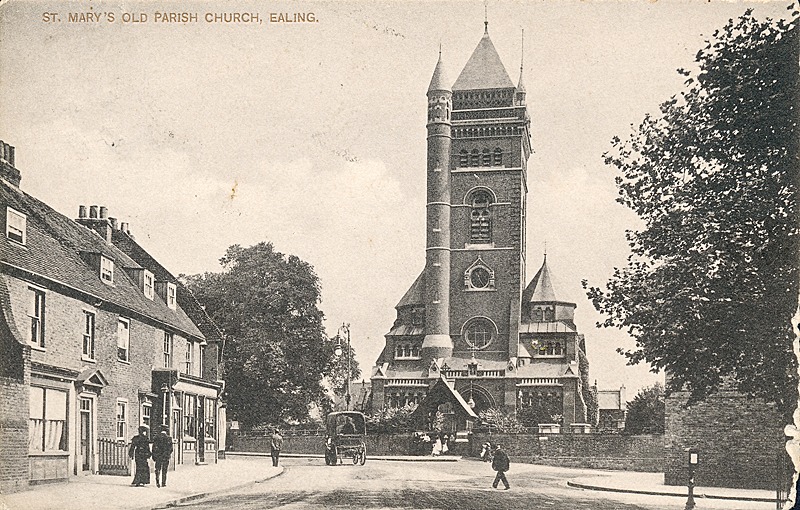
Find historical photos taken in your area. Take new ones in the same places, and compare and contrast them.
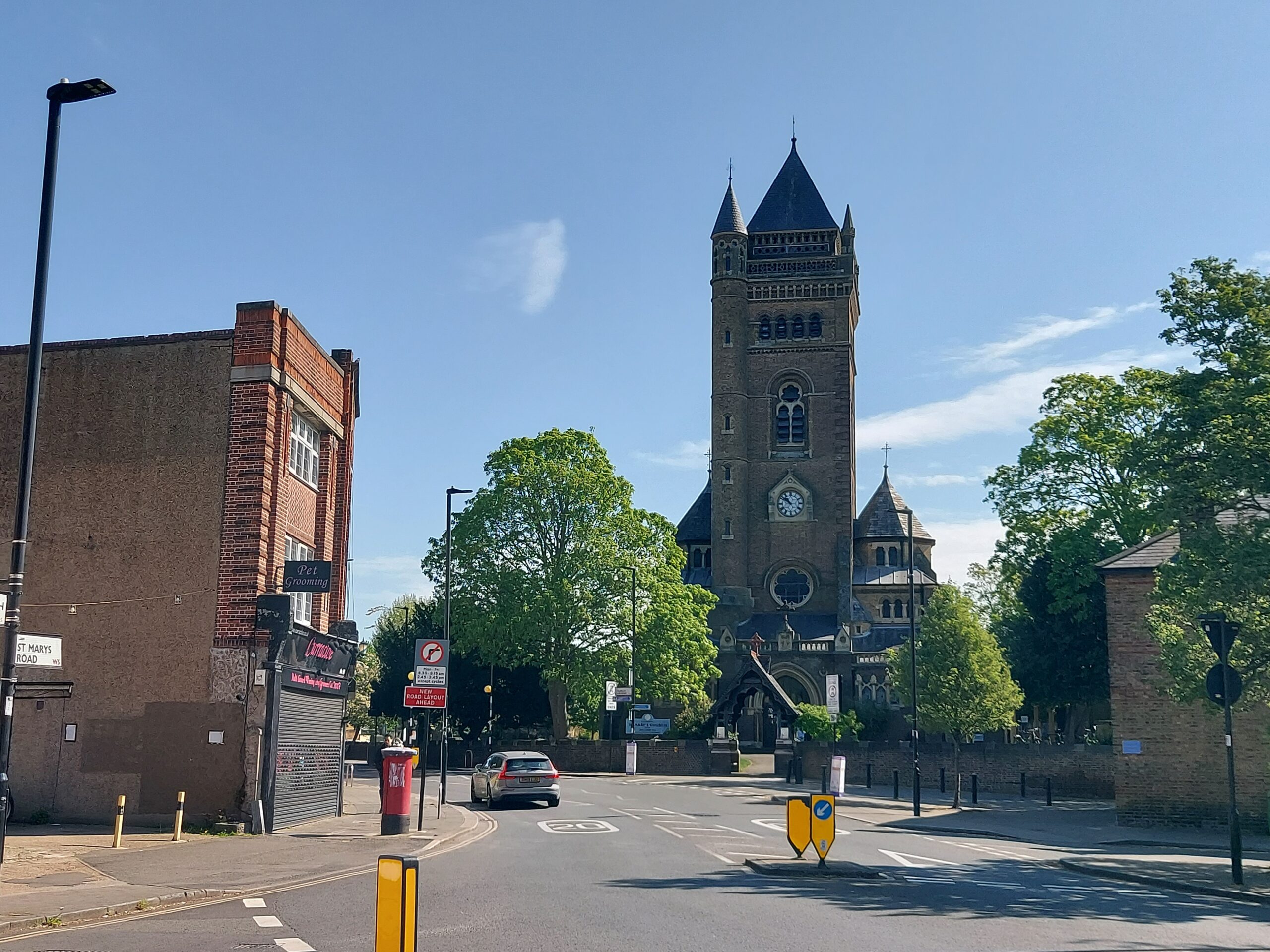
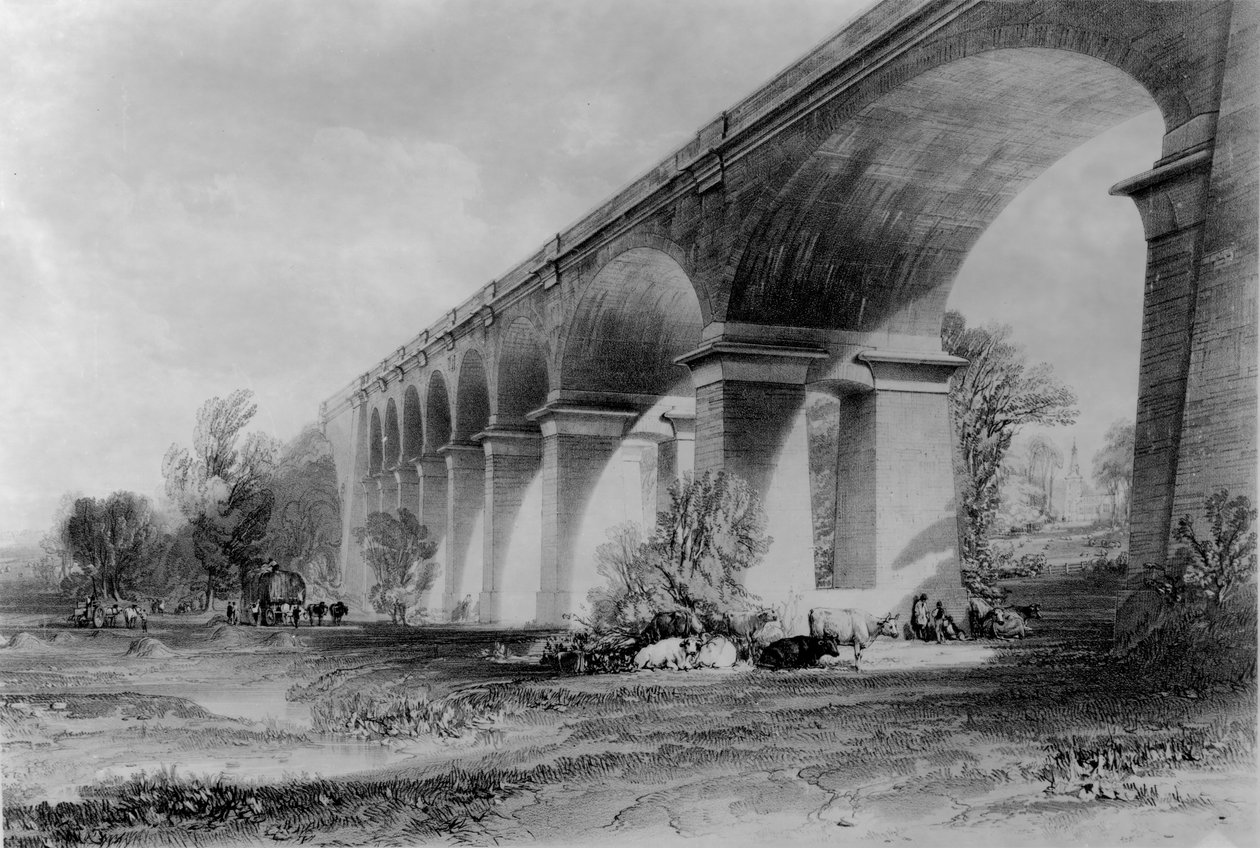
Ealing Broadway, 1905Ealing Broadway, 2025New Broadway, c. 1970New Broadway, 2025Ealing Town Hall, 1910Ealing Town Hall, 2025Walpole Park, 1906Walpole Park, 2025St Mary’s Church, 1906St Mary’s Church, 2025Wharncliffe Viaduct in the 19th centuryWharncliffe Viaduct, 2024
On the same day I visited the V&A, I also popped into the Science Museum to see the exhibition Versailles: Science and Splendour. This exhibition focused on the role the palace of Versailles played as a major site of scientific thinking in the 17th and 18th centuries, an aspect of its history that is not as well known as its architecture and royal and political history.
This rich and intriguing exhibition was enjoyable and illuminating. It explores the scientific developments that took place at the palace, led by the monarchs of the period who were genuinely interested in scientific development. Louis XV commissioned the midwife Angélique Marguerite Le Boursier du Coudray to educate medical personnel involved in helping with childbirth: her working model, made of stuffed fabric, is impressively accurate. When Louis XV died of smallpox, his son Louis XVI agreed to have the family inoculated, influencing the popularity of vaccination in France.
Versailles itself incorporates impressive engineering into its beautiful architecture: the water features worked thanks to a pump taking water from the Seine. The Clock of the Creation of the World is an exquisite and opulent piece designed to tell the time, date and year as well as the movement of the planets. French scientists such as Buffon and Lavoisier worked at the palace, but the work of foreign scientists such as Newton were also popular.
King Louis XIV agreed to a risky fistula operation, successfully performed by the royal surgeon Charles-François Félix, who invented a special scalpel for the occasion – the darker side of this success was the number of peasants killed during his ‘practice runs’, and this example perhaps illustrates why the French Revolution took hold not long after, despite the French kings’ enlightenment in the matter of science.
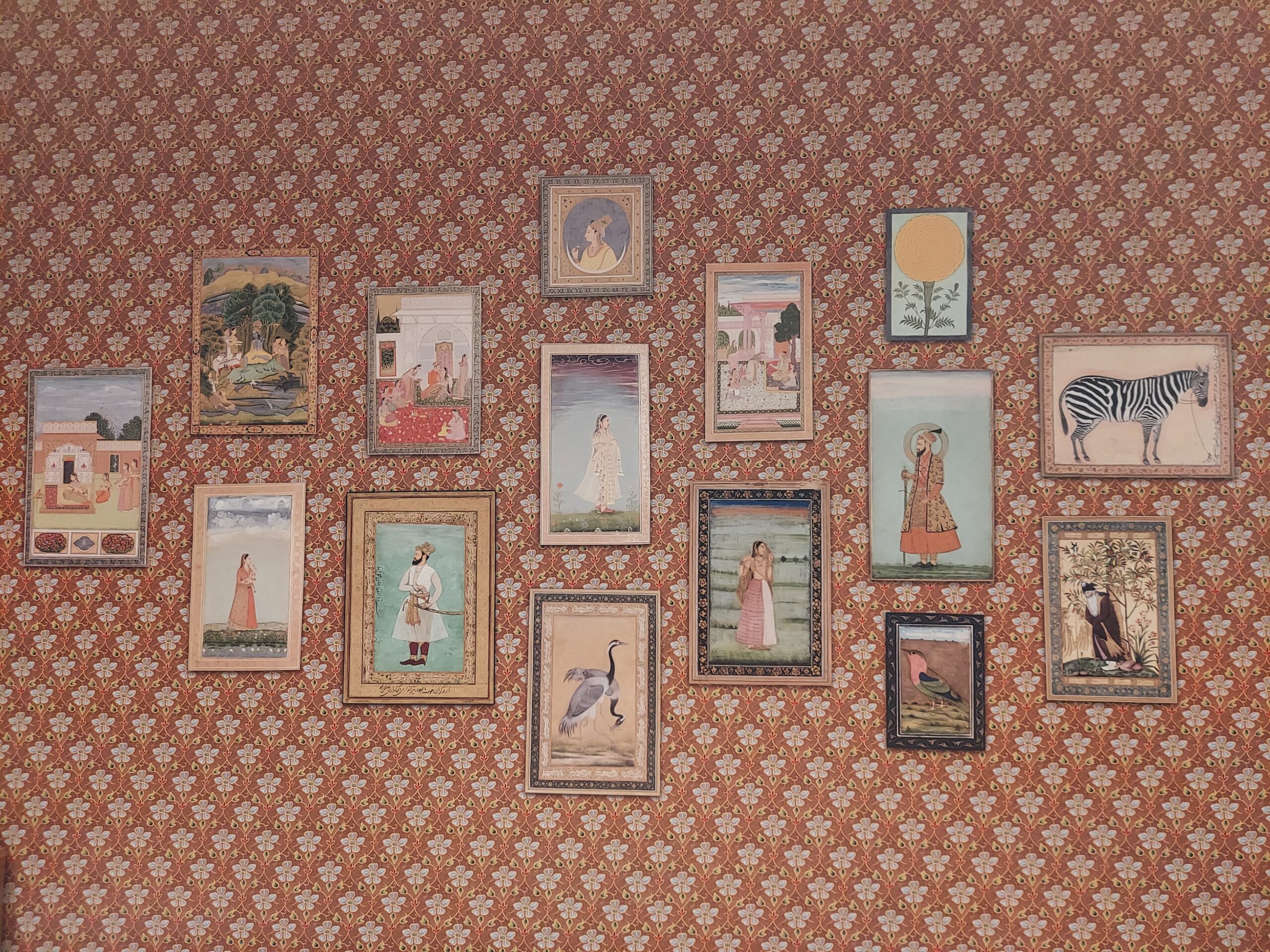
I visited The Great Mughals: Art, Architecture and Opulence at the Victoria and Albert Museum. This exhibition focuses on the reigns of emperors Akbar, Jahangir and Shah Jahan, considered the Golden Age of the Mughal court (c. 1560-1660), in terms of its culture and creative output. In fact, Shah Jahan is most famous for the Taj Mahal, one of the most beautiful buildings in the world.
The exhibition contains some absolutely beautiful examples of art, such as paintings, jewellery, embroidered clothing, cups and swords. The Mughal rulers, despite being warlike and despite the fact that Akbar was illiterate, cared deeply for arts and culture and this is clear in the wonderful objects on display.
After the success of 2023’s Celebration Tour, the Neighbours tour is back, celebrating the show’s 40th anniversary. A couple of years ago, it didn’t seem like the show would reach this milestone, but after a huge social media campaign, the soap cancelled by Channel 5 was taken on by Amazon and revived. This tour features cast members who play an active part in the revival, as well as cast members from the past.
I was so excited to head into the Palladium for the show. Once again Leah Boleto was presenting – as a genuine fan of the show, she is the perfect choice to handle the guests.
I loved the chosen guests for the show. Rebekah Elmaloglou has played Terese for over a decade and was so much fun to listen to. She could probably have presented the show if Leah was absent! Lucinda Cowden, who has played Melanie on and off since 1986, was also great value and shared her experience of the show over the decades. I particularly enjoyed her song about Mel at the end.
Tim Kano and Majella Davis, who play power couple Leo and Krista, were also great guests. In particular Majella only joined the show after its revival on Amazon and has been a great addition to the soap. They wouldn’t give too much away regarding their characters’ upcoming wedding, designed to coincide with the 40th anniversary celebrations, but succeeded in building anticipation for these episodes.
Finally, the two guests I was most excited about were Kym Valentine and Dan Paris, Libby and Drew from the 90s/00s. It was lovely to hear about how close Kym is to her on-screen parents the Kennedys, and the real reason why Drew fell off a horse, died and was buried all in one episode.
I’m so happy I attended another brilliant Neighbours show. If there was ever another tour featuring even more cast members, I’d be sure to go.
The last exhibition I visited before Christmas was Medieval Women: In Their Own Words at the British Library. The exhibition was a fascinating look at the lives of medieval women in Europe, revealing their roles, thoughts and experiences.
Women in the medieval period faced the same issues women have always faced in a patriarchal society, as well as issues that still affect women today, such as the gender pay gap. However, they still led rich and colourful lives, and the exhibition shines a light on their experiences.
Items on display include a letter written by Joan of Arc, the sole existing copy of the Book of Margery Kempe, and the fighting fund of Margaret of Anjou. I was intrigued by the mention of Lidwina of Schiedam, patron saint of chronic pain and ice skating, and the explicit erotic poetry of Gwerful Mechain. There was also mention of a trans woman, Eleanor Rykener, who was arrested for engaging in sex work but who also worked as an embroideress and a barmaid.
I loved the exhibition and would definitely recommend a visit.