Cecil Beaton’s Fashionable World – National Portrait Gallery

Cecil Beaton exhibition intro

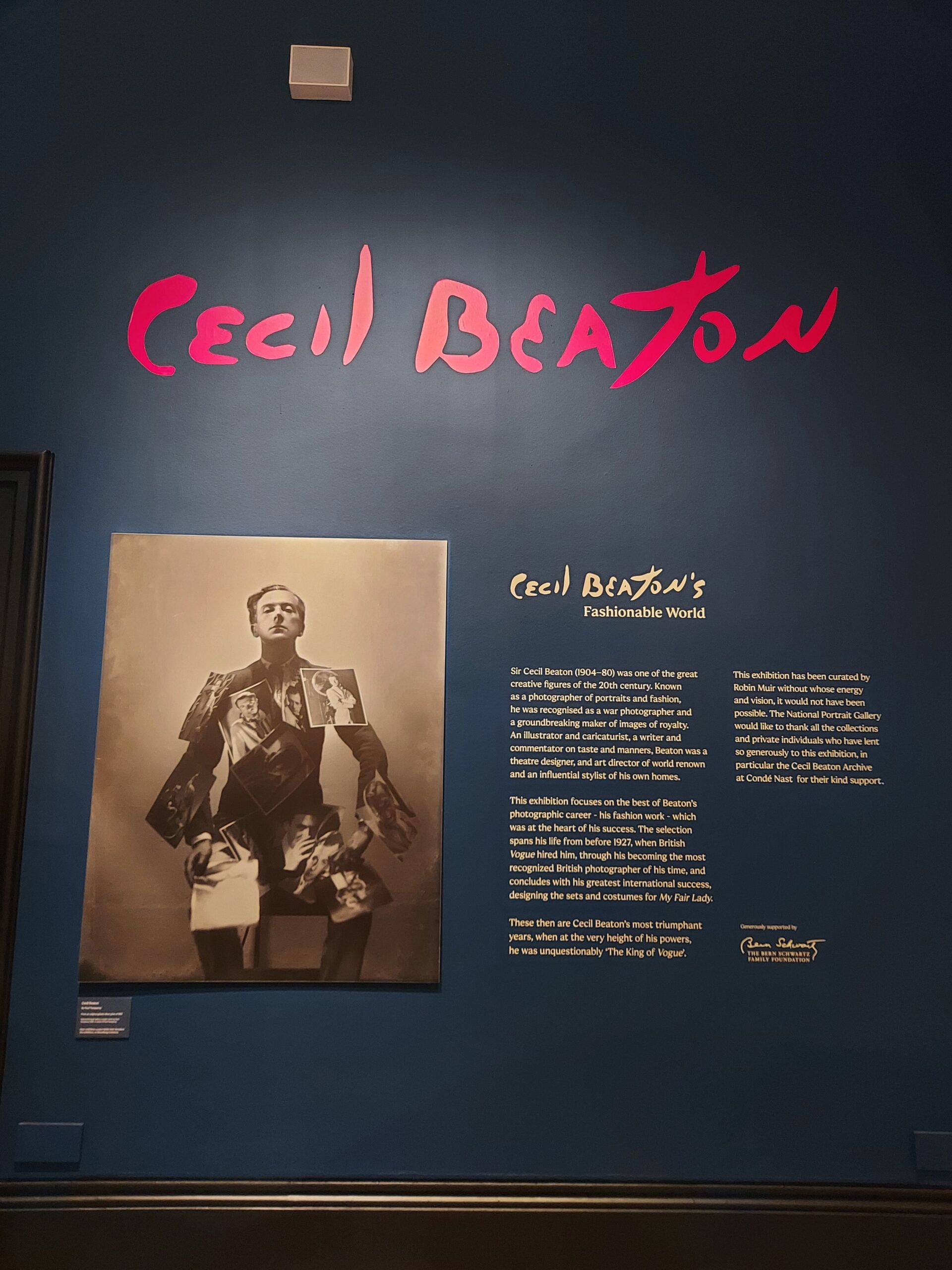
In a previous life, I worked in a library and catalogued the letters of Cecil Beaton, so any exhibition relating to him or his work is a must-see for me. Cecil Beaton’s Fashionable World at the National Portrait Gallery looks at his work in the realms of fashion and portrait photography.

The work on display here covers the Bright Young Things of the 1920s and the Jazz Age, the interwar years, the glamorous 1950s and the dazzle of Hollywood. The exhibition includes over 200 items including photographs, sketches, illustrations and letters, and features stars such as Marilyn Monroe, Audrey Hepburn and Elizabeth Taylor.

This enjoyable exhibition is well worth a visit to appreciate Beaton’s talent, variety, and the styles of the mid-20th century.

Haunted By Belief: Why We’re Drawn to Ghosts with Peter Laws – Guy’s Hospital Chapel (London Month of the Dead)

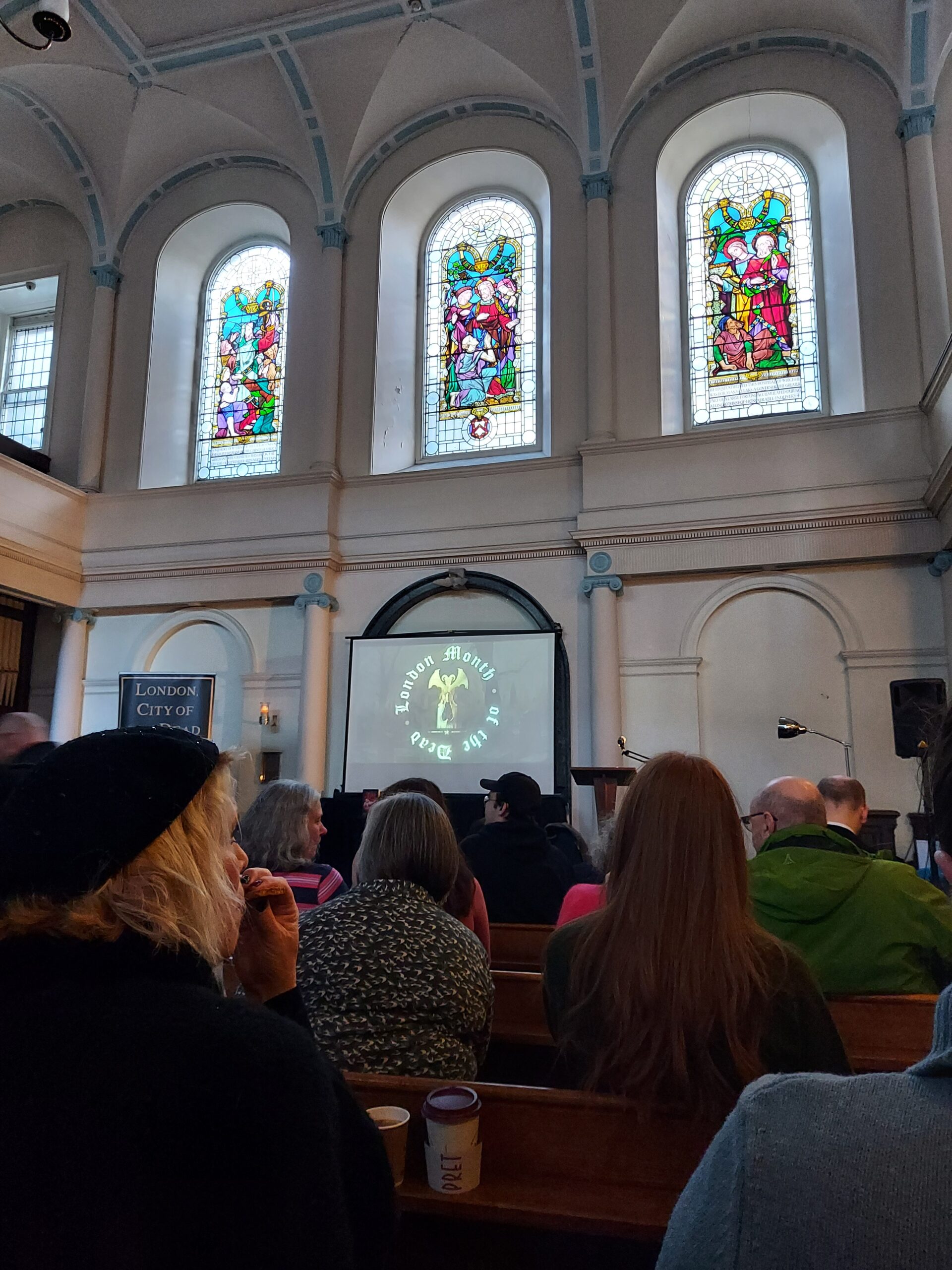
As part of London Month of the Dead, I attended a talk by Peter Laws at Guy’s Hospital Chapel on the subject of ghosts. In Haunted By Belief: Why We’re Drawn to Ghosts, Laws discussed our fascination with ghosts and hauntings, from early rites to modern day ghost paranormal investigations.

His talk was funny, interesting and informative, and I left wanting to subscribe to his YouTube channel!

Church interior

Hidden Stories of Kensington Gardens

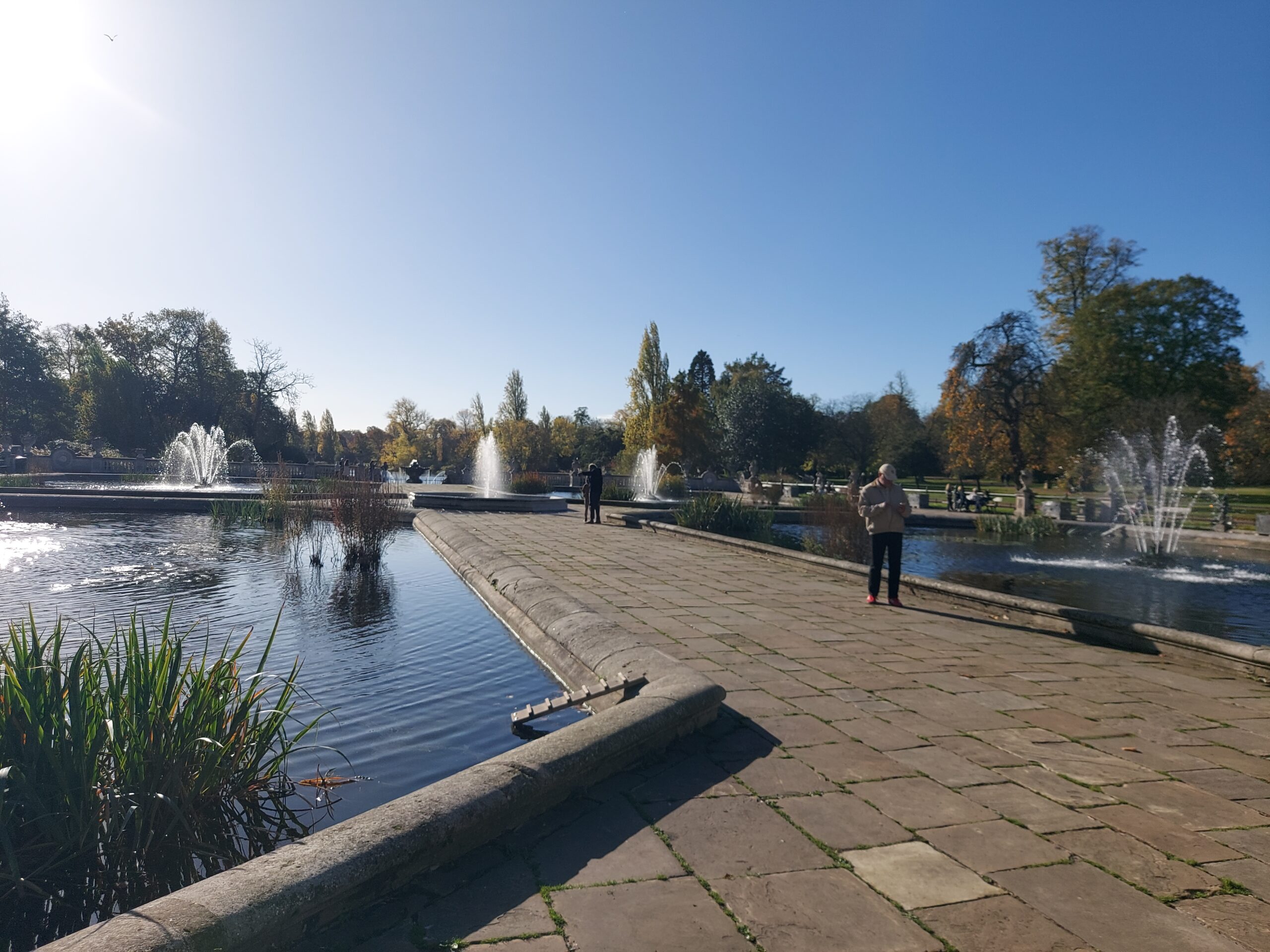
Italian Gardens at Kensington Gardens

I signed up for a Hidden Stories of Kensington Gardens walk and took the day off to attend. We met at the Italian Gardens pump house and learned about the history of the park, its gradual separation from Hyde Park by a succession of royals, the story of its statues, and the construction of the Albert Memorial.

Kensington Gardens was once one of King Henry VIII’s hunting parks, and formed part of Hyde Park until 1689, when King William III and Queen Mary decided to build Kensington Palace. They took part of Hyde Park to create a private garden for this new palace, commissioning a garden featuring formal flower beds and box hedges.

Later, Queen Caroline, wife of George II, employed innovative garden designer Charles Bridgeman to landscape Kensington Gardens. They created the Serpentine, one of the first artificial lakes in the country, and separated the Gardens from Hyde Park by means of a ditch. In the nineteenth century, Queen Victoria commissioned the Italian Gardens and, later, the Albert Memorial, in honour of her beloved husband Prince Albert.

Kensington Gardens first opened to the public in 1841: accessible on Saturdays only, it could only be visited by those who were “respectably dressed”. These days it is widely visited by London residents and tourists alike.

I enjoyed exploring Kensington Gardens in more depth and learning about, for instance, the hidden creatures within the Peter Pan statue, established in 1912 by J. M. Barrie, the novel’s author.
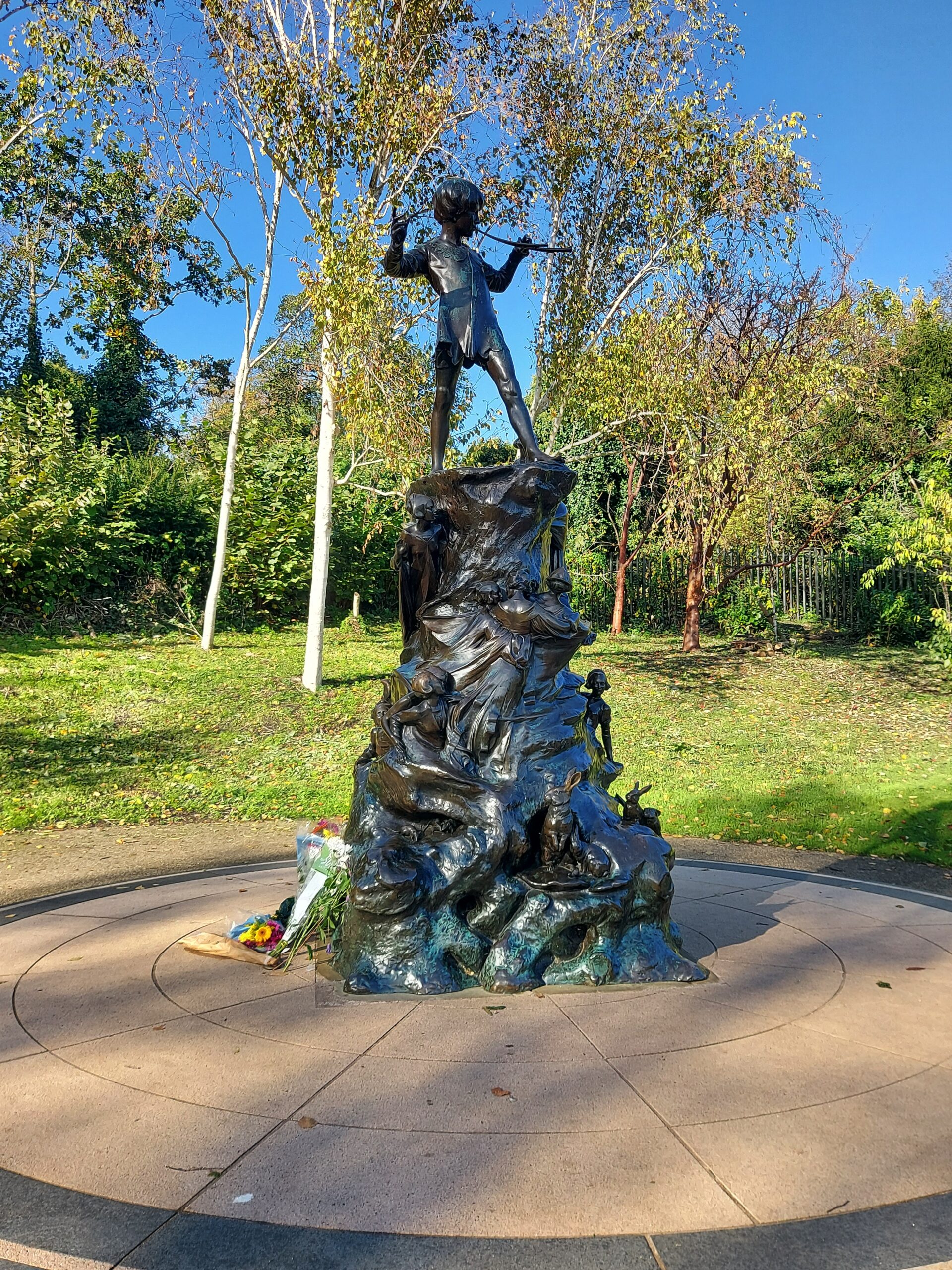
Peter Pan statue

After exploring the park, we ended up at the Albert Memorial. Designed by Sir George Gilbert Scott, it shows Prince Albert holding the catalogue of the Great Exhibition of 1851, which he had helped to organise. We got to go up close to the frieze which runs all round the memorial.
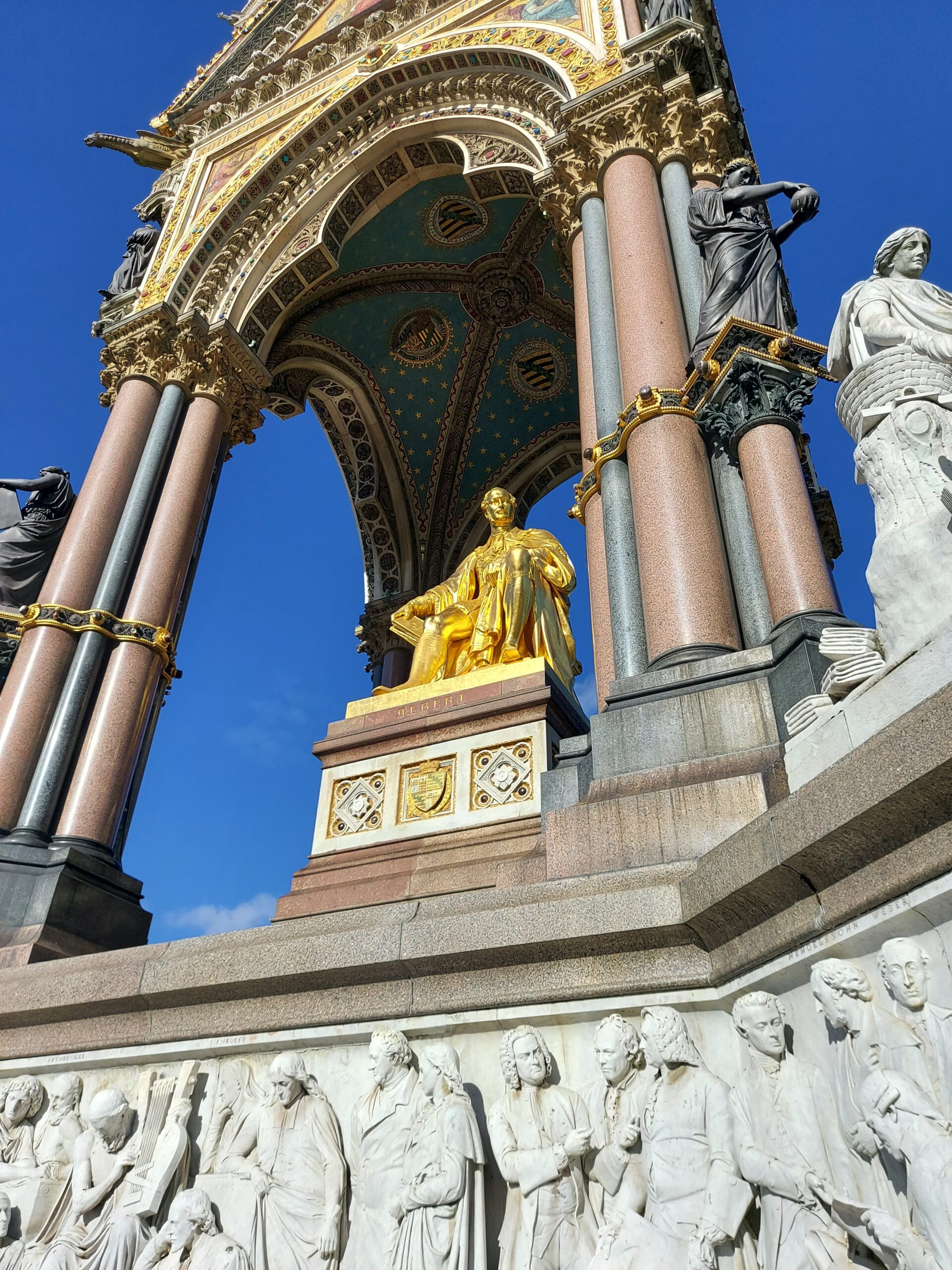
Albert Memorial

Exclusive Launch of The Rose Field with Philip Pullman and Guests

I’ve been a fan of Philip Pullman and the His Dark Materials series since I was a teenager. His work shaped my worldview profoundly and I’ve continued to enjoy his stories about Lyra Silvertongue, including The Book of Dust series. 2025 marks the publication of the final volume in this trilogy, The Rose Field, and I was excited to get a ticket for the launch event at St James’s Church, Piccadilly.

Armed with a hot chocolate, I enjoyed live readings from guests Amir Wilson (Will Parry in the HBO and BBC One series His Dark Materials) and Bethany Antonia (Princess Baela Targaryen in HBO series House of the Dragon). There was also a discussion from Radzi Chinyanganya, Katherine Rundell, Caroline O’Donoghue, Ella Risbridger and Sam Leith about the books and what they meant to the panel and their millions of readers over the years.

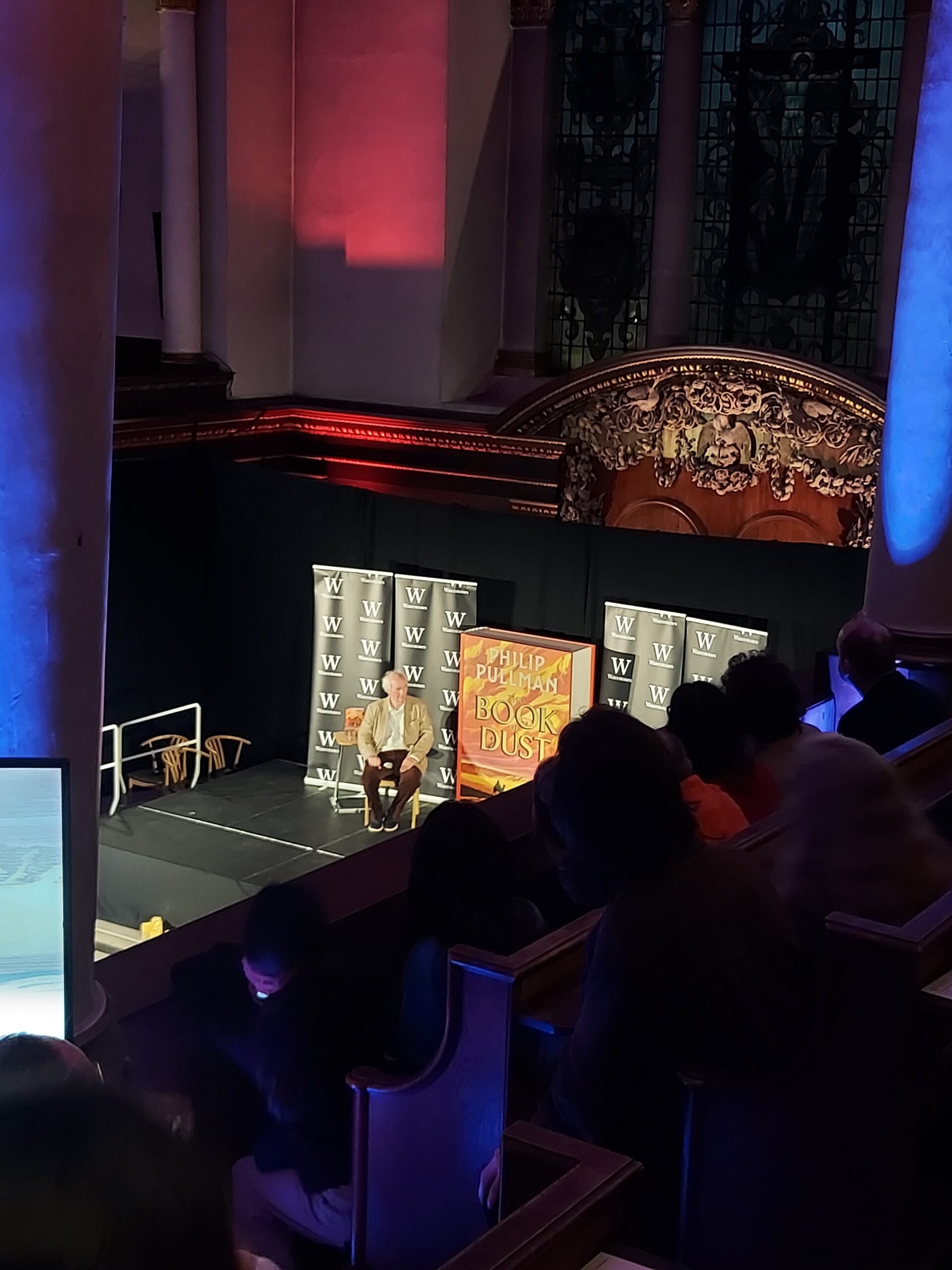
Finally, there was a special in conversation with Philip Pullman himself, hosted by Sam Leith, culminating in Pullman reading from The Rose Field. I enjoyed hearing what the author had to say about his work, his ideas, his philosophy and his thoughts on writing.

Afterwards, it was time to visit Waterstone’s for the midnight book release event. This evening certainly whetted my appetite for the novel!

Philip Pullman at St James's Church

Thames Tidefest: History Walk

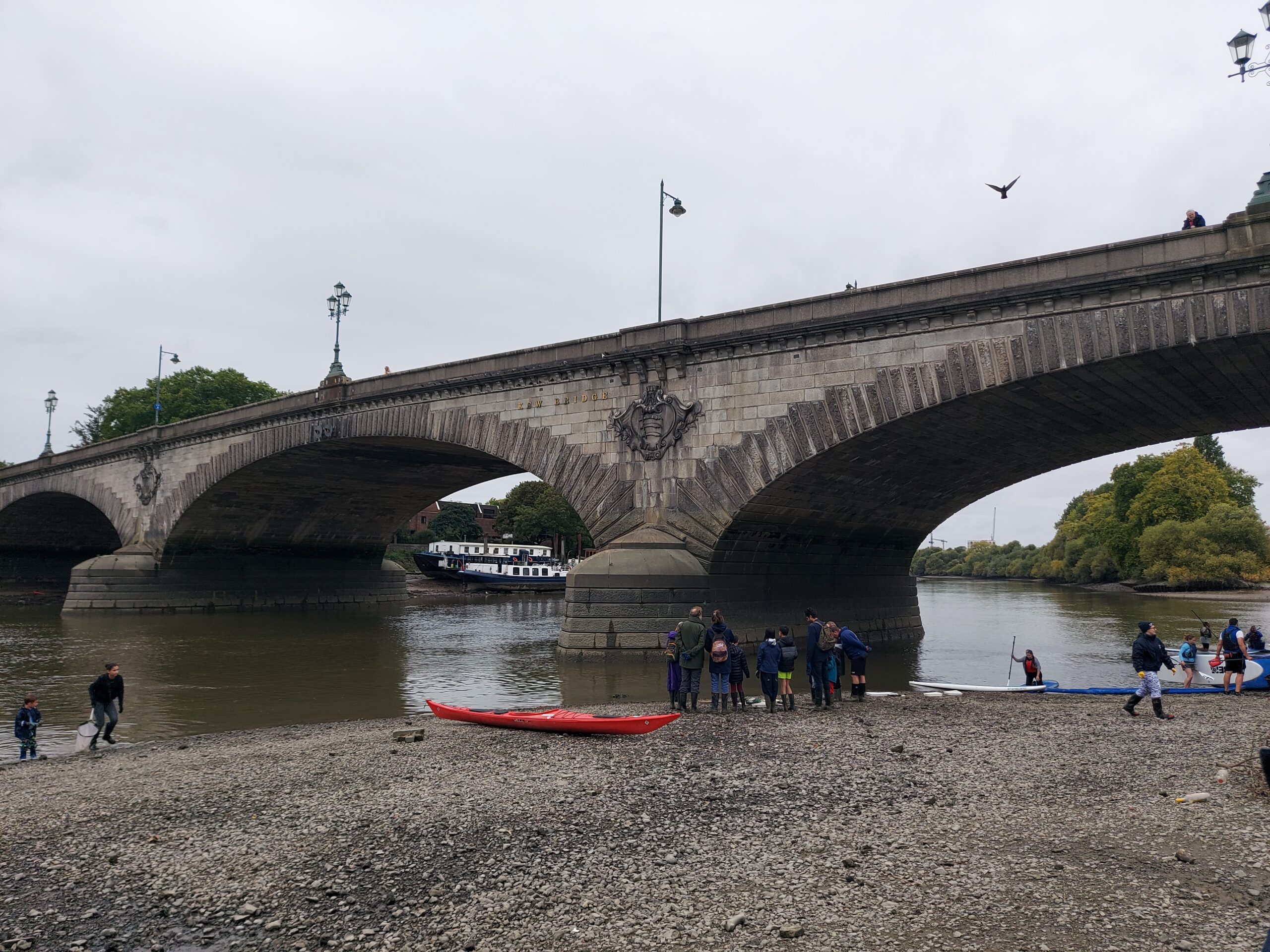
I attended a history walk and foreshore exploration on the banks of the Thames by Kew Bridge, as part of the Thames Tidefest. The walk was run by expert and archaeologist Dr Fiona Haughey, who has worked on the Thames foreshore since 1993.

The Thames and a bridge

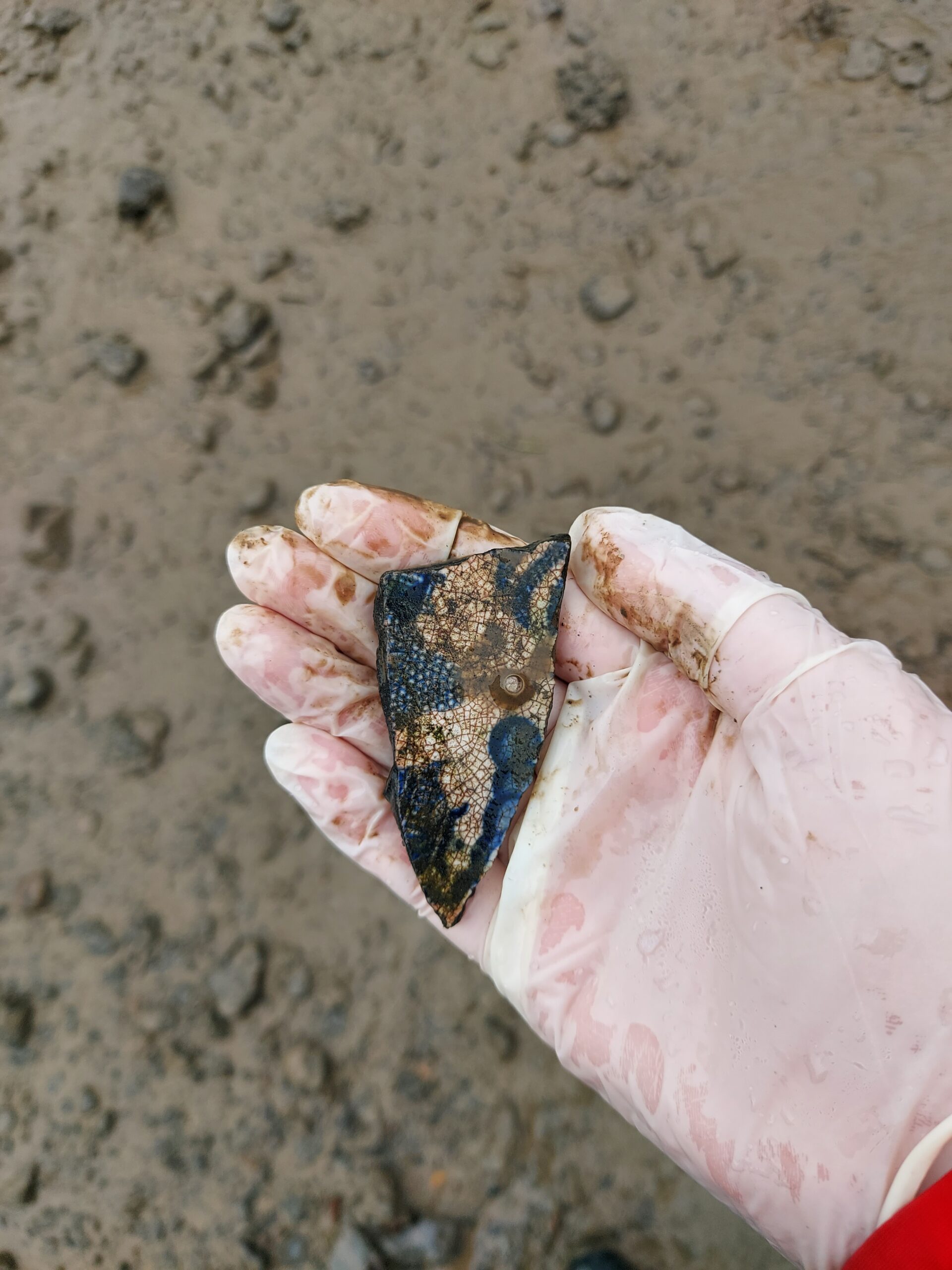
The Thames is a popular place for mudlarks to explore and discover fascinating artefacts. With a history dating back to Roman times, finds can span two millennia, including Roman jewellery, WW2 munitions, fragments of pottery and brick, tobacco pipes, ancient weaponry and more.

A mudlarking find

I didn’t manage to find anything particularly exciting myself (and without a mudlarking permit, wouldn’t have been able t0 keep it anyway), but still enjoyed the experience.

Pirates – National Maritime Museum

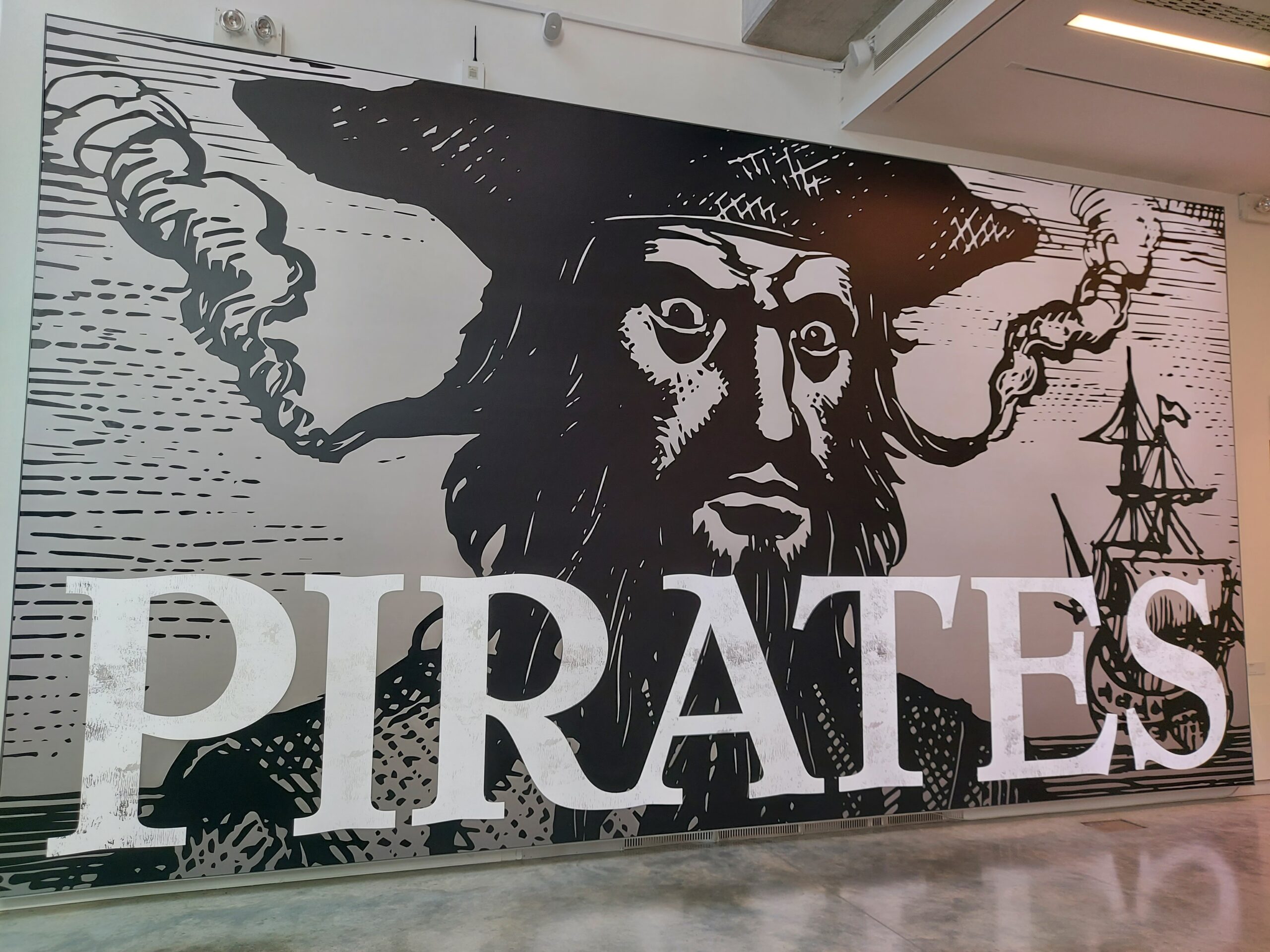
Pirates exhibition

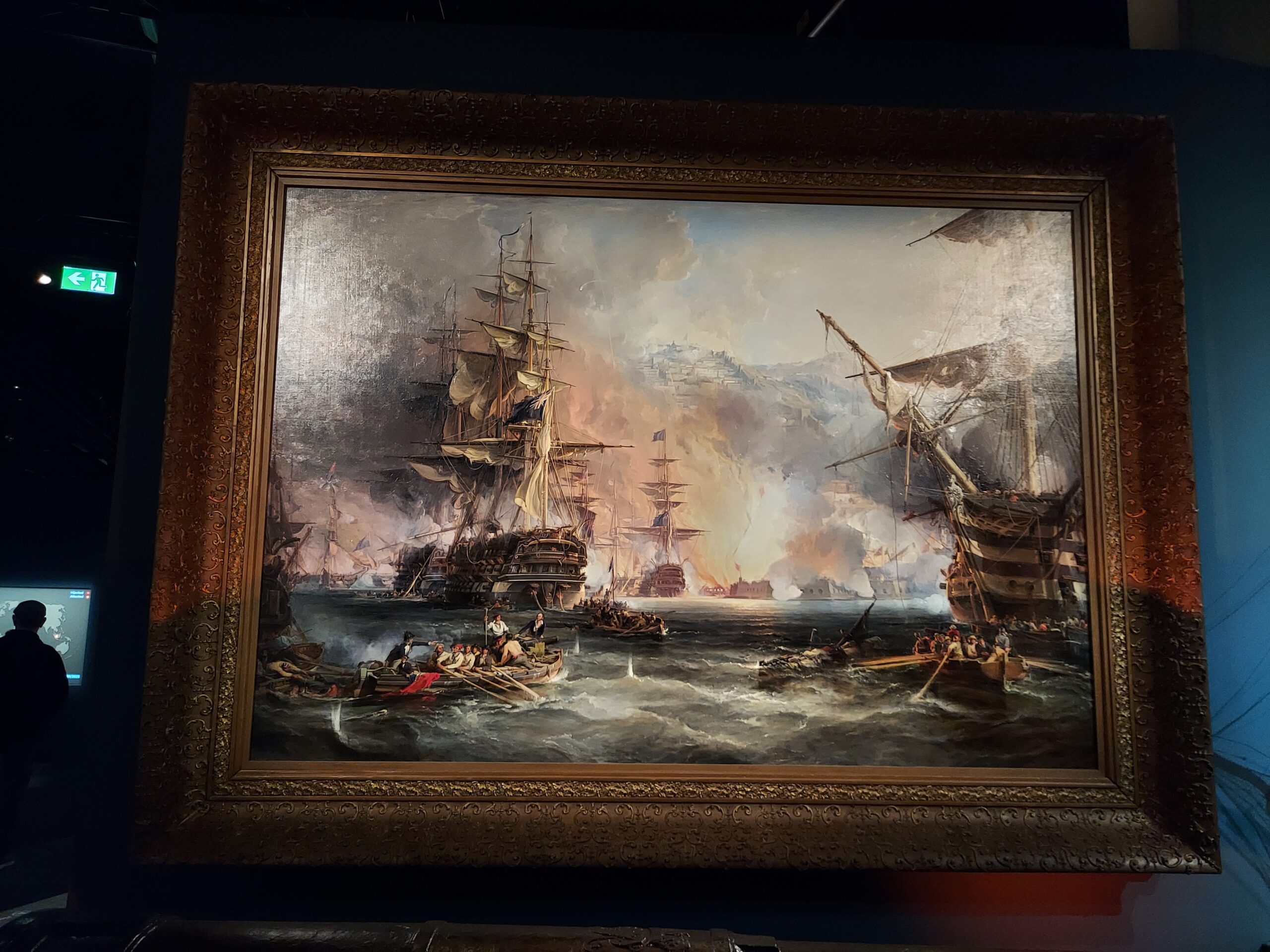
Along with some fellow Rebels – as September featured the Pirate Challenge monthly badge – I went along to the National Maritime Museum to see the Pirates exhibition. I really enjoyed the exhibition and learned a lot.

The exhibition explored the history of pirates in both history and fiction. It looked at famous fictional pirates including Long John Silver and Captain Jack Sparrow, as well as Captain Hook and Captain Pugwash. It also examined the real pirates who sailed the seas, including Edward ‘Blackbeard’ Teach, Anne Bonny and William Kidd. One of the more intriguing things I learned was that Stede Bonnet, protagonist of Our Flag Means Death, was a real pirate!

Pirates have sailed the seas all over the world, from the Caribbean to North Africa and the South China Sea. Even today, piracy still exists and the exhibition looked at the role of pirates in the modern world. Modern-day pirates are understandably condemned, however historical and fictional pirates are often romanticised. The reality, even at the time, was extremely brutal with a replica gibbet cage showing what could happen to pirates if caught.

Painting of ships

British Museum Reading Room

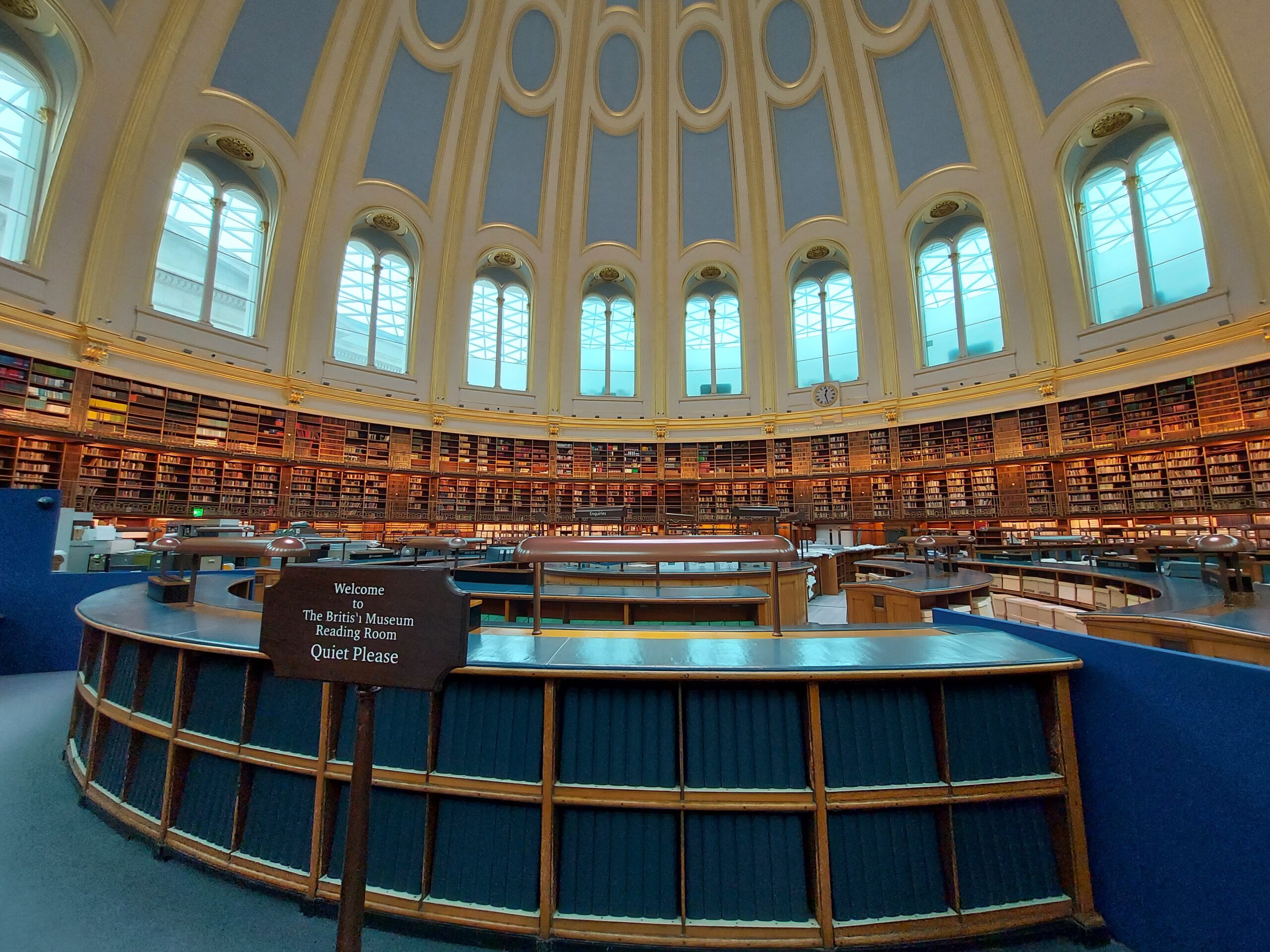
British Museum Reading Room

After Rebel Summer Camp I took an extra day off and went along to the British Museum. Recently, tours of the famous Reading Room have been made available at 11 and 12 on Tuesdays. Accessed via the Great Court, the Reading Room has a rich history.

The tour explored the history of the Room, how it evolved over decades, and some of the famous people who studied there. The British Museum itself opened in the 1820s but by the 1850s it could be seen that the Library needed a larger reading room and more storage for books. The Principal Librarian Antonio Panizzi suggested building a round room, surrounded by shelving, in the then-empty courtyard. The architect, Sydney Smirke, created a pioneering design with a concrete floor, modern heating and ventilation systems, and a domed ceiling supported by cast iron. After opening in 1857, over 62,000 people came to visit the new Reading Room in the first ten days.

In the beginning, the space supported a maximum of 302 readers, with 2 of the 38 long tables reserved for women. The room had underground heating, leather chairs and over 40km of shelving. To consult a book, a patron would examine the General Catalogue of Printed Books in the centre of the room, fill out a request form, and wait for around an hour. In 1979, the Reading Room became one of the first public places in London to have electric lighting, having previously relied on natural light and gas lanterns, which meant that it was impossible to work in the darkness of winter or when London was enveloped by fog, which was frequently. Some of the notables who made use of the Reading Room include Karl Marx, Lenin, Sylvia Pankhurst, Oscar Wilde, Gandhi and Beatrix Potter.

In 1997 the British Library, which had formally detached from the British Museum in 1973, moved to a purpose-built building near St Pancras. The Reading Room was open to visitors between 2000 and 2007, and for the following decade hosted a number of special exhibitions. It was then closed to the public once again, until 2023 when these tours resumed. I’m glad I got a chance to see this historic Reading Room and I hope visitors can continue to access it in the future.

Medieval Wine Tour

After doing Unreal City Audio‘s Coffeehouse tour, I decided to book onto the Medieval Wine Tour one hot August day. This tour is also run by Dr Matthew Green and we met at the Guildhall before heading off to explore medieval London through the medium of wine. Throughout the tour we got to sample plenty of medieval-style wine, and I ended the tour feeling rather tipsy.

Throughout the tour we explored Roman London, Cheapside and Queenhithe, hearing stories of scheming vintners, bloodthirsty murderers, obsessive anchorites and attempts to grow grapes in the London climate. The tour was very entertaining and thoroughly enjoyable.

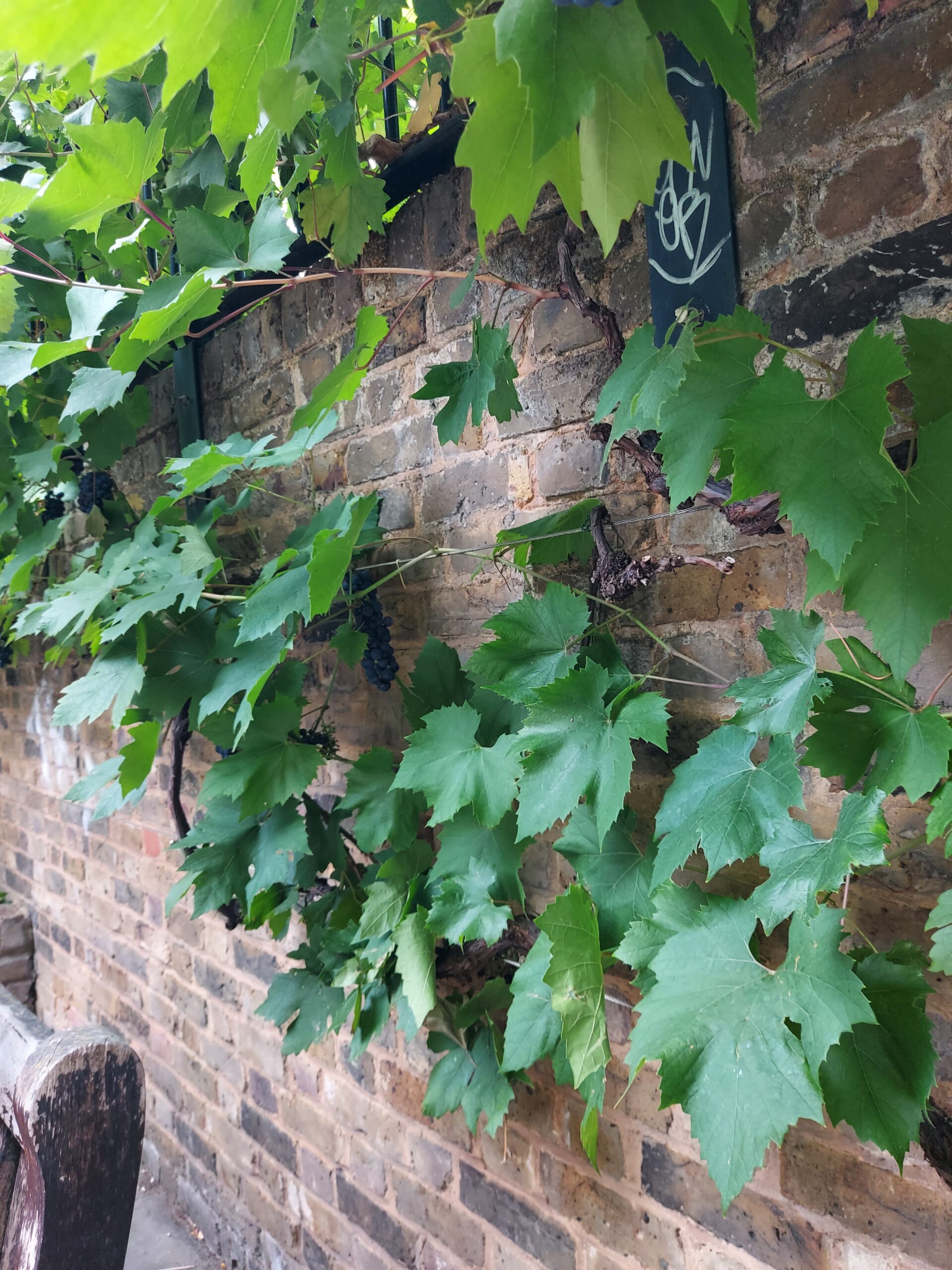
vines on a wall

London Canal Museum

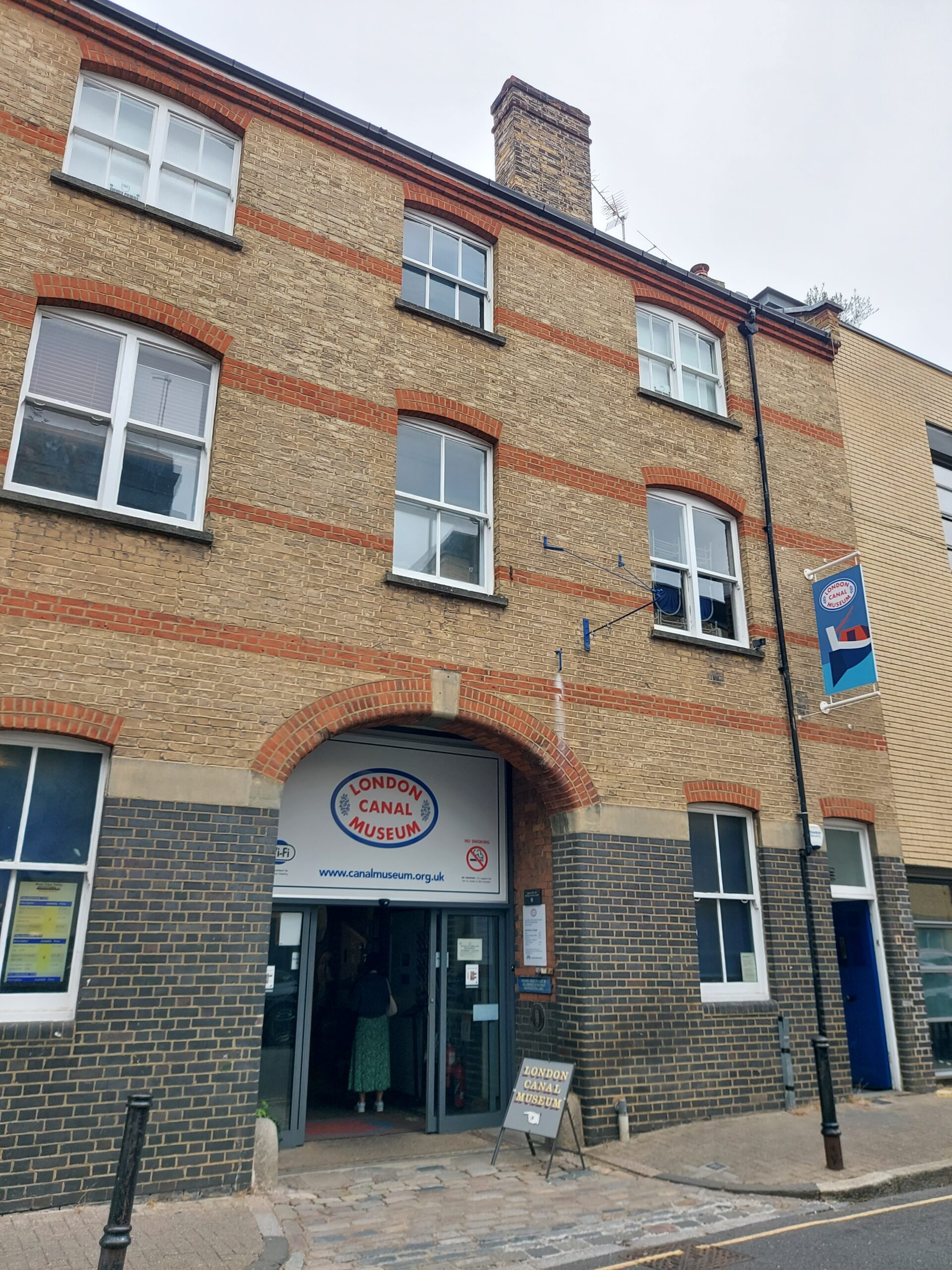
Outside the Canal Museum

I finally visited the London Canal Museum for the first time in August. The museum is located in King’s Cross, on the Regent’s Canal which runs across North London. The building was formerly Gatti’s Ice House, originally constructed in 1862-63, and the museum opened in 1992.

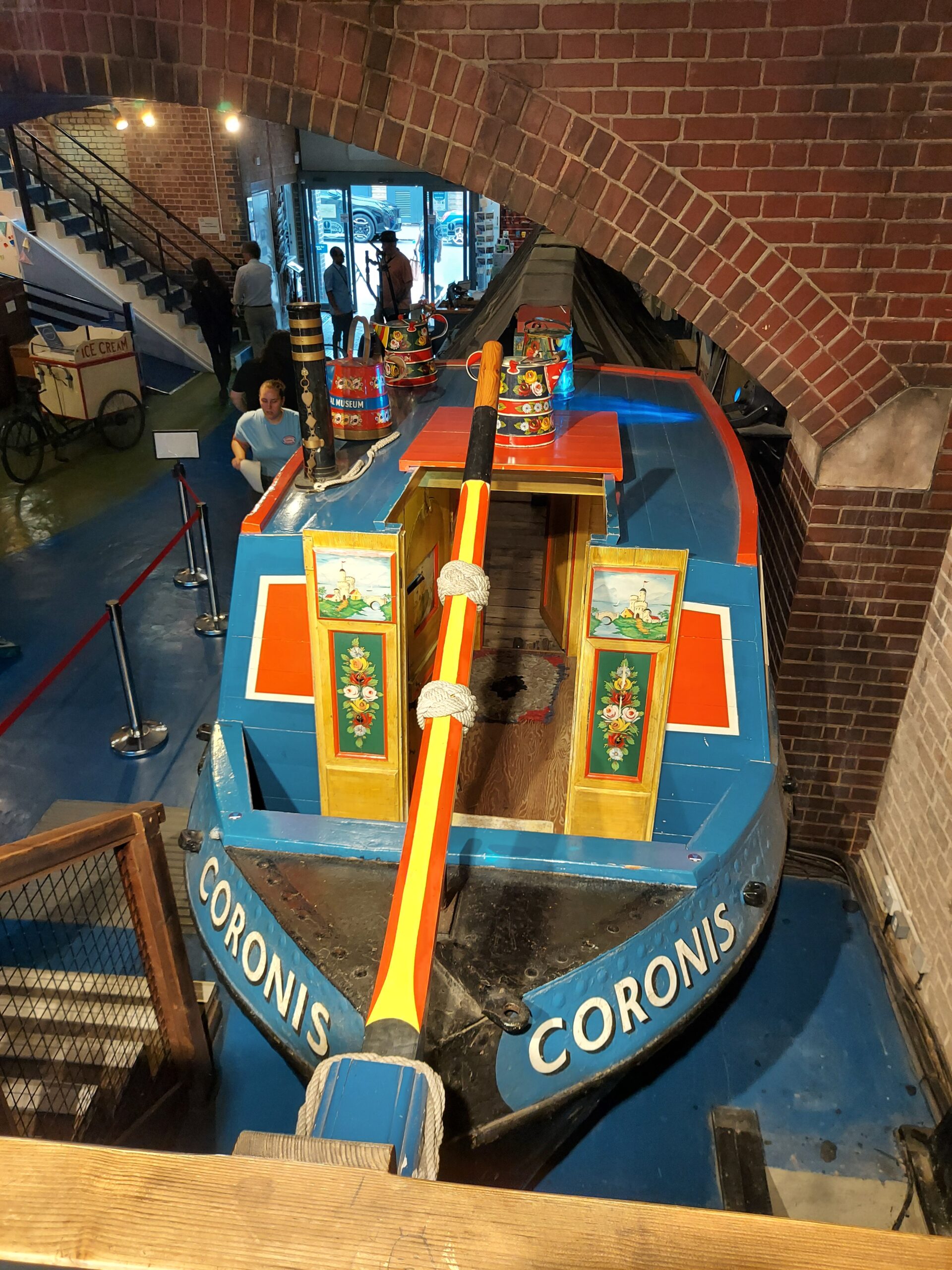
Boat in the Canal Museum

The museum tells the interesting story of London’s canals, with information about canal engineering, boats and cargoes, focusing on the Regent’s Canal in particular. It also looks at the social history of canal workers, the art of canals and canal boats, ice cream and the ice trade. There is a life size narrowboat cabin, too, so you can imagine sailing along the canal in a pleasant boat.

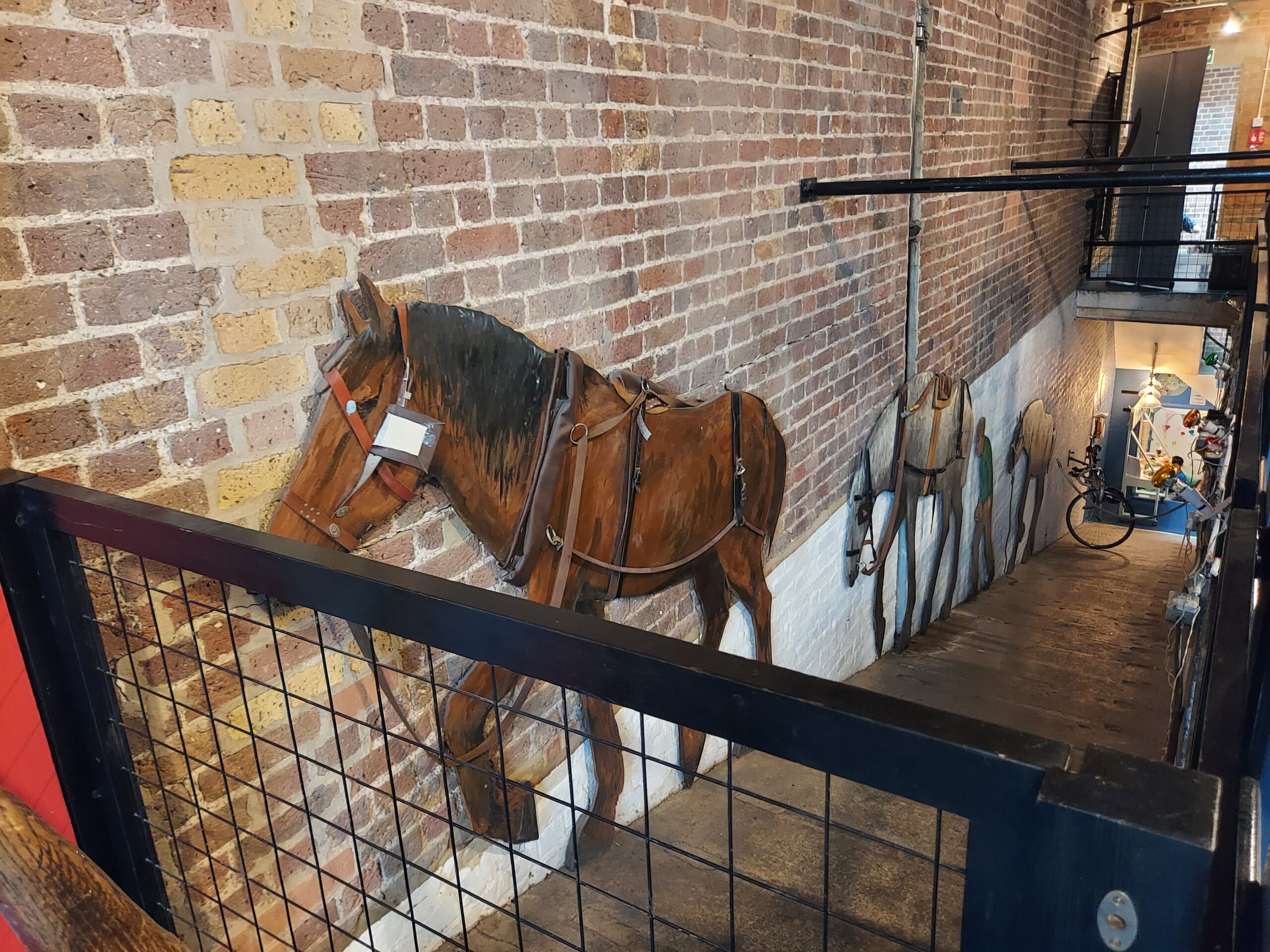
Stables ramp within the Canal Museum

The museum is small, but there is a surprising amount to see, over two floors. You can also take a canal boat ride from just outside the museum – I didn’t do this, but I definitely want to in the future.

Ice Well Descent

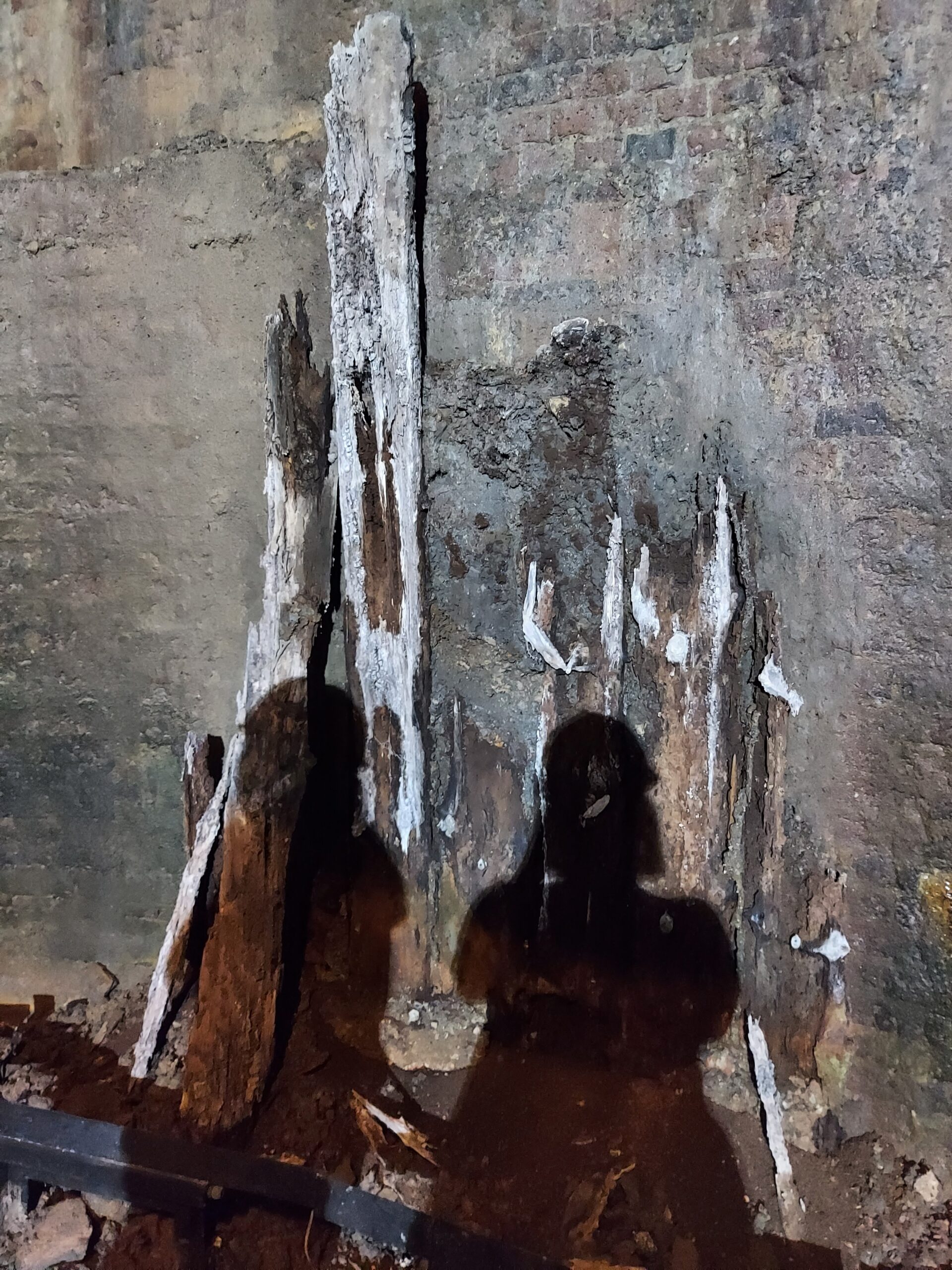
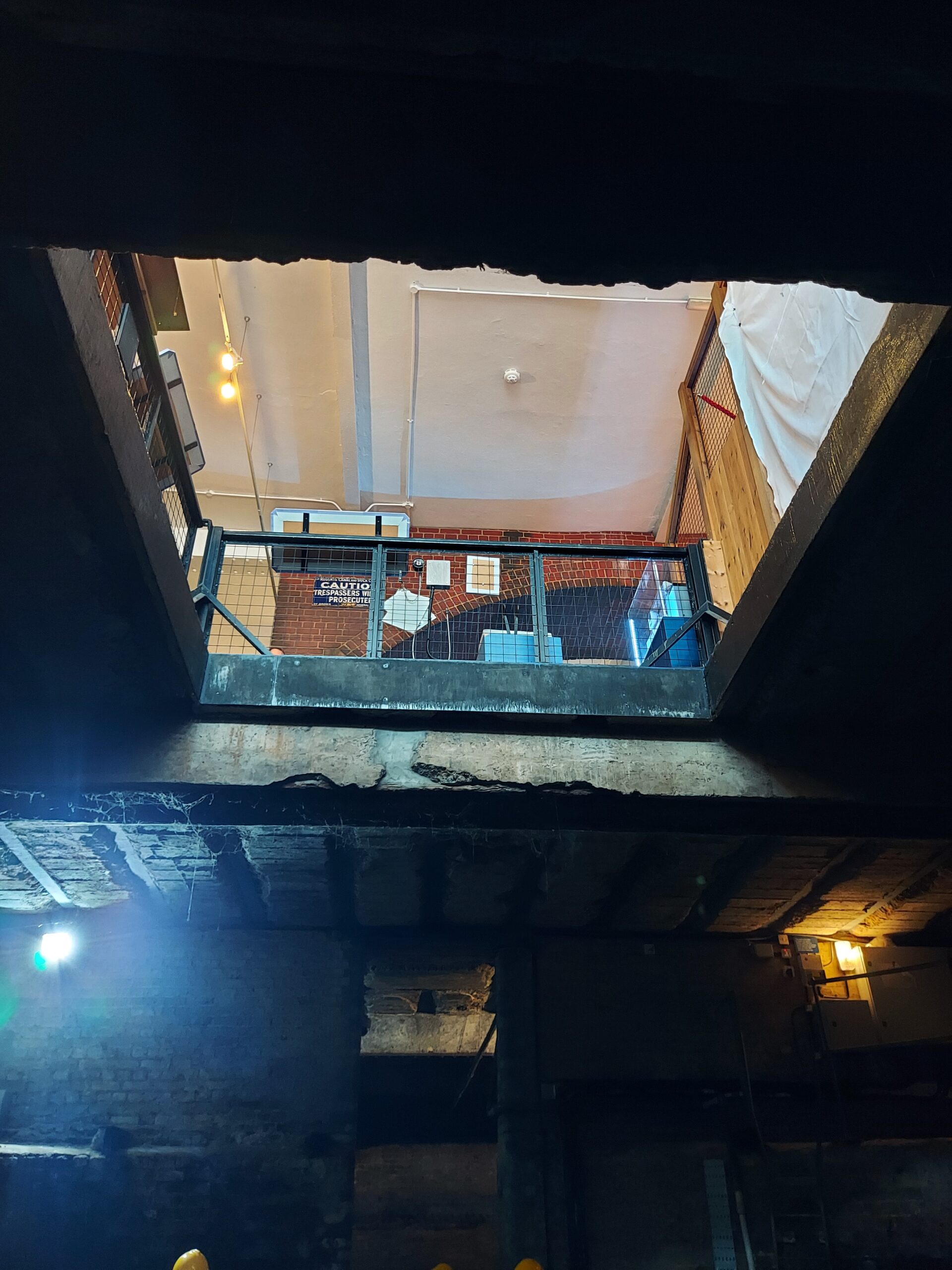
The reason I particularly wanted to visit on this date was the annual ice well descent, allowing visitors to descend into the underground ice store at the heart of the museum. Before freezers, ice was imported from Norway and kept in wells like this for preservation, sold to restaurants and food shops to keep food cool. These particular ice wells were used until at least 1902, beneath stables for the horses which pulled the ice delivery carts. It was fun to go down into the ice well and imagine what it might have been like when they were full of ice.

I definitely recommend a visit to the London Canal Museum to learn more about London’s industrial past.

FACTS

Address: 12/13 New Wharf Road, London, N1 9RT

Website: canalmuseum.org.uk

Opening Hours: Tue-Sun 10 – 16:30

Price: Adult £8, concession £6.50, child £4

The Coffeehouse Tour

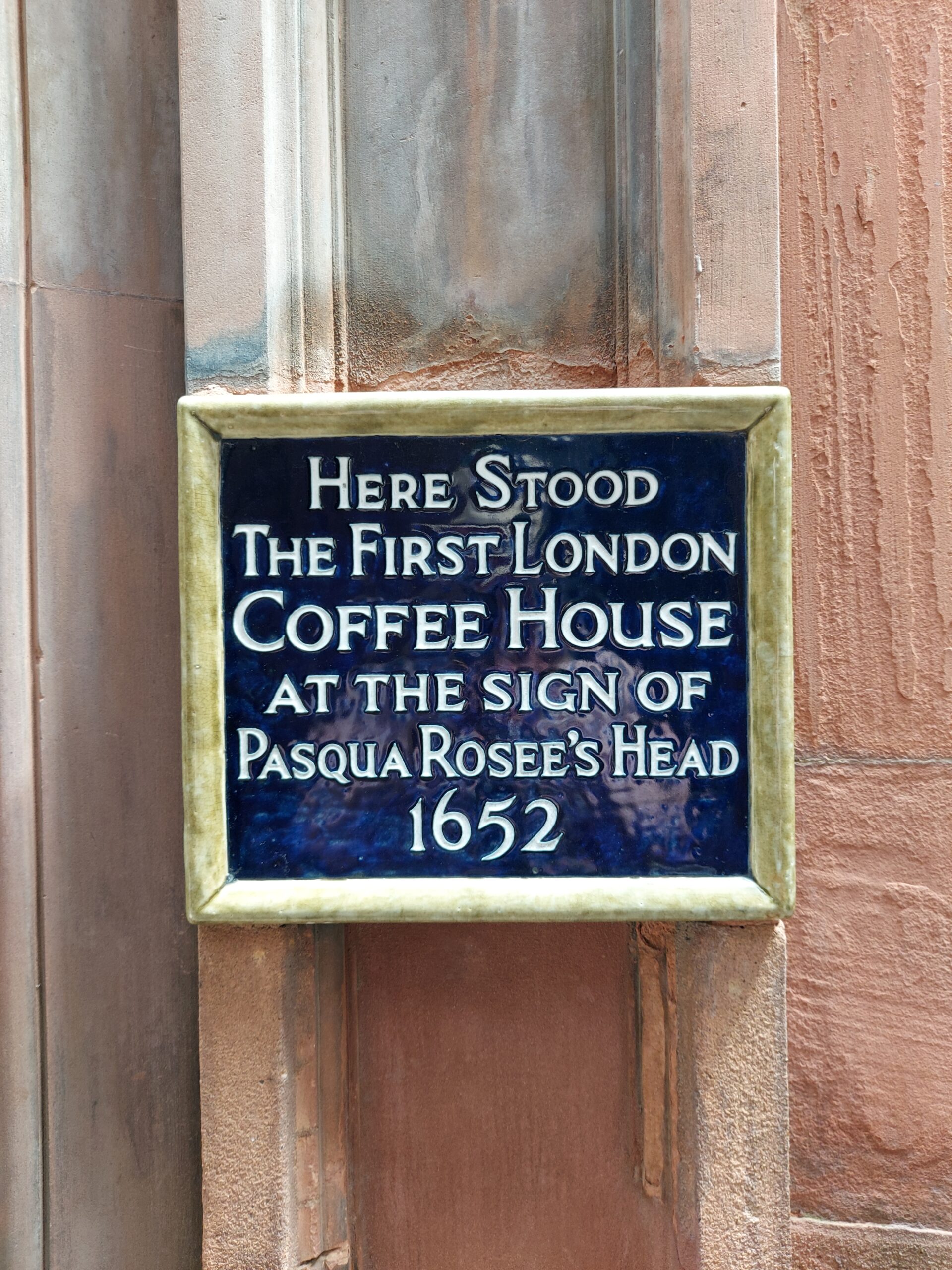
Plaque that reads 'Here stood the first London coffee house at the sign of Pasqua Rosee's Head 1652'

I’ve been meaning to do one of Unreal City Audio‘s tours for a while, and finally got round to it today. I’m currently working on the Rebel Badge Club Barista badge, so it seemed the perfect time to do the Coffeehouse Tour.

The tour is run by Dr Matthew Green and he took us on a fascinating journey of the history of the London coffee house craze of the seventeenth century. We got to see sites of coffee houses, learn about their role as centres of news, gossip and scientific development, the disappointing fact that women were not permitted, and some of the individuals behind these places. At the same time we got to sample some almost-authentic Turkish coffee of the era (I say ‘almost’ because the modern recipe left out some of the more unpleasant ingredients, such as cat wee and spit, much to my relief). Surprisingly it was quite palatable, though thicker, saltier and altogether more savoury than modern coffee.

Overall, I thoroughly enjoyed the tour and I definitely want to do another one.

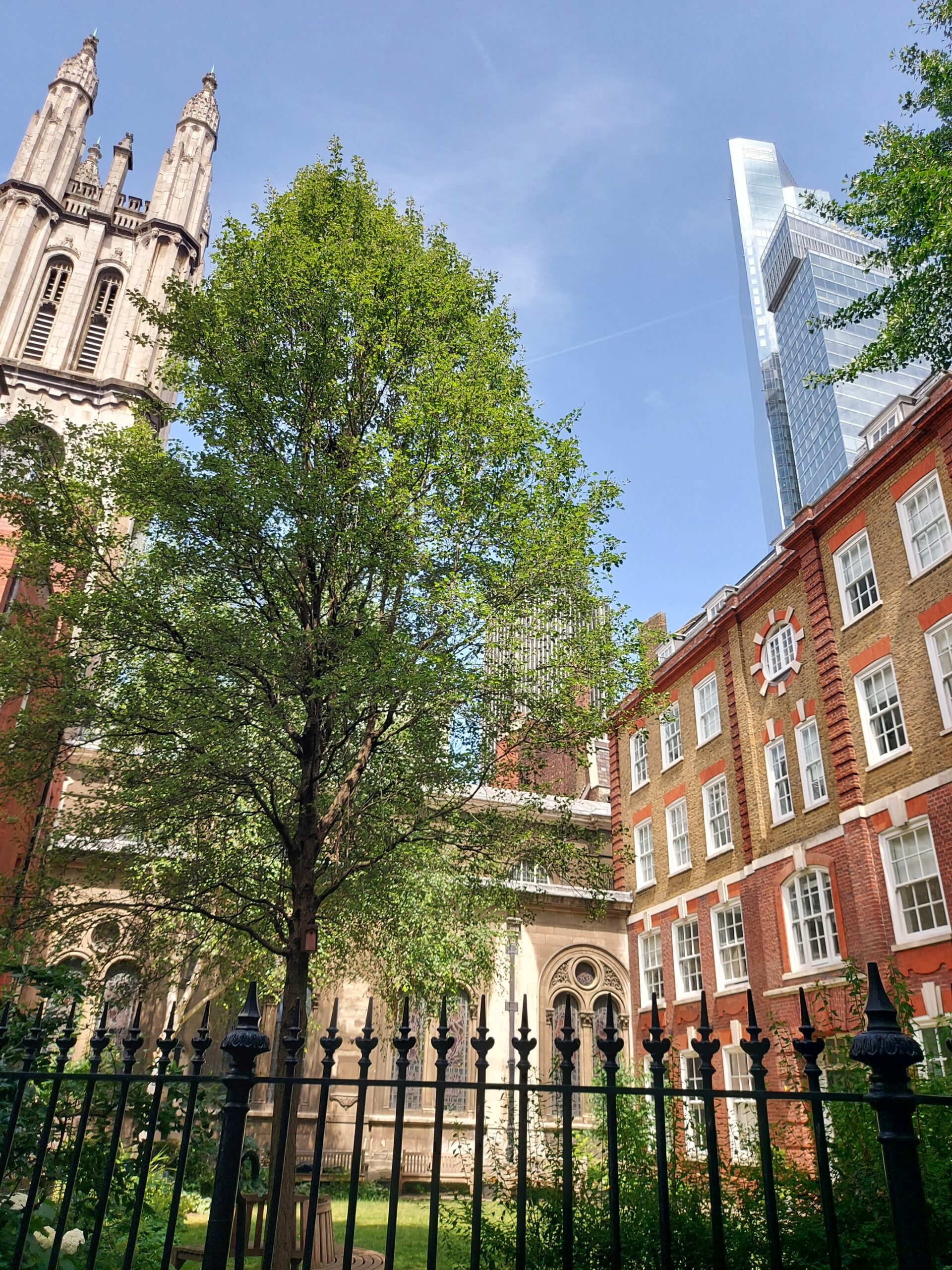
The churchyard of St Michael's Church Cornhill