Kew Palace

Kew Palace
Kew Palace

Recently I paid a visit to Kew Palace as part of a special event. The Palace comes under the care of Historic Royal Palaces, and is the smallest palace in the organisation’s collection. It’s very rare that it is possible to visit on a standalone trip – it is located in the grounds of the Royal Botanic Gardens in Kew, and you can usually only see it as part of a visit there.

Out of the window
Out of the window

History

Kew Palace is the smallest of all the royal palaces. It was originally built as a fashionable mansion for wealthy London silk merchant, Samuel Fortrey, in 1631. The building is often known as the Dutch House, as it was built in a supposedly Dutch style of architecture. Kew and nearby Richmond, as well as the now-defunct White House (of which the kitchens still remain near Kew Palace), were loved by the Georgians, particularly George II and Queen Caroline, followed by George III and his family. Kew Palace, much more intimate and personal than most royal palaces, proved a useful retreat for the king when he suffered from illness.

Kew Palace in its heyday

My Visit

Pumpkins in the kitchen garden

My friend and I met with the other participants at the Elizabeth Gate of Kew Gardens, which is next to the common, and were taken to the Palace. Our first port of call was actually the nearby kitchens, originally a part of the White House.

Inside the kitchens
Inside the kitchens

We drank wine and wandered through the vegetable garden. There were a few interesting things to see in the kitchens, particularly George III’s bath, which was rediscovered a few years ago. George would come over to the kitchens to have his bath in order to save the servants from lugging hot water over to the palace, and I started to picture King George in Hamilton singing one of his songs in the bath.

King George's bath
King George’s bath

Our tour of the palace itself began on the ground floor and encompassed the whole house. We learned about King George, his wife Queen Charlotte and their fifteen (!) children, all but two of whom grew to adulthood. George and Charlotte tried to set a moral example to their subjects, but their children rebelled, the sons gambling, drinking and taking mistresses and the daughters – trapped at home – embarking upon affairs with members of the Royal household.

Inside the Palace
Inside the Palace

The bedrooms of two of the daughters can be found on the top floor, dismantled now but still containing the ancient fireplace that was brought there from (it is believed) Richmond Palace. Charlotte was reluctant to allow her daughters to marry; her attitude  is harsh but somewhat understandable given her husband suffered frequent bouts of illness and madness (probably porphyria) and she was often frightened of him. Charlotte eventually died in the Palace: en route to attend the double wedding of her sons William and Edward, she fell ill and the wedding took place within the Palace, where she died later in 1818.

The attic
The attic

As part of this ‘hidden’ tour we got to explore the attic, formerly the home of the servants and full of nooks and crannies, as well as graffiti left over from the palace’s use as changing rooms in the mid-twentieth century. We also saw the undercroft, originally built in Tudor times with excellent examples of stonework.

The undercroft
The undercroft

The Palace fell into disuse after the death of Queen Charlotte, and Queen Victoria gave it and the nearby Queen Charlotte’s Cottage to Kew Gardens in 1898, to mark her Diamond Jubilee. The Palace has been open to the public ever since, apart from a break in 1996-2006 for refurbishment and restoration.

Nowadays, the Palace is open to Kew Garden visitors during the warmer half of the year. It is also possible to visit on a special Curious Kew evening tour, as I did. The next is due to take place on 20 September 2018. I definitely recommend it as a small but perfectly-formed place to visit.

Kew Palace
Kew Palace

FACTS

Address: Royal Botanic Gardens Kew, Richmond, TW9 3AE

Website: hrp.org.uk/kew-palace

Opening Hours: 10.30-7.30 during the summer months

Prices: £16 adults, £14 concessions, £4 children, under-4’s free (prices are for admission to Kew Gardens)

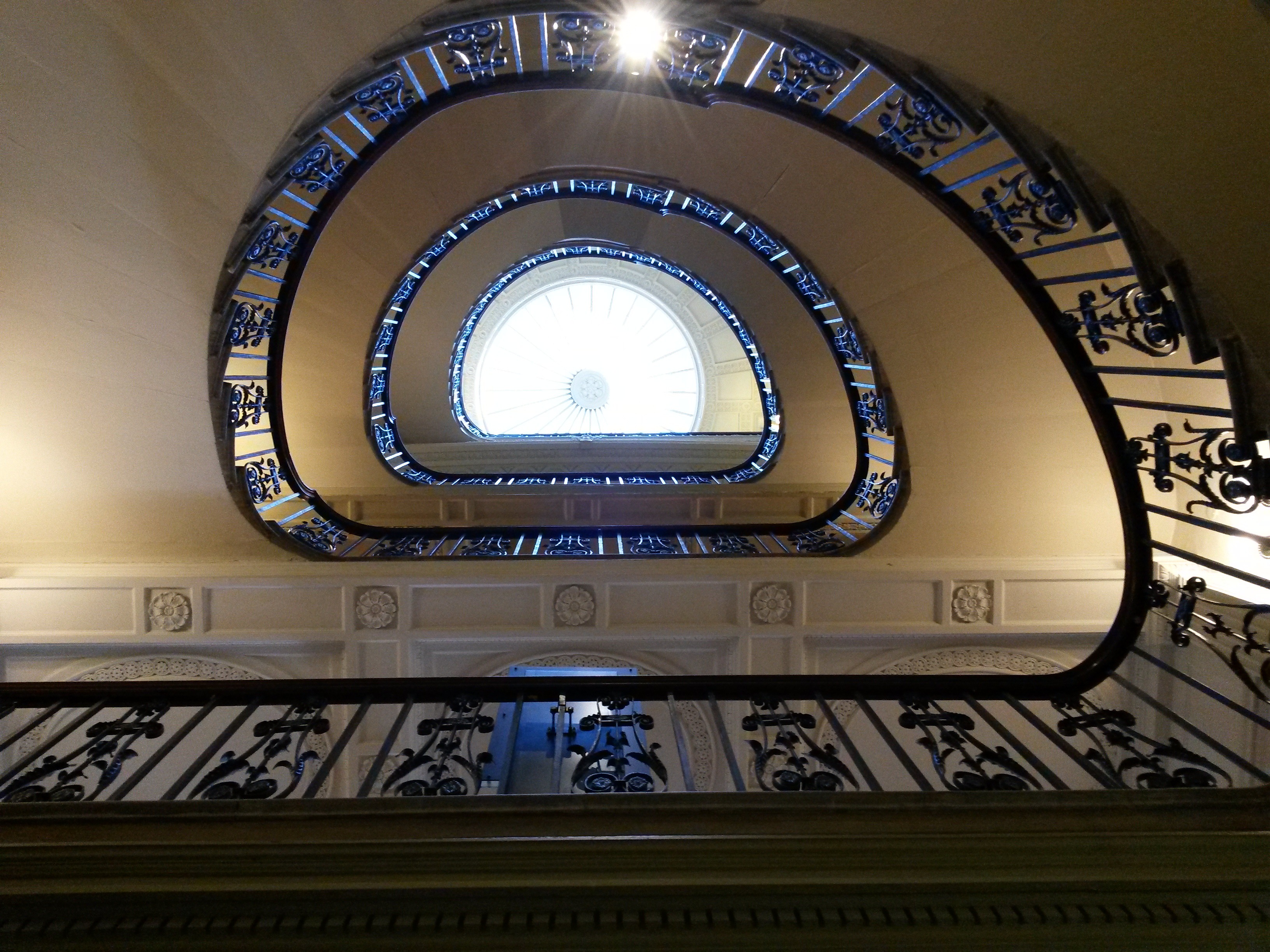
Courtauld Gallery

Courtauld Gallery Entrance

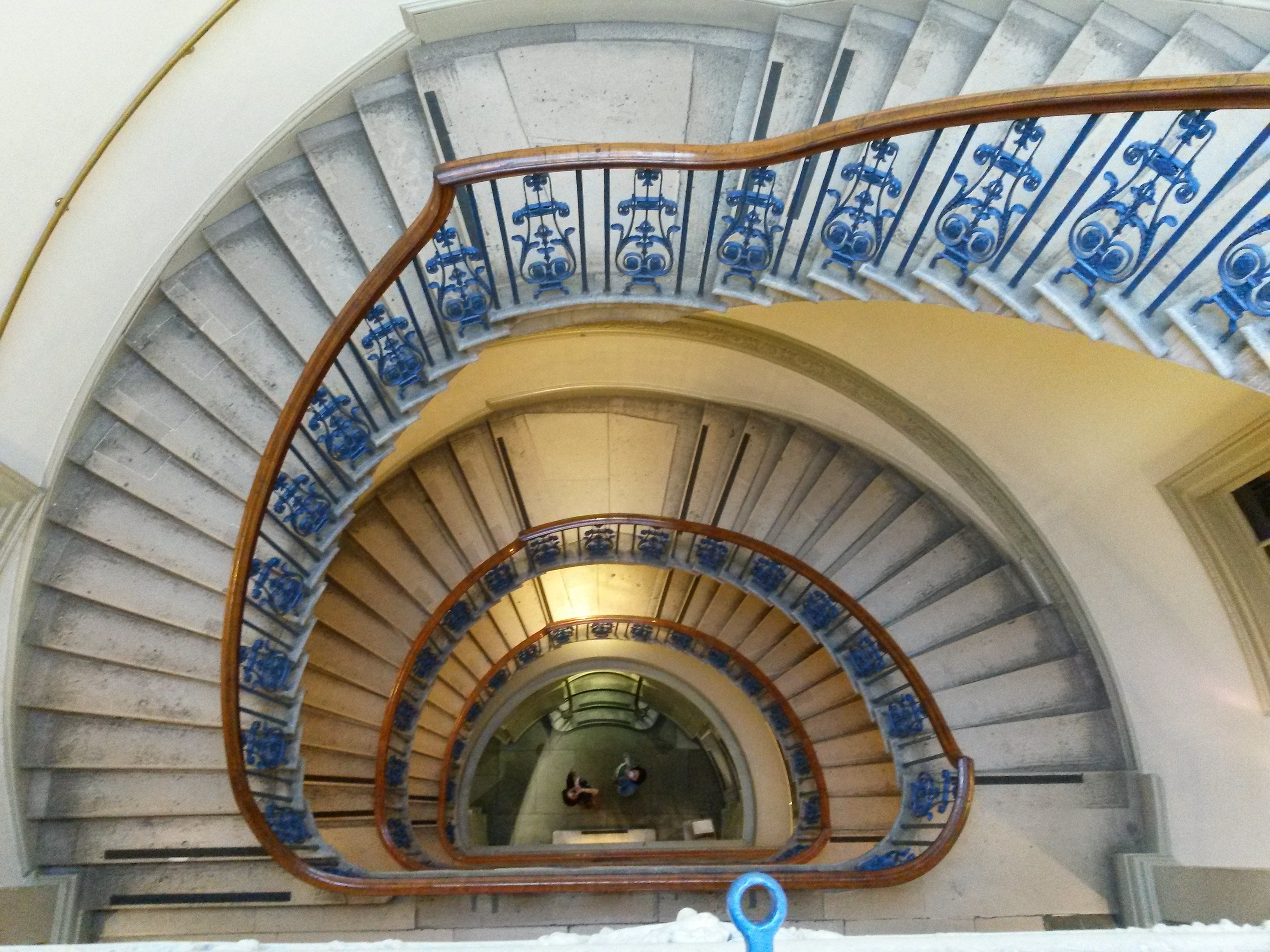
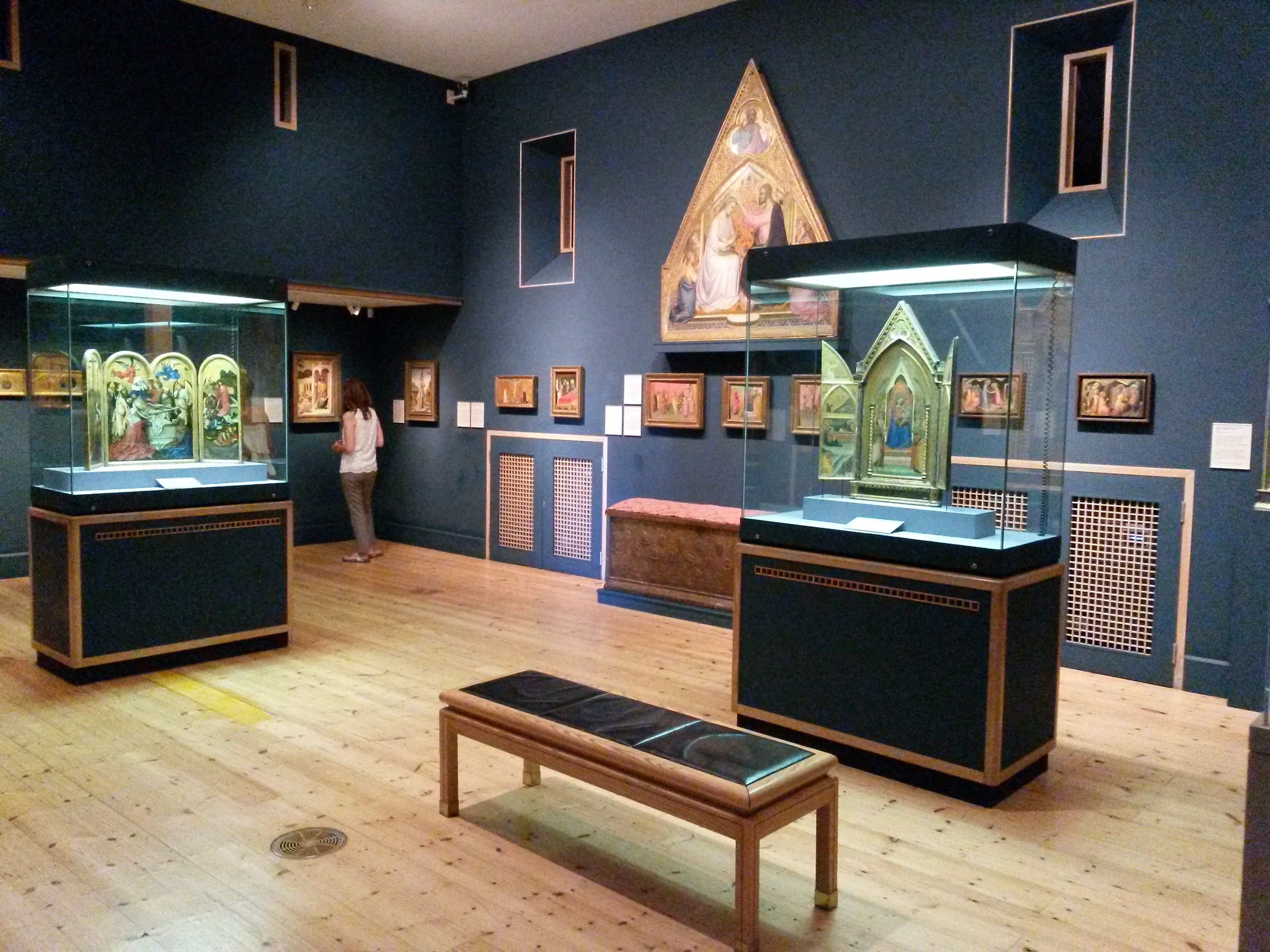
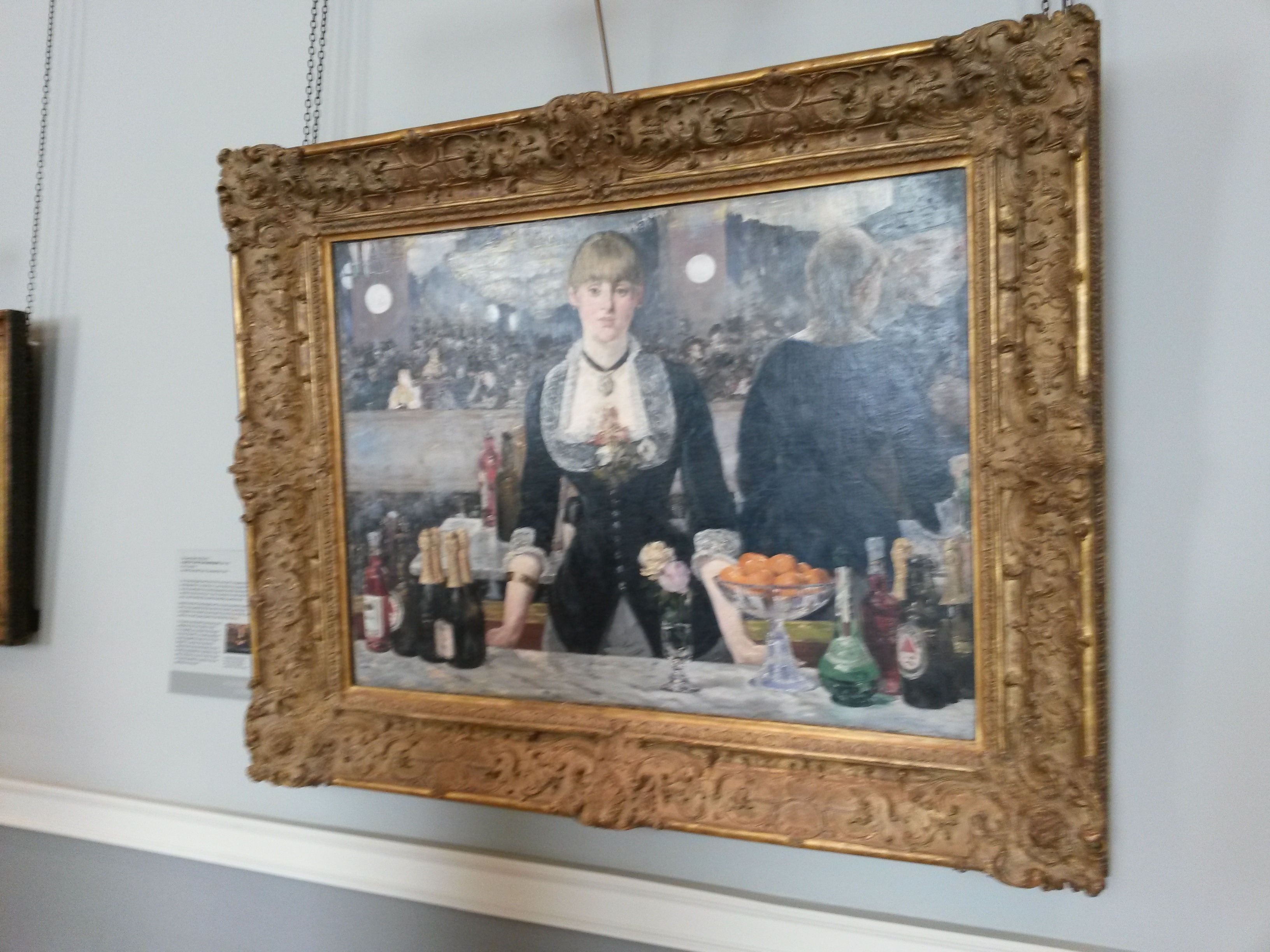
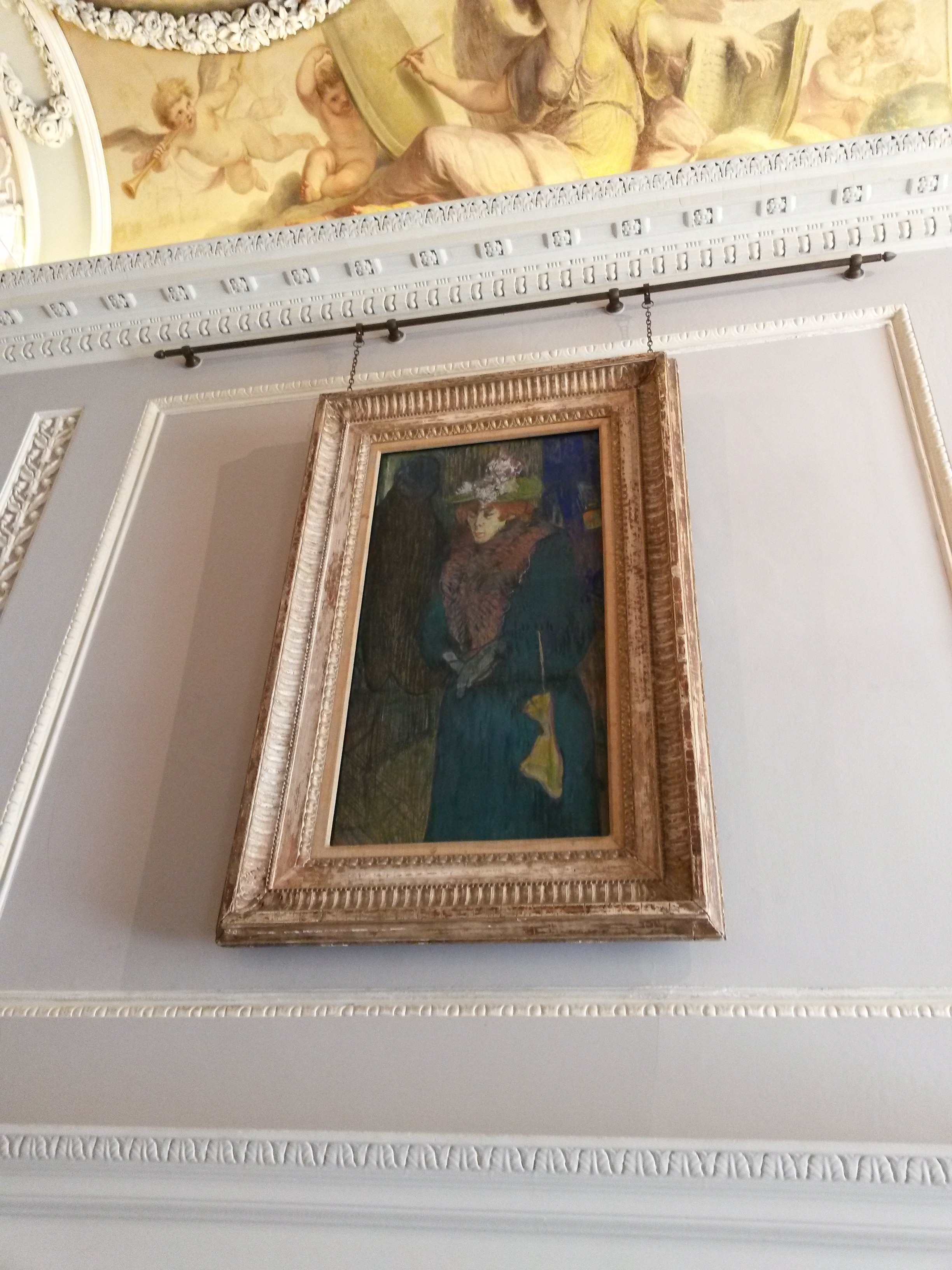
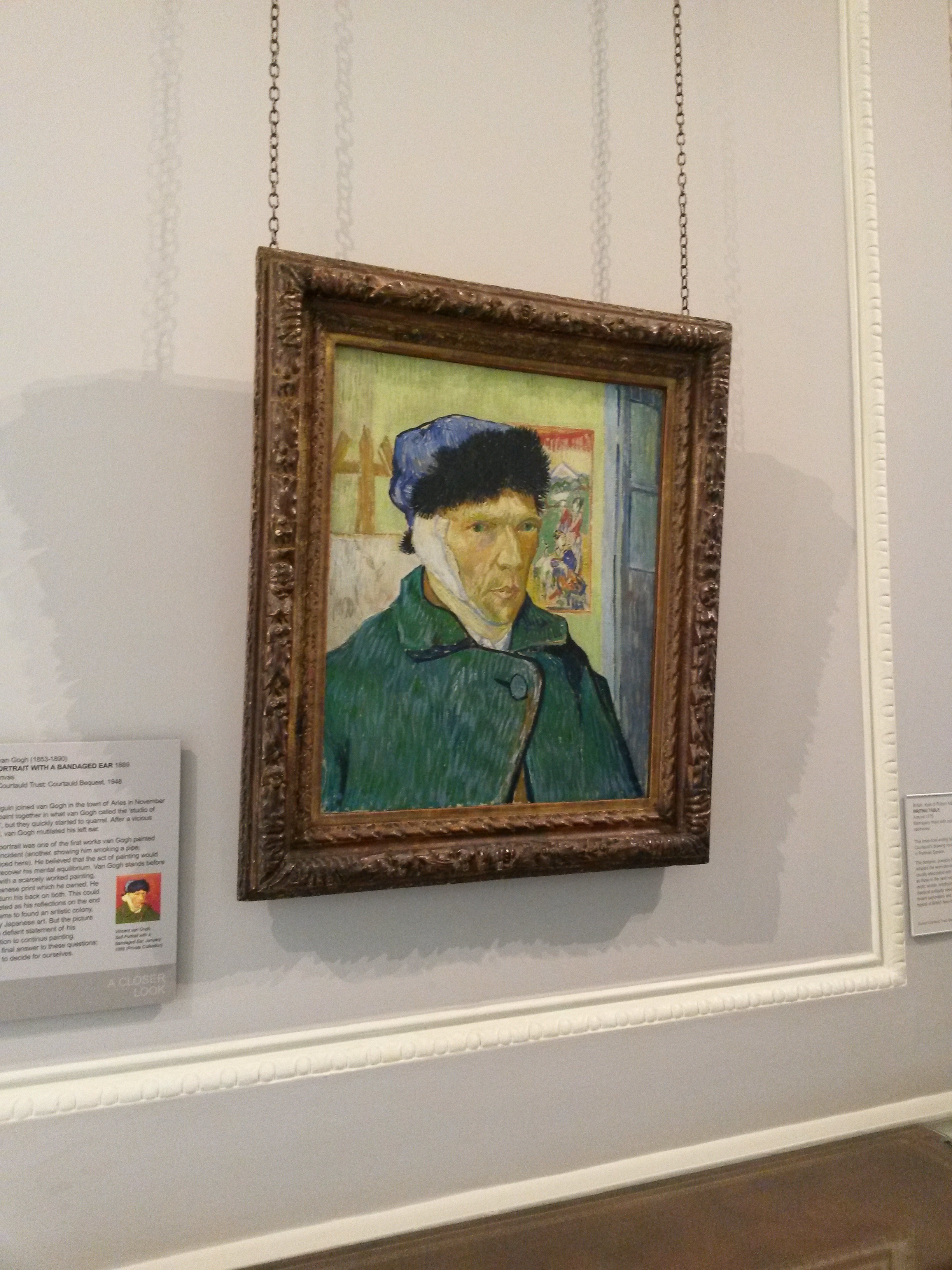
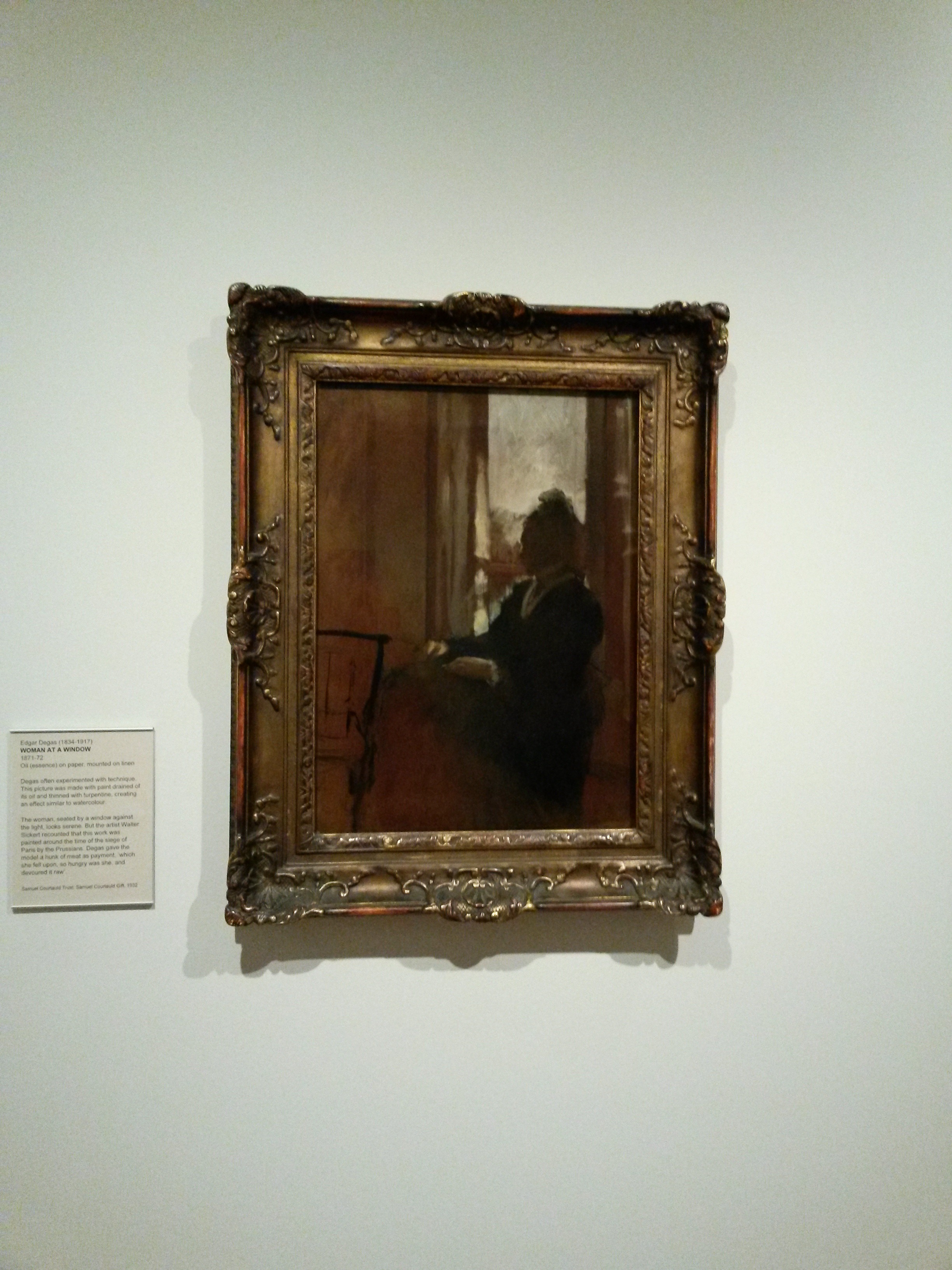
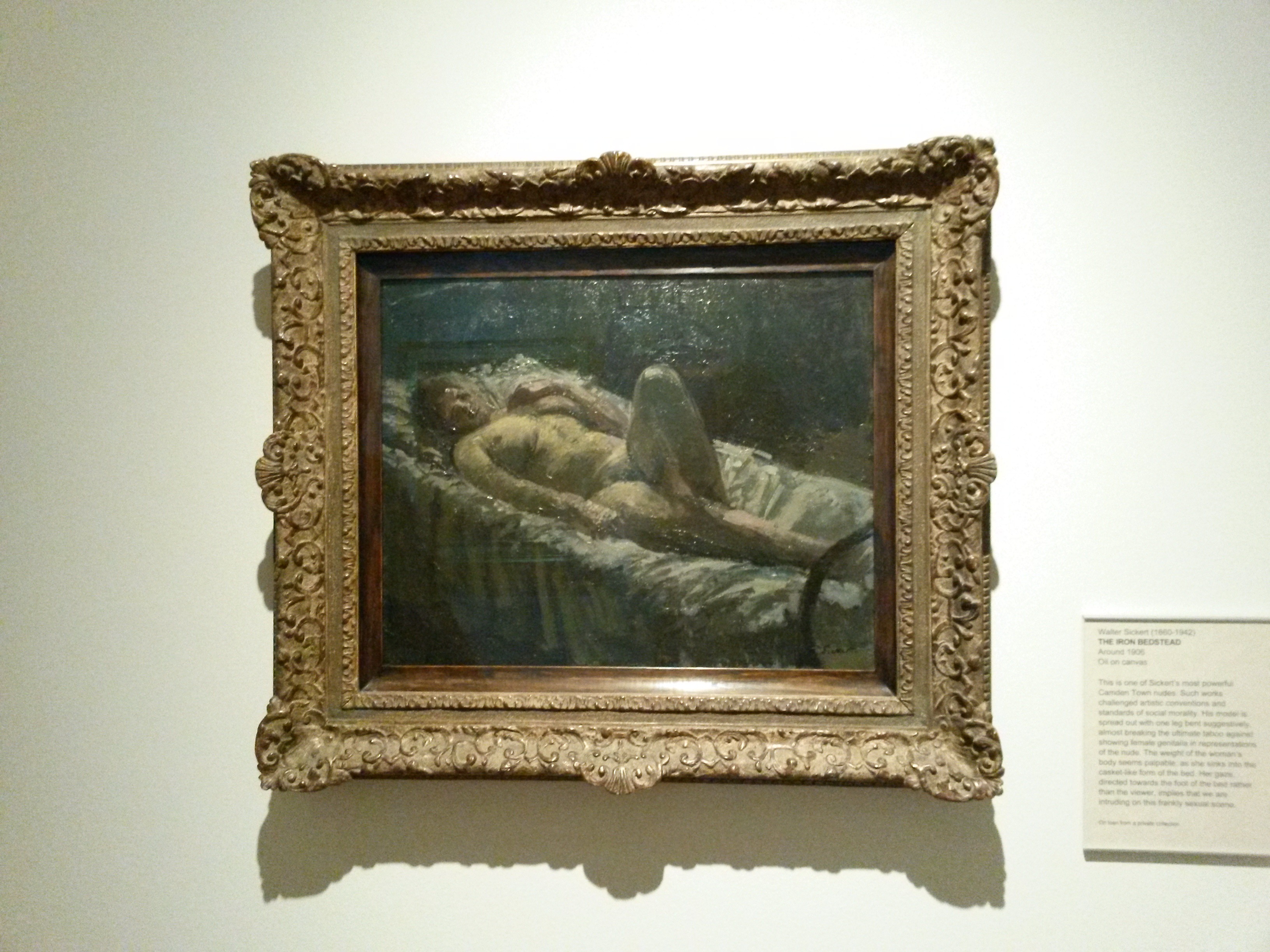
I’ve been to the Courtauld Gallery a number of times while I’ve been living in London, sometimes to attend special exhibitions, sometimes just to view the permanent collection. It is small compared to the likes of Tate Britain and the National Gallery, but that just makes it more manageable.

Courtauld staircase from below

The Gallery, located in the North Wing of Somerset House, was founded by Samuel Courtauld, and initially included mainly Impressionist and Post-Impressionist works. It now has a wide range of art including religious Renaissance paintings, Old Masters and twentieth-century art. There are around 7,000 drawings as well as prints, decorative arts and a sculpture collection.

Courtauld staircase from above

Although the gallery is best known for its 19th- and early 20th-century works, the Courtauld’s galleries extend back to the early Renaissance, featuring some 7,000 drawings as well as prints, decorative arts and a fine collection of sculpture.

FACTS

Address: Somerset House, Strand, London, WC2R 0RN

Website: courtauld.ac.uk/gallery

Opening Hours: 10am-6pm

Prices: £9.50; free admission with National Art Pass, and half price to temporary exhibitions

2018 Royal Academy Summer Exhibition

Royal Academy

I’d never been to the Summer Exhibition at the Royal Academy, and decided that this year would be the first that I would go. This year it’s special for two reasons: one, it is the 250th Summer Exhibition, and two, it marks the opening of the newly redesigned Royal Academy of Arts.

I went with a friend who has been to many Summer Exhibitions in the past and really enjoys them. This year’s has been curated by artist Grayson Perry, and as usual is made up of works by well known professional artists, enthusiastic amateurs, and everything in between.

Lacking any skill or knowledge of art myself, I’m in no position to judge the quality of the works, but I was able to pick out many that I liked. My tastes tend towards the traditional, but there was something for everyone: classic painting, abstract art, sculpture, models, mixed media and more in every conceivable style. I’ve added a few of my favourites below.

Pope’s Grotto

I can’t even remember where I found out about Pope’s Grotto, but this unique curiosity is well worth visiting and the Pope’s Grotto Preservation Trust, supported by Radnor House School, the owners of this grade 2* listed site, is hoping to repair and conserve it. The grotto is the last remaining part of Alexander Pope’s villa, which he built in 1720 on the banks of the Thames at Twickenham. The villa was demolished in 1808 and the site has been developed numerous times since then – but the grotto still remains.

Entrance to the grotto

Alexander Pope

Alexander Pope was a 18th century poet whose famous works include The Rape of the Lock; he also translated the Iliad and the Odyssey. While not a household name today, he contributed several popular phrases to the English language, including ‘eternal sunshine of the spotless mind’ (the name of one of my favourite films), ‘fools rush in where angels fear to tread’, and ‘a little learning is a dangerous thing.’

History of the Grotto

In 1719, Pope came to live in Twickenham, demolishing one of the houses on the site to build himself a villa. He decided to build a grotto beneath the house, inspired by the interest in classical mythology that had prompted his translations of Homer. In later years, Pope decided to redesign the grotto as a museum of mineralogy and mining, after a visit to the Hotwell Spa on the banks of the Avon. He sought help and donations from people all over the country, and friends and acquaintances sent material too: Sir Hans Sloane donated two small pieces of basalt from the Giants’ Causeway in Ireland.

The Thames
The Thames seen from above the grotto

Inside the Grotto

Inside, it’s an eerie but fascinating experience. You enter through the school and walk outside onto the terrace, with a great view of the river, before heading down some steps and to the entrance of the grotto. The entrance takes you into a long corridor, extending to the other side of the road, lined with stones and minerals. There is even fossilised wood from the Dropping Well in Knaresborough.

Long corridor
Long corridor

Above the archway is a sign, requisitioned from an unknown location.

Sign above the archway
17th-century sign

On either side of the corridor there are chambers. To the left, one chamber has a statue, possibly of St Catherine or the Virgin Mary, as well as a tree trunk in one corner.

Female statue
Female statue

This tree trunk is supposedly from a willow planted by Pope.

Willow branch
Willow branch

Ammonite casts are placed above the archways on each side.

Ammonite cast
An ammonite cast

I spied lots of different minerals on the walls, but I have no idea what they all are.

Mineral
One of the minerals on the wall of the grotto

The second chamber had a statue of St James the Great, and there were lots of boxes of minerals ready to stick on the walls.

Statue of St James the Great

Restoration Project

The project began with a pilot to conserve the South Chamber last summer. The full project, for which funds are currently being sought, will involve careful cleaning, replacement of the cement floor, new lighting and sound effects, and a digital interpretation.

Conclusion

Pope’s Grotto is well worth a visit, if you can catch it on an Open Day (there are two more in June, and the site will also be open for free access in September during Open House London weekend). It’s a fascinating curiosity, whether you have an interest in Pope or not.

FACTS

Address: Radnor House Independent School, 21 Cross Deep, Twickenham, TW1 4QG

Website: popesgrotto.org.uk

Opening Times: Check popesgrotto.org.uk/visits/ for details; you can subscribe to the newsletter for information about open dates/times

Prices: £6, £5 for concessions

Victorian Giants: The Birth of Art Photography – National Portrait Gallery

Victorian Giants exhibition

I went to an exhibition of Victorian photography at the National Portrait Gallery, Victorian Giants: The Birth of Art Photography. The exhibition featured four photographers: Oscar Rejlander, Julia Margaret Cameron, Clementina Hawarden and Lewis Carroll. These four were pioneers in the world of photography in the 1960s, sharing ideas and inspiration and creating a body of work that still looks radical decades on.

I have some familiarity with the work of Cameron and Carroll, but I was previously unaware of Hawarden and Rejlander. I particularly liked Hawarden’s portrait of a woman by a mirror, in which we see both the woman and her reflection. I also enjoyed Rejlander’s composite photograph of decadent nudes, which resembled a dramatic painting.

There was lots to enjoy in the exhibition, from candid photographs of children (I loved the grumpy child photographed by Carroll) to portraits of important figures of the age and unknown sitters dressed up as mythological figures.

St Pancras Old Church

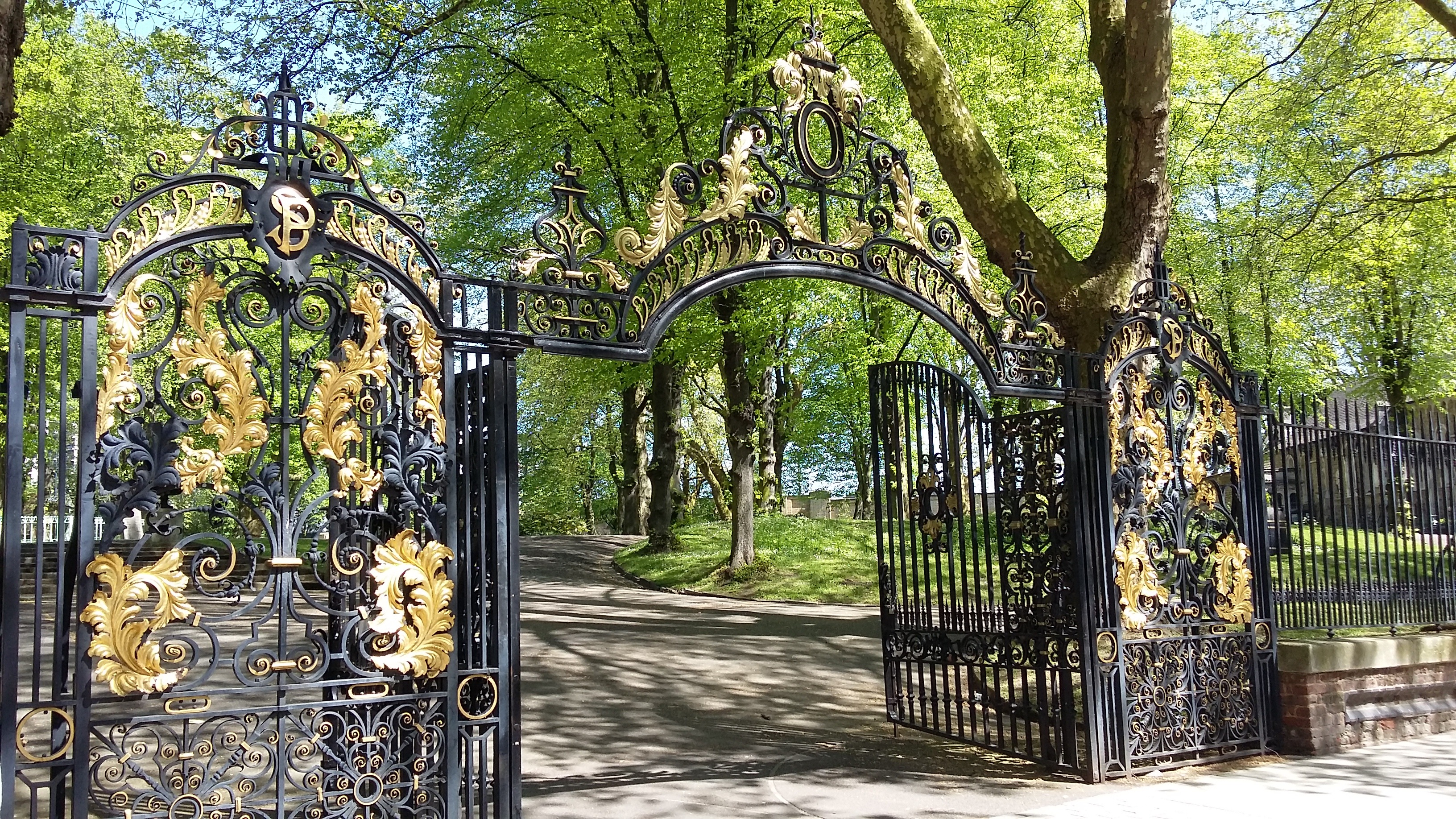
churchyard gateway
St Pancras Old Churchyard

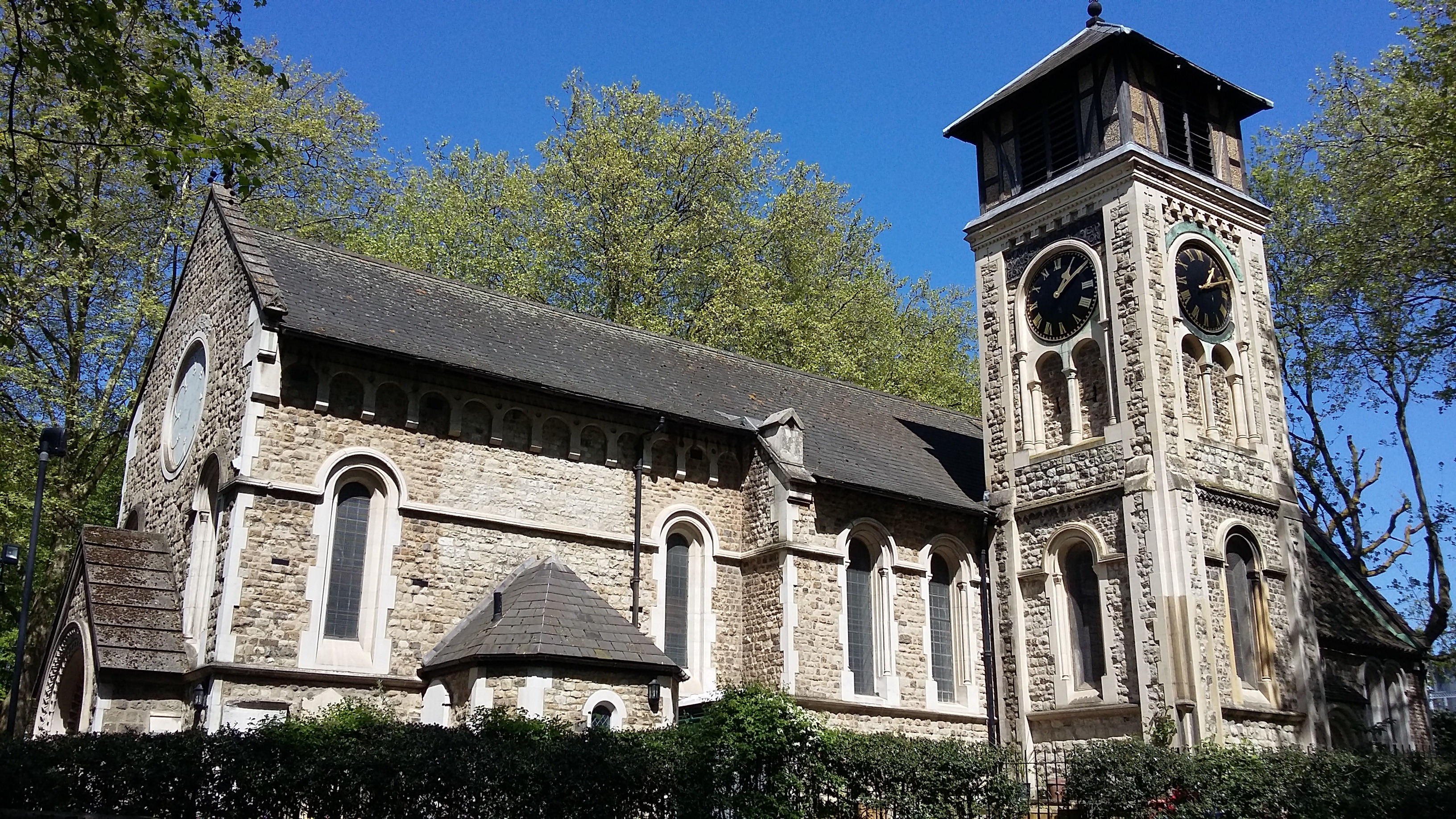
I’ve been meaning to visit St Pancras Old Church ever since I moved to London, so when I walked past it while on my Fleet walk I just had to pop in.

History

The church is located in Somers Town, is dedicated to the Roman martyr Saint Pancras, and is believed by many to be one of the oldest sites of Christian worship in England.

church
St Pancras Old Church

The church thrived until the 14th century, when the population largely moved to Kentish Town, possibly because the area was prone to flooding (the Fleet ran past). The church fell into disrepair but was rebuilt in the Victorian era. Now managed by the London Borough of Camden, it was restored at the beginning of this century.

Notable burials

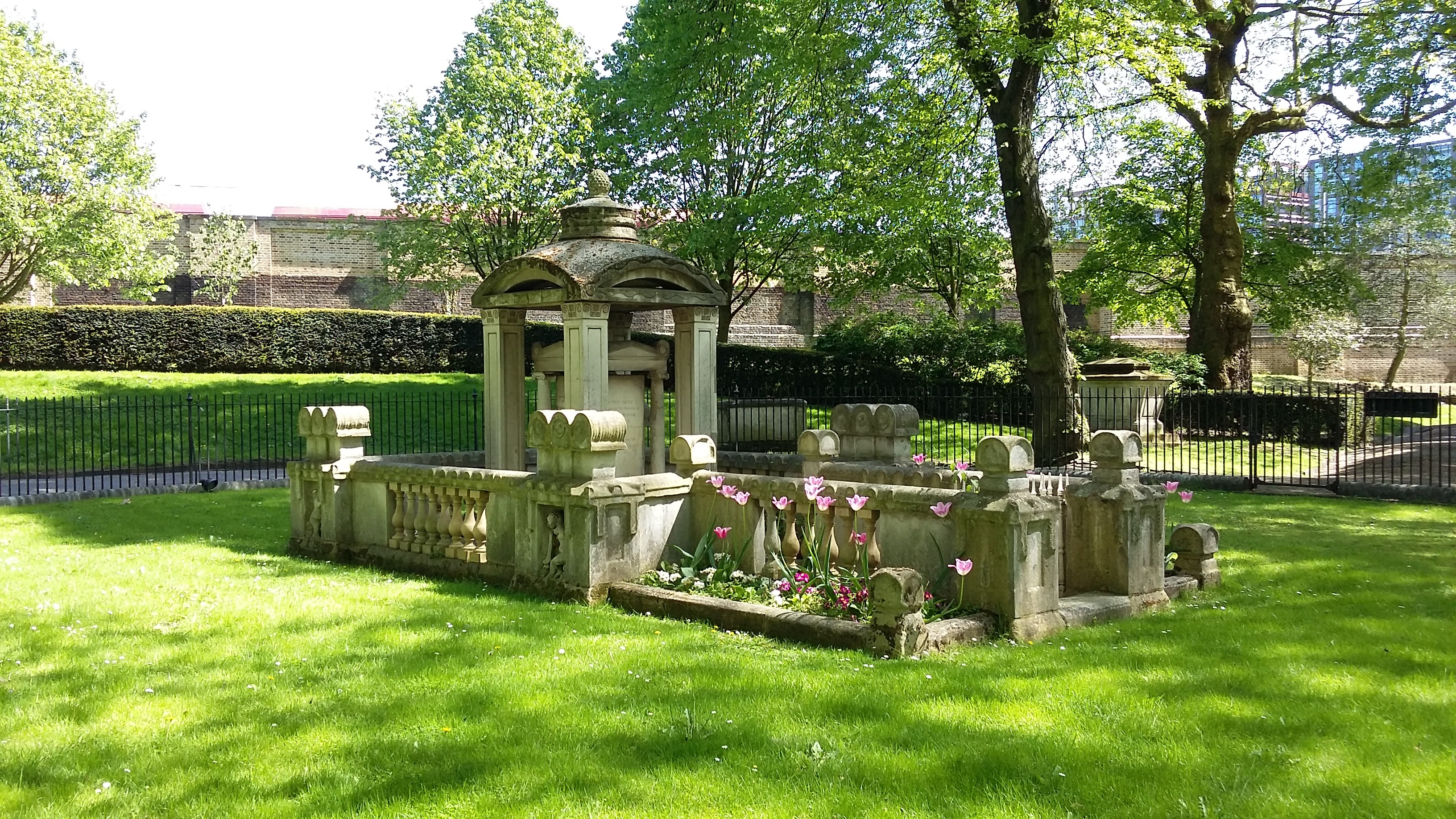
Many French refugees who had fled the Revolution were buried in the churchyard, including the transgender spy Chevalier d’Éon. John Polidori, famous companion of Byron, is also buried here, as is the architect John Soane, whose tomb, designed by himself, was the inspiration for the famous red telephone boxes.

Sir John Soane's tomb
Sir John Soane’s tomb

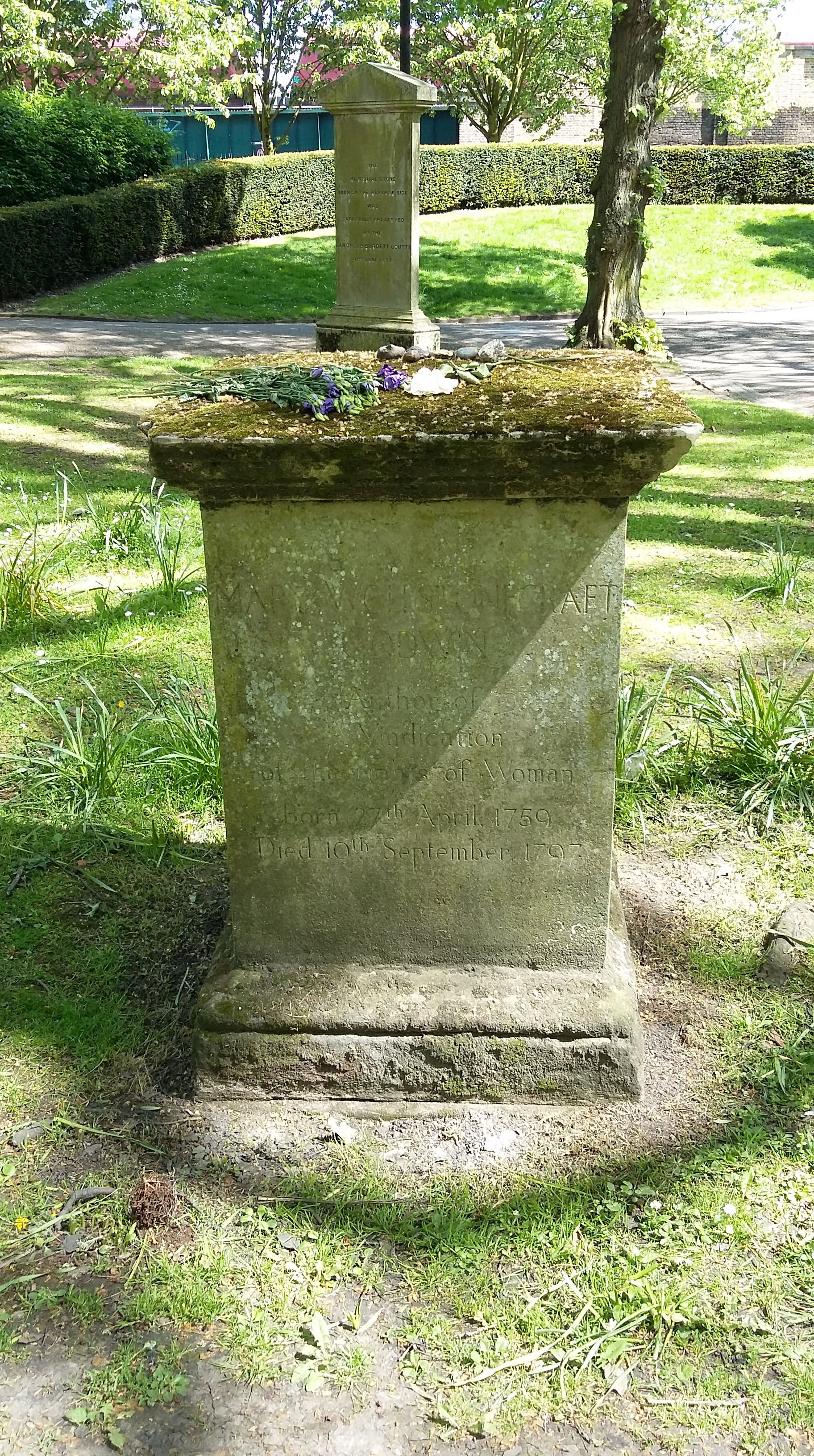
The tomb of Mary Wollstonecraft and William Godwin is here, although their remains are now in Bournemouth. Their daughter Mary and her future husband Percy Shelley met here frequently.

Tomb of Mary Wollestonecraft and William Godwin
Tomb of Mary Wollstonecraft and William Godwin
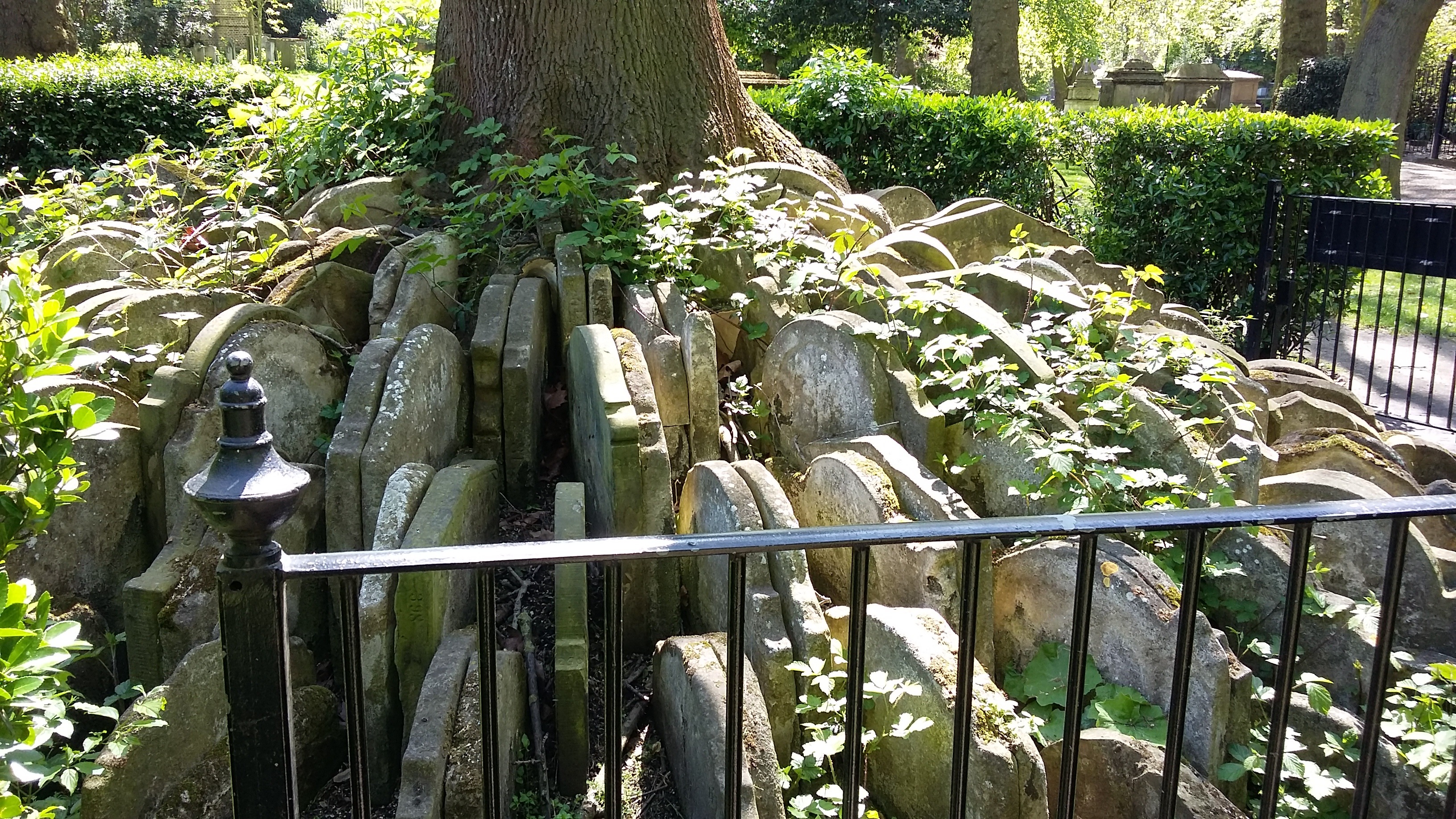
The Hardy tree

As a longtime fan of the novelist Thomas Hardy I was keen to see this famous tree. The young Hardy was apprenticed to a London architecture firm in the 1860s. When a new train line was planned directly through the cemetery, Hardy was assigned the unenviable task of moving the dead bodies. Left with a pile of gravestones, he decided to place them in a ring around a tree near the church, where over the years they have been absorbed into the tree, forming an impressive spectacle.

The Hardy tree
The Hardy tree
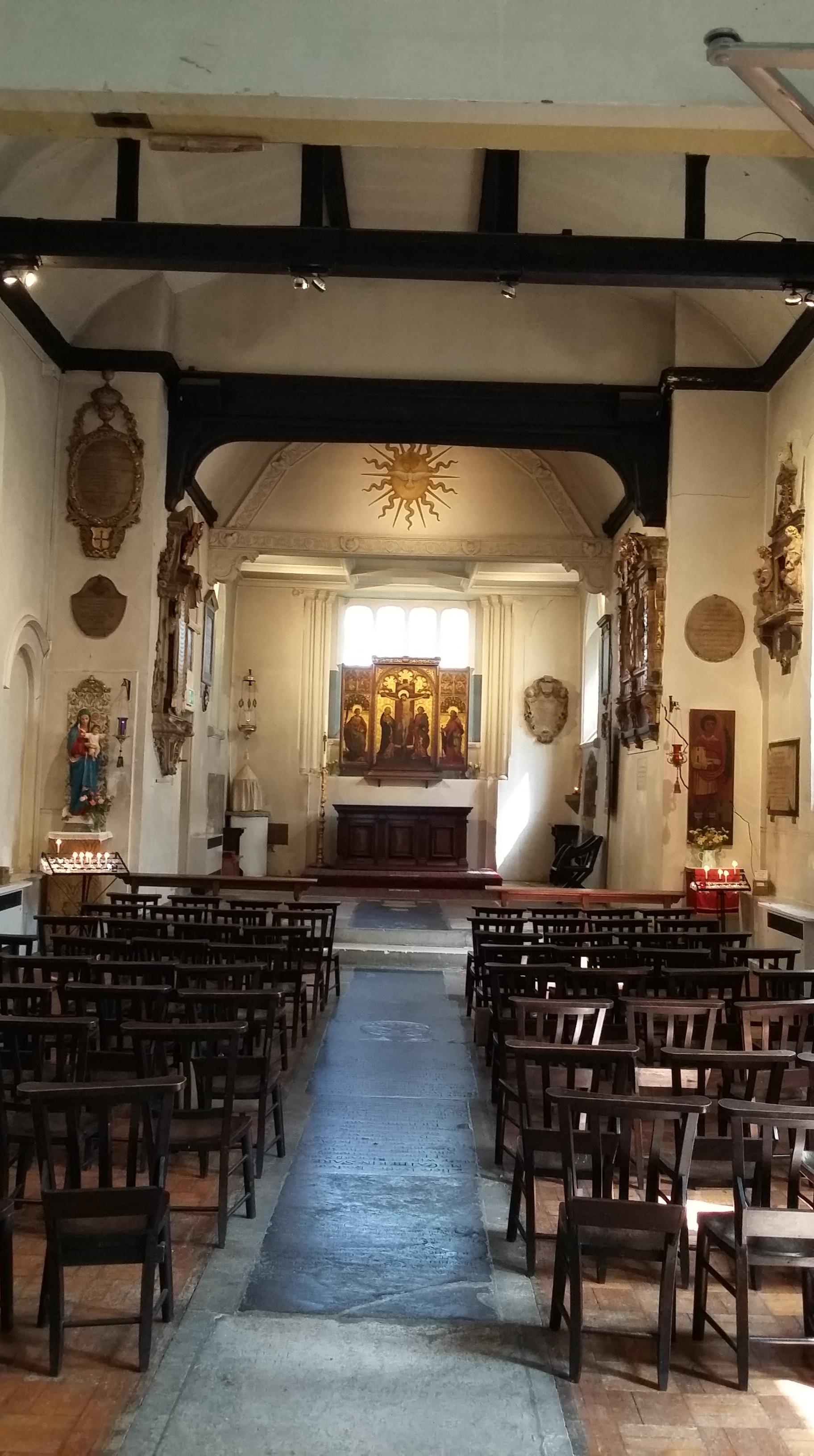
The Church

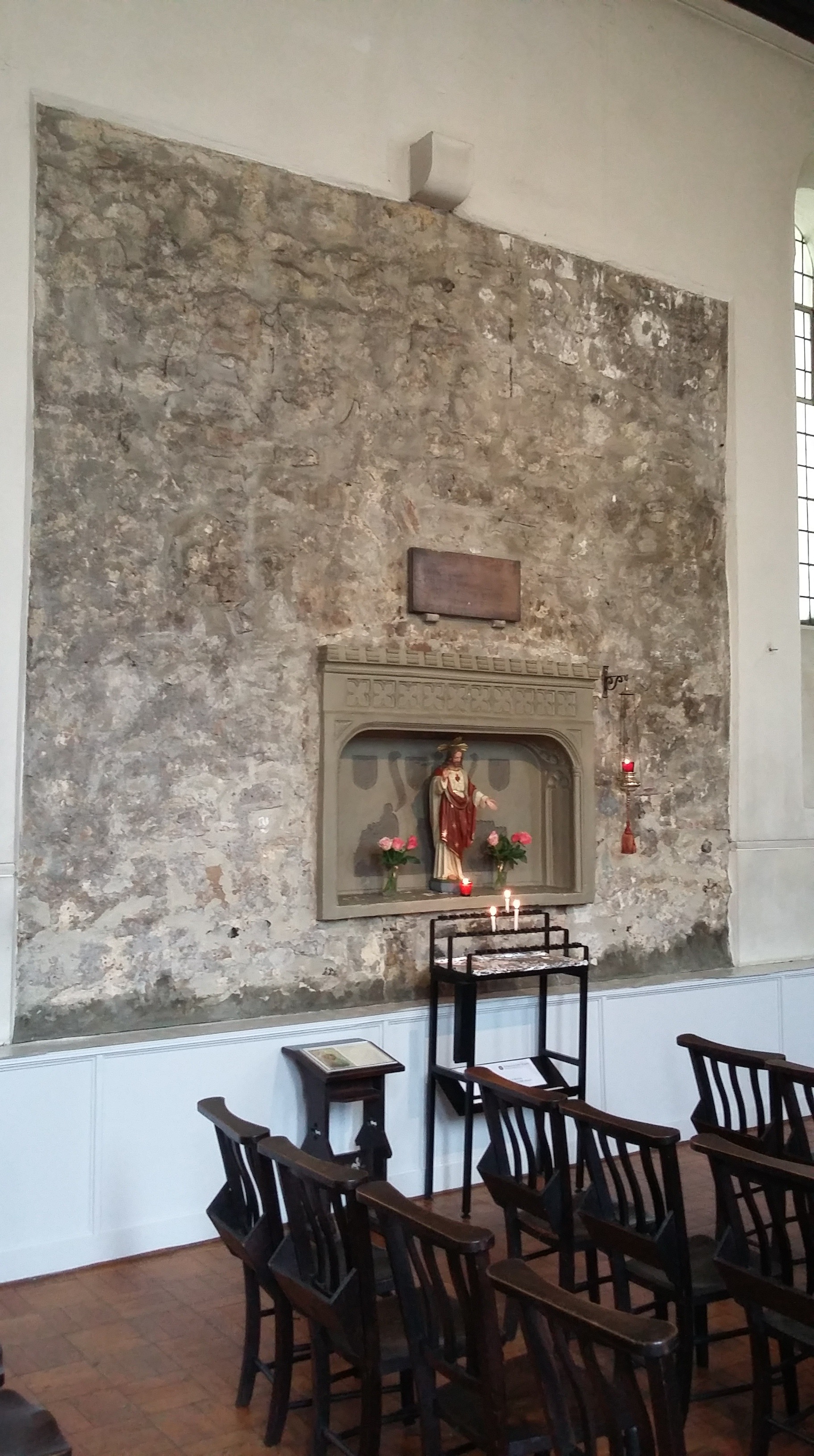
The church was rebuilt in the Victorian era, but elements from its medieval past are still visible, including an entire section of wall.

Inside the church
Inside the church
Medieval wall
Medieval wall

I really wish I’d visited this churchyard before as it’s a beautiful place. There were lots of people just sitting about reading, which sounds like a great idea. It was lovely to be able to stop here and have a rest during my walk.

FACTS

Address: Pancras Road, Camden Town, London, NW1 1UL

Website: posp.co.uk/st-pancras-old-church

Prices: Free

Old Royal Naval College

Gateway to the ORNC
Gateway to the ORNC

The Old Royal Naval College dominates the centre of Maritime Greenwich, being sited not far from Cutty Sark DLR station and very close to the DLR itself. Some tourists initially mistake it for the National Maritime Museum. The site has a rich history. Greenwich Palace, the birthplace of Mary I and Elizabeth I, originally occupied the site; it was known as the Palace of Placentia. Having fallen into disrepair during the English Civil War, it was demolished in 1694. Designed by Christopher Wren, the buildings were conceived as Greenwich Hospital (established by Mary II), and built between 1696 and 1712. The hospital closed in 1869, and between 1873 and 1998 it was the Royal Naval College, Greenwich.

Old Royal Naval College

Since 2002 much of the site has been open to the public. I’ve wandered around the grounds frequently, visited a couple of the buildings, and attended concerts, but I decided to take advantage of a free guided tour on the same day as I visited the Discover Greenwich Visitor Centre, which has lots of information about the site.

Monument to Bellot
Monument to Bellot

Our guide took us along the waterfront, pointing out the memorial to Captain Bellot, a Frenchman who perished searching for Franklin in the Arctic (there is a memorial to the Franklin expedition in the Chapel). As the Thames was at low tide, she also pointed out the remains of a pier established by Margaret of Anjou, who originally had the palace built.

Remains of the 15th-century pier

Of course, you can wander around the grounds yourself, but on a tour you are shown things you probably wouldn’t have noticed, like the spot on which archaeological remains of Greenwich Palace were discovered. Apparently it is forbidden to put too much weight onto the grass, in case the site beneath is damaged. The iron gates by the river are where Nelson’s body was brought on shore for lying in state before he was taken to St Paul’s Cathedral for burial.

Gateway to the Thames

The tour guide also pointed out just how impressive Christopher Wren’s calculations were: commanded by Queen Mary to ensure the Queen’s House kept it’s view of the river, he ensured the buildings on either side were placed to keep the Queen’s House precisely in the middle.

The Queen's House viewed from the ORNC
The Queen’s House viewed from the ORNC

A statue of George II is also a notable landmark. The statue is made of one single piece of marble and the king is depicted in the guise of a Roman Emperor.

Statue of George II
Statue of George II

Today, the University of Greenwich leases Queen Mary, King William and Queen Anne Courts and Trinity Laban School of Music and Dance occupies King Charles Court. The latter also performs regularly in the beautiful Chapel. We also popped into the Painted Hall, painted between 1707-1726 by Sir James Thornhill. The Hall is currently undergoing restoration, and I was lucky enough to take part in a Painted Hall Ceiling Tour, which takes you up to the ceiling so that you can view the artwork close up.

The Old Royal Naval College is well worth a visit, and there are so many things to do, from learning about history in the Visitor Centre, taking a guided tour, or listening to a concert in the Chapel.

FACTS

Address: King William Walk, Greenwich, London, SE10 9NN

Website: ornc.org

Opening Hours: 10am-5pm

Prices: Free (charges for some concerts and for Painted Hall Ceiling Tours)
Discover Greenwich Visitor Centre

Greenwich Visitor Centre

Not to be confused with the Greenwich Heritage Centre, which is located in Royal Arsenal, the Discover Greenwich Visitor Centre is located near the Cutty Sark, in the grounds of the Old Royal Naval College. Housed in the Pepys Building, originally an engineering laboratory for the ORNC, it opened in 2010.

The free Centre offers an introduction to the history and attractions within the Greenwich World Heritage Site. It has information on the history of the Palace of Placentia, models of Christopher Wren’s original designs for Greenwich Hospital, the carved heads originally intended to decorate the exterior of the Painted Hall, and a model of a lion originally intended for external decoration, too. I particularly enjoyed the section about Greenwich Palace, the birthplace of Henry VIII, and the archaeological work that has discovered more about the palace and its layout and decoration.

Lion

The Centre has other displays about maritime Greenwich and about the history of the Royal Naval College, which occupied Greenwich Hospital and the surrounding area between 1873 and 1998. It also has a Tourist Information desk and a gift shop.

Greenwich Visitor Centre

This free visitor centre is well worth checking out as introduction to Greenwich.

FACTS

Address: 2 Cutty Sark Gardens, Old Royal Naval College, London, SE10 9LW

Website: ornc.org/visitor-centre

Opening Hours: 10am-5pm

Prices: Free

Charles I: King and Collector – Royal Academy of Arts and Charles II: Art and Power – Queen’s Gallery

The Royal Academy and the Queen’s Gallery are both playing host to seventeenth-century royalty-related exhibitions this year. I don’t know if they planned it this way or not, but they certainly made the most of it, offering a joint weekend ticket including tea and cake. I’ll admit the cake swung it for me.

Royal Academy of Art

The Royal Academy exhibition, Charles I: King and Collector, was actually due to end on the day I visited, so it was very busy. This didn’t stop me from getting a good look at the works on display, however. Works are categorised by theme, with the Italian Renaissance, the Northern Renaissance and Van Dyck and Reubens in England grouped in separate rooms, or else their former location: pictures that were hung in the Queen’s House can be found in one room, and those from the Whitehall Cabinet in another. The Mortlake Tapestries adorn one room, while images of Charles I in the hunting field hang in the Central Hall.

The exhibition consists of works that were accumulated by Charles I before and after he became king. He loved art and was a keen collector, but after his execution his collection was broken up and sold off (some of the catalogues can be seen here). This exhibition reunites these works after several centuries. Some didn’t have far to come, having got back into the Royal family’s hands after the Restoration, or else having been sold to wealthy collectors in the UK. Others, however, ended up in Europe or the US, and have been loaned for the purposes of this exhibition.

I must admit that in themselves, I didn’t fall in love with many of the works on display here (though I did enjoy seeing the full-length portrait of Holy Roman Emperor Charles V, an image I recognised from A level History). However, I was impressed by the collection as a whole, and the way in which it reflects Charles’ impact on the art world.

Queen's Gallery

After my restoring cup of tea and piece of cake I walked through Green Park to the Queen’s Gallery, where Charles II: Art and Power is currently being hosted until 15 May. This exhibition follows on from and complements the Charles I exhibition, focusing on Charles II and how he made use of art to convey his power. It began with a small display of items relating to the Civil War, the execution of Charles I, and the Protectorate, and went on to focus on the art that he collected and that was produced during his reign. Some of this was originally part of his father’s collection and had been brought back; others were new acquisitions.

In terms of the historical interest, I think I preferred this exhibition, partly as it was much quieter and much easier to see the artworks. There were surprises too: for instance, I had no idea that the famous painting of Erasmus was once part of a pair, and the two paintings were attached together.

The most dramatic work in this exhibition is the huge portrait of Charles II (the one that adorns all the publicity material) that dominates the last room. In its display of power and authority it is reminiscent of the painting of Charles I on horseback displayed at the Royal Academy; knowing what happened to the first Charles, I wonder if the second Charles drew this comparison and wondered; or if he just didn’t care.
Regardless, these are a fascinating pair of exhibitions, well put together and worthwhile for their historical context as much as their artistic context.

Living with Gods: Peoples, Places and Worlds Beyond – British Museum

Living with Gods exhibition sign

Before it closed I visited the Living with Gods: Peoples, Places and Worlds Beyond exhibition at the British Museum. The exhibition was timed to coincide with a Radio 4 show on the same theme, but as I never listen to the radio, I can’t comment on that. I did enjoy the exhibition – even if I didn’t always agree with it.

Medieval skeleton relic

This fascinating exhibition looks at how people over time have represented their religious beliefs. Christianity, Islam, Judaism are all represented, are as lesser-known and older religions from all corners of the globe. The exhibits are arranged by theme, with seemingly different artefacts displayed alongside one another as they are said to reflect similar aspects of belief. I particularly liked the inclusion of cheaper everyday items alongside valuable and unique artefacts.

Lion Man
Lion Man

The exhibition begins with the Lion Man, the oldest known figurative sculpture in the world that dates back 40,000 years. However, does it necessarily reflect religious belief as the exhibition claims? Regardless, it’s a fascinating talking point.

Judas-devil figure
Judas-devil figure

There is an impressive Judas-devil figure used in Mexican Day of the Dead processions. Masks from the Congo, Jewish prayer caps and Japanese phalluses linked with fertility prayers are among the varied items displayed. One of the most moving is a cross carved in 2014 from a wrecked refugee boat that carried 500 refugees; at least 360 are known to have drowned. Towards the end of the exhibition, we see how Communist regimes in China and Russia directed religious feeling towards the regime leaders and away from traditional religion. The exhibition is incredibly interesting and thought-provoking, and I’m glad I made the effort to go before it closed.