Langdon Down Museum of Learning Disability

2016_0709LDM04

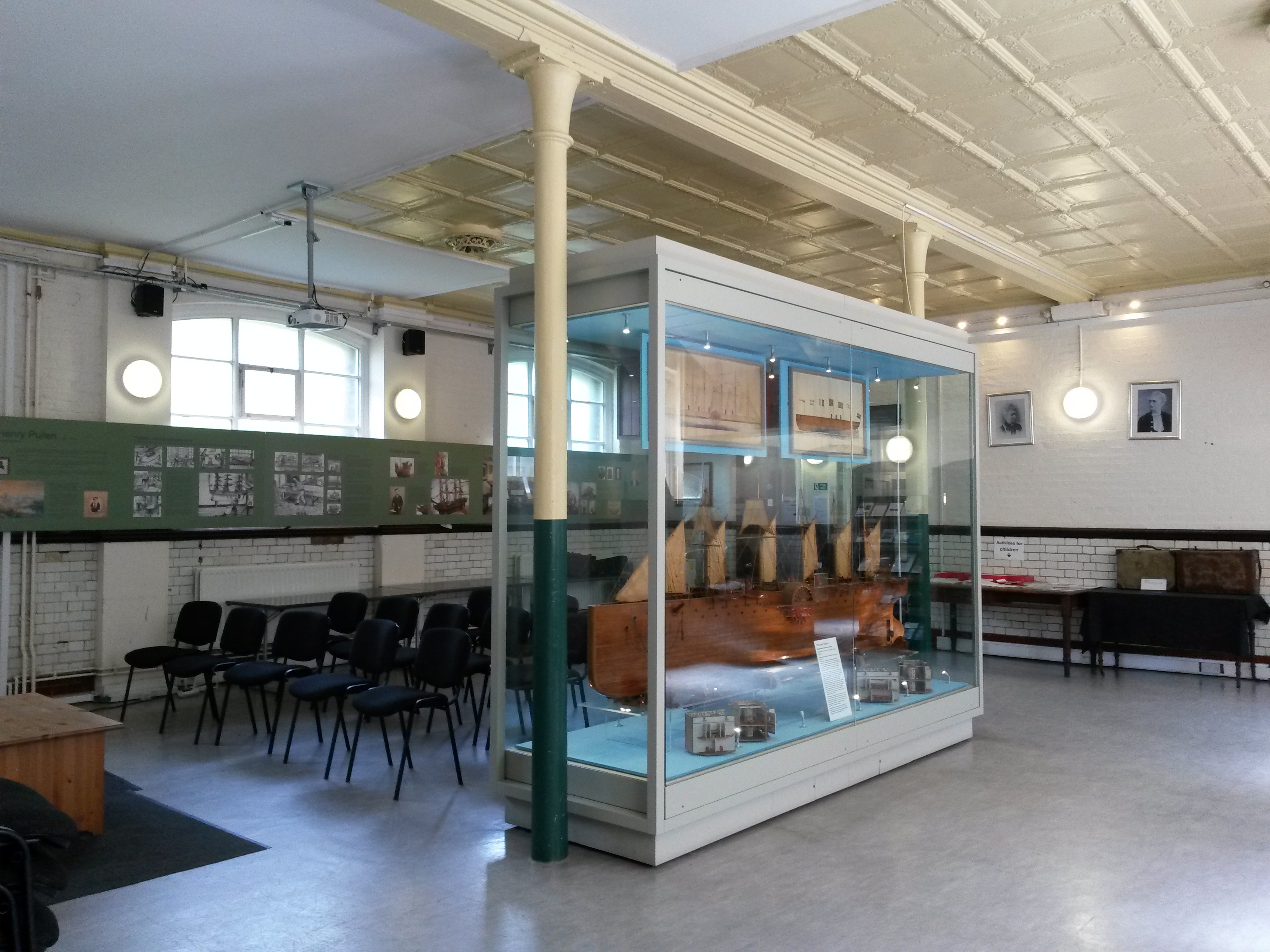
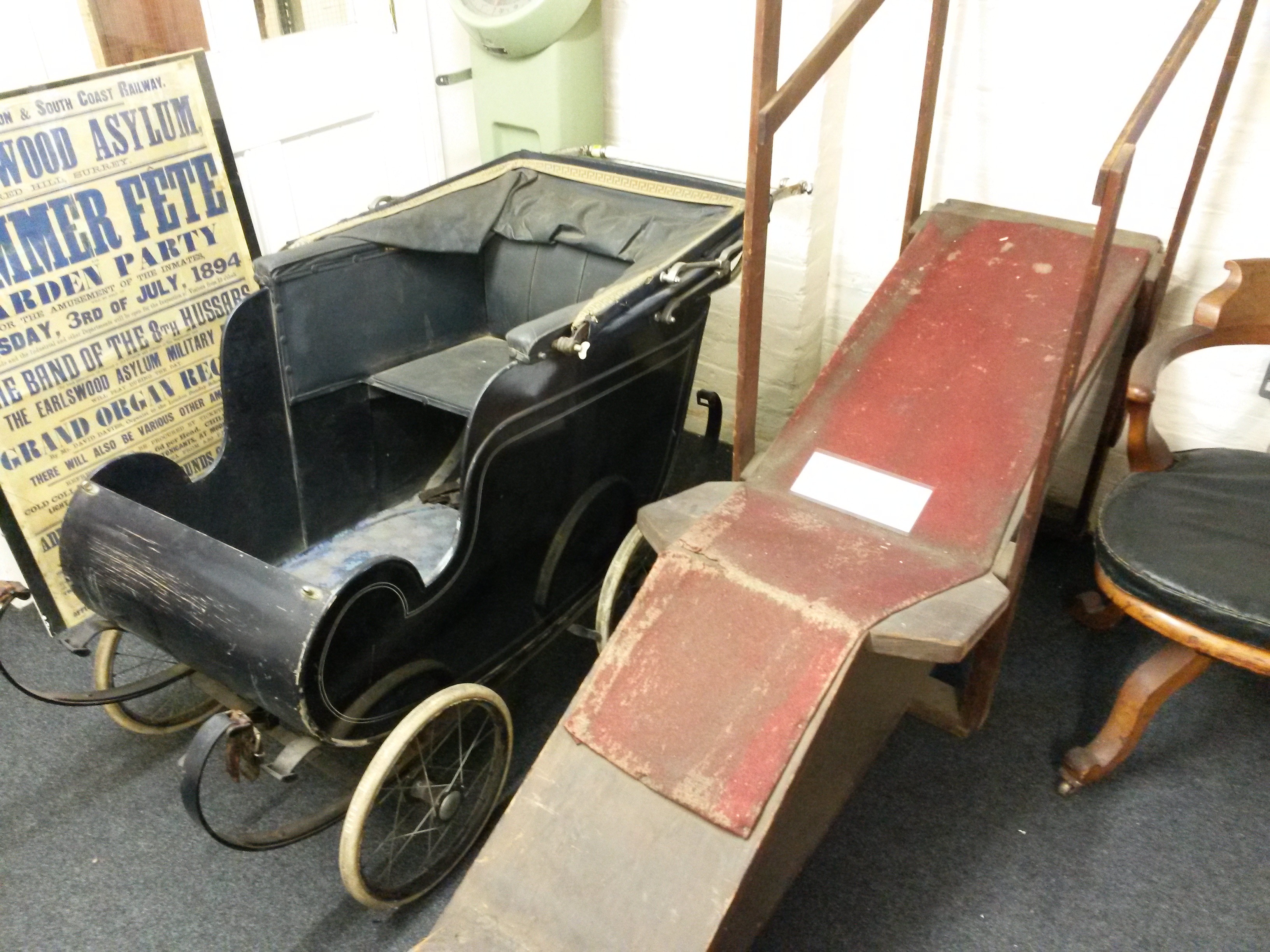
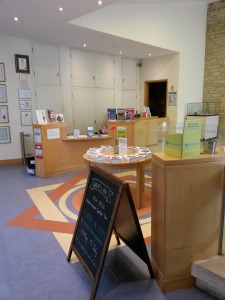
The Langdon Down Museum of Learning Disability is located in the Langdon Down Centre, part of the old Normansfield Hospital which dates from 1879. The museum contains items relating to the history of learning disability, including several models built by James Henry Pullen, former resident of the Royal Earlswood Asylum and subject of a talk I attended in the morning of my visit. It also contains the Normansfield collection and archives and the Royal Earlswood Asylum collection. There are several items of scenery relating to the Victorian-era Normansfield Theatre, too.

It’s a fascinating little museum: Pullen’s models are undoubted highlights but there are several interesting bits here.

2016_0709LDM13
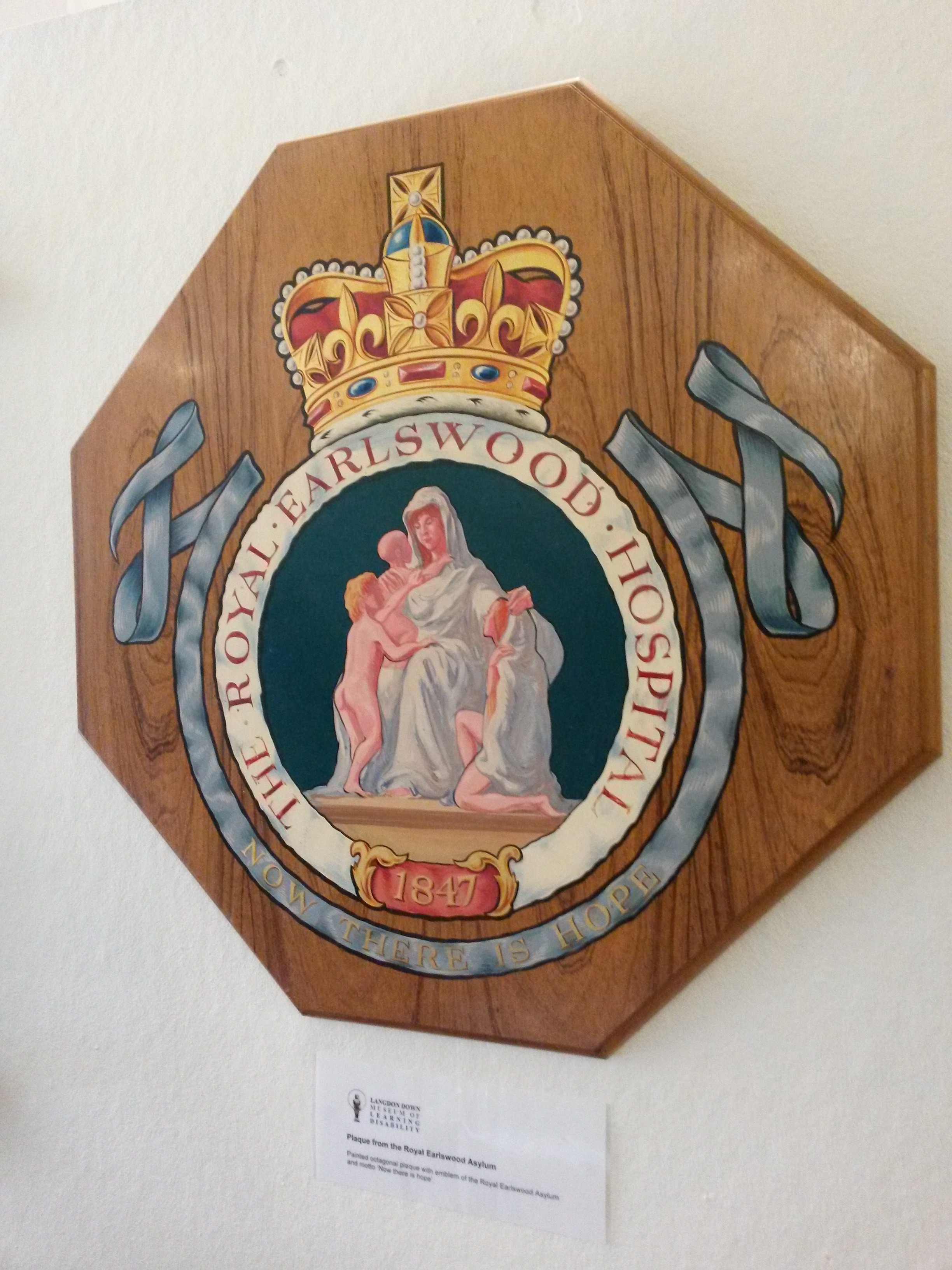
Plaque
2016_0709LDM17
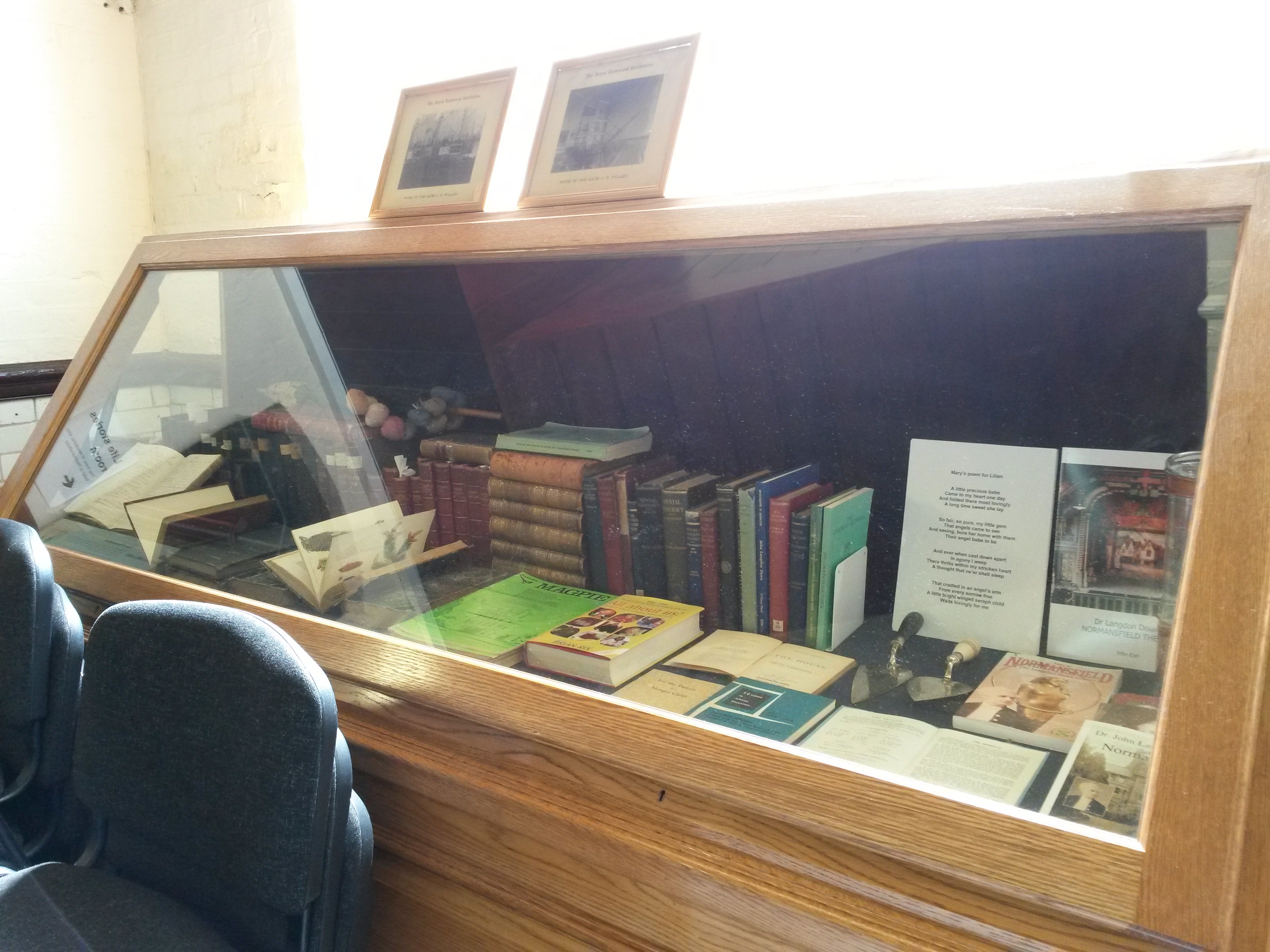
Books
2016_0709LDM20
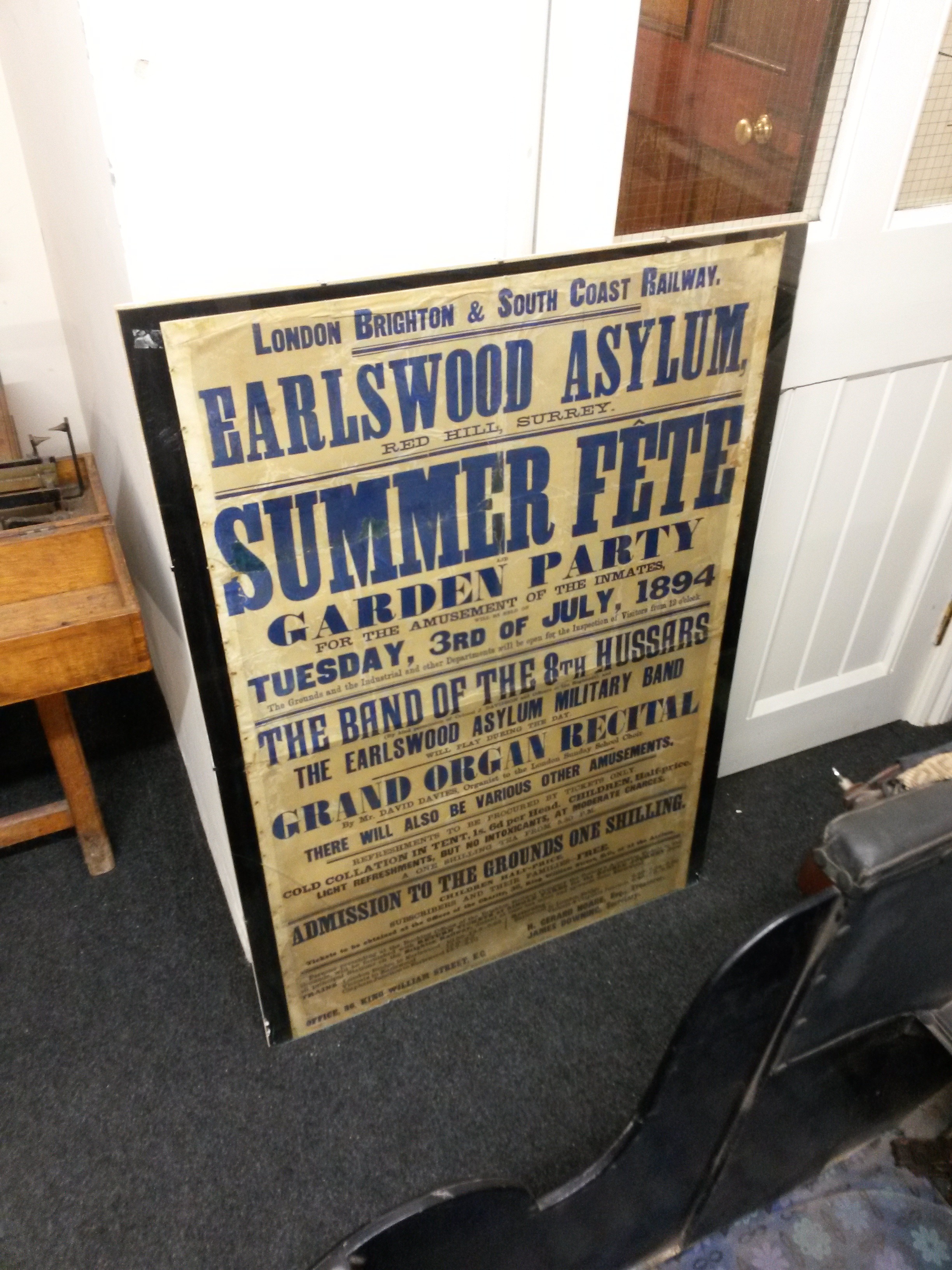
Poster
2016_0709LDM19
Carriages

FACTS

Address: The Langdon Down Centre, Normansfield, 2A Langdon Park, Teddington, Middlesex, TW11 9PS

Website: langdondownmuseum.org.uk

Opening Hours: 10-1 on Saturdays between February and November (except for Easter)

Prices: Free

Russia and the Arts: The Age of Tolstoy and Tchaikovsky – National Portrait Gallery

I’m hugely interested in Russian culture, and so the National Portrait Gallery‘s exhibition Russia and the Arts: The Age of Tolstoy and Tchaikovsky was an absolute must-see for me. The exhibition features pictures loaned from the State Tretyakov Gallery in Moscow, paintings of some of the greatest cultural figures Russia has produced, including writers, artists, actors, composers and patrons. It’s also possible to trace the development of Russian art through the exhibition, as it covers the period 1867 to 1914, and features Realism, Impressionism and Cubism.

This relatively small exhibition had several highlights for me. Ilya Repin’s portrait of composer Modest Mussorgsky, painted in 1881 just a few days before Mussorgsky died of alcoholism, is powerfully unnerving. The picture Tolstoy shows the great writer relaxing at his home, while the portrait of Turgenev is urbane and smart. The 1872 portrait of Dostoyevsky by Vasily Perov is familiar to me from the cover of the author’s works, and portrays the author as pensive and gaunt. I think my favourite, however, was the 1898 portrait of Anton Chekhov by Iosif Braz. Intellectual and intelligent, the writer stares out of the painting as if challenging the viewer. I kept returning to this picture as I was going round the exhibition. The show was small in size, but contained more cultural giants than any other I’ve seen.

Strange and Familiar: Britain as Revealed by International Photographers – Barbican Art Gallery

I attended the exhibition Strange and Familiar: Britain as Revealed by International Photographers at the Barbican Art Gallery. Curated by the British photographer Martin Parr, the exhibition consisted of photographs by international photographers chronicling Britain from the 1930s onwards, and it was fascinating.

The usual stereotypes – queueing, drinking tea, sitting on the beach – were present, but there were many quirky and unusual shots. Most people photographed were ordinary people going about their day-to-day lives: even the pictures taken during the Coronation of George VI concentrated on the crowds rather than the royals. The exhibition is going to Manchester later this year, and it’s worth catching it if you can.

Corinium Museum, Cirencester

2016_0604Cirencester03
Cirencester
2016_0604Cirencester04
Church of St. John the Baptist

On the way home to the North East, I took the train to Cirencester, where my parents were due to arrive and pick me up. Actually, Cirencester doesn’t have a railway station any more so I ended up at nearby Kemble and had to get the bus. I arrived in the town a couple of hours before my parents, so decided to go and check out the Corinium Museum.

2016_0604CoriniumMuseum01
The Corinium Museum
2016_0604CoriniumMuseum02
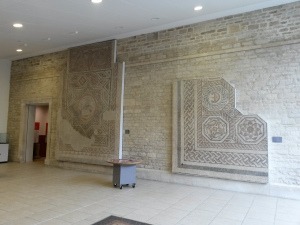
Museum foyer

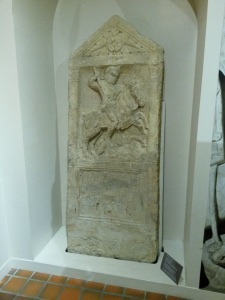
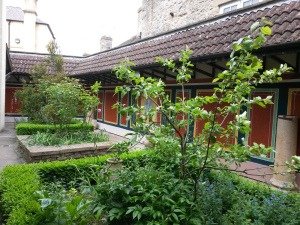
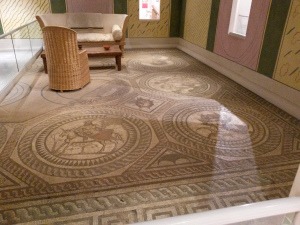
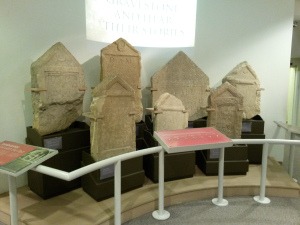
The museum is named after Roman Cirencester, which was known as Corinium. The museum tells the story of the town from earliest times to the modern day, and much of it is concerned with the area’s rich Roman heritage. The Roman section of the museum is full of mosaics, gravestones and even a Roman garden that has been reconstructed outside. The mosaics are beautiful and surprisingly well-preserved, and displayed to their greatest advantage within the airy space of the museum.

2016_0604CoriniumMuseum05 2016_0604CoriniumMuseum06 2016_0604CoriniumMuseum11 2016_0604CoriniumMuseum15 2016_0604CoriniumMuseum17

The museum eventually moves on to look at Corinium/Cirencester life after the Romans left, moving through the medieval period and the Civil War and winding up with the Victorians.

The museum helped me to pass the time waiting for my parents by learning more about the town I was visiting. It’s definitely worth popping in if you’re in the area.

FACTS

Address: Park Street, Cirencester, GL7 2BX

Website: coriniummuseum.org

Opening Hours: 10-5 Mon-Sat, 2-5 Sun

Prices: Adults £5.20, children £2.50, under 5’s free

By Me William Shakespeare – Inigo Rooms, Somerset House

I went to see the exhibition By Me William Shakespeare, held at the Inigo Rooms, Somerset House, part of King’s College London, before it closed. The exhibition was an opportunity to view Shakespeare’s will, as well as other documents relating to his life. It incorporated research, scientific analysis and a digital installation, with the nine “most nationally important” documents selected by academics from the London Shakespeare Centre at King’s and specialists from the National Archives.

Although the exhibition doesn’t sound like much, consisting as it does of nine documents, the curators have done a great job illuminating what they all mean and exploring the context. Documents on display include Shakespeare’s Last Will and Testament (he famously left his wife the “second best bed”, though the exhibition does make clear this was not necessarily the snub it is thought to be), as well as those that include four of his six known signatures. One document refers to the infamous incident when Richard Burbage and Shakespeare dismantled the Theatre in Shoreditch and rowed it across the Thames, where they rebuilt it as the Globe. Another concerns the dowry dispute in which Shakespeare was involved because he lodged in the house of the family concerned.

As a lover of Shakespeare, this exhibition was a real treat for me and I enjoyed it, although non-fans may find it a bit dry.

Scholar, courtier, magician: the lost library of John Dee – Royal College of Physicians

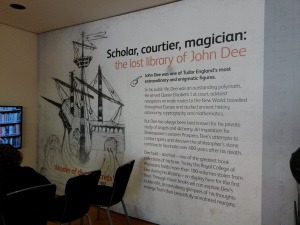
On my day off this week I visited the most recent exhibition at the Royal College of Physicians: Scholar, courtier, magician: the lost library of John Dee. John Dee, or Dr Dee as he is often known (though he was not a doctor in the commonly understood sense of the word, and had no formal medical training), was an Elizabethan polymath, a lover of learning who collected a huge library of books, travelled throughout Europe and was rumoured to have been a spy for Queen Elizabeth I.

2016_0525Dee

Dee was born in London to Rowland Dee and Johanna Wild. He studied at St John’s College, Cambridge, and became an Original Fellow of the newly-founded Trinity College, but he spent most of his adult life at Mortlake, just south of London, where his mother owned property. The way in which the Royal College of Physicians ended up with Dee’s books is rather sad. While Dee was on a trip to Europe, he entrusted his library to his brother-in-law Nicholas Fromond, who sold it off. Many of the books ended up in the possession of Nicholas Saunder, a former pupil of Dee’s, who tried to remove Dee’s name from the front of the books by repeatedly overwriting it with his own. Saunders’ books later passed to Henry Pierrepont, the 1st Marquis of Dorchester, and ended up at the RCP via a family bequest in 1680.

The exhibition explores different facets of Dee’s life: his role as a scholar, his experience as a courtier, his travels abroad and his life as a mathematician. Within each section, books from the Royal College’s collections that used to or were believed to belong to Dee are displayed, to illustrate the different aspects of his life. Dee annotated his books throughout his life with his signature and other notes about the contents of the books. He also had a habit of doodling in his books: the pages are littered with small bearded faces, and in one case a ship.

I liked the anecdotes relating to Dee: in Cambridge he devised a moving dung beetle for a theatrical production, which led some who saw it to claim that it was done by magic. On a more serious note, Dee’s alchemical experiments and attempts to converse with angels got him in trouble throughout his life: he was arrested for casting Mary I’s horoscope, though he was later approached by the Earl of Leicester on Elizabeth I’s accession in order to determine the most favourable day for her coronation. There are several items used by Dee on display, including a scrying glass and a crystal ball. There is also a painting by Henry Gillard Glindoni in which it is just possible to make out a ring of skulls around Dee that has been painted over.

Upstairs, the exhibition continues with a display exploring the way Dee and his story have been represented over the years, in literature, graphic novel and, most recently, opera. There are also books exploring his attempts to contact angels. The exhibition runs until July and is well worth seeing, a fascinating exploration of the life of one of Elizabethan England’s most enigmatic figures.

Delacroix and the Rise of Modern Art – National Gallery

IMG_20160522_111707

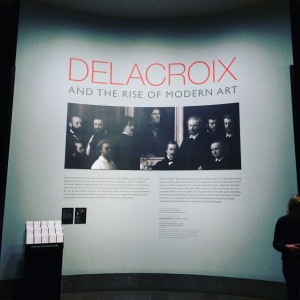
I quite fancied the Delacroix exhibition at the National Gallery, as though I can’t claim to know a great deal about the artist, what I do know I generally like. The exhibition, entitled Delacroix and the Rise of Modern Art, ended on 22 May so I only just managed to catch it.

The exhibition looked at the art of Eugène Delacroix in the context of his influence on later artists. Paintings of his were displayed alongside works by other artists, including Paul Cézanne, Vincent van Gogh and Henri Matisse, to show how he influenced them; these works included landscapes, still lives and portraiture. Interestingly, one of Cézanne’s works directly references Delacroix’ heroic status among artists: his The Apotheosis of Delacroix (1890-1904) shows artists praying to Delacroix, who is being transported heavenwards. Other works displayed included Henri Fantin-Latour’s Immortality, which also paid homage to Delacroix. Some impressive Delacroix paintings were included, such as his 1858 Tangier from the Shore, but sadly his greatest paintings were absent, so I didn’t get the full sense of how impressive he was.

While I did enjoy the exhibition and found it illuminating, I would have liked to see more of Delacroix’ own work, and was slightly disappointed that it was not more closely concerned with him. Apart from that though, it was obviously well planned and thoughtfully organised.

Markfield Beam Engine and Museum

I visited the Markfield Beam Engine and Museum on Bank Holiday Monday, drawn by the promise of one of the “steam days” advertised on the website. Located in Markfield Park near Seven Sisters, in the South Tottenham area, the museum is small but inviting and there was quite a crowd when I turned up.

Markfield Road Pumping Station was originally opened in 1864. The beam engine was built in 1886 to pump sewage from Tottenham towards the Beckton Works. The engine stopped running frequently in 1905 and was closed for good in 1964. In recent years the park, building and engine have reopened for public access, with the help of various grants and many volunteers.

The building now contains a small museum exploring the history of the site. You can go into the room next door to view the beam engine, a masterpiece of Victorian engineering with ornate decoration. The highlight of the museum is being able to watch it work – demonstrations take place on “steam days” throughout the year. You can check these dates on the website – the next is the Spring Bank Holiday Monday. Check out my short video below. It’s rather hypnotic!

The Markfield Beam Engine and Museum is a worthwhile place to visit. It’s small, but good fun, and there’s a cafe next door, not to mention the large park, if you wanted to make an afternoon of it.

FACTS

Address: Markfield Road, London, N15 4RB

Website: mbeam.org

Opening Hours: Second and fourth Sundays of each month (April-September), second Sunday of each month (October-March), 11am-5pm. See website for “steam days”

Prices: Free

Painting Norway: Nikolai Astrup (1880-1928) – Dulwich Picture Gallery

The Dulwich Picture Gallery in leafy south London does have some interesting exhibitions, and the most recent was Painting Norway by the Norwegian artist Nikolai Astrup (1880-1928). Many of these paintings are being shown for the first time outside Scandinavia.

Astrup grew up in Ålhus in Jølster, where his father was a priest. A sickly child, Astrup spent a lot of time indoors but most of his pictures are concerned with the landscape outside, though he also painted places and buildings that were important to him, such as the parsonage where he grew up and his farmstead at Sandalstrand (later named Astruptunet after him).

I was drawn to the unusual, almost mystical landscapes, the colours and the representations of Norwegian culture. My favourite pictures were Astrup’s depictions of Midsummer’s Eve bonfires, the fires bright and almost otherworldly amid the landscape of the fjords. He painted many scenes of his home town in south west Norway, in all seasons and weathers, fields covered in marsh marigolds, midnight skies glowing purple, mountains which take on human qualities.

Astrup is little-known outside his native Norway, but this really needs to change: his work is superb, unusual and really worth exploring.

Sir John Soane’s Museum

2016_0430Soane01

It’s a long time since I visited Sir John Soane’s Museum, so I decided to pop in on Saturday. As usual there was a bit of a queue to get in, but considering it’s free, I was happy to wait – I only had to hang around for a few minutes, anyway.

Sir John Soane was a distinguished 19th century architect who turned his Lincoln’s Inn Fields townhouse into a museum full of famous artworks, sculptures, artefacts and furniture, most of it relating to the classical world. It was fairly famous during Soane’s lifetime, and has remained largely untouched since his death almost two centuries ago.

You start in the library, then head to the back of the house, which is covered from head to foot with classical artefacts. The basement is possibly the most exciting space, particularly the Monks’ Parlour and the huge sarcophagus. Back upstairs, there are more beautiful eighteenth century rooms to look around. Whatever your level of interest in history, there is something to see and enthuse over here.

A temporary exhibition, Charlotte Brontë at the Soane, is currently taking place. Though the museum existed when the writer of Jane Eyre visited London, there is no evidence that she ever went. Curator Charlotte Cory has decided to bring her to the Soane for her 200th birthday, and on display are some of Brontë’s possessions, including the beautiful blue and white dress she wore to attend a dinner with Thackeray, as well as some less authentic artefacts.

Another temporary exhibition refers to Soane’s relationship to the works of Shakespeare, and displays, among other things, the first four folios: it’s incredibly rare to see all four displayed together.

The Museum is open for occasional evening tours, and every so often the top floor – Soane’s private apartments – opens for tours (the latter do charge for entry). It’s a lovely, unique little museum that is well worth visiting.

FACTS

Address: 13 Lincoln’s Inn Fields, London, WC2A 3BP

Website: soane.org

Opening Hours: 10-5 Tues-Sat

Prices: Free