Legion: life in the Roman army – British Museum

An exhibition I really wanted to see was Legion: life in the Roman army at the British Museum. I managed to visit over the Bank Holiday weekend.
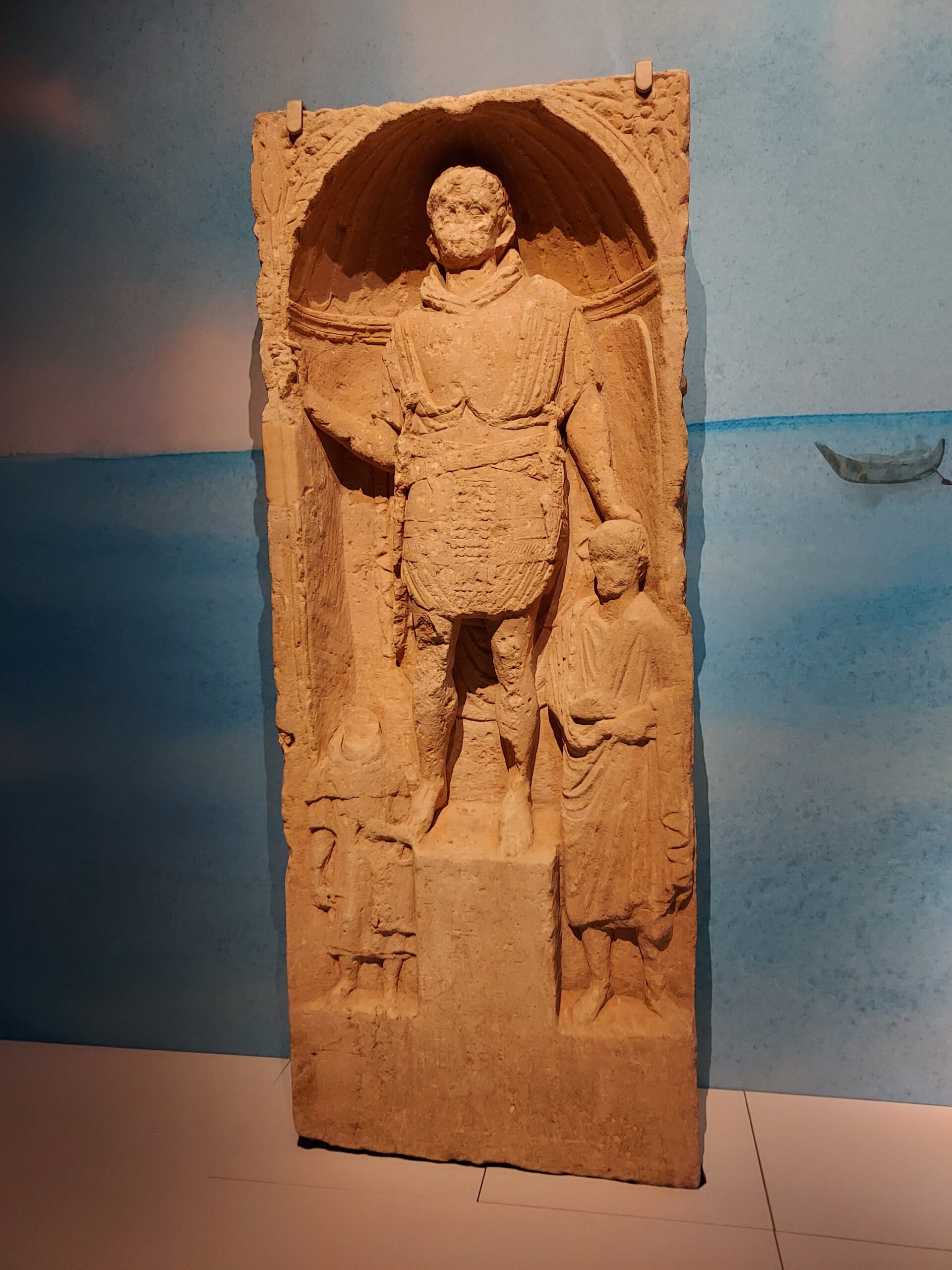
Statue of a Roman soldier

As the title suggests, the exhibition explores what life was like in the Roman army for the soldiers that served in it. Drawn from across the Empire, citizen soldiers were tempted by the prospect of monetary rewards on retirement, while non-citizens could look forward to citizenship for themselves and their families. However, lasting until retirement depended on surviving battles, illnesses and other hardships.

The exhibition focuses on one particular soldier, Claudius Terentianus, as an anchor throughout. We see his journey from enlistment through wars to eventual retirement. Rome was an empire bent on conquest, and required thousands of soldiers in order to conquer and maintain order throughout its territories. Civilians often viewed them with suspicion – the discovery of the skeletons of two soldiers in Canterbury suggests that they were murdered and buried in secret.

Roman longshield
Legionary longshield

The Roman Empire spanned countries and continents, and this is apparent in the objects on display, which include letters written on papyri by soldiers based in Egypt and tablets found at Vindolanda fort near Hadrian’s wall. Some of the most common objects are gravestones, a stark reminder that many soldiers and their family members died of various illnesses. One section in the exhibition focuses on the games and toys families amused themselves with while living at forts and encampments.

As is to be expected in an exhibition about soldiering, weapons and armour are prominent; one particularly impressive item is the only surviving legionary long shield. It’s incredible seeing this shield, which, owing to its prevalence in popular culture when it comes to the Romans, seems almost larger than life. One cuirass (a piece of torso-fitting armour) comes with a sad story: it was found on the battlefield in Lower Saxony after the Romans were resoundingly defeated by German warriors.
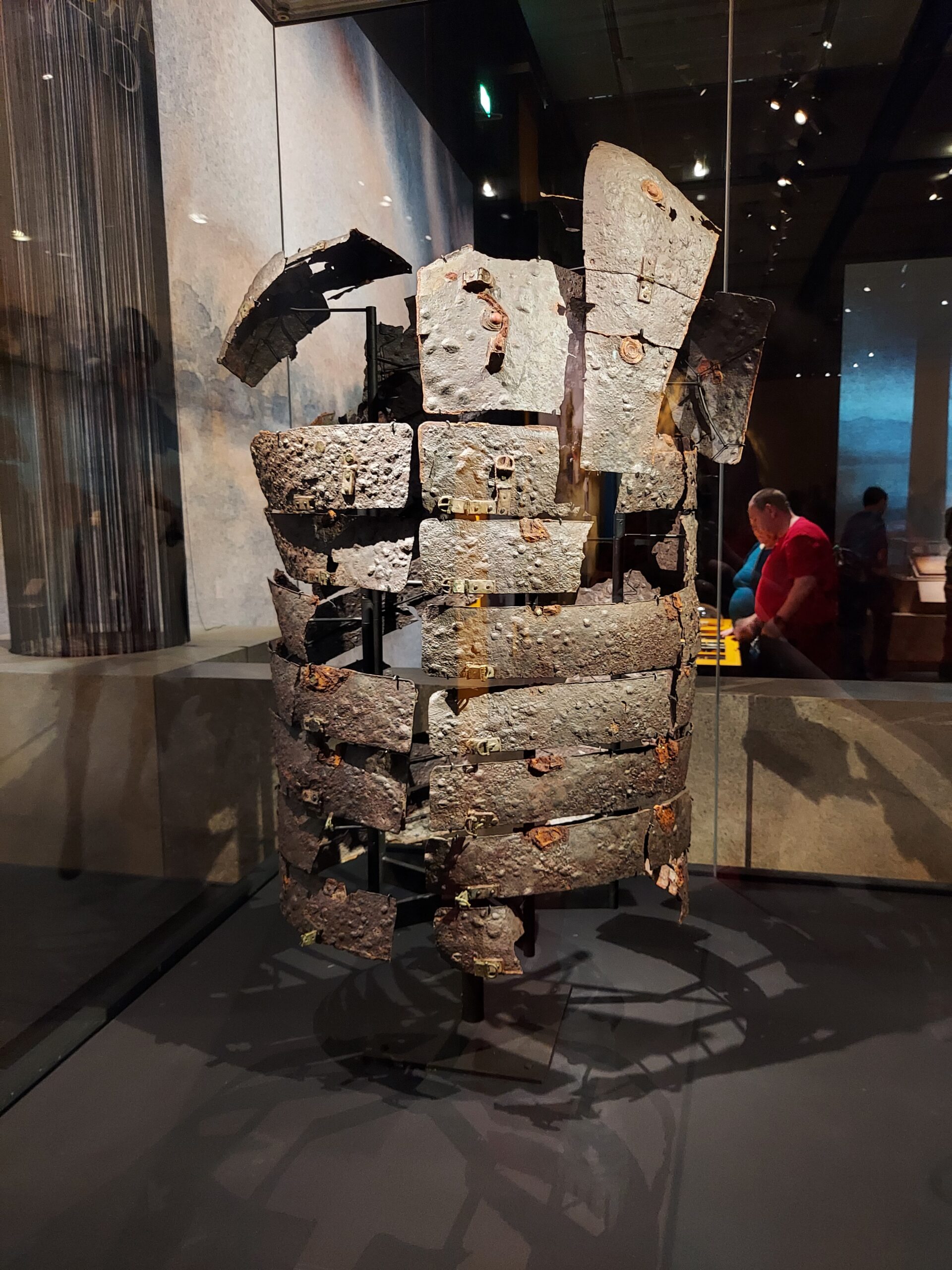
Roman armour
Roman armour

The exhibition is full of fascinating information, such as the structure of the Roman army, how one would go about becoming a soldier, and details of the various Emperors and the campaigns they waged. However, it is the human stories that speak to us the most. Terentianus detailing his troubles in a letter to his father; a Roman lady stationed in a fort sending an invitation to her friend; and most poignantly, a soldier killed by the Vesuvian eruption trying to help civilians escape from Herculaneum. His sword and dagger were with him, still sheathed, and are perfectly preserved.
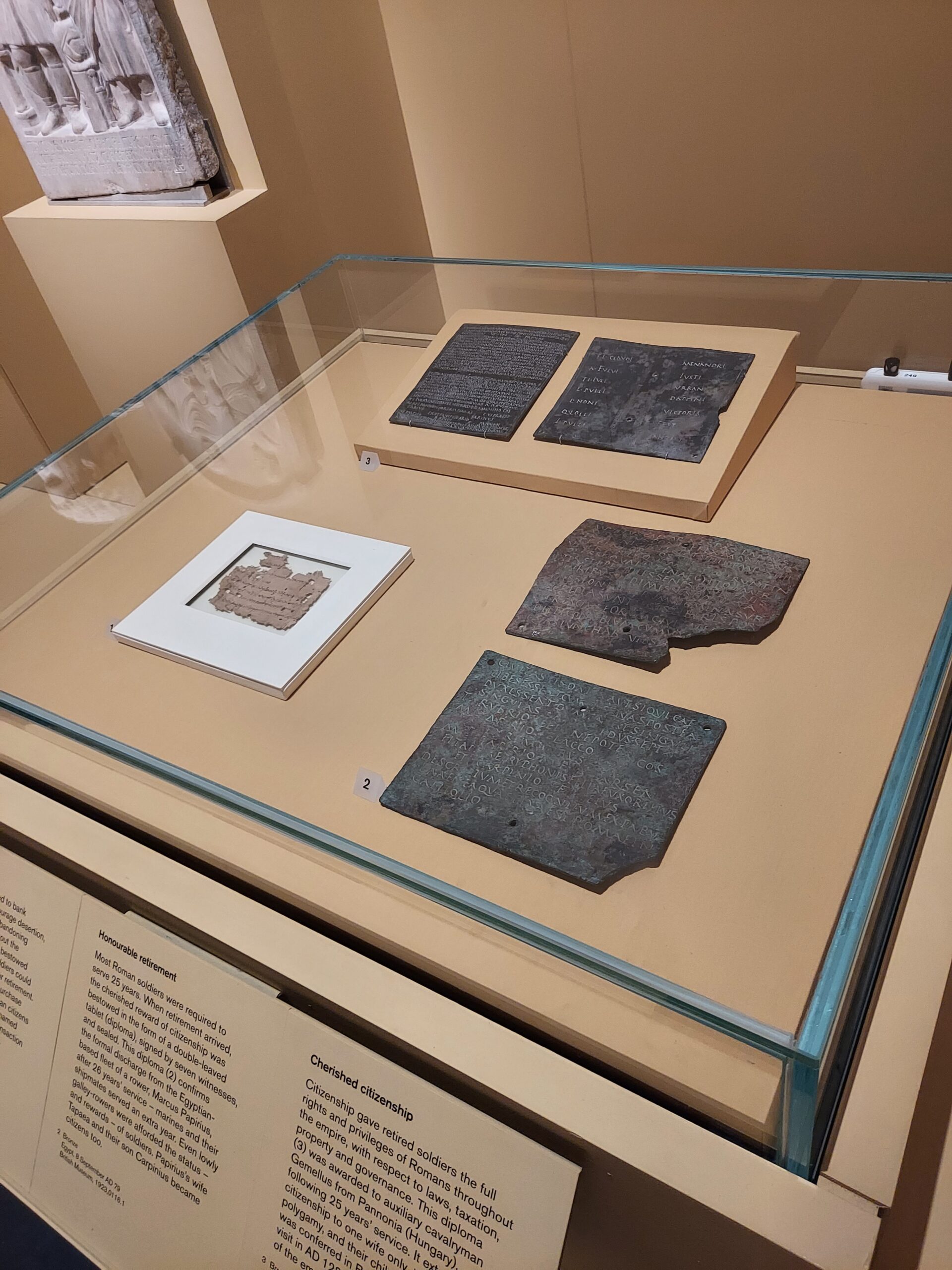
Tablets conferring Roman citizenship on retired soldiers

Disney100: The Exhibition – ExCel London

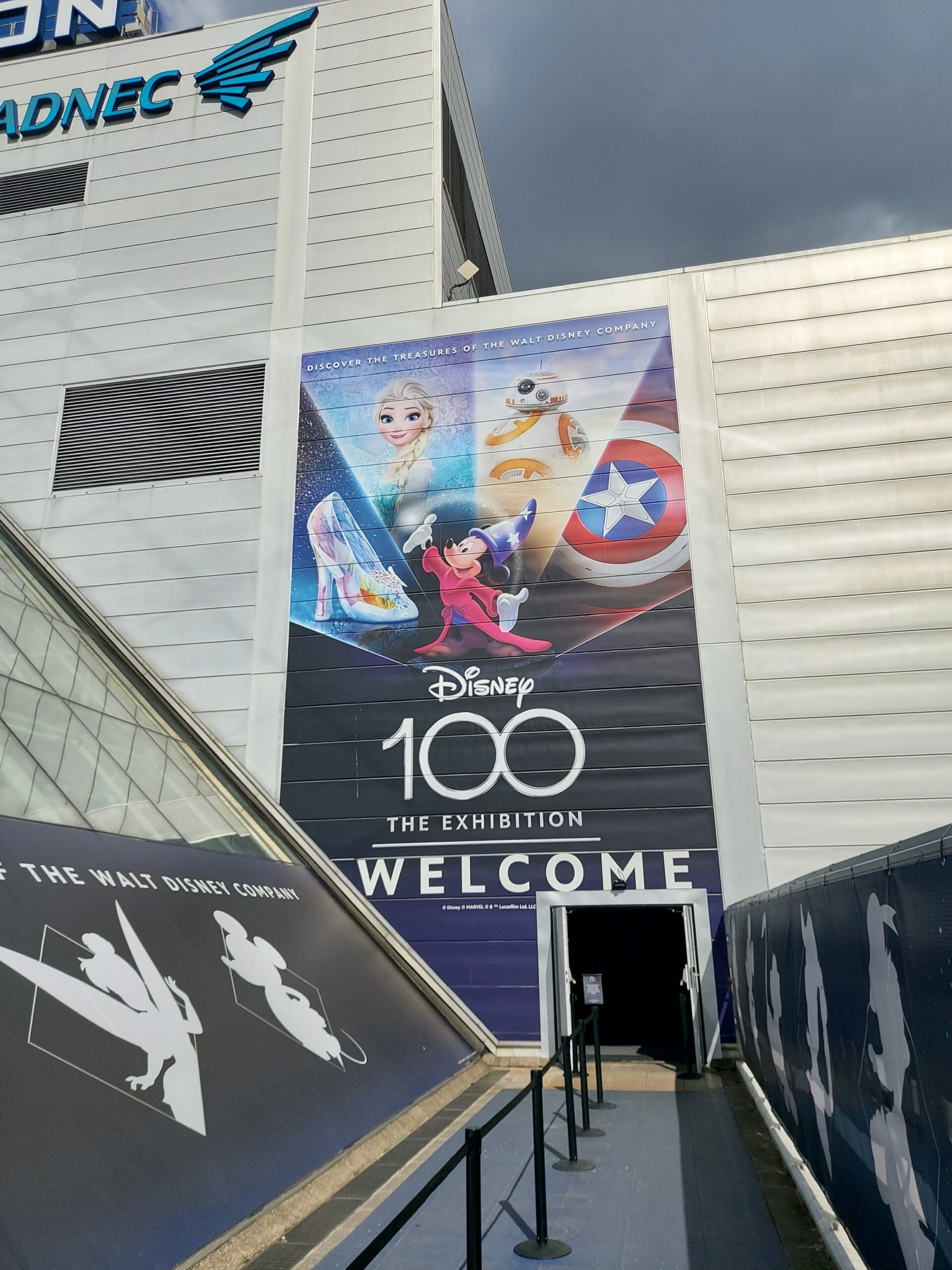
Entrance to the Disney100 exhibition

As someone who has enjoyed Disney movies for most of my life (although I don’t have the passion or obsession that many others have), I wanted to visit the Disney100 exhibition at the ExCel centre in London. The date I chose to visit was the same day as Comic Con, so I was a bit confused by all of the people in cosplay wandering around!

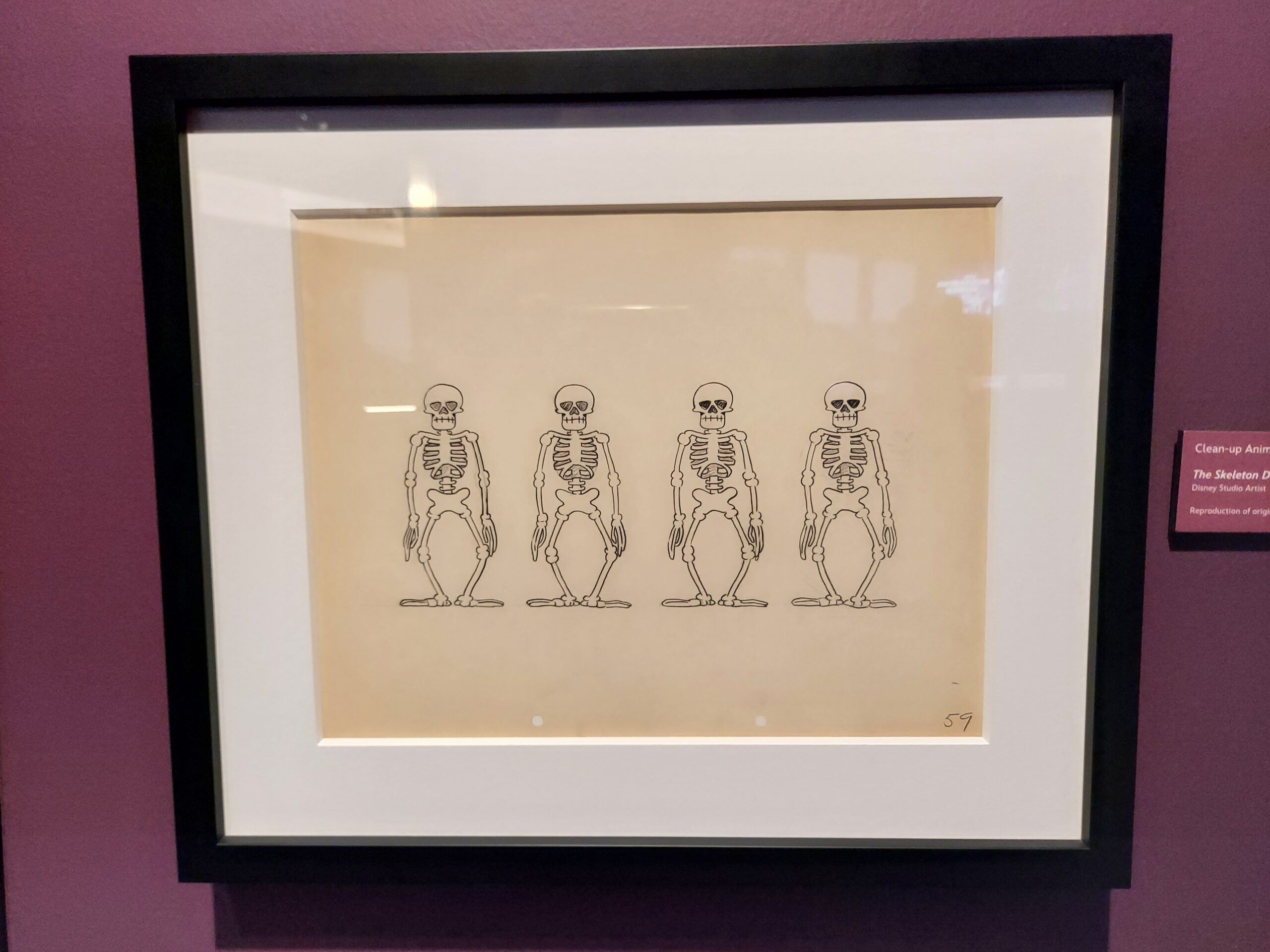
Still from the Skeleton Dance cartoon
Still from ‘The Skeleton Dance’, 1929

The exhibition marks the 100th anniversary of the Disney company and traces the story of its beginnings and development over the last century. Beginning with Walt Disney’s earliest animations, it follows the establishment of the company and features artefacts, works of art, costumes and props from the entirety of its history.

Exhibits are arranged within ten themed galleries, including the stories, sound and music, and innovation. I particularly enjoyed the early galleries telling the story of how Walt Disney developed his skills in animation and founded the company: a genuinely unique innovator with a creative vision who changed the future of animation.

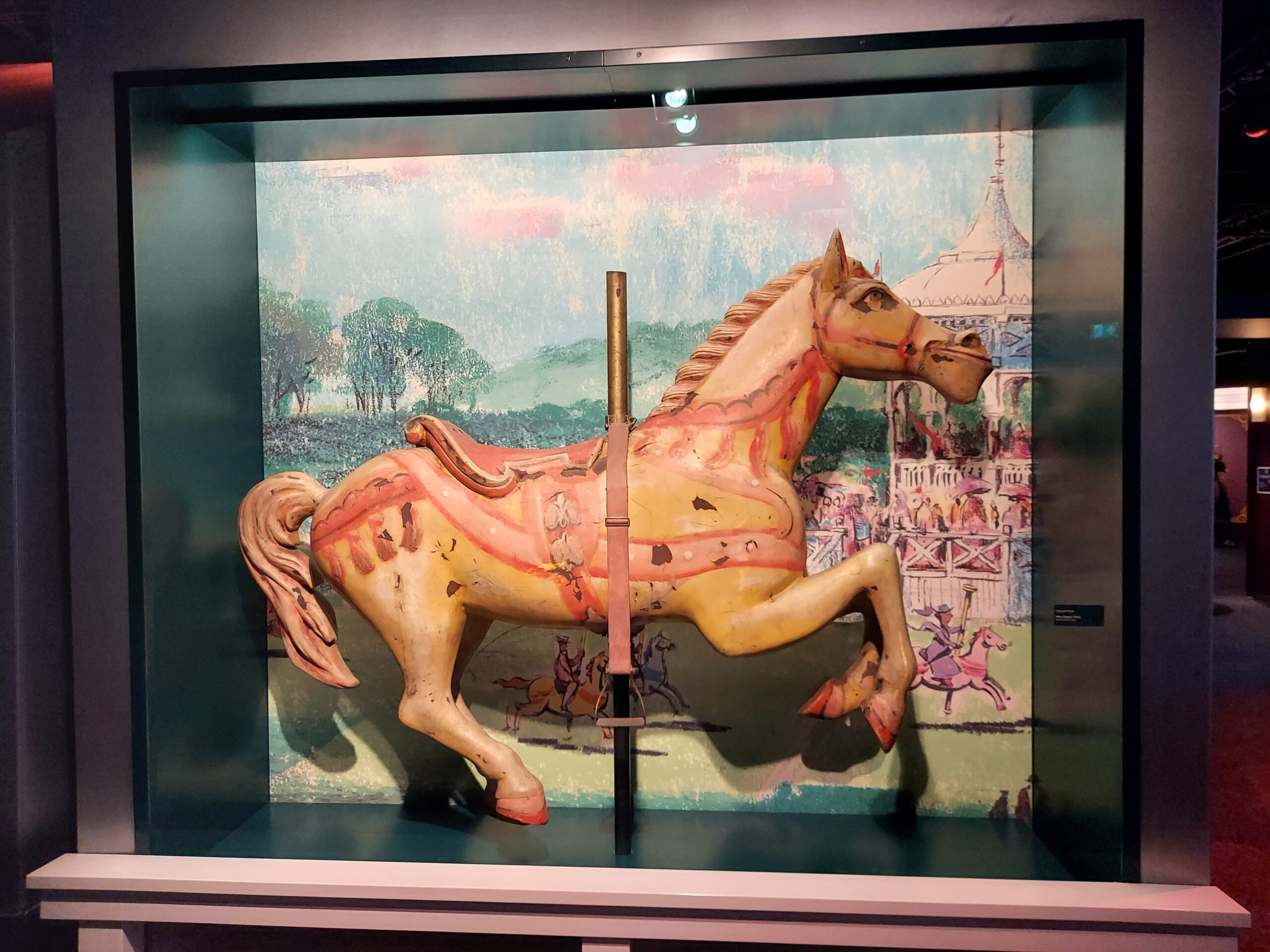
It was interesting to see props and stills from the early animated movies, especially the prop storybooks. Also, costumes and other items from live-action movies, such as a glass slipper from the live-action Cinderella and a carousel horse from Mary Poppins, were interesting to see.

Carousel horse
Carousel horse from ‘Mary Poppins’

I was personally less interested in the items relating to Star Wars and Marvel, partly because I’m not a particular fan of either, but mostly because I don’t feel they truly count as Disney, having been created outside of the company and brought under the corporation’s umbrella at a later date.

It was interesting to look at how music is incorporated into Disney films, and how innovations in technology influenced the movies – some of them developed within Disney itself.

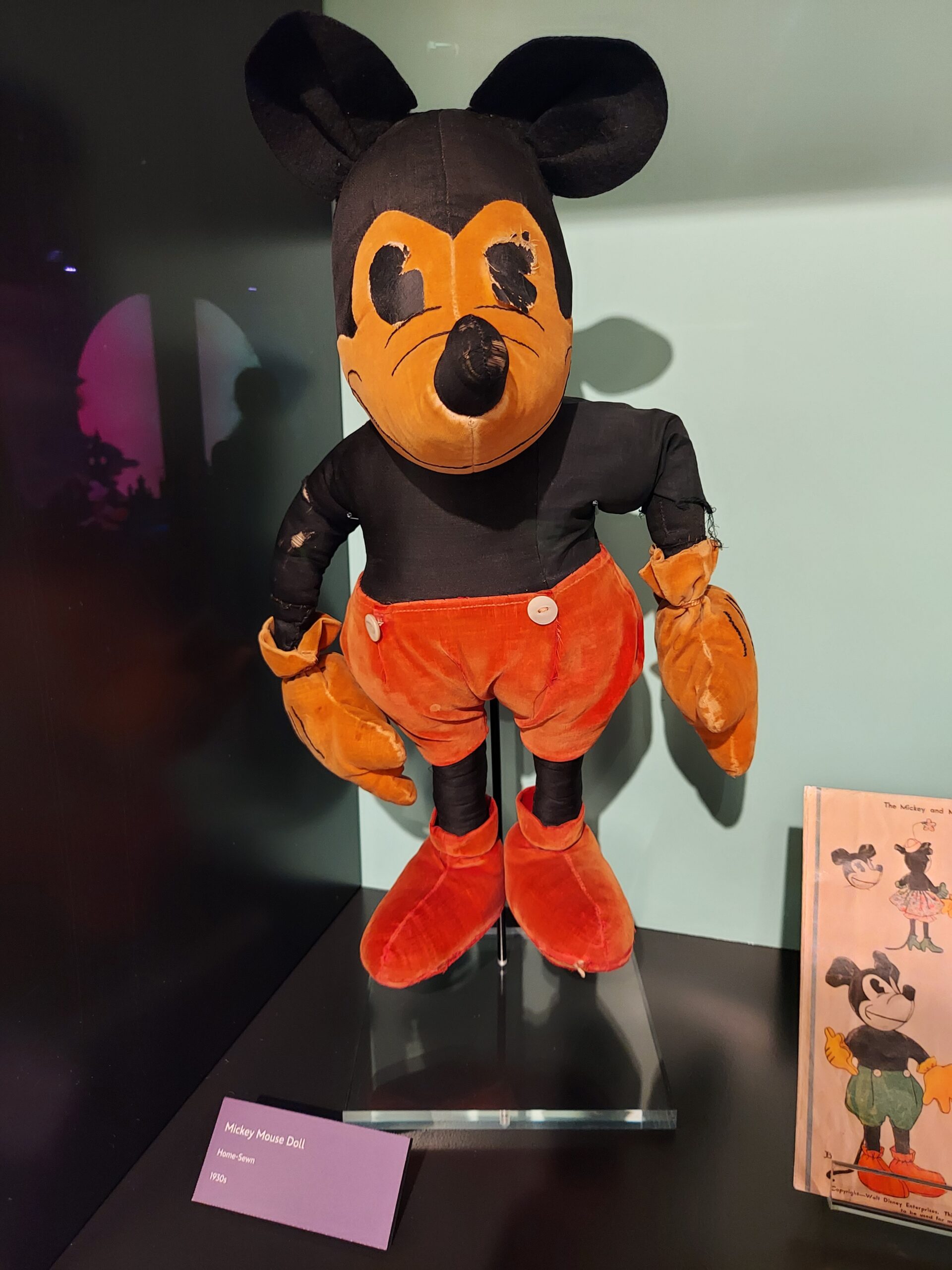
Mickey Mouse doll
Early Mickey Mouse toy

As might be expected from an exhibition created by the company itself, it is overwhelmingly positive about Disney, with nothing of any negativity to be seen. If you want a more rounded look at Disney and its impact on the world of animation and beyond, look elsewhere.

Nevertheless, this is a worthwhile and interesting exhibition about what is, at its best, a world-leading and history-making company, creator and adaptor of powerful stories that have captured the imaginations of generations of children.

Zimingzhong 凝时聚珍: clockwork treasures from China’s Forbidden City – Science Museum

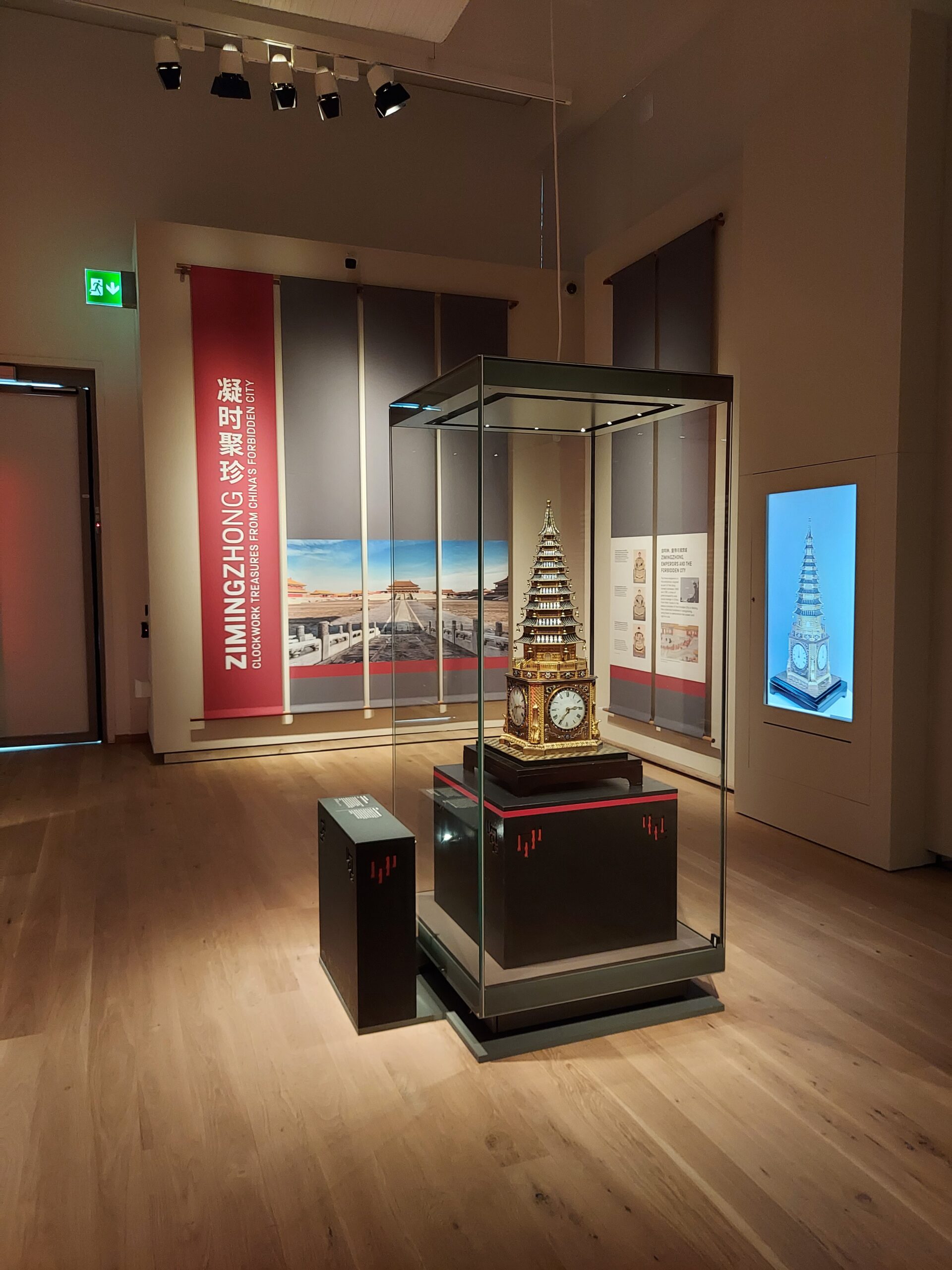
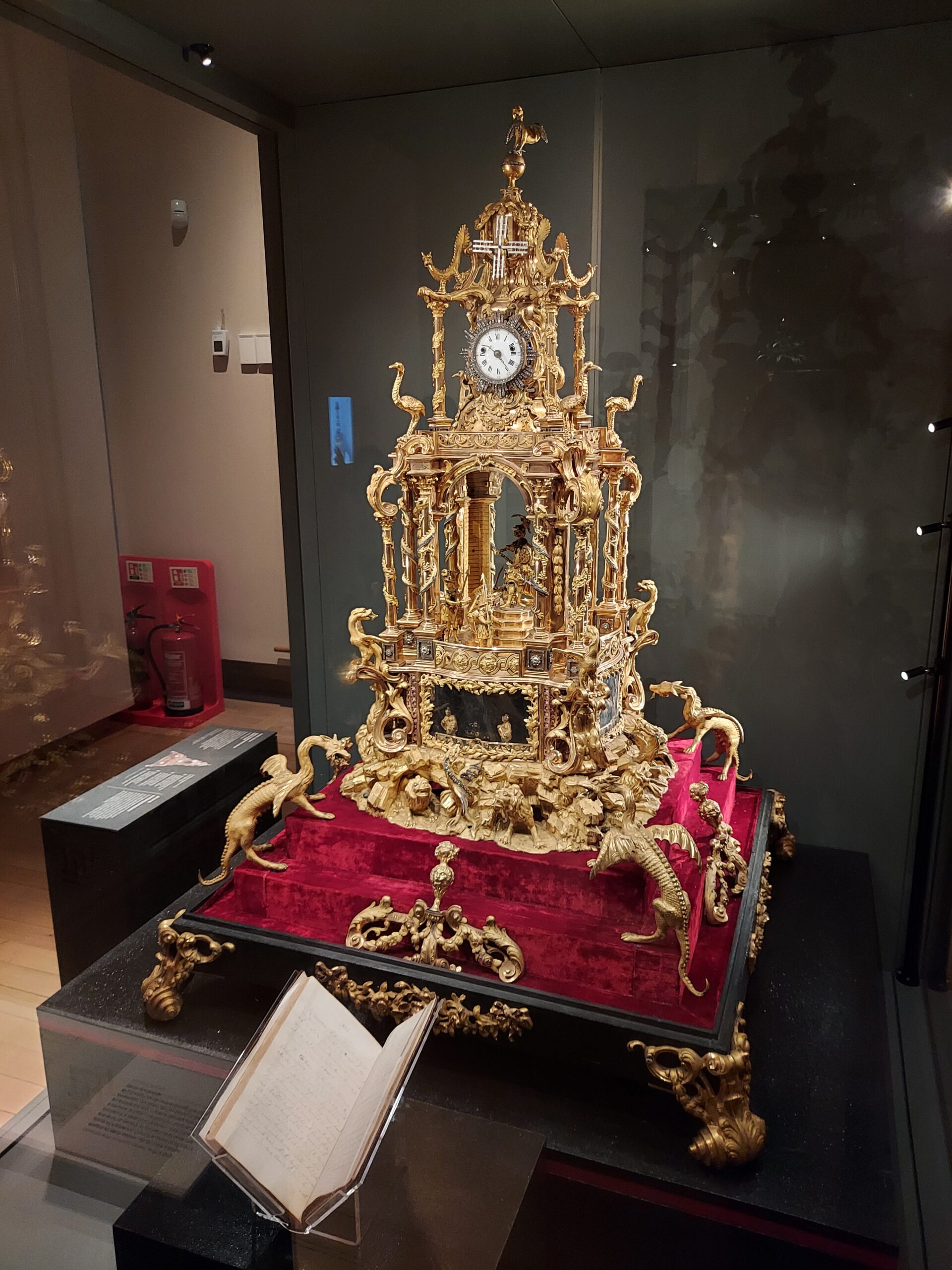
While I was at the Science Museum I also decided to explore the Zimingzhong exhibition. This consists of several beautiful ornate clockwork automata and other artefacts on loan from the Palace Museum in Beijing. I was interested to learn that these, known as zimingzhong, were a symbol of cultural exchange between (largely) the British and the Chinese, as Western clockmaking talents were appreciated by the Chinese emperors even though many other British imports were unwanted and unappreciated. These artefacts, however, were actively sought out as tribute, and were often made to appeal to a Chinese market. Several were also made in China, particularly in the port city of Guangzhou, the location of much British trading.

The exhibition has several of these beautiful, ornate and exquisite items on display. Many are accompanied by commentary from members of the Chinese diaspora in the UK, which I found particularly interesting. Many items contain gold leaf, jewels, and decoration such as enamel.

I am glad I took the opportunity to visit the exhibition, as it opened my eyes to an aspect of Chinese culture I hadn’t been aware of, and helped me understand more about the blending of Chinese and British cultures.

a beautiful example of zimingzhong

Turn it Up: The Power of Music

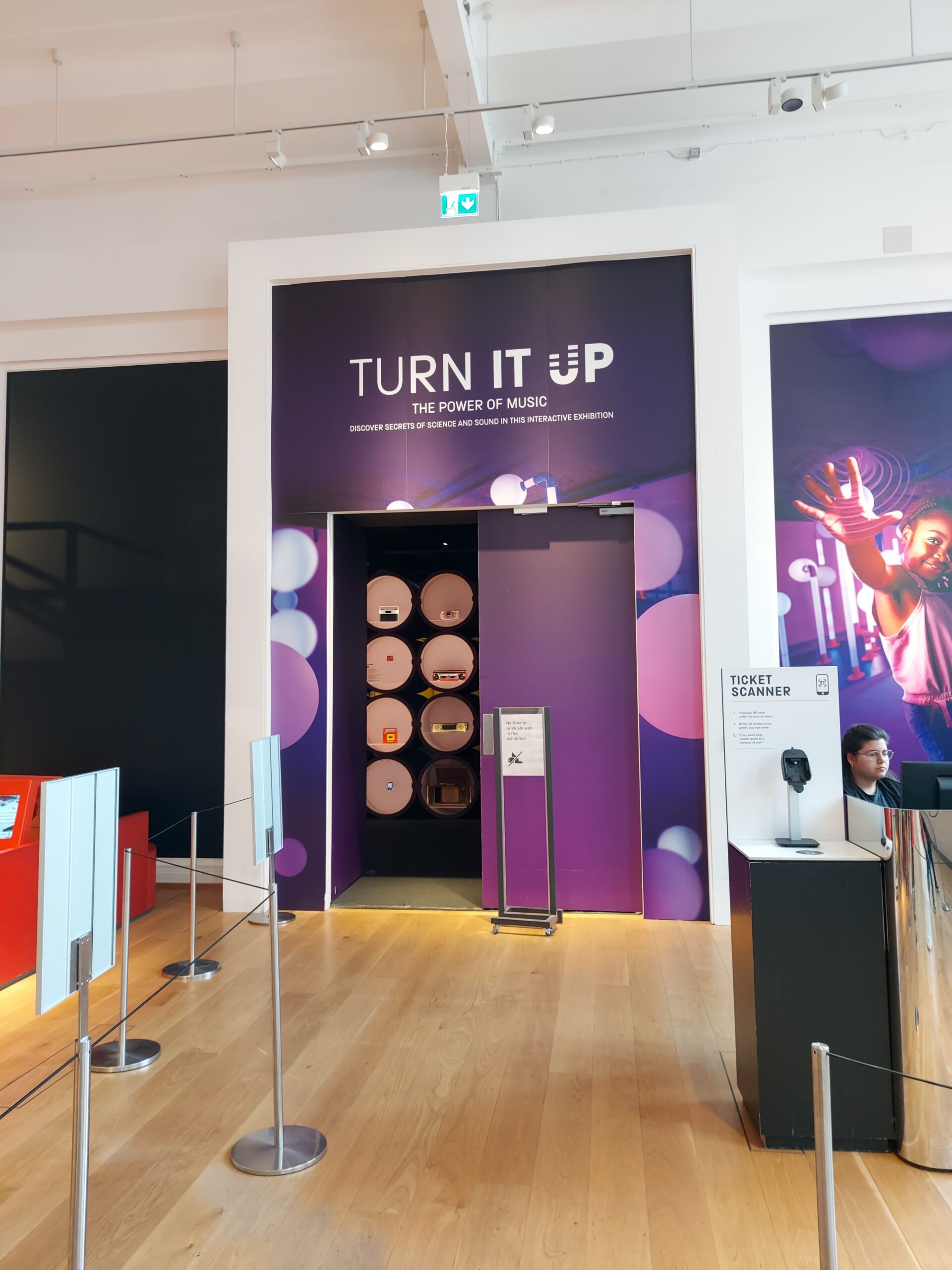
Exhibition entrance

On Saturday I went to visit the Turn It Up: The Power of Music exhibition at the Science Museum. I thought it sounded intriguing, and hoped it would help me with my Music Lover badge for Rebel Badge Club. The exhibition explores how and why music affects us. Throughout, there are numerous options for visitors to add comments about the songs that hold meaning for them.

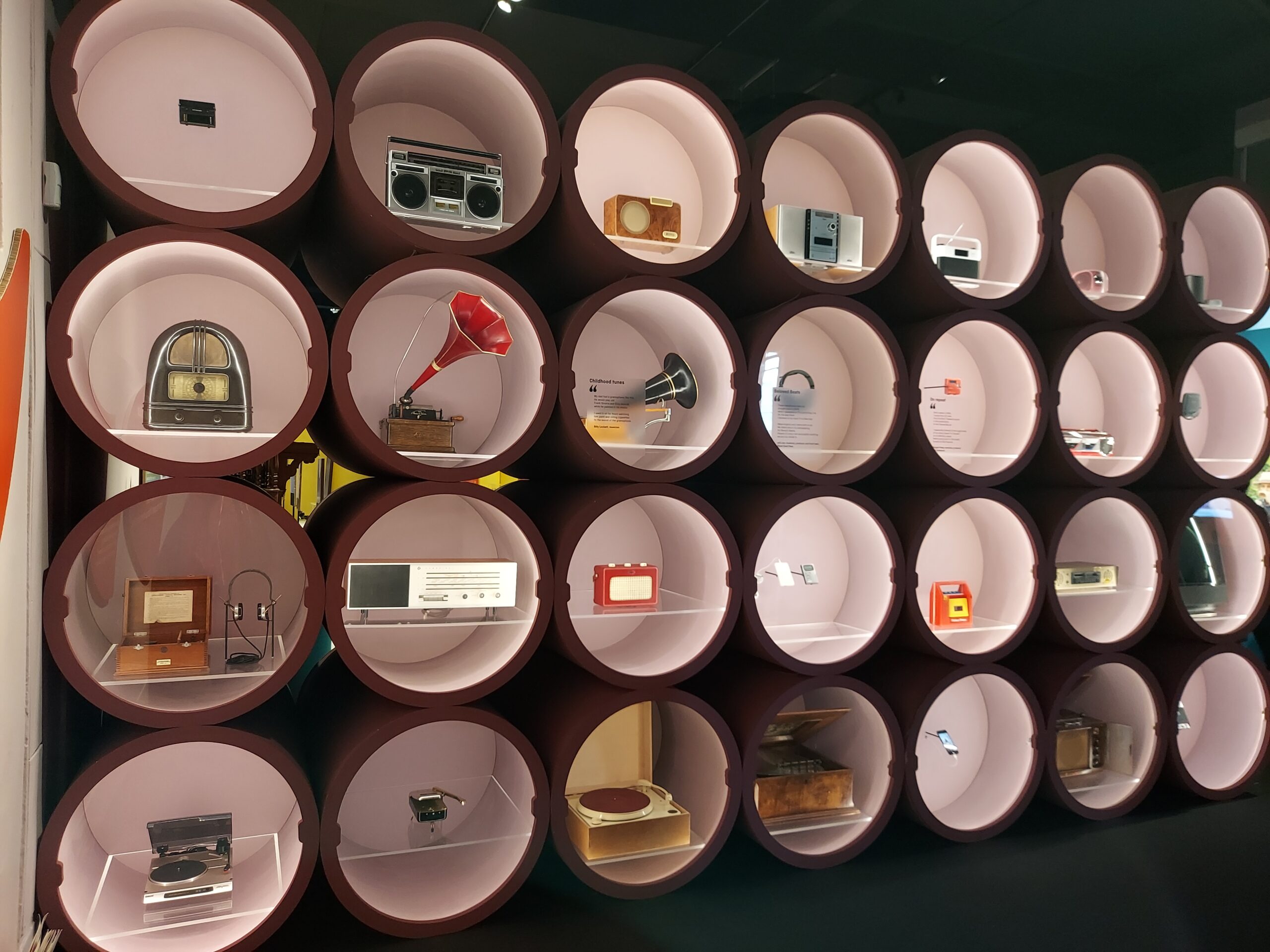
Entering the exhibition, you are greeted with a selection of music-related technologies, such as record players, cassette players, iPods and others. You are bound to recognise something you used yourself. Comments from musicians here (and throughout the exhibition) discuss the memories these objects inspire or the significance various artefacts have had in their lives.

One section explores unusual and unique instruments, such as the fire-breathing organ and the violin made of ice. Another looks at how technology has been used to make music production more accessible, such as a computer programme to enable a paralysed trumpeter to continue to create the music he loves, and special gloves to allow the wearer to produce sound.

My favourite part was the ‘house’ that explored how music affects every part of our lives. For instance, the bedroom looks at how and why music can help us sleep, and a locker room discusses songs that can motivate and improve athletic performance. Overall, this was a fascinating exhibition which added scientific depth to a topic many of us probably take for granted.

Musical artefacts

CUTE – Somerset House

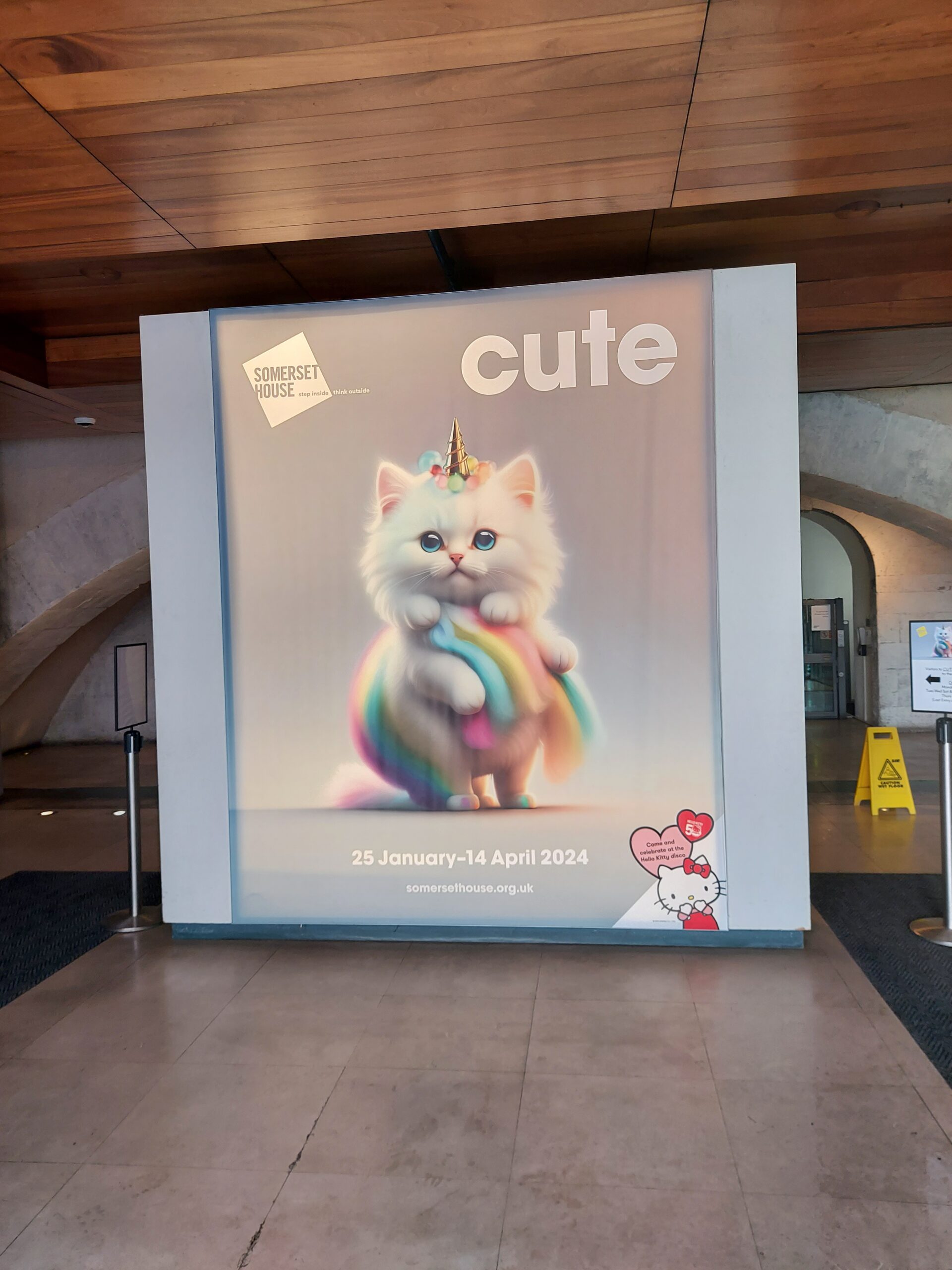
Entrance to the exhibition

CUTE at Somerset House is the first exhibition to fully explore the concept of ‘cute’ and its role through time, focusing on the modern era but with nods to the past too. The word ‘cute’ comes from Ancient Greek, based on the word ‘acutus’ which roughly translates as ‘sharp’. Therefore, the first uses of the word, which first appeared as ‘acute’ in English in 1731, were connected with sharpness of the mind and the senses. However, in ancient Japan, The Pillow Book of Sei Shōnagon (first published in 1002) listed things described as “utsukushi”, similar to modern “kawaii”, roughly meaning small, fragile and vulnerable. In the modern day, the word “cute” has drawn meanings from both East and West.

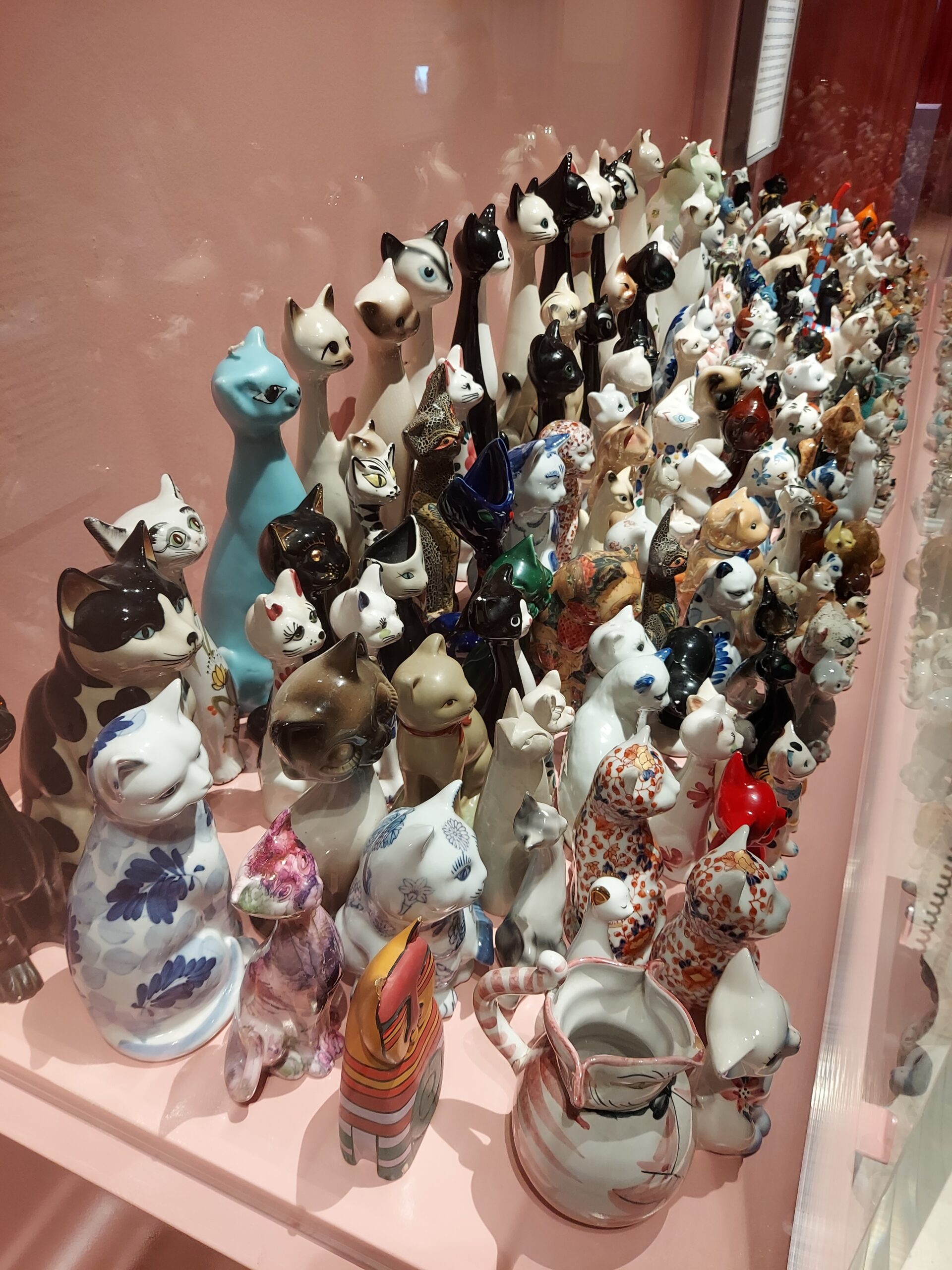
The exhibition begins, appropriately, with a room full of cats: Harry Pointer’s cat photos, paintings by Louis Wain, and ceramic cats by Andy Holden.

Cat statues
Andy Holden’s ceramic cats

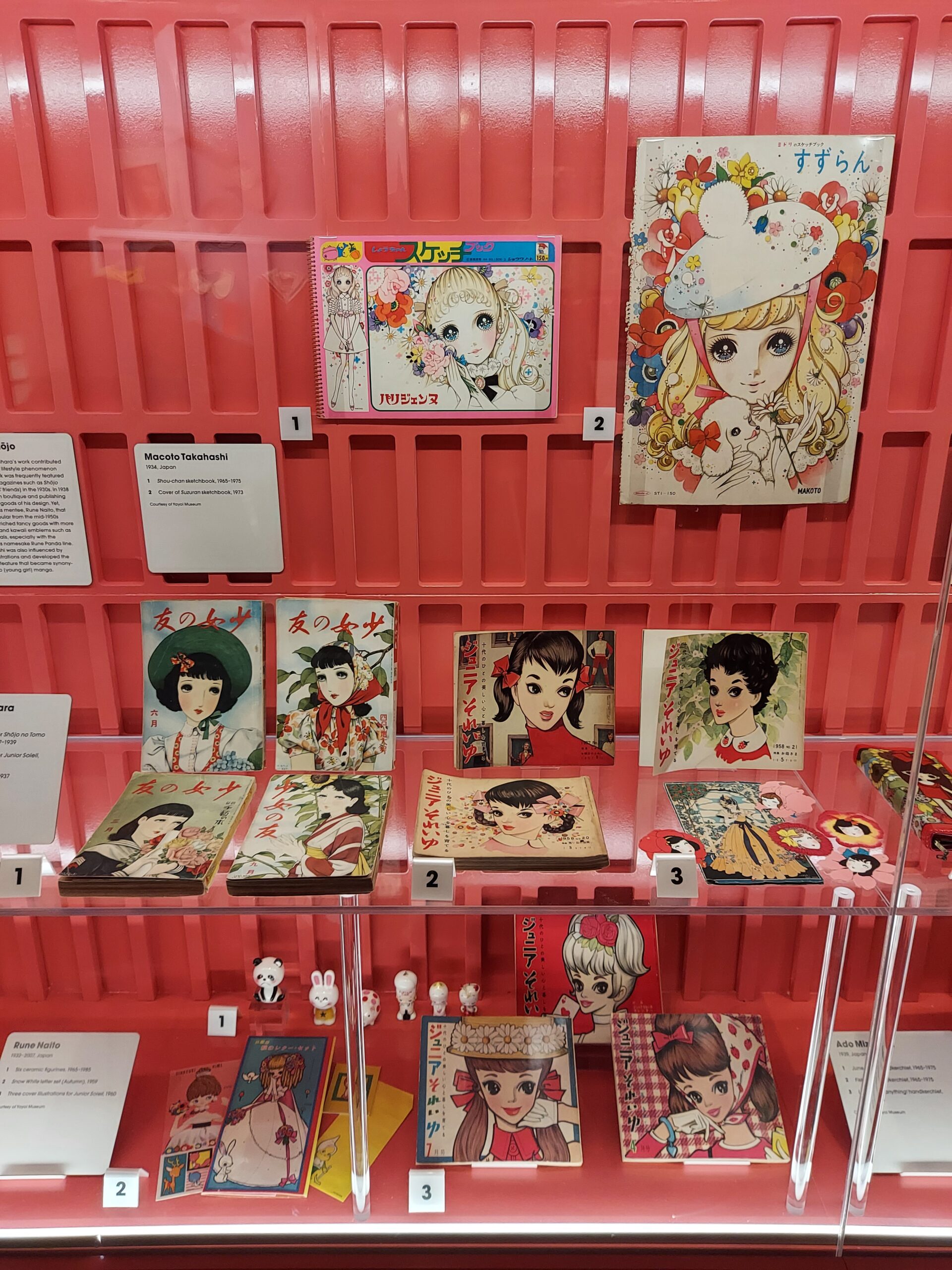
It moves on to look at Kewpie dolls, cherubic imagery, and Japanese cuteness – often known as “kawaii” – frequently evoked in manga and other drawings. A whole room of the exhibition is devoted to Hello Kitty, and that famous cat’s 50th anniversary.

Japanese manga
Japanese manga

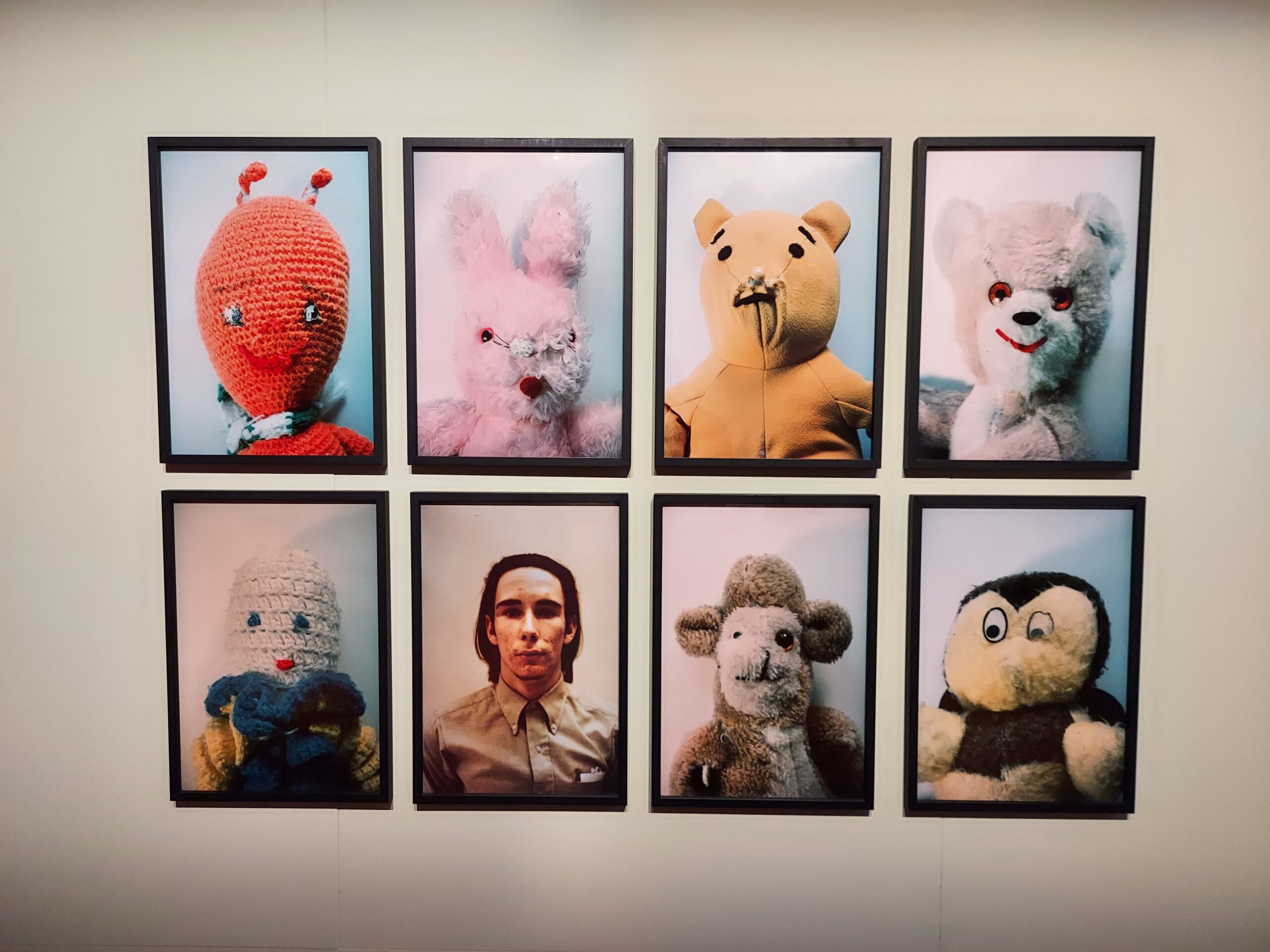
Later exhibits focus on cuteness in art, including 1990s photographs by Mike Kelley, and Aya Takano’s manga-influenced paintings from 2015. This section reinforced that, for me, there is often a very fine line between cute and creepy.

Close up pictures of soft toys
Photographs by Mike Kelley

There were several families at the exhibition and there was lots aimed at them, such as an entire room dedicated to video games based around the theme of cuteness. I’m not sure how many people actually explored the themes raised in the exhbition, instead simply focusing on how adorable most of the exhibits were – though if they enjoyed it, that’s the important thing!

Power Up – Science Museum

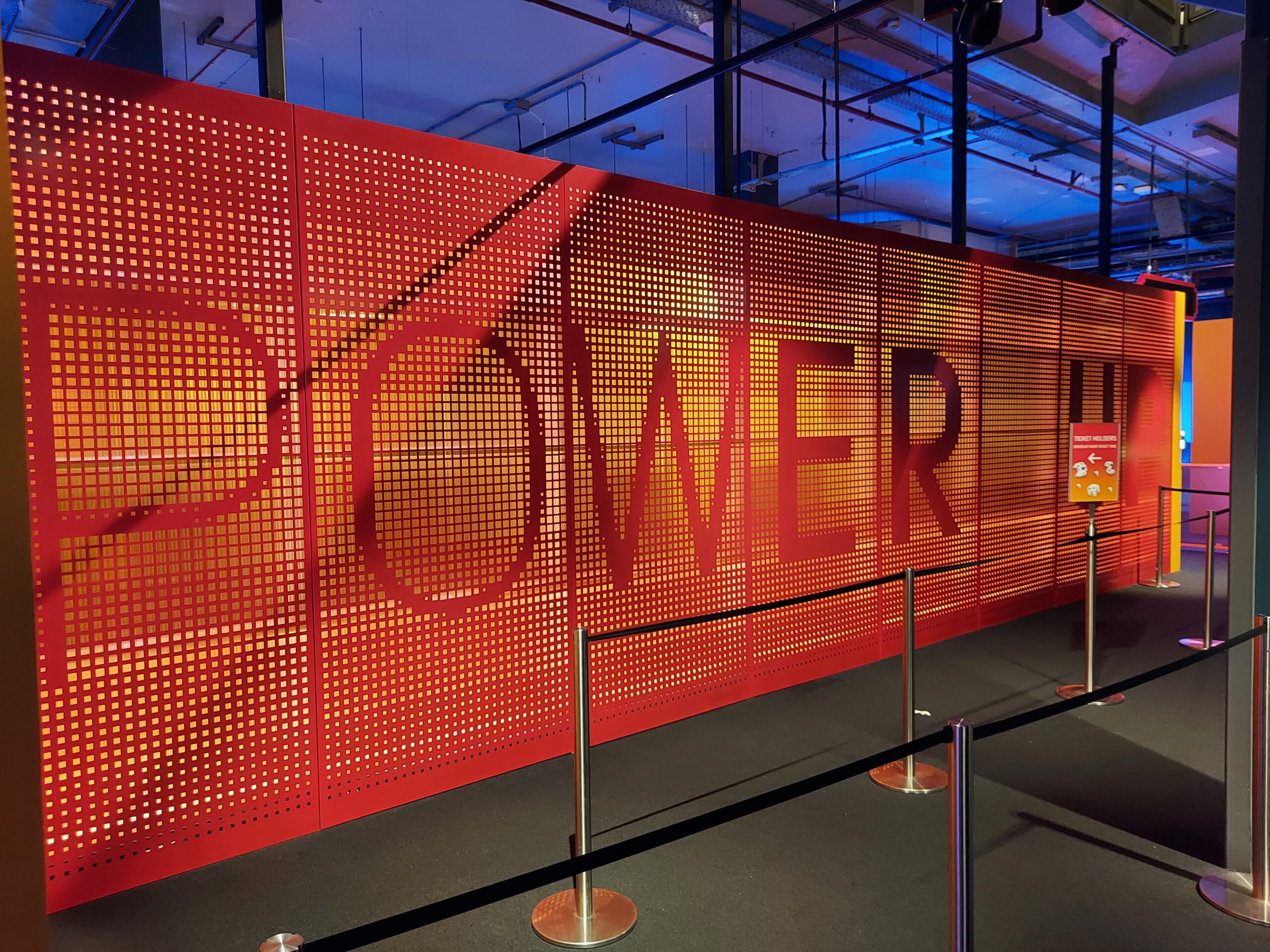
Power Up exhibition entrance

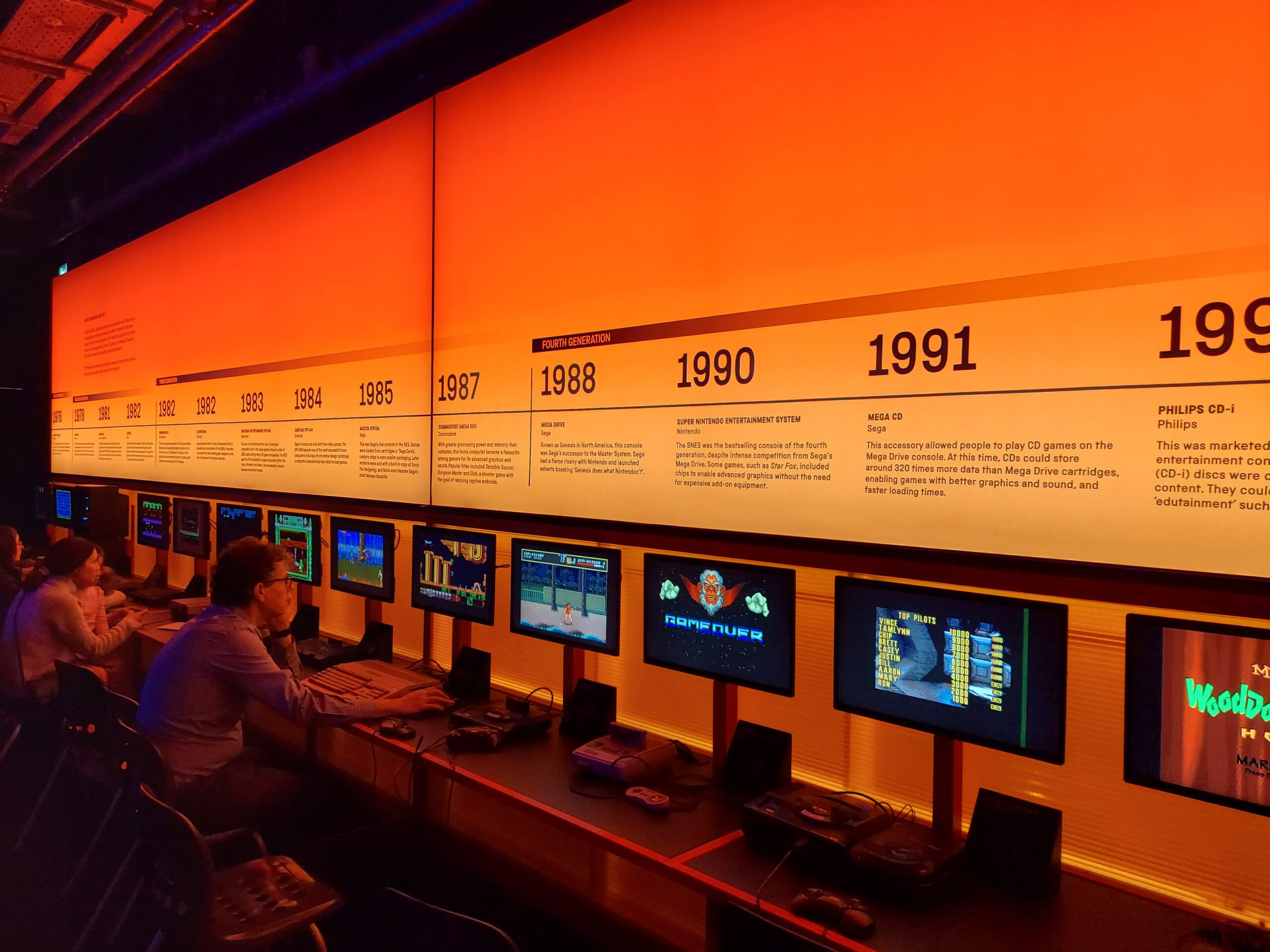
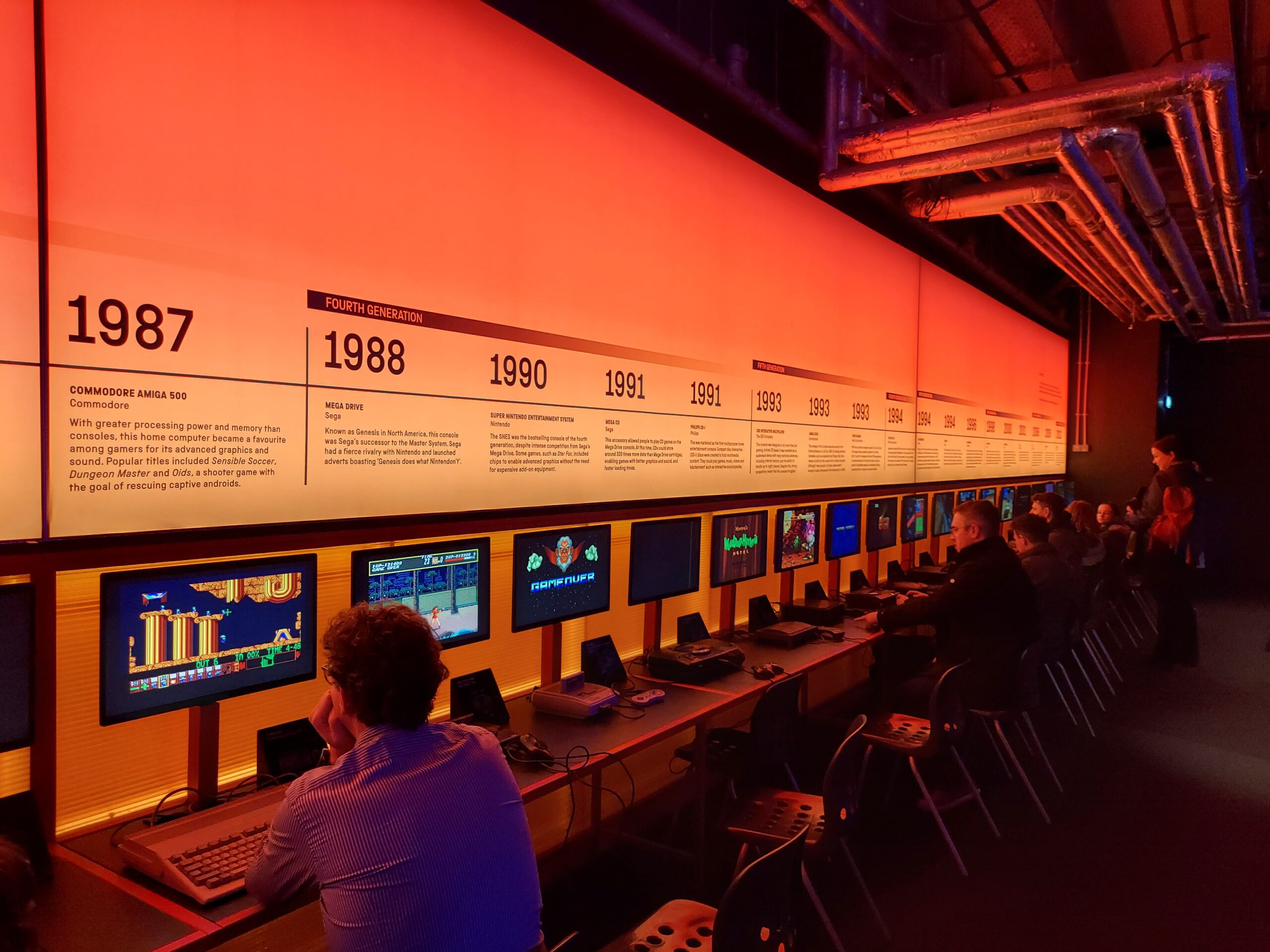
When my brother came down to visit, I planned to take him to the Power Up exhibition at the Science Museum. Now permanently installed in the museum’s basement, the exhibition covers the history of video games, featuring consoles and games from the past 50 years.

A timeline of gaming, with examples, covers the far wall, and a huge 16-player Halo ring is located in the middle. Surrounding this are sections for physical games, virtual reality, 4-player and 2-player games, plus special sections for Sonic and Mario among others.

Inside the Power Up exhibition

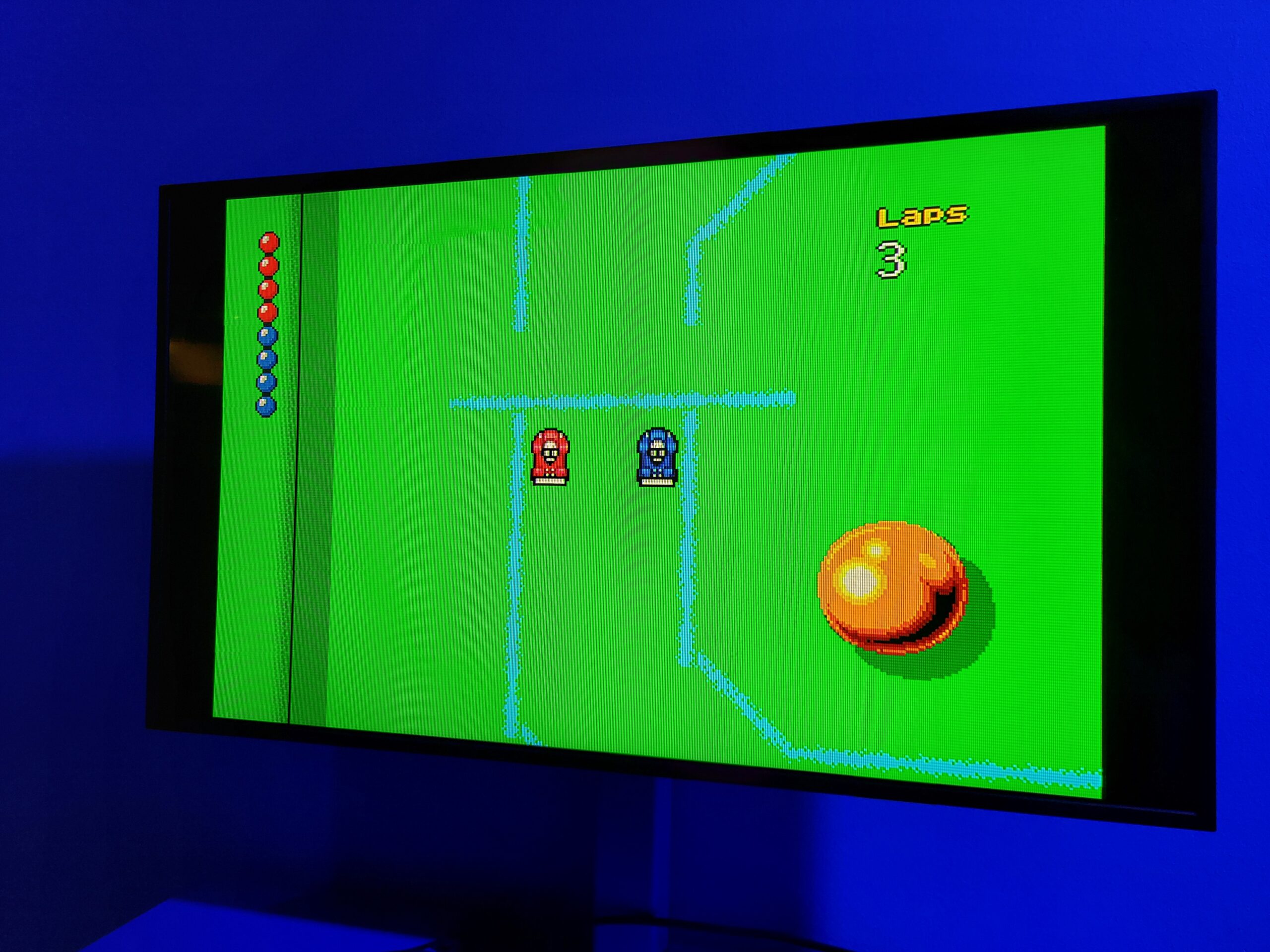
I had a go at Zelda and rekindled my memories of Sonic. My brother and I played a game of Streets of Rage and renewed our memories of Micro Machines. These days he is an avid gamer and much better than I am, but I was pleased to note that we were fairly evenly matched on this game, so I haven’t completely lost my touch!

Video game screen showing Micro Machines
Playing a game of Micro Machines

Power Up can be visited on a day pass, or you can get an annual pass if you want to keep coming back. It’s definitely worth a visit if you have any interest in games, even if it’s only a nostalgic one.

Japan: Myths to Manga – Young V&A

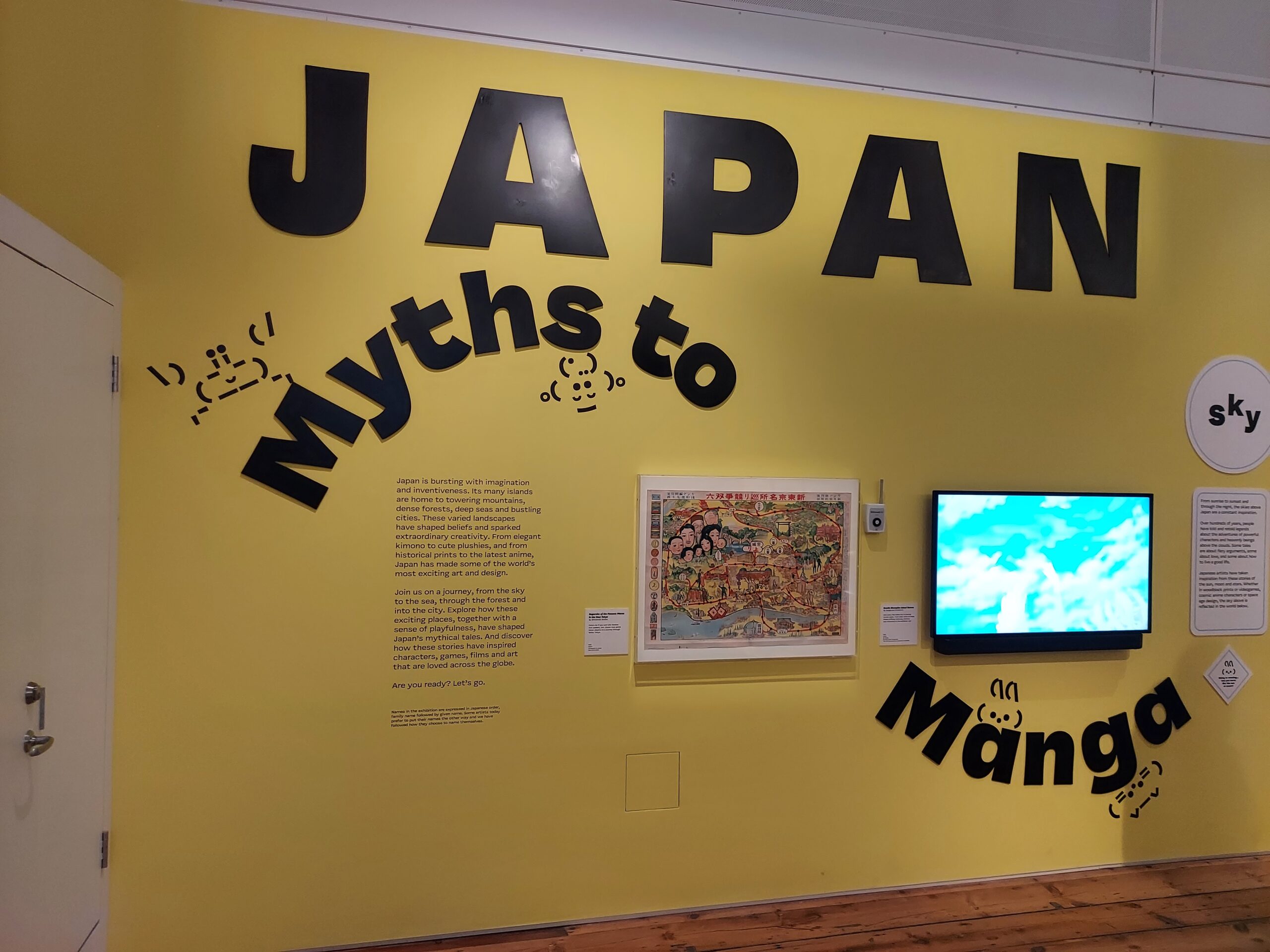
Japan: Myths to Manga exhibition sign

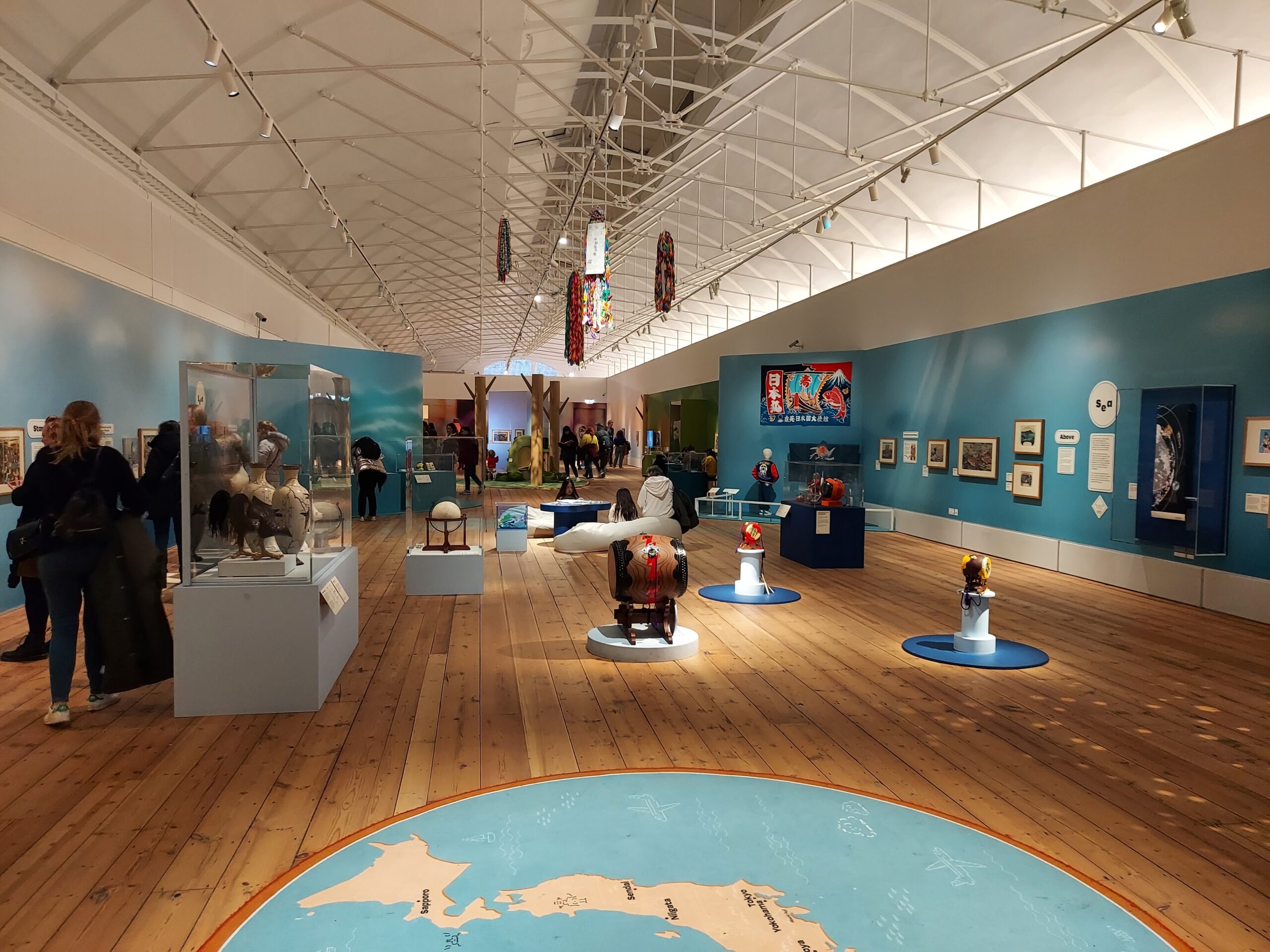
When my brother came to visit me in London, I took him to see the Japan: Myths to Manga exhibition at the Young V&A. The exhibition is the first at the refurbished and reopened Young V&A, formerly the Museum of Childhood. It looks at the role of Japanese folklore and its influence on modern Japanese art, technology and design.

The exhibition is divided into four sections – sky, sea, forest and city – allowing us to draw connections between Studio Ghibli stories and ancient forest spirits, or netsuke sculptures and Sylvanian Family toys.

This eclectic exhibition is well worth seeing, especially if you have any interest in Japanese culture.

Inside the Japan exhibition

Burma to Myanmar – British Museum

Exhibition banner

In January I visited the British Museum to see the exhibition Burma to Myanmar. My granda was posted to Burma during the Second World War so I thought I would be interested to see the exhibition.

Myanmar has experienced decades of civil war, and is once again ruled by a military dictatorship. However, the country has a rich history and the exhibition explores the last 1,500 years of that history, looking at how Myanmar’s peoples interacted with each other and with the world. Diverse cultures flourished as links with Thailand, China, Sri Lanka, and even the Middle East and Europe were established and developed.

A gold and ruby-studded letter
A gold and ruby-studded letter sent by King Alaungpaya to George II

The exhibition is particularly strong when it looks at events from the last 500 or so years. Between the 16th and 19th centuries it was the largest empire in mainland Southeast Asia. A gold and ruby-studded letter sent by King Alaungpaya to George II in 1756 shows how wealthy and powerful this empire was, but sadly (and unsurprisingly) it wasn’t respected by the British, who subsequently colonised Myanmar and contributed to its later unrest.

Despite a turbulent history, Myanmar has strong cultural traditions, and artists and other figures continue to challenge oppressive rulers. I really enjoyed this exhibition.

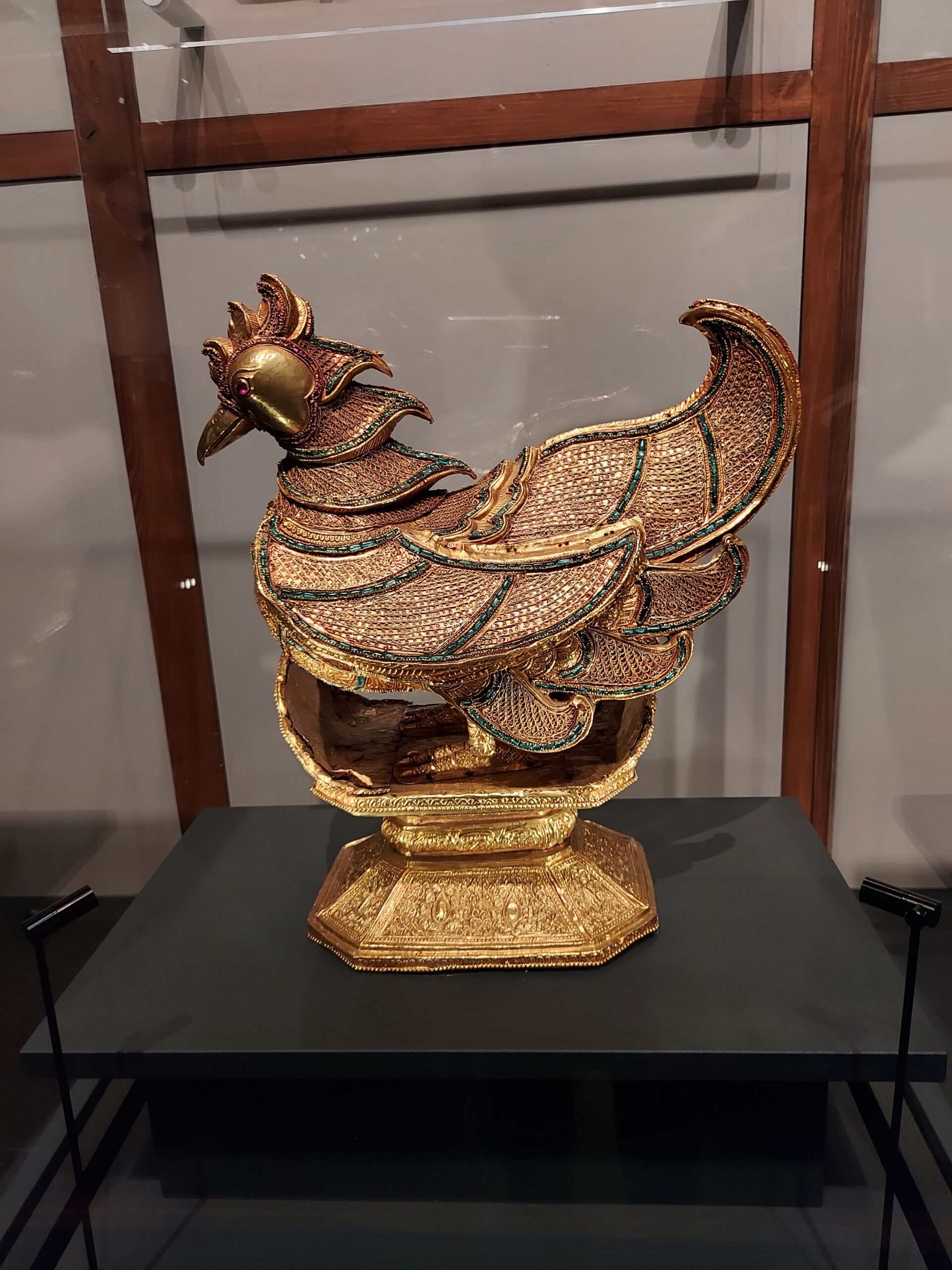
Golden bird
Golden betel container in the shape of a mythical bird known as a karaweik. It formed part of the Burmese regalia used by the last king, Thibaw Min.

Gabrielle Chanel. Fashion Manifesto – V&A

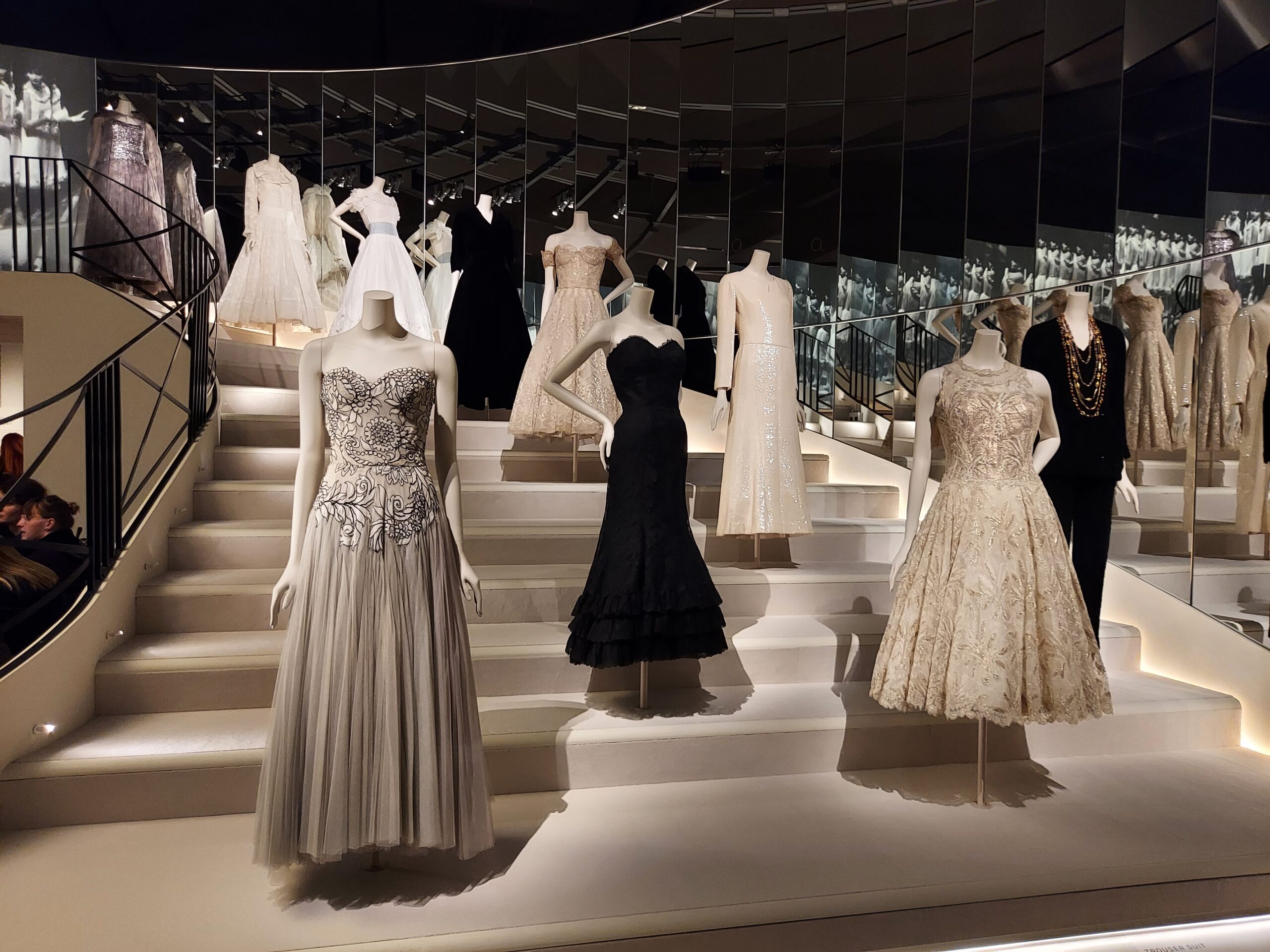
Selection of dresses on mannequins arranged going up a staircase
Some of Chanel’s evening dresses

The exhibition Gabrielle Chanel. Fashion Manifesto was actually sold out, but then the V&A released more tickets for Friday evenings, and I managed to get one. I was very glad to get the chance to see this exhibition, the first in the UK dedicated to Gabrielle ‘Coco’ Chanel. Featuring over 200 looks, it explored the establishment of the House of CHANEL and the evolution of her unique style of design, which continues to influence how women dress today. Curated by Oriole Cullen, it is expanded from a show first created at the Palais Galliera in Paris in 2020.

Cream silk blouse
An early Chanel silk blouse

I have to admit I am not the biggest fan of the Chanel style. I prefer designers like Dior, with a Fifties-style silhouette and wider use of colour. However, I can appreciate the deceptive simplicity of her designs and the craftsmanship behind her looks, as well as the influence she has undoubtedly had on fashion through the ages.

There are lots of beautiful outfits in the exhibition, some arranged chronologically, others thematically. Black dresses make up one key group; suits another, including one pink set belonging to Lauren Bacall. I did enjoy looking at them, and tracing the evolution of Chanel’s style throughout the decades, taking on elements from outside but still remaining definitively Chanel.

Selection of Chanel bags
Some examples of Chanel bags

It’s certainly impressive how a poor, illegitimate woman born in 1883 was able to rise to the heights that she did. Placed in a convent aged eleven after the death of her mother, she was taught to sew by the nuns and worked as a seamstress alongside her aunt after leaving school. With the help of a textile heir, Étienne Balsan, she moved to Royallieu, northern France, and sold hats to his friends. In 1910, an English lover, Arthur ‘Boy’ Capel, enabled her to open the first Chanel boutique in Paris. In 1918 she established her couture house in the city, and her empire grew from there.

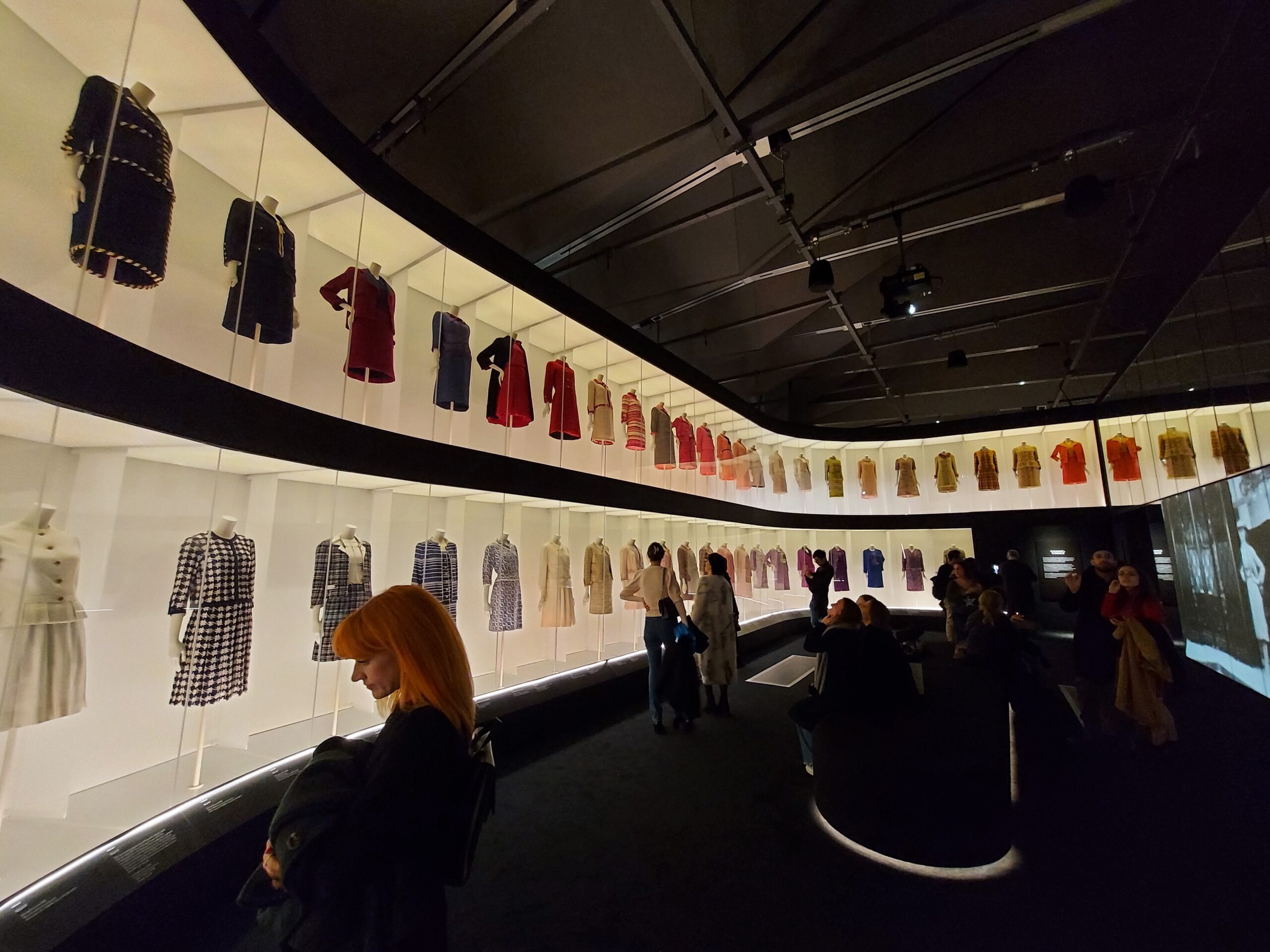
Rows of Chanel suits
Some of Chanel’s famous suits

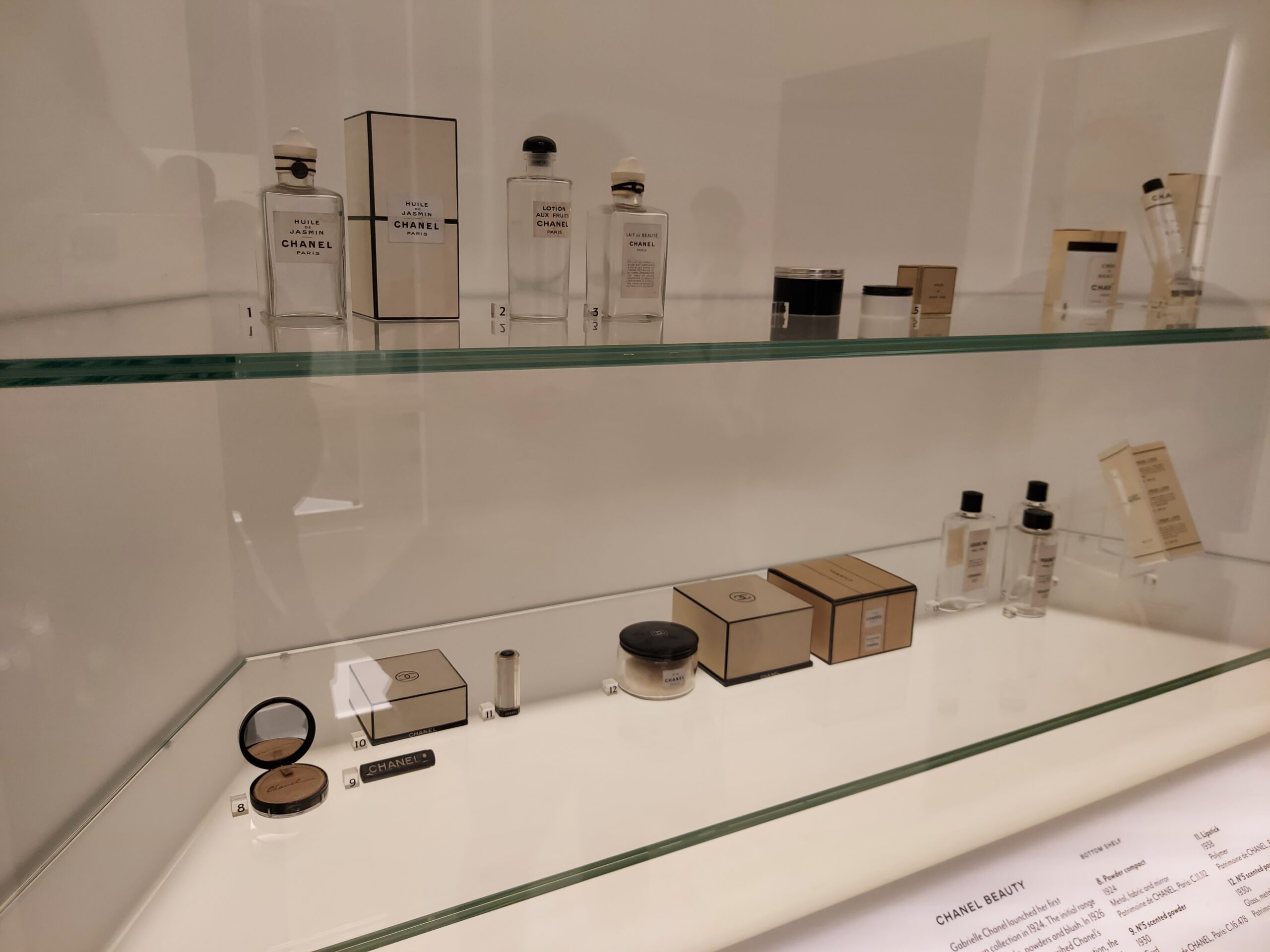
Some rooms focus on her cosmetic and perfume creations – Chanel No. 5 is still one of the more popular scents worn by women today. Other elements explore her relationship with Britain: she had romances with several British figures, including the Duke of Westminster, and knew Winston Churchill, who painted a picture of her. I was interested to learn about her connection to British manufacturing: one item on display is a red evening gown in silk velvet, made for Chanel by the Manchester Velvet Company in 1932. The designer established a company, British Chanel Ltd., in the 30s to allow for her designs to be manufactured in British fabrics including Nottingham lace and Northern Irish linens.

Selection of Chanel cosmetics and perfumes
A selection of Chanel perfumes and cosmetics

There have been suggestions over the years that Chanel was a supporter of the Nazis. She certainly took up with a German spy, Hans Günther von Dincklage, during the occupation of Paris. In 1941 the Nazis recorded her as a trusted source, but recent research suggests she was also an occasional agent for the French resistance. My instinct, to be honest, is that she did whatever she could to survive and thrive regardless of which ‘side’ she was helping – but I honestly don’t know enough about it to comment seriously.

I did enjoy the exhibition, which was fascinating and very thorough, and I’m really glad I got the chance to see it.

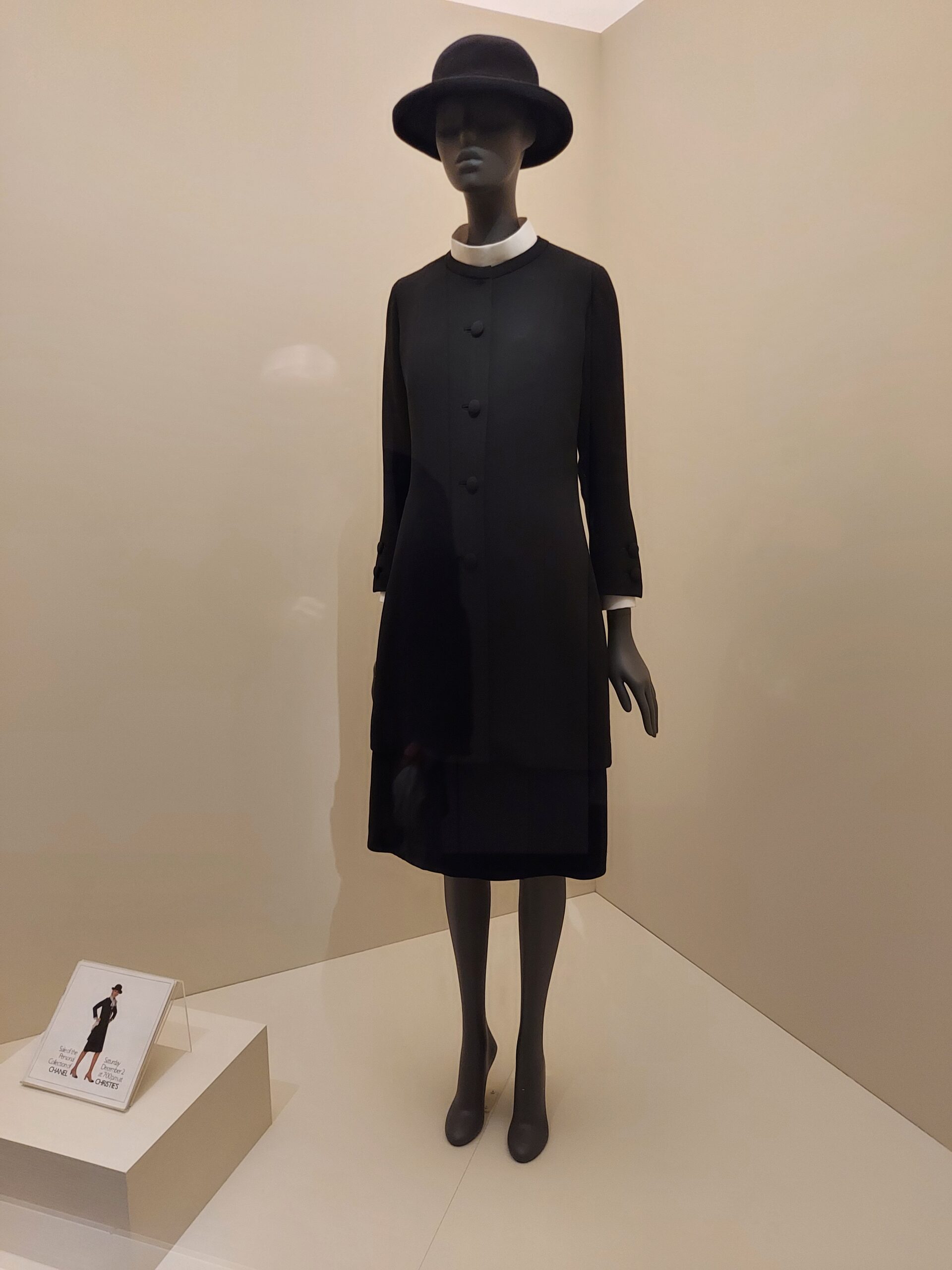
Black skirt suit with hat
Chanel’s own black suit and hat

DIVA – V&A

I visited the DIVA exhibition at the V&A, all about the history of the ‘diva’ figure throughout history. Taken from the Italian term for goddess, the term was popularised in the nineteenth century as composers wrote outsize roles for female sopranos.

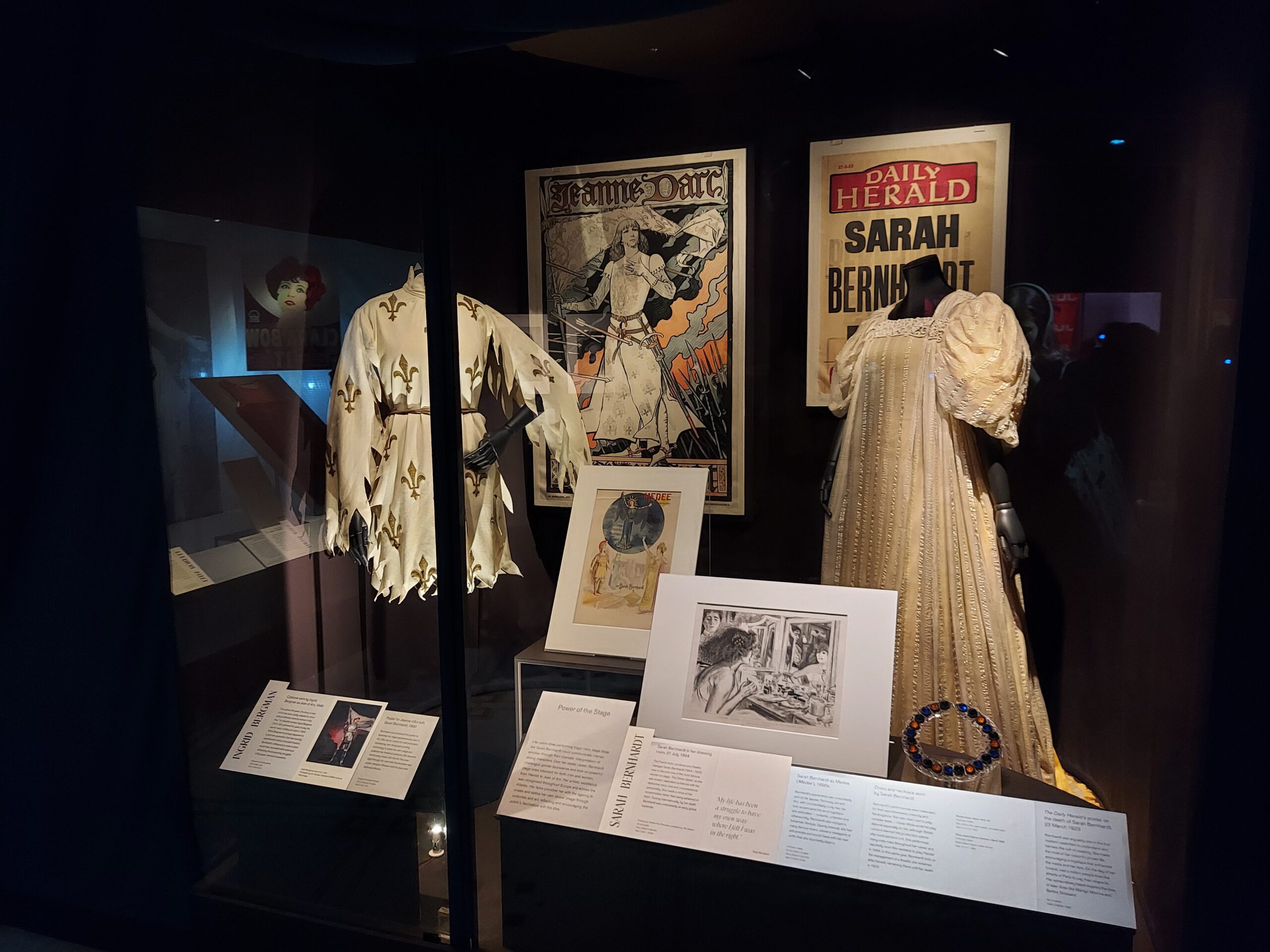
The exhibition begins with an exploration of the earliest divas, from the actresses Ellen Terry and Sarah Bernhardt to the singers Jenny Lind and Adelina Patti. As time moves on, the term is applied to movie stars, such as Clara Bow, Mae West and Elizabeth Taylor.

Sarah Bernhardt artefacts in the exhibition
Items relating to Sarah Bernhardt

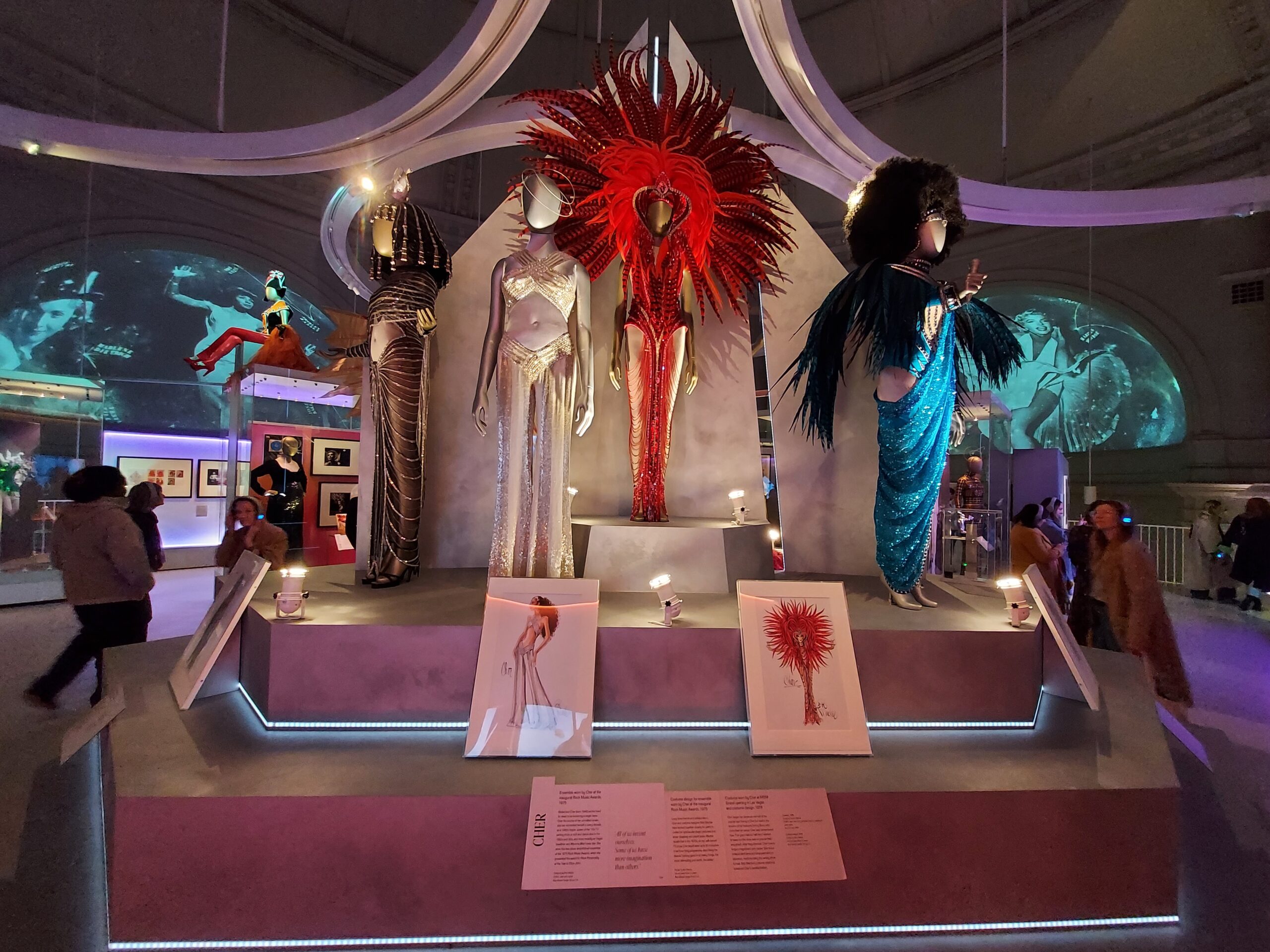
The term is often loaded with negative connotations: “divas” are frequently seen as difficult, demanding and rude. The exhibition tries to show the positives of the designation, emphasising their artistry and the sense of control they seek in their work. Upstairs, the second half of the exhibition looks at modern-day divas, with costumes from the likes of Tina Turner, Cher, Lady Gaga, and even Elton John (the term is no longer exclusively female).

Costumes of modern-day divas
Some costumes worn by modern-day divas