Dora Maar – Tate Modern

Dora Maar exhibition poster

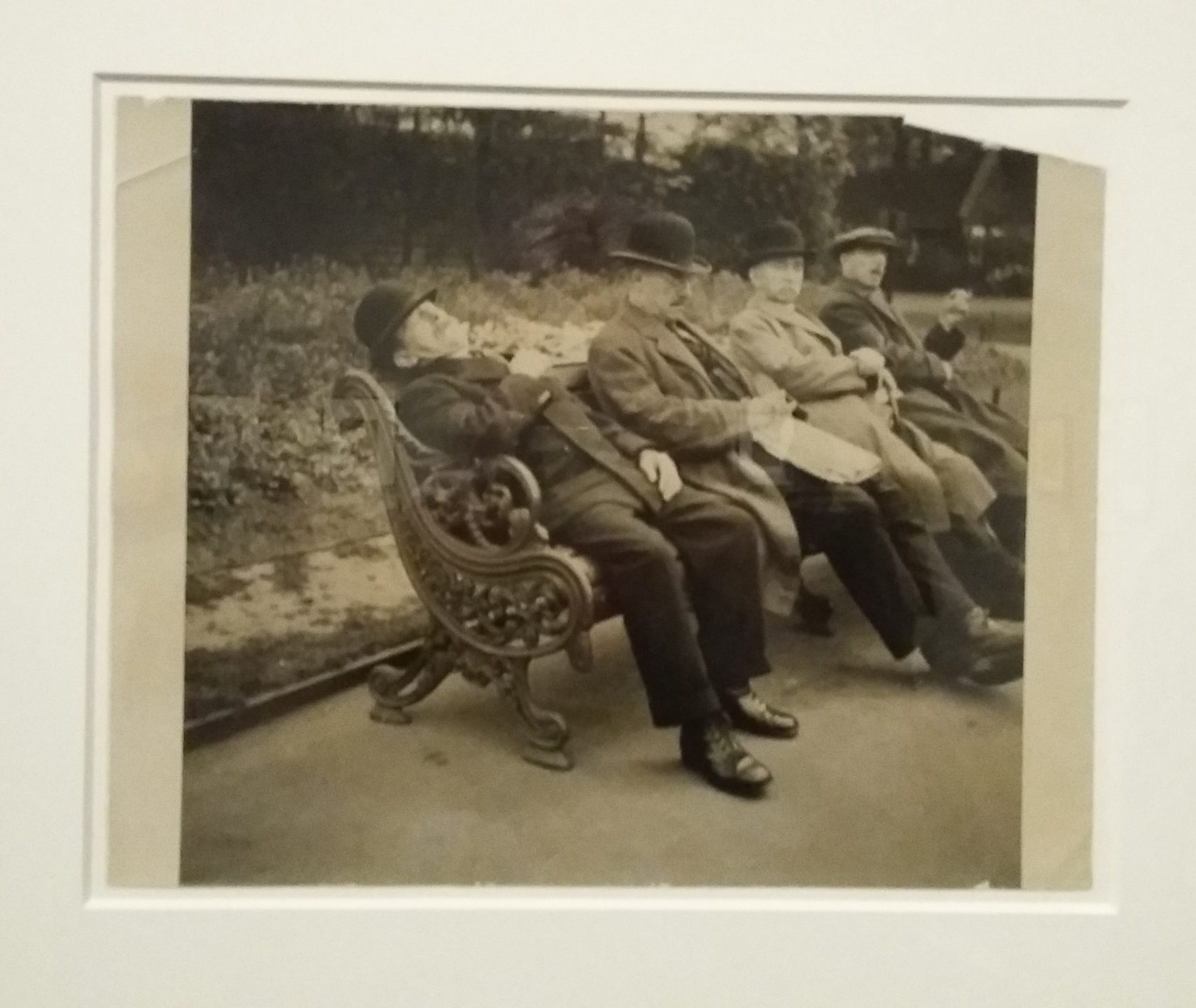
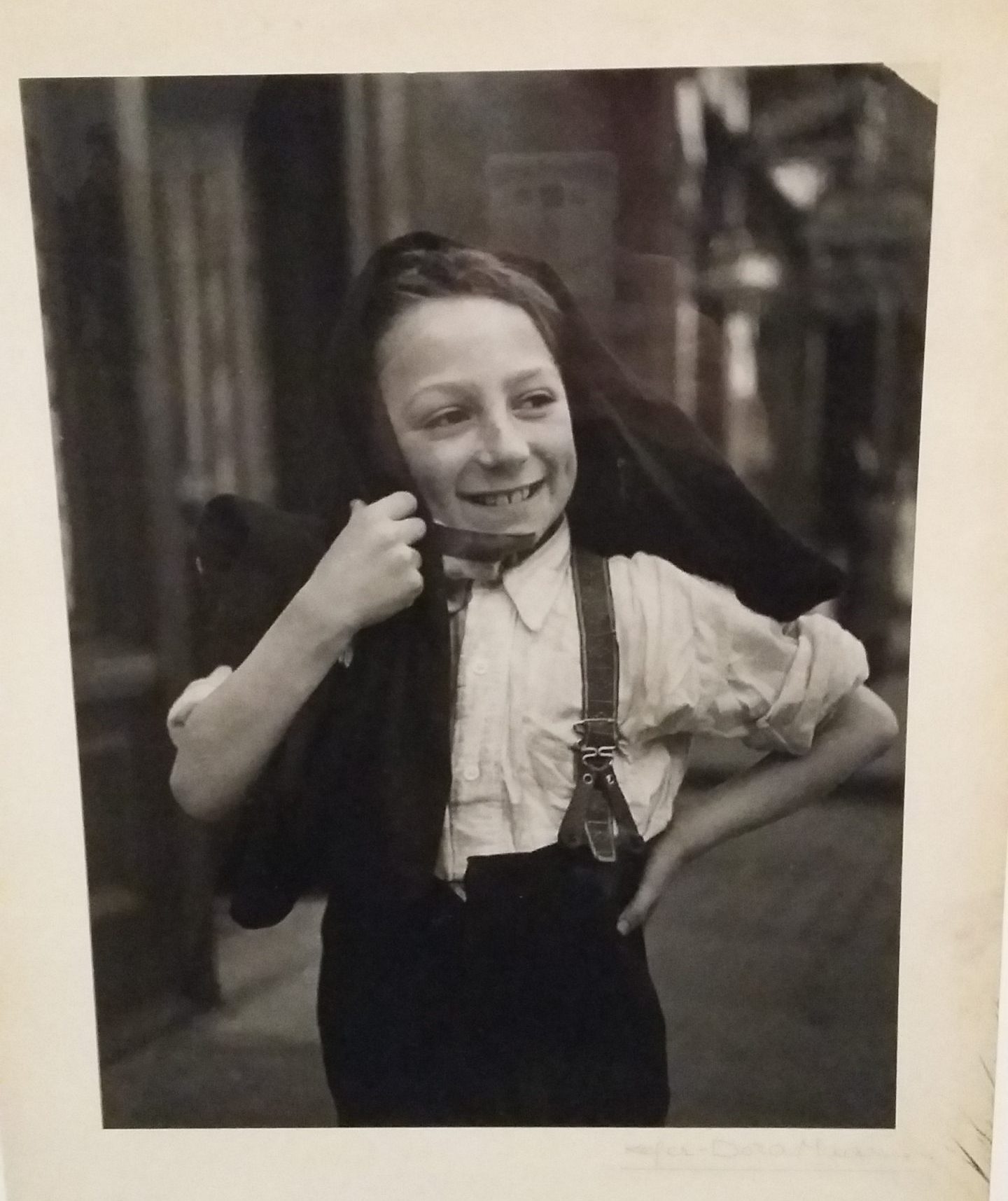
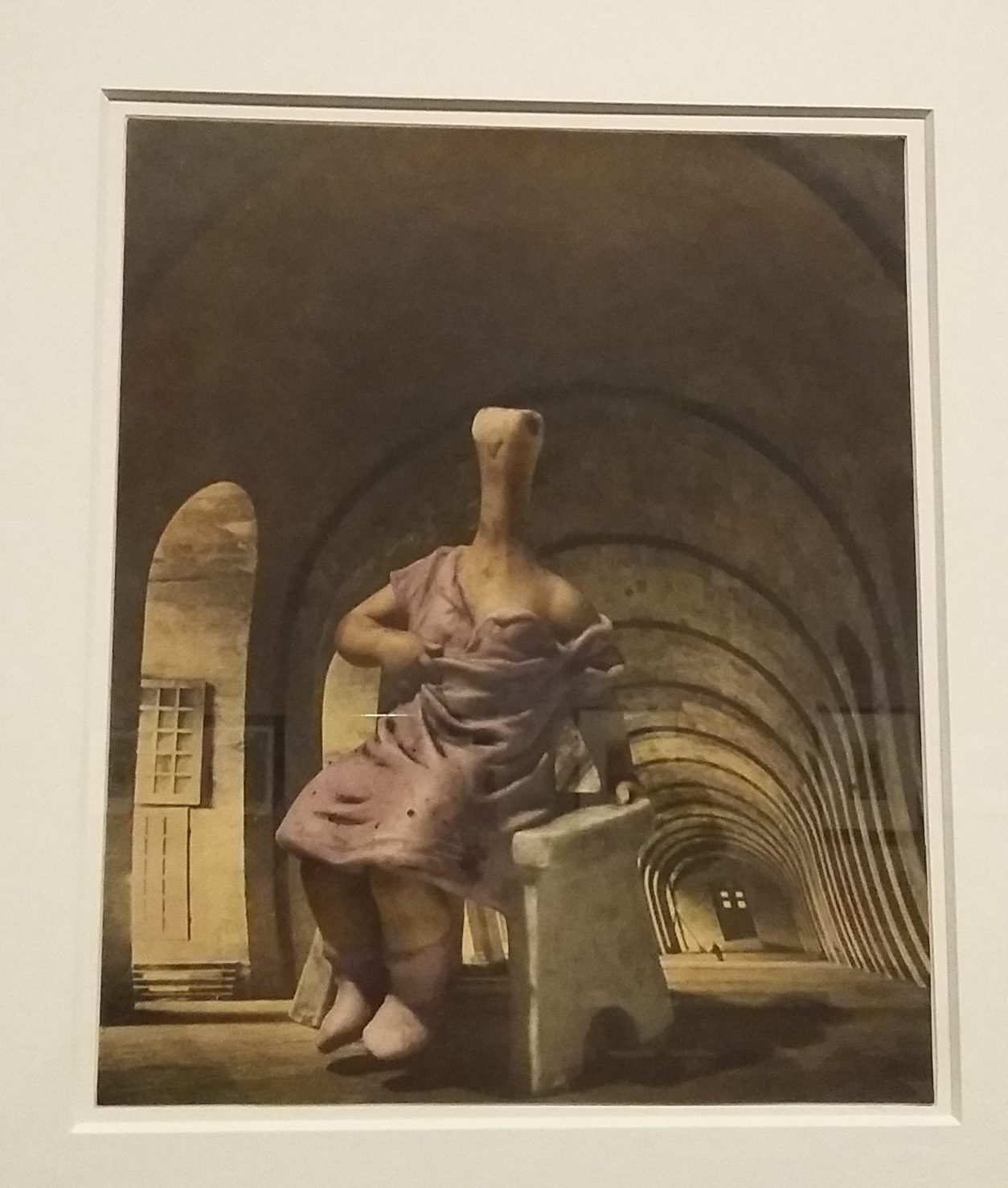
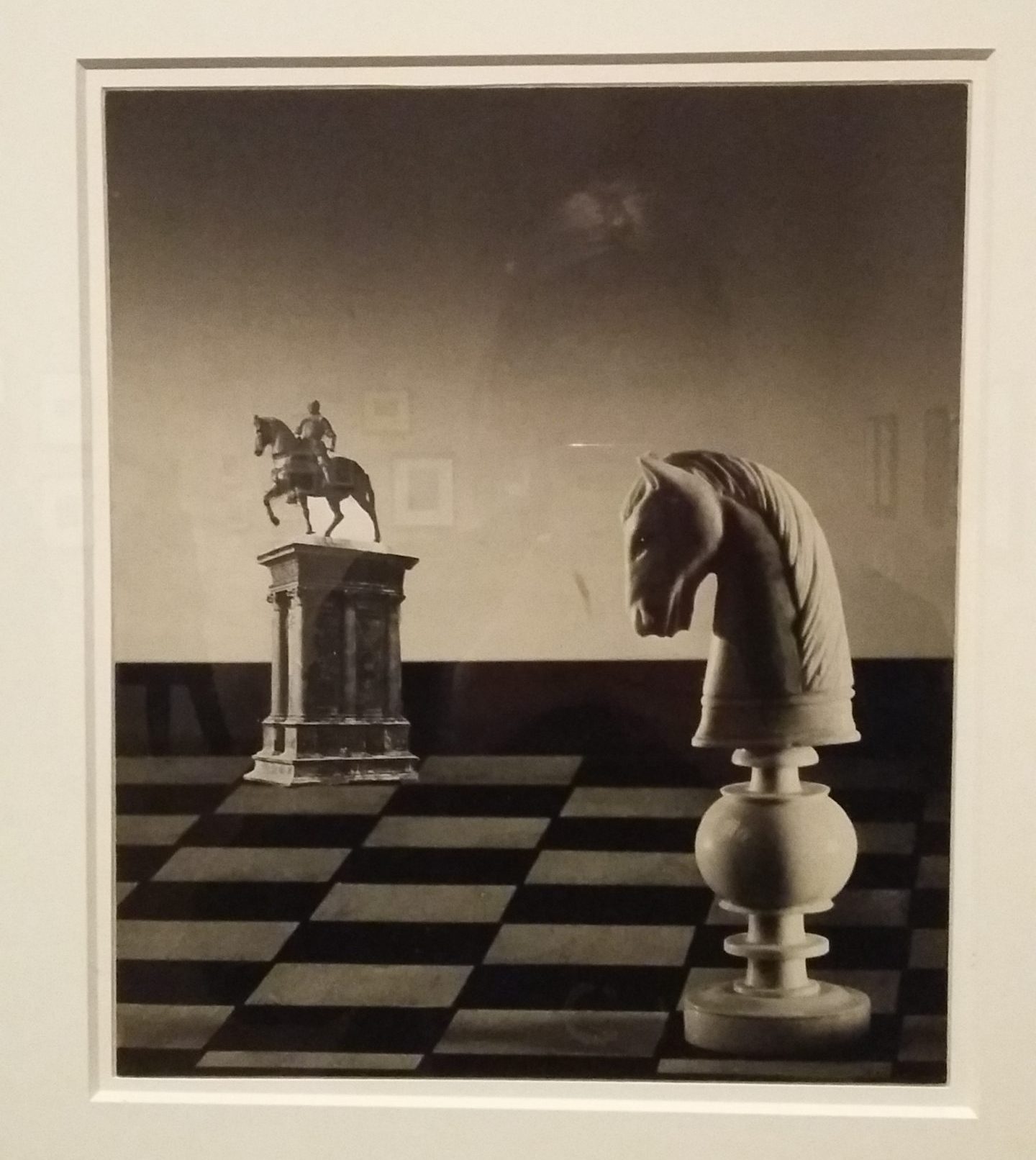
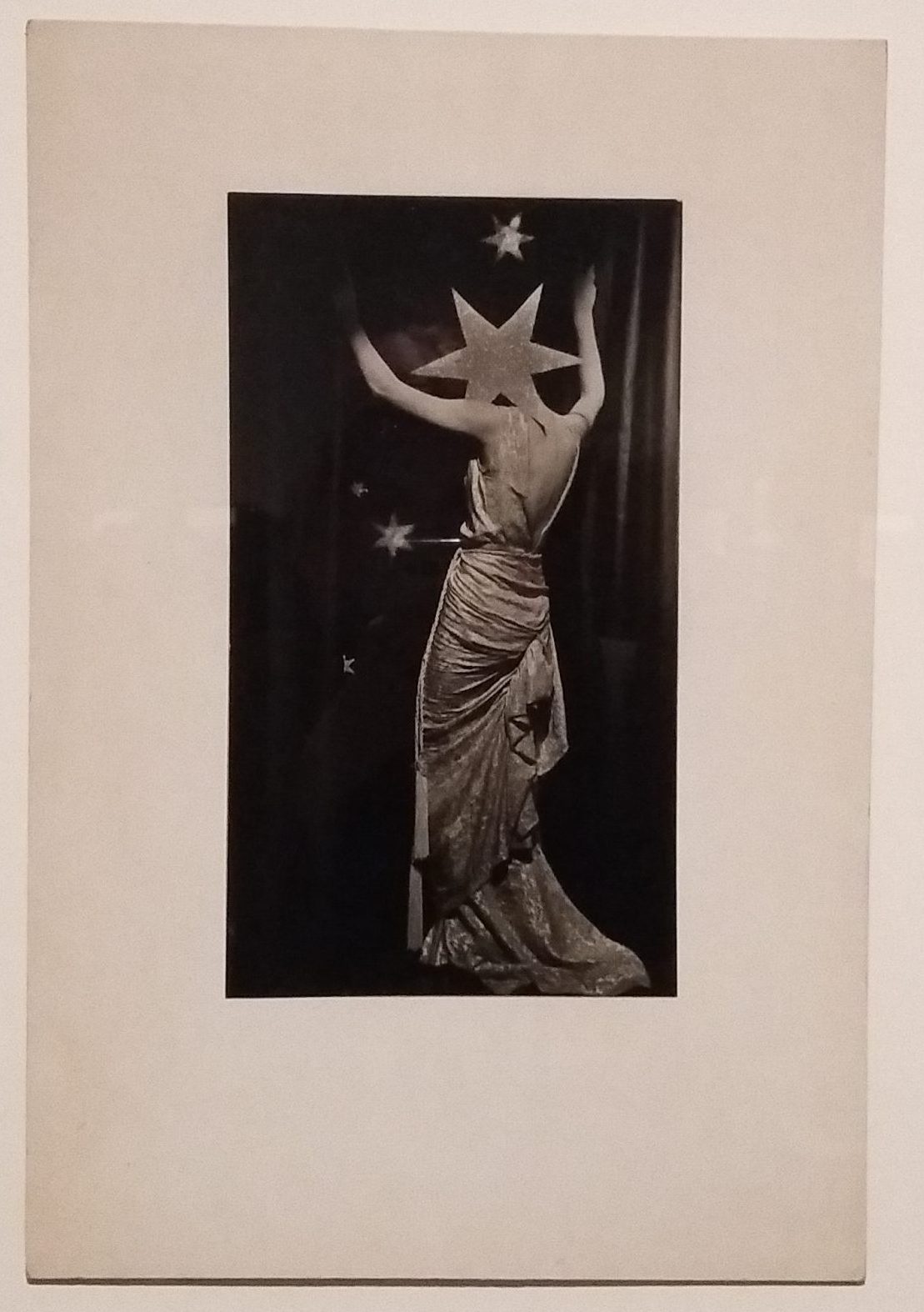
When I visited Tate Modern‘s Dora Maar exhibition I didn’t know it would be my last exhibition for a while, but with hindsight it was a good one to go out on. I confess I had never previously heard of Maar, but I ended up loving her work.

While Maar (1907-1997) had a long and illustrious career, she is barely remembered today, forgotten mainly thanks to her gender and also perhaps her relationship with Pablo Picasso, which overshadowed her. She helped to document his Guernica of 1937, in the period which most defined her – her works of Surrealism were celebrated at the time and these are the most remembered today. Her images from this period are striking and unique.

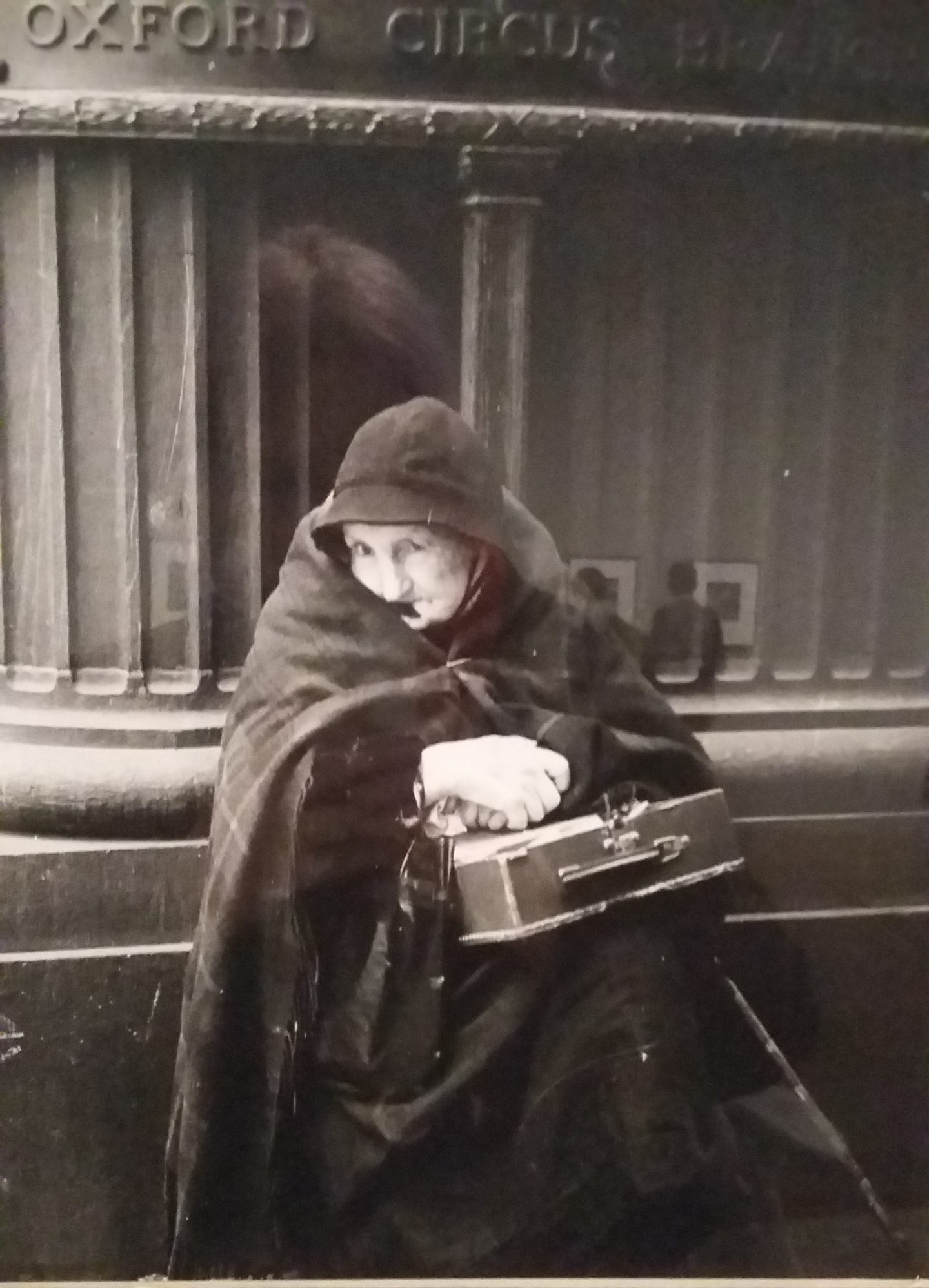
What I liked even more, however, were Maar’s realism-influenced photographs taken on the streets of Barcelona, Paris and London during the Great Depression of the 1930s. These really stood out to me, revealing the characters behind the faces, and making me want to know more about them. It doesn’t surprise me that Maar signed her name to many left-wing manifestos – an unusual guesture for a woman in that period, but one which seems natural in her obvious appreciation and admiration for ordinary people.

I’m so glad I got the chance to visit this unique exhibition before everything closed down – it’s one which will stick in my mind for many years.
Amersham Fair Organ Museum

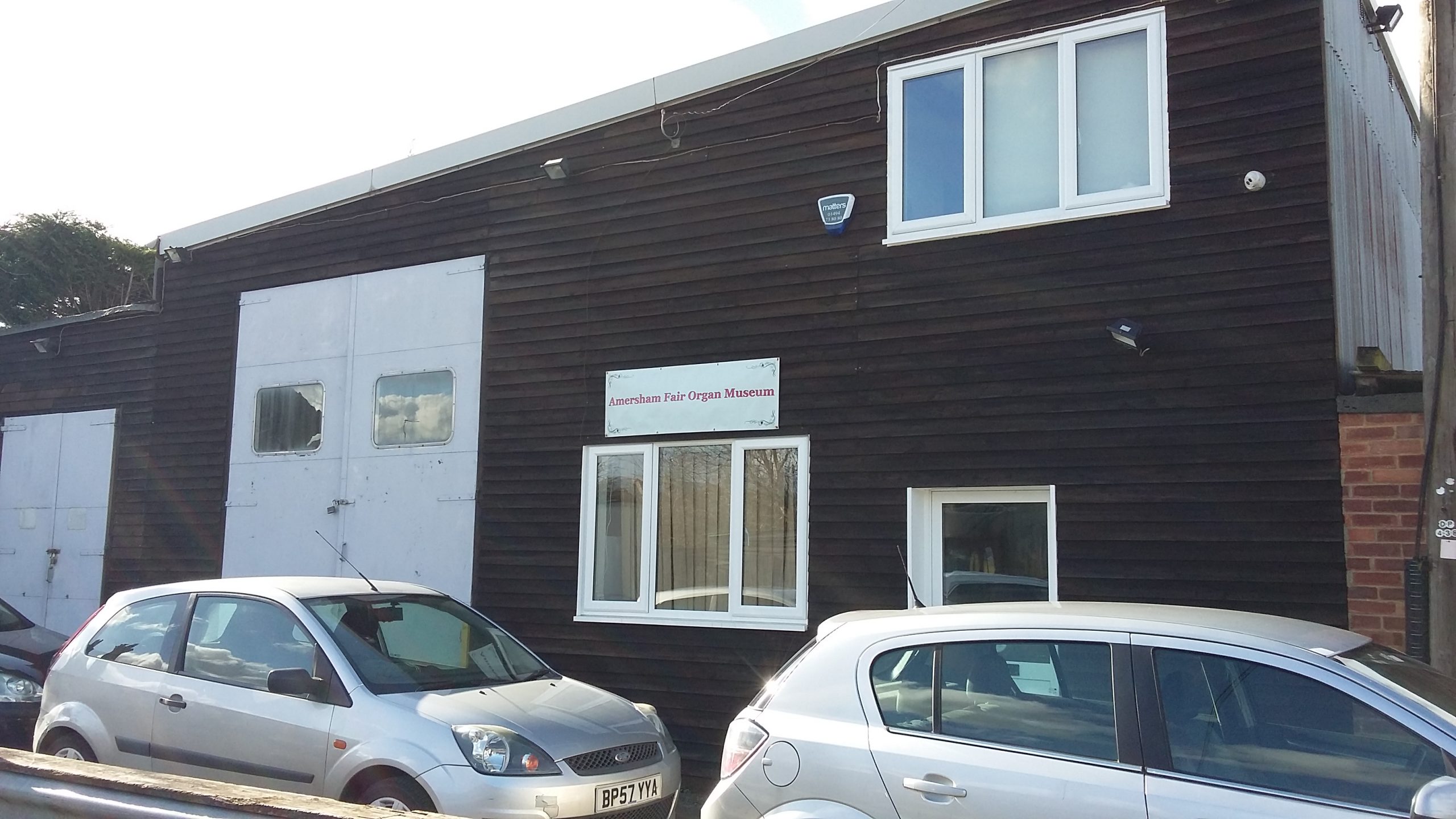
Entrance to the Amersham Fair Organ Museum

I paid a visit to the Amersham Fair Organ Museum on Sunday, on its last open day of the year. The museum hosts open days on the first Sunday of every month during the winter, when visitors can attend for free, listen to organ music and enjoy a cup of tea and a piece of cake.

A fairground organ

The museum is about a fifteen-minute walk from Amersham station, on a small industrial estate beyond the town centre. You hear it before you see it: organ music coming from a bland-looking industrial building is a strange experience indeed. Inside, the museum space was full of visitors sitting and listening to the organs as they were played one by one.

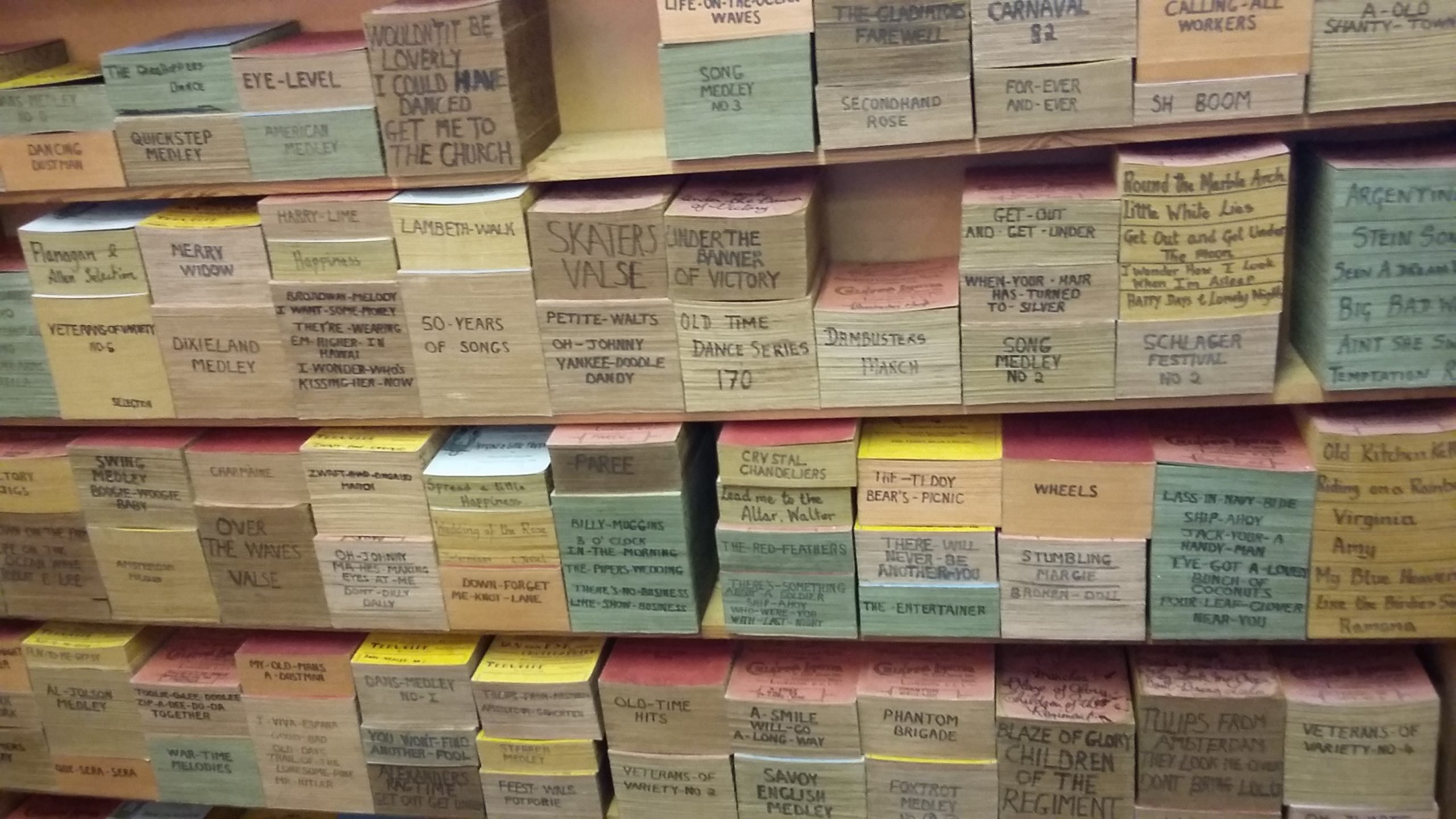
Perforated music for the organs

The museum contains instruments by Gavioli, Marenghi and Hooghuys among others, and preserves them for the enjoyment of the enthusiast and casual visitor. It also contains a huge number of perforated music books which enable the organs to play the music they are famed for. Organ music has a rather nostalgic feel – to me, anyway – but there is something slightly sinister about it. The instruments are impressive and varied, slightly garish but this only adds to the effect they have.

A fairground organ

FACTS

Address: 28 Plantation Road, Amersham, HP6 6HJ

Website: fairorganmuseum.org.uk

Opening Hours: 11am-5pm on designated winter Open Days (see website for details)

Price: Free

Museum of Army Music

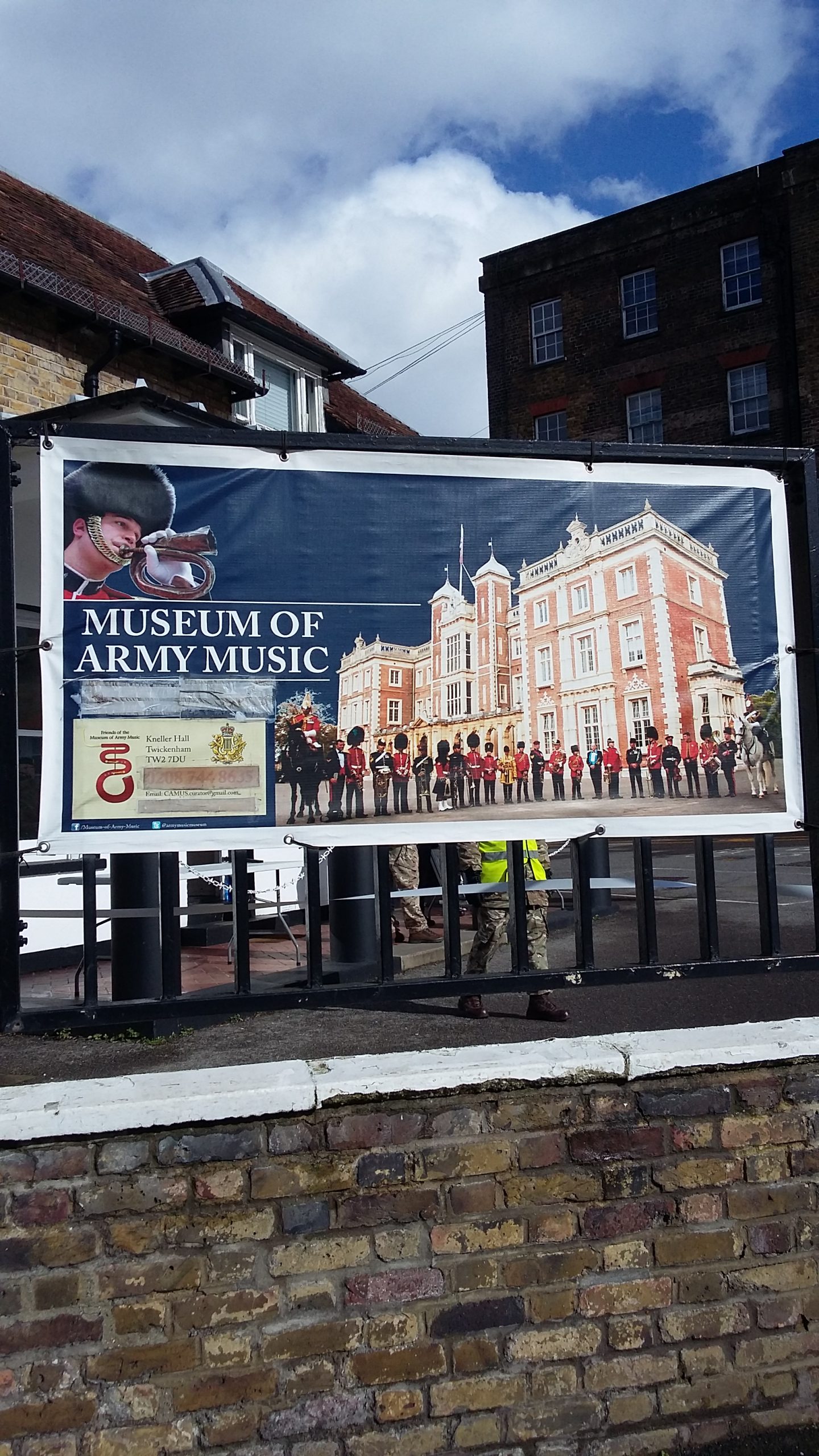
Entrance to the museum

Going through my list of museums in London, which I am trying to visit one by one, I discovered that the Museum of Army Music was to close, as the army was leaving Kneller Hall, near Twickenham, where it is based. The last public open day was to be Saturday 29 February, and I duly booked a place on a tour.

It took a few buses to get to Whitton, where Kneller Hall is located. On arrival I headed to a hut at the far end of the site where I waited for my tour. There were plenty of people there and while we waited we were treated to live performances by some of the army’s brass players. Our tour started outside and took in the history of the building itself as well as the museum.

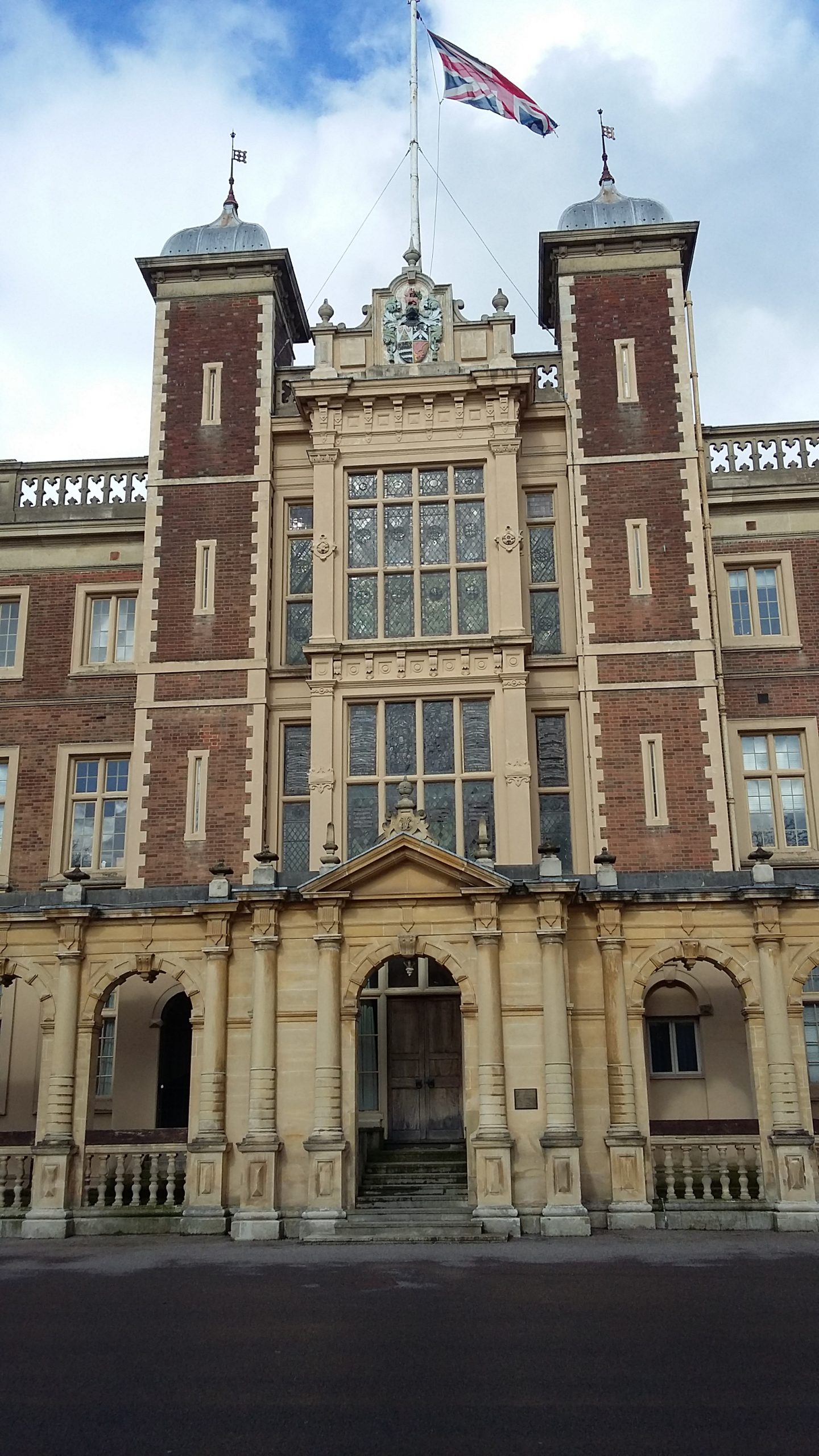
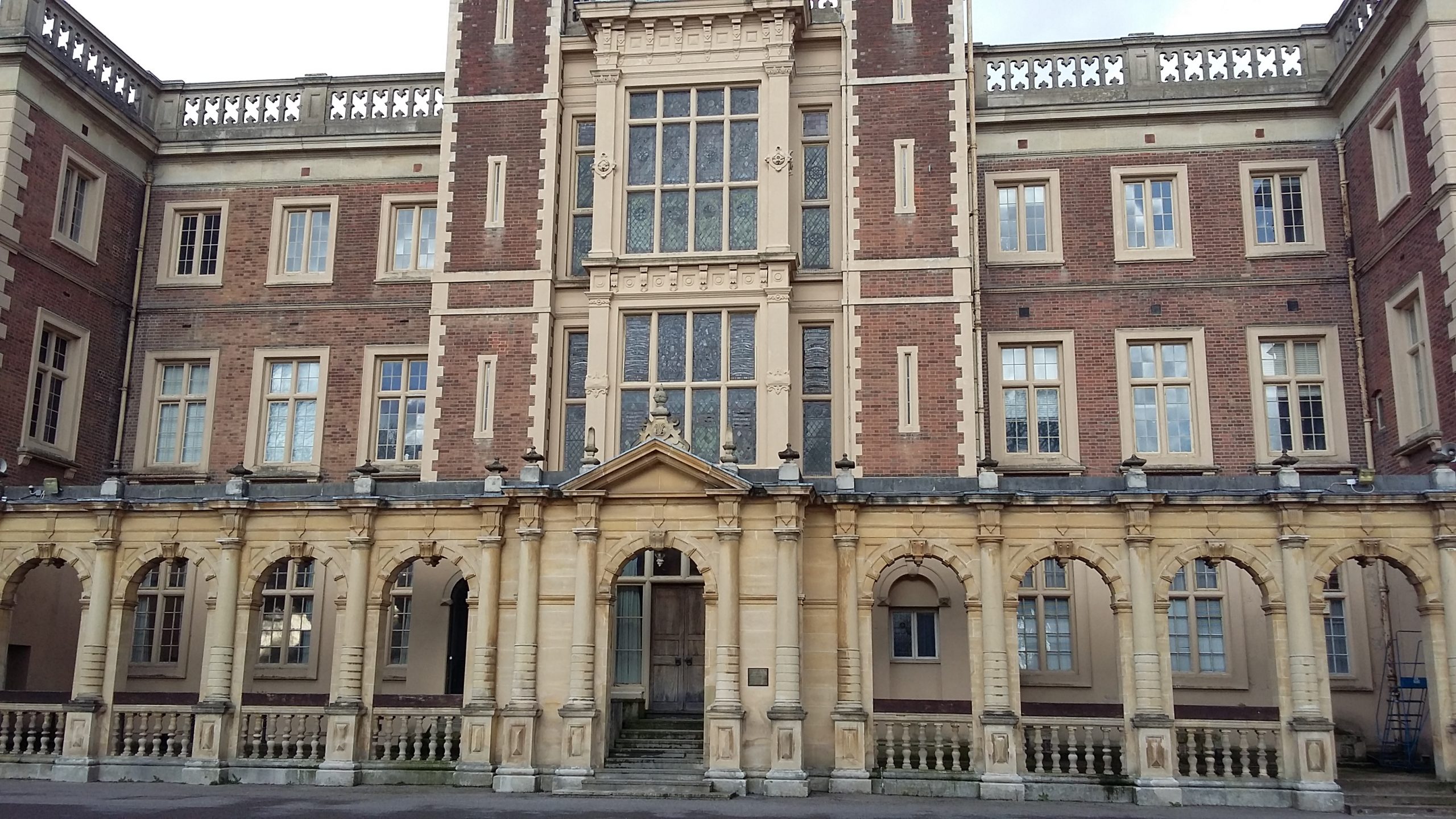
Kneller Hall

Kneller Hall was named for artist Sir Godfrey Kneller. Edmund Cooke built the first house on the site between 1635 and 1646: in 1664 it was the fourth largest house in Twickenham. Kneller bought the site in 1709 and commissioned a new building, purportedly by Sir Christopher Wren. The house was extended by a later owner, a London lawyer, and was further expanded by the MP Charles Calvert.

Kneller Hall

The worn Wren building was demolished in 1850 but the Georgian additions by Philip Hardwick were preserved as the wings of the new building, by George Mair. Mair’s building, which still stands today, was built in a Jacobethan style.

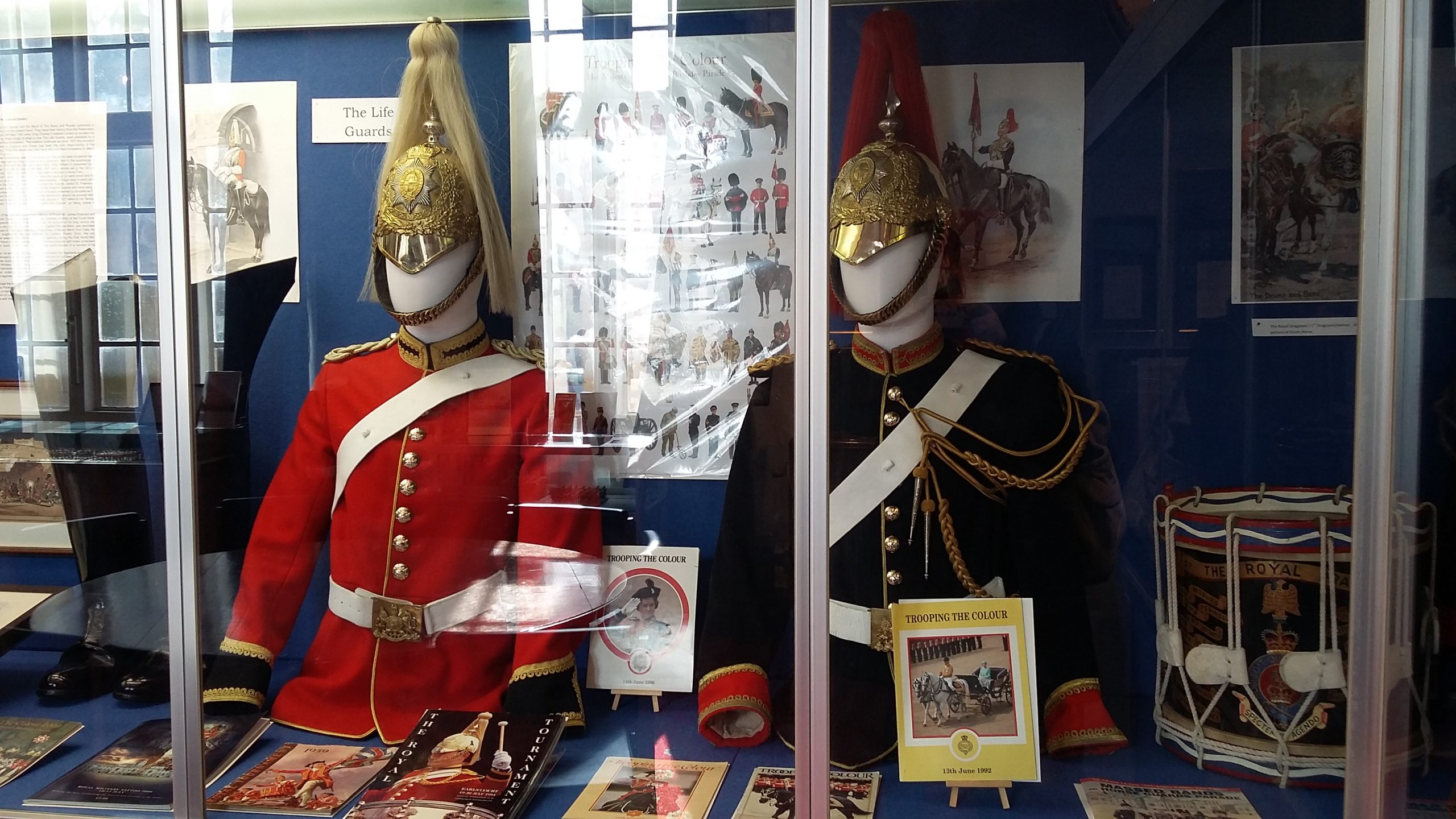
Some uniforms

After serving for a brief period as a teacher training college, in 1857 the building was taken over by the War Office as the base for a school for army bandsmen. Eventually it evolved into the Royal Military School of Music.

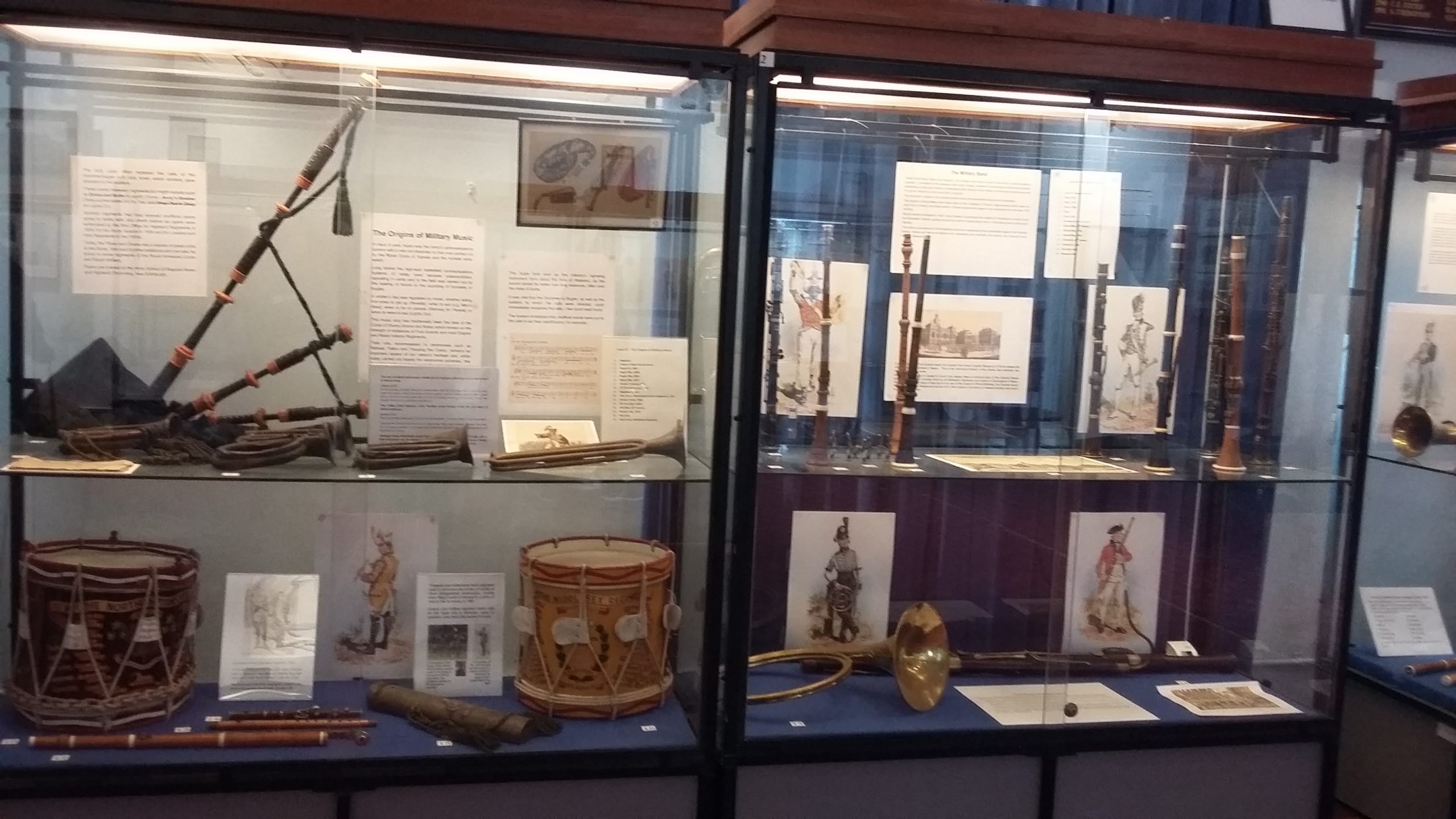
Selection of instruments

I enjoyed a fascinating tour taking in the history and architecture of the beautiful building, as well as a walk around the grounds and journey into the inside of the Hall. We also paid a visit to the museum itself, which recounts the history of army music, including its role as a morale-boosting and propaganda toool. The museum has lots of different examples of instruments played and uniforms worn throughout the age. There are banners, medals, model bands, documents, prints, manuscripts and paintings illustrating the history of military music.

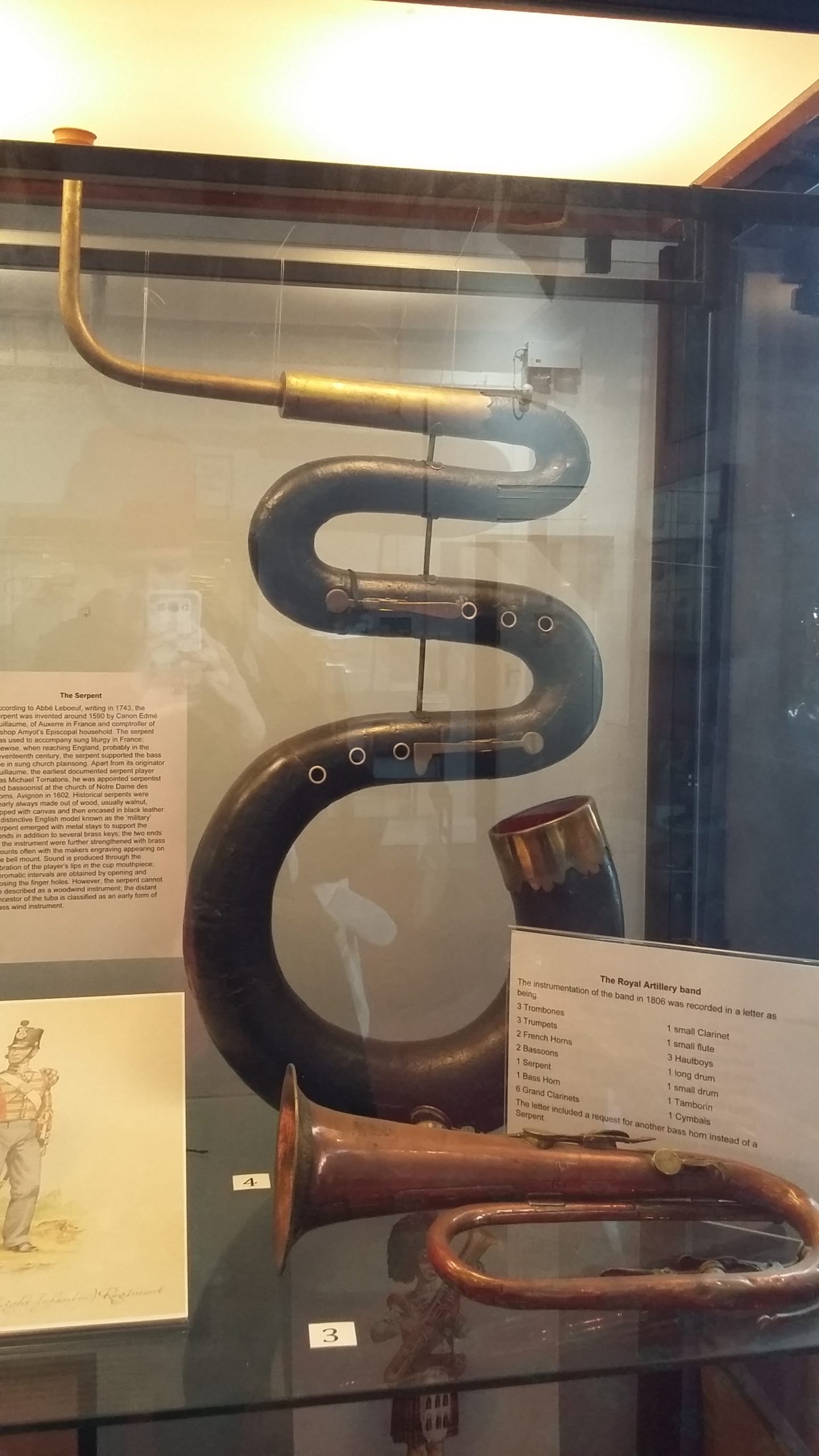
Strange instrument

I would recommend a visit, but sadly the museum is now closed. I’m glad I paid a visit before the end.

FACTS

Address: Kneller Hall, 65 Kneller Road, Twickenham, TW2 7DN

Website: museum-of-army-music

Opening Hours: Sadly now closed

Price: Free

The Viktor Wynd Museum of Curiosities, Fine Art & UnNatural History

Front of the museum

The Viktor Wynd Museum is somewhere I’ve wanted to visit for a long time, and I was pleased to have the opportunity in the form of a tour from the proprietor himself. These tours are available to book online, as are other events in the museum and the attached cocktail bar, but it’s also possible to pay a visit independently whenever the museum is open.

Lion sitting at a table

The museum collection consists of weird and wonderful artefacts collected over many years by Viktor Wynd. These include taxidermied animals, shrunken heads, fossils, scientific and medical instruments, unusually-titled books and celebrity memorabilia. It’s a bit like a cabinet of curiosities. There is a huge amount to see, and it definitely helps to have a guide to point out the most interesting stuff and regale you with the stories behind it.

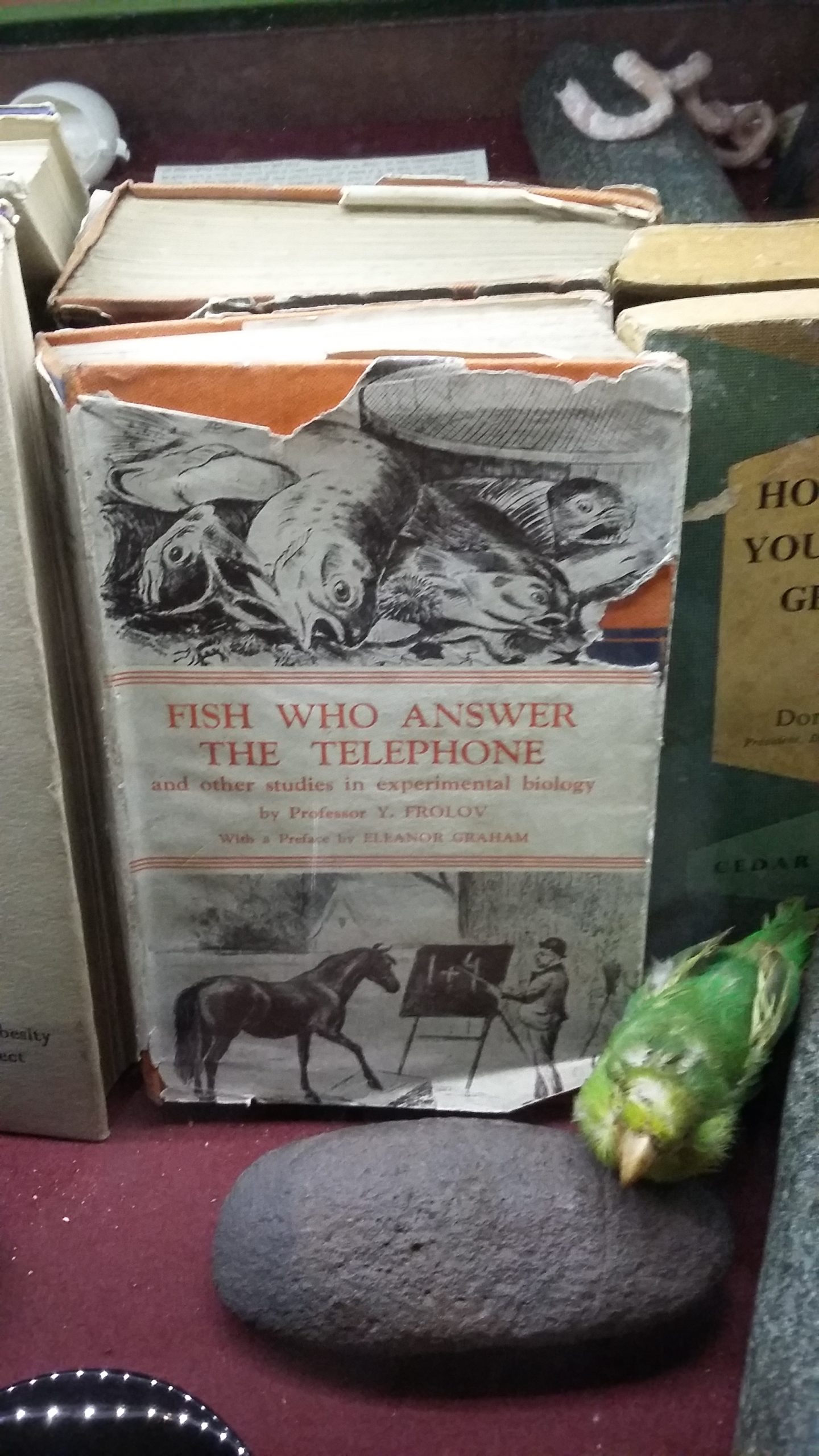
Unusually-titled book

The museum is certainly worth visiting, and I highly recommend the guided tour.

FACTS

Address: 11 Mare Street, London, E8 4RP

Website: thelasttuesdaysociety.org/museum/

Opening Hours: Wed-Thurs 5-10pm, Fri-Sun 12-5pm

Price: Adult £10, concessions/locals/those with reservations to the on-site bar £6. On Thursdays admission is £5/£2.50.

Heath Robinson Museum

Heath Robinson Museum

The Heath Robinson Museum is located in Pinner, north-west London, inside the Memorial Park. This isn’t too far from me, so I paid a visit one weekend. I have to admit, I’d only vaguely heard of Heath Robinson before visiting, but I was impressed by what I found.

William Heath Robinson was born in North London in 1872, the son of an illustrator and engraver. He trained at Islington School of Art, then at The Royal Academy Schools. He hoped to become a landscape painter, but the need to earn a living drew him towards more commercial form of art, so (like his older brothers) he entered the world of illustration. He illustrated editions of Shakespeare and Kipling among others in the course of an illustrious career. Later in life he moved to the Pinner suburbs to better support his growing family.

Heath Robinson Museum display

As well as illustrations, Heath Robinson drew humorous satirical cartoons, which made him immensely popular, especially during World War I as his cartoons, poking fun at enemy propaganda, increased morale among the troops. Perhaps most famously, he became known for complex yet humorous illustrations of all kinds of weird and wonderful contraptions, which satirised unnecessary complexity and bureaucracy, punctured pomposity and emphasised human weakness.

These illustrations were my favourites, although Heath Robinson was clearly a very talented man and all aspects of his work are worth exploring. The museum gallery takes a chronological approach to his life and work and I left feeling as though I knew a good deal about this unique artist.

The Museum also has another gallery which hosts special exhibitions relating to illustration. The current exhibition is Fairies in Illustration which had many images of fairies spanning several years, including pictures by the likes of Brian Froud and Cicely Mary Barker as well as Heath Robinson himself.

Fairy drawing
A fairy by Brian Froud

I definitely recommend a visit to the Heath Robinson Museum, even if – perhaps especially if – you don’t know anything about the artist. It’s a little gem.

FACTS

Address: 50 West End Lane, Pinner, HA5 1AE

Website: heathrobinson.org

Opening Hours: 11am-4pm Thursday – Saturday

Price: Adults £6, 65+ £5, disabled people and students 25+ £4, students 24 & under and children free

Docks After Dark – Museum of London Docklands

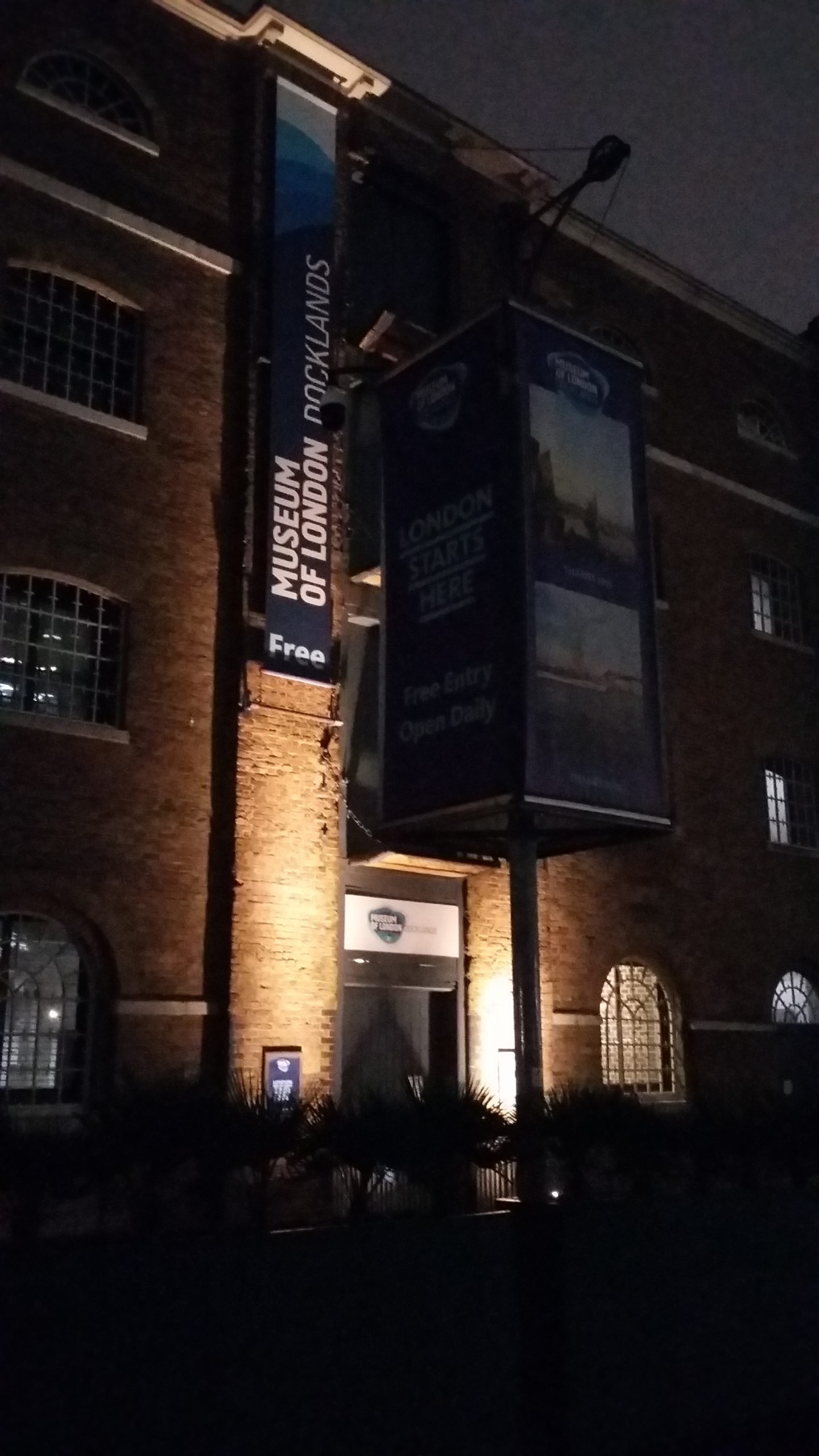
Museum of London Docklands entrance

The Museum of London Docklands hosts, during the winter months, after-hours ghost tours, known as Docks After Dark. I signed up for one of these taking place in February, and despite the pouring rain, was excited to arrive.

The museum is contained within a former shipping warehouse and therefore has a rich history. After dark, with so few people around, it is especially atmospheric. After a short wait in the foyer with a glass of wine and nibbles, we were taken round the museum to be regaled with stories of the ghosts that are supposed to inhabit this place, starting with the staircase, on which security guards and other museum workers are supposed to have heard ghostly footsteps, and ending on the top floor where unexplained faces have been seen. The most memorable part of the visit was when we were taken into the cramped recreation of the infamous Ratcliffe Highway, and told stories of things that happened on this notorious street, such as the murders of 1811.

I don’t want to give away too many of the stories told this evening, but I would definitely recommend signing up for one of the tours when they return.

Polish Institute and Sikorski Museum

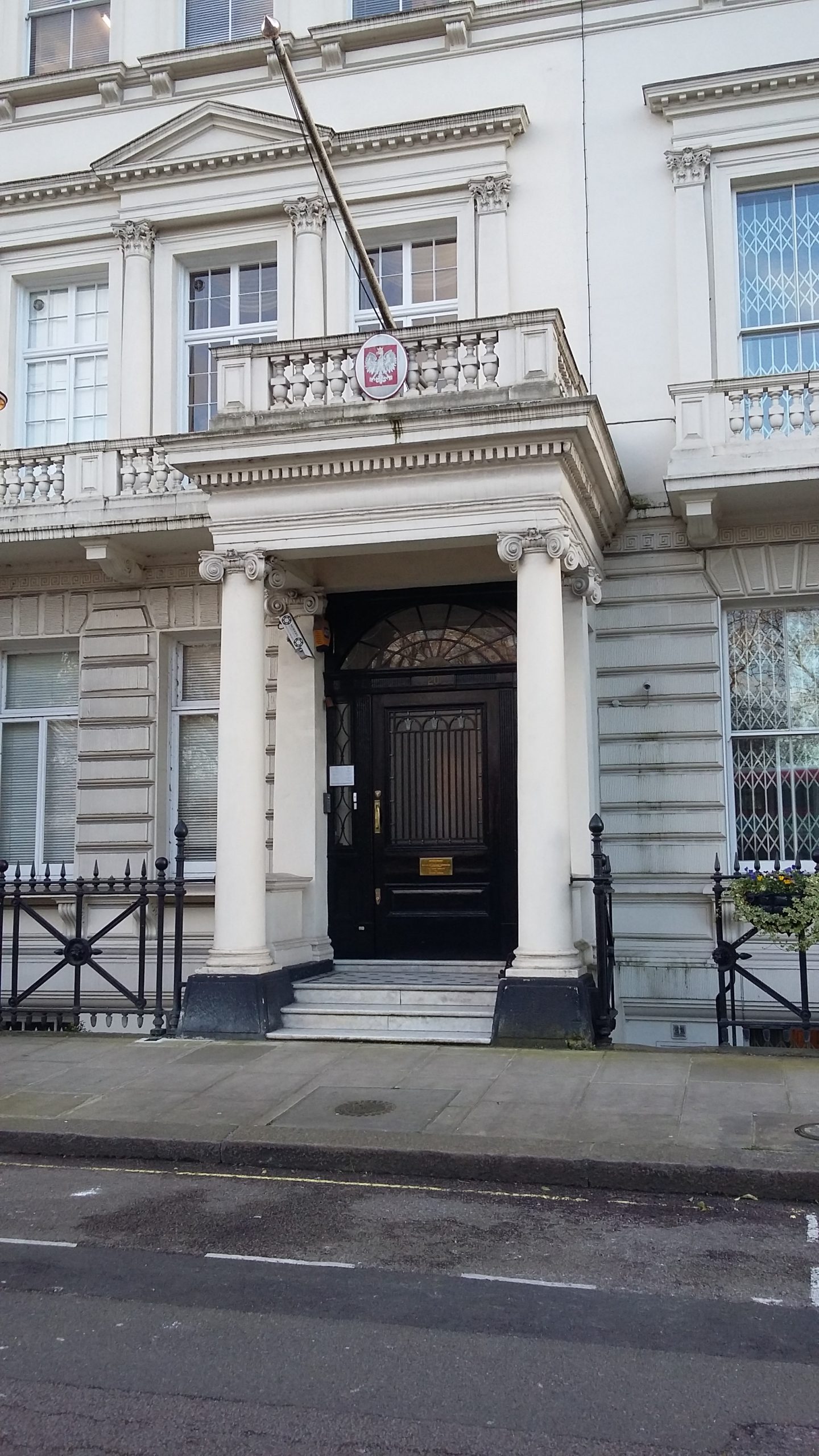
Polish Institute and Sikorski Museum

The Polish Institute and Sikorski Museum is usually open only on weekdays, but it is also open to the public on the first Saturday of every month. I turned up – having caught the bus to the Royal Albert Hall just down the road – and immediately hit a snag as no one was answering the bell. Luckily, another couple arrived shortly after me and had the bright idea of ringing the museum. So finally we were let in.

The museum is much bigger than I had expected. It encompasses numerous rooms over three floors; there is also an archive in the basement, and the Institute operates as a publisher, printing works of interest in Polish history. Many of the artefacts and displays relate to the Second World War, but others hark back to older Polish history, such as the bust of Jan Sobeski, a king who helped liberate Vienna in 1683. Most of the labels are, naturally enough, in Polish, but a few are in English.

What made the visit especially interesting was the guide, who started explaining a few of the exhibits to a group of English-speaking visitors and ended up taking us around the whole museum – I was there about two hours.

The Institute was set up in May 1945, following the end of the Second World War. With the imposition of a Soviet Communist government in Poland, many of the Polish nationals who had been living and fighting in Britain and elsewhere realised they would not be able to return. They turned their attention to the preservation of artefacts and records from this era and earlier, and these found a home in the Institute, which was named after General Wladyslaw Sikorski, Polish Prime Minister during the period of the war. During the later period of Communist rule in Poland, the Institute functioned as a hub for cultural and educational pursuits, and even after the collapse of Soviet rule, the Institute has continued to function as an independent institution.

One section of the Institute, the Sikorski Collection, is focused on the life, papers, documents and belongings of General Sikorski. A large proportion of the Institute’s acquisitions comprises the Military Collection, mainly focusing on World War II but also featuring artefacts from earlier periods in history. One significant item is a flag, quickly sewn together and raised above the ruins of Monte Cassino when Polish soldiers took the monastery in May 1944. Another is the Anglo-Polish Military Agreement, dated 5 August 1940 and signed by Prime Ministers General Sikorski and Winston Churchill as well as their respective foreign ministers. Aside from these two key collections, there are also a number of artworks, sculptures and miniatures.

FACTS

Address: 20 Prince’s Gate, London, SW7 1PT

Website: pism.co.uk

Opening Hours: Tuesday-Friday 2-4pm, first Saturday of the month 10:30am-4pm

Price: Free

Zima Russian Restaurant

Interior decor
Inside Zima

My friends and I like to go out for a meal every now and then, taking it in turns to pick a restaurant. Several years ago I spent a few months in Russia, and I keep meaning to try and find a decent Russian restaurant. A Google search turned up Zima (the name means “winter” in Russian).

Zima is in Soho, next to Ronnie Scott’s famous jazz club, not far from the Prince Edward Theatre. Inside it is warm and cosy, covered with abstract art prints (Kandinsky?). The background music was like a crash course in Russian music, with folk, metal and pop making an appearance.

Russian food is pretty meat-heavy, and there wasn’t much choice for vegetarians on the menu, but lack of choice doesn’t tend to bother me, being chronically indecisive. In the end I went for the dumplings with potato and mushroom, with an egg-and-mushroom bun on the side. Friends ordered borscht, turkey-stuffed cabbage rolls and a side of bread, which the whole table sampled and gave the thumbs-up (also, the little bread board was super-cute).

Drinks-wise, everyone was doing Dry January apart from me, but I really wanted to sample the vodka, so I chose a shot of strawberry and basil vodka which was amazing, and genuinely sippable. I want to come back and sample the vodka tasting platter. The soft drinks were very impressive: the strawberry lemonade was amazing, and my strawberry and orange tea was delicious.

For pudding, we tend to go and find an ice cream parlour, but the desserts here looked so good we decided to stay. Friends had honey cake and pancakes, which both looked delicious. I had chocolate dumplings, which were amazing.

Dessert at Zima
Chocolate dumplings

I always get nervous when I pick a restaurant in case people hate it, but in this case I got lucky as everyone gave it the thumbs-up! It’s definitely somewhere I’d like to visit again.

Zima, 45 Frith Street, Soho, London W1D 4SD

Ghost Tour – Hampton Court Palace

Hampton Court Palace at night

Not long after my Tower of London evening tour, I headed down to Hampton Court Palace for their Ghost Tour. Basically, what happened was that I saw all these tours advertised around Halloween but they were mostly sold out until the winter, so I’ve had them booked for ages. The depths of winter is still a good time for ghosts, anyway.

This Friday night tour was actually designated as a BSL (British Sign Language) tour. I wouldn’t have chosen this one if I’d known (I wouldn’t have wanted to take up a space from someone who might actually need it) but most people on it were hearing (like me, they hadn’t got the memo – it wasn’t particularly well signposted on the website). I was curious as to how they’d make BSL visible in the dark, but the lady doing the signing was wearing bright gloves illuminated by a spotlight: pretty ingenious.

The tour itself took around two hours and encompassed both outdoor and indoor areas of the Palace, lit very sparsely which only added to the atmosphere. Unlike the Tower tour, which was more of a general tour that happened to take place at night, this was most definitely a ghost tour and I was certainly spooked. I wouldn’t want to give away too many of the stories I heard on the tour (I wouldn’t tell them half as well, anyway) but they range from sightings of an old nursemaid of Edward VI to apparitions of two of the workmen killed during the construction of the baroque wing of the Palace in William and Mary’s time, not to mention Henry VIII’s unfortunate wife Catherine, who can reportedly be heard screaming in the appropriately-named Haunted Gallery. We had to traverse this Gallery in small groups of two or three; as I’d attended the tour on my own, I begged to tag along with another pair, not wanting to venture down the path alone!

One particularly exciting tale involved a cloaked spectre caught on camera trying to close a pair of fire doors. This footage can be viewed online; the figure was apparently nicknamed Skeletor! Another less spooky, but still (to me) frightening anecdote concerned Cardinal Wolsey, whose home Hampton Court originally was. He was terrified of a particular species of large house spider (I completely sympathise) which ended up being named the Cardinal Spider after him – an impressive act of trolling.

The ghost stories surrounding Hampton Court come from a great variety of sources: staff and visitors as well as security personnel and at least one policeman. Several occupants of the grace-and-favour apartments here over the years have borne witness to supernatural phenomena, and in at least one case have become the subject of it. Whether there is any truth to these ghost stories or not, it was amazing to hear them in situ and experience the Palace when it is closed to visitors. Tours are now sold out for the season but I would expect them to come back this autumn – keep an eye on the website.

Tower Twilight Tour

On the second Sunday of January, I went on an after-dark tour of the Tower of London. These tours only take place in the winter, and sell out fairly quickly, so I made sure to book a while ago.

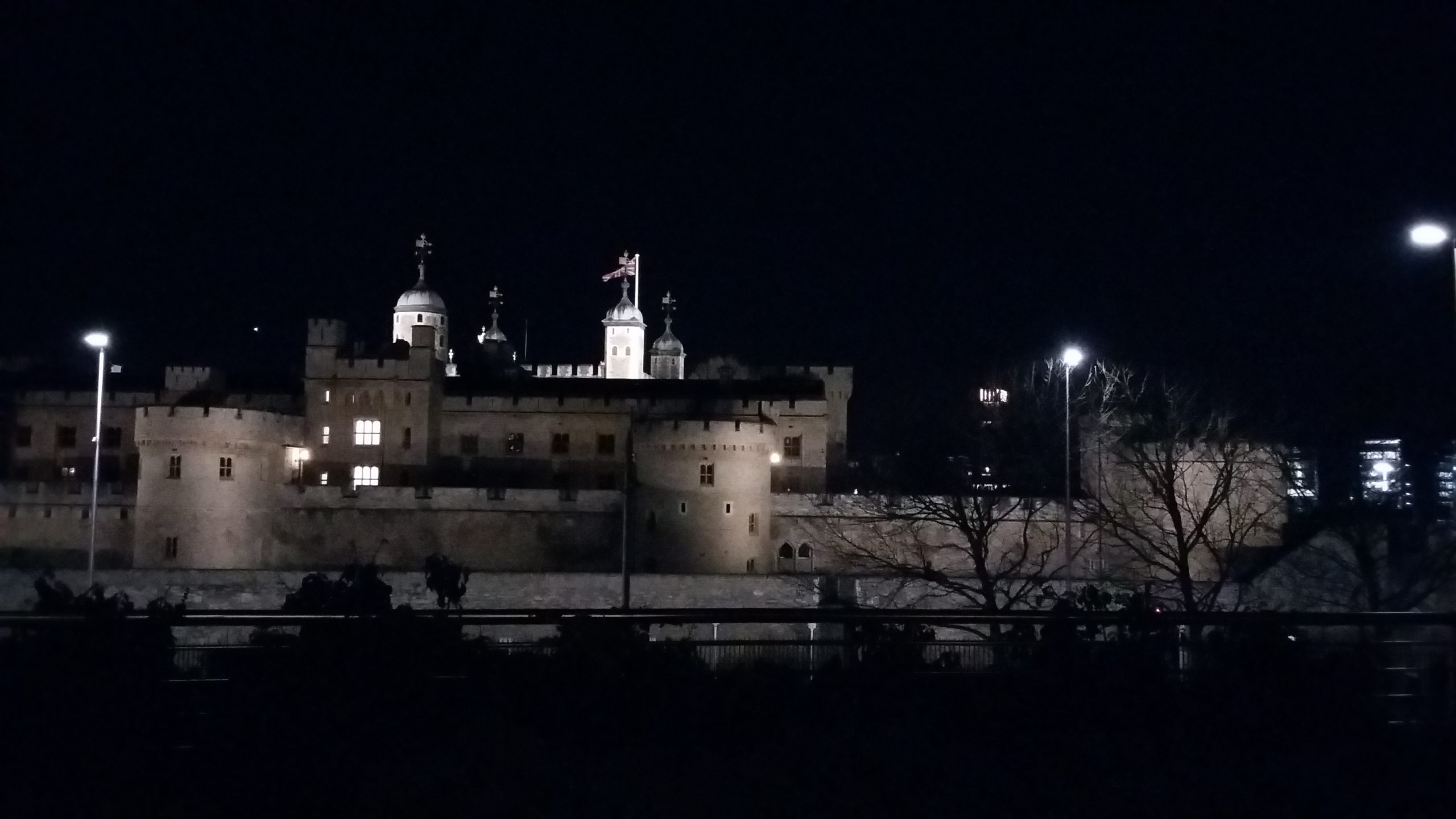
The Tower of London at night

It was eerie heading to the Tower in the dark, without the usual flood of tourists at the entrance gate. The crowd waiting to take part in the tour was fairly large, but still, there was no one but us in the vicinity; well, no one but us, our Yeoman Warder guide, and another Warder who patrolled the grounds accompanied by a sleek black cat. I’d assumed the tour was a kind of spooky ghost tour – the bloody history of the Tower would lend itself to this kind of experience – but in fact it was more like a general tour that happened to be held at night. This did not make it any less enjoyable, and it was still quite an experience to explore the Tower at night.

We visited all sorts of outdoor and indoor locations, including the place where Henry VI was murdered in 1471, and heard stories of those who were kept prisoner here and even executed, including two of Henry VIII’s wives, Anne Boleyn and Catherine Howard. The Tower’s construction began in 1078, and the near-thousand years of history it has witnessed is hugely impressive.

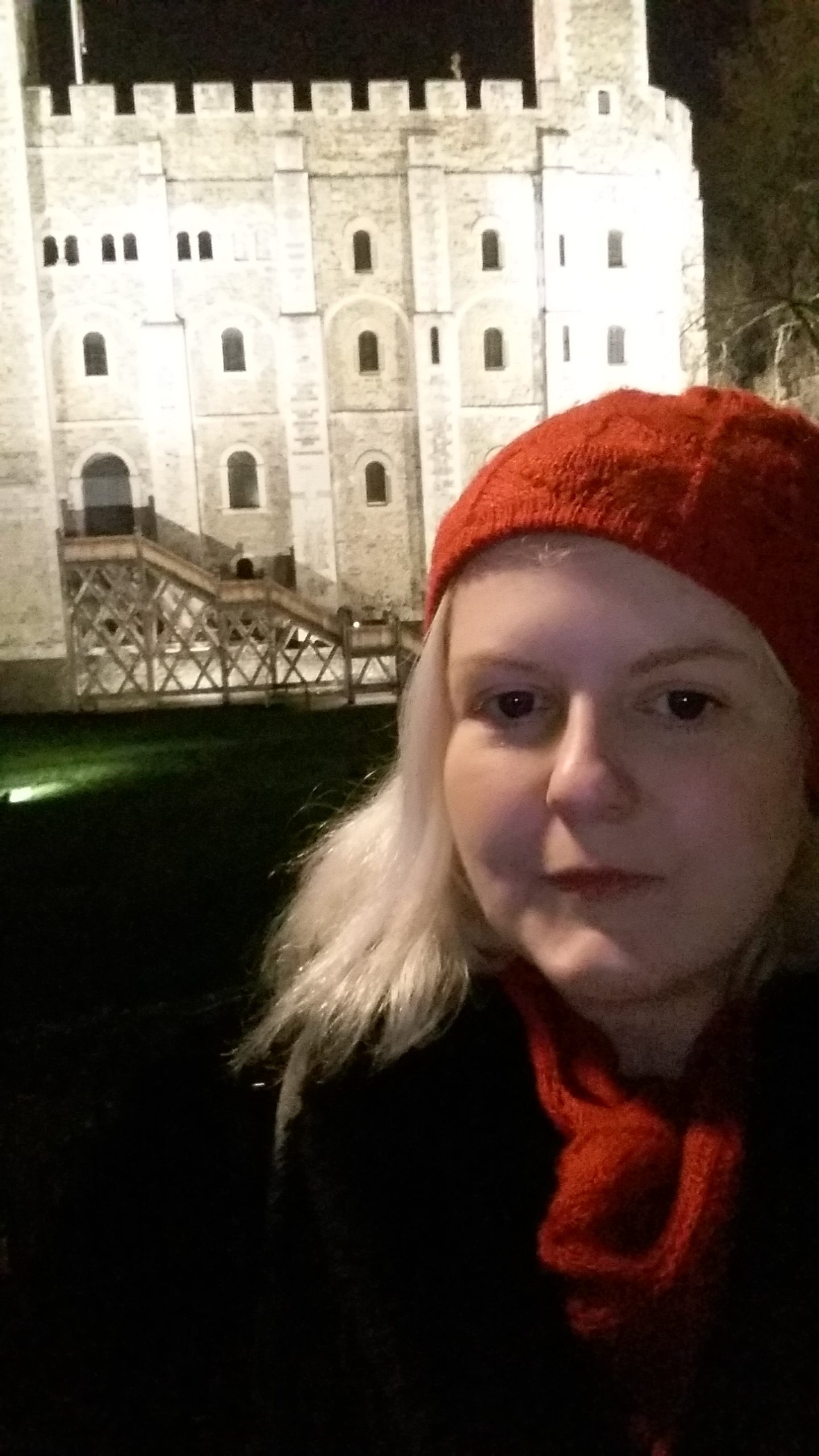
Me by the White Tower

We ended our tour in the chapel, where many of those executed in the Tower are buried (Though it’s not a ghost tour, there is plenty of death). Despite not being quite what I expected, I was pretty impressed, and would recommend the tour as a unique experience.