During lockdown I came across the site Beyond the End of the Line, which has details of walks that can be undertaken from the end points of various tube lines. I decided to complete the walk starting from Ealing Broadway, ending at Boston Manor.
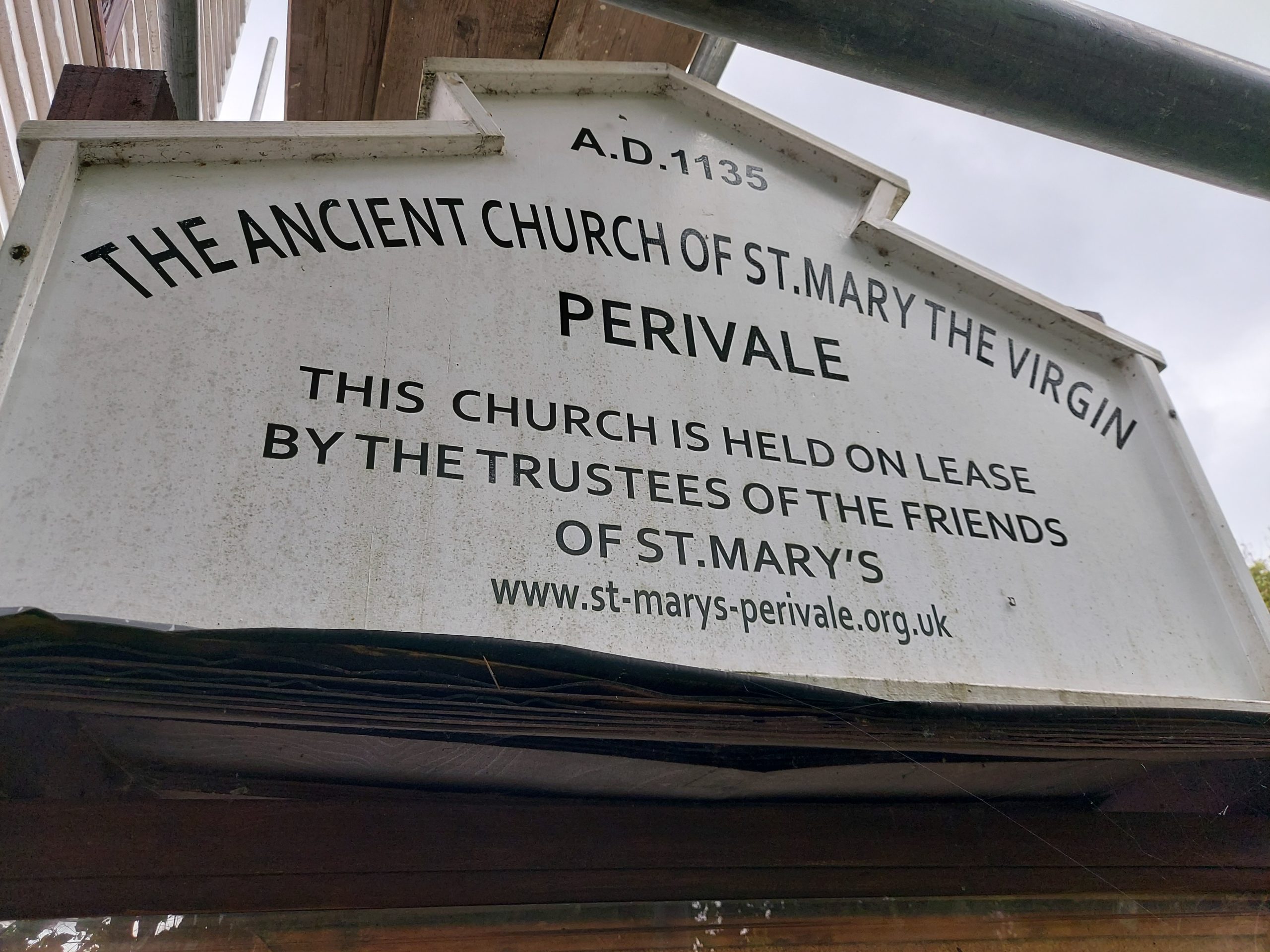
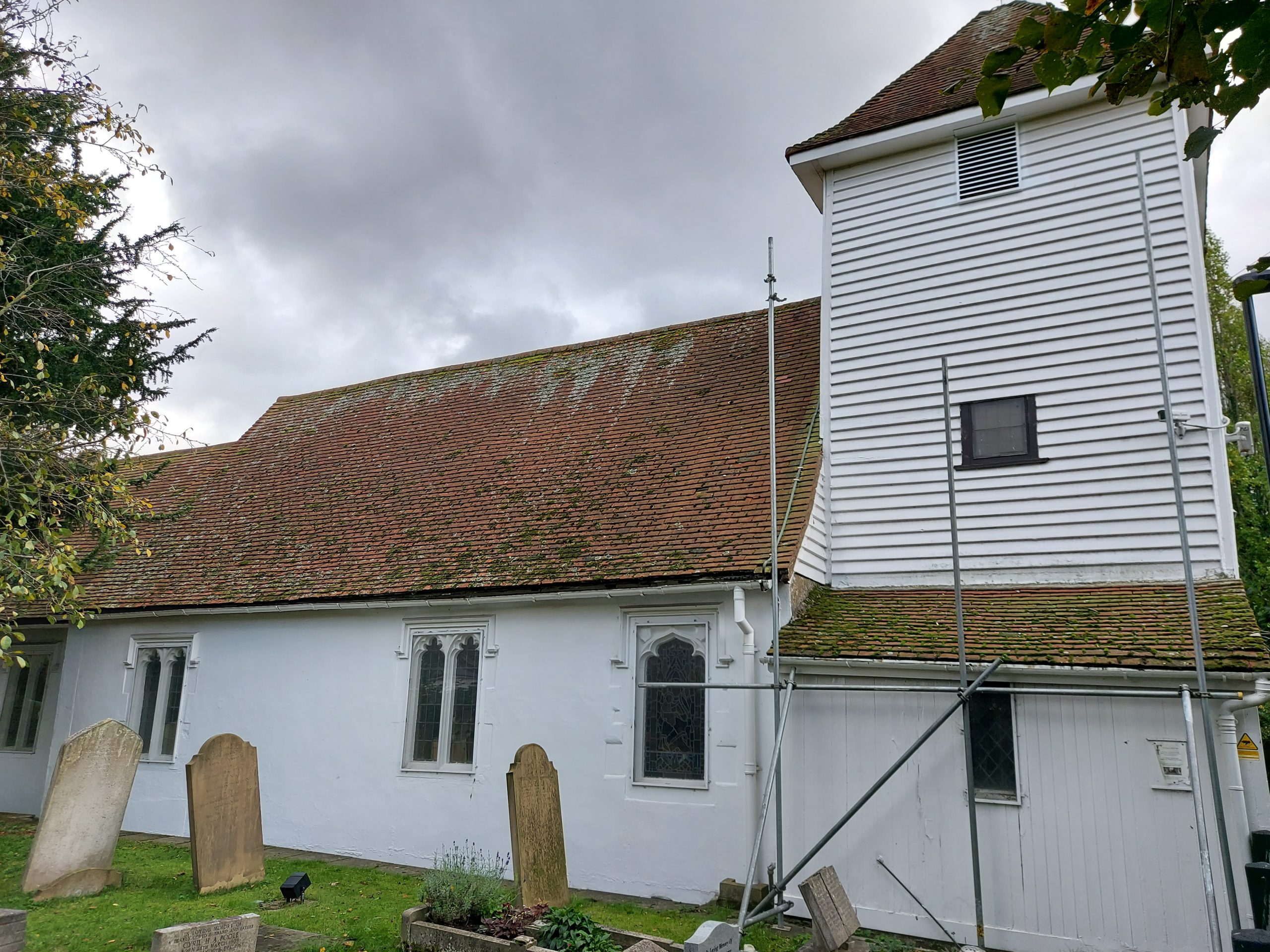
This 13km (8 mile) walk took me north beyond Ealing Broadway station and through Pitzhanger Park. Along the way I passed the Church of St Mary the Virgin in Perivale, which was built in 1135.
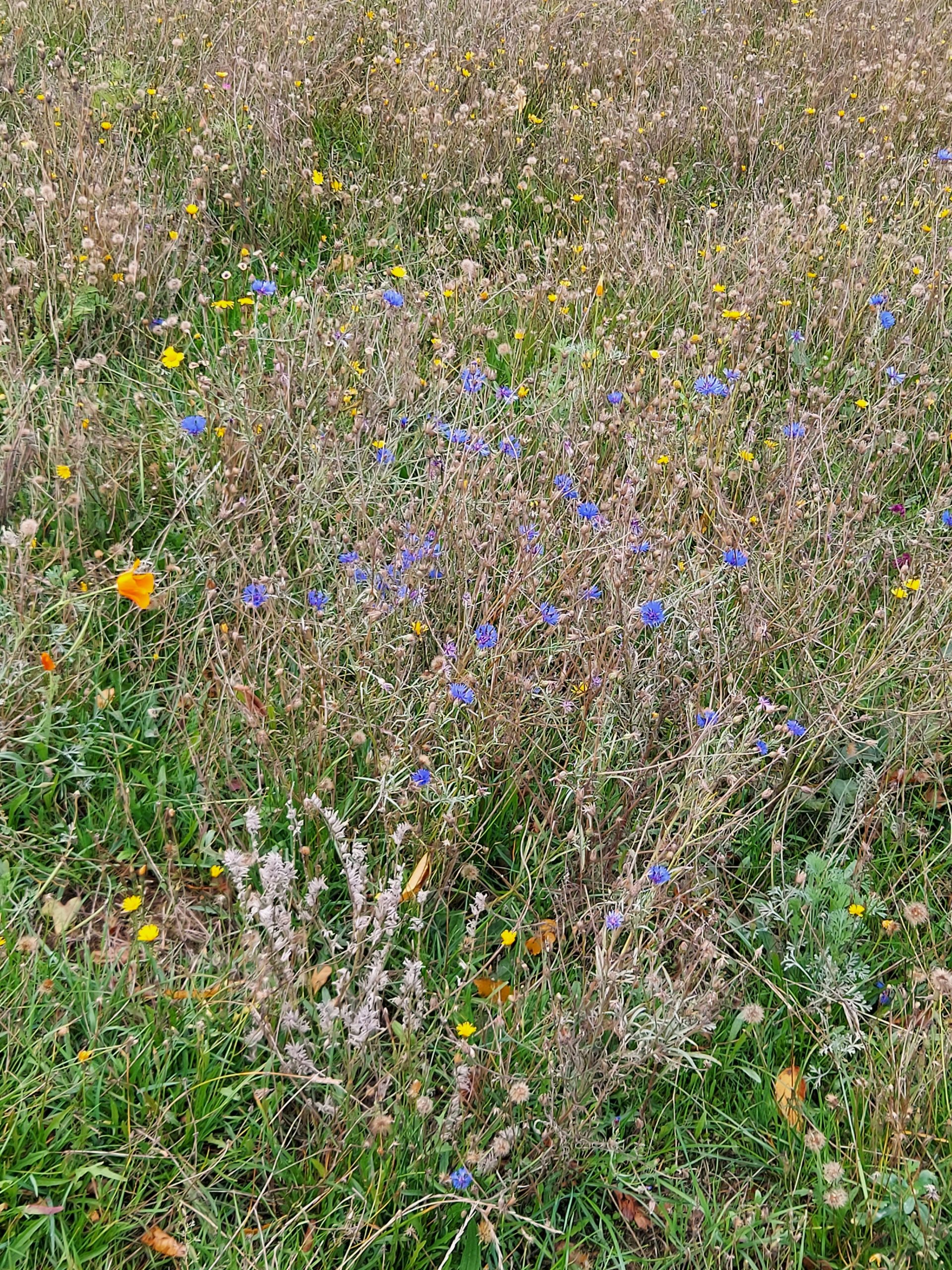
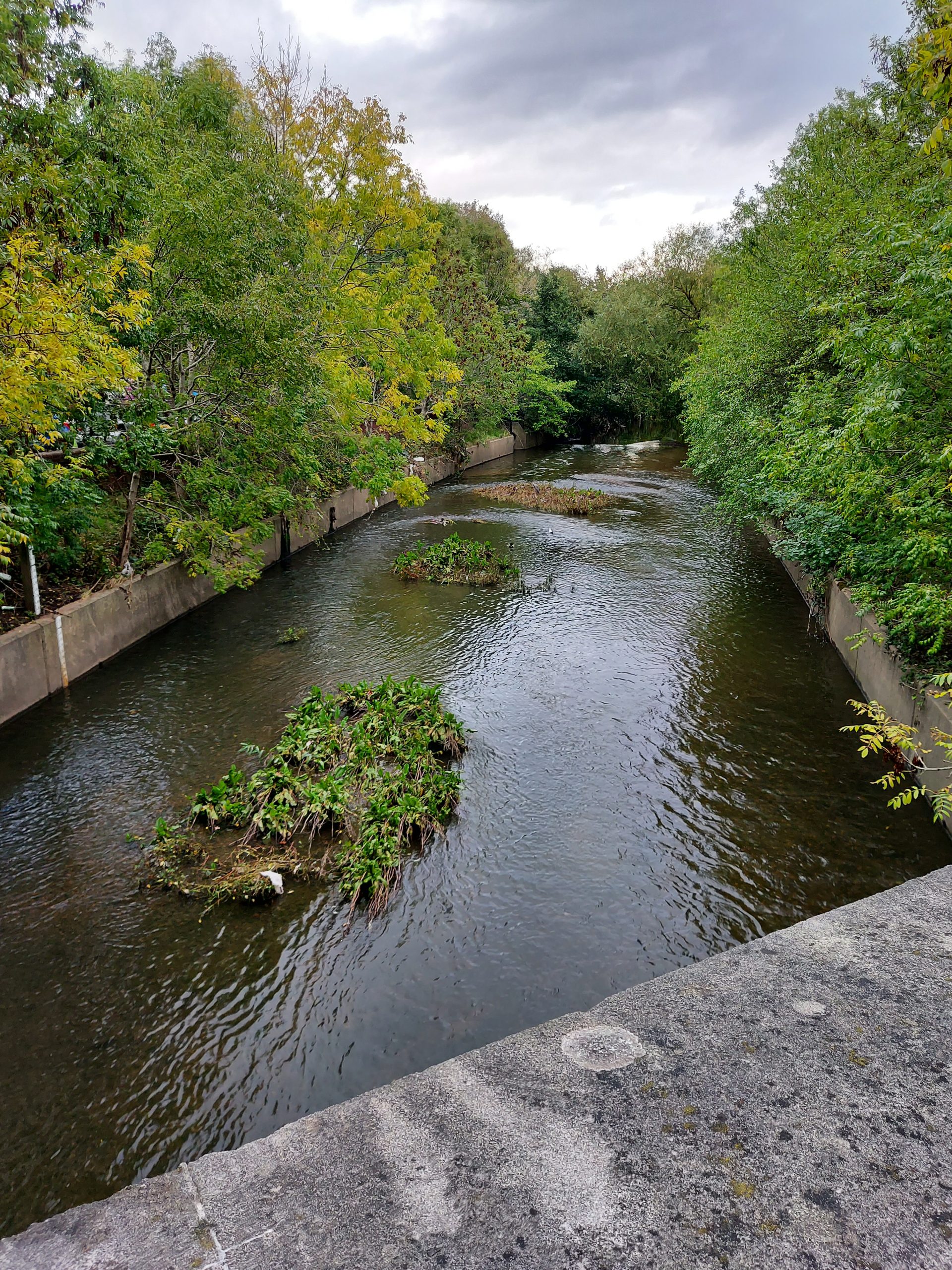
The walk took me past some beautiful meadows and along the path of the Capital Ring. Much of it ran alongside the river.
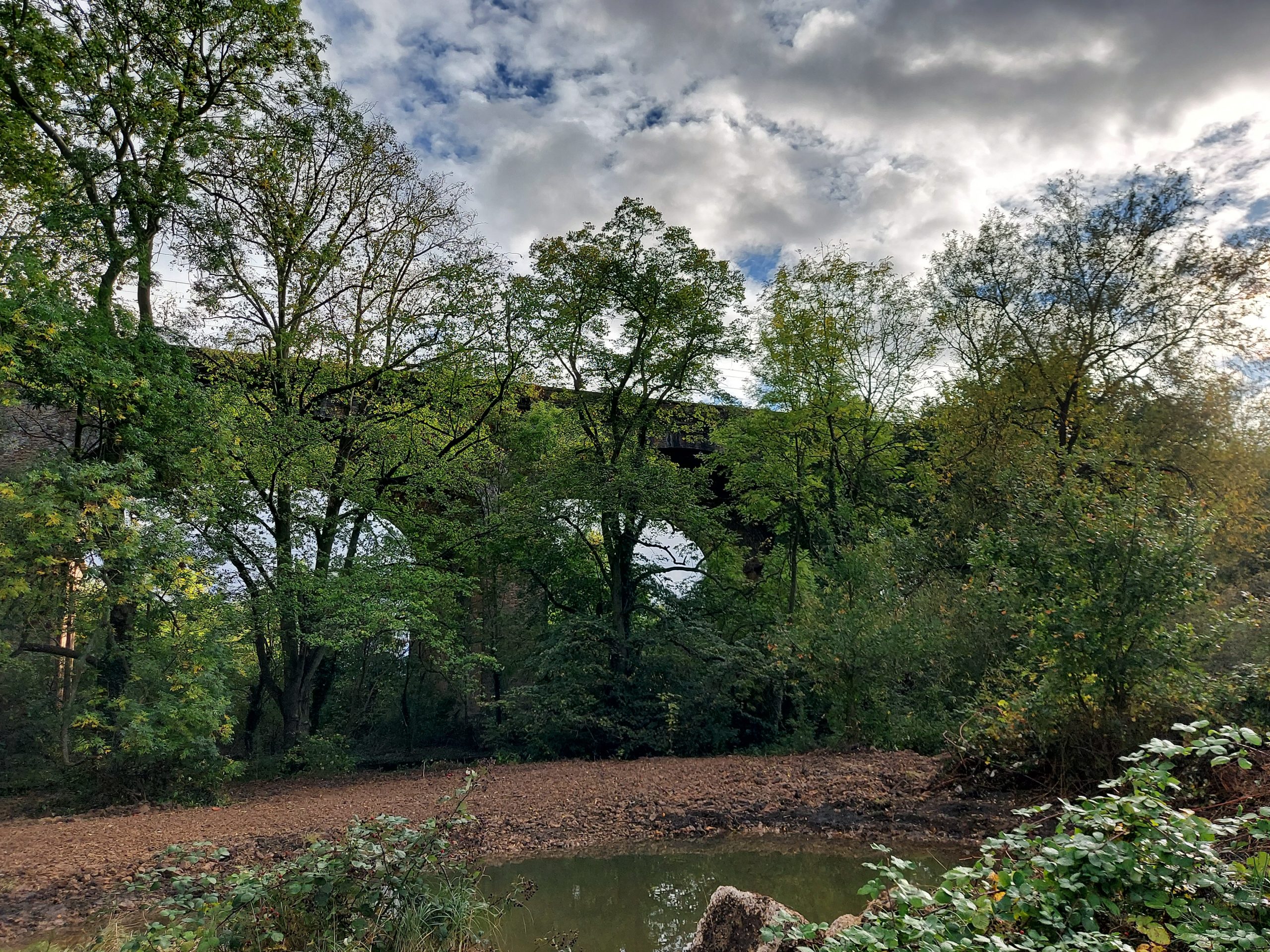
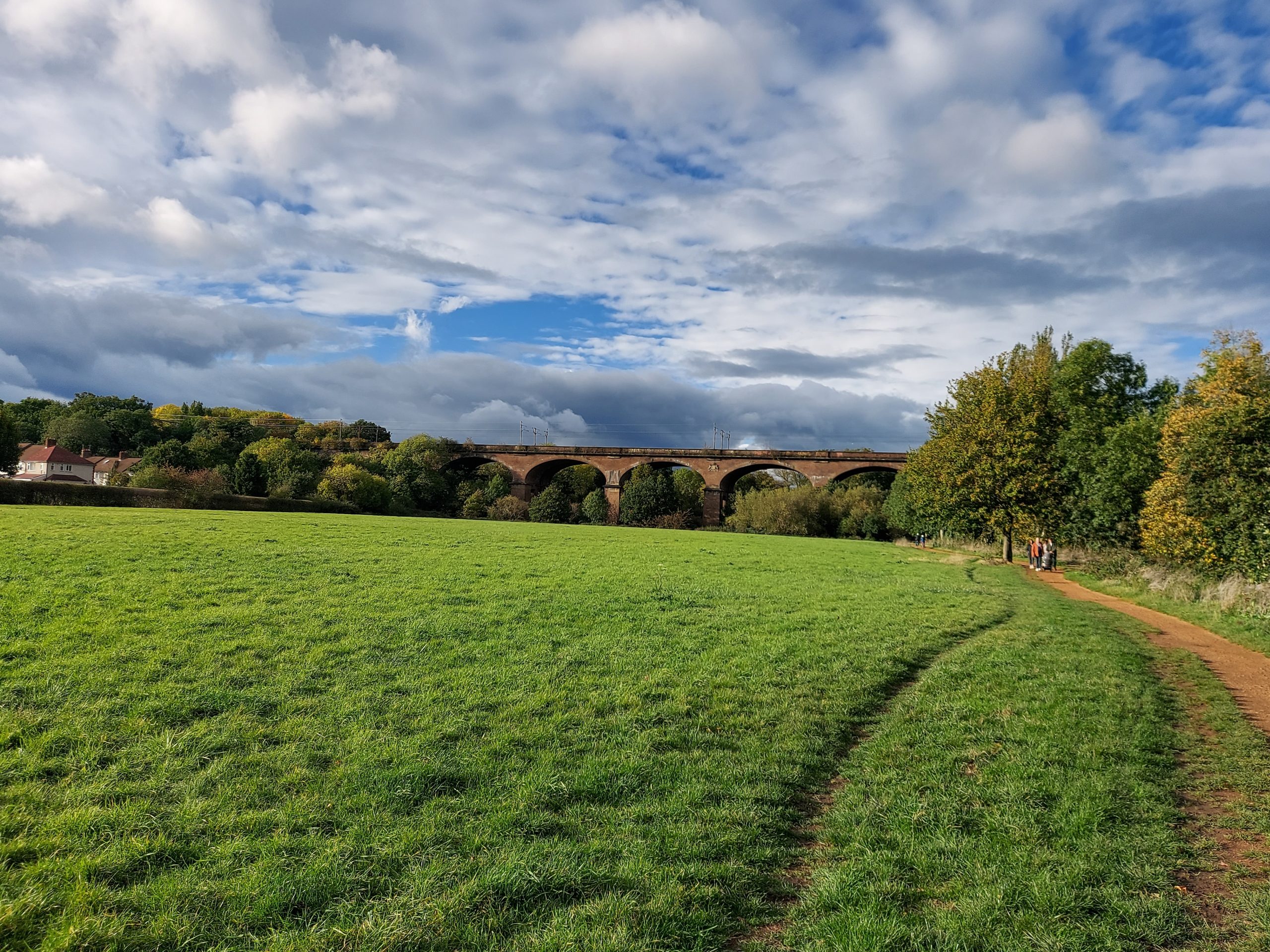
Eventually I came to Wharncliffe Viaduct, built by Isambard Kingdom Brunel, and passed underneath it on my way.
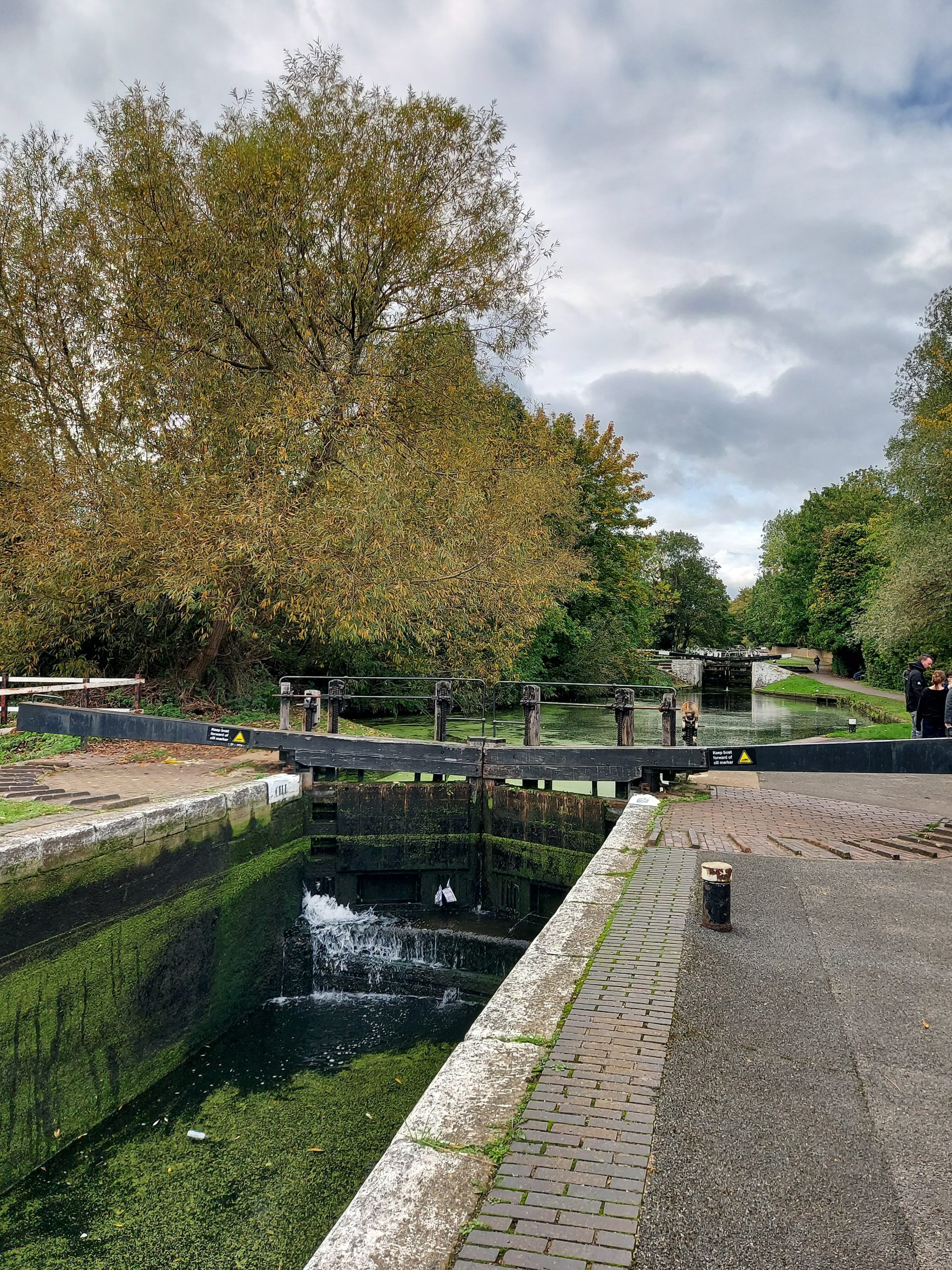
The end of the walk consisted of a short stretch beside the Grand Union Canal, before leaving and heading towards Boston Manor station.
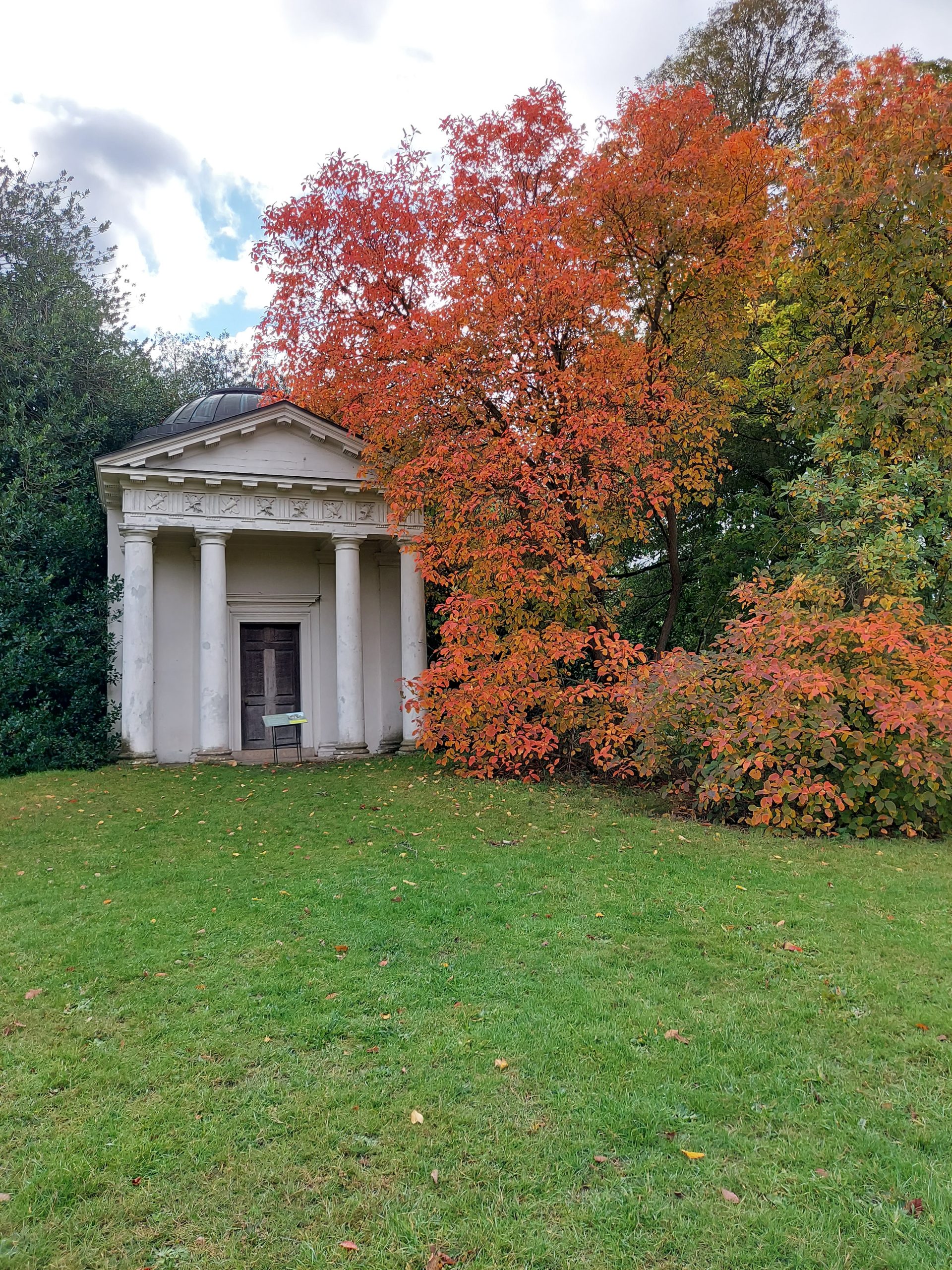
I paid a visit to Kew Gardens on my day off recently. I fancied visiting during the autumn, to experience the changing colours, and it was a weekday too, so much less busy. I spent plenty of time wandering round the grounds.
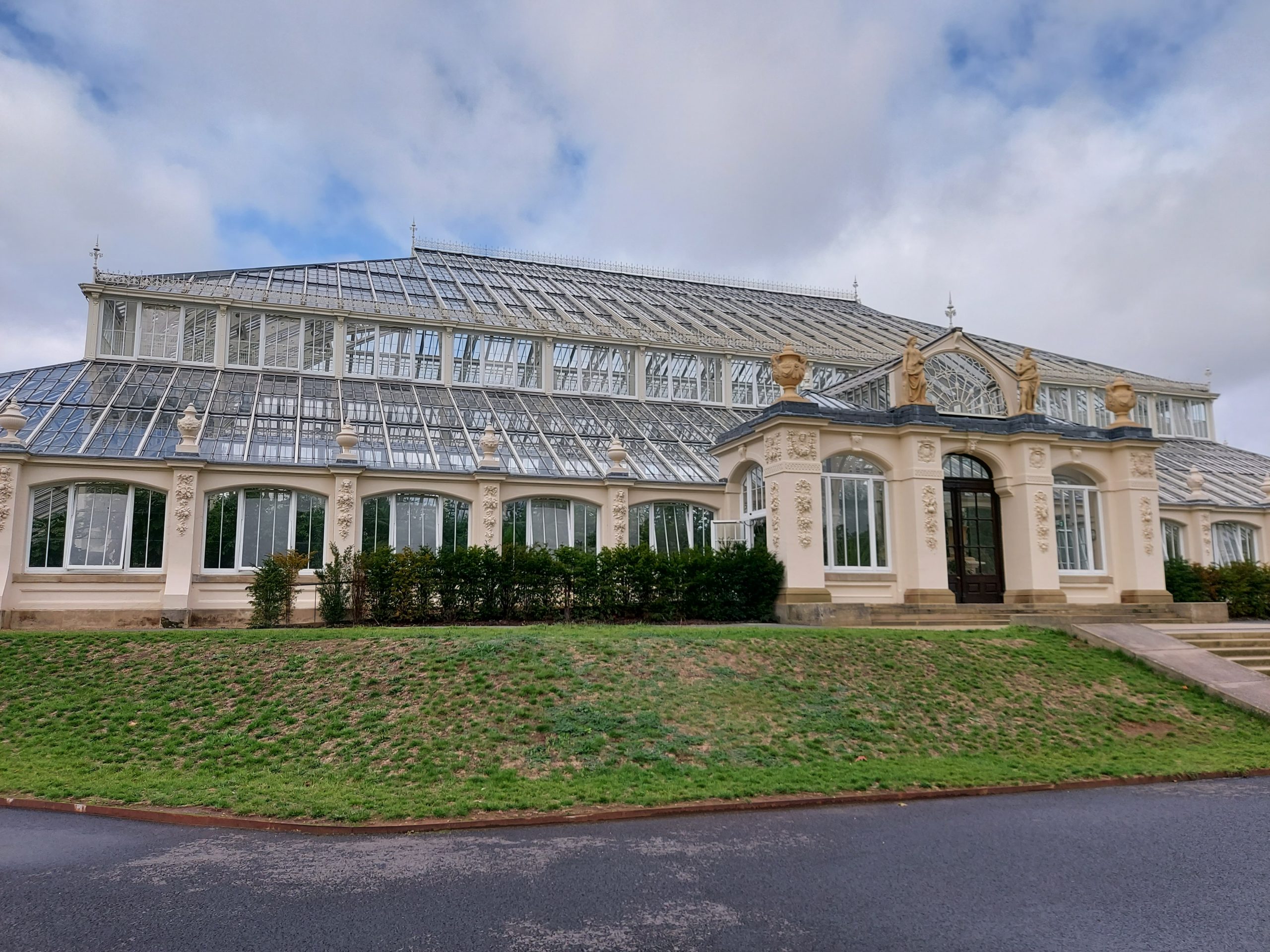
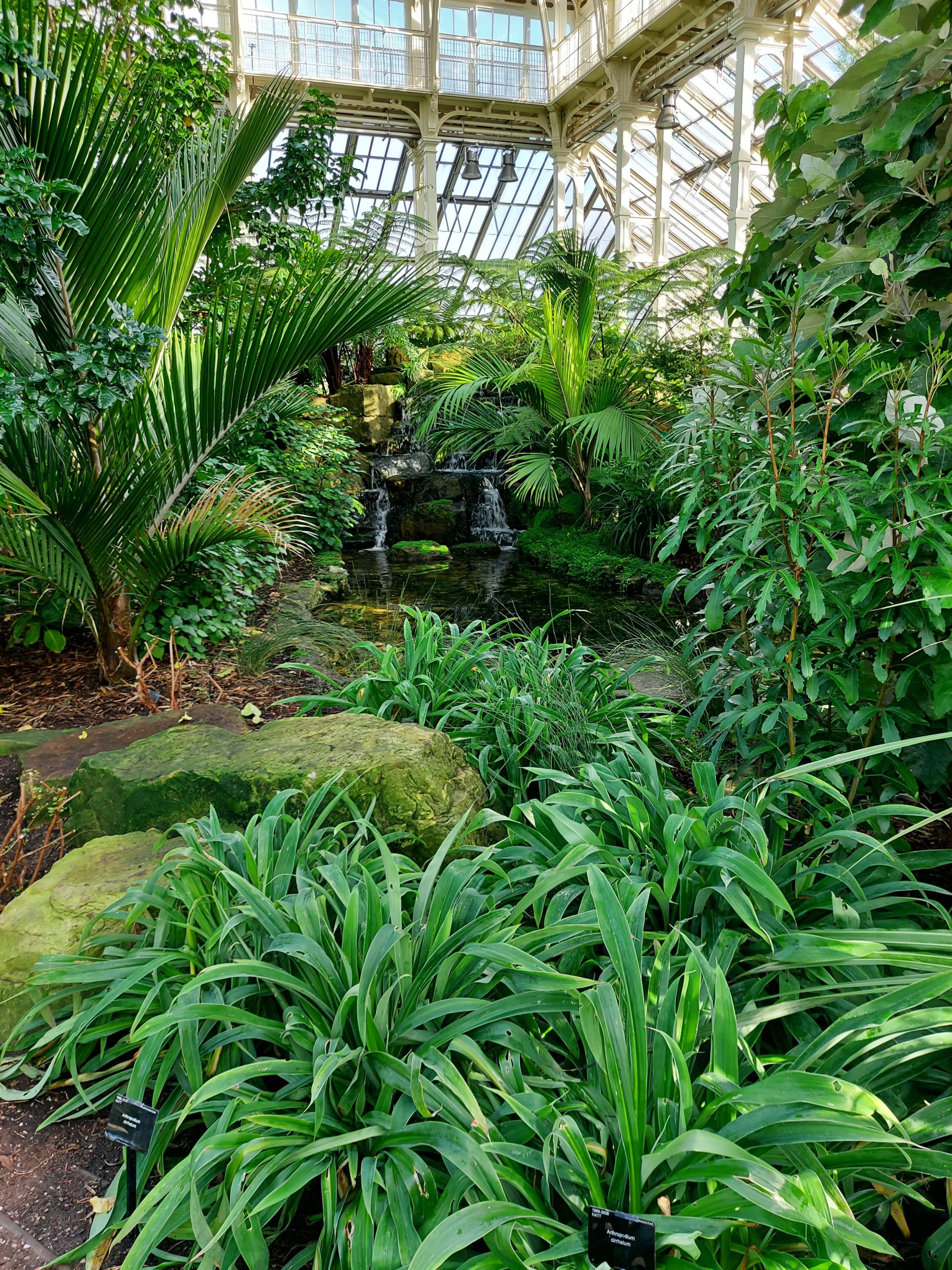
I also got to finally visit the Temperate House: this was closed for refurbishment on my last visit, and didn’t reopen until 2018. There were several interesting plants in this huge space. I also popped into the neighbouring Evolution House.
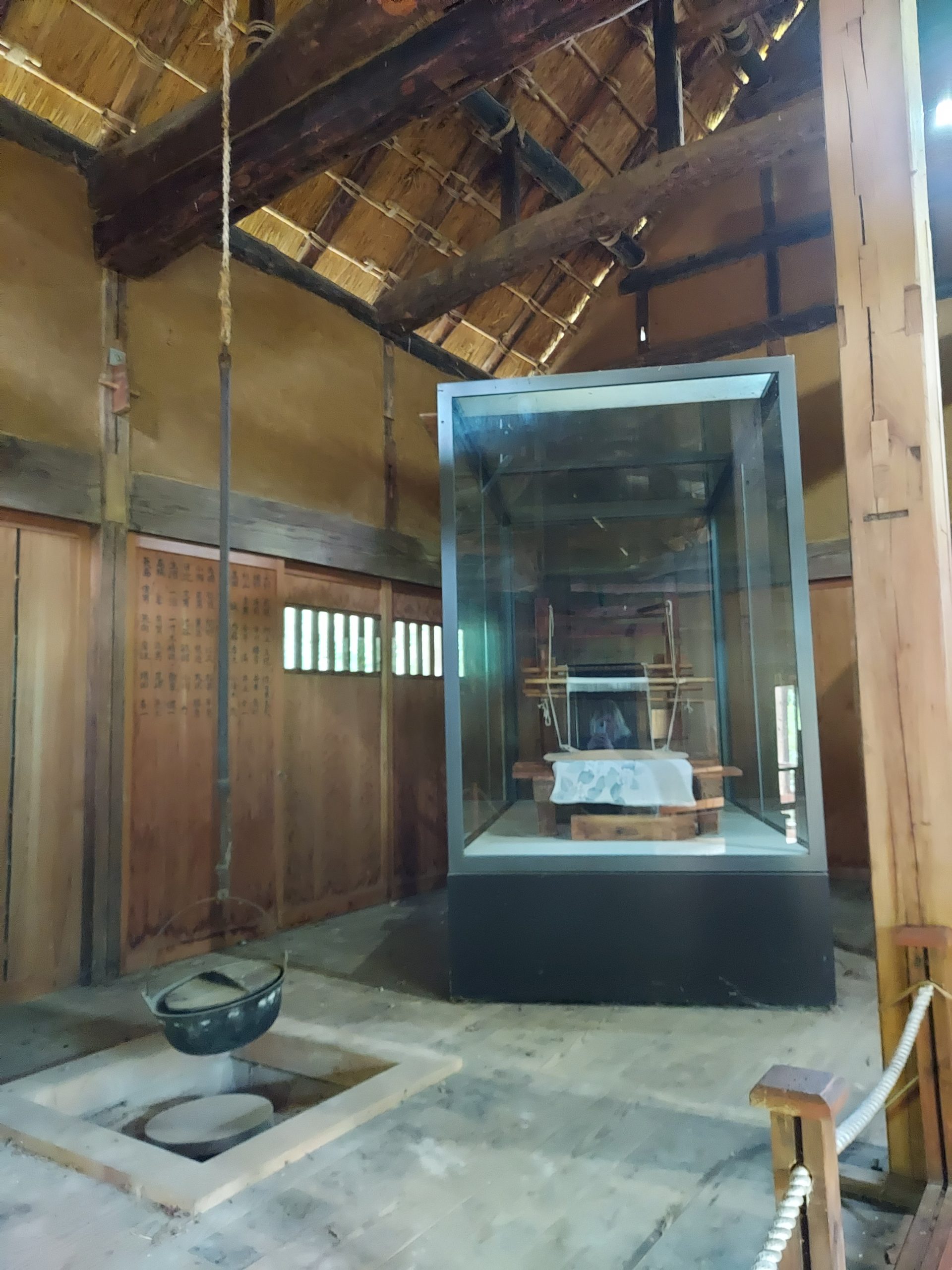
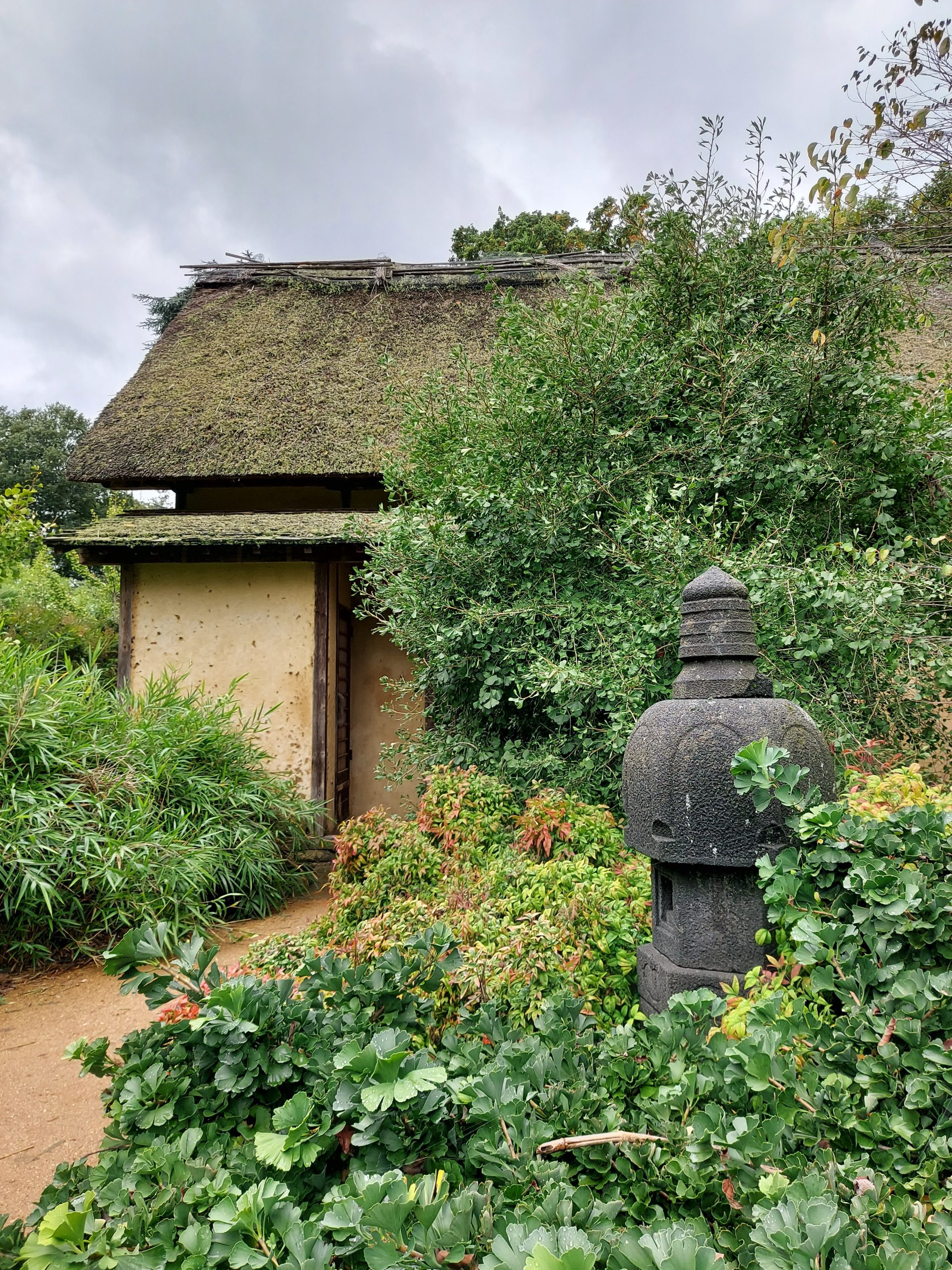
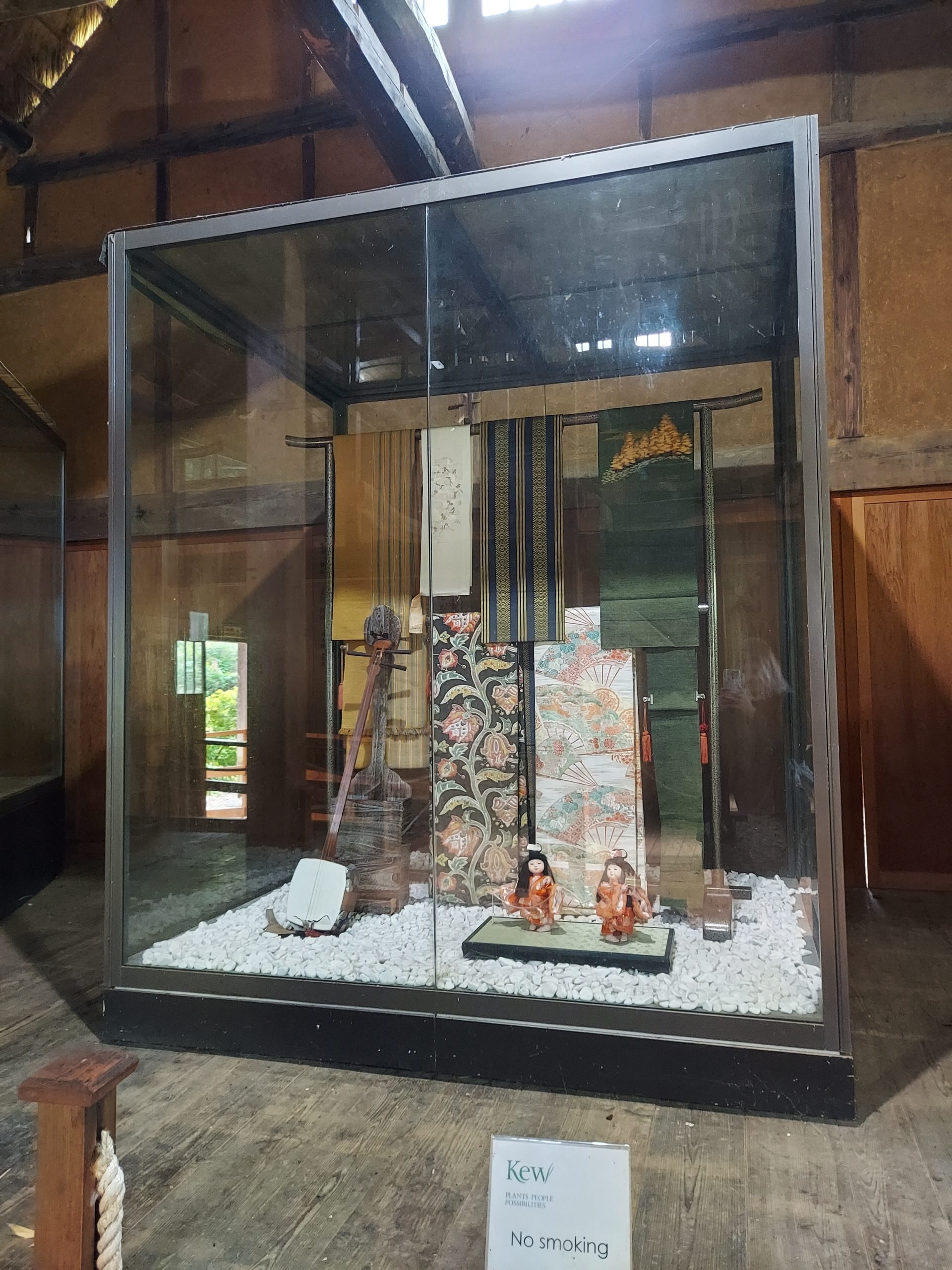
I then headed towards the Bamboo Garden and Minka House. The house originally belonged to the Yonezu family and was donated to Kew after their deaths. ‘Minka’ means ‘houses of the people’ and these houses were lived in by rural Japanese people until the mid-20th century.
I spent a good bit of time in the natural woodland towards the far end of the gardens, trying to identify different trees. I’m not sure how successful I was at this, but at least I tried.
Throughout most of the twentieth century, it wasn’t just passengers that travelled on trains beneath London – it was the mail. The London Post Office Railway opened in 1927 (known as Mail Rail since 1987) and transported letters and parcels between Paddington Head District Sorting Office in the west to the Eastern Head District Sorting Office (based at Whitechapel) in the east. In the centre was the Mount Pleasant Sorting Office, once one of the largest sorting offices in the world. At its peak it had eight stations, but by its closure in 2003 this number had reduced to three.
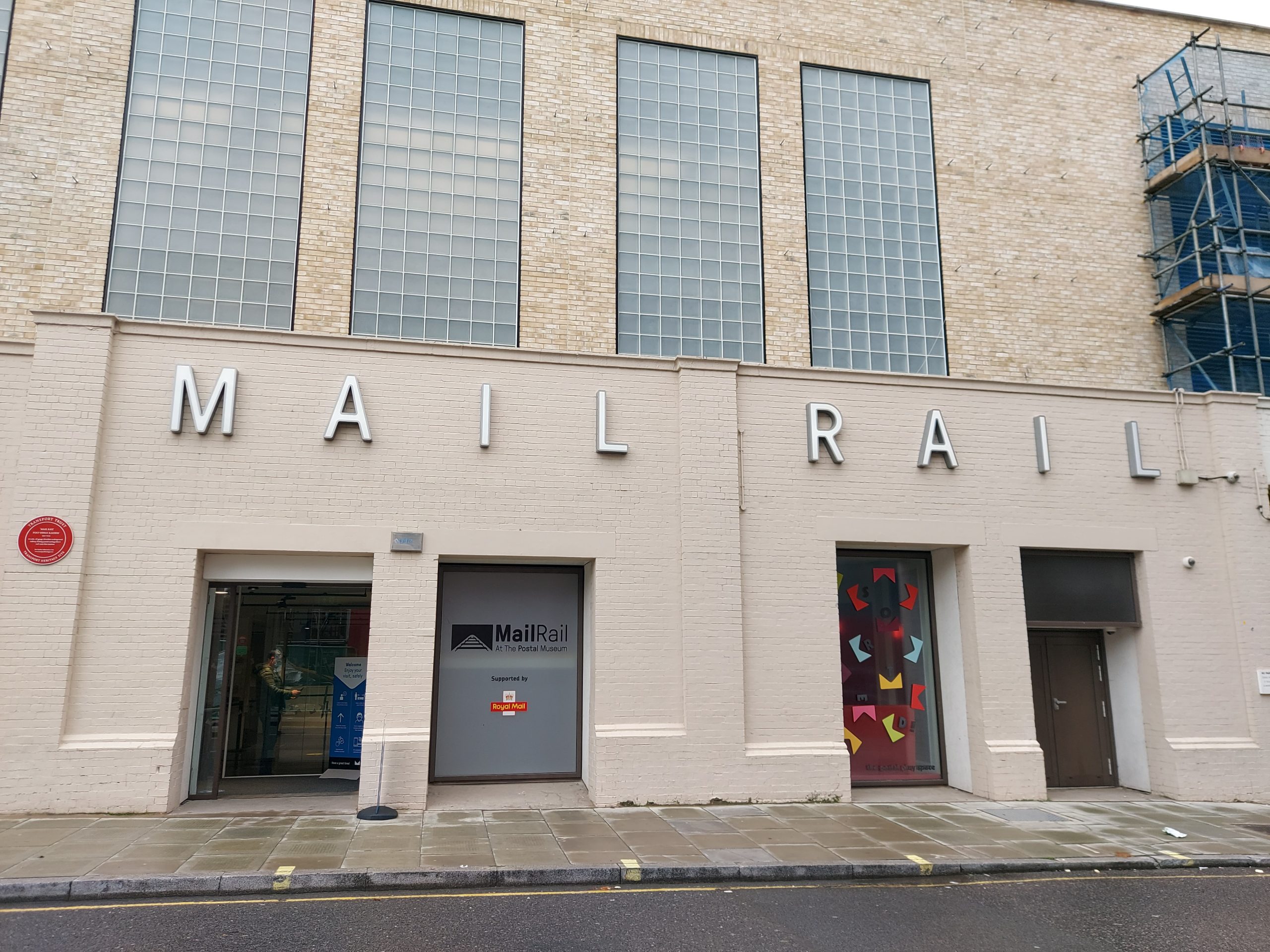
In 2017, the Mail Rail opened as a visitor attraction alongside the new incarnation of the Postal Museum. In these Covid times, the attraction is currently closed, but it’s possible to book onto a tunnel walk to experience the Mail Rail on foot.
History of Mail Rail
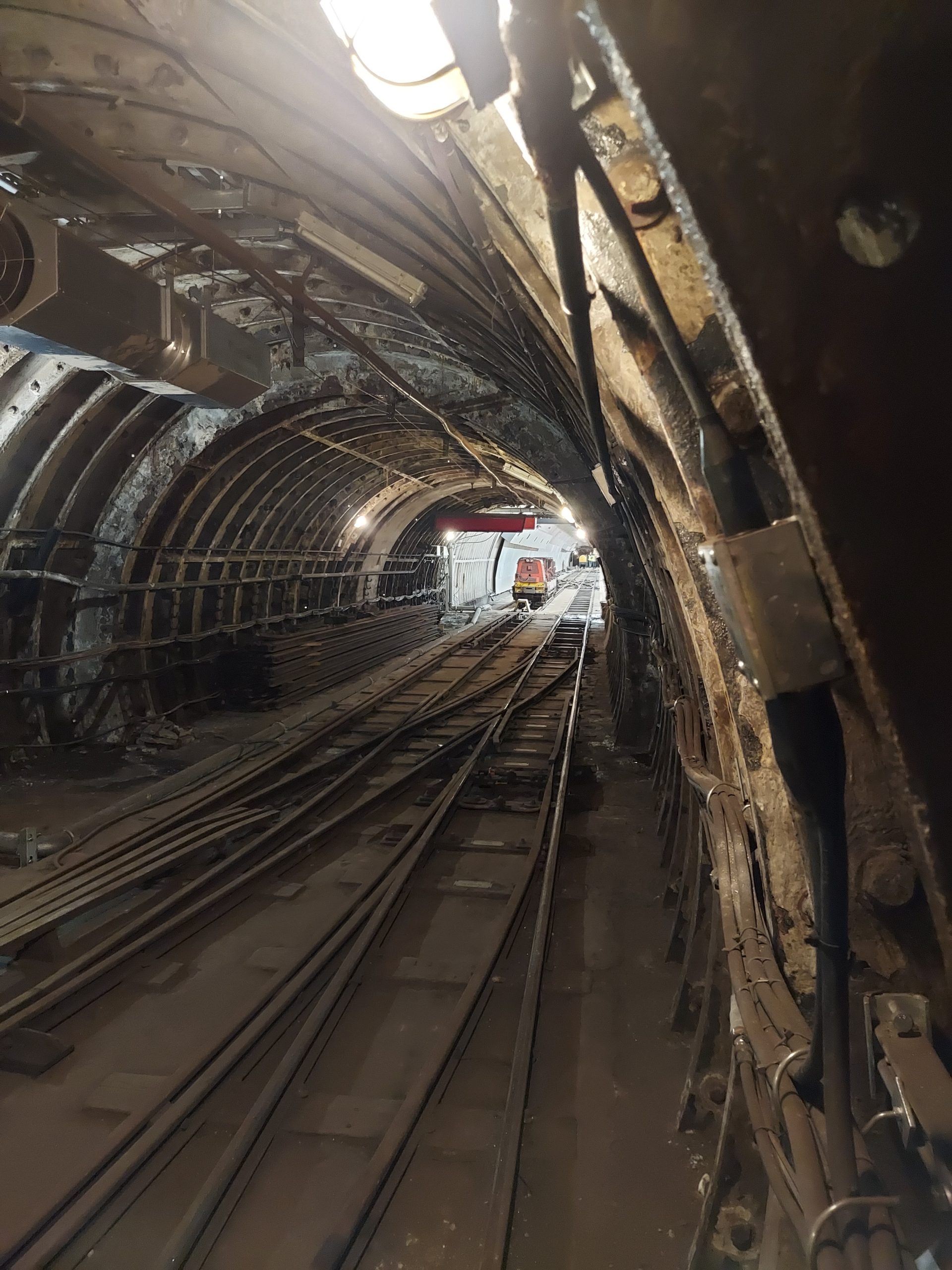
The railway, inspired by a similar construction in Chicago, is a 2ft narrow gauge, driverless underground railway built by the Post Office with assistance from the Underground Electric Railways Company of London. The railway was first planned in 1911 but the outbreak of World War I halted construction, and services did not begin to operate until 1927. The original 1927 stock, which was deemed unreliable, was replaced in 1930 and 1936; this stock lasted until 1980 when it was replaced.
Map of the Mail Rail route
The railway was the second time such a scheme was introduced in London: in the 19th century a pneumatic underground railway was established to take mail to Euston Station, but it did not last long as it proved expensive and unreliable. However, theoretically such a railway was an appealing idea, as it would avoid the traffic congestion of central London. In the event, the London Post Office Railway would last for the rest of the twentieth century.
Tunnel Walk
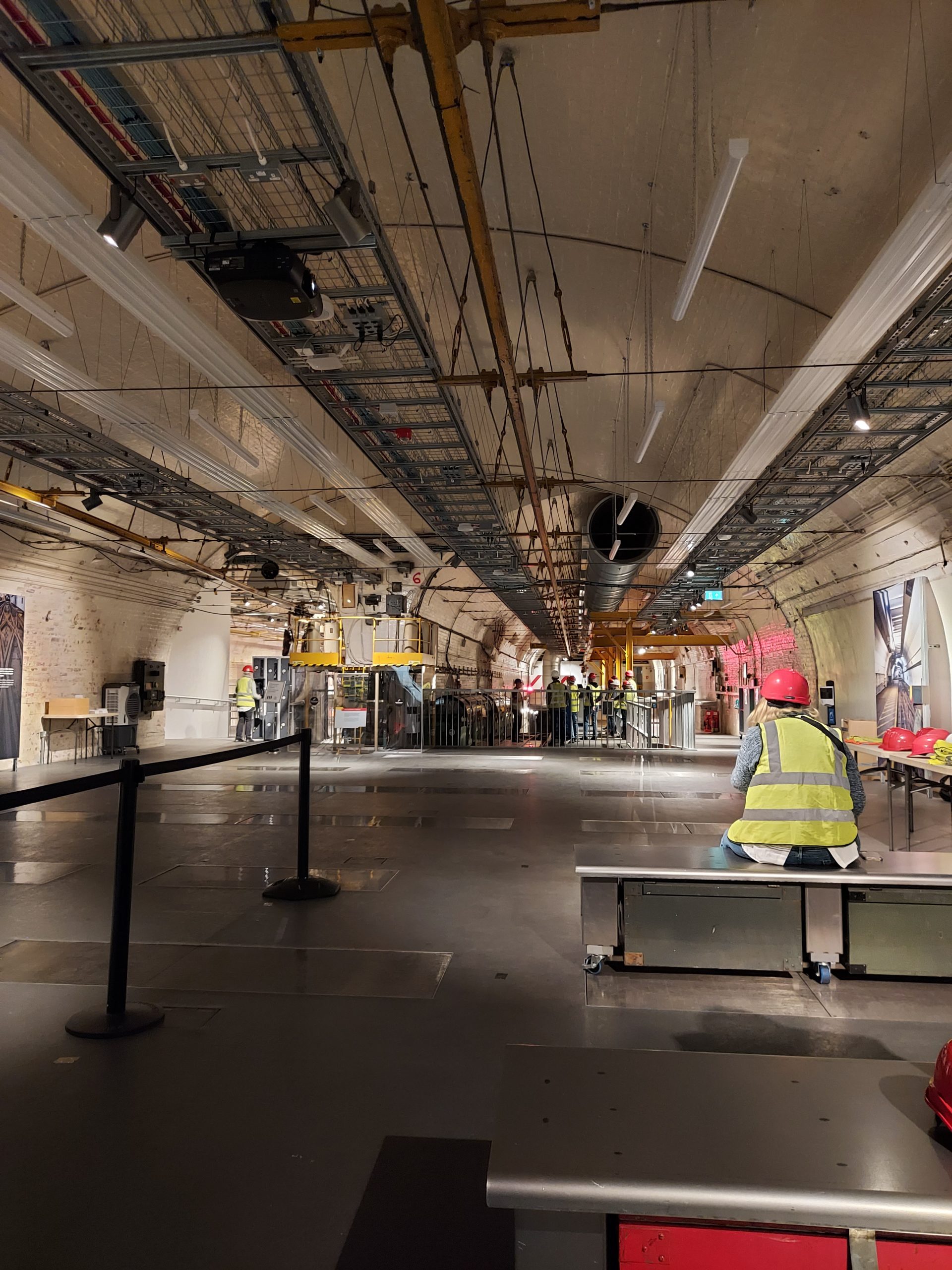
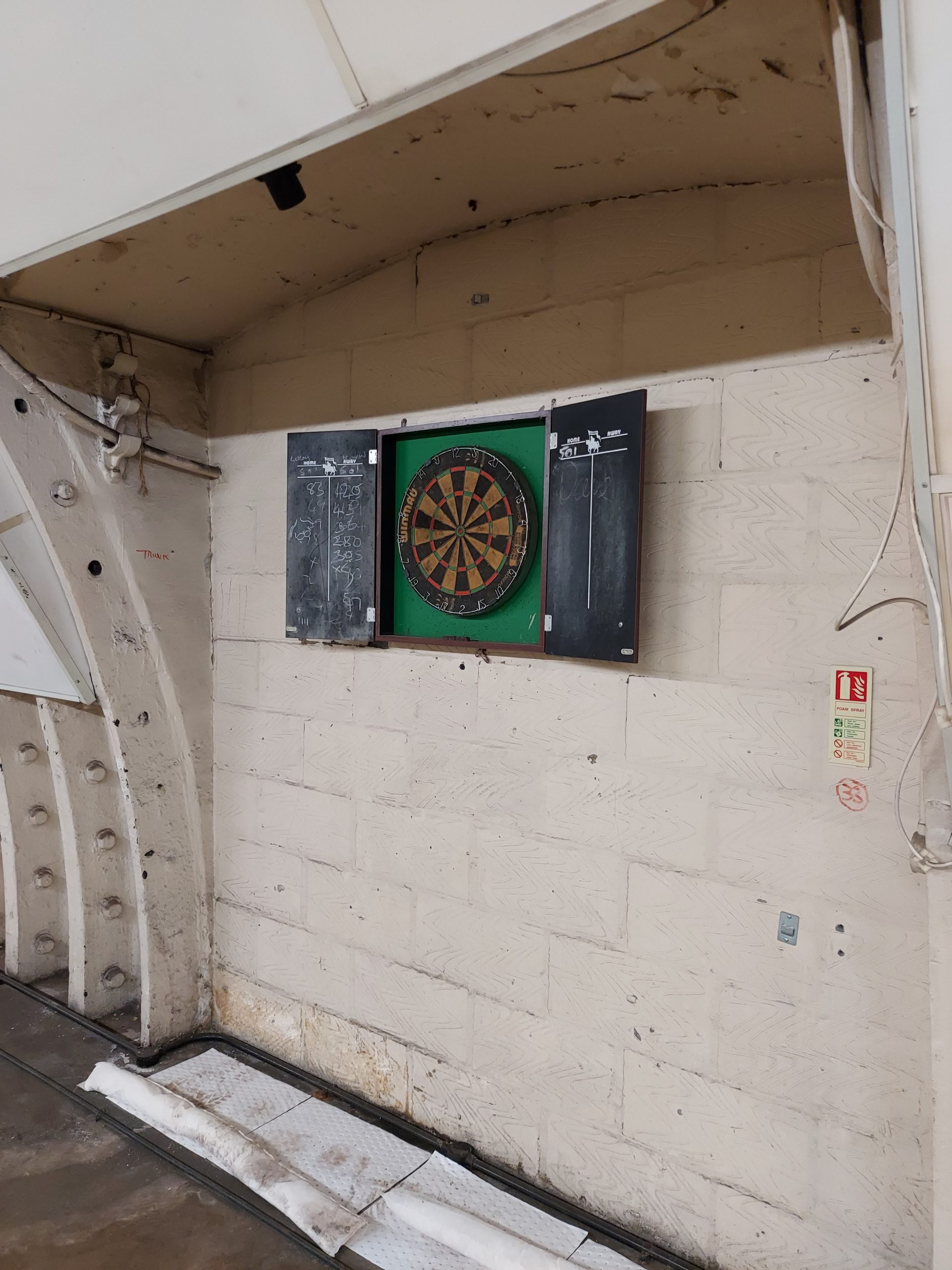
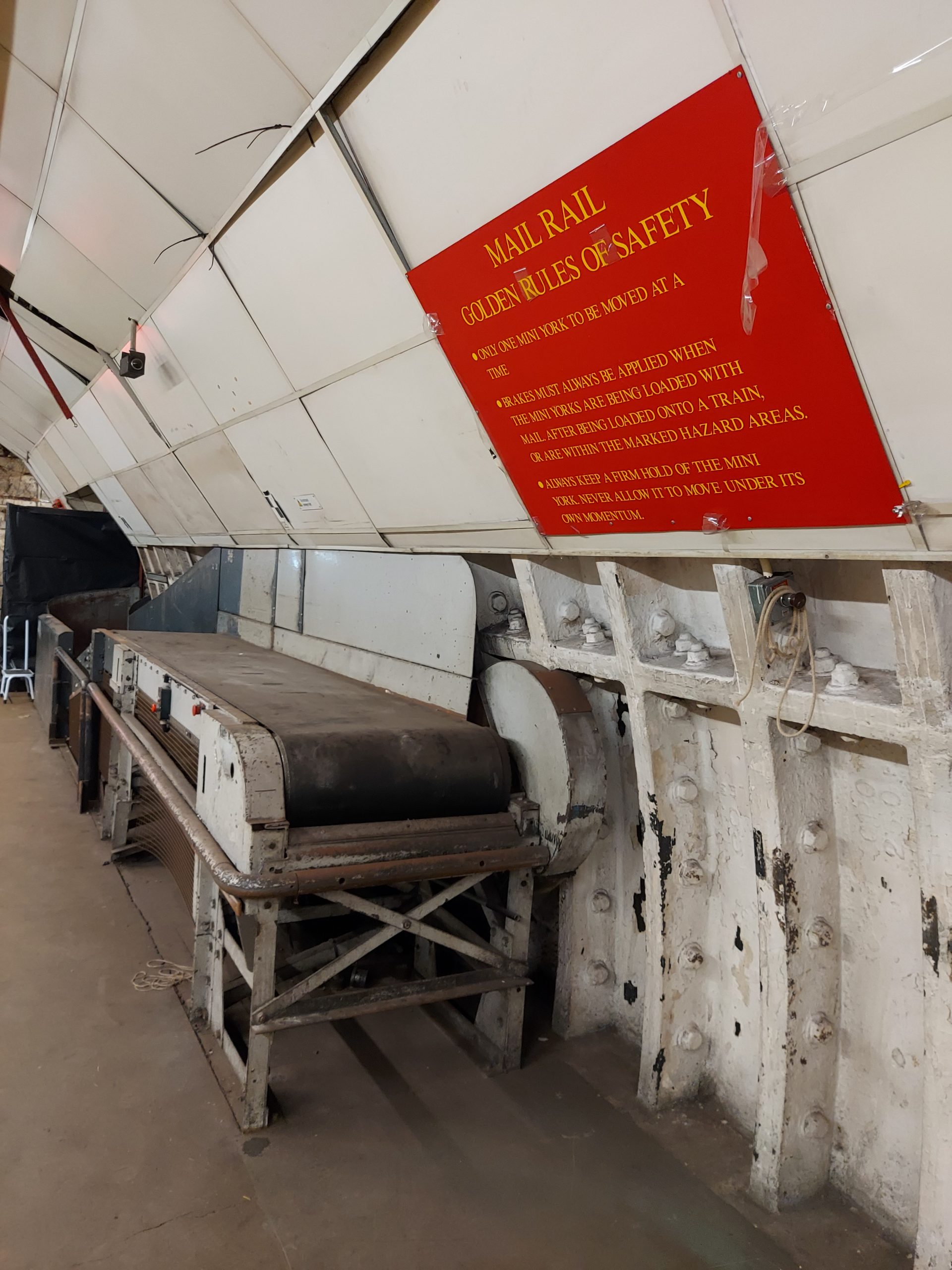
We had been instructed to wear sensible shoes, and on arriving at Mail Rail were provided with a hi-vis jacket and a hard hat. We were then taken into the tunnels and headed west, shortly reaching the Mount Pleasant westbound platform. Along the way we were told something of the history of the Mail Rail, and on reaching the platform we saw how the mail would arrive from the sorting office above via conveyor belt before being taken off and put onto a train. In between trains, railway staff were able to pass the time with activities such as darts.
We walked a little further along the tunnel, passing the eerie ‘train graveyard’ where trains needing repair would be stored. We were also shown the floodgates, thankfully never needed – the railway’s proximity to the Fleet made this a desirable feature.
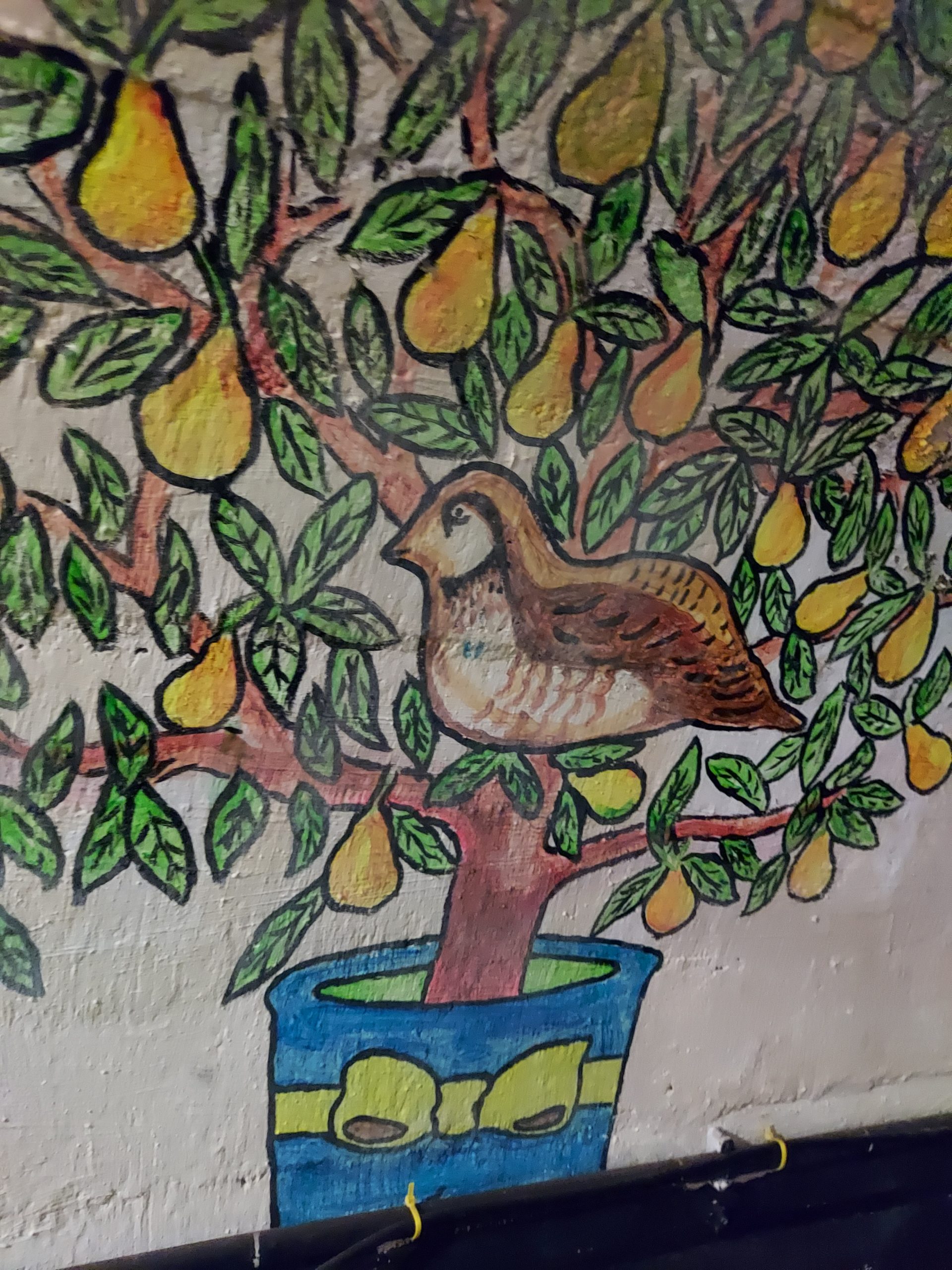
Over time, Mail Rail began to be used for things other than transporting mail. Children were given a festive treat, taken to meet Santa via the underground railway; wall murals including a partridge in a pear tree evidence this unusual event. The railway was also used for filming, appearing in the movie Hudson Hawk, starring Bruce Willis, as a railway beneath the Vatican.
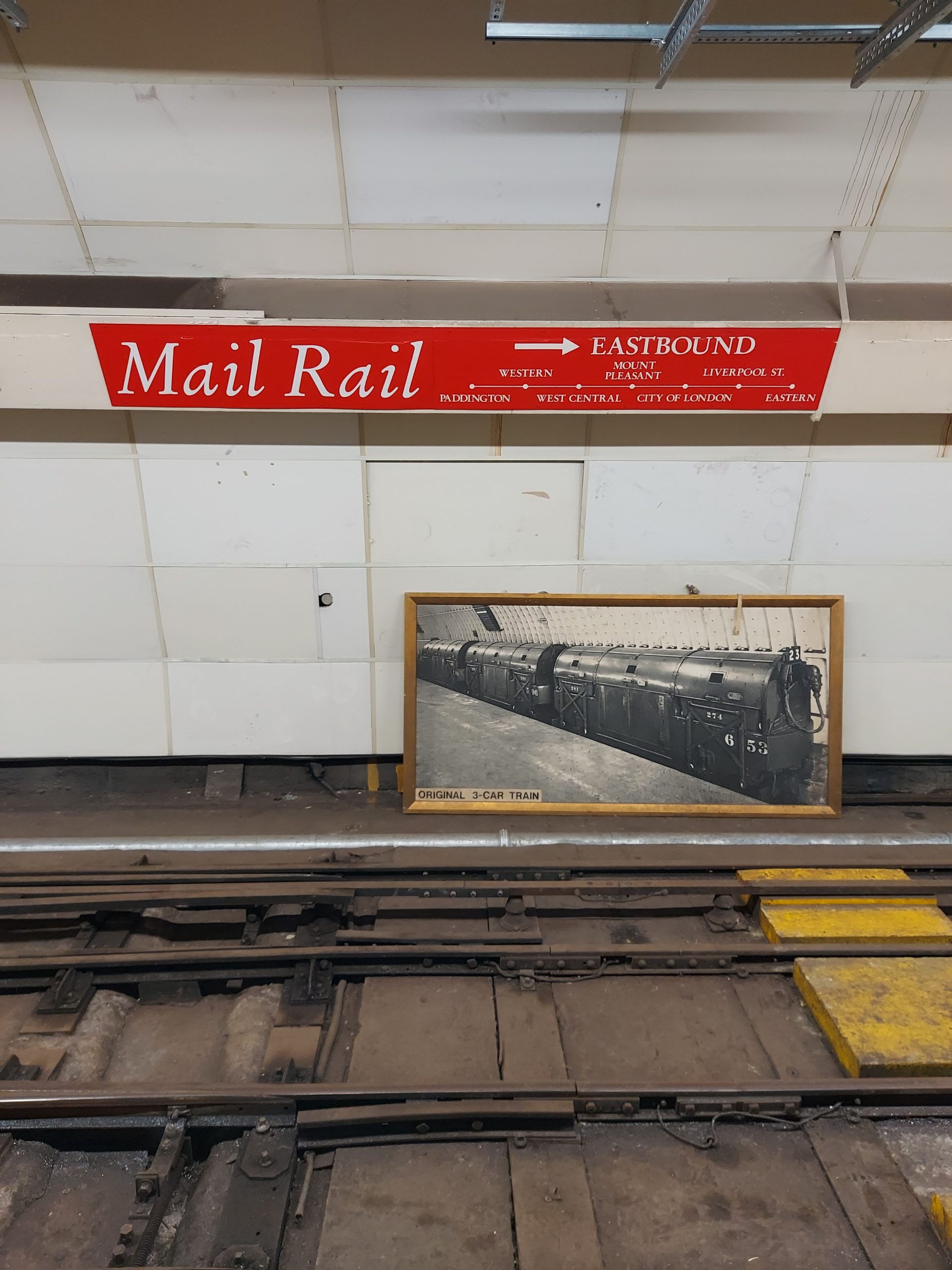
We turned back, passing the eastbound platform before exiting the railway.
Mail Rail Exhibition
After experiencing Mail Rail we exited through an exhibition which looks at the history of the transportation of mail by train. There are examples of mini sorting offices used on trains taking mail up and down the country, as well as some of the nets used at stations so that train staff could throw bags of mail out without needing to slow or stop the train. There were quotes from former Mail Rail staff, as well as examples of some of the equipment they used working on the railway, and displays of stock formerly used on the line. It proved an excellent way to round off the visit.
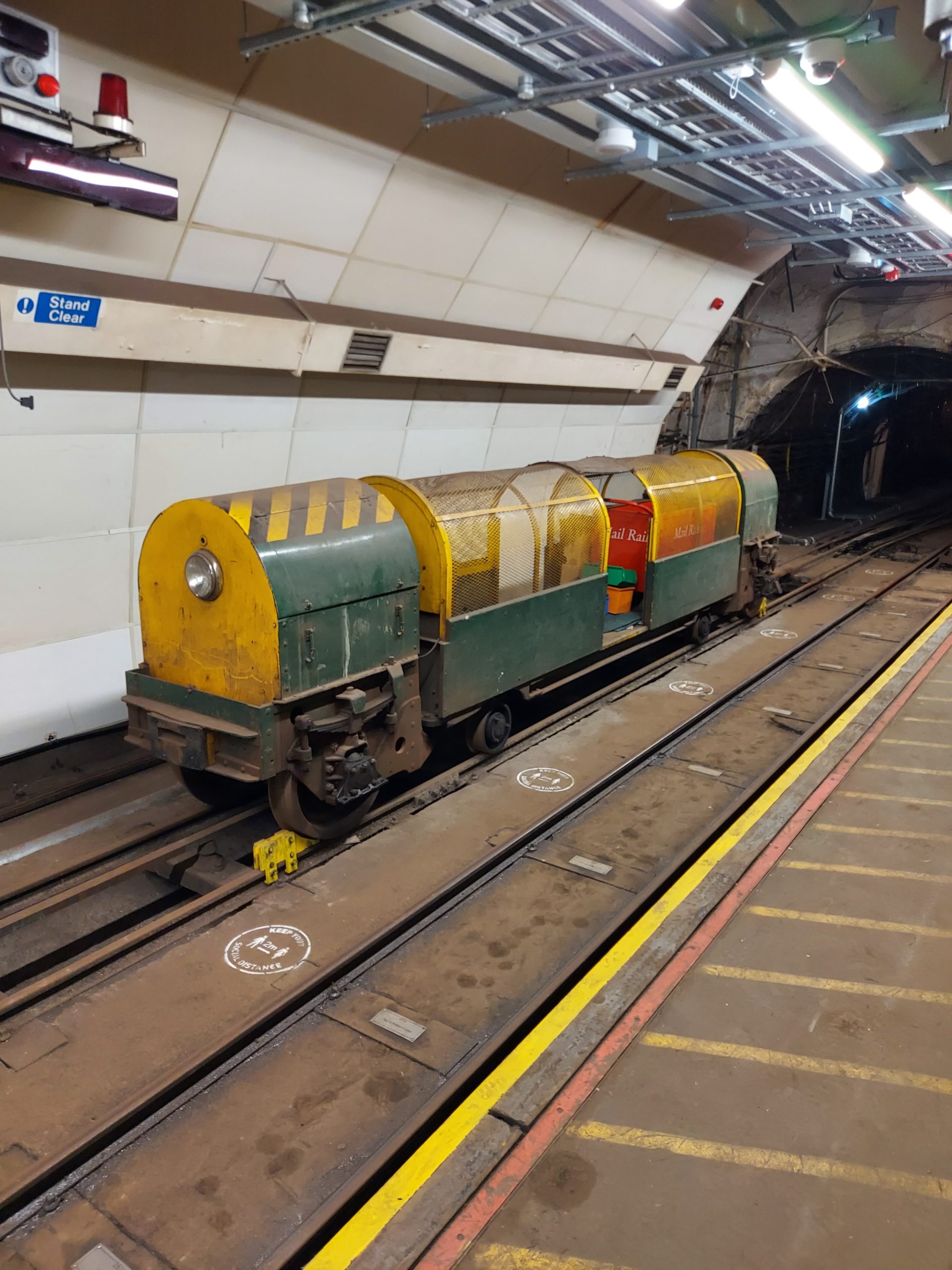
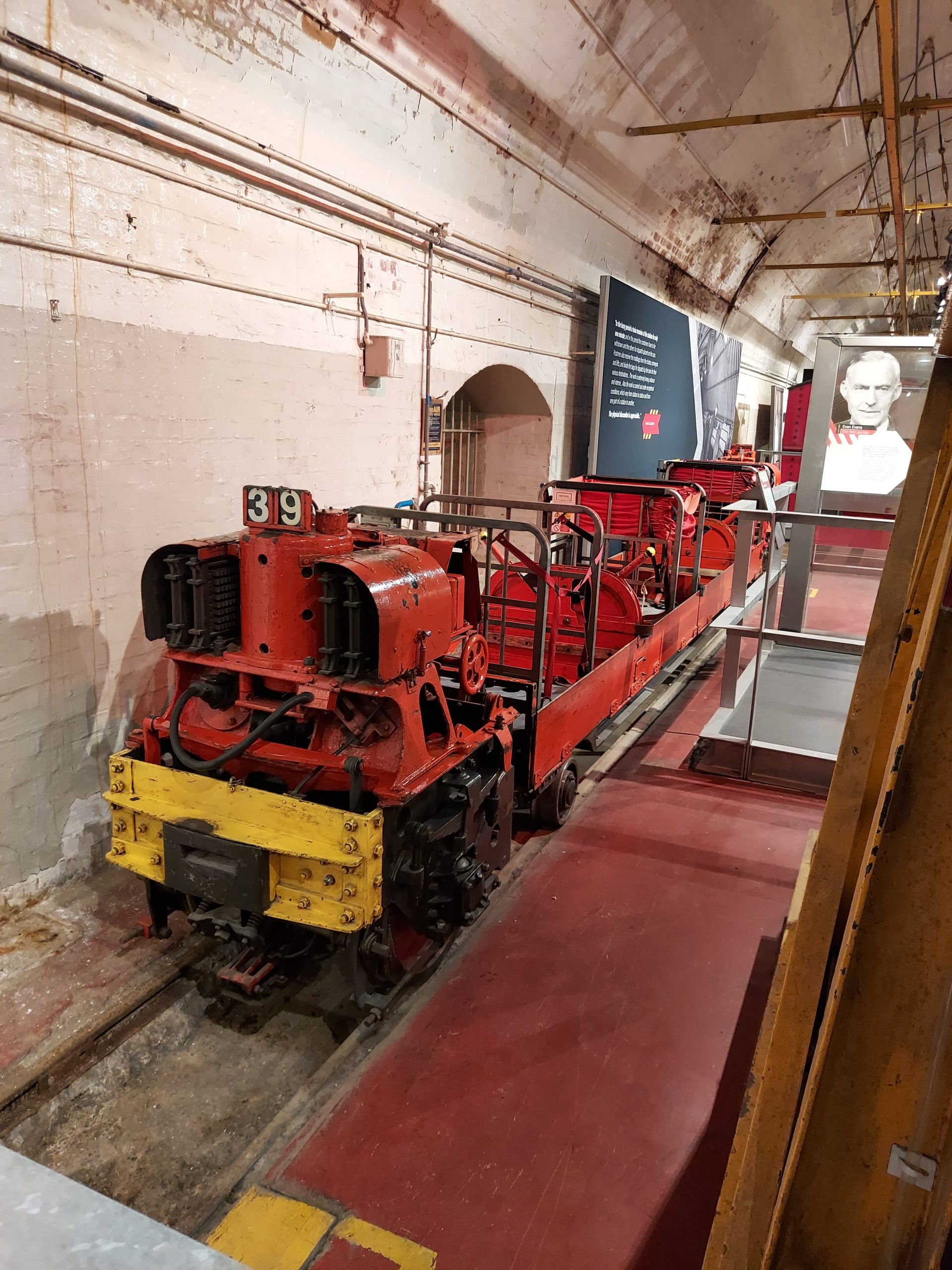
Today’s Mail Rail train for passengers
Early Mail Rail stock
Postscript: Mail Rail Ride
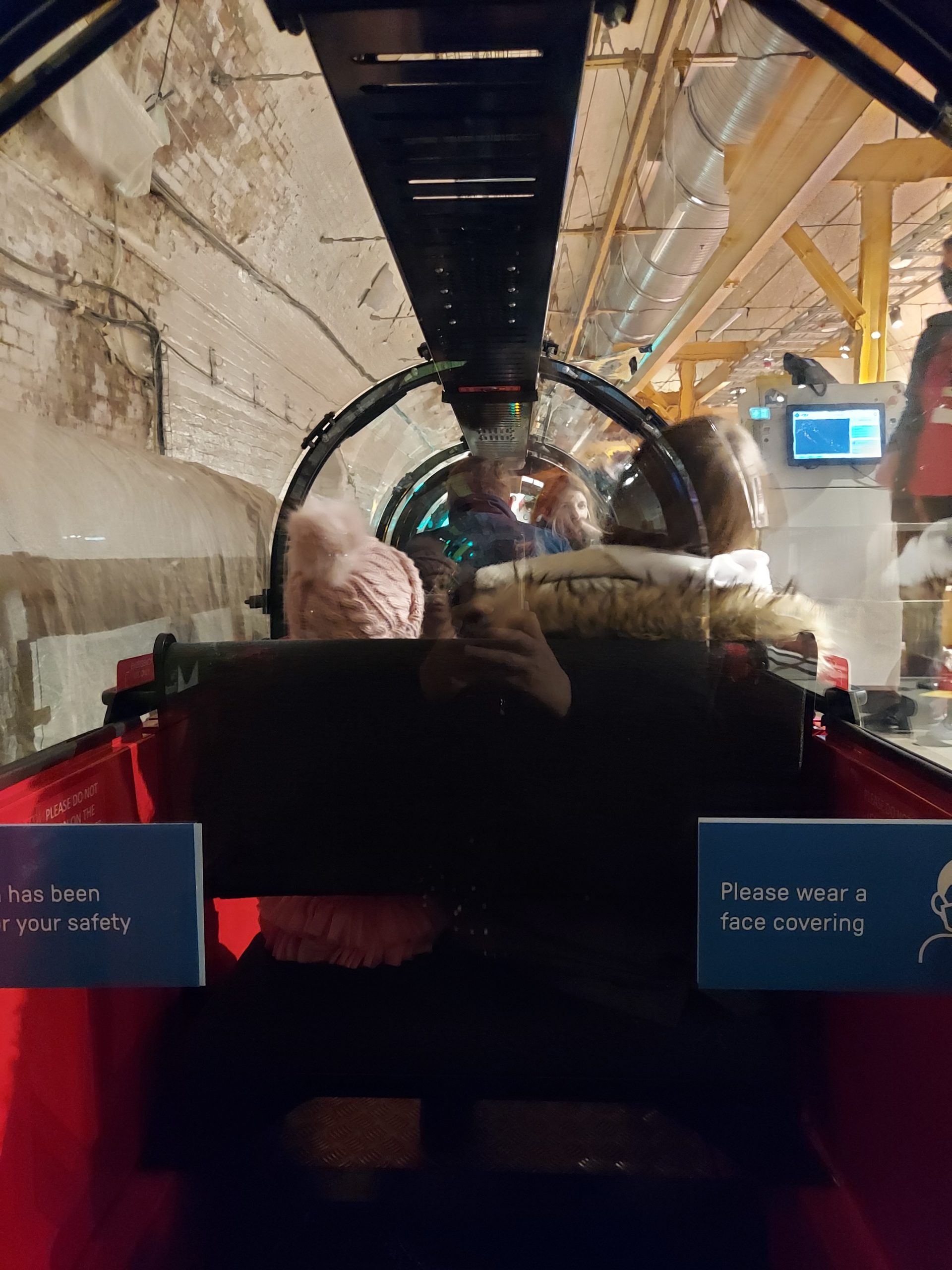
A couple of weeks later, I finally got to ride the Mail Rail! It was great fun. Tickets are available jointly with Postal Museum admission tickets. The Postal Museum and Mail Rail are located in separate buildings across the road from one another, so it makes sense to experience your timed Mail Rail ride first.
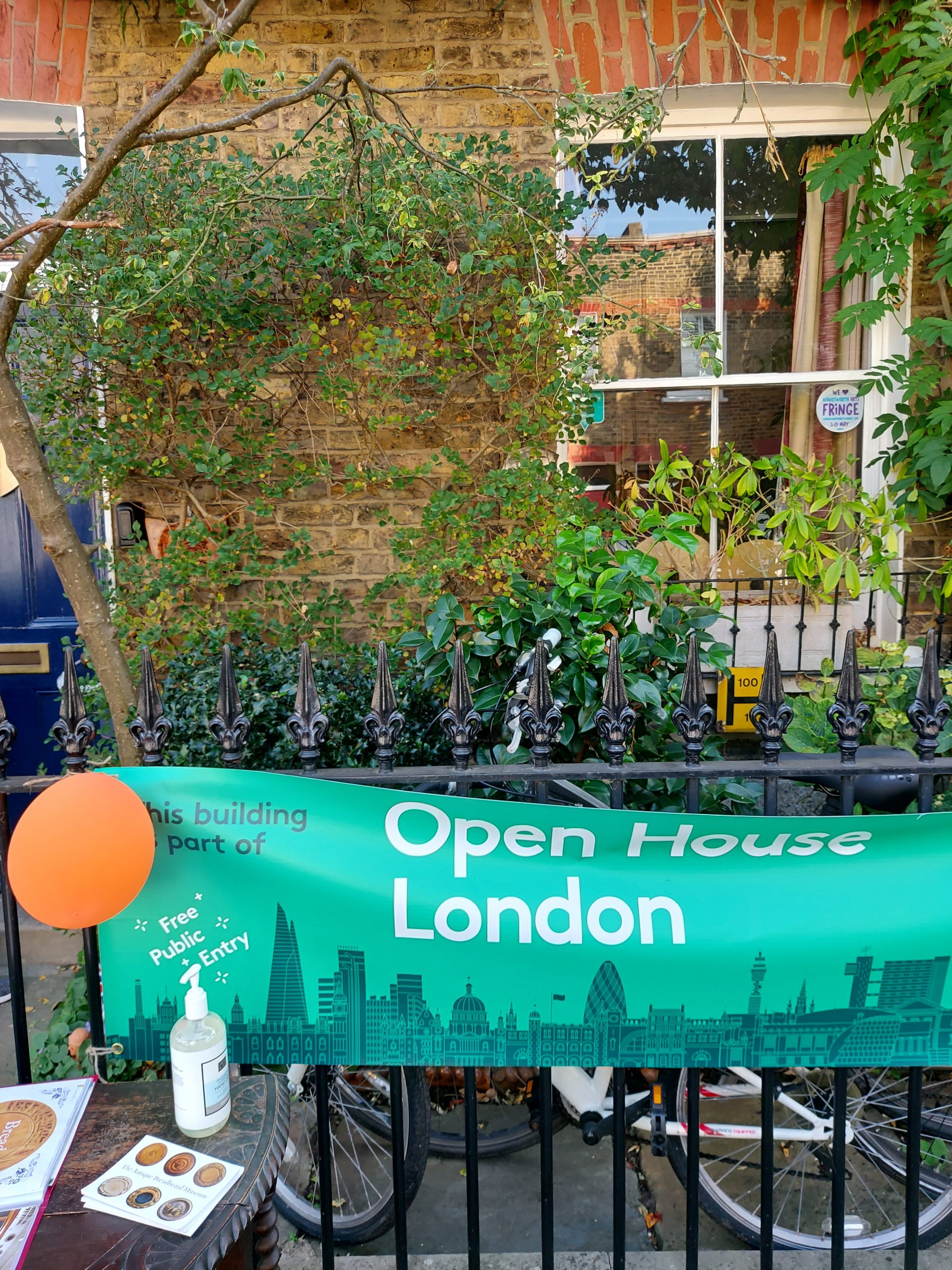
I’ve wanted to visit the Antique Breadboard Museum for a while, and was thrilled when it was announced as part of the Open House London programme for 2020. The programme has been sadly reduced owing to Covid, but I was very happy to get the chance to visit one of the places on my list.
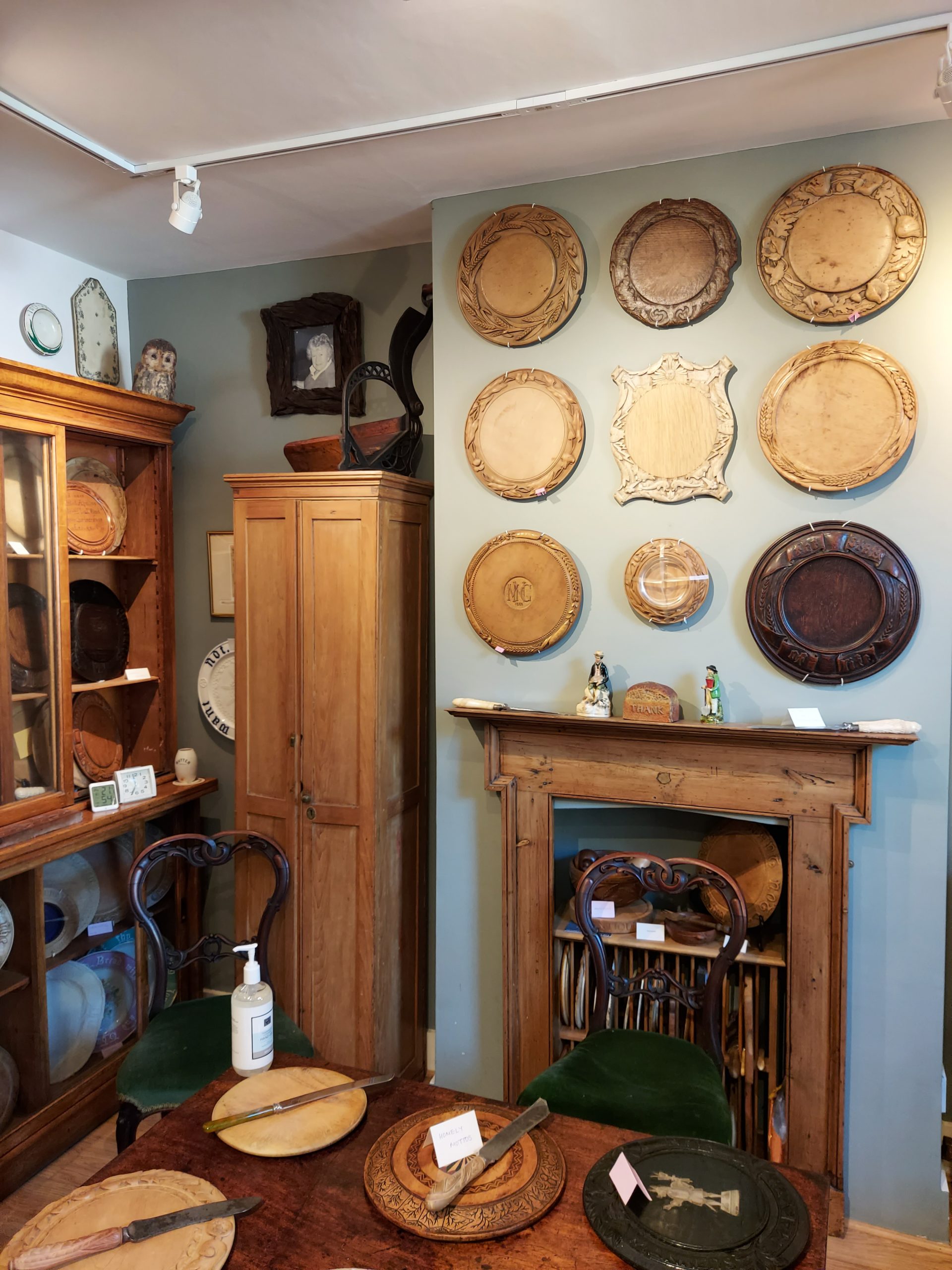
The museum is located in a house in Putney, the former home of antiques dealer Rosslyn Neave, who collected breadboards for several decades. The house is now owned by her daughter Madeleine, who lives there, inherited her mother’s collection and research, and hosts the museum’s collection in the dining room.
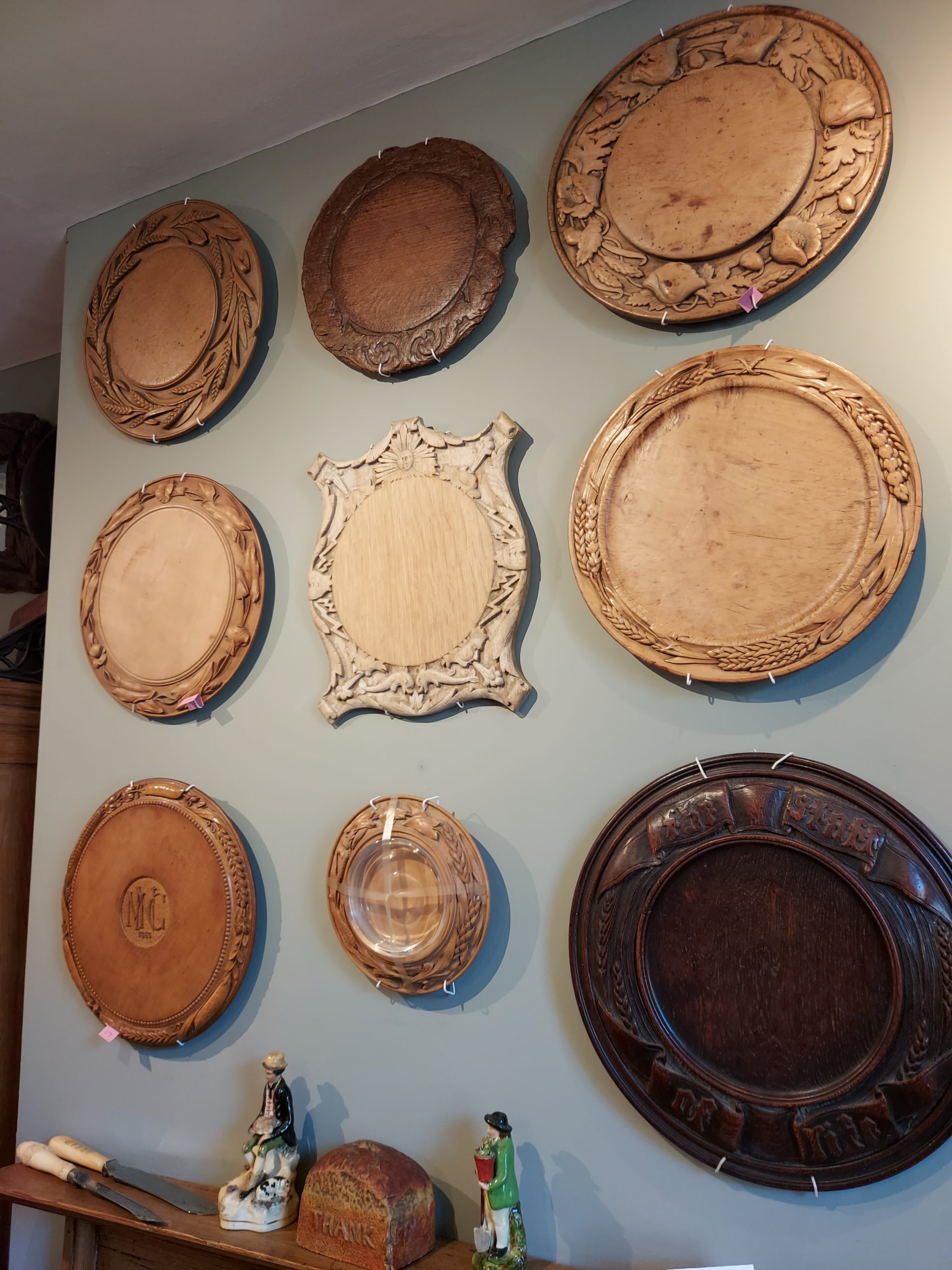
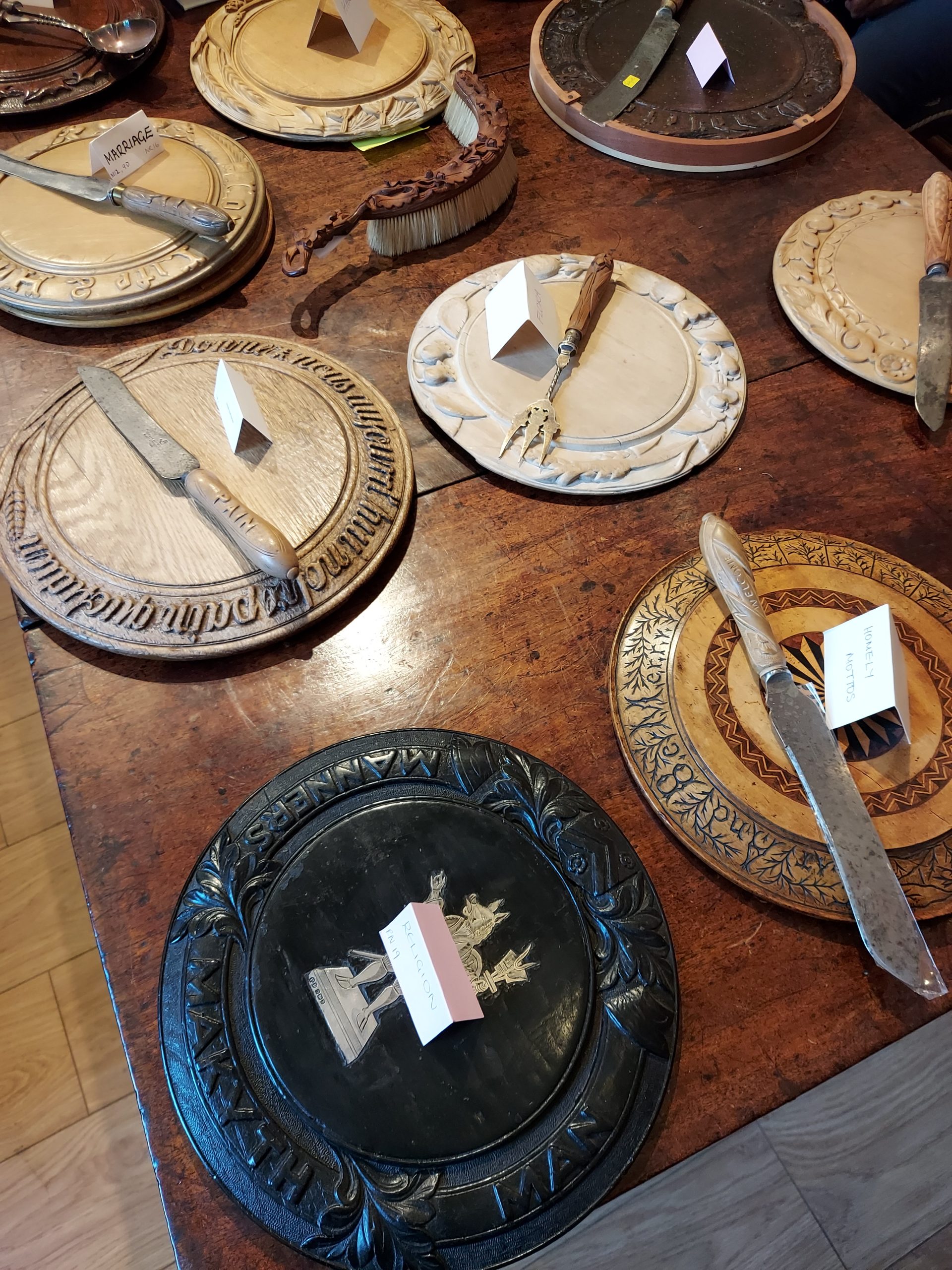
The room is packed floor to ceiling with antique breadboards of varying provenance, with some prime examples out for display on the dining table. Breadboards have a surprisingly fascinating history: the earliest ones date back to the early 19th century, and are beautifully carved around the edges. They are designed to make bread the centrepiece of the table – possibly because after the imposition of the Corn Laws (1815-46), which saw the price of bread go up, bread became a status symbol. Some beautifully ornate breadboards were designed for individuals and couples, sometimes as wedding presents; others were more simply decorated for the lower budget.
After the talk, we enjoyed scones and jam in the garden before leaving to make way for the next group. I’m so glad I got the chance to visit this lovely little museum.
FACTS
Address: Putney, London (full address provided on booking)
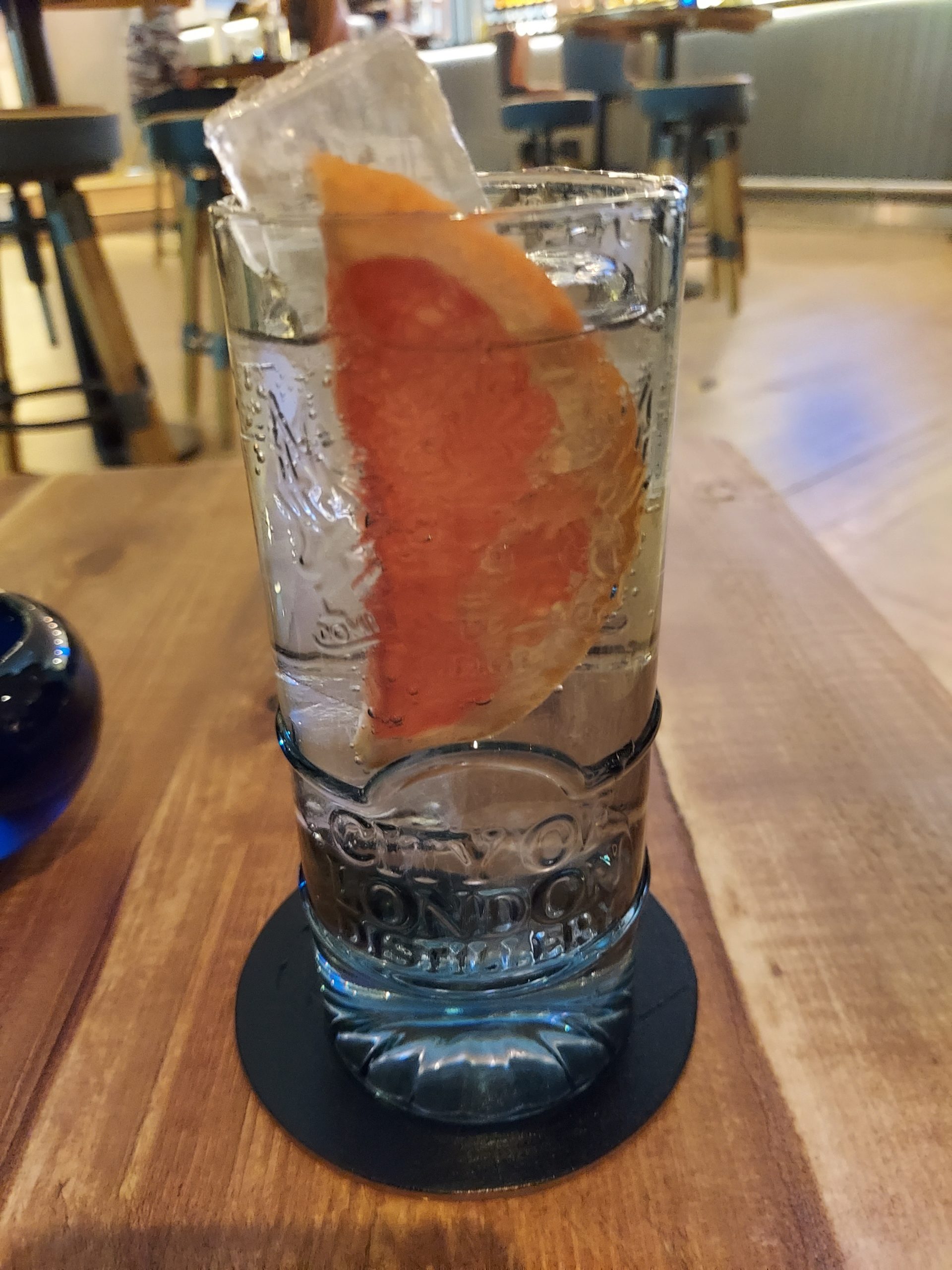
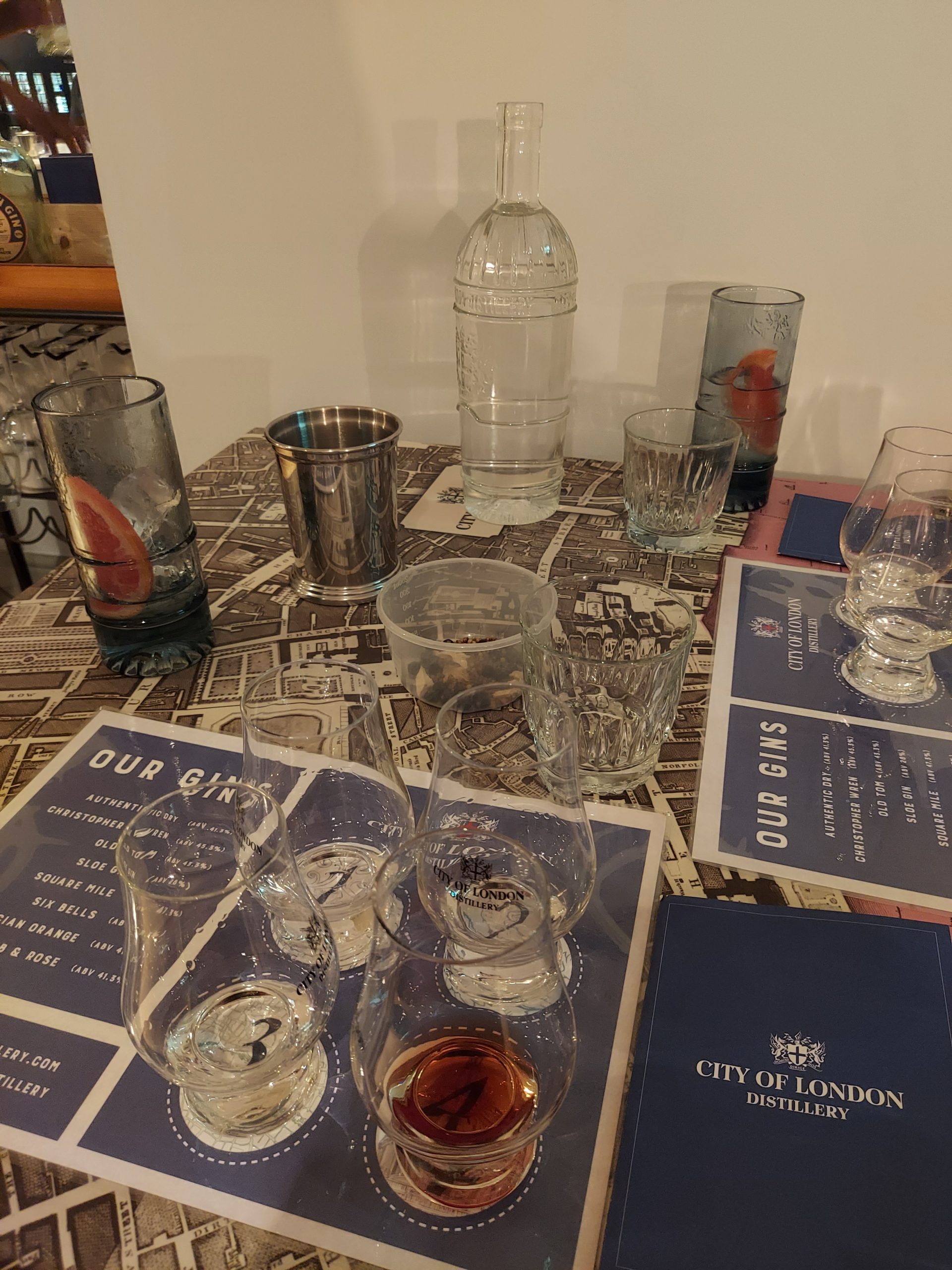
Struggling to think of something to do when my friend came down for the weekend, I perused my list of ideas gathered from various corners of the Internet, and found something I’d forgotten about – the City of London Distillery. This relatively new distillery offers a tour & tasting experience, and we quickly signed up.
The distillery can be found not too far from St Paul’s, very close to the Bridewell Centre (home to a theatre, library and meeting rooms), down a small alley. Heading down some steps, you enter a welcoming modern bar; we enjoyed a drink while hearing a talk about the history of gin, the ‘gin craze’ and the subsquent fall in popularity. The City of London Distillery is the first gin distillery in the City of London for nearly 200 years.
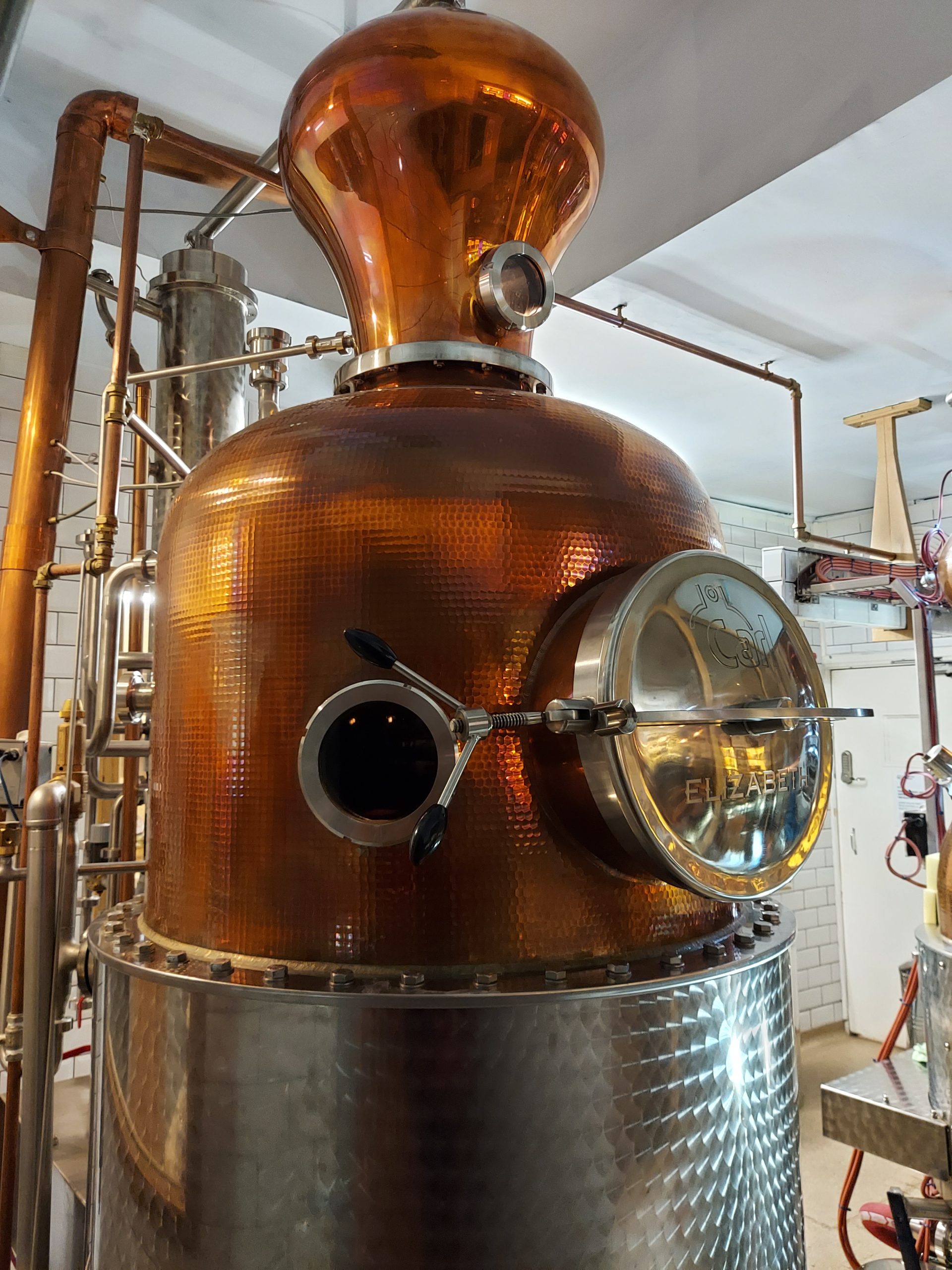
Following the talk, we then tasted four different gins, learning about the ingredients of gin and what goes into each type. The distillery creates some interesting flavours of gin, including a Square Mile Gin, a Christopher Wren gin, and a Six Bells lemon gin, which was my favourite. Finally we got to see the stills and other equipment that helps to create this gin.
My friend and I had a great time and would definitely recommend a trip to the distillery. If you can’t make a gin tasting, visit the bar and sample one of their delicious G&Ts.
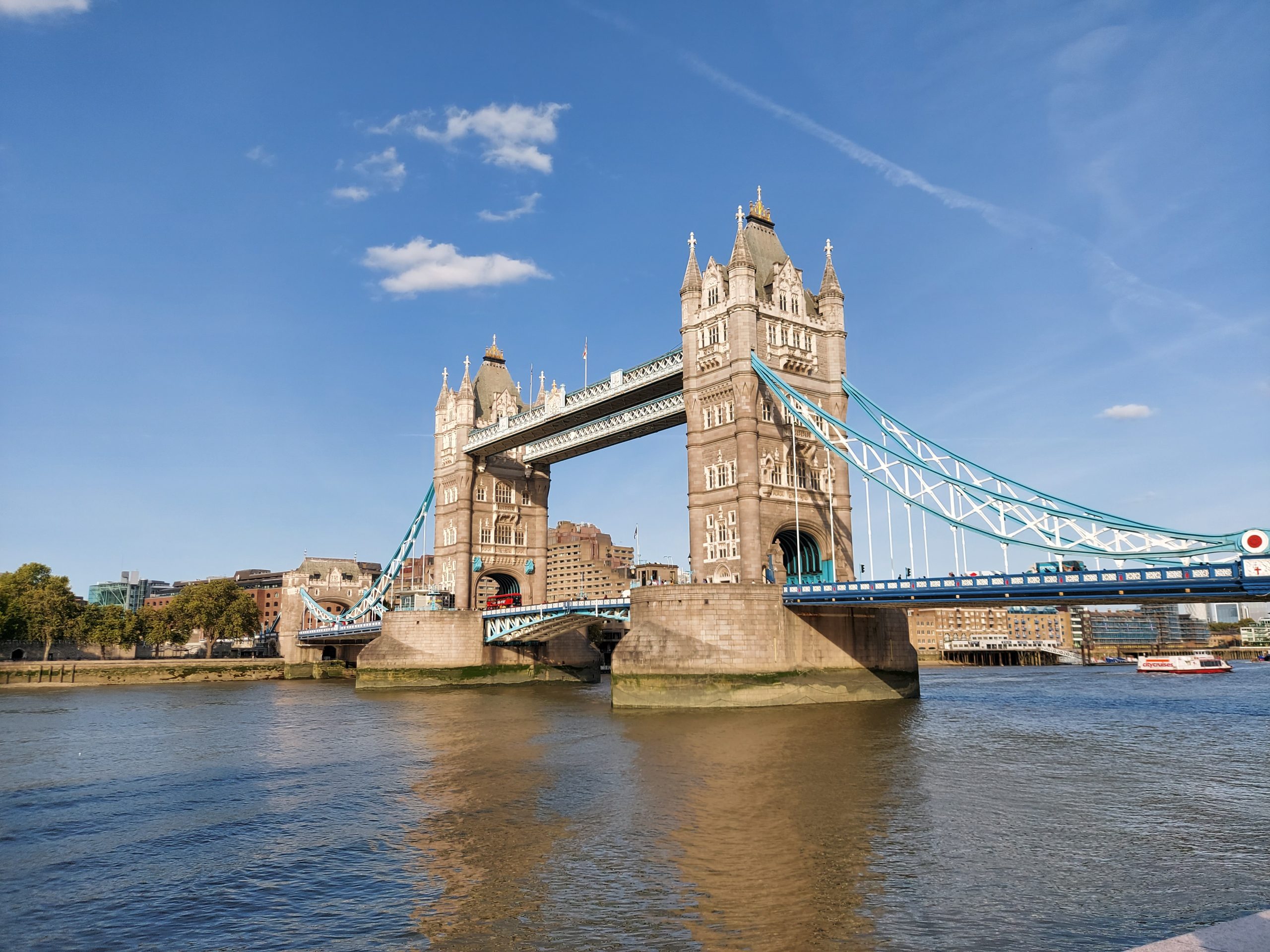
Tower Bridge is probably the most famous bridge in London, often mistaken for London Bridge, but actually it is relatively new – built between 1886 and 1894, engineered by John Wolfe Barry and architected by Horace Jones. The inner workings of the bridge are open to visitors, so in September when COVID regulations relaxed, my friend and I paid it a visit.
Construction of the bridge
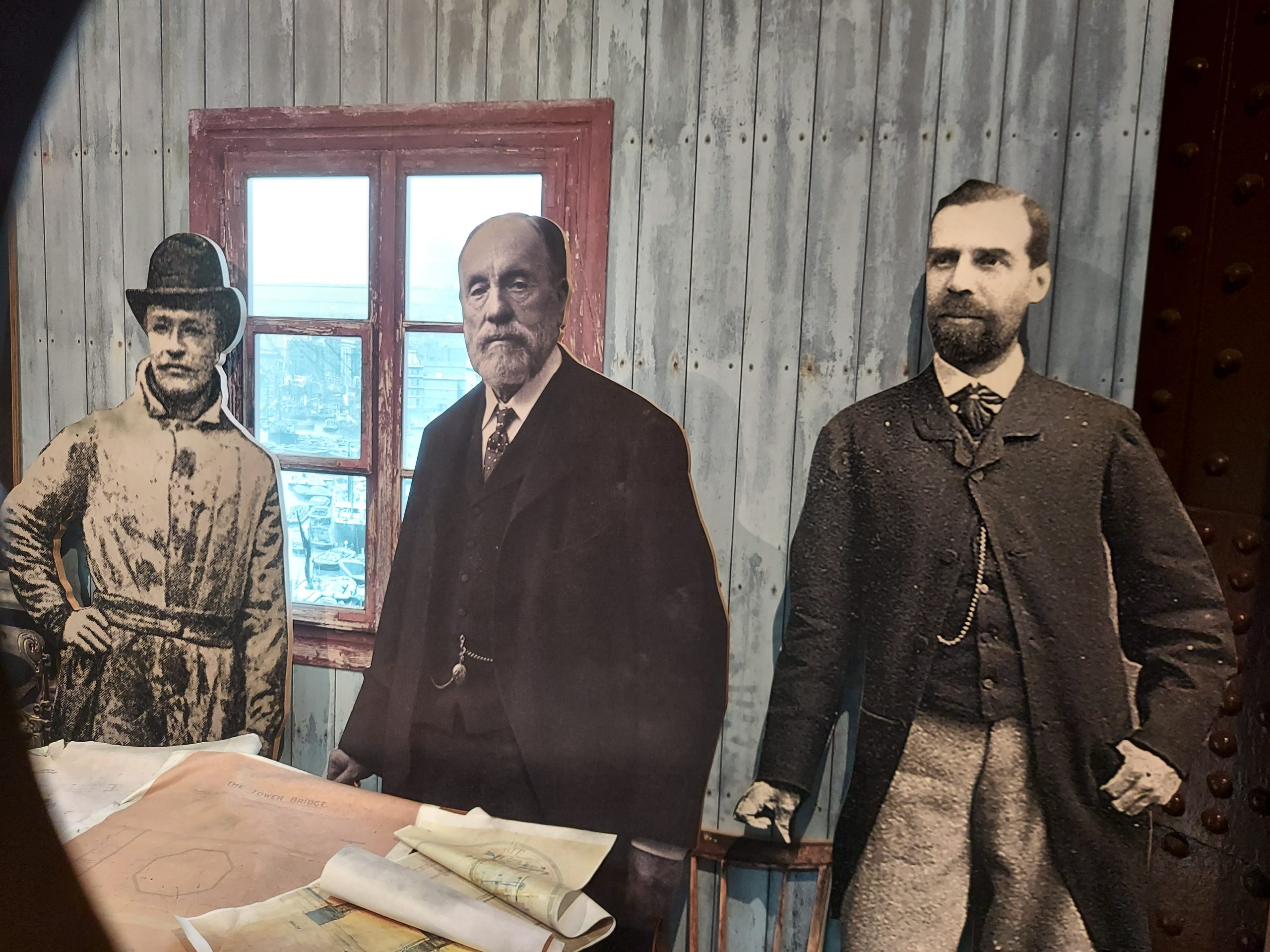
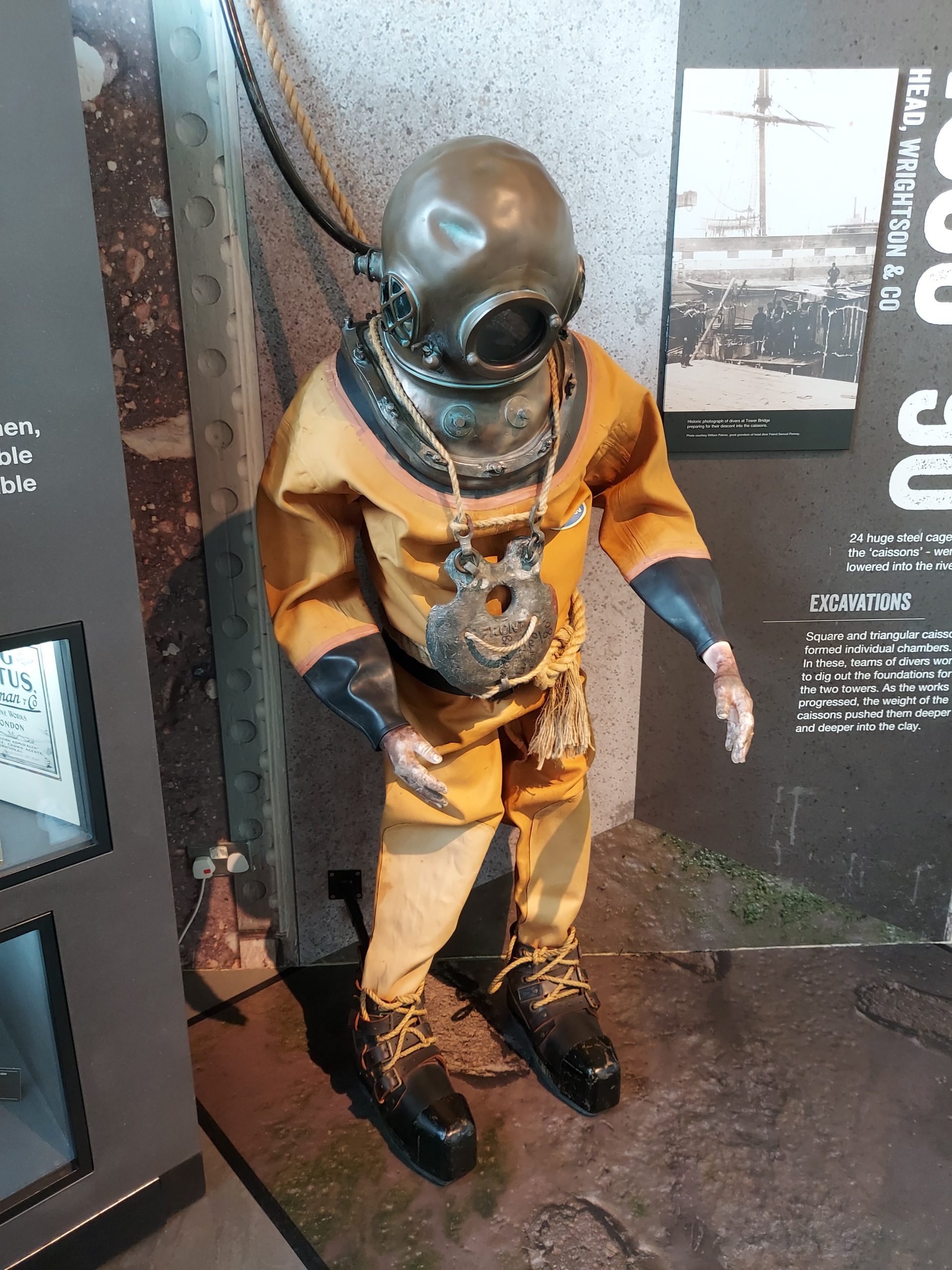
The route takes you up one side of the bridge, across the walkway, and down the other side. The exhibition begins by exploring the history of the bridge, which was built as a response to the industrial development of the East End. Designed as a combined bascule and suspension bridge, it needed to be able to open so that ships could pass through. More than fifty designs were submitted before Barry’s was eventually chosen. Construction began in 1886, when two piers filled with concrete were lowered into the Thames to support the construction. Over 400 people worked on the bridge while it was being built.
Diving suit worn during the construction of the bridge foundations
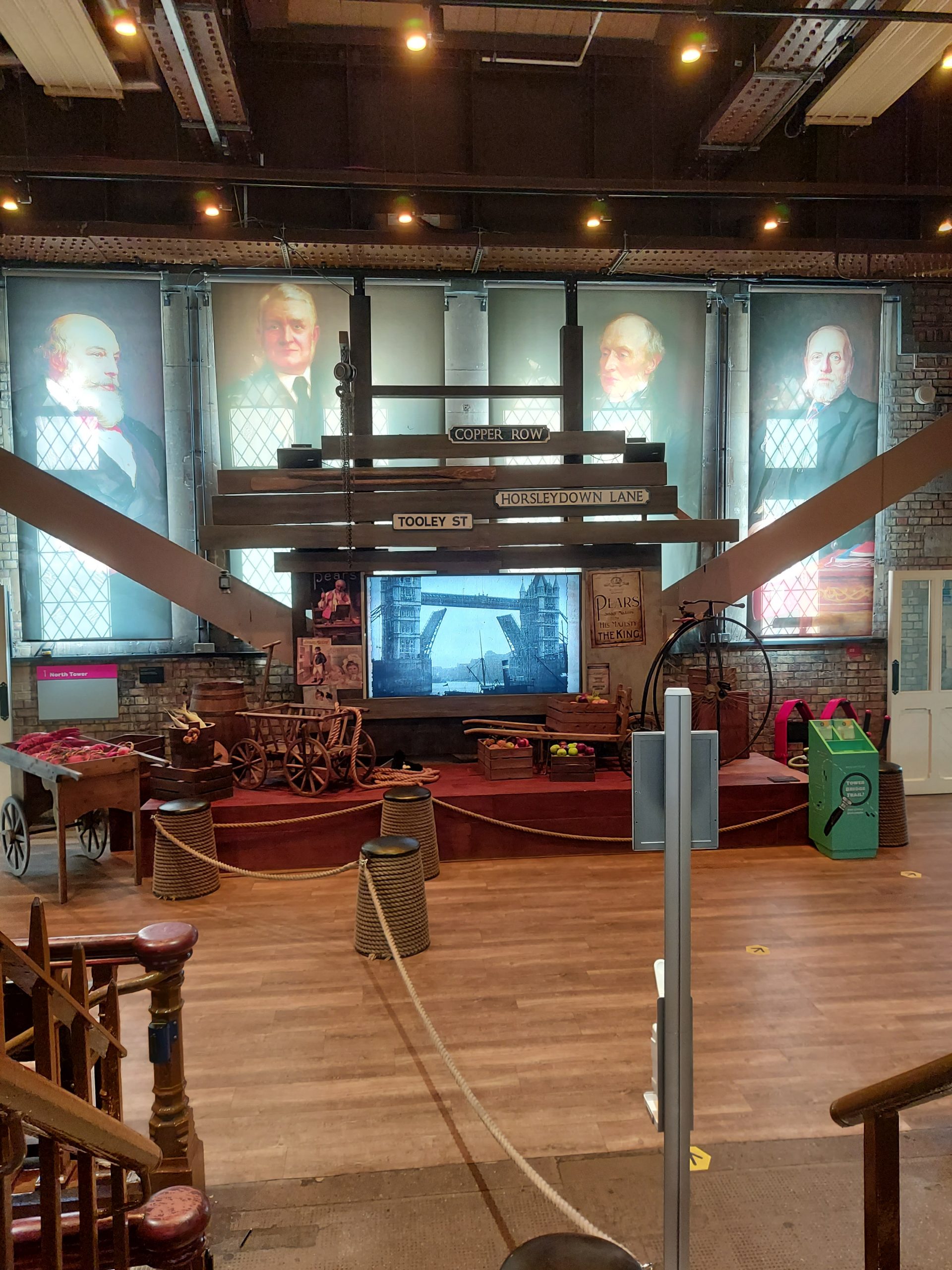
Information boards and exhibits explored the bridge’s construction and offered interesting facts and figures. Originally, the bridge opened quite frequently to let ships through; these days, river traffic is much reduced and the bascules only open about a thousand times a year; the times are published online.
Inside the exhibition
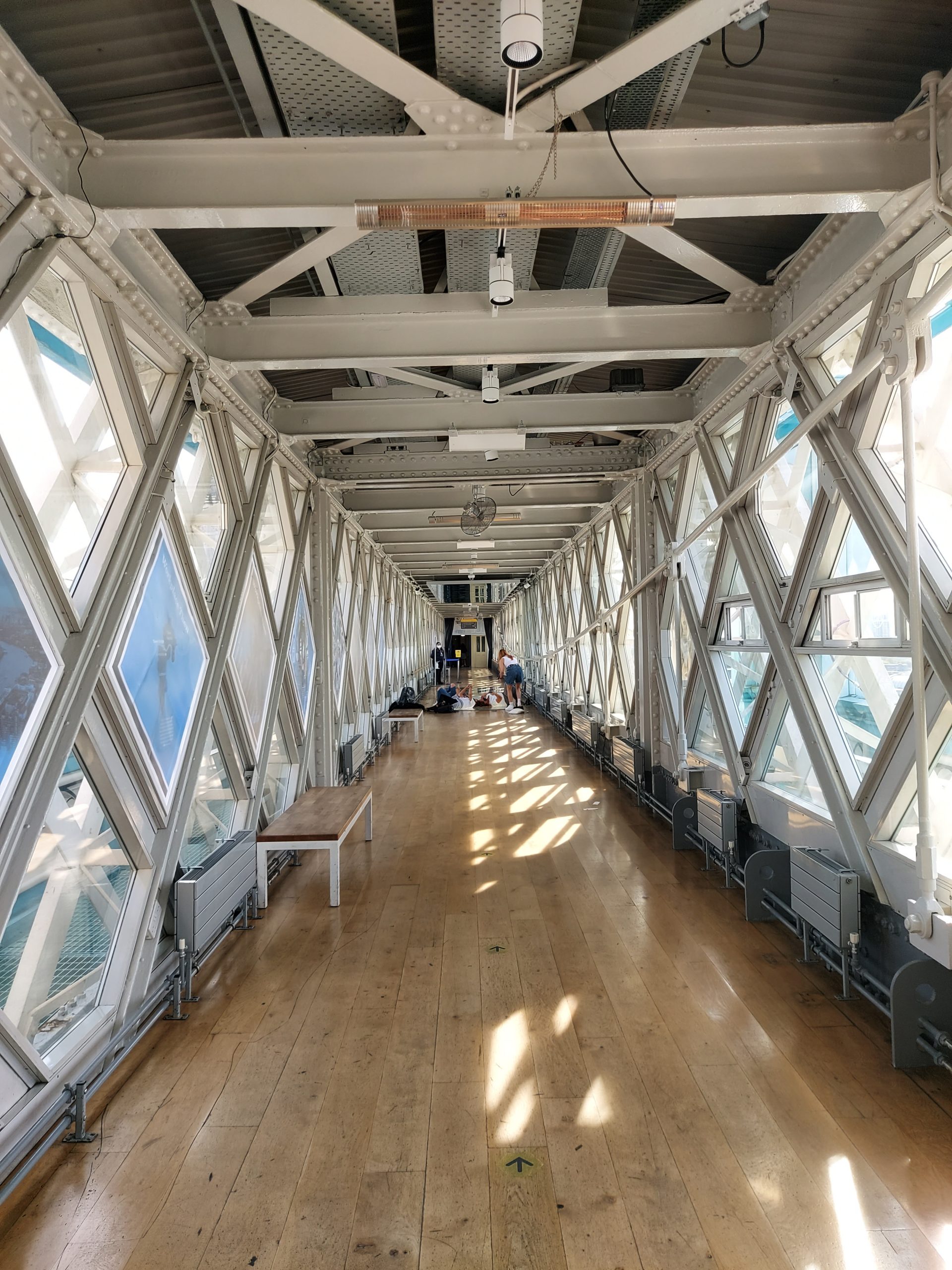
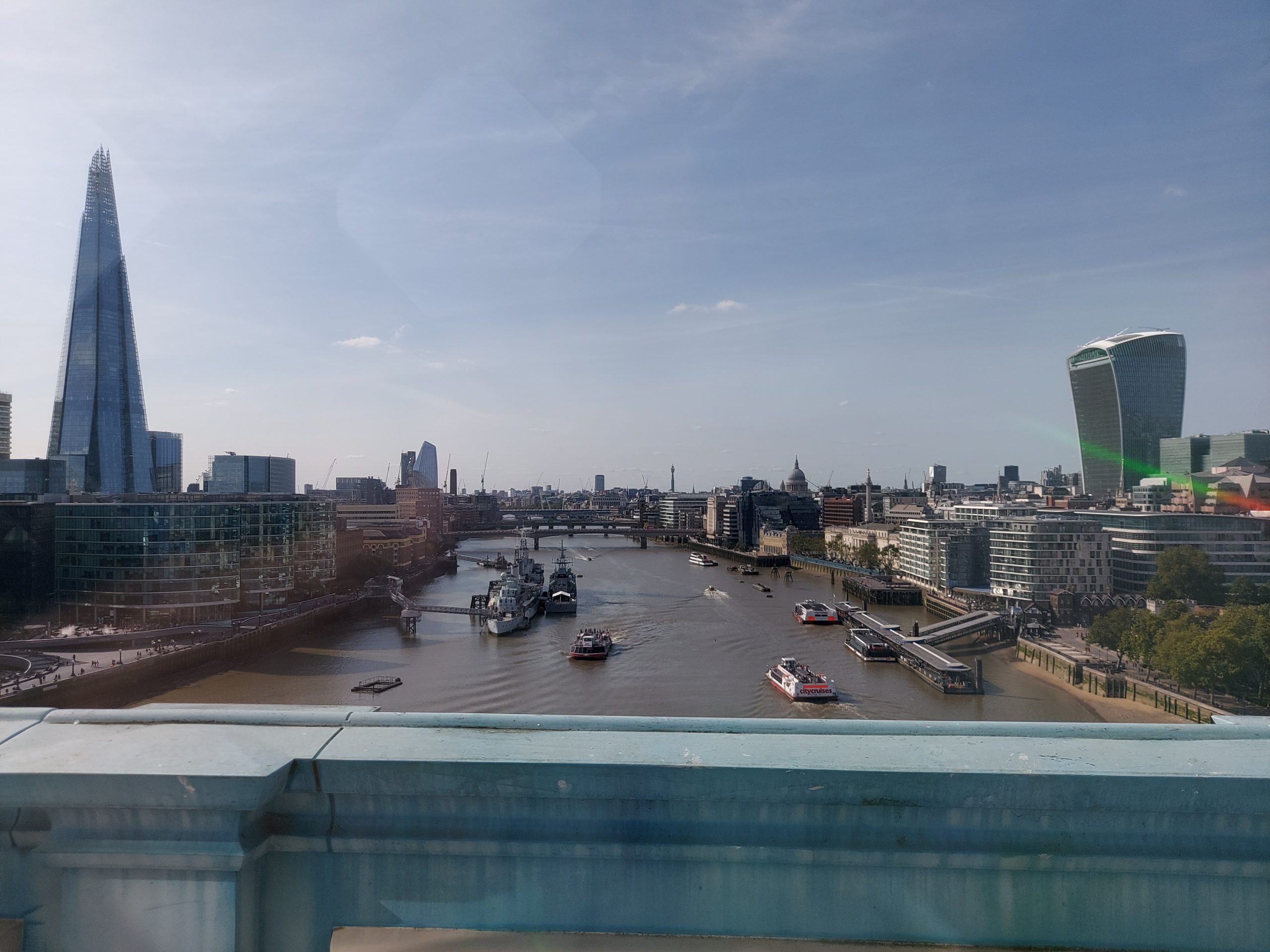
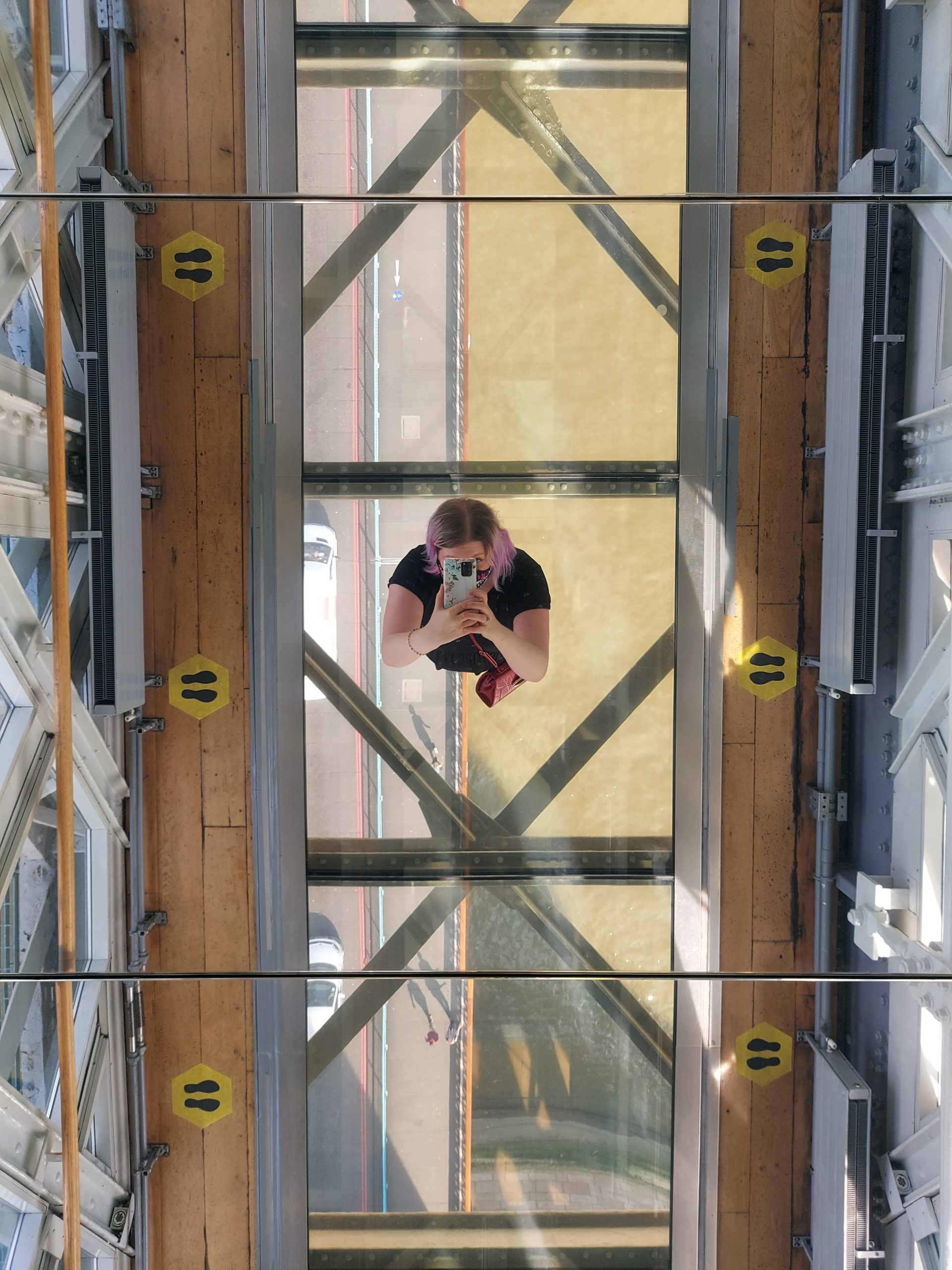
At the top of the north tower we reached the high-level walkways. These were open to the public when the bridge was first opened, but they gained a reputation for prostitutes and pickpockets and were subsequently closed. These days, they have been fitted with glass floors that provide dramatic views of the Thames, not to mention the views to either side of the bridge.
Looking west into London
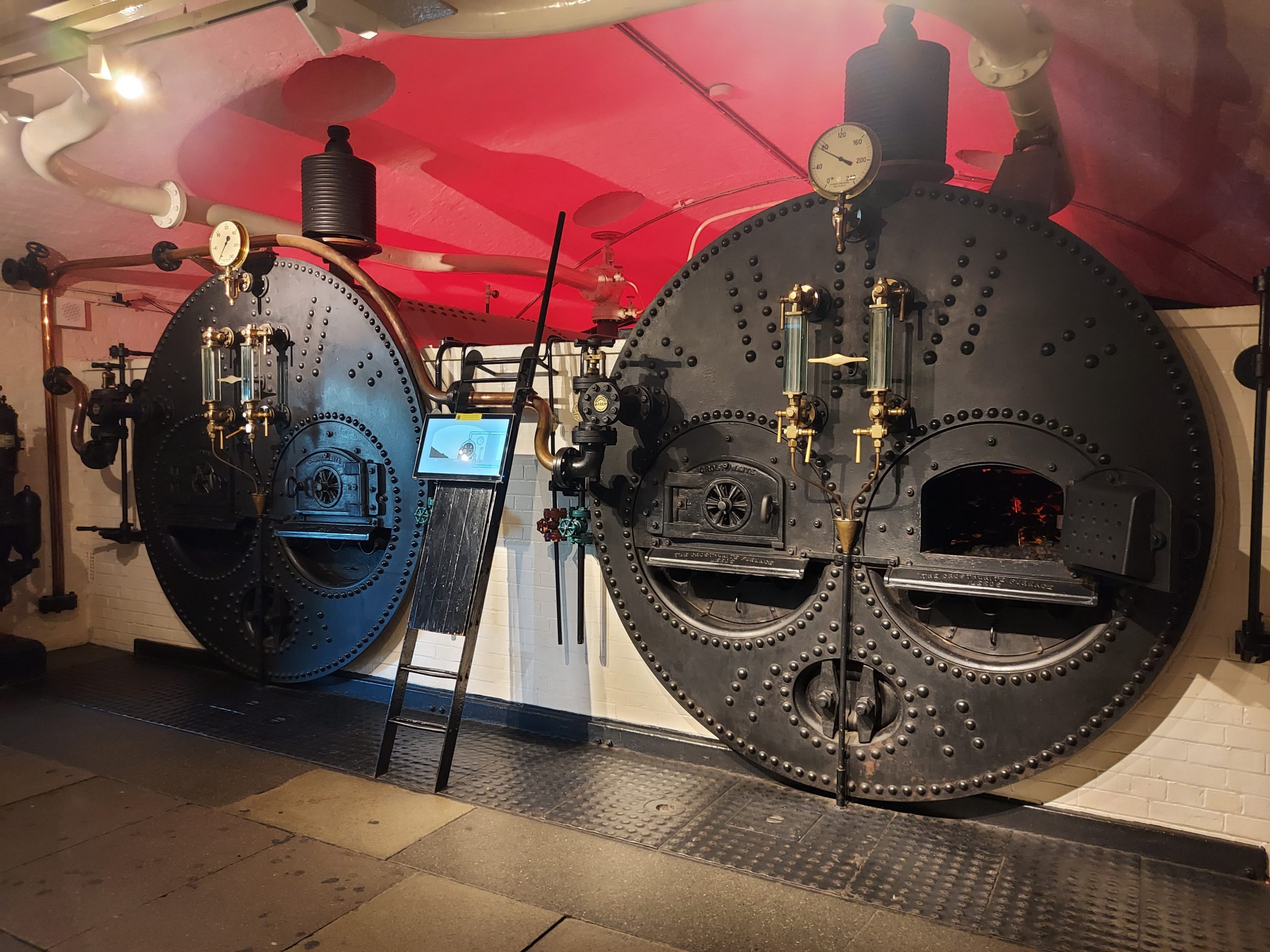
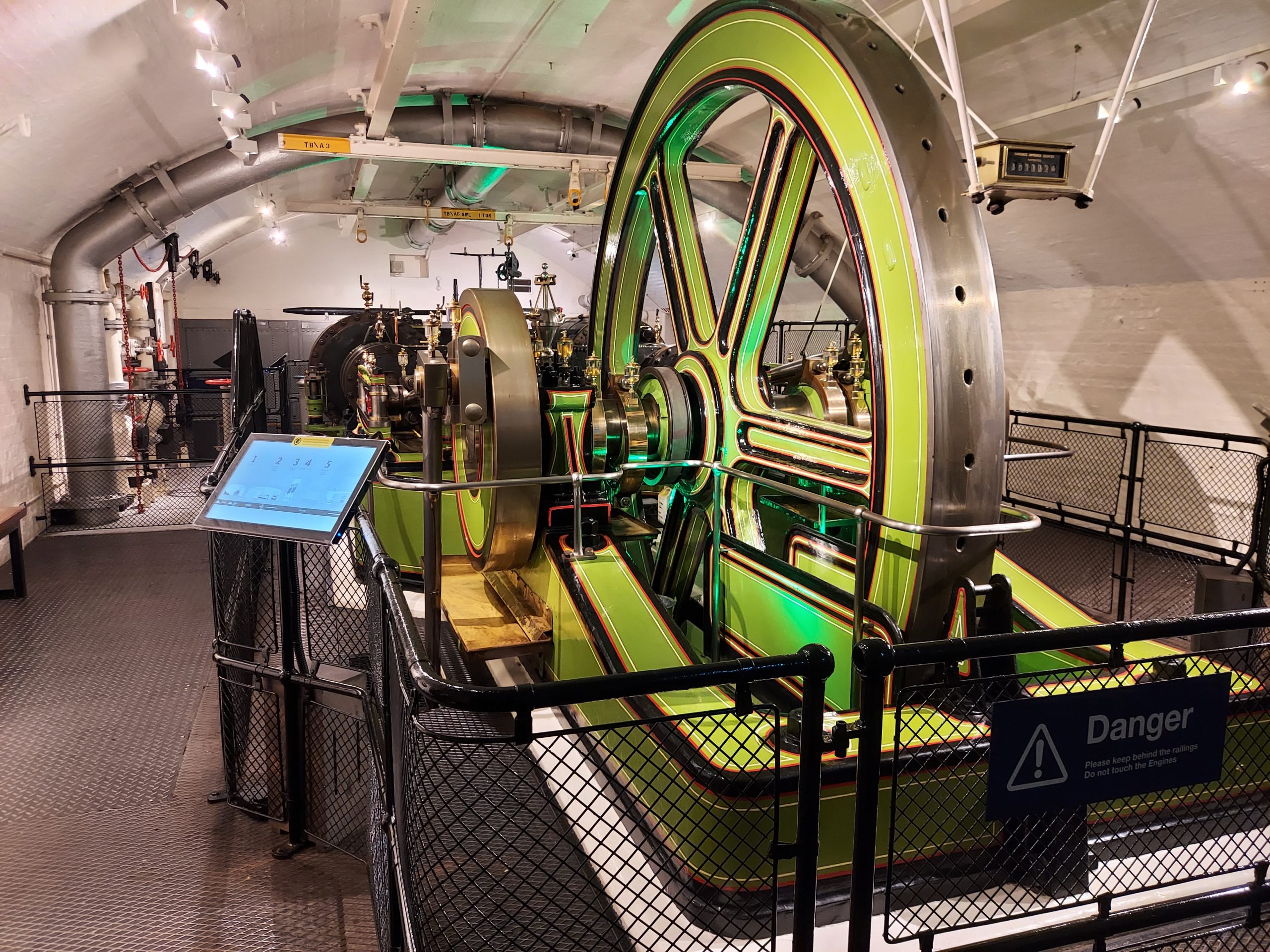
Finally, we arrived on the other side of the bridge, descended and entered the original Victorian engine rooms which form the final part of the exhibition. Originally, a hydraulic system powered the bridge raising mechanism, but in the 1970s this was converted to a new electro-hydraulic drive system.
Tower Bridge is well worth a visit. The exhibition is very informative and the glass walkway is amazing. I personally loved going during the COVID period as it was much quieter and the one-way system in place made navigating more straightforward, but I’m sure it would be enjoyable at any time. I really want to go back to find out more in a ‘Behind the Scenes’ tour.
My second Hidden London virtual tour after King William Street was Brompton Road. It’s another station that could never be visited on an in-person tour (as it can only be accessed via the driver’s cab of a Piccadilly line train), so I was happy to have the chance to attend this one.
Brompton Road was opened on 15 December 1906 on what is now the Piccadilly line, and was then the Great Northern, Piccadilly and Brompton Railway. The façade was the typical Leslie Green design, familiar to many Tube users, with its striking oxblood tiles, although little evidence of this frontage remains today (the main entrance was demolished in 1972). Located, as the name suggests, on Brompton Road, it closed in 1934 owing to low passenger numbers; most people used Knightsbridge or South Kensington which were located on either side, and there weren’t that many potential passengers to begin with considering the area was fairly affluent and most people here preferred their own forms of transport. Even before the 1930s trains often skipped this stop, and the station inspired the name of a 1928 play, Passing Brompton Road.
In 1938, the station enjoyed a new lease of life when it was bought by the War Department and converted into the headquarters and command centre of the 1st Anti-Aircraft division of the Territorial Army (responsible for protecting London from aerial attack during the Second World War). Still visible is a map of London, varnished onto one wall, to show where anti-aircraft guns should be deployed. The Ministry of Defence later used it as a training facility for new cadets, and in 2013 the surface buildings were sold off. While little remains above ground, however, there is plenty to see below ground, including some spectacular tiling on the original platforms, and remnants of its past as a wartime headquarters.
The London Transport Museum has details of the virtual tours you can take – they are well worth it.
I’ve been on several Hidden London real-life tours, but naturally these have had to be cancelled because of Covid. Not to worry, because the enterprising team at the London Transport Museum have put on some virtual events instead, many covering brand new sites, and visiting areas the general public would never be allowed in.
The very first virtual, or digital, tour I joined was King William Street, which was the world’s first deep Tube station and also has the dubious honour of being the first station to be disused. Opened on 18 December 1890, it formed part of the City and South London Railway which began at Stockwell and carried passengers into the City, but difficulties with the curve and the gradient surrounding the area meant that the line was eventually rerouted and the station closed at around the turn of the century.
Interestingly, the line was originally planned to use cable cars, but this idea was scrapped as unworkable and electric locomotives were used instead.
The station was used as an air raid shelter during World War II and later for archival storage before once again falling into disuse. Excitingly, the station is enjoying something of a new lease of life, as it is the access route for the Bank extension and upgrade project.
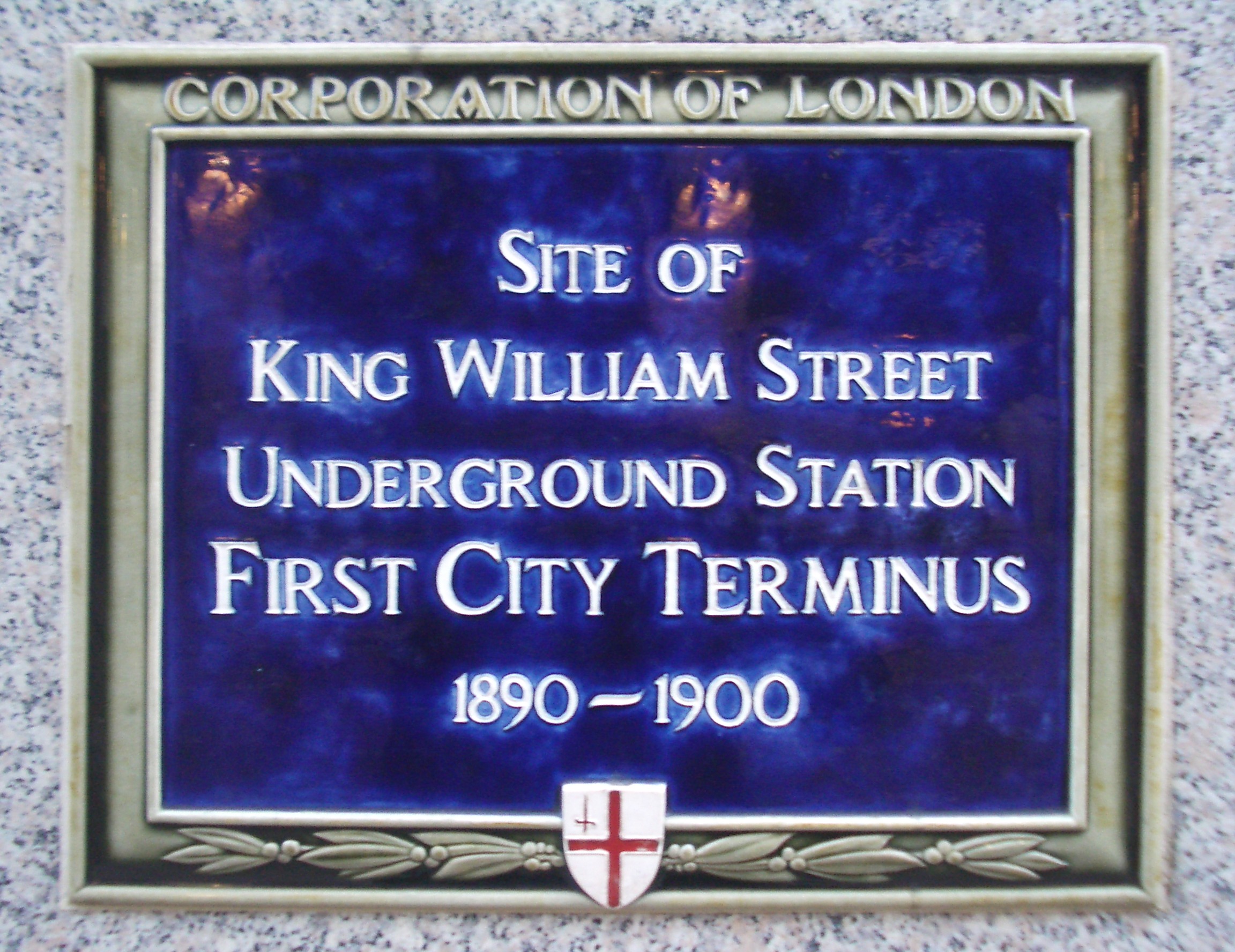
This station could never be included on in-person tours so I was glad to have had the chance to attend this virtual one. It was fascinating to see pictures from the station’s heyday and the tunnels and staircases that still exist underground – some with original tiling, others with 1940s posters and remnants of the yellow paint often used during the war. A plaque marking the station is still visible near the site, and I intend to check it out once London opens up again.
Up at The O2 is something that’s been on my list for quite a while now, so I decided to take a trip to celebrate my birthday. I was keen to complete the journey during this time of social distancing, since the trips have been redesigned to include fewer group members – less than 20 as opposed to the 30 that normally make up a full complement of climbers.
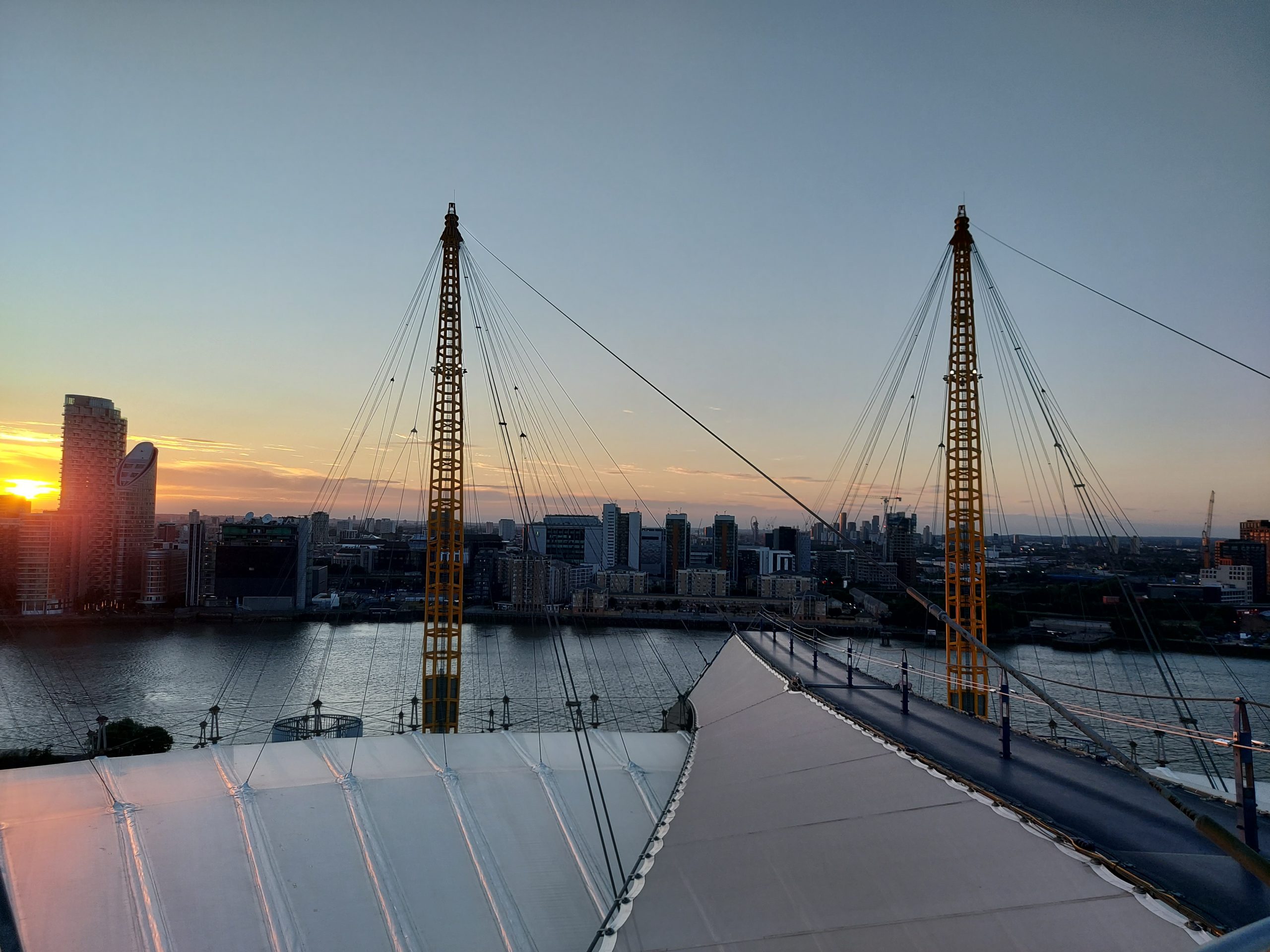
I opted for a sunset climb (daytime and twilight climbs are also available), partly because I thought sunset would produce the best views, but also because I hoped the weather would be slightly cooler by then! I made the right decision, as it was pretty warm during the day, and I would not have enjoyed climbing up the O2 in the heat.
The Thames
It’s necessary to book online before you visit. Once you arrive, you are directed to a waiting area where you experience an introduction and short safety briefing before being provided with a harness and climbing boots (in non-COVID times, climbing suits are provided too). Here I must confess that I made a bad decision in wearing a dress, thanks to the need for the harness to fit under it – slightly awkward.
It turns out that the harness is necessary so that you can be clipped to the rope hanging alongside the walkway. I hadn’t realised just how steep it was – it was tough going and bouncy, to boot – imagine trying to walk on a bouncy castle. That said, it was exciting too – I know the O2 well, having attended several gigs and events there, and I even got to visit it back at the turn of the millennium when it was known as the Millennium Dome and housed science exhibitions. Being able to climb on top of it, after years of being inside it staring up at the ceiling, was fun.
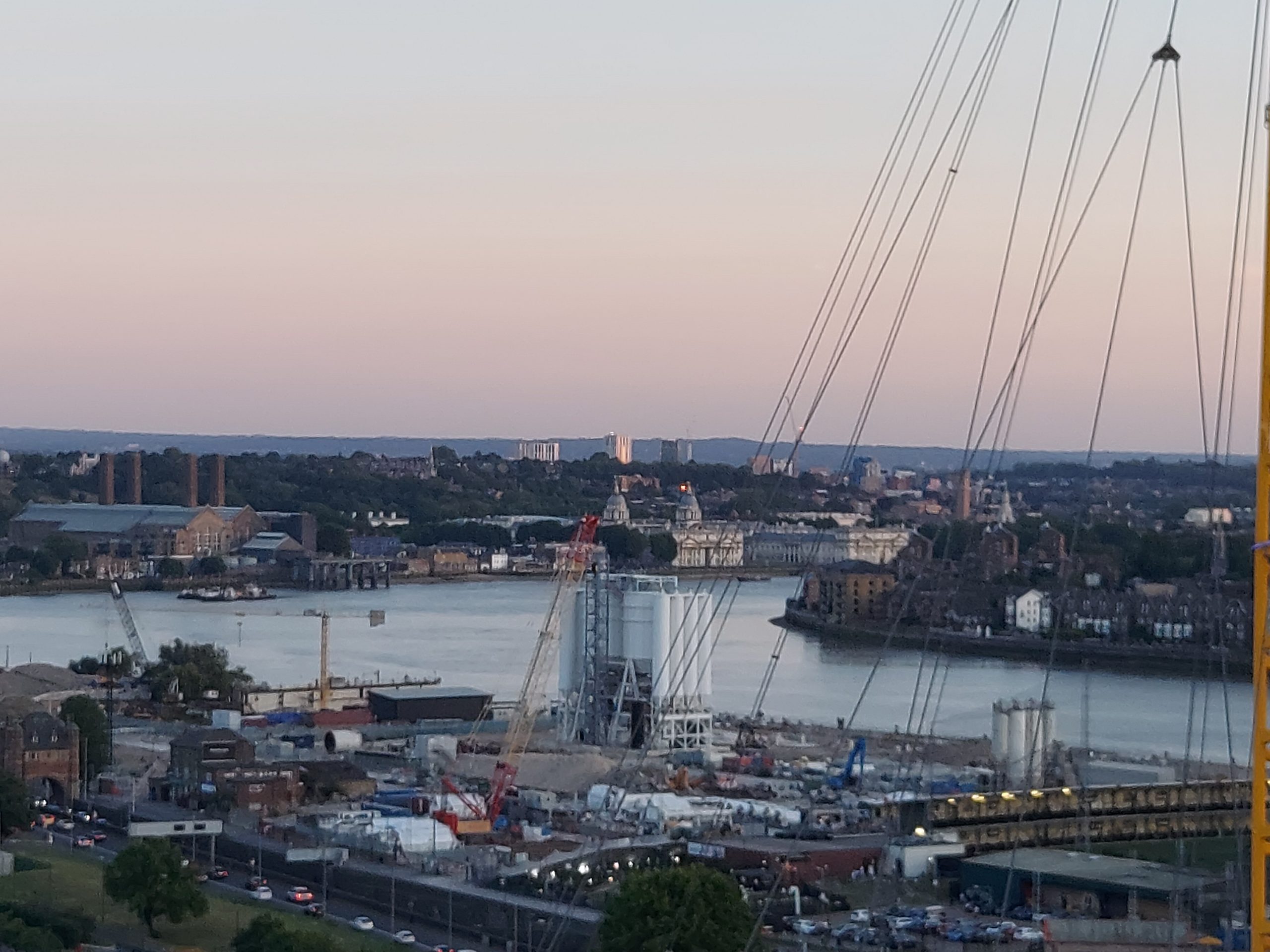
Old Royal Naval College
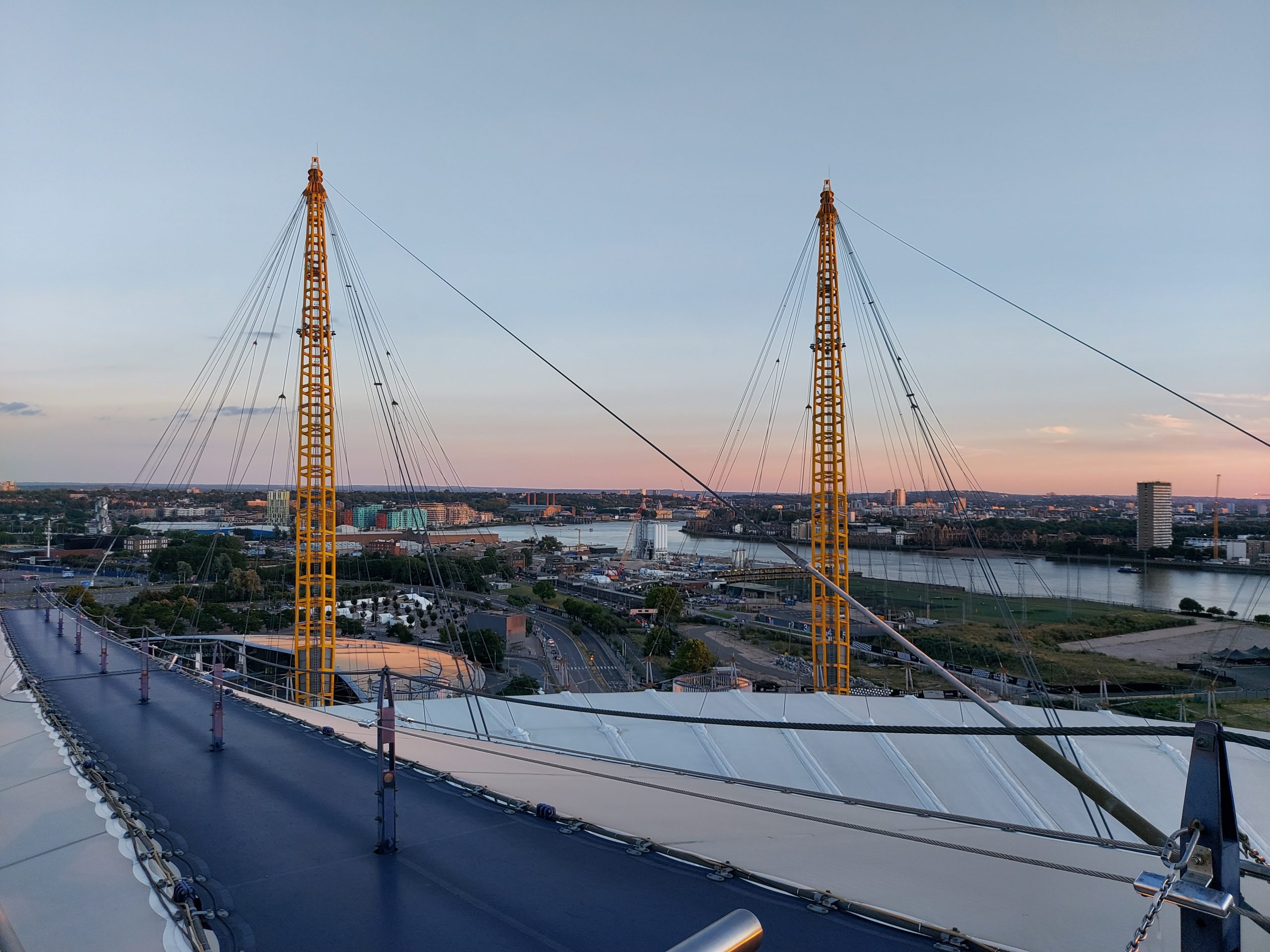
It took a good twenty minutes to reach the top – happily, I was not the slowest in my party – and there was a chance to catch my breath and look at the views. It was definitely worth it – you can see so much, from Canary Wharf close to you, to the Old Royal Naval College in Greenwich, to the old Olympic Park in Stratford on a clear day.
We had around twenty minutes on the top before heading back down, which was harder than it sounds as the walkway gets pretty steep in places. Luckily the shoes provided grip well and the harness is there to protect you if you do fall. Once at the bottom, there was a trip to the gift shop (naturally) and then it was time to change our shoes and get out of our harnesses before heading off.
The Up at the O2 experience was definitely worth it for me. I really enjoyed it and would certainly recommend the sunset climb. The experience is not cheap, costing up to £40 per person, but if you are an O2 customer discounts are often available.
After months of closures, museums were slowly starting to reopen, so I took my birthday off work and planned a few days out. My first stop was the Titian: Love, Desire, Death exhibition at the National Gallery.
Organised by the National Gallery, the National Galleries of Scotland, the Museo Nacional del Prado, and the Isabella Stewart Gardner Museum, Boston, the exhibition brings together all six paintings in the series commissioned by Philip of Spain, the future King Philip II, in 1551. Philip requested Titian, who at the time was the most famous painter in Europe, to produce a group of paintings representing classical myths, taken mostly from the Metamorphoses of the poet Ovid.
The paintings include ‘Diana and Actaeon’ and ‘Diana and Callisto’, works owned jointly by the National Gallery and the National Galleries of Scotland; ‘Venus and Adonis’, owned by the Prado, Madrid; ‘Danaë’, in the care of English Heritage and usually displayed at Apsley House; ‘Rape of Europa’, belonging to the Isabella Stewart Gardner Museum in Boston; and ‘Perseus and Andromeda’, part of the Wallace Collection.
The exhibition is certainly about quality rather than quantity; Titian described the works as his ‘poesie’, a visual equivalent of poetry, and they are certainly impressive even to a non-art expert like me. They are dramatic and full of detail, powerfully conveying a range of emotions: anger, shame, lust, guilt, sadness.