The National Archives – Open House London

The National Archives

Every year as September approaches I look forward to Open House London, when normally closed buildings open their doors to the public for free. This year I spent my Saturday down at The National Archives at Kew, somewhere I’d never yet visited.

History

The National Archives are the official archive and publisher for the UK government and they also care for over 1,000 years of national documents. They are experts and leaders in the information and records management and archive fields, and focus on ensuring the future of physical and digital records.

The National Archives was created in 2003 by combining the Public Record Office and the Historical Manuscripts Commission. The building itself was built in 1977 as an additional home for the public records then held at Chancery Lane. The site used to be a World War I hospital, and it was later used by several government departments.

NA foyer

My visit

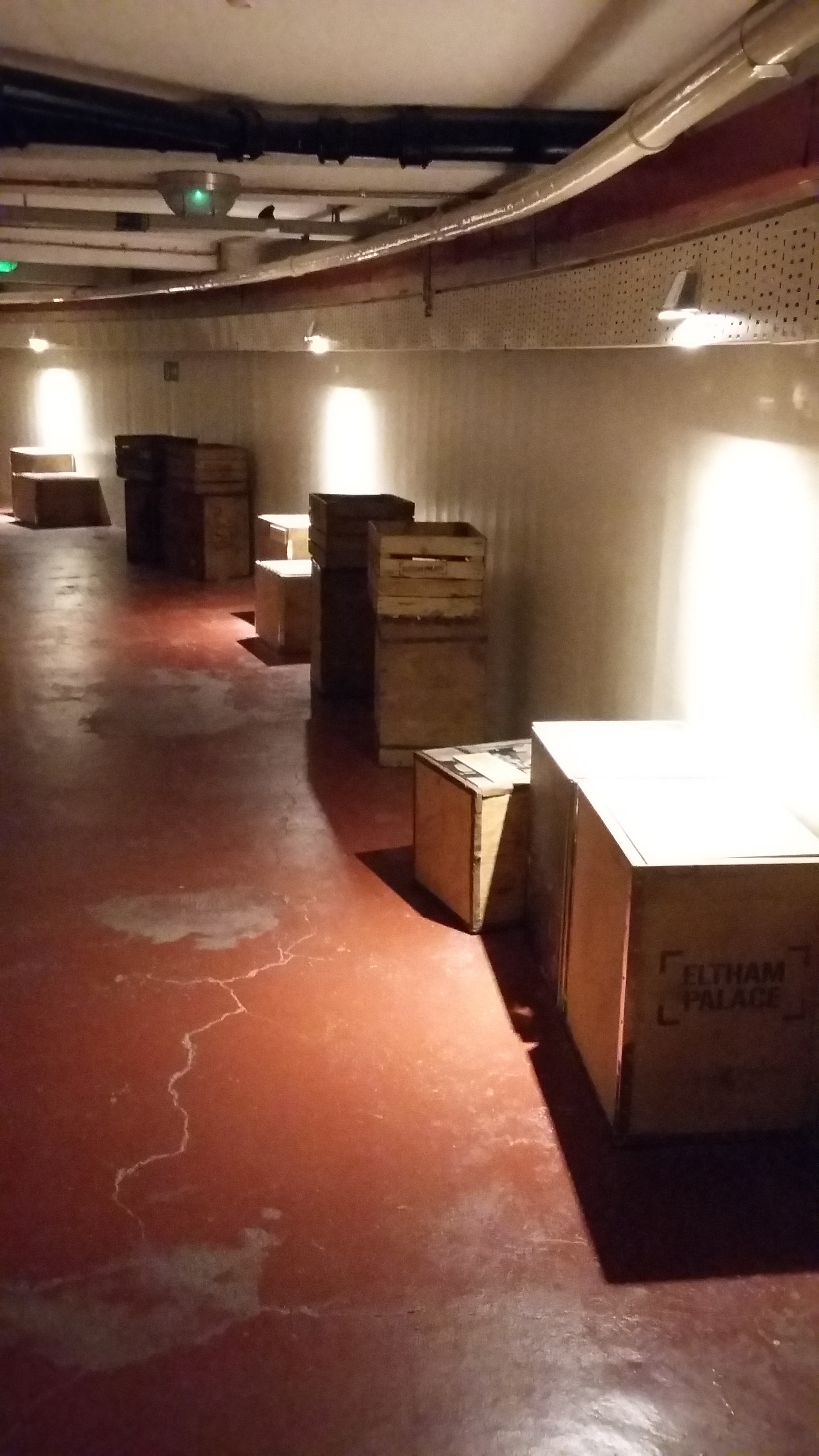
There were a number of activities and talks taking place all day. I went on a Repository Tour, which was a fascinating journey through the document shelves behind the scenes. We saw the carts zooming past the shelves, on their way to pick up books ordered by readers, and saw the lift system that sends requested books down to the reading room. Extra-valuable items can only be viewed in a specially-constructed strongroom, where you’re only allowed out by a member of staff. I also joined a Collection Care Studio tour, which was a fascinating chance to explore the ways in which the NA look after the objects in their collection. These included the protection of fragile or unusual objects with 3D printing technology, iron gall ink and the Naval Knights of Windsor, conservation as part of the digitisation process, care of highly used documents, caring for Terence Cuneo’s war paintings, packing items for loans and collections, wax seals, x-rays and the hunt for arsenic wallpaper samples, and the emergency plan.

Afterwards I attended a couple of talks: The Public Record Office, Kew: Its place in British Architecture of the 1970s and The Changing Face of Kew. I also wandered around the public areas of the building and saw a couple of screenings of films from the archives including excerpts from Blue Peter. There were a few displays of documents about the building of the PRO at Kew and the 40th anniversary of the National Archives at Kew.

Domesday book

Finally I popped into the Keeper’s Gallery, which has a permanent exhibition about the history of the Archives and its most popular holdings, including the Domesday Book. It proved an interesting way to round off my day.

FACTS

Address: Kew, Richmond, Surrey, TW9 4DU

Website: nationalarchives.gov.uk

Opening Hours: Tues-Sat 9-5 (late opening Tues and Thurs)

Price: Free

Croydon Airport Visitor Centre

Croydon Airport
Croydon Airport

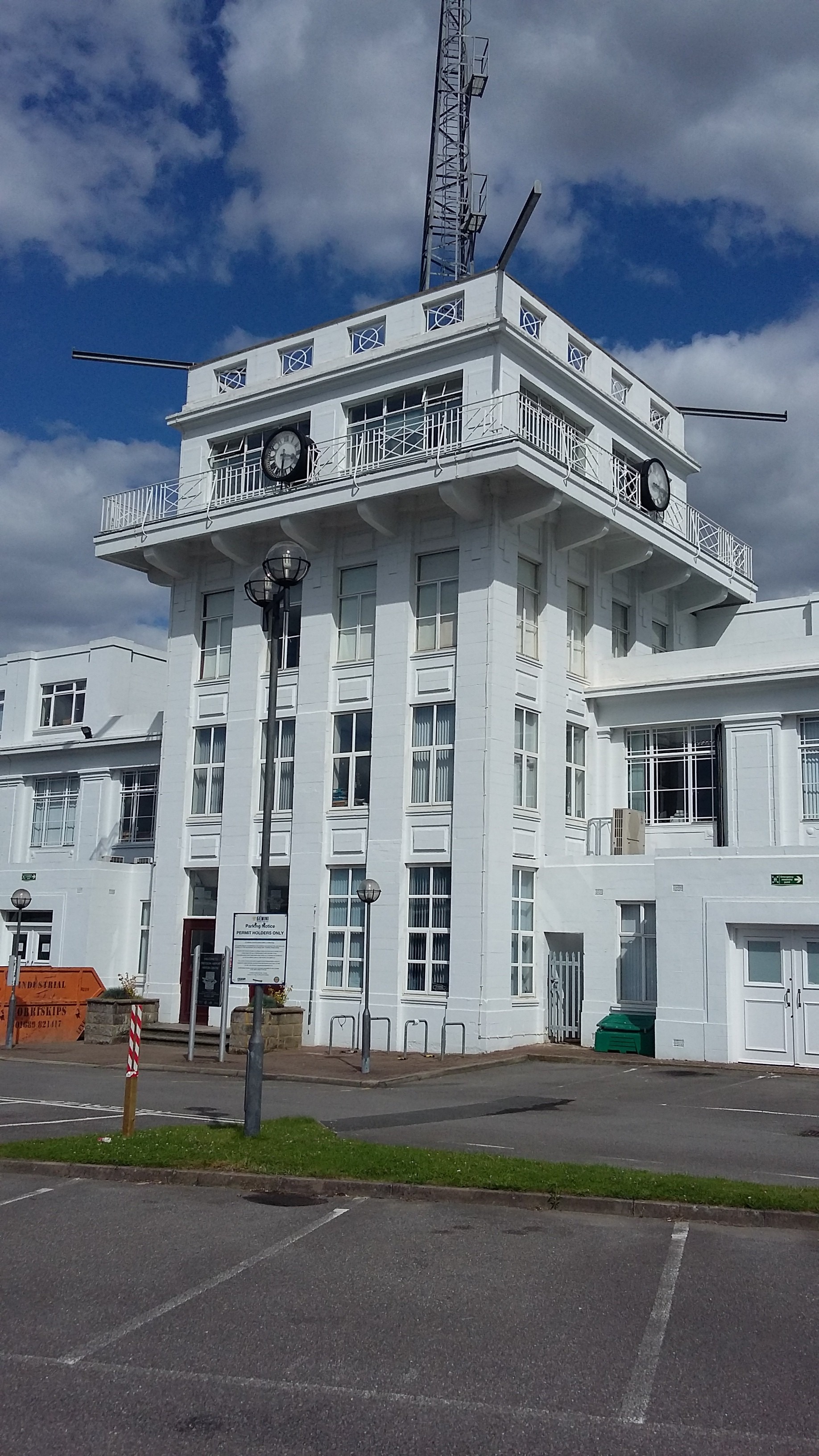
When you think of airports in London, you probably think of Heathrow or Gatwick, but before these airports, there was… Croydon. Based in South London, it was the main airport for London before it was replaced by Northolt Aerodrome, London Heathrow Airport and Gatwick Airport. Croydon Airport was Britain’s first major international airport, coming into being during World War I and closing in 1959.

Croydon Airport
Croydon Airport

The Historic Croydon Airport Trust, also known as the Croydon Airport Society, was founded in 1978 and became a registered charity in 1983. It aims to conserve the history and heritage of London Croydon Airport for the community. The Croydon Airport Visitor Centre is a ‘micro museum’ run by the charity, and is open to the public once a month. I headed down one Sunday to find out more.

Model of the airport
Model of the airport (plane is not to scale…)

History

London Croydon Airport was once Britain’s major and only international gateway airport. It played a significant part in early twentieth century British history and helping to shape global air travel. The airport was the birthplace of Air Traffic Control – the control tower here was the world’s first. It also played an important part as the site of many world record-breaking flights, including those undertaken by Amy Johnson. The international distress call ‘Mayday’ was coined here.

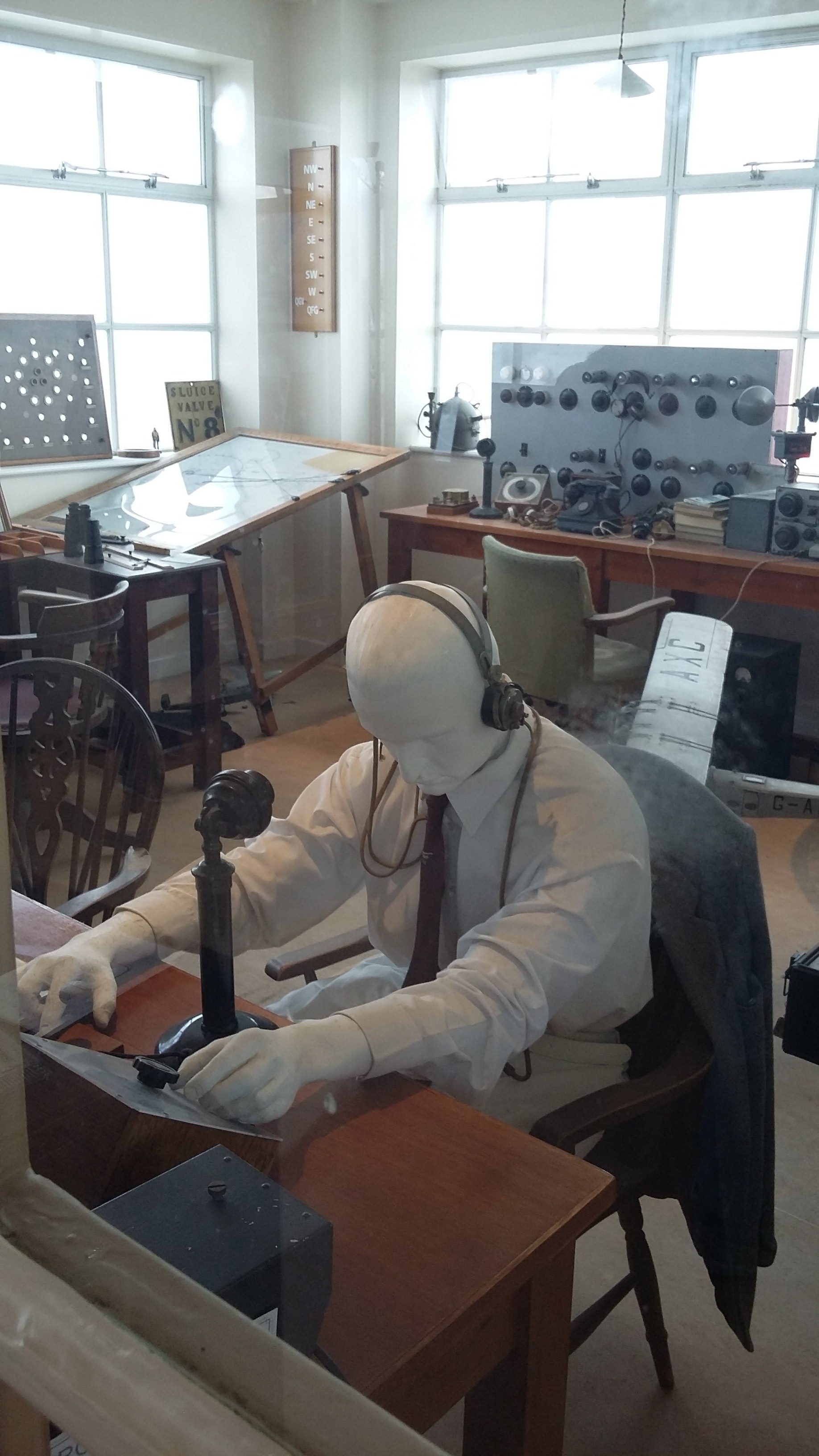
Inside the airport
Inside the airport

Airport House, as the terminal building and control tower are now known, are Grade 2* listed.

Control tower
Control tower

My Visit

I joined a tour pretty much as soon as I arrived. My guide was very informative and took us around the building, showing us where visitors used to arrive and depart, taking us to the control tower at the back before heading up the stairs to view the displays. He regaled us with interesting historical info that complemented the exhibition.

In the control tower

There are some flight simulator games at the top of the control tower to keep kids happy, but the whole site should be interesting for adults. There are some original aeroplane seats which seemed much more comfortable and luxurious than the ones we get nowadays, and displays about the history of the site. It made me think of Agatha Christie for some reason, and made me feel nostalgic for the good old days when you could turn up at the airport with a bag and hop on a plane without all the queuing and security checks we have to go through now.

A visit to Croydon Airport is definitely worth it. Keep an eye on the website for details of open days.

FACTS

Address: Airport House, Purley Way, Croydon, CR0 0XZ

Website: croydonairport.org.uk

Opening Hours: First Sunday of the month, 11am-4pm.

Price: Free

Eltham Palace

I visited Eltham Palace when I first moved to London back in 2011. Recently I went back again with a couple of friends. We all studied history at uni, and every year or so we try to visit some site of historical interest. Eltham was our choice this year.

Getting there

The Palace is located just south east of London. We took the train from London Bridge to Mottingham station, a journey of under an hour. We then decided to walk to the Palace – we found an interesting route through some fields and made friends with a herd of donkeys.

Visitor Centre

This was new since my last visit – back then you could just pay at the entrance. The visitor centre close to the Palace is where you buy tickets, browse in the shop and let the kids play in the outdoor play area (this looked like good fun and I was pretty jealous to be honest). There is also a café, where we stopped for a cup of tea before going to explore the house.

History

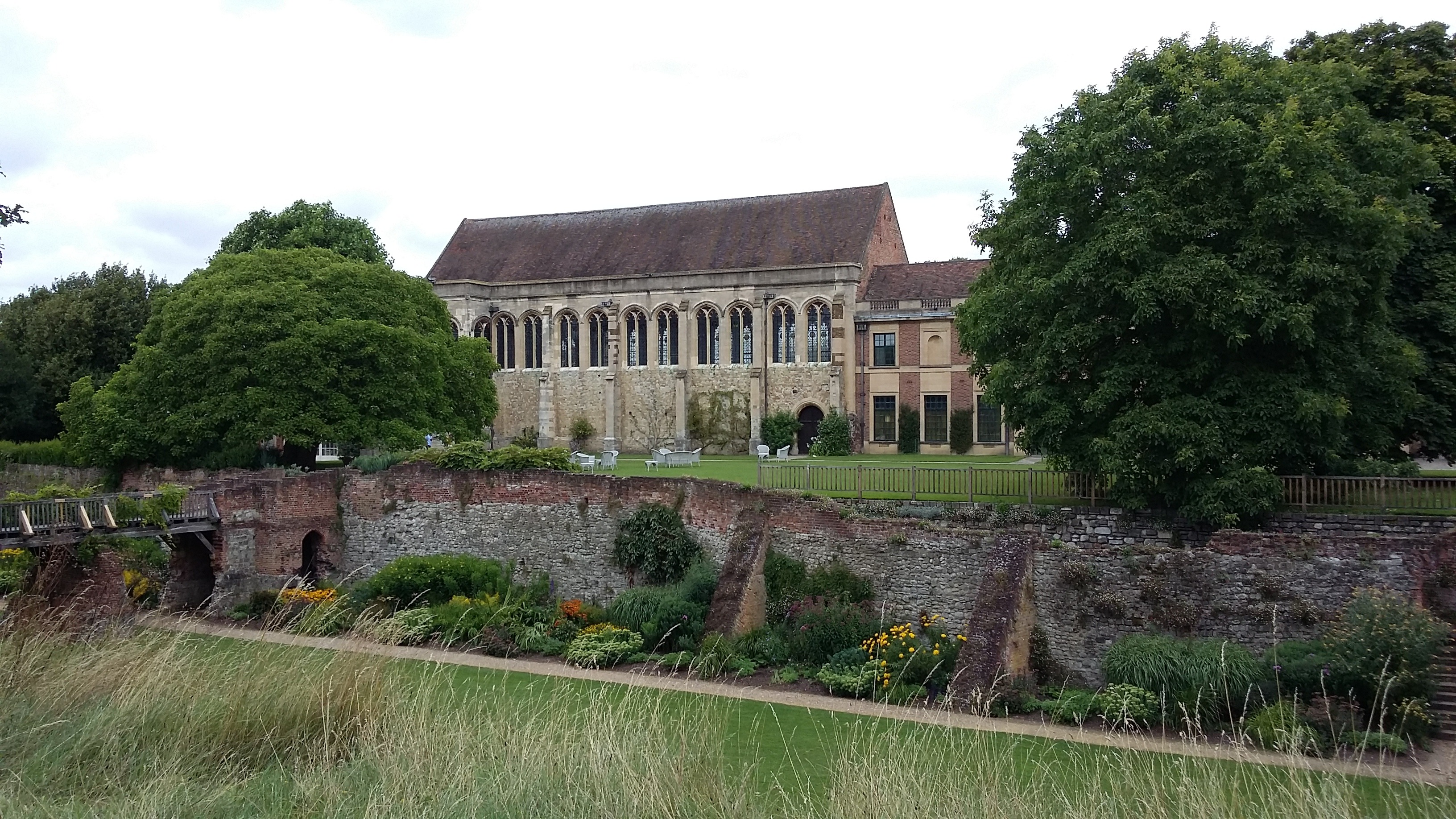
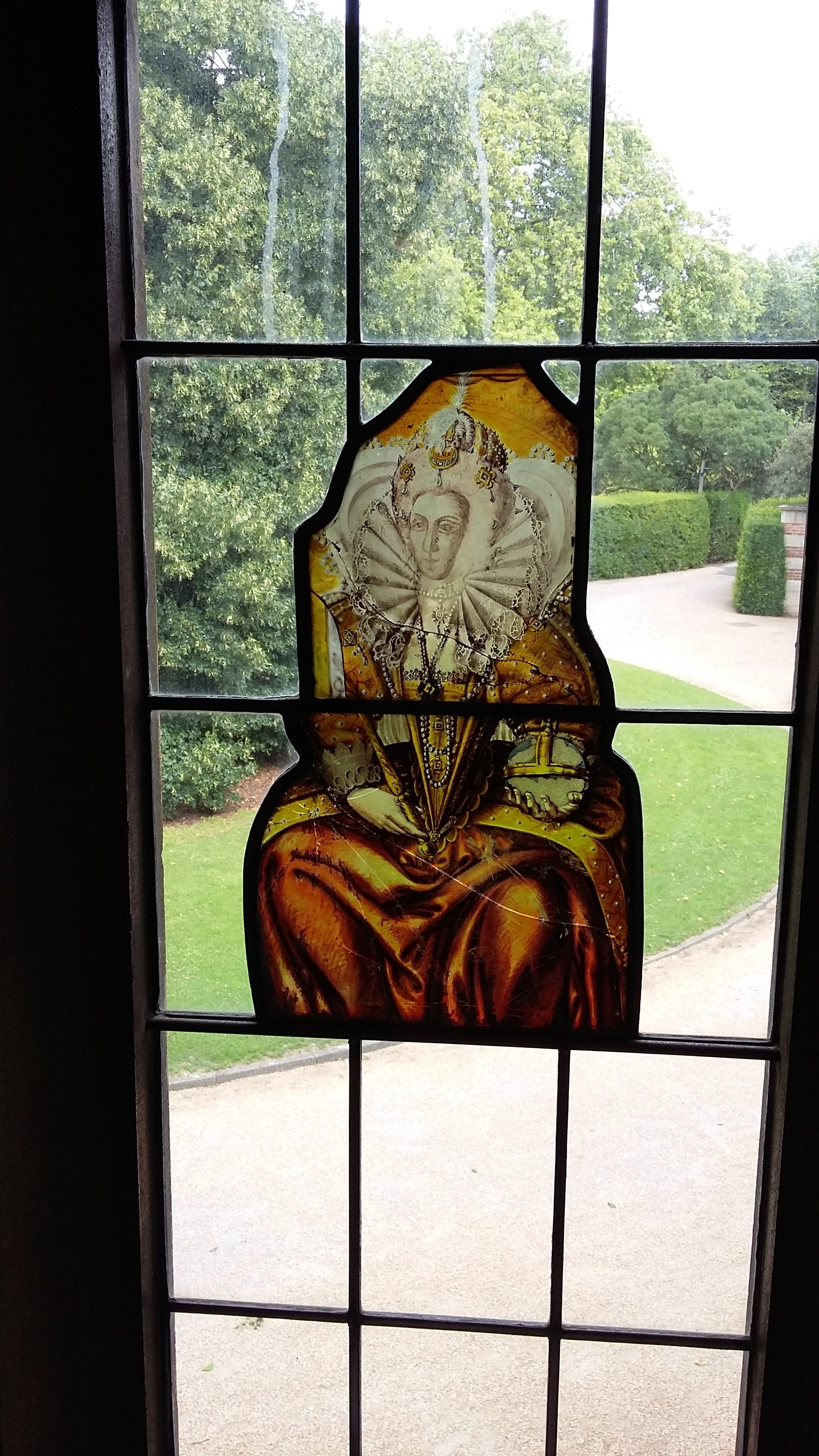
Eltham Palace is fairly unique among historic houses, and it has a fascinating and rich history. The Eltham estate was recorded in the Domesday book, and was presented to King Edward II in 1305. For several centuries it was a royal palace, and Henry VIII grew up here. However, his daughter Elizabeth preferred Greenwich, and Eltham slowly declined.

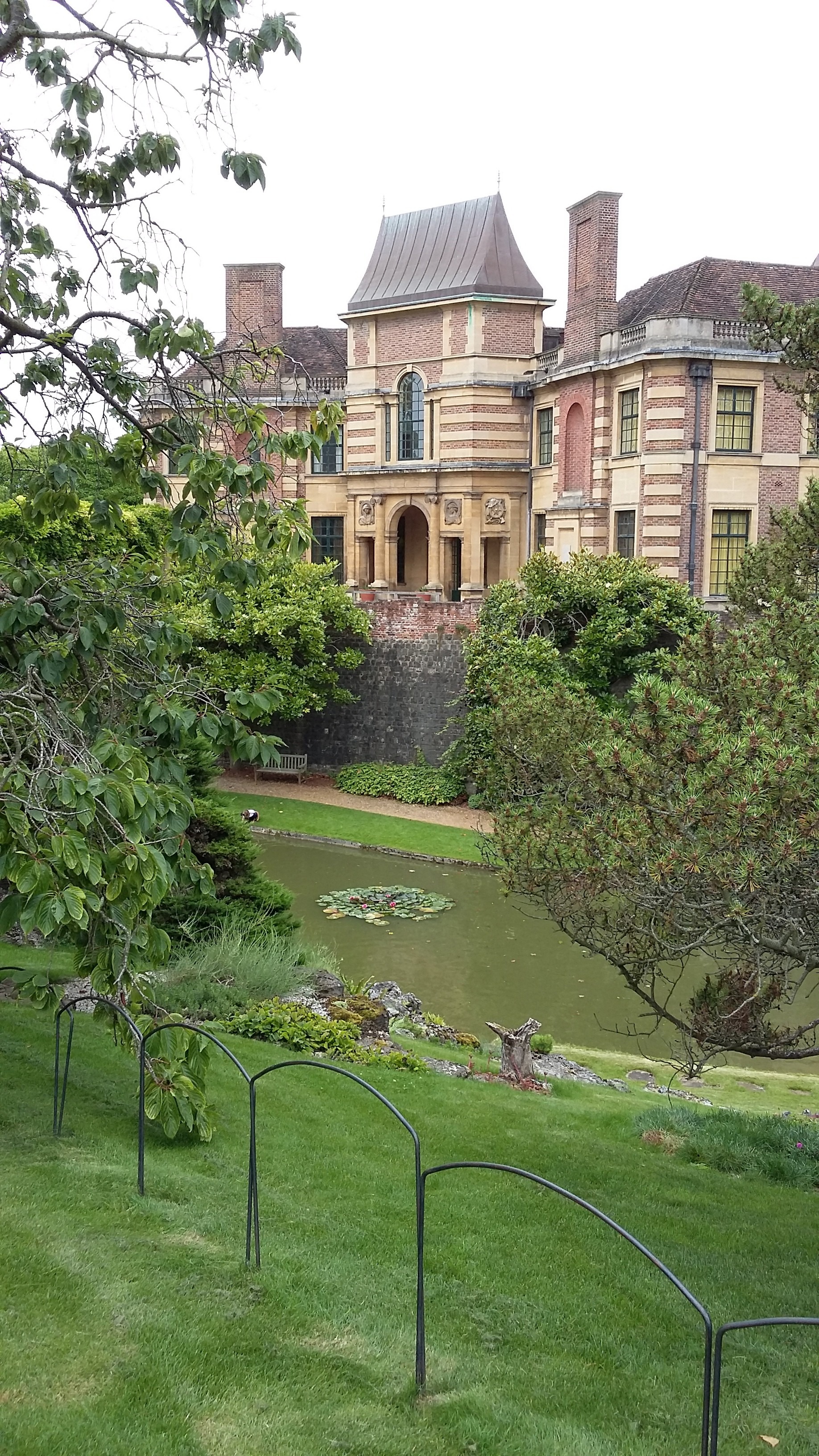
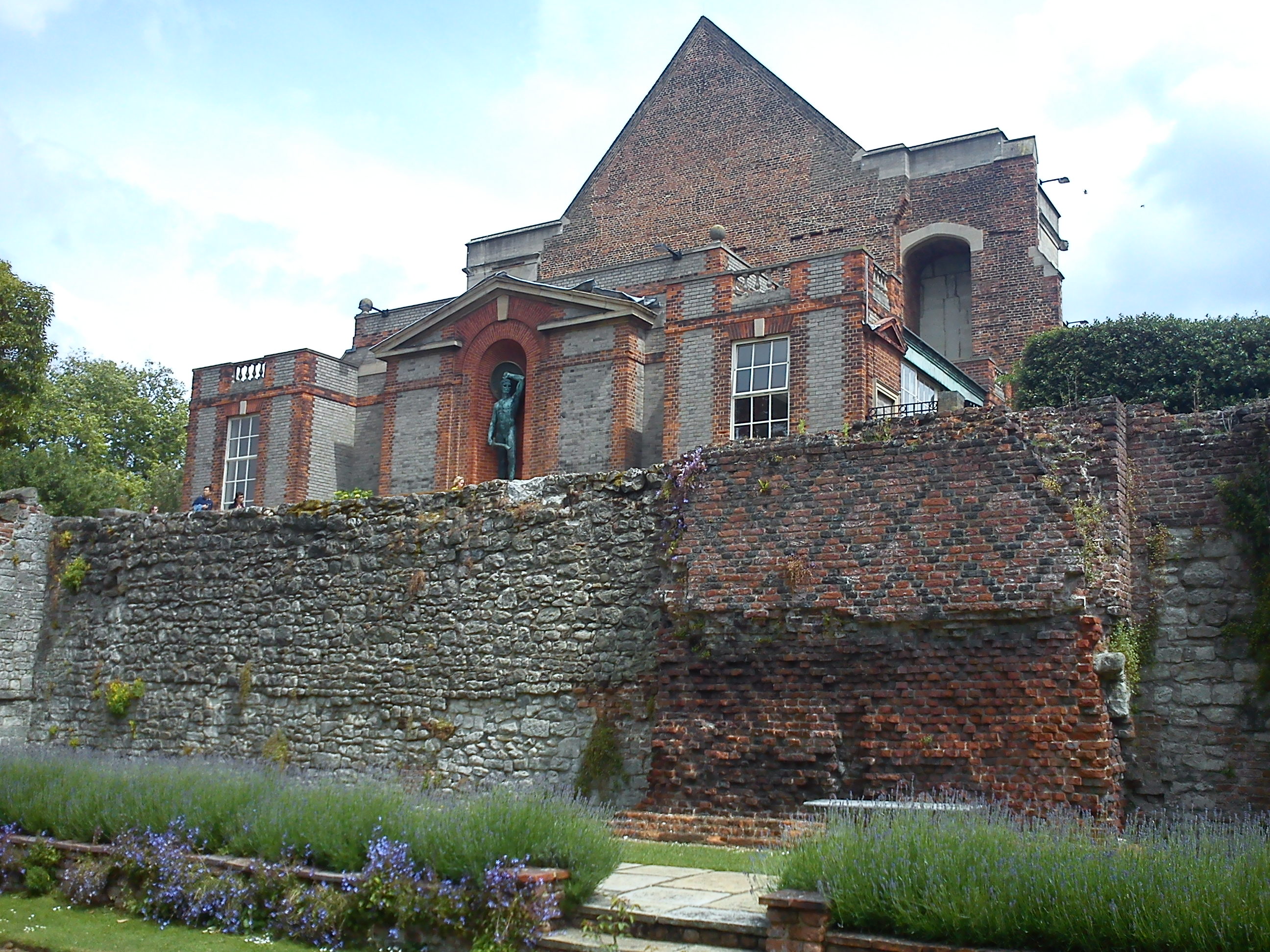
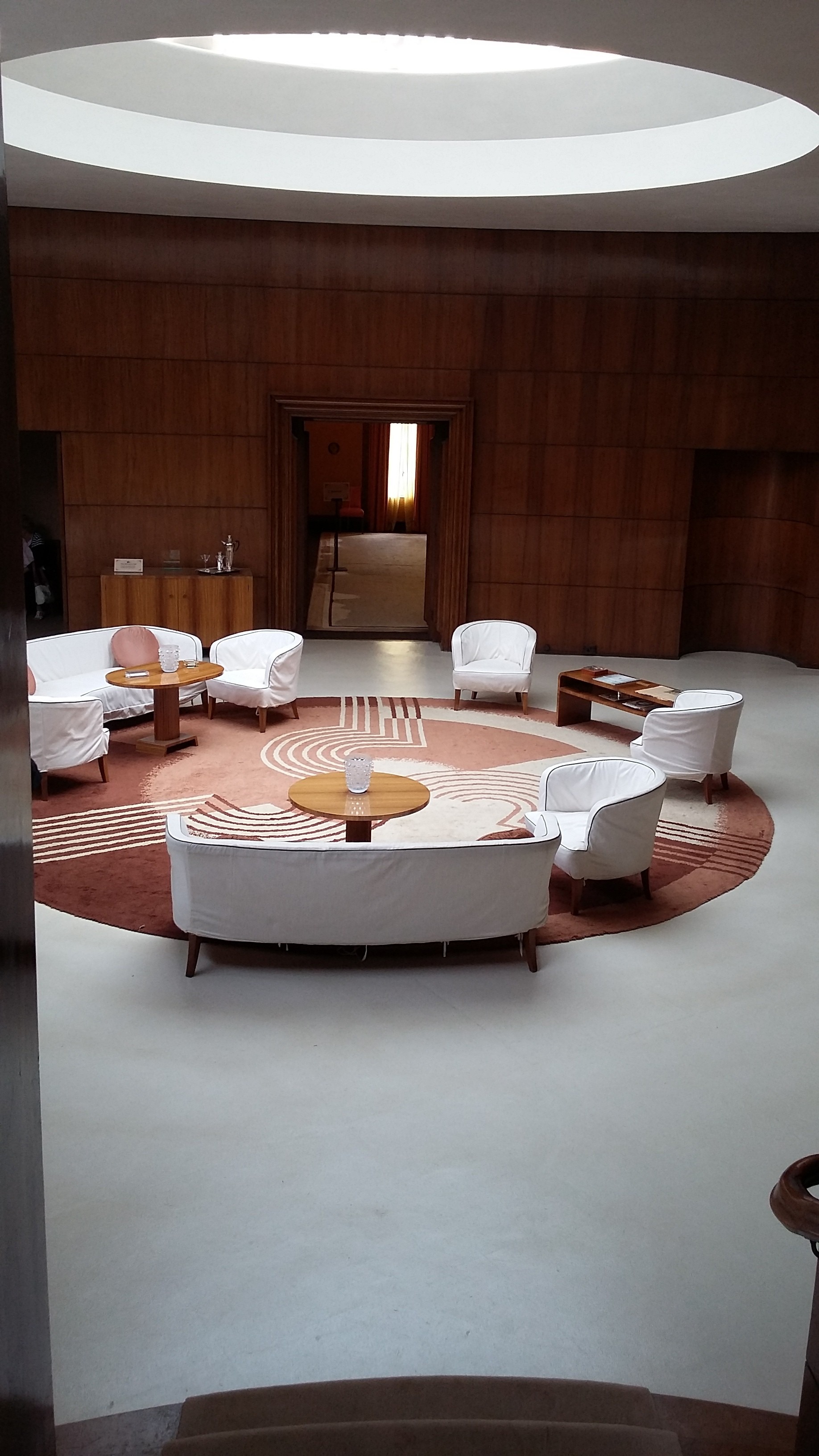
By the time Stephen and Virginia Courtauld leased the house in 1933, it was in a bit of a state, but the couple hired architects Seely & Paget to restore it and put their own Art Deco stamp on it. The pair hosted many lavish cocktail parties, attended by socialites, celebrities and politicians. The house was close enough to London to be convenient and far enough away to enjoy the relaxing atmosphere of the countryside, although it was close enough to habitation for annoyed neighbours to pen angry letters complaining about the late-night firework displays.

Towards the end of the war, the Courtaulds left Eltham, and they never went back: the postwar world was not exactly conducive to lavish housing set-ups with multiple servants. Various groups undertook, with varying degrees of success, to conserve the Palace. English Heritage, which had been involved in the conservation of the medieval Great Hall for a while, took over the management of the entire site in 1995.


The Palace

We picked up audio guides at the entrance and followed the suggested route around the house, starting upstairs and moving downstairs. The contrast between the amazing medieval great hall, with its roof built for Edward IV 500 years ago, and the 1930s Art Deco entrance hall, was incredible. Another highlight for me was the built-in cage for the Courtaulds’ pet ring-tailed lemur, Mah-Jongg, complete with painted mural and a ladder to let the little creature climb down and explore the house. Mah-Jongg did not prove particularly popular with the guests at parties – apparently he had a habit of biting their legs under the dining table.

Stephen and Virginia had separate bedrooms, bathrooms and sitting rooms: I was particularly jealous of Virginia’s glorious golden bathroom and Stephen’s library full of books. The couple’s personalities really came across during the tour – I think Virginia would have been great fun to be around, but I particularly identified with Stephen and his habit of retiring alone to his library after dinner.

The audio guides were pretty cool as you were able to choose which guest you would like to be while exploring the house. After the tour I found out the lady I chose was still alive at least a few years ago. I bet she has some amazing memories.

There were some basement rooms included in the tour that definitely weren’t there last time I was here. These were used by the couple and their guests during World War II. During the Blitz they would play billiards, put the gramophone on, or even go to sleep while the bombers were active outside.

The Gardens

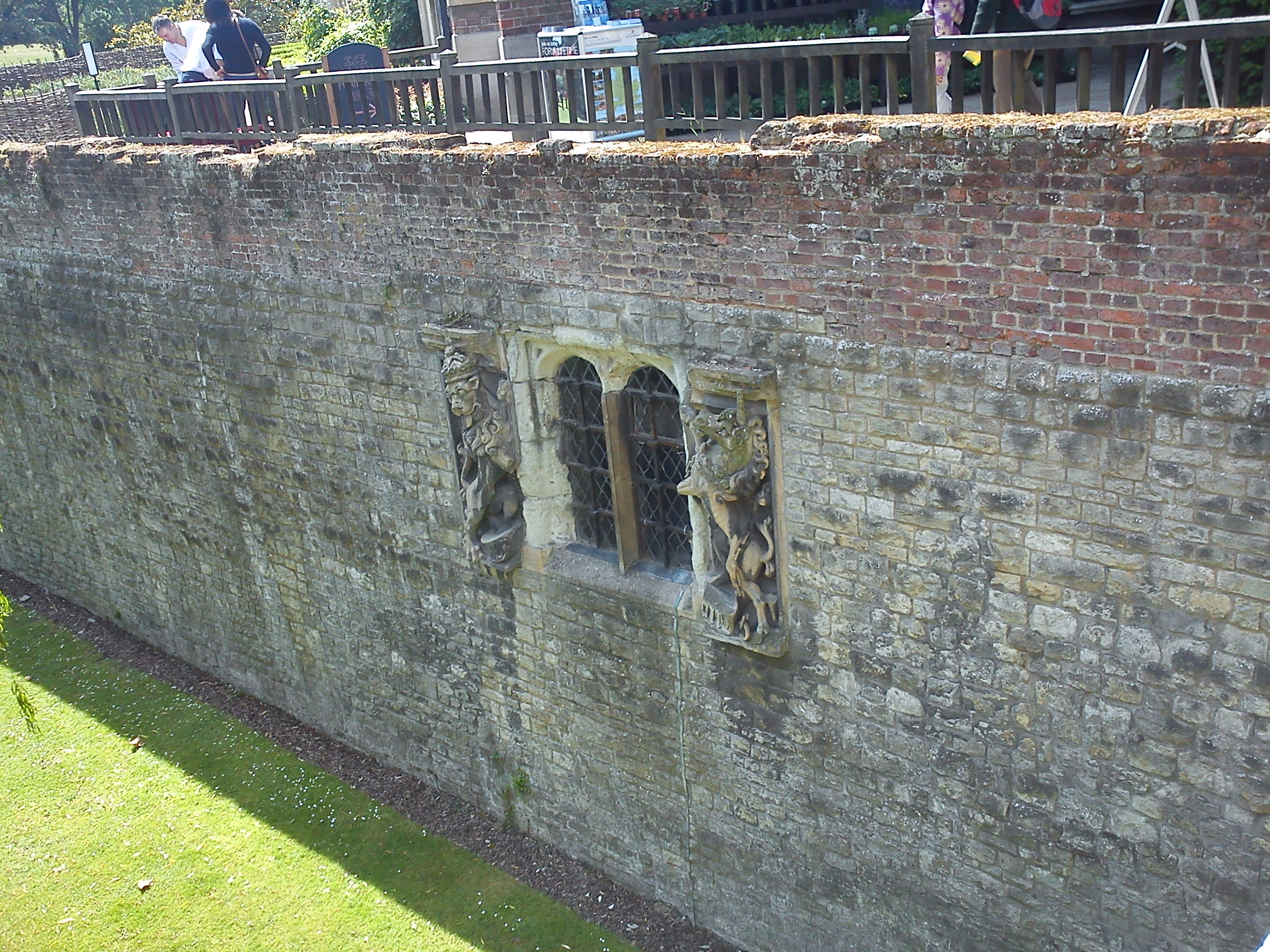
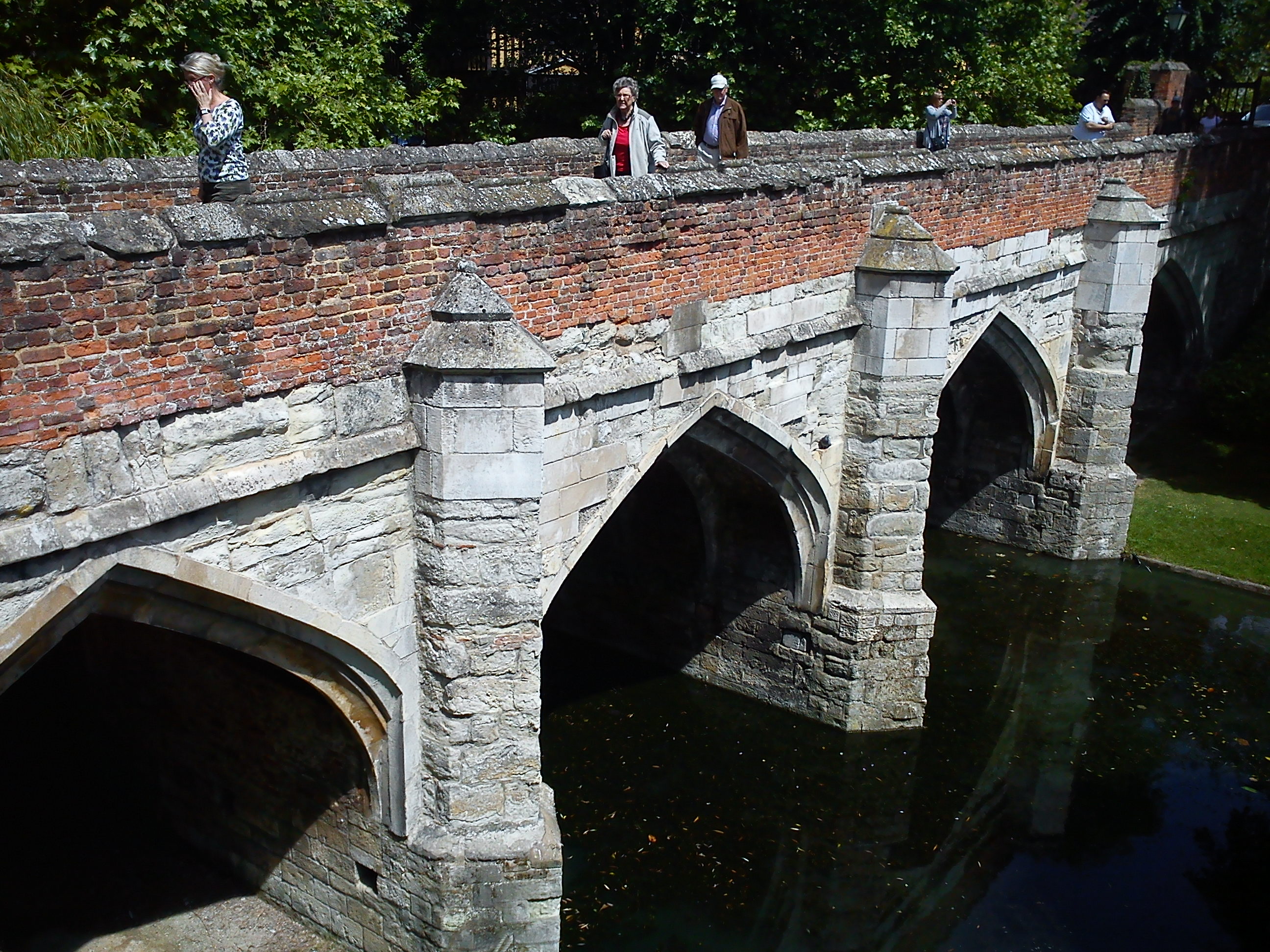
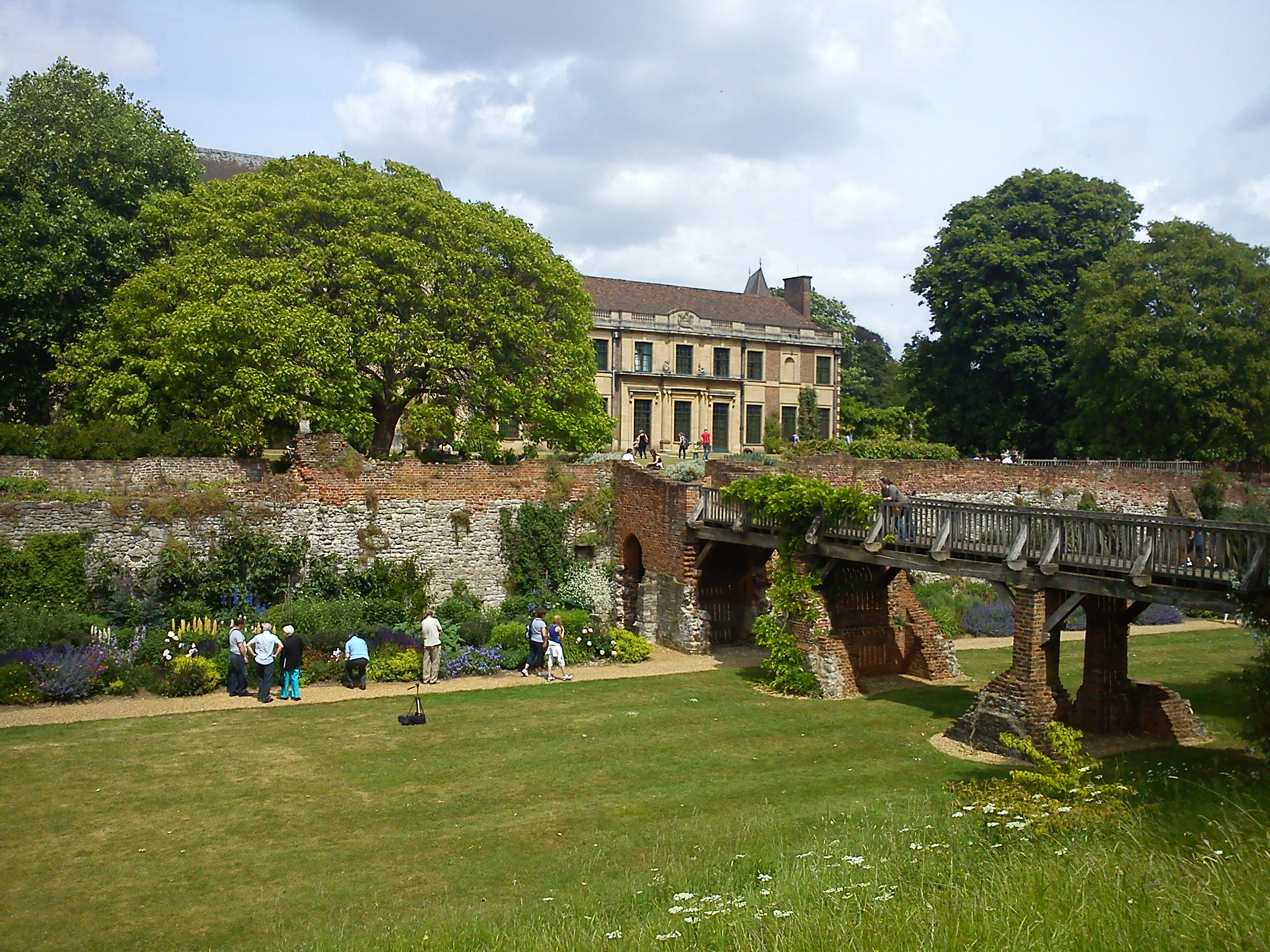
The guides include the gardens, too. I’m not really an outdoorsy person but I did appreciate the beauty of the gardens. Weekend guests at Eltham were often roped in to help with the gardening. I liked the way that older features like the bridge and the moat were complemented by the flowers chosen by the Courtaulds. The gardens are beautiful and would be a lovely place to relax or have a picnic.

My friends and I had a lovely time at Eltham Palace. Although I came here a few years ago I’m glad I visited again. It’s one of the most unique and special houses you can visit – the mix of medieval and 1930s architecture is really something. Highly recommended.

FACTS

Address: Court Yard, Eltham, Greenwich, London, SE9 5QE

Website: english-heritage.org.uk/visit/places/eltham-palace-and-gardens

Opening Hours: 10am-6pm daily in the summer, shorter opening times in the winter. Sometimes closed for special events – check website.

Prices: £14.40 adult, £8.60 child, £13.00 concession, under 5s free. Free to English Heritage and Art Fund members.

House of MinaLima

House of MinaLima

House of MinaLima in Soho is a must-see for Harry Potter fans. MinaLima, the company that designed the graphic props for the Harry Potter films as well as the recent Fantastic Beasts movie, have displayed examples of their work. You don’t have to buy anything – it’s still worth a visit just to look at the incredible designs.

House of MinaLima

The ground floor has a shop full of prints and other souvenirs, but if you want to look at the exhibition, head upstairs. The first two floors have art from the Harry Potter films, including the famous ‘Wanted’ posters from Prisoner of Azkaban and the artwork of the Weasley twins’ shop.

House of MinaLima

The top floor has artwork from Fantastic Beasts, taking inspiration from 1920s New York. My absolute favourite picture is the poster for the Blind Pig bar in the movie, which to me is more of an Art Nouveau design, but hey, it’s still gorgeous.

House of MinaLima

House of MinaLima

Do not miss this exhibition if you’re a Harry Potter fan. It’s not scheduled to close any time soon, so hopefully there should be time to check it out.

House of MinaLima

House of MinaLima

FACTS

Address: 26 Greek Street, Soho, London, W1D 5DE

Website: minalima.com/house-of-minalima

Opening Hours: 12pm-7pm daily

Prices: Free

Anaesthesia Heritage Centre

Anaesthesia Heritage Centre

As part of my bid to visit every museum in London, I popped into the Anaesthesia Heritage Centre one day when I had a bit of free time. This tiny museum can be found in the basement of the Portland Place headquarters of the Association of Anaesthetists of Great Britain and Ireland. It explores the (comparatively) short history of anaesthesia and pain relief.

The lack of pain relief in surgery obviously meant that the kinds of operations that could be performed were limited: usually things like amputations or the removal of bladder stones (as in the case of diarist Samuel Pepys, who underwent this excruciating operation in 1658). Early practitioners sometimes used herbs to anaesthetise (and, in the Far East, acupuncture), but more often an unfortunate patient was simply given some alcohol and then held down. More rigorous scientific practice led to the development of such anaesthetics as chloroform. On display are several examples of the apparatus used to deliver pain relief, including masks and needles. In the early days it was often hard to judge how much anaesthetic to give: too little and the patient might wake up mid-surgery, too much and they might die of an overdose.

Anaesthesia Heritage Centre

The display looks at the development of anaesthesia as a valid and recognised branch of medicine. From 1912 it became part of the medical curriculum, and the Diploma in Anaesthetics was introduced in 1935.

There is a brief display on the role of anaesthetics during World War I, which is particularly interesting. I definitely recommend this tiny free museum if you’re in the area.

FACTS

Address: 21 Portland Place, Marylebone, London, W1B 1PY

Website: aagbi.org/education/heritage-centre

Opening Hours: 10am-4pm Mon-Fri

Prices: Free

Tate Britain

Tate Britain

Following my visit to Tate Modern a few weeks ago, I decided to head to Tate Britain in Pimlico. This gallery, which specialises in British art, does hold more attractions for me than Tate Modern does, and has some of my all-time favourite pictures.

Inside Tate Britain

Inside Tate Britain

The bulk of the permanent collection forms the ‘Walk Through British Art’ which allows the visitor to explore 500 years of art chronologically. I do like this ordered way of doing things. Naturally enough, I started at the beginning.

Tate Britain

The early pictures in the collection suffer in my mind from a comparison with the National Portrait Gallery. They’re similar in style but unlike the NPG, they aren’t of anyone famous. One exception is the picture of Elizabeth I, and I was amused by an angular painting of a pair of identical twins holding their babies, apparently born on the same day.

Elizabeth I
Steven van der Meulen, Steven van Herwijck. Portrait of Elizabeth I, c.1563
Lady Macbeth Seizing the Daggers
Henry Fuseli. Lady Macbeth Seizing the Daggers, ? exhibited 1812

The rooms take you through the sixteenth, seventeenth and eighteenth centuries, featuring such artists as Lely, Gainsborough, Hogarth and Constable. Along the way I popped into a room to view John Martin’s incredible apocalyptic canvases.

The Destruction of Pompei and Herculaneum
John Martin. The Destruction of Pompei and Herculaneum, 1822

I came to my favourite room in the gallery, which focuses on nineteenth century and Pre Raphaelite art. I’ve been reading a book about poetical deaths recently, so I was fascinated to see the picture of Chatterton. Millais’ picture of Ophelia, one of my favourites, is also displayed here as well as Carnation, Lily, Lily Rose, which always reminds me of The Family From One End Street.

1890 room
My favourite room
Ellen Terry as Lady Macbeth
John Singer Sargent. Ellen Terry as Lady Macbeth, 1889

As well as familiar favourites, I came across a few unfamiliar pictures which I really loved.

Beyond Man’s Footsteps
Briton Riviere. Beyond Man’s Footsteps, exhibited 1894
The Doctor
Sir Luke Fildes. The Doctor, exhibited 1891

The next few rooms cover later art, which isn’t generally as interesting to me, although I find Francis Bacon’s picture of a man screaming rather chilling. Also, I quite like a Lowry.

Study for a Portrait
Francis Bacon. Study for a Portrait, 1952
The Pond
L.S. Lowry. The Pond, 1950

Before leaving I ventured to the back of the gallery to see the Turner Collection and the works of William Blake, both of which have their own spaces.

Turner Collection
Turner Collection
The Ghost of a Flea
William Blake. The Ghost of a Flea, c.1819–20

After my visit, my conclusion is that I should go to Tate Britain more often. There are some incredible paintings here, including some of my favourites, and while I can readily view them online, nothing compares to the real thing.

FACTS

Address: Millbank, London, SW1P 4RG

Website: tate.org.uk/visit/tate-britain

Opening Hours: 10am-6pm Mon-Sun

Prices: Free (there is a charge for special exhibitions)

The Building Centre

Building Centre

I work near to the Building Centre in Bloomsbury, so it’s strange that it took me so long to go in, and even stranger that when I finally did go, it was on a Saturday. The Centre exists to promote innovation in the built environment, according to its website, and was first established in 1931. Today, it functions as an architecture centre and galleries with exhibitions related to contemporary building and design – it also has a coffee shop, which is available to the public and also puts on various coffee-related events.

New London Architecture

The centrepiece of the permanent exhibition is the New London Model, a 3D map of central London, accompanying a series of displays on Transforming The Boroughs, which contain information about past, current and future projects in all areas of London. Check out your own area or explore more widely.

The Centre also has a programme of rotating free exhibitions. The current exhibition is Night Time Is The Right Time, which runs until 15 August. It explores how architects and designers have imagined cities to run better and more efficiently during the night time, and I found it fascinating. There is also a small exhibition on the 50th anniversary of the Lee Valley Regional Park.

If you’re in the area, it’s definitely worth popping in to check out how the built environment of London could transform within the next few years.

FACTS

Address: 26 Store Street, Bloomsbury, London, WC1E 7BT

Website: buildingcentre.co.uk

Opening Hours: 9am-6pm Mon-Fri, 10am-5pm Sat

Prices: Free

Tate Modern

Tate Modern

I love visiting art galleries in the summer. They’re lovely and cool when it’s hot outside. I popped into the Tate Modern one Sunday afternoon before going to the Globe. I’ve been before, but these days I don’t normally visit except to see the odd special exhibition. I decided to take another look at the permanent collection.

Welcome to Tate Modern

Tate Britain had been running for several years when the Tate Trustees announced their intention to create a new gallery for international modern art in London. The former Bankside Power Station was chosen as the site and the gallery opened in 2000. Recently, an extension to the gallery was unveiled, the Blavatnik Building at the rear (the original building is known as the Boiler House).

Turbine Hall

I entered the gallery via the River Entrance and came upon the Turbine Hall. This is one of the most impressive and iconic parts of the museum, its vast space playing host to a variety of installations. It’s also a lovely place to be during hot weather, as it’s nice and cool.

Thames

I worked my way through the various rooms in the Boiler House. Frankly many of them reminded me of how much I tend to dislike modern art, but there were a few gems, such as Salvador Dali’s lobster phone, pictures by Henri Matisse and Walter Sickert and sculptures by Edgar Degas. Rooms focus on themes such as ‘Artist and Society’, ‘Materials and Objects’, and ‘New Acquisitions’.

Blavatnik Building

I made my way over to the other side in order to explore the new extension, known as the Blavatnik Building. This was impressive but best thing about it is the roof terrace which offers great views over London (and also, infamously, into neighbouring flats).

View from the Tate Modern extension

Truthfully, modern art isn’t really my thing, but if you are a fan then the Tate Modern is a great place to go. For everyone else, it’s still worth visiting for the views.

FACTS

Address: Bankside, London, SE1 9TG

Website: tate.org.uk/visit/tate-modern

Opening Hours: 10am-6pm Sun-Thurs, 10am-10pm Fri and Sat

Prices: Free (there is a charge for special exhibitions)

Magnum Photos Now: New Approaches to the Archive

I went to this New Approaches to the Archive talk, part of Magnum Photos Now, a series of lectures about Magnum Photos in this year of their 70th anniversary, because I work in the field of libraries and archives and was interested to learn more about a photographic archive. I expected the talk to be more about the archives themselves, but actually the evening was fascinating even though it wasn’t really what I had expected.

The evening was made up of two talks. The first was delivered by Diane Dufour, director of Le Bal, Paris, who recounted her experiences with exploring the Magnum Photo archives and exploring the concepts behind the photos taken, as well as looking at the differences in opinions of the photographers involved. One section was particularly telling, with pictures of Jewish people settling in Israel, while another photographer’s work showing displaced Palestinians was not published anywhere.

Dr Mark Sealy, curator and cultural historian, then talked about the Eurocentric gaze of typical photography archives and made the important point that the first photographs appeared at the same time as slavery was just coming to an end in the UK – as part of a wider point that a photo shows just one aspect of the world at a particular time. He showed us photographs by and of black people during the twentieth century and emphasised the importance of having diversity among the people who are able to search the archives in the first place.

As someone who works in the field of libraries and archives, the talk was an interesting look at the varied uses which can be made of those archives, and their importance in terms of culture and history.

Secret Cinema presents: Baz Luhrmann’s Moulin Rouge!

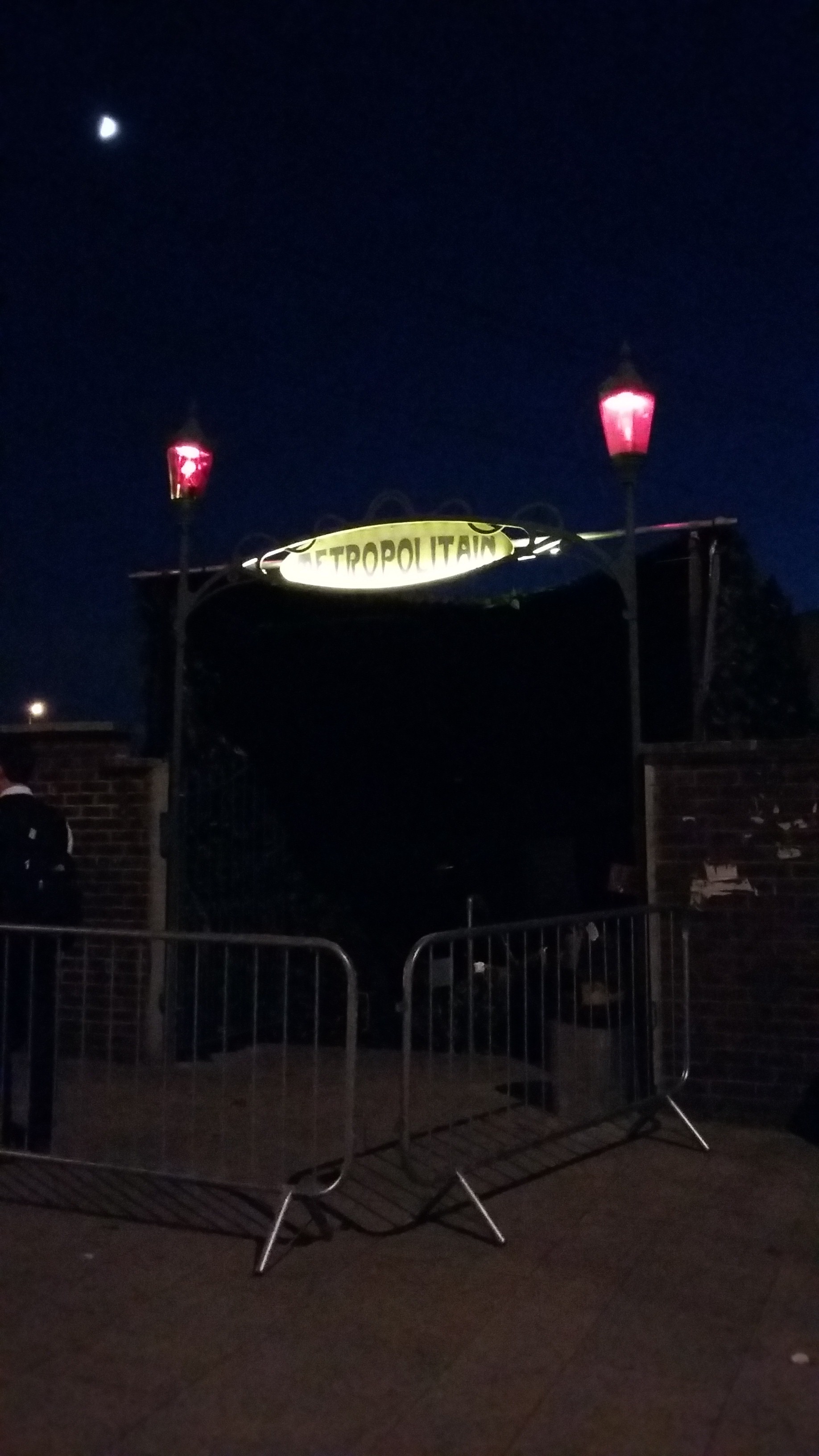
Entrance to Montmartre

I’d never been to a Secret Cinema event, although I’d heard of them. It was always at the back of my mind as something I’d like to do, but I never got around to it… until they announced Moulin Rouge! as the next film, at which point I knew I would just HAVE to go. This modern classic, released in 2001, happens to be one of my favourite films of all time.

I ended up going by myself – at first I was nervous at the prospect, until I reminded myself that I’ve been to plenty of immersive theatre alone in my time, and this probably wouldn’t be that different. As the day approached, I visited the website, filled in all the forms I needed to and gathered my outfit together. You are meant to register with the website once you’ve bought your ticket and you are allocated a character, complete with a backstory and outfit guidelines. My character was Nina Boucicault, a comedian. Here I hold my hands up and frankly admit I completely ignored my character’s suggested outfit. It involved trousers, but I haven’t worn trousers for years, and I wasn’t going to start now.

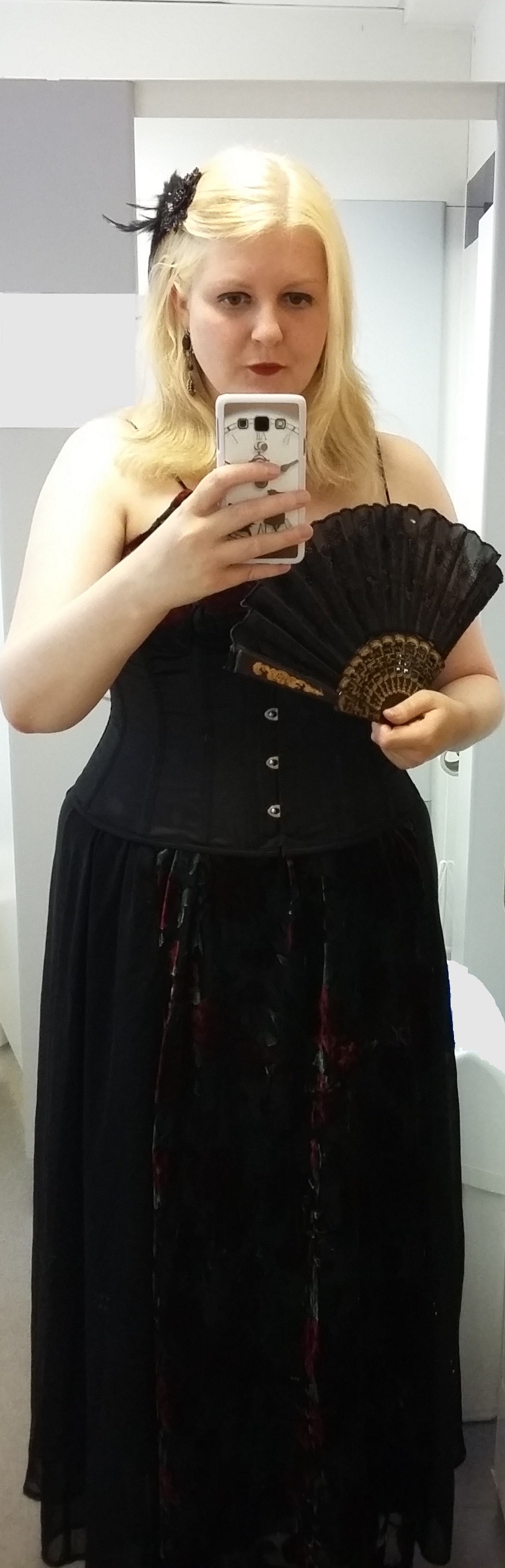
Full-length outfit photo

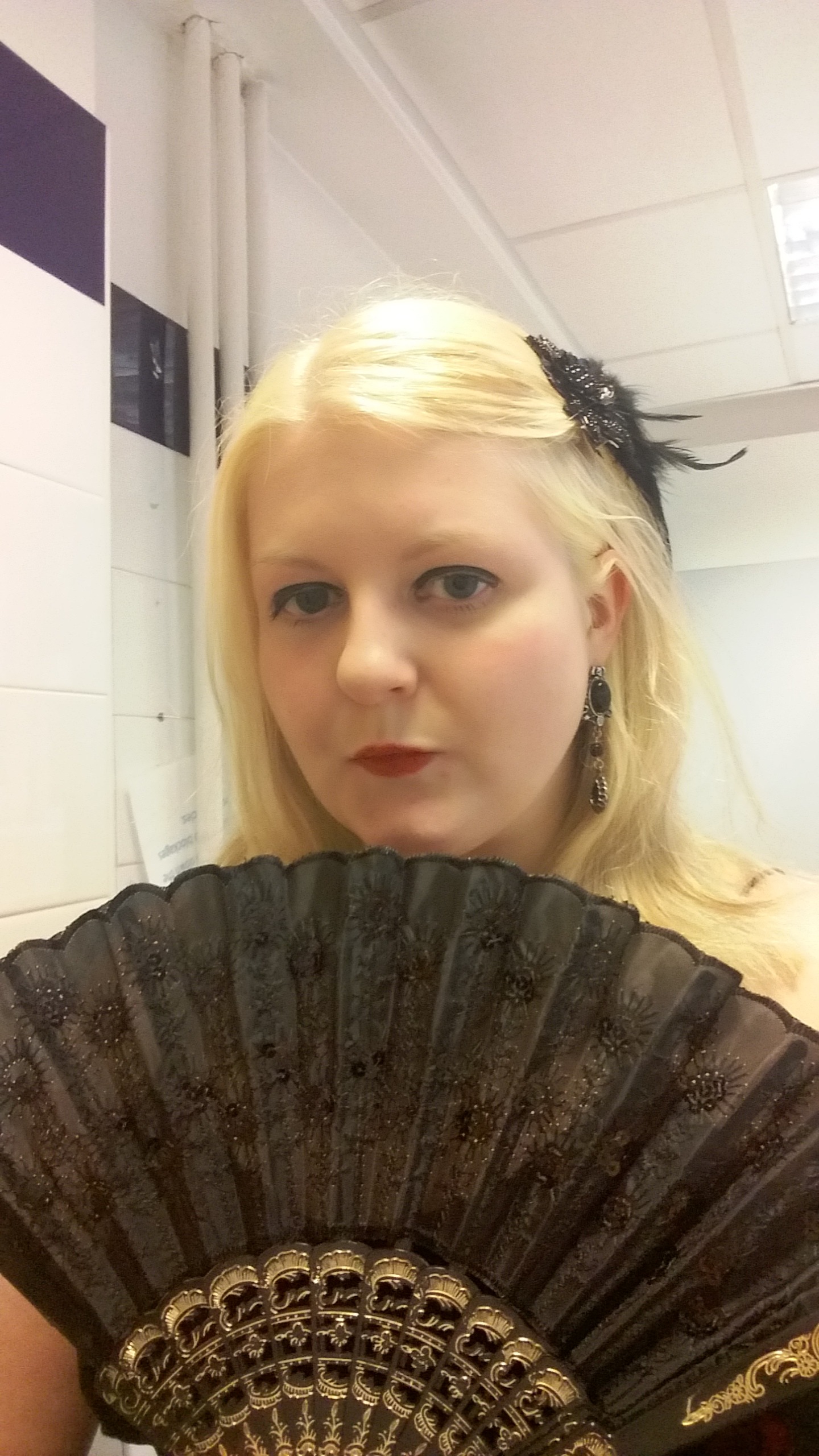
I don’t know what it says about me that I didn’t actually have to make any special purchases at all in order to dress up. I wore a dress I got from ASOS (mega sale bargain) a couple of years ago, with a corset over the top. I took a fan (that I think came from Accessorize) and wore my ‘She Walks In Beauty’ earrings from Alchemy Gothic.

Close-up

I got changed in the toilets at work (classy) and then I had to get the tube to Canning Town station. Now I was a bit nervous about the prospect of having to get on the tube with all those commuters, but one of the reasons I love London is that no one pays any attention to you on the Underground (unless you’ve got a dog. Everyone loves dogs), so no one looked at me twice the whole way there. At the station, I began to see other people dressed in a similar way to me, so I knew I was in the right place.

The venue was really close to the station. It was supposed to be top secret, but to be honest, any locals or anybody passing through would notice the queue of people building up at around 6pm. We didn’t have long to wait, we were soon invited to enter the world of the Moulin Rouge. No phones or photos allowed, naturally.

Wow. Inside it was incredible, like stepping into another world. There were bars and storefronts, cafes and stalls, all designed to draw you in to the fin de siècle world in which the film is set. Costumed actors added to the atmosphere, and sometimes it was hard to tell the actors from the ordinary ticket-holders. I only saw one person without costume, and I felt quite sorry for her as she really stood out!

Everyone was so friendly. I didn’t talk to many people – I didn’t need to – for most of the event, but I got chatting to people in the queue to get in and in the ladies’ loos, and I even danced with some people at one point. There’s something about immersing yourself in something like this that makes you forget yourself and act much more confident than usual – I guess that’s true for me, anyway.

I spent the time before the film started just wandering around, exploring as much as I could, and sampling the drinks on offer (which included absinthe). I also won a bet on some lesbian wrestling (don’t ask). There were performances and songs and I was almost sorry when it was time for the film to start.

Almost, that is. There was still loads going on while the film was showing, with actors performing key scenes in front of the screen. I never did see Moulin Rouge! at the cinema, as no one wanted to go with me and at sixteen I was much less inclined to do things by myself than I am now, so it was so good to actually see the movie on the big screen.

By the time it finished I didn’t want to leave. I’d had SUCH a good time and it was an unforgettable experience. I wonder what Secret Cinema will do next year?