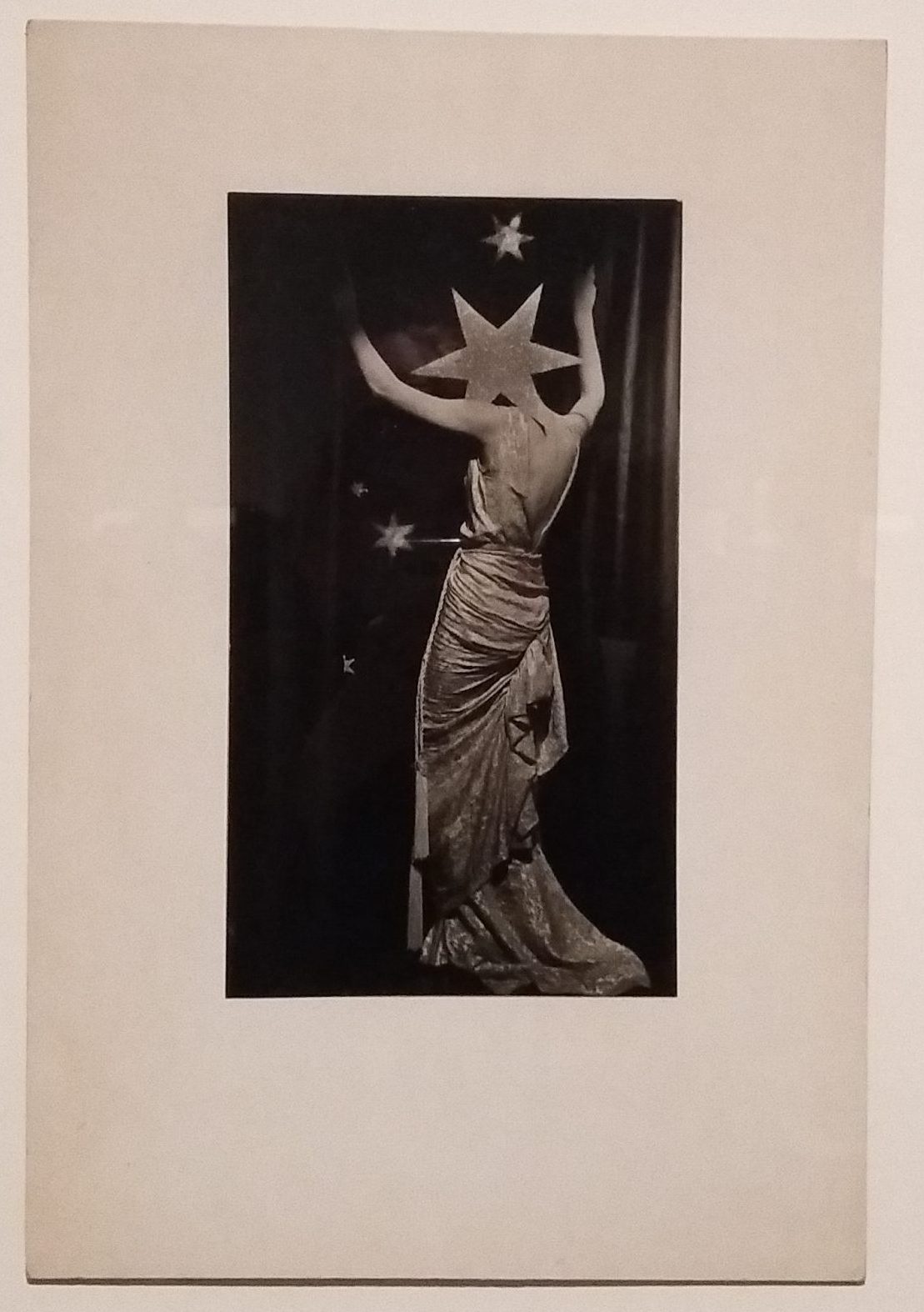
Dora Maar – Tate Modern

Dora Maar exhibition poster

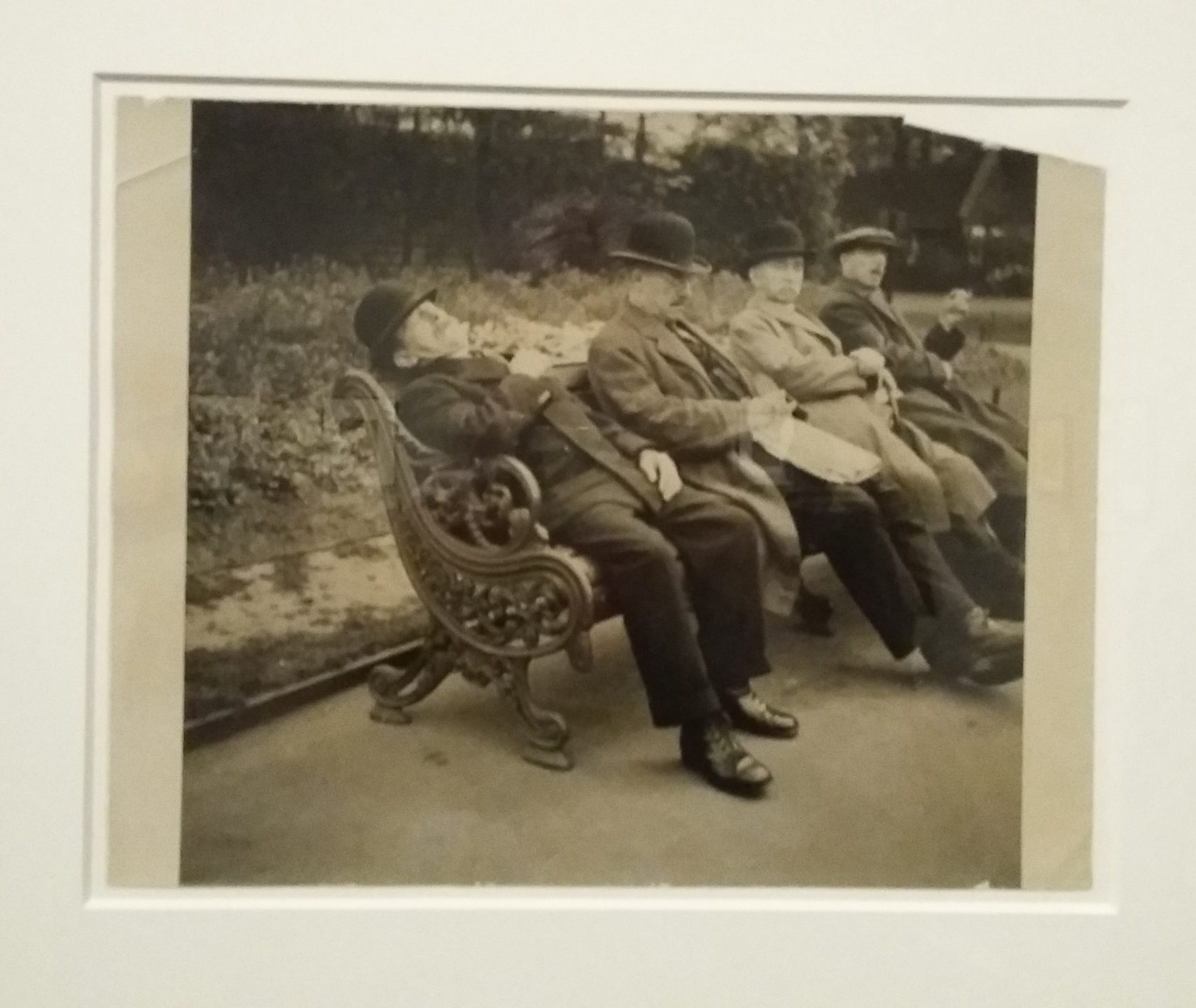
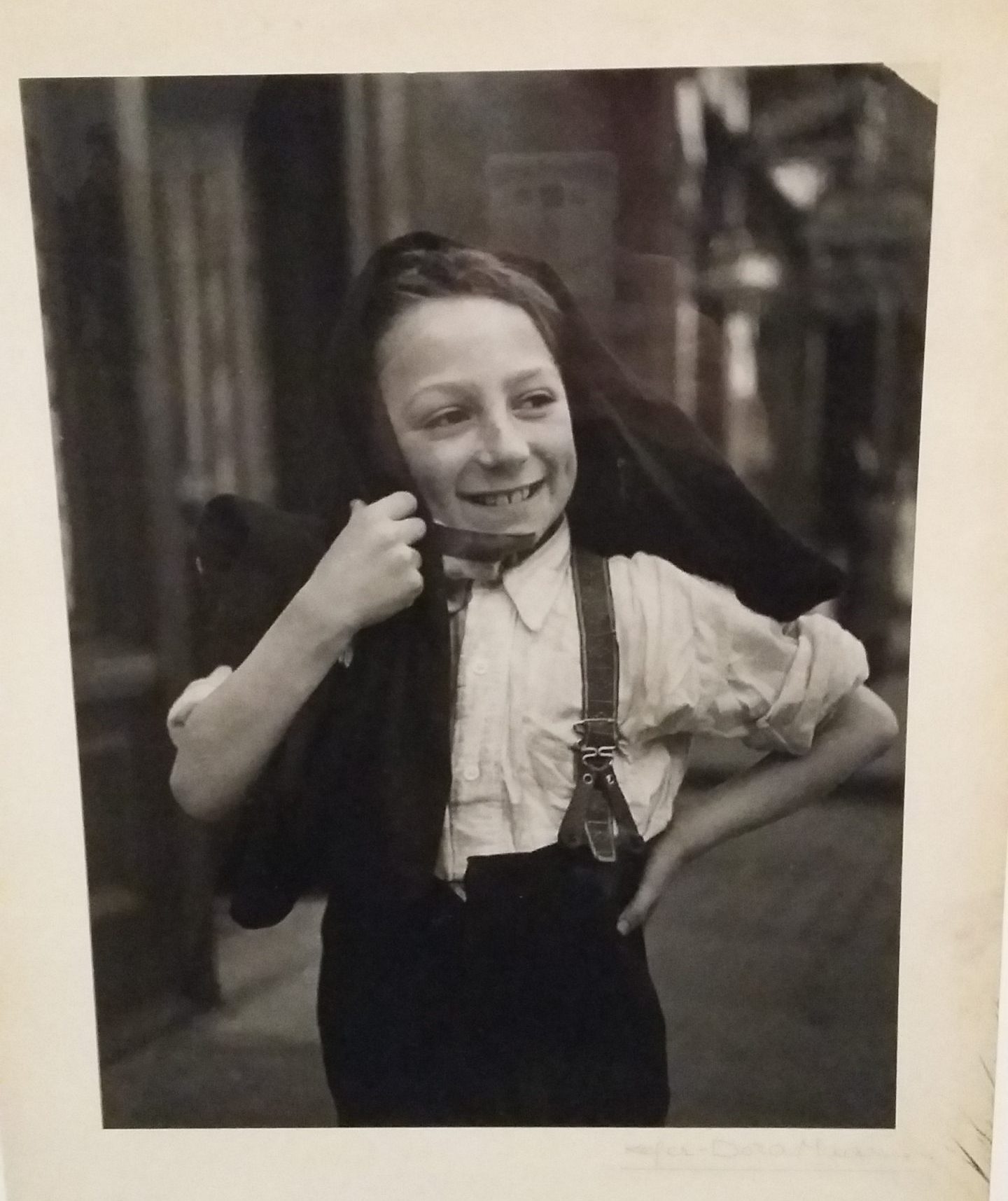
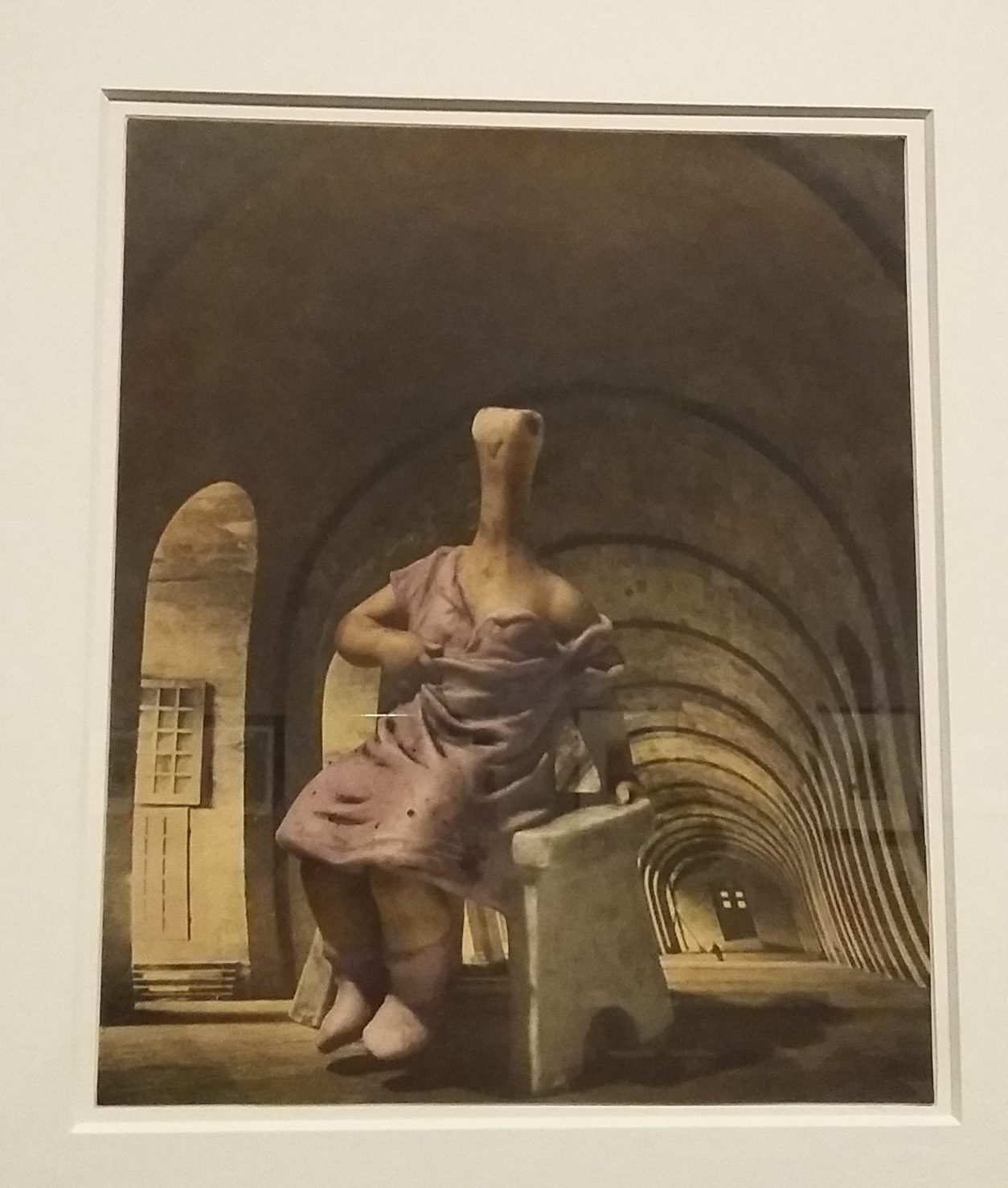
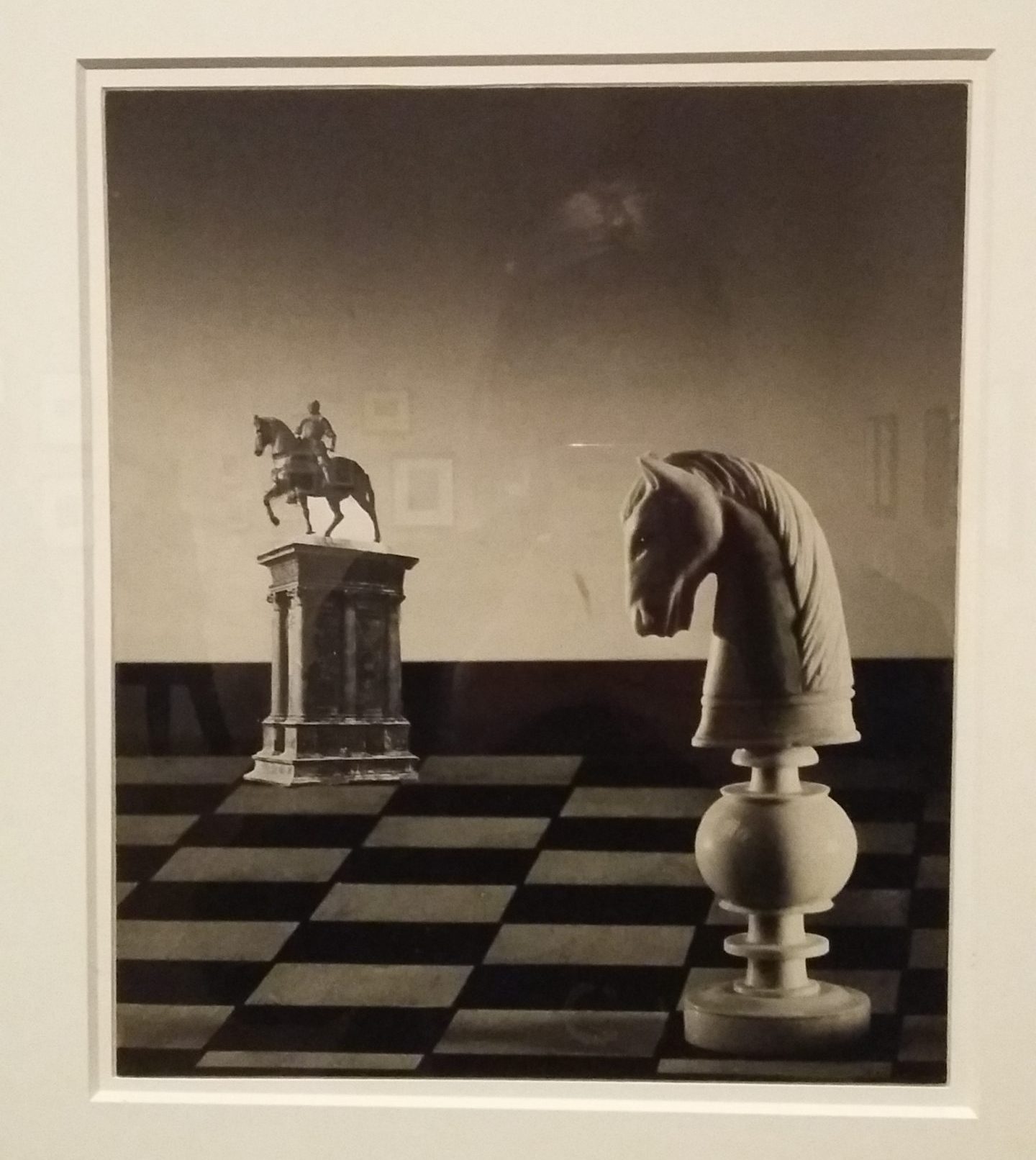
When I visited Tate Modern‘s Dora Maar exhibition I didn’t know it would be my last exhibition for a while, but with hindsight it was a good one to go out on. I confess I had never previously heard of Maar, but I ended up loving her work.

While Maar (1907-1997) had a long and illustrious career, she is barely remembered today, forgotten mainly thanks to her gender and also perhaps her relationship with Pablo Picasso, which overshadowed her. She helped to document his Guernica of 1937, in the period which most defined her – her works of Surrealism were celebrated at the time and these are the most remembered today. Her images from this period are striking and unique.

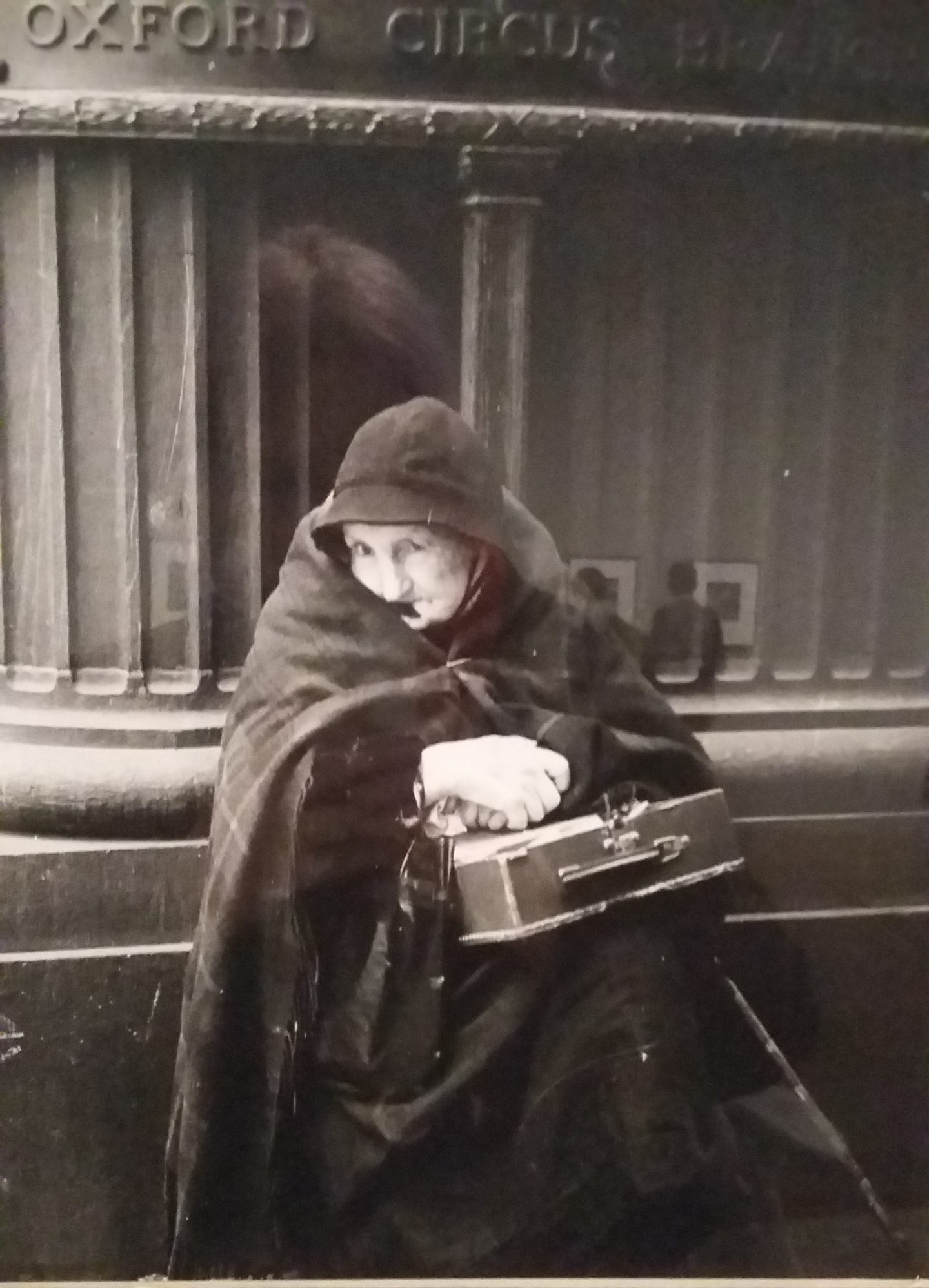
What I liked even more, however, were Maar’s realism-influenced photographs taken on the streets of Barcelona, Paris and London during the Great Depression of the 1930s. These really stood out to me, revealing the characters behind the faces, and making me want to know more about them. It doesn’t surprise me that Maar signed her name to many left-wing manifestos – an unusual guesture for a woman in that period, but one which seems natural in her obvious appreciation and admiration for ordinary people.

I’m so glad I got the chance to visit this unique exhibition before everything closed down – it’s one which will stick in my mind for many years.
Amersham Fair Organ Museum

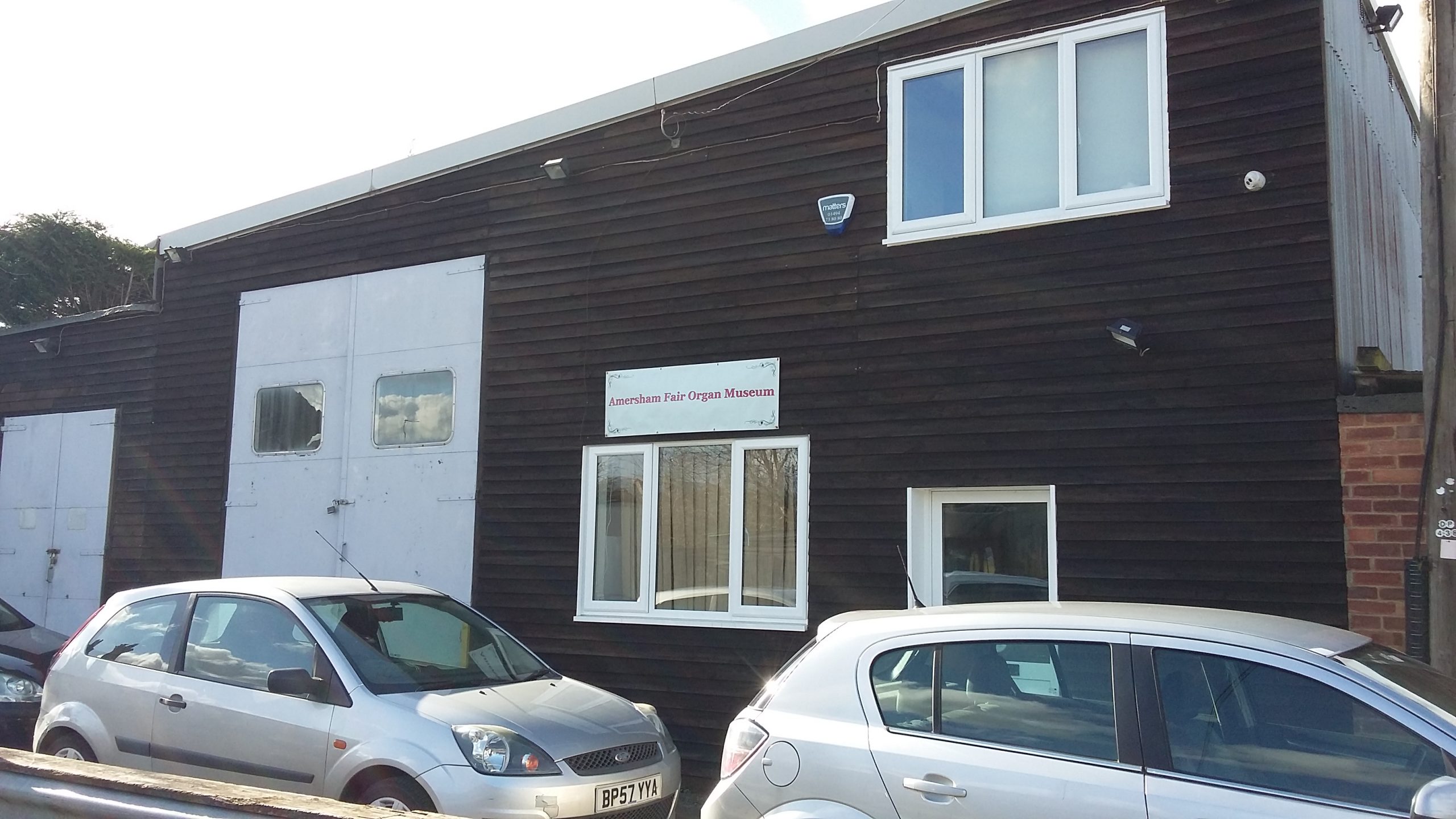
Entrance to the Amersham Fair Organ Museum

I paid a visit to the Amersham Fair Organ Museum on Sunday, on its last open day of the year. The museum hosts open days on the first Sunday of every month during the winter, when visitors can attend for free, listen to organ music and enjoy a cup of tea and a piece of cake.

A fairground organ

The museum is about a fifteen-minute walk from Amersham station, on a small industrial estate beyond the town centre. You hear it before you see it: organ music coming from a bland-looking industrial building is a strange experience indeed. Inside, the museum space was full of visitors sitting and listening to the organs as they were played one by one.

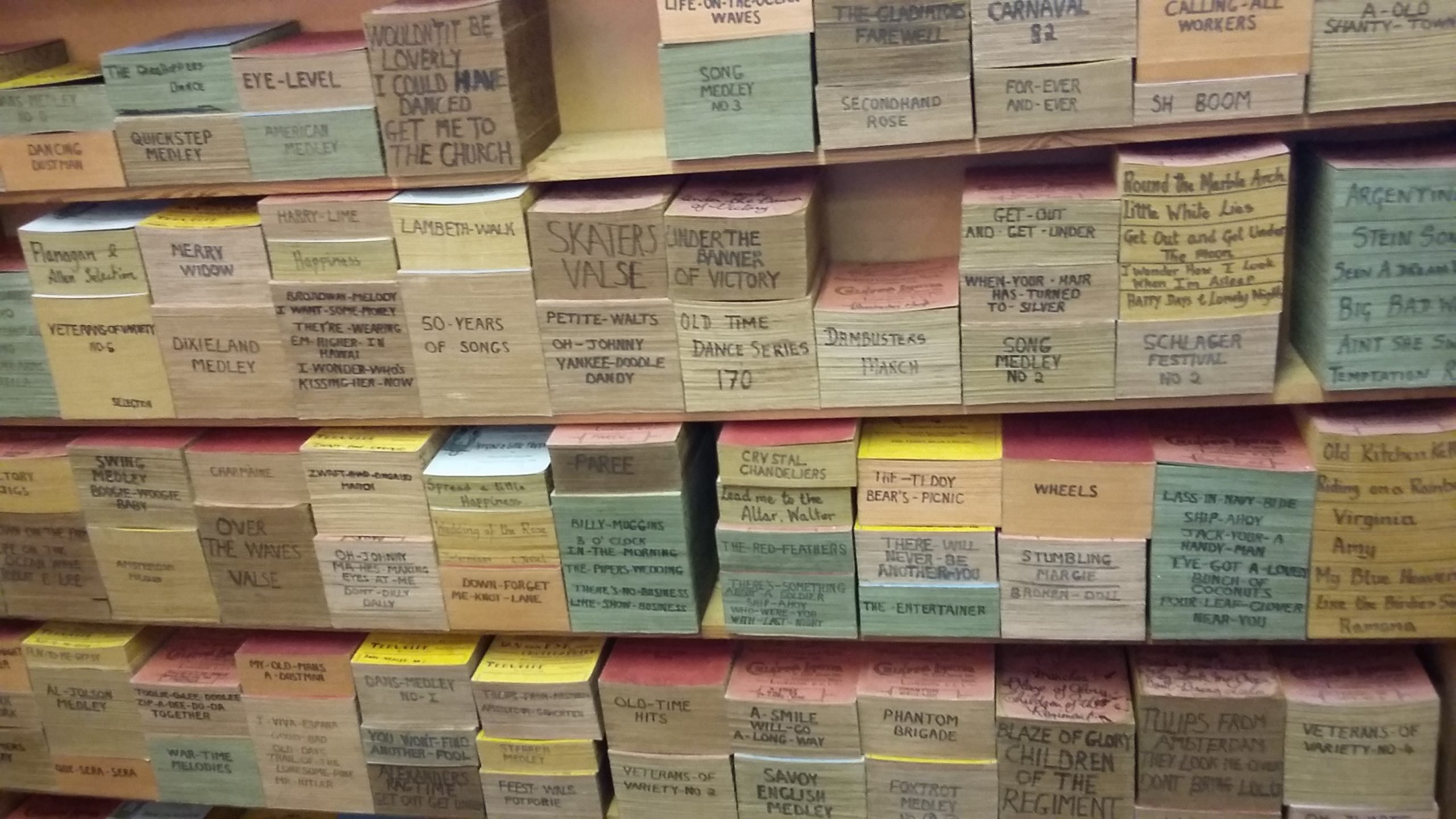
Perforated music for the organs

The museum contains instruments by Gavioli, Marenghi and Hooghuys among others, and preserves them for the enjoyment of the enthusiast and casual visitor. It also contains a huge number of perforated music books which enable the organs to play the music they are famed for. Organ music has a rather nostalgic feel – to me, anyway – but there is something slightly sinister about it. The instruments are impressive and varied, slightly garish but this only adds to the effect they have.

A fairground organ

FACTS

Address: 28 Plantation Road, Amersham, HP6 6HJ

Website: fairorganmuseum.org.uk

Opening Hours: 11am-5pm on designated winter Open Days (see website for details)

Price: Free

Museum of Army Music

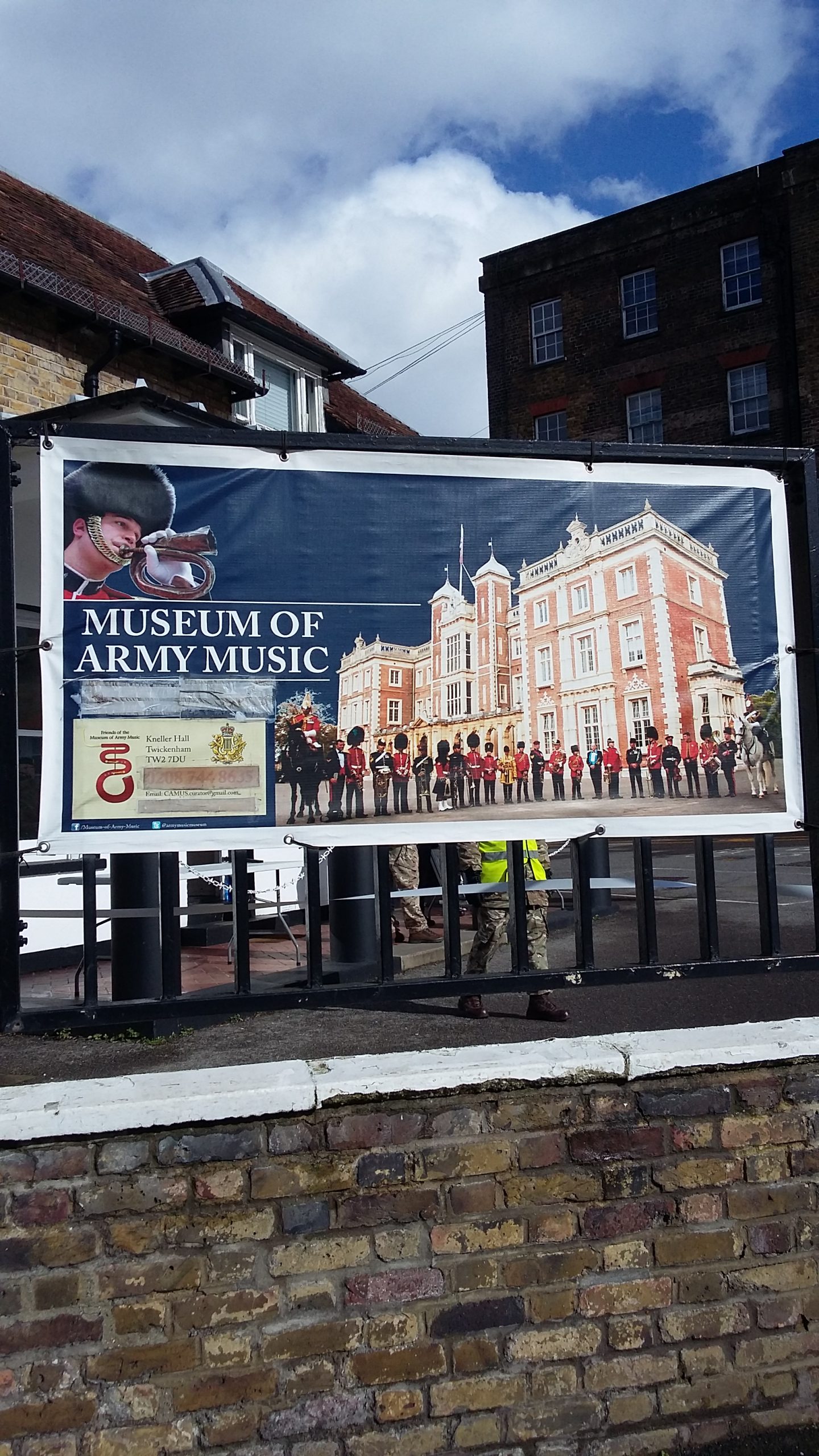
Entrance to the museum

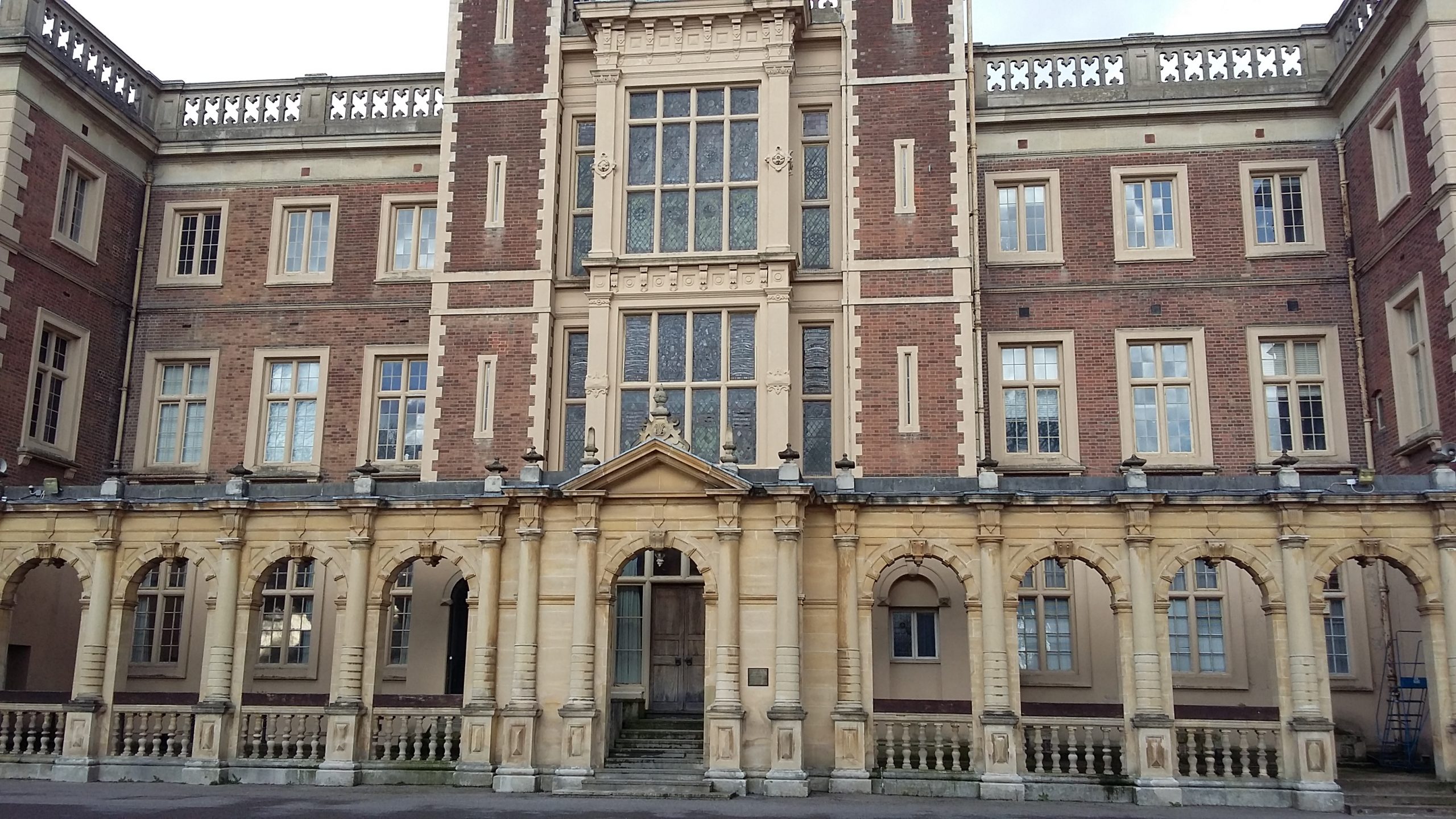
Going through my list of museums in London, which I am trying to visit one by one, I discovered that the Museum of Army Music was to close, as the army was leaving Kneller Hall, near Twickenham, where it is based. The last public open day was to be Saturday 29 February, and I duly booked a place on a tour.

It took a few buses to get to Whitton, where Kneller Hall is located. On arrival I headed to a hut at the far end of the site where I waited for my tour. There were plenty of people there and while we waited we were treated to live performances by some of the army’s brass players. Our tour started outside and took in the history of the building itself as well as the museum.

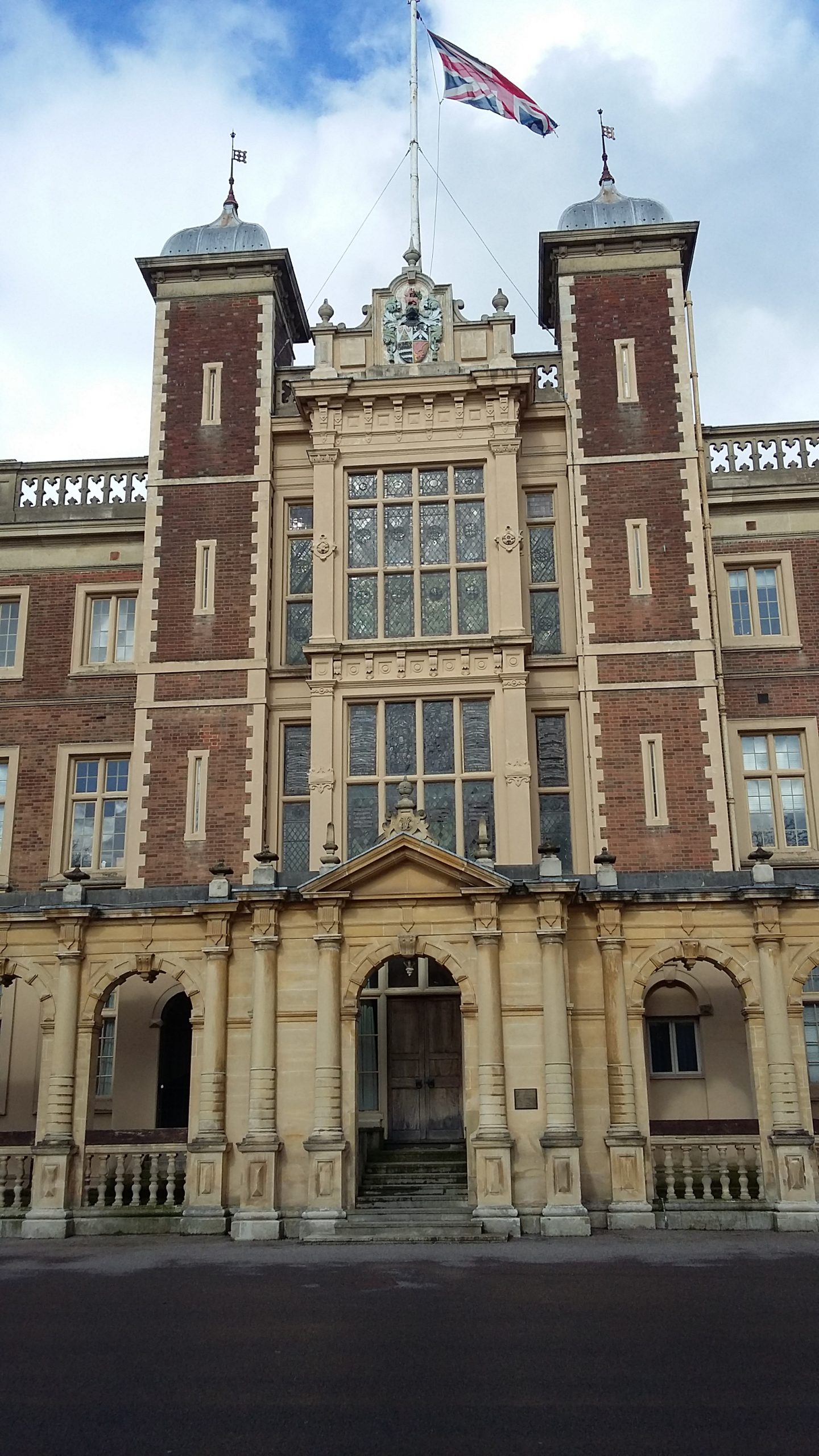
Kneller Hall

Kneller Hall was named for artist Sir Godfrey Kneller. Edmund Cooke built the first house on the site between 1635 and 1646: in 1664 it was the fourth largest house in Twickenham. Kneller bought the site in 1709 and commissioned a new building, purportedly by Sir Christopher Wren. The house was extended by a later owner, a London lawyer, and was further expanded by the MP Charles Calvert.

Kneller Hall

The worn Wren building was demolished in 1850 but the Georgian additions by Philip Hardwick were preserved as the wings of the new building, by George Mair. Mair’s building, which still stands today, was built in a Jacobethan style.

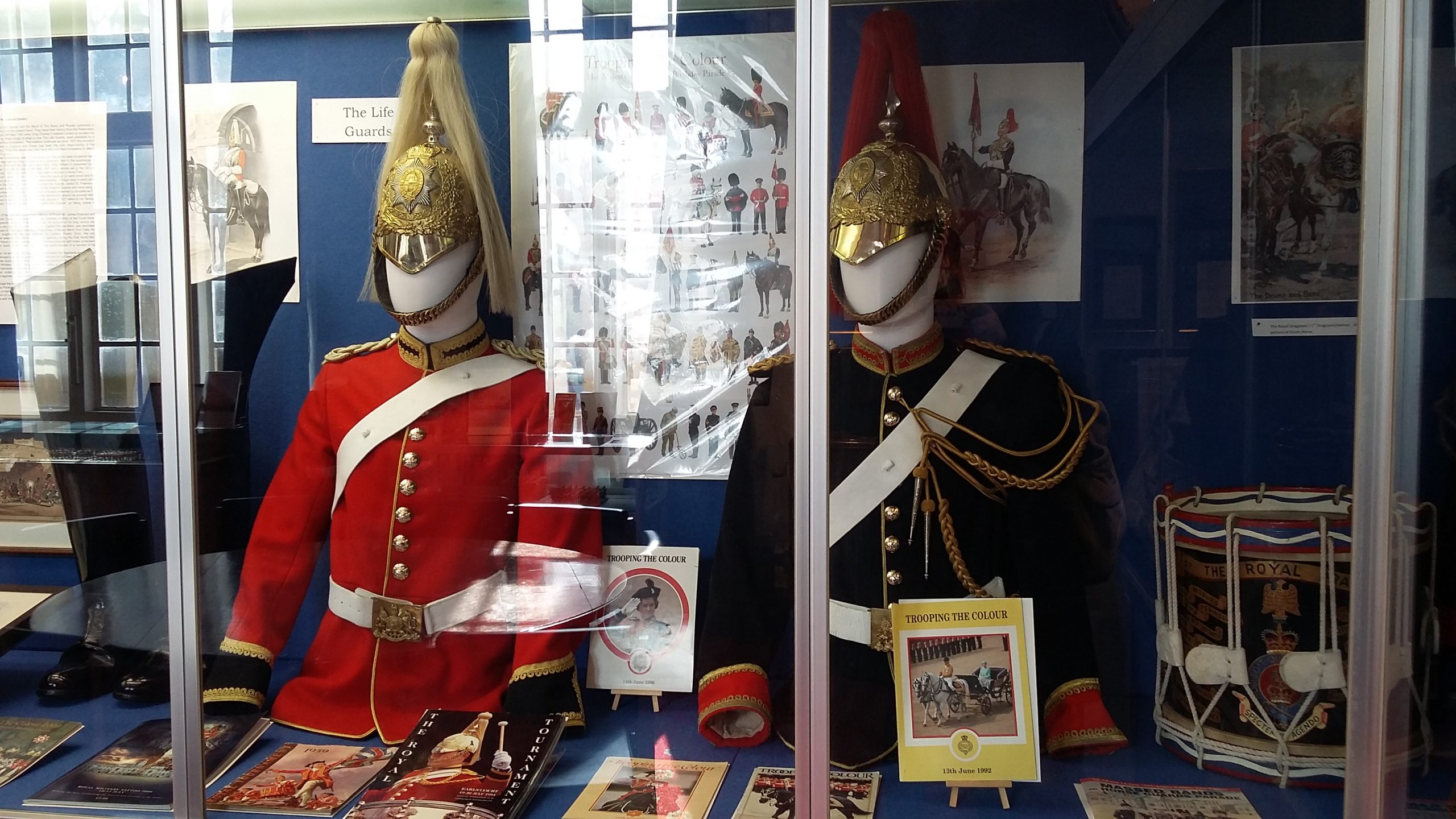
Some uniforms

After serving for a brief period as a teacher training college, in 1857 the building was taken over by the War Office as the base for a school for army bandsmen. Eventually it evolved into the Royal Military School of Music.

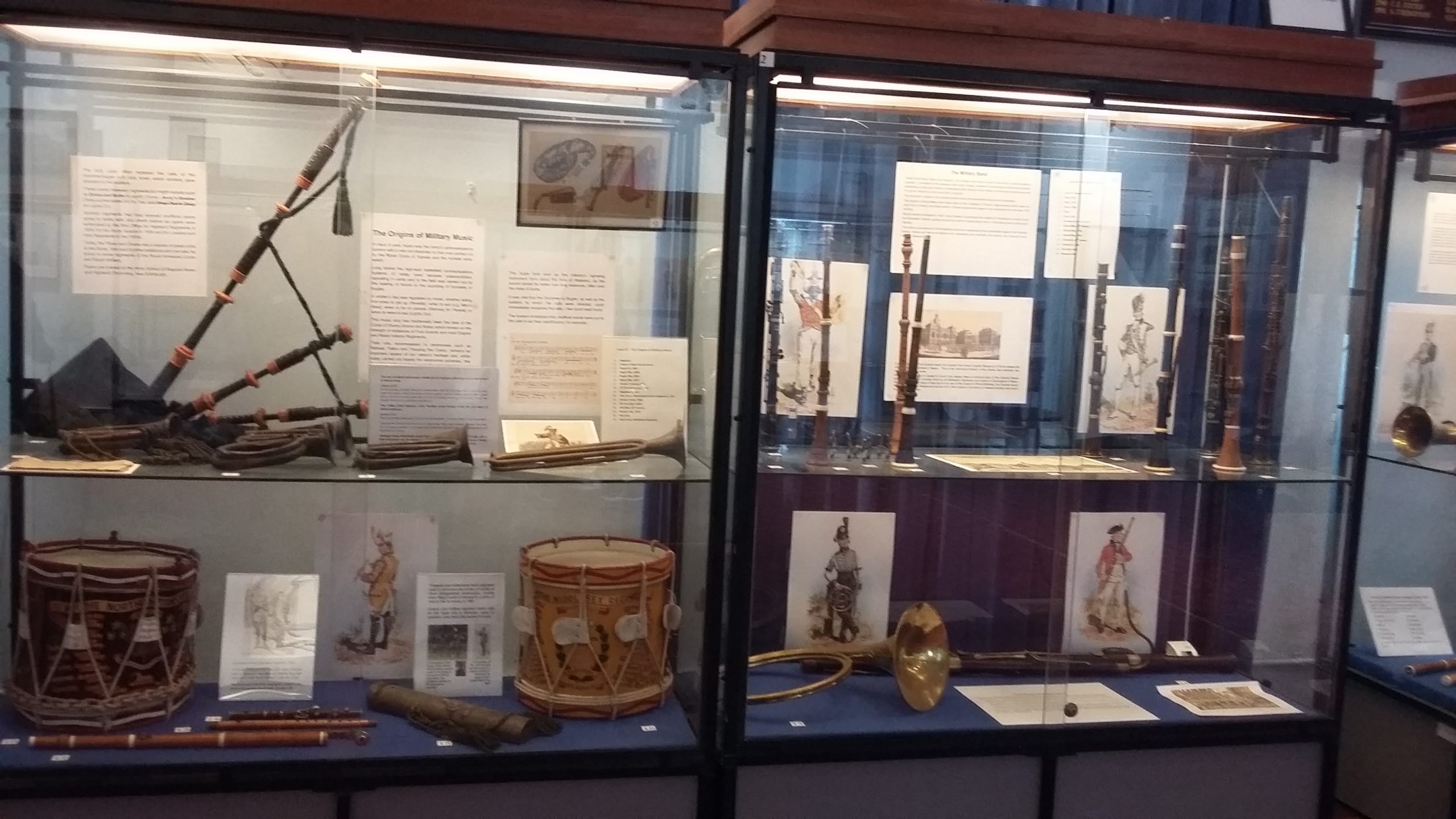
Selection of instruments

I enjoyed a fascinating tour taking in the history and architecture of the beautiful building, as well as a walk around the grounds and journey into the inside of the Hall. We also paid a visit to the museum itself, which recounts the history of army music, including its role as a morale-boosting and propaganda toool. The museum has lots of different examples of instruments played and uniforms worn throughout the age. There are banners, medals, model bands, documents, prints, manuscripts and paintings illustrating the history of military music.

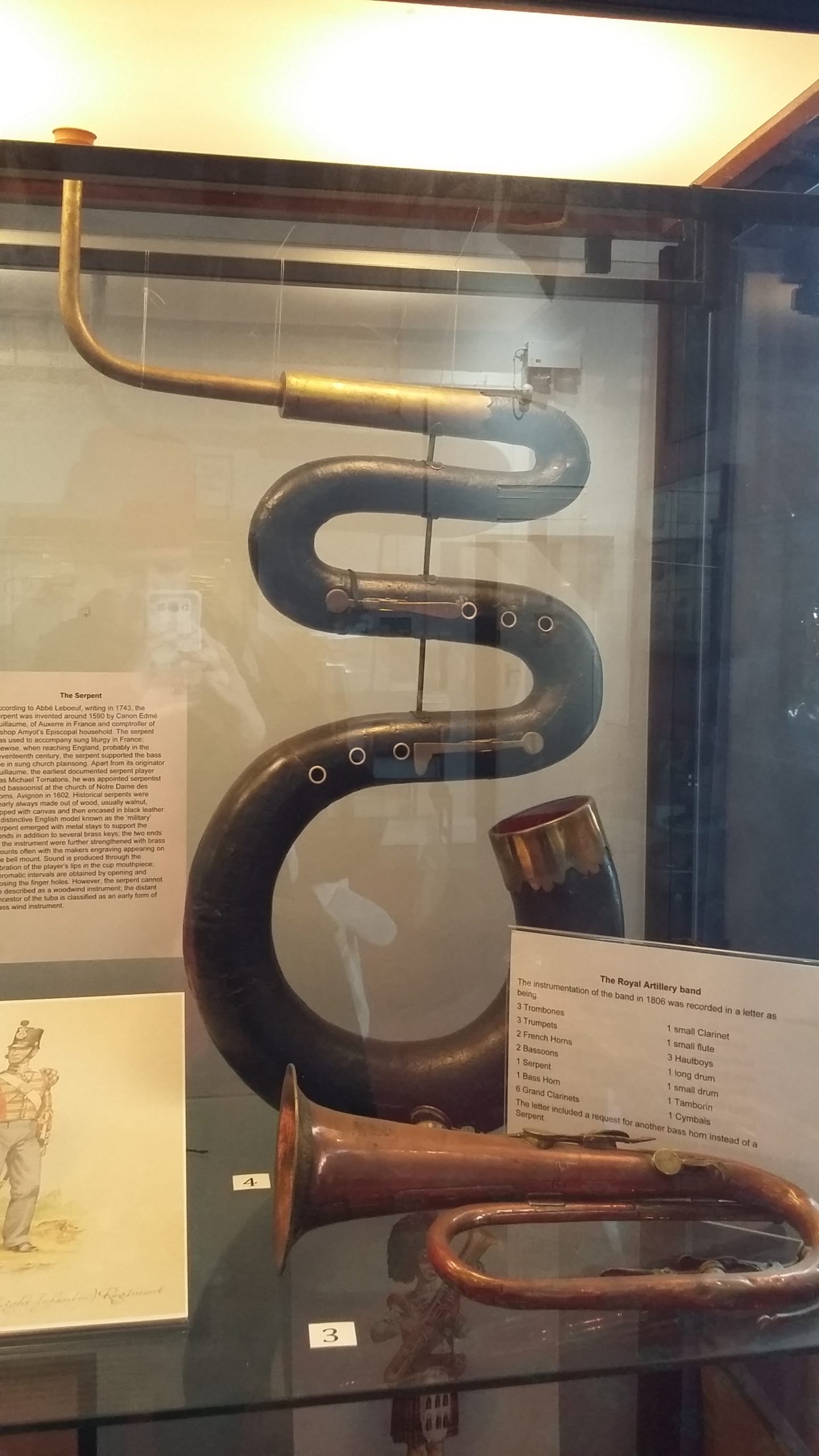
Strange instrument

I would recommend a visit, but sadly the museum is now closed. I’m glad I paid a visit before the end.

FACTS

Address: Kneller Hall, 65 Kneller Road, Twickenham, TW2 7DN

Website: museum-of-army-music

Opening Hours: Sadly now closed

Price: Free

The Viktor Wynd Museum of Curiosities, Fine Art & UnNatural History

Front of the museum

The Viktor Wynd Museum is somewhere I’ve wanted to visit for a long time, and I was pleased to have the opportunity in the form of a tour from the proprietor himself. These tours are available to book online, as are other events in the museum and the attached cocktail bar, but it’s also possible to pay a visit independently whenever the museum is open.

Lion sitting at a table

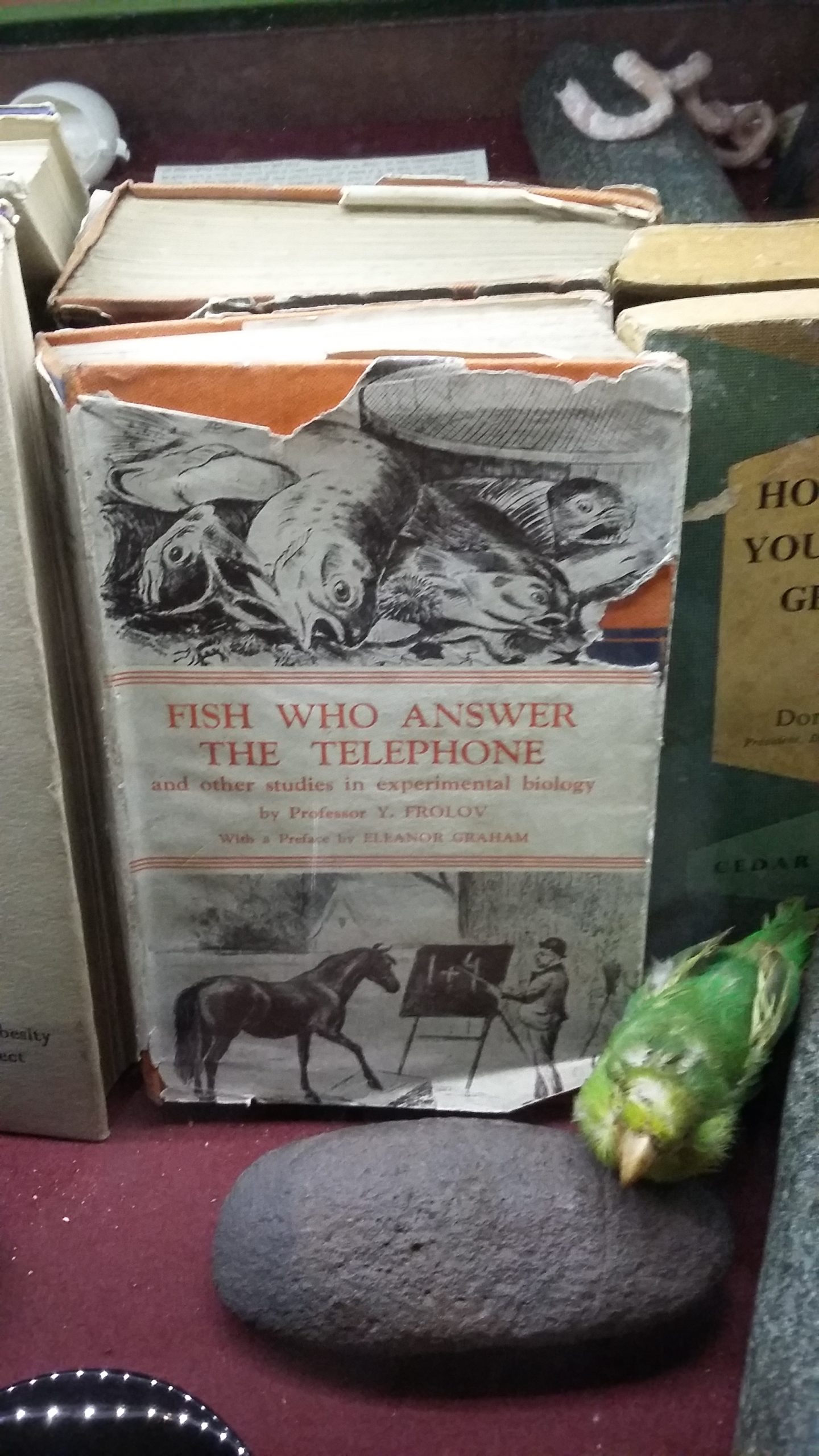
The museum collection consists of weird and wonderful artefacts collected over many years by Viktor Wynd. These include taxidermied animals, shrunken heads, fossils, scientific and medical instruments, unusually-titled books and celebrity memorabilia. It’s a bit like a cabinet of curiosities. There is a huge amount to see, and it definitely helps to have a guide to point out the most interesting stuff and regale you with the stories behind it.

Unusually-titled book

The museum is certainly worth visiting, and I highly recommend the guided tour.

FACTS

Address: 11 Mare Street, London, E8 4RP

Website: thelasttuesdaysociety.org/museum/

Opening Hours: Wed-Thurs 5-10pm, Fri-Sun 12-5pm

Price: Adult £10, concessions/locals/those with reservations to the on-site bar £6. On Thursdays admission is £5/£2.50.

Heath Robinson Museum

Heath Robinson Museum

The Heath Robinson Museum is located in Pinner, north-west London, inside the Memorial Park. This isn’t too far from me, so I paid a visit one weekend. I have to admit, I’d only vaguely heard of Heath Robinson before visiting, but I was impressed by what I found.

William Heath Robinson was born in North London in 1872, the son of an illustrator and engraver. He trained at Islington School of Art, then at The Royal Academy Schools. He hoped to become a landscape painter, but the need to earn a living drew him towards more commercial form of art, so (like his older brothers) he entered the world of illustration. He illustrated editions of Shakespeare and Kipling among others in the course of an illustrious career. Later in life he moved to the Pinner suburbs to better support his growing family.

Heath Robinson Museum display

As well as illustrations, Heath Robinson drew humorous satirical cartoons, which made him immensely popular, especially during World War I as his cartoons, poking fun at enemy propaganda, increased morale among the troops. Perhaps most famously, he became known for complex yet humorous illustrations of all kinds of weird and wonderful contraptions, which satirised unnecessary complexity and bureaucracy, punctured pomposity and emphasised human weakness.

These illustrations were my favourites, although Heath Robinson was clearly a very talented man and all aspects of his work are worth exploring. The museum gallery takes a chronological approach to his life and work and I left feeling as though I knew a good deal about this unique artist.

The Museum also has another gallery which hosts special exhibitions relating to illustration. The current exhibition is Fairies in Illustration which had many images of fairies spanning several years, including pictures by the likes of Brian Froud and Cicely Mary Barker as well as Heath Robinson himself.

Fairy drawing
A fairy by Brian Froud

I definitely recommend a visit to the Heath Robinson Museum, even if – perhaps especially if – you don’t know anything about the artist. It’s a little gem.

FACTS

Address: 50 West End Lane, Pinner, HA5 1AE

Website: heathrobinson.org

Opening Hours: 11am-4pm Thursday – Saturday

Price: Adults £6, 65+ £5, disabled people and students 25+ £4, students 24 & under and children free

Polish Institute and Sikorski Museum

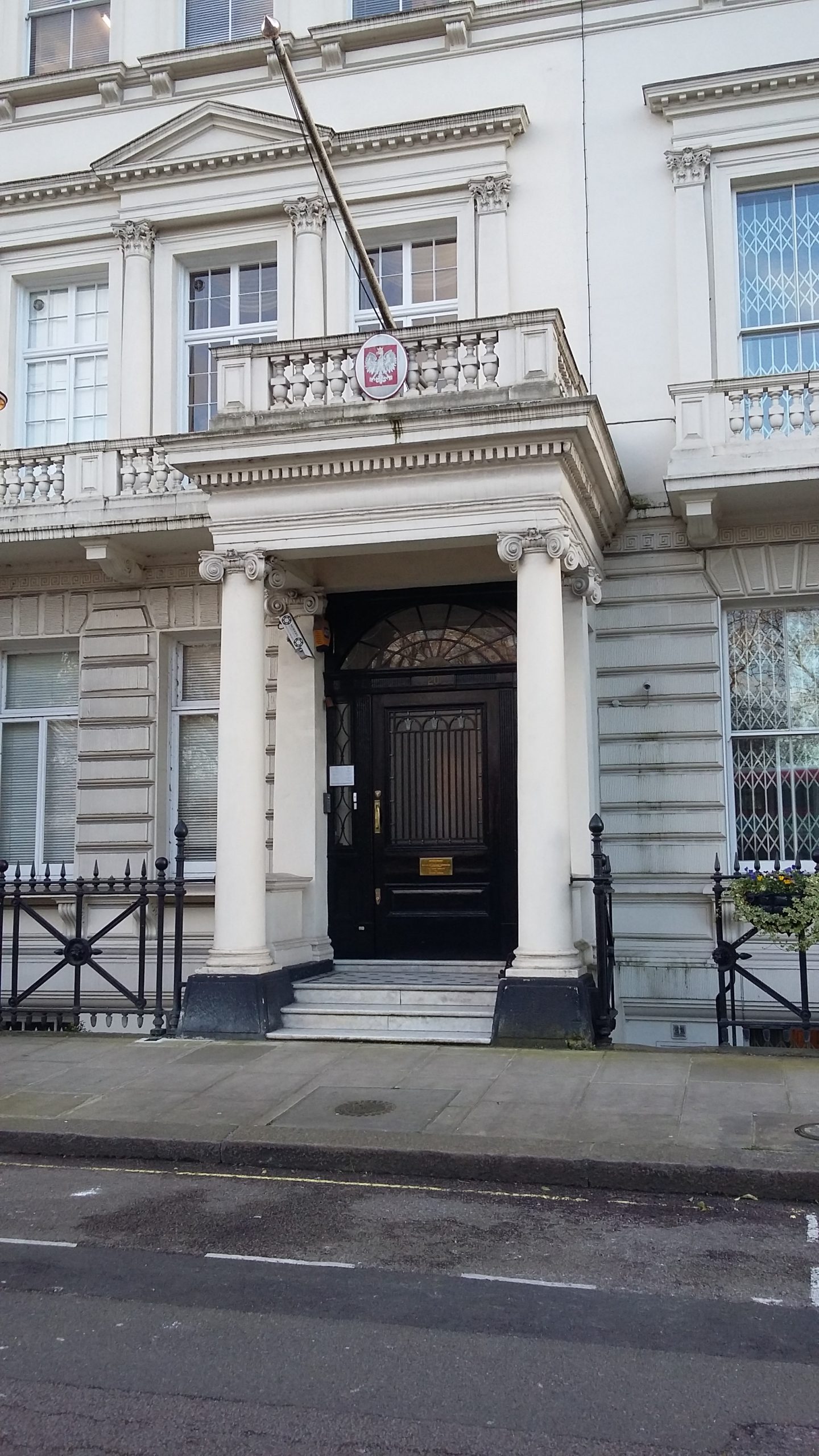
Polish Institute and Sikorski Museum

The Polish Institute and Sikorski Museum is usually open only on weekdays, but it is also open to the public on the first Saturday of every month. I turned up – having caught the bus to the Royal Albert Hall just down the road – and immediately hit a snag as no one was answering the bell. Luckily, another couple arrived shortly after me and had the bright idea of ringing the museum. So finally we were let in.

The museum is much bigger than I had expected. It encompasses numerous rooms over three floors; there is also an archive in the basement, and the Institute operates as a publisher, printing works of interest in Polish history. Many of the artefacts and displays relate to the Second World War, but others hark back to older Polish history, such as the bust of Jan Sobeski, a king who helped liberate Vienna in 1683. Most of the labels are, naturally enough, in Polish, but a few are in English.

What made the visit especially interesting was the guide, who started explaining a few of the exhibits to a group of English-speaking visitors and ended up taking us around the whole museum – I was there about two hours.

The Institute was set up in May 1945, following the end of the Second World War. With the imposition of a Soviet Communist government in Poland, many of the Polish nationals who had been living and fighting in Britain and elsewhere realised they would not be able to return. They turned their attention to the preservation of artefacts and records from this era and earlier, and these found a home in the Institute, which was named after General Wladyslaw Sikorski, Polish Prime Minister during the period of the war. During the later period of Communist rule in Poland, the Institute functioned as a hub for cultural and educational pursuits, and even after the collapse of Soviet rule, the Institute has continued to function as an independent institution.

One section of the Institute, the Sikorski Collection, is focused on the life, papers, documents and belongings of General Sikorski. A large proportion of the Institute’s acquisitions comprises the Military Collection, mainly focusing on World War II but also featuring artefacts from earlier periods in history. One significant item is a flag, quickly sewn together and raised above the ruins of Monte Cassino when Polish soldiers took the monastery in May 1944. Another is the Anglo-Polish Military Agreement, dated 5 August 1940 and signed by Prime Ministers General Sikorski and Winston Churchill as well as their respective foreign ministers. Aside from these two key collections, there are also a number of artworks, sculptures and miniatures.

FACTS

Address: 20 Prince’s Gate, London, SW7 1PT

Website: pism.co.uk

Opening Hours: Tuesday-Friday 2-4pm, first Saturday of the month 10:30am-4pm

Price: Free

William Blake – Tate Britain

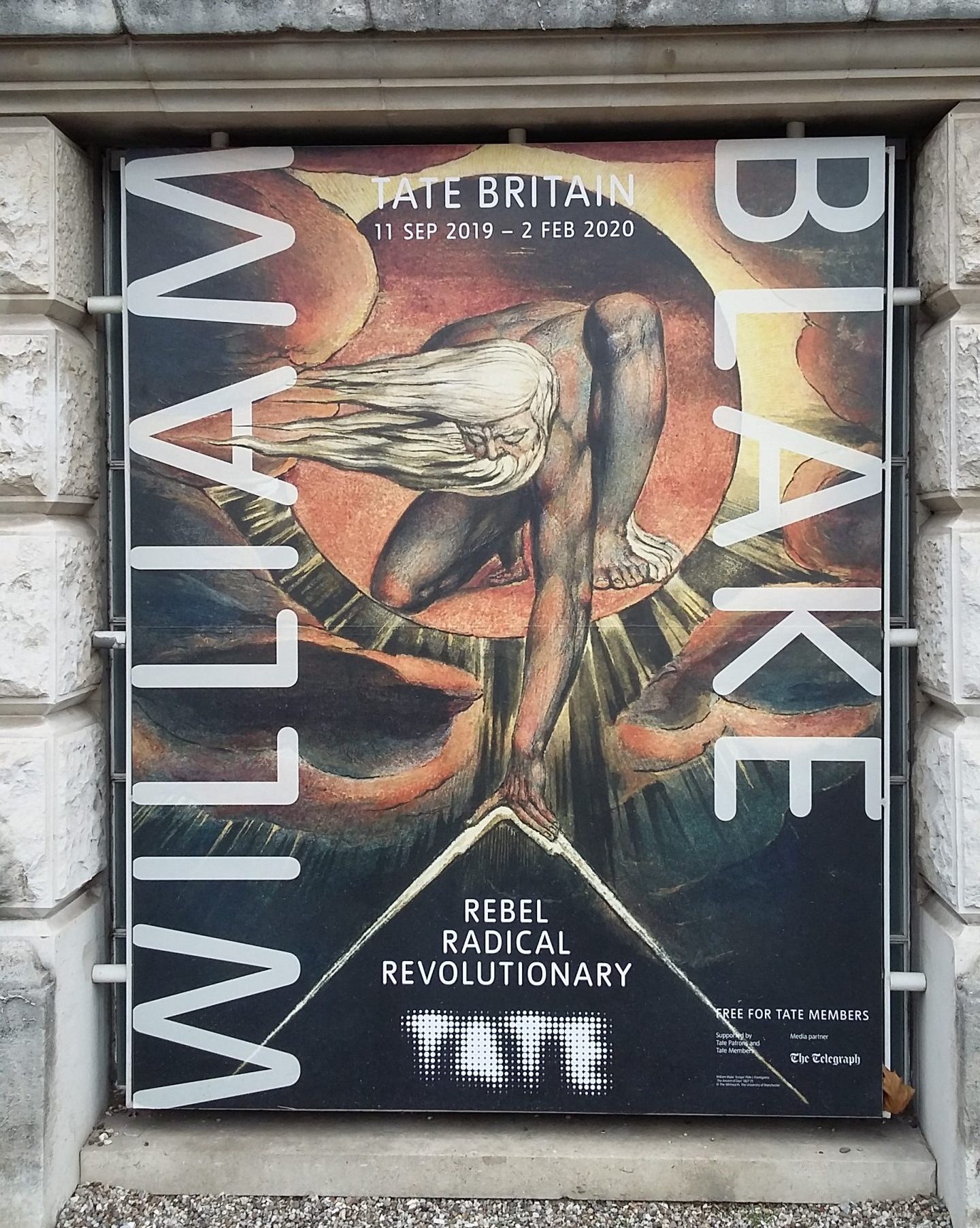
Exhibition poster

I first encountered William Blake’s work in sixth form, when I studied his Songs of Innocence and of Experience for A level. This major exhibition at Tate Britain explores Blake’s whole life, tracing his development as an artist from his beginnings at the Royal Academy through to his unique and visionary works. It acknowledges the complex questions raised by his images of slavery, and mentions the contribution his wife Catherine made to his work.

Blake was born in 1757 in London, where he lived for almost all of his life, most famously in Lambeth, south of the river.  As a teenager he was apprenticed to an engraver, and later studied at the Royal Academy. He initially followed the prescribed course of study, practising by sketching the classical statues provided for this purpose, but grew frustrated with the restrictions this placed on him, and began to explore his own myths in his art. One example of this is his long poem Tiriel: he envisioned this as a combination of words and images, integrated as one whole. Much of his early work, and his images for Tiriel, are displayed in the first rooms of the exhibition.

Blake spent much of his career as an engraver and print maker. He pioneered a technique, still not fully understood, of relief etching, which he used to create beautiful illuminated books, which were not commercially lucrative but were nevertheless admired by a select few collectors. Blake would often produce images without text to sell individually. Two of his key collections, displayed here, are the pages from his famous Songs of Innocence and of Experience, and America: A Prophecy, inspired by the American War of Independence.

Patrons were crucial to Blake being able to make a living. He had several patrons throughout his life, and and a section of the exhibition is devoted to the work he produced for them. However, his relationship with them was often tense as he felt they restricted his creativity and artistic freedom. In later life Blake hosted his own exhibition, above the shop owned by his family, in 1809, however, it was poorly received by the critics.

Towards the end of his life, Blake did receive appreciation from younger artists who saw him as a radical, someone who had refused to compromise his vision. It was at this time that he began his work Jerusalem. The exhibition is a comprehensive, intelligent and engaging exploration of Blake’s work.

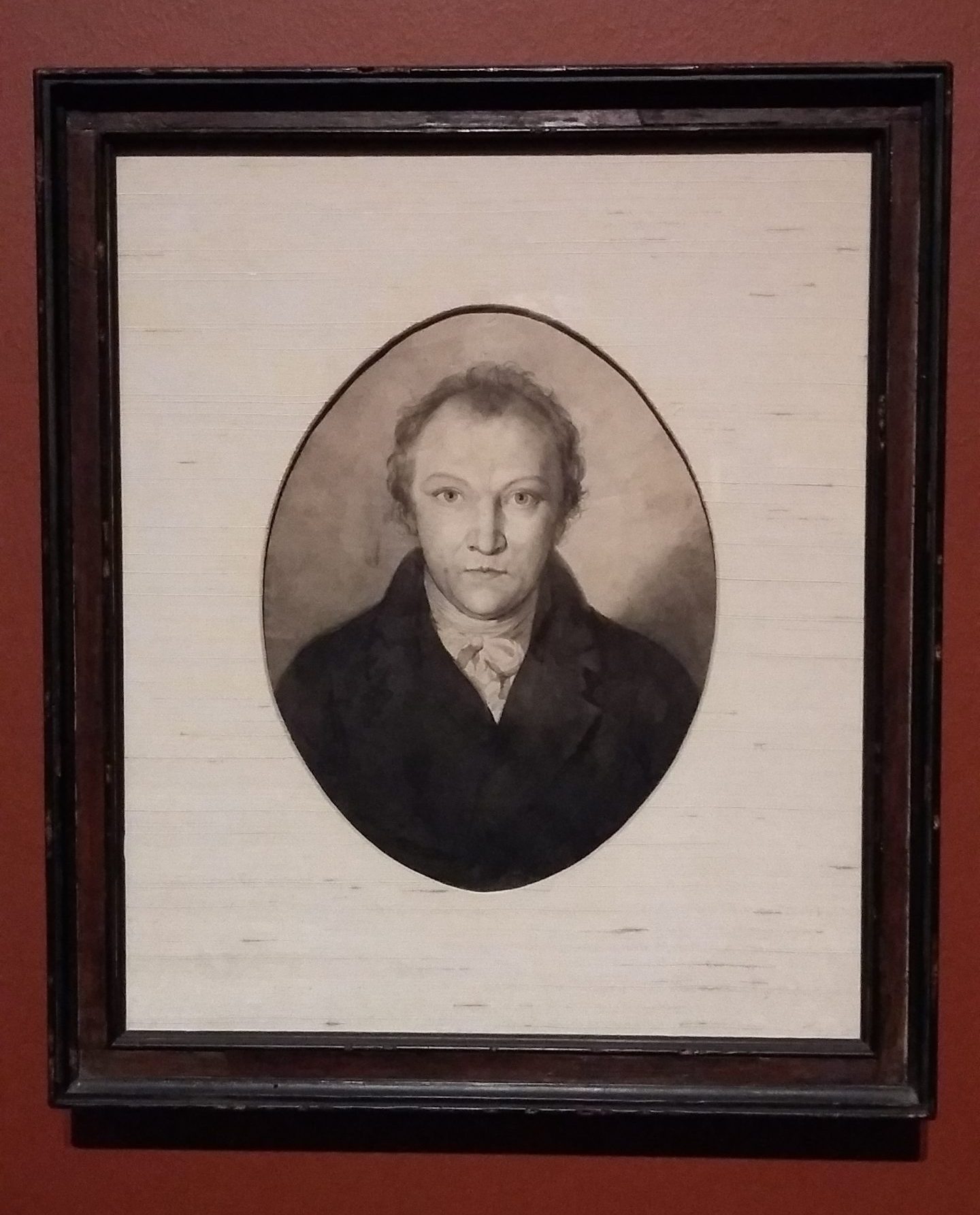
William Blake

The Moon – National Maritime Museum

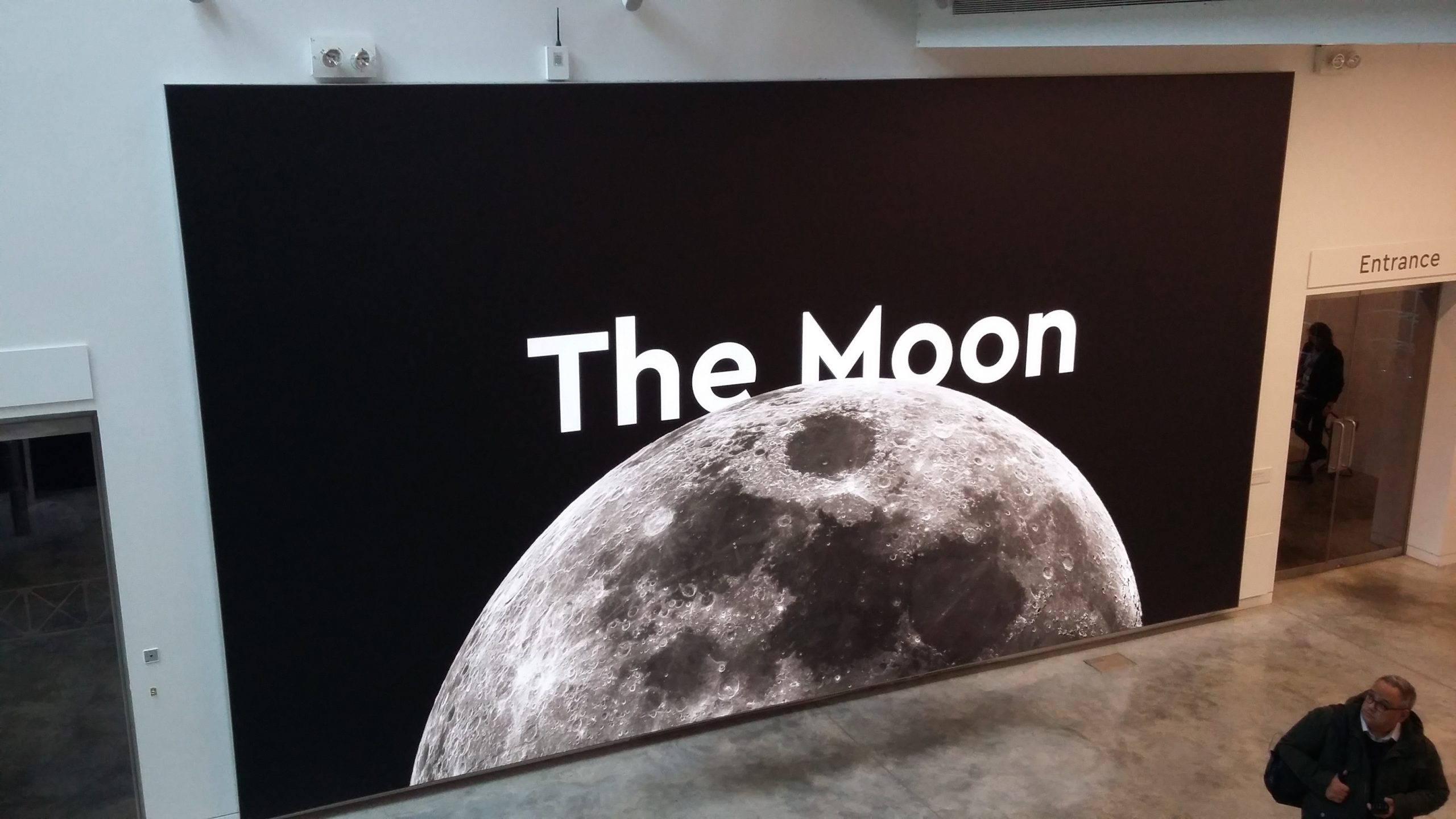
the moon banner

We like the moon, ’cause it is close to us…

I went to the National Maritime Museum to visit The Moon on its very last day. The Science Museum had an exhibition on the Sun not long ago, so this exhibition seemed apt. Also, it’s the celestial body associated with my star sign, Cancer. The exhibition marks 50 years since the moon landings, but as well as space travel it looks at the history of our understanding of the moon, literature associated with it, and religious and cultural practices with the moon at their centre.

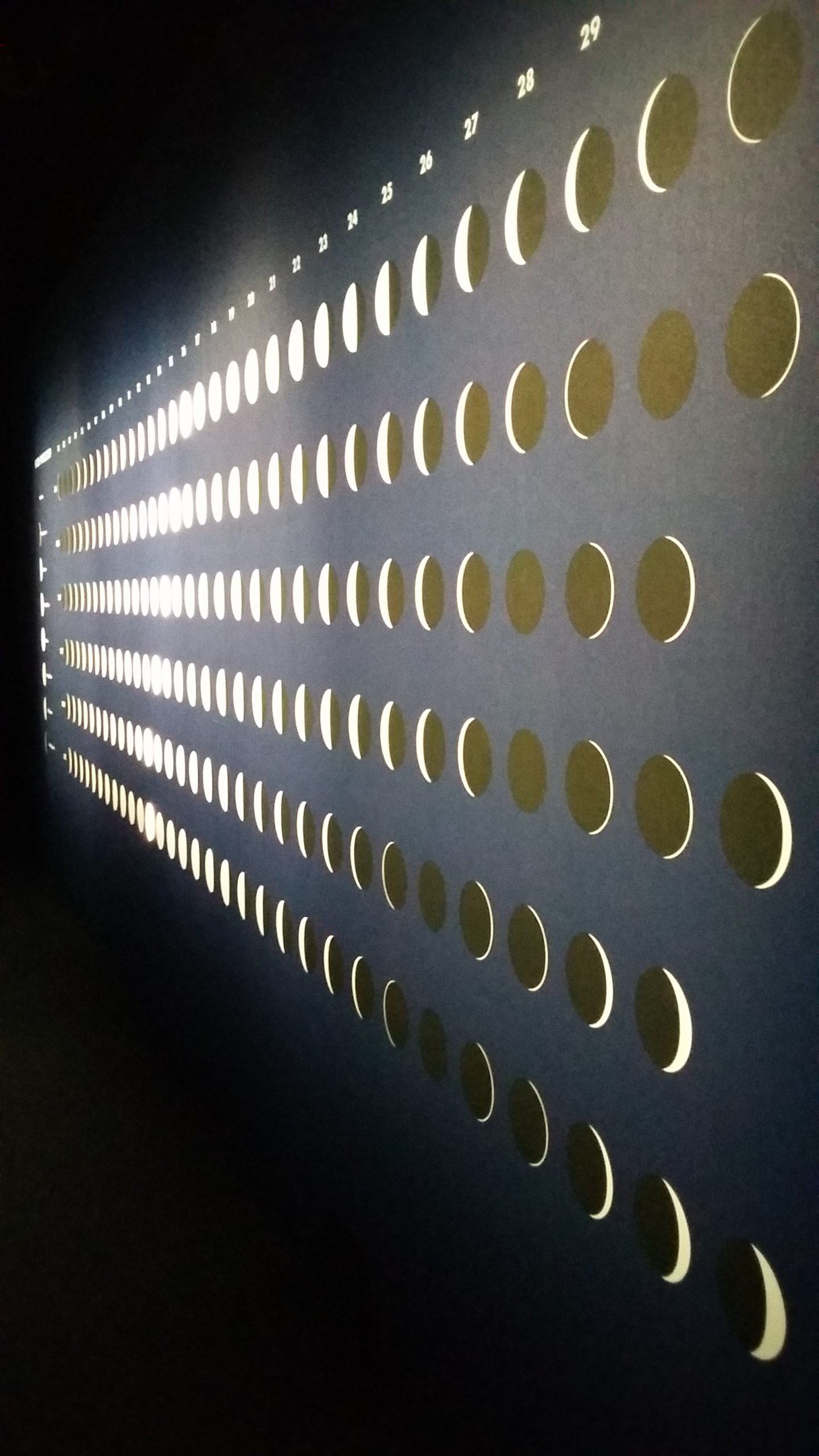
Phases of the moon

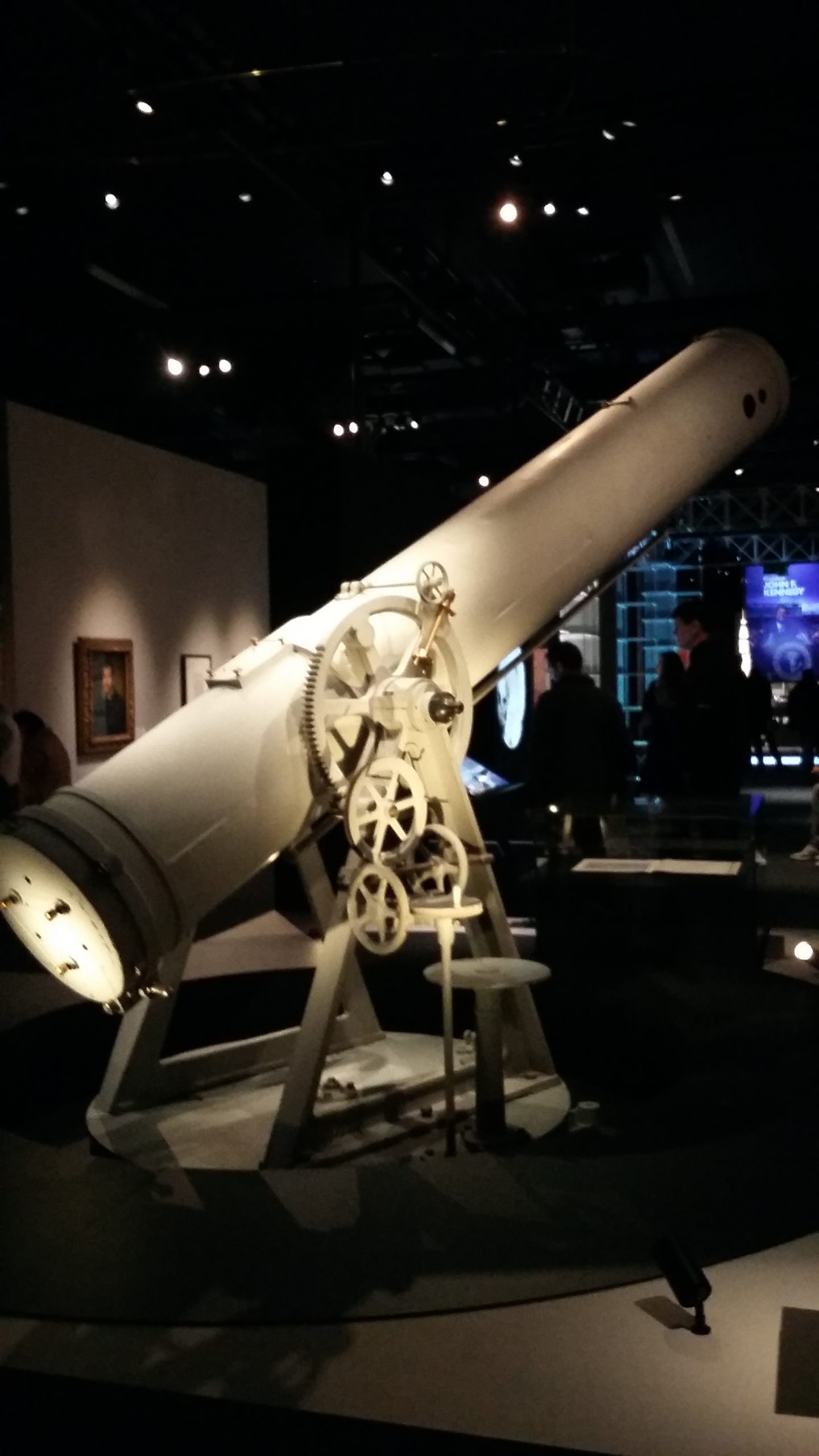
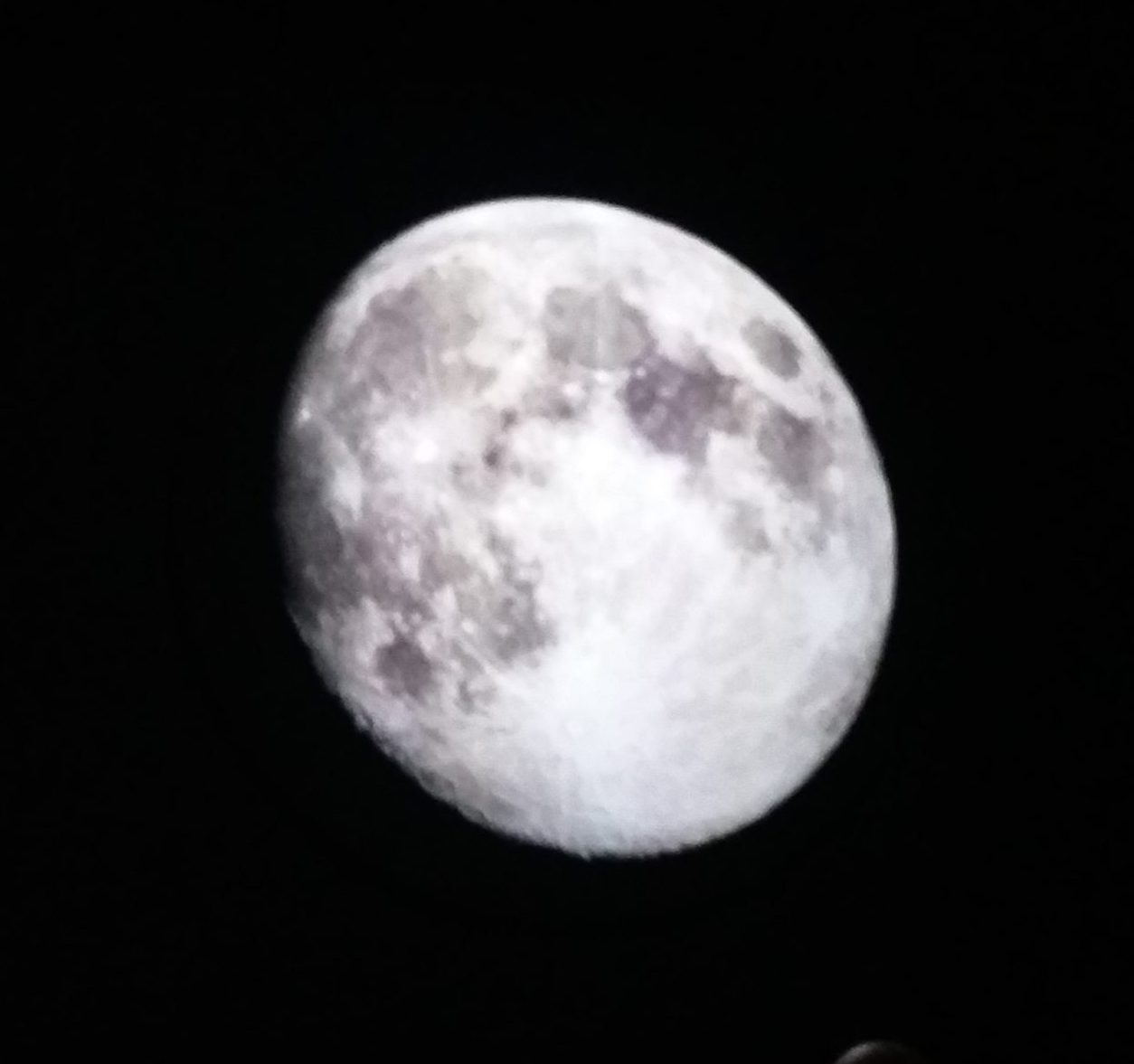
Accompanied by a musical soundtrack of Debussy’s ‘Clair de Lune’, the exhibition explores early superstitions about the Moon, looks at the scientific developments that allowed us to view and eventually visit it, and looks to the future with the prospect of human settlement on the Moon. I was intrigued by the role of the Moon in the lives of ordinary people, and the names given to the different phases of the Moon. Much of the artwork featuring moonlit landscapes is beautiful, and the early photos and diagrams of its surface perhaps even more so.

telescope

An important part of the exhibition is devoted to the Space Race: items from actual Apollo missions are some of the most exciting on display. This leads on to a section that asks who owns the Moon: there are some difficult questions to be asked in the future, but there is also excitement at the prospect of further exploration.

The Moon

Troy: Myth and Reality – British Museum

urn
Urn showing Achilles killing Penthesilea

On the first Saturday of the New Year I went to the British Museum with my friend to see the exhibition Troy: Myth and Reality. The exhibition looks at the myths surrounding Troy and the Trojan War before exploring the evidence for the real existence of Troy and how the legend has been interpreted over the centuries.The first object on display is a magnificent urn painting, dating from approximately 530BC. It shows Achilles at the instant he kills Penthesilea, leader of the Amazons: a dramatic moment showcasing the violence of the Trojan War. Homer’s Iliad and Odyssey, as well as Virgil’s Aeneid, tell stories of characters such as Achilles both real and mythical, and are hugely well known in the Western world and beyond.

Most people know the basics of the myth: Trojan prince Paris runs off with Helen, wife of Menelaus, king of the Spartans. But was she abducted or did she go willingly? Whas she as beautiful as legend suggests – “the face that launched a thousand ships” – or was she simply an excuse for the Greeks to declare war? The contemporary and near-contemporary artefacts in the exhibition offer a variety of perspectives and interpretations.One aspect I found fascinating was the gallery exploring the discovery of Troy as a real place:

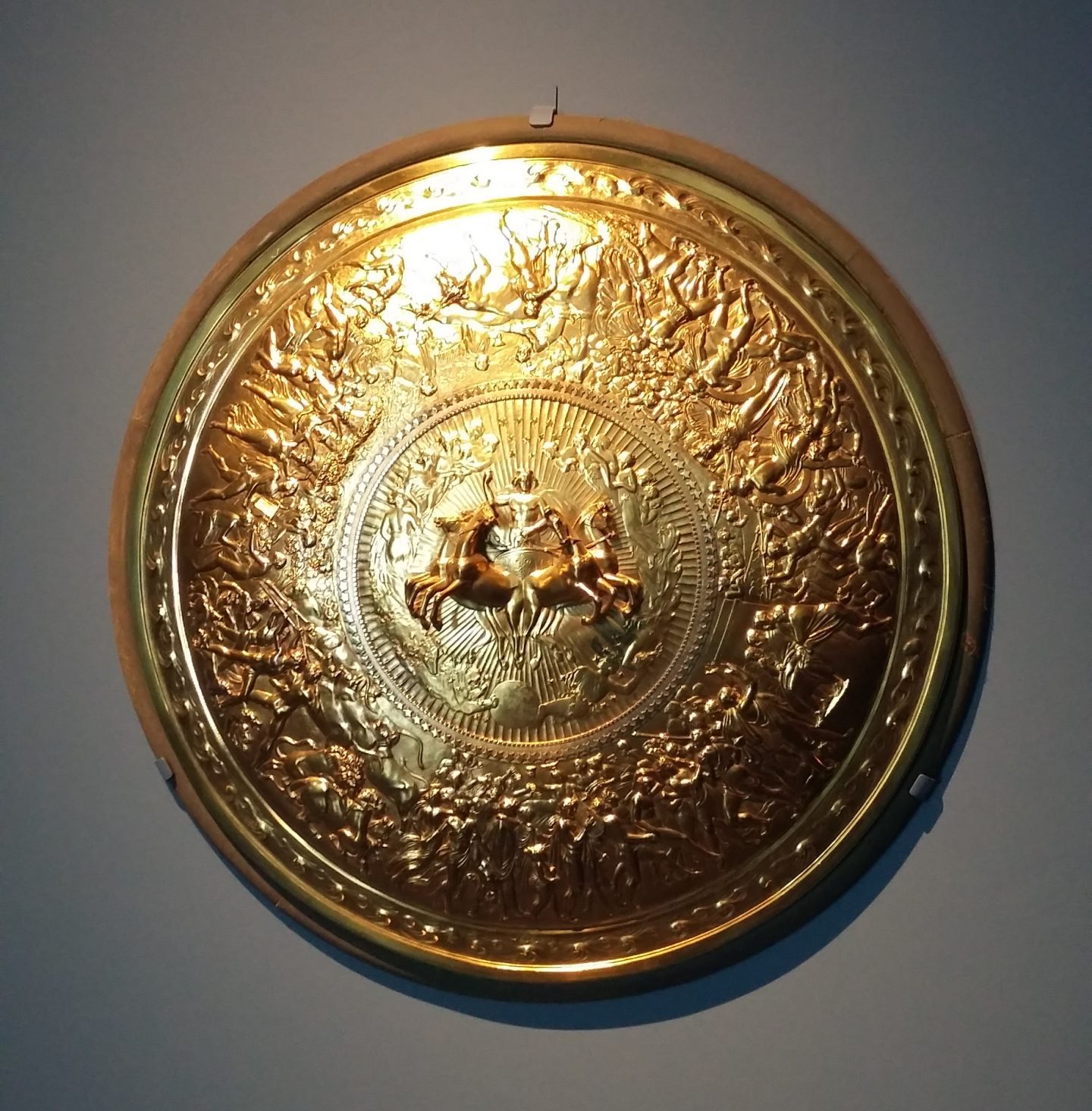
Homer’s Iliad references the northern Turkish city of Ilium, and for many years Troy was thought to be at a place called Bounarbashi. In the nineteenth century the focus changed to Hisarlik. Many objects excavated during this period are displayed here. The second half of the exhibition focuses on differing interpretations of the Trojan War over the centuries, and it’s fascinating to see how these changed over time. It ends with a 19th-century interpretation of Achilles’ shield, symbolising how the myth has inspired artists and creators for years and years.

shield
19th-centuy shield of Achilles

George IV: Art & Spectacle – Queen’s Gallery

George IV painting

George IV: Art & Spectacle is the latest exhibition to take place at the Queen’s Gallery, London. This king, who spent many years as Prince Regent (giving the Regency period its name) before taking the throne in his own right, is portrayed here as a keen art collector whose legacy can still be seen today.

Growing up, George was not allowed to leave the country owing to the orders of his father, George III, so instead he collected works of art from all over Europe and the east, as well as paintings of subjects closer to home – his family, and earlier monarchs. His energies were first directed at Carlton House, his London residence, which he filled with art, sculpture and furniture, but his vision eventually outgrew this comparatively small living space. Famously, he established the Royal Pavilion in Brighton, and on becoming king he instigated work at Windsor Castle and Buckingham House, transforming the latter, under the care of architect Thomas Nash, into Buckingham Palace.

It seems that George did have a keen eye: he collected works by the likes of Rembrandt, as well as commissioning works of his own. He enjoyed literature too, keeping a collection of Jane Austen’s works in each of his residences, and inviting Sir Walter Scott to dine.

One thing I found interesting about the exhibition was that George, spending money lavishly at a time of economic hardship for many of his subjects, was widely disliked, and this image of him has coloured our perception. I’m not really surprised, and it makes me wonder if having this exhibition now was really a good choice, as poverty levels in the UK reach crisis point. Not long ago, there was criticism over a plan to refurbish Buckingham Palace during this time of austerity, and however much George IV embraced the arts, I feel similarly about his own spending, fascinating as this exhibition was.