Royal Gunpowder Mills

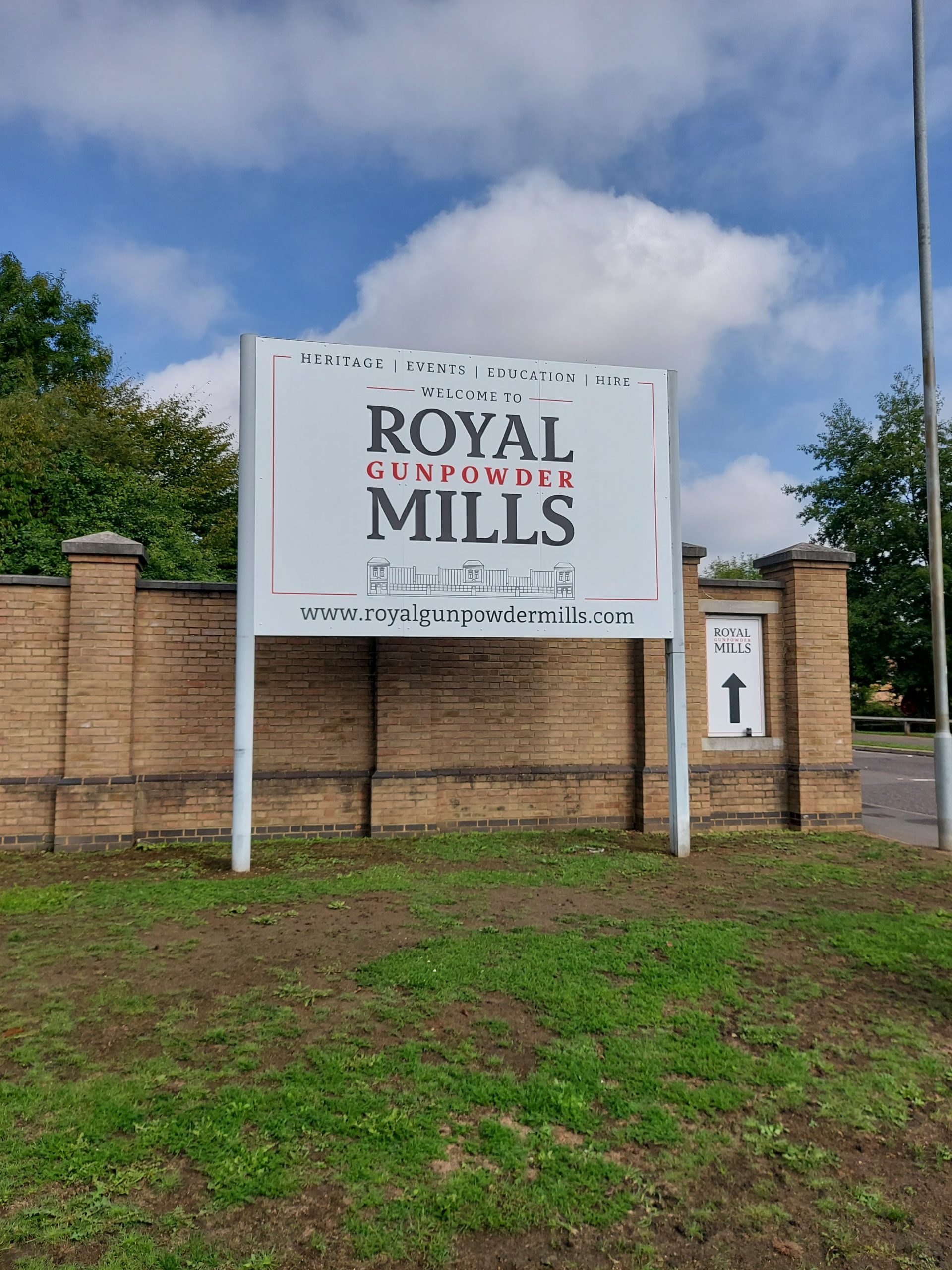
Sign to Royal Gunpowder Mills

I spent the weekend in the Lee Valley and took some time to visit the Royal Gunpowder Mills. These are located not far from Waltham Cross, and are found at the end of a pleasant walk up a quiet road.

The mills played an important part in military history and national defence over centuries. The site was originally used as a fulling mill for cloth production, but was converted to gunpowder production at some point during the seventeenth century. The gunpowder produced at the mills was known for its reliability and high quality.
Royal Gunpowder Mills

Demand surged during the First World War, and women were employed to replace men who had gone off to war. During the inter-war years, production was gradually moved off-site, with the mills finally closing in 1943. However, the site reopened in 1945 as a research centre, before closing for good in 1991.

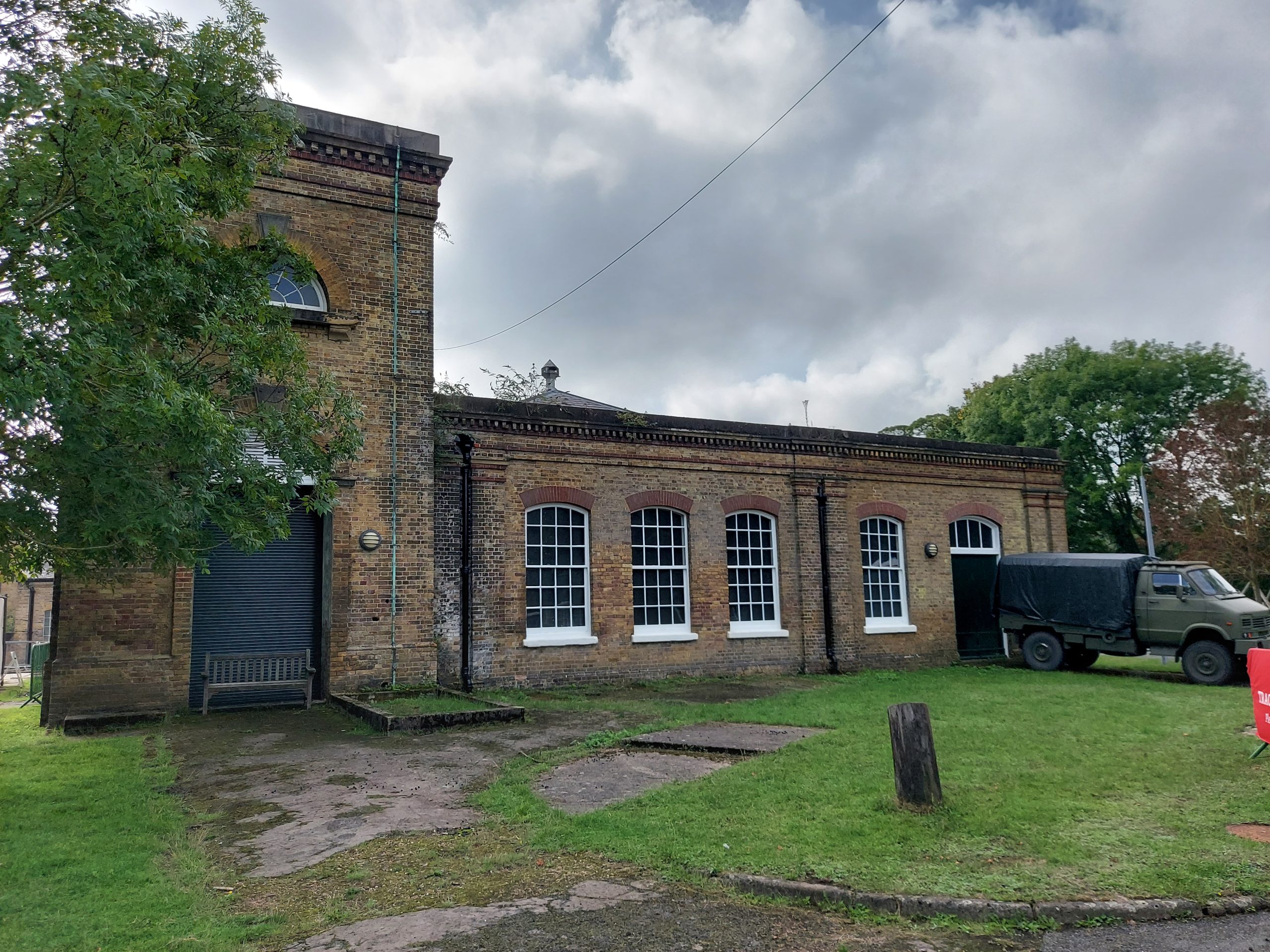
My visit began with a tractor tour, which are offered to visitors in order to see the whole site, much of which is out of bounds to those on foot because of safety (I should say here that you ride in a trailer, not on the tractor itself!). On the tour, which took around half an hour, passengers are treated to a commentary on what can be seen and the history behind the site. We also saw a deer hiding in one of the derelict buildings.
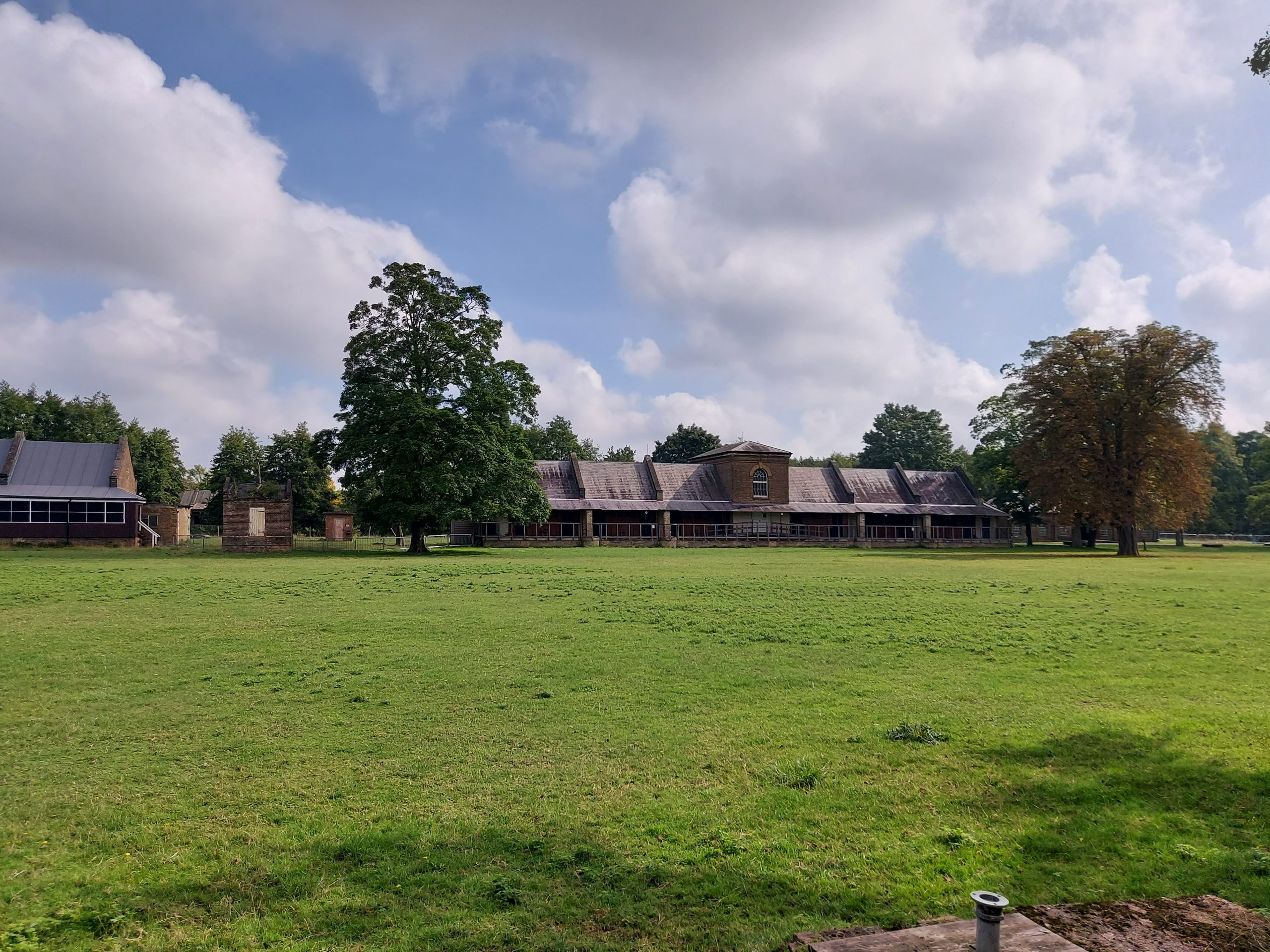
One of the blocks of the Royal Gunpowder Mills

After the tour, I wandered round the main visitor area of the site, looking at some smaller exhibitions including one about rockets and another about accidents that occurred at the mills and how these were investigated. Finally, I went inside the main exhibition building to check out a display on the history of gunpowder and more information about the mills.

I can’t pretend that military history is a subject that fascinates me, but I really enjoyed my visit to the Royal Gunpowder Mills, and I’d definitely recommend it. If you have kids, they can enjoy live science shows and a play area. There is also a cafe on-site.
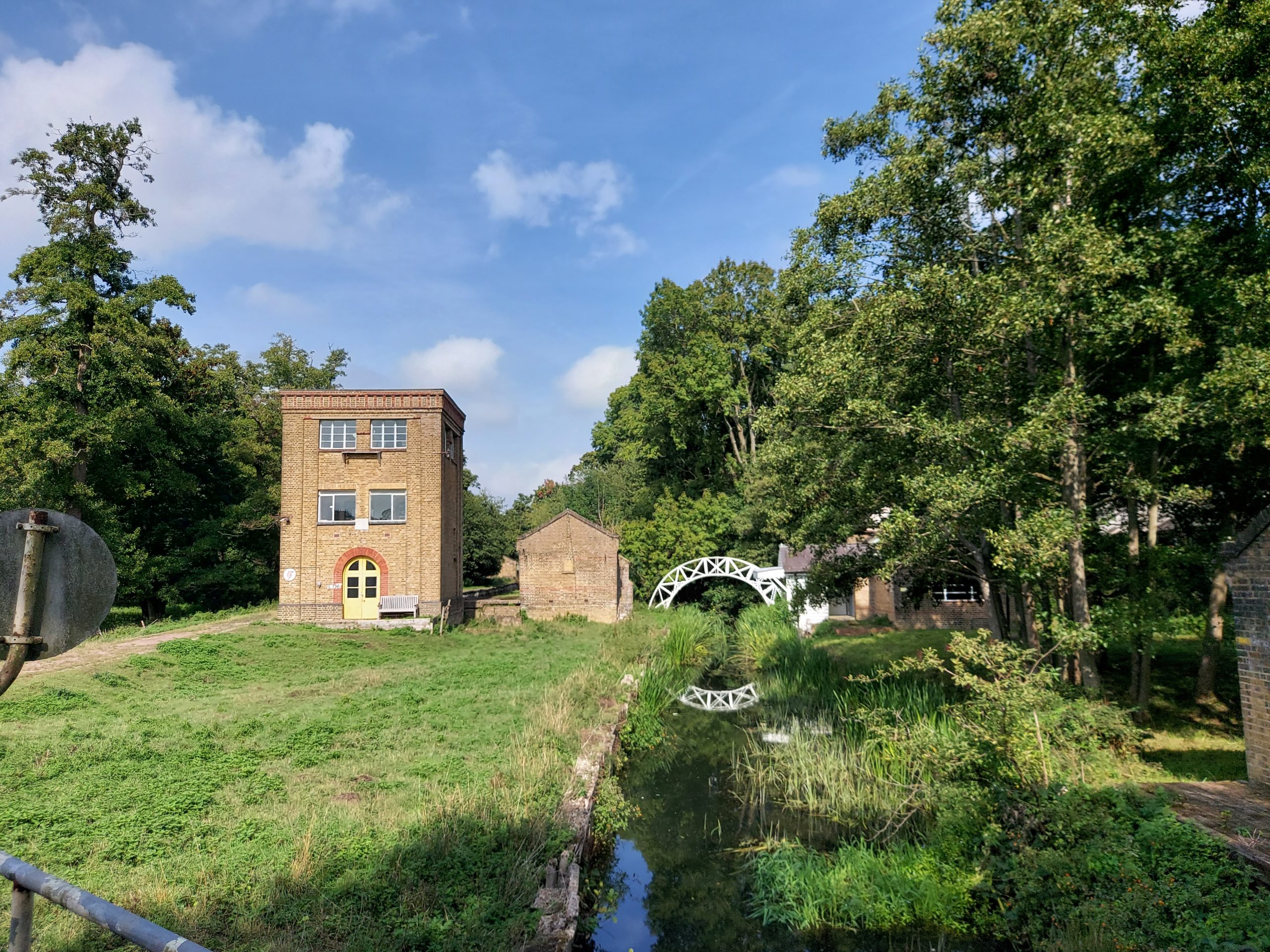
Royal Gunpowder Mills

FACTS

Address: Beaulieu Drive, Waltham Abbey, EN9 1JY

Website: royalgunpowdermills.com

Opening Hours: 11am-4.30pm on Sundays during the summer months

Price: £10 adults, £8 concessions
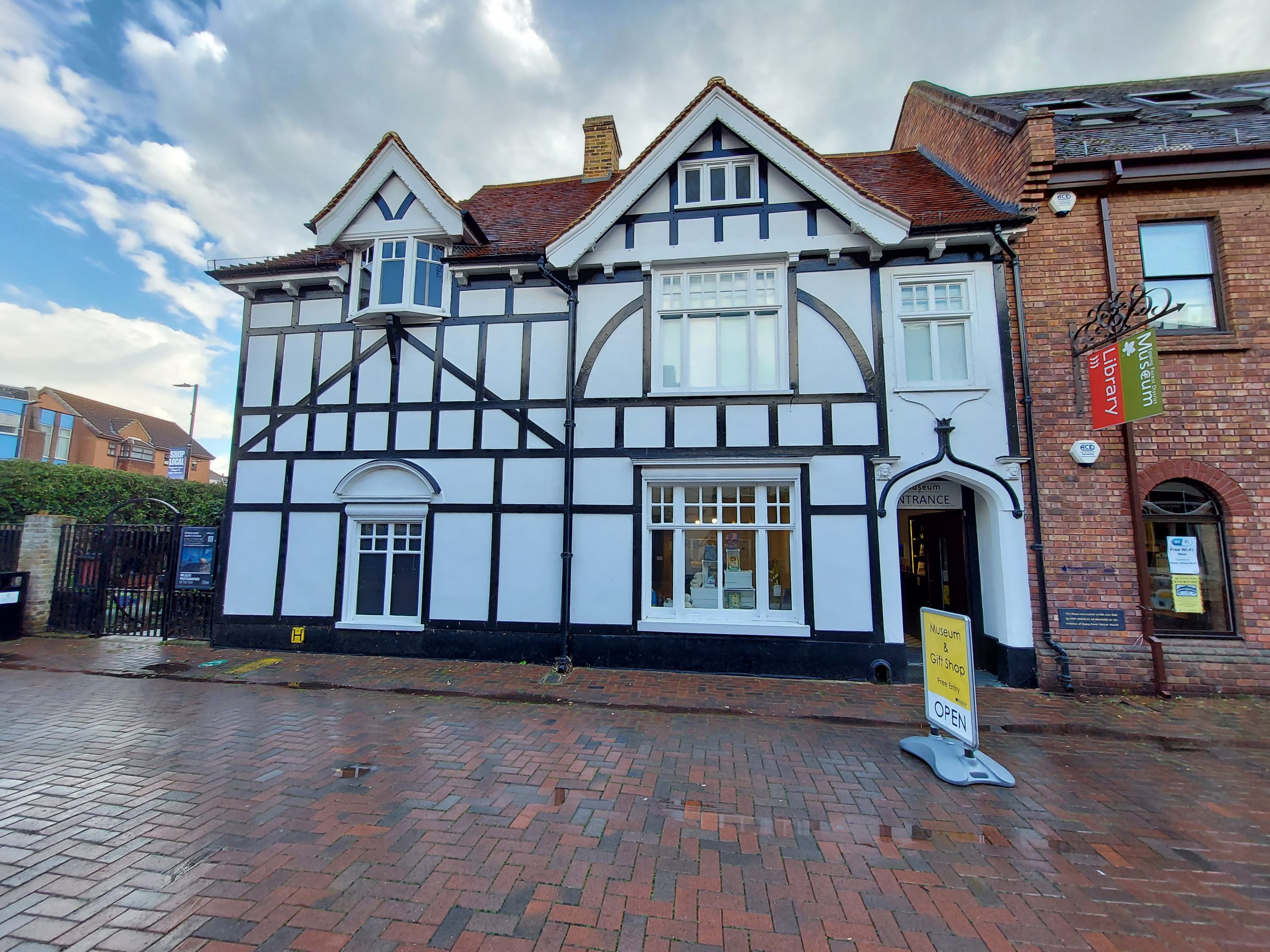
Epping Forest District Museum

A black and white Tudor building

During my weekend in the Lea Valley, I ended up in Waltham Cross and, as well as exploring the grounds of the ancient Waltham Abbey, paid a visit to the Epping Forest District Museum. The museum tells the story of the people and events that shaped the local area, and is based in a 2* listed Tudor building.

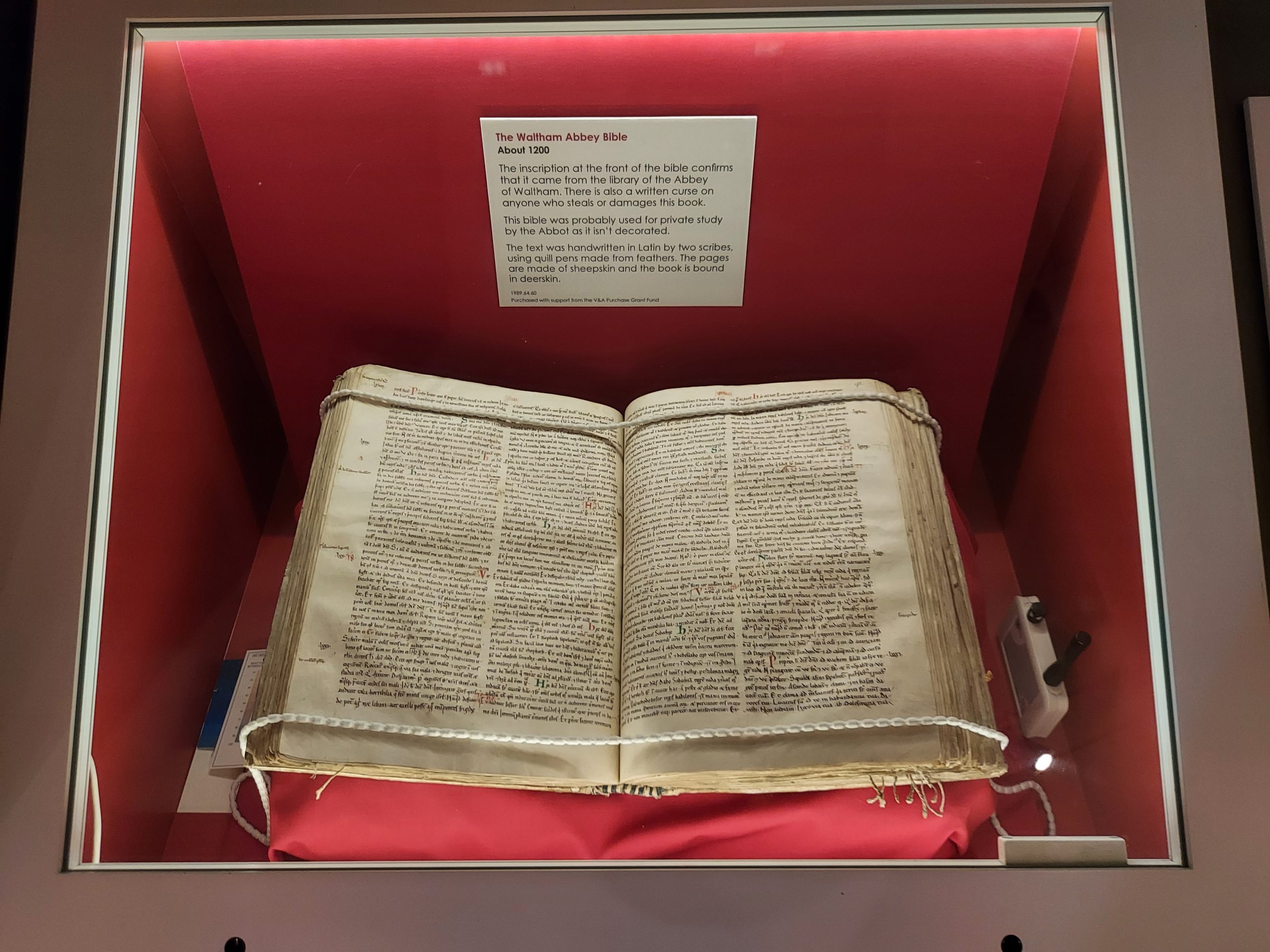
The small museum manages to pack a lot in. It features a treasures room including original wooden Tudor panelling and the Waltham Abbey Bible, dating from approximately 1200. A pattern made of pins in the wooden fire surround is a poignant reminder of the people who once lived here.

An historic book inside a glass case

Upstairs, a room features toys and other items used by people from the area over the years, mainly the 20th century. Another gallery includes archaeological finds, some discovered when excavating the nearby abbey. There are also collections of interesting items formerly owned by local people including some rather amusing teapots.

Finally, a room at the top of the museum focuses on local firms and celebrities.

The Epping Forest District Museum is a lovely little museum that is well worth visiting if you are in the area.

FACTS

Address: 39-41 Sun Street, Waltham Abbey, EN9 1EL

Website: eppingforestdc.gov.uk/museum

Opening Hours: Mon-Wed and Fri-Sat 10am-4pm

Price: Free

Walter Sickert – Tate Britain

Poster for the Walter Sickert exhibition

Before heading up north for the second time this year, I visited the Walter Sickert exhibition at Tate Britain. I only knew Sickert from his ‘Camden Town Murder’ paintings – which are on display here – but there is much more to his work.

Sickert was born in Germany in 1860, but moved with his family to England aged eight. He initially sought to become an actor, but switched to art in 1882 – his artistic career would eventually span six decades.

The exhibition begins with an exploration of Sickert’s self-portraits, which show him experimenting with light and shade. It continues with a look at his early career and work in England and France, inspired by Whistler and, later, Degas.

My favourite pictures were those related to performance – theatres and music halls, circuses and outdoor performances. These were reminiscient of Degas’ paintings of ballet dancers, and were incredibly atmospheric, bringing the spaces to life. Sickert’s work spans the development and decline of music halls from lively entertainment venues to their role as the first cinemas.

Sickert’s portraits were mostly of well-known public figures, such as Aubrey Beardsley. They are vivid and demonstrate the sitters’ character. More informal portraits made much of their interior settings.

Landscapes, mainly of scenes in France and Italy, were particularly successful for Sickert, and often encompassed urban settings. He also painted nudes, often in more naturalistic, even dingy, settings than were traditional, leading to criticism.

The Camden Town Murder series features paintings of men and women in dingy, dark rooms in Camden Town, featuring props such as iron bedsteads. Their ambiguity led some to connect Sickert with the murders and even Jack the Ripper. They are atmospheric and have quite sinister undertones.

Sickert’s skill for portraying emotions and relationships were developed in his “conversation pieces”, exploring contemporary narratives and scenes. These paintings were innovative for the time and sought to illustrate everyday life in modern Britain.

I left the exhibition with a new-found appreciation for Sickert’s talent, range and focus – definitely worth seeing.

Phoebe Bridgers (Reunion Tour) at the O2 Academy, Brixton

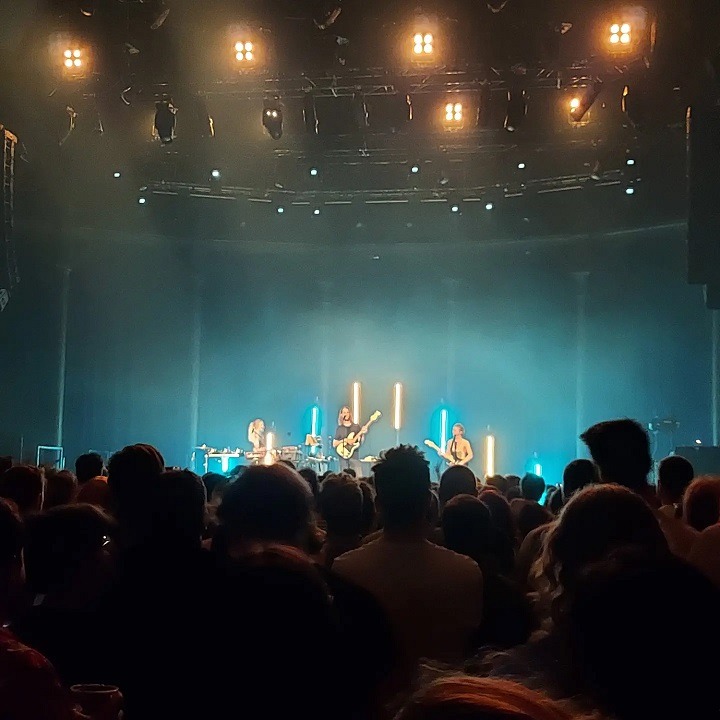
Phoebe Bridgers on stage at the O2

I got into Phoebe Bridgers over lockdown, and booked a ticket to see her at the O2 Academy in Brixton in July. I had to get a ticket upstairs, and totally hadn’t realised that the upstairs is filled with seats – but everyone stood anyway throughout most of the gig.

I had such a good time – Phoebe played songs from both of her albums, focusing on Punisher, kicking things off with ‘Motion Sickness’ and ending with the incredible ‘I Know The End’ (at least until she came back to play a brand new song for an encore). I hope I get a chance to see her again in the future.

Setlist

  • Motion Sickness
  • DVD Menu
  • Garden Song
  • Kyoto
  • Punisher
  • Halloween
  • Smoke Signals
  • Funeral
  • Chinese Satellite
  • Moon Song
  • Scott Street
  • Savior Complex
  • ICU
  • Sidelines
  • Graceland Too
  • I Know the End

150 Years of the Royal School of Needlework: Crown to Catwalk

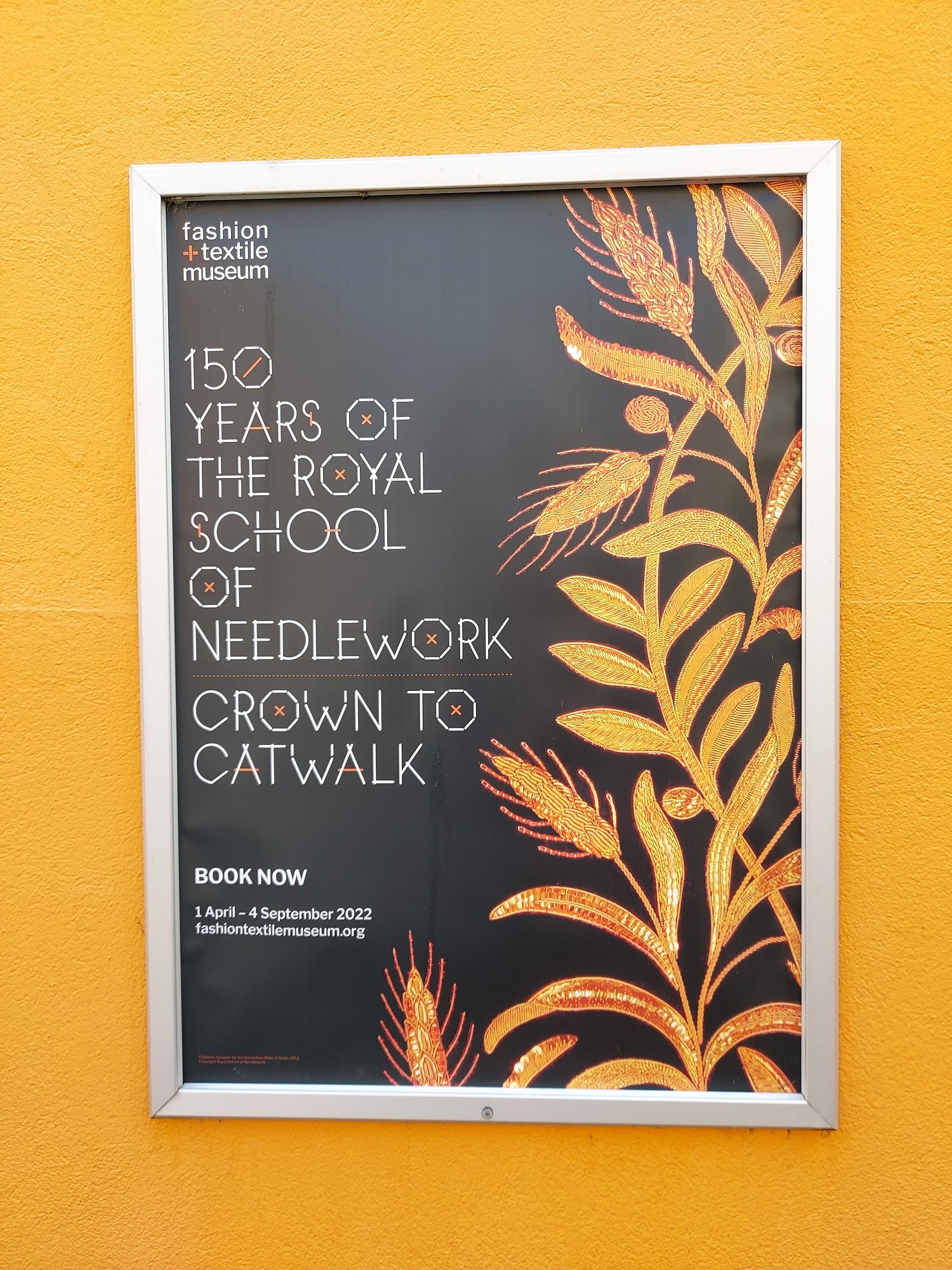
Exhibition poster

I went to an embroidery class last Friday, hosted by the Royal School of Needlework at the Fashion & Textile Museum. The workshop had been arranged to mark the 150th anniversary of the RSN and the accompanying exhibition, 150 Years of the Royal School of Needlework: Crown to Catwalk. While I was at the workshop, I had a chance to take a look around the exhibition.

In 1872, the Royal School of Needlework (RSN) was founded on two key principles – the first, the preservation of hand embroidery as an art form and the second, the support of women’s independence through work. Many aspects of this artform were in danger of being lost, and the School aimed to preserve them.

Particularly in its early days, the School undertook commissions for members of the Royal Family, often working continuously for hours to complete work on time. Some of this work is on display here, testament to the ability and tenacity of the School’s members.

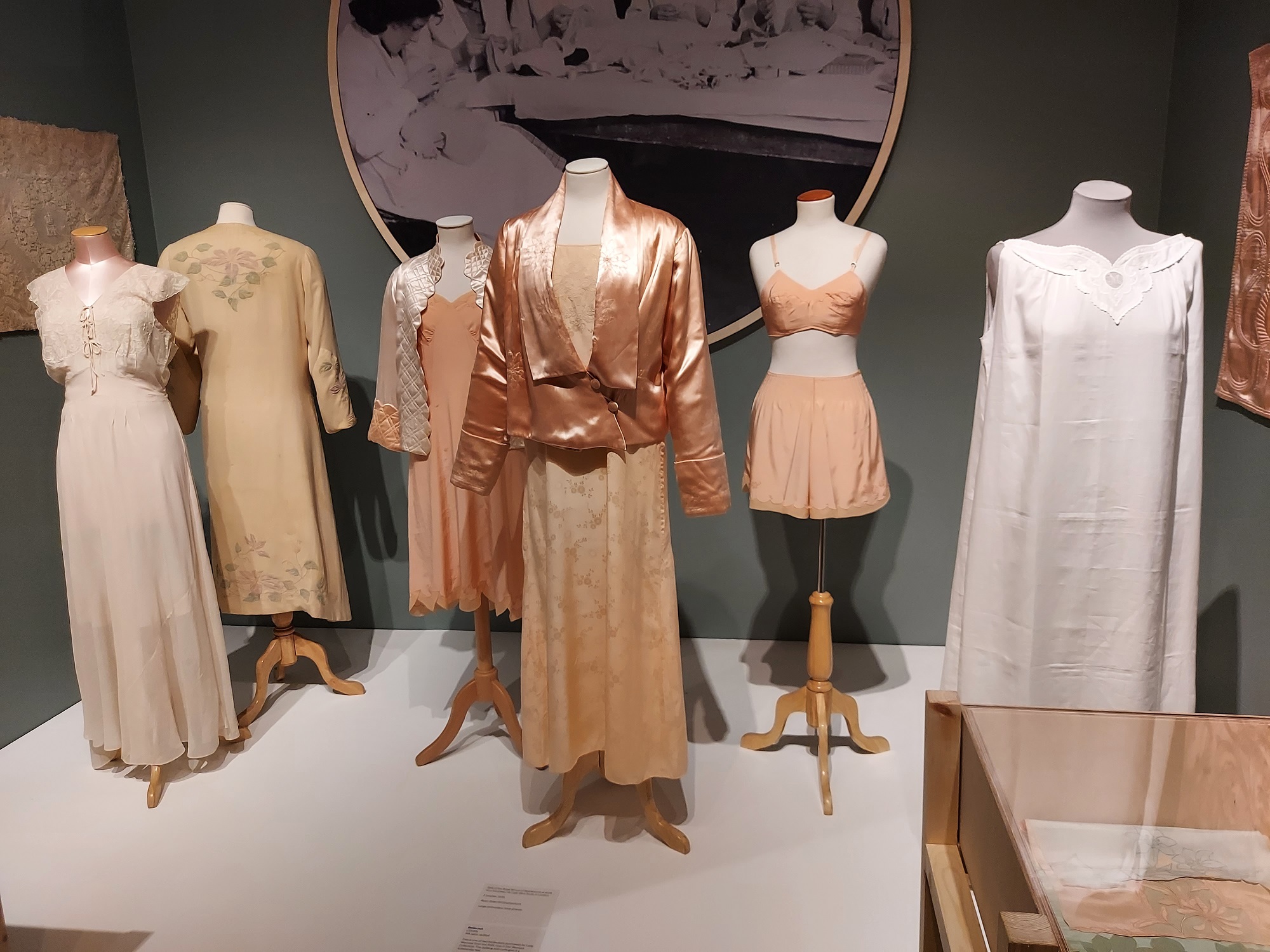
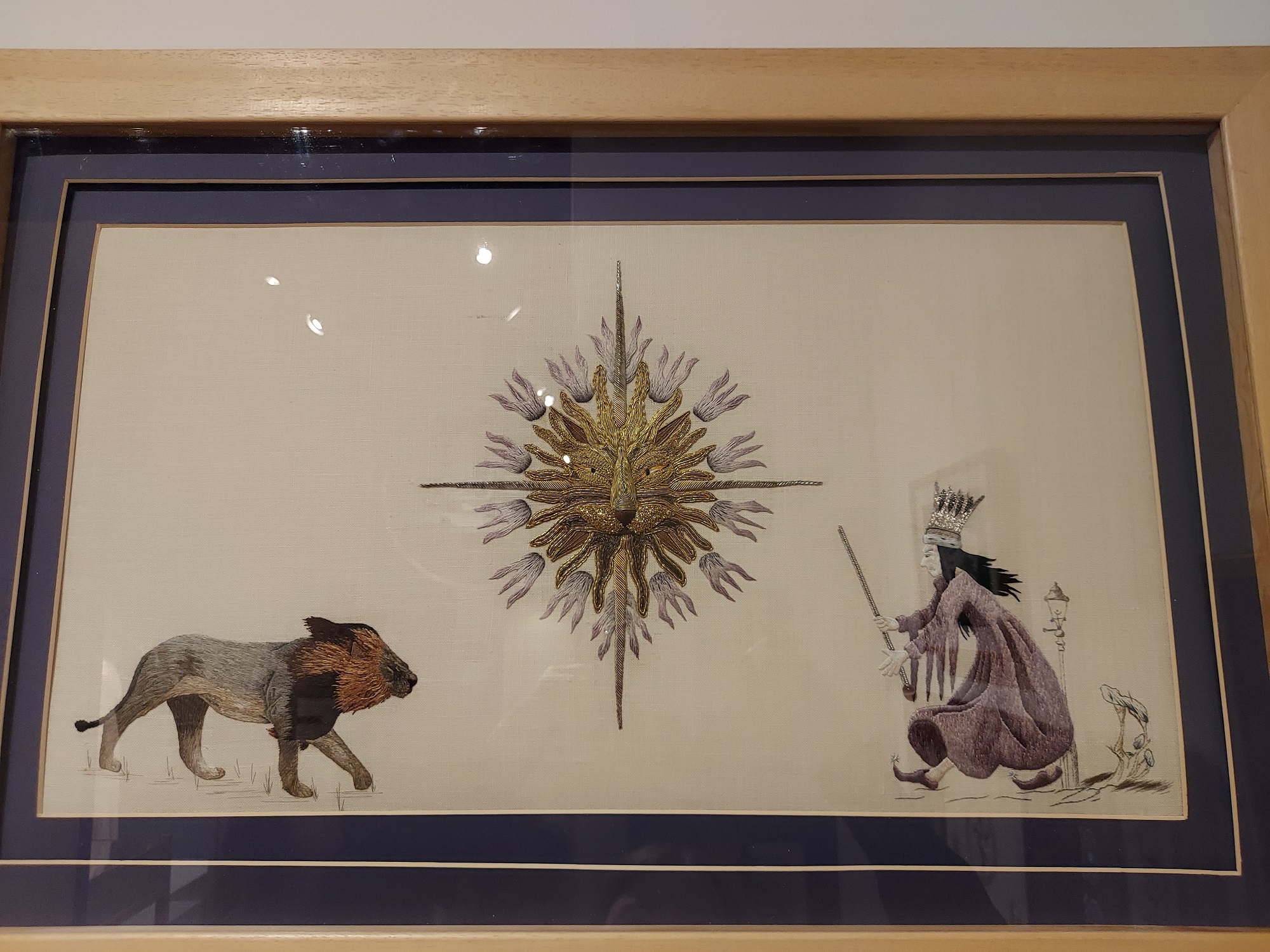
The exhibition also contains examples of work students have produced over time, ranging from classic and religious symbolism to more modern images inspired by books or popular culture. The works encompass many techniques including blackwork, gold embroidery and Jacobean crewel work.

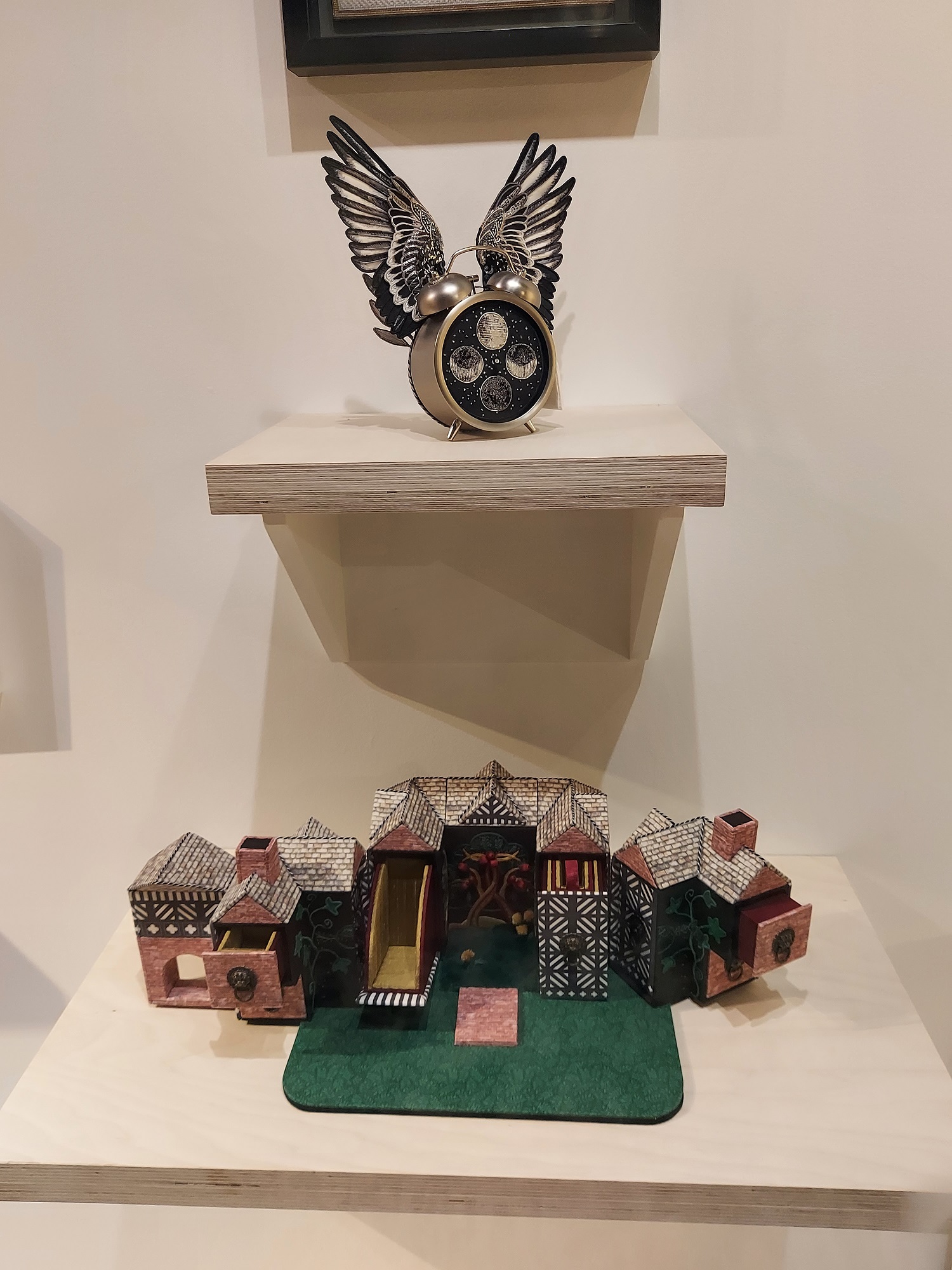
Many of the items on display were made by current members of the RSN, including Kate Pankhurst’s beautiful Tudor box. I could have spent hours looking at the incredibly detailed stitching on display. One of my favourite items was the Red Dress Project – a dress that has been around the world and embroidered by women in 29 different countries.

The exhibition is a must-see for anyone remotely interested in the art of embroidery. It is simply breathtaking.

Raphael – National Gallery

I visited the Raphael exhibition at the National Gallery, shortly before it closed. I wasn’t going to go, but realised the Gallery was open late on a Friday and I thought I would take the opportunity.

I didn’t know much about Raphael (1483-1520) – except that he was a key figure in the Italian Renaissance (and he was a turtle). In fact, most of what I knew about him was what he was not – having a longstanding interest in the Pre-Raphaelites.

This exhibition is the first outside Italy to encompass his entire career. As well as a painter, Raphael was a printmaker, draughtsman, poet, architect and archeologist – he was one of the first people to recognise the importance of Italy’s Roman heritage.

Raphael had a turbulent early life, losing his mother at 8 and his father at 11. He was brought up by his uncle, a priest, which perhaps goes some way to explain the high proportion of his works with a religious bent, although I suppose most works of art were religious at this time. He painted altarpieces and other devotional scenes, including numerous Madonnas. I was shocked to read that he died young – suddenly, of a fever, at the age of 37.

Highlights for me included his portraiture – images of friends and patrons mostly found at the end of the exhibition. These were full of life and really captured the character of the sitter – I wish more of the works had been like this rather than religious paintings. However, I did like the dragon in Raphael’s St George scene, and the near-lifesize reproduction of his fresco The School of Athens, which centres the philosophers Plato and Aristotle.

Daði Freyr at the Roundhouse, London

Dadi Freyr on stage at the Roundhouse

I booked this gig ages ago, and was so glad when the time finally arrived to go and see Iceland’s Daði Freyr – known for his band’s offbeat entries to Eurovision 2020 and 2021 – live at the Roundhouse.

Whenever I go and see a singer or band I love looking around to see what kind of people choose to go and see them. The crowd here was so varied – young and old, casual and smart. It was one of the friendliest and most laid-back crowds I’ve ever come across. I would assume everyone there is a Eurovision fan, which makes me happy.

Daði Freyr himself was a great performer, fun, quirkly and consistently entertaining. Of course, he played his Eurovision hits, but there were plenty of other original songs and even a couple of covers. I had a fantastic time, even though it was so hot my makeup literally melted off my face.

Setlist

  • Thank You
  • Shut Up
  • Where We Wanna Be
  • Næsta Skref
  • Somebody Else Now
  • Fugladansinn (Chicken Dance)
  • Skiptir ekki máli
  • Clear My Head
  • I’m Fine
  • Feel the Love
  • Kemur Þér ekki við
  • 10 Years
  • Sabada
  • All Star (Smash Mouth cover)
  • Think About Things

Encore

  • Save Your Kisses for Me (Brotherhood of Man cover)
  • Endurtaka mig

Ancient Greeks: Science and Wisdom – Science Museum

The entrance to the Ancient Greeks exhibition

I had the day off work the other week and decided to visit the Ancient Greeks: Science and Wisdom exhibition at the Science Museum. It was free, and rather short, but still enjoyable and interesting.

For the Ancient Greeks, art and science were inseparable, and this is reflected in the statue of the Muses that introduce you to the exhibition. There is a beautiful silver globe – even the Greeks knew that the earth was round – which is a celestial globe, illustrating the 48 known constellations.

Other exhibits look at the science of musical instruments, and the highlight for me was the second-oldest geared mechanical calendar, which dates to somewhere around 400-600 CE.

SALON NO.93: London Mud – London Clay

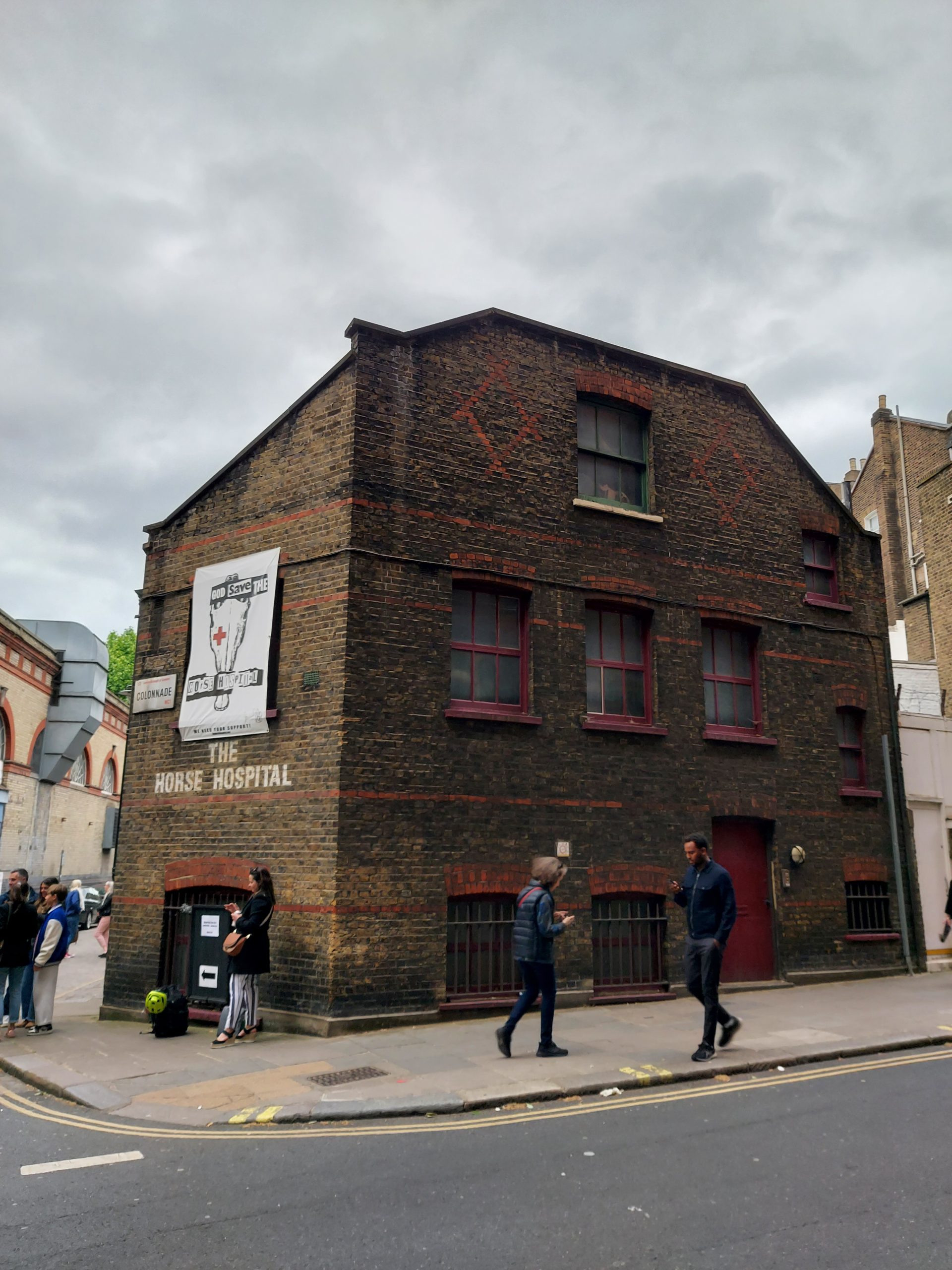
The Horse Hospital

Antique Beat are an organisation that arrange interesting talks on London-related matters in unusual locations throughout the city. Their 93rd event was named London Mud – London Clay and took place at the historic Horse Hospital near Russell Square tube station.

The first part of the evening featured author Tom Chivers as he explored the geology of London, how different kinds of soil and clay and now-hidden rivers have affected the development of the city.

In the second part, Lara Maiklem told us about her interest in mudlarking, how historically mudlarkers were poor people who searched at the banks of the Thames for anything they could sell, while nowadays they are people with a fascination for treasure hunting who hope to find interesting items relating to London’s history. These can be as varied as pipes, pins, bricks, crockery, even human bones.

I really enjoyed this fascinating talk and would like to find out more about both topics – I will look up the presenters’ books.

Hidden Stories of Hyde Park

Hyde Park

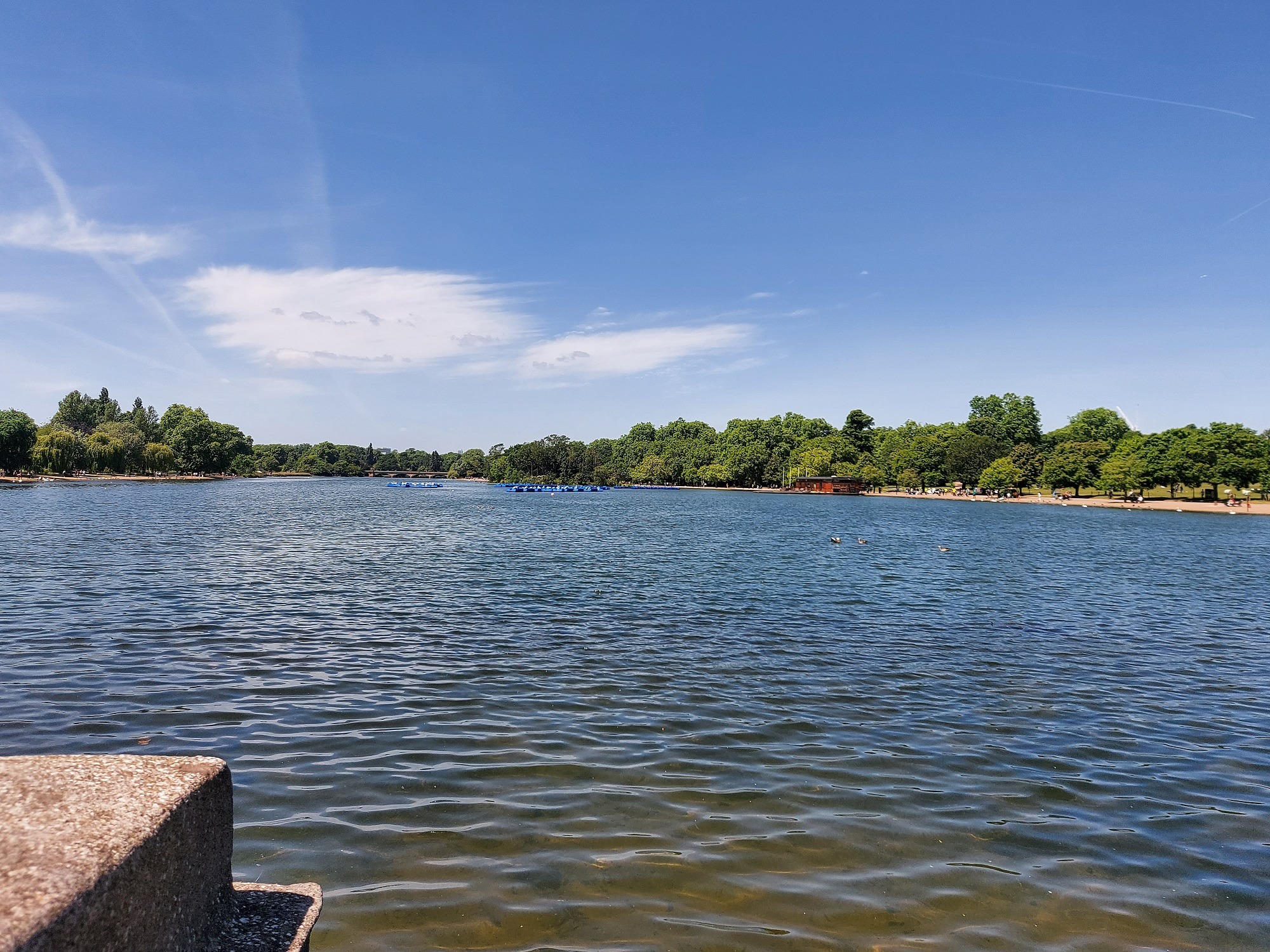
I took the day off work on Friday to go on a Hidden Stories of Hyde Park walk, organised by the Royal Parks. The walk began at Speakers’ Corner with a discussion of the history of this famous part of London, and its proximity to the gallows at Tyburn. We learned about the River Westbourne that runs under Hyde Park, and used to fill the Serpentine (which meant the water was a bit disgusting, as the river was full of waste).

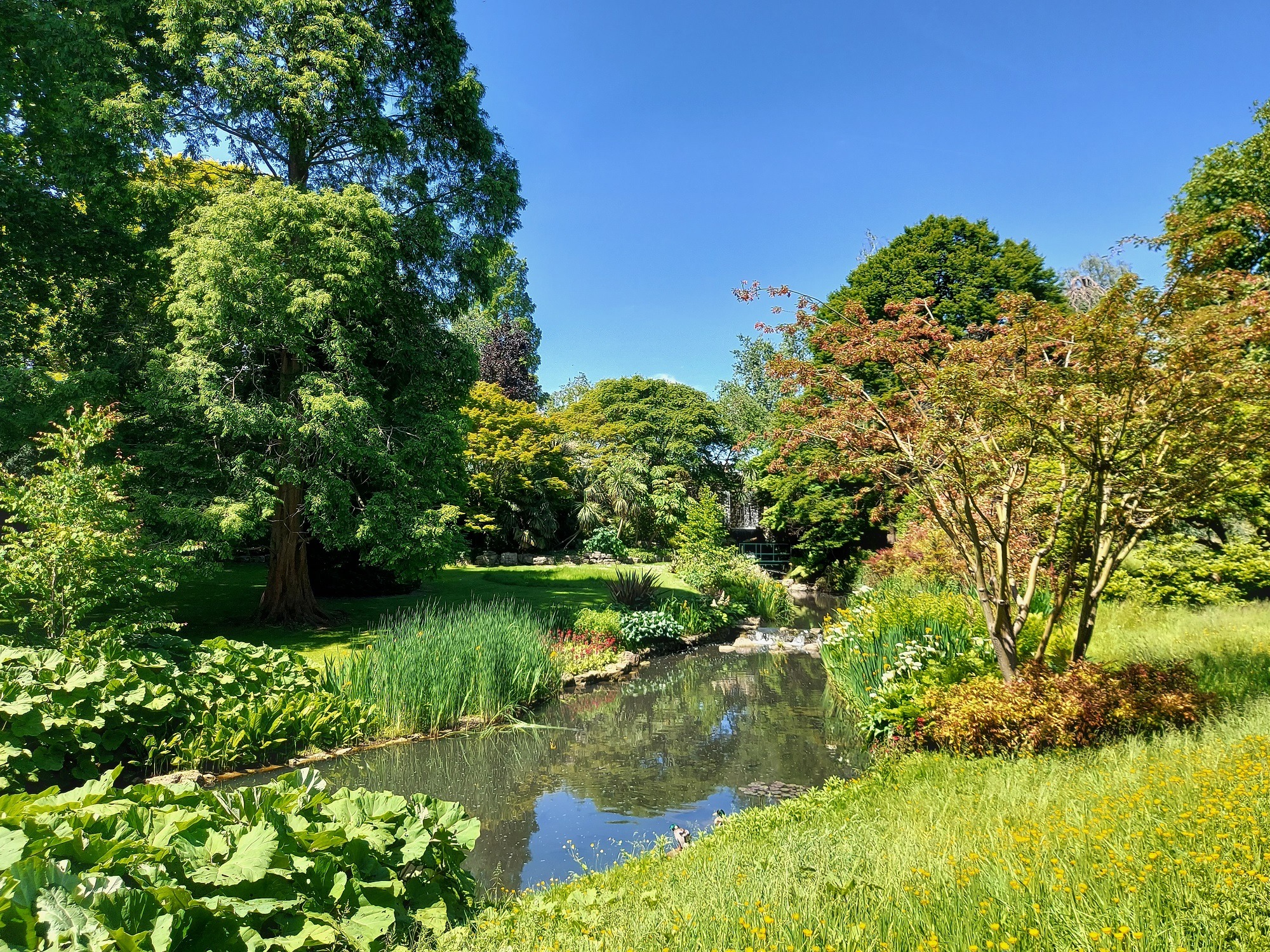
The Serpentine
The Serpentine

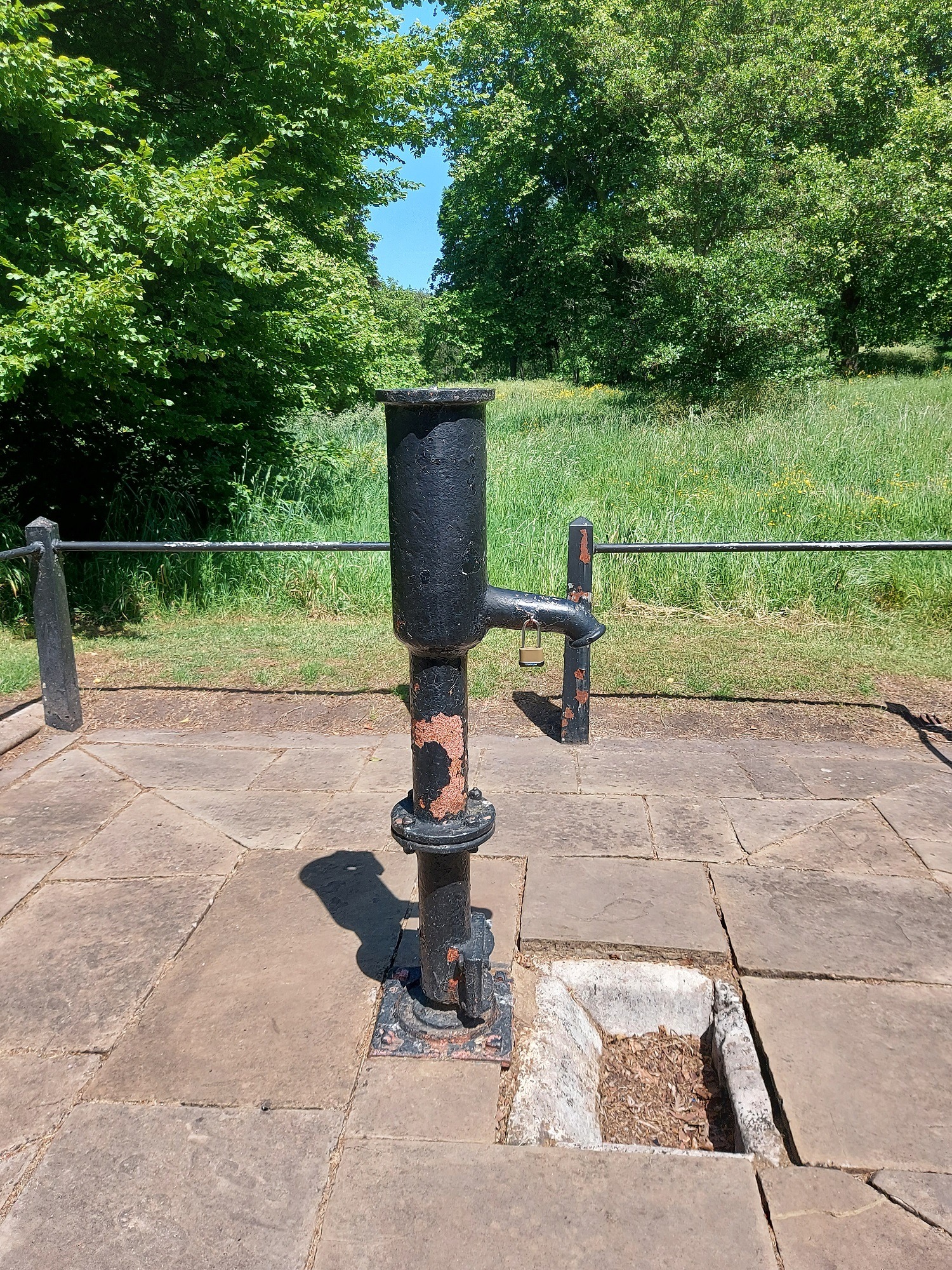
We learned how Hyde Park used to be a place to see and be seen, full of the great and the good taking carriage rides or strolls. It was also a key route for farmers taking their livestock to be slaughtered at Smithfield Market, and we stopped at a water trough along the way.

water trough for animals

The walk ended with a visit to the Victorian Pet Cemetery, usually closed to the public. It was opened in 1881 when a beloved Maltese terrier named Cherry was buried in the back garden of Victoria Lodge at the request of his owners who lived nearby. When the Duke of Cambridge’s Yorkshire terrier Prince met an untimely end under the wheels of a carriage, he was also interred here, and helped to make the cemetery a fashionable place for wealthy Londoners to lay their pets to rest.

Pet Cemetery
Inside the pet cemetery

The cemetery is really moving – the pets buried here (mostly dogs, although there are a handful of cats, birds and even monkeys) were clearly much loved. Headstones reveal how precious these creatures were to their owners. Sadly one dog fell victim to murder – his headstone reads, “Poisoned by a cruel Swiss”. The cemetery officially closed in 1903, but occasional burials still took place up until the 1960s.

Check out the Royal Parks Events page for more information about this walk and other events run in the parks.