St Pancras Waterpoint Tour

I signed up for a St Pancras Waterpoint tour at the weekend, organised by St Pancras Cruising Club. I love visiting anything unusual or historical, so this was perfect for me.

St Pancras Waterpoint

The Waterpoint was built in 1872 in order to supply water to the expanding steam railway network at St Pancras. Like the Midland Grand Hotel, the building was designed by the office of Sir George Gilbert Scott. It is three stories high, measuring around 9m x 6m. The top floor contains a cast iron water tank, with a capacity of 2,400 cubic feet.

Our tour took us up to the Waterpoint and inside. It looks impressive from the outside, with ornate brickwork and detailing typical of the Victorian period. Inside, there are several information panels about the history of the tower.

In 2001, the Waterpoint was threatened with demolition owing to the development of the new Channel Tunnel Rail Link Terminus. English Heritage intervened and an agreement was reached to move the monument. The building was sliced into sections, lifted onto a transporter, and moved by road. One of the largest available mobile cranes in the UK was used for the job. A news report from the time is shown on a loop inside the tower, and is incredible to watch. The journey of 700 metres was completed without incident and the sections of the building reunited at their current location, on top of a heavily reinforced concrete slab.

St Pancras lock

We were able to climb to the top of the Waterpoint, inside the former water tank, and enjoy the views over London, particularly St Pancras Station, the Victorian gas works, the lock, and Camley Street National Park.

Finally, we got to enjoy a canal boat journey, which was a lovely way to round off the visit. You can sign up for a tour on Eventbrite.


After Impressionism: Inventing Modern Art – National Gallery

Entrance to the After Impressionism exhibition

On my day off I also paid a visit to the exhibition After Impressionism: Inventing Modern Art at the National Gallery.

The exhibition explored the years between 1880 and 1914 when artists such as Paul Cézanne, Vincent van Gogh and Paul Gauguin pushed the boundaries of art and inspired new generations.

It featured almost one hundred works by artists such as Klimt, Munch, Matisse and Kandinsky, loaned by the likes of the New York Museum of Modern Art, the Musée d’Orsay in Paris, and the Museu Nacional d’Art de Catalunya in Barcelona.

The sheer variety of art on display was impressive and really showed just how creative and original the artists of the period were. The exhibition showed how they experimented and pushed the boundaries of art, and it was fascinating to see.

Science Fiction: Voyage to the Edge of Imagination – Science Museum

I decided to pay a visit to this exhibition before it closed. Science fiction isn’t my favourite genre, but I’ve read several novels in this area and do feel like it’s worth exploring further.

Model of a Dalek in the Science Museum foyer

Science Fiction: Voyage to the Edge of Imagination explores how science fiction writers – and scientists – have used their imagination and knowledge to create new worlds and try to understand our own. It explores well-known science fiction stories such as Star Wars and Star Trek, Doctor Who, Frankenstein, and classic novels by H. G. Wells and Jules Verne.

The entrance to the exhibition was pretty awesome. You have to get in a ‘spaceship’ and are ‘transported’ to the exhibition, which is quite exciting. Unfortunately for me, this was the best part of the exhibition.

Overall I thought the exhibition was rather light on detail and I didn’t feel I learned an awful lot. If you’re a fan of sci-fi franchises, the chance to see original costumes is a definite plus. But my interests lean more towards the written word, and there wasn’t much to see or learn.

I did like the part that focused on advances in science, previously the stuff of fiction, that are helping people today – such as bionic limbs. Overall, though, I wasn’t particularly wowed by this exhibition.

Rebel Fest!

I just had one of the best weekends ever, and I didn’t even leave the house. The reason? Rebel Fest – planned back in the winter, taking place over Saturday 10th and Sunday 11th June 2023. The weekend featured classes, workshops and talks from 9am to 9pm, as well as a Friday night meeting for Council members, which was a lovely way to kick off proceedings.

The first event on Saturday morning was a Bollywood dance class run by Shaneen of Nayi Taal Dance, which was great fun even though I clearly have two left feet! It was followed by a foraging talk from Colin, delivered – appropriately – from the middle of a park. After that, we had a fun sign language lesson from Penny and Karen of Vision Signing Choir, learning to sign Lady Gaga’s ‘Born This Way’.

After a break for lunch we were straight into the afternoon’s activities. The self portrait art class with Rod was challenging but he had a lot of good tips that helped me. Next, Joel from Headlock Escape Rooms ran a session called The Keeper and the Fungus Among Us which featured puppets and SONGS. It was brilliant! Following, there was a CSI Skills class with Jon from Sci High which was fascinating – his enthusiasm was infectious and I learned loads.

Another break followed, then we were straight into ‘Weird and Wacky Plants’, a talk by Mr Plant Geek. I had no idea plants were so interesting, though I was slightly disturbed by the number of plants that smell of rotting meat! We then had a talk from adventurer Anna McNuff, who was incredibly inspiring – I think hers was my favourite talk of the weekend. Finally, we enjoyed a cocktail making session with Tom and his wife Crystal. I made Espresso Martinis, though with hindsight I probably shouldn’t have had three, as I was buzzing for hours.

9am Sunday and it was time for Day 2. A restorative, peaceful yoga session was run by Emma (who also ran a session at Bromsgrove) and it was the perfect way to start the day. Next, we had a Challah baking session hosted by Allegra Kurer aka ChallahMummy. I didn’t bake along with the group as it was far too hot to bake, but I watched with interest and I will definitely be giving the recipe a go soon. The last session of the morning was a patrol breakout session, so I got to chat to fellow Rosas and have fun with a scavenger hunt.

After a break, Charly gave us a talk on how to host a successful blog, and even though I’ve been blogging for years, I picked up loads of tips. We then had a Q&A session with bestselling author Nell Pattison, who is herself a Rebel. I haven’t read any of her books yet but I definitely will be now! Next up, we had another Q&A session, this time with Andy from Hopwood Games, which was great fun.

Following the final break of the weekend, we headed into our breakout sessions. I joined the Rebel Readers session for LGBTQIA+ allies, where we discussed the book A Lady for a Duke by Alexis Hall. It’s not the sort of thing I normally read but I really enjoyed it. The penultimate session was Expedition First Aid with Allan – I was gobsmacked at all the things that can go wrong with expeditions abroad, but grateful for the useful tips on what to take in terms of equipment.

The weekend finished with a Pub Quiz session run by Charly. I didn’t do very well, except on the capital cities round – but never mind!

I then went and bought my ticket for December’s Rebel Fest, because I had such a brilliant time.

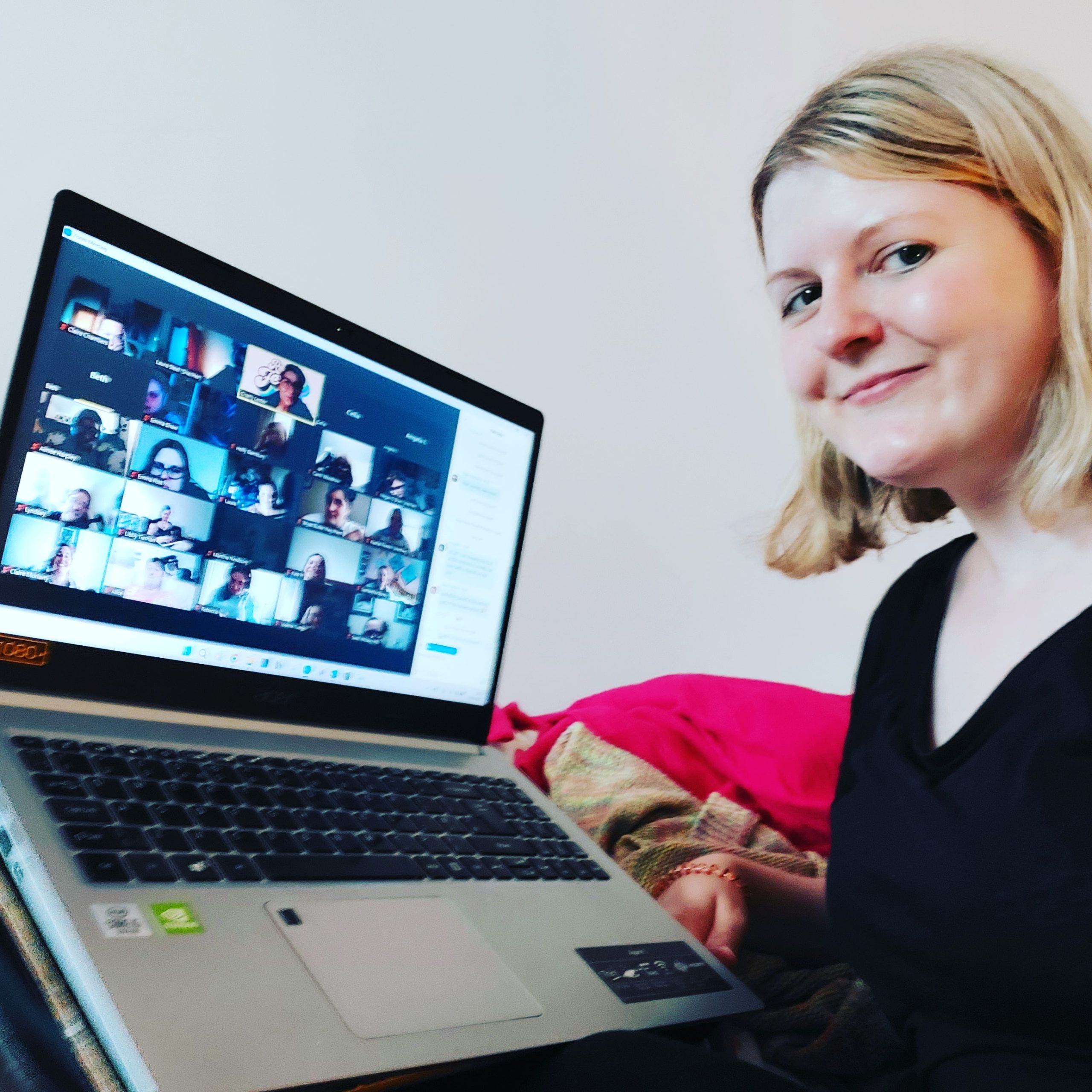
A smiling blonde-haired woman wearing black, next to a laptop with a Zoom screen

Rebel Badge Club: Sign Language

The Sign Language badge wasn’t really on my radar, until I had the opportunity to sign up to a beginner course with work. I’ve really enjoyed the badge and learning about all the intricacies of BSL. I’d like to continue with it and perhaps gain a proper Level 1 qualification.

Choose a type of sign language and spend three months learning it.

As mentioned above, I chose BSL and learned it during March, April and May, with my course at work beginning Friday 3 March. I also enrolled onto the Introducing British Sign Language course from british-sign.

Dedicate at least 2 hours a week to practicing your chosen language.

I completed this clause, learning and practicing using the resources available to me, and ended by successfully passing the course assessment.

Download an app to help with your learning.

I downloaded an app called Bright BSL which has lots of free lessons. I found the app really helpful, especially when I was away from my computer.

Be able to have a conversation in your chosen type of sign language.

While studying the course through my work I had the opportunity to connect with other learners online, and practice my new skills with them.

Learn a song in your chosen sign language

Thanks to Rebel Fest I was able to learn Lady Gaga’s ‘Born This Way’ in a session from Karen and Penny from Vision Signing Choir. It was so much fun!

Understand the importance of non-verbal communication

My work course and the british-sign course I completed both covered the importance of facial expressions and gestures, which I found fascinating. I also learned how to approach a D/deaf person and how to communicate more effectively (e.g. make sure you are not standing too close, speak clearly and at normal volume to help with lip reading). I don’t know any D/deaf people in real life so this was really helpful.

Learn more about an area of Deaf culture or identity

I learned about deaf culture in the context of theatre, as theatre is something I’m passionate about anyway. I explored the site of Deafinitely Theatre, a deaf-led theatre company, and researched accommodations made for Deaf patrons at the theatre (e.g. surtitles/captions, including new phone apps that are designed to show these). I also looked at how some theatremakers are going beyond this by integrating sign language into their productions, creating productions from the ground up designed for accessibility, or casting a D/deaf actor who uses sign language in an otherwise speaking production.

Date completed: 10 June 2023

Hidden Stories of St James’s Park

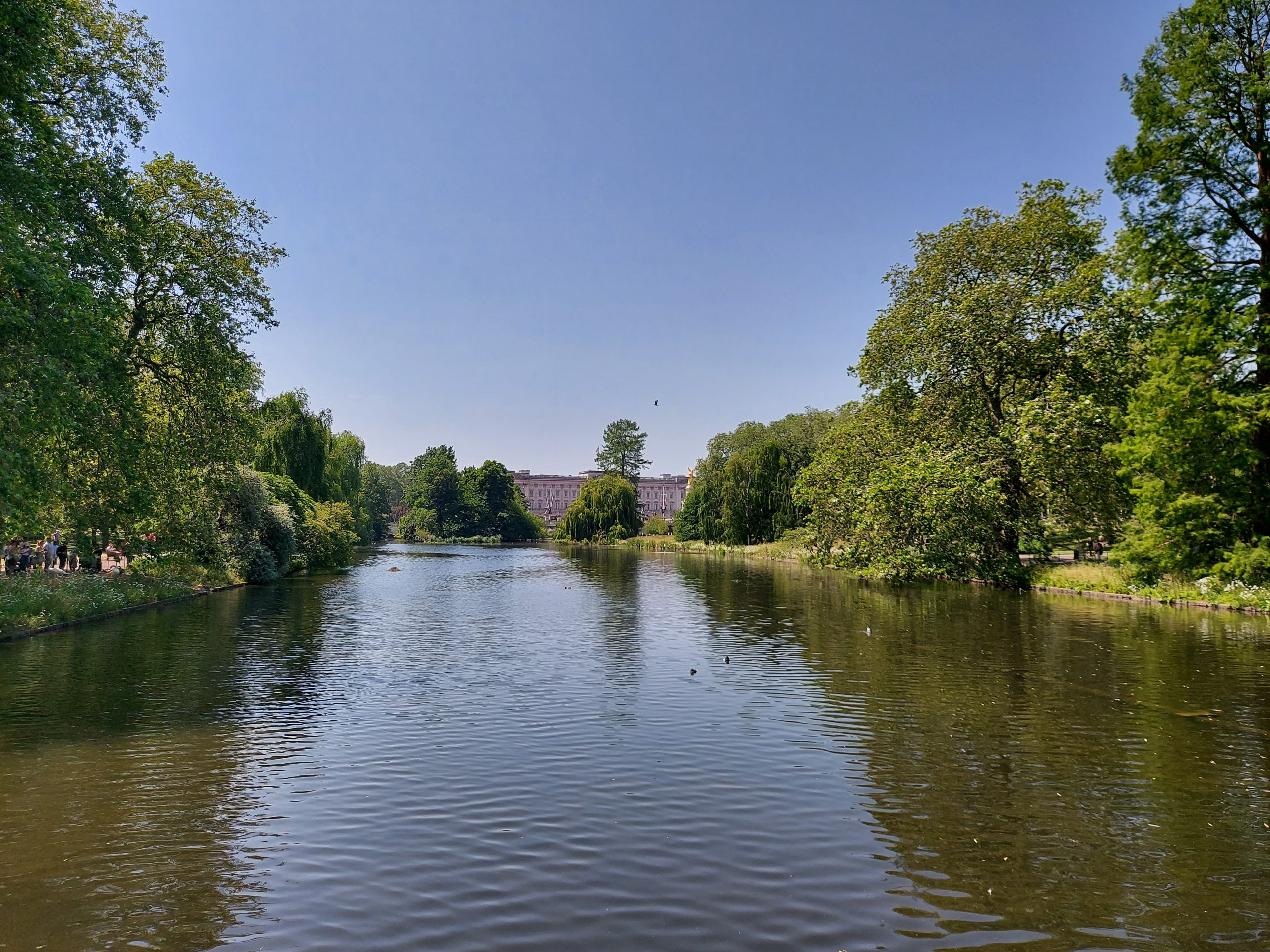
St James's Park looking towards Buckingham Palace

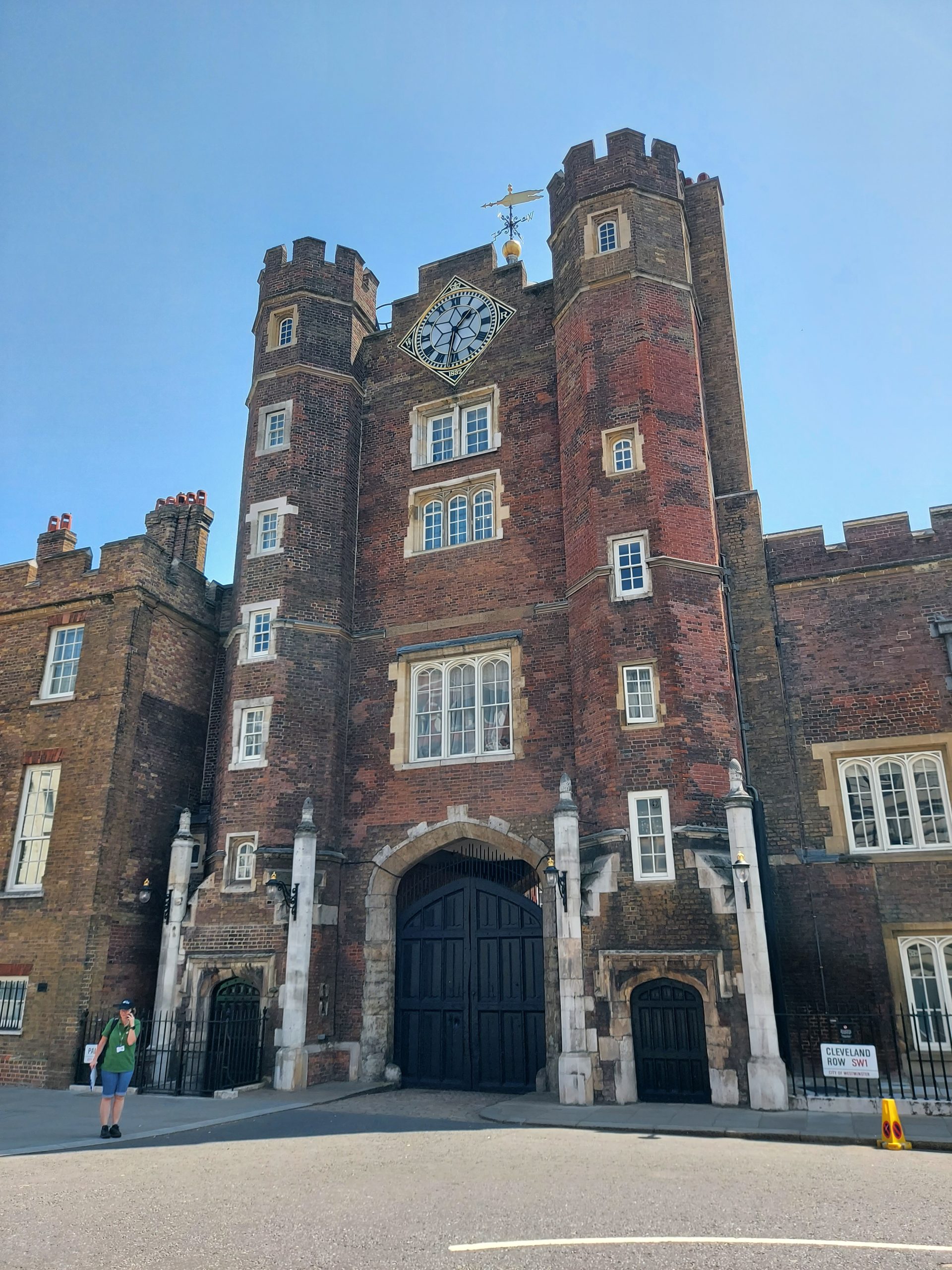
I signed up for a Hidden Stories of St James’s Park walk and attended on a sunny day in early summer. The walk began inside the park but then we headed out towards St James’s Palace, which was was built by Henry VIII on the site of the Hospital of St. James, Westminster between 1531 and 1536. To be honest this is a palace I didn’t know much about and hadn’t really paid any attention to, so I was glad to get a closer look at it. You can tell it is from the same era as Hampton Court Palace as it has a similar look about it.

St James's Palace

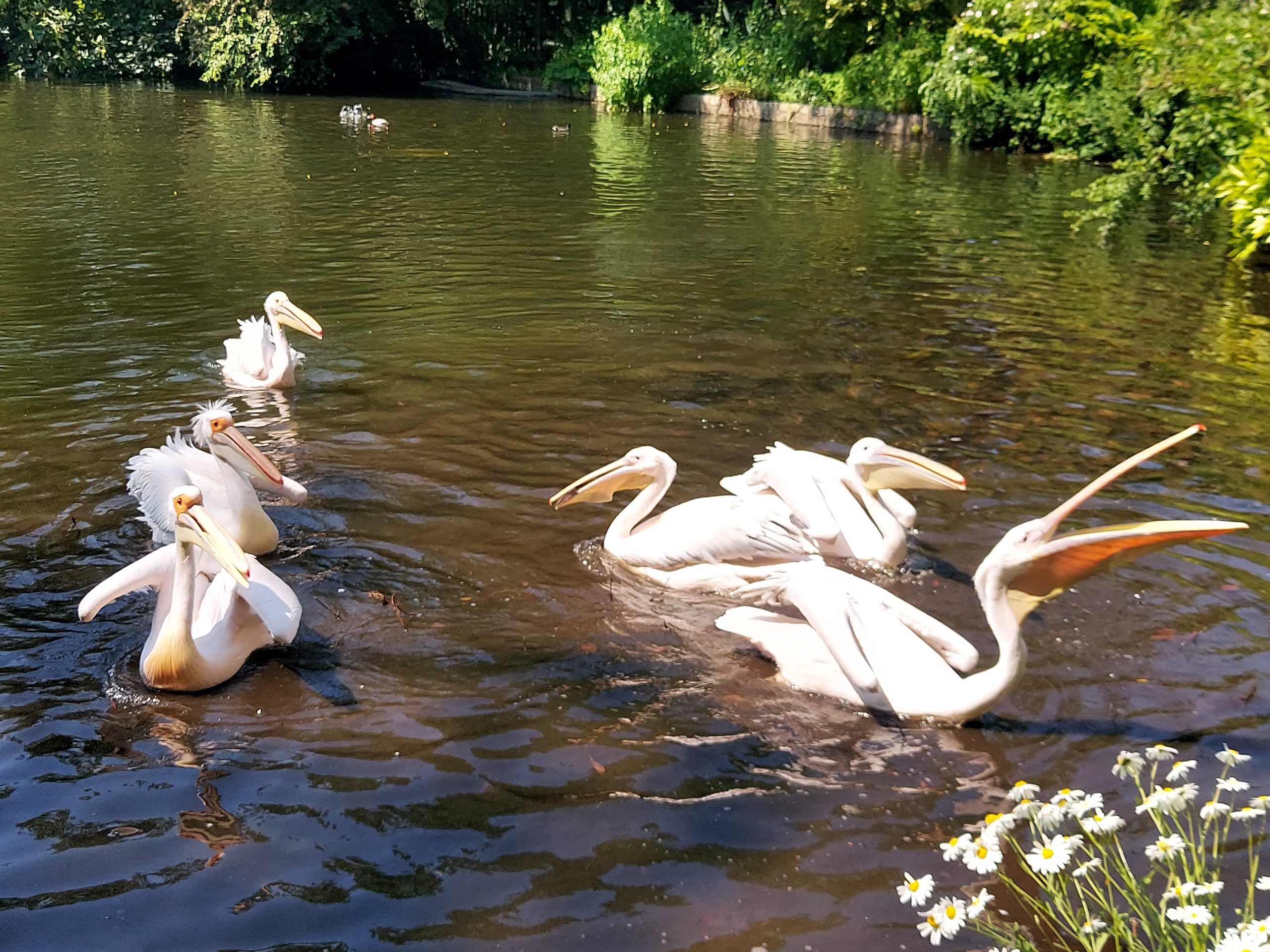
We learned about the history of the park and had a good look round. The best part was when we got to go and see the pelicans at feeding time. These quirky creatures are a familiar fixture in the park.

Pelicans at St James's Park

Check out the Royal Parks Events page for more information about this walk and other events run in the parks.

Rebel Badge Club: Rebel With A Cause 2023

The Rebel With A Cause badge was first introduced last year, and has come back for 2023 as it was so popular and it’s such a worthwhile badge. This year, I was really busy with all sorts of things so decided on something I could do in my free time sitting in front of the computer.

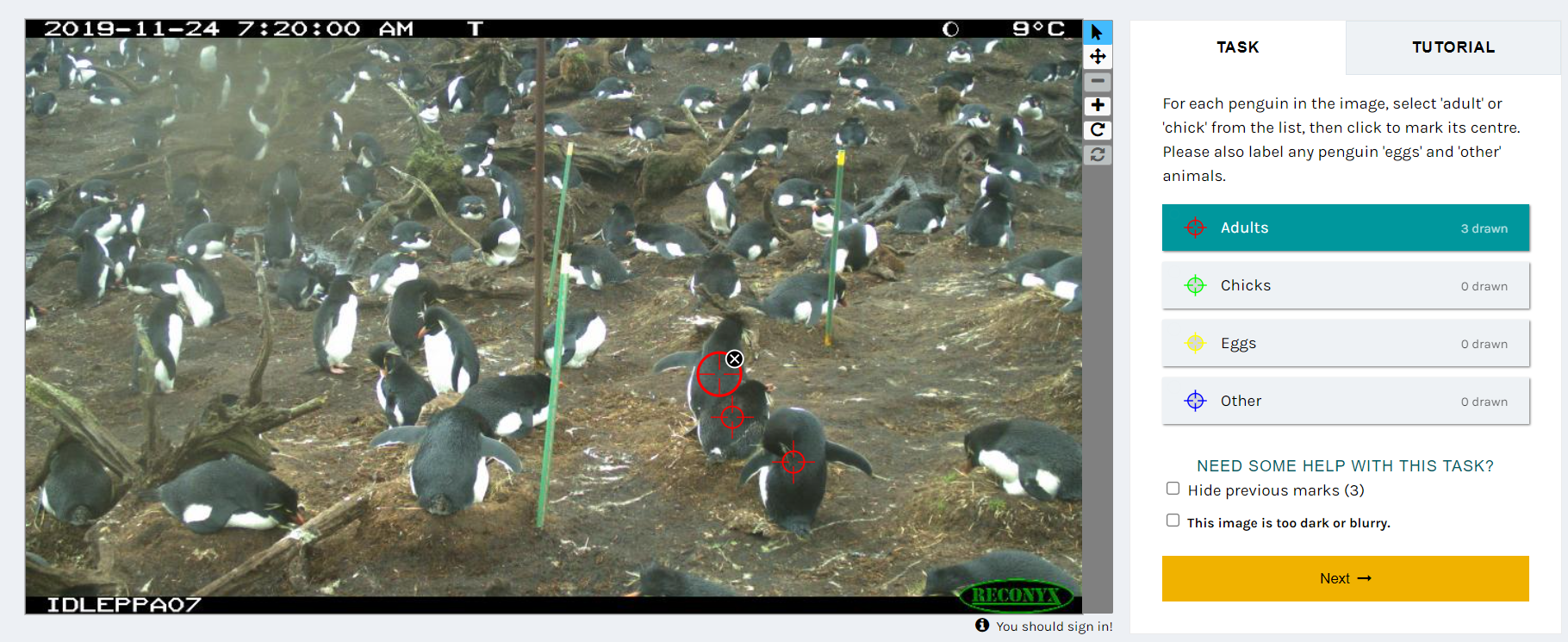
I registered for Zooniverse and helped out with a citizen science project to count penguins. I tried to do a little each day, which added up over the course of the month. I adore penguins so this was perfect for me!

Screenshot of Zooniverse website showing a photograph containing numerous penguins

Rebel Badge Club: Craft Part Two

I loved the first Craft badge so much that I was dying to get started on the second one (from Book Two). This involved choosing five crafts from a different list. If anything, I enjoyed this badge even more than the first!

Doll making

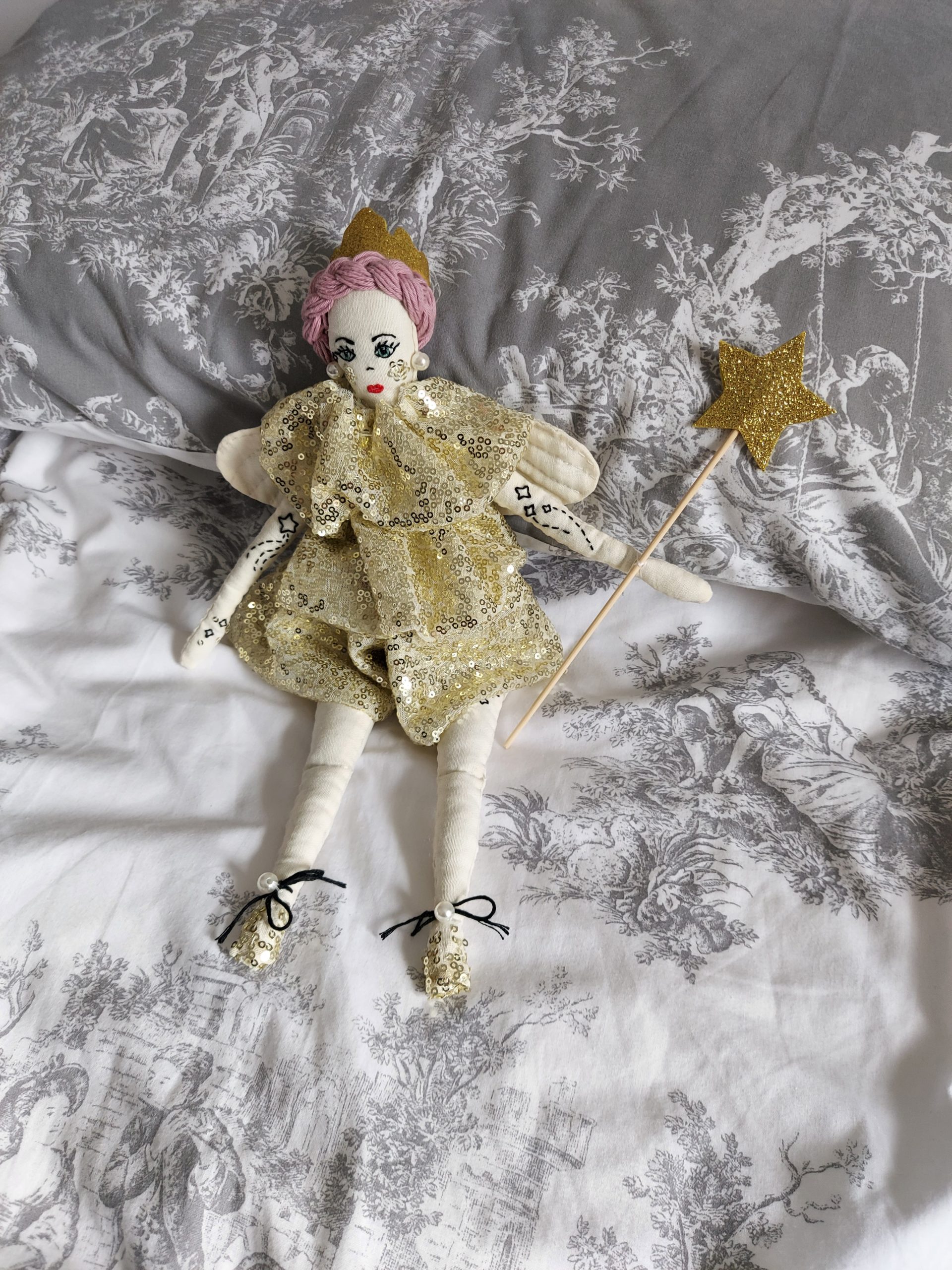
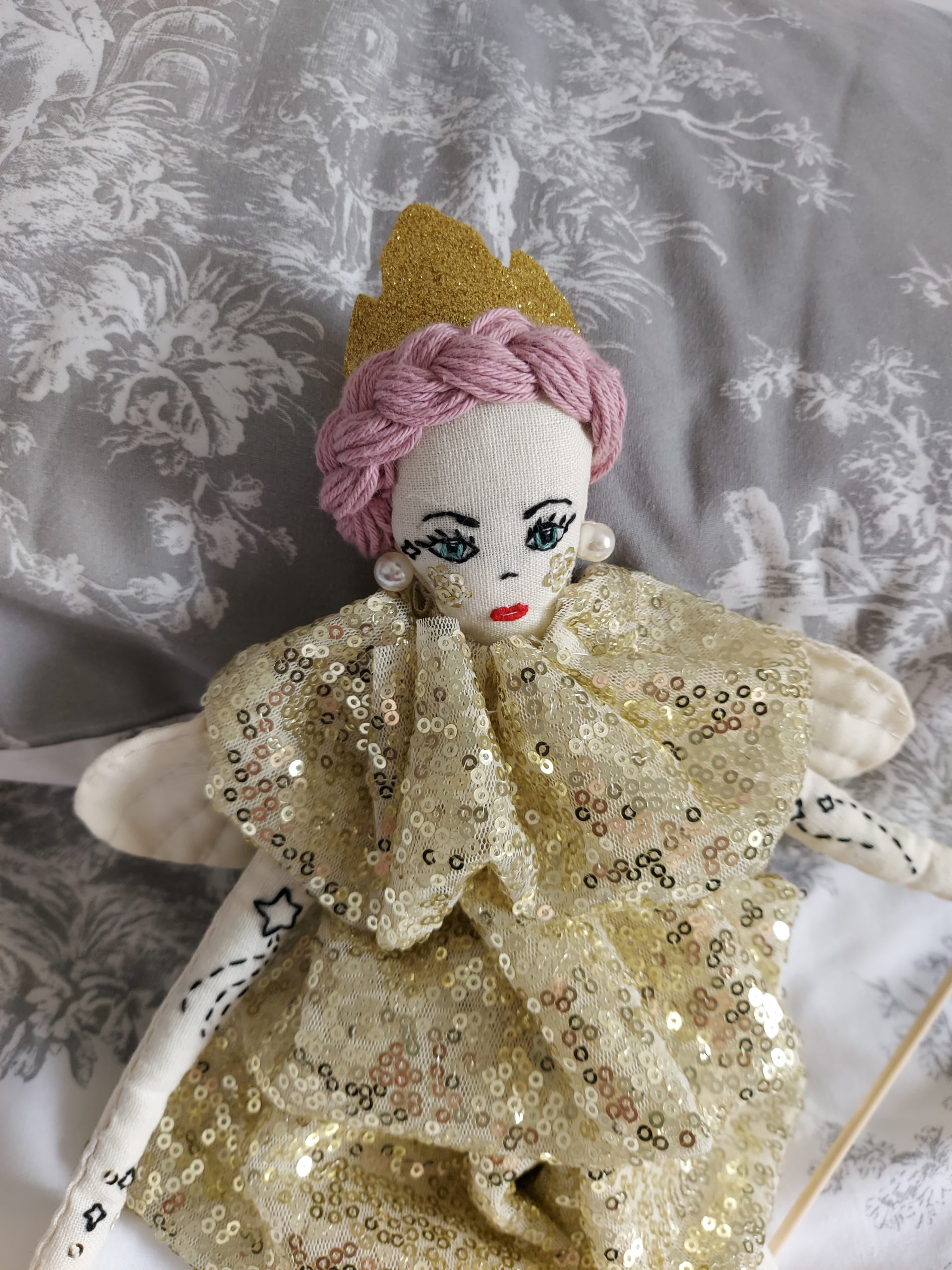
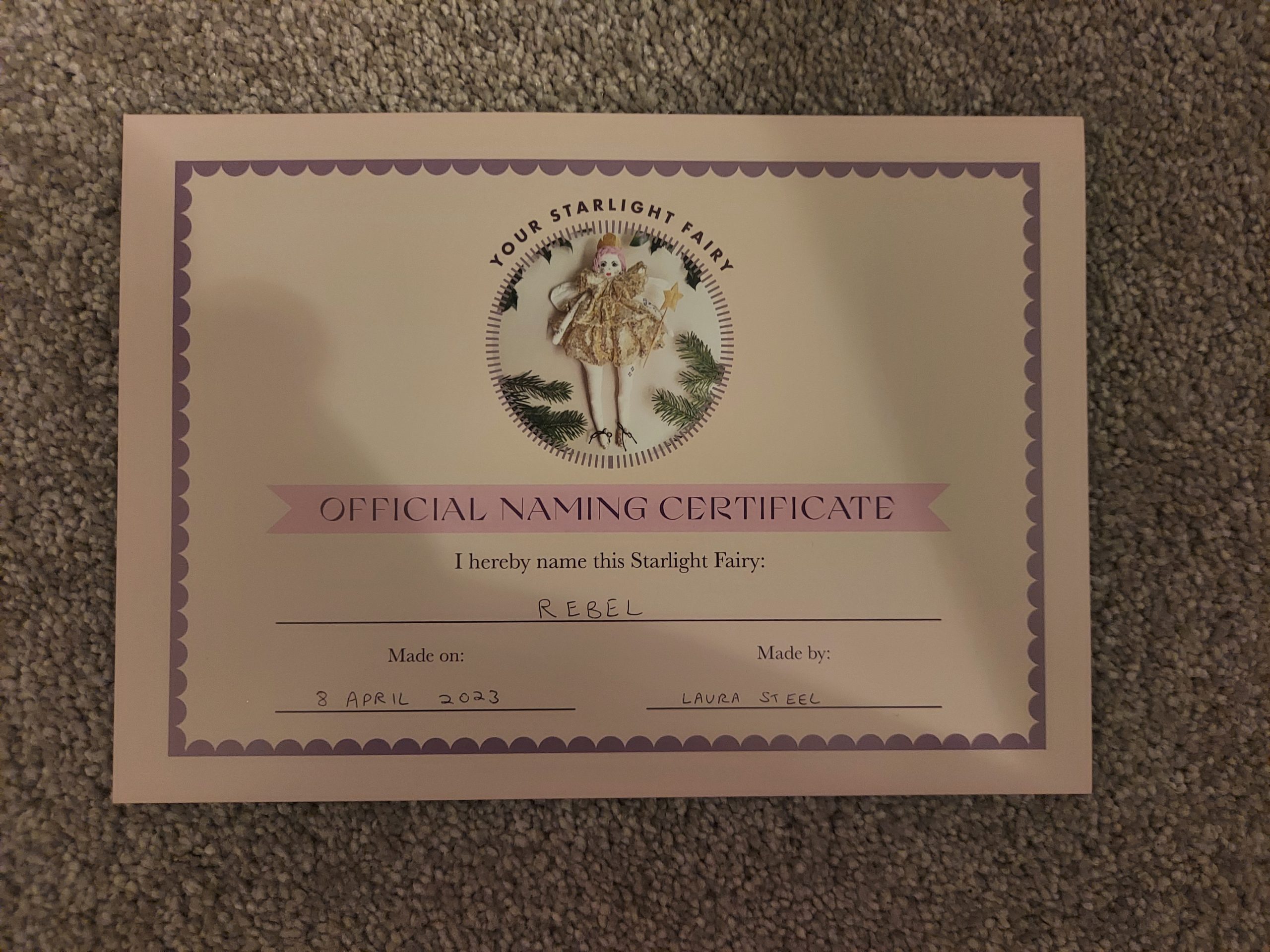
My brain had skipped over doll making but then I saw a kit in the sale at Makebox.co to make a festive Starlight Fairy. I worked on the kit over the Easter break and I’m really proud of how she turned out. The kit came with a naming certificate, so of course I named her Rebel!

Sculpture

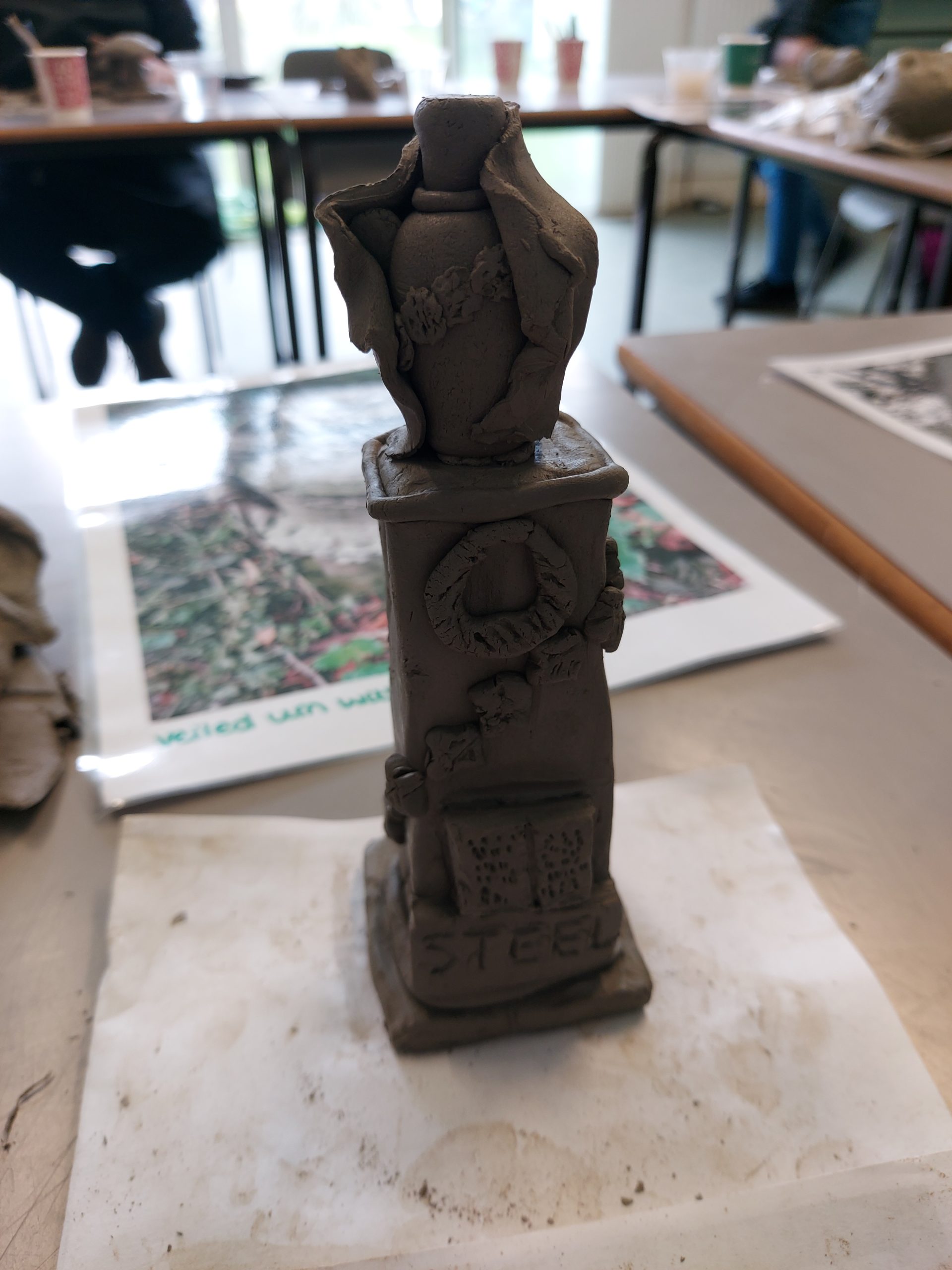
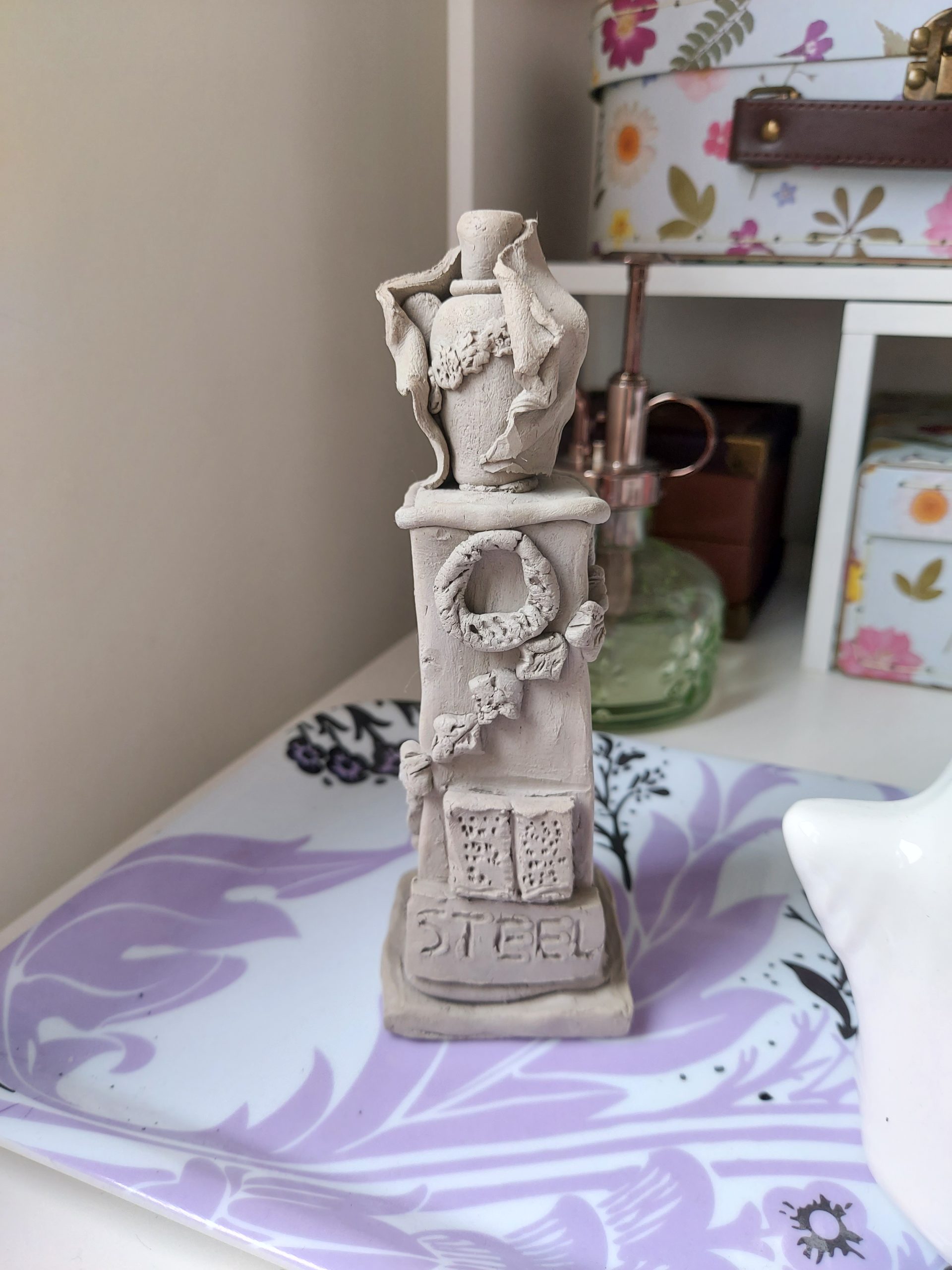
I signed up to a session at Tower Hamlets Cemetery Park to make a clay gravestone. I absolutely loved the session and I’m really proud of my gravestone, which was inspired by the cemetery’s Victorian monuments and now has pride of place on my shelf.

Embroidery

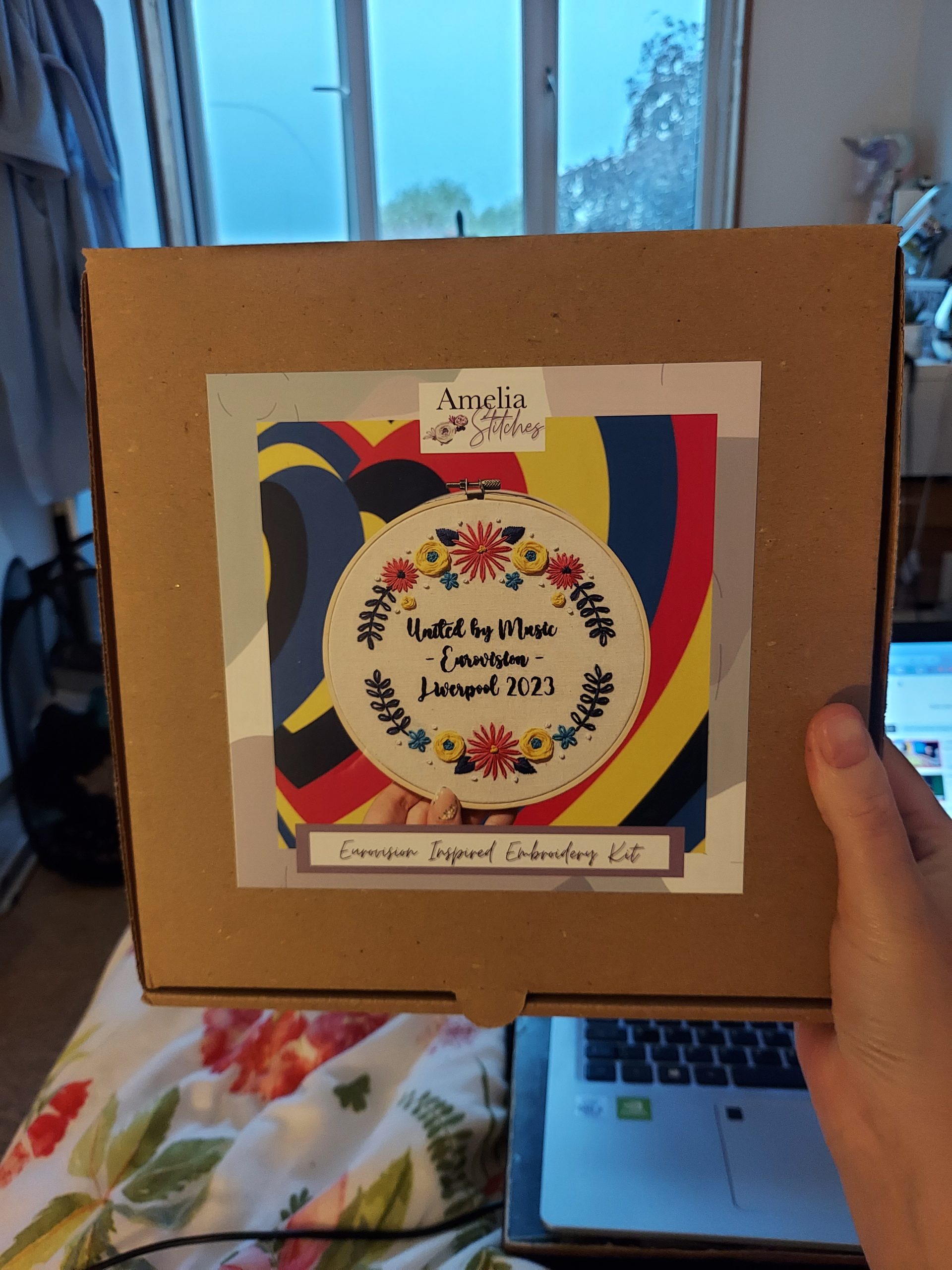
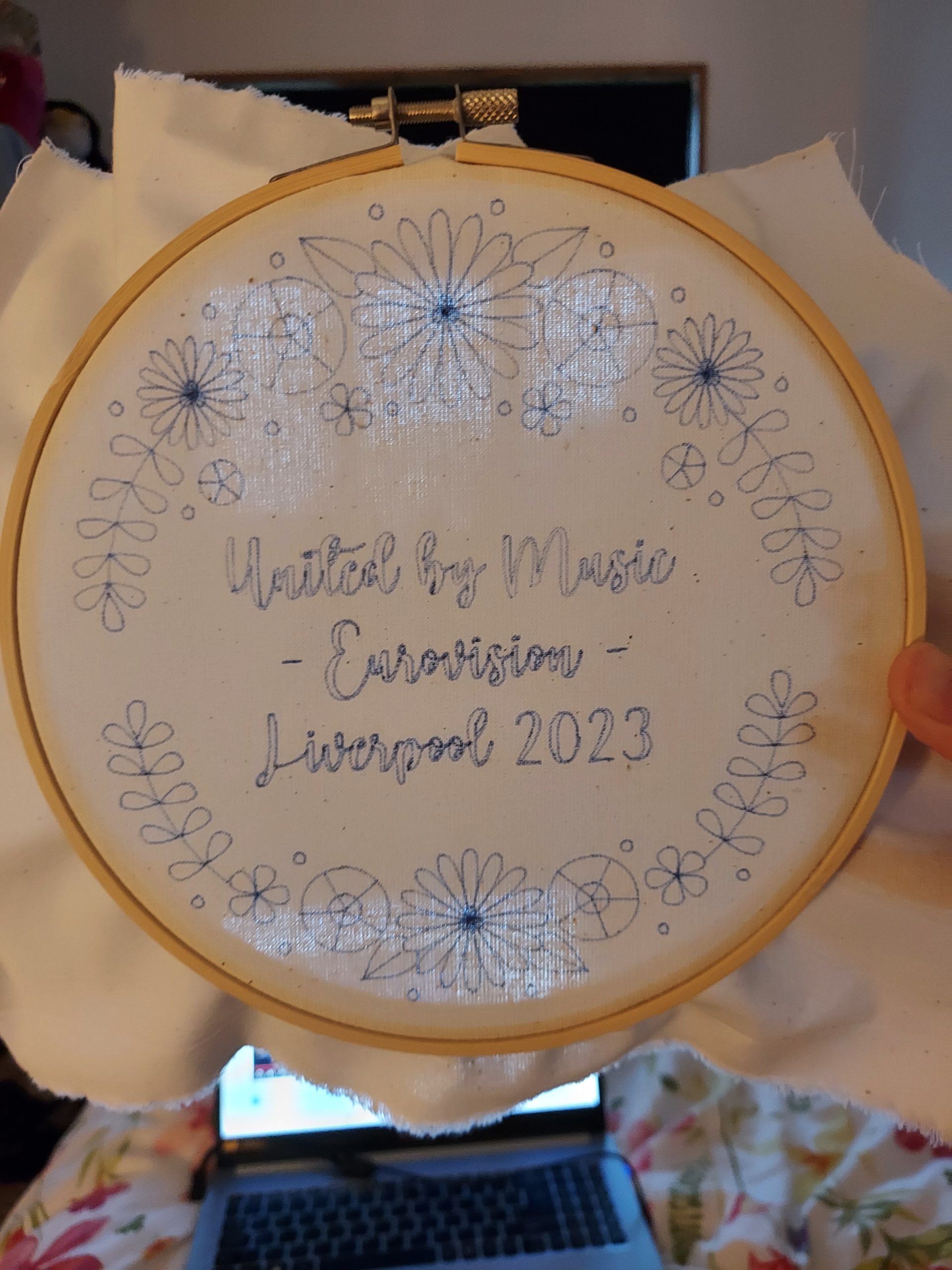
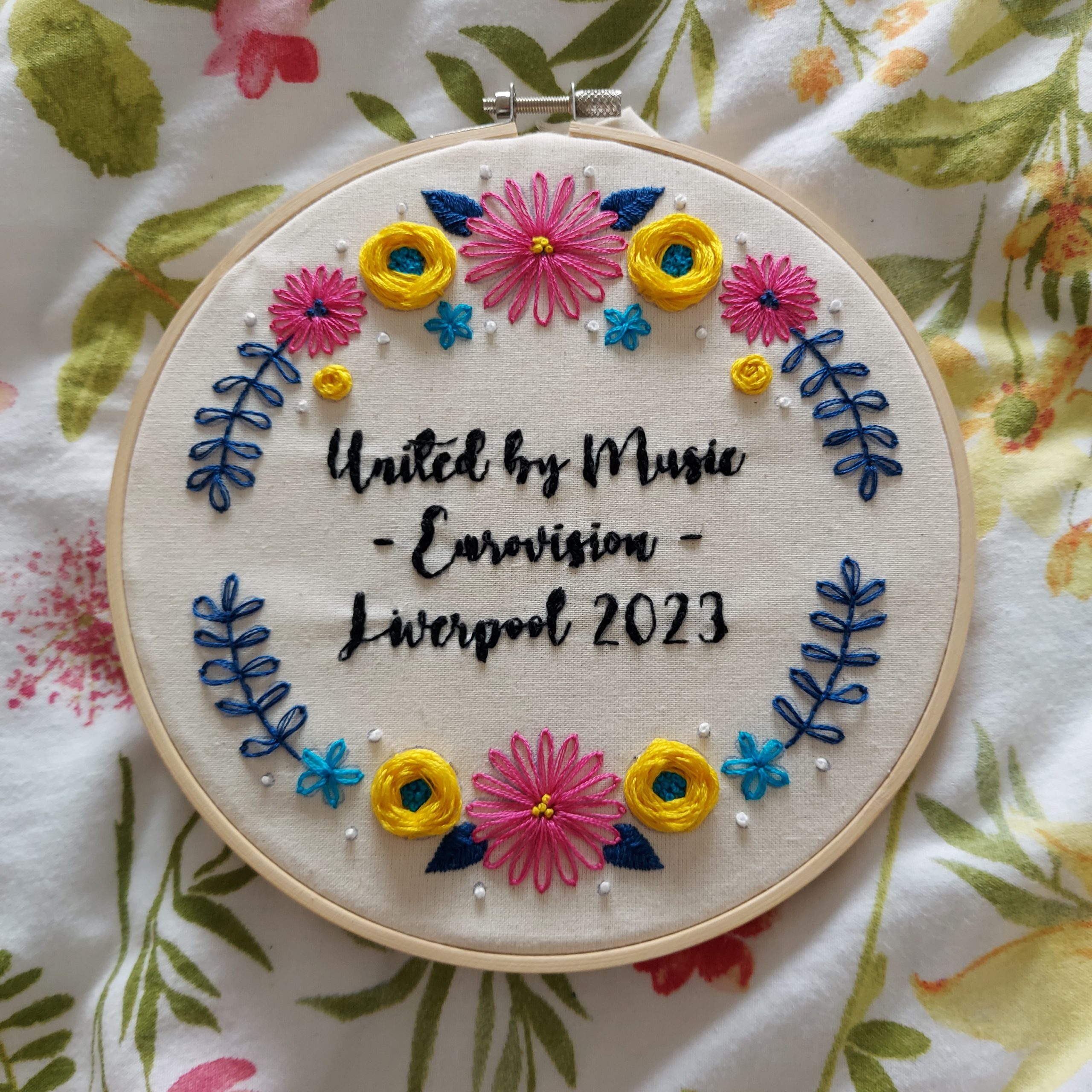
The criteria for this badge does state that the crafts you try do not need to be new to you. However, I was reluctant to choose crafts I’d already tried, until I picked up this Eurovision-themed embroidery kit from Amelia Stitches. It featured several stitches I hadn’t tried before, so I felt justified in including it.

Resin work

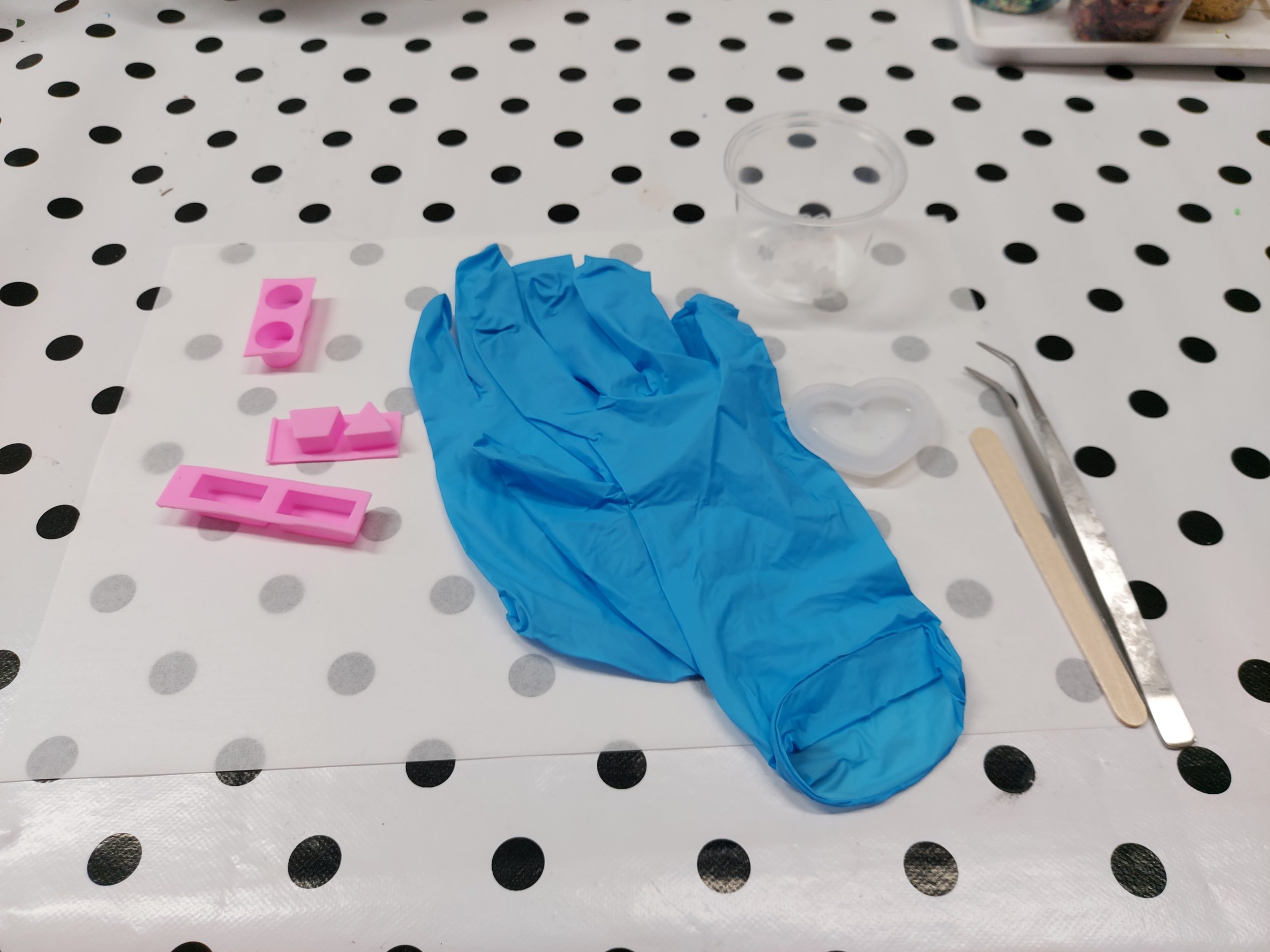
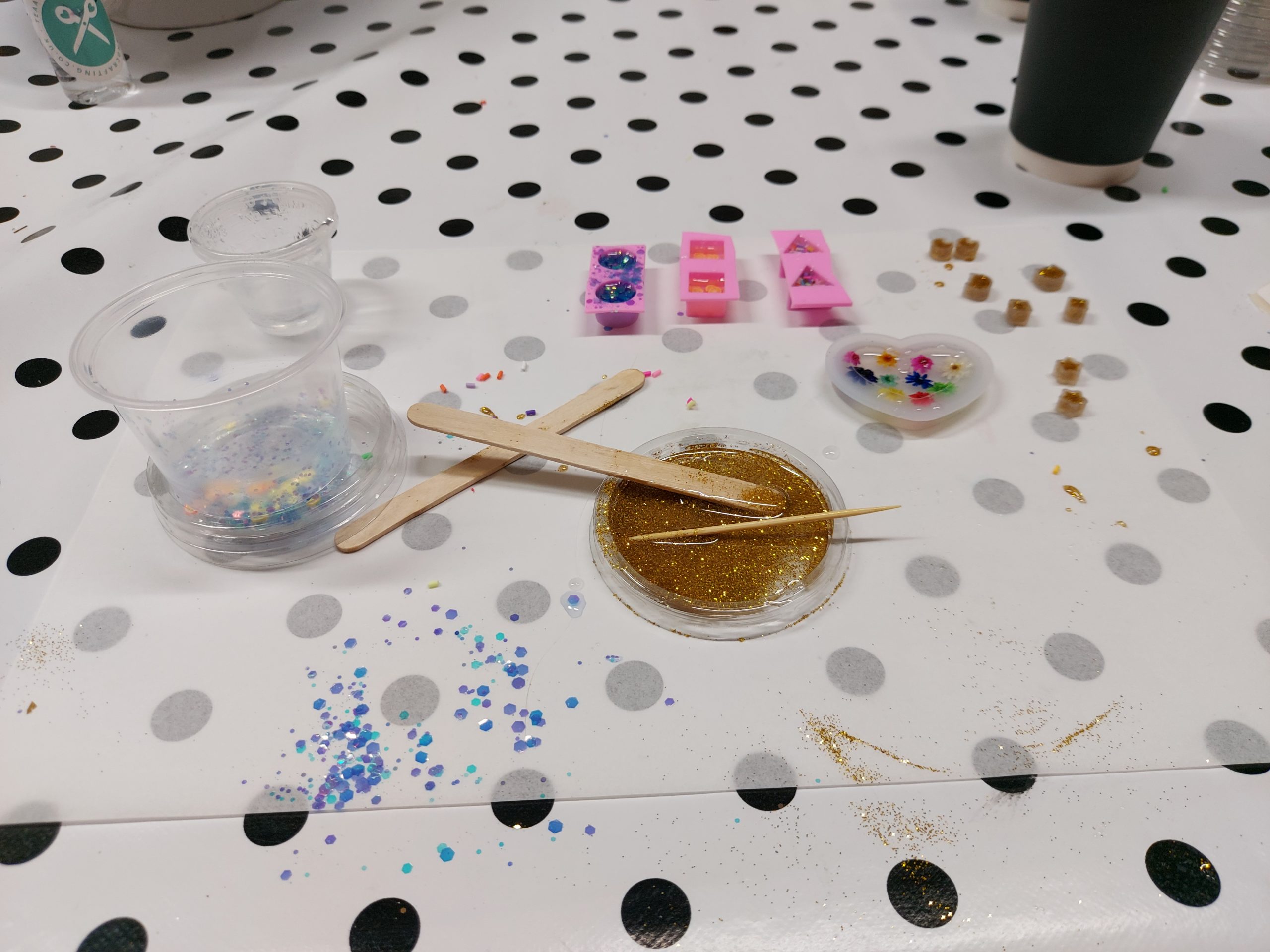
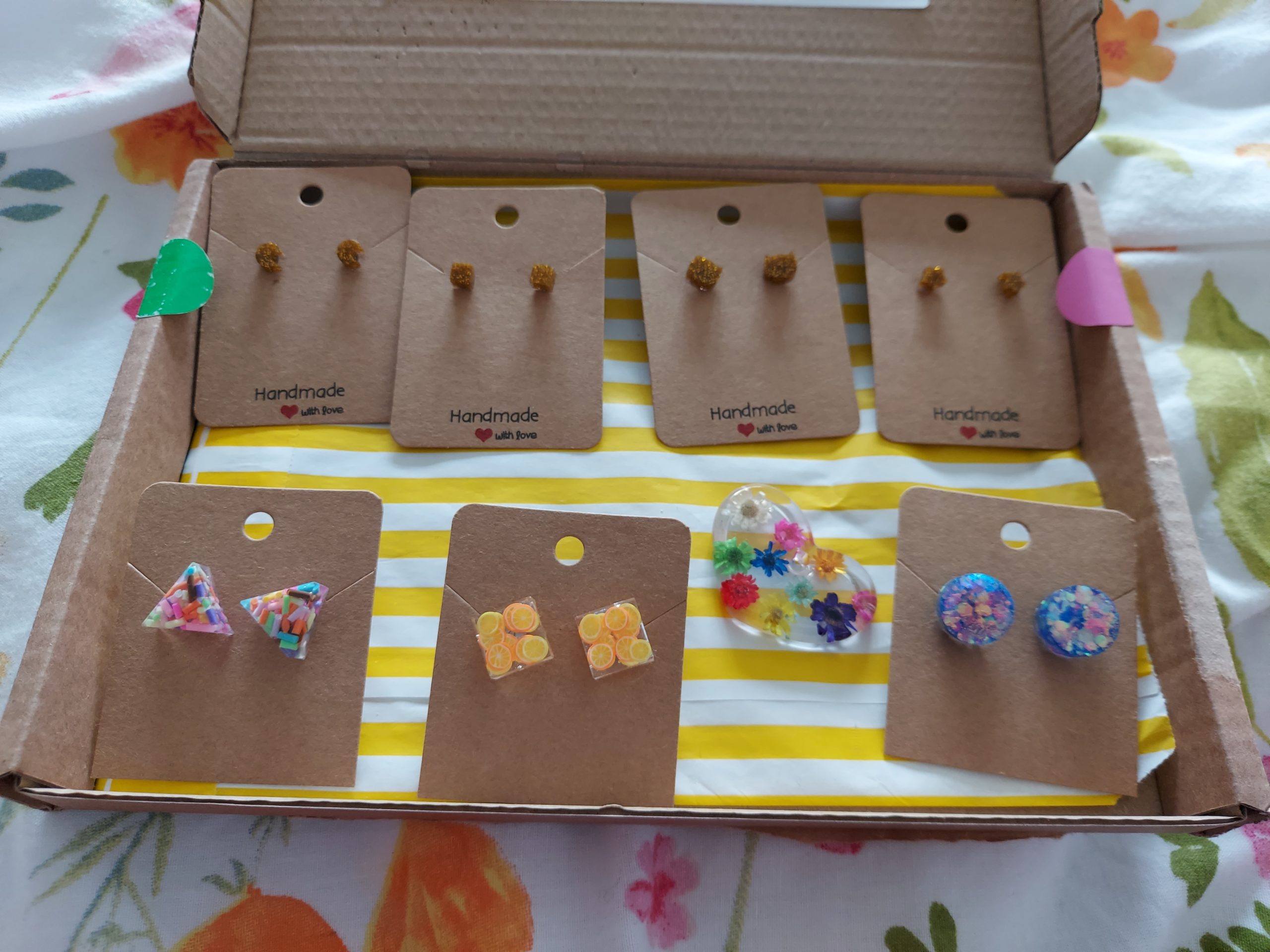
I attended a resin jewellery session at Tea & Crafting and made several pairs of earrings and a pendant. I had lots of fun and I’m really happy with the end results, most of which will be gifts to friends.

Leatherwork

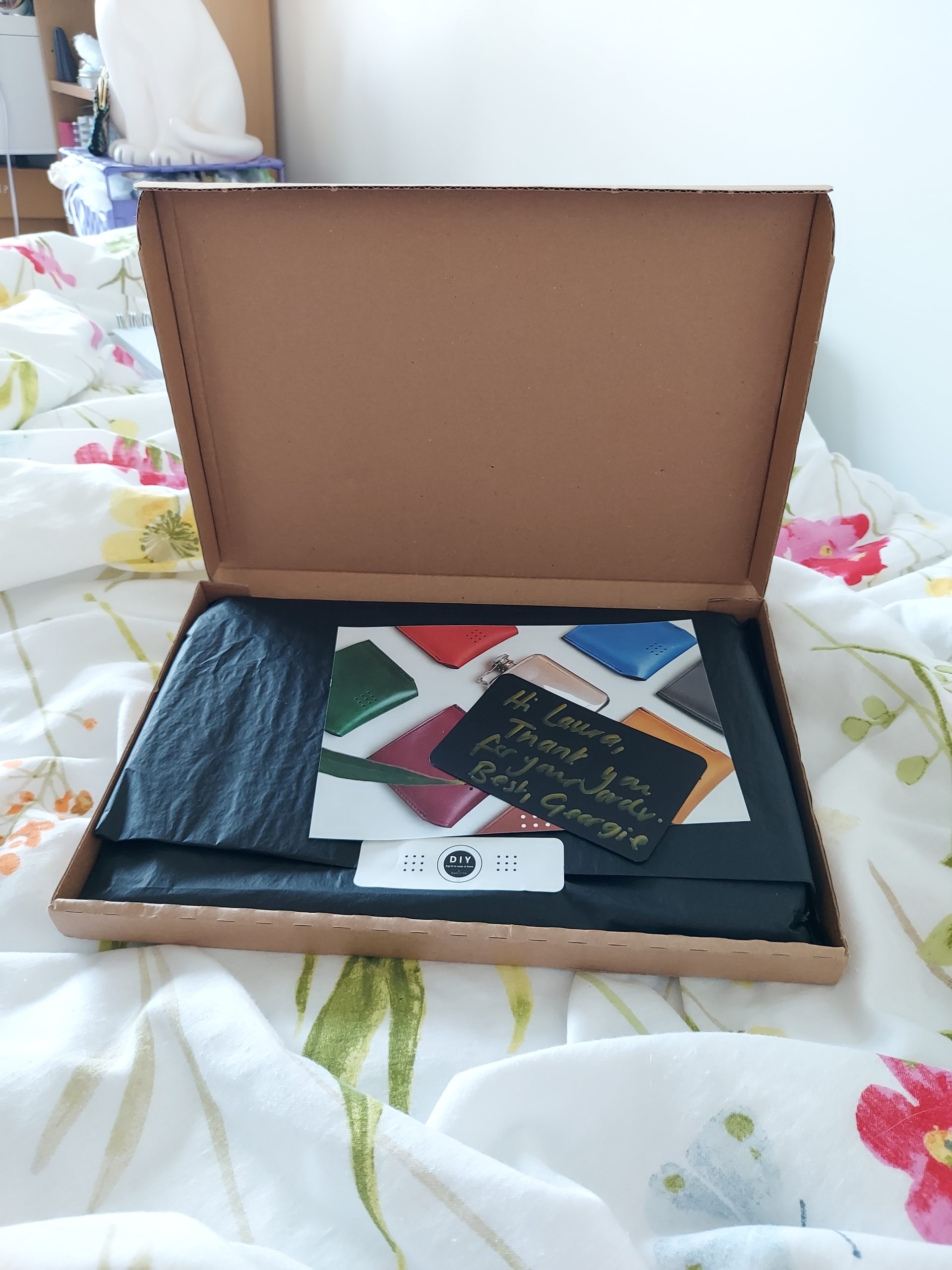
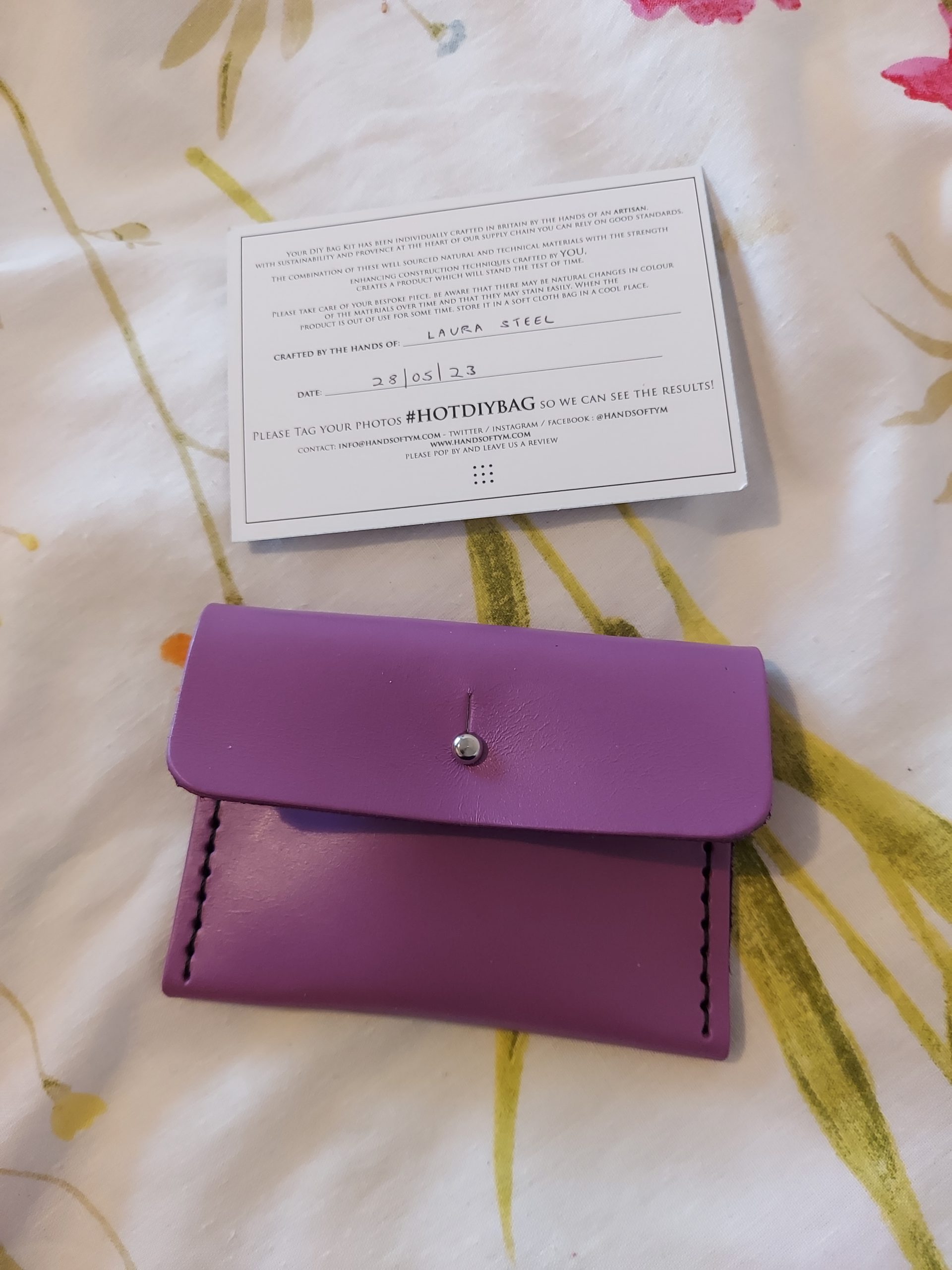
Finally, I purchased a leather purse kit from Hands of Tym store on Etsy and constructed it one evening. I love my little purse and plan to use it for many years to come.

Date completed: 28 May 2023

Rebel Badge Club: Forager

In order to complete the Life Less Ordinary quarterly challenge, I had to complete a badge from the section of the badge book I’d completed the fewest badges from. Forager was a badge that appealed to me, so I went for that one. I know that foraging has really increased in popularity over the course of the last few years, but I wouldn’t have a clue where to start on my own.

Learn to identify common poisonous mushrooms and poisonous berries in your local area.

I looked up common poisonous mushrooms and berries to learn more about them. To be honest I plan to stay well away from mushrooms until I know much more about them, and I will also be very careful with berries!

Make a foraging calendar listing what can be foraged in your area, and when. Make a map of local places you can forage.

January
Acorns
Beech nuts
Blackberries
Chestnuts
Crab apples
Hawthorn berry
Hazelnuts
Pine nuts
Rosehips
Sloes
Whitebeam berries
February
Alexanders
Chickweed
Dandelion
Nettle
Sweet violet
Velvet shank mushroom
Wild garlic
March
Chickweed
Dandelion
Goosegrass/cleavers
Gorse
Hawthorn
Nettle
Wild garlic
April
Alexanders
Bramble leaves
Cow parsley
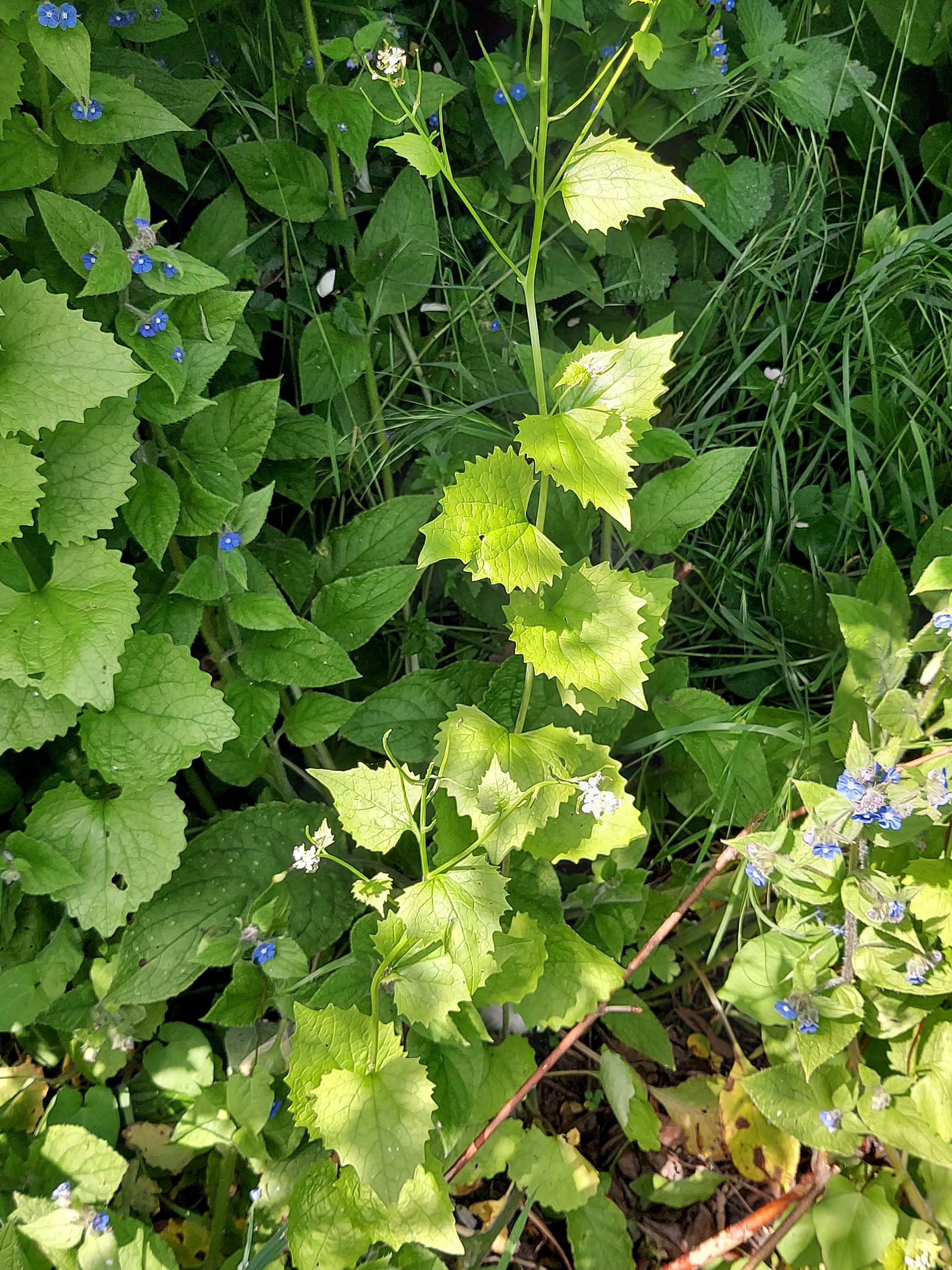
Garlic mustard
Hairy bittercress
Mallow
Wild garlic
May
Chickweed
Hawthorn
Small-leaved lime
Mallow
Oxeye daisy
Red clover
Sorrel
June
Ash
Elder
Ground elder
Honeysuckle
Lime
Rose
Pineapple weed
July
Bilberries
Chickweed
Chanterelle
Fat hen
Mallow
Meadowsweet
Wild strawberries
Yarrow
August
Blackberries
Crab apples
Elderberries
Greater plantain
Hazelnuts
Rowan berries
September
Beech nuts
Hawthorn berries
Rosehip
Sloes
Wild raspberries
Wild strawberries
October
Bullace
Beech nuts
Hazelnuts
Rosehip
Sloes
Sweet chestnuts
Walnuts
November
Bullace
Hairy bittercress
Hops
Pine
Sweet chestnut
December
Bullace
Hairy bittercress
Hops
Pine
Sweet chestnut

I made a map on Google Maps, which can be accessed here.

Research ways to filter or find clean water in the wild so it can be drunk.

  • Collect rainwater
  • Follow your ears to listen for the sound of water
  • Look for signs of green vegetation or wildlife
  • Melt snow and ice
  • Search for signs of water underground
  • Trap condensation from plants

I found these articles explaining how to filter and purify water.

Attend a foraging course or guided experience and make something with ingredients foraged during the course.

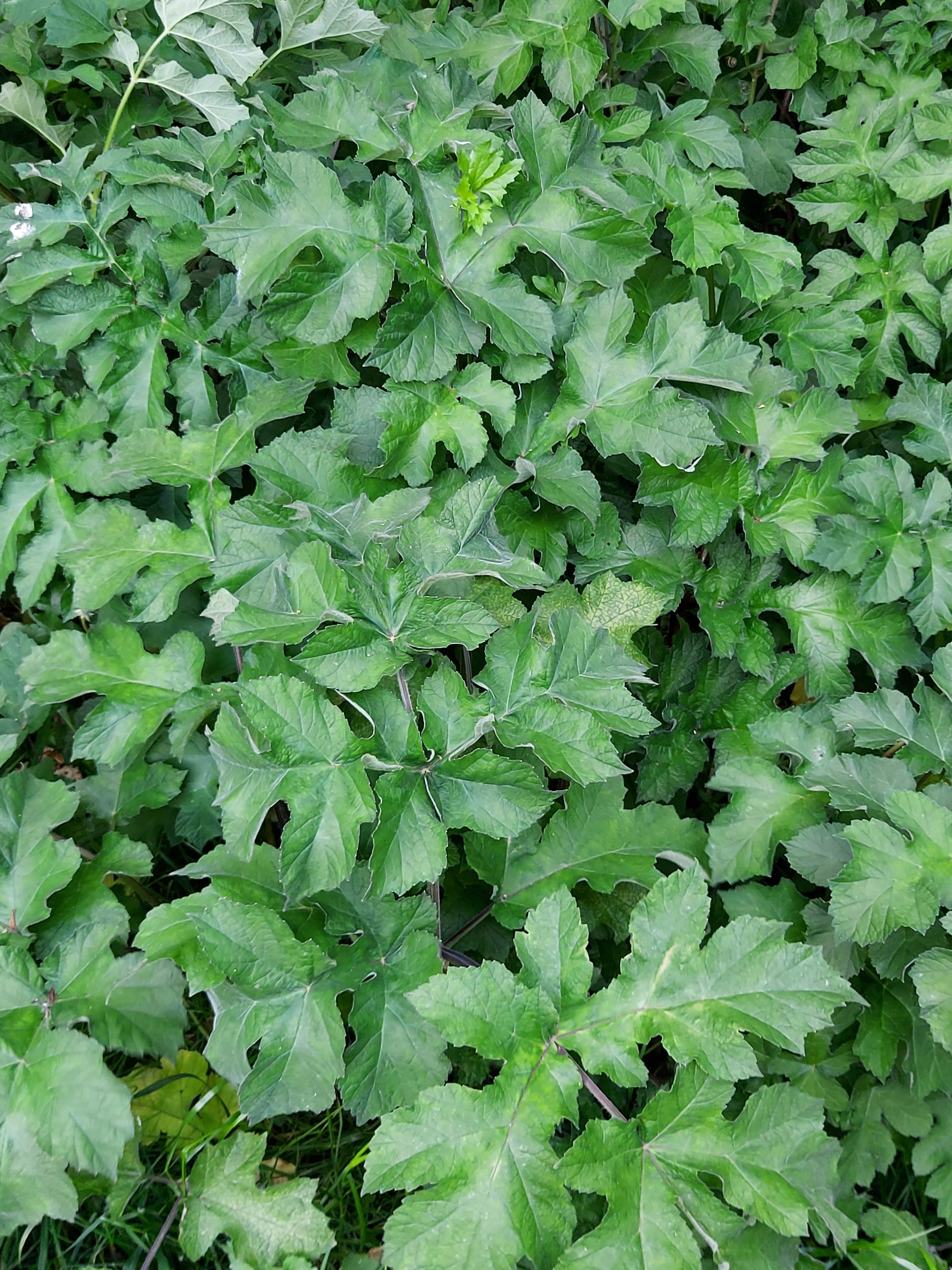
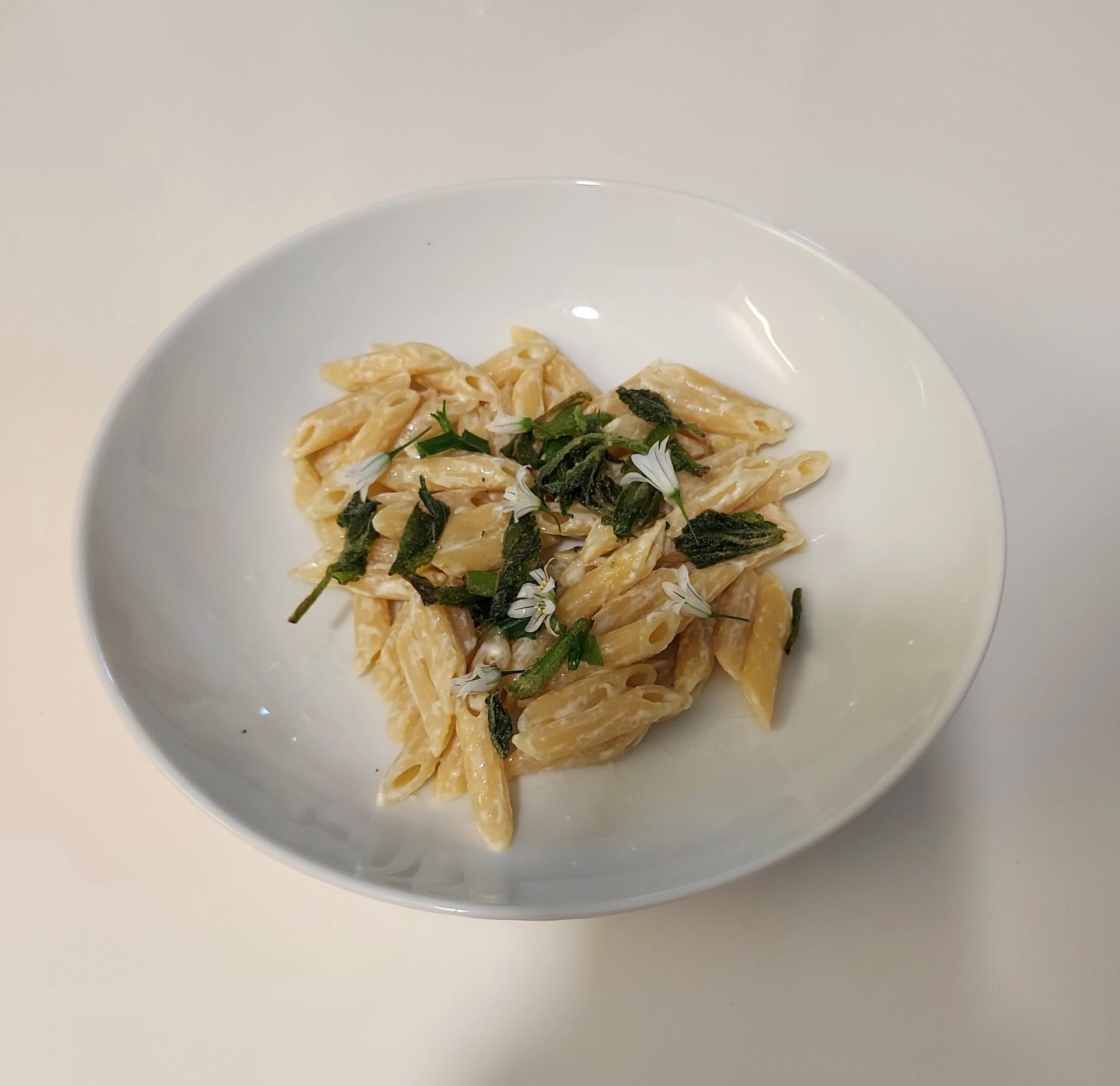
I attended a foraging walk at Tower Hamlets Cemetery Park, run by Made In Hackney and the Friends of the park. The walk was amazing, really informative, and we learned so much about foraging. I got to take home some ingredients and for my tea I made myself some creamy pasta with wild garlic, common hogweed and tri-cornered leek.

A white dish containing penne pasta with cream cheese, topped with greens

Learn to identify at least 10 plants in your area which can be eaten, and anything they are easily confused with.

I learned about multiple plants during my foraging walk, and learned how to recognise them, as well as differentiate them from similar-looking, poisonous plants.

Learn about responsible foraging and any rules or restrictions which apply to foraging in your local area.

  • Forage only for yourself and your family
  • Focus on common and abundant ingredients
  • Know what you are picking
  • Take only what you need
  • Leave more than you take (e.g. take only 1 in every 20 plants)
  • Avoid rare species
  • Take care not to trample or damage the environment
  • Avoid foraging on protected sites, such as Sites of Special Scientific Interest (SSSIs)
  • Get permission from landowners

There are no restrictions in Ealing as far as I know, but foraging is not permitted in nearby places such as Richmond Park and Wimbledon Common.

Learn about the damage which can be caused by irresponsible foraging in sensitive environments.

Irresponsible foraging is usually associated with commercial foragers, however, solo foragers can also have a negative impact. Being careless and disturbing the environment when you forage can damage vegetation and affect wildlife. Taking too much when you forage can upset the balance of local ecosystems by taking food from animals, plants and fungi and leaving gaps for invasive species.

Date completed: 20 May 2023

Rome Day 8 | Santa Maria Maggiore

On our last day in Rome, we took our time getting ready and heading out to the Metro for the final time. We got off at Roma Termini railway station as we were getting the train to the airport.

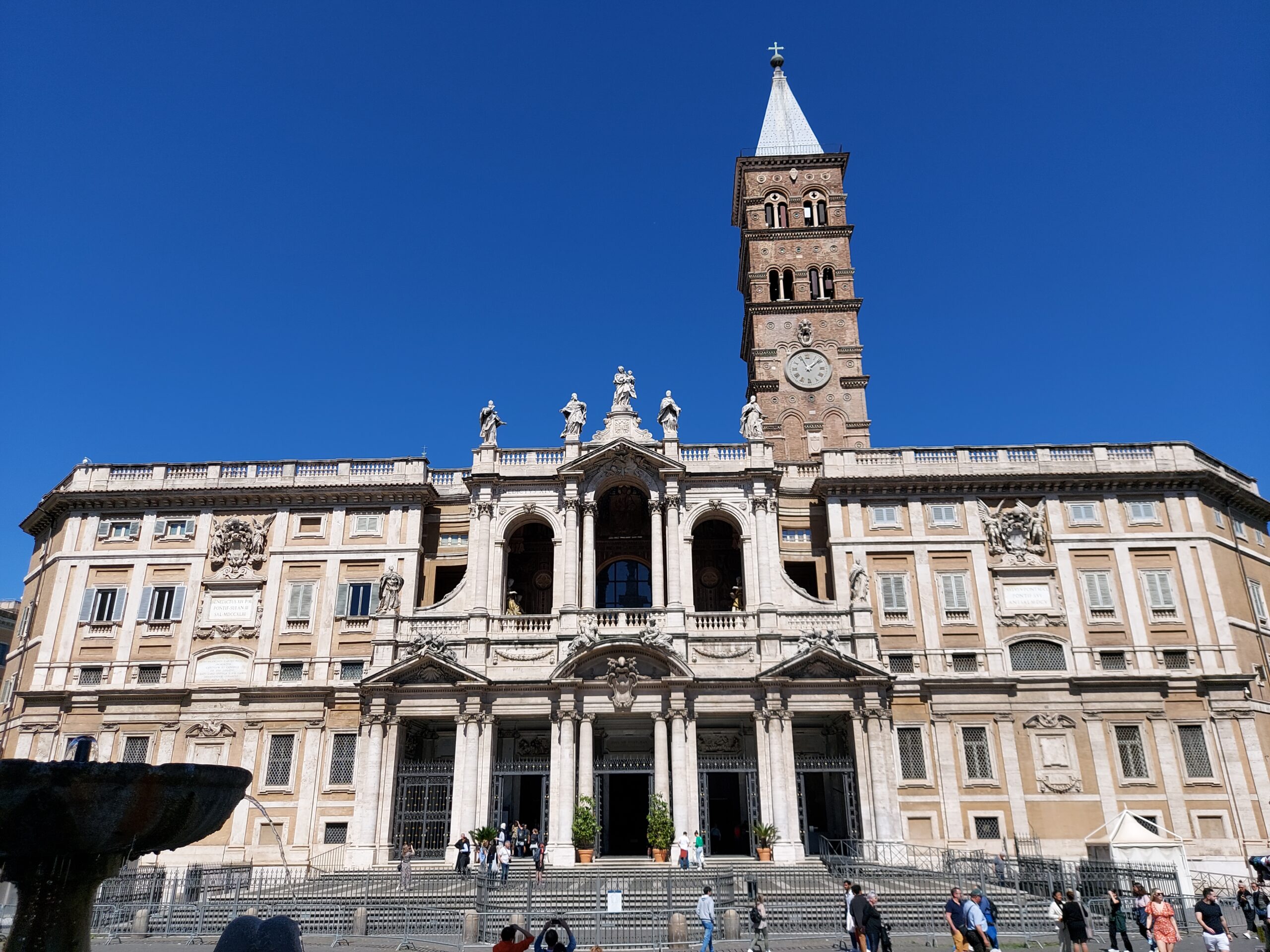
We had plenty of time to sit outside and enjoy the Roman atmosphere for the last time before we caught the train. I also popped down to visit one last landmark: the church of Santa Maria Maggiore.

Church of Santa Maria Maggiore

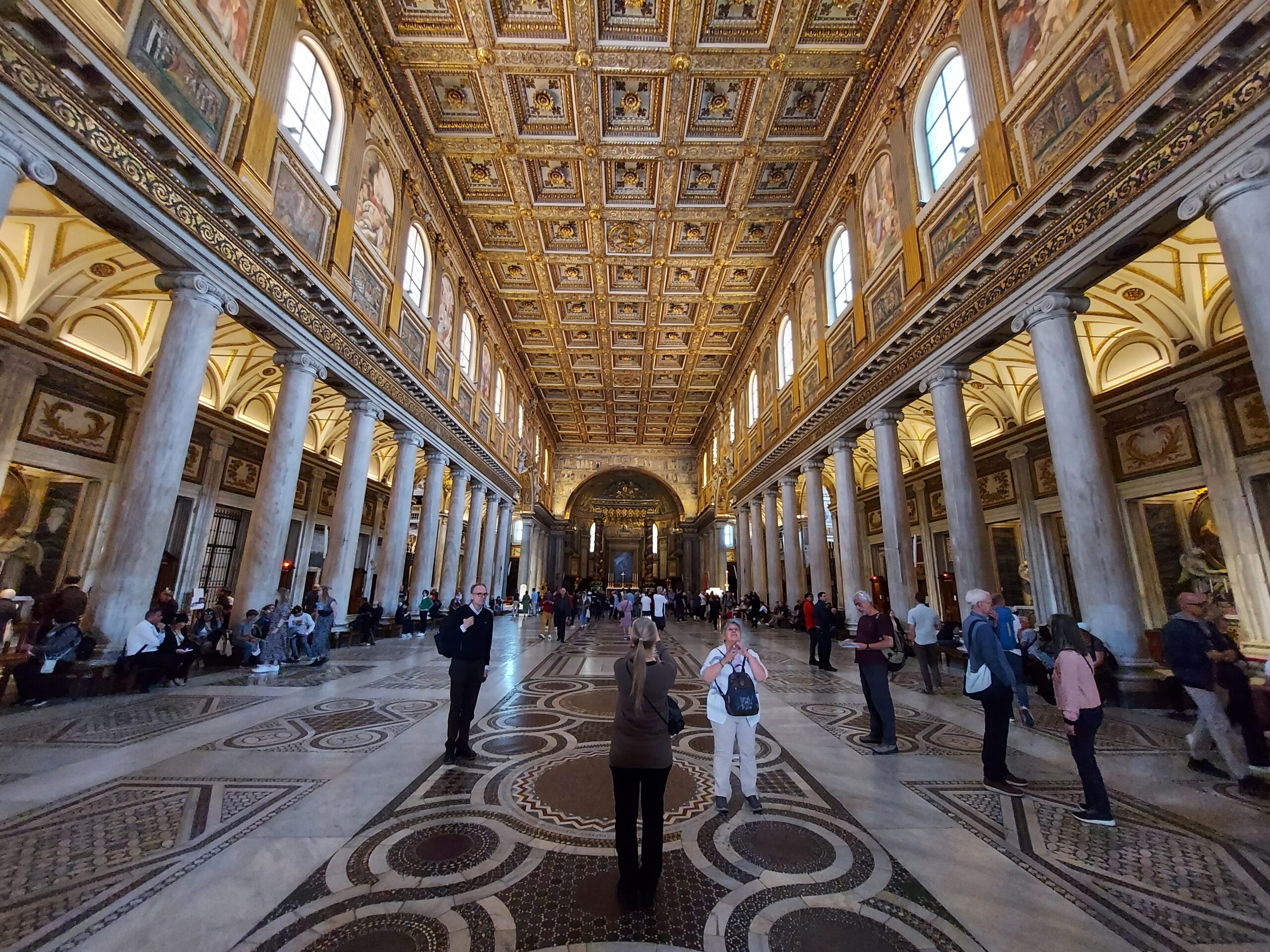
This church is a major papal basilica as well as one of the Seven Pilgrim Churches of Rome and the largest Catholic Marian church in the city. It was built under Pope Celestine I (422–432) and consecrated by Pope Sixtus III (432–440). Later expanded and redesigned by numerous popes, it is decorated beautifully, with stunning fifth-century mosaics that have survived for decades.

Inside the church

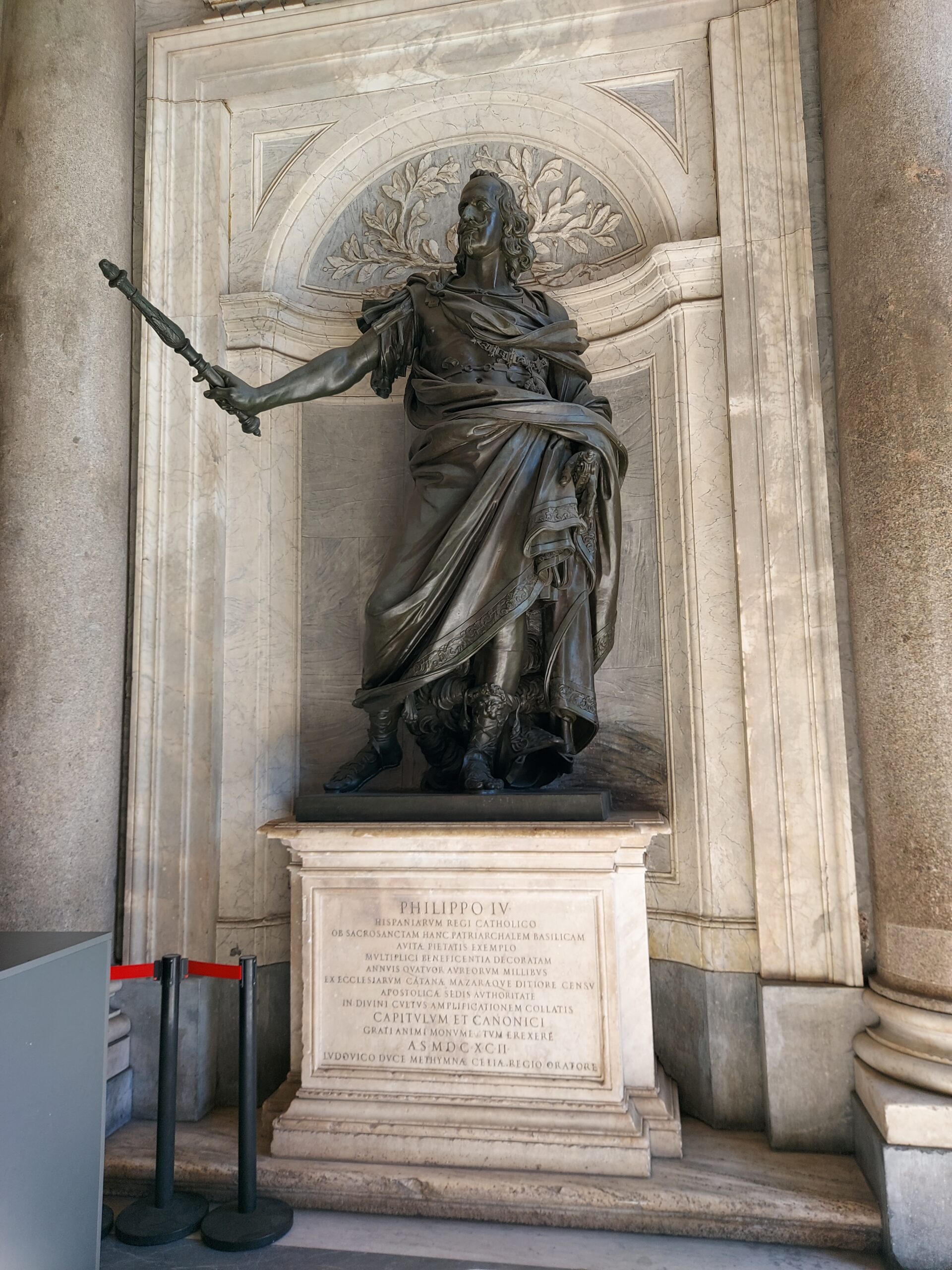
Architect and sculptor Gianlorenzo Bernini and his family are buried in this church, and his bronze statue of King Philip IV of Spain stands in the portico.

Statue of King Philip IV of Spain

After a short while I returned to the station, where we boarded the express to the airport to get on the flight back to London.