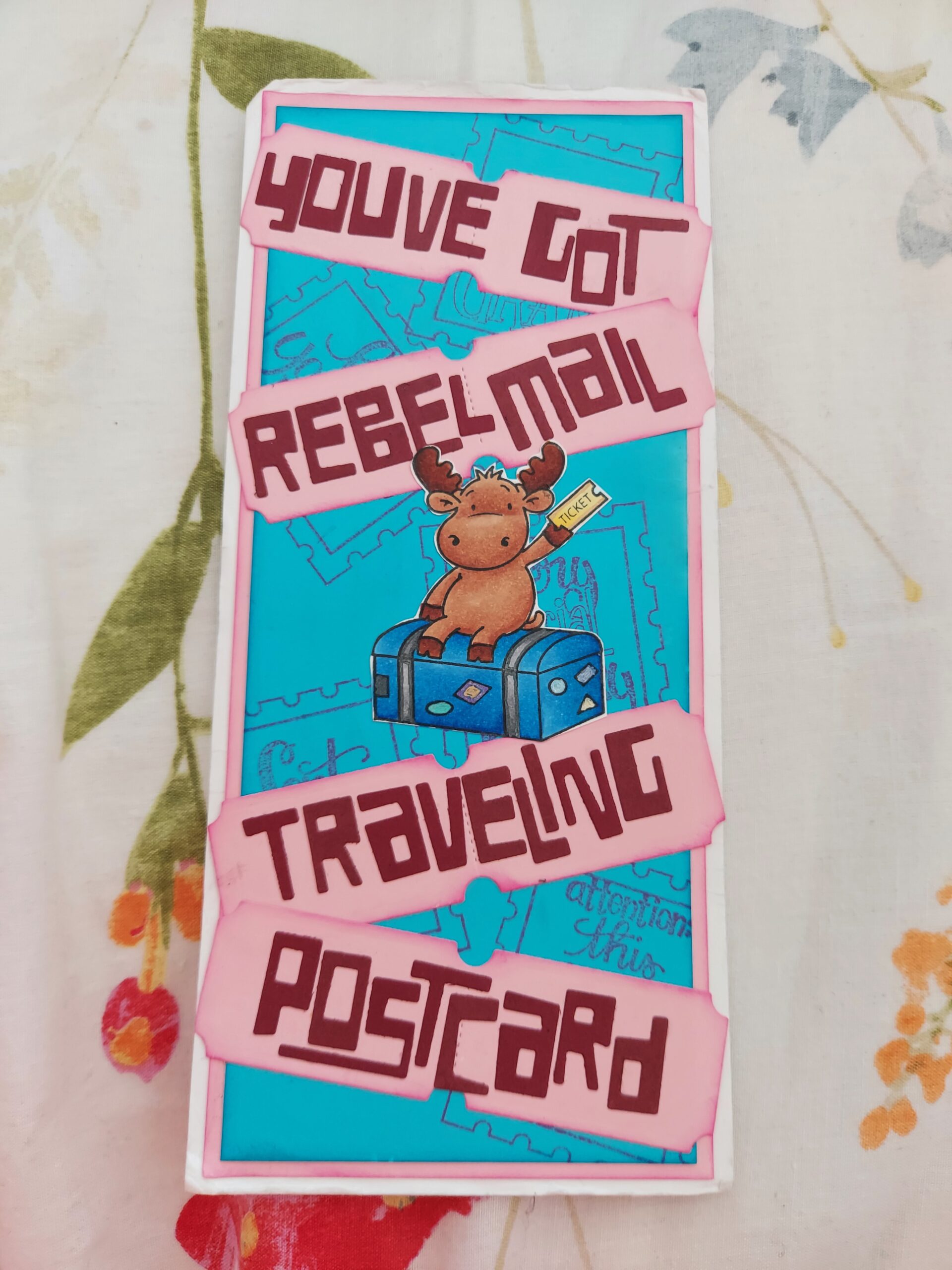
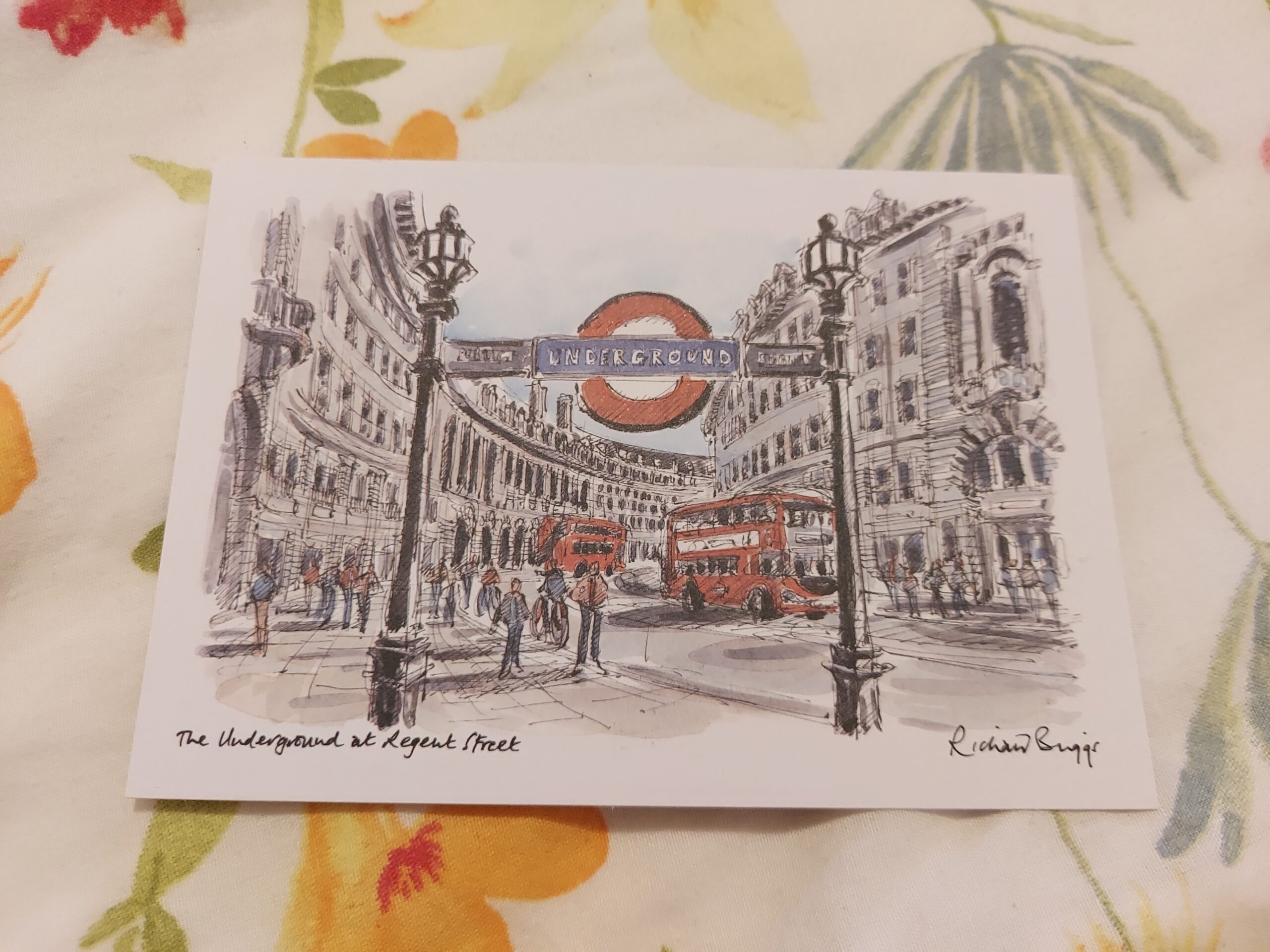
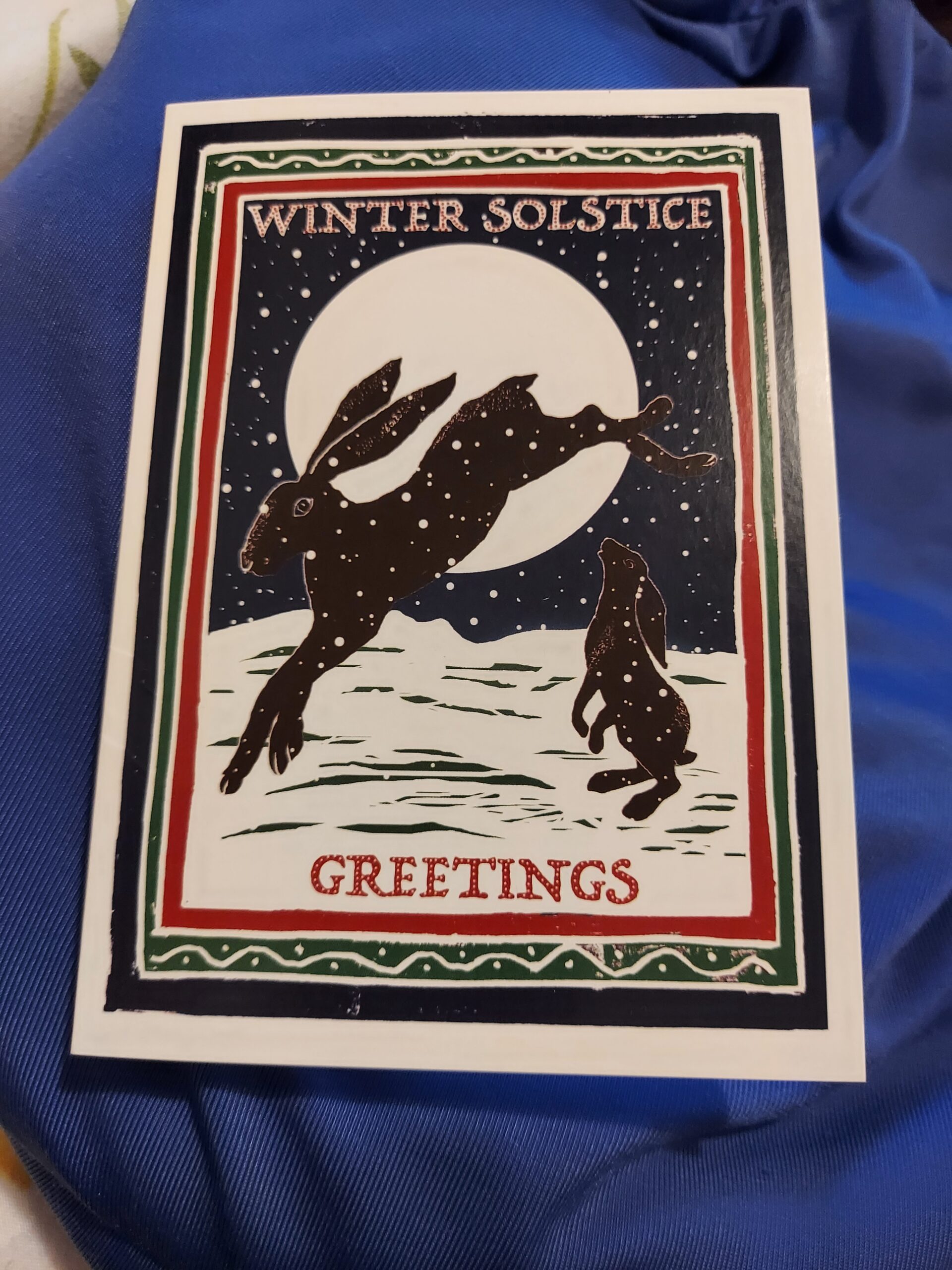
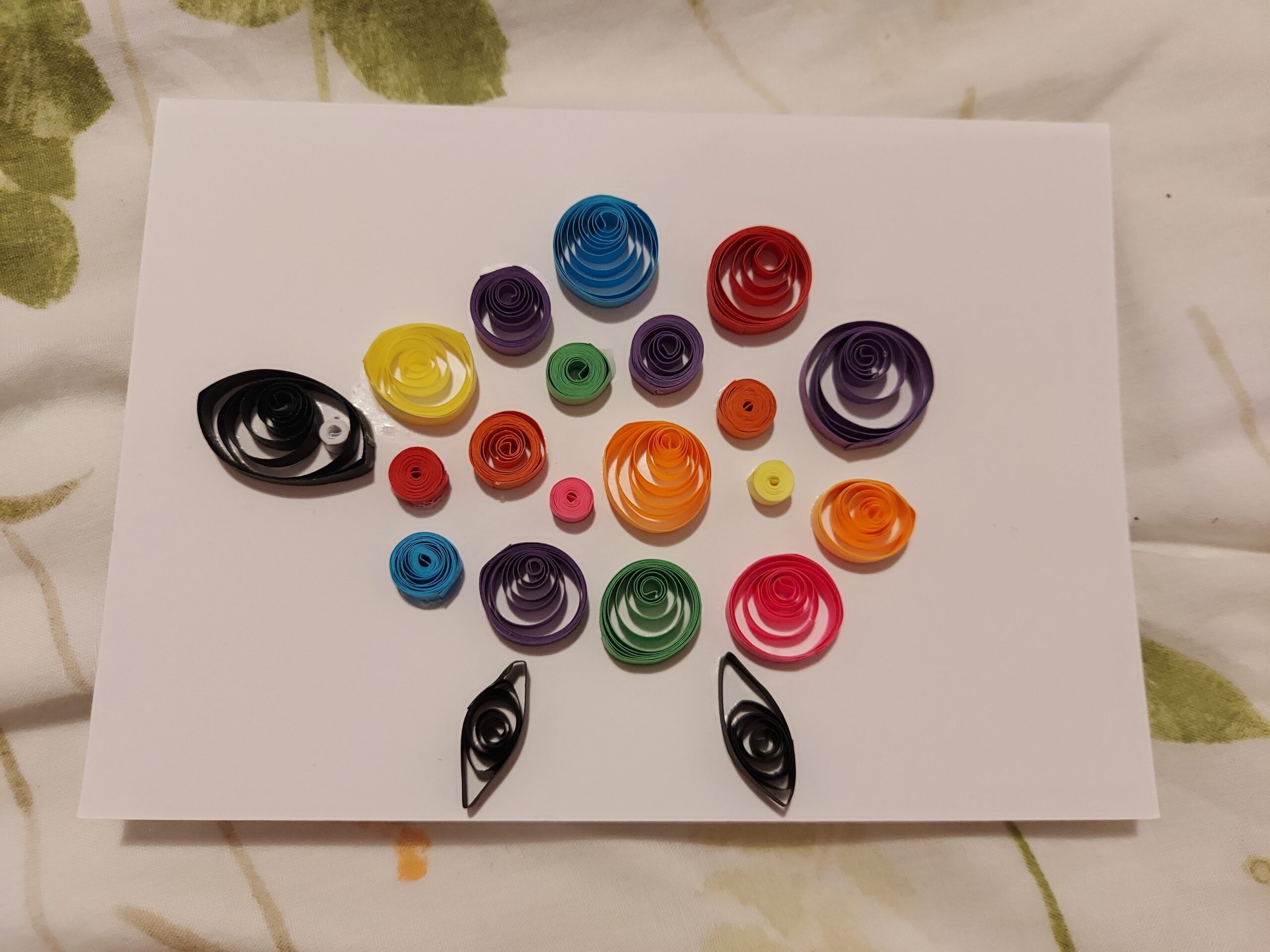
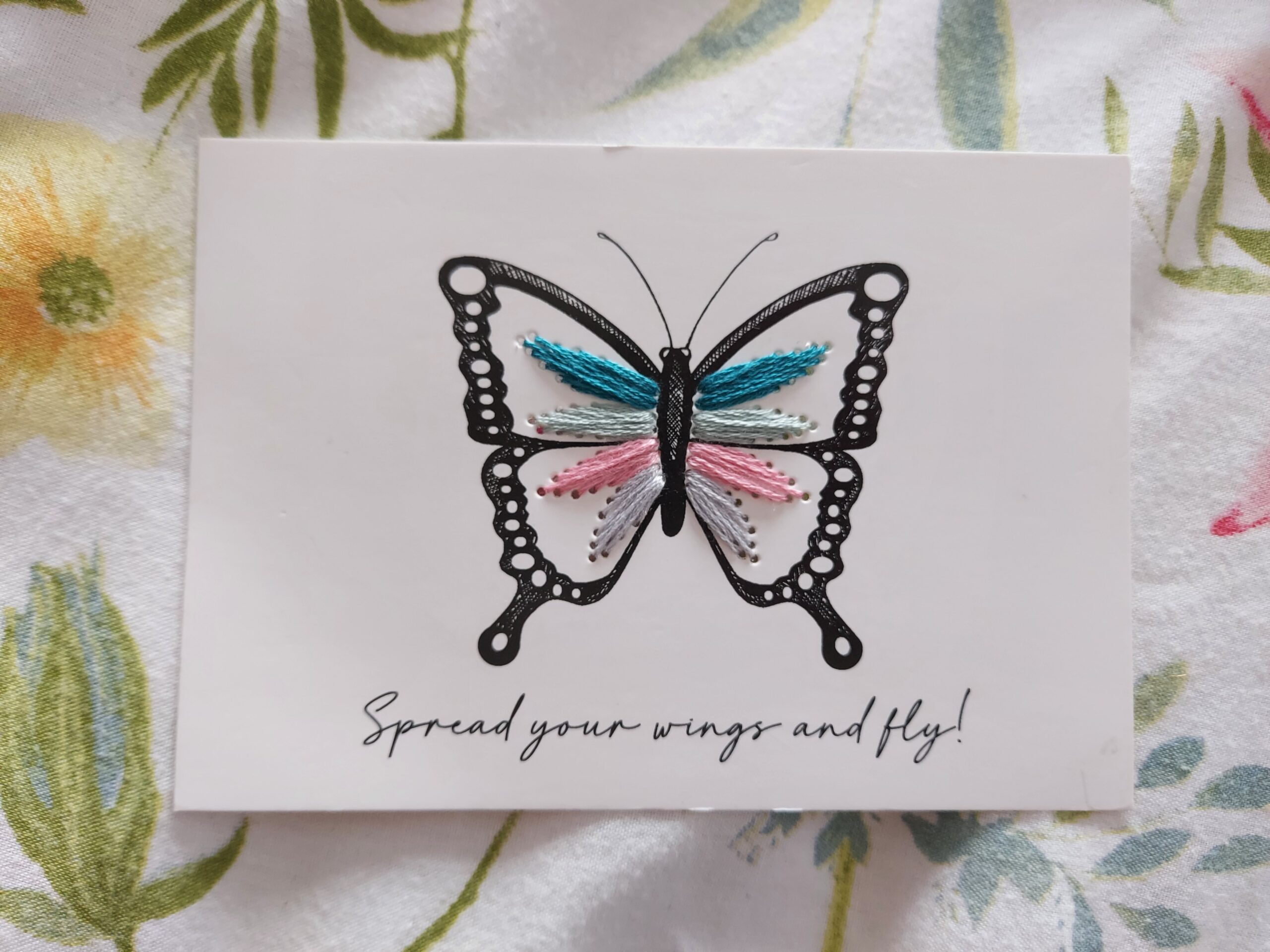
You’ve Got Rebel Mail was a popular monthly badge last year, so it’s been brought back in 2025 as an annual badge. I’ve really enjoyed sending out mail this year.
The types of mail I chose were:
A care package to someone in need.
I sent this out to a fellow Rebel, including stickers and chocolate.
Take part in a travelling postcard.
I took part in a card started by another Rebel.
A Postcrossing postcard.
I sent off a London-themed postcard.
A card to celebrate a holiday you don’t celebrate.
I probably enjoyed this badge a bit too much and it’s just as well I’ve come to the end of it. I had a great time trying lots of different foods and cooking new things.
Pick a food you enjoy and try at least five new varieties.
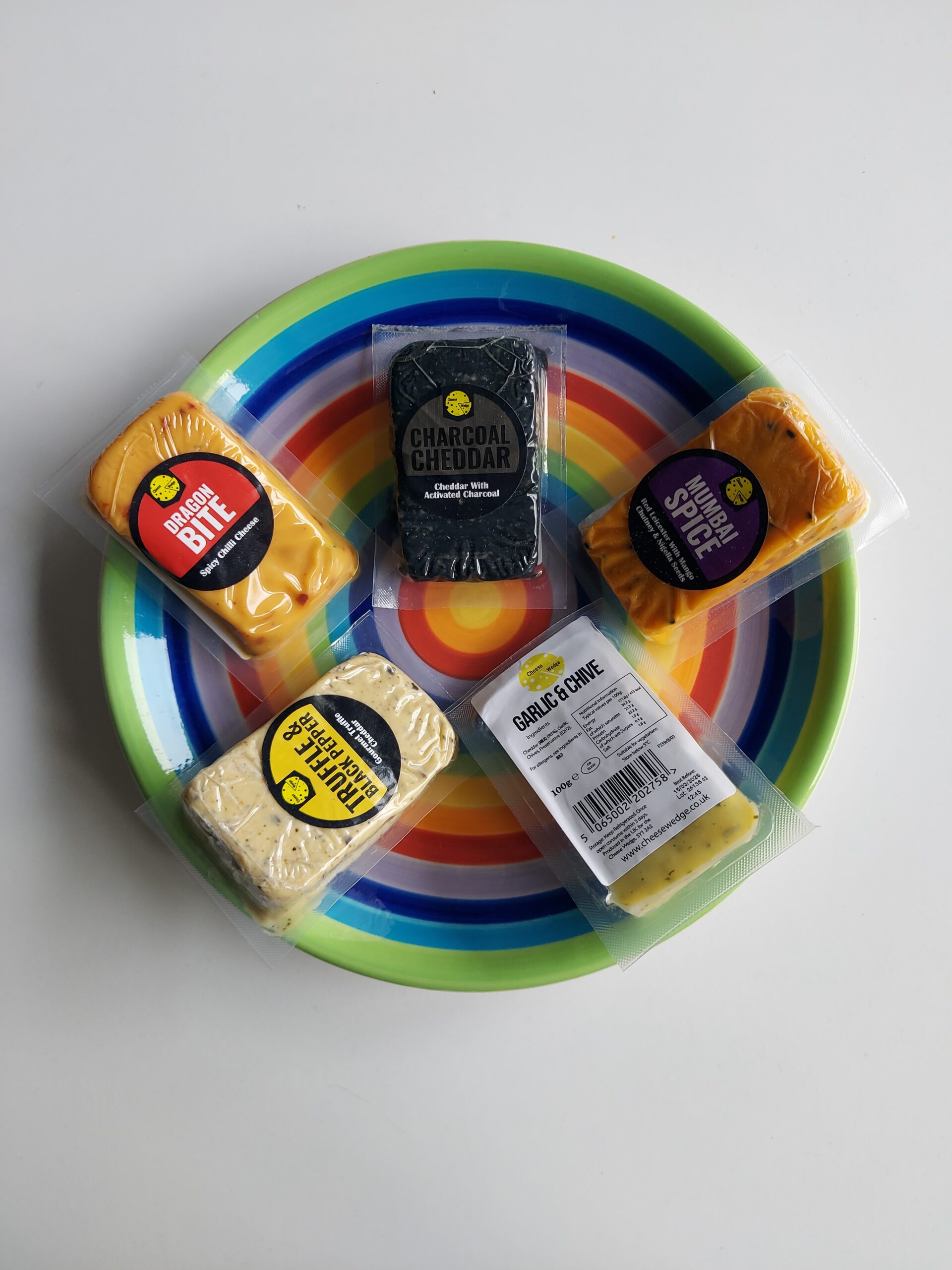
I ordered five cheese wedges online and had great fun trying them all out.
Dragon Bite: a spicy chilli cheese with a pleasant kick.
Charcoal Cheddar: goth cheese! Different in appearance, but not so much in taste.
Mumbai Spice: my favourite, distinct flavour of mango chutney with nigella seeds.
Truffle & Black Pepper: delicious but rich.
Garlic & Chive: flavoursome and tasty.
Over a period of a month, cook with at least three new ingredients which you’ve never used before.
I used the following ingredients:
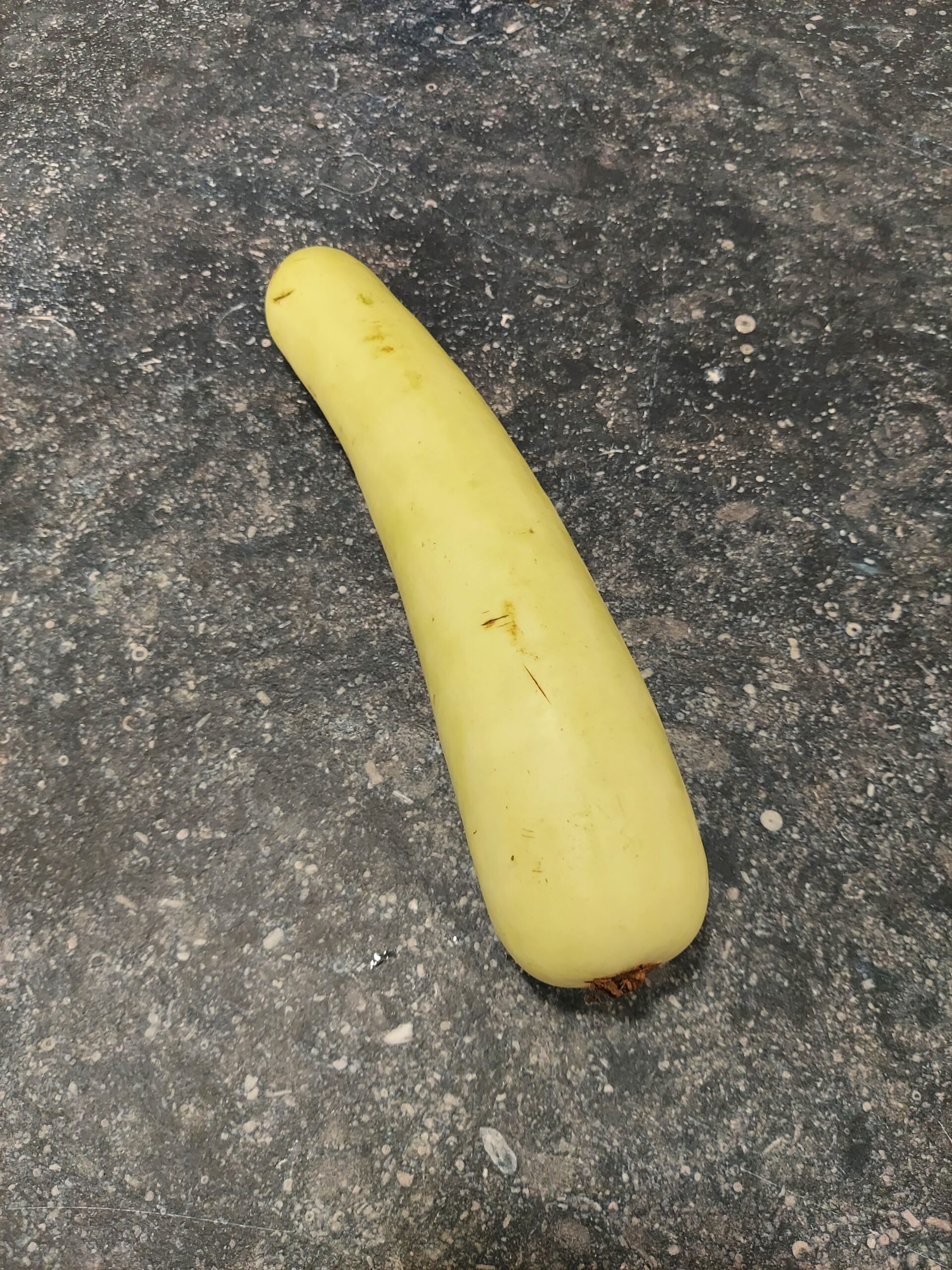
Dudhi – also known as bottle gourd, lauki, or calabash, the dudhi is a squash similar to courgette. I made a tomato-based curry from mine and it turned out quite tasty.
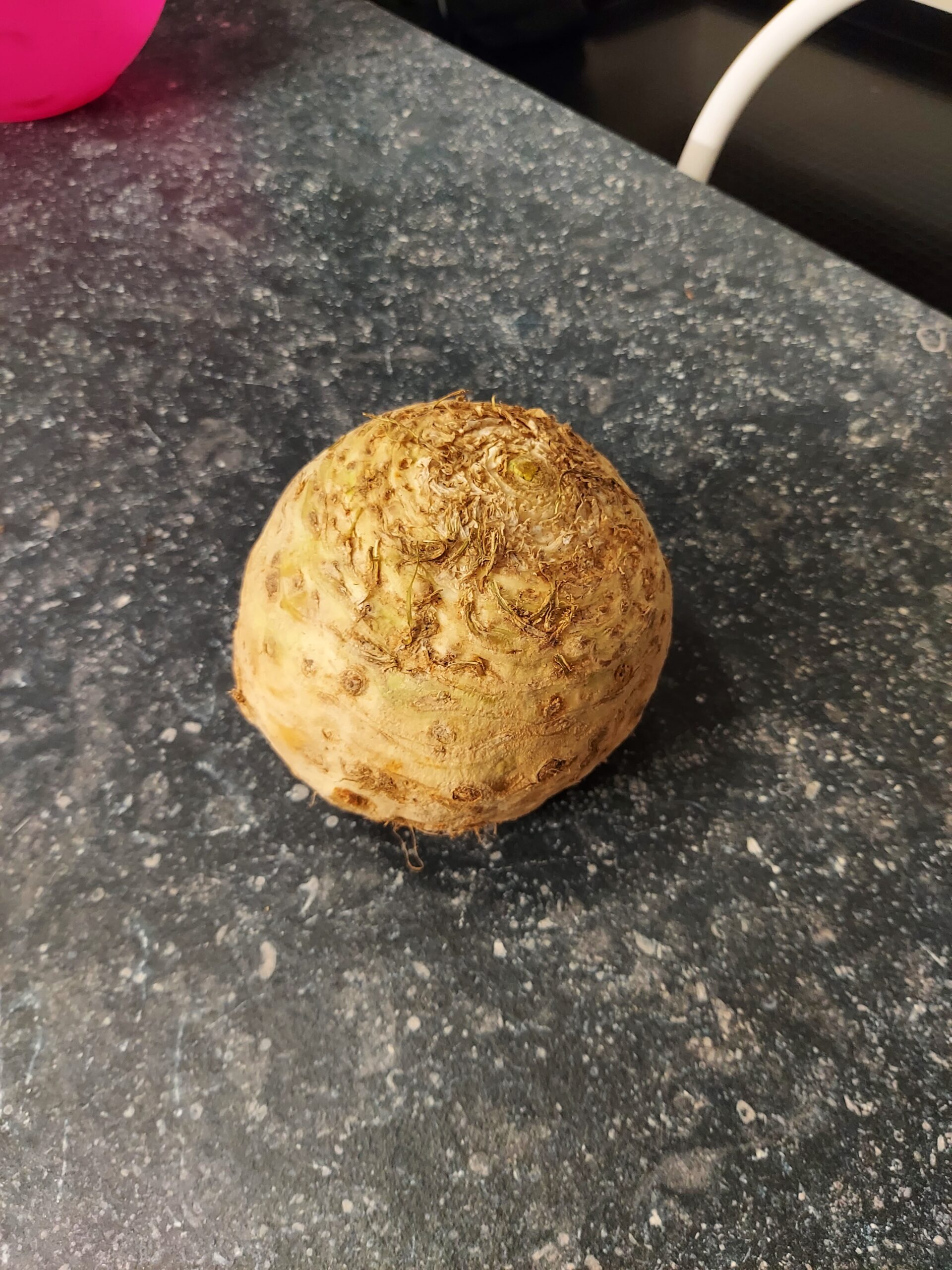
Celeriac – I’ve always wanted to try cooking with this vegetable but never got round to it. I made it into a soup which was really delicious.
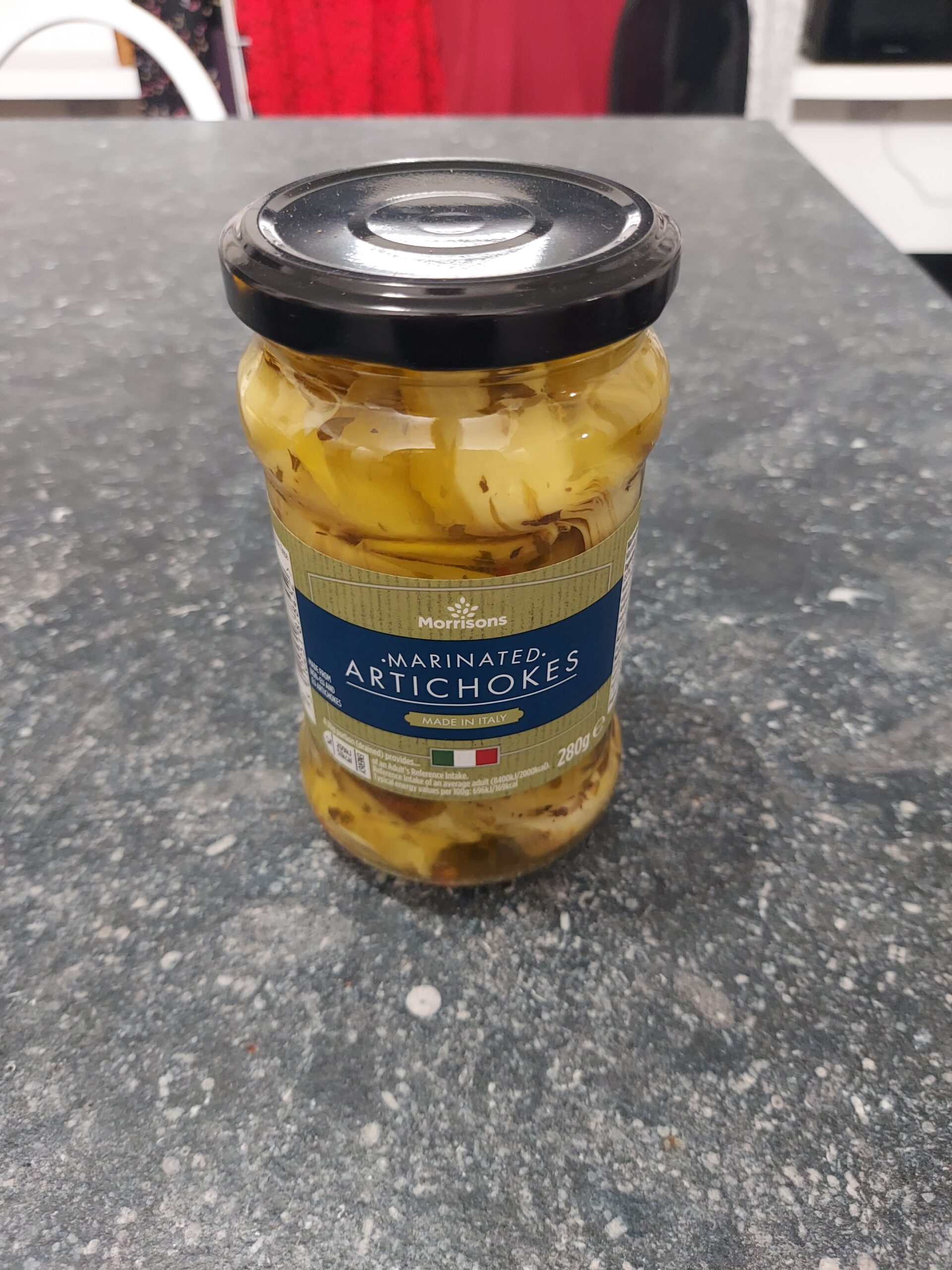
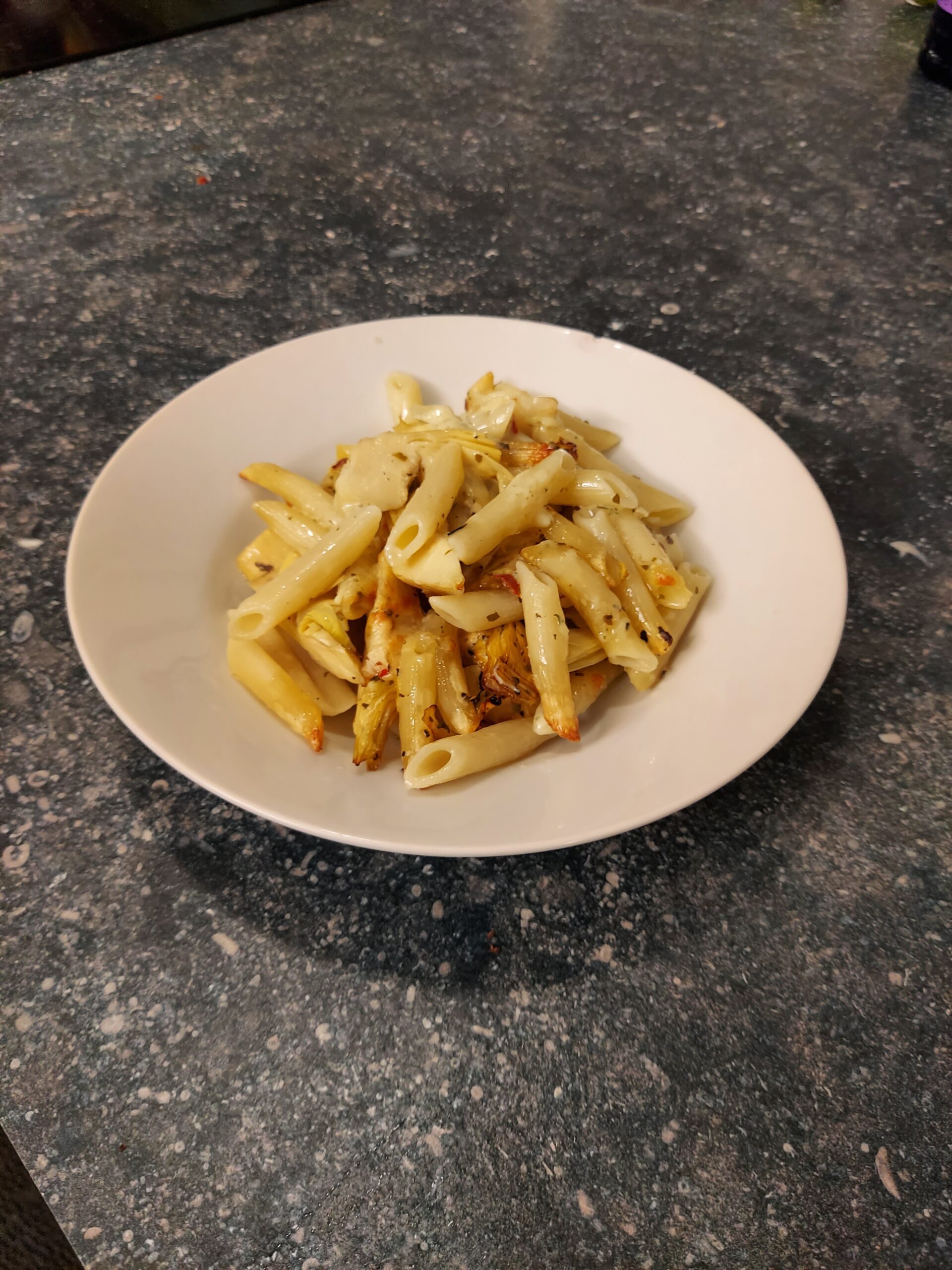
Artichokes – I never think to buy these but I got a jar and cooked them in a pasta sauce. This food was probably my favourite!
Eat out on at least three separate occasions, and rate and review your meals online.
Over a period of three months try at least five different types of cuisine.
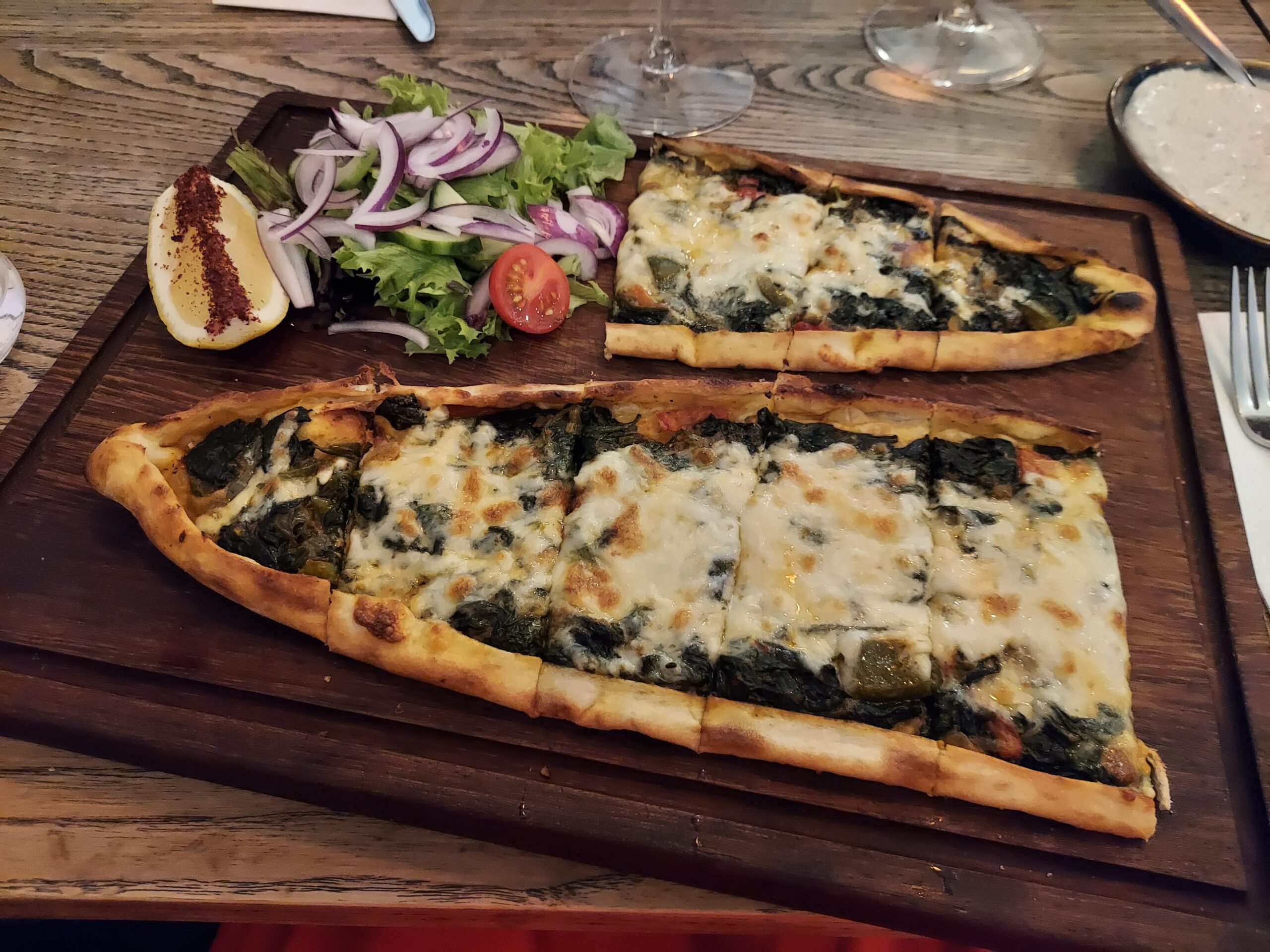
I made the most of this clause! Throughout the duration of this badge I tried Spanish, Korean, Japanese, Turkish, Argentinian, Nepalese, Austrian and Mexican cuisine.
Try variations of food designed for other dietary requirements.
I tried fake meat, gluten free bread and vegan pizza. I thought the vegan pizza was surprisingly nice, but I’m not a huge fan of fake meat generally, and the gluten free bread was awful.
Visit a local Farmers’ Market. Try at least 3 foods produced locally.
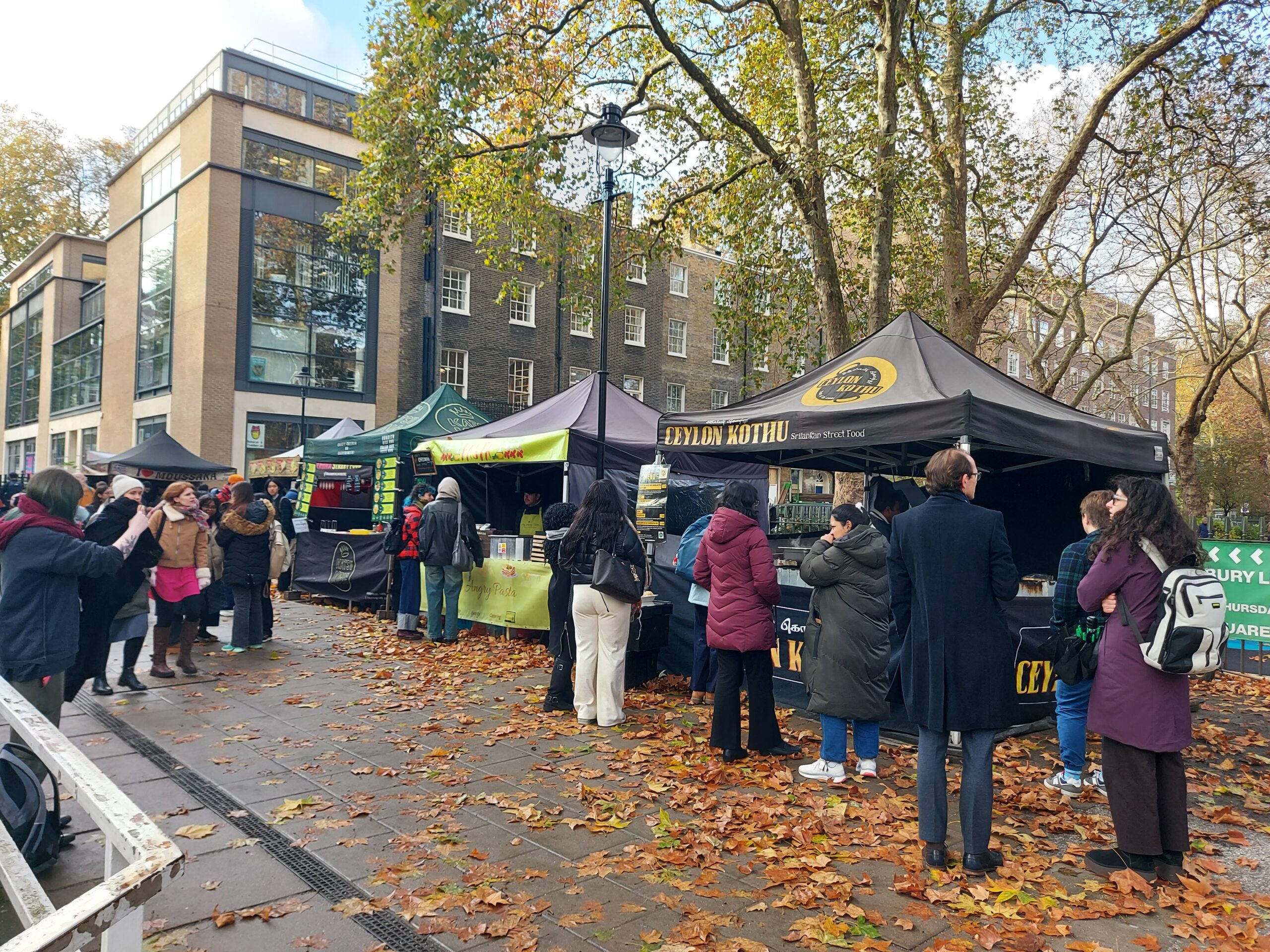
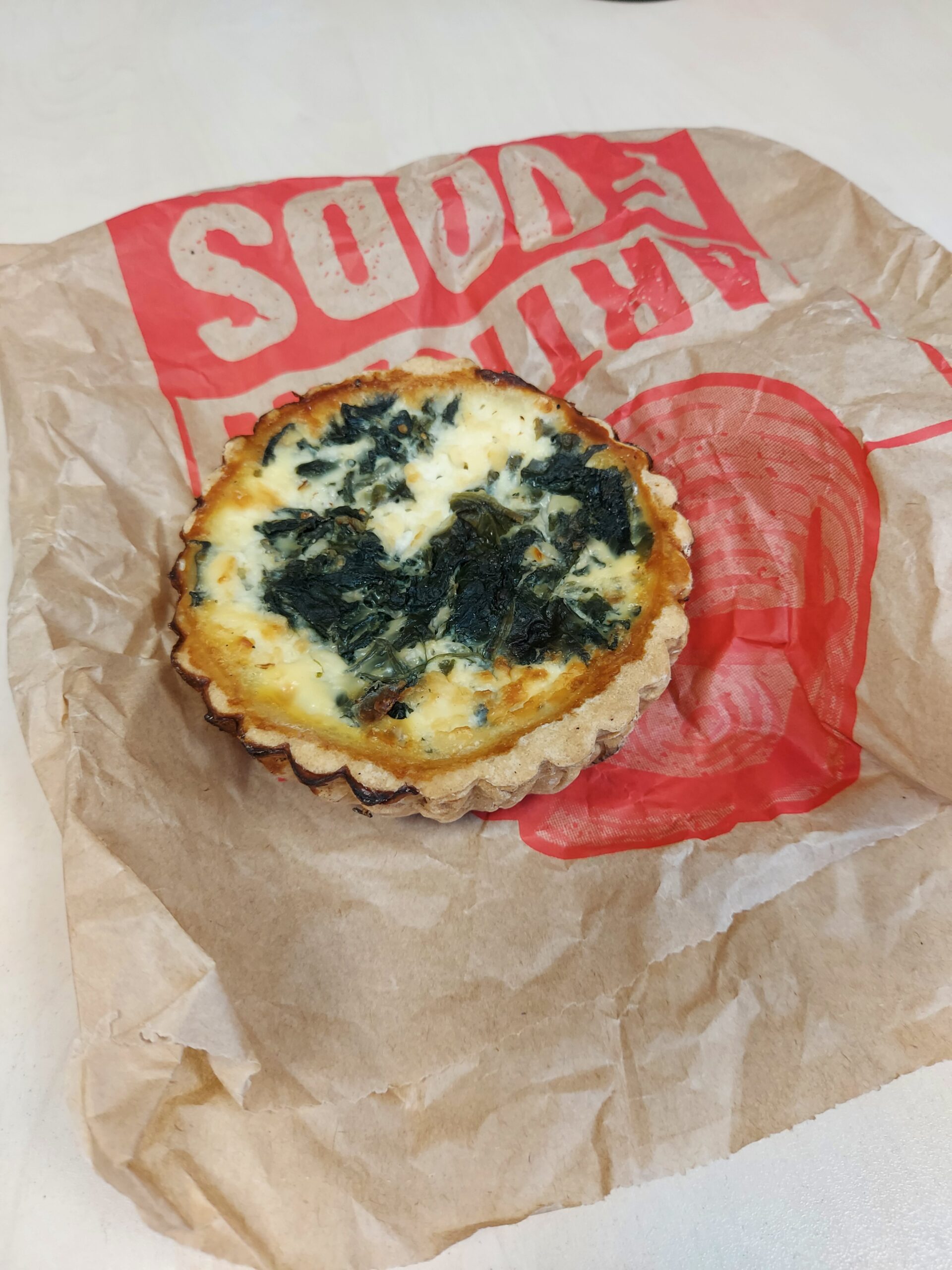
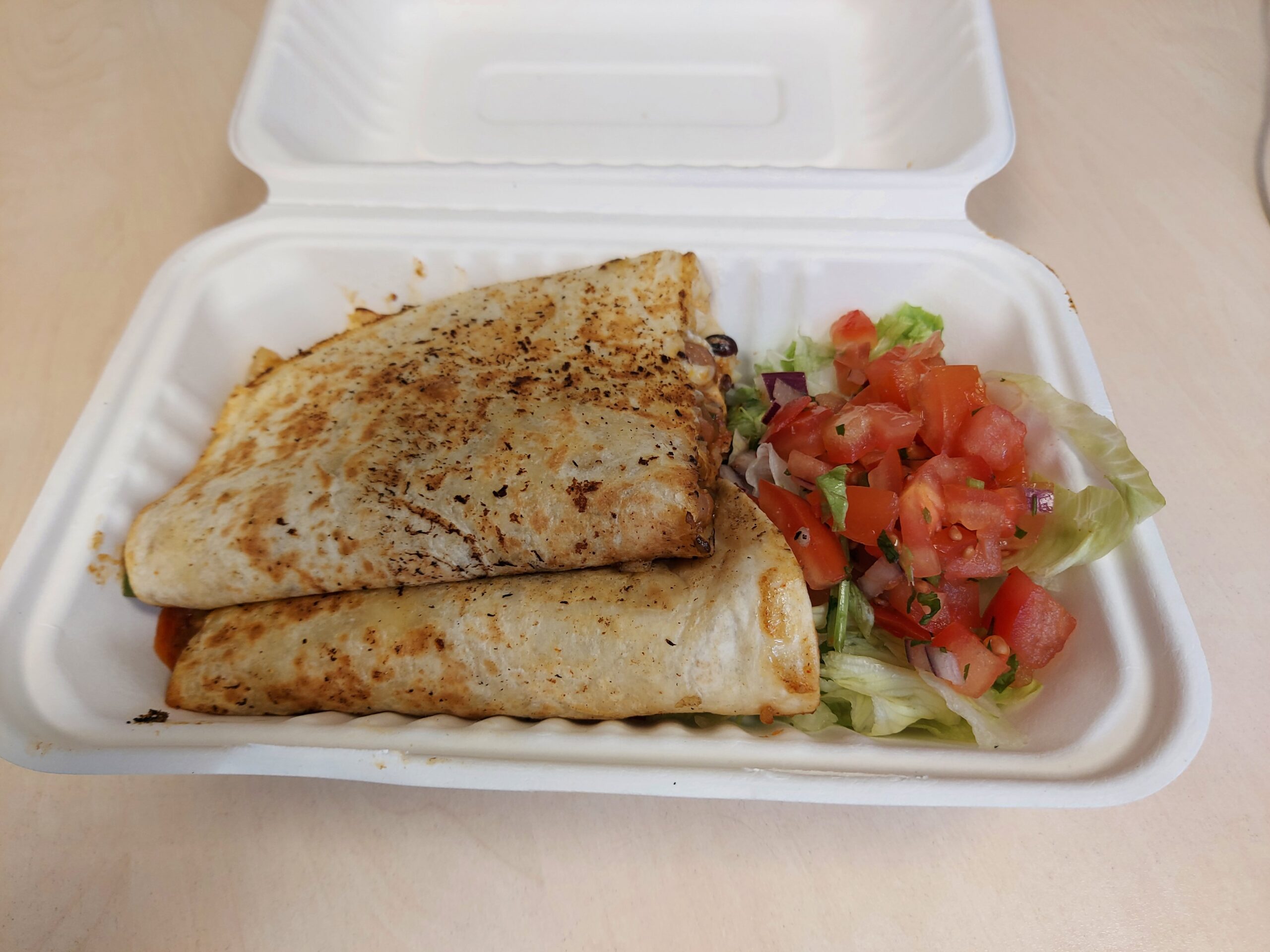
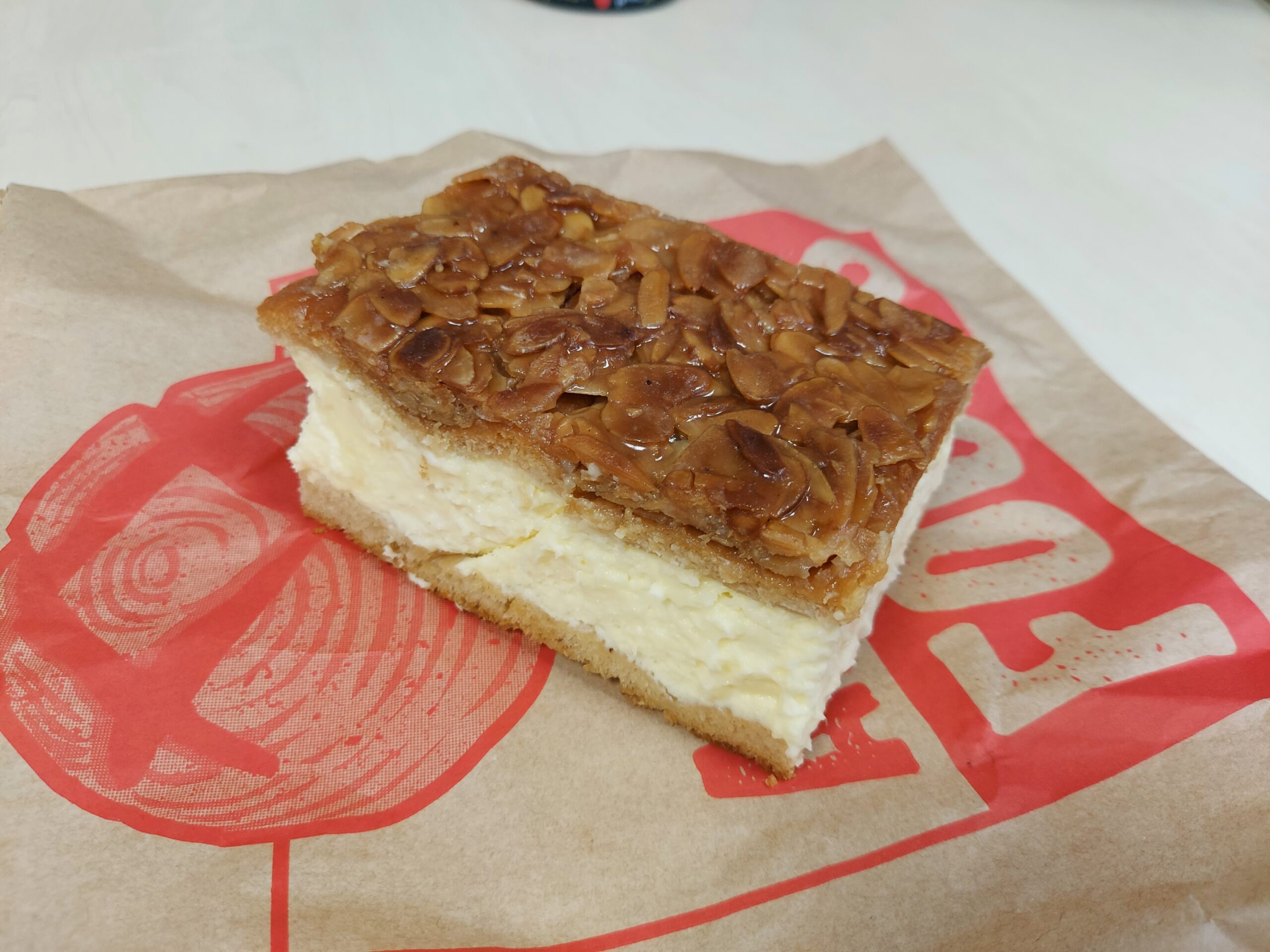
I visited Bloomsbury Farmers’ Market and came away with several goodies to try. I had a quesadilla for lunch and a Biscoff tart for dessert. I also obtained a spinach and ricotta tart and a piece of Austrian cake called Bienenstich, or bee sting cake, a cream cake with a honey and almond topping.
Cook a meal out of things you already have in your cupboards.
I’m quite adept at this as I’m often having to improvise! For this clause specifically I made lentil dahl.
Take a food-related class.
I took a class at last year’s Rebel Fest which involved making Vietnamese summer rolls with a dipping sauce.
The monthly badge for November is Myths & Legends, and although I’ve had a busy month this month, I’ve enjoyed this one.
Understand the difference between a myth and a legend.
Myths tend to be concerned with gods, goddesses and supernatural happenings, while legends often have some basis in historical fact.
Research the origins of dragons.
Dragons appear in virtually all countries around the globe. Possible inspirations for dragons include dinosaur fossils, ancient crocodiles, Goannas (in Australia at least), whale bones and – interestingly – the human brain, hardwired to fear snakes and large cats – a fear that, in the imagination, combined to create the dragon.
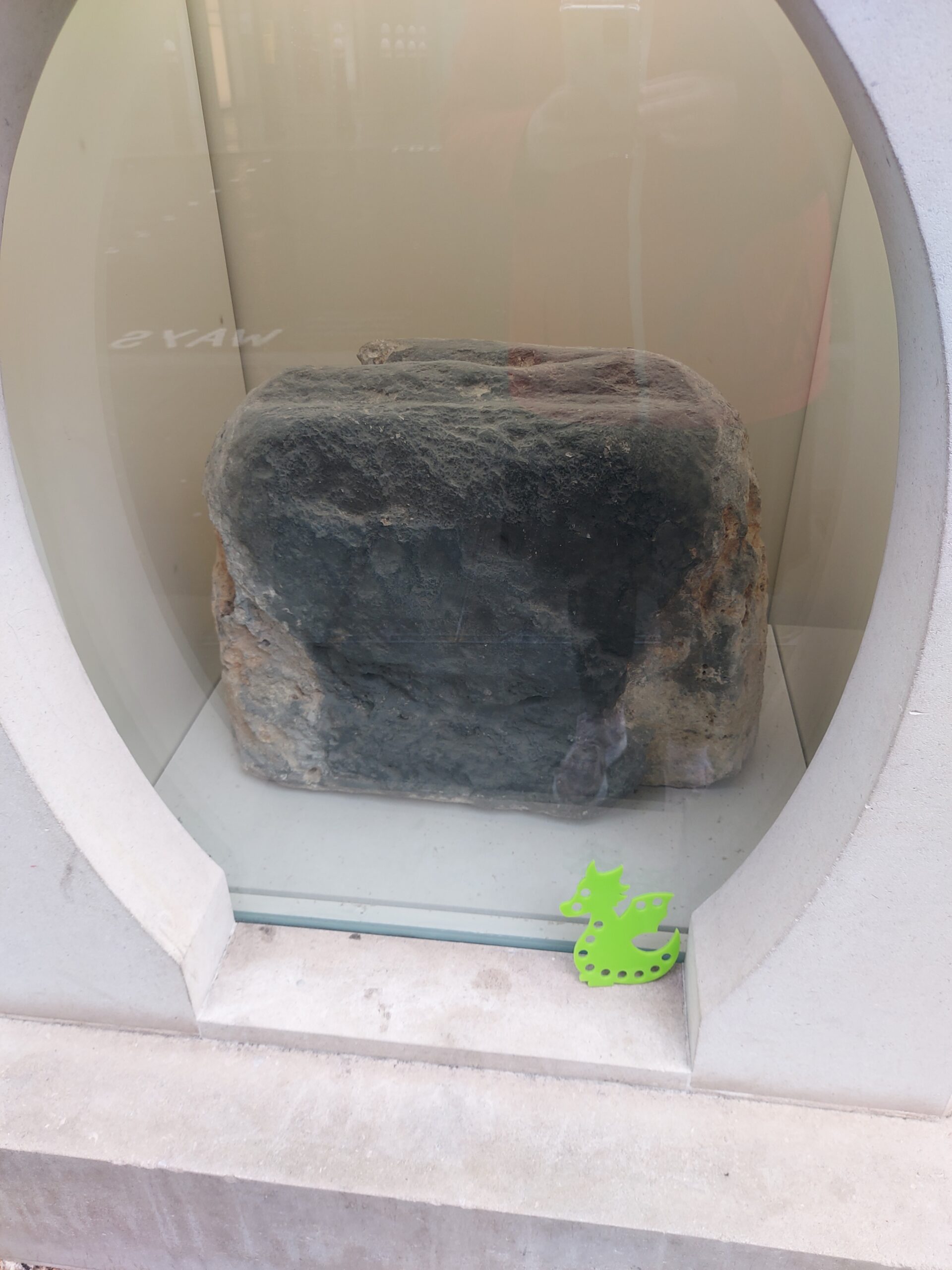
Take a dragon on a field trip to explore a local legend.
Find 3 stories from 3 different countries which involve dragons.
Iraq: In Sumerian mythology, the dragon Kur is a personification of the underworld. He kidnaps the goddess Ereshkigal and takes her to the underworld. The god Enki goes to rescue her, and a war ensues between Enki and Kur.
Russia: Slavic folklore tells of Zmey Gorynych, a green, three-headed dragon who walks on his hind legs and spits fire. In one legend, he is killed by the knight Dobrynya Nikitich after breaking a promise to stop kidnapping young women.
Iceland: a dragon is one of the landvættir (land-spirits) protecting the island from invaders. According to the Icelandic sagas, they turned away the would-be invader Harald Bluetooth.
Watch a film or TV series based on a myth or a legend.
I went to see the new Frankenstein film, based on the book by Mary Shelley which in turn took inspiration from the Greek legend of Prometheus.
Make a fact sheet about a lesser known mythical creature.
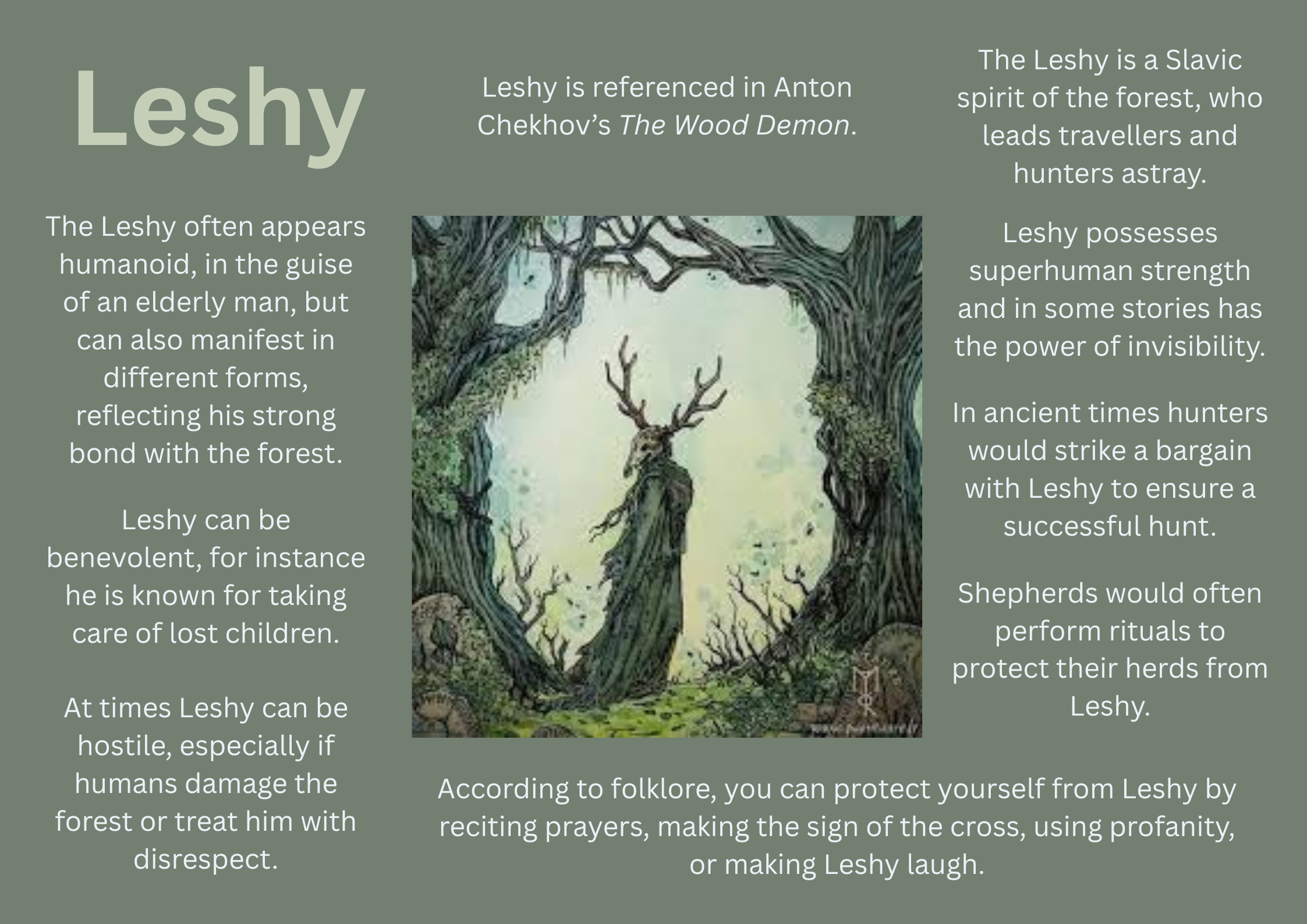
I made a fact sheet about the Slavic spirit Leshy.
I really wasn’t a boyband girl when I was young, but I made something of an exception for Five. They were cool and had some pretty catchy songs, instead of the soppy ballads favoured by the likes of Westlife. They recently got together for a tour – the first time in years they united as a fivesome – so I went along to their Newcastle gig with my friend Elisa.
Pop groups faced lots of pressures back in the 90s which have only come to light in recent years. This, plus the young ages of many of the singers, led to fallings-out and mental health issues for many band members. This was as true for Five as it was for anyone, but these days it seems the boys have dealt with many of their demons and come across as much more secure and stable. It was nice to see their genuine appreciation for their fans who have stuck by them for so long.
I only ever had the band’s greatest hits, so I admit I didn’t know all the songs they played tonight. They put on a great show and I loved dancing to classics like ‘Got the Feelin”, ‘If Ya Gettin’ Down’ and, of course, ‘Keep On Movin”. I left in a great mood, very glad I’d made the effort to go to the gig.
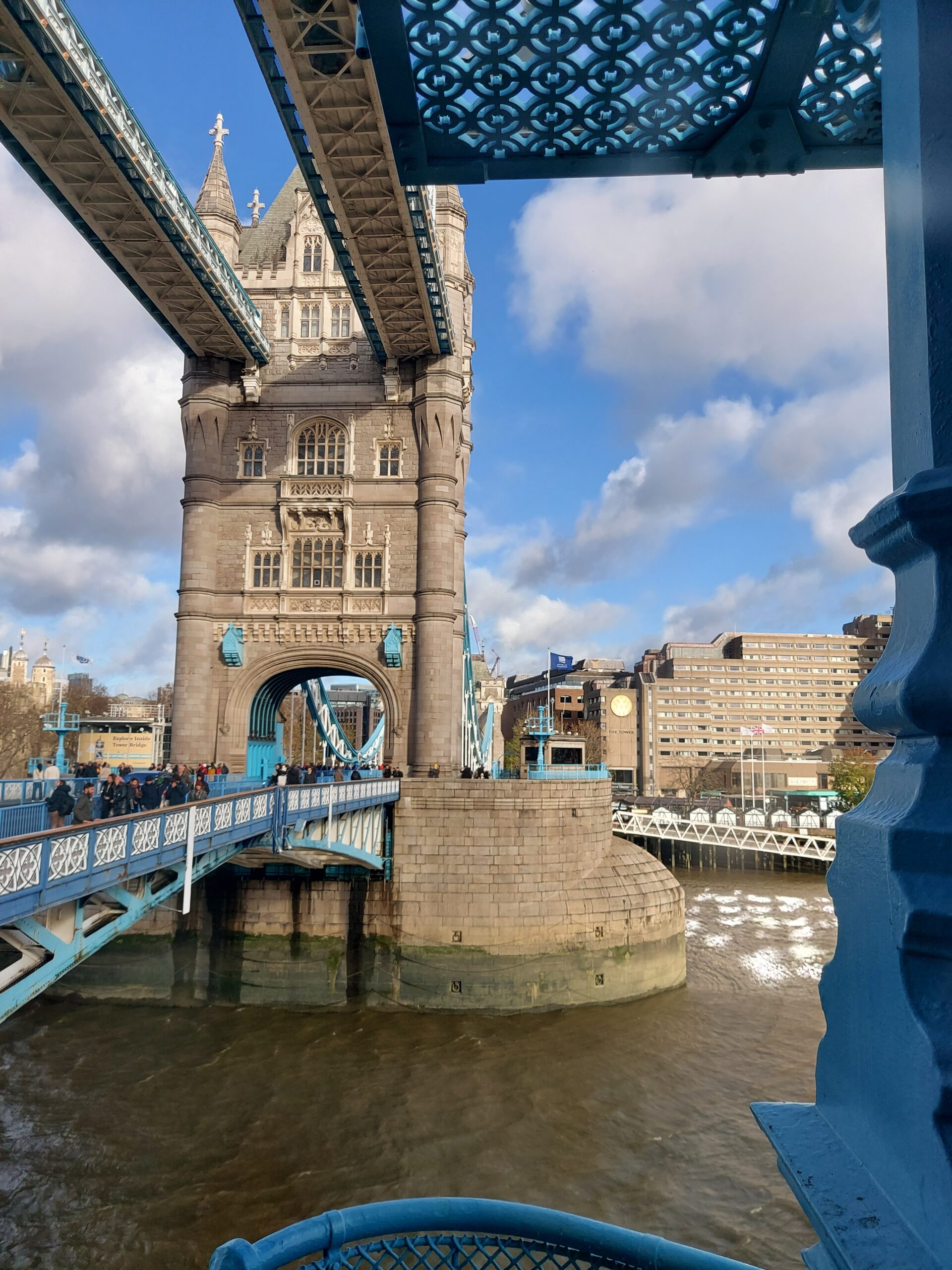
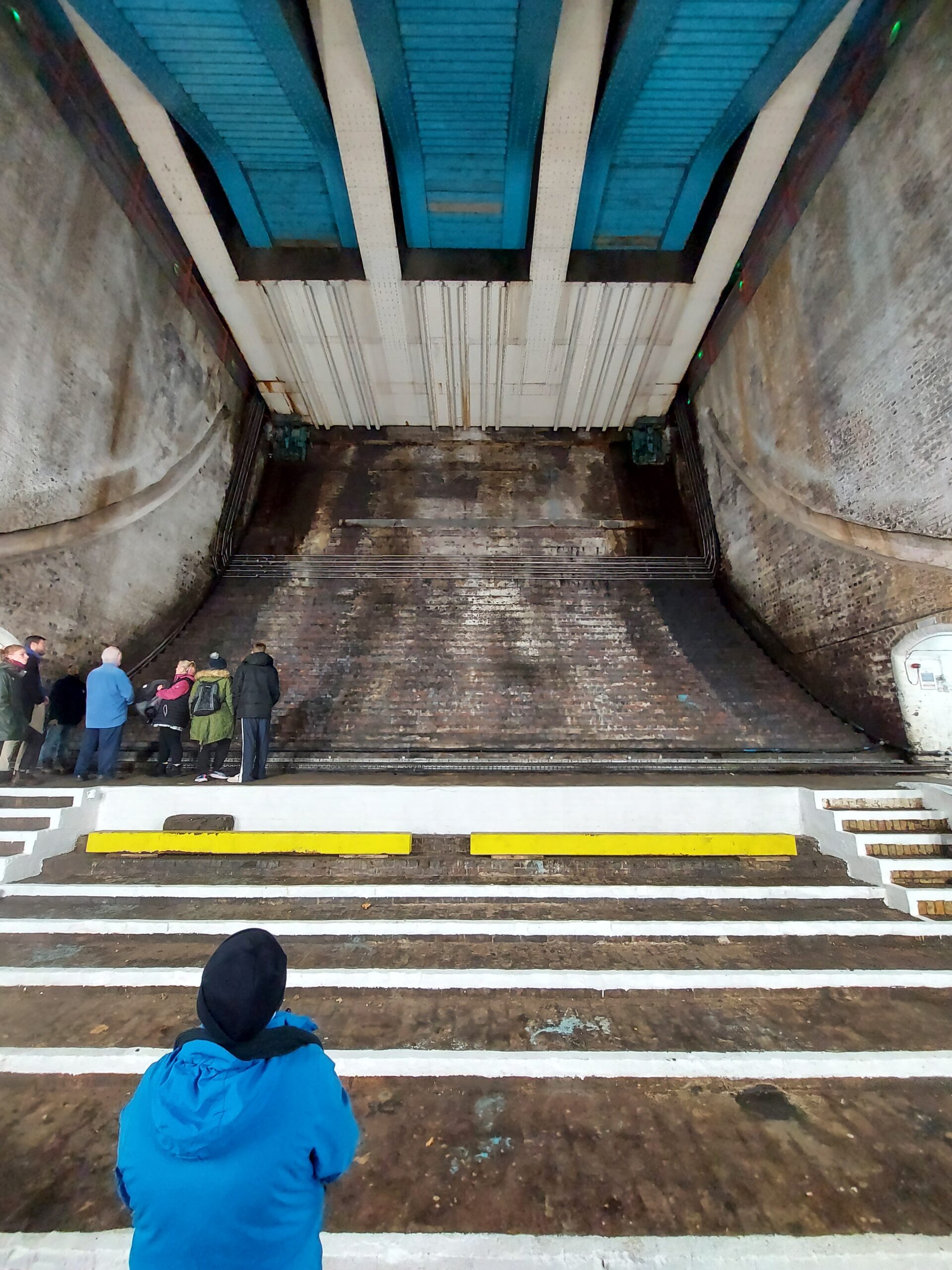
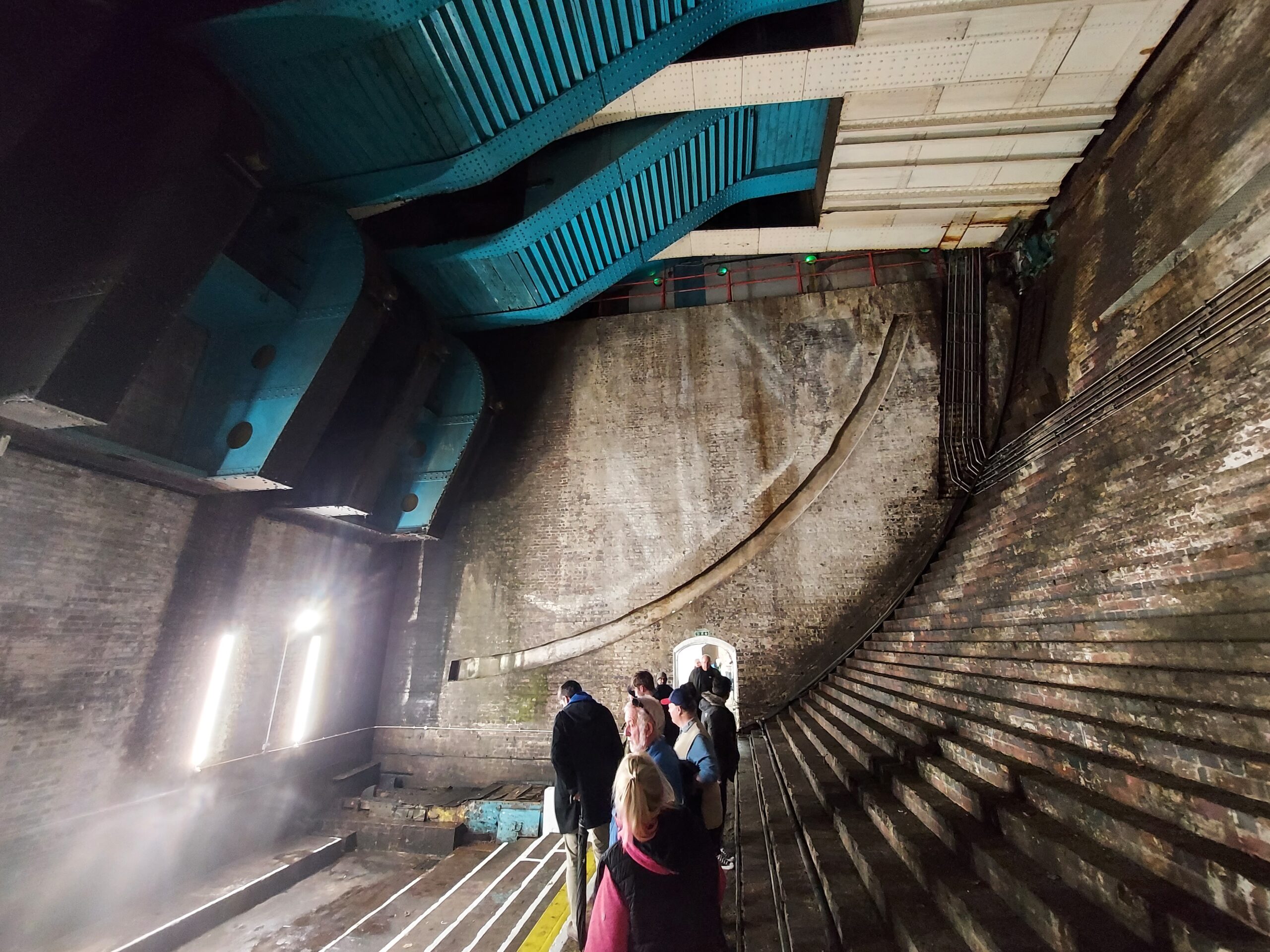
I’ve visited Tower Bridge before, but I’ve been wanting to do a behind the scenes tour for ages, and they sell out pretty quickly. Luckily, I managed to book onto one just before I came up north.
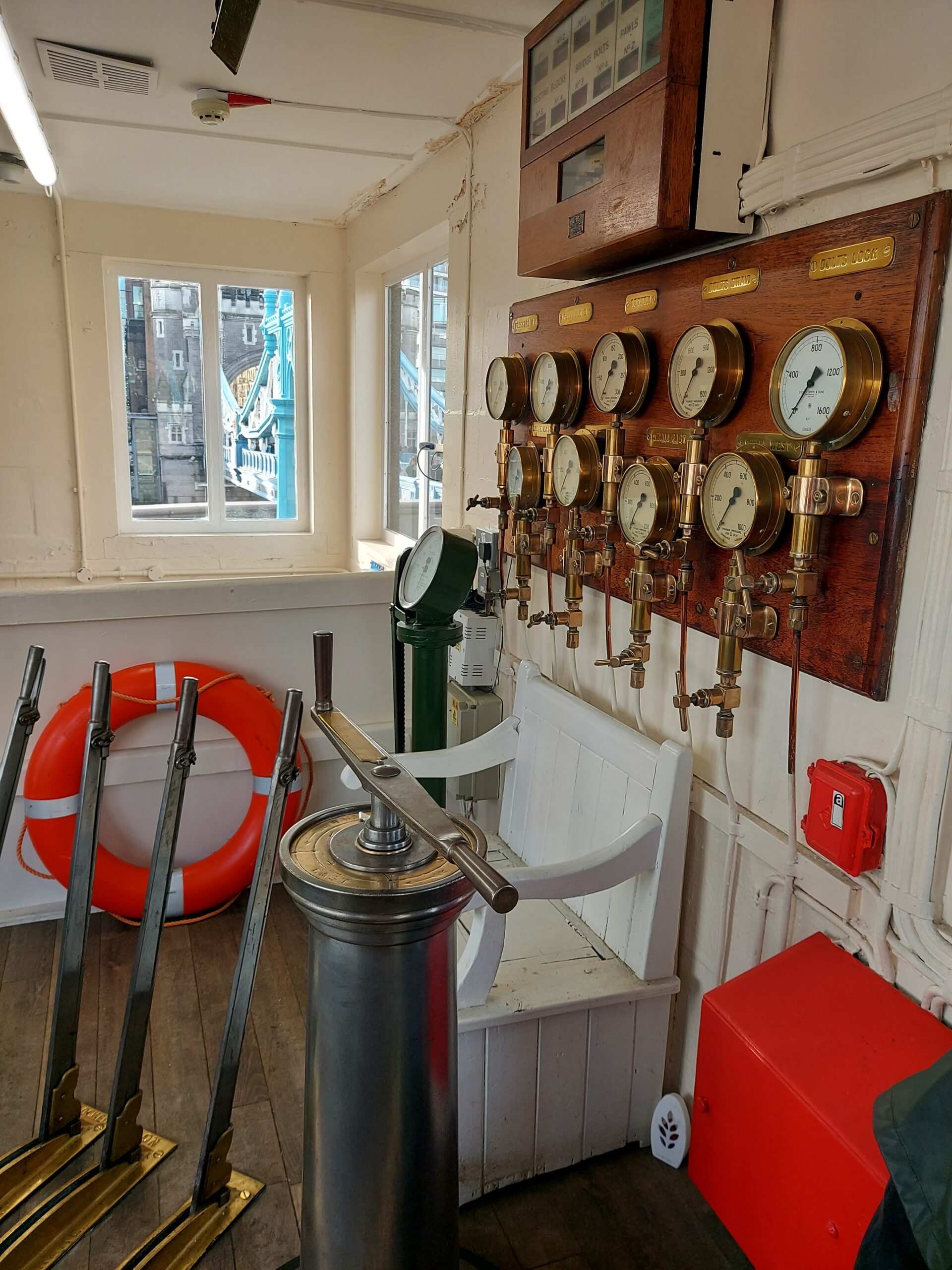
The tour started at the northern end of the Bridge, and we were taken up to the glass floors and High-Level Walkways that let you look down at the Thames. I was familiar with this area, having visited before, but I enjoyed the refresher on the Bridge’s history. We then went to the south side of the Bridge and got to go into the Control Cabin, from where the bridge lifting was controlled at the time the Bridge was first opened.
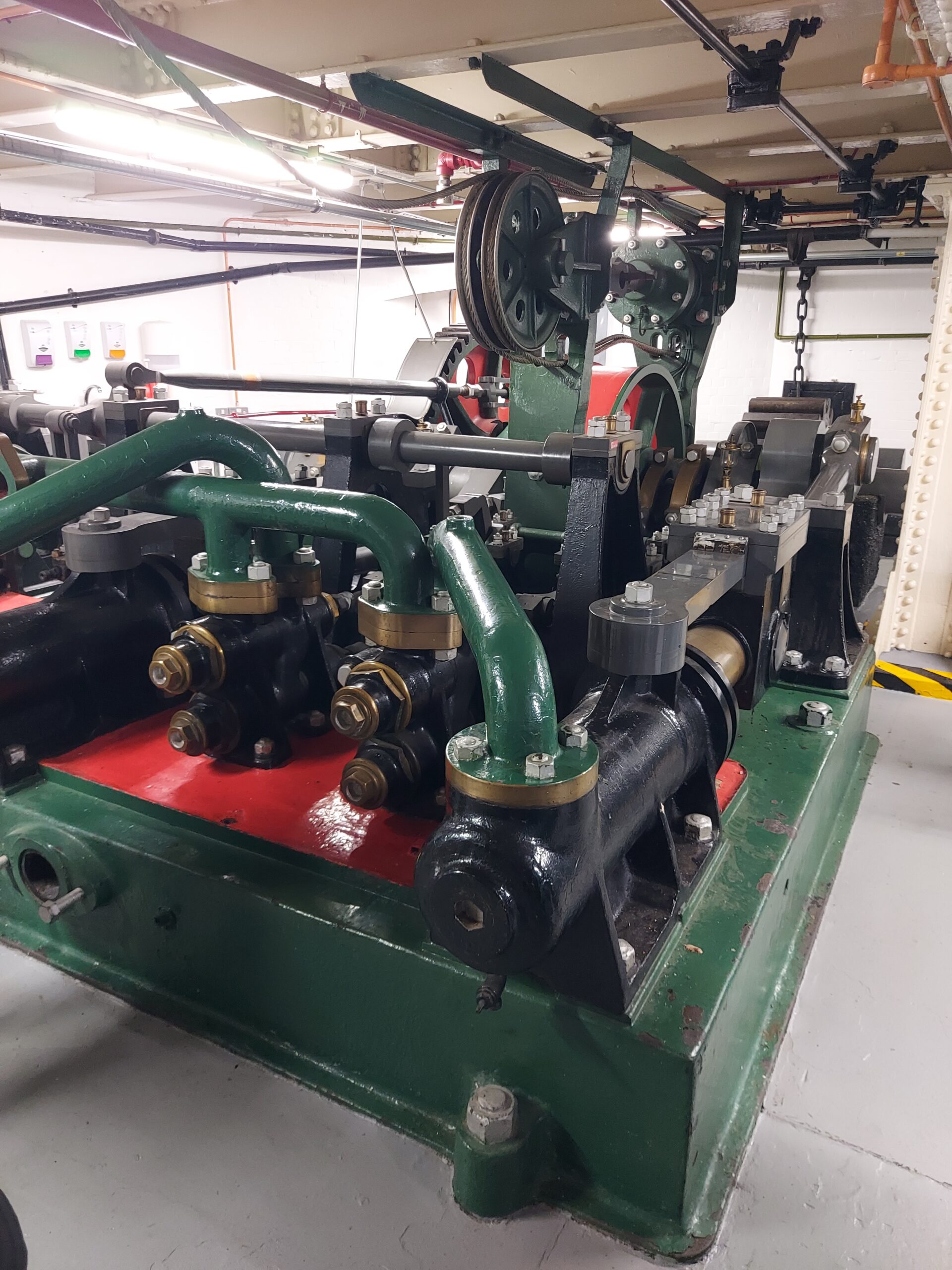
Later we went down some steps to the Machinery Room, to see the machines that powered the bridge lifting at its inception. I won’t pretend to understand how it all works, but it was fascinating to see. From there, we headed further down to the Bascule Chambers. These contain the 420-ton counterweights that form the unseen part of the Bridge Lifts. This was my favourite part: it was amazing to see close-up these marvels of Victorian engineering.
I loved the tour and it was a fitting end to my London adventure (for now).
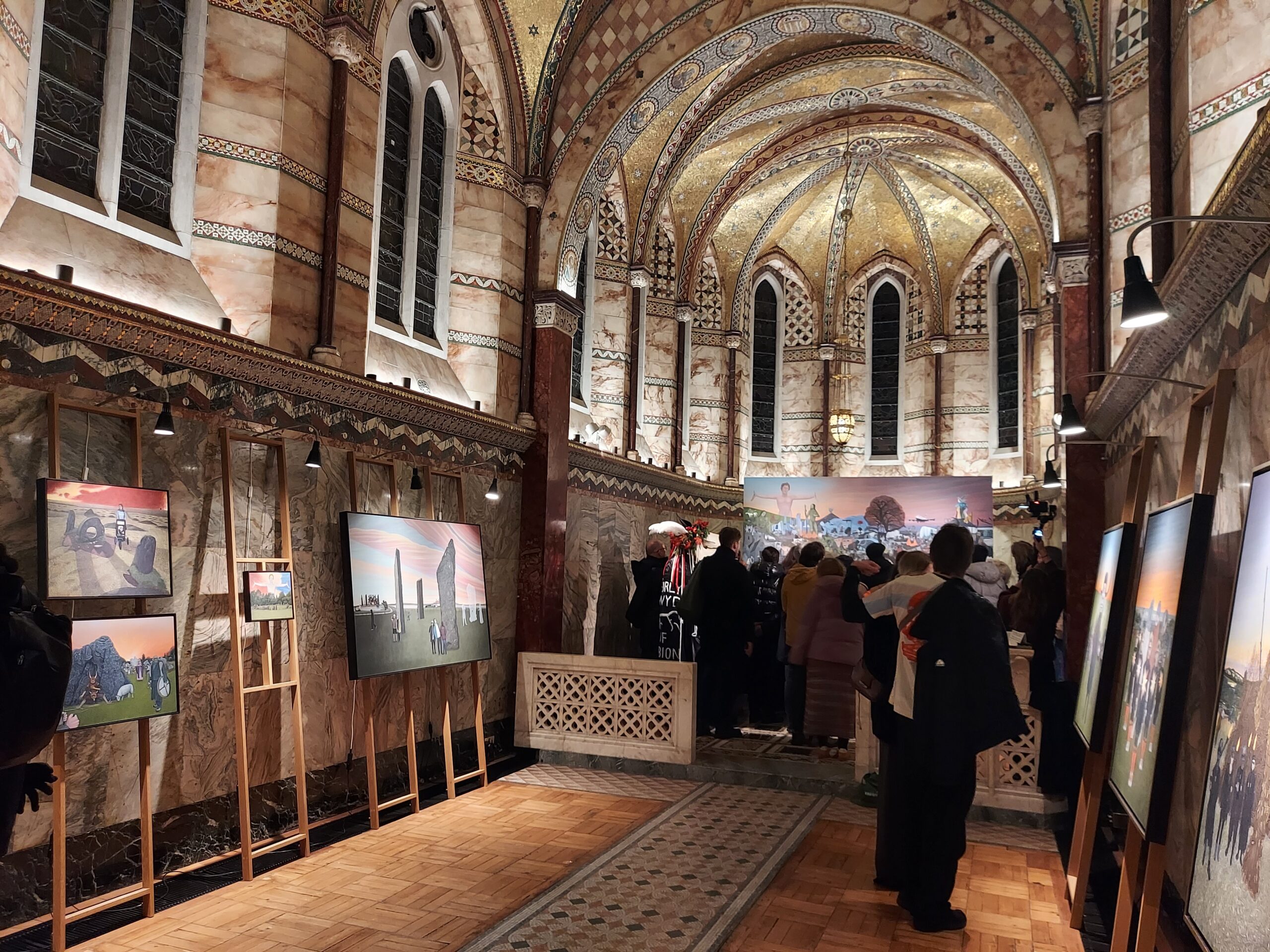
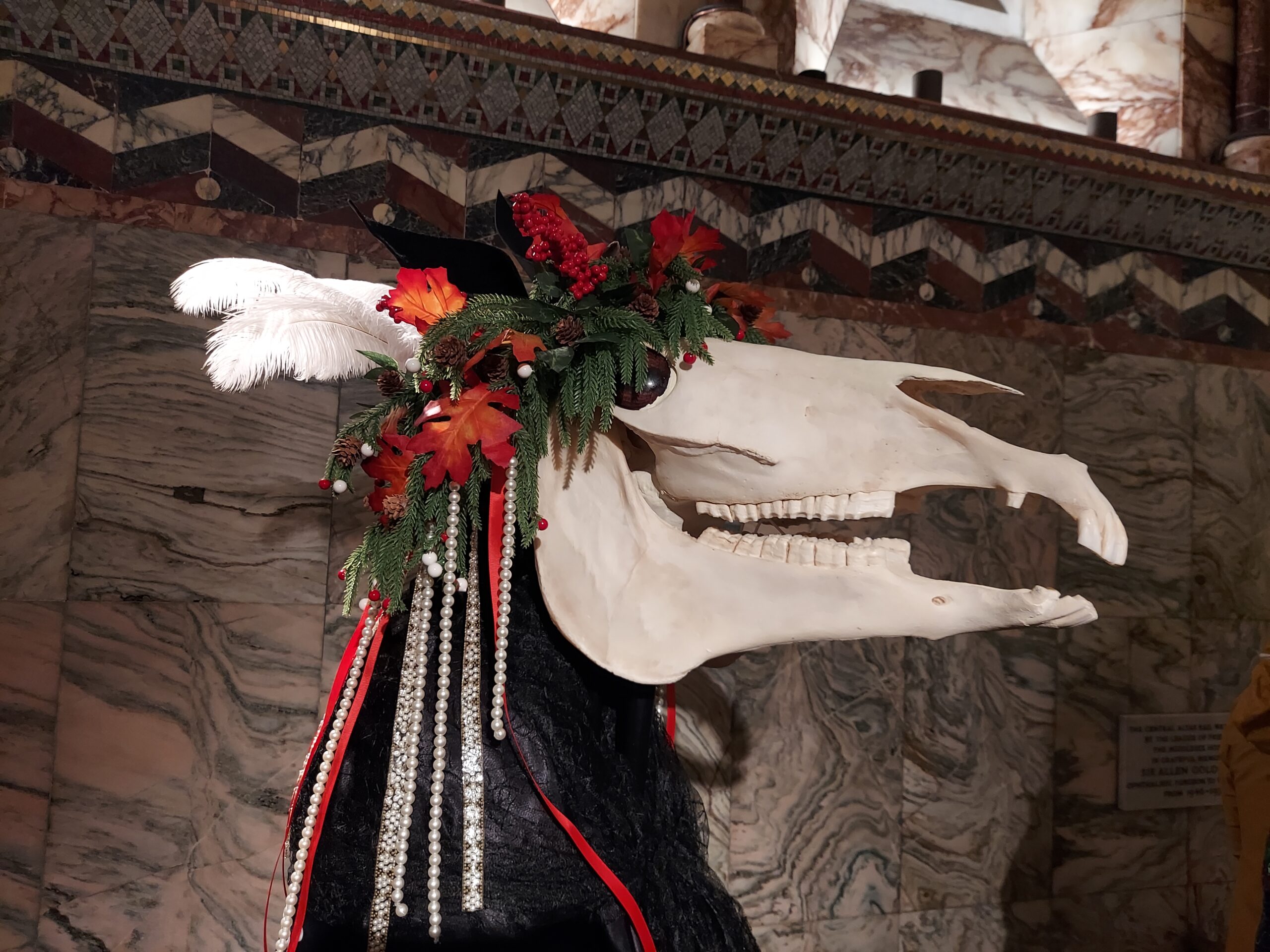
As part of my last weekend in London, I visited the exhibition Ben Edge: Children of Albion in Fitzrovia Chapel. It explores the ideas of the artist Ben Edge surrounding folklore and the relationship of traditional folk belief to the modern day. The large, detailed painting Children of Albion provides the exhibition’s centrepiece, and is a fascinating work, with new discoveries at every point.
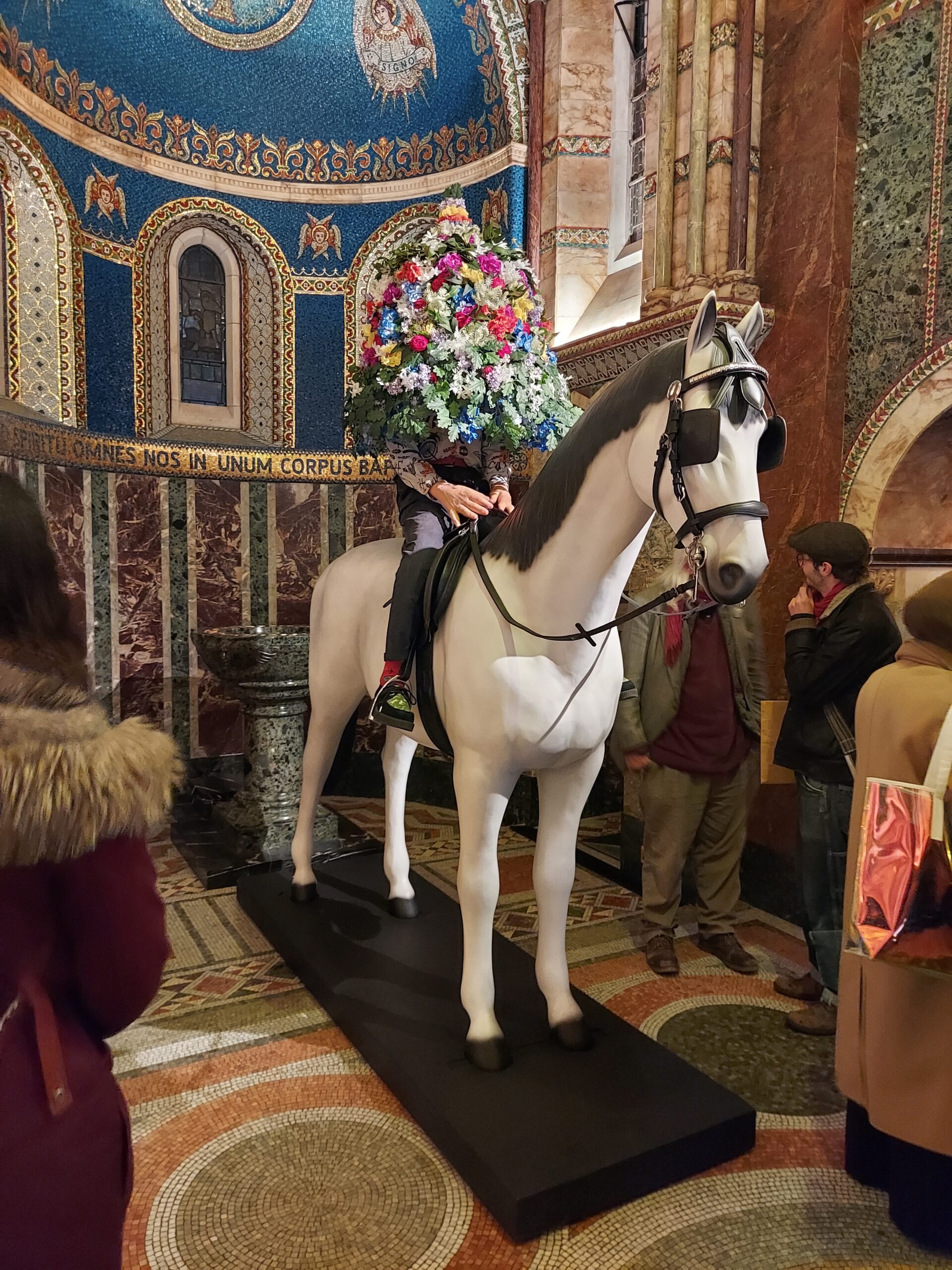
The exhibition featured many other works of art, including a Mari Lwyd figure, and the sculpture Where Must We Go in Search of Our Better Selves, a white horse ridden by the Garland King, a figure of Derbyshire folklore. Folklore has enjoyed a renaissance in the country in the last few years, and the exhibition reflects that.
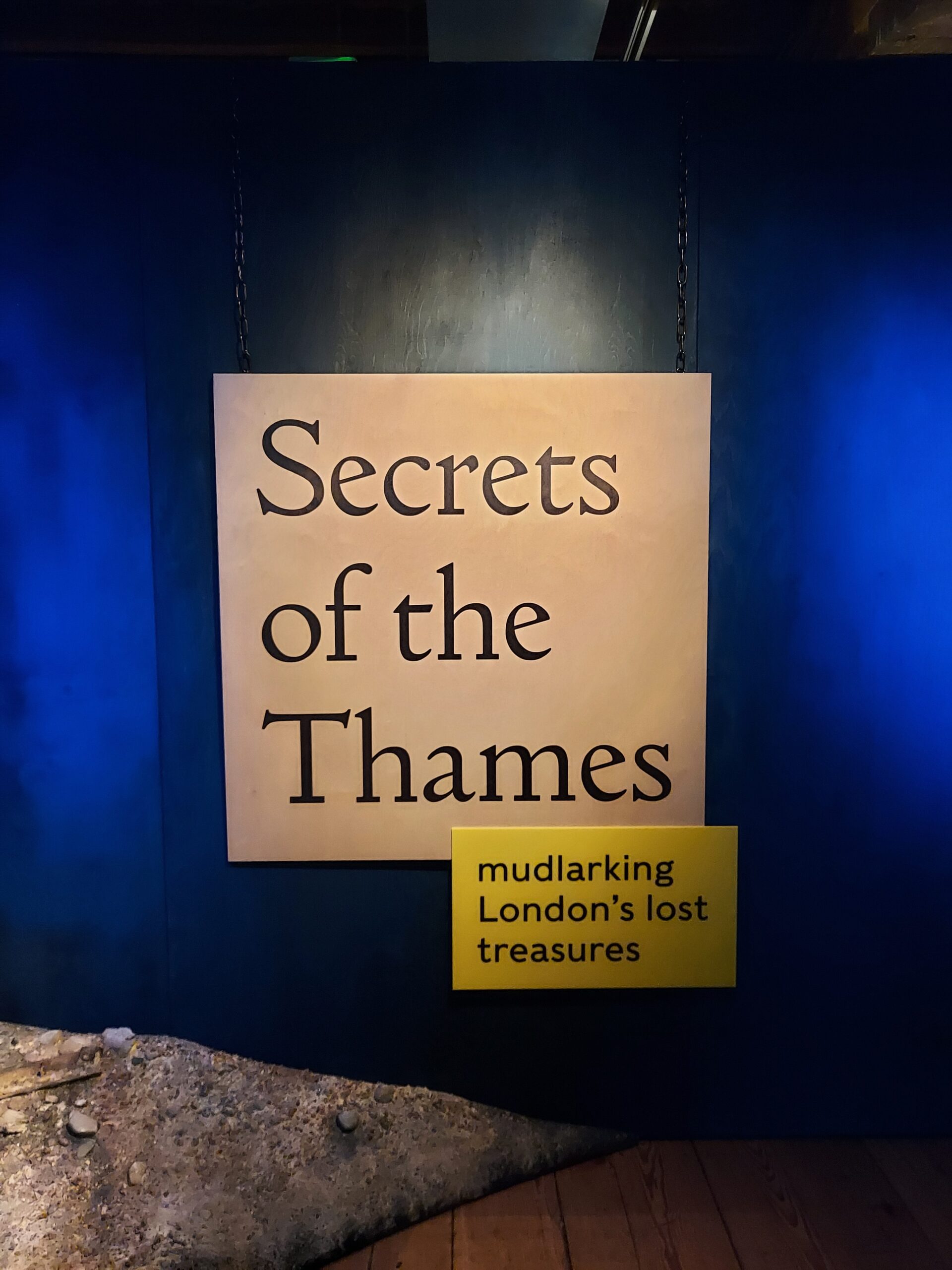
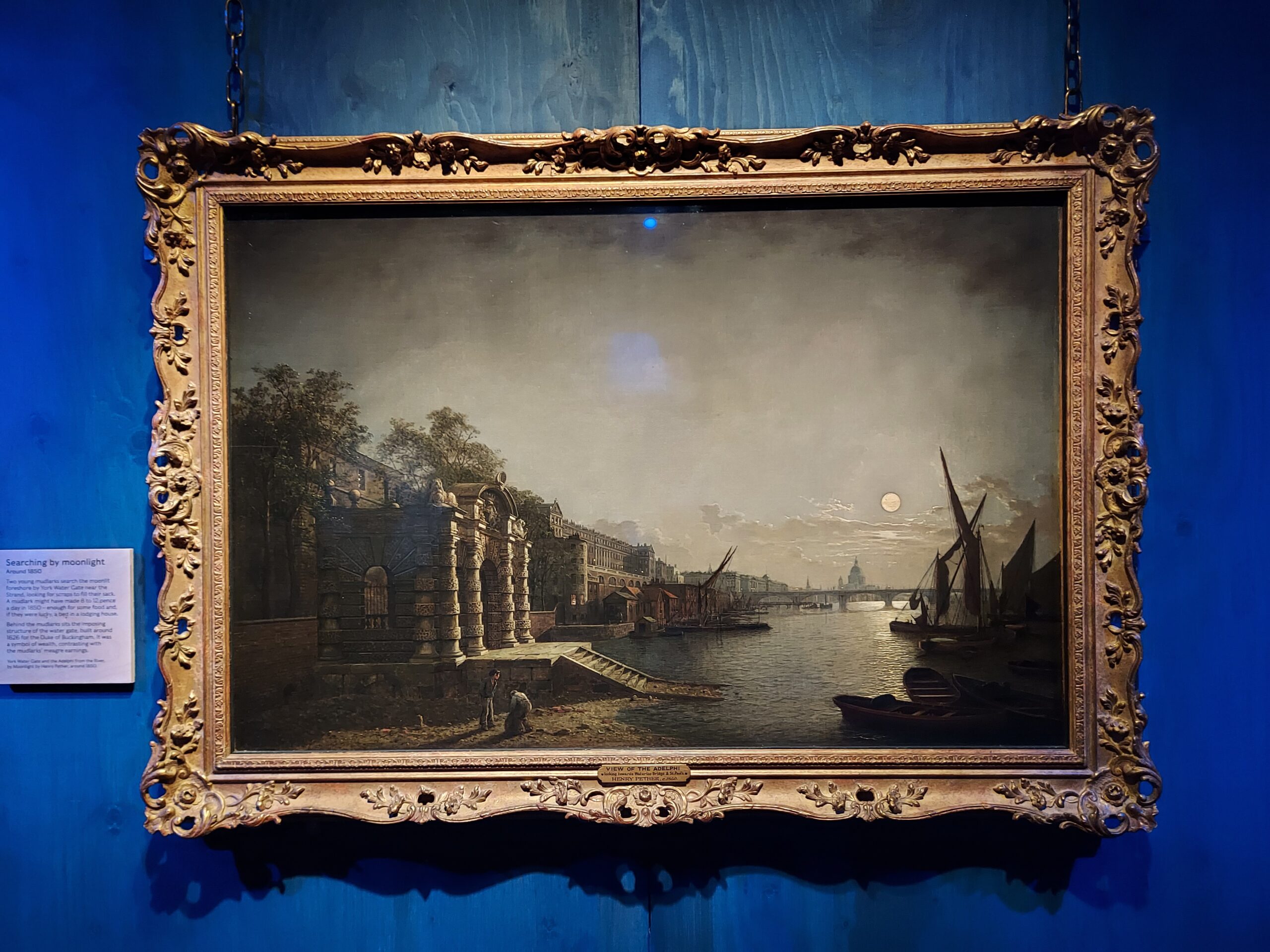
At the weekend I also went to see the Secrets of the Thames exhibition at London Museum Docklands. I find the concept of mudlarking fascinating (while knowing that I’m far too impatient to enjoy it for real), and this exhibition is all about the amazing treasures that have been found in the river, featuring over 350 mudlarked objects.
Humans have lived alongside the Thames for over 10,000 years. Their lives have left traces in and beside the river as London developed. The earliest mudlarkers were active in the early 1800s, searching the Thames foreshore for coal, metal and rope in order to make their living. Today, mudlarkers need to be licensed by the Port of London Authority, and they primarily search for historical treasures. Around 700 finds are recorded each year.
There are some absolutely fascinating items on display, including the Iron Age Battersea Shield, a medieval ring, a Viking dagger and eighteenth-century false teeth, as well as a sixteenth-century ivory sundial (the two halves of which were discovered by different mudlarks years apart), a typeface, and numerous clay pipes.
This exhibition is a fascinating testament to London’s history and the secrets that are hidden within the Thames.
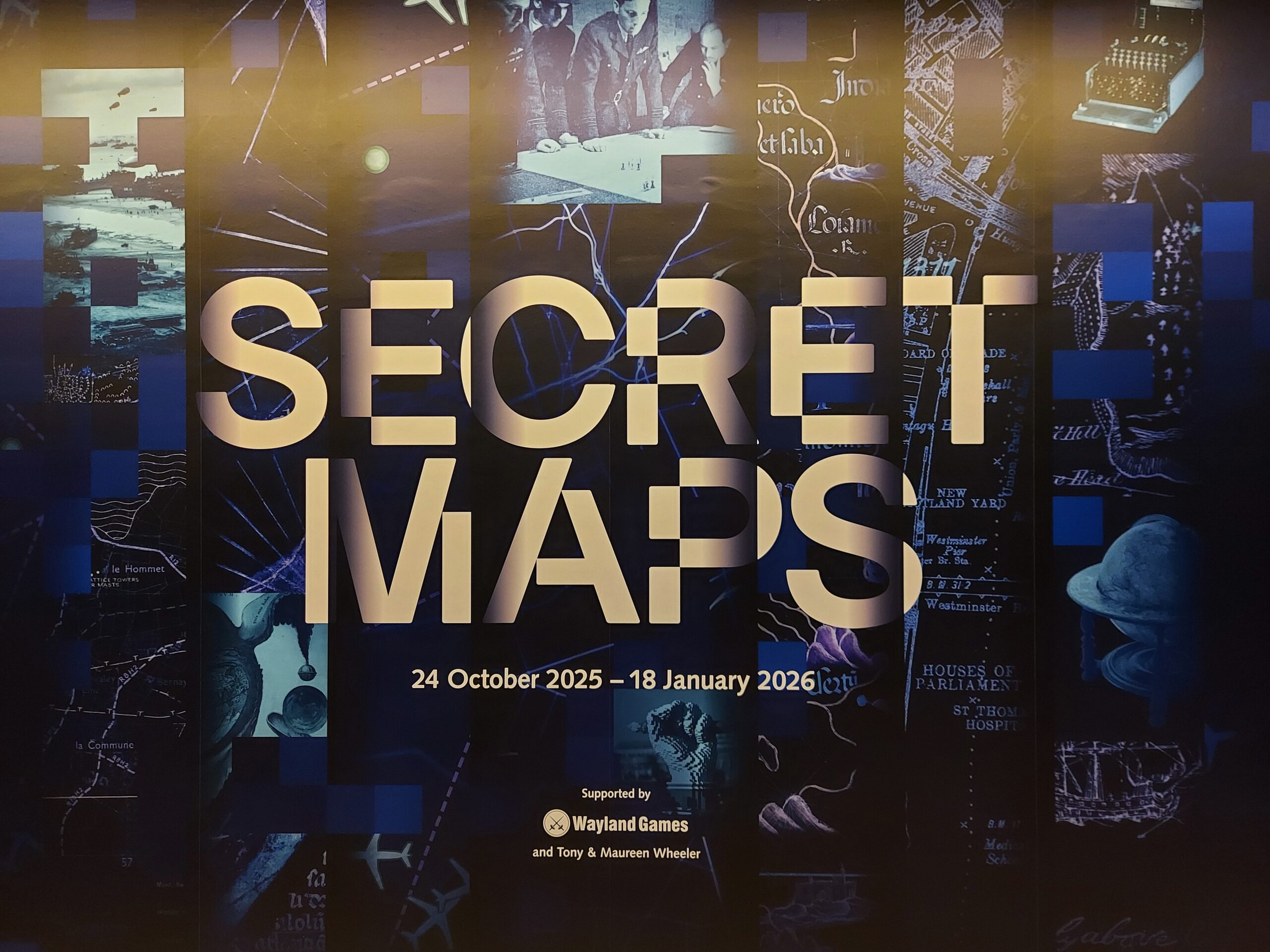
At the weekend I went along to the British Library to see the Secret Maps exhibition. Featuring over 100 items, the exhibition looks at how maps have played a role in secrecy through the ages, covering several centuries. It shows how maps can be political tools, valuable in global conflict as well as helping create a sense of community.
Some of the maps shown in the exhibition include maps of the English south coast commissioned for the Tudor court, trading routes used by the Dutch East India Company, and military plans for the D-Day landings. Others include the first maps of the proposed Partition of India, maps of sacred landscapes created by the Incas, and an A-Z of apartheid-era South Africa only featuring white neighbourhoods.
The fascinating exhibition shows how maps can take different forms, show very different things, and reveal contemporary prejudices, preoccupations and standards. Maps are certainly not neutral, and we can learn a lot from them.
‘We entered Cosprop as ourselves and walked out as the person we were playing.’ – Helena Bonham Carter
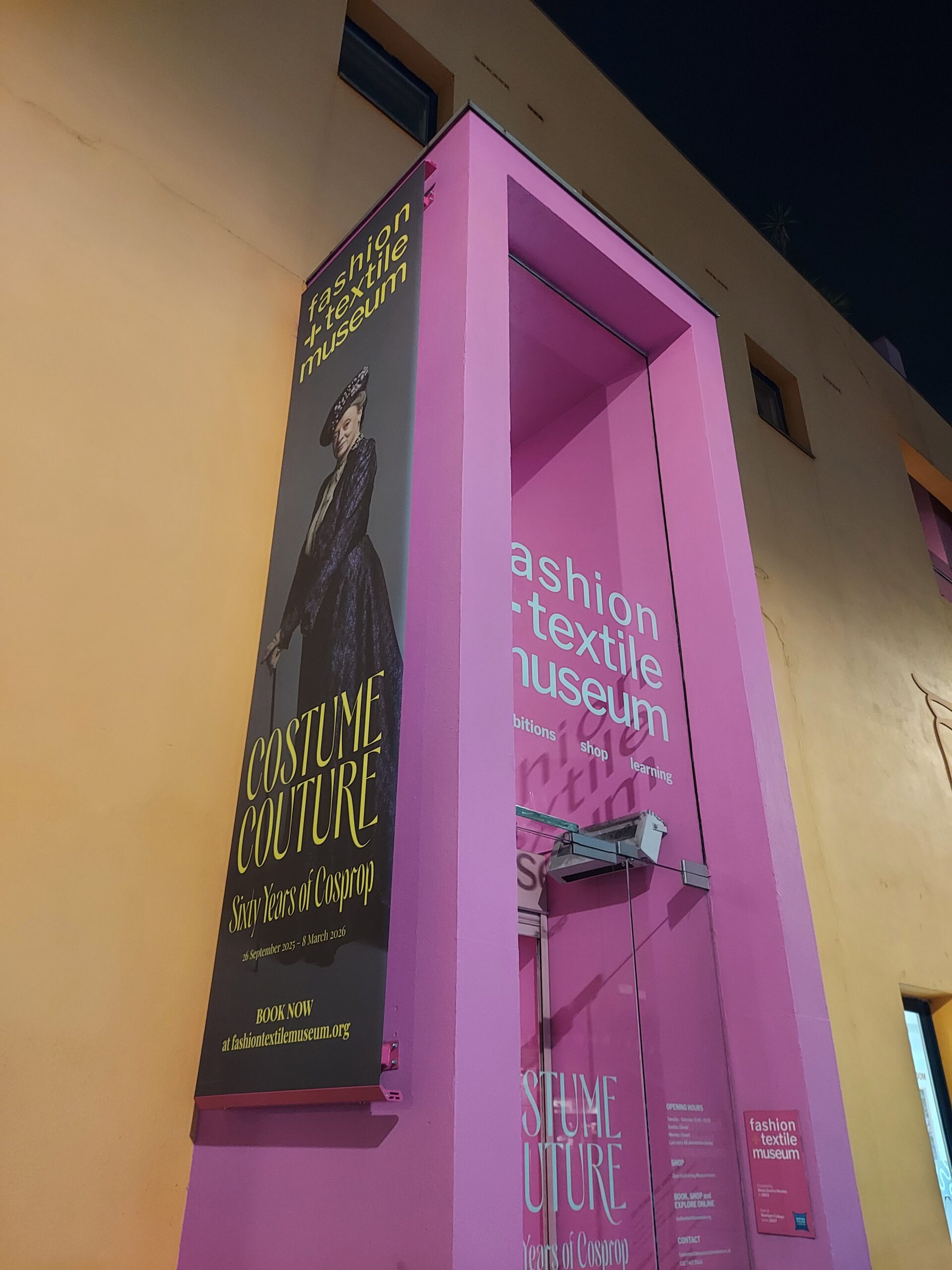
I attended a late-night opening of the exhibition Costume Couture: Sixty Years of Cosprop at the Fashion & Textile Museum. The exhibition celebrates the 60th anniversary of the company Cosprop, founded by costume designer John Bright in 1965. Bright, who has won Oscars and BAFTAs for his work, has made a mark on film, TV and stage through his costumes and his work as a designer, maker, collector and historian.
Bright trained in fashion design at South-West Essex Technical College and School of Art, then worked in acting, stage managing and costume designing. He also began to collect costumes and antique clothing from Parisian and London flea markets. Other costume designers were attracted by his collections, and used them for research, costuming and stock hire. The film The Charge of the Light Brigade (1968) and the TV series War and Peace (1972) were instrumental in cementing Cosprop’s reputation.
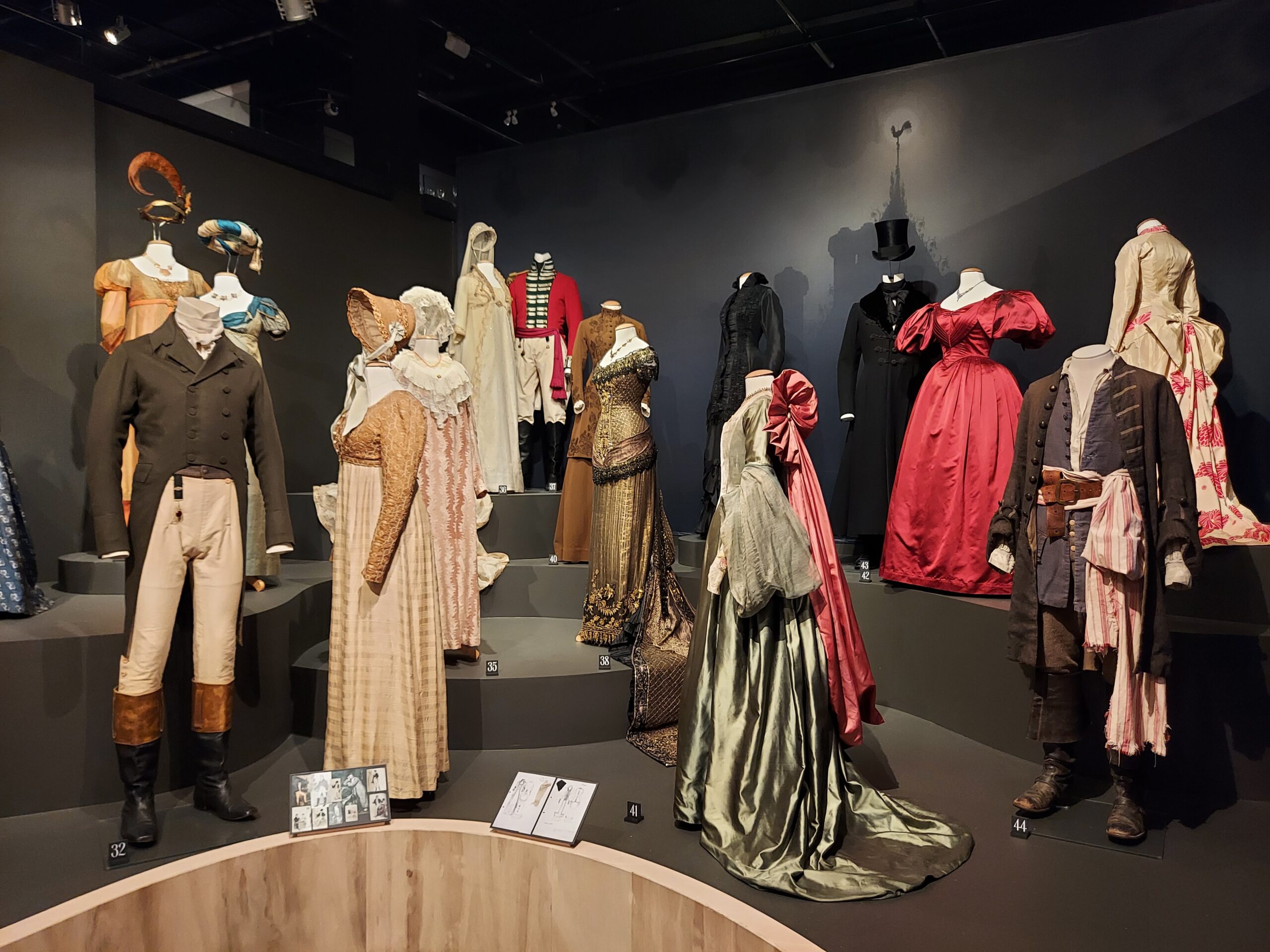
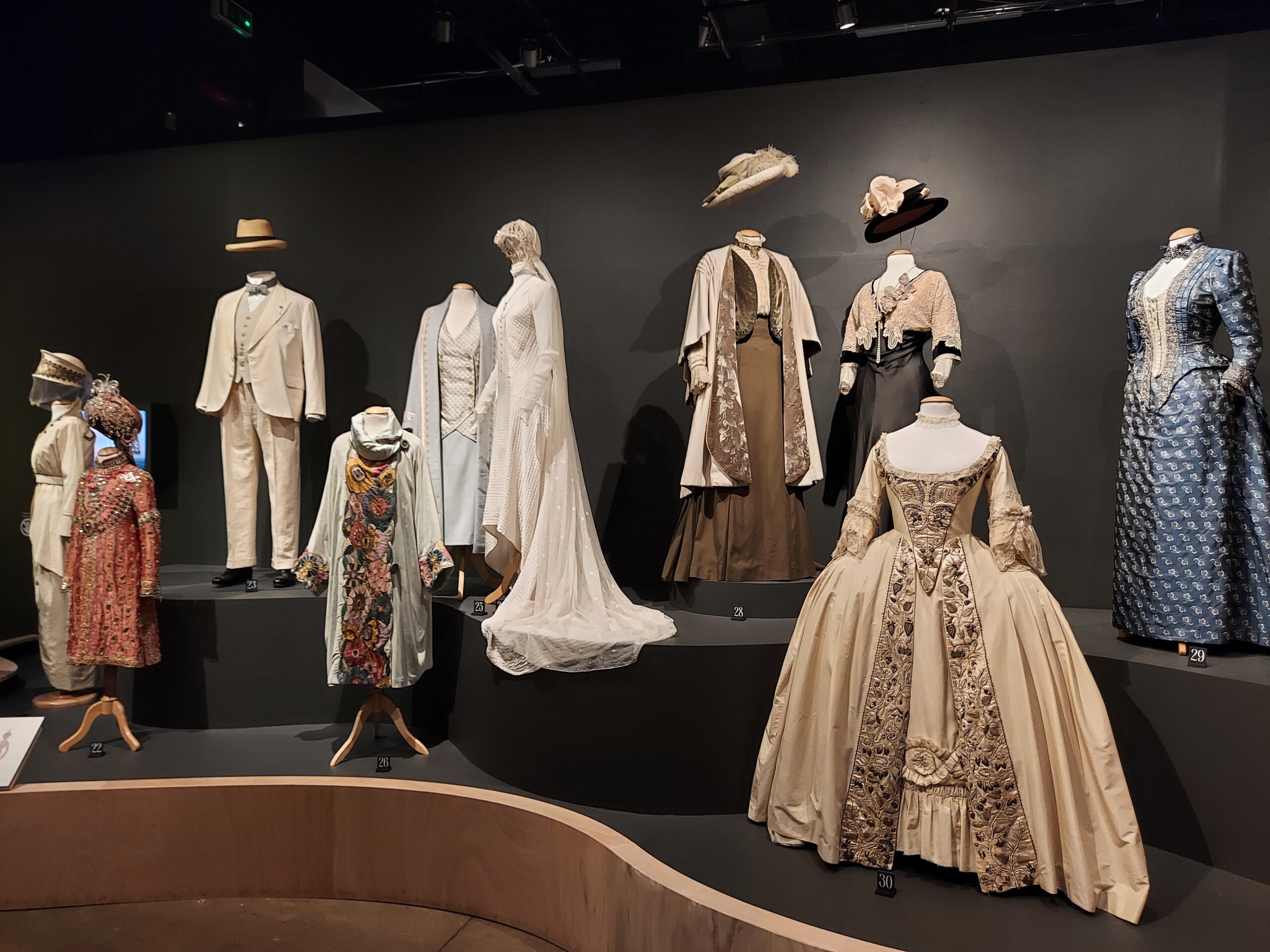
The exhibition displays costumes and accessories, as well as photographs and other memorabilia, from the full range of Cosprop’s history. Productions featured in the exhibition include A Room with a View (1985), Out of Africa (1985), Pride and Prejudice (1995) and Mrs Harris Goes to Paris (2022), with costumes from the likes of Helena Bonham Carter, Meryl Streep, Colin Firth and Lesley Manville displayed. The costumes are rich in detail and show the extensive research that went into creating them. Many are also incredibly beautiful.
Some of my highlights included:
The 1930s suit worn by David Suchet as Hercule Poirot in Death on the Nile (2004)
Outfits worn by Jennifer Ehle and Colin Firth in Pride and Prejudice (1995)
Jack Sparrow’s suit from Pirates of the Caribbean: The Curse of the Black Pearl (2003)
Clothes of the Crawley family from Downton Abbey (2010 onwards)
Outfits worn by Michael Fassbender, Mia Wasikowska and Judi Dench in Jane Eyre (2011)
1770s gown worn by Keira Knightley as Georgiana, Duchess of Devonshire in The Duchess (2008)
‘Actors walk in with just a script and the name of their character. They walk out with that character fully formed in their mind, having brought him or her to life through the angle of a hat, the fabric of a coat or the feel of a pair of shoes.’ – John Bright
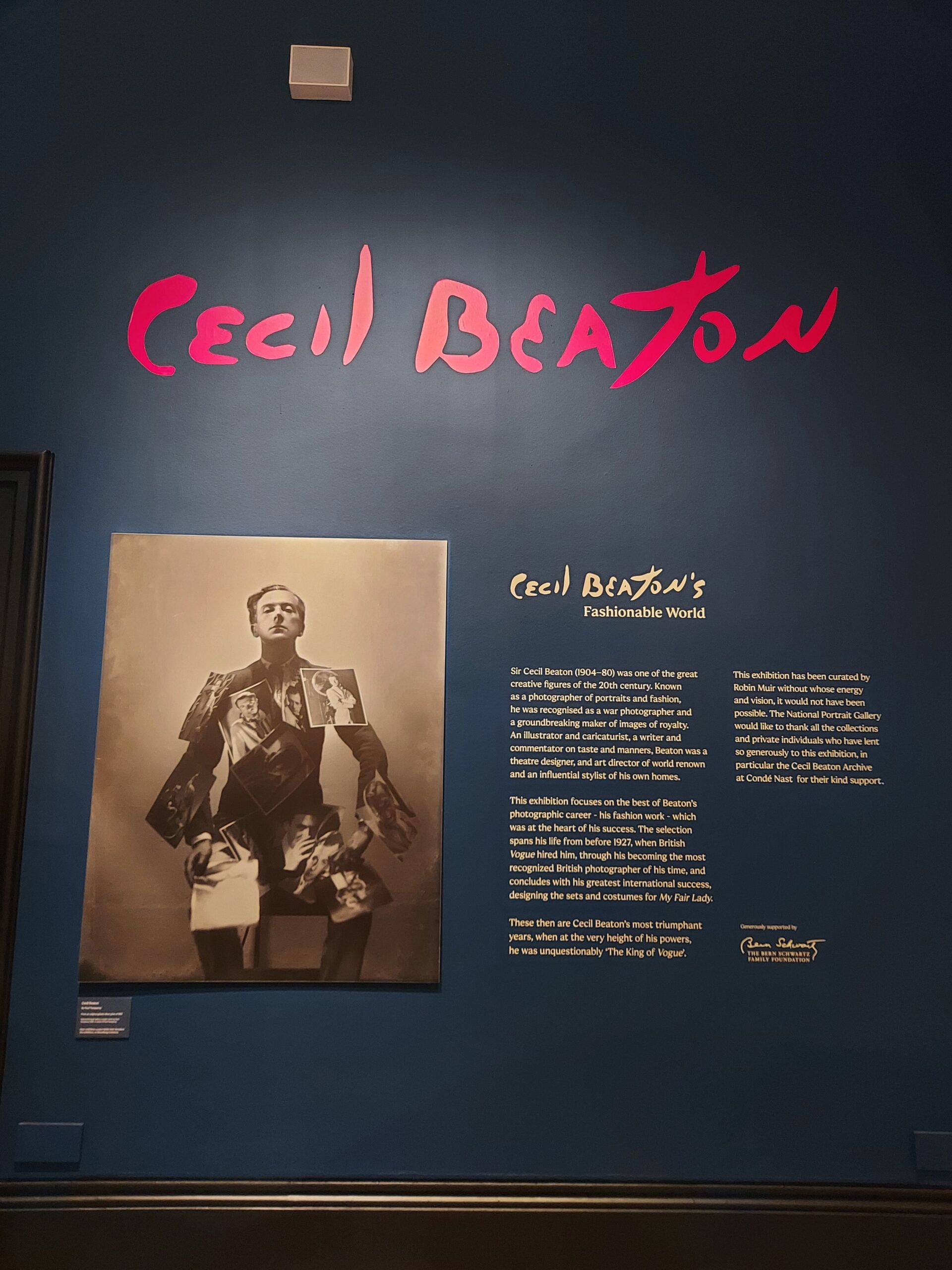
In a previous life, I worked in a library and catalogued the letters of Cecil Beaton, so any exhibition relating to him or his work is a must-see for me. Cecil Beaton’s Fashionable World at the National Portrait Gallery looks at his work in the realms of fashion and portrait photography.
The work on display here covers the Bright Young Things of the 1920s and the Jazz Age, the interwar years, the glamorous 1950s and the dazzle of Hollywood. The exhibition includes over 200 items including photographs, sketches, illustrations and letters, and features stars such as Marilyn Monroe, Audrey Hepburn and Elizabeth Taylor.
This enjoyable exhibition is well worth a visit to appreciate Beaton’s talent, variety, and the styles of the mid-20th century.