Hallyu! The Korean Wave – V&A

At the weekend I went along to see Hallyu! The Korean Wave at the V&A with a friend. I visited Korea a few years ago, so I was looking forward to it.

As I would have expected, the exhibition began with the video of PSY’s ‘Gangnam Style’, the 2012 hit that was absolutely everywhere and inspired hundreds of parody videos. It’s the most famous, but by no means the only, aspect of Korean culture that has fascinated Britain.

After a short section on the recent history of Korea, focusing on the Korean War which divided the country into North and South, we got to see exhibits from Korean romantic and historical dramas that have gained in prominence, as well as more modern shows such as Squid Game. Korean film is also looked at, with exhibits from the recent Oscar winner Parasite.

Later the exhibition begins to focus on K-pop and how it has achieved increased popularity abroad, with bands like BTS achieving superstar status. My favourite part of this section of the exhibition was the opportunity to have a go at some dance moves and get yourself recorded and displayed on screen. My friend and I didn’t do this but we enjoyed watching everyone who did!

Overall this exhibition is a fascinating exploration of modern Korean popular culture – and well worth visiting.
Royal Gunpowder Mills

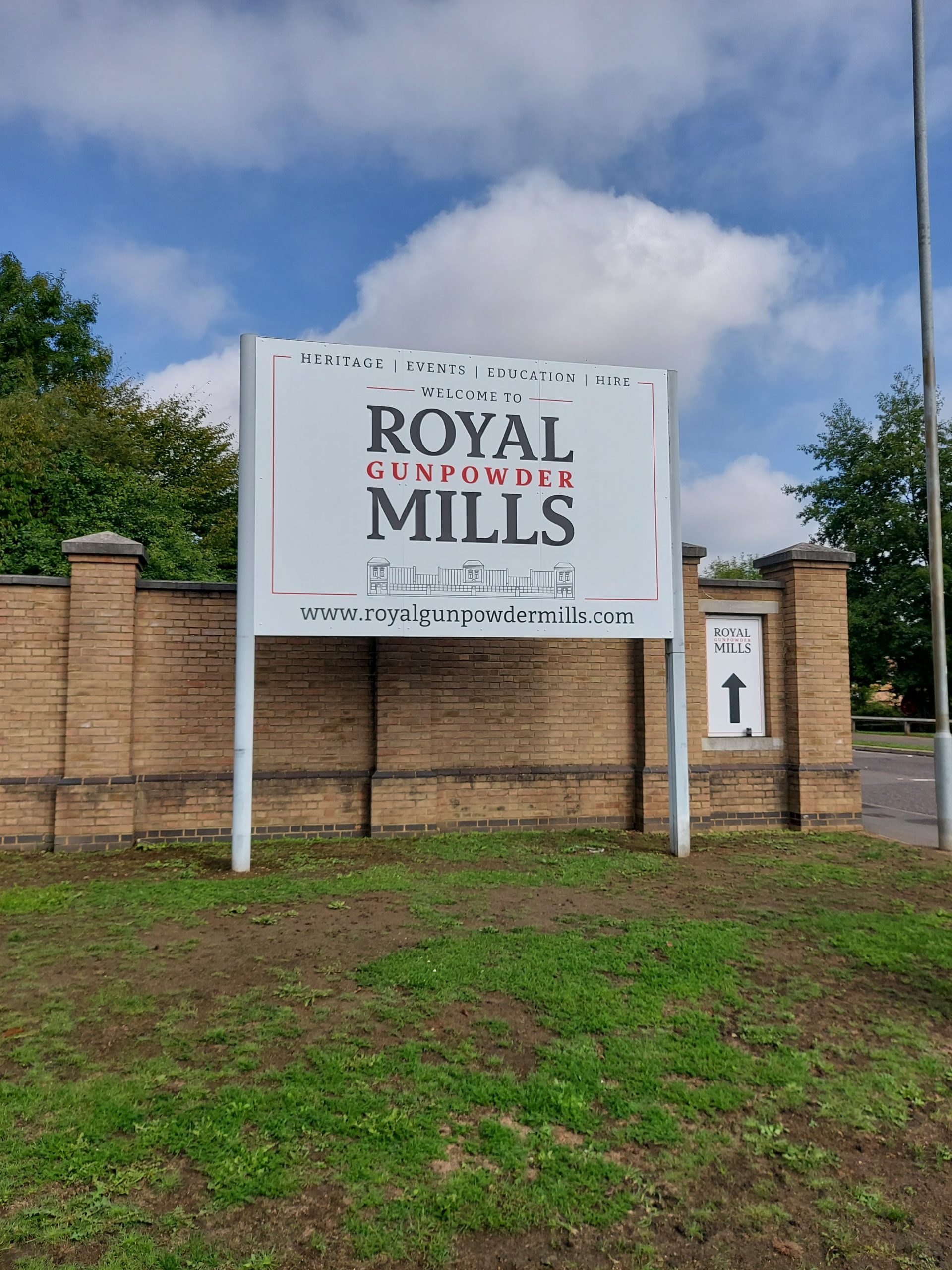
Sign to Royal Gunpowder Mills

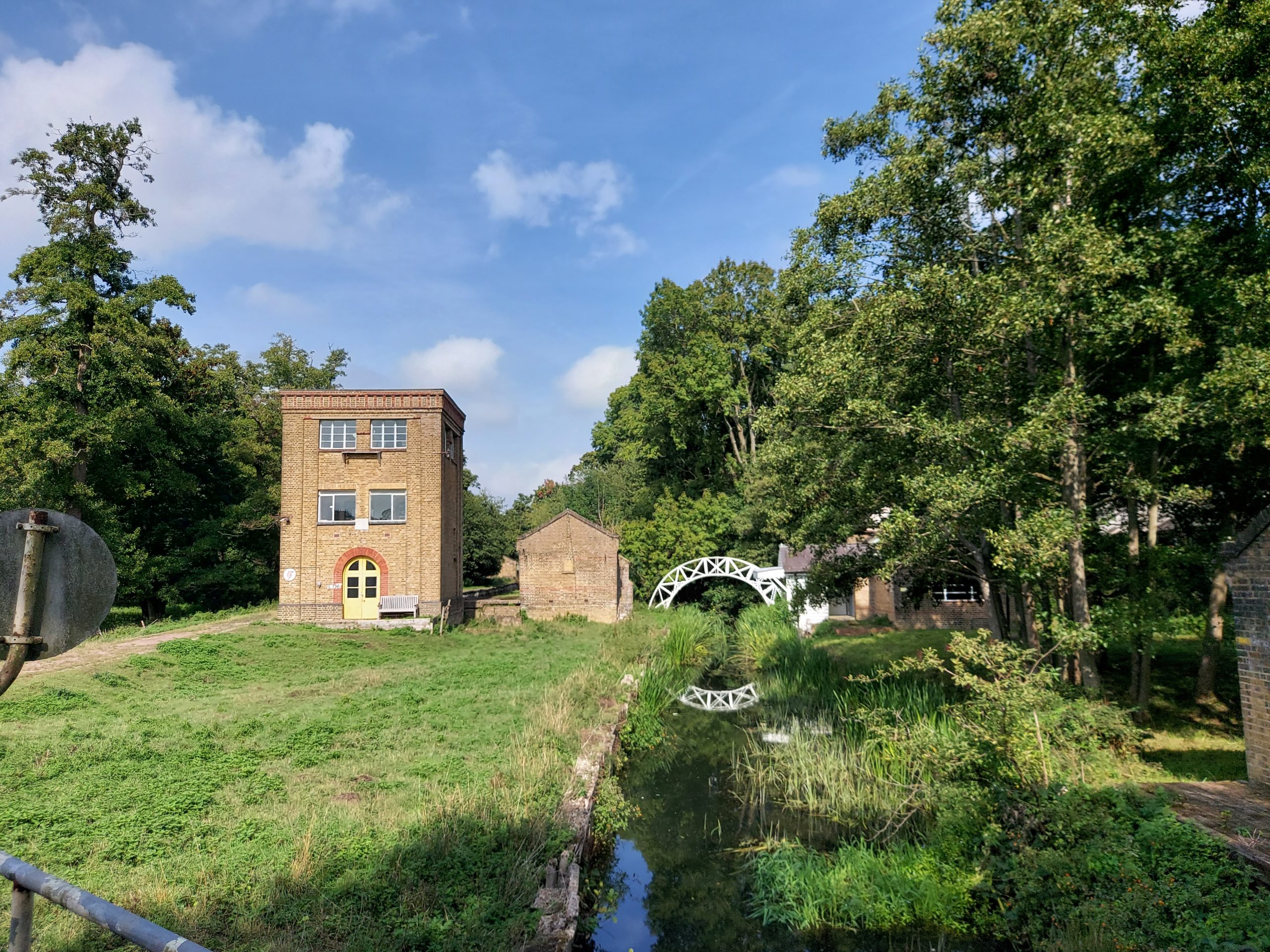
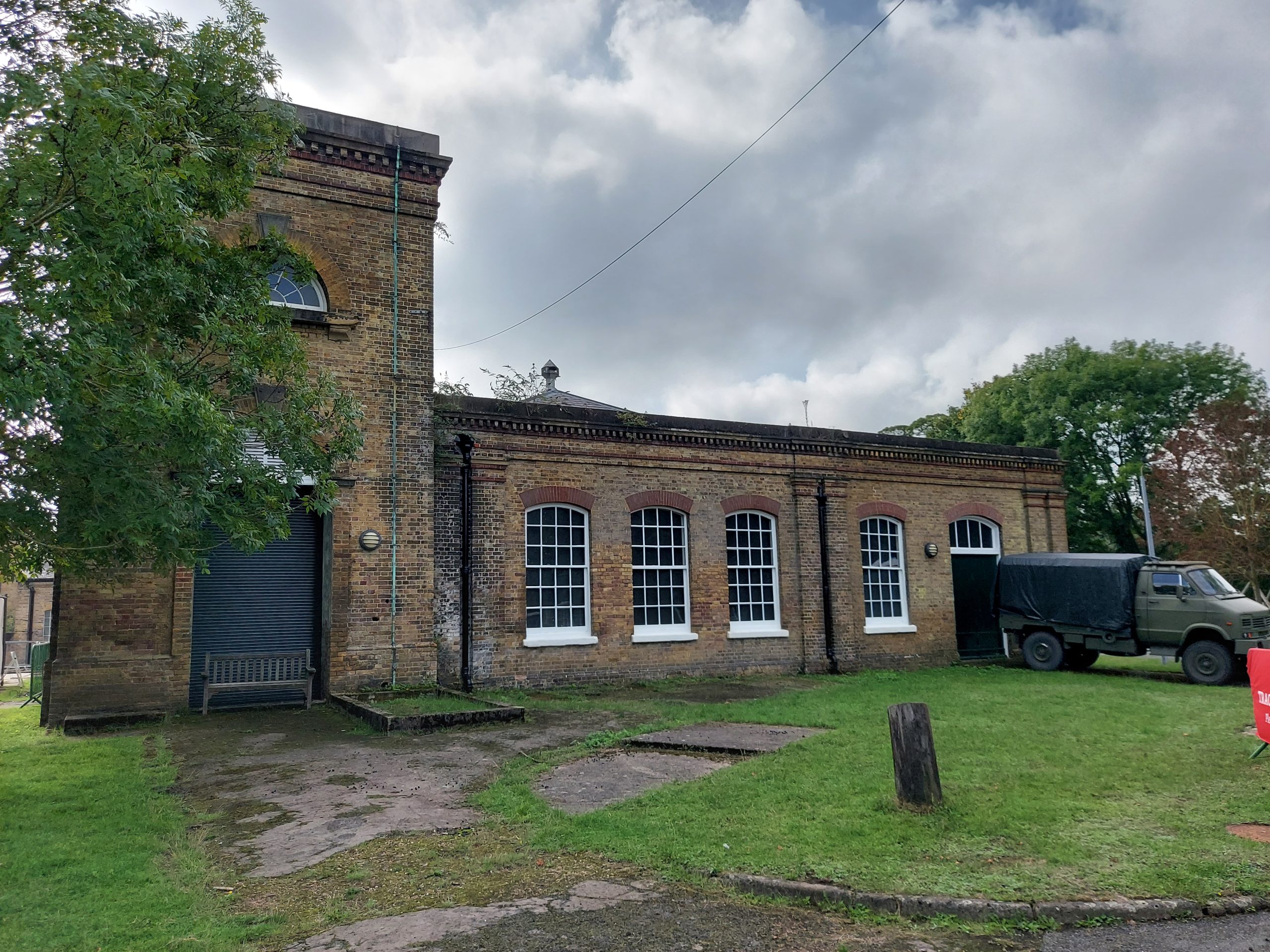
I spent the weekend in the Lee Valley and took some time to visit the Royal Gunpowder Mills. These are located not far from Waltham Cross, and are found at the end of a pleasant walk up a quiet road.

The mills played an important part in military history and national defence over centuries. The site was originally used as a fulling mill for cloth production, but was converted to gunpowder production at some point during the seventeenth century. The gunpowder produced at the mills was known for its reliability and high quality.

Royal Gunpowder Mills

Demand surged during the First World War, and women were employed to replace men who had gone off to war. During the inter-war years, production was gradually moved off-site, with the mills finally closing in 1943. However, the site reopened in 1945 as a research centre, before closing for good in 1991.

My visit began with a tractor tour, which are offered to visitors in order to see the whole site, much of which is out of bounds to those on foot because of safety (I should say here that you ride in a trailer, not on the tractor itself!). On the tour, which took around half an hour, passengers are treated to a commentary on what can be seen and the history behind the site. We also saw a deer hiding in one of the derelict buildings.

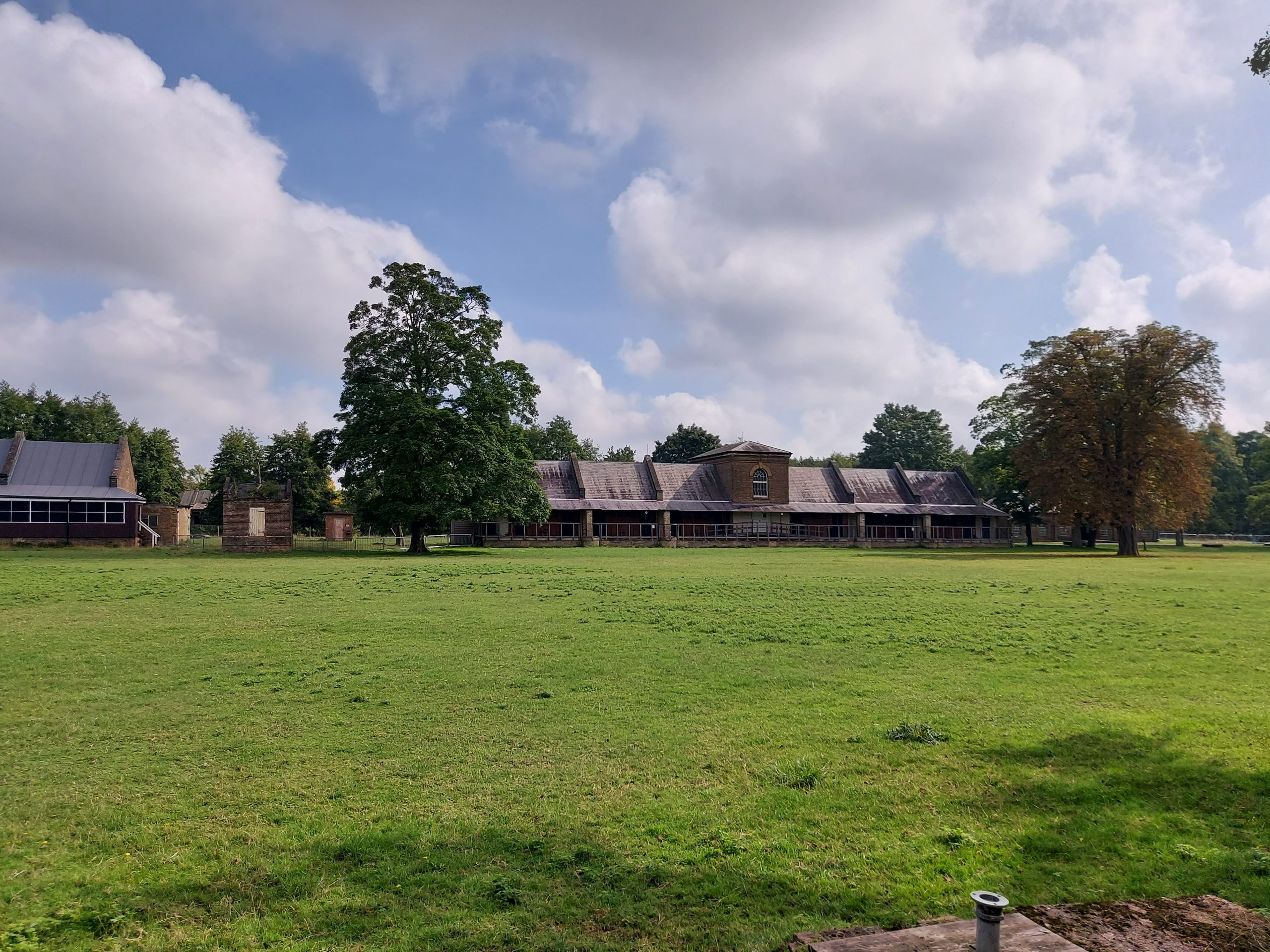
One of the blocks of the Royal Gunpowder Mills

After the tour, I wandered round the main visitor area of the site, looking at some smaller exhibitions including one about rockets and another about accidents that occurred at the mills and how these were investigated. Finally, I went inside the main exhibition building to check out a display on the history of gunpowder and more information about the mills.

I can’t pretend that military history is a subject that fascinates me, but I really enjoyed my visit to the Royal Gunpowder Mills, and I’d definitely recommend it. If you have kids, they can enjoy live science shows and a play area. There is also a cafe on-site.

Royal Gunpowder Mills

FACTS

Address: Beaulieu Drive, Waltham Abbey, EN9 1JY

Website: royalgunpowdermills.com

Opening Hours: 11am-4.30pm on Sundays during the summer months

Price: £10 adults, £8 concessions

Epping Forest District Museum

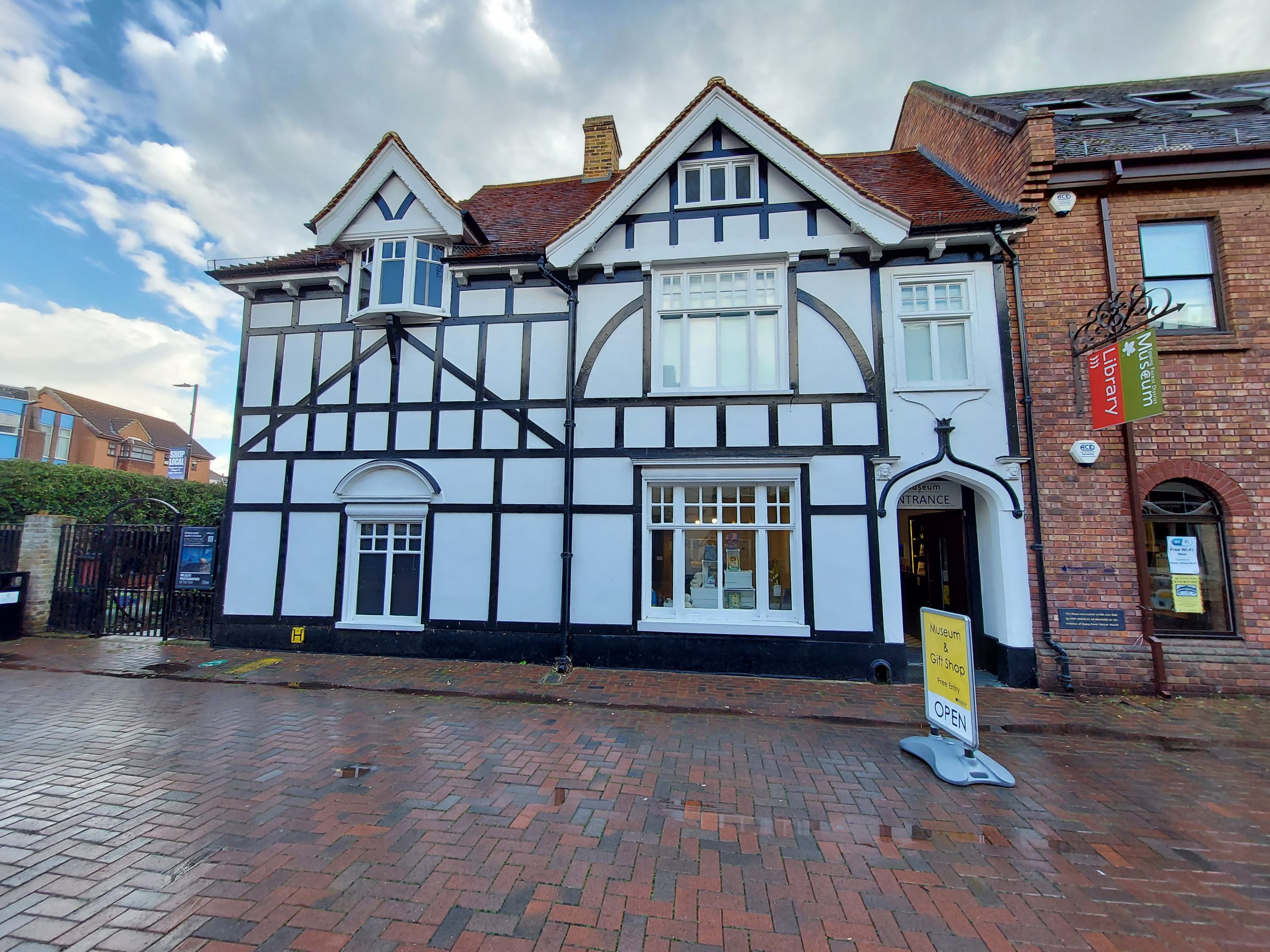
A black and white Tudor building

During my weekend in the Lea Valley, I ended up in Waltham Cross and, as well as exploring the grounds of the ancient Waltham Abbey, paid a visit to the Epping Forest District Museum. The museum tells the story of the people and events that shaped the local area, and is based in a 2* listed Tudor building.

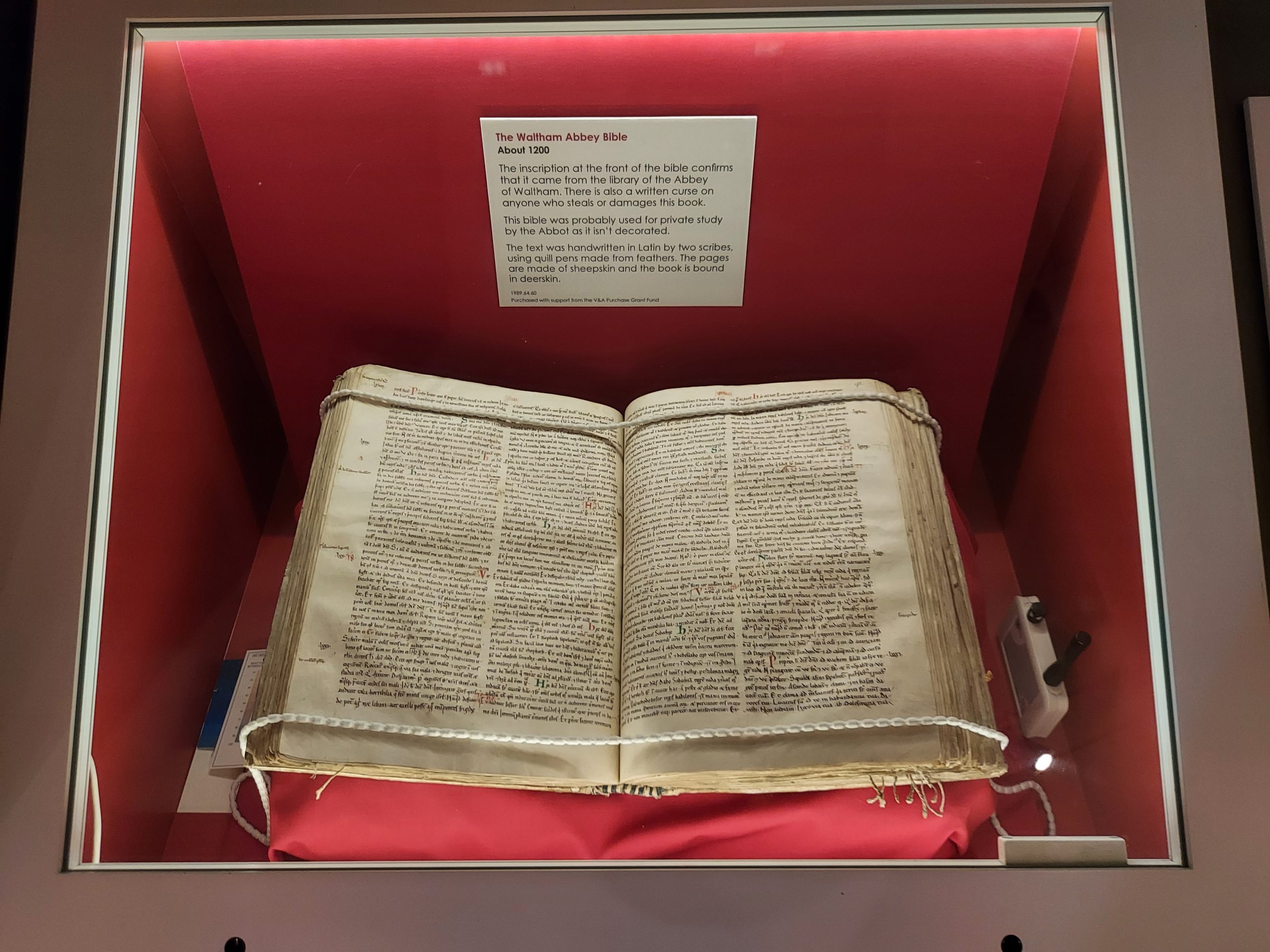
The small museum manages to pack a lot in. It features a treasures room including original wooden Tudor panelling and the Waltham Abbey Bible, dating from approximately 1200. A pattern made of pins in the wooden fire surround is a poignant reminder of the people who once lived here.

An historic book inside a glass case

Upstairs, a room features toys and other items used by people from the area over the years, mainly the 20th century. Another gallery includes archaeological finds, some discovered when excavating the nearby abbey. There are also collections of interesting items formerly owned by local people including some rather amusing teapots.

Finally, a room at the top of the museum focuses on local firms and celebrities.

The Epping Forest District Museum is a lovely little museum that is well worth visiting if you are in the area.

FACTS

Address: 39-41 Sun Street, Waltham Abbey, EN9 1EL

Website: eppingforestdc.gov.uk/museum

Opening Hours: Mon-Wed and Fri-Sat 10am-4pm

Price: Free

Walter Sickert – Tate Britain

Poster for the Walter Sickert exhibition

Before heading up north for the second time this year, I visited the Walter Sickert exhibition at Tate Britain. I only knew Sickert from his ‘Camden Town Murder’ paintings – which are on display here – but there is much more to his work.

Sickert was born in Germany in 1860, but moved with his family to England aged eight. He initially sought to become an actor, but switched to art in 1882 – his artistic career would eventually span six decades.

The exhibition begins with an exploration of Sickert’s self-portraits, which show him experimenting with light and shade. It continues with a look at his early career and work in England and France, inspired by Whistler and, later, Degas.

My favourite pictures were those related to performance – theatres and music halls, circuses and outdoor performances. These were reminiscient of Degas’ paintings of ballet dancers, and were incredibly atmospheric, bringing the spaces to life. Sickert’s work spans the development and decline of music halls from lively entertainment venues to their role as the first cinemas.

Sickert’s portraits were mostly of well-known public figures, such as Aubrey Beardsley. They are vivid and demonstrate the sitters’ character. More informal portraits made much of their interior settings.

Landscapes, mainly of scenes in France and Italy, were particularly successful for Sickert, and often encompassed urban settings. He also painted nudes, often in more naturalistic, even dingy, settings than were traditional, leading to criticism.

The Camden Town Murder series features paintings of men and women in dingy, dark rooms in Camden Town, featuring props such as iron bedsteads. Their ambiguity led some to connect Sickert with the murders and even Jack the Ripper. They are atmospheric and have quite sinister undertones.

Sickert’s skill for portraying emotions and relationships were developed in his “conversation pieces”, exploring contemporary narratives and scenes. These paintings were innovative for the time and sought to illustrate everyday life in modern Britain.

I left the exhibition with a new-found appreciation for Sickert’s talent, range and focus – definitely worth seeing.

Off the Rails: The Line That Never Was – Elstree and Borehamwood Museum

Despite the excessive heat we had this weekend, I actually left the house and made the trip up to Elstree & Borehamwood Museum to check out an exhibition that’s been on since January this year. Off the Rails: The Line That Never Was takes a look at a planned Tube extension to the ‘Northern Heights’ that never materialised.

miniature Tube railway
A model of the proposed Northern Heights extension

The Museum

The museum as a whole opened in 2000 as an independent local museum. It is located on the top floor of a community building on the main street that also houses the library. Go into the library and up to the second floor to reach the museum.

The museum hosts a permanent exhibition of items and information relating to the local area, including the history of Elstree and Borehamwood Studios.

Model of Elstree Studios

The Exhibition

As a big fan of the Underground, I found the exhibition fascinating. The Northern Line extension beyond Mill Hill East via Edgware to Brockley Hill, Elstree South and Bushey Heath was planned before the Second World War, aimed at increasing development of the area and turning it into a ‘Metro-Land’ similar to the one that already existed to the north west of the capital. Much of the preparatory work had been done by the time war broke out, including the construction of several arches and parts of the track which are still visible today.

tube map
Section of a tube map showing the proposed extension

The war naturally halted construction, but postwar austerity cannot be held solely responsible for the extension’s cancellation. The development of the Green Belt around London meant that further ‘Metro-Land’ developments were essentially prohibited, and extensions seen as pointless. The exhibition, complete with a working model of the tube route including miniature stations, is a reminder of the complexities involved in any kind of transportation development and a must-see for fans of the Tube. It runs until 22 October 2022.

Bushey Heath station in miniature
A model of the proposed Bushey Heath station

FACTS

Address: 96 Shenley Road, Borehamwood, Herts, WD6 1EB

Website: elstree-museum.org.uk

Opening Hours: Tues, Wed, Thurs 12-6pm; Sat 10am-3pm

Price: Free

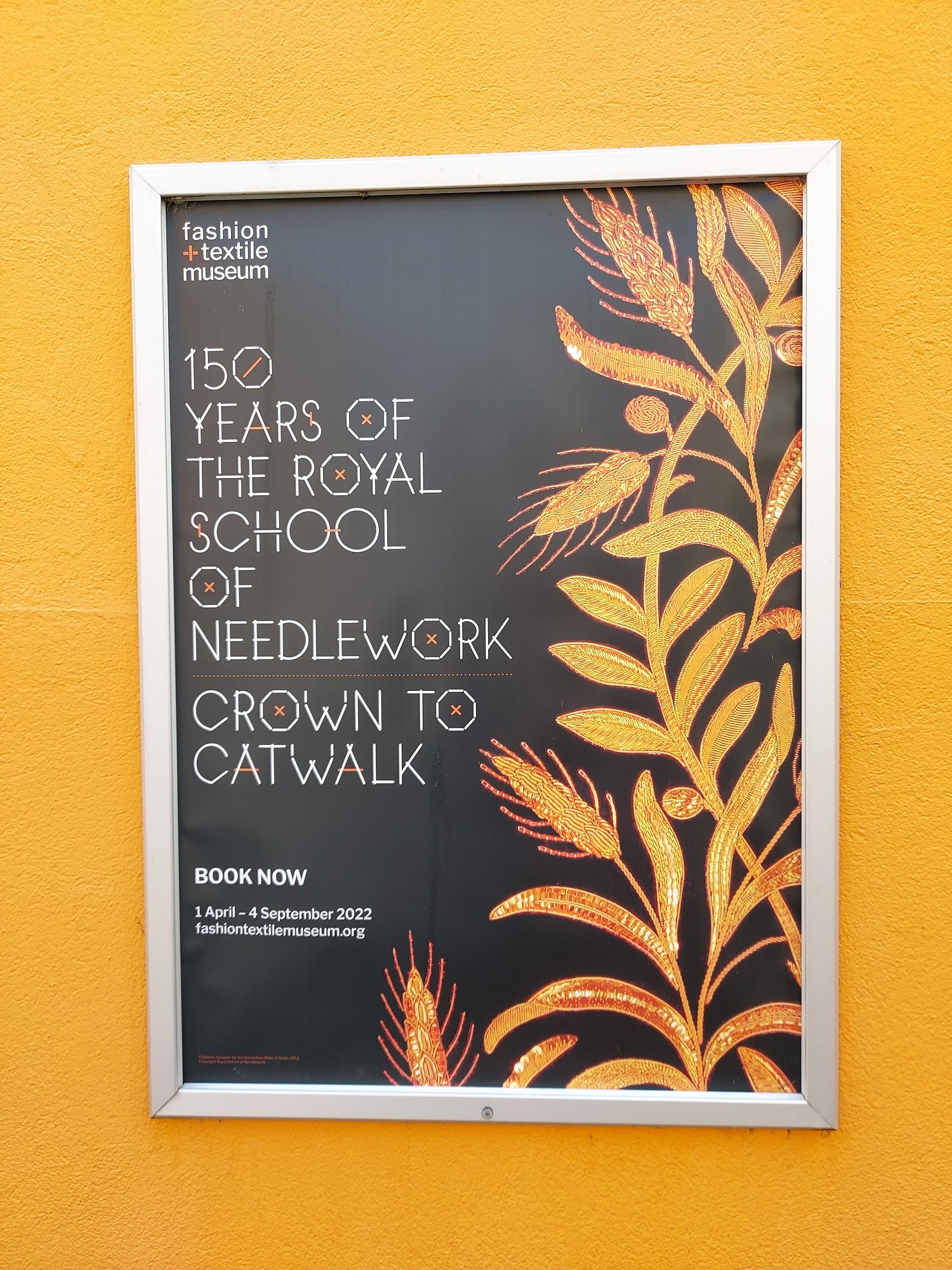
150 Years of the Royal School of Needlework: Crown to Catwalk

Exhibition poster

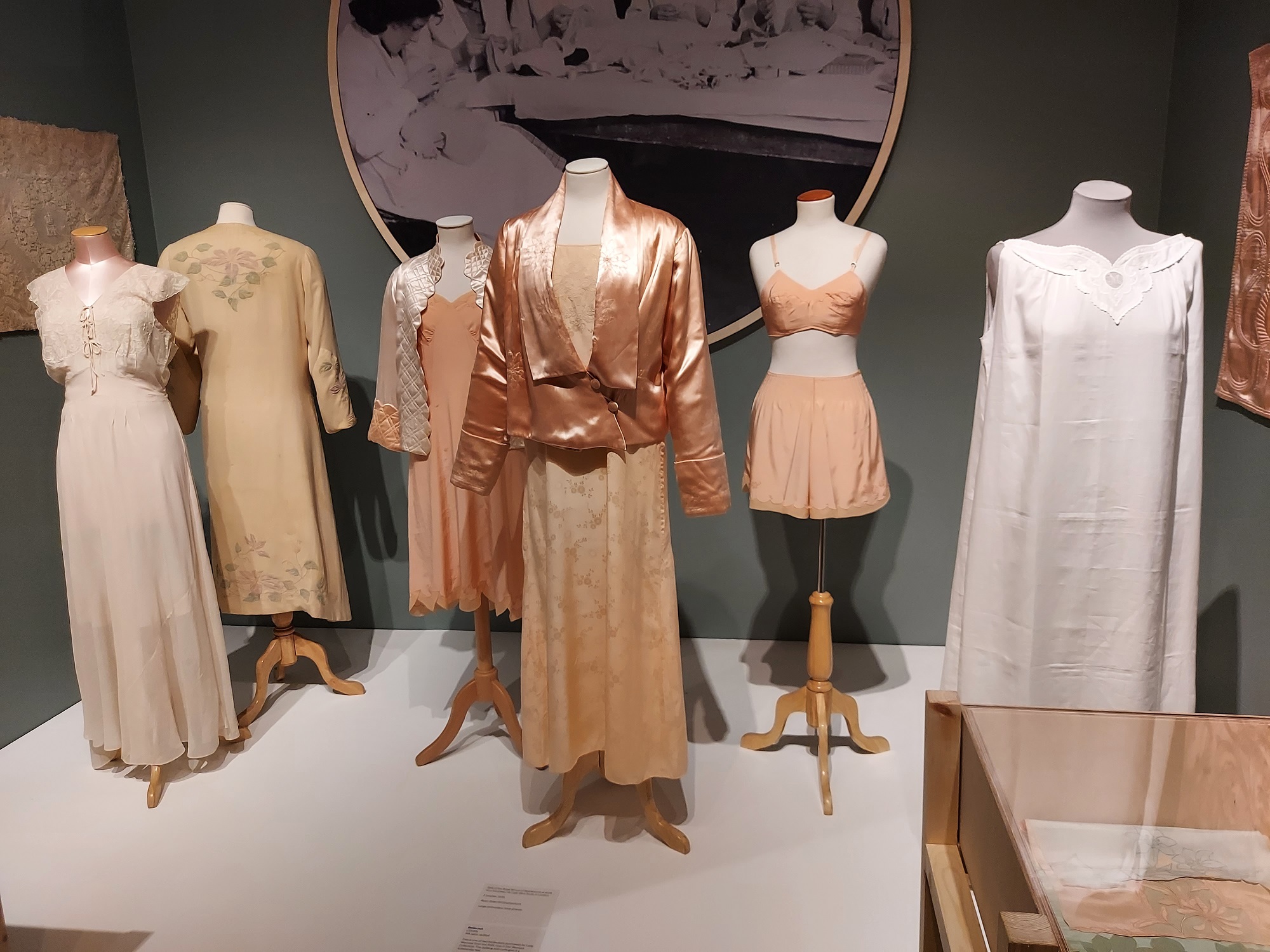
I went to an embroidery class last Friday, hosted by the Royal School of Needlework at the Fashion & Textile Museum. The workshop had been arranged to mark the 150th anniversary of the RSN and the accompanying exhibition, 150 Years of the Royal School of Needlework: Crown to Catwalk. While I was at the workshop, I had a chance to take a look around the exhibition.

In 1872, the Royal School of Needlework (RSN) was founded on two key principles – the first, the preservation of hand embroidery as an art form and the second, the support of women’s independence through work. Many aspects of this artform were in danger of being lost, and the School aimed to preserve them.

Particularly in its early days, the School undertook commissions for members of the Royal Family, often working continuously for hours to complete work on time. Some of this work is on display here, testament to the ability and tenacity of the School’s members.

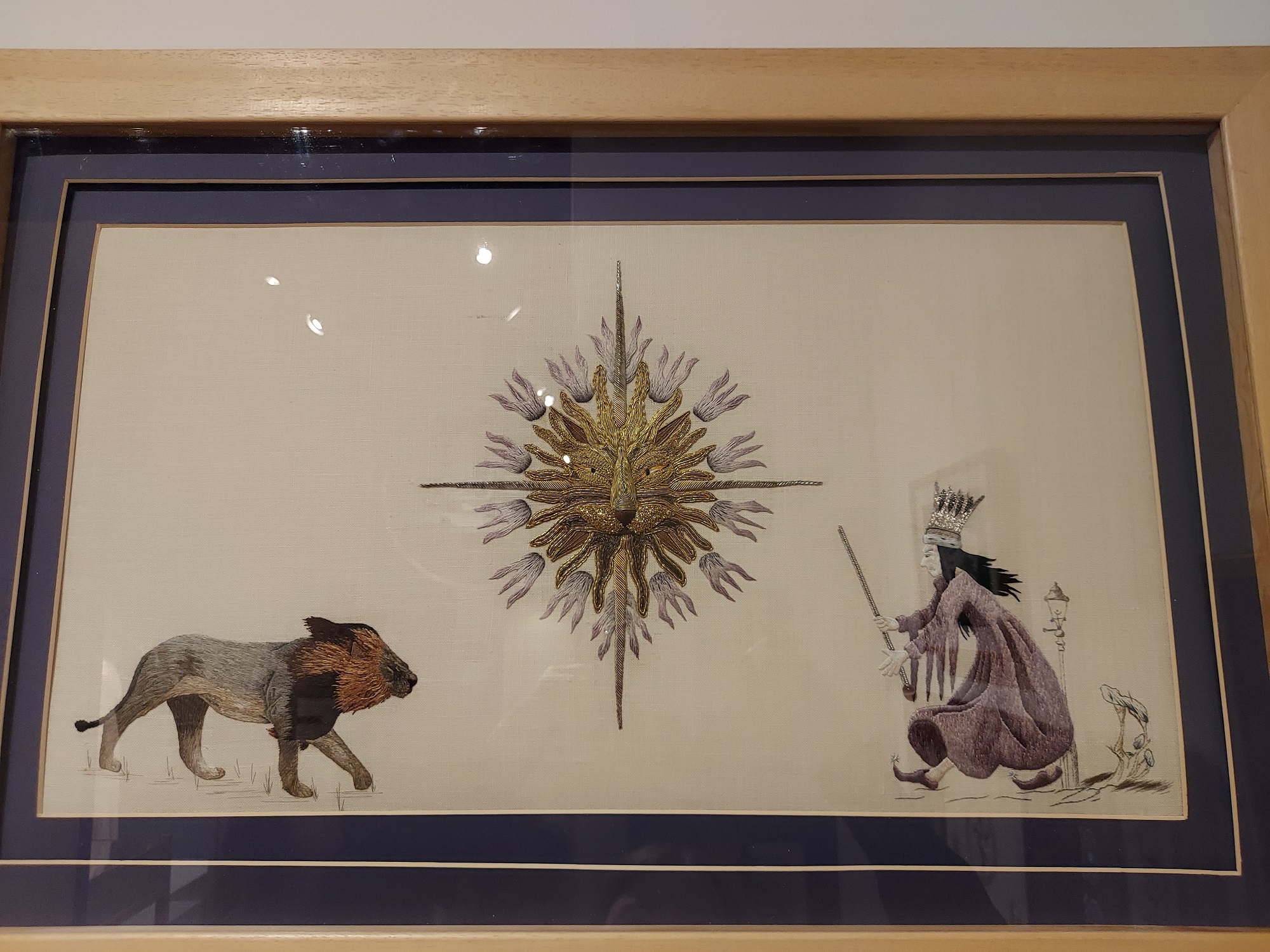
The exhibition also contains examples of work students have produced over time, ranging from classic and religious symbolism to more modern images inspired by books or popular culture. The works encompass many techniques including blackwork, gold embroidery and Jacobean crewel work.

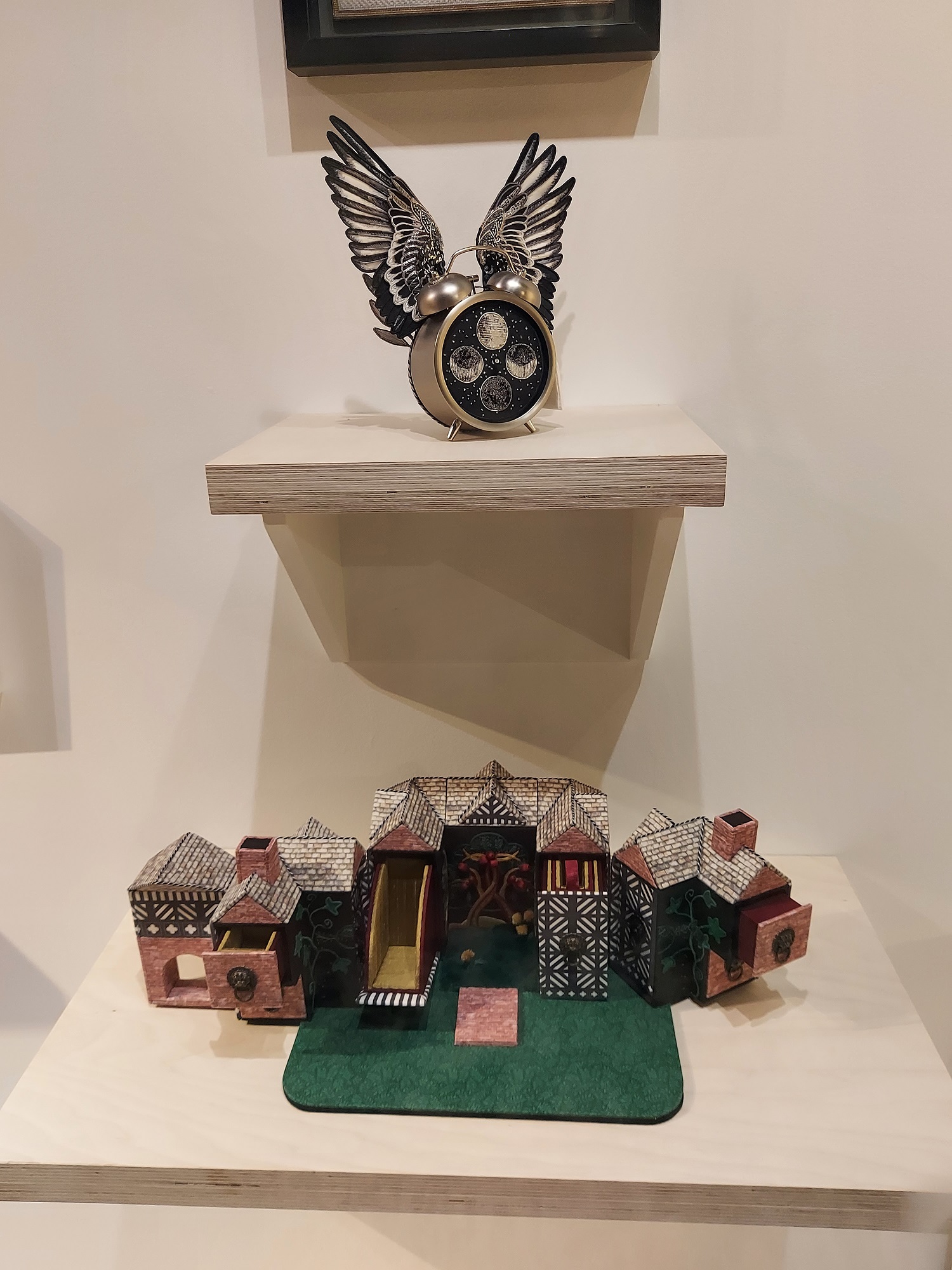
Many of the items on display were made by current members of the RSN, including Kate Pankhurst’s beautiful Tudor box. I could have spent hours looking at the incredibly detailed stitching on display. One of my favourite items was the Red Dress Project – a dress that has been around the world and embroidered by women in 29 different countries.

The exhibition is a must-see for anyone remotely interested in the art of embroidery. It is simply breathtaking.

Raphael – National Gallery

I visited the Raphael exhibition at the National Gallery, shortly before it closed. I wasn’t going to go, but realised the Gallery was open late on a Friday and I thought I would take the opportunity.

I didn’t know much about Raphael (1483-1520) – except that he was a key figure in the Italian Renaissance (and he was a turtle). In fact, most of what I knew about him was what he was not – having a longstanding interest in the Pre-Raphaelites.

This exhibition is the first outside Italy to encompass his entire career. As well as a painter, Raphael was a printmaker, draughtsman, poet, architect and archeologist – he was one of the first people to recognise the importance of Italy’s Roman heritage.

Raphael had a turbulent early life, losing his mother at 8 and his father at 11. He was brought up by his uncle, a priest, which perhaps goes some way to explain the high proportion of his works with a religious bent, although I suppose most works of art were religious at this time. He painted altarpieces and other devotional scenes, including numerous Madonnas. I was shocked to read that he died young – suddenly, of a fever, at the age of 37.

Highlights for me included his portraiture – images of friends and patrons mostly found at the end of the exhibition. These were full of life and really captured the character of the sitter – I wish more of the works had been like this rather than religious paintings. However, I did like the dragon in Raphael’s St George scene, and the near-lifesize reproduction of his fresco The School of Athens, which centres the philosophers Plato and Aristotle.

Ancient Greeks: Science and Wisdom – Science Museum

The entrance to the Ancient Greeks exhibition

I had the day off work the other week and decided to visit the Ancient Greeks: Science and Wisdom exhibition at the Science Museum. It was free, and rather short, but still enjoyable and interesting.

For the Ancient Greeks, art and science were inseparable, and this is reflected in the statue of the Muses that introduce you to the exhibition. There is a beautiful silver globe – even the Greeks knew that the earth was round – which is a celestial globe, illustrating the 48 known constellations.

Other exhibits look at the science of musical instruments, and the highlight for me was the second-oldest geared mechanical calendar, which dates to somewhere around 400-600 CE.

Titanic: The Exhibition

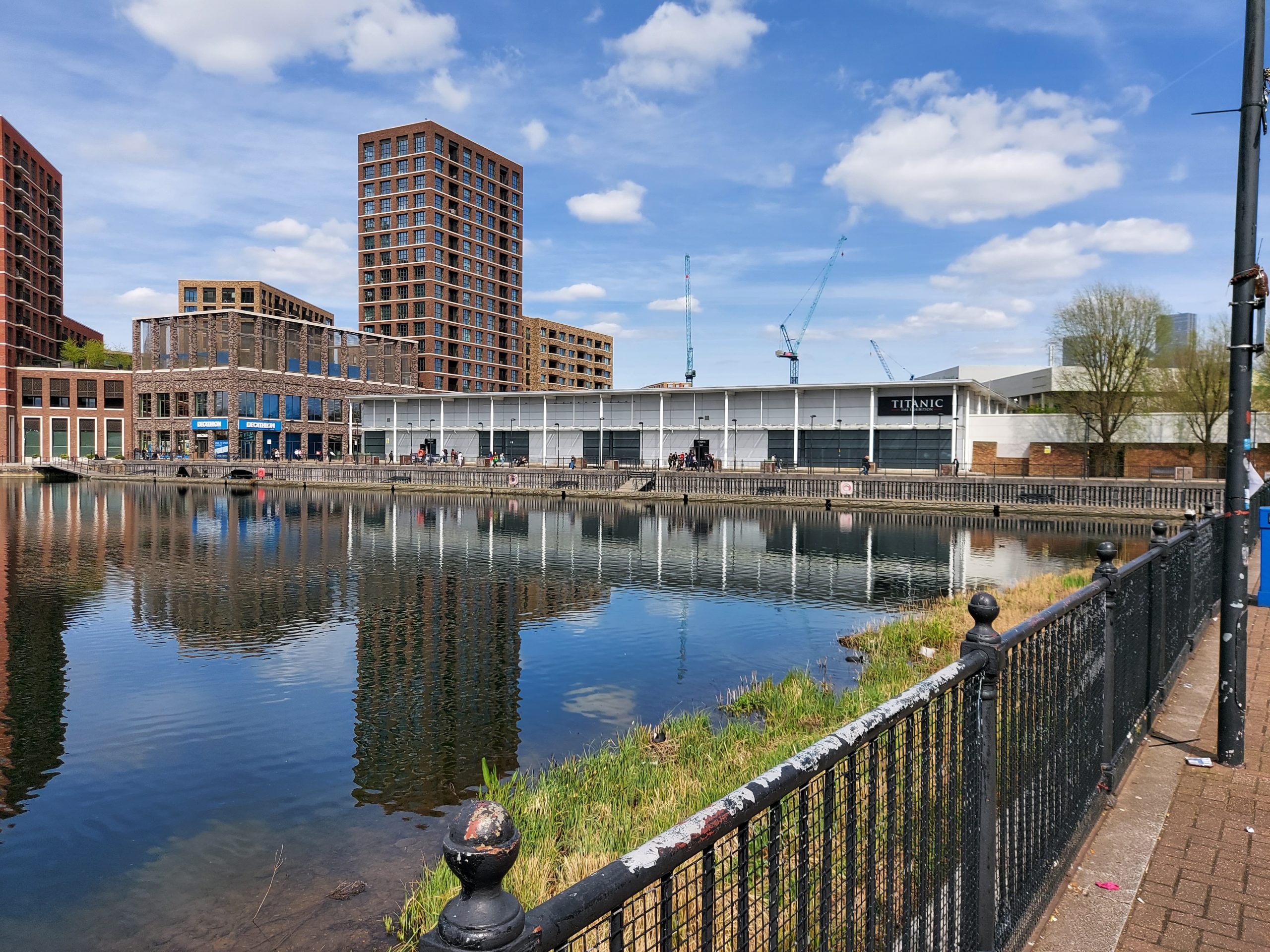
The building in which the Titanic exhibition was housed

I saw the ads for Titanic: The Exhibition around London and thought, “I must go to that”. Then I was looking for things to do over the Easter weekend and saw that the exhibition was about to close. I ended up going the Sunday before Easter as I was able to grab a single ticket.

The exhibition brings together photographs, stories and artefacts related to the Titanic and its history to tell the story of the ill-fated ship. Many of the artefacts have never been shown in the UK before.

model of the Titanic
Model of the Titanic

I was impressed by the layout of the exhibition. It was displayed in open, spacious rooms and didn’t feel crowded despite its popularity. The audio guide, which could be downloaded onto your phone, was very helpful in explaining the context behind various exhibits. I could have done without the constant replaying of the theme from the 1997 movie, which added an unneccessary layer of sentimentality to what is already a tragic and moving story.

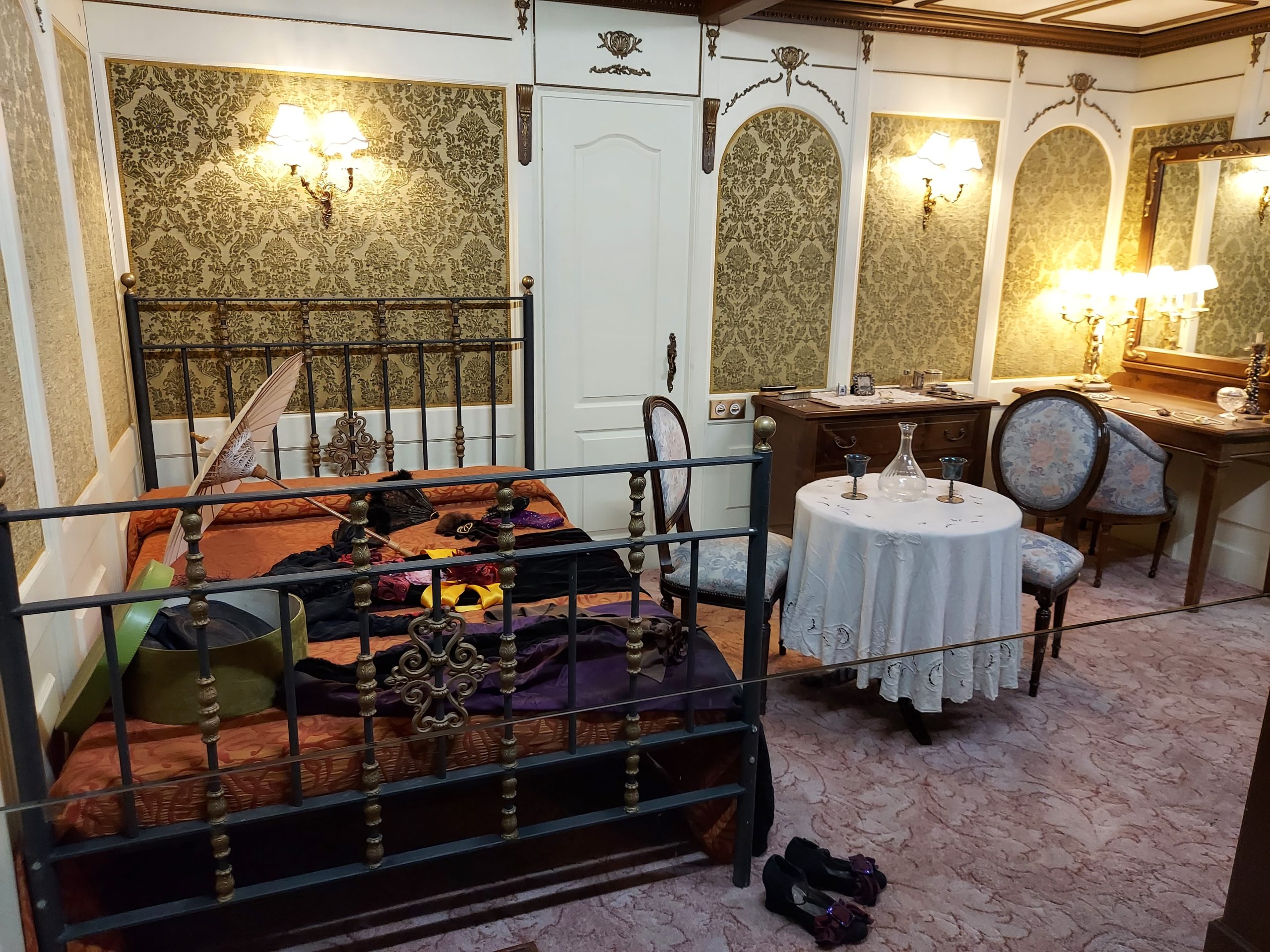
reconstruction of a first-class suite on the Titanic
Reconstruction of a first class suite

The exhibition began with the planning and construction of the ship before moving on to its maiden and only voyage. The stories of several passengers and crew members were told via letters, photographs and personal effects like jewellery and shoes. I liked how the focus wasn’t just on the wealthy passengers: we learned about people from all walks of life including families emigrating to the USA in the hope of a better life. Some of these passengers survived; others did not. Throughout, we got to see full-size replicas of a third-class cabin and a first-class suite, as well as a model of the ship showing how it was laid out.

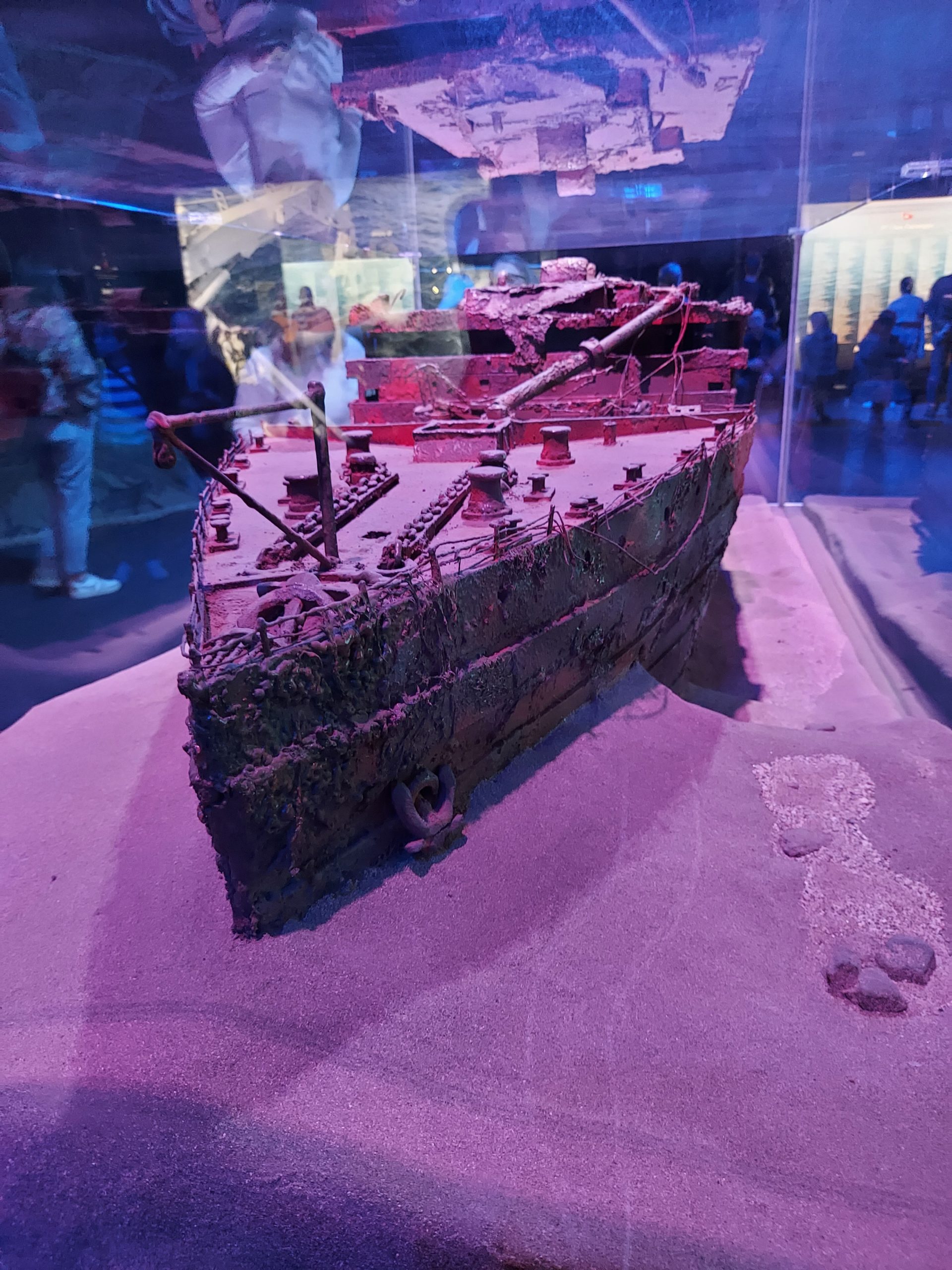
There was less of a focus on the actual sinking than I had expected, but I didn’t mind this: it meant that the focus was more on the passengers. Explanations for the sinking were put forward, but there was a refreshing lack of conspiracy theories. Finally, we got to see how the wreck of the Titanic was discovered decades later.

model of the Titanic wreck on the sea bed
Model of the shipwreck

There was one aspect of the exhibition I really didn’t like, and that was the option of getting your photo taken against a backdrop of the ship. I felt it was unneccessary and in poor taste.

Having said that, overall the exhibition was detailed, interesting and very well put together, so I would recommend it.

Beethoven – British Library

Beethoven exhibition poster

I attended the British Library‘s Beethoven exhibition at the weekend. I don’t know much about classical music, but I do like Beethoven and I’ve attended concerts featuring several of his works.

The exhibition displays some of the composer’s works from early compositions to later symphonies, including the famous Symphony No. 9, commissioned by the Philharmonic Society in London. It also has copies of letters and other artefacts, including more mundane items like grocery lists.

The exhibition shines a light on how Beethoven’s mind worked, his notebooks full of scraps of inspiration that would find their way into his compositions. It also reveals his money worries, and his concerns about his increasing deafness. One of the items on display is a “conversation book” in which his peers could write down their half of the conversation.

Finally, the exhibition looks at how Beethoven has inspired art, literature and political movements through the decades. His music still remains hugely powerful and relevant.