Melanie C at the Shepherd’s Bush Empire

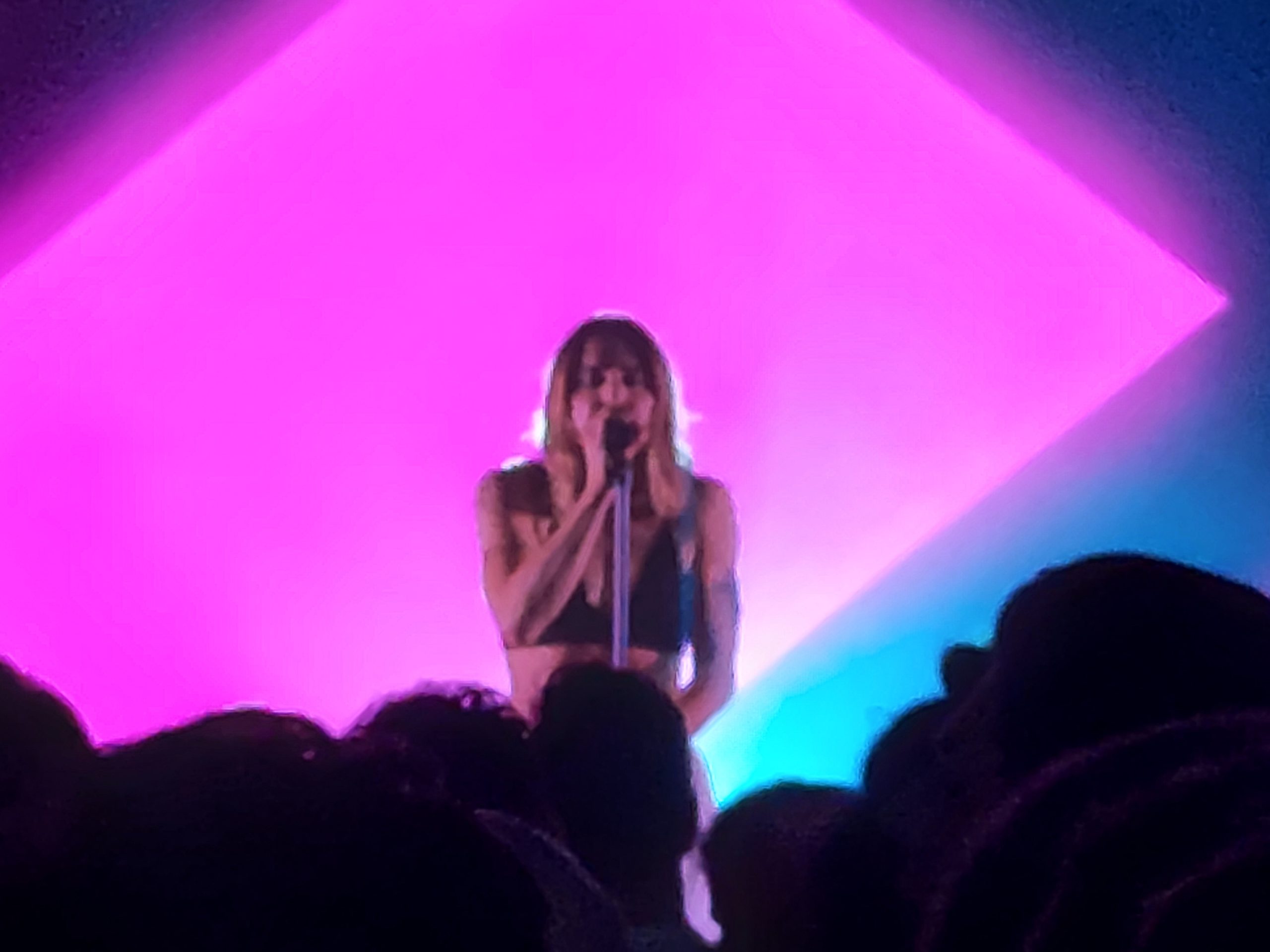
Melanie C performing at Shepherd's Bush Empire

It’s been eight years since I’ve seen Melanie C live, but finally I was back at the same venue – Shepherd’s Bush Empire – to see her again. Her tour this time was to promote her self-titled 2020 album.

Mel was never my favourite Spice Girl while the band was around, but over the years I’ve come to really admire her. She’s definitely the most talented of the group, and has proved it with numerous music releases over the years. I happen to think that this particular album is her best yet – every song is a classic, and I think this shows, because her setlist for the tour contained almost every song from the new album.

It’s genuinely inspiring to see Melanie – approaching 50 years of age – performing at the top of her game and showing no signs of slowing down. Her voice sounds better than ever, she’s obviously enjoying herself, and her enthusiasm is infectious.

Setlist

  • Who I Am
  • Blame It on Me
  • Good Enough
  • Never Be the Same Again
  • Here I Am
  • Escape
  • Nowhere to Run
  • In and Out of Love
  • Overload
  • Into You
  • Touch Me
  • Goin’ Down
  • Northern Star
  • When You’re Gone
  • 2 Become 1
  • Who Do You Think You Are
  • End of Everything
  • High Heels
  • I Turn to You

To the Ends of the Earth – BFI Southbank

5 January 2022 marks the 100th anniversary of the death of Sir Ernest Shackleton, who died while embarking on another expedition. His death in 1922 is said to mark the end of the “heroic age” of Antarctic exploration. 2022 is also the centenary of Britain’s first attempt to summit Mount Everest. The BFI’s To the Ends of the Earth season explores tales of human hardship and endurance focusing on extreme environments such as the poles and high altitudes. I spent my Sunday at the BFI Southbank watching two films from this season.

South: Sir Ernest Shackleton’s Glorious Epic of the Antarctic (1919)

Opening title of South

South is the film, photographed and filmed by Frank Hurley, of Shackleton’s famous Endurance expedition of 1914-1916, during which the ship was crushed by ice, leaving Shackleton and five of his men to embark on a risky journey to South Georgia in a lifeboat. Today it is considered the world’s first documentary feature, and has been restored for the centenary with a new score by Neil Brand.

The film is engrossing and rather magical, with moving footage of the key players in the expedition, the journey to Antarctica, exercising the dogs and life on the ice. Once the men have to abandon the ship there is no more video footage until Shackleton reaches South Georgia, but vivid photographs take their place. Watching this film, I feel incredibly glad that Hurley insisted the negatives be saved when so much else was abandoned.

The Red Tent (Krasnaya palatka) (1969)

Film poster for The Red Tent

I’d never heard of this intriguing film, which looks at the 1928 Italia airship disaster by means of a series of ghosts haunting Commander Nobile, the leader of the expedition, later in life. Peter Finch plays Nobile and none other than Sean Connery plays Roald Amundsen, who went missing trying to rescue the stranded crew. The film was gripping and very well-made – it really evoked the frozen wastes of the Arctic. There was definitely some artistic licence taken in the reenactment of events, but it was broadly based on fact, and was an interesting examination of what makes a leader.

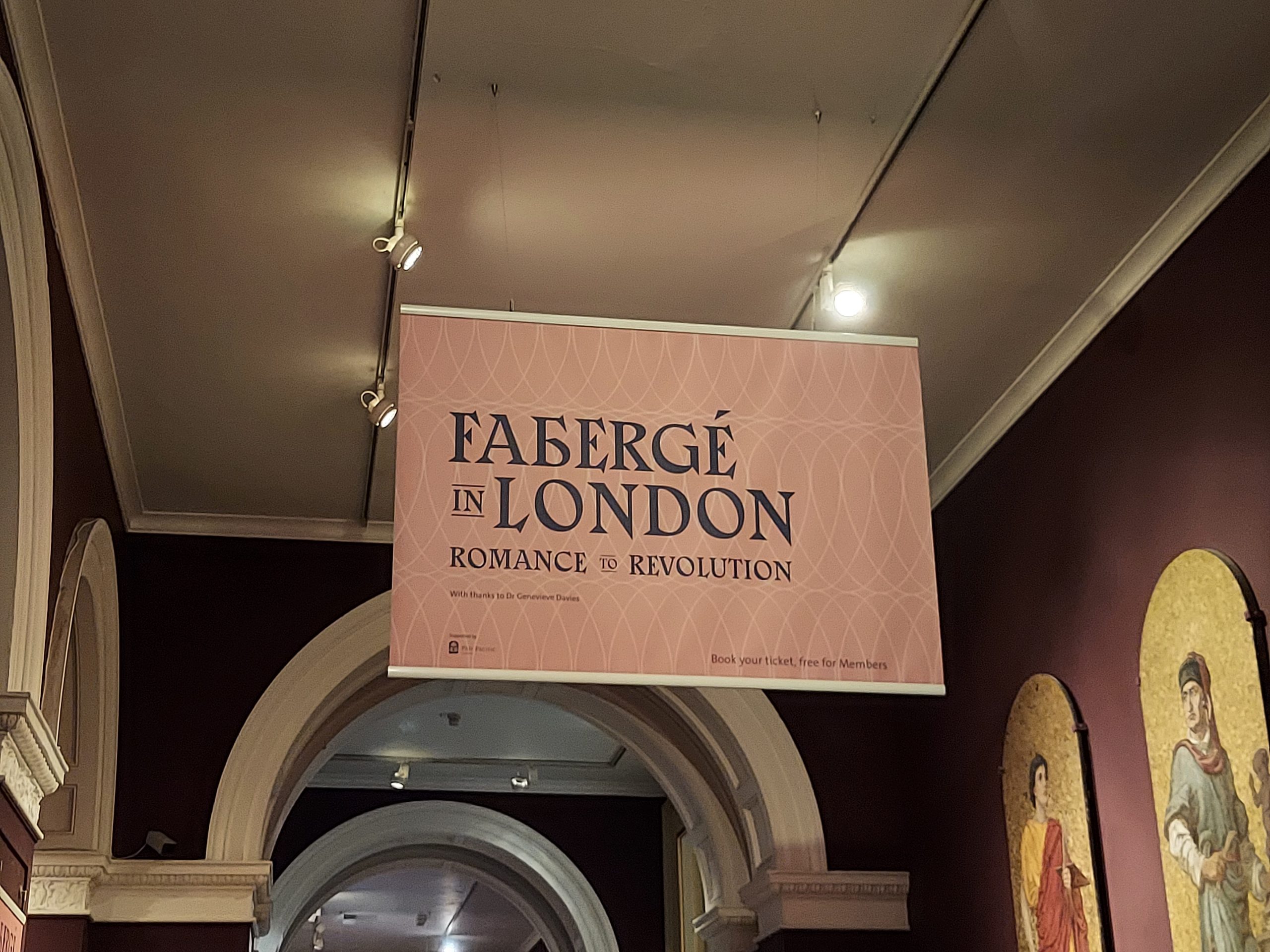
Fabergé in London: Romance to Revolution – V&A

For my first exhibition of the year, I headed to Fabergé in London: Romance to Revolution at the Victoria & Albert Museum. Running until 8 May, the exhibition explores Carl Fabergé, the master goldsmith, the relationship between Russia (where his creations were partiuclarly loved) and Britain, and the establishment of a London branch in 1903.

Today, Fabergé is best known for the Easter eggs he created for the Russian royal family, but at the time his name was generally synonymous with craftsmanship, luxury and elegance. The items on display, ranging from functional items like paper knives and cigarette cases, to jewellery and ornamental figures, are stunning. The detail is astounding and there is no doubt that the pieces demanded the highest skill and artistry possible. This is especially apparent in the miniature pieces, such as the tiny piano or the enamelled coal scuttle. Fabergé’s works were popular with the Russian nobility, but their fame spread far and wide, and wealthy Americans, French aristocrats and, of course, British high society, grew to seek out his pieces.

Interestingly, it wasn’t just luxury materials like gold and diamonds that were used to make Fabergé pieces. The focus instead was on the craftsmanship, and the best effects could often be had with semi-precious stones and other materials. Some of the material was mined from Siberia and brought to St Petersburg by train.

Fabergé led the company, but several other skilled artists and designers were involved in envisioning and creating his great works. One of these is Alma Pihl, whose snowflake designs are on display here and are simply stunning. Most of the design and creation took place in the firm’s premises in St Petersburg. The London office opened in 1903, moving to the prestigious New Bond Street by 1911.

The outbreak of World War 1 led to the decline of business and the London office was closed. In Russia, the factory changed direction and started to make munitions, as well as utilitarian objects like bowls and cooking pots. After the Russian Revolution, Fabergé was forced to flee and died in Switzerland in 1920.

What the exhibition doesn’t touch on is how the luxurious lifestyle of the rich, to which Fabergé’s creations contributed, fuelled anger among the poverty-stricken lower classes and, in Russia, led to revolution. While marvelling over these beautiful creations and reading about the wealthy individuals who purchased them, I couldn’t help but think about the struggling masses below them who could barely afford to eat.

And yet, it’s impossible not to admire the skill and dedication of everyone involved in the creation of these beautiful things. This is perhaps most exemplified in the room at the end of the exhibition which displays several eggs. The detail and ingenuity represented in these creations is breathtaking. I couldn’t decide whether my favourite was the crystal egg representing ice and snow, the floral egg with its delicate enamel flowers, or the stately egg which is a reproduction of the Kremlin. It’s rare that an exhibition display leaves me gobsmacked, but this one managed it.

Ramin Karimloo and the Broadgrass Band – Eventim Apollo

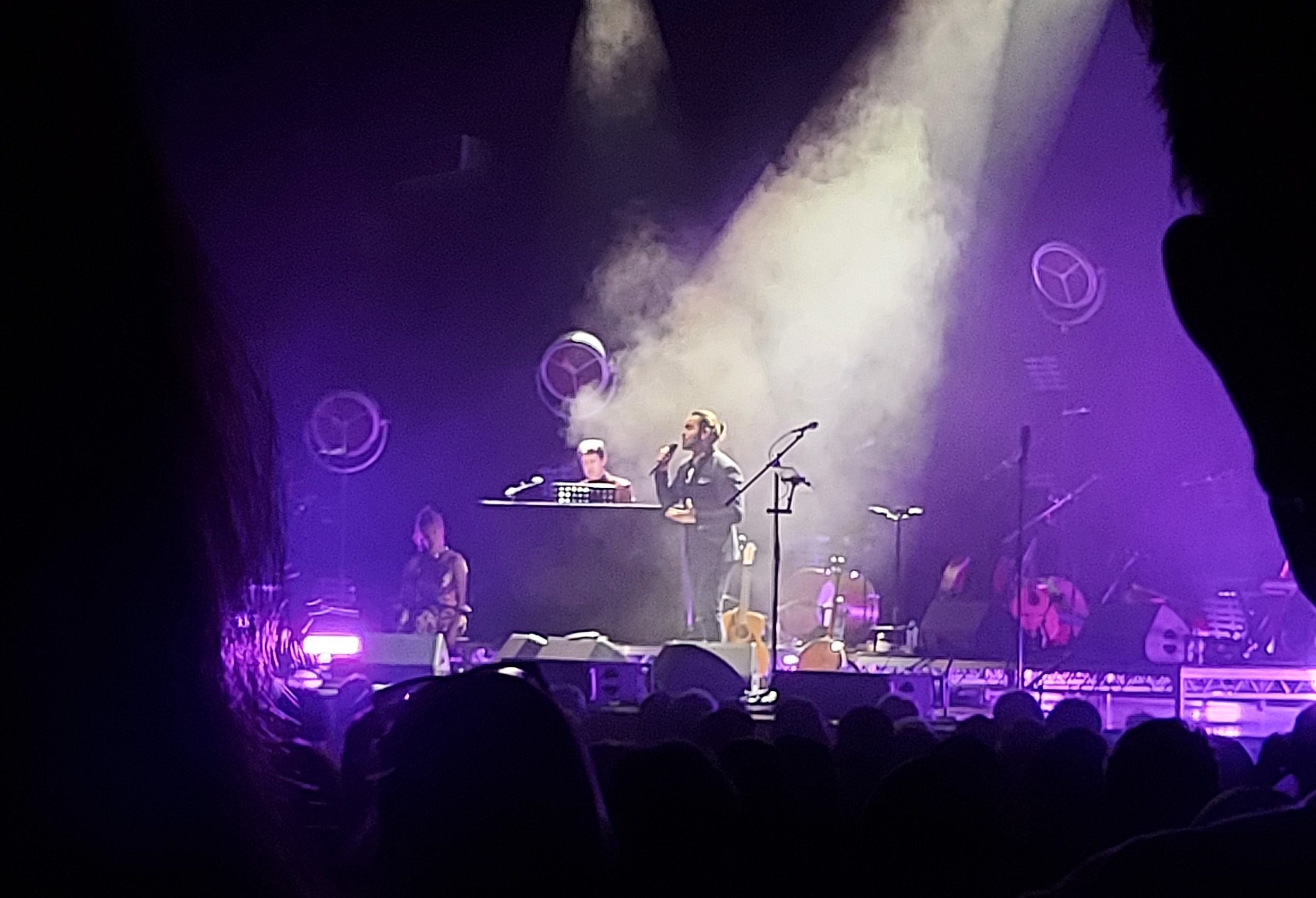
Ramin Karimloo

Over two years since the last time I saw Ramin Karimloo live – thanks to the pandemic – I was finally able to attend his gig at the Hammersmith Apollo.

The Apollo is a gorgeous Art Deco venue, and feels intimate despite the size. The last time I was here was for Marina’s gig, which was standing, so it was a bit odd to be sat down throughout – but relaxing!

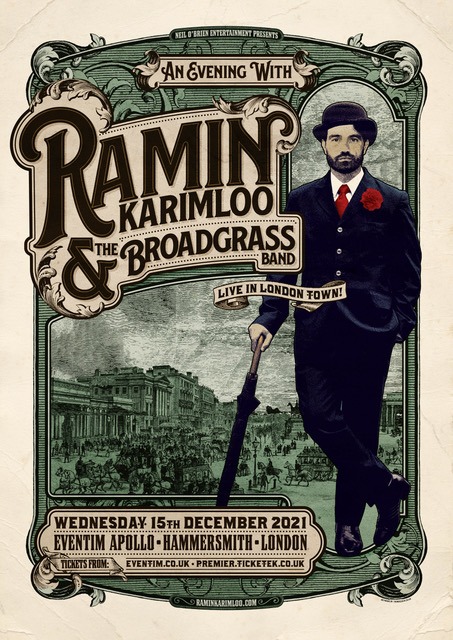
Ramin was his usual cheerful self, and the gig was amazing, as usual. I also bought myself a poster, because it was absolutely stunning.

Ramin Karimloo at the Hammersmith Apollo gig poster

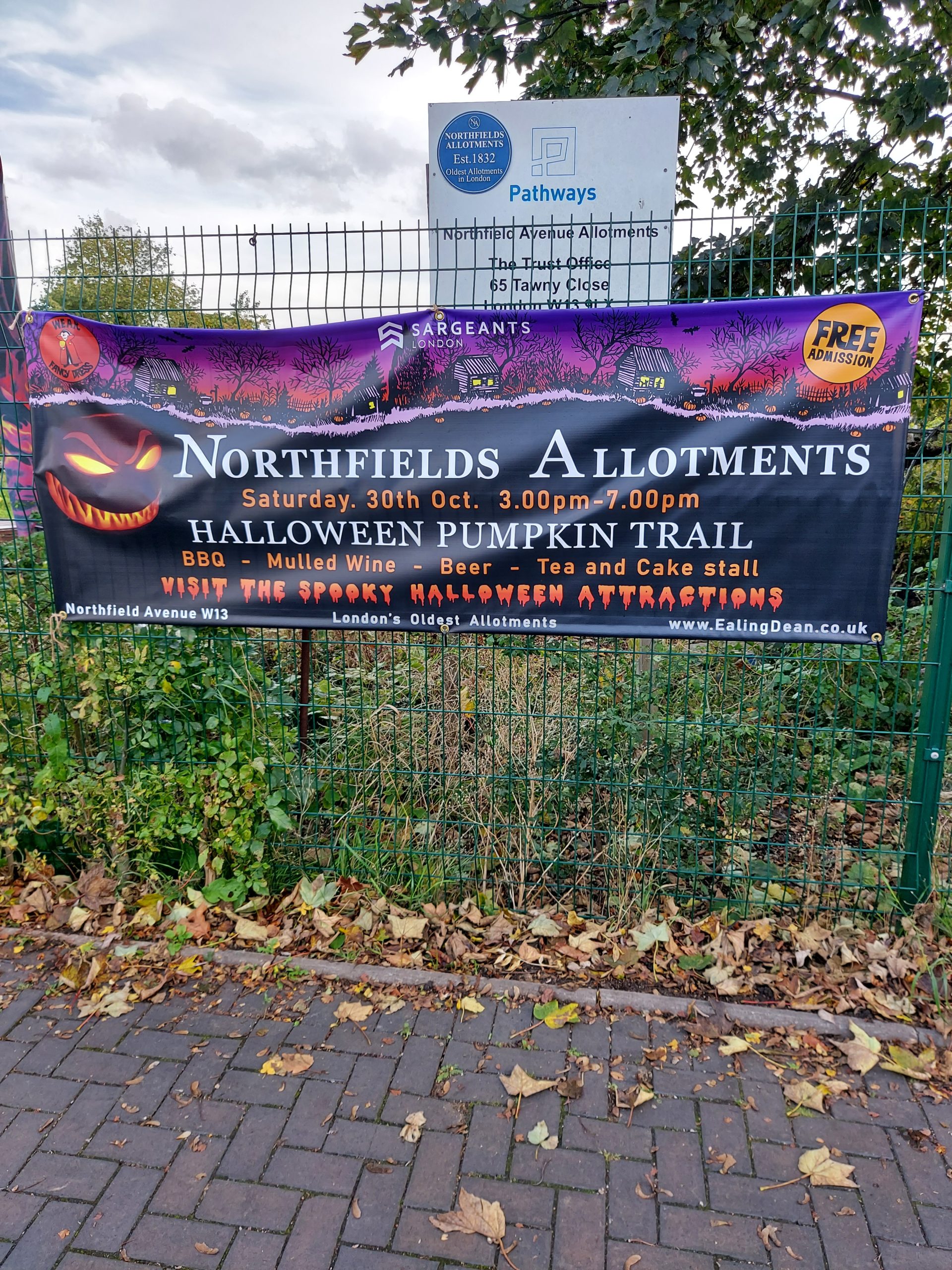
Northfields Allotments Halloween Trail 2021

Northfields Allotments sign

As I was browsing Facebook earlier this year, up popped an event that intrigued me – the annual Halloween Trail at Northfields Allotments. These allotments are local to me and I love Halloween, so I decided to pay the trail a visit – it was free, after all.

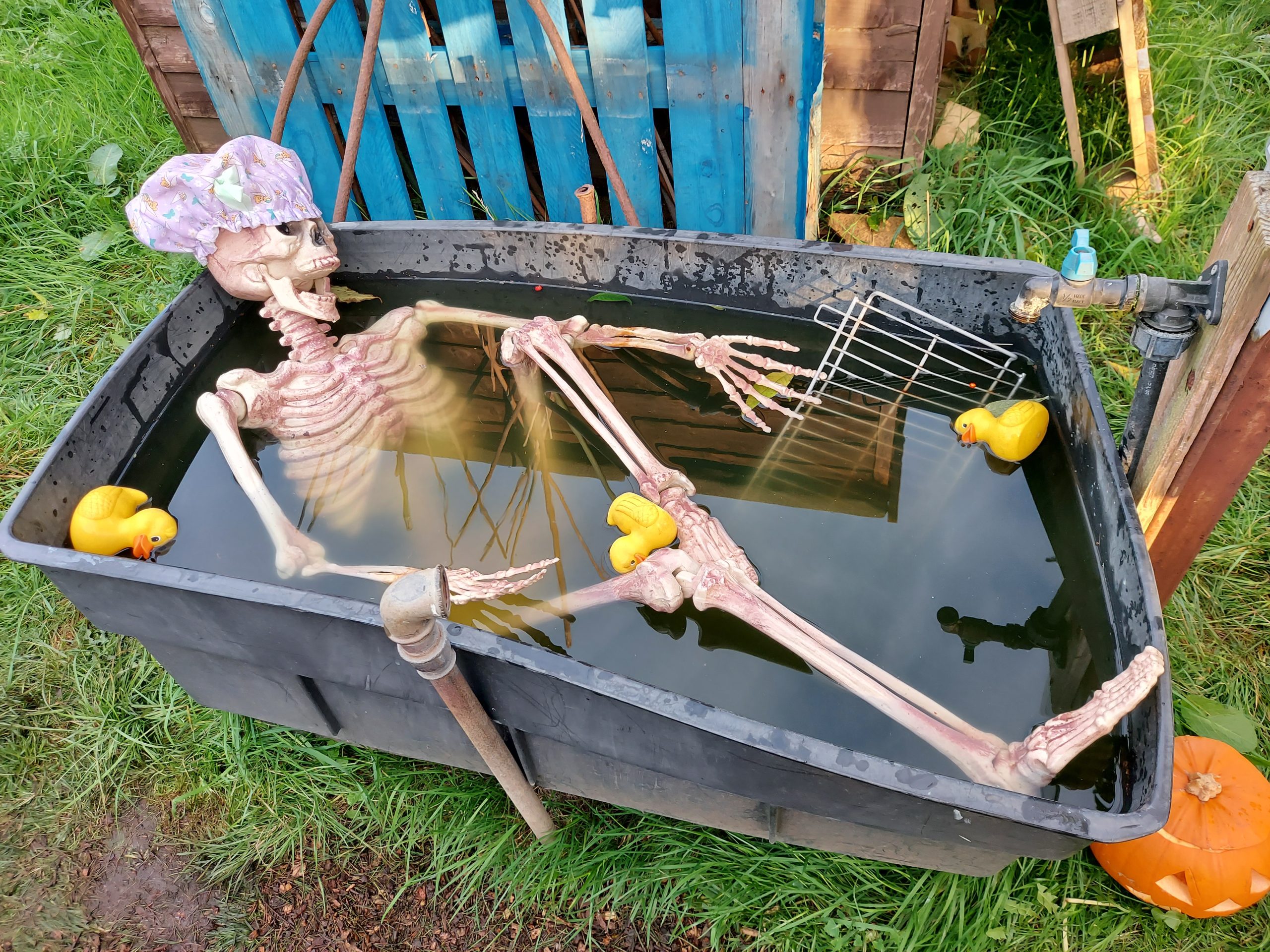
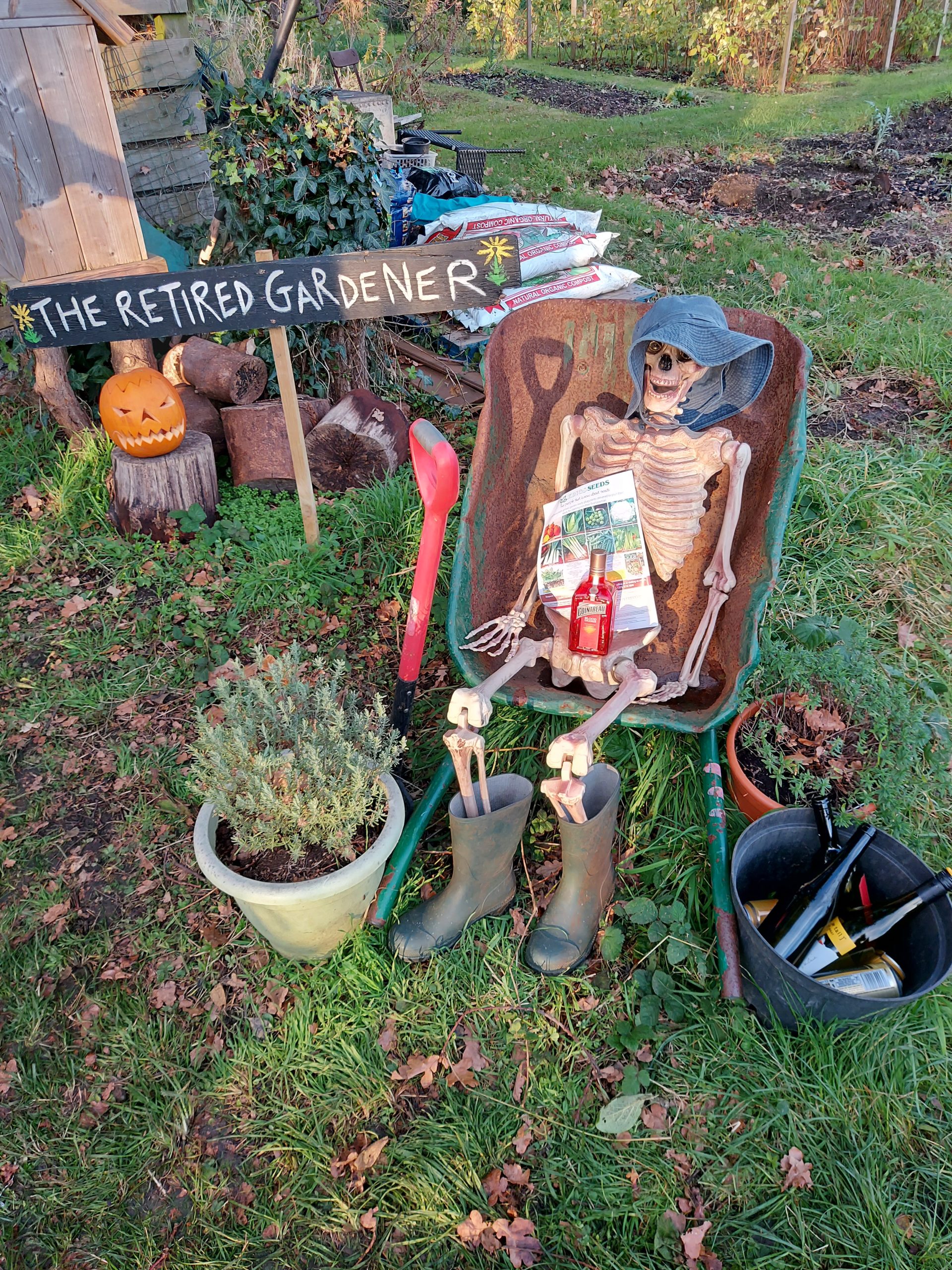
Skeleton in a bath

Northfields Allotments are the oldest allotments in London and apparently this event has been running for a few years (it was cancelled last year due to Covid). It seems to be hugely popular – when I arrived the queue was round the block! Luckily, I managed to find another entrance that was less crowded. Once inside, there was a one-way route round the trail.

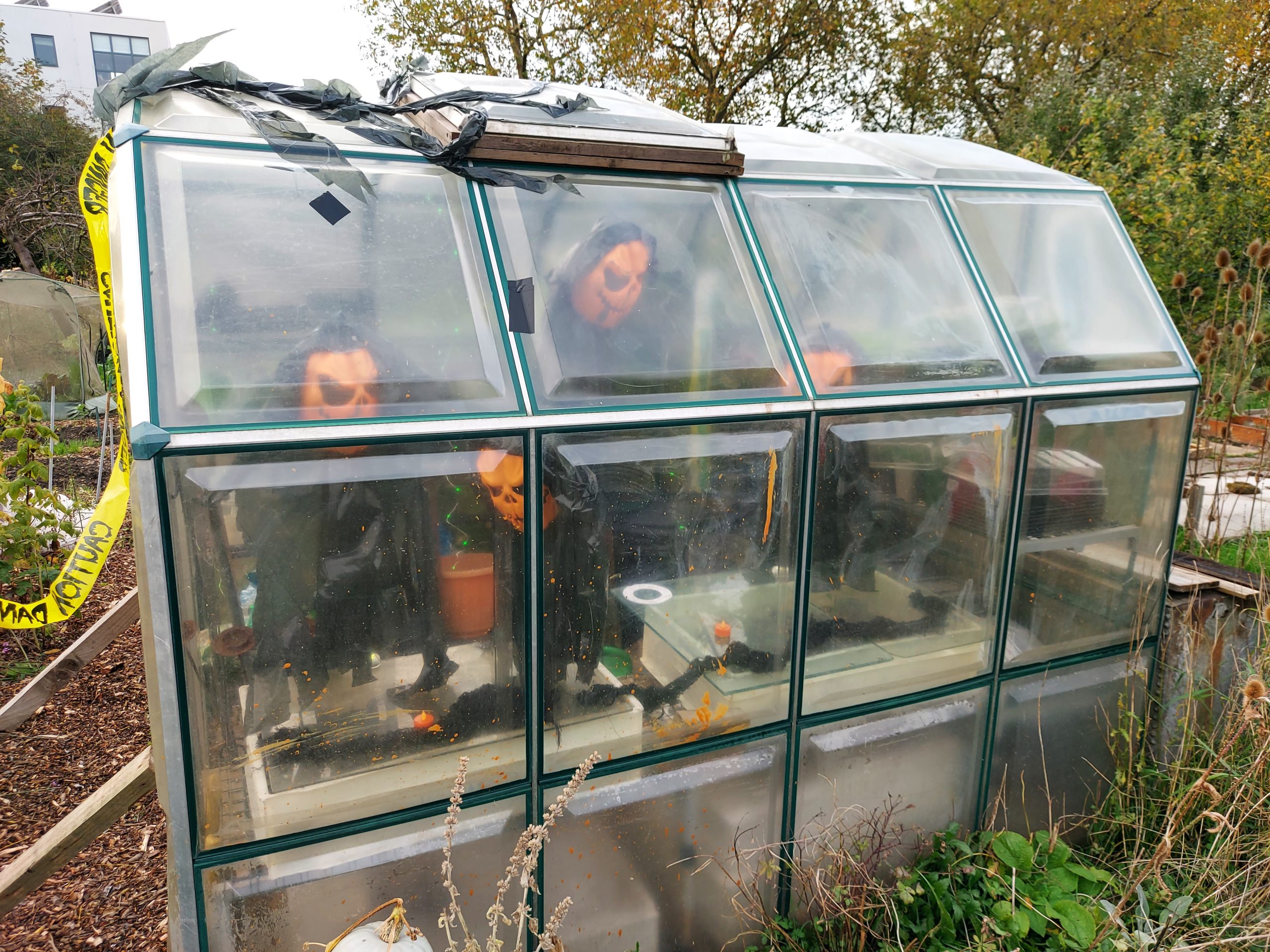
Pumpkins in a greenhouse

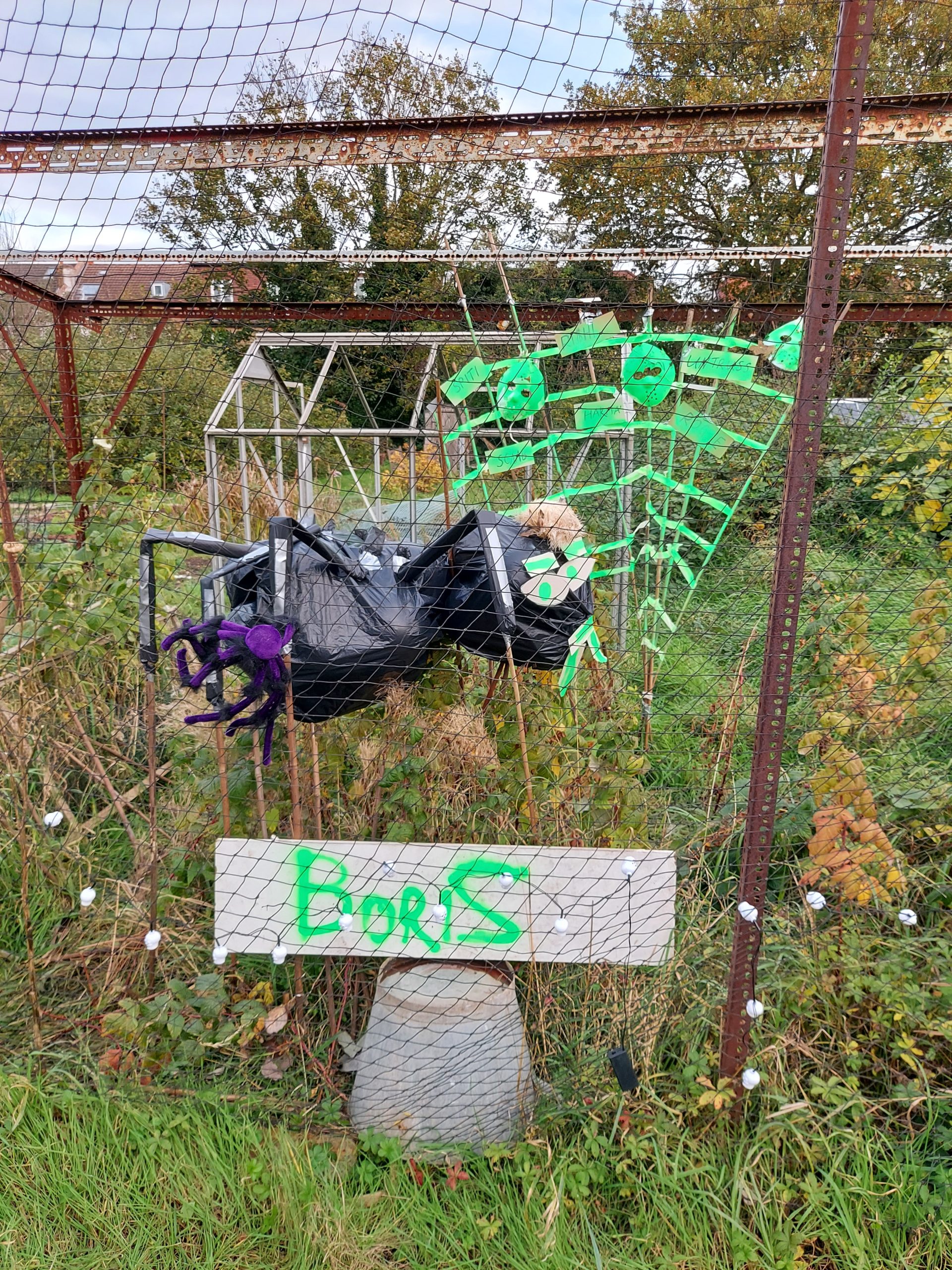
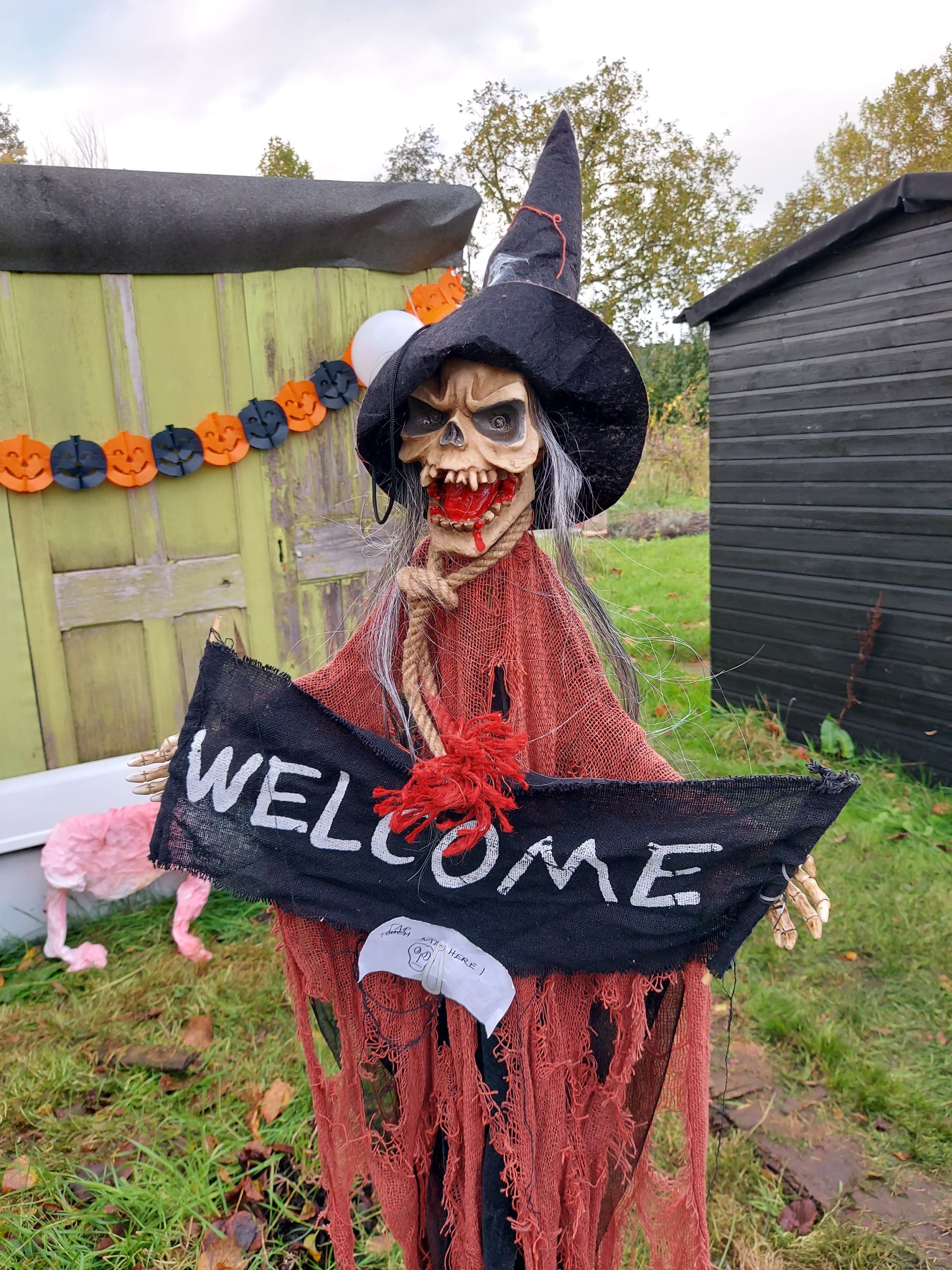
The plotholders of the allotment clearly went all-out to create a brilliant spectacle. There were some fantastic displays. The event is clearly aimed at children, but that didn’t stop me enjoying myself. I didn’t stop at the refreshments area as it was rather busy, but there were plenty of drinks and food available.

Well done to the team at Northfields for a brilliant event.

Reece Shearsmith and Steve Pemberton: The Insider’s Guide to Inside No. 9

Barbican Hall

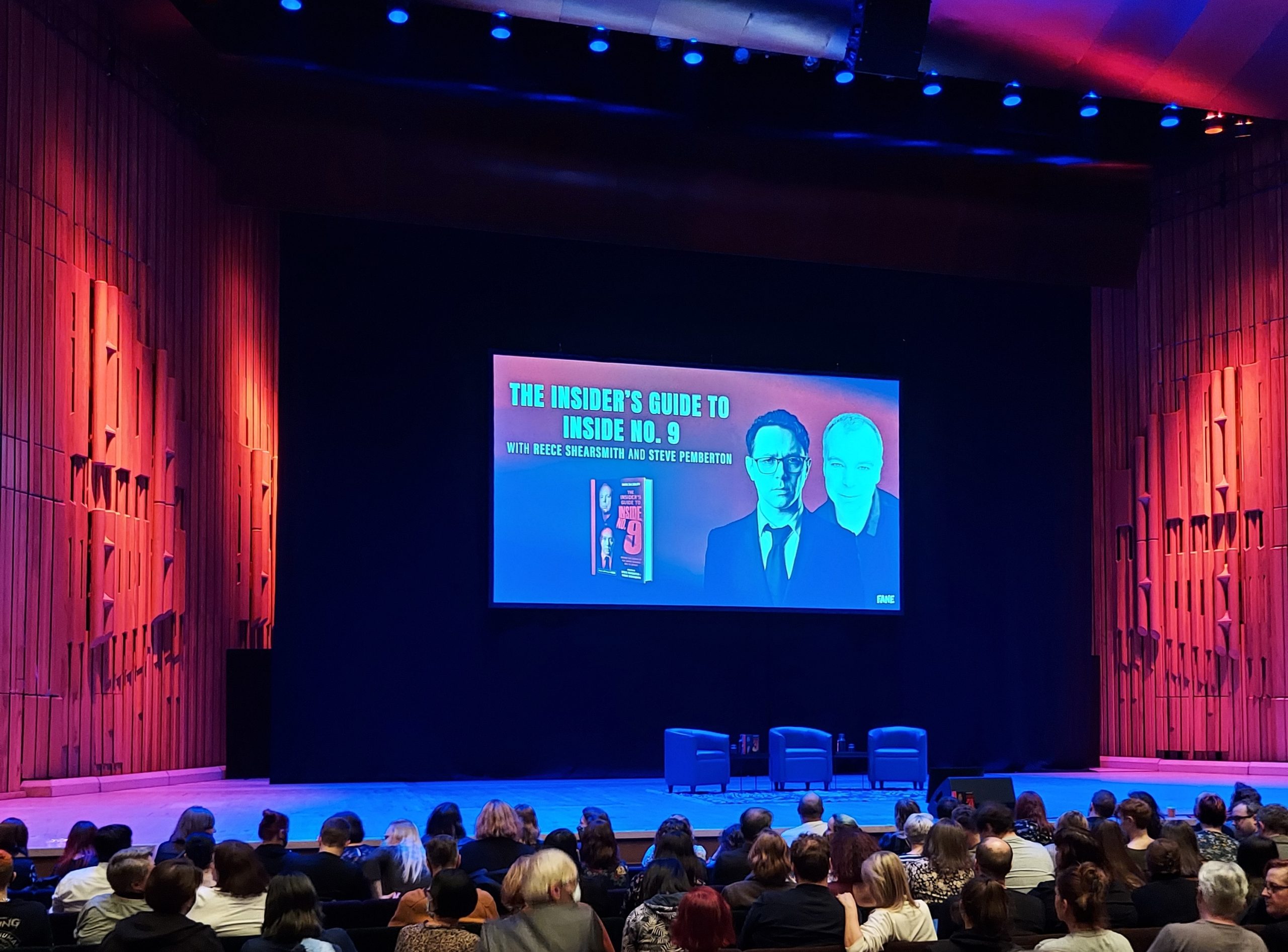
Inside No. 9 is one of my favourite TV shows, and I was excited to attend an event at the Barbican featuring its creators and stars, Reece Shearsmith and Steve Pemberton. They were there to discuss the show and promote their new book The Insider’s Guide to Inside No. 9, a copy of which was included in the ticket price. Interviewing them was author of the book, Mark Salisbury. There was also a surprise appearance by David Bedella, musical theatre actor and star of the Series 1 Last Gasp episode, who sang a couple of songs for us.

The first half of the evening involved the pair discussing the Inside No. 9 series, its creation and their writing process, their inspiration and other interesting insights. The second half featured questions from the audience. I was interested to hear that they have a policy of not using any actor twice (Derek Jacobi was a slight exception, only because one of his appearances was voice-only). I was particularly intrigued to hear that they haven’t ruled out a film or theatrical adaptation in the future, and they hope to at least reach series 9 (number 7 is out imminently). It was fun to hear some of the behind the scenes stories and made me want to re-watch the series with new eyes.

Prince Philip Maritime Collections Centre

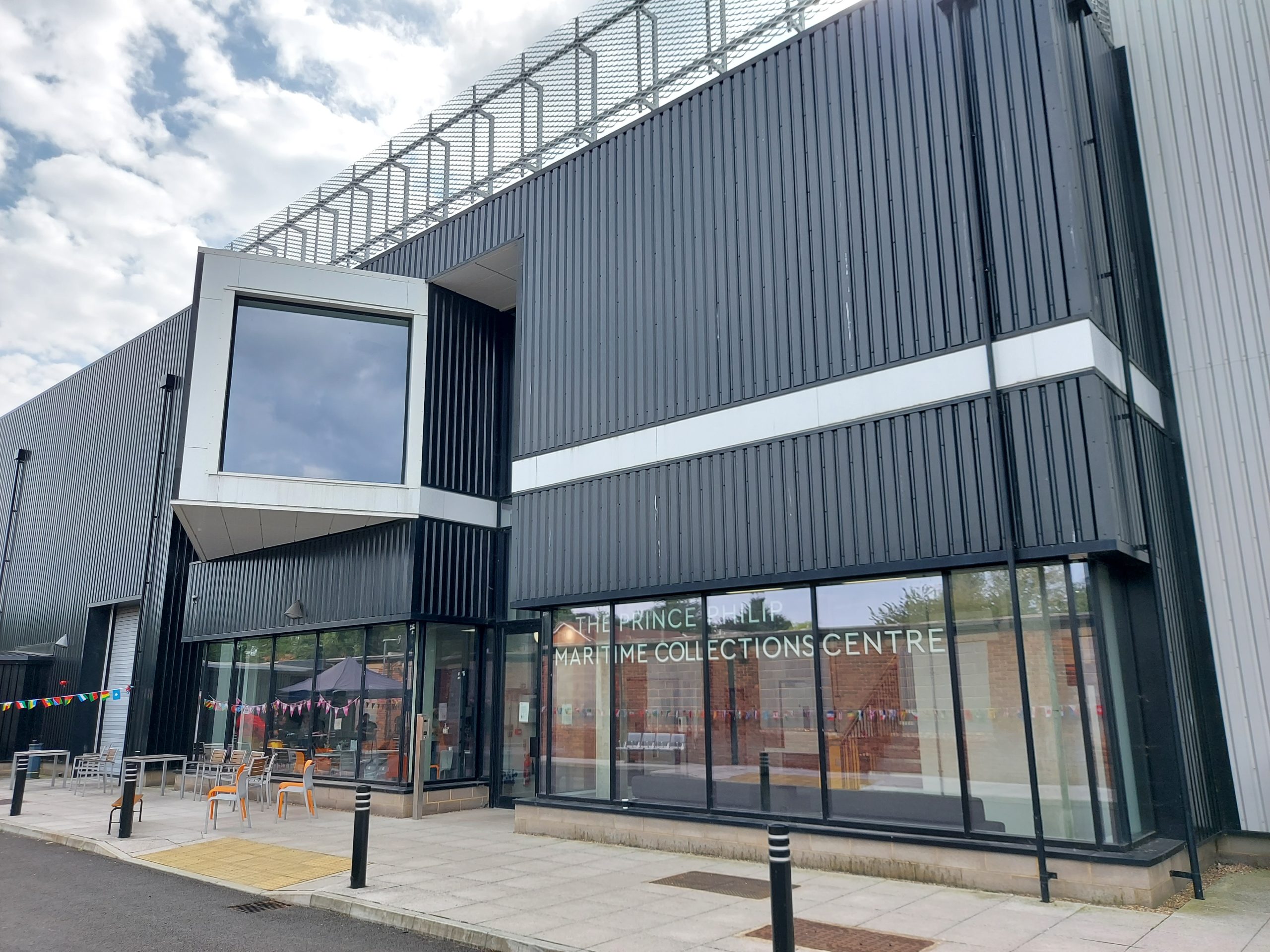
The PPMCC

The Prince Philip Maritime Collections Centre is the archive facility for Royal Museums Greenwich. It is a working facility, but it is also open to the public at certain dates and times.

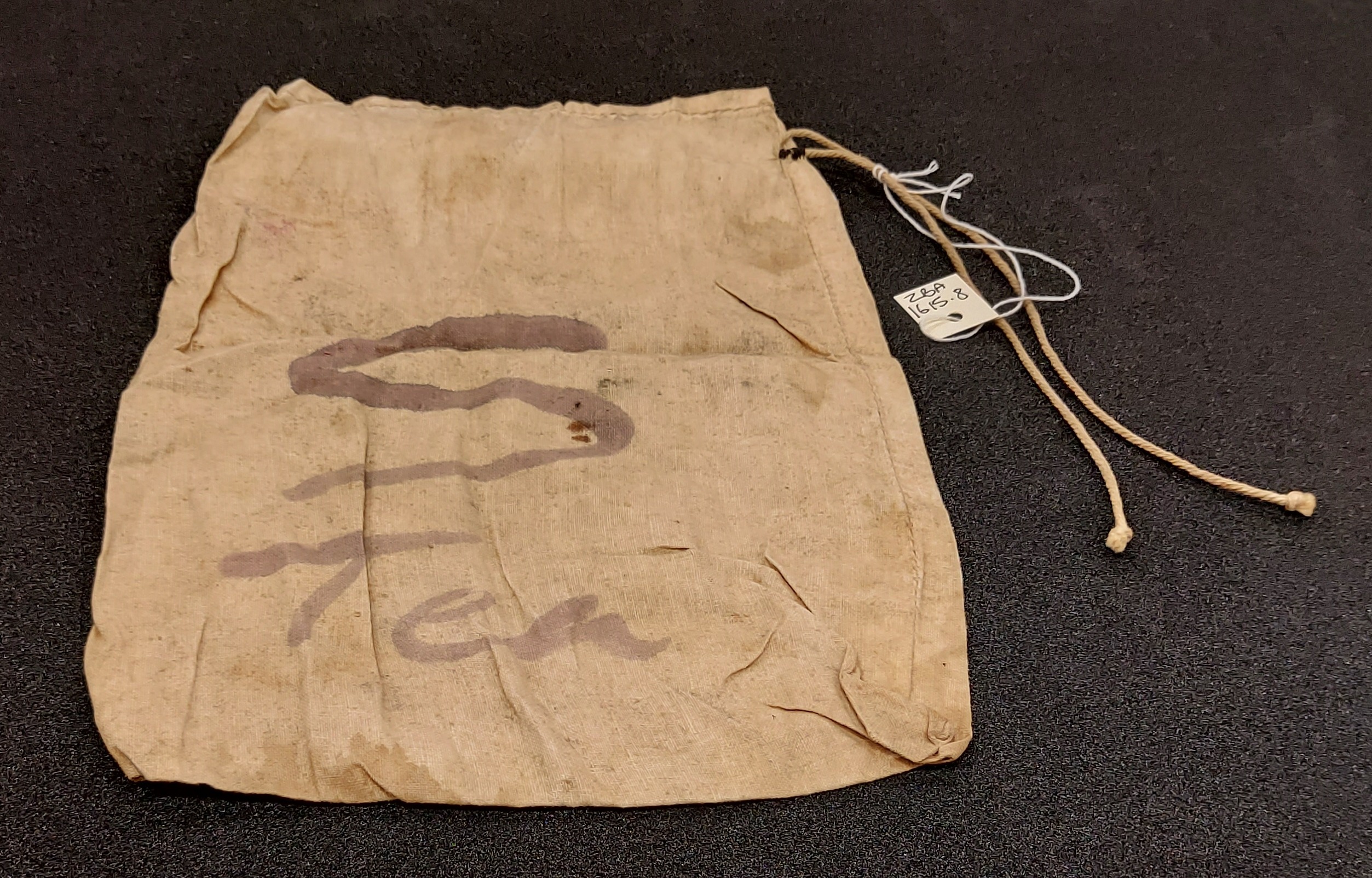
A ration pouch from Scott’s Terra Nova expedition

I went along during the Heritage Open Days weekend, and was interested enough to book on one of their Saturday Super Store tours (a longer Behind the Scenes tour is also available on the first Thursday of every month, and allows you to see what the conservators get up to).

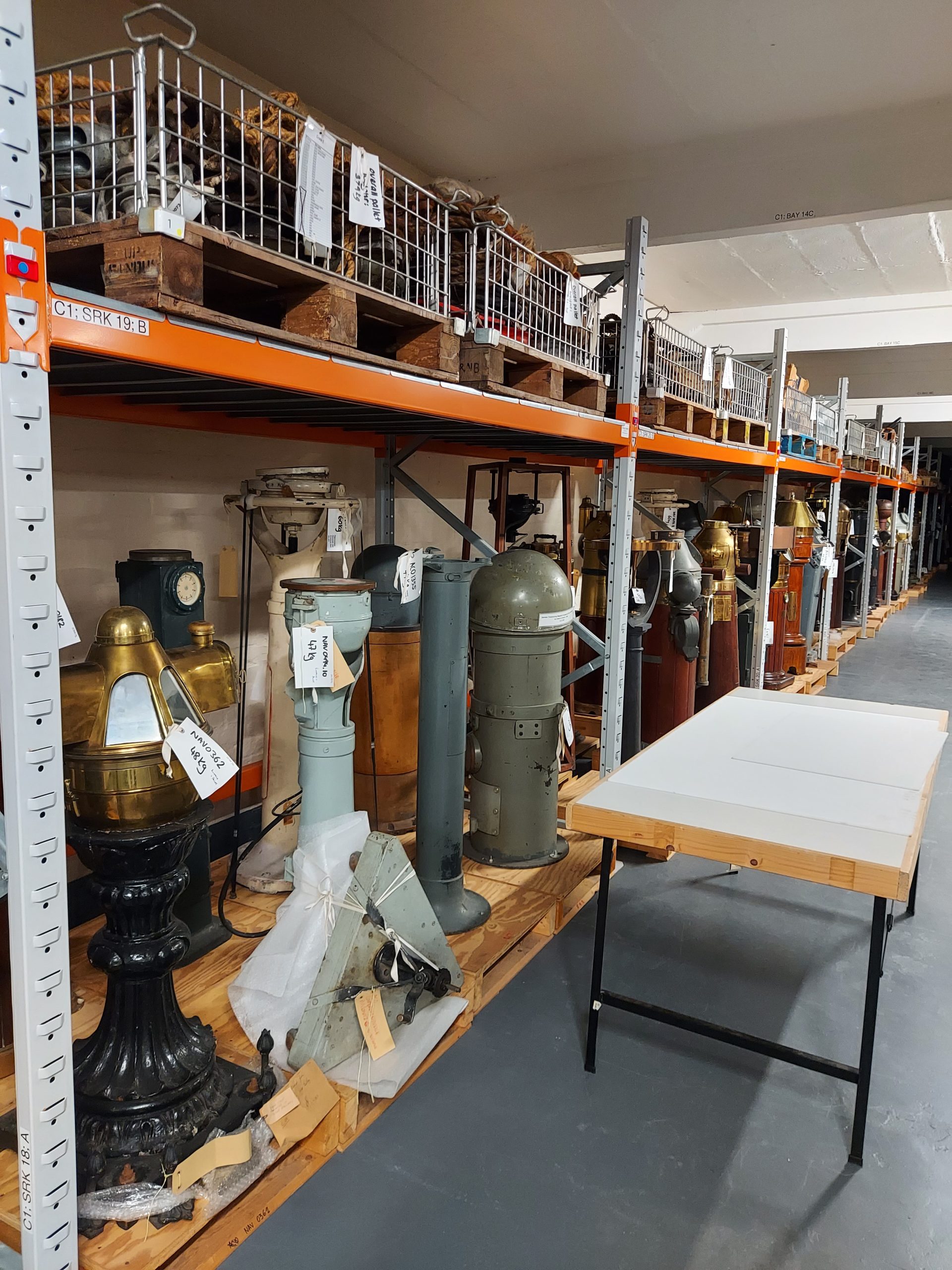
storage shelves
Inside the collections store

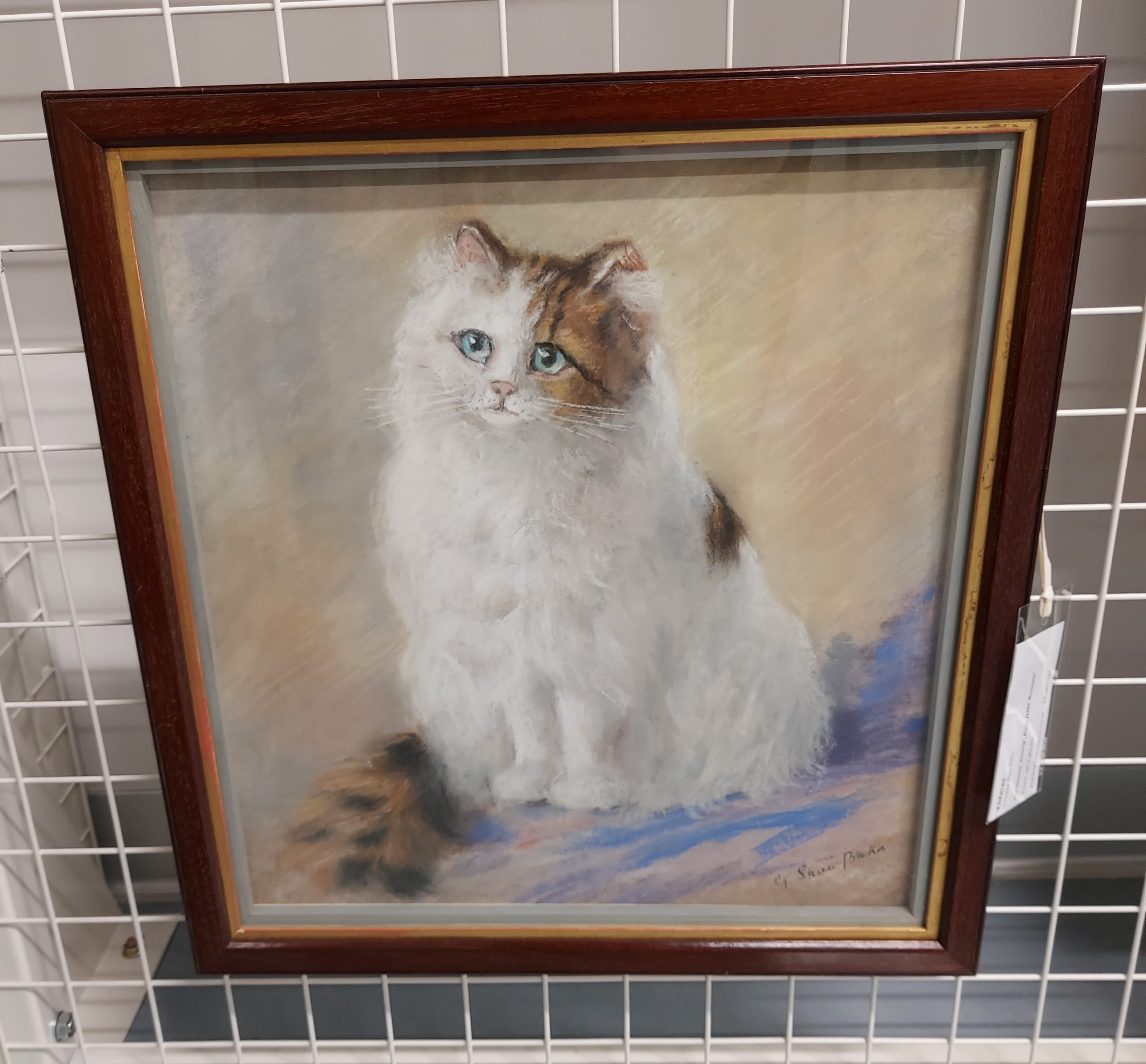
Our tour started in a room full of huge objects taken from ships, including a whale-rendering cauldron, a fireplace from a ship of Queen Victoria’s era that sank, numerous cannon, and other assorted items. We also visited a room that contained several model ships, which were often used to demonstrate to insurers that the ship in question was seaworthy. Another room contained works of art relating to maritime history, including paintings of notable sailors and other figures (including ships’ cats), as well as naval battle scenes. The Museum is actively trying to fill gaps in its collection by seeking out pictures and artefacts relating to women and minorities who have historically been underrepresented in the collection.

painting of a cat
Cat!

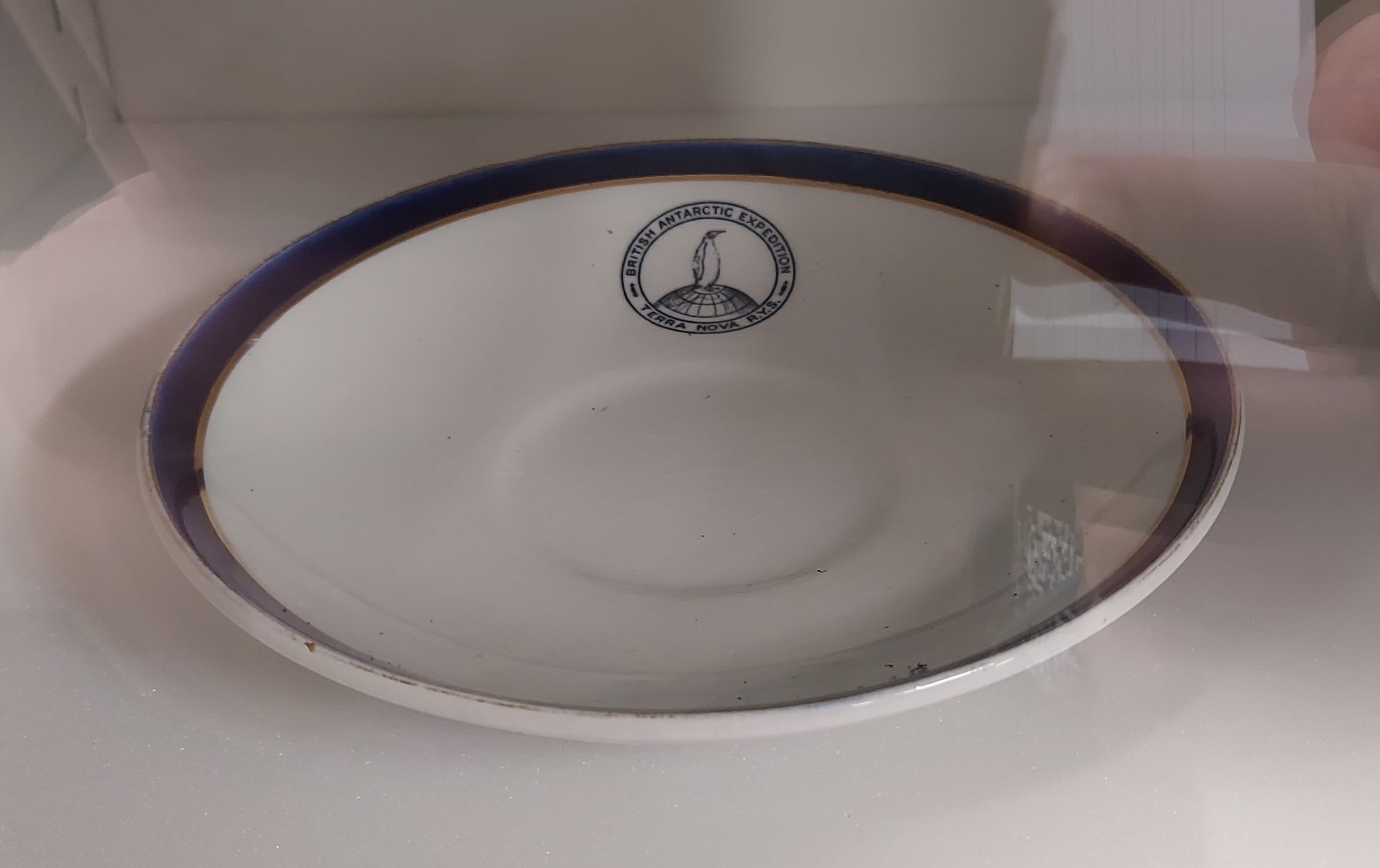
Another room was filled with china, other tableware and small artefacts – there was lots of Nelson memorabilia, but I was particularly excited to see china from Scott’s Terra Nova expedition. I’m particularly interested in polar exploration – during my Heritage Open Days visit I was excited to see ration bags from this same expedition.

China plate
Plate from the Terra Nova expedition

Finally, we got to see one of the most poignant items from the collection: the little toy pig belonged to Titanic survivor Edith Rosenbaum. It was given to her by her mother to aid her recovery after a road accident. Edith was travelling back to America on the Titanic and, of course, took her beloved pig with her. After the collision with the iceberg she was reluctant to get on the lifeboat, but when a crew member grabbed the pig from her and threw it onto the lifeboat, Edith took it as a sign and climbed aboard. While waiting to be rescued, Edith kept the other passengers on the lifeboat amused by winding up the pig – which doubled as a music box – and playing a tune. The little pig is too fragile to photograph, but you can view images here.

FACTS

Address: Nelson Mandela Road, London, SE3 9QS

Website: rmg.co.uk/collections/prince-philip-maritime-collections-centre

Opening Hours: 1:30 pm Sat; 1:30 pm first Thursday of every month

Price: Saturday Super Store tour £12; Thursday Behind the Scenes tour £16 (£12 for members)

Hidden London – Kingsway Tram Tunnel

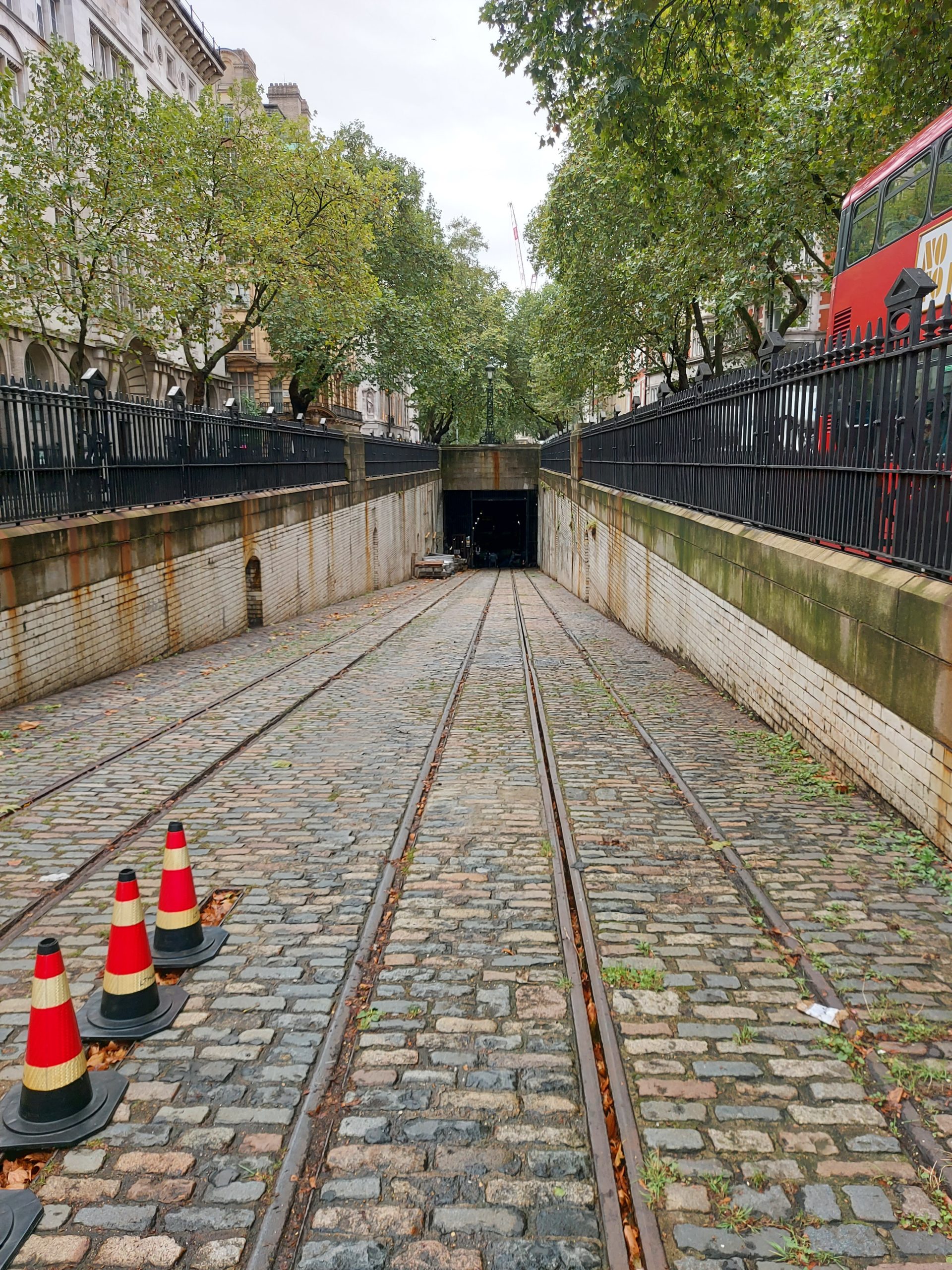
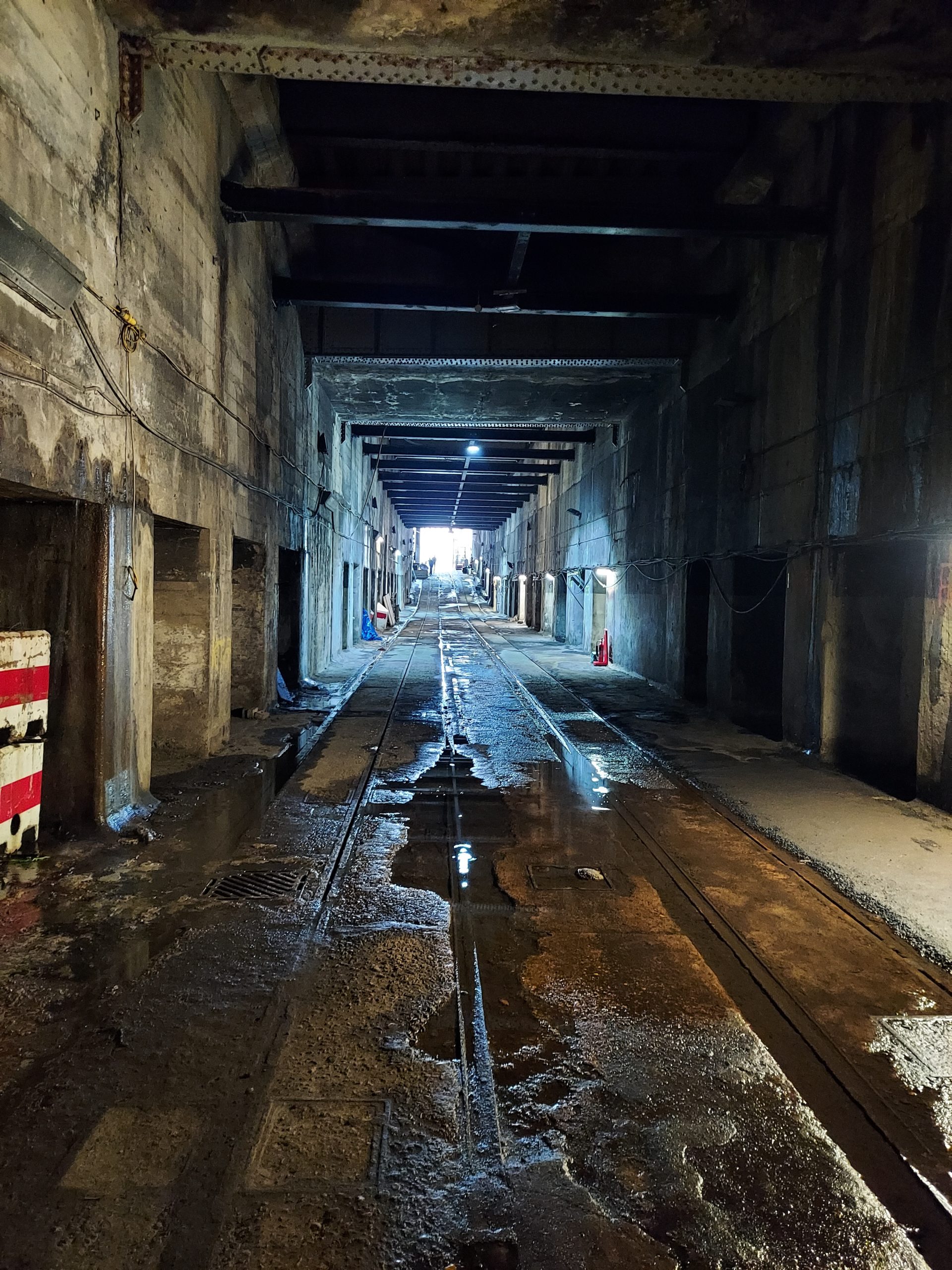
The Kingsway Tram Tunnel

I attended a virtual tour of the Kingsway Tram Tunnel during lockdown, so I was excited to get the chance to attend a real, in-person tour when lockdown eased. I booked the day off work specially, and headed to the entrance ready for the start time.

Entrance to the Kingsway Tram Tunnel

I’ve seen the entrance plenty of times before – a line of tram tracks, heading down into a tunnel, with black railings on either side and lamps marking the beginning of the tunnel. This time, I actually got to go through the gate and see what was hidden in the depths of that tunnel.

The old station

We were shown a map of tram routes in London at the beginning of the 20th century, and it became apparent just how necessary the Kingsway tram tunnel was in order to connect north and south. Originally built between 1906 and 1908, the tramway finally closed in 1952.

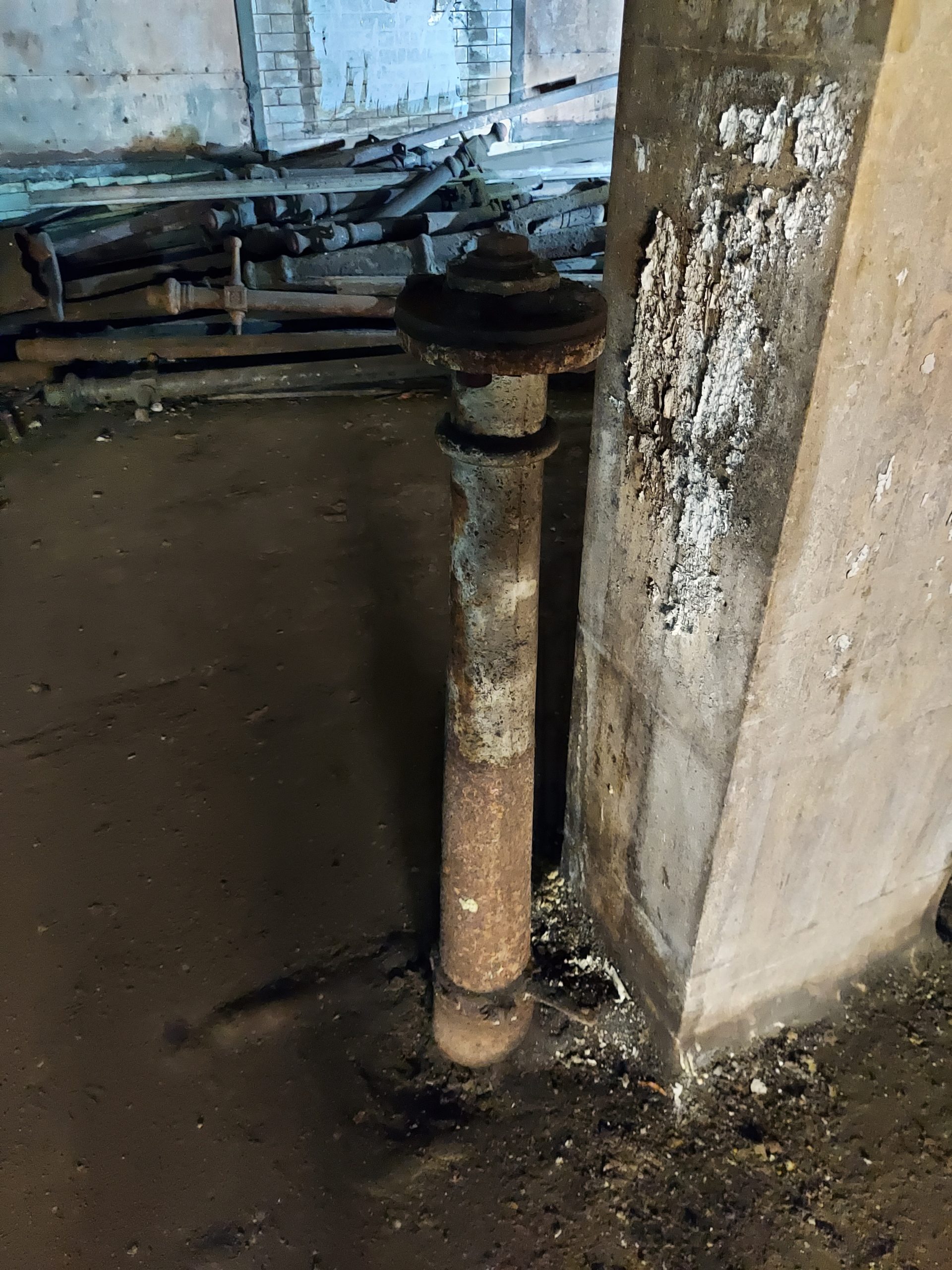
The tunnel is dirty and dusty, and there is plenty of equipment lying about left over from when construction workers used the tunnel as a way in to the Crossrail construction site. The original tram tracks and iron ceiling, however, still remain. In the 1920s the tunnel was made bigger to accommodate double-decker trams, and this was mostly done by lowering the floor – which can be seen at various points along the route (at this northern end the roof was raised, and this can still be seen). The hill down to the tunnel is quite steep, and trams used to speed up at this part, slowing down when they got to the bottom. Alcoves are situated at several points along the tracks, allowing workers to safely hide as the trams were going by.

The tunnel

The central point of the tour was the platform itself, with staircases (now closed off above ground) marking the entrance and exit points for travellers. I’ve seen black and white photos of passengers waiting for trams, and it was eerie to be in that very same place, decades later.

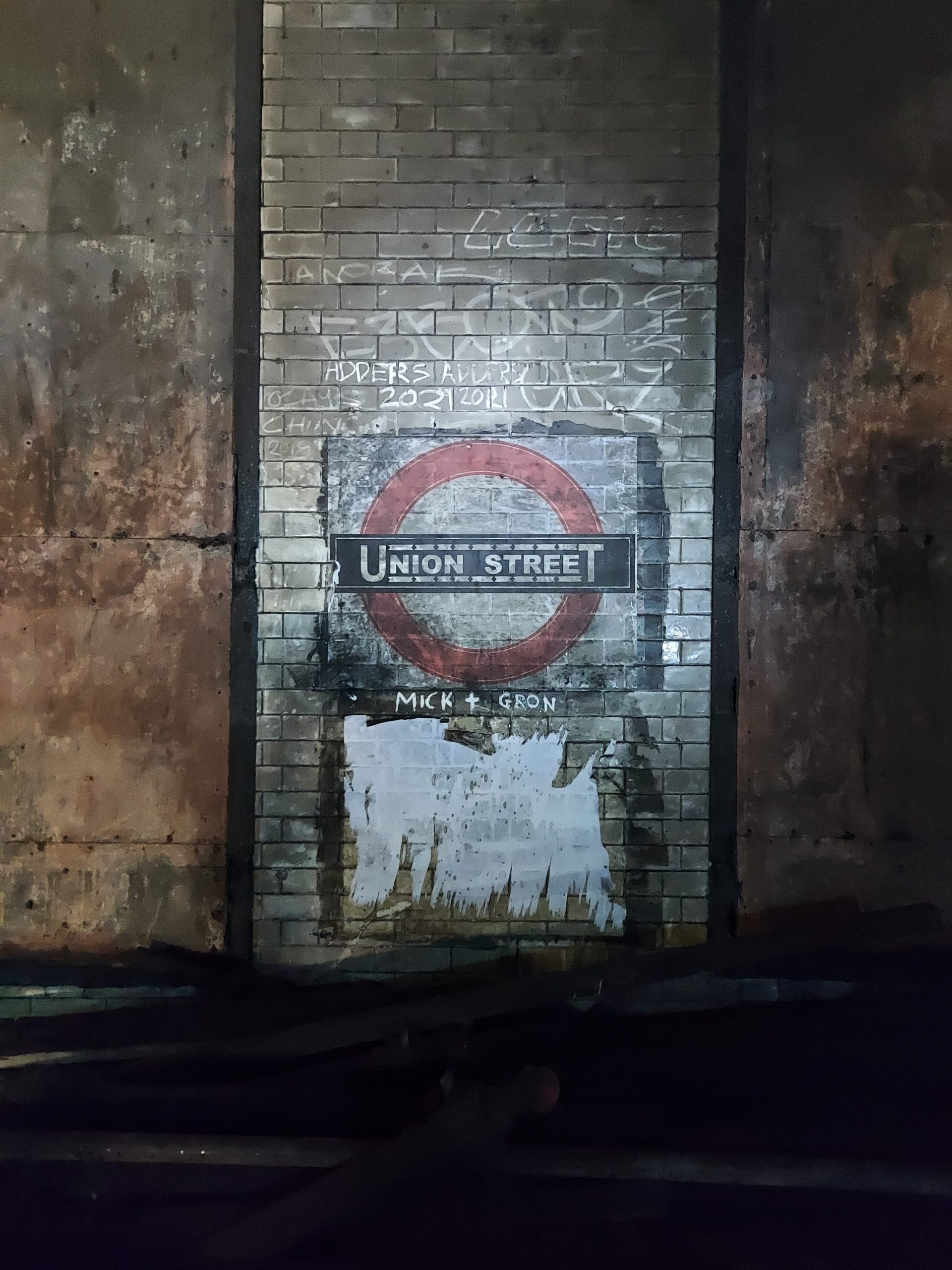
roundel

A TfL roundel can be seen on the wall, labelled ‘Union Street’, but this is not original – it is left over from when the tunnel was used as a filming location and stood in for an Underground station. Much of the equipment and other assorted items down here are from Camden Council, who use it for storage – but the poster display rack is probably original.

Our guides regaled us with stories about the trams and the people who used them, including tales from those who remember travelling on the original trams, and those who travelled alongside them – such as cyclists who got their bikes stuck in the tram tracks and were told off by angry drivers! It was fascinating to hear these stories and imagine what it would have been like to travel on these trams all those years ago.

Antarctica 3D

A seal lying on some ice with the ocean and some penguins in the background

Being obsessed with anything to do with Antarctica, I decided to go and see the IMAX film Antarctica 3D at the Science Museum at the weekend. Narrated by Benedict Cumberbatch, the film showcases the weird and wonderful wildlife that lives on this frozen continent.

The filmography was simply beautiful, with gorgeous shots of Antarctic sunsets, icebreakers on their way to the continent, and all kinds of creatures. Some of the most impressive sequences showed the Antarctic seabed and the sea creatures that live here, including fish that are prevented from freezing by the antifreeze in their bodies. Later, on land, we got to see close-up shots of elephant seals fighting, leopard seals chasing penguins, and whales doing their thing.

If you’re interested in Antarctica this film is simply a must-see. Its beauty took my breath away.

Natalie Imbruglia – Lafayette London

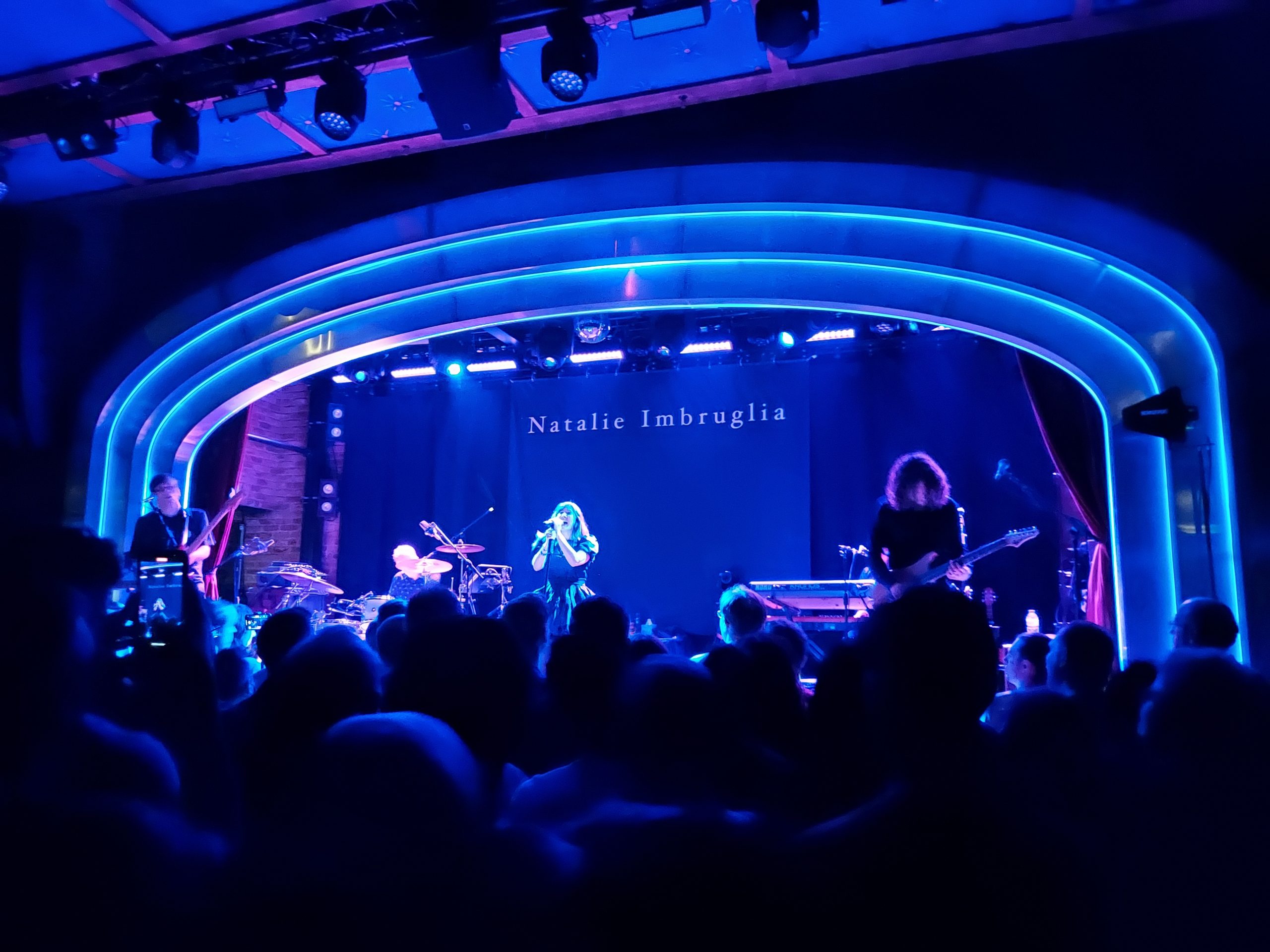
Natalie Imbruglia on stage at Lafayette London

I’ve been a fan of singer Natalie Imbruglia for years – ever since she released her first single, Torn, in 1997 – and have all her albums since; she is certainly no one-hit wonder. Her first album for several years, Firebird, has just been released, and she performed a gig at King’s Cross venue Lafayette to celebrate. I was very excited to go along as I’d never seen her live.

I absolutely loved Natalie’s dress (and hope I look half as good when I’m her age) and most importantly she sounded amazing. She sang plenty of songs from her new album, including the singles ‘Maybe It’s Great’ and ‘Build It Better’, which I already love, as well as the title track ‘Firebird’, which was gorgeous. I loved that she played some of my favourites, like ‘Wrong Impression’ and ‘Shiver’, and, of course, ‘Torn’, ending with the brilliant ‘Big Mistake’.

So glad I went and I would definitely go to another of her gigs.

Setlist

Nothing Missing
On My Way
Wrong Impression
Shiver
Maybe It’s Great
Just Like Old Times
Wishing I Was There
Smoke
Torn
Invisible Things
Firebird
Dive to the Deep
Build It Better

Encore:
When You Love Too Much
Big Mistake